Paediatriki
Contents
REVIEW ARTICLES
159 Natural killer cells and KIRs receptors. Τheir predisposing and prognostic role in haematological malignancies
Z. D. Pana, F. Athanasiadou-Piperopoulou
167 Prenatal hydronephrosis: current views
E. Siomou, C. J. Stefanidis, A. Siamopoulou-Mavridou, S. Andronikou
177 Early growth disturbance and the development of hypertension and renal disease
V. Giapros, S. Andronikou
185 Psychosocial adaptation of immigrant youth
F. Motti-Stefanidi
191 The genetics of epilepsy in childhood
V. Aggelakou, E. Stefanaki, S. Voutoufianakis
200 The role of infectious diseases in the early signs of atherosclerosis
Ε. Efstathiou, V. Papaevangelou
ORIGINAL ARTICLES
206 Sexual behavior and practices of Greek adolescents: a study in Attica
A. Tsitsika, E. Konstantoulaki, V. Boutziouka, I. Deligiannis, V. Dimitrakopoulou, E. Critselis, D. Tounissidou, M. Tsolia, V. Papaevangelou, A. Constantopoulos, D. Kafetzis
213 Violence-related behaviour among students attending senior high school in the prefecture of Thessaloniki: prevalence and differences between native and foreign-born pupils
M. Patseadou, A. Galli-Tsinopoulou, M. Arvanitidou-Vayona, G. Varlamis
CASE REPORTS
221 Idiopathic intracranial pressure and facial nerve palsy: case report and literature review
M. Tzoufi, V. Grammeniatis, A. Makis, G. Eksarhakos, I. Asproudis, A. Zikou, A. Siamopoulou-Mavridou
227 Bacillus pumilus bacteremia in a full term neonate – a case report
M. Papadopoulou, M. Kimouli, N. Rekliti, A. Konstantinidi, S. Tadros, V. Souniadis, O. Dedousi, C. Trompoukis, D. Petropoulou, I. Lambadaridis, A. Gounaris
CURRENT ISSUES OF BIOSTATISTICS
231 The evaluation of screening and diagnostic tests in clinical paediatrics
E. Critselis, C. Ι. Stefanidis, D. Α. Kafetzis
CLINICAL QUIZ
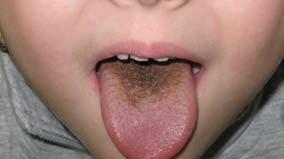
236 Child with black tongue
Ε. Mantadakis, Μ. Sitzimi, S. Thomaidis, A. Chatzimichail
NEWS FROM THE INTERNET
237 Τopics of Paediatric Nephrology in “Paediatriki”
M. Garatzioti
Εμμανουήλ Γαλανάκης, Ηθική και Δεοντολογία,
Μαρία Κανάριου, Ανοσολογία, Αθήνα
Αντώνης Καττάμης, Αιματολογία - Oγκολογία, Αθήνα
Σοφία Κίτσιου-Τζέλη, Γενετική, Αθήνα
Αλεξάνδρα Παπαδοπούλου, Γαστρεντερολογία
Editor-in-Chief
Constantinos Stefanidis, Athens
Section Editors
Stella Andronikou, Neonatology, Ioannina
Michael Anthracopoulos, Pneumonology, Patras
Persefoni Avgoustides-Savvopoulou, Metabolic Disorders, Thessaloniki
George Varlamis, Cardiology, Thessaloniki
Emmanouil Galanakis, Ethics and Deontology, Heraklion
Loretta Thomaidou, Developmental Pediatrics, Athens
Maria Kanariou, Immunology, Athens
Antonis Kattamis, Haematology - Oncology, Athens
Sophia Kitsiou-Tzeli, Genetics, Athens
Alexandra Papadopoulou, Gastroenterology - Nutrition, Athens
Vassiliki Papaevagelou, Infectious Diseases, Athens
Antigoni Siamopoulou-Mavridou, Rheumatology, Ioannina
Antigone Syrigou-Papavasiliou, Neurology, Athens
Evangelia Charmandari, Endocrinology, Athens
MeMbers of the InternatIonal edItorIal board
Alexis Arzimanoglou, Paris, France
Ellis D. Avner, Milwaukee, USA
Swati Bhave, New Delhi, India
Alberto Bissot, Panama, Panama
David Branski, Jerusalem, Israel
Francesco Chiarelli, Chieti, Italy
Chok-Wan Chan, Hong Kong, China
Denis Daneman, Toronto, Canada
Jochen Ehrich, Hannover, Germany
Demetrius Ellis, Pittsburgh, USA
Yoshikatsu Eto, Tokyo, Japan
Richard N. Fine, Stony Brook, USA
Margaret C. Fisher, Philadelphia, USA
Raif Geha, Boston, USA
Adenike Grange, Lagos, Nigeria
Judith G. Hall, Vancouver, Canada
Patricia Hamilton, London, UK
Enver Hasanoglu, Ankara, Turkey
Christer Holmberg, Helsinki, Finland
Lewis B. Holmes, Boston, USA
Peter Hoyer, Essen, Germany
Jan Janda, Prague, Czech Republic
Jan Kimpen, Ultrecht, Netherlands
Craig B. Langman, Chicago, USA
John Manis, Boston, USA
Manuel Moya, Alicante, Spain
Hugh O'Brodovich, Toronto, Canada
Ross Petty, Vancouver, Canada
Willem Proesmans, Leuven, Belgium
Jose Ramet, Antwerp, Belgium
Nikolai Shabalov, St. Petersburg, Russia
Alan Sinaiko, Minneapolis, USA
Nick J. Spencer, Coventry, UK
Alfred Tenore, Udine, Italy
Alkis Togias, Bethesda, USA
Eva Tsalikian, Iowa City, USA
Catherine Weil-Olivier, Paris, France
Max Zach, Graz, Austria
Zheng-Yan Zhao, Hangzhou, China
Johannes Zschocke, Heidelberg, Germany
Natural killer cells and KIRs receptors. Τheir predisposing and prognostic role in haematological malignancies
Z. D. Pana, F. Athanasiadou-Piperopoulou
Abstract: The phenomenon of cancer escape from immune surveillance is considered to be one of the main mechanisms for the development and progression of cancer. Studies over the past decade have established the concept that the innate immune system can regulate cancer development via multiple mechanisms cumulatively referred to as immune surveillance. Natural killer (NK) cells are a type of cytotoxic lymphocytes (CD56+/CD3-) that play a major role in cancer immune surveillance. The effector function of NK cells is regulated by the dynamic balance between signals transduced from the activating and inhibitory cell surface receptors. NK cell immunoglobulin-like receptors (KIRs) belong to a group of regulatory molecules found on the NK cell membrane. Their main role is based on their ability to regulate (inhibit or activate) NK cytolysis, through binding with HLA I molecules on the surface of target-cells. The NK cell ability to discriminate between normal and transformed cells appears to be influenced by the phenotypic dominance of their KIRs receptors. Recent research in this field supports the hypothesis of a genetic association between KIR isotypes and individual susceptibility to various diseases, including hematological malignancies.
Key words: Natural immunity, Natural Killer Cells, KIR receptors, haematological malignancy, bone marrow transplantation.
2nd Pediatric Department, AHEPA General University Hospital of Thessaloniki, Greece
Correspondence: Zoe D. Pana panazoi@gmail.com 31, Aristidou St., Kalamaria 55133, Thessaloniki, Greece
(cancer progression) (2).
(Natural Killer cells, NK) (3).
(Natural Killer cells,
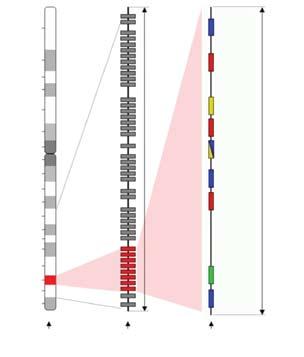
KIR
KIR
19p13.3
19p13.2
19p13.13
19p13.12
19p13.11
19p12 19p11 19p11
19q12
19q13.11
19q13.12
19q13.13
19q13.2
19q13.31
19q13.32
19q13.33
19q13.4
19q13.43
KIR2DL3
KIR2DP1
KIR2DL1
KIR3DP1
KIR2DL4
KIR3DL1
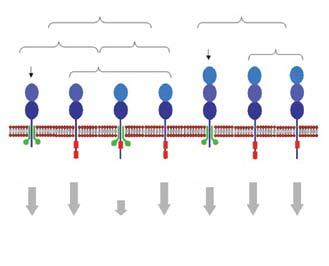
KIR2D
KIR2DL KIR2DS
KIR3D KIR3DS KIR3DL
DAP12 (2ITAM)
DAP12 (2ITAM) 2ITIM 2ITIMAΓΝΩΣΤΟΣ
KIR2DS1 KIR2DS2 KIR2DS3 KIR2DS4 KIR2DS5
KIR2DL1 KIR2DL2 KIR2DL3 KIR2DL5A KIR2DL5B KIR3DL1 KIR3DL2 KIR3DS1 KIR3DL3 KIR2DL4
KIR2DS4
150 Kb. Η
επίσης, και γονίδια
DAP
LRC
CD66 αντιγόνα, SIGLEC, FcGRT, LΙLR, LAIR, FcGammaR
και NCR1 υποδοχείς (EBI Database).
κυτταροκινών και χημειοκινών (17). Αντίστοιχα, οι
κυτταροκίνες IL-2, IL-12, IL-15, IL-21, o TNF-a και η IF I ενεργοποιούν τα ΝΚ κύτταρα
υποδοχέων τους (18).
Οι υποδοχείς των ΝΚ κυττάρων
(Ig superfamily),
οικογένεια των υποδοχέων λεκτίνης τύπου C (C-type lectin receptors) (19).
(KIRs), 2) οι LIRLs (Leucocyte Immunoglobin like receptors), 3) οι LAIRs (Leucocyteassociated inhibitory receptors), 4) οι FcαR
τέλος, 5) οι NKp46 υποδοχείς (20).
HLA-G, ενώ οι υποδοχείς NKG2D/CD94 συνδέονται με μόρια HLA-E,
LRC,
(KIR2DS, KIR3DS) (26).
ITIMS (Immunoreceptor tyrosine
(transcriptional start site) (33).
(27).
SSR (sequence specific priming),
(sequence specific
(Mary Carrington et al. The KIR Gene Cluster. Basic Research Program, SAIC, Inc., National Cancer Institute, Frederick, USA).
Βιβλιογραφία
1. Ljunggren HG, Karre K. In search of the “missing self”: MHC molecules and NK cell recognition. Immunol Today 1990;11:237-274.
2. Kim R, Emi M, Tanabe K. Cancer Immunoediting: from immune surveillance to immune escape. Immunol 2007; 121:1-14.
3. Dunn GP, Bruce AT, Ikeda H, Old LJ, Schreiber RD. Cancer Immunoediting: from immunosurveillance to tumor escape. Nat Immunol 2002;3:991-998.
4. Foss FM. Immunologic mechanisms of antitumor activity. Semin Oncol 2002;29(Suppl 7):5-11.
5. Lin J, Weiss A. T cell receptor signaling. J Cell Sci 2001;114: 243-244.
6. Biassoni R, Ugolotti E, De Maria A. NK cell receptors and their interactions with MHC. Curr Pharm Des 2009;15: 3301-3310.
7. Urosevic M, Trojan A, Dummer R. HLA-G and its KIR ligands in cancer-another enigma yet to be solved? J Pathol 2002;196:252-253.
8. Kulkarni S, Martin MP, Carrington M. The Yin and Yang of HLA and KIR in human disease. Semin Immunol 2008;20: 343-352.
9. Qi Y, Martin MP, Gao X, Jacobson L, Goedert JJ, Buchbinder S, et al. KIR/HLA pleiotropism: protection against both HIV and opportunistic infections. PLoS Pathog 2006;2:79.
10. McQueen KL, Dorighi KM, Guethlein LA, Wong R, Sanjanwala B, Parham P. Donor-recipient combinations of group A and B KIR haplotypes and HLA class I ligand affect the outcome of HLA-matched, sibling donor hematopoietic cell transplantation. Hum Immunol 2007;68:309-323.
11. Pellett F, Siannis F, Vukin I, Lee P, Urowitz MB, Gladman DD. KIRs and autoimmune disease: studies in systemic lupus erythematosus and scleroderma. Tissue Antigens 2007;1(69 Suppl):106-108.
12. Van der Slik AR, Alizadeh BZ, Koeleman BP, Roep BO, Giphart MJ. Modelling KIR-HLA genotype disparities in type 1 diabetes. Tissue Antigens 2007;69(Suppl 1):101-105.
13. Riley JK, Yokoyama WM. NK cell tolerance and the maternal-fetal interface. Am J Reprod Immunol 2008;59(5 Suppl):371-387.
14. Gamberg CG, Andersson LC, Ruutu P, Timonen TT, Hänninen A, Vuopio P, et al. Decrease of the major high molecular weight surface glucoprotein of human granulocytes in monosomy 7 associated with defective chemotaxis. Blood 1979;54:401-406.
15. Κορακάκη
2007, 73:7-17.
16. Empson VG, McQueen FM, Dalbeth N. The natural killer cell: a further innate mediator of gouty inflammation? Immunol Cell Biol 2010;88:24-31.
17. Cooper MA, Fehniger TA, Caligiuri MA. The biology of
human natural killer-cell subsets. Trends Immunol 2001; 22:633-640.
18. Biassoni R, Cantoni C, Pende D, Sivori S, Parolini S, Vitale M, et al. Human natural killer cell receptors and co-receptors. Immunol Rev 2001;181:203-214.
19. Barten R, Torkar M, Haude A, Trowsdale J, Wilson MJ. Divergent and convergent evolution of NK-cell receptors. Trends Immunol 2001;22:52-57.
20. Wilson MJ, Torkar M, Haude A, Milne S, Jones T, Sheer D, et al. Plasticity in the organization and sequences of human KIR/ILT gene families. Proc Natl Acad Sci USA. 2000;97: 4778-4783.
21. Renedo M, Arce I, Montgomery K, Roda-Navarro P, Lee E, Kucherlapati R, et al. A sequence-ready physical map of the region containing the human natural killer gene complex on chromosome 12p12.3-p13.2. Genomics 2000; 65:129-136.
22. Borrego F, Kabat J, Kim DK, Lieto L, Maasho K, Peña J, et al. Structure and function of major histocompatibility complex (MHC) class I specific receptors expressed on human natural killer (NK) cells. Mol Immunol 2002; 38(Suppl 9):637-660.
23. Cerwenka A, Lanier L. Ligands for natural killer cell receptors: redundancy or specificity. Immunol Rev 2001; 181:158-169.
24. Biassoni R, Cantoni C, Falco M, Verdiani S, Bottino C, Vitale M, et al. The human leukocyte antigen (HLA)-Cspecific “activatory” or “inhibitory” natural killer cell receptors display highly homologous extracellular domains but differ in their transmembrane and intracytoplasmic portions. J Exp Med 1996;183:645-650.
25. Colonna M, Samaridis J. Cloning of immunoglobulinsuperfamily members associated with HLA-C and HLA-B recognition by human natural killer cells. Science 1995;268: 405-408.
26. Blery M, Olcese L, Vivier E. Early signaling via inhibitory and activating NK receptors. Hum Immunol 2000;61:51-64.
27. Lanier LL, Corliss BC, Wu J, Leong C, Phillips JH. Immunoreceptor DAP12 bearing a tyrosine-based activation motif is involved in activating NK cells. Nature 1998;391:703-707.
28. Lanier LL. NK cell recognition. Annu Rev Immunol 2003; 15:308-314.
29. Trowsdale J, Barten R, Haude A, Stewart CA, Beck S, Wilson MJ. The genomic context of natural killer receptor extended gene families. Immunol Rev 2001;181:20-38.
30. Wilson MJ, Torkar M, Haude A, Milne S, Jones T, Sheer D, et al. Plasticity in the organization and sequences of human KIR/ILT gene families. Proc Natl Acad Sci USA 2000;97: 4778-4483.
31. Witt CS, Dewing C, Sayer DC, Uhrberg M, Parham P, Christiansen FT. Population frequencies and putative haplotypes of the killer cell immunoglobulin-like receptor sequences and evidence for recombination. Transplantation 1999;68:1784-1789.
32. Maxwell LD, Wallace A, Middleton D, Curran MD. A common KIR2DS4 deletion variant in the human that predicts a soluble KIR molecule analogous to the KIR1D molecule observed in the rhesus monkey. Tissue Antigens 2002;60:254-258.
33. Chan HW, Miller JS, Moore MB, Lutz CT. Epigenetic control of highly homologous killer Ig-like receptor gene alleles. J Immunol 2005;175:5966-5974.
34. Davies GE, Locke SM, Wright PW, Li H, Hanson RJ, Miller JS, et al. Identification of bidirectional promoters in the human KIR genes. Genes Immun2007;8:245-253.
35. Gomez-Lozano N, Vilches C. Genotyping of human killercell immunoglobulin-like receptor genes by polymerase chain reaction with sequence-specific primers: an update. Tissue Antigens 2002;59:184-193.
36. Crum KA, Logue SE, Curran MD, Middleton D. Development of a PCR-SSOP approach capable of defining the natural killer cell inhibitory receptor (KIR) gene sequence repertoires. Tissue Antigens. 2000;56:313-326.
37. Waldhauer I, Steinle A. NK cells and cancer immunosurveillance. Oncogene 2008;27:5932-5943.
38. Γαρύφαλλος
νίκη: University Studio Press, 1998. σ. 55.
39. Zhang Y, Wang B, Ye S, Liu S. Killer cell immunoglobulinlike receptor gene polymorphisms in patients with leukemia: Possible association with susceptibility to the disease. Leuk Res 2010;34:55-58.
40. Chen AM, Guo XM, Yan WY, Xie SM, Zhu N, Wang XD, et al. Polymorphism of killer cell immunoglobulin-like receptor gene and its correlation with leukemia. J Exp Hematol 2007;15:35-38.
41. Zhao XY, Chang YJ, Huang XJ. Differential expression levels of killer immunoglobin-like receptor genotype in patients with hematological malignancies between highrisk and standard-risk groups. Zhongguo Shi Yan Xue Ye Xue Za Zhi 2008;16(4):746-749.
42. Feuchtinger T, Pfeiffer M, Pfaffle A, Teltschik HM, Wernet D, Schumm M, et al. Cytolytic activity of NK cell clones against acute childhood precursor-B-cell leukaemia is influenced by HLA class I expression on blasts and the differential KIR phenotype of NK clones.Bone Marrow Transplant 2009;43:875-881.
43. Pazmany L, Mandelboim O, Vales-Gomez M, Davis DM, Reyburn HT, Strominger JL. et al. Protection from natural killer cell-mediated lysis by HLA-G expression on target cells. Science 1996;274:792-795.
44. Mandelboim O, Pazmany L, Davis DM, Valés-Gómez M, Reyburn HT, Rybalov B, et al. Multiple receptors for HLA-G on human natural killer cells. Proc Natl Acad Sci USA 1997;94:1461-1470.
45. Aoudjit F, Potworowski EF, St-Pierre Y. Bi-directional induction of matrix metalloproteinase-9 and tissue inhibitor of matrix metalloproteinase-1 during T lymphoma/ endothelial cell contact: implication of ICAM-1. J Immunol 1998;160:2967-2973.
46. Fiore E, Fusco C, Romero P, Stamenkovic I. Matrix metalloproteinase 9 (MMP-9/gelatinase B) proteolytically cleaves
ICAM-1 and participates in tumor cell resistance to natural killer cell-mediated cytotoxicity. Oncogene 2002;21:52135223.
47. Kägi D, Ledermann B, Bürki K, Seiler P, Odermatt B, Olsen KJ, et al. Cytotoxicity mediated by T cells and natural killer cells is greatly impaired in perforin-deficient mice. Nature 1994;369:31-37.
48. Morishima Y, Yabe T, Matsuo K, Kashiwase K, Inoko H, Saji H, et al; Japan Marrow Donor Program. Effects of HLA allele and killer immunoglobulin-like receptor ligand matching on clinical outcome in leukemia patients undergoing transplantation with T-cell-replete marrow from an unrelated donor. Biol Blood Marrow Transplant 2007;13:315-328.
49. Grzywacz B, Miller JS, Verneris MR. Use of natural killer cells as immunotherapy for leukaemia. Best Pract Res Clin Haematol 2008;21:467-483.
50. Ruggeri L, Capanni M, Urbani E, Perruccio K, Shlomchik WD, Tosti A, et al. Effectiveness of donor natural killer cell alloreactivity in mismatched hematopoietic transplants. Science 2002;295:2097-2100.
51. Hsu KC, Keever-Taylor CA, Wilton A, Pinto C, Heller G, Arkun K, et al. Improved outcome in HLA-identical sibling hematopoietic stem-cell transplantation for acute myelogenous leukemia predicted by KIR and HLA genotypes. Blood 2005;105:4878-4884.
52. Bornhauser M, Schwerdtfeger R, Martin H, Frank KH, Theuser C, Ehninger G. Role of KIR ligand incompatibility in hematopoietic stem cell transplantation using unrelated donors. Blood 2004;103:2860-2861.
53. Giebel S, Locatelli F, Lamparelli T, Velardi A, Davies S, Frumento G, et al. Survival advantage with KIR ligand incompatibility in hematopoietic stem cell transplantation from unrelated donors. Blood 2003;102:814-819.
54. Triplett BM, Horwitz EM, Iyengar R, Turner V, Holladay MS, Gan K, Behm FG, Leung W. Effects of activating NK cell receptor expression and NK cell reconstitution on the outcomes of unrelated donor hematopoietic cell transplantation for hematologic malignancies. Leukemia 2009; 23:1278-1287.
55. Cooley S, McCullar V, Wangen R, Bergemann TL, Spellman S, Weisdorf DJ, et al. KIR reconstitution is altered by T cells in the graft and correlates with clinical outcomes after unrelated donor transplantation. Blood 2005;106:43704376.
56. Romagné F, André P, Spee P, Zahn S, Anfossi N, Gauthier L, et al. Preclinical characterization of 1-7F9, a novel human anti-KIR receptor therapeutic antibody that augments natural killer-mediated killing of tumor cells. Blood 2009;114:2667-2677.
Prenatal hydronephrosis: current views
E. Siomou1, C. J. Stefanidis2, A. Siamopoulou-Mavridou1, S. Andronikou3
Abstract: The frequency of identification of prenatal hydronephrosis (PH) has increased significantly in recent years as a result of the wide use of prenatal ultrasound (US) in the second trimester of gestation. The lack of consensus regarding the evaluation after birth of the infants with PH confronts the clinician with the dilemma between investigating a large number of infants with PH, or arranging fewer investigations and running the risk of missing some urinary tract malformations. A history of oligohydramnios, persistent severe hydronephrosis in the third trimester of gestation (anterior-posterior renal pelvic diameter >15 mm), bilateral hydronephrosis or hydronephrosis in a solitary kidney, and prenatal US findings compatible with renal hypoplasia/dysplasia are features that are frequently associated with congenital anomalies of urinary tract. Current opinion is that the aim of investigation and follow-up after birth of infants with PH should be selection of those children who comprise a highrisk group and need early diagnosis and intervention, and limitation of radiological investigation of those with low risk for congenital anomalies of the urinary tract.
Key words: Prenatal hydronephrosis, congenital urinary tract anomalies, vesicoureteral reflux, urinary tract obstruction.
1 Department of Paediatrics, University Hospital of Ioannina
2 Department of Nephrology, “P. & A. Kyriakou” Children’s Hospital, Athens
3 Neonates Intensive Care Unit, University Hospital of Ioannina
Correspondence: Ekaterini Siomou eksiomou@cc.uoi.gr Department of Child Health, Medical School, University of Ioannina Po. Box 1186, 451 10, Ioannina, Greece
for Fetal Urology:
(Society for Fetal Urology:
(hydronephrosis index),
3.
4.
5.
6.
2.
3.
4.
5. Ανωμαλιών
(σύν-
technetium99m-diethylenetriamine pentaacetic acid ( 99m Tc-
Ήπια: 6-9 mm**
6-9 mm
>15 mm Μέτρια: 9-15 mm
9-15 mm
>15 mm
9-15 mm
1. Dudley JA, Haworth JM, McGraw ME, Frank JD, Tizard EJ. Clinical relevance and implications of antenatal hydrone-phrosis. Arch Dis Child Fetal Neonatal Ed 1997; 76:F31-33.
2. Havutcu AE, Nikolopoulos G, Adinkra P, Lamont RF. The association between fetal pyelectasis on second trimester ultrasound scan and aneuploidy among 25,586 low risk unselected women. Prenat Diagn 2002;22:1201-1206.
3. Ismaili K, Hall M, Donner C, Thomas D, Vermeylen D, Avni FE; Brussels Free University Perinatal Nephrology Study Group. Results of systematic screening for minor degrees of fetal renal pelvis dilatation in an unselected population. Am J Obstet Gynecol 2003;188:242-246.
4. Coco C, Jeanty P. Isolated fetal pyelectasis and chromosomal abnormalities. Am J Obstet Gynecol 2005;193:732-738.
5. Cordero L, Nankervis CA, Oshaughnessy RW, Koff SA,
Giannone PJ. Postnatal follow-up of antenatal hydronephrosis: a health-care challenge. J Perinatol 2009;29: 382-387.
6. Lee RS, Cendron M, Kinnamon DD, Nguyen HT. Antenatal hydrnonephrosis as a predictor of postnatal outcome: A meta-analysis. Pediatrics 2006;118:586-593.
7. Garne E, Loane M, Wellesley D, Barisic I; Eurocat Working Group. Congenital hydronephrosis: prenatal diagnosis and epidemiology in Europe. J Pediatr Urol 2009;5:47-52.
8. Signorelli M, Cerri V, Taddei F, Groli C, Blanchi UA. Prenatal diagnosis and management of mild fetal pyelectasis: implications for neonatal outcome and followup. Eur J Obstet Gynecol Reprod Biol 2005;118:154-159.
9. Sidhu G, Beyene J, Rosenblum ND. Outcome of isolated antenatal hydronephrosis: a systematic review and metaanalysis. Pediatr Nephrol 2006;21:218-224.
10. Thomas DF, Madden NP, Irving HC, Arthur RJ, Smith SE. Mild dilatation of the fetal kidney: a follow-up study. Br J Urol 1994;74:236-239.
11. Ismaili K, Avni FE, Hall M; Brussels Free University Perinatal Nephrology (BFUPN) Study Group. Results of systematic voiding cystourethrography in infants with antenatally diagnosed renal pelvis dilation. J Pediatr 2002;141:21-24.
12. Moorthy I, Joshi N, Cook JV, Warren M. Antenatal hydronephrosis: negative predictive value of normal postnatal ultrasound-a 5-year study. Clin Radiol 2003; 58:964-970.
13. Mallik Μ, Watson AR. Antenatally detected urinary tract abnormalities: more detection but less action. Pediatr Nephrol 2008;23:897-904.
14. Odibo AO, Marchiano D, Quinones JN, Riesch D, Egan JF, Macones GA. Mild pyelectasis: evaluating the relationship between gestational age and renal pelvic anterior-posterior diameter. Prenat Diagn 2003;23:824-827.
15. Chitty LS, Altman DG. Charts of fetal size: kidney and renal pelvis measurements. Prenat Diagn 2003;23:891-897.
16. Robinson JN, Tice K, Kolm P, Abuhamad AZ. Effect of maternal hydration on fetal renal pyelectasis. Obstet Gynecol 1998;92:137-141.
17. Scott JE, Wright B, Wilson G, Pearson IA, Matthews JN, Rose PG. Measuring the fetal kidney with ultrasound. Br J Urol 1995;76:769-774.
18. Corteville JE, Gray DL, Crane JP. Congenital hydronephrosis: correlation of fetal ultrasonographic findings with infant outcome. Am J Obstet Gynecol 1991;165:384-388.
19. Grignon A, Filion R, Filiatrault D, Robitaille P, Homsy Y, Boutin H, et al. Urinary tract dilatation in utero: classification and clinical applications. Radiology 1986;160:645-647.
20. Pates JA, Dashe JS. Prenatal diagnosis and management of hydronephrosis. Early Hum Dev 2006;82:3-8.
21. Fernbach SK, Maizels M, Conway JJ. Ultrasound grading of hydronephrosis: introduction to the system used by the Society for Fetal Urology. Pediatr Radiol 1993;23:478-480.
22. Venkatesan K, Green J, Shapiro SR, Steinhardt GF. Correlation of hydronephrosis index to society fetal urology hydronephrosis scale. Adv Urol 2009;960490.
23. de Kort EH, Bambang Oetomo S, Zegers SH. The long-term outcome of antenatal hydronephrosis up to 15 millimetres justifies a noninvasive postnatal follow-up. Acta Paediatr 2008;97:708-713.
24. Thornburg LL, Pressman EK, Chelamkuri S, Hulbert W, Rabinowitz R, Mevorach R. Third trimester ultrasound of
fetal pyelectasis: predictor for postnatal surgery. J Pediatr Urol 2008;4:51-54.
25. Fugelseth D, Lindemann R, Sande HA, Refsum S, Nordshus T. Prenatal diagnosis of urinary tract anomalies. The value of two ultrasound examinations. Acta Obstet Gynecol Scand 1994;73:290-293.
26. Aviram R, Pomeranz A, Sharony R, Beyth Y, Rathaus V, Tepper R. The increase of renal pelvis dilatation in the fetus and its significance. Ultrasound Obstet Gynecol 2000;16:60-62.
27. Anderson N, Clautice-Engle T, Allan R, Abbott G, Wells JE. Detection of obstructive uropathy in the fetus: predictive value of sonographic measurements of renal pelvic diameter at various gestational ages. AJR Am J Roentgenol 1995;164:719-723.
28. Elder JS. Commentary: importance of antenatal diagnosis of vesicoureteral reflux. J Urol 1992;148:1750-1754.
29. Assael BM, Guez S, Marra G, Secco E, Manzoni G, Bosio M, et al. Congenital reflux nephropathy: a follow-up of 108 cases diagnosed perinatally. Br J Urol 1998;82:252-257.
30. Herndon CD, McKenna PH, Kolon TF, Gonzales ET, Baker LA, Docimo SG. A multicenter outcomes analysis of patients with neonatal reflux presenting with prenatal hydronephrosis. J Urol 1999;162:1203-1208.
31. Farhat W, McLorie G, Geary D, Capolicchio G, Bägli D, Merguerian P, et al. The natural history of neonatal vesicoureteral reflux associated with antenatal hydronephrosis. J Urol 2000;164:1057-1060.
32. Ismaili K, Hall M, Piepsz A, Wissing KM, Collier F, Schulman C, et al. Primary vesicoureteral reflux detected in neonates with a history of fetal renal pelvis dilatation: a prospective clinical and imaging study. J Pediatr 2006;148:222-227.
33. Anderson NG, Fischer J, Leighton D, Hector-Taylor J, McEwing RL. Management in children of mild postnatal renal dilatation but without vesicoureteral reflux. Pediatr Nephrol 2010;25:477-483.
34. Corteville JE, Dicke JM, Crane JP. Fetal pyelectasis and Down syndrome: is genetic amniocentesis warranted? Obstet Gynecol 1992;79:770-772.
35. Limwongse C, Cassidy SB. Syndromes and malformations of the urinary tract. In: Avner ED, Harmon WE, Niaudet P, editors. Pediatric Nephrology. 5th ed. Philadelphia: Lippincott Williams & Wilkins; 2004. p. 93.
36. Baskin L, Ozcan T. Overview of antenatal hydronephrosis. 2007: Website: www.uptodate.com.
37. Baskin L. Postnatal management of antenatal hydronephrosis. 2007: Website: www.uptodate.com.
38. Aksu N, Yavaşcan O, Kangin M, Kara OD, Aydin Y, Erdoğan H, et al. Postnatal management of infants with antenatally detected hydronephrosis. Pediatr Nephrol 2005;20:1253-1259.
39. Papadopoulou F, Anthopoulou A, Siomou E, Efremidis S, Tsamboulas C, Darge K. Harmonic voiding urosonography with a second-generation contrast agent for the diagnosis of vesicoureteral reflux. Pediatr Radiol 2009;39:239-244.
40. Riccabona M. Assessment and management of newborn hydronephrosis. World J Urol 2004;22:73-78.
41. Schoellnast H, Lindbichler F, Riccabona M. Sonographic diagnosis of urethral anomalies in infants: value of perineal sonography. J Ultrasound Med 2004;23:769-776.
42. Taylor A Jr, Clark S, Ball T. Comparison of Tc-99m MAG3
and Tc-99m DTPA scintigraphy in neonates. Clin Nucl Med 1994;19:575-580.
43. Belarmino JM, Kogan BA. Management of neonatal hydronephrosis. Early Hum Dev 2006;82:9-14.
44. Shulkin BL, Mandell GA, Cooper JA, Leonard JC, Majd M, Parisi MT, et al. Procedure guideline for diuretic renography in children 3.0. J Nucl Med Technol 2008;36:162-168.
45. O'Reilly P, Aurell M, Britton K, Kletter K, Rosenthal L, Testa T. Consensus on diuresis renography for investigating the dilated upper urinary tract. Radionuclides in Nephrourology Group. Consensus Committee on Diuresis Renography. J Nucl Med 1996;37:1872-1876.
46. Schlotmann A, Clorius JH, Rohrschneider WK, Clorius SN, Amelung F, Becker K. Diuretic renography in hydronephrosis: delayed tissue tracer transit accompanies both functional decline and tissue reorganization. J Nucl Med 2008;49:1196-203.
47. Schlotmann A, Clorius JH, Clorius SN. Diuretic renography in hydronephrosis: renal tissue tracer transit predicts functional course and thereby need for surgery. Eur J Nucl Med Mol Imaging 2009;36:1665-1673.
48. Dacher JN, Mandell J, Lebowitz RL. Urinary tract infection in infants in spite of prenatal diagnosis of hydronephrosis. Pediatr Radiol 1992;22:401-404.
49. Harding LJ, Malone PS, Wellesley DG. Antenatal minimal hydronephrosis: is its follow-up an unnecessary cause of concern? Prenat Diagn 1999;19:701-705.
50. Walsh TJ, Hsieh S, Grady R, Mueller BA. Antenatal hydronephrosis and the risk of pyelonephritis hospitalization during the first year of life. Urology 2007;69:970-974.
51. Wollenberg A, Neuhaus TJ, Willi WV, Wisser J. Outcome of fetal renal pelvic dilatation diagnosed during the third trimester. Ultrasound Obstet Gynecol 2005;25:483-488.
52. Kapadia H, Lidefelt KJ, Erasmie U, Pilo C. Antenatal renal pelvis dilatation emphasizing vesicoureteric feflux: twoyear follow-up of minor postnatal dilatation. Acta Paediatr 2004;93:336-339.
53. Estrada CR, Peters CA, Retik AB, Nguyen HT. Vesicoureteral reflux and urinary tract infection in children with a history of prenatal hydronephrosis-should voiding cystourethrography be performed in cases of postnatally persistent grade II hydronephrosis? J Urol 2009;181:801-806.
Quiz
1.
4.
Early growth disturbance and the development of hypertension and renal disease
V. Giapros, S. Andronikou
Abstract: A growing body of evidence links adverse events during early life and a variety of adult onset diseases, such as type 2 diabetes mellitus, ischaemic heart disease and hypertension. Hypertension is a strong risk factor for early morbidity and mortality. Epidemiological studies from many parts of the world have shown correlation between low birth weight (LBW) and high blood pressure (BP) in later life. Nephron loss that occurs in response to intrauterine growth restriction may be the main causal factor for elevated BP in these individuals. It is hypothesized that a reduced number of nephrons would be associated with greater glomerular size and volume, and that such enlarged glomeruli would be hyperfiltering. Glomerular hyperfiltration is associated with reduced renal reserve and elevated BP. Recent studies have documented the mechanisms of oligonephronia and impaired renal function in LBW individuals. The relationship between prenatal insults and postnatal pathological conditions is currently the subject of intensive research. Postnatal growth retardation, which is common in preterm infants, and catch-up growth, are postnatal conditions which have been shown to be related to impaired renal function and hypertension. Evidence for the origins of adult hypertension and renal deterioration may be found early in childhood. Renal function may be affected early after birth in individuals who are born small for gestational age (SGA), and their BP may be elevated at school age. Subtle changes in their renal function may provide important clues indicating reduced nephron numbers and increased risk of renal disease. Early detection of these derangements provides the opportunity for close surveillance and possible application of preventive measures during childhood in order to prevent or ameliorate hypertension and renal disease.
Key words: Low birth weight, hypertension, renal function, intrauterine growth retardation, catch-up growth.
Neonatal Intensive Care Unit, University Hospital of Ioannina
Correspondence: Vasilios Giapros vgiapros@cc.uoi.gr
Neonatal Intensive Care Unit, University Hospital of Ioannina, Stavros Niarchou Av., Ioannina, Greece
Βιβλιογραφία
1. Barker D. Adult consequences of fetal growth restriction. Clin Obstetr Gynecol 2006;49:270-283.
2. Barker DJP, Osmond C, Winder PD Margetts B, Simmonds SJ. Weight in infancy and death from ischaemic heart disease. Lancet 1989;2:577-580.
3. Hales CN, Barker DJP, Clark PMS, Cox LJ, Fall C, Osmond
C et al. Fetal and infant growth and impaired glucose tolerance at age 64. BMJ 1991;303:1019-1022.
4. Curhan GC, Chertow GM, Willet WC. Birth weight and adult hypertension and obesity in women. Circulation 1996;94:1310-1315.
5. Adair L, Dahly D. Developmental determinants of blood pressure in adults. Annu Rev Nutr. 2005;25:407-434.
6. Brenner BM, Chertow GM. Congenital oligonephronia and the etiology of adult hypertension and progressive renal disease. Am J Kidney Dis 1994;23:171-175.
7. Chevalier R. The response to nephron loss in early development. In: Polin R, Fox W, eds. Fetal and neonatal physiology. Philadelphia, US, WB Saunders: 1992;1264-1268.
8. Schreuder MF, Nyengaard JR, Fodor M, van Wijk JA, Delemarre-van de Waal HA. Glomerular number and function are influenced by spontaneous and induced low birth weight in rats. J Am Soc Nephrol 2005;16:2913-2919.
9. Bassan H, Trejo LL, Bassan NKM, Berger E, Gozes AFI, Harel S. Experimental intrauterine growth retardation alters renal development. Pediatr Nephrol 2000;15:192-195.
10. Manalich R, Reyes L, Herrera M, Melendi C, Fundora I. Relationship between weight at birth and the number and size of renal glomeruli in humans: a histomorphometric study. Kidney Int 2000;58:770-773.
11. Hinchliffe SA, Lynch MR, Sargent PH, Howard CV, Van Velzen D. The effect of intrauterine growth retardation on the development of renal nephrons. Br J Obstet Gynaecol 1992;99:296-301.
12. Rodriguez M, Gomez A, Abitbol, Chandar J, Duara S, Zilleruel G. Histomorphometric analysis of postnatalglomerulogenesis in extremely preterm infants. Pediatr Devel Pathol 2004;7:17-25.
13. Schreuder MF, Nauta J. Prenatal programming of nephron number and blood pressure. Kidney Int 2007;72:265-268.
14. Schreuder M, Nyengaard J,Remmers F, van Wijk J, Delemarre-van de Waal ΗΑ. Postnatal food restriction in the rat as a model for a low nephron endowment. Am J Physiol Renal Physiol 2006;291:F1104-1107.
15. Wlodek ME, Mibus A, Tan A, Siebel AL, Owens JA, Moritz KM. Normal lactational environment restores nephron endowment and prevents hypertension after placental restriction in the rat. J Am Soc Nephrol 2007;18:1688-1696.
16. Rogers SA, Powell-Braxton L, Hammerman MR. Insulinlike growth factor I regulates renal development in rodents. Dev Genet 1999;24:293-298.
17. Guron G, Friberg P. An intact renin-angiotensin system is a prerequisite for normal renal development. J Hypertens 2000;18:123-137.
18. Pham TD, MacLennan NK, Chiu CT, Laksana GS, Hsu JL, Lane RH. Uteroplacental insufficiency increases apoptosis and alters p53 gene methylation in the full-term IUGR rat kidney. Am J Physiol Regul Integr Comp Physiol 2003; 285:R962-R970.
19. Luyckx V, Brenner B. Low birth weight, nephron number, and kidney disease. Kidney Int 2005;68:S68-S77.
20. Schreuder MF, van Wijk JA, Delemarre-van de Waal HA. Intrauterine growth restriction increases blood pressure and central pulse pressure measured with telemetry in aging rats. J Hypertens 2006;24:1337-1343.
21. Skov K, Nyengaard JR, Korsgaard N, Mulvany MJ. Number and size of renal glomeruli in spontaneously hypertensive rats. J Hypertens 1994;12:1373-1376.
22. Keller G, Zimmer G, Mall G, Ritz E, Amann K. Nephron number in patients with primary hypertension. N Engl J Med 2003;348:101-108.
23. Hughson M, Farris AB, Douglas-Denton R, Hoy WE, Bertram JF. Glomerular number and size in autopsy kidneys: the relationship to birth weight. Kidney Int 2003; 63:2113-2122.
24. Hoy WE, Hughson MD, Singh GR, Douglas-Denton R, Bertram JF. Reduced nephron number and glomerulomegaly in Australian Aborigines: a group at high risk for renal disease and hypertension. Kidney Int 2006;70:104-110.
25. Baudoin P, Provoost AP, Molenaar JC. Renal function up to 50 years after unilateral nephrectomy in childhood. Am J Kidney Dis 1993;21:603-611.
26. Hegde S, Coulthard M. Renal agenesis and unilateral nephrectomy: what are the risks of living with a single kidney? Pediatr Nephrol 2009;24:439-446.
27. Kasiske BL, Ma JZ, Louis TA, Swan SK. Long-term effects of reduced renal mass in humans. Kidney Int 1995;48:814-819.
28. Woods LL, Weeks DA, Rasch R. Hypertension after neonatal uninephrectomy in rats precedes glomerular damage. Hypertension 2001;38:337-342.
29. Simonetti GD, Raio L, Surbek D, Nelle M, Frey FJ, Mohaupt MG. Salt sensitivity of children with low birth weight. Hypertension 2008;52:625-630.
30. Franco MC, Casarini DE, Carneiro-Ramos MS, Sawaya AL, Barreto-Chaves ML, Sesso R. Circulating renin angiotensin system and catecholamines in childhood: is there a role for birthweight? Clin Sci (Lond) 2008; 114:375–380.
31. Sahajpal V, Ashton N. Increased glomerular angiotensin II binding in rats exposed to a maternal low protein diet in utero. J Physiol 2005;15:563:193-201.
32. Franco Mdo C, Akamine EH, Di Marco GS, Casarini DE, Fortes ZB, Tostes RC et al. NADPH oxidase and enhanced superoxide generation in intrauterine undernourished rats: involvement of the renin-angiotensin system. Cardiovasc Res 2003;59:767-775.
33. Skilton MR, Evans N, Griffiths KA, Harmer JA, Celermajer DS. Aortic wall thickness in newborns with intrauterine growth restriction. Lancet 2005;365:1484-1486.
34. Mzayek F, Sherwin R, Hughes J, Hassig S, Srinivasan S, Chen W et al. The association of birth weight with arterial stiffness at mid-adulthood: the Bogalusa Heart Study J Epidemiol Community Health 2009;63:729-733.
35. Beardsall K, Ong KK, Murphy N, Ahmed ML, Zhao JH, Peeters MW et al. Heritability of childhood weight gain from birth and risk markers for adult metabolic disease in prepubertal twins. J Clin Endocrinol Metab 2009;94:3708-3713.
36. Nuyt AM, Alexander BT. Developmental programming and hypertension. Curr Opin Nephrol Hypertens. 2009 Mar;18(2):144-152.
37. Singhal A. Endothelial dysfunction: role in obesity-related disorders and the early origins of CVD. Proc Nutr Soc 2005;64:15-22.
38. Hattersley AT, Tooke JE. The fetal insulin hypothesis: an alternative explanation of the association of low birthweight with diabetes and vascular disease. Lancet 1999;353:17891792.
39. Järvelin MR, Sovio U, King V, Lauren L, Xu B, McCarthy MI et al. Early life factors and blood pressure at age 31 years in the 1966 northern Finland birth cohort Hyper-tension. 2004;44:838-846.
40. Primatesta P, Falaschetti E, Poulter NR. Birth weight and blood pressure in childhood: results from the Health Survey for England. Hypertension 2005;45:75-79.
41. Bagby SP. Maternal nutrition, low nephron number, and hypertension in later life: pathways of nutritional programming. J Nutr 2007;137:1066-1072.
42. Kaufman JM, Hardy R, Hayslett JP. Age-dependent characteristics of compensatory renal growth. Kidney Int 1975;8:21-26.
43. Vickers MH, Breier BH, Cutfield WS, Hofman PL, Gluckman PD. Fetal origins of hyperphagia, obesity, and hypertension and postnatal amplification by hypercaloric nutrition. Am J Physiol Endocrinol Metab 2000;279:E83-87.
44. Lurbe E, Carvajal E, Torro I, Aguilar F, Alvarez J, Redon J. Influence of concurrent obesity and low birth weight on blood pressure phenotype in youth. Hypertension 2009; 53:912-917.
45. Lundgren EM, Cnattingius HM, Jonsson GB, Tuvemo TH. Linear catch-up growth does not increase the risk of elevated blood pressure and reduces the risk of overweight in males. J Hypertens 2001;19:1533-1538.
46. Huxley R, Neil A, Collins R. Unraveling the fetal origins hypothesis: is there really an inverse association between birthweight and subsequent blood pressure? Lancet 2002;360:659-665.
47. Lackland DT, Egan BM, Syddal HE, Barker DJ. Associations between birthweight and antihypertensive medication in black and white Americans. Hypertension 2002;39: 179-183.
48. Kark M, Tynelius P, Rasmussen F. Associations between birthweight and weight change during infancy and later childhood, and systolic blood pressure at age 15 years: the COMPASS study. Pediatr Perinat Epidimiol 2009;23: 245-253.
49. Gamborg M, Anderson PK, Baker JL, Budtz-Jorgensen E, Jorgensen T, Jensen G et al. Life course path analysis of birth weight, childhood growth, and adult systolic blood pressure. Am J Epidimiol 2000 15;169:1167-1178.
50. Rostand SG. Oligonephronia, primary hypertension and renal disease: 'is the child father to the man?' Nephrol Dial Transplant. 2003;18:1434-1438.
51. Keijzer-Veen MG, Schrevel M, Finken MJ, Dekker F, Nauta J, Hille E et al. Dutch POPS-19 Collaborative Study Group: Microalbuminuria and lower glomerular filtration rate at young adult age in subjects born very premature and after intrauterine growth retardation. J Am Soc Nephrol 2005;16:2762-2768.
52. Keijzer-Veen MG, Kleinveld HA, Lequin MH, Dekker FW, Nauta J, de Rijke YB et al. Renal Function and Size at Young Adult Age After Intrauterine Growth Restriction and Very Premature Birth. Am J Kidney Dis 2007;50:542-551.
53. Hallan S, Euser A, Irgens L, Finken M, Holmen J, Dekker F. Effect of Intrauterine Growth Restriction on Kidney Function at Young Adult Age: The Nord Trøndelag Health (HUNT 2) Study. Am J Kidney Dis 2008;51:10-20.
54. Keijzer-Veen M, Finken M, Nauta J, Dekker F, Hille E, Frölich M et al. Is Blood Pressure Increased 19 Years After Intrauterine Growth Restriction and Preterm Birth? A Prospective Follow-up Study in the Netherlands. Pediatrics 2005;116:725-731.
55. Hemachandra A, Howards P, Furth S, Klebanoff M. Birth weight, postnatal growth, and risk for high blood pressure at 7 years of age: Results from the collaborative perinatal project. Pediatrics 2007;119:e1264-e1270.
56. Giapros V, Drougia A, Hotoura E, Papadopoulou F, Argyropoulou M, Andronikou S. Kidney growth in smallfor-gestational-age infants: Evidence of early accelerated renal growth. Nephrol Dial Transplant. 2006;21:34223427.
57. Schmidt IM, Chellakooty M, Boisen KA, Damgaard IN, Mau Kai C, Olgaard K et al. Impaired kidney growth in low-birth-weight children: distinct effects of maturity and weight for gestational age. Kidney Int 2005;68:731-740.
58. Drougia A, Giapros V, Hotoura E, Papadopoulou F, Argyropoulou M, Andronikou S. The effects of gestational age and growth restriction on compensatory kidney growth. Nephrol Dial Transplant 2009;24:142-148.
59. Giapros V, Papadimitriou P, Challa A, Andronikou S. The effect of intrauterine growth retardation on renal function in the first two months of life. Nephrol Dial Transplant 2007;22:96-103.
60. Basioti M, Giapros V, Kostoula A, Cholevas V, Andronikou S. Growth restriction at birth and kidney function during childhood. Am J Kidney Dis 2009;54:850-858.
61. Rakow A, Johansson S, Legnevall L, Sevastik R, Celsi G, Norman M et al. Renal volume and function in school-age children born preterm or small for gestational age. Pediatr Nephrol 2008;23:1309-1315.
62. Franco MC, Christofalo DM, Sawaya AL, Ajzen SA, Sesso R. Effects of low birth weight in 8- to 13-year-old children: Implications in endothelial function and uric acid levels. Hypertension 2006;48:45-50.
63. Salgado CM, Jardim PC, Teles FB, Nunes MC. Influence of low birth weight on microalbuminuria and blood pressure of school children. Clin Nephrol 2009;71:367-374.
64. Clayton PE, Cianfarani S, Czernichow P, Johannsson G, Rapaport R, Rogol A. Management of the child born small for gestational age through to adulthood: a consensus statement of the International Societies of Pediatric Endocrinology and the Growth Hormone Research Society. J Clin Endocrinol Metab 2007;92:804-810.
65. De Beer M, van Eijsden M, Vrijkotte TG, Gemke RJ. Early growth patterns and cardiometabolic function at the age of 5 in a multiethnic birth cohort: the ABCD study. BMG Pediatr 2009;9:23.
66. Landrigan JP, Trasande L, Thorpe LE. The National Children’s Study: A 21-Year Prospective Study of 100 000 American Children. Pediatrics 2006;118;2173-2186.
Psychosocial adaptation of immigrant youth
F. Motti-Stefanidi
Abstract: Most of the economically developed countries have, during recent decades, become the recipients of large numbers of immigrants. In some places, especially in metropolitan areas, immigrant children comprise 50% of the pupils in the schools. International experience shows that significant numbers of immigrant children will stay on in their host countries. Their positive adaptation is in their own interests as well as those of the recipient country. This paper presents findings from studies on the adaptation of immigrant youth conducted by the Department of Psychology of the University of Athens. It is argued that in order for immigrant children to be considered well adapted they need to be shown, firstly, to be dealing effectively with the developmental demands of their age and times, and secondly, to have learned how to navigate between two cultures, that of their country of origin and that of the host country. The comparison of the school adjustment and the psychological well-being of immigrant youth with that of their native classmates revealed that the former are less well adjusted in the school setting than the latter, but that they do not appear to differ in terms of their psychological well-being.
Key words: Immigration, adolescence, adaptation.
Department of Psychology, Faculty of Philosophy, Paedagogy and Psychology, University of Athens
Correspondence: Frosso Motti-Stefanidi frmotti@psych.uoa.gr
Department of Psychology, Faculty of Philosophy, Paedagogy and Psychology, University of Athens
15784 Athens, Greece
2.
3.
1. United Nations Population Division. World Immigration Report 2002.
2. Commission of the European Communities. Communication on Immigration, Integration and Employment 2003 p. 336.
3. Berry JW. Contexts of acculturation. In: Sam DL, Berry JW, editors, The Cambridge Handbook of acculturation psychology. Cambridge, UK: Cambridge University Press; 2006. p. 97-112.
4. Suarez-Orozco M, Qin-Hilliard DB. Globalization: Culture and Education in the New Millennium. Berkeley: University of California Press; 2004.
5. Hernandez DJ, Denton, NA, Macartney SE. Children in immigrant families: looking to America’s future. Society for Research in Child Development Social Policy Report, 2008;22(3):3–22.
6. Ward C, Bochner S, Furnham A. The psychology of culture shock. London: Routledge; 2001.
7. Masten, AS, Burt K, Coatsworth, JD. Competence and psychopathology in development. In: Cicchetti D, Cohen D, eds. Developmental Psychopathology Vol. 3: Risk disorder and psychopathology. 2nd ed. New York, NY: Wiley; 2006.
8. Motti-Stefanidi F, Berry J, Chryssochoou X, Sam DL, Phinney J. Positive immigrant youth adaptation in context: Developmental, acculturation and social psychological perspectives. In: Masten AS, Liebkind K, Hernandez D, eds. Capitalizing on Migration: The Potential of immigrant youth. Cambridge University Press (υπό δημοσίευση).
9. Μόττη-Στεφανίδη
2006;8(1):9-22.
10. Μόττη-Στεφανίδη Φ, Παυλόπουλος Β, Τάκης Ν, Ντάλλα Μ, Παπαθανασίου Α, Masten AS. Ψυχική ανθεκτικότητα και προσδοκίες αυτοαποτελεσματικότητας: Μία μελέτη μεταναστών και παλιννοστούντων εφήβων. Ψυχολογία: Αφιέρωμα στον Albert Bandura 2006;12(3):349-367.
11. Motti-Stefanidi F, Pavlopoulos V, Obradovic J, Dalla M, Takis N, Papathanasiou, A et al. Immigration as a Risk Factor for Adolescent Adaptation in Greek Urban Schools. Special Issue of the European Journal of Developmental Psychology 2008;5(2):235-261.
12. Motti-Stefanidi F, Pavlopoulos V, Obradović J, Masten A. Acculturation and adaptation of immigrant adolescents in Greek urban schools. International Journal of Psychology 2008;43(1):45-58.
13. Παυλόπουλος Β, Ντάλλα Μ, Καλογήρου Σ, Θεοδώρου Ρ, Μαρκούση Δ, Μόττη-Στεφανίδη Φ. Επιπολιτισμός και προσαρμογή μεταναστών
2009;16(4):380-400.
14. Μόττη-Στεφανίδη Φ, Παπαθανασίου Α, Αναγνωστάκη Λ, Μαστροθεόδωρος
15. Motti-Stefanidi F, Asendorpf J. Acculturation, social adversity, and adaptation of immigrant youth: Relations between and within individuals, and their moderation by personality International Journal of Psychology (υπό δημοσίευση).
16. Magnusson D, Stattin H. The person in context: A HolisticInteractionistic approach. In: Lerner RM, editor. Handbook
of Child Psychology, Vol. 1: Theoretical Models of Human Development. New Jersey: Wiley; 2006. p.400-464.
17. Bronfenbrenner U, Morris, PA. The bioecological model of human development. In: Lerner RM, editor. Handbook of Child Psychology, Volume 1: Theoretical models of human development (6th ed.) Hoboken, NJ: Wiley; 2006. p. 793-828.
18. Masten AS, Motti-Stefanidi F. Understanding and Promoting Resilience in Children: Promotive and Protective Processes in Schools. In: Gutkin T, Reynolds C, eds. Handbook of School Psychology. Hoboken, NJ: Wiley; 2008.
19. Sam DL. Acculturation: Conceptual background and core components. In: Sam DL, Berry JW, eds. The Cambridge handbook of acculturation psychology. New York: Cambridge University Press;2006. p. 11-26.
20. Oppedal B. Development and acculturation. In: Sam DL, Berry JW, eds. The Cambridge Handbook of acculturation psychology Cambridge, UK: Cambridge University Press; 2006. p. 97-112.
21. García Coll C, Lamberty G, Jenkins R, McAdoo HP, Crnic K, Wasik BH et al. An integrative model for the study of developmental competencies in minority children. Child Development 1966;67:1891-1914.
22. Wong CA, Eccles JS, Sameroff A. The influence of ethnic discrimination and ethnic identification on African American adolescents’ school and socioemotional adjustment. Journal of Personality 2003;71(6):1197-1232.
23. Phinney JS, Chavira V. Parental ethnic socialization and adolescent coping with problems related to ethnicity. Journal of Research on Adolescence 1995;5: 31-53.
24. Sroufe LA, Egeland B, Carlson EA, Collins WA. The development of the person: The Minnesota Study of risk and adaptation from birth to adulthood. New York: Guilford; 2005.
25. Cooper CR. Bridging Multiple Worlds: Immigrant Youth
Identity and Pathways to College. Newsletter, Supplement to International Journal of Behavioral Development 2003; 27(6):1-4.
26. Phinney JS, Horenczyk G, Liebkind K, Vedder P. Ethnic identity, immigration and well-being: An interactional perspective. Journal of Social Issues 2001;57:493-510.
27. Berry JW, Phinney JS, Sam DL, Vedder P (eds). Immigrant youth in cultural transition: Acculturation, identity and adaptation across national contexts. Mahwah: Lawrence Erlbaum Associates; 2006.
28. Kao G, Tienda M. Educational aspirations of minority youth. American Journal of Education 1995;106(3):349-384.
29. Fuligni AJ. The academic achievement of adolescents from immigrant families: The roles of family background, attitudes, and behavior. Child Development 1997;68:261-273.
30. Sam DL, Vedder P, Liebkind K, Neto F, Virta E. Immigration, acculturation and the paradox of adaptation. European Journal of Developmental Psychology 2008:5:138-158.
31. Suarez-Orozco C, Suarez-Orozco M. Children of immigration. Cambridge, MA: Harvard University Press; 2001.
32.
33. Fakiolas R. Socio-economic effects of immigration in Greece. Journal of European Social Policy 1999;9(3):211-229.
34. Triandafyllidou A. The political discourse on immigration in Southern Europe: A critical analysis. Journal of Community and Applied Social Psychology 2000;10:373-389.
35. Eccles JS. Schools, academic motivation and stageenvironment. In: Lerner RM, Steinberg L, eds. Handbook of Adolescent Psychology. 2nd ed. Hoboken NJ: Wiley; 2004. p. 125-153.
The genetics of epilepsy in childhood
V. Aggelakou, E. Stefanaki, S. Voutoufianakis
Abstract: The majority of epilepsies in childhood are characterized as “idiopathic” because despite detailed investigation no obvious underlying causes can be found. Over the past decade, major progress in the field of molecular genetics has contributed to the recognition, in many types of “idiopathic” epilepsy in childhood, of various different mutations in genes that control the excitability of neurons. Most of the mutations that have been identified involve genes that encode ion channels, mainly sodium, potassium, chloride and calcium channels, but also γ-aminobutyric acid (GABA) and nicotinic acetylcholine receptors. These mutations have been found in not only familial, but also sporadic cases. Based on these data, many of the “idiopathic” epilepsies with a documented genetic basis are now classified as “channelopathies”. In addition, the identification of genes that contribute to individual genetic vulnerability to epilepsy (epilepsy susceptibility genes) furthers understanding in the field of the genetics of epilepsy. At present, the contribution of genetic testing in everyday clinical practice is limited to a small subgroup of patients. The differential diagnosis between mild and severe types of epilepsy is difficult and an extended observation time is needed before a final diagnosis can be reached. The identification of the underlying causes, including by genetic testing, sometimes helps in explaining the prognosis and in the avoidance of unnecessary investigations. The finding of a mutation will guide the therapeutic approach and influence the genetic counselling of the family.
Key words: Childhood epilepsy, genetics, channelopathies, idiopathic epilepsy, severe myoclonic epilepsy of infancy, GEFS+.
First Department of Paediatrics, Venizeleio General Hospital, Heraklion Crete
Correspondence: Vasiliki Aggelakou vasiliki.aggelakou@gmail.com
Gournes Temenous, 71500, Heraklion, Greece
MASS1 (Monogenic Audiogenic Seizure Susceptibility 1) στο FEB4 και το IMPA2 (myo-inositol monophosphatase 2)
FEB6 (16-18).
SEZ6 (Seizures related gene 6)
(19).
+ (generalized epilepsy with febrile seizures plus, GEFS+) Το
GEFS+ από τους Wallace και συν (22). To γονίδιο
SCN1A,
GEFS+ (23).
myoclonic
Dravet syndrome)
- GEFS+
-
Dravet
KCNQ2
KCNQ3
SCN2A
SCN1B
SCN1A
GABRG2 GABRD
SCN1A
(IMPA2) (MASS1)
(SEZ6)
GABRA1 CACNA1H
GABRA1 EFHC1
- Σ. Panayiotopoulos (SCN1A)
CHRNA4 CHRNB2 CHRNA2
κληρονομικότητας (33). Εκτός των μεταλλάξεων στους GABA υποδοχείς,
(41,42).
(40).
NEDD4-2 (neuronally expressed developmentally downregulated 4 gene) (44).
κτηριστικά, καθώς και η αυτοσωματική επικρατητική νυχτερινή επιληψία του μετωπιαίου λοβού. Η
ταυτοποίηση μεταλλάξεων στα γονίδια KCNQ2, KCNQ3 και SCN2A, στο γονίδιο LGI1, και στα γονίδια CHRNA4, CHRNB2 και CHRNA2 αντίστοιχα, θα
1. Lagae L. What’s new in: “Genetics in childhood epilepsy”. Eur J Pediatr 2008;167:715-722.
2. Helbing I, Scheffer I, Mulley J, Bercovic S. Navigating the channels and beyond: unraveling the genetics of the epilepsies. Lancet Neurol 2008;7:231-245.
3. Heron S, Scheffer I, Bercovic S, Dibbens L, Mulley J. Channelopathies of idiopathic epilepsies. Neurotherapeutics 2007;4:295-304.
4. Callenbach P, Van den Maagdenberg A, Frants R, Brouwer O. Clinical and genetic aspects of idiorathic epilepsies in childhood. Eur J Pediatr Neurol 2005;9:91-103.
5. Bercovic S, Mulley J, Scheffer I, Petrou S. Human epilepsies: interaction of genetic and acquired factors. Trends Neurosci 2006;29:392-397.
6. Deprez L, Jansen A, Jonghe P. Genetics of epilepsy syndromes starting in the first year of life. Neurology 2009;72:273-281.
7. Singh NA, Charlier C, Stauffer D, DuPont BR, Leach RJ, Melis R, et al. A novel potassium channel gene, KCNQ2, is mutated in an inherited epilepsy of newborns. Nat Genet 1998;18:25-29.
8. Biervert C, Schroeder BC, Kubisch C, Berkovic SF, Propping P, Jentsch TJ, et al. A potassium channel mutation in neonatal human epilepsy. Science 1998;279:403-406.
9. Charlier C, Singh NA, Ryan SG, Lewis TB, Reus BE, Leach RJ, et al. A pore mutation in a novel KQT-like potassium channel gene in an idiopathic epilepsy family. Nat Genet 1998;18:53-55.
10. Singh NA, Westenskow P, Charlier C, Pappas C, Leslie J, Dillon J, et al. KCNQ2 and KCNQ3 potassium channel genes in benign familial neonatal convulsions: expansion of the functional and mutation spectrum. Brain 2003;126:2726-37.
11. Claes LR, Ceulemans B, Audenaert D, Deprez L, Jansen A, Hasaerts D, et al. De novo KCNQ2 mutations in patients with benign neonatal seizures. Neurology 2004;63:21552158.
12. Van Bogaert P, Azizieh R, Désir J, Aeby A, De Meirleir L, Laes JF, et al. Mutation of a potassium channel-related gene in progressive myoclonic epilepsy. Ann Neurol 2007; 61:579-586.
13. Heron SE, Crossland KM, Andermann E, Phillips HA, Hall AJ, Bleasel A, et al. Sodium-channel defects in benign familial neonatal-infantile seizures. Lancet 2002;360:851852
14. Berkovic SF, Heron SE, Giordano L, Marini C, Guerrini R, Kaplan RE, et al. Benign familial neonatal-infantile seizures: characterization of a new sodium channelopathy. Ann Neurol 2004;55:550-557.
15. Vanmolkot KR, Kors EE, Hottenga JJ, Terwindt GM, Haan J, Hoefnagels WA, et al. Novel mutations in the Na+, K+ATPase pump gene ATP1A2 associated with familial hemiplegic migraine and benign familial infantile convulsions. Ann Neurol 2003;54:360-366.
16. Nakayama J, Arinami T. Molecular genetics of febrile seizures. Epilepsy Res 2006;70 (Suppl 1):S190-198.
17. Nakayama J, Fu YH, Clark AM, Nakahara S, Hamano K, Iwasaki N, et al. A nonsense mutation of the MASS1 gene in a family with febrile and afebrile seizures. Ann Neurol 2002;52:654-657.
18. Nakayama J, Yamamoto N, Hamano K, Iwasaki N, Ohta M,
Nakahara S, et al. Linkage and association of febrile seizures to the IMPA2 gene on human chromosome 18. Neurology 2004;63:1770-1771.
19. Yu ZL, Jiang JM, Wu DH, Xie HJ, Jiang JJ, Zhou L, et al. Febrile seizures are associated with mutation of seizurerelated (SEZ) 6, a brain-specific gene. J Neurosci Res 2007; 85:166-172.
20. Scheffer IE, Berkovic SF. Generalized epilepsy with febrile seizures plus. A genetic disorder with heterogeneous clinical phenotypes. Brain 1997;120:479-490.
21. Scheffer IE, Harkin LA, Grinton BE, Dibbens LM, Turner SJ, Zielinski MA et al.Temporal lobe epilepsy and GEFS+ phenotypes associated with SCN1B mutations. Brain 2007;130:100-109.
22. Wallace RH, Wang DW, Singh R, Scheffer IE, George AL Jr, Phillips HA, et al. Febrile seizures and generalized epilepsy associated with a mutation in the Na+-channel beta1 subunit gene SCN1B. Nat Genet 1998;19:366-370.
23. Mulley JC, Scheffer IE, Petrou S, Dibbens LM, Berkovic SF, Harkin LA. SCN1A mutations and epilepsy. Hum Mutat 2005;25:535-542.
24. Harkin LA, Bowser DN, Dibbens LM, Singh R, Phillips F, Wallace RH et al. Truncation of the GABA(A)-receptor gamma2 subunit in a family with generalized epilepsy with febrile seizures plus. Am J Hum Genet 2002;70:530-536.
25. Engel J Jr. A proposed diagnostic scheme for people with epileptic seizures and with epilepsy: report of the ILAE Task Force on Classification and Terminology .The International League Against Epilepsy (ILAE). Epilepsia 2001;42:796-803.
26. Dravet C, Bureau M, Oguni H, Fukuyama Y, Cokar O. Severe myoclonic epilepsy in infancy (Dravet syndrome). In: Roger J Bureau M, Dravet C, Genton P, Tassinari CA, Wolf P, editors. Epileptic syndromes in infancy, childhood and adolescence, 3rd ed. Eastleigh, UK: John Libbey & Co. Ltd; 2002. p. 81-103.
27. Claes L, Del-Favero J, Ceulemans B, Lagae L, Van Broeckhoven C, De Jonghe P. De novo mutations in the sodium-channel gene SCN1A cause severe myoclonic epilepsy of infancy. Am J Hum Genet 2001;68:1327-1332.
28. Lossin C. A catalog of SCN1A variants. Brain Dev 2009;31: 114-130.
29. Hattori J, Ouchida M, Ono J, Miyake S, Maniwa S, Mimaki N, et al. A screening test for the prediction of Dravet syndrome before one year of age. Epilepsia 2008;49:626-633.
30. Berkovic SF, Harkin L, McMahon JM, Pelekanos JT, Zuberi SM, Wirrell EC, et al. De-novo mutations of the sodium channel gene SCN1A in alleged vaccine encephalopathy: a retrospective study. Lancet Neurol 2006;5:488-492.
31. Kahane P, Arzimanoglou A. Vaccine encephalopathy: a myth collapses? Presse Med 2007;36:1339-1340.
32. Maljevic S, Krampfl K, Cobilanschi J, Tilgen N, Beyer S, Weber YG, et al. A mutation in the GABA(A) receptor alpha(1)-subunit is associated with absence epilepsy. Ann Neurol 2006;59:983-987.
33. Cossette P, Liu L, Brisebois K, Dong H, Lortie A, Vanasse M, et al. Mutation of GABRA1 in an autosomal dominant form of juvenile myoclonic epilepsy. Nat Genet 2002;31:184-189.
34. Haug K, Warnstedt M, Alekov AK, Sander T, Ramírez A, Poser B, et al. Mutations in CLCN2 encoding a voltagegated chloride channel are associated with idiopathic generalized epilepsies. Nat Genet 2003;33:527-532.
35. D'Agostino D, Bertelli M, Gallo S, Cecchin S, Albiero E, Garofalo PG, et al. Mutations and polymorphisms of the CLCN2 gene in idiopathic epilepsy. Neurology 2004;63: 1500-1502.
36. Mulley JC, Scheffer IE, Harkin LA, Berkovic SF, Dibbens LM. Susceptibility genes for complex epilepsy. Hum Mol Genet 2005;14:243-249.
37. Lucarini N, Verrotti A, Napolioni V, Bosco G, Curatolo P. Genetic polymorphisms and idiopathic generalized epilepsies. Pediatr Neurol 2007;37:157-164.
38. Chen Y, Lu J, Pan H, Zhang Y, Wu H, Xu K, et al. Association between genetic variation of CACNA1H and childhood absence epilepsy. Ann Neurol 2003;54:239-243.
39. Heron SE, Phillips HA, Mulley JC, Mazarib A, Neufeld MY, Berkovic SF, et al. Genetic variation of CACNA1H in idiopathic generalized epilepsy. Ann Neurol 2004;55:595596.
40. Dibbens LM, Feng HJ, Richards MC, Harkin LA, Hodgson BL, Scott D, et al. GABRD encoding a protein for extra- or peri-synaptic GABAA receptors is a susceptibility locus for generalized epilepsies. Hum Mol Genet 2004;13:13151319.
41. Pinto D, Louwaars S, Westland B, Volkers L, de Haan GJ, Trenité DG, et al. Heterogeneity at the JME 6p11-12 locus: absence of mutations in the EFHC1 gene in linked Dutch families. Epilepsia 2006;47:1743-1746.
42. Suzuki T, Delgado-Escueta AV, Aguan K, Alonso ME, Shi J, Hara Y, et al. Mutations in EFHC1 cause juvenile myoclonic epilepsy. Nat Genet 2004;36:842-849.
43. Pal DK, Evgrafov OV, Tabares P, Zhang F, Durner M, Greenberg DA. BRD2 (RING3) is a probable major susceptibility gene for common juvenile myoclonic epilepsy. Am J Hum Genet 2003;73:261-270.
44. Dibbens LM, Ekberg J, Taylor I, Hodgson BL, Conroy SJ, Lensink IL, et al. NEDD4-2 as a potential candidate susceptibility gene for epileptic photosensitivity. Genes Brain Behav 2007;6:750-755.
45. Taylor I, Berkovic SF, Kivity S, Scheffer IE. Benign occipital epilepsies of childhood: clinical features and genetics. Brain 2008;131:2287-2294.
46. Panayiotopoulos CP, Michael M, Sanders S, Valeta T, Koutroumanidis M. Benign childhood focal epilepsies: assessment of established and newly recognized syndromes. Brain 2008;131:2264-2286.
47. Grosso S, Orrico A, Galli L, Di Bartolo R, Sorrentino V, Balestri P. SCN1A mutation associated with atypical Panayiotopoulos syndrome. Neurology 2007;69:609-611.
48. Steinlein OK, Mulley JC, Propping P, Wallace RH, Phillips HA, Sutherland GR, et al. A missense mutation in the neuronal nicotinic acetylcholine receptor alpha 4 subunit is associated with autosomal dominant nocturnal frontal lobe epilepsy. Nat Genet 1995;11:201-203.
49. De Fusco M, Becchetti A, Patrignani A, Annesi G, Gambardella A, Quattrone A, et al. The nicotinic receptor beta 2 subunit is mutant in nocturnal frontal lobe epilepsy. Nat Genet 2000;26:275-276.
50. Aridon P, Marini C, Di Resta C, Brilli E, De Fusco M, Politi F, et al. Increased sensitivity of the neuronal nicotinic receptor alpha 2 subunit causes familial epilepsy with nocturnal wandering and ictal fear. Am J Hum Genet 2006; 79:342-350.
51. Kalachikov S, Evgrafov O, Ross B, Winawer M, BarkerCummings C, Martinelli Boneschi F, et al. Mutations in LGI1 cause autosomal-dominant partial epilepsy with auditory features. Nat Genet 2002;30:335-341.
52. Ottman R, Winawer MR, Kalachikov S, Barker-Cummings C, Gilliam TC, Pedley TA, et al. LGI1 mutations in autosomal dominant partial epilepsy with auditory features. Neurology 2004;62:1120-1126.
1
2
elenhef@yahoo.gr
1 2nd Paediatric Department, “P. & A. Kyriakou” Children’s Hospital
2 2nd Paediatric Department, University of Athens, “P. & A. Kyriakou” Children’s Hospital
Correspondence: Εleni Efstathiou elenhef@yahoo.gr 19, Herodou Attikou St., 15124, Maroussi, Greece
The role of infectious diseases in the early signs of atherosclerosis
Ε. Efstathiou1, V. Papaevangelou2
Abstract: Atherosclerosis is responsible for more than half of the annual mortality in the United States. It is a progressive, inflammatory disease which begins early in childhood. The arterial endothelium, which normally has anti-inflammatory and anti-thrombotic properties, plays a crucial role in the pathophysiology of atherosclerosis. Injury of the endothelium provokes an inflammatory response consisting of the accumulation of smooth muscle cells in the area of the lesion, and of macrophages and lymphocytes, which secret cytokines, chemokines and growth factors, which create a vicious circle resulting in thickening of the vessel wall. Apart from the traditional risk factors that contribute to endothelial dysfunction, such as smoking, diabetes mellitus and dyslipidaemia, study has recently been directed towards the possible role of infections. The majority of relevant publications concern Cytomegalovirus and Chlamydia pneumoniae and have been carried out on adults. Taking into consideration the fact that infections occur more frequently during childhood, research is currently being focused on paediatric patients, and the possible role of other pathogens is under study, such as Hepatitis B and C viruses, enteroviruses, Helicobacter pylori, Herpes simplex virus, etc. As the results of the studies are often conflicting, more intensive research is necessary, in order to clarify the effect of infections on the initiation of atherosclerotic disease.
Key words: Atherosclerosis, infections, endothelium.
(endothelium-dependent
DNA
από χλαμύδιο πνευμονίας, μυκόπλασμα πνευμονίας, κυτταρομεγαλοϊό, ιό του απλού έρπητα και ελικοβακτηρίδιο τού πυλωρού σε μακροσκοπικά υγιές τμήμα στεφανιαίας αορτής,
Βιβλιογραφία
1. Boudi FB. Atherosclerosis. eMedicine [Internet]. http:// emedicine.medscape.com. Article last updated Aug 2006.
2. Ross R. Atherosclerosis--an inflammatory disease. N Engl J Med 1999;340:115-126.
3. Grover-Paez F, Zavalza-Gomez AB. Endothelial dysfunction and cardiovascular risk factors. Diabetes Res Clin Pract 2009;84:1-10.
4. Landmesser U, Hornig B, Drexler H. Endothelial function: a critical determinant in atherosclerosis? Circulation 2004;109(Suppl 1):II27-II33.
5. Loscalzo J. Nitric oxide insufficiency, platelet activation, and arterial thrombosis. Circ Res 2001;88:756-762.
6. Kuhlencordt PJ, Gyurko R, Han F, Scherrer-Crosbie M, Aretz TH, Hajjar R, et al. Accelerated atherosclerosis, aortic aneurysm formation, and ischemic heart disease in apo-lipoprotein E/ endothelial nitric oxide synthase double-knockout mice. Circulation 2001;104:448-454.
7. Landmesser U, Drexler H. The clinical significance of endothelial dysfunction. Curr Opin Cardiol 2005;20: 547-551.
8. Smeeth L, Thomas SL, Hall AJ, Hubbard R, Farrington P, Vallance P. Risk of myocardial infarction and stroke after acute infection or vaccination. N Engl J Med 2004;351:26112618.
9. Solomon DH, Karlson EW, Rimm EB, Cannuscio CC, Mandi LA, Manson JE, et al. Cardiovascular morbidity and mortality in women diagnosed with reumatoid arthritis. Circulation 2003;107:1303-1307.
10. Hignorani AD, Cross J, Kharbanda RK, Mullen MJ, Bhagat K, Taylor M, et al. Acute systemic inflammation impairs endothelium- dependent dilatation in humans. Circulation 2000;102:994-999.
11. Liuba P, Pesonen E. Infection and early atherosclerosis: Does the evidence support causation? Acta Paediatrica 2005;94:643-651.
12. Nieto FJ, Adam E, Sorlie P, Farzadegan H, Melnick JL, Comstock GW et al. Cohort study of cytomegalovirus infection as a risk factor for carotid intima-medial thickening, a measure if subclinical atherosclerosis. Circulation 1996;94; 922-927
13. Grattan MT, Moreno-Cabrai CE, Starnes VA, Oyer PE, Stinson EB, Sumway NE. Cytomegalovirus infection is associated with cardiac allograft rejection and atherosclerosis. JAMA 1989;261;3561-3566
14. MacDonald K, Rector TS, Braulin EA, Kubo SH, Olivari MT. Association of coronary artery disease in cardiac transplant recipients with cytomegalovirus infection. Am J Cardiol 1989;64:359-362.
15. Fong IW. Emerging relations between infectious diseases and coronary artery disease and atherosclerosis. CMAJ 2000;163:49-56
16. Grahame-Clarke C, Chan NN, Andrew D, Ridgway GL, Betteridge DJ, Emery V, et al. Human cytomegalovirus seropositivity is associated with impaired vascular function. Circulation 2003;108:678-83.
17. Betjes MG, Litjens NH, Zietse R: Seropositivity for cytomegalovirus in patients with end-stage renal disease is strongly associated with atherosclerotic disease. Nephrol Dial Transplant 2007;22:3298-3303.
18. Chiu B, Viira E, Tucker W, Fong IW. Chlamydia pneumoniae, cytomegalovirus and herpes simple virus in atherosclerosis of the carotid artery. Circulation 1997; 96:21442148.
19. Sawayama Y, Tatsukawa M, Maeda S, Ohnishi H, Furusyo N, Hayashi J. Association of hyperhomocysteinemia and Chlamydia pneumonia infection with carotid atherosclerosis and coronary artery disease in Japanese patients. J Infect Chemother 2008;14:232-237.
20. Nabipour I, Vahdat K, Jafari SM, Amiri M, Shafeiae E, Riazi A, et al. Correlation of hyperhomocysteinaemia and Chlamydia pneumoniae IgG seropositivity with coronary artery disease in a general population. Heart Lung Circ 2007;16:416-422.
21. Kim DK, Kim, HJ, Han SH, Lee JE, Moon SJ, Kim BS et al. Chlamydia pneumoniae accompanied by inflammation is associated with the progression of atherosclerosis in CAPD patients: a prospective study for 3 years. Nephrol Dial Transplant 2008;23:1011-1018.
22. Oshima T, Ozono R, Yano Y, Oishi Y, Teragawa H, Higashi Y et al. Association of Helicobacter pylori infection with systemic inflammation and endothelial dysfunction in healthy male subjects. J Am Coll Cardiol 2005;45:12191222.
23. Kanbay M, Gur G, Yucel M, Yilmaz U, Boyacioglou S. Does eradication of Helicobacter pylori infection help normalize serum lipid and CRP levels? Dig Dis Sci 2005;50:12281231.
24. Ibrahim AI, Obeid MT, Jouma MJ, Moasis GA, Al-Richane WL, Kindermann I, et al. Detection of herpes simplex virus, cytomegalovirus and Epstein-Barr virus DNA in atherosclerotic plaques and in unaffected bypass grafts. J Clin Virol 2005;32:29-32.
25. Sawayama Y, Okada K, Maeda S, Ohnishi H, Furusyo N, Hayashi J. Both hepatitis C virus and Chlamydia pneumoniae infection are related to the progression of carotid atherosclerosis in patients undergoing lipid lowering therapy. Fukuoka Igaku Zasshi 2006;97:245-255.
26. Ilback NG, Mohammed A, Fohlman J, Friman G. Cardiovascular lipid accumulation with Coxsackie B virus infection in mice. Am J Pathol 1990;136:159-167.
27. Godeny EK, Sprague EA, Schwartz CJ, Gauntt CJ. Coxsackievirus group B replication in cultured fetal baboon aortic smooth muscle cells. J Med Virol 1986;20: 135-149.
28. Cambell AE, Loria RM, Madge GE. Coxsackie virus B cardiopathy and angiopathy in the hypercholesterolemic host. Atherosclerosis 1978;31:295-306.
29. Kwon TW, Kim DK, Ye JS, Lee WJ, Moon MS, Joo CH, et al. Detection of enterovirus, cytomegalovirus, and Chlamydia pneumoniae in atheromas. J Microbiol 2004;42: 299-304.
30. Pesonen E, Andsberg E, Ohlin H, Puolakkainen M, Rautelin H, Sarna S, et al. Dual role of infections as risk
factors for coronary heart disease. Atherosclerosis 2007; 192:370-375.
31. Madjid M, Aboshady I, Awan I, Litovsky S, Casscells SW. Influenza and cardiovascular disease. Is there a cause relationship? Tex Heart Inst J 2004;31:4-13.
32. Zhu J., Quyyumi AA, Norman JE, Csako G, Epstein SE: Cytomegalovirus in the pathogenesis of atherosclerosis: the role of inflammatory as reflected by elevated C-reactive protein levels. J Am Coll Cardiol 1999;34:1738-1743.
33. Marchesi S, Lupattelli G, Sensini A, Lombardini R, Brozzeti M, Roscini AR, et al. Racial difference in endothelial function: Role of the infective burden. Atherosclerosis 2007;191:227-234.
34. Charakida M, Donald A, Terese M, Leary S, Halcox J, Ness A, et al. Endothelial dysfunction in childhood infection. Circulation 2005;111:1660-1665.
35. Volanen I, Jarvisalo M, Vainionpaa R, Arffman M, Kallio K, Angle S, et al. Increased aortic intima-media thickness in 11-year old healthy children with persistent Chlamydia pneumoniae seropositivity. Arterioscler Thromb Vasc Biol 2006;26:649-655.
36. Aburawi E, Grubb A, Raitakari O, Viikari J, Pesonen EJ. Lowered levels of serum albumin and HDL-cholesterol in children with a recent mild infection. Ann Med 2006;38: 154-160.
37. Liuba P, Persson J, Luoma J, Yla-Herttuala S, Pesonen E. Acute infections in children are accompanied by oxidative modification of LDL and decrease of HDL cholesterol, and are followed by thickening of carotid intima-media. Eur Heart J 2003;24:515-521.
38. Ferrari M, Werner GS, Richartz BM, Oehme A, Straube E, Figulla H. Lack of association between Chlamydia pneumoniae serology and endothelial dysfunction of coronary arteries. Cardiovasc Ultrasound 2005;3:12.
39. Volzke H, Schwahn C, Wolff B, Mentel R, Robinson DM, Kleine V, et al. Hepatitis B and C virus infection and the risk of atherosclerosis in a general population. Atherosclerosis 2004;177:211-212; author reply 213-214.
40. Yang KC, Chen MF, Su TC, Jeng JS, Hwang BS, Lin LY et al. Hepatitis B virus seropositivity is not associated with increased risk of carotid atherosclerosis in Taiwanese. Atherosclerosis 2007;195:392-397.
41. Arcari CM, Nelson KE, Netski DM, Nieto FJ, Gaydos CA. No association between hepatitis C virus seropositivity and acute myocardial infarction. Clin Infect Dis 2006;43: e53-6.
42. Reszka E, Jegier B, Wasowicz W, Lelonek M, Banach M, Jaszewski R. Detection of infectious agents by polymerase chain reaction in human aortic wall. Cardiovasc Pathol 2008;17:297-302.
43. Hagiwara N, Toyoda K, Inoue T, Shimada H, Ibayashi S, Iida M, et al. Lack of association between infectious burden and carotid atherosclerosis in Japanese patients. J Stroke Cerebrovasc Dis 2007;16:145-152.
44. Coskun S, Kasirga E, Yilmaz O, Bayindir P, Akil I, Yuksel H, et al. Is Helicobacter pylori related to endothelial dysfunction during childhood? Pediatr Int 2008;50:150-153.
1
1 Adolescent Health Unit, Second University Department of Paediatrics, “P. & A. Kyriakou” Children's Hospital, National and Kapodistrian University of Athens, School of Medicine
2 Second University
Department of Paediatrics, “P. & A. Kyriakou” Children's Hospital, National and Kapodistrian University of Athens, School of Medicine
Correspondence: Artemis Tsitsika
info@youth-health.gr
Adolescent Health Unit, 2nd Department of Paediatrics, University of Athens, “P. & A. Kyriakou”
Children's Hospital, 24, Mesogeion Av., 11527, Goudi, Greece
Sexual behaviour and practices of Greek adolescents: a study in Attica
A. Tsitsika1, E. Konstantoulaki1, V. Boutziouka1, I. Deligiannis1, V. Dimitrakopoulou1, E. Critselis2, D. Tounissidou1, M. Tsolia2, V. Papaevangelou2, A. Constantopoulos1, D. Kafetzis2
Abstract
Background: Adolescence is a phase of sexual experimentation. Knowledge concerning adolescent sexual behaviour and practices is important for designing and implementing educational or prevention programmes directed at young people in this age group. The objective of this study was to evaluate the prevalence of sexual activity and contraceptive methods used by Greek adolescents and to assess the various factors involved in their decision-making about sexual activity.
Methods: A cross-sectional study design was applied. The population (N=1538) consisted of a random sample, stratified according to locality and population density, of 20 public junior high and high schools located in the urban district of Athens, Greece. Anonymous self-completed questionnaires were used to record sexual practices, contraception methods, and factors affecting sexual activity choices. Statistical analysis was made using Spearman association calculations, χ2 testing and regression analysis models.
Results: Of the study population, 16% reported having had sexual intercourse, with a boy/girl ratio of 3/1 (p<0.05) and a mean age of sexual debut of 14±1.5 years. An additional 20% reported other forms of sexual experience at a mean age 13.5±1.5 years. Although sexually active adolescents generally reported use of condoms (90.6%), only 32% reported correct use (at every, and throughout, sexual contact). About
one third appear to have inadequate protection (use of no method or unreliable methods), and 8.2% of the girls reported use of emergency contraception. Adolescents with an unstable home environment (divorce, recent death, not living with mother), sexually experienced peers, and those that seek sexual education from siblings or friends had a higher likelihood of being sexually active.
Conclusion: Greek adolescents may be sexually active at a young age and they need education on the practice of safe sex.
Key words: Adolescence, sexuality, sexual education, contraception. Συντομογραφίες
Stata/SE 10.0 for Windows (Stata Corporation,
75% (95% CI=1,07-2,84)
46% (95% CI=1,05-2,02)
- 80% (95% CI=1,11-2,93),
1. Greydanus D, Tsitsika A. Childhood and Adolescent Sexuality. In: Greydanus, Pratt, Patel, Calles, editors. Behavioral Pediatrics. 3rd Ed. Nova Publishers; 2009.
2. Kann L, Kinchen SA, Williams JG. Youth Risk Behavior Surveillance-United States, 1999. Morb Mort Week Rep 2000;49:1-94.
3. Pratt HD, Tsitsika AK. Fetal, childhood, and adolescence interventions leading to adult disease prevention. Prim Care 2007;34:203-217.
4. Brown RT. Adolescent sexuality at the dawn of the 21st Century. Adolescent Medicine 2000;1:19-34.
5. Centers for Disease Control and Prevention. Youth Risk Behavior Surveillance-United States, 2001. MMRW Surveillance Summaries 2002;51:1-64. Webpage: http:// www.cdc.gov/mmwr/preview/mmwrhtml/ss5104a.htm
6. Buchan H, Vessey M, Goldacre M, Fairweather J. Morbidity following pelvic inflammatory disease. Br J Obst Gynaecol 1993;100:558-562.
7. Abma JC, Martinez GM, Mosher WD, Dawson BS. Teenagers in the United States: Sexual activity, contraceptive use, and childbearing: 2002. National Center for Health Statistics. Vital Health Stat 2004;23:1-2.
8. Hillard PJ. Overview of contraception. Adolesc Med Clin 2005;16:485-493.
9. Singh S, Darroch JE. Trends in sexual activity among adolescent American women: 1982-1995. Fam Plann Perspect 1999;31:212-219.
10. Kaplan & Sadock's Comprehensive Textbook of Psychiatry. 8th edition. Lippincott Williams & Wilkins; 2005.
11. Mellanby A, Phelps F, Tripp JH. Teenagers, sex, and risk taking. BMJ 1993;307:25.
12. Vasileva P, Iustiniianova B. The loss of virginity and sexual activity in adolescence. Akush Ginekol (Sofiia) 1998;37: 46-48.
13. Easton A, Kiss E, Mowery P. Budapest Student Health Behavior Survey--Budapest, Hungary, 1999. Findings on
unintentional and intentional injuries, alcohol use, and sexual activity. Cent Eur J Public Health 2004;12:94-101.
14. Gascón Jiménez JA, Navarro Gochicoa B, Gascón Jiménez FJ, Pérula de Torres LA, Jurado Porcel A, Montes Redondo G. Sexual behaviour among school adolescents in Córdoba. Aten Primaria 2003;15:32:355-360.
15. Godeau E, Gabhainn SN, Vignes C, Ross J, Boyce W, Todd J. Contraceptive Use by 15-Year-Old Students at their Last Sexual Intercourse. Arch Pediatr Adolesc Med 2008;162: 66-73.
16. Kann L, Kinchen SA, Williams BI, Ross JG, Lowry R, Grunbaum JA, et al; State and Local YRBSS Coordinators. Youth Risk Behavior Surveillance System. Youth risk behavior surveillance--United States, 1999. MMWR CDC Surveill Summ 2000;49:1-32.
17. Guimarães AM, Vieira MJ, Palmeira JA. Teenagers’ information about anticontraceptive methods. Rev Lat Am Enfermagem 2003;11:293-298 [Epub].
18. Larkins SL, Page RP, Panaretto KS, Scott R, Mitchell MR, Alberts V. Attitudes and behaviours of young Indigenous people in Townsville concerning relationships, sex and contraception: the "U Mob Yarn Up" project. Med J Aust 2007;21:186:513-518.
19. Burazeri G, Roshi E, Tavanxhi N, Orhani Z, Malo A. Sexual practices of undergraduate students in Tirana, Albania. Croat Med J. 2003;44:80-85.
20. Delva W, Wuillaume F, Vansteelandt S, Claeys P, Verstraelen H, Temmerman M. Sexual behaviour and contraceptive use among youth in the Balkans. Eur J Contracept Reprod Health Care 2007;12:309-316.
21. Wight D, Henderson M, Raab G, Abraham C, Buston K, Scott S, et al. Extent of regretted sexual intercourse among young teenagers in Scotland: a cross sectional survey. BMJ 2000;320:1243-1244.
22. Chirinos JL, Salazar VC, Brindis CD. A profile of sexually active male adolescent high school students in Lima, Peru. Cad Saude Publica 2000;16:733-746.
23. Whitaker DJ, Miller KS, May DC, Levin ML. Teenage partners' communication about sexual risk and condom use: the importance of parent-teenager discussions. Fam Plann Perspect 1999;31:117-121.
24. Sedlecki K, Markovic A, Rajic G. Medical aspects of adolescent sexuality. Srp Arh Celok Lek 2001;129(5-6):109-113.
25. Breidablik HJ, Meland E. Adolescent sexuality in rural Norway 1997-2001. Tidsskr Nor Laegeforen 2004;124:17691771.
26. Eaton DK, Kann L, Kinchen S, Ross J, Hawkins J, Harris WA, et al. Youth Risk Behavior Surveillance -United States, 2005. MMWR Surveill Summ 2006;55:1-108. [Webpage]: http://www.cdc.gov/mmwr/PDF/SS/SS5505.pdf
27. Ottensen S, Narring F, Renteria SC, Michaud PA. Emergency contraception among teenagers in Switzerland: a cross-sectional survey on the sexuality of 16 to 20 year olds. J Adol Health 2002;31:101-110.
28. Henderson M, Butcher I, Wight D, Williamson L, Raab G. What explains between-school differences in rates of sexual experience? BMC Public Health 2008;8:53.
29. Valle AK, Torgersen L, Røysamb E, Klepp KI, Thelle DS. Social class, gender and psychosocial predictors for early sexual debut among 16 year olds in Oslo. Eur J Public Health 2005;15:185-194.
30. Lerand SJ, Ireland M, Blum RW. Individual and environmental impacts on sexual health of Caribbean youth. Scientific World Journal 2006;6:707-717.
31. Robles RR, Matos TD, Reyes JC, Colón HM, Negrón J, Calderón J, et al. Correlates of early sexual activity among Hispanic children in middle adolescence. P R Health Sci J 2007;26:119-126.
32. Frappier JY, Kaufman M, Baltzer F. Sex and sexual health: A survey of Canadian youth and mothers. Paediatr Child Health 2008;13:25-30.
33. McLaughlin M, Thompson K, Parahoo K, Armstrong J, Hume A. Inequalities in the provision of sexual health information for young people. J Fam Plann Reprod Health Care 2007;33:99-105.
34. Gray NJ, Klein JD, Noyce PR. Health information seeking behaviour in adolescence: the place of the internet. Soc Sci Med 2005;60:1467-1478.
35. Tsitsika AK, Critselis E, Kormas G, Filippopoulou A, Tounissidou D, Freskou A, et al. Internet use and misuse: a multivariate regression analysis of the predictive factors of internet use among Greek adolescents. Eur J Pediatr 2009;168:655-665.
Violence-related behaviour among students attending senior high school in the prefecture of Thessaloniki: prevalence and differences between native and foreign-born pupils
M. Patseadou1, A. Galli-Tsinopoulou1, M. Arvanitidou-Vayona2, G. Varlamis1
Abstract
Background: Violent and aggressive behaviour in the school setting is a phenomenon observed in contemporary societies. The aim of this study was to register various types of behaviour that are related to violence among pupils in the 15-18 years age-group, and to investigate whether nationality is associated with school bullying or victimization.
Methods: A total of 1,014 pupils attending a representative sample of 20 senior high schools in the prefecture of Thessaloniki (13 public, 3 private and 4 vocational schools) completed a questionnaire, developed by the Centers for Disease Control and Prevention (CDC), USA and adapted to the Greek national priorities and characteristics, which contained a series of questions concerning violence-related behaviour. The frequencies of specific types of aggressive behaviour were estimated and the chi-square test was used to evaluate possible association with the nationality of the pupils.
Results: Of the respondents, 37.5% reported that they had participated in a physical fight at school at least once in the previous 12 months. About 20% of the pupils reported deliberate damage of their property by others, and 10% reported having been threatened or injured in the school environment at least once in the previous 12 months. In addition, 51 pupils (5%) reported avoiding going to school
1 4th Department of Paediatrics, Aristotle University of Thessaloniki
2 Department of Hygiene, Medical School, Aristotle University of Thessaloniki
Correspondence: Magdalini Patseadou mpats82@gmail.com
3, Ypsilantou St., 55337, Thessaloniki, Greece
because they felt unsafe and 130 (12.8%) had experienced date violence. The nationality of the pupils appeared to play a role, and there was a tendency for foreign-born pupils to report a higher probability of victimization and aggressive behaviour in the school setting, but significant association was demonstrated only between foreign nationality and participation in a physical fight, or school absence because of feelings of lack of safety.
Conclusions: Bullying, victimization and violence of various types are common in the Greek senior high school environment. There is a need for prompt implementation of programmes designed for the prevention of violent behaviour among adolescents at school, and for the establishment of an appropriate policy for schools on management of the phenomenon.
Key words: Violence-related behaviour, school bullying, adolescence, high schools, prefecture of Thessaloniki.
νίκης κατανεμήθηκαν
Ανατολική
11 σχολεία διαιρεμένα σε 9 γενικά (2 ιδιωτικά, 7 δημόσια: 1 διαπολιτισμικό, 5 αστικά, 1 προάστιο) και 2 επαγγελματικά (1 αστικό, 1 προάστιο). Β) Δυτική Θεσσαλονίκη: 9 σχολεία διαιρεμένα σε 7 γενικά (1 ιδιωτικό, 6 δημόσια: 1 διαπολιτισμικό, 2 αστικά, 3 προάστια) και 2 επαγγελματικά (1 αστικό, 1 προάστιο). Παράλληλα, για
Επάγγελμα πατέρα (Ν=976) Επιστήμονας-ΔιευθυντήςΕπαγγελματίας
Άλλο (συνταξιούχος, οικιακά,
Επάγγελμα μητέρας (Ν=985) Επιστήμονας-ΔιευθύντριαΕπαγγελματίας
Άλλο (συνταξιούχος, οικιακά, άνεργη κ.λπ.)
Ναι 90 (11%) 29 (16,8%) 119 (12%)
Όχι 729 (89%) 144 (83,2%) 873 (88%)
Σύνολο 819 173 992
Chi-square value=4,511, df=1, p=0,034
Ναι 294 (36%) 75 (43,4%) 369 (37,5%)
523 (64%) 98 (56,6%) 621 (62,5%)
Σύνολο 817 173 990
Chi-square value=3,314, df=1, p=0,069
Ναι 85 (10,4%) 33 (19,1%) 138 (11,9%)
Όχι 732 (89,6%) 140 (80,9%) 872 (88,1%)
Σύνολο 817 173 990
Chi-square value=10,225, df=1, p=0,001
1. Rigby K, Slee P. Bullying among Australian children: reported behaviour and attitudes to victims. J Soc Psychol 1991; 131:615-27.
2. Boulton MJ, Underwood K. Bully/victim problems among middle school children. Br J Educ Psychol 1992;62:73-87.
3. Wolke D, Woods S, Stanford K, Schulz H. Bullying and victimization of primary school children in England and Germany: prevalence and school factors. Br J Psychol 2001; 92(Pt 4):673-96.
4. Olweus D. Bully/victim problems among schoolchildren: some basic facts and effects of a school-based intervention program. In: Pepler D, Rubin K, eds. The development and treatment of childhood aggression. Hillsdale, NJ: Erlbaum 1991:411-448.
5. Hawker DS, Boulton MJ. Twenty years’ research on peer victimization and psychosocial maladjustment: A meta-
analytic review of cross-sectional studies. J Child Psychol Psychiatry 2000;41:441-455.
6. Nansel TR, Overpeck M, Ruan WJ, Scheidt P, SimonsMorton B, Pilla RS. Bullying behaviors among US youth: Prevalence and association with psychosocial adjustment. JAMA 2001;285:2094-2100.
7. Olweus D. Bullying at school: what we know and what we can do. Cambridge, MA: Blackwell, 1993.
8. Barboza GE, Schiamberg LB, Oehmke J, Korzeniewski SJ, Post LA, Heraux CG. Individual characteristics and the multiple contexts of adolescent bullying: an ecological perspective. J Youth Adolesc 2009;38:101-121.
9. Goldbaum S, Craig WM, Pepler D, Connolly J. Developmental trajectories of victimization: Identifying risk and protective factors. In: Zins JE, Elias MJ, Maher CA, eds. Bullying, victimization and peer harassment: A handbook of prevention and intervention. New York, NY: Haworth Press 2007:143-60.
10. Borg MG. The emotional reactions of school bullies and their victims. Educ Psychol 1998;18:433-44.
11. Seals D. Bullying an victimization: prevalence and relationship to gender, grade level, ethnicity, self-esteem and depression. Adolescence 2003;38:735-47.
12. Rigby K, Slee PT. Bullying among Australian schoolchildren: reported behaviour and attitudes to victims. J Soc Psychol 1991;13:615-27.
13. Currie C, Roberts C, Morgan A, Smith R, Settertobulte W, Samdal O et al (eds). Young people’s health in context. Health behaviour in school-aged children (HBSC) study: International report from the HBSC 2001/02 survey. WHO Policy Series: Health policy for children and adolescents. Issue 4, WHO Regional Office for Europe, Copenhagen, 2004:1–237.
14. Currie C, Gabhainn SN, Godeau E, Roberts C, Smith R, Currie D et al (eds). Inequalities in young people’s health. Health behaviour in school-aged children (HBSC) study: International report from the HBSC 2005/06 survey. WHO Policy Series: Health policy for children and adolescents. Issue 5, WHO Regional Office for Europe, Copenhagen, 2008:1–206.
15.
16. Grunbaum JA, Kann L, Kinchen S, Ross J, Hawkins J, Lowry R, et al. Youth Risk Behavior Surveillance-United States, 2003. MMWR Surveill Summ 2004;53:1-96.
17. Brener ND, Kann L, Kinchen SA, Grunbaum JA, Whalen L, Eaton D et al. Methodology of the Youth Risk Behavior Surveillance System. MMWR Recomm Rep 2004;53(RR-12):1-13.
18. Γεννηματά
2007,24:270-90.
19. SPSS 16.0, SPSS Inc., Chicago, IL, USA.
20. Eaton DK, Kann L, Kinchen S, Shanklin S, Ross J, Hawkins J et al. Youth Risk Behavior Surveillance-United States 2007. MMWR Surveill Summ 2008;57:1-131.
21. Fekkes M, Pijpers FI, Verloove-Vanhorick SP. Bullying behaviour and associations with psychosomatic complaints and depression in victims. J Pediatr 2004;144:17-22.
22. Rigby K. Consequences of bullying in schools. Can J Psychiatry 2003;48(9).
23. Haynie DL, Nansel T, Eitel P, Davis-Crump A, Saylor K, Yu K et al. Bullies, victims and bully/victims: distinct groups of at-risk youth. J Earl Adolesc 2001;21:29-49.
24. Rose E, Diclemente RJ, Wingood GM, Sales JM, Latham TP, Crosby RA et al. The Validity of Teens' and Young Adults' Self-reported Condom Use. Arch Pediatr Adolesc Med 2009;163:61-4.
25. Centers for Disease Control and Prevention. Health risk behaviors among adolescents who do and do not attend school-United States, 1992. MMWR Morb Mortal Wkly Rep 1994;43:129-32.
26. Laufer A, Harel Y. The role of family, peers and school perceptions in predicting involvement in youth violence. Int J Adolesc Med Health 2003;15:235-44.
27. CDC. School health guidelines to prevent unintentional injuries and violence. MMWR 2001;50(RR-2):1-73.
Idiopathic intracranial pressure and facial nerve palsy: case report and literature review
M. Tzoufi1, V. Grammeniatis1, A. Makis1, G. Eksarhakos2, I. Asproudis3, A. Zikou4, A. Siamopoulou-Mavridou1
Abstract: The case is reported of an 11 year-old obese girl, who presented with headache, vomiting and diplopia. Ophthalmological examination revealed bilateral papilloedema, and left-sided lateral abducens nerve palsy was detected. Brain imaging with magnetic tomography was normal. Lumbar puncture revealed elevated intracranial pressure with cerebrospinal fluid (CSF) pressure >260 mmH2Ο, and idiopathic intracranial hypertension was diagnosed. The girl was immediately started on acetazolamide, but on the 5th day of treatment she presented unilateral, severe, peripheral facial palsy, on the left side. Physical examination, laboratory tests and imaging, including brain magnetic tomography, magnetic resonance imaging (MRI) venography and computed tomography (CT) along the route of facial nerve, were consistently normal, which excluded cerebral venous thrombosis and sustained the initial diagnosis. Despite possible contraindications (i.e., obesity, elevated intracranial pressure), steroids were administered for 2 weeks, with gradual reduction of the dose over one month, for treatment of the facial palsy and to help in the remission of the already elevated intracranial pressure, according to the ophthalmological findings. The residual ophthalmological signs resolved within 1.5 months, while the facial palsy receded after 4 months. Peripheral facial palsy is an extremely rare complication of idiopathic intracranial hypertension. As a presenting sign it should be investigated thoroughly, including by MRI venography, in order to exclude cerebral venous sinus thrombosis, before the diagnosis of idiopathic intracranial hypertension can be made. Regarding treatment, in addition to the initial treatment with acetazolamide, corticosteroids can be
1 University Paediatrics Clinic, Regional General Hospital of Ioannina
2 University ENT Clinic, Regional General Hospital of Ioannina
3 University Ophthalmology Clinic, Regional General Hospital of Ioannina
4 University Radiology Clinic, Regional General Hospital of Ioannina
Correspondence: Meropi Tzoufi mtzoufi@uoi.gr Department of Children’s Health, Medical School, University of Ioannina, P.O. Box 1186, 45110, Ioannina, Greece
used, as this combination is relatively safe for a short period of time and contributes to the remission of the idiopathic intracranial hypertension.
Key words: Idiopathic intracranial hypertension, facial nerve palsy, childhood.
C/S, LA, V Leiden, t-MTHFR, G20210A),
Borellia
(ακεταζολαμίδη και κορτιζόνη) (Εικόνα 2) με πλήρη ύφεση
Bacillus pumilus bacteremia in a full term neonate – a case report
M. Papadopoulou1, M. Kimouli2, N. Rekliti2, A. Konstantinidi1, S. Tadros1, V. Souniadis2, O. Dedousi1, C. Trompoukis2, D. Petropoulou1, I. Lambadaridis2, A. Gounaris2
Abstract: Despite the widespread distribution of Bacillus spp (aerobic spore-forming rods) in nature, they rarely cause infection, although they can be pathogenic in immunocompromised hosts. The case is reported for the first time of Bacillus pumilus bacteraemia in a full term neonate in Greece. A female neonate, weighing 3,390 g was born at 38 wks of gestation by caesarean section with Apgar Score of 7 at 1 min and 9 at 5 min. She was admitted to the neonates intensive care unit (NICU) with abdominal distension and gastric residue. At day 2, milk was commenced, which she tolerated well. On the 8th day, she looked unwell and became lethargic, and hypotonic. Her condition deteriorated and she was administered Dopamine and FFP transfusion. A full investigation for sepsis was carried out: WBC 20,180/mm3 (neutrophils 89%, lymphocytes 6%, monocytes 5%), Hb 12 g/dl, Hct 36%, PLT 28,000/mm3, C reactive protein (CRP) 120 mg/L. The chest X-ray was normal. Blood culture grew a motile Gram positive rod and identification with API 50 CHB (Biomerieux, France) showed Bacillus pumilus which was reported as a contaminate. Urine culture was negative. Cerebrospinal fluid (CSF) study was negative. Blood culture repeated two days later continued to grow the same organism, at which time it was apparent that the isolate could not be considered a contaminant. Vancomycin and cefotaxime were administered, based on susceptibility pattern. There was clinical and laboratory response to the antibiotics, which she received for a total of 10 days.
Despite the presence of Bacillus spp. in air, soil and dust, these organisms have rarely been implicated in human disease. Predisposing risk factors include prematurity and use of mechanical ventilation and indwelling catheters. This was a rare case of Bacillus pumilus bacteraemia in a full term neonate with no predisposing factors.
Key words: Bacillus pumilus, bacteraemia, full term neonate.
1 Neonates Intensive Care Unit, General Hospital of Nikaia, Piraeus “Agios Panteleimon”, Greece
2 Microbiological department, General Hospital of Nikaia, Piraeus “Agios Panteleimon”, Greece
Correspondence: Magdalini Papadopoulou magpapadopoulou@yahoo.gr Neonates Intensive Care Unit General Hospital of Nikaia, Piraeus “Agios Panteleimon”, Nikaia
Εικόνα 2. Gram
Bacillus pumilus
(1,26).
Βιβλιογραφία
1. Murray PR, Baron EJ, Jorgensen JH, Landry ML, Pfaller MA. Manual of Clinical Microbiology. 9th Edition. Washington, DC: ASM Press; 2007. p. 445-471.
2. Winn W Jr, Allen S, Janda W, Koneman E, Prokop G, Schreckenberger P, Woods G. Koneman’s Colour Atlas and Textbook of Diagnostic Microbiology. 6th Edition. Lippincott Williams & Wilkins; 2005. p. 775-783.
3. Weber DJ, Saviteer SM, Rutala WA, Thomann CA. Clinical significance of Bacillus species isolated from blood cultures. South Med J 1989;82:705-709.
4. Farrar WE. Serious infections due to non-pathogenic organisms of the genus Bacillus. Am J Med 1963;34:134-141.
5. Pearson HE. Human infections caused by organisms of the Bacillus genus. Am J Clin Pathol 1970;53:506-515.
6. Tauzon CU, Murray HW, Levy C, Solny MN, Curtin JA, Sheagren JN. Serious infections from Bacillus species. JAMA 1979;241:1137-1140.
7. Sliman R, Rehm S, Shlaes DM. Serious infections caused by Bacillus species. Medicine (Baltimore) 1987; 66:218-223.
8. Bentur HN, Dalzell AM, Riordan FAI. Central venous catheter infection with Bacillus pumilus in an immunocompetent child: a case report. Annals of Clinical Microbiology and Antimicrobials 2007;6:12 doi: 10.1186/14760711-6-12.
9. Cotton DJ, Gill VJ, Marshall DJ, Gress J, Thaler M, Pizzol P. Clinical Features and Therapeutic Interventions in 17
Cases of Bacillus Bacteremia in an Immunosuppressed Patient Population. J Clin Microbiol 1987;25:672-674.
10. Drobniewski FA. Bacillus cereus and related species. Clin Microbiol Rev 1993;6:324-338.
11. Srivaths PR, Rozans MK, Kelly E Jr, Venkateswaran L. Bacillus cereus central line infection in an immunocompetent child with hemophilia. J Pediatr Hematol Oncol 2004;26:194-166.
12. Deindl P, Roehr C, Hammer H, Guthmann F, Proquitté H, Halle E, et al. Management of severe neonatal sepsis caused by Bacillus cereus. Two case reports and review of the literature. The Internet Journal of Pediatrics and Neonatology 2008;8.
13. Gaur AH, Shenep JL. The expanding spectrum of disease caused by Bacillus cereus. Pediatr Infect Dis J 2001;20: 533-534.
14. Chu WP, Que TL, Lee WK, Wong SN. Meningoencephalitis caused by Bacillus cereus in a neonate. Hong Kong Med J 2001;7:89-92.
15. Gray J, George RH, Durbin GM, Ewer AK, Hocking MD, Morgan ME. An outbreak of Bacillus cereus respiratory tract infections on a neonatal unit due to contaminated ventilator circuits. J Hosp Infect 1999;41:19-22.
16. Hilliard NJ, Schelonka RL, Waites KB. Bacillus cereus bacteremia in a preterm neonate. J Clin Microbiol 2003;41: 3441-3444.
17. Jevon GP, Dunne WM, Jr, Hicks MJ, Langston C. Bacillus cereus pneumonia in premature neonates: a report of two cases. Pediatr Infect Dis J 1993;12:251-253.
18. Patrick CC, Langston C, Baker CJ. Bacillus species infections in neonates. Rev Infect Dis 1989;11:612-615.
19. Tokieda K, Morikawa Y, Maeyama K, Mori K, Ikeda K. Clinical manifestations of Bacillus cereus meningitis in newborn infants. J Paediatr Child Health 1999;35:582-584.
20. Turnbull PC, Jorgensen K, Kramer JM, Gilbert RJ, Parry JM. Severe clinical conditions associated with Bacillus cereus and the apparent involvement of exotoxins. J Clin Pathol 1979;32:289-293.
21. Van Der Zwet WC, Parlevliet GA, Savelkoul PH, Stoof J, Kaiser AM, Van Furth AM, et al. Outbreak of Bacillus cereus infections in a neonatal intensive care unit traced to balloons used in manual ventilation. J Clin Microbiol 2000;38:4131-4136.
22. John AB, Razak EA, Razak EE, Al-Naqeeb N, Dhar R. Intractable Bacillus cereus bacteremia in a preterm neonate. J Trop Pediatr 2007;53:131-132.
23. Hoult B, Tuxford AF. Toxin production by Bacillus pumilus. J Clin Pathol 1991;44:455-458.
24. From C, Pukall R, Schumann P, Hormazábal V, Granum PE. Toxin-producing ability among Bacillus spp outside the Bacillus cereus group. Appl Environ Microbiol 2005;71: 1178-1183.
25. Apisarnthanarak A, Little JR, Stoner BP. Endocarditis due to Bacillus pumilus: the significance of non-cereus, nonanthracis Bacillus. J Infect Dis Antimicrob Agents 2003;20: 155-157.
26. Weber DJ, Saviteer SM, Rutala WA, Thomann CA. In vitro susceptibility of Bacillus spp. to selected antimicrobial agents. Antimicrob Agents Chemother 1988;32:642-645.
27. Tena D, Martínez-Torres J, Pérez-Pomata M, Sáez-Nieto J, Rubio V, Bisquert J. Cutaneous infection due to Bacillus pumilus: report of 3 cases. Clin Infect Dis. 2007;44(4):e40-42.
The evaluation of screening and diagnostic tests in clinical paediatrics
E. Critselis1, C. Ι. Stefanidis2, D. Α. Kafetzis1
Abstract: The timely detection and diagnosis of underlying diseases is of vital importance for the effective and efficacious treatment of children with paediatric diseases. Because of this, the evaluation of the validity of screening and diagnostic tests is of central importance in current clinical paediatrics. As ever-increasing numbers of methods for detecting diseases are being developed, the comparative assessment of screening and diagnostic tests, and evaluation of the efficacy of their subsequent implementation in clinical practice, are of absolute necessity. This review presents methods for evaluating both single and multiple screening and diagnostic tests. In addition, methods for assessing the utilization of such tests in clinical practice are discussed.
Key words: Diagnostic tests, validity, ROC curves, Cohen’s Kappa Coefficient, likelihood ratio
Second Department of Paediatrics, “P. & A. Kyriakou” Children’s Hospital, National and Kapodistrian University of Athens School of Medicine 2 Department of Nephrology, “P. & A. Kyriakou” Children’s Hospital, Athens
Correspondence: Elena Critselis ekritseli@med.uoa.gr Second Department of Paediatrics, “P. & A. Kyriakou” Children’s Hospital, National and Kapodistrian University of Athens School of Medicine, Athens, Greece
είναι η επιφάνεια
υπό την καμπύλη τόσο μεγαλύτερη είναι
2. Carvounis CP. Handbook of Biostatistics: a review and text. New York, USA: The Parthenon Publishing Group Inc; 2000.
3. Gordis L. Epidemiology. Pennsylvania, USA: WB Saunders Company; 1996.
4. Petrie Α. & Sabin C. Medical Statistics at a Glance, Second Edition. Oxford, UK: Blackwell Publishing Ltd; 2005.
5. Rothman KJ, Greenland S. Modern Epidemiology, Second Edition. Pennsylvania, USA: Lippincott Williams & Wilkins; 1998.
6. Szklo M, Nieto FJ. Epidemiology: Beyond the Basics. Maryland, USA: Aspen Publishers; 2000.
Ε. Mantadakis, Μ. Sitzimi, S. Thomaidis, A. Chatzimichail Παιδιατρική
Child with black tongue
Paediatrics Clinic, General University Hospital of Alexandroupolis
Correspondence:
Elpidoforos Mantadakis emantada@med.duth.gr
Paediatrics Clinic, General University Hospital of Alexandroupolis, 68 100, Alexandroupolis, Greece
1.
2.
3.
4.
5.
Addison
Peutz-Jegher’s
Τopics of Paediatric Nephrology in “Paediatriki”
M. Garatzioti
1st Paediatric Clinic, Children’s Hospital
“Agia Sofia”
Correspondence: Maria Garatzioti maria.garatzioti@gmail.com
1st Paediatric Clinic, Children’s Hospital
“Agia Sofia” 11527 Athens, Greece
http://www.e-child.gr/sites/default/files/Anaskopisi340-350.pdf
2007;70(6):436-444]
http://www.e-child.gr/oldmagazines/Paediatriki_2007_70_p_436_444.pdf
http://www.e-child.gr/oldmagazines/Paediatriki_2007_70_p_221_226.pdf
http://www.e-child.gr/oldmagazines/Paediatriki_2007_70_p_199_204.pdf
http://www.e-child.gr/oldmagazines/Paediatriki_2007_70_p_494_495.pdf
M. Μπιτσώρη. [Παιδιατρική 2009;72(4):318-319]
http://www.e-child.gr/sites/default/files/News%20In%20Brief.pdf
- Diagnosis and management of obstructive uropathy in infants
A. M. Becker, M. Baum. [Παιδιατρική 2007;70(5):350-360]
http://www.e-child.gr/oldmagazines/Paediatriki_2007_70_p_350_360.pdf
- Κλινικό
Puigvert) Δ. Σιαπέρα, Α. Μητσιώνη, Κ. Στεφανίδης. [Παιδιατρική 2006;69(4):323-326]
http://www.e-child.gr/oldmagazines/Paediatriki_2006_69_p_323_326.pdf
-
Κ. Στεφανίδης, Α. Σιώμου. [Παιδιατρική 2005; 68(3):240, 243-244]
http://www.e-child.gr/oldmagazines/Paediatriki_2005_68_No3_P240_243_244.pdf
- Κλινικό
http://www.e-child.gr/oldmagazines/Paediatriki_2007_70_p_75_78_79.pdf
http://www.e-child.gr/sites/default/files/pages%2051-54_0.pdf -
http://www.e-child.gr/sites/default/files/Pages%20241-251%20from%20PAIDIATRIKH_%20JulAug%202009.pdf
Φ. Παπαχρήστου, Β. Τζιμούλη, Ά. Ταπάρκου, Φ. Κανακούδη-Τσακαλίδου. [Παιδιατρική 2007;70(3):192-198 ]
http://www.e-child.gr/oldmagazines/Paediatriki_2007_70_p_192_198.pdf
IgA νεφροπάθεια
- IgA νεφροπάθεια στα παιδιά Α. Μητσιώνη. [Παιδιατρική 2005; 68(1):8-17]
http://www.e-child.gr/oldmagazines/Paediatriki_2005_68_No1_P8_17.pdf
http://www.e-child.gr/sites/default/files/Pages%20302-307from%20PAIDIATRIKH_%20Jul-Aug%202009-7.pdf
72(4):308-312]
http://www.e-child.gr/sites/default/files/Pages308-312%20from%20PAIDIATRIKH_%20Jul-Aug%20 2009-8.pdf
http://www.e-child.gr/oldmagazines/Paediatriki_2006_69_p_255_267.pdf
- Gene therapy for the kidney using viral vectors
T. Akbulut, F. Park. [Παιδιατρική 2008;71(3):177-185]
http://www.e-child.gr/oldmagazines/Paediatriki_2008_71_p_177_185.pdf
- Genetic heterogeneity of vesicoureteric reflux: insights from mouse models, I.J. Murawski, I.R. Gupta. [Παιδιατρική 2007;70(6):428-435]
http://www.e-child.gr/oldmagazines/Paediatriki_2007_70_p_428_435.pdf
- Schimke ανοσοοστική δυσπλασία. Περιγραφή περίπτωσης και
Σ. Ψώνη, Ε. Γεωργάκη, Α. Καπόγιαννης, Α. Σαλαβούρα, Μ. Κανάριου, Φ. Σότσιου, Ε.
2006;69(1):52-58]
http://www.e-child.gr/oldmagazines/Paediatriki_2006_69_P52_58.pdf
Rubinstein-Taybi
2006; 69(5):385-389]
http://www.e-child.gr/oldmagazines/Paediatriki_2006_69_p_385_389.pdf
(3-5),
Βιβλιογραφία
1. Waggoner WC, Volpe AR. Lingua villosa nigra--a review of black hairy tongue. J Oral Med 1967;22:18-21.
2. Sarti GM, Haddy RI, Schaffer D, Kihm J. Black hairy tongue. Am Fam Physician. 1990;41:1751-1755.
3. Katz J, Barak S, Shemer J, Langevitz P, Livneh A. Black tongue associated with minocycline therapy. Arch Dermatol 1995;131:620.
4. Greco S, Mazzaglia G, Caputi AP, Pagliaro L. Glossitis, stomatitis, and black tongue with lansoprazole plus clarithromycin and other antibiotics. Ann Pharmacother 1997;31:1548.
5. Pigatto PD, Spadari F, Meroni L, Guzzi G. Black hairy tongue associated with long-term oral erythromycin use. J Eur Acad Dermatol Venereol 2008;22:12691270.
6. Tamam L, Annagur BB. Black hairy tongue associated with olanzapine treatment: a case report. Mt Sinai J Med 2006;73:891-894.
7. Cohen PR. Black tongue secondary to bismuth subsalicylate: case report and review of exogenous causes of macular lingual pigmentation. J Drugs Dermatol 2009;8:1132-1135.
8. Brody HJ, Cohen M. Black tongue secondary to methyldopa therapy. Cutis 1986;38:187-188.
9. Taybos G. Oral changes associated with tobacco use. Am J Med Sci 2003;326:179-182.
10. Poulopoulos AK, Antoniades DZ, Epivatianos A, Grivea IN, Syrogiannopoulos GA. Black hairy tongue in a 2-month-old infant. J Paediatr Child Health. 2008; 44:377-379.
11. Wolf IJ. Black tongue moniliasis. Pediatrics 1970; 46:975.
1.
2.
3.
5.
11
2010
esPGhan Gastroenterology summer school hot topics Αθήνα
“News and Controversies in Paediatric Gastroenterology”
Αίγλη
09:00-15:00
Tηλ.: 210 7726352, 6937 96 24 49
E-mail: labfotis@tellas.gr
17-19
ALDEMAR Olympian village
Πληροφορίες: Firstevent
Τηλ.: 210 8228950
Website: www.firstevent.gr
22-25 Σεπτεμβρίου 2010 ESPE 2010: 49th Annual Meeting of the European Prague, Society for Pediatric Endocrinology Czech Republic
Tel.: 46-0-8-459-66-00
Fax: 46-0-8-661-91-25
E-mail: espe2010@congrex.com
22-26
2010 15th Mediterranean Meeting οf Child Neurology Royal Myconian
Πληροφορίες: ERA Ltd. hotel, Myconos
Tηλ.: 210 3634944
Fax: 210 3631690
E-mail: info@era.gr
Website: www.childneurology2010.gr
24-25
Synedra amalia hotel
Τηλ.: 2610 432200
E-mail: info@synedra.gr
Website: www.synedra.gr
29 Σεπτεμβρίου - 8th Mediterranean Congress of Physical and limassol, 2
2010 Rehabilitation Medicine Cyprus
Contact: Michalis Loullis or Carmella Auricchio
Tel.: 357-2535-5480
Fax: 357-2537-0795
E-mail: smartevents@cytanet.com.cy
10-13 Οκτωβρίου 2010 The 33rd World Congress of the International Society Jerusalem, of hematology (Ish 2010) Israel
Contact: KENES International
Tel.: 41-229-080-488
Fax: 41-229-069-140
E-mail: ish2010@kenes.com
23-26
2010 3rd Congress of the European Academy of Copenhagen, Paediatric Societies (EAPS) denmark
Tel.: +41 22 908 0488
Fax: + 41 22 906 9140
E-mail: paediatrics@kenes.com, eaps@kenes.com Website: www2.kenes.com/paediatrics/pages/home.aspx
2-4 Δεκεμβρίου 2010 Excellence in Paediatrics 2010 london,
England, UK
Τηλ.: 210 6889147
Fax: 210 6844777
E-mail: excellence@candc-group.com
17-21 Ιανουαρίου 2011 Pediatric Emergency Medicine: Sarasota, USA
An Evidence-Based Approach
Contact: Christy or Kathryn
Tel.: 1-866-267-4263
Fax: 1-941-365-7073
E-mail: mail@ams4cme.com
Makedonia Palace
Πληροφορίες: Global Events
Τηλ.: 2310 247743
Fax: 2310 247746
E-mail: info@globalevents.gr
17-19 Φεβρουαρίου 2011 the first Global Congress for Consensus in Paris, france
Pediatrics and Child health
Contact: CIP Sectretariat
Tel.: 41-0-22-533-0948
Fax: 41-0-22-580-2953
E-mail: cip@cipediatrics.org
11-14 Μαΐου 2011
12-15 Μαΐου 2011
3rd International Congress on Istanbul, Turkey lymphoma-leukemia-Myeloma
Contact: Ipek Durusu
Tel.: 90-312-490-9897
Fax: 90-312-490-9868
E-mail: admin@thd.org.tr
10th European Symposium on Pediatric Αθήνα, divani Cochlear Implantation Apollon Palace
Πληροφορίες: GOLDAIR Congress
Τηλ.: 210 3274570
Fax: 210 3311021
E-mail: congress@goldair.gr
3-6 Ιουνίου 2011
2nd Summer School of Pediatric dermatology Aegean Sea
Πληροφορίες: Erasmus Conferences Tours & Travel S.A. Cruise, Greece
Τηλ: 210 7257693, 210 7257531
Ε-mail: info@espdsummerschool2011.org Website: www.espdsummerschool2011.org
15-18 Ιουνίου 2011 International Association of Paediatric dentistry Αθήνα
23rd Congress (IAPd 2011)
Πληροφορίες: Μαρία Ράντου
Τηλ.: 210 6889130
Fax: 210 6844777
E-mail: iapd2011@candc-group.com