Paediatriki
Volume 73 • Number 2 • April-May-June 2010
Contents
REVIEW ARTICLES
81 Investigation and treatment of precocious puberty
E. Charmandari
90 Atopic dermatitis: new insights on aetiology and treatment
A. Mavroudi, E. Chatziagorou, F. Kirvassilis
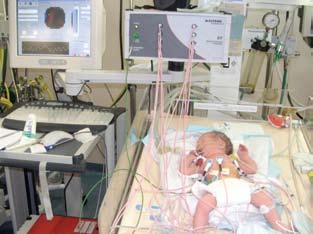
103 The use of electrical impedance tomography in the study of the neonatal cardiorespiratory system
E. Chatziioannidis, T. Samaras, N. Nikolaidis
111 Human metapneumovirus (hMPV) as a viral pathogen in infants and children
I. N. Mammas, C. Koutsaftiki, N. Myriokefalitakis
ORIGINAL ARTICLES
115 Obesity and the metabolic syndrome (MetS) in Greek children and adolescents
O. Filippou, M. Dolianiti, C. Vliora, K. Karanassiou, S. Papadakou-Lagogianni
121 The effect of Christian Orthodox Church fasting on the health and growth of children and adolescents
E. Chryssochoou, M. Linardakis, E. Chatziagorou, I. Tsanakas, A. Kafatos
130 Effect of hospitalization in the NICU on the mother-father relationship
E. Agakidou, C. Lazaridou, E. Diamanti, K. Sarafidis, V. Drossou
PRACTICAL ISSUES
138 Physical activity and diet for the prevention and management of obesity in children
A. Kafatos
142 Overweight child, adult with heart disease?
D. Georgakopoulos
CASE REPORT
147 Congenital central hypoventilation syndrome
A. Andreou, V. Kougia, V. Peristeri
CLINICAL QUIZ
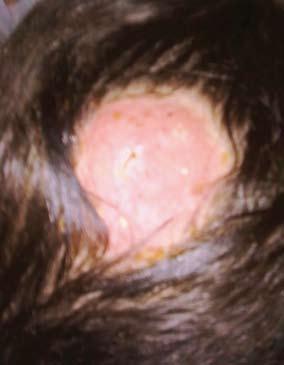
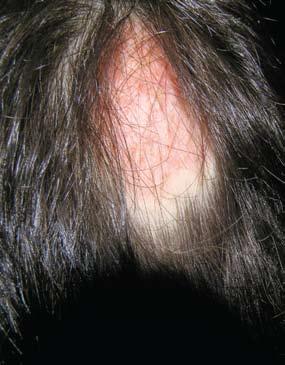
150 Child with a scalp mass
N. Anagnostatou, S. Krüger-Krasagakis, E. Galanakis, M. Kalmanti
151 ANNOUNCEMENTS
ObITUARΙΕS
155 Nikolaos Matsaniotis (1925-2010)
Α. Constantopoulos
156 Ihsan Dogramaci (1915-2010)
C. S. Bartsokas
Αυγουστίδου-Σαββοπούλου, Mεταβολικά νοσήματα,
Θεσσαλονίκη
Γεώργιος Βαρλάμης, Καρδιολογία, Θεσσαλονίκη
Εμμανουήλ Γαλανάκης, Ηθική και Δεοντολογία, Ηράκλειο
Λωρέττα Θωμαΐδου, Αναπτυξιακές διαταραχές, Αθήνα
Μαρία Κανάριου, Ανοσολογία, Αθήνα
Αντώνης Καττάμης, Αιματολογία - Oγκολογία, Αθήνα
Σοφία Κίτσιου-Τζέλη, Γενετική, Αθήνα
Αλεξάνδρα Παπαδοπούλου, Γαστρεντερολογία - Διατροφή, Αθήνα
Βασιλική Παπαευαγγέλου, Λοιμωξιολογία, Αθήνα
Αντιγόνη Σιαμοπούλου-Μαυρίδου, Ρευματολογία, Ιωάννινα
Αντιγόνη Συρίγου-Παπαβασιλείου, Νευρολογία, Αθήνα
Ευαγγελία Χαρμανδάρη, Ενδοκρινολογία, Αθήνα
Μέλη
Alexis Arzimanoglou, Paris, France
Ellis D. Avner, Milwaukee, USA
Swati Bhave, New Delhi, India
Alberto Bissot, Panama, Panama
David Branski, Jerusalem, Israel
Francesco Chiarelli, Chieti, Italy
Chok-Wan Chan, Hong Kong, China
Denis Daneman, Toronto, Canada
Jochen Ehrich, Hannover, Germany
Demetrius Ellis, Pittsburgh, USA
Yoshikatsu Eto, Tokyo, Japan
Richard N. Fine, Stony Brook, USA
Margaret C. Fisher, Philadelphia, USA
Raif Geha, Boston, USA
Adenike Grange, Lagos, Nigeria
Judith G. Hall, Vancouver, Canada
Patricia Hamilton, London, UK
Enver Hasanoglu, Ankara, Turkey
Christer Holmberg, Helsinki, Finland
Lewis B. Holmes, Boston, USA
Editor-in-Chief
Constantinos Stefanidis, Athens
Section Editors
Stella Andronikou, Neonatology, Ioannina
Michael Anthracopoulos, Pneumonology, Patras
Persefoni Avgoustides-Savvopoulou, Metabolic Disorders, Thessaloniki
George Varlamis, Cardiology, Thessaloniki
Emmanouil Galanakis, Ethics and Deontology, Heraklion
Loretta Thomaidou, Developmental Pediatrics, Athens
Maria Kanariou, Immunology, Athens
Antonis Kattamis, Haematology - Oncology, Athens
Sophia Kitsiou-Tzeli, Genetics, Athens
Alexandra Papadopoulou, Gastroenterology - Nutrition, Athens
Vassiliki Papaevagelou, Infectious Diseases, Athens
Antigoni Siamopoulou-Mavridou, Rheumatology, Ioannina
Antigone Syrigou-Papavasiliou, Neurology, Athens
Evangelia Charmandari, Endocrinology, Athens
Peter Hoyer, Essen, Germany
Jan Janda, Prague, Czech Republic
Jan Kimpen, Ultrecht, Netherlands
Craig B. Langman, Chicago, USA
John Manis, Boston, USA
Manuel Moya, Alicante, Spain
Hugh O'Brodovich, Toronto, Canada
Ross Petty, Vancouver, Canada
Willem Proesmans, Leuven, Belgium
Jose Ramet, Antwerp, Belgium
Nikolai Shabalov, St. Petersburg, Russia
Alan Sinaiko, Minneapolis, USA
Nick J. Spencer, Coventry, UK
Alfred Tenore, Udine, Italy
Alkis Togias, Bethesda, USA
Eva Tsalikian, Iowa City, USA
Catherine Weil-Olivier, Paris, France
Max Zach, Graz, Austria
Zheng-Yan Zhao, Hangzhou, China
Johannes Zschocke, Heidelberg, Germany
Investigation and treatment of precocious puberty
E. Charmandari
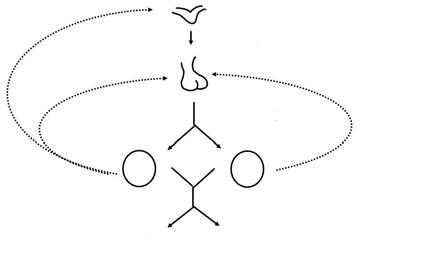
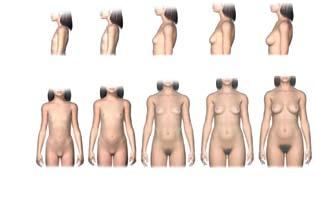
Abstract: Puberty arises as a result of activation of the hypothalamic-pituitary-gonadal axis, which leads to increased secretion of gonadal steroids, and is characterized by the development of primary and secondary sexual characteristics, ultimately leading to the attainment of reproductive capacity. The physical changes that take place during pubertal development follow a certain sequence of events; however, the age of onset and the rate of pubertal maturation vary considerable among individuals. This review discusses the etiology, evaluation, investigation and management of children with precocious puberty.
Key words: Precocious puberty, gonadal steroids, hypothalamic-pituitary-gonadal axis.
LH (luteinizing hormone,
ορμόνη) και FSH (folliclestimulating hormone, ωοθυλακιοτρόπος ορμό-
First Department of Pediatrics, University of Athens Medical School, “Aghia Sophia” Children’s Hospital & Division of Endocrinology and Metabolism, Biomedical Research Foundation, Academy of Athens, Athens, Greece
Correspondence: Evangelia Charmandari evangelia.charmandari@ googlemail.com Department of Endocrinology and Metabolism, Clinical Research Centre Biomedical Research Foundation, Academy of Athens 4, Soranou Efessiou St., 115 27, Athens, Greece
I II III IV V
Διαταραχές του ΚΝΣ Υποθαλαμικό αμάρτωμα Όγκοι του ΚΝΣ Αστροκύττωμα, κρανιοφαρυγγίωμα, επενδύμωμα, οπτικό ή υποθαλαμικό γλοίωμα, αδένωμα που εκκρίνει LH, νευροϊνώματα, δυσγερμινώματα
Συγγενείς Διαμαρτίες του ΚΝΣ Αραχνοειδής κύστη, υπερχιασματική κύστη, υδροκέφαλος, δισχιδής ράχη, διαφραγματο-οπτική δυσπλασία, μυελομηνιγγοκήλη, αγγειακές δυσπλασίες
Επίκτητες παθήσεις
όπως η συγγενής υπερπλασία των επινεφριδίων και οι επινεφριδιακοί όγκοι, έκθεση σε εξωγενείς παράγοντες, όπως
Oerter KE et al., 1990 GnRH (100 mcg) NA RIA >15 U/L (κορίτσια), >25 U/L (αγόρια)
Neely EK et al., 1995 GnRH (100 mcg) 30
>5 U/L (αγόρια, κορίτσια)
Cavallo A et al., 1995 GnRH (100 mcg) 30, 45, 60 IRMA >15 U/L
Eckert KL et al., 1996 GnRH (100 mcg) 40 ICMA >8 U/L
Brito VN et al., 1999 GnRH (100 mcg) 30-45
Brito VN et al., 2004 LH 2 h μετά από 120
IFMA >6,9 U/L (κορίτσια), >9,6 U/L (αγόρια)
IFMA >10 U/L (κορίτσια) 3,75 mcg depot Leuprolide
Resende EA et al., 2007 GnRH (100 mcg) 30-45
ICMA >3,3 U/L (κορίτσια), >4,1 U/L (αγόρια) 30-45
IFMA >4,2 U/L (κορίτσια), >3,3 U/L (αγόρια)
RIA: Radioimmunoassay, IRMA: Immunoradiometric assay, IFMA: Immunofluometric assay, ICMA: Immunochemiluminescent assay
αναφοράς,
Greulich and Pyle,
Greulich and Pyle (12,13).
(intra-observer variation) (14).
and Whitehouse
McCune-Albright,
1. Brook CGD, Clayton P, Brown R. Brook’s Clinical Paediatric Endocrinology. Chapter 10. 2005; p. 183-210.
2. Rosenfield RL, Cooke DW, Radovick S. Puberty and its
disorders in the female. In: Sperling’s Pediatric Endocrinology. 3rd edition. Philadelphia, PA: Saunders Elsevier; 2008. p. 530-609.
3. Marshall WA, Tanner JM. Variations in pattern of pubertal changes in girls. Arch Dis Child 1969;44:291-303.
4. Marshall WA, Tanner JM. Variations in the pattern of pubertal changes in boys. Arch Dis Child 1970;45:13-23.
5. Herman-Giddens ME, Slora EJ, Wasserman RC, Bourdony CJ, Bhapkar MV, Koch GG, et al. Secondary sexual characteristics and menses in young girls seen in office practice: a study from the Pediatric Research in Office Settings network. Pediatrics 1997;99:505-512.
6. Midyett LK, Moore WV, Jacobson JD. Are pubertal changes in girls before age 8 benign? Pediatrics 2003;111:47-51.
7. Parent AS, Teilmann G, Juul A, Skakkebaek NE, Toppari J, Bourguignon JP. The timing of normal puberty and the age limits of sexual precocity: variations around the world, secular trends, and changes after migration. Endocr Rev 2003;24:668-693.
8. Teilmann G, Pedersen CB, Skakkebaek NE, Jensen TK. Increased risk of precocious puberty in internationally adopted children in Denmark. Pediatrics 2006;118:e391e399.
9. Matchock RL, Susman EJ. Family composition and menarcheal age: anti-inbreeding strategies. Am J Hum Biol 2006;18:481-491.
10. Brito VN, Latronico AC, Arnhold IJ, Mendonça BB. Update on the etiology, diagnosis and therapeutic management of sexual precocity. Arq Bras Endocrinol Metabol 2008;52:18-31.
11. Carel JC, Léger J. Clinical practice. Precocious puberty. N Engl J Med 2008;358:2366-2377.
12. Greulich WW, Pyle SI. Radiographic Atlas of Skeletal Development of the Hand and Wrist. 2nd edition. Stanford, California: Stanford University Press; 1959.
13. Bar A, Linder B, Sobel EH, Saenger P, DiMartino-Nardi J. Bayley-Pinneau method of height prediction in girls with central precocious puberty: correlation with adult height. J Pediatr 1995;126:955-958.
14. Bull RK, Edwards PD, Kemp PM, Fry S, Hughes IA. Bone age assessment: a large scale comparison of the Greulich and Pyle, and Tanner and Whitehouse (TW2) methods. Arch Dis Child 1999;81:172-173.
15. Tanner JM, Whitehouse RH, Cameron N, Marshall WA, Healey MJ, Goldstein H. Assessment of skeletal maturity and prediction of adult height. 2nd edition. London: Academic Press; 1983.
16. Roger M, Lahlou N, Chaussain JL. Gonadotropin-releasing hormone testing in pediatrics. In: Ranke MB, ed. Diagnostics of endocrine function in children and adolescents. Heidelberg, Germany: Johann Ambrosius Barth Verlag; 1996. p. 346-369.
17. Resende EA, Lara BH, Reis JD, Ferreira BP, Pereira GA, Borges MF. Assessment of basal and gonadotropin-releasing hormone-stimulated gonadotropins by immuno-chemiluminometric and immunofluorometric assays in normal children. J Clin Endocrinol Metab 2007;92:1424-1429.
18. Neely EK, Wilson DM, Lee PA, Stene M, Hintz RL. Spontaneous serum gonadotropin concentrations in the evaluation of precocious puberty. J Pediatr 1995;127:47-52.
19. de Vries L, Horev G, Schwartz M, Phillip M. Ultrasonographic and clinical parameters for early differentiation
between precocious puberty and premature thelarche. Eur J Endocrinol 2006;154:891-898.
20. Liu G, Duranteau L, Carel J-C, Monroe J, Doyle DA, Shenker A. Leydig-cell tumors caused by an activating mutation of the gene encoding the luteinizing hormone receptor. N Engl J Med 1999;341:1731-1736.
21. Stanhope R. Gonadotrophin-dependent precocious puberty and occult intracranial tumors: which girls should have neuro-imaging? J Pediatr 2003;143:426-427.
22. De Sanctis V, Corrias A, Rizzo V, Bertelloni S, Urso L, Galluzzi F, et al. Etiology of central precocious puberty in males: the results of the Italian Study Group for Physiopathology of Puberty. J Pediatr Endocrinol Metab 2000; 13(Suppl 1):687-693.
23. Chalumeau M, Hadjiathanasiou CG, Ng SM, Cassio A, Mul D, Cisternino M, et al. Selecting girls with precocious puberty for brain imaging: validation of European evidencebased diagnosis rule. J Pediatr 2003;143:445-450.
24. Lahlou N, Carel JC, Chaussain JL, Roger M. Pharmacokinetics and pharmacodynamics of GnRH agonists: clinical implications in pediatrics. J Pediatr Endocrinol Metab 2000;13(Suppl 1):723-737.
25. Neely EK, Hintz RL, Parker B, Bachrach LK, Cohen P, Olney R, et al. Two-year results of treatment with depot leuprolide acetate for central precocious puberty. J Pediatr 1992;121:634-640.
26. Carel JC, Blumberg J, Seymour C, Adamsbaum C, Lahlou N. Three-month sustained-release triptorelin (11.25 mg) in the treatment of central precocious puberty. Eur J Endocrinol 2006;154:119-124.
27. Bhatia S, Neely EK, Wilson DM. Serum luteinizing hormone rises within minutes after depot leuprolide injection: implications for monitoring therapy. Pediatrics 2002;109: E30-E30.
28. Carel JC, Lahlou N, Roger M, Chaussain JL. Precocious puberty and statural growth. Hum Reprod Update 2004;10: 135-147.
29. Klein KO, Barnes KM, Jones JV, Feuillan PP, Cutler GB Jr. Increased final height in precocious puberty after longterm treatment with LHRH agonists: the National Institutes of Health experience. J Clin Endocrinol Metab 2001;86: 4711-4716.
30. Palmert MR, Mansfield MJ, Crowley WF Jr, Crigler JF Jr, Crawford JD, Boepple PA. Is obesity an outcome of gonadotropin-releasing hormone agonist administration? Analysis of growth and body composition in 110 patients with central precocious puberty. J Clin Endocrinol Metab 1999;84:4480-4488.
31. Carel JC, Eugster EA, Rogol A, Ghizzoni L, Palmert MR; ESPE-LWPES GnRH Analogs Consensus Conference Group. Consensus statement on the use of gonadotropinreleasing hormone analogs in children. Pediatrics 2009;123: e752-762.
32. Pectasides D, Pectasides E, Psyrri A. Granulosa cell tumor of the ovary. Cancer Treat Rev 2008;34:1-12.
33. Linam LE, Darolia R, Naffaa LN, Breech LL, O'hara SM, Hillard PJ, et al. US findings of adnexal torsion in children and adolescents: size really does matter. Pediatr Radiol 2007;37:1013-1019.
34. Feuillan P, Calis K, Hill S, Shawker T, Robey PG, Collins MT. Letrozole treatment of precocious puberty in girls with the McCune-Albright syndrome: a pilot study. J Clin Endocrinol Metab 2007;92:2100-2106.
35. Eugster EA, Rubin SD, Reiter EO, Plourde P, Jou HC, Pescovitz OH. Tamoxifen treatment for precocious puberty in McCune-Albright syndrome: a multicenter trial. J Pediatr 2003;143:60-66.
3rd Paediatric Department, Aristotle University of Thessaloniki, Hippocrateion Hospital of Thessaloniki
Correspondence: Antigone Mavroudi antigonemavrudi@gmail.com
3rd Paediatric Department, Aristotle University of Thessaloniki, Hippocrateion Hospital of Thessaloniki
Atopic dermatitis: new insights on aetiology and treatment
A. Mavroudi, E. Chatziagorou, F. Kirvassilis
Abstract: Atopic dermatitis (AD) is a highly pruritic chronic inflammatory skin disease with a prevalence in children of 10-20% in westernized countries. Of its major features, pruritus and chronic or relapsing eczematous dermatitis, in a typical distribution pattern, are essential for diagnosis. Interaction between susceptibility genes and the host environment and immunological factors contributes to the pathogenesis of AD. The skin homing T-cells of AD patients express T helper cell type 2 (Th2) cytokines, such as IL-4, IL-5, and IL-13, which induce IgE and eosiniphilia. Transition from acute to chronic AD is associated with a switch from predominantly Th2 cytokines to a combination of Th1 and Th2 gene expression. Patients with AD have an increased tendency to develop bacterial, viral and fungal skin infections. Successful management of AD requires a multipronged approach. Skin hydration and emollients are needed to repair the barrier function of the skin. Topical antiinflammatory agents (corticosteroids, pimecrolimus, tacrolimus) constitute the cornerstone of treatment of acute flare up, and contribute to the prevention of relapses. Avoidance of the offending food and inhalant allergens may prevent flare ups. Antimicrobial therapy is often useful in poorly controlled patients. Systemic antihistamines may be useful in ameliorating histamine-induced pruritus. Patients whose AD is refractory to conventional forms of treatment may be considered suitable subjects for administration of systemic glucocorticoids or alternative antiinflammatory and immunomodulatory agents.
Key words: Atopic dermatitis, child, pathogenesis, cytokines, treatment.
CD80/ CD86 CD28 T
APC
MHC 1
1.
2.
3. Ξηροδερμία
Γ. Συνοδά χαρακτηριστικά
που δεν είναι ειδικά:
Πίνακας 2. Ελάσσονα κριτήρια
1. Ξηροδερμία
2. Ιχθύωση, υπεργράμμωση παλαμών
3. Δερματίτιδα παλαμών/πελμάτων άμεσου τύπου Ι υπερευαισθησία
4. Αυξημένη ολική IgE
5. Μικρή ηλικία έναρξης
6. Τάση για δερματικές λοιμώξεις ιδιαίτερα από σταφυλόκοκκο και απλό έρπητα
7. Eιδική δερματίτιδα χεριών-ποδιών
8. Έκζεμα θηλών
9. Χειλίτιδα
10. Υποτροπιάζουσες επιπεφυκίτιδες
11. Πτυχές των Dennie Morgan στα κάτω βλέφαρα
12. Κερατόκωνος
13. Πρόσθιος υποκάψιος καταρράκτης
14. Ρινοφθαλμική σκίαση
15. Ωχρότητα προσώπου
Eigenmann
(Scoring Atopic Dermatitis Index),
(Eczema Area and Severity Index),
Πίνακας 6. Eczema Area and Severity Index (EASI)
0
1
2
3
Περιοχές
Άνω άκρα (Ε+Δ+Εκ+Λ) x προσβολή περιοχής x 0,2α
Κάτω άκρα (Ε+Δ+Εκ+Λ) x προσβολή περιοχής x 0,4α
Θώρακα (Ε+Δ+Εκ+Λ) x προσβολή περιοχής x 0,3α
Κεφάλι και λαιμός (Ε+Δ+Εκ+Λ) x προσβολή περιοχής x 0,1α
EASI =
(42).
1. Leung DYM. Role of Staphylococcus aureus in atopic dermatitis. In: Bieber T and Leung DYM. Atopic dermatitis. New York: Marcel Dekker, Inc; 2002. p. 401-418.
2. Simpson CR, Newton J, Hippisley-Cox J, Sheikh A. Incidence and prevalence of multiple allergic disorders recorded in a national primary care database. J R Soc Med 2008:101:558-563.
3. Ring J, Huss-Marp J. Atopic eczema. Karger Gazette 2004:7-9.
4. Schultz Larsen F, Hanifin JM. Epidemiology of atopic dermatitis. Immunol Allergy Clin North Am 2002;22:1-24.
5. Mao XQ, Shirakawa T, Yoshikawa T, Yoshikawa K, Kawai M, Sasaki S, et al. Association between genetic: variants of mast-cell chymase and eczema, Lancet 1996;348:581-583.
6. Arkwright PD, Chase JM, Babbage S, Pravica V, David TJ, Huchinson IV. Atopic dermatitis is associated with a lowproducer transforming growth factor β1 cytokine genotype, J Allergy Clin Immunol 2001;108:281-284.
7. Turner JD, Schwartz RA. Atopic Dermatitis. A clinical challenge. Acta Dermatoven APA 2006;15:59-68.
8. Cookson WO, Ubhi B, Lawrence R, Abecasis GR, Walley AJ, Cox HE, et al. Genetic linkage of childhood atopic dermatitis to psoriasis susceptibility loci. Nat Genet 2001;27:372-373.
9. Cookson WO, Moffatt MF. The genetics of atopic dermatitis. Curr Opin Allergy Clin Immunol 2002;2:383-387.
10. Palmer CN, Irvine AD, Terron-Kwiatkowski A, Zhao Y, Liao H, Lee SP, et al. Common loss-of-function variants of the epidermal barrier protein filaggrin are a major predisposing factor for atopic dermatitis. Nat Genet 2006; 38:441-446.
11. Mc Girt L, Berk L. Innate immune defects in atopic dermatitis. J Allergy Clin Immunol 2006;118:202-208.
12. Leung D, Boguniewicz M, Howell M, Nomura I, Hamid Q. New insights into atopic dermatitis. J Clin Invest 2004; 113: 651-657.
13. Higashi N, Gesser B, Kawana S, Thestrup-Pedersen K. Expression of IL-18 mRNA and secretion of IL-18 are reduced in monocytes from patients with atopic dermatitis. J Allergy Clin Immunol 2001;108:607-614.
14. Hanifin JM, Chan SC, Cheng JB, Tofte SJ, Henderson WR, Kirby DS, et al. Type 4 phosphodiesterase inhibitors have clinical and in vitro anti-inflammatory effects in atopic dermatitis. J Invest Dermatol 1996;107:51-56.
15. Jirapongsananuruk O, Hofer MF, Trumble AE, Norris DA, Leung DY. Enhanced expression of B7.2 (CD86) in patients with atopic dermatitis: a potential role in the modulation of IgE synthesis. J Immunol 1998;160:4622-4627,1998.
16. Boguniewicz M, Leung DY. Atopic Dermatitis. J Allergy Clin Immunol 2006;117(2 Suppl):S475-S480.
17. Hamid Q, Boguniewicz M, Leung DY. Differential in situ cytokine gene expression in acute versus chronic atopic dermatitis. J Clin Invest 1994;94:870-876.
18. Hamid Q, Naseer T, Minshall EM, Song YL, Boguniewicz M, Leung DY. In vivo expression of IL-12 and IL-13 in atopic dermatitis. J Allergy Clin Immunol 1996;98:225-231.
19. Trautmann A, Akdis M, Schmid-Grendelmeier P, Disch R, Brocker EB, Blaser K, et al. Targeting keratinocyte apoptosis in the treatment of atopic dermatitis and allergic contact dermatitis. J Allergy Clin Immunol 2001;108:839-846.
20. von Bubnoff D, Geiger E, Bieber T. Antigen-presenting cells in allergy. J Allergy Clin Immunol 2001;108:329-339.
21. Ohki O, Yokozeki H, Katayama I, Umeda T, Azuma M, Okumura K, et al. Functional CD86 (B7-2/B70) is predominantly expressed on Langerhans cells in atopic dermatitis. Br J Dermatol 1997;136:838-845.
22. Schuller E, Teichmann B, Haberstok J, Moderer M, Bieber T, Wollenberg A. In situ expression of the co-stimulatory molecules CD80 and CD86 on Langerhans cells and inflammatory dendritic epidermal cells (IDEC) in atopic dermatitis, Arch Dermatol Res 2001;293:448-454.
23. Laberge S, Ghaffar O, Boguniewicz M, Center DM, Leung DY, Hamid Q. Association of increased CD4+ T-cell infiltration with increased IL-16 gene expression in atopic dermatitis. J Allergy Clin Immunol 1998;102:645-650.
24. Reich K, Hugo S, Middel P, Blaschke V, Middel P, Kaser A, et al. Evidence for a role of Langerhans cell-derived IL-16 in atopic dermatitis. J Allergy Clin Immunol 2002;109:681687.
25. Taha RA, Minshall EM, Leung DY, Boguniewicz M, Luster A, Muro S, et al. Evidence for increased expression of eotaxin and monocyte chemotactic protein-4 in atopic dermatitis. J Allergy Clin Immunol 2000;105:1002-1007.
26. Morita E, Kameyoshi Y, Hiragun T, Mihara S, Yamamoto S. The C-C chemokines, RANTES and eotaxin, in atopic dermatitis. Allergy 2001; 56:194-195.
27. Morales J, Homey B, Vicari AP, Hudak S, Oldham E, Hedrick J, et al. CTACK, a skin-associated chemokine that preferentially attracts skin-homing memory T cells. Proc Natl Acad Sci USA 1999;96:14470-14475.
28. Yawalkar N, Uguccioni M, Scharer J, Braunwalder J, Karlen S, Dewald B, et al. Enhanced expression of eotaxin and CCR3 in atopic dermatitis. J Invest Dermatol 1999;113:43-48.
29. Bratton DL, Hamid Q, Boguniewicz M, Doherty DE, Kailey JM, Leung DY. Granulocyte macrophage colony-stimulating factor contributes to enhanced monocyte survival in chronic atopic dermatitis. J Clin Invest 1995;95:211-218.
30. Giustizieri ML, Mascia F, Frezzolini A, De Pita O, Chinni LM, Giannetti A, et al. Keratinocytes from patients with atopic dermatitis and psoriasis show a distinct chemokine production profile in response to T cell-derived cytokines. J Allergy Clin Immunol 2001;107:871-877.
31. Breuer K, Wittmann M, Bosche B, Kapp A, Werfel T. Severe atopic dermatitis is associated with sensitization to staphylococcal enterotoxin B (SEB). Allergy 2000;55:551-555.
32. Jones SM, Wesley Burks. Atopic Dermatitis and Food Hypersensitivity. In: Leung YM, Sampson H, Geha R, Szefler S, editors. Pediatric Allergy: Principles and Practice. New York: Mosby; 2003. p. 538-545.
33. Krakowski A, Eichenfield L, Dohil M. Management of
Atopic Dermatitis in paediatric population. Paediatrics 2008; 122:812-824.
34. Kunz B, Oranje AP, Labreze L, Stalder JF, Ring J, Taieb A. Clinical validation and guidelines for the SCORAD index: consensus report of the European Task Force on Atopic Dermatitis. Dermatology 1997;195:10-19.
35. Elias PM. Barrier repair trumps immunology in the pathogenesis and therapy of atopic dermatitis. Drug Discov Today Dis Mech. [Internet]. 2008: Webpage: http://www. ncbi.nlm.nih.gov/pmc/articles/PMC2614267.
36. Vickery BP. Skin barrier function in atopic dermatitis. Curr Opin Pediatr 2007;19:89-93.
37. Simon C. Childhood atopic eczema. Innovait 2008;1:423-429.
38. Zuberbier T, Chong SU, Grunow K, Guhl S, Walker P, Grassberger M. The ascomycin macrolactam pimecrolimus (Elidel, SDZ ASM 981) is a potent inhibitor of mediator release from human dermal mast cells and peripheral blood basophils. Allergy Clin Immunol 2001;108:275-280.
39. Reitamo S. Tacrolimus: a new topical immunomodulatory therapy for atopic dermatitis. J Allergy Clin Immunol 2001; 107:445-448.
40. National Institute for Clinical Excellence. Atopic eczema in children: management of atopic eczema in children from birth up to age of 12 years. NICE Clinical Guidelines 57.
London: NICE; 2007. Webpage: http://rcgp.org.uk/default. aspx?page=6743.
41. Jolles S. A review of high-dose intravenous immunoglobulin treatment for atopic dermatitis. Clin Exp Dermatol 2002; 27:3-7.
42. Leung D. Atopic Dermatitis. In: Leung YM, Sampson H, Geha R, Szefler S, editors. Pediatric Allergy: Principles and Practice. New York: Mosby; 2003. p. 561-573.
43. van der Aa L, Heymans H, van Aalderen W, Sprikkelman A. Probiotics and prebiotics in atopic dermatitis: review of the theoretical background and clinical evidence. Pediatr Allergy Immunol [Internet]. 2009 Mar: Webpage: http:// www.ifh-homehygiene.org/IntegratedCRD.nsf/861f122a0 98364b98025750800643950/92de807a69acf7d6802576010 04e52be?OpenDocument
44. Arslanoglu S, Moro G, Schmitt J, Tandoi L, Rizzardi S, Boehm G. Early dietary intervention with a mixture of prebiotic oligosaccharides reduces the incidence of allergic manifestations and infections during the first two years of life. J Nutr 2008;138:1091-1095.
45. Boyle R, Baxt-Hextall F, Leonardi-Bee J, Murrell D, L-K Tang M. Probiotics for the treatment of eczema: a systematic review. Clinical & Experimental Allergy 2009;39:11171127.
The use of electrical impedance tomography in the study of the neonatal cardiorespiratory system
E. Chatziioannidis1, T. Samaras2, N. Nikolaidis1
Abstract: The management of disorders of the cardiorespiratory system is a procedure that usually necessitates collection of data in terms of both the anatomy and the functioning of the organs under study. Electrical Impedance Tomography (EIT) constitutes an alternative approach to the traditional imaging techniques. With EIT, electrodes are placed on the perimeters of the body, and images of the organ under investigation are generated, using the measurement of impedance (or resistance) distribution and determining its alteration with time, without the need for the subject to be exposed to ionizing radiation. Its effectiveness depends on the correct placement of the electrodes over the perimeter of the human body, and the technique is characterized by rapidity of data collection, safety, low cost, and its ease of implementation at the patient’s bedside. It enables determination of ventilation distribution and blood supply, and identification of diffuse or localized lung defects, but it can also be used to assess therapeutic interventions or changes in the mechanical support of the neonate. EIT was developed at the beginning of the 1980s, but it has only recently begun to be implemented on neonates, particularly in the study of respiratory function. The advantages of the technological development of the method are not as great as were expected, and there are limits to its application in the neonatal period. This review cites the most important studies on EIT in terms of investigation of the cardiorespiratory system, in comparison to other imaging techniques. The poor rates of image analysis is considered to be the major drawback of EIT, but this is balanced by its potential for the evaluation of lung function (under both normal and pathological conditions), since aeration and resistance are directly proportional quantities. Through its further development, it is anticipated that this technique will be able to offer a great deal of help to the clinician in evaluation of the cardiorespiratory system and selection of the best therapeutic strategies.
Key words: Tomography, resistance, impedance, neonates, cardiorespiratory system.
1 Second Neonatal Intensive Care Unit, Aristotle University of Thessaloniki, General Hospital “Papageorgiou”, Thessaloniki
2 Department of Physics, Aristotle University of Thessaloniki
Correspondence: H. Chatziioannidis hlias42@otenet.gr
3B Ag. Triados St., 57010, Pefka, Greece
(Electrical Impedance Tomography). H
(data)
πνευμόνων (regional distribution of ventilation, local lung ventilation) (16,36,43,44)
(nondependent areas)
(dependent areas),
(mechanical inhalations)
taneous breathing).
(SPECT, Single Photon Emission Computed
3)
4)
1. Brown BH. Electrical impedance tomography (EIT): a review. J Med Eng Technol 2003;27(3):97-108.
2. Caples M, Hubmayr RD. Respiratory monitoring tools in the intensive care unit. Curr Opin Crit Care 2003;9:230-235.
3. Frerichs I. Electrical impedance tomography (EIT) in applications related to lung and ventilation: a review of experimental and clinical activities. Physiol Meas 2000; 21:1-21.
4. Taktak A, Spencer A, Record P, Gadd R, Rolfe P. Feasibility of neonatal lung imaging using electrical impedance tomography. Early Hum Dev 1996;44:131-138.
5. Wilson A, Milnes P, Waterworth AR, Brown BH. Mk3.5 a modular, multi-frequency successor to the Mk3.5a EIS/ EIT system. Physiol Meas 2001;22:49-54.
6. Mc Leod C. EIT for medical applications at Oxford Brookes 1985-2003. In: D.S. Holder, editor. Electrical Impedance
Tomography: Methods, History and Applications. CRC Press 2005; p. 373-387.
7. Brown BH. Overview of clinical applications. Proceedings of the Meeting on Electrical Impedance Tomography; 1990 July 14-16; Copenhagen. p. 29-35.
8. Holder DS, Brown BH. Biomedical applications of EIT: a critical review. In: D. Holder, editor. Clinical and Physiological Applications of Electrical Impedance Tomography. Taylor & Frands; 1993.
9. Newell JC, Gisser DG, Isaacson D. An electric current tomography. IEEE Trans Biomed Eng 1988;35:828-833.
10. Morucci JP, Rigaud B. Bioelectrical impedance techniques in medicine part III: impedance imaging. Third section: medical applications. Crit Rev Biomed Eng 1996;24:655-677.
11. Boone K, Barber D, Brown B. Imaging with electricity: Report of the European Concerted Action on Impedance Tomography. J Med Eng Technol 1997;21:201-232.
12. Kotre CJ. Electrical Impedance Tomography. Br J Radiol 1997;70:S200-S205.
13. Brown BH, Seagar AD. The Sheffield data collection system. Clin Phys Physiol Meas 1987; 8(Suppl A):91-97.
14. Noble TJ, Morice AH, Channer KS, Milnes P, Harris ND, Brown BH. Monitoring patients with left ventricular failure by electrical impedance tomography. Eur J Heart Fail 1999;1:379-384.
15. Nopp P, Harris WD, Zhao TX, Brown BH. Model of the dielectric properties of human lung tissue against frequency and air content. Med Biol Eng Comput 1997;35:695-702.
16. Smallwood RH, Hampshire AR, Brown BH, Primhak RA, Marven S, Nopp P. A comparison of neonatal and adult lung impedances derived from EIT images. Physiol Meas 1999;20:401-413.
17. Χατζηιωαννίδης
2009;72:75-81.
18. Hampshire AR, Smallwood RH, Brown BH, Primhak RA. Multi-frequency and parametric EIT images of neonatal lungs. Physiol Meas 1996;17:205-212.
19. Marven SS, Hampshire AR, Smallwood RH, Brown BH, Primhak RH. Reproducibility of electrical impedance tomographic spectroscopy (EITS) images of neonatal lungs. Physiol Meas 1996;17:205-212.
20. Brown BH, Primhak RA, Smallwood RH, Milnes P. Neonatal lungs: maturational changes in lung resistivity spectra. Med Biol Eng Comput 2002;40:506-511.
21. Brown BH, Primhak RA, Smallwood RH, Milnes P. Neonatal lungs- can absolute lung resistivity be determined non-invasively? Med Biol Eng Comput 2002;40;388-394.
22. Wolf GK, Arnold JH. Electrical impedance tomography: Ready for prime time? Intensive Care Med 2006;32:12901292.
23. Frerichs I, Schiffmann H, Hahn G, Hellige G. Non-invasive radiation-free monitoring of regional lung ventilation on critically ill infants. Intensive Care Med 2001;27:1385-1394.
24. Frerichs I, Hahn G, Shiffmann H, Berger C. Monitoring lung ventilation by functional Electrical Impedance Tomography during assisted ventilation. Ann N Y Acad Sci 1999; 873:493-505.
25. Hedenstierna G. Using Electric Impedance Tomography to assess regional ventilation at the bedside. Am J Respir Crit Care Med 2004;169:777-778.
26. Frerichs I, Hahn G, Hellige G. Thoracic electrical impedance tomography measurements during volume controlled ventilation-effects of tidal volume and positive end-expiratory pressure. IEEE Trans Med Imaging 1999; 18:763-773.
27. Kunst PW, Vonk Noordegraaf A, Hoekstra OS, Postmus PE, de Vries PM. Ventilation and perfusion imaging by electrical impedance tomography: a comparison with radionuclide scanning. Physiol Meas 1998;19:481-490.
28. Duck FA. Physical properties of tissue. New York, London: Academic Press; 1990.
29. Schibler A, Henning R. Measurement of functional residual capacity in rabbits and children using an ultrasonic flow meter. Pediatr Research 2001;49:581-588.
30. Barber DC. EIT: The view from Sheffield. In: D.S. Holder editor. Electrical Impedance Tomography: Methods, History and Applications. CRC Press, 2005; p. 348-371.
31. Metherall P, Barber DC, Smallwood RH, Brown BH. Three-dimensional electrical impedance tomography. Nature 1996;380:509-512.
32. Harris ND. Applications of EIT in respiratory medicine [PhD thesis]. University of Sheffield, 1991.
33. Harris ND, Suggett AJ, Barber DC, Brown BH. Applications of applied potential tomography (APT) in respiratory medicine. Clin Phys Phys Measur 1987;8(Suppl. A):155-165.
34. Paiva M, Engel LA. Gas mixing in the lung periphery. Respiratory physiology: an analytical approach. In: Chang HK, Paiva M (eds). 1st ed. New York: Marcel Dekker, 1989; p. 245-276.
35. Pillow JJ, Frerichs I, Stocks J. Lung function tests in neonates and infants with chronic lung disease: global and regional ventilation inhomogeneity. Pediatr Pulmonol 2006;41:105-121.
36. Frerichs I, Braun B, Dudykevych T, Hahn G, Genée D, Hellige G. Distribution of ventilation in young and elderly adults determined by electrical impedance tomography. Respir Physiol Neurobiol 2004;143:63-75.
37. Frerichs I, Hinz J, Herrmann P, Weisser G, Hahn G, Dudykevych T, et al. Detection of local lung air content by electrical impedance tomography compared with electron beam CT. J Appl Physiol 2002;93:660-666.
38. Hinz J, Neumann P, Dudykevych T, Anderson LG. Regional ventilation by Electrical Impedance Tomography. A comparison with ventilation scintigraphy in pigs. Chest 2003;124:314-322.
39. Victorino JA, Borges JB, Okamoto VN, Matos GFJ, Tucci MR, Caramez MP, et al. Imbalances in regional lung ventilation: A validation study on electrical impedance tomography. Am J Respir Crit Care Med 2004;169:791-800.
40. Frerichs I, Schiffmann H, Oehler R, Dudykevych T, Hahn G, et al. Distribution of lung ventilation in spontaneously breathing neonates lying in different body positions. Intensive Care Med 2003;29:787-794.
41. Hahn G, Ipinková I, Baisch F, Hellige G. Changes in the thoracic impedance distribution under different ventilatory conditions. Physiol Meas 1995;16:161-173.
42. Hinz J, Neumann P, Hahn G, Maripuu E, Andersson LG, Hellige G, et al. Electrical impedance tomography measures ventilation distribution: A comparison with ventilation scintigraphy. Intensive Care Med 2000;26(Suppl 3):292.
43. Riedel T, Richards T, Schibler A. The value of electrical impedance tomography in assessing the effect of body
position and positive airway pressures on regional lung ventilation in spontaneously breathing subjects. Intensive Care Med 2005;31:1522-1528.
44. Van Genderingen HR, Vugt AJ, Jansen JR. Estimation of regional lung volume changes by electrical impedance tomography during a pressure-volume manoeuvre. Intensive Care Med 2003;29:233-240.
45. Larsson A, Jonmarker C, Lindahl SG, Werner O. Lung function in the supine and lateral decubitus positions in anaesthetized infants and children. Br J Anaesth 1989;62: 378-384.
46. Schrod L, Frauendienst-Egger G, von Stockhausen HB. Effect of body position and positioning changes on lung function in premature and newborn infants. Klin Pädiatr 1993;205:145-149.
47. Heinrich S, Schiffmann H, Frerichs A, Klockgether-Radke A, Frerichs I. Body and head position effects on regional lung ventilation in infants: An electrical impedance tomography study. Intensive Care Med. 2006;32:1392-1398.
48. Paluszynska DA, Harris KA, Thach BT. Influence of sleep position experience on ability of prone-sleeping infants to escape from asphyxiating microenvironments by changing head position. Pediatrics 2004;114:1634-1639.
49. Alexander RT, Radisch D. Sudden infant death syndrome risk factors with regards to sleep position, sleep surface, and co-sleeping. J Forensic Sci 2005;50:147-151.
50. Wells D, Gillies D, Fitzgerald D. Positioning for acute respiratory distress in hospitalised infants and children. Cochrane Database Syst Rev 2005;2:CD003645.
51. Malloy MH. SIDS-a syndrome in search of a cause. N Engl J Med 2004;2:957-959.
52. Wolf GK, Arnold JA. Noninvasive assessment of lung volume: respiratory inductance plethysmography and electrical impedance tomography. Crit Care Med 2005;33:163-169.
53. Dunlop S, Hough J, Riedel T, Fraser JF, Dunster K, Schibler A. Electrical impedance tomography in extremely prematurely born infants and during high frequency oscillatory ventilation analyzed in the frequency domain. Physiol Meas 2006;27:1151-1165.
54. Kunst PW, de Vries PM, Postmus PE, Bakker J. Evaluation of electrical impedance tomography in the measurement of PEEP-induced changes in lung volume. Chest 1999;115: 1102-1106.
55. Eyugboglu BM, Brown BH, Barber DC. In-vivo imaging of cardiac related impedance changes. IEEE Engineering in Medicine & Biology 1989;8:39-45.
56. Brown BH, Barber DC, Morice AH, Leathard AD. Cardiac and respiratory related electrical impedance changes in the human thorax. IEEE Trans Biomed Eng 1994;41:729-734.
57. Zadenkoochak M, Blott BH, Hames TK, George RF. Pulmonary perfusion and ventricular ejection imaging by frequency domain filtering of EIT images. Clin Phys Meas 1992;13:191-196.
58. Von Noordergraaf, Kunst PW, Janse A, Smulders RA, Heethar RM, Postmus PE, et al. The validity and reproducibility of electrical impedance tomography for measurement of calf blood flow in healthy subjects. Med Biol Eng Comut 1997;35:107-112.
59. Smit HJ, Noordegraaf AV, Faes TJ, Postmus PE Electrical Impedance Tomography to measure pulmonary perfusion: is the reproducibility high enough for clinical practice? Physiol Meas 2003;24:491-499.
60. Smit HJ, Vonk-Noordegraaf A, Boonstra A, de Vries PM, Postmus PE. Assessment of the pulmonary volume pulse in idiopathic pulmonary arterial hypertension by means of electrical impedance tomography. Respiration 2006;73: 597-602.
61. Νoble TJ, Harris ND, Morice AH, Milnes P, Brown BH. Diuretic induced change in lung water assessed by electrical impedance tomography. Physiol Meas 2000;21:155-163.
62. Serrano RE, Casas O, Lema BD, Feixas R, et al. Unilateral lung ventilation assessment by means of impedance tomography in a clinical environment. Proceedings of the XI International Conference on Electrical Bio-impedance; 2001, June 17-21; Oslo. p. 433-437.
Human metapneumovirus (hMPV) as a viral pathogen in infants and children
I. Ν. Mammas, C. Koutsaftiki, N. Myriokefalitakis
Abstract: Human metapneumovirus (hMPV) is an RNA virus classified in the Paramyxoviridae family and the Metapneumovirus genus. hMPV was first described in June 2001 in children in the Netherlands and it has recently been detected in children with acute respiratory tract infection. hMPV has a seasonal distribution, with recurrent epidemics during the winter and spring months. Serological studies have shown that almost 90% of children have been exposed to hMPV before the age of 5 years. Although hMPV infection has clinical characteristics similar to those of infection by the respiratory syncytial virus (RSV), the precise epidemiological and clinical features of hMPV infection in childhood have yet to be established. Bronchiolitis is the most common clinical diagnosis in children with hMPV infection. RSV and hMPV coinfection has been proposed by several researchers as a risk factor for clinical severity, duration of hospitalization and requirement for supplemental oxygen. Detection of hMPV can be made using the reverse transcriptase-polymerase chain reaction technique (PCR), cellular culture, enzyme-linked immunoassay or immunofluorescence and serological studies. This is a review of recent data reported in the literature regarding the epidemiology and clinical features of hMPV infection in infants and children.
Key words: Human metapneumovirus, hMPV, infants, children.
1st Department of Paediatrics, General Children’s Hospital of Penteli, Athens, Greece
Correspondence: Ioannis N. Mammas mammasjo@hotmail.com 1st Department of Paediatrics, General Children’s Hospital of Penteli, 152 36, Palaia Penteli, Athens, Greece
Mahona
χειμώνα 2002-2003 στη Νορβηγία (10), περιγρά-
Βιβλιογραφία
1. von Linstow ML, Larsen HH, Eugen-Olsen J, Koch A, Nordmann Winther T, Meyer AM, et al. Human metapneumovirus and respiratory syncytial virus in hospitalized Danish children with acute respiratory tract infection. Scand J Infect Dis 2004;36:578-584.
2. van der Hoogen BG, van Doomun GJ, Fockens JC, Cornelissen JJ, Beyer WE, de Groot R, et al. Prevalence and clinical symptoms of human metapneumovirus infection in hospitalized patients. J Infect Dis 2003;188:1571-1577.
3. Caracciolo S, Minini C, Colombrita D, Rossi D, Miglietti N, Vettore E, et al. Human metapneumovirus infection in young children hospitalized with acute respiratory tract disease: virologic and clinical features. Pediatr Infect Dis J 2008;27:406-412.
4. Foulongne V, Guyon G, Rodière M, Segondy M. Human metapneumovirus infection in young children hospitalized with respiratory tract disease. Pediatr Infect Dis J 2006;25: 354-359.
5. Biacchesi S, Skiadopoulos MH, Boivin G, Hanson CT, Murphy BR, Collins PL, et al. Genetic diversity between human metapneumovirus subgroups. Virology 2003;315:1-9.
6. Hunk B, Scharf G, Neumann-Haefelin D, Weigl J, Falcone V. Novel human metapneumovirus sublineage. Emerg Infect Dis 2006;12:147-150.
7. Esper F, Boucher D, Weibel C, Martinello RA, Kahn JS. Human metapneumovirus infection in the United States: clinical manifestations associated with a newly emerging respiratory infection in children. Pediatrics 2003;111:14071410.
8. Noyola DE, Alpuche-Solis AG, Herrera-Diaz A, SoriaGuerra RE, Sanchez-Alvarado J. Human metapneumovirus infections in Mexico: epidemiological and clinical characteristics. J Med Microbiol 2005;54:969-974.
9. Manoha C, Espinosa S, Aho SL, Huet F, Pothier P. Epidemiological and clinical features of hMPV, RSV and RVs infections in young children. J Clin Virol 2007;38:221-226.
10. Døllner H, Risnes K, Radtke A, Nordbø SA. Outbreak of human metapneumovirus infection in Norwegian children. Pediatr Infect Dis J 2004;23:436-440.
11. Hopkins MJ, Redmond C, Shaw JM, Hart IJ, Hart A. Detection and characterization of human metapneumovirus from children with acute respiratory symptoms in northwest England, UK. J Clin Virol 2008;42:273-279.
12. van den Hoogen BG, Osterhaus DM, Fouchier RA. Clinical impact and diagnosis of human metapneumovirus infection. Pediatr Infect Dis J 2004;23:S25-32 .
13. Xepapadaki P, Psarras S, Bossios A, Tsolia M, Gourgiotis D, Liapi-Adamidou G, et al. Human Metapneumovirus as a causative agent of acute bronchiolitis in infants. J Clin Virol 2004;30:267-270.
14. Mammas I, Vagia F, Nika E, Stefanopoulou E, Makri A, Vogiatzi A, et al. Human metapneumovirus (hMPV) in non-hospitalised Greek infants with acute respiratory tract infection. Pediatr Infect Dis J 2009;28:220.
15. Leung J, Esper F, Weibel C, Kahn JS. Seroepidemioloy of human metapneumovirus (hMPV) on the basis of a novel enzyme-linked immunosorbent assay utilizing hMPV fusion protein expressed in recombinant vesicular stomatitis virus. J Clin Microbiol 2005;43:1213-1219.
16. Kukavica-Ibrulj I, Boivin G. Detection of human metapneumovirus antigens in nasopharyngeal aspirates using an enzyme immunoassay. J Clin Virol 2008;44:88-90.
17. Stockton J, Stephenson I, Fleming D, Zambon M. Human metapneumovirus as a cause of community-acquired respiratory illness. Emerg Infect Dis 2002;8:897-901.
18. Williams JV, Harris PA, Tollefson SJ, Halburnt-Rush LL, Pingsterhaus JM, Edwards KM, et al. Human metapneumovirus and lower respiratory tract disease in otherwise healthy infants and children. N Engl J Med 2004; 250:443-450.
19. Estrada B, Carter M, Barik S, Vidal R, Herbert D, Ramsey KM. Severe human metapneumovirus infection in hospitalized children. Clin Pediatr 2007;46:258-262.
20. Dare R, Sanghavi S, Bullota A, Keightley M, George, KS, Wadowsky RM, et al. Detection of human metapneumovirus (hMPV) infection in immunosuppressed lung transplant recipients and children evaluated for pertussis. J Clin Microbiolol 2007;45:548-552.
21. Pelletier G, Déry P, Abed Y, Boivin G. Respiratory tract reinfections by the new human Metapneumovirus in an immunocompromised child. Emerg Infect Dis 2002;8: 976-978.
22. Vargas SO, Kozakewich HP, Perez-Atayde AR, McAdam AJ. Pathology of human metapneumovirus infection: insights into the pathogenesis of a newly identified respiratory virus. Pediatr Dev Pathol 2004;7:478-486.
23. Wyde PR, Chetty SN, Jewell AM, Boivin G, Piedra PA. Comparison of the inhibition of human metapneumovirus and respiratory syncytial virus by ribavirin and immune serum globulin in vitro. Antiviral Res 2003;60:51-59.
24. Wyde PR, Moylett EH, Chetty SN, Jewell A, Bowlin TL, Piedra PA. Comparison of the inhibition of human metapneumovirus and respiratory syncytial virus by NMSO3 in tissue culture assays. Antiviral Res 2004;63:51-59.
(9,9%
(ΣΛ=2,28, 95% ΔΕ: 0,46-1,52, p=0,024), ενώ εκδήλωναν συχνότερα τρία
1,4%, p=0,004).
Obesity and the metabolic syndrome (MetS) in Greek children and adolescents
O. Filippou, M. Dolianiti, C. Vliora, K. Κaranassiou, S. Papadakou - Lagogianni
Abstract
Introduction: The aim of this study was to record the prevalence of the metabolic syndrome (MetS) and its specific features in a group of overweight/obese Greek children compared to a group of healthy children of the same age, of normal weight.
Methods: This prospective study, which lasted 2.5 years, included 152 children and adolescents with body mass index (BMI) >85th percentile and 152 children of normal weight, matched for age and gender. In both groups, demographic data and anthropometric indices were recorded, BMI and blood pressure were measured, and blood lipid and glucose levels were determined after a 12h overnight fast.
results: The rate of occurrence of MetS was 14.1% in the overweight/obese group, in contrast to only 1.4% in the control group (p=0.004). The probability of obese children having 2 MetS criteria was almost double (OD=2.28, 95% CI: 0.46-1.52, p=0.024) and they were more likely to present 3 MetS criteria (9.9% compared to 1.4%, p=0.004). On analysis of the specific components of MetS, it was established that the overweight/ obese group showed statistically significantly higher mean blood levels of Τ-C, LDL-C and glucose (p=0.010, p=0.002 and p=0.048, respectively). Specifically, higher blood levels of Τ-C and LDL-C were found in 50.7% and 48.6%, respectively of overweight/obese children, in contrast to 31.9% and 26.1% of the control group (p=0.005 and p=0.005, respectively). Arterial hypertension was present in 43% in contrast to 18.2% of the control group (p<0.001), a predominance observed in the separate subgroups of boys and girls.
Conclusion: The close causative correlation of obesity and MetS confirmed in this study of Greek children demands systematic, preventive and management efforts of this condition in the paediatric population.
Key words: Childhood obesity, metabolic syndrome, atheromatosis, cardiovascular risk.
Paediatric Department, “Asklepeion Voulas” General Hospital, Voula, Attiki
Correspondence: Olga Filippou filiolga@hotmail.com
Paediatric Department, “Asklepeion Voulas” General Hospital 1, V. Pavlou St., 166 73, Voula, Greece
1.
(Αdult Treatment Panel III, ATP)
Η.Π.Α. (5): 1. Παχυσαρκία:
2.
3. HDL-C: <40 mg/dl.
4. Αρτηριακή Υπέρταση:
5.
Φύλο
Αγόρια 90 59,2 90 59,2 1,000
Κορίτσια 62 40,8 62 40,8
Ηλικία (έτη)
Αρτηριακή υπέρταση
56 81,2 81 57,0 5,20 Ναι 13 18,8 61 43,0 (2,64-0,23) <0,001
Γλυκόζη
<100 mg/dl 65 94,2 128 90,1 2,00 ≥100 mg/dl 4 5,8 14 9,9 (0,60-6,64) 0,258
HDL-C
<40 mg/dl 27 39,1 27 19,0 0,64 ≥40 mg/dl 42 60,9 115 81,0 (0,33-1,24) 0,186
TGL (↑ τιμές)
Όχι 11 15,9 22 15,5 0,72
Ναι 58 84,1 120 84,5 (0,32-1,61) 0,416
T-C
<170 mg/dl 47 68,1 70 49,3 2,81 ≥170 mg/dl 22 31,9 72 50,7 (1,35-5,77) 0,005
LDL-C
<110 mg/dl 51 73,9 73 51,4 2,80 ≥110 mg/dl 18 26,1 69 48,6 (1,36-5,76) 0,005
*Σχετικός λόγος (95% Διάστημα Εμπιστοσύνης)
3).
φύλα. Ειδικότερα, στα κορίτσια, αρτηριακή υπέρταση παρουσίαζε το 14,8% των ατόμων φυσιολογικού ΒΣ, συγκριτικά με το 47,3% των παχύσαρκων (p=0,004), ενώ στα αγόρια τα αντίστοιχα
(p=0,035).
10,25
(95% CI: 3,67-28,62, p<0,001).
(p=0,004).
(ΣΛ=0,29, 95% ΔΕ: 0,15-0,57, p<0,001). Τα υπέρβαρα/παχύσαρκα
παιδιά δεν είχαν μεγαλύτερη πιθανότητα να εμφανίζουν ένα κριτήριο του ΜΣ (ΣΛ=0,85, 95% ΔΕ: 0,46-1,52, p=0,578), αλλά παρουσίαζαν σχεδόν δι-
πλάσια πιθανότητα να έχουν δύο κριτήρια (ΣΛ =2,28, 95% ΔΕ: 1,11-4,65, p=0,024). Ακόμη, οι υπέρ-
βαροι/παχύσαρκοι εκδήλωναν συχνότερα
ρακτηριστικά (9,9% vs. 1,4%, p=0,004), ενώ 5 από αυτούς (3,5%) και 1 (0,7%) είχαν
Health and Nutritional Examination
1. Reinehr T, Sousa G, Toschke A, Andler W. Comparison of metabolic syndrome prevalence using eight different definitions: a critical approach. Arch Dis Child 2007;92: 1067-1072.
2. Saland J. Update on the metabolic syndrome in children. Curr Opin Pediatr 2007;19:183-191.
3. Weiss R, Dziura J, Burgert T, Tamborlane WV, Taksali S, Yeckel C, et al. Obesity and the metabolic syndrome in children and adolescents. N. Engl J Med 2004;350;(23): 2362-2374.
4. Ford E, Li C. Defining the metabolic syndrome in children and adolescents: Will the real definition please stand up? J Pediatr 2008;152:160-164.
5. Grundy SM, Becker D, Clark LT, Cooper R, Denke M, Howard W, et al. Third Report of the National Cholesterol Education Program (NCEP) Expert Panel on Detection, Evaluation and Treatment of High Blood Cholesterol in Adults (Adult Treatment Panel III) final report. Circulation 2002;106:3143-3421.
6. Brambilla P, Lissau I, Flodmark CE, Moreno LA, Widhalm K, Wabitsch M, et al. Metabolic risk factor clustering estimation in children: to draw a line across pediatric metabolic syndrome. Int J Obes 2007;31:591-600.
7.
2009;72:467-472.
8. Daniels SR, Frank R. Greer FM and the Committee on Nutrition. Lipid screening and cardiovascular health in childhood. Pediatrics 2008;122:198–208.
9. Ford ES, Giles WH, Dietz WH. Prevalence of the metabolic syndrome among US adults: findings from the third National Health and Nutrition Examination Survey. JAMA 2002;287:356-359.
10. Raitakari OT, Juonala M, Ronnemaa T, Keltikagas-Jarvinen L, Rasanen L, Pietikainen M, et al. Cohort profile: The cardiovascular risk in young Finns study. Clustering and
six year cluster-tracking of serum total cholesterol, HDLcholesterol and diastolic blood pressure in children and young adults. Int J Epidem 2008;37:1220-1225.
11. Cook S, Weitzman M, Auinger P, Nguyen M, Dietz WH. Prevalence of a metabolic syndrome phenotype in adolescents. Findings from the Third National Health and Nutrition Examination Survey, 1988-1994. Arch Ped Adolesc Med 2003;157:821-827.
12. Weiss R, Dziura J, Burgert TS, Tamborlane WV, Taksali SE, Yeckel CW, et al. Obesity and the Metabolic Syndrome in Children and Adolescents. N Engl J Med 2004;350:23622374.
13. Chi CH, Wang Y, Wilson DM, Robinson TN. Definition of metabolic syndrome in preadolescent girls. J Ped 2006; 148:788.
14. Ford E, Li C, Zhao G, Pearson W, Mokdad A. Prevalence of the metabolic syndrome among U.S. adolescents using the definition from the International Diabetes Federation. Diabetes Care 2008;31:587-589.
15. Λιναρδάκης
16.
17. Wajchenberg BL. Subcutaneous and visceral adipose tissue: Their relation to the metabolic syndrome. Endocr Rev 2000;21(6):697-738.
18.
2006;322-323.3.
19.
2009;72:274-282.
20. Raikatari OT, Juonala M, Kähönen M, Taittonen L, Laitinen T, Mäki-Torkko N, et al. Cardiovascular risk factors in childhood and carotid artery intima-media thickness in adulthood. The Cardiovascular Risk in Young Finns Study. JAMA 2003;290:2277-2283
21. McGill HC Jr, McMahan CA, Herderick EE, Zieske AW, Malcom GT, Tracy RE, et al. Pathobiological determinants of Atherosclerosis in Υouth (PDAY) Research Group. Obesity Accelerates the Progression of Coronary Atherosclerosis in Young Men. Circulation 2002;105:2712-2718.
22. Morrison JA, Friedman LA, Gray-McGuire C. Metabolic syndrome in childhood predicts adult cardiovascular disease 25 years later: the Princeton Lipid Research Clinics Follow-up Study. Pediatrics 2007;120:340-345.
The effect of Christian Orthodox Church fasting on the health and growth of children and adolescents
E. Chryssochoou1, M. Linardakis2, E. Chatziagorou1, I. Tsanakas1, A. Kafatos2
Abstract
Background: The fasting of the Christian Orthodox Church constitutes a fundamental element of the Greek Mediterranean Diet. In this study the relationships between fasting and the nutrition, growth and physical activity of children and adolescents are investigated.
Methods: A group of 323 boys and 286 girls aged 5-15.5 years was selected from a private school in Thessaloniki. Body measurements were made and questionnaires were administered which concerned physical activity levels, dietary habits, and the frequency of fasting in the following periods: every Wednesday and Friday, Pre-Christmas, Pre-Easter, Pre-Holy Disciples’ Day (June 30th) and Pre-15th August. Record was made of 3 food groups excluded during fasting: meat, dairy products and eggs, in 3 categories: no fasting at all in the 5 periods (NF), abstinence in some of the periods or partial fasting (PF), and adherence to fasting or total fasting (TF).
results: Of the 609 children and adolescents, 12% adhered to total fasting and 43.3% fasted partially. A significantly higher percentage of children and adolescents aged ≥10 years followed TF compared to children aged <10 years (14.6% vs 9.5%, respectively). No significant differences were observed in the height and physical activity level between the TF children and the to PF and NF children. The percentage of obese children was higher in the NF group than in the TF group. Compared to the PF and TF children, the NF children were found to have a higher average energy intake and a higher saturated fatty acid intake, and greater meat consumption. Specifically, a higher percentage of NF children was observed
1 Third Paediatric Department, Aristotle University of Thessaloniki
2 Department of Preventive Medicine & Nutrition, Faculty of Medicine, University of Crete
Correspondence: Manolis Linardakis linman@med.uoc.gr University of Crete, School of Health Sciences, Faculty of Medicine, Department of Preventive Medicine & Nutrition Voutes - Stavrakia Junction, 71 003, P.O. Box: 2208, Heraklion, Crete
who had an energy intake >100% of the recommended daily energy intake, compared with the other 2 categories. Concerning essential nutrients, only the magnesium and vitamin E intakes were assessed to be <67% of the recommended daily intake in a high percentage of TF children.
Conclusions: Children who adhere to the fasting periods appear to be closer than non fasting children to the recommended daily nutrient intake, with the exception of two nutrients, magnesium and vitamin E. No significant difference was observed in the growth rate between children who fasted and those who did not fast at any period.
Key words: Fasting, Christian Orthodox Church, growth, nutrition, physical activity, childhood obesity.
Πολυακόρεστα
RDA (National Academy of Sciences, National Research Council, Food and Nutrition Board (1989) Recommended Dietary Allowances, 10th ed. Washington, DC: National Academy Press και Committee on Dietary Allowances, Food and Nutrition Board, National Research Council (2001) Dietary Reference Intakes for Calcium, Phosphorus, Magnesium, Vitamin D, and Fluoride. Washington, DC: National Academy Press)
στις
ΚΝ
μεγαλύτερη πρόσληψη
ενέργειας (2.138 έναντι 1.986 και 2.042 kcal, αντίστοιχα, p=0,028), κορεσμένων λιπαρών οξέων (36,5
έναντι 31,9 και 32,1 g, αντίστοιχα, p=0,001), trans λι-
παρών οξέων (2,51 έναντι 2,19 και 2,21 g, αντίστοιχα, p=0,042), χοληστερόλης (297 έναντι 263 και 264 mg, αντίστοιχα, p=0,026) και κατανάλωσης κρέατος (90 έναντι 72 και 89 g, αντίστοιχα, p=0,014) και γαλακτοκομικών (451 έναντι 383 και 427 g, αντίστοιχα, p=0,004). Παράλληλα, τα παιδιά με ΠΝ βρέθηκαν
(48,2
46,1
44,7%,
p for trend=0,003),
(38,1
(14,1
15,9%, αντίστοιχα, p for trend=0,015)
(6,1
7,4
15,5
1. Raham Μ, Rashid M, Basher S, Sultana S, Nomani MZ. Improved serum HDL cholesterol profile among Bagladeshi male students during Ramadan fasting. East Mediterr Health J 2004;10:131-137.
2. Rumawas ME, Mckeown N, Rogers G, Dwyer JT, Meigs J, Jacques P. Mediterranean - style dietary pattern is associated with surrogate measures of insulin resistance in the Framingham Offspring Cohort. Experimental Biology/ FASEB Journal 2007;21:6.
3. Sarri KO, Higgins S, Kafatos A. Are religions “healthy”? A review on religious recommendations on diet and lifestyle. Journal of Human Ecology 2006;14:7-20.
4. Chliaoutakis, JE, et al. Greek Christian orthodox ecclesiastical lifestyle: could it become a pattern of health-related behavior? Prev Med 2002;34:428-435.
5. Aravanis C, Corcondilas A, Dontas A, Lekos D, Keys A. Coronary heart disease in seven countries: IX. The Greek islands of Crete and Corfu. Circulation 1970;41:188-1100.
6. Παναγιωτάκος
7. Kafatos A. Mediterranean diet of Crete: foods and nutrient content. J Am Diet Assoc 2000;100:1478-1493.
8. Σαρρή Κ.
Ηράκλειο, 2007.
9. Lobstein T, Baur L, Uauy R, IASO International Obesity TaskForce. Obesity in children and young people: a crisis in public health. Obe Rev 2004;5(Suppl 1):4-10.
10. Moschandreas J, Kafatos A. Food and nutrient intakes of Greek (Cretan) adults. Recent data for food- based dietary guidelines in Greece. Br J Nutrition 1999;81(Suppl 2):S71-76.
11. Καφάτος Α. Παχυσαρκία. Πρόληψη και αντιμετώπιση. Αθήνα: Ελληνικά Γράμματα, 2002. σ. 59-61.
12. World Health Organization. Energy and Protein Requirements. Report of a Joint FAO/ WHO/ UNU Expert Consultation Technical Report Series no. 724. Geneva: WHO; 1985.
13. Lof M, Hannestad U, Forsum E. Comparison of commonly used procedures, including the doubly- labelled water technique, in the estimation of total energy expenditure of women with special reference to the significance of body fatness. Br J Nutr 2003;90:961-968.
14. Kafatos A, Kouroumalis I, Vlachonikolis I, Theodorou C, Labadarios D. Coronary-heart-disease risk-factor status of the Cretan urban population in the 1980s. Am J Clin Nutr 1991;54:591-598.
15. Vardavas CI, Yiannopoulos S, Kiriakakis M, Poulli E, Kafatos A. Fatty acid and salt contents of snacks in the Cretan and Cypriot market: A child and adolescent dietary hazard. Food Chemistry 2007;101:924-931.
16. Hakim I. Mediterranean diets and cancer prevention. Arch Intern Med,1998;158: 1169-1170.
17. Cross AJ, Pollock JR, Bingham SA. Haem, not protein or inorganic iron, is responsible for endogenous intestinal N-nitrosation arising from red meat. Cancer Res 2003;63:2358-2360.
18. Martínez-González MA, de la Fuente-Arrillaga C, NunezCordoba JM, Basterra-Gortari FJ, Beunza JJ, Vazquez Z, et al. Adherence to Mediterranean diet and risk of developing diabetes: prospective cohort study. BMJ 2008;336:13481351.
19. Garg A. High monounsaturated-fat diets for patients with diabetes mellitus: a meta-analysis. Am J Clin Nutr 1998;67(3 Suppl):577S-582S.
20. Ros E. Dietary cis-monounsaturated fatty acids and metabolic control in type 2 diabetes. Am J Clin Nutr 2003;78(3 Suppl):617S-625S.
21. Law M. Dietary fat and adult diseases and the implications for childhood nutrition: an epidemiologic approach. Am J Clin Nutr, 2000;72(5 Suppl):1291S-1296S.
22. Fernandez E, Gallus S, La Vecchia C. Nutrition and cancer risk: An overview. J Br Menopause Soc 2006;12:139-142.
23. Darmon N, Darmon M, Maillot M, Drewnowski A. A nutrient density standard for vegetables and fruits: nutrients per calorie and nutrients per unit cost. J Am Diet Assoc 2005;105:1881-1887.
24. Rissanen TH, Voutilainen S, Virtanen JK, Venho B, Vanharanta M, Mursu J, et al. Low intake of fruits, berries, and vegetables is associated with excess mortality in men: the Kuopio Ischaemic Heart Disease Risk Factor (KIHD) Study. J Nutr 2003;133:199-204.
25. Eichholzer M, Luthy J, Gutzwiller F, Stahelin H. The role of folate antioxidant vitamins and other constituents in fruit and vegetables in the prevention of cardiovascular disease: the epidemiological evidence. Int. J. Vitam Nutr Res 2001;71:5-17.
26. Ortega RM. Importance of functional foods in the Mediterranean diet. Public Health Nutr 2006;9(8A):1136-1140.
27. Kosti RI, Panagiotakos DB. The epidemic of obesity in children and adolescents in the world. Centr Eur J Public Health 2006;14:151-159.
28. Krassas GE, Tzotzas T, Tsametis C, Konstantinidis T. Prevalence and trends in overweight and obesity among children and adolescents in Thessaloniki, Greece. Pediatr Endocrinol Metab 2001;14(Suppl 5):1319-1326.
29.
2005;2:93-100.
30. Dietz WH. Critical periods in childhood for the development of obesity. Am J Clin Nutr 1994;59:955-959.
31. Marcus L, Baron A. Childhood obesity: The effects on Physical and Mental Health. [Webpage, Internet]. 9/9/2008: http://www.aboutourkids.org/articles/childhood_obesity _effects_physical_mental_health
32. Linardakis M, Sarri K, Pateraki M-S, Sbokos M, Kafatos A. Sugar-added beverages consumption among kindergarten children of Crete: effects on nutritional status and risk of obesity. BMC Public Health 2008; 8:279.
33. Ruiz JR, Rizzo NS, Hurtig-Wennlof A, Ortega FB, Warnberg J, Sjöström Μ. Relations of total physical activity and intensity to fitness and fatness in children: the European Youth Heart Study. Am J Clin Nutr 2006;84:299-303.
agaki@med.auth.gr Γληνού 28,
1st Department of Neonatology and NICU, Aristotle University of Thessaloniki
Correspondence: Eleni Agakidou agaki@med.auth.gr 28, Glinou St., 543 52 Thessaloniki, Greece
Effect of hospitalization in the NICU on the mother-father relationship
E. Agakidou, C. Lazaridou, E. Diamanti, K. Sarafidis, V. Drossou
Abstract
Background: Prematurity and admission to a neonatal intensive care unit (NICU) may give rise to serious psychological problems in the parents and disrupt their relationship. The aim of the study was to assess the effect of neonatal hospitalization in a NICU on the mother-father relationship and investigate the factors that may predispose to a disruption of this relationship.
Methods: A sample of 50 mother-father dyads of premature neonates hospitalized in a NICU was assessed using an appropriate questionnaire.
results: Of the parents studied, 77% stated that their relationship improved, 88% that they trust their spouse, and 94-98% reported that they communicate with their spouse and feel close to him/her; 10% reported a negative influence on their relationship and 39% a negative effect on their sexual relationship. Three factors were significantly associated with a reported negative influence of the baby’s hospitalization in the NICU on the mother-father relationship: a feeling of guilt for the problem of their child, a reduced will for life, and a perception that the child was very important for their marriage. This association was more significant among the mothers.
Conclusions: The risk of disruption of the mother-father relationship following admission of their infant to a NICU is low, but certain factors are associated with increased risk. Identification of these factors is important for the early recognition of parents at risk, to whom psychological intervention in the NICUs should be addressed.
Key words: Psychological stress, NICU nursing, prematurity, mother-father relationship.
εγκεφαλική αιμορραγία. Σε 9 ζευγάρια (18%) η σύλληψη επιτεύχθηκε με εξωσωματική γονιμοποίηση. Η μέση ηλικία των μητέρων ήταν 31 χρόνια (SD±6 χρόνια, όρια 19-47 χρόνια) και των πατέρων 34 χρόνια (SD±6 χρόνια, όρια 22-48 χρόνια). Το επίπεδο εκπαίδευσης ήταν ανώτερο (πτυχιούχοι Α.Ε.Ι./Τ.Ε.Ι.) σε 27 γονείς (15 γυναίκες και 12 άνδρες), μέσο (απόφοιτοι λυκείου) σε 45 γονείς (23 γυναίκες και 22 άνδρες) και κατώτερο (απόφοιτοι γυμνασίου/δημοτικού) σε 28 γονείς (12 γυναίκες και 16 άνδρες).
Για τη διεξαγωγή της μελέτης χρησιμοποιήθηκε ερωτηματολόγιο που βασίστηκε σε δύο ερωτηματολόγια ξένης βιβλιογραφίας, τα οποία είναι σταθμισμένα στην Αγγλία, το Infertility Questionnaire και το Infertility Coping Test (18,19). Στα ερωτηματολόγια αυτά έγιναν τροποποιήσεις που στόχευαν στη συγκέντρωση
Αισιόδοξο 27 (54) 29 (58) Μ.Σ.
Στοργικό 30 (60) 27 (54) Μ.Σ.
Συνεργάσιμο 28 (56) 27 (54) Μ.Σ.
Κοινωνικό 26 (52) 22 (44) Μ.Σ.
Ενεργητικό 20 (40) 23 (46) Μ.Σ.
Ασφαλή 16 (32) 15 (30) Μ.Σ.
Απογοητευμένο 6 (12) 4 (8) Μ.Σ.
Αδύναμο 5 (10) 3 (6) Μ.Σ.
Επιθετικό 2 (4) 4 (8) Μ.Σ.
Μ.Σ.: μη σημαντική
GraphPad InStat
Βιβλιογραφία
1. Franck LS. Measuring neonatal intensive care unit-related parental stress. Journal of Advanced Nursing 2005; 49: 608-615.
2. Affleck G, Tennen H. The effect of newborn intensive care on parents’ psychological well-being. Child Health Care 1991;20:6-14.
3. Bialoskurski MM, Cox CL, Hayes JA. The Nature of Attachment in a Neonatal Intensive Care Unit. J Perinat Neonatal Nurs 1999;13:66-77.
4. Singer LT, Salvator A, Guo S, Collin M, Lilien L, Baley J. Maternal psychological distress and parenting stress after the birth of a very low-birth-weight infant. JAMA 1999; 281:799-805.
5. Sullivan J. Development of father-infant attachment in father of preterm infants. Neonatal Netw 1999;18:33-39.
6. Brunessen SH, Miles M. Sources of environmental stress experienced by mothers of hospitalized medically fragile infants. Neonatal Netw 1996;15:88-89.
7. Miles MS, Funk SG, Kasper MA. The stress response of mothers and fathers of preterm infants. Res Nurs Health 1992;15:261-269.
8. Holditch-Davis D, Miles M. Mothers’ stories about their experiences in the neonatal intensive care. Neonatal Netw 2000;19:13-21.
9. Wereszczak J, Miles M, Holditch-Davis D. Maternal recall of the neonatal intensive care unit. Neonatal Netw 1997;16: 33-40.
10. Carter JD, Mulder RT, Bartram AF, Darlow BA. Infants in a neonatal intensive care unit: parental response. Arch Dis Child Fetal Neonatal Ed 2005;90: F109-F113. doi: 10.1136/ adc.2003.031641
11. Brooten D, Gennaro S, Brown LP, Butts P, Gibbons AL,
Bakewell-Sachs S, et al. Anxiety, depression, and hostility in mothers of preterm infants. Nurs Res 1988;37:213-216.
12. Gennaro S. Postpartal anxiety and depression in mothers of term and preterm infants. Nurs Res 1988;37:82-85.
13. Klassen AF, Lee SK, Paina PP, Lisonkova S. Psychological health of family caregivers of children admitted at birth to a NICU and healthy children: a population-based crosssectional survey. BMC Pediatrics 2004;4:24-35.
14. Skari H, Skreden M, Malt UF, Dalholt M, Ostensen AB, Egeland I, et al. Comparative levels of psychological distress, stress symptoms, depression and anxiety after child-birth-a prospective population-based study of mothers and fathers. BJOG 2002;109:1154-1163.
15. Fegran L, Helseth S, Fagermoen MS. A comparison of mothers’ and fathers’ experiences of the attachment process in a neonatal intensive care unit. J Clin Nurs 2008;17: 810-816.
16. Trause MA, Kramer LI. The effects of premature birth on parents and their relationship. Dev Med Child Neurol 1983;25:459-465.
17. Turan T, Basbakkal Z, Ozbek S. Effect of nursing interventions on the stressors of parents of premature infant in neonatal intensive care unit. J Clin Nurs 2008; 17:28562866.
18. Beinstein J, Mattox J, Potts N. Assessment of psychological dysfunction associated with infertility. JOGNN Nurs 1985; 14:350-423.
19. Servera N. Infertility Coping Test 2000 [Webpage, Internet]. www.drneil.com/quiz177test.html
20. Brazy JE, Anderson BM, Becker PT, Becker M. How parents of premature infants gather information and obtain support Neonatal Netw 2001;20:41-48
21. Ward K. Perceived needs of parents of critically ill infants in a neonatal intensive care unit (NICU). Pediatr Nurs 2001; 27:281-286.
22. Punthmatharith B, Buddharat U, Kamlangdee T. Comparisons of needs, need responses, and need response satisfaction of mothers of infants in neonatal intensive care units. J Pediatr Nurs 2007;22:498-506.
23. Doering LV, Dracup K, Moser D. Comparison of psychosocial adjustment of mothers and fathers of high-risk infants in the neonatal intensive care unit. J Perinatol. 1999;19:132-137.
24. Tommiska V, Östberg M, Fellman V. Parental stress in families of 2 year old extremely low birthweight infants. Arch Dis Child Fetal Neonatal Ed 2002;86:F161-F164.
25. Dyer KA. Identifying, understanding, and working with grieving parents in the NICU, Part I: Identifying and understanding loss and the grief response [Review].
Neonatal Netw 2005;24:35-46.
26. Dyer KA. Identifying, understanding, and working with grieving parents in the NICU, part II: strategies [Review]. Neonatal Netw 2005;24:27-40.
27. Penticuff JH, Arheart KL. Effectiveness of an intervention to improve parent-professional collaboration in neonatal intensive care. J Perinat Neonatal Nurs 2005;19:187-202.
28. Mazurek-Melnyk B, Alpert-Gillis L, Feinstein NF, Crean HF, Johnson J, Fairbanks E, et al. Creating opportunities for parent empowerment: program effects on the mental health / coping outcomes of critically ill young children and their mothers. Pediatrics 2004;113:e597-607.
29. Griffin T. Family-centered care in the NICU [Review]. J Perinat Neonatal Nurs. 2006;20:98-102.
kafatos@med.uoc.gr
Τομέας Κοινωνικής Ιατρικής, Ιατρική Σχολή,
71003, Ηράκλειο
Preventive Medicine & Nutrition, Social Medicine Department, Medical School, University of Crete
Correspondence: Antonis Kafatos kafatos@med.uoc.gr Social Medicine Department, Medical School, University of Crete Voutes, 71003, Heraklion, Crete, Greece
Physical activity and diet for the prevention and management of obesity in children
A. Kafatos
Abstract: Nutrition based on the traditional Greek diet, together with moderate to intense daily physical activity, are required to ensure the optimal physical and mental growth of children and adolescents, and for the primary prevention of chronic diseases. The consumption of high energy density foods with a low content of essential nutrients, along with low energy expenditure in physical activity, leads to obesity in childhood and adolescence, which is associated closely with a variety of chronic diseases. Overweight and obese children and adolescents are frequently submitted to low-calorie diets in weight control centres, which may have disruptive effects on their growth and development. The untoward effects include retardation of linear growth, delay in secondary sex characteristics, delay or cessation of menstruation, various forms of anaemia and negative nitrogen and calcium balance. The purpose of this article is to provide paediatricians with easily understood instructions related to calculation of basal metabolic rate, physical activity level and energy expenditure in physical activities. The main goal is for overweight and obese children and adolescents to decrease their rate of weight gain and avoid weight loss. This will be achieved by moderate to intense daily physical activity in parallel with implementation of the traditional Greek diet. Children and adolescents with weight within normal limits should also follow the traditional Greek diet and undertake daily moderate to intense physical activity for the primary prevention of obesity.
Key words: Obesity, overweight, primary prevention, Greek diet, exercise.
στον υπολογιστή, ράψιμο, σιδέρωμα, μαγείρεμα, παίξιμο μουσικού οργάνου, εργαστηριακή εργασία 1,5
Ελαφριά εργασία – άσκηση
Βάδισμα σε επίπεδο δρόμο
(4-5 χλμ. / ώρα), εργασία σε εστιατόριο, καθάρισμα σπιτιού, επιτραπέζια αντισφαίριση, ξυλουργική, απασχόληση με τα παιδιά, εργασία σε γκαράζ, ιστιοπλοΐα 2,5
Μέτρια εργασία – άσκηση
Γρήγορο βάδισμα (5,5-6,5 χλμ. / ώρα) μεταφορά φορτίου, χορός,
2007;70:123-127
2. Frankenfield DC. The Harris-Benedict studies of human basal metabolism: History and limitations. J Amer Diet Assoc 1998;98:439-445.
3. Kafatos AG, Codrington CA. Nutrition and diet for healthy lifestyles in Europe: the “Eurodiet” project. Public Health Nutrition 1999;2:327-328.
4. Cross AJ, Pollock RA, Bingham A: Haem, not protein or inorganic iron, is responsible for endogenous intestinal N-nitrosation arising from red meat. Cancer Research 2003;63:2358-2360.
Division of Cardiology, “P. & A. Kyriakou” Children’s Hospital
Correspondence:
Dimitrios Georgakopoulos geodim4@hotmail.com
Division of Cardiology, “P. & A. Kyriakou” Children’s Hospital 1, Thivon St., 115 27, Athens, Greece
Overweight child, adult with heart disease?
D. Georgakopoulos
Abstract: During recent decades there has been an alarming increase in the occurrence of obesity in children. Childhood obesity is a known risk factor for adult obesity, but the direct impact of childhood obesity on cardiovascular risk is less easy to establish. It is widely recognized that obesity is correlated with metabolic syndrome, type 2 diabetes mellitus and inflammation of blood vessels. The cardiovascular consequences of obesity in a particular group of people are closely correlated with the presence of other major risk factors. The increase in childhood obesity reflects an overall low level of physical activity which is not accompanied by an appropriate decrease in the calorie intake. A coordinated effort is needed if these trends are to be reversed. Even if the measures necessary for the prevention of childhood obesity are successfully implemented right away, at least one generation of children will enter adult life with a high level of long-standing obesity.
Key words: Obesity, childhood, cardiovascular risk factors.
Muscatine (19,20)
Bogalusa (12),
(33).
Βιβλιογραφία
1. Ivkovic-Lazar T. Development and differentiation of adipose tissue. Med Pregl 2003;56:142-145.
2. Hauner H, Schmid P, Pfeiffer EF. Glucocorticoids and insulin promote the differentiation of human adipocyte precursor cells into fat cells. J Clin Endocrinol Metab 1987; 64:832-835.
3. Reynisdottir S, Langin D, Carlstrom K, Holm C, Rossner S, Arner P. Effects of weight reduction on the regulation of lipolysis in adipocytes of women with upper-body obesity. Clin Sci 1995;89:421-429.
4. Lobstein T, Baur L, Uauy R; IASO International Obesity TaskForce. Obesity in children and young people: a crisis in public health. Obes Rev 2004;5(Suppl 1):4-104.
5. Klein S, Burke LE, Bray GA, Blair S, Allison DB, Pi-Sunyer X, et al. Clinical implications of obesity with specific focus on cardiovascular disease: a statement for professionals from the American Heart Association Council on Nutrition, Physical Activity, and Metabolism, endorsed by the American College of Cardiology Foundation. Circulation 2004;110:2952-2967.
6. Reilly JJ, Methven E, McDowell ZC, Hacking B, Alexander D, Stewart L, et al. Health consequences of obesity. Arch Dis Child 2003;88:748-752.
7. Thompson DR, Obarzanek E, Franko DL, Barton BA, Morrison J, Biro FM, et al. Childhood overweight and cardiovascular disease risk factors: The National Heart, Lung, and Blood Institute growth and health study. J Pediatr 2007;150:18-25.
8. Labarthe DR, Dai S, Day RS, Fulton JE, Grunbaum JA. Findings from project HeartBeat! Their importance for CVD prevention. Am J Prev Med 2009;37(1 Suppl): S105-S115.
9. Freedman DS, Dietz WH, Srinivasan SR, Berenson GS. Risk factors and adult body mass index among overweight children: the Bogalusa Heart Study. Pediatrics 2009;123: 750-757.
10. Cook S, Weitzman M, Auinger P, Nguyen M, Dietz WH. Prevalence of a metabolic syndrome phenotype in adolescents: findings from the third National Health and Nutrition Examination Survey, 1988-1994. Arch Pediatr Adolesc Med 2003;157:821-827.
11. Weiss R, Dziura J, Burgert TS, Tamborlane WV, Taksali SE, Yeckel CW, et al. Obesity and the metabolic syndrome in children and adolescents. N Engl J Med 2004;350:23622374.
12. Berenson GS, Srinivasan SR, Bao W, Newman WP III, Tracy RE, Wattigney WA. Association between multiple cardiovascular risk factors and atherosclerosis in children and young adults. The Bogalusa Heart study. N Engl J Med 1998;338:1650-1656.
13. Steinberger J, Morgan A, Hong CP, Jacobs DR Jr, Sinaiko AR. Adiposity in childhood predicts obesity and insulin resistance in young adulthood. J Pediatr 2001;138:469-473.
14. Morrison JA, Friedman LA, Gray-McGuire C. Metabolic syndrome in childhood predicts adult cardiovascular disease 25 years later: the Princeton Lipid Research Clinics Follow-up Study. Pediatrics 2007;120:340-345.
15. Pinhas-Hamiel O, Dolan LM, Daniels SR, Standiford D, Khoury PR, Zeitler P. Increased incidence of non-insulindependent diabetes mellitus among adolescents. J Pediatr 1996;128:608-615.
16. Freedman DS, Patel DA, Srinivasan SR, Chen W, Tang R, Bond MG, et al. The contribution of childhood obesity to adult carotid intima-media thickness: the Bogalusa Heart Study. Int J Obes (Lond) 2008;32:749-756.
17. Morris JN, Heady JA, Raffle PA, Roberts CG, Parks JW. Coronary heart disease and physical activity of work. Lancet 1953;265:1053-1057.
18. Heady JA, Morris JN, Raffle PA. Physique of London busmen; epidemiology of uniforms. Lancet 1956;569-570.
19. Lauer RM, Lee J, Clarke WR. Factors affecting the relationship between childhood and adulthood cholesterol levels: the Muscatine study. Pediatrics 1988;82:309-318.
20. Lauer RM, Clarke WR. Childhood risk factors for high adult blood pressure: the Muscatine study. Pediatrics 1989; 84:663-641.
21. Freedman DS, Khan LK, Dietz WH, Srinivasan SR, Berenson GS. Relationship of childhood obesity to coronary heart disease risk factors in adulthood: the Bogalusa Heart study. Pediatrics 2001;108:712-718.
22. Daniels SR, Kimball TR, Morrison JA, Khoury P, Witt S, Meyer RA. Effect of lean body mass, fat mass, blood pressure and sexual maturation on left ventricular mass in children and adolescents. Statistical, biological and clinical significance. Circulation 1995;92:3249-3254.
23. Daniels SR, Loggie JMH, Khoury P, Kimball TR. Left ventricular geometry and severe left ventricular hypertrophy in children and adolescents with essential hypertension. Circulation 1998;97:1907-1911.
24. Toprak A, Wang H, Chen W, Paul T, Srinivasan S, Berenson
G. Relation of childhood risk factors to left ventricular hypertrophy (eccentric or concentric) in relatively young adulthood (from the Bogalusa Heart Study). Am J Cardiol 2008;101(11):1621-1625.
25. Amin RS, Kimball TR, Bean JA, Jeffries JL, Wilging JP, Cotton RT, et al. Left ventricular hypertrophy and abnormal ventricular geometry in children and adolescents with obstructive sleep apnea. Am J Resp Crit Care Med 2002;165: 1395-1399.
26. Owen CG, Whincup PH, Orfei L, Chou QA, Rudnicka AR, Wathern AK, et al. Is body mass index before middle age related to coronary heart disease risk in later life? Evidence from observational studies. Int J Obes (Lond) 2009; 33:866-877.
27. Baker JL, Olsen LW, Sorensen TI. Childhood body-mass index and the risk of coronary heat disease in adulthood. N Engl J Med 2007;357:2329-2337.
28. Unal B, Critchley JA, Capewell S. Explaining the decline in coronary heart disease mortality in England and Wales between 1981 and 2000. Circulation 2004;109:1101-1107.
29. Gregg EW, Cheng YJ, Cadwell BL, Imperatore G, Williams DE, Flegal KM et al. Secular trends in cardiovascular disease risk factors according to body mass index in US adults. JAMA 2005;293:1868-1874.
30. Olshansky SJ, Passaro DJ, Hershow RC, et al. A potential decline in life expectancy in the United States in the 21st century. N Engl J Med 2005;352:1138-1145.
31. Yusuf S, Reddy S, Ounpuu S, Anand S. Global burden of cardiovascular disease: Part II: variations in cardiovascular disease by specific ethnic groups and geographic regions and prevention strategies. Circulation 2001;104:28552864.
32. Γεωργακόπουλος
33. Sorensen TI, Rissanen A, Korkeila M, Kaprio J. Intention to lose weight, weight changes, and 18-y mortality in overweight individuals without co-morbidities. PLoS Med 2005;2:e171.
Congenital central hypoventilation syndrome
A. Andreou, V. Kougia, V. Peristeri
Abstract: Congenital Central Hypoventilation Syndrome (CCHS) is a rare disorder, resulting from PHOX2B mutations. It is characterized by failure of automatic control of breathing. A female infant diagnosed with CCHS is described. The disease appeared on the 2nd day of life with symptoms of hypoventilation, apnoea and cyanosis, for which the neonate was intubated. Episodes of hypoventilation and hypoxaemia occurred during quiet sleep. Laboratory tests, radiologic survey and a number of diagnostic tests ruled out brain lesions, cardiopulmonary and metabolic disorders. Molecular analysis of the PHOX2B gene revealed a mutation of 5 polyalanine repeat expansions. Invasive ventilation was performed via tracheostomy. The infant also presented transient oedema and dysphagia, which gradually resolved. At the age of 8 months she was discharged home on mechanical ventilation managed by the parents. At the age of 1 year she presented delay in growth and development.
Key words: Congenital central hypoventilation syndrome, PHOX2B gene mutation.
Department of Neonatology, Hippokrateion General Hospital of Thessaloniki
Correspondence: Alexandros Andreou aalex@the.forthnet.gr Department of Neonatology, Hippokrateion General Hospital of Thessaloniki
Hirschprung (3,4,6,9).
πολυαλανίνης (9). Στους ασθενείς αυτούς υπάρχει μεγαλύτερη
1. Mellins RB, Balfour HH, Turino GM, Winters RW. Failure of automatic control of ventilation (Ondine’s curse). Medicine 1970;49:487-504.
2. Silvestri JM, Chen ML, Weese-Mayer DE, McQuitty JM, Carveth HJ, Nielson DW, et al. Idiopathic Congenital Central Hypoventilation Syndrome: The next generation. Am J Med Genet 2002;112:46-50.
3. Gaultier C, Amiel J, Dauger S, Trang H, Lyonnet S, Gallego J, et al. Genetics and early disturbances of breathing control. Pediatr Res 2004;55:729-733.
4. Chen ML, Keens TG. Congenital central hypoventilation syndrome: not just another rare disorder. Paediatr Respir Rev 2004;5:182-189.
5. Migliori C, Cavazza A, Motta M, Bottino R, Chirico G. Early use of Nasal-BiPAP in two infants with Congenital Central Hypoventilation syndrome. Acta Pædiatr 2003;92: 823-826.
6. Gozal D, Harper RM. Novel insights into congenital hypoventilation syndrome. Curr Opin Pulm Med 1999;5:335-338.
7. Lee P, Su Y-N, Yu C-J, Yang P-C, Wu H-D. PHOX2B mutation-confirmed congenital central hypoventilation syndrome in a Chinese family: Presentation from newborn to adulthood. Chest 2009;135:537-544.
8. Windisch W, Hennings E, Storre JM, Matthys H, Sorichter S. Long term survival of a patient with congenital central hypoventilation syndrome despite the lack of continuous ventilatory support. Respiration 2004;71:195-198.
9. Berry-Kravis EM, Zhou L, Rand CM, Weese-Mayer DE. Congenital Central Hypoventilation Syndrome: PHOX2B Mutations and phenotype. Am J Respir Crit Care Med 2006;174:1139-1144.
10. Χατζηκωνσταντίνου Κ, Γυφτοδήμου Γ, Σίωκου Ε, Φωτόπουλος Σ, Χατζής Α, Αναγνωστάκου Μ. De novo PHOX 2 B
(4).
11. Tibballs J, Henning RD. Noninvasive ventilatory strategies in the management of a newborn infant and three children with congenital central hypoventilation syndrome. Pediatr Pulmonol 2003;36:544-548.
1
Child with a scalp mass
N. Anagnostatou1, S. Krüger - Krasagakis2, E. Galanakis1, M. Kalmanti1
1 Paediatric Department, University Hospital of Herakleion
2 Dermatology Department, University Hospital of Herakleion
Correspondence: Nicole Anagnostatou valnic1@otenet.gr
Paediatric Department, University Hospital of Herakleion, Crete
galina@bolognahealthjobs.com.
Trichophytum
(tinea capitis)
tinea capitis
Microsporum canis, M. audoinii, M. gypseum
Trichophytum tonsurans
Trichophytum tonsurans
Τερβιναφίνη 5 mg/kg/24ωρο 2-8 εβδ. 62,5 mg qdβ
Ιτρακοναζόλη 5 mg/kg/24ωρο 2-4 εβδ.
Ιτρακοναζόληγ 5 mg/kg/24ωρο 1-3 IV
Φλουκοναζόλη 6 mg/kg/24ωρο 3 εβδ. Γκριζεοφουλβίνη 15-25 mg/kg/24ωρο 6-12 εβδ.
α
2).
1. Morelli JG. Cutaneous fungal infection. In: Kliegman RM, Behrman RE, Jenson HB, Stanton BF, editors. Nelson Textbook of Pediatrics. 18th ed. Philadelphia: Saunders Elsevier; 2007. p. 2745.
2. Fuller LC. Changing face of tinea capitis in Europe. Curr Opin Infect Dis 2009;22:115-118.
3. Chan Y, Friedlander SF. New treatments for tinea capitis. Curr Opin Infect Dis 2004;17:97-103.
4. Tinea Capitis. In: Committeζe on Infectious Diseases American Academy of Pediatrics. Red Book 2006. 27th ed. p. 654.
5. Arabatzis M, Bruijnesteijn van Coppenraet LE, Kuijper EJ, de Hoog GS, Lavrijsen AP, Templeton K, et al. Diagnosis of common dermatophyte infections by a novel multiplex real-time polymerase chain reaction detection/identification scheme. Br J Dermatol 2007;157:681-689.
6. Nyawalo JO, Bwire M. Single dose and intermittent griseofulvin regimens in the treatment of tinea capitis in Kenya. Mycoses 1998;31:229-234.
7. Gupta AK, Cooper EA, Bowen JE. Meta-analysis: griseofulvin efficacy in the treatment of tinea capitis. J Drugs Dermatol 2008;7:369-372.
8. J Sharpe BA, Smith M. Investigation into the efficacy of conventional dose griseofulvin for treatment of tinea capitis. Poster presentation no.3, Society for Pediatric Dermatology Annual Meeting. Santa Fe, New Mexico, 12-15 July 2000.
9. Gupta AK, Adam P, Dlova N, Lynde CW, Hofstader S, Morar N, et al. Therapeutic options for the treatment of tinea capitis caused by Trichophyton species: griseofulvin versus the new oral antifungal agents, terbinafine, itraconazole, and fluconazole. Pediatr Dermatol 2001;18:433-438.
10. Jahangir M, Hussain I, Ul Hassan M, Haroon TS. A double-blind, randomized, comparative trial of itraconazole versus terbinafine for 2 weeks in tinea capitis. Br J Dermatol 1998;139:672-674.
11. Gupta AK, Cooper EA. Update in antifungal therapy of dermatophytosis. Mycopathologia 2008;166: 353-367.
12. Akbaba M, Ilkit M, Sutoluk Z, Ates A, Zorba H.. Comparison of hairbrush, toothbrush, and cotton swab methods for diagnosing asymptomatic dermatophyte scalp carriage. J Eur Acad Dermatol Venereol 2008;22:356-362.
13. White JM, Higgins EM, Fuller LC. Screening for asymptomatic carriage of Trichophytum tonsurans in household contacts of patients with tinea capitis: results of 209 patients from South London. J Eur Acad Dermatol Venereol 2007;21:1061-1064.