Paediatriki
Volume 72 • Number 3 • May-June 2009
Contents
REVIEW ARTICLES
161 Glucocorticoids
E. Charmandari
174 Glucocorticoid administration to pregnant women at risk of preterm birth
E. Korakaki, K.-M. Margari
182 Red blood cell transfusion and administration of erythropoietin for anaemia of prematurity: current concepts
T. Siahanidou
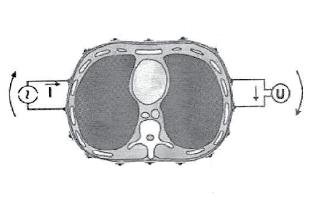
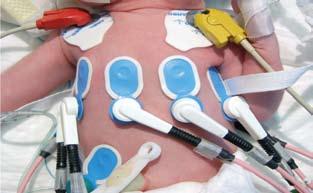
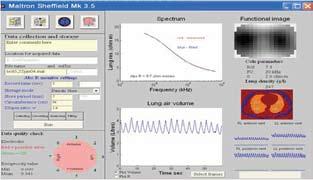
189 Implementation of Electrical Impedance Tomography in the study of the respiratory system of neonates - from theory to practice
H. Chatziioannidis, A. Siountas, N. Nicolaidis
CLINICAL GUIDELINES
196 New guidelines for newborn resuscitation
C. Tsakalidis, D. Rallis, N. Nikolaidis
ORIGINAL ARTICLE
202 Epidemiological, clinical and laboratory data of children with Pervasive Developmental Disorders
D.I. Zafeiriou, A. Ververi, E. Vargiami, V. Papadopoulou, E. Kontopoulos, Ε. Kontaxi, D. Tryfonas
PRACTICAL ISSUE
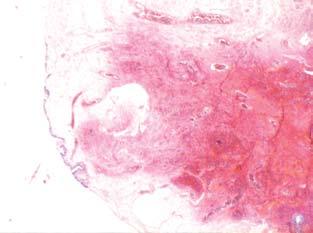
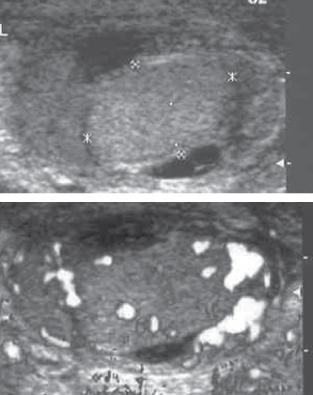
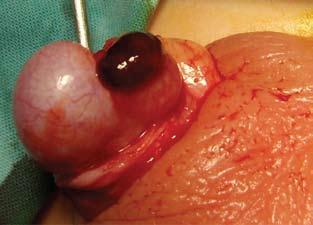
209 Criteria for prompt diagnosis and treatment of the acute scrotum in childhood
X. Sinopidis, E. Prantsoudis, E. Rahmani, A. Zavitsanakis
CASE REPORTS
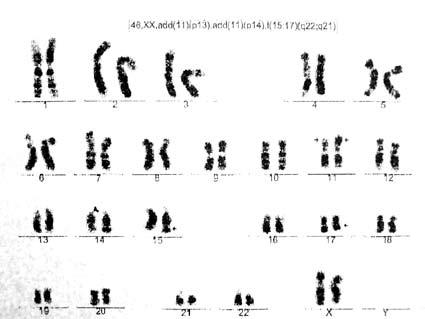
216 Familial monosomy 18p
G. Kourakis, E. Giannatou, E. Leze, A. Alexaki, A. Katana, A. Kolialexi, A. Mavrou, S. Kitsiou-Tzeli
221 Trisomy 18 with mosaicism in an infant with microtia, facial palsy and congenital cardiac disease
E. Leze, E. Giannatou, A. Katana, A. Kolialexi, A Mavrou, E. Kanavakis, S. Kitsiou-Tzeli
225 Τrochlear nerve palsy associated with Mycoplasma pneumoniae infection
Η. Bazigou-Fotopoulou, Α. Papavasiliou, Α. Vogiatzi
CURRENT ISSUES OF BIOSTATISTICS
229 Case-control studies: From the patient’s bedside to the laboratory bench
E. Critselis, C. Stefanidis, D.A. Kafetzis
CLINICAL QUIZ
234 A ten-year old girl with fever and maculopapular rash
E.S. Hatzipantelis, V. Tsotoulidou, E. Vlachaki, H. Tsantali, V. Sidi-Fragandrea, E. Papakonstantinou, P. Panagopoulou, A. Karakoli, D.E. Koliouskas
PAEDIATRIC NEWS IN BRIEF
235 Developmens in Pediatric Cardiology
I. Germanakis
NEWS FROM THE INTERNET
238 Web page on heart disease in children
G. Grigoriadou
Περσεφόνη Αυγουστίδου-Σαββοπούλου, Mεταβολικά νοσήματα, Θεσσαλονίκη Γεώργιος Βαρλάμης, Καρδιολογία, Θεσσαλονίκη
Εμμανουήλ Γαλανάκης, Ηθική και Δεοντολογία, Ηράκλειο
Λωρέττα Θωμαΐδου, Αναπτυξιακές διαταραχές, Αθήνα
Μαρία Κανάριου, Ανοσολογία, Αθήνα
Αντώνης Καττάμης, Αιματολογία - Oγκολογία, Αθήνα
Σοφία Κίτσιου-Τζέλη, Γενετική, Αθήνα
Αλεξάνδρα Παπαδοπούλου, Γαστρεντερολογία - Διατροφή, Αθήνα
Βασιλική Παπαευαγγέλου, Λοιμωξιολογία, Αθήνα
Αντιγόνη Σιαμοπούλου-Μαυρίδου, Ρευματολογία, Ιωάννινα
Αντιγόνη Συρίγου-Παπαβασιλείου, Νευρολογία, Αθήνα
Ευαγγελία Χαρμανδάρη, Ενδοκρινολογία, Αθήνα
Μέλη
Editor-in-Chief
Constantinos Stefanidis, Athens
Section Editors
Stella Andronikou, Neonatology, Ioannina
Michael Anthracopoulos, Pneumonology, Patras
Persefoni Avgoustides-Savvopoulou, Metabolic Disorders, Thessaloniki
George Varlamis, Cardiology, Thessaloniki
Emmanouil Galanakis, Ethics and Deontology, Heraklion
Loretta Thomaidou, Developmental Pediatrics, Athens
Maria Kanariou, Immunology, Athens
Antonis Kattamis, Haematology - √ncology, Athens
Sophia Kitsiou-Tzeli, Genetics, Athens
Alexandra Papadopoulou, Gastroenterology - Nutrition, Athens
Vassiliki Papaevagelou, Infectious Diseases, Athens
Antigoni Siamopoulou-Mavridou, Rheumatology, Ioannina
Antigone Syrigou-Papavasiliou, Neurology, Athens
Evangelia Charmandari, Endocrinology, Athens
Διέθνούς ςύντακτικης έπιτροπης • MeMbers of the InternatIonal edItorIal board
Alexis Arzimanoglou, Paris, France
Ellis D. Avner, Milwaukee, USA
Swati Bhave, New Delhi, India
Alberto Bissot, Panama, Panama
David Branski, Jerusalem, Israel
Francesco Chiarelli, Chieti, Italy
Chok-Wan Chan, Hong Kong, China
Denis Daneman, Toronto, Canada
Jochen Ehrich, Hannover, Germany
Demetrius Ellis, Pittsburgh, USA
Yoshikatsu Eto, Tokyo, Japan
Richard N. Fine, Stony Brook, USA
Margaret C. Fisher, Philadelphia, USA
Raif Geha, Boston, USA
Adenike Grange, Lagos, Nigeria
Judith G. Hall, Vancouver, Canada
Patricia Hamilton, London, UK
Enver Hasanoglu, Ankara, Turkey
Christer Holmberg, Helsinki, Finland
Lewis B. Holmes, Boston, USA
Peter Hoyer, Essen, Germany
Jan Janda, Prague, Czech Republic
Jan Kimpen, Ultrecht, Netherlands
Craig B. Langman, Chicago, USA
John Manis, Boston, USA
Manuel Moya, Alicante, Spain
Hugh O'Brodovich, Toronto, Canada
Ross Petty, Vancouver, Canada
Willem Proesmans, Leuven, Belgium
Jose Ramet, Antwerp, Belgium
Nikolai Shabalov, St. Petersburg, Russia
Alan Sinaiko, Minneapolis, USA
Nick J. Spencer, Coventry, UK
Alfred Tenore, Udine, Italy
Alkis Togias, Bethesda, USA
Eva Tsalikian, Iowa City, USA
Catherine Weil-Olivier, Paris, France
Max Zach, Graz, Austria
Zheng-Yan Zhao, Hangzhou, China
Johannes Zschocke, Heidelberg, Germany
googlemail.com
Glucocorticoids
E. Charmandari
Abstract: Glucocorticoids regulate a wide spectrum of physiological functions essential for life and play an important role in the maintenance of basal and stress-related homeostasis. At the cellular level, the actions of glucocorticoids are mediated by an intracellular receptor protein, the glucocorticoid receptor, which functions as a ligand-dependent transcription factor that regulates the expression of target-genes positively or negatively. Glucocorticoids play a critical role in a variety of physiological processes, such as growth and development, thyroid function, reproduction, carbohydrate, protein and fat metabolism, water and electrolyte homeostasis and control of arterial blood pressure. Glucocorticoids also have significant antiinflammatory and immunosuppressive actions. Natural and synthetic glucocorticoids are used for the treatment of both endocrine and non endocrine conditions. Long-term treatment with pharmacological doses of glucocorticoids is associated with several side effects, which range from suppression of the hypothalamic-pituitary-adrenal axis and Cushing’s syndrome to infections to cognitive and behavioural impairment. Treatment with glucocorticoids, therefore, should be introduced only when indicated and should be monitored carefully.
Key words: Glucocorticoids, endocrine, anti-inflammatory, immunosuppressive.
1st Pediatric Clinic, University of Athens, “Aghia Sophia” Children’s Hospital & Division of Endocrinology and Metabolism, Biomedical Research Foundation Academy of Athens
Correspondence: Evangelia Charmandari evangelia.charmandari@ googlemail.com Division of Endocrinology and Metabolism, Clinical Research Center, Biomedical Research Foundation Academy of Athens 4, Soranou Efessiou St., 115 27, Athens, Greece
CHOLESTEROL
StAR protein scc
Pregnenolone 17-OH Pregnenolone DHEA Androstenediol
3β-HSD* 3β-HSD* 3β-HSD* 3β-HSD*
Progesterone 17-OH Progesterone A Testosterone
21-hydroxylase* 21-hydroxylase* Arom atase Arom atase
Estrone
Deoxycorticosterone 11- deoxycortisol Estradiol
Corticosterone Present in adrenal & gonadal tissue 18-hydroxylase
18-OH Corticosterone
18-OH dehydrogenase
Aldosterone 1α 17a-hydroxylase* 17,20-lyase 17β-HSD 17a-hydroxylase* 11β-hydroxylase* 11β-hydroxylase* 17,20-lyase 17β-HSD 17β-HSD
Lipid Droplet Fatty acids
Cholesterol
Esters
Pregnenolone
P45017α
17α-OH Progesterone
Dehydrogenase & Isomerase
17α-OH Progesterone
P450c21
11- Deoxycortisol
Endoplasmic Reticulum
Mitochondrion
Cholesterol
P450scc
Pregnenolone
11- Deoxycortisol
P45011β
Cortisol
A: androstenedione, DHEA: dehydroepiandrosterone, 3β-HSD: 3βhydroxysteroid dehydrogenase, 17β-HSD: 17β-hydroxysteroid dehydrogenase, SCC: cholesterol side-chain cleavage enzyme, StAR: steroidogenic regulatory protein. (β)
Paediatriki 2009;72:161-173
Cortisol
Cortisol
τικοειδή (1,19,20). Ο ανθρώπινος υποδοχέας των γλυκοκορτικοειδών
Histone Acetyltransferases
Nucleus Cytoplasm
AF: Activation function, CBP: cAMP-responsive element-binding protein (CREB)-binding protein, DBD: DNA-binding domain, DRIP: vitamin D receptor-interacting protein, GREs: glucocorticoid response elements, hGR: human glucocorticoid receptor, HR: hinge region, HSPs: heat shock proteins, LBD: ligand-binding domain, NL: Nuclear localization signal, p/CAF = p300/CBP-associated factor, SWI/SNF: mating-type switching/sucrose non-fermenting, TF: transcription factor, TFREs: transcription factor responsive elements, TRAP: thyroid hormone receptor-associated protein.
διαφορές,
(24).
(domains):
(NTD, amino-terminal domain),
(activation function-1)·
(DBD,
[p160, p300/cyclic AMPresponse element (CRE)-binding protein (CBP) and p300/CBP-associated factor (p/CAF)],
[switching sucrose nonfermenting (SWI/SNF), vitamin D receptorinteracting protein (DRIP)/thyroid hormone receptor-associated protein (TRAP)],
Οφθαλμολογικές επιπεφυκίτιδα, οπτική νευρίτιδα, ιριδοκυκλίτιδα
Νεφρικές νεφρωσικό σύνδρομο, αγγειίτιδες, μεταμόσχευση νεφρών
Αναπνευστικές
•
• Dexamethasone
• Hydrocortisone
Υποκαλιαιμία, μεταβολική αλκάλωση
Γαστρεντερικό Σύστημα
Γαστρίτιδα, Πεπτικό έλκος
Οξεία παγκρεατίτιδα (σπάνια)
Λιπώδης διήθηση του ήπατος (σπάνια)
Αιμοποιητικό Σύστημα
Λευκοκυττάρωση
Ουδετεροφιλία
Μονοκυτταροπενία
Λεμφοπενία
Εωσινοπενία
Ανοσολογικό Σύστημα
Καταστολή καθυστερημένης
Βιβλιογραφία
1. Stewart PM. The adrenal cortex. In: Williams Textbook of Endocrinology, Larsen PR, Kronenberg HM, Melmed S, Polansky KS (Eds), 10th edition. Elsevier Science (USA). 2003; Chapter 14, pp. 491-551.
2. Miller WL. The adrenal cortex and its disorders. In: Brook’s Clinical Pediatric Endocrinology. Brook CGD, Clayton P, Brown R (Eds), 5th edition. Blackwell Publishing Ltd (UK). 2005; Chapter 15, pp. 293-351.
3. Galon J, Franchimont D, Hiroi N, Frey G, Boettner A, Ehrhart-Bornstein M et al. Gene profiling reveals unknown enhancing and suppressive actions of glucocorticoids on immune cells. FASEB J 2002;16:61-71.
4. Cole TJ, Blendy JA, Monaghan AP, Krieglstein K, Schmid W, Aguzzi A et al. Targeted disruption of the glucocorticoid receptor gene blocks adrenergic chromaffin cell development and severely retards lung maturation. Genes Dev 1995; 9(13):1608-1621.
5. Simpson ER, Waterman MR. Steroid biosynthesis in the adrenal cortex and its regulation by adrenocorticotropin. In: DeGroote LJ, Besser M, Burger HG, Jameson JL, Loriaux DL, Marshall JC, Odell WD, Potts JT Jr, Rubenstein AH (eds) Endocrinology. W. B. Saunders, Philadelphia, 1995; pp. 1630-1641.
6. Wallace WH, Crowne EC, Shalet SM, Moore C, Gibson S, Littley MD et al. Episodic ACTH and cortisol secretion in normal children. Clin Endocrinol (Oxf) 1991;34(3):215-221.
7. Krieger DT, Allen W, Rizzo F, Krieger HP. Characterization of the normal temporal pattern of plasma corticosteroid levels. J Clin Endocrinol Metab 1971;32(2):266-84.
8. Keller-Wood ME, Dallman M. Corticosteroid inhibition of ACTH secretion. Endocr Rev 1984;5:1-24.
9. Esteban NV, Yergey AL. Cortisol production rates measured by liquid chromatography/mass spectrometry. Steroids 1990;55(4):152-158.
10. Kerrigan JR, Veldhuis JD, Leyo SA, Iranmanesh A, Rogol AD. Estimation of daily cortisol production and clearance rates in normal pubertal males by deconvolution analysis. J Clin Endocrinol Metab 1993;76(6):1505-1510.
11. Brien TG. Human corticosteroid binding globulin. Clin Endocrinol (Oxf) 1981;14(2):193-212.
12. Mataradze GD, Kurabekova RM, Rozen VB. The role of sex steroids in the formation of sex-differentiated concentrations of corticosteroid-binding globulin in rats. J Endocrinol 1992;132(2):235-240.
13. Stolk RP, Lamberts SW, de Jong FH, Pols HA, Grobbee DE. Gender differences in the associations between cortisol and insulin in healthy subjects. J Endocrinol 1996;149(2): 313-318.
14. Gower DB. Steroid catabolism and urinary excretion. In: Makin HLJ (ed) Biochemistry of steroid hormones. Blackwell Science Ltd, Oxford, 1984; pp:349-382.
15. Iyer RB, Binstock JM, Scwartz IS, Gordon GG, Weinstein BI, Southren AL. Human hepatic cortisol reductase activities: enzymatic properties and substrate specificities of cytosolic cortisol Δ4-5β-reductase and dihydrocortisol3α-oxidoreductase(s). Steroids 1990;55:495-500.
16. Abel SM, Maggs JL, Back DJ, Park BK. Cortisol metabolism by human liver in vitro – I. Metabolite identification and inter-individual variability. J Steroid Biochem Molec Biol 1992;43:713-719.
17. Stewart PM. 11β-Hydroxysteroid dehydrogenase: implications for clinical medicine. Clin Endocrinol (Oxf) 1996; 44:493-499.
18. Draper N, Stewart PM. 11beta-hydroxysteroid dehydrogenase and the pre-receptor regulation of corticosteroid hormone action. J Endocrinol 2005;186(2): 251-271.
19. Hollenberg SM, Weinberger C, Ong ES, Cerelli G, Oro A, Lebo R et L. Primary structure and expression of a functional human glucocorticoid receptor cDNA. Nature 1985;318(6047):635-641.
20. Hollenberg SM, Evans RM. Multiple and cooperative trans-activation domains of the human glucocorticoid receptor. Cell 1988;55(5):899-906.
21. Bamberger CM, Schulte HM, Chrousos GP. Molecular determinants of glucocorticoid receptor function and tissue sensitivity to glucocorticoids. Endocr Rev 1996;17(3):245-261.
22. Oakley RH, Sar M, Cidlowski JA. The human glucocorticoid receptor beta isoform. Expression, biochemical properties, and putative function. J Biol Chem 1996;271(16):95509559.
23. Charmandari E, Chrousos GP, Ichijo T, Bhattacharyya N, Vottero A, Souvatzoglou E et al. The human glucocorticoid receptor (hGR) beta isoform suppresses the transcriptional activity of hGRalpha by interfering with formation of active coactivator complexes. Mol Endocrinol 2005;19(1):52-64.
24. Lu NZ, Cidlowski JA. Translational regulatory mechanisms generate N-terminal glucocorticoid receptor isoforms with unique transcriptional target genes. Mol Cell 2005;18(3):331-342.
25. McKenna NJ, O'Malley BW. Combinatorial control of gene expression by nuclear receptors and coregulators. Cell 2002;108(4):465-474.
26. Auboeuf D, Honig A, Berget SM, O'Malley BW. Coordinate regulation of transcription and splicing by steroid receptor coregulators. Science 2002;298(5592):416-419.
27. Lösel R, Wehling M. Nongenomic actions of steroid hormones. Nat Rev Mol Cell Biol. 2003;4(1):46-56.
28. Charmandari E, Kino T, Ichijo T, Chrousos GP. Generalized glucocorticoid resistance: clinical aspects, molecular mechanisms, and implications of a rare genetic disorder. J Clin Endocrinol Metab 2008;93(5):1563-1572.
29. van Rossum EF, Lamberts SW. Polymorphisms in the glucocorticoid receptor gene and their associations with metabolic parameters and body composition. Recent Prog Horm Res 2004;59:333-357.
30. van Rossum EF, Koper JW, Huizenga NA, Uitterlinden AG, Janssen JA, Brinkmann AO et al. A polymorphism in the glucocorticoid receptor gene, which decreases sensitivity
to glucocorticoids in vivo, is associated with low insulin and cholesterol levels. Diabetes 2002;51:3128-3134.
31. van Rossum EF, Feelders RA, van den Beld AW, Uitterlinden AG, Janssen JA, Ester W et al. Association of the ER22/23EK polymorphism in the glucocorticoid receptor gene with survival and C-reactive protein levels in elderly men. Am J Med 2004;117:158-162.
32. Huizenga NA, Koper JW, De Lange P, Pols HA, Stolk RP, Burger H et al. A polymorphism in the glucocorticoid receptor gene may be associated with an increased sensitivity to glucocorticoids in vivo. J Clin Endocrinol Metab 1998;83:144-151.
33. Rosmond R, Chagnon YC, Holm G, Chagnon M, Pérusse L, Lindell K et al. A glucocorticoid receptor gene marker is associated with abdominal obesity, leptin, and dysregulation of the hypothalamic-pituitary-adrenal axis. Obes Res 2000;8:211-218.
34. Lin RC, Wang XL, Morris BJ. Association of coronary artery disease with glucocorticoid receptor N363S variant. Hypertension 2003;41:404-407.
35. Weaver JU, Hitman GA, Kopelman PG. An association between a Bc1I restriction fragment length polymorphism of the glucocorticoid receptor locus and hyperinsulinaemia in obese women. J Mol Endocrinol 1992;9:295-300.
36. Charmandari E, Ichijo T, Jubiz W, Baid S, Zachman K, Chrousos GP et al. A novel point mutation in the amino terminal domain of the human glucocorticoid receptor (hGR) gene enhancing hGR-mediated gene expression. J Clin Endocrinol Metab 2008;93(12):4963-4968.
37. Miller TL, Mayo KE. Glucocorticoids regulate pituitary growth hormone-releasing hormone receptor messenger ribonucleic acid expression. Endocrinology 1999;138(6): 2458-2465.
38. Magiakou MA, Mastorakos G, Chrousos GP. Final stature in patients with endogenous Cushing's syndrome. J Clin Endocrinol Metab 1994;79(4):1082-1085.
39. Magiakou MA, Mastorakos G, Gomez MT, Rose SR, Chrousos GP. Suppressed spontaneous and stimulated growth hormone secretion in patients with Cushing's disease before and after surgical cure. J Clin Endocrinol and Metab 1994;78(1):131-137.
40. Allen DB. Growth suppression by glucocorticoid therapy. Endocrinol Metab Clin North Am 1996;25(3):699-717.
41. Kaufmann S, Jones KL, Wehrenberg WB, Culler FL. Inhibition by prednisone of growth hormone (GH) response to GH-releasing hormone in normal men. J Clin Endocrinol Metab 1988;67(6):1258-1261.
42. Miell JP, Corder R, Pralong FP, Gaillard RC. Effects of dexamethasone on growth hormone (GH)-releasing hormone, arginine- and dopaminergic stimulated GH secretion, and total plasma insulin-like growth factor-I concentrations in normal male volunteers. J Clin Endocrinol Metab 1991;72(3):675-681.
43. Burguera B, Muruais C, Penalva A, Dieguez C, Casanueva FF. Dual and selective actions of glucocorticoids upon basal and stimulated growth hormone release in man. Neuroendocrinology 1990;51(1):51-58.
44. Iannuzzi DM, Ertsey R, Ballard PL. Biphasic glucocorticoid regulation of pulmonary SP-A: characterization of inhibitory process. Am J Physiol 1993;264(3 Pt 1):L236-244.
45. Ballard PL, Ertsey R, Gonzales LW, Gonzales J. Transcriptional regulation of human pulmonary surfactant proteins SP-B and SP-C by glucocorticoids. Am J Respir Cell Mol Biol 1996;14(6):599-607.
46. Cole TJ, Blendy JA, Monaghan AP, Krieglstein K, Schmid W, Aguzzi A et al. Targeted disruption of the glucocorticoid receptor gene blocks adrenergic chromaffin cell development and severely retards lung maturation. Genes Dev 1995;9(13):1608-1621.
47. Charmandari E, Weise M, Bornstein SR, Eisenhofer G, Keil MF, Chrousos GP et al. Children with classic congenital adrenal hyperplasia have elevated serum leptin concentrations and insulin resistance: potential clinical implications. J Clin Endocrinol Metab 2002;87(5):2114-2120.
48. Charmandari E, Eisenhofer G, Mehlinger SL, Carlson A, Wesley R, Keil MF et al. Adrenomedullary function may predict phenotype and genotype in classic 21-hydroxylase deficiency. J Clin Endocrinol Metab 2002;87(7):3031-3037.
49. Charmandari E, Kino T, Souvatzoglou E, Chrousos GP. Pediatric stress: hormonal mediators and human development. Horm Res 2003;59(4):161-179.
50. Charmandari E, Tsigos C, Chrousos GP. Endocrinology of the stress response. Annual Reviews of Physiology 2005; 67: 259-284.
51. Chrousos GP. The hypothalamic-pituitary-adrenal axis and immune-mediated inflammation. N Engl J Med 1995;332(20):1351-1362.
52. Boumpas DT, Chrousos GP, Wilder RL, Cupps TR, Balow JE. Glucocorticoid therapy for immune-mediated diseases: basic and clinical correlates. Ann Intern Med 1993;119(12):1198-1208.
53. Meduri GU, Muthiah MP, Carratu P, Eltorky M, Chrousos GP. Nuclear factor-κB- and glucocorticoid receptor αmediated mechanisms in the regulation of systemic and pulmonary inflammation during sepsis and acute respiratory distress syndrome. Evidence for inflammationinduced target tissue resistance to glucocorticoids. Neuroimmunomodulation 2005;12(6):321-338.
54. McEwen BS, De Kloet ER, Rostene W. Adrenal steroid receptors and actions in the nervous system. Physiol Rev 1986;66(4):1121-1188.
55. Wordinger RJ, Clark AF. Effects of glucocorticoids on the trabecular meshwork: towards a better understanding of glaucoma. Prog Retin Eye Res 1999;18(5):629-667.
56. British National Formulary. Glucocorticoid therapy. In: BNF for Children. British Medical Association and The Royal Pharmaceutical Society of Great Britain. 2006; pp:421-430.
57. British National Formulary for Children. Interactions. In: BNF for Children. British Medical Association and The Royal Pharmaceutical Society of Great Britain. 2006; Appendix 1, p: 767.
Νεογνολογική
Αλληλογραφία:
Neonatal Clinic, University Hospital of Heraklion, Crete
Correspondence: E. Korakaki
aligisak@med.uoc.gr
9 Sorvolou St, 71305, Heraklion, Crete
Glucocorticoid administration to pregnant women at risk of preterm birth
E. Korakaki, K.-M. Margari
Abstract: The British College of Obstetricians and Neonatologists and the National Institute of Health of the USA, since 1993 and 1994 respectively, have recommended the administration of corticosteroids during pregnancy to all women who are at risk of preterm delivery at 24-34 weeks’ gestation. The main advantage of the antenatal administration of corticosteroids is the significant reduction in the frequency of neonatal respiratory distress syndrome, by 50%, and reduction in its severity, with a resultant significant reduction in the overall morbidity and mortality of premature newborn infants. The beneficial effects of antenatal corticosteroids also include reduction of cerebral haemorrhage and periventricular leukomalakia in premature newborn infants, and apparent promotion of the maturation of most of their vital systems. According to the most recent bibliography, antenatal administration of a single course of corticosteroids (betamethazone, 2 doses, 12 mg intramuscularly over 24 hours and dexamethazone, 4 doses, 6 mg intramuscularly every 12 hours) appears to be safe for both the pregnant woman and the embryo-newborn. No data have been published to support the hypothesis that repeated courses of corticosteroids given to pregnant women are more effective than a single course regarding the frequency and severity of neonatal respiratory distress syndrome; thus administration of more than one course is not recommended.
Key words: Antenatal glucocorticoids, premature birth.
Βιβλιογραφία
1. Liggins GC, Howie RN. A controlled trial of antepartum glucocorticoid treatment for prevention of respiratory distress syndrome in premature infants. Pediatrics 1972;50:515-525.
2. Chien L-Y, Ohlsson A, Seshia MMK, Sankaran K, Lee SK. Variations in antenatal corticosteroid therapy: a persistent problem despite 30 years of evidence. Obstet Gynecol 2002;99:401-408.
3. Crowley P, Chalmens I, Keirse MJ. The effects of corticosteroid administration before preterm delivery: an overview of the evidence from controlled trials. Br J Obstet Gynaecol 1990;97:411-425.
4. National Institutes of Health Consensus Development Conference Statement. Effect of corticosteroids for fetal maturation on perinatal outcome. Am J Obstet Gynecol 1995;173:246-252.
5. Burton PJ, Waddell BJ. Dual function of 11 betahydroxysteroid dehydrogenase in placenta: modulating placental glucocorticoid passage and local steroid action. Biol Reprod 1999;60:234-240.
6. Seckl J. Glucocorticoids, feto-placental 11b-hydroxysteroid dehydrogenase type 2, and the early life origins of adult disease. Steroids 1997;62:89-94.
7. Benediktsson R, Calder AA, Edwards CRW, Seckl JR. Placental 11 β- hydroxysteroid dehydrogenase type 2 is the placental barrier to maternal glucocorticoids: ex vivo studies. Clin Endocrinol 1997;46:161-166.
8. Vidaeff AC, Doyle NM, Gilstrap LC. Antenatal corticosteroids for fetal maturation in women at risk for preterm delivery. Clin Perinatol 2003;30:825-840
9. Glover V, Miles R, Matta S, Modi N, Stevenson J. Glucocorticoid exposure in preterm babies predicts saliva cortisol response to immunization at 4 months. Pediatr Res 2005;58:1233-1237.
10. Gitau R, Cameron A, Fisk NM, Glover V. Featal exposure to maternal cortisol. Lancet 1998;352:707-708.
11. Ballard PL, Ballard RA. Scientific basis and therapeutic regimens for use of antenatal glucocorticoids. Am J Obstet Gynecol 1995;173:254-262.
12. National Institutes of Health Consensus Developmental Panel. Antenatal corticosteroids revisited: repeat coursesNational Institutes of Health Consensus Development Conference Statement. Obstet Gynecol 2001;98:144-150.
13. Cavaliery RL, Cohen WR. Antenatal steroid therapy: have we undervaluated the risks? J Matern Fetal Neonat Med 2006;19:265-269.
14. Ikegami M, Polk D, Tabor B, Lewis J, Yamada T, Jobe AH. Corticosteroid and thyrotropin-releasing hormone effects on preterm sheep lung function. J Appl Physiol 1991;70: 2268-2278.
15. McEvoy C, Bowling S, Williamson K, Lozeno D, Tolaymat L, Izquierdo L, et al. The effect of a single remote course versus weekly courses of antenatal corticosteroids on functional residual capacity in preterm infants: a randomized trial. Pediatrics 2002;110:280-284.
16. White A, Marcurcci G, Andrews E, Edwards K, Long W. Antenatal steroids and neonatal outcomes in controlled clinical trials of surfactant replacement. The American Exosurf Neonatal Study Group I and the Canadian Exosurf Neonatal Study Group. Am J Obstet Gynecol 1995;173: 286-290.
17. Smrcek JM, Schwartau N, Kohl M, Berg C, Geipel A, Krapp M, et al. Antenatal corticosteroid therapy in premature infants. Arch Gynecol Obstet 2005;271:26-32.
18. Abbasi S, Hirsch D, Davis J, Tolosa J, Stouffer N, Debbs R, et al. Effect of single versus multiple courses of antenatal corticosteroid on maternal and neonatal outcome. Am J Obstet Gynecol 2000;182:1243-1249.
19. Smith LM, Qureshi N, Chao CR. Effects of single and multiple courses of antenatal glucocorticoids in preterm newborns less than 30 weeks’ gestation. J Matern Fetal Neonat Med 2000;9:131-135.
20. Crowley P. Antenatal corticoid therapy: a meta-analysis of randomized trials, 1972 to 1994. Am J Obstet Gynecol 1995; 173:322-335.
21. Ogunyemi D. A comparison of the effectiveness of singledose vs multi-dose antenatal corticosteroids in pre-term neonates. Obstet Gynecol 2005;25:756-760.
22. Quinlivan JA, Evans SF, Dunlop SA, Beazley LD, Newnham JP. Use of corticosteroids by Australian osbstetricians – a survey of clinical practice. Aust NZ J Obstet Gynaecol 1998; 38:1-7.
23. Brocklehurst P, Gates S, McKenzie-McHarg K, Alfirevic Z, Chamberlain G. Are we prescribing multiple courses of antenatal corticosteroids? A survey of practice in the UK. Br J Obstet Gynaecol 1999;106:977-979.
24. McLaughlin KJ, Crowther CA, Walker N, Harding JE. Effects of a single course of corticosteroids given more than 7 days before birth: A systemic review. Aust NZ J Obstet Gynaecol 2003;43:101-106.
25. Guinn DA, Atkinson MW, Sullivan L, Lee M, MacGregor S, Parilla BV, et al. Single vs weekly courses of antenatal corticosteroids for women at risk for preterm delivery. A randomised controlled trial. JAMA 2001;286:1581-1587.
26. Μariotti V, Marconi A. M, Pardi G. Undesired effects of steroids during pregnancy. J Matern Fetal Med 2004;16:5-7.
27. Spencer C, Neals K. Antenatal corticosteroids to prevent neonatal respiratory distress syndrome. We do not know whether repeated doses are better than a single dose. BMJ 2000:320:325-326.
28. Crowther CA, Haslam RR, Hiller JE, Doyle LW, Robinson JS. Australasian Collaborative Trial of Repeat Doses of Steroids (ACTORDS) Study Group. Lancet 2006;367:19131919.
29. Dessens AB, Smolders-de Haas H, Koppe JG. Twenty-year follow-up of antenatal corticosteroid treatment. Pediatrics 2000;105:e77.
30. Dalziel SR, Rea HH, Walker NK, Parag V, Mantell C, Rodgers A, et al. Long term effects of antenatal betamethasone on lung function: 30 year follow up of a randomised controlled trial. Thorax 2006;61:678-683.
31. Bloom SL, Sheffield JS, Mc Intire DD, Leveno KJ. Antenatal dexamethasone and decreased birth weight. Obstet Gynecol 2001;97:485-490.
32. Thorp JA, Jones AM, Hunt C, Clark R. The effect of multidose antenatal betamethasone on maternal and infant outcomes. Am J Obstet Gynecol 2001;184:196-202.
33. Bradley BS, Kumar SP, Mehta PN, Ezhuthachan SG. Neonatal cushingoid syndrome resulting from serial courses of antenatal betamethasone. Obstet Gynecol 1994;83:869-872.
34. Banks BA, Merrill JD, Cnaan A, Morgan MA, Parer JT, Merrill JD, et.al. Multiple courses of antenatal corticosteroids and outcome of premature neonates. North American Thyrotropin- Releasing Hormone Study Group. Am J Obstet Gynecol 1999;181:709-17.
35. Parker CR Jr, Atkinson MW, Owen J, Andrews WW. Dynamics of the fetal adrenal, cholesterol and apolipoprotein β responses to antenatal betamethasone therapy. Am J Obstet Gynecol 1996;174:562-565.
36. Benediktsson R, Lindsay RM, Noble J, Seckl JR, Edwards CRW. Glucocorticoid exposure in utero: a new model for adult hypertension. Lancet 1993;341:339-41.
37. Dalziel SR, Walker NK, Parag V, Rea HH, Rodgers A, Harding JE. Cardiovascular risk factorsafter antenatal exposure to betamethasone: 30-year follow-up of a randomised controlled trial. Lancet 2005;365:1856-1862.
38. Smith GN, Kingdom JC, Penning DH, Matthews SG. Antenatal corticosteroids: is more better? Lancet 2000;355: 251-252.
39. Quinlivan JA, Dunlop SA, Newnham J, Evans SF, Beazley LD. Repeated, but not single, maternal administration of corticosteroids delays myelination in the brain of fetal sheep. Prenat Neonat KMed 1999;4:47-55.
40. Leung TN, Lam PM, Ng PC, Lau TK. Repeated courses of antenatal corticosteroids: is it justified? Acta Obstet Gynecol Scand 2003;82:589-596.
41. Walfisch A, Hallak M, Mazor M. Multiple courses of antenatal steroids: risks and benefits. Obstet Gynecol 2001;98:491-497.
42. Roberts D, Dalziel S. Antenatal corticosteroids for accelerating fetal lung maturation for women at risk of preterm birth. Cochrane Database Syst Rev 2006;3: CD004454.
43. Wapner RJ, Sorokin Y, Thom EA, Johnson F, Dudley DJ, Spong CY, et al. National Institute of Child Health and Human Development Maternal Fetal Medicine Units Network. Single versus weekly courses of antenatal corticosteroids: Evaluation of safety and efficacy. Am J Obstet Gynecol 2006;195:633-642.
44. Crowley P. Antenatal corticosteroids-current thinking. Br J Obstet Gynaecol 2003;110:77-78.
Neonatal Unit, 1st Department of Pediatrics, University of Athens
Correspondence:
Tania Siahanidou siahan@med.uoa.gr
1st Department of Pediatrics University of Athens
“Aghia Sophia” Children's Hospital 115 27, Athens
Red blood cell transfusion and administration of erythropoietin for anaemia of prematurity: current concepts
T. Siahanidou
Abstract: Preterm infants, especially those of very low birthweight (<1500 g), often need to be transfused with red blood cells during hospitalization in Neonatal Units. The risks to these babies associated with blood transfusions can be minimized by: 1) proper handling of packed red blood cells, 2) reducing the number of transfusions by preventing iatrogenic anaemia and using restrictive transfusion guidelines, and 3) reducing the donor exposures by extended storage (up to 35-42 days) of red blood cells from one donor, using autologous umbilical cord blood cells for early transfusion needs of premature infants and increasing the haematocrit values of the newborn infants by delaying cord clamping or umbilical cord milking. Recombinant human erythropoietin has been administered to preterm infants in order to reduce the number of red blood cell transfusions and the donor exposures. More than 50 randomized controlled studies have been published so far, with conflicting results. Meta-analyses of the results of these studies shows that erythropoietin reduces the number of blood cell transfusions and the number of donors exposure but the reduction is small (less than one transfusion and less than one donor exposure per neonate) and of limited clinical importance. The initiation of erythropoietin before the eighth day of life has been implicated with the development of retinopathy of prematurity. Nowadays, routine use of erythropoietin for the prevention or treatment of anemia of prematurity is not a common practice in Neonatal Units.
Key words: Anaemia, prematurity, preterm infants, erythropoietin.
Committee for Standards in Haematology Transfusion Task Force)-
Βιβλιογραφία
1. Von Kohorn I, Ehrenkranz RA. Anemia in the preterm infant: Erythropoietin versus erythrocyte transfusion-It’s not that simple. Clin Perinatol 2009;36:111-123.
2. Mainie P. Is there a role for erythropoietin in neonatal medicine? Early Hum Dev 2008;84:525-532.
3. Ohls RK. Erythropoietin to prevent and treat the anemia of prematurity. Curr Opin Pediatr 1999;11:108-114.
4. Carbonell-Estrany X, Figueras-Aloy J, Alvarez E. Erythropoietin and prematurity-where do we stand? J Perinat Med 2005;33:277-286.
5. Ringer SA, Richardson DK, Sacher RA, Keszler M, Hallowell W. Variations in transfusion practice in neonatal intensive care unit. Pediatrics 1998;101:194-200.
6. Jansen M, Brand A, von Lindern JS, Scherjon S, Walther FJ. Potential use of autologous umbilical cord blood red blood cells for early transfusion needs of premature infants. Transfusion 2006;46:1049-1056.
7. Strauss RG. Controversies in the management of the anemia of prematurity using single-donor red blood cell transfusions and/or recombinant human erythropoietin. Transfus Med Rev 2006;20:34-44.
8. Luban NLC. Neonatal red blood cell transfusions. Curr Opin Hematol 2002;9:533-536.
9. Strauss RG. Data-driven blood banking practices for neonatal RBC transfusions. Transfusion 2000;40:1528-1540.
10. British Committee for Standards in Heamatology. Transfusion guidelines for neonates and older children. Br J Haematol 2004;24:433-453.
11. Hume HA, Preiksaitis JB. Transfusion associated graftversus-host disease, cytomegalovirus infection and HLA alloimunization in neonatal and pediatric patients. Transfusion Science 1999;21:73-95.
12. de Cates CR, Gray J, Roberton NR, Walker J. Acquisition of cytomegalovirus infection by premature neonates. J Infect 1994;28:25-30.
13. Gilbert GL, Haynes K, Hudson IL, James J. Prevention of transfusion-acquired cytomegalovirus infection in infants by blood filtration to remove leucocytes. Neonatal Cytomegalovirus Infection Study Group. Lancet 1989;1:1228-1231.
14. Ohto H, Anderson KC. Posttransfusion graft-versus-host disease in Japanese newborns. Transf 1996;36:117-123.
15. Strauss RG. Red blood cell transfusion practices in the neonate. Clin Perinatol 1995;22:641-655.
16. Madsen LP, Rasmussen MK, Bjerregaard LL. Impact of blood sampling in very preterm infants. Scand J Clin Lab Invest 2000;60:125-132.
17. Luban NLC. Management of anemia in the newborn. Early Hum Dev 2008;84:493-498.
18. Widness JA, Madan A, Grindeanu LA, Zimmerman MB, Wong DK, Stevenson DK. Reduction in red blood cell transfusions among preterm infants: results of a randomized trial with an in-line blood gas and chemistry monitor. Pediatrics 2005;115:1299-1306.
19. Bishara N, Ohls RK. Current controversies in the management of the anemia of prematurity. Semin Perinatol 2009;33:29-34.
20. Murray NA, Roberts IAG. Neonatal transfusion practice. Arch Dis Child Fetal Neonatal Ed 2004;89:F101-107.
21. Franz AR, Pohlandt F. Red blood cell transfusions in very and extremely low birth weight infants under restrictive transfusion guidelines: is exogenous erythropoietin necessary? Arch Dis Child Fetal Neonatal Ed 2001;84:F96-F100.
22. Beeram MR, Krauss DR, Riggs MW. Red blood cell transfusion practices in very low birth weight infants in 1990s postsurfactant era. J Natl Med Assoc 2001;93:405-409.
23. Maier RF, Sonntag J, Walka MM, Liu G, Metze BC, Obladen M. Changing practices of red blood cell transfusions in infants with birth weights less than 1000 g. J Pediatr 2000;136:220-224.
24. Widness JA, Seward VJ, Kromer IJ, Burmeister LF, Bell EF, Strauss RG. Changing patterns of red blood cell transfusion in very low birth weight infants. J Pediatr 1996;129:680-687.
25. Bell EF, Strauss RG, Widness JA, Mahoney LT, Mock DM, Seward VJ, et al. Randomized trial of liberal versus restrictive guidelines for red blood cell transfusion in preterm infants. Pediatrics 2005;115:1685-1691.
26. Kirpalani H, Whyte RK, Andersen C, Asztalos EV, Heddle N, Blajchman MA, et al. The premature infants in need of transfusion (PINT) study: A randomized, controlled trial of a restrictive (low) versus liberal (high) transfusion threshold for extremely low birth weight infants. J Pediatr 2006;149:301-307.
27. Meyer MP. Transfusion thresholds for preterm infants. J Pediatr 2007;150:e90-e91.
28. Bell EF. Transfusion threshholds for preterm infants: How low should we go? J Pediatr 2006;149:287-289.
29. Strauss RG, Burmeister LF, Johnson K, Cress G, Cordle D. Feasibility and safety of AS-3 red blood cells for neonatal transfusions. J Pediatr 2000;136:215-219.
30. Strauss RG, Burmeister LF, Johnson K, James T, Miller J, Cordle DG, et al. AS-1 red blood cells for neonatal transfusions: A randomized trial assessing donor exposure and safety. Transfusion 1996;36:873-878.
31. Mangel J, Goldman M, Garcia C, Spurll G. Reduction of donor exposures in premature infants by the use of designated adenine-saline preserved split red blood cell packs. J Perinatol 2001;21:363-367.
32. Brune T, Garritsen H, Witteler R, Schlake A, Wullenweber J, Louwen F, et al. Autologous placental blood transfusion for the therapy of anaemic neonates. Biol Neonate 2002;81:236-243.
33. Bell EF. When to transfuse preterm infants. Arch Dis Child Fetal Neonatal Ed 2008;93:F469-F473.
34. Hosono S, Mugishima H, Fujita H, Hosono A, Minato M, Okada T, et al. Umbilical cord milking reduces the need for red cell transfusions and improves neonatal adaptation in infants born less than 29 weeks’ gestation: a randomized controlled trial. Arch Dis Child Fetal Neonatal Ed 2007; 93:F14-F19.
35. Galel SA, Fontaine MJ. Hazards of neonatal blood transfusion. NeoReviews 2006;7:e69-74.
36. Bolton-Maggs PHB, Murphy MF. Blood transfusion. Arch Dis Child 2004;89:4-7.
37. Stainsby D, Jones H, Wells AW, Gibson B, Cohen H, on behalf of the SHOT Steering Group. Adverse outcomes of blood transfusion in children: analysis of UK reports to the serious hazards of transfusion scheme 1996-2005. Br J Haematol 2008;141:73-79.
38. Bell MD. Consultation with the specialist. Red blood cell transfusions. Pediatr Rev 2007;28:299-304.
39. Halperin D, Wacker P, Lacourt G, Félix M, Babel JF, Aapro M, et al. Effects of recombinant human erythropoietin in infants with the anemia of prematurity: a pilot study. J Pediatr 1990;116:779-786.
40. Ohls R. The use of erythropoietin in neonates. Clin Perinatol 2000;27:681-696.
41. Ohls RK, Christensen RD. Recombinant erythropoietin compared with erythrocyte transfusion in the treatment of anemia of prematurity. J Pediatr 1991;119:781-788.
42. Soubasi V, Kremenopoulos G, Diamandi E, Tsantali C, Tsakiris D. In which neonates does early recombinant human erythropoietin treatment prevent anemia of prematurity? Results of a randomized, controlled study. Pediatr Res 1993;34:675-679.
43. Kotto-Kome AC, Garcia MG, Calhoun DA, Cristensen RD. Effect of beginning recombinant erythropoietin treatment within the first week of life among very-low-birth weight neonates on “early” and “late” erythrocyte transfusions: a meta-analysis. J Perinatol 2004;24:24-29.
44. Ohlsson A, Aher SM. Early erythropoietin for preventing red blood cell transfusion in preterm and/or low birth weight infants. Cochrane Database Syst Rev 2006;3:CD004863.
45. Aher S, Ohlsson A. Late erythropoietin for preventing red blood cell transfusion in preterm and/or low birth weight infants. Cochrane Database Syst Rev 2006;3:CD004868.
46. Brown MS, Baron AE, France EK, Hamman RF. Association between higher cumulative doses of recombinant erythropoietin and risk for retinopathy of prematurity. J AAPOS 2006;10:143-149.
47. Sola A, Wen TC, Hamrick SEG, Ferriero DM. Potential for protection and repair following injury to the developing brain: A role for erythropoietin? Pediatr Res 2005;57:110R-117R.
48. Tonges L, Schlachetzki JC, Weishaupt JH, Bahr M. Hematopoietic cytokines-on the verge of conquering neurology. Curr Mol Med 2007;7:157-170.
49. Noguchi CT, Asavaritikrai P, Teng R, Jia Y. Role of erythropoietin in the brain. Crit Rev Oncol Hematol 2007;64:159-171.
50. Fauchere JC, Dame C, Vonthein R, Koller B, Arri S, Wolf M, Bucher HU. An approach to using recombinant erythropoietin for neuroprotection in very preterm infants. Pediatrics 2008;122:375-382.
Implementation
of Electrical
Impedance
Tomography in the
study of the respiratory system of neonates - from theory to practice
H. Chatziioannidis1, A. Siountas2, N. Nicolaidis1
Abstract: Electrical Impedance Tomography (E.I.T.) is an imaging method which has started to be implemented in the medical field, mainly in adults, but it is still at an investigatory stage. By placing eight or sixteen electrodes in the perimeter of the thorax and using a high frequency alternating current, the differences of potentials of the tissues that are interposed between the electrodes can be defined. The data collected define the electrical impedance of the tissues that are under study, which is converted into two dimensional images. The basic field for which E.I.T. is mostly implemented in medicine is in the study of the ways the respiratory and the digestive systems function. Numerous studies have described the difficulties arising during implementation of E.I.T. for the sudy of the respiratory system in neonates, since the anatomy and physiology differ from that of adults. The resistance of the lungs changes depending on the age of the subject, the frequency of the electrical current supplied, and the structure and temperature of the body tissues. The implementation of E.I.T. holds considerable promise as a non-interventional method of investigation of the operation of the lungs of neonates in the incubator, in the absence of an alternative method. Further advantages of this method are its convenience for multiple measurements, the low cost, and the non use of ionized radiation. However, according to the international literature, it appears that clinical studies relating to the implementation of E.I.T. are extremely few. Interest in the possible use of E.I.T. is increasing and it is apparent that it can contribute to a more complete observation of the function of the cardiorespiratory system in neonates.
Key words: Tomography, resistance, impedance, neonates.
1 2nd Unit of Neonatal Intensive Care, Aristotle University of Thessaloniki, General Hospital “Papageorgiou”, Thessaloniki 2 Laboratory of Medical Physics, Aristotle University of Thessaloniki
Correspondence: H. Chatziioannidis hlias42@otenet.gr
3B, Aghias Triados St., 570 10 Pefka, Thessaloniki
Εικόνα 1. Εικόνα
(15).
Εlectrical Τomography (ET), Impedance Imaging (II), Resistance Imaging (RI), Electrical Resistance Tomography (ERT), Impedance Tomography (IT) και Applied Potential Tomography (APT). Τελικά, επικράτησε
Electrical Impedance Tomography (EIT) (16-19).
Medium
Electrical Impedance Tomography: Block Diagram
Current Source
Data acquisition Controler Imaging System
Amplifiers
η συσκευή Mk 3.5 EIT/EIS system. Αποτελείται από τη μονάδα χορήγησης ισχύος (Mk 3.5-PSU), τη μονάδα συλλογής στοιχείων (Data Acquisition Unit, DAS), και τον
<1 5,7 (1,7) 114 (26)
1-3,5 12,5 (5,1) 49 (11)
4-12 15,3 (6,3) 149 (33)
13-24 16,1 (4,9) 139 (32)
25-38 20,7 (8,8) 163 (35)
με -
(30,31). Η πρώτη δημοσίευση μελέτης της αντίστασης
1. Caples, Sean M., Hubmayr, Rolf D. Respiratory monitoring tools in the intensive care unit. Critical Care 2003;9(3): 230-235.
2. Taktak A, Spencer A, Record P, Gadd R, Rolfe P. Feasibility of neonatal lung imaging using electrical impedance tomography. Early Human Development 1996;44: 131-138.
3. Wilson A, Milnes P, Waterworth AR, Brown BH. Mk3.5 a modular, multi-frequency successor to the Mk3.5a EIS/ EIT system. Physiological Measurement 2001;22:49-54.
4. Wolf GK, Arnold JH. Electrical impedance tomography: Ready for prime time? Intensive Care Med 2006;32(9):12901292.
5. Murphy D, Burton P, Coombs R, Tarassenko L, Rolfe P. Impedance imaging in newborn. Clin. Physiol. Meas. 1987;8 (Suppl. A.):131-140.
6. Frerichs I, Hahn G, Shiffmann H, Berger C. Monitoring lung ventilation by Functional Electrical Impedance Tomography during Assisted Ventilation. Ann N Y Acad Sci 1999:873:493-505.
7. Brown BH, Barber DC, Seager AD. Applied potential tomography: possible clinical applications. Clin. Physiol. Meas. 1985; 6 (Suppl. A.):109-121.
8. Frerichs I, Schiffmann H, Hahn G, Hellige G. Non-invasive radiation-free monitoring of regional lung ventilation on critically ill infants. Intensive Care Med 2001;27(8):13851394.
9. Smallwood RH, Hampshire AR, Brown BH, Primhak PA. A comparison of neonatal and adult lung impedances derived from EIT images. Physiol Meas 1999;20:401-403.
10. Brown BH. Electrical impedance tomography (EIT): a review. J Med Eng Technol 2003;27(3):97-108.
11. Barber, DC, Brown BH, Freeston IL. Imaging spatial distributions of resistivity using applied potential tomography [Electronics Letters] 1983;19:93-95.
12. Brown BH. Tissue Impedance methods. In: Jackson DF, editor. Imaging with Non-ionizing Radiations. Guilford: University Studio Press; 1983.
13. Barber DC, Brown BH. Applied potential tomography. Journal of Physics E: Scientific Instruments 1984;17:723-733.
14. Seagar AD, Barber DC, Brown BH. Electrical impedance imaging. IEE Proceedings 1987; Part A, No 2, pp. 201-210.
15. Βoone K, Barber D, Brown B. Review : Imaging with electricity : report of the European Concerted Action on impedance tomography. Journal of Medical Engineering and Technology1997;21:202-232.
16. Brown BH, Barber DC, Jossinet JDS. Clinical Physics and Physiological Measurement [special issue on EIT] 1988;9 (Suppl A):147.
17. Brown BH, Barber DC. Clinical Physics and Physiological Measurement [special issue on EIT] 1992;13 (Suppl A):207.
18. Brown BH, Barber DC. Physiological Measurement [special issue on EIT] 1994;15 (Suppl. A):224.
19. Brown BH, Barber DC. Physiological Measurement [special issue on EIT] 1995;16 (Suppl 3A):266.
20. Pillow JJ, Frerichs I, Stocks J. Lung function tests in neonates and infants with chronic lung disease: global and regional ventilation inhomogeneity. Pediatr Pulmonol 2006;41(2):105-21.
21. Wilson AJ, Milnes P, Waterworth AR, Brown BH. Mk3.5 a modular, multi-frequency successor to the Mk 3.5 EIS/EIT system. Physiological Measurement 2001;22:49-54.
22. Hedenstierna G. Editorial Using Electric Impedance Tomography. American Journal of Respiratory and Critical Care 2004;169:777-778.
23. Victorino JA, Borges JB, Okamoto VN, Matos GFJ. Imbalances in regional lung ventilation: a validation study on electrical impedance tomography. Am J Respir Crit Care Med 2004;169:791-800.
24. Tang M, Wang W, Wheeler J, McCormick M. The number of electrodes and basis functions in EIT image reconstruction. Physiol Meas 2002;23:129-140.
25. Hahn G, Sipinkova I, Baisch F, Hellige G. Changes in thoracic impedance distribution under different ventilatory conditions. Physiol Meas 1995;16:A 161-A173.
26. Leathard AD, Brown BH, Campbell J, Zhang F., Morice AH, Tayler D. A comparison of ventilatory and cardiac realated changes in EIT images of normal human lungs
and of lungs with pulmonary emboli. Physiol Meas 1994; 15:A137-A146.
27. Brown BH, Primhak RA, Smallwood RH, Milnes P. Neonatal lungs- can absolute lung resistivity be determined non- invasively? Biol Eng Comput 2002;40:388-394.
28. Bardin V, Cherepevin V, Karpov A, Korjenevsky A, Korienko V, Kultyasov Y, Marshkov V. Static EIT- images of new-born lungs. Preliminary results. Proceedings of the XI Conference on Electrical Bioimpedance; 2001; Oslo June 17-21, ISBN 8291853 O5 3, p.457-460.
29. Brown B.H, Primhak RA, Smallwood RH, Milnes P. Neonatal lungs: maturational changes in lung resistivity spectra. Med Biol Eng Comput 2002;40:506-511.
30. Rigaud B, Hamzaoui L, Frikha MR, Chaveau N. In vitro tissue characterization and modelling using electrical impedance measurements in the 100Hz-10MHz frequency range. Physiol Meas 1995;(16 Suppl):A15-A28.
31. Osypka M, Gesing E. Tissue impedance spectra and appropriate frequencies for EIT. Physiol. Meas 1995;(16 Suppl):A49-A55.
32. Hampshire AR, Smallwood RH, Brown BH, Primhak RA. Multifrequency and parametric EIT images of neonatal lungs. Physiol. Meas 1995;16:A175- A189.
33. Gersing E. Monitoring temperature induced changes in tissue during hyperthermia by impedance methods. Annals of the New York Academy of Science 1999;873:335-345.
1
Αλληλογραφία: Χρήστος
zoichr@otenet.gr
Γ. Σεφέρη 7, Χαριλάου 542 50, Θεσσαλονίκη
1 2nd Unit of Neonatal Intensive Care, Aristotle University of Thessaloniki, General Hospital “Papageorgiou”, Thessaloniki
2 Ν.Ε.Π.Θ.
Correspondence: Christos Tsakalidis zoichr@otenet.gr
7, G. Seferis St., 542 50, Thessaloniki
New guidelines for newborn resuscitation
C. Tsakalidis1, D. Rallis2, N. Nikolaidis1
Abstract: The International Liaison Committee on Resuscitation and American Heart Association/American Academy of Pediatrics has established new guidelines for newborn resuscitation. The major changes are: (i) less emphasis on using 100% oxygen when initializing resuscitation, (ii) removal of routine intrapartum oropharyngeal and nasopharyngeal suctioning in vigorous infants born to mothers with meconium stained amniotic fluid, (iii) recommendation for occlusive wrapping of very low birth weight infants born at <28 weeks to reduce heat loss, (iv) preference for the intravenous versus endotracheal route for adrenaline, and (v) increased emphasis on parental autonomy at the threshold of viability. A further aspect that should be addressed is whether or not a neonatologist should be present in the delivery room during every Caesarean section.
Key words: Guidelines, resuscitation, newborn.
Η International Liaison Committee on Resuscitation (ILCOR),
2.
3.
C (Κυκλοφορία), D (Φάρμακα).
(LMA, Laryngeal Mask Airway).
ILCOR (International Liaison Committee on Resuscitation) έχει θέσει τα εξής:
είναι η
συχνότητα θωρακικών συμπιέσεων προς εμφυσήσεις στην ανάνηψη;
• Ποια τα πλεονεκτήματα και ποιοι οι κίνδυνοι της χορήγησης
αερισμού, η εμμένουσα
βραδυκαρδία είναι μάλλον
Cochrane
ILCOR (International Liaison Committee on Resuscitation)
1. International Liaison Committee on Resuscitation. Part 7: neonatal resuscitation. Resuscitation 2005;67:293-303.
2. American Heart Association. Neonatal Resuscitation. Circulation 2005;112, (Suppl IV):188-95.
3. Guidelines for cardiopulmonary resuscitation and emergency cardiac care: Emergency Cardiac Care Committee and Subcommittees, American Heart Association, part V: pediatric basic life support. JAMA 1992;268:2251-61.
4. Kattwinkel J, Niermeyer S, Nadkarni V, Tibbals J, Phillips B, Zideman D, et al. ILCOR advisory statement: resuscitation of the newly born infant: an advisory statement from the pediatric working group of the International Liaison Committee on Resuscitation. Circulation 1999;99: 1927-38.
5. Niermeyer S, Kattwinkel J, Van Reempts P, Nadkarni V, Phillips B, Zideman D, et al. International Guidelines for Neonatal Resuscitation: an excerpt from the Guidelines 2000 for Cardiopulmonary Resuscitation and Emergency Cardiovascular Care: International Consensus on Science. Contributors and Reviewers for the Neonatal Resuscitation Guidelines. Pediatrics 2000;106:E29-E44.
6. 2005 American Heart Association (AHA) Guidelines for Cardiopulmonary Resuscitation (CPR) and Emergency Cardiovascular Care (ECC) of Pediatric and Neonatal Patients: Neonatal Resuscitation Guidelines American Heart Association, American Academy of Pediatrics. Pediatrics 2006;117;e1029-e1038.
7. Saugstad OD. New guidelines for newborn resuscitation. Acta Paediatr 2007;96:333-337.
8. Fernando Gonzalez DO, Susie Juliano RN. Is pediatric attendance necessary for all caesarean sections? JAOA 2002;3:102.
9. Davies P., Miles R., Harrington J., Lawrence S. Which Births Are High Risk?: Condition Of Neonates At Birth And Risk Of Intervention Associated With Type Of Delivery And Thickness Of Meconium In The District General Hospital Setting. The Internet Journal of Pediatrics and Neonatology 2003;3(1).
10. Kattwinkel J, editor. Textbook of neonatal resuscitation 4th edition. American Academy of Pediatrics, American Heart Association 2000.
11. Saugstad OD. Oxygen saturations immediately after birth. J Pediatr 2006;148:569-70.
12. Kattwinkel J, editor. Textbook of neonatal resuscitation 5th edition. American Academy of Pediatrics, American Heart Association 2006.
13. American Heart Association. 2005 American Heart Association (AHA) guidelines for cardiopulmonary resuscitation (CPR) and emergency cardiovascular care (ECC) of neonatal and pediatric patients: pediatric basic life support. Pediatrics 2006;117:e989-1004.
14. Petrova A, Demissie K, Rhoads GG, Smulian JC, Marcella S, Anath CV. Association of maternal fever during labor with neonatal and infant morbidity and mortality. Obstet Gynecol 2001;98:20-27.
15. Impley L, Greenwood C, MacQuillan K, Reynolds M, Sheil O. Fever in labour and neonatal encelophathy: a prospective cohot study. BJOG 2001;108:594-597.
16. Vain NE, Szyld EG, Prudent LM, Wiswell TE, Aguilar AM, Vivas NI. Oropharyngeal and nasopharyngeal suctioning of meconium-stained neonates before delivery of their
shoulders: multicentre randomised controlled trial. Lancet 2004;364:597-602.
17. Wiswell TE, Gannon CM, Jacob J, Goldsmith L, Szyld E, Weiss K, et al. Delivery room management of the apparently vigorous meconium-stained neonate: results of the multicenter, international collaborative trial. Pediatrics 2000;105:1-7.
18. Palme-Kilander C, Tunell R, Chiwei Y. Pulmonary gas exchange immediately after birth in spontaneously breathing infants. Arch Dis Child 1993;68:6-10.
19. Saugstad OD, Ramji S, Rootwelt T, Vento M. Response to resuscitation of the newborn: early prognostic variables. Acta Paediatr 2005;94:890-895.
20. Boon AW, Milner AD, Hopkin IE. Physiological responses of the newborn infant to resuscitation. Arch Dis Child 1979;54:492-498.
21. Harris AP, Sendak MJ, Donham RT. Changes in arterial oxygen saturation immediately after birth in the human neonate. J Pediatr 1986;109:117-119.
22. Reddy VK, Holzman IR, Wedgwood JF. Pulse oximetry saturations in the first 6 hours of life in normal term infants. Clin Pediatr (Phila) 1999;38:87-92.
23. Toth B, Becker A, Seelbach-Gobel B. Oxygen saturation in healthy newborn infants immediately after birth measured by pulse oximetry. Arch Gynecol Obstet 2002;266:105-107.
24. Bhende MS. End-tidal carbon dioxide monitoring in pediatrics – clinical applications. J Postgrad Med 2001;47: 215-218.
25. Pelman JM, Risser R. Cardiopulmonary resuscitation in the delivery room. Associated clinical events. Arch Pediatr Adolesc Med 1995;149:20-25.
26. Wyckoff MH, Perlman JM, Laptook AR. Use of volume expansion during delivery room in near, term and term infants. Pediatrics 2005;115:950-955.
27. Gibbs J, Newson T, Williams J, Davidson DC. Naloxone hazard in infant of opioid abuser. Lancet 1989;2 (8655): 159-160.
28. Costeloe K, Hennessy E, Gibson AT, Marlow N, Wilkinson AR. The EPICure study: outcomes to discharge from hospital for infants born at the threshold of viability. Pediatrics 2000;106:659-671.
29. Draper ES, Manktelow B, Field DJ, James D. Tables for predicting survival for preterm births are updated. BMJ 2003;327:872.
30. Haddad B, Mercer BM, Livingston JC, Talati A, Sibai BM. Outcome after successful resuscitation of babies born with apgar scores of 0 at both 1 and 5 minutes. Am J Obstet Gynecol 2000;182:1210-4.
31. Levine EM, Ghai V, Barton JC, Strom CM. Pediatrician attendance at cesarean delivery: Necessary or not? Obstet Gynecol 1999;93:338-340.
32. Press S, Tellechea C, Pregen S. Cesarean delivery of full term infants: Identification of those at high risk for requiring resuscitation. J Pediatr 1985;106:477-479.
33. Hogston P. Is a paediatrician required at cesarean section? Eur J Obstet Gynecol Reprod Biol 1987;26:91-93.
34. Primak RA, Herber SM, Whincup G, Milner RD. Which deliveries require paediatricians in attendance? BMJ 1984;289:16-18.
35. Jacob J, Pfenninger J. Caesarean deliveries: When is a pediatrician necessary? Obstet Gynecol 1997;89:217-220.
36. Ng PC, Wong MY, Nelson EA. Paediatrician attendance at caesarean section. Eur J Pediatr 1995;154:672-675.
37. Eidelman AI, Schimmel MS, Bromiker R, Hammerman C. Pediatric coverage of the delivery room: An analysis of manpower utilization. J Perinatol 1998;18:131-134.
38. Bjorklund LJ, Ingimarsson J, Curstedt T, John J, Robertson B, Werner O, et al. Manual ventilation with a few large breaths at birth compromises the therapeutic effect of subsequent surfactant replacement in immature lamps. Pediatr Res 1997; 42:348-355.
39. Tremblay L, Valenza F, Ribeiro SP, Li J, Slutsky AS. Injurious ventilatory strategies increase cytokines and c-fos m-RNA expression in an isolated rat lung model. J Clin Invest 1997; 999: 44-52.
40. Palme-Kilander C, Tunell R. Pulmonary gas exchange during facemask ventilation immediately after birth. Arch Dis Child 1993;68:11-6.
41. Probyn ME, Hooper SB, Dargaville PA, McCallion N, Harding R, Morley CJ. Effects of tidal volume and positive end-expiratory pressure during resuscitation of very premature lamps. Acta Paediatr 2005;94:1764-1770.
42. O’Donnell C, Davis P, Morley C. Positive end-expiratory pressure for resuscitation of newborn infants at birth. Cochrane Database Syst Rev 2004;4:CD004341.
43. Tan A, Schulze A, O’Donnell CP, Davis PG. Air versus oxygen for resuscitation of infants at birth. Cochrane Database Syst Rev 2005;2:CD002273.
44. Vento M, Sastre J, Asensi MA, Vina J. Room-air resuscitation causes less damage to heart and kidney than 100% oxygen. Am J Respir Crit Care Med 2005;172:1393-1398.
45. Munkeby BH, Borke WB, Bjornland K, Sikkeland LI, Borge GI, Halvorsen B, et al. Resuscitation with 100% O2 increases cerebral injury in hypoxemic piglets. Pediatr Res 2004;56:783-790.
46. Klinger G, Beyene J, Shah P, Perlman M. Do hyperoxaemia and hypocapnia add to the risk of brain injury after intrapartum asphyxia? Arch Dis Child Fetal Neonatal Ed 2005;90:F49-52.
1 Α Παιδιατρική Κλινική
ΑΠΘ, Ιπποκράτειο
Νοσοκομείο, Θεσσαλονίκη
2 Παιδοψυχιατρικό Τμήμα, Ιπποκράτειο Νοσοκομείο, Θεσσαλονίκη
Αλληλογραφία:
Δημήτριος Ζαφειρίου
jeff@med.auth.gr
Εγνατίας 106, 546 22, Θεσσαλονίκη
1 First Paediatric Clinic, Aristotle University of Thessaloniki, Hippokration Hospital, Thessaloniki
2 Department of Child Psychology, Hippokration Hospital, Thessaloniki
Correspondence:
Dimitrios Zafeiriou jeff@med.auth.gr 106, Egnatia St., 546 22, Thessaloniki, Greece
Epidemiological, clinical and laboratory data of children with Pervasive Developmental Disorders
D.I. Zafeiriou1, A. Ververi1, E. Vargiami1, V. Papadopoulou2, E. Kontopoulos1, Ε. Kontaxi1, D. Tryfonas1
Abstract
Background: Pervasive developmental disorders (PDD) are a group of neurobiological conditions appearing with a frequency of 0.6%. The purpose of this study was to describe epidemiological data and identify comorbid diseases in children with PDD.
Methods: Data were collected retrospectively for 222 children aged 1.5-9 years with a diagnosis of PDD.
Results: Autism was diagnosed in 206 children, 11 had Rett disorder and 5 had Asperger’s syndrome. As far as autistic disorder is concerned, the sex ratio was 4:1, and the mean age at diagnosis was 43.7±17.6 months. Diagnosis was made significantly earlier in children with comorbid disorders (epilepsy, hearing/genetic/metabolic disorders), mental retardation and macrocephaly. Macrocephaly was found in 47 (21.2%) patients, genetic disorders in 26 (11.7%) and metabolic disorders in 6 (2.7%) children. Mental retardation was observed in 51 (23%) patients and was found significantly more often among children with comorbid disorders. Paroxysmal activity appeared in the electroencephalogram of 60 (26%) children and 25 (11.3%) demonstrated abnormal brainstem auditory evoked potentials. Of the 78 children who were submitted to brain magnetic resonance imaging 38 (48.7%) showed myelin delay, congenital dysplasia or white matter abnormalities.
Conclusions: In children with certain clinical features (such as those of a syndrome) the diagnosis of PDD is made earlier. It is of ultimate importance to identify children with PDD as early as possible, which could probably be done through the application of a special screening programme in Greece. In parallel the need is apparent for full developmental/neurological evaluation of all children with PDD, whether or not they present specific indications.
Key words: Pervasive developmental disorders, autism, genetic disorders, epilepsy, mental retardation.
(4,5). Τα κλινικά χαρακτηριστικά των ΔΑΔ και ειδικότε-
Παιδοψυχιατρική
Λήψη ιστορικού
Κλινική/νευρολογική εξέταση Ακουολογικό screening (BAEP)
Γενετικός έλεγχος (καρυότυπος, FraX)
Μεταβολικός έλεγχος (επί ενδείξεων)
ΗΕΓ
MRI (επί ενδείξεων)
Scale for Children III (WISC III) (19),
(MRI) (16) (Πίνακας
(Mann-Whitney U test)
Kruskal-Wallis (Kruskal-Wallis test).
(p=0,08) (Mann-Whitney U test).
2
1
1
1
Angelman, 3
Duschenne
ενώ 1
ση χρωμοσωμικού υλικού μεταξύ των χρωμοσωμάτων 10 και 15 (t(10;15)(q24-qter;p11)). Μεταβολικές διαταραχές παρουσίαζαν 6 ασθενείς, εκ των οποίων 2 έπασχαν από βλεννοπολυσακχαρίδωση San Filippo, 1
από υποθυρεοειδισμό, 1 από L-2-υδροξυγλουταρική οξυουρία, 1 από αδιάγνωστη φαινυλκετονουρία και 1 από ανεπάρκεια βιταμίνης Β6 και σπασμούς. Επιπρό-
σθετα, 2 ασθενείς παρουσίαζαν σχιζεγκεφαλία, 9 εγκεφαλική παράλυση και
(Mann-Whitney U test) (Πίνακας 2).
(p=0,439) (Chi-square test)
(p=0,098) (Chi-square test).
test)
(p=0,097) (Chi-square test).
(p=0,902) (Chisquare test) ή παθολογικού BAEP (p=0,491) (Chisquare test),
(p<0,001)
Asperger) (25).
(26).
1. American Psychiatric Association. Diagnostic and statistical manual of mental disorders, 4th ed., text revision: DSMIV-TR. Washington (DC): APA, 2000.
2. Fombonne E. Epidemiology of autistic disorder and other pervasive developmental disorders. J Clin Psychiatry 2005; 66:3-8.
3. Centers for Disease Control and Prevention. MMWR Surveill Summ 2007;56:12-28.
4. Volkmar FR, Paul R, Klin A, Cohen D. Handbook of autism and pervasive developmental disorders. 3rd ed. New Jersey: Wiley; 2005.
5. Zafeiriou DI, Ververi A, Vargiami E. Childhood autism and associated comorbidities. Brain Dev 2007;29:257-272.
6. Wing L, Gould J. Severe impairments of social interaction and associated abnormalities in children: epidemiology and classification. J Autism Dev Disord 1979;9:11-29.
7. Miles JH, Takahashi TN, Hillman RE, Martin KL. Autism symptoms are less severe in girls with essential autism. Am J Hum Genet 2004;75:41.
8. Butler MG, Dasouki MJ, Zhou XP, Talebizadeh Z, Brown M, Takahashi TN, et al. Subset of individuals with autism spectrum disorders and extreme macrocephaly associated with germline PTEN tumour suppressor gene mutations. J Med Genet 2005;42:318-321.
9. Shavelle RM, Strauss DJ, Pickett J. Causes of death in autism. J Autism Dev Disord 2001;31:569-576.
10. Filipek PA, Accardo PJ, Ashwal S, Baranek GT, Cook EH Jr, Dawson G, et al. Practice parameter: screening and diagnosis of autism: report of the Quality Standards Subcommittee of the American Academy of Neurology and the Child Neurology Society. Neurology 2000;55:468-479.
11. Reinhold JA, Molloy CA, Manning-Courtney P. Electroencephalogram abnormalities in children with autism spectrum disorders. J Neurosci Nurs 2005;37:136-138.
12. Kielinen M, Rantala H, Timonen E, Linna SL, Moilanen I. Associated medical disorders and disabilities in children with autistic disorder: a population-based study. Autism 2004;8:49-60.
13. Baird G, Cass H, Slonims V. Early diagnosis of autism. Br Med J 2003;327: 488-493.
14. Williams E, Thomas K, Sidebotham H, Emond A. Prevalence and characteristics of autistic spectrum disorders in the ALSPAC cohort. Dev Med Child Neurol 2008;50:672-677.
15. Mandell DS, Novak MM, Zubritsky CD. Factors associated with age of diagnosis among children with autism spectrum disorders. Pediatrics 2005;116:1480-1486.
16. Spence SJ, Sharifi P, Wiznitzer M. Autism spectrum disorder: screening, diagnosis, and medical evaluation. Semin Pediatr Neurol 2004;1:186-195.
17. Schopler E, Peichler R, Renner BR. The Childhood Autism rating Scale (CARS) for diagnostic screening and classification of autism. New York: Irvington Publishers; 1986.
18. Αϊβάζης Β. Το φυσιολογικό παιδί. Θεσσαλονίκη: Άρης, 1990.
19. Wechsler D. Manual of the Wechsler Intelligence Scale for Children. 3rd ed. New York: Psychological Corporation; 1992.
0. Griffiths R. The abilities of young children. A comprehensive system of mental measurement for the first eight years of life. London: The test agency Ltd; 1984.
21. Hanson R, Smith JA. Achievements of young children on items of the Griffiths Scales: 1980 compared with 1950. Child Care Health Dev 1987;13:181-189.
22. Larsson HJ, Eaton WW, Madsen KM, Vestergaard M, Olesen AV, Agerbo E, et al. Risk factors for autism: perinatal factors, parental psychiatric history, and socioeconomic status. Am J Epidemiol 2005;161:916-925.
23. Zafeiriou DI, Ververi A, Salomons GS, Vargiami E, Haas D, Papadopoulou V, et al. L-2-Hydroxyglutaric aciduria presenting with severe autistic features. Brain Dev 2008;30: 305-307.
24. Challman TD, Barbaresi WJ, Katusic SK, Weaver A. The yield of the medical evaluation of children with pervasive developmental disorders. J Autism Dev Disord 2003;33: 187-192.
25. Cederlund M, Gillberg C. One hundred males with Asperger syndrome: a clinical study of background and associated factors. Dev Med Child Neurol 2004;46:652-660.
26. Bartley JJ. An update on autism: science, gender, and the law. Gend Med 2006;3:73-78.
27. Herman GE, Henninger N, Ratliff-Schaub K, Pastore M, Fitzgerald S, McBride KL. Genetic testing in autism: how much is enough? Genet Med 2007;9:268-274.
28. Myers SM, Johnson CP; American Academy of Pediatrics Council on Children With Disabilities. Management of children with autism spectrum disorders. Pediatrics 2007; 120:1162-1182.
29. Ballaban-Gil K, Tuchman R. Epilepsy and epileptiform EEG: association with autism and language disorders. Ment Retard Dev Disabil Res Rev 2000;6:300-308.
30. Tuchman R, Rapin I. Epilepsy in autism. Lancet Neurol 2002;1:352-358.
31. California Department of Developmental Services. Autism Spectrum Disorders. Best Practice Guidelines for Screening, Diagnosis and Assessment. California: California Department of Developmental Services, 2002:12-16.
Criteria of prompt diagnosis and treatment of the acute scrotum in childhood
X. Sinopidis, E. Prantsoudis, E. Rahmani, A. Zavitsanakis
Abstract
Background: The acute scrotum is a serious everyday problem faced by paediatricians, paediatric surgeons and radiologists who deal with emergency child care. The physician in these cases is obliged to make a decision about diagnosis and treatment within a few hours at the most. Delayed or mistaken diagnosis will have grave consequences for the patient as far as his fertility is concerned. There may also be serious legal repercussions. Under these circumstances, this study attempts to make a contribution to the treatment of the acute scrotum, based on clinical experience.
Methods: An analysis of a three-year study (January 2005 - December 2007) on 85 patients with surgically treated acute scrotum was made. These patients were selected based on specific clinical, diagnostic and therapeutic criteria. They were admitted to hospital with two main clinical problems: acute scrotal pain and swelling. Each patient underwent ultrasound (US) Doppler scanning and exploratory operation on the scrotum. In every case, the diagnosis was confirmed histologically.
Results: The two most common causes of acute scrotum in this series were appendix testis torsion and testicular torsion. It has now been proved that US alone is not sufficient to provide a reliable diagnosis, especially in appendix testis torsion, where quite a high percentage of incorrectly diagnosed epididymitis is evident.
Conclusions: It is deduced that a combination of clinical and US investigation is mandatory, although in some cases exploratory surgery may contribute to safe diagnosis and treatment intervention.
Key words: Acute scrotum, testis torsion, appendix testis torsion, childhood.
First Department of Pediatric Surgery, Aristotle University of Thessaloniki.
“George Gennimatas” Hospital, Thessaloniki, Greece.
Correspondence: Xenophon Sinopidis xsinopid@otenet.gr
6, Michael Psellos St. 542 50, Thessaloniki
Βιβλιογραφία
1. Beasly SW. The acutely painful scrotum in children: how to avoid the traps in diagnosis. N Z Med J 1999;112:375-376.
2. Merenciano Cortina FJ, Amat Cecilia M, Rafie Mazketli W, Romero Perez P. Acute scrotum without technology. Act Urol Esp 1998;22:37-42.
3. Lam WW, Yap TL, Sundfor Jacobsen A, et al. Colour Doppler ultrasonography replacing surgical exploration for acute scrotum: myth or reality? Pediatr Radiol 2005;35: 597-600.
4. Melekos MD, Asbach HW, Markou SA. Etiology for acute scrotum in 100 boys with regard to age distribution. J Urol 1998;139:1023-1025.
5. Ringdall E, Teague L. Testicular torsion. Amer Fam Phys 2006;74:1739-1743.
6. Candocia FJ, Sack-Solomon K. An infant with testicular torsion in the inguinal canal. Pediatr Radiol 2003;17:381-382.
7. Davenport M. ABC of general surgery in children. Acute problems of the scrotum. BMJ 1996;312:435-437.
8. Al Mufti RA, Ogedegbe AK, Lafferty K. The use of Doppler ultrasound in the clinical management of acute testicular pain. Br J Urol 1995;76:625-627.
9. Lewis AG, Bukowski TO, Jarvis PD, Wacksman J, Sheldon CA. Evaluation of acute scrotum in the emergency department. J Pediatr Surg 1995;30:277-282.
10. Watkin NA, Reiger Na, Moisey CU. Is the conservative management of the acute scrotum justified on clinical grounds? Br J Urol 1996; 78:623-627.
11. McAndrew HF, Pemberton R, Kikiros CS, Collow I. The incidence and investigation of acute scrotal problems in children. Pediatr Surg Int 2002; 18:435-437.
12. Murphy FL, Fletcher L, Pease P. Early scrotal exploration in all cases is the investigation and intervention of choice in the acute paediatric scrotum. Pediatr Surg Int 2006;22: 413-416.
13. Sidler D, Brown AR, Millar AJ et al. A 25-year review of acute scrotal pain in children. S Afr Med 1997;87:16961698.
14. Kass EJ, Stone KT, Cacciarelli AA et al. Do all children with acute scrotum require exploration? J Urol 1993;150: 667-669.
15. Karmazin B, Steinberg R, Kornreich et al. Clinical and sonographic critera of acute scrotum in children: a retrospective study of 172 boys. Pediatr Radiol 2005;35: 302-310.
16. Albrecht T, Lotzof K, Hussain HK, et al. Power Doppler US of the normal prepubertal testis: does it live up to its promises? Radiology 1997;203:227-231.
17. Allen TD, Elder JS. Shortcomings of color Doppler sonography in the diagnosis of testicular torsion. J Urol 1995;154:1508-1510.
18. Steinhardt GF, Boyarsky S, Mackey R. Testicular torsion: pitfalls of color Doppler sonography. J Urol 1993;150: 461-462.
19. Luker GD, Siegel MJ. Scrotal US in pediatric patients;
comparison of power and standard Doppler US. Radiology 1996;381-385.
20. Wu HC, Sun SS, Kao A, Chuang FJ, Lin CC, Lee CC. Comparison of radionuclide imaging and ultrasonography in the differentiation of acute testicular torsion and inflammatory testicular disease. Clin Nucl Med 2002;27: 490-493.
21. Galejs LE. Diagnosis and treatment of the acute scrotum. Am Fam Phys 1999;59:817-24.
22. Kadish HA, Bolte GR. A retrospective review of pediatric patients with epididymitis, testicular torsion and torsion of testicular appendages. Pediatrics 1998;102:73-76.
23. Glabeke EV, Khairouni A, Larroquet M, et al. Acute scrotal pain in children: results of 543 surgical explorations. Pediatr Surg Int 1999;15:353-357.
24. Mushtaq I, Fung M, Glasson MJ. Retrospective review of paediatric patients with acute scrotum. ANZ J Surg 2003; 73:1-2.
25. Rabinowitz R. The importance of the cremasteric reflex in acute scrotal swellings in the child. J Urol 1984;132:89-90.
26. Hastie KJ, Charlton CA. Indications for the management of acute scrotal pain in children. Br J Surg 1990;77:309-11.
27. Fischer R, Walker J. The acute paediatric scrotum. Br J Hosp Med 1994;51:290-92.
1
1 Neonates Department, 2nd Pediatric Clinic, Kapodistrian University of Athens, “P. and A. Kyriakou” Children’s Hospital 2 Medical Genetics Laboratory, Kapodistrian University of Athens, “Aghia Sophia” Children’s Hospital, Athens
Correspondence: Sophia Kitsiou - Tzeli skitsiou@med.uoa.gr Medical Genetics Laboratory, Kapodistrian University of Athens, “Aghia Sophia” Children’s Hospital, Thivon and Levadias, 115 27, Athens
[46,ΧΧ,del(18)(pterp11.2)].
σμό 46,XX,del(18)(pterp11.2)]/47,XX,del(18)(pterp11.2)+del(18)(qterp11.1)
Familial monosomy 18p
G. Kourakis1, E. Giannatou2, E. Leze2, A. Alexaki1, A. Katana2, A. Kolialexi², A. Mavrou², S. Kitsiou - Tzeli2
Abstract: Monosomy 18p refers to the total or partial absence of the short arm of chromosome 18. Since 1963 when de Grounchy et al. described the syndrome, several records of the clinical characteristics and their incidence have been documented. In addition, the genomic cluster points of the 18p arm, and the genetic loci of 18p, the deletion or mutation of which is probably related to the syndrome phenotype, have been investigated. The case reported is of a 2 month old female infant with congenital hypoplasia of the corpus callosum, central type diabetes insipidus, cleft palate, cleft lip and ptosis, who was referred for genetic evaluation. Chromosomal analysis of the infant showed total deletion of 18p in all mitoses [46,ΧX ,del(18) (pter p11.2)]. The father’s caryotype was normal while the mother had mosaicism 46,XX,del(18) (pterp11.2)]/47,XX,del(18)(pterp11.2)+del(18)(qterp11.1) in a proportion of 7% and 93% respectively. This is the seventh record of a familial case of 18p monosomy, but the first ever reported with this type of chromosomal anomaly of the mother. The phenotypic characteristics of this patient are compared with the most commom features of 18p monosomy and studies concerning this syndrome are discussed.
Key words: Holoprosencephaly, hypoplasia of corpus callosum, familial monosomy 18p.
de Grounchy et al.
1963 (1)
del(18)(pter p11.2)].
46,XX,del(18)(pter p11.2)]/47,XX,del(18) (pterp11.2)+del(18)(qterp11.1)
Apgar
χειλεοσχιστία,
1. Turleau C. Monosomy 18p. Orphanet J Rare Dis 2008;3:4.
2. Wester U, Bondenson ML, Edeby C, Annerén G. Clinical and molecular characterization of individuals with 18p deletion: A genotype-phenotype correlation. Am J Med Genet 2006;140A(11):1164-1171.
3. Maranda B, Lemieux N, Lemyre E. Familiar deletion 18p syndrome: case report. BMC Med Genet 2006;7:60-66.
4. Brenk CH, Prott EC, Trost D, Hoischen A, Walldorf C, Randlwimmer B et al. Towards mapping phenotypical
traits in 18p- syndrome by array-based comparative genomic hybridisation and fluorescent in situ hybridisation. Eur J Hum Genet 2007;34-44.
5. Lomenick JP, Smith WJ, Rose SR. Autoimmune thyroiditis in 18q deletion syndrome. J Ped 2005;147(4):541-543.
6. Portnoï MF, Gruchy N, Marline S, Finkel L, Denoyelle F, Dubourg C et al. Midline defects in deletion 18p syndrome: clinical and molecular characterization of three patients. Clin Dysmorphol 2007;16(4):247-252.
7. Klein C, Page CE, LeWitt P, Gordon MF, de Leon D, Awaad Y et al. Genetic analysis of three patients with an 18psyndrome and dystonia. Neurology 1999;52:649-651.
8. Schaub RL, Reveles XT, Baillargeon J, Leach RJ, Cody JD. Molecular characterization of 18p deletions: evidence for a breakpoint cluster. Genet Med 2002;4(1):15-19.
Trisomy 18 with mosaicism in an infant with microtia, facial palsy and congenital cardiac disease
E. Leze, E. Giannatou, A. Katana, A. Kolialexi, A Mavrou, E. Kanavakis, S. Kitsiou - Tzeli
Abstract: Trisomy 18 is the second most frequent autosomal aneuploidism in humans, after Down’s syndrome. It causes severe congenital anomalies and mental retardation, although the phenotypic features, the clinical manifestations and prognosis vary occasionally. In cases of trisomy 18 mosaicism, the spectrum of clinical characteristics extends from pathological to almost normal, as in every chromosomal mosaicism. The case reported is of a 9 month old female infant referred to the Genetics Department for evaluation because of unilateral severe microtia, aplasia of the mastoid, hemifacial palsy and inlet type intraventricular defect with pulmonary hypertension. Chromosomal investigation revealed a mosaic trisomy 18 [46,XX/47,XX+18] in a proportion of 52% and 48% respectively. Microtia/anotia is present in 1.46-3.79/ 10,000 live births in the general population while the combination of microtia/anotia with trisomy 18 has been reported in very few cases in the relevant bibliography.
Key words: Trisomy 18, mosaicism, microtia, anotia.
LA Left Atrium
RA Right Atrium
RPA Right Pulmonary Artery
LPA Left Pulmonary Artery
FISH Fluorescent In Situ Hybridization
VCFS Velo-Cardio-Facial Syndrome
Medical Genetics Laboratory, Kapodistrian University of Athens, “Aghia Sophia” Children’s Hospital, Athens
Correspondence: Sophia Kitsiou - Tzeli skitsiou@med.uoa.gr Medical Genetics Laboratory, Kapodistrian University of Athens, “Aghia Sophia” Children’s Hospital, Thivon and Levadias, 115 27, Athens
της ανάπτυξης (2). Στα συχνότερα κλινικά ευρήματα μωσαϊκισμού τρισωμίας 18 ανήκουν η νεογνική υποτονία, υψηλή υπερώα, μικροκεφαλία, βραχυδακτυλία, μεσοκοιλιακή επικοινωνία, κλινοδακτυλία 5ου δακτύλου, ενώ λιγότερο συχνά αναφέρεται η ασυμμετρία προσώπου, ευρύ ριζορρίνιο,
FISH
FISH
George, ακροπροσωπική
Nager κ.ά. (11).
Βιβλιογραφία
1. Lin HY, Lin SP, Chen YJ, Hung HY, Kao HA, Hsu CH, et al. Clinical characteristics and survival of trisomy 18 in a medical center in Taipei 1988-2004. Am J Med Genet 2006;140(9):945-951.
2. Tucker ME, Garringer HJ, Weaver DD. Phenotypic spectrum of mosaic trisomy 18: Two new patients, a literature review, and counseling issues. Am J Med Genet 2007;143A:505-517.
CHARGE. Στο TreacherCollins οι ωτικές
Goldenhar (oculo-auriculo-vertebral syndrome)
Arnold-Chiari,
3. Mastroiacovo P, Corchia C, Botto LD, Lanni R, Zampino G, Fusco D. Epidemiology and genetics of microtia-anotia: a registry based study on over one million births. J Med Genet 1995;32:453-457.
4. Forrester MB, Merz RD. Descriptive epidemiology of anotia and microtia, Hawaii, 1986-2002. Congenit Anom (Kyoto) 2005;45(4):119-124.
5. Verloes A, Seret N, Bernier V, Gonzales M, Herens C, Koulischer L. Branchial arch anomalies in trisomy 18. Ann Genet 1991;34(1):22-24.
6. Miglets AW, Schuller D, Ruppert E, Lim DJ. Trisomy 18. A temporal bone report. Arch Otolaryngol 1975;101(7): 433-437.
7. Saito R, Jurado AB, Inokuchi I, Koide I, Tomotsu T, Mohammed MB et al. Temporal bone histopathology in trisomy 18 syndrome: a report of two cases. Acta Med Okayama 1987;41(3):125-131.
8. Tadaki T, Kamiyama R, Okamura H-O, Ohtani I. Anomalies of the auditory organ in trisomy 18 syndrome: human temporal bone histopathological study. J Laryngol Otol 2003;117:580-583.
9. Shaw GM, Suzan L, Kaidarova Z, Harris JA. Epidemiological characteristics of anotia and microtia in California, 1989-1997. Birth Defects Res A Clin Mol Teratol 2004; 70(7):472-475.
10. Suutarla S, Rautio J, Ritvanen A, Ala-Mello S, Jero J, Klockars T. Microtia in Finland: comparison of characteristics in different populations. Int J Pediatr Otorhinolar 2007;71(8):1211-1217.
11. Firth HV, Hurst JA, Hall GJ. Ear anomalies In: Oxford Desk Reference, Clinical Genetics, 1st ed. New York: Oxford University Press; 2005, p.108.
12. Hendrickx AG, Peterson P, Hartmann D, Hummler H. Vitamin A teratogenicity risk assessment in the macaque retinoid model. Reprod Toxicol 2001;15(4):445-447.
Τrochlear nerve palsy associated with Mycoplasma pneumoniae infection
Η. Bazigou - Fotopoulou1, Α. Papavasiliou1, Α. Vogiatzi2
Abstract: This is a case report of a 14 year-old boy, who recently developed sudden diplopia and torticollis, which following laboratory studies were attributed to a postinfectious palsy of the trochlear nerve due to Mycoplasma pneumoniae. To the knowledge of the authors this case is unique in the literature, and its rarity is attributed to the unusual extra-pulmonary location of the Mycoplasma pneumoniae insult. The diagnosis was based on positive serum anti-Mycoplasma pneumoniae immunoglobulin M, that was initially detected and which subsequently disappeared. The negative findings in the remaining laboratory tests and the disappearance of the symptoms with appropriate therapy, are strong supportive evidence of recent infection and post-infectious involvement of the Central Nervous System (CNS) by Mycoplasma pneumoniae in this patient. The clinical course in the ensuing 6 months of follow-up was benign.
Key words: Mycoplasma pneumoniae infection, mononeuritis, trochlear nerve, central nervous system.
1 Department of Pediatric Neurology, Pendeli Children’s Hospital, Athens
2 Laboratory of Microbiology, Pendeli Children’s Hospital, Athens, Greece
Correspondence: Heleni Bazigou-Fotopoulou fotopoul@hol.gr 27, Sp. Merkouri St., 116 34 Athens
(κρυπτόκοκκος (14), Borrelia (15)), όγκοι στελέχους (16), πολλαπλή σκλήρυνση, οζώ-
της μεταλοιμώδους νευρολογικής
συνδρομής από μυκόπλασμα της πνευμονίας δεν έχει ακόμη εξακριβωθεί. Εντούτοις, έχουν αναπτυ-
Συμπερασματικά,
δεδομένα ενισχύουν και δικαιολογούν την αναζήτηση του μυκοβακτηριδίου της πνευμονίας ως αιτιολογικού
1. Powell D. Mycoplasma infections. In Behrman R, Kliegman R, Jenson H. eds. Nelson .Textbook of Pediatrics, 16th ed. New York, Sauders Co, 2000; 914-915.
2. Tsiodras S, Kelesidis I, Kelesidis T, Stamboulis E, Giamarellou H. Central nervous system manifestations of Mycoplasma pneumoniae infections. J Infect 2005;51:343-354.
3. Garnier JM, Noel G, Retornaz K, Blanc P, Minodier P. Extrapulmonary infections due to Mycoplasma pneumoniae. Arch Pediatr 2005 Apr;12 Suppl 1:S2-6.
4. Reiman HA. An acute infection of respiratoty tract with atypical pneumonia. JAMA 1938;111:2377-2384.
5. Ching-Hung Wang, Ming-Liang Chou, Chieh-Hung Huang. Benign isolated abdunsens nerve palsy in mycoplasma pneumoniae infection. Pediatr Neurol 1998; 18:71-72.
6. Central nervous system complications of mycoplasma pneumoniae. Decaux D. Szyper M. Ectors M. Cornil.
Journ of Neurol Neurosurg and Psych 1980; 43:883-887.
7. Coelho M, Leite A, Reves A, Miranda C, Serra I, Brandao T et al. Mycoplasma pneumoniae causing nervous system lesion and SIADH in the absence of pneumoniae. Clin Neurol Neurosurg 2004;106:129-131.
8. Timitilli A, Di Rocco M, Nattero G, Tachella A, Giacchino R. Unusual manifestations of infections due to mycoplasma pneumoniae in children. Infez Med 2004;12(2):113-117.
9. Salzman MB, Sood SK, Slavin ML, Rubin LG. Ocular manifestations of mycoplasma pneumoniae infection. Clin Infect Dis 1992;14(5)1137-1139.
10. Papaevangelou V, Falaina V, Syriopoulou Α, Theodoridou M. Bell’s palsy associated with mycoplasma pneumoniae infection. Pediat Infect Dis J 1999;18(11):1024-1026.
11. Klar A, Gross-Kieselstein E, Hurvitz H, Branski D. Bilateral Bell’s palsy due to Mycoplasma pneumoniae infection. Isr J Med Sci 1985;21(8):692-694.
12. Fink CG, Butler L. A cranial nerve palsy associated with mycoplasma pneumoniae infection. Brit J Ophthalmol 1993;77:750-751.
13. Kodsi S, Younge B. Acquired oculomotor, trochlear and
abducent cranial nerve palsies in paediatric patients. Am J Ophthalmol 1992;114:568-574.
14. Sadun F, De Negri AM, Santopadre P, Pivetti Pezzi P. J Neuroophthalmol 1999;19(2):118-119.
15. Muller D, Neubauer BA, Waltz S, Stephanni U. Neuroborreliosis and isolated trochlear palsy, Eur J Neurol 1998;2(5):275-276.
16. Thompke F, Ringel K. Isolated superior oblique palsies with brainstem lesions. Neurology 1999;53(5):1126-1127.
17. Daxboeck F. Mycoplasma pneumoniae central nervous system infections. Curr Opin Neurol 2006;19(4):374-378.
18. Candler P. Dale. Three cases of central nervous system complications associated with mycoplasma pneumoniae. Pediatr Neurol 2004;31:133-138.
19. Waites KB, Rikihisa Y, Taylor-Robinson D. Mycoplasma and ureaplasma. Ellen Jo Baron, J Jorgesen, M Phaller, R Yolken editors. Manual of Clinical Microbiology. 8th edition. ASM Press Washington D.C. 2003, pp. 980-981.
20. Bitnun A, Lee Ford Jones E, Petric M, Mac Gregor D et al. Acute childhood encephalitis and mycoplasma pneumoniae. Clin Infect Dis 2001;32:1674-1684.
Case-control studies: From the patient’s bedside to the laboratory bench
E. Critselis1, C. Stefanidis2, D. A. Kafetzis1
Abstract: The case-control study is one of the most frequently applied study designs, utilized in paediatrics for the purposes of assessing aetiological associations of both infectious and chronic childhood diseases. Among paediatric study populations, the case control study is invaluable for assessing in particular the aetiology of rare diseases. A review of the study design and methodology of unmatched and matched case-control studies is presented. Epidemiological and statistical methods for evaluating the aetiological associations of paediatric diseases are discussed. Because of their relative ease of implementation and interpretation, case-control studies have become an essential tool for evaluating the aetiology of diseases based on a combination of clinical observations at the patient’s bedside and further research applications at the laboratory bench.
Key words: Case-control study, epidemiology, paediatric disease.
1 Second Department of Pediatrics, National and Kapodistrian University of Athens School of Medicine
2 Division of Nephrology, “P. & A. Kyriakou” Children’s Hospital, Athens, Greece
Correspondence: E. Critselis ecritselis@yahoo.com
1.
2.
2.
3.
1. L Gordis. Epidemiology. WB Saunders Company, ed. Pennsylvania, USA; 1996.
2. KJ Rothman, S Greenland. Modern Epidemiology, Second Edition. Lippincott Williams & Wilkins, ed. Pennsylvania, USA; 1998.
3. M Szklo, FJ Nieto. Epidemiology: Beyond the Basics. Aspen Publishers. Maryland, USA; 2000.
4. Δ Τριχόπουλος.
1 Paediatric Oncology
Department, General Hospital of Thessaloniki
“Hippokration”, Thessaloniki, Greece
2 Second Internal Department of Medicine, General Hospital of Thessaloniki
“Hippokration”, Aristotle University of Thessaloniki (AUTH), Thessaloniki, Greece
Correspondence: E. Chatzipantelis
chatzipa@med.auth.gr
Papandreou-Mavromati St., 551 32, Kalamaria, Thessaloniki
A ten year-old girl with fever and maculopapular rash
E.S. Hatzipantelis1, V. Tsotoulidou1, E. Vlachaki2, H. Tsantali1, V. Sidi - Fragandrea1, E. Papakonstantinou1, P. Panagopoulou1, A. Karakoli1, D.E. Koliouskas1
A ten year-old girl was referred with a one-week history of fever of up to 39 oC and a temporary maculopapular rash on the trunk and extremities during febrile episodes. Haematological investigation revealed leukopenia (WBC: 989/μL – neutrophils 9.28%, lymphocytes 88%, monocytes 2.52%) and thrombocytopenia (PLT: 54.00 mm3). The parents reported that the girl had gingivitis and frequent gingival bleeding during the previous two months. On admission, she was afebrile and in good general condition. Physical examination revealed pallor, jaundice, petechiae and a maculopapular rash of the trunk and extremities. Mild gingivitis and mild gingival bleeding were also detected. Palpation revealed no organomegaly or lymphadenopathy.
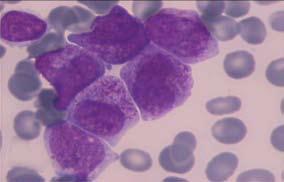
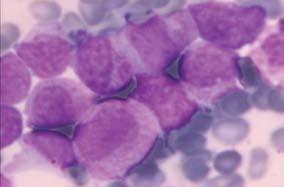
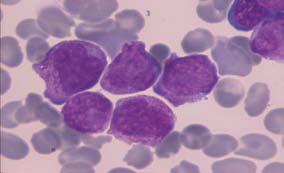
Laboratory investigations showed raised ESR (35 mm) and increased blood levels of CRP (59 mg/dl), and D-Dimers (823 ng/dl). Serologic tests for Coxsackie B1-B6, Parvo B19, EBV, Toxoplasma gondii and HSV were negative. Chest X-ray findings were normal. Bone marrow morphology (Figure 1) and immunophenotype set the diagnosis that was confirmed by cytogenetic study (Figure 2).
Differential diagnosis:
1. Acute lymphoblastic leukaemia (ALL)
2. Acute myeloid leukaemia (AML)
3. Chronic myelogenous leukaemia (CML)
4. Myelodysplastic syndrome (MDS)
5. Leishmaniasis
Figure 2. Karyotype of the 10 year-old girl showing the t(15;17)(q22;q21) translocation.
Figure 1. Bone marrow aspirate infiltrated by promyelocytes.
Developments in Pediatric Cardiology
I. Germanakis
(american heart association)
νείς. Στο Ηνωμένο Βασίλειο, οι πρόσφατες οδηγίες του National Institute of Clinical Excellence (NICE) (Mάρτιος 2008)
εισηγούνται την πλήρη κατάργηση της χημειοπροφύλαξης Λ.Ε., σε κάθε περίπτωση (http://www.nice.org.uk/nicemedia/ pdf/CG64NICEguidance.pdf). Έχοντας όμως
Department of Pediatrics, University of Crete, Heraklion, Greece
Correspondence: Ioannis Germanakis igermanakis@pagni.gr
(http://circ.ahajournals.org/cgi/content/ full/119/11/1541).
(http://circ.ahajournals. org/cgi/content/full/119/10/e251),
ST, QT (http://circ. ahajournals.org/cgi/content/short/119/10/e241),
διαστήματος QRS (http://circ.ahajournals. org/cgi/content/short/119/10/e235),
(http:// circ.ahajournals.org/cgi/content/ full/119/8/1161)
(http://circ. ahajournals.org/cgi/content/full/119/4/628).
full/118/15/e523)
Infliximab treatment of intravenous immunoglobulin-resistant Kawasaki disease. J Pediatr 2008 Dec;153(6):833-838
(Ισραήλ): Early Diagnosis and Treatment of Atrioventricular Block in the Fetus Exposed to
Maternal Anti-SSA/Ro-SSB/La Antibodies.
Circulation 2009;119:1867-1872
Heparin-bonded central venous catheters do not reduce thrombosis in infants with congenital heart disease: a blinded randomized, controlled trial.
Pediatrics 2009 Mar;123(3):e453-458
Dyck J
Preventing brain injury in newborns with congenital heart disease: brain imaging and innovative trial designs. Stroke 2009 Jan;40(1):327-332
συν.
Factors associated with adverse neurodevelopmental outcomes in infants with congenital heart disease. Brain Dev 2008 Aug;30(7):437-446
Clinical and Molecular Study of 320 Children with Marfan Syndrome and Related Type I Fibrillinopathies in a Series of 1009 Probands with Pathogenic FBN1 Mutations. Pediatrics 2009;123: 391-398
geogrigori@gmail.com
Καρδιολογικό
Web page on heart disease in children
G. Grigoriadou
Department of Cardiology, “P. & A. Kyriakou” Children’s Hospital, Athens, Greece
Correspondence: Georgia Grigoriadou geogrigori@gmail.com
Department of Cardiology, “P. & A. Kyriakou” Children’s Hospital, Athens, Greece
Clinical Quiz
Diagnosis - Comment
The diagnosis was established of acute promyelocytic leukaemia (M3 subtype of acute myeloid leukaemia). The bone marrow aspirate was 40% infiltrated by promyelocytes (Figure 1). Immunohistochemistry revealed 40% immature cells that expressed CD45 (80%), CD33 (99%), CD13 (87%), MPO (99%) and cCD13 (99%) antigens, identifying myelocytes. Cytogenetics showed multiple structural chromosomal abnormalities, the main abnormality of which was t(15;17)(q22;q21) translocation (Figure 2).
Acute myeloid leukaemia (AML), which accounts for 11% of all cases of childhood leukaemia, has eight subtypes (M0 – M7), according to the French-American-British (FAB) classification. Acute promyelocytic leukaemia (APL) is the M3 subtype of acute myeloid leukaemia, representing 5-15% of all AML cases. The block in white cell maturation occurs at the promyelocyte stage. M3 cells generally are regarded as abnormal promyelocytes and are usually characterized by azurophilic granulation, bilobed nuclei and Auer rods. APL can be distinguished from other types of AML on the basis of the morphological examination of a bone marrow biopsy or aspirate (1,2). Flow cytometric immunophenotyping also differentiates M3 acute myeloid leukaemia among the AML subtypes: In M3 cells, CD13 and CD33 antigens are positive (3). The myeloperoxidase and Sudan black B stains are consistently positive while the non-specific esterase is usually negative (1). The evidence most diagnostic for M3 is the presence of numerous promyelocytes on the peripheral blood smear and in the bone marrow, often accompanied by a few blast cells. Cytogenetically, M3 is characterized by a balanced reciprocal translocation between chromosomes 15 and 17 [t(15;17)], which results in the fusion between the promyelocytic leukaemia gene (PML) and the retinoic acid receptor α (RARα) (4). Definitive diagnosis requires testing for the RARα fusion gene by either polymerase chain reaction (PCR), fluorescent in situ hybridization (FISH), or conventional cytogenetics of peripheral blood or bone marrow. The resultant fusion proteins disrupt the function of RARα which blocks the normal maturation of granulocytes. Although the chromosomal translocation involving RARα is believed to be the ini-
tiating event, additional mutations are required for the development of leukaemia (5). This chromosomal translocation is detectable in almost 80% of APL cases (1,6). A few patients with APL show expression of a t(5;17) or a t(11;17) translocation (4). It appears that chromosome 17 possesses the gene that, when mutated, initiates the leukaemogenic process (1,6-8).
The accumulation of promyelocytes in the bone marrow results in a reduction in the production of normal white blood cells, red blood cells and platelets, resulting in anaemia, thrombocytopenia and susceptibility to infections. Patients with APL suffer from fever, fatigue, weight loss or loss of appetite, shortness of breath on exertion, anaemia, easy bruising or bleeding, petechiae, bone pain, joint pain and persistent or frequent infections. In addition APL is frequently associated with bleeding due to disseminated intravascular coagulation (DIC) (1,5).
Chemotherapy with daunorubicin, idarubicin and cytosine arabinoside was the front-line treatment of APL. The introduction of all-trans retinoic acid (ATRA) to the treatment regime has increased the 5-year disease-free survival (DFS) to 74% from 35-45%. The use of arsenic trioxide (ATO), has further improved the clinical outcome of refractory or relapsed, as well as newly diagnosed APL. Monitoring for relapse using PCR tests for RARα allows early re-treatment which is successful in many cases. Bone marrow transplant is reserved for patients in relapse (1,5,7,8).
References
1. Randolph Tim R. Acute promyelocytic leukaemia (AML-M3) – Part 1: Pathophysiology, clinical diagnosis, and differentiation therapy, http://findarticles.com/p/articles/mi_qa3890/ is_200004/ai_n8901981/, 2000.
2. Bennett IM, Catovsky D, Daniel M-T, Flandrin G, Galton DAG, Gralnick HR, et al. Proposals for the classification of the acute leukemias. Br I Haematol 1976;33:451-458.
3. Lewis RE, Cruse JM, Webb RN, Sanders CM, Beason K. Contrasting antigenic maturation patterns in M0–M2 versus M3 acute myeloid leukemias. Exp Mol Pathol. 2007;83(2):269-273.
4. Zhen-Yi Wang and Zhu Chen, Acute promyelocytic leukemia: from highly fatal to highly curable, Blood, 2008;111:2505-2515.
5. http://en.wikipedia.org/w/index.php?title=Acute_ promyelocytic_leukemia&action
6. Fenaux P, Chomienne C, Degos L. Acute promyelocytic leukemia: biology and treatment. Sem in Oncol 1997;24(1):92.
7. Early E and Dmitrovsky E. Acute Promyelocytic Leukemia: Retinoic Acid Response and Resistance. J Invest Med 1995;43(4):337.
8. Collins SJ. Acute promyelocytic leukemia: Relieving repression induced remission. Blood 1998;91(8): 2631.
19-21 Ιουνίου 2009
Minoa Palace
Πληροφορίες: AC&C Professional Congress Organiser, hotel, Χανιά
1Α, 144 51
Τηλ.: 210 6889 130
Fax: 210 6844 777
E-mail: pedcongress@acnc.gr
Website: www.acnc.gr
19-21 Ιουνίου 2009 9th International Congress on Pediatric Vienna, Austria Pulmonology (CIPP)
Πληροφορίες: Congress Secretariat, Annie Bidart, MD,
27, rue Masséna, 06000 Nice, France
Τηλ.: +33 (0) 497 038 597
Fax: +33 (0)497 038 598
E-mail: cipp@cipp-meeting.com
Website: www.cipp-meeting.com
28-30 Ιουνίου 2009 ICPP 5, the CoUrse – International Course Cape Sounio on Pediatric Pulmonology hotel, athens,
Πληροφορίες: ICPP Secretariat, Annie Bidart, MD, Greece
27, rue Masséna 06000 Nice, France
Τηλ.: +33 (0) 497 038 597
Fax: +33 (0) 497 038 598
E-mail: cipp@cipp-meeting.com
3-6 Ιουλίου 2009 4th Europaediatrics 2009: East and West, North World Trade and South: Balanced paediatric care in Europe Center, Moscow
Πληροφορίες: AC&C International Professional Congress Organiser
Τηλ.: 210 6889130
Fax: 210 6844777
E-mail: europaediatrics2009@acnc.gr Website: www.europaediatrics2009.org/
23-25 Ιουλίου 2009 International Symposium on Pediatric Radiology Rio De Janeiro,
Πληροφορίες: Pedro Daltro Brazil
Τηλ.: +54-11-47-918-110
Fax: +54-11-47-918-110
E-mail: moguil@intramed.net.ar
18-20
22-25
Πληροφορίες: Mdcongress hyatt regency
Τηλ.: 210 6074200
Ε-mail: md@mdcongress.gr Website: www.15perinatal.mdcongress.gr
2009 The 12th International Congress of Pediatric Sharm hepatology, Gastroenterology and nutrition El-Sheikh, Egypt
Πληροφορίες: Mortada El-Shabrawi
Τηλ.: +20-123-133-705
Fax: +20-237-619-012
E-mail: mortada_elshabrawi@yahoo.com
Πληροφορίες: Congress World
Τηλ.: 210 7210052, 7210001
Fax: 210 7210051
Ε-mail: info@congressworld.gr
Website: http://www.congressworld.gr
9-12 οκτωβρίου 2009 The 50th Annual Meeting of the European Society hamburg, for Pediatric Research - ESPR 2009 Germany
Πληροφορίες: Liraz Bregman
Τηλ.: +41-229-080-488
Fax: +41-227-322-850
E-mail: espr09@kenes.com
11-15 οκτωβρίου 2009
37th Annual Meeting of the International Society los Angeles, for Pediatric Neurosurgery United States
Πληροφορίες: Gordon Mccomb
E-mail: gmcomb@chla.usc.edu
17-20 οκτωβρίου 2009 american academy of Pediatrics (aaP) Washington, DC, National Conference USA Website: www.aapexperience.org/
24-25 οκτωβρίου 2009 10η Εκπαιδευτική
Πληροφορίες: 1 Medical Science & Congress
210 6722354, 462334-5
Fax: 210 6722345, 430098
E-mail: info@1medical.gr
Website: www.1medical.gr
5-7
2009
3rd International Tübingen-Symposium on Tübingen, Germany
Pediatric Solid Tumors / local Control in Childhood Soft Tissue Sarcoma
Πληροφορίες: Doreen Wegner
Τηλ.: +49-0-36-413-533-220
Fax: +49-0-3-641-353-324
E-mail: doreen.wegner@conventus.de
3-6 Δεκεμβρίου 2009 Excellence in Paediatrics
C&C International Group of Companies
Tηλ.: 210 6889130
Fax: 210 6844777
E-mail: excellence@candc-group.com
Website: www.excellence-in-paediatrics.org