Editors/ Uniform Requirements for Manuscripts Sub-mitted to Biomedical Journals, (http://www.icmje.org Î·È http:// www.icmje.org/icmje.pdf). OÈ Û˘ÓÙÌ‹ÛÂȘ ÙˆÓ Ù›ÙÏˆÓ ÙˆÓ ÂÚÈÔ‰ÈÎÒÓ Á›ÓÔÓÙ·È Ì ‚¿ÛË ÙÔ Cumulated Index Medicus [List of Journals Indexed in Index Medicus (http://www.nlm.nih.gov/bsd/uniform requirements.html)].
Proesmans W. Bartter syndrome and its neonatal variant. Eur J Pediatr 1997;156:669-679.
™˘ÌÏËڈ̷ÙÈÎfi Ù‡¯Ô˜ ÂÚÈÔ‰ÈÎÔ‡:
Flyvbjerg A. Role of growth hormone, insulin-like growth factors (IGFs) and IGF-binding proteins in the renal complications of diabetes. Kidney Int 1997;52 (60 Suppl):S12-S19.
Èڛ˜ Û˘ÁÁڷʤ·:
National Institutes of Health Consensus Development Conference. Neurofibromatosis conference statement. Arch Neurol 1988;45:575-578.
¶ÚÔÛ‰ÈÔÚÈÛÌfi˜ Ù‡Ô˘ ¿ÚıÚÔ˘:
Schreiner GF, Lange L. Ethanol modulation of macrophage influx in glomerulonephritis [Abstract]. J Am Soc Nephrol 1991;2:562.
Should antileukotriene therapies be used instead of inhaled corticosteroids in asthma? [Editorial]. Am J Respir Crit Care Med 1998;158:1697-1701.
Laux-End R, Inaebnit D, Gerber HA, Bianchetti MG. Vasculitis associated with levamisole and circulating autoantibodies [Letter]. Arch Dis Child 1996;75:355-356.
II. µπµ§π∞
∫ÂÊ¿Ï·ÈÔ Û ‚È‚Ï›Ô:
Clark AG, Barratt TM. Steroid-responsive nephrotic syndrome. In: Barratt TM, Arner ED, Harmon WE, editors. Pediatric Nephrology. 4th ed. Baltimore: Lippincott William Wilkins; 1999. p. 742.
™‡ÁÁÚ·ÌÌ· ‹ ÌÔÓÔÁÚ·Ê›·:
Gorlin RJ, Cohen MM, Levin LS. Syndromes of the head and neck. 3rd ed. New York: Oxford University Press; 1990.
¢ËÌÔÛ›Â˘ÛË Û ÙfiÌÔ Ú·ÎÙÈÎÒÓ: Bauer AW. The two definitions of bacterial resistance. In: Smith AJ, Rogers CA, eds. Proceedings of the Third International Congress of Chemotherapy; 1962 May 29-31; New York: International Society of Chemotherapy; 1963. p. 484-500.
Kaplan SJ. Post hospital home health care: the elderly’s access and utilization [dissertation]. St. Louis (Mo): Washington Univ.; 1995.
πππ. CD-ROM
Anderson SC, Poulsen KB. Anderson’s electronic atlas of hematology [CD-ROM]. Philadelphia: Lippincott Williams & Wilkins; 2002.
IV.™∆O ¢π∞¢π∫∆ÀO ÕÚıÚÔ Û ÂÚÈÔ‰ÈÎfi:
Abood S. Quality improvement initiative in nursing homes: the ANA acts in an advisory role. Am J Nurs [Internet]. 2002 Jun: Webpage: http://www.nursingworld.org/AJN/2002/june/Wawatch.htm
ªÔÓÔÁÚ·Ê›·:
Foley KM, Gelband H, editors. Improving palliative care for cancer [Monograph, Internet]. Washington: National Academy Press; 2001. Webpage: http://www.nap.edu/books/0309074029/html
πÛÙÔÛÂÏ›‰Â˜:
Cancer-Pain.org [Webpage, Internet]. New York: Association of Cancer Online Resources, Inc.; 2002: http://www.cancer-pain.org/
A o angstromangstrom calıÂÚÌ›‰·calorie cmÂηÙÔÛÙficentimeter cm2
ÙÂÙÚ·ÁˆÓÈÎfi ÂηÙÔÛÙfisquare centimeter cm3
΢‚ÈÎfi ÂηÙÔÛÙficubic centimeter oC ‚·ıÌfi˜ ∫ÂÏÛ›Ô˘degree Celsius gÁÚ·ÌÌ¿ÚÈÔgram h ÒÚ·hour IU‰ÈÂıÓ‹˜ ÌÔÓ¿‰·international unit kg¯ÈÏÈfiÁÚ·ÌÌÔkilogram l Ï›ÙÚÔliter m ̤ÙÚÔmeter mg¯ÈÏÈfiÁÚ·ÌÌÔmilligram minÏÂÙfiminute mm¯ÈÏÈÔÛÙfiÌÂÙÚÔmillimeter molÁÚ·ÌÌÔÌfiÚÈÔmole n ·ÚÈıÌfi˜number
NS ‹ ª™ÌË ÛËÌ·ÓÙÈÎfinot significant osmÔÛÌÒÏÈÔosmole p Èı·ÓfiÙËÙ·probability SDÛÙ·ıÂÚ‹ ·fiÎÏÈÛËstandard deviation SEÛÙ·ıÂÚfi ÛÊ¿ÏÌ·standard error sec‰Â˘ÙÂÚfiÏÂÙÔsecond U ÌÔÓ¿‰·unit
The Greek Paediatric Society is the owner of “Paediatriki”, its official scientific journal, which is distributed to its members. Its objectives are the publication of paediatric scientific work and the continuing education of paediatricians. For this purpose, it publishes a variety of articles, and in particular:
1.Editorials (upon invitation by the Editorial Board).
2.Review articles.
3.Award-winning articles.
4.Original articles.
5.Clinical Quiz.
6.Round tables.
7.Current issues.
8.Issues of healthcare management and education.
9.Case reports.
10.News.
11.Brief reports.
12.Letters to the editor.
13.Abstracts.
14.Future congresses and events.
15.Book reviews.
The Editorial Board reserves the right to publish articles of special scientific interest and articles on current issues without observing submission order. In addition it publishes upon decision original papers presented at the Annual Paediatric Conference, presentations of special interest - in whole or in part, and letters - in whole or in part - referring to scientific articles published in the journal.
Regarding papers on current issues, the author’s request for immediate publication should be quoted on the first page. The Editorial Board reserves the right to accept such papers for immediate publication.
All manuscripts should not have been published previously, in whole or in part, and not be under consideration by another publication. Manuscripts should acknowledge any funding, sponsorship or other financial support. All clinical research should have been conducted following informed consent of participants or of their legal representatives according to the Declarations of Helsinki and Tokyo. In addition, the US National Institute of Health guide for the care and use of laboratory animals (DHEW Publication, NIH, 80-23) should have been observed. Clinical trials should have been approved by the Ethics Committee of the Hospital.
Authors’ opinions and conclusions expressed in the published papers do not necessarily reflect those of the journal. The Greek Paediatric Society, the Editorial Board and the Publisher of the journal do not necessarily approve the content of the advertisements appearing in the journal.
The copyright of all published papers is held by “Paediatriki” and their reproduction in whole or in part is authorized only following written consent of the journal.
B. Manuscript Preparation
“Paediatriki” suggests compliance with the “Uniform Requirements for Manuscripts Submitted to Biomedical Journals”, recently modified and published on the websites:
http://www.icmje.org and http://www.icmje.org/icmje.pdf
The entire paper (including figure legends and tables)
should be typed on one side of blank paper format A4 (21x29.7 cm), double line spacing and minimum indent 2.5 cm on both sides.
The paper should have the following structure: title page, short title, abstract in Greek and English, list of abbreviations, text, acknowledgements and quoting of grants, sponsorships or other financial support sources, references, tables, figures, figure legends. Each of these sections should be started on a new page. Pages should be numbered consecutively, beginning with the title page.
Text length shall be:
ñ review articles 2000-3000 words;
ñ original articles 1500-2500 words and case reports 1000-1500 words;
ñ the title (<14 words) and the short title (<5 words) of the article. No abbreviations are permitted in the title;
ñ the name and surname of all authors;
ñ the centre (institution, clinic, laboratory) of origin of the paper. If there is no affiliation with a specific centre, the status of the author(s) should be cited (e.g., private paediatrician) and home address;
ñ the complete address, e-mail and telephone number of the author to whom correspondence should be addressed.
Abstracts
The abstract should summarize the objectives, methodology, main results and conclusions of the study.
ñ It should contain at least 200 words, and not exceed 250 words.
ñ It should consist of the following paragraphs: background, methods, results and conclusions.
The English abstract should cite at the beginning the title of the paper and the authors’ names in English. The content of the text should consist of the following paragraphs: background, methods, results and conclusions. The abstract in English should not differ in content from the corresponding Greek abstract.
Beneath the Greek and English abstracts, three to five key words in the respective language should be supplied, to be used in the thematic index.
Text
Original articles include: introduction, methods, results and discussion. The introduction includes the latest research data on the subject and the main references and the objectives of the paper. The description of the methods should be precise and detailed so as to enable reproduction by other researchers. In addition, the statistical methods of analysis and evaluation of the results should be described. Results should be presented clearly, together with the appropriate statistical analysis. Discussion should cover the results ensuing from the research, their significance and possible associations with the observations of other researchers.
Case reports comprise a short introduction, case description and brief discussion, with emphasis on differential diagnosis.
The structure of all other articles is free, according to the judgment of the authors.
Thanks or acknowledgements (reference to grants, sponsorships or other sources of financial support) should be quoted at the end of the text, before references.
Units of measures of laboratory analyses
Laboratory analyses should be expressed in the Système International (SI) units and in the metric (Conventional) system in parentheses. See conversion tables on the websites: http://www.icmje.org and http://www.icmje.org/icmje.pdf
Abbreviations
All issues of the journal contain internationally established abbreviations. Complex or long terms often repeated in the text may be replaced by abbreviations explained by the authors in a list submitted with the paper. Abbreviations are reported in parentheses only in abstracts.
References
The reference section contains all references numbered in the order in which they appear in the text. In the text, references are to be indicated by Arabic numerals in parentheses. References should be no more than:
ñ 70 in review articles;
ñ 30 in original articles;
ñ 12 in current issues and case reports;
ñ5 in brief reports and letters.
In listing references follow the recently modified standards of the International Committee of Medical Journal Editors/Uniform Requirements for Manuscripts Submitted to Biomedical Journals, (http://www.icmje.org and http:// www.icmje.org/icmje.pdf). Abbreviated names of journals should conform to the Cumulated Index Medicus [List of Journals Indexed in Index Medicus (http://www.nlm.nih.gov/bsd/uniform requirements.html)].
Examples of reference style
I. JOURNALS
All authors are cited if they are six or less; if they are 7 or more, the first six are cited, followed by “et al”.
Regular edition:
Proesmans W. Bartter syndrome and its neonatal variant. Eur J Pediatr 1997;156:669-679.
Supplement issue:
Flyvbjerg A. Role of growth hormone, insulin-like growth factors (IGFs) and IGF-binding proteins in the renal complications of diabetes. Kidney Int 1997;52 (60 Suppl):S12-S19.
No author:
National Institutes of Health Consensus Development Conference. Neurofibromatosis conference statement. Arch Neurol 1988;45:575-578.
Article type specification:
Schreiner GF, Lange L. Ethanol modulation of macrophage influx in glomerulonephritis [Abstract]. J Am Soc Nephrol 1991;2:562.
Should antileukotriene therapies be used instead of inhaled corticosteroids in asthma? [Editorial]. Am J Respir Crit Care Med 1998;158:1697-1701.
Laux-End R, Inaebnit D, Gerber HA, Bianchetti MG. Vasculitis associated with levamisole and circulating autoantibodies [Letter]. Arch Dis Child 1996;75:355-356.
II. BOOKS
Chapter in book: Clark AG, Barratt TM. Steroid-responsive nephrotic syndrome. In: Barratt TM, Arner ED, Harmon WE, editors. Pediatric Nephrology. 4th ed. Baltimore: Lippincott William Wilkins; 1999. p. 742.
Book or monograph:
Gorlin RJ, Cohen MM, Levin LS. Syndromes of the head and neck. 3rd ed. New York: Oxford University Press; 1990.
Publication in a volume of proceedings:
Bauer AW. The two definitions of bacterial resistance. In: Smith AJ, Rogers CA, eds. Proceedings of the Third International Congress of Chemotherapy; 1962 May 29-31; New York: International Society of Chemotherapy; 1963. p. 484-500.
Doctoral dissertation:
Kaplan SJ. Post hospital home health care: the elderly’s access and utilization [dissertation]. St. Louis (Mo): Washington Univ.; 1995.
πππ. CD-ROM
Anderson SC, Poulsen KB. Anderson’s electronic atlas of hematology [CD-ROM]. Philadelphia: Lippincott Williams & Wilkins; 2002.
IV. ON THE INTERNET
Article in journal
Abood S. Quality improvement initiative in nursing homes: the ANA acts in an advisory role. Am J Nurs [Internet]. 2002 Jun: Webpage: http://www.nursingworld.org/ AJN/2002/june/Wawatch.htm
Monograph
Foley KM, Gelband H, editors. Improving palliative care for cancer [Monograph, Internet]. Washington: National Academy Press; 2001. Webpage: http://www.nap.edu/books/0309074029/html
Websites
Cancer-Pain.org [Webpage, Internet]. New York: Association of Cancer Online Resources, Inc.; 2002: http://www.cancer-pain.org/
Tables and Figures
Three copies should be submitted (original plus 2 copies). Their width should either be equal to the width of one column (7.5 cm) or to the width of the page (15.5 cm). Their maximum length, titles included, should not exceed 22 cm.
Tables are numbered with Arabic numerals in the order in which they appear in the text. They should have a short title and abbreviations should be listed at the bottom. Vertical lines in tables should be avoided.
All illustration material is considered as figures (graphs, pictures, etc.). They should be of excellent quality. Also, at the back of every picture, the number of the picture and the name of the first author should be noted in pencil, with an arrow showing the top of the picture. The identity of patients should not be recognizable from their pictures nor should their names be stated.
C. Manuscript Submission and Publication
All manuscripts should be accompanied by a floppy disk or CD, as well as by a letter, signed by all the authors, in which it is stated that the paper has not been published in part or in whole, or is not under consideration by another journal and that the authors accept its publication in “Paediatriki”. Any funding, sponsorship or other financial support should be acknowledged.
Once the manuscript has been accepted, the corrected version, rewritten according to the reviewers’ recommendations should be submitted to the Editorial Board accompanied by a floppy disk or CD, containing the paper in Word format, along with a covering letter specifying in detail the modifications or objections to the reviewers’ suggestions.
Delay in submission of the modified paper exceeding 30 days entails new submission.
Authors will be charged film and reprint expenses, paid upon dispatch of the first proof directly to the printer.
Manuscripts of papers which have not been approved for publication are not returned to the author. The accompanying figures and photographs can be returned upon request within six months.
Manuscripts submitted for review and publication in “Paediatriki” should be sent in three copies to the following address: Editorial Board, Greek Paediatric Society 92, Michalakopoulou Street, 115 28 Athens, Greece
Before submitting your paper, make sure it contains:
1.3 copies of the text of the paper, printed according to instructions.
2.A floppy disk or CD with the entire material of the paper (text, tables, pictures).
3.A covering letter and a statement that the paper has not been previously published.
4.The title page (on a separate page), which includes: a.the title and short title of the paper; b.the name and surname (full name)of the author(s); c.the academic centre(s) of origin; d.the corresponding authors’ name, address and telephone number;
5.English and Greek abstracts, with the following structure: background, methods, results and conclusions (double space, separate page) and keywords.
6.List of abbreviations (double space, separate page).
7.Text (double space, separate page).
8.Acknowledgements and reference to funding, sponsorships or other financial sources.
9.References (double space, separate page).
10.Tables (one per page) in three copies.
11.Figures with an arrow at the back showing the top, numbered, in two copies.
12.Figure titles (double space - on separate pages) in three copies.
Diphtheria, tetanus and acellular pertussis booster vaccination for adolescents: ∆he new data
G. Tsolas
Abstract: The number of cases of pertussis continue to increase in the US and other developed countries, despite high immunization coverage rates of infants and young children. As immunity from the primary childhood immunization series wanes, adolescents and adults become susceptible to infection. A large part of the reported increase is thought to be due to increasing physician recognition of pertussis as a cause of nonspecific, persistent cough in adolescents and adults. The spread of infection by adolescents and adults may also place more vulnerable patients, including babies and young infants, at greater risk. In summer 2005, the US Food and Drug Administration (FDA) approved two new combination tetanus, diphtheria, and acellular pertussis (Tdap) vaccines for booster immunization beyond the primary childhood immunization series. These products are intended to replace the current tetanus-diphtheria (Td) booster given at 11-12 years of age. This new Tdap product provides significant increases in pertussis antibody titers and appears to be well tolerated. It has the potential to provide considerable benefit, both in reducing the frequency of pertussis in adolescents and adults and in minimizing the spread of infection to younger high-risk patient populations.
1.Centers for Disease Control and Prevention. Notifiable diseases/ deaths in selected cities weekly information. MMWR Morb Mortal Wkly Rep 2004;53: 1213-1221.
2.Centers for Disease Control and Prevention. Pertussis United States 1997-2000. MMWR Morb Mortal Wkly Rep 2002;51:73-76.
3.Guris D, Strebel PM, Bardenheier B, Brennan M, Tachdjian R, Finch E et al. Changing epidemiology of pertussis in the United States: increasing reported incidence among adolescents and adults, 19901996. Clin Infect Dis 1999;28:1230-1237.
4.Centers for Disease Control and Prevention. Final: 2003 reports of notifiable diseases. MMWR Morb Mortal Wkly Rep 2004;53:687-696.
5.Tanaka M, Vitek CR, Pascual FB, Bisgard KM, Tate JE, Murphy TV. Trends in pertussis among infants in the United States, 1980-1999. JAMA 2003;290: 2968-2975.
6.Celentano LP, Massari M, Paramatti D, Salmaso S, Tozzi AE; EUVAC-NET Group. Resurgence of pertussis in Europe. Pediatr Infect Dis J 2005;24(9): 761-765.
7.Rothstein E, Edwards K. Health burden of pertussis in adolescents and adults. Pediatr Infect Dis J 2005; 24 (5 Suppl):S44-S47
8.Davis JP. Clinical and economic effects of pertussis outbreaks. Pediatr Infect Dis J 2005;24 (6 Suppl): S109-S116.
9.Lee GM, Lett S, Schauer S, LeBaron C, Murphy TV, Rusinak D et al; Massachusetts Pertussis Study Group. Societal costs and morbidity of pertussis in adolescents and adults. Clin Infect Dis 2004;39: 1572-1580.
10.De Serres G, Shadmani R, Duval B, Boulianne N, Dery P, Douville Fradet M et al. Morbidity of pertussis in adolescents and adults. J Infect Dis 2000;182:174-179.
11.Schellekens J, von Konig CH, Gardner P. Pertussis sources of infection and routes of transmission in the vaccination era. Pediatr Infect Dis J 2005;24 (5 Suppl):S19-S24.
12.Bisgard KM, Pascual FB, Ehresmann KR, Miller CA, Cianfrini C, Jennings CE et al. Infant pertussis: who was the source? Pediatr Infect Dis J 2004;23:985-989.
13.Pichichero ME, Casey JR. Acellular pertussis vaccines for adolescents. Pediatr Infect Dis J 2005;24 (6 Suppl):S117-S126.
15. Boostrix prescribing information. GlaxoSmith Kline, May 2005.
16.Adacel prescribing information. Sanofi Pasteur, June 2005.
17.Van Damme P, Burgess M. Immunogenicity of a combined diphtheria-tetanus-acellular pertussis vaccine in adults. Vaccine 2004;22:305-308.
18.Pichichero ME, Rennels MB, Edwards KM, Blatter MM, Marshall GS, Bologa M et al. Combined tetanus-diphtheria, and 5-component pertussis vaccine for use in adolescents and adults. JAMA 2005;293:3003-3011.
19.Southern J, Andrews N, Burrage M, Miller E. Immunogenicity and reactogenicity of combined acellular pertussis/ tetanus/ low dose diphtheria vaccines given as a booster to UK teenagers. Vaccine 2005;23:3829-3835.
20.Humiston SG, Rosenthal SL. Challenges to vaccinating adolescents: vaccine implementation issues. Pediatr Infect Dis J 2005;24 (6 Suppl):S134-S140.
21.Hay JW, Ward JI. Economic considerations for pertussis vaccination in adolescents. Pediatr Infect Dis J 2005;24 (6 Suppl):S127-S133.
22.Purdy KW, Hay JW, Botteman MF, et al. Evaluation of strategies for use of acellular pertussis vaccine in adolescents and adults: a cost-benefit analysis. Clin Infect Dis 2004;39:20-28.
23.Iskedjian M, Walker JH, Hemels ME. Economic evaluation of an extended acellular pertussis vaccine programme for adolescents in Ontario, Canada. Vaccine 2004;22:4215-4227.
24.Caro JJ, Getsios D, El-Hadi W, Payne K, O'Brien JA. Pertussis immunization of adolescents in the United States:an economic evaluation. Pediatr Infect Dis J 2005;24:S75-S82.
25.Lee GM, Lebaron C, Murphy TV, Lett S, Schauer S, Lieu TA. Pertussis in adolescents and adults: should we vaccinate? Pediatrics 2005;15:1675-1684.
26.Campins-Marti M, Cheng HK, Forsyth K, Guiso N, Halperin S, Huang LM et al; International Consensus Group on Pertussis Immunisation. Recommendations are needed for adolescent and adult pertussis immunization; rationale and strategies for consideration. Vaccine 2001;20:641-646.
27. 27. Plotkin S. The global pertussis initiative: process overview. Pediatr Infect Dis J 2005;24 (5 Suppl):S7-S9.
Polio control after certification: evaluating the risks and planning public health policies
K. Douros, B. Tsagris, P. Nikolaidou – Karpathiou
Abstract: Since the 1988 World Health Assembly resolution to eradicate poliomyelitis, considerable progress has been made towards interrupting the transmission of wild poliovirus globally. As the achievement and certification of polio eradication draws near, WHO is evaluating potential postcertification policies. Since the year 2000, it has been realized that the risks of paralytic poliomyelitis in the post-certification era fall into two general categories: those due to the continued use of the oral poliovirus vaccine (OPV) and those due to future improper handling of wild polioviruses. The specific risks within each category have now been defined and further research is under way in order to be quantified properly. The knowledge of nature and magnitude of these risks is of outmost importance in constructing a framework for the evolution of public health policies for the post certification era. However, this framework must be regarded as a dynamic tool, requiring regular updating as additional information on these risks becomes available. There are four broad (and interrelated) areas for which policies must be designed: detection and notification of circulating polioviruses, biocontainment, vaccine stockpiles and response mechanisms, and routine immunization against polioviruses. The process of final decisions is expected to begin at the near future.
Key words: Poliomyelitis, eradication, public health.
1.World Health Assembly. Global eradication of poliomyelitis by the year 2000. Geneva: World Health Organization; 1988 [Resolution 41.28].
2.World Health Organization. Progress towards global eradication of Poliomyelitis 2003 and JanuaryApril 2004. Wkly Epidemiol Rec 2004;79:229-234.
3.World Health Organization. Report by the Secretariat: Eradication of Poliomyelitis. Executive Board, 117 Session, Provisional agenda item 4.4. Geneva, 8 December 2005.
4.Heymann DL. Polio eradication: finishing the job
and protecting the investment. Bull World Health Organ 2004 Jan;82:1.
5. Smith J, Leke R, Adams A, Tangermann RH. Certification of polio eradication: process and lessons learned. Bull World Health Organ. 2004 Jan;82:24-30.
6.Minor PD, Dunn G. The effect of sequences in the 5' non-coding region on the replication of polioviruses in the human gut. J Gen Virol 1988;69:1091-1096.
7.Andrus JK, Strebel PM, de Quadros CA, Olive JM. Risk of vaccine-associated paralytic poliomyelitis in Latin America, 1989-91. Bull World Health Organ 1995;73:33-40.
8.Report of the interim meeting of the Technical Consultation Group (TCG) on the global eradication of poliomyelitis, Geneva, 13-14 Nov 2002. Geneva: World Health Organization; 2003. WHO document WHO/EPI/GEN/02.
9.Kew MK, Wright PF, Agol VA, Delpeyroux F, Shimizu H, Nathanson N, et al. Circulating vaccine-derived polioviruses: current state of knowledge. Bull World Health Organ 2004;82:16-23.
10.Kew O, Morris-Glasgow V, Landaverde M, Burns C, Shaw J, Garib Z, et al. Outbreak of poliomyelitis in Hispaniola associated with circulating type 1 vaccine-derived poliovirus. Science 2002;296:356-359.
12.Paralytic poliomyelitis in Madagascar, 2002. Wkly Epidemiol Rec 2002;77:241-242.
13.Centers for Disease Control and Prevention. Circulation of a type 2 vaccine-derived poliovirusEgypt, 1982-1993. MMWR Morb Mortal Wkly Rep 2001;50:41-42, 51.
14.Halsey NA, Pinto J, Espinosa-Rosales F, Faure-Fontenla MA, da Silva E, Khan AJ, et al; Polio Project Team. Search for poliovirus carriers among people with primary immune deficiency diseases in the United States, Mexico, Brazil, and the United Kingdom. Bull World Health Organ 2004;82:3-8.
15.Dowdle WR, Wolff C, Sanders R, Lambert S, Best M. Will containment of wild poliovirus in laboratories and inactivated poliovirus vaccine production sites be effective for global certification? Bull World Health Organ. 2004;82:59-62.
16. World Health Organization. Poliovirus type 2 (MEF-1) found in northern India. Polio Lab Network Quarterly Update 2003;9:1-2.
17. WHO global action plan for laboratory containment of wild polioviruses. Geneva: World Health Organization; 1999. WHO document WHO/V&B/99.32.
18.World Health Organization. Completion of a national laboratory inventory for global wild poliovirus containment, United States. Wkly Epidemiol Rec. 2003;79: 213-220.
19.Aylward RB, Cochi SL. Framework for evaluating the risks of paralytic poliomyelitis after global interruption of wild poliovirus transmission. Bull World Health Organ. 2004;82:40-46.
20.World Health Organization. Progress towards global eradication of poliomyelitis, 2003 and January-April 2004. Wkly Epidemiol Rec 2004;79:229-234.
21.Hardiman M. The revised International Health Regulations: a framework for global health security. Int J Antimicrob Agents. 2003;21:207-211.
22.World Health Assembly. Poliomyelitis eradication. Geneva: World Health Organization; 1999 [Resolution 52.22].
23.Dowdle WR. The principles of disease elimination and eradication. In: Global disease elimination and eradication as public health strategies. Proceeding of a conference held in Atlanta, Georgia, USA, 23-25 February 1998. Bull World Health Organ 1998;76 (Suppl 2):22 5.
24.Sutter RW, Càceres VM, Lago P. The role of routine
polio immunization in the post-certification era. Bull World Health Organ 2004;82:31-39.
25.Global eradication of poliomyelitis. Report of the meeting on the scientific basis for stopping polio immunization, Geneva, 23-25 March 1998, WHO/ EPI/GEN/98.12.
26.Report of the seventh meeting of the Technical Consultative Group (TCG) on the global eradication of poliomyelitis, Geneva, 2002. Geneva: World Health Organization; 2002.
27.Fine PE, Oblapenko G, Sutter RW. Polio control after certification: major issues outstanding. Bull World Health Organ 2004;82:47-52.
The PANDAS hypothesis (paediatric autoimmune neuropsychiatric disorders associated with streptococcal infection): reality or myth?
V. Tsagris, ∫. Douros, P. Nikolaidou - Karpathiou
Abstract: Various inflammatory disorders have been shown to be associated with preceding streptococcal infections, including acute rheumatic fever, post-streptococcal reactive arthritis, erythema nodosum and post-streptococcal glomerulonephritis. The spectrum of post-streptococcal disease has been expanded with the addition of the paediatric autoimmune neuropsychiatric disorders associated with streptococcal infection (PANDAS). PANDAS are a recently described subgroup of childhood disorders, and there has been a great deal of public and physician interest in their pathophysiology, diagnosis and management. The likelihood that neuropsychiatric disorders such as obsessive-compulsive disorder (OCD) and tics are related to a preceding streptococcal infection is certainly controversial. The current literature is reviewed, culminating in the conclusion that PANDAS remains a yet-unproven assumption.
1.Kiessling LS. Tic disorders associated with evidence of invasive group A beta hemolytic streptococcal disease. Dev Med Child Neurol 1989;31 (Suppl 59):S48.
2.Swedo SE, Leonard HL, Garvey M, Mittleman B, Allen AJ, Perlmutter S et al. Pediatric autoimmune neuropsychiatric disorders associated with streptococcal infections: clinical description of the first 50 cases. Am J Psychiatry 1998;155:264-271.
4.Husby G, van de Rijn I, Zabriskie JB, Abdin ZH, Williams RC Jr. Antibodies reacting with cytoplasm of subthalamic and caudate nuclei neurons in chorea and acute rheumatic fever. J Exp Med 1976;144:1094-1110.
5.Murphy ML, Pichichero ME. Prospective identification and treatment of children with pediatric autoimmune neuropsychiatric disorder associated with group A streptococcal infection (PANDAS). Arch Pediatr Adolesc Med 2002;156:356-361.
6.Cardona F, Orefici G. Group A streptococcal infections and tic disorders in an Italian pediatric population. J Pediatr 2001;138:71-75.
7.Khanna AK, Buskirk DR, Williams RC Jr, Gibofsky A, Crow MK, Menon A et al. Presence of a non-HLA B cell antigen in rheumatic fever patients and their families as defined by a monoclonal antibody. J Clin Invest 1989;83:1710-1716.
8.Murphy TK, Goodman WK, Fudge MW, Williams RC Jr, Ayoub EM, Dalal M et al. B lymphocyte antigen D8/17: a peripheral marker for childhood-onset
obsessive-compulsive disorder and Tourette’s syndrome? Am J Psychiatry 1997;154:402-407.
9.Swedo SE, Leonard HL, Mittleman BB, Allen AJ, Rapoport JL, Dow SP et al. Identification of children with pediatric autoimmune neuropsychiatric disorders associated with streptococcal infections by a marker associated with rheumatic fever. Am J Psychiatry 1997;154:110-112.
10.Giedd JN, Rapoport JL, Garvey MA, Perlmutter S, Swedo SE. MRI assessment of children with obsessive-compulsive disorder or tics associated with streptococcal infection. Am J Psychiatry 2000;157: 281-283.
11.Perlmutter SJ, Leitman SF, Garvey MA, Hamburger S, Feldman E, Leonard HL et al. Therapeutic plasma exchange and intravenous immunoglobulin for obsessive-compulsive disorder and tic disorders in childhood. Lancet 1999;354:1153-1158.
12.Garvey MA, Perlmutter SJ, Allen AJ, Hamburger S, Lougee L, Leonard HL et al. A pilot study of penicillin prophylaxis for neuropsychiatric exacerbations triggered by streptococcal infections. Biol Psychiatry 1999;45:1564-1571.
13.Sokol MS. Infection-triggered anorexia nervosa in children: clinical description of four cases. J Child Adolesc Psychopharmacol 2000;10:133-145.
14.Sokol MS, Ward PE, Tamiya H, Kondo DG, Houston D, Zabriskie JB. D8/17 expression on B lymphocytes in anorexia nervosa. Am J Psychiatry 2002;159: 1430-1432.
15. Waldrep DA. Two cases of ADHD following GABHS infection: a PANDAS subgroup? J Am Acad
Child Adolesc Psychiatry 2002;41:1273-1274.
16.Peterson BS, Leckman JF, Tucker D, Scahill L, Staib L, Zhang H et al. Preliminary findings of antistreptococcal antibody titers and basal ganglia volumes in tic, obsessive-compulsive, and attention deficit/hyperactivity disorders. Arch Gen Psychiatry 2000;57: 364-372.
17.Pavone P, Bianchini R, Parano E, Incorpora G, Rizzo R, Mazzone L et al. Anti-brain antibodies in PANDAS versus uncomplicated streptococcal infection. Pediatr Neurol 2004;30:107-110.
18.Kurlan R, Kaplan EL. The pediatric autoimmune neuropsychiatric disorders associated with streptococcal infection (PANDAS) etiology for tics and obsessive-compulsive symptoms: hypothesis or entity? Practical considerations for the clinician. Pediatrics 2004;113:883-886.
19.Swedo SE, Leonard HL, Rapoport JL. The pediatric autoimmune neuropsychiatric disorders associated with streptococcal infection (PANDAS) subgroup: separating fact from fiction. Pediatrics 2004;113: 907-911.
20.Fischetti VA. The Streptococcus and the host. Present and future challenges. Adv Exp Med Biol 1997; 418:15-20.
21.Cunningham MW. Pathogenesis of group A streptococcal infections. Clin Microbiol Rev 2000;13:470511.
22.Aron AM, Freeman JM, Carter S. The natural history of Sydenham’s chorea. Review of the literature and long-term evaluation with emphasis on cardiac sequelae. Am J Med 1965;38:83-95.
1.McLauchlin. Human listeriosis in Britain, 1967-85, a summary of 722 cases. 1. Listeriosis during pregnancy and in the newborn. J Epidemiol Infect 1990;104:181-189.
2.Schuchat A, Deaver KA, Wenger JD, Plikaytis BD, Mascola L, Pinner RW, et al Role of foods in sporadic listeriosis. I. Case-control study of dietary risk factors. The Listeria Study Group. JAMA 1992;267: 2041-2045.
3.Schlech WF 3rd. Foodborne listeriosis. Clin Infect Dis 2000;31:770-5. Cooper J, Walker RD. Listeriosis. Vet Clin North Am Food Anim Pract 1998;14:113-125.
4.Weis J, Seeliger HP. Incidence of Listeria monocytogenes in nature. Appl Microbiol 1975;30:29-32.
6.Goulet V, de Valk H, Pierre O, Stainer F, Rocourt J, Vaillant V et al . Effect of prevention measures on incidence of human listeriosis, France, 1987-1997.
Emerg Infect Dis 2001;7:983-989.
7.Maijala R, Lyytikainen O, Autio T, Aalto T, Haavisto L, Honkanen-Buzalski T. Exposure of Listeria monocytogenes within an epidemic caused by butter in Finland. Int J Food Microbiol 2001;70:97-109.
8.De Valk H, Vaillant V, Jacquet C, Rocourt J, Le Querrec F, Stainer F et al. Two consecutive nationwide outbreaks of Listeriosis in France, October 1999-February 2000. Am J Epidemiol 2001;154:944-950.
9.Franciosa G, Tartaro S, Wedell-Neergaard C, Aureli P. Characterization of Listeria monocytogenes strains involved in invasive and noninvasive listeriosis outbreaks by PCR-based fingerprinting techniques. Appl Environ Microbiol 2001;67:1793-1799.
10.Vela AI, Fernandez-Garayzabal JF, Vazquez JA, Latre MV, Blanco MM, Moreno MA et al. Molecular typing by pulsed-field gel electrophoresis of Spanish animal and human Listeria monocytogenes isolates. Appl Environ Microbiol 2001;67:5840-5843.
11. Colodner R, Sakran W, Miron D, Teitler N, Khavalevsky E, Kopelowitz J. Listeria monocytogenes cross-contamination in a nursery [corrected]. Am J Infect Control 2003;31:322-324.
12.Pejaver RK, Watson AH, Mucklow ES Neonatal cross-infection with Listeria monocytogenes. Infect 1993;26:301-303.
13.Schuchat A, Lizano C, Broome CV, Swaminathan B, Kim C, Winn K. Outbreak of neonatal listeriosis associated with mineral oil. Pediatr Infect Dis J 1991; 10:183-189.
14. Silver HM. Listeriosis during pregnancy. Obstet Gynecol Surv 1998;53:737-740.
15.Svabic-Vlahovic M, Pantic D, Pavicic M, Bryner JH. Transmission of Listeria monocytogenes from mother's milk to her baby and to puppies. Lancet 1988; 2:1201.
16. Mylonakis E, Paliou M, Hohmann EL, Calderwood SB, Wing EJ. Listeriosis during pregnancy: a case series and review of 222 cases. Medicine 2002;81:260-269.
17.Gray JW, Barrett JF, Pedler SJ, Lind T. Faecal carriage of listeria during pregnancy. Br J Obstet Gynaecol 1993;100:873-874.
18.Lennon D, Lewis B, Mantell C, Becroft D, Dove B, Farmer K et al. Epidemic perinatal listeriosis. Pediatr Infect Dis 1984;3:30-34.
19.Rappaport F, Rabinovitz M, Toaff R, Krochik N. Genital listeriosis as a cause of repeated abortion Lancet 1960;1:1273-1275.
20.Manganiello PD, Yearke RR. A 10-year prospective study of women with a history of recurrent fetal losses fails to identify Listeria monocytogenes in the genital tract. Fertil Steril 1991;56:781-782.
21.Lukinmaa S, Miettinen M, Nakari UM, Korkeala H, Siitonen A. Listeria monocytogenes isolates from invasive infections: variation of sero-and genotypes during an 11-year period in Finland. J Clin Microbiol 2003;41:1694-1700.
22.Portnoy DA, Auerbuch V, Glomski IJ. The cell biology of Listeria monocytogenes infection: the intersection of bacterial pathogenesis and cell-mediated immunity. J Cell Biol 2002;158:409-414.
23.Harty JT, Bevan MJ. CD8 T-cell recognition of
macrophages and hepatocytes results in immunity to Listeria monocytogenes. Infect Immun 1996;64: 3632-3640.
24.Lecuit M, Nelson DM, Smith SD, Khun H, Huerre M, Vacher-Lavenu MC et al Targeting and crossing of the human maternofetal barrier by Listeria monocytogenes: role of internalin interaction with trophoblast E-cadherin. Proc Natl Acad Sci USA 2004;101:6152-6157.
25.Alper G, Knepper L, Kanal E. MR findings in listerial rhombencephalitis. AJNR. Am J Neuroradiol 1996; 17:593-6.
26.Boucher M, Yonekura ML. Listeria meningitis during pregnancy. Am J Perinatol 1984;1:312-318.
27.Lallemand AV, Gaillard DA, Paradis PH, Chippaux CG. Fetal listeriosis during the second trimester of gestation. Pediatr Pathol 1992;12:665-671.
28.Siegman-Igra Y, Levin R, Weinberger M, Golan Y, Schwartz D, Samra Z et al. Listeria monocytogenes infection in Israel and review of cases worldwide. Emerg Infect Dis 2002;8:305-310.
29.Boucher M, Yonekura ML, Wallace RJ, Phelan JP. Adult respiratory distress syndrome: a rare manifestation of Listeria monocytogenes infection in pregnancy. Am J Obstet Gynecol 1984;149:686-688.
30.Fan YD, Pastorek JG 2nd, Janney FA, Sanders CV. Listeriosis as an obstetric complication in an immunocompromised patient. South Med J 1989;82: 1044-1045.
31.Wetli CV, Roldan EO, Fojaco RM. Listeriosis as a cause of maternal death: an obstetric complication of the acquired immunodeficiency syndrome (AIDS). Am J Obstet Gynecol 1983;147:7-9.
32.Ramsden GH, Johnson PM, Hart CA, Farquharson RG. Listeriosis in immunocompromised pregnancy. Lancet 1989;1:794.
34.Hirschl RB, Butler M, Coburn CE, Bartlett RH, Baumgart S. Listeria monocytogenes and severe newborn respiratory failure supported with extracorporeal membrane oxygenation. Arch Pediatr Adolesc Med 1994;148:513-517.
35.Bubert A, Riebe J, Schnitzler N, Schonberg A, Goebel W, Schubert P. Isolation of catalase-negative Listeria monocytogenes strains from listeriosis patients and their rapid identification by anti-p60 antibodies and/or PCR. J Clin Microbiol 1997;35:179-183.
36.Bille J, Rocourt J, Swaminathan B. Listeria and Erysipelothrix. In: Murray PR, Baron EJ, Jorgensen JH, Pfaller MA, Yolken RH, editors. Manual of Clinical Microbiology. 8th ed. Washington, DC: ASM press; 2003. p. 461-471.
37.Parkash V, Morotti RA, Joshi V, Cartun R, Rauch CA, West AB. Immunohistochemical detection of Listeria antigens in the placenta in perinatal listeriosis. Int J Gynecol Pathol 1998;17:343-350.
38. Hof H. An update on the medical management of listeriosis. Expert Opin Pharmacother 2004;5:1727-1735.
39.Martinez-Martinez L, Joyanes P, Suarez AI, Perea EJ. Activities of gemifloxacin and five other antimicrobial
agents against Listeria monocytogenes and coryneform bacteria isolated from clinical samples. Antimicrob Agents Chemother 2001;45:2390-2392.
40.Darji A, Mohamed W, Domann E, Chakraborty T. Induction of immune responses by attenuated isogenic mutant strains of Listeria monocytogenes. Vaccine 2003;21 (2 Suppl):S102-109.
41.Angelakopoulos H, Loock K, Sisul DM, Jensen ER, Miller JF, Hohmann EL. Safety and shedding of an attenuated strain of Listeria monocytogenes with a deletion of actA/plcB in adult volunteers: a dose escalation study of oral inoculation. Infect Immun 2002;70:3592-3601.
46.P. Mexi Bourna, T. Konitsioti, O. Groutsi, E. Pipidou, V. Galiaki, A. Korkas. Listeriosis in pregnancy may present serious hazards to the newborn. In: Antsaklis A, editor. Proceedings of the XIX European Congress of Perinatal Medicine; 2004. p. 317-321.
47.° •¤ÓÔ˜. §ÈÛÙÂÚÈÒÛÂȘ ÛÙ· ˙Ò·. ªÈÎÚÔ‚ÈÔÏÔÁÈο
¯ÚÔÓÈο 1990;6:198-120.
¶·È‰ÔηډÈÔÏfiÁÔ˜ –
∫·ıËÁËÙ‹˜ ∞ÓÒÙ·ÙÔ˘
∆¯ÓÔÏÔÁÈÎÔ‡ ∂Î·È‰Â˘ÙÈÎÔ‡
π‰Ú‡Ì·ÙÔ˜ ∞ıËÓÒÓ
AÏÏËÏÔÁÚ·Ê›·:
™Ù¤ÏÈÔ˜ ∞ÓÙˆÓÈ¿‰Ë˜
∏Ú·ÎÏ›ÙÔ˘ 4, ∫ÔψӿÎÈ, ∆.∫. 106 73, ∞ı‹Ó· E -mail: prdrsant@otenet.gr
Congenital and acquired heart diseases. Implications for pregnancy, the fetus and the newborn infant
S. Antoniadis
Abstract: Improvements in the diagnosis, intervention and surgical management of congenital heart disease (CHD) during recent years have led in increasing numbers of women with heart problems reaching childbearing age. In the majority of cases, pregnancy in women with cardiovascular does not cause serious problems to the mother or fetus, but there are cases in which maternity should be discouraged or prohibited.
The major problems for the fetus are fetal loss, prematurity, low birth weight and a variety of other problems such as haemorrhage, teratogenesis, etc. Apart from the increased mortality, pregnancy in a woman with cardiovascular disease may cause significant changes in the haemodynamics of the maternal circulation (heart failure, arrhythmia etc.) with need for intensive care by expert doctors and hospital staff.
For the optimal management in such cases, early counselling of the patient and those in her environment about the possible problems is very important. It is essential to know the history, to have a recent evaluation of the maternal cardiac functional status before pregnancy and to take appropriate medical or interventional treatment measures. The maternal life expectancy and the recurrence risk should be considered as factors of major importance. Normal vaginal delivery with forceps assistance is
the birthing choice, except for cases with Marfan syndrome, the possibility of aortic aneurysm or coagulation problems in patients with artificial valves, when caesarian section is preferred.
A high level of knowledge of the problems that pregnancy may cause to mothers with cardiovascular disease will certainly minimize the possible dangers of pregnancy to acceptable levels.
Key words: Congenital and acquired heart diseases, pregnancy.
8.Oechslin E, Turina J, Lauper U, Weiss B, Vogt P, Luscher T, Jenni R. Cardiovascular disease in pregnancy. Ther Umsch 1999;56:551-560.
9.Schmaltz AA, Neudorf U, Winkler UH. Outcome of pregnancy in women with congenital heart disease. Cardiol Young 1999;9:88-96.
10.Biswas RG, Bandyopadhyay BK, Sarkar M, Sarkar UK, Goswami A, Mukherjee P. Perioperative management of pregnant patients with heart disease for caesarian section under anaesthesia. J Indian Med Assoc 2003; 101:632, 634, 636-637 passim.
11.Webb GD. Challenges in the care of adult patients with congenital heart defects. Heart 2003;89:465-469.
12.Cabanes L. Pregnancy and the heart. Ann Cardiol Angeiol 2004;53:91-96.
13.Martinez-Caro D, Martinez-Monzonis A. The heart and pregnancy. Rev Esp Cardiol. 1994;47:76-90.
14.Oakley CM. Pregnancy and heart disease. Br J Hosp Med 1996;55:423-426.
15.Oakley CM. Pulmonary vascular disease in pregnancy. J Am Coll Cardiol 1999;33:287.
16.Oakley CM. Cardiovascular disease in pregnancy. Can J Cardiol 1990;6(Suppl B):S3B-S9B.
17.Iserin L. Management of pregnancy in women with congenital heart disease. Heart 2001;85:493-494.
18.Opasich C, Russo A, Catalano O, Criffo A, De Feo S, Addis A, Tavazzi L. Your cardiac patient wants to become a mother. Risk considerations and advice. Part I - your cardiac patient asks advice on a possible pregnancy. Ital Heart J 2000;1:605-612.
19.Sullivan JM, Ramanathan KB. Management of medical problems in pregnancy - severe cardiac disease. N Engl J Med 1985;313:304-309.
20.Chamberlain G. ABC of antenatal care. Medical problems in pregnancy - I. BMJ 1991;302:1262-1266.
21.Morisson EH. Periconception care. Prim Care 2000; 27:1-12.
22.Williams D. Pregnancy and the heart. Hosp Med
1999;60:100-104.
23.Gianopoulos JG. Cardiac disease in pregnancy. Med Clin North Am 1989;73:639-651.
24.Sondergaard L, Hedegaard M, Vejlstrup NG, Hansen PB. Pregnancy and heart disease. Ugeskr Laeger 2003; 165:3717-3720.
25.Gei AF, Hankins GD. Cardiac disease and pregnancy. Obstet Gynecol Clin North Am 2001;28:465-512.
26.Petch MC. Cardiac disease in pregnancy. Postgrad Med J 1979;55:315-317.
27. Clark SL. Cardiac disease in pregnancy. Obstet Gynecol Clin North Am 1991;18:237-256.
28.Perloff JK. Pregnancy and congenital heart disease. J Am Coll Cardiol 1991;18:340-342.
29.Barriales V, Martinez-Trabanco I. Cardiopathy and pregnancy. Med Clin 1990;94:389-395.
30.Presbitero P, Rabajoli F, Somerville J. Pregnancy in patients with congenital heart disease. Schweiz Med Wochenschr 1995;125:311-315.
31.Oakley CM. Pregnancy and congenital heart disease. Heart 1997;78:12-14.
32.Mendelson MA. Congenital cardiac disease and pregnancy. Clin Perinatol 1997;24:467-482.
33.Bhatla N, Lal S, Behera G, Kriplani A, Mittal S, Agarwal N, et al. Cardiac disease in pregnancy. Int J Gynaecol Obstet 2003;82:153-159.
34.Oron G, Hirsch R, Ben-Haroush A, Hod M, Gilboa Y, Davidi O, et al. Pregnancy outcome in women with heart disease undergoing induction of labour. BJOG 2004;111:669-675.
35.Presbitero P, Somerville J, Stone S, Aruta E, Spiegelhalter D, Rabajoli F. Pregnancy in cyanotic congenital heart disease. Outcome of mother and fetus. Circulation 1994;89:2673-2676.
36.Patton DE, Lee W, Cotton DB, Miller J, Carpenter RJ Jr, Huhta J, et al. Cyanotic maternal heart disease in pregnancy. Obstet Gynecol Surv 1990;45:594-600.
37.Barrillon A, Grand A, Gerbaux A. Pregnancy interruption in cardiac patients. Arch Mal Coeur Vaiss 1974;67:555-564.
38.Colman JM, Sermer M, Seaward PG, Siu SC. Congenital heart disease in pregnancy. Cardiol Rev 2000;8: 166-173.
39.Scheininger M, Theisen K. Pregnancy and cardiac diseases. Internist 1992;33:452-464.
40. Schlemmer M. Pregnancy in patients with congenital heart defect. Wien Klin Wochenschr 1995;107:608-612.
41.Thilen U, Olsson SB. Pregnancy and heart disease: a review. Eur J Obstet Gynecol Reprod Biol 1997;75:43-50.
42.Avila WS, Rossi EG, Ramires JA, Grinberg M, Bortolotto MR, Zuga M, et al. Pregnancy in patients with heart disease: experience with 1,000 cases. Clin Cardiol 2003;26:135-142.
43.Baumgartner H. Reproductive issues in adults with congenital heart disease: arrhythmias pregnancy: importance, diagnosis and therapy. Thorac Cardiovasc Surg 2001;49:94-97.
44.Assad RS, Zielinsky P, Kalil R, Lima G, Aramayo A, Santos A, Costa R, Marcial MB, Oliveira SA. New lead for in utero pacing for fetal congenital heart block. J Thorac Cardiovasc Surg 2003;126:300-302.
45.Ramsey PS, Ramin KD, Ramin SM. Cardiac disease in pregnancy. Am J Perinatol 2001;18:245-266.
46.Kaaja R. Pregnancy and heart disease. Duodecim 1992; 108:361-371.
47.Lupton M, Oteng-Ntim E, Ayida G, Steer PJ. Cardiac disease in pregnancy. Curr Opin Obstet Gynecol 2002; 14:137-143.
48.Hess DB, Hess LW. Management of cardiovascular disease in pregnancy. Obstet Gynecol Clin North Am 1992;19:679-695.
49.Raymond R, Underwood DA, Moodie DS. Cardiovascular problems in pregnancy. Cleve Clin J Med 1987;54:95-104.
50.Generalov SI, Mareeva TE, Varlamov AM, Kostenko VS. Ways of reducing perinatal morbidity and mortality in pregnant women with heart defects. Sov Med 1990;2:76-79.
51.Harris GD. Heart disease in children. Prim Care 2000; 27:767-784.
53.Drummond SB. Cardiac disease in pregnancy: intrapartum considerations. Crit Care Nurs Clin North Am 1992;4:659-665.
54.Mendelson MA. Gynecologic and obstetric issues in the adolescent with heart disease. Adolesc Med 2001;12:163-174.
55.Elkayam U, Gleicher N. Cardiac problems in pregnancy. I. Maternal aspects: the approach to the patient with heart disease. JAMA 1984;251:2838-2839.
56.Leman RB, Assey ME. Heart disease and pregnancy. South Med J 1981;74:944-946.
57.Deanfield J, Thaulow E, Warnes C, Webb G, Kolbel F, Hoffman A, et al. Task Force on the Management of Grown Up Congenital Heart Disease, European Society of Cardiology; ESC Committee for Practice Guidelines. Management of grown up congenital heart disease. Eur Heart J 2003;24:1035-1084.
58.Gastaldi A, Samaja BA, Falsetti L, Arosio G. Childbirth in heart disease. Clinical contribution. Ann Ostet Ginecol Med Perinat 1971;92:749-770.
59.Hibbard LT. Maternal mortality due to cardiac disease. Clin Obstet Gynecol 1975;18:27-36.
60.Lo Cicero G, Brina A, Pardi G. Pregnancy in a woman with heart disease: maternal and fetal problems. Ann Ostet Ginecol Med Perinat 1973;94:201-208.
61.Schneider H. Pregnancy and heart disease from the obstetrician’s viewpoint. Schweiz Med Wochenschr 1995;125:316-319.
62.Murnaghan GA. Cardiovascular disorders and hypertension. Clin Obstet Gynaecol 1982;9:59-74.
63.Rutherford JD, Hands ME. Therapeutics and management during pregnancy. Cardiovasc Clin 1989;19: 113-125.
64.Crepin G, Pauchant M, Delahousse G, Vennin P. The clinical aspects and present developments in pregnancy in cardiac patients. J Gynecol Obstet Biol Reprod. 1980;9:675-685.
66.Siu SC, Sermer M, Colman JM, Alvarez AN, Mercier LA, Morton BC, et al. Prospective multicenter study of pregnancy outcomes in women with heart disease. Circulation 2001;104:515-521.
Professor of Clinical Psychology University of Athens, Faculty of Nursing 123 Papadiamantopoulou St., 11527, Athens
E-mail: dpap@cc.uoa.gr
Date of submission: 21-09-2004
Date of approval: 22-07-2005
Paediatric palliative care: perceptions of Greek pediatricians
M.
Bouri, D. Papadatou
Abstract: Paediatric palliative care, aimed at the provision of physical, psychosocial and spiritual care for children living with life-limiting diseases and their families, is recognised as an evolving field of paediatrics. In Greece, specialized palliative care services have not yet been developed, although certain elements of such care are being provided in oncology and intensive care settings. The aims of this descriptive study were: a) to investigate the extent of knowledge about paediatric palliative care of Greek paediatricians working in the above settings, and b) to determine their perceptions with regard to the effectiveness of provision of palliative care services in their respective units. The findings revealed that the philosophy and principles of paediatric palliative care have not been fully comprehended by Greek paediatricians, leading to inadequate and inefficient application of palliative care in clinical practice. Their approach remains mainly medically centred, focusing on pain management and symptom control. According to their perceptions, psychosocial and spiritual support is inadequately offered to children and families in their work settings. The participants recognised their lack of knowledge as the major barrier to the application of palliative care. They identified the need for education and training for the effective provision of palliative care and for the staffing of their units with specialized medical, nursing staff and mental health professionals. In conclusion, education in paediatric palliative care is an essential prerequisite for the development of palliative care programmes for terminally ill children and their families in Greece.
Key words: Palliative care, terminal care, death, childhood.
1.International Work Group on Death, Dying and Bereavement. Palliative Care for Children: Position Statement. Death Studies 1993;17:277-280.
2.A Guide to the Development of Children’s Palliative Care Services. Report of a Joint Working Party of the Association for Children with Life-threatening and Terminal Conditions and their Families and the Royal College of Paediatrics and Child Health. 2nd ed. Bristol: ACT; 2003.
3.World Health Organization (WHO). Cancer Pain Relief and Palliative Care for Children. Geneva: WHO; 1998.
4.National Hospice and Palliative Care Organization (NHPCO). Compendium of Pediatric Palliative Care. Alexandria, VA: NHPCO; 2000.
5.American Academy of Pediatrics. Committee on Bioethics and Committee on Hospital Care. Palliative Care for Children. Pediatrics 2000;106:351-357.
6.Davies B, Dominica Fr, Stevens MM, Pallard B, Faulkner KW. The development of pediatric palliative care. In: Doyle D, Hanks GWC, MacDonald N, editors. Oxford Textbook of Palliative Medicine. 2nd ed. Oxford: Oxford University Press; 1998, p. 1097-1106.
7.Institute of Medicine, Committee on Palliative and End-of-Life Care for Children and Their Families, Board on Health Sciences Policy. Field MJ, Behrman RE, editors. When children die: Improving palliative and end-of-life care for children and their families. Washington, DC: National Academy Press; 2002.
8.Dangel T. The status of pediatric palliative care in Europe. J Pain Symptom Manage 2002;24:160-165.
9.Wolfe J. Suffering in children at the end of life: recognizing an ethical duty to palliate. J Clin Ethics 2000;11:157-163.
10.Wolfe J, Grier HE, Klar N, Levin SB, Ellenbogen GM, Salem-Schatz S et al. Symptoms and suffering at the end of life in children with cancer. N Engl J Med 2000;342:326-333.
11.Kane JR, Primomo M. Alleviating the suffering of seriously ill children. Am J Hosp Palliat Care 2001;18: 161-169.
12.Martinson IM, Armstrong GD, Geis DP, Anglim MA, Gronseth EC, MacInnis H, et al. Home care for children dying of cancer. Pediatrics 1978;62:106-113.
13.Papadatou D. The evolution of palliative care for children in Greece. Eur J Palliat Care 2001;8:35-38.
14.Papadatou D, Yfantopoulos J, Kosmidis H. Death of a child at home or in hospital: experiences of Greek mothers. Death Studies 1996;20:215-235.
17.Behnke M, Nackashi JA, Raulerson MD, Schuler PM, Mehta P. The pediatrician and the dying child. In: Wass H, Corr CA, editors. Childhood and Death. Washington, DC: Hemisphere; 1984. p. 69-93.
18. Rando TA. Parental adjustment to the loss of a child. In: Papadatou D, Papadatos K. editors. Children and Death. Washington, DC: Hemisphere; 1991. p. 234-263.
20.McClowry SG, Davies EB, May KA, Kulenkamp EJ, Martinson I M. The empty space phenomenon: The process of grief in the bereaved family. Death Studies 1987;11:361-374.
21. Mulhern RK, Lauer ME, Hoffman RG. Death of a child at home or in hospital: subsequent psychological adjustment of the family. Pediatrics 1983;71:743-747.
22.Sourkes B. The broken heart: Anticipatory grief in the child facing death. J Palliat Care 1996;12:56-59.
23.Stevens MM. Psychological adaptation of the dying child. In: Doyle D, Hanks GWC, MacDonald N. editors. Oxford Textbook of Palliative Medicine. 2nd ed. Oxford: Oxford University Press; 1998. p. 1045-1055.
24.Association for Children with Life Threatening or Terminal Conditions and Their Families. The ACT Charter for children with life-threatening conditions and their families. 2nd ed. Bristol: ACT; 1995.
25.Masri C, Farrell CA, Lacroix J, Rocker G, Shemie SD. Decision making and end-of-life care in critically ill children. J Palliat Care 2001;(16 Suppl): S45-S52.
26.Levetown M. Ethical aspects of pediatric palliative care. J Palliat Care 1996;12:35-39.
27.Cummings I. The interdisciplinary team. In: Doyle D, Hanks GWC, MacDonald N, editors. Oxford Textbook of Palliative Medicine. 2nd ed. Oxford: Oxford University Press; 1998. p. 19-30.
28.Khaneja S, Milrod B. Educational needs among pediatricians regarding caring for terminally ill children. Arch Pediatr Adolesc Med 1998;152:909-914.
29.Hilden J, Emanuel E, Fairclough D, Link M, Foley K, Clarridge B, et al. Attitudes and practices among pediatric oncologists regarding end-of-life care: results of the 1998 American Society of Clinical Oncology Survey. J Clin Oncol, 2001;19:205-212.
30.Sahler OJ, Frager J, Levetown M, Cohn F, Lipson M. Medical education about end-of-life care in the pediatric setting: principles, challenges and opportunities. Pediatrics 2000;105:575-584.
31.Charlton R. Medical education--addressing the needs of the dying child. Palliat Med 1996;10:240-246.
32.Papadatou D, Corr C, Frager G, Bouri M. Education and training curriculum for pediatric palliative care. Alexandria, VA: National Hospice and Palliative Care Organization; 2003.
Food advertisements targeted at children: nutritional information and appeals
E. Bathrellou, M. Yannakoulia, N. Voutzourakis, P. Zisis, A.L. Matalas, L.S. Sidossis
Abstract
Background: The aim of the present study was to perform a content and appeal techniques’ analysis of the television food advertisements targeted at children.
Methods: Nine hundred sixty eight advertisements were recorded during 51 hours of children’s program on 2 consecutive weekends. Data on the type of the advertisement, the food category and appeals in the format and the scenario of the advertisements were collected.
Results: More than half (53.7%) of all advertisements were about food. Food advertisements were more likely than non-food advertisements to use techniques, which make them appealing to kids, such as more shots per ad (13.1±6.6 vs. 12±7.65, p=0.018), faster pace (0.67± 0.28 shots/sec vs. 0.64± 0.29 shots/sec, p=0.10), use of cartoon characters (66.7% vs. 13.2%, ¯2=232.5, p<0.001) and scenario inspired from children’s every day life. The most popular appeal method for food advertisements was promotion of the physical properties of the product (68.3%), followed by appeals for mood alteration (46.9%) and premium offers (40.6%). Analysis of the food categories advertised showed that almost one
10-02-2006
Laboratory of Nutrition and Clinical Dietetics, Department of Nutrition and Dietetics, Harokopio University, Athens, Greece
Correspondence: Labros S. Sidossis Laboratory of Nutrition and Clinical Dietetics, Department of Nutrition and Dietetics, Harokopio University 70, El. Venizelou Str. 176 71 Athens, Greece E-mail: lsidossis@hua.gr
Date of submission: 01-04-2005
Date of approval: 10-02-2006
third (31.7%) of the food advertisements were for dairy products. Other most advertised food categories were confectionary snacks (21%) and chocolate products (11.5%). Nutritional value analysis revealed that the majority of the foods advertised were high in sugar and fat.
Conclusions: The present study sets the framework for further thinking and research concerning the relationship of food advertisements and dietary habits in children.
1.Dietz WH Jr, Gortmaker SL. Do we fatten our children at the television set? Obesity and television viewing in children and adolescents. Pediatrics 1985;75:807-812.
2.Gortmaker SL, Must A, Sobol AM, Peterson K, Colditz GA, Dietz WH. Television viewing as a cause of increasing obesity among children in the United States, 1986-1990. Arch Pediatr Adolesc Med 1996;150:356-362.
3.Andersen RE, Crespo CJ, Bartlett SJ, Cheskin LJ, Pratt M. Relationship of physical activity and television watching with body weight and level of fatness among children: results from the Third National Health and Nutrition Examination Survey. JAMA 1998;279:938-942.
4.Crespo CJ, Smit E, Troiano RP, Bartlett SJ, Macera CA, Andersen RE. Television watching, energy intake, and obesity in US children: results from the third National Health and Nutrition Examination Survey, 1988-1994. Arch Pediatr Adolesc Med 2001;155:360-365.
5. Boynton-Jarrett R, Thomas TN, Peterson KE, Wiecha J, Sobol AM, Gortmaker SL. Impact of television viewing patterns on fruit and vegetable consumption among adolescents. Pediatrics 2003;112:1321-1326.
6. Woodward DR, Cumming FJ, Ball PJ, Williams HM, Hornsby H, Boon JA. Does television affect teenagers' food choices? J Hum Nutr Diet 1997;10:229-235.
7.Coon KA, Goldberg J, Rogers BL, Tucker KL. Relationships between use of television during meals and children's food consumption patterns. Pediatrics 2001;107:E7.
8.Matheson DM, Killen JD, Wang Y, Varady A, Robinson TN. Children's food consumption during television viewing. Am J Clin Nutr 2004;79:1088-1094.
9. Yannakoulia M, Karayiannis D, Terzidou M, Kokkevi A, Sidossis LS. Nutrition-related habits of Greek adolescents. Eur J Clin Nutr 2004;58:580-586.
10.Story M, French S. Food Advertising and Marketing Directed at Children and Adolescents in the US. Int J Behav Nutr Phys Act 2004;1:3.
11.Gorn GJ, Goldberg ME. Behavioral evidence of the effects of televised food messages on children. J Consumer Res 1982;9:200-205.
12. Borzekowski DL, Robinson TN. The 30-second
effect: an experiment revealing the impact of television commercials on food preferences of preschoolers. J Am Diet Assoc 2001;101:42-46.
13.Halford JC, Gillespie J, Brown V, Pontin EE, Dovey TM. Effect of television advertisements for foods on food consumption in children. Appetite 2004;42: 221-225.
14. Taras H, Zive M, Nader P, Berry CC, Hoy T. Television advertising and classes of food products consumed in a paediatric population. Int J Ad 2000;19: 487-493.
15.Gentile DA, Walsh DA. A normative study of family media habits. Applied Development Psychology 2002;23:157-178.
16.Kotz K, Story M. Food advertisements during children's Saturday morning television programming: are they consistent with dietary recommendations? J Am Diet Assoc 1994;94:1296-1300.
17.Taras HL, Gage M. Advertised foods on children's television. Arch Pediatr Adolesc Med 1995;149: 649-652.
18.Lewis MK, Hill AJ. Food advertising on British children's television: a content analysis and experimental study with nine-year olds. Int J Obes Relat Metab Disord 1998;22:206-214.
19.Furnham A, Abramsky S, Gunter B. A cross-cultural content analysis of children's television advertisements. Sex Roles 1997;37:91-99.
20.Wilson N, Quigley R, Mansoor O. Food ads on TV: a health hazard for children? Aust N Z J Public Health 1999;23:647-50.
21.Dibb S. A spoonful of sugar. Television food advertising aimed at children: an international comparative study. Consumers International, Programme for developed economies, 1996.
22.Koolstra CM, van Zanten J, Lucassen N, Ishaak N. The formal pace of Sesame Street over 26 years. Percept Mot Skills 2004;99:354-360.
23.Rajecki DW, McTavish DG, Rasmussen JL, Schreuders M, Byers DC, Jessup KS. Violence, conflict, trickery and other story themes in TV ads for food for children. J Appl Soc Psychol 1994;24:1685-1700.
24.Hooper ML, Chang P. Comparison of demands of sustained attentional events between public and private children's television programs. Percept Mot Skills 1998;86:431-434.
25.Lang A, Bolls P, Potter RF, Kawahara K. The effects of production pacing and arousing content on the information processing of television messages. Journal of Broadcasting and Electronic Media 1999;43:451-475.
26.Brucks M, Armstrong GM, Goldberg ME. Children's use of cognitive defenses against television advertising: a cognitive response approach. The Journal of Consumer Research 1988;14:471-482.
27.Beentjes JW, de Koning E, Huysmans F. Children's comprehension of visual formal features in television programs. Applied Development Psychology 2001;22:623-638.
28.Gamble M, Cotugna M. A quarter century of TV food advertising targeted at children. American Journal of Health Behavior 1999;23:261-267.
Abstract: In 1987 Casamassima and colleagues described a new syndrome, with an appearance resembling the Smith-Lemli-Opitz syndrome (SLOs) and the Meckel syndrome (Ms), associated with the presence of cerebellar deficit. The case is described of a male infant which matches the clinical appearance of this syndrome. The infant had hypoplasia of the cerebellar vermis and phenotype of the SLOs type II, but without the biochemical abnormalities of SLOs.
ÓÂÔÁÓÔ‡. √ ÔÛÔÙÈÎfi˜ ÚÔÛ‰ÈÔÚÈÛÌfi˜ ÙˆÓ ÙÈÌÒÓ Ù˘ 7-‰Â¸‰ÚÔ-¯ÔÏËÛÙÂÚfiÏ˘, ‰ÂÛÌÔÛÙÂÚfiÏ˘, Ï·ıÔÛÙÂÚfiÏ˘, ¯ÔÏÂÛÙ·ÓfiÏ˘, Ï·ÓÔÛÙÂÚfiÏ˘, 8(9)-¯ÔÏÂÛÙÂÓfiÏ˘ Î·È Ù˘ 8-‰Â¸‰ÚÔ¯ÔÏËÛÙÂÚfiÏ˘ ÙÔ˘ ·›Ì·ÙÔ˜, ¤ÁÈÓ ÛÙÔ Institute of Child Health and Great Ormond Street Hospital for Children, University College London
1.Casamassima AC, Mamunes P, Gladstone IM Jr, Solomon S, Moncure C. A new syndrome with features of the Smith-Lemli-Opitz and Meckel-Gruber syndromes in a sibship with cerebellar defects. Am J Med Genet 1987;26:321-336.
2. Thompson E, Baraitser M. An autosomal recessive mental retardation syndrome with hepatic fibrosis and renal cysts. Am J Med Genet 1986 May;24: 151-158.
4.Cunniff C, Kratz LE, Moser A, Natowicz MR, Kelley RI. Clinical and biochemical spectrum of patients with RSH/Smith-Lemli-Opitz syndrome and abnormal cholesterol metabolism. Am J Med Genet 1997; 68:263-269.
5.Kelley RI, Hennekam RC. The Smith-Lemli-Opitz syndrome. J Med Genet 2000;37:321-335.
6.Paavola P, Salonen R, Baumer A, Schinzel A, Boyd PA, Gould S et al. Clinical and genetic heterogeneity in Meckel syndrome. Hum Genet 1997;101:88-92.
7. Lowry RB. Editorial comment: Variability in the Smith-Lemli-Opitz syndrome: overlap with the Meckel Syndrome. Am J Med Genet 1983;14: 429-433.
8.Tint GS, Irons M, Elias ER, Batta AK, Frieden R, Chen TS et al. Defective cholesterol biosynthesis associated with the Smith-Lemli-Opitz syndrome. N Engl J Med 1994;330:107-113.
11.Ryan AK, Bartlett K, Clayton P, Eaton S, Mills L, Donnai D et al. Smith-Lemli-Opitz syndrome: a variable clinical and biochemical phenotype. J Med Genet 1998;35:558-565.
12.Zalel Y, Seidman DS, Brand N, Lipitz S, Achiron R. The development of the fetal vermis: an in utero sonographic evaluation. Ultrasound Obstet Gynaecol 2002;19:136-139.
1st Paediatric Clinic, Aristotle University, “Ippokration” General Hospital, Thessaloniki
Correspondence: H. Hatzissevastou-Loukidou Laboratory of Cytogenetics 1st Paediatric Clinic, Aristotle University, “Ippokration” General Hospital, Thessaloniki 49 Konstantinoupoleos Str., 546 42, Thessaloniki
Date of submission: 17-12-2004
Date of approval: 22-07-2005
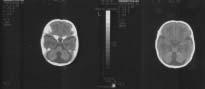
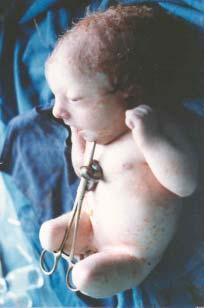
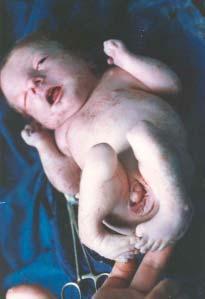
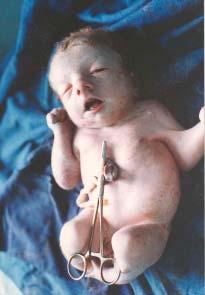
Lethal multiple pterygium syndrome
H. Hatzissevastou - Loukidou, ∞. Georgountzou
Abstract: Lethal multiple pterygium syndrome (LMPS) is characterized by hydrops fetalis, and intrauterine death, where the fetus has multiple pterygia or wing-like webs of skin across joints, which are always associated with joint contractures. The inheritance is either autosomal or X-linked recessive. In high risk pregnancies prenatal diagnosis is possible by ultrasound examination at 14 to 16 weeks’ gestation, which relies on identification of the characteristic fetal anatomical abnormalities and their evolution. A family is reported whose first male child was affected with fatal LMPS. Genetic counselling was provided to his parents, his parents’ siblings and recently to his adolescent siblings.
1. Sciarrone A, Verdiglione P, Botta G, Franceschini P, Todros T. Prenatal diagnosis of lethal multiple pterygium syndrome in mid- pregnancy [Letter to the Editor]. Ultrasound Obstet Gynecol 1998;12:218-219.
2.Tolmie JL, Patrick A, Yates JR. A Lethal multiple pterygium syndrome with apparent X- linked recessive inheritance. Am J Med Genet 1987;27:913-919.
3.Brink DS, Luisiri A, Grange DK. Case report: lethal multiple pterygium syndrome. Pediatric Pathol Mol Med 2003;22:461-470.
4.Froster UG, Stallmach T, Wisser J, Hebisch G, Robbiani MB, Huch R et al. Lethal multiple pterygium syndrome: suggestion for a consistent pathological workup and review of reported cases [Brief clinical report]. Am J Med Genet 1997;68:82-85.
5.Martin NJ, Hill JB, Cooper DH, O'Brien GD, Masel JP. Lethal multiple pterygium syndrome: three consecutive cases in one family. Am J Med Genet 1986; 24:295-304.
6.Meyer-Cohen J, Dillon A, Pai GS, Conradi S. Lethal multiple pterygium syndrome in four male fetuses in a family: evidence for an X-linked recessive subtype? [Letter to the Editor]. Am J Med Genet 1999; 82:97-99.
7.Hall JG. The lethal multiple pterygium syndromes. Am J Med Genet 1984;17:803-807.
8. de Die-Smulders CE, Schrander-Stumpel CT, Fryns JP. The lethal multiple pterygium syndrome: A nosological approach. Genet Couns 1990;1:13-23.
9.Spearritt DJ, Tannenberg AE, Payton DJ. Lethal multiple pterygium syndrome: report of a case with neurogical anomalies. Am J Med Genet 1993;47:45-49.
10.Gericke GS. Fragile collagen and the lethal multiple pterygium syndrome: does heat stress play a role? Am J Med Genet 1991;38:630-631.
11.Moerman P, Fryns JP. The fetal akinesia deformation sequence: A fetopathological approach. Genet Couns 1990;1:25-33.
12.Online Mendelian Inheritance in Man, OMIM John Hopkins University, Baltimore, MD, MIM Number: 253290, 1/19/99. World Wide Web URL: http://www.ncbi.nlm.nih.gov/entrez/query.fcgi?db= OMIM
13.Lockwood C, Irons M, Troiani J, Kawada C, Chaudhury A, Cetrulo C. The prenatal diagnosis of lethal multiple pterygium syndrome: A heritable cause of recurrent abortion. Am J Obstet Gynecol 1998;159: 474-476.
Familial Moyamoya disease in two European children
H.
Bazigou - Fotopoulou1, N. Vassilaki1, S. Aroni2, H. Ikeda3, A. Papavassiliou1
Abstract: Moyamoya disease (MMD) is characterised by stenosis or occlusion of the main cerebral arteries detected on cerebral angiography. Although the aetiology is still unknown, there is extensive evidence that MMD may follow a multifactorial pattern of inheritance. Two cases are presented of familial MMD in children of European descent, in order to emphasize the occurrence of this rare disease in not only Oriental but also other races, and to stress the hereditary factors in its pathogenesis. The first patient, a Greek girl, has additional coagulation disorders. Her mother, who also suffers from MMD, and various other members of her family, have similar coagulation disorders. The second patient, a Scottish boy, represents a unique case of familial MMD, as five members of three consecutive generations of his maternal family also suffer from MMD.
3 Kohnan Hospital, Department of Neurosurgery, Sendai Japan
AÏÏËÏÔÁÚ·Ê›·:
E-mail: fotopoul@hol.gr
˘Ô‚ÔÏ‹˜: 03-12-2004
21-10-2005
1 Neurology Clinic, General Children’s Hospital of Penteli 2 Department of Haemorragic Dispositions, “Aghia Sofia” Children’s Hospital 3 Kohnan Hospital, Department of Neurosurgery, Sendai Japan
1.Akgun D, Yilmaz S, Senbil N, Aslan B, Gurer Y. Moyamoya syndrome with protein S deficiency. Eur J Paediatr Neurol 2000;4:185-188.
2.Suzuki J, Takaku A. Cerebrovascular “moyamoya” disease. Disease showing abnormal net-like vessels in base of brain. Arch Neurol 1969;20:288-299.
3.Gosalakkal JA. Moyamoya disease: A Review. Neurol India 2002;50:6-10.
4.Shetty-Alva N, Alva S. Familial moyamoya disease in Caucasians. Pediatr Neurol 2000;23:445-447.
5.Houkin H, Tanaka N, Takahashi A, Kamiyama H, Abe H, Kajii N. Familial occurrence of moyamoya disease. Magnetic resonance angiography as a screening test for high-risk subjects. Childs Nerv Syst 1994;10:421-425.
6.Inoue T, Ikezaki K, Sasazuki T, Matsushima T, Fukui M. Linkage analysis of moyamoya disease on chromosome 6. J Child Neurol 2000;15:179-182.
7.Muir K, Tolmie J, Stephenson J, Petty R, Bone I. Moyamoya in Three Generations of a Scottish Family: Association with a Mitochondrial DNA Polymorphism Typical of Asian Population. Ann Neurol 1999;9 (Suppl):481.
8.Ikeda H, Sasaki T, Yoshimoto T, Fukui M, Arinami T. Mapping of a familial moyamoya disease gene to chromosome 3p24.2-p26. Am J Hum Genet 1999;64(2):533-537.
9.Caldarelli M, Di Rocco C, Gaglini P. Surgical treat-
ment of moyamoya disease in pediatric age. J Neurosurg Sci 2001;45:83-91.
10.Ikezaki K. Rational Approach to Treatment of Moyamoya Disease in Childhood. J Child Neurol 2000; 15:350-356.
11.Sencer S, Poyanli A, Kiris T, Sencer A, Minareci O. Recent experience with Moyamoya disease in Turkey. Eur Radiol 2000;10:569-572.
12.Aydin K, Okuyaz C, Gucuyener K, Serdaroglu A, Akpek S. Moyamoya Disease Presented with migrainelike headache in a 4-year old girl. J Child Neurol 2003;18:361-363.
13. Zafeiriou DI, Ikeda H, Anastasiou A, Vargiami E, Vougiouklis N, Katzos G et al. Familial Moyamoya disease in a Greek family. Brain Dev 2003;25:288-290.
14.Kaneko Y, Imamoto N, Mannoji H, Fukui M. Familial occurrence of moyamoya disease in the mother and four daughters including identical twins. Neurol Med Chir (Tokyo) 1998;38:349-354.
15.Tsuda H, Hattori S, Nishioka S, Matsushima T, Ikezaki K, Fukui M et al. Thrombophilia found in patients with moyamoya disease. Clin Neurol Neurosurg 1997;99 (Suppl 2):S229-233.
Abstract: Haemoptysis is rare during childhood. In its management it is first important to distinguish between haemoptysis and haematemesis or epistaxis. Haemoptysis may indicate the presence of severe disease, which could be fatal if not treated appropriately. ∞cute lower respiratory tract infection is the most common cause. Other common causes are cystic fibrosis, localised airway lesions and heart disease. More rare causes include idiopathic pulmonary haemosiderosis and the pulmonary-renal syndromes, which include systemic lupus erythematosus, Goodpasture’s syndrome, Wegener’s granulomatosis, microscopic polyangiitis and Henoch-Schonlein purpura. A plain chest radiograph is mandatory, although one third of children with haemoptysis have a normal chest radiograph. Thorax computed tomography and bronchoalveolar lavage are of great assistance in the investigation. In the majority of children the haemoptysis resolves spontaneously, without the need for invasive measures. The treatment of the child with haemoptysis depends on the underlying aetiology and on the extent of the bleeding. Bronchoscopy with a rigid bronchoscope, embolization of the suspected vessel and surgical resection of the affected lung segment might be required in case of massive bleeding.
8.Swanson KL, Prakash UB, Stanson AW. Pulmonary arteriovenous fistulas: Mayo Clinic experience, 1982-1997. Mayo Clinic Proc 1999;74:671-680.
9.Abrahams NA, Colby TV, Pearl RH, Chipps BE, Juris AL, Leslie KO. Pulmonary hemangiomas of infancy and childhood: report of 2 cases and review of the literature. Ped Dev Pathol 2002;5:283-292.
10.Ben-Abraham R, Paret G, Cohen R, Szold O, Cindalli G, Toren A et al. Diffuse alveolar hemorrhage following allogeneic bone marrow transplantation in children. Chest 2003;124:660-664.
11.Heggen J, West C, Olson E, Olson T, Teague G, Fortenberry J et al. Diffuse alveolar hemorrhage in pediatric hematopoietic cell transplant patients. Pediatrics 2002;109:965-971.
12. Dearborn DG. Pulmonary Hemosiderosis. In Behrman RE, Kliegman RM, Janson HB, editors. Nelson Textbook of Pediatrics, 17th ed. Philadelphia: Saunders; 2004. p. 1455-1457.
13.Saeed MM, Woo MS, MacLaughlin EF, Margetis MF, Keens TG. Prognosis in pediatric idiopathic pulmonary hemosiderosis. Chest 1999;116:721-725.
14.Le Clainche L, Le Bourgeois M, Fauroux B, Forenza N, Dommergues JP, Desbois JC et al. Long-term
outcome of idiopathic pulmonary hemosiderosis in children. Medicine (Baltimore) 2000;79:318-326.
15.Kiper N, Gocmen A, Ozcelik U, Dilber E, Anadol D. Long-term course of patients with idiopathic pulmonary hemosiderosis (1979-1994): prolonged survival with low-dose corticosteroid therapy. Pediatr Pulmonol 1999;27:180-184.
16.Vats KR, Vats A, Kim Y, Dassenko D, Sinaiko AR. Henoch-Schonlein purpura and pulmonary hemorrhage: a report and literature review. Pediatr Nephrol 1999;13:530-534.
17.von Vigier RO, Trummler SA, Laux-End R, Sauvain MJ, Truttmann AC, Bianchetti MG. Pulmonary renal syndrome in childhood: a report of twenty-one cases and a review of the literature. Pediatr Pulmonol 2000;29:382-388.
18.Martini A, Binda S, Mariani G, Scotta MS, Ruberto G. Goopasture’s syndrome in a child: natural history and effect of treatment. Acta Paediatr Scand 1981;70:435-439.
19.Font J, Cervera R, Espinosa G, Pallares L, RamosCasals M, Jimenez S, Garcia-Carrasco M. Systemic lupus erythematosus (SLE) in childhood: analysis of clinical and immunological findings in 34 patients and comparison with SEL characteristics in adults. Ann Rheum Dis 1998;57:456-459.
21. Badsha H, Edwards C. Intravenous pulses of methylprednisolone for systemic lupus erythematosus. Semin Arthritis Rheum 2003;32:370-377.
22.Colby TV, Specks U. Wegener’s granulomatosis in the 1990’s, a pulmonary pathologist’s perspective. Monogr Pathol 1993;36:195-218.
23.Belostotsky VM, Shah V, Dillon MJ. Clinical features in 17 paediatric patients with Wegener granulomatosis. Pediatr Nephrol 2002;17:754-761.
24.Al-Harbi NN. Henoch-Schonlein nephritis complicated with pulmonary hemorrhage but treated successfully. Pediatr Nephrol 2002;17:762-764.
25.Bjornson CL, Kirk VG. Munchausen’s syndrome presenting as hemoptysis in a12-year-old girl. Can Respir J 2001;8:439-442.
26.Corder R. Hemoptysis. Emerg Med Clin North Am 2003;21:421-435.
27.Epstein CE, Elidemir √, Colasurdo GN, Fan LL. Time course of hemosiderin production by alveolar macrophages in a murine model. Chest 2001;120: 2013-2020.
28.Tam LWC, Weisman RA, Handler SD. Hemoptysis in children. Ann Otolaryngol 1980;89:419.
Katz ª, Rubino ∞, Collier J, Rosen J, Ehrich JHH, Demography of Pediatric Primary Care in Europe: Delivery of Care and Training. Pediatrics 2002;109:788-796. http://pediatrics.aappublications.org/cgi/content/full/109/5/788
Academy of Allergology and Clinical Immunology, EAACI)
Teach-In/Medical Update - Paediatrics Edinburgh, ¶ÏËÚÔÊÔڛ˜: The Royal College of Physicians Scotland, UK of Edinburgh, 9 Queen Street, Edinburgh EH2 1JQ
Christina Pottinger
∆ËÏ.: 44 0 1 312 257 324
Fax: 44 0 1 312 203 939
E-mail: c.pottinger@rcpe.ac.uk
24-27 ª·˝Ô˘ 2006
41st Annual Meeting of the Association for Basel, European Paediatric Cardiology (AEPC) Switzerland
¶ÏËÚÔÊÔڛ˜: Dr. Ingrid Oberhänsli-Weiss Ph.D, AEPC Secretary-general,
31 Route de Florissant, CH-1206 Geneva Switzerland