Editors/ Uniform Requirements for Manuscripts Sub-mitted to Biomedical Journals, (http://www.icmje.org Î·È http:// www.icmje.org/icmje.pdf). OÈ Û˘ÓÙÌ‹ÛÂȘ ÙˆÓ Ù›ÙÏˆÓ ÙˆÓ ÂÚÈÔ‰ÈÎÒÓ Á›ÓÔÓÙ·È Ì ‚¿ÛË ÙÔ Cumulated Index Medicus [List of Journals Indexed in Index Medicus (http://www.nlm.nih.gov/bsd/uniform requirements.html)].
Proesmans W. Bartter syndrome and its neonatal variant. Eur J Pediatr 1997;156:669-679.
™˘ÌÏËڈ̷ÙÈÎfi Ù‡¯Ô˜ ÂÚÈÔ‰ÈÎÔ‡:
Flyvbjerg A. Role of growth hormone, insulin-like growth factors (IGFs) and IGF-binding proteins in the renal complications of diabetes. Kidney Int 1997;52 (60 Suppl):S12-S19.
Èڛ˜ Û˘ÁÁڷʤ·:
National Institutes of Health Consensus Development Conference. Neurofibromatosis conference statement. Arch Neurol 1988;45:575-578.
¶ÚÔÛ‰ÈÔÚÈÛÌfi˜ Ù‡Ô˘ ¿ÚıÚÔ˘:
Schreiner GF, Lange L. Ethanol modulation of macrophage influx in glomerulonephritis [Abstract]. J Am Soc Nephrol 1991;2:562.
Should antileukotriene therapies be used instead of inhaled corticosteroids in asthma? [Editorial]. Am J Respir Crit Care Med 1998;158:1697-1701.
Laux-End R, Inaebnit D, Gerber HA, Bianchetti MG. Vasculitis associated with levamisole and circulating autoantibodies [Letter]. Arch Dis Child 1996;75:355-356.
II. µπµ§π∞
∫ÂÊ¿Ï·ÈÔ Û ‚È‚Ï›Ô:
Clark AG, Barratt TM. Steroid-responsive nephrotic syndrome. In: Barratt TM, Arner ED, Harmon WE, editors. Pediatric Nephrology. 4th ed. Baltimore: Lippincott William Wilkins; 1999. p. 742.
™‡ÁÁÚ·ÌÌ· ‹ ÌÔÓÔÁÚ·Ê›·:
Gorlin RJ, Cohen MM, Levin LS. Syndromes of the head and neck. 3rd ed. New York: Oxford University Press; 1990.
¢ËÌÔÛ›Â˘ÛË Û ÙfiÌÔ Ú·ÎÙÈÎÒÓ: Bauer AW. The two definitions of bacterial resistance. In: Smith AJ, Rogers CA, eds. Proceedings of the Third International Congress of Chemotherapy; 1962 May 29-31; New York: International Society of Chemotherapy; 1963. p. 484-500.
Kaplan SJ. Post hospital home health care: the elderly’s access and utilization [dissertation]. St. Louis (Mo): Washington Univ.; 1995.
πππ. CD-ROM
Anderson SC, Poulsen KB. Anderson’s electronic atlas of hematology [CD-ROM]. Philadelphia: Lippincott Williams & Wilkins; 2002.
IV.™∆O ¢π∞¢π∫∆ÀO ÕÚıÚÔ Û ÂÚÈÔ‰ÈÎfi:
Abood S. Quality improvement initiative in nursing homes: the ANA acts in an advisory role. Am J Nurs [Internet]. 2002 Jun: Webpage: http://www.nursingworld.org/AJN/2002/june/Wawatch.htm
ªÔÓÔÁÚ·Ê›·:
Foley KM, Gelband H, editors. Improving palliative care for cancer [Monograph, Internet]. Washington: National Academy Press; 2001. Webpage: http://www.nap.edu/books/0309074029/html
πÛÙÔÛÂÏ›‰Â˜: Cancer-Pain.org [Webpage, Internet]. New York: Association of Cancer Online Resources, Inc.; 2002: http://www.cancer-pain.org/
The Greek Paediatric Society is the owner of “Paediatriki”, its official scientific journal, which is distributed to its members. Its objectives are the publication of paediatric scientific work and the continuing education of paediatricians. For this purpose, it publishes a variety of articles, and in particular:
1.Editorials (upon invitation by the Editorial Board).
2.Review articles.
3.Award-winning articles.
4.Original articles.
5.Clinical Quiz.
6.Round tables.
7.Current issues.
8.Issues of healthcare management and education.
9.Case reports.
10.News.
11.Brief reports.
12.Letters to the editor.
13.Abstracts.
14.Future congresses and events.
15.Book reviews.
The Editorial Board reserves the right to publish articles of special scientific interest and articles on current issues without observing submission order. In addition it publishes upon decision original papers presented at the Annual Paediatric Conference, presentations of special interest - in whole or in part, and letters - in whole or in part - referring to scientific articles published in the journal.
Regarding papers on current issues, the author’s request for immediate publication should be quoted on the first page. The Editorial Board reserves the right to accept such papers for immediate publication.
All manuscripts should not have been published previously, in whole or in part, and not be under consideration by another publication. Manuscripts should acknowledge any funding, sponsorship or other financial support. All clinical research should have been conducted following informed consent of participants or of their legal representatives according to the Declarations of Helsinki and Tokyo. In addition, the US National Institute of Health guide for the care and use of laboratory animals (DHEW Publication, NIH, 80-23) should have been observed. Clinical trials should have been approved by the Ethics Committee of the Hospital.
Authors’ opinions and conclusions expressed in the published papers do not necessarily reflect those of the journal. The Greek Paediatric Society, the Editorial Board and the Publisher of the journal do not necessarily approve the content of the advertisements appearing in the journal.
The copyright of all published papers is held by “Paediatriki” and their reproduction in whole or in part is authorized only following written consent of the journal.
B. Manuscript Preparation
“Paediatriki” suggests compliance with the “Uniform Requirements for Manuscripts Submitted to Biomedical Journals”, recently modified and published on the websites: http://www.icmje.org and http://www.icmje.org/icmje.pdf
The entire paper (including figure legends and tables)
should be typed on one side of blank paper format A4 (21x29.7 cm), double line spacing and minimum indent 2.5 cm on both sides.
The paper should have the following structure: title page, short title, abstract in Greek and English, list of abbreviations, text, acknowledgements and quoting of grants, sponsorships or other financial support sources, references, tables, figures, figure legends. Each of these sections should be started on a new page. Pages should be numbered consecutively, beginning with the title page.
Text length shall be:
ñreview articles 2000-3000 words;
ñoriginal articles 1500-2500 words and case reports 1000-1500 words;
ñbrief reports 1000-1500 words;
ñletters 250-500 words.
The title page should include:
ñthe title (<14 words) and the short title (<5 words) of the article. No abbreviations are permitted in the title;
ñthe name and surname of all authors;
ñthe centre (institution, clinic, laboratory) of origin of the paper. If there is no affiliation with a specific centre, the status of the author(s) should be cited (e.g., private paediatrician) and home address;
ñthe complete address, e-mail and telephone number of the author to whom correspondence should be addressed.
Abstracts
The abstract should summarize the objectives, methodology, main results and conclusions of the study.
ñIt should contain at least 200 words, and not exceed 250 words.
ñIt should consist of the following paragraphs: background, methods, results and conclusions.
The English abstract should cite at the beginning the title of the paper and the authors’ names in English. The content of the text should consist of the following paragraphs: background, methods, results and conclusions. The abstract in English should not differ in content from the corresponding Greek abstract.
Beneath the Greek and English abstracts, three to five key words in the respective language should be supplied, to be used in the thematic index.
Text
Original articles include: introduction, methods, results and discussion. The introduction includes the latest research data on the subject and the main references and the objectives of the paper. The description of the methods should be precise and detailed so as to enable reproduction by other researchers. In addition, the statistical methods of analysis and evaluation of the results should be described. Results should be presented clearly, together with the appropriate statistical analysis. Discussion should cover the results ensuing from the research, their significance and possible associations with the observations of other researchers.
Case reports comprise a short introduction, case description and brief discussion, with emphasis on differential diagnosis.
The structure of all other articles is free, according to the judgment of the authors.
Thanks or acknowledgements (reference to grants, sponsorships or other sources of financial support) should be quoted at the end of the text, before references.
Units of measures of laboratory analyses
Laboratory analyses should be expressed in the Système International (SI) units and in the metric (Conventional) system in parentheses. See conversion tables on the websites: http://www.icmje.org and http://www.icmje.org/icmje.pdf
Abbreviations
All issues of the journal contain internationally established abbreviations. Complex or long terms often repeated in the text may be replaced by abbreviations explained by the authors in a list submitted with the paper. Abbreviations are reported in parentheses only in abstracts.
References
The reference section contains all references numbered in the order in which they appear in the text. In the text, references are to be indicated by Arabic numerals in parentheses. References should be no more than:
ñ70 in review articles;
ñ30 in original articles;
ñ12 in current issues and case reports;
ñ5 in brief reports and letters.
In listing references follow the recently modified standards of the International Committee of Medical Journal Editors/Uniform Requirements for Manuscripts Submitted to Biomedical Journals, (http://www.icmje.org and http:// www.icmje.org/icmje.pdf). Abbreviated names of journals should conform to the Cumulated Index Medicus [List of Journals Indexed in Index Medicus (http://www.nlm.nih.gov/bsd/uniform requirements.html)].
Examples of reference style
I. JOURNALS
All authors are cited if they are six or less; if they are 7 or more, the first six are cited, followed by “et al”.
Regular edition:
Proesmans W. Bartter syndrome and its neonatal variant. Eur J Pediatr 1997;156:669-679.
Supplement issue:
Flyvbjerg A. Role of growth hormone, insulin-like growth factors (IGFs) and IGF-binding proteins in the renal complications of diabetes. Kidney Int 1997;52 (60 Suppl):S12-S19.
No author:
National Institutes of Health Consensus Development Conference. Neurofibromatosis conference statement. Arch Neurol 1988;45:575-578.
Article type specification: Schreiner GF, Lange L. Ethanol modulation of macrophage influx in glomerulonephritis [Abstract]. J Am Soc Nephrol 1991;2:562.
Should antileukotriene therapies be used instead of inhaled corticosteroids in asthma? [Editorial]. Am J Respir Crit Care Med 1998;158:1697-1701.
Laux-End R, Inaebnit D, Gerber HA, Bianchetti MG. Vasculitis associated with levamisole and circulating autoantibodies [Letter]. Arch Dis Child 1996;75:355-356.
II. BOOKS
Chapter in book:
Clark AG, Barratt TM. Steroid-responsive nephrotic syndrome. In: Barratt TM, Arner ED, Harmon WE, editors. Pediatric Nephrology. 4th ed. Baltimore: Lippincott William Wilkins; 1999. p. 742.
Book or monograph:
Gorlin RJ, Cohen MM, Levin LS. Syndromes of the head and neck. 3rd ed. New York: Oxford University Press; 1990.
Publication in a volume of proceedings: Bauer AW. The two definitions of bacterial resistance. In: Smith AJ, Rogers CA, eds. Proceedings of the Third International Congress of Chemotherapy; 1962 May 29-31; New York: International Society of Chemotherapy; 1963. p. 484-500.
Doctoral dissertation:
Kaplan SJ. Post hospital home health care: the elderly’s access and utilization [dissertation]. St. Louis (Mo): Washington Univ.; 1995.
πππ. CD-ROM
Anderson SC, Poulsen KB. Anderson’s electronic atlas of hematology [CD-ROM]. Philadelphia: Lippincott Williams & Wilkins; 2002.
IV. ON THE INTERNET
Article in journal
Abood S. Quality improvement initiative in nursing homes: the ANA acts in an advisory role. Am J Nurs [Internet]. 2002 Jun: Webpage: http://www.nursingworld.org/ AJN/2002/june/Wawatch.htm
Monograph
Foley KM, Gelband H, editors. Improving palliative care for cancer [Monograph, Internet]. Washington: National Academy Press; 2001. Webpage: http://www.nap.edu/books/0309074029/html
Websites
Cancer-Pain.org [Webpage, Internet]. New York: Association of Cancer Online Resources, Inc.; 2002: http://www.cancer-pain.org/
Tables and Figures
Three copies should be submitted (original plus 2 copies). Their width should either be equal to the width of one column (7.5 cm) or to the width of the page (15.5 cm). Their maximum length, titles included, should not exceed 22 cm.
Tables are numbered with Arabic numerals in the order in which they appear in the text. They should have a short title and abbreviations should be listed at the bottom. Vertical lines in tables should be avoided.
All illustration material is considered as figures (graphs, pictures, etc.). They should be of excellent quality. Also, at the back of every picture, the number of the picture and the name of the first author should be noted in pencil, with an arrow showing the top of the picture. The identity of patients should not be recognizable from their pictures nor should their names be stated.
C. Manuscript Submission and Publication
All manuscripts should be accompanied by a floppy disk or CD, as well as by a letter, signed by all the authors, in which it is stated that the paper has not been published in part or in whole, or is not under consideration by another journal and that the authors accept its publication in “Paediatriki”. Any funding, sponsorship or other financial support should be acknowledged.
Once the manuscript has been accepted, the corrected version, rewritten according to the reviewers’ recommendations should be submitted to the Editorial Board accompanied by a floppy disk or CD, containing the paper in Word format, along with a covering letter specifying in detail the modifications or objections to the reviewers’ suggestions.
Delay in submission of the modified paper exceeding 30 days entails new submission.
Authors will be charged film and reprint expenses, paid upon dispatch of the first proof directly to the printer.
Manuscripts of papers which have not been approved for publication are not returned to the author. The accompanying figures and photographs can be returned upon request within six months.
Manuscripts submitted for review and publication in “Paediatriki” should be sent in three copies to the following address:
Editorial Board
Greek Paediatric Society 92, Michalakopoulou Street 115 28 Athens, Greece
Before submitting your paper, make sure it contains:
1.3 copies of the text of the paper, printed according to instructions.
2.A floppy disk or CD with the entire material of the paper (text, tables, pictures).
3.A covering letter and a statement that the paper has not been previously published.
4.The title page (on a separate page), which includes: a.the title and short title of the paper; b.the name and surname (full name)of the author(s); c.the academic centre(s) of origin; d.the corresponding authors’ name, address and telephone number;
5.English and Greek abstracts, with the following structure: background, methods, results and conclusions (double space, separate page) and keywords.
6.List of abbreviations (double space, separate page).
7.Text (double space, separate page).
8.Acknowledgements and reference to funding, sponsorships or other financial sources.
9.References (double space, separate page).
10.Tables (one per page) in three copies.
11.Figures with an arrow at the back showing the top, numbered, in two copies.
12.Figure titles (double space - on separate pages) in three copies.
1.Boner AL, Martinati LC. Diagnosis of asthma in children and adolescents. Eur Respir Rev 1997;7:3-7.
2.Peroni D, Piacentini G, Sabbion A, Boner A. Asthma in children. Eur Respir Mon 2003;23:278-292.
3.Kercsmar CM. Asthma. In: Chernick V, Boat TF, editors. Kendig’s disorders of the respiratory tract in children. 6th ed. Philadelphia: WB Saunders Company; 1998. p. 688-730.
4.Global Initiative for Asthma. Global strategy for asthma management and prevention. National Institutes of ∏ealth, National Heart, Lung and µlood πnstitute. Revised 2002.
5.The International Study of Asthma and Allergies in Childhood (ISAAC) Steering Committee. Worldwide variation in prevalence of symptoms of asthma, allergic rhinoconjunctivitis, and atopic eczema: ISAAC. Lancet 1998;351:1225-1232.
6.∑·ÚÎÈÓfi˜ º, ∆۷ӿη˜ π, ¶··ÛÙ·‡ÚÔ˘-
£, æ·Ú¿ÎÔ˜ ∫, ∫·ÚÔ‡˙·˜ π.
ÌÂϤÙË Ù˘ Û˘¯ÓfiÙËÙ·˜ ÙÔ˘ ·È‰ÈÎÔ‡
¿ÛıÌ·ÙÔ˜. ¶·È‰È·ÙÚÈ΋ µÔÚ›Ԣ
1995;7:123-130.
7.Anthracopoulos M, Karatza A, Liolios E, Triga M, Triantou K, Priftis K. Prevalence of asthma among schoolchildren in Patras, Greece: three surveys over 20 years. Thorax 2001;56:569-571.
8.Ronchetti R, Villa MP, Barreto M, Rota R, Pagani J, Martella S et al. Is the increase in childhood asthma coming to an end? Findings from three surveys of schoolchildren in Rome, Italy. Eur Respir J 2001;17:881-886.
12.Brooks AM, Byrd RS, Weitzman M, Auinger P, McBride JT. Impact of low birth weight on early childhood asthma in the United States. Arch Pediatr Adolesc Med 2001;155:401-406.
13.Von Mutius E, Sears MR. Risk factors for development of asthma. Eur Respir Mon 2003;8:57-73.
14.Viegi G, Annesi I, Matteelli G. Epidemiology of asthma. Eur Respir Mon 2003;23:1-25.
15.Stanaland BE. Therapeutic measures for prevention of allergic rhinitis/asthma development. Allergy Asthma Proc 2004;25:11-15.
16.Halken S. What causes allergy and asthma? The role of dietary factors. Pediatr Pulmonol 2004;26 (Suppl):S223-S224.
17.Monteleone CA, Sherman AR. Nutrition and asthma. Arch Itern Med 1997;157:23-34.
18.Heinrich J, Holscher B, Bolte G, Winkler G. Allergic sensitization and diet: ecological analysis in selected European cities. Eur Respir J 2001;17:395-402.
19.Knippels LM, Penninks AH. Assessment of protein allergenicity: studies in brown norway rats. Ann NY Acad Sci 2002;964:151-161.
20.Woods RK, Walters EH, Raven JM, Wolfe R, Ireland PD, Thien FC et al. Food and nutrient intakes and asthma risk in young adults. Am J Clin Nutr 2003;78:414-421.
21.Farchi S, Forastiere F, Agabiti N, Corbo G, Pistelli R, Fortes C et al. Dietary factors associated with wheezing and allergic rhinitis in children. Eur Respir J 2003;22:772-780.
22.Harik-Khan RI, Muller DC, Wise RA. Serum vitamin levels and the risk of asthma in children. Am J Epidemiol 2004;159:351-357.
23.McKeever TM, Britton J. Diet and asthma. Am J Respir Crit Care Med 2004;170:725-729.
24.Burney P. Asthma. Eur Respir Mon 2000;15:384399.
25.Fung KP, Lau SP, Chow OK, Lee J, Wong TW. Effects of overweight on lung function. Arch Dis Child 1990;65:512-515.
26.Luder E, Melnik TA, DiMaio M. Association of being overweight with greater asthma symptoms in inner city black and Hispanic children. J Pediatr 1998;132:699-703.
27.Lazarus R, Sparrow D, Weiss ST. Effects of obesity and fat distribution on ventilatory function: the normative aging study. Chest 1997;111:891-898.
28.Collins LC, Hoberty PD, Walker JF, Fletcher EC, Peiris AN. The effect of body fat distribution on pulmonary function tests. Chest 1995;107:1298-1302.
29.Shaheen SO, Sterne JA, Montgomery SM, Azima H. Birth weight, body mass index and asthma in young adults. Thorax 1999;54:396-402.
30.Moreau D, Annesi-Maesano I. Alcohol consumption related to asthma in women. A longitudinal study. Eur Respir J 1998;12:6S.
31.Chen Y, Dales R, Krewski D, Breithaupt K. Increased effects of smoking and obesity on asthma among female Canadians: the National Population Health Survey, 1994-1995. Am J Epidemiol 1999;150:255-262.
32.Hakala K, Stenius-Aarniala B, Sovijarvi A. Effects of weight loss on peak flow variability, airways obstruction, and lung volumes in obese patients with asthma. Chest 2000;118:1315-1321.
33.Stenius-Aarniala B, Poussa T, Kvarnstrom J, Gronlund EL, Ylikahri M, Mustajoki P. Immediate and long term effects of weight reduction in obese people with asthma: randomised controlled study. BMJ 2000;320:827-832.
34.Fogarty A, Britton J. Nutritional issues and asthma. Curr Opin Pulm Med 2000;6:86-89.
35.Hu G, Zhang X, Chen J, Peto R, Campbell TC, Cassano PA. Dietary vitamin C intake and lung function in rural China. Am J Epidemiol 1998;148:594-599.
36.Grievink L, Smit HA, Ocke MC, van’t Veer P, Kromhout D. Dietary intake of antioxidant (pro)-vitamins, respiratory symptoms and pulmonary function: the MORGEN study. Thorax 1998;53:166-171.
37.Bodner C, Godden D, Brown K, Little J, Ross S, Seaton A. Antioxidant intake and adult-onset wheeze: a case-control study. Aberdeen WHEASE Study Group. Eur Respir J 1999;13:22-30.
38.Tabak C, Feskens EJ, Heederik D, Kromhout D, Menotti A, Blackburn HW. Fruit and fish consumption: a possible explanation for population differences in COPD mortality (The Seven Countries Study). Eur J Clin Nutr 1998;52:819-825.
39.Carey IM, Strachan DP, Cook DG. Effects of changes in fresh fruit consumption on ventilatory function in healthy British adults. Am J Respir Crit Care Med 1998;158:728-733.
40.Butland BK, Strachan DP, Anderson HR. Fresh fruit intake and asthma symptoms in young British adults: confounding or effect modification by smoking? Eur Respir J 1999;13:744-750.
41.Grievink L, Jansen SM, van’t Veer P, Brunekreef B. Acute effects of ozone on pulmonary function of cyclists receiving antioxidant supplements. Occup Environ Med 1998;55:13-17.
42.Grievink L, Zijlstra AG, Ke X, Brunekreef B. Double-blind intervention trial on modulation of ozone effects on pulmonary function by antioxidant supplements. Am J Epidemiol 1999;149:306-314.
43.Romieu I, Meneses F, Ramirez M, Ruiz S, Perez Padilla R, Sienra JJ et al. Antioxidant supplementation and respiratory functions among workers exposed to high levels of ozone. Am J Respir Crit Care Med 1998;158:226-232.
44.Dominguez LJ, Barbagallo M, Di Lorenzo G, Drago A, Scola S, Morici G et al. Bronchial reactivity and intracellular magnesium: a possible mechanism for the bronchodilating effects of magnesium in asthma. Clin Sci 1998;95:137-142.
45.Emelyanov A, Fedoseev G, Barnes PJ. Reduced intracellular magnesium concentrations in asthmatic patients. Eur Respir J 1999;13:38-40.
46.Ollis TE, Meyer BJ, Howe PR. Australian food sources and intakes of omega-6 and omega-3 polyunsaturated fatty acids. Ann Nutr Metab 1999;43:346-355.
47.Sakai K, Okuyama H, Shimazaki H, Katagiri M, Torii S, Matsushita T et al. Fatty acid compositions of plasma lipids in atopic dermatitis/asthma patients. Arerugi 1994;43:37-43.
48.Meade CJ, Mertin J. Fatty acids and immunity. Adv Lipid Res 1978;16:127-165.
49.Roper RL, Phipps RP. Prostaglandin E2 regulation of the immune response. Adv Prostaglandin Thromboxane Leukot Res 1994;22:101-111.
50.Haby MM, Peat JK, Marks GB, Woolcock AJ, Leeder SR. Asthma in preschool children: prevalence and risk factors. Thorax 2001;56:589-595.
51.Oddy WH, de Klerk NH, Kendall GE, Mihrshahi S, Peat JK. Ratio of omega-6 to omega-3 fatty acids and childhood asthma. J Asthma 2004;41:319-326.
52.Das UN. Perinatal supplementation of long-chain
polyunsaturated fatty acids, immune response and adult diseases. Med Sci Monit 2004;10:19-25.
54.Woods RK, Raven JM, Walters EH, Abramson MJ, Thien FC. Fatty acid levels and risk of asthma in young adults. Thorax 2004;59:105-110.
55.Yaqoob P, Newsholme EA, Calder PC. The effect of dietary lipid manipulation on rat lymphocyte subsets and proliferation. Immunology 1994;82:603-610.
56.Culp BR, Titus BG, Lands WE. Inhibition of prostaglandin biosynthesis by eicosapentaenoic acid. Prostaglandins Med 1979;3:269-278.
57.Lands WEM. Fish and human health. Orlando: Academic Press Inc; 1986. p. 96-110.
58.Black PN. The prevalence of allergic disease and linoleic acid in the diet. J Allergy Clin Immunol 1999;103:351-352.
59.Weiland SK, Von Mutius E. Husing A, Asher MI. Intake of trans fatty acids and prevalence of childhood asthma and allergies in Europe. ISAAC Steering Committee. Lancet 1999;353:2040-2041.
60.Fluge O, Omenaas E, Eide GE, Gulsvik A. Fish consumption and respiratory symptoms among young adults in a Norwegian community. Eur Respir J 1998;12:336-340.
61.Calder PC, Bond JA, Harvey DJ, Gordon S, Newsholme EA. Uptake and incorporation of saturated and unsaturated fatty acids into macrophage lipids and their effect upon macrophage adhesion and phagocytosis. Biochem J 1990;269:807-814.
62.Kelley DS, Dougherty RM, Branch LB, Taylor PC, Iacono JM. Concentration of dietary N-6 polyunsaturated fatty acids and the human immune status. Clin Immunol Immunopathol 1992;62:240-244.
63.Mackerras D. Antioxidants and health. Fruits and vegetables or supplements? Food Australia 1995;47 (Suppl):S1-21.
64.Schwartz J, Weiss ST. Dietary factors and their relation to respiratory symptoms. The Second National Health and Nutrition Examination Survey. Am J Epidemiol 1990;132:67-76.
65.Hodge L, Salome CM, Peat JK, Haby MM, Xuan W, Woolcock AJ. Consumption of oily fish and childhood asthma risk. Med J Aust 1996;164:137-140.
66.Kramer MS. Maternal antigen avoidance during pregnancy for preventing atopic disease in infants of women at high risk. Cochrane Database Syst Rev 2000;2:CD000133.
67.Kramer MS, Kakuma R. The optimal duration of exclusive breastfeeding: a systematic review. Adv Exp Med Biol 2004;554:63-77.
68.Benn CS, Wohlfahrt J, Aaby P, Westergaard T, Benfeldt E, Michaelsen KF et al. Breastfeeding and risk of atopic dermatitis, by parental history of allergy, during the first 18 months of life. Am J Epidemiol 2004;160:217-223.
69.Oddy WH, Sherriff JL, de Klerk NH, Kendall GE, Sly
PD, Beilin LJ et al. The relation of breastfeeding and body mass index to asthma and atopy in children: a prospective cohort study to age 6 years. Am J Public Health 2004;94:1531-1537.
70.Oddy WH. A review of the effects of breastfeeding on respiratory infections, atopy, and childhood asthma. J Asthma 2004;41:605-621.
71.Kemp A, Kakakios A. Asthma prevention: breast is best? J Paediatr Child Health 2004;40:337-339.
72.Kull I, Almqvist C, Lilja G, Pershagen G, Wickman M. Breast-feeding reduces the risk of asthma during the first 4 years of life. J Allergy Clin Immunol 2004;114:755-760.
The effect of the diet in determining the cause and clinical severity of asthma is uncertain. Epidemiological studies suggest that antioxidants, magnesium and fat consumption may have an important role in the aetiology, although the relative importance of these individual nutrients is not clear. Interventional studies are beginning to clarify the importance of diet in patients with asthma, and early studies suggest that antioxidants in particular may be beneficial. The concept that dietary factors may be implicated in the aetiology of asthma has attracted a great deal of attention in the last 10-15 years, and epidemiologic studies have revealed associations with various minerals, vitamins and fatty acids in this context.
2.Kanavakis E, Tzotzos S, Liapaki A, MetaxotouMavromati A, Kattamis C. Frequency of alpha-thalassemia in Greece. Am J Hematol 1986;22:225-232.
3.Kattamis C, Hu H, Cheng G, Reese AL, GonzalezRedondo JM, Kutlar A et al. Molecular characterization of beta-thalassaemia in 174 Greek patients with thalassaemia major. Br J Haematol 1990;74:342-346.
4.Traeger-Synodinos J, Kanavakis E, Tzetis M, Kattamis A, Kattamis C. Characterization of nondeletion alpha-thalassemia mutations in the Greek population. Am J Hematol 1993;44:162-167.
5.Traeger-Synodinos J, Maragoudaki E, Vrettou C, Kanavakis E, Kattamis C. Rare beta-thalassemia alleles in the Greek and Greek Cypriot populations. Hemoglobin 1998;22:89-94.
6.Sivestroni E, Bianco I. Screening for microcytemia in Italy: analysis of data collected in the past 30 years. Am J Hum Genet 1975;27:198-212.
7.Zurlo MG, De Stefano P, Borgna-Pignatti C, Di Palma A, Piga A, Melevendi C et al. Survival and causes of death in thalassaemia major. Lancet 1989;2:27-30.
8.Modell B, Khan M, Darlison M. Survival in betathalassaemia major in the UK: data from the UK Thalassaemia Register. Lancet 2000;355:2051-2052.
9.Anderson LJ, Holden S, Davis B, Prescott E, Charrier CC, Bunce NH et al. Cardiovascular T2-star (T2*) magnetic resonance for the early diagnosis of myocardial iron overload. Eur Heart J 2001;22:21712179.
10.Logothetis J, Constantoulakis M, Economidou J, Stefanis C, Hakas P, Augoustaki O et al. Thalassemia major (homozygous beta-thalassemia). A survey of 138 cases with emphasis on neurologic and muscular aspects. Neurology 1972;22:294-304.
11.Aarabi B, Haghshenas M, Rakeii V. Visual failure caused by suprasellar extramedullary hematopoiesis in beta thalassemia: case report. Neurosurgery 1998;42:922-925.
12.Gouliamos A, Dardoufas C, Papailiou I, Kalovidouris A, Vlahos L, Papavasiliou C. Low back pain due to extramedullary hemopoiesis. Neuroradiology 1991;33:284-285.
13.McIntosh N. Beneficial effects of transfusing a patient with nontransfusion-dependent thalassaemia major. Arch Dis Child 1976;51:471-472.
14.Hazell JW, Modell CB. E.N.T. complications in thalassaemia major. J Laryngol Otol 1976;90:877-881.
15.Logothetis J, Haritos-Fatouros M, Constantoulakis M, Economidou J, Augoustaki O, Loewenson RB. Intelligence and behavioral patterns in patients with Cooley’s anemia (homozygous beta-thalassemia): a study based on 138 consecutive cases. Pediatrics 1971;48:740-744.
16.Mollica F, Romeo MA, Di Gregorio F, Grasso A, Pavone L. Les manifestations nerveuses et musculaires au cours de la thalassemie majeure. Arch Fr Pediatr 1980;37:173-175.
2005;68:409-415
17.Incorpora G, Di Gregorio F, Romeo MA, Pavone P, Trifiletti RR, Parano E. Focal neurological deficits in children with beta-thalassemia major. Neuropediatrics 1999;30:45-48.
18.Manfre L, Giarratano E, Maggio A, Banco A, Vaccaro G, Lagalla R. MR imaging of the brain: findings in asymptomatic patients with thalassemia intermedia and sickle cell-thalassemia disease. Am J Roentgenol 1999;173:1477-1480.
19.De Virgiliis S, Argiolu F, Sanna G, Cornacchia G, Cossu P, Cao A et al. Auditory involvement in thalassemia major. Acta Haematol 1979;61:209-215.
20.Gelmi C, Borgna-Pignatti C, Franchin S, Tacchini M, Trimarchi F. Electroretinographic and visual-evoked potential abnormalities in patients with beta-thalassemia major. Ophthalmologica 1988;196:29-34.
21.Metafratzi Z, Argyropoulou MI, Kiortsis DN, Tsampoulas C, Chaliassos N, Efremidis SC. T(2) relaxation rate of basal ganglia and cortex in patients with betathalassaemia major. Br J Radiol 2001;74:407-410.
22.Monastero R, Monastero G, Ciaccio C, Padovani A, Camarda R. Cognitive deficits in beta-thalassemia major. Acta Neurol Scand 2000;102:162-168.
23.Wong V, Li A, Lee AC. Neurophysiologic study of beta-thalassemia patients. J Child Neurol 1993;8: 330-335.
24.Giardina PJ, Grady RW. Chelation therapy in betathalassemia: the benefits and limitations of desferrioxamine. Semin Hematol 1995;32:304-312.
25.Porter JB. A risk-benefit assessment of iron-chelation therapy. Drug Saf 1997;17:407-421.
26.Olivieri NF, Buncic JR, Chew E, Gallant T, Harrison RV, Keenan N et al. Visual and auditory neurotoxicity in patients receiving subcutaneous deferoxamine infusions. N Engl J Med 1986;314:869-873.
27.Zaino EC, Roberts RH, editors. Chelation therapy in chronic iron overload. New York: Ciba Medical Horizons Symposium; 1977. p. 95-107.
28.De Virgiliis S, Congia M, Turco MP, Frau F, Dessi C, Argiolou F et al. Depletion of trace elements and acute ocular toxicity induced by desferrioxamine in patients with thalassaemia. Arch Dis Child 1988;63:250-255.
29.Klebanoff SJ, Waltersdorph AM, Michel BR, Rosen H. Oxygen-based free radical generation by ferrous ions and deferoxamine. J Biol Chem 1989;264: 19765-19771.
30.Ambrosetti U, Donde E, Piatti G, Cappellini MD. Audiological evaluation in adult beta-thalassemia major patients under regular chelation treatment. Pharmacol Res 2000;42:485-487.
31.Bentur Y, Koren G, Tesoro A, Carley H, Olivieri N, Freedman MH. Comparison of deferoxamine pharmacokinetics between asymptomatic thalassemic children and those exhibiting severe neurotoxicity. Clin Pharmacol Ther 1990;47:478-482.
32.Amabile G, Stefano E, Bianco I, Aliquo M, Giunti P, Pierelli F. Electrophysiologic study in patients with beta-thalassemia major. Acta Neurol 1987;87:181190.
33.Sacco M, Meleleo D, Tricarico N, Greco Miani A, Serra E, Parlatore L. Evaluation of desferrioxamine
ototoxicity in thalassemic patients. Follow-up over a 5-year period and results. Minerva Pediatr 1994;46:225-230.
34.Chiodo AA, Alberti PW, Sher GD, Francombe WH, Tyler B. Desferrioxamine ototoxicity in an adult transfusion-dependent population. J Otolaryngol 1997;26:116-122.
35.Bene C, Manzler A, Bene D, Kranias G. Irreversible ocular toxicity from single "challenge" dose of deferoxamine. Clin Nephrol 1989;31:45-48.
36.Orton RB, De Veber LL, Sulh HM. Ocular and auditory toxicity of long-term, high-dose subcutaneous deferoxamine therapy. Can J Ophthalmol 1985;20:153-156.
37.Kontzoglou G, Koussi A, Tsatra J, Noussios G, Vital V, Sagarakis G et al. Sensorineural hearing loss in children with thalassemia major in Northern Greece. Int J Pediatr Otorhinolaryngol 1996;35:223-230.
38.Styles LA, Vichinsky EP. Ototoxicity in hemoglobinopathy patients chelated with desferrioxamine. J Pediatr Hematol Oncol 1996;18:42-45.
39.Marciani MG, Cianciulli P, Stefani N, Stefanini F, Peroni L, Sabbadini M et al. Toxic effects of high-dose deferoxamine treatment in patients with iron overload: an electrophysiological study of cerebral and visual function. Haematologica 1991;76:131-134.
40.Triantafyllou N, Fisfis M, Sideris G, Triantafyllou D, Rombos A, Vrettou H et al. Neurophysiological and neuro-otological study of homozygous beta-thalassemia under long-term desferrioxamine (DFO) treatment. Acta Neurol Scand 1991;83:306-308.
41.∏iggs DR, Thein SL, Wood WG. The pathology of the thalassemias. In: Weatherall DJ, Clegg JB, editors. The thalassemia syndromes. 4th ed. Oxford: Blackwell Science; 2001. p. 192-236.
42.Giardina PJ, Nealon N, McQueen M. Sensorimotor neuropathy associated with high dose desferrioxamine. Blood 1991;78:199-205.
43.Papanastasiou DA, Papanicolaou D, Magiakou AM, Beratis NG, Tzebelikos E, Papapetropoulos T. Peripheral neuropathy in patients with beta-thalassaemia. J Neurol Neurosurg Psychiatry 1991;54:9971000.
44.Levine JE, Cohen A, MacQueen M, Martin M, Giardina PJ. Sensorimotor neurotoxicity associated with high-dose deferoxamine treatment. J Pediatr Hematol Oncol 1997;19:139-141.
45.Zafeiriou DI, Kousi AA, Tsantali CT, Kontopoulos EE, Augoustidou-Savvopoulou PA, Tsoubaris PD et al. Neurophysiologic evaluation of long-term desferrioxamine therapy in beta-thalassemia patients. Pediatr Neurol 1998;18:420-424.
46.Lakhanpal V, Schocket SS, Jiji R. Deferoxamine (Desferal)-induced toxic retinal pigmentary degeneration and presumed optic neuropathy. Ophthalmology 1984;91:443-451.
47.Weschler D. Manual for the Weschler Intelligence Scale for Children. 3rd ed. Sidcup: The Psychologcal Corporation; 1991.
48.°ÂˆÚÁ¿˜ ¢, ¶·Ú·Û΢fiÔ˘ÏÔ˜ π, ªÂ˙Â̤΢ π, °È·ÓÓ›ÙÛ·˜ N. Weschler Intelligence Scale for Children - III - ∂Á¯ÂÈÚ›‰ÈÔ, ∂ÏÏËÓÈ΋ ŒÎ‰ÔÛË.
∂ÏÏËÓÈο °Ú¿ÌÌ·Ù·; 1997.
49.Wang W, Enos L, Gallagher D, Thompson R, Guarini L, Vichinsky E et al. Neuropsychologic performance in school-aged children with sickle cell disease: a report from the Cooperative Study of Sickle Cell Disease. J Pediatr 2001;139:391-397.
50.Davidson C, Weschler I. Erythroblastic anemia and neurological complications. Am J Dis Child 1939;58: 362-366.
51.Matoth Y, Shamir Z, Freundlich E. Thalassemia in
Jews from Kurdistan. Blood 1955;10:176-189.
52.Orsini A, Soulayrol R, Tramini F, Tasso-Perrimond AM. Nervous manifestations associated with thalassemia (critical study of the concept of thalassemic neurohemolytic syndrome). Pediatrie 1967;22:771784.
Central and peripheral nervous system complications in patients with beta-thalassaemia major
D. Zafeiriou, M. Oikonomou, M. Athanassiou - Metaxa
Abstract
Beta-thalassaemia major (BTM) is the most severe form in a group of inherited disorders of haemoglobin. Thalassaemic patients require regular red cell transfusions and concomitant iron chelation therapy in order to eliminate anaemia and the complications of haemosiderosis. During recent decades, there have been several reports of involvement of the nervous system in BTM patients. Neurological complications have been attributed to chronic hypoxia, iron overload and desferrioxamine (DFO) chelation treatment. In most cases, the neurological involvement does not present with overt relevant signs or symptoms and can only be detected by neurophysiological testing. Evoked potential study is a non-invasive method, capable of selectively exploring the function of specific brain structures, thus enabling the discovery of abnormalities in the sub-clinical phase. Evoked potential investigation has been applied in the neurological evaluation of patients with thalassaemia since the mid 1980s. In contrast, literature concerning nerve conduction velocity studies in BTM patients remains limited. Equally scarce are reports concerning the neuropsychological profile of thalassaemic patients, with results that are conflicting and not always psychometrically standardized. As the life expectancy of BTM patients increases, application of neurophysiology and neuropsychology becomes of the utmost importance, in order to detect early involvement of the neural pathways and institute appropriate care for this group of patients.
3.Wenstrom KD, Weiner CP, Hanson JW. A five-year statewide experience with congenital diaphragmatic hernia. Am J Obstet Gynecol 1991;165:838-842.
4.Skari H, Bjornland K, Haugen G, Egeland T, Emblem R. Congenital diaphragmatic hernia: a metaanalysis of mortality factors. J Pediatr Surg 2000;35:1187-1197.
5.Metkus AP, Filly RA, Stringer MD, Harrison MR, Adzick NS. Sonographic predictors of survival in fe-
tal diaphragmatic hernia. J Pediatr Surg 1996;31:148-151.
6.Kamata S, Hasegawa T, Ishikawa S, Usui N, Okuyama H, Kawahara H et al. Prenatal diagnosis of congenital diaphragmatic hernia and perinatal care: assessment of lung hypoplasia. Early Hum Dev 1992;29:375-379.
7.Harrison MR, Mychaliska GB, Albanese CT, Jennings RW, Farrell JA, Hawgood S et al. Correction of congenital diaphragmatic hernia in utero IX: fetuses with poor prognosis (liver herniation and low lungto-head ratio) can be saved by fetoscopic temporary tracheal occlusion. J Pediatr Surg 1998;33:10171022.
8.Flake AW, Crombleholme TM, Johnson MP, Howell LJ, Adzick NS. Treatment of severe congenital diaphragmatic hernia by fetal tracheal occlusion: clinical experience with fifteen cases. Am J Obstet Gynecol 2000;183:1059-1066.
9.Lipshutz GS, Albanese CT, Feldstein VA, Jennings RW, Housley HT, Beech R et al. Prospective analysis of lung-to-head ratio predicts survival for patients with prenatally diagnosed congenital diaphragmatic hernia. J Pediatr Surg 1997;32:1634-1636.
10.Sbragia L, Paek BW, Filly RA, Harrison MR, Farrell JA, Farmer DL et al. Congenital diaphragmatic hernia without herniation of the liver: does the lung-tohead ratio predict survival? J Ultrasound Med 2000;19:845-848.
11.Paek BW, Coakley FV, Lu Y, Filly RA, Lopoo JB, Qayyum A et al. Congenital diaphragmatic hernia: prenatal evaluation with MR lung volumetry - preliminary experience. Radiology 2001;220:63-67.
12.Sokol J, Bohn D, Lacro RV, Ryan G, Stephens D, Rabinovitch M et al. Fetal pulmonary artery diameters and their association with lung hypoplasia and postnatal outcome in congenital diaphragmatic hernia. Am J Obstet Gynecol 2002;186:1085-1090.
13.Suen HC, Catlin EA, Ryan DP, Wain JC, Donahoe PK. Biochemical immaturity of lungs in congenital diaphragmatic hernia. J Pediatr Surg 1993;28:471475.
14.Suen HC, Bloch KD, Donahoe PK. Antenatal glucocorticoid corrects pulmonary immaturity in experimentally induced congenital diaphragmatic hernia in rats. Pediatr Res 1994;35:523-529.
15.Van Tuyl M, Hosgor M, Tibboel D. Tracheal ligation and corticosteroids in congenital diaphragmatic hernia: for better for worse? Pediatr Res 2001;50:441-444.
16.Harrison MR, Adzick NS, Longaker MT, Goldberg JD, Rosen MA, Filly RA et al. Successful repair in utero of a fetal diaphragmatic hernia after removal of herniated viscera from the left thorax. N Engl J Med 1990;322:1582-1584.
17.Harrison MR, Adzick NS, Flake AW, Jennings RW, Estes JM, MacGillivray TE et al. Correction of congenital diaphragmatic hernia in utero: VI. Hardearned lessons. J Pediatr Surg 1993;28:1411-1417.
18.Harrison MR, Adzick NS, Bullard KM, Farrell JA, Howell LJ, Rosen MA et al. Correction of congenital diaphragmatic hernia in utero VII: a prospective tri-
al. J Pediatr Surg 1997;32:1637-1642.
19.Hedrick MH, Estes JM, Sullivan KM, Bealer JF, Kitterman JA, Flake AW et al. Plug the lung until it grows (PLUG): a new method to treat congenital diaphragmatic hernia in utero. J Pediatr Surg 1994;29:612-617.
20.Mychaliska GB, Bealer JF, Graf JL, Rosen MA, Adzick NS, Harrison MR. Operating on placental support: the ex utero intrapartum treatment procedure. J Pediatr Surg 1997;32:227-230.
21.Tracy TF Jr, Bailey PV, Sadiq F, Noguchi A, Silen ML, Weber TR. Predictive capabilities of preoperative and postoperative pulmonary function tests in delayed repair of congenital diaphragmatic hernia. J Pediatr Surg 1994;29:265-269; discussion 269-270.
22.Sakai H, Tamura M, Hosokawa Y, Bryan AC, Barker GA, Bohn DJ. Effect of surgical repair on respiratory mechanics in congenital diaphragmatic hernia. J Pediatr 1987;111:432-438.
23.Bohn D, Tamura M, Perrin D, Barker G, Rabinovitch M. Ventilatory predictors of pulmonary hypoplasia in congenital diaphragmatic hernia, confirmed by morphologic assessment. J Pediatr 1987;111:423-431.
24.Norden MA, Butt W, McDougall P. Predictors of survival for infants with congenital diaphragmatic hernia. J Pediatr Surg 1994;29:1442-1446.
25.Bohn DJ, James I, Filler RM, Ein SH, Wesson DE, Shandling B et al. The relationship between PaCO2 and ventilation parameters in predicting survival in congenital diaphragmatic hernia. J Pediatr Surg 1984;19:666-671.
26.Burge DM, Atwell JD, Freeman NV. Could the stomach site help predict outcome in babies with left sided congenital diaphragmatic hernia diagnosed antenatally? J Pediatr Surg 1989;24:567-569.
27.Dimitriou G, Greenough A, Chan V, Gamsu HR, Howard ER, Nicolaides KH. Prognostic indicators in congenital diaphragmatic hernia. J Pediatr Surg 1995;30:1694-1697.
28.Kavvadia V, Greenough A, Laubscher B, Dimitriou G, Davenport M, Nicolaides KH. Perioperative assessment of respiratory compliance and lung volume in infants with congenital diaphragmatic hernia: prediction of outcome. J Pediatr Surg 1997;32:1665-1669.
29.Dimitriou G, Greenough A, Davenport M, Nicolaides K. Prediction of outcome by computer-assisted analysis of lung area on the chest radiograph of infants with congenital diaphragmatic hernia. J Pediatr Surg 2000;35:489-493.
30.The Congenital Diaphragmatic Hernia Study Group. Estimating disease severity of congenital diaphragmatic hernia in the first 5 minutes of life. J Pediatr Surg 2001;36:141-145.
31.Bohn D. Congenital diaphragmatic hernia. Am J Respir Crit Care Med 2002;166:911-915.
32.Wung JT, Sahni R, Moffitt ST, Lipsitz E, Stolar CJ. Congenital diaphragmatic hernia: survival treated with very delayed surgery, spontaneous respiration, and no chest tube. J Pediatr Surg 1995;30:406-409.
33.Kinsella JP, Neish SR, Ivy DD, Shaffer E, Abman SH.
Clinical responses to prolonged treatment of persistent pulmonary hypertension of the newborn with low doses of inhaled nitric oxide. J Pediatr 1993;123:103-108.
34.Finer NN, Barrington KJ. Nitric oxide for respiratory failure in infants born at or near term. Cochrane Database Syst Rev. 2001;(4):CD000399.
36.Kinsella JP, Truog WE, Walsh WF, Goldberg RN, Bancalari E, Mayock DE et al. Randomized, multicenter trial of inhaled nitric oxide and high-frequency oscillatory ventilation in severe, persistent pulmonary hypertension of the newborn. J Pediatr 1997;131:55-62.
37.Cacciari A, Ruggeri G, Mordenti M, Ceccarelli PL, Baccarini E, Pigna A et al. High-frequency oscillatory ventilation versus conventional mechanical ventilation in congenital diaphragmatic hernia. Eur J Pediatr Surg 2001;11:3-7.
38.Desfrere L, Jarreau PH, Dommergues M, Brunhes A, Hubert P, Nihoul-Fekete C et al. Impact of delayed repair and elective high-frequency oscillatory ventilation on survival of antenatally diagnosed congenital diaphragmatic hernia: first application of these strategies in the more “severe” subgroup of antenatally diagnosed newborns. Intensive Care Med 2000;26:934-941.
39.Azarow K, Messineo A, Pearl R, Filler R, Barker G, Bohn D. Congenital diaphragmatic hernia - a tale of two cities: the Toronto experience. J Pediatr Surg 1997;32:395-400.
40.Kamata S, Usui N, Ishikawa S, Okuyama H, Kitayama Y, Sawai T et al. Prolonged preoperative stabilization using high-frequency oscillatory ventilation does not improve the outcome in neonates with congenital diaphragmatic hernia. Pediatr Surg Int 1998;13:542-546.
41.UK Collaborative ECMO Trail Group. UK collaborative randomised trial of neonatal extracorporeal membrane oxygenation. Lancet 1996;348:75-82.
42.Stolar C, Dillon P, Reyes C. Selective use of extracorporeal membrane oxygenation in the management of congenital diaphragmatic hernia. J Pediatr Surg 1988;23:207-211.
43.Wilcox DT, Glick PL, Karamanoukian HL, Azizkhan RG, Holm BA. Pathophysiology of congenital diaphragmatic hernia. XII: Amniotic fluid lecithin/sphingomyelin ratio and phosphatidylglycerol concentrations do not predict surfactant status in congenital diaphragmatic hernia. J Pediatr Surg 1995;30:410-412.
44.Lotze A, Knight GR, Anderson KD, Hull WM, Whitsett JA, O’Donnell RM et al. Surfactant (beractant) therapy for infants with congenital diaphragmatic hernia on ECMO: evidence of persistent surfactant deficiency. J Pediatr Surg 1994;29:407-412.
45.Van Meurs K, Congenital Diaphragmatic Hernia Study Group. Is surfactant therapy beneficial in the treatment of the term newborn infant with congenital diaphragmatic hernia? J Pediatr 2004;145:312-316.
46.Pranikoff T, Gauger PG, Hirschl RB. Partial liquid ventilation in newborn patients with congenital diaphragmatic hernia. J Pediatr Surg 1996;31:613-618.
47.Fauza DO, Hirschl RB, Wilson JM. Continuous intrapulmonary distension with perfluorocarbon accelerates lung growth in infants with congenital diaphragmatic hernia: initial experience. J Pediatr Surg 2001;36:1237-1240.
48.Langer JC, Filler RM, Bohn DJ, Shandling B, Ein SH, Wesson DE et al. Timing of surgery for congenital diaphragmatic hernia: is emergency operation necessary? J Pediatr Surg 1988;23:731-734.
49.de Kort LM, Bax KM. Prosthetic patches used to close congenital diaphragmatic defects behave well: a long-term follow-up study. Eur J Pediatr Surg 1996;6:136-138.
50.Bos AP, Hussain SM, Hazebroek FW, Tibboel D, Meradji M, Molenaar JC. Radiographic evidence of bronchopulmonary dysplasia in high-risk congenital diaphragmatic hernia survivors. Pediatr Pulmonol 1993;15:231-234.
51.Muratore CS, Kharasch V, Lund DP, Sheils C, Friedman S, Brown C et al. Pulmonary morbidity in 100
survivors of congenital diaphragmatic hernia monitored in a multidisciplinary clinic. J Pediatr Surg 2001;36:133-140.
52.Naik S, Greenough A, Zhang YX, Davenport M. Prediction of morbidity during infancy after repair of congenital diaphragmatic hernia. J Pediatr Surg 1996;31:1651-1654.
53.Stolar CJ, Levy JP, Dillon PW, Reyes C, Belamarich P, Berdon WE. Anatomic and functional abnormalities of the esophagus in infants surviving congenital diaphragmatic hernia. Am J Surg 1990;159:204-207.
54.Lally KP, Paranka MS, Roden J, Georgeson KE, Wilson JM, Lillehei CW et al. Congenital diaphragmatic hernia. Stabilization and repair on ECMO. Ann Surg 1992;216:569-573.
55.Lund DP, Mitchell J, Kharasch V, Quigley S, Kuehn M, Wilson JM. Congenital diaphragmatic hernia: the hidden morbidity. J Pediatr Surg 1994;29:258262.
56.Davenport M, Rivlin E, D’Souza SW, Bianchi A. Delayed surgery for congenital diaphragmatic hernia: neurodevelopmental outcome in later childhood. Arch Dis Child 1992;67:1353-1356.
Guy’s, Kings’ & St. Thomas’ School of Medicine, London, UK
Advances in the management of congenital diaphragmatic hernia
G. Dimitriou, C. Agakidis
Abstract
Congenital diaphragmatic hernia (CDH) is a life-threatening malformation with an incidence of 1 in 2,000-5,000 live births. With the widespread use of antenatal ultrasound CDH is being diagnosed prenatally with increasing frequency. The benefits of prenatal intervention and postnatal use of new therapeutic modalities, including high frequency oscillation, inhaled nitric oxide, extracorporeal membrane oxygenation and liquid ventilation, have not yet been proved. Future directions for improving the outcome include improved antenatal diagnosis and definition of more accurate indicators to identify the fetuses with CDH who might benefit from fetal intervention, as well as better assessment of the role of postnatal therapies in reducing the baro-/volume-trauma and the pulmonary vascular resistance.
1.Menahem S, Uren EC. Respiratory syncytial virus and heart block - cause and effect? Aust NZJ Med 1985;15:55-57.
2.Thomas JA, Raroque S, Scott WA, Toro-Figueroa LO, Levin DL. Successful treatment of severe dysrhythmias in infants with respiratory syncytial virus infections: two cases and a literature review. Crit Care Med 1997;25:880-886.
3.Schindler JM, Neftel KA. Simultaneous primary infection with HIV and CMV leading to severe
4.Campbell PW, Stokes DC. Pneumonia. In: Loughlin GM, Eigen H, editors. Respiratory disease in children. Diagnosis and management. Baltimore: Williams and Wilkins; 1994. p. 351-372.
5.Nissen M, McEniery J, Delbridge G, Pearn J, Sloots T, Wright C. Acute hypertrophic cardiomyopathy possibly associated with Mycoplasma pneumoniae infection. Pediatr Infect Dis J 1995;14:74-76.
6.Akhtar N, Ni J, Stromberg D, Rosenthal GL, Bowles NE, Towbin JA. Tracheal aspirate as a substrate for polymerase chain reaction detection of viral genome in childhood pneumonia and myocarditis. Circulation 1999;99:2011-2018.
7.Kereiakes DJ, Parmley WW. Myocarditis and cardiomyopathy. Am Heart J 1984;108:1318-1326.
8.Goodwin JF. Cardiomyopathies and specific heart muscle diseases. Definitions, terminology, classifications and new and old approaches. Postgrad Med J 1992;68 (Suppl 1):S3-S6.
9.Feigenbaum H. Echocardiography. 4th ed. Philadelphia: Lea and Febiger; 1986. p. 157-167.
10.Feigenbaum H. Echocardiographic diagnosis of pericardial effusion. Am J Cardiol 1970;26:475-479.
11.Ginzton LE, Laks MM. The differential diagnosis of acute pericarditis from the normal variant: new electrocardiographic criteria. Circulation 1982;65:10041009.
12.Goldberg SJ, Valdes-Cruz LM, Sahn DJ, Allen HD. Two-dimensional echocardiographic evaluation of dilated cardiomyopathy in children. Am J Cardiol 1983;52:1244-1248.
13.Vare D, Vare B, Dauphin C, Lafeuille H, Gaulme J, Labbe A et al. Acute myocarditis in children. Study of 11 clinical cases. Arch Mal Coeur 2000;93:571-579.
14.Arguedas AG, Stutman HR, Marks MI. Bacterial pneumonias. In: Cherning V, Kendig El, editors. Kending’s disorders of the respiratory tract in children. 5th ed. Philadelphia: W.B. Saunders Co; 1992. p. 1977-1978.
15.Miller MA, Ben-Ami T, Daum RS. Bacterial pneumonia in neonates and older children. In: Taussig LM, Landau LI, editors. Pediatric respiratory medicine. 1st ed. St Louis: Mosby & Co Ed; 1999. p. 595-664.
16.Gouton M, Di Filippo S, Sassolas F, Stamm D, Bozio A, Floret D. Les myocardites aiguës infectieuses de l’enfant. A propos de deux séries lyonnaises. Arch Mal Coeur 1995;88:753-759.
17.Pahl E, Gidding SS. Echocardiographic assessment of cardiac function during respiratory syncytial virus infection. Pediatrics 1988;81:830-834.
18.Friedman RA. Myocarditis. In: Garson A, Bricker TJ, McNamara GD, editors. The science and prac-
tice of pediatric cardiology. Philadelphia, London: Lea & Febiger; 1990. p. 1577-1589.
19.Trouillet JL, Dahan M, Touche T, Kitzis M, Groussard O, Cohen-Solal A et al. Évaluation de l’échographie bidimensionnelle dans l’orientation étiologique des maladies du péricarde. A propos de 39 confrontations anatomo-échographiques. Arch Mal Coeur 1987;80:1238-1245.
20.Armitage P, Berry G. Statistical methods in medical research. 2nd ed. Oxford: Blackwell Scientific Publication; 1989.
21.Towbin JA. Pediatric myocardial disease. Pediatr Clin North Am 1999;46:289-312.
22.Ackerman VL, Salva SP. Bronchiolitis. In: Loughlin GM, Eigen H, editors. Respiratory disease in children. Diagnosis and management. Baltimore: William and Wilkins Co; 1998. p. 291.
23.Scott LP 3rd, Gutelius MF, Parrott RH. Children with acute respiratory tract infections. An electrocardiographic survey. Am J Dis Child, 1970;119:111-113.
24.Tsiligiri M, Eboriadou M, Varlamis G, Aivazis V, Haidopoulou K, Diamantopoulou M et al. Clinical and laboratory investigation of acute bronchiolitis with associated acquired heart disease. Eur Respir J 2001;18 (Suppl 33):S169.
25.Heath JA, Kiehn TE, Brown AE, LaQuaglia MP, Steinherz LJ, Bearman G et al. Pythium insidiosum pleuropericarditis complicating pneumonia in a child with leukemia. Clin Infect Dis 2002;35:E60-64.
26.Ilten F, Senocak F, Zorlu P, Tezic T. Cardiovascular changes in children with pneumonia. Turk J Pediatr 2003;45:306-310.
28.Donnerstein RL, Berg RA, Shehab Z, Ovadia M. Complex atrial tachycardias and respiratory syncytial virus infections in infants. J Pediatr 1994;125:23-28.
29.Huang M, Bigos D, Levine M. Ventricular arrhythmia associated with respiratory syncytial viral infection. Pediatr Cardiol 1998;19:498-500.
30.Gonwa TA, Capehart JE, Pilcher JW, Alivizatos PA. Cytomegalovirus myocarditis as a cause of cardiac dysfunction in a heart transplant recipient. Transplantation 1989;47:197-199.
31.Inoue Y, Kaneko H, Yoshizawa Y, Morikawa A. Rescue of a child with fulminant myocarditis using percutaneous cardiopulmonary support. Pediatr Cardiol 2000;21:158-160.
32.Friedland IR, du Plessis J, Cilliers A. Cardiac complications in children with Staphylococcus aureus bacteremia. J Pediatr 1995;127:746-748.
33.Roodpeyma S, Sadeghian N. Acute pericarditis in childhood: a 10-year experience. Pediatr Cardiol 2000;21:363-367.
1 Laboratory of Paediatric Cardiology, 4th Paediatric Clinic, Aristotelion University of Thessaloniki, AHEPA Hospital, Thessaloniki
2 1st Cardiology Clinic, Aristotelion University of Thessaloniki, AHEPA Hospital, Thessaloniki
Cardiac involvement in pneumonia. Comparative study in 40 hospitalized children
G. S. Varlamis1, N. Arvanitidis1, S. Karaberis1, M. Emboriadou1, S. Gavriilidis2
Abstract
Background: The purpose of this study was to estimate the clinical and echocardiographic incidence of cardiac involvement in children with pneumonia.
Methods: The clinical, haematological, biochemical and echocardiographic findings were compared on the day of admission and during the hospitalization of 40 children with pneumonia and with no preexisting systemic disease. Statistical comparison was made of the parameters of systolic and diastolic function of the left ventricle between two groups: A (n=20) and B (n=20) with and without cardiac involvement, respectively. The findings of the initial examination are presented here.
Results: Cardiac involvement was established in half of the 40 patients. One patient had myocarditis and pericarditis, 4/19 had severe pericardial effusion presenting with clinical signs, while in 15/19 a mild pericardial effusion was diagnosed by echocardiography. No patient presented arrhythmia. In 21% of the patients the ECG indicated possible cardiac involvement, while the echocardiogram was diagnostic in 100% of the cases with cardiac involvement. Comparing the left ventricular function in the two groups, statistically significant differences were found in the thickness of the interventricular septum, the systolic ejection volume and the maximum velocity of the rapid ventricular filling period.
Conclusions: Cardiac involvement is a possibility in children hospitalized with pneumonia and should always be checked. In the study group, clinical and electrocardiographic indications were apparent in the severe forms. The echocardiogram on admission may accurately detect the cases without cardiac involvement. Left ventricular is severely affected in cases of myocarditis, while pericarditis affects the thickness of the interventricular septum, the systolic ejection volume and the maximum velocity of the rapid ventricular filling period.
4.Serdula MK, Ivery D, Coates RJ, Freedman DS, Williamson DF, Byers T. Do obese children become obese adults? A review of the literature. Prev Med 1993;22:167-177.
5.Hill JO, Trowbridge FL. Childhood obesity: future directions and research priorities. Pediatrics 1998;101:570-574.
6.Sahota P, Rudolf MC, Dixey R, Hill AJ, Barth JH, Cade J. Randomised controlled trial of primary school based intervention to reduce risk factors for obesity. Br Med J 2001;323:1029-1032.
9.Willett WC, Sampson L, Stampfer MJ, Rosner B, Bain C, Witschi J et al. Reproducibility and validity of a semiquantitative food frequency questionnaire. Am J Epidemiol 1985;122:51-65.
10.Cole TJ, Bellizzi MC, Flegal KM, Dietz WH. Establishing a standard definition for child overweight and obesity worldwide: international survey. Br Med J 2000;320:1240-1243.
12.Krassas GE, Tzotzas T, Tsametis C, Konstantinidis T. Prevalence and trends in overweight and obesity among children and adolescents in Thessaloniki, Greece. J Pediatr Endocrinol Metab 2001;14 (5 Suppl):S1319-S1326.
13.Maffeis C, Pietrobelli A, Grezzani A, Provera S, Tato L. Waist circumference and cardiovascular risk factors in prepubertal children. Obes Res 2001;9:179-187.
14.Savva SC, Tornaritis M, Savva ME, Kourides Y, Panagi A, Silikiotou N et al. Waist circumference and waist-to-height ratio are better predictors of cardiovascular disease risk factors in children than body mass index. Int J Obes Relat Metab Disord 2000;24:1453-1458.
15.Freedman DS, Serdula MK, Srinivasan SR, Berenson GS. Relation of circumferences and skinfold thicknesses to lipid and insulin concentrations in children and adolescents: the Bogalusa Heart Study. Am J Clin Nutr 1999;69:308-317.
16.Dobbelsteyn CJ, Joffres MR, MacLean DR, Flowerdew G. A comparative evaluation of waist circumference, waist-to-hip ratio and body mass index as indicators of cardiovascular risk factors. The Canadian Heart Health Surveys. Int J Obes Relat Metab Disord 2001;25:652-661.
17.Moreno LA, Pineda I, Rodriguez G, Fleta J, Sarria A, Bueno M. Waist circumference for the screening of the metabolic syndrome in children. Acta Paediatr 2002;91:1307-1312.
18.Manios Y, Kafatos A, Mamalakis G. The effects of a health education intervention initiated at first grade over a 3 year period: physical activity and fitness indices. Health Educ Res 1998;13:593-606.
19.Tremblay MS, Willms JD. Is the Canadian childhood obesity epidemic related to physical inactivity? Int J Obes Relat Metab Disord 2003;27:1100-1105.
20.Robinson TN. Television viewing and childhood obesity. Pediatr Clin North Am 2001;48:1017-1025.
21.Lowry R, Wechsler H, Galuska DA, Fulton JE, Kann L. Television viewing and its associations with overweight, sedentary lifestyle, and insufficient consumption of fruits and vegetables among US high school students: differences by race, ethnicity, and gender. J Sch Health 2002;72:413-421.
22.Siega-Riz AM, Popkin BM, Carson T. Trends in breakfast consumption for children in the United States from 1965-1991. Am J Clin Nutr 1998;67:S748-S756.
23.Ortega RM, Requejo AM, Lopez-Sobaler AM, Quintas ME, Andres P, Redondo MR et al. Difference in the breakfast habits of overweight/obese and normal weight schoolchildren. Int J Vitam Nutr Res 1998;68:125-132.
24.Matthiessen J, Fagt S, Biltoft-Jensen A, Beck AM, Ovesen L. Size makes a difference. Public Health Nutr 2003;6:65-72.
Risk factors for obesity in elementary school children in the Greek border region of Thesprotia
P. D. Angelopoulos1, J. Manios2, H. J. Milionis1
Abstract
Background: Lack of physical activity and the adoption of unhealthy dietary habits constitute the principal risk factors for children’s obesity in the developed countries. This is a pilot study recording dietary habits and physical activity and their correlations with obesity in children of school age in the border area of the Prefecture of Thesprotia.
Methods: A total 73 students (39 boys and 34 girls), aged 7-12 years, pupils of seven municipal elementary schools in the Prefecture of Thesprotia, participated in the study during the school period 2002-2003. Body mass index (BMI) and waist circumference (WC) were measured in all participants. In addition, a questionnaire on the frequency of consumption of various foods and physical activity was completed for each child.
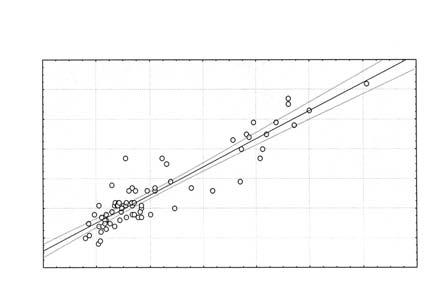
Results: A positive correlation was found between BMI and WC (r=0.92331, p<0.0001). In multivariate logistic regression analysis, obesity was positively associated with the school class [odds ratio - OR 1.950, 95% confidence interval - CI (1.165-3.265), p=0.01], television-viewing hours [OR 1.425, 95% CI (1.026-1.979), p=0.03], toast [OR 1.058, 95% CI (1.012-1.106), p=0.01] and chocolate consumption [OR 1.071, 95% CI (1.014-1.131), p=0.014]. Eating breakfast appeared to have protective role [OR 0.183, 95% CI (0.033-1.020), p=0.05].
Conclusions: Adoption of unhealthy dietary habits, decrease in physical activity, sedentary lifestyle and increase in television-viewing time constitute significant predictors of obesity in children of school age in the rural border regions of Greece.
Key words
Obesity, risk factors, body mass index, waist circumference, diet, free time, television-viewing.
1 Department of Internal Medicine, Medical School, University of Ioannina
2 Department of Dietetics and Nutritional Science, Harokopio University of Athens
Correspondence: Haralampos J. Milionis Department of Pathology, Medical School, University of Ioannina 451 10, Ioannina E-mail: hmilioni@cc.uoi.gr
1.Blumberg N, Ross K, Avila E, Peck K. Should chronic transfusions be matched for antigens other than ABO and Rho(D)? Vox Sang 1984;47:205-208.
2.Weatherall DJ, Clegg JB, editors. The thalassaemia syndromes. 4th ed. Oxford: Blackwell Science; 2001. p. 630-685.
3.Argiolu F, Diana G, Arnone M, Batzella MG, Piras P, Cao A. High-dose intravenous immunoglobulin in the management of autoimmune hemolytic anemia complicating thalassaemia major. Acta Haematol 1990;83:65-68.
8.Bareford D, Longster G, Gilks L, Tovey LA. Followup of normal individuals with a positive antiglobulin test. Scand J Haematol 1985;35:348-353.
9.Win N, Islam SI, Peterkin MA, Walker ID. Positive direct antiglobulin test due to antiphospholipid antibodies in normal healthy blood donors. Vox Sang 1997;72:182-184.
10.Economidou J, Constantoulakis M, Augoustaki O, Adinolfi M. Frequency of antibodies to various antigenic determinants in polytransfused patients with homozygous thalassaemia in Greece. Vox Sang 1971;20:252-258.
11.Michail-Merianou V, Pamphili-Panousopoulou L, Piperi-Lowes L, Pelegrinis E, Karaklis A. Alloimmunization to red cell antigens in thalassemia: comparative study of usual versus better-match transfusion programmes. Vox Sang 1987;52:95-98.
12.Spanos T, Karageorga M, Ladis V, Peristeri J, Hatziliami A, Kattamis C. Red cell alloantibodies in patients with thalassemia. Vox Sang 1990:58:50-55.
13.Singer ST, Wu V, Mignacca R, Kuypers FA, Morel P, Vichinsky EP. Alloimmunization and erythrocyte autoimmunization in transfusion-dependent thalassemia patients of predominantly Asian descent. Blood 2000;96;3369-3373.
14.Hmida S, Mojaat N, Maamar M, Bejaoui M, Mediouni M, Boukef K. Red cell alloantibodies in patients with haemoglobinopathies. Nouv Rev Fr Hematol 1994;36:363-366.
15.Ameen R, Al-Shemmari S, Al-Humood S, Chowdhury RI, Al-Eyaadi O, Al-Bashir A. RBC alloimmunization and autoimmunization among transfusion-dependent Arab thalassemia patients. Transfusion 2003;43:1604-1610.
16.Blajchman MA. Immunomodulatory effects of allogeneic blood transfusions: clinical manifestations and mechanisms. Vox Sang 1998;74 (Suppl 2):S315-S319.
17.Hodge G, Lloyd JV, Hodge S, Story C, Han P. Functional lymphocyte immunophenotypes observed in thalassaemia and haemophilia patients receiving current blood product preparations. Br J Haematol 1999;105:817-825.
18.Pistillo MP, Tazzari PL, Gaudiano C, Cilla V, Kato T, Matsui T et al. Patients with neoplastic and nonneoplastic hematologic diseases acquire CTLA-4 antibodies after blood transfusion. Transfusion 2001;41:462-469.
Immune haemolytic anaemia in patients with beta-thalassaemia. Case report
A. Kousi1, M. Oikonomou1, D. Kassimos2, P. Pliaki3, M. Athanasiou - Metaxa1
Abstract
Two cases of beta-thalassaemia with immune haemolytic anaemia (allo- and autoimmune, respectively) are described. The objective is to emphasize the possible co-existence and interaction of immune haemolysis with chronic congenital haemolytic anemia, and to highlight the clinical and therapeutic problems that may arise in such cases.
2.Okada A, Fukuzawa M, Oue T, Kohmoto Y, Kusafuka T, Fukui Y et al. Thirty-eight years experience
of malignant hepatic tumors in infants and childhood. Eur J Pediatr Surg 1998;8:17-22.
3.Horton KM, Bluemke DA, Hruban RH, Soyer P, Fishman EK. CT and MR imaging of benign hepatic and biliary tumors. Radiographics 1999;19:431-451.
4.Balmer B, Le Coultre C, Feldges A, Hanimann B. Mesenchymal liver hamartoma in a newborn. Case report. Eur J Pediatr Surg 1996;6:303-305.
5.Bartho S, Schulz HJ, Bollmann R, Specht U. Prenatally diagnosed mesenchymal hamartoma of the liver. Zentralbl Pathol 1992;138:141-144.
6.Mascarello JT, Krous HF. Second report of a translocation involving 19q13.4 in a mesenchymal hamartoma of the liver. Cancer Genet Cytogenet 1992;58:141-142.
7.von Schweinitz D, Gluer S, Mildenberger H. Liver tumors in neonates and very young infants: diag-
nostic pitfalls and therapeutic problems. Eur J Pediatr Surg 1995;5:72-76.
8.Men S, Hekimoglu B, Tuzun M, Arda IS, Pinar A. Unusual US and CT findings in hepatoblastoma: a case report. Pediatr Radiol 1995;25:507-508.
9.Kaufman RA. Is cystic mesenchymal hamartoma of the liver similar to infantile hemangioendothelioma and cavernous hemangioma on dynamic computed tomography? Pediatr Radiol 1992;22:582-583.
10.Shuto T, Kinoshita H, Yamada C, Hirohashi K, Shiokawa C, Kubo S et al. Bilateral lobectomy excluding the caudate lobe for giant mesenchymal hamartoma of the liver. Surgery 1993;113:215-222.
M. Hasiotou1, E. Sammouti2, P. Poliviou2, E. Koskina2
Abstract
Primary liver tumours are rare in children, and most are malignant (hepatoblastoma) and associated with a high mortality rate. Of the benign tumours the most common is haemangioendothelioma.
Benign mesenchymal hamartoma is a rare entity, seen mainly in children under the age of two years, which probably represents a developmental anomaly, rather than a true neoplasm. Recent progress in imaging techniques and operating procedures offer, in this case, an excellent prognosis. The case is described of an 8 month-old boy with mesenchymal hamartoma, including the diagnostic approach and the surgical procedure.
1.Ghidini A, Spong CY. Severe meconium aspiration syndrome is not caused by aspiration of meconium. Am J Obstet Gynecol 2001;185:931-938.
2.Akindele JA. Intestinal bilious vomiting: an unusual presentation of intestinal atresia in the newborn. Afr J Med Med Sci 1994;23:193-194.
3.Williams J, Zakut H, Cohen D, Nissan S. Meconium-like staining of amniotic fluid due to high fetal intestinal obstruction. Case report. Br J Obstet Gynaecol 1978;85:713-714.
4.Swarte RM, Hack WW, Roex AJ, Ekkelkamp S. Green amniotic fluid as initial symptom of high intestinal obstruction in infants. Ned Tijdschr Geneeskd. 1997;141:202-204.
5.Griffiths DM, Burge DM. When is meconium stained liquor actually bile stained vomit? Arch Dis Child 1988;63:201-202.
6.Moses D, Holm BA, Spitale P, Liu MY, Enhorning G. Inhibition of pulmonary surfactant function by meconium. Am J Obstet Gynecol 1991;164:477-481.
7.Ryckman FC. Selected anomalies and intestinal obstruction. In: Fanaroff AA, Martin RJ, editors. Neonatal-Perinatal Medicine. 7th ed. St. Louis: Mosby, Inc; 2002. p. 1291.
9.Salman AB, Karaoglanoglu N, Suma S. Abdominal, scrotal, and thoracic calcifications owing to healed meconium peritonitis. J Pediatr Surg 1999;34:14151416.
10.Das A, Murphy A, McMahon M, Gormally SM, Corbally M. Fetal meconium peritonitis: the “vanishing hydrocele” sign [Images in neonatal medicine]. Arch Dis Child Fetal Neonatal Ed 2003;88:F74.
11.Casaccia G, Trucchi A, Nahom A, Aite L, Lucidi V, Giorladino C et al. The impact of cystic fibrosis on neonatal intestinal obstruction: the need for prenatal/neonatal screening. Pediatr Surg Int 2003;19: 75-78.
Intestinal atresia presenting at birth with aspiration of meconium-like-stained amniotic fluid
V. Drossou - Agakidou, L. Bogiatzi, I. Eudoridou, T. Stathopoulou, E. Diamanti
Abstract
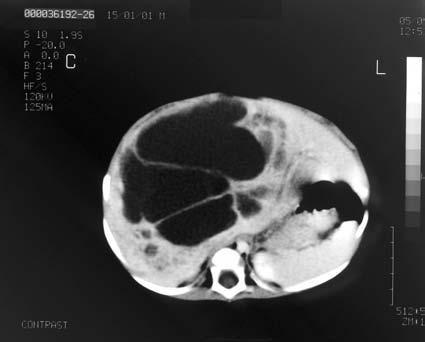
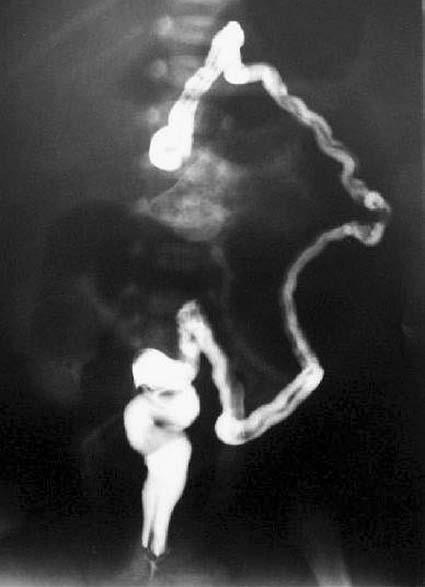
A rare case is reported of a neonate born with meconium-like-stained amniotic fluid (M-L-SAF), who presented with respiratory distress and radiological findings compatible with meconium aspiration syndrome. The M-L-SAF was attributed to bilious vomiting in utero secondary to intestinal atresia and the formation of a meconium pseudocyst. The baby’s general condition was good. The meconium pseudocyst was suspected on palpation of a mass in the supra-umbilical region. The intestinal atresia and pseudocyst were confirmed by ultrasound and X-ray examination and were treated surgically. The baby had an uneventful post-operative course and was discharged home in good condition.
1.Hillis WS, McIntyre PD, Maclean J, Goodwin JF, McKenna WJ. ABC of sports medicine. Sudden death in sport. BMJ 1994;309:657-660.
2.Maron BJ, Thompson PD, Puffer JC, McGrew CA, Strong WB, Douglas PS et al. Cardiovascular preparticipation screening of competitive athletes. A statement for health professionals from the Sudden Death Committee (clinical cardiology) and Congenital Cardiac Defects Committee (cardiovascular disease in the young), American Heart Association. Circulation 1996;94:850-856.
3.Group on Science and Technology, American Medical Association. Athletic preparticipation examinations for adolescents. Report of the Board of Trustees. Arch Pediatr Adolesc Med 1994;148:93-98.
4.Wren C. Sudden death in children and adolescents. Heart 2002;88:426-431.
5.Thompson PD. The cardiovascular complications of vigorous physical activity. Arch Intern Med 1996;156:2297-2302.
6.Maron BJ, Shirani J, Poliac LC, Mathenge R, Roberts WC, Mueller FO. Sudden death in young competitive athletes. Clinical, demographic, and pathological profiles. JAMA 1996;276:199-204.
7.Elliott PM, Poloniecki J, Dickie S, Sharma S, Monserrat L, Varnava A et al. Sudden death in hypertrophic cardiomyopathy: identification of high risk patients. J Am Coll Cardiol 2000;36:2212-2218.
8.Maron BJ, Pellicia A, Spirito P. Cardiac disease in young trained athletes. Insights into methods for distinguishing athlete’s heart from structural heart disease, with particular emphasis on hypertrophic cardiomyopathy. Circulation 1995;91:1596-1601.
9.McKenna WJ, Thiene G, Nava A, Fontaliran F, Blomstrom-Lundqvist C, Fontaine G et al. Diagnosis of arrhythmogenic right ventricular dysplasia/cardiomyopathy. Task Force of the Working Group Myocardial and Pericardial Disease of the European Society of Cardiology and of the Scientific Council on Cardiomyopathies of the International Society and Federation of Cardiology. Br Heart J 1994;71:215-218.
10.Fontaine G, Fontaliran F, Lascault G, Aouate P, Tonet J, Frank R. Arrhythmogenic right ventricular dysplasia. In: Zipes DP, Jalife J, editors. Cardiac electrophysiology: from cell to bedside. 2nd ed. Philadelphia: WB Saunders Co; 1995. p. 754-769.
13.Wight JN Jr, Salem D. Sudden cardiac death and the “athlete’s heart”. Arch Intern Med 1995;155:14731480.
14.Maron BJ, Poliac LC, Kaplan JA, Mueller FO. Blunt impact to the chest leading to sudden death from cardiac arrest during sports activities. N Engl J Med 1995;333:337-342.
15.Dixon AE, Shulman S. Sudden death during sports activities. N Engl J Med 1995;333:1784.
1 Department of Cardiology, “P. & A. Kyriakou” Athens’ Children Hospital
2 3rd Paediatric Clinic, University of Athens “Attikon” University Hospital, Haidari, Athens
Cardiovascular conditions associated with sudden death during exercise in children, adolescents and young adults. Preparticipation evaluation
D. Georgakopoulos1, K. Douros2
Abstract
The sudden death of a young athlete is a tragic and unexpected event with an impact on both the public and the medical community. Most of the episodes are due to cardiovascular conditions. Understanding of the causes of sudden death can help in the organization of a more effective protocol for preparticipation evaluation. The incidence of sudden death in this group is estimated at 1:200,000 young athletes per year. The most common cause of sudden death in young persons (<35 years) is hypertrophic cardiomyopathy (36%), followed by congenital abnormalities of the coronary arteries (19%). In the majority of cases no prodromal symptoms had been reported, either in the months preceding or immediately before death, which occurred suddenly and unexpectedly either during a competition or, more frequently, during a training session (64%). When present, the most common symptoms are dizziness or syncope. A detailed medical history, both family and personal, and careful clinical examination of the cardiovascular system constitute the cornerstone of preathletic evaluation. Special attention must be given to the detection of symptoms during exercise and to a history of sudden death in a close relative at young age. Evaluation by a paediatric cardiologist is advised when indicated by the history, symptoms or findings, and on specific occasions (e.g., before starting systematic participation in athletic activity, particularly in competition sports). The usual cardiological examination includes ECG and echocardiography. More specific tests, such as Holter monitoring, exercise test or magnetic resonance imaging may be required depending on initial findings.
5.Peters M, Jeck N, Reinalter S, Leonhardt A, Tonshoff B, Klaus GG, Konrad M, Seyberth HW. Clinical presentation of genetically defined patients with hypokalemic salt-losing tubulopathies. Am J Med 2002 Feb 15;112(3):183-190.
6.Proesmans WC. Bartter syndrome and its neonatal variant. Eur J Pediatr 1997;156:669-679.
7.Kurlandsky LE. Failure to recognize the association
of cystic fibrosis and metabolic alkalosis. Clin Pediatr 2002 Nov-Dec;41(9):715-719.
8.Colussi G, Rombolà G, Airaghi C, De Ferrari ME, Minetti L. Pseudo-Bartter's syndrome from surreptitious diuretic intake: differential diagnosis with true Bartter's syndrome. Nephrol Dial Transplant 1992;7:896-901.
9.Meyers AM, Feldman C, Sonnekus MI, Ninin DT, Margolius LP, Whalley NA. Chronic laxative abusers with pseudo-idiopathic oedema and au-
tonomous pseudo-Bartter's syndrome. A spectrum of metabolic madness, or new lights on an old disease? S Afr Med J 1990;178(11):631-636.
10.S. Zacharieva, E. Natchev, M. Orbetzova. ¢Â˘ÙÂÚÔÁÂÓ¤˜ Û‡Ó‰ÚÔÌÔ „¢‰Ô-µartter ·Ô ÚÔÎÏËÙÔ‡˜ Â̤ÙÔ˘˜ Î·È Î·Ù¿¯ÚËÛË ˘·ÎÙÈÎÒÓ. Aگ›· ∂ÏÏËÓÈ΋˜ π·ÙÚÈ΋˜ 1999;16: 68-71.
11.Reinalter SC, Jeck N, Peters M, Seyberth HW: Pharmacotyping of hypokalaemic salt-losing tubular disorders. Acta Physiol Scand 2004;181:513-521.
7-9 ºÂ‚ÚÔ˘·Ú›Ô˘ 2006 8th UAE International Congress for Pediatrics Dubai, Al Habtoor Grand Resort and SPA, Dubai, United Arab United Arab Emirates Emirates
¶ÏËÚÔÊÔڛ˜: Infomed Events, Sheikh Rached Building, Al Mamzar, next to the Labor Office / Ministry of Labor, Deira, Dubai - UAE