ʤ˜ Ù˘ International Committee of Medical Journal
Editors/ Uniform Requirements for Manuscripts Sub-mitted to Biomedical Journals, (http://www.icmje.org Î·È http:// www.icmje.org/icmje.pdf). OÈ Û˘ÓÙÌ‹ÛÂȘ ÙˆÓ Ù›ÙÏˆÓ ÙˆÓ ÂÚÈÔ‰ÈÎÒÓ Á›ÓÔÓÙ·È Ì ‚¿ÛË ÙÔ Cumulated Index Medicus [List of Journals Indexed in Index Medicus (http://www.nlm.nih.gov/bsd/uniform requirements.html)].
Proesmans W. Bartter syndrome and its neonatal variant. Eur J Pediatr 1997;156:669-679.
™˘ÌÏËڈ̷ÙÈÎfiÙ‡¯Ô˜ÂÚÈÔ‰ÈÎÔ‡: Flyvbjerg A. Role of growth hormone, insulin-like growth factors (IGFs) and IGF-binding proteins in the renal complications of diabetes. Kidney Int 1997;52 (60 Suppl):S12-S19.
Èڛ˜ Û˘ÁÁڷʤ·:
National Institutes of Health Consensus Development Conference. Neurofibromatosis conference statement. Arch Neurol 1988;45:575-578.
¶ÚÔÛ‰ÈÔÚÈÛÌfi˜Ù‡Ô˘¿ÚıÚÔ˘:
Schreiner GF, Lange L. Ethanol modulation of macrophage influx in glomerulonephritis [Abstract]. J Am Soc Nephrol 1991;2:562.
Should antileukotriene therapies be used instead of inhaled corticosteroids in asthma? [Editorial]. Am J Respir Crit Care Med 1998;158:1697-1701.
Laux-End R, Inaebnit D, Gerber HA, Bianchetti MG. Vasculitis associated with levamisole and circulating autoantibodies [Letter]. Arch Dis Child 1996;75:355-356.
II. µπµ§π∞
∫ÂÊ¿Ï·ÈÔÛ‚ȂϛÔ:
Clark AG, Barratt TM. Steroid-responsive nephrotic syndrome. In: Barratt TM, Arner ED, Harmon WE, editors. Pediatric Nephrology. 4th ed. Baltimore: Lippincott William Wilkins; 1999. p. 742.
™‡ÁÁÚ·ÌÌ· ‹ ÌÔÓÔÁÚ·Ê›·:
Gorlin RJ, Cohen MM, Levin LS. Syndromes of the head and neck. 3rd ed. New York: Oxford University Press; 1990.
¢ËÌÔÛ›Â˘ÛË Û ÙfiÌÔ Ú·ÎÙÈÎÒÓ: Bauer AW. The two definitions of bacterial resistance. In: Smith AJ, Rogers CA, eds. Proceedings of the Third International Congress of Chemotherapy; 1962 May 29-31; New York: International Society of Chemotherapy; 1963. p. 484-500.
Kaplan SJ. Post hospital home health care: the elderly’s access and utilization [dissertation]. St. Louis (Mo): Washington Univ.; 1995.
πππ. CD-ROM
Anderson SC, Poulsen KB. Anderson’s electronic atlas of hematology [CD-ROM]. Philadelphia: Lippincott Williams & Wilkins; 2002.
IV.™∆O ¢π∞¢π∫∆ÀO ÕÚıÚÔÛÂÂÚÈÔ‰ÈÎfi:
Abood S. Quality improvement initiative in nursing homes: the ANA acts in an advisory role. Am J Nurs [Internet]. 2002 Jun: Webpage: http://www.nursingworld.org/AJN/2002/june/Wawatch.htm
ªÔÓÔÁÚ·Ê›·:
Foley KM, Gelband H, editors. Improving palliative care for cancer [Monograph, Internet]. Washington: National Academy Press; 2001. Webpage: http://www.nap.edu/books/0309074029/html
πÛÙÔÛÂÏ›‰Â˜: Cancer-Pain.org [Webpage, Internet]. New York: Association of Cancer Online Resources, Inc.; 2002: http://www.cancer-pain.org/
The Greek Paediatric Society is the owner of “Paediatriki”, its official scientific journal, which is distributed to its members. Its objectives are the publication of paediatric scientific work and the continuing education of paediatricians. For this purpose, it publishes a variety of articles, and in particular:
1.Editorials (upon invitation by the Editorial Board).
2.Review articles.
3.Award-winning articles.
4.Original articles.
5.Clinical Quiz.
6.Round tables.
7.Current issues.
8.Issues of healthcare management and education.
9.Case reports.
10.News.
11.Brief reports.
12.Letters to the editor.
13.Abstracts.
14.Future congresses and events.
15.Book reviews.
The Editorial Board reserves the right to publish articles of special scientific interest and articles on current issues without observing submission order. In addition it publishes upon decision original papers presented at the Annual Paediatric Conference, presentations of special interest - in whole or in part, and letters - in whole or in part - referring to scientific articles published in the journal. Regarding papers on current issues, the author’s request for immediate publication should be quoted on the first page. The Editorial Board reserves the right to accept such papers for immediate publication.
All manuscripts should not have been published previously, in whole or in part, and not be under consideration by another publication. Manuscripts should acknowledge any funding, sponsorship or other financial support. All clinical research should have been conducted following informed consent of participants or of their legal representatives according to the Declarations of Helsinki and Tokyo. In addition, the US National Institute of Health guide for the care and use of laboratory animals (DHEW Publication, NIH, 80-23) should have been observed. Clinical trials should have been approved by the Ethics Committee of the Hospital.
Authors’ opinions and conclusions expressed in the published papers do not necessarily reflect those of the journal. The Greek Paediatric Society, the Editorial Board and the Publisher of the journal do not necessarily approve the content of the advertisements appearing in the journal.
The copyright of all published papers is held by “Paediatriki” and their reproduction in whole or in part is authorized only following written consent of the journal.
B. Manuscript Preparation
“Paediatriki” suggests compliance with the “Uniform Requirements for Manuscripts Submitted to Biomedical Journals”, recently modified and published on the websites:
http://www.icmje.org and http://www.icmje.org/icmje.pdf
The entire paper (including figure legends and tables)
should be typed on one side of blank paper format A4 (21x29.7 cm), double line spacing and minimum indent 2.5 cm on both sides.
The paper should have the following structure: title page, short title, abstract in Greek and English, list of abbreviations, text, acknowledgements and quoting of grants, sponsorships or other financial support sources, references, tables, figures, figure legends. Each of these sections should be started on a new page. Pages should be numbered consecutively, beginning with the title page.
Text length shall be:
ñreview articles 2000-3000 words;
ñoriginal articles and case reports 1500-2500 words;
ñbrief reports1000-1500 words;
ñletters 250-500 words.
The title page should include:
ñthe title (<14 words) and the short title (<5 words) of the article. No abbreviations are permitted in the title;
ñthe name and surname of all authors;
ñthe centre (institution, clinic, laboratory) of origin of the paper. If there is no affiliation with a specific centre, the status of the author(s) should be cited (e.g., private paediatrician) and home address;
ñthe complete address, e-mail and telephone number of the author to whom correspondence should be addressed.
Abstracts
The abstract should summarize the objectives, methodology, main results and conclusions of the study.
ñIt should contain at least 200 words, and not exceed 250 words.
ñIt should consist of the following paragraphs: background, methods, results and conclusions.
The English abstract should cite at the beginning the title of the paper and the authors’ names in English. The content of the text should consist of the following paragraphs: background, methods, results and conclusions. The abstract in English should not differ in content from the corresponding Greek abstract.
Beneath the Greek and English abstracts, three to five key words in the respective language should be supplied, to be used in the thematic index.
Text
Original articles include: introduction, methods, results and discussion. The introduction includes the latest research data on the subject and the main references and the objectives of the paper. The description of the methods should be precise and detailed so as to enable reproduction by other researchers. In addition, the statistical methods of analysis and evaluation of the results should be described. Results should be presented clearly, together with the appropriate statistical analysis. Discussion should cover the results ensuing from the research, their significance and possible associations with the observations of other researchers.
Case reports comprise a short introduction, case description and brief discussion, with emphasis on differential diagnosis.
The structure of all other articles is free, according to the judgment of the authors.
Thanks or acknowledgements (reference to grants, sponsorships or other sources of financial support) should be quoted at the end of the text, before references.
Units of measures of laboratory analyses
Laboratory analyses should be expressed in the Système International (SI) units and in the metric (Conventional) system in parentheses. See conversion tables on the websites: http://www.icmje.org and http://www.icmje.org/icmje.pdf
Abbreviations
All issues of the journal contain internationally established abbreviations. Complex or long terms often repeated in the text may be replaced by abbreviations explained by the authors in a list submitted with the paper. Abbreviations are reported in parentheses only in abstracts.
References
The reference section contains all references numbered in the order in which they appear in the text. In the text, references are to be indicated by Arabic numerals in parentheses. References should be no more than:
ñ70 in review articles;
ñ30 in original articles;
ñ12 in current issues and case reports;
ñ5 in brief reports and letters.
In listing references follow the recently modified standards of the International Committee of Medical Journal Editors/Uniform Requirements for Manuscripts Submitted to Biomedical Journals, (http://www.icmje.org and http:// www.icmje.org/icmje.pdf). Abbreviated names of journals should conform to the Cumulated Index Medicus [List of Journals Indexed in Index Medicus (http://www.nlm.nih.gov/bsd/uniform requirements.html)].
Examples of reference style
I. JOURNALS
All authors are cited if they are six or less; if they are 7 or more, the first six are cited, followed by “et al”.
Regularedition:
Proesmans W. Bartter syndrome and its neonatal variant. Eur J Pediatr 1997;156:669-679.
Supplement issue:
Flyvbjerg A. Role of growth hormone, insulin-like growth factors (IGFs) and IGF-binding proteins in the renal complications of diabetes. Kidney Int 1997;52 (60 Suppl):S12-S19.
No author:
National Institutes of Health Consensus Development Conference. Neurofibromatosis conference statement. Arch Neurol 1988;45:575-578.
Articletypespecification:
Schreiner GF, Lange L. Ethanol modulation of macrophage influx in glomerulonephritis [Abstract]. J Am Soc Nephrol 1991;2:562.
Should antileukotriene therapies be used instead of inhaled corticosteroids in asthma? [Editorial]. Am J Respir Crit Care Med 1998;158:1697-1701.
Laux-End R, Inaebnit D, Gerber HA, Bianchetti MG. Vasculitis associated with levamisole and circulating autoantibodies [Letter]. Arch Dis Child 1996;75:355-356.
II. BOOKS
Chapter in book:
Clark AG, Barratt TM. Steroid-responsive nephrotic syndrome. In: Barratt TM, Arner ED, Harmon WE, editors. Pediatric Nephrology. 4th ed. Baltimore: Lippincott William Wilkins; 1999. p. 742.
Bookormonograph:
Gorlin RJ, Cohen MM, Levin LS. Syndromes of the head and neck. 3rd ed. New York: Oxford University Press; 1990.
Publicationinavolumeofproceedings:
Bauer AW. The two definitions of bacterial resistance. In: Smith AJ, Rogers CA, eds. Proceedings of the Third International Congress of Chemotherapy; 1962 May 29-31; New York: International Society of Chemotherapy; 1963. p. 484-500.
Doctoral dissertation:
Kaplan SJ. Post hospital home health care: the elderly’s access and utilization [dissertation]. St. Louis (Mo): Washington Univ.; 1995.
πππ. CD-ROM
Anderson SC, Poulsen KB. Anderson’s electronic atlas of hematology [CD-ROM]. Philadelphia: Lippincott Williams & Wilkins; 2002.
IV. ON THE INTERNET
Articleinjournal
Abood S. Quality improvement initiative in nursing homes: the ANA acts in an advisory role. Am J Nurs [Internet]. 2002 Jun: Webpage: http://www.nursingworld.org/ AJN/2002/june/Wawatch.htm
Monograph
Foley KM, Gelband H, editors. Improving palliative care for cancer [Monograph, Internet]. Washington: National Academy Press; 2001. Webpage: http://www.nap.edu/books/0309074029/html
Websites
Cancer-Pain.org [Webpage, Internet]. New York: Association of Cancer Online Resources, Inc.; 2002: http://www.cancer-pain.org/
TablesandFigures
Three copies should be submitted (original plus 2 copies). Their width should either be equal to the width of one column (7.5 cm) or to the width of the page (15.5 cm). Their maximum length, titles included, should not exceed 22 cm.
Tables are numbered with Arabic numerals in the order in which they appear in the text. They should have a short title and abbreviations should be listed at the bottom. Vertical lines in tables should be avoided.
All illustration material is considered as figures (graphs, pictures, etc.). They should be of excellent quality. Also, at the back of every picture, the number of the picture and the name of the first author should be noted in pencil, with an arrow showing the top of the picture. The identity of patients should not be recognizable from their pictures nor should their names be stated.
C. Manuscript Submission and Publication
All manuscripts should be accompanied by a floppy disk or CD, as well as by a letter, signed by all the authors, in which it is stated that the paper has not been published in part or in whole, or is not under consideration by another journal and that the authors accept its publication in “Paediatriki”. Any funding, sponsorship or other financial support should be acknowledged.
Once the manuscript has been accepted, the corrected version, rewritten according to the reviewers’ recommendations should be submitted to the Editorial Board accompanied by a floppy disk or CD, containing the paper in Word format, along with a covering letter specifying in detail the modifications or objections to the reviewers’ suggestions.
Delay in submission of the modified paper exceeding 30 days entails new submission.
Authors will be charged film and reprint expenses, paid upon dispatch of the first proof directly to the printer.
Manuscripts of papers which have not been approved for publication are not returned to the author. The accompanying figures and photographs can be returned upon request within six months.
Manuscripts submitted for review and publication in “Paediatriki” should be sent in three copies to the following address:
Editorial Board
Greek Paediatric Society 92, Michalakopoulou Street 115 28 Athens, Greece
Before submitting your paper, make sure it contains:
1.3 copies of the text of the paper, printed according to instructions.
2.A floppy disk or CD with the entire material of the paper (text, tables, pictures).
3.A covering letter and a statement that the paper has not been previously published.
4.The title page (on a separate page), which includes: a.the title and short title of the paper; b.the name and surname (full name)of the author(s); c.the academic centre(s) of origin; d.the corresponding authors’ name, address and telephone number;
5.English and Greek abstracts, with the following structure: background, methods, results and conclusions (double space, separate page) and keywords.
6.List of abbreviations (double space, separate page).
7.Text (double space, separate page).
8.Acknowledgements and reference to funding, sponsorships or other financial sources.
9.References (double space, separate page).
10.Tables (one per page) in three copies.
11.Figures with an arrow at the back showing the top, numbered, in two copies.
12.Figure titles (double space - on separate pages) in three copies.
5.Libby P. Current concepts of the pathogenesis of the acute coronary syndromes. Circulation 2001;104: 365-372.
6.Raitakari OT. Arterial abnormalities in children with familial hypercholesterolemia. Lancet 2004; 363:342-343.
7.Fuentes F, Lopez-Miranda J, Sanchez E, Sanchez F, Paez J, Paz-Rojas E et al. Mediterranean and low-fat diets improve endothelial function in hypercholesterolemic men. Ann Intern Med 2001;134:1115-1119.
8.Obarzanek E, Kimm SY, Barton BA, Van Horn L L, Kwiterovich PO Jr, Simons-Morton DG et al. DISC Collaborative Research Group. Long-term safety and efficacy of a cholesterol-lowering diet in children with elevated low-density lipoprotein cholesterol: seven-year results of the Dietary Intervention Study in Children (DISC). Pediatrics 2001;107:256-264.
9.Williams CL, Hayman LL, Daniels SR, Robinson TN, Steinberger J, Paridon S et al. Cardiovascular health in childhood: A statement for health professionals from the Committee on Atherosclerosis, Hypertension, and Obesity in the Young (AHOY) of the Council on Cardiovascular Disease in the Young, American Heart Association. Circulation 2002;106:143-160.
10.Rodenburg J, Vissers MN, Wiegman A, Trip MD, Bakker HD, Kastelein JJ. Familial hypercholesterolemia in children. Curr Opin Lipidol 2004;15:405-411.
11.Tonstad S, Knudtzon J, Sivertsen M, Refsum H, Ose L. Efficacy and safety of cholestyramine therapy in peripubertal and prepubertal children with familial hypercholesterolemia. J Pediatr 1996;129:42-49.
12.Glueck CJ, Mellies MJ, Dine M, Perry T, Laskarzewski P. Safety and efficacy of long-term diet and diet plus bile acid-binding resin cholesterol-lowering therapy in 73 children heterozygous for familial hypercholesterolemia. Pediatrics 1986;78:338-348.
13.Glueck CJ, Tsang RC, Fallat RW, Mellies M. Therapy of familial hypercholesterolemia in childhood: diet and cholestyramine resin for 24 to 36 months. Pediatrics 1977;59:433-441.
14.HMG-CoA reductase inhibitors. In: Burnham TH, editor. Drug Facts and Comparisons. St. Louis: Facts and Comparisons, Inc.; 2002. p. 536-542a.
15.Mevacor product information. Merck & Co., Inc; February 1996. Available at www.fda.gov/cder/foi/ label/2002/19643s067lbl.pdf
16.Lambert M, Lupien PJ, Gagne C, Levy E, Blaichman S, Langlois S et al. Treatment of familial hypercholesterolemia in children and adolescents: effect of lovastatin. Canadian Lovastatin in Children Study Group. Pediatrics 1996;97:619-628.
17.Stein EA, Illingworth DR, Kwiterovich PO Jr, Liacouras CA, Siimes MA, Jacobson MS et al. Efficacy and safety of lovastatin in adolescent males with heterozygous familial hypercholesterolemia: a randomized controlled trial. JAMA 1999;281:137-144.
18.Knipscheer HC, Boelen CC, Kastelein JJ, van Diermen DE, Groenemeijer BE, van den Ende A et al. Short-term efficacy and safety of pravastatin in 72 children with familial hypercholesterolemia. Pediatr Res 1996;39:867-871.
19.Stefanutti C, Lucani G, Vivenzio A, Di Giacomo S et al. Diet only and diet plus simvastatin in the treatment of heterozygous familial hypercholesterolemia in childhood. Drugs Exp Clin Res 1999;25:23-28.
20.Vohl MC, Szots F, Lelievre M, Lupien PJ, Bergeron J, Gagne C et al. Influence of LDL receptor gene mutation and apo E polymorphism on lipoprotein response to simvastatin treatment among adolescents with heterozygous familial hypercholesterolemia. Atherosclerosis 2002;160:361-368.
21.McCrindle BW, Ose L, Marais AD. Efficacy and safety of atorvastatin in children and adolescents with familial hypercholesterolemia or severe hyperlipidemia: a multicenter, randomized, placebo-controlled trial. J Pediatr 2003;143:74-80.
22.Dirisamer A, Hachemian N, Bucek RA, Wolf F, Reiter M, Widhalm K. The effect of low-dose simvastatin in children with familial hypercholesterolaemia: a 1year observation. Eur J Pediatr 2003;162:421-425.
23.Neunteufl T, Heher S, Katzenschlager R, Wolfl G, Kostner K, Maurer G et al. Late prognostic value of flow-mediated dilation in the brachial artery of patients with chest pain. Am J Cardiol 2000;86:207-210.
24.Suwaidi JA, Hamasaki S, Higano ST, Nishimura RA, Holmes DR Jr, Lerman A. Long-term follow-up of
patients with mild coronary artery disease and endothelial dysfunction. Circulation 2000;101:948-954.
25.de Jongh S, Lilien MR, op’t Roodt J, Stroes ES, Bakker HD, Kastelein JJ. Early statin therapy restores endothelial function in children with familial hypercholesterolemia. J Am Coll Cardiol 2002;40:2117-2121.
26.Wiegman A, Hutten BA, de Groot E, Rodenburg J, Bakker HD, Buller HR et al. Efficacy and safety of statin therapy in children with familial hypercholesterolemia: a randomized controlled trial. JAMA 2004;292:331-337.
27.Smilde TJ, van Wissen S, Wollersheim H, Trip MD, Kastelein JJ, Stalenhoef AF. Effect of aggressive versus conventional lipid lowering on atherosclerosis progression in familial hypercholesterolaemia (ASAP): a prospective, randomised, double-blind trial. Lancet 2001;357:577-581.
28.Athyros VG, Papageorgiou AA, Kontopoulos AG. Long-term treatment with atorvastatin in adolescent males with heterozygous familial hypercholesterolemia. Atherosclerosis 2002;163:205-206.
29.Wiegman A, de Groot E, Hutten BA, Rodenburg J, Gort J, Bakker HD et al. Arterial intima-media thickness in children heterozygous for familial hypercholesterolaemia. Lancet 2004;363:369-370.
30.Davis PH, Dawson JD, Riley WA, Lauer RM. Carotid intimal-medial thickness is related to cardiovascular risk factors measured from childhood through middle age: the Muscatine Study. Circulation 2001;104:2815-2819.
31.Li S, Chen W, Srinivasan SR, Bond MG, Tang R, Urbina EM et al. Childhood cardiovascular risk factors and carotid vascular changes in adulthood: the Bogalusa Heart Study. JAMA 2003;290:2271-2276.
32.Sanjad SA, al-Abbad A, al-Shorafa S. Management of hyperlipidemia in children with refractory nephrotic syndrome: the effect of statin therapy. J Pediatr 1997;130:470-474.
33.Kano K, Hoshi E, Ito S, Kyo K, Yamada Y, Ando T et al. Effects of combination therapy consisting of moderate-dose intravenous immunoglobulin G, pulsed methylprednisolone and pravastatin in children with steroid-resistant nephrosis. Nephron 2000;84:99-100.
34.Penson MG, Fricker FJ, Thompson JR, Harker K, Williams BJ, Kahler DA et al. Safety and efficacy of pravastatin therapy for the prevention of hyperlipidemia in pediatric and adolescent cardiac transplant recipients. J Heart Lung Transplant 2001;20:611-618.
35.Igel M, Sudhop T, von Bergmann K. Metabolism and drug interactions of 3-hydroxy-3-methylglutaryl coenzyme A-reductase inhibitors (statins). Eur J Clin Pharmacol 2001;57:357-364.
36.Hedman M, Neuvonen PJ, Neuvonen M, Antikainen M. Pharmacokinetics and pharmacodynamics of pravastatin in children with familial hypercholesterolemia. Clin Pharmacol Ther 2003;74:178-185.
37.Wiersma HE, Wiegman A, Koopmans RP, Bakker HD, Kastelein JJ, van Boxtel CJ. Steady-state pharmacokinetics of pravastatin in children with familial hypercholesterolaemia. Clin Drug Invest 2004;24: 113-120.
38.Farmer JA, Torre-Amione G. Comparative tolerability of the HMG-CoA reductase inhibitors. Drug Saf 2000;23:197-213.
39.Pasternak RC, Smith SC Jr, Bairey-Merz CN, Grundy SM, Cleeman JI, Lenfant C. ACC/AHA/ NHLBI clinical advisory on the use and safety of statins. J Am Coll Cardiol 2002;40:567-572.
40.Jeppesen U, Gaist D, Smith T, Sindrup SH. Statins and peripheral neuropathy. Eur J Clin Pharmacol 1999;54:835-838.
41.Gaist D, Jeppesen U, Andersen M, Garcia Rodriguez LA, Hallas J, Sindrup SH. Statins and risk of polyneuropathy: a case-control study. Neurology 2002;58:1333-1337.
42.Simvastatin product information. Merck & Co., Inc; May 2002. Available at www.zocor.com
43.Pravachol product information. Bristol-Myers Squibb Company; February 2002. Available at www.pravachol.com
44.Lescol product information. Novartis. October 2000. Available at www.novartis.com
45.Lipitor product information. Parke-Davis/Pfizer Inc; April 2002. Available at www.lipitor.com
46.Hennermann JB, Herwig J, Marz W, Asskali F, Bohles HJ. Lipid and lipoprotein profiles in children with familial hypercholesterolaemia: effects of therapy. Eur J Pediatr 1998;157:912-918.
47.Tonstad S, Sivertsen M, Aksnes L, Ose L. Low dose colestipol in adolescents with familial hypercholesterolaemia. Arch Dis Child 1996;74:157-160.
48.Virkola K, Pesonen E, Akerblom HK, Siimes MA. Cholesterol and carotid artery wall in children and adolescents with familial hypercholesterolaemia: a controlled study by ultrasound. Acta Paediatr 1997;86:1203-1207.
49.Stein EA, Strutt K, Southworth H, Diggle PJ, Miller E; HeFH Study Group. Comparison of rosuvastatin versus atorvastatin in patients with heterozygous familial hypercholesterolemia. Am J Cardiol 2003;92: 1287-1293.
50.Jones PH, Davidson MH, Stein EA, Bays HE, McKenney JM, Miller E et al. Comparison of the efficacy and safety of rosuvastatin versus atorvastatin, simvastatin, and pravastatin across doses (STELLAR Trial). Am J Cardiol 2003;92:152-160.
The safety and efficacy of statin therapy in children with familial hypercholesterolaemia
G. Tsolas
Abstract
Children with familial hypercholesterolaemia have endothelial dysfunction and increased arterial intima-media thickness, which herald the premature atherosclerotic disease they develop later in life. Ultrasonographically detected intima-media thickening of the carotid arteries and abdominal aorta can be detected in prepubertal children with familial hypercholesterolaemia. Multivariate analysis indicates LDL-cholesterol concentration as a strong independent predictor of carotid artery intimamedia thickness and endothelial dysfunction in these children, which confirms the pivotal role of lowdensity lipoprotein cholesterol in the development of atherosclerosis. Familial hypercholesterolaemia is the genetic model for the role of high LDL-cholesterol levels in the pathology of coronary heart disease, with a frequency of heterozygous familial hypercholesterolaemia of 1 in 500. Because of their high coronary risk, all children with this disorder may begin preventive efforts as early as childhood, with a healthful diet and exercise as the foundation of any regimen. However, because of their genetic predisposition for elevated LDL-C, young persons with familial hypercholesterolaemia may require a degree of cholesterol modification that lifestyle measures alone generally cannot provide. In such cases, up until now bile-acid sequestrants were considered the preferred drug approach in children and adolescents. These drugs are safe for children but unfortunately not always efficient, partly because of their poor palatibility and compliance. The treatment of elevated blood lipid levels has been dramatically altered by the introduction during the last decade of the HMG-CoA reductase inhibitors, also known as the statins. As the use of these agents become more widespread in adults, investigators have begun to study their effects in children. Several studies have demonstrated excellent LDL-C lowering efficacy as well as arterial intima-media thickness regression and endothelial dysfunction improvement from statin therapy in children with familial hypercholesterolaemia, with no adverse effects on growth, sexual maturation, hormone levels, liver function or muscle tissue. Although further longitudinal studies are needed to clarify fully the role of statins in the paediatric population, these agents should become the pivotal therapy in children with familial hypercholesterolaemia.
6.Dixon SF, Appleton RE, Davidson JE, Hughes DA, Tedman BM. Acute, severe self-limiting dysautonomia and hypertensive encephalopathy. Pediatr Neurol 2001;25:319-324.
9.Gordon PH, Wilbourn AJ. Early electrodiagnostic findings in Guillain-Barre syndrome. Arch Neurol 2001;58:913-917.
10.Hughes RA, Wijdicks EF, Barohn R, Benson E, Cornblath DR, Hahn AF et al. Practice parameter: immunotherapy for Guillain-Barre syndrome: report of the Quality Standards Subcommittee of the American Academy of Neurology. Neurology 2003;61:736-740.
11.Hughes RA, Raphael JC, Swan AV, van Doorn PA. Intravenous immunoglobulin for Guillain-Barre syndrome. Cochrane Database Syst Rev 2001;(2): CD002063.
12.Donofrio PD. πmmunotherapy of idiopathic inflammatory neuropathies. Muscle Nerve 2003;28:273-292.
13.Kanra G, Ozon A, Vajsar J, Castagna L, Secmeer G, Topaloglu H. Intravenous immunoglobulin treatment in children with Guillain-Barre syndrome. Eur J Paediatr Neurol 1997;1:7-12.
14.Shahar E, Leiderman M. Outcome of severe Guillain-Barre syndrome in children: comparison between untreated cases versus gamma-globulin therapy. Clin Neuropharmacol 2003;26:84-87.
15.Yata J, Nihei K, Ohya T, Hirano Y, Momoi M, Maekawa K et al. High-dose immunoglobulin therapy for Guillain-Barre syndrome in Japanese children. Pediatr Int 2003;45:543-549.
16.Tekgul H, Serdaroglu G, Tutuncuoglu S. Outcome of axonal and demyelinating forms of GuillainBarre syndrome in children. Pediatr Neurol 2003; 28:295-299.
17.Vajsar J, Fehlings D. Stephens D. Long-term outcome in children with Guillain-Barre syndrome. J Pediatr 2003;142:305-309.
18.Ropper AH, Victor M. Influenza vaccination and the Guillain-Barre syndrome. N Engl J Med 1998; 339:1845-1846.
19.Winer JB. Bickerstaff’s encephalitis and the Miller Fisher syndrome. J Neurol Neurosurg Psychiatry 2001;71:433-435.
20.Nevo Y, Pestronk A, Kornberg AJ, Connolly AM, Yee WC, Iqbal I et al. Childhood chronic inflammatory demyelinating neuropathies: clinical course and long-term follow-up. Neurology 1996;47:98-102.
22.Simmons Z, Wald JJ, Albers JW. Chronic inflammatory demyelinating polyradiculoneuropathy in children: I. Presentation, electrodiagnostic studies, and initial clinical course, with comparison to adults. Muscle Nerve 1997;20:1008-1015.
23.Simmons Z, Wald JJ, Albers JW. Chronic inflammatory demyelinating polyradiculoneuropathy in children: II. Long-term follow-up, with comparison to adults. Muscle Nerve 1997;20:1569-1575.
24.Uncini A, Parano E, Lange DJ, De Vivo DC, Lovelace RE. Chronic inflammatory demyelinating polyneuropathy in childhood: clinical and electrophysiological features. Childs Nerv Syst 1991;7:191-196.
25.Vedanarayanan VV, Kandt RS, Lewis DV Jr, DeLong GR. Chronic inflammatory demyelinating polyradiculoneuropathy of childhood: treatment with highdose intravenous immunoglobulin. Neurology 1991;41:828-830.
26.Koski CL. Therapy of CIDP and related immunemediated neuropathies. Neurology 2002;59 (Suppl 6):S22-S27.
27.Dalakas MC. Mechanisms of action of IVIg and therapeutic considerations in the treatment of acute and chronic demyelinating neuropathies. Neurology 2002;59 (Suppl 6):S13-S21.
28.Korinthenberg R. Chronic inflammatory demyelinating polyradiculoneuropathy in children and their response to treatment. Neuropediatrics 1999;30: 190-196.
29.Brannagan TH 3rd. Intravenous gammaglobulin (IVIg) for treatment of CIDP and related immunemediated neuropathies. Neurology 2002;59 (Suppl 6):S33-S40.
30.Ropper AH. Current treatments for CIDP. Neurology 2003;60 (Suppl 3):S16-S22.
31.Mehndiratta MM, Hughes RA. Corticosteroids for chronic inflammatory demyelinating polyradiculoneuropathy. Cochrane Database Syst Rev 2002; (1):CD002062.
32.al Deeb SM, Yaqub BA, Bruyn GW, Biary NM. Acute transverse myelitis. A localized form of postinfectious encephalomyelitis. Brain 1997;120: 1115-1122.
33.Defresne P, Hollenberg H, Husson B, Tabarki B, Landrieu P, Huault G et al. Acute transverse myelitis in children: clinical course and prognostic factors. J Child Neurol 2003;18:401-406.
34.Hynson JL, Kornberg AJ, Coleman LT, Shield L, Harvey AS, Kean MJ. Clinical and neuroradiologic features of acute disseminated encephalomyelitis in children. Neurology 2001;56:1308-1312.
35.Choi KH, Lee KS, Chung SO, Park JM, Kim YJ, Kim HS et al. Idiopathic transverse myelitis: MR characteristics. Am J Neuroradiol 1996;17:1151-1160.
36.Tartaglino LM, Croul SE, Flanders AE, Sweeney JD, Schwartzman RJ, Liem M et al. Idiopathic acute transverse myelitis: MR imaging findings. Radiology 1996;201:661-669.
37.Dale RC, de Sousa C, Chong WK, Cox TC, Harding B, Neville BG. Acute disseminated encephalomyelitis, multiphasic disseminated encephalomyelitis and multiple sclerosis in children. Brain 2000;123:2407-2422.
38.Defresne P, Meyer L, Tardieu M, Scalais E, Nuttin C, De Bont B et al. Efficacy of high dose steroid therapy in children with severe acute transverse myelitis. J Neurol Neurosurg Psychiatry 2001;71:272-274.
39.Shahar E, Andraus J, Savitzki D, Pilar G, Zelnik N. Outcome of severe encephalomyelitis in children: effect of high-dose methylprednisolone and immunoglobulins. J Child Neurol 2002;17:810-814.
40.Tenembaum S, Chamoles N, Fejerman N. Acute disseminated encephalomyelitis: a long-term follow-up study of 84 pediatric patients. Neurology 2002;59: 1224-1231.
41.Cox N, Hinkle R. Infant botulism. Am Fam Physician 2002;65:1388-1392.
42.Marcus N, Hourvitz A. Botulism disease. Harefuah 2002;141:73-77, 120.
2nd Paediatric Clinic of the University of Athens, “P. & A. Kyriakou” Children’s Hospital, Athens
Correspondence: Aggeliki Skardoutsou
2nd Paediatric Clinic of the University of Athens
“P. & A. Kyriakou” Children’s Hospital, Athens
Date of submission: 16-11-2004
Date of approval: 29-03-2005
Acute flaccid paralysis
A. Skardoutsou
Abstract
It is important to make an early diagnosis in acute flaccid paralysis, because most of the underlying causes are treatable. The differential diagnosis includes primarily the acquired autoimmune neuropathies, grouped under the name Guillain-Barre syndrome, and transverse myelitis. The clinical, neuropathological features of the Guillain-Barre subtypes and the role of antecedent infections and antiganglioside antibody responses are reviewed. Prospective randomized treatment trials in children with Guillain-Barre syndrome are lacking, but smaller studies suggest that both human immunoglobulins and plasmapheresis enhance the recovery and resumption of independent walking. Transverse myelitis is a localized form of acute postinfectious disseminated encephalomyelitis. The prognosis for recovery in children with the Guillain-Barre syndrome is good, with the majority of children achieving a complete functional recovery within few months.
sues in pulmonary disease. New York: Churchill Livingstone; 1986. p. 57.
5.Jacob SV, Lands LC, Coates AL, Davis GM, MacNeish CF, Hornby L et al. Exercise ability in survivors of severe bronchopulmonary dysplasia. Am J Respir Crit Care Med 1997;155:1925-1929.
6.Schantz SP, Harrison LB, Hong WK. Tumors of the nasal cavity and paranasal sinuses, nasopharynx, oral cavity, and oropharynx. In: De Vita VT Jr, Hellman S, Rosenberg SA, editors. Cancer principles and practice of oncology. 4th ed. Philadelphia: JB Lippincott Co; 1993. p. 574.
7.Triglia JM, Nicollas R. Nasal and sinus polyposis in children. Laryngoscope 1997;107:963-966.
8.Grenman R, Christensen M, Hjartarson H, Mork J, Wennerberg J. Cancer of the nasopharynx in children and young adults in Scandinavia. Acta Otolaryngol 1997;529 (Suppl):S218-S222.
9.Daoud J, Toumi N, Bouaziz M, Ghorbel A, Jlidi R, Drira MM et al. Nasopharyngeal carcinoma in childhood and adolescence: analysis of a series of 32 patients treated with combined chemotherapy and radiotherapy. Eur J Cancer 2003;39:2349-2354.
10.Ayan I, Kaytan E, Ayan N. Childhood nasopharyngeal carcinoma: from biology to treatment. Lancet Oncol 2003;4:13-21.
11.Polychronopoulou S, Kostaridou S, Panagiotou JP, Stefanaki K, Papadakis V, Florentin L et al. Nasopharyngeal carcinoma in childhood and adolescence: a single institution's experience with treatment modalities during the last 15 years. Pediatr Hematol Oncol 2004;21:393-402.
12.Sessions RB, Harrison LB, Hong WK. Tumors of the larynx and hypopharynx. In: De Vita VT Jr, Hellman S, Rosenberg SA, editors. Cancer principles and practice of oncology. 4th ed. Philadelphia: JB Lippincott Co; 1993. p. 631.
13.Swischuk LE, John SD. Neck masses in infants and children. Radiol Clin North Am 1997;35:1329-1340.
14.Connolly AA, MacKenzie K. Paediatric neck masses - a diagnostic dilemma. J Laryngol Otol 1997;111: 541-545.
15.Fageeh N, Manoukian J, Tewfik T, Schloss M, Williams HB, Gaskin D. Management of head and neck lymphatic malformations in children. J Otolaryngol 1997;26:253-258.
16.Li W, Ellerbroek NA, Libshitz HI. Primary malignant tumors of the trachea. A radiologic and clinical study. Cancer 1990;66:894-899.
1. Behrman RE, Kliegman RM, Jenson HB, editors. Regulation of respiration. In: Nelson Textbook of Pediatrics. 16th ed. Philadelphia: WB Saunders Co; 2000. p. 1238.
2.Behrman RE, Kliegman RM, Jenson HB, editors. Respiratory pathophysiology. In: Nelson Textbook of Pediatrics. 16th ed. Philadelphia: WB Saunders Co; 2000. p. 1240.
3.Green M. Respiratory distress. In: Pediatric diagnosis. 6th ed. Philadelphia: WB Saunders Co; 1998. p. 359.
4.Haddad CG. Control of breathing in children. In: Edelman NH, Santiago T, editors. Contemporary is-
18.Whalen TV, La Quaglia MP. The lymphomas: an update for surgeons. Semin Pediatr Surg 1997;6:50-55.
19.Rosenberg JC. Neoplasms of the mediastinum. In: De Vita VT Jr, Hellman S, Rosenberg SA, editors. Cancer principles and practice of oncology. 4th ed. Philadelphia: JB Lippincot Co; 1993. p. 759.
20.Strollo DC, Rosado de Christenson ML, Jett JR. Primary mediastinal tumors. Part 1: tumors of the anterior mediastinum. Chest 1997;112:511-522.
21.Freud E, Ben-Ari J, Schonfeld T, Blumenfeld A,
Steinberg R, Dlugy E et al. Mediastinal tumors in children: a single institution experience. Clin Pediatr (Phila) 2002;41:219-223.
22.King RM, Telander RL, Smithson WA, Banks PM, Han MT. Primary mediastinal tumors in children. J Pediatr Surg 1982;17:512-520.
23.Temes R, Allen N, Chavez T, Crowell R, Key C, Wernly J. Primary mediastinal malignancies in children: report of 22 patients and comparison to 197 adults. Oncologist 2000;5:179-184.
24.Chen JC, Bongard F, Klein SR. A contemporary perspective on superior vena cava syndrome. Am J Surg 1990;160:207-211.
25.Janin Y, Becker J, Wise L, Schneider K, Schwartz D, So H. Superior vena cava syndrome in childhood and adolescence: a review of the literature and report of three cases. J Pediatr Surg 1982;17:290-295.
27.Lange B, D’Angio G, Ross AJ III, O’Neil JA Jr, Packer RJ. Oncologic emergencies. In: Pizzo PA, Poplack DG, editors. Principles and practice of pediatric oncology. Philadelphia: JB Lippincott Co; 1989. p. 799.
Department of Paediatric Haematology-Oncology, “Aghia Sophia” Children’s Hospital, Athens
Department of Paediatric Haematology-Oncology, “Aghia Sophia” Children’s Hospital
Thivon & Levadias str., 115 27, Athens
E-mail: sophpol@otenet.gr
Date of submission: 06-05-2004
Date of approval: 13-04-2005
Clinical and diagnostic approach to dyspnoea in children: neoplasms as an underlying cause
P. Koutroumba, S. Polychronopoulou - Androulakaki
Abstract
Dyspnoea, the subjective feeling of lacking air, experienced as difficulty in getting one’s breath, is expressed clinically in children mainly by tachypnoea, tachycardia, use of the accessory muscles of respiration and, in severe cases, by cyanosis. The most common causes of dyspnoea in children include infections and especially viral infections, asthma, anatomic malformations, congenital diseases and neoplasms, benign or malignant, in or adjacent to the upper or lower respiratory tract. The most common benign neoplasms of the upper airways that may disturb respiratory function in a child are the papillary tumours, while among malignancies the most frequently observed are the lymphomas (Hodgkin and non Hodgkin), sarcomas and cancer of nasopharynx. The main symptoms of upper respiratory tract obstruction by neoplasms are sustained difficulty in nasal breathing, mucopurulent rhinorrhoea, persistent cough, hearing loss, recurrent episodes of otitis and sinusitis. The mediastinum represents the site of the lower respiratory tract most commonly affected by childhood neoplasms, in contrast to the pleural wall, pulmonary parenchyma, bronchi and bronchioles, which are rarely affected in childhood. Mediastinal masses, primary or metastatic, benign or malignant, manifest themselves in a variety of ways, including signs and symptoms which are either nonspecific or secondary to compression or displacement of the adjacent mediastinal structures. Treatment may include surgical removal, in combination with chemotherapy and radiotherapy, when indicated. The diagnostic alertness of paediatricians in recognizing malignant disease possibly masked by common symptoms of children, and prompt referral to a specialist may improve significantly the prognosis of these malignancies.
Consensus document on the epidemiology of severe acute respiratory syndrome (SARS). Webpage: http://www.who.int/csr/sars/en/WHOconsensus.pdf
2.Ksiazek TG, Erdman D, Goldsmith CS, Zaki SR, Peret T, Emery S et al. A novel coronavirus associated with severe acute respiratory syndrome. N Engl J Med 2003;348:1953-1966.
3.Marra MA, Jones SJ, Astell CR, Holt RA, BrooksWilson A, Butterfield YS et al. The Genome sequence of the SARS-associated coronavirus. Science 2003;300:1399-1404.
4.Ruan YJ, Wei CL, Ee AL, Vega VB, Thoreau H, Su ST et al. Comparative full-length genome sequence analysis of 14 SARS coronavirus isolates and common mutations associated with putative origins of infection. Lancet 2003;361:1779-1785.
5.Holmes KV. SARS-associated coronavirus. N Engl J Med 2003;348:1948-1951.
6.Lee N, Hui D, Wu A, Chan P, Cameron P, Joynt GM et al. A major outbreak of severe acute respiratory syndrome in Hong Kong. N Engl J Med 2003;348: 1986-1994.
7.Peiris JS, Chu CM, Cheng VC, Chan KS, Hung IF, Poon LL et al. Clinical progression and viral load in a community outbreak of coronavirus-associated SARS pneumonia: a prospective study. Lancet 2003; 361:1767-1772.
8.Hon KL, Leung CW, Cheng WT, Chan PK, Chu WC, Kwan YW et al. Clinical presentations and outcome of severe acute respiratory syndrome in children. Lancet 2003;361:1701-1703.
9.Chiu WK, Cheung PC, Ng KL, Ip PL, Sugunan VK, Luk DC et al. Severe acute respiratory syndrome in children: experience in a regional hospital in Hong Kong. Pediatr Crit Care Med 2003;4:279-283.
10.Bitnun A, Allen U, Heurter H, King SM, Opavsky MA, Ford-Jones EL et al. Children hospitalized with severe acute respiratory syndrome-related illness in Toronto. Pediatrics 2003;112:e261.
11.Wong RS, Wu A, To KF, Lee N, Lam CW, Wong CK et al. Haematological manifestations in patients with severe acute respiratory syndrome: retrospective analysis. BMJ 2003;326:1358-1362.
12.Preiser W, Drosten C. Diagnostic tests. In: Kamps BS, Hoffmann C, editors. SARS Reference. 3rd ed.; 2003. Webpage: http://www.sarsreference.com/ sarsref/tests.htm
13.Babyn PS, Chu WC, Tsou IY, Wansaicheong GK, Allen U, Bitnun A et al. Severe Acute Respiratory Syndrome (SARS): chest radiographic features in children. Pediatr Radiol 2004;34:47-58.
14.So LK, Lau AC, Yam LY, Cheung TM, Poon E, Yung RW et al. Development of a standard treatment protocol for severe acute respiratory syndrome. Lancet 2003;361:1615-1617.
15.Gao W, Tamin A, Soloff A, D’Aiuto L, Nwanegbo E, Robbins PD et al. Effects of a SARS-associated coronavirus vaccine in monkeys. Lancet 2003;362:1895-1896.
1.World Health Organization Department of Communicable Disease Surveillance and Response:
Severe acute respiratory syndrome in children
C. Perdikogianni, V. Spoulou
Abstract
Severe acute respiratory syndrome (SARS) is an emerging infection caused by a newly identified Corona virus (SARS-CoV). In this paper, the clinical presentation, laboratory findings and treatment of paediatric SARS are discussed. Clinical manifestations of the infection in young children include fever, cough and rhinorrhoea, while in adolescents chills and myalgia are also common. The radiological findings include unilateral or bilateral lung opacities. The course of the disease is shorter and milder in children than in adolescents who, in contrast to adults, do not usually develop acute respiratory distress syndrome. The diagnosis is confirmed by specific serological and molecular tests, in combination with clinical criteria and a history of contact with adults with SARS or travel to endemic areas. Treatment includes the use of ribavirin in combination with corticosteroids and antimicrobial agents.
Key words
Severe acute respiratory syndrome, SARS, children, Corona virus, diagnosis, treatment.
Date of submission: 05-03-2004
Date of approval: 15-02-2005
1st Paediatric Clinic of the University of Athens, “Aghia Sophia” Children’s Hospital, Athens Correspondence: Chrissoula Perdikogianni 5 Athinas str., 713 06, Heraklion, Crete
13.Freedman DS, Srinivasan SR, Cresanta JL, Webber LS, Berenson GS. Cardiovascular risk factors from birth to 7 years of age: the Bogalusa Heart Study. Serum lipids and lipoproteins. ƒediatrics 1987;80: 789-796.
14.Kostner GM, Czinner ∞, Pfeiffer ∫∏, Bihari-Varga ª. Lipoprotein(a) concentrations as risk indicators for atherosclerosis. Arch Dis Child 1991;66:10541056.
1.Klag MJ, Ford DE, Mead LA, He J, Whelton ƒ∫, Liang ∫À et al. Serum cholesterol in young men and subsequent cardiovascular disease. N Engl J Med 1993;328:313-318.
2.Relationship of atherosclerosis in young men to serum lipoprotein cholesterol concentrations and smoking. A preliminary report from the Pathobiological Determinants of Atherosclerosis in Youth (PDAY) Research Group. J Am Med Assoc 1990; 264:3018-3024.
3.Strong JP. The natural history of atherosclerosis in childhood. πn: Williams CL, Wynder EL, editors. Hyperlipidemia in childhood and the development of atherosclerosis. New York: New York Academy of Sciences; 1991. p. 9-15.
4.McGill HC Jr, McMahan CA, Malcom GT, Oalmann MC, Strong JP. Effects of serum lipoproteins and smoking on atherosclerosis in young men and women. The PDAY Research Group. Pathobiological Determinants of Atherosclerosis in Youth. Arterioscler Thromb Vasc µiol 1997;17:95-106.
5.Castelli WP. Epidemiology of triglycerides: a review from Framingham. Am J Cardiol 1992;70:3-9.
6.Assman G, Schulte ∏. Role of triglycerides in coronary artery disease: lessons from the Prospective Cardiovascular Munster Study. Am J Cardiol 1992; 70:10-13.
7.American Academy of Pediatrics. National Cholesterol Education Program: Report of the Expert Panel on Blood Cholesterol levels in Children and Adolescents. Pediatrics 1992;89:525-584.
8.Friedewald WT, Levy RI, Fredrickson DS. Estima-
15.Terres W, Tatsis ∂, Pfalzer µ, Beil FU, Beisiegel U, Hamm CW. Rapid angiographic progression of coronary artery disease in patients with elevated lipoprotein(a). Circulation 1995;91:948-950.
16.Maher VM, Brown BG, Marcovina SM, Hillger LA, Zhao XQ, AIbers JJ. Atherogenic effects of lipoprotein (a) in hyperlipidemic men with coronary disease: benefit Ôf altering LDL- and HDL-cholesterol levels. JAMA 1995;274:1771-1774.
18.Goldstein JL, Schrott HG, Hazzard WR, Bierman EL, Motulsky AG. Hyperlipidemia in coronary heart disease. II. Genetic analysis of lipid levels in 176 families and delineation of a new inherited disorder, combined hyperlipidemia. J Clin Invest 1973;52: 1544-1568.
19.ÛÙÔÁÏÔ˘-ª·Î¤‰Ô˘ ∞. ¶·È‰È΋ ˘ÂÚ¯ÔÏËÛÙÂÚÔÏ·ÈÌ›·. 14Ë ∂ÈÛÙËÌÔÓÈ΋ ∏ÌÂÚ›‰·. ∂›Î·ÈÚ· ¶·È‰È·ÙÚÈο £¤Ì·Ù·. £ÂÛÛ·ÏÔÓ›ÎË; 2003. ÛÂÏ. 27-32. 20.American Academy of Pediatrics. Committee on Nutrition. Cholesterol in childhood. ƒediatrics 1998;101:141-147.
21.Hennermann JB, Herwing J, Marz W, Asskali F, Bohles HJ. Lipid and lipoprotein profiles in children with familial hypercholesterolaemia: effects of therapy. Eur J Pediatr 1998;157:912-918.
22.Webber LS, Srinivasan SR, Wattigney WA, Berenson GS. Tracking of serum lipids and lipoproteins from childhood to adulthood. The Bogalusa Heart Study. Am J Epidemiol 1991;133:884-899.
Lipid and lipoprotein levels in children with a family history of cardiovascular disease
A. Makedou1, M. Kourti1, K. Makedou2, S. Lazaridou1, G. S. Varlamis3
Abstract
Background: The aim of this study was the evaluation of lipid and lipoprotein levels in serum from children with a positive family history of coronary heart disease, cerebrovascular disease or hyperlipidaemia, in comparison with controls, in order to identify risk factors for atherosclerosis.
Methods: ∞ group of 315 children with a positive family history, who were monitored at the Outpatient Clinic for Prevention of Cardiovascular Diseases, 2nd ƒaediatric Department, ∞∏∂ƒ∞ University Hospital, from January 1993 to December 2002 (group A), and a control group of 214 children (group B) were evaluated for serum levels of total cholesterol, LDL-C, HDL-C, triglycerides, apolipoprotein µ-100 (Apo µ-100), apolipoprotein ∞-1 (Apo ∞-1) and lipoprotein (a) [Lp(a)].
Results: The mean ages of the children in groups ∞ and µ were 10.71±5.2 years (range: 4-16 years) and 10.13±3.4 years (range: 5-14 years), respectively. Among the group A children, 196 (62.2%), 47 (14.9%) and 72 (22.9%) had a positive family history of coronary heart disease (group ∞1), cerebrovascular disease (group A2) and hyperlipidaemia (group A3), respectively. Eight children were identified with genetically determined dyslipidaemia, two with homozygous and six with heterozygous familial hypercholesterolaemia. Group ∞3 children had statistically significantly higher concentrations of TC, TG, LDL-C, Apo µ-100 and lower concentrations of Apo ∞-1 than controls, while no significant differences were found in concentrations of lipidaemic parameters between the children of groups ∞1, ∞2 and ∞3. Significant differences were observed in the concentrations of TC, LDL-C and Lp(a) between the group A children and controls.
Conclusions: Screening the progeny of young patients with coronary heart disease or with familial hyperlipidaemia is worthwhile for identifying young people at increased risk for future atherosclerosis or coronary heart disease.
Key words
Lipids, family history, risk factors, atherosclerosis, children.
1 2nd Paediatric Clinic of Aristotelion University, Thessaloniki
2 Outpatient Clinic for Prevention of Cardiovascular Diseases, 2nd ƒaediatric Department, ∞∏∂ƒ∞ University Hospital, Thessaloniki
3 Department of Paediatric Cardiology, 4th Paediatric Clinic of the Aristotelion University, Thessaloniki
3.Baumer JH. Evidence based guideline for postseizure management in children presenting acutely to secondary care. Arch Dis Child 2004;89:278-280.
4.Duffner PK, Baumann RJ. A synopsis of the American Academy of Pediatrics’ practice parameters on the evaluation and treatment of children with febrile seizures. Pediatr Rev 1999;20:285-287.
5.Offringa M, Bossuyt PM, Lubsen J, Ellenberg JH, Nelson KB, Knudsen FU et al. Risk factors for seizure recurrence in children with febrile seizures: a pooled analysis of individual patient data from five
studies. J Pediatr 1994;124:574-584.
6.Offringa M, Derksen-Lubsen G, Bossuyt PM, Lubsen J. Seizure recurrence after a febrile seizure: a multivariate approach. Dev Med Child Neurol 1992;34:15-24.
7.Berg AT, Shinnar S, Darefsky AS, Holford TR, Shapiro ED, Salomon ME et al. Predictors of recurrent febrile seizures. A prospective cohort study. Arch Pediatr Adolesc Med 1997;151:371-378.
8.Berg AT, Shinnar S, Hauser WA, Alemany M, Shapiro ED, Salomon ME et al. A prospective study of recurrent febrile seizures. N Engl J Med 1992;327:1122-1127.
9.Annegers JF, Blakley SA, Hauser WA, Kurland LT. Recurrence of febrile convulsions in a populationbased cohort. Epilepsy Res 1990;5:209-216.
10.Berg AT, Shinnar S. Complex febrile seizures. Epilepsia 1996;37:126-133.
1 Department of Neurology, “P. & A. Kyriakou” Children’s Hospital, Athens
2 2nd Paediatric Clinic of the University of Athens, “P. & A. Kyriakou” Children’s Hospital, Athens
3 Department of Microbiology, “G. Gennimatas” General Hospital, Athens
Correspondence: Konstantinos A. Voudris Department of Neurology, “P. & A. Kyriakou” Children’s Hospital, Athens E-mail: kvoudris@otenet.gr
Date of submission:
29-06-2004
Date of approval: 29-03-2005
Factors associated with recurrence of febrile seizures in children
K. Voudris1, M. Servitzoglou2, A. Skardoutsou2, E. Stefos2, E. Vagiakou3
Abstract
Background: Febrile seizures (FS) are the most common form of childhood seizures. Their frequency and the other clinical characteristics depend on genetic factors and vary in different countries of the world. The purpose of this prospective study was to evaluate the range of clinical characteristics of Greek children presenting with a first episode of FS, as well as to identify the factors that are associated with the recurrence of FS.
Methods: The study group comprised 145 children (80 boys, 65 girls) with a first episode of FS (mean age: 22.03±7.48 months). Ninety seven of them were followed up 12 months after the 1st FS episode.
Results: Recurrent FS episodes in this period of time occurred in 33 (34.02%). The mean age of children with and without recurrent FS episodes was comparable (21.55±7.58 and 22.16±7.56 months, respectively). However, a prevalence of boys was found in the group of the children who developed recurrent FS episodes: 23 (69,7%) boys presented with recurrent FS episodes compared with 28 (43.75%) boys who did not (p<0.05). Thirty children with recurrent FS (90.91%) and 54 children with no recurrence of FS (84.38%) had an uneventful postnatal history (pNS). Mild psychomotor delay was present in 3 children (9.09%) with recurrence of FS and in 3 children (4.69%) with only one episode of FS (pNS). A positive family history of FS was recorded in 12 children (36.36%) with recurrent FS and in 15 children (23.44%) with no recurrence (pNS). Regarding the characteristics of the first episode of FS, 5 children (15.15%) with recurrent FS and 15 children (23.44%) without recurrence of FS had complex FS, 30 children (90.91%) with recurrent FS and 57 children (89.06%) without recurrence of FS had their first FS during the first 24 hours of febrile illness, and 22 children (66.67%) with recurrent FS and 40 children (62.50%) with a single FS had their first episode of FS with a temperature <39.1oC (pNS).
Conclusions: This study showed that 34% of Greek children who presented with a first episode of FS showed a recurrence of FS within 12 months. The male sex was associated with increased risk for recurrent FS episodes. However, the impact of the younger age at the first episode and the positive family history of FS require further evaluation.
1.Fonseca JE, Branco JC, Reis J, Evangelista T, Tavares V, Gomes AR et al. Fibrodysplasia ossificans progressiva: report of two cases. Clin Exp Rheumatol 2000;18:749-752.
2.Smith R. Fibrodysplasia (myositis) ossificans progressiva. Clinical lessons from a rare disease. Clin Orthop Relat Res 1998;346:7-14.
3.Rogers JG, Geho WB. Fibrodysplasia ossificans progressiva. A survey of forty-two cases. J Bone Joint Surg Am 1979;61:909-914.
4.Connor JM, Evans DA. Fibrodysplasia ossificans progressiva. The clinical features and natural history of 34 patients. J Bone Joint Surg Br 1982;64:76-83.
5.Shafritz AB, Shore EM, Gannon FH, Zasloff MA, Taub R, Muenke M et al. Overexpression of an osteogenic morphogen in fibrodysplasia ossificans progressiva. N Engl J Med 1996;335:555-561.
6.Delatycki M, Rogers JG. The genetics of fibrodysplasia ossificans progressiva. Clin Orthop Relat Res 1998;346:15-18.
7.Schroeder HW Jr, Zasloff M. The hand and foot malformations in fibrodysplasia ossificans progressiva. Johns Hopkins Med J 1980;147:73-78.
8.Kaplan FS, McCluskey W, Hahn G, Tabas JA, Muenke M, Zasloff MA. Genetic transmission of fibrodysplasia ossificans progressiva. Report of a family. J Bone Joint Surg Am 1993;75:1214-1220.
9.Rocke DM, Zasloff M, Peeper J, Cohen RB, Kaplan FS. Age- and joint-specific risk of initial heterotopic ossification in patients who have fibrodysplasia ossificans progressiva. Clin Orthop Relat Res 1994;301: 243-248.
10.Shah PB, Zasloff MA, Drummond D, Kaplan FS. Spinal deformity in patients who have fibrodysplasia ossificans progressiva. J Bone Joint Surg Am 1994; 76:1442-1450.
11.O’Reilly M, Renton P. Metaphyseal abnormalities in fibrodysplasia ossificans progressiva. Br J Radiol 1993;66:112-116.
12.Illingworth RS. Myositis ossificans progressiva. Brief review with report of two cases treated with corticosteroids and observed for 16 years. Arch Dis Child 1971;46:264-268.
13.Rogers JG, Dorst JP, Geho WB. Use and complications of high-dose disodium etidronate therapy in fibrodysplasia ossificans progressiva. J Pediatr 1977;91:1011-1014.
Fibrodysplasia ossificans progressiva: a rare disease with the clinical features of a “live statue”
O. Doutsis, A. Kalampokis, C. Tsoumakas
Abstract
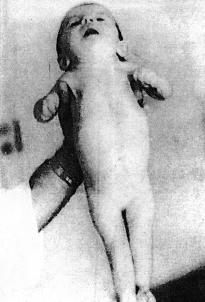
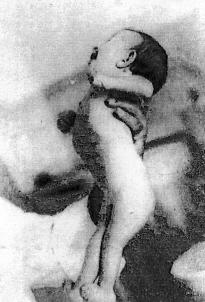
Fibrodysplasia ossificans pogressiva is a rare hereditary disease, sporadic in nature, due to increased spontaneous mutations. The predominant characteristic of the disease is the progressive development of multiple ectopic foci of ossification within the connective tissue and the striated muscle, which cause ankylosis and bone malformations, resulting in the so-called “live statue” appearance. The main cause of death is the development of restrictive type pneumonopathy, due to impaired movement of the paraspinal muscles and ankylosis of the chest wall. Despite the unique clinical characteristics, the initial diagnosis is often mistaken and the disease is usually recognized rather late. The case is presented of a 2 month-old girl, who presented with progressive ossification of soft tissues, restricted joint mobility and symptoms of lower respiratory system infection. Routine laboratory tests were normal, but the radiological evaluation confirmed sites of ectopic ossification. No further diagnostic investigation was made, or therapeutic intervention attempted, according to her parents’ wishes. The prognosis of the disease is disappointing, while treatment is still at the experimental stage.
5.Weir E. Botulism in Canada. CMAJ 2001;164:538539.
6.Anderson TD, Shah UK, Schreiner MS, Jacobs IN. Airway complications of infant botulism: ten-year experience with 60 cases. Otolaryngol Head Neck Surg 2002;126:234-239.
7.Wijdicks EF. The diagnosis of brain death. N Engl J Med 2001;344:1215-1221.
8.Bartram U, Singer D. Infant botulism and sudden infant death syndrome. Klin Paediatr 2004;216:26-30.
Severe infant botulism with cardiorespiratory arrest
F. Kakava, K. Papazoglou, P. Bonou, A. Darzentas, I. Papadatos
Abstract
The case is reported of a 3 month-old infant who was admitted to the hospital with severe neurological compromise and hypotonia, reacting only to pain, and apnoea. Twelve hours after admission he proceeded to cardiorespiratory arrest, but was resuscitated and admitted to the PICU. The clinical suspicion of infant botulism was confirmed by isolation of Cl. botulinum and botulinum toxin type A from the stool. The management was supportive and included mechanical ventilation (99 days) and nutritional support. Despite the severe course of the illness and the prolonged mechanical ventilation, the neurological recovery was very good.
Key words
Infant botulism, mechanical ventilation.
Correspondence: Kleoniki
Date of submission: 02-03-2004
Date of approval: 21-03-2005
Paediatric Intensive Care Unit, “P. & A. Kyriakou” Children’s Hospital, Athens
Papazoglou
Paediatric Intensive Care Unit, “P. & A. Kyriakou” Children’s Hospital, Athens
5.Petridou E, Kedikoglou S, Belechri M, Ntouvelis E, Dessypris N, Trichopoulos D. The mosaic of equestrian-related injuries in Greece. J Trauma 2004;56: 643-647.
42.Petridou E, Zervos I, Christopoulos G, Revinthi K, Papoutsakis G, Trichopoulos D. Biosocial variables and auditory acuity as risk factors for non-fatal childhood injuries in Greece. Inj Prev 1995;1:92-96.
The representation of accidents among children and adolescents in Greek literature
E. Poulakou - Rebelakou1, E. Petridou2
Abstract
Greek literature has reproduced in the past, and continues to express in words, every aspect of everyday life in this country. The dramatic and emotional state in an environment conducive to accidents among children and adolescents has always been an inspiration for writers in creating notable literary works. Arranged in chronological order the Greek literary achievements provide a reliable review of the circumstances of childhood accidents, the underlying causes and the sequential lifestyles of the society. The thematic approach is examined, starting from the first authors, right after the establishment of the Greek independent nation and progressing to those of the end of the 20th century, and including the most famous names of the Greek literary scene. Analysis of selected fragments of the earlier times depicts accidents connected to the agricultural way of life. These are followed by accidents related to urbanization of the population and technological evolution and later to the contemporary problem of motor vehicle injuries. Furthermore, the sensitivity of the poets and novelists to the emotional world of the parents is reflected; the guilt they feel, as well as the despair that accompanies the loss of a child. The literary representation of childhood through the prism of nostalgia with an unavoidable tendency to beautify does not exclude the disobedience of children, their desire to escape, to explore and to experience danger and adventures, their need for the approval and admiration of their peers, in authors’ attempts to interpret the phenomenon of childhood accidents and their expression of anxiety at the increasing frequency.
Key words
Accidents in childhood and adolescence, road traffic accidents, childhood, Greek literature.
1 Laboratory of History of Medicine, Athens University Medical School
2 Laboratory of Hygiene and Epidemiology, Athens University Medical School
1.Haycock GB. Management of acute and chronic renal failure in the newborn. Semin Neonatol 2003;8:325-334.
2.Toth-Heyn P, Drukker A, Guignard JP. The stressed neonatal kidney: from pathophysiology to clinical management of neonatal vasomotor nephropathy. Pediatr Nephrol 2000;14:227-239.
3.Landau D, Shalev H, Shulman H, Barki Y, Maor E, Zmora E. Oligohydramnion, renal failure and no pulmonary hypoplasia in glomerulocystic kidney disease. Pediatr Nephrol 2000;14:319-321.
4.Morris S, Akima S, Dahlstrom JE, Ellwood D, Kent A, Falk MC. Renal tubular dysgenesis and neonatal hemochromatosis without pulmonary hypoplasia. Pediatr Nephrol 2004;19:341-344.
5.Allanson JE, Hunter AG, Mettler GS, Jimenez C. Renal tubular dysgenesis: a not uncommon autosomal recessive syndrome: a review. Am J Med Genet 1992;43:811-814.
6.Querfeld U, Ortmann M, Vierzig A, Roth B. Renal tubular dysgenesis: a report of two cases. J Perinatol 1996;16:498-500.
7.Prasad N, Gulati S, Jain M, Tewari P. An unusual case of neonatal anuria. Indian Pediatr 2003;40:258-260.
17-19 πÔ˘Ó›Ô˘ 2005 43Ô ¶·ÓÂÏÏ‹ÓÈÔ
•ÂÓÔ‰Ô¯Â›Ô Kipriotis Village
∂ÏÏËÓÈ΋ ¶·È‰È·ÙÚÈ΋ ∂Ù·ÈÚ›·
¶ÏËÚÔÊÔڛ˜: C&C International, Conventions and Congresses
∆ËÏ.: +30 210 6889 100
Fax. +30 210 6844 777
E-mail: pediatric2005@cnc.gr
Website: www.pediatric2005.gr
3-7 ™ÂÙÂÌ‚Ú›Ô˘ 2005 11Ô ¶·ÓÂ˘Úˆ·˚Îfi
•ÂÓÔ‰Ô¯Â›Ô Kipriotis Village
∂ÏÏËÓÈ΋ ∂Ù·ÈÚ›· °ÂÓÈ΋˜ π·ÙÚÈ΋˜
¶ÏËÚÔÊÔڛ˜: ∂§∂°∂π∞
∆ËÏ.: +30 2310 550 048, 2310 539 995
Fax: +30 2310 539 995
E-mail: elegeia@otenet.gr
4-9 ™ÂÙÂÌ‚Ú›Ô˘ 2005 ESPGHAN Summer School on Nutrition
“Research Challenges in Clinical Nutrition”
Eden Beach Hotel Club
European Society for Paediatric Gastroenterology, Hepatology and Nutrition
¶ÏËÚÔÊÔڛ˜: ∞ÏÂÍ¿Ó‰Ú·
∆ËÏ.: +30 210 7726 355, 6945 29 30 71
E-mail: papadop5@otenet.gr
∞Ó¿‚˘ÛÛÔ˜
7-9 ™ÂÙÂÌ‚Ú›Ô˘ 2005 The History of Diabetes Mellitus ¢ÂÏÊÔ›
¢ÔÚ˘ÊÔÚÈÎfi ™˘ÌfiÛÈÔ
ÂÙ‹ÛÈÔ Û˘Ó¤‰ÚÈÔ Ù˘ EASD
¶ÏËÚÔÊÔڛ˜: C&C International,
Conventions and Congresses
∆ËÏ.: +30 210 6889 100
Fax: +30 210 6844 777
E-mail: easdsymposium2005@cnc.gr
Website: www.easdsymposium2005.com
10-13 ™ÂÙÂÌ‚Ú›Ô˘ 2005 39th Annual Meeting of the European Society Istanbul, for Paediatric Nephrology Turkey
¶ÏËÚÔÊÔڛ˜: Flap Tours
∆ËÏ.: +90 (312) 454 00 00
Fax: +90 (312) 454 00 01
Website: www.espn2005.org
14-17 ™ÂÙÂÌ‚Ú›Ô˘ 2005 29th UMEMPS - Union Middle Eastern & Istanbul, Mediterranean Pediatric Societies Congress Turkey