Botulinum toxin A for the treatment of cerebral palsy
A. Skardoutsou
REVIEW ARTICLES
Inflammatory bowel disease (IBD) in children
E. Roma-Giannikou
Increased capillary permeability syndrome (Leak syndrome): Pathogenesis and the newest evidence for its management
M. Katsara, K. Papazoglou
ORIGINAL ARTICLES
Botulinum toxin type A intramuscular injections in the treatment of spasticity in cerebral palsy
A. Syrigou-Papavasiliou
Comparison of high-frequency oscillatory ventilation with conventional mechanical ventilation in the treatment of respiratory distress syndrome in preterm infants
V. Drossou-Agakidou, K. Sarafidis, P. Karagianni, E. Diamanti, N. Nikolaidis, G. Kremenopoulos
Shigellosis in the region of Epirus during the 15year period from 1985 to 1999
M. Charisi, E. Galanakis, M. Tzoufi, S, Stephanou-Levidiotou, Z. Papadopoulou-Couloumbis
Nutritional habits, TV viewing, body health care and playing behavior of elementary school students in Crete, Greece
K. Anyphantakis, M. Anyphantaki, I. Xylouri, I. Sakka, C. Lionis, N. Antonakis
Continuation of table of contents inside title page
H Û‡ÓÙ·ÍË ÙˆÓ ‚È‚ÏÈÔÁÚ·ÊÈÎÒÓ ·Ú·ÔÌÒÓ Á›ÓÂÙ·È Û‡Ìʈӷ Ì ÙȘ ÚԉȷÁڷʤ˜ Ù˘ International Committee of Medical Journal Editors / Uniform Requirements for Manuscripts Submitted to Biomedical Journals (JAMA 1997;277:927-934), http://jama.amaassn.org/info/auinst_req.html. OÈ Û˘ÓÙÌ‹ÛÂȘ ÙˆÓ Ù›ÙÏˆÓ ÙˆÓ ÂÚÈÔ‰ÈÎÒÓ Á›ÓÔÓÙ·È Ì ‚¿ÛË ÙÔ Cumulated Index Medicus (List of Journals Indexed in Index Medicus, http://www.nlm.nih.gov).
Proesmans W. Bartter syndrome and its neonatal variant. Eur J Pediatr 1997;156:669-679.
™˘ÌÏËڈ̷ÙÈÎfi Ù‡¯Ô˜ ÂÚÈÔ‰ÈÎÔ‡:
Flyvbjerg A. Role of growth hormone, insulin-like growth factors (IGFs) and IGF-binding proteins in the renal complications of diabetes. Kidney Int 1997;52 (60 Suppl):S12-S19.
Èڛ˜ Û˘ÁÁڷʤ·:
National Institutes of Health Consensus Development Conference. Neurofibromatosis conference statement. Arch Neurol 1988;45:575-578.
Schreiner GF, Lange L. Ethanol modulation of macrophage influx in glomerulonephritis [abstract].
J Am Soc Nephrol 1991;2:562.
Should antileukotriene therapies be used instead of inhaled corticosteroids in asthma? [Editorial]. Am J Respir Crit Care Med 1998;158:1697-1701.
Laux-End R, Inaebnit D, Gerber HA, Bianchetti MG. Vasculitis associated with levamisole and circulating autoantibodies [letter]. Arch Dis Child 1996;75:355-356.
II. µÈ‚Ï›·
∫ÂÊ¿Ï·ÈÔ Û ‚È‚Ï›Ô:
Clark AG, Barratt TM. Steroid-responsive nephrotic syndrome. In: Barratt TM, Arner ED, Harmon WE, editors. Pediatric Nephrology. 4th ed. Baltimore: Lippincott William Wilkins; 1999. p. 742.
™‡ÁÁÚ·ÌÌ· ‹ ÌÔÓÔÁÚ·Ê›·:
Gorlin RJ, Cohen MM, Levin LS. Syndromes of the head and neck. 3rd ed. New York: Oxford University Press; 1990.
¢ËÌÔÛ›Â˘ÛË Û ÙfiÌÔ Ú·ÎÙÈÎÒÓ:
Bauer AW. The two definitions of bacterial resistance. In: Smith AJ, Rogers CA, eds. Proceedings of the Third International Congress of Chemotherapy; 1962 May 29-31; New York: International Society of Chemotherapy; 1963. p. 484-500.
Abstract: Botulinum toxin is a well tolerated, safe, and effective mode of therapy for the treatment of patients with spastic cerebral palsy. Appropriate patient selection is imperative. Best results are achieved in patients with focal spasticity, involving one or more neighboring joints, in the absence of fixed contractures or significant weakness of the injected muscles. Reduction of the spasticity is not necessarily the final therapeutic goal. The purpose of its administration is to control the spasticity and, in so doing, optimize patient function and comfort and prevent contractures. The expected goals of therapy should definitely be established and reviewed prior to therapy in order to develop an individualized plan that is appropriate for the needs of each patient.
2nd Pediatric Clinic of University of Athens Children’s Hospital “P. & A. Kyriakou”, Athens
Med Child Neurol 2000;42:32-41.
3. Graham HK, Aoki KR, Autti-Ramo I, Boyd RN, Delgado MR, Gaebler-Spira DJ et al. Recommendations for the use of botulinum toxin type A in the management of cerebral palsy. Gait Posture 2000;11:67-79.
4. Boyce W, Gowland C, Rosenbaum P, Lane M, Plews N, Goldsmith C et al. Gross motor performance measure for children with cerebral palsy: study design and preliminary findings. Can J Public Health 1992;83(Suppl 2):S34-S40.
5. Koman LA, Mooney JF 3rd, Smith BP, Walker F, Leon JM. Botulinum toxin type A neuromuscular blockade in the treatment of lower extremity spasticity in cerebral palsy: a randomized, double-blind, placebo-controlled trial. BOTOX Study Group. J Pediatr Orthop 2000;20:108-115.
6. Koman LA, Brashear A, Rosenfeld S, Chambers H, Russman B, Rang M et al. Botulinum toxin type A neuromuscular blockade in the treatment of equinus foot deformity in cerebral palsy: a multicenter, open-label clinical trial. Pediatrics 2001;108:1062-1071.
Doderlein L et al. Safety profile and efficacy of botulinum toxin A (Dysport) in children with muscle spasticity. Dev Med Child Neurol 2001;43:234-238.
8. Corry IS, Cosgrove AP, Walsh EG, McClean D, Graham HK. Botulinum toxin A in the hemiplegic upper limb: a double-blind trial. Dev Med Child Neurol 1997;39:185-193.
Abstract: Inflammatory bowel disease (πµD) is an important chronic disease of childhood that often presents problems regarding the diagnosis and especially the therapeutic approach. Almost 20% of adult cases have their oncet in childhood. The progress noted during the recent years concerning the pathogenesis of the disease has contributed significantly to the discovery of appropriate drugs for the treatment of the inflammatory process. This review article gives the current data concerning the pathogenesis, clinical presentation, diagnostic approach and the treatment of this disease entity.
1. Hofley P, Piccoli D. Inflammatory bowel disease in children. Med Clin N Am 1994;78:1281-1302.
2. Kirschner B. Ulcerative colitis and Crohn’s disease in children. Gastroenterol Clin N Am 1995;24:99-117.
3. Baldassano R, Piccoli D. Inflammatory bowel disease in pediatric and adolescent patients. Gastroenterol Clin N Am 1999;28:445-458.
4. Hyams J. Inflammatory bowel disease. Pediatr Rev 2000;21:291-295.
5. Adres P, Friedman L. Epidemiology and natural cource of inflammatory bowel disease. Gastroenterol Clin N Am 1999;28;255-282.
6. Shivananda S, Lennard-Jones J, Logan R, Fear N, Price A, Carpenter L. Incidence of inflammatory bowel disease across Europe: is there any difference between north and south? Results of a European collaborative study on inflammatory bowl disease (EC-IBD). Gut 1996;39:690-697.
7. Probert C, Jayanthi V, Hughes A, Thomson J, Wicks A, Mayberry J. Prevalence and family risk of ulcerative colitis and Crohn’s disease: an epidemiological study among Europeans and South Asians in Leicestershire. Gut 1993;34;1547-1551.
8. Pena S, Crusius B. Genetics of inflammatory bowel disease: Implications for the future. World J Surg 1998;22:390-393.
9. Liebman H, Kashani N, Sutherland D, McGehee, Kam L. The Factor Leiden mutation increases the risk of venous thrÔmbosis in patients with inflammatory bowel disease. Dis Colon Rectum 1997;40:437-439.
Wyatt J et al. Anemia in Crohn’s disease: Importance of inadequate erythropoietin production and iron deficiency. Dig Dis Sci 1994;39:1930-1934.
11. Papadakis K, Targan S. Current theories on the causes of inflammatory bowel disease. Gastroenterol Clin N Am 1999;28:283-296.
12. Rogler G, Andus T. Cytokines in inflammatory bowel disease. World J Surg 1998;22:382-389.
13. Koltun W, Schoetz D, Roberts P, Murray J, Coller J, Malcolm C et al. Indeterminate colitis predisposes to perineal complications after ileal pouch-anal anastomosis. Dis Colon Rectum 1991;34:857-860.
14. Veress B, Lofberg R, Bergman L. Microscopic colitis syndrome. Gut 1995;36:880-886.
15. Ruemmele F, Targan S, Levy G, Rubinski M, Braun J, Seidman E. Diagnostic accuracy of serological assays in pediatric inflammatory bowel disease. Gastroenterology 1998;115:822-829.
16. Bar-Meir S, Chowers Y, Lavy A, Abramovitch D, Sternberg A, Leichtmann G et al. Budesonide versus prednisone in the treatment of active Crohns’ disease. Gastroenterology 1998;115:835-840.
17. Choi P, Targan S. Immunomodulator therapy in inflammatory bowel disease. Dig Dis Sci 1994;39:1885-1892.
18. Stein R, Hanauer S. Medical therapy for inflammatory bowel disease. Gastroenterol Clin N Am 1999;28:296-322.
19. Kirschner B. Safety of azathioprine and 6-mercaptopurine in pediatric patients with inflammatory bowel disease. Gastroenterology 1998;115:813-821.
20. Sands B. Novel therapies for inflammatory bowel disease. Gastroenterol Clin N Am 1999;28:323-352.
21. Michetti P, Peppecorn M. Medical therapy of specific clinical presentations. Gastroenterol Clin N Am 1999;28:353-370.
22. Lopez-Cubero S, Sullivan K, Mc Donald G. Course of Crohn’s disease after allogeneic marrow transplantation. Gastroenterology 1999;114:433-440.
23. Kelly D, Fleming R. Nutritional considerations in inflammatory bowel diseases. Gastroenterol Clin N Am 1995;24:597-611.
24. Han P, Burk A, Baldassano R, Rombeau J, Lichtenstein G. Nutrition and inflammatory bowel disease. Gastroenterol Clin N Am 1999;28:423-444.
25. Heuschkel R, Menache C, Megerian T, Baird A. Enteral nutrition and corticosteroids in the treatment of acute Crohn’s disease in children. J Pediatr Gastroenterol Nutr 2000;31:8-15.
26. Belluzzi A, Brignola C, Campieri M, Camporesi E, Gionchetti P,Rizzello F et al. Effects of fish oil derivative on
fatty acid phosholopid-membrane pattern in group of Crohn’s disease patients. Dig Dis Sci 1994;39:2589-2594.
27. Yang V. Eicosanoids and inflammatory bowel disease. Gastroenterol Clin N Am 1999;25:317-332.
28. Duffy L, Leavens A, Griffiths E, Dryja D. Perspectives on bifidobacteria as biotherapeutic agents in gastrointestinal health. Dig Dis Sci 1999;44:1499-1505.
29. Gupta P, Adrew H, Kirschner B, Guandalini S. Is Lactobacillus GG helpful in children with Crohn’s disease? Results of a preliminary, open-label study. J Pediatr Gastroenterol Nutr 2000;31:453-456.
30. Cohen Z. Surgical and research aspects of inflammatory bowel disease: Introduction. World J Surg 1998;22:333-334.
31. Hulten L. Proctocolectomy and ileostomy to pouch surgery for ulcerative colitis. World J Surg 1998;22:335-341.
32. Becker J. Surgical therapy for ulcerative colitis and Crohn’s disease. Gastroenterol Clin N Am 1999;28:371-390.
33. Subramani K, Harpaz N, Bilotta J, Bodian C, Rubin P, Janowitz H et al. Refractory pouchitis: does it reflect underlying Crohn’s disease? Gut 1993;34:1539-1542.
34. Lewis J, Deren J, Lichtestein G. Cancer risk in patients with inflammatory bowel disease. Gastroenterol Clin N Am 1999;28:459-478.
35. Solomon M, Schnitzler M. Cancer and inflammatory bowel disease; Bias, epidemiology, surveillance, and treatment. World J Surg 1998;22:352-358.
36. Pohl C, Hombach A, Kruis W. Chronic inflammatory bowel disease and cancer. Hepatogastroenterol 2000;47:57-70.
37. Gokhale R, Favus M, Karrison T, Sutton M, Rich B, Kirschner BS. Bone mineral density assessment in children with inflammatory bowel disease. Gastroenterology 1998;114:902-911.
38. Cowan F, Warner J, Dunstan F, Evans W, Gregory J, Jenkins H. Inflammatory bowel disease and predisposition to osteopenia. Arch Dis Child 1997;76:325-329.
39. Casati J, Toner B, De Rooy E, Drossman D, Maunder R. Concerns of patients with inflammatory bowel disease. Dig Dis Sci 2000;45:26-31.
HÌÂÚÔÌËÓ›· ˘Ô‚ÔÏ‹˜: 31-10-2001
HÌÂÚÔÌËÓ›· ¤ÁÎÚÈÛ˘: 27-03-2002
¢È‡ı˘ÓÛË ·ÏÏËÏÔÁÚ·Ê›·˜: ∂. ƒÒÌ· - °È·ÓÓ›ÎÔ˘
∞’ ¶·È‰È·ÙÚÈ΋ ∫ÏÈÓÈ΋ ¶·ÓÂÂÛÙËÌ›Ô˘ ∞ıËÓÒÓ
∞¡∞™∫O¶∏™∏REVIEW ARTICLE
™‡Ó‰ÚÔÌÔ
·˘ÍË̤Ó˘ ‰È·ÂÚ·ÙfiÙËÙ·˜ ÙˆÓ ÙÚȯÔÂȉÒÓ:
Î·È ÓÂfiÙÂÚ· ‰Â‰Ô̤ӷ ·ÓÙÈÌÂÙÒÈÛ‹˜ ÙÔ˘
ª. ∫·ÙÛ¿Ú·, ∫. ¶·¿˙ÔÁÏÔ˘
Increased capillary permeability syndrome (Leak syndrome): Pathogenesis and the newest evidence for its management
Abstract: The increased capillary permeability syndrome (Leak syndrome) is a severe condition that challenges the clinicians who treat critically ill patients. This review discusses the etiology and the pathogenesis of the syndrome, the therapeutic approach as well as the newest data concerning the controversy regarding the administration of crystalloid-colloid solutions for the resuscitation of the critically ill patient.
1. Kim PK, Deutschman CS. Inflammatory responses and mediators. Surg Clin North Am 2000;80:885-894.
2. Thijs LG, Schneider AJ, Groeneveld AB. The haemodynamics of septic shock. Int Care Med 1990;16(Suppl 3):S182-S186.
3. Schexnayder SM. Pediatric septic shock. Pediatr Rev 1999;20:303-308.
4. Zimmerman JJ, Shelhamer JH, Parrillo JE. Quantitative analysis of polymorphonuclear leucocyte superoxide anion generation in critically ill children. Crit Care Med 1985;13:143-149.
5. Fleck A, Raines G, Hawker F, Trotter J, Wallace PI, Ledingham IM et al. Increased vascular permeability: a major cause of hypoalbuminaemia in disease and injury. Lancet 1985;1:781-783.
7. Gibbs J, Gull W, Henderson W, Daley J, Kwan H, Khuri SF. Preoperative serum albumin level as a predictor of operative mortality and morbidity. Arch Surg 1999;134:36-42.
8. Journal article. Practice parameters for hemodynamic support of sepsis in adult patient sepsis. Crit Care Med 1999;27:639-660.
9. Guyton AC. Capillary dynamics and exchange of fluid between the blood and interstitial fluid. In: Guyton AC. Textbook of medical physiology. 7th ed. Saunders International; 1986. p. 348-360.
10. Zikria BA, King TG, Stanford JM, Freeman HP. A biophysical approach to capillary permeability. Surg 1989;105:625-631.
11. Oragui E, Nadel S, Kyd P, Levin M. Increased excretion of urinary glycosaminoglycans in meningococcal septicemia and their relationship to proteinuria. Crit Care Med 2000;28:3002-3008.
12. ªcCunn M, Karlin A. Non blood fluid resuscitation-More questions than answers. Anesth Clin North Am 1999;17:107-123.
13. Hinshaw LB. Sepsis/septic shock: Participation of the microcirculation: An abbreviated review. Crit Care Med 1996;24:1072-1089.
14. De Kleijn ED, Hazelzet JA, Kornelisse RF. Pathophysiology of meningococcal sepsis in children. Eur J Pediatr 1998;157:869-880.
15. Radke A, Mottaghy K, Goldman C, Khorram-Sefat R. C1 inhibitor prevents capillary leakage after thermal trauma. Crit Care Med 2000;28:3224-3232.
16. Anning PB, Evans TW. Leucocytes in sepsis: Do they just keep rolling along? Crit Care Med 2000;28:3108-3109.
17. Choi PT, Yip G, Quinonez LG, Cook D. Crystalloids vs colloids in fluid resuscitation: systematic review. Crit Care Med 1999;27:200-210.
18. Astiz ME, Rackow EC. Crystalloid-colloid controversy revisited. Crit Care Med 1999;27:34-35.
19. Jindal N, Hollenberg SM, Dellinger RP. Sepsis and septic shock-Pharmacologic issues in the management of septic shock. Crit Care Clin 2000;16:233-249.
20. Weil MH. Crystalloids, colloids and fluid compartments. Crit Care Med 1999;27:3-5.
21. Henry S, Scalea TM. Trauma care in the new millenniumResuscitation in the new millennium. Surg Clin North Am 1999;79:1259-1267.
22. Prough DS. Practical solutions for difficult problems. Anesth Clin North Am 1996;14:341-360.
23. Quinlan GJ, Margarson MP, Mumby S, Evans TW. Administration of albumin to patients with sepsis syndrome: a possible beneficial role in plasma thiol repletion. Clin Sci 1998;95:459-465.
24. Ernest D, Belzberg AS, Dodek PM. Distribution of normal saline and 5% albumin infusions in septic patients. Crit Care Med 1999;27:46-50.
25. Marik J, Iglesias J. Would the colloid detractors please sit down! Crit Care Med 2000;28:2652-2654.
26. Forrest DM, Baigorri F, Chittock DR, Spinelli JJ, Russell JA. Volume expansion using pentastarch does not change gastric-arterial CO2 gradient or gastric intramucosal pH in patients who have sepsis syndrome. Crit Care Med 2000;28:2254-2258.
27. Velanovich V. Crystalloid versus colloid fluid resuscitation: A meta-analysis of mortality. Surgery 1989;105:65-71.
28. Bisonni RS. Colloids versus crystalloids in fluid
resuscitation: an analysis of randomized controlled trials. J Fam Pract 1991;32:387-390.
29. Cochrane Injuries Group, Department of Epidemiology and Public Health, Institute of Child Health, London: Human albumin administration in critically ill patients: a systematic review of randomized controlled trials. Cochrane Albumin Reviewers. BJM 1998;317:23-40.
30. Webb R. The appropriate role of colloids in managing fluid imbalance: a critical review of recent meta-analytic findings. Crit Care Med 2000;4(Suppl 2):S26-32.
Abstract: Botulinum toxin type A intramuscular injections have been utilized for the management of spasticity in patients with cerebral palsy. We present our experience with 67 children and adolescents with cerebral palsy, mean age 5.3 years (range 213.5 years), who received the toxin in 89 sessions. The evaluation and management of our patient population was performed according to a specific protocol, and the data collection was done prospectively. In this study we present data regarding the safety and efficacy of the method as this was evaluated through the attainment of predetermined functional goals. The method was safe since mild and fully reversible side effects occurred in 3 out of 89 sessions (3.3%). In addition it was effective, since 57 out of 67 patients (85%) demonstrated full or partial functional goal attainment. These satisfactory results are attributed to the therapeutic efficacy of the drug, but also to the careful selection of the patients, the muscle groups to be injected as well as to the designation, during the initial patient evaluation, of the realistic functional goals expected to be achieved.
1. Dolly JO. Therapeutic and research exploitation of botulinum neurotoxins. Eur J Neurol 1997;4(Suppl 2):S5-S10.
2. Boyd R, Graham HK. Botulinum toxin A in the management of children with cerebral palsy: indications and outcome. Eur J Neurol 1997;(Suppl 2):S15-S22.
3. Davidoff RA. Antispasticity drugs: mechanisms of action. Ann Neurol 1985;17:107-116.
4. Mayer NH. Clinicophysiologic concepts of spasticity and motor dysfunction in adults with an upper motor neuron lesion. Muscle Nerve 1997;20(Suppl 6):S1-S13.
5. Peacock WJ, Staudt LA. Selective posterior rhizotomy: evolution of theory and practice. Pediatr Neurosurg 199192;17:128-134.
6. Russman BS, Tilton A, Gormley ME. Cerebral palsy: A rational approach to a treatment protocol, and the role of Botulinum toxin in treatment. Muscle Nerve 1997;20(Suppl 6):S181-S193.
7. Comella Cl, Jankovic J, Brin MF. Use of botulinum toxin type A in the treatment of cervical dystonia. Neurology 2000;55(Suppl 5):S15-S21.
8. Therapeutics and Technology Assessment Subcommittee of the American Academy of Neurology: Assessment: the clinical usefulness of botulinum toxin-A in treating neurologic disorders. Neurology 1990;40:1332-1336.
9. Jankovic J, Schwartz K. Response and immunoresistance to botulinum toxin injections. Neurology 1995;45:1743-1746.
10. Greene P, Fahn S, Diamond B. Development of resistance to botulinum toxin type A in patients with torticollis. Mov Disord 1994;9:213-217.
12. Carr LJ, Cosgrove AP, Gringras P, Neville BGR (on behalf of the UK Botulinum Toxin and Cerebral Palsy Working Party). Position paper on the use of botulinum toxin in cerebral palsy. Arch Dis Child 1998;3:271-273.
13. Sutherland DH, Kaufman KR, Wyatt MP, Chambers HG. Injection of botulinum A toxin into the gastrocnemius muscle of patients with cerebral palsy: a 3-dimensional motion analysis study. Gait Posture 1996;4:269-279.
14. Calderone-Gonzalez R, Calderon-Sepuvelda R, RinconReyes M, Garcia-Ramirez J, Mino-Arango E. Botulinum toxin A in management of cerebral palsy. Pediatr Neurol 1994;4:284-288.
15. Cosgrove AP, Corry IS, Graham HK. Botulinum toxin in the management of the lower limb in cerebral palsy. Dev Med Child Neurol 1994;36:386-396.
16. Koman LA, Mooney JF III, Smith BP, Gooman A, Mulvaney T. Management of spasticity in cerebral palsy with botulinum-A toxin: report of a preliminary, randomized, double-blind trial. J Pediatr Orthop 1994;14:299-303.
17. Zelnik N, Giladi N, Goikhman I, Keren G, Moris R, Honigman S. The role of botulinum toxin in the treatment of lower limb spasticity in children with cerebral palsy - a pilot study. Isr J Med Sci 1997;33:129-133.
2002;65:167-173 Paediatriki 2002;65:167-173
18. Corry IS, Cosgrove AP, Duffy CM, McNeill S, Taylor TC, Graham HK. Botulinum toxin a compared with stretching casts in the treatment of spastic equinus: a randomized prospective trial. J Pediatr Orthop 1998;18:304-311.
19. Wong V. Use of botulinum toxin injection in 17 children with spastic cerebral palsy. Pediatr Neurol 1998;18:124-131.
21. Koman LA, Mooney JF III, Smith BP, Walker F, Leon JM. Botulinum toxin type a neuromuscular blockade in the treatment of lower limb spasticity in cerebral palsy: I. A randomized, double-blind, placebo-controlled trial. J Pediatr Orthop 2000;20:108-115.
22. Koman LA, Brashear A, Rosenfeld S, Chambers H, Russman B, Rang M et al. Botulinum toxin type A neuromuscular blockade in the treatment of equinus foot
deformity in cerebral palsy: A multicenter, open-label clinical trial. Pediatrics 2001;108:1062-1071.
23. Arens LJ, Goldschmidt RB, Leary PM. Botulinum toxin treatment in cerebral palsy: intervention with poor evaluation? Develop Med Child Neurol 1998;40:785-786.
24. Russel D, Rosenbaum P, Gowland C, Hardy S, Lane M, Plews N et al. In: The Gross Motor Function Measure. 2nd ed. Toronto Canada: Hugh McMillan Rehabilitation Centre, McMaster University; 1993.
***Yoshinaga M, Kamimura J, Fukushige T, Kusubae R, Shimago A, Nishi J et al. Face immersion in cold water induces prolongation of the QT interval and T-wave changes in children with nonfamilial long QT syndrome. Am J Cardiol 1999;83:1494-1497
1Kamimura J, Yoshinaga M, Kono Y, Yanagi S, Nishi J, Nomura Y et al
A simple method for evaluating abnormal lengthening of the QT interval during the face immersion test
Comparison of high-frequency oscillatory ventilation with conventional mechanical ventilation in the treatment of respiratory distress syndrome in preterm infants V. Drossou - Agakidou, K. Sarafidis, P. Karagianni, E. Diamanti, N. Nikolaidis, G. Kremenopoulos
Abstract: High-frequency oscillatory ventilation (HFOV) is used for the treatment of respiratory distress syndrome (RDS) in preterm neonates. It has not been clarified yet whether HFOV is more effective than conventional mechanical ventilation (CMV) in improving oxygenation and ventilation and decreasing the incidence of complications of RDS. The aim of this study was to compare the effect of HFOV and CMV on oxygenation and ventilation of very low birth weight neonates with RDS, and on the incidence of its complications. Premature neonates (BW <1250 g) were randomly divided into two groups, the CMV group treated with CMV, and the HFOV/CMV group treated with HFOV during the acute stage of RDS followed by CMV during weaning. It was found that the CMV group (n=20) was comparable to the HFOV/CMV group (n=10) with regard to demographic characteristics, perinatal factors and severity of RDS. On follow up, the two groups did not differ significantly regarding the arterial-alveolar oxygen difference, the oxygenation index in the first 48 hours of treatment and the duration of mechanical ventilation. The incidence of complications (air leak syndromes, intra-periventricular hemorrhage of grade III-IV, chronic lung disease and retinopathy of prematurity of at least 3+ degree), as well as the survival and duration of hospitalization did not differ significantly between the two groups. However, CMV failed in 7/20 neonates. We conclude that the use of HFOV, as initial treatment of RDS in very premature neonates, is effective in improving oxygenation and ventilation. The rate of successful treatment of RDS is higher with the use of HFOV, although it
Department of Neonatology, Aristotelion University of Thessaloniki, “Ippokration” General Hospital, Thessaloniki
1. Sugiura M, McCulloch PR, Wren S, Dawson RH, Froese AB. Ventilator pattern influences neutrophil influx and activation in atelectasis - prone rabbit lung. J Appl Physiol 1994;77:1355-1365.
2. Eichenwald EC, Stark A. High-frequency ventilation: Current status. Pediatr Rev 1999;20:e127-e133.
3. deLemos RA, Coalson JJ, Gerstmann DR, Null DM Jr, Ackerman NB, Escobedo MB et al. Ventilatory management of infant baboons with hyaline membrane disease: the use of high frequency ventilation. Pediatr Res 1987;21:594-602.
4. deLemos RA, Coalson JJ, Meredith KS, Gestmann DR, Null DM Jr. A comparison of ventilation strategies for the use of high-frequency oscillatory ventilation in the treatment of hyaline membrane disease. Acta Anaesthesiol Scand 1989;90[Suppl]:102-107.
5. Gerstman DR, deLemos RA, Coalson JJ, Clark RH, Wiswell TE, Winter DC et al. Influence of ventilatory technique on pulmonary varo-injury in baboons with hyaline membrane disease. Pediatr Pulmonol 1988;5:82-91.
6. HIFI Study Group. High-frequency oscillatory ventilation compared with conventional mechanical ventilation in the treatment of respiratory failure in preterm infants. N Engl J Med 1989;320:88-93.
7. HIFO Study Group. Randomized study of high-frequency oscillatory ventilation in infants with severe respiratory distress syndrome. J Pediatr 1993;122:609-612.
8. Ogawa Y, Miyasaka K, Kawano T, Imura S, Inukai K, Okuyama K et al. A multi-center trial of high frequency oscillatory ventilation as compared with conventional mechanical ventilation in preterm infants with respiratory failure. Early Hum Dev 1993;32:1-10.
9. Clark RH, Gerstman DR, Null DM, deLemos RA. Prospective randomized comparison of high-frequency oscillatory and conventional ventilation in respiratory distress syndrome. Pediatrics 1992;89:5-12.
10. Plavka R, Kopecky P, Serbon V, Svilhovec P, Zlatohlavkova B, Janus V. A prospective randomized comparison of conventional mechanical ventilation and
high-frequency oscillatory ventilation in treatment of respiratory distress syndrome in extremely premature newborns. Int Care Med 1999;25:68-75.
11. Cools F, Offinga M. Meta-analysis of elective highfrequency ventilation in preterm infants with respiratory distress syndrome. Arch Dis Child (Fetal Neonatal Ed) 1999;80:F15-F20.
12. Boynton BR, Villanueva D, Hammond MD, Vreeland PN, Buckley B, Frantz ID 3rd. Effect of mean airway pressure on gas exchange during high-frequency oscillatory ventilation. J Appl Physiol 1991;70:701-707.
13. Chan V, Greenough A. Determinants of oxygenation during high frequency oscillation. Eur J Pediatr 1993;152:350-353.
14. Dimitriou G, Greenouph A. Measurement of lung volume and optimal oxygenation during high frequency oscillation. Arch Dis Child (Fetal Neonatal Ed) 1995;72:F180-173.
15. Rimensberger PC, Beghetti M, Hanquinet S, Berner M. First intention high-frequency oscillation with early lung volume optimization improves pulmonary outcome in very low birth weight infants with respiratory distress syndrome. Pediatrics 2000;105:1202-1208.
16. Kolton M, Cattran CB, Kent G, Volgyesi G, Froese AB, Bryan AC. Oxygenation during high-frequency ventilation compared with conventional mechanical ventilation in two models of lung injury. Anesth Analg 1982;61:323-332.
17. McCulloch PR, Forkert PG, Froese AB. Lung volume maintenance prevents lung injury during high frequency oscillatory ventilation in surfactant - deficient rabbits. Am Rev Respir Dis 1998;137:1185-1192.
18. Rettwitz-Volk W, Veldman A, Roth B, Vierzig A, Kachel W, Varnholt V et al. A prospective, randomized, multicenter trial of high-frequency oscillatory ventilation compared with conventional ventilation in preterm infants with respiratory distress syndrome receiving surfactant. J Pediatr 1998;132:200-202.
19. Thome U, Gotze-Speer B, Speer CP, Pohlandt F. Comparison of pulmonary inflammatory mediators in preterm infants treated with intermittent positive pressure ventilation or high frequency oscillatory ventilation. Pediatr Res 1998;44:330-337.
20. Gerstman DR, Minton SD, Stoddard RA, Meredith KS, Monaco F, Bertand JM et al. The Provo multi-center high frequency oscillatory ventilation trial: improved pulmonary and clinical outcome in respiratory distress syndrome. Pediatrics 1996;98:1196-1197.
21. Moriete G, Paris-Llado J, Walti H, Escande B, Magny JF, Cambonie G et al. Prospective randomized multicenter comparison of high-frequency oscillatory ventilation and conventional ventilation in preterm infants of less than 30 weeks with respiratory distress syndrome. Pediatrics 2001;107:363-372.
22. Jackson JC, Truog WE, Standaert TA, Juul SE, Murphy JH, Chi EY et al. Effect of high-frequency ventilation on the development of alveolar edema in premature monkeys at risk for hyaline membrane disease. Am Rev Respir Dis 1991;143:865-871.
23. Jackson JC, Truog WE, Standaert TA, Murphy JH, Juul SE, Chi EY et al. Reduction in lung injury after combined
surfactant and high-frequency ventilation. Am J Respir Crit Care Med 1994;150:534-539.
24. Frantz ID 3rd, Close RH. Alveolar pressure swings during high-frequency ventilation in rabbits. Pediatr Res 1985;19:162-166.
25. Henderson-Smart DJ, Bhuta T, Cools F, Offringa M. Elective high frequency oscillatory ventilation versus conventional ventilation for acute pulmonary dysfunction in preterm infants. Cochrane Database Syst Rev 2000;2:CD000104.
26. Clark RH, Dykes FD, Bachman TE, Ashurst JT. Intraventricular hemorrhage and high-frequency ventilation: a meta-analysis of prospective clinical trials. Pediatrics 1996;98:1058-1061.
28. Imai Y, Kawano T, Miyasaka K, Takata M, Omai T, Okyama K. Inflammatory chemical mediators during conventional ventilation and during high frequency oscillatory ventilation. Am Rev Respir Crit Care Med 1994;150:2114-2115.
mechanics, and airway cytokines in the immature baboon model for neonatal chronic lung disease. Am J Respir Crit Care Med 2000;162:1867-1876.
30. Dreyfuss D, Basset G, Soler P, Saumon G. Intermittent positive-pressure hyperventilation with high inflation pressures produces pulmonary microvascular injury in rats. Am Rev Respir Dis 1985;132:880-884.
31. Bhuta T, Henderson-Smart DJ. Rescue high frequency oscillatory ventilation versus conventional ventilation for pulmonary dysfunction in preterm infants. Cochrane Database Syst Rev 2000;2:CD000438.
1Yoshimura N, Tajiri H, Sawada A, Kozwaiwa K, Ida S, Fujisawa T et al A 13C-urea breath test in children with Helicobacter pylori infection: assessment of eradication therapy and follow-up after treatment J Gastroenterol 2001;36:606-611
Shigellosis in the region of Epirus during the 15year period from 1985 to 1999 M. Charisi1, E. Galanakis1, M. Tzoufi1, S. Stephanou - Levidiotou2, Z. Papadopoulou - Couloumbis1
Abstract: The improvement of hygiene standards in Greece has resulted in a substantial decrease in the incidence of shigellosis. The aim of the present study was to record the number of children with shigellosis in the region of Epirus, during the 15year period from 1985 to 1999. All shigella cases that were hospitalized from 1985 to 1999 were recorded, as well as the disease cases in children during a local outbreak in October 1996. During the study period, 46 sporadic cases of shigellosis (27 boys and 19 girls, aged 3 months to 13 years), were admitted to the hospital. The mean incidence of the disease was estimated to be 5 hospital admissions per 100000 children per year, without any significant annual fluctuations. However an increased prominence of the disease was noted during the month of August (39% in total, p<0.001). Seven of the 46 hospitalized children (15%) had febrile seizures, two had serious dehydration and one had paralytic ileus. The stool cultures were positive for S. flexneri (67%), S. boydii (13%), S. sonnei (13%) and S. dysenteriae (7%). No significant resistance to antibiotics was observed. The epidemic outbreak occurred in a small town near the city of Ioannina and involved 84 children, 26 of whom (14 boys and 12 girls) were hospitalized. This localised epidemic was associated with the infection of the water supply by S. sonnei. There were no complications. All children in the study had an excellent outcome.
3. Tsiara St, Famelias J, Christou L, Bourantas KL, Tsianos E. A shigellosis Ôutbreak in an urban area. 2nd European Congress of Chemotherapy and 7th Biennial Conference of Antiinfective Agents and Chemotherapy. Hamburg, May 1998, Abstract Book M 325.
4. Kavaliotis J, Karyda S, Konstantoula T, Kansouzidou A, Tsagaropoulou H. Shigellosis of childhood in northern
Greece: epidemiological, clinical and laboratory data of hospitalized patients during the period 1971-96. Scand J Infect Dis 2000;32:207-211.
5. American Academy of Pediatrics. Shigella infections. In: Pickering LK, ed. 2000 Red Book: Report of the Committee on Infectious Diseases. 25th ed. Elk. Grove Village, IL: American Academy of Pediatrics; 2000. p. 510-512.
6. Khalil K, Khan SR, Mazhar K, Kaijser B, Lindblom GB. Occurrence and susceptibility to antibiotics of Shigella species in stools of hospitalized children with bloody diarrhea in Pakistan. Am J Trop Med Hyg 1998;58:800-803.
7. Bhimma R, Rollins NC, Cooradia HM, Adhikan M. Postdysenteric hemolytic uremic syndrome in children during an epidemic of Shigella dysentery in Kwazulu/Natal. Pediatr Nephrol 1997;11:560-564.
8. Khan WA, Dhar U, Salam MA, Griffiths JK, Rand W, Bennish ML. Central nervous system manifestations of childhood shigellosis. Prevalence, risk factors and outcome. Pediatrics 1999;103:E18.
9. Ozturk MK, Caksen H, Sumerkan B. Convulsions in childhood shigellosis and antimicrobial resistance patterns of shigella isolates. Turk J Pediatr 1996;38:183-188.
10. Askenazi S, Cleary KR, Pickering LK, Murray BE, Cleary TG. The association of Shiga toxin and other cytotoxins with the neurologic manifestations of shigellosis. J Infect Dis 1990;161:961-965.
11. Zvulunov A, Lerman M, Ashkenazi S, Weitz R, Nitzan M, Dinari G. The prognosis of convulsions during childhood shigellosis. Eur J Pediatr 1990;149:293-294.
12. Lahat E, Katz Y, Bistritzer T, Eshel G, Aladjem M. Recurrent seizures in children with Shigella-associated convulsions. Ann Neurol 1990;28:393-395.
13. Navia MM, Capitano L, Ruiz J, Vargas M, Urassa H, Schellemberg D et al. Typing and characterization of mechanisms of resistance of Shigella spp. isolated from feces of children under 5 years of age from Ifakara, Tanzania. J Clin Microbiol 1999;37:3113-3117.
14. Lito Cj, Zaho I, Saraci Sh, Foto E, Venecka E, Grimci L et al. Treatment of shigellosis in paediatric patients. Europaediatrics 2000, Rome March 2002, Abstract book p. 164.
Abstract: The behavior of elementary school students associated with nutrition, TV viewing, playing and body health care, was investigated in a rural and an urban area of Crete, Greece. This study attempts to examine wrong behaviors and to suggest possible solutions. A questionnaire was used to register these behaviors in 6 elementary schools (2 in urban and 4 in rural areas). The questionnaires were completed with the assistance of the teachers and the investigators. 284 children (142 males, 142 females) comprised the population of the study. Children from rural areas, as compared to children from urban areas, were eating more red and white meat (p<0.02), while children from urban areas were eating larger amounts of conserved foods (p<0.001). Children from rural areas demonstrated more dental caries (p<0.0005), and were spending more time watching TV (p<0.03), Children from urban areas most often consumed food while watching TV (p<0.0005). Children from urban areas were spending more time playing in the house (p<0.0001), walked less (p<0.001) and often played table games (p<0.0001). The age and the gender were correlated with playing behavior and exercise. The differences observed between rural and urban areas were possibly the result of the different life style especially in the urban areas which tend to be overcrowded. In the urban areas the children cannot play traditional games outside the home and therefore they spend more time playing in the house. Better health education, housing improvement in the cities and development
1 ∫¤ÓÙÚÔ ÀÁ›·˜ ∞ÓˆÁ›ˆÓ, ∫Ú‹ÙË
2 ∫ÏÈÓÈ΋ ∫ÔÈÓˆÓÈ΋˜ Î·È OÈÎÔÁÂÓÂȷ΋˜ π·ÙÚÈ΋˜
1 Anogia Health Center, Crete
2 Clinic of Social and Family Medicine of University of Crete
7. Mamalakis G, Kafatos A. Prevalence of obesity in Greece. Int J Obesity 1996;20:488-492.
8. Must A, Jacques PF, Dallal GE, Bajema CJ, Dietz WH. Long-term morbidity and mortality of overweight adolescents. A follow-up of the Harvard Growth Study of 1922 to 1935. N Engl J Med 1992;327:1350-1355.
9. DiPietro L, Mossberg HO, Stunkard AJ. A 40-year history of overweight children in Stockholm: life-time overweight, morbidity and mortality. Int J Obes Relat Metab Disord 1994;18:585-590.
10. Dietz WH. Childhood obesity: susceptibility, cause and management. J Pediatr 1983;103:676-686.
11. Sullivan M, Karlson J, Sjostrom L, Backman L, Bengtsson C, Bouchard C et al. Swedish obese subjects (SOS) - an intervention study of obesity. Baseline evaluation of health and psychological functioning in the first 1743 subjects examined. Int J Obes 1993;17:503-512.
12. Zannolli R, Rebeggiani A, Chiarelli F, Morgese G. Hyperinsulinism as a marker of obese children. Am J Dis Child 1993;147:837-841.
20. Gupta RK, Saini DP, Achariya U. Impact of television on children. Indian J Pediatr 1994;61:153-159.
21. Gadow KD, Sprafkin J. Field experiments of television violence with children: evidence for an environmental hazard? Pediatrics 1989;83:399-405.
22. Robinson JP. Television's impact on everyday life: some cross-national evidence. In: Rubinstein EA, Comstock GA, Murray JP, eds. Television and Social Behavior. Television in day-to-day life: Patterns of Use. Washington, DC: Government Printing Office; 1972. p. 410-431.
23. Owens J, Maxim R, McGuinn M, Nobile C, Msall M, Alario A. Television-viewing habits and sleep disturbance in school children. ∏ÏÂÎÙÚÔÓÈÎfi ¿ÚıÚÔ: Pediatrics 1999;104:e27.
24. Mitchel N, Manson O. The theories of play. New York: AS Barnes and Co; 1982.
26. Sandres TAB, Manning J. The growth and development of vegan children. J ∏um Nutr Diet 1992;5:11-21.
27. Wolfe WS, Campbell CC. Food pattern, diet quality and related characteristics of schoolchildren in New York State. J Am Diet Assoc 1993;11:1280-1284.
28. πrigoyen ME, Maupome G, Mejia AM. Caries experience and treatment needs in a 6- to 12-years-old urban population in relation to socio-economic status. Community Dent Health 1999;16:245-249.
30. Moran-Vazquez JO, Alatorre-Montoya LE, Garcia-Perez J, Guillen-Baumgarten N, Novoa-Menchaca A. Children and their television watching habits. A comparative study in rural and urban environments. Considerations on the effects. Bol Med Hosp Infant Mex 1990;47:332-335.
31. Griffiths MD. Amusement machine playing in childhood and adolescence: a comparative analysis of video games and fruit machines. J Adolesc 1990;40:53-73.
32. Segal K, Dietz W. Physiologic responses to playing a video game. Am J Dis Child 1990;145:1034-1035.
33. Goosens JA, Andermamm F, Remilland GM. Reflex seizures induced by calculation, card or board games and spatial tasks. Neurology 1990;40:1171-1176.
HÌÂÚÔÌËÓ›· ˘Ô‚ÔÏ‹˜: 05-10-2001
HÌÂÚÔÌËÓ›· ¤ÁÎÚÈÛ˘: 01-03-2002
¢È‡ı˘ÓÛË ·ÏÏËÏÔÁÚ·Ê›·˜: ∞ÓÙˆÓ¿Î˘ ¡›ÎÔ˜
™ÂÚÚÒÓ 3, ∆.∫. 713 07, ∏Ú¿ÎÏÂÈÔ ∫Ú‹Ù˘
E-mail: antonakisnikos@yahoo.gr
∂¡¢π∞º∂ƒOÀ™∞
Û ÓÂÔÁ¤ÓÓËÙÔ.
Hydranencephaly in a neonate. A case report
G. Baroutis1, J. Kaleyias1, C. Kacoulis2, I. Paulidis2, A. Gouliamos3
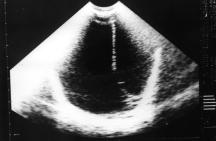
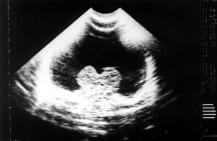
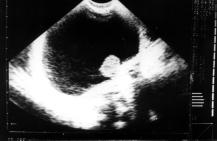
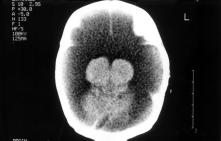
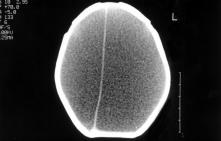
Abstract: Hydranencephaly is a rare central nervous system malformation in which the brain’s cerebral hemispheres are absent and replaced by sacs with cerebrospinal fluid. An infant with hydranencephaly may appear normal at birth. Diagnosis may be delayed for several months because early behavior appears to be relatively normal. The outlook for children with hydranencephaly is poor. Death generally occurs before the age of one year. This is a case report of an infant with hydranencephaly who was diagnosed on the first day of life using ultrasound of the brain.
3. Pretorius D. Diagnosis of brain neuropathology in utero. In: Naidich TP, Quencer R, editors. Clinical neurosono-
graphy ultrasound of the central nervous system. 1st ed. Berlin: Springer-Verlag Berlin; 1987. p. 15.
4. Myers RE. Brain pathology following fetal vascular occlusion: An experimental study. Invest Opthalmol 1969;8:41-50.
5. Edmondson SR, Hallak M, Carpenter RG, Cotton DB. Evolution of hydranencephaly following intracerebral hemorrage. Obstet Gynecol 1992;79:573-575.
6. Bondurant S, Boehm FH, Fleischer AC, Machin JE. Antepartum diagnosis of fetal intracranial hemorrhage by ultrasound. Obstet Gynecol 1984;63(Suppl):7S-25S.
7. Foweler M, Dow R, White TA, Green CH. Congenital hydrocephalus-hydrancephaly in five siblings, with autopsy studies: a new disease. Dev Med Child Neurol 1972;14:173-188.
8. Siber M. X-linked recessive microencephaly, microphthalmia with corneal opacities, spastic quadriplegia, hypospadias and cryptorchidism. Clin Genetics 1984; 26:453-456.
9. Kavaslar GN, Onengut S, Derman O, Kaya A, Tolun A. The novel genetic disorder microhydranencephaly maps to chromosome 16p13.3-12.1. Am J Hum Genet 2000;66:1705-1709.
10. Castro-Gago M, Alonso A, Pintos-Martinez E, Beiras-Iglesias A, Campos Y, Arenas J et al. Congenital hydranencephalichydrocephalic syndrome associated with mitochodrial dysfunction. J Child Neurol 1999;14:131-135.
11. Lubinsky MS, Adkins W, Kaveggia EG. Decreased maternal age with hydranencephaly. Am J Med Genet 1997;69:232-234.
12. Fiske CE, Fill RA. Ultrasound of the normal and abnormal neural axis. Radiol Clin N Am 1982;20:285-296.
13. Dublin AB, French BN. Diagnostic image evaluation of hydranencephaly and pictorially similar entities, with emphasis on computed tomography. Radiology 1980;137:81-90.
14. Mc Abee GN, Chan A, Erde EL. Prolonged survival with hydranencephaly: report of two patients and literature review. Pediatr Neurol 2000;23:80-84.
Abstract: This is a case report of a twin premature newborn with congenital chylothorax. Chylothorax is defined as the effusion of lymph in the pleural cavity. In the neonatal period, both congenital and traumatic forms of chylothorax exist with equal frequency. Major symptoms at birth include asphyxia and respiratory distress, therefore the antenatal diagnosis, by the use of ultrasound, is essential in order to initiate appropriate therapeutic intervention soon after birth. Treatment consists of mechanical ventilation, drainage of chyle, replacement of fluid-electrolyte and protein losses, and parenteral nutrition. Introduction of oral feeding should be initiated only after the chyle effusion in the pleural cavity is successfully terminated, and consists of feeding with a medium-chain triglyceride containing formula. In a minority of cases surgical intervention may be necessary.
1. Straaten van HLM, Gerards LJ, Krediet TG. Chylothorax in the neonatal period. Eur J Pediatr 1993;152:2-5.
2. Vade A, Kramer L. Extralobar pulmonary sequestration
presenting as intractable pleural effusion. Pediatr Radiol 1989;19:333-334.
3. Meizner I, Carmi R, Bar-Ziv J. Congenital chylothorax. Prenatal ultrasonic diagnosis and successful postpartum management. Prenat Diagn 1986;6:217-221.
4. Van Aerde J, Campell AN, Smyth JA, Lyoyd D, Bryan MH. Spontaneous chylothorax in newborns. Am J Dis Child 1984;138:961-964.
5. Puddy V, Lam BC, Tang M, Wong KY, Lam YH, Wong K et al. Variable levels of mosaicism for trisomy 21 in a nonimmune hydropic infant with chylothorax. Prenat Diagn 1999;19:764-766.
6. Ibrahim H, Asamoah A, Krouskop RW, Lewis D, Webster P, Pramanik AK. Congenital chylothorax in neonatal thyrotoxicosis. J Perinatol 1999;19:68-71.
7. Femandez Alvarez JR, Kalache KD, Grauel EL. Management of spontaneous congenital chylothorax: oral medium-chain triglycerides versus total parenteral nutrition. Am J Perinatol 1999;16:415-420.
8. Kosloke AM, Martin LW, Schubert WK. Management of chylothorax in children by thoracocentesis and MCTfeedings. J Pediatr Surg 1974;9:365-371.
9. Carmant L, Le Guennec JC. Congenital chylothotax and persistent pulmonary hypertension of the neonate. Acta Paediatr Scan 1989;78:789-792.
10. Petres RE, Redwine FO, Schneider K. Chylothorax in a twin pregnancy of 34 weeks, sonographically diagnosed. Eur J Obstet Reprod Biol 1983;16:205-211.
11. Petres RE, Redwine FO, Cruikshank DP. Congenital bilateral chylothorax: antepartum diagnosis and successful intrauterine surgical management. J Am Med Assoc 1982;248:1360-1365.
12. Booth P, Nicolaides KH, Greenough A, Gamsu HR. Pleuroamniotic shunting for fetal chylothorax. Early Hum Dev 1987;15:365-367.
13. Mc Williams BC, Fan LL, Murphy SA. Transient T-cell depression in postoperative chylothorax. J Pediatr 1981;99:595-596.
14. AI Tawil K, Ahmed G, Al-Hathal M, AI Jarallah Y, Campell N. Congenital chylothorax. Am J Perinatol 2000;17:121-126.
HÌÂÚÔÌËÓ›· ˘Ô‚ÔÏ‹˜: 07-08-2001
HÌÂÚÔÌËÓ›· ¤ÁÎÚÈÛ˘: 27-03-2002
¢È‡ı˘ÓÛË ·ÏÏËÏÔÁÚ·Ê›·˜: °ÂÒÚÁÈÔ˜ ª·ÚÔ‡Ù˘
∞Á›·˜ ∂ϤÓ˘ 2, ∆.∫. 157 72, ∑ˆÁÚ¿ÊÔ˘
∂¡¢π∞º∂ƒOÀ™∞
∑. ÷Ù˙ËÛÙ·Ì·Ù›Ô˘1, π. ∫·Ï¤ÁÈ·˜1, O. OÈÎÔÓÔÌ›‰Ô˘1, ∂. ¶··ıˆÌ¿1, ∂. ¶Ú›ÊÙË2,
µ. ¶ÂÙÚԯ›ÏÔ˘ - ¶¿Û¯Ô˘2, Ã. ∫ÒÛÙ·ÏÔ˜1
Congenital tuberculÔus lymphadenitis in a preterm infant
Z. Hatzistamatiou1, J. Kaleyias1, U. Ikonomidou1, E. Papathoma1, E. Prifti2, V. Petrocheilou - Paschou2, Ch. Kostalos1
Abstract: Congenital tuberculosis is a rare disease. This is a case report of a two week-old premature infant with tuberculÔus lymphadenitis. His mother, twenty days prior to labour, presented miliary tuberculosis and meningitis. The nonspecific nature of presenting signs and symptoms and the high mortality rate in the absence of early therapy, signify the importance of early diagnosis and treatment during the neonatal period and infancy.
Abstract: We report two children with a clinical presentation resembling Kawasaki disease. The first patient was a 4-year-old girl with Rickettsia typhi infection (murine typhus), and the second an 18-month-old boy with Coxiella burnetii infection (Q fever). The diagnosis was confirmed with positive serology. Both children had a history of animal contact. The similarity of manifestations of Kawasaki disease to rickettsial infections and the diagnostic pitfalls in such cases are discussed.
2. Antoniou M, Tselentis Y, Gikas A, Stratigakis N, Vlachonikolis I, Kafatos A et al. The seroprevalence of ten zoonoses in two villages in Crete, Greece. Eur J Epidemiol 1995;11:415-423.
4. Carter RF, Haynes ME, Morton J. Rickettsia like bodies and splenitis in Kawasaki disease. Lancet 1976;ii: 1254-1255.
5. Swaby ED, Fisher-Hoch S, Lambert HP, Stern H. Is Kawasaki disease a variant of Q fever? Lancet 1980;2:146.
6. Kafetzis DA, Maltezou HC, Constantopoulou I, Antonaki G,
Liapi G, Mathioudakis I. Lack of association between Kawasaki syndrome and infection with Rickettsia conorii, Rickettsia typhi, Coxiella burnetii or Ehrlichia phagocytophila group. Pediatr Infect Dis J 2001;20:703-706.
Abstract: Acute pain is one of the most common and most disturbing subjective symptoms experienced by children as a result of injury or illness, and during necessary medical procedures. The sensation of pain is the result of a variety of sensory, emotional, cognitive and behavioral components that go well beyond that of a simple sensory experience. It is associated with increased anxiety, withdrawal, somatic symptoms, and increased parental distress. Despite of the magnitude of effects that acute pain can have on a child, it is often inadequately assessed and treated. Numerous myths such as the idea that children and especially infants do not feel pain the way adults do, insufficient knowledge among caregivers, fears about side effects of pain medications, and the belief by some health care workers “that pain builds character in children”, contribute to the lack of effective management. Pain is an inherently subjective multifactorial experience and should be assessed and treated as such. Pediatricians are responsible for eliminating or relieving pain and suffering in children when possible. To accomplish this, pediatricians need to expand their knowledge, use appropriate assessment tools and techniques, anticipate painful experiences and intervene accordingly, use a multimodal as well as a multidisciplinary approach to pain when possible by involving the family and advocating for the use of effective analgesic treatment in children.
Pediatric Clinic of Peripheral General Hospital “Ag. Panteleimon”, Nikea, Piraeus
1. Schechter NL, Berde CB, Vaster M. Pain in infants, children, and adolescents: an overview. In: Schechter NL, Berde CB, Vaster M, eds. Pain in infants, children, and adolescents. Baltimore, MD: Williams & Wilkins; 1993. p. 3-9.
2. Cassell EJ. The nature of suffering and the goals of medicine. N Engl J Med 1982;306:639-645.
3. Walco GA, Cassidy RC, Schechter NL. Pain, hurt, and harm: the ethics of pain control in infants and children. N Engl J Med 1994;331:541-544.
4. McGrath PA. Pain in children: Nature, assessment, and treatment. New York, NY: Guilford Press; 1990.
5. McGrath PA, Brigham MC. The assessment of pain in children and adolescents. In: Turk DC, Melzack R, eds.
Handbook of Pain Assessment. New York, NY: Guilford Press; 1992. p. 295-314.
6. Jay SM, Elliot CH. A stress inoculation program for parents whose children are undergoing painful medical procedures. J Consult Clin Psychol 1990;58:799-804.
7. Carr DB, Jacox AK, Chapman CR. Acute pain management in infants, children, and adolescents: Operative and medical procedures: Quick Reference Guide for clinicians. Rockville, MD: Agency for Health Care Policy and Research; 1992. AHCPR Publication No. 920020. Available at: http://www.ahcpr.gov/gils/00000052.htm. Accessed June 4, 2001.
8. Zeltzer LK, Altaian A, Cohen D, LeBaron S, Munuksela L, Schechter NL. American Academy of Pediatrics. Report of the Subcommittee on the Management of pain associated with procedures in children with cancer. Pediatrics 1990;86:826-831.
9. Wiswell TE. Circumcision: an update. Curr Probl Pediatr 1992;22:424-431.
10. Dixon S, Snyder J, Holve R, Bromberger P. Behavioral effects of circumcision with and without anesthesia. J Dev Behav Pediatr 1984;5:246-250.
11. Marshall RE, Porter FL, Rogers AG, Moore J, Anderson B, Boxerman SB. Circumcision II: effects upon mother-infant interaction. Early Hum Dev 1982;7:367-374.
12. Lander J, Brady-Fryer B, Metcalfe JB, Nazarali S, Muttitt S. Comparison of ring block, dorsal penile nerve block, and topical anesthesia for neonatal circumcision: a randomized controlled trial. JAMA 1997;278:2157-2162.
13. Stang HJ, Snellman LW, Condon LM, Conroy MM, Liebo R, Brodersen L et al. Beyond dorsal penile nerve block: a more humane circumcision. Pediatrics 1997;100:E3.
14. Blass EM, Hoffmeyer LB. Sucrose as an analgesic for newborn infants. Pediatrics 1991;87:215-218.
15. Taddio A, Stevens B, Craig K, Rastogi P, Ben-David S, Shennan A et al. Efficacy and safety of lidocaine-prilocaine cream for pain during circumcision. N Engl J Med 1997;336:1197-1201.
16. Kurtis PS, DeSilva HM, Bernstein BA, Malakh l, Schechter NL. A comparison of Mogen and Gomco clamps in combination with dorsal penile nerve block in minimizing the pain of neonatal circumcision. Pediatrics 1999; 103:E23.
18. American Academy of Pediatrics, Committee on Drugs and Section on Anesthesiology. Guidelines for the elective use of conscious sedation, deep sedation, and general anesthesia in pediatric patients. Pediatrics 1985;76:317-321.
19. American Academy of Pediatrics, Committee on Drugs. Guidelines for monitoring and management of pediatric patients during and after sedation for diagnostic and therapeutic procedures. Pediatrics 1992;89:1110-1115.
20. Anand KJ, Hickey PR. Halothane-morphine compared with high-dose sufentanil for anesthesia and post-operative analgesia in neonatal cardiac surgery. N Engl J Med 1992;326:1-9.
21. Wolf AR, Valley RD, Fear DW, Roy WL, Lerman J. Bupivacaine for caudal analgesia in infants and children:
the optimal effective concentration. Anesthesiology 1988;69:102-106.
22. Wood CE, Goresky GV, Klassen KA, Kuwahara B, Neil SG. Complications of continuous infusions for postoperative analgesia in children. Can J Anaesth 1994;41:613-620.
23. Berde C. Epidural analgesia in children. Can J Anaesth 1994;41:555-560.
24. Berde CB, Lehn BM, Yee JD, Sethna NF, Russo D. Patient controlled analgesia in children and adolescents: a randomized, prospective comparison with intramuscular administration of morphine for postoperative analgesia. J Pediatr 1991;18:460-466.
25. Doyle E, Mottart KJ, Marshall C, Morton NS. Comparison of different bolus doses of morphine for patient-controlled analgesia in children. Br J Anaesth 1994;72:160-163.
26. Morisy L, Platt D. Hazards of high dose meperidine. JAMA 1986;255:467-468.
27. Brill JE. Control of pain. Progr Pediatr Crit Care 1992;8:203-218.
28. Tobias JD, Rassmussen GE. Pain management and sedation in the pediatric intensive care unit. Pediatr Clin N Am 1994;41:1269-1292.
29. Anand KJ, Arnold JH. Opioid tolerance and dependence in infants and children. Crit Care Med 1994;22:334-342.
1Manczur TI, Greenough A, Pryor D, Rafferty GF Comparison of predictors of extubation from mechanical ventilation in children Pediatr Crit Care Med 2000;1:28-32 ÷Ù˙‹˜ ∞Ó·ÛÙ¿ÛÈÔ˜
¶ÏËÚÔÊÔڛ˜: FORUM International Congress Organizers
13-15 πÔ˘Ó›Ô˘ 200213th Annual Congress of theLjubljana, Slovenia
European Society of Pediatric and Neonatal Intensive Care (ESPNIC)
Tel./Fax: ++ 386 (0) 1 430 17 14
E-mail: ivan.vidmar@kclj.si
21-23 πÔ˘Ó›Ô˘ 2002
40Ô ¶·ÓÂÏÏ‹ÓÈÔ
¶ÏËÚÔÊÔڛ˜: C&C International A.E. Conventions & Congresses
∆ËÏ.: 010 - 68 89 100
Fax: 010 - 68 44 777
E-mail: congress@cnc.gr
4-7 πÔ˘Ï›Ô˘ 2002
12th International Conference™·ÓÙÔÚ›ÓË on oral chelation in the treatment of thalassemia and other diseases
¶ÏËÚÔÊÔڛ˜: ERA E¶E
∆ËÏ.: 010 - 36 34 944
Fax: 010 - 36 31 690
E-mail: info@era.gr
14-15 ™ÂÙÂÌ‚Ú›Ô˘ 2002 2Ô
¶ÏËÚÔÊÔڛ˜: C&C International A.E. Conventions & Congresses
∆ËÏ.: 010 - 68 89 100
Fax: 010 - 68 44 777
E-mail: congress@cnc.gr
19-21 ™ÂÙÂÌ‚Ú›Ô˘ 2002
27 UMEMPS CongressAlicante, Spain
Congress Secretariat: Viajes Pacifico, S.L.
c/ Maria Cubi, 4 entlo
Tel.: +34 93 238 8777
Fax: +34 93 238 7488
E-mail: pg@pacif-meetings.com
20-25 ™ÂÙÂÌ‚Ú›Ô˘ 2002
9th International Child NeurologyBeijing, China Congress and the 7th Asian and Oceanian Congress of Child Neurology ¶ÏËÚÔÊÔڛ˜: Dr. Yu-Wu Jiang, Xin-Hua Bao