A.E. M·ÚÁÂÙ¿Î˘, X. TÚ¿·ÏË, ¢. °ÂˆÚÁ·ÎfiÔ˘ÏÔ˜, °. °ÚËÁÔÚÈ¿‰Ô˘, N. I·Îˆ‚›‰Ô˘, °. KÔ˘Ú¿Î˘, H. ¢ÂÏÏ·ÁÚ·ÌÌ¿ÙÈη˜302
E›Â‰· ¯ÈÙÔÙÚÈÔ˙ȉ¿Û˘ Û ‰‡Ô ÓÂÔÁÓ¿ ÌÂ Ì˘ÎËÙÈ·ÛÈ΋ Ïԛ̈ÍË ·fi Candida albicans I. §·Ì·‰·Ú›‰Ë˜, E. ¢ËÌËÙÚ›Ô˘, M. £ÂÔ‰ˆÚ¿ÎË, A. X›˙·, M. ™·‚‚¿Ï·, E. MȯÂϷοÎË309
The use of growth hormone in the treatment of short stature in Turner syndrome
M.A. Magiakou, G.P. Chroussos275
REVIEW ARTICLE
Turner syndrome and growth hormone: Is the initial enthusiasm justified?
C. Kanaka-Gantenbein278
ORIGINAL PAPERS
Haemostatic factors in patients with galactosaemia on soybean diet
K. Schulpis, E. Platokouki, E. Papakonstantinou, E. Michelakakis, S. Aroni287
Optimized enteral feeding in critically ill children; a prospective study in a paediatric intensive care unit G. Briassoulis, N. Zavras, M. Narlioglou, T. Hatzis292
Transoesophageal pacing in neonates: Estimation of the appropriate site of minimum pacing threshold
A. Margetakis, C.Trapali, D. Georgakopoulos, G. Grigoriadou, N. Iakovidou, G. Kourakis, H Dellagrammaticas302
Chitotriosidase levels in Candida albicans infection
J. Labadaridis, E. Dimitriou, M. Theodoraki, A. Hiza, M. Savala, H. Michelakakis309
Non-tuberculous mycobacterial lymphadenitis in children
P. Spyridis, H. Maltezou, D. Kafetzis314
Volume 63, No. 4, Jul-Aug. 2000 iii
63, T‡¯Ô˜
BPAXEIA ¢HMO™IEY™H
EÌÂÈÚ›· ·fi ÂÚÈÙÒÛÂȘ ÌÂÛÔÎÔÈÏȷ΋˜
ÂÈÎÔÈÓˆÓ›·˜ Û ‚Ú¤ÊË
A. TÛÈÏÈÌÈÁοÎË, A. M·ÓÔ˘Ú¿, £. TÛÂÎÔ˘Ú¿, B. AÁÁÂÏ¿ÎÔ˘, A. ™¯ÔÈÓ¿ÎË, ¶. ™Ù·ÛÈÓfi˜, §. ¶ÏÔ˘Ì›‰Ë˜319
EN¢IAºEPOY™E™ ¶EPI¶Tø™EI™
IÓ҉˘ ÎÔÏÔÓÔ¿ıÂÈ· Û ·ÛıÂÓ‹ Ì ΢ÛÙÈ΋ ›ÓˆÛË
™. NÙÔ˘ÓÙÔ˘Ó¿Î˘, A. ZËÛÔ‡ÏË, A. §Ô˘Ú›‰·, E. PÒÌ·-°È·ÓÓ›ÎÔ˘, N. M·ÓˆÏ¿ÎË322
Ÿ„ÈÌË ÂÓ‰ÔÌ‹ÙÚÈ· Ïԛ̈ÍË ·fi ΢ÙÙ·ÚÔÌÂÁ·ÏÔ˚fi:
ÎÏÈÓÈο Î·È ·ÂÈÎÔÓÈÛÙÈο Â˘Ú‹Ì·Ù·
O. ¶··‰¿ÎË-¶··Ó‰Ú¤Ô˘, M. Z·Ú›ÊË, I. OÈÎÔÓÔÌ›‰Ë˜, A. •˘ÔÏ˘Ù¿-Z·¯·ÚÈ¿‰Ë326
ÁÈ· XÂÈÚfiÁÚ·Ê· Ô˘ YÔ‚¿ÏÏÔÓÙ·È Û BÈÔ˚·ÙÚÈο ¶ÂÚÈÔ‰Èο Ô˘ ‰È·ÌÔÚÊÒıËÎ·Ó ·fi ÙËÓ ICMJE (International Committee of Medical Journal Editors. Uniform Requirements for Manuscripts Submitted to Biomedical Journals. N Eng J Med 1997;337:309315,http://jama.ama-assn.org/info/auinst-req.htlm)
¢ËÌÔÛ›Â˘ÛË Û ÙfiÌÔ Ú·ÎÙÈÎÒÓ: Bauer AW. The two definitions of bacterial resistance. In: Smith AJ, Rogers CA, eds. Proceedings of the Third International Congress of Chemotherapy; 1962 May 2931; New York: International Society of Chemotherapy, 1963:484-500.
Morse SS. Factors in the emergence of infectious diseases.Emerg Infect Dis [serial online]1995 JanMar[cited 1996 June 5];1(1):[24 screens]. Available from: URL: http://www.cdc.gov/ncidod/EID/eid.htm
M. Xanthou. Neonatology at the dawn of the third millenium. Paediatriki 2000;63:265-267.
● Abstract: During the second half of the 20th century impressive progress was made in neonatology based on knowledge that was gained from research on the fetus and the newborn. With the help of the technological revolution which occurred at the same time, the first neonatal intensive care units were created. The neonatal morbidity and mortality rates fell dramatically during the following years and today 80% of the babies of BW<1000g survive, and only 8-15% of them develop major handicaps. The reduction of neonatal morbidity and mortality was due in part to the new methods of treatment and prophylaxis which were applied, including the administration of surfactant and high frequency ventilation to babies suffering from respiratory distress syndrome, the administration of i.v. lg and growth factors to increase neonatal host defense mechanisms against infections, and total parenteral nutrition. A second factor in improved survival comprises the improved methods of diagnosis. Today with the new methods of imaging and with the help of molecular biology, congenital illness can be diagnosed very early and even at the beginning of intrauterine life. Thirdly there has been improvement in the quality and organization of perinatal care. In Greece perinatal mortality has decreased considerably during the last 20 years, and this is of added importance as the birth rate during the same time period has been decreasing.
Key words: neonatology, intensive care, morbidity, mortality.
1.Morley CJ. Systematic review of prophylactic versus rescue surfactant. Arch Dis Child 1997;77:F70-F4.
2.Renie JM, Bokhari SA. Recent advances in neonatology. Arch Dis Child Fetal Neonatal 1990;81:F1-F4.
3.Jobe AH, Mitchell BR, Gunkel JH. Beneficial effects of the combined use of prenatal corticosteroids and postnatal surfactant on preterm infants. Am J Obstet Gynecol 1993;168:508-513.
4.Clark RH, Yoder BA, Sell MS. Prospective randomized comparison of high frequency oscillation and conventional ventilation in candidates for extra-corporeal membrane oxygenation. J Ped 1994;124:447-454.
5.Kinsella JP, Truog WE, Walsh WF. Randomized, multicenter trial of inhaled nitric oxide and high frequency oscillatory ventilation in severe persistent pulmonary hypertension of the newborn. J Ped 1997;131:55-62.
6.Collaborative ECMO Trial Group. UK Collaborative randomized trial of neonatal extracorporeal membrane oxygenation. Lancet 1996; 348: 75-82.
7.Seth T, Cairo MS. The role of cytokines in the prevention and treatment of neonatal sepsis. In: Neonatal hematology and Immunology III. Bellanti JA, Bracci R, Prindull G, Xanthou M, eds. Excepta Medica, International Congress Series 1131. Amsterdam: Elsevier 1997:49-53.
8.Haque KN. Does intravenous immunoglobulin therapy have a role in the treatment of neonatal sepsis? Bellanti JA, Bracci R, Prindull G, Xanthou M, eds. Excepta Medica, International Congress Series 1131. Amsterdam: Elsevier 1997:55-61.
9.Fletcher A, ed. Neonatology: Pathophysiology and Management of the Newborn. 4rth ed. Nutrition 1994;24:343-348.
10.The Victorian infant collaborative study group. Improved outcome in the 1990s for infants weighing 500-999gr at birth. Arch Dis Child 1997;77:91-94.
11.Battin M, Ling E, Whitfield MF, Mackinnon M, Effer SB. Has the outcome for extremely low gestational age (ELGA) infants improved following recent advances in neonatal intensive care? Amer J Perinat 1998;8:469-477.
12.O'Shea TM, Klinepeter KL, Goldstein DJ. Survival and developmental disability in infants with B.W. of 501 to 800gr born between 1979 and 1994. Ped 1997;100:982-986.
13.M·ÎԇϷ X. ¶ÚÔÛˆÈ΋ ÂÈÎÔÈÓˆÓ›·, 2000.
14.Vannucci RC, Perlman JM. Interventions for perinatal hypoxic-ischemic encephalopathy. Ped 1997;100:1004-1014.
15.Papagaroufalis C, Spyropoulos G, Stamocosta E, Megreli C, Xanthou M. A trial of Vitamin A supplementation for the prevention of retinopathy of prematurity in very low birth weight infants. In: Koppe JG, Eskes TKAB, van Geijn HP, Wiesenhaan PF, Ruys JH, eds. Care, Concern and Cure in Perinatal Medicine: Proceedings of the XIIIth European Congress of Perinatal Medicine, Amsterdam, The Netherlands, May 1992. Lancs, England: The Parthenon Publishing Group 1993:187-193.
16.Obladen M, Maier RF. Recombinant human erythropoietin: A therapeutic option in anemia of prematurity. Xanthou M, Bracci L, Prindull G, eds. In: Neonatal Haematology and Immunology II. Excepta Medica International Congress Series 1038. Amsterdam: Elsevier, 1993: 99-110.
·fi ÂÏÈÎÔ‚·ÎÙËÚ›‰ÈÔ ÙÔ˘ ˘ÏˆÚÔ‡ ÛÙ· ·È‰È¿
EÏ¢ıÂÚ›· PÒÌ·-°È·ÓÓ›ÎÔ˘
E. Roma-Yiannikou. Helicobacter pylori infection in children. Paediatriki 2000;63:268-271.
● Abstract: Helicobacter pylori infection is common among the adult population and its incidence in the paediatric population increases with age ranging between 5 and 80% in the developed and the developing world respectively. It is responsible for human diseases such as gastritis and peptic ulcer and there is evidence that early infection in childhood predisposes to atrophic gastritis and gastric cancer in adulthood. Symptomatic children should be investigated by gastroscopy for the isolation of H. pylori, and H. pylori positive children treated with effective short regimes for 7-10 days consisting of proton pump inhibitors, combined with two antibiotics such as amoxicillin, clarithromycin or metronidazole, according to the sensitivity test of the gastric culture. Large-scale screening of all asymptomatic children is impossible due to the large numbers of infected children, increased antibiotic resistance and high rates of treatment failure. Prevention of H. pylori infection by improving hygienic status and probably by the use of the appropriate vaccine will diminish infection and its consequent morbidity in children and adults.
1.Koletzko S, Ashorn M. The year in Helicobacter pylori. Paediatrics. Current opinion in Gastroenterology (Supplement 1) 1998;14:S 57-S63.
2.Barden PK. Epidemiological features of Helicobacter pylori infection in developing countries. Clin Infect Dis 1997;25:973-978
3.Roma-Giannikou, Panayiotou J, Vanvliet C, Charissiadou A, Anasi H, Pangali A, Matsaniotis N. Helicobacter pylori in Greek children with upper gastrointestinal symptoms. Hellenic J Gastroenterol 1993;6:251-259.
4.Roma-Giannikou E, Balatsos B, Panayiotou J, Van-Vliet C, Papaliodi J, Charissiadou A, Siahanidou T, Skandalis N. Intrafamilial spread of Helicobacter pylori. Hellenic J Gastroenter 1999;12:96-100.
5.Xia HH, Talley NJ. Natural acquisition and spontaneous elimination of Helicobacter pylori infection: clinical implications. Am J Gastroenterol 1997;92:1780-1787.
6.Roma E, Panayiotou J, Kafritsa P, Vanvliet C, Giannoulia A, Constantopoulos A. Upper gastrointestinal disease, Helicobacter Pylori and recurrent abdominal pain. Acta Paediatr 1999;88:1-4.
7.Drum B, Koletzko S, Oderda G. Helicobacter pylori Infection in Children: A concensus statement. J P Gastr Nutr 2000;30:207-213.
8.Kindermann A, Demmelmair H, Koletzko B, Wiebecke B, Koletzko S. Diagnostic value and errors of the 13C- urea breath test in children. Gut 1997;41(Suppl.):A67.
9.Jones NL, Bourke B, Sherman PM. Breath testing for Helicobacter pylori infection in children: a breath of fresh air? (editorial, comment) J Pediatr 1997;131:791-793.
10.Abdel RS, Nahata MC. Guidelines for the treatment of Helicobacter pylori in the pediatric population. Ann Pharmacother 1997;32-1247-1249.
11.Oderda G. Cure of Helicobacter pylori in children. Helicobacter 1997;2(Suppl1):S73-76.
12.Walsh D, Goggin N, Rowland M, Durnin M, Moriatri S, Drumm B. One week treatment for Helicobacter pylori infection. Arch Dis Child 1997;76:352-355.
13.Blecker U, Gold Bd. Treatment of Helicobacter pylori infection; a review. Pediatr Infect Dis J 1997;16:391-399.
14.Berquist W. New, Improved Helicobacter pylori eradication therapy in children. J Ped Gastroent Nutr 1998;26:360-362.
15.Czinn S. What is the role for vaccination in Helicobacter pylori? Gastroenterol 1997;113:S149-S153.
16.Mentis A, Roma E, Pangalis A, Katsigiannakis E. Susceptibilities of Helicobacter pylori strains isolated from children with gastritis to selected antibiotics. J Antimicrob Chemother 1999;44:720-22. ¢È‡ı˘ÓÛË ·ÏÏËÏÔÁÚ·Ê›·˜: E. ƒÒÌ·-°È·ÓÓ›ÎÔ˘
Y. Kottaridi. The family and care of the child with disability. Paediatriki 2000;63:272-274.
● Abstract: In the Greek context, the care of the child with disability is undertaken mainly by the family with inadequate information and support from the community and the state. Parents complain about negative attitudes on the part of society, social and physical barriers and problems of communication and relationships with health professionals, as well as about delays in detection and intervention. They meet the needs of the child to the best of their ability, but they are very concerned about the future of the child when they are gone, as the family unit is gradually loosening its bonds and its traditional function is changing.
M. Magiakou, G. Chroussos. The use of growth hormone in the treatment of short stature in Turner syndrome. Paediatriki 2000;63:275-277.
● Abstract: Girls with Turner syndrome are short and the great majority of them achieve a suboptimal final height. Although these patients do not have growth hormone (GH) deficiency, those with the worst final height prognosis may benefit from treatment with GH. Their gain in final height varies from 0 to 10 cm, with
a modest average gain of between 4 and 7 cm. Since GH treatment is parenteral, of long duration and expensive, considerable thought and commitment on the part of the physician, the patient and her parents is required.
∫ey words: Turner syndrome, GH treatment, final height.
5.Haeusler G. Growth hormone therapy in patients with Turner syndrome. Horm Res 1998;49 (suppl 2):62-66.
6.Donaldson MDC. Unresolved problems in the treatment of short stature for Turner syndrome. International Growth Monitor 1998;8:2-9.
7.Sylven L, Hagenfeldt K, Ringertz H. Impact of hormonal replacement therapy on bone mineral density in women with Turner syndrome. In: Albertsson-Wikland K, Ranke MB, eds. Turner syndrome in a life span perspective: Research and clinical aspects. Amsterdam: Elsevier Science BV, 1995:241-248.
8.Lanes R, Gunczler P, Palacios A, Villaroel O. Serum lipids, lipoprotein lp(a) and plasminogen activator inhibitor-1 in patients with Turner's syndrome before and during growth hormone and estrogen therapy. Fertil Steril 1997;68:473-477.
9.Lagrou K, Xhrouet-Heinrichs D, Heinrichs C, Graen M, Chanoine JP, Malvaux P et al. Age-related perception of stature, acceptance of therapy and psychosocial functioning in human growth hormone-treated girls with Turner's syndrome. J Clin Endocrinol Metab 1998;83:1494-1501.
10.Ranke MB, Pfluger H, Rosendahl W, Stubbe P, Enders H, Bierich JR et al. Turner syndrome: spontaneous growth in 150 cases and review of the literature. Eur J Pediatr 1983;141:81-88.
11.American Academy of Pediatrics. Committee on Bioethics and Committee on Drugs: Considerations related to the use of recombinant human growth hormone in children. Pediatrics 1997;99:122-129.
C. Kanaka-Gantenbein. Turner syndrome and growth hormone: Is the initial enthusiasm justified? Paediatriki 2000;63:278-286.
● Abstract: This paper summarizes data published on the final height of growth hormone (GH) treated girls with Turner syndrome, with emphasis on meta-analysis of the published data. Turner syndrome is a common genetic disorder, with a frequency of 1 case in 2,000-2,500 live newborn females. Extremely severe short stature, with a final height of 20 cm shorter than the average for the female population is observed in 95-100% of girls with Turner syndrome. Human growth hormone (hGH) is used worldwide for the treatment of these girls. Recent data on final height with hGH therapy reveal an average benefit of about 6 cm over the projected adult height, with a wide variation within studies, ranging from 0 to 10 cm, along with improvement in the bone density. Prognostic factors influencing the outcome are the chronological age and bone age delay at initiation of treatment, the karyotype and the parental height, while other factors such as dose, frequency and duration of hGH administration or levels of endogenous GH secretion do not seem to play a major role. Prospective studies are under way which aim to elucidate the ideal age for oestrogen substitution and oxandrolone therapy.
Key words: Turner syndrome, growth hormone treatment, final height.
1.Lippe B. Turner syndrome. Endocrinol Metab Clin N Am 1991;20:121-152.
2.Chatelain P, Berlier P, Francois R. Pathology of the ovary: Gonadal dysgenesis. In: Bertrand J, Rappaport R, Sizonenko PC, eds. Pediatric Endocrinology: Physiology, Pathophysiology and Clinical Aspects, 2nd ed. New York: Williams and Wilkins, 1993:420-428.
3.Ullrich O. Ueber typische Kombinationsbilder multipler Abartungen. Z Kinderheilk 1930; 49:271-276.
4.Turner HH. A syndrome of infantilism, congenital webbed neck and cubitus valgus. Endocrinology 1938; 23: 566574.
5.Lippe B, Gefner ME, Dietrich RB, Boechatmi, Kangarloo H. Renal malformation in patients with Turner's Syndrome: imaging in 141 patients. Pediatrics 1988;82:852-856.
6.Ranier-Pope CR, Cunningham RD, Nadas AS, Crigler JF Jr. Cardiovascular malformations in Turner's syndrome. Pediatrics 1964; 33: 919-925.
7.Williams ED, Engel F, Forbes AP.Thyroiditis and gonadal dysgenesis. N Engl J Med 1964;270:805-810.
8.Vanderschueren-Lodeweyckx M. Autoimmunity problems in Turner syndrome. In: Albertsson-Wikland K, Ranke MB, eds. Turner syndrome in a life span perspective:Research and clinical aspects. Amsterdam: Elsevier Science BV, 1995: 267-273.
9.Park E, Bailey JD, Ciwell CA. Growth and maturation of patients with Turner's syndrome. Pediatr res. 1983;17:1-7.
10.Ranke MB, Pfluger H, Rosendahl W, Stubbe P, Enders H, Bierich JR et al. Turner syndrome: spontaneous growth in 150 cases and review of the literature. Eur J Pediatr 1983; 141:81-88.
11.Ranke MB, Grauer ML. Adult height in Turner syndrome: results of a multinational survey. Horm Res 1994;42:90-94.
12.Karlberg J, Albertsson-Wikland K. Natural Growth ·nd aspects of growth standards in Turner syndrome. In: Albertsson-Wikland K, Ranke MB, eds. Turner syndrome
in a life span perspective:Research and clinical aspects. Amsterdam: Elsevier Science BV, 1995: 75-86.
13.Low LC, Sham C, Kwan E, Karlberg J, Tang G, Cheung PT et al. Spontaneous growth in Chinese patients with Turner’s syndrome and influence of karyotype. Acta Paediatr 1997 Jan 86(1):18-21.
14.Massa G, Vanderschueren-Lodeweyckx M, Malvaux M. Linear growth in patients with Turner syndrome:influence of spontaneous puberty and parental height. Eur J Pediatr 1990; 149: 246-250.
15.Rochiccioli P, David M, Malpeuch G, Colle M, Limal JM, Barrin J, et al. Study of final height in Turner's syndrome: ethnic and genetic influences. Acta Paediatr 1994;83:305308.
16.Rao E, Weiss B, Fukami M, Rump A, Niesler B, Mertz A et al. Pseudoautosomal deletions encompassing a novel homeobox gene cause growth failure in idiopathic short stature and Turner syndrome. Nat Genet 1997;16:54-63.
17.Haeusler G. Growth hormone therapy in patients with Turner Syndrome.Horm Res 1998; 49 (suppl 2):62-66.
18.Naeraa RW, Eiken M, Legarth EG, Nieben J. Spontaneous growth, final height and prediction of final height in Turner syndrome. In: Ranke MB, Rosenfeld RG (eds) Turner syndrome: Growth promoting therapies. Amsterdam: Elsevier Science BV,1991:113-116.
19.Lyon AJ, Preece MA, Grant DB. Growth curve for girls with Turner syndrome. Arch Dis Child 1985;60:932-935.
20.Attie KM, Frane JW. Accuracy of adult height prediction methods for Turner syndrome using US untreated control data. Horm Res 1997;48(suppl. 2):60.
21.Plotnick L, Attie KM, Blethen SL, Sy JP. Growth hormone treatment of girls with Turner syndrome: The National Cooperative Growth Study experience. Pediatrics 1998;102:479-481.
22.Rosenfeld RG, Attie KM, Frane J, Brasel JA, Burstein S, Cara JF, et al. Growth Hormone therapy of Turner's Syndrome: Beneficial effect on adult height. J Pediatr 1998;132:319-324.
23.Bareille P, Massarano AA, Stanhope R. Final height outcome in girls with Turner syndrome treated with a combination of low dose oestrogen and oxandrolone. Eur J Pediatr 1997;156:358-362.
24.Rosenfeld RG, Frane J, Attie KM, Brasel JA, Burstein S, Cara JF et al. Six-year results of a randomized, prospective trial of human growth hormone and oxandrolone in Turner syndrome. J Pediatr 1992;121:4955.
25.Schmitt K, Haeusler G, Blümel P, Plöchl E, Frisch H. Short and long-term (final height) growth responses to growth hormone (GH) therapy in patients with Turner syndrome: Correlation of growth response to stimulated GH levels, spontaneous GH secretion and karyotype Horm Res 1997;47:67-72.
26.Joss E, Mullis PE, Werder EA, Partsch CJ, Sippell WG. Growth promotion and Turner-specific bone age after
therapy with Growth hormone and in combination with Oxandrolone: When should therapy be started in Turner syndrome? Horm Res 1997; 47:102-109.
27. Donaldson MD. Growth hormone therapy in Turner syndrome - Current uncertainties and future strategies. Horm Res 1997;48 (Suppl 5):35-44.
28.Carel JC, Mathivon L, Gendrel C, Ducret JP, Chaussain JL. Near normalization of final height with adapted doses of GH in Turner’s syndrome. J Clin Endocrinol Metab 1998;83:1462-1466.
29.Haeusler G, Schmitt K, Blümel P, Plöschl E, Waldhör T. Growth hormone in combination with anabolic steroids in patients with Turner syndrome: effect on bone maturation and adult height. Acta Paediatr 1996;85:1408-1414.
30.Canadian Growth Hormone Advisory Committee. Growth hormone treatment to final height in Turner syndrome: a randomized controlled trial. Horm Res 1998; 50 Suppl.3:25 (P7).
31.Quigley CA, Anglin G, Whittaker N, Chipman JJ and the Lilly US Turner Syndrome Study Group. Growth hormone increases final height of patients with Turner syndrome. Horm Res 1998; 50 Suppl.3:26 (P13).
32.Hochberg Z, Zadik Z. Final height in Turner syndrome on Growth hormone therapy: a controlled study. Horm Res 1998; 50 Suppl.3:28 (P18).
33.Rouwe CW, Drayer NM. Increased final height in girls with Turner syndrome after treatment with recombinant human growth hormone. Horm Res 1998; 50 Suppl.3:53 (P121).
34.Taback SP, Collu R, Deal CL, Guyda HJ, Salisbury S, Dean HJ et al. Does growth hormone supplementation affect adult height in Turner’s syndrome? Lancet 1996; 348:25-26.
35.Chu CE, Paterson WF, Kelnar CJH, Smail PJ, Greene SA, Donaldson MDC. Variable effect of growth hormone on growth and final adult height in Scottish patients with Turner’s syndrome. Acta Paediatr 1997;86:160-164.
36.Dacou-Voutetakis C, Karavanaki-Karanassiou K, Petrou V, Georgopoulos N, Maniati-Christidi M, Mavrou A. The growth pattern and final height of girls with Turner syndrome with and without human growth hormone treatment. Pediatrics, 1998;101:663-668.
37.Shah NS, Spoudeas HA, Preece MA, on behalf of British Society for Paediatric Endocrinology and Diabetes. Does treatment usefully increase final height in Turner girls?
Horm Res 1998; 50 Suppl.3:25 (P8).
38.Ranke MB, Price DA, Maes M, Albertsson-Wikland K, Lindberg A. Factors influencing final height in Turner syndrome following GH treatment: results of the Kabi International Growth Study (KIGS). In: Albertsson-Wikland K, Ranke MB, eds. Turner syndrome in a life span perspective: Research and clinical aspects. Amsterdam: Elsevier Science BV, 1995:161-165.
39.Rubin K. Turner syndrome and osteoporosis: mechanisms and prognosis. Pediatrics 1998;102:481-485.
40.Bachrach LK. Osteopenia in Turner girls. In: AlbertssonWikland K, Ranke MB, eds. Turner syndrome in a life span
perspective:Research and clinical aspects. Amsterdam: Elsevier Science BV, 1995: 233-239.
41.Sylven L, Hagenfeldt K, Ringertz H. Impact of hormonal replacement therapy on bone mineral density in women with Turner syndrome. In: Albertsson-Wikland K, Ranke MB, eds. Turner syndrome in a life span perspective: Research and clinical aspects. Amsterdam: Elsevier Science BV, 1995:241-248.
42.Ross JL, McCauley E, Roeltgen D, Long L, Kushner H, Feuillan P et al. Self-Concept and behavior in adolescent girls with Turner syndrome: Potential estrogen effects. J Clin Endocrinol Metab 1996;81:926-931.
K. Schulpis, E. Platokouki, E. Papakonstantinou, E. Michelakakis, S. Aroni. Haemostatic factors in patients with galactosaemia on soybean diet. Paediatriki 2000;63:287-291.
● Abstract: Three major disorders associated with galactose metabolism which respond to dietary treatment have been described. A nutritionally adequate galactose/lactose free soybean formula is the basis of this diet, which is one of the main means of management of the disease during infancy. Intake of vegetable protein, such as soybean protein, results in low plasma cholesterol levels. Lower concentrations of Factor VII, fibrinolytic activity and Antithrombin III (AT III) have been observed in vegetarians. Of 18 patients with galactosaemia at a mean diagnosed age of 8.5±3.5 days, on soybean diet, 15 suffered from classic galactosaemia and 3 from epimerase deficiency. From these children, at a mean age of 3.2±0.8 months, and from 38 healthy children of comparable age on a commercial formula a 5.0 ml blood sample was drawn, after 8 hours' fasting, for estimation of lipid and haemostatic variables. Cholesterol, LDL and Apo B concentrations were found significantly lower in the galactosaemic infants than in the control group. Factors II, VII, IX, X and PC were found to be decreased. It has been suggested that the low levels of haemostatic factors in galactosaemic patients are due to reduced absorption or delivery of vitamin K to the site of synthesis of haemostatic factors. The galactosaemic patients in this study on a soybean diet demonstrated changes in their haemostatic and lipid profile similar to those seen in vegetarians.
1.Segal S. Disorders of galactose metabolism. In: Scriver CR, Beadet AI, Sly W, eds. The metabolic and molecular basis of inherited disease: London: MTP, 1995:967-990.
2.Schweitzer S, Shin NS, Jacobs C, Broedehl J. Longterm outcome in 134 patients with galactosemia. Eur J Pediatr 1993;152:36-43.
3.Francis D. Galactosemia. In: Diets for sick children. London: Blackwell Scientific Publications, 1986:386-396.
4.Karasawa T, Tanaka M, Uemura T, Osanai T. Antiatherogenicity of soybean protein. Ann NY Acad Sci 1992;676:202-214.
5.Dwyer JT. Health aspects of vegetarian diet. Am J Clin Nutr 1988;48:712-738.
6.Haines AP, Chakrabarti R, Fisher D, Meade TW, North WRS. Haemostatic and other variables in vegetarians and non vegetarians. Thromb Res 1980;19:139-148.
7.Miller FJ, Martin JC, Webster J. Association between dietary fat intake and plasma factor VII coagulant activity. Atherosclerosis 1986;60:269-277.
8.Masarei J, Rouse J, Lynch W, Robertson K. Effects of a lacto-ovo vegetarian diet on serum concentrations of cholesterol, triglyceride, HDL, apoprotein B, and Lp (a). Am J Clin Nutr 1984;40:468-479.
9.Schulpis KH, Papakonstantinou EP, Michelakakis H, Shin Y. The antiatherogenic profile of galactosemic children on soybean diet. J Inher Metab Dis 1996;19:91-92.
10.Fehily AM, Millbank JE, Yarnell JWG, Hayes TM. Dietary determinants of lipoproteins, total cholesterol, viscosity, fibrinogen and blood pressure. Am J Clin Nutr 1982;36:890-918.
11. Durrington D. Triglyceride levels in children. In: Hyperlipidaemia Diagnosis and treatment. London: Wright Ed, 1989:42-43.
12. Pan Wen Harn, Chia Jung Chin, Chin-Tou Shew. Hemostatic factors and blood lipids in young Buddhist vegetarians and omnivores. Am J Clin Nutr 1993;58: 354-359.
13. Merskey C, Nossel HL. Blood coagulation after the ingestion of saturated and unsaturated fats. Lancet 1997;i:806-810.
14.Meade TW, North WRS, Chakrabarti R. Haemostatic function and cardiovascular death, early results of a prospective study. Lancet 1980;17:1050-1053.
15. Nahouny GN. Dietary fiber, lipid metabolism and atherosclerosis. Feb Proc 1982;41:2801-2806.
G. Briassoulis, N. Zavras, M. Narlioglou, T. Hatzis. Optimized enteral feeding in critically ill children; a prospective study in a paediatric intensive care unit. Paediatriki 2000;63:292-301.
● Abstract: The aim of this study was to investigate the feasibility, adequacy and efficacy of early intragastric feeding (EGF) in critically ill children. In the study 36 critically ill children received EGF through a naso-gastric tube from day 1 (energy intake equal to 1/2, 1, 5/4, 6/4 and 6/4 of the predicted basal metabolic rate (PBMR) on days 1 to 5, respectively). Severity of illness was assessed by the PRISM Score, the TISS and indices of organ failure. Predicted energy expenditure (PEE), PBMR, and caloric intake (CI) were calculated using recommended formulae. EF and SF were measured by echocardiography on day 1. The early success rate was 94.4% and predicted late enteral feeding success accurately (p=0.005). CI approached PBMR on the 2nd day (46.4±3 vs 45±1.4 kcal/kg/day) and PEE on the 5th day (71±4.7 vs 74.8±12.7 kcal/kg/day). Non-feeding hours (1.4% of the total feeding hours) correlated to the PRISM (p<0.001), while transient withholding EGF was not primarily due to feeding intolerance (extubation). Multivariate stepwise regression analysis showed that poor outcome and high TISS correlated with failure of EGF (p<0.0001). Patients who succeeded EGF had significantly higher EF (66% vs 32%, p<0.0001) or SF (35% vs 19%, p=0.001) than those who failed. Most patients tolerated EGF well; only 5.6%
developed nosocomial pneumonia or diarrhoea, and 8.3% needed treatment with cisapride because of delay gastric emptying. The mortality rate (5.6%) was different in the final success and failure groups (p<0.002) and was lower than predicted by the admission severity scores (12±0.03%). In conclusion, this study showed that escalated increases of CI during the acute phase of a critical illness are very well tolerated and are not clinically detrimental.
Key words: early enteral feeding, nasogastric feeding, energy expenditure, residual, critical illness.
1.McClave SA, Lowen CC, Snider HL. Immunonutrition and enteral hyperalimentation of critically ill patients. Dig Dis Sci 1992;37:1153-1161.
2.Braga M, Gianotti L, Vignali A, Cestari A, Bisagi P, Carlo VD. Artificial nutrition after major abdominal surgery: Impact of route of administration and composition of the diet. Crit Care Med 1998;26:24-30.
3.Layan AJ, Orlando FG, Day AL, Kilroy RA, James PB, McGuigan JE. The effect of duodenojejunal alimentation on gastric pH and hormones in intensive care unit patients. Chest 1991;99:695.
4.Chiarelli A, Enzi G, Casadei A, Baggio B, Valerio A, Mazzoleni F. Very early nutritional supplementation in burned patients. Am J Clin Nutr 1990;51:1035-1039.
5.Moore MEE, Jones TH. Benefits of immediate jejunostomy feeding after major abdominal trauma. A prospective randomized study. J Trauma 1986;26:874-881.
6.Members of the American College of Chest Physicians / Society of Critical Care Medicine Consensus Conference Committee. American College of Chest Physicians / Society of Critical Care Medicine Consensus Conference: Definitions for sepsis and organ failure and guidelines for the use of innovative therapies in sepsis. Crit Care Med 1992;20:864-874.
7.Pollack MM, Ruttimann UE, Getson PR. Pediatric risk of
mortality (PRISM) score. Crit Care Med 1988;16:11101116.
8.Keene AR, Cullen DJ. Therapeutic Intervention Scoring System: Update 1983. Crit Care Med 1983;11:1-3.
9.Wilkinson JD, Pollack MM, Glass NL, Kanter RK, Katz RW, Steihart CM. Mortality associated with multiple organ system failure and sepsis in pediatric intensive care unit. J Pediatr 1987;111:324-328.
10. Schofield WN. Predicting basal metabolic rate, new standards and review of previous work. Human Nutrition: Clinical Nutrition 1985;39C (I Suppl):S5-S41.
11. Harris JA, Benedict FG. Biometric studies of basal metabolism in man. Washington, DC: Carnegie Institute. 1919, publication 2793.
12. Seashore JH. Nutritional support of children in the intensive care unit. Yale J Biol Med 1984;57:111-134.
13.Subcommittee on the tenth edition of the RDAs, Food and Nutritional Research Council. Recommended Dietary Allowances. 10th ed. Washington, DC: National Academy Press;1989: 25-77.
14.Friscancho AR. Triceps skinfold and upper arm muscle size norms for assessment of nutritional status. Am J Clinic Nutr 1974;27:1052-1058.
15.Ryan A, Martinez GA. Physical growth of infants 7 to 13 months of age: Results from a national survey. Am J Phys Anthopol 1987;73:449-457.
16.Waterlow JC. Classification and definition of proteincalorie malnutrition. BMJ 1972;3:566.
17.Briassoulis G, Shekhar Venkataraman S, Thompson A. Energy expenditure in critically ill children. Crit Care Med. 2000 Apr;28(4):1166-1172.
18.Verhoeven JJ, Hazelzet Verhoeven JJ, Hazelzet JA, van der Voort E, Joosten KF. Comparison of measured and predicted energy expenditure in mechanically ventilated children. Intensive Care Med 1998;24:464-468.
19.Beaton GH. Nutritional needs during the first year of life: Some concepts and perspectives. Pediatr Clin North Amer 1985:32:275-288.
21.Weissman C, Kemper M. Assessing hypermetabolism and hypometabolism in the postoperative critically ill patient. Chest 1992;102:1566-1571.
22.Bursztein S, Elwyn DH, Askanazi J. Energy metabolism and indirect calorimetry in critically ill and injured patients. Acute Care 1989;15:91-110.
23.de Ledinghen V, Beau P, Mannant PR, Borderie C, Ripault MP, Silvain C et al. Early feeding or enteral nutrition in patients with cirrhosis after bleeding from esophageal varices? A randomized controlled study. Dig Dis Sci 1997;42:536-541.
24. Kreymann G, Grosser S, Buggisch P, Gottschall C, Matthaei S, Greten H. Oxygen consumption and resting metabolic rate in sepsis, sepsis syndrome, and septic shock. Crit Care Med 1993;21:1012-1019.
25.Winthrop AL, Wesson DE, Penchars PB, Jacobs DG, Tibor H, Filler RM. Injury severity, whole-body protein turnover and energy expenditure in pediatric trauma. J Pediatr Surg 1987;22:534-537.
26.Cebara BM, Gelmini M, Sarnik A. Oxygen consumption, energy expenditure, and substrate utilization after cardiac surgery in children. Crit Care Med 1992;20:1550-1554.
27.Forsyth JS, Crighton A. Low birthweight infants and total parenteral nutrition immediately after birth. I. Energy expenditure and respiratory quotient of ventilated and non-ventilated infants. Arch Dis Child 1995;73:F4-F7.
28. Joosten KF, Verhoeven JJ, Hazelzet JA. Energy expenditure and substrate utilization in mechanically ventilated children. Nutrition 1999;15:444-448.
29.Adam S, Batson S.A study of problems with the delivery of enteral feed in critically ill patients in 5 ICUs in the UK. Intensive Care Med 1997;23:261-266.
30.Heyland DK, Cook DJ, Winder B, Guyatt GH. Do critically ill patients tolerate early intragastric enteral nutrition? Clin Intensive Care 1996;7:68-73.
31.Gianotti L, Alexander JW, Nelson JL, Fukushima R, Pyles T, Chalk CL. Role of early enteral feeding and acute starvation on postburn bacterial translocation and host defense: prospective, randomized trials. Crit Care Med 1994;22:265-272.
32.Wolf SE, Jeschke MG, Rose JK, Desai MH, Herndon DN. Enteral feeding intolerance: an indicator of sepsisassociated mortality in burned children. Arch Surg 1997;132:1310-1314.
33.Alexander JW. Nutrition and translocation. JPEN 1990;14 (suppl):S170-S174.
34. Purcell PN, Danis K, Branson RD, Johnson DJ. Continuous duodenal feeding restores gut blood flow and increases gut blood flow and increases gut oxygen utilization during PEEP ventilation for lung injury. Am J Surg 1993;165:188-194.
35.Kudsk KA, Kudsk MD, Minard G. Enteral versus parenteral nutrition in the critically ill and injured. Curr Opin Crit Care 1995;1:255-260.
36.Moore MEE, Jones TN. Benefits of immediate jejunostomy feeding after major abdominal trauma. A prospective, randomised study. J Trauma 1986;26:874-881.
37.Kalfarentzos F, Kehagias J, Mead N, Kokkinis K, Gogos CA. Enteral nutrition is superior to parenteral nutrition in severe acute pancreatitis: results of a randomized prospective trial. Br J Surg 1997;84:1665-1669.
38.Pettignano R, Heard M, Davis R, Labuz M, Hart M. Total enteral nutrition versus total parenteral nutrition during pediatric extracorporeal membrane oxygenation. Crit Care Med 1998;26:358-363.
39.Zaloga GP. Bedside method for placing small bowel feeding tubes in critically ill patients. Chest 1991;100:1643-1646.
40.Horowitz M, Fraser RJ. Gastroparesis: diagnosis and management. Scand J Gastroenterol Suppl 1995;213:716.
41.Trocki O, Michelini JA, Robbins ST, Eichelberger MR Evaluation of early enteral feeding in children less than 3 years old with smaller burns (8-25 per cent TBSA). Burns 1995;21(1):17-23.
42.Panadero E, Lopez-Herce J, Caro L, Sac\nchez A, Cueto E, Bustinza A. Transpyloric enteral feeding in critically ill children. J Pediatr Gastroenterol 1998;26:43-48.
43.Fraser RJ, Horowitz M, Maddox AF, Deut J. Postprandial antropyloroduodenal motility and gastric emptying in gastroparesis - effects of cisapride. Gut 1994;35:172-178.
44.Black R, Brown K, Becker S. Effects of diarrhea associated with specific enteropathogens on the growth of children in rural Bangladesh. Pediatrics 1984;73:799-805.
45.Brown KH, Gastanaduy AS, Saavedra JM, Lembcke J, Rivas D, Robertson AD, et al. Effect of continued oral feeding on clinical and nutritional outcomes of acute diarrhea in children. J Pediatr 1988;112:191-200.
46.Duggan C, Nurko S. “Feeding the gut”: The scientific basis for continued enteral nutrition during acute diarrhea. J Pediatr 1997;131:801-808.
47.Beale RJ, Maynard N, Smithies MN. Changing nutritional therapy in a general ICU. Intensive Care Med 1992;18 (2 suppl):S104.
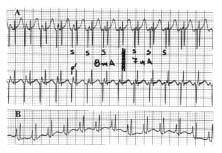
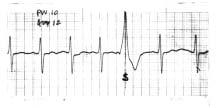
A. Margetakis, C. Trapali, D. Georgakopoulos, G. Grigoriadou, N. Iakovidou, G. Kourakis, H. Dellagrammaticas. Transoesophageal pacing in neonates: Estimation of the appropriate site of minimum pacing threshold. Paediatriki 2000;63:302-308.
● Abstract: Transoesophageal pacing and electrocardiography have important diagnostic and therapeutic uses in the neonate. This study evaluated the depth of esophageal insertion in minimizing transoesophageal atrial pacing threshold in 26 neonates aged 2 to 16 days with congenital heart disease (15) or normal heart (11) and arrhythmias. A 6 Fr oesophageal electrode with interelectrode spacing of 20 mm was used. Stimulation was performed during sinus rhythm with a programmable stimulator capable of delivering a constant-current, square-wave of 0-20 mA, with pulse width of 10 msec. The average minimal pacing threshold was 8.39 mA (range 7 to 10). The average maximum bipolar atrial electrogram amplitude was 0.57 mA (range 0.45 to 0.65). The average depth of catheter insertion in the site of minimal pacing threshold was 12.93 cm (range 11 to 14.5), it occurred within 0.5 cm bilaterally, and was correlated with patient height (r=0.59). The maximum bipolar atrial electrogram was highly negatively correlated with the minimum pacing threshold (r=-0.95) in the site of minimal threshold. There was no difference between neonates with and without congenital heart disease. In neonates, the estimation of catheter insertion depth using the maximum atrial electrogram amplitude is preferable to that for using the patient's height, and is critical for minimizing pacing threshold.
1.Benson W Jr: Transesophageal electrocardiography and cardiac pacing:state of art. Circulation 1987;75(Suppl III):86-90.
2.Montoyo JV, Angel J, Valle V, Gausl C. Conversion of tachycardias by transesophageal atrial pacing. Am J Cardiol 1973;32:85-90.
3.Sterz H, Prager H, Koller H. Transesophageal rapid stimulation of the left atrium in atrial tachycardia. Z Kardiol 1978:67:136-138.
4.Gallagher JJ, SmIth WM, Kerr CR, Kasell J, Cook L, Relter M, Sterba R, Harte M. Esophageal pacing: a diagnostic and therapeutic tool. Circulation 1982;65:336-341.
5.Kerr C, Gallagher JJ, SmIth WM, Sterba R, German LD, Cook L, Kasell JH. The induction of atrial flutter and fibrillation and the termination of atrial flutter by esophageal pacing. PACE 1983:6:60-72.
6.Benson DW Jr, Dunnlgan A, Sterba R, Bend}U DG. Atrial pacing from the esophagus in diagnosis and management of tachycardia and palpitations. J Pediatr 1983;102:40-46.
7.Lucet V. Esophageal pacing in children. 38 consecutive cases. Arch Fr Pediatr.1990;47(3):185-9.
8.Moquet B, et al. Value of the esophageal approach in the diagnosis, treatment and therapeutic surveillance of arrhythmia in children. Arch Fr Pediatr.1 1989;46(1):1 1-7. Review.
9.Benson DW Jr, Sanford M, Dunnigan A, Bendit DG: Transesophageal atrial pacing threshold: role of interelectrode spacing, pulse width, and catheter insertion depth. Am J Cardiol 53:63;1984.
10. McNally EM, Meyer EC, Langendorf R. Elective countershock in unanesthetized patients with use of an esophageal electrode. Circulation 33:124, 1966.
J. Labadaridis, E. Dimitriou, M. Theodoraki, A. Hiza, M. Savala, H. Michelakakis. Chitotriosidase levels in Candida albicans infection. Paediatriki 2000;63:309-313.
● Abstract: Fungal infections have become an important factor in neonatal morbidity and mortality in neonatal intensive care units. Early diagnosis and proper assessment of the efficacy of the antifungal treatment are of the outmost importance. Human chitotriosidase is a recently identified enzyme and is the only one known so far to have proven chitinolytic activity. The levels of chitotriosidase were studied in two neonates with systemic Candida albicans infection. Assays of the enzymic activity in sequential urine and plasma samples showed that the enzyme levels increased or decreased in relation to the outcome of the infection. The data indicate that serial chitotriosidase assays can be used as an early indicator of fungal infection as well as for evaluating the efficacy of the applied therapy.
1.Baley J.E. Neonatal candidiasis. The current challenge. Clin Perinatol. 1991;18:263-280.
2.Nichols JM, Yuen KY, Tan AYC: Systemic fungal infections in neonates. Br J Hosp Med 1993;49:420-424.
3.Leibovitz E, Luster-Reicher A, Amitai M, Moligner S. Systemic candidal infections associated with the use of peripheral venous catheters in neonates: A 9 year experience. Clin Infec Dis 1992;14:485-491.
4.Henrissat B, Bairoch A. New families in the classification of glycosyl hydrolases based on amino acid sequence similarities. Biochem J 1993;293:781-788.
5.Hakala BE, White C, Recklies AD. Human cartilage gp-39, a major secretory product of articular chondrocyte and synovial cell, is a mammalian member of a chitinase protein family. J Biol Chem 1993;268:25803-25810.
6.Malette B, Merlen Y, Bleau G, Paquette Y. Oviductins posses chitinase- and mucin - like domains: a lead to the
search for the biological function of these oviduct-specific ZP-associated glycoproteins. Mol Reprod Dev 1995; 41:384-397.
7.Den Tandt WR, Scharp S, Overdijk B. Evaluation of the hydrolysis of methylumbelliferyl-tetra-N-acetyl chiototetraoside by various glucosidases. A comparative study. Int J Biochem 1993;25:113-119.
8.Overdijk B, van Steijn GJ. Human serum contains a chitinase: identification of an enzyme, formerly described as 4-methylumbelliferyl-tetra-N-acetylchitotetraoside hydrolase (MU-TCACT). Glycobiology 1994;4:797-803.
9.Sahai AS, Manocha RW. Chitinases of fungi and plants: their involvement in morphogenesis and host-parasite interaction FEMS Microbiology Reviews 1993;11:317-338.
10.Labadaridis J, Dimitriou E, Costalos C, et al. Serial chitotriosidase activity estimations in neonatal systemic candidiasis. Acta Paediatrica 1998;87:605-606.
11.AÓ·ÁÓˆÛÙ¿Î˘ ¢, §·Ì·‰·Ú›‰Ë˜ I, AÓÙˆÓÔÔ‡ÏÔ˘ N. OÍ›· ÓÂÊÚÈ΋ ·Ó¿ÚÎÂÈ· Û ‚Ú¤ÊÔ˜ 2 ÌËÓÒÓ. ¢ÂÏÙ. A' ¶·È‰È·ÙÚ. KÏÈÓ. ¶·ÓÂ. AıËÓÒÓ 1998;45:180-186.
12.Hollak CEM, van Weely S, van Oers MHJ and Aerts JMFG. Marked elevation of plasma chitotriosidase activity. J Clin Invest 1994;93:1288-1292.
13.Mulisch M. Chitin in protistan organisms. Eur J Protistol 1993;29:1-18.
14.Flach J, Pilet PE, Jolles P. What's new in chitinase research? Experientia 1992;48:701-716.
15.Gooday GW. Diversity of roles for chitinases in nature. In: Zakaria MB, Nudna WMW, Abdullah MP eds. Chitin and chitosan - the versatile environmentally friendly modern materials. Pangi, Penerbit University Kebangsaan Malaysia 1995:191-202.
16.Shahabudin M, Kaslow DC. Chitinase: a novel target for blocking parasite transmission? Parasitol Today 1993;9:252-258.
17.Schlein Y, Jacobson RL, Shlomai J. Chitinase secreted by Leishmania functions in the sandfly vector. Proc R Soc B 1991;245:121-26.
18.Broekaert WF, van Parijs J. Allen AK, Peumans WJ. Comparison of some molecular, enzymatic and antifungal properties of Chitinases from thorn-apple, tobacco and wheat. Physiol Mol Pl Pathol 1988;33:319-33.
19.Vazquez-Torres A, Balish E. Macrophages in Resistance to Candidiasis. Microbiol Molec Biol Rev 1997;61:170-192.
20.Renkema GH, Boot RG, Strijland A, Donker-Koopman WE, van den Berg M, Muijsers AO et al. Synthesis, sorting, and processing into distinct isoforms of human macrophage chitotriosidase. Eur J Biochem 1997;244: 279-285.
21.Boot RG, van Archterberg TA, van Aken BE, Renkema GH, Jacobs MJ, Aerts JM et al. Strong induction of members of the chitinase family of proteins in atherosclerosis: Chitotriosidase and human cartilage hp-39 expressed in lesion macrophages. Arterioscler Thromb Vasc Biol 1999;19:687-694.
22.Overdijk B, Van Steijn GJ, Odds FC. Distribution of chitinase in guinea pig tissues and increases in levels of
¶∞π¢π∞∆ƒπ∫∏ 2000;63:309-313
this enzyme after systemic infection with Aspergillus fumigatus. Microbiology 1999; 145:259-269.
23.Blommaart E, van Weely S, Boot R, Aerts JM, Friedman
HÌÂÚÔÌËÓ›· ˘Ô‚ÔÏ‹˜: 16-03-2000
HÌÂÚÔÌËÓ›· ¤ÁÎÚÈÛ˘: 07-06-2000
¢È‡ı˘ÓÛË ·ÏÏËÏÔÁÚ·Ê›·˜: ¢Ú. EϤÓË MȯÂϷοÎË
IÓÛÙÈÙÔ‡ÙÔ YÁ›·˜ ÙÔ˘ ¶·È‰ÈÔ‡
NÔÛ/ÌÂ›Ô ¶·›‰ˆÓ "H AÁ›· ™ÔÊ›·", Aı‹Ó· 11527
BA. Chitotriosidase: A natural antifungal agent? (Abstract) 3rd Workshop European Working Group on Gaucher Disease, Lemnos 1999.
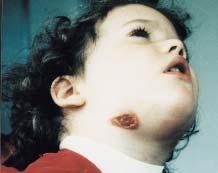
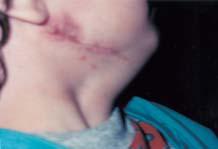
P. Spyridis, H. Maltezou, D. Kafetzis. Non-tuberculous mycobacterial lymphadenitis in children. Paediatriki 2000;63:314-318.
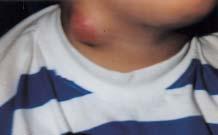
● Abstract: A study was made to review the clinical and epidemiological features, management and outcome associated with the development of non-tuberculous mycobacterial (NTM) infection in children. The medical records of all children aged 0-14 years with NTM infection diagnosed at the P. and A. Kyriakou Children's Hospital between January 1982 and December 1997 were reviewed. During the study period 52 such children were identified, in 76.5% of whom the diagnosis was made during the second half of the period studied. Of the 52 patients, 47 had lymphadenitis, 3 pulmonary and 2 disseminated disease. Mycobacterium avium complex was the predominant isolate in these cases. Satisfactory aesthetic results were achieved when total excision of the affected lymph nodes was perfomed within one month of the onset of NTM lymphadenitis. The outcome was good for the 3 patients with pulmonary disease, but the 2 patients with the disseminated form died. In conclusion NTM infection in children is being diagnosed in increasing frequency during the last decade. Prompt total excision of the involved lymph nodes is indicated for an optimal outcome.
Key words: non-tuberculous mycobacteria, lymphadenitis, M. Avium.
1. Wolinsky E. Nontuberculous mycobacteria and associated diseases. Am Rev Resp Dis 1979;119:107-59.
2. Lincoln EM, Gilbert LA. Disease in children due to mycobacteria other than Mycobacterium tuberculosis. Am Rev Resp Dis 1972;105:683-714.
3. Pattz EF, Swensen SJ, Erasmus J. Pulmonary manifestations of nontuberculous mycobacterium. Radiol Clin North Am 1995;33:719-29.
4.O’ Brienn RJ, Geiter LJ, Snider DE. The epidemiology of nontuberculous mycobacterial diseases in the United States. Am Rev Respir Dis 1987;135:1007-14.
5.Starke JR, Correa AG. Management of mycobacterial infection and disease in children. Pediatr Infect Dis J 1995;14:455-70.
6.Wolinsky E. Mycobacterial lymphadenitis in children: a prospective study of 105 nontuberculous cases with longterm follow-up. Clinic Infect Dis 1995;20:954-63.
8. Berger C, Pfyffer GE, Nadal D. Treatment of nontuberculous mycobacterial lymphadenitis with clarithromycin plus rifabutin. J Pediatr 1996;128:383-6.
9.Iseman MD. Mycobacterium avium complex and the normal host. N Engl Med J 1989;321:869-8.
10.Romanus V, Hallander HO, Wahlen P, Olinder - Nielsen AM, Magnusson PH, Juhlin I. Atypical mycobacteria in extrapulmonary disease among children. Incidence in Sweden from 1969 through 1990, related to changing BCG - vaccination coverage. Tubercle Lung Dis 1995;76:300-10.
11.American Thoracic Society: Diagnosis and treatment of disease caused by non-tuberculous mycobacteria. Am J Respir Crit Care Med 1997;156:1-25.
12. Stone A, Schelonka R, Drehner D, Ascher D. Disseminated M. avium complex in non-human immunodeficiency virus-infected pediatric patients. Pediatr Infect Dis J 1992;11:960-964.
A. Tsilimingaki, A. Manoura, T. Tsekoura, V. Angelakou, A. Schinaki, P. Stasinos, L. Ploumidis. A study of ventricular septal defects in the first year of life. Paediatriki 2000;63:319-321.
● Abstract: A ventricular septal defect (VSD) as a single cardiac lesion was detected in 48 infants aged less than one year between January 1995 and February 1997. The diagnosis was made by two-dimensional echocardiography and Doppler colour flow mapping. Forty-one infants (85.5%) had a muscular septal defect, six (12.5%) a perimembranous defect and one (2%) a subpulmonary defect. Within the observation period spontaneous closure occurred in 20 small muscular septal defects (41.6%) while infants with a perimembranous VSD needed surgical closure of the defect. Congestive heart failure developed in five infants (10.4%). Muscular VSD seems to be a much more common than finding perimembranous VSD. This is probably a consequence of the detection of small muscular VSDs following the introduction of echocardiography as a standard method for investigating suspected congenital heart defects.
1.Graham T, Gutgesell H. Ventricular Septal Defects In: Emmanouilidis GC, Allen HD, Riemenschneider TA, Gutgesell HP eds. Heart disease in infants, children and adolescents. 5th ed. Baltimore: Williams & Wilkins 1995:724-726.
3.Trowitzsch E, Braun W, Stute M, Pielemeier W. Diagnosis, therapy and outcome of ventricular septal defect in the 1st year of life: a two-dimensional colour Doppler echocardiography study. Eur J Pediatr 1990;149:758-761.
4.Mehta A, Chidambaram B. Ventricular septal defect in the
first year of life. Am J Cardiol 1992;70:364-366.
5.Meberg A, Otterstad JE, Froland G, Sorland S, NitterHauge S. Increasing incidence of ventricular septal defect caused by improved detection rate. Acta Paediatr 1994, 83(6):653-657.
6.Backer C, Winters R, Zales V, Takami H, Muster A, Benson W, Mavroudis C. Restrictive ventricular septal defect: how small is too small to close? Ann Thorac Surg 1993;56:1014-1019.
7. Moe D, Guntheroth W. Spontaneous closure of uncomplicated ventricular septal defect. Am J Cardiol 1987;60:674-678.
8. Shirali G, O'Brian Smith, Geva T. Quantitation of echocardiographic predictors of outcome in infants with isolated ventricular septal defect. Am Heart J 1995;130:1228-1235.
9.Byard R. Ventricular septal defect and sudden death in early childhood. J Paediatr Child Health 1994;30:439-44.
10.Frontera-Izquierdo P, Cabezuelo-Huerta G. Natural and modified history of isolated ventricular septal defect: a 17year study. Pediatr Cardiol 1992;13:193-197.
11.Perloff GK. The clinical recognition of congenital heart disease. 4th ed. Philadelphia: W.B. Saunders Company, 1994.
12.Silverman NH. Pediatric echocardiography. Baltimore: Williams & Wilkins, 1993.
14. Ruangritnamchai C, Khowsathit P, Pongpanich B. Spontaneous closure of small ventricular septal defect first six months of life. J Med Assoc Thai 1993;76 Suppl 2:63-71.
15.Hiraishi S, Agata Y, Nowatari M, Oguchi K, Misawa H, Hirota H et al. Incidence and natural course of trabecular ventricular septal defect: Two-dimensional echocardiography and color Doppler flow imaging study. J Pediatr 1992;120:409-415.
S. Doudounakis, A. Zissouli, A. Lourida, E. Roma-Giannicou, N. Manolaki. Fibrosing colonopathy in cystic fibrosis. Paediatriki 2000;63:322-325.
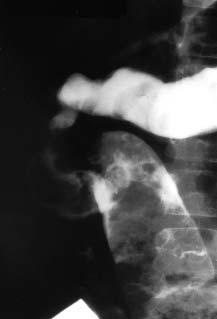
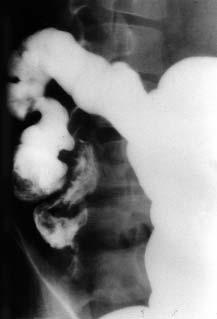
● Abstract: Colonopathy has recently been recognized as a complication of cystic fibrosis, and is related to the consumption of high doses of pancreatic enzymes. The case of a 9 year-old girl with cystic fibrosis and colonopathy is described. She presented with recurrent episodes of intestinal obstruction starting at the age of 17 months. In an attempt to control the number of bowel motions, the daily intake of lipase, over extended periods, was maintained at >35,000 UI/Kg. Diagnosis was based on the radiologic findings on barium enema (significant stenosis with prestenotic dilatation of the ileus and abnormal appearance of the colon), laparotomy findings and the histological picture which excluded other forms of intestinal disease. With appropriate changes in the amounts of pancreatic enzymes given daily, the endoscopic and radiologic findings improved significantly, but the patient suffered further episodes, although much less severe. Current literature on the pathogenesis, clinical presentation, diagnosis and treatment of the condition is reviewed.
1.Smyth RL, Van Velzen D, Smyth AR, Lloyd DA, Heaf DP. Strictures of ascending colon in cystic fibrosis and high strength pancreatic enzymes. Lancet 1994;343:85-86.
2. Powel CJ. Colonic toxicity from pancreatins: a contemporary safety issue. Lancet 1999;353:911-915.
3.Littlewood JM. Update on intestinal strictures. JR Soc Med 1999;92 (suppl 37): S41-S49.
4.Borowitz DS, Grand RJ, Durie PR and the CF Consensus Committee. Use of pancreatic enzyme supplements for patients with cystic fibrosis in the context of fibrosing colonopathy. J Pediatr 1995;127:681-684.
5.Hasler WL. Pancreatic enzymes and colonic strictures with cystic fibrosis: A case- control study. Selected summaries. Gastroenterology 1998;114:609-612.
6.Reichard KW, Vinocour CD, Franco M, Crisci KL, Flick JA, Billmire DF et al. Fibrosing colonopathy in children with cystic fibrosis. J Pediatr Surg 1997;32:237-242.
7.Smyth RL, Ashby D, O’ Hea U, Burrows E, Lewis P, van Velzen D, et al. Fibrosing colonopathy in cystic fibrosis: results of a case control study. Lancet 1995; 346:1247-1251.
8.Fitzsimmons SC, Burkhart GA, Borowitz D, Grand RJ, Hammer strom T, Durie PR et al. High dose pancreatic enzyme supplements and fibrosing colonopathy in children with cystic fibrosis. N Engl J Med 1997;336:1283-1289.
9.Lee J, Ip W, Durie P. Is fibrosing colonopathy an immune mediated disease? Arch Dis Child 1997;77:66-70.
10.Current problems in Pharmacovigilance, Committee on Safety of Medicines Nov 1995;21:11.
O. Papadaki-Papandreou, M. Zarifi, I. Oikonomidis, A. Xypolyta-Zachariadou. Late intrauterine cylomegalovirus infection: clinical and imaging findings. Paediatriki 2000;63:326-329.
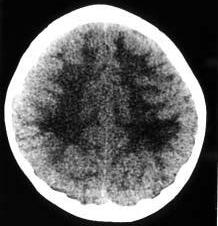
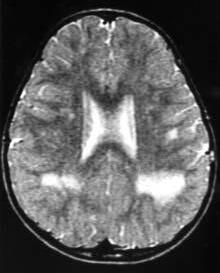
● Abstract: Early intrauaterine cylomegalovirus (CMV) infection typically leads to severe neurological deficits in the child, with sensorineural hearing loss and typical neuroradiological findings: cerebral calcifications, migrational anomalies (lissencephaly, polymicrogyria), myelination disorders, paraventricular cysts, dilatation of the lateral ventricles and cerebellar hypoplasia. By contrast CMV infection at a later stage of pregnancy causes milder clinical symptoms: microcephaly, hearing loss and less severe neurological findings. The case is presented of a 3-year old girl with sensorineural hearing loss, mild behavioural problems with hyperactivity, good psychomotor evolution and head circumference at the lower normal limits. Before the installation of a cochlear implant the girl underwent brain and petrous bone CT and MRI. The CT revealed irregular hypodense areas symmetrically in the posterior parts of the corona radiata. The MRI showed patchy areas of increased signal on T2-weighted images in the deep white matter of the frontal, parietal and temporal lobes bilaterally. It is believed that the CMV infection in this child, who had been hospitalised for CMV infection in the perinatal period, occurred in the third trimester of pregnancy and therefore the disease presented with a mild clinical picture and limited neuroradiological findings.
Key words: intrauterine cytomegalovirus infection, central nervous system, CT, MRI.
4.Barkovich AJ, Lindau CE. Congenital cytomegalovirus infection of the brain: Imaging analysis and embryological considerations. AJNR 1994;15:703-704.
5.Boech C, Issakainen J, Kewitz G, Kikinis R, Martin E, Boltshause E. Magnetic resonance imaging of the brain in congenital cytomegalocirus infection. Pediatr Radiol 1989;19:91-93.
6.Steinlin MI, Nadal D, Eich GF, Martin E, Boltshauser EJ. Late intrauterine cytomegalovirus infection: clinical and neuroimaging findings. Pediatr Neurol 1996;15:249-253.
7. Barnes PD, Poussaint TY, Burrows PE. Imaging of pediatric central nervous system infections. Pediatric Neuroradiology 1994;4:367-391.
9.Sugita K, Ando M, Makino M, Takanashi J, Fujimoto N, Miimi H. Magnetic resonance imaging of the brain in congenital rubella virus and cytomegalovirus infection. ¡euroradiology 1996;3:315-319.
10.Alonso A, Alvarez A, Seara MJ, Lipares M, Villalon J. Unusual manifestations of postnatally acquired cytomegalovirus infection: findings on CT and MR. Pediatr Radiol 1997;2:217-221.
11. Williamson WD, Demmler GJ, Percy AK, Catlin FI. Progressice hearing loss in infants with asymptomatic congenital cytomegalovirus infection. Pediatrics 1992;90:862-866.
12. Bale JF, Sato Y, Eisert D. Progressive postnatal subependymal necrosis in an infant with congenital cytomegalovirus infection. Pediatr Neurol 1986;2:367.
13.Nabetani M, Tsuneishi S, Kugo M, Konishi H, Yamazaki T. A case of perinatal cytomegalovirus infection with severe progressive brain atrophy. No To Hattatsu 1993;25:76-80.
M. Papadaki, I. Kaskarelis. GastroÔesophageal reflux in children: methods of radiological evaluation. Paediatriki 2000;63:330-336.
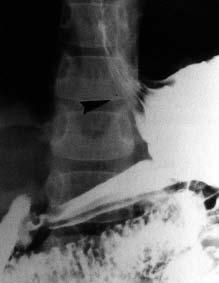
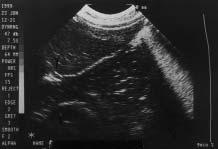
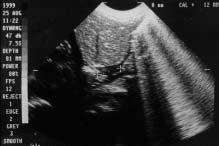
● Abstract: GastroÔesophageal reflux (GER) is the passage of gastric contents into the lower oesophagus and the term usually refers to symptomatic GER with or without histological oesophageal abnormalities. Various diagnostic tests are available for the assessment of the patient with suspected GER; the Bernstein test, the Tuttle test, intraoesophageal pH monitoring, gastric scintigraphy, oesophageal manometry, endoscopy, upper gastrointestinal (GI) barium studies and ultrasonography. The main aims of upper GI barium studies in examining children with suspected GER are to assess the adequacy of the antireflux mechanism and to detect gross morphological changes of reflux oesophagitis and possible upper gastrointestinal tract anatomical abnormalities. The sensitivity of barium studies varies between 20% and 73% and the specificity is estimated at 30% of symptomatic patients. Gastric scintigraphy is probably less sensitive than upper GI barium studies, although it is useful for evaluating oesophageal function and clearance. and is indicated primarily for evaluating infants with suspected aspiration, delayed gastric emptying and nonacid reflux. Ultrasonography (US) permits only poor assessment of the severity of GER and oesophagitis but it provides unique morphological information about the gastrooesophageal junction. US evaluation is almost as specific as upper GI barium studies for demonstrating GER in children but less accurate than oesophageal pH monitoring. It could be used as a screening test, coupled or not to pH analysis, in patients at risk, especially those under the age of 5 years.
4.Gastroesophageal reflux. In: Behrman RE, Kliegmann RM, Alvin AM eds. Nelson Textbook of Pediatrics.15th ed. Philadelphia: W.B.Saunders Co. 1996:1055-1056.
5.Di Mario M, Bergami G, Fariello G et al. Diagnosis of gastroesophageal reflux in childhood. Comparison of ultrasonography and barium swallow. Radiol Med (Torino) 1995;89:76-81.
6.Hillemeier AC. Gastroesophageal reflux. Diagnostic and therapeutic approaches. Pediatr Clin N Am 1996;43:197-212.
7.Glassman M, Donald G, Grill B. Gastroesophageal reflux in children. Clinical manifestations, diagnosis, and therapy. Gastroenterol Clin N Am 1995;24:71-98.
8.Gomes H, Lallemand A, Lallemand P. Ultrasound of the gastroesophageal junction. Pediatr Radiol 1993;23:94-99.
9.Katzka DA, Sidhu M, Castell DO. Hypertensive lower esophageal sphincter pressures and gastroesophageal reflux: an apparent paradox that is not unusual. Am J Gastroenterol 1995;90:280-4.
10.Cavataio F, Iacono G, Montalto G et al. Gastroesophageal reflux associated with cow's milk allergy in infants: which diagnostic examinations are useful? Am J Gastroenterol 1996;91:1215-1220.
11.Thompson JK, Koehler RE, Richter JE. Detection of gastroesophageal reflux: value of barium studies compared with 24-hr pH monitoring. Am J Roentgenol 1994;162:621-626.
12.Sondheimer JM. Gastroesophageal reflux: update on pathogenesis and diagnosis. Pediatr Clin N Am 1988;35:103-116.
13.Ott DJ. Gastroesophageal reflux disease. Radiol Clin N Am 1994;32:1147-1166.
14.Laudizi L, Zaniol P, Venuta A et al. Gastroesophageal reflux in children. A combined radiologic and scintigraphic study. Radiol Med (Torino) 1990;79:381-383.
15.Ott DJ. Gastroesophageal reflux: what is the role of barium studies? Am J Roentgenol 1994;162:627-629.
16. McCauley RG, Darling DB, Leonidas JC. Et al. Gastroesophageal reflux in infants and children: a useful classification and reliable physiologic technique for its demonstration. Am J Roentgenol 1978;130:47-50.
17.Westra SJ, Wolf BH, Staalman CR. Ultrasound diagnosis of gastroesophageal reflux and hiatal hernia in infants and young children. J Clin Ultrasound 1990 ;18: 477-485.
18.Brady AP, Stevenson GW, Somers S et al. Premature contraction of the cricopharyngeus: a new sign of gastroesophageal reflux disease. Abdom Imaging 1995;20:225-229.
19.Stringer DA, Hassall E, Ferguson A. et al. Hypersensitivity reaction to single contrast barium meal studies in children. Pediatr Radiol 1993;23:587-588.
20.Naik DR, Bolia A, Moore DJ. Comparison of barium swallow and ultrasound in diagnosis of gastroesophageal reflux in children. BMJ 1985;290:1943-1945.
21.Wynchank S, Mann MD, Fisher R. et al. Ultrasound as a screening study for gastroesophageal reflux in children. Ann Trop Paediatr 1997;17:343-348.
22.Anvi EF, Rypens FR. Pediatric gastrointestinal tract. In: Dubbins PA, Joseph AEA, eds. Ultrasound in Gastroenterology. New York, Edinburgh, London: Churchill Livingstone, 1994:27-54.
23. Gomes H. Gastroesophageal reflux in infants: ultrasonographic reading of pHmetry. Arch Pediatrie 1994;7:639-645.
24.Hirsch W, Kedar R, Prei( U. Color doppler in the diagnosis of the gastroesophageal reflux in children: comparison with pH measurements and B-mode ultrasound. Pediatr Radiol 1996;26:232-235.
25. Hirsch W, Prei( U, Kedar R. Color coded Doppler ultrasound in diagnosis of gastroesophageal reflux. Clin Paediatr 1997;209:6-10.
26.Rizzo G, Capponi A, Arduini D et al. Prenatal diagnosis of gastroesophageal reflux by color and pulsed Doppler ultrasonography in a case of congenital pyloric atresia. Ultrasound Obst Gyn 1995;6:290-292.
27. Le Dosseur P, Moutounet L, Eurin D et al. Ultrasonography of the esophagus in children. Ann Radiol (Paris) 1994;37:494-499.
28.De Meester TR, Wernly GA, Bryant CH. Clinical and in vitro analysis of determinants of gastroesophageal competence: A study of principles of antireflux surgery. Am J Surg 1979;137:39-46.
29.Rollins MD, Shields MD, Quinn R et al. Value of ultrasound in differentiating causes of persisting vomiting in children. Gut 1991;32:612-614.
30.Aliotta A, Rapaccini GL, Pompili M et al. Ultrasonographic signs of sliding gastric hiatal hernia and their prospective evaluation. J Ultras Med 1995;14:457-461.
31.Johnston BT, Troshinsky MB, Castell JA et al. Comparison of barium radiology with esophageal pH monitoring in the diagnosis of gastroesophageal reflux disease. Am J Gastroenterol 1996;91:1181-1185.
32. Tani G, Sciutti R, Teglia F et al. Diagnosis of gastroesophageal reflux in children. Ultrasonography versus pH monitoring. Radiol Med (Torino) 1993;86:626-9.