Four monthly publication of the Greek Paediatric Society
262
EDITORIAL
Stelios Antoniadis
264
ARTICLE OF SPECIAL INTEREST
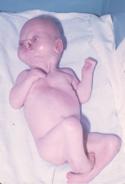
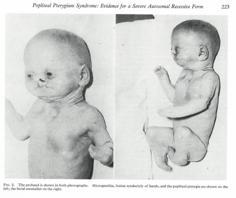
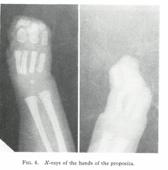
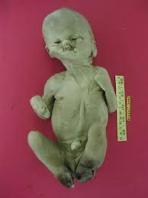
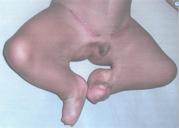
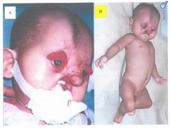
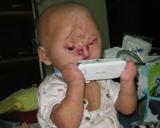
Bartsocas-Papas syndrome: The story of a rare hereditary syndrome with multiple congenital anomalies
Christos Bartsocas
272
RESEARCH STUDY
Quality of Life and Self-Esteem in Young Individuals with Type 1 Diabetes: An Assessment of Influencing Factors
M. Deligianni, I. Tsioptsias, V. Tsioptsia, D. Tsioptsia
284
REVIEW ARTICLES
Long COVID Syndrome: The "Silent Pandemic" in Children and Adolescents
Vasiliki Gketsi, Margarita-Efthalia Papasavva
290
Immunosurveillance of allergic diseases.
Alexios Mavroudis
President
A. Constantopoulos
Editorial board
Editor- in- Chief
S. Antoniadis
Members
S. Andronikou
E. Galanakis
A. Evangeliou
L. Thomaidou
M. Kanariou
A. Kapogiannis
S. Kitsiou-Tzeli
E. Mantadakis
P. Panagiotopoulou-Gartagani
A. Papadopoulou
V. Papaevagelou
A. Papathanassiou
A. Siamopoulou-Mavridou
A. Syrigou-Papavasiliou
Manuscript submission
e-mail: grammateia@e-child.gr
Instructions to authors: http://e-child.gr/publications/ instructions-to-authors
Owner Greek Paediatric Society 15, Mpakopoulou st. GR - 15451, Ν. Psychiko Tel.: +302107771140
e-mail: grammateia@e-child.gr
Annual subscription All foreign countries: US$50
298
CASE REPORTS
Normal Onset of Puberty in a Girl with Mosaic Turner Syndrome: Case Presentation and Review of the Most Recent Clinical Practice Guidelines. Kantza Evanthia, Zioga Ekaterini, Kosmeri Chrysoula, Ladomenou Fani, Siomou Ekaterini, Vlachos P Antonios, Serbis Anastasios
308
Papillary thyroid carcinoma in an adolescent with known GRAVES’ disease. Pavli Polina, Tsakonas Georgios, Rossolatou Maria Margarita, Kosteria Ioanna, Skondras Ioannis, Giamarelou Panagiota, Vlachopapadopoulou Elpis-Athina
316
BETWEEN COLLEAGUES
Stelios Antoniadis
318
INSTRUCTIONS TO AUTHORS
Σύνδρομο
BARTSOCAS-PAPAS
Correspondence
Christos S. Bartsocas
T. +306944344717
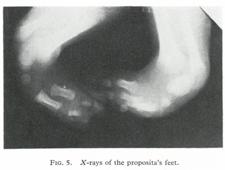
1971 (Bartsocas CS, Papas CV, 1971).
ο Widukind Lenz (1919-1995),
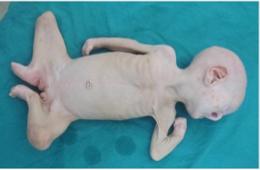
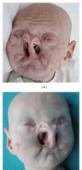
Bartsocas-Papas
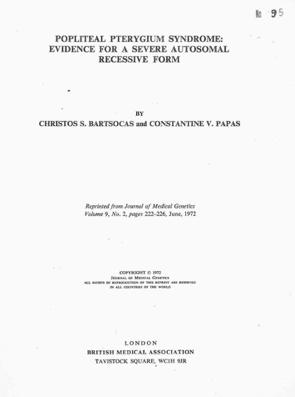
Journal of Medical Genetics (Bartsocas, Papas,
(Papadia F et al. 1984,
Papadia et al. 1988).
(Bender et al. 2017),
(Abdalla, Morsy, 2011; Zaki et al. 2012),
(Massoud et al. 1988),
(Josh et al. 2021),
(Godbolle et al. 2008)
(Martinez-Frias et al. 1991),
(Nikhat et al. 2022).
(Gollasch et al. 2015).
(Hennekam et al. 1994, Veenstra-Knol et al. 2003).
(Cheinf et al. 1985, Dolan et al. 2003, Gripp et al. 2013).
(Amer J Hum Genet 2012; 90:69-75)
των Kalay et al. (2012) δημοσιεύθηκε στο ίδιο τεύχος του American Journal of Human Genetics (90:76-85, 2012) και
Dincer et
(Leslie et al. 2015).
BARTSOCAS-PAPAS
Dolan et al. (2003)
(Bartsocas-Papas Syndrome
Bartsocas-Papas
ICD11
LD26.4Y
MedGen C1849718
MESH D011625
MESH via Orphanet C564874
MONDO 0009901
OMIM 263650
Orphanet ORPHA1234
SNOMED-CT via HPO 103606006, 111246005, 11375002, 127559009, 13401001
Abdalla EM, Morsy H (2011): Bartsocas-Papas Syndrome: unusual findings in the first reported Egyptian family. Case Rep Genet; 2011:428714.
Al-Sawan RM, Soni AL, Al-Nakkas EM, Gang RK (2004): Bartsocas-Papas Syndrome in a Pakistani family from Kuwait. Indian Pediatr; 41:725-727.
Bartsocas CS, Papas CV (1971): Genetic considerations of the popliteal pterygium syndrome: evidence of an autosomal recessive and a dominant form. Excerpta Medica International Congress Series No 233, Abstracts, IV International Congress of Human Genetics, Paris, 6-11 September 1971.
Bartsocas CS, Papas CV (1972): Popliteal pterygium syndrome: Evidence for a severe autosomal recessive form. J Med Genet; 9:222-226.
Bender RA, Tanriverdi EC, Yucel A, Erdem MG (2017): A family from Turkey with BartsocasPapas Syndrome. Eurasian J Med; 49:74-75.
Busa T, Jeraiby M, Clemenson A, Manouvrier S, Granados V, Philip N, Touraine R (2017): Confirmation that RIPK4 mutations cause not only Bartsocas-Papas Syndrome but also CHAND syndrome. Amer J Med Genet A; 173:3113-3117.
Cheinf S, Grayson BH, Maccaro HA (1985): Bartsocas-Papas Syndrome: A case report. NY State Dent J; 51:101-102.
De Groote P, Tran HT, Fransen M, Tanghe G, Urwyler C, De Craene B, Leurs K, Gilbert B, Van Imschoot G, De Ryche R, Guerin CJ, Holland P, Berx G, Vandenabale P, Lippens S, Vleminclor K, Declerq W (2015): A novel RIPK4-IRF6 connection is required to prevent epithelial fusions characteristic for popliteal pterygium syndromes. Cell Death Differ; 22:1012-1024.
Dincer T, Gümüs E, Toraman B, Er I, Yildiz G, Yüksel Z, Kalay E (2021): A novel homozygous RIPK4 variant in a family with Bartsocas-Papas Syndrome. Amer J Med Genet A; 185:16911699.
Dolan SM, Shanske AL, Marion RW, Gross SJ (2003): First-trimester diagnosis of Bartsocas-Papas Syndrome (BPS) by transvaginal ultrasound: case report and review of the
literature. Prenat Diagn; 23:138-142.
Erthuran G, Holton J, Wall S, Giele H (2016): Bartsocas-Papas Syndrome: A case report and review of the literature. Ann Plast Surg; 76:459-462.
Giannotti A, Digilio MC, Standoli L, Zama M, Dallapiccola B (1992): New case of BartsocasPapas Syndrome surviving at 20 months. Amer J Med Genet; 42:733-735.
Godbole K, Bhide V, Godbole B (2008): Bartsocas-Papas Syndrome. Indian Pediat; 45:780782.
Gollasch B, Basmanar FB, Nanda A, Fritz G, Mahmoudi H, Thiele H, Wehner M, Wolf S, Altmüller J, Nürnberg P, Frank J, Betz RC (2015): Identification of a novel mutation in RIPK4 in a kindred with phenotypic features of Bartsocas-Papas and CHAND Syndromes. Am J Med Genet A; 167A:2555-2562.
Gripp KW, Ennis J, Napoli J (2013): Exome analysis in clinical practice: expanding the phenotype of Bartsocas-Papas Syndrome. Am J Med Genet A; 161A:1058-1063.
Hall JG, Reed SD, Rosenbaum KN, Gershanik S, Chen H, Wilson K (1982): Limb pterygium syndromes. Amer J Med Genet; 12:377-409.
Hennekam RC, Huber J, Variend D (1994): Bartsocas-Papas Syndrome with internal anomalies: evidence for a more generalized epithelial defect or new syndrome? Am J Med Genet; 53:102-107.
Josh F, Soekanto TH, Marzochi D, Farut M (2021): Bartsocas-Papas Syndrome: the first case report of severe autosomal recessive form from Indonesia. Int J Surg Case Rep; 79:436439.
Kalay E, Sezgin O, Chellappa V, Mutlu M, Morsy H, Kayserili H, Kreiger E, Cansu A, Toraman B, Abdalla EM, Aslem Y, Pillai S, Akarsu NA (2012): Mutations in RIPK4 cause the autosomal-recessive form of popliteal pterygium syndrome. Am J Hum Genet; 90:76-85. Lejeune J, Gauthier M, Turpin R (1959): Les chromosomes humains en culture de tissus. Comptes Rendus Hebdomadaires des Séances de l’Académie des Sciences; 248:602-603.
Leslie EJ, O’Sullivan J, Cunningham ML, Singh A, Goudy SL, Ababneh F, Alsubaie L, Ch’ng GS, van der Laar IM, Hoogeboom AJ, Dunnwald M, Kapoor S, Jiramongkolchai P, Standley J, Manak JR, Murray JC, Dixon MJ (2015): Heterozygous mutations in IRF6 cause popliteal pterygium syndrome, while homozygous mutations in RIPK4 or ___ cause the more severe Bartsocas-Papas Syndrome and cocoon syndrome respectively. Am J Genet A; 167A:545552.
MalaCards Disorders Index (https://www.malacards.org), 2026.
Martinez-Frias JL, Vasquez I, Fernandez J (1991): Bartsocas-Papas Syndrome: three familial cases from Spain. Am J Med Genet; 39:34-37.
Massoud AA, Ammaari AN, Khan ASS, Ven Katraman B, Teebi AS (1998): Bartsocas-Papas Syndrome in an Arab family with four affected sibs: further characterization. Amer J Med Genet; 79:16-21.
Mehta S, Kale E, Ravi TK et al. (2021): Bartsocas-Papas Syndrome: a lethal multiple pterygium syndrome. J Clin & Diagn Research; 15:001-002.
Mitchell K, O’Sullivan JO, Missero C, Blair E, Richardson R, Anderson B, Antonini D, Murray JC, Shenske AL, Schutte BC, Romano R-A, Sinha S, Bhasker SS, Black GCM, Dixon J, Dixon MJ (2012): Exome sequence identifies RIPK4 as the Bartsocas-Papas Syndrome locus. Amer J Hum Genet; 90:69-75.
Nichat F, Fernande SD, Mashharawi N, Bahutair S (2022): Bartsocas-Papas Syndrome: case report. Dubai Med J; 5:125-128.
Palka MK: A one-in-a-billion kid survives his rare deformity and has a loving family. The Florida Times-Union, Thanksgiving 2011.
Papadia F, Longo N (1988): Nosological difference between the Bartsocas-Papas Syndrome and lethal multiple pterygium syndrome. Amer J Med Genet; 29:699-700.
Papadia F, Zimbalatti F, La Rosa C (1984): The Bartsocas-Papas Syndrome: autosomal recessive form of popliteal pterygium syndrome in a male infant. Amer J Med Genet; 17:841847.
Veestra-Knol HE, Kleibenker A, Timmer A, Ten-Kate LP, van Essen AJ (2003): Unreported manifestations in two Dutch families with Bartsocas-Papas Syndrome. Amer Med Genet A; 123A:243-248.
Zaki MS, Kamel AK, Effat LK, El-Ruly MO (2012): Bartsocas-Papas Syndrome with variable expressivity in an Egyptian family. Genet Coms; 23:269-279.
Correspondence
Deligianni Maria
Perdikka 13, Ptolemaida
T. +30 2463021555
M. +30 6973454309
e-mail: deligiannimaria1@ gmail.com
Quality of Life and Self-Esteem in Young Individuals with Type 1 Diabetes: An Assessment of Influencing Factors
M. Deligianni, I. Tsioptsias, V. Tsioptsia, D. Tsioptsia
Abstract
Introduction: Type 1 Diabetes Mellitus (T1DM) is a complex and demanding disease to manage, which can impact the quality of life for young individuals and their families in various ways.
Aim: This study was conducted to investigate the quality of life and self-esteem in young people with diabetes. The purpose was to identify and evaluate the parameters that can negatively influence these aspects and to propose interventions for their improvement.
Methodology: This was a descriptive study utilizing specific questionnaires for the assessment of quality of life (PedsQL, Diabetic module version 3.0) and self-esteem (Rosenberg Self-Esteem Scale). The questionnaires were designed to detect attitudes and behaviors of young individuals with T1DM regarding obstacles and concerns about the disease, adherence to treatment, and to evaluate their feelings and self-image.
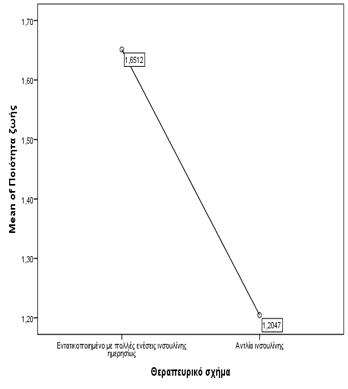
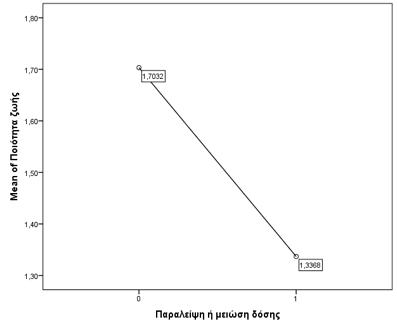
Results: The majority of the study sample, specifically 75.5%, reported a good quality of life, and 81% reported having self-esteem. The use of an insulin pump was identified as a factor that positively influences quality of life, while the intentional skipping of insulin doses showed a negative correlation.
Conclusions: Quality of life in T1DM is a multidimensional concept that can be influenced by familial, psychosocial, and clinical factors. The young individuals with T1DM who participated in this study reported enjoying a good quality of life and possessing self-esteem.
Key words: Diabetes mellitus 1, quality of life, self-esteem, diabulimia
M. Deligianni
Private sector, appointed teacher in University of Western Macedonia, occupational therapy department
I. Tsioptsias
Εlectrical engineer-computer engineer, principal of the 2nd primary school of Mourikio, Kozani
V. Tsioptsia
D. Tsioptsia
Student in Medical school of Aristotle University of Thessaloniki
1. Γαλλή-Τσινοπούλου, Α., Κοτανίδου, Ε. (2016).
2. Δεληγιάννη Μ. (2018). Διατροφικές διαταραχές και
τύπου 1 (μεταπτυχιακή έρευνα). Θεσσαλονίκη. Α.Τ.Ε.Ι.Θ; 2018
3. Kovacs M., Goldston D., Obrosky D. S., Bonar L. K. Psychiatric disorders in youths with IDDM: rates and risk factors. Diabetes Care. 1997;20(1):36–44. doi: 10.2337/diacare.20.1.36.
4. Hood K. K., Huestis S., Maher A., Butler D., Volkening L., Laffel L. M. Depressive symptoms in children and adolescents with type 1 diabetes. Diabetes Care. 2006;29(6):1389–1391. doi: 10.2337/dc06-0087.
5. Alassaf Α, Gharaibeh L, Zurikat R., Farkouh A, Ibrahim S, Zayed A.A , Odeh R. Prevalence of Depression in Patients with Type 1 Diabetes between 10 and 17 Years of Age in Jordan. J diabetes Res (internet). 2023 Feb: webpage: https://www.ncbi.nlm.nih.gov/
6. Jaser S. Psychological problems in adolescents with diabetes. Adolesc Med State Art Re (internet). 2010 April: wepage: https://pubmed.ncbi.nlm.nih.gov/20568561/
7. Hagger V, Hendrieckx C, Sturt J, Skinner TC, Speight J. Diabetes distress among adolescents with type 1 diabetes: a systematic review. Curr Diab Rep. 2016 Jan:webpage: https:// pubmed.ncbi.nlm.nih.gov/26748793/
8. Dybdal D, Tolstrup JS, Sildorf SM, et al. Increasing risk of psychiatric morbidity after childhood onset type 1 diabetes: a population-based cohort study. Diabetologia. 2018 April: webapage: https://pubmed.ncbi.nlm.nih.gov/29242985/
9. Butwicka A, Frisén L, Almqvist C, Zethelius B, Lichtenstein P. Risks of psychiatric disorders and suicide attempts in children and adolescents with type 1 diabetes: a population-based cohort study. Diabetes Care. 2015 Mar: webapage: https://pubmed.ncbi.nlm.nih. gov/25650362/
10. Cooper MN, Lin A, Alvares GA, de Klerk NH, Jones TW, Davis EA. Psychiatric disorders during early adulthood in those with childhood onset type 1 diabetes: rates and clinical risk factors from population-based follow-up. Pediatr Diabetes. 2017 Nov: webpage: https:// pubmed.ncbi.nlm.nih.gov/27878933/
11. Berger G, Waldhoer T, Barrientos I, et al. Association of insulin-manipulation and psychiatric disorders: a systematic epidemiological evaluation of adolescents with type 1
diabetes in Austria. Pediatr Diabetes. 2019 Feb:webapage: https://pubmed.ncbi.nlm.nih. gov/30267464/
12. Butwicka A, Fendler W, Zalepa A, et al. Psychiatric disorders and health-related quality of life in children with type 1 diabetes mellitus. Psychosomatics. 2016 Mar-April:webpage: https://pubmed.ncbi.nlm.nih.gov/26774893/
13. Κωνσταντακη, Ε. (2014). Συγκριτική
14. Rosenberg, M. (1979). Conceiving the Self. New York: Basic Books.
15. Al-Hayek AA, Robert AA, Abbas HM, Itani MB, Al-Saeed AH, Juhani AE, et al. Assessment of Health-Related Quality of Life among Adolescents with Type 1 Diabetes Mellitus in Saudi Arabia. Saudi Med J. 2014;35:712.
16. Alvarado -Martel, D. (14 Σεπτεμβρίου 2015). Quality of life and type 1 diabetes: a study assessing patients’ perceptions and self-management needs. Patient Preference and Adherence: 1315-1323.
17. Marques RD, de Moura Rodrigues ML, Marini AC, da Cunha Santos CR, Schincaglia RM. Associated Factors with the Quality of Life of Adolescents with Type 1 Diabetes. Clin Nutr ESPEN. 2021;42:387-92.
18. Madsen, S. (2002). The intersection of adolescent development and intensive intervention: age-related psychosocial correlates of treatment regimens in the diabetes control and complication trial. Journal of Pediatric Psychology 27, (5): 451-9
19.Caferoglu, Z. (2016). Health-Related Quality of Life and Metabolic Control in Children and Adolescents with Type 1 Diabetes Mellitus. Journal of Clinical Research in Pediatric Endocrinology. 8, (1): 67-73.
20. Al-Hayek AA, Robert AA, Abbas HM, Itani MB, Al-Saeed AH, Juhani AE, et al. Assessment of Health-Related Quality of Life among Adolescents with Type 1 Diabetes Mellitus in Saudi Arabia. Saudi Med J. 2014;35:712.
21.Abdul-Rasoul M, AlOtaibi F, Abdulla A, Rahme Z, AlShawaf F. Quality of Life of Children and Adolescents with Type 1 Diabetes in Kuwait. Med Princ.Pract. 2013;22:379-84.
22. Naughton, M. (2008). Health-related quality of life of children and adolescents with type 1 or type 2 diabetes mellitus: SEARCH for Diabetes in Youth Study. Pediatric Adolescent Medicine 162, (7): 649-657.
23. Al Shaikh, A. et al. (2020) 'Quality of Life in Children With Diabetes Treated With Insulin Pump Compared With Multiple Daily Injections in Tertiary Care Center', Clinical Medicine Insights: Endocrinology and Diabetes, 13, doi: 10.1177/1179551420959077.
24. Durmanova, A. et al. (2024) 'Glycemic control in children with type 1 diabetes: Insulin pump therapy versus multiple daily injections', Electronic Journal of General Medicine, 21(2). doi: 10.29333/ejgm/14101.
25. Oikonomou Α, Christoforidis Α , Kotanidou Ε , Giannopoulou Ι , Paschalidou Ε , Tsinopoulou V R , Sotiriou G , Tsiroukidou K , Galli-Tsinopoulou A. Detecting Disordered Eating Behaviors in Greek Youth with Type 1 Diabetes Mellitus by Using the Diabetes Eating Problem Survey-Revised (DEPS-R): Associations with Insulin Restriction, Glycemic Control, and Anthropometric Parameters. Children. Basel.(2025) ;12(6):795.
26. Goncalves, S. (2016). Eating-Disordered Behaviour in Adolescents with Type 1 Diabetes. Canadian Journal of Diabetes 40, (2): 152-7.
27. Emmanouilidou E, Galli-Tsinopoulou A, Karavatos A, Nousia-Arvanitakis S. Quality of Life of Children and Adolescents with Diabetes of Northern Greek Origin. Hippokratia. 2008;12:168.
Correspondence
Vasiliki Gketsi
60, General Makrigiannis Avenue, PC 454 45 Ioannina
T. +30 2651080785
e-mail: vikigetsi@gmail. com
Long COVID Syndrome: The "Silent Pandemic" in Children and Adolescents
Vasiliki Gketsi, Margarita-Efthalia Papasavva
Abstract
Post COVID Condition or Long-COVID Syndrome is characterized by the persistence of symptoms associated with infection by the SARS-CoV-2 virus (severe acute respiratory syndrome coronavirus 2). It is caused by long-term inflammatory damage to various organs (such as the lungs, heart, brain, liver, and kidneys) caused by the direct action of the virus, immune dysfunction, autoimmunity, diffuse endothelial damage, or microthrombosis. This study discusses the specific characteristics and the physical and psychological impacts of Long COVID on children and adolescents, as well as methods for prevention and management.
Keywords: Long COVID Syndrome, children, adolescents
Vasiliki Gketsi
Margarita-Efthalia
Papasavva
Department of Pediatrics, General Hospital of Ioannina “G. Hatzikosta”, Ioannina, Greece
3.
4.
1. Zimmermann P, Pittet LF, Curtis N. How Common is Long COVID in Children and Adolescents? Pediatr Infect Dis J. 2021 Dec 1;40(12):e482-e487. doi: 10.1097/INF.0000000000003328. PMID: 34870392; PMCID: PMC8575095.
2. Castagnoli R, Votto M, Licari A, et al. Severe Acute Respiratory Syndrome Coronavirus 2 (SARS-CoV-2) Infection in Children and Adolescents: A Systematic Review. JAMA Pediatr. 2020;174(9):882–889. doi:10.1001/jamapediatrics.2020.1467.
3. Ludvigsson JF. Systematic review of COVID-19 in children shows milder cases and a better prognosis than adults. Acta Paediatr. 2020 Jun;109(6):1088-1095. doi: 10.1111/apa.15270. Epub 2020 Apr 14. PMID: 32202343; PMCID: PMC7228328.
4. Uka A, Buettcher M, Bernhard-Stirnemann S, Fougère Y, Moussaoui D, Kottanattu L, et al; Swiss Paediatric Surveillance Unit (SPSU). Correction to: Factors associated with hospital and intensive care admission in paediatric SARS-CoV-2 infection: a prospective nationwide observational cohort study. Eur J Pediatr. 2022 Mar;181(3):1257. doi: 10.1007/ s00431-021-04359-7. Erratum for: Eur J Pediatr. 2022 Mar;181(3):1245-1255. doi: 10.1007/ s00431-021-04276-9. PMID: 35032201; PMCID: PMC8760592.
5. Patel JM. Multisystem Inflammatory Syndrome in Children (MIS-C). Curr Allergy Asthma Rep. 2022 May;22(5):53-60. doi: 10.1007/s11882-022-01031-4. Epub 2022 Mar 22. PMID: 35314921; PMCID: PMC8938222.
6. National Institute for Health and Care Excellence. COVID-19 rapid guideline: managing the long-term effects of COVID-19. 2020. https://www.nice.org.uk/guidance/ng188.
7. Huang L, Yao Q, Gu X, Wang Q, Ren L, Wang Y, et al. 1-year outcomes in hospital survivors with COVID-19: a longitudinal cohort study. Lancet. 2021 Aug 28;398(10302):747-758. doi: 10.1016/S0140-6736(21)01755-4. Erratum in: Lancet. 2022 May 7;399(10337):1778. doi: 10.1016/S0140-6736(22)00795-4. PMID: 34454673; PMCID: PMC8389999.
8. Ayoubkhani D, Khunti K, Nafilyan V, et al. Post-covid syndrome in individuals admitted to hospital with covid-19: retrospective cohort study. BMJ. 2021; 372:n693.
9. Lam MH, Wing YK, Yu MW, Leung CM, Ma RC, Kong AP, et al. Mental morbidities and chronic fatigue in severe acute respiratory syndrome survivors: long-term follow-up. Arch Intern Med. 2009 Dec 14;169(22):2142-7. doi: 10.1001/archinternmed.2009.384. PMID: 20008700.
10. Lopez-Leon S, Wegman-Ostrosky T, Ayuzo Del Valle NC, Perelman C, Sepulveda R, Rebolledo PA, et al. Long-COVID in children and adolescents: a systematic review and meta-analyses. Sci Rep. 2022 Jun 23;12(1):9950. doi: 10.1038/s41598-022-13495-5. PMID: 35739136; PMCID: PMC9226045.
11. Thallapureddy K, Thallapureddy K, Zerda E, Suresh N, Kamat D, Rajasekaran K, et al. Long-Term Complications of COVID-19 Infection in Adolescents and Children. Curr Pediatr Rep. 2022;10(1):11-17. doi: 10.1007/s40124-021-00260-x. Epub 2022 Feb 1. PMID: 35127274; PMCID: PMC8803461.
12. Wu Q, Zhang B, Tong J, Bailey LC, Bunnell HT, Chen J, et al. RECOVER Consortium. Real-world effectiveness and causal mediation study of BNT162b2 on long COVID risks in children and adolescents. EClinicalMedicine. 2024 Dec 6;79:102962. doi: 10.1016/j. eclinm.2024.102962. PMID: 39720603; PMCID: PMC11667630.
13. Zhang B, Wu Q, Jhaveri R, Zhou T, Becich MJ, Bisyuk Y, et al. Long COVID associated with SARS-CoV-2 reinfection among children and adolescents in the omicron era (RECOVEREHR): a retrospective cohort study. Lancet Infect Dis. 2025 Sep 30:S1473-3099(25)004761. doi: 10.1016/S1473-3099(25)00476-1. Epub ahead of print.PMID: 41043442; PMCID: PMC12671941.
Correspondence
Alexios Mavroudis
MD,MSc.
Syntagmatarchou Davaki 11 Kallithea 17672
T. +30 6978699611
e-mail: alexis.mavroudis@ yahoo.gr
Immunosurveillance of allergic diseases
Alexios Mavroudis
Abstract
Allergic diseases are a clinical syndrome with great heterogeneity in the onset of symptoms in childhood over time. They are considered a model for the study of immune mechanisms, while representing a microenvironment in which the recognition of an antigen-allergen occurs, determining subsequent reactions at the biological level. Cells with specific functionality are identified, such as dendritic cells, which with appropriate receptors and regulatory factors on their surface (CD80/86) are actively involved in the surveillance of allergic diseases. A number of pro-inflammatory cytokines (IL-4, IL-5, IL-35) are also produced, which by their action induce the organized orchestration of allergic diseases. Thus, a network of genetic, molecular and environmental factors is created, where their activity achieves a unique event in the development of allergy. Finally, prevention or treatment strategies are also established, since there is now a discussion on personalised drugs to suppress atopic inflammation.
Μεθυλίωση των CpG στα γονίδια CLNS1A, mi-R548, GPATCH2, SUB1, WDR20 και 35.
Υπομεθυλίωση των γονιδίων ORMDL1 και STAT6.
ΑΤΟΠΙΚΗ ΔΕΡΜΑΤΙΤΙΔΑ Σύσταση των κερατινοκυττάρων στο δερματικό ιστό.
ΑΣΘΜΑ
ΑΣΘΜΑ
Οι αλλαγές μεθυλίωσης του DNA κατά τη γέννηση μπορεί να προβλέψουν τον μελλοντικό κίνδυνο άσθματος.
Ανάπτυξη άσθματος σε παιδιά αγροτικών περιοχών.
επαγγελματικά κύτταρα (Antigen Presenting Cells – APCs) για αναγνώριση από τα Τ-λεμφοκύτταρα
Κατάλογος
ORMDL1: Sphingolipid biosynthesis regulator 1
OX: Gene Homeobox Σύμπλεγμα
Homeobox
SUB1: SUB1 Regulator Of Transcription
STAT: Signal transducer and activator of transcription
TLRs: Toll like receptors
TNF: Tumor necrosis factor
1.Han X, Krempski JW, Nadeau K. Advances and novel developments in mechanisms of allergic inflammation. Allergy. 2020 Nov 4;75(12):3100–11.
2.Palomares O, Yaman G, Azkur AK, Akkoc T, Akdis M, Akdis CA. Role of Treg in immune regulation of allergic diseases. European Journal of Immunology. 2010 Apr 29;40(5):1232–40.
3.Doherty TA, Broide DH. Airway innate lymphoid cells in the induction and regulation of allergy. Allergology International. 2019 Jan;68(1):9–16.
4.Permaul P, Phipatanakul W. School Environmental Intervention Programs. The Journal of Allergy and Clinical Immunology: In Practice. 2018 Jan;6(1):22–9.
5.Παπαδόπουλος
2023.
6.Vo TVA, Irizar H, Gibson K, Stanley S, Agarwal S, Groetch M, et al. Socioeconomic Status and Diet Quality in Children with and without Food Allergy. The Journal of Pediatrics. 2023 Sep;260.
7.Kabesch M, Tost J. Recent findings in the genetics and epigenetics of asthma and allergy. Seminars in Immunopathology. 2020 Feb;42(1):43–60.
8.DeVries A, Vercelli D. Early predictors of asthma and allergy in children. Current Opinion in Allergy and Clinical Immunology. 2015 Oct;15(5):435–9.
9.Zheng T. The Atopic March: Progression from Atopic Dermatitis to Allergic Rhinitis and Asthma. Journal of Clinical & Cellular Immunology. 2014;05(02).
10.Papadopoulos NG, Bacharier LB, Jackson DJ, Deschildre A, Phipatanakul W, Szefler SJ, et al. Type 2 Inflammation and Asthma in Children: A Narrative Review. The Journal of Allergy and Clinical Immunology In Practice [Internet]. 2024 Jun 13;12(9):2310–24. Available from: https://www.jaci-inpractice.org/article/S2213-2198(24)00634-2/fulltext
11.Κεραμιτζόγλου
κύτταρα. ανοσία. 2021;17(1):44–8.
12.Frischmeyer-Guerrerio PA, Guerrerio AL, Chichester KL, Bieneman AP, Hamilton RA, Wood RA, et al. Dendritic cell and T cell responses in children with food allergy. Clinical & Experimental Allergy. 2011 Sep 5;41(1):61–71.
13.Simon D. Recent Advances in Clinical Allergy and Immunology 2019. International Archives of Allergy and Immunology. 2019;180(4):291–305.
14.Metz M, Kolkhir P, Altrichter S, Siebenhaar F, Levi-Schaffer F, Youngblood BA, et al. Mast cell silencing: A novel therapeutic approach for urticaria and other mast cell-mediated diseases. Allergy. 2024 Aug 22;79(1):37–51.
15.Liu EG, Yin X, Swaminathan A, Eisenbarth SC. Antigen-Presenting Cells in Food Tolerance and Allergy. Frontiers in Immunology. 2021 Jan 8;11.
e-mail:
Correspondence
Anastasios Serbis
Stavrou Niarchou Avenue, 45500, Ioannina
Τ. +30 6973303018
e-mail: aserbis@uoi.gr
Normal Onset of Puberty in a Girl with Mosaic Turner Syndrome: Case Presentation and Review of the Most Recent Clinical Practice Guidelines
Background: Turner syndrome (also known as Ullrich–Turner syndrome) is the most common sex chromosome abnormality in females, with a prevalence of approximately 1:2000–1:2500 live female births. It results from the complete or partial loss of one X chromosome and presents with a broad phenotypic spectrum, frequently including short stature, delayed or incomplete puberty, cardiovascular anomalies, and variable dysmorphic features.
Methods: This study presents an interesting case of an 11-year-old patient with mosaic Turner syndrome and normal onset of puberty. The clinical, laboratory, and imaging findings are documented, examining the diagnostic process as well as the monitoring of the patient’s physical and hormonal development. Additionally, a systematic review and application of the most recent international guidelines (June 2024) for the diagnosis, treatment, and follow-up of the syndrome are conducted, emphasizing interdisciplinary collaboration and personalized care.
Results: Cytogenetic analysis confirmed a mosaic karyotype (45,X/47,XXX) following investigation for short stature. The patient demonstrated normal pubertal onset and no significant congenital or phenotypic comorbidities. Treatment with recombinant human growth hormone (rhGH) led to an improvement in height velocity.
Conclusions: Timely diagnosis and individualized management are essential to achieving optimal health outcomes and quality of life for individuals with Turner syndrome. Familiarity with the relevant clinical guidelines and their consistent application are also crucial. Continued multidisciplinary care, proactive surveillance, and active family engagement remain pivotal to minimizing long-term complications and ensuring a smooth transition to adult healthcare services.
Key words: Turner Syndrome, puberty, clinical practice guidelines
Kantza Evanthia
Zioga Ekaterini
Kosmeri Chrysoula
Ladomenou Fani
Siomou Ekaterini
Vlachos P Antonios
Serbis Anastasios
University General Hospital of Ioannina
(22%)
45,Χ/46,Χ,i(Xq)*; 46,Χ,i(Xq); 11q
45,X/46,X, i(Xq)/47,X,i(Xq),i(Xq),etc
45,X/46,Χ,del(X); 46,X,del(X)
(4%)
(7%)
45,X/46,XX/47,XXX; 45,X/47,XXX; 9p/11
45,X/46,XX/47,XXX/48,XXXX
(2%)
45,X/46,X,r(X) 1 (<1%)
45,X/46,XY
Άλλοι τύποι με υλικό από Y
Σύνολο
*i(Xq)= isochromosome X(Q)
(100%)
(8%)
(5%)
(6%)
(3%)
11 (3%)
(100%)
Προσαρμογή από: Gravholt CH. Epidemiological, endocrine and metabolic features in Turner syndrome. Eur J Endocrinol; 2004;151:657-787
1. Mondal S, Bhattacharjee R, Chowdhury S, Mukhopadhyay S. Heterogeneity of Karyotypes in Turner Syndrome. Indian Journal of Pediatrics. Springer; 2021. p. 175. doi:10.1007/ s12098-020-03410-z PubMed PMID: 32623591.
2. Gravholt CH, Andersen NH, Conway GS, Dekkers OM, Geffner ME, Klein KO, et al. Clinical practice guidelines for the care of girls and women with Turner syndrome: proceedings from the 2016 Cincinnati International Turner Syndrome Meeting. Eur J Endocrinol. 2017 Sep;177(3):G1–70. doi:10.1530/EJE-17-0430
3. Gravholt CH, Viuff M, Just J, Sandahl K, Brun S, van der Velden J, et al. The Changing Face ofTurner Syndrome. Endocrine Reviews. Endocrine Society; 2023. p. 33–69. doi:10.1210/ endrev/bnac016 PubMed PMID: 35695701.
4. Cameron- Pimblett A, La Rosa C, King TFJ, Davies MC, Conway GS. The Turner syndrome life course project: Karyotype-phenotype analyses across the lifespan. Clin Endocrinol (Oxf). 2017 Nov 1;87(5):532–8. doi:10.1111/cen.13394 PubMed PMID: 28617979.
5. Bondy CA. Care of Girls and Women with Turner Syndrome: A Guideline of the Turner Syndrome Study Group. J Clin Endocrinol Metab. 2007 Jan;92(1):10–25. doi:10.1210/jc.20061374
6. Gravholt CH, Andersen NH, Christin-Maitre S, Davis SM, Duijnhouwer A, Gawlik A, et al. Clinical practice guidelines for the care of girls and women with Turner syndrome. Eur J Endocrinol. 2024;190(6):G53–151. doi:10.1093/ejendo/lvae050 PubMed PMID: 38748847.
7. Gravholt CH. Clinical practice in Turner syndrome. Nat Clin Pract Endocrinol Metab. 2005 Nov;1(1):41–52. doi:10.1038/ncpendmet0024
8. Davenport ML, Punyasavatsut N, Stewart PW, Gunther DF, Sävendahl L, Sybert VP. Growth Failure in Early Life: An Important Manifestation of Turner Syndrome. Horm Res Paediatr. 2002;57(5–6):157–64. doi:10.1159/000058376
9. Rao E, Weiss B, Fukami M, Rump A, Niesler B, Mertz A, et al. Pseudoautosomal deletions encompassing a novel homeobox gene cause growth failure in idiopathic short stature and Turner syndrome. Nat Genet. 1997 May;16(1):54–63. doi:10.1038/ng0597-54
10. Davenport ML, Crowe BJ, Travers SH, Rubin K, Ross JL, Fechner PY, et al. Growth Hormone Treatment of Early Growth Failure in Toddlers with Turner Syndrome: A Randomized, Controlled, Multicenter Trial. J Clin Endocrinol Metab. 2007 Sep 1;92(9):3406–16. doi:10.1210/ jc.2006-2874
11. Ranke MB, Lindberg A, Longás AF, Darendeliler F, Albertsson-Wikland K, Dunger D, et al. Major Determinants of Height Development in Turner Syndrome (TS) Patients Treated With GH: Analysis of 987 Patients From KIGS. Pediatr Res. 2007 Jan;61(1):105–10. doi:10.1203/01. pdr.0000250039.42000.c9
12. Maghnie M, Ranke MB, Geffner ME, Vlachopapadopoulou E, Ibáñez L, Carlsson M, et al. Safety and Efficacy of Pediatric Growth Hormone Therapy: Results From the Full KIGS Cohort. J Clin Endocrinol Metab. 2022 Nov 25;107(12):3287–301. doi:10.1210/clinem/dgac517 13. Bell J, Parker KL, Swinford RD, Hoffman AR, Maneatis T, Lippe B. Long-Term Safety of Recombinant Human Growth Hormone in Children. J Clin Endocrinol Metab. 2010 Jan 1;95(1):167–77. doi:10.1210/jc.2009-0178
14. Dabrowski E, Jensen R, Johnson EK, Habiby RL, Brickman WJ, Finlayson C. Turner Syndrome Systematic Review: Spontaneous Thelarche and Menarche Stratified by Karyotype. Horm Res Paediatr. 2019 Feb 1;92(3):143–9. doi:10.1159/000502902 PubMed PMID: 31918426.
15. Gravholt CH, Andersen NH, Christin-Maitre S, Davis SM, Duijnhouwer A, Gawlik A, et al. Clinical practice guidelines for the care of girls and women with Turner syndrome Proceedings from the 2023 Aarhus International Turner Syndrome Meeting. In: European Journal of Endocrinology. Oxford University Press; 2024. p. G53–151. doi:10.1093/ejendo/lvae050 PubMed PMID: 38748847.
16. Folsom LJ, Slaven JE, Nabhan ZM, Eugster EA. Characterization of Spontaneous and Induced Puberty in Girls with Turner Syndrome. Endocrine Practice. 2017 Jul;23(7):768–74. doi:10.4158/EP161738.OR
Correspondence
Elpis-Athina Vlachopapadopoulou
Thivon and Livadias Street, Athens 11527, Greece
T. +30 213 2009851
M.+30 693 2247228
e-mail: elpis.vl@gmail.com
Papillary thyroid carcinoma in an adolescent with known GRAVES’ disease
Background: Graves' disease is a rare condition in children and adolescents. The incidence is 1–4 per 100,000 patients per year. Similarly, the incidence of differentiated thyroid cancer in children is approximately 1 per 100,000 per year. However, this probability rises to 10.4% when Graves' disease preexists. In the presence of coexisting nodules, the rate is significantly higher at 21.7%.
Pavli Polina
Rossolatou Maria Margarita
Kosteria Ioanna
Vlachopapadopoulou
Elpis-Athina
Department of Endocrinology, Growth and Development, P. & A. Kyriakou
Children’s Hospital
Tsakonas Georgios
Private Endocrinologist
Skondras Ioannis
Second Department of Pediatric Surgery, P. & A. Kyriakou Children’s Hospital
Giamarelou Panagiota
Department of Pathology, P. & A. Kyriakou Children’s Hospital
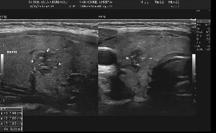
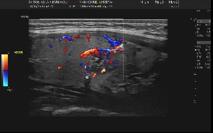
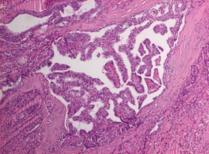
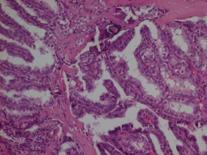
Methods: Presentation of the case of a 15-year-old girl with Graves' disease, who had been under thiamazole for the previous year. A recently performed sonogram revealed a thyroid nodule. Her clinical and laboratory findings indicated euthyroid status. The ultrasonographic characteristics of the nodule were: lobular margins at a hypoechoic area measured 1.14x0.97cm, with coarse punctate calcifications and predominantly peripheral vascularity. Results: The sonographic characteristics raised a high suspicion of malignancy, thus an ultrasound-guided fine-needle aspiration biopsy of the thyroid gland was performed, revealing papillary carcinoma (Bethesda V). Cervical lymph node mapping followed. An uncomplicated total thyroidectomy was performed. Following discharge, she received oral levothyroxine. The histopathological examination revealed papillary carcinoma <0.6 cm arising on the grounds of known Graves' disease. Two months postoperatively, reassessment was performed with a target of TSH = 0.1–0.5 μIU/mL. Thus, her treatment was adjusted accordingly.
Conclusions: The detection of a thyroid nodule in the context of Graves' disease requires careful evaluation of its characteristics and thorough investigation of possible malignancy. Surgical intervention requires euthyroid status preoperatively. The high incidence of differentiated thyroid cancer in children with Graves' disease calls for greater vigilance in their management.
1. Lee HS, Hwang JS. The treatment of Graves' disease in children and adolescents. Ann Pediatr Endocrinol Metab. 2014;19:122-6.
2. Burch HB, Cooper DS. Management of Graves disease: a review. GAMA. 2015; 314:25442554.
3. Salih AM, Qaradakhy AJ, Abdullah AM, Salih KM, Ahmed SF, Najmadden ZB, Abdulkarim MM, Ahmed HA, Hassan SH, Qadir AA, Qadir AA, et al: Papillary thyroid cancer in prepubertal patients: A report of two cases and a brief review of the literature. Med Int. 2025;5:74.
4. Kovatch KJ, Bauer AJ, Isaacoff EJ, Prickett KK, Adzick NS, Kazahaya K, Sullivan LM &Mostoufi-Moab S. Pediatric thyroid carcinoma in patients with Graves’ disease: the role of ultrasound in selecting patients for definitive therapy. Horm Res Paediatr 2015:408–413.
5. Gharib H, Papini E, Garber JR, Duick DS, Harrell RM, Hegedüs L, et al. American Association of clinical endocrinologists, american college of endocrinology, and associazione mediciendocrinologi medical guidelines for clinical practice for the diagnosis and management of thyroid nodules—2016 update. Endocrine Pract. 2016;22:1–60.
6. Bricheva E.B., Nagaeva E.V., Pastuhova D.A., Babushkin A.V., Artemova A.M., Brovin D.N., Bezlepkina O.B., Kalinchenko N.Y., Urusova L.S. Thyroid carcinoma in children with graves’ disease. Endocrine Surgery. 2024;18:14-24.
7. Lebbink CA, Links TP, Czarniecka A, Dias RP, Elisei R, Izatt L, Krude H, Lorenz K, Luster M, Newbold K, Piccardo A, Sobrinho-Simões M, Takano T, Paul van Trotsenburg AS, Verburg FA, van Santen HM. 2022 European Thyroid Association Guidelines for the management of pediatric thyroid nodules and differentiated thyroid carcinoma. Eur Thyroid J. 2022;11:e220146.
8. StatPearls. Palot Manzil FF, Kaur H. Radioactive Iodine Therapy for Thyroid Malignancies, 2024.
9. Soares MN, Borges-Canha M, Neves C, Neves JS, Carvalho D. The role of Graves' disease in the development of thyroid nodules and thyroid cancer. Eur Thyroid J. 2023;12:e230055.
10. Niedziela M, Korman E. Thyroid carcinoma in a fourteen-year-old boy with Graves disease. Med Pediatr Oncol. 2002;38:290–1.
11. Kojima-Ishii K, Ihara K, Ohkubo K, Matsuo T, Toda N, Yamashita H, Kono S, Hara T. Thyroid Follicular Carcinoma in a Fourteen-year-old Girl with Graves' Disease. Clin Pediatr Endocrinol. 2014;23:59-64.
12. Öztürk AP, Karakılıç Özturan E, Gün Soysal F, Ünal S, Işık G, Yegen G, Önder S, Yıldız M, Poyrazoğlu Ş, Baş F, Darendeliler F. Long-term Follow-up of a Toddler with Papillary Thyroid Carcinoma: A Case Report with a Literature Review of Patients Under 5 Years of Age. J Clin Res Pediatr Endocrinol. 2022;14:119-125.
13. Lai ST, Bojarsky M, Baran J, Isaza A, Sisko L, Gonzales S, Spatz B, Bhatti T, Surrey LF, Baloch ZW, Adzick NS, Kazahaya K, Mostoufi-Moab S, Bauer A. pT1a papillary thyroid carcinomas in pediatric patients. Eur Thyroid J. 2025;14:e250119.
14. Kotanidou EP, Giza S, Tsinopoulou VR, Margaritis K, Papadopoulou A, Sakellari E, Kolanis S, Litou E, Serbis A, Galli-Tsinopoulou A. The Prognostic Significance of BRAF Gene Analysis in Children and Adolescents with Papillary Thyroid Carcinoma: A Systematic Review and Meta-Analysis. Diagnostics (Basel). 2023;13:1187.
ΣΥΝΑΔΕΛΦΙΚΑ
1.
2.
3. Βραβευμένες
4. Ερευνητικές μελέτες
5.
6.
7. Επίκαιρα θέματα
τραπεζών
8. Θέματα εκπαίδευσης και οργάνωσης υγείας
9. Ενδιαφέρουσες περιπτώσεις
10. Σύντομα νέα
11. Βραχείες δημοσιεύσεις
12. Επιστολές προς τη σύνταξη
13.
14.
•
ted to Biomedical
International Committee of Medical Journal Editors/Uniform Requirements for Manuscripts Submitted to Biomedical Journals, (www.icmje.org και www.icmje.org/icmje.pdf).
Cumulated Index Medicus [List of Journals Indexed in Index Medicus (www.nlm.nih.goν/bsd/ uniform_requirements.html)].
Παραδείγματα βιβλιογραφικών
1999;59:272-279.
Proesmans W. Bartter syndrome and its neonatal νariant. Eur J Pediatr 1997;156:669-679.
Flyvbjerg Α. Role of growth hormone, insulin-like growth factors (IGFs) and IGF-binding proteins in the renal complications of diabetes. Kidney Ιnt 1997;52 (60 Suppl):S12-S19. Χωρίς
National Institutes of Health Consensus Deνelopment Conference. Neurofibromatosis conference statement. Arch Neurol1988;45:575-578.
Προσδιορισμός τύπου άρθρου:
Schreiner GF, Lange L. Ethanol modulation of macrophage influx in glomerulonephritis [Abstract]. J Am Soc Nephrol 1991;2:562.
Should antileukotriene therapies be used instead of inhaled corticosteroids in asthma? [Editorial]. Am J Respir Crit Care Med 1998;158:1697-1701.
Clark AG, Barratt ΤΜ. Steroid-responsiνe nephrotic syndrome. Ιn: Barratt ΤΜ, Arner ED, Harmon WE, editors. Pediatric Nephrology. 4th ed. Baltimore: Lippincott William Wilkins; 1999. p. 742.
Σύγγραμμα ή μονογραφία: Gorlin RJ, Cohen ΜΜ, Leνin LS. Syndromes of the head and neck. 3rd ed. New York: Oxford Uniνersity Press; 1990.
Δημοσίευση
Bauer ΑW. The two definitions of bacterial resistance. In: Smith AJ, Rogers CA, eds. Proceedings of the Third International Congress of Chemotherapy; 1962 May 29-31; New York: International Society of Chemotherapy; 1963. p. 484-500.
Διδακτορική διατριβή: Παπαδόπουλος
Αθηνών; 1979.
Kaplan SJ. Post hospital home health care: the elderly’s access and utilization [dissertation]. St. Louis (Μο): Washington Univ.;1995.
III. CD-ROM
Andersoη SC, Poulsen ΚΒ. Anderson’s electronic atlas of hematology [CD-ROM]. Philadelphia: Lippincott Williams & Wilkins; 2002.
IV. ΣΤΟ ΔΙΑΔΙΚΤΥΟ Άρθρο σε περιοδικό: Abood S. Quality improνement initiatiνe in nursiηg homes: the ΑΝΑ acts in an adνisory role. Am J Nurs [Internet]. 2002 Jun: