
Featuring
Sarah Wilkinson
Rebecca Lawn
Toni Ford
Sam Gilbert
Donna Stefano
Kieran Gosney
Emma Coyle

Editor-in-Chief
Eric Akoto
Online Editor
Arts Editor
Daniel Janes arts@litro.co.uk
Assistant Fiction Editor/Story Sunday Barney Walsh storysunday@litro.co.uk
Tuesday Tales Hayley Camis tuesdaytales@litro.co.uk
Essays
Samuel Dodson essays@litro.co.uk
Contributing Editors at Large
Lead Designer
Laura Hannum
Advertising Manager online@litro.co.uk
Sophie Lewis, Rio, Brazil
+44(0) 203 371 9971 sales@litro.co.uk
General inquiries: contact info@litro.co.uk or call 020 3371 9971
Litro Magazine believes literary magazines should not just be targeted at writers themselves, or even those with a particular interest in literature, instead Litro believes in reaching the general reader whether they be a commuter, someone browsing in bookshop or in a bar or café to meet a friend.


WOW literary programme is supported by Arts Council England and the University of Chichester.
A rich and diverse line-up of events, performances, competitions and workshops that include:
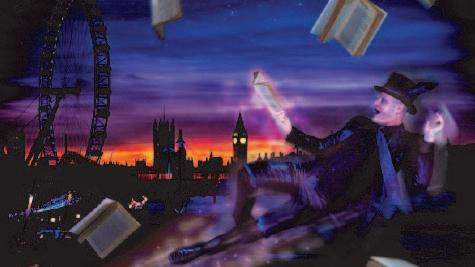
POLARI hosted by Paul Burston
Tues 31st May 8pm, Fraser’s Bar @ Connaught Theatre
The infamous, sumptuous, thought-provoking literary salon with invited guests.
POLARI is part of Worthing’s first Pride Event—be part of it!
Tickets from 01903 206206
Also for the diary:—Worthing Writers Retreat, back by popular demand on 28 May—a day to write, write, write. brightonwritersretreat.co.uk
West Sussex Writers weekend, 4 to 5 June-8 workshops, 1 surgery to get your creative juices salivating.
westsussexwriters.co.uk
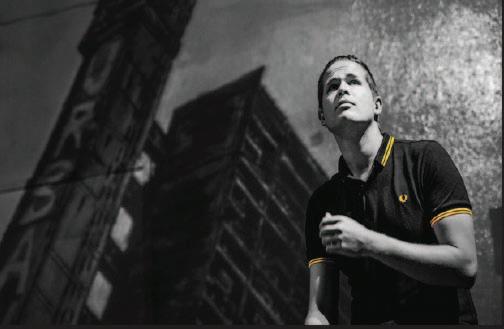
What I Learned from Johnny Bevan
Thurs 2nd June 7.30pm, Upstairs @ The Libertine
Multi- award winning Luke Wright performs his Edinburgh success story —tackling British politics head on— definitely not to be missed!
Tickets www.worthingwow.co.uk
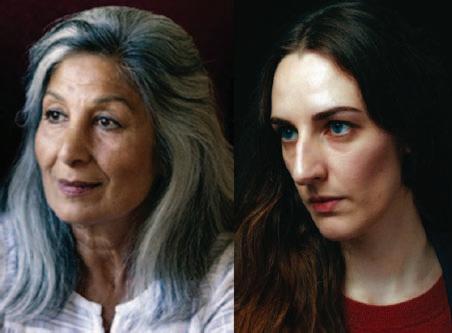
Wordthing poetry & prose evenings Fri 3rd to Sun 5th June @ the Ardington Hotel
With: Mimi Khalvati, David Constantine, Jennie Feldman, Amarjit Chandan, Jane Rogers and Frances Levinson to name a few.
Tickets www.westsussexwriters.co.uk


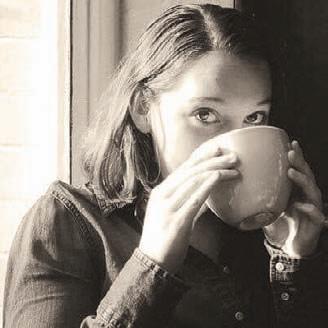
Sarah Wilkinson



Sarah Wilkinson has been published in several magazines including Atticus Review, Amarillo Bay, Crack the Spine, and The Bangalore Review. She’s a Nonfiction Editor for Halfway Down the Stairs and is currently trying to eat butter in as many countries as possible while studying abroad in Europe.

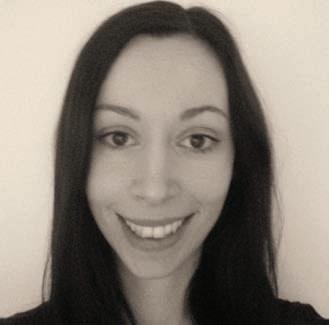



Rebecca Lawn is a freelance journalist from the north of England. At 18 she moved to Paris to study French and spent several years working for newspapers in France before heading back to the UK. She is a recent graduate of the MA in Creative Writing at Cardiff University.
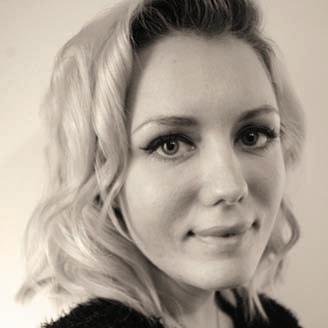
Toni Marie Ford is a freelance writer, cinema lover and slow travel enthusiast from the UK who has been wandering full time since early 2014. If you'd like to read more stories about places she’s been and things she’s seen visit her blog at: www.worldandshe.com
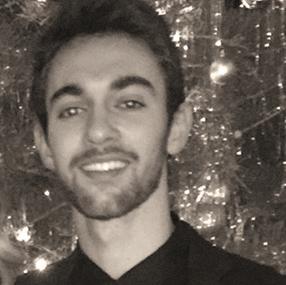
Sam Gilbert


Sam Gilbert is a second-year student at Penn State University, studying English and Philosophy. Twenty years old, he lives in Thornton, Pennsylvania, with his parents, brother, and a golden retriever. He enjoys movies, writing, and eating good food.
Donna Stefano
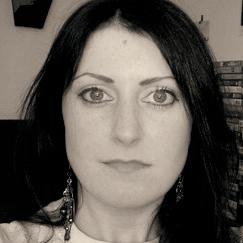



Donna Stefano has worked in the Middle East, Africa and Asia for 23 years. Her personal essays bring a greater understanding to the root causes of conflict as she reflects on her experiences and relationships.


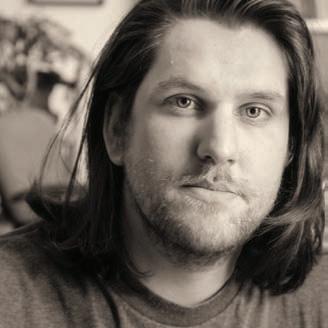



Kieran Gosney is an Edinburgh-based filmmaker, editor and writer. He originally studied psychology before moving into the arts to focus on film. This led to an enduring interest in the fusion of art and science, which is the backbone of much of his writing. He currently blogs about editing and reviews films for The 405.
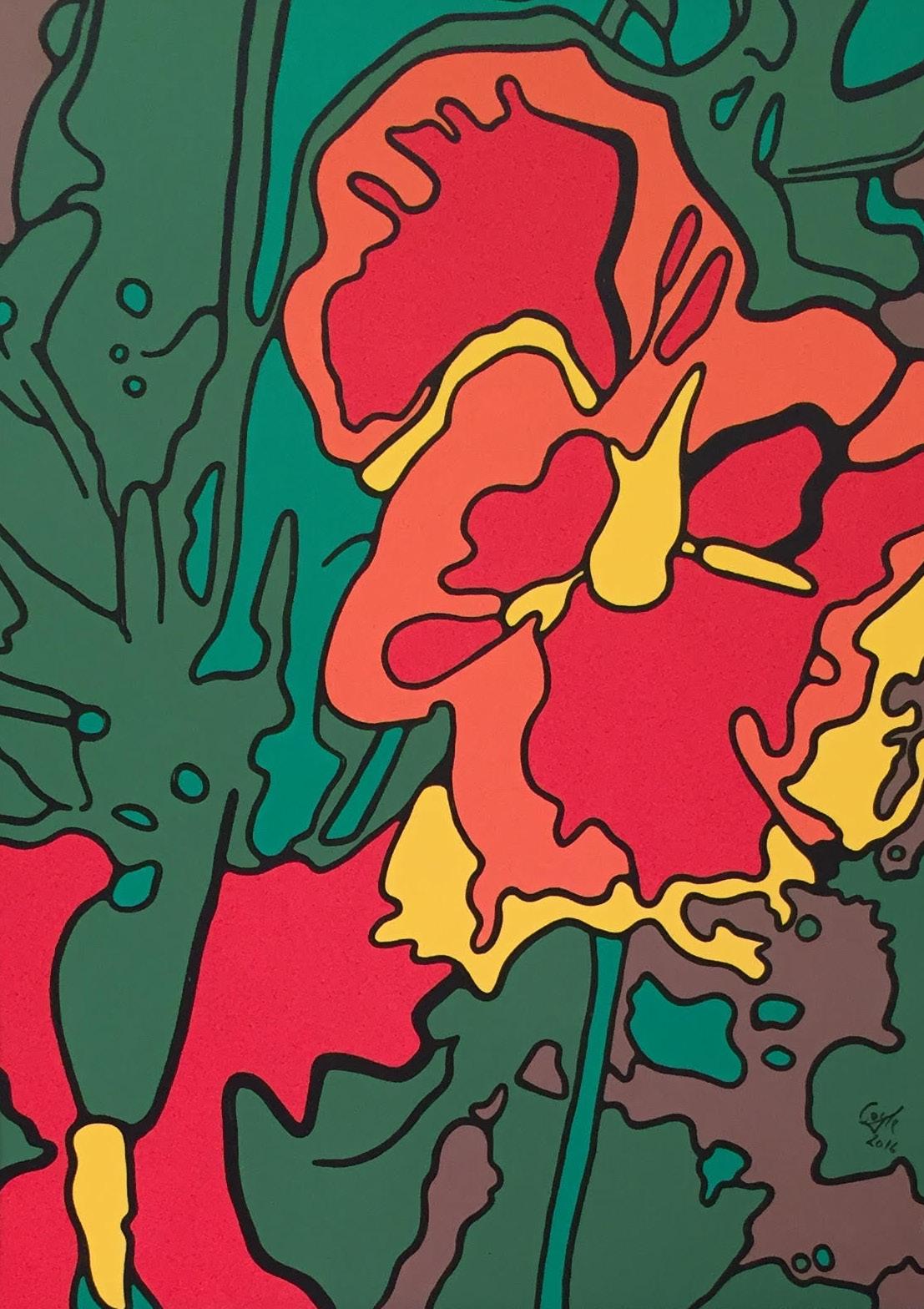
Coyle has been based in London for the past ten years. Her work has appeared in numerous galleries and publications internationally as well as locally. She has also expanded her audience by exhibiting in L.A and NYC where her work has been well received. She is represented by DegreeArt, The Marylebone Gallery and The Stowaway Gallery in London.
Dear Reader,
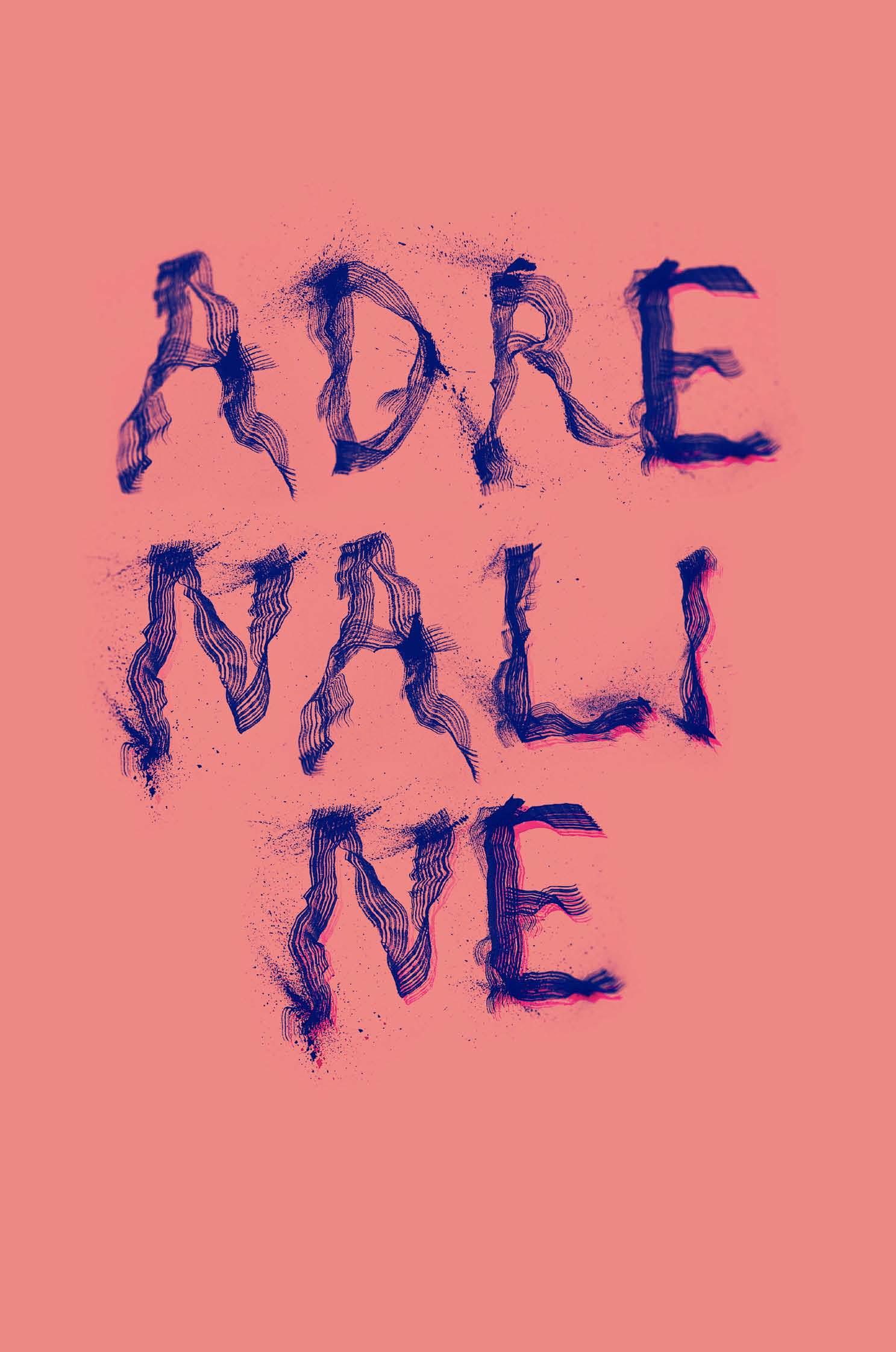
For this issue we asked for stories on exploring when exactly we feel that moment of Adrenaline rush? How do you get your fix of Adrenaline, and those moments of strong emotion?
The science: Adrenaline is a stress hormone secreted from the adrenal glands on the kidneys. It plays a major role in preparing the body for a fight-or-flight reaction in threatening environments. This happens when the brain communicates to the glands that there will be a need for a fight-or-flight response. The cause of an adrenaline rush need not be an actual physical threat but can also be an imagined threat, strenuous exercise, heart failure, chronic stress, anxiety or a disorder of the brain or adrenal glands.
The reward: Sex: We open the issue with Look at Me, by Sarah Wilkinson, a story about the rush of excitement experienced by a young girl and her illicit sexual relationship between a married older man.
Misadventure: In Playing Games, by Rebecca Lawn, a young daughter in seeking the affection of her father finds that three will always be a crowd, an attempt to shake off her mother-in-law leads to a near death swim.
Fear: In Toni Ford’s, I Died and Went to Hell in Hong Kong, Toni Ford narrates an experience in Hong Kong, where a game designed for participants to experience their own death gives the inevitable traumatising experience.
In Smiley Face, by Sam Gilbert, the sporting career of a young American Football star is cut short abruptly on the playing field leading to soul searching and a .22 pistol.
Donna Stefano, gives us The Calm After the Tear Gas, about an encounter with tear gas at Qalandia checkpoint outside of Ramallah in 2009.
Fight-or-Flight: Just Noise by Kieran Gosney, is a piece about how the acceptance of and desire for noise in music has changed over time, and its relationship of that change to our environment. It goes into how noise affects the body and mind, and how noise music fans tap into primal fightor-flight responses for their thrill. Touching on how culture has learnt to normalise louder and more dissonant sounds, the modern world's discomfort with silence and the difference between the reactions to Stravinsky's Rites of Spring premiere and the Japanese noise band Hanatarashi's infamous bulldozer performance. In case you're wondering Hanatarash was a noise unit from Osaka, founded in 1983 by Yamantaka Eye, the name Hanatarash literally means “Sniveller”, i.e. a person with a snotty or runny nose.
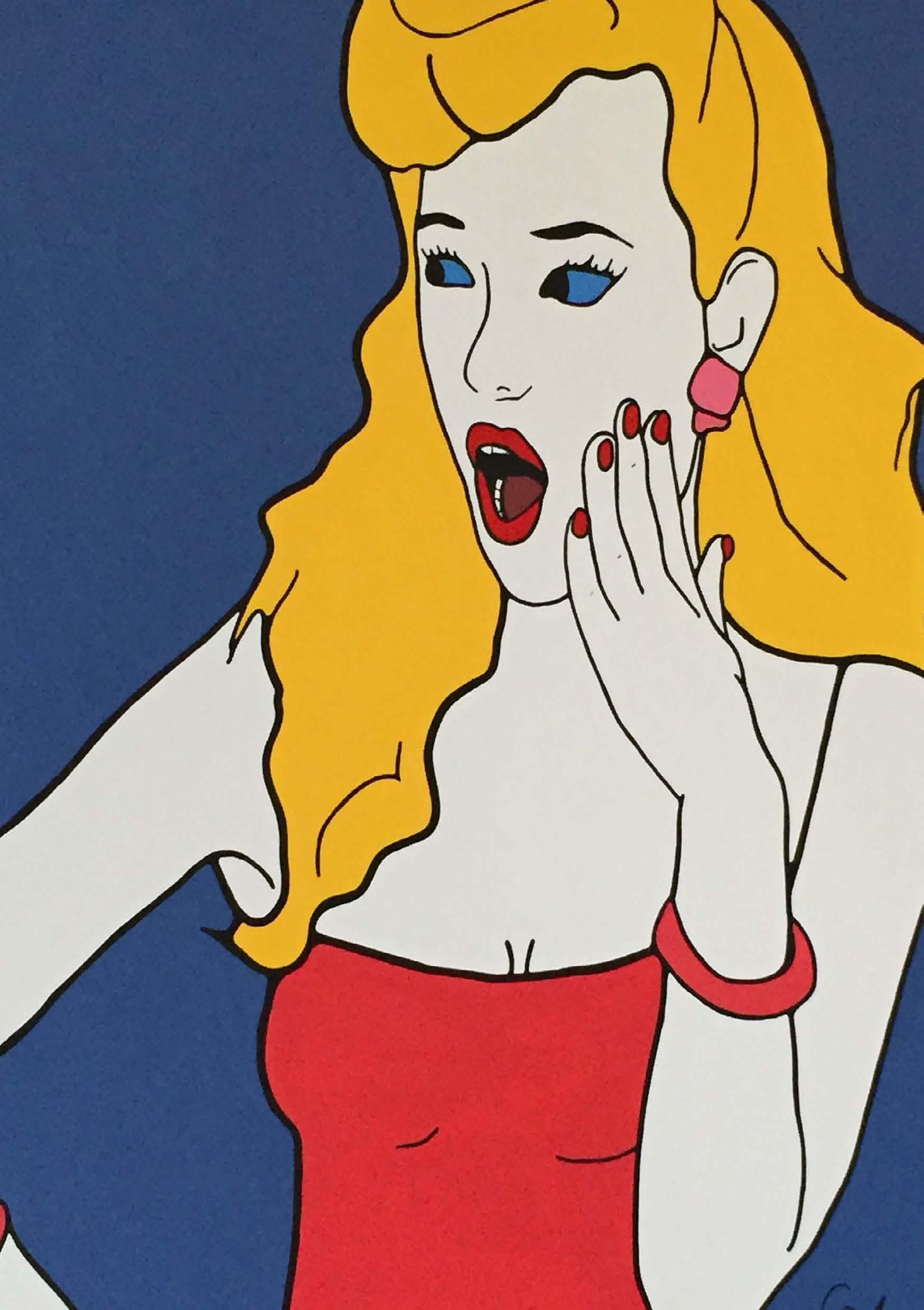
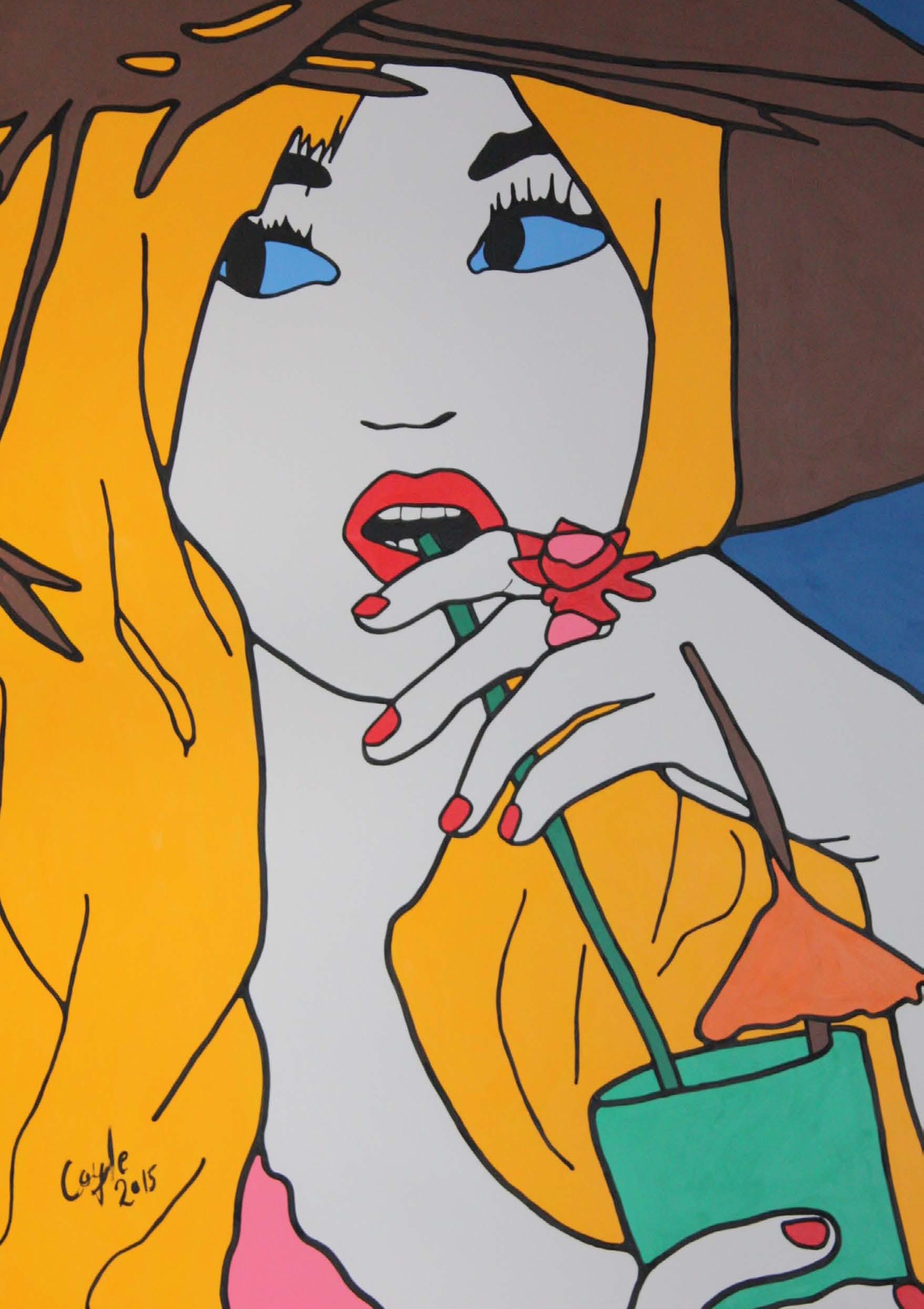
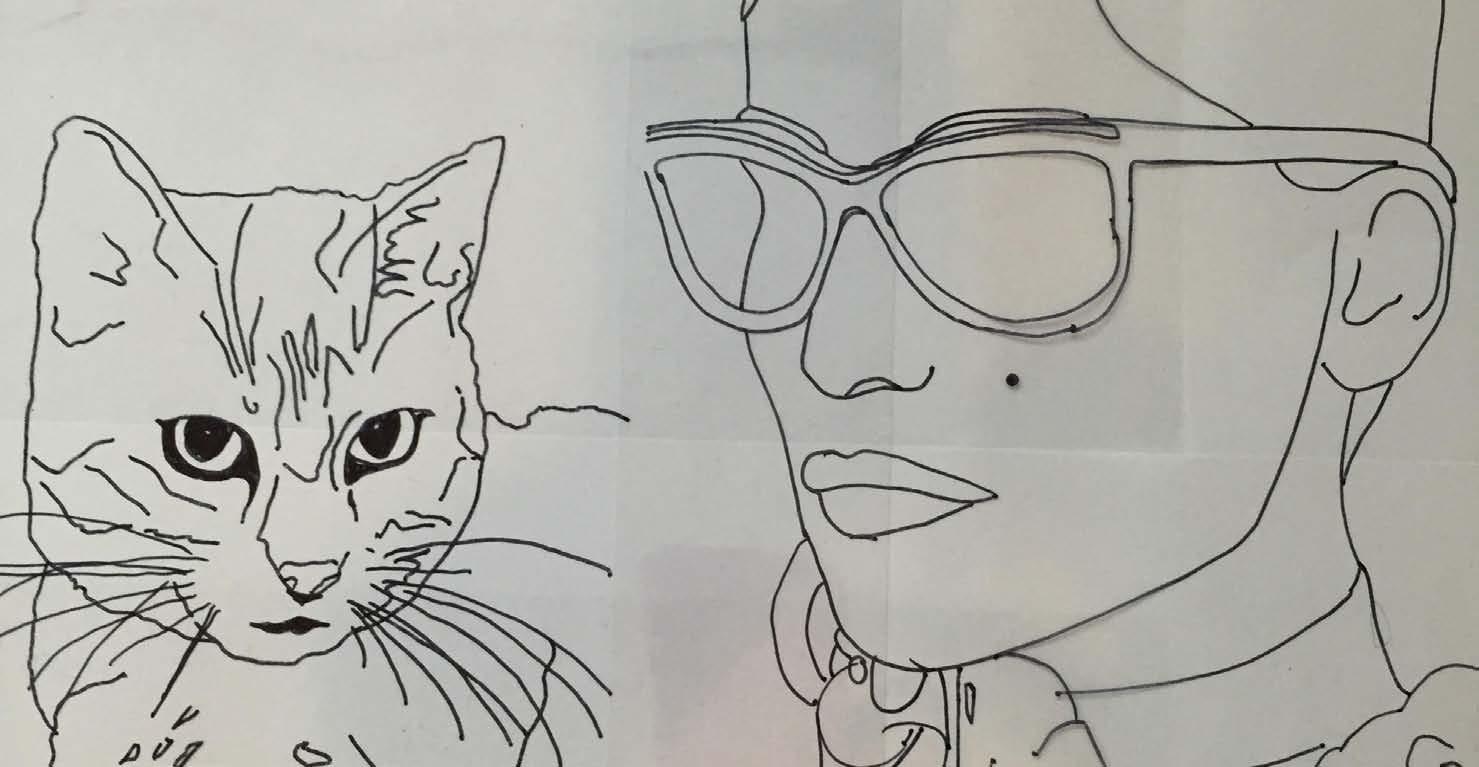
Our cover artist this month is Emma Coyle, her work has featured in the magazine’s such as the Sunday Times Style supplement, with exhibitions taking in the at Saatchi Gallery. Emma say’s her inspiration often comes after visiting exhibitions in galleries and museums which deal with contemporary art, fashion design, past art movements and cultural history .She finds that it allows her to focus on the importance of working with different themes, and always to push the boundaries of her comfort zone.
You can read our artist profile interview with Emma on page 49.
Eric Akoto Editor in Chief
Help us help writers. Your membership will support our efforts to find new ways of looking at the world through stories. You'll also be helping us provide opportunities and exposure for emerging writers, perhaps kick-starting their careers.
With our all-access UK membership, you get Litro Magazine delivered to your door: 10 issues of Litro Magazine a year, plus exclusive access to hundreds of short stories from past issues in our digital archive. Get in on our quarterly Book Club: four new books a year from our Book Club, plus access to live author Q&As, and the chance to see your reviews published on our site. Discounts on Litro Live! events: 50% off Litro Live! events and priority booking.
With our all-access International membership, you get all the same benefits as for UK readers, but at an additional cost for postage and packaging.
Our Student membership gives you the same benefits as a full membership, but at a discounted rate. You will be asked to show proof that you are a student of a school or university in the UK.
For more information:
Visit us online at www.litro.co.uk. and become a member so you never miss an issue! For general requests and information: Call us on +44 (0)20 3371 9971, or email us at info@litro.co.uk.



The Adrenaline rush of a young girl’s illicit lover affair, with a married, older man
by Sarah Wilkinson
Hotel room. Sixteen.
Sheridan, the other side of town. His wife had kicked him out after he told her about me. My school friend sat in her car parked in the lot, reading Seventeen or maybe Cosmo, waiting for me. Me, standing in my blue and pink flowered dress, hiding the blue thong and lacey white bra we’d bought that day, the tags and receipt downstairs in the back of her car.
He took the dress off me and I stood in that cold room that smelled like bleach and hotel sheets and sleep and pacing feet and him and adrenaline and laws about to be irrevocably broken. He didn’t notice that my thong was too big for me because he was busy pulling it off with his teeth, popping the clasp on my bra without looking away from my eyes. Lips parted with hunger. Eyes looking so hard they penetrated through my milky white skin in the dusty light coming in through the crack in the drawn shades. He sat on the end of the bed as I laid there. He wore his shorts and his belt, his shirt the only thing he’d let me take off. A crumpled heap on the wood pile of the fire we were about to ignite. He looked at me. Hairless, like a child. Reached out to stroke my leg. Slowly. His eyes, carving a careful path over every inch of my bare skin. My breasts, small bumps with rigid peaks, solid ice from the cold. I felt the need to apologize for being sixteen when I wanted to be thirty. I wished my breasts were bigger, fought the urge to cross my arms and
legs, to crawl into a ball under the sheets and hide away from his devouring eyes. I begged my friend to knock on the door but she didn’t and I couldn’t move, his eyes still on me. Fingers stroking my thigh, getting closer. This is what you wanted, I told myself. I laid there like a corpse ready for autopsy. Small. I looked anywhere but at him, at my body that wasn’t my body anymore and wondered if this was what love felt like.
Fingers. On. Me. There was a woman in the arch of my back, his hunger electric, my head falling back, body ruffling sheets. I felt wanted, and I wanted to melt into his hands. I tried to relax into him but the air was cold and my breasts were small and my hips stiff, not wanting to roll open, not wanting his touch. This man, older than my father. This girl, wanting to escape this body. The arch in my back disappeared, and the woman with it. I lay like a child with her legs spread open to the world and hoped it would end, my heart beating, muscles clenching in quiet resistance. His eyes, boring into me. Stop. Keep going. Wrongness settled between us, our shoulders pulled taut. We kept going.
I dressed myself in the bathroom, already missing his eyes. At my naked body in the mirror, I smiled. Chest and cheeks red with touch. Your shower. Seventeen.
Orange fluorescent light and curly pubic hairs on the back of the toilet. A woman does not
For a young daughter seeking the affection of her father, three will always be a crowd
by Rebecca Lawn
There were three of us on the family holiday: me, my father, and her. They picked me up from my house and I sat in the back. Then we drove to a small coastal town in Norfolk. When we got to Sea View Caravan Park, I rubbed the condensation from the window and looked out. There were row upon row of caravans, different only in the colour of their roofs and shutters. Our caravan was cream-coloured, with a flat green roof and matching green shutters across its small windows. My father pulled up beside it.
“Here we are,” he said.
I put on my anorak and got out. The grass was damp, squelched beneath my feet. I peered round the sides of the caravan. The rain seemed to wash its edges away.
“Where’s the sea?” I asked.
“It’ll be around here somewhere,” my father said as he unpacked the car."Lucky Jennifer’s brought so many board games for us to play, isn’t it, Jenny?”
I didn’t say anything. It was bad enough to have the same name as her. Sometimes I thought my father was calling me but he was really calling her. I didn’t want our names to share a sentence.
On that first night, we ate canned sausages, beans and toast for dinner. We sat on itchy brown seats around the small table that folded out into their bed. I sat as far back as I could and pressed my calves tight to the seat so my knees wouldn’t have to touch hers. I ate quickly as they talked, and then excused myself. When they finished, we sat in the living room and played Trivial Pursuit. I excelled at Arts and Entertainment but got stuck on a Science question.
“Have they not taught you about photosynthesis at school, Jenny?” Jennifer said. She was sitting cross-legged on the floor opposite me and had cocked her head to one side. A blond plait sat limply on her shoulder.
“Can’t remember.” I wondered if we had learnt about it. I didn’t like her calling me out, making me feel stupid.
“They must have done. I remember learning about it when I was eleven.”
I shrugged.
“What are you learning about in Science?”
“Dunno.” I picked at some skin on the edge of a fingernail.
“Come on, Jenny,” my father said."She’s only asking you a question.” He looked tired. The lines on his face deepened as he spoke.
In Hong Kong a game designed for participants to experience their own death, has an inevitable traumatizing experience by
Toni Ford
On the day I died I was at a theme park in Hong Kong. My death, my first death that is, was planned. I had agreed to this death, hell, I had even paid for it. They said it was just a game.
‘The safety word is banana’, she said as she moved up my left side, fastening a plastic sheet to the side of my gurney. ‘You say banana three times, we stop the game’. She moved to my right side, securing the plastic sheet tight across my body, trapping my arms by my sides and leaving my bare feet exposed at the bottom, and then she left.
I blinked up at the cold, fluorescent tube light on the ceiling. A man dressed in a white lab coat, wearing a surgical mask like a hospital orderly leaned into view. Every now and then the tube light flickered, casting ugly shadows on the orderly’s face. A long-suppressed memory licked at the corners of my mind. I’ve been here before, I thought. Not exactly here but somewhere similar. It was much brighter the first time though and I was covered with a soft blanket, not a plastic sheet. Someone leaned over me just like this and asked me questions but I couldn’t speak. Seconds later the drugs that were being forced into my blood stream through a needle jammed into the soft, crêpey skin on the back of my hand, sent me spinning into sleep. And then, nothing. Nothing at all until I woke up what must have been hours later in pain, with a freshly-stitched slash in my flesh and metal inside me in places where there was once only bone.
‘This patient is pronounced dead’, the orderly said. ‘Time of death: 13.23.’ And then I was moving. My custodian into the afterlife spun me on the gurney and projected me through a doorway at such speed that I would have felt sick, had I not already been dead. I flew through the doorway that was hung with strips of plastic, like an abattoir, and came to rest centre stage at my own funeral.
Up to now had more or less maintained my composure by grinding my teeth. A horrible habit, disgusting really, and one that has over the years gradually flattened my back molars and caused my jaw to click when I eat. I stopped when a figure burst into view inches from my face and began shrieking at me in Chinese. He was painted white, like a dead thing, with black ringed eyes and a long frosty beard. I screamed then. It was the kind of scream usually only heard from the mouths of those who are moments away from being brutally murdered. A scream that originated somewhere deep within me, my lower intestine maybe or my bowel, and poured out in a stream of pure terror with one clear message, ‘I’m going
The sporting career of a young American Football star is cut short abruptly on the playing field leading to soul searching and a .22 pistol
by Sam Gilbert
Iam going to be a star. Even you tell me so. I’m going to make it. I know that for certain, and so do you.
It’s like a drug, it really is, but I never tell you that. The bright lights, the volcanic roar from the crowd, grabbing me by the shoulders and screaming into my sweaty tough-guy face. The electricity in my veins, the stadium lights against the dark rural sky, the endless college recruiting trips filled with suspiciously delicious five-star dining food and overly ambitious cheerleaders who kiss my cheek and laugh at everything that comes out of my mouth. It’s like they know I’m going to go pro one day and they’re feeding into me, stuffing my brain like a turkey on Thanksgiving. A whole Hollywood experience injected into my senior year of high school, all because I can throw a football better than anyone in the country.
As I sit here in my ’95 Mustang that you and dad saved every penny to buy me, the Mustang that you told me to drive under the speed limit, I stare at myself in the greasy rear-view mirror, but nobody stares back. Empty black eyes, the tombs of a passionate young boy stare back, but that’s all. It’s not the old me, it’s not the boy you used to know, the boy who used to tell you he’d buy you a house one day when he’s a superstar.
On the passenger seat floor, next to the empty soda bottles and .22 pistol I stole from dad’s unsealed safe, I see the fifty-cent stress ball that you gave to me when I was in preschool. The smiley-face sack stares at me, mocking me, yellow and round, symmetrical like a balloon. I see it and I think of you, your brown eyes and imperfect spotted skin, your words of advice that I should’ve listened to, back when I was a person and not a corpse. But it’s too late for me, burning inside this freezing metal box outside of Romeo’s Pizzeria, watching the snowflakes fall like feathers, thinking about how this is nothing like the movies, how there’s no real glamour in going out shooting, how I have no choice. There’s nothing funny about having an empty bottle of pills in my lap; there’s no laughter in not having a plan B.
I’m not ready to go inside yet, to point this .22 between the eyes of the cashier, who’s the same age as me with a perfect life and smiling friends. I must go soon, I know I do, because this bottle of painkillers costs a hundred dollars to refill, and all I have is a gun and a hot sweat. I would ask you for the money, but it would make you cry, hearing how low I’ve fallen, how empty I feel when I bounce through the crowded hallways of high school. I’m not ready yet, so I pick up the smiley-face ball and squeeze it like you showed me, back when this all started, back to when I was a person.
There was only a minute left on the scoreboard and we led by twenty, but I crouched behind the centre anyway. I took the snap and tiptoed back with the gracefulness and purpose

10th July - 6th August 2016




A story about an encounter with tear gas at Qalandia checkpoint outside of Ramallah in 2009 by
Donna Stefano
Theshortest and quickest way by car from Ramallah to Jerusalem on January 17, 2009, required me to circumnavigate the Qalandia checkpoint, the largest checkpoint for Palestinians travelling between the two cities that hold most import to their daily life: one for business the other for religion. Qalandia ranks high on the list of most wretched experiences for any human, entailing waiting in lines of immovable traffic, being aggressively hawked cheap wares by tenyear old boys and playing bumper cars with impatient drivers as multiple lanes of traffic merge into a single-file line where cars are siphoned off one by one as Israeli guards shout out your car model allowing you to progress to the checking area of the checkpoint.
Dust, emanating from a nearby stone quarry, layers every visible inch of the concrete which surrounds Qalandia on three sides. Cars ramble over the pot-holed road whose lanes are demarcated by concrete barriers, the separation barrier towers towards the sky, its grey concrete graffitied with Banksy images, and the concrete guard towers stand stoically despite the pox-marks from the stones thrown by protesting Palestinian youth. I had the urge to wash my hands and face after I’d pass through Qalandia. It was the checkpoint of last resort. But I drove my work-issued white Chevy Malibu towards it that day on a mission to meet my parents who were
staying a few days in Jerusalem while on a ten-day guided tour of the Holyland.
I had just departed the office. It wasn’t unusual for me to be working on a Saturday during Operation Cast Lead, a three-week Israeli military action against Gaza during the winter of 2008-2009. It was the first of several operations that would take place with disturbing regularity in the years to come, always beginning by what seemed like some tit for tat between Israel and Hamas played out with war heads. I had been working sixty hour weeks since the Operation began, fielding calls from international donors, my staff in Gaza and private entities offering to donate food and other humanitarian needs for transport to Gaza. My job in Ramallah was to coordinate life-saving humanitarian assistance for a US-based international NGO and to prepare the documentation allowing this assistance to be purchased with US government funds and to pass Israeli security screening en route to enter Gaza for distribution to the most-needy.
The only unique detail of that Saturday were the widespread rumours that Israel was about to declare a unilateral ceasefire, ending three weeks of intense violence between the warring factions in which well over 1,000 people were killed. Israel considered the Operation a success and win, as did Hamas. What had been a quiet, funeral-like quality
by Kieran Gosney
for Stravinsky and cheers for Hanatarashi. How do you get from the tritone as "the devil in music" to an audience facing a wall of white noise with smiles on their faces?
“It's amazing, really, how little sound comes out of something you're smashing with all your might”—Yamatsuka Eye
The adventurous Noizu fans who came to see crackpotnoise-makers Hanatarashi (meaning snot-nosed) at Tokyo's Toritsu Kasei Super Loft on August 4th 1985 expected a raucous show. What they didn't expect was a ferocious performance of industrial-grade destruction, with a back-hoe bulldozer as the lead instrument. Handed waivers upon arrival that relieved the band of any responsibility for injury, or worse, the audience watched as front man and HDV operator Yamatsuka Eye burst through the doors of the hall atop the bulldozer. With percussionist Ikuo Taketani somewhat safely tucked away in the corner, Eye tore through the stage and inflicted brutal punishment on everything nearby, including the literal kitchen sink, while screaming the band's trademark scatological and sexual non-sequitur lyrics. The beleaguered bulldozer held out until Eye put the hoe into the wall. The dozer tipped backwards and gave out, but after pulling off the dozer's cage to hurl across the stage and grabbing a circular saw, the destruction continued with the audience now nervously dodging Eye's fitful saw swings. Surrounded by bent metal, crumbled masonry and the
squawking remains of Marshall stacks, with gasoline pouring from the ruined bulldozer, Eye produced, as his grand finale, a Molotov cocktail that he'd prepared earlier. This was a touch too dangerous for even this daredevil audience and Eye, confessing later in an interview for Banana Fish Magazine that he got “too excited”, had to be violently subdued by several members of the crowd.
In the settled atmosphere, once certain that explosive group immolation wasn't to be the crescendo, the crowd that had remained, many with smiles on their faces, slowly filed out enclosed in their own bubbles of tinnitus. The bill for the annihilation of the Super Loft tallied ¥600,000 (approximately £6000) and Hanatarashi subsequently laboured under a ban from most venues that ran until 1990, when the band, slightly calmer and more safety conscious, dropped the 'i' and returned to what passed as civil society in the Noizu circuit.
Hanatarashi, along with fellow Noizu bands such as Hijokaidan, indulged in the kind of audile assault that would bring most people to the point of self-induced deafness, but the Super Loft audience signed off on possible death-by-bulldozer just for the opportunity to experience it up close and personal. Extreme volume, distortion and cacophony, with a ferocity of performance that completely transgressed the normal bounds of the relationship between the performer and audience, were unrestrained



Lancaster’s Creative Writing MA programme is one of the oldest and most pre stigious in the UK. Its alumni include award-winning poets, short story writers, scriptwriters and novelists. We offer:
– Close and supportive tuition by published prize- winning authors, expert in all major genres
– Masterclasses fom visiting authors, editors and agents
– Inclusion in an exciting international community, immersion in a vibrant writing culture
– A student -centred approach that puts your project at the heart of our teaching
Tutors
Dr Jenn Ashworth
Dr Sarah Corbett
Jane Draycott
Prof Paul Farley
Dr Conor OÕCallaghan
Dr George Green
Dr Zoe Lambert
Sara Maitland
Brian McCabe
Prof Graham Mort
Tom Pow
Dr Eoghan Walls
Michelene Wandor
Visiting Professors
Prof Paul Muldoon
MA Study Options
• On the Lancaster campus with face-to -face workshops and tutorials
• By distance learning with a personal tutor as part of a global community of students
• Through Contemporary Literary Studies – mixing Creative W riting modules with those in English L iterature
Check out our website, including the possibility of bursary suport for early applicants: www.lancs.ac.uk/fass/english/
April 2016 Litro Magazine

Prof Terry Eagleton
Alumni Include Andrew Miller
Ali Shaw
Monique Roffey
Jacob Polley
Ray Robinson

Tell us about yourself, your background and ethos.
I grew up in Ireland and graduated in 2003 with a degree in Fine Art. I have been based in London since 2006, specialising in painting. Just this year I have started incorporating sculpture into my practice. I have a strong interest in the process of making of art, of which colour and line work are very important in my paintings.
I spend a lot of time in the galleries and museums in London, I find it interesting and an important part of my work, to see what is going on around the city. For me this is my main inspiration or encouragement.
I don't remember anything driving me in particular. I think I just always liked the process of making something.
Can you tell us a bit about your latest project ‘Untitled’—what inspired you to focus the themes on fashion and seduction?
I have always liked the idea of using the style of Pop Art and incorporating it into something more, mixing new and old. Previously I worked with mixing the style along with imagery from the Silver Screen and Japanese advertisements of the 1920's. Since moving to London I found a new interest in fashion history and I wanted make my imagery more contemporary with using fashion photography from the
Choose from over 700 adult education short courses, 1 day-12 weeks, starting in April and May at London’s top college for learner satisfaction. Courses include:
Visual arts / Digital design / Fashion / Devising theatre / Acting / Creative writing / Music / Photography / Opera singing / Literature / Art history / Music technology Health & alternative therapies / History & Philosophy / Counselling & psychology / Film & animation / Vocal studies
Weekday, evening and weekend options available. Visit www.morleycollege.ac.uk for details. Lambeth