Featuring
Annabel Banks
Alex Poppe
Irehobhude O.
Iyioha
Jude Cook
Nina Sabolik
Vicky Grut
Irenosen Okojie


If you’ve written a book or had an article published, the Authors’ Licensing & Collecting Society (ALCS) could be holding money owed to you.
ALCS collects secondary royalties earned from a number of sources including the photocopying and scanning of books.

Unlock more information about how you could benefit by visiting www.alcs.co.uk
Editor-in-Chief
Eric Akoto
Online Editor
Precious Williams
Fiction Editor precious.williams@litro.co.uk
Book Reviews Editor
Arts Editor
Daniel Janes arts@litro.co.uk
Jennifer Wade & Yosola Olorunshola reviews@litro.co.uk
Contributing Interviews Editor Mia Funk interviews@litro.co.uk
Contributing Editor, Story Sunday Calah Singleton onlinefiction@litro.co.uk
Contributing Editor. Arts & Lifestyle Isabel Prendergast artsandlifestyle@litro.co.uk
Contributing Editors at large
Lead Designer
Marketing & Sales info@litro.co.uk online@litro.co.uk
Sophie Lewis, Rio, Brazil
Laura Hannum
General inquiries: contact info@litro.co.uk or call 020 3371 9971. 1- 15 Cremer Street, Studio 21.3 London E2 8HD
Litro Magazine believes literary magazines should not just be targeted at writers themselves, or even those with a particular interest in literature, instead Litro believes in reaching the general reader whether they be a commuter, someone browsing in bookshop or in a bar or café to meet a friend.
Help us help writers. Your membership will support our efforts to find new ways of looking at the world through stories. You'll also be helping us provide opportunities and exposure for emerging writers, perhaps kick-starting their careers.
With our all-access UK membership, you get Litro Magazine delivered to your door: 10 issues of Litro Magazine a year, plus exclusive access to hundreds of short stories from past issues in our digital archive. Get in on our quarterly Book Club: four new books a year from our Book Club, plus access to live author Q&As, and the chance to see your reviews published on our site. Discounts on Litro Live! events: 50% off Litro Live! events and priority booking.
With our all-access International membership, you get all the same benefits as for UK readers, but at an additional cost for postage and packaging.
Our Student membership gives you the same benefits as a full membership, but at a discounted rate. You will be asked to show proof that you are a student of a school or university in the UK.
For more information:
Visit us online at www.litro.co.uk. and become a member so you never miss an issue!
For general requests and information: Call us on +44 (0)20 3371 9971, or email us at info@litro.co.uk.


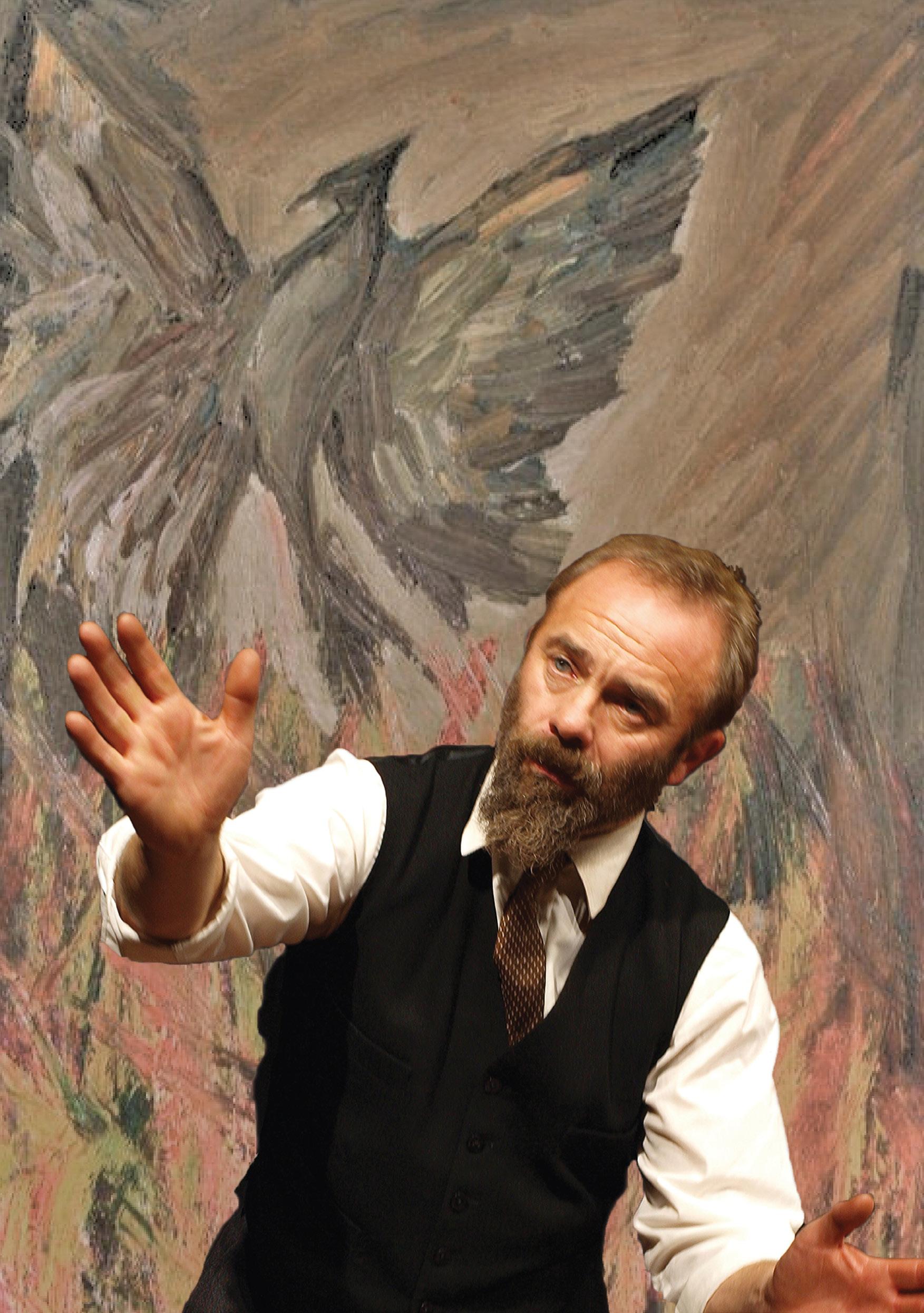
Alex Poppe
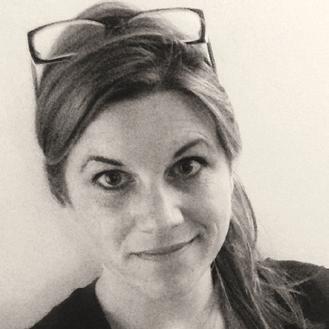
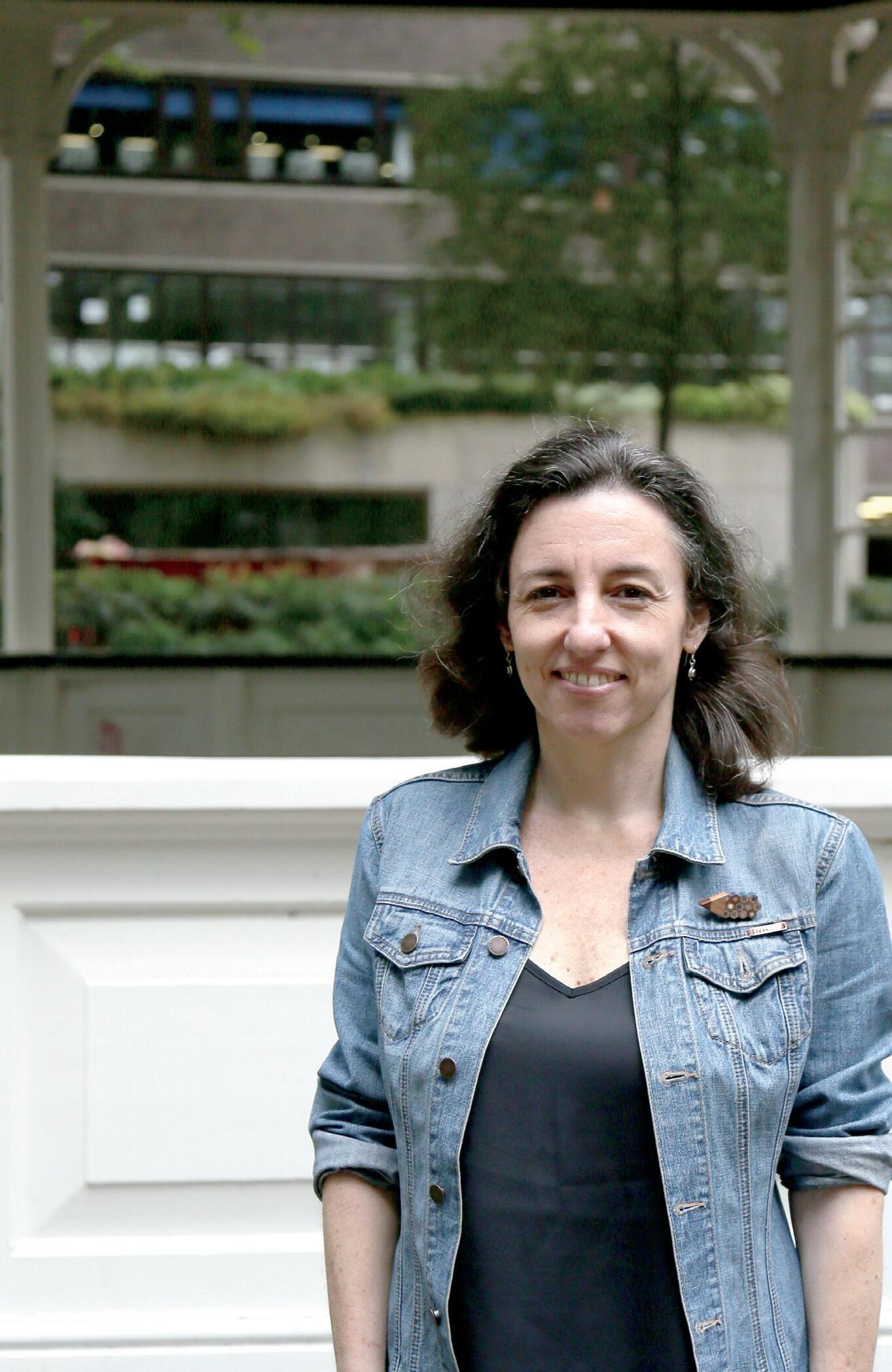
Annabel Banks

Annabel Banks is an award-winning writer of poetry and prose, with recent work in Envoi, Jungftak and Inky Needles. She lectures in English and Creative Writing for Falmouth University where she is writing up her practicebased poetry PhD. Learn more at annabelbanks. com or tweet @ annabelwrites.
Alex Poppe is a teacher and creative instigator who has worked in Poland, Turkey, Ukraine, Northern Iraq, The West Bank, Germany, and the US. When she is not being thrown from the back of food aid trucks or dining with pistol packing Kurdish hit men, she writes.


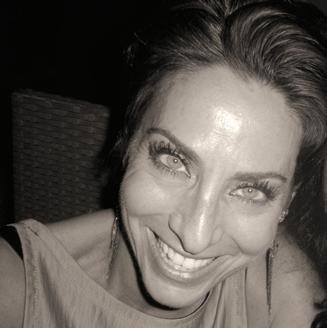
Irehobhude O. Iyioha holds a PhD in Law. Her fiction is forthcoming in Harvard University’s Transition Magazine and the Canadian Maple Tree Literary Supplement. She lives in Canada.
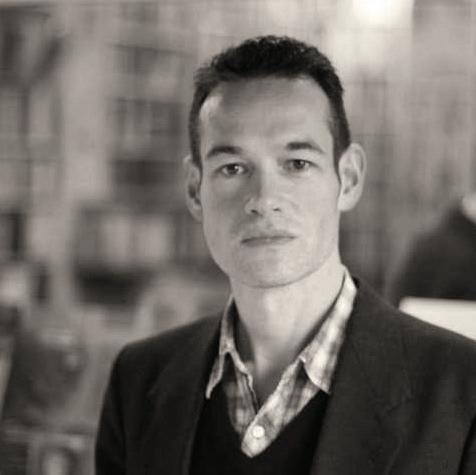
Jude Cook
Jude Cook lives in London and studied English literature at UCL. His first novel, Byron Easy was published by William Heinemann in 2013. His essays and short fiction have appeared in Litro, Long Story Short and Staple magazine.
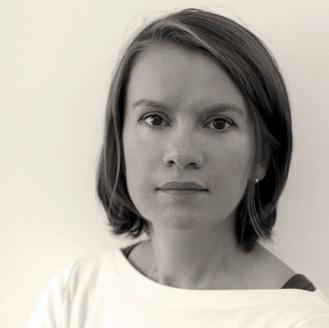
Nina Sabolik
Nina Sabolik’s non-fiction has appeared on the World Literature Today blog. She has master’s degrees in Creative Writing and Comparative Literature from Arizona State University and holds a bachelor’s degree in philosophy from the University of Sts Cyril and Methodius in Skopje, Macedonia. She is working on a collection of short stories set in her native city of Skopje.
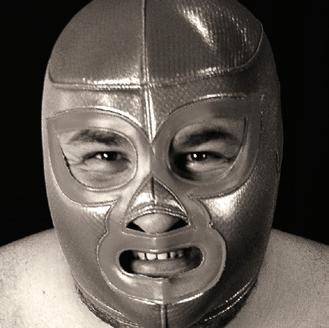
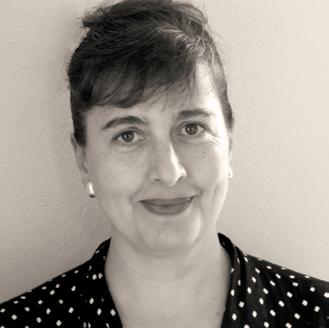
Vicky Grut’s short fiction has appeared in anthologies published by Picador, Granta, Duckworths, Serpent’s Tail and Bloomsbury. Her nonfiction essay in Harvard Review #43 was listed as one of the ‘Notable Essays of 2012’ in Cheryl Strayed’s Best American Essays, 2013. Her novel-in-progress was long-listed for the 2015 Bath Novel Award.
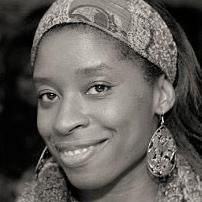
Irenosen Okojie is a writer, curator and Arts Project Manager. She has worked with the Royal Shakespeare Company, the Southbank Centre, and the Caine Prize. She was a selected writer by Theatre Royal Stratford East and Writer in Residence for TEDx East End. She lives in East London. Butterfly Fish is her first novel.
I was born in Croatia in a small mediterranean town of Sibenik. I then moved to the nearby city of Split where I got my BA in Visual Communication Design. I decided to enroll at Winchester School of Art and their MA in Communication Design. I currently live and work in my hometown of Sibenik.
Dear Reader,
We welcome you back, after the summer break, with our theme Missed Connections
Before I get to this months theme, I am very pleased to announce Litro’s new Fiction Editor, Precious Williams. Her first book, a memoir called Precious, is published by Bloomsbury and was serialised in the Times. Precious’s story has also been featured on Sky News and BBC Radio 4’s Woman’s Hour and in the Guardian and Grazia. Educated at Oxford University and the London College of Printing (Postgrad Journalism), Precious began her writing career as a feature writer at the Independent on Sunday, before moving to New York as Contributing Editor for the Mail on Sunday’s Night & Day magazine. She has also written for the New York Times, the Daily Telegraph, Glamour, Elle, the Financial Times Weekend and the Sunday Times.
Precious says of her role: As Litro's Fiction Editor, I'm especially interested in hearing from emerging writers with fresh, unique voices. Stories (whether prose, spoken word, songs or films) should inspire, inquire, entertain, inform, provoke, seduce and connect.
And in this her inaugural issue, she has compiled a collection of stories, which I’m sure you will agree—inspire, entertain, inform, provoke, seduce and bring the ‘connect’ in the Missed Connection
We open the issue with Annabel Banks’s Limitations, a story about a man who aspires to amend his disturbed, and disturbing, life trajectory via a date with a new love interest.
Alex Poppe takes us to East Jerusalem with Ras Al-Amud, a pregnant teenage girl in East Jerusalem gives birth to a new sense of strength and self-containment.
A Smile in the Dark, by Irehobhude O. Lyioha, takes us to Nigeria—where a young woman tries to catch the eye of a stranger
in her favourite café as she longs for a lover who will truly see her.
In Divine Correspondance Jude Cook forces Stephen to consider what it means to be alive, following a series of near-death experiences.
Nina Sabolik takes us to the Balkans The Chess Game a story that explores the relationship between the individual and society during an erotically charged chess game.
In Vicky Grut’s Basket, Andy is mesmerised but then—gradually—appalled, by Clarissa, a pretentious university friend who stumbles in and out of his life.
We get transported back in time to 19th Century Benin with an extract from the novel Butterfly Fish, by a new rising literary star Irenosen Okojiewhere. A king’s wife is thrust into potentially dangerous territory after bumping into a handsome stranger late one night.
We end with a segment from a conversation by Litro Magazine’s Interviews Editor Mia Funk and the acclaimed writer and poet Claudia Rankine on her latest collection of Poems Citizen: An American Lyric inspired by a conversation she had with a poet who asked her: Can you remember a moment when you thought you were going about your day and you thought you were just interacting with somebody and suddenly racism [...] created a breach that you had to step over or move away from the racist?
According to Martin Amis, "fiction is the only way to redeem the formlessness of life."
I hope this issues collection of short stories brings some meaning to your thoughts, when you think about that Missed Connection!
Eric Akoto Editor in Chief
A man aspires to amend his disturbed, and disturbing, life trajectory via a date with a new love interest
by
not a bad man. You’re full of potential. There are moments when you feel like you have a power inside, that with each cell-border flex or capillary pulse the universe finds its permission to be real.
There are orange lights in the distance. There is petrol in the car.
But don’t sink into these connections. Instead, think about seeing her again, how wet she gets. Use the memory of those sky-reflecting eyes to trigger strong pulses. You have the potential to bring the ocean under control. You could teach clouds how to fill and gather. Perhaps, with this one, you can finally be sated. Keep at the brim. Find some peace.
Pull back and re-adjust. It’s not working, because you are not a cloud, an ocean. She has ordered a lemonade and you were hoping for something warmer, perhaps leading to a tipsy kiss in this loud-cornered place.
Hold your focus. Nothing is happening, but that’s fine. Remember this is a numbers game, where the left hand holds the promise. Think engagement rings. Or don’t. Just keep your eyes limited to one side of the page, and always remember how equations love to be filled, to balance like flower pots on a windowsill—and with just as much tragedy if you make a mistake. Broken heads for the baby walkers, push-chairs in the road. Gravity helps.
Gravity is another of your pulse-gifts to the universe, as are mass and acceleration. Apply them all here, because water isn’t working. Just bend your head to glance down her dress. Understand why she is wearing a black lace push-up. She has weight and direction, knows which way to go when walking to the ladies.
You could be like her and keep your promises. Be a body made of water, a mindful mass accepting flow across equations, balancing in heels, left to right, waiting to dance. Prettily impatient with potential.
You’re not a bad man. In all probability, you would be an excellent man if not for the transfer of expectation. Potential is, after all, a map with an x, bringing its myth of golden chain mail, links of gleaming connection, heat-hammered and worn by warrior horses. Or so they say.
But once you set out to dig you invite disappointment, chances of cave-ins or theft. Of someone else getting hurt, which is unacceptable.You know this is your last opportunity to be a good man, so message her back about Saturday’s walk.
Sit on the plan. Examine the markings daily, if you must, but then replace the map under the cushion, its existence pushed to the back of your mind. You don’t need another action. You can let the horses sleep for a few centuries more, far over in their left-hand field.
You’re not a bad man. Between the moments you must control the universe, you are capable of giving pleasure, perhaps chasing with a dropped glove, or offering a hand for a pushchair on the bus. You can admire the flower pots, the horses. There is petrol in the car, and yes, before you turn the key you sit there and consider potential, but isn't that enough?
A pregnant teenage girl in East Jerusalem gives birth to a new sense of strength
by Alex Poppe
OneFriday evening, 19-year-old Yasmeen Al-Hashimy counts to 378 before a wave of contractions sends her squatting next to a green sofa back, hugging its worn edges for support.Time hovers. Her belly is gluey with sweat under her T-shirt and chador. Somewhere a neighbour is frying falafel. The smell of coriander and turmeric snakes through the living room causing Yasmeen’s saliva to sour. Through the living room window, she sees the Holy City’s fortress walls cut like jagged teeth against the sky. Behind them, the Dome of the Rock glows phosphorus. She considers waiting for her husband Ahmad to return from the mosque before leaving for the hospital, but the next contraction crescendos, pulling Yasmeen to the tile in its undertow.
One As- Salamu Alaykum, two As- Salamu Alaykum, three As- Salamu Alaykum. She counts underneath the muezzin’s adhan. She phones Ahmad. He must have silenced his mobile for the sunset call to prayer. She sends a text, grabs her identity card and pocketbook, and hauls her hopper-ball belly down the stairs to the roundabout by the Ras al-Amud Mosque hoping to glimpse Ahmad before hailing a shared taxi. The few cabs that are on the road are packed tight.
Yasmeen doubles over with the next contraction. A silver door handle glides into view. It is attached to a shiny black car that has stopped alongside her. A window rolls down. Over French pop music she hears an Islamic greeting and an invitation to get in. Levelling herself with the window, Yasmeen tastes the cool air inside the car. A single bead of sweat escapes from under her hijab. Her hands whisper over her head to make sure her headscarf is secure while the driver’s gleaming fingernails alight on the steering wheel. Dismissing a pack of Gitanes cigarettes on the dashboard, Yasmeen lowers herself into the back seat and exhales the name of her hospital. The car smells of coconut and imitation Armani. She concentrates on breathing.
Beyond the roundabout, the sunbaked asphalt clogs with cars approaching the separation wall. Open-bed trucks carrying Palestinian grapes, olives, figs, and lemons from the Jordan Valley are stalled on the other side of the checkpoint where their fruit will spoil in the open heat in a few days’ time. A ribbon of cars extends from both sides of the crossing towards the horizon.
Yasmeen’s pelvis feels like it is separating. The pain flashes white and squeezes her. The back seat seems to twirl from left to right. What might be two minutes passes until the next contraction. Moments vanish during a breath. She pants in time to Nouvelle Vague’s “In a Manner of Speaking” coming from the stereo.
‘Lie back,’ the driver suggests as he hands her an opened bottle of water. Hair gel separates his black curls. Yasmeen presses the bottle to her forehead. Cars slow to a crawl. Few horns dare protest this close to the Israel Defense Forces manning the checkpoint.
Yasmeen cries out with the next set of contractions. The car rolls two meters forward and stops. It vibrates beneath them. There are twenty-two cars between her and any one of the four Israeli soldiers who should wave the car through to the access road that winds
A
young woman in Nigeria tries to catch the eye of a stranger in her favourite cafe as she longs for a lover who will truly see her
by Irehobhude O. Iyioha
LeiTaribo always took the window seat overlooking Chanchangi Square. The rackety, gaudy spectacle of city life in the square was a desirable balance to the relative serenity of T’s Café. She hurried into the café, out of breath from having walked a mile under the unyielding sun.
It was Friday. The streets around Chanchangi were like a woody trail on Fridays. The square was a favourite for prayers. She had to weave her way through cornrows of worshippers making their way out of the arena. Glancing fretfully at the wet patches under her arms, she wiped a film of sweat off her brows. She nodded to Toundi, the café owner, as she took her seat. As she did every Friday, she placed her mobile phone on the left side of the table and pushed her wallet with her business and credit cards in it towards the phone. Then, placing her large purse on the twin chair, she sat partially facing the entrance to the café. Once Toundi served her favourite brew of dark chocolate tinged with local spice, she would whip out the month’s book club reading, one eye on an unending page, the other towards the entrance. As she looked towards the entrance today, there he was, seated at the table with the lone seat by the entrance, his head bowed over a document, his fingers slowly caressing the surface of the paper. She had never seen him before, and he did not look up at her. He barely seemed to notice the ensemble of cheery colours and garish fabric that had earned her a few stares on her way to T’s. When Toundi had complimented her on the experimental cuts and her risktaking, she’d laughed a bit loudly, looking past patrons to find the man’s eyes, only to see him still arched over whatever he was reading, a gentle smile on his lips. She was her own stylist and her style was an expression of the freedom
she insisted on exercising in a town like this. This town, eclectic Jos with its arctic harmattans and sultry dry seasons, was a ragbag of paradoxes. They had seen days of peace and unspoken trust, days of conflict and bloodshed too, when war stole in upon people, bringing machetewielding religious zealots to the doorsteps of families sharing dinner.
She was here in those days when there was no need to worry about losing your soul in the night, when those from the north and south worshipped the same God in different tongues. Those days you were left alone regardless of your faith and choices. Now it was a lot harder to live free. Lei knew. But Lei also knew she could live no other way. Lately, there had been explosions in mosques and churches. The kids entrusted with the shells sauntered in quietly and the houses went up in flames. Innocent kids pregnant with explosives. They strolled in without notice, their big and teary eyes blinking in fear, staring sightlessly at those who would now know their kind of pain. On an ordinary day, pregnant thirteen year olds shopping around for their masters’ favourite foods or going into houses of prayer to quietly ask their Maker when it would be another school day never really got noticed. Shoulder to shoulder with women who would be their mothers in another life, they haggled over fish and leaves and the consort’s cravings, hesitantly holding out the money for their masters’ treats in their sweaty palms, the perspiration obliterating scrawls that read like help and save. They floated around like invincible elves, small, fragile, transparent. Lei always thought of them as broken birds that couldn’t fly.
That was why Lei chose to move around without a scarf, without strictures, baring as much of her body and soul as her own personal rules allowed her, so everyone could see what she had inscribed on her chest: loving truly and freely is the only true religion
A series of near-death experiences force Stephen to consider what it means to be alive
by Jude Cook
Shewas so familiar that Stephen thought, for a moment, she might even be an exgirlfriend (the mad or bad one every man has in his closet); moving, as she was, with a kind of carnal hunger through the Toulouse Departure Lounge, catching the eye of every male. Convex cheeks and forehead. Ebony bob over moist dark eyes. Tight jeans advertising a daunting behind. What a drag to meet an old flame after an idyllic week away with Geraldine (who stood happily unaware in the queue beside him), their seven days of solitude in a Pyrenees villa over. He ransacked his mind for a name: Susie, Sybil, Medusa? Out on the runway sat their waiting plane, stranded-looking, like a fish out of its element. The cloud-cover characteristic of that corner of South Western France blocked any possibility of sunlight. It had oppressed them all morning. Still searching his memory for past encounters, he decided that the sighting of the girl, along with the lowering weather, were hardly good omens for a flight.
But a second glance confirmed she wasn’t anybody he knew, merely one of those faces we feel sure we’ve encountered before. Maybe even the face we spend a lifetime waiting to meet. And this worried and unsettled him even further. Perhaps the beautiful, awkward, predatory woman with the black hair wasn’t his memory speaking, but his future.
That, he prayed, was the end of it. But twenty minutes later she took the vacant seat next to him. Gerri had been squeezing his hand, urging him to take a last look at the mountains when the eternal face swung into his peripheral vision, hauling a rucksack. ‘Oh, no. She really is my future,’ he said to himself, and sank further into the moulded fabric.
The woman settled restlessly into her seat, rifling through her handbag, flipping through the in-flight magazine. She had obviously picked up—as a single woman always will—a male admirer or limpet in Duty Free. Hers was a squashed American, with tiny watchful eyes, old enough to be her father. This man had taken the aisle seat opposite and was talking about the cost of living, a conversation seemingly begun hours before. Stephen felt abundantly glad of this pest, as it would save him from interacting with the mysterious woman.
‘It’s a dog’s life, being self-employed,’ said the American, whose name Stephen had gathered was Chuck. ‘No paid leave or labour rights…’
All around swarmed the chaos of families, swooping to their optimum position over the wing, or next to the exit doors. Scuffles and shouts erupted some way behind.‘Tell me about it…‘
The woman, so intimately close, surprised Stephen with her voice. It was unexpectedly homely, modulated, British.
‘Watcha do agin, Carla? For a livin’?’
This question clearly unsettled the woman, who hadn’t looked like a Carla when Stephen first saw her in Departures.
‘I’m a massage therapist. And an actress.’
‘A what?’
Shortlisted authors can be seen here: www.nottinghilleditions.com/essay An entertaining evening is promised at London Lit Weekend, Kings Place, London. Hall 2 18:30
Visit www.kingsplace.co.uk/notting-hill-editions & click Book Tickets. Enter Promo Code: EDITIONS
Alternatively you can call the Kings Place Box Office on 020 7520 1490, quoting ‘Notting Hill Editions’ Offer. *Offer is subject to availability.
An erotically charged chess game explores the relationship between the individual and society in the Balkans
by Nina Sabolik
“Ido love Yane. But not like that,” Marta said, looking into the candle on the table in front of her. Her friend Tomi amused himself by waving his finger across the flickering flame.
“Not like what?” Tomi asked.
“Oh, I don’t know. The whole affair’s just not as fulfilling as I thought it’d be.”
“Why?”
“That’s the thing. I don’t know. If I did, I’d do something about it. Everything seems so perfect about him, his conversations, his niceness, even his dog is fucking cute.”
“Well, then, do something, Marta, anything. Test your pulse, see where you stand. Doing nothing will lead you nowhere.”
“You’re right,” sighed Marta, leaning back on her chair. She looked up at the flowering linden trees that overshadowed their little table. Their scent permeated the air, the yellow pollen falling down on them like confetti. In Marta’s mind, the scent of lindens had always been the scent of summer and summer romance. In September, in Skopje, there was no escaping it.
They were sitting in the overgrown yard of the New Age teahouse, a popular meeting spot for the city’s young art crowd. After a sweltering day, the air was slowly cooling down but remained static and heavy. The waiters moved silently over the grass and placed tea lights on each table and around the bar. The ambiance was that of a mellow, slightly stoned party at your best friend’s backyard. Shadowy candlelight illuminated cross-stitched samples of Arabic geometric patterns hanging behind the bar. The chimes, placed high up among the massive linden boughs, produced a slight tinkling sound, like a brook flowing down lazily from the heavens above. Marta and Tomi had often wasted time trying to situate this yard in one or another of the movies they had seen, Marta claiming that it fit perfectly in a melancholy Russian masterpiece, like Mikhalkov’s Burnt by the Sun, while Tomi insisted that it had more of the eerie spirituality of an early Wim Wenders film.
Both Tomi and Marta were third-year students at Skopje’s Faculty of Dramatic Arts—Tomi in the Cinematography program, Marta in Drama Acting. The subject of their chat this evening, however, had nothing to do with film. Instead, Marta kept talking about her current boyfriend, Yane, whom she began dating just a few days back after pining for him for most of the past two months.
Tomi crossed his arms emphatically over the table and smiled at her.
“What?” Marta asked, unsure whether she should smile back or not.
“Nothing.”
“What’s funny?”
“Nothing. Just…” Tomi shrugged. “I don’t think you are in love.”
“Why?”
Andy is mesmerised but then —gradually— appalled, by Clarissa, a pretentious university friend who stumbles in and out of his life
by Vicky Grut
Hewas in the Toiletries aisle of a gleaming supermarket near his office, trying to decide between two brands of shaving foam, when he happened to glance up and see what looked like a great pale bird passing by on the main concourse: Clarissa. It was just a glimpse but he knew it was her, with her camel-coloured poncho and her long blond hair flapping. No one else moved in quite the same way. Three years of conditioning kicked in. He dropped everything and ran. He caught up with her in Fruit and Veg. He managed to come skidding around a corner right into her, so that for a second or two he felt the soft weight of her body against his before they fell apart, laughing.
‘Andy!’
‘Clarissa!’
He was gratified that she’d remembered his name. Once, at the end of their first year of university, she’d spent a whole night in his arms sobbing her heart out over some monster from the rugby team, getting mucous and mascara all over his best shirt, and in the morning she’d called him Alex. Today, she seemed genuinely delighted.
‘God, it seems like ages. When last…?’
‘It must be…’
’The last time I can remember…you were…I was…’
Ridiculous, really: it had only been a couple of months since graduation.
‘And how’s the lovely Zoe?’ she asked with a teasing smile.
‘Zoe? Um. She’s fine. She’s…actually, she’s waiting for me outside. I only popped in for some shaving foam.’
‘Darling Zoe! I should let you go then, Andy.’
‘No rush,’ he lied. ‘Zoe won’t mind waiting.’
He could feel himself entering that languorous, semi-paralysed state that Clarissa always seemed to induce. He used to love watching her chair meetings of the Student Ethics Society, the way she clenched her fists, the way her cheeks turned pink when she said the word government. It was nothing he’d ever want to mention to Zoe.
‘So, what are you up to these days?’ he asked. Right now, said Clarissa, she was working for a human rights charity. Human rights! His heart gave a salmon-leap of joy in his chest.
‘And you, Andy?’ Her face fell a bit when she heard he was in Press and Marketing.
‘More Press than Marketing,’ he said, plucking an avocado from the nearest pile to give himself something to do. ‘It’s a very big firm. Lots of contacts…useful skills…’
She nodded slowly. Her big blue-grey eyes slid from his face to the avocado in his hand.
‘I tend not to buy those,’ she murmured. ‘Because of the boycott.’
A king’s wife in 19th century Benin is thrust into potentially dangerous territory after bumping into a handsome stranger late one night by Irenosen Okojie
extracted from her novel Butterfly Fish
Troublewas coming. So when Sully heard the whimpering of snapped branches behind his quarters, he sat up in attention. If it had just been the scurry of a monkey or some other animal, he would have ignored it, allowing the thought to melt away like a drop of water into a river. These movements were tentative, deliberate in their attempt to attract as little attention as possible. He had always had an ear for picking up even the most secretive of sounds; he had even heard the tiny wings of baby’s heartbeats fluttering in their chests. He crept out of the back window silently, landing in an unkempt yard flanked on either side by thick shrubbery and scattered sticks. He crouched low on the ground, spotting a woman’s back arched down way ahead. Her head was bent, fingers rummaging through dirt, so intent on what she was doing that only his hand grabbing her shoulder broke the spell and she gasped.
‘Are you stupid?’ Sully asked, thinking he had happened upon one of the servant girls. ‘Running around at this time?’
She jerked her body back alarmed. ‘I lost my beaded bracelet!’ Then, ‘How dare you open your mouth to speak to me like that.’
Sully took in the thick, full hair jutting out of her head in tight springs. The long ripe body with her breasts looking like globes of fruit pressed against her wrapper while he black eyes spat embers.
‘Do you know who I am?’ she asked slowly, as though speaking to a child.
‘No.’
‘I am Oba Odion’s wife.’
‘Hmm,’ he said. ‘Which one are you?’
‘My friend, do not ask me questions as if your father owns this land! Who are you?’
‘You will find out soon enough.’ He looked at her knowingly and said, ‘You will never make a good queen.’
‘Insult upon insult!’ she fumed. ‘I will shame you and report you to the Oba first thing, you will be thrown out.’
He nodded then, almost amused. ‘Before you tell him, I will escort you back.’ He took her arm gently and knew then that she would never sit still. He knew without understanding how he did, that she was a curious woman and recognised an adventurous spirit when he saw one. The scratches on her beck, the restless eyes all spoke of this.
On the walk back they both ignored the thing between them that had come alive and breathing, through the long, winding curves of the servants area, past the compact, terracotta apartment blocks where some councilmen resided and the empty, gutted courtyards and settled deep within them. Later, Sully would remember details; the glimpse



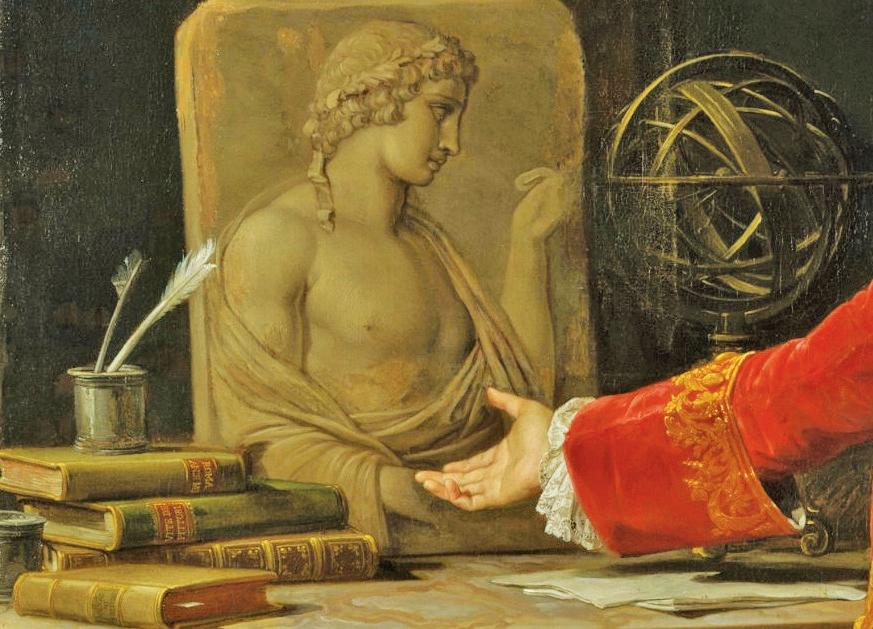
A one-year, London-based programme of ten evening seminars and individual research led by Professor Roger Scruton,offering examples of contemporary thinking about the perennial questions, and including lectures by internationally acclaimed philosophers.
Seminar-speakers for 2015/16 include:
• Roger Scruton
• Simon Blackburn
• Sebastian Gardner
• Raymond Tallis
Each seminar takes place in central London and is followed by a dinner during which participants can engage in discussion with the speaker.
The topics to be considered include consciousness, emotion, justice, art, God,
be by a research dissertation on an approved philosophical topic chosen by the student, of around 20,000 words. Guidance and personal supervision will be provided.
Others who wish to attend the seminars and dinners without undertaking an MA dissertation can join the Programme at a reduced fee as Associate Students.
Course enquiries and applications:
Ms Claire Prendergast
T: 01280 820204
E: claire.prendergast@buckingham.ac.uk