LINK Kenton Reader SUPER ISSUE - Volume 4, Edition 33 - July 17, 2026
KENTON
PRESIDENT & CEO Lacy Starling
EXECUTIVE EDITOR Meghan Goth
COMMUNITY EDITOR Christian LeDuc
SPORTS EDITOR Evan Dennison
LINK nky Kenton Reader is published weekly by LINK Media LLC, 523 Madison Avenue, Covington, KY 41011.
Periodicals Postage Paid at Covington, KY.
POSTMASTER: Send address changes to LINK nky Kenton Reader, 523 Madison Avenue, Covington, KY 41011. ISSN 3064-7460
859-878-1669 | www.LINKnky.com
HAVE A TIP? News@LINKnky.com
WANT TO ADVERTISE? Marketing@LINKnky.com
WANT TO SUBSCRIBE?
Send a check for $58.30 ($55 non-auto-renewing rate plus 6% Kentucky sales tax) to LINK nky 523 Madison Avenue, 2nd Floor Covington, KY 41011 or scan this QR code below
SUPPORT OUR WORK
Love what we're doing?
Want to support public-interest journalism in Northern Kentucky? Make a tax-deductible donation to support our work. Scan the QR code below, or mail a check payable to the Northern Kentucky Community Journalism Fund to 50 East Rivercenter Blvd. Suite 431, Covington, KY 41011.
No part of this publication may be used without permission of the publisher. Every effort is made to avoid errors, misspellings, and omissions. If, however, an error comes to your attention, please let us know and accept our sincere apologies in advance.
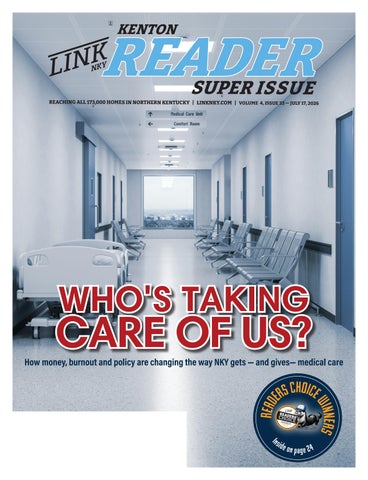
Inside LINK: NKY works to fill in the gaps healthcare leaves behind
By Meghan Goth
Let’s be honest. We’re all feeling it.
Gas is more expensive. Groceries are more expensive. And healthcare? Well.
A major federal law changed rules around how people access healthcare last year, and Americans are still finding out what the changes mean for them.
While uninsured rates are relatively low in Northern Kentucky now, Aaron Broomall of the Faith Community Health Network said those numbers are likely to change — and soon.
At the end of 2025, there were an estimated 18,000 to 24,000 uninsured individuals in Boone, Kenton and Campbell counties.
“By 2027, that number could be up over 40,000 uninsured individuals,” Broomall said.
Even those who can afford insurance in Kentucky can’t necessarily get care, according to a 2025 study from the Asclepius Initiative, a nonprofit that advocates for affordable, accessible healthcare.
Despite Kentucky’s relatively low uninsured rate, the study talked to people across the state, including NKY, who told them barriers like too few doctors, long wait times, high costs, transportation problems, mistrust and administrative hurdles are keeping those with insurance from actually going to the doctor.
This is why LINK nky decided to focus on healthcare for this Super Issue. We wanted to talk about why things are changing, what that means for residents, and how local leaders and everyday citizens are stepping in to fill the gaps.
Many of the issues are systemic, but NKY is used to finding grassroots solutions.
Keep reading to learn about how leaders and everyday people are making a difference for those already falling through the cracks before everything started to change.
While I’m at it: If no one knows what’s happening, how are they supposed to get involved?
That’s where LINK nky comes in. You don’t need to know the right people or have a subscription in order to learn about what’s happening in your community. The stories that matter to you aren’t behind a paywall.
We deliver this Super Issue for free to all of Boone, Kenton and Campbell counties’ residents every quarter. (That’s 173,000 households, in case you were wondering.)
Ensuring everyone has access to information about our community is part of our mission (linknky.com/our-mission), but it is not free. Or even cheap.
If you are able to make a financial donation, your tax-deductible gift will go directly to ensuring LINK nky can continue to help our community tell its stories for years to come. Scan the QR code on this page to make a one-time or recurring donation.
If a financial contribution isn’t possible, there are so many ways to support us:
• Go to linknky.com (truly. The clicks are a huge help!)
• Sign up for one of our (free!) newsletters (linknky.com/newsletter-signup)
• Follow us on social media (we’re on all of them!) and share the stories you like
• Subscribe to our weekly print edition (it’s $50 a year: linknky.com/subscribe-2)
• Tell your friends and family about us
If you’ve gotten this far, thank you for still being here! And thank you for supporting LINK nky and the NKY community.
Meghan Goth is the executive editor at LINK nky. Email her at mgoth@linknky.com.
04 10 16 21 24
SCAN ME!
By Haley Parnell
“IThe healthcare gap: How Northern Kentucky is caring for neighbors left behind
wouldn’t be here if it wasn’t for the medicine I get from them,” said Donald Robinson, who turns 85 this month.
The Edgewood resident is on Medicare and receives many of the medicines he needs to live through the Faith Community Pharmacy, located at 601 Washington Ave. in Newport. The pharmacy, founded in 2002 by a few local pharmacists, is part of the Faith Community Health Network. It serves uninsured and underinsured patients and is a registered 501(c)3 nonprofit organization. Its income is based on donations, sponsorships and money raised through fundraising events.
As federal policy changes threaten to increase the number of uninsured Kentuckians, Northern Kentucky nonprofits and physicians are expanding free clinics and pharmacy services to fill widening gaps that doctors say could otherwise push more people into emergency rooms with preventable medical crises.
“It’s very easy for people, myself included, sometimes, to say, ‘It doesn’t affect me, I have health insurance, I have steady employment, I have food security, I have housing security,’ all of these things,” said
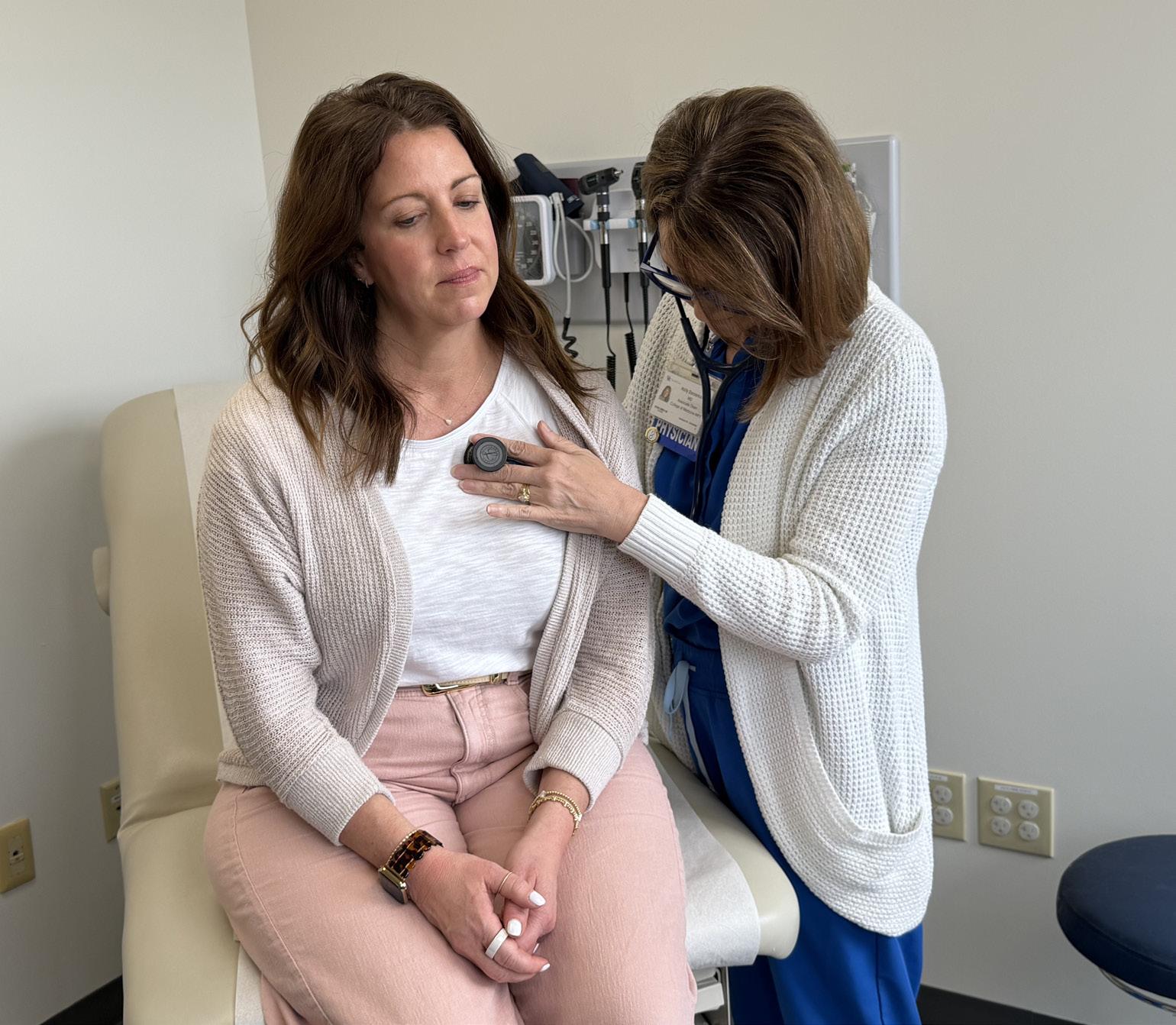
Dr. Holly Danneman, an NKY physician.
“Sometimes it’s easier to turn a blind eye, because it’s less uncomfortable. I think that people feel the need to get involved for different reasons. Some get involved because they acknowledge their fortunate lot in life and acknowledge the fact that not everyone is as fortunate as they are.”
Danneman has been a physician in the region for 26 years. She is board-certified in family medicine, but spent the bulk of her
career working in the emergency department. She is also an adult hospitalist, caring for adults admitted to the hospital.
Her current role is regional dean for the University of Kentucky College of Medicine–Northern Kentucky Campus.
“Having worked with very special patients over the years and witnessing the effects of poverty on very hard-working individuals, I personally believe — and I am speaking
for myself — that I owe it to them,” she said. “I owe it to humanity to be able to provide care for patients and provide them with the best health possible for them.”
Working as a meat salesman who traveled around from city to city, Robinson retired after 40 years; however, his wife wasn’t old enough to qualify for Medicare (the requirement is age 65), so Robinson began working part-time driving a special service bus for the Transit Authority of Northern Kentucky so his wife would have insurance.
Back then, Robinson said he didn’t have the same medical needs that he has now that he’s gotten older, so he could still afford his medications. His morning routine includes seven different pills, and his nighttime routine includes three more.
“A lot of the retirees like myself on Social Security — $2,500 a month — don’t last when it comes to buying medicine, car payment, rent. Which one would you prefer: medicine or to eat?” Robinson said. “I would have just quit taking medicine if it’s the only option you got.”
Brighton Center Chief Impact Officer Melissa Hall Sommer said the people who walk through their doors seeking assistance range from retirees to young families to single mothers.
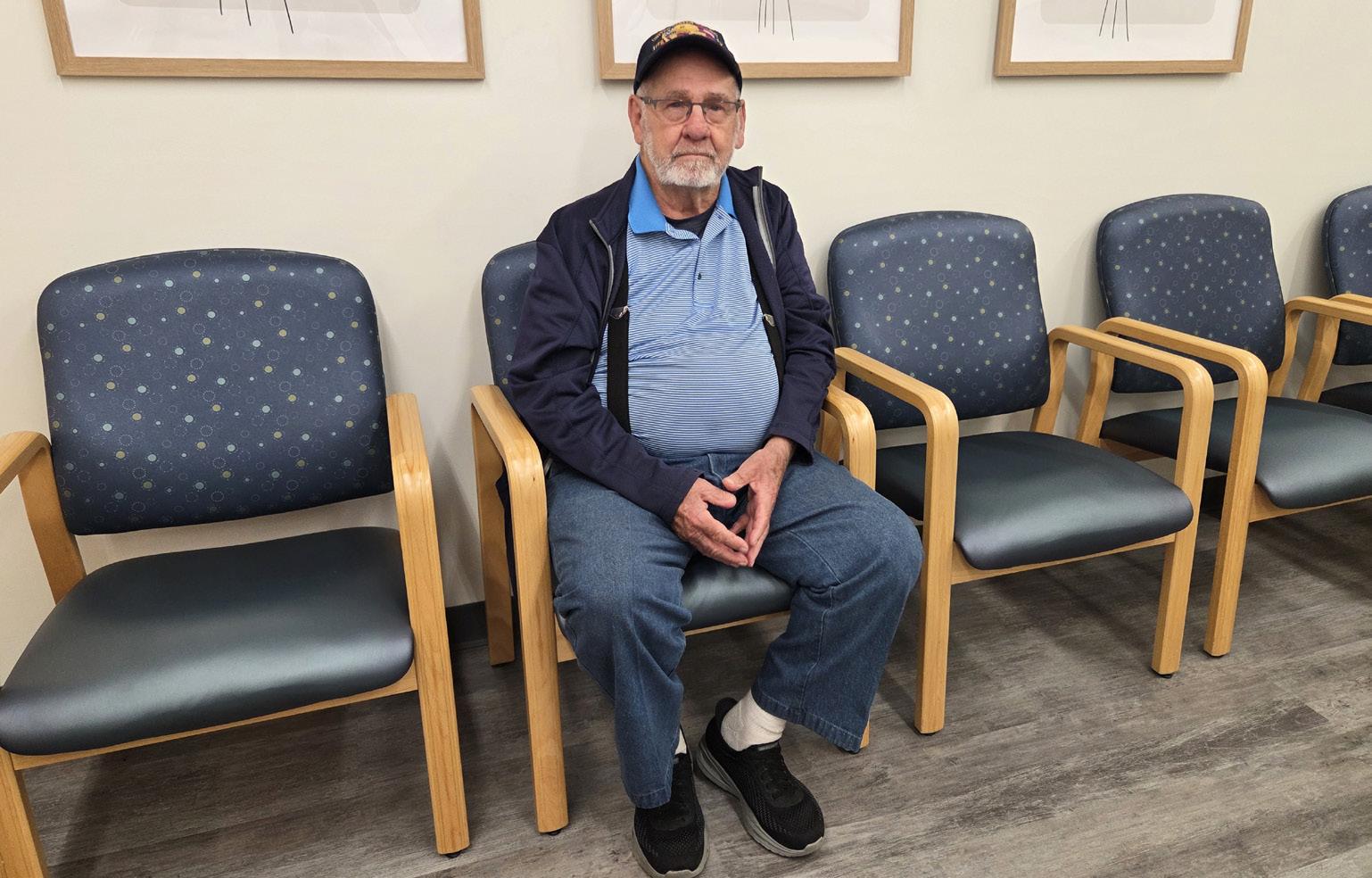
Edgewood resident Donald Robinson in the waiting room of the free health clinic in Newport. Photo by
Haley Parnell | LINK nky
Continued from page 4
Brighton Center, located at 741 Central Ave. in Newport, is a 501(c)(3) nonprofit organization that works to create opportunities for individuals and families to reach self-sufficiency through family support services, education, employment and leadership.
“We see folks who are retired, who thought that they worked every day of their lives, hit 65 and 67 and think this is the time when they can be retired,” Hall Sommer said. “What they’re finding is usually, because of the cost of housing, that they are paying out the majority of their security benefits to be housed and having to go back to work.”
Medicare is U.S. government health insurance. It is mainly for people aged 65 and older, but some younger people with disabilities and people with certain serious conditions like end-stage kidney disease qualify as well. Even with Medicare, people may still pay monthly premiums, deductibles, copays and coinsurance.
Medicare is not the same as Medicaid. Medicare is mainly based on age and disability, while Medicaid is based on low income.
home in Edgewood to the pharmacy in Newport once every three months to pick up his medications. Why does he visit the free pharmacy? For Robinson, being on Medicare means that sometimes his medicine is $30, and sometimes that same prescription costs $400.
Faith Community Health Network Director of External Relations Denise Bowman said Medicare is like a doughnut.
“With Medicare, there’s doughnuts, right?” Bowman said. “They go through the spurt where they get so much coverage, and then it’s like a hole where they have no coverage. Then it’s up to them to pay out of pocket for their medications. So sometimes, either the Medicare cost is higher, and so that can cause a problem where patients can’t afford that high copay. Or two, they fall in that doughnut hole, and they don’t get coverage, and so then they can’t afford the prescriptions.”
The option to opt into traditional Medicare have been around since Medicare’s inception in 1965. Medicare Advantage plans are the government allowing other insurers to operationalize and manage Medicare health plans. Examples of those other in-
surers include Humana, Wellcare, Buckeye and Medical Mutual.
Those on a Medicare Advantage plan have copays for certain types of services. For instance, if someone sees their primary care physician, there is a $0 copay, whereas if they see a specialist, the copay could be between $30 and $40. Hospital stays are between $300 and $375 per day for a certain number of days, and then the plan kicks in. In Medicare prescription drug plans, or Medicare Part D, medicines are grouped into tiers.
The tier usually determines how much you pay for the medication. Tier 1 and Tier 2 are typically lower cost, with copays of $5 to $10, and are more generic drugs. Tier 3 and Tier 4 are brand-name medications and specialty drugs. Those come with a high cost from your own wallet because insurance is less willing to pay for it.
Faith Community Health Network Executive Director Aaron Broomall told LINK nky in March that the pharmacy has been growing about 20% a year over the last couple of years. In 2025, the pharmacy helped over 1,100 people with more than $3.3 million worth of prescriptions. That’s over 24,000 90-day prescriptions that it gave away.
Because of the demand the pharmacy has seen, the Faith Community Health Network opened NKY’s first full-time, free health clinic in May. The clinic is upstairs from the pharmacy, so patients can get everything they need in one trip.
Broomall said the original plan was to open a clinic by late 2027, but then the Big Beautiful Bill passed. The bill was signed into law on July 4, 2025, and made changes to Medicaid and the Affordable Care Act by adding work requirements, increasing eligibility checks and tightening enrollment rules in an effort to reduce federal spending.
While the law did not directly change Medicare, healthcare experts say it could indirectly affect Medicare recipients by increasing prescription drug costs and making it harder for low-income seniors who rely on both Medicare and Medicaid to afford care. Healthcare advocates worry the changes could affect how medications are assigned to Medicare drug tiers, potentially leading to higher copays and stricter coverage rules for some prescriptions.
“At the end of 2025, it was estimated that Boone, Kenton and Campbell [counties] had somewhere between 18,000 and 24,000 uninsured individuals, and by 2027, that number could be up over 40,000 uninsured individuals,” Broomall said.
Robinson has Type 2 diabetes. Because of that, he takes Trulicity, which is a once-weekly prescription injectable medication used to improve blood sugar control. It is considered a Tier 3 medication. He gets Trulicity and Basaglar (a long-acting human insulin analog) from the free pharmacy.
According to Medicare’s website, Trulicity’s list price reaches approximately $987 per month, but Medicare coverage dramatically reduces these costs for most patients. Medicare Part D and some Medicare Advantage plans “may cover Trulicity for Type 2 diabetes management, but coverage depends on the plan’s formulary. About 70% of Trulicity prescriptions cost between $0 and $100 per month with Medicare Part D, while others average $207 monthly.”
Basaglar is usually covered under Medicare Part D and capped at $35 per month.
“Without that, I can say it would probably take my whole social security check to pay for the medicine, and most probably still be short,” he said.
Danneman said in her role as regional dean for the UK College of Medicine–Northern Kentucky Campus, she supports students’ education so they are in tune with social determinants of health, as well as other aspects of health that aren’t always as obvious, such as food insecurity, housing insecurity or lack of access to adequate health care.
“I liken it often when I’m teaching my students to riding a bike,” she said. “I learned how to ride a bike when I was very young, and now I can ride a bike with proficiency. It’s something I can do without even thinking about it, because it’s just something normal for me. I want them to care for the underserved in the same way. I want them to consider it to be something that is just understood, expected and done without a significant amount of thought, because it was so ingrained in them during the formative years of their education.”
Robinson said he typically drives from his
Physicians at the free health clinic in Newport practice on each other prior to the grand opening. Photo by Ethan Bloomfield | LINK nky
Continues on page 8
Supporting Your Loved One’s Next Chapter
Understanding Senior Care Options
Seniors Thrive Where Care and Community Meet
As our loved ones grow older, we expect them to need a little more support. Maybe your dad’s doctor advised him not to mow the lawn anymore because of his blood pressure. Maybe your mom admitted she no longer feels comfortable driving at night. But what happens when you realize an aging relative needs more care than family and friends can provide? This moment is a difficult one, even when you know it’s coming.
The truth is, 70% of adults over 65 will need long-term care at some point. It can be a difficult conversation to have with someone you love, especially a parent who spent years as your caregiver, but finding a care facility you feel confident about makes it much easier.
If you live in Northern Kentucky, you won’t have to look far to find an option you can trust. Carespring, an ESOP company that endorses a network of 18 regional senior care communities, has five locations in the Northern Kentucky area.
A recent survey shows that while the majority of older adults are involved in the decision-making process when it comes to senior care, many of them don’t feel fully prepared for the transition. In the same survey, 83% of seniors said staff trustworthiness was a vital factor in choosing a care facility. When you discuss one of Carespring’s locally operated communities with your loved one, you can offer reassurance that their priorities will be met.
Founded in 1986, Carespring is especially committed to meeting the need for quality skilled nursing and rehabilitation services in a warm, homelike environment. In addition
to its four skilled nursing/rehab facilities in Northern Kentucky, Carespring offers independent and assisted senior living at The Barrington of Fort Thomas.
Wherever You Are, Carespring Is Right There with You
Carespring-endorsed facilities provide skilled nursing care and rehabilitation services throughout the region to maximize convenience and make it easier for residents/patients and their families to stay connected, no matter how long the stay.
For short-term rehab following an illness, injury, or surgery, the goal is always to help your loved one get healthy and back to the things they love as soon as possible. Carespring’s communities will stay in communication throughout the recovery process to ensure that you’re informed, involved, and ready to welcome your loved one home.
For longer-term residents and patients, there are plenty of options as well. Barrington residents transitioning to a higher level of care can simply move to Highlandspring of Fort Thomas, located on the same campus. The Carespring network also includes Boonespring of Boone County (in Union, KY), Villaspring of Erlanger, and Coldspring of Campbell County (in Cold Spring, KY). Each facility is locally managed and offers a comfortable, welcoming atmosphere along with a dedicated team of medical professionals and well-qualified, attentive staff.
Unlike some corporately owned senior living communities and nursing facilities, Carespring is an ESOP organization, meaning that each location is led by caregivers who are personally invested in meeting your needs. These communities are committed to treating every patient and resident like family, whether they’re receiving long-term care or just need short-term support as they recover from a health event. Care plans are personalized, adaptive, and designed to not only attend to medical needs, but also help your loved one stay active, engaged, and enjoying the highest quality of life possible.
As soon as you walk through the doors of any Northern Kentucky community, you’ll immediately know you’re in a place where every team member is committed to you and your care. You and your loved ones deserve nothing less. ”
When it’s time to have the big conversation, take a deep breath, communicate with compassion, and make sure your loved one feels heard, even if the need for additional care is clear. And remember that Carespring’s Northern Kentucky communities are there to support your family throughout the process.
Danneman also serves on the board for Faith Community Health Network.
Her students will be part of the care team at the free clinic. They already provide free care to people experiencing homelessness at the Emergency Shelter of Northern Kentucky two evenings a week. They also provide free care to patients at the Florence Christian Church, one Saturday a month, for people experiencing homelessness in Boone County.
“I feel like the only way that we can truly achieve a healthy Northern Kentucky is to take care of those who have found themselves in the most destitution,” Danneman said. “Those are patients who, oftentimes, at no fault of their own, have very limited access to primary care and health care.” Without access to preventative or primary care, many uninsured patients delay treatment until conditions become emergencies.
Danneman said it is not uncommon to see patients who are coming to hospitals in the area with concerns that they have allowed to progress too far and now find themselves in a really serious situation, which she said could have been avoided with early healthcare access.
Many of those people, Danneman said, will avoid accessing health care due to an inability to pay. Many residents fall into what healthcare advocates call the “coverage gap” — earning too much to qualify for public assistance programs but not enough to comfortably afford private insurance premiums, deductibles or prescription drug costs.
“There’s a large number of working poor who make too much money to qualify for federal assistance, but don’t make enough money to be able to purchase private insurance coverage for themselves, and so they fall into this gap of not having any health insurance,” Danneman said.
Danneman said that even if it doesn’t affect you directly, it will affect you indirectly through personal access to care and delays in care.
“It has an effect on our entire healthcare system,” Danneman said. “With delays in regard to people’s ability to obtain emer-
gency medical services because of the long line. It also causes a burden in regard to increased healthcare costs, because the large expense of an emergency medicine visit is oftentimes written off, and that ultimately affects the bottom line.”
According to Cliniconex, a healthcare communication organization, “the average cost of an emergency room visit is $1,389, compared to a much lower average of $167 for a visit to a primary care physician. This financial disparity is even more striking for uninsured individuals.”
Dr. Rob Tracy sits on Faith Community Health Network’s board and worked with the network to open the clinic.
Tracy told LINK nky in March that one impact he thinks the clinic will have on the region is to decrease the number of people in the emergency room seeking primary care.
“We often see there are multiple bed holds where they don’t have enough room in the hospital for those folks,” Tracy said. “If we can administer preventative care ahead of time, we can hopefully prevent a lot of these people from having to go to the emergency department with a very high cost of healthcare in an essentially free setting.”
Danneman said it is also very difficult for the working poor to take time off to seek care
WE
because they don’t have the job flexibility.
The free clinic, offering a one-stop shop for patients to receive care, could be a solution to that. The clinic currently has four exam rooms, with space to expand. It is staffed primarily by physicians, with some nurse practitioners and physician assistants volunteering their time.
The clinic has a lab that can analyze blood work and other tests that someone might get during an annual physical. Those lab tests are ready in 20 minutes or less, so that everything can be taken care of in one appointment.
“We’ll get the lab results back, we’ll determine a care plan with them and then we’ll prescribe if prescribing is necessary,” Broomall said. “This is the other thing that sets us apart — that person is able to just walk right down to our pharmacy and pick up their scripts before they leave that day.”
When patients come in without insurance, Danneman said the goal is to connect them with organizations that can help them obtain affordable insurance, Medicaid or Medicare based on their needs. They also plan to use their community partners, like the Brighton Center, to help patients get the other services they need.
Hall Sommer said that the Brighton Cen-
ter considers all the things folks might not think of. If it is that they haven’t registered for Supplemental Nutrition Assistance Program, or SNAP, benefits, it’s getting them those benefits in place so they can feel some stability as they move toward self-sufficiency.
“The misnomer here is that people are reliant on the systems,” she said. “They are needing the systems to build to something more. It’s a mechanism of economic development. We invest in people to reach their hopes and dreams to continue to be able to contribute to the economy as they already are.”
Robinson said he’s been considering quitting driving when his car lease is up next March, but that won’t stop him from receiving his medications. The pharmacy offers a free mail service to deliver people’s prescriptions if they can’t make it to the pharmacy.
So while Robinson decides what is most suitable for him, he knows that it won’t come at the expense of his health.
“It’s like a big Jenga,” Hall Sommer said. “Everything is built on something else, and when you pull a piece out, you’re just holding your breath, seeing if it’s all going to fall.”
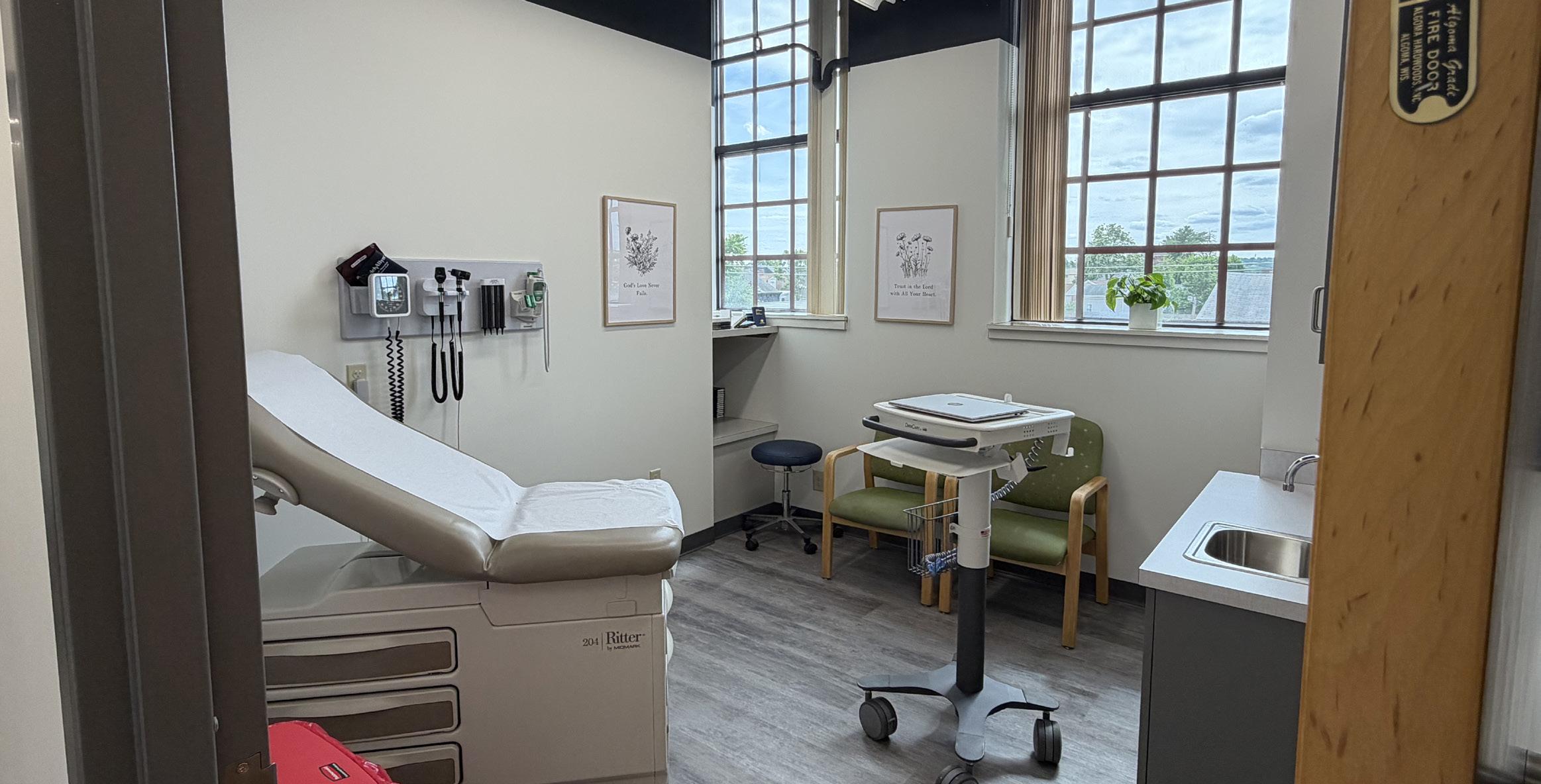
An exam room in the free clinic in Newport. Photo by Ethan Bloomfield | LINK nky
START WITH YOU.
Florence • Fort Mitchell • Crestview Hills • Union
Money and medicine: How financial incentives are reshaping the face of medical institutions
By Nathan Granger
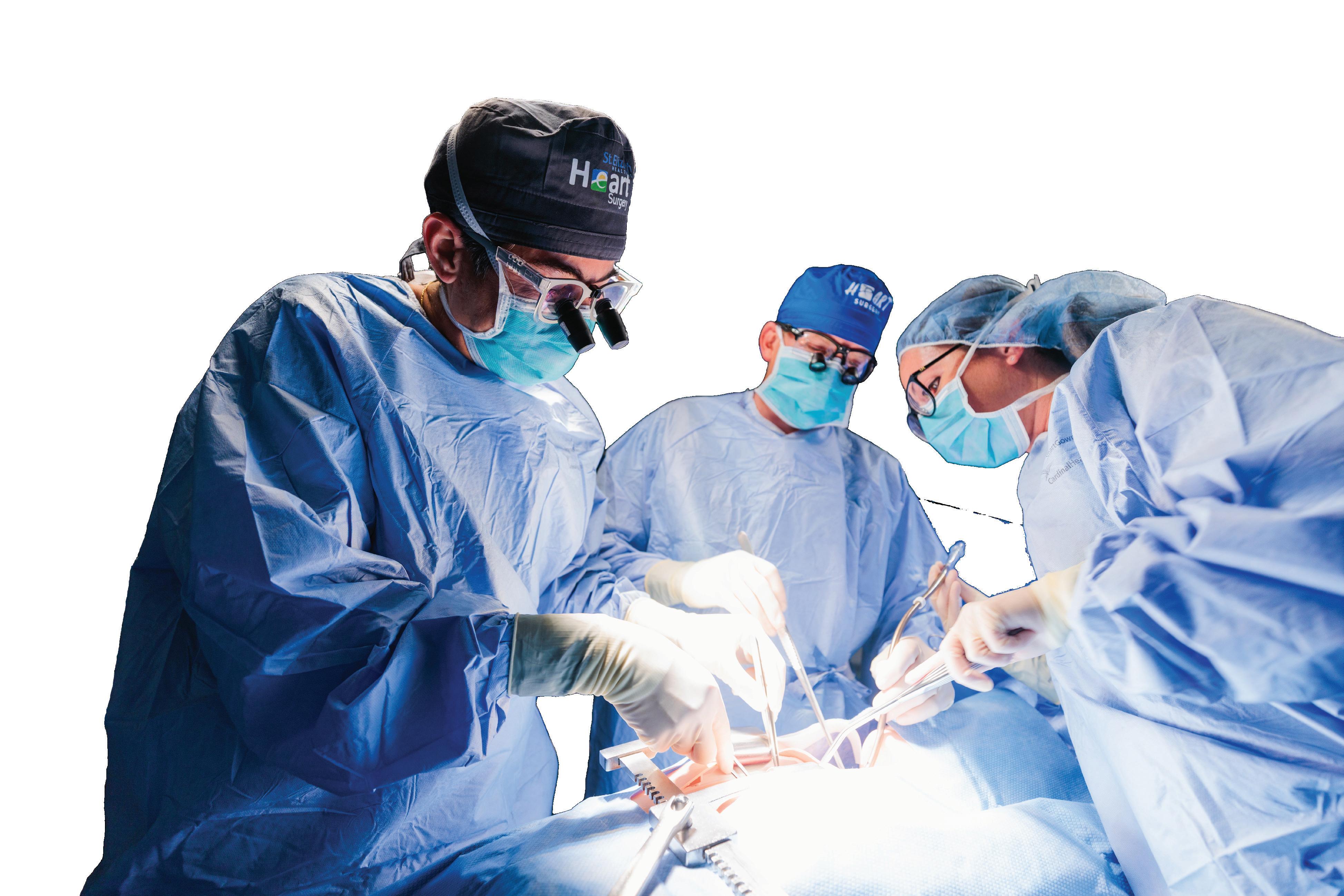
TriHealth, St. Elizabeth, Christ Hospital, Cincinnati Children’s, Mercy Health, UC Medical Center. If you’re getting medical treatment locally, you probably recognize these names as among the big power players in care in Northern Kentucky and Greater Cincinnati. And, in some cases, they keep getting bigger: TriHealth, for instance, shelled out $6 million last year to acquire Clinton Memorial Hospital in Wilmington, Ohio, to incorporate it into the TriHealth network.
But why? Whatever happened to the old, independently owned and operated private medical practice, run by doctors themselves, instead of huge institutions? Although it turns out private practices, (i.e. ones run by doctors actually providing services there), aren’t going extinct just yet, they may be headed that way.
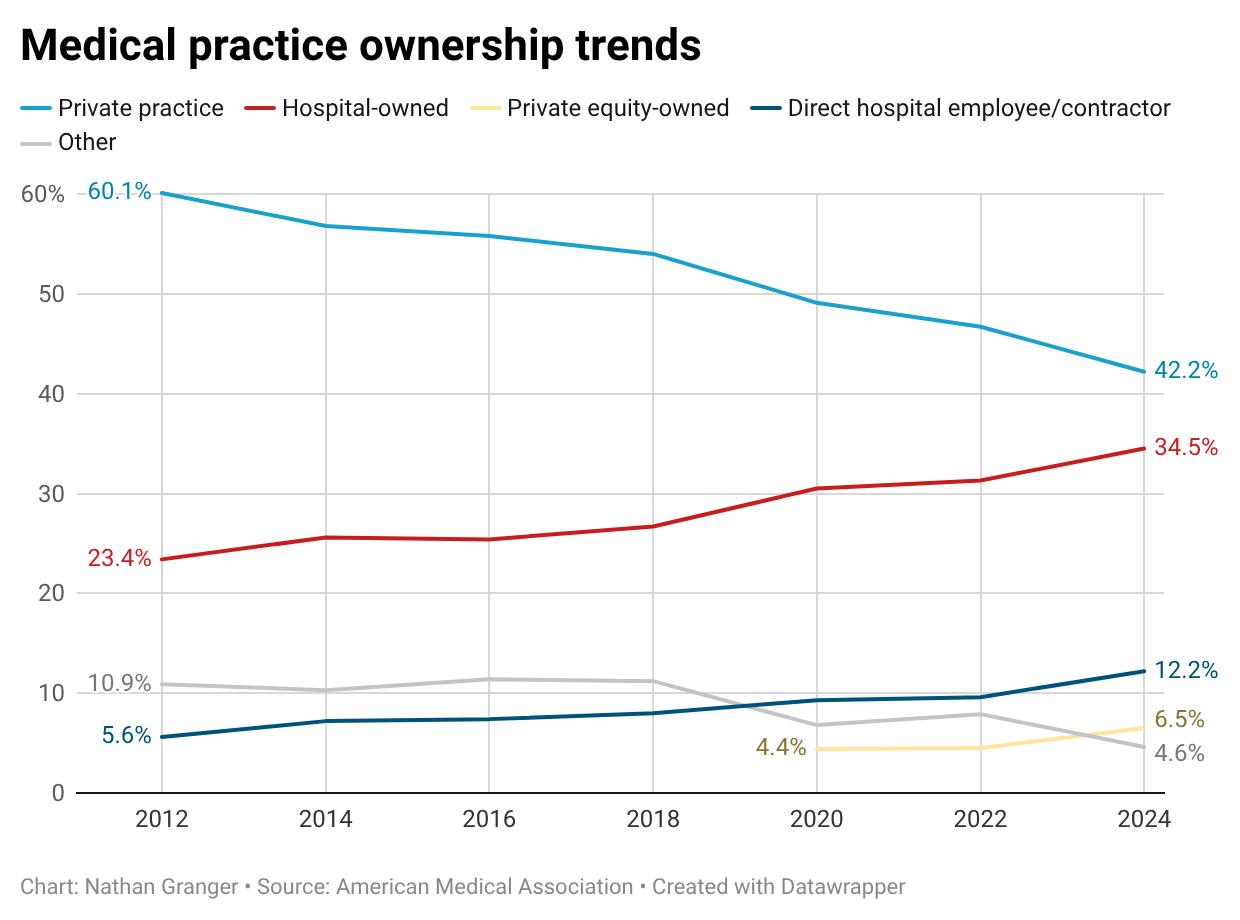
Every two years, the American Medical Association conducts its “Physician Practice Benchmark Survey,” which tracks trends in medical practices throughout the country. The 2024 survey, published last year, found 42% of physicians worked in a private practice. While this is still the largest group, it has been declining for years. That percentage fell 18 points from 2012, meaning that there are about 80,000 fewer physicians in private practice in 2024 than there were in 2012, according to the American Medical
Conversely, the number of physicians practicing out of a hospital system increased from 23.4% in 2012 to 34.5% in 2024. Increases were also observed in the number of practices owned by private equity and the number of practitioners engaged in contract work, although to a lesser degree than those absorbed by hospital systems.
Other studies have corroborated this trend, even if the exact figures differ, reflecting changes in financial incentive structures and broader economic pressures in the healthcare sector. If these trends continue, the way both patients and practitioners interact with the broader sector could be forever changed.
Money and medicine
“There are very few freestanding groups of primary care docs,” said Joseph Bateman, a physician, UC faculty member and executive director of the primary care network at Christ Hospital, which includes about 115 doctors in various locations in Cincinnati and NKY.
Bateman has never worked in an independent practice, having spent much of his long career either as an academic or at a hospital system (or both). Yet, Bateman described a phenomenon that independent practitioners also attested to: the smaller
operators’ loss of negotiating power with insurance companies. This was especially acute among primary care providers, who have had to move away from the old community-storefront business model to make money and survive.
“There are a few that are solo practitioners who can still make it from a financial perspective by offering subscription or concierge-level service, [but] those are very few practitioners,” Bateman said, referring to models of medicine wherein patients pay a monthly retainer or fee to have direct access to a doctor.
In fact, all of the doctors LINK nky spoke with, as well as much of the academic literature we consulted, pointed to the ability of larger institutions to garner bigger payouts from insurance companies as the primary driver of consolidation of small practices into hospital systems.
Insurance companies and medical providers routinely negotiate (and renegotiate) reimbursement contracts. Since many patients can’t pay for their medical care out of pocket, doctors and other professionals rely on reimbursements from insurance providers (as well as government programs like Medicare and Medicaid) to cover the cost of care and make a profit.
The aforementioned American Medical Association benchmark survey found
about 71% of independent physicians who had sold their practices after 2014 did so because it would allow them to negotiate better prices from payers. Improving access to costly resources and being able to better manage payers’ regulations and administrative requirements were also top reasons for selling, according to the survey.
“It’s usually a decision made because of the financial constraints that they’re experiencing, and there’s no other option,” said Michael Anthony, who was the incoming executive director for River Valley Pediatricians, Inc., or RVPI, when LINK nky spoke with him in May.
RVPI serves independent pediatric practices on both sides of the Ohio River. Initially formed as a way to purchase vaccines at discount bulk pricing for independent practices, its role has since expanded to advocating for the interests of independent pediatric practices more broadly. The organization represents 27 independent practices with over 225 individual professionals.
One of the services it offers is a centralized way for disparate independent practices to come together as a group so they have more leverage at the negotiating table. Yet, even with pooled resources, it’s still difficult to compete.
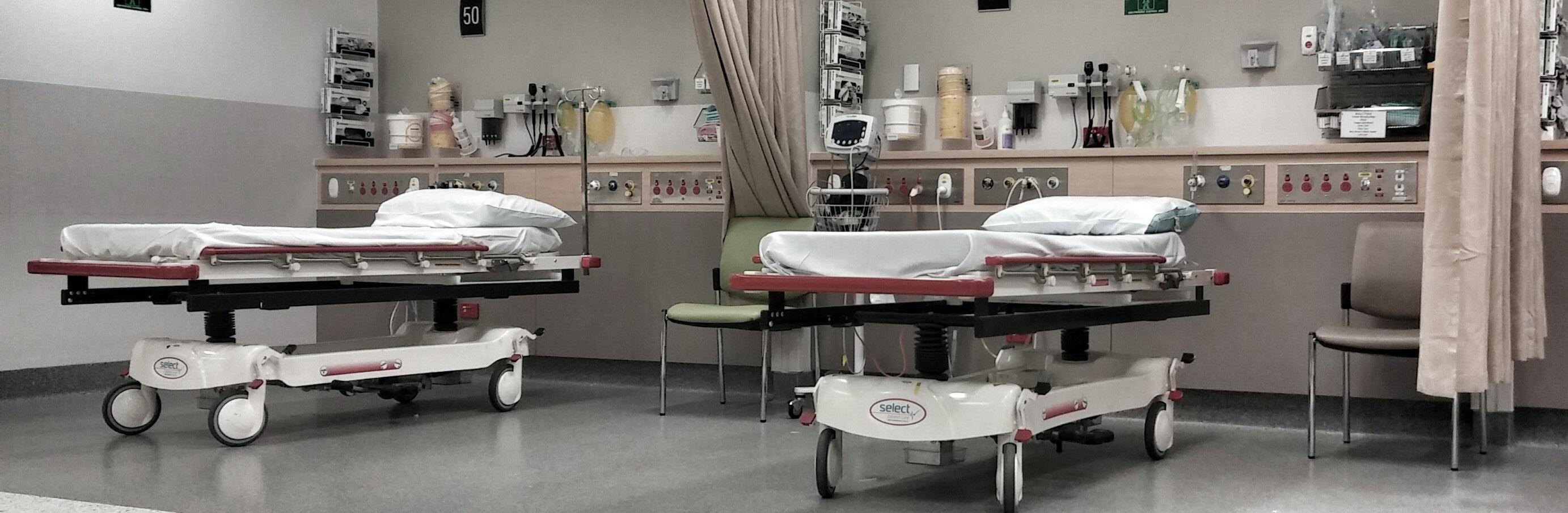
Rows of beds in a hospital. Photo provided | Dominique Vince via Pixabay
“[Payers] don’t keep their reimbursement increases up to independent practices at the level that they do for the larger systems or for organizations that maybe are triple the size of an independent practice’s,” Anthony said.
“It’s leverage,” said Ed Freeman, who was the acting executive director of RVPI in May. “The larger volume supports being able to negotiate with payers better. Even a small independent organization can’t command that leverage.”
“Even a large group of 10 docs has really no power to negotiate a fair and equitable reimbursement rate,” said Bateman. “I’ve heard from many stories of docs who have joined us where they were near financial ruin when they decided to throw in the towel and join us.”
Besides the financial stresses, the choice for a doctor or other professional to be independent or to be an employee comes down to whether or not they’re willing to both practice medicine and run a business. If you’re running an independent practice, you’re responsible for everything — not only patient care, but also administration, hiring and personnel, managing billing, marketing and legal compliance.
The flip side is that doctors who would rather not deal with all of that can find a home as a salaried employee and let the hospital’s administrators take care of everything. You also don’t have to worry about succession planning, a common problem among independent practices, Freeman said.
healthcare sector. Private equity firms pool private capital into funds that then purchase businesses with the hope of restructuring and expanding them before possibly selling them for a profit.
Private equity’s activity in the healthcare sector is comparatively recent, but the pressures that would induce an independent practitioner to sell their practice to a private equity firm is based in the same administrative and financial pressures that induce professionals to join hospital systems.
When a practice offers to sell to private equity, the firm pays the practice a lump sum up front. In exchange, the private equity firm then takes on the responsibilities of running the business. It does this by spinning off a separate management organization that takes care of administration, sometimes staffed with administrative workers who were already at the practice.
This new management service organization, or MSO, is what the firm actually owns on paper. Regulations prevent equity firms from owning medical practices outright, but the new MSO essentially runs all of the non-medical aspects of the business, leaving the doctors to focus on medicine exclusively.
Several big medical providers with locations throughout Kentucky, Ohio and Indiana have MSO deals with private equity firms, including The Urology Group, Cincinnati Eye Associates and Beacon Orthopedics & Sports Medicine.
administrative services.
“We’re buying basically a perpetual contract to provide services, administrative in nature only, to a physician practice,” said Keith Carlson, founder of Roebling Capital Partners, a private equity group out of Cincinnati that has made in-roads in small middle market segments of the healthcare sector.
“When we go to sell it, we will sell the management service organization, which has those contractual rights with a physician practice,” Carlson said.
Carlson was aware that private equity had
viewed. This suspicion has even appeared in elite institutions nationally. Dr. Edward P. Hoffer of the Harvard Medical School in an 2023 op-ed for the American Journal of Medicine, described private equity buying up medical practices (or their MSOs, rather) as “a marriage made in hell.”
“I don’t think it’s unfounded,” Carlson said, although he caveated that by saying that “not all private equity firms are created equal” and that a firm that’s done its due diligence and is acting honestly should be able to avoid exploitative relationships with doctors.
“In private equity, your value proposition
SUNDAY SEPTEMBER 6, 2026
Continued from page 12
do more,’” Carlson said. “It needs to be, ‘how can I get the physician to work smarter, not harder?’ The good groups that get into this realize I’m not going to ask someone to double their output. I’m going to give them the tools and the compensation programs to do whatever they want, but I am going to make them more efficient.”
For doctors who wish to retain their independence, however, the risks of selling to a hospital versus selling to private equity are similar: Can I trust this new employer to help me provide for patients, or am I going to become a cog in a machine?
“If you’re working for the system (i.e. either one, a hospital or private equity), you’re being told how many patients you need to see per day in order to fulfill their requirements and make them the money they want to make or get the referrals that they need to keep their systems operational,” Anthony said.
What does this mean for patients?
LINK nky heard inconsistent things about whether or not a provider’s size was an advantage or an obstacle.
There are several purported benefits to working within a larger system. For one thing, insurance coverage tends to become more predictable. Depending on your policy, if you’re in network with one facility in a system, you’re more likely to be in network at its other facilities.
Referrals to specialists and lab services, as well as record keeping and billing, also become more straightforward as they’ll be centralized within the same administrative framework.
“What might take a patient weeks to accomplish, I can do in 30 seconds,” said Isaiah Fry, a doctor and assistant vice president for hospital medicine in St. Elizabeth Healthcare. Fry, who manages about 65 physicians at St. Elizabeth, argued centralization made it easier to coordinate care.
“When you’re in a large healthcare system, like St. Elizabeth, when (patients) saw their primary care, when they saw their cardiologist, when they saw their addiction medicine specialist; everything is all there in one spot, so there is no question,” Fry said. “Everybody’s on the same page at the same time, accessing the same information, which ultimately leads to streamlined care.”
Certain kinds of practices also naturally lend themselves to being part of a hospital. Specialities like anesthesiology and cardiology, not to mention emergency care, will likely find it easier to operate with a hospital system’s resources at its disposal.
Some independent physicians were skeptical of this argument, however. Charlie Cavallo, an independent NKY pediatrician whose practice is part of RVPI, was especially skeptical of ones that argued that greater centralization made access and navigating the medical landscape easier.
“The reality is medicine is still very siloed,” Cavallo said, “and each specialty is sort of unto itself. It’s much harder to coordinate across specialties. Everyone thinks it’s easy to pick up a phone or shoot a message or an email or whatever — we’re on the same system; we can see what’s going on — it’s not always that simple.”
Additionally, there is some evidence to suggest that increased vertical integration of small practices into larger systems could increase out-of-pocket costs for patients.
A joint 2024 study between researchers at Brown University and the RAND Corporation examined cost increases using Medicare data collected from arthroscopies and colonoscopies, two common Medi-
care-paid procedures for which data was readily available. Unlike private insurance companies, providers can’t negotiate Medicare prices. Instead, prices are based on federal fee schedules, which vary depending on the size of the provider. Medicare tends to pay hospital outpatient facilities at a higher rate than ambulatory surgery centers, which can be run either independently or separately from a hospital system’s main facilities. Both facility types provide arthroscopies and colonoscopies, so this allowed the researchers to compare pay outs while controlling for other variables.
The study found that “for just these two services,” fully integrating all physicians into a hospital system “will lead to a $315.4 million increase in Medicare spending and a $63.1 million increase in patients’ out-ofpocket payment costs.”
In other words, the more services become housed in hospital systems, the study argues, the more expensive they become for patients. The same study found integration had no effect, positive or negative, on clinical quality measures.
For physicians at the end of the day, the primary question (besides the financial pressures) is if they want to remain independent.
“Doctors are independent creatures that like to have a say in things,” said Cavallo. “One thing about private practice that I really enjoy is learning about management, employment issues, the business side of it, versus letting somebody else dictate everything.”
The Clinton Memorial Hospital in Wilmington, Ohio, now part of TriHealth. Photo provided | TriHealth
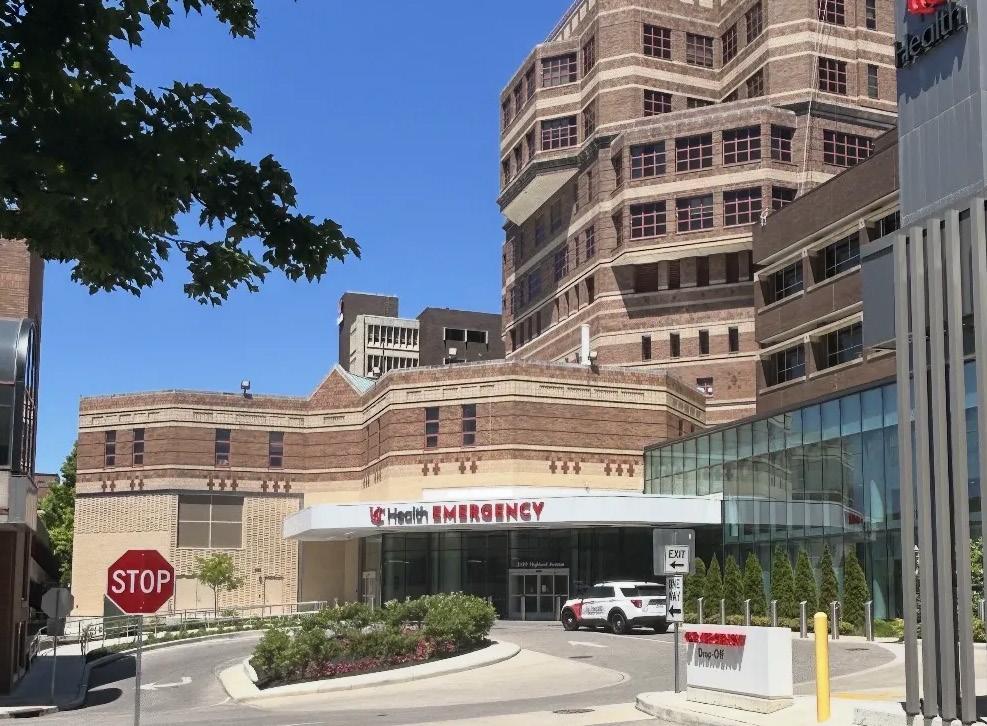
Nurses say violence is just ‘part of the job’ in local hospitals
By Kenton Hornbeck
Emily Kraft remembers the incident well.
She was working at a hospital when one of her patients, an older teenager with autism, began to experience what she described as a severe mental health crisis.
As her nursing unit tried to de-escalate the situation, the patient’s mother became increasingly agitated, Kraft said. She began insulting the nursing staff, even calling them racial slurs. Eventually, Kraft said, the patient’s mother physically pushed Kraft onto the ground and attempted to strike her.
As shocking as this may seem for someone who doesn’t work in the medical field, Kraft said it’s not rare.
“The thing I want to emphasize is this is not a unique or isolated experience,” said Kraft, who is a flight nurse and union member with the Registered Nurses Association of Ohio. “Every single day, there are attacks on healthcare workers.”
In the aftermath of the incident, Kraft said what shocked her the most was the hospital’s response. Instead of inquiring about her safety or the patient’s safety, she said management asked whether she had physically retaliated.
The experience, Kraft said, exemplifies part of a broader hospital culture more concerned with liability and public image than with safeguarding nurses.
Kylee Ham, a registered nurse in the emergency department at the University of Cincinnati Medical Center and president of the Registered Nurses Association, corroborated Kraft’s accounts of nursing violence, telling LINK nky that the phenomenon is common yet underreported.
“It’s extremely common,” Ham said. “It’s underreported, unfortunately, because I think there are a lot of nurses that just feel like it’s part of the job, or they don’t always report the incidents because it’s an extra step of charting and filling out paperwork.”
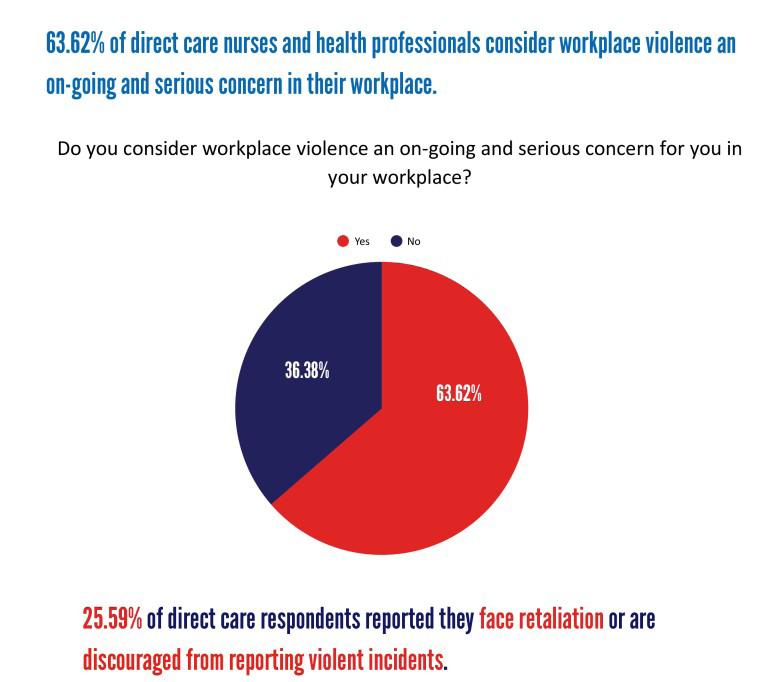
The Ohio Nurses Association 2026 Workplace Safety Report found that 68.72% of direct care nurses experienced workplace violence — including verbal abuse, threats or physical assault — in the past 12 months, while 63.62% of direct care staff consider
Beyond the Supply List
workplace violence an ongoing and serious concern.
Kraft said she chose nursing driven by her passion to care for others. Over her years in the field, she’s seen verbal abuse and physical conflicts lead to burnout among nurses and questions about the future of one of the United States’ essential healthcare careers.
Prior to her current role, Kraft accrued years of experience in emergency departments, where she recalled staff regularly working in unpredictable and volatile environments, encountering patients in severe distress, including those experiencing trauma, mental illness, intoxication, dementia or psychotic episodes.
“All those things weigh on you, not being able to provide proper care because you’re scared, causes you moral injury,” Kraft said. “We’re in this job to do everything we can for people, no matter what their problems are, and the weighing moral injury, as I put it, because it wasn’t safe for me is really heavy.”
Another factor that comes into play for nurses, Ham said, is the 12-hour shifts. Having to deal with a constant barrage of verbal abuse, racial slurs, sexual harassment and threats wears down nurses more quickly because of the long shifts often required in the profession. Over time, it begins to take a toll on nurses’ mental and emotional health.
Continues on page 18
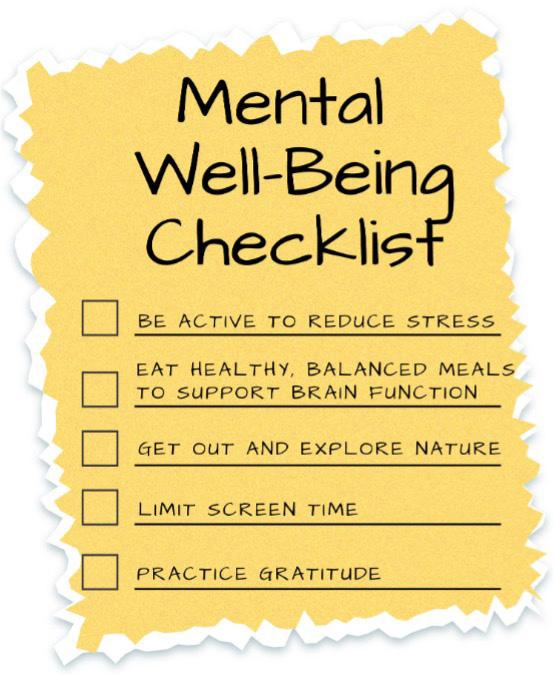
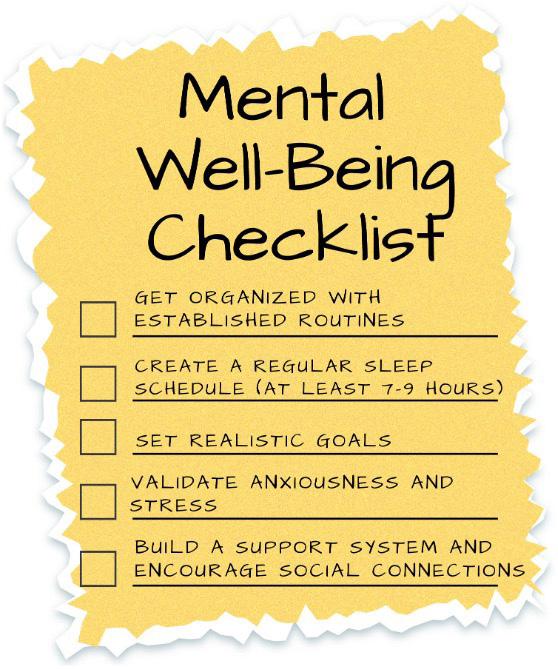
Essential Mental Health Tools for the New School Year
While you are busy checking off school supply lists for the upcoming school year, don’t forget to check on your family’s mental health. A new school year often brings familiar and some new stresses not only to youth but also to adults. Investing time in supporting mental health now will make the transition smoother for all. Below are common warning signs of mental health concerns to look for in youth and adults
Warning Signs for Youth
• Changes in appetite
• Difficulty sleeping
• Trouble thinking clearly or having communication issues
• Irritability, feeling down, or other changes in mood
• Isolating themselves, feeling lonely, or being less interested in friends
• Change in academic performance or attitudes toward school
Use these tips to keep your mental health in check this school year:
Warning Signs for Adults
• Feeling distant, foggy, cloudy, or not like yourself
• Body aches, headaches, tension, nausea, or chest pain
• Feeling fearful about your child attending school
• Guilt or shame about how you are fulfilling your roles (e.g., parent, partner, friend, colleague)
• Trouble concentrating
• Difficulty making decisions
UC Medical Center. Photo by Kenton Hornbeck | LINK nky
Since the waning of the COVID-19 pandemic, violence against nurses has steadily increased, according to multiple academic studies. A 2023 Press Ganey report found that 16,975 physical assaults against nurses occurred nationally, a 5% increase from the previous year.
Ham said she believes workplace violence has worsened significantly in recent years, particularly after the COVID-19 pandemic, as the healthcare system became more strained.
Oftentimes, the very nature of a healthcare setting in the post-pandemic world can create conditions that could lead to violence against nurses. Statistically, up to 82% of emergency department nurses experience physical assaults on the job, according to the American Association of Critical-Care Nurses.
“The ER is not set up for somebody to be admitted to,” Ham said. “A lot of times, it’s loud — the lights, there’s always activity. That can be a lot of times where you end up getting that agitation building and building. I think people are also just maxed out. Everything’s so stressful right now. Going into a hospital is extremely stressful. You’re gonna have, most likely, depending on your situation, some type of insane bill from that, denials from insurance and dealing with that. It’s just compounding that stress, plus you’re sick.”
Laurie Conkright, senior vice president of nursing at St. Elizabeth Healthcare, the
largest healthcare provider in Northern Kentucky, told LINK nky that their internal assessments revealed that nurses in emergency departments and intensive care units are most likely to face situations that could lead to violence.
“I think a lot of times you’ll see EDs, ICUs. Those are definitely areas where you typically have scenarios that are critical or emergent,” she said. Anxiety is high, patients are fearful. Those can be the scenarios that lead to that type of behavior.”
Gene Barber, St. Elizabeth’s senior vice president of facilities, added that patients with dementia can lash out because of confusion about what is happening around them.
In addition, Kraft said another contributing factor to the high anxiety levels some patients experience while being admitted to the ER is an eroding lack of faith and trust in the U.S. healthcare system in general. An investigation published in the JAMA Network, a collection of peer-reviewed medical and scientific journals, found that trust in physicians and hospitals decreased substantially over the course of the pandemic, from 71.5% in April 2020 to 40.1% in January 2024.
“Post-COVID, because of everything in the news, in the government, in the communities — there was a massive uptick in a lack of trust in the healthcare system,” she said. “Our patients lost trust in the hospitals, and therefore lost trust in their nurses.”
One of the primary issues highlighted by Kraft and Ham is internal reporting systems, which they both deemed inadequate for effectively reducing violence against nurses. Ham said that at her hospital, nurses are encouraged to document incidents through surveys and forms, such as “Assignments Despite Objection” reports, which are formal documents nurses use to protest an unsafe or unmanageable workload.
However, Ham said many nurses stop filing reports because they feel as though they don’t see meaningful changes result from them. Others become overwhelmed by the sheer volume of incidents and begin selectively reporting only the most severe cases, fearing that documenting every occurrence could be dismissed as excessive or frivolous.
Kraft said she feels personally apathetic toward the incident-reporting system, noting that she doesn’t believe it has the capacity to change future outcomes.
“It’s repeatedly seeing nothing coming of that which makes me apathetic to filling those out and reporting,” she said. “It’s apathy. Nothing’s ever happened before, nothing’s gonna happen now.”
Eventually, some nurses hit a breaking point, choosing to leave bedside care entirely and switch to outpatient clinics or office settings to escape hospital stress, or they leave the profession altogether.
The U.S. is currently in the midst of a nationwide nursing shortage, with a 2022 Health Workforce Analysis by the Health Resources and Services Administration estimating a shortage of 63,720 professionals by 2030, citing pandemic-related burnout and many nurses approaching retirement age. Digging deeper, Nightingale College found that shortages varied by position and geographic location, with the largest deficits among Registered Nurses and Li-
However, bedside care nurses are the most statistically likely to alter their course.
“They will work remotely or take a nonone-on-one caregiving job,” Kraft said. “No more touching the patient. 50% of new nurses will leave bedside within 18 months.”
Ham said that many younger nurses enter the profession with idealistic expectations, only to quickly discover they lack the time and support needed to properly care for patients. Ham cited unsafe patient loads, skipped meal and bathroom breaks, and chronic stress as reasons many nurses leave bedside care early in their careers.
In February, Lisa Cooper, a senior analyst at Cincinnati Children’s, mentioned during the Northern Kentucky Chamber of Commerce Eggs ‘N Issues breakfast panel that a major obstacle to restoring the nursing talent pipeline is the negative public perception of the profession since the COVID-19 pandemic, along with its inherent difficulty as a job.
Cooper said that nurses were once widely touted as frontline heroes, but now often face increased skepticism, hostility and scrutiny. In turn, this perception, she believes, is discouraging prospective workers from entering the profession. Moreover, the rise in reports of violence against nurses does not improve that perception.
Kraft and Ham believe there was a direct correlation between understaffing and violence. 68.74% of respondents in the Ohio Nurses Association 2026 Workplace Safety Report said they felt staffing levels were determined by budgetary goals or limits rather than patient care needs.
Ham argued that hospitals lack sufficient nurses, support staff and security resources to create a safe treatment environment for both patients and staff. Essentially, when workers are spread too thin, they cannot spend enough time with patients to
Continues on page 20
build trust or de-escalate tense situations before they become dangerous.
“We need more staff, and we also need more ancillary staff,” she said. “We need more staff to support us.”
Furthermore, Ham argues that there isn’t a shortage of nurses, but rather a shortage of nurses willing to remain at the bedside under current conditions.
“There’s not a shortage of nurses, there’s a shortage of nurses that are willing to stay at the bedside and just put up with this,” she said.
In the face of these issues, Greater Cincinnati healthcare systems have started implementing preventative measures. However, determining their long-term effectiveness will take time.
In addition to making incident reporting forms more accessible and less time-consuming to complete, both UC Health and St. Elizabeth Healthcare have posted signs throughout their facilities warning that violence against staff will not be tolerated. Ham noted that while this is a small step in the right direction, the process to get the signs approved required difficult negotiations between her union and UC Health management.
Conkright and Berber said St. Elizabeth has begun investing more heavily in its security staff, de-escalation protocols and other preventive measures. St. Elizabeth Public
Relations Manager Sally Thelen said the healthcare company currently has 88 security personnel on staff, an increase from previous years.
“You have a patient that could be experiencing a loss of independence, so what we’ve tried to focus on is trying to de-escalate that behavior in the patient or the visitor,” Conkright said. “Being in the hospital is a critical situation for a lot of folks, and you feel like that, loss of independence, stress/ anxiety levels are high. We try and work on de-escalation for the patients and for the family members, if needed.”
Internally, St. Elizabeth uses Behavioral Assistance Response Teams, composed of employees with specialized crisis training who can respond rapidly to escalating patient situations. Security officers are also trained in “safe wrap” techniques to physically restrain individuals without injuring patients, staff members or officers.
Other measures include deploying more armed security personnel, upgrading camera systems, limiting after-hours access to high-risk zones and conducting mobile security patrols across hospital campuses. According to Berber, the measures have helped reduce rates of physical violence against nurses.
“Our verbals are staying about the same, but we’re really seeing the physical go down with our de-escalation and response teams and training,” he said.
Hospitals and nurses face a complex situ-
NORTHERN KENTUCKY
DUI & Criminal Defense Team
ation. Hospitals are now expected not just to treat illnesses but also to handle the emotional, economic and social pressures that impact emergency rooms and patient floors. The solutions vary depending on who you ask. For hospital executives, it’s an investment in training, technology and security.
For nurses, it’s hiring more staff, increasing responsiveness to incident reports, but more than anything, greater support from their employers.
Regarding nursing as a profession, Ham remains optimistic, describing nurses as deeply compassionate, caring and highly skilled professionals who provide an essential service under increasingly difficult
circumstances. Despite this, she worries that without meaningful reforms, nursing will continue to lose experienced nurses and institutional knowledge, making it more fragile over time.
“I’m optimistic for nursing,” she said. “We have amazing nurses. I say it all the time, but they’re phenomenal. They care so much. They just want to do their job, and they’re so good at it. It is hard to be optimistic about the fixes. That’s what is really hard and really difficult is seeing this career and the way they’re treated burn out these nurses that are great. They’re excellent — and educating the next generation nurses, you start losing your longevity and that experience.”
Joe Suhre Managing Attorney
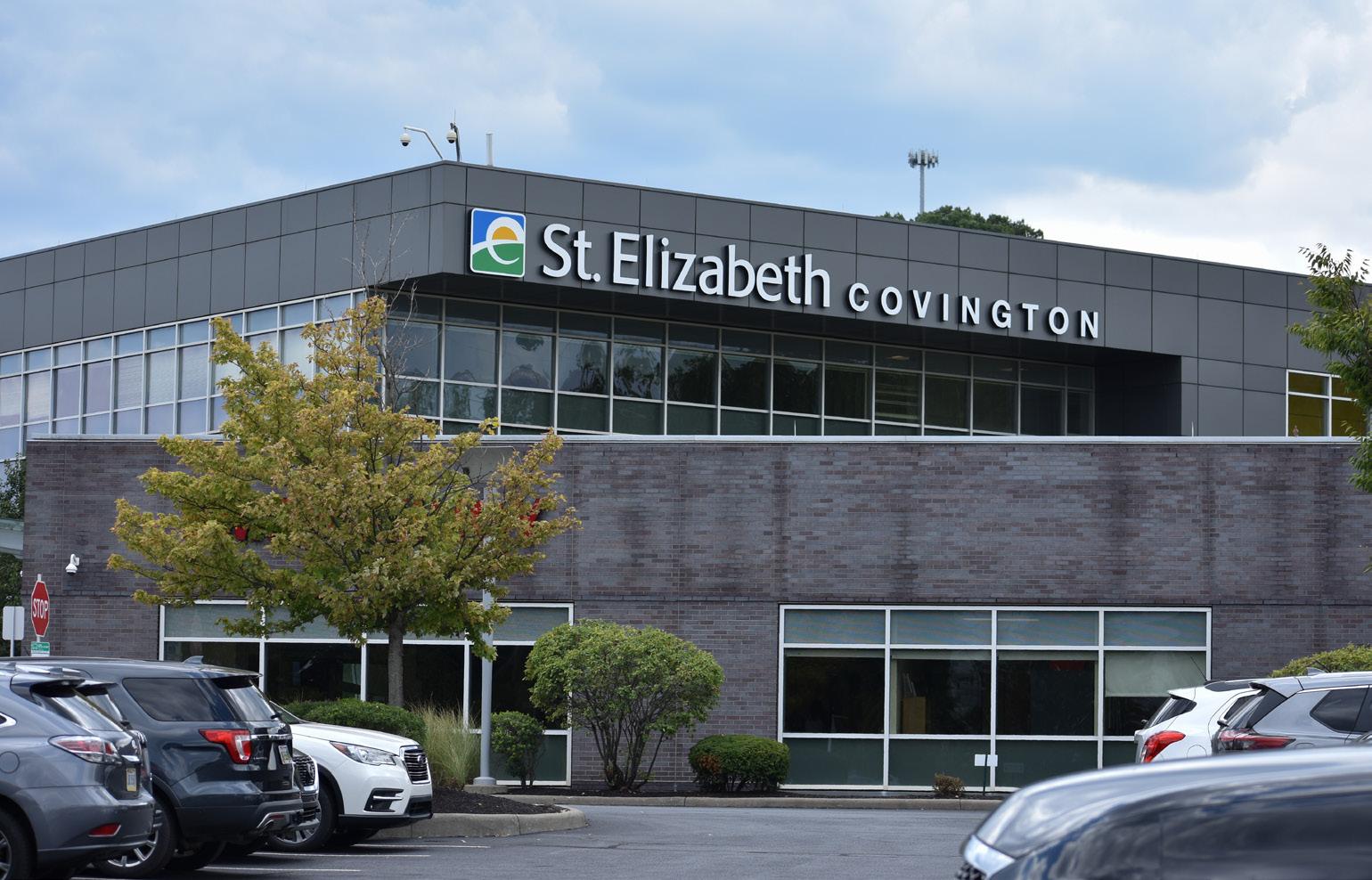
Photo provided | Registered Nurses Association of Ohio - St. Elizabeth in Covington
Doctors, coaches warn single-sport athletes: Mix
By Ray Schaefer | LINK nky contributor
High school athletes are feeling the pressure earlier than ever to choose a sport that will carry them through college and beyond.
Whether it comes from fellow students, fans, colleges or entire communities, the mantra is the same: The only way to earn a college scholarship — and maybe have a shot at becoming a professional — is to specialize in one sport.
But a nagging question persists: Do children who concentrate on one sport suffer more injuries than those who play more than one?
Dr. Jon Divine, a professor at the University of Cincinnati College of Medicine, said medical professionals have known the perils of overuse injuries for a long while.
“Where did it come from? I think just more of an increased, repetitive awareness about specialization in kids early in their athletic careers,” Divine said. “The rate of overuse injuries really hasn’t declined yet in that subgroup or adolescent population.”
Holy Cross High School girls basketball coach Ted Arlinghaus said there isn’t automatically a correlation.
it up or face injuries
“Not necessarily more or less injuries; we’ve seen more ACL (anterior cruciate knee ligament) tears with the single sport,” Arlinghaus said. “But I don’t know if that’s necessarily related; it could be.”
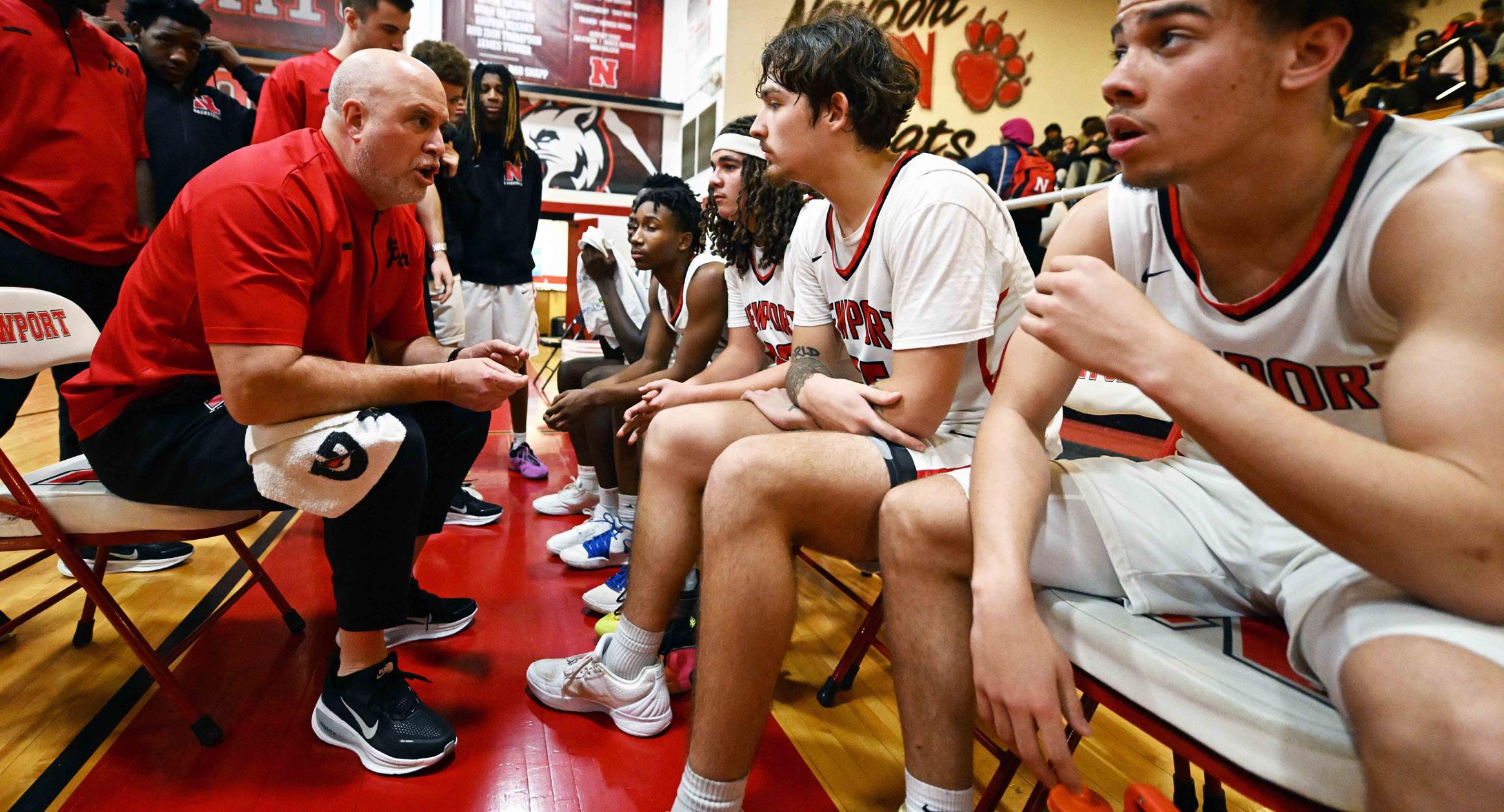
Newport High School boys basketball coach Rod Snapp thinks playing multiple sports is a good idea.
“And the way I look at it is for them to stay in shape, to stay engaged, to keep their grades up to par; you need to keep them busy in a positive way during school,” Snapp said.
“The only thing I can say about the single-sport thing is, if you really feel like you can go and play somewhere, you’re gonna get a scholarship, you’re gonna play at a decently high level, you need to go all in on that sport.”
That looks like being in a gym five to seven days a week, doing weights, plyometrics and stretching, Snapp said.
‘Fear of falling behind’
Divine said there’s definitely a trend.
“The fear of falling behind is a genuine concern,” Divine, who is also the head team physician for UC Athletics and director of primary care sports medicine with the Department of Orthopaedic Surgery, wrote in a January article for the National Federation of State High School Associations
But should falling behind in a sport be the focus?
“The downside of sports specialization, especially in early adolescents, has a growing body of research evidence that early specialization results in more harm than good to younger athletes,” Divine wrote in the article.
Holy Cross junior Alyssa Arlinghaus fo-
cuses on basketball and plays soccer. She has dealt with soccer-related injuries (but none on the basketball court), and she knows someone who specializes in basketball and has battled multiple ACL tears.
“There haven’t really been big serious ones, but this past year I suffered from Achilles tendonitis, and the two years before that, I’ve had hip problems,” she said.
Jordan Wilt, a St. Elizabeth Healthcare athletic trainer, has worked with Simon Kenton High School athletes for more than three years. He said playing a sport with little rest can be a cause for injuries.
“It’s more just constant sport play, practices, year-round training,” Wilt said. “Kids finishing one sport in the fall, jumping right into their winter sport and then jumping into another spring sport.”
Overuse
Divine defines “sport specialization” as more than simply liking one activity more than others. He said there are three core elements: intensive, year-round training in one sport for more than eight months a year; quitting other sports to focus exclusively on one; and starting young, a significant concern for children age 12 or younger (typically in the seventh grade).
Continues on page 22
Holy Cross High School’s D’Myah Williams is consoled by teammate Miyah Wimzie after suffering an injury in the 2024 All “A” state tournament. File photo | Charles Bolton
In a March article in the journal Pediatrics in Review, Dr. Nailah Jepera Coleman of the George Washington University School of Medicine and Health Sciences concluded that 50% of sports medicine visits for overuse injuries are common in pediatric populations.
“These complications can also lead to attrition from sport and exercise,” Dr. Coleman wrote. “Seventy percent of youth discontinue their organized sport by 13 years of age, some of which may be due to overuse, overtraining and burnout.”
There’s also a mental health component.
Divine wrote that the injuries to athletes who specialize are not acute traumatic events, “but rather injuries that result from repetitive micro-trauma to bones, tendons and joints without sufficient time for recovery.”
A couple times a year, Divine wrote, he comes across a kid under 16 with an overuse injury that just isn’t getting better.
“About the second or third visit, he or she and I have a heart-to-heart chat to say, ‘Do you really want to go back?’ And about half of them don’t,” Divine wrote.
Delay, rest, recover
In 2019, the National Athletic Trainers’ As-
sociation published six recommendations to help young athletes stay healthy and mitigate the risks associated with specialization. They include:
Delay specializing: Wait as long as possible before focusing on a single sport. Strive to participate in or sample a variety of sports.
“A lot of these kids feel like they have to
make a decision way before they probably should have to make a decision about being more specialized,” Highlands High School head football coach Bob Sphire said. “Probably those decisions shouldn’t be made ‘til after their sophomore years as far as whether they’re gonna be scaling down and being a little bit more specialized.”
Play for one team at a time: Avoid playing for multiple teams in the same sport at the same time. The total volume of organized participation is a major risk factor for injury.
Take time off: Do not play a single sport for more than eight months per year.
Brady Jones, a St. Elizabeth trainer at Covington Catholic High School, said athletes who specialize in one sport should take at least two weeks off from training after the end of a high school season — advice he believes most athletes heed.
“You always have some outliers, but generally for the most part they do listen, especially when I talk to the parents,” Jones said.
Follow the age rule: The young athlete should not participate in organized sports for more hours per week than their age.
For example, a 14 year old should not participate in more than 14 hours of organized sports per week.
Rest two days per week: Take at least two days off per week from organized training and competition to allow for physical and mental recovery.
Recover after each season: Spend time away from organized sport at the end of each competitive season to recover physically and mentally, which helps prevent injury and burnout.
“I would think one of the other factors is, are you doing any other type of strength training conditioning for those other muscle groups that aren’t necessarily getting used by your sport-specific muscles?” Ted Arlinghaus said.
Alyssa Arlinghaus has some advice for grade-school athletes: try a little of everything.
“I would recommend them trying out for as many sports as they can to see what they like,” she said. ”You never know that you’re gonna get hurt, but I think it can prepare you and help you prevent more injuries in your other sport.”
Newport High School boys basketball coach Rod Snapp encourages his athletes to play multiple sports if they can. File photo | Charles Bolton
Beechwood High School’s Caleb Arrasmith is a two-sport star for the Tigers in football and baseball. File photo | Charles Bolton
Readers’ Choice Awards: These are your favorite things in Northern Kentucky
Northern Kentucky has never been a place that does things halfway.
Every year, we ask our readers to weigh in on the best of the best across Arts & Entertainment, NKY Living, Dining, Family & Health, Services and Shopping. No panels, no committees — just real people casting real votes for the places, businesses and individuals they love. The result is the most honest, community-driven celebration of NKY you'll find anywhere.
From the restaurants that make you want to loosen your belt to the shops and services that keep this community humming, we’ve always fired on all cylinders.
NKY does festivals like nobody else and has venues both small and large to appeal to all music tastes. On the following pages, you’ll find readers’ favorites in just about any category you can think of. From our parks to our neighborhoods to our schools to the nonprofits that make this region a place people are proud to call home, there’s something for everyone.
These are your winners, NKY. Chosen by the people who know this place best: After all, they’re the ones who live it, eat it, shop it and celebrate it every single day.
Here's to another year of making NKY an extraordinary place to be.
Reader picks: Arts & Entertainment
2. Boone County KY Pride Festival
3. Gliers Goetta Fest
EVENT SPACE
1. Broken Arrow Farm, Wedding & Event Venue
2. Trifecta Club
3. Hotel Covington
FESTIVAL OR SPECIAL EVENT
1. Blink
2. Kentucky Wool Festival
3. Boone County KY Pride Festival
HOLIDAY LIGHT DISPLAY
1. Cincinnati Zoo & Botanical Garden
2. Florence Y’all Christmas Lights
3. Boone County Fairgrounds
LOCAL BAND
1. Gary Bertsch and The Blamers
2. Orchid In The Ivy
3. NKG Band (The Karate Girls)
MOVIE THEATER
1. Cinemark Florence 14 And XD
2. Regal Wilder
3. AMC Newport On The Levee 20
MUSEUM
1. Behringer-Crawford Museum
2. Cincinnati Museum Center
3. Cincinnati Art Museum
MUSIC VENUE
1. The Southgate House Revival
2. Riverbend Music Center
3. Madison Theater
PUBLIC ART
1. Clive the Alien
2. Baker Hunt Art & Cultural Center
3. City of Erlanger, Kentucky
Reader picks: Dining
BAGELS
1. Einstein Bros. Bagels
2. Marx Bagels (Blue Ash)
3. WildBloom Sourdough Bakery
BAKERY
1. Emerson’s Bakery
2. Square Peg Bakery
3. East Row Cakery
BAR
1. Old Kentucky Bourbon Bar
2. Saddle Club
3. Old Guy’s Tavern
BARTENDER
1. Brandon Schawe - Barleycorn’s Lakeside Park
2. Tracy - Molly Malones
3. Katie Holden - Alexandria Brewing Company
BBQ
1. Harmon’s Barbecue
2. Four Mile Pig
3. Smoke Justis
BOURBON SELECTION
1. Sanctuary Social
2. The 859 Taproom And Grill
3. MRBL
BREAKFAST
1. The Hive - East Coast Kitchen & Coffee Bar
2. Greyhound Tavern
3. Bellevue Bistro
BREWERY
1. Barleycorn’s
2. Alexandria Brewing Company
3. Braxton Brewing Company
BRUNCH
1. The Hive - East Coast Kitchen & Coffee Bar
2. Greyhound Tavern
3. Bellevue Bistro
BURGER
1. Bard’s Burgers & Chili
2. Knuk-N-Futz
3. Herb & Thelma’s Tavern
BUSINESS LUNCH
1. Sanctuary Social
Southgate House Revival. Photo provided | meetNKY
Clive the Alien in Covington. Photo provided | meetNKY
1. Spear Ridge Café
2. Bard’s Burgers & Chili 3. Little Matcha CAKES/CUPCAKES
PHOTOGRAPHY 1. Julia Hunter Photography 2. Green Gardens Photography, Lauren Richardson 3. Ellie B Photography
PLUMBER
1. Schneller Knochelmann Plumbing, Heating & Air Conditioning
Arlinghaus Plumbing Heating & Air Conditioning
Dixon Plumbing And Service
&
COMPANY 1. Mella Services
AnyWeather Windows 3. Affordable windows florence Reader picks: Shopping
SHOPPING
1. St. Vincent de Paul - NKY
2. NKY Bargain Outlet
3. Calina’s Cafe, Candles, & Collectables
SELECTION 1. Crafts & Vines
The Party Source
Barleycorn’s
Roebling Books & Coffee
SELECTION 1. The 859 Taproom And Grill 2. The Party Source
Old Kentucky Bourbon Bar
SHOP
1. Bill Finke & Sons
2. Kremer’s Market
3. Rekas Butchery and Delicatessen
DEALER
1. Kerry Toyota
2. Tom Gill Chevrolet
3. Mike Castrucci Ford of Alexandria Service
1. Earl Franks Sons And Daughters
2. Big Bobs Flooring Outlet
3. Pferrman Floor Covering Co
MARKET 1. Findlay Market 2. Fort Thomas Farmers Market 3. C.P. Reeves Market, LLC
1. Scarlet Begonia’s Flower Truck, LLC
2. Swan Floral & Gift Shop
3. Jackson Florist And Garden Center
1. St. Vincent de Paul - Northern KY
2. Furniture Fair (Bedroom & Dining)
3. Best Furniture Gallery
GARDEN CENTER/NURSERY
1. Baeten’s Nursery & Greenhouses
2. Fort Thomas Florists & Greenhouses
3. Succulent senorita greenhouse
GROCERY STORE
1. Kremer’s Market
2. Trader Joe’s 3. Kroger
HOME DECOR
1. Hobby Lobby
2. HomeGoods
3. Succulent senorita greenhouse
JEWELRY STORE
1. Asmi LLC
2. Purple Paisley, Local Artisan Shop
3. Schulz Jewelers
LIQUOR STORE
1. The Party Source
2. One Stop Liquors
3. Party Town
MEN’S FASHION
1. Dillard’s 2. Target
3. Walmart
NEW STORE (OPENED IN 2025 OR AFTER)
1. Ella Oak Boutique
2. Monmouth St. Mercantile
3. World Market
VINTAGE STORE
1. Route 27 Antique Mall
2. Secret Sister Thrift Boutique
3. Faded Finds
WINE SELECTION
1. Crafts & Vines
2. Ripple Wine Bar - Covington, Kentucky
3. The Party Source
WOMEN’S FASHION
1. Ella Oak Boutique
2. Handzy Shop + Studio
3. Ape Made It Boutique
Scan this QR code to read profiles about this year's winners
Roebling Books & Coffee was the winner in the bookstore category. Photo provided | Roebling Books & Coffee
SUDOKU
Edited by Margie E. Burke
The Weekly Crossword
"Excuse me..."
And others, for short
Title of courtesy
Roberts of romance
Road ___
Each row must contain the numbers 1 to 9; each column must contain the numbers 1 to 9; and each set of 3 by 3 boxes must contain the numbers 1 to 9. 2 4 3 2 7 1 9 7 8
5/4/26 - 5/10/26
- 5/10/26
Edited by Margie E. Burke
Edited by Margie E. Burke
HOW TO SOLVE:
Answer to Previous Sudoku:
Answer to Previous Sudoku:
Each row must contain the numbers 1 to 9; each column must contain the numbers 1 to 9; and each set of 3 by 3 boxes must contain the numbers 1 to 9. 4 2 8 3 5
Each row must contain the numbers 1 to 9; each column must contain the numbers 1 to 9; and each set of 3 by 3 boxes must contain the numbers 1 to 9. 4 2 8 3 5
Answer to Previous Sudoku:
Disney's first Latina princess
Billy's barnyard mate
Fielders' needs
Stadium
Track divisions
Hoover, informally
Call from a coach
Water source
Line on a weather map
Add comments to
Peppy 67 Rear-____:
Really, really collision
Trump's 2024
Jellied garnish opponent
Exchange letters
Small amount want
Like a snoop
Windchime spot, 53 Burstyn or
Irving Bacheller 69 Big Apple force often Barkin novel, "____
Dined at home
Give the eye Holden" DOWN
Awfully dull 1 Faris or
Typeface type Kendrick
Hotshot pilot
Hare ____ (reli-
"Gotta run!"
Sri Lanka export
eagle out
Scaled diagram
Norse capital
Way too suave
Sporty car roof
Outlook gious sect)
Food from the
Bitty biter, command
U-turn from sky slangily
"___ takers?" WSW 5 Energy unit
Brownish-gray 50 Arthur Murray 6 Chinese moves philosophy 52 Malaria symptom 7 Biology lab
Authoritarian supply leader 8 Not to mention
They may have 9 Keepsake twists
Like some skirts 61 Be a bad winner 11 Loathsome 62 Member of a 12 Tiny colonists Biblical people 13 Catholic service
Jousting 18 WWII conferweapon ence site
65 Lena of "Nine 22 Insulting Perfect 24 Army branch, Strangers" once