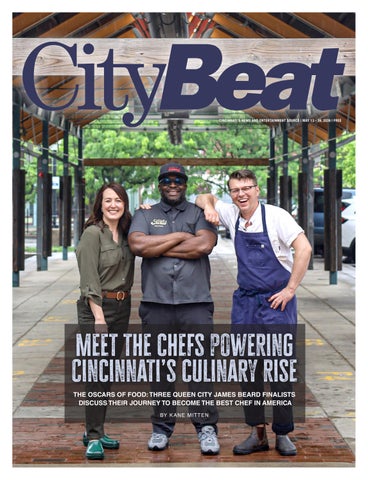
Meet the chefs powering Cincinnati’s culinary rise
THE OSCARS OF FOOD: THREE QUEEN CITY JAMES BEARD FINALISTS DISCUSS THEIR JOURNEY TO BECOME THE BEST CHEF IN AMERICA
BY KANE MITTEN







VOL. 29 | ISSUE 10
GRAPHIC
ERIN
CONTRIBUTING
CODY
ANNE
RICK
KENNEDY DUDLEY
DISTRIBUTION
CHIEF
EXECUTIVE
GOTH
SENIOR DIGITAL EDITOR MAGGY MCDONEL
NEWS
“DMay 2026 Cincinnati theater preview: A haunted house, bees, Suffs and more
BY RICK PENDER
o you remember a summer when you thought everything was possible?”
That was the question D. Lynn Meyers, producing artistic director at Ensemble Theatre’s May production of “The House on Watch Hill,” posed when announcing the production.
Ensemble Theatre will premiere this show by Cincinnati native and Broadway composer Richard Oberacker and his writing partner Robert Taylor. It’s about a group of teen misfits in the summer of 1984 who set out to build the ultimate haunted house in the Anderson Township suburb of Cincinnati.
Oberacker, a graduate of Anderson High School (as well as the University of Cincinnati’s College-Conservatory of Music), was the kid who led his geeky friends for a project that stirred up fears far more real than any ghost story. Their show captures the bittersweet moment between childhood and growing up, a time when you’re old enough to know the world is scary but brave enough to face it anyway.
“The best way Rob and I have found to describe the show is that it’s like ‘The Breakfast Club” (1985) meets ‘Stand by Me’ (1986) with about a cup-and-a-half of the Netflix series ‘Stranger Things’,” Oberacker said in a conversation with CityBeat. “All those pieces continue to resonate in pop culture.”
Asked what might set their show apart, Oberacker said there isn’t any other music like it.
“When we first started working on it and sharing it with a few trusted people, everyone said, ‘I’ve never read anything like this before,’” he said. But in truth, “the scariest thing isn’t the haunted house — it’s growing up.”
“The House on Watch Hill” is based on real events, Oberacker said, that happened here in Cincinnati with a group of young teenage friends.
“Social misfits, theater kids, gadget kids, the total nerd, the artist, the rich girl, the one Asian kid in Anderson High School, the one Black girl in Anderson High School,” he said. They persuaded a neighbor to take over the entire basement of her suburban home.
“We spent the summer building a neighborhood haunted house,” Oberacker said. “But what we really spent the summer doing was coming into ourselves, growing up. It’s a coming-of-age story … What they go through during this summer — falling in love, getting out of love, losing a parent — all the things that we dealt with as kids trying to get to the other side of puberty.”
Steeped in Cold War anxiety and latchkey freedom, “The House on Watch Hill” promises to be funny, moving and maybe just a little spooky.
Oberacker and Taylor’s script is firmly rooted in 1984 Cincinnati.
“Anderson High School is name-checked,” Oberacker said. “McNicholas High School is name-checked. The Friendly’s on Beechmont Avenue, no longer there, is where we used to hang out. The Skywalk Cinema downtown where we first saw ‘Rocky Horror Picture Show’ is name-checked.”
There are many other local references.
“The show is 100% a love letter to my childhood in the city,” Oberacker said. “The musical is full of these granular details of real life in Cincin-

nati in 1984. It’s not a mythic, faraway place.”
Oberacker, today a composer and conductor with Cirque du Soleil in Las Vegas, has crafted an ’80s-inspired soundtrack.
“I really wanted it to sound like the ’80s,” he said. “Kate Bush, Annie Lenox and the Eurythmics. The architecture of the melodies, the chord changes are in the style of those artists. Depeche Mode figures very heavily.”
He also developed music resembling numbers by the synth-pop band A-ha, as well as early Madonna and Cyndi Lauper. Those iconic reverbs and chords will be shaped by veteran sound designer Brian Hsieh for ETC.
“It’s really going to transport you back to the time with my songs,” Oberacker said. “The melodies in pop music at that time were very bold and very catchy. The score feels like it’s of the time.”
Meyers, who will co-direct the show with Dee Anne Bryll, said the show is about stripping away the layers of who we become and going back to a time when we were still dreaming and hoping for the future.
She calls the music “intoxicating. Once you jump in, the rhythm just keeps going throughout the whole piece. These songs could have been hits of the ’80s had they been written during that time.”
Several music demos were recorded in New York with a professional cast of Broadway kids. They are available on Oberacker’s YouTube channel.
In addition to seven teen actors, the cast includes two mature players as “The Adults in the Room.”
Oberacker said they enable the generations to look at one another and discover common ground.
“It’s really electric and special,” he said of a 2023 workshop production in Las Vegas. “It transcends the story we are telling and what it means to go on this journey from childhood into adulthood.”
He hopes high school kids find the show at Ensemble as they did in the Vegas workshop, which was extended several times.
“I want them to know that there’s a show happening here in Cincinnati that’s about what they’re going through right now,” Oberacker said. “I was one of those kids!”
Other theater productions in May
Falcon Theatre in Newport presents Kate Douglas’s “The Apiary” (May 1-16), directed by Chad Brinkman. Set 22 years in the future, honeybees are nearly extinct except for a few

kept alive inside labs, where several dedicated women try to rehabilitate the bee population. When an unexpected incident boosts the bee population, hard decisions have to be made. This unsettling and sharp-witted cautionary tale warns that the key to protecting each other and the planet is right in front of us, if only we would listen. Tickets: 513-479-6783
Broadway in Cincinnati will present a fiveday run of the touring production of “Suffs” (May 12-17) at the Aronoff Center. Make plans to see this tuneful portrait of the activists who fought for the 19th Amendment to the Constitution to give American women the right to vote in 1920. In 2026, when women are likely to be a decisive factor in our midterm elections, this Tony Award-winning show is an essential reminder of what our democracy is about.
Cincinnati Shakespeare Company will take audiences into the world and time of romance novelist Jane Austen via a witty stage adaptation of “Emma” by playwright Kate Hamill (May 22-June 14). It’s the story of a headstrong matchmaker who believes she can’t possibly fall in love, but who orchestrates romance for those around her with hilarious results. This clever and charming take will be directed by Candice Handy featuring a completely Black cast of professional actors, including Torie Wiggins, Burgess Byrd, Samuel Stricklen and Ernaisja Curry as Emma. Tickets: 513-381-2273
On May 30 from 6-11 p.m., the Young Professionals Choral Collective (YPCC) will present its annual gala fundraiser at the Netherland Plaza’s beautiful Art Deco Hall of Mirrors, one of Cincinnati’s most iconic venues. The evening’s program, Sing the Queen City, will feature renditions of Broadway show tunes and anthems by Andrew Lloyd Webber, Stephen Schwartz, Stephen Sondheim and many more, sung by a well-rehearsed chorus of 142 voices in collaboration with Sarah Folsom and Matthew Umphreys, a duo who perform vintage jazz and pop songs as Queen City Cabaret. The evening begins with a pre-concert dinner.
Tickets: Call 513-421-3555
Dates: May 9-31
Run time: Two hours with intermission If you go:
Richard Oberacker and Robert Taylor’s new musical “The House on Watch Hill” is premiering at Ensemble Theatre this month. In 1984 the basement of this home on Watch Point Drive was turned into a haunted house by Oberacker and some teenaged friends. Photo provided | Richard Oberacker
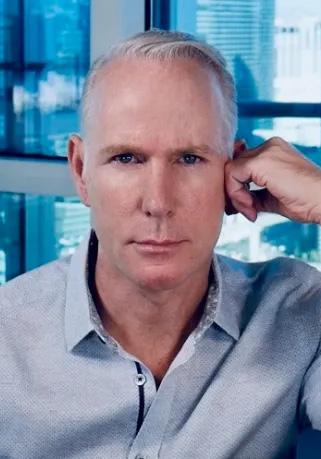
Richard Oberacker. Photo provided | Ensemble Theatre
Robert Taylor. Photo provided | Ensemble Theatre
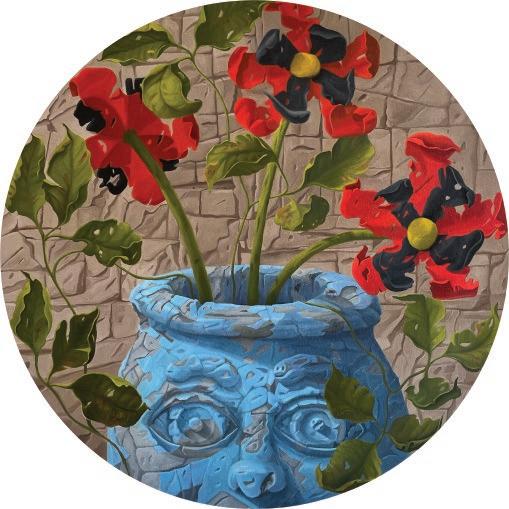
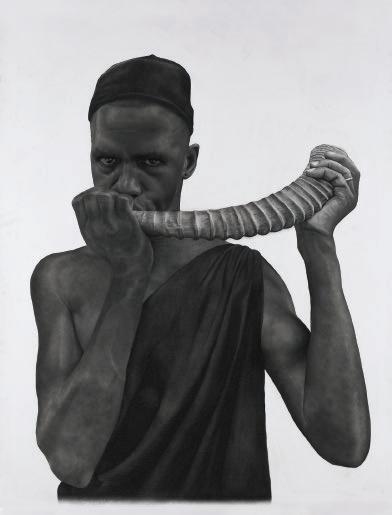
This spring, CAC comes alive with two powerful new exhibitions: Michael Stillion: And then it was flowers and Gee Horton: Chapter 4, In Another Lifetime.
MEMBERSHIP INCLUDES:
• Unlimited gallery access
• Invitations to member previews and select events
• Discounts at Shop CAC and Urbana Café
• Savings on programs and parking
• Reciprocal bene ts at museums across North America
7 at rate parking downtown

Meet the chefs powering Cincinnati’s culinary rise
THE OSCARS OF FOOD: THREE QUEEN CITY JAMES BEARD FINALISTS DISCUSS THEIR JOURNEY TO BECOME THE BEST CHEF IN AMERICA
BY KANE MITTEN
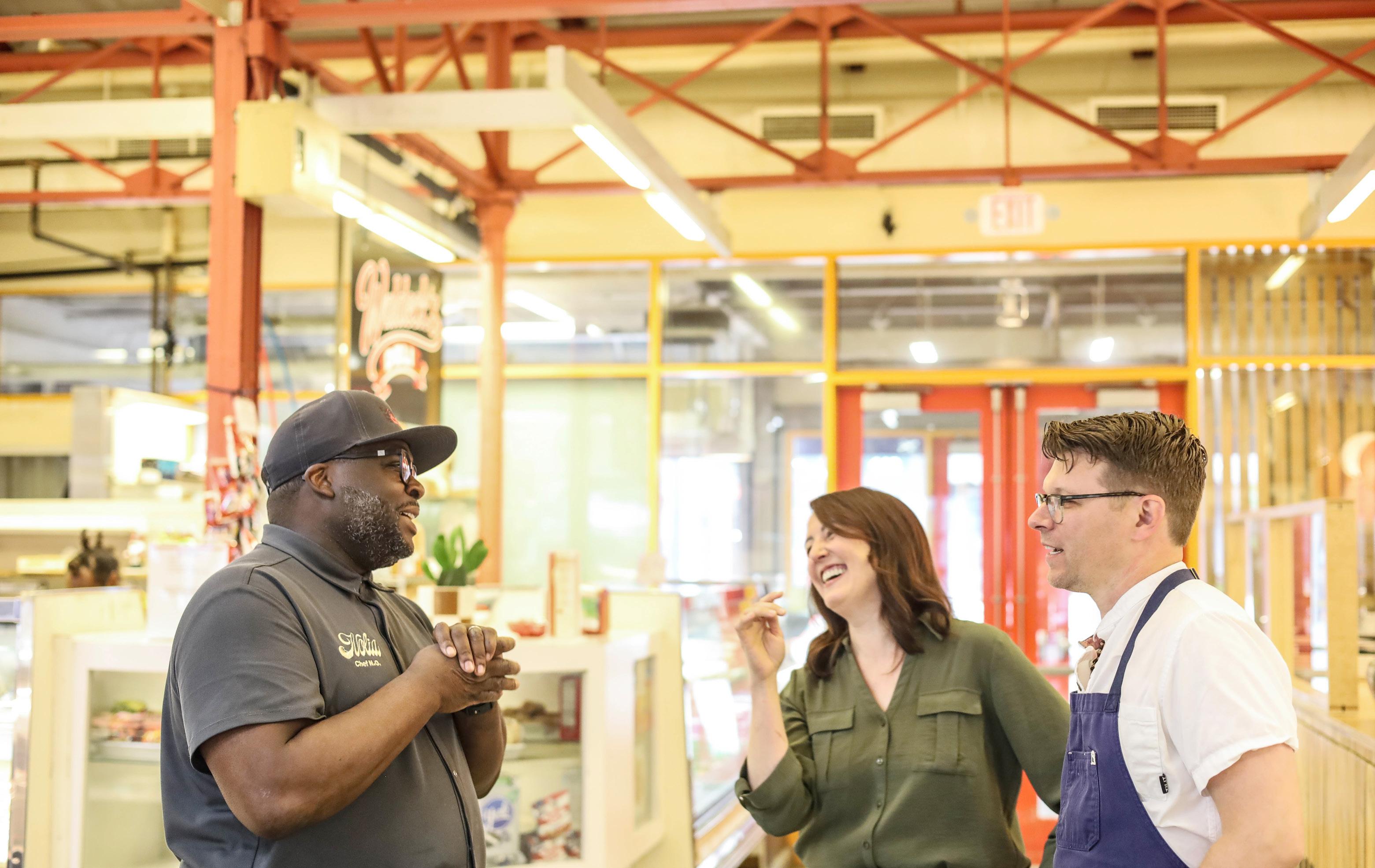

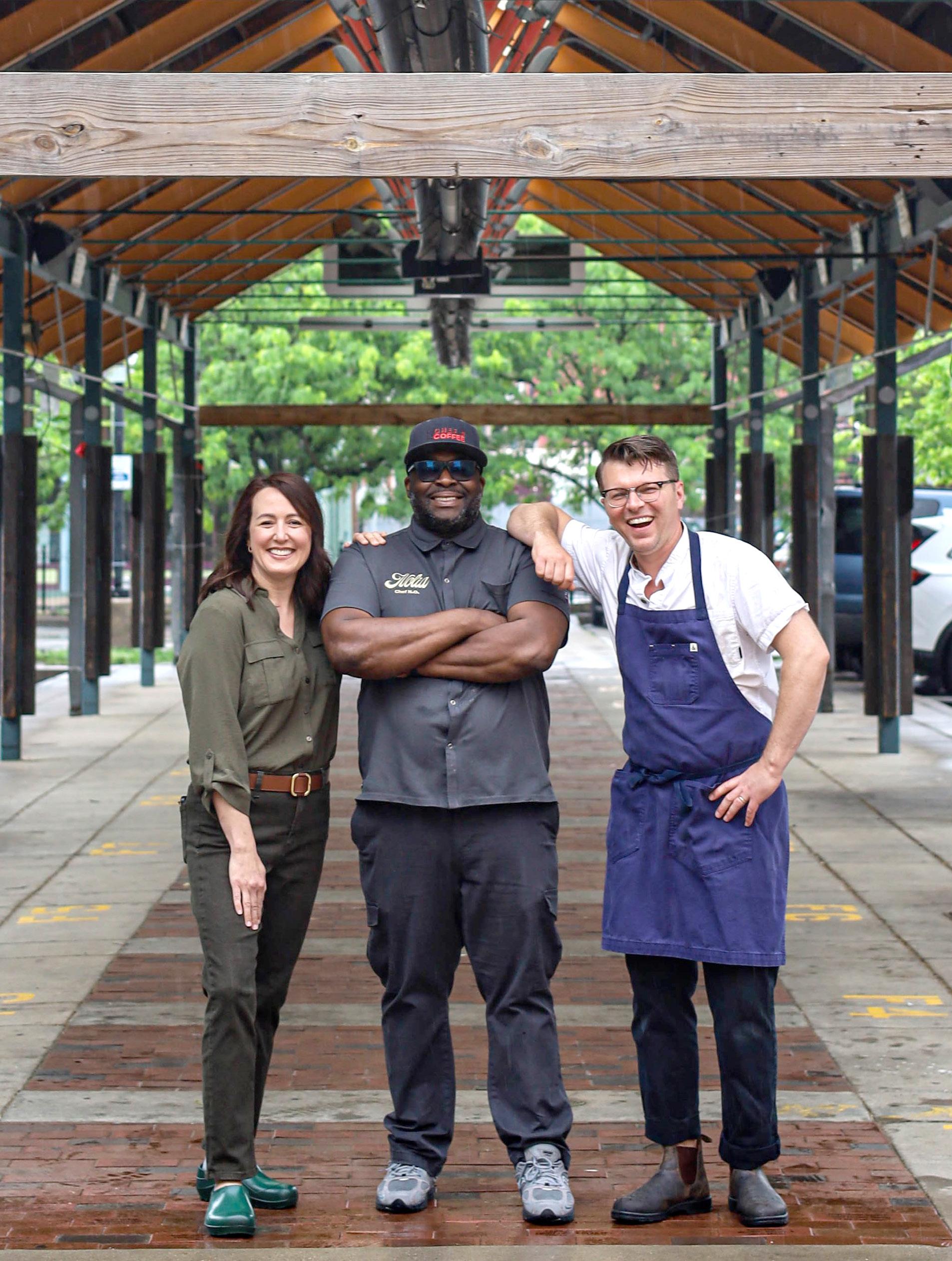
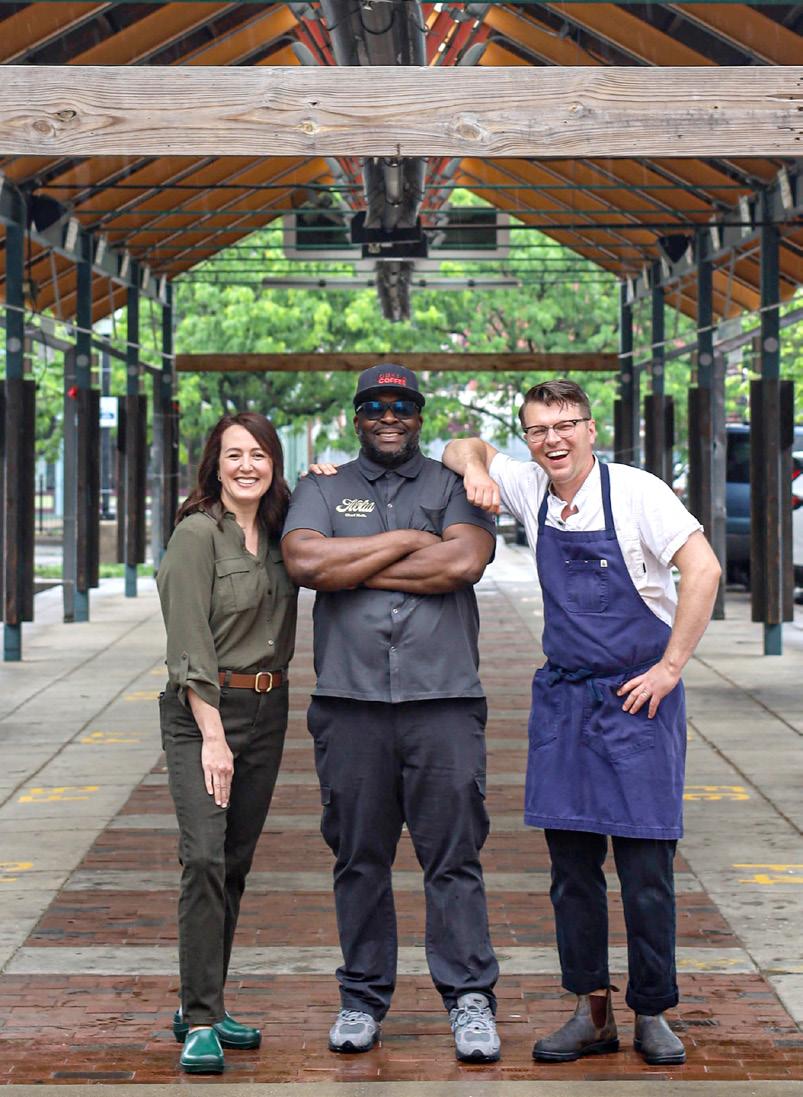
If you haven’t heard, Cincinnati is well on its way to becoming America’s next great food city. For the first time, Cincinnati and Chicago share an equal number of nominations at this year’s James Beard Foundation awards, which are commonly considered the Oscars of the culinary world. It’s a high-water mark for our fair Queen City, proving that our local restaurants can go toeto-toe with the very best. Three local chefs lead the charge this year at the Beard awards, each with their own diverse backgrounds and cooking philosophies. While their ideas may differ, they all have one thing in common: They’re trying their very hardest to ensure that Cincinnati is America’s next epicurean hotspot.
Keep reading to learn about chefs Jeff Harris, Sarah Dworak and Dave Willocks.
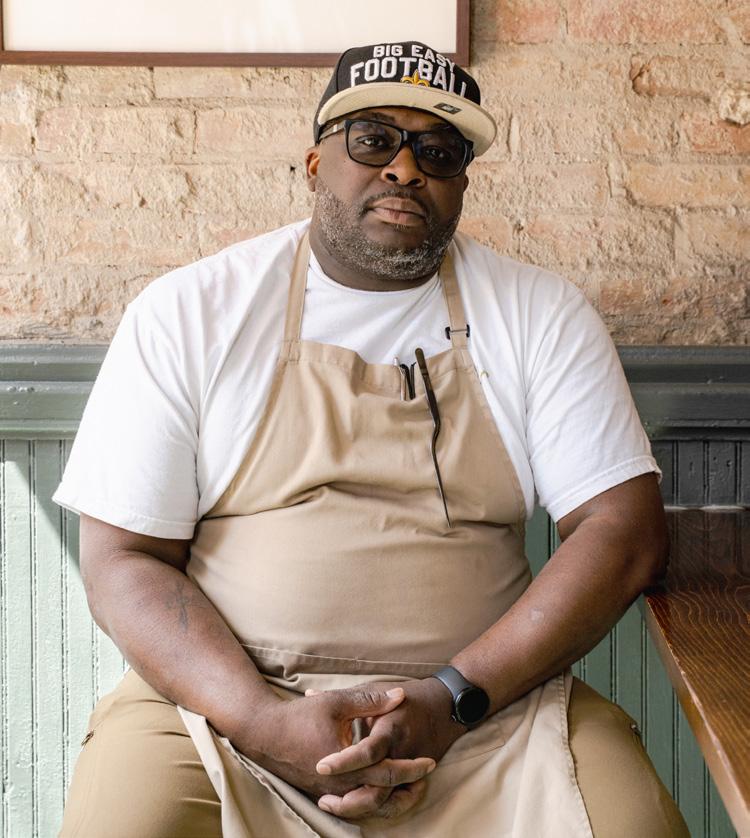
CHEF JEFF HARRIS, NOLIA
As he sits down for an interview, two-time James Beard finalist Jeff Harris wants to make something abundantly clear.
“Tell everyone I’m not a Cajun or Creole restaurant,” he said. “I’m from New Orleans, but my restaurant is not. This is a Global South restaurant.”
One look at Nolia’s ever-changing menu should make that obvious. Several dishes have a New Orleans influence, sure — for example, his take on the West African beef dish suya uses pecans instead of peanuts in the yaji spice blend coating the meat — but what Harris and his team have created is an unconventional, Southern-tinged showcase for the flavors of the South and, really, the entire planet.
“I like the mystery that people experience when they come in here. They still think they’re gonna come in here and get mac and cheese, fried fish, all that,” Harris said. “Then they come in and ask their server all type of questions because everything on the menu is unfamiliar. I like that we’re not so easily read.”
Harris was well-known in New Orleans for being the sous chef at Emeril’s — yes, that Emeril’s, as in celebrity chef Emeril Lagasse’s globally known restaurant — but moved to Cincinnati in 2005 after Hurricane Katrina, and ended up sticking around far longer than he ever expected.
His first gig in the city was with Orchids at Palm Court, formerly one of the city’s best restaurants, inside Carew Tower’s historic Art Deco Plaza. Later on, he began working at the Cincinnatian Hotel and met a thenunknown Jose Salazar. He worked at The Palace with Salazar before helping him open his eponymous restaurant in 2013, briefly moved back to New Orleans, then returned to Cincinnati and helped open Mita’s in 2018.
Eventually, Harris wanted to strike out on his own. He was preparing to open a New Orleansstyle restaurant as part of Findlay Market’s incubator program in 2019, but then COVID hit and the plan fell through — although he’s “kinda happy that fell by the wayside, because, like, it’s only a temporary spot and I probably would have died over there anyway.”
But a Findlay Market connection did end up coming through for him. Eli Leisring, owner of Eli’s BBQ, let him know he could probably
secure a spot at the Oakley Food Hall. Harris applied, and thus Jimmie Lou’s was born.
Named after his great-grandmother who taught him to cook, the food stall was “everything people think Nolia is.” New Orleans staples like gumbo, jambalaya, fried catfish and red beans & rice lined the menu; he even had po’boys with Leidenheimer bread imported directly from the Crescent City. Plenty of Louisianathemed joints existed in Cincinnati prior, but Jimmie Lou’s was one of the first to truly nail authentic Cajun and Creole cuisine. Still, though, Harris wanted more.
In 2022, he opened Nolia and then subsequently closed Jimmie Lou’s, as the Oakley Food Hall was rapidly going downhill. (It closed permanently six months after Nolia opened its doors.) The building that now houses Nolia was formerly home to Ryan Santos’ awardwinning restaurant Please, and it irked Harris that people seemed to resent him for moving into the building of a once-beloved eatery.
“I hated that people wouldn’t let Please die. Every time I’d get interviewed about the space, they’d tell me I have big shoes to fill. That restaurant was closed for two years before I came here. Please is dead. It’s fucking gone. That dude don’t even live in the state anymore,” he said. “Every single writeup, the first few paragraphs were about Please. People still, to this day, come in and ask ‘didn’t this used to be...’ No disrespect to Ryan, but man, fuck dude, this is my shit now! Nobody said ‘big shoes to fill’ when David Falk moved into Maisonette! It was fuel for me to quiet that noise.”
And quiet that noise he did. Shortly after opening, Nolia was a James Beard finalist for Best New Restaurant in 2023. In 2024, Esquire named Nolia one of America’s 50 best new restaurants, and Harris was again Beard nominated — this time for Best Chef: Great Lakes, the same award he’s up for in 2026. But he’s quick to tell you that any awards are “for my staff, not for me.”
“I couldn’t be who I am without the team I have. No matter how talented you are as a chef, if your staff isn’t right down with you, you won’t be successful,” he said. “Every day, at 4:15, no matter how busy we are, we all sit down with each other, have a meal, talk smack, have a smoke, get on our phones, whatever. And it’s important to do, because at 5 o’clock, all that
stops and we lock in for service.”
In conversation, Harris speaks softly and tends to draw out a sentence until it’s practically gasping for air, but his words and tone of voice reveal a playful confidence that’s different from a lot of industry professionals. He’ll acknowledge he’s fiercely competitive too, although only in a friendly sense — not in, say, a “Control” by Kendrick Lamar way.
“You talking about damn near a whole different level...” he said, struggling to hold in a chuckle as I bring up the classic diss track.
“More like a ‘Family Matters,’ you know? Or a ‘like that,’ he said, referencing two songs by Drake and Kendrick Lamar before letting out a raucous belly laugh. “Or almost like a Michael Jordan. Like, oh, you said something about me in the newspaper? Well, next time I see you, it’s on. But also at the end of the day, when the game’s over, I’m still gonna shake your hand even though you lost.”
If it wasn’t obvious by now, Harris tends to march to the beat of his own drum. Anything on the menu at Nolia is something he enjoys making, noting that the one thing he always wanted to do when he opened his restaurant was to “only cook for myself, never for a guest.”
As an example of his culinary philosophy, his purveyors often try to let him know that items like salmon or steak are huge moneymakers that diners tend to gravitate towards because they’re familiar.
“I don’t understand when people say ‘People really like this on the menu, so I gotta put it on there,’ you know? When I hear that, it’s like, why would you even go to school for this? Why would anyone train under these chefs just to please people? Then you’re not showing your full talent and range of skills to keep people happy. Fuck all that,” he said. “I’m trying to have my own thing. My own look and name for what I do. I’m gonna cook what I wanna cook, and eventually, you will like it.”
He appreciates all the love and recognition, but intentionally avoids reading most coverage of his restaurant because “when you check the temperature and start to ride off of ‘hell yeah, people love us,’ that’s when you get complacent.”
“I just wanna keep my foot on everybody’s
neck until bones crack. In a good way. Metaphorically speaking, of course,” he said. “I’m proud of what Nolia has become, and these awards and everything, but I haven’t fully accepted it yet. Because we’re not done.”
What’s “not done” is for Harris to achieve his two biggest goals as a chef.
First, he wants to unify local chefs in such a manner that helps Cincinnati become the next great food city, and get “everybody in the same room” to discuss how it can happen. He’s already partially achieved that goal thanks to his involvement in local nonprofit Chef & Coffee, which sponsors local meetups among industry professionals and provides no-cost mental health care to chefs in the Cincinnati area.
“I think there’s a lot of animosity among chefs in the city ... We got a lot of chefs who’ve never even met each other, let alone being next to somebody,” he said. “We need all those people in one room. It’s not about any personal gain, it’s about the city, man. One restaurant can’t do it alone, you know?”
His other goal is two-fold: Not only does he want to be known as Cincinnati’s best Black chef, but the city’s best chef, period — although he doesn’t know if Cincinnati is yet the sort of place to accept that the best chef in the city is Black, ending the thought with a winking “but that’s a story for another day,” as he does several times across our conversation.
Harris is a great storyteller, spouting hundreds of amusing anecdotes, hilarious references and service-gone-wrong tales as we sit at one of his favorite tables in the restaurant. But one sticks out: A time when he gave a reporter from London a “euphoric, almost Ratatouille moment.”
“This guy literally started crying and couldn’t speak after trying the food. His wife tugged on my apron and was like, ‘Look what you did to my husband.’ I couldn’t understand what he was saying, but I knew what he meant. Sometimes food transports you to another place,” he said. “And I could almost take the ride with him because I knew that feeling. That joy. It’s like when you see your favorite cousin after a long time ... For him to tell me, ‘This is one of the best meals I’ve ever had,’ that’s what we’re always trying for.”
Nolia, 1405 Clay Street, Over-the-Rhine, noliakitchen.com
Chef Jeff Harris, owner of Nolia. Photo provided | Logan Oleson
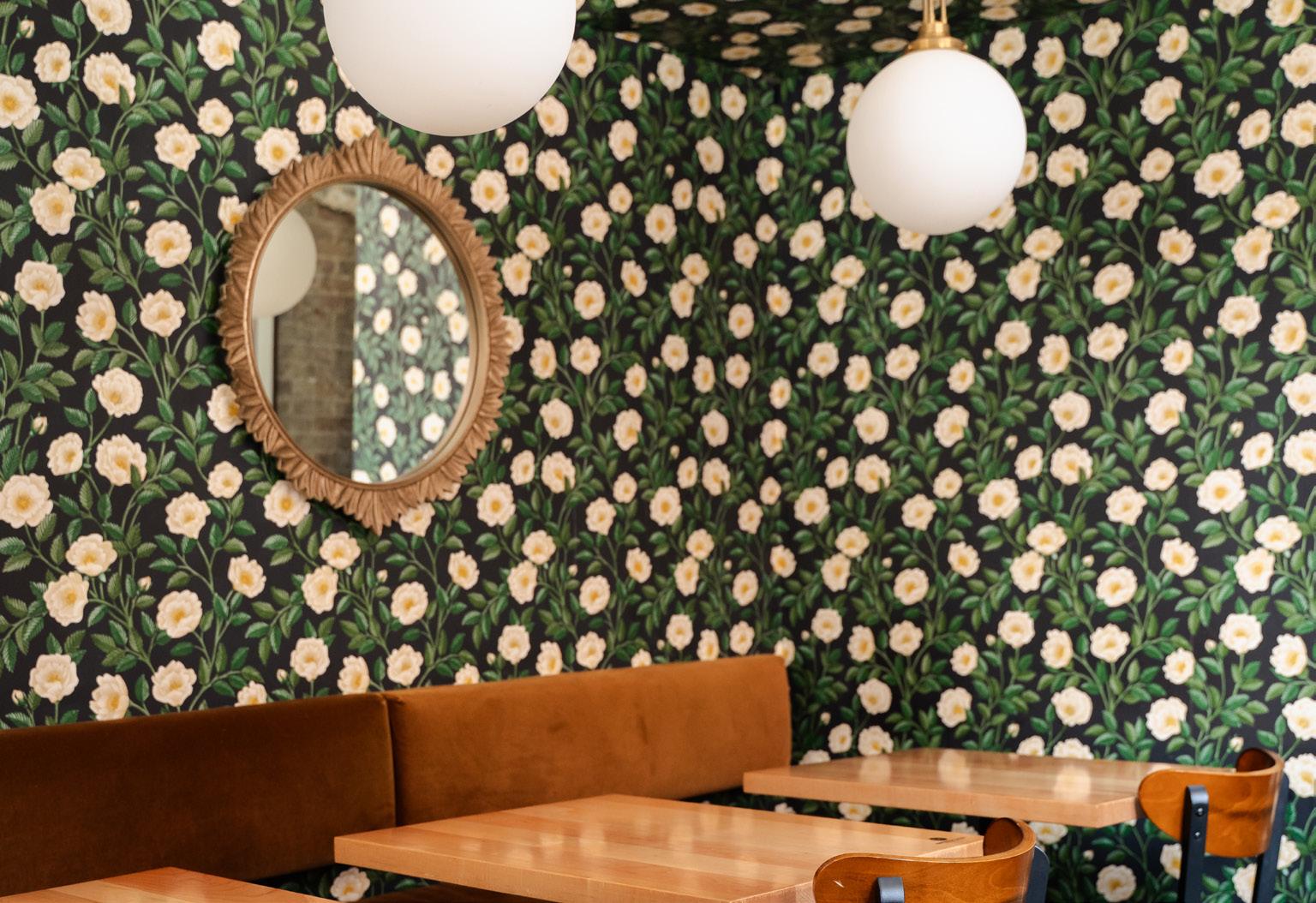
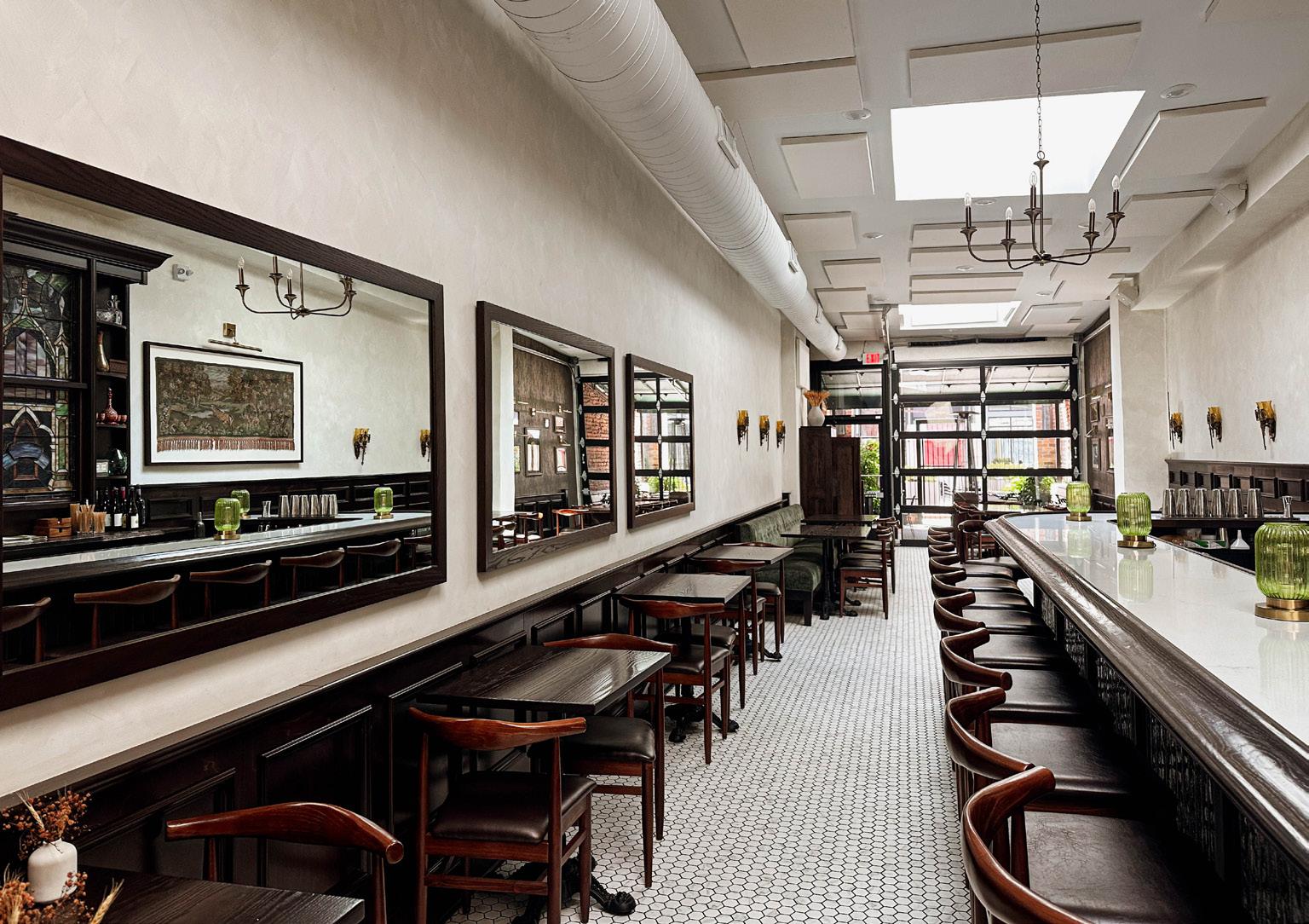
A look at the interior of Nolia, which uses green as its primary accent color as a tribute to owner Jeff Harris’ great-grandmother, Jimmie Lou Green. Photo provided | Logan Oleson
Continued from page 7
CHEF SARAH DWORAK, SUDOVA
If you’ve ever had a pierogi in the Queen City, that’s probably thanks to James Beard finalist Sarah Dworak.
Until 2012, most Cincinnatians didn’t even know what a pierogi is, much less where to find one. That all changed when Dworak opened Babushka Pierogi inside Findlay Market out of a desire to inject some of her Eastern European heritage into the city’s culture.
“I just wanted to share the food I grew up eating. When I cook, it smells like my grandma’s house
on Christmas and Easter. I’m not a trained chef at all. I didn’t go to culinary school. I’ve got no special knife skills. I just know very specifically about how to make Eastern European food,” she said.
She’s downplaying her expertise, of course. Fans of her Findlay Market stand know that plenty of restaurants and bars all over the TriState area already sell her food at their own establishments, like Covington gastropub Wunderbar or the Over-the-Rhine cocktail bar Longfellow.
She also owned and operated the popular Wodka Bar for several years, which famously


touted elevated takes on her culture’s dishes — like caviar puff pastries and kielbasa — on its way to being named one of America’s best bars by Esquire Magazine. But that wasn’t enough for Dworak.
“I wanted to open up a fine-dining spot showcasing my culture ... Eastern Europe is not really represented in fine-dining in the States. There’s like, one spot in Chicago and one in Portland,” she said. “I told my mentor I wanted to do something bigger, and she asked why I was worried. She was like, ‘You’re already doing it at Wodka Bar. You figured out how to serve 18 dishes out of a closet.’”
In late 2024, she closed Wodka Bar and opened Sudova, the high-class Eastern European restaurant she’d been dreaming of her whole life. A year and a half later, she’s being recognized as one of the best chefs in the country, as Dworak is the only female finalist at this year’s James Beard awards for Best Chef: Great Lakes. It’s a “surreal” experience for somebody who got into the field with a supposed “lack” of culinary expertise.
“I was telling my friends ‘In what world does this happen? Can you even imagine?’ I just got my red carpet instructions yesterday, and they’re telling me Getty Images is going to be taking my photo. And, like, Guy Fieri’s producer was DM’ing me, and the Beard foundation was asking me if I had a PR person, and I was like... no?” she said, cackling before she’s even able to finish her sentence.


her table. The picture of my dad’s mother from Ukraine over there at the host stand, she taught me how to make pierogi when I was very young. And then she died very young,” she said, before taking a beat.
“I miss her a lot. She was the inspiration for all of this.”









Nearly every dish at Sudova is a showstopper, to the point that we had to stop our interview several times because the kitchen smelled so good. For example, the halushki — a Polish dish made of caramelized cabbage, brown butter and spaetzle that was “our version of buttered noodles growing up,” Dworak said.


In the immediate future, Dworak is hard at work opening a second location directly next door, comparing it in scope and tone to the nearby cocktail bar Longfellow’s “Other Room.”
This new location will keep Sudova’s Eastern European flair but with a different set of cocktails and a focus on preserved foods — “smoked meats, sausages, kielbasa, sauerkraut, charcuterie boards, pickled vegetables, kimchi” — as preservation, especially pickling and fermenting, is a “massive” part of Ukrainian food culture.











The medovik, a 12-layer Ukrainian honey cake, has a deceptive appearance; it looks as if it’s one of those cakes that are too rich to eat more than a single bite of, but it’s surprisingly light and airy despite being made with with an extremely thick European sour cream called smetana. But the biggest jaw-dropper at Sudova is the kulebiaka, a giant Russian puff pastry filled to the brim with salmon, mushrooms and rice.
“It’s a beautiful dish I’ve put my own spin on. Normally, you’re supposed to pour butter into the middle. But there’s a lot of ornate dough work on ours and I thought that might get a little messy. I figured if we put some bearnaise with tarragon in a gravy boat on the side instead, it’ll be easier and more interesting,” she said. “Just cut off a slice and dump it on there!”

Dworak hopes people leave her restaurant with a “formed sense” of what Eastern European cuisine tastes like. It’s not just the food that reflects her culture at Sudova, either — service is warm and inviting in the way that a family member’s home would be, tapestries and old photos from the region line the restaurant’s walls, and a portrait of her grandmother greets guests as they come through the front door. In the middle of the restaurant, she has an enormous table from her other grandmother that’s been in their family for over 70 years.
“My mother’s mother had the table, and she’d host dinner parties where I’d help her cook. Now I still get to have dinner parties around
While at the James Beard award ceremony, she’ll be walking the red carpet with the mentor who inspired her to open the restaurant in the first place. If she wins, she’ll thank her mentor and then the people who make everything possible: her staff.
“I think having good staff makes all the difference. I could not do any of this without all the help I get. Yes, the award is for my personal vision, but it’s because of all of us that show up every day and walk through these doors to make my vision come true,” she said.
Now that she’s finished the “hardest thing I’ve ever done in my life” by opening a restaurant and received nationwide acclaim, she feels a renewed sense of self.
“We’re a year and a half in, and I can finally sit back and say ‘Okay, I did that. I am capable.’ And now I know I can keep going. For people like me, the ideas and the desire to grow and just be, never stops,” she said. “It’s not even that I don’t know anything else. I just know I can bet on myself.”
Sudova, 22 W. Court Street, downtown, sudovarestaurant.com
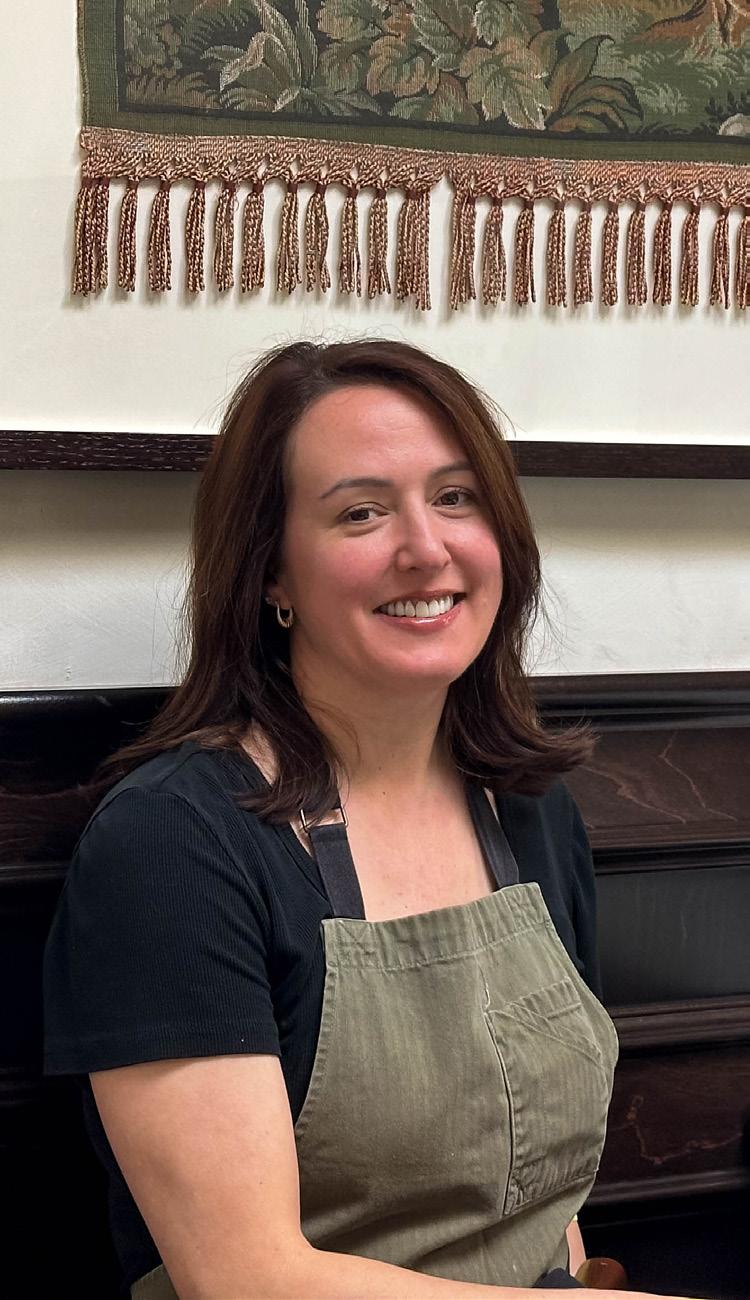
Sarah Dworak, owner of Sudova. Photo by Kane Mitten | CityBeat
The inside of Sudova in Over-the-Rhine. Photo by Kane Mitten | CityBeat
CHEF DAVE WILLOCKS, BAKER'S TABLE
Former jazz guitarist turned James Beard finalist Dave Willocks discovered his culinary skills almost by accident.
“I was a musician professionally ‘til I was 24. I was trying to make it as a jazz musician in New York City, and I just wasn’t ready yet. I was too young, too immature. So I got burned out, and decided I was gonna move to California and live on a farm,” he said. “I volunteered to cook when they needed help. Turns out I was pretty good at it, and I enjoyed it. And so my second career began.”
Now 42 years old, Willocks has cooked all across the country showing off his attention to detail. It’s a principle he carried over to his restaurant The Baker’s Table in Newport, where he and his wife stay laser-focused on every aspect of service down to the tiniest minutiae, like the specific paper their menus are printed on or remembering the names of the extended family members of their most frequent customers.
Such intense concentration on keeping up with the little things makes sense when you realize The Baker’s Table is a local rarity, as it’s the sole restaurant in Greater Cincinnati that is tastingmenu-only. Their website boldly proclaims it’ll be the best meal you’ll have all year, and Willocks and crew stop at nothing to achieve that goal. Makes sense, then, that he’s the first James Beard finalist based out of Northern Kentucky in the organization’s 36-year history.
Before he became one of the best chefs in the city, he worked directly with several of the city’s best known names. For example, he worked with Jose Salazar at both Mita’s and Salazar, and then left to help Tom McKenna as he opened his highly-lauded bakery Allez. Given that the number-one focus at Baker’s Table is its award-winning bread, it’s not much of a shock to hear that Willocks learned a lot from McKenna.
“Me going to Allez was very much on purpose. I knew that I wanted bread to be a part of my life, and I knew I wanted to learn more by being in an environment where making bread was happening all the time,” he said. “I ran the sandwich program there for about a year, then found out my wife was pregnant. I said to myself, ‘You know what? Why don’t I go crazy and become an entrepreneur now. That sounds smart.’”
Baker’s Table opened in 2018 as a brunch spot serving ricotta doughnuts and fried chicken sandwiches. While it hardly resembled then what the restaurant would later become, the goal remained the same — a menu based on
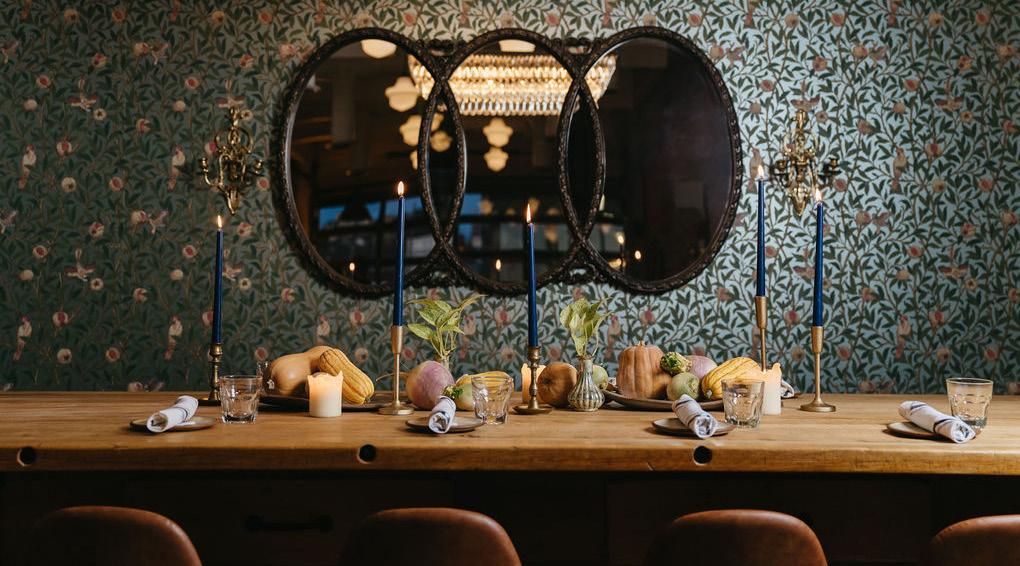
seasonal ingredients sourced directly from local farmers, with 100% of their bread made in-house. And the restaurant’s namesake is still around, too: Willocks purchased a 10-foot-long oak table from Jean Paul, the owner of Paradiso Bakery in Anderson Township, all the way back in 2016.
Within months of opening, Eater named it one of the best new restaurants in the country, as did USA TODAY — two awards Willocks said they were “very fortunate” to receive, although it was slightly “overwhelming” to receive such a large uptick in business so soon. Eventually, the restaurant added dinner service. They were even successful enough to open a second location across the street called Baker’s Table Bakery, a more casual spot serving up bread, pastries and pizza.
Then COVID-19 happened, and restaurants around the country and the globe suffered. Willocks went back to the drawing board. The bakery closed — although the building now holds a lifestyle boutique run by his wife, designer Wendy Braun — and the flagship restaurant “migrated towards more creative ways of cooking” as it ceased brunch operations to focus solely on dinner service.
Eventually, the team settled on their current tasting menu style. Every first Wednesday of the month, a new six-course menu debuts: two canapes, and then a choice between two starters, two pastas, two entrees and two desserts. The monthly development process is always a joint effort between their suppliers and the staff.
“We talk to our farmers like, ‘Hey, what’s coming? What will you have next?’” Willocks said. “And then I talk to our team and ask, ‘What are you excited about? What do you want to practice?’ Even, like, ‘What have you seen on TikTok?’ ... The chefs definitely lead it. It’s a very collaborative process thanks to our clearly defined structure and system.”
There’s a real murderer’s row of talent working all over the restaurant — a statement that Willocks giggles at for a solid 45 seconds because “we’re all very pacifist.” But it’s hard to think of a better phrase. For example, current general manager Ryan Hastings worked at Michelin-starred restaurant Elske before becoming the GM at the also Michelin-starred Temporis, and the restaurant’s pastry chef Sarah Ouellette helmed The Baker’s Table Bakery to much acclaim and fanfare while it was open.
Funnily enough, Willocks finally got his biggest moment of acclaim after he shifted his focus away from critical recognition entirely. He didn’t even know the James Beard nominations were happening when his GM ran up and
told him they’re “on the list,” to which he responded, “What list?”
“Something inside me changed two years ago where I just accepted I would never be nominated for anything. And then I realized I didn’t need awards. I don’t need major recognition. I don’t need to be in Cincinnati Magazine’s top 10,” he said. “Awards or no awards, my primary objective is for everyone to have an incredible experience. I wanted to create an incredible community of regulars. Anything that supports that, I want it, and anything that takes away from that, it’s not so good.”
One way the restaurant is creating that community is through its membership program, which regularly hosts private wine dinners, cocktail parties and plenty of other events for members — in addition to a $200 tab that rolls over every month.
Willocks called it a “life-changing business model,” and noted that over 75 people have signed up.
“We found that a lot of foodies felt lonely. You know, when we talked to people, they were like, ‘Yeah, I love food, but I also like to meet people who love food.’ We create opportunities for them to relate to other people who love food in a social setting,” he said. “But really, our members just love being able to have a night they can trust. Every month here is different and exciting, and no matter what dietary restrictions they have or whether they’re drinking or not, we’re going to make it work for them, no problem.”
While the tasting-menu-only style and membership program has been extremely
successful for the restaurant, it also puts a lot of pressure on the team to continually switch it up while keeping the same level of consistently excellent service.
“That’s where maturity comes from, right? Maturity is like, okay, you can do it good this month. Can you do it good next month? Everything was incredible this year, can it be incredible next year? It’s incredible next year, can it be incredible in five years?” Willocks said. “We’re here to blow our guests away and create the restaurant of their dreams ... That’s why it’s important to mature as a chef and a business owner, so you can achieve that goal. It’s hard, but that’s the work. That’s the journey every day.”
Baker’s Table, 1004 Monmouth Street, Newport, bakerstablenewport.com

The titular Baker’s Table at The Baker’s Table, purchased by Dave Willocks from Jean Paul, the owner of Paradiso Bakery. Photo provided | Shelby Albertz
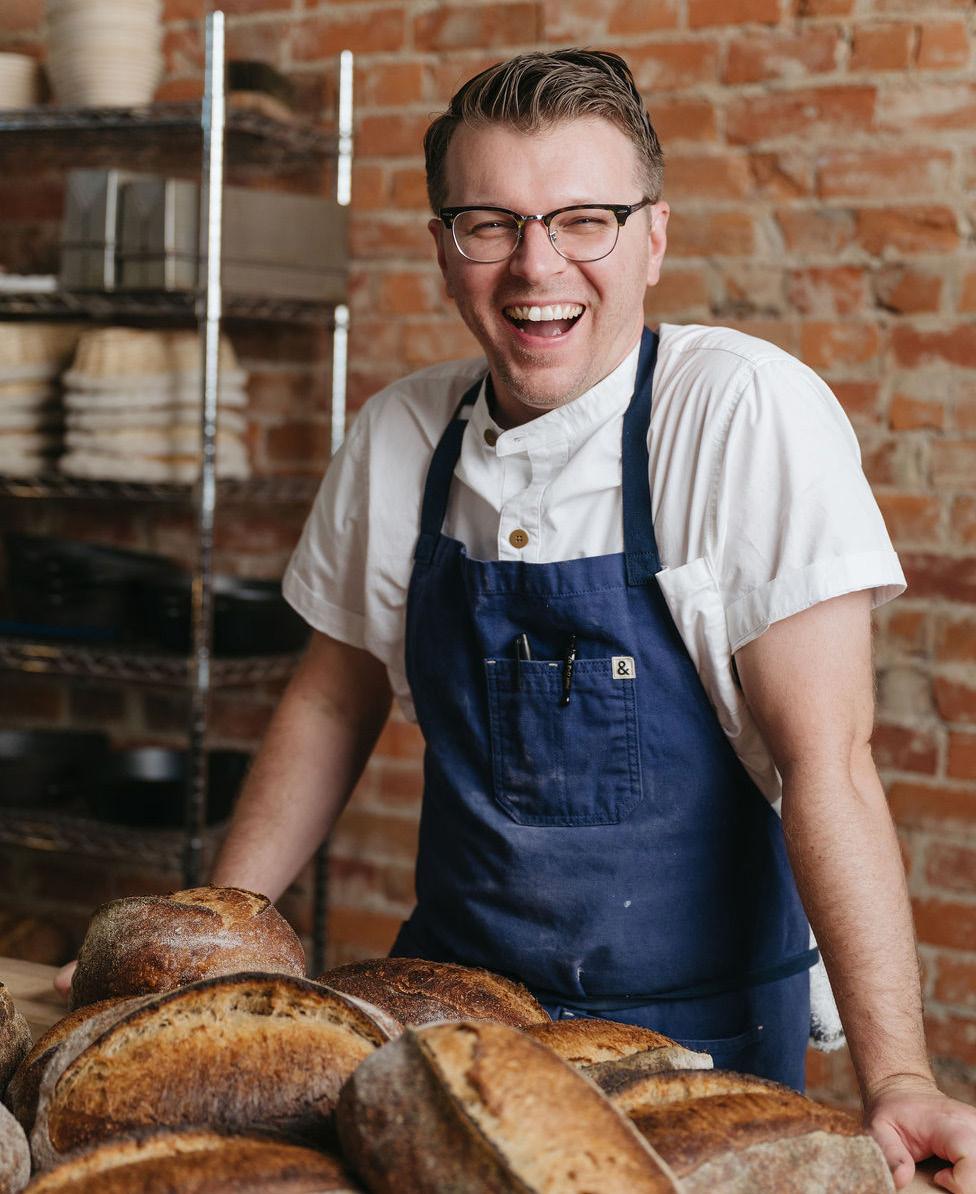
Dave Willocks, owner of The Baker’s Table in Newport. Photo provided | Shelby Albertz
ARTS & CULTURE
Thanks for joining me again for another issue of The Heart of The Queen City. Last time, we dove into the story of Pata Roja, a team that is writing the next chapter of the Cincinnati culinary experience. Today, I want to tell you about a group that started the book.
Now, let me start by saying, I pride myself on being a certified Cincinnati chili hound.
Heart of the Queen City: Camp Washington Chili
BY CODY PELLE
From the day I was old enough to eat anything beyond baby food, our family was loading up the car for Skyline’s “kids eat free” Wednesday. In the summers of my middle school years, children from the neighborhood and I would count the pennies from our summer jobs and make the pilgrimage to Empress Chili in Alexandria for its “all you can eat 3-way” special. In retrospect, riding your bike home in the 95-plus-degree heat
after eating your body weight in noodles, chili and cheese may not have been the best life choice.
All that to say, Cincinnati chili is in my veins. Probably literally at this point. The only white whale I had left with the parlors in town was Camp Washington Chili. So naturally, I loaded up my trusty Honda Civic with my buddy Phil to remedy the issue.
The first post-smell green flag of Camp Washington was its bartop, which appeared to be straight out of 1955 yet somehow remained in pristine condition. Seating options like that don’t come around every day, so naturally, we spun two swivel stools and settled in. I placed my order (a 3-way and a cheese coney with light onion — the only proper first order at a chili parlor. Yes, I will die on this hill) and we were in business.
Then came Johnny.
As we sat waiting for our food to arrive, an older gentleman stepped out of the kitchen area with a bowl of chili and a salad on a tray and asked if he could join us for his lunch break. I obliged his half-joking request, and he introduced himself as Johnny Johnson.
“You’re about a month early for Opening Day, you know,” Johnny joked — a comment on my Reds sweatshirt. Seeing a guy decked out in Reds gear in June is business as usual, but it’s a noteworthy sight in February.
We sat and discussed the specifics of the upcoming season. The expectations that we had for certain players and the hope we had for another playoff birth. Hope that had been few and far between in my lifetime, but that was not the case for Johnny. In fact, his time as a Reds fan came complete with plenty of championships, including those won by what might be the greatest baseball team of alltime: The Big Red Machine. Pete Rose, Joe Morgan, Tony Perez and plenty more men who have plaques outside of the Great American Ballpark today. “There was nothing better than those days back in the late ’60s. We’d work the morning shift here and cut out to catch the back end of a doubleheader at Crosley for only a couple bucks.”
As it turned out, Johnny was far more than the sweet gentleman we had the pleasure of breaking bread with; he was also Cincinnati chili royalty. He had been in the chili business nearly his entire life and was no small part of the reason it has become such a Cincinnati staple. As we sat captivated, he gave us a few of his best stories over the last several decades of business.
We consumed our coneys with more laughs than I could count, bade Johnny adieu and headed south toward Kentucky with one consensus thought: “That could not have gone any better.” The space, the food, and, of course, Johnny. Sadly, Johnny Johnson passed away in October last year, just a few days after his 90th birthday. As much as he will be missed, I’m certain he is proud to see the business continue to thrive thanks to his family members, who are continuing the tradition exactly as he built it.
That day was the only time I ever spent any real time with Johnny, but I’ll never forget it. To see a man with his character build such an incredible business was nothing short of an honor. If there’s anything I want to get across in this Heart of The Queen City series, it’s this: There are some fantastic individuals in this town who want to give you an experience you won’t find anywhere else. Let’s find them together.
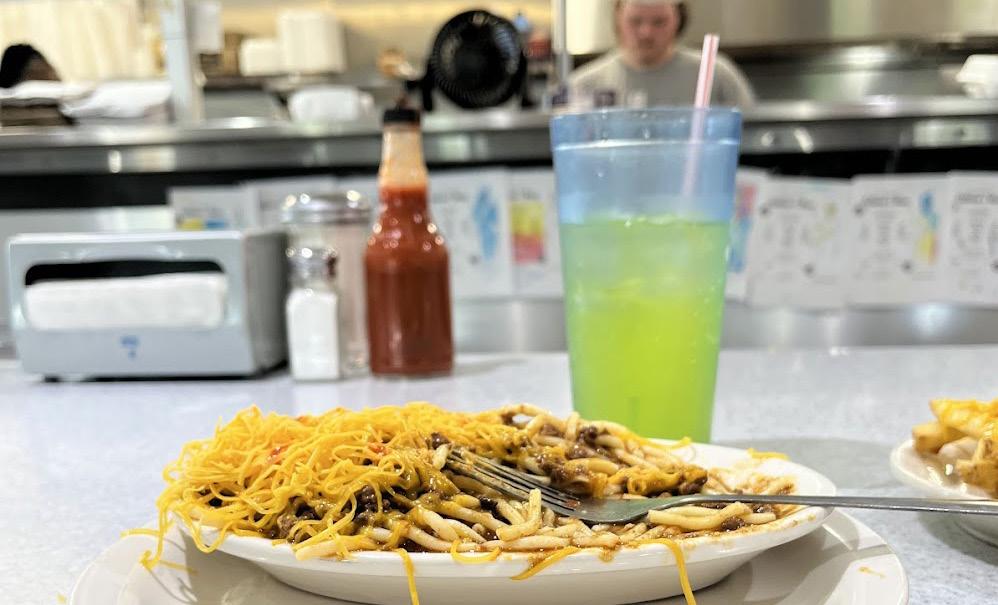
A classic meal at Camp Washington Chili. Photo provided | Cody Pelle
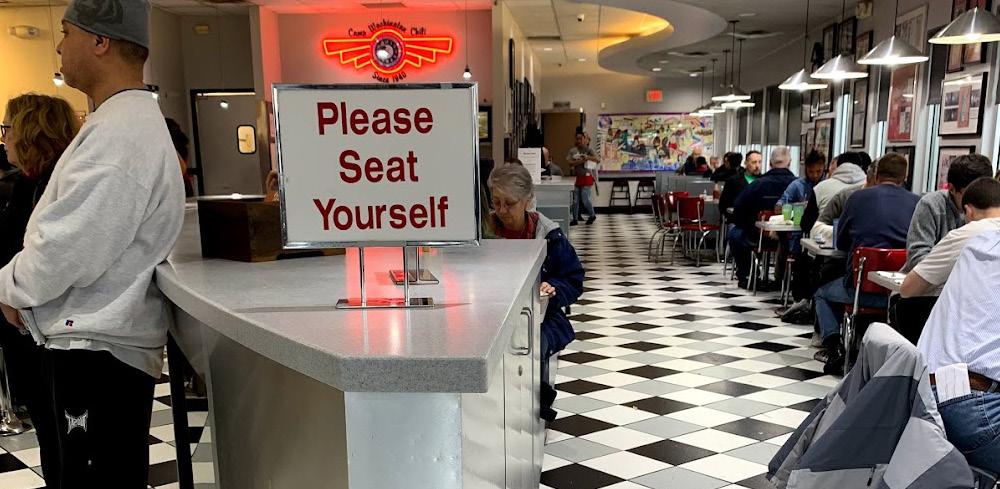
The lobby inside Camp Washington Chili. Photo provided | Cody Pelle
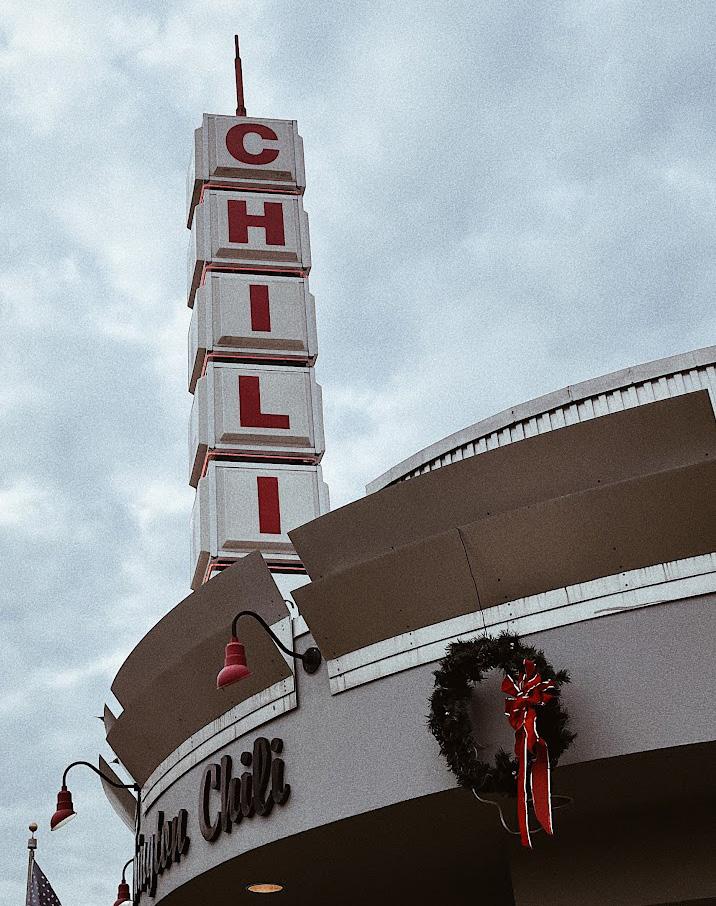
The sign outside Camp Washington Chili. Photo provided | Cody Pelle
BIG TENT
FOOD & DRINK
While the hype for FX’s “The Bear” has certainly died down over the years, what hasn’t changed is just how hard an authentic Italian beef hits. Unfortunately for Queen City residents, many local delis have tried and failed over the years to perfectly replicate Chicago’s favorite sandwich.
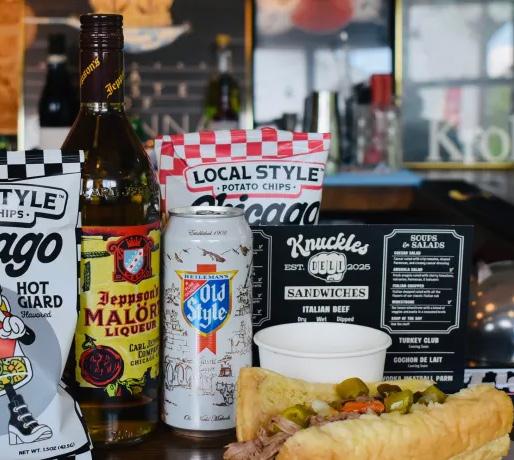
Enter Knuckles Deli, a new sandwich shop on the East End run by Windy City natives that does Italian beefs (and more!) the right way. Not only is its roast beef and au jus made from scratch using co-owner Cesar Salazar’s old family recipe, but the sandwich is dunked, loaded with peppers, topped with Marconi giardiniera and housed in a Turano roll sourced directly from Chicago.
“We went to every place offering an Italian beef for several years. Most people didn’t have the right roll. And then some people did have the roll, but didn’t have the proper giardiniera, or they didn’t have the jus right, or they weren’t making the beef with the proper seasonings, or they were just using whatever beef they’ve been using for their other sandwiches,” said co-owner David Hall.
Co-owners Britton de la Chapelle, Salazar and
Knuckles Deli serves up Italian beef sandwiches and more on the East End
BY KANE MITTEN
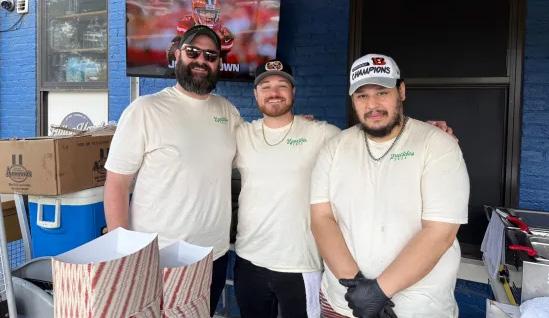
Hall — the only Cincinnati native of the trio, although his family is from Chicago — run a tight ship. Despite being open six days a week for lunch and dinner, it’s just the three of them on staff; as we spoke, Salazar was in and out of the kitchen roasting meat and prepping for the dinner rush.
In college, Chapelle and Salazar both moved from Chicago to attend Xavier University and

al vodka meatball parm and a cochon de lait po’boy with slow-roasted pork on traditional New Orleans-style Leidenheimer bread, inspired by Hall’s annual vacation with his father.
“My dad and I go to New Orleans every year for Jazz Fest, and we always get a po’boy,” Hall said. “I’m trying to convince our accountant that this trip is research, but we’ve known each other since college, and he knows I’ve been doing this, so he’s not buying it. Guess I can’t write this one off.”
In addition, the group is looking into expanding into breakfast options, and Chicago-style hot dogs — ”the one thing that everyone is constantly asking for,” Chapelle said.
ended up living in the same hallway. The two got to talking, and eventually discovered they went to each other’s rival high schools. While working service industry jobs in Mt. Adams, they met Hall, and the trio became fast friends. They’ve now known each other for over a decade.
Salazar continued working in kitchens after graduating, Hall became a professional consultant, and Chapelle transitioned to bartending and event planning. But all three knew they eventually would open their own spot one day.
“I worked in kitchens all through college. The bar stuff was fun. But the constant 3 a.m. nights get old really fast,” Chapelle said. “Cesar has been working in kitchens since he got here for 10 or 11 years. So I really just wanted to get back into food.”
A trip down to the Sunshine State last year finally calcified their long-running dream. Chapelle and Hall’s parents both live in the same small section of Amelia Island, Florida, and Chapelle thought it would be “really funny to link up and have a beer 1,000 miles away from home.”
“Yeah, Britt invited me over and brought up the idea, ‘Hey, there’s no good Italian beef in Cincinnati.’ I said that’s true. And then he said, ‘I think we should open an Italian beef spot.’ And I go, well, that’s also true,” Hall said, laughing. “That was about a year ago exactly, and now here we are.”
The Italian beef is the deli’s calling card, but that doesn’t mean their other Italian-influenced sandwiches aren’t just as good. Their mortadella melt, for example, is a “tribute” to Anthony Bourdain that hits all the right notes — thin-sliced mortadella, provolone, mayo and Creole mustard, served on a challah bun from local bakery Sixteen Bricks. Their turkey club, which was packed with thick-cut, slow-roasted Black Forest bacon, was a clear winner, as were the pesto caprese and the deli’s take on a traditional Italian sub.
Still to come at the restaurant are a tradition-
Plus, now that the restaurant has just obtained its liquor license, it’s selling plenty of classic Windy City drinks — like a Chicago Handshake, the well-known combination of an Old Style beer and a shot of Malort. Soon to come at Knuckles is a Cincinnati Handshake: one Cincy Light and a shot of New Riff.
While Chapelle and Salazar are Queen City transplants, they now consider the area their home.
“We fell in love with the city,” Chapelle said. “We seriously talk all the time about how much we love Cincinnati even though we’re not from here.”
It seems like the city loves them back: even though the deli just officially opened, the neighborhood has already been “super welcoming.”
“Before we even had a grand opening, all the people in the East End were coming in and supporting us. All the businesses, too. Local Post came in and ordered lunch for their entire staff. So did Hi-Mark. Really, the neighborhood’s just been great,” Hall said. “We wanted to be a neighborhood spot where people see their friends just by happening to run into each other. We’ve accomplished that already. We’re hoping to become even more of a neighborhood institution. And we want to be known as the best Italian beef in Cincinnati.”
Knuckles Deli is located at 3227 Riverside Drive.
Knuckles Deli co-owners David Hall, Britton de la Chapelle and Cesar Salazar. Photo provided | Britton de la Chapelle
An assortment of items available for purchase at Knuckles Deli in the East End. Photo provided | Britton de la Chapelle
MUSIC On the record: How Wax is progressing Cincinnati’s music scene
BY KENNEDY DUDLEY
AFrontier flight pass,a bottle of whiskey and sketches of blue — this is the origin story of Wax.
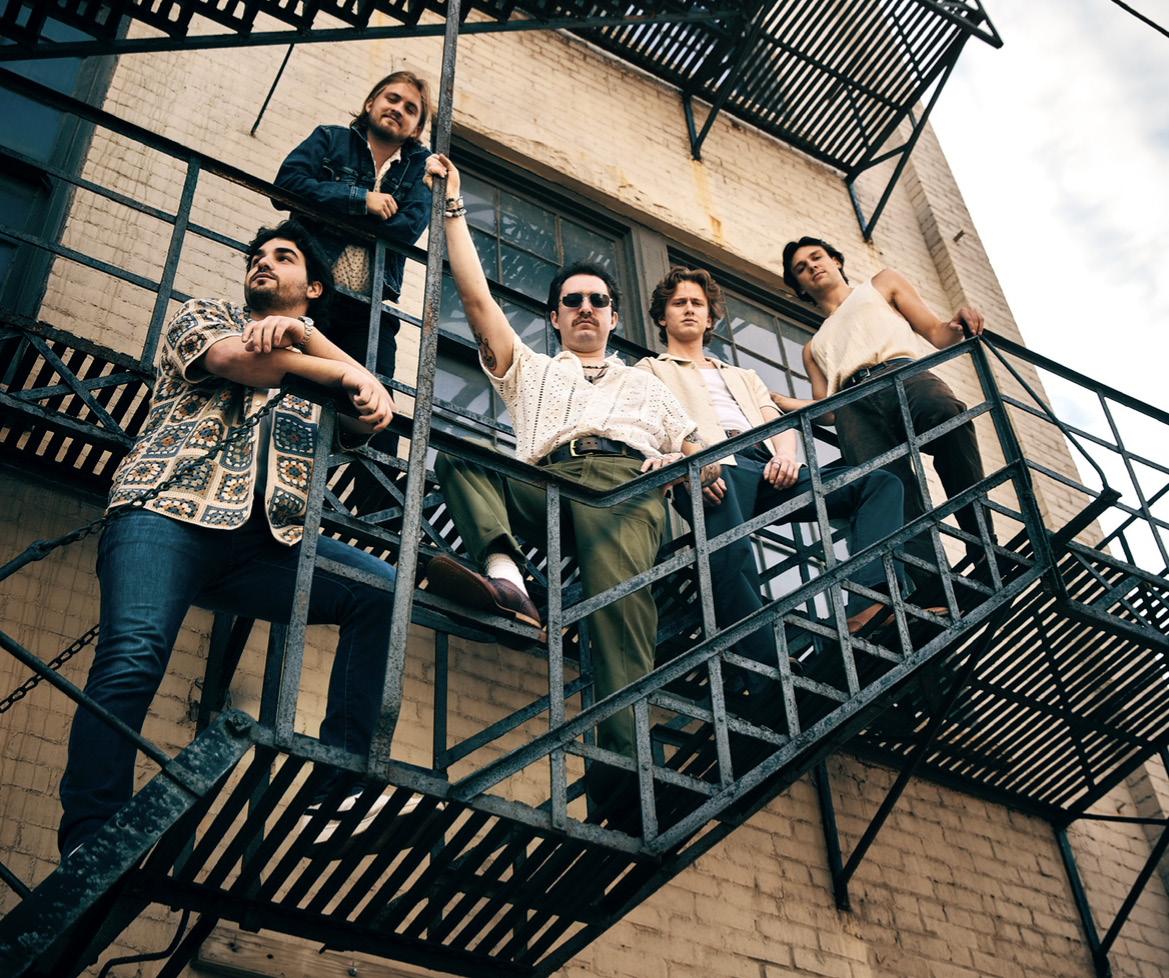
The Cincinnati-based band formed in 2023. Members include lead vocalist and guitarist Joey Barreau, drummer Owen Dingle, guitarist Jack Tyszkiewics, keyboardist Jon Vicarel, and bassist/vocalist Matt Weiglein.
Dingle, Vicarel and Weiglein, formerly of local band Queen’s Ransom, began making music with Tyszkiewics. Needing another vocalist, Tyszkiewics suggested his college friend Barreau from Miami.
“I was living across the country, and they wrote a crop of songs they wanted to record,” said Barreau. “I flew in from Miami. I met everyone for the first time, besides Jack, and the next day, we were in a recording studio. We started practicing immediately, finished the songs in the studio, and that was that. I flew back to Miami, they mixed the record by themselves, and it got put out under a different name.”
A different name that they were somewhat reluctant to share.
“We’re not going to talk about it because that name sucks,” said Barreau. “I’m not going to mention that name.”
“I’ll mention it,” Dingle chimed in. “Sketches of Blue,” to which they all recoiled.
They described their early EP and name as not very good, but having potential. They realized that they were talented musicians with good ideas, who worked well together but had been held back by time constraints. “Literally, one of the songs, it was time to record it, and we’re like, there’s no lyrics,” Barreau said. “And I sat on the couch, I wrote the lyrics, then I went in there. It took a bottle of whiskey to have the confidence to do it. I was like, this is ridiculous.”
“We drank a ton during that first recording,” adds in Tyszkiewics. “They got me hammered and gave me a pen and said, ‘Get in there, sport.’ And I was like, all right, here we go,” Barreau continues. “I’ve just met these guys for the first time the day before. But we made it happen. And again, what we really took from that was there’s a lot of potential here. There’s good musical ideas here, and everybody just really liked each other. It’s some of the best memories I’ve ever had in my life. The hardest I’ve
ever laughed was just that span of four days of meeting everyone for the first time.”
“I think we really wanted to write together too,” said Vicarel. “It was coming off of the Queen’s Ransom thing, and we wanted to try, you know, different music in a way as well.”
After a rather successful first meeting, the group decided to fully commit to the band. Barreau bought a Frontier Airlines flight pass, a six-month flight membership, to travel back and forth from Miami to Cincinnati to work on songwriting and crafting their sound. Eventually, moving back to the Queen City in summer 2024. Then, they began performing live at venues around the city. This seriously prompted them to revisit their band name.
“No one talks about how hard it is to come up with a band name,” said Barreau. “We were nameless for like a year.”
“We wanted something timeless,” Dingle adds.
“We wanted it like a wall art flash tattoo,” said Tyszkiewics. “Not something that seemed cool in the moment, and then in ten years you’re like, fuck.”
After countless brainstorming sessions, they landed on the name Wax. Simultaneously, they worked on their debut album, “Virtual Fever,” and as they wrote their first single, they knew they had something special.
“The first song we wrote on the record we just did, “Worry Worry,” was one (that) basically just came together in the studio,” said Tyszkiewics. “I would say it was all of a sudden, like, ‘Okay, this is our new sound, we’re going for it.’”
“We’re going disco-esque,” said Dingle.
With influences like LCD Soundsystem, The Strokes, Tame Impala and Nile Rodgers, Wax tends to find themselves in the realm of funk while transcending genres.
“If you listen to our album all the way through, it’s almost like three different bands,” said Barreau. “There’s the funky kind of disco-ish synthesizer type of wave. There’s a bit more straightforward rock and roll, early 2000s New York-influenced rock ‘n’ roll, then there’s more bluesy stuff on it as well. But I think to build out a band, you’ve got to have a clear understanding of your identity, your sound and just how
you’re going to be perceived by people.
It’s a delicate balance we are trying to strike between music that can serve two purposes. It’s headphone music and speaker music. Music you can listen to in your headphones, and you really hone in on it and take something from it. Then you can also throw it on a speaker at a party, and it’s going to hit, and it’s not going to clear out the room.”
Virtual Fever was finished in late 2024 and released in October 2025. An album, they say, could not have come together if it weren’t for their producer, Isaac Karns, who operates the studio Marble Garden.
“(He) was just genuinely one of the most creative people I’ve ever met in my life,” said Barreau.
“Just has the best energy about him in the world. We went from strangers to fast friends so quickly.”
“He’s part of the family,” adds Dingle.
“The community is better for having him,” Tyszkiewics said.
They described Karns as a pillar of the Cincinnati music community — someone who saw their project from a fresh perspective and offered innovative ways to flesh out their album.
Though they have found their groove, they are constantly evolving and exploring their chemistry as a group. One thing that stands out is the admiration every member of the band shares for one another.
“I think a lot of the reason our music is structured the way it is is because we’re fortunate enough to have our best guy on bass,” Barreau says when discussing bassist/vocalist Weiglin.
“Which is something a lot of bands don’t have, a lot of bands are hiding their bass player behind guitars and behind a root note. Whereas in Wax, Matt is typically carrying the melody. Jack and Jon are very percussive and harmon-
ic, so they’re adding chords in, typically, a very syncopated and harmonic manner.”
“It’s very much like reggae music in a way because everybody in reggae is playing rhythm except for the bass player,” adds Vicarel. “They’re the melody.”
Even with so many voices in the room, Wax tends to work together as a unit, never letting ego get in the way of doing what’s best for the group.
“One of the really special things about this group is that it’s a safe space for horrible ideas,” said Barreau. “Jack and Jon always have ideas turning; they always have something to bring to the group. So a lot of things start with someone in a bedroom, but nothing comes to life until we’ve really hashed it out together and we all feel good about it. Everyone’s credited on every song as a songwriter because there’s contributions from everybody on all of it.”
While most modern songwriting happens on a computer, Wax prefers an analog approach, avoiding gimmicks or AI in the process. They constantly road-test their material as a group, playing in front of live crowds and letting the audience show them what sticks.
Recently, Wax had a residency at MOTR Pub every Wednesday through the end of March. Then they started a two-month break to work on new music in anticipation of their June 6 kick-off at Madison Live. A ticketed event with a line-up of local bands like Fat Sal and Space Chaise Lounge, which they are referring to as the Wax summer jamboree.
Above all, Wax wants to create music that people can connect to and stay authentic to themselves while making it. They agreed that if they were to have a mission statement as a band, it would be:
“Make the best music in the world, and surround yourself with musicians that inspire you and push you. And if you do those two things, you’ll be alright.”
Wax poses for a promotional photoshoot. Photo provided | Wax
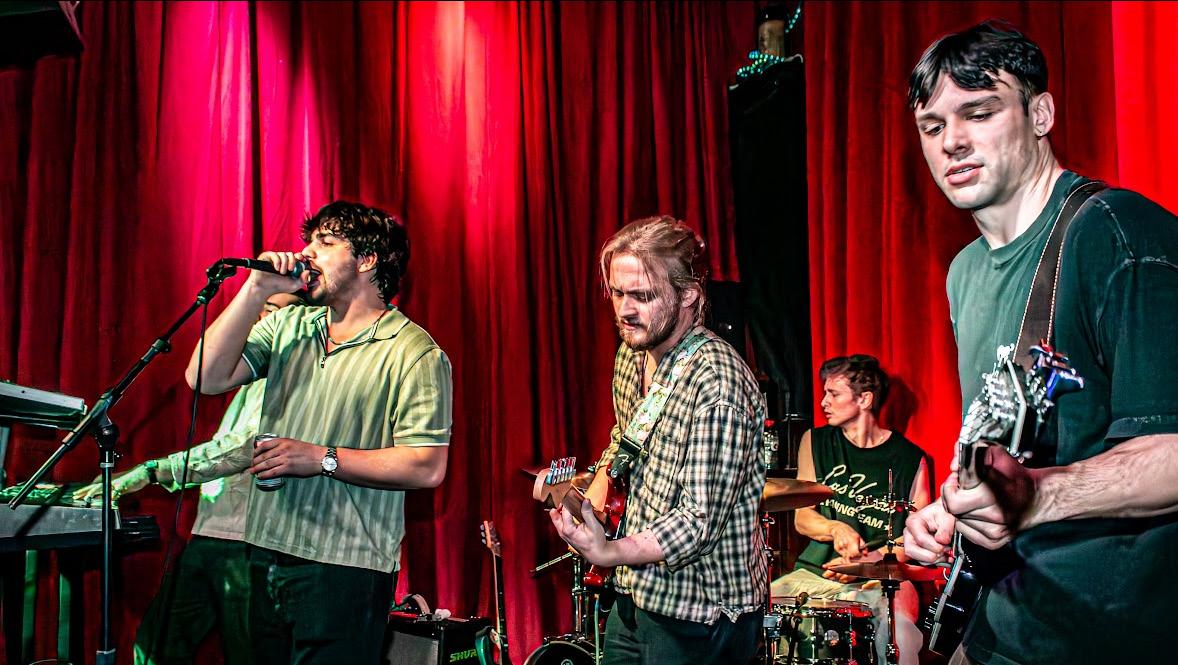
Wax performs live. Photo provided | Wax
MUSIC Harmonic reckoning: Julia Bullock and the May Festival
BY ANNE ARENSTEIN
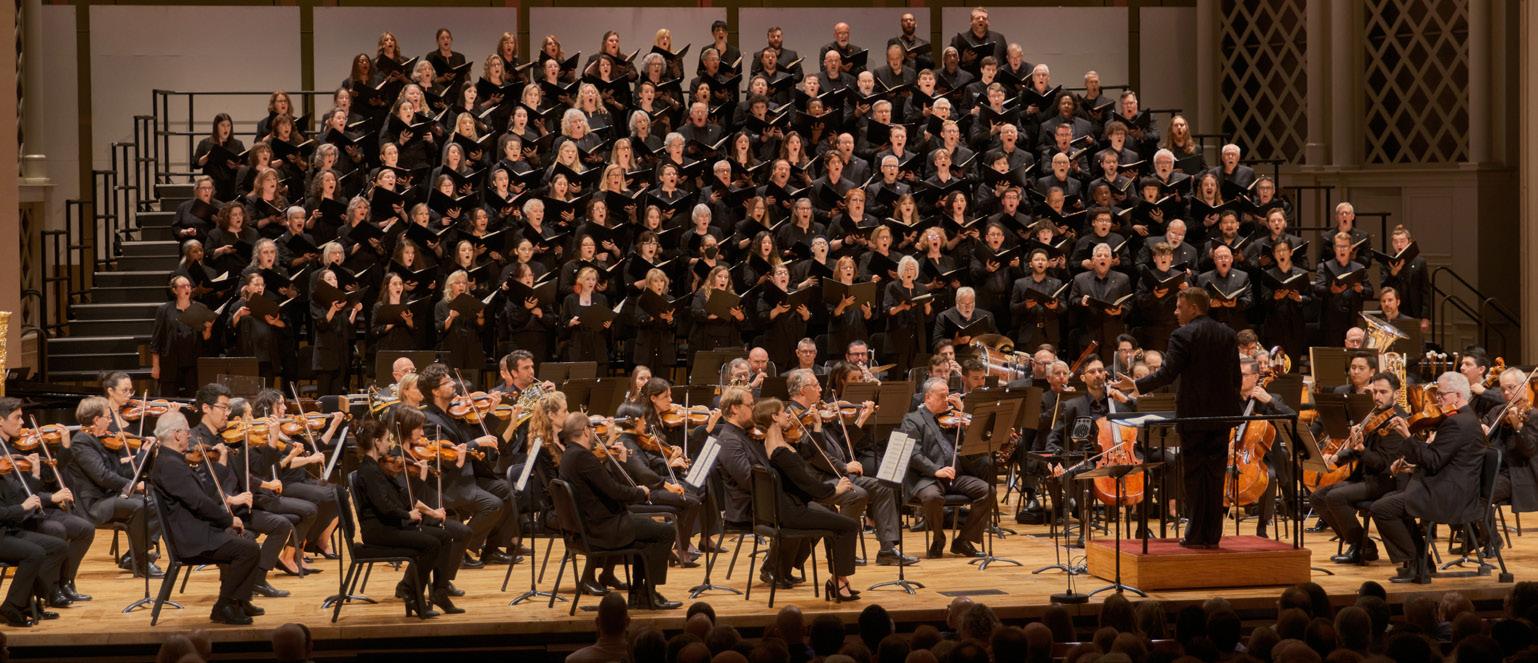
The May Festival is the oldest choral festival west of the Alleghenies, and it continues to broaden the palette for choral music to include contemporary and neglected works performed by the superb 140-member May Festival Chorus, the resident choral ensemble for the Cincinnati Symphony Orchestra and the Cincinnati Pops.
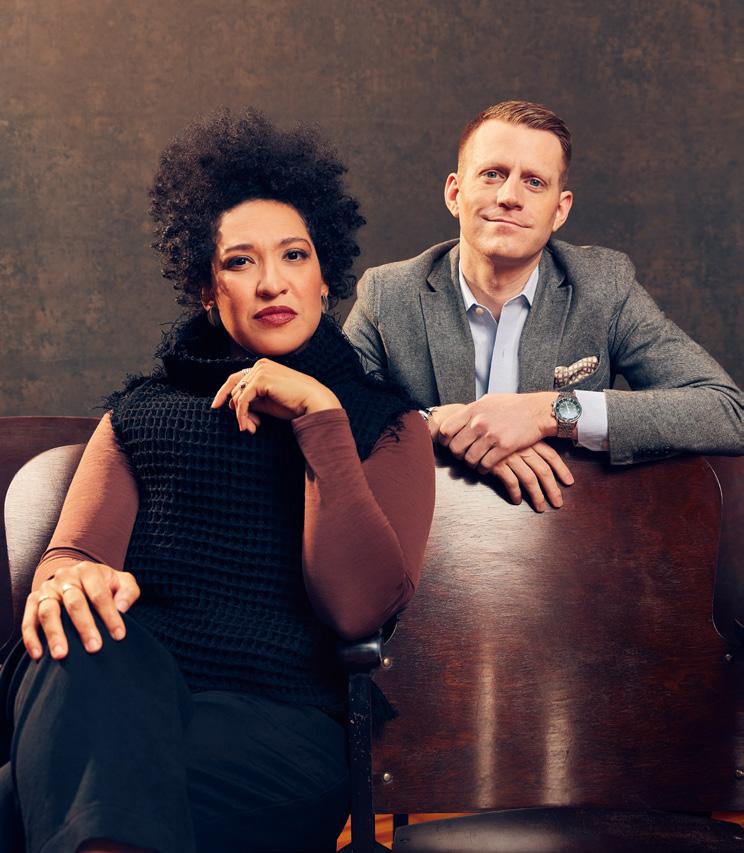
This year’s artistic director is Grammy-winner soprano Julia Bullock, acclaimed for curating programs reflecting probing intelligence and commitment to a vivid aural experience.
Also joining the May Festival is CSO Music Director Cristian Măcelaru, leading the season’s first two concerts.
The invitation to be May Festival’s 2026 artistic director was “an unexpected gift,” Bullock wrote in an email. It was also a challenge to be at the helm of a revered music event that celebrates its 125th season this year.
“The May Festival is more than two weekends of choral music,” she said. “I see it as a cycle where history and the present contend. It was critical to honor the 125-year legacy of the festival, which has encouraged the Cincinnati community to commit to it year after year, alongside aspects of the festival’s history that — like much of North American history — were outright discriminatory and prejudiced.”
She became a scholar of the festival’s past,
working in close collaboration with May Festival Chorus Director Matthew Swanson to ensure this year’s program was both a celebration and a necessary reckoning.
The opening night underscores the two concepts. Works by Bruckner and von Zemlinsky are followed by songs and choral works by Margaret Bonds, concluding with what Bullock calls “an eclectic mass” inspired by the early May Festival openings, which were famously diverse offerings of arias, choral pieces and orchestral works.
“Bonds’ music has a forceful presence and an immediate delicacy,” Bullock said.
The festival places Bonds’ music in a dialogue with other giants of the American experience. Specifically, Bullock paired German settings of Langston Hughes and Countee Cullen with Bonds’ own settings of these poets, creating a cross-continental dialogue on the Black American experience.
Bullock and Swanson assembled a “one-time only” mass spanning 500 years of choral history. The mass is framed chronologically, incorporating various religious and musical traditions to explore the idea of celebration in the face of death and loss. A highlight of this assembly is the inclusion of Carlos Simon’s “Good News Mass,” with Simon himself performing on the Hammond organ.
“Weaving Simon’s work into the traditional mass framework, we hope to connect forces of good across religious traditions, concluding with the high-energy ‘Hallelujah Chorus’ from Quincy Jones’s ‘A Soulful Celebration,’” said Swanson.
The focus on the American identity is further explored through William Grant Still’s “PlainChant for America,” featured in the concluding concert.
“This premiered just weeks before the attack on Pearl Harbor,” Swanson explains. “The piece serves as a deeply compelling reminder of America’s status as a beacon of freedom and the profound responsibility that identity entails.”
By including these works alongside those of Bonds and Stephen Paulus, the festival highlights voices that were historically overlooked but remain vital to the American choral canon.
Bullock’s programming approach also explores a confluence of musical interests between the CSO and the May Festival. Pairing a journey through water combines Duke Ellington’s “The River” with Ralph Vaughan Williams’ “A Sea Symphony,” the latter of which utilizes the poetry of Walt Whitman.
“These two works are extraordinarily congruent,” says Swanson. “Both composers use water as a primary metaphor for the human experience.”
In addition to these sweeping orchestral works, the festival offers highly theatrical challenges for chorus and orchestra with Swanson conducting. A bold pairing features Igor Stravinsky’s “Les Noces (The Wedding)” and Orff’s
“Catulli Carmina.” Both pieces utilize a unique instrumentation of four pianos and percussion, creating a percussive, primal atmosphere.
“Les Noces” depicts a peasant wedding, grounded in Stravinsky’s fascination with the stark, sensual rhythms and music of his native Russia. Original choreography by Yoshihisa Arai will be performed by Cincinnati Ballet 2.
Orff’s work is based on poetry by the Roman poet Catullus, a play within a play that displays the chorus’ singing skills in a distinctive a cappella style. The poetry is gleefully satiric, bawdy and poignant.
Perhaps the most significant aspect of this year’s festival is its direct engagement with its own history. Bullock was mindful that while the festival has a storied 125-year legacy, it also possesses a history less well known and up until recently, ignored. For more than half of its existence, persons of color could not join the May Festival Chorus.
This year’s finale marks a symbolic anniversary: It has been 70 years since baritone William Warfield and soprano Leontyne Price performed selections from “Porgy and Bess” in Cincinnati. By bringing “Porgy and Bess” back to the stage, the festival commemorates the first time Black Cincinnatians sang with the May Festival Chorus. The CSO’s Classical Roots Community Choir joins the May Festival Chorus for this grand finale.
Bullock emphasized that including more “community choral moments” in this anniversary year was a priority, ensuring the festival maintains a welcoming and warm feeling while pushing for greater access.
Leonard Bernstein’s “Make Our Garden Grow” is a choice Swanson calls the “capstone” of the festival. From the community picnic in Washington Park to the final notes in Music Hall, the focus remains on “getting people together,” which Swanson asserts has always been at the heart of the festival.
Through Bullock’s vision, the May Festival has become more than a concert series; it is a collaborative effort involving the CSO, the Vocal Arts Ensemble, Cincinnati Ballet, the Classical Roots Community Choir and local institutions. “I relied on muscle memory and the support of the brilliant team at the May Festival to navigate the complexities of being both a curator and a performer,” she says.
“Human utterances are boundless in terms of expressiveness,” Bullock continues. “When we call out to each other, sometimes in the most primal ways, it’s difficult to not be impacted even if it’s just to the sound itself, be it intense or intimate, it’s profoundly powerful.”
May Festival Chorus. Photo provided | JP Leong
Julia Bullock and Matthew Swanson. Photo provided | Devyn Glista