BY KENNEDY DUDLEY




Y O U R N E X T H O M E I S

Discover over 180 move-in ready homes across Greater Cincinnati today!



BY KENNEDY DUDLEY
Y O U R N E X T H O M E I S
Discover over 180 move-in ready homes across Greater Cincinnati today!
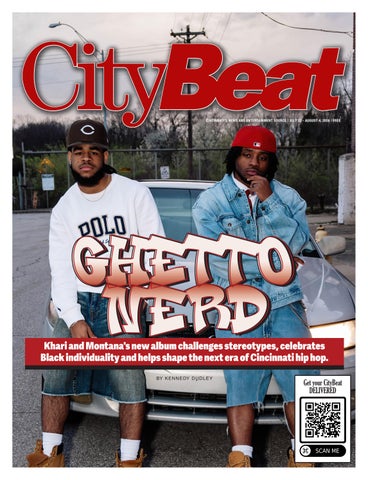
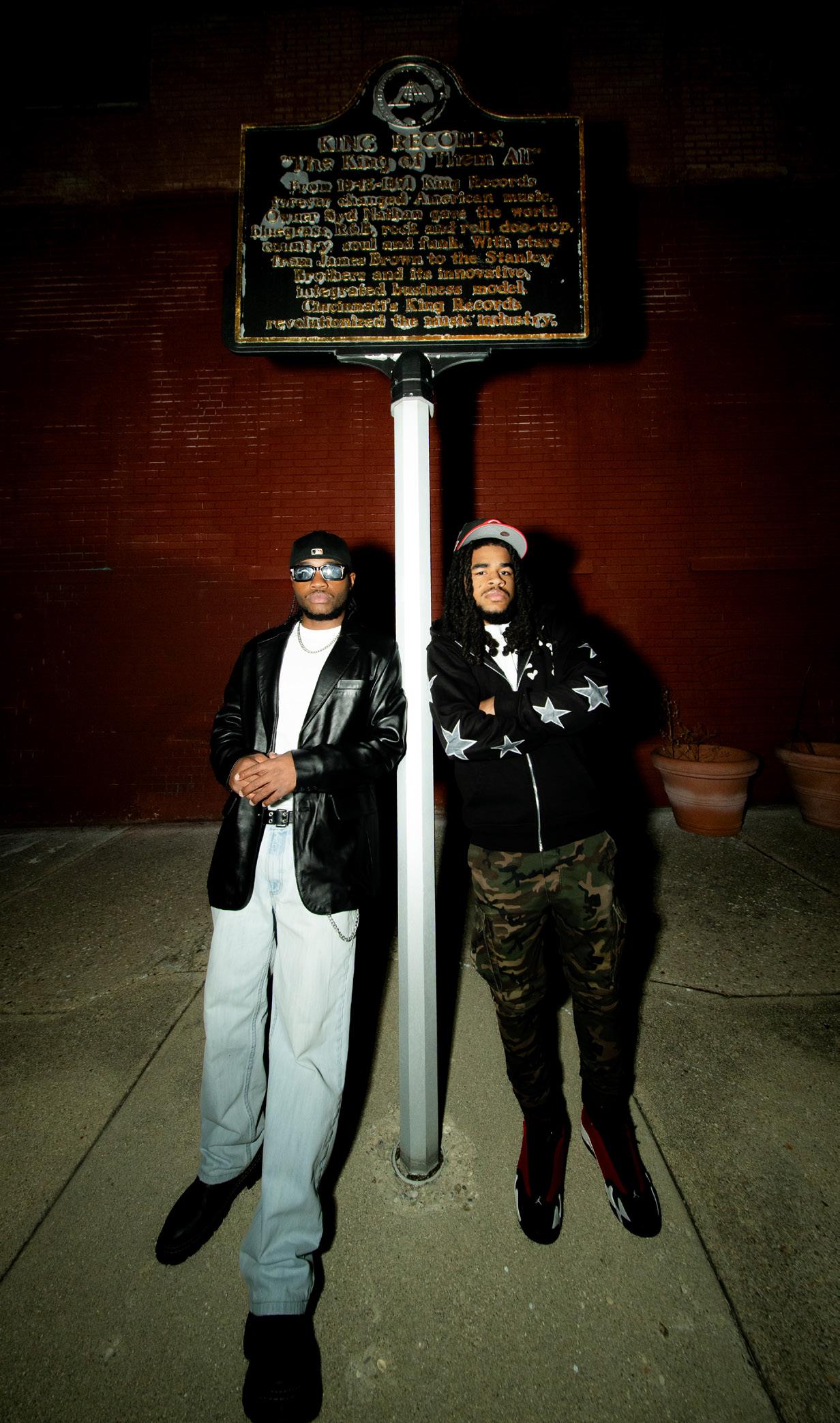
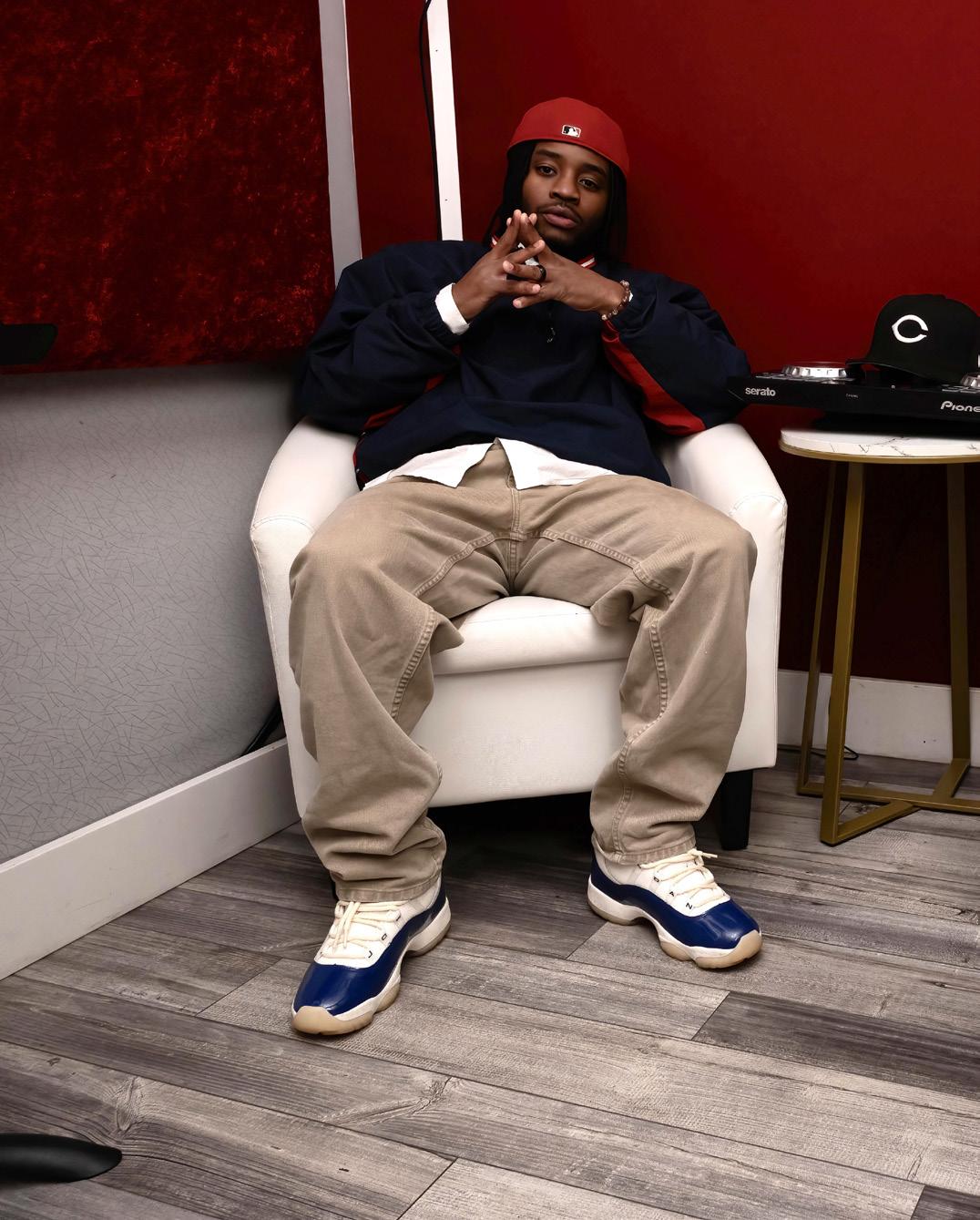
KHARI AND MONTANA ARE WORKING ON A NEW ALBUM TOGETHER THAT CHALLENGES STEREOTYPES, CELEBRATES BLACK INDIVIDUALITY AND WILL HELP SHAPE THE NEXT ERA OF CINCINNATI HIP HOP. PHOTO PROVIDED | THANE HOUCHELL

COMMUNITY
ARTS AND CULTURE REPORTER KANE MITTEN
GRAPHIC DESIGNER ERIN SENDELBACH
ENRICO DEL ROSARIO
ELLIS KEN PIERCE
CONTRIBUTING WRITERS
ETHAN BLOOMFIELD
KENNEDY DUDLEY CASE FENNER
DISTRIBUTION TEAM
BRIAN DEES
CHIEF EXECUTIVE OFFICER
LACY STARLING
EXECUTIVE EDITOR
MEGHAN GOTH
SENIOR DIGITAL EDITOR
MAGGY MCDONEL

By Kane Mitten
fter decades of development that saw many West End residents displaced, two Black entrepreneurs are taking redevelopment of the neighborhood into their own hands.
Means Cameron and Tony Jones, natives of the West End and Bond Hill respectively, have long dreamed of fixing up the neighborhood’s vacant buildings and restoring the area to its former glory without negatively impacting the community around them.
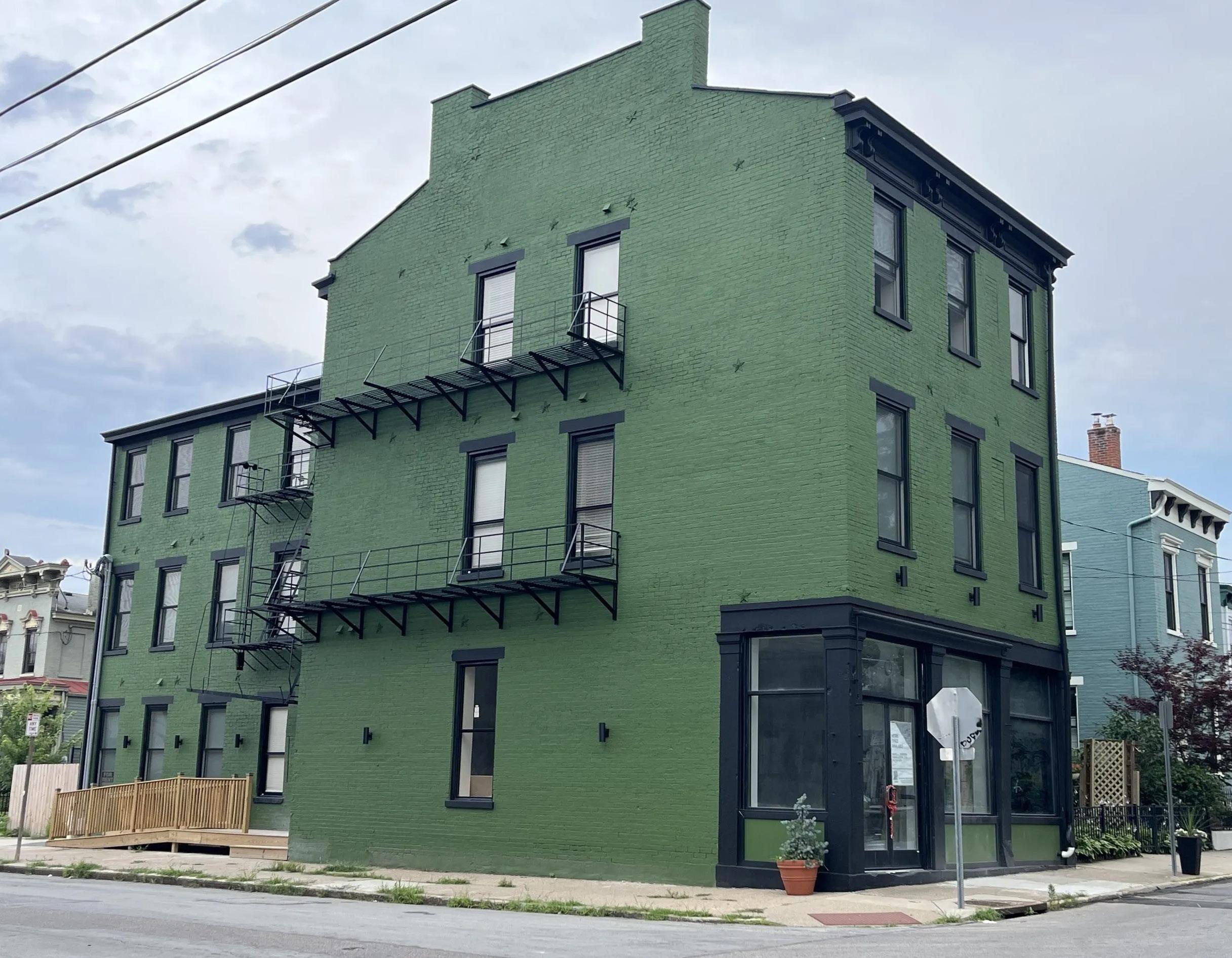
This month, they took the first step toward that goal with the opening of 1901 Baymiller, a fully revitalized threestory building with seven residential apartments — priced affordably at the area’s median income — and one groundfloor space, which will soon hold a food retailer to lessen the neighborhood’s status as a food desert.
Cameron is well-known for creating the coffee shop blaCk Coffee Lounge downtown, as well as the award-winning apparel brand BlaCkOWned, which can often be seen on the backs of some of the city’s biggest names like Joe Burrow. Jones, meanwhile, owns local construction firm Monopoly Men Construction.
The two have been working jointly as Common Ground Community Development, and have been collaborating with the city, The Port of Greater Cincinnati Development Authority and local leaders on the 1901 Baymiller project since 2017.
“We met with the community and asked what they wanted to see in the West End, and they told us affordable housing
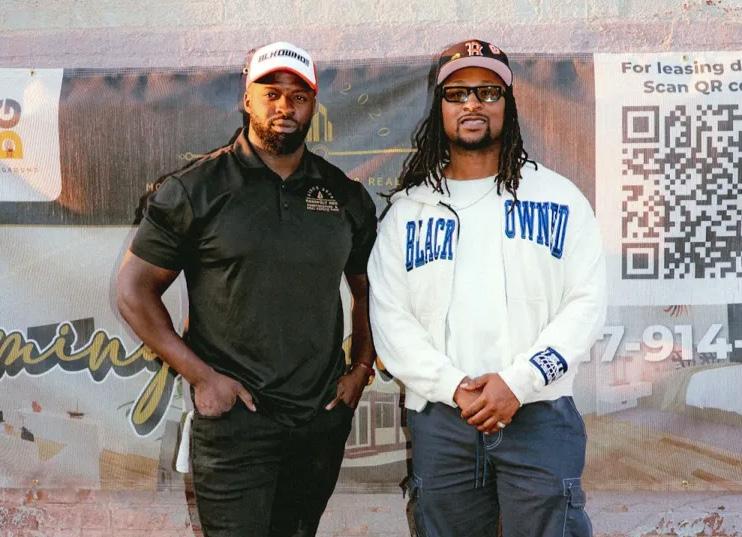
and a source of food. They wanted to see less buildings vacant, and they wanted to be a part of the conversation as we work through this,” Cameron said. “I love that I’m from this community, and I have history in this community. And now I feel like I get the opportunity to envision it for what I’ve always wanted it to be, too, which is revitalized. I’m not just here to see the results, I’m here to be a part of it.”
As his firm handled the building’s renovations and construction, Jones worked closely with community leaders to ensure everyone’s needs were met.
“The community wanted workforce housing, so we gave them workforce
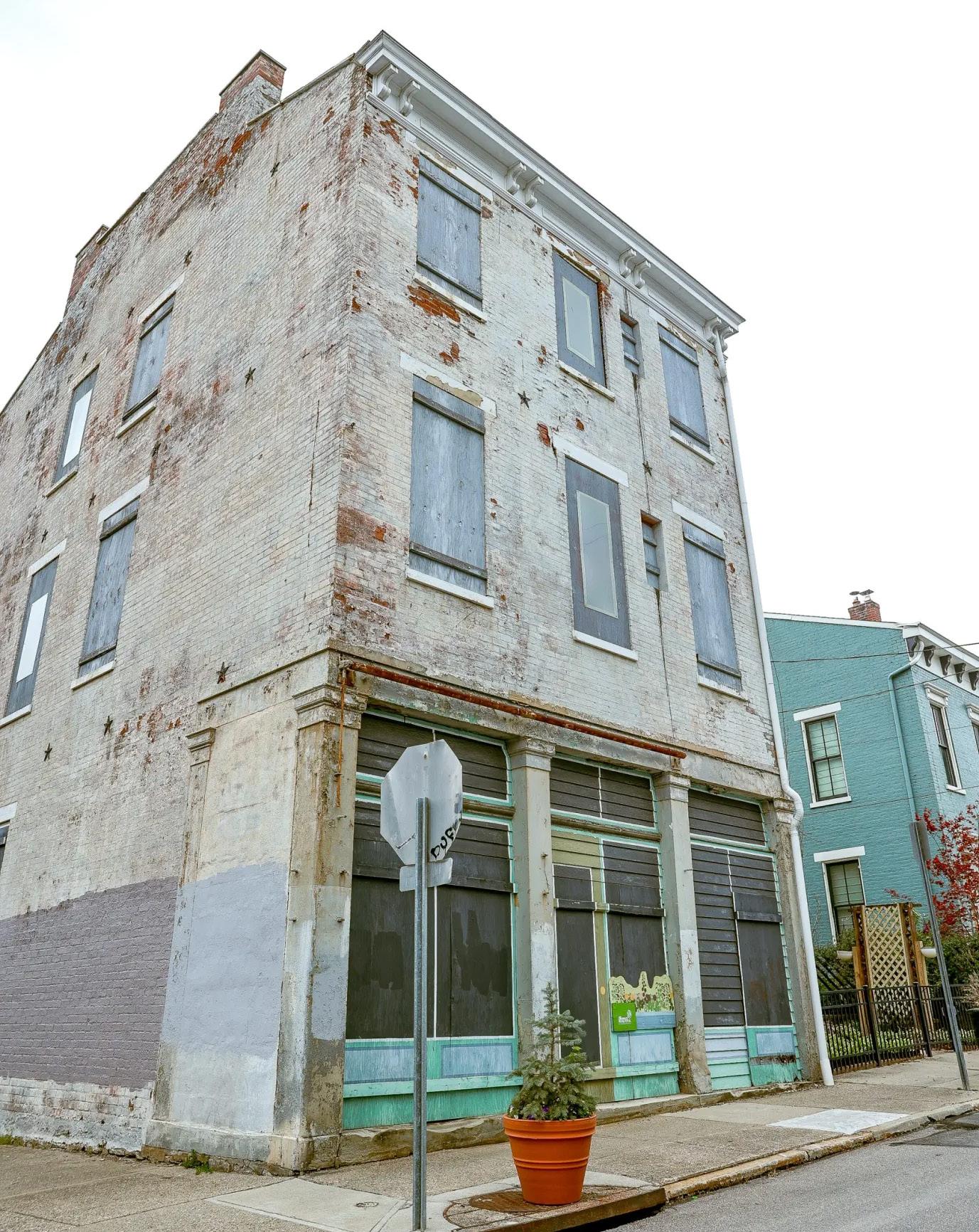
housing, right? It’s not supposed to feel like, ‘section 8 housing.’ It feels like a home your average person can take pride in. And this neighborhood doesn’t have many food options, and especially not from people who look like them,” Jones said. “We came out and told the community upfront that we’d go out and find a minority food operator, and that’s exactly what we’re doing. We just wanted to make sure that this development aligned with the people who are there, right? The people who have to walk past this property every day.”
While Cameron and Jones are still seeking the person who will take over the designated food space on the ground
floor — ”and if you know anyone, give ’em Tony’s email,” Cameron said — they do know whatever the space ends up being will have a focus on healthier ingredients, just as the community requested. They also intend for the space to be somewhere that local residents gather at, similar to the places the West End was full of decades ago before they were wiped out.
“We wanted to make sure that we took it back to the roots. That we took it back where there was a history of people who look like us, who were thriving, and when this was a vibrant community,” Jones said. “Some people in their 40s and 50s can remember when the West End looked completely different. We were very intentional about that. We did not want our project to be a spec deal just to make money, you know? We wanted to make sure it had major community impact.”
Cameron says the name of their new company, Common Ground, is two-fold: while it’s named for the commonalities that he and Jones share because of their upbringing, they also have a common goal to see the city change for the better.
“We want to see people take pride in their neighborhood, not walking past vacant properties or burnt up buildings,” he said. “That’s why we’re celebrating this. It’s not an everyday story that two young African American guys from the community came back to clean it up and do good work for the people. We know that the odds are stacked against us for all type of reasons. We’re from the urban core, and we know how it can swallow you up out there… We know that we’re breaking barriers by doing this, and we’re going to continue doing it.”
By Megan Henry, Ohio Capital Journal
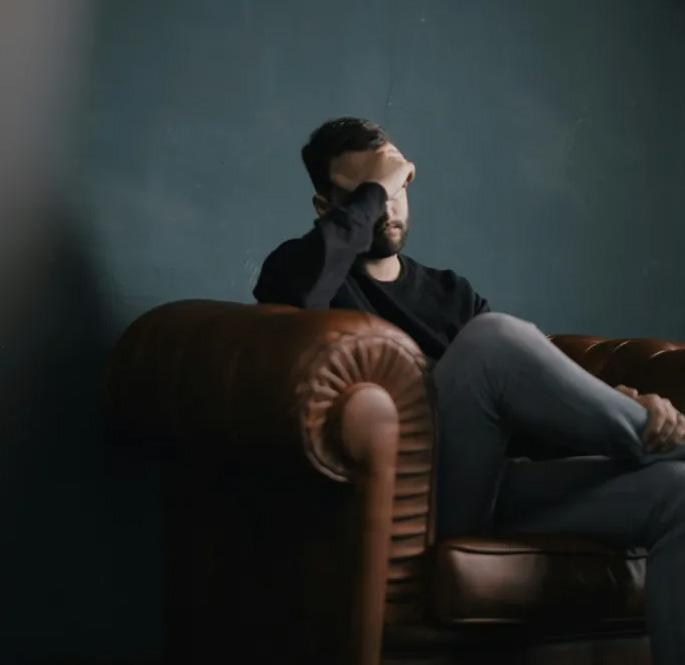
Costs, provider availability and health insurance limitations were the top reasons Ohio children were not able to access mental healthcare, according to a recent study from the Health Policy Institute of Ohio.
Nearly half said unaccepted health insurance was the reason their child did not receive mental healthcare treatment while 40% said provider availability and 29% said cost (people surveyed could select more than one barrier).
“Many young Ohioans experience mental health challenges, and families often have difficulty navigating the mental healthcare and insurance systems,” according to the study. “Accessing needed mental health treatment is important, especially for children, because mental health conditions often continue into adulthood.”
The average out-of-pocket cost for an individual 60-minute psychotherapy visit with an out-of-network provider cost $55 in 2021, according to the study.
“If a child needs to receive treatment from an out-of-network provider for therapy once a week … the family would pay an average of $220 per month,” the study said.
Seeing an in-network provider came with a $28 out-of-pocket price tag, it showed.
That cost jumps to $164 for someone without health insurance or someone who pays without insurance, the study said.
“Healthcare for mental health issues can be expensive, and as many mental health conditions are chronic, they often require ongoing treatment,” according to the study. “Costs of care and prescription drugs can accumulate quickly with or without insurance.”
OhioGuidestone — Ohio’s largest community behavioral health provider that is not a federally qualified health center — charges $142 per hour for therapeutic behavioral services. They charge $206 per day for their day treatment group and $41 per hour for group psychotherapy.
Just under half of Ohio children were on Medicaid and 46% had commercial insurance in 2023.
Health Policy Institute of Ohio found commercial plans rarely cover therapeutic behavioral health support, case management, intensive home-based treatment, behavioral health nursing, crisis services/mobile response and peer recovery services.
“One of the most important takeaways from this brief is unlike traditional physical health care, it tends to be that insurance problems are more substantial for kids who are on commercial insurance compared to a program like Medicaid,” said Health Policy Institute of Ohio Analyst Brian O’Rourke.
“This can range from really narrow provider networks in terms of difficulty finding an in-network behavioral health
provider to help with those mental health needs,” he said. “It could include really high out-of-pocket costs, even when you do find a provider in network, and then limitations on the types of covered services.”
An Ohio patient was 1.6 times more likely to see an out-of-network provider for a behavioral health office visit and 3.6 times more likely to see an out-ofnetwork provider for inpatient behavioral healthcare.
The state has a lack of mental health providers and 75 Ohio counties are mental health shortage areas, according to a study last year from the Health Policy Institute of Ohio.
Ohio behavioral health clinicians are reimbursed an average of 18% less than medical or surgical clinicians, which can “lead some providers to not accept insurance and instead require patients to self-pay, which is out of reach for many families,” according to the study.
Sometimes having a health insurance plan is not always enough.
Going without behavioral health services over time can ultimately make things worse, O’Rourke said.
“If someone’s going through with untreated severe anxiety or depression, they’re going to have to deal with the burdens of that condition, but also it’s going to affect their school performance, potentially their ability to find a job and secure employment,” he said.
Ohio lawmakers have introduced a handful of insurance related bills.
Ohio House Bill 219 would create network adequacy standards for Ohio health insurers. Ohio state Rep. Kellie Deeter, R-Norwalk, introduced the bill which has had two hearings so far.
Ohio House Bill 220 prohibits health insurers from retroactively denying a prior authorization for mental health or substance use disorder treatment. Ohio state Rep. Heidi Workman, R-Rootstown, introduced the bill which passed the House earlier this year.
Ohio House Bill 709 would require private insurers to cover telehealth mental health services. Ohio state Reps. Karen Brownlee, D-Symmes Township, and Meredith Craig, R-Smithville, introduced the bipartisan bill earlier this year and it has had one hearing so far.
The lawmakers are on break and will return after the November election. Any bill that does not pass before the end of the year must be reintroduced in the new General Assembly to be considered.
Health Policy Institute of Ohio recommends the state monitor costs of behavioral healthcare, expand provider availability and consider changes related to insurance limitations and mental health parity.
This story originally appeared at ohiocapitaljournal.com.

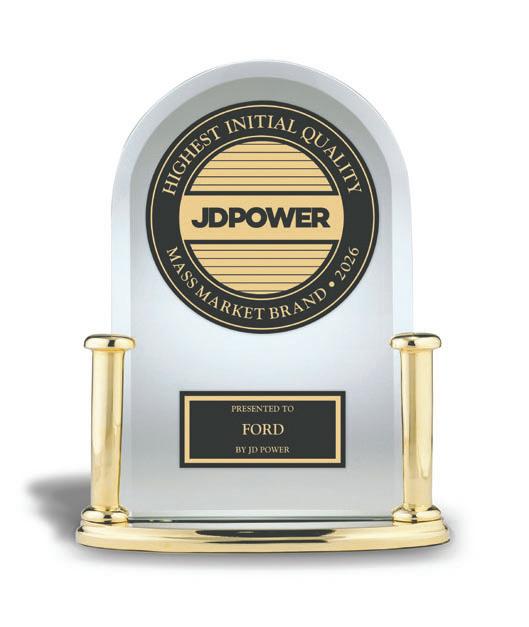
A simple promise hangs on the walls of our factories, design studios, and engineering labs around the world: Quality Comes First.
It isaguiding principle of Ford Motor Company. But banners and slogansdon’tassemble world-class vehicles. You do.
Every shift, every weld, every detail– youdeliveredthat promise. And today, because of your skill and dedication, JD Power has officially ranked FordtheNo. 1 mainstream brand ininitialquality. For the first time in 16 years, the Ford Blue Oval is the gold standard for new vehicle quality in America.
Theskepticssaid this was impossible. They claimed that the highest-qualityvehicles had to be imported, and they whispered that American autoworkers were second best.
But theydidn’tknow thegrit of our workforce. Theydidn’tunderstand the pride of our plant communities across North America.
Are we proud? You bet. Satisfied? Not even close. This is a milestone, not a finish line. We will celebrate this moment today, but tomorrow we are back at it: chasing perfection, driving continuous improvement, and getting better every single day.
Thank you to our teams, our families, and the communities that support us. We have never beenmore proudto stand with you.
Thisrecognitionbelongs to you.
The 1,996 Ford team members in Cincinnati.
Sincerely,
Bill Ford Jim Farley Executive Chair President and CEO
By Kane Mitten
One of the country’s oldest animal welfare and rescue organizations is expanding to the city proper.
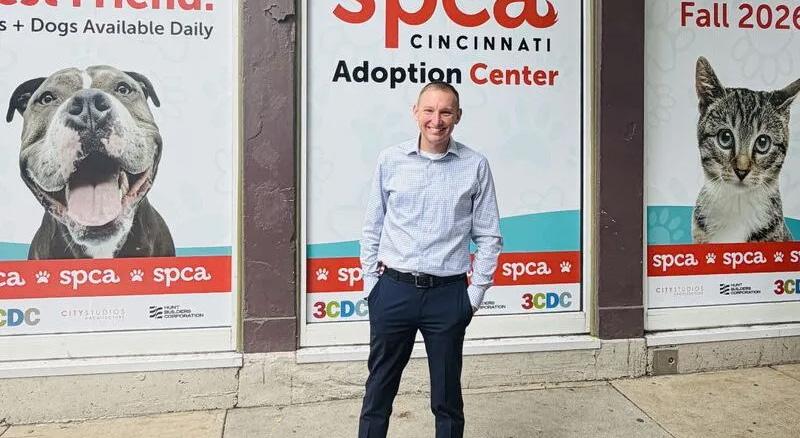
Local nonprofit Society for the Prevention of Cruelty to Animals, or SPCA, Cincinnati will soon open an adoption center in the heart of Over-the-Rhine at 1312 Main St., in a Cincinnati Center City Development Corp., or 3CDC, space just across from Mr. Pitiful’s and RAD OTR. This new center is a major focus of the 153-year-old organization as it enters its “new era,” according to Chris Seelbach, president and CEO of SPCA Cincinnati.
“We are redefining what animal welfare can look like for the next decade or more, and trying to be a model for the region and the country on what the next chapter of animal welfare looks like,” he said. “What that means is … we are taking our services to the heart of the city, where more people are living and working and playing, in order to increase our adoptions, get more animals out of the shelter and into homes.”
The new 1,795-square-foot adoption center will have the capacity for six dogs and 10 cats at a time, with several dedicated rooms for meet and greets.
“There will be two dogs positioned in the windows, too. It’ll be just like that song, ‘(How Much Is) That Doggie in the Window,’” Seelbach said. “Animals really bring people joy, and so we’re bringing that possibility to meet your best friend into the heart of our city.”
One way the organization is utilizing the local area is by offering “Paw Passes,” a short-term foster situation. Local citizens can come in and take a dog out for the day to visit, say, Washington Park, to get a pup cup, to visit their home or whatever their heart desires.
“Obviously, we hope that that shortterm foster turns into a long-term adoption, but if it doesn’t, any time out of a shelter is better for the animal,” Seelbach said. “It is tough when you bring that dog back. The dog is sad, but it is still worth that time out of a shelter with a person, because that experience makes their life better.”
Adoption at SPCA facilities are quick and easy: every animal is already spayed,
TI CENTER CITY DEVELOPMENT CORP.
neutered and fully healthy. No background checks or home visits are necessary, and the price is as low as could be: $10 for cats, $70 for dogs. The barrier for entry is so low in an attempt to get as many animals into good homes as possible. Seelbach suspects that more people will gravitate toward adopting cats instead of dogs because they’re easier to maintain in an apartment, but noted that he sees plenty of dogs in the neighborhood, too.
“SPCA Cincinnati provides vital services to the community while expanding access to affordable pet adoption in the neighborhood,” said Christy Samad, executive vice president of civic and commercial space activation for 3CDC. “With several nearby dog parks, exceptional walkability and community greenspaces, OTR is a natural fit for a pet adoption center.”
The organization’s expansion into the city corresponds with their push to be involved with more events Downtown, too. For example, SPCA Cincinnati is sponsoring the wiener dogs race at this year’s Oktoberfest, and are collaborating
with Ziegler Pool — just steps away from the new adoption center in Over-theRhine — for a “swim with your pet” event on Sept. 13.
For Seelbach, the former city council member who was well-known for being vocal about his feelings on Over-theRhine as a resident of the neighborhood, having an adoption center just feet away from where he lives is “really exciting.”
“I love Over-the-Rhine. I’ve lived here for 22 years. It’s a huge part of my identity, and there hasn’t been this type of service that I know of, ever, in Downtown or Overthe-Rhine. There’s been pretty much everything else, but never an adoption center,” he said. “So, the fact that we’re bringing the ability to adopt a dog or a cat to the urban core for the first time in the history of the entire city… I think people are going to genuinely love it.”
Seelbach says he hopes that local residents will sign up to volunteer at the shelter, which they can do by visiting the organization’s website. While he does live in close proximity to the new shelter, he’s constantly all over the place
— the organization’s main campus is in Sharonville, and the group also owns a farm in Miamitown, a warehouse in Blue Ash, helps maintain a dozen or so pantries and gives away 150,000 pounds of pet food every year. Needless to say, SPCA needs all the hands it can get.
“Adoptions are great, but there’s many other ways to get involved,” he said. “It’s a lot of fun to foster a cat or a kitten or a dog, but even if it’s just coming to walk the dogs or taking a dog to use the restroom… that’s what we’re looking for from the community.”
While our society has become increasingly fragmented, Seelbach still believes animals are a great unifier across all backgrounds.
“Animals are one of the few things in this world that bring people together. Animals are just one of those things that, regardless of who you are, where you’re from, where you live, what differences you may be or believe in, people love animals, and they really can bring people of differences together,” he said. “Animals really bring people joy.”




JOIN US FOR A HIGH‑ENERGY NIGHT FUELED BY TEQUILA, MARGARITAS, LIGHT BITES AND LIVELY MUSIC
You’ll get to cast your ballot for the People’s Choice Best Margarita. 21+ event & Rain or shine
Greater Cincinnati's restaurants and bars are serving up their signature margaritas and great eats. Come hungry, come thirsty.








Our panel of local judges who just happen to love margaritas will pick a few winners. Then it's your turn: vote for People's Choice Best Margarita.
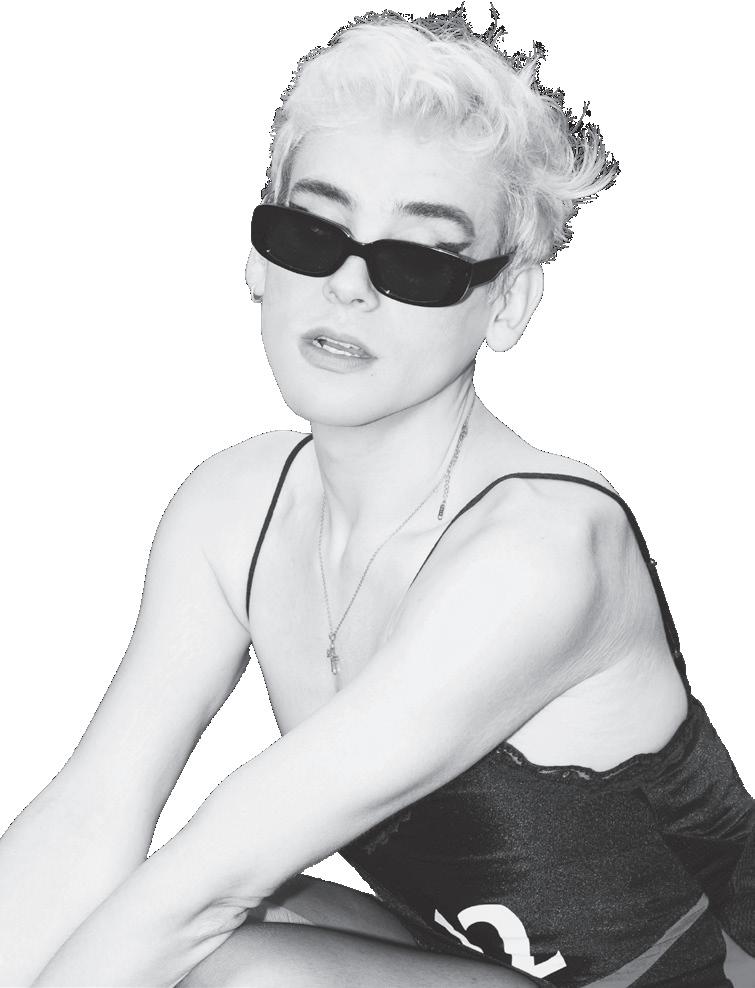




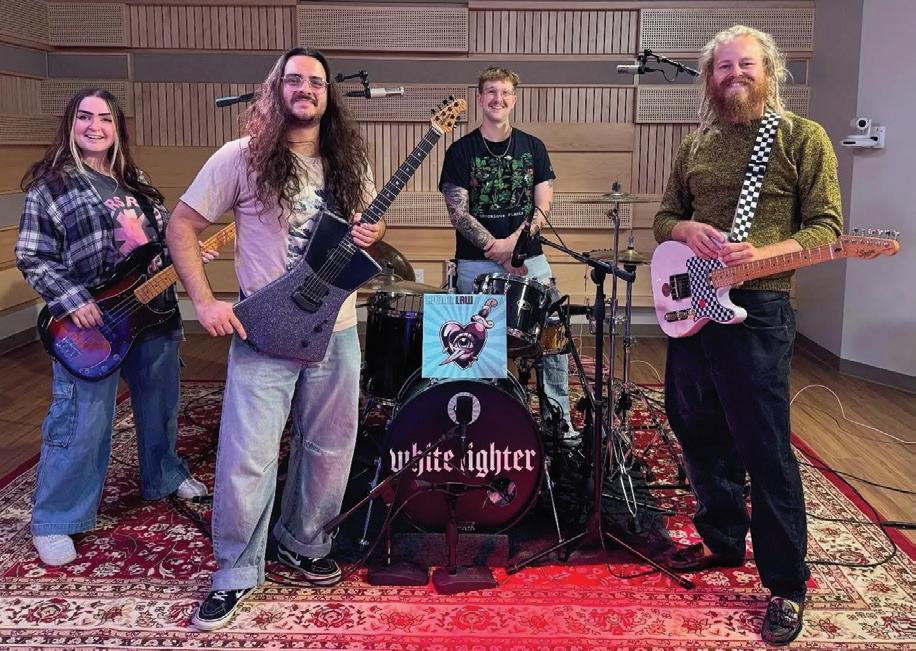
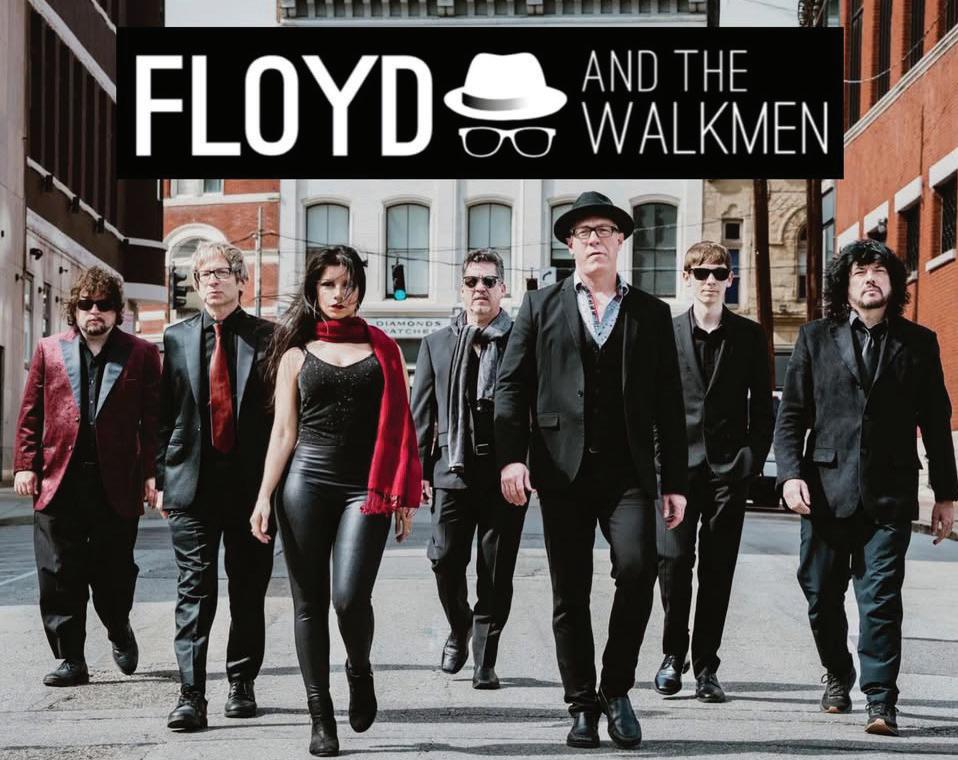
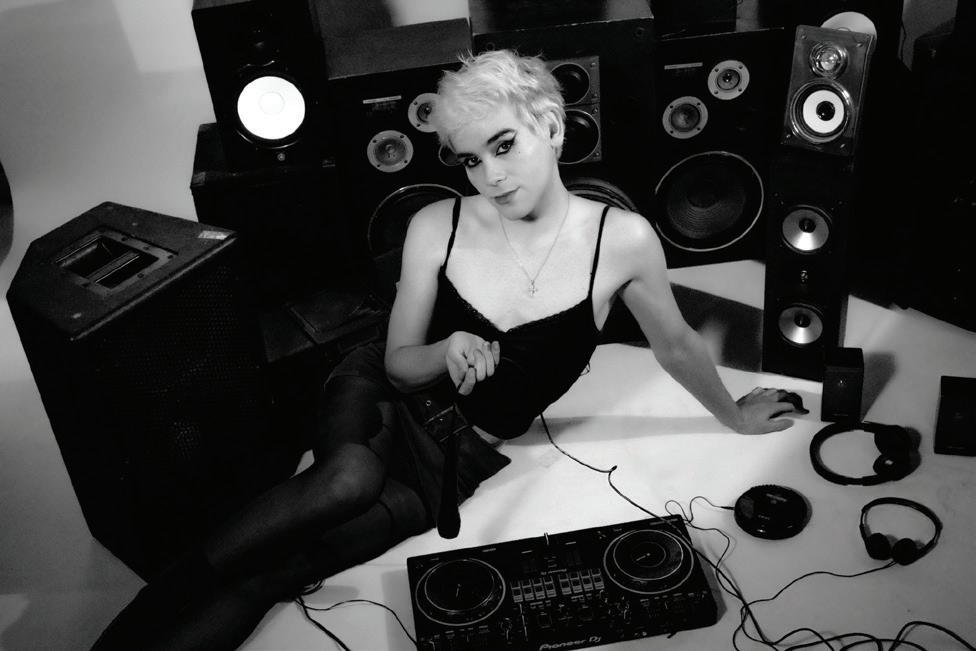
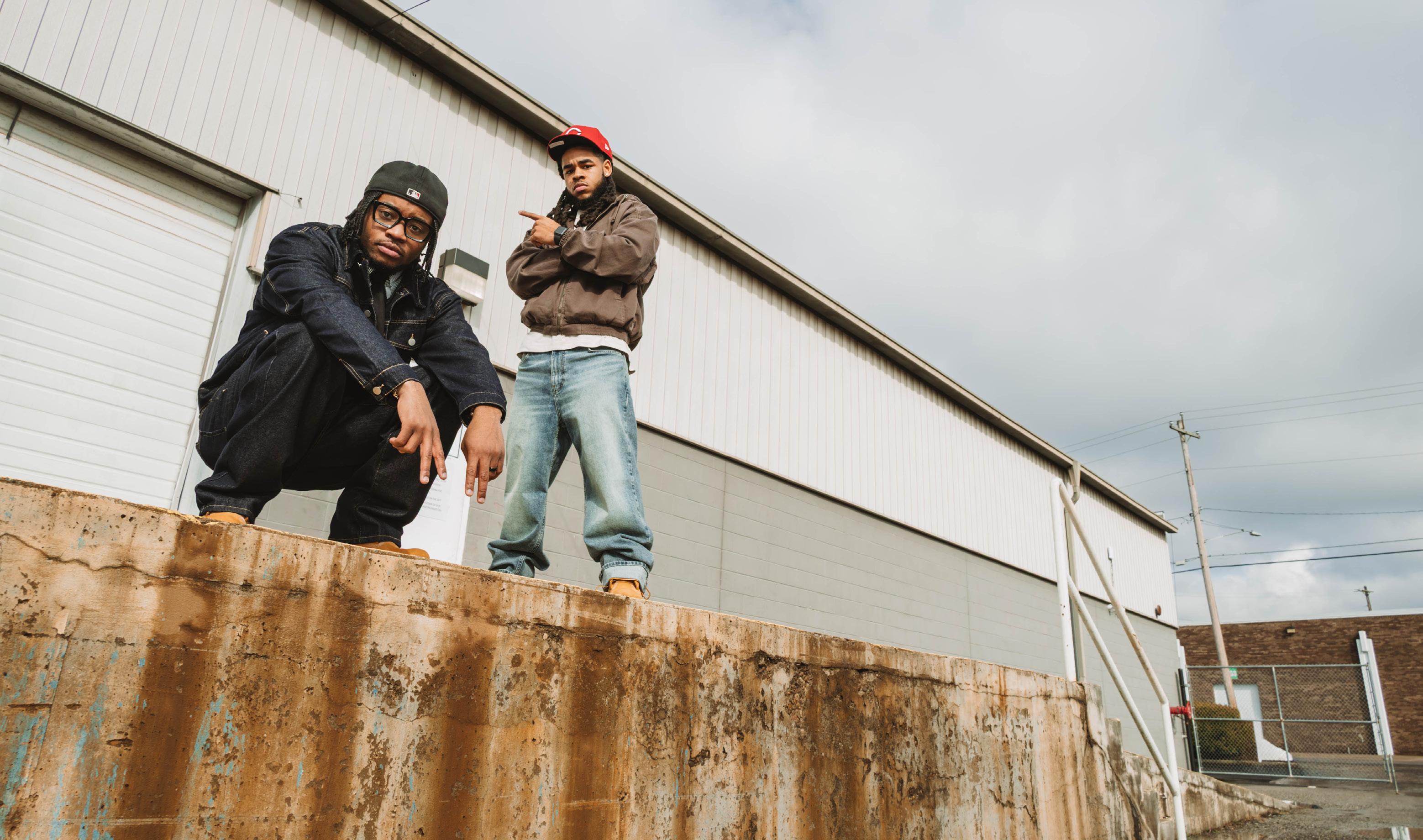
Khari and Montana's new album challenges stereotypes, celebrates Black individuality and helps shape the next era of Cincinnati hip hop.
By Kennedy Dudley
Michael Jackson and Quincy Jones. 21 Savage and Metro Boomin. Timbaland and Missy Elliot. Sometimes when two artists find each other, things just click.
At least, that’s how it was for Cincinnati rapper Khari and producer Montana, whose partnership feels like it was just meant to be. The duo has been working together for around two years now, Montana said, almost surprised it hasn’t been longer.
“We met at a beat battle,” Khari said. “I was there just listening and trying to catch some waves, and he was there cooking.”
From that first encounter, they fell into an easy chemistry, one that extends outside of the studio.
“When people ask us that, it’d be like, ‘Damn, it feels like I’ve known this dude longer though,’” Khari said. “That’s how we knew our chemistry was instant outside of the music, you know what I’m saying?”
It’s a familiar story, the way local music scenes pull people together, but the bond these two have built in those two years feels deep.
“Outside of just making songs together, the chemistry, just as a Black man, as a brother to brother, was there immediately,” Khari said. “I feel like I’ve known him for 10 years plus.”
Both Khari and Montana grew up with music as a constant presence.
“I don’t know a life without hip hop,”
Khari said. “I feel like I just was born into it and just been around it my whole life. I always wrote. I always went to the studio with my dad and my uncles and write songs and record songs. But I really started taking it serious about four or five years ago. Putting out music, forming my digital footprint, marketing myself.”
Montana’s story mirrors Khari’s.
“It’s kind of been around me all my life,” Montana said. “Not kind of. It’s been around me all my life. But I really started taking matters into my own hands, really trying to dive into it two years ago.”
Family musical backgrounds run deep for both: Montana’s grandfather sang in the Cincinnati group The Ditalians, his mother and grandmother sang, and his father is Cincinnati-born rapper and producer Hi-Tek, who has worked with artists like 50 Cent, Nas, Talib Kweli and many more.
“As much as we tried to not identify as musicians, we couldn’t escape it because it was just always part of our plans,” Montana said.
And while not every artist finds support at home, both Khari and Montana credit their families with providing the right kind of environment.
“My parents never wanted me to shy away from my creativity,” Khari said. “When I told them I wanted to take music seriously, they was all behind it. They support everything I do.”
Outside of family, their influences span both music and unexpected corners of
culture.
“My biggest inspirations were [Tupac], Allen Iverson, Ryan Coogler,” Khari said. “Allen Iverson really — just his revolutionary spirit, being outspoken, not being afraid to speak your mind. And Ryan Coogler, the way he paints pictures, tells stories. He was an athlete and switched lanes to the arts. I did a similar thing, moving from basketball into rap.”
For Montana, it’s the sound that catches him.
“The first time I heard Slum Village, I was stuck there,” Montana said. “Dr. Dre for sure. That whole ‘Aftermath’ sound was always catchy to me. And Michael Jackson, Michael Jackson, Michael Jackson.”
While Montana is driven by the textures and rhythms that shape a song, Khari’s approach to rap is rooted in tradition.
“Hip hop was built on, you know, being in the parks, somebody making a beat on the wall, the table, whatever, and rapping freestyle. You talk about what you see,” he said. “I think it’s a great practice tool for artists. It should definitely be something we hold near and dear, especially fans of hip hop and being a part of the culture. Can’t let that die at all.”
When it comes to creating together, Khari and Montana have found a rhythm that’s both organic and efficient.
“My creative direction when I’m by myself, I never really think about what no one else likes until I catch my groove,” Montana said. “I just try to let it come to me and vibe out.”
Digging through vinyl, following the day’s tempo — his process is all about keeping it natural.
Khari’s inspiration often comes on the move.
“I got to be outside, in motion or driving. I got undiagnosed ADHD, so I need to be doing something to get it going,” he said, laughing. “But when we get in the studio, it’s efficient. We’re not playing around.”
The duo is currently working toward their debut album, “Ghetto Nerd,” and in the process, they’re crafting something bigger than just a set of songs. They’re creating a universe.
“University is like the universe around the album,” Khari said. “We’re building something that people can attach themselves to — bigger than just putting out an album. We wanted people to feel like they’re a part of something, a community-based effort.”
You might ask, what does it mean to be a ‘ghetto nerd’?
“The main thing behind it was like coming from a place and not being of that place — seeing beyond that, being able to dream within a dark environment,” Khari said. “It’s being yourself within it. I think a lot of times, as Black people, we get boxed in. They say you got to be a gangster, you got to be this or that. But I know a lot of people in the hood that never sold drugs, never went to jail, never fit those stereotypes. It’s really the idea of Black people not being a monolith, but being able to see beyond your environment, rise
above it and be yourself.”
Montana added: “It made it easy for me to just be myself. Eventually, I just started to truly commit to it. The journey in life of choosing you and not falling into the trap of the masses, or the path that’s traveled by your peers. It’s okay to be positive and not be a street dude. It’s okay to like music and read books.”
For anyone wanting to join the world of Ghetto Nerd, there’s even a number to text: 513-796-4807 with the word “enroll.”
“They get updates, exclusive things, access to different things,” Khari said. “We really want to go direct to the people with it.”
It wouldn’t be a Cincinnati story without talking about the city’s legacy and the artists who’ve taken it further. Cincinnati’s creative lineage is impossible to ignore for Khari and Montana. In a freestyle, Khari mentions that they would like to purchase the now-defunct Cincinnati record label King Records.
“I mean, it’s manifestation right now. Like that’s definitely something we would love to do,” Khari said, reflecting on the legendary local landmark. “James Brown, Bootsy Collins — everybody coming through, the rich musical history in our city. That building was a forerunner of that.”
But their vision isn’t just about honoring the past — they’re also building connections with the next wave, collaborating with popular Cincinnatiborn R&B singer Arin Ray.
For Khari and Montana, Cincinnati artistry means respecting the city’s deep musical roots while collaborating with peers who are shaping its future.
It’s a mindset that shapes not only their music but also the way they bring it to an audience.
Khari’s live show philosophy has been shaped by experience.
“When I first started, I was rapping over my lyrics. But you can’t really give a good show that way. What I learned from Jay-Z is you don’t want to give people the same show every time,” he said. “Now, it’s about committing to it, being practiced. If you say you want to do the splits and do a backflip, you better do it with full confidence.”
Practice brings confidence.
“Before we did Jadakiss (they opened for the hip hop artist), we practiced two weeks straight, just going, going, going. Practice makes greatness.” Khari said. And the rewards?
“Opening up for Freddie Gibbs was dope for me,” Khari said. “That was the first time I saw a crowd that was already screaming. Being able to perform overseas — I’ve toured in Spain two years in a row. By the time I get to the second hook, they’re repeating it to me. That was a high. That’s what I could see myself doing forever.”
As for the album, there’s no rush.
“We’re just building up the buzz around it because we believe in the music that much,” Khari said. “Come into the world, see what it’s about, and be invested into it first. We want to show people: this is Khari and Montana. This is our duo, our tandem. Really bring it back to hip hop — a rapper and a producer, branded as that. I feel like that’s missing in hip hop right now, and we got exactly what’s missing right now.”



By Case Fenner
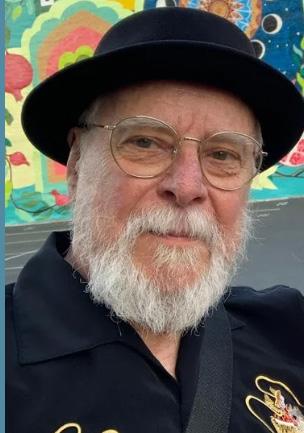
Greg Hand has always been looking for stories. The former reporter, who many may remember as the voice of the University of Cincinnati during his 36-year tenure culminating in the role of vice president of public relations, has written three books on Cincinnati lore.
A lot of people have written books about Cincinnati, but Hand’s aren’t what you might expect; they cover everything from a treasured 19th century bezoar to the collected histories of the Bearcats basketball teams. Following his retirement in 2014, Hand has continued to collect and share stories from the Queen City’s past on his “Cincinnati Curiosities” blog.
Hand describes the blog as “working overtime to keep alive the weird soul of the Queen City,” which is why CityBeat knew we needed to learn more.
“When I say this was a weird city, I mean, you could get away with an awful lot of stuff,” he told CityBeat. Using old books and newspapers, Hand meticulously digs into the history of the city to find odd-ball curios in discarded annals. That digging more often than not leads him down countless rabbit holes along the way to his weekly features.
One such rabbit hole (and one of particular interest to Hand) are the stories of Cincinnati’s sex workers, who — from 1890 until the late 1910s — had a de facto red light district on the city’s West Side.
“The people there are just absolutely fascinating,” Hand said. One such redlight resident was Belle Curry; a wealthy madam who collected the names of her well-to-do clients to use as social and political leverage. Curry was also something of an activist, it seems, as after sex workers were banned by local police from riding carriages or bicycles in 1896, she repeatedly flouted the discriminatory law.
Hand sees Curry and her cohort of fellow madams through a social lens of Cincinnati’s by-gone sex economy, where they took on roles as employers in an almost proto-feminist financial system that was vital to some of the city’s working class women.
“This was a time period when women, essentially, could not work,” he said. “So, prostitution provided a job that was relatively safe.”
Hand doesn’t spend all of his time in the past, though. Nowadays, you’re just as likely to find him on social media sites like Tumblr, where he hosts his blog. Tumblr, which has been kicking since 2007, is as famous for its fandom-focused community as it is for its often faulty user interface.
“I apologize for using Tumblr a lot,” Hand said. He makes light of the UI
issues on other social media sites with a simple “If Tumblr sux” tagline. Despite the technical shortfalls, he thinks being on social media is vital to his work as a local historian.
Hand praised his social media followers for asking thought-provoking questions, and added that they occasionally point him in the direction of his next feature.
“Most of my best stories come from my readers asking me questions,” he said.
Hand’s blog isn’t the only way he engages with the wider Cincinnati community. As a member of the Mixchevious Jounglers, he’s brought the troupe’s Stand-Up History series to numerous venues throughout the Queen City since 2017 — blending comedy performance and historical education in a uniquely engaging way. The Jounglers themselves came together in a uniquely Cincinnatian way.
“Stand-Up History grew out of Bockfest,” Hand said, referring to the city’s annual two-day festival celebrating bock-style German beer. In addition to consuming copious amounts of the dark lager, festival-goers can also enjoy a parade and a 5K run. At the conclusion of this run, the festival often holds its Beer Heritage presentations, which cover the long and storied histories of beer in Cincinnati.
“You’re trying to talk to a room full of people who just ran five kilometers and are quenching their thirst,” Hand said, “So I noticed there were two or three of us that made it a contest: What do you need to do to get these people’s attention?”
He recounted stories of an exploding barroom and the multitude of fatal possibilities in a turn-of-the-century brewery as being particularly popular. According to Hand, the story tellers may have stayed in friendly competition had it not been Cincinnati mixologist, historian and Joungler founder and trouper Molly Wellman, who invited them all to perform at her bar.
Hand believes stand-up allows him to connect with a different audience than the one confined to his blog; a usually older, less online group. He also uses the performances to perfect his story telling and delivery of historical materials.
“On the blog, I have no idea whether it gets a laugh or not; but if I’m standing on stage and throw something out there and it doesn’t get a laugh, I’ve got to go back and rewrite it,” Hand said. “The immediate feedback is a lot of fun.”
When asked for his goal for the blog and its audience, Hand said, “I would like to see people begin to embrace the strange history in our city.
“The things we are dealing with today, we used to deal with in a very different way back in the past. In many ways, the city was a lot freer,” he mused.
Ultimately, Hand concluded, “That’s my hope for the future: that people appreciate the weird history of Cincinnati, and have a weird day themselves.”
If you’re looking to start having a weird day, Greg Hand’s blog can be found at Cincinnati Curiosities on Tumblr.































































SUNDAY SEPTEMBER 6, 2026



By Kane Mitten
Ever turned to your best friend and shared a crazy idea? That’s exactly what Caroline Leach and Alex Driscoll did to create their buzzy new pop-up dinner series, Calé.
The two self-taught chefs have wowed attendees all over the city for their unique stylings — notably, that each tasting event is centered around one seasonal ingredient that won’t be revealed until guests sit down for dinner — and culinary professionals all over the city are taking notice. But it all started over a couple champagne glasses.
“On our trip to Spain, we were at a Michelin-star restaurant and it felt like a spiritual experience for the both of us. We just got kind of emotional over our love of food and spending time together and bringing happiness and community to people through food and eating,” Driscoll said.
And on the plane ride back, the two had a thought: Why don’t we create an experience like this back home for everyone we love?
“It was an eight-hour flight back, and I don’t think we even slept more than an hour. We spent the whole flight drinking champagne and coming up with our plan for Calé,” Leach said. “We wanted it to be one giant table experience where everyone could meet each other and build new connections and then have a wonderful delicious meal while they’re doing it.”
Over time, the pop-up has grown to a monthly event, with 24 hotly contested seats at each. As mentioned, each night features a secret ingredient that’s used

in each dish. To determine the evening’s focus, the two contact local farms and gardeners to see what they have available — sometimes, the two even use ingredients from Leach’s father’s garden — and then determine which ingredient excites them the most.
Take, for example, a pop-up last year where the focus of the night was farmfresh corn: The two chefs served guests a gazpacho, a scallop dish, a cantaloupe dish, croquettes, sacchetti and a sweet custard all infused with corn in some form or fashion. Other ingredients taking center stage at recent events include mint, peas, beets, pumpkins and rhubarb.
“I watched way too much ‘Iron Chef’ in high school, so that’s where the idea for the secret ingredient came from. But instead of the chefs not knowing what the ingredient is, it’s our guests,” Leach said. “The dessert, I think, is our favorite to work through. Especially if we’ve chosen a savory ingredient, it’s fun trying to figure out how to make it sweet.”
It’s a lot of time and energy dedicated from two people who aren’t trained chefs at all. Driscoll works in pharmaceutical sales, while Leach is an IT professional. Cooking is their biggest hobby, but not their profession. Yet, one look at their Instagram comments reveals some of the city’s most prominent culinary names have taken notice of their work.
“The support we’ve received is humbling, unreal, amazing. All the people we’ve gotten to meet because of our shared love of food is incredible,” Driscoll said. “It means so much to us that people who have already found success in this realm have even taken an interest in us and are genuinely supportive, compassionate people, let alone that they’ve gone above and beyond to try to help promote us… I don’t know, I don’t think I even have words. I have to stop talking or I’ll start getting emotional.”
In the future, the two plan to expand to bigger venues. Several people and businesses have already requested Calé to cook at their private events. They’ve also made plans to do smaller pop-ups titled “Casual Calé” at restaurants and bars across the city that showcase their cooking chops without having to put together a multi-course meal. But their main focus will continue to be building community and serving great food.
“For a long time, Cincinnati’s food scene didn’t get the respect it deserved. Like, I used to make thorough spreadsheets for people of all the places to go. People just hadn’t experienced all the opportunities we had to offer,” Driscoll said. “I love our city so much, and I think it has so much to offer people… And it’s a little bit selfish, but I just want to provide something new, fun and unique for the city. Whether it’s someone who’s lived in the city for 40 years or someone who’s passing through for the weekend, I want them to have a memorable experience in Cincinnati.”
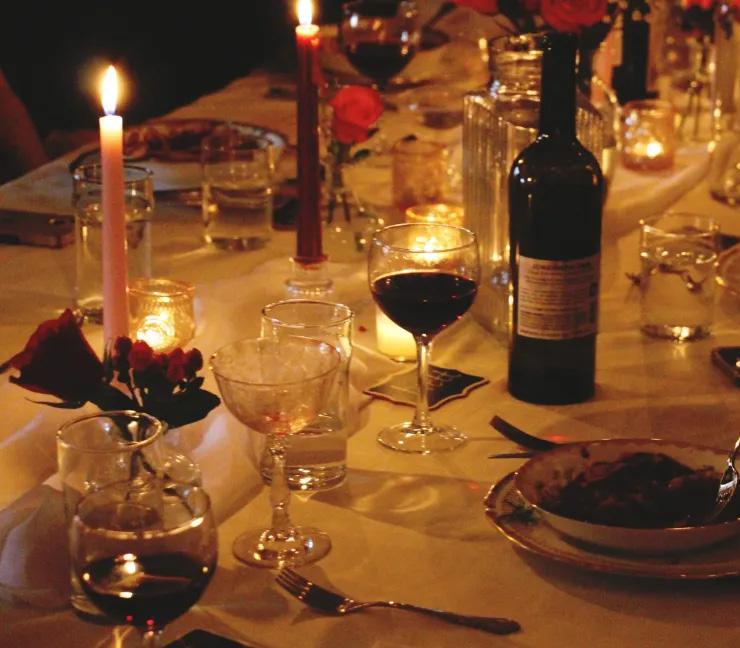
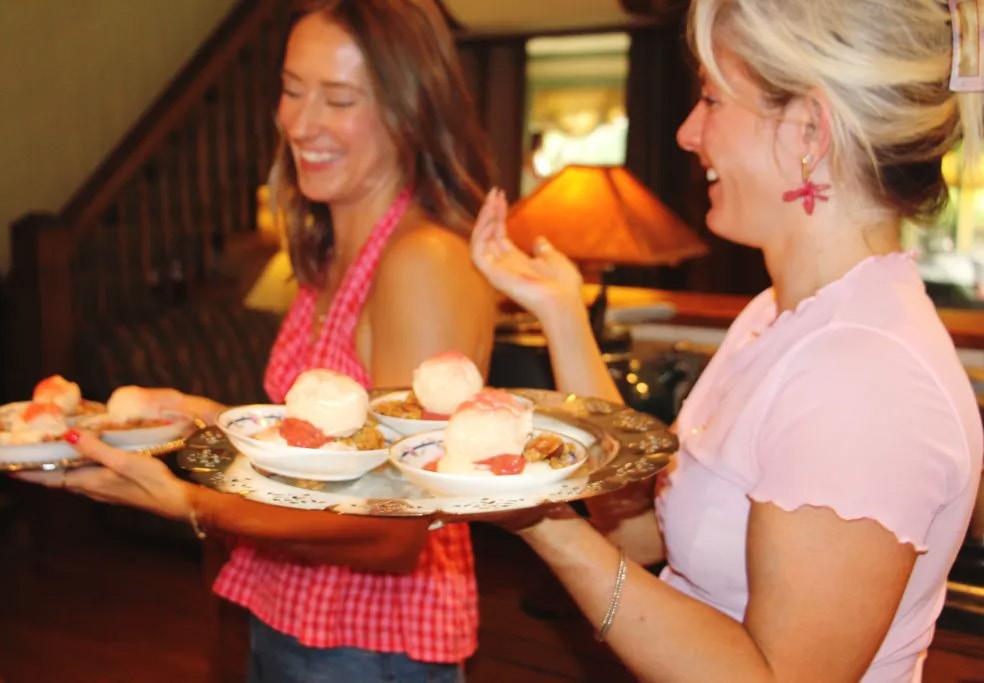


5:30 - 7:30 p.m. Present
Thursday, August 13, 2026 at CAC
Learn about the history of bourbon in Cincinnati, then create your own custom blend with the experts from Willow Run
CityBeat Best of Cincinnati 2026 Winner for Best Distillery!
Finish with a guided tour of our exhibit And then it was flowers presented by the artist Michael Stillion

By Kane Mitten
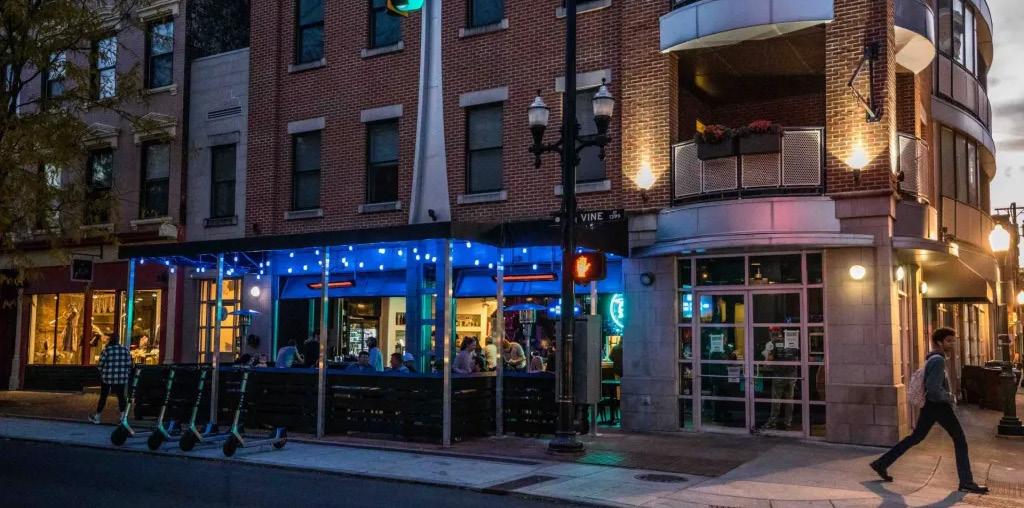
One of Over-the-Rhine’s longesttenured restaurants is moving just down the street to a space triple the size — with a new name and new menu to match.
Quan Hapa, the Asian American eatery that opened in 2012 as part of the restaurant collective Lang Thang Group, has been a staple of the community for years now thanks to dishes like its
okonomiyaki (Japanese pancake) and its wide array of ramen. Now, the restaurant will take over the former Taste of Belgium space just a few blocks away on the corner of 12th and Vine streets, with a new name and a new focus on Vietnamese dishes. Bao Nguyen, co-founder and partner of the Lang Thang Group, said Quan Hapa’s space “worked great at the time” when it opened over a decade ago, but the space has become too small to do everything they wanted.



While he and his partners were looking to relocate, they eventually settled on the 3,252-square-foot building that once held Taste of Belgium’s flagship location. He mentioned the abundant parking near the building and the larger kitchen inside as two main factors in the decision.
“We’re like, ‘Cool, now we have more kitchen space to cook everything we always wanted to cook.’ And I started updating our menu, and I realized most of the dishes on it I really like are Vietnamese,” he said. “I’m Vietnamese, so that’s where my strong suit is. Obviously, I cook other things, but when I’m making Vietnamese food, I have 43 years of experience to draw on. And even with some of our dishes, there are Vietnamese versions I like a lot better. So, we thought, why not rebrand and reinvent ourselves and just… go all the way?”
Quan Hapa will rebrand to “Yô Đi,” which is Vietnamese for “come in” but is more commonly used to mean “let’s go.” It is often used as an exclamatory remark following one of Vietnam’s most recognizable drinking chants: “Một, hai, ba, yô,” which roughly translates to “one, two, three, cheers.” The new name reflects both the restaurant’s renewed focus on Vietnamese food and the return to a latenight dining style; Nguyen hopes (but could not promise) that the restaurant will now stay open until midnight or later, as Quan Hapa once did prior to the COVID-19 pandemic.
Several favorites from the old restaurant will reappear, even if it’s in new forms. Quan Hapa’s love of noodleforward dishes remains, and its signature iced coffee will return — this time, from a dedicated coffee counter with an espresso machine.
But there are plenty of new items at Yô Đi, including Vietnamese staples like a báhn mi or sườn que nướng, a plate of lemongrass pork ribs with pickled vegetables and steamed rice. Nguyen was particularly excited about a surf and turf dish he’s developing that features a spicy garlic butter scallion lobster tail and a Vietnamese-marinated steak.
“We tested a lot of these dishes at
events like Asian Food Fest, but never got to put them on the menu. Now that we’re starting from the ground up, I get to showcase them all. There’s a lot of herbs, a lot of brightness… nothing’s overly heavy, but it’s very flavorful, and all pairs well with drinking,” he said. “At Quan Hapa, we showcase all Asian American style food, right? Which is cool, but my heart lives with Vietnamese food. I can’t wait to put out all of the things I know best out there to share with everyone.”
Quan Hapa will open its doors for the final time on Sunday, July 26. After that, Nguyen projects that Yô Đi will open in September. He stressed that if guests have any favorite items at Quan Hapa, they should “come try it before it’s gone,” although popular dishes from the restaurant could appear as a pop-up at Yô Đi in the future.
Staff members were already informed of the restaurant’s closure, and he is “trying to” retain each and every staff member; some have been temporarily reassigned to the Lang Thang Group’s other establishments. Plans for a proper send off for Quan Hapa will be announced soon on the restaurant’s social media pages. In a statement, the Cincinnati Center City Development Corp., or 3CDC, announced that “conversations with a potential tenant are already underway to backfill Quan Hapa’s current space.”
“The 12th and Vine intersection is a defining corner for OTR, so we were intentional about selecting the right operator for this location,” said Christy Samad, 3CDC’s executive vice president of civic and commercial space activation, in a statement. “We couldn’t be more excited to welcome the Lang Thang Group as they’ve been a cornerstone of this neighborhood for years and it’s fitting to see them deepen their presence at such a prominent spot. The new space is nearly three times the size of their original location, opening the door for Yô Đi to grow its vision — serving more guests, hosting larger groups and ultimately thinking bigger than ever before.”
By Ethan Bloomfield
Welcome back to our new local music highlight section! CityBeat recently launched a weekly video series on social media to show off some of the Queen City’s music scene in a fun and unique way, and get you (our audience) involved. Below are the most recent features. If you’ve got suggestions for a band you think I should cover, leave a comment on my band highlight video (posted every Wednesday!) or email me at ebloomfield@ linknky.com
Linwood
As I’ve maintained throughout this series, I like to have help discovering local bands. My ears can’t be everywhere at once, so I look forward to the recommendations people give me for unique and interesting local artists to check out.
Take, for example, Linwood. Named for the band’s singer and guitarist Linwood Cobb, not the avenue, the Cincy rock and roll outfit was scouted out by a loyal reader (and coincidentally, my boss — say hi, Christian!) as the right fit for this series. Who am I to deny a fan’s request?
Linwood formed in early 2024, releasing their first single, “27s” that February. “Living” dropped in October, with the band playing shows in and

THE BAND LINWOOD POSE FOR A PICTURE. PHOTO PROVIDED | LINWOOD VIA INSTAGRAM
outside of Cincinnati over the next year. All has been quiet until just last month when the band dropped their first EP, “Under My Skin.”
Here’s the pitch: it’s no-frills rock and roll. What more do you need?
Take the opener, “Stop Time” — Cobb’s vocals carry serious momentum throughout the track, setting the tone for not only the EP, but for his role as frontman. Making rock and roll is no easy task, but the energy clearly sticks around as tracks go on.
The title track of the EP is another highlight. Cobb’s songwriting is sharp throughout the record, giving it a real sense of identity. The instrumentals are pleasant and absolutely bring the punch, making a rock band just starting in the scene feel like they own the place. I’m excited by the prospect of more from Linwood, and I can’t wait to see what they release next.
If you want to support the band,
you can find them on Instagram @linwoodband and their new EP “Under My Skin” wherever you listen to music.
The music landscape of the Queen City, like its population, is varied and layered with history.
Cincinnati’s position along the Ohio River has made it a premier destination for drifters with guitars for generations; King Records made a name for local Black artists and scrappy college punks just can’t stop starting bands here.
One of the Tri-State’s most important cultural touchstones is bluegrass music. While Kentucky takes a lot of that glory, Ohioans also have a longtime connection with the art form — and here in Cincinnati, that creates a perfect environment for a band like The Tillers.
The Tillers aren’t new to the Cincy music scene. They started way back in 2007 busking in Clifton, and over two decades later are still strumming guitars across the country. (Check them out if you’re in Madison, Wisconsin on July 17.)
Their most recent studio project, their self-titled album from 2018, reflects that history; Mike Oberst and the Geils give a lively rendition of Woody Guthrie’s “All You Fascists Bound to Lose” alongside original and thoughtful tunes like “Riverboat Dishwashing Song” with all the shine and polish of a veteran folk act.
The band calls for social change, sings about trains and all the other trappings of string music, but don’t think I’m saying it’s boring; the instrumentals are lush, the melodies are tight and the band paints a vivid picture of Appalachian living, from
the beauty of nature to the harsh realities of poverty.
And mind you, The Tillers have almost two decades of music to sort through. In 2008’s “Ludlow Street Rag,” their first studio album, songs like “I Wish My Baby Was Born” and “Miner’s Lifeguard” are positively haunting in their tone and message. Some songs, though, like “The Dodgin’ Song,” show off a more playful side of the band, reminiscent of the classic tongue-in-cheek blues rags of Country Joe McDonald or Bob Dylan.
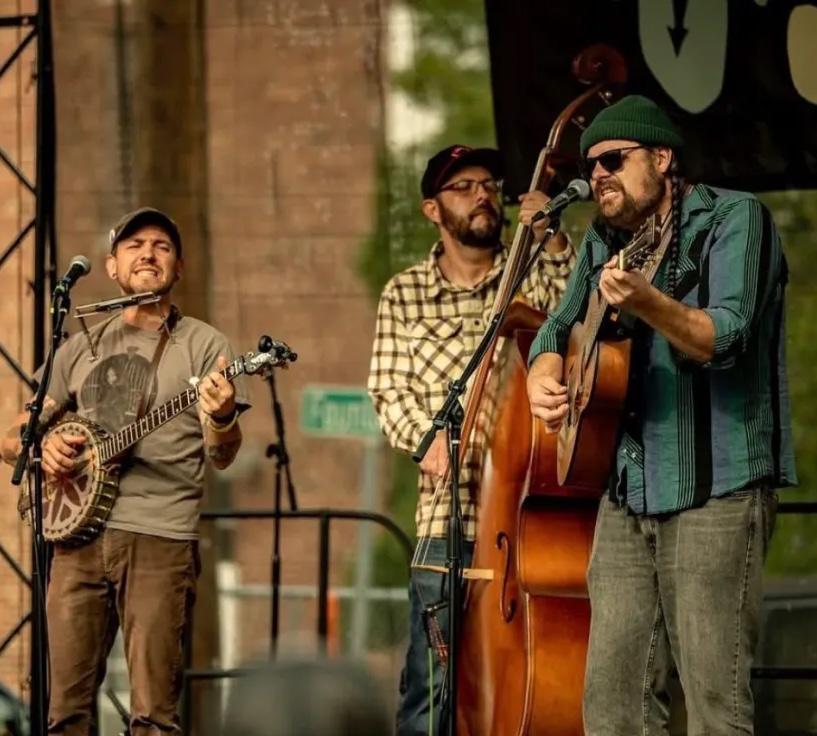
Harkening back to the classics, down to playing songs like “I Ain’t Got No Home,” makes one thing clear: The story of The Tillers, as well as the story of string music, is a collective story about legacy. Untold thousands of people have sung that the police have made it hard wherever they may go (and I like Woody’s version a lot), but since the very beginning, The Tillers have harnessed the timeless power of folk music to be part of a traditional, local sound in a uniquely Cincinnati way (and you should listen to them).