Simple Steps to Integrated Pest Management on Farm
An Integrated Farm Management Guidebook.
Who are LEAF (Linking Environment And
Farming)?
We are a charity that promotes and facilitates the understanding and adoption of more sustainable farming practices, helping to create a resilient food and farming system for future generations.

This guidebook is kindly supported by Waitrose, as part of their Farming For Nature project. This guidebook is kindly supported by Waitrose & Partners, as part of the Farming For Nature programme.
We connect.
We connect farmers, innovators and industry to understand best practice sustainable farm management and how it can be applied most effectively to each farm’s unique situation.
We build trust.
We provide assurance that growers are farming more sustainably through our independently audited LEAF Marque certification; from the health of their soils to how they engage with local communities.
We educate.
Our team of qualified educational specialists work with schools, citizens and farmers across the UK to bring sustainable farming to life, both in schools and on-farm.
Simple Steps to Integrated Pest Management on Farm is part of LEAF’s Integrated Farm Management Guidebook Series. Other titles in the series cover Soil, Water, Biodiversity, and Regenerative Agriculture.

Introduction.
Sustainable and resilient farming systems are essential for providing food, clean air and water, protecting biodiversity and mitigating climate change. Integrated Farm Management (IFM) enhances productivity, business resilience and economic viability, as well as providing wider benefits to local communities.
Integrated Pest Management (IPM) is a sustainable approach to controlling pests, weeds and diseases by implementing a balanced combination of prevention, detection and control techniques. Focusing on crop health and protection while emphasising minimal disruption to agricultural ecosystems, IPM recognises the importance of early prevention and detection techniques, whilst incorporating both fundamental agricultural practices and emerging innovative technologies.
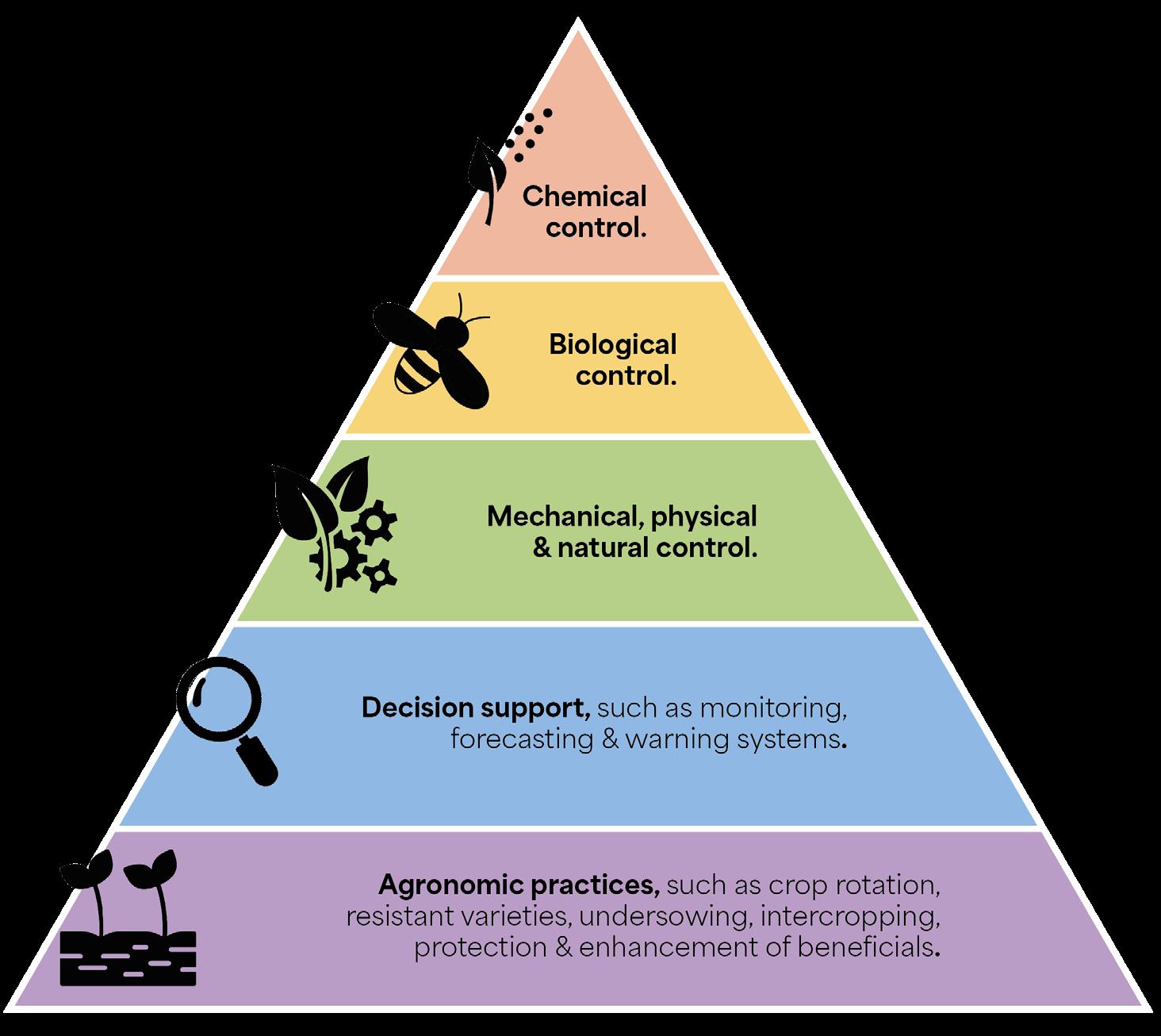
The IPM pyramid (Figure 1, above) highlights the synergy and integration of various forms of pest management and control. Preventative measures such as crop rotation and resistant crop varieties can be combined with detection methods to monitor and forecast pest pressures. Physical, biological or chemical control methods can then be applied in a targeted manner if necessary.

Figure 1
The IPM approach offers a practical toolbox for enhancing sustainable crop protection, including:
▷ Preventing and suppressing pests
▷ Monitoring pest populations and forecasting their impact
▷ Use of thresholds to determine optimal point of intervention
▷ Applying a diverse range of pest control options including biological and mechanical options
▷ Selecting most appropriate interventions: applying “the right control at the right time”
▷ Minimising chemical inputs, using them as a last resort option and ensuring precise, efficient application
▷ Strategic planning to prevent resistance in pest populations
▷ Evaluating the success of the chosen strategy to enable continuous improvement
Combining these principles into a holistic IPM strategy creates a dynamic approach to crop protection and can help keep levels of crop damage below economic thresholds. Applying crop protection methods proactively rather than reactively and using chemical control as a last resort option aids in improving farm business efficiency.
IPM is knowledge intensive, and it is good practice to continue exploring new ideas to remain prepared for future challenges. Visiting innovative farm businesses, such as LEAF Demonstration Farms and knowledge exchange events can provide support when integrating alternative methods of plant protection within management plans.
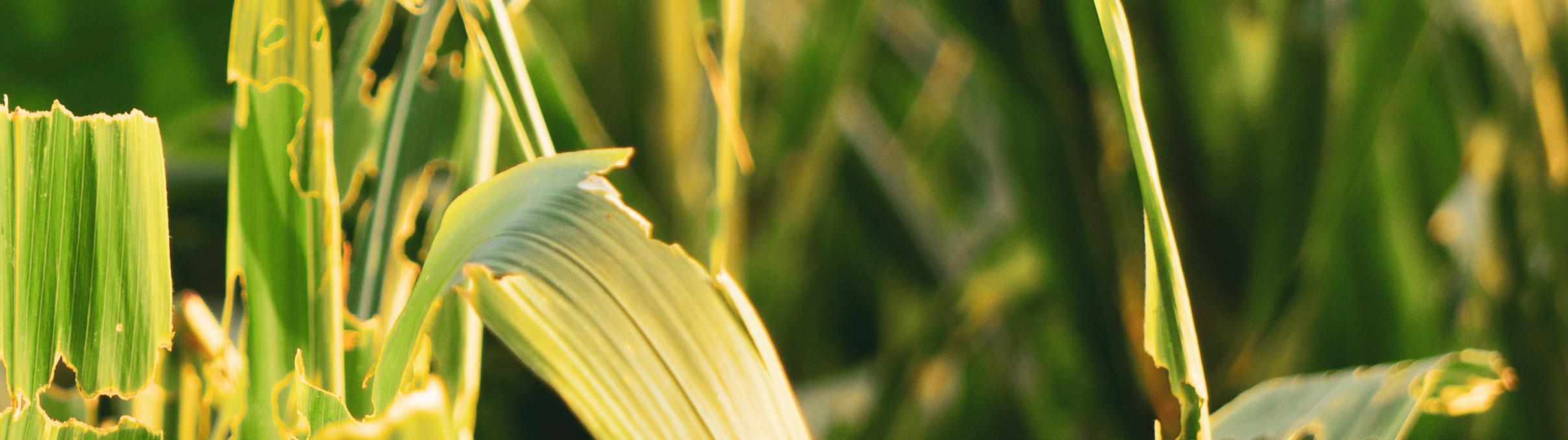
IPM within Integrated Farm Management (IFM).
IPM is a key component of the IFM approach. IFM aims to enhance the economic, environmental, and social sustainability of farming, whilst promoting a wide variety of context-specific management techniques.
IFM considers the whole farm as a unified system, bringing together a range of management practices that can be tailored and adapted to meet the needs of the business. IFM provides the whole-farm framework, while regenerative agriculture helps shape how decisions are made within this framework, supporting outcomes such as improved soil health, biodiversity, and ecosystem function. Every farm can approach IFM in a unique way, considering contextual factors such as crop and location.
The IFM wheel (Figure 2), is a visual representation of the approach, showing nine interrelated sections. A strong understanding of each section and how they interact is essential for effective implementation of IFM. The benefits of IFM can include improved business resilience, adaptability to climate change, reduced inputs and improved soil health.
IPM fits neatly within IFM and adopting an IPM approach ensures greater long-term resilience for the future. The IFM framework aims to address all aspects of a farming business and maximise sustainability and profitability of the farming system as a whole. Regenerative agriculture principles can also be integrated across IFM sections, influencing management decisions to support long-term farm resilience. IPM principles can be found in many of the IFM sections (as shown on page 9).




2
Water Management




Engaging Society




Landscape & Biodiversity



Business Planning & Resilience

























Soil & Substrate Management





Crop Health & Integrated Pest Management




Energy & Greenhouse Gas Emissions












Livestock Management


Creating habitat for beneficial species
Crop rotation & appropriate cultivation












Waste & By-product Management









IPM technique: IFM section:


Optimising Plant Protection Product (PPP) applications
Forecasting, thresholds & Decision Support Systems (DSS)


Figure
Step 1: Prevention.
Prevention should always be the primary means of pest control in any IPM programme, and implementing preventative measures significantly reduces the risk of crop damage occurring. While crop damage caused by pests, weeds or diseases can be prevented and suppressed in many ways, no single method will be completely effective, and several complementary practices should form part of an integrated pest management plan. Effective management must be tailored to different seasons, crops, local conditions and field history for optimal results. Key practices include promoting beneficial species, crop rotation, varietal selection and adapting cultivation practices.
Beneficial species.
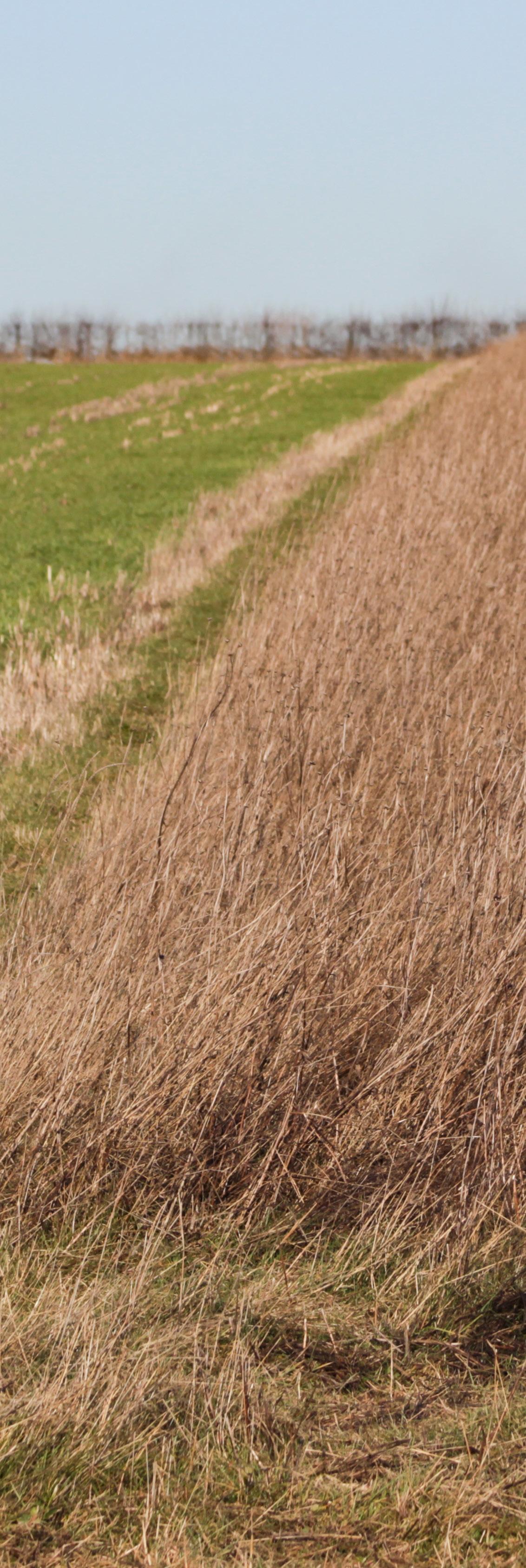
Establishing and maintaining habitats for natural predator species can help to manage pest populations and prevent crop damage. Habitats such as beetle banks, strips of tussocky grass, field margins or hedgerows can provide food, shelter and nesting sites for multiple species of birds and insects, including hoverflies, spiders and ladybirds. Hoverflies are particularly effective beneficial species because of their mobility and short generation time. Hoverfly species predominantly prey on aphids; each hoverfly larvae can consume up to 1,200 aphids.

Crop rotation.
Crop rotation is one of the oldest and most effective strategies for preventing pest damage in annual crops. By growing different types of crops on the same area over time, soil fertility and structure can be enhanced, whilst also reducing pest resistance to control measures. If similar crops are grown in succession, pests can persist in the soil or crop residue between cropping cycles, allowing pest lifecycles to continue uninterrupted. In contrast, rotating crops from different plant families helps disrupt pest lifecycles and reduces the risk of pest carry-over between cropping cycles.

Case study. Poland.
Farm Location:
Tuchola County, Kuyavian-Pomeranian Voivodeship
Hub Coordinator:
Kujawsko-Pomorski Agricultural Advisory Centre
Climatic & agronomic context:
▷ Clay sand with clay loam below
▷ High levels of groundwater
▷ Frequent droughts in spring-summer with high intensity rainfall in growing season
Farm overview:
▷ Farm size: 100 hectares
▷ Crops grown: beetroot, winter oilseed rape, cereals (bristle, wheat, rye, triticale), peas & catch crops
▷ Crop rotation: sugar beet > wheat > winter rape > wheat > pea > wheat
▷ Livestock: 1,000 heads of pigs per year
Main pests:
▷ Fungal diseases: Septoria, Rynchosporium, Fusariosis, powdery mildew
▷ Insect pests: aphids, rape beetles, turnip gall weevil, cabbage moths
▷ Weeds: common windgrass, poppy, red-root amaranth, cornflower, field chamomile, lambsquarters
This case study is from the IPM works project, an EU-wide farm network demonstrating & promoting cost-effective IPM strategies, funded by the EU Horizon 2020 programme.

Key IPM measures:
Promotion of beneficial insects and pollinators
Biostimulators: chitosan
Catch and cover crops
Resistant varieties adapted to soil and climate
Pest monitoring: using sticky traps and yellow water traps
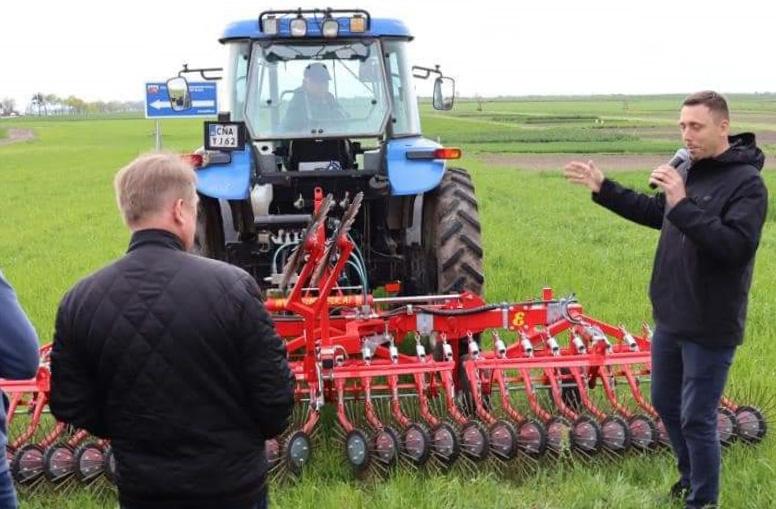
Mechanical weeding: using a harrow
Precision application of PPPs
Advice on the IPM strategy:
▷ Selection of varieties resistant to drought stress, strong solar radiation, diseases and with potential for high yield on poorer soils
▷ Determination of the nitrogen content in the soil before the first doses of N fertiliser are applied
▷ Selection of PPPs so that they do not overlap (5-6 years of rotation), as few sulfonylureas used as possible and adjuvants always used
From the farmer.
“We are moving forward all the time, testing things, counting all the costs, using catch crops, using farming 4.0. Acceptance of certain diseases that do not affect the yield is needed. Daily monitoring, selection of better and better varieties.”
Varietal choice.
By using historical data, forecasts and research, crop varieties that are more inherently resistant to pest damage can be selected to be grown. By choosing resistant varieties, farmers can reduce requirements of control inputs. Some varieties may have traits like early maturity or higher growth rate, which can help outcompete weeds and potentially further reduce the need for control inputs. Variety selection involves balancing resistance to specific pests and diseases with other desirable traits like yield, market demand, and suitability within the context of the farm business. Whilst varietal choice does not guarantee complete resistance to pests, increasing a crop’s natural resistance can reduce pest damage when used in combination with other IPM practices.
Several organisations worldwide, including AHDB in the UK, provide detailed information on the resistance of different commercial varieties to various pests and diseases, informing the selection of varieties that are less vulnerable to these issues, so that when part of an IPM strategy the need for PPPs is reduced and overall crop health is improved.
Hygiene.
Hygiene measures include regularly cleaning machinery, equipment and working areas, especially in high-risk places such as crop storage areas, between fields and crossing farm boundaries. Hygiene measures should be implemented by anyone working on the farm to reduce the risk of crosscontamination. Field sanitation practices such as disposing of diseased crop debris by incorporating it into the soil, or sourcing manure and straw from trusted sources to avoid introducing weed seed contamination can reduce pest pressures.


Cultivation practices.
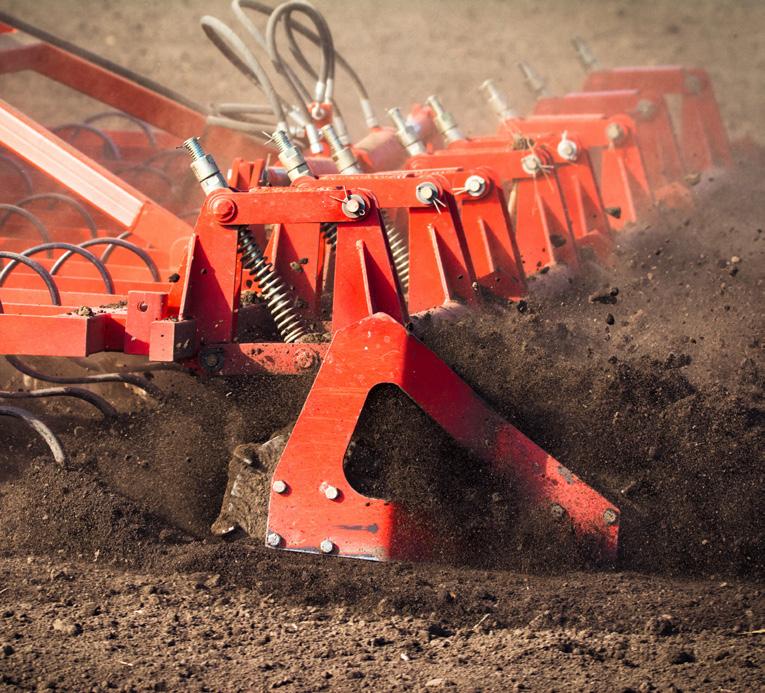
Appropriate cultivation and effective crop establishment practices ensure a healthy and resilient crop that will be able to resist pests more effectively. Cultivation practices can be chosen to disrupt pest lifecycles. Examples include delayed sowing after cultivation to reduce bean seed fly pressure, as it is greatest when cultivation and sowing take place on the same day, and incorporation of crop residues with shallow cultivation after harvest to reduce slug numbers. Site specific context must always be considered, including existing soil management plans.
Seedbeds.
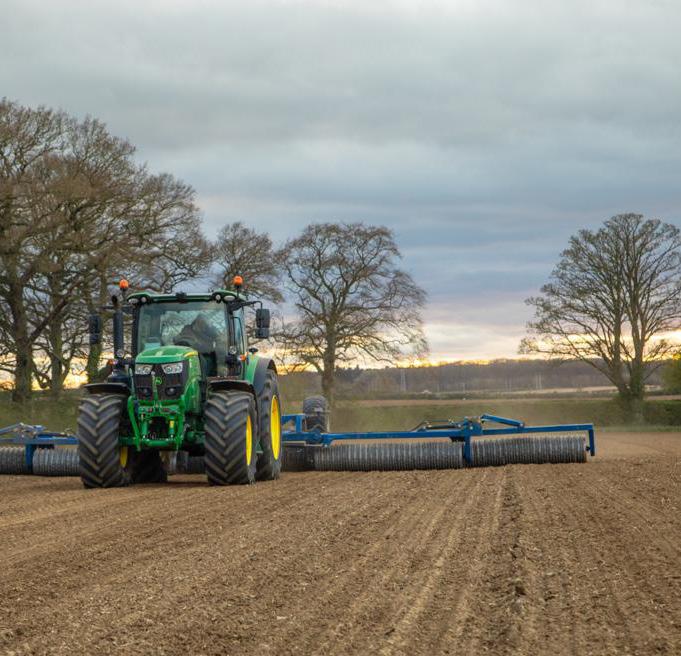
Effective seedbed preparation improves crop establishment, enhances resistance to damage and reduces pest issues. Rolling after sowing helps to consolidate the seedbed, improve establishment and break down clods, limiting slug habitat availability. Using an early stale seedbed is an effective weed management strategy with shorter emergence periods and by encouraging germination before drilling, weeds can be eliminated without herbicide usage. This method is particularly effective when aiming to optimise yields of crops that have limited herbicide options, such as cereals infested with blackgrass.

Case study. Netherlands.
Hub Coordinator: Wageningen University & Research
Climatic & agronomic context:
▷ Reclaimed clay soils are predominant
▷ Highly variable weather conditions during growing season
▷ Hot & dry spells with prolonged periods of precipitation
▷ Annual average temperature ±10.5ºC
▷ Annually ±1,700 hours of sunshine
Farm overview:
▷ Farm size: 135 hectares
▷ Crops grown: potato, sugar beet, onion, wheat, tulips & carrots
Main pests:
▷ Potato pests: foliar and fungal pathogens, aphids, viruses, nematodes & weeds
From the farmer.
“The interaction between farming practices and IPM research is inspiring and key to success. Step by step I am gaining experience and adopting more and more functional IPM measures in my control strategies for pests, diseases and weeds. I estimate IPM currently results in average reductions of 25% (fungicides & herbicides) and 30% (insecticides) as compared to current common local practice.”
This case study is from the IPM works project, an EU-wide farm network demonstrating & promoting cost-effective IPM strategies, funded by the EU Horizon 2020 programme.
Key IPM measures:
Green manures: used to retain nutrients & manage nematodes
Delayed sowing
Companion planting: used to confuse aphids & attract natural enemies
Resistant varieties
False seedbeds
Hoeing
Decision support tools: for potato blight
Precision mapping: of cultivators at planting allows precision spraying of only the susceptible cultivars
Pest monitoring: using sticky traps to monitor carrot fly
Sterile insect technique: used to control onion fly
Advice on the IPM strategy:
▷ Prevention is key. Our 12-year rotation includes:
Potatoes 1:3, carrots & onions 1:12, other crops 1:6
▷ Operating a low input system allows a 50% reduction in soil herbicide use and using precision tools allows a reduction in spraying up to 75%
The IPM approach allows me to experiment with additional preventative control measures and as a result we are gradually reducing the input of pesticides through applied agro-ecology and precision technology. Economically we continue to produce high quality arable products and seed”
Step 2: Detection.
Regular monitoring of pests, weeds and diseases enables informed decisions and appropriate interventions to prevent outbreaks.
Monitoring natural predator populations and other biodiversity metrics can also provide insights into the health of the farm ecosystem.
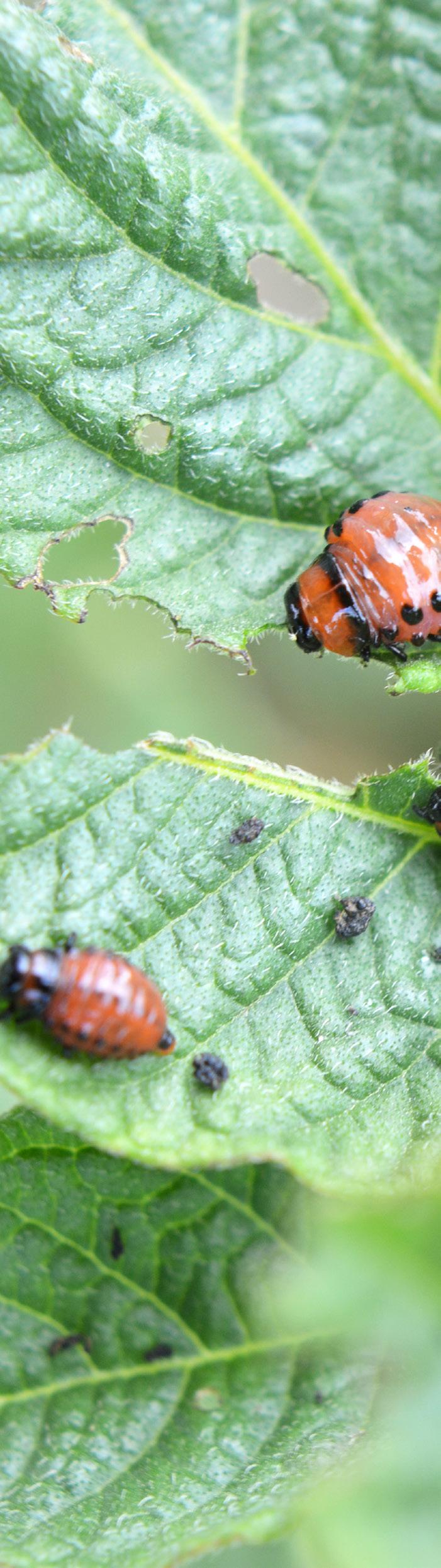
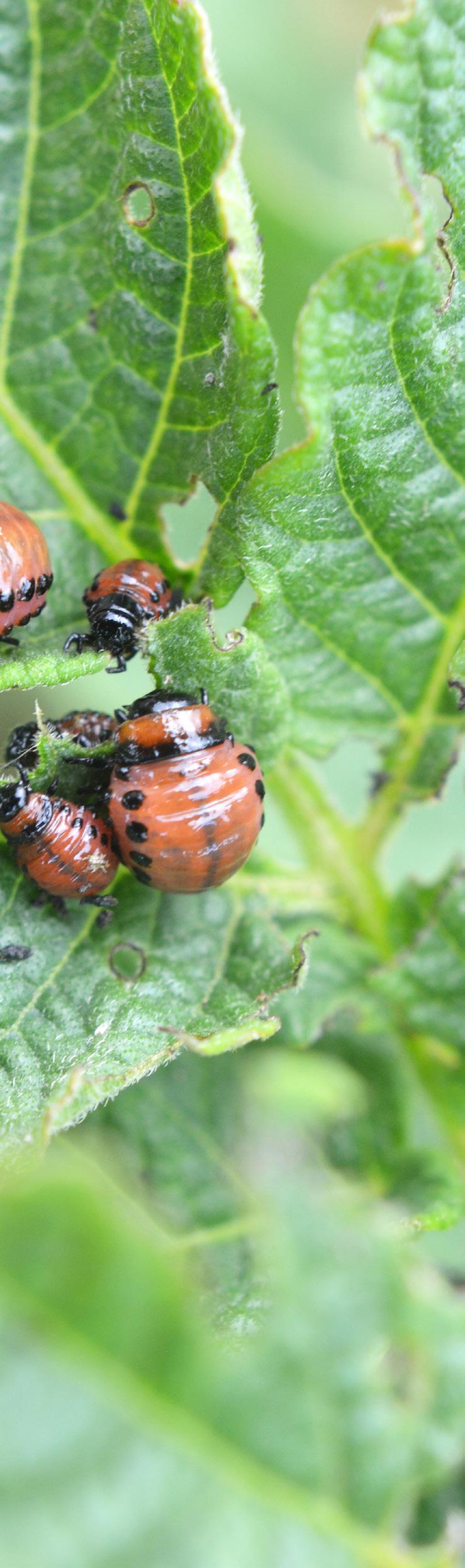
Monitoring and forecasting pest populations plays a key role in the decision-making process of determining if and when chemical controls are necessary. By accurately identifying pests, assessing infestation levels, and understanding their location, targeted and effective action can be taken. Patterns can be revealed by monitoring historical records, which can guide predictions of future pest outbreaks and impacts. The simplest and most effective pest detection practice is a regular crop walk, recording the incidence of pests, weeds, diseases and crop damage.
Observation.
Monitoring is most effective when it is guided by accurate observation and identification methods, tailored to the specific crop, pest type and environmental conditions. Key factors include type and lifecycle stage of pest and crop growth stage. Weather forecasts and site-specific management factors are all essential to ensure the correct and appropriate intervention.
Traps.
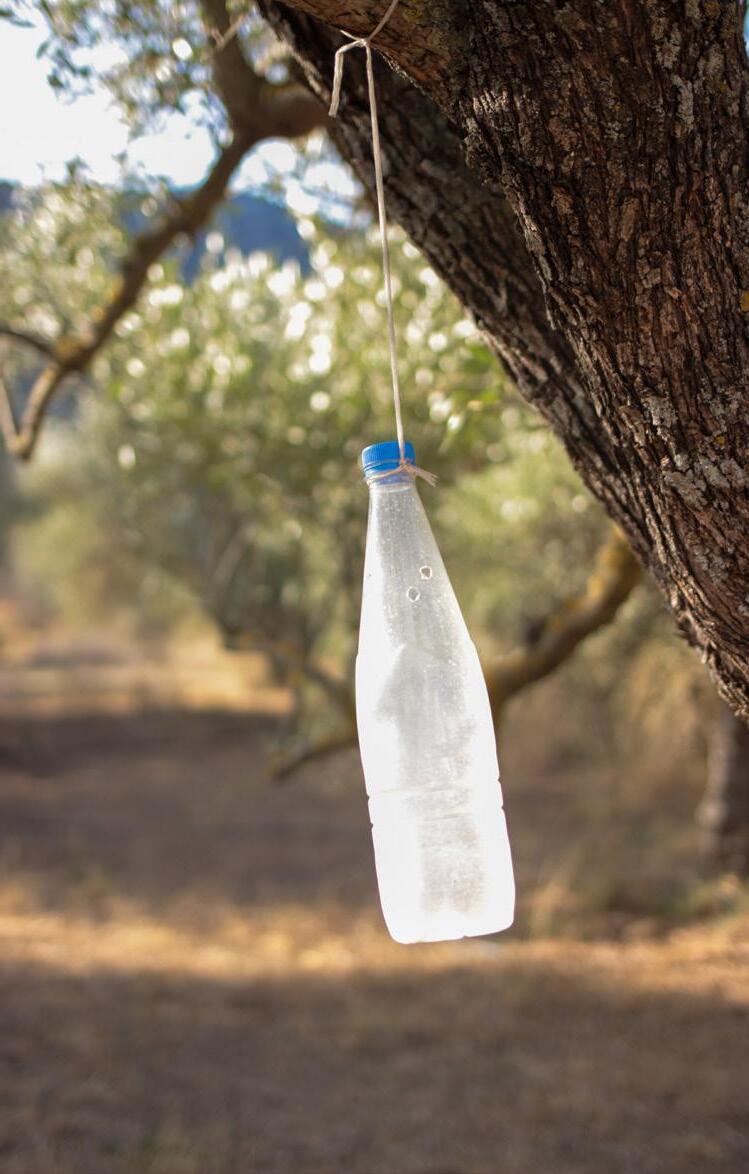
Insect traps are valuable tools to monitor pest and beneficial insect populations. Yellow sticky traps can capture pollen beetles and thrips, while pheromone traps can track pests such as vine weevils and codling moths. Automated systems improve the reliability and consistency of data collection. Additionally, spore traps can be used to monitor fungal diseases such as potato blight by capturing fungal spores in the field, supporting informed disease management strategies.
Forecasting.
Forecasts are regularly generated for a range of common pest species, including willow-carrot aphids and cabbage stem flea beetles. National forecasts are based on data from a network of monitoring stations, alongside historical data and environmental forecasts. Insect development is influenced by temperature, making weather monitoring an essential factor in forecasting. This data can be used to make informed pest management decisions.
LEAF Innovation Centre, Warwick Crop Centre, provide a pest bulletin for outdoor vegetable and salad crops in the UK, which provides monitoring information and forecasts, and CABI provide digital tools for farmers internationally.
Thresholds.
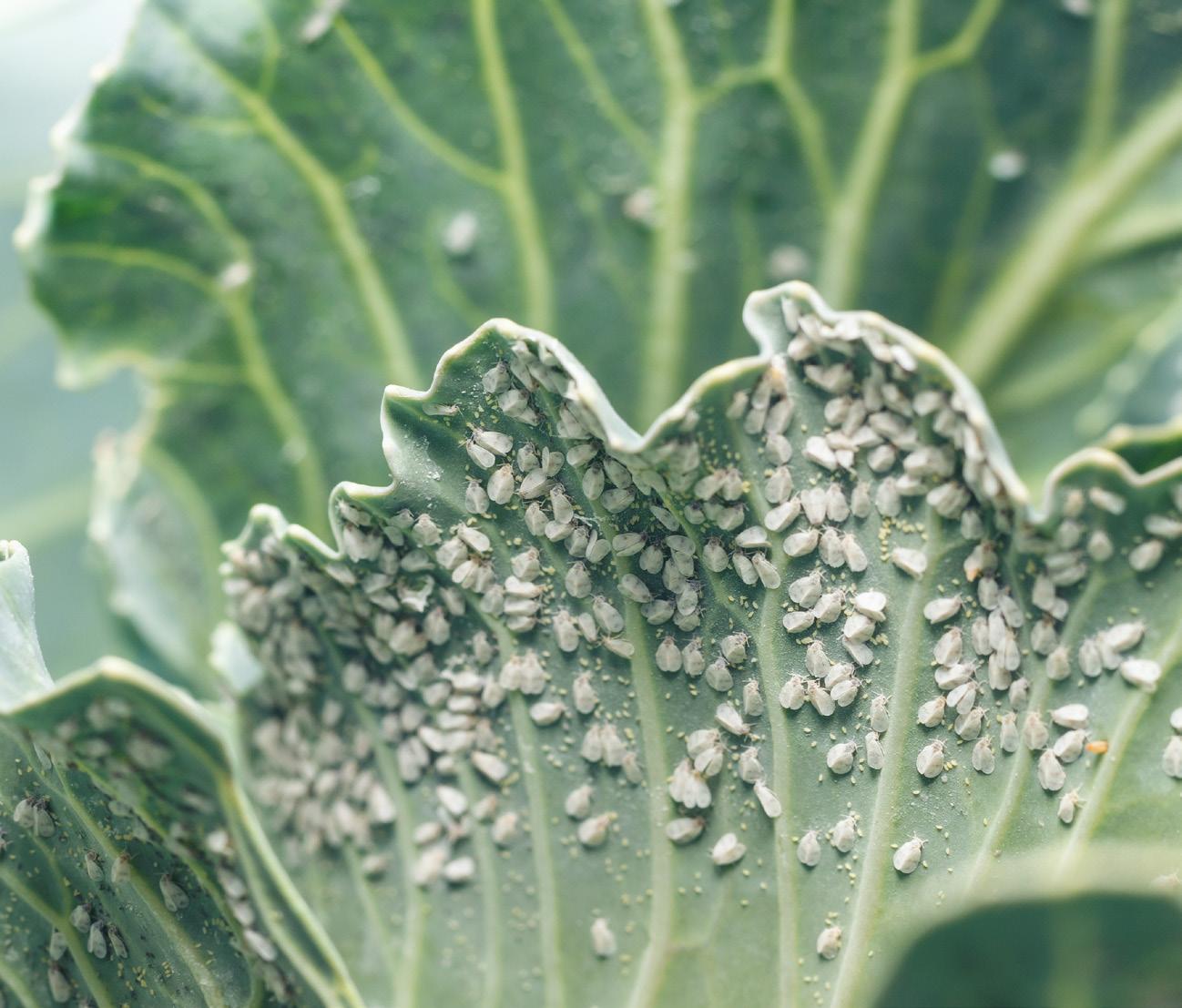
Alongside monitoring and forecasting, setting intervention thresholds enables growers to assess the potential economic impact of pests on crop value. Thresholds are determined by the forecasted pest pressure and level of crop damage that can be tolerated before intervention is required to maintain economic viability. The use of thresholds is a fundamental tool for pest control decision making, preventing the prophylactic use of chemical control inputs, reducing costs and contributing to sustainable crop production.
Non-chemical control methods should be prioritised where possible, as highlighted in the IPM pyramid, (Figure 1). Within IPM, pest detection informs decision making, ensuring control practices are targeted and effective. Decision Support Systems (DSS) provide valuable tools for decision making, providing monitoring, forecasting and evaluation functions.

Case study. Spain.
Farm Location: Rias Baixas, Galicia
Hub Coordinator: Feuga
Climatic & agronomic context:
▷ Sandy soil
▷ Atlantic climate: rainy & mild temperatures
▷ High humidity
Main pests:
Farm overview:
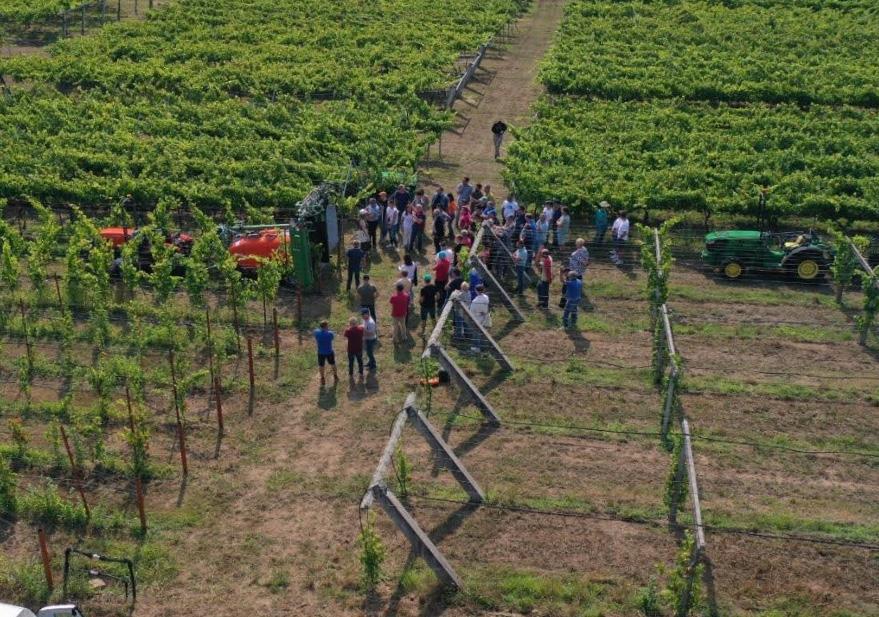
▷ Farm size: 3 hectares vineyards
▷ Crops grown: grapes
▷ Varieties: Alvariño grape, native Galician variety
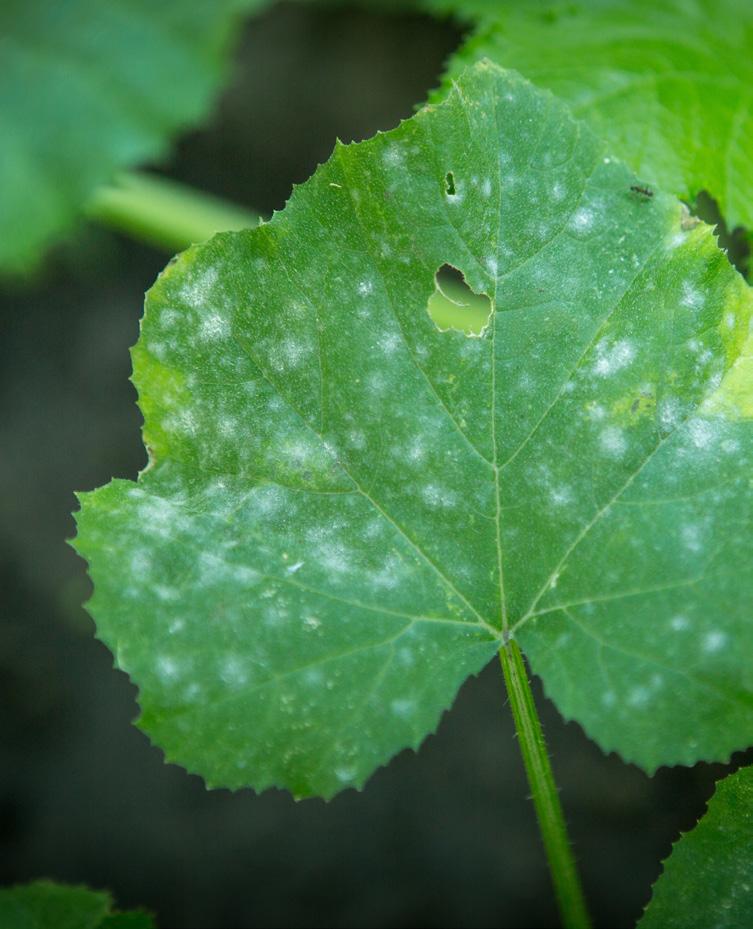
▷ Fungal diseases: Downy mildew, Powdery mildew, Botrytis
▷ Insect Pests: European grapevine moth & green mosquito
From the farmer.
“A change of mentality is needed, adopting a global approach that allows us to discover and adopt new measures to protect the vineyard and its environment while maintaining economic profitability.”
This case study is from the IPM works project, an EU-wide farm network demonstrating & promoting cost-effective IPM strategies, funded by the EU Horizon 2020 programme.
Key IPM measures:
Mating disruption techniques
Mechanical weeding between rows
Pruning
Promotion of natural enemies (bats)
Decision Support Systems
Advice on the IPM strategy:
▷ Drift of phytosanitary products has been reduced through investments in sprayer upgrades such as correct calibration and the used of anti-drift nozzles, and through the implementation of ‘green screens’ to block drift into environmentally sensitive areas
▷ Monitoring of diseases such as downy mildew and powdery mildew by using decision support systems allows for a more precise control and reduced use of aggressive or more persistent phytosanitary products
▷ Dependence on inorganic fertilisers has been reduced through the use of organic amendments and cover crops. The use of composts and increased green cover have also helped improve soil stability and structure
Step 3: Control.
If detection practices indicate that pest pressure exceeds tolerable limits despite the use of preventative measures, pests can be managed in a number of different ways. A sustainable, integrated pest management strategy encompasses multiple control methods, often used in conjunction with each other.
Non-chemical control methods incorporate a range of approaches:
Physical: such as hand rogueing weeds and in-field cultivations.
Cultural: including crop rotation and varietal choice.
Biological: such as encouraging beneficial species or the use of live natural enemies.
Beneficial species.
In indoor growing environments such as polytunnels or glasshouses, predatory insects can be introduced as a method of biological control. These enclosed systems create ideal conditions for natural enemies to reproduce in covered cropping systems. Biological control requires regular monitoring, as the use of beneficial species to control pests relies on managing the ecology of the farmed area, ensuring pests stay below economically acceptable thresholds.

Plant Protection Product (PPP) selection.
An IPM system aims to reduce the reliance on PPPs, whilst acknowledging that their controlled use is still part of an effective pest management system. When application is necessary, careful product selection is important to ensure the specific pest is targeted, while minimising the impact on non-target organisms. PPPs should be used as a last resort option, in conjunction with monitoring, detection and consideration of other non-chemical control methods.
When applying a PPP, careful consideration should be given to their potential toxicity to pollinators and non-target organisms, to help protect biodiversity and support ecological balance on the farm. Reducing on-farm biodiversity disrupts the natural cycles that keep species numbers in balance. If a product is non-selective for the target pest, it could reduce the number of beneficial species, potentially reducing resilience within the system and resulting in a secondary pest outbreak due to a lack of natural predators. If a non-selective product reduces pollinator insect numbers, this could result in reduced pollination rates, resulting in lower yields. Potential mitigation measures include wildflower margins and beetle banks which can lead to reduced pesticide usage, as habitat is created for natural predators and their impact increases.
AHDB provide a database of insecticides and their effects on natural enemies. Furthermore, an increasing number of biopesticides are becoming available, offering alternative nonchemical control methods. Biopesticides are naturally derived pest control agents, including microorganisms, plant extracts, and other natural compounds.
PPP application & handling.
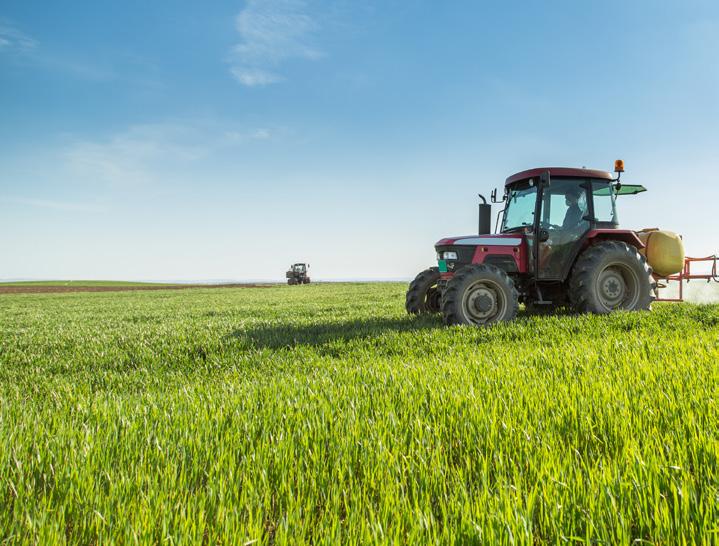
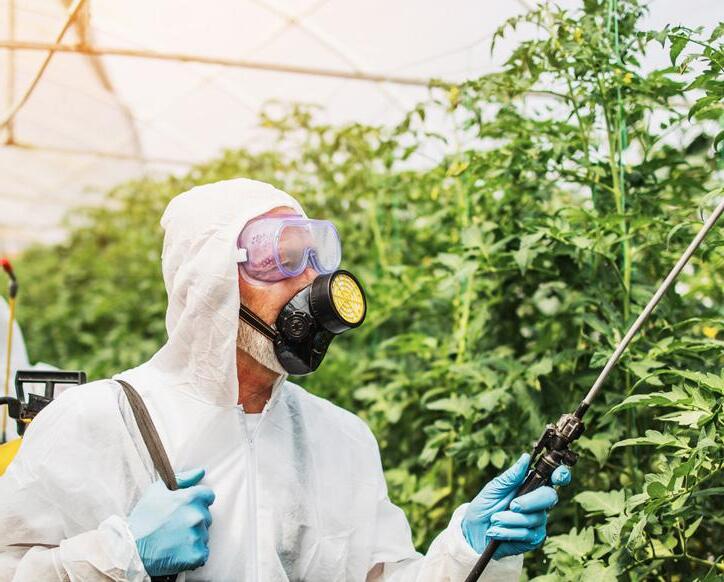
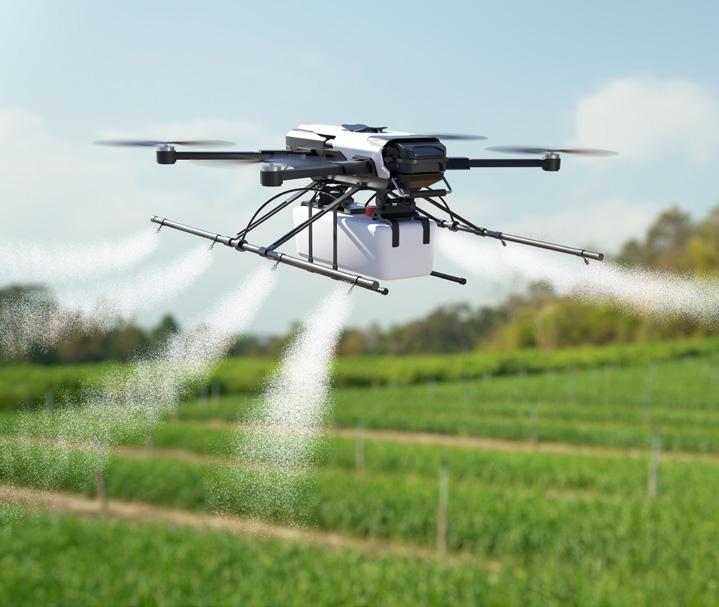
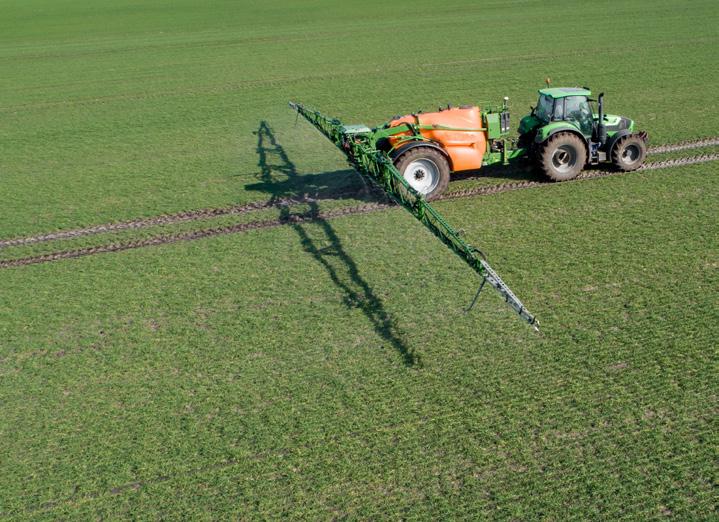
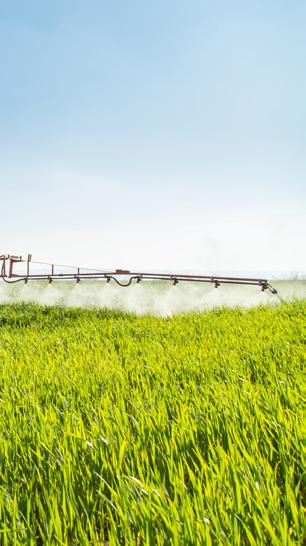
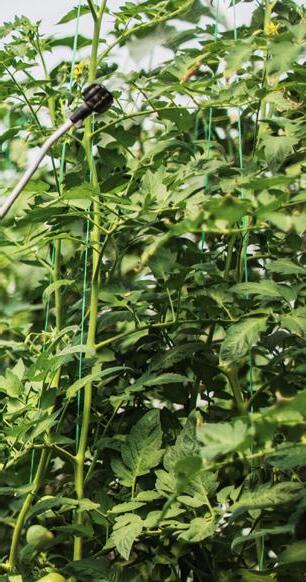
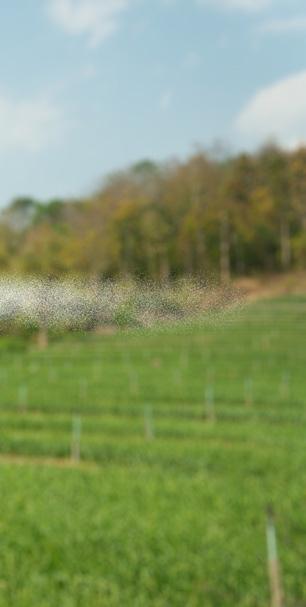
Precise application is particularly important. Precautions must be taken to ensure the correct PPP at the right concentration is applied to the right area at the right time, and under the right conditions. Application method is important when choosing to apply a pesticide, and use can be targeted through treatments such as spot spraying. Appropriate nozzle selection and applying in good weather conditions can maximise the efficacy of PPPs, as well as reducing risk of spray drift, run-off into the soil and diffuse pollution of water courses.
By maximising the efficacy of each spray application, reliance on PPPs can be reduced, resulting in both environmental and economic benefits. Spray residues have been identified as a significant cause of pollution in water courses. Even small spills during filling, cleaning, and rinsing of spraying equipment can significantly contribute to water pollution. It is advisable that the filling and cleaning area should be at least 10m from any surface water and bunded to prevent any spills, splashes, or washing water entering drains.
PPP management strategies should be part of an integrated pest management plan designed to avoid potential long-term issues such as resistance developing in target pest populations. Pesticide resistance is the reduced susceptibility of a pest population to a pesticide over time as the pest species evolves resistance by natural selection; the most resistant individuals surviving and passing on their genes to their offspring.
Pesticides can be classified according to their mode of action, based on the biological mechanism which the pesticide disrupts. By alternating these modes of action, development of resistance can be reduced. The Insecticide Resistance Action Committee (IRAC), Fungicide Resistance Action Group (FRAG-UK) and Herbicide Resistance Action Committee (HRAC) all provide up to date guidance for avoiding the build-up of resistance.
Evaluating IPM practices is vital for maintaining and improving yields whilst creating an adaptable and resilient cropping system. It is important to evaluate the effectiveness of IPM techniques, including PPP applications, and modify management strategies accordingly. The LEAF Sustainable Farming Review and LEAF Management plans are available for support and guidance with management decisions.
Horizon scanning.
New technologies and products are being developed all the time, so it is important to regularly review the options for inclusion in your IPM strategy. Furthermore, many new and innovative solutions are kinder to both the environment and human health.

Case study. United Kingdom.
Farm Name: Durie Farms
Hub Coordinator: The James Hutton Institute
Climatic & agronomic context:
▷ Sandy loam soils
▷ Maritime climate: cool & wet
▷ Average rainfall: 800mm/year
Farm overview:
▷ Farm size: 340 hectares arable plus 200 hectares pasture
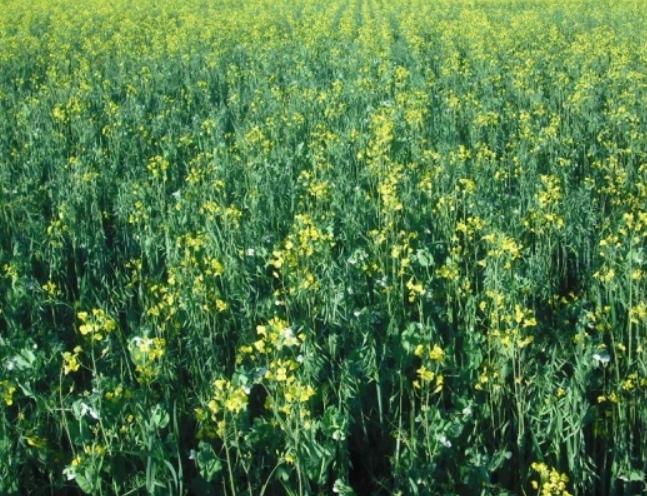
▷ Crops grown: winter wheat, spring barley, break crops (bean, pea, linseed), oat & cereal / legume intercrops
Key IPM measures:
Cover crops
Intercropping legumes & cereals
Main pests:
▷ Weeds: primarily brome & wild oat
▷ Diseases: yellow rust / Septoria in wheat & Rhynchosporium / Ramularia in barley
Increased diversity within the crop rotation
This case study is from the IPM works project, an EU-wide farm network demonstrating & promoting cost-effective IPM strategies, funded by the EU Horizon 2020 programme.
Advice on the IPM strategy:
▷ Whilst the farm is managed in a 3-year crop rotation, alternating break crops is flexible to provide resilience within the system and acts to extend rotation to 6 years
▷ Intercrop cereal / legumes adds further diversity following a regenerative approach
▷ Straw rake before cover crop stimulates grass weed seeds to establish within cover crop
▷ Roller crimper destruction of cover crop also kills weed seeds / slugs and prepares for next crop sowing
▷ Moving away from ploughing means less work and energy used for establishment but this has been replaced by other operations to make the no-till + cover cropping successful
▷ Grass weed burden remains the main issue in system - double straw raking to target brome before sowing cover crop has helped but it does add complexity to the system
▷ Green cover, less soil disturbance and fewer fungicides help build a healthier soil rhizosphere with higher soil organic matter leading to healthier crops
From the farmer.
“Moving to a regenerative system is a mindset change, and once I’d made a start I realised that there was much more to it than just saving money. The soils are becoming a great deal more resilient and this means that they have the ability to procure wider environmental benefits.”
Further information.
Integrated Pest Management Hub, AHDB, https://ahdb.org.uk/integrated-pestmanagement-ipm-hub
IPM Plan Generator, ADAS / SRUC, https://ipmtool.net/
ADAS IPM, ADAS, https://adas.co.uk/services/integrated-pest-management-ipm/
UK Pesticides National Action Plan 2025: Working for a more sustainable future, UK Department for Environment and Rural Affairs, https://www.gov. uk/government/publications/uk-pesticides-national-action-plan-2025/uk-pesticidesnational-action-plan-2025-working-for-a-more-sustainable-future
Database of insecticides and their effects on natural enemies, AHDB, https:// ahdb.org.uk/knowledge-library/database-of-insecticides-and-their-effect-on-naturalenemies
Using integrated pest management to grow healthy crops and support nature, DEFRA, https://defrafarming.blog.gov.uk/2025/03/26/using-integrated-pestmanagement-to-grow-healthy-crops-and-support-nature/
IPM@Hutton, The James Hutton Institute, https://ipm.hutton.ac.uk/
Decision support for Integrated Pest Management in Europe, IPM Decisions, https://www.ipmdecisions.net/
Recommended Lists for Cereals and Oilseeds published annually by AHDB, AHDB, https://ahdb.org.uk/knowledge-library/recommended-lists-for-cereals-andoilseeds-rl
CABI Digital Tools, CABI, https://www.cabi.org/plantwiseplus/resources/
Projects.
Advancing Sustainability Through Innovative varieties, IPMorama, https:// ipmorama.eu/
An EU-wide Farm Network demonstrating and promoting cost-effective IPM strategies, IPMworks, https://ipmworks.net/
References.
Integrated Farm Management, LEAF, https://leaf.eco/farming/ifm
SmartProtect IPM Thematic Network, Smartprotect, https://www. smartprotect-h2020.eu/what-is-ipm/
LEAF Demonstration Farms, LEAF, https://leaf.eco/farming/leaf-network
Warwick Crop Centre - LEAF Innovation Centre, https://leaf.eco/farming/leafinnovation-centres/warwick-crop-centre
Database of insecticides & their effect on natural enemies, AHDB, https:// ahdb.org.uk/knowledge-library/database-of-insecticides-and-their-effect-on-naturalenemies
The Insecticide Resistance Action Committee, IRAC, https://irac-online.org/
The Fungicide Resistance Action Group, FRAG-UK, https://ahdb.org.uk/ knowledge-library/the-fungicide-resistance-action-group-frag-uk
Herbicide Resistance Action Committee, HRAC, https://www.hracglobal.com/
LEAF Sustainable Farming Review, LEAF, https://leaf.eco/farming/review
LEAF Management Plans are available as part of the members only LEAF Sustainable Farming Review, LEAF, https://leaf.eco/farming/review
(Linking Environment And Farming)
Bragborough Hall Business Centre, Welton Road, Daventry, NN11 7JG
T: +44 (0)24 7641 3911
E: enquiries@leaf.eco
W: www.leaf.eco
©LEAF 2026
Registered charity no: 1045781
LEAF is a company limited by guarantee, registered in England number: 3035047