
KATE MOISSON

Head of Strutt & Parker Rural
Philip
Wynn OBE LEAF Chairman, LEAF (Linking Environment And Farming)
David Webster Chief Executive, LEAF (Linking Environment And Farming)
Moving the curve
Environmental impact
Number of farms
Moving the curve
How might the market reward differentiation?
How might corporate due diligence align with state intervention?
What factors are setting the baselines?
Number of farms
Our purpose is to facilitate the understanding and adoption of more sustainable farming practices
We build trust We educate
Show more sustainably farmed via logos on pack & in store
Certify that more Sustainably farmed via LEAF Marque
We help create resilient food and farming systems for future generations through a holistic model of intervention based upon data and evidence.
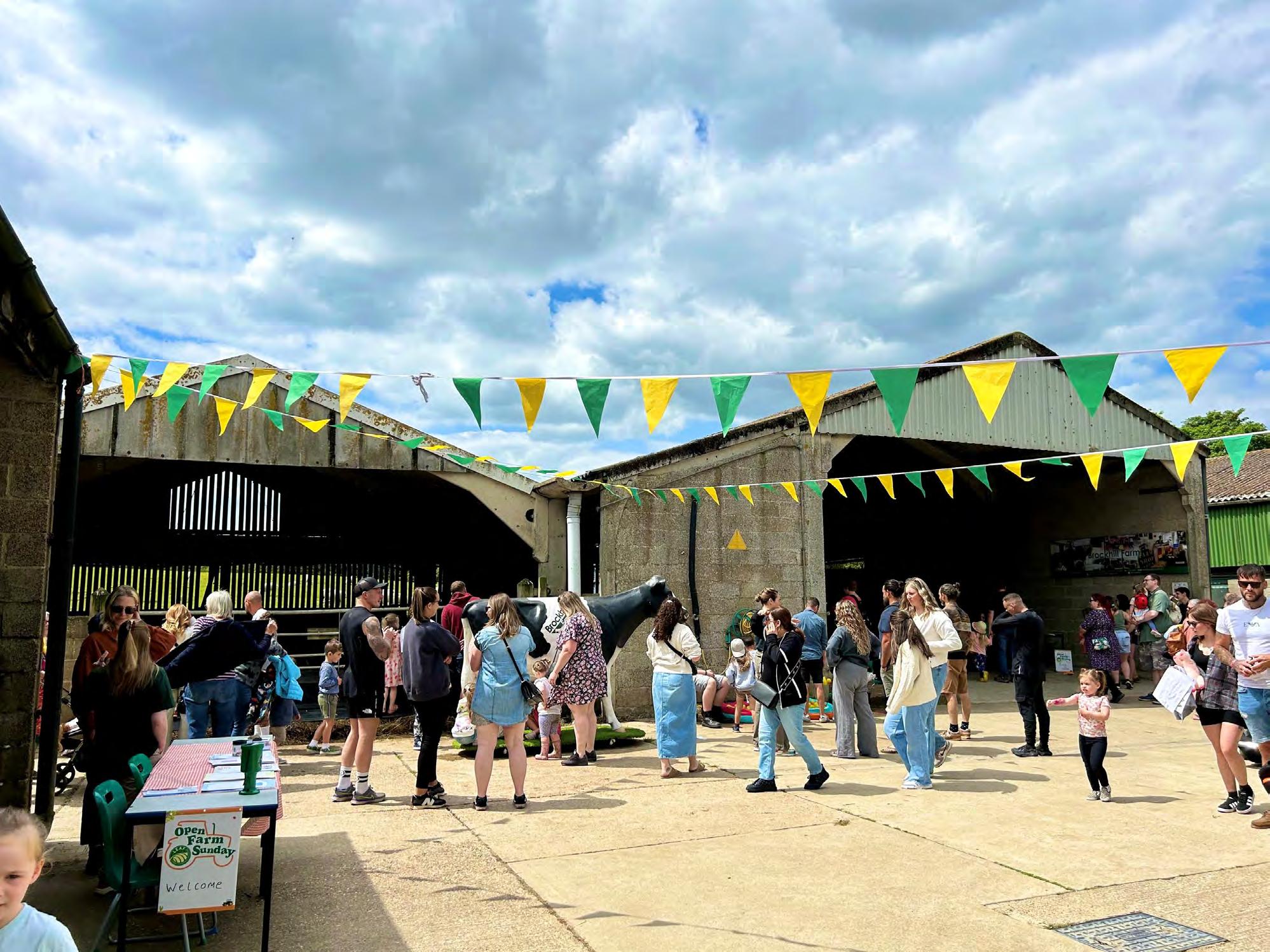
Discover what sustainable farming means at Open Farm Sunday
Share this with farmers via membership and Demonstration Farms
Create new knowledge through Innovation Centre's
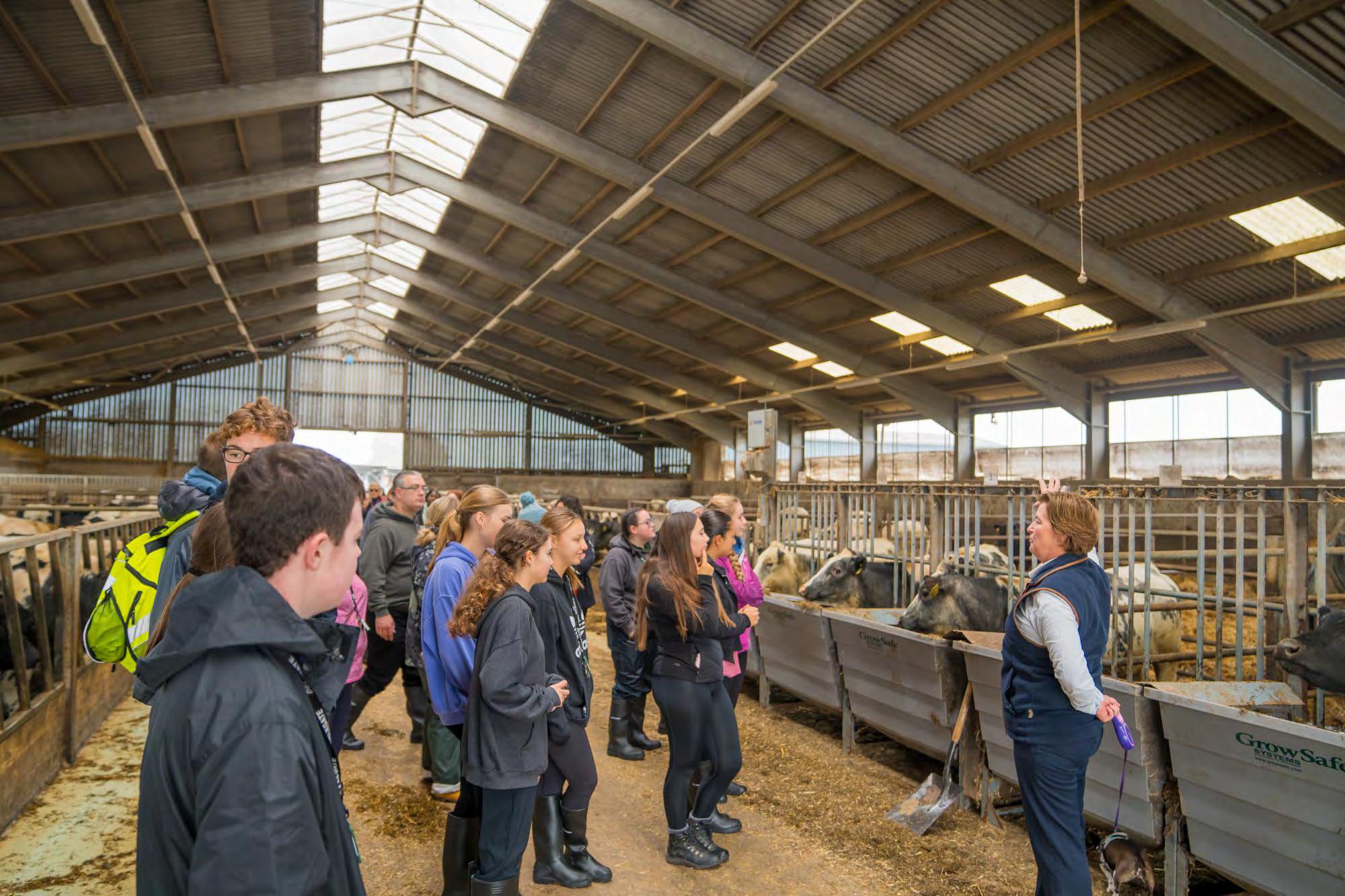
Discover more on farm in primary & secondary schools
Open Farm Sunday
Celebrating 20 years of opening gates, growing trust and deepening connections between brands, farmers and communities.
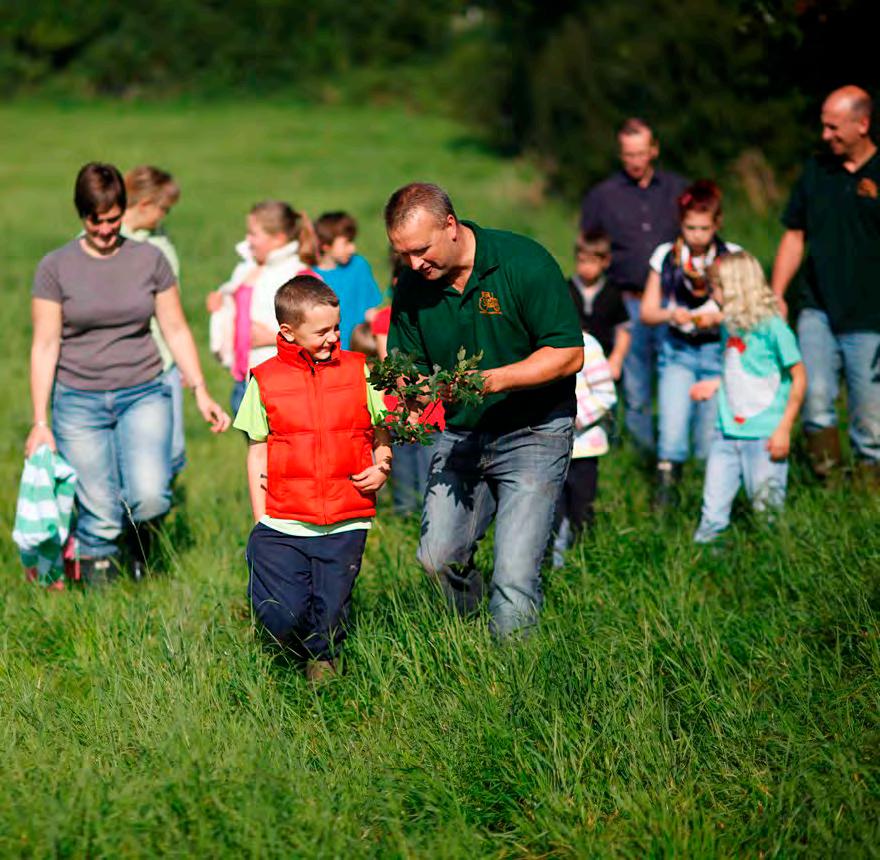
Open Farm Sunday is a catalyst event in engaging and educating the public about sustainable farming. It is a crucial vehicle for building lasting trust, understanding and pride in our industry.
We build trust.
We provide assurance that growers are farming more sustainably through our independently audited LEAF Marque certification; from the health of their soils to how they engage with local communities.

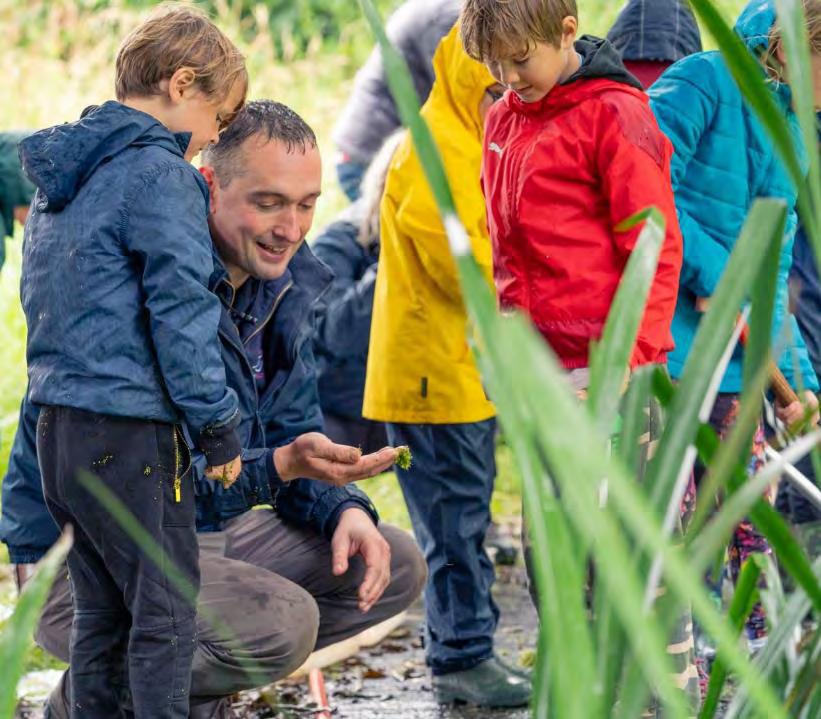
We educate.
Our team of qualified educational specialists work with schools, citizens and farmers across the UK to bring sustainable farming to life, both in schools and on-farm, including our annual Open Farm Sunday event.
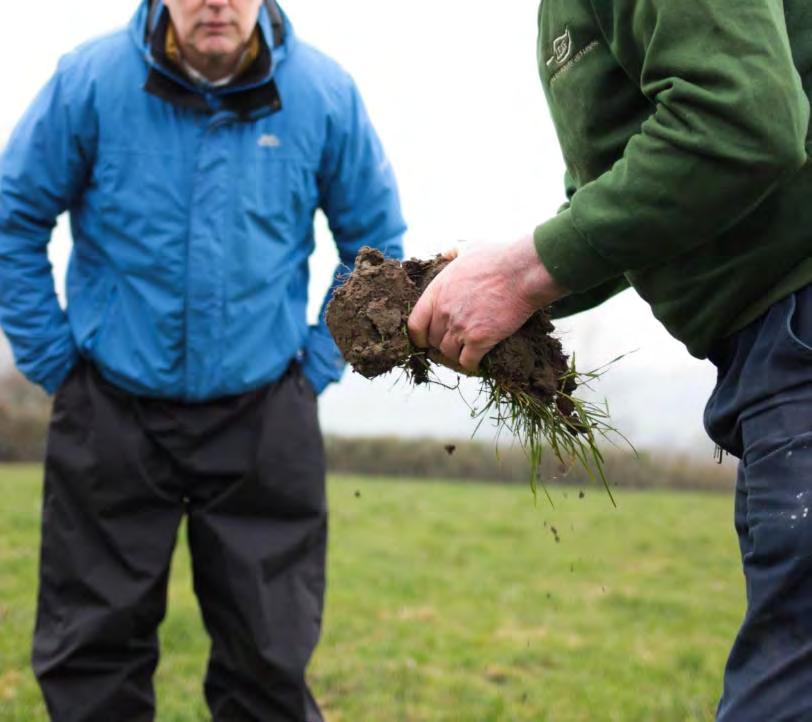
We connect.
Through the LEAF Network we connect farmers, academics and industry to understand best practice sustainable farm management and how it can be applied most effectively to each farm’s unique situation.






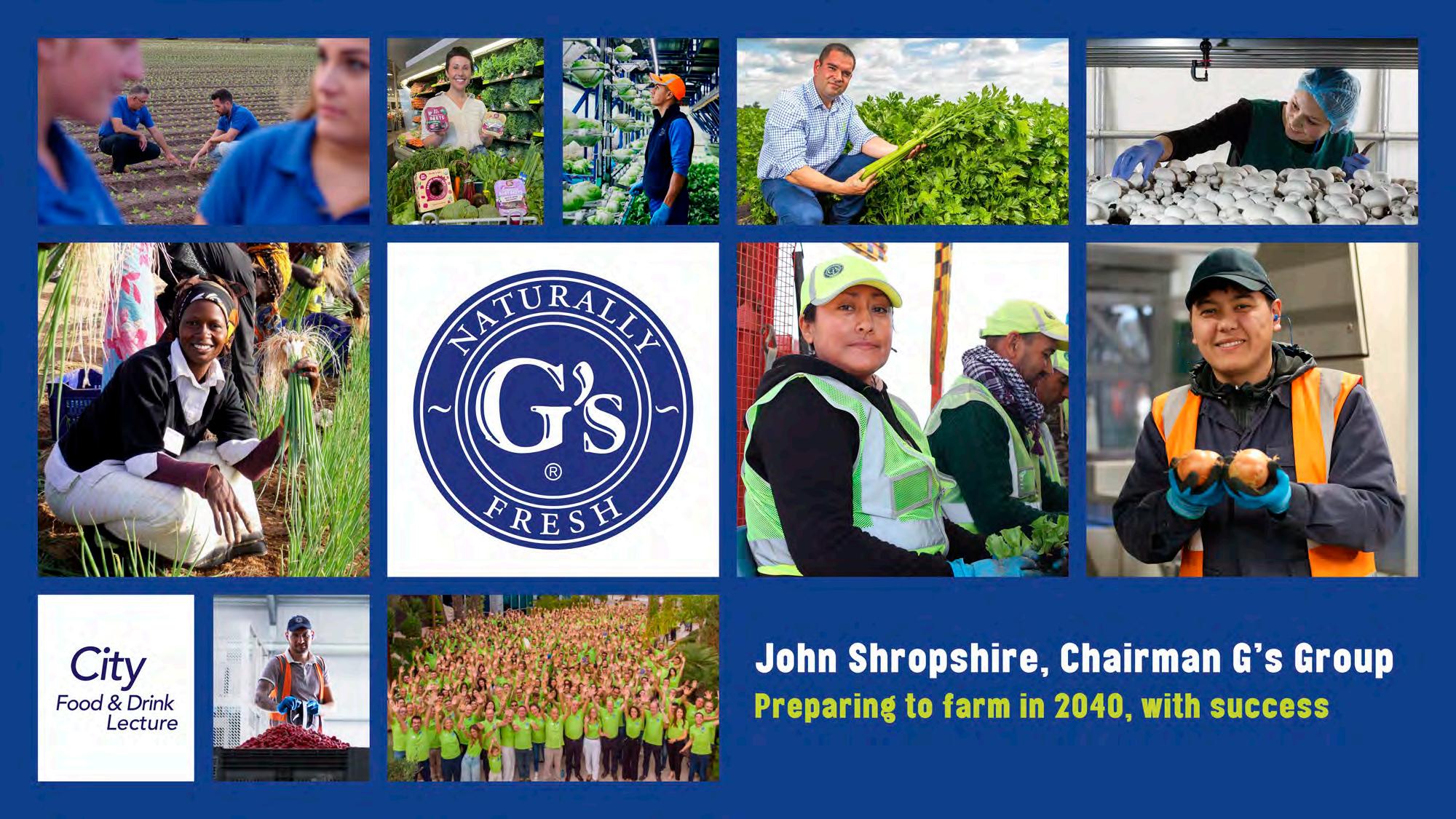
John
Shropshire OBE Chairman, G’s Fresh Group
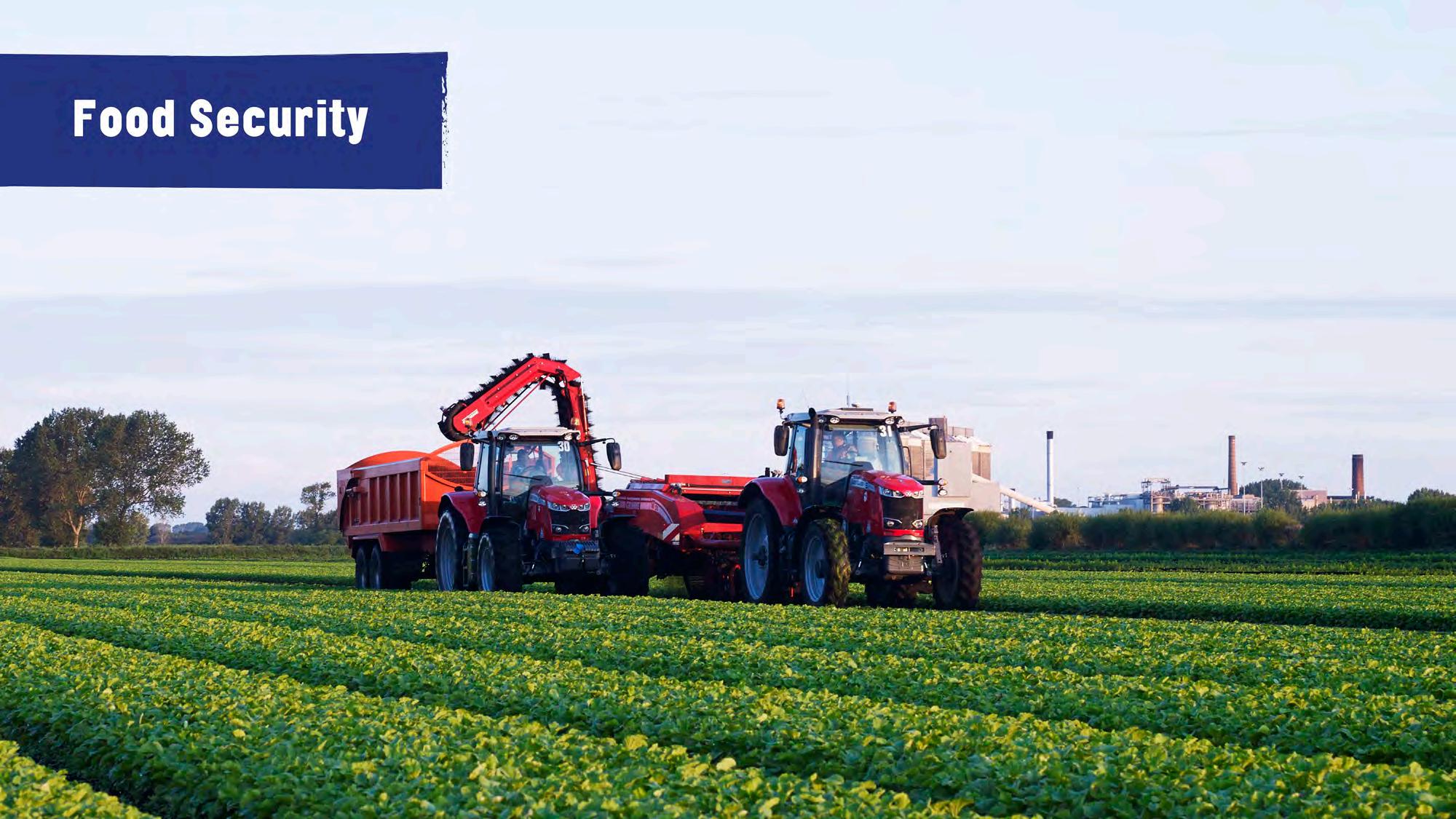
Farming Successfully: Balancing Nature, Profit & Food Security
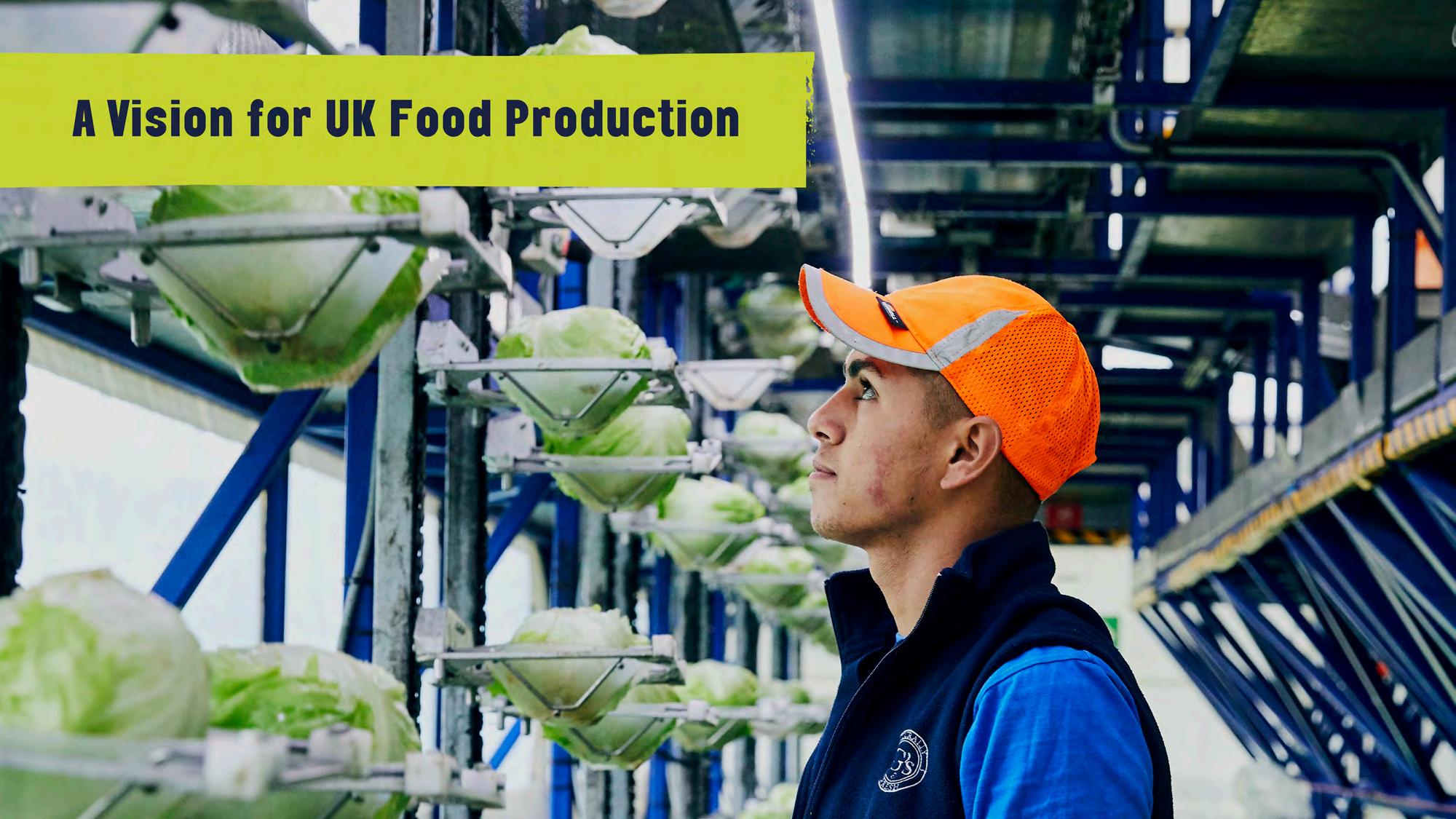
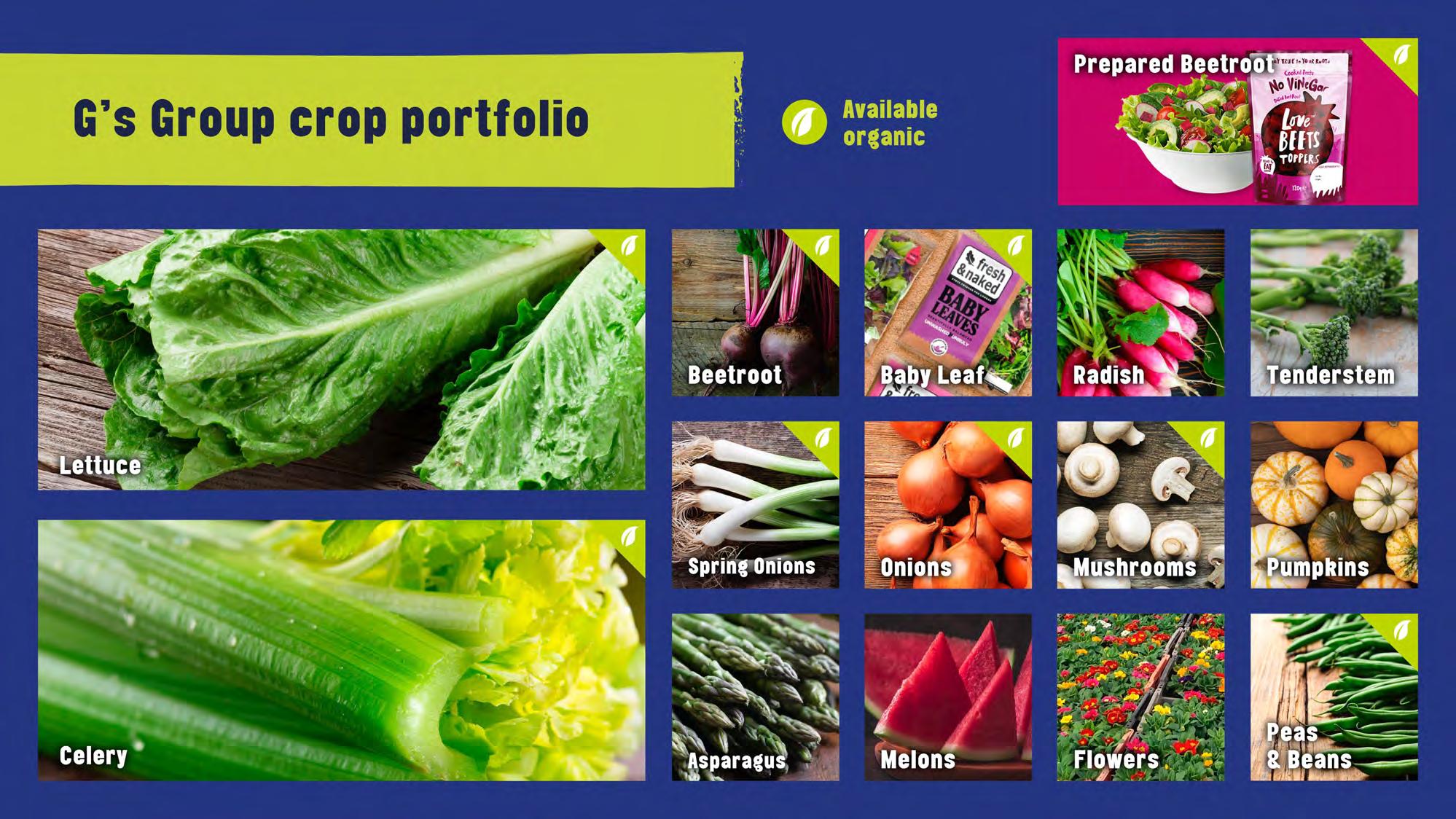
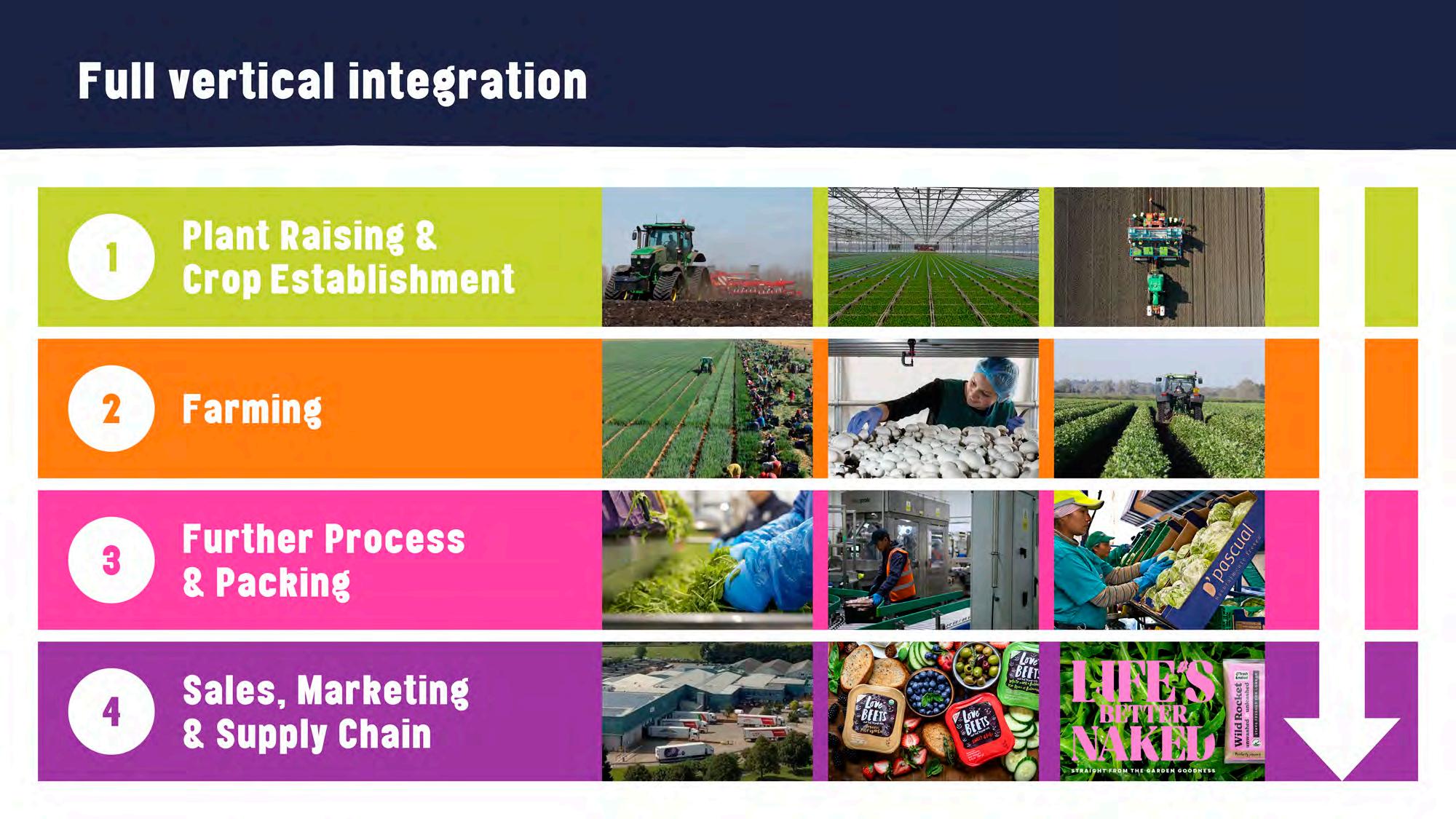
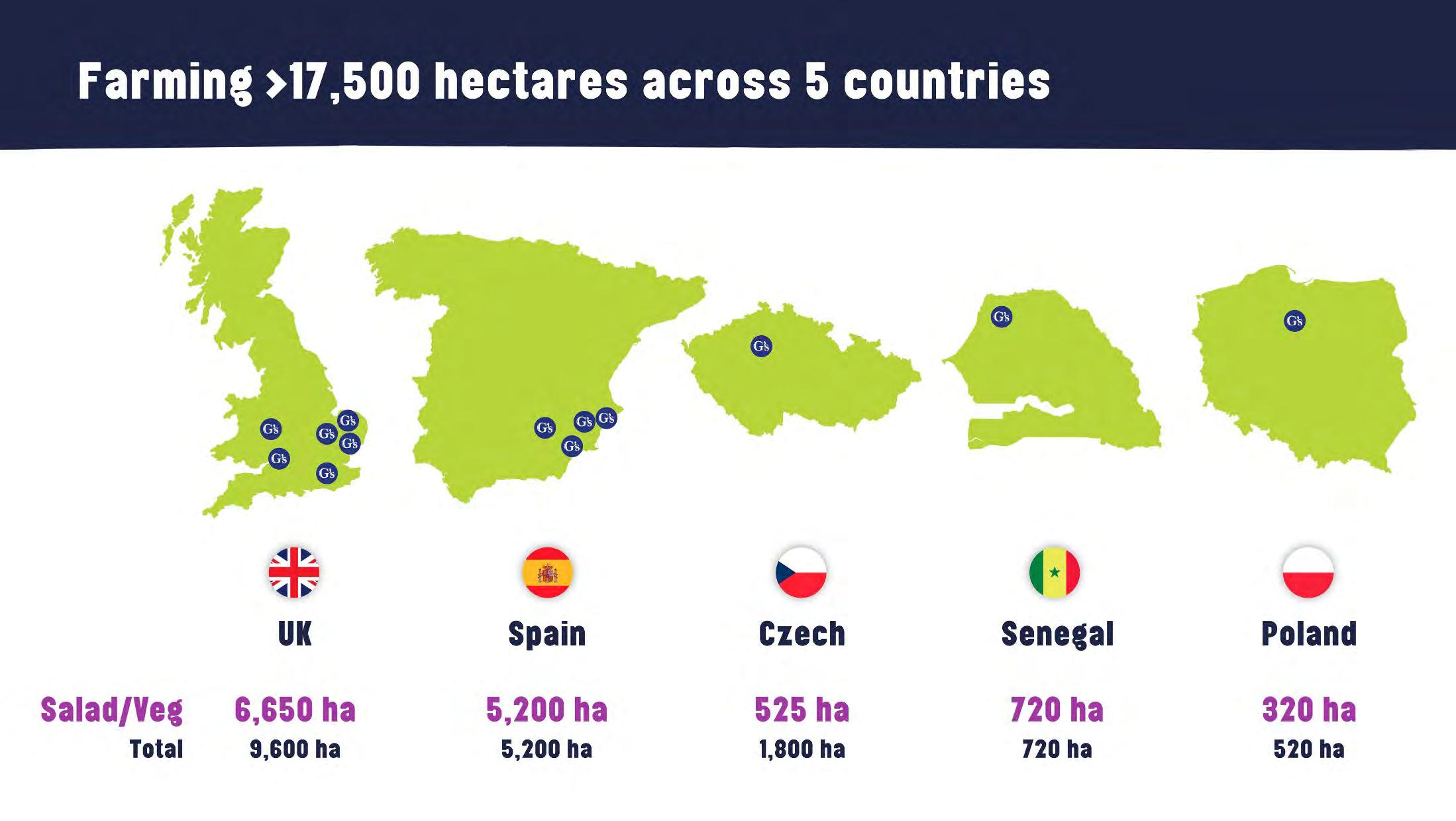


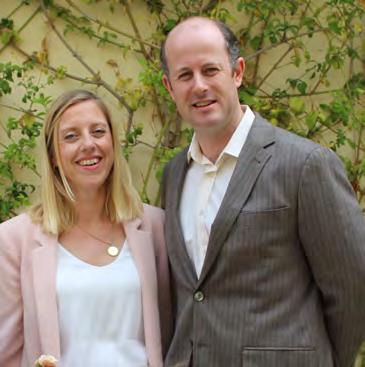
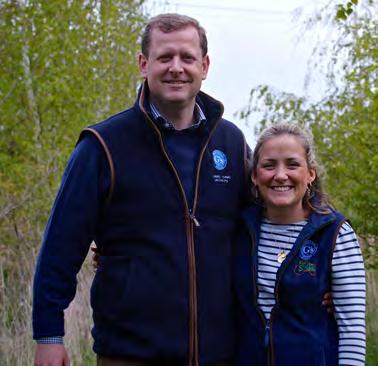
Davina & James

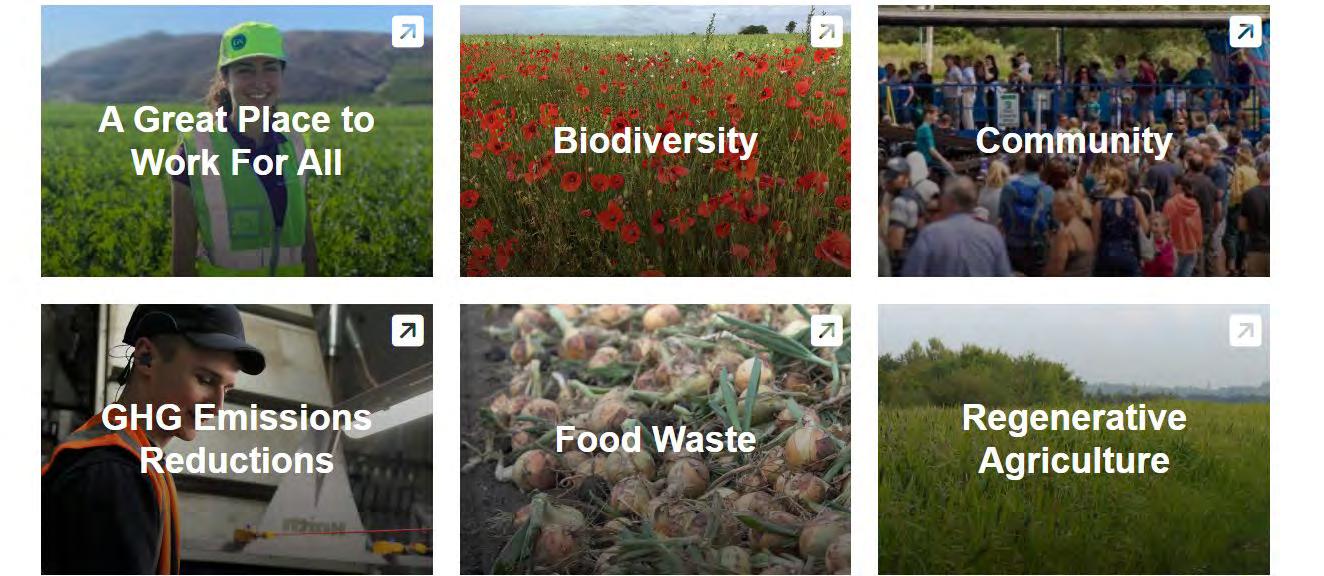
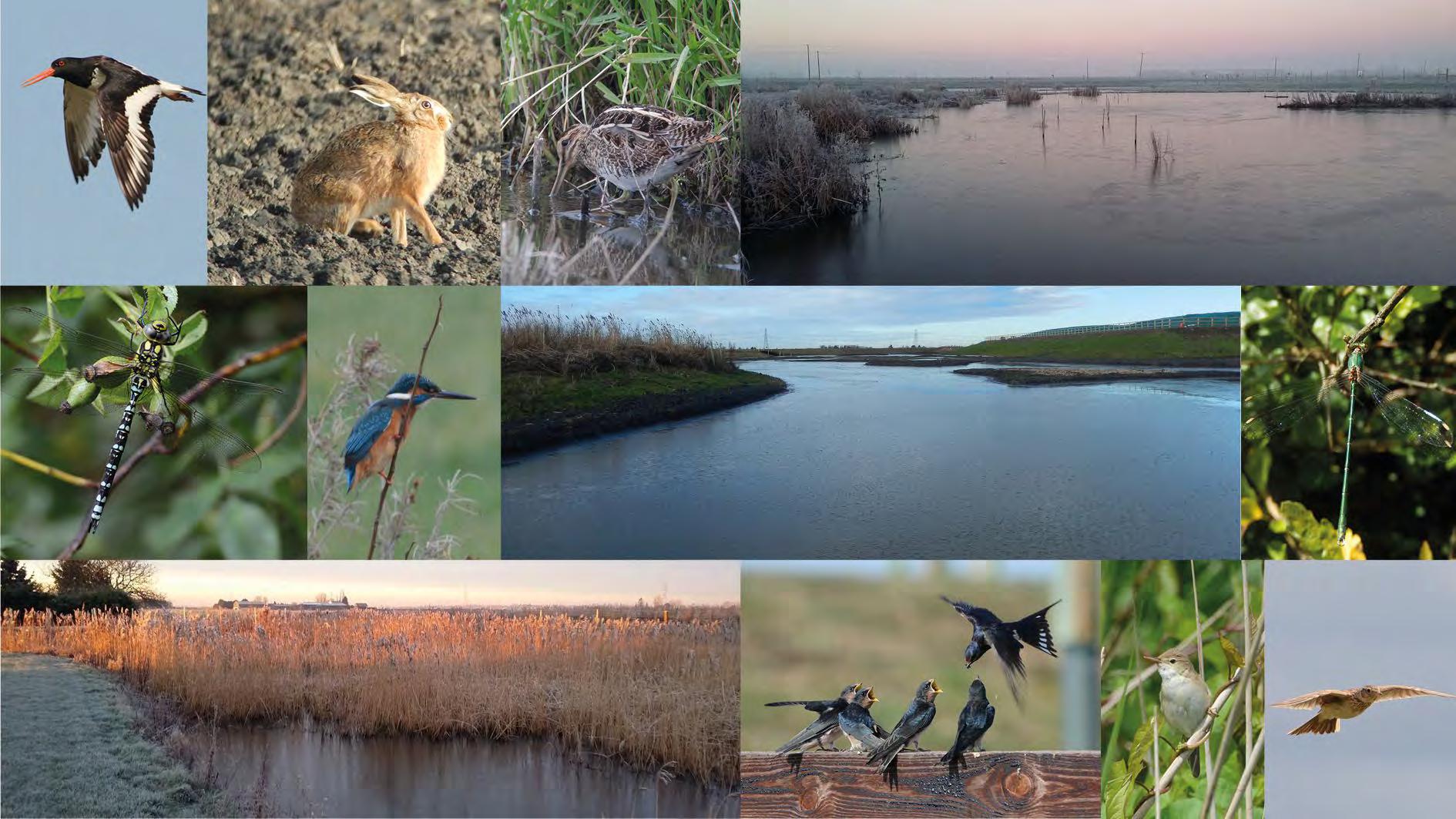

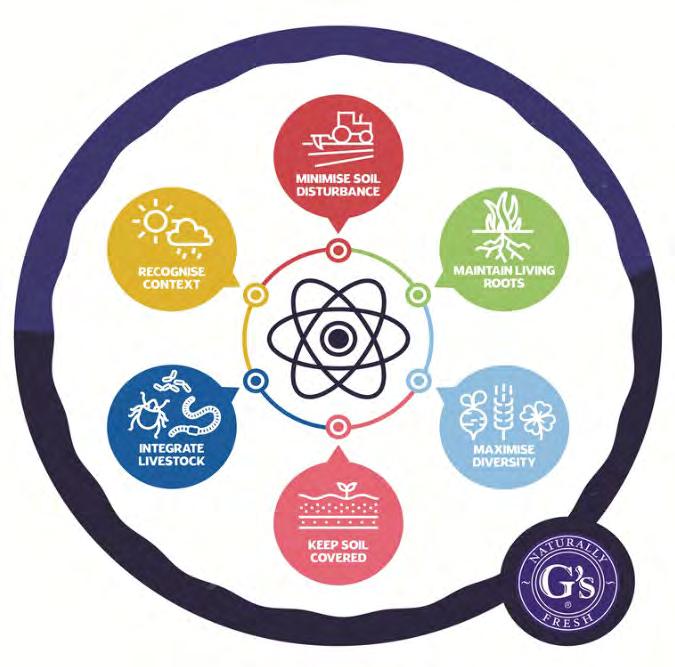
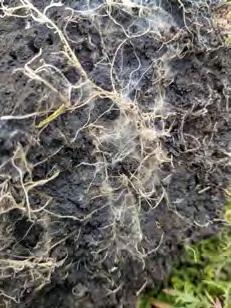
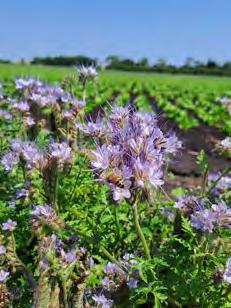
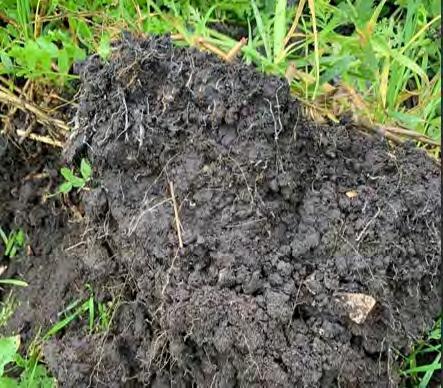
Food Security



Farming Successfully: Balancing Nature, Profit & Food Security
Q&A Session
Regenerative Farming: Revolution, evolution or a cultural transition in sustainable farming?
Dr Johnny Wake Managing Partner, Courteenhall Farms

Regen Farming LEAF Conference 2026

Johnny Wake




The LEAF Regen Academy
Lucy Harler Future Farming Manager, G’s Group




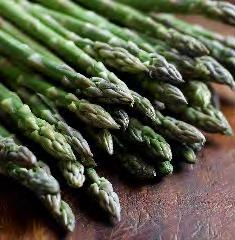
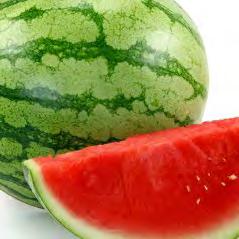
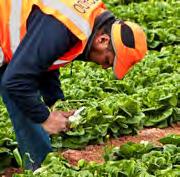

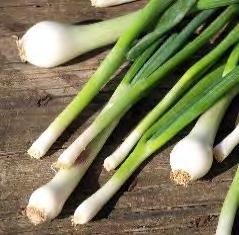
G’s Group
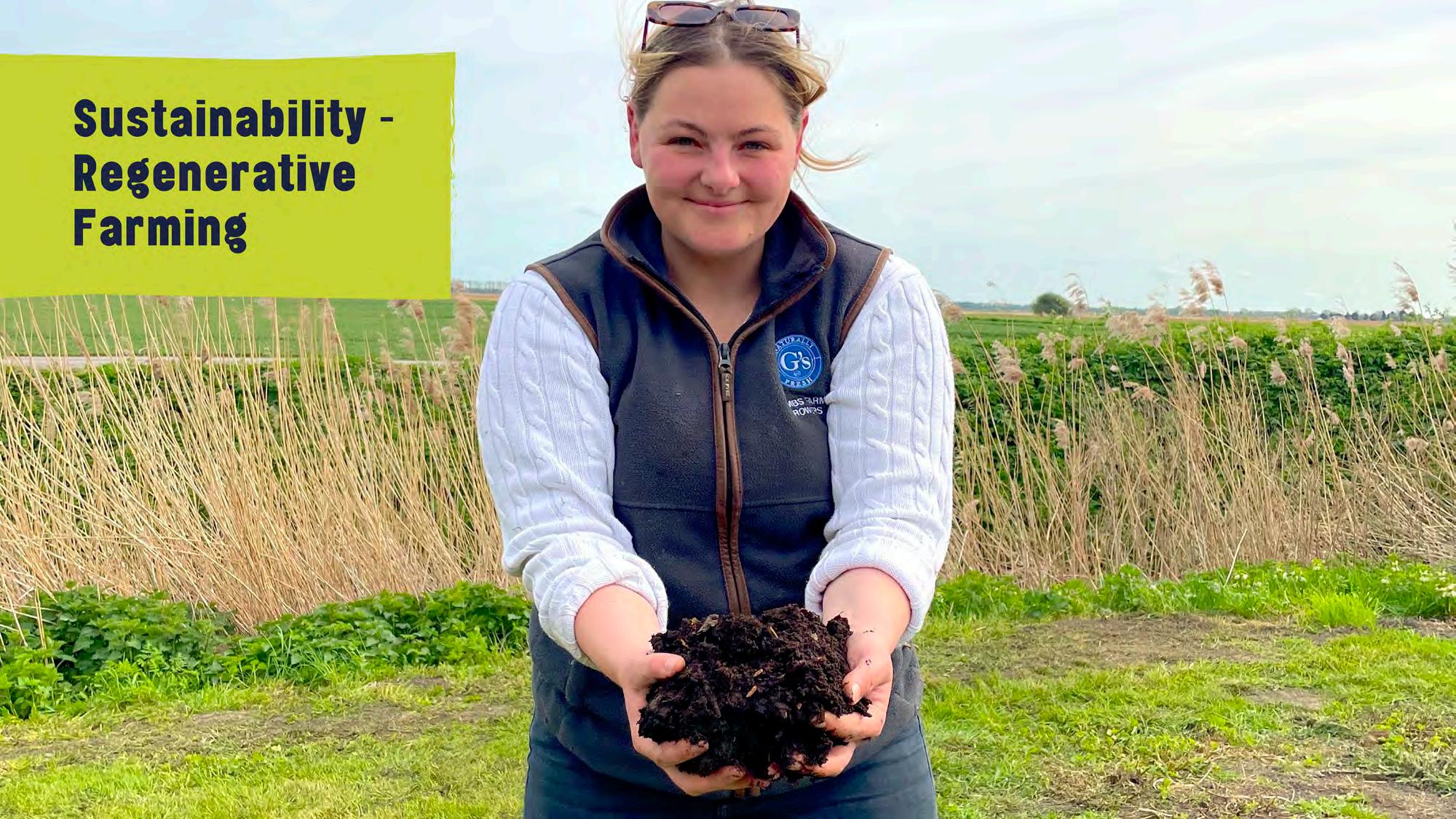
How regenerative practices are changing resilience and profit dynamics on an intensive salad farm

The G’s sustainability agenda is broken down into 3 overlapping and highly interdependent pillars
90% of G’s farming emissions are from fertiliser, diesel, FYM and compost Drive Down GHG Emissions
Soil Health


Implement regenerative ag across our farms to revitalise soil
Biodiversity

Improve our habitats in area, number, quality and connections
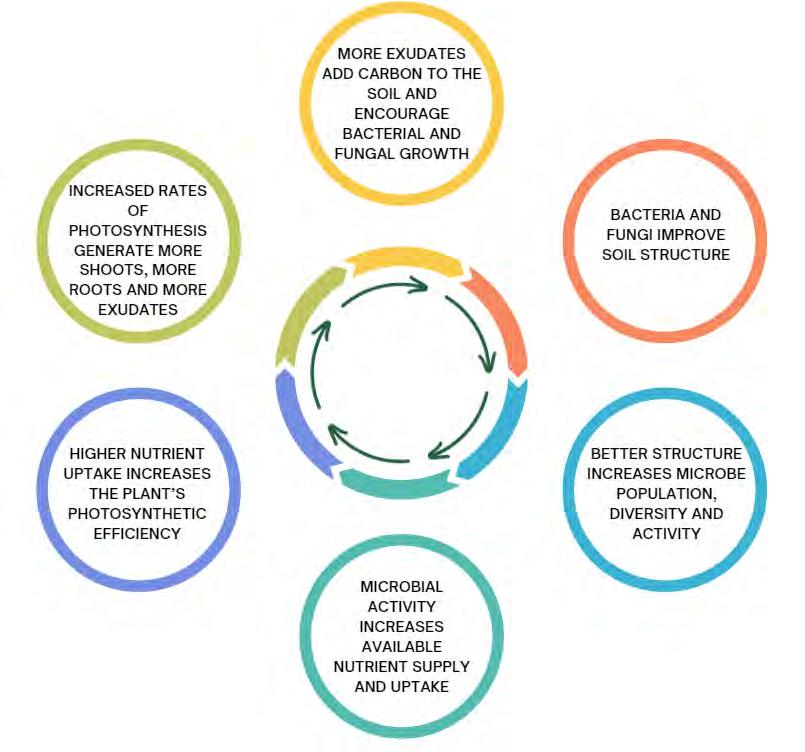
Creating a Self-Perpetuating POSITIVE Cycle
• Energy from increased photosynthesis drives increased plant root exudates that feed and encourage a larger microbiome.
• This microbiome thrives in the absence of disturbance, and in doing so creates better soil structure and increases the availability and uptake of soil held nutrients by the plants.
• The resulting plants are healthier and metabolically advantaged which in turn drives further increases in the rate of photosynthesis.
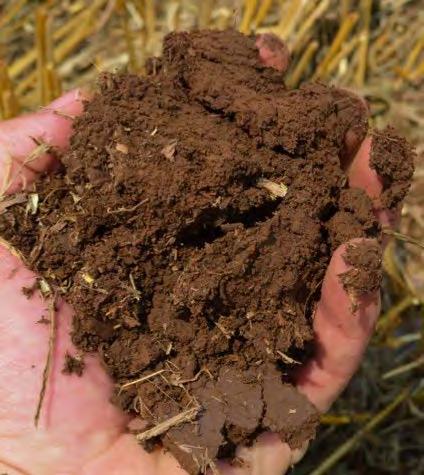
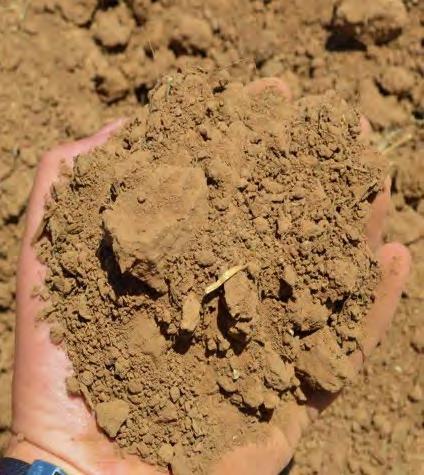
Visible Observations – documenting change over time
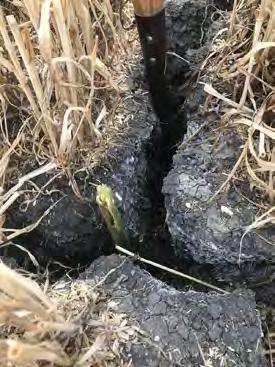
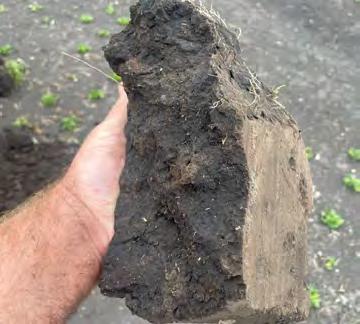
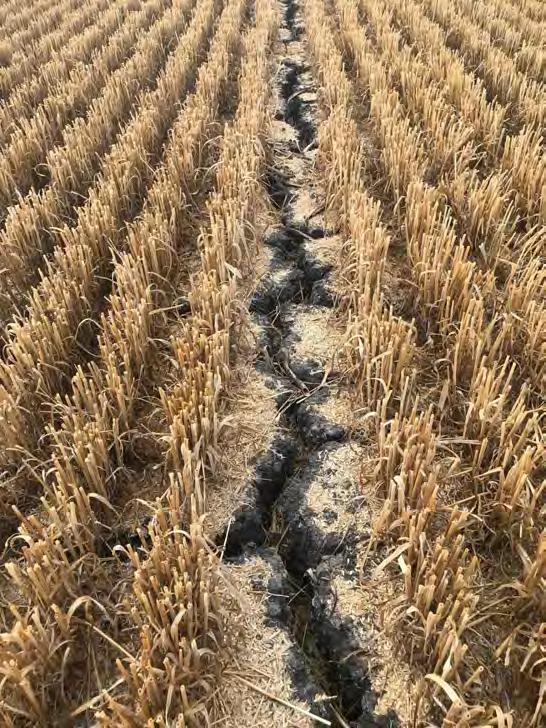
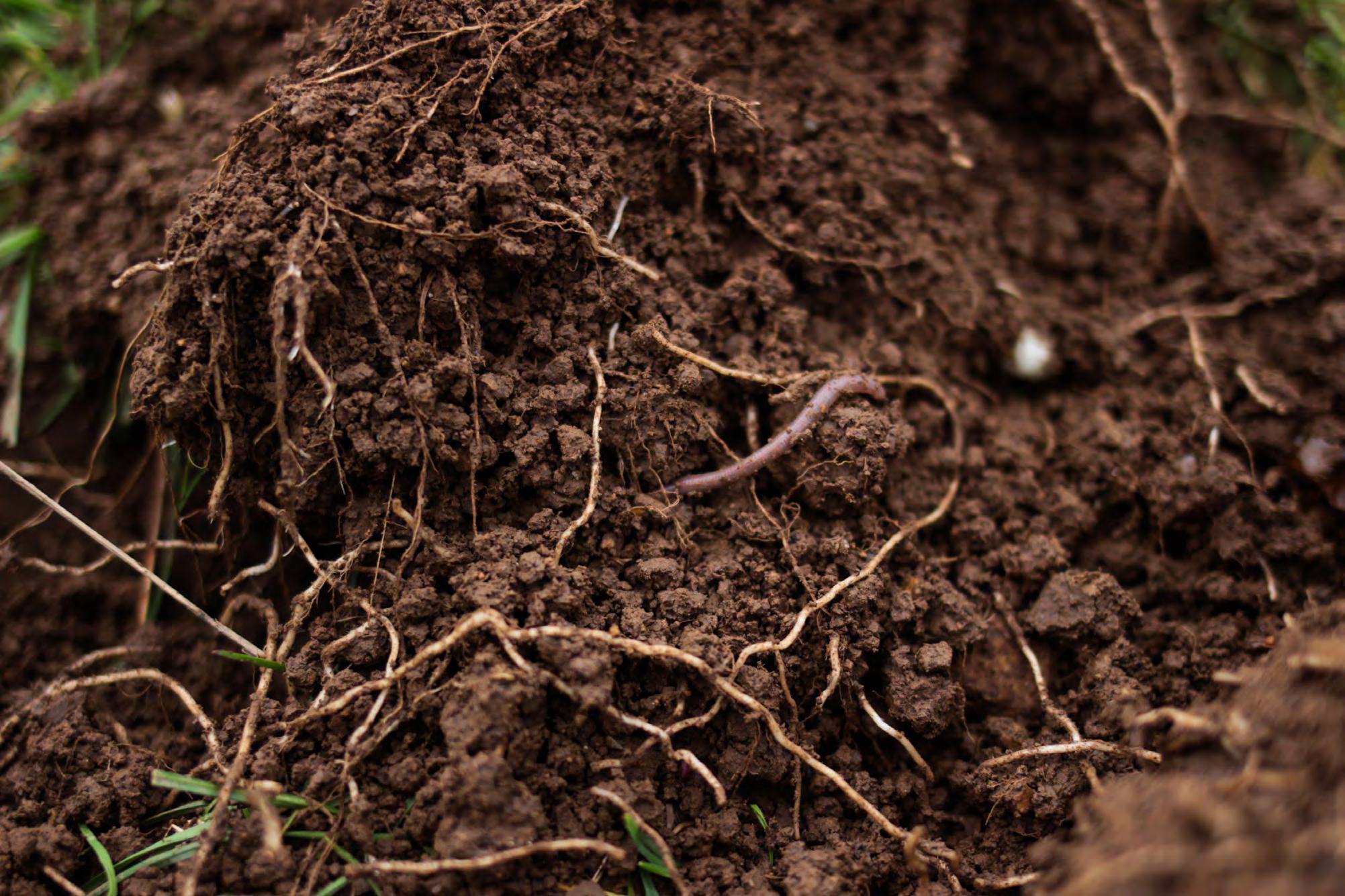
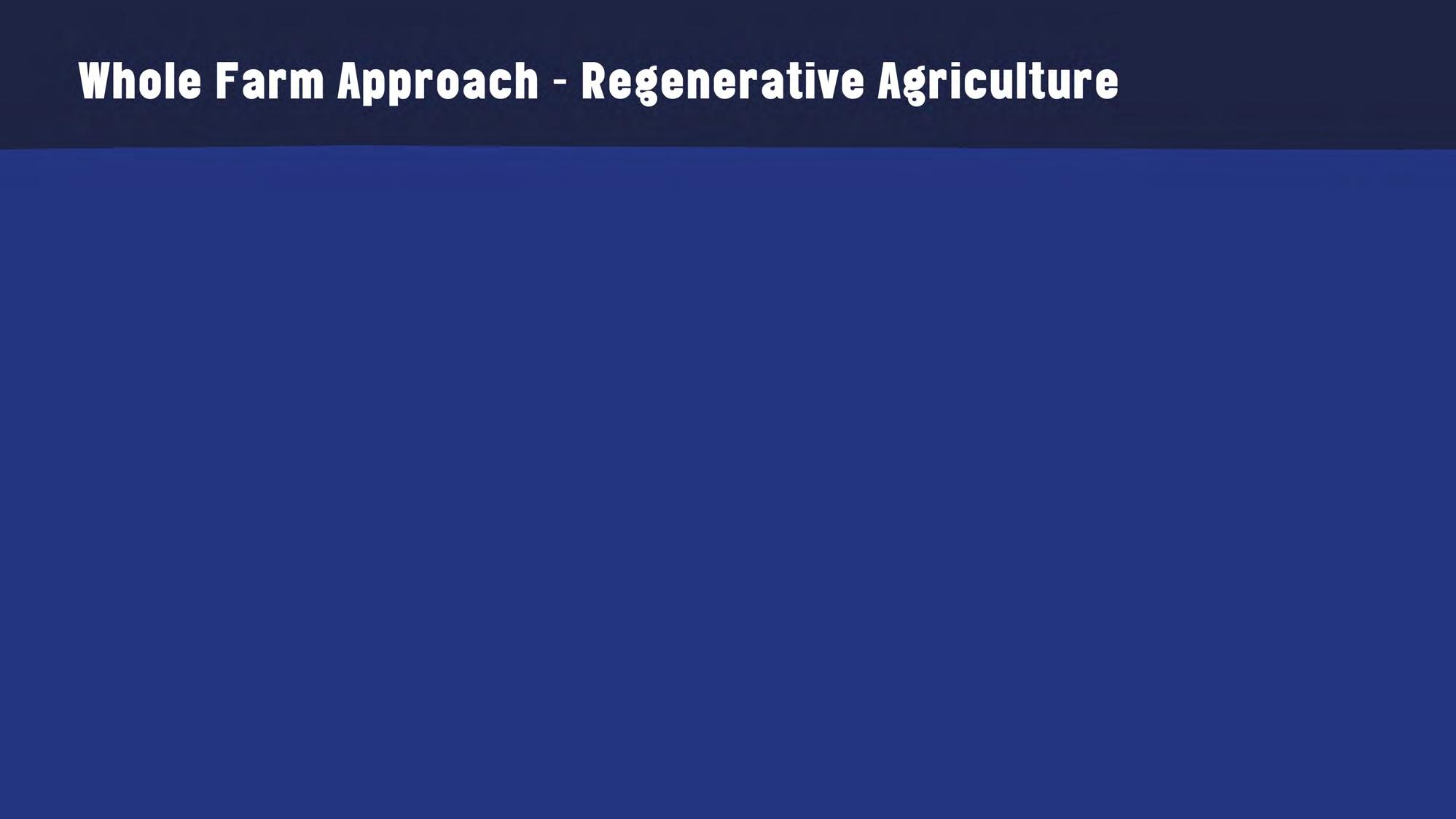
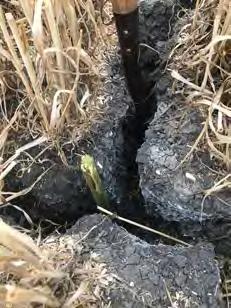
Land cracked and blocky
Poor water infiltration Massive, anaerobic clods
Little active biology Heavy cultivations to manage poor structure only made the problems worse!
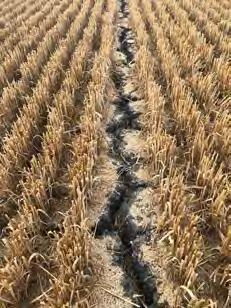
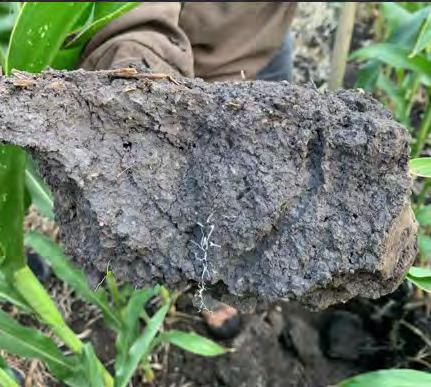
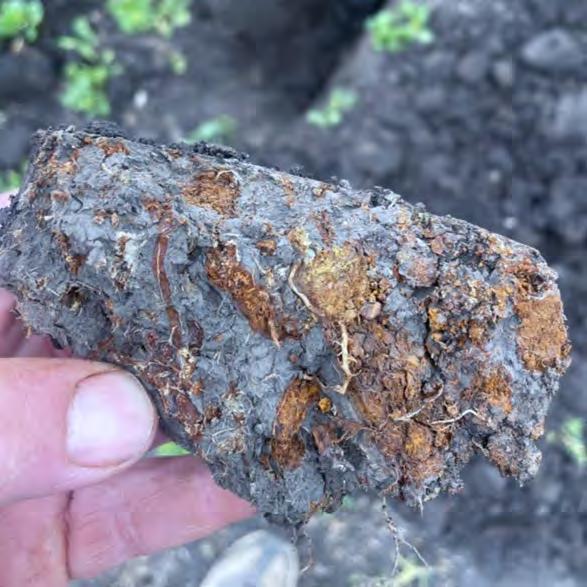
Visible Observations – documenting change over time
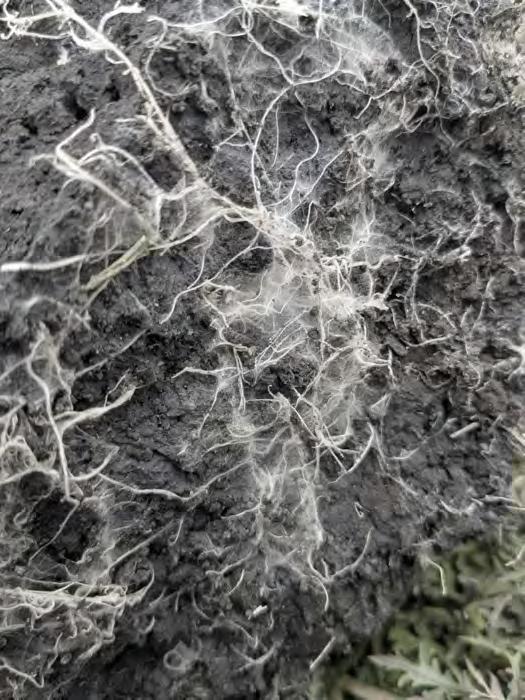
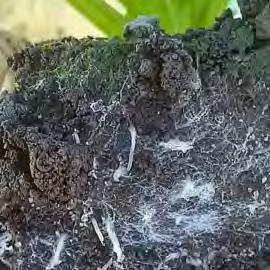
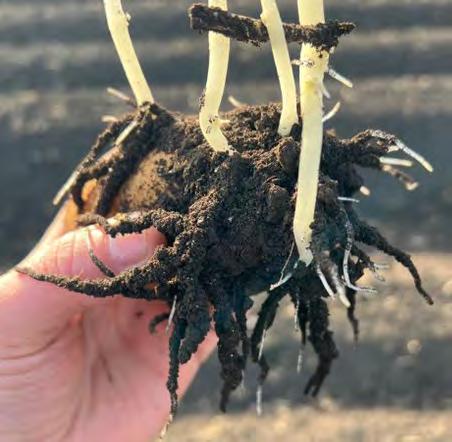
Connectivity through the profile
Roots and pore spaces down to 1m
Visible active biology above and below ground
Minimal and very shallow cultivation required preplanting
The Spanish context is characterised by low OM, overworked soils, water scarcity and zonal nutrient restrictions.
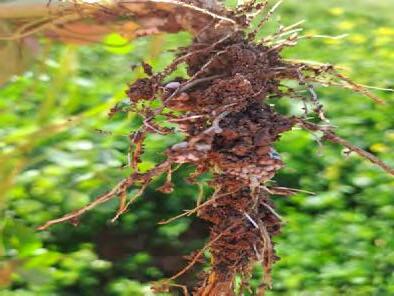
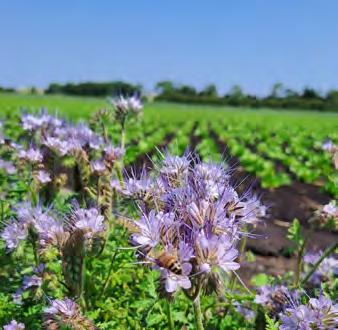
The teams are increasing the use of multispecies CCs, reducing tillage depth and aggression and utilising Johnson-Su to support biological recovery.
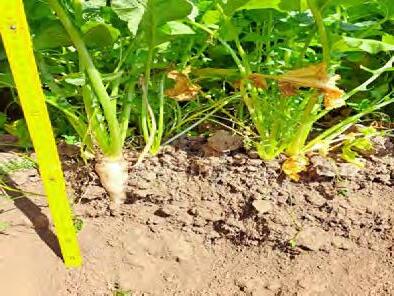
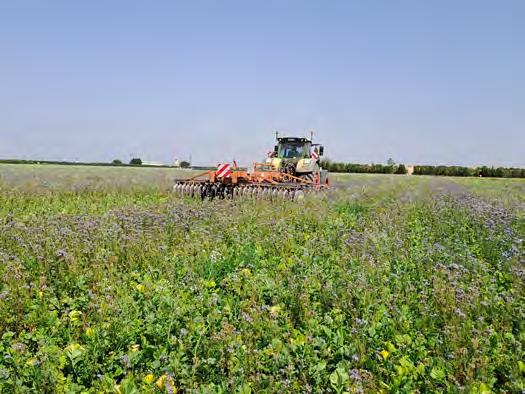
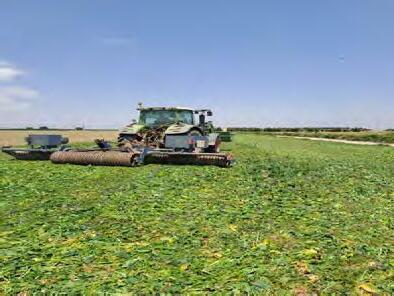
Water utilisation has been a key challenge but also a key benefit to to these changes in management.
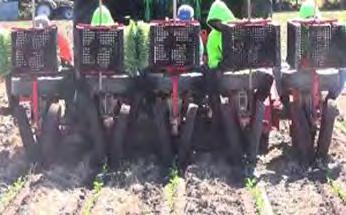
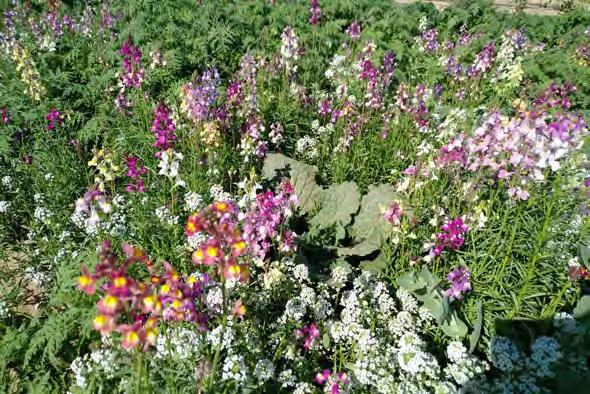
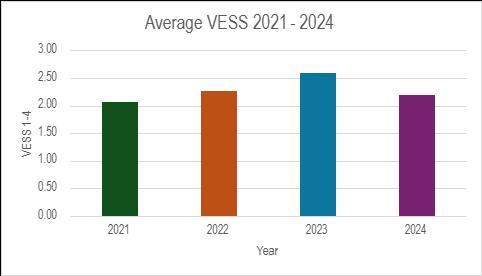
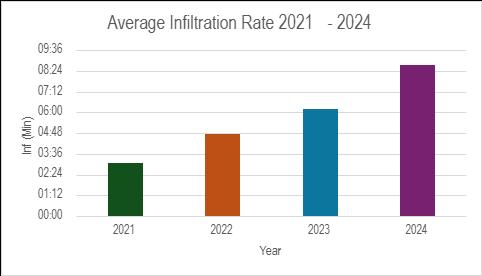
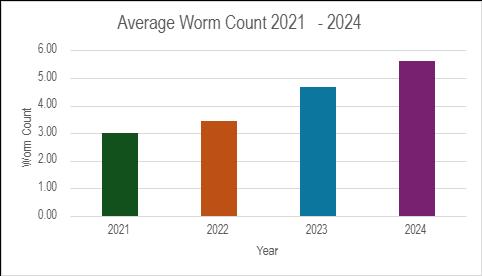
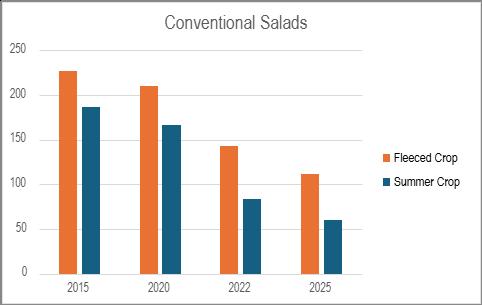
Stacked Financial Benefits
Lettuce following arable. Applicable: 356 Ha
Cover crop mixes with increased above ground biomass and winter surviveability.
Using autumn applied gypsum to improve Chemical and Mechanical properties of top soil. Saving of 1 Power Harrow Passes
Utilizing precision farming tools such as terramap to variably apply base nutrition. 15% saving on 8:24:0
To actively account for CC contribution ahead of 1st crop lettuce.
Reducing base application and adopting reactive agronomy. Reduction of 24kg P & 30kg N
Application of Johnson Su at Cover Crop Stage and Lettuce Planting and
To use a reactive agronomy to reduce dependence on Fungicide.
Establishing Wild Wheelings to build beneficials. Reduction of 0.25 insecticides.
and application (Half Area)
Applicable Ha
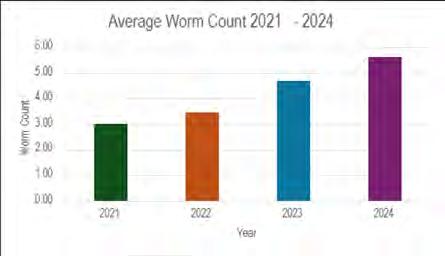
Measuring Regen Across the Group
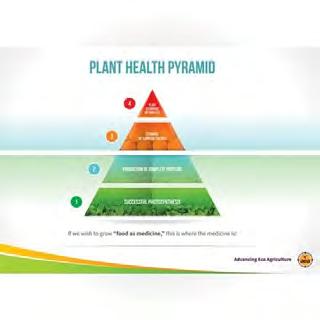
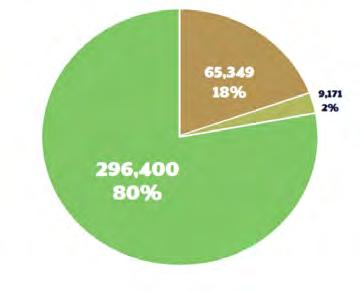
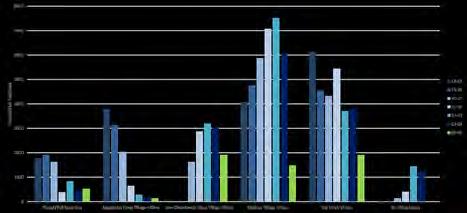
With our internal strategic targets and external commitments, providing measures and metric for “regen” is important for us. We don’t have a finalised set of metrics, but are exploring a basket of options that cover:
Prof. Janet Dwyer
Professor of Rural Policy, Countryside and Community Research Institute, University of Gloucestershire

Professor Janet Dwyer, OBE
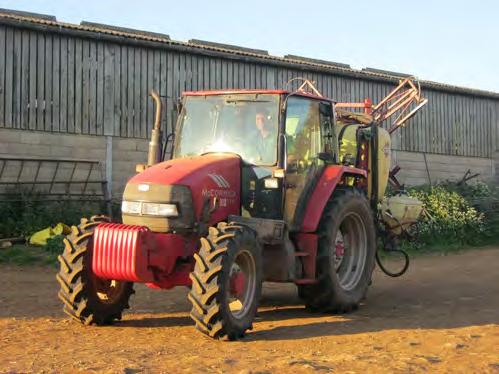
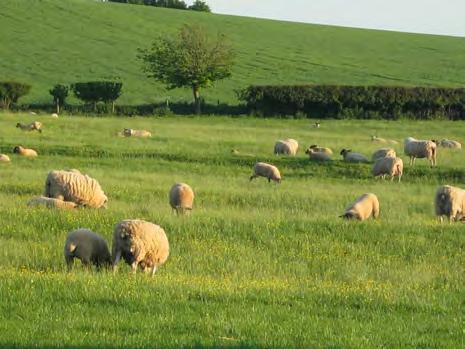
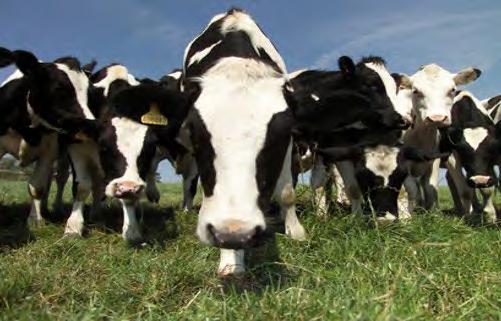

Where it begins? – Regen in the UK
• Long Ashton – early focus for work on integrated farming: Vic Jordan led the LIFE project from 1989(n.b. LEAF was formed in 1991) -

• 1990-2000s : a gradually expanding ‘Min-till’ community: pseudo-ploughing, shallow till, no-till…… glyphosate instead of physical intervention, or further?
The less-Intensive Farming and Environment (LIFE) project is an interdisciplinary research study designed to address, exploit and integrate interactions of farming system components, holistically, and to provide the technology for economically viable, ecologically acceptable and environmentally benign production systems.
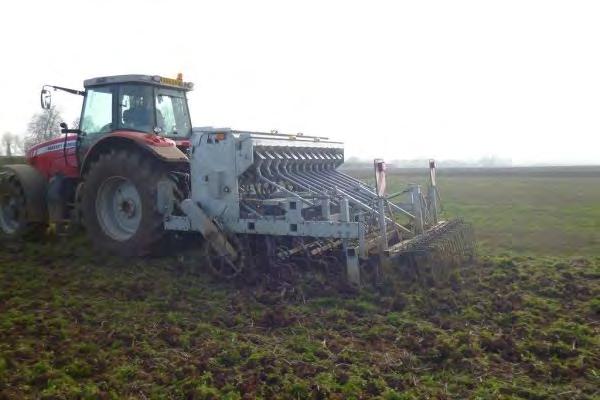
Timeline - Regen in the UK
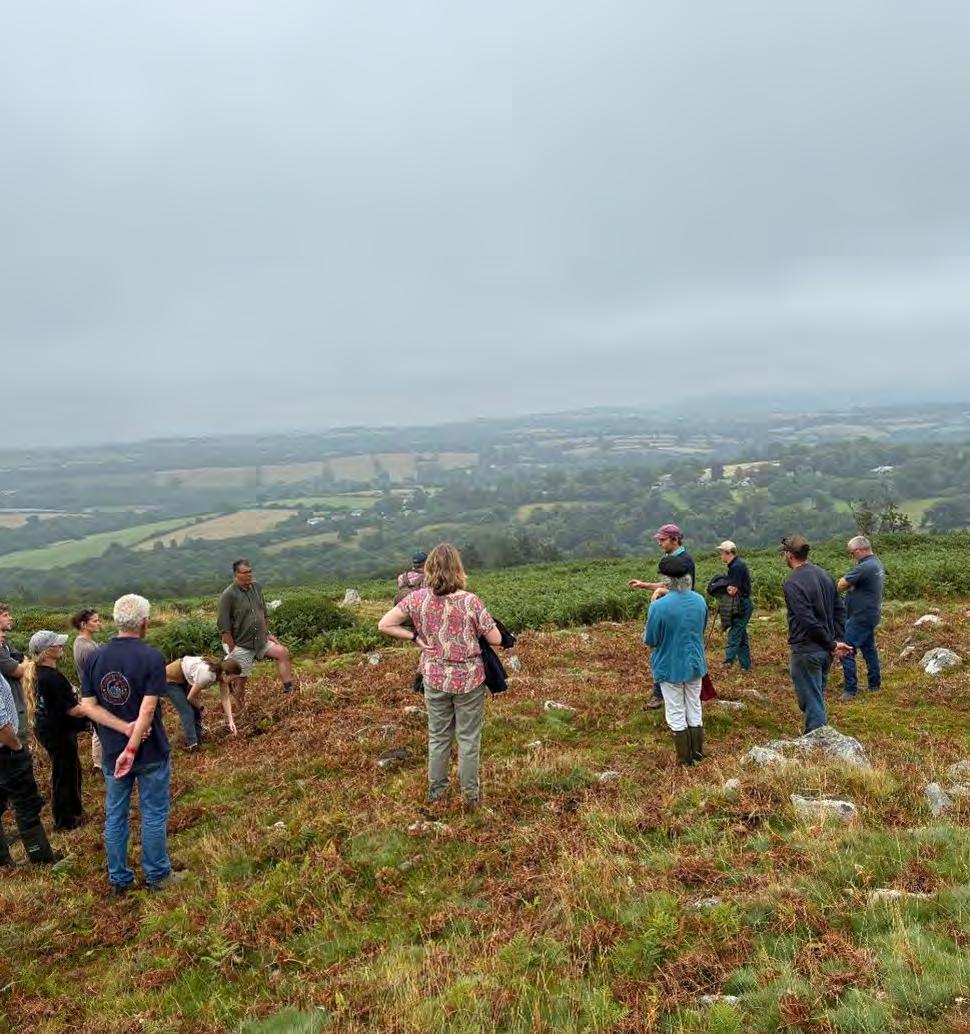
• Groundswell – a ‘bottom up’ initiative to share and spread knowledge and engagement among farmers and growers
• The Cherry family converted to no-till in 2010, and the 2-day festival was first held in 2016, ‘out of a sense of frustration that no-one was putting on a Summer Show to which we might want to go’, c.400 people attended
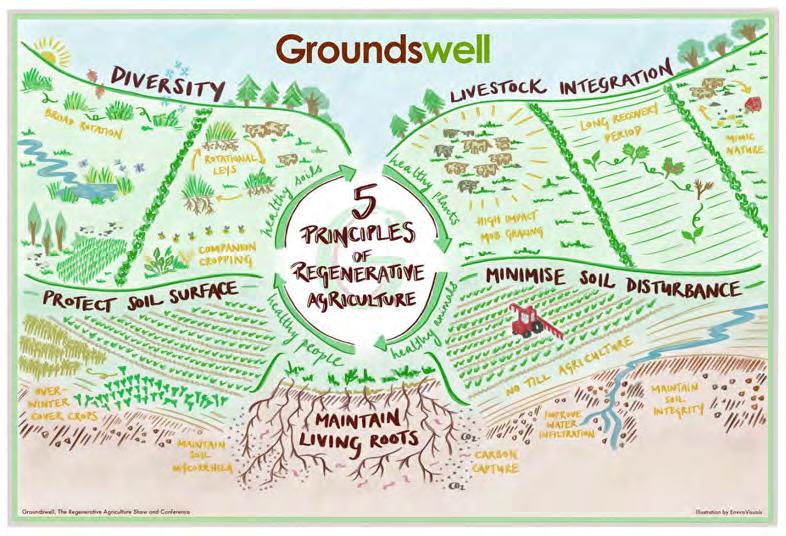
• In July 2025 it welcomed over 10,000 people to the family’s Lannock Farm, Hertfordshire. The regenerative agriculture event included over 400 speakers from around the world, including the ‘grandfather’ of regen agriculture, North Dakotan farmer Gabe Brown.
Growing understanding, broadening the agenda
Organic Permaculture
Regenerative
Biodynamic alternative
Farming systems as Ecosystems
Agroecology
Integrated low-input
Ethical and inclusive
Environmentally sensitive
Conservation grade
Nature-friendly
Nature-based
Principles of regenerative approaches
• Soil health – structure, functioning, chemical and biological properties, built through principles of minimal / reduced disturbance, preserving structure, roots, fungal associations
• Plant ecology – links to nutrient cycling, plant health, habitat diversity and disease/epidemic avoidance, nutrient density / food quality connections
• Diversity, experimentation, resilience and confidence – bringing the science back to the practitioners, partnering to learn together
LEAF and regen
• An early player in this domain
• Focus beyond technical / agronomy – holistic, market-oriented
• Big enough to embrace it, and interrogate it –
• Positive synergies across the spectrum, strengthened collective learning
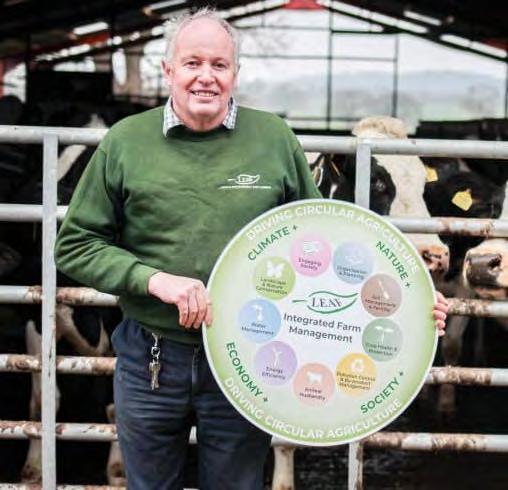
• Provides structural elements to facilitate transformation: supply chains, standards, audit/review, etc…..
So - Revolution, evolution or cultural transition?
A revolutionary stimulus – telling a positive story, inviting engagement
Evolutionary and, ideally, inclusive –blurred boundaries, global appeal, continuous learning of farmers with science, amoeba-like: this is a strength
A key ingredient of cultural transition, working with others – net zero, sustainable livelihoods, reconnection in food systems, resilience, better quality of life and work, for all…..

Prof. Carol Wagstaff
Pro Vice Chancellor for Research (Agriculture, Food and Health), University of
Reading

Making the transition to regenerative farming methods

Carol Wagstaff Professor of Crop Quality for Health
LEAF Annual Conference 29/01/2026

We know where we want to get to, but how do we get there?
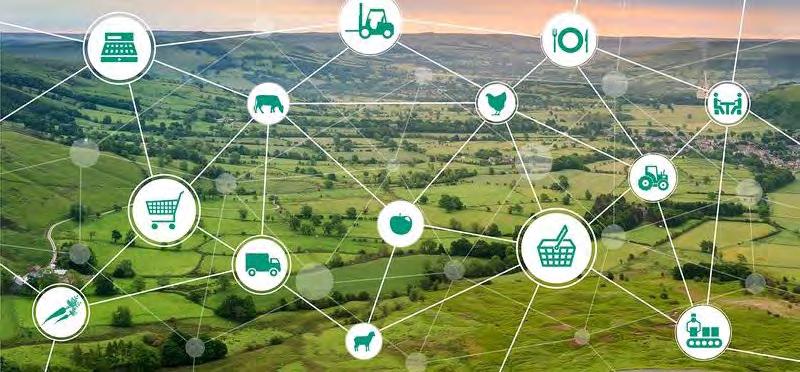
Retailers and food manufacturers take the credit whilst farmers take the risk
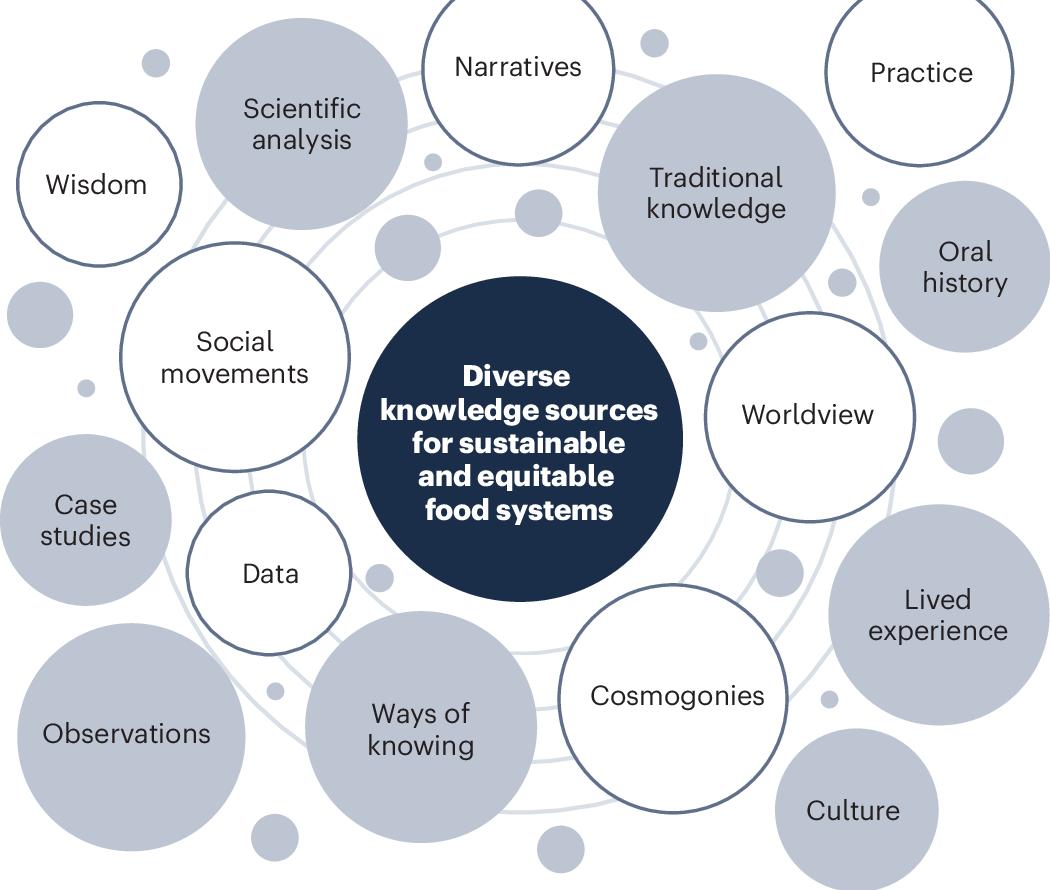

• https://doi.org/10.1038/s43016024-00966-3
Peter Dorwood Graham Clarkson https://research.reading.ac.uk/picsa/
PICSA
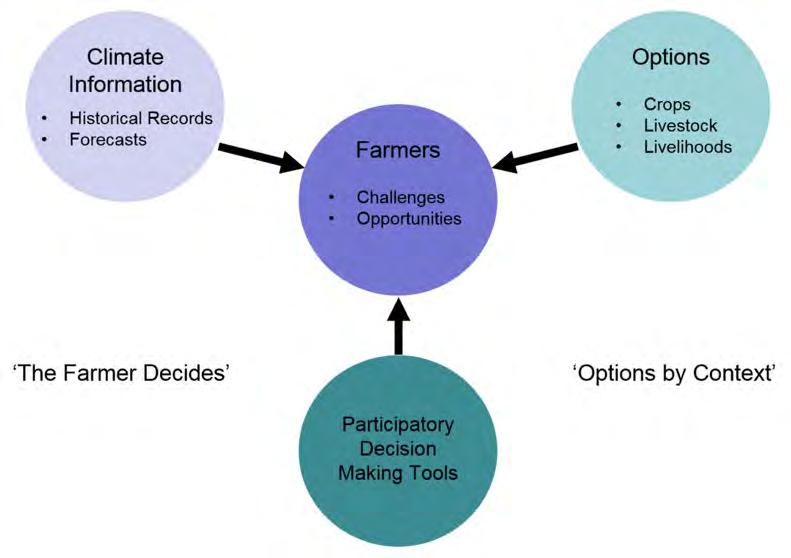
–Participatory Integrated Climate Services for Agriculture
• Supports smallholder farmers to make informed decisions under variable and changing climatic conditions through combining:
• i) accurate, locally-specific climate and weather information,
• ii) locally relevant crop, livestock and livelihood options, and
• iii) participatory decisionmaking tools.
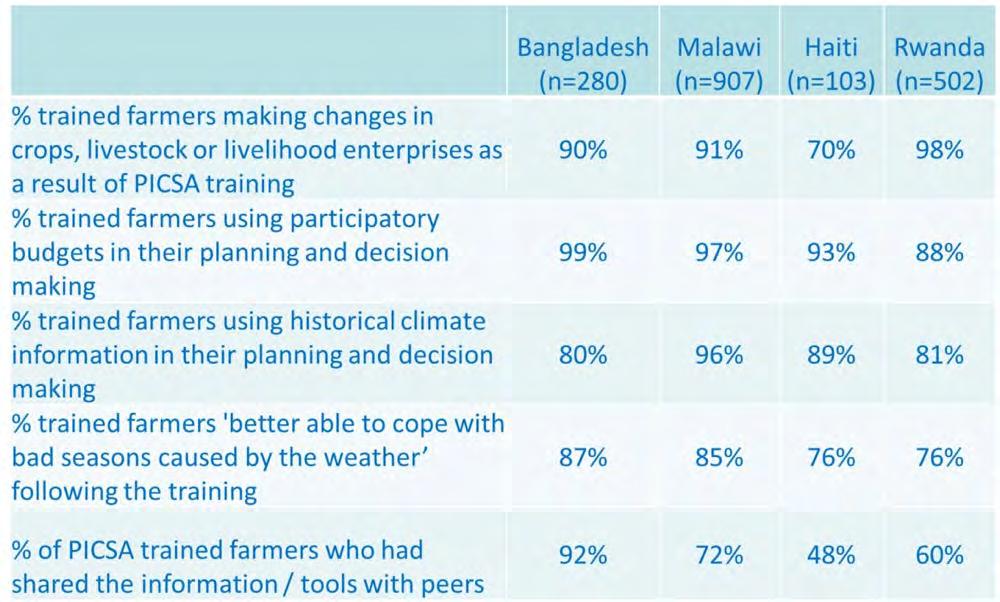
Evaluating impact
• Independent enumerators conduct a survey with randomly sampled farmers. This happens several months after growing season in which PICSA was implemented, which allows time for farmers to implement their selected crop, livestock and livelihood options.
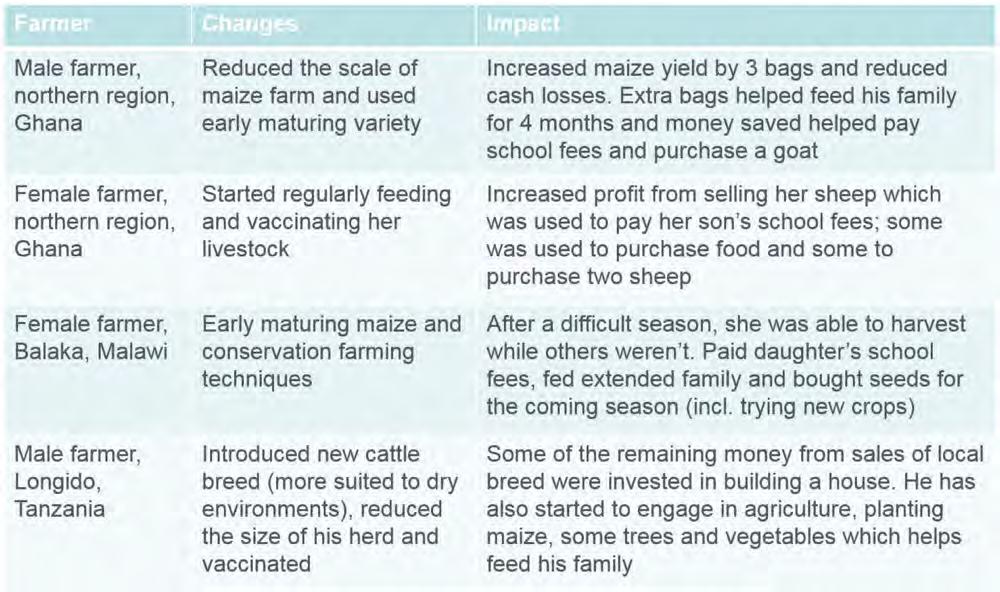
Qualitative case studies
• Researchers use openended questions and participatory activities to build a more detailed understanding of the effects PICSA has for farmers.
• The PICSA approach is being implemented in more than 20 countries and reaching tens of thousands of farmers worldwide
Defining the Question
Co-creating Solutions
Outcome and Impact
“What regenerative agriculture practices are Waitrose dairy farmers (WDF) already implementing?”
• Survey created alongside the WDF board and leadership team to understand current practices within the supply base.
• Built rapport with the boar and individual members of the WDF group.
• Shared the results with the group which was followed by a farm tour, dedicated time for Q&A and discussion.
• Relationship Building: Farmers established a 1:1 relationship with Waitrose, feeling supported and heard in a collaborative environment rather than simply being asked to meet targets.
• Continued Engagement: The WDF group requested a follow-up survey to help both them and Waitrose understand the specific obstacles to becoming more regenerative.
• Alignment: The entire supply base gathered to discuss and align on their shared goals.
University of Reading Knowledge Transfer Partnership
Daisy Wood
Silvopasture
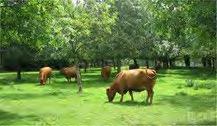
✅ Promotes biodiversity, soil health, forage production livestock performance
✅ Contributes to carbon sequestration and methane reduction
✅ Profit gains of 17% reported
❌ High establishment costs can prohibit adoption
Silvoarable alley cropping
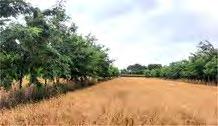
✅ Promotes invertebrates, carbon sequestration, soil health, food production and profits
✅ 24% more natural enemies and 25% fewer insect pests in silvoarable systems compared to arable ones
❌ Farmers must plan over longer timescales, fixes alley widths
Agforward, flickr, licenced under CC BYNC-SA 2.0
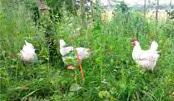
✅ Promotes biodiversity, carbon sequestration, soil and water quality and animal welfare
✅ A study of 66 flocks found 20% fewer egg seconds (lower quality eggs) and 22% lower mortality rates in silvopoultry
❌ Adoption can be hindered when profitability takes longer than typical tenancy durations
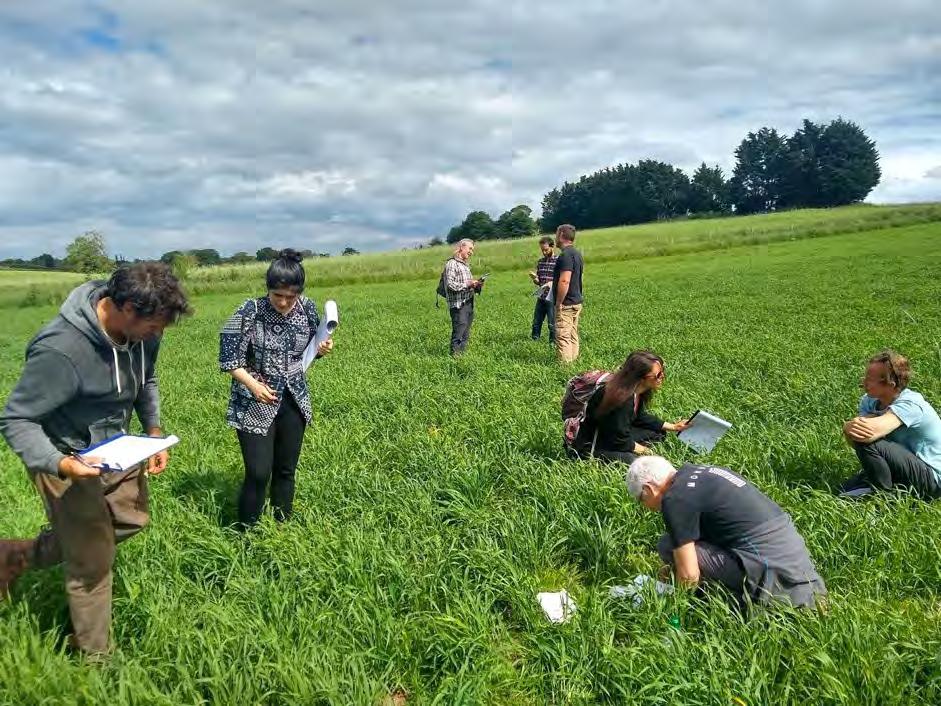
Identifying knowledge barriers to agroforestry adoption and co-designing solutions to them
Anne Boisinard
Millie Hood
Millie Hood
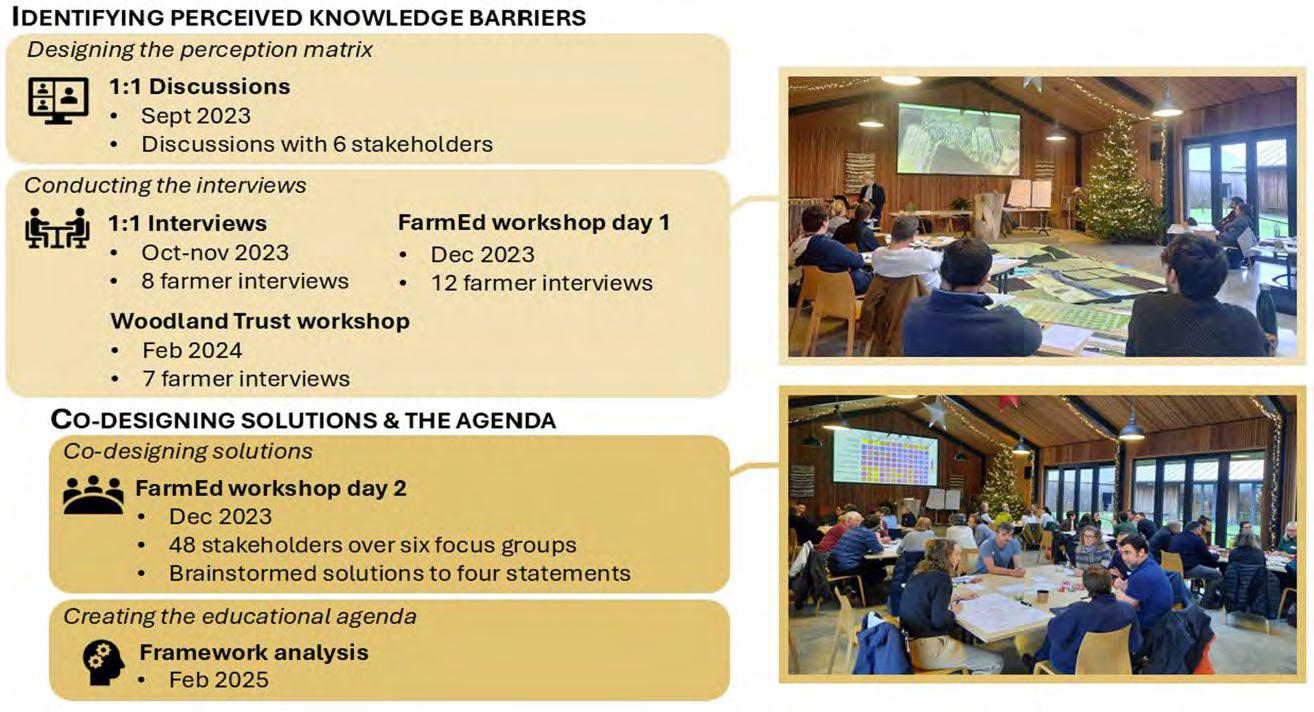
Identifying knowledge barriers and co-developing solutions for agroforestry
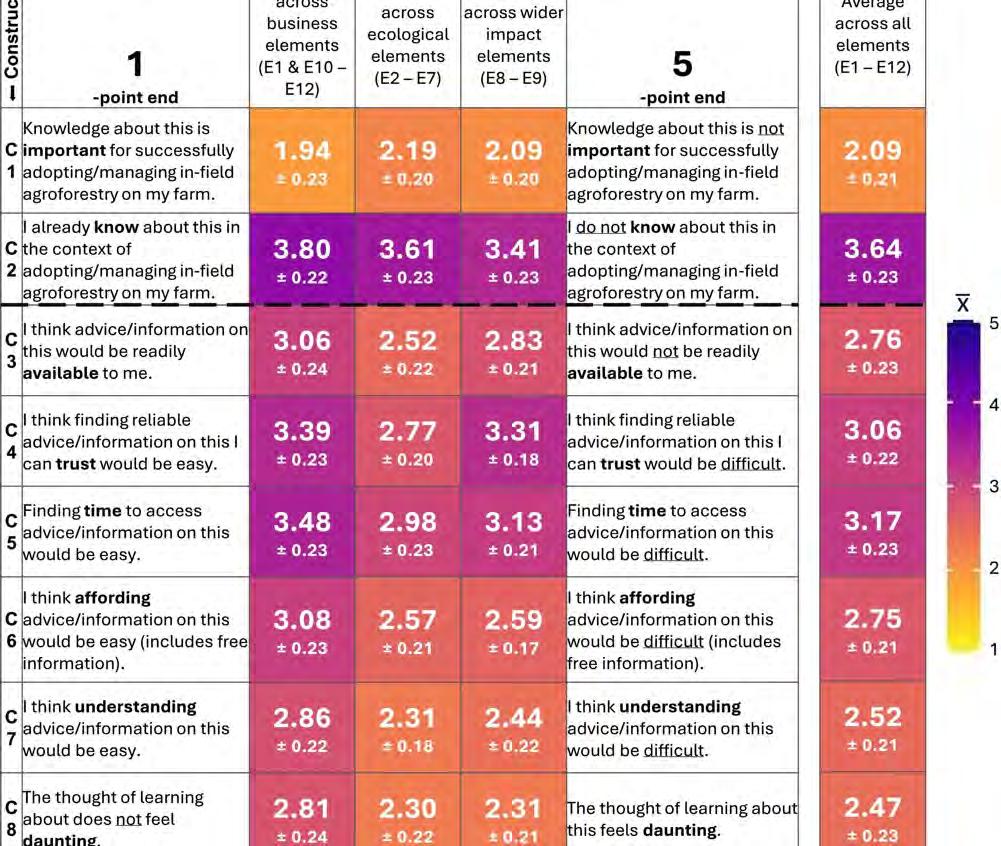
Using a perception matrix to quantitatively assess farmer perceptions
• Perceived knowledge gaps were greater for the business elements (e.g. financial or legal impacts) than the ecological elements (e.g. understory management)
• The largest barriers were time constraints and a shortage of trusted information.
A
10-step agenda to adopt agroforestry and manage it effectively, helping to build a more climate-resilient and sustainable future People and Nature, First published: 16 December 2025, DOI:
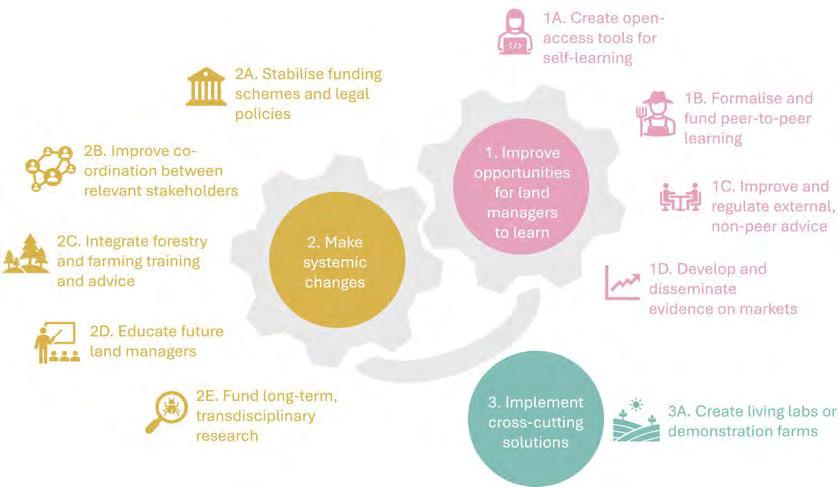
The power of co-creation
• Putting farmer knowledge at the heart of decision making
• Using the research as evidence
• “Doing with” not “doing to”
• Informing the gradual process of transition
• De-risking a change in practice
Jake Freestone Farm Manager, Overbury Enterprises

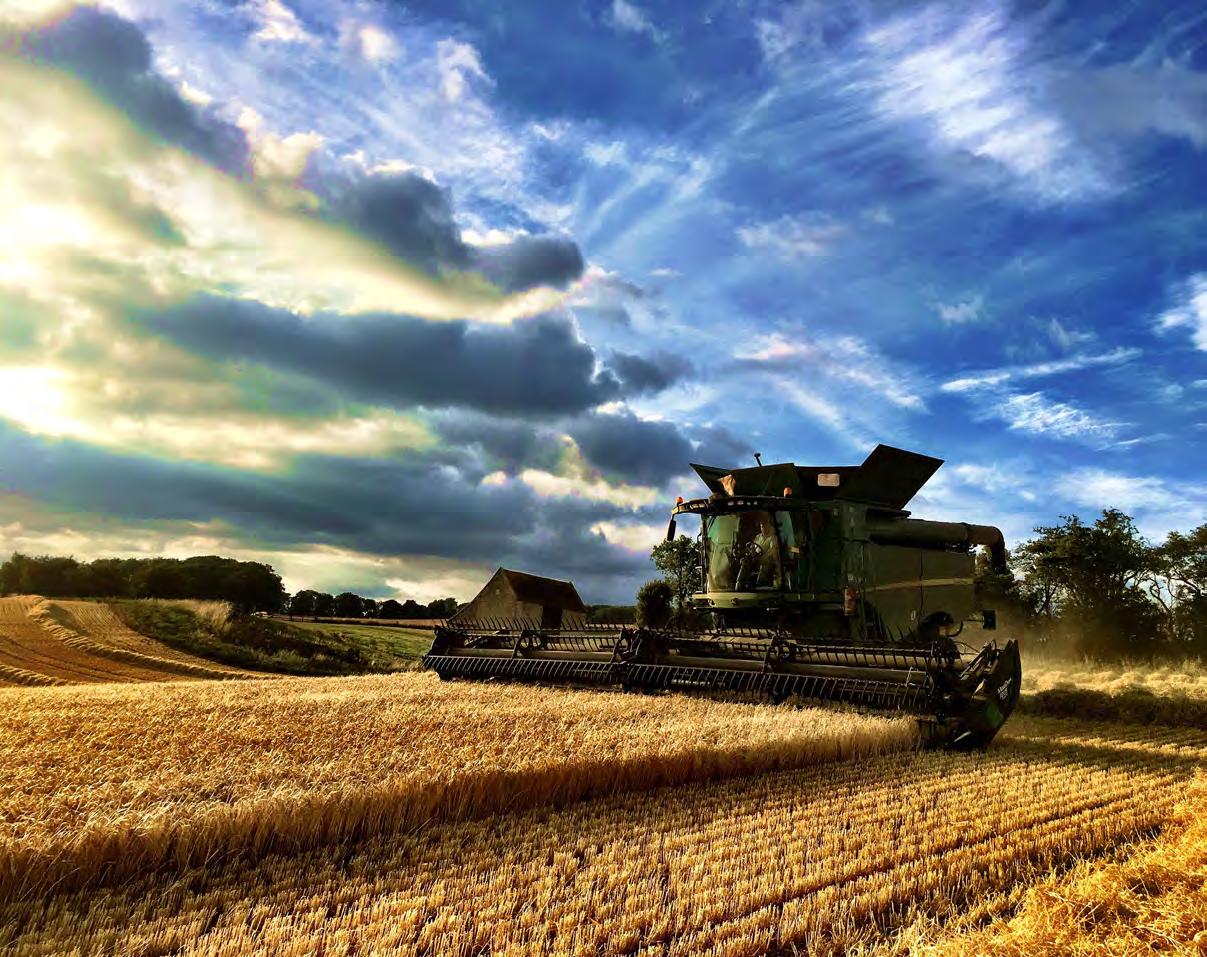
1600 Ha owned
200Ha CFA Agreement
298m’ Above Sea-level
700mm Rainfall
900 Ha Combinable
40 Ha Veg land let Irrigation
1050 Outdoor lambing ewes
Higher Tier Stewardship
SFI Agreements
LEAF Demonstration Farm
Agritech Satellite Farm
5 Full Time Employees
1 Hartpury Student
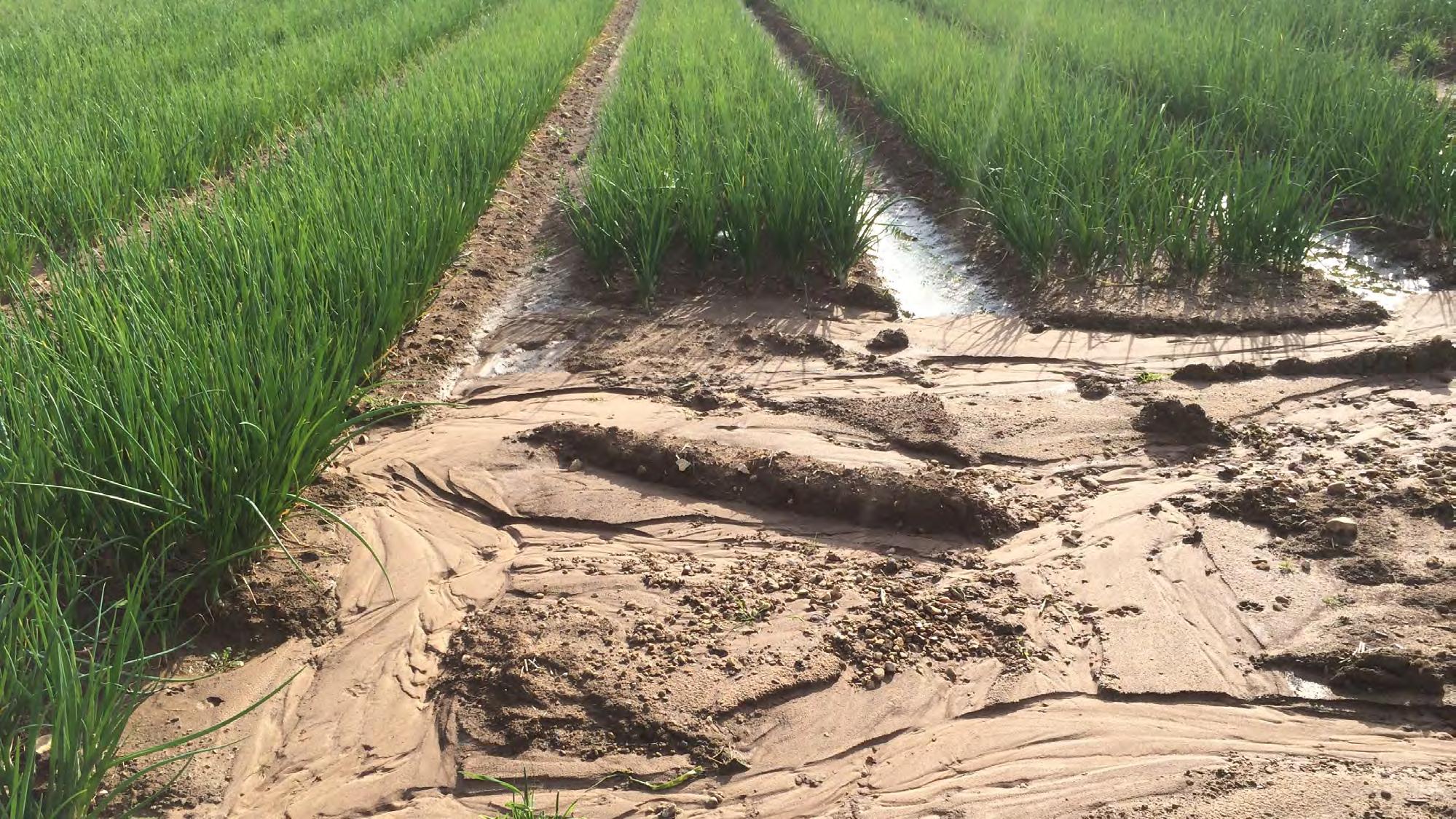
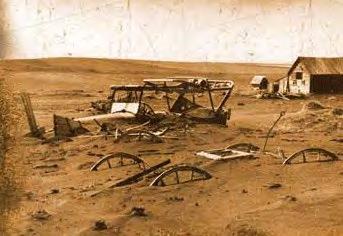
Dirt – David R Montgomery

123 t CO2 e
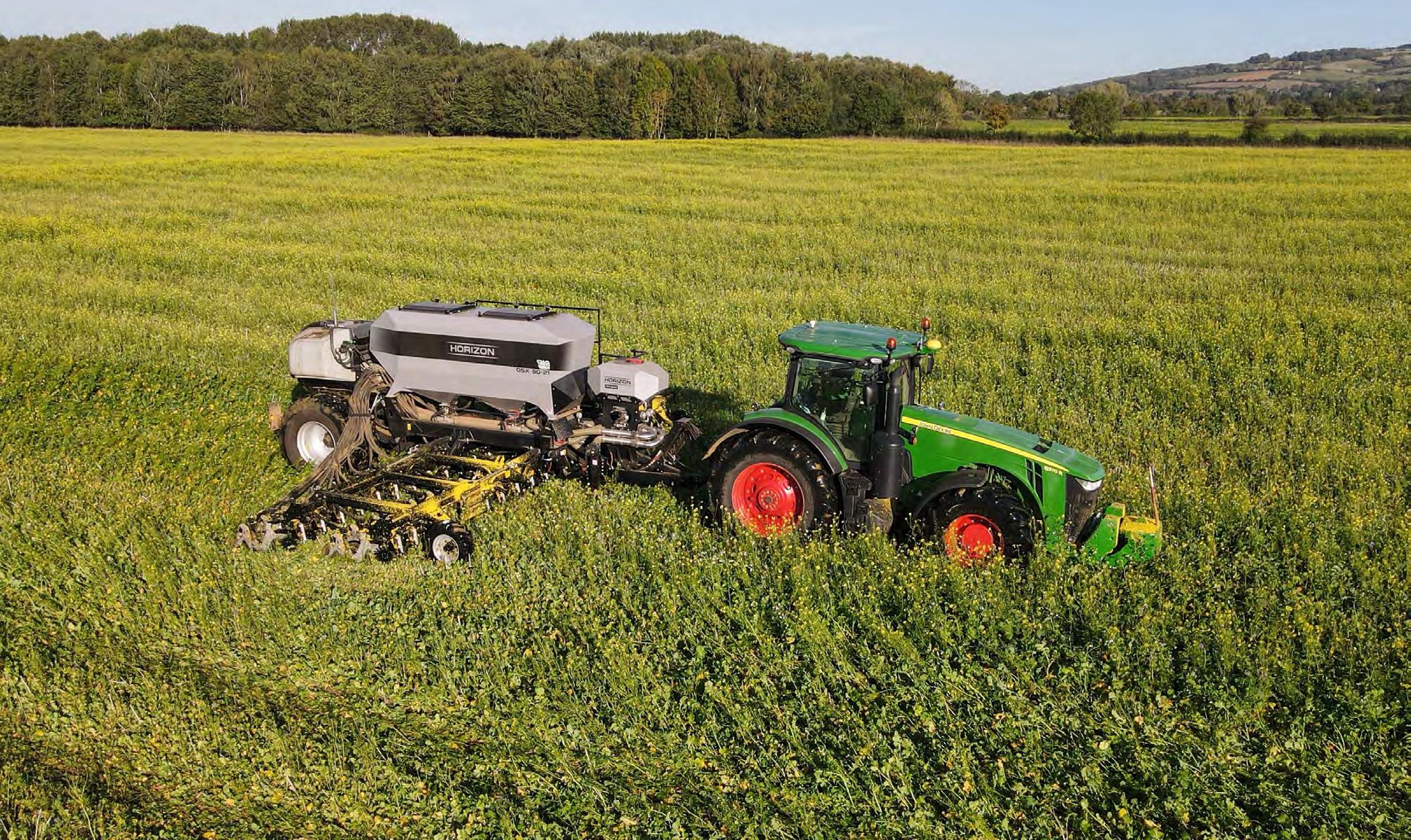


18.5 t CO2 e establishment cost £51/ha
Cover crops
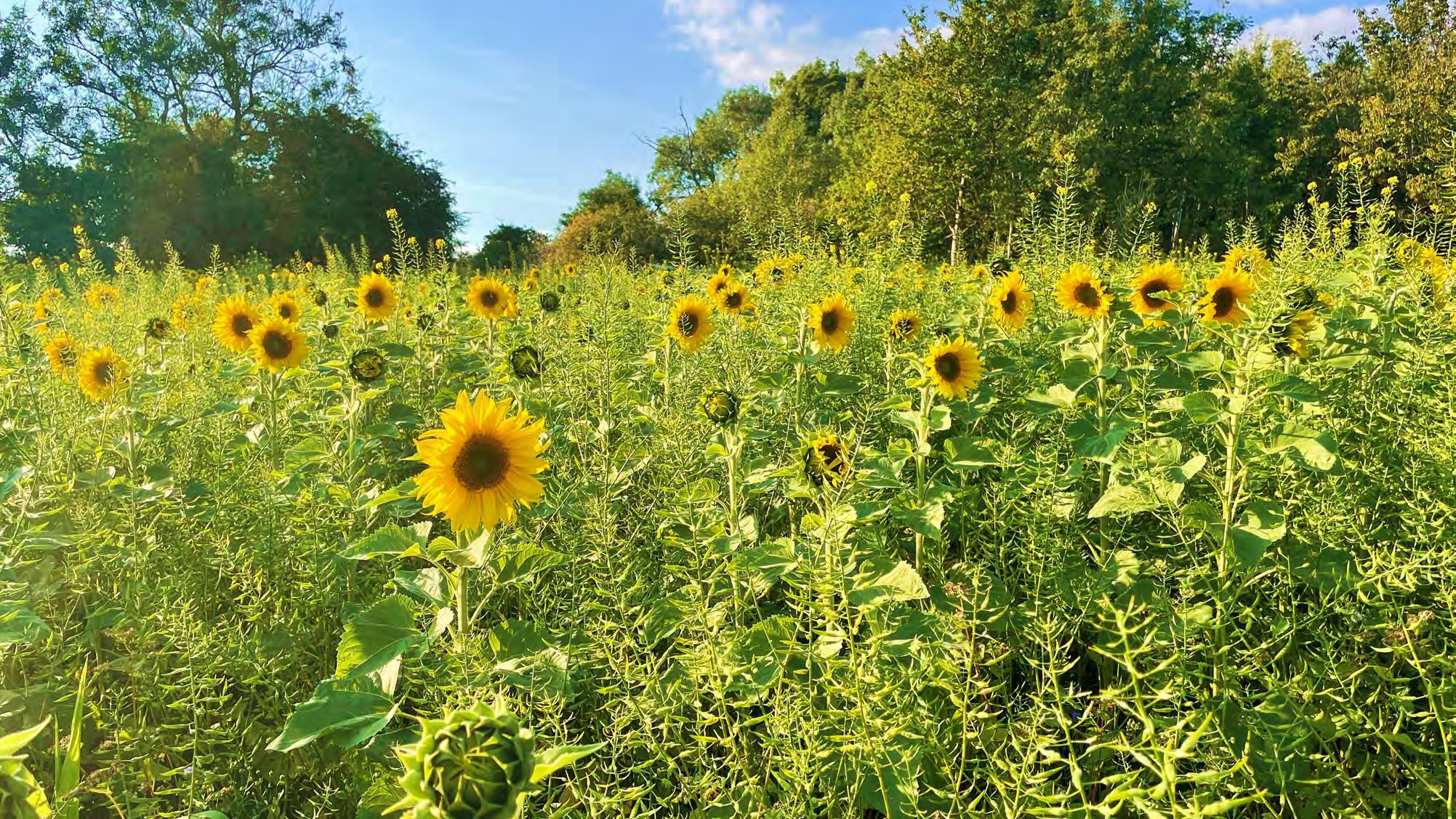
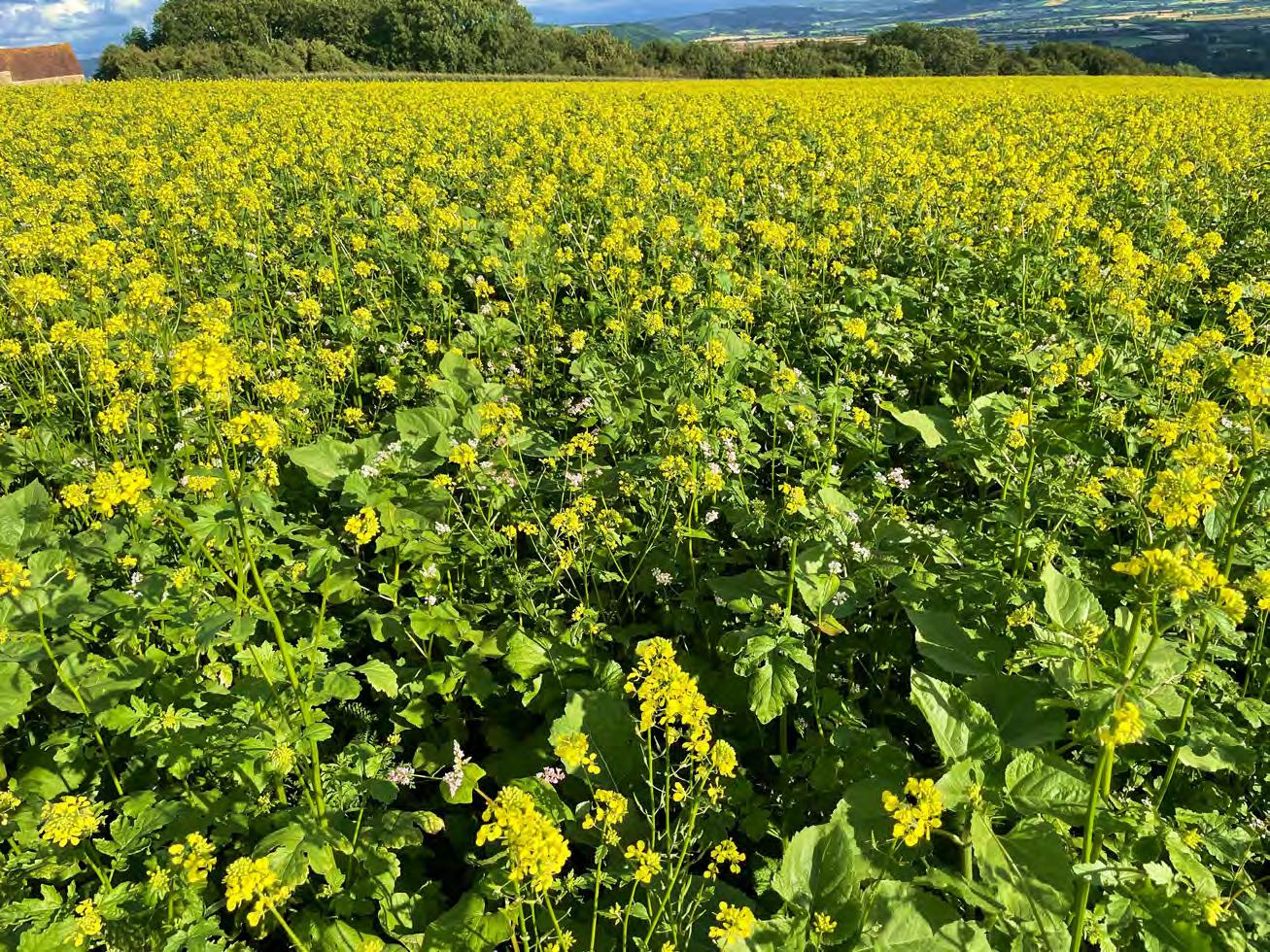
Diverse rotation
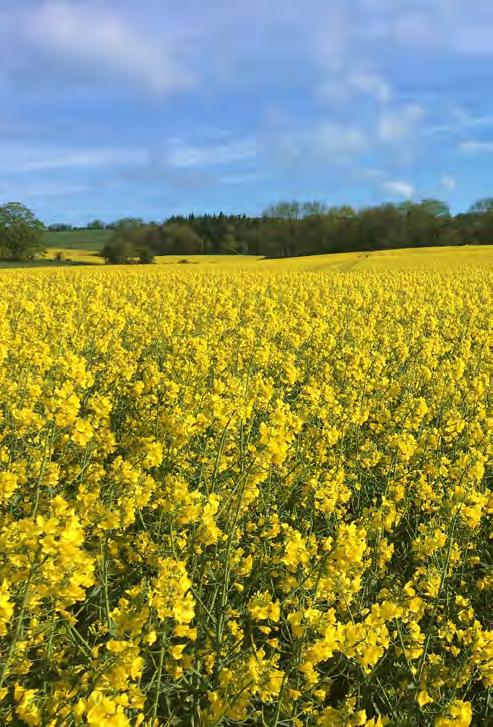
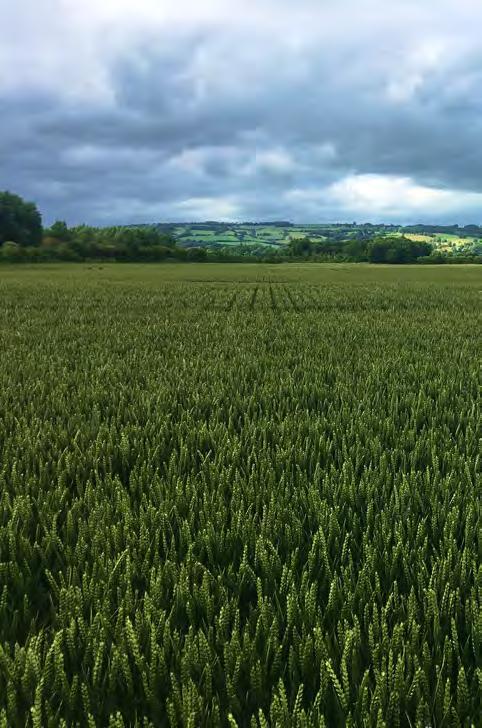
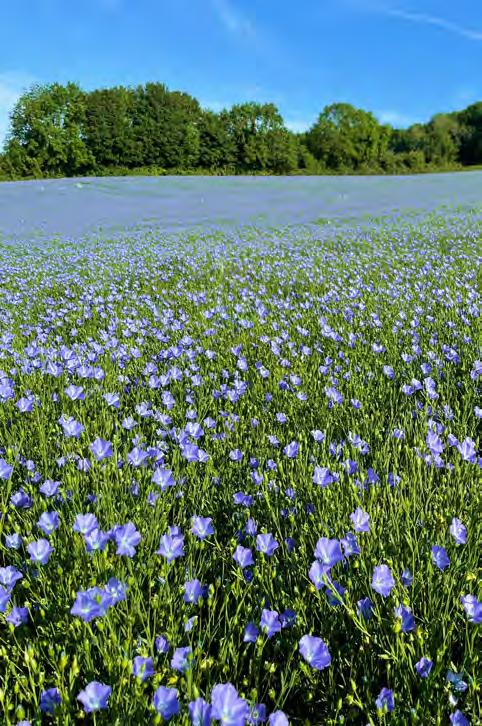
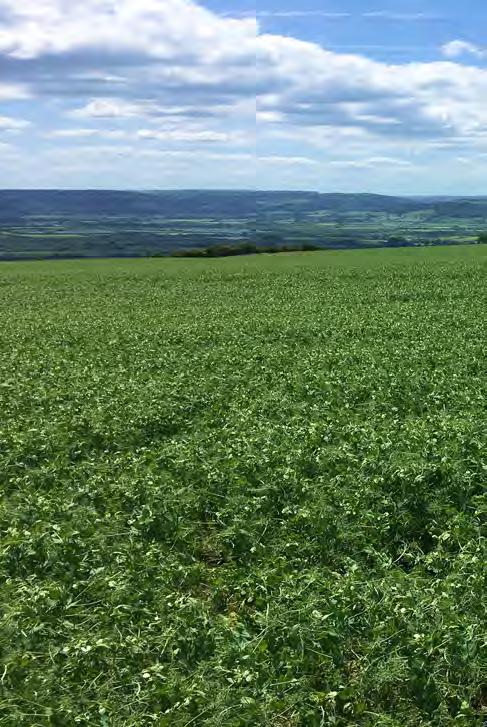
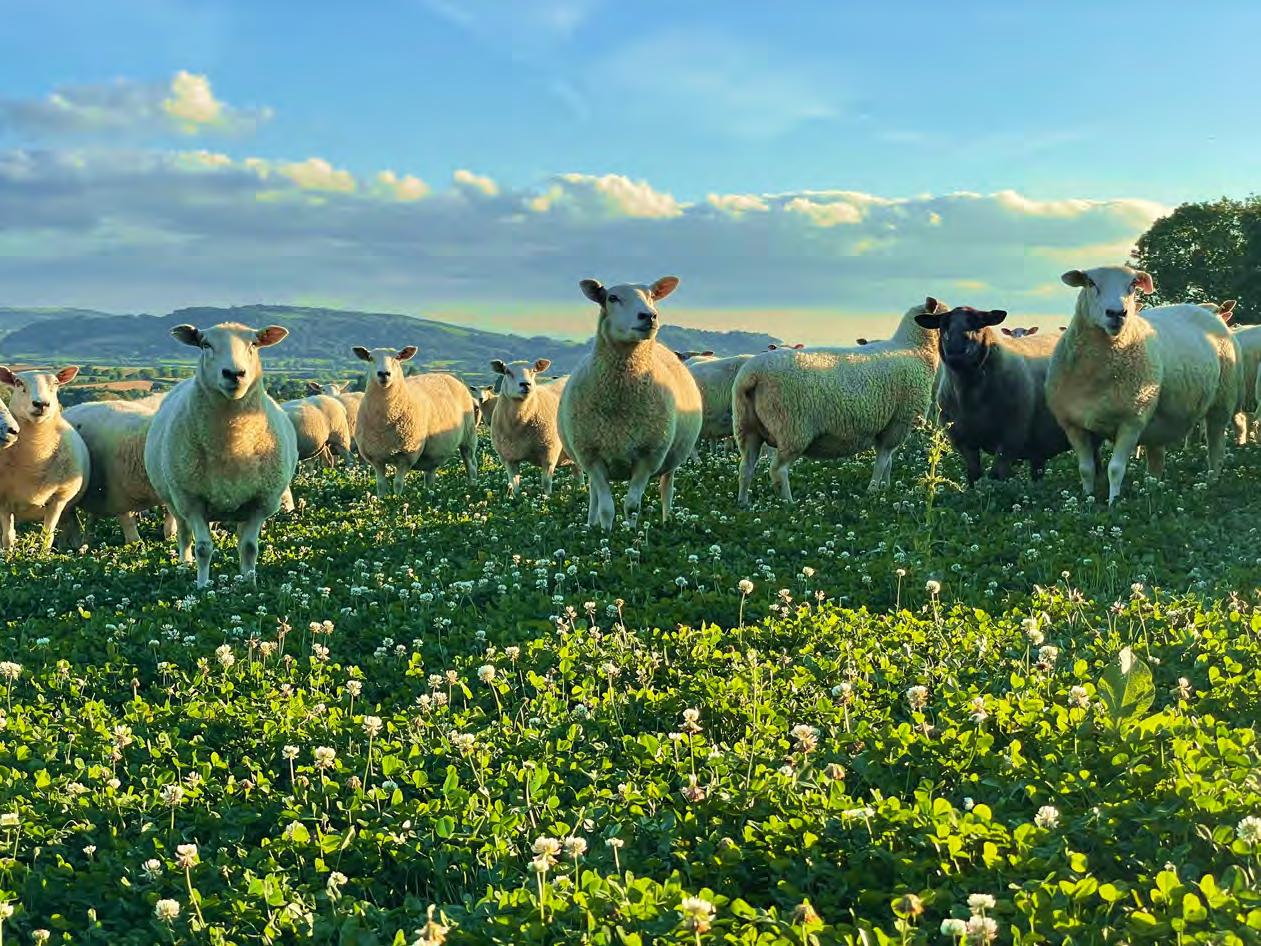
Livestock
Permanent grass
Herbal leys
Cover crops
Turnips/vetch
Clover understory
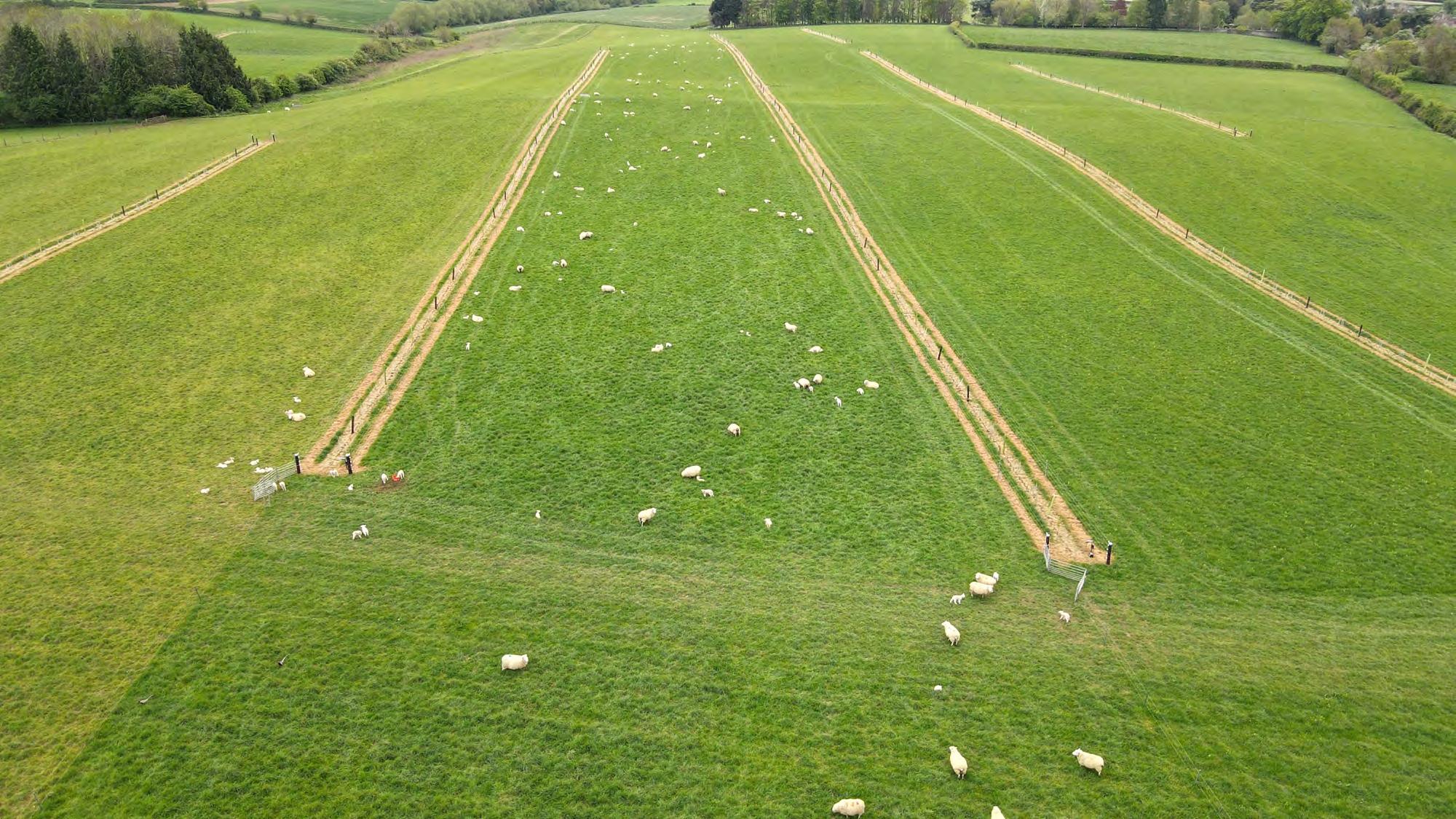
“Never be afraid to try something new. Remember, amateurs built the ark….. professionals built the titanic…..”

Q&A Session
Forging Connections:
The Role of Public
Engagement
in Farming, Food and Health
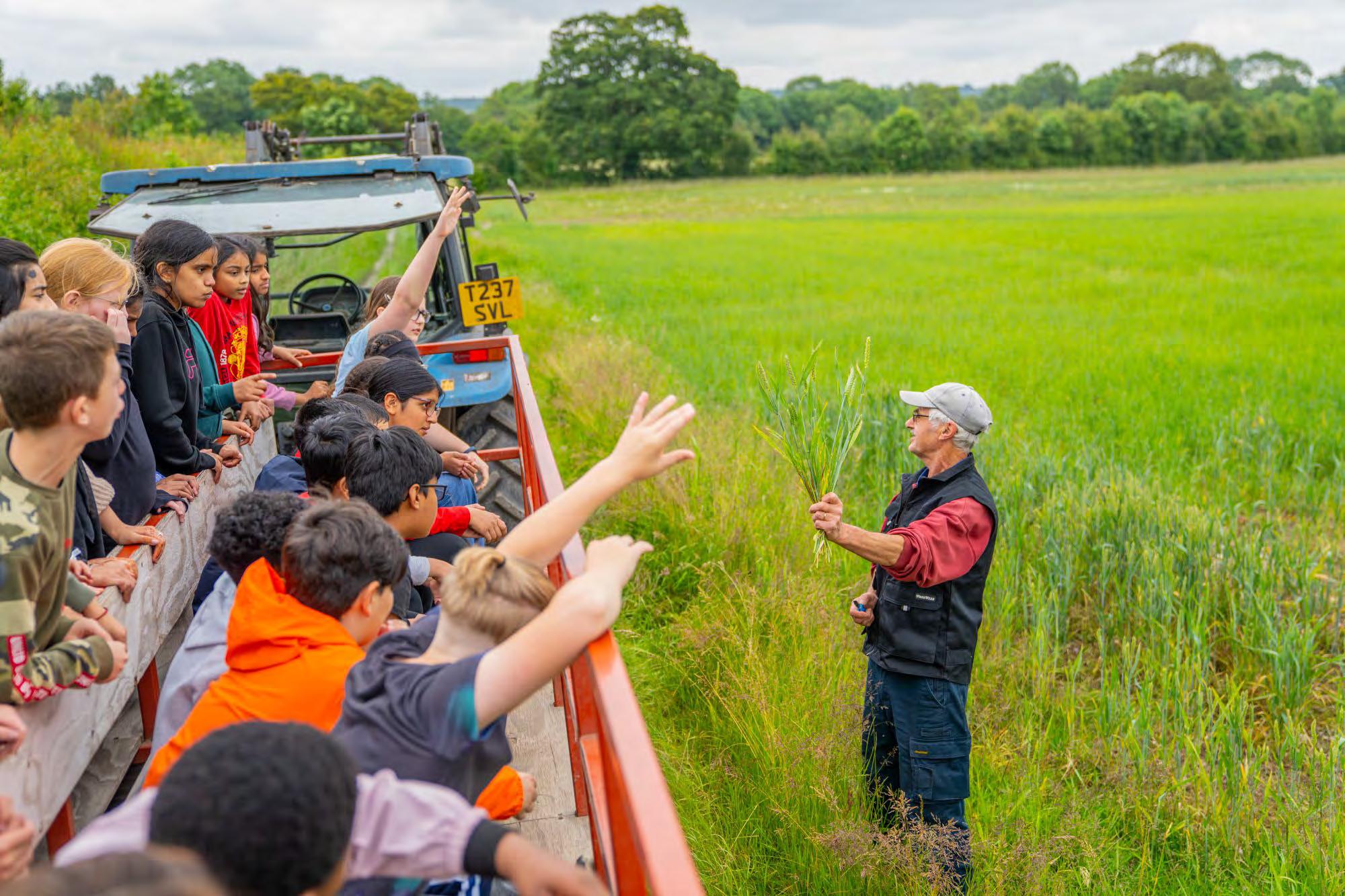
Dr Tom Pearson
Regenerative Farmer in West Cambridgeshire
Carl Edwards Director, Communication, Engagement and Education, LEAF (Linking Environment And Farming)

Christine Knipe Experience Director, RASE
Dr Tara Garnett Director of Table, University of Oxford




Public engagement in context
4 reflections
Tara Garnett - TABLE - University of Oxford
LEAF conference – 29 January 2026
1. We’re in the world
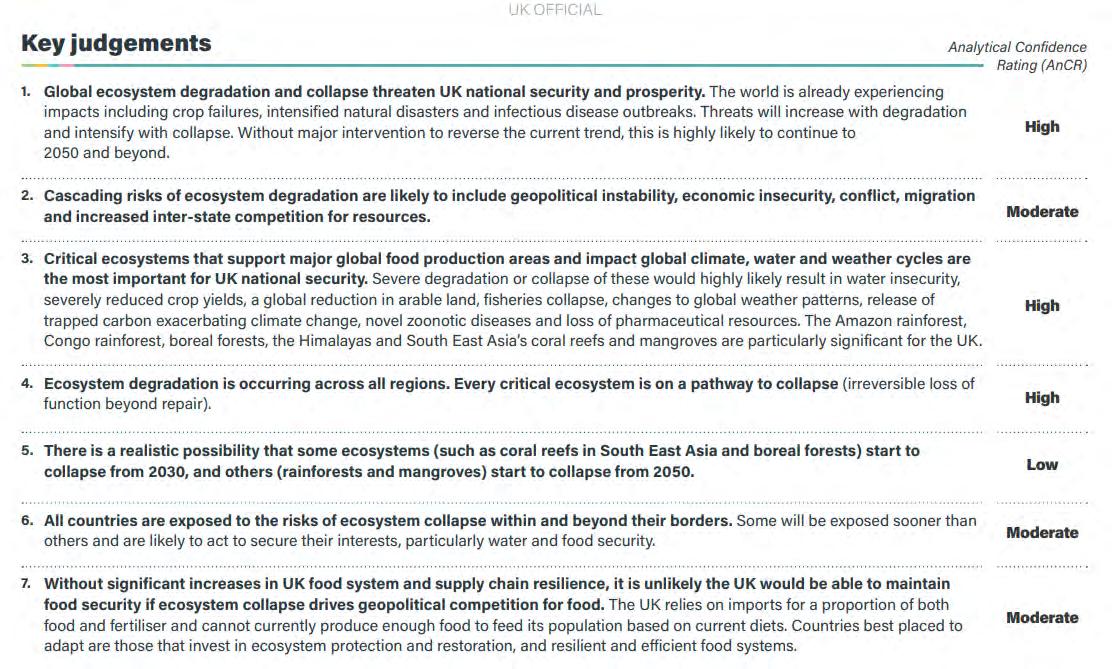
Environment – food security – national security are connected
2. Change is needed
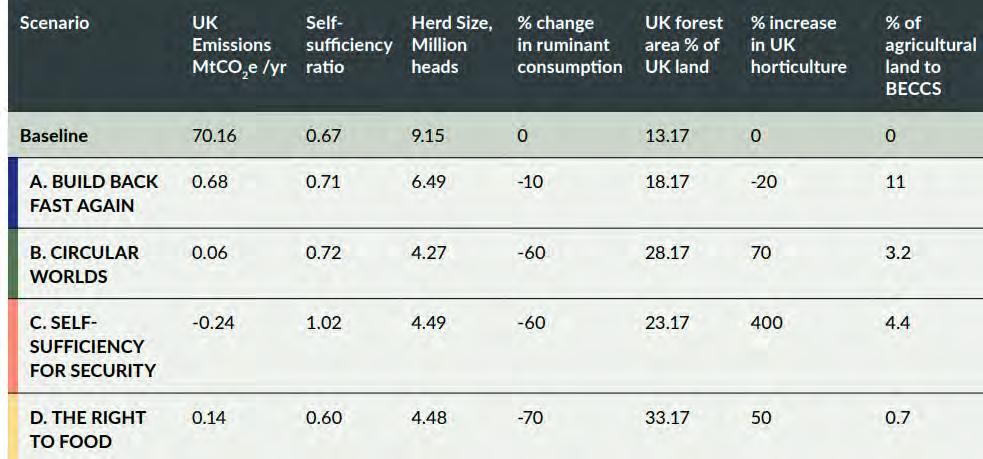
Farming changes, definitely But dietary shift is a necessary part of the necessary change
More fruit & veg – less meat & dairy
For the environment
For our health
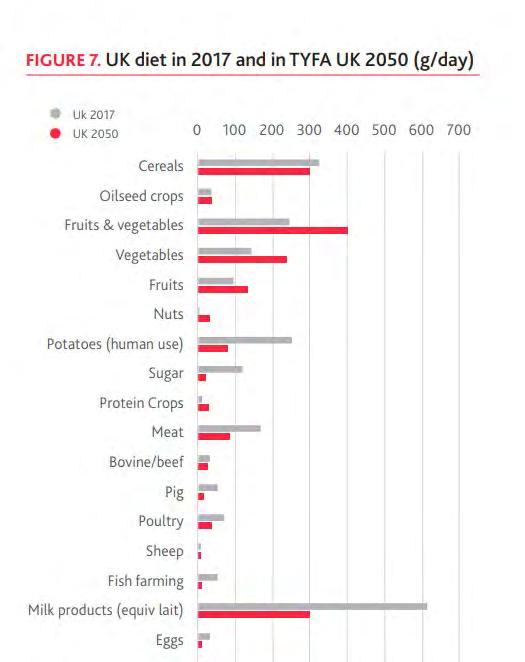
Most modelling studies – even more ‘regenerative’ ones - show the need for reduced livestock production – all types
Roadmap for Resilience: A UK Food Plan for 2050, AFN Network+
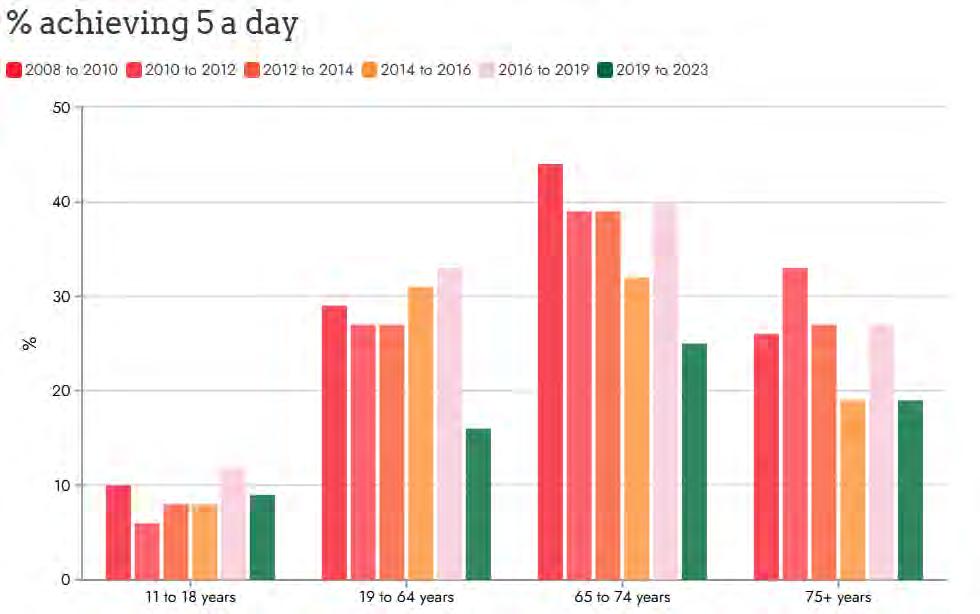
Health changes are needed…
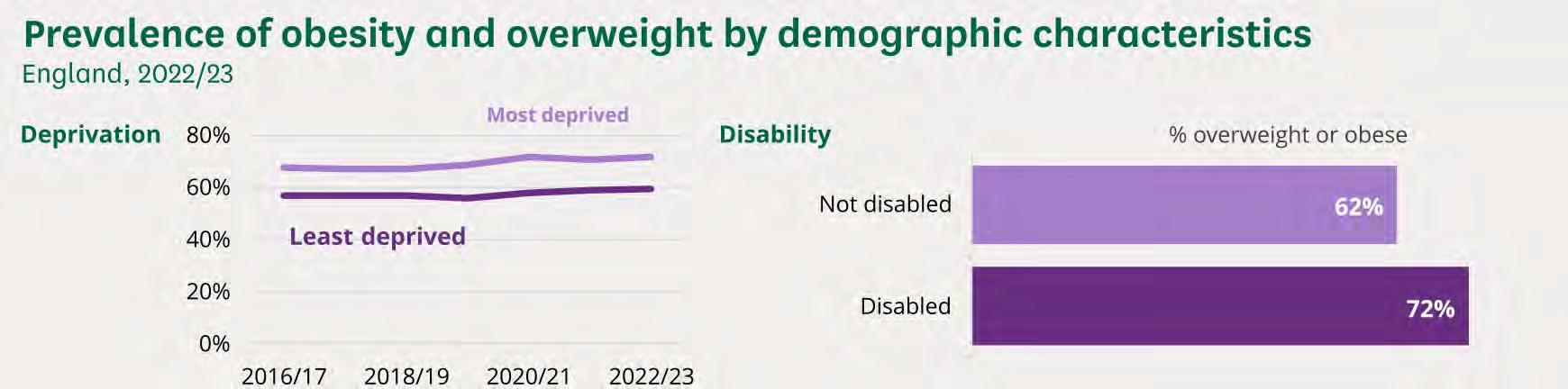
Obesity statistics, House of Commons Library, 2025
3. There are positives to work with
There’s public support for policy change
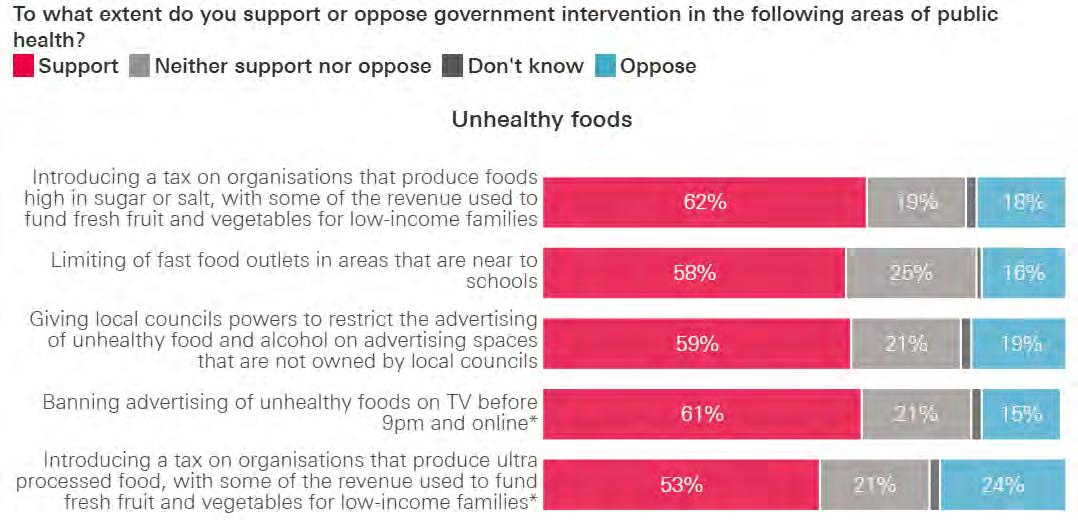
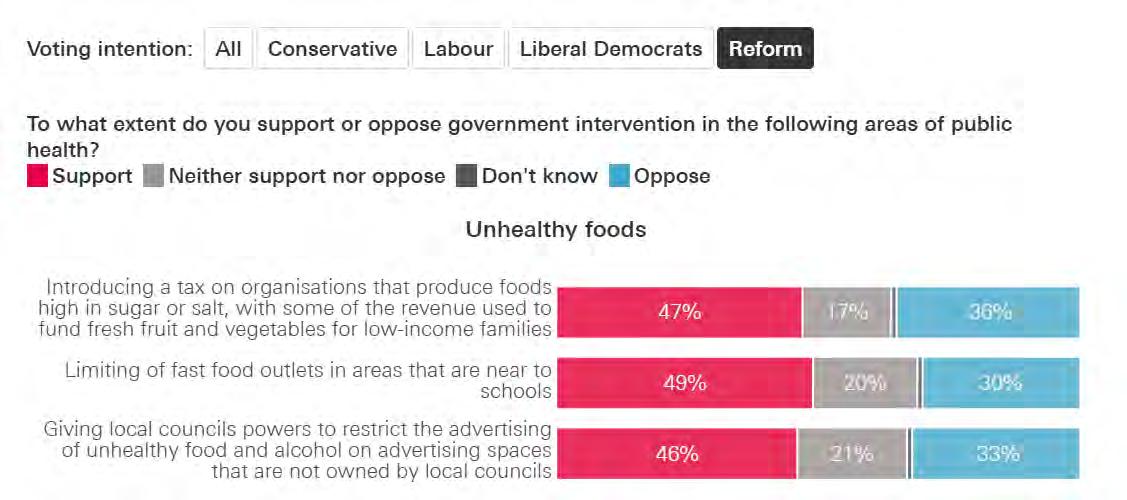
IPSOS polling for the Health Foundation 2024
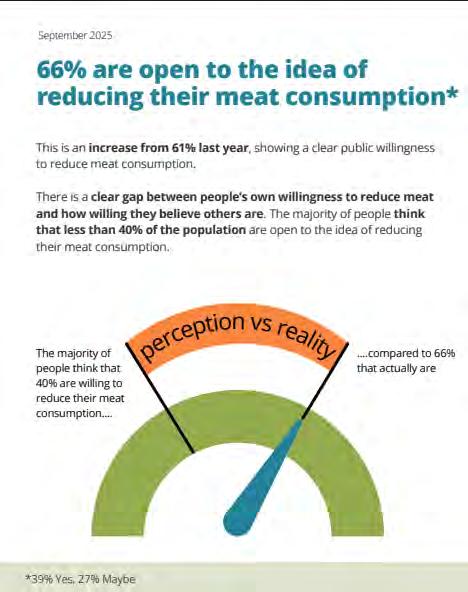
People are more open to change than they think other people are
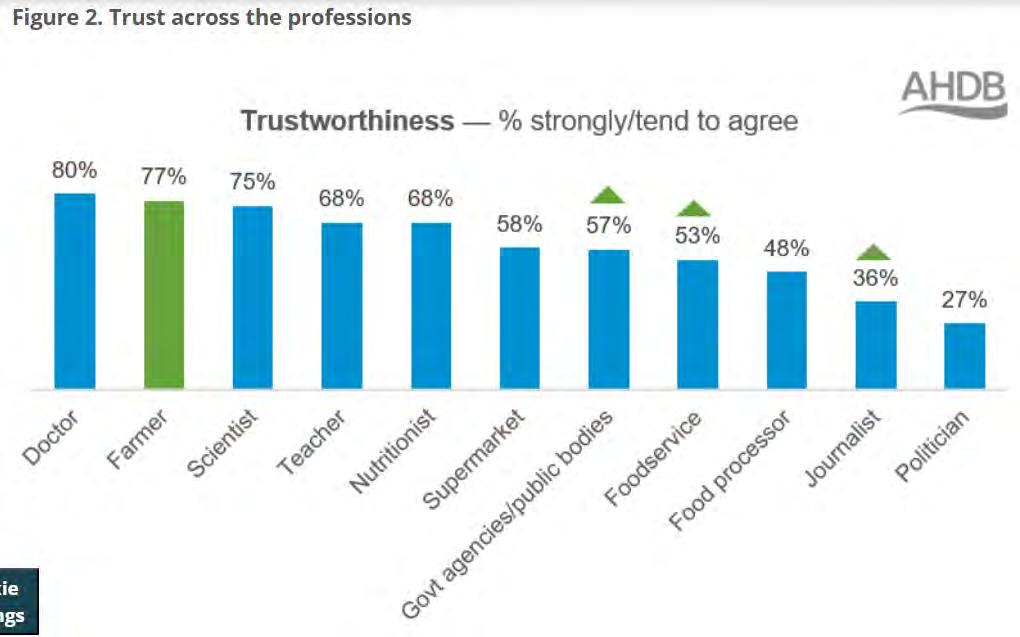
And people also trust & value farmers!
Agribusiness ownership, structures, expansion
War & geopolitics
But the influences on consumption are many & complex ? ? ?
Land tenure, access, control
Terms of trade
Climate change
Societal food norms, values, taboos
R&D priorities & investment
Education curriculum
Time & space
Rural & urban planning policies
Personal beliefs & values
Food access (storage, transport, cold storage and other tech; markets)
Environmental influences
Corporate influences
Food affordability (price, income, wages, land, equality)
Personal preferences & tastes

Diets
Education & knowledge
Intra-household distribution
Media & social media
Family norms
Biology
Food quality & safety
Agency & structural inequalities
Corporate advertising & marketing
International, regional, national, local food policies –regulations, economic, standards, guidelines etc -
Policies beyond food (wages, social security nets, environmental legislation, schooling, etc.)
Demographic trends e.g. ageing, migration
Civic forces
What does this mean for public engagement in food & farming?
• We need to connect changed farming with changed eating – it’s both/and
• “No man is an island” – even if we (technically) are
• There are positives to build on
• Farmers and change makers need to work together for policy & business change
• Public engagement is necessary BUT not sufficient
• The problems are global and complex
• We can’t leave it to the individual farmer’s / eater’s goodwill & enthusiasm -
• Public engagement takes many forms (e.g. voting!) and spans the whole food system
• Engagement is a multi-way process
• We need DIALOGUE not polarised debate
About TABLE
We’re a platform for knowledge & dialogue on the future of food.
What do we do?
We explore the data, the biases and the beliefs behind food systems debates to support better decision making.
We:
• Produce and communicate accurate, accessible knowledge on contested food issues
• Enable constructive dialogue within the food community
• Prompt thinking for the long term through visions & scenarios work.
We work with stakeholders across the whole food system
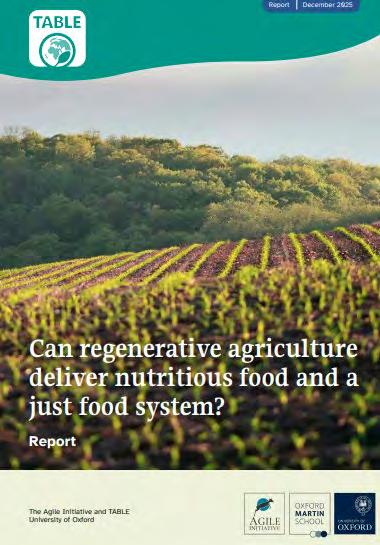
https://www.tabledebates.org/rec koning-regeneration-agile-project

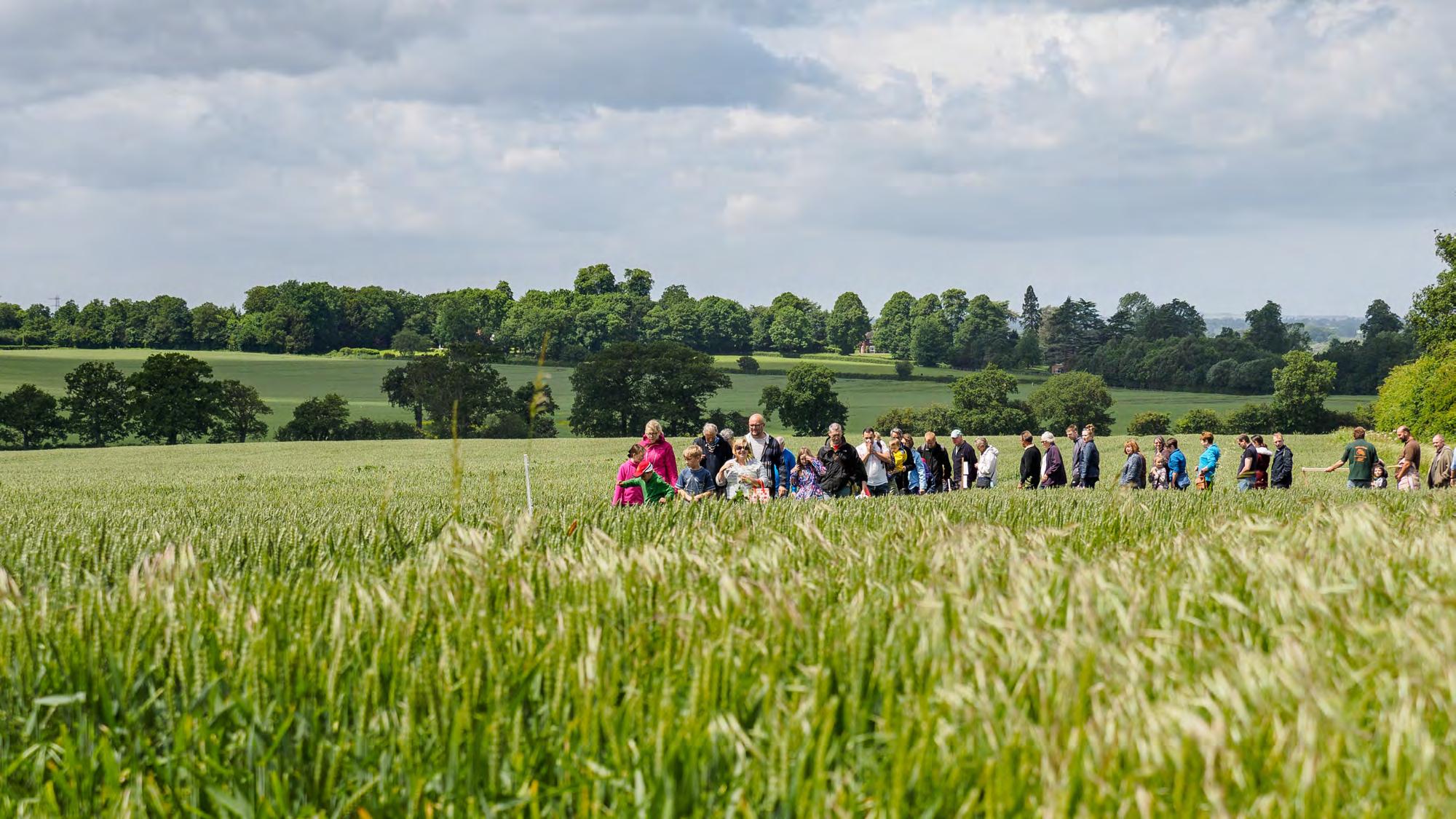
Michael Sly MBE Partner and Farms Director, Park Farm
Engagement on the Farm
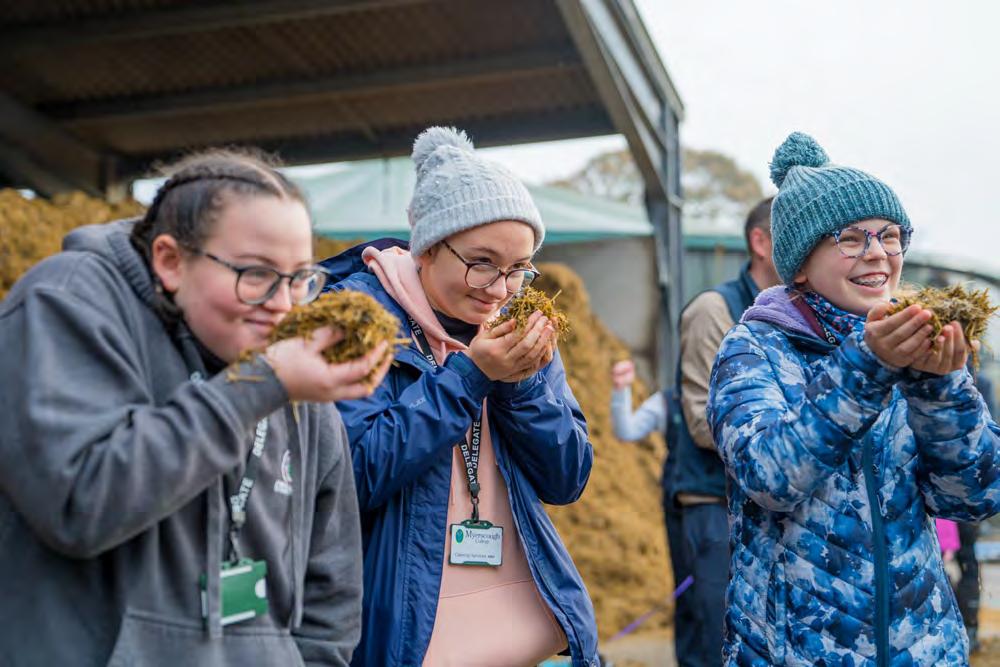
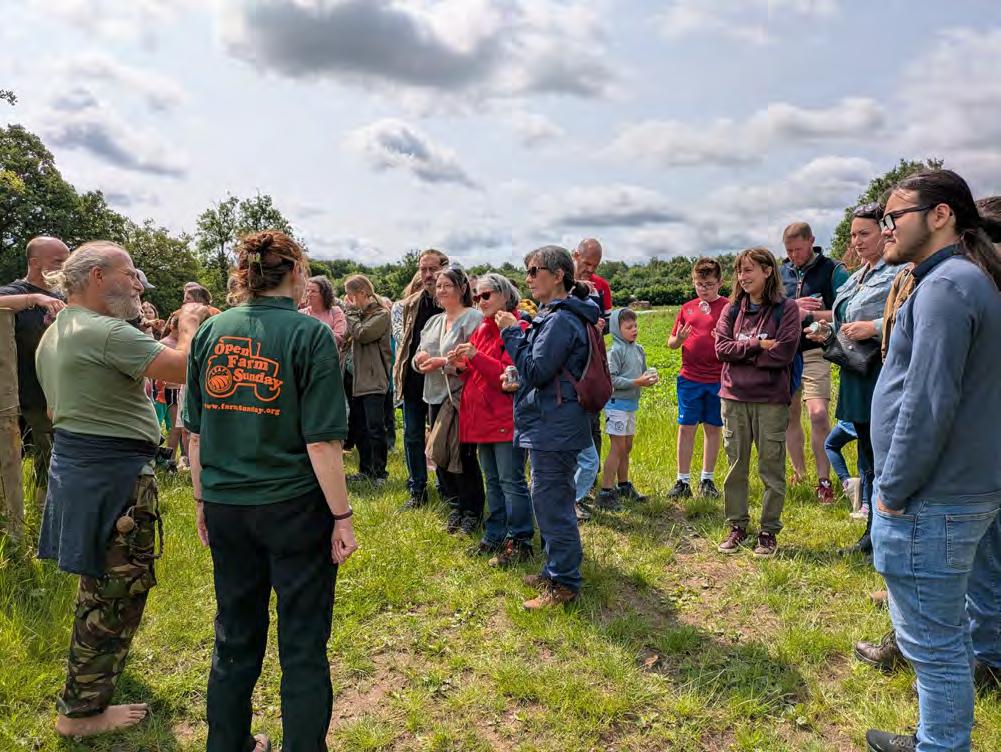
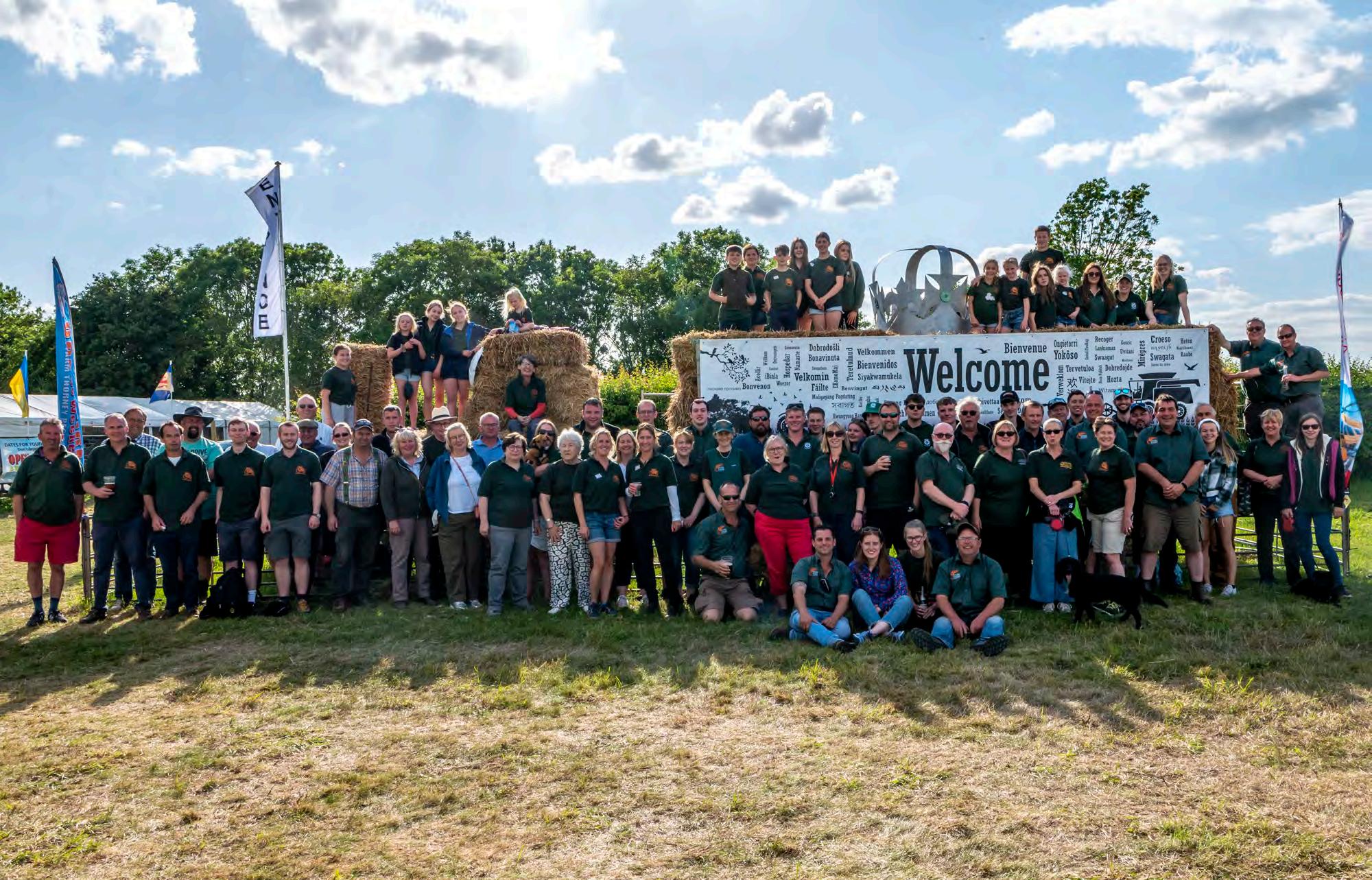
20 Years of Open Farm Sunday
Michael Sly MBE
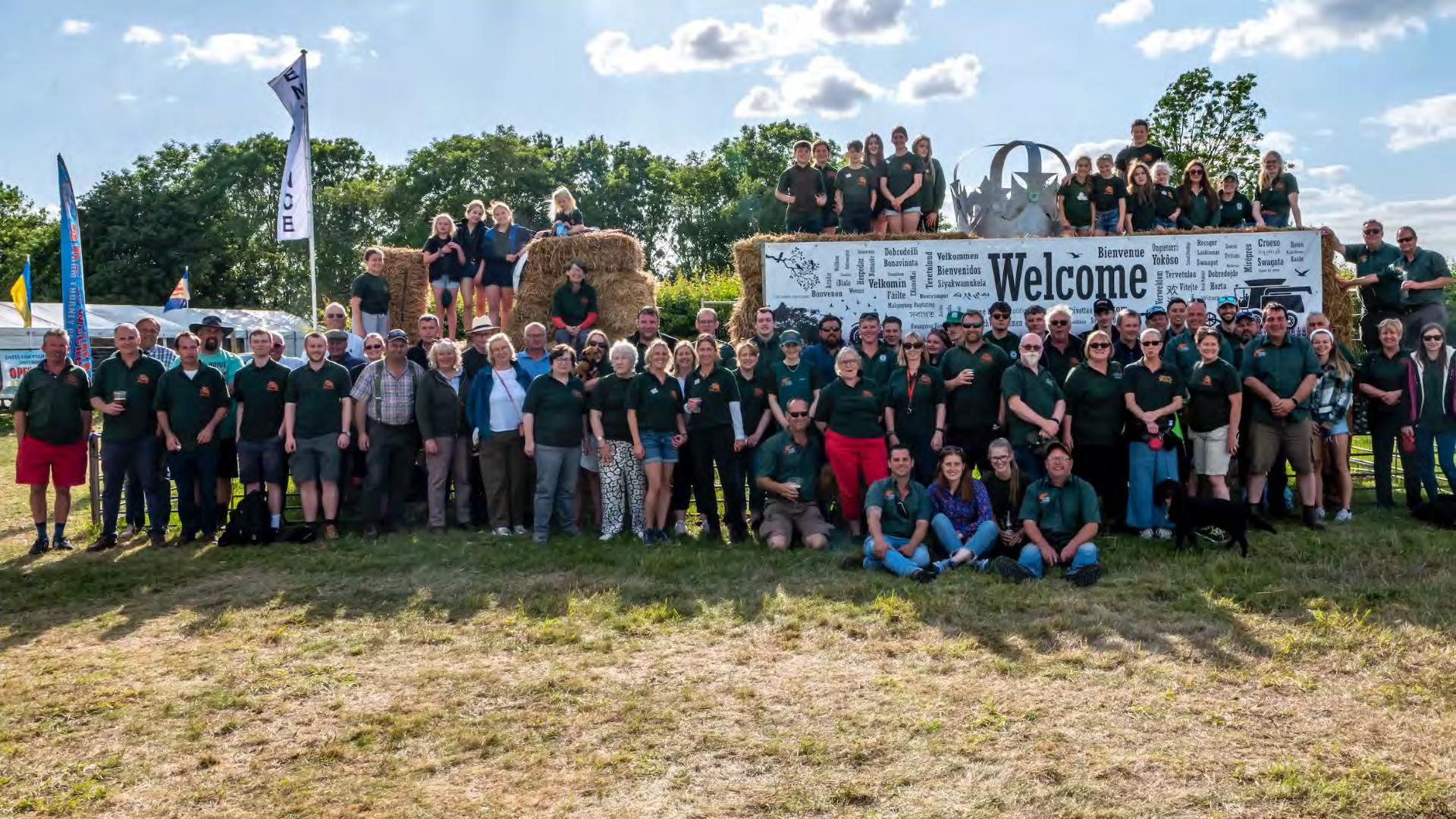
• Located in Thorney, near Peterborough
• Hosts since 2006 - 12 visitors!
• Core focus on educating visitors about food and environment
• Building connection and trust with community in and out of farming

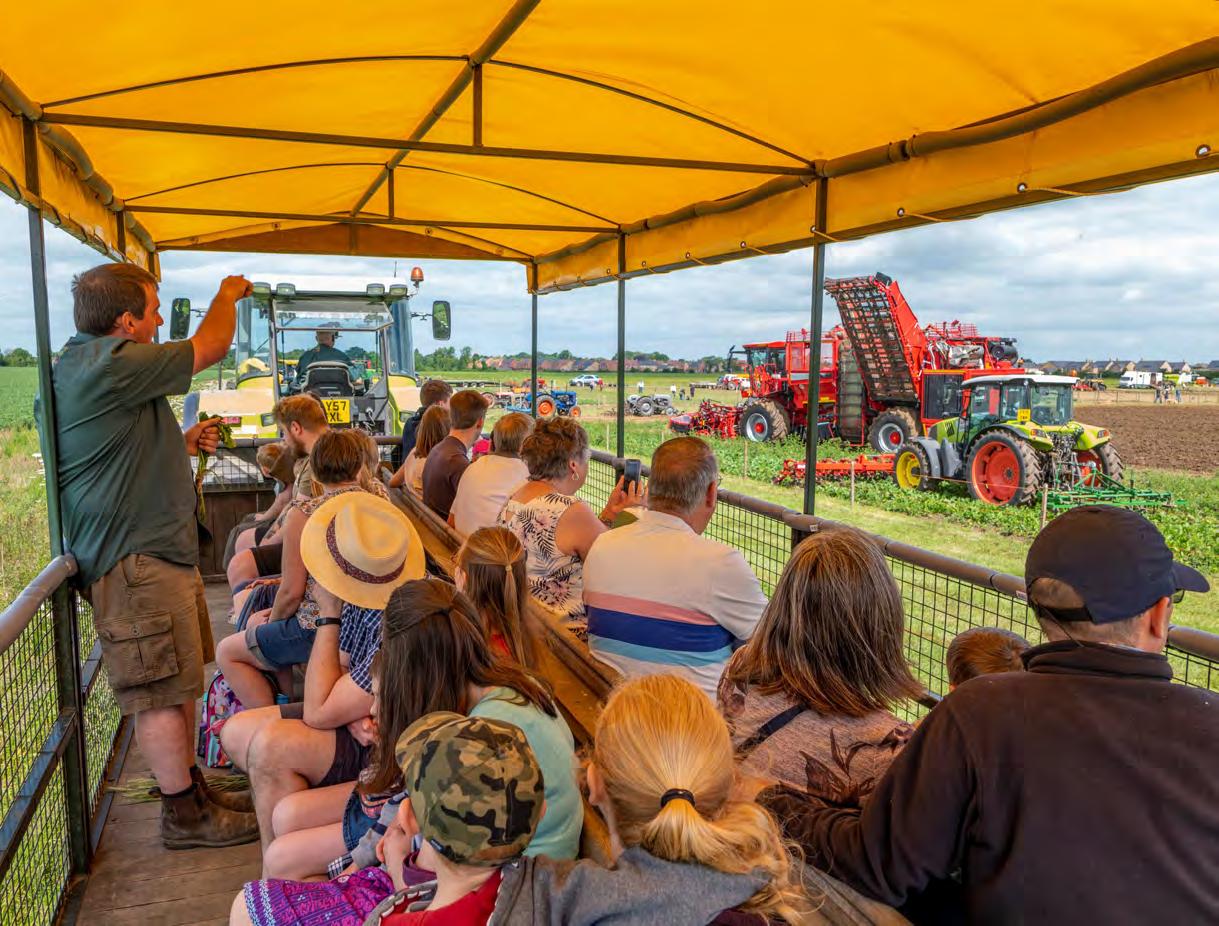
• Would be a challenge on our own
o Collaboration from neighbouring farmers
o Support from agricultural suppliers
• Shared responsibility
• Breadth and depth of expertise = stronger messaging
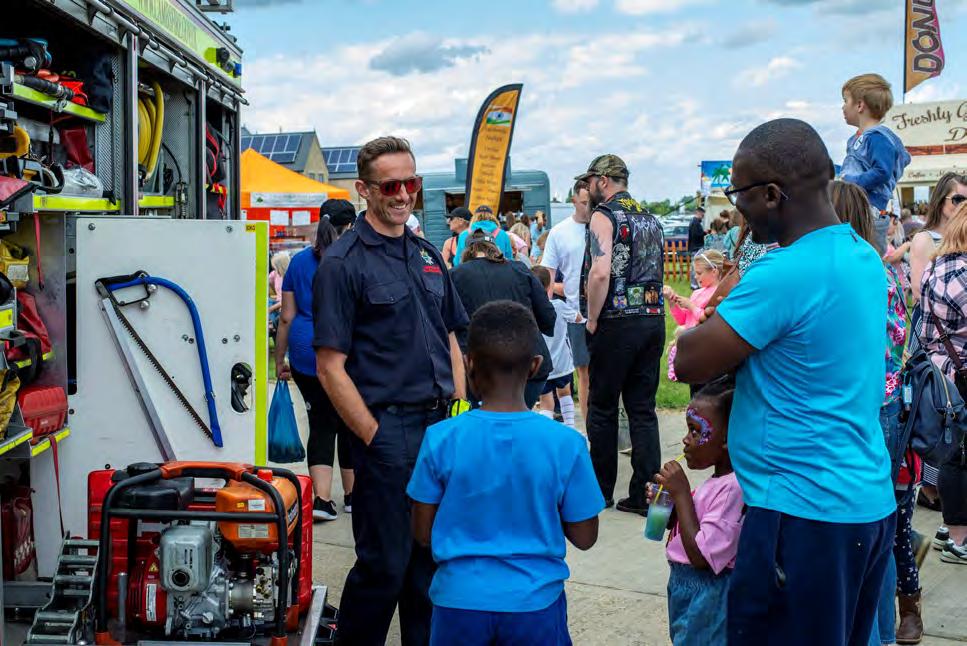
• Rural communities exist beyond the farm
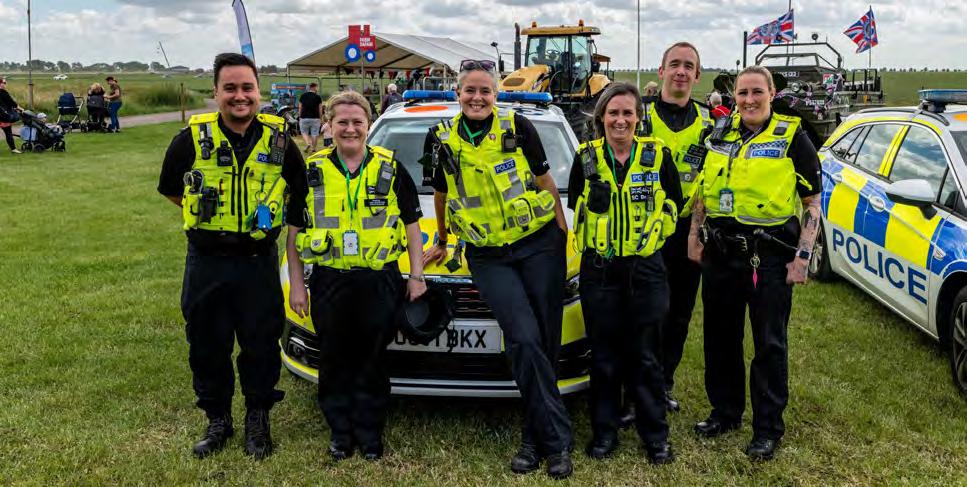
o Engaging with local schools, clubs, charities, emergency services etc.
• Created a core ‘fixture’ in local calendar
• Collaboration and trust from other sectors
12,500 visitors in 2018
100,000th visitor in 2024
Involvement from local farming community
Multiple generations visiting and helping
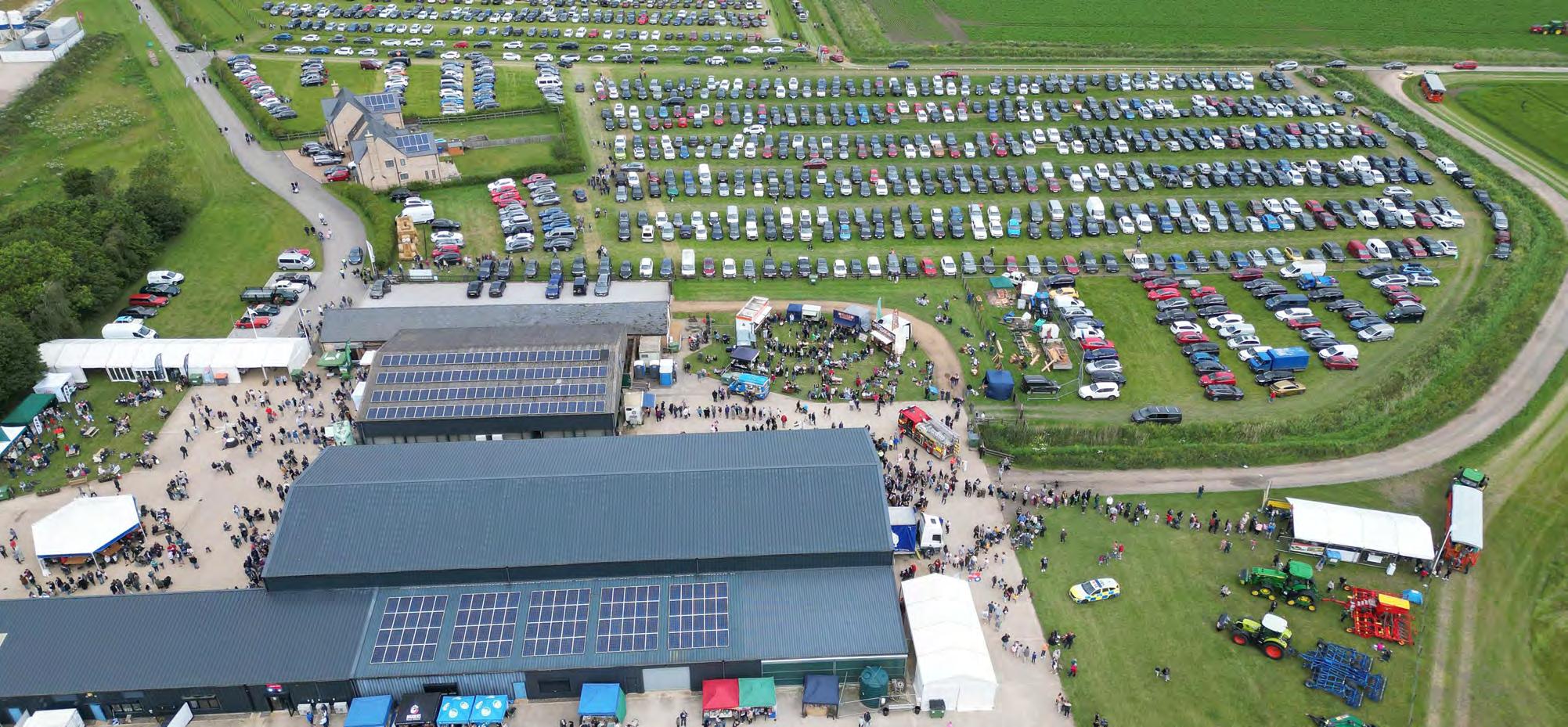
119,000 visitors 2006-2025
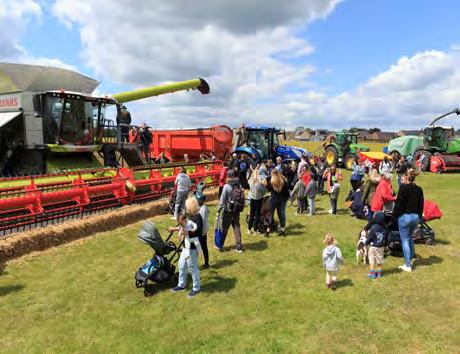
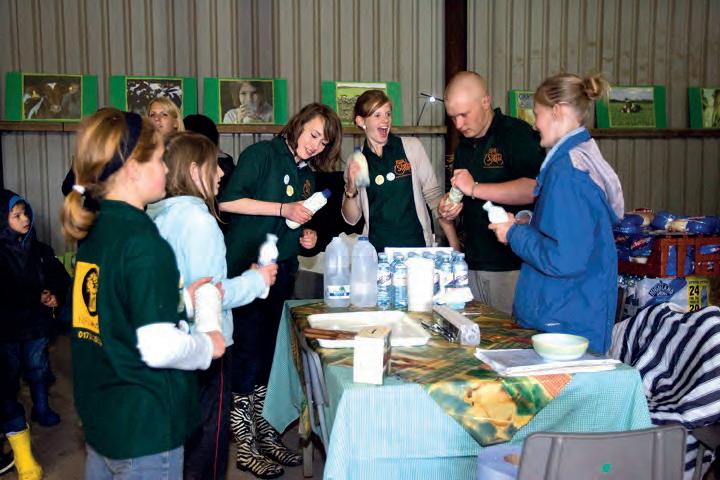
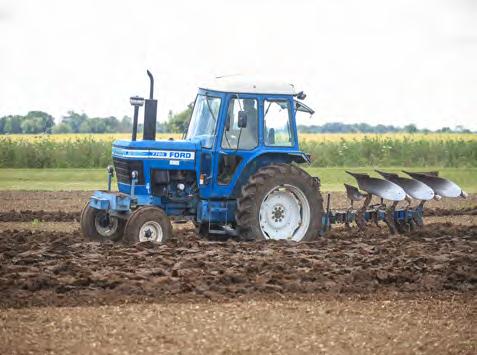
• Pull on the rope together for a range of experience and expertise
• Authenticity goes a long way
• Remembering to have fun and enjoy!
Q&A Session
Dr Elliott Grant CEO, Mineral & Visiting Fellow, University of Cambridge Institute for Manufacturing
AI & Sustainability
Catalyzing Change at Scale with Data
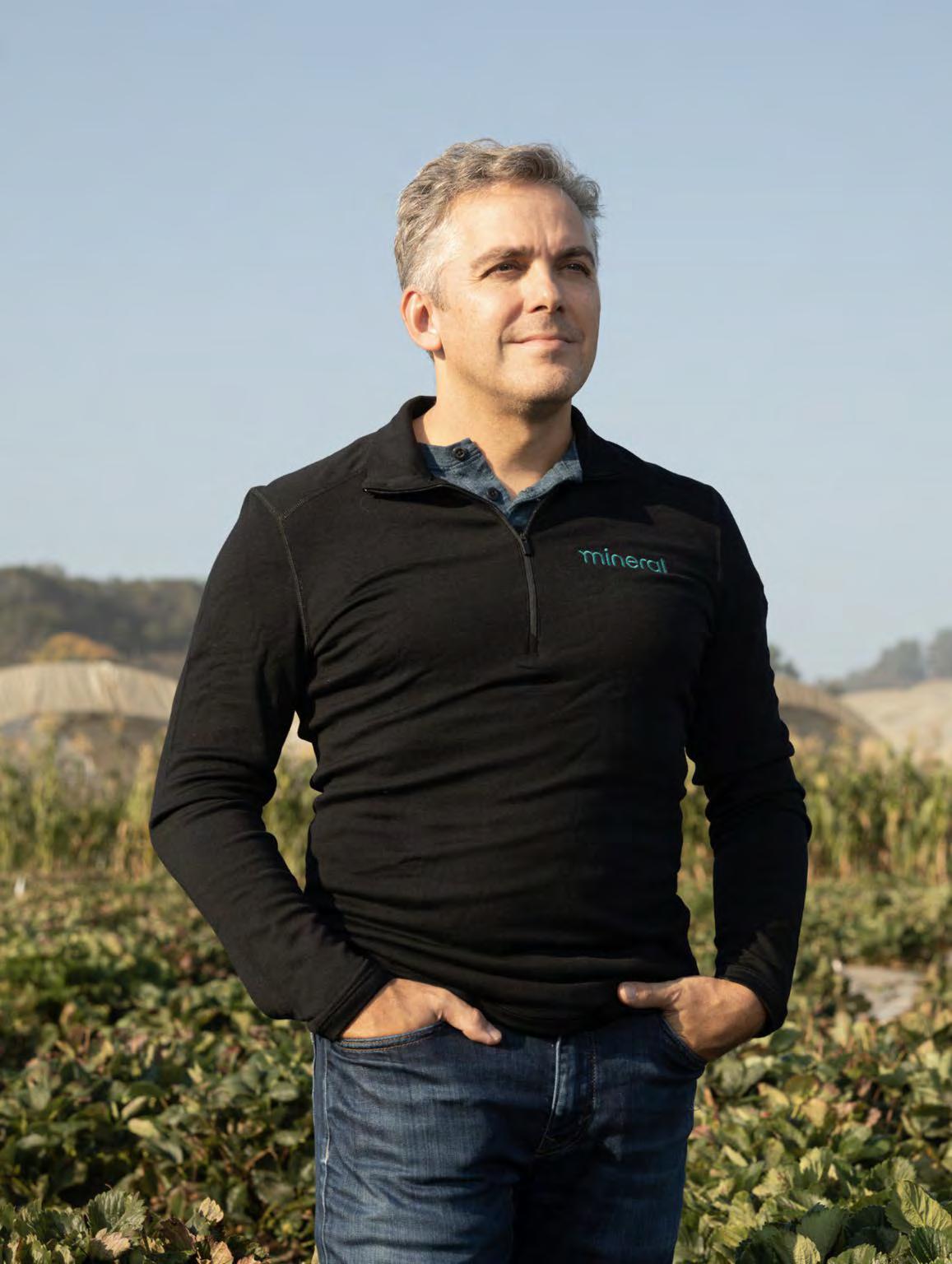
Elliott Grant, PhD





AI is Coming

Data collection becomes free
AI is Coming

Knowledge becomes a commodity
Data collection becomes free
AI is Coming
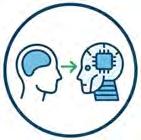
Decisions are outsourced to AI Agents
Knowledge becomes a commodity
Data collection becomes free
AI is Coming

Greater automation and precision
Decisions are outsourced to AI Agents
Knowledge becomes a commodity
Data collection becomes free
AI is Coming
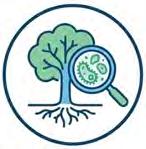
Our understanding of the natural world deepens
Greater automation and precision
Decisions are outsourced to AI Agents
Knowledge becomes a commodity
Data collection becomes free
Examples of AI Impact on Sustainability
Breeding of crops that require less chemicals or are higher yielding
Precise application of chemistry, robotic UV treatment
Agronomy advice for more complex practices like IFM
Optimum water modeling for yield and quality
Proof for ecosystem services, early disease detection
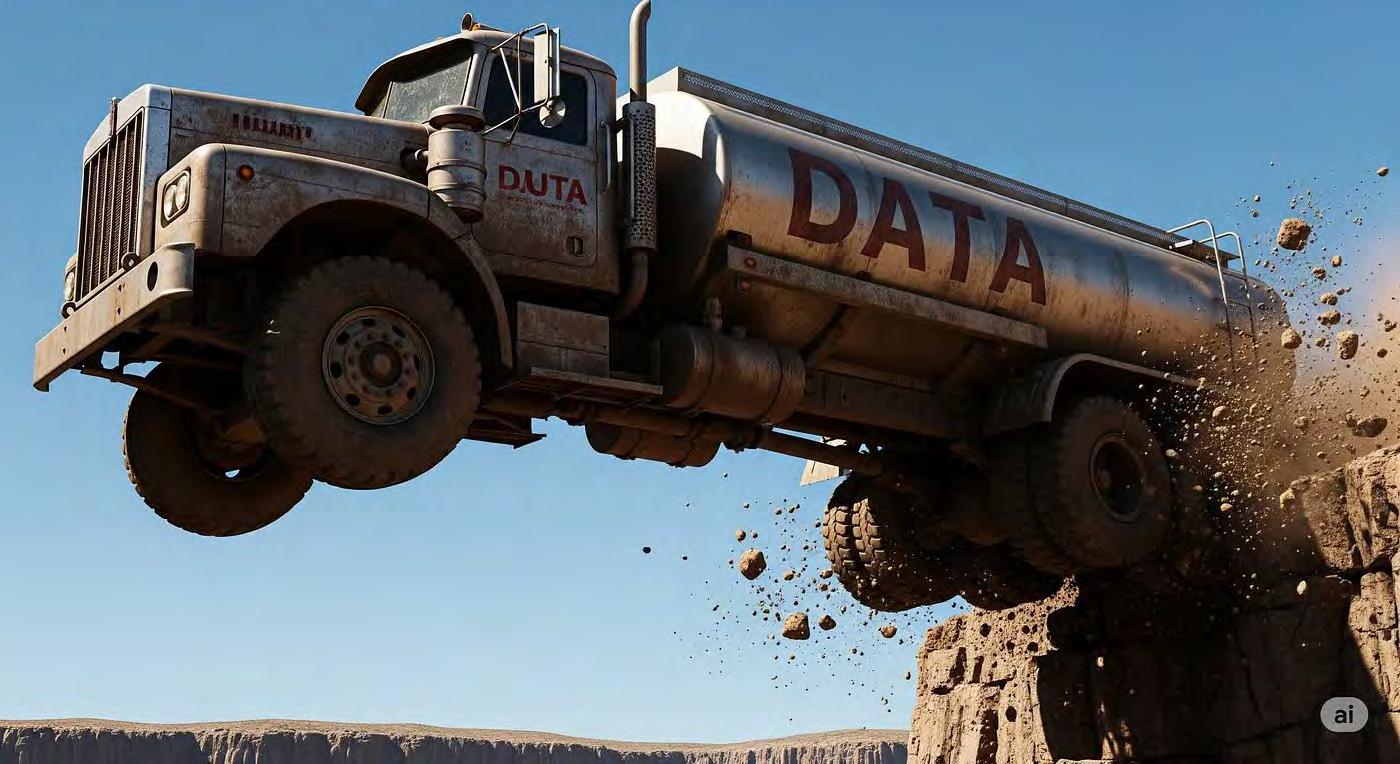
Data is not the new ‘oil’
Why?
Data is not a commodity
Data is not fungible
Data is non-rivalrous
Data has network effects
Data can be private
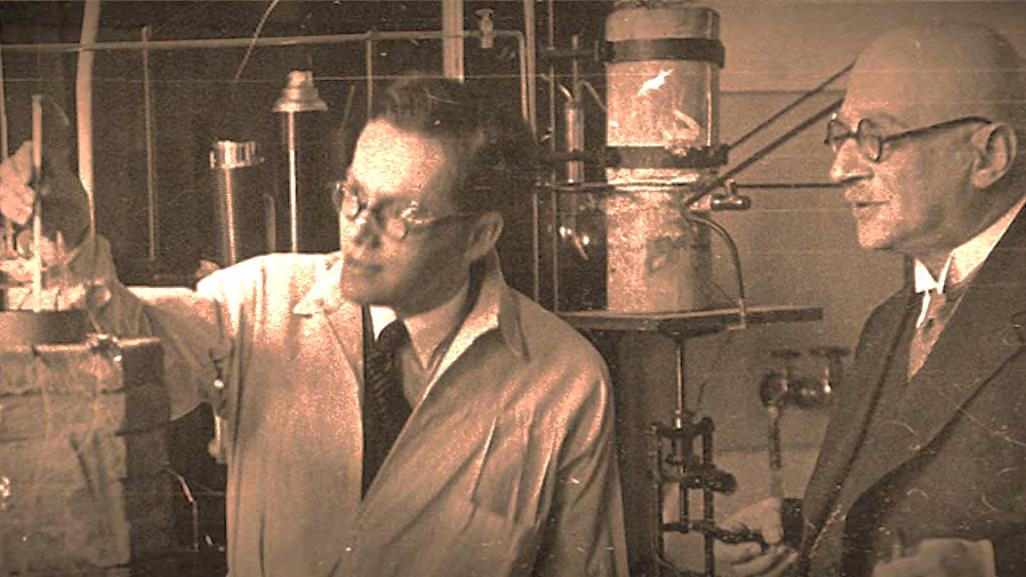
Data is a catalyst
Why?
Not all data is created equal
Data value is determined by impact
Data can be engineered and synthesized
Bad data has outsized effects.
Datasets have intrinsic properties. Collecting data shouldn’t be random.
Data: Necessary But Not Sufficient
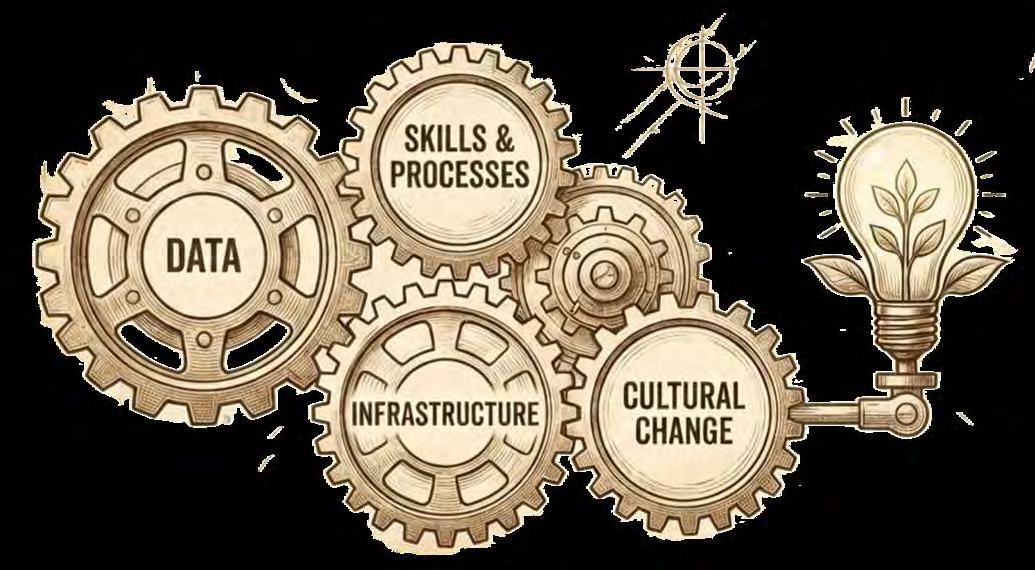
Putting AI into practice: crossing the chasm
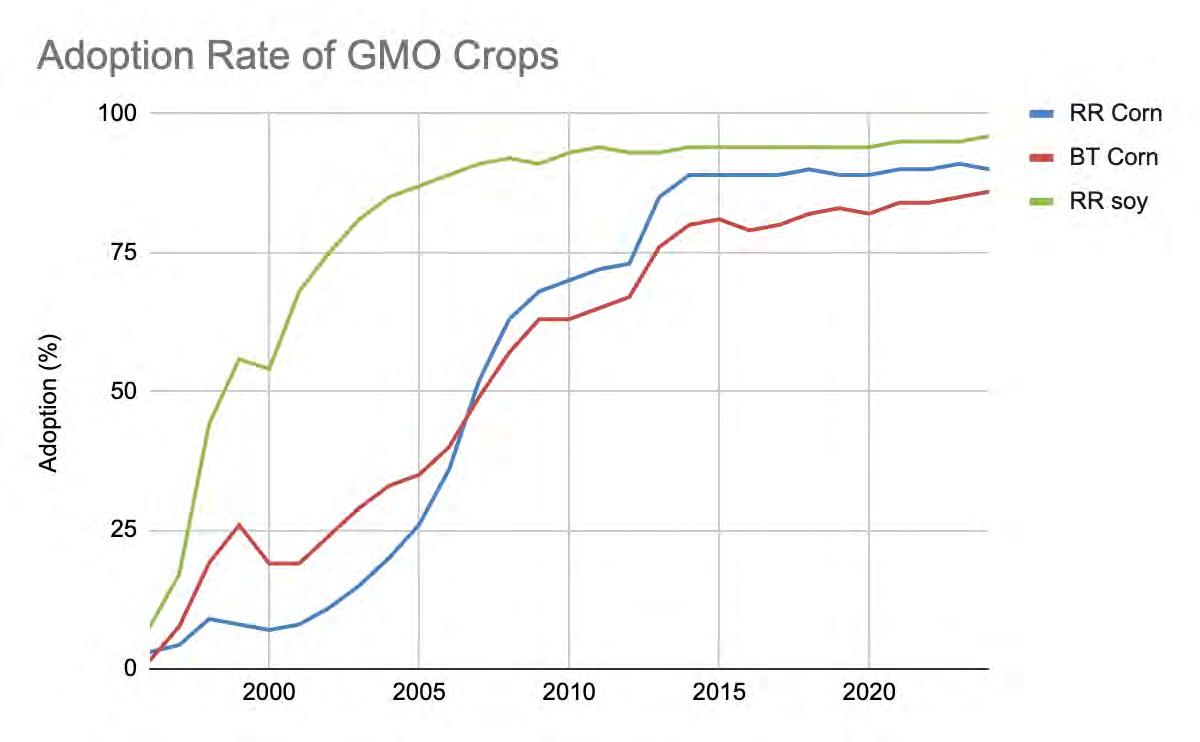
Majority Laggards
Innovators/Early Adopters
● Collect data intentionally
● Baby steps before giant leaps
● Inhouse vs off the shelf
● Interdependencies
Thank you.
Q&A Session

Beautiful Data: Capacity, Culture, and Change
Hutchinson Chairman, Hutchinson Group & Director HL Hutchinson Ltd
David

Beautiful Data: From Theory to Practice in Regenerative Agriculture
David Hutchinson
Chairman – Hutchinson Group Ltd
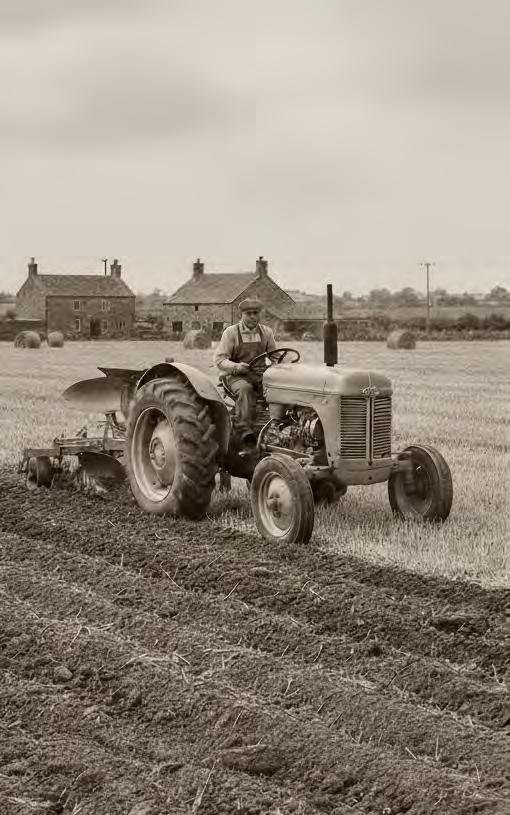
Eight Decades of Change

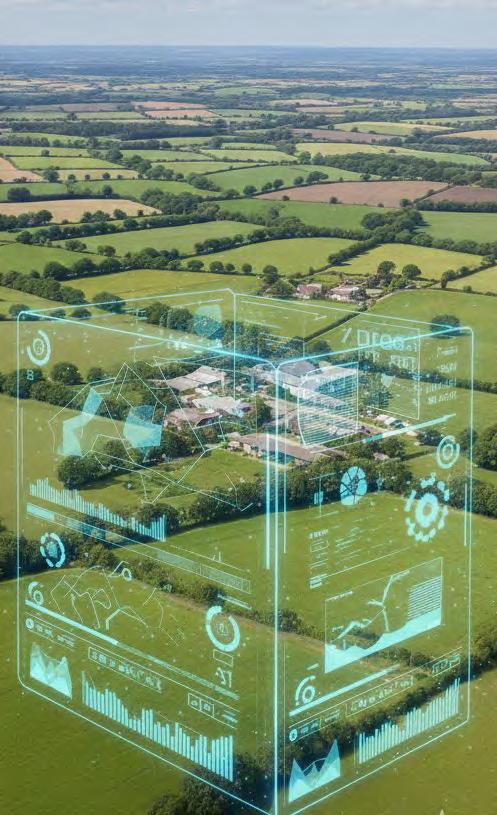






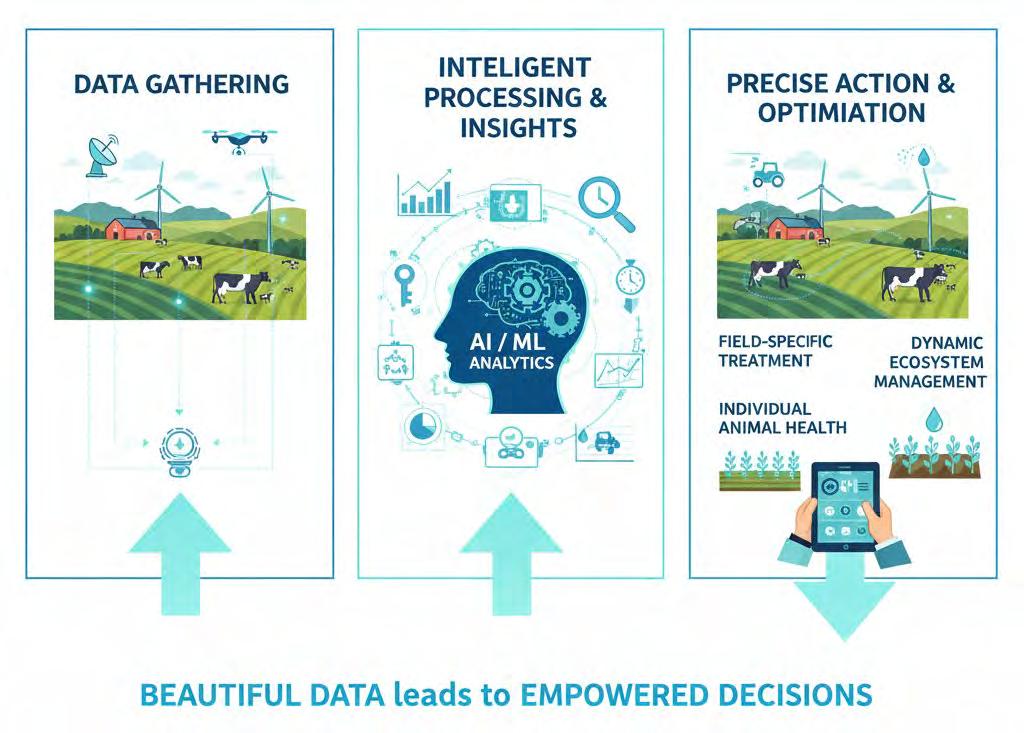
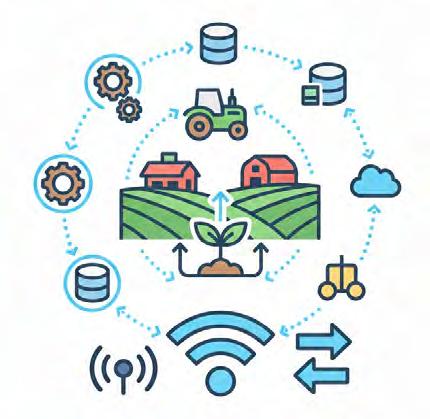
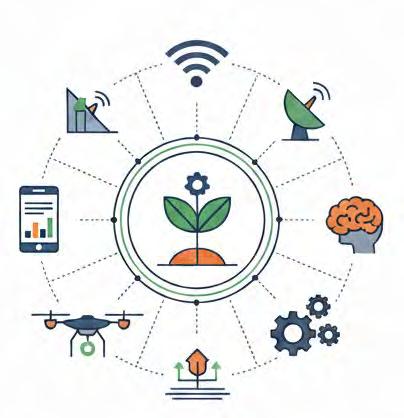
Beautiful Data



DATA GATHERING
INTELLIGENT
PROCESSING & INSIGHTS
PRECISE ACTION & OPTIMISATION









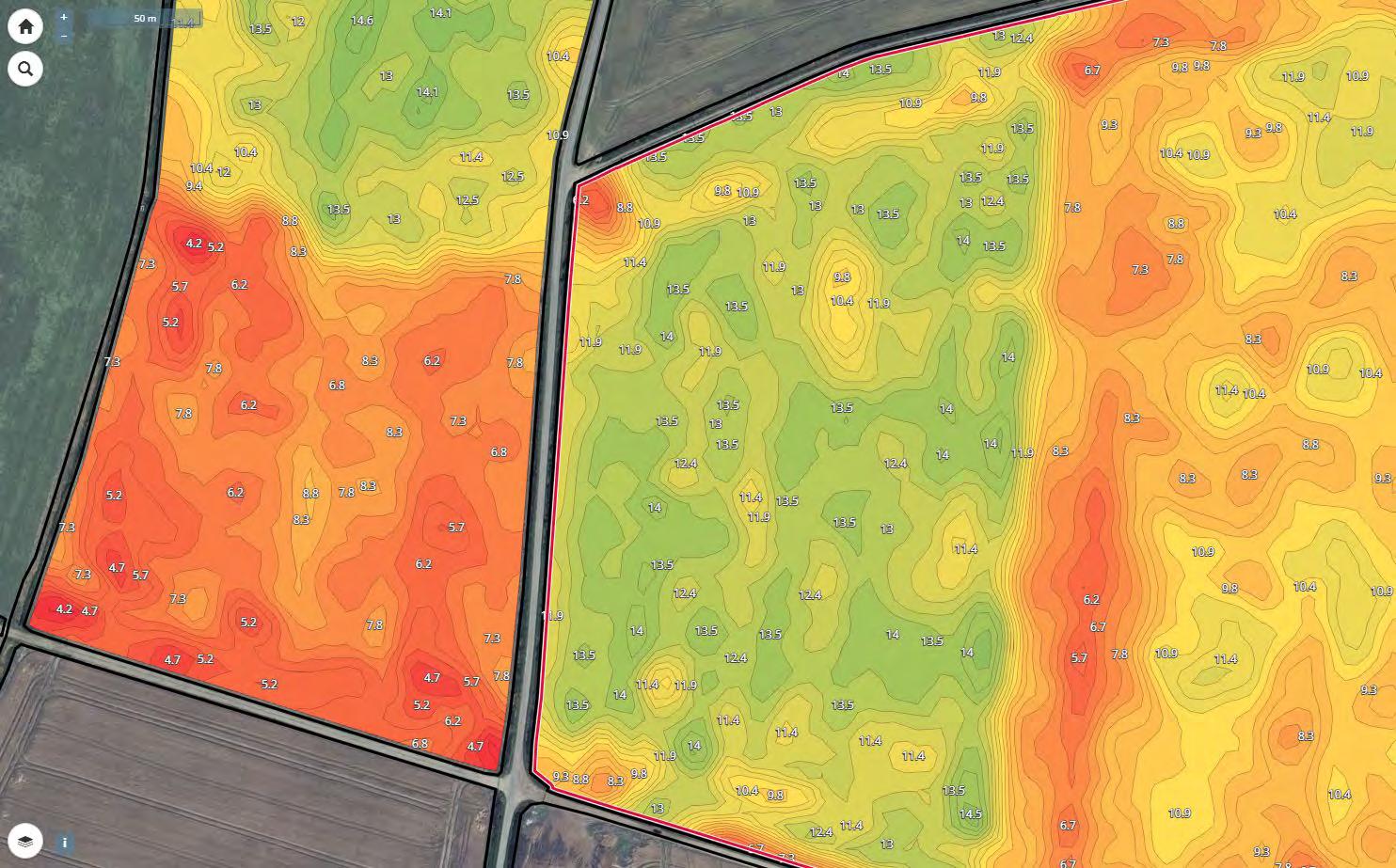
It starts with the soil…
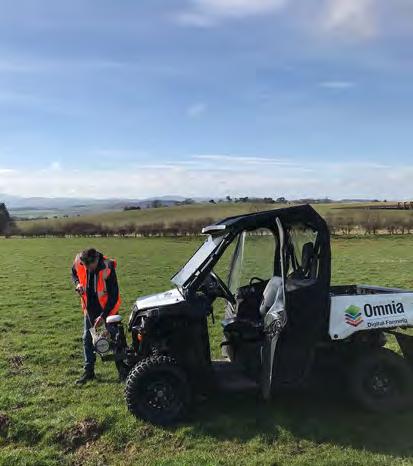
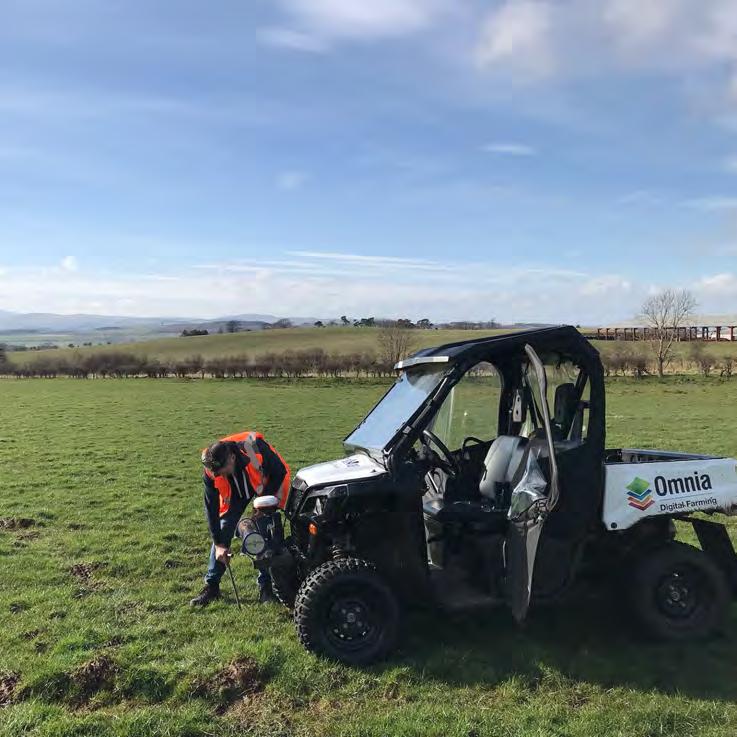
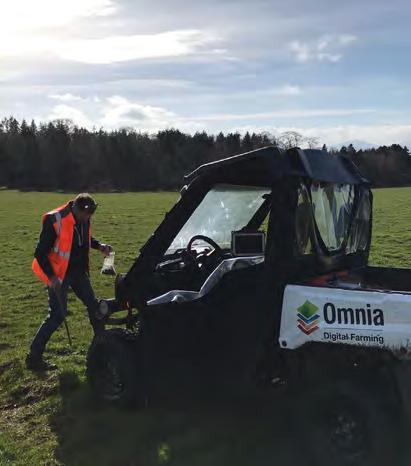

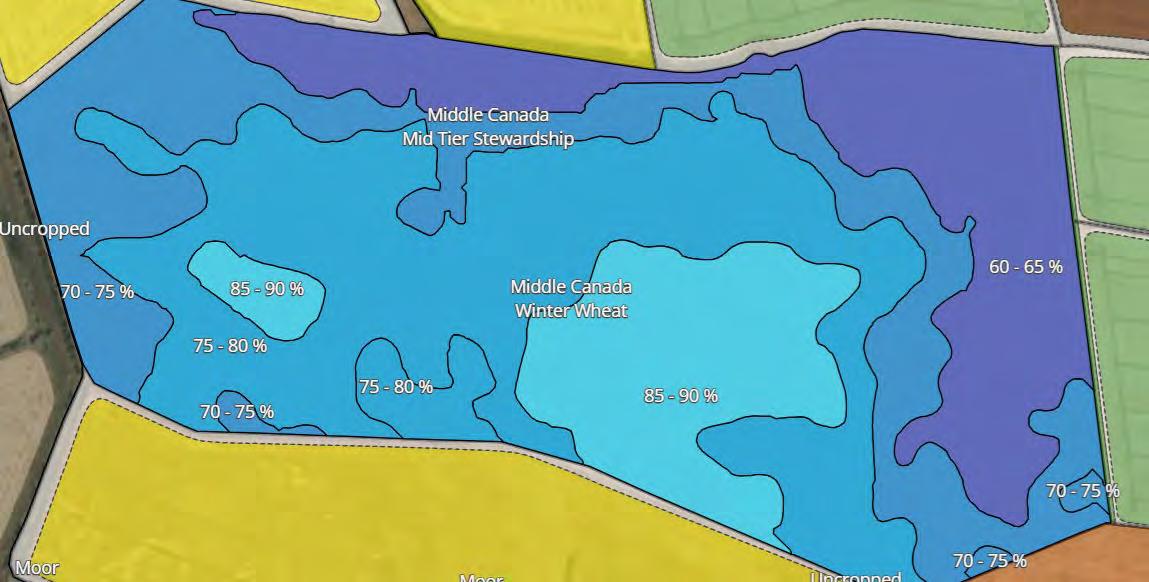
TerraMap produces the world’s highest resolution soil maps, powered by SoilOptix® Technology.
Variable Rate Seeding
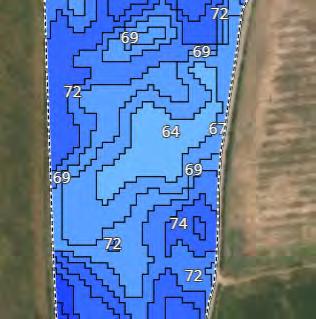
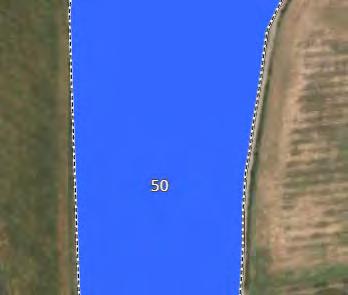
TerraMap soil texture data along with satellite NDVI imagery and any other farm data to create Plant
Establishment and Variable Rate Seed plans

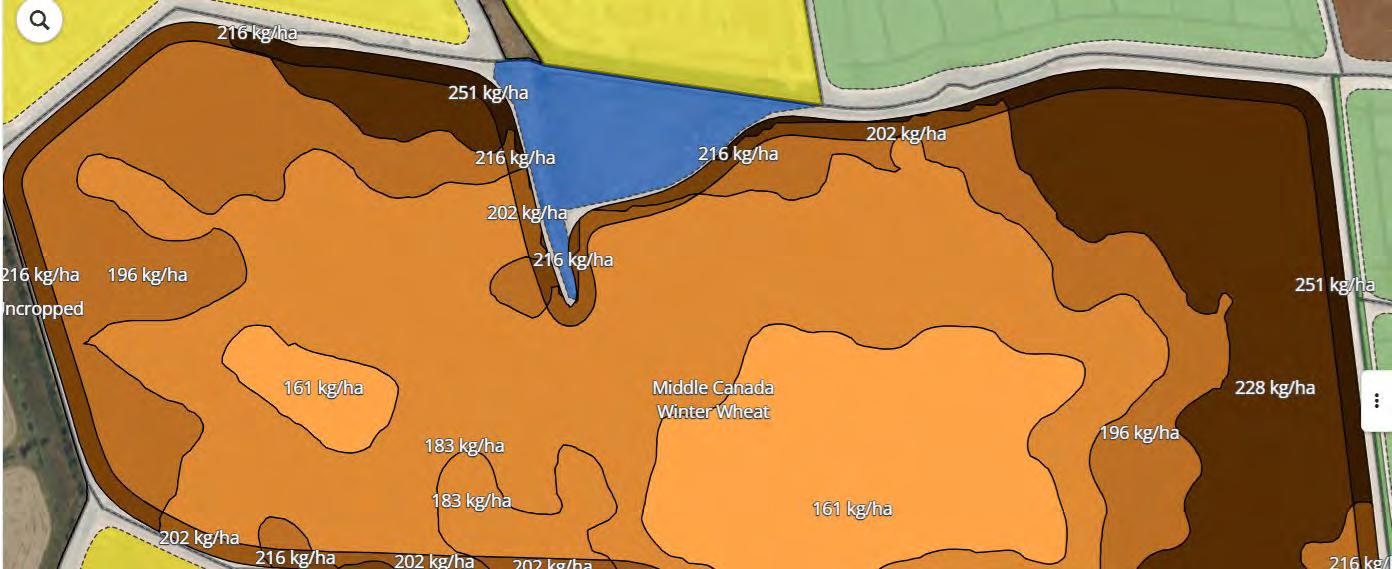
Variable Rate N
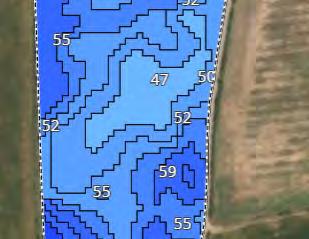
• Strongest areas = 219 kg/ha N
• Weakest areas = 161 kg/ha N
• Field average = 180 kg/ha N
• Saving of 40 kg/ha N
• Maintain N levels on high potential areas
• N @ £0.81/kg = £32/ha saving
• N @ £2.02/kg = £81/ha saving
• Toughest job is deciding what the yield potential is and being aggressive enough with rate variations.
Cost of Production £ Per Tonne
• Production in the right place
• Optimal use of inputs
• Improved grower return
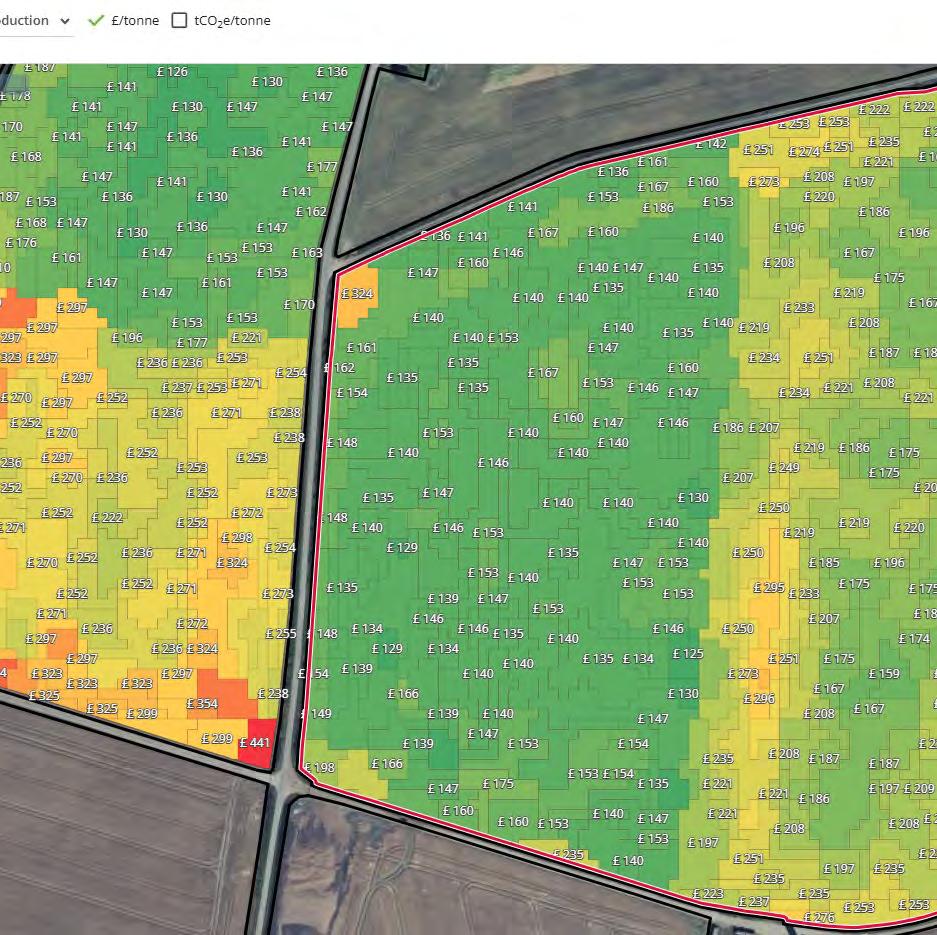
• Reduced environmental impact
• Enhanced provenance and accountability
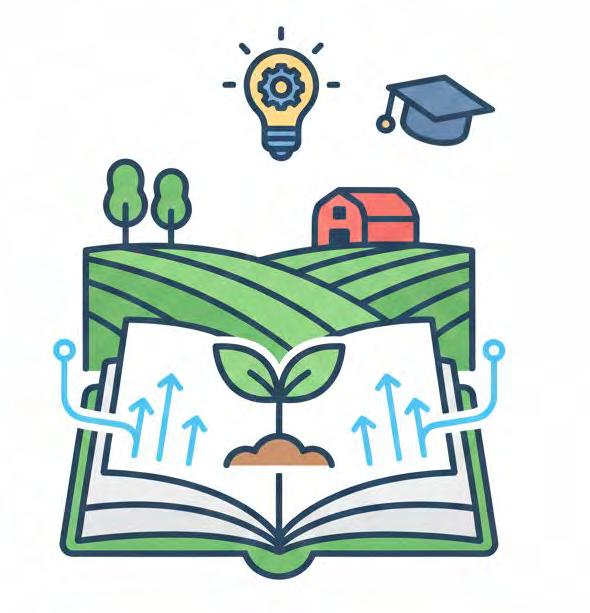
Theory Into Practice

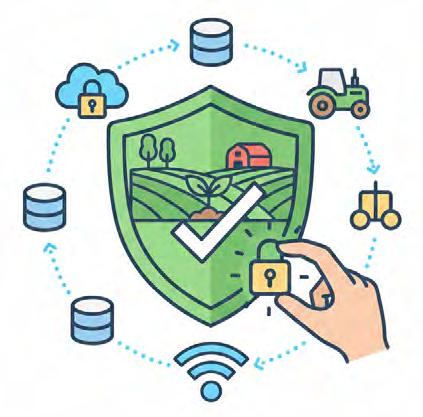
Successful Farming

Thank you

David Farrell CEO and Founding Partner, Blue North Sustainability

Introducing Blue North & some thoughts on farm-level Performance Indicators.
David Farrell, Blue North Sustainability
Quick intro to Blue North
Context
• Established 2011
• Focus on agri / food system sustainability
• Clients across export value chains (Farms to Retail)
• Advisory services & Online solutions

Core Expertise
Agriculture - Horticultural Science, Animal Science, Agronomy, Soil Science
Ecology - Conservation Ecology, Entomology, Ecology
Engineering - Industrial, Electrical & Chemical

IT/Software – System design & management , data analytics , business Intelligence Reporting
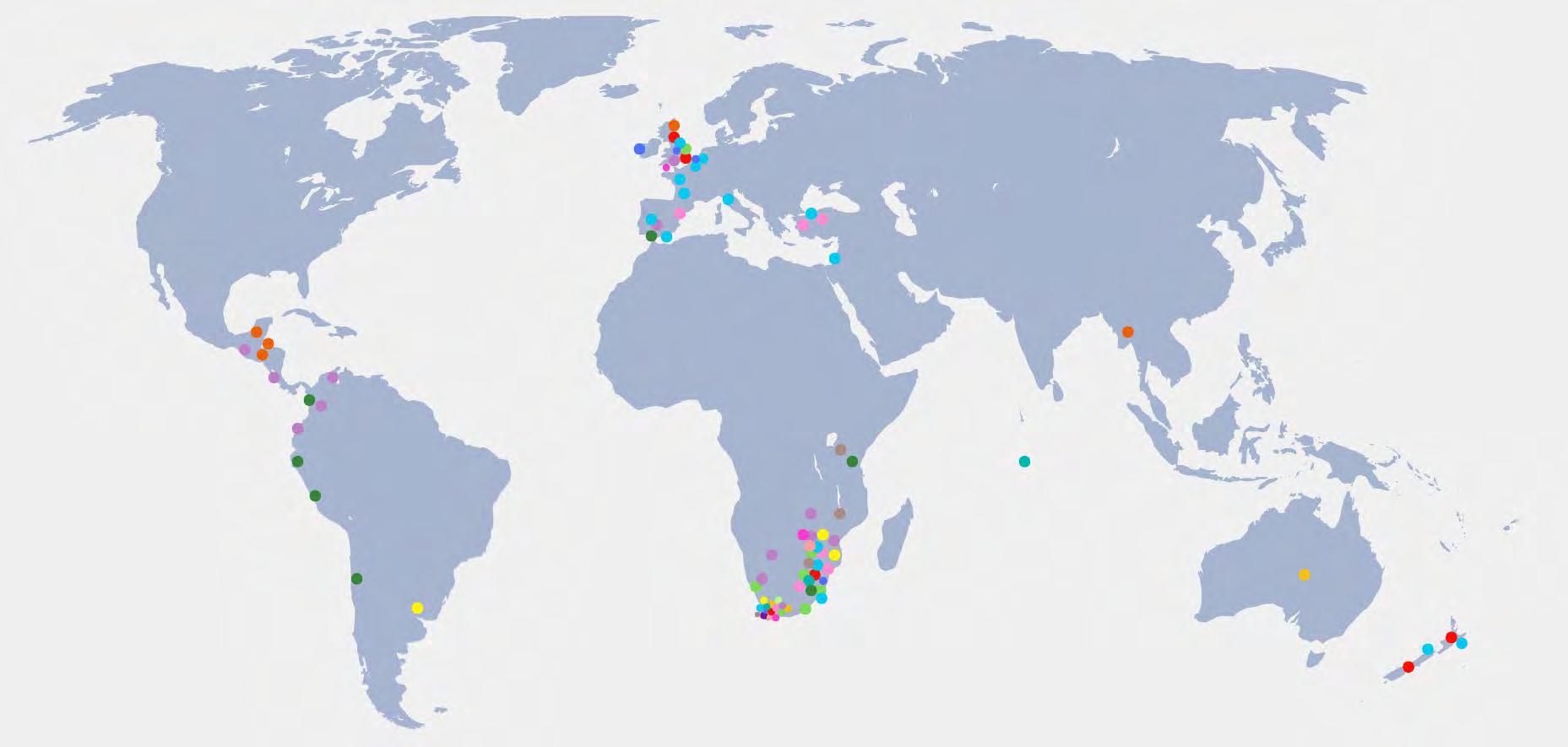
Global reach



Some thoughts on Farm-level Performance Indicators

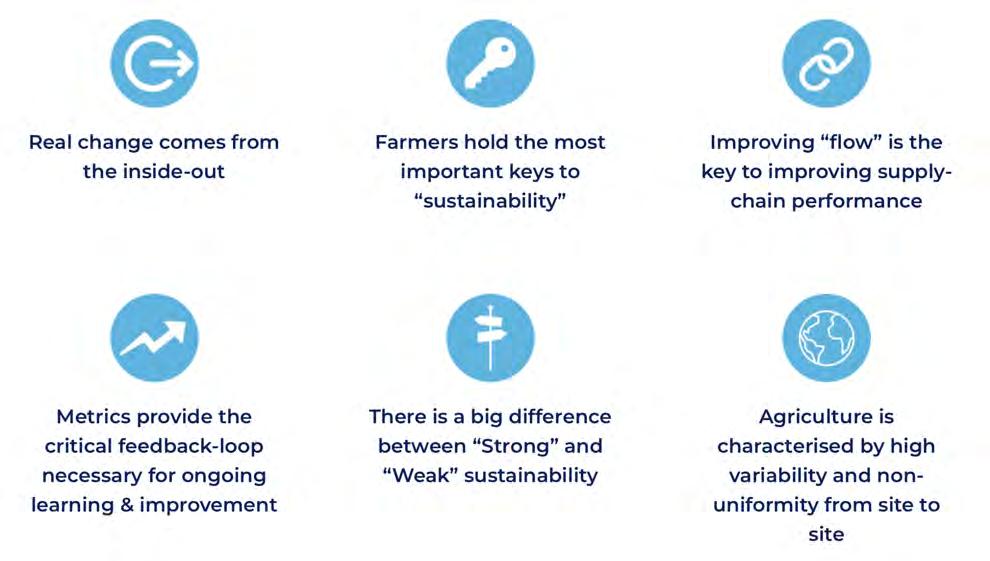
Insight 1 - Start with being clear on the Why
Be explicit about the question the indicator is seeking to answer
• What outcome, risk, or impact are we actually trying to understand?
• What decision is this indicator meant to inform?
• Indicators without a clear purpose quickly become compliance noise rather than decision-support tools
Feedback loops must be short/immediate
• Farmers and managers often supply primary data but never see the results
• Indicators should be calculated and visible as close to real-time as possible
• Timely feedback enables insight, learning, & adaptation – delivering value and trust


Insight 2 - Avoid reductionism
Do not collapse complex systems into a single or few metrics
• Single-issue focus (e.g. carbon alone) hides trade-offs and unintended consequences
• Farms are complex adaptive systems with interacting ecological, operational, and social components
• Good sustainability sensing requires multiple, complementary indicators viewed together
Insight 3 - Trends matter more than precision
The signal is in the direction/rate of change
• A performance indicator is a proxy, not the system itself
• Chasing perfect data delays insight, learning and action
• Consistent measurement over time is more important
– the trend reveals the areas of improvement, stagnation, or decline

Insight 5 - See the system as a whole
Use dashboards
• Dashboards integrate multiple indicators across a complex system into an integrated view
• Patterns, correlations, and emerging risks become visible and better understood
• Analogy: the flight deck of a jetliner - highly complex - no single gauge tells the full story

Insight 6 - Ruthless simplification
Respect farmers’ time and cognitive load
• Only request data that is already collected or very easy to collect
• Use integrations, automation, and IoT to avoid duplication
• Time spent farming is often a better riskmitigation investment than excessive data collection & reporting
Insight 7- Psychology matters
Indicators must enable trust & learning, not judgement
• If indicators feel punitive, disengagement, mistrust & resistance follow
• Must be framed as resources for business benefit and greater resilience
• Credibility & trust grow when results are used to guide progress, and foster collaboration, not to police compliance
Insight 8 – Context is key
Interpreting and comparing without context misleads
• Farms differ by climate, soil, crop mix, scale, and market exposure
• Seasons can differ markedly
• Raw comparisons can distort performance signals
• Context-adjusted interpretation and bechmarking is essential for fair interpretation
Thank you
Nick Evans Founder & Managing Director, Oxbury Bank

LEAF - January 2026
Transition Facility - Product and Conditions*
Stage 1
Stage 2


M
M
Oxbury Transition Facility (as at January 2026)
76 Approved account pipeline
180 Active Accounts
£63.6m
£40.2m
Total Limit Drawn Balance
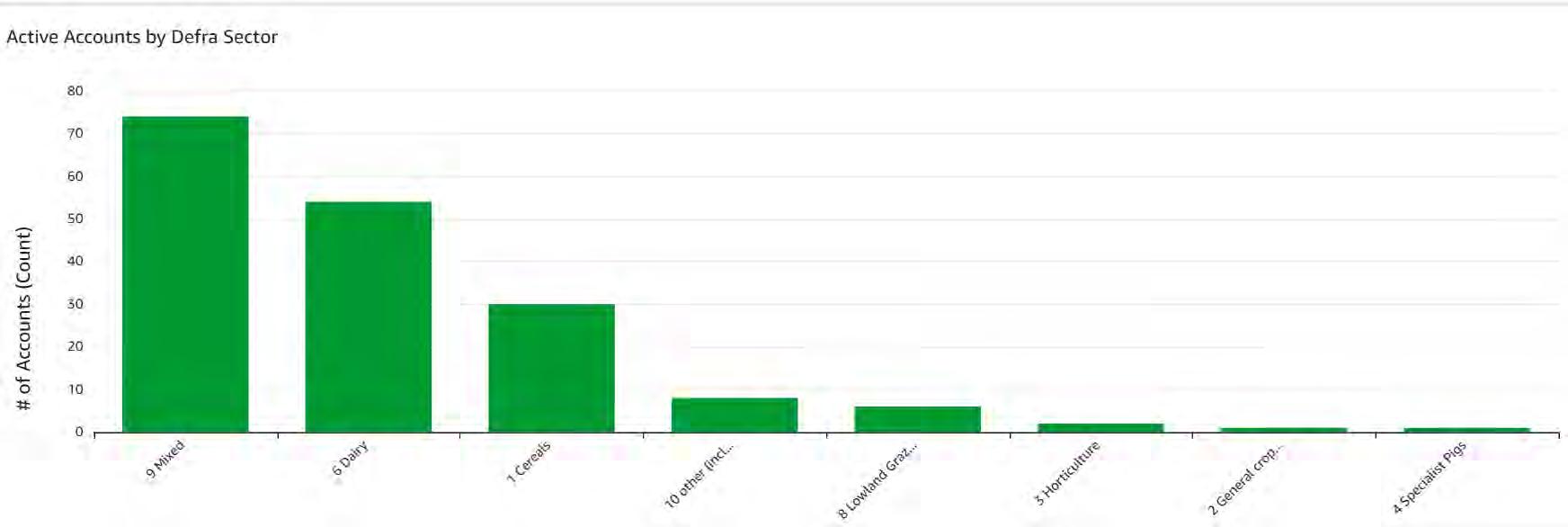
Agricultural sub-sector distribution
Arable practices provided as evidence
More than 30 difference practices recorded as evidence
Top practices used as evidence
Regression analysis showing change in SOC compared to year of change
The longer practices have been implemented, the more stable the change in SOC on an annual basis.
Recent practice changes show more variability in change in SOC.
Year of implementation of practice changes and imnpact on SOC (tCO2e)
Trend slope via regression used for change in SOC from 2020 – 2024, linked to year of practice change
Net zero alignment – 2020 base
year
• 10% of the Oxbury Transition Portfolio is aligned to a 2030 net zero target i.e. these enterprises have reduced emissions and stored carbon on-farm to have reached a 30% reduction since 2020
• 40% of the portfolio is aligning and has reduced net emissions compared to a 2020 baseline, but not yet to 30%
% of Oxbury Transition Portfolio aligned to SBTi FLAG net zero 2030 target
Matters International Ltd
Judith Batchelar OBE Founder, Food
AI, Metrics, Reporting and more ….
Judith Batchelar OBE, ARAgS
Food Matters International
29th January 2026
LEAF Conference
What is the Food Data Transparency Partnership (FDTP)?
We are a partnership between government, academia, and the food and drink industry. Our focus is on improving the consistency, accuracy, and accessibility of food and drink environmental impact data. Our vision is for a data system that enables easier, consistent data sharing that rewards data sharers and keeps their data safe. This will enable the agrifood industry to use data to support monitoring, decision-making and financing of environmental improvements. Work so far has focused on GHG emissions. The key areas we are delivering on are:
Improving data quality and accessibility
Standardising footprinting methods
Supply chain data sharing infrastructure and governance of the system
Supply Chain Data Sharing and Governance of the system
• Data is siloed
• Limited interoperability
• Lack of trust to share
Why
How
• Common use of HESTIA format for interoperability
• FIG project for infrastructure and governance
• AHDB data exchange pilot
HESTIA Format
• Common language for food data to enable interoperability
Aim
• Seamless, secure data sharing across supply chains
• Farmer control without burdens
• Governance supporting long term integrity and trust
Food Data Infrastructure and Governance (FIG)
• Research and design of infrastructure and governance approaches
AHDB Data Exchange
• Pilot of a farmer centric data sharing system
The Business Case for Stakeholders
Some thoughts – Sharing data on analytical testing
Some thoughts - One smarter scan many possibilities
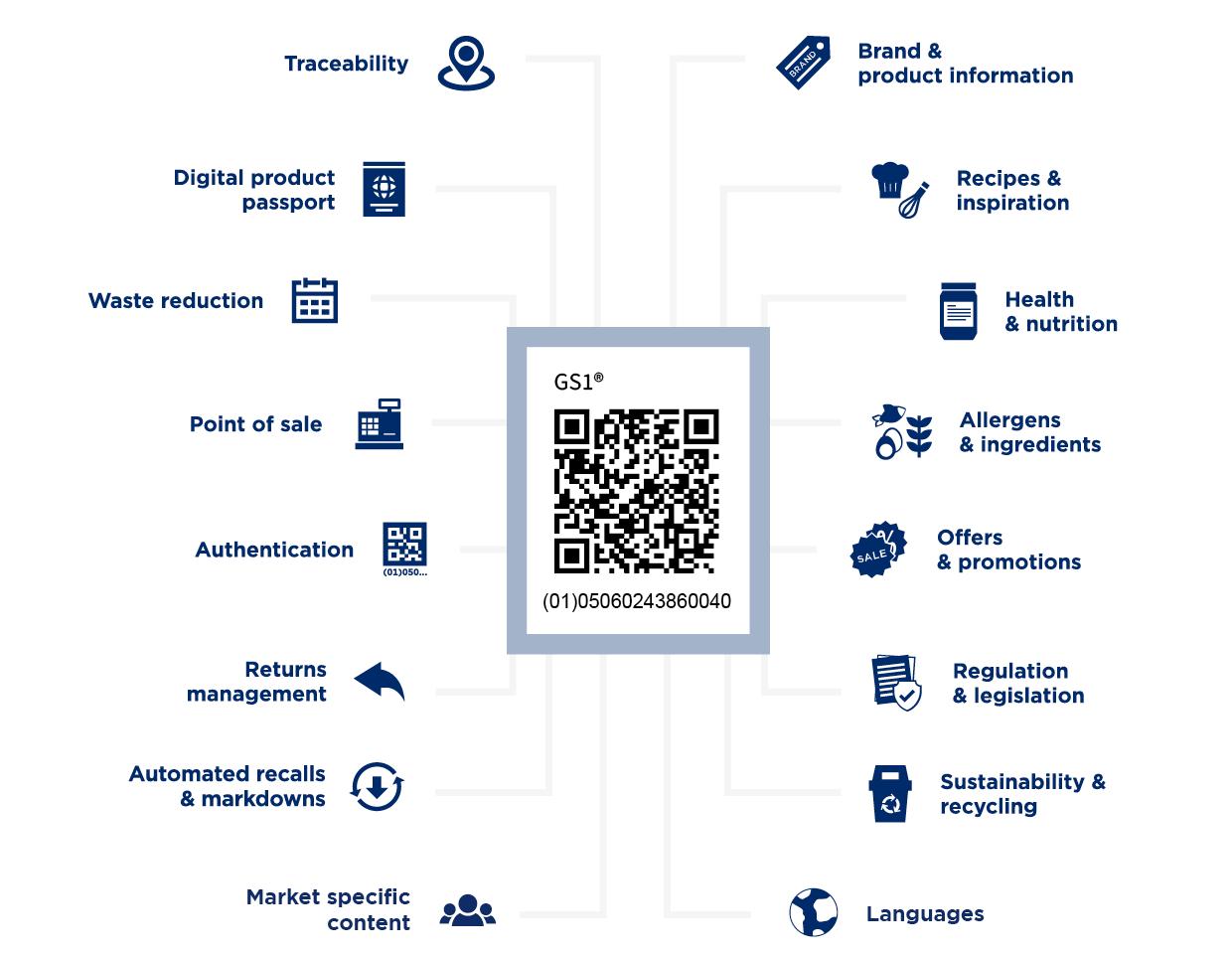
QR Codes powered by GS1
Some thoughts – The Opportunity for Research Clubs
Regenerative farming
What else do we collectively want to know?
Thank you
Q&A Session
Porter ARAgs Editor & Journalist
Cedric