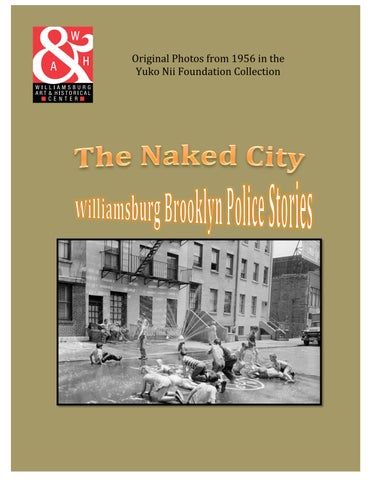
Original Photos from 1956 in the Yuko Nii Foundation Collection
Copyright Yuko Nii Foundation 2026
From International News Photos
Key Events & Changes in Williamsburg (1956) • The BQE Construction Disaster: On June 12, 1956, a devastating sand bank cave-in occurred at the Brooklyn-Queens Expressway (BQE) construction site near Grand Street Extension and Marcy Avenue. About 25 tons of subsoil collapsed on nine children playing in the deep excavation pit, killing six children and injuring another, sparking investigations into contractor safety. Read the The New York Times Archives for historical reporting on the tragedy. • • Postwar Refugee Influx and Hasidic Growth: Following World War II and the arrival of the Satmar Rebbe in 1946, Williamsburg saw a steady influx of European Jewish war survivors and refugees. This resettlement continued through 1956 with families fleeing events like the Hungarian Revolution, shaping the neighborhood into an increasingly insular Hasidic enclave. Read Frieda Vizel's Cultural Blog for first-hand accounts and history of this era. • • The End of Brooklyn Trolleys: In October 1956, Brooklyn officially ended its historic streetcar and trolley system, replacing remaining lines with buses and paving over tracks that had connected Williamsburg and the rest of the borough for decades. See the Best in Brooklyn Archive for local commemorations of the final trolley runs. [1] • • Impact of Urban Renewal: Robert Moses's sweeping urban renewal and expressway projects cut directly through working-class blocks of Williamsburg during this period, displacing residents and altering the physical landscape of the community. Learn more via Like A Local Tours History Page. [