A TRIBUTE TO ANDRÉ: Artists of the André Emmerich Gallery
All rights reserved, 2026. This catalog may not be reproduced in whole or in any part, in any form or by any means both electronic or mechanical, without the written permission of Lincoln Glenn.
Catalog design by Clanci Jo Conover
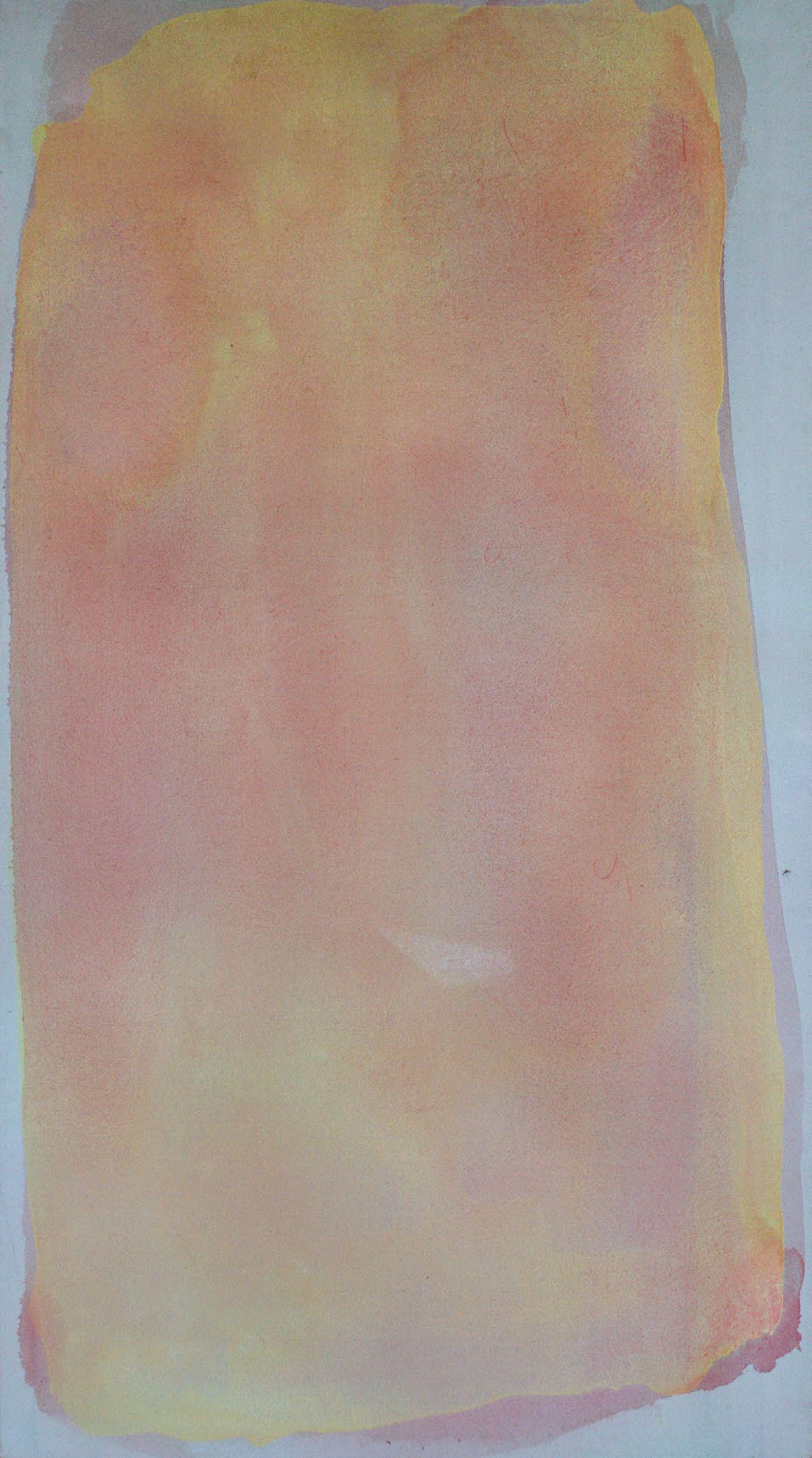
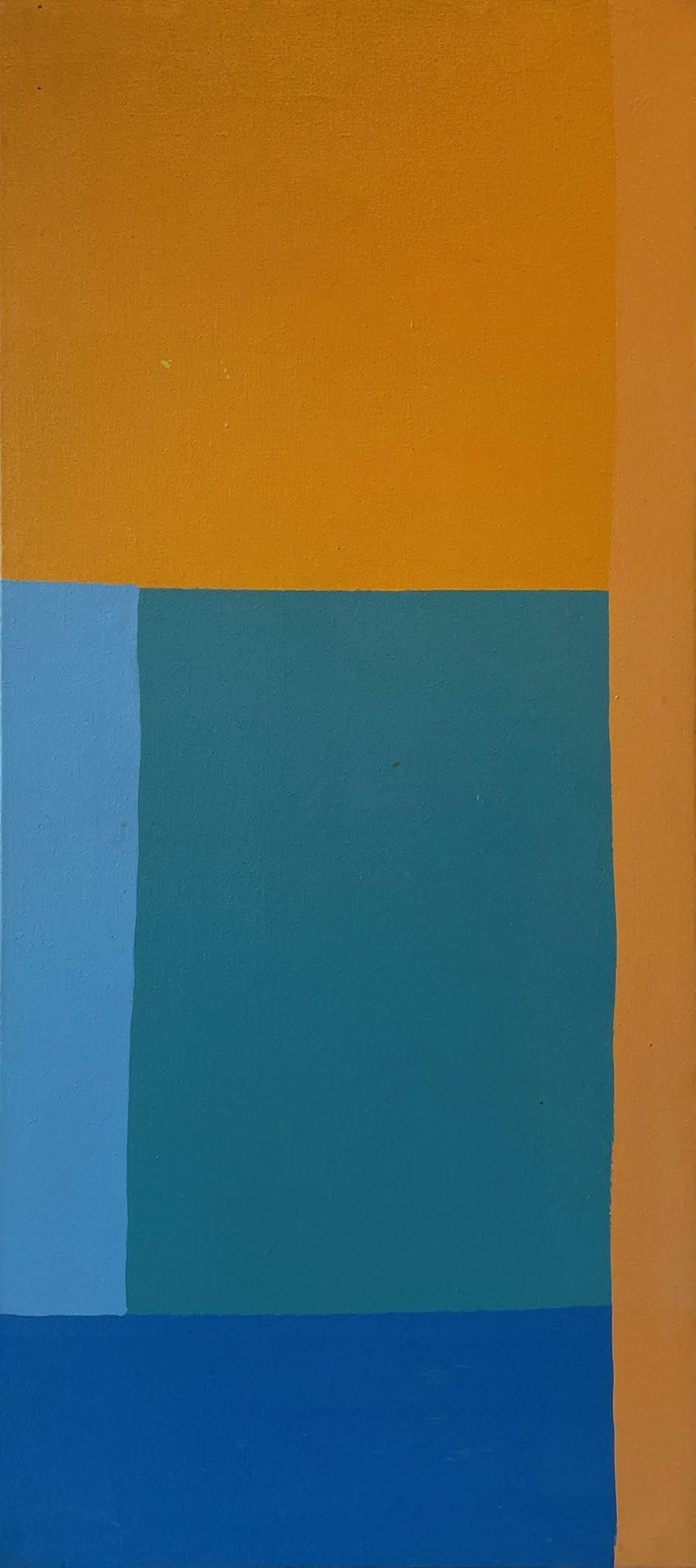
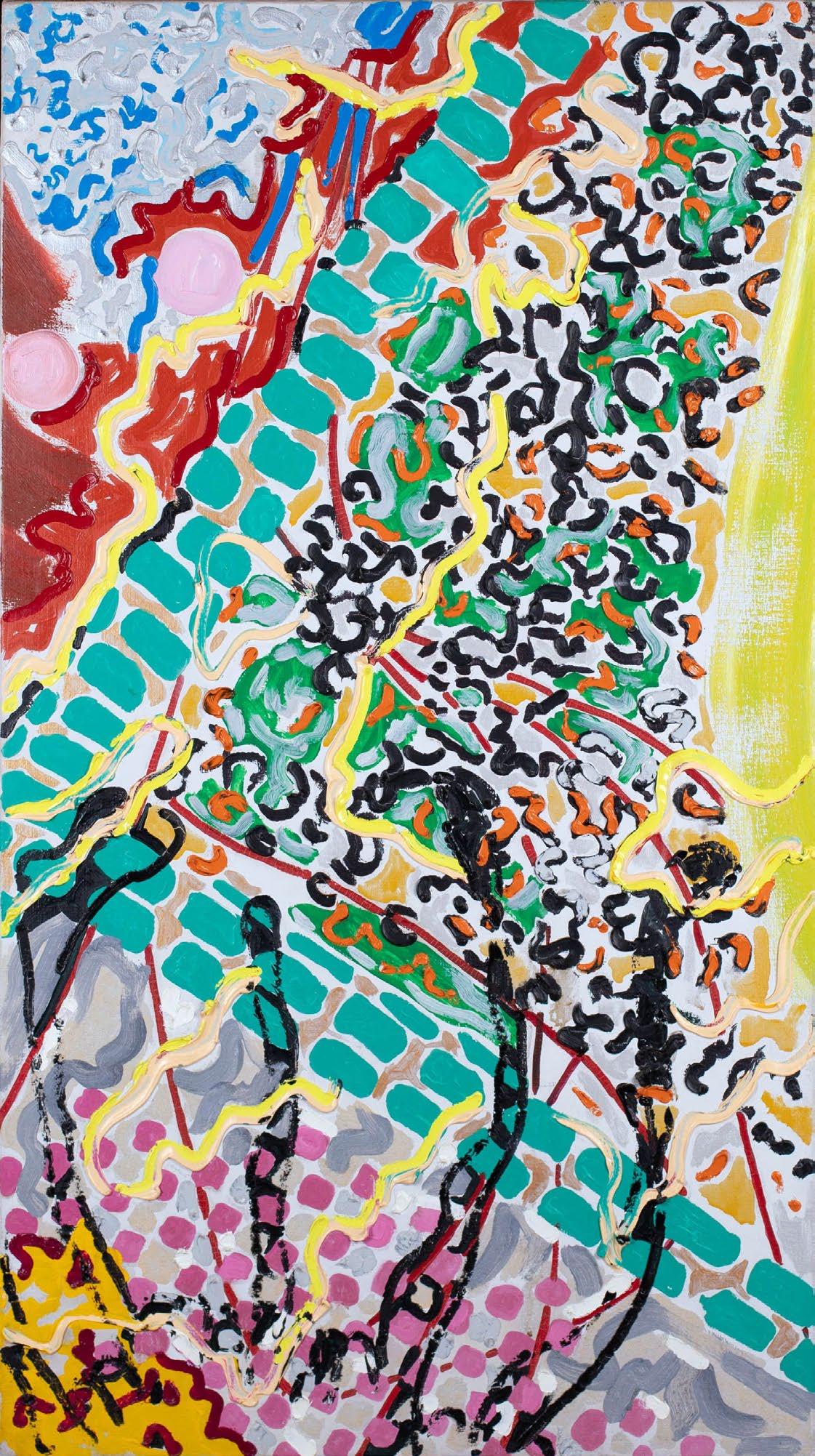
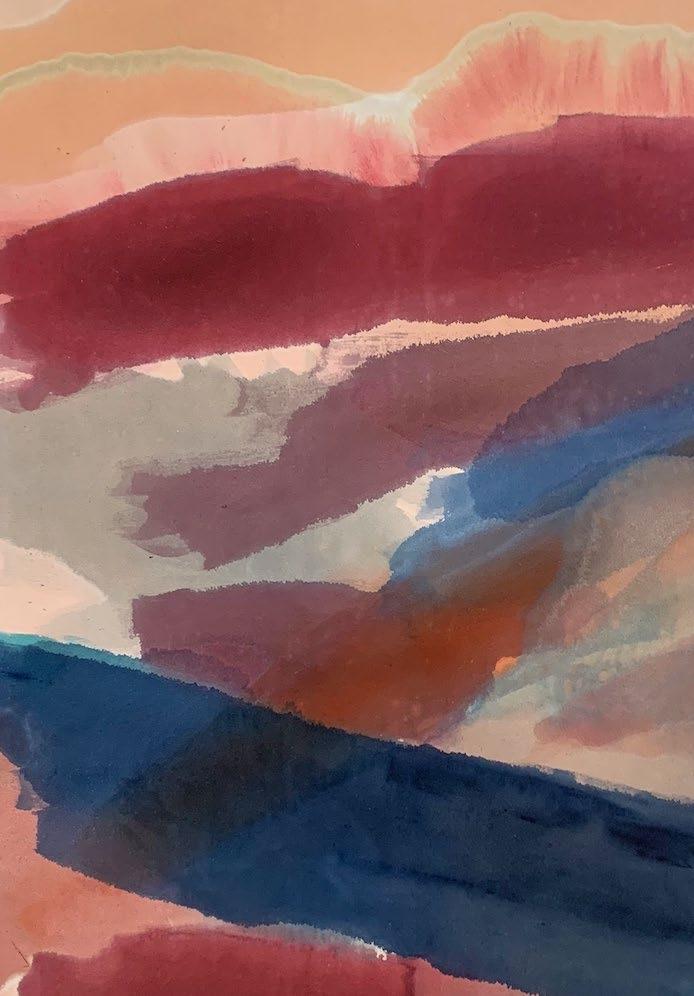
Front cover illustration: Ronnie Landfield
Marcella’s Madness, 1980
Acrylic on canvas
72 x 41 inches
Foreword by Douglas Gold & Eli Sterngass
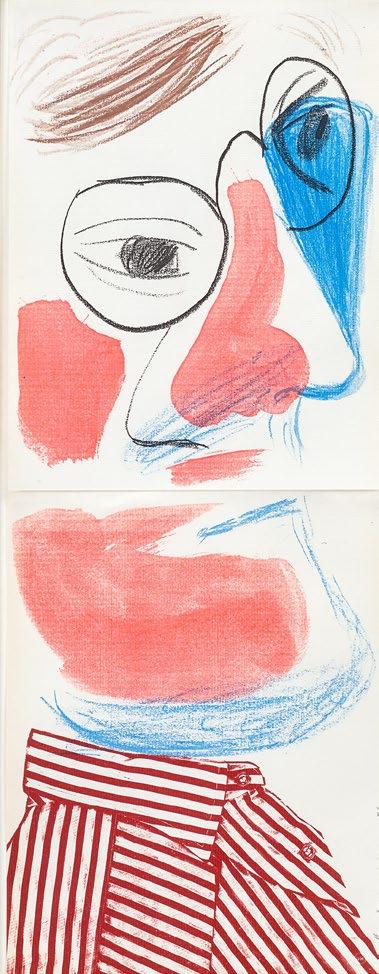
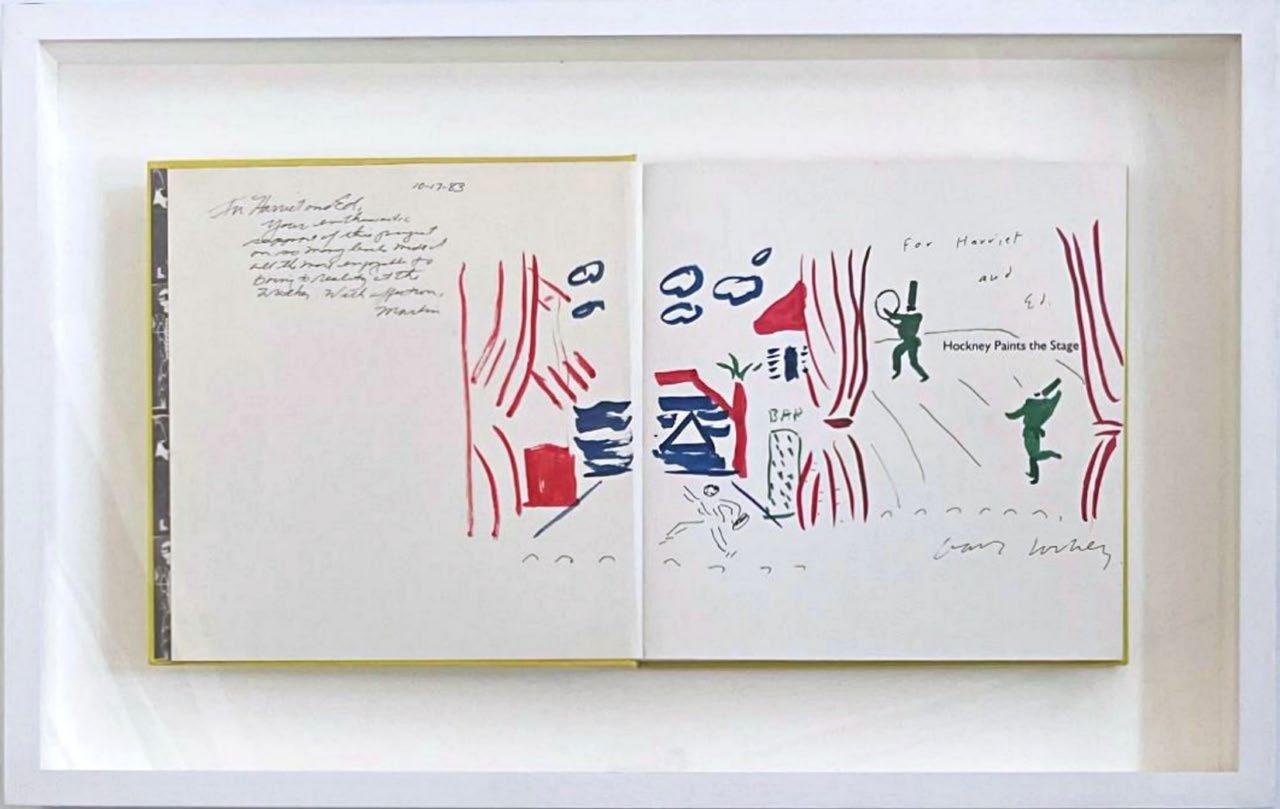
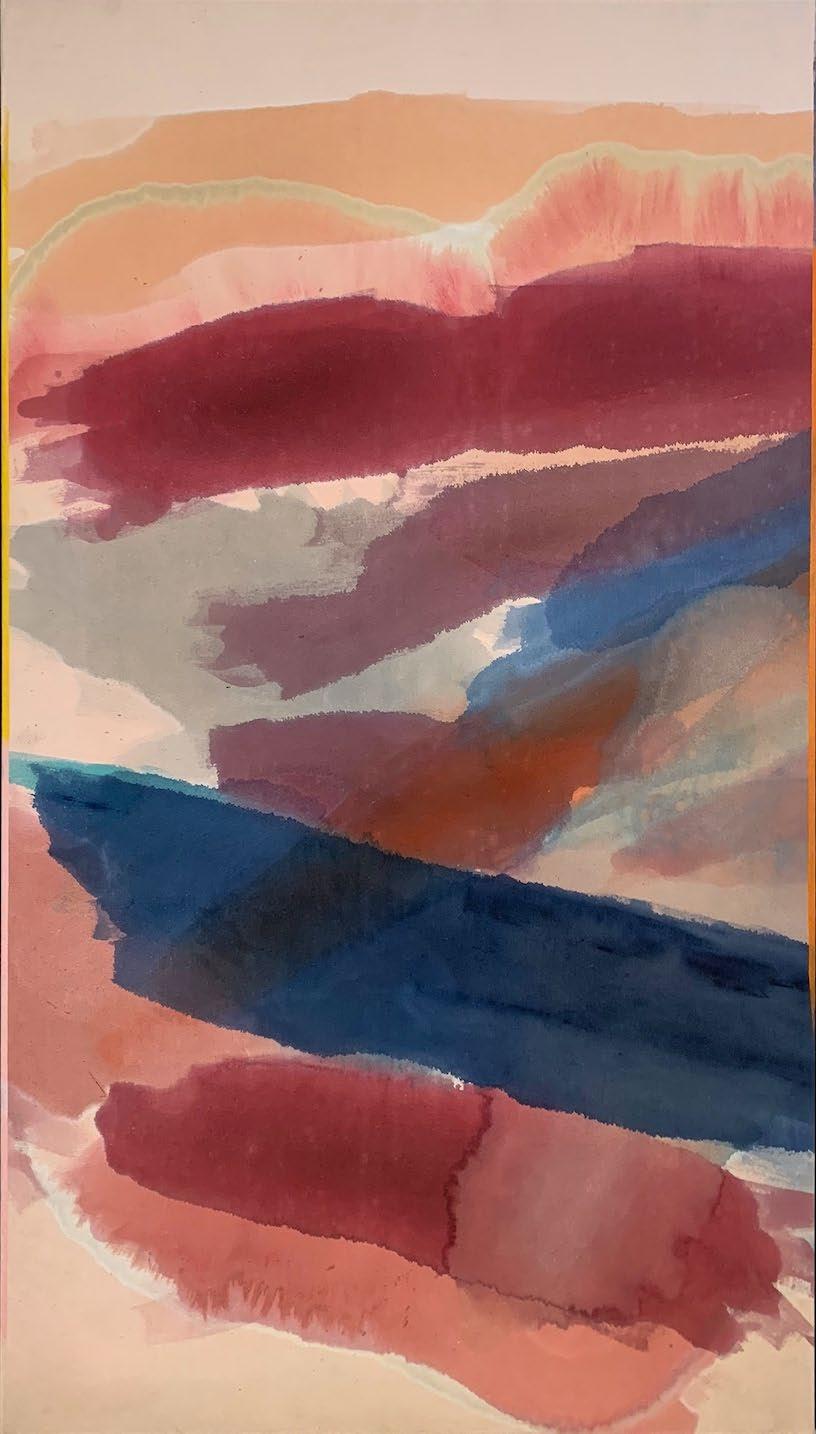
We had not yet entered kindergarten when the André Emmerich Gallery closed in 1998, concluding a remarkable forty-four-year presence in New York. For those who move through today’s galleries and museums with curiosity and ambition, it is worth pausing to recognize the legacies that shaped the art world we inherit. The André Emmerich Gallery stood apart for its visionary program, disciplined eye, and steadfast commitment to abstraction and Color Field painting. It remains one of the most quietly influential forces in late twentieth-century American art, having nurtured the careers and markets of artists such as David Hockney, Helen Frankenthaler, Morris Louis, Kenneth Noland, Hans Hofmann, and Friedel Dzubas, among many others.
Through studying Emmerich’s careful balancing of risk and reverence, defined by his embrace of both emerging talent and established masters, we learned how to cultivate trust with artists, estates, and audiences alike. In conversations with peers and mentors, we discovered how Emmerich’s legacy taught patience and the courage to defy commercial expediency and trends in favor of long-term cultural contribution.
One of the inspirations for this exhibition besides the Gallery itself, was Edith Halpert and the Rise of American Art, an exhibition curated by Rebecca Shaykin at the Jewish Museum in 2019-20. It marked the first time we encountered an exhibition centered on the legacy of a dealer, and it opened a path for reconsidering the role such figures play in shaping what we see, value, and remember. In that spirit, we invited Alex Grimley, PhD, to author the essay that follows, recognizing him as a compelling voice in a new generation of Color Field scholarship and criticism.
We are deeply grateful for the generosity, insight, memories, and support from Susanne Emmerich, Joel Perlman, Sherron Francis, Ronnie Landfield, Jason Andrew, Dorsey Waxter, Peter Stamberg and Paul Aferiat, Bill O’Reilly, and Alex Grimley. Each contributed meaningfully to our understanding of André Emmerich and the world he helped to build.
In 1987, Emmerich reflected on his philosophy as a dealer: “It is very important that a dealer not sell too hard… I let the work of art speak for itself to the possible buyer or curator or critic, and perhaps I can share my enthusiasm for it. Good art dealers don’t sell art; they allow people to acquire it.” This principle resonates deeply with us. At Lincoln Glenn, we strive to carry this ethos forward, allowing the work to speak, and approaching each exhibition and artwork we represent with care, conviction, and respect.
Foreword by Joel Perlman
When I joined the gallery in the early 1970s, I was in the company of contemporary giants such as Noland, Olitski, Caro, and Hockney. It was both thrilling and a bit overwhelming and a high bar, for sure. Nathan Kolodner was the director. No one was ever kinder, smarter, or more supportive. He knew exactly how to handle collectors and massage the artists.
In the early days of 420 West Broadway, I was moving a sculpture into the storage basement when a small, quiet older man materialized, stuck out his hand, and said, “Welcome, I’m Herbert Ferber.” A spark must have jumped between us, because for the next twenty years he became one of my dearest friends.
The gallery was like a big family, and every opening was followed by a celebration party or dinner. At the head of the table sat André, the hub of the wheel on which we all revolved. He was elegant, charming, smart, and often very funny. Once, at a dinner at Ponte’s Italian restaurant in Tribeca, he looked around at the walls and said, “Ahhh, the art in restaurants is like the food in museums.”
André always made studio visits before shows and often did the catalog photos himself. Everything was perfect. He said you could tell a lot about an artist by what was on the bulletin board and what music was playing (bikes and Springsteen for me). His wisdom resonates as loudly as ever for me today: “You cannot display a sculpture too high; never show more than three pieces at once; and size is the only way to set prices.” Additionally, “anything that leaves the studio should be your best piece.”
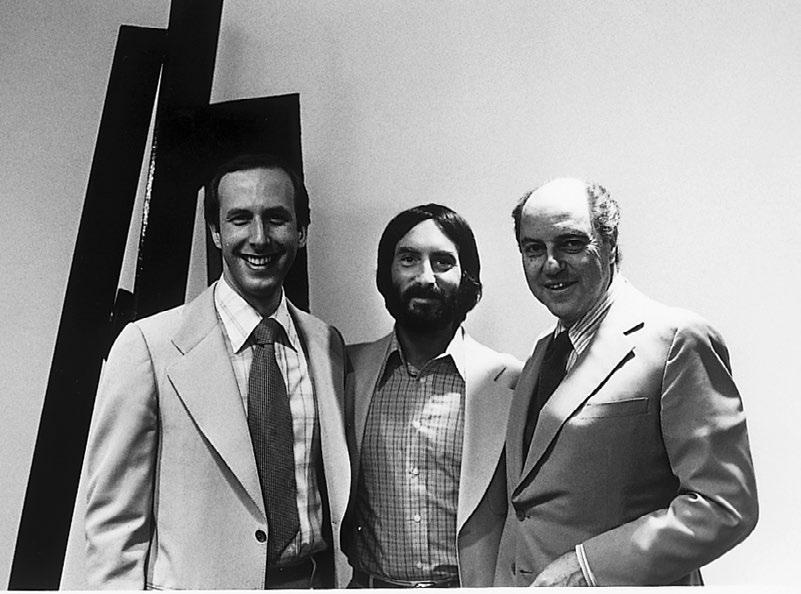
I had the honor of André’s last studio visit. He had taken a summer house near me in Water Mill. Although he was wheelchair-bound, he insisted on coming over to see what I was working on. I remember Suzanne pushing him across the grass. When he entered the studio, his eyes lit up as always. He passed a few weeks later, but remains ever-present for all of us.
Credo ergo exposito. I believe, therefore I show:
The Life and Legacy of André Emmerich
by Alex Grimley, PhD
One of the most influential art dealers of the postwar period, André Emmerich played a central role in shaping the reception of contemporary abstraction and Color Field painting in the United States and abroad. Throughout his career, he described his work in terms of conviction rather than strategy, and his gallery’s program was guided not by market trends or aesthetic fashions but by a deeply felt belief in the work he presented. Emmerich expressed his philosophy succinctly through a motto he coined himself: Credo ergo exposito—“I believe, therefore I show.” This sense of commitment would guide him from his earliest encounters with art through a career that spanned continents and generations.
André Emmerich was born in Frankfurt, Germany, in 1924, the first of two children born to a French mother, Lily (1896-1963), and German father Hugo (1884-1961), a specialist in international law. Later, Emmerich would describe himself as a “third generation art dealer,” as his maternal grandfather, Louis Marx, and his great uncle, Bernard, had been art dealers in Paris before the First World War, and his mother’s sister, the painter Joanne Verna, subsequently ran an art gallery there with her husband in the 1930s. In 1931, the Emmerich family moved to Amsterdam, then, in December 1939, shortly after the onset of the Second World War, fled for the Dutch West Indies, before continuing on to New York City early in 1940. Fluent in four languages, the precocious Emmerich graduated high school at age 16 before enrolling at Oberlin College, where he studied art history, specializing in Pre-Columbian art and graduating in 1944.
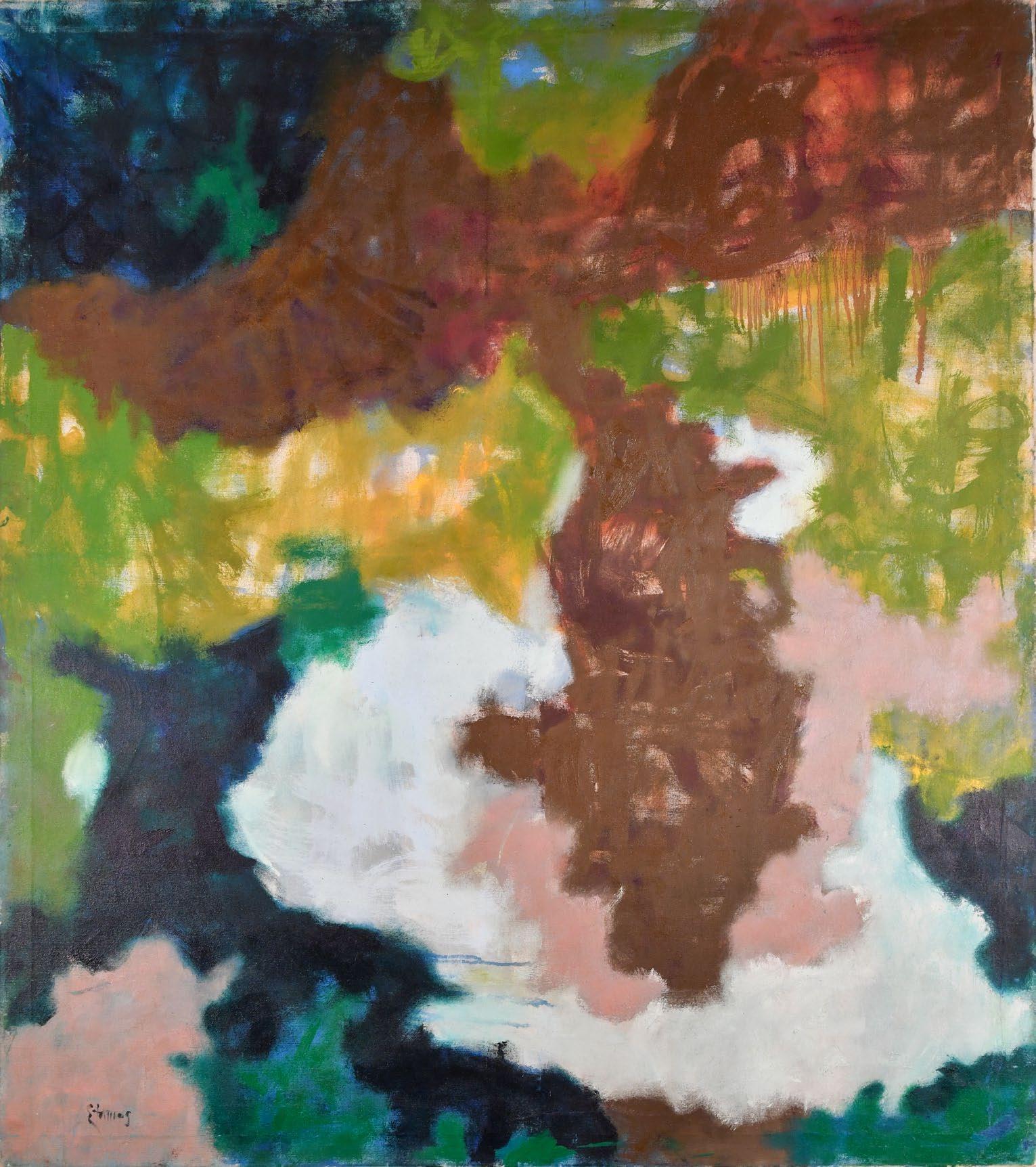
Emmerich then pursued a career in writing and editing, spending ten years in Paris where he worked for Time magazine, the French journals Connaissance des Arts and Réalité, and the Paris edition of the New York Herald Tribune. Through his association with these publications, he became acquainted with ARTnews editor Thomas B. Hess in the late 1940s, and shortly thereafter was appointed by Time to an arts delegation at UNESCO, where he befriended artist Robert Motherwell and curator James Johnson Sweeney. Thus, Emmerich entered the New York art scene and met many of the foremost Abstract Expressionist artists—Jackson Pollock, Mark Rothko, Adolph Gottlieb, and Theodoros Stamos—at the very moment that they were breaking through to their mature styles. Now financially secure and tapped into the New York avant-garde art scene, Emmerich went into business as a private dealer in 1954, operating out of an Upper East Side townhouse on East 77th Street before moving and opening a public gallery at 17 East 64th Street two years later.
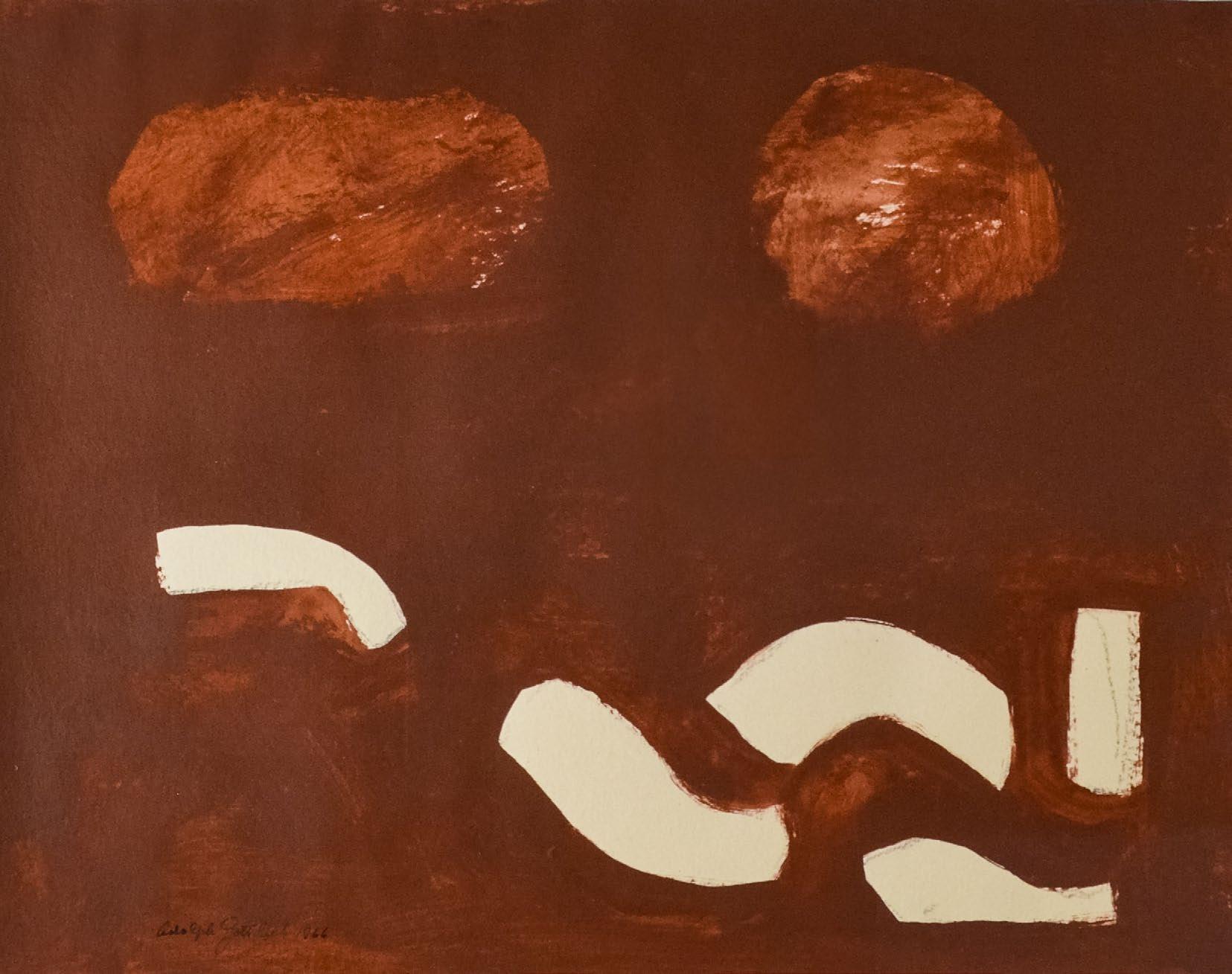
“No longer holding the advance field to themselves, Abstract Expressionist troops have withdrawn to positions of strength, one of the most carefully fortified of these being the André Emmerich Gallery,” New York Times art critic Stuart Preston began an October 1959 capsule review.1 Though many Abstract Expressionist artists had been painting since the 1930s, their art did not receive significant institutional recognition until the mid-to-late 1950s, with exhibitions like the Museum of Modern Art’s Abstract Painting and Sculpture in America (1951) and the Guggenheim’s Younger American Painters (1954). By that decade’s end, several dealers that had championed their work early on such as Samuel Kootz and Sidney Janis started to expand their programming while others, like Charles Egan, closed permanently. New galleries opened and stepped into their stead and André Emmerich was among the earliest. In 1958, Emmerich mounted solo exhibitions of Abstract Expressionists Adolph Gottlieb and Theodoros Stamos. Both painters had worked through the influence of Surrealism and its attendant focus on
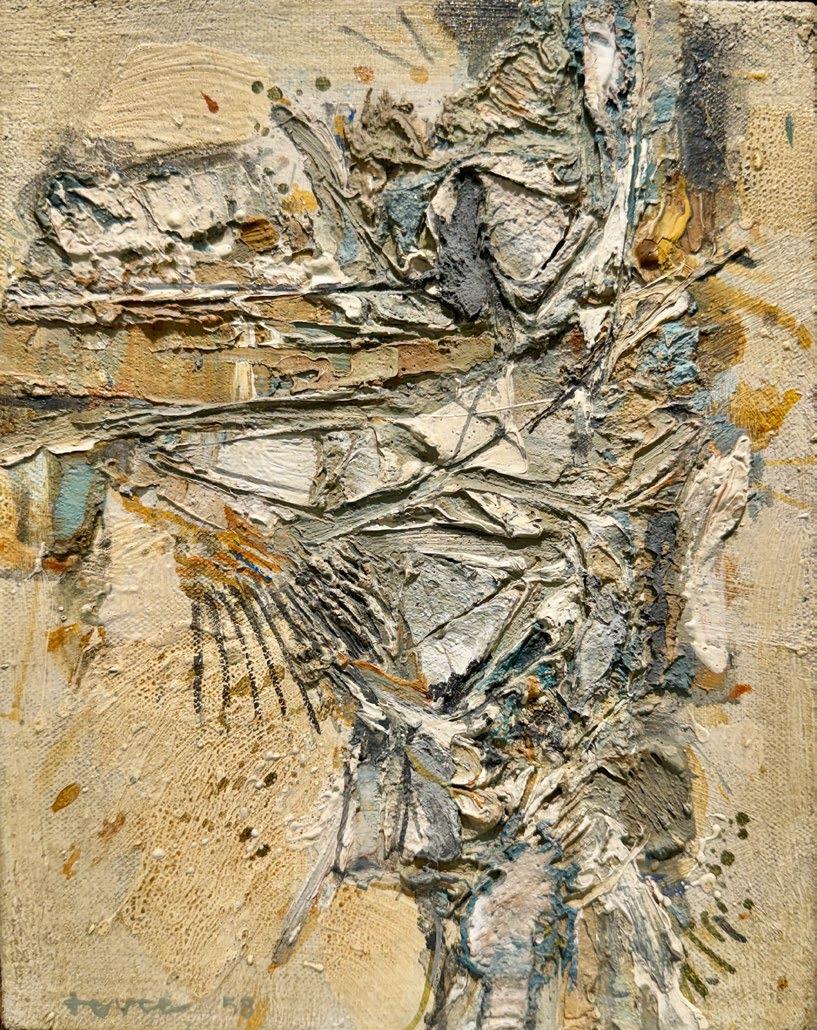
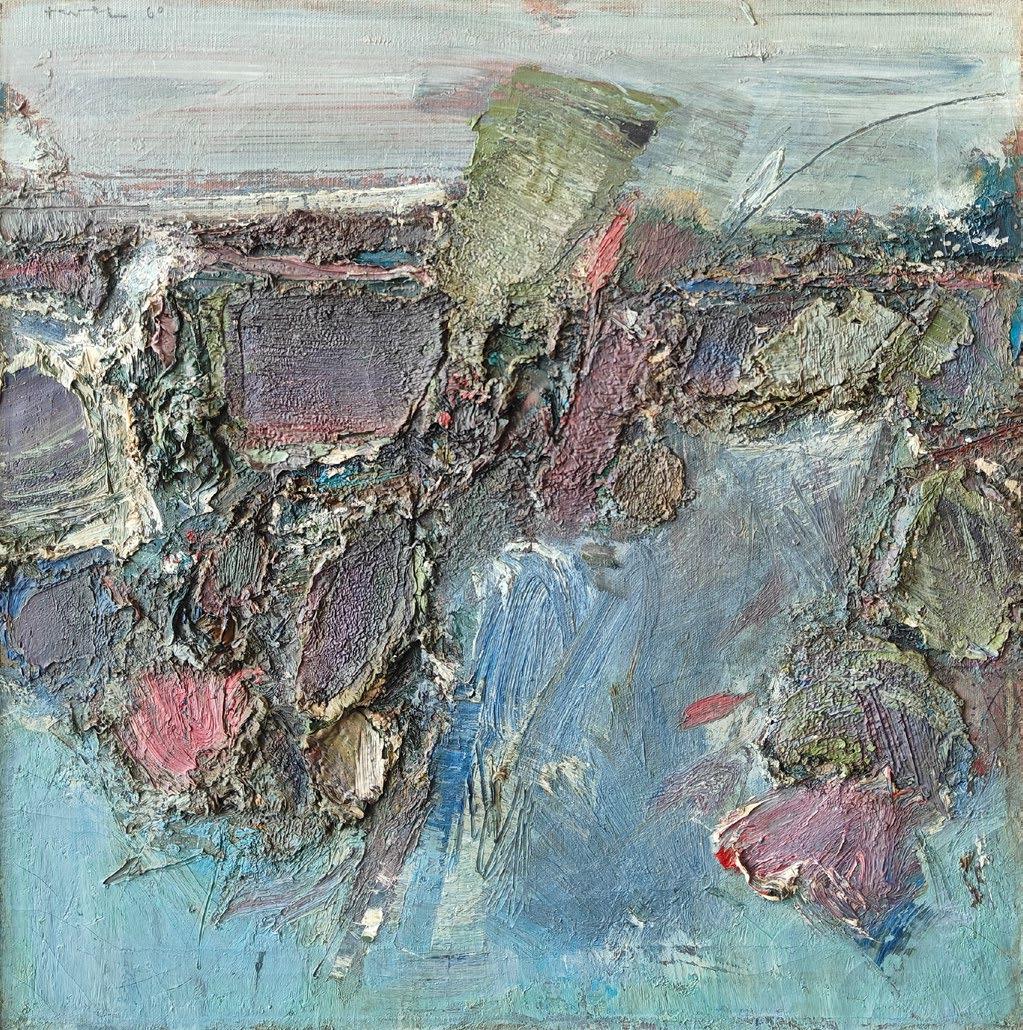
mythological sources. The biomorphic shapes in Stamos’s art were beginning to give way to the painterly, gestural style for which he’s best known, while Gottlieb, who’d developed an idiosyncratic language of glyphs and symbols in his early “Pictograph” pictures, was emptying his paintings of all but a few main elements. In addition to these early exhibitions, Emmerich would continue to show Abstract Expressionist painters and sculptors including Herbert Ferber, John Levee, and Jack Tworkov, among many others.
In the 1960s, the André Emmerich Gallery became best known as the primary venue for Color Field painting, representing its major practitioners for the next several decades. “There was no master plan,” Emmerich explained. “I liked Color Field painting. Bill Rubin came to me when French & Company was breaking up and urged me to take them on… I went artist by artist, by my feeling for it.”2 Emmerich had known the young painter Helen Frankenthaler for several years and began showing her work in 1959. Through her, he met the influential art critic Clement Greenberg, the movement’s earliest champion. Greenberg had overseen French & Company’s modern art department from 1958 until it was dissolved in 1960, showing several Color Field artists that would subsequently join Emmerich’s stable during the 1960s: Morris Louis, Kenneth Noland, Jules Olitski, Friedel Dzubas, and Wolfgang Hollegha.
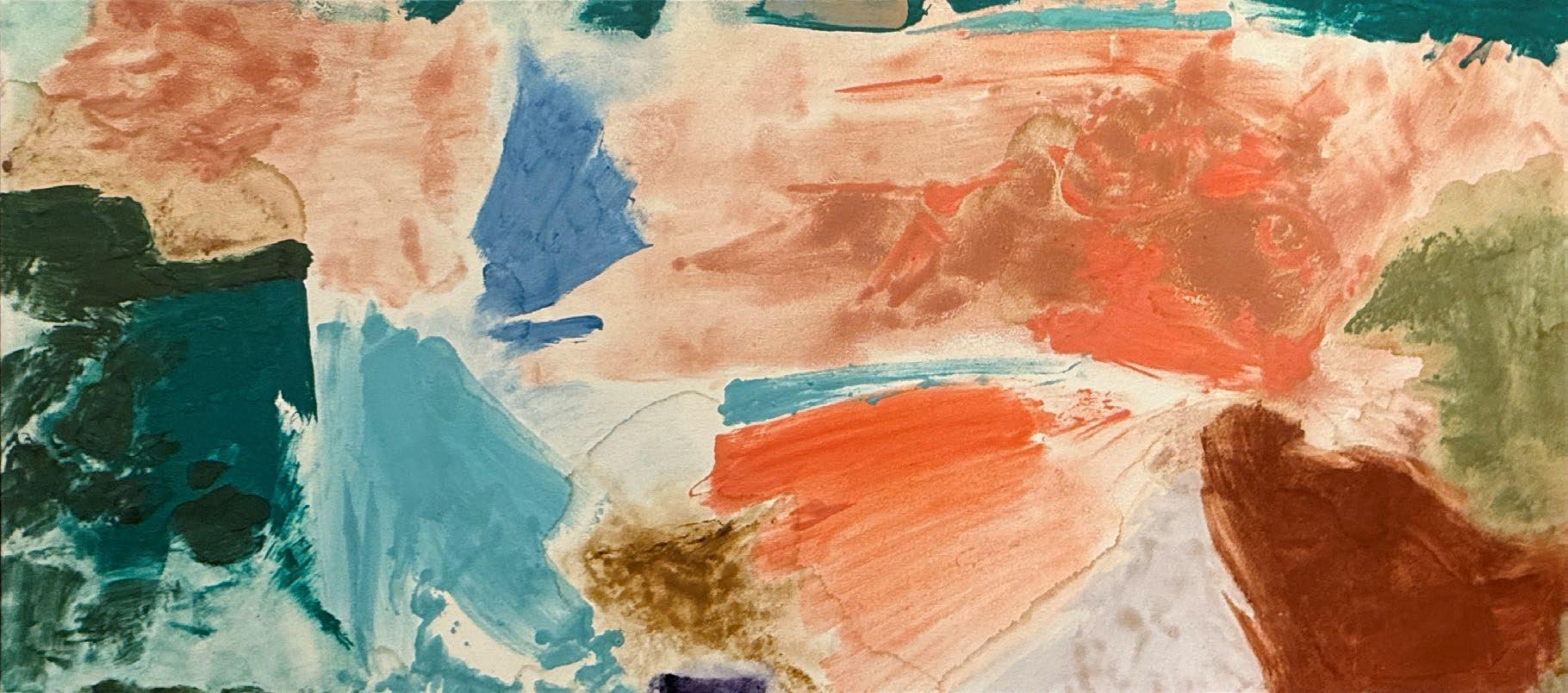
Color Field was one of a number of styles that emerged out of Abstract Expressionism near the end of the 1950s. Characterized by large-scale canvases and expansive areas of color, Color Field painters emphasized visual clarity and perceptual immediacy. To this end, many employed Frankenthaler’s pioneering soak-stain technique, diluting paint to a pourable liquid and staining it into the canvas weave using sponges, rollers, and rags. By allowing the pigment to merge with the surface and spread without visible brushwork, the technique minimized tactile traces of the artist’s hand. Despite a shared technique, each of these artists worked in a distinct idiom.
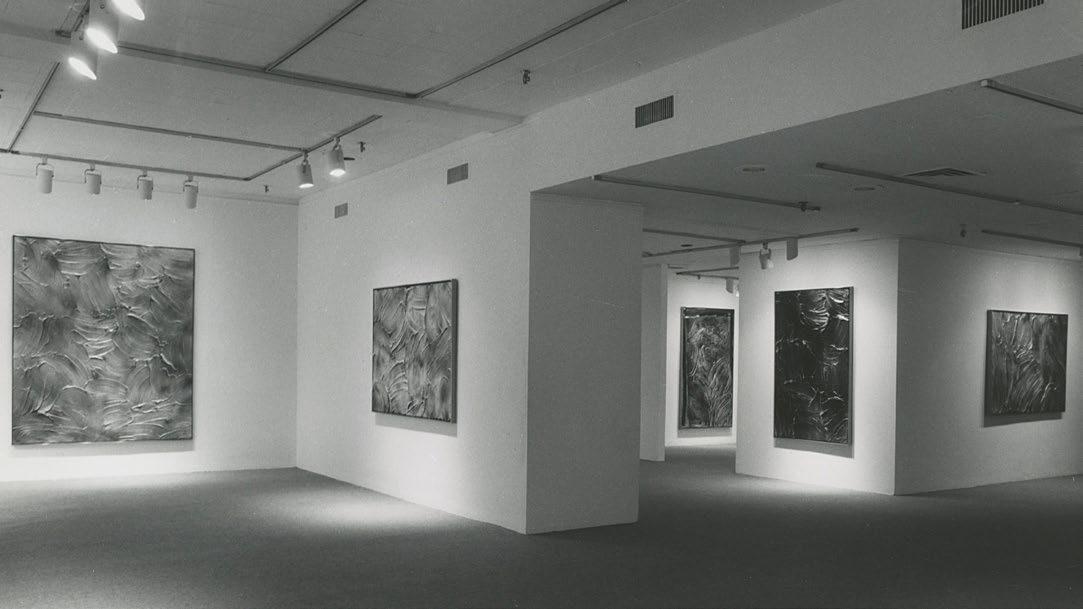
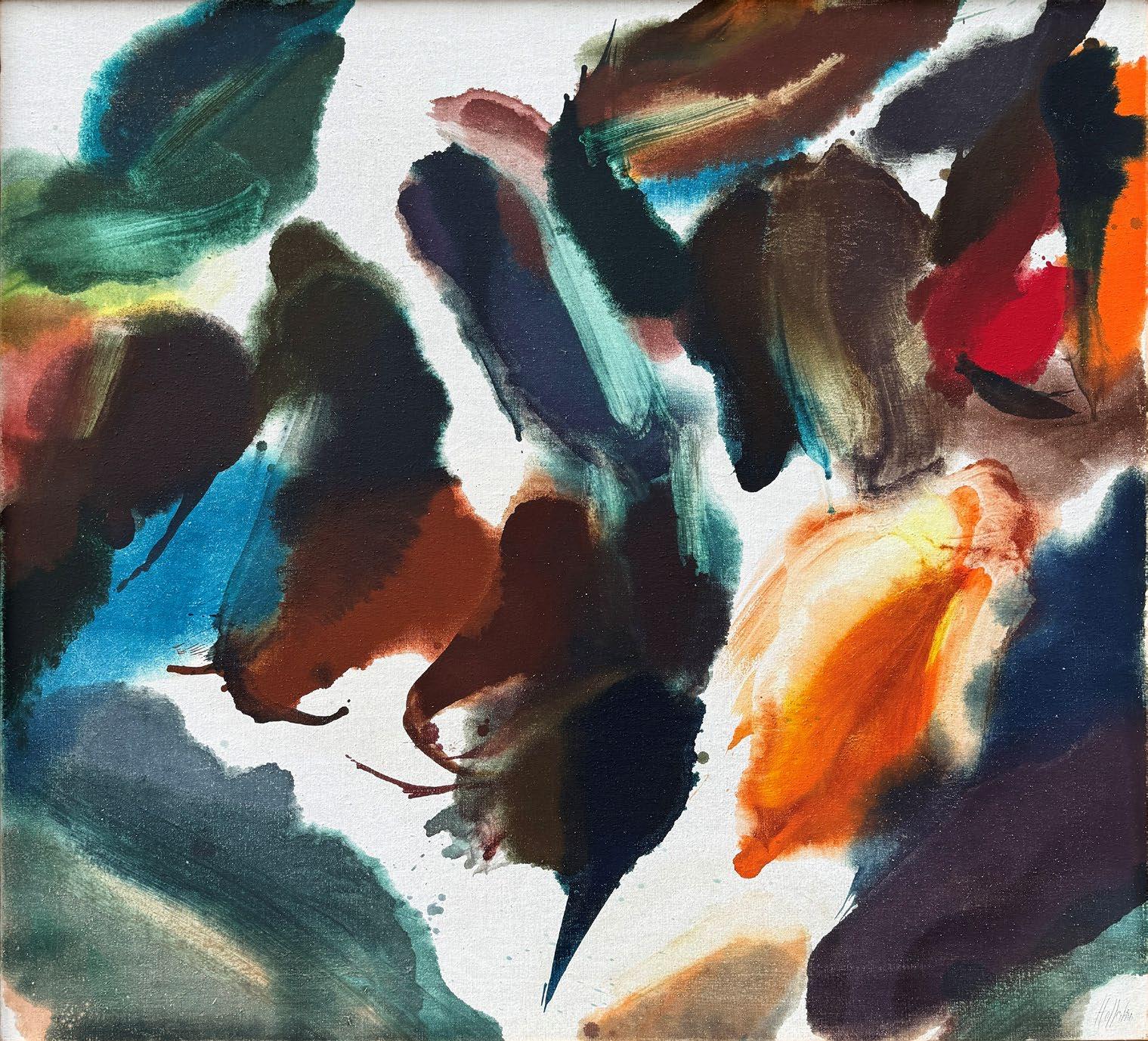
In the early years of the 1960s, Frankenthaler, closest to Abstract Expressionism, composed with gestural, biomorphic shapes; Louis worked with cascading streams and veils; Noland employed clean geometry; Olitski drew quirky, cellular shapes, and later laid down vaporous and atmospheric fields of sprayed color; Dzubas articulated feathery zones of color; and Hollegha explored prismatic mark marking. The ever-increasing scale of Color Field canvases led Emmerich to find a larger space. In the fall of 1964, he moved the gallery to the fifth floor of the Fuller Building at 41 East 57th Street, where it remained until its closing decades later.
Emmerich’s steadfast commitment to abstract painting and sculpture throughout the 1960s and onward set his gallery apart from an art world increasingly focused on conceptual, politically engaged, and intermedia art. “My feeling for art has always been about the aesthetic part of it,” he remarked. “Not about its message…. I think art as political dialogue is very rarely very good art.”3 In his view, abstraction was a vital cultural force, serving as a vehicle for both aesthetic inquiry and a meaningful engagement with society. Emmerich saw Matisse and, later, the Abstract Expressionist painters as exemplary in this regard. Matisse, he explained, “painted through the
two worst wars France has gone through, and through the Occupation…. He paint[ed] what he always painted—women, flowers, light, forms, what art and culture are about. He kept the torch burning.”4 In a similar vein, Emmerich observed that the Abstract Expressionist artists, though they “didn’t think they could save mankind or the body politic through art,” nevertheless “did believe that making art was a high cultural mission of immense value.”5
In the 1970s, observing emergent trends in abstraction, Emmerich expanded both his gallery’s footprint and its roster, opening a space at 420 West Broadway in SoHo in 1971 and an outpost in Zurich the following year, while taking on several younger artists. “The whole game lies in being able to identify and experience trends in advance… by feeling and enthusiasm,” he explained.6 In Emmerich’s view, art dealers were neither trendsetters nor tastemakers. Using an imaginative metaphor, he likened the role of the dealer to that of a surfer. “You can’t make a wave [and] if there aren’t any waves out there, you’re dead. But the good surfboard rider can sense which of the waves coming in will be the good ones…. Successful art dealers have a feeling for hitting the right wave.”7
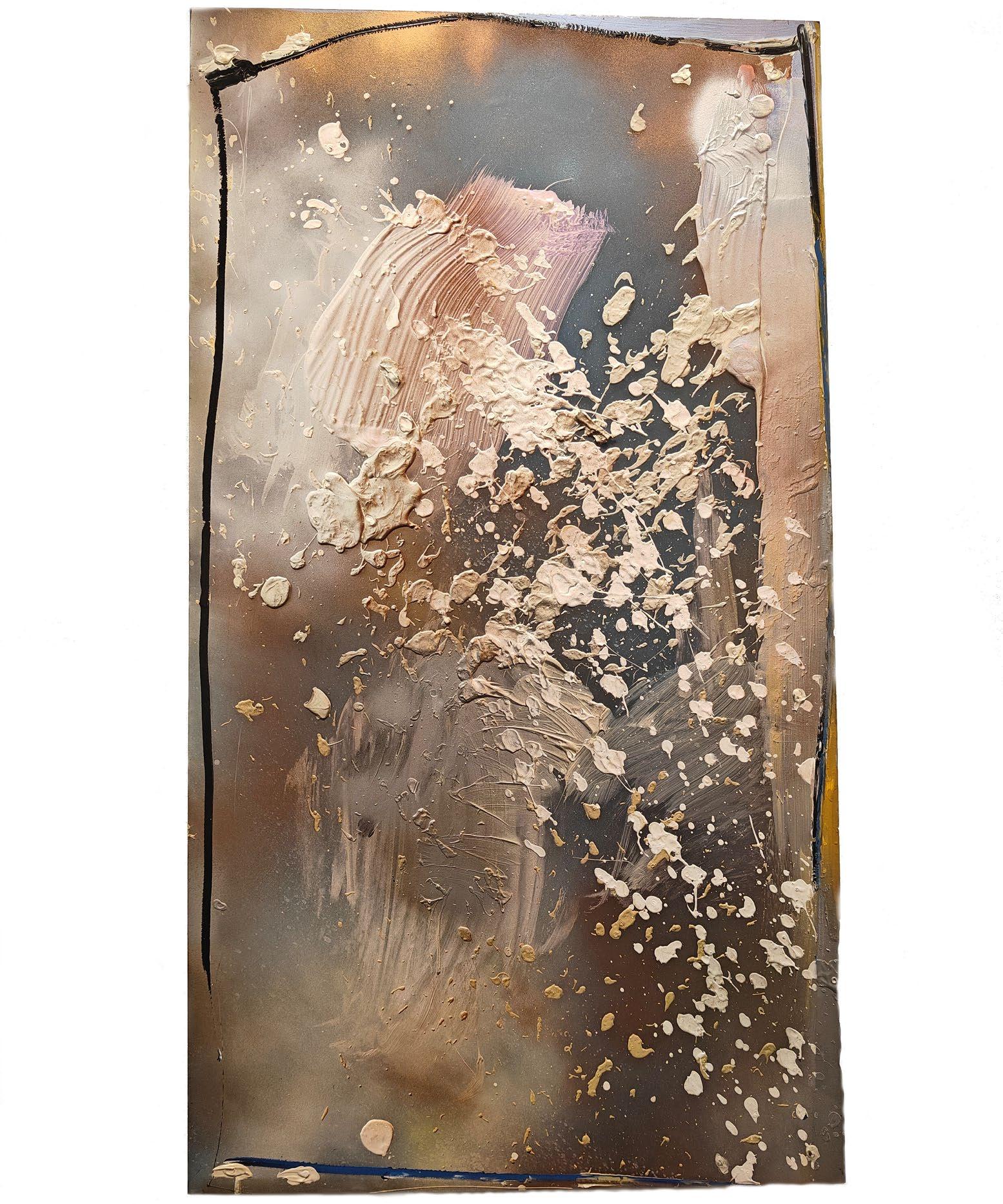
To this end, Emmerich showcased artists whose work continued and expanded upon the conventions of Color Field painting. Larry Zox and Pat Lipsky explored new pictorial dynamics using the soak-stain technique, with Zox weaving color wedges along the edges of his canvases, and Lipsky creating weightless waves of color suspended upon the surface. A separate trend emerged in the work of Larry Poons, John Hoyland, and Dan Christensen, each of whom moved from thinly painted stains or sprays toward more ruggedly textured surfaces in the 1970s, experimenting with newly developed acrylic gels, pastes, and mediums. Meanwhile, Sherron Francis shifted between staining and painterly approaches. In addition to these painters, Emmerich consistently championed the work of female artists, “notwithstanding the bias,” he noted, “that perceived [them] by definition as minor.”8 Reflecting this commitment, a 1979 survey by the Women in the Arts Foundation of eighteen prominent New York City galleries found that Emmerich’s roster included the highest proportion of female artists.
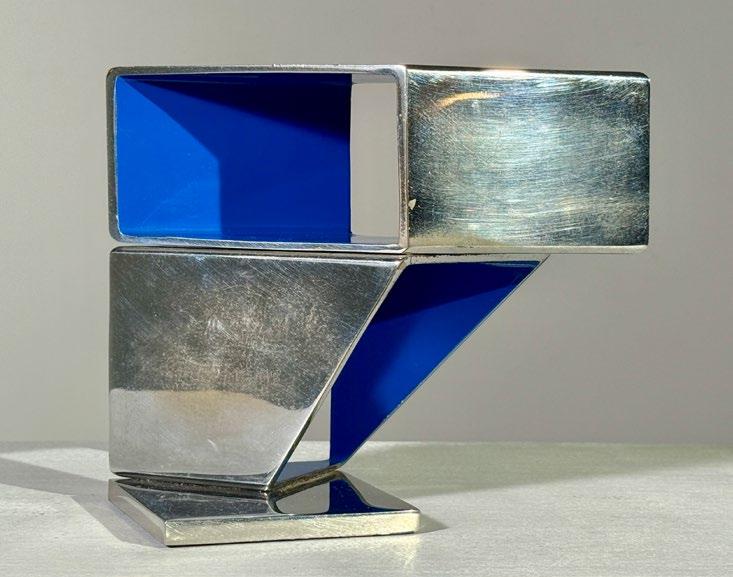
Emmerich was as dedicated to sculpture as he was painting, representing abstract sculptors such as Anthony Caro, Alexander Liberman, Anne Truitt, Beverly Pepper, and Joel Perlman for several decades, and eventually established an outdoor park for the display of large-scale work. Top Gallant, a private sculpture garden situated on one hundred and fifty acres in rural Pawling, New York, opened in 1982. On its grounds, Emmerich installed over 100 works by several dozen artists. His reasoning was practical: “Painters can store their life’s work in a small room, but not sculptors,” he told a visitor. “Sculpture is hard to make, hard to store, hard to sell. So the sculptor is forever faced with the problem of where to put the huge pieces.” The arrangement was mutually beneficial, he explained: “[The sculptors] don’t charge me for keeping their work. I don’t charge them for the space.”9
Though his gallery was best known for its promotion of Color Field painting, Emmerich was not dogmatic or doctrinaire in his taste. Among the wide range of artists he showed were multimedia artists Nancy Graves and Alan Shields, as well as geometric painter Al Held, British Pop artist David Hockney, and second-generation Abstract Expressionist Sam Francis, the last three of whom Emmerich represented for over thirty years. His dedication to these artists was characteristic of his belief in their art and his commitment as a dealer. “You keep being a missionary for the art you most like,” he explained, especially as their art changed over time.10 “One of the crucial roles a dealer is helping people to see.”11 Emmerich’s belief in the artists he represented corresponded to his advocacy of their work. “My job,”
he once remarked, “is to transmit conviction for the pictures I believe in.”12 He was fond of characterizing his practice as an art dealer with a motto of his own invention: “Credo ergo exposito. I believe, therefore I show.”13
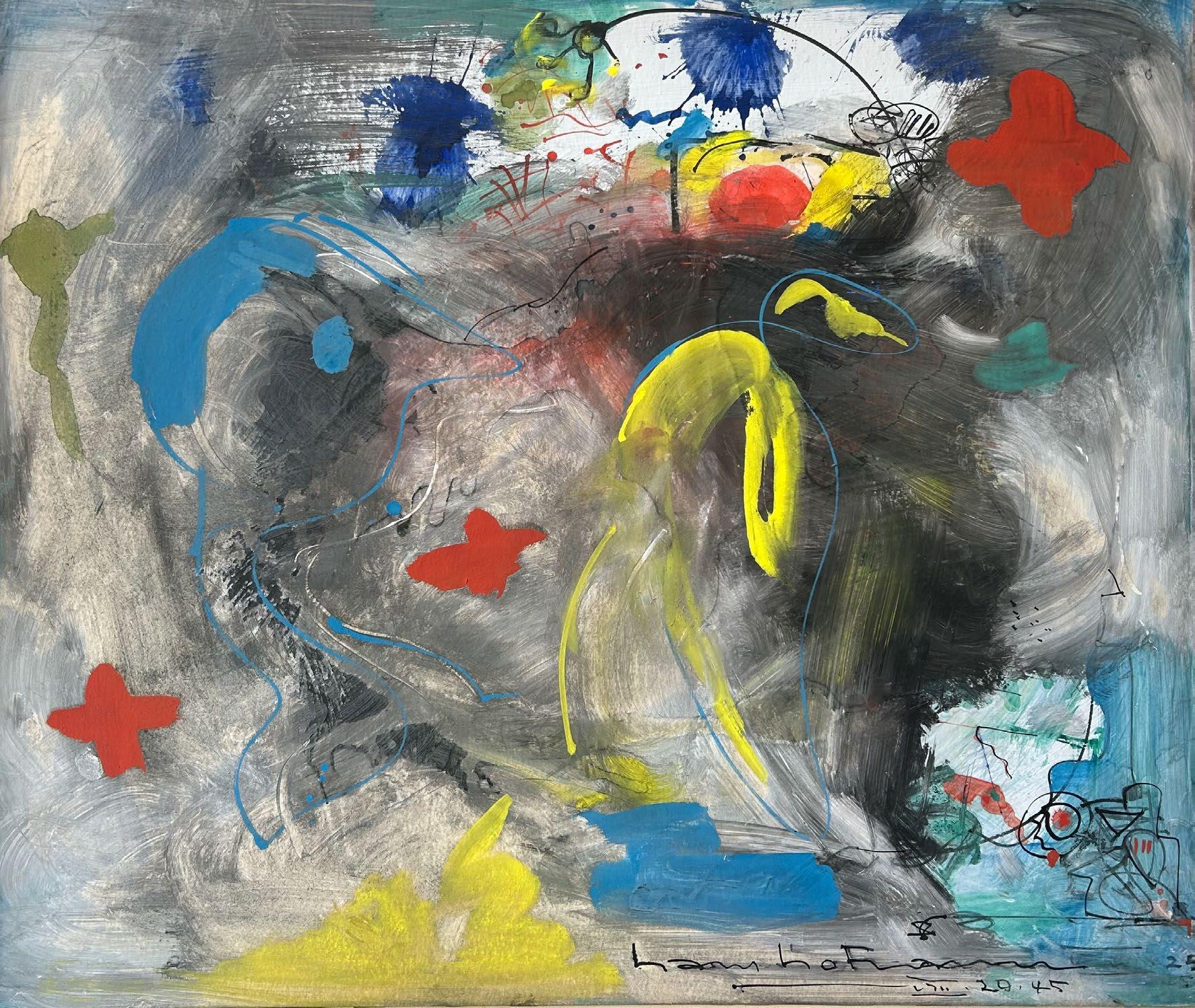
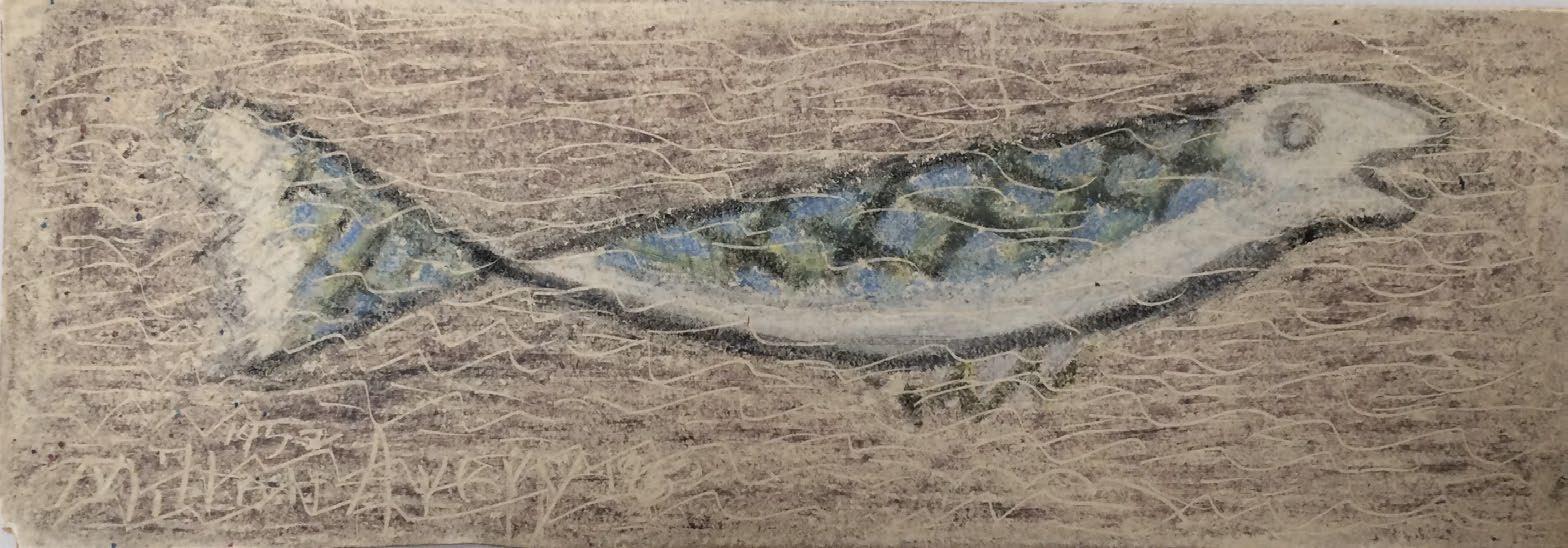
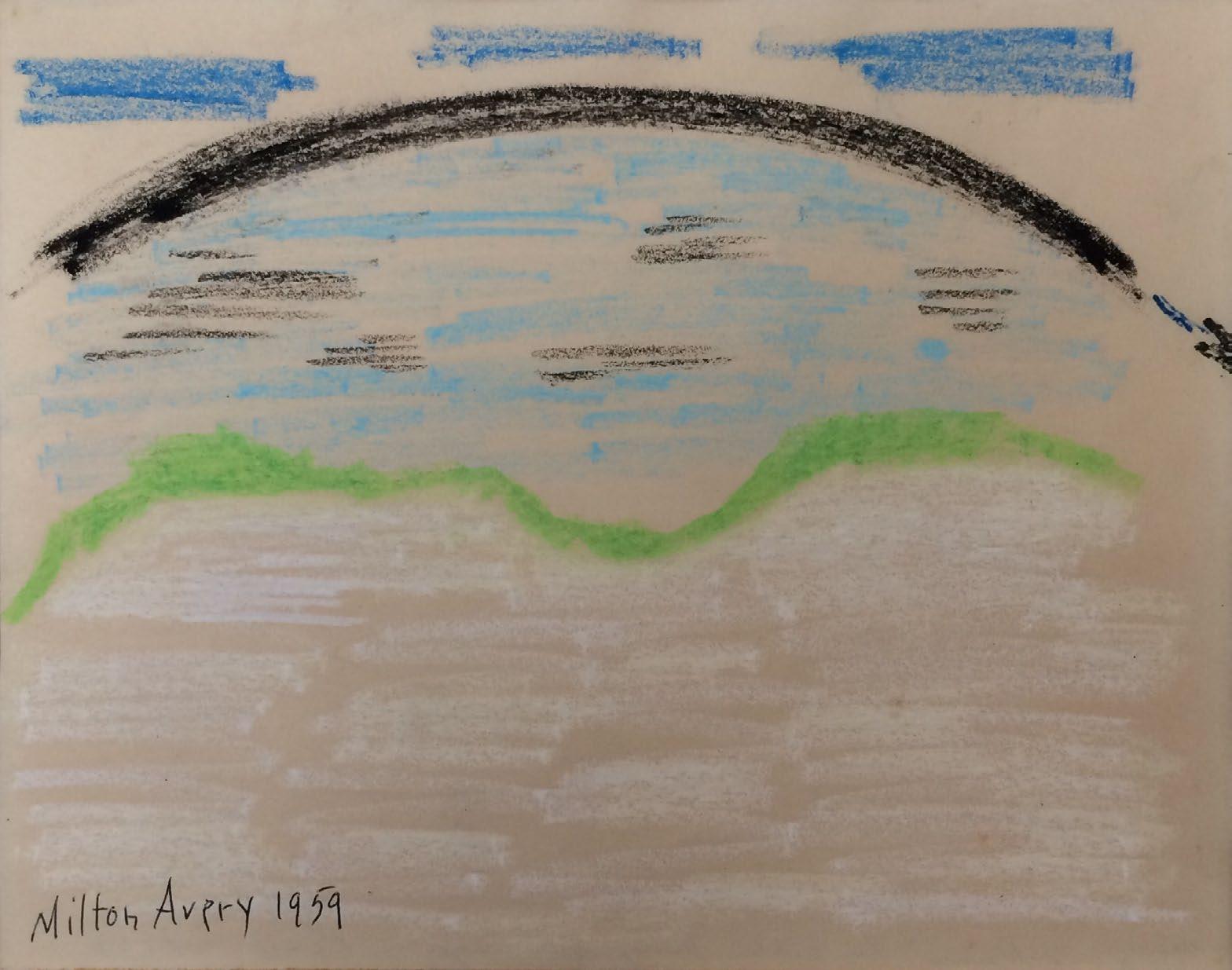
Emmerich felt that art had the potential to unravel the passage of time, to revivify and enliven the art of the past. “New art, the most contemporary art, leads us back to look at artists of earlier periods,” revealing latent qualities theretofore unrecognized.14 With his stewardship of the estates of Hans Hofmann, Milton Avery, and Morris Louis, painters whose art straddled styles and generations, Emmerich put this idea into practice. For example, Hofmann, living in Paris between 1904-1914, befriended Matisse, Picasso, and Braque, while in his own work synthesizing Fauvism and Cubism. Then, after moving to the United States and entering the Abstract Expressionist milieu as both teacher and painter, he remained ever responsive to new developments, influencing in turn a new generation of abstract artists. Seen from the vantage of postwar abstraction, Hofmann’s art helps illuminate the path by which a painter like Malevich leapt from the flatness of Cubist scaffolding into the spatial freedom of pure abstraction.
The André Emmerich Gallery closed in 1998 after nearly forty-five years of operation. Emmerich’s deep engagement with pre-Columbian art and artifacts dating back thousands of years as well as contemporary art exhibited fresh from the studio gave him a unique perspective on the limitations and passages of time. “Collectors think they own art…as if they were the one and only owner, as if they had helped bring [the work] into being through their ownership,” he remarked. “[But] our ownership is only a temporary guardianship.”15 Emmerich recognized that just as centuries-old objects outlast their owners, so too do prevailing aesthetic tastes shift slowly across generations, both flowing toward an ever-distant horizon. “You can move yourself to the ‘cutting edge,’” he remarked. “But all of us remain locked within this generation-bound frame which, in turn, is steadily and imperceptibly pushed down the river of time changing our tastes in the process.”16 For Emmerich, to show art was to place it within that long temporal current, trusting that time itself would continue to reveal its meaning.
Endnotes
1Stuart Preston, “Art: ‘Canvas ’59’ Here,” The NewYork Times, October 10, 1959.
2 André Emmerich, interview by Mona Sadler, January 18, 1993, “Oral history interview with André Emmerich,” Archives of American Art, Smithsonian Institution, Washington, DC, 8. Curator William Rubin, at that time professor of art history at Sarah Lawrence College, later became director of the Museum of Modern Art’s painting and sculpture department.
3 Emmerich, “Oral history interview,” 9.
4 Emmerich, “Oral history interview,” 9-10.
5 Emmerich, “Oral history interview,” 10.
6 Emmerich, quoted in Laura de Coppet and Alan Jones, The Art Dealers:The Powers Behind the Scene Tell How the Art World Really Works (New York: C N. Potter, 1984), 57.
7 Emmerich, The Art Dealers, 57.
8 Emmerich, “Recollections: Greenberg & Frankenthaler,” The New Criterion, December 2004, 31.
9 Emmerich, quoted in Charles Hillinger, “A Sculpture Farm in the Country,” Los Angeles Times, November 5, 1989.
10 Emmerich, “Oral history interview,” 13.
11 Emmerich, The Art Dealers, 62.
12 Emmerich quoted in Avis Berman, introductory essay in “The André Emmerich Gallery: A Documentary Portrait” exhibition brochure. (New York: Archives of American Art Gallery, 2002), 3.
13 Emmerich, The Art Dealers, 58; Emmerich, “Secrets of the Back Room,” ARTnews, Summer 2003, 137.
14 Interview Transcript, Andre Emmerich and James Lebron (Tapes 40-43), “Morris Louis: Radiant Zones” Project, c. 1980, Box 15, Folder 51, Morris Louis and Morris Louis Estate papers, c. 1910s-2007, Archives of American Art, Smithsonian Institution, Washington, DC, 6.
15 Emmerich, “Oral history interview,” 19.
16 Emmerich, “We all inhabit a time-frame in which tastes are shared,” Art International, Autumn 1990, 30.