
TJ McCaffery Lilly Griffiths
Editor in Chief Managing Editor
Katrina Hodge Lola Spring
Production Director Creative Director
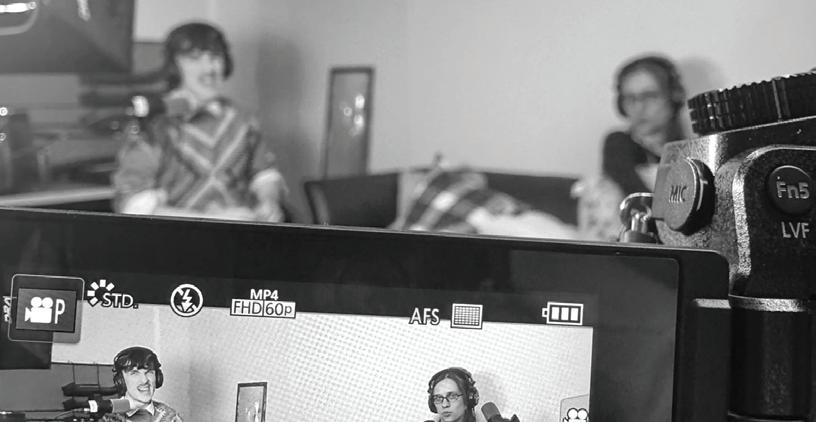
Tatum Andreetta Kanahara Miguel Podcast set beauty Director
Tatiana Colmenares Maddie Larson
web Director Photography Director
Maya Rodrigues Quincy Bhattacharjee
Social media Director art Director
Colette Lowry-Kirkhus
Paige Collins
Styling Director
Yash Tripathi Fashion
Armenie Skates Accessories
Deanne Barua Beauty
KaziLuzaya Nayer Beauty
Sophia Whitsett Lifestyle
Susannah Alther Culture Editors
Simone Chariell Fashion
Becca Koppel Beauty
Kaylyn Vita Lifestyle
Ruby Fadell Culture
Assistant Editors
Jenna Persaud
Assistant creative DIRECTOR
Andrea Garrido Torre
ASSISTANT STYLING DIRECTOR
Nicole Parrella
Photography assistant
Abbie Ajilowura Joshika Gujja
Ava Bianchini, Kira Brown
Chris Anampa, Mia Castro
Eddie Bizan, Zoe Kyrkostas
Fiorella Convertino
STYLists
Ellie Mooney
managing Director
Caro Barrenechea Cobos
Editorial Director
Grace Mota
Keylin Martinez Rogel Onatah Williams
Social media team
Callista Anctil Patrick Clesen
Iris McHugh Sofía Valencia
Molly London Beauty team
Crisbel Martinez marketing Manager
Jessie Stahnke Thao Trinh graphic designers
Natalie Fitzgerald Tamara King Web editors
Professor Dani Brand
Professor John Deming
Professor Joseph P. Sgambati III Faculty Advisors Editorial
Professor John Keane Faculty Advisor Marketing
Dr. Daniel Chaskes Arts & sciences Department Chair
Tom Blackie • Jerome Crooks • Michael Donohue • Meredith Finnin
Professor Timothy Foran • Professor Susan Graham • Laura Healy
Maranda Janky • Professor Laurel Lueders • Professor Michael
Meyer • Dean Nancy Miller • Elara Montana • Maurice Morency
Henri Myers • Olga Raganelli • Danielle Russo • Lauren Smelker
Travis Stephens • Professor Liz Sweibel • Dr. Alex Symons
All LIM College Faculty MANY THANKS
Ron Marshall, President of LIM College
Elizabeth Marcuse, President Emeritus of LIM College
Dr. Scott Carnz, Provost
Michael Londrigan, Business Department Chair
Special THANKS
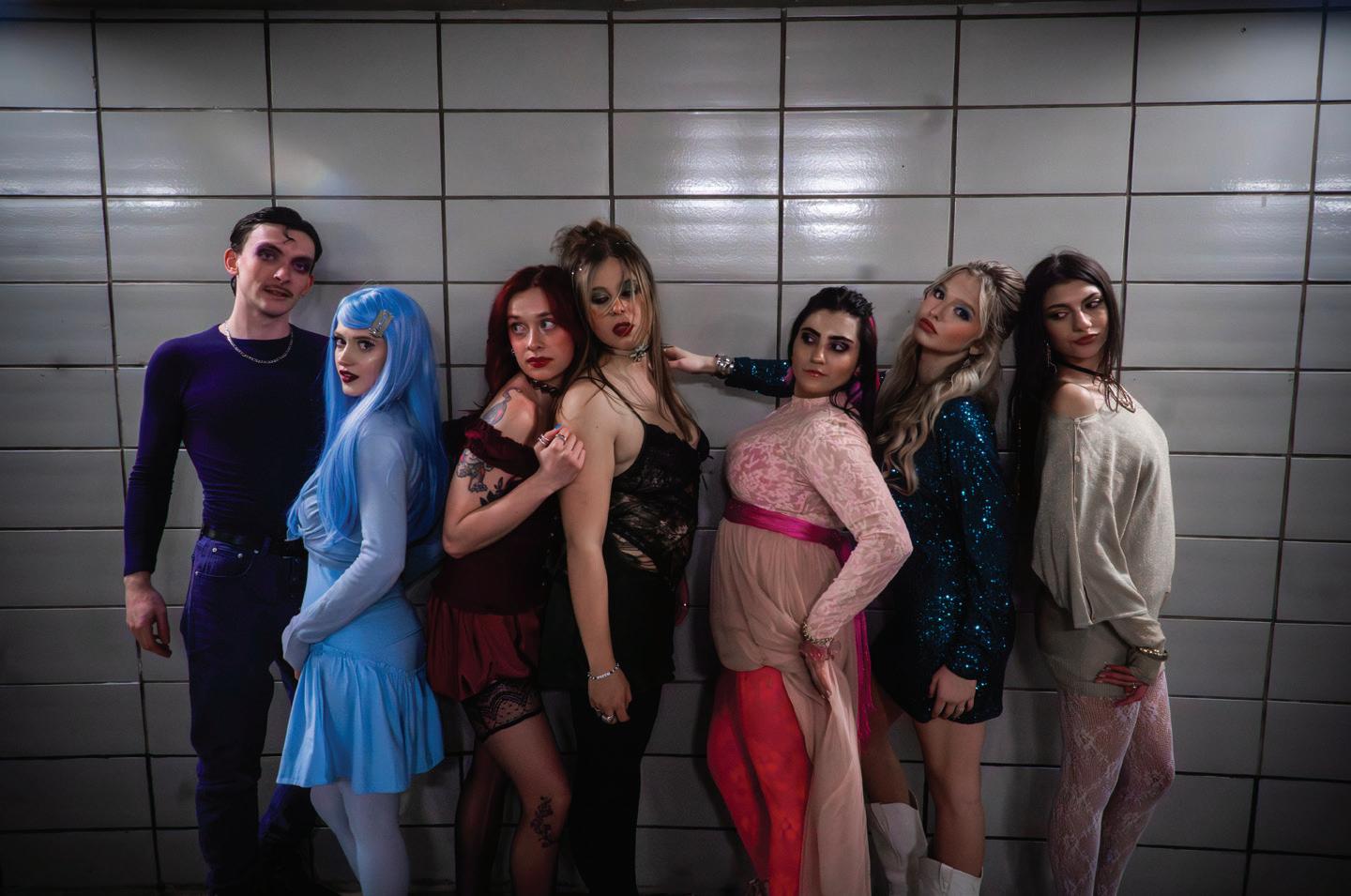
Dear readers,
We are thrilled and honored to present you all with the 22nd issue of The Lexington Line! For over a decade, this magazine has been an outlet for students’ self-expression, a passion project that we fill with love and care.
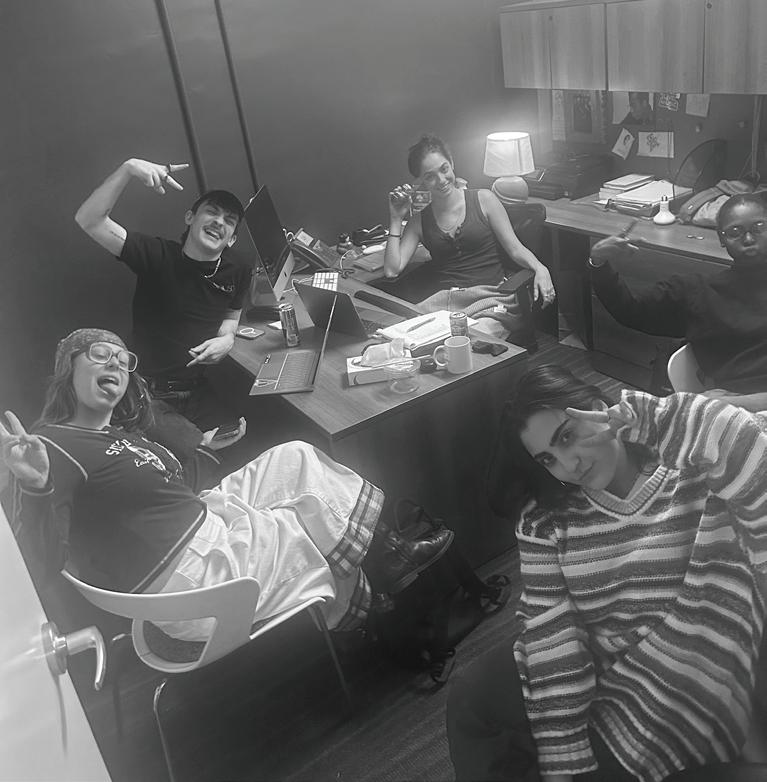
Because of this, our team of directors and editors bonded deeply. We became more than a team, more than friends, but chosen family.
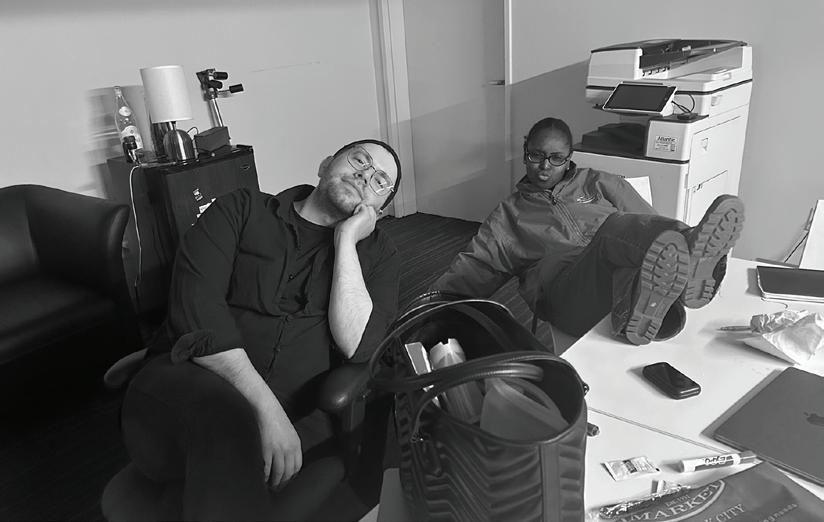
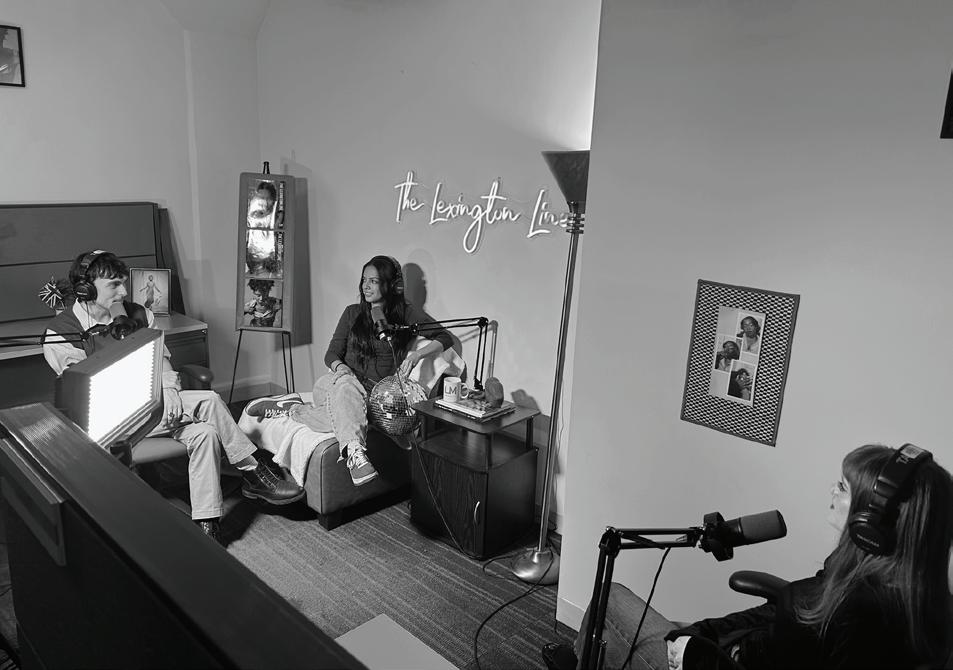
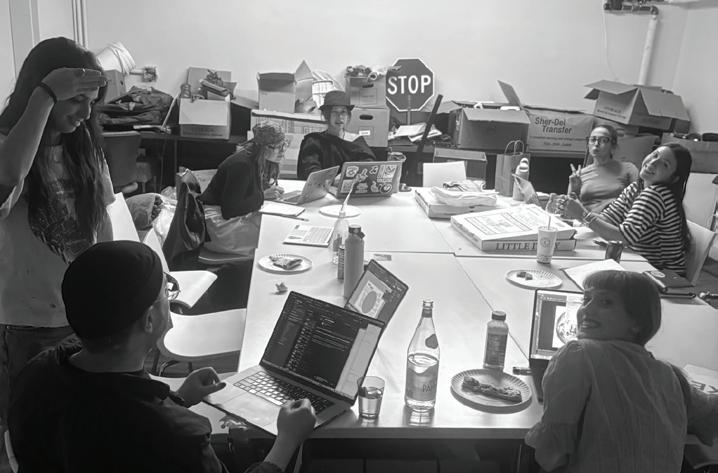
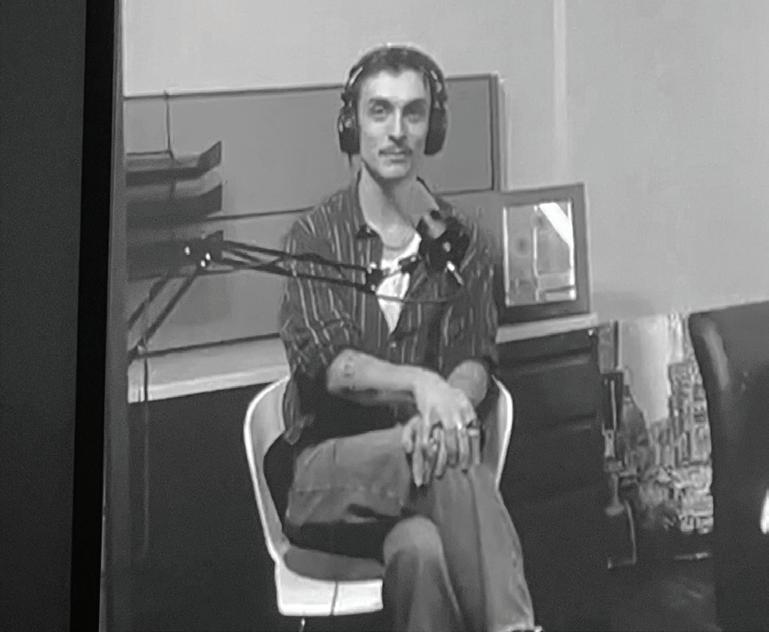
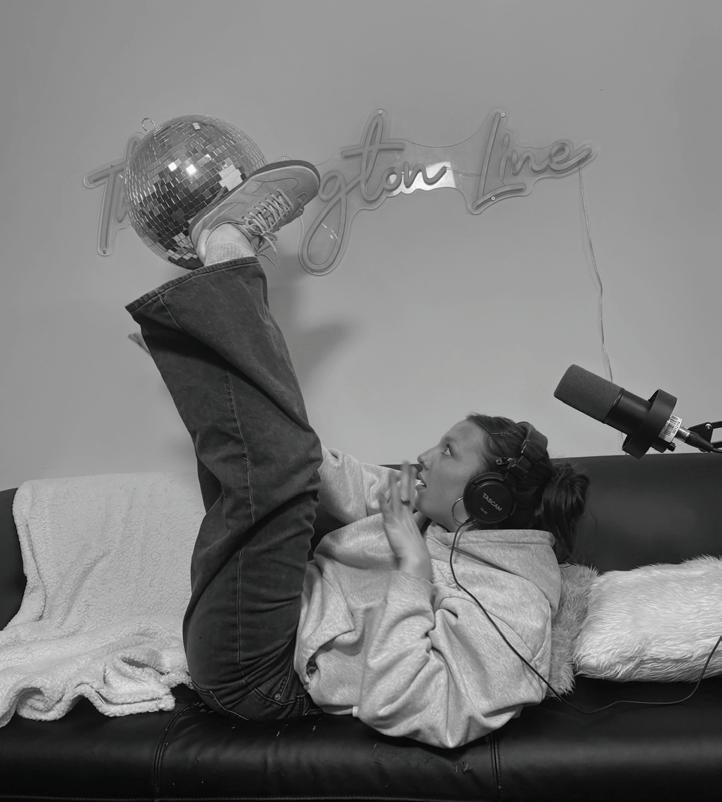
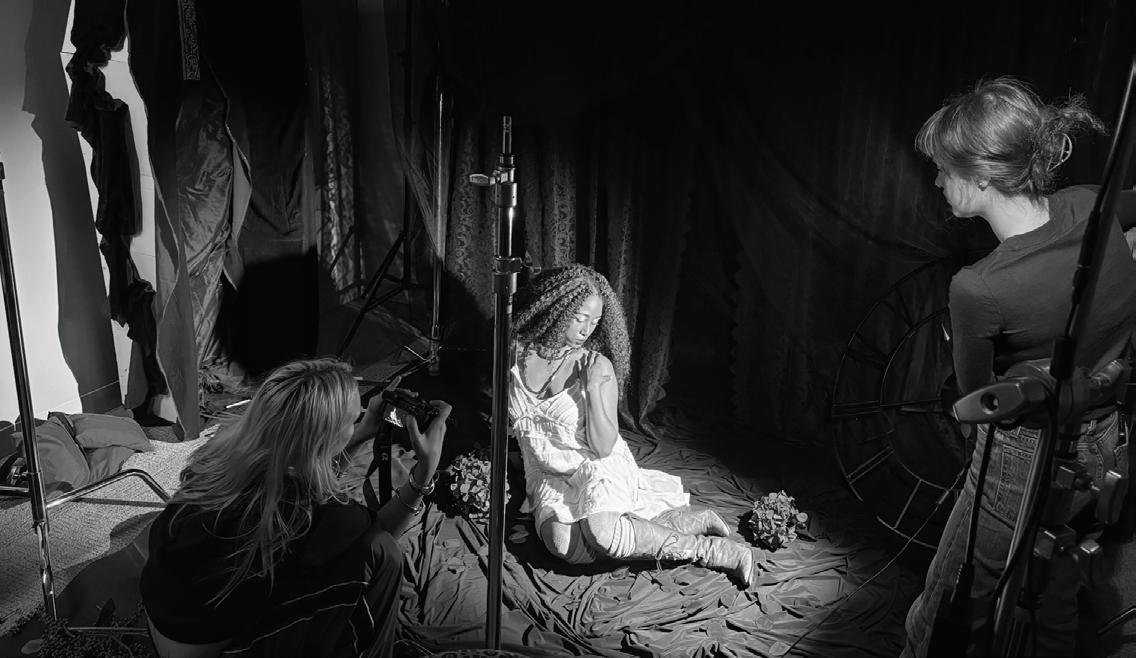
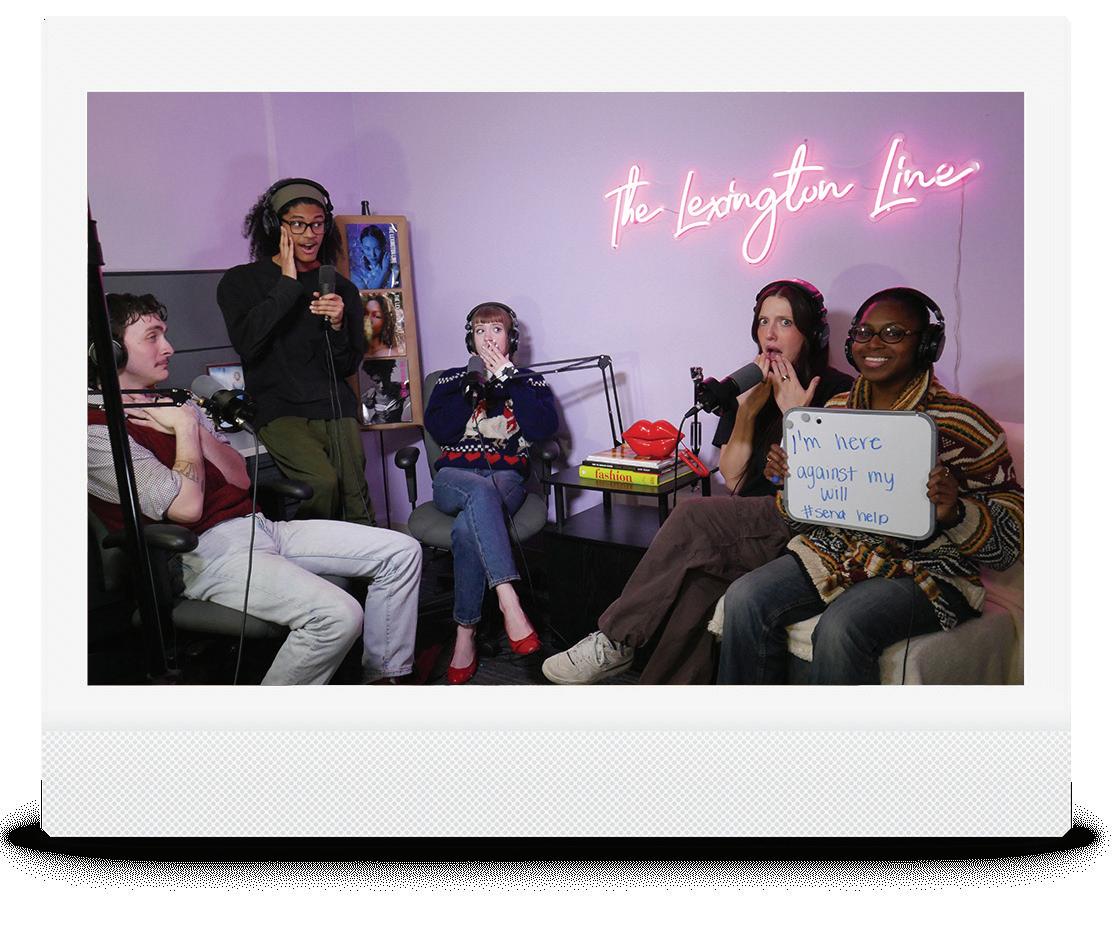
This passion and community we have built at The Lexington Line has led to exponential growth in the past year. We started a whole new styling team—creating our new “Lookbook” section for the website—and created our new video podcast, “The Cover Page.” We moved into a new office space in Maxwell Hall and brought back regular in-person meetings, and as we end this year and begin plans for our next year, we intend to go further and higher.
Media is at its best when it holds a mirror to our daily lives and comments on our world. We tried to keep this in mind while working throughout the year. Our world is divided greatly; the rich get richer while all the rest vie for survival. It’s prominent in our world of politics, influencer culture, and the corporate 9-5. If we aren’t careful, it can resemble a colorless life that we all look to escape in some way. Our mission, though, is shared throughout the media and entertainment sphere—to provide a moment of fun and interest.
We want our readers to question the systems in place and see reflections of themselves on our pages. Our selection of work aims to exhibit the modern discomfort of life in 2026 while showcasing that there is always light in the dark.
When times feel unsure, it is essential to prioritize community and human connection. Sticking together remains the most productive way of fighting against the current. Making and digesting art is a form of resilience and resistance. Our message for you, reader, is to continue consuming tangible media and challenging the narratives being fed to you.
We hope you enjoy our 22nd issue of The Lexington Line.
Sincerely,

words By

TJ McCaffery




It’s apparent in these spaces that it takes a certain kind of person to fit in: athletic build, affluent (or rich-presenting), drunk, and seemingly only capable of surfacelevel interaction. All of these aspects fill a loud nightclub room appropriately.
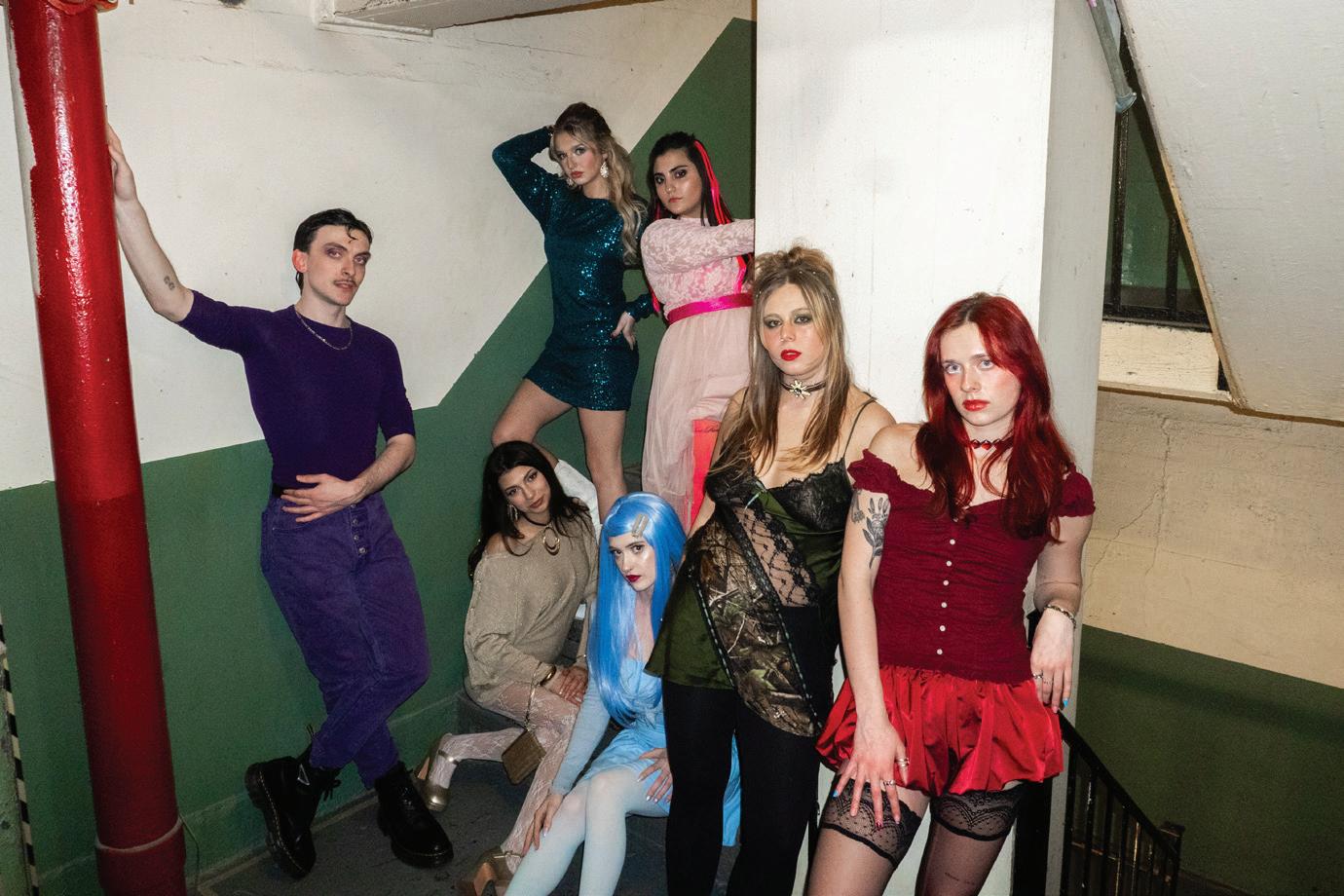
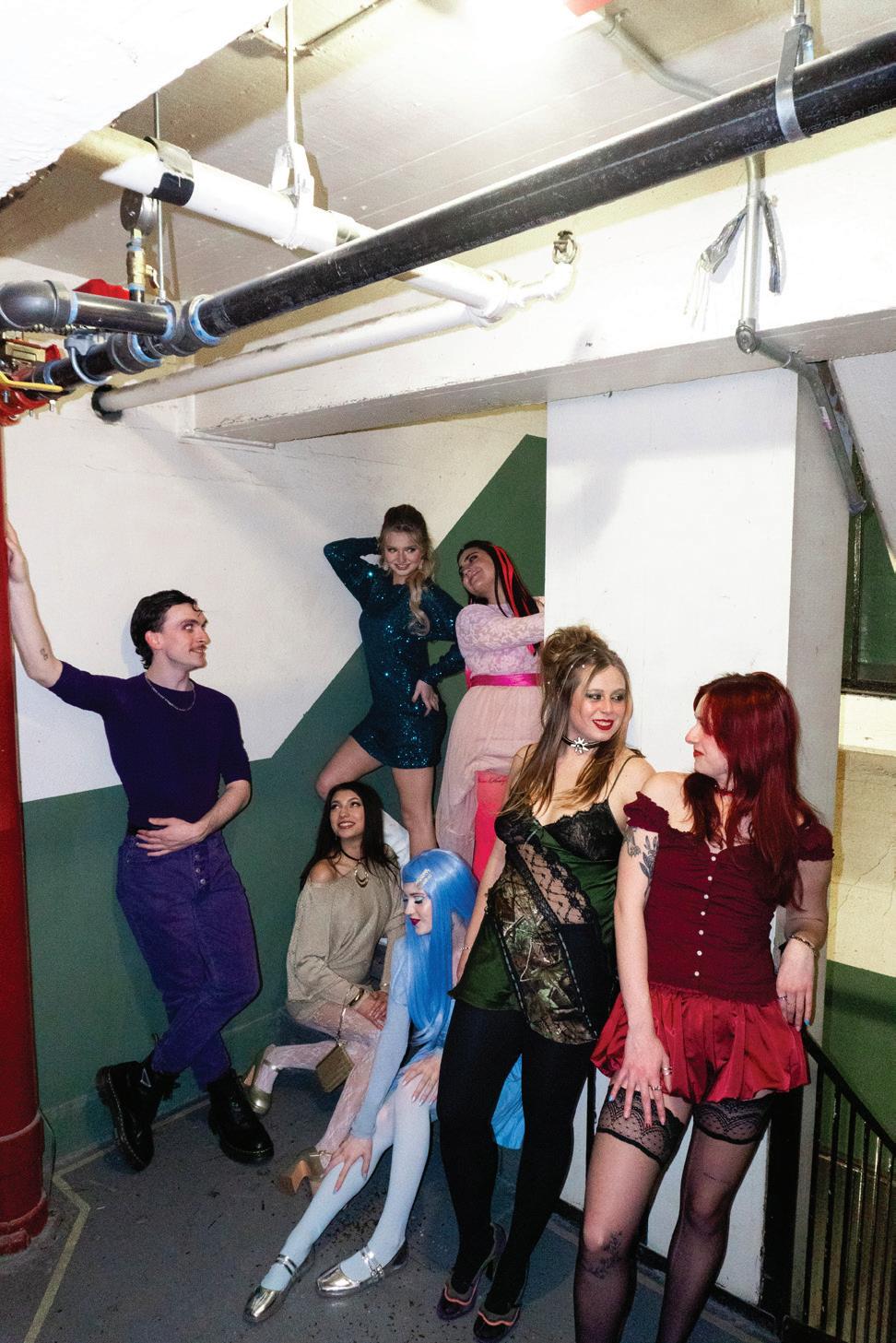
Suddenly Audrey, government name J.P. Morales, was born and raised in New York. Growing up, she was invested in cartoons and comic books.
“I spent most of my life watching anything on Nickelodeon [or] Cartoon Network,” she recalls. “Dexter's Lab, Rocko's Modern Life…I always watched those, and then I started reading comics.”
She also indulged in anime.
“Every POC inner city kid in New York City had an anime phase in high school,” she
This brand of media was about representation—being seen and feeling inspired. It was an escape for many kids, as Audrey describes. Coupled with trips to Chinatown arcades with friends, these early influences drove her passions in life, leading to pursuit of a B.F.A. in Illustration at Parsons School of Design.
“I always wanted to illustrate or animate. When I was a kid, my mom would catch me drawing in crayon on my bed sheets,” she explains.
She took inspiration from the artists she saw on TV, naming Craig McKracken (Powerpuff Foster’s Home for Imaginary Friends as a big inspiration in her personal and professional work.
Her parents were very accepting of her career path as a graphic designer, as well as her pursuit of drag.




“I guess I'm lucky,” she says. “But I find that when you grow up disenfranchised, your parents tend to be supportive of most things.”
Drag wasn’t on Audrey’s radar until 2018, when she started attending her friend Sutton Lee Seymour’s weekly shows—it was her “escape for the week,” much like cartoons and comics were in her youth.

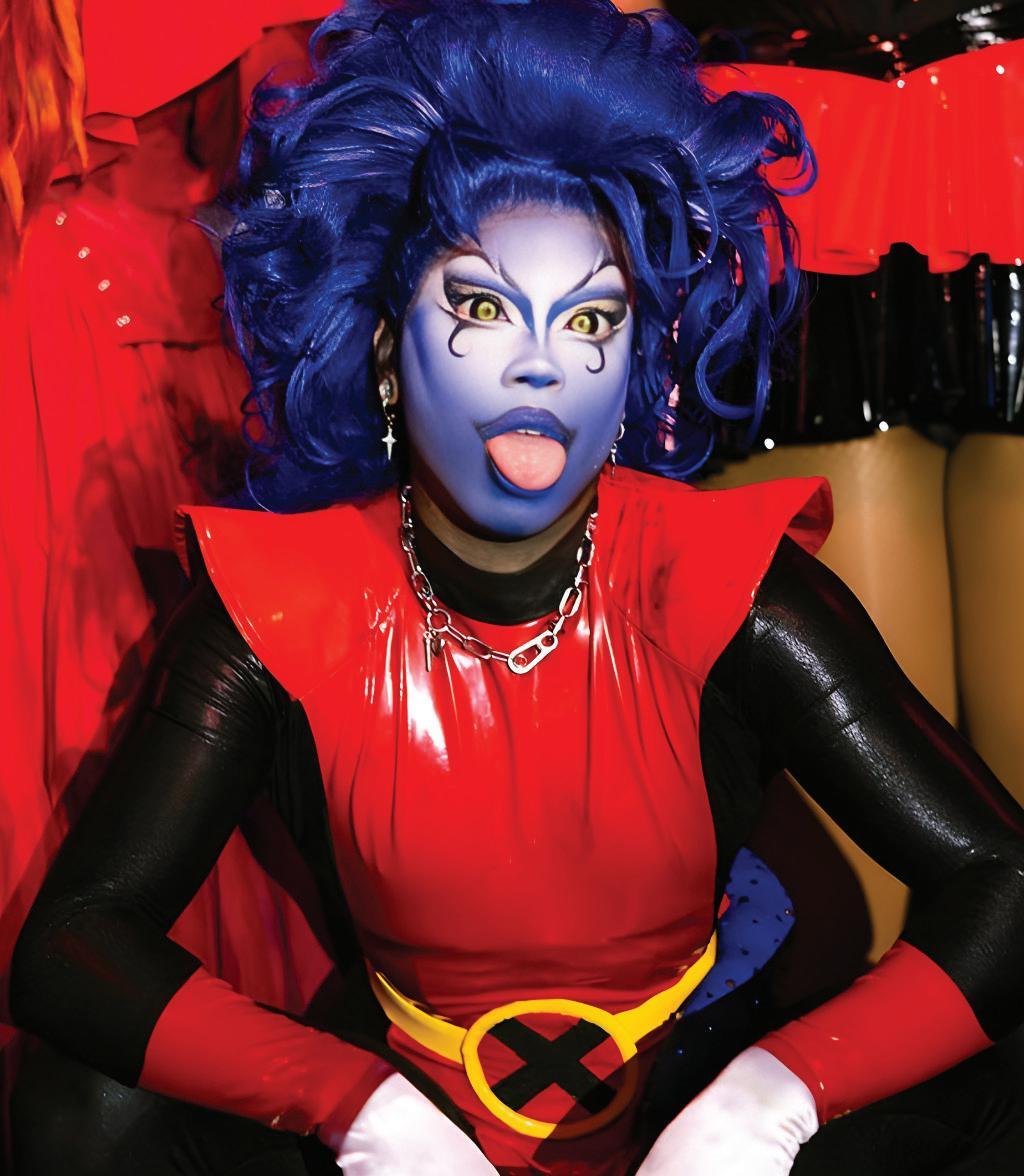
Audrey was persuaded to give it a try, and soon enough, she took to the stage of Albatross in Astoria, Queens. Cartoons and comics didn’t fully inspire her drag aesthetic, which she describes as “early ‘90s Mariah Carey meets Conan O'Brien.”
Audrey rose in popularity quickly, but unfortunately, she had to take a break during the COVID-19 pandemic. Once the world opened up again, she made her way back out on the scene. She soon started hosting her show “Hello Gorgeous” on Saturdays at Albatross in Astoria. For three years, she also produced “Musical Mondays” at Hardware Bar, but eventually gave that up.
“I love to quit,” she chuckles.
Accordingly, she loved the gay nightlife scene but had concerns about some parties and spaces being exclusionary and surface-level—she got “sick of that being the default.”
“There is this idea that when you go to a big party at a place like Elsewhere or 3 Dollar Bill, you're getting a certain type of gay bar,” she explains.
There was nothing like “The Audball” when she started.
“What if another type of person came out, and what if it was the type of person who wouldn't normally come out to a 3 Dollar Bill on a Friday?”
So she made it happen, and “The Audball” was born.
Starting with a Steven Universe ball in May of 2024, Audrey assembled a crew of fellow queens and kings to perform numbers based on characters from the show.
“The Audball” was an instant hit, and Audrey’s mission was accomplished. Hundreds of queer nerds flooded 3 Dollar Bill, going to merch stands, drinking, dancing, and watching drag artistry.
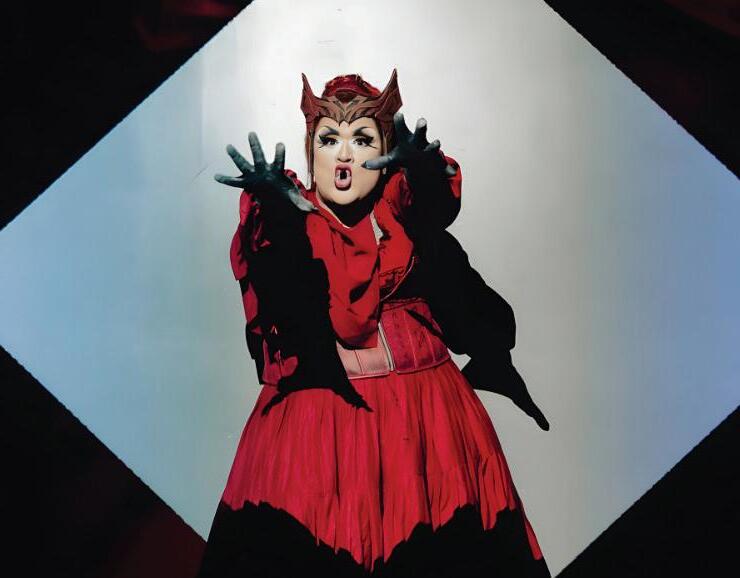

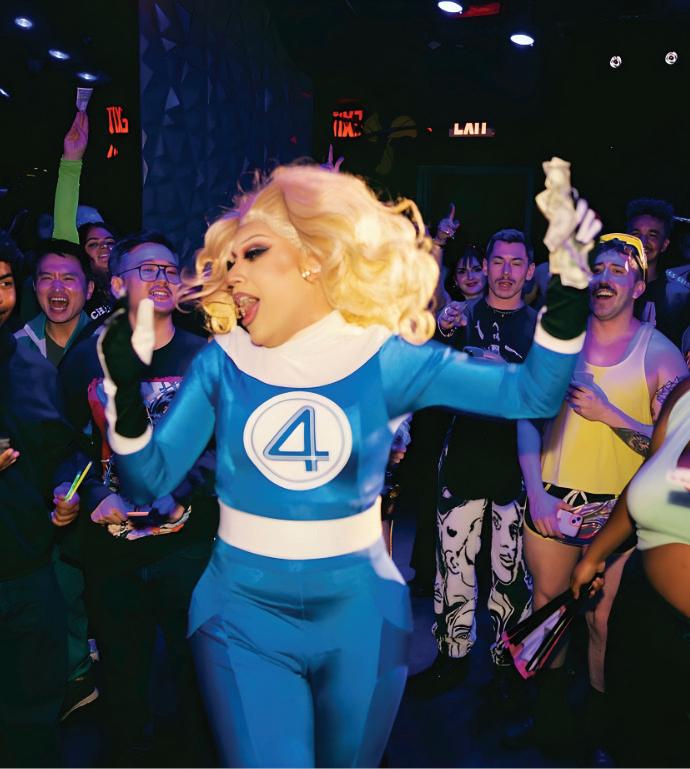
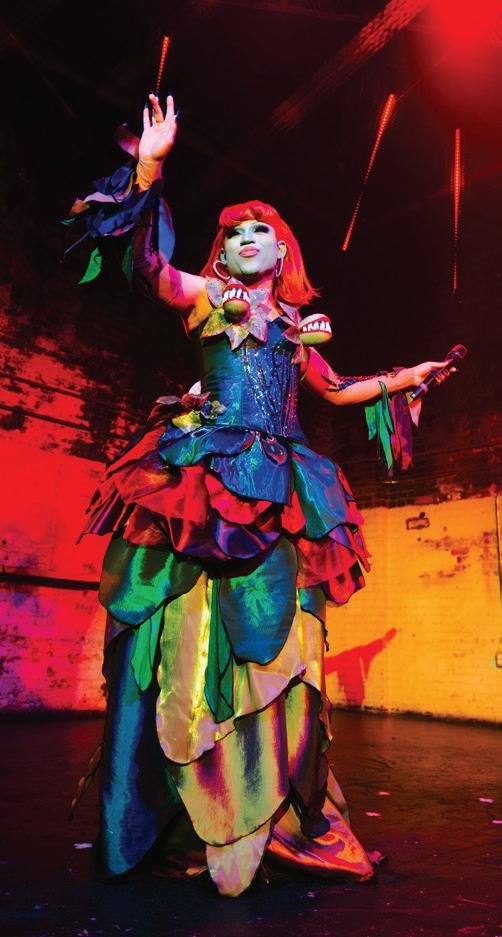
Audrey felt the success of her show and knew she wasn’t stopping there. Since then, she has produced a number of shows such as “Avengers vs X-Men,” Pokemon, Toonami, DC Comics, Super Smash Bros, and most recently, Adventure Time.
“It's just been fun seeing the people actually come out to it,” Audrey says.
Over the course of two years, “The Audball” has become a staple for people to feel safe, seen, and included. The public praised Audrey for her show, and the Glam Awards, which celebrate the best in New York City nightlife, twice recognized her as “Best Event Producer.”
Audrey believes her success comes from her authenticity.
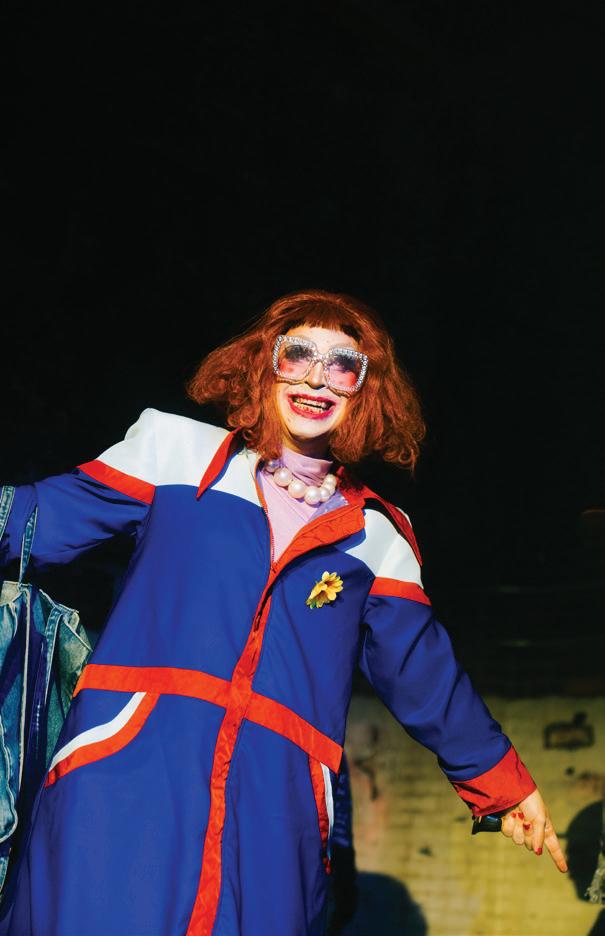

“Do what you love, not what you think people are going to love,” she explains. “If you do something that you don't personally love, people can tell. So if it feels right, and it's authentic to you and who you are as a person, it translates.”
At “The Audball,” it’s evident that the audience has fun because she is having fun. That may be her superpower: she wants everyone to feel the same and knows that events like hers help people feel comfortable enough to do just that.
She wants fans to take away one thing from her shows.
“There's only one of you. So why would you try to be anyone else? No one can be you better than you,” she says.


By Yash Tripathi
“I don’t think it’s hoarding—I’m collecting! And it’s a 2003 Cavalli!” my friend Julia Miller declares, sliding a pair of western-inspired vintage jeans into a towering “keep” pile beside a sad, wrinkled, and unkempt stack labeled “throw/donate.”
Julia, a 24-year-old New York-based model, is a fashion chameleon. As we talk, I dodge the piles of clothes she has laid out from the floor to the windowsill. She whispers sweet nothings to a clothing rack that is so bent, it might snap.
Our subject: what to keep, what to donate, what to sell. Julia and I suffer from the same affliction. We’ve curated unreasonably large collections of clothes, we know it’s time to cull them, and yet…it’s not that easy. When you’re a collector, everything means something.
“I don’t have a set style. There are different versions of me in my clothing,” she says. This means her wardrobe functions less like a closet and more like a museum—pieces spanning from the turn of the millennium to the current season.
Being the perfect shopper allows her to escape reality. The model cheats on most other debts with fashion and would rather reload a gift card than an OMNY. Tucked away in a storage unit: a makeshift walk-in closet display of shoes and accessories, labeled in boxes, tagged by season—spring, summer, fall, winter and “in case
Then there’s my good friend Coleman Alford. Coleman’s a film buff in Los Angeles who has mastered the art of letting go.
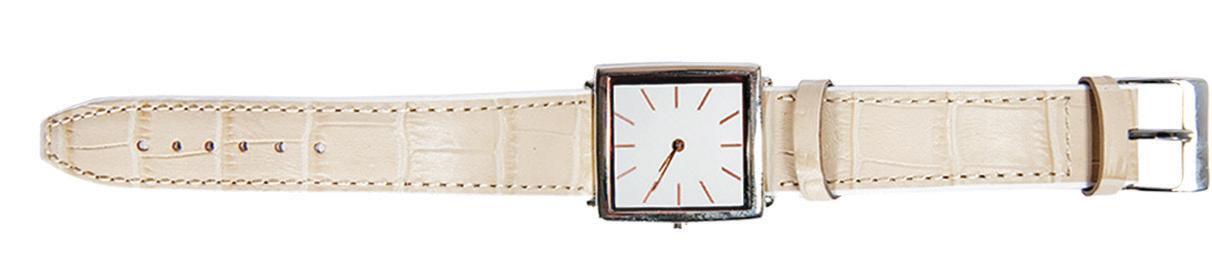
Apart from his grandfather’s watch, Coleman prides himself on having little attachment to material things. As the youngest in his family, he was given hand-me-downs, and his idea of clothing has always been utilitarian. He lives a minimalist lifestyle, and honestly, it sounds…easier.
No baggage. No credit card statements. No storage units. No attachments. No succumbing to the coping mechanism that is consumerism. He owns things, but the things don’t own him. It feels like he could pick up and move cities and need only a bookbag with a copy of Wuthering Heights. Meanwhile, I would have six suitcases. And a carry-on for shoes.
I sometimes wonder: why do people like me and Julia have such a hard time letting go? Are we curating museums or emotional piles of beautiful junk?
“Letting go never comes easy when I’ve paid so much to own these items,” says my best friend, Leo Lu. Leo prides himself on maxing out his cards for a one-of-a-kind calf leather coat. “Those aren’t clothes, those are my babies. They’re my cherished items.”
Leo doesn’t hoard—Leo “preserves.”
Letting go—and not letting go—are routine in fashion. A new designer bursts onto the scene, and a new look is presented as revolutionary. Every runway season we declare something fresh only to experience it again years later.
Jonathan Anderson’s Dior recently showcased Napoleon jackets down the runway. New Romanticism—a Victorian take on fashion— was the hottest trend on the Chloé and Alexander McQueen runways. Demna infused the Tom Ford-era formula into the new Gucci, hanging onto the GG-monogram the label is infamous for. If they can’t fully let go, there’s no hope for me.
In “One Art,” the poet Elizabeth Bishop writes, “The art of losing isn’t hard to master; / so many things seem filled with the intent / to be lost that their loss is no disaster.” The bitter truth. Maybe some items were never meant to live full-time in my wardrobe, and they were just visiting. Maybe some things just weren’t meant to be forever.
I would gladly part ways with my stack of Uniqlo t-shirts or socks from the Paul Smith sample sale. But every piece in my closet means something to me, whether it’s my glossy trenchcoat with its fur lapel, or the Italian wool suit I thrifted from Heart & Lou’s on the Lower East Side. Let’s not even begin with my collectible Gucci sneakers or the snakeskin boots I found at Morphew.
But the truth is that my wardrobe cannot keep growing at this rate.
Donation could be the solution. Maybe I could sew a small “wear with care” tag for the things I let go. Gen Zalpha loves a good Depop, eBay, Grailed rotation cycle…is that the way to go?
Russell W. Belk is a researcher and marketing professor known for his work on “the extended self”—the idea that the things we own are identity forming. Our possessions “give us a personal archive or museum that allows us to reflect on our histories and how we have changed.”
Belk says the things we collect “seem to form an anchor for our identities that reduces our fear that these identities will somehow be washed away.”
I asked Coleman how one could avoid being attached to things, and he said, “maybe you should get your phone stolen a few times.”
All I know is, until my shoebox-sized Manhattan closet stages a full intervention, I’ll keep choosing “preservation” over purging. After all, these aren’t just clothes. And if loving them makes me materialistic, then so be it.
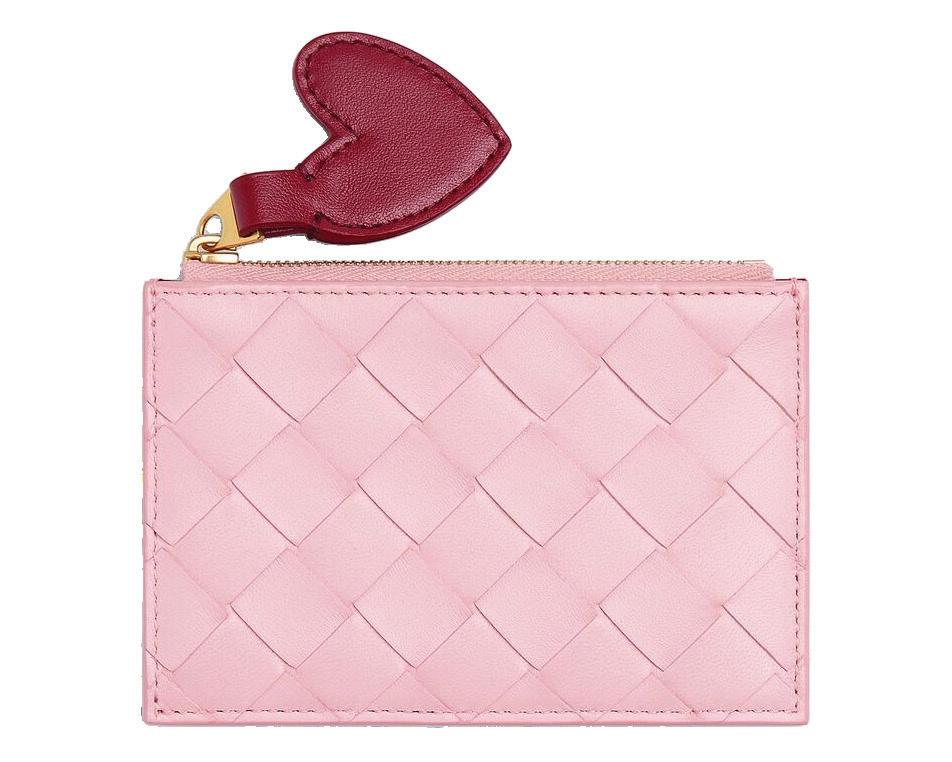
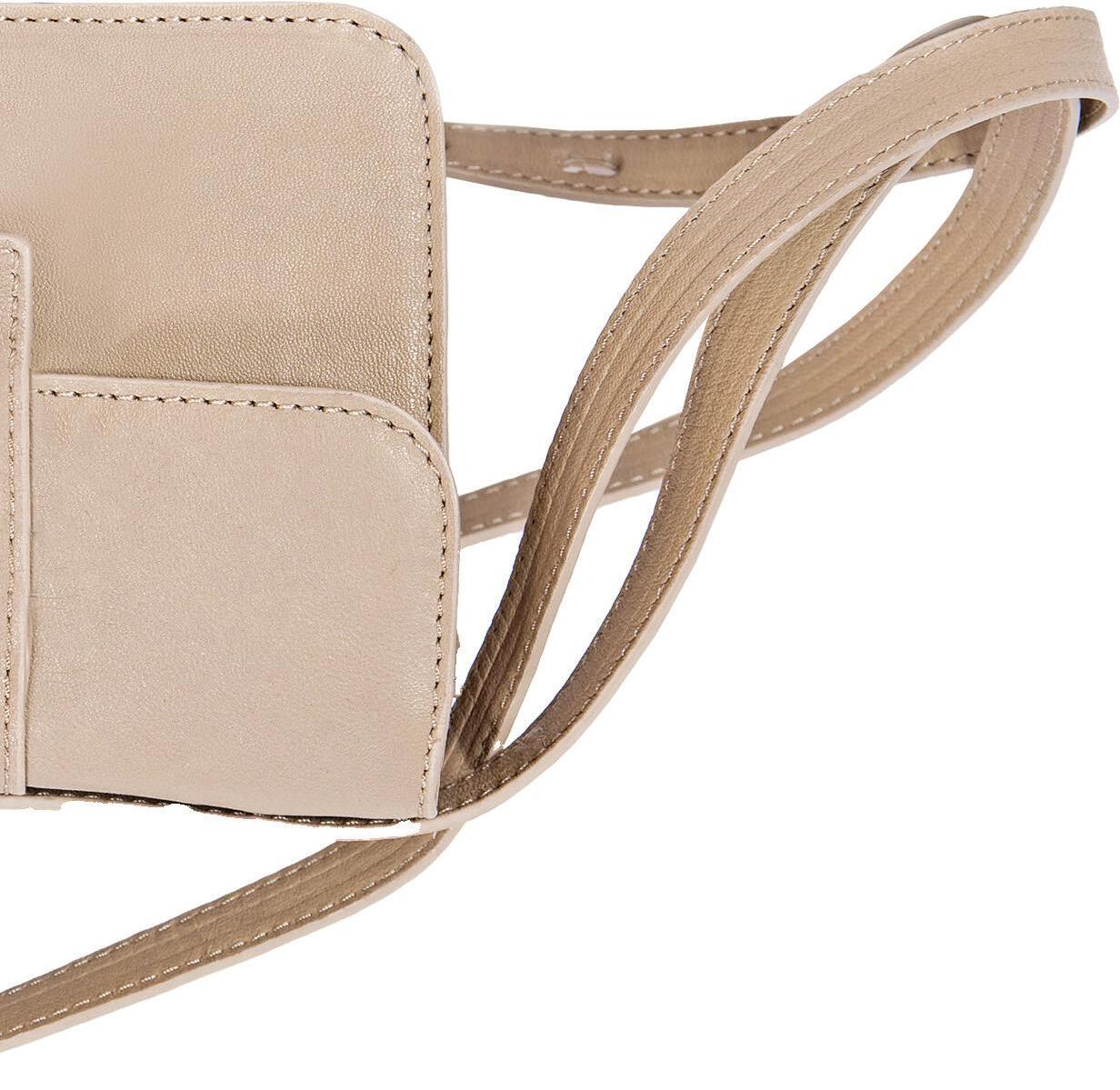
BOTTEGA VENETA
Intrecciato Zipped Card Case $ 720
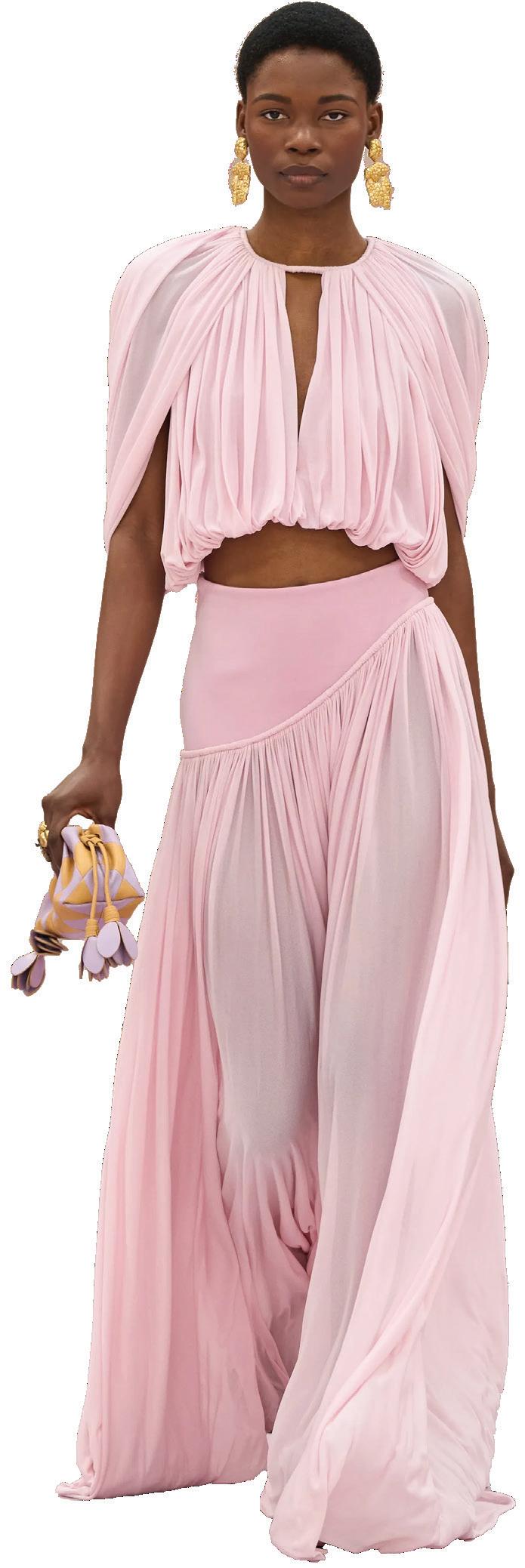
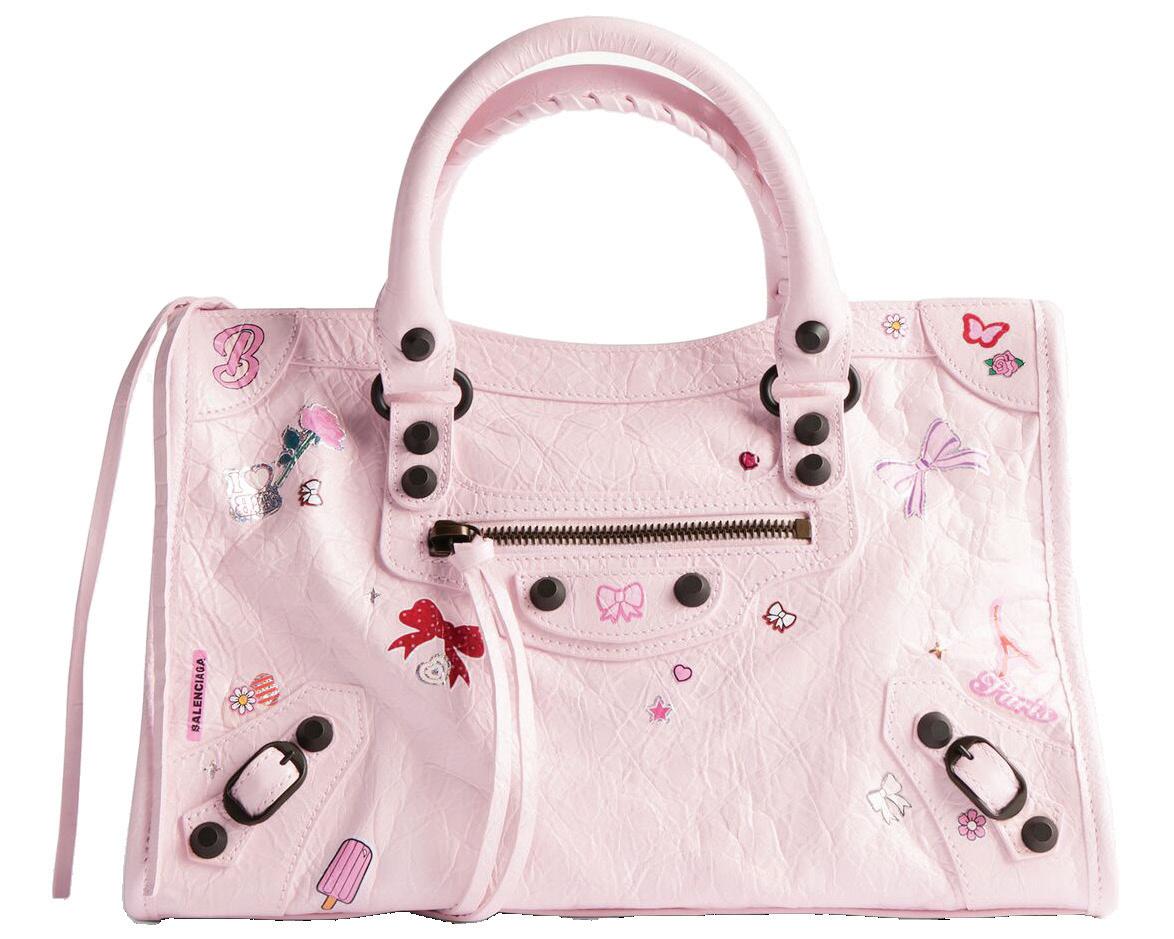
ZIMMERMANN Spring 2026 Ready to Wear BALENCIAGA
Le City Bag Small $ 2,750
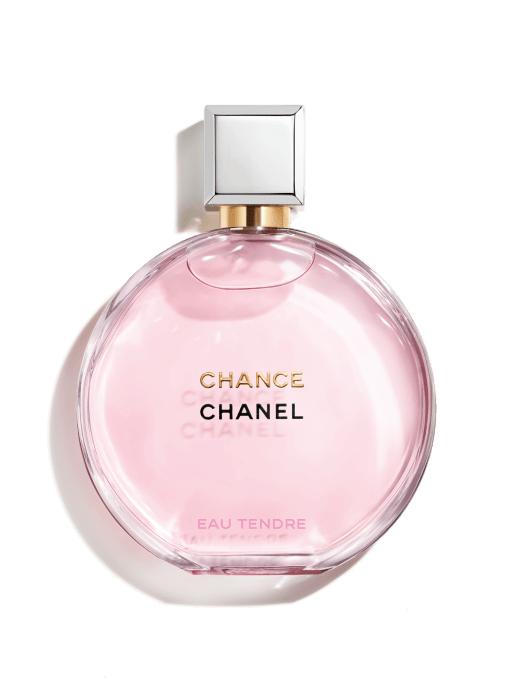
Chance Eau Tendre $ 115
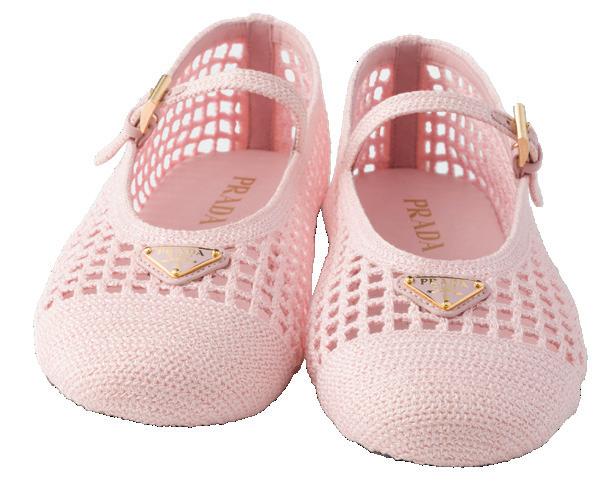
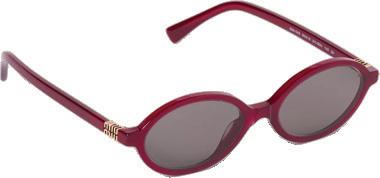
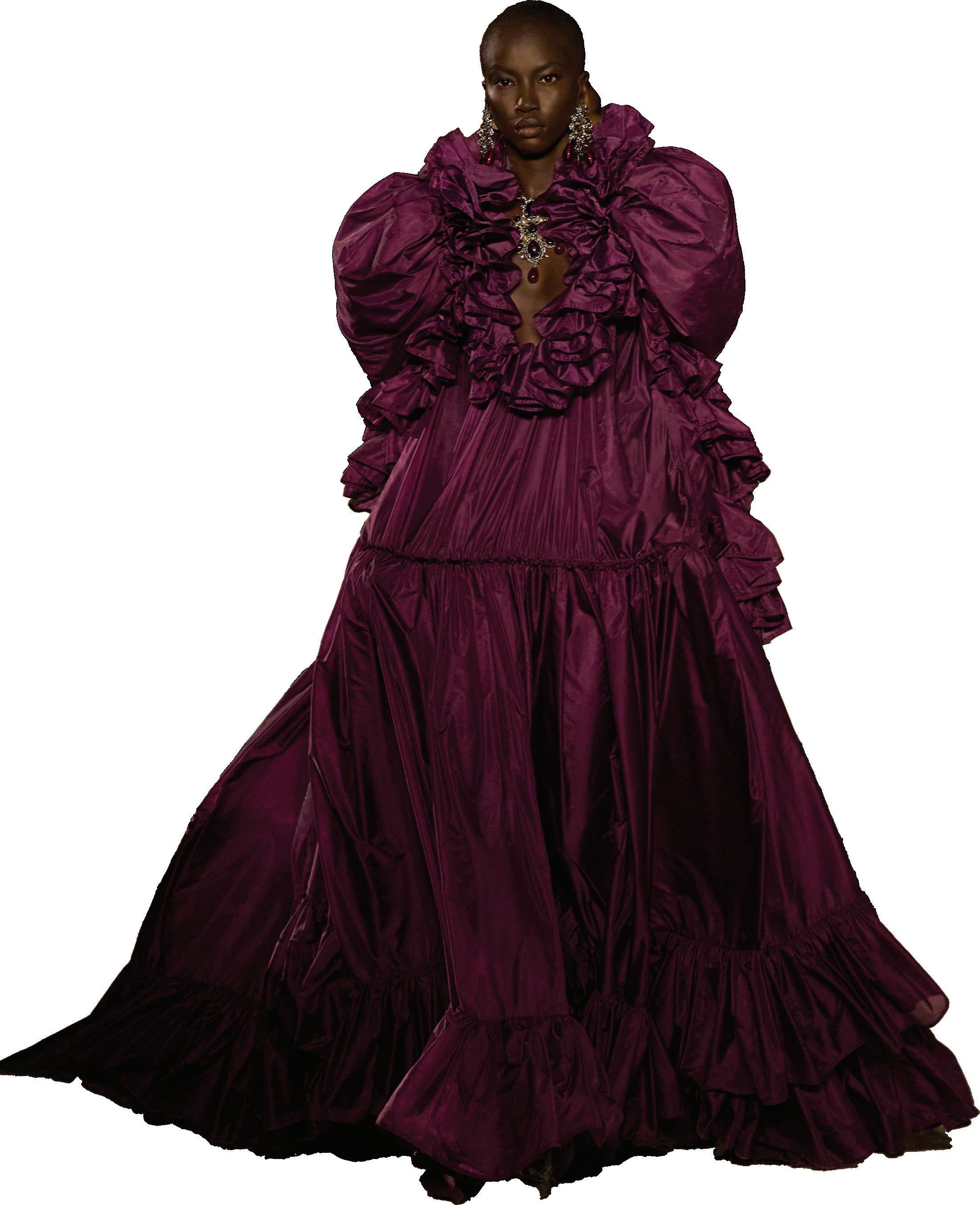
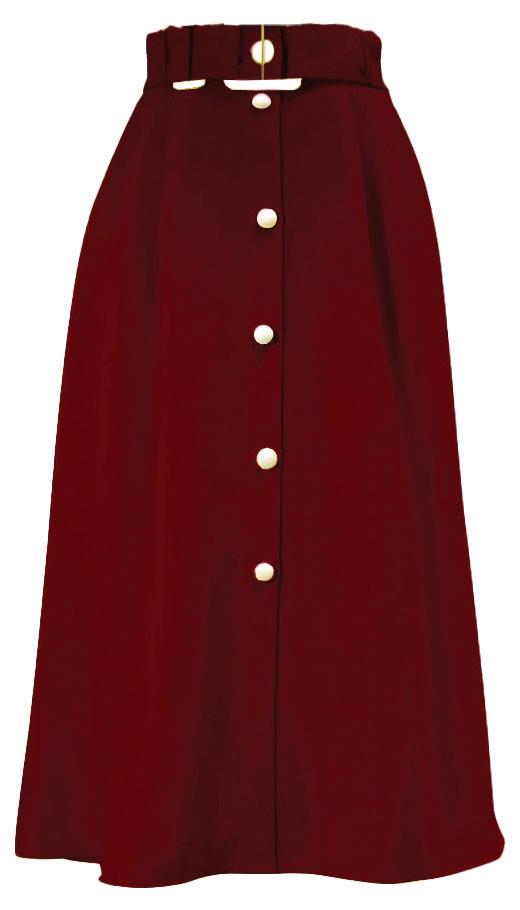

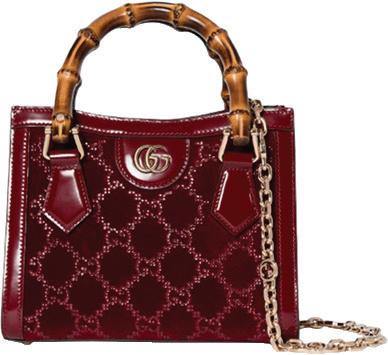
it's not a phase, mom

by Lilly Griffiths
Time moves strangely in your twenties. It’s marked less by years and more by announcements: engagements, weddings, pregnancies, promotions. Life begins to sort itself into milestones.
I grew up in Dallas, Texas, and many of my former classmates are now married or engaged, and some are even starting families of their own. But I remember the days we all talked about Harry Styles announcing his second studio album, Fine Line, and when we would pull all-nighters to watch online concerts during the pandemic.
In those moments, I thought that the part of me who stayed up all night reading fan fiction and memorizing random facts would fade with age. Something deemed so childish and immature would seemingly have an expiration date…right?

There is a moment in LCD Soundsystem’s “Losing My Edge” when the refrain becomes almost incantatory.
“Yeah, I’m losing my edge./ I’m losing my edge./ The kids are coming up from behind.” The anxiety is not subtle. It is repetitive. Breathless. The voice insists, “I was there./ I was there in 1968./ I was there at the first Can show in Cologne.”
James Murphy, lead singer of LCD Soundsystem, shares his proximity to history as if proximity guarantees permanence. He is losing his edge to “the Internet seekers/ who can tell me/ every member of every good group from 1962 to 1978.”
What unsettles me about “Losing My Edge” is not the insecurity itself, but the recognition of it. The fear of becoming outdated does not belong only to aging DJs or self-appointed tastemakers. It surfaces in anyone who has built an identity around being early, being devoted, being in the know.
"In a world that often fragments identity into categories, music offers coherence."
We’re taught early that some kinds of love are only meant to last for a while. Childhood toys are the easiest example. Barbies get packed away once you are considered too old for them. They are placed in boxes because they signal a version of you that no longer fits the narrative. They are not destroyed. They are stored. Their existence becomes archival.
Fangirling is treated the same way, as something indulgent and temporary, even when it continues to offer real comfort and meaning. Nobody tells you when you’re supposed to stop loving something so much. The expectation just appears one day and waits for you to comply.
Fangirling was never meant to be archival for me. It’s formative and has shaped the way I think, the way I feel, and the way I relate to other people.
Before I had the language for my own emotions, I borrowed someone else’s. A bridge in a song could articulate what I could not explain in a simple conversation. In that sense, music functions as a kind of secular scripture. I return to certain tracks the way others return to prayer. Not because I believe the artists are divine beings, but because the ritual of listening creates order and clarity.
Fandom trains you to care about first listens and deep cuts. It teaches you to treat knowledge as intimacy. You learn the discography and memorize release years. You know who produced which track and where it was recorded. You build a private archive that feels untouchable.
Fangirling contains a similar tension. There is pride in having been there at the beginning. “I was there when the album dropped,” “I was there on the first tour,” “I heard the demo before it was polished.” Those memories can become a credential, and oftentimes, turn into a shield.
The expectation to outgrow enthusiasm often falls harder on women. Male sports fans build identities around teams for decades. Their loyalty is framed as tradition. Female fans who memorize discographies are treated as excessive or crazed. The behavior is similar, yet the cultural response is not.
Fangirling has required me to confront that tension early. I used to feel the need to decide whether my interests were liabilities or sources of meaning. In choosing the latter, I learned that taste can be a declaration; to say “this matters to me” is to assert a set of values. It is to align yourself with a community of people who recognize the same signals.
Community is perhaps the most underestimated aspect of fandom. It is easy to reduce it to

merchandise and social media trends. It is harder to acknowledge the depth of connection that forms when strangers gather around a shared feeling.
In a concert venue, individuality remains intact, and emotion becomes collective. The lyrics are known in advance. The chorus arrives; everyone sings in unison. For a moment, the boundaries between private and public dissolve. You are alone in your body and part of something larger at the same time.
That experience constantly recalibrates my understanding of belonging. It has shown me that community does not require uniformity, just resonance. You do not need to share the same background with the person next to you; you just need to recognize the same melody.
In a world that often fragments identity into categories, music offers coherence. It becomes a universal language not because it erases differences, but because it translates feelings across them.
There is also the matter of nostalgia. Songs compress time. A track released a decade ago can return you to a specific room, a specific version of yourself. The girl who memorized lyrics to Paramore’s “Playing God” until dawn still exists within the woman who has career ambitions and life goals.
Through this facet of my life, I have learned to budget for tickets, to schedule my life around tours, to negotiate with time, and to take everything less seriously. My devotion does not prevent my rapid approach to adulthood. It feels like something I need to keep incorporating rather than abandoning.
The nature of worship naturally shifts as I mature. Artists cease to be distant idols or public figures. I now see them for who they really are. People. They are laborers, creators, artists, and just trying to make a living like the rest of us. The relationship has moved from adoration to appreciation. I think the meaning I find in their work says as much about me as it does about them and why they wanted to create it.
If something shapes the way you understand yourself, why decide to let it go? The pressure to age out of fandom assumes that seriousness is incompatible with enthusiasm. My experience suggests the opposite. Fangirling trained my attention, sharpened my emotional literacy, and gave me a framework for human connection. Those are not traits to discard. In fact, I’ve clung to them with age.
Time will continue to sort my life into milestones. There may be a house or marriage one day, but none of that will erase the years I spent waiting for Shawn Mendes to release a new album or standing in concert halls. None of that will stop my love for music.
To lose interest would not prove maturity or an era of “moving on.” The edge, if it exists, lies in that openness—in the willingness to be moved or to feel. I refuse to treat intensity as something that belongs only to the young.
Fangirling shapes me not because it is dramatic, but because it’s something I want to feed. It offers continuity in a period defined by change. It reveals that devotion, when chosen freely, can be a form of self-knowledge and expression. Growing older has not required me to relinquish that lesson. It has required me to understand and embrace it more fully and freely.
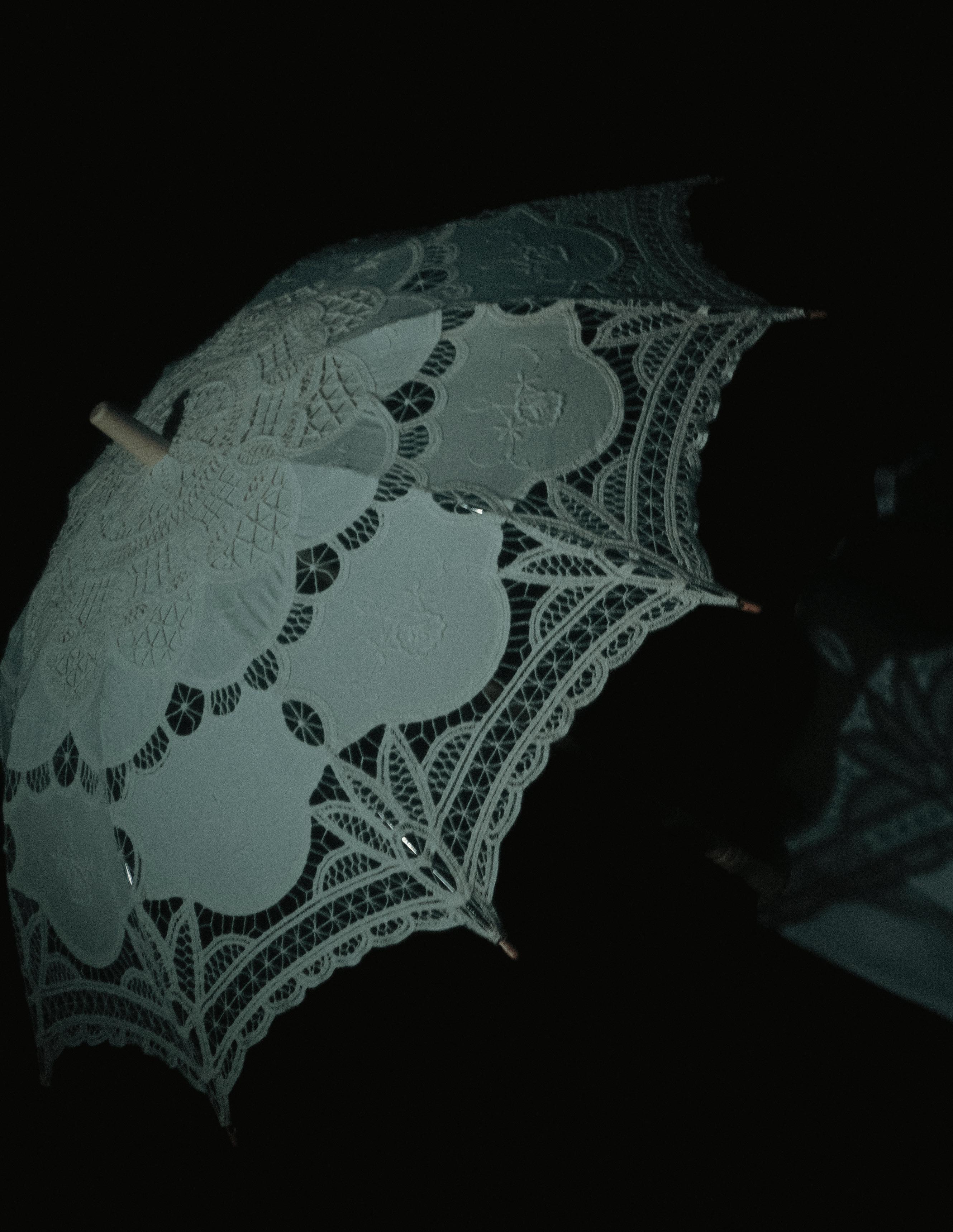
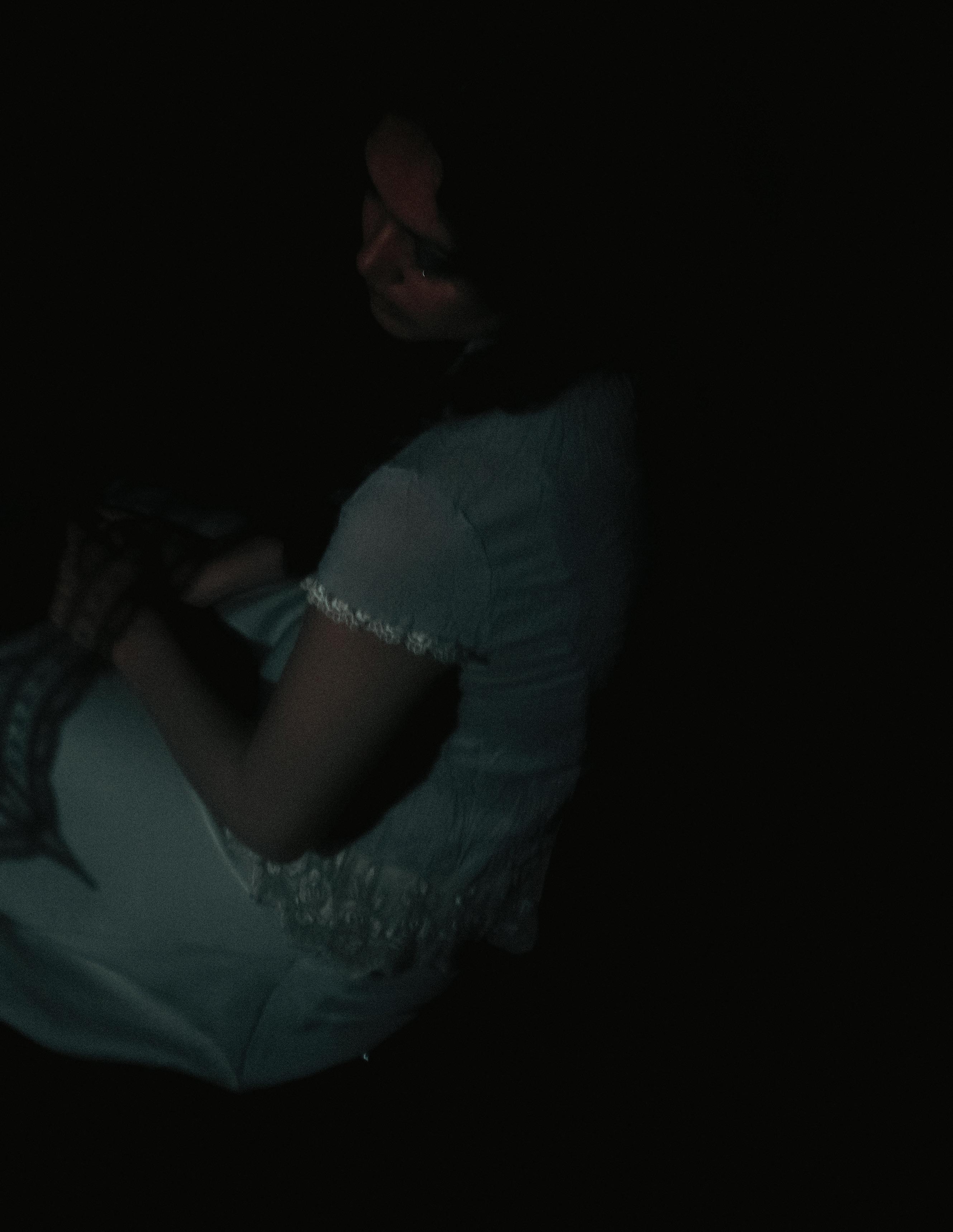
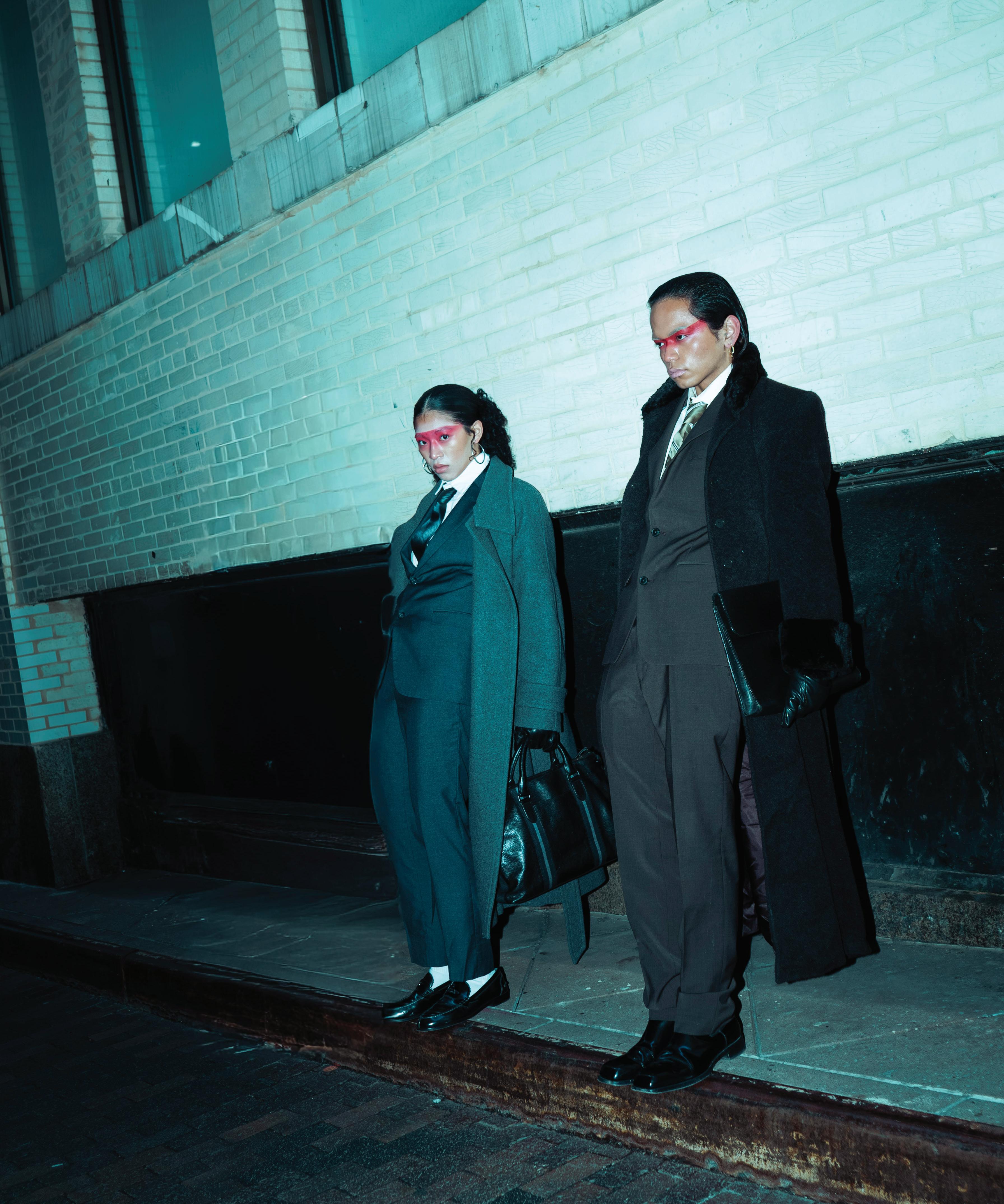
Lola Spring
CREATIVE DIRECTOR
Ellie Mooney
HAIR & MAKEUP
Paige Collins
Colette Lowry-Kirkhus
STYLING DIRECTORS
Andrea Garrido Torre
ASSISTANT STYLING DIRECTOR
Kira Brown
Caro Barrenechea Cobos
STYLISTS
Alyah Bernal
Rebecca Wiltshire
MODELS
Lucas Becce
Antonio Casaya
Victoria Cipriano
Crystal Fells
Beatriz Lopez
Sam Martin
Gillian McHale
Madilyn Mitchell
Sophia Orjuela
Paloma Williams
Invi Salvador
Tiffany Trinh
Naomi Urban
Ansley Wexler
SET DESIGN
Katrina Hodge
Ellie Mooney
PRODUCTION
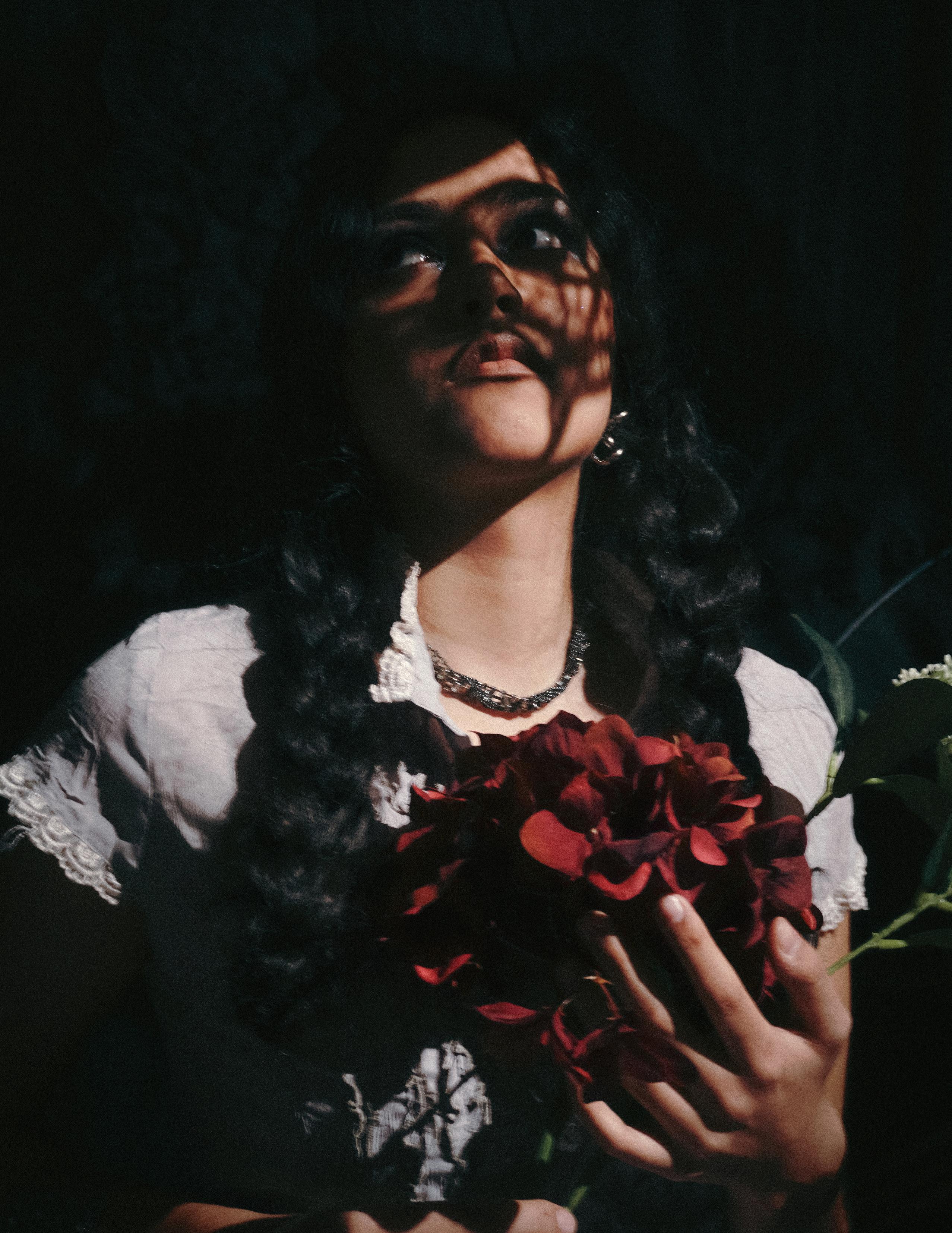
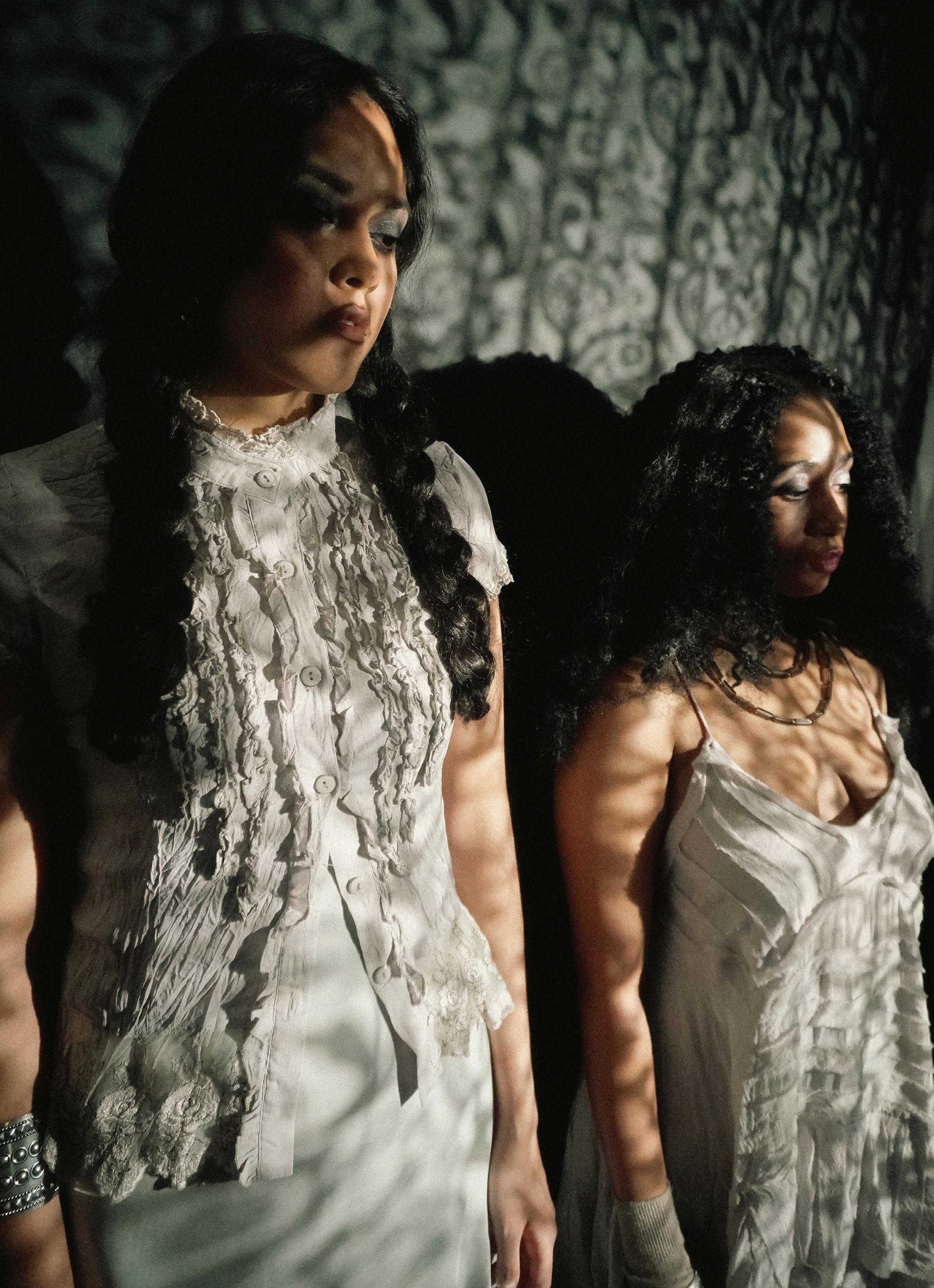
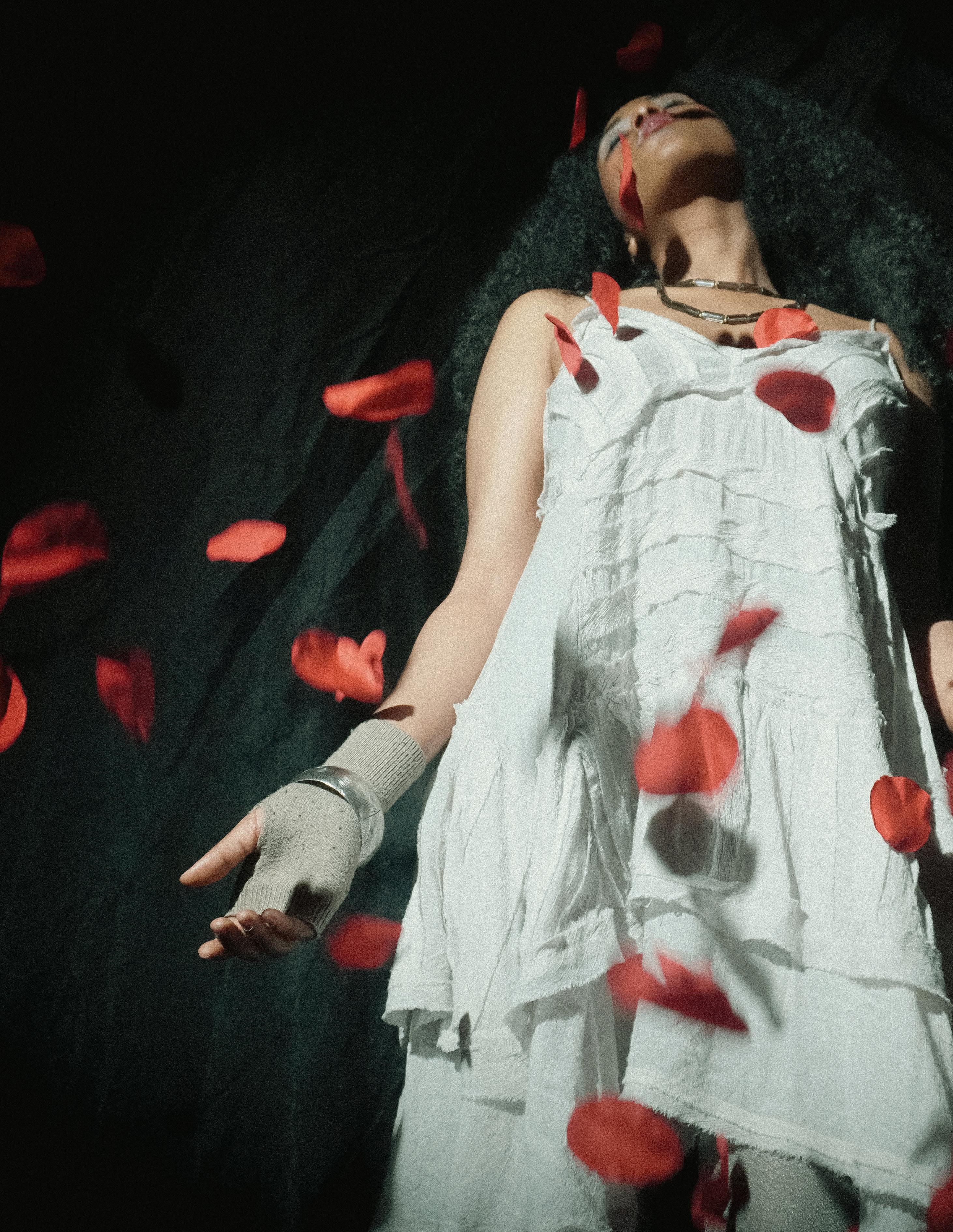
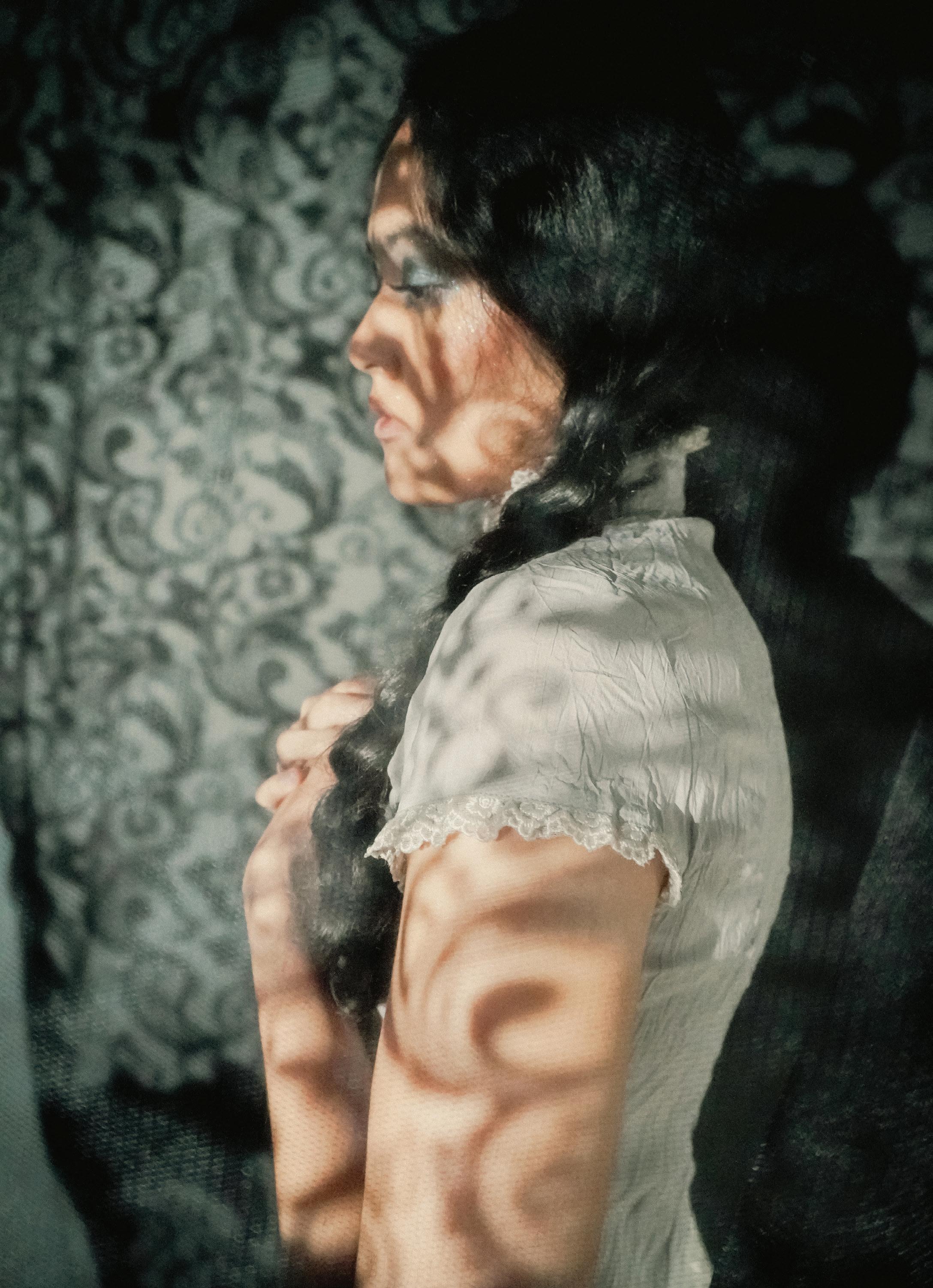
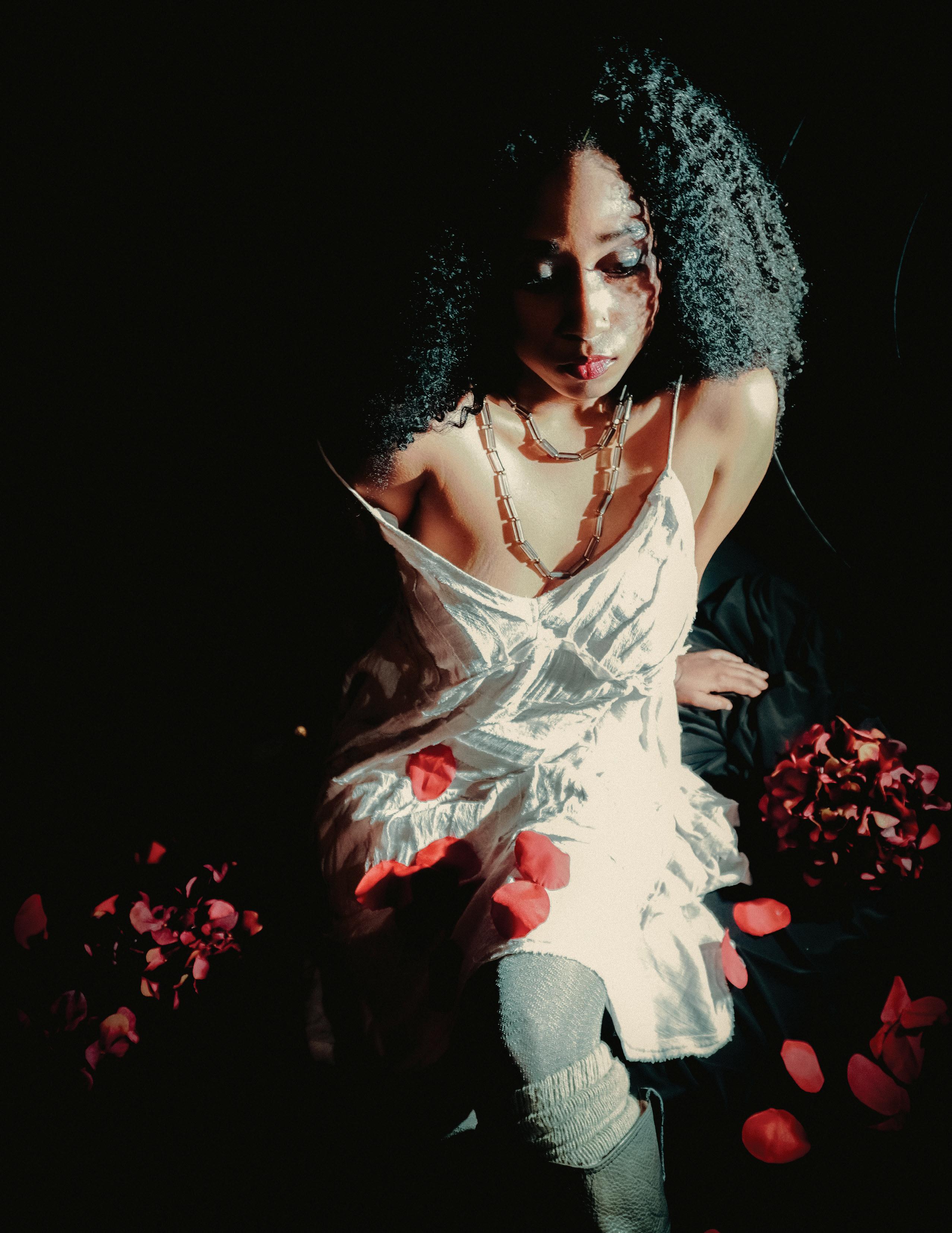
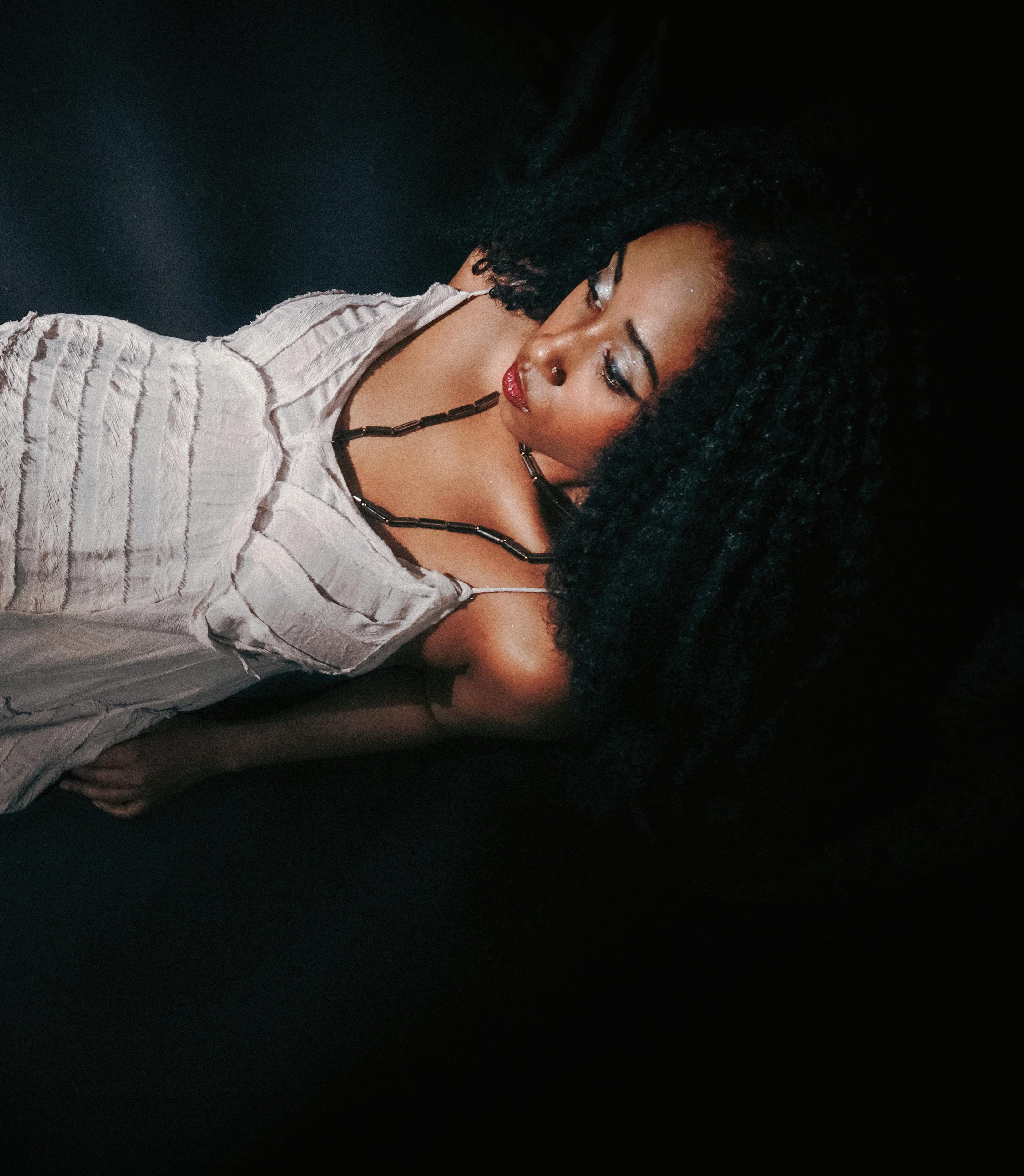
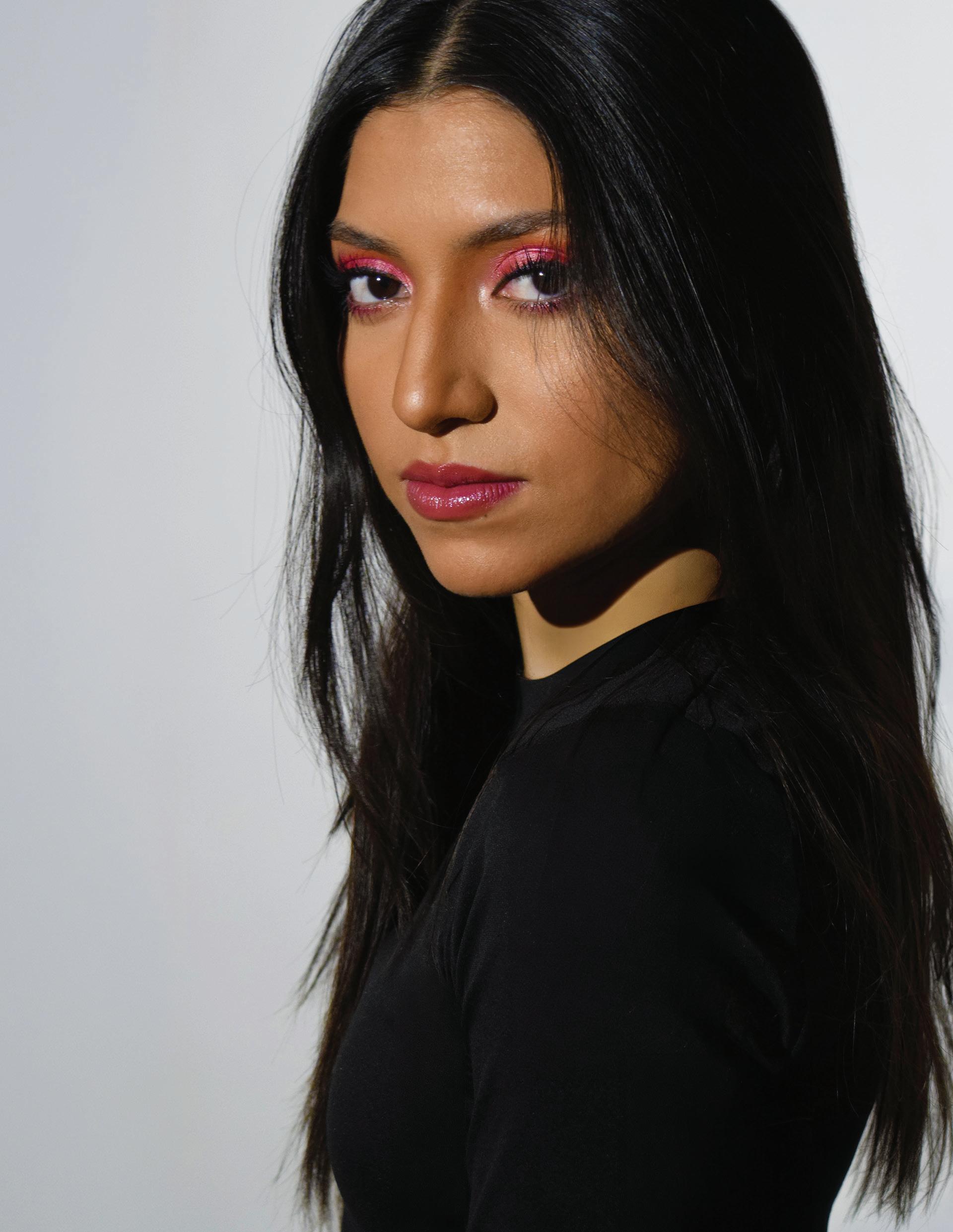
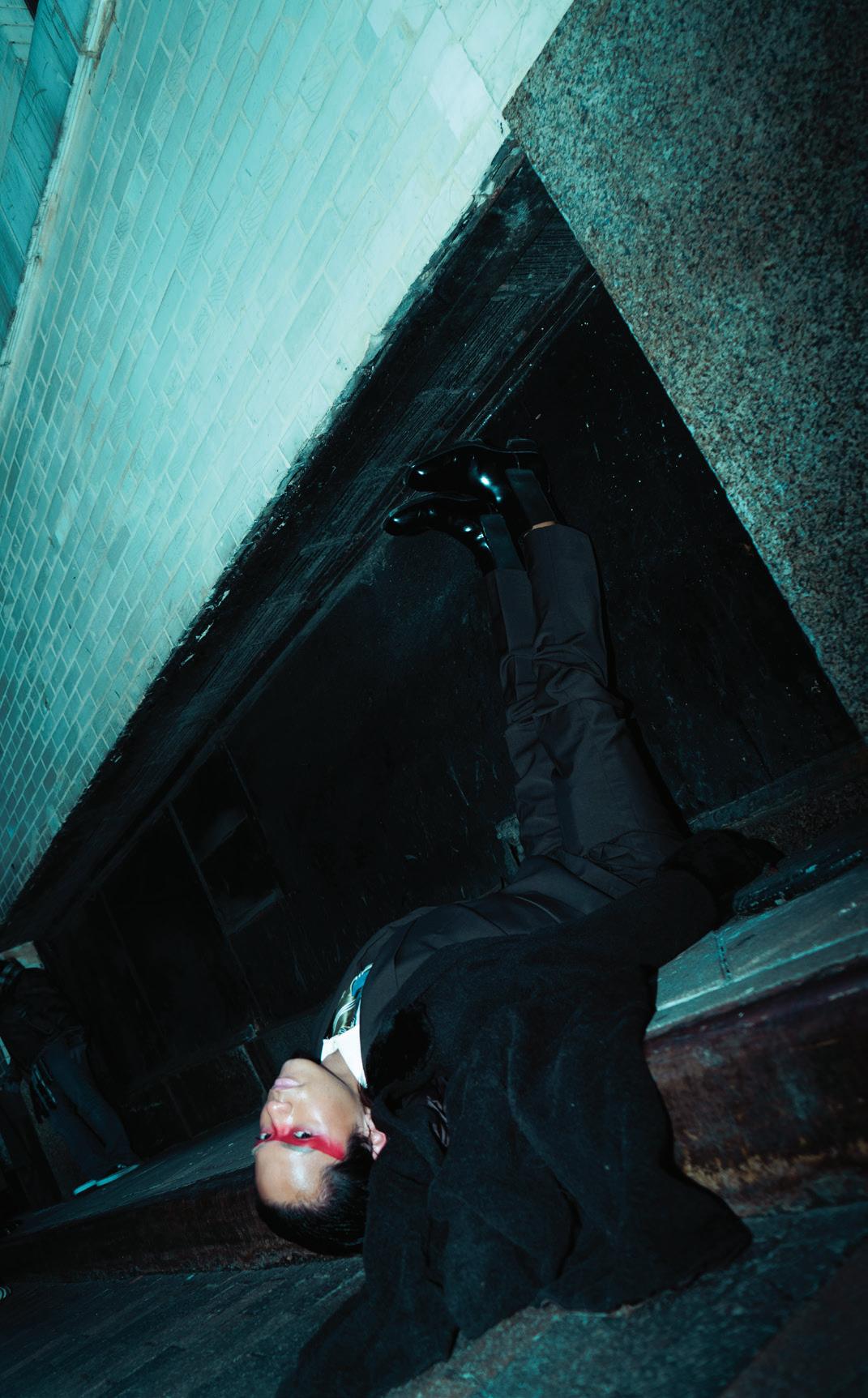
Creative Direction: The Cosmetics Club
Photographer: Sara Sammarco
Makeup: Samantha Garcia
Model: Kristine Melo

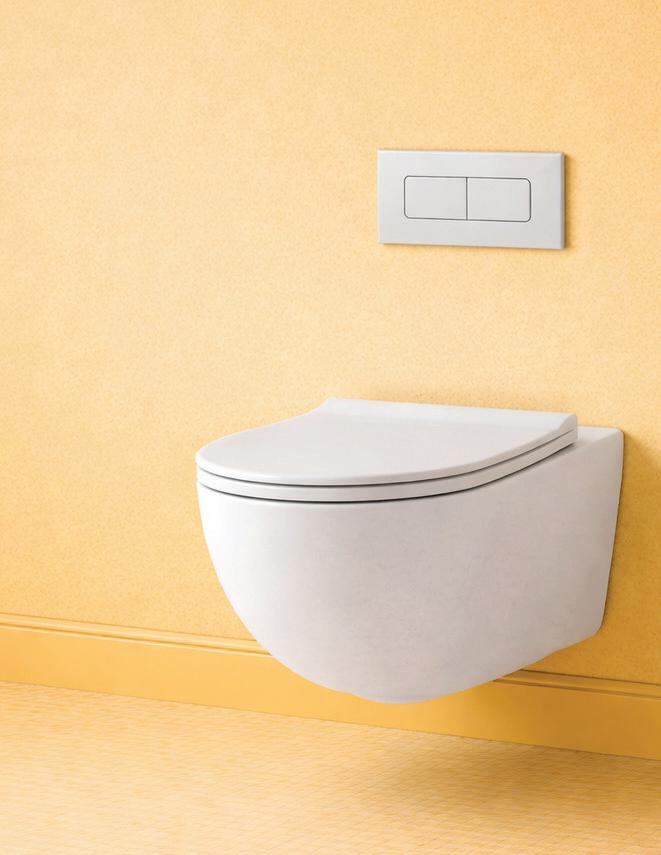
Today I really needed to pee, so I walked into The Met. That is crazy for my brain to assimilate. I live in a city where it is easier to access the Metropolitan Museum of Art than a public bathroom.
Granted, I did have an assignment that involved visiting The Met, but I originally planned just to get a ticket, take a picture as evidence, and head back to school. My point still stands: I can take 20 minutes between my classes to pee in The Met bathroom and head back in to take a final exam without any trouble.
It took me more time to find the bathroom, and the exit, once I was inside the museum, than taking the uptown 6 train from 51st to 77th street.
I love going to The Met alone. I love being able to fast-walk through the galleries without having to stop and read every single piece. Because “I live in New York, I can come back any time”—even though I rarely do.
Walking through The Met not to admire art, but to admire people admiring art. To hear those intellectual wannabe hushes everyone subconsciously makes when they walk in, as if it is prohibited to speak up while in a museum. (It is not a public library.) To feel the cautious but fierce vibrations of hundreds of boots stomping through the exhibition. To smell that clean, polarized air that comes out of fine art, just so I can use the public bathroom and head out after only ten minutes.
In reality, I wish I was the girl I promised my 19-year-old self I would be when I moved to New York: the one who visits new museums monthly, has solo-dates at The Met, and does homework at the MoMA…the one who goes to jazz bars and sits in Washington Square Park listening to street performers…the one that attends every pop-up and walks the Williamsburg Bridge at four in the morning. But living in New York, the city takes ahold of you, I am the girl who uses The Met as a public bathroom.
Iwoke to the sound of an alarm I had never heard before, repetitive like most emergency alerts, swelling from a hum to a blood-curdling blare, like it was coming from outside my window rather than inside my building. In my groggy rise, I noticed my upstairs neighbors skittering around their apartment with shoes on, dragging furniture haphazardly across their hardwood floors. Already sitting up from the cortisol spike, I reached for my phone. 7:46 a.m. Texts from all my New York friends rolled across my lock screen, along with a few from my older relatives out of state who were up early enough to tune into the morning news.
“The **** is going on?!” Randy shouted from his open window in the direction of mine.
Randy, my next-door neighbor, had thrown his phone into the East River last week, which was actually one of the less unhinged things he had done to mess his life up on a night out. I had offered him my old flip phone, but he declined it—he’d “die before he became a slave to technology.” It’s 2029.
He goes out almost every night, and I know this because he invites me out with him any chance he gets, and he wakes me up stomping when he gets home around 3:00, 4:00, 5:00 a.m. I’d rather bash my head into the wall than hit the bars with Randy.
I groaned when he yelled again, flipping past all the texts on my phone urging me to “check the news” and “get out of New York” to find some actual information, both for me and for Randy, I guess, who was now pounding on our shared wall.
My scroll stopped on a notification from the U.S. Government, declaring: “NYC: CITY-WIDE CRISIS: FULL POWER OUTAGE, CITY HALL DOWN, STAY INSIDE AND PREPARE FOR DISASTER OF ALL KINDS.”
God, is it the ******* Purge? I felt the fine hairs on my face stand straight.
I clicked on the banner to see if anything else would clarify the alarming message. Nothing aside from cryptic talk of an apocalypse blanketed in sterile government jargon.
Instagram was a whole other beast. Every news channel I followed was posting black squares with thick white type on the grid, rearrangements of the same lack of information I had already been fed.
I rolled from my bed and hoisted the window up to shout back to Randy. Leaning out over the fire escape, I saw what my street looked like. It was a shitshow.
Have you seen that Ari Aster movie Beau Is Afraid? A crowd behaving like sleepwalkers in a nightmare, lawless, deranged and unpredictable? Well, Columbia Street looked like the scene outside Beau’s apartment building.
A man wearing an orange Arc’teryx backpack slung a wooden 2x4 plank into the window of Discount Depot across the street, which wasn’t an uncommon sight considering the area, but it stirred me nonetheless. A cacophony of sirens bleated far away and grew close, one blaring over the other like a heated argument where nobody wants to listen, only yell.
My phone was still blowing up. The pumping of adrenaline through my vascular system prompted me almost subconsciously to grab my tattered Jansport weekender and pack it full of all my favorite and most necessary things: vintage pocket binoculars, handful of cables, insulated water bottle, wet wipes, three books, laptop, toiletries, heap of assorted garments from my desk chair.
I darted to each corner of my apartment ensuring I got everything I couldn’t live without and slammed the door, keys dangling from my ring finger.
My building was near dilapidation even before, but now it was purely disastrous. Chunks of broken wood and glass were strewn across muddy tile and crunched under my soles as I navigated the best path through and out.
Several of the doors to neighboring units were flung ajar as if the tenants had left without even a thought.
Stepping over a rifled-through suitcase, I pushed through the iron door with my shoulder. The morning light was wrong and juxtaposed the frazzled runners and shuttered storefronts that normally thrived on springtime Sundays.
I had to go somewhere else, but I didn’t know where yet. I was just certain that staying in the city was no good. Subways were down, which was evident when I opened Apple Maps to find the next F train in either direction wouldn't arrive for another 1,063 minutes.
Randy burst out the door behind me, rattling with items that dangled from a backpack before hopping into one of his sneakers.

“I heard you running around in there,” he rasped, pointing up to my window, “I heard you getting ready to leave like the building was on fire, so I left too, and I’m coming with you.”
He reached around to pull something from his back pocket. A set of keys. He held one up like an amulet.
Randy owned a rusted van and used to live in it, parked by the river, until it started having some issues with break-ins (the car’s fault, clearly), so he took over his dead uncle’s rentstabilized unit, and I, in turn, started having issues sleeping on account of his constant ruckus. Anyway, he had a van, which meant transportation, and any method of transportation right now was good enough for me.
“Randy,” I smirked, “you’re the man.”
He grumbled “shotgun!” and tossed me the keys. I wasn’t opposed to driving after seeing the open Corona nestled in his backpack’s water bottle sleeve.
He aimed a limp finger down the block towards his van, beat like Mater from Cars, cuddled a bit too close to the curb and covered in a blue utility tarp. I jogged towards it to get Randy to pick up the pace.
Across the street from the van was a clump of people crowded around the shuttered bodega, one yanking on the metal gate while another kicked at the door like it owed him money. A city bus sat crooked in the middle of Columbia Street with the doors open and the driver nowhere to be seen.
The doors of Randy’s van opened begrudgingly, groaning like the Tin Man and revealing the stench of American cheese, Irish Spring, and ash. Rims of the burn holes in the milky-tan
leather seats scratched the skin on my legs as I plunked down into the driver’s seat.
Randy circled the front of the van, laying an already unwashed hand upon the sooty hood for support.
He swung his camping backpack onto the passenger seat, using the momentum to heave himself into the vehicle, and I eased the van into a start.
It seemed as though the van wanted to do anything but its purpose of driving, but we were making it happen. There was an infestation of cars stuck in molasses-like traffic on Lorraine Street.
Another flurry of sirens blared, closer now. The sound bounced off hollow industrial buildings and stretched down the block until it felt like the entire neighborhood, city even, was vibrating at a frequency of panic.
My phone buzzed with another government alert. Zero bars, now, so any personal messages were as good as nonexistent. If a tree falls in the forest, am I right?
EMERGENCY TRANSMISSION – INFRASTRUCTURE FAILURE. REMAIN CALM. AVOID BRIDGES AND TUNNELS.
“Remain calm,” Randy said between munches of Cool Ranch Doritos he had pulled from under the seat. “That can’t be good.”
“What do you mean, avoid bridges and tunnels?” I muttered.
That was the way out of the city, unless we headed towards the peninsula that is Long Island and the Hamptons, essentially a dead end.
I checked the gas gauge, which was good for one notch away from empty. We were stop-and-go at this point, just a block and a half from the apartment, and the sputtering of the engine paired with Randy’s crunching was starting to drive me nuts.
“Screw this.” I ripped our the key and told Randy to collect his things.
“What the hell are you doing?” He spat, leaning across the driver seat and framing his sun-stained face in the open window.
“We’re not getting anywhere in this car.” I extended an arm in the direction of the pileup. “I’m walking, I don’t know where to, but I’m walking. You’re free to join if you want.” I turned away, hoping I could shake Randy. I felt sort of guilty, but maybe he’d want to just stay in that van forever.
Instead, he let out a harumph and slammed the door behind him.
“So we’re just leaving it here?” Randy whined, turning his body towards the rickety excuse for a ride.
“Do you want to get out of here or not? There’s something very wrong happening in the city right now, and we don’t really know what it is yet, but if we stay, we find out. Pick your poison. Like I said, I’m out of here.”
I turned away from him again, but this time I pumped up my pace, lacing my thumbs behind each strap of my backpack. And of course, Randy was right behind me.
I scanned the horizon for options. Where would be the safest place around here to hunker down and figure out how to leave New York?
Then, it caught my eye. The massive blue box of a warehouse perched practically on the waterfront, with giant yellow letters glowing like a lighthouse for the newly desperate.
IKEA.
Think about it: beds, blankets, food, ovens to cook said food, the lot. It was gigantic, full of resources, and within walking distance from where I was standing.
Walking backwards towards it, some hope folded into urgency swirled around in my stomach. This was viably the worst decision I had ever made.
I pattered across the carless lot, approaching the imposing glass doors I had hauled a bed and some plates through in September.
A large woman wearing a dirty, navy blue bandana and a Led Zeppelin t-shirt stood sweaty behind the glass. She held a chunk of white-painted IKEA plywood up to a row of pieces she had already applied as a makeshift barricade against the automatic doors.
I stood in front of them to activate the automated opening, and asked her through the slit if we could be let inside.
The woman sighed, looking back over her shoulder.
“We’re a full house in here, but is it just you?”
Randy shuffled up behind me.
“Us two. I’ve got battery on my phone.” I bribed, displaying my screen as evidence.
She stepped to the side, placing the plank down and bracing it with her elbow.
I poked my head and slid my body sideways through the opening, and what I saw before me knocked the wind from my lungs.
by Tatiana Colmenares

The sad girl: flickering in the blue eyes of Effy Stonem, lingering between the pages of Sylvia Plath’s The Bell Jar, quiet and in her thoughts. Do you know her? Are you her?

The sad girl is more than just a figure in the media or an aesthetic to behold. She stands in silent rebellion: we admire this girl, but why?
“More than anything, the sad girl is about a deep internalization of wider systems of oppression,” according to Sophia Brousset, writer for The Saint Newspaper, “and a deep internalization of patriarchy and expectations. Then, when you're not able to reach those expectations—it manifests within, I think.”
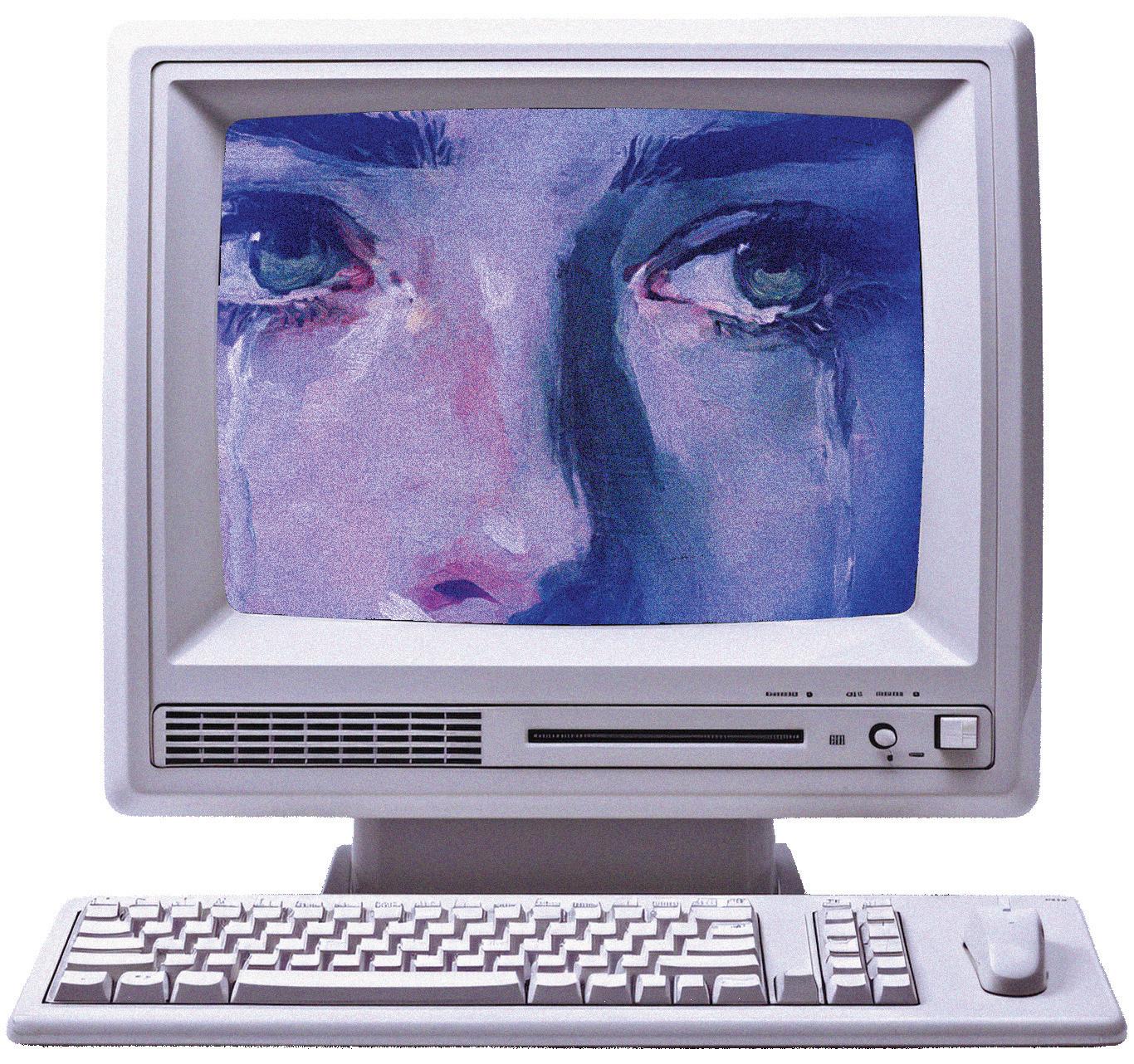
When I got old enough to process the media I was consuming, I felt a pull to the world of sadness. It was what surrounded me the most, so why not indulge? I found it mesmerizing that these pretty girls on my computer screen could feel deep emotions like me, and that I could be one of them.
At age 12, I began feeling impending doom. At age 13, I experienced Skins UK. Cassie Ainsworth lured me into a trap I had set up for myself at age 14. I turned 15, and the sadness grew; unsurprisingly, at 16, nothing improved. The media that resonated with me was comforting. I didn’t know who I was without this feeling. Maybe I was no one. Maybe I’d always been no one. As you can tell, I was keen on the dramatics back then.
Before my own teen years, I always admired my sister, Brianna. She is six years older than me, and I saw her as the ultimate teenage girl. She also had the best taste in media, like Twilight and Looking for Alaska. It wasn’t my era to look back on, but it served as a kind of North Star.
“I think back to the first time I heard ‘Video Games’ by Lana Del Rey,” Brianna recalls. “The way she portrayed sadness and nostalgia
was so hauntingly beautiful. It felt like a cultural moment where we were all allowed to embrace our darker emotions.”
Brianna was the Tumblr girl I always envisioned. Her moody smudged eyeliner, her fishnet tights—it felt almost like a protest, but it was a lifestyle.
She remembers how in media like The Virgin Suicides, Thirteen, and Girl, Interrupted, the characters dealt with so much trauma, and it felt relatable. There was an obsession.
I was most enthralled with the aesthetics, because I was joining these communities on Twitter and Tumblr that reflected my deepest emotions. Girls with bruised legs, cherry red lips, disturbing thoughts, and powder pink rooms consumed my feeds and Pinterest boards.
In 2021, I was utterly obsessed with these platforms. These pretty pictures made up for my destructive thoughts.
“Seeing these very kind of self-destructive characters, or people who were so there was no direction,” Brousset says, “but there was an element of, okay, this is something that's done. This is what your teenage years can look like.”
In the article, she writes, “in many ways, once I found something to relate it to, my sadness drove me. It now had a meaning. It made me interested.”
Brousset’s vulnerability makes me wonder if teenagers are simply destined to feel this way. For most, it’s probably harmless romanticism—but it’s also important not to indulge it too deeply.
“No, what I was seeing was actually more distorted—the world that I was looking at was actually not accurate,” she says. “This kind of really nihilistic view of the world. This view of people is horrible— everything is doomed. It was actually not an accurate picture.”
I guess that is what an influence like this does, doesn’t it?
“I just find it less noble. I don't think it's necessarily the thing that I want to aspire to be,” Brousset says.
Maybe all we ever want as women is to be seen—to have our stories written for us in a way that others can understand, to have our femininity displayed across a screen. At least, that’s how I saw it.
At age 17, I felt my world growing bigger. It was my senior year of high school. I was graduating and embarking on a new life, which would change the girl I was. I turned my life into my very own coming-of-age movie.
Now, at age 21, I sit on my bed with my computer on my lap, wanting to do nothing more than to talk to that girl. To tell her that this is not the end-all or be-all of her life. That this is just a confusing and overwhelming time.
There are so many feelings and thoughts we go through, and over time, those thoughts and deep emotions develop into who we are as women. And I think, eventually, that is a realization that many sad girls come to.
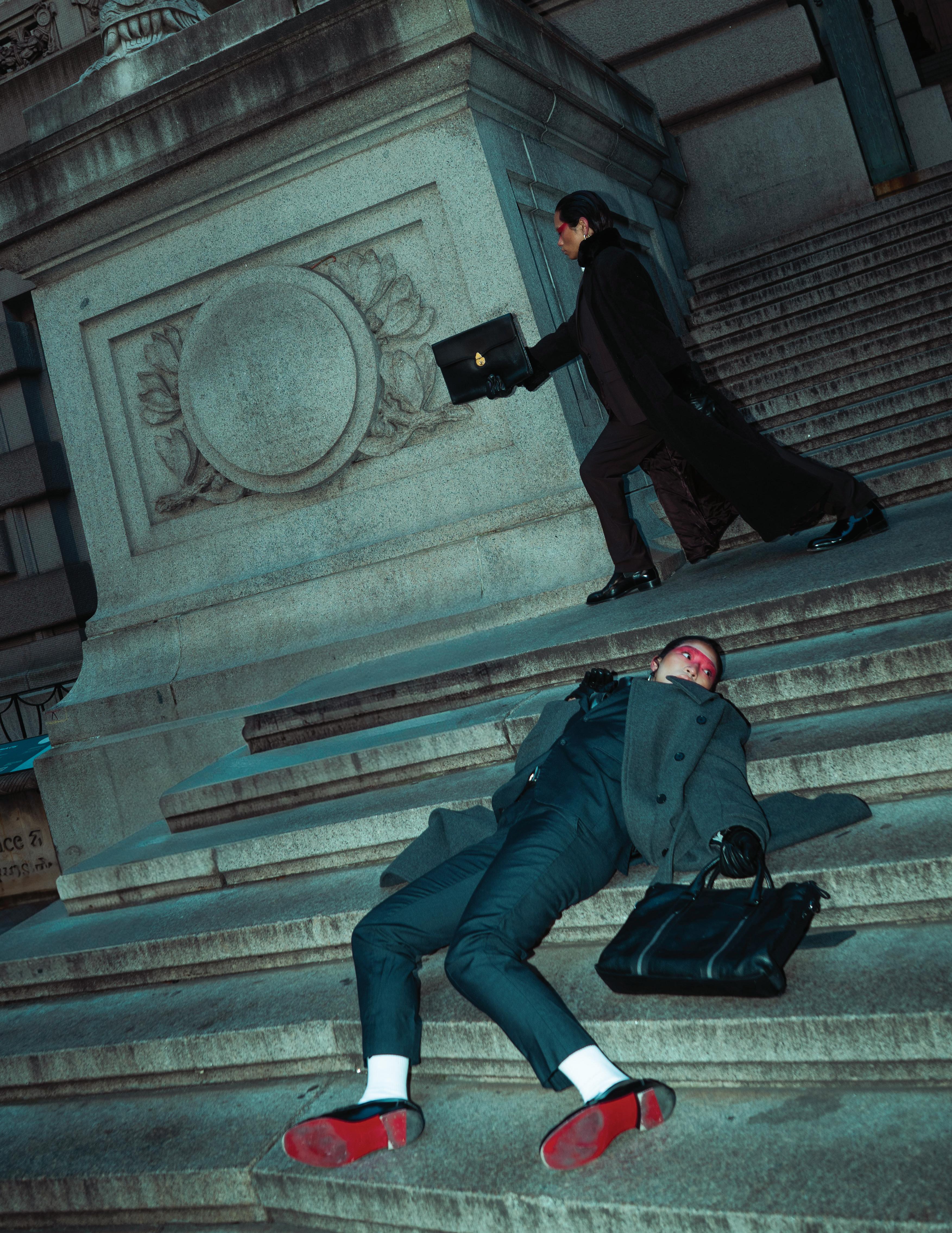
Lola Spring
CREATIVE DIRECTOR
Ellie Mooney HAIR & MAKEUP
Paige Collins Colette Lowry-Kirkhus
STYLING DIRECTORS
Andrea Garrido Torre
ASSISTANT STYLING DIRECTOR
Kira Brown
Caro Barrenechea Cobos
STYLISTS
Carter Doloway
Elizabeth Sethi
Sophia Whitsett
MODELS
Katrina Hodge
Ellie Mooney
PRODUCTION
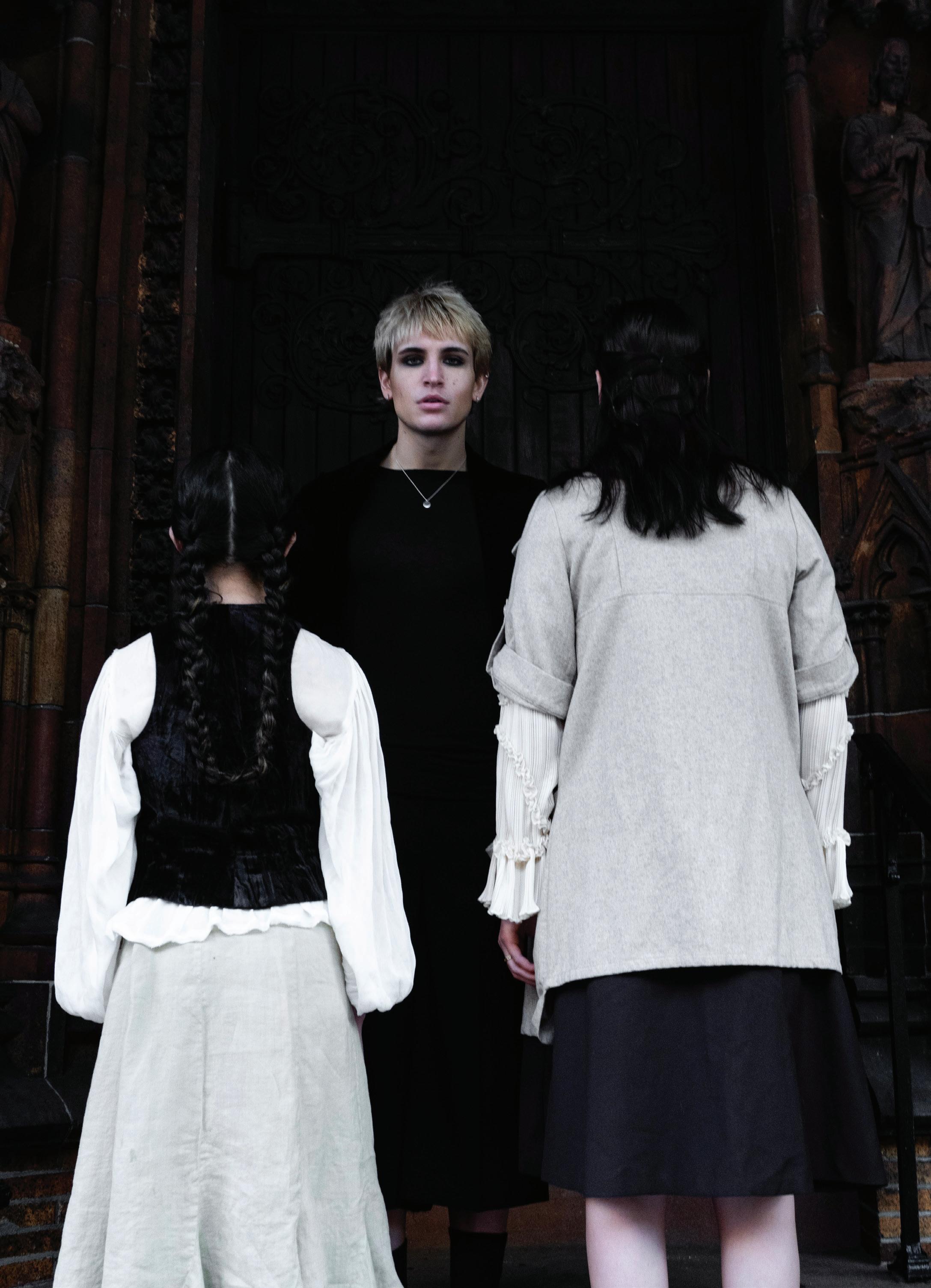
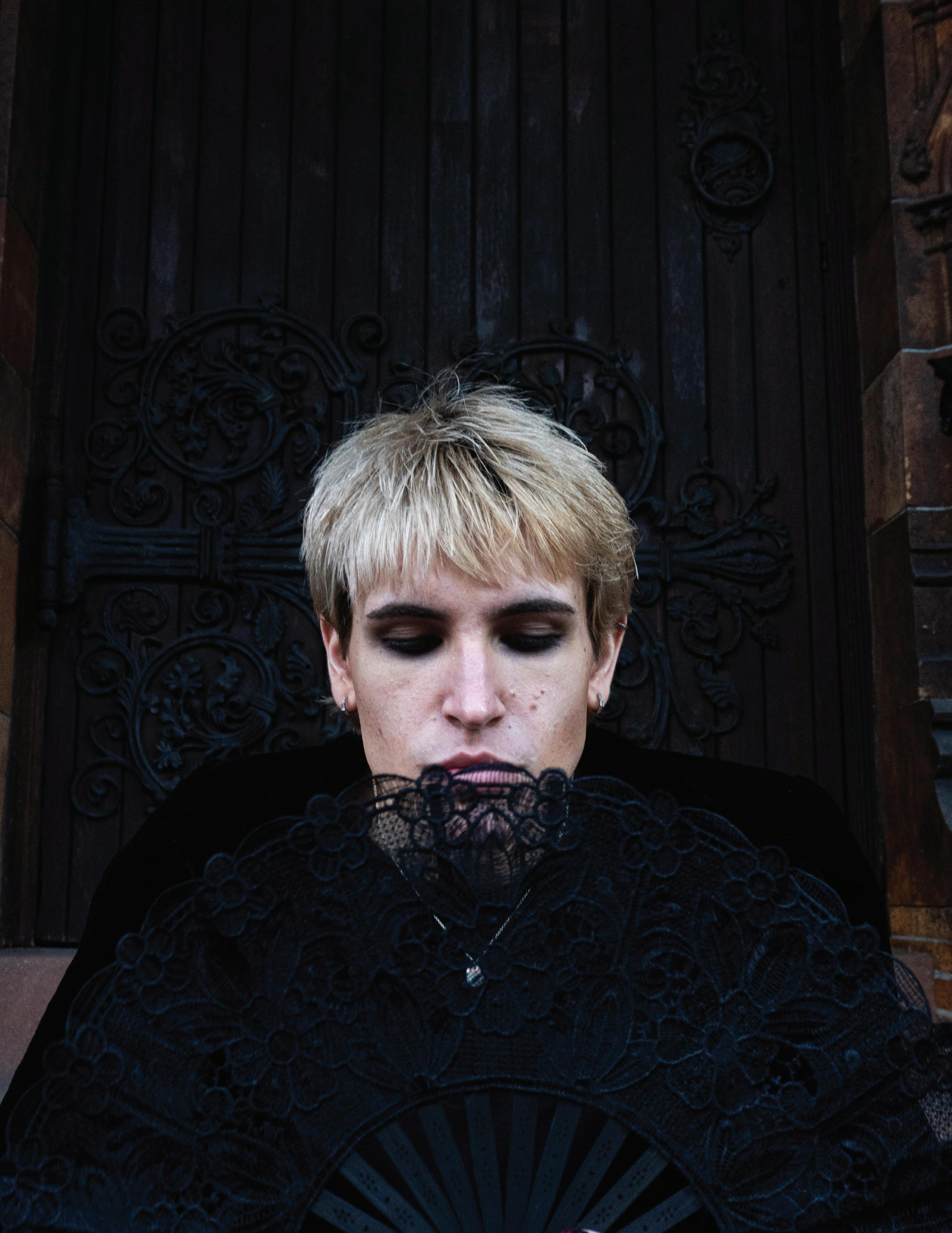
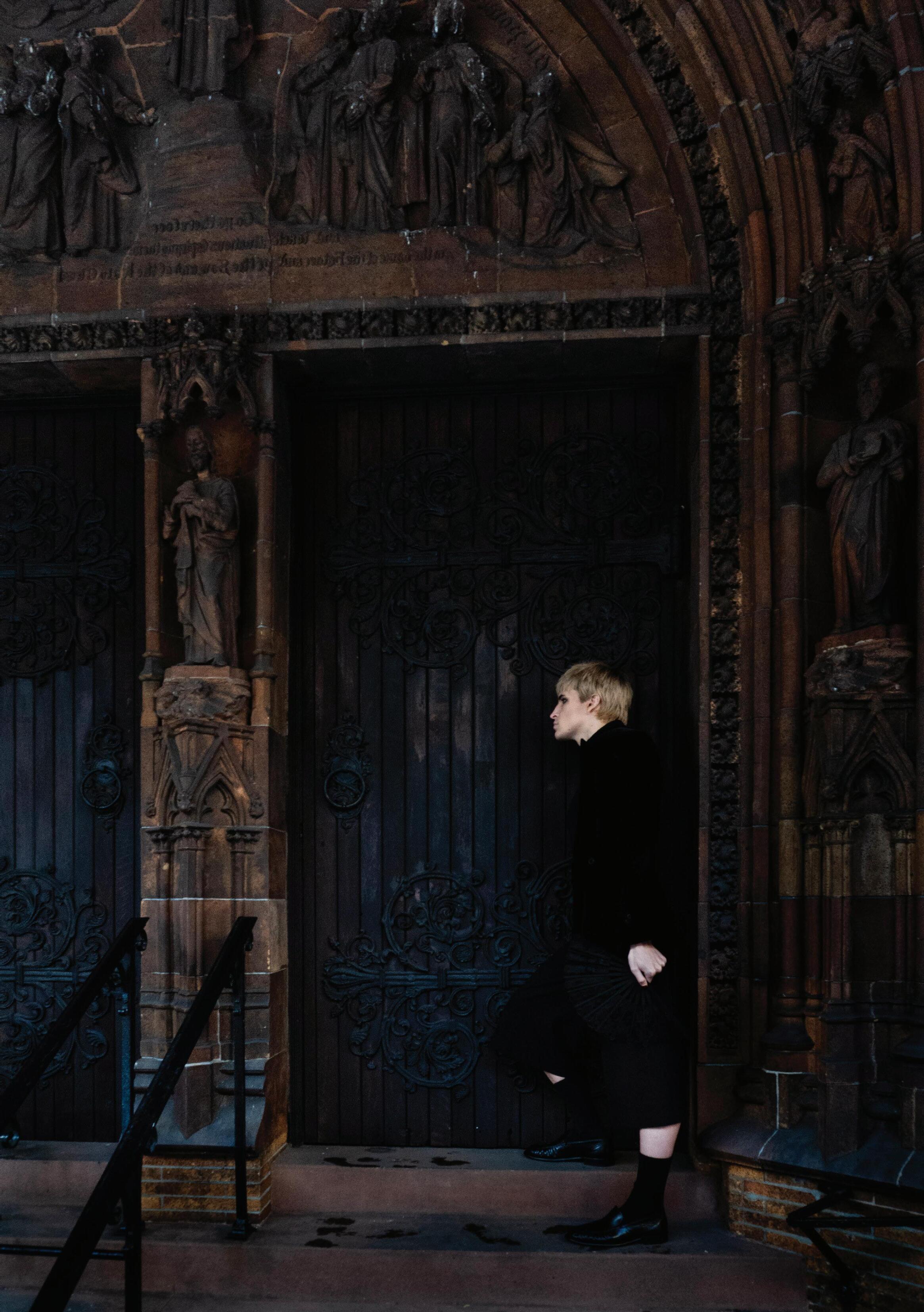
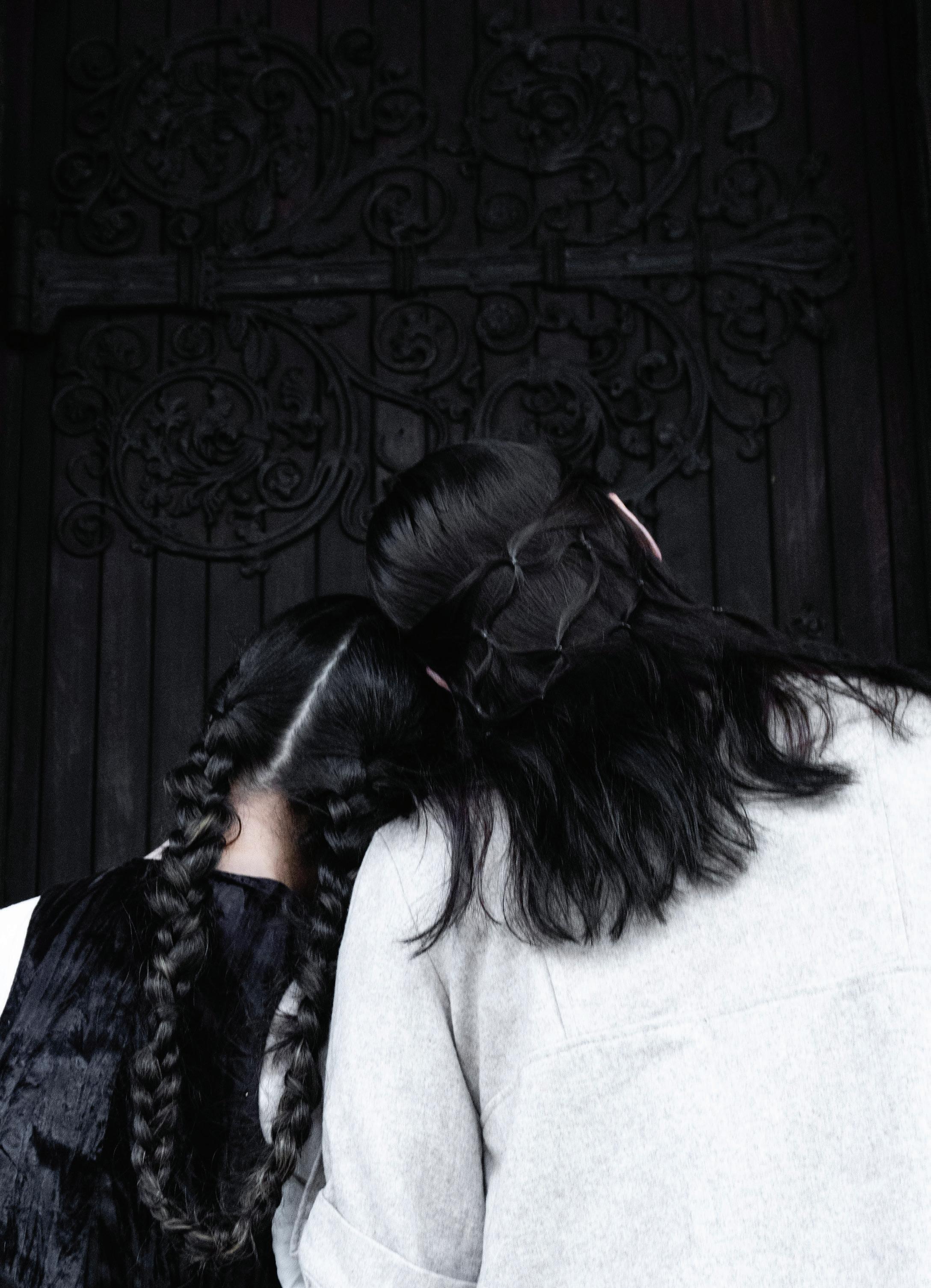
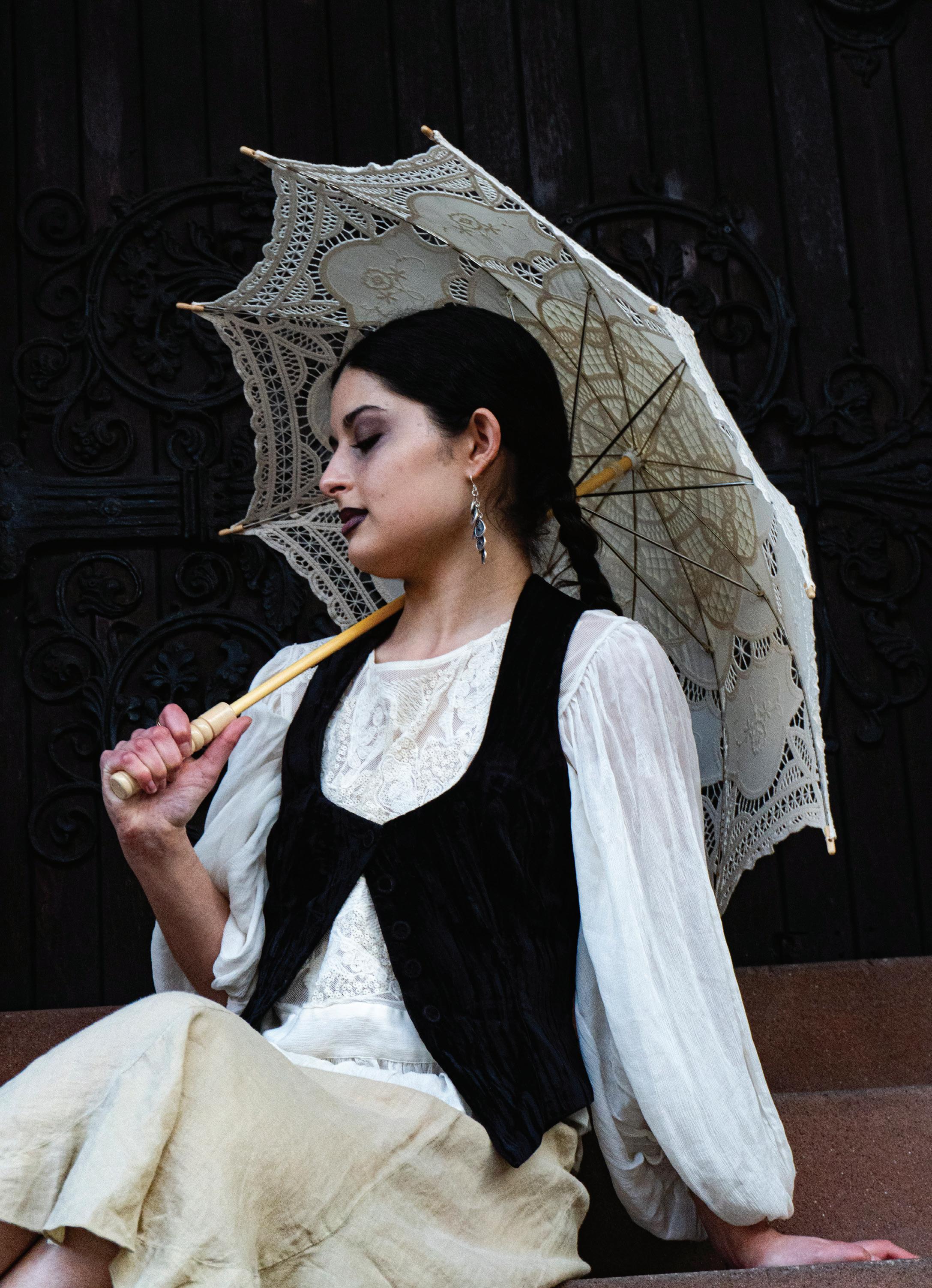
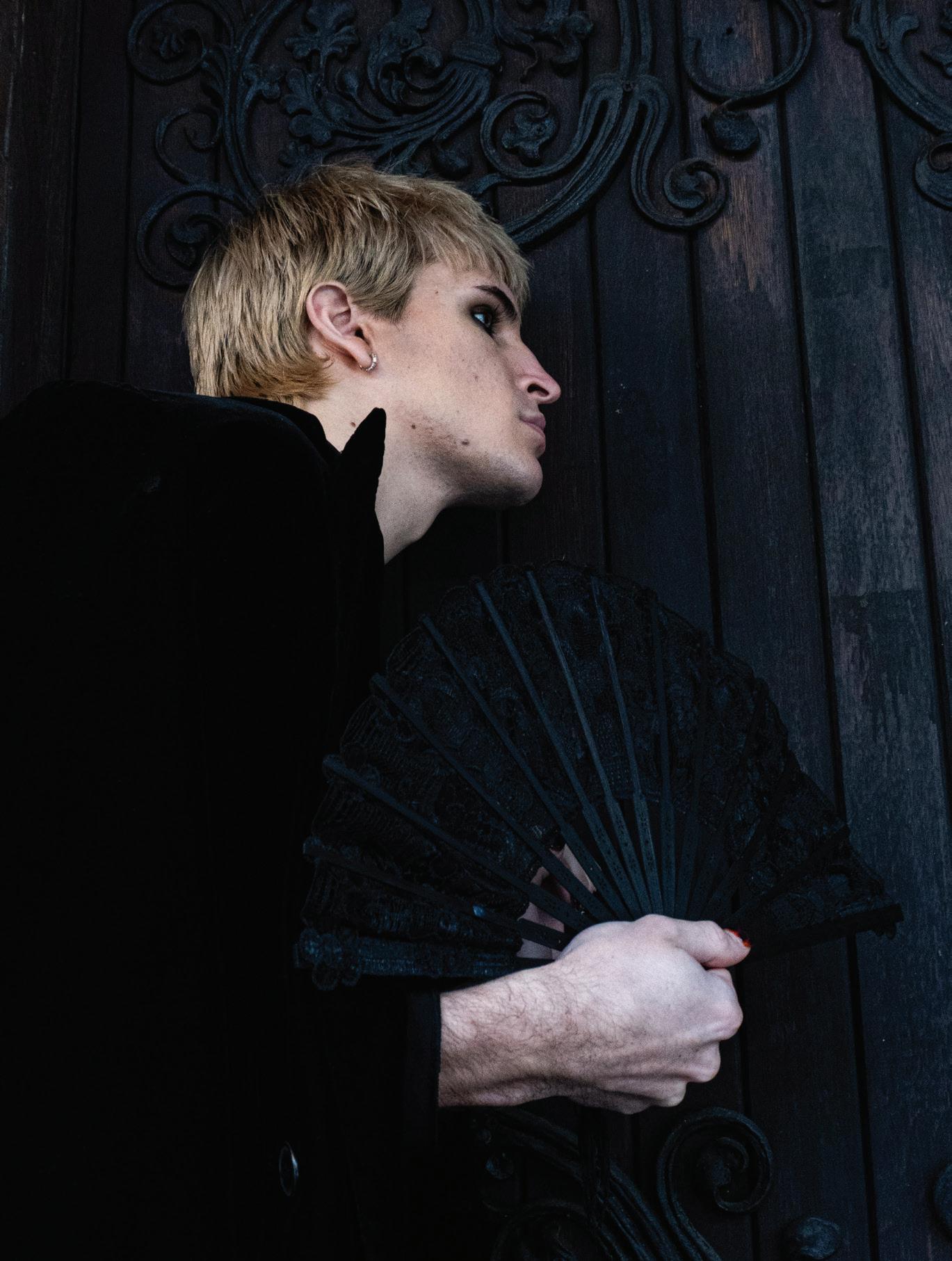
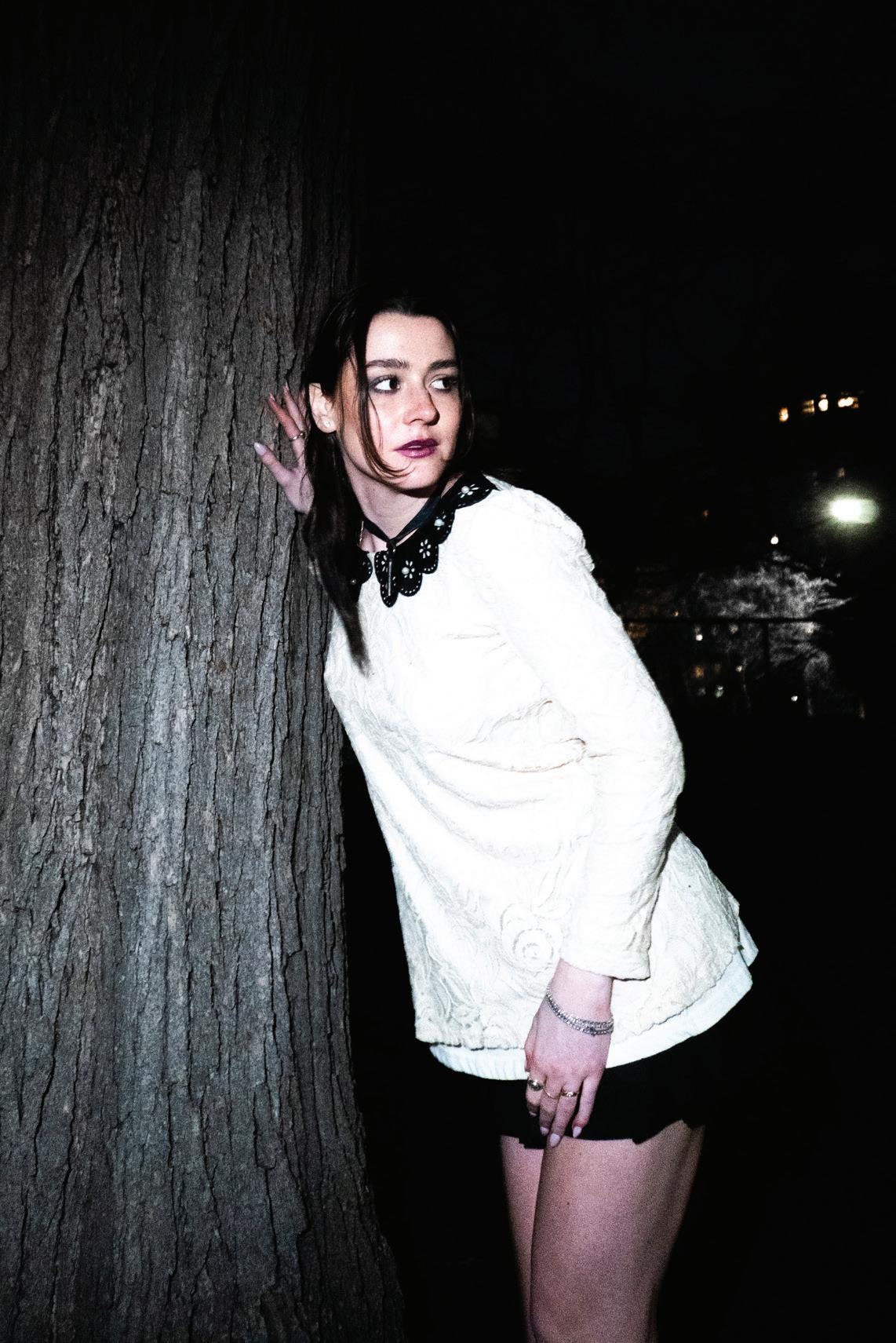
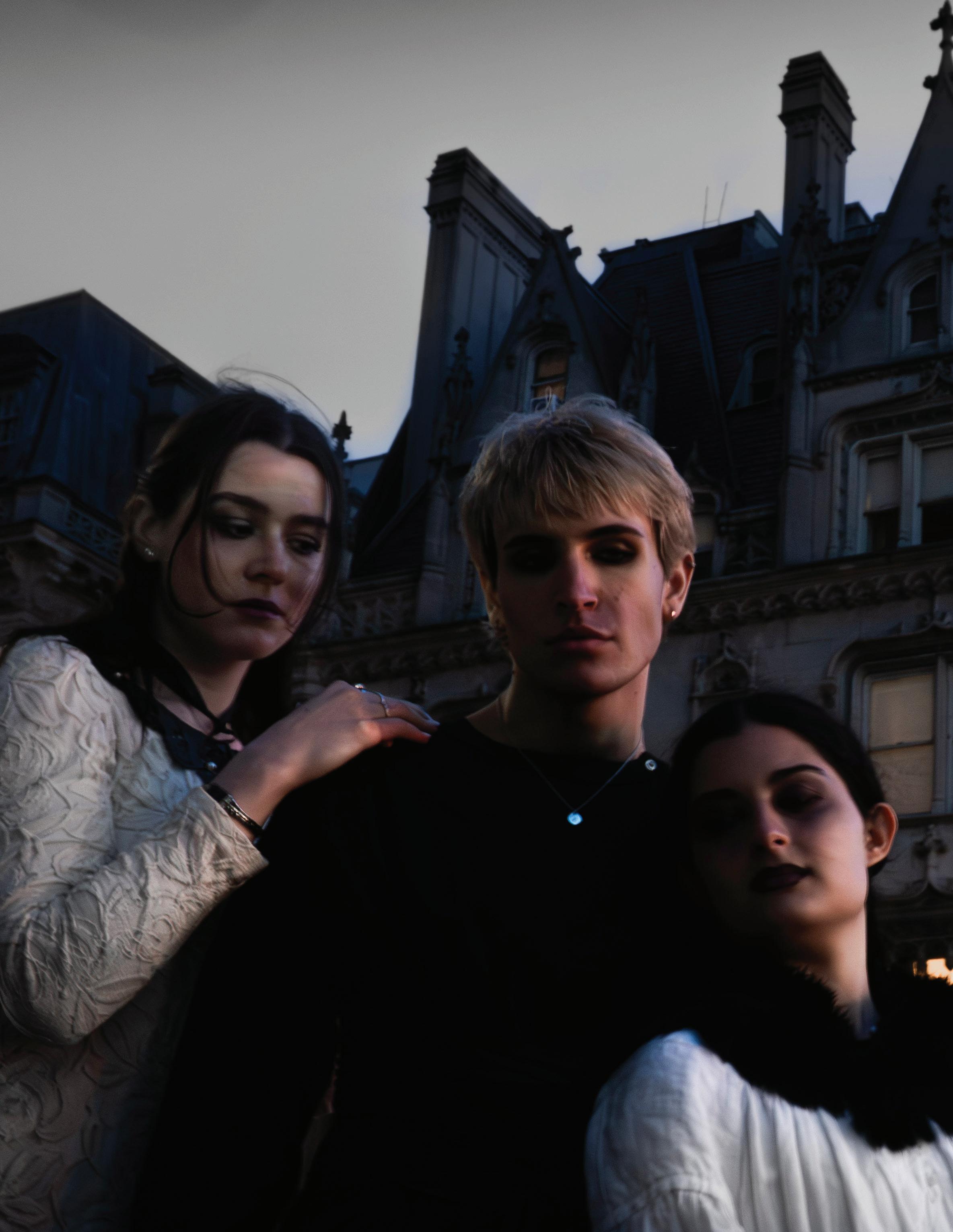
By Elizabeth Mooney
‘Twas the night before
Chr istmas, and the only creature still stirring was my mother. She stood at the kitchen counter, meticulously taping the corners of gifts, a selfless act of assurance that each of her three children—one adult, one near-adult, and one child—would have plenty of gifts to open the next morning.
I realized then that December 25th is not actually magical—my mom is.
My father passed when I was young, and I’ve spent my life since trying to be like my mother. I strive to emulate her independence, grit, and charm, and deny that I’ve also inherited her anxiety and ache for control. I am the eldest daughter of an eldest daughter, predestined to fill a principal role unfairly unacceptable on my résumé, and unfortunately, unpaid.
Nestled in a pile of the internet’s favored buzzwords lies “eldest daughter syndrome,” a term intended to define a family’s oldest female sibling and the responsibility she tends to carry. Youngest children have been historically stereotyped as puerile crybabies, and middle children as forgotten. The threshold for escaping these molds is wide, but eldest daughter syndrome is chronic.
Dr. Alfred Adler, an influential Austrian psychologist, did not view birth order as a direct cause of personality, but as part of a “family constellation” that shapes how children interpret their role within the family—an imaginary map of the interactions between family members and their resulting contributions to childhood development.
Eldest children, for example, often come to see themselves as responsible or achievement-oriented—not because these
traits are predetermined, but because of how they respond to expectations and dynamics within the household. The way our parents interact with each other, the expectations they set for their children, and even the personality types of our siblings, facilitate the perfect conditions for developing eldest daughter syndrome.
The eldest daughter is the household's second-in-command. Strong, responsible, independent, competitive, confident. Sometimes high-strung, anxious, overachieving, people-pleasing, and controlling. Most are Type A: organized perfectionists afraid of failure. When you meet one of us, you always know.
“I certainly identify as a control freak,” says Olivia, older sister to 10- and 12-year-old sisters. “I have everything planned down to the T, and it makes me feel at ease because I like knowing what's next.”
There’s no better classmate for a group project than an eldest daughter. Though we likely prefer to work alone, we will appoint ourselves chief to ensure the final presentation is edited to perfection. We can be bossy, even sometimes dictatorial. Most are self-aware, like Olivia.
“Being in charge sometimes gets to my head,” 11-year-old Harper says about her 8-year-old brother. “I scream at my little brother to do these things, and then he won't do it, and then I'll get so angry at him.”
Can you blame an 11-year-old for abusing her power? Not if she is the oldest. Harper was one of the first children I got to watch grow up. She is one of the coolest girls I know and has been a teenager since birth. I watch her play with other kids, and I notice habits that only an eldest daughter could, because I have them too.
Harper is always the organizer of games, the CEO of a friendship bracelet empire, and she does it all with press-on nails. She wants nothing more than the autonomy to drive to Starbucks and never take “no” for an answer. It’s no secret that she is bossy, but to me, it’s charming and reflective of her subliminal care for everything she does.
“During fire drills, I'm always looking for my brother,” Harper says. “I know it's just a drill, but I just want to make sure that he's there and he's safe.”
Harper says this plainly, unaware that her classmates are likely worried about where to stand instead of who to protect. The line between older sister and guardian is often blurred by the unspoken responsibility to protect and to care, a craft honed by a constant preparation for worst-case scenarios.
“I feel this weird maternal instinct over my brother now,” 20-year-old Maya says about her brother, a high school senior. “Especially with him going to college—I find myself stressing about that a lot.”
Maya’s maternal instinct is difficult for her to explain, but she can find solace in the fact that she is not alone in the feeling. Parental success is a minuscule factor in an oldest sibling's calling to nurture and protect their siblings. Rooted in biology, the responsibility to protect those illequipped to shield themselves is heightened by age and hierarchy, further enhanced by sentiments unique to womanhood.
“I feel like I raised those girls, too,” Olivia says. Olivia, like many eldest daughters, acted as a parental understudy. When her parents worked, she was the one buckling seatbelts, transporting her sisters to playdates, and playing soccer mom at practice. Her consistent performance earned her the get-it-done confidence of her parents.
As eldest daughters, we aim to please, driven toward perfection in pursuit of the grand prize: validation.
We desire validation from parents, peers, Facebook comments, bosses, and ourselves; it is essential to our continued success and well-being.
The most notable source of validation from my childhood, and those of many other eldest daughters, came from academics. The feat of my life was winning the fourthgrade spelling bee with “ipso-facto” without knowing what the word meant.
To my dismay, there are no spelling bees in college. I have been dethroned as spelling queen bee, and instead now long to be good at LinkedIn. Like other oldest children, I struggle in adulthood, where being “a pleasure to have in class” does not carry the social weight it once did.
“There’s definitely pressure to perform all the time and make everybody proud,” Maya says. “I need to set a good example for my brother. That was always a big pressure on me as a kid, and it translates into adulthood.”
On the first day of the job, the eldest daughter’s first task is often to set a good example for her siblings. Standards in all fields, from academic to behavioral, are higher for eldest daughters, especially within the family. Praise eventually becomes pressure.
“I always have this overhead anxiety, even just taking the train, where I'm like, ‘Oh my God, I'm gonna do something wrong,’” Maya says. “It's not even an anxiety about outside factors out of my control, it's more of an anxiety about me messing up.”
Nearly all of our traits and habits can be attributed to the fatal side effect of eldest daughter syndrome: fear of failure.
Encouraging posters about mistakes being stepping stones to success will never encourage us. The word “mistake” is banned from our vocabulary. Stepping stones to some, but landslides to us, mistakes signify failure—and failure is no option. A fear of failure can penetrate our lives, preventing us from taking risks.
“I spent my whole life hearing that I was so mature for my age,” says Olivia, “There was an expectation that whatever I was going to do, I was going to do it well.”
Maturing early is perhaps our most identifiable trait. A gradual harvest, the
urge to protect, pressure to perform, search for validation, and fear of failure intertwine to age us quickly.
We easily accept being called controlling, anxious, high-strung, meticulous, competitive, and overly-invested in possible negative outcomes. Yes, being an eldest daughter is exhausting. Yes, insistence on perfection can be annoying. Yes, we nag. And yes, we obsess, but it’s always because we care.
Olivia does her Christmas shopping in August, Harper is already a neighborhood business legend, Maya is an active investor in her brother’s college search, my mom throws epic birthday parties, and I take pride in my role as the office's resident grammar police.
The most remarkable part about being an eldest daughter is that the traits meant to demean us are what enhance our success. Thanks to our bossiness, our households are run like the military. Thanks to our organization, everyday tasks are our secret missions. Our overthinking makes us thoughtful, and our anxiety makes us responsible.
If you need something done and done right, ask an eldest daughter. We should get one in the Oval Office soon.
Interview by Paige Collins
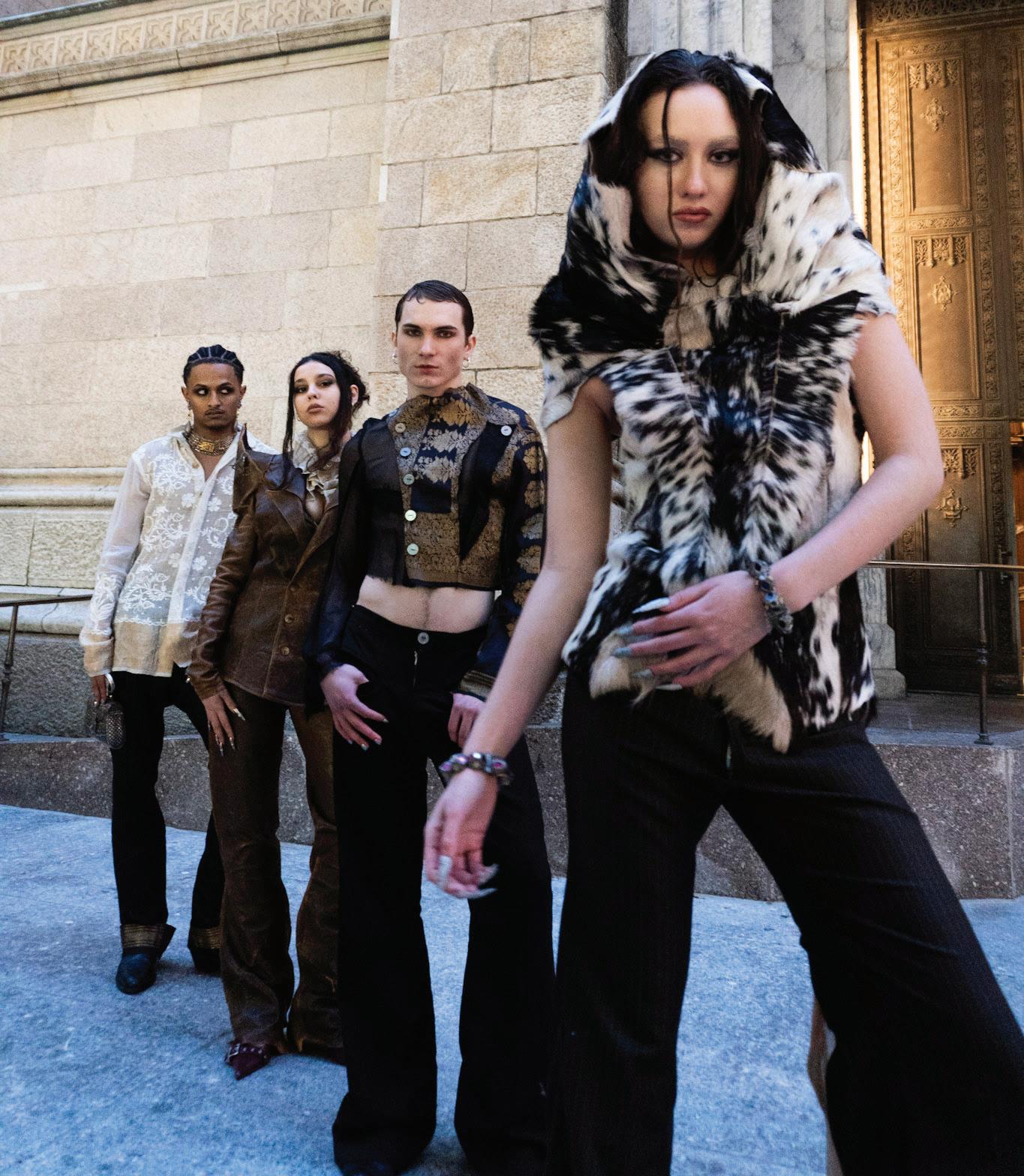
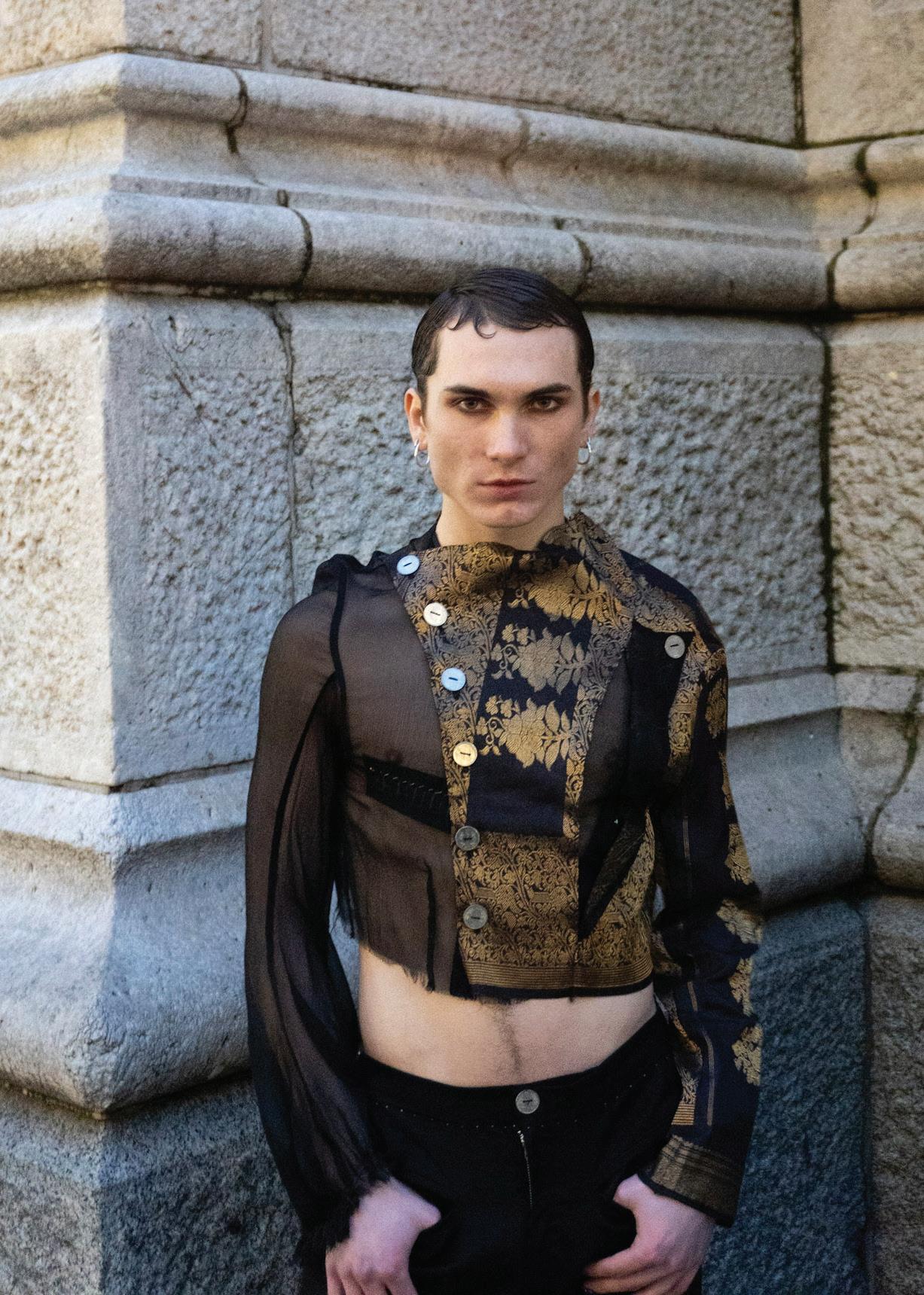
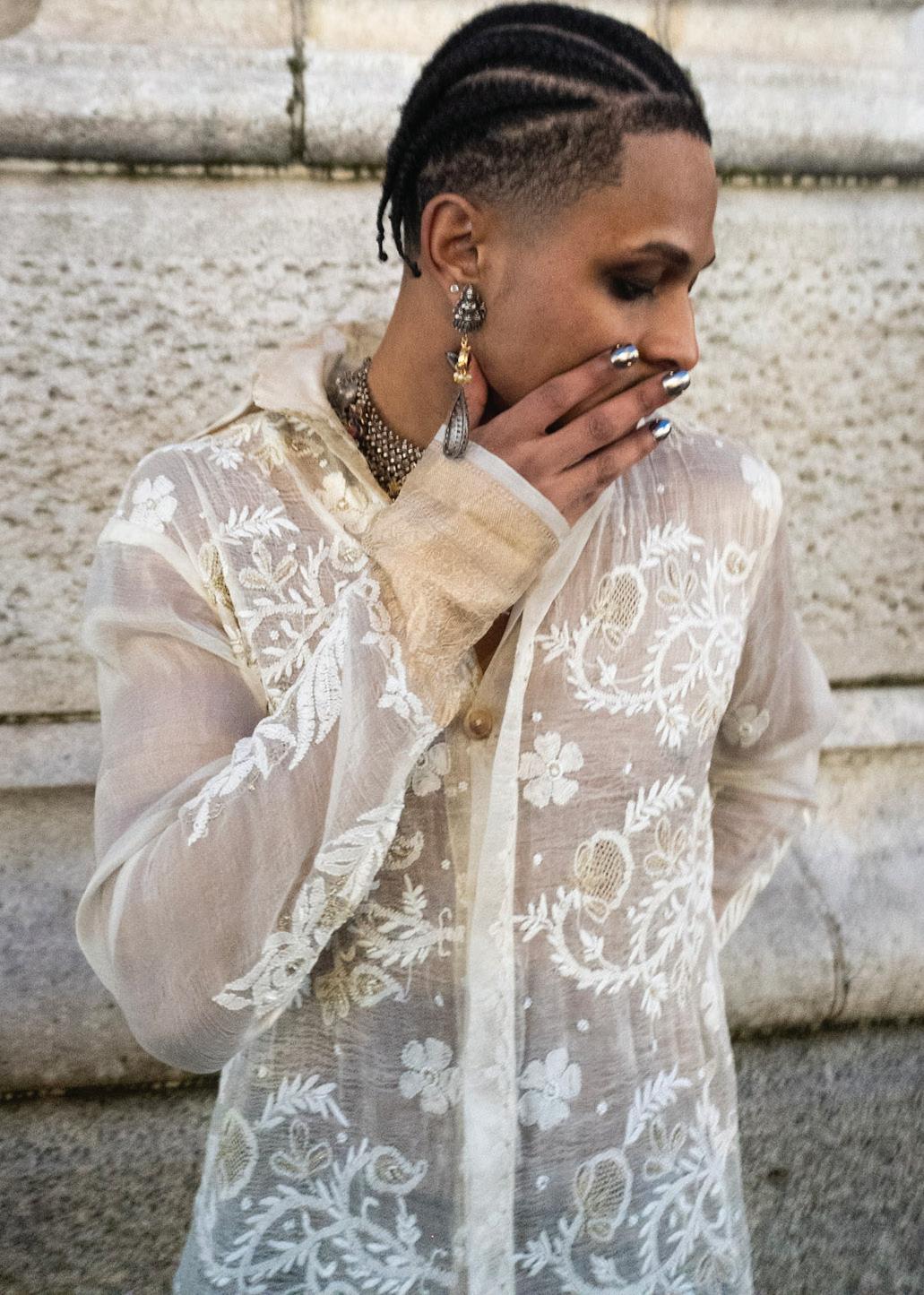
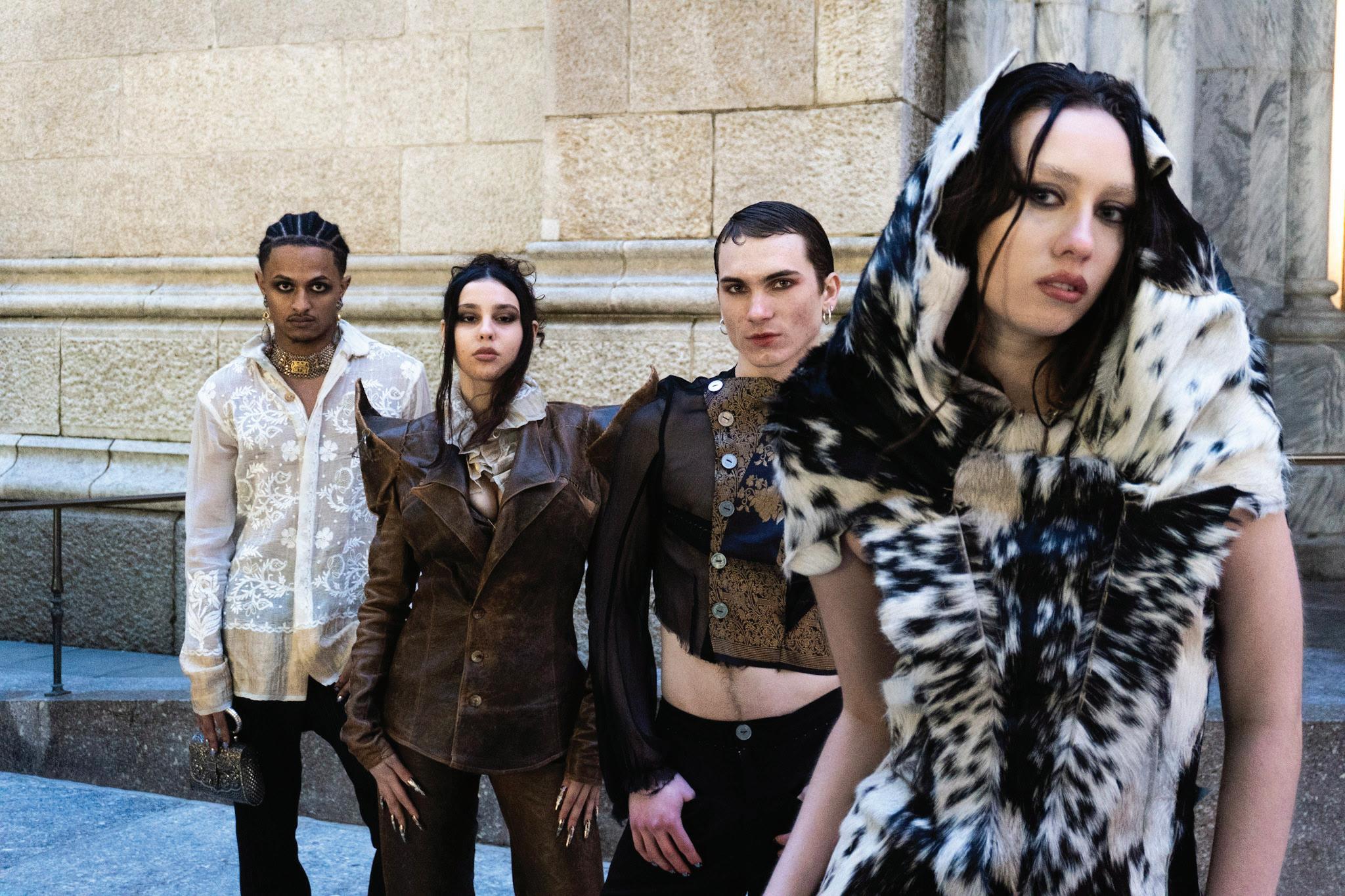
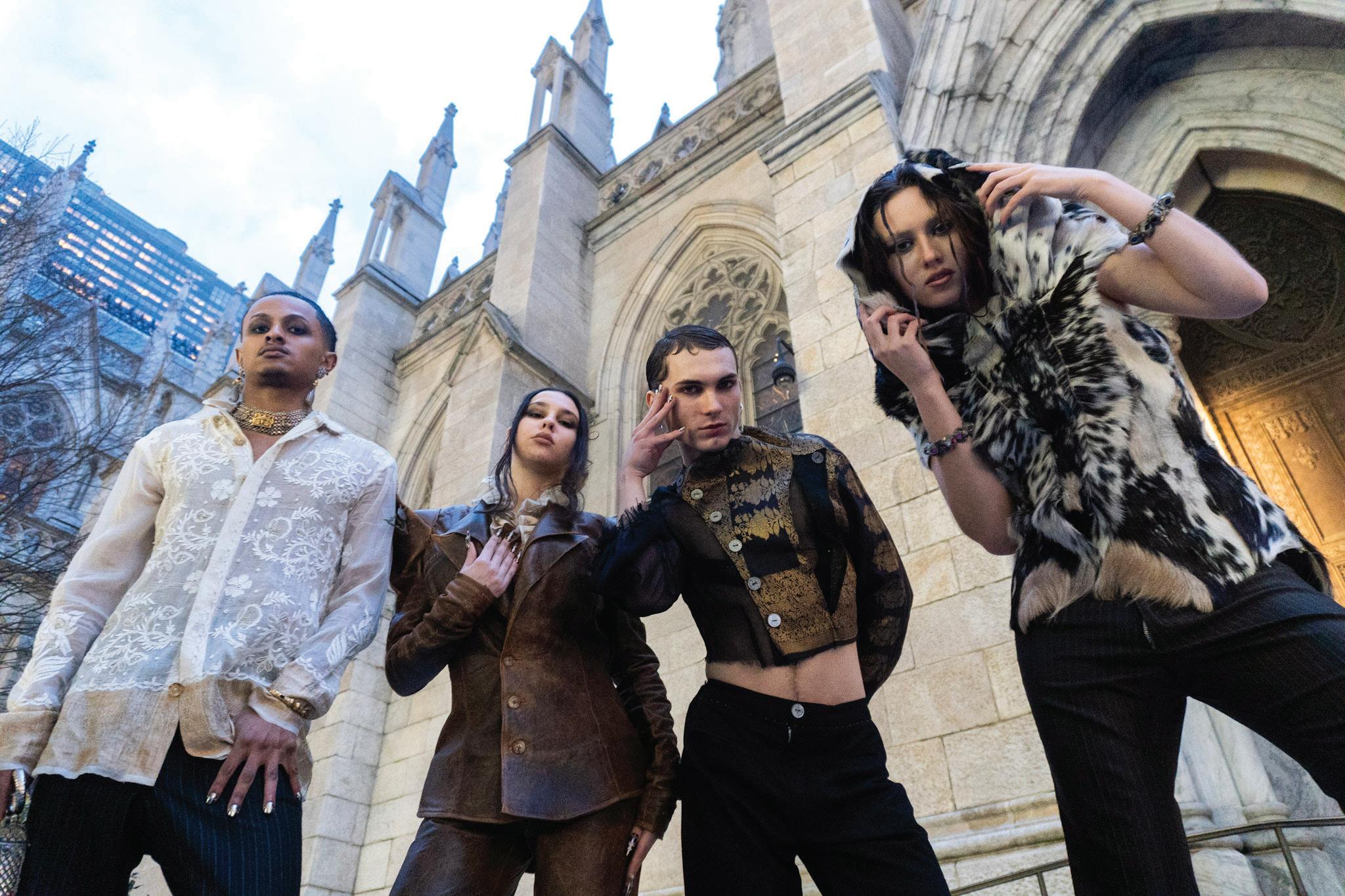
TANVI VEERAPANENI'S debut collection,
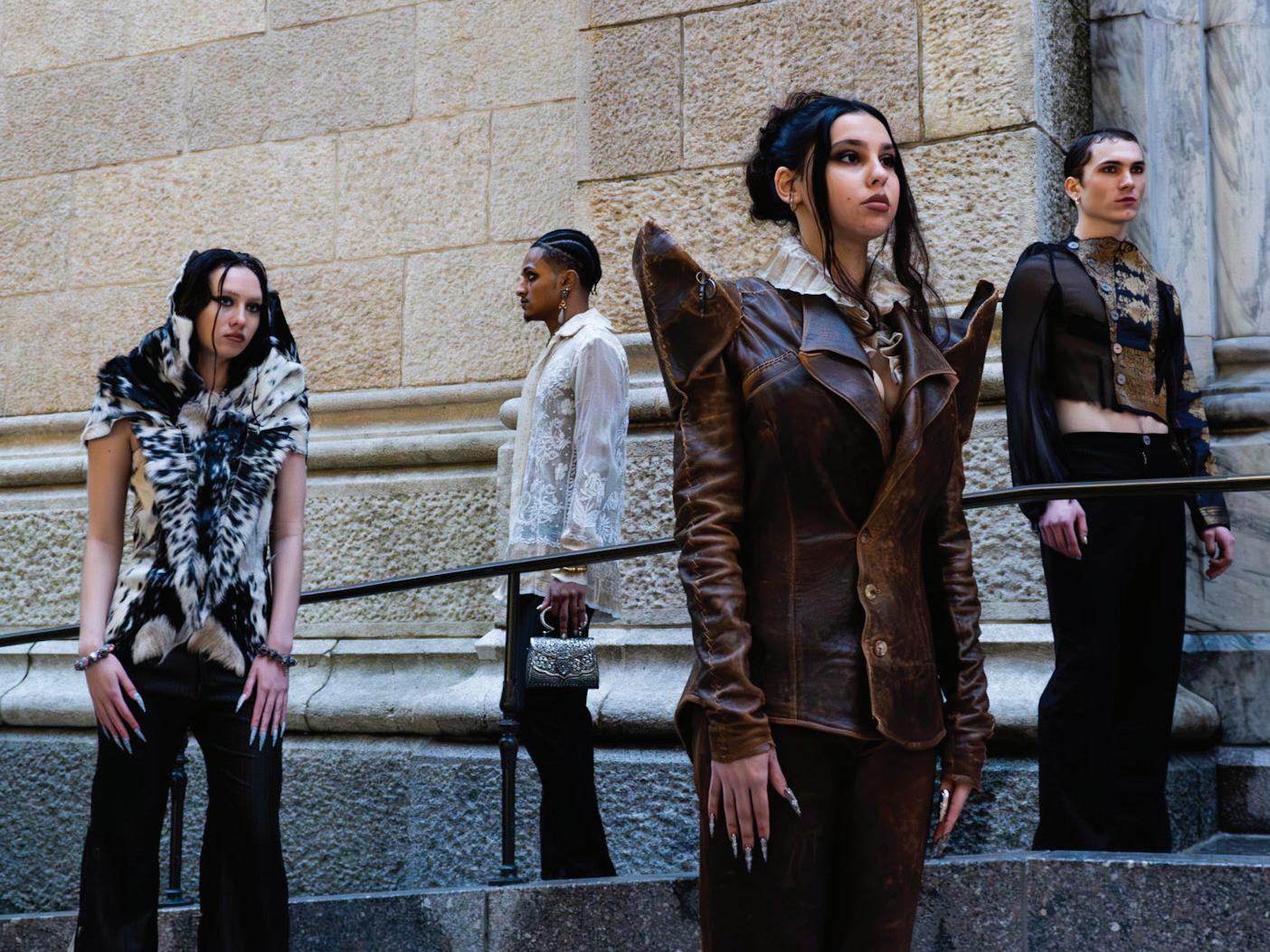
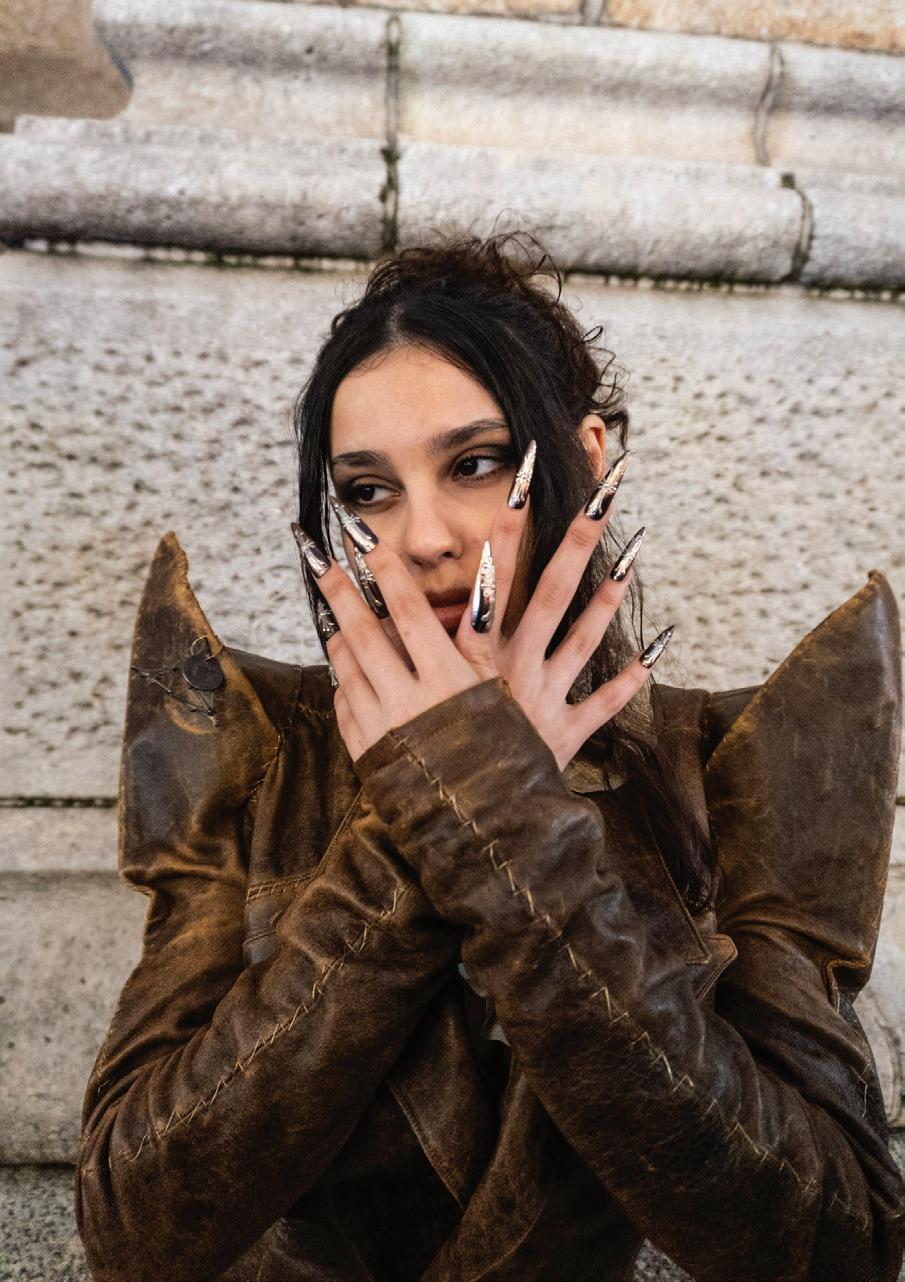
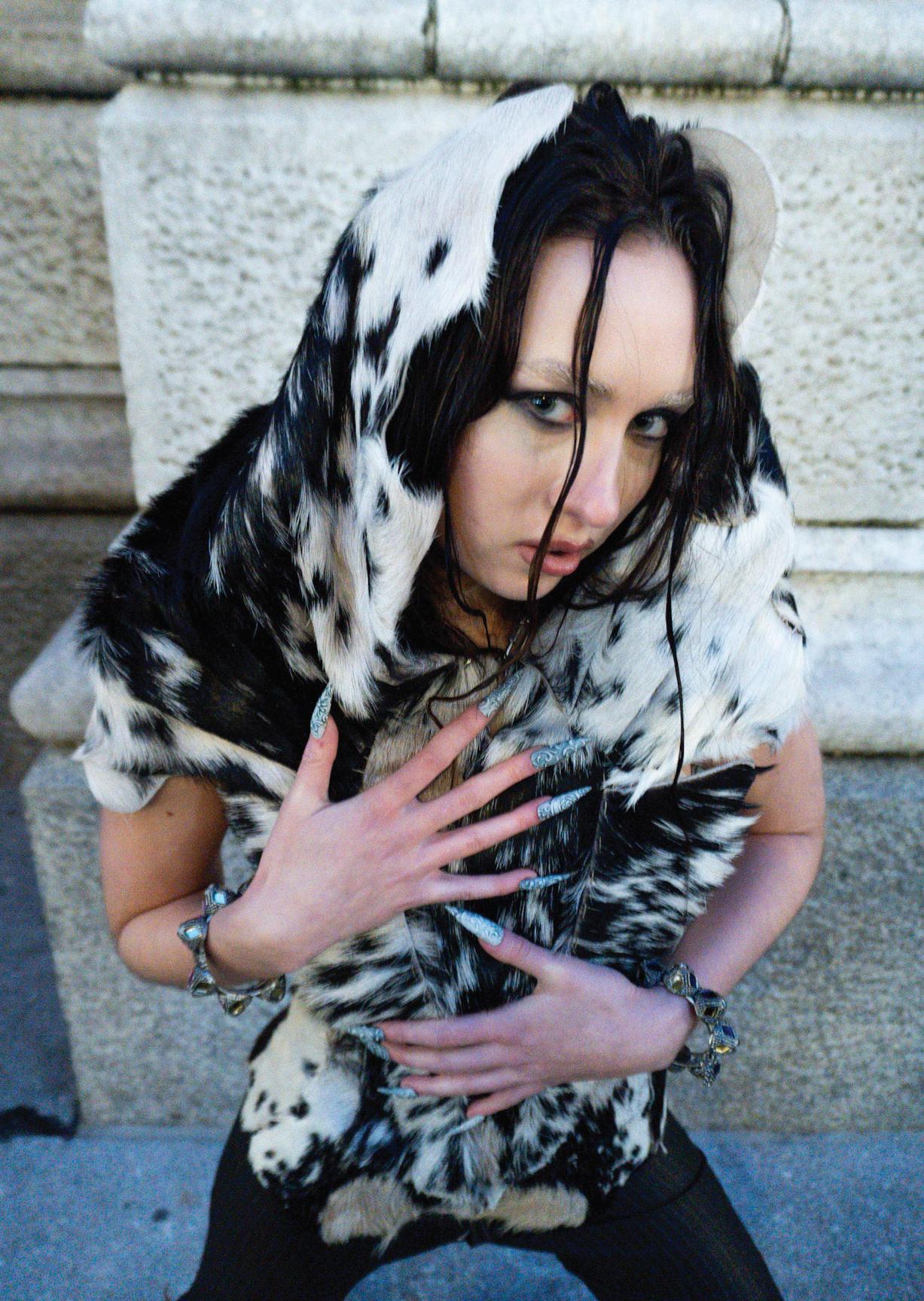
“The Tragedy of Stratification,” bridges the precision of British tailoring and the depth of Indian craftsmanship. Bespoke suiting meets flowing drapery, while leather and cattle horns reveal the tension between reverence and the exploitation of the British Raj. Veerapaneni was born in Hyderbad, India and raised in the Bay Area, and in her work, history is reimagined, creating a dialogue that is both thought-provoking and modern. We recently met on Zoom to discuss multicultural influence, the challenges facing young designers, and the impending launch of her brand, ViVeera.
Why did you start your brand and where does your inspo come from?
It’s more in development right now. I just produced my senior collection and finished that last May, and that’s where it all started, apart from designing in college and in high school, with making my prom dress. Now I kind of really wanna take the whole thing further and bring my heritage into the brand in a unique way.
My inspiration comes from my roots and my heritage, really just trying to pay homage to it and show the Western community that there is a lot of craftsmanship in India. Apart from my culture, I’m inspired by McQueen’s aesthetic of very dark and extravagant silhouettes. Also, some punk influences as well as classic tailoring in menswear.
How would you describe the vibe and aesthetic of the brand?
It’s classic British tailoring and the influence of Indian craftsmanship. Every part of India has something unique to it—textiles, art, food, how they dress—so whether it’s natural dying or using hand looms, I aim for dark and mysterious. When you think of Indian fashion, you think colorful, bright, and extravagant but that’s not really my vibe. I like darks and neutrals and leather. I prioritized material respect because cows are very sacred in India, so I used a leather alternative to cowhide.
What is your design process like?
A lot of designers love to sketch, but that’s not where I begin. Instead, my process begins with a silhouette or design detail explored through patternmaking. I’ll draw it out after, but I feel like my process usually comes from a random thought. I look at concepts from the past that I find inspiring as well. I love going into a vintage shop and looking at how Victorian-style clothes were constructed. Fabrics as well—I can’t just draw clothes and put fabrics to them; I need to know what fabrics I’m using before I design.
Who do you design for?
It’s funny because one of my professors was like, “You make clothes just so you can wear them, right?” I felt called out! But yes, I kinda do whatever I want to wear, and hopefully people will be drawn to it. There’s a market
for what I want to wear, too, in the sense of being more tailored and refined, but also edgy and referencing different cultures.
What’s been the biggest challenge in starting and running your own brand?
It’s definitely the timeline and marketing. I’m not the type to go on TikTok and vlog. I do love designing and creating and doing a shoot, but the marketing part is where it gets to me a bit. That’s where I need to push myself and put my brand out there more.
What advice would you give to someone wanting to start their own brand?
It takes a lot of work and perseverance. There are days when you get up and don’t want to work on it. When you have an idea or a vision, you just need to do everything you can to execute it. If you don’t, you’re going to regret that more than failing. It’s better to take risks than wonder where you could’ve been.
What’s your favorite collection piece and why?
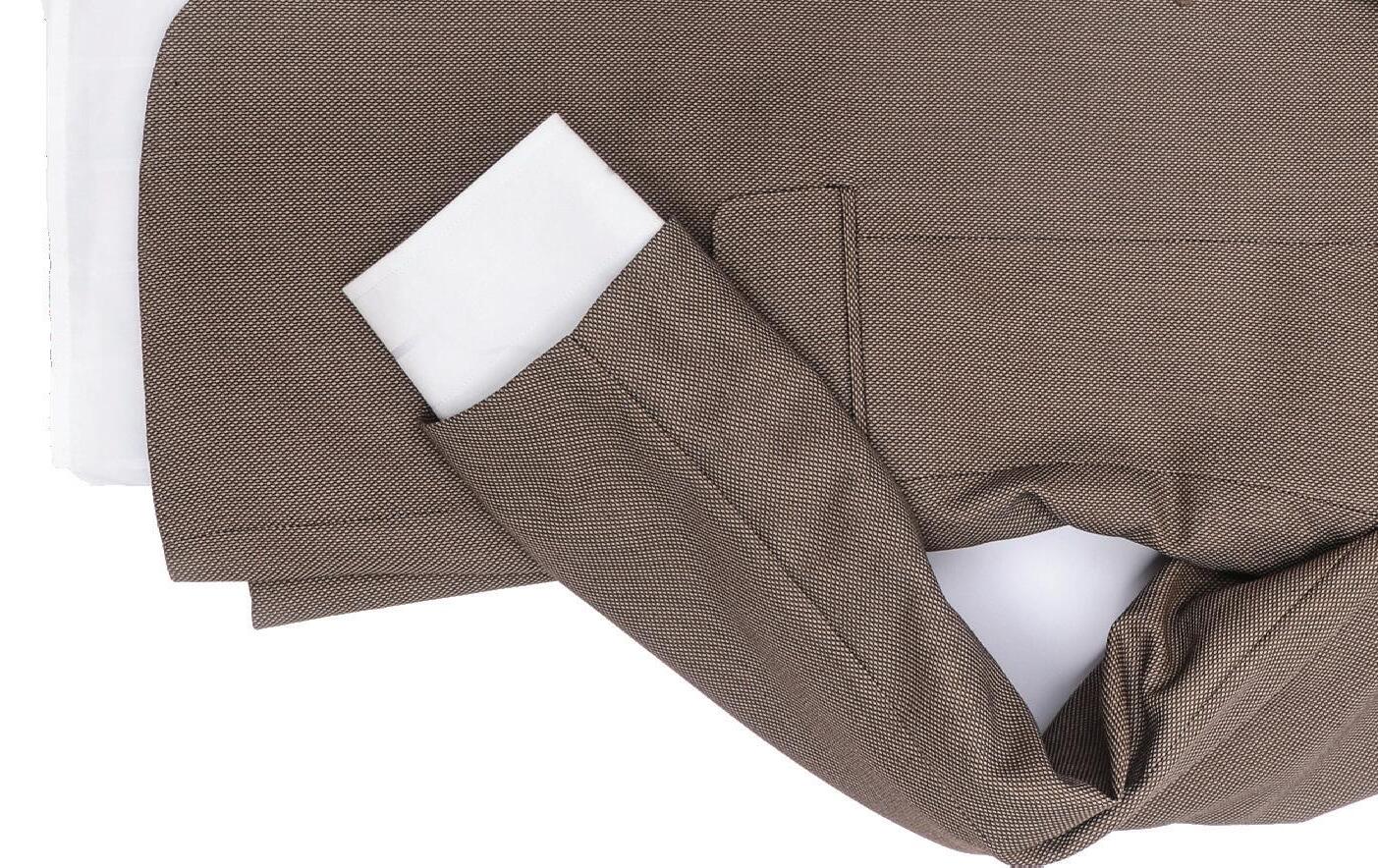
Either the goat hide hooded top or the brown suit. The suit is so powerful. I’ve put that on a male model and a female model before—my collection is meant to be androgynous. The goat hide top was tricky because when I got the final material, I realized the machine would eat up all the hairs. I had to sit there punching holes and hand-sewing instead. It was a wild process, but I had a really fun time.
My senior collection was my debut, so right now I’m working on a more ready-to-wear line. First, I’m going to make my sister’s prom dress because she’s been asking me forever. This summer, I’m hopefully going to have more pieces that I can put up for sale in different sizes. I want to launch my brand and make it official. I do have a website right now, which is more of a portfolio, but I’m planning on adding a shop section where you can custom order pieces.
By Caro Barrenechea Cobos
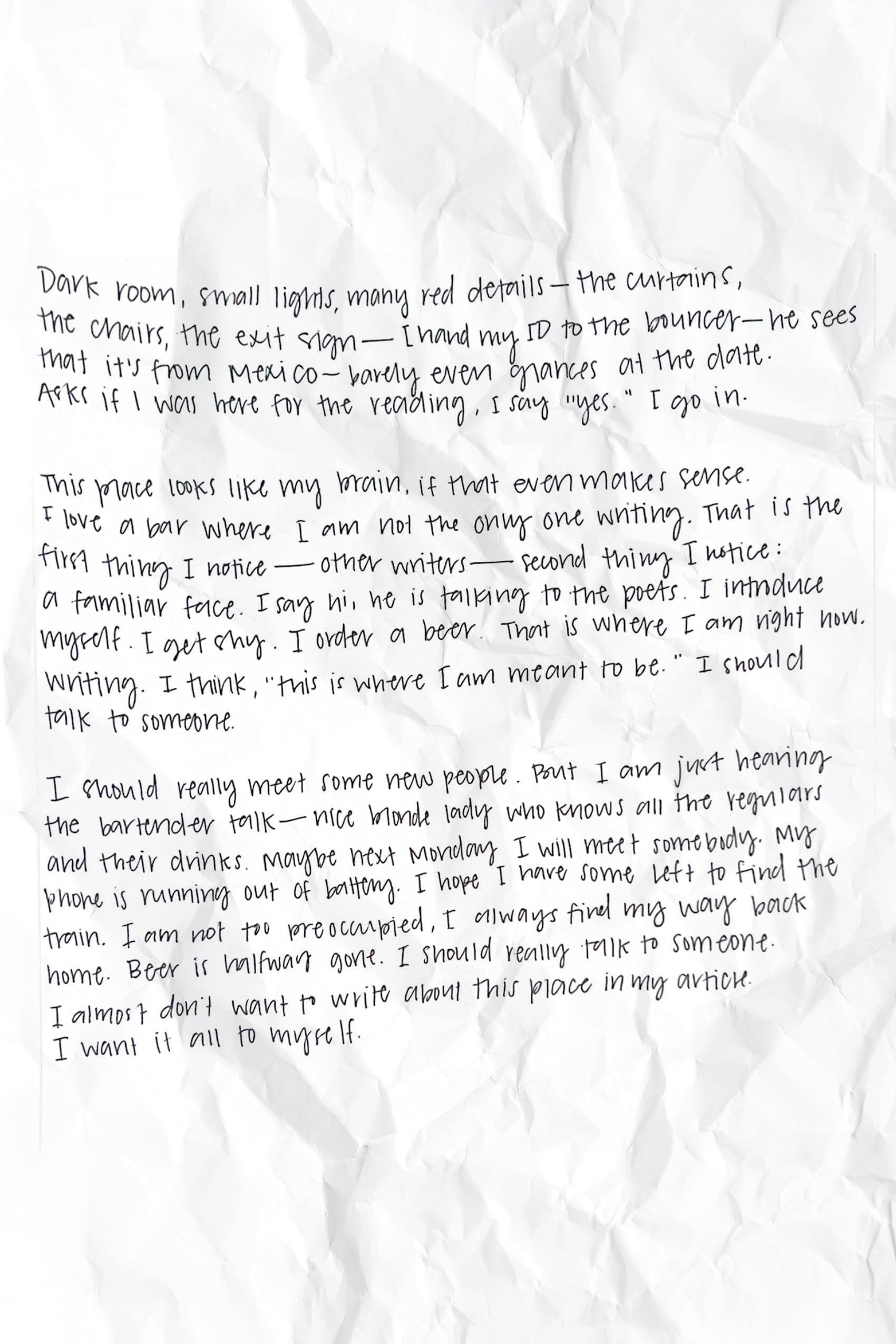
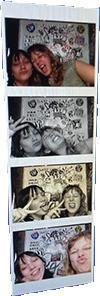
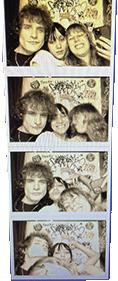
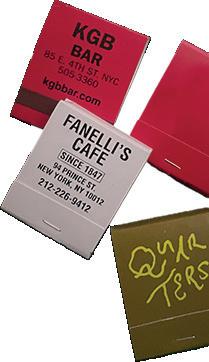
Iwrote that passage in my journal during my first poetry night at KGB Bar, a former Ukrainian social club and current literary haunt in Manhattan’s East Village. I did eventually meet someone that night, a Mexican girl named Alexa. After the reading, Alexa and I decided to try another bar around the corner. There, we met an Australian guy who turned out to be a member of five bands. We played a few rounds of pool, got prints at the photobooth, and talked with strangers outside.
art space that hosts 100+ events per month, from open mics to movie nights. Its goal is to turn this room into a cozy, judgmentfree zone where artists can share their work.
Then, in a spur-of-the-moment decision—one that would later earn me a lecture from my friends about stranger danger and my eagerness to trust people—I invited them back to my place. We listened to my CD player all night while we drank cheap wine, and at 6 a.m., they went home, and I went to bed. When I woke up, I couldn’t stop thinking: “wow, how cool is my life?”
Ever since that night, I have been dwelling on the bygone culture of “artists salons,” where artists from different disciplines would get together to share their current work or ideas about the world.
Natalie Barney, for example, hosted literary salons for 60 years at her home in Paris beginning in 1909. Dorothy Wilde biographer Joan
Schenkar called it “the most subversive literary salon that ever existed.” Barney hosted some of the most renowned artists and writers of the 20th century, including Djuna Barnes, Gertrude Stein, Ernest Hemingway, Claude Debussy, and Isadora Duncan.
Even though the concept is not as popular in the digital age, the practice is still alive, but with a few modern twists.
This month, I am forcing myself to leave the creature comforts of home behind and visit different salons and bars around New York City. I sought the places where artists build community. ***
It is a Wednesday night, and I am done with classes for this week. I head to Queens to watch poet Brooke Finegold’s solo show at Q.E.D. Astoria. Selected as one of the top comedy venues in NYC by Time Out, Q.E.D. is a women-owned
After I arrive at the pub and ask the bartender, Mike, for a drink, I start a conversation with dancer and Q.E.D. hostess Jacquelyn Cedio about the importance of spaces that provide a safe community for artists. Jackie shares that the past owner was selling the place when comedian Hannah Lieberman, a regular performer, ended up saving it.
“We are all very grateful to her because Q.E.D. is such a staple for Astoria,” Jacquelyn says. “It's exactly what you said—a place for people to come and be their authentic self and share their craft with no judgment. So it's a very nice and welcoming space for musicians, actors/ actresses, poets, and comedians.”
Q.E.D hosts an open mic every week, where anyone can come and share their work, no matter their level of experience.
“There are so many artists that come here, but also just people with completely different daytime jobs that want to tap into their art,” she says. “They come here,
[a place where] they can actually be themselves.”
I grab my beer, cozy up at a corner table with two strangers, and enjoy Brooke’s hilarious “Something Blue” set. When the show is over, not ready to say goodbye to the night, a couple of us decide to get to know each other by sharing another round.
We recreate the 1900s artist ambiance, where the lost generation attended salons to “find not just a safe haven to be weird, but a temple for friendship,” according to Barney—a place where they could connect with other people that didn’t fit into social norms.
Brooke expresses a similar sentiment.
“I think it can be such a big city, obviously, so it is very nice to find your niche,” she says. “It feels very good to find a space where there are other weird art gay kids who are also looking for the weird art gay kids, you know?”
“It's really sweet to feel like I have been a part of creating that community for other people as well as myself,” she adds.
When Brooke first got to the city eight years ago, she attended open mics where she met some of her closest friends, but sometimes it
felt like there was a prize to be won or a social climb that made it challenging to create real connection. She confesses that this was the main reason for starting her salon, “Poetry is Gay.”
“I wished there were just some type of way that I could hang out with other artists that did not feel competitive,” she recalls. “I created ‘Poetry Is Gay’ so we could hang out as artists where there isn't any pressure to perform or do very well.”
The salon’s format offers people 10 minutes to work on a prompt and develop it in any literary way on the spot.
“They are always like, ‘this isn’t polished or it isn't done,’ and I'm like, ‘yeah, you wrote it in 10 minutes—of course it is not,’” she says. “And that is not what it’s about; it is not about the outcome, it's about the process and creating something.”
Naturally, as soon as I get home, I RSVP for the next “Poetry Is Gay” salon.
***
The following Monday, I find myself sitting in the back room of a Greenpoint bar, Singer's, surrounded by other queer writers. It is not hard to understand why so many people feel safe while
accompanied by their community, even if we’ve only known each other for a couple of hours.
Not only did I feel like I belonged—I felt motivated to create. Brooke had a similar experience.
“I love the poetry group because it is so inspiring to see somebody write something in the moment,” she says. “I find that my poetry is always better. It's like we make each other better by being in the same room and sharing together.”
It is the next morning, and I attend school as usual, with no one knowing that just last night, I felt inspired like never before. Trying to recreate the feeling, I recruit my friend Violeta for the night, and we head downtown to a New York staple, Fanelli’s Cafe.
As we pass through the door, I am welcomed with a just-poured draft. We sit in the warmest corner of the bar (we are actually sitting on the heater, and I can’t stop sweating) and start a conversation with a very interesting man: Jay Kelly, a sculptor and regular of the bar since the ‘80s.
We find ourselves trapped in stories of what his life used to be like—in the ‘80s, when he was in his 20s living as an artist in the city—for the rest of the night. He shared the most fascinating tales about all the people he worked with and all the art he created and sold, which I will not be retelling some conversations are meant to be kept at the sticky bar. However, he did offer some memorable advice: “It is all about timing. If someone gives you an opportunity, take it, and don’t **** it up.”
We sleep only two hours, and we have blisters on our feet, but KGB is hosting their monthly Wednesday open mic, so we take the 6 train to Astor Place and rediscover our place on the barstools.
KGB bar is an iconic place in New York, charged with decades of history. Every Monday night, Tyler Allen Penny and his co-curators organize a free-entry poetry night at the bar, where three published poets share their work for 15 minutes each. Penny explains how “so much of an artist’s job involves solitary activities (especially for writers and poets), so they have to go out and find human connection,” and KGB provides the perfect atmosphere for that.
Twice a year, KGB Monday Night Poetry hosts a competition open to the public. Dozens of people fill the second floor of the bar and take up every corner of the red room. For the following 2-3 hours, whether they want to showcase their work or simply meet new and inspirational voices, everyone collectively admires each other and curates an irreplaceable experience.
“It creates this sense of… not really competition, or if there is, it’s healthy,” Penny says. “It’s a community where people encourage each other. They push each other in a healthy environment.”
The winner of the open mic gets to add themselves to any Monday night bill the following season, according to Penny.
The current revival of literary salons has reinvented and
positioned itself in third-spaces that prioritize being in the moment and growing as a group.
“Now more than ever—not only with all the political stuff happening, but also with all the time we spend behind our phones—a real, actual human connection is so important. And artists have always thrived in it,” Penny says.
Violeta and I sit on the floor with our heads on the empty bathtub that decorates KGB’s third floor. We listen as poets walk themselves to the stage and bravely present their work for three minutes. Completely sleep deprived, we decide to get $1 pizza slices before we call it a night.
Sitting on a plastic table while I devour a greasy cheese slice, I think about how I’ve met all these artists and discovered all these places because I decided to attend one poetry night a month ago and talk to the people drinking beer alongside me. A smile comes to my face.
I get ready again—long skirt, red rain boots—New York is getting warm once more, at least most days. I’m back at Double Down Saloon with Alexa and the Australian guy. It is 1:29 a.m. on what started as a Monday but is now a Tuesday, and the bartenders already know us by name.
I look at the graffiti-covered walls with the crazy house drinks hanging from signs. Just under them, I spot a man spread over the counter with a sharpie in hand and about 50 loose sheets of white paper surrounding him. Without talking
to anybody, he frantically draws over this paper—half of them already contain some kind of doodle.
If it wasn’t obvious by now, I am always looking for other artists to connect with, so in no time, we are silently drawing next to him. The bartender comes to check on us, and, confused by our quietness and concentration, says, “Wow! This man just turned this whole bar into an art class at 2 a.m.”
And that is the beauty of art, that is the beauty of New York, and that is the beauty of strangers that make you feel like home. I leave with a custom portrait that now hangs on my wall. I pay him back with a poem titled “The Type of Human You Dream of Moving to New York for.”
By Simoné Chariell
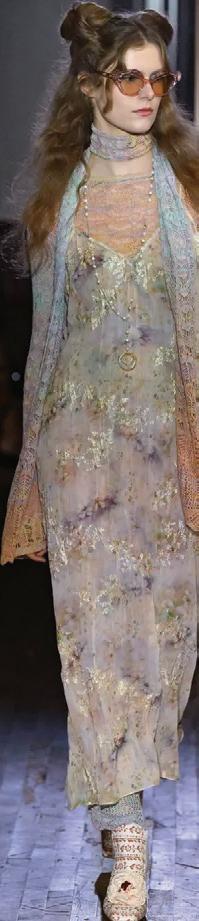

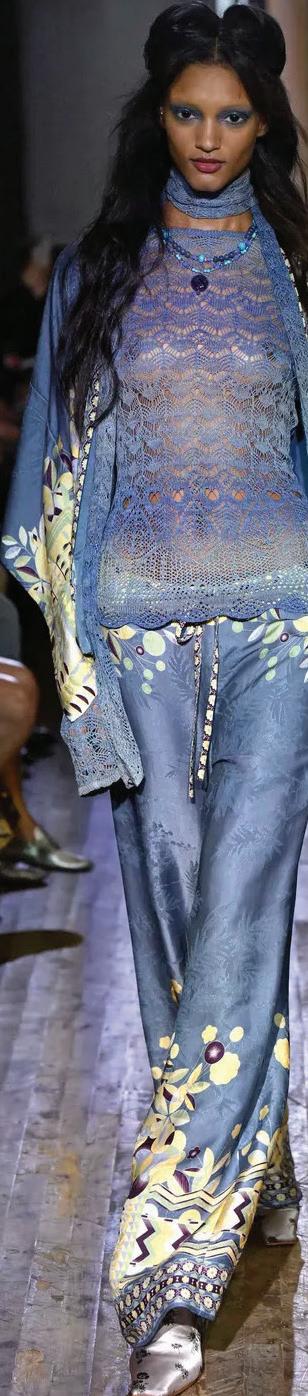


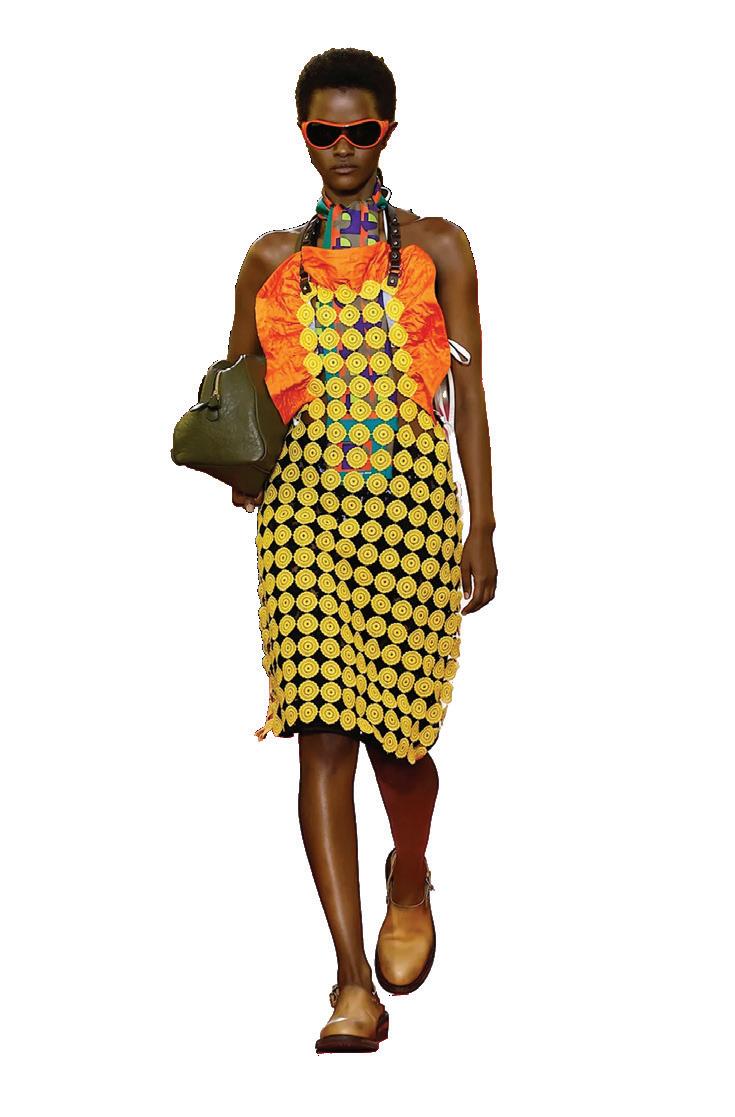

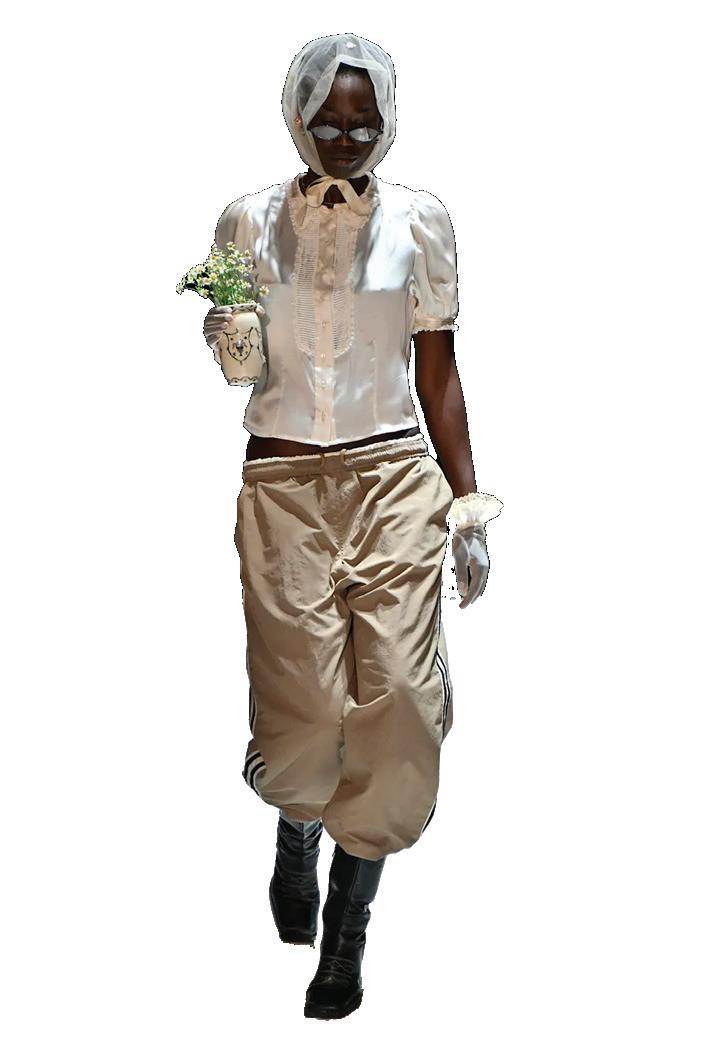
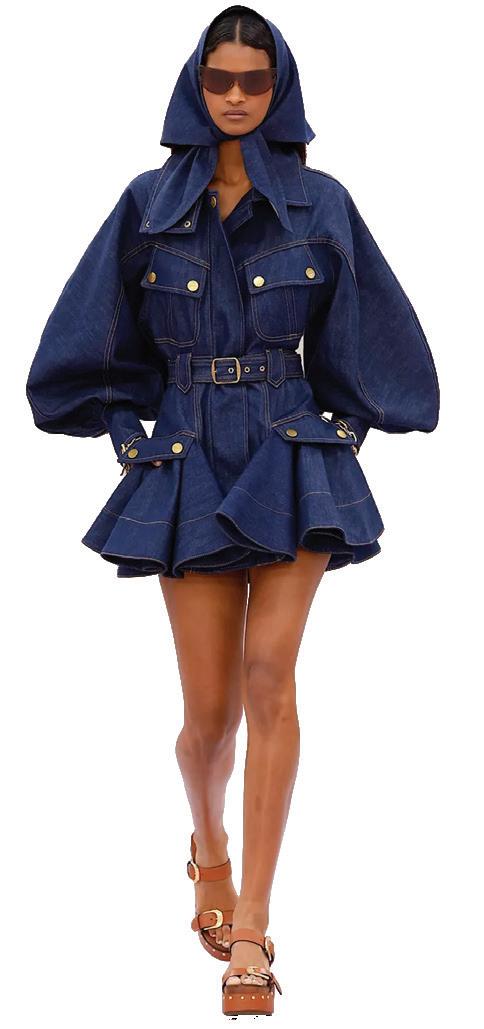
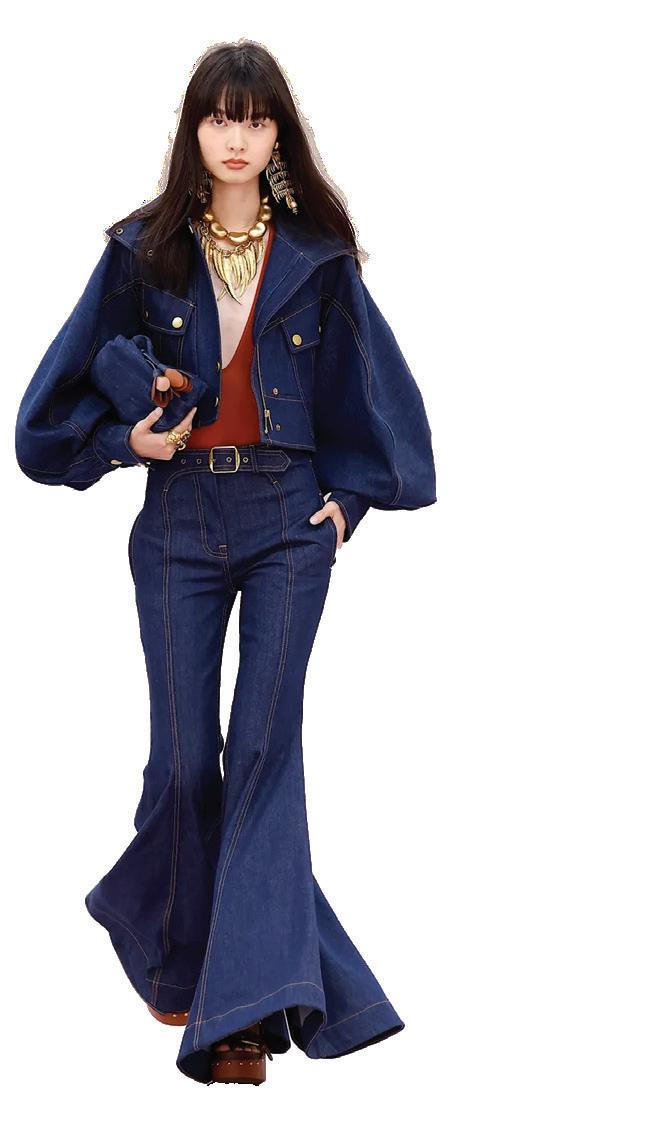
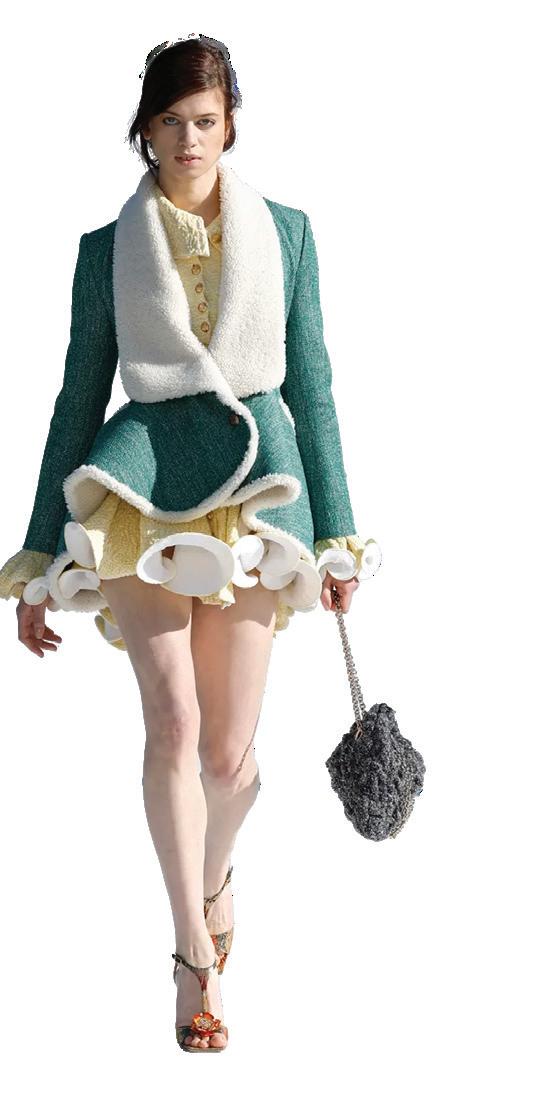
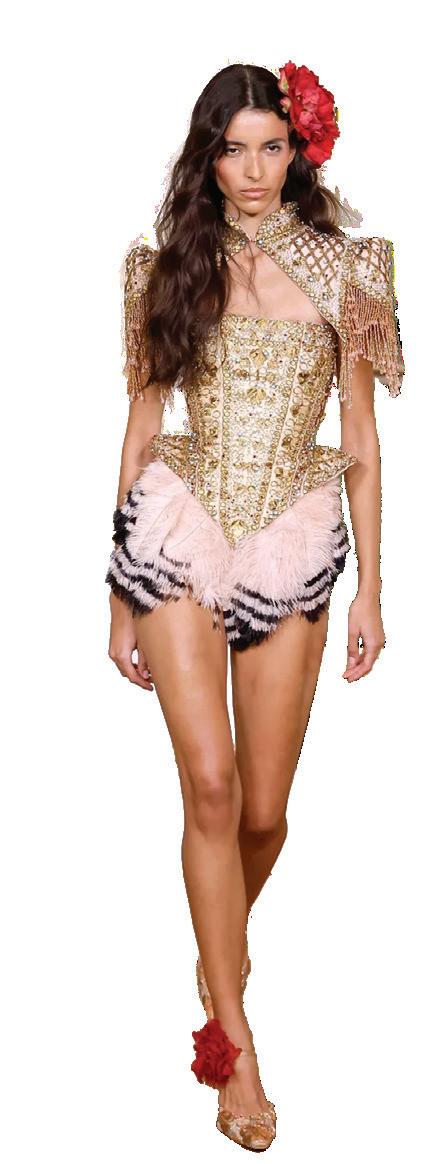
The S/S ‘26 runway was defined by a renewed appreciation for fun and delicate details. Anna Sui incorporated floral lace as a leading fabric, creating a sense of nostalgia, elegance, and romance—perfect for your Euro-summer. Similarly, Tanner Fletcher mixed lace and pastel details into his menswear collection, demonstrating how bright colors are not just for the girls. Soft colors and florals play an essential part in this seasonal shift.
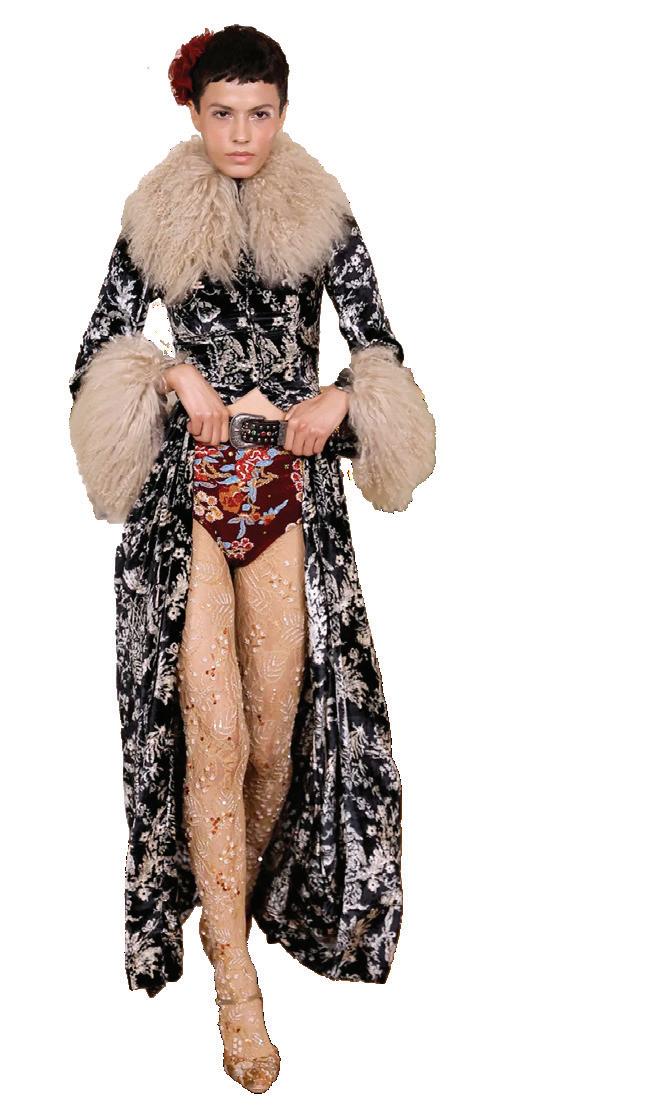
This year's perfect S/S look is about channeling rebirth, rebellion, and revitalization after the overbearing winter. The revival of vintage patterns (polka dots, psychedelic swirls, and statement buttons) and not-so-classic details are woven into designs. In the interest of reclaiming the spotlight and showcasing a love of freedom through self-expression, styles like festival fashion, crafted denim, and fun prints are on full display. In less significant news, beading and bedazzling are back.
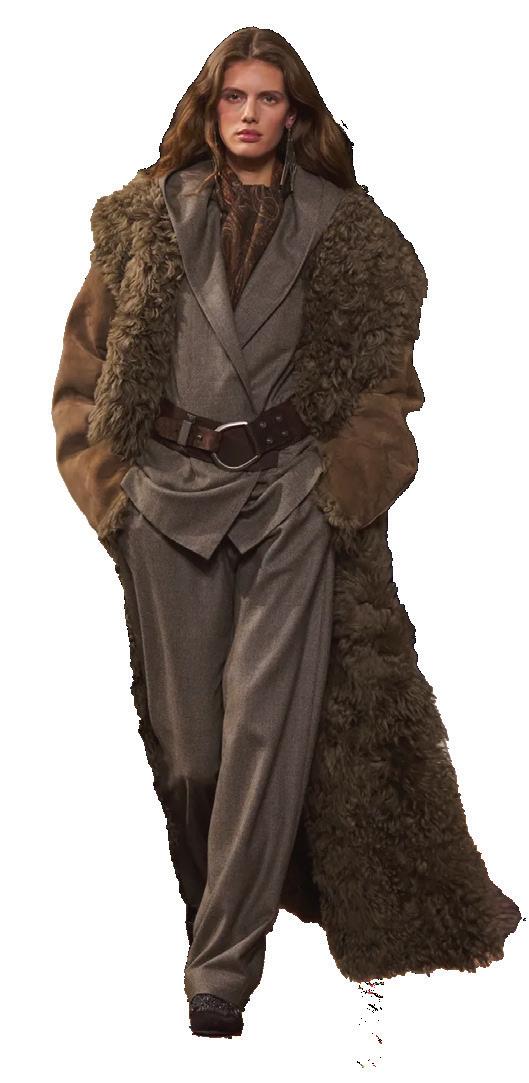
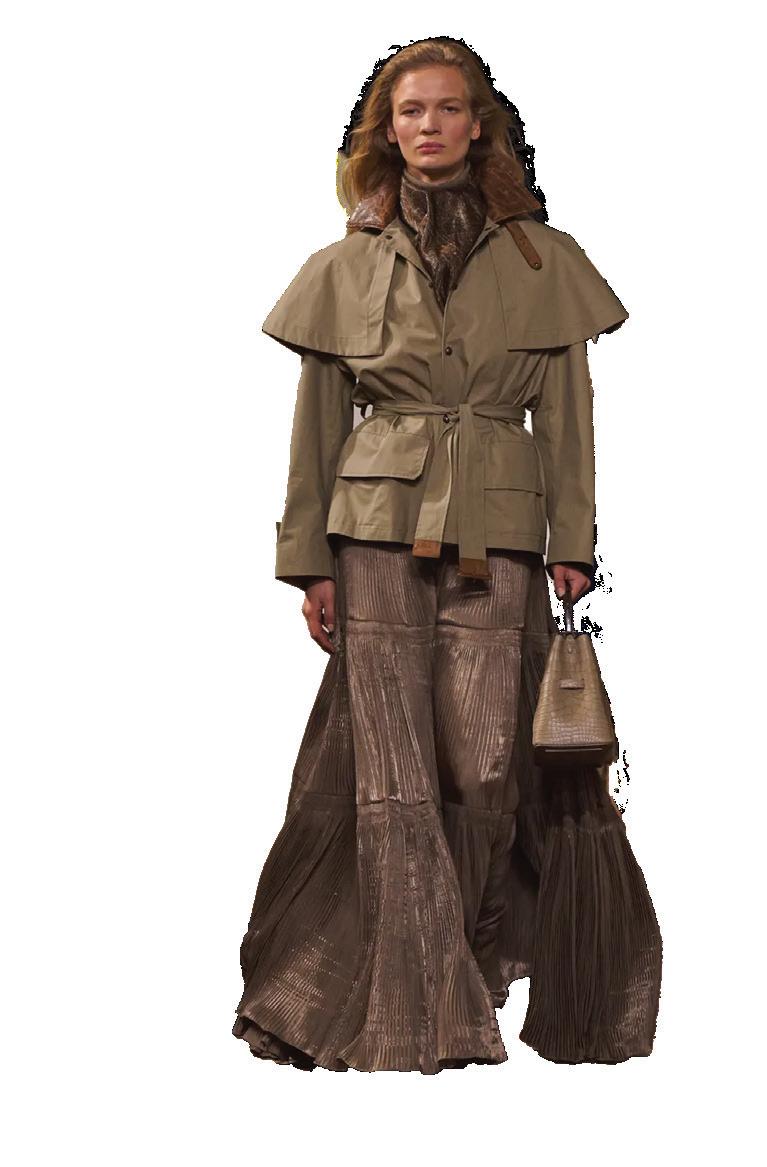
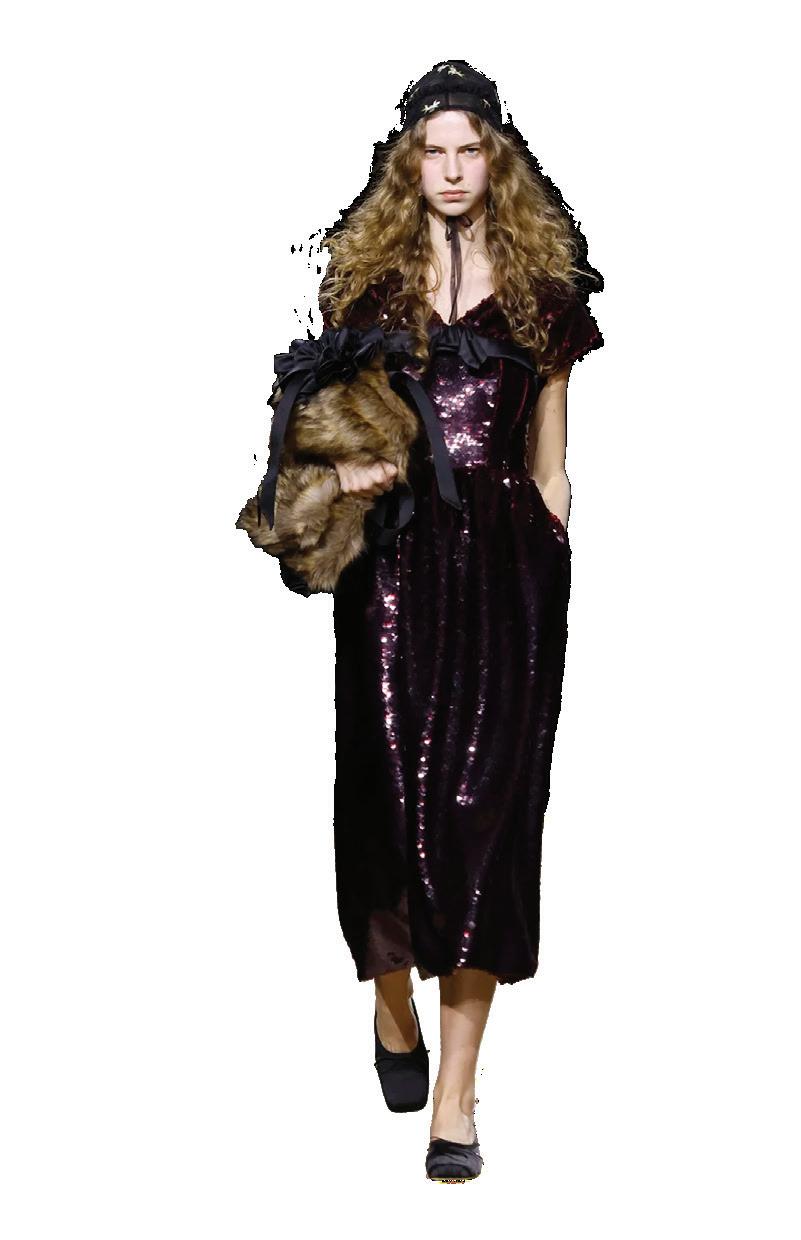
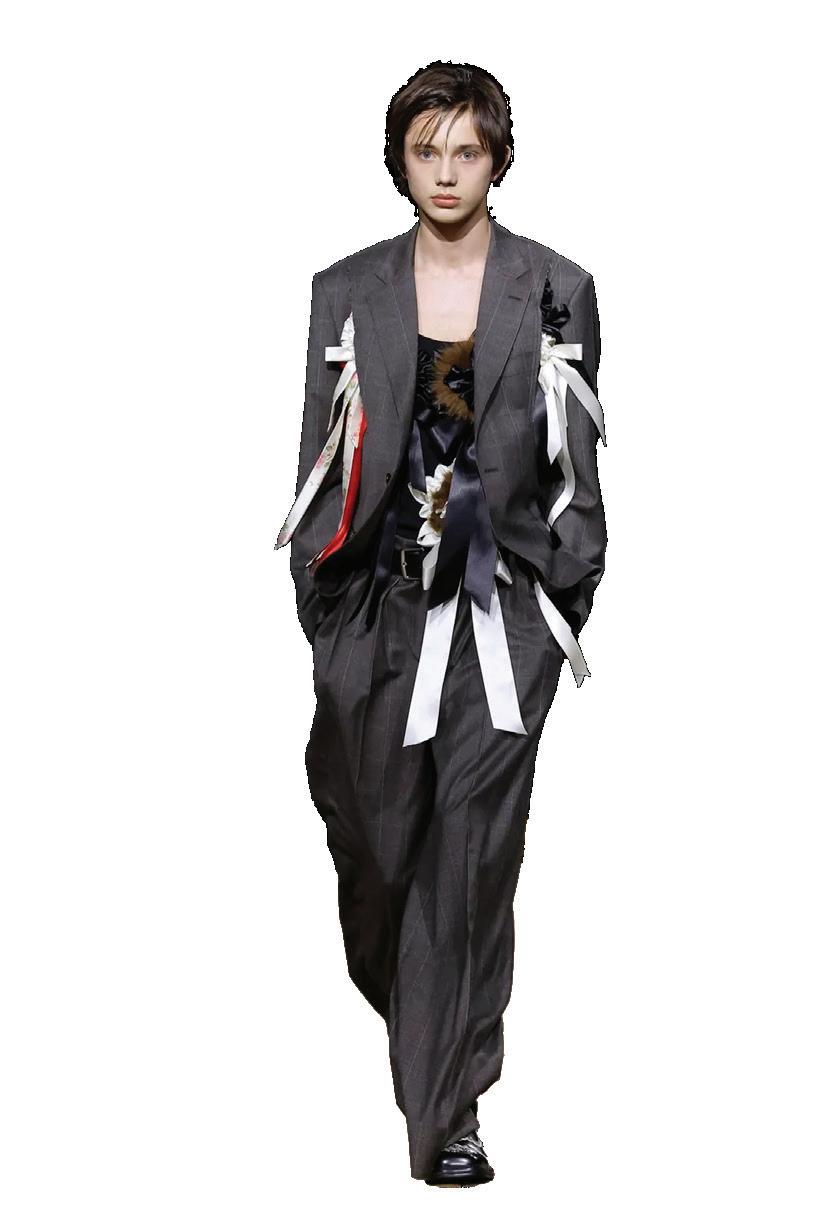
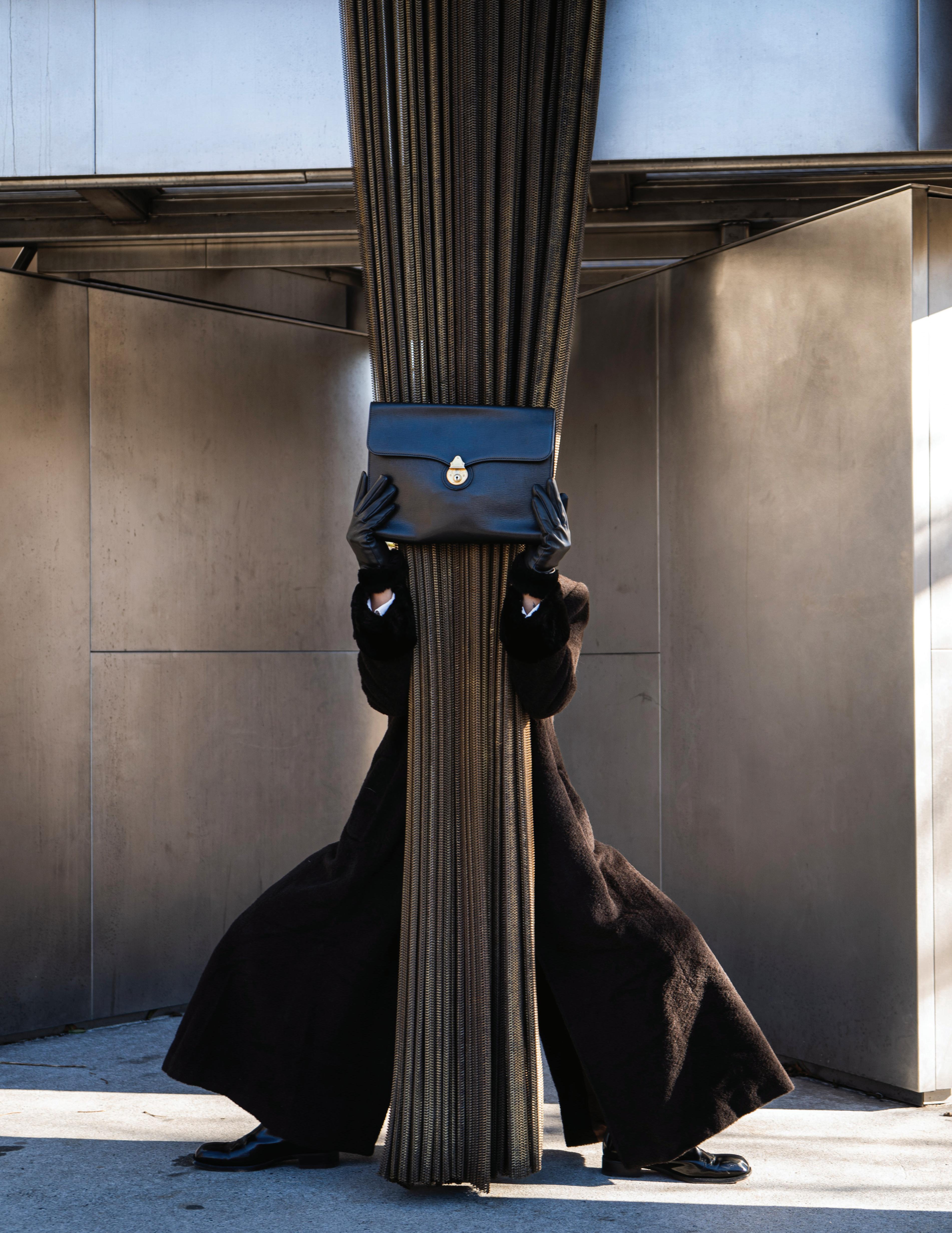
In the fall and winter, statement outerwear will be rocking the streets. Bold, dramatic, and tailored looks extend the ongoing theme of nostalgia, mirroring looks from the ‘80s. These are encapsulated by cinematic, floorsweeping trench coats and strong shoulders. Not every brand took inspiration from the ‘80s; Ralph Lauren’s collection reflected romantic, gothic, and minimalist aesthetics.
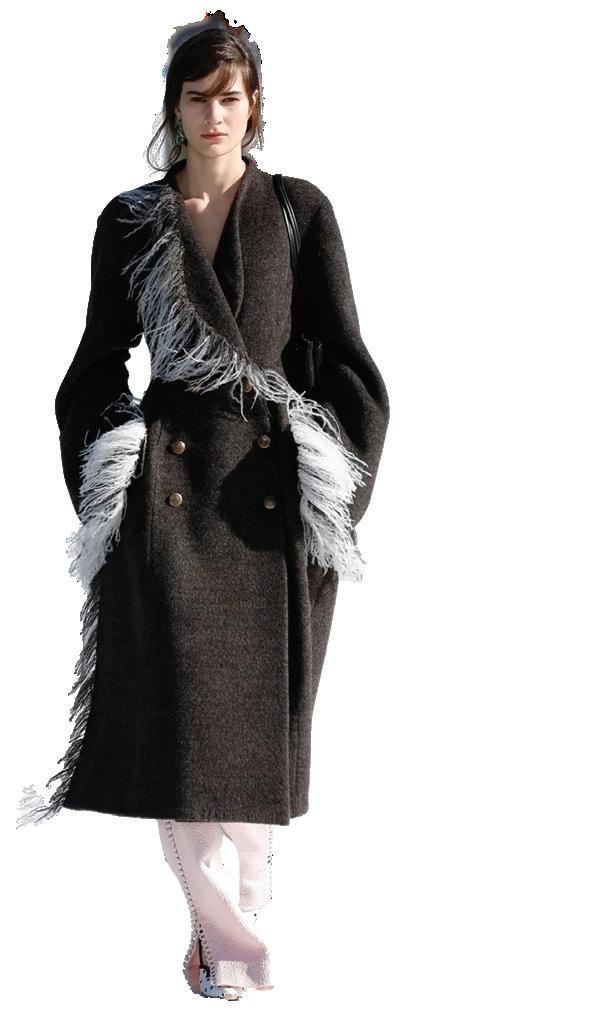
Boho girls, it’s time to bring out your flowy tops and dresses—the wind is on your side this season. Whether it’s a high-low dress, a shirt-skirt set, or a billowing maxi gown, your wardrobe should be filled with airy, well-draped silhouettes. Find comfort in earthy tones or go bold with a pop of color, like Christopher Esber’s turquoise drapey dream. Picture yourself as a princess in the Sahara or a chic Parisienne strolling the cobblestones. This summer, lightweight silks are your best friend.
Jenna Persaud
CREATIVE DIRECTOR
Colette Lowry-Kirkhus
Paige Collins
STYLING DIRECTORS
Andrea Garrido Torre
ASST STYLING DIRECTOR
Eddie Bizan
STYLING
Ellie Mooney
Patrick Clesen
HAIR & MAKEUP
Maddie Larson
PHOTOGRAPHER
Christian John Segovi
Nirvana Pichardo
MODELS
Katrina Hodge
Ellie Mooney
PRODUCTION
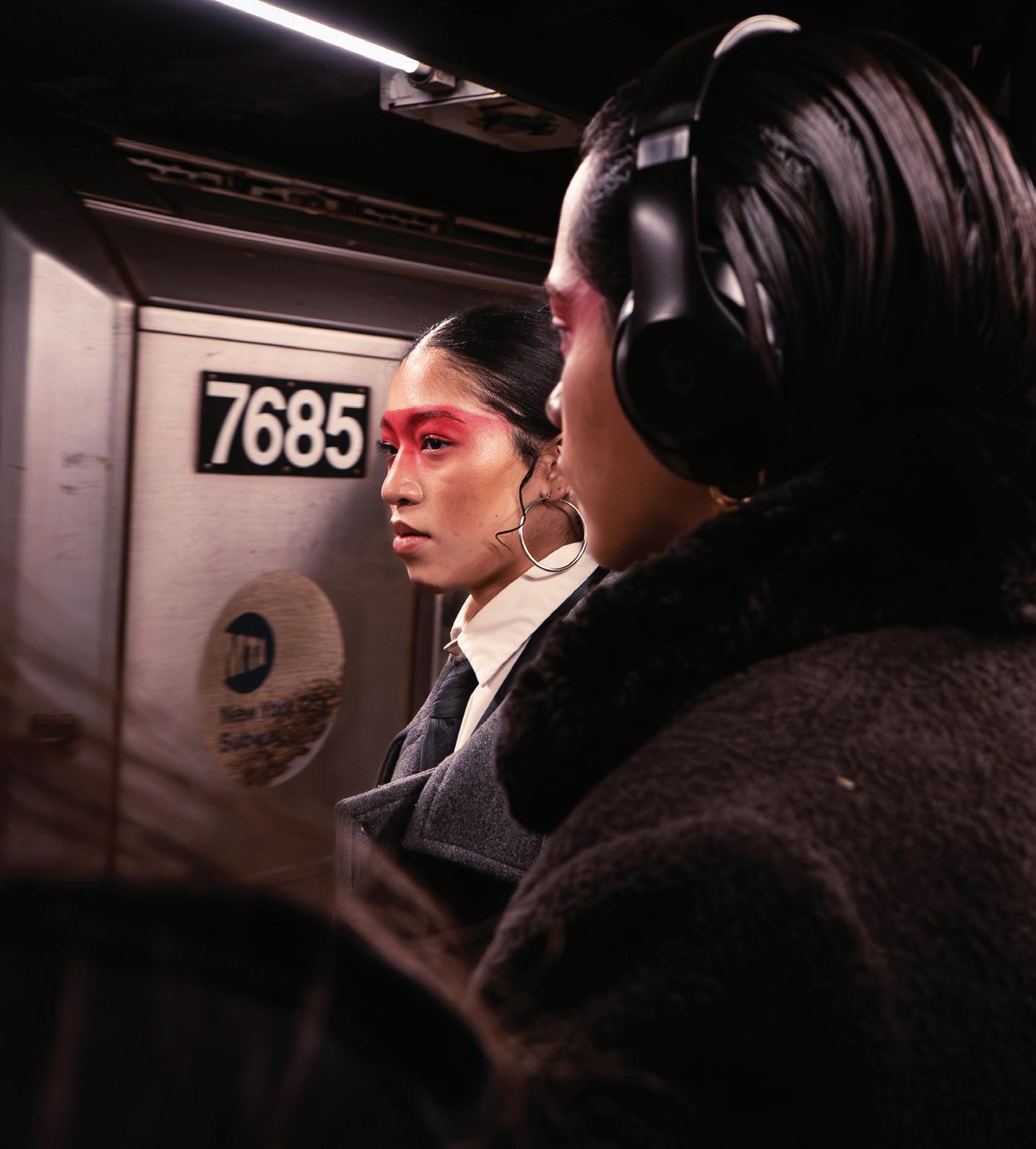
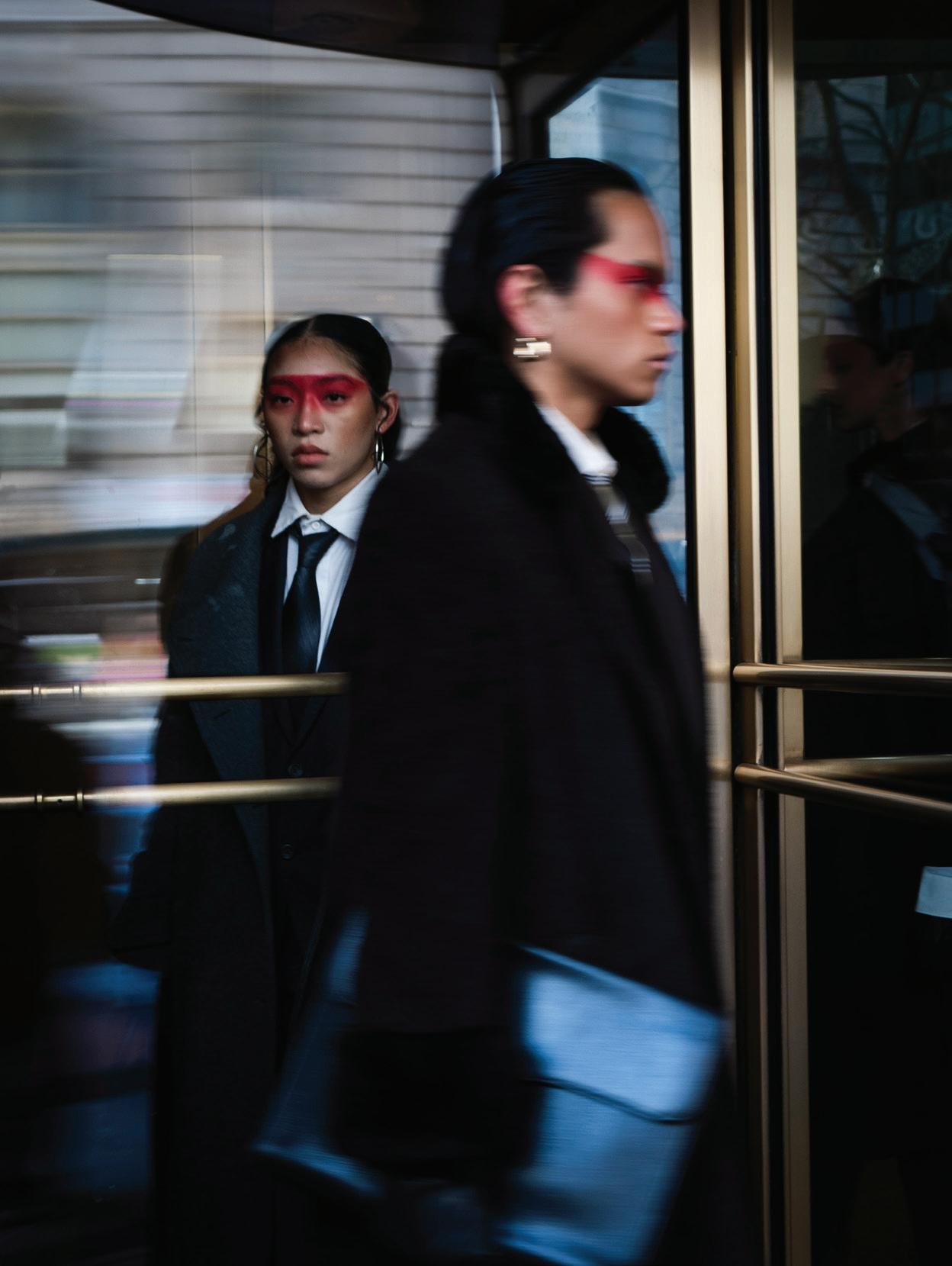
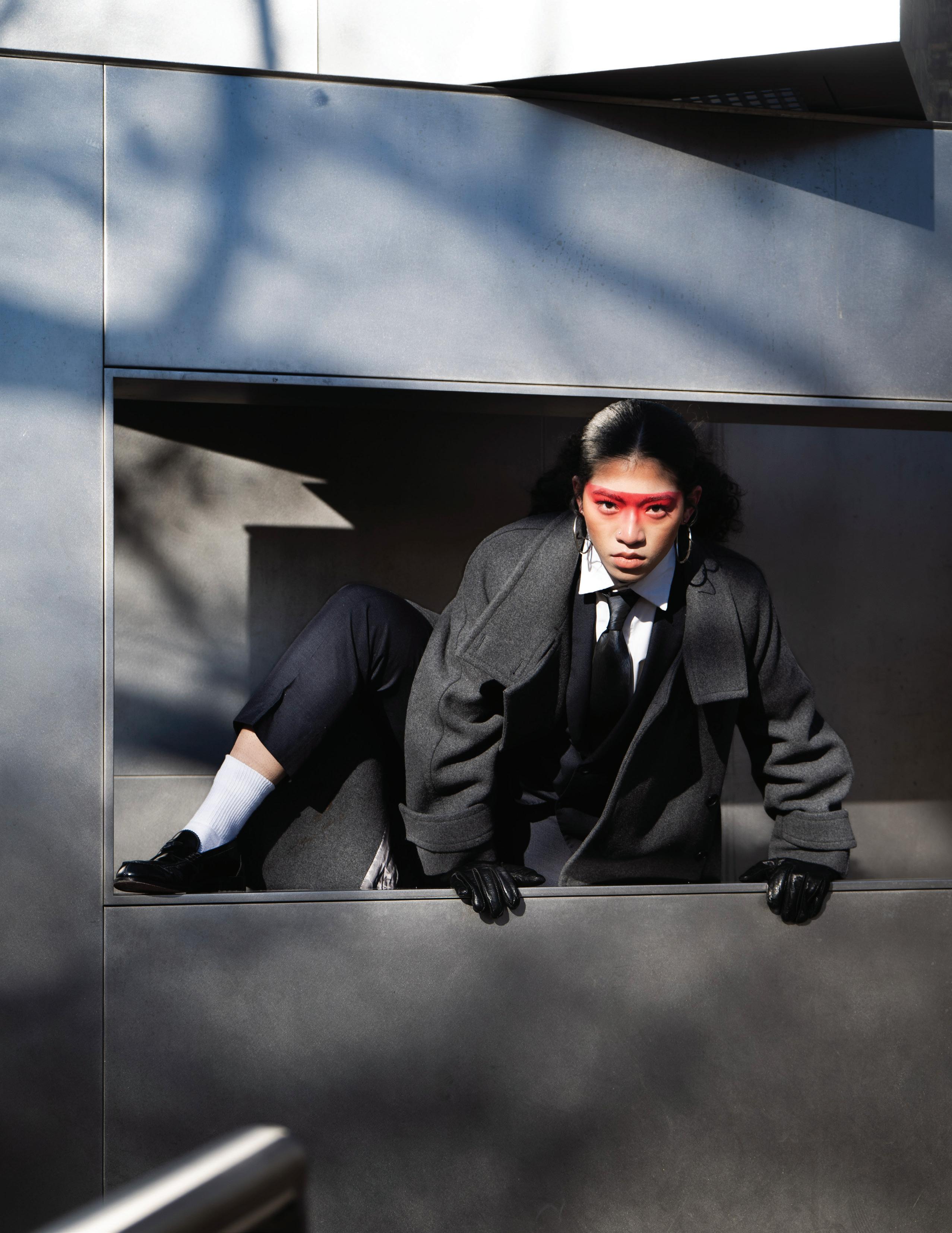
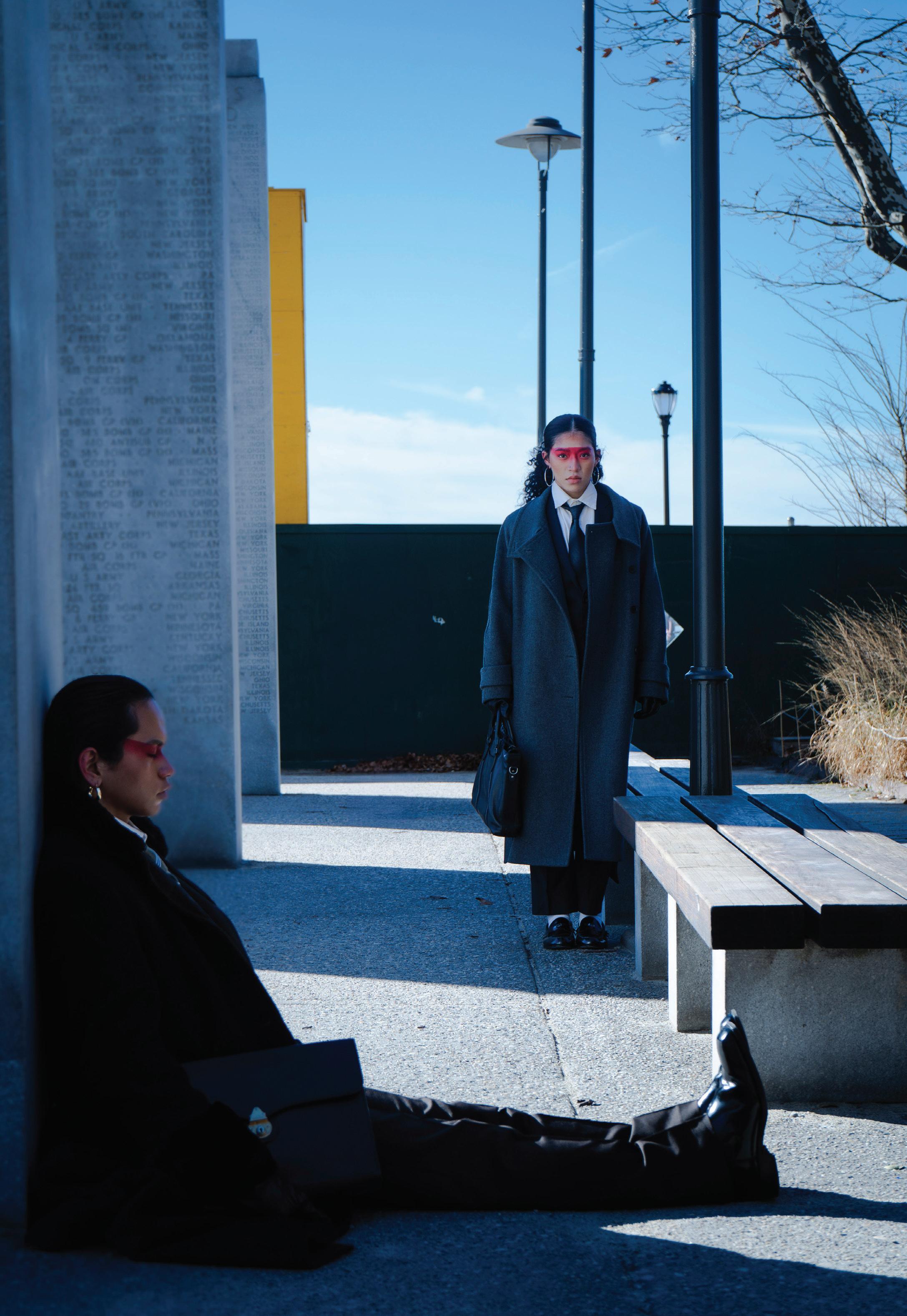
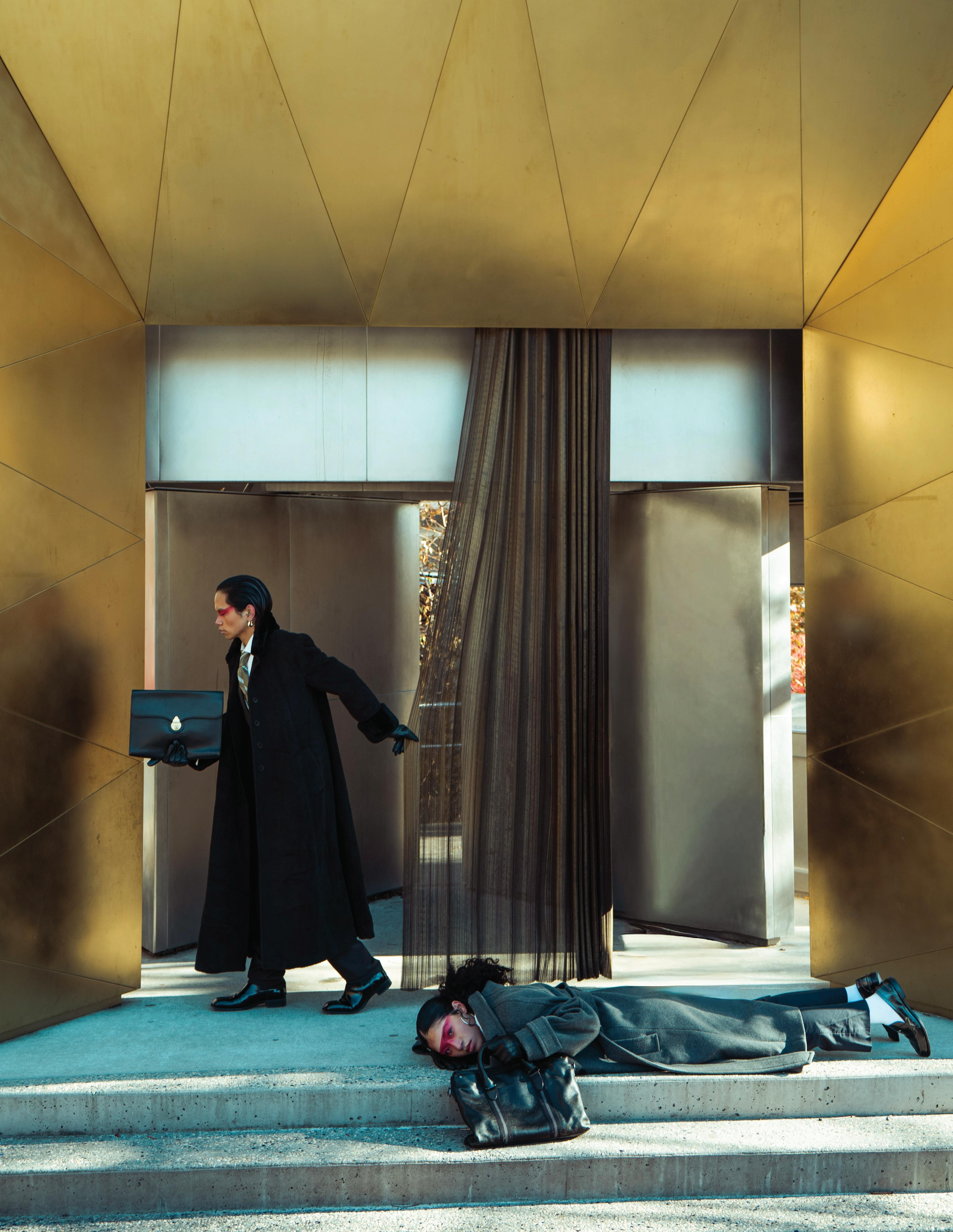
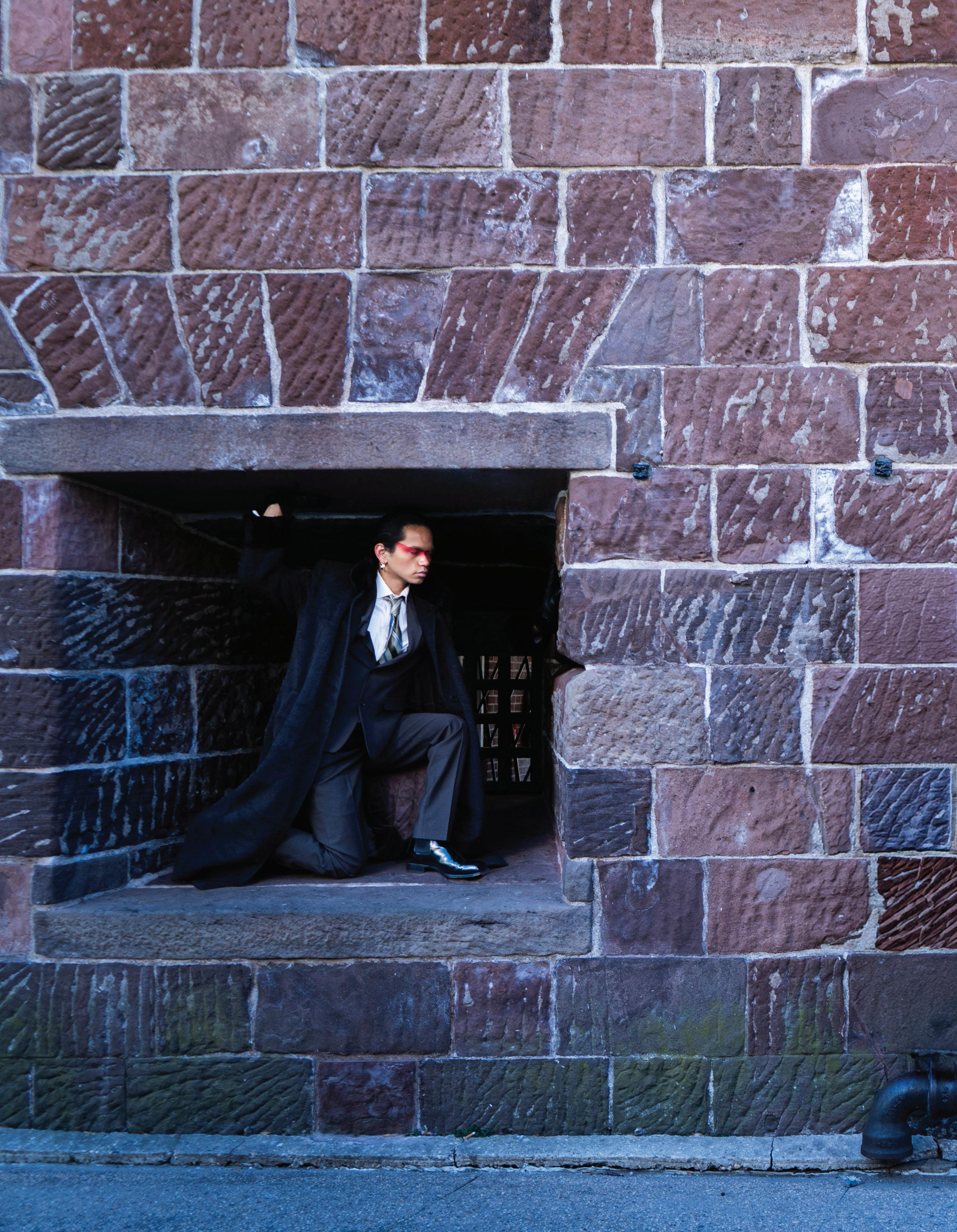
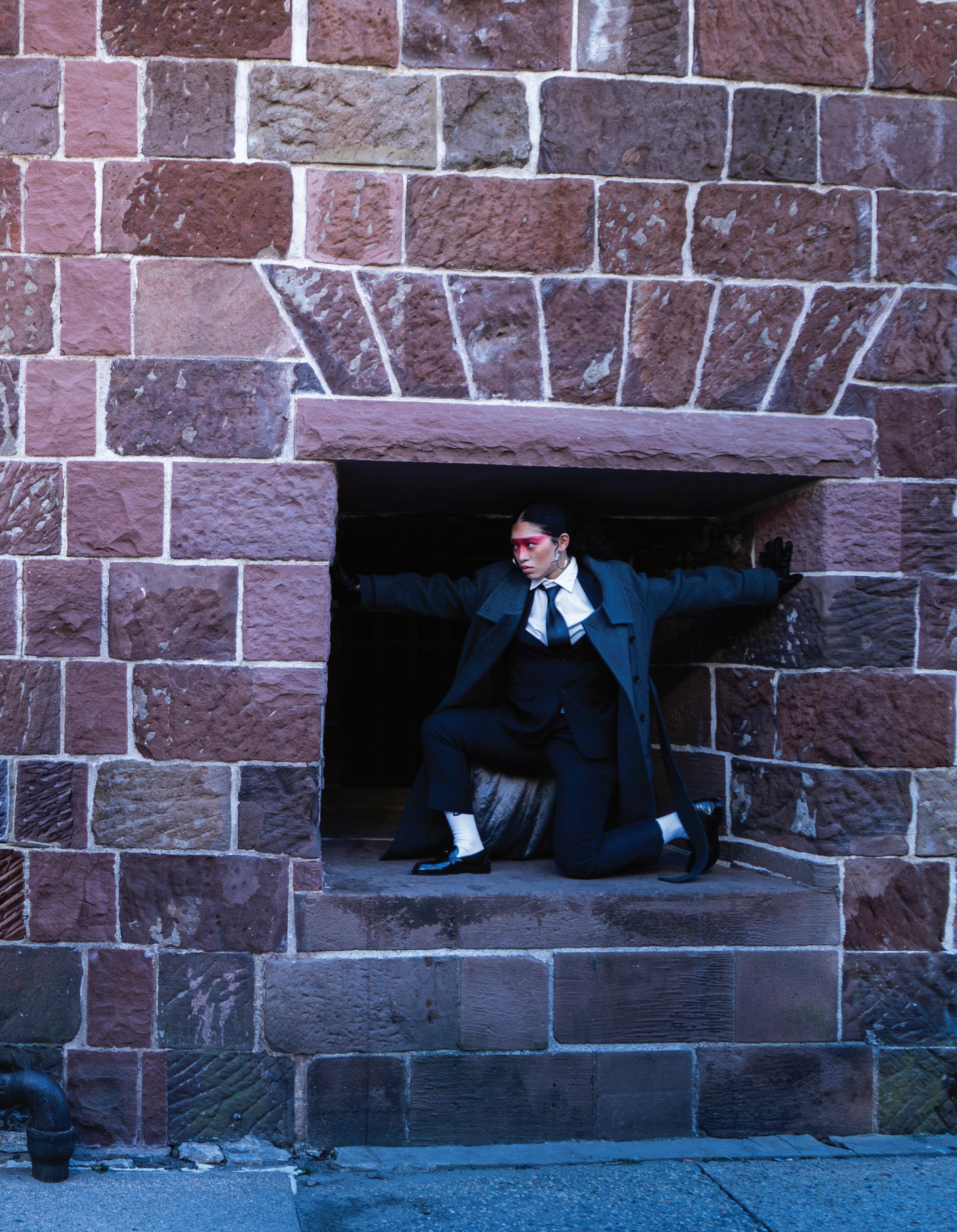
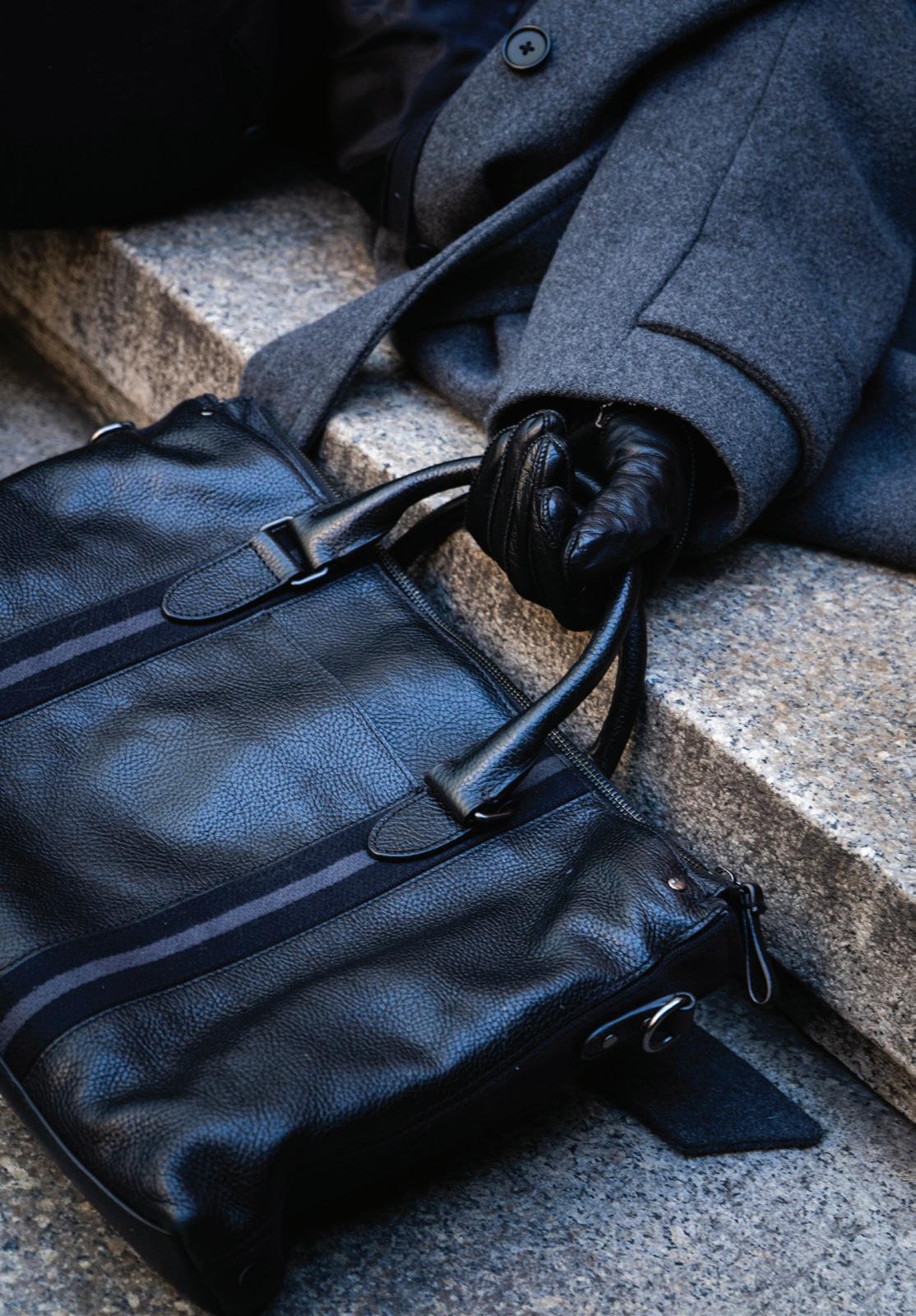
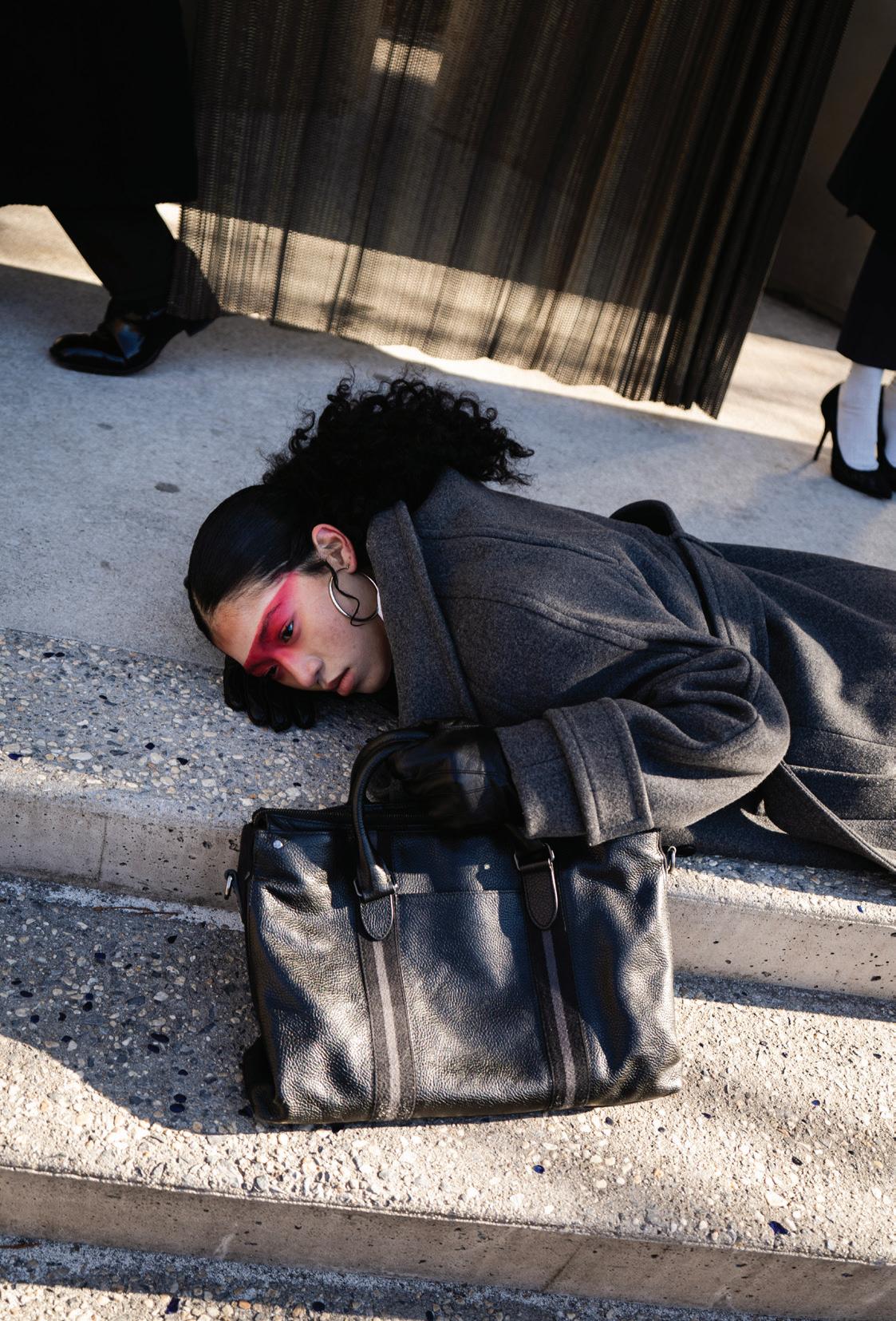
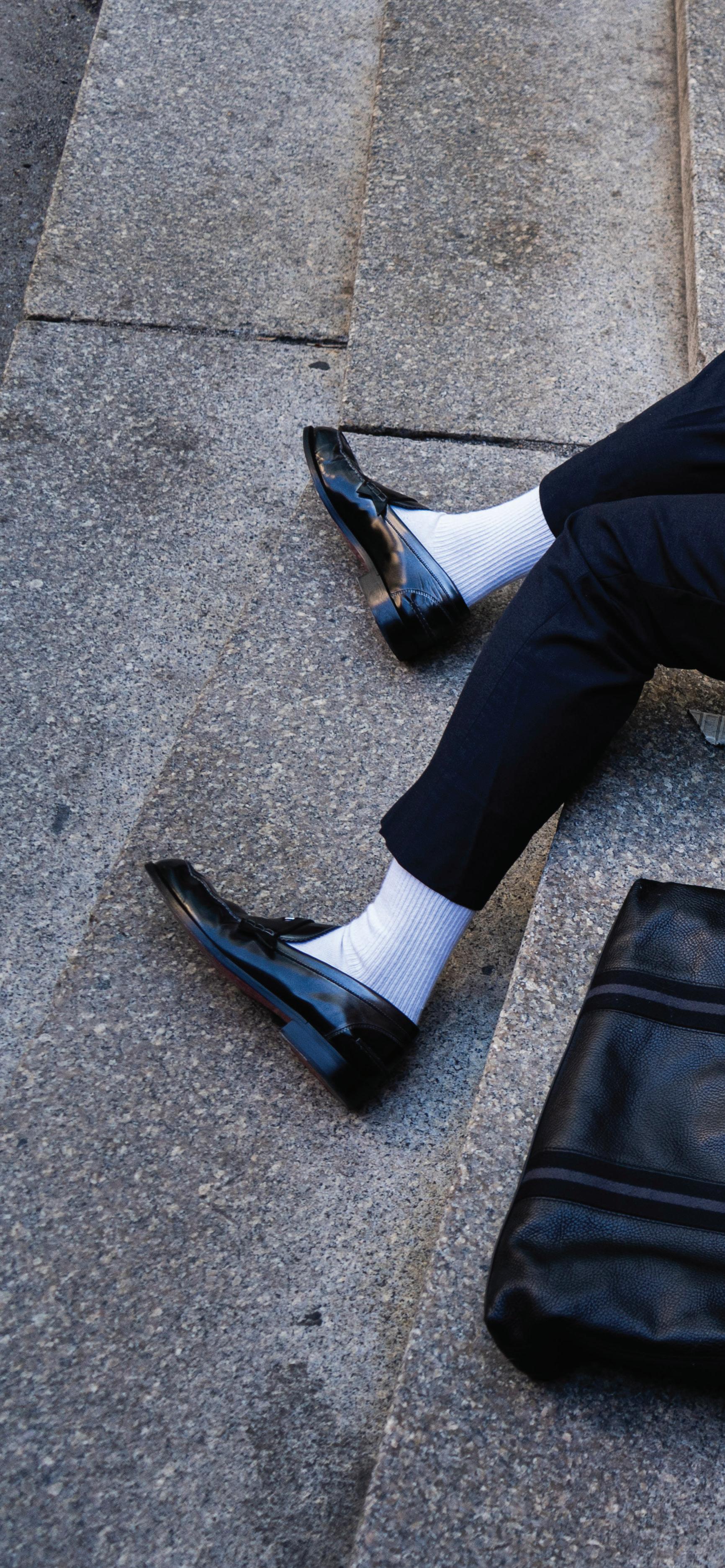
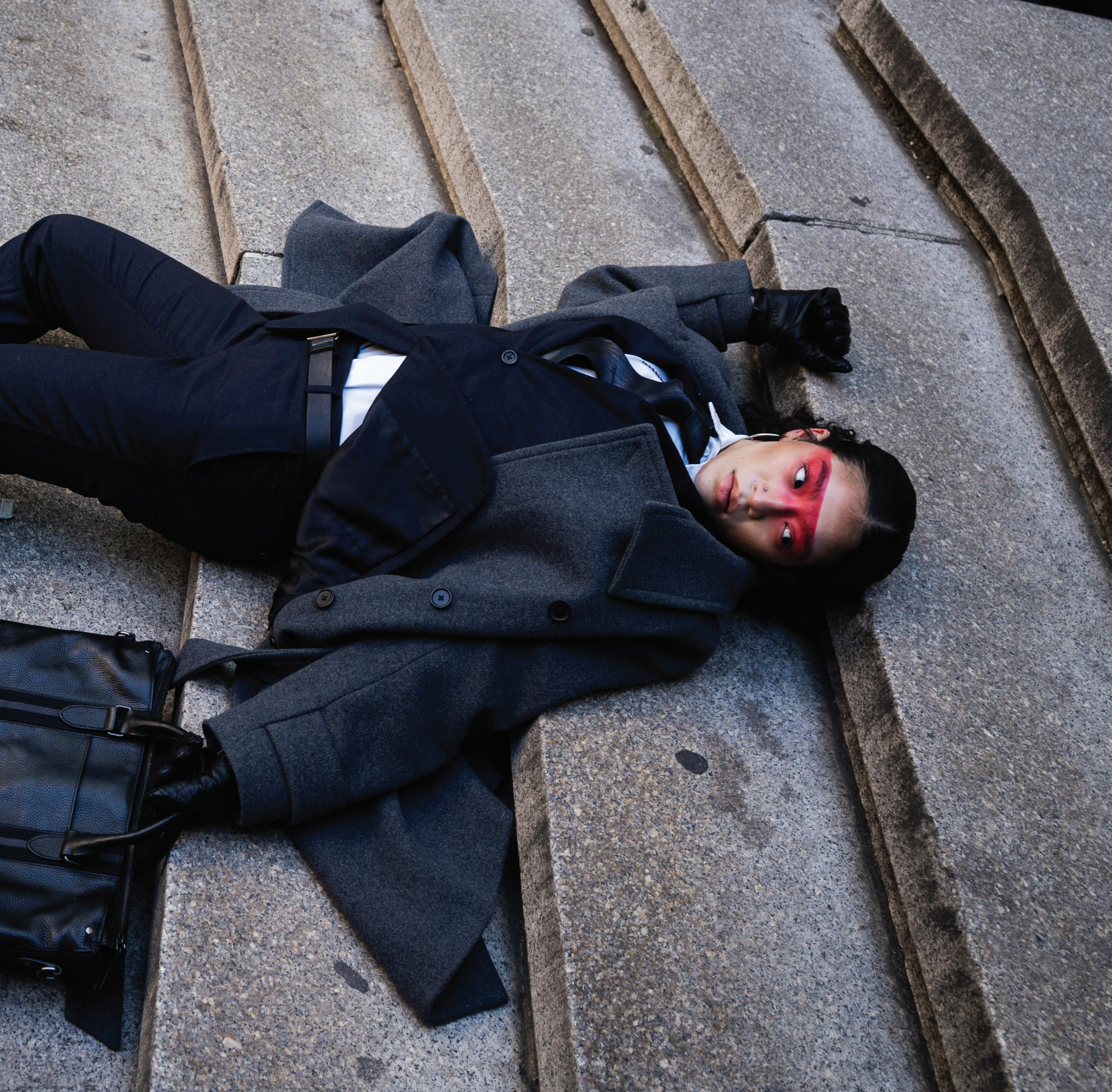
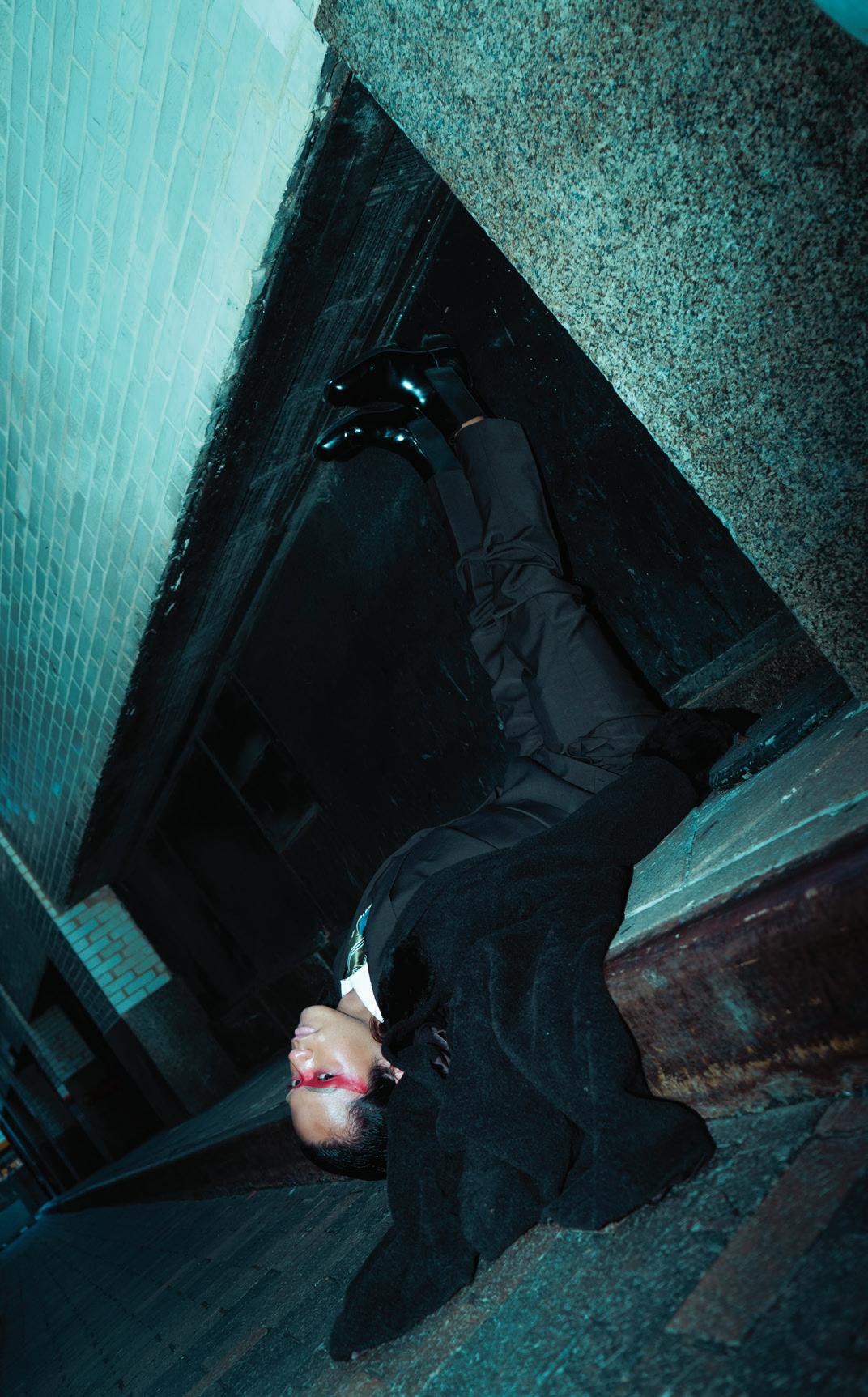

37 W 20th St • New York, NY
Flatiron District
Ben, who looks to be in his early 30s, stands in front of me in line at the concession stand.
“It’s an event, going and getting concessions, and watching all of the trailers before your movie starts,” he tells me.
Ben orders traditional movie snacks—a bag of popcorn and a soda—and proceeds to his theater.
These days, going to the movies can seem just that: traditional. In a world where we have access to thousands of movies right at our fingertips, many still deem it important to immerse themselves in the magic of a movie theater.
Since the COVID-19 pandemic, though, theaters have struggled. Domestic box office totals for 2026 are expected to be around $9.9 billion, which is down 14% from the year before the pandemic, according to Deadline.
Theaters can’t survive without these funds, and many have already gone bankrupt around the world. In North America alone, around 5,700 screens have closed since the pandemic years.
But it turns out that a savior may come from the least traditional place expected: in 2025, there was significant growth in theater attendance by members of Gen Z and Gen Alpha.
According to IndieWire, the rate of Gen Z going to theaters grew by 25% over the last 12 months. Gen Alpha has little novelty in a movie night spent at home, since they’ve grown up with on-demand media as their normal, according to Variety.
“It’s hard to focus when watching a movie at home. There are so many things that can become distractions,” says Tatum Andreeta, a 21-year-old LIM College student. “[A movie theater] creates connections with total strangers and feels like an event.”
With this in mind, I booked a ticket to a late-January showing of Hamnet at the AMC Empire 25 in Times Square. I have always loved the movie theater—the smell of buttered popcorn, the swish of ice in plastic cups—and I wanted to see for myself what keeps bringing people back.
After getting my own movie theater snack, I made my way up the escalators towards my seat. I walked past a group of friends who were chatting and laughing.
By Susanna Alther
“It’s a way for us to spend time together,” one of them told me.
They were in their early 20s, and New York City movie ticket prices average $20. Was the cost prohibitive?
“A movie ticket and the price of renting a new movie at home are pretty similar, so why not come and experience being at a theater?”
A way of dealing with the cost, according to Andreeta, is to pay a flat rate. She’s so enamored with going to the movies that she joined AMC Stubs A-List, a subscription service that allows her to attend up to four movies a week for free.
“It’s also a good way to break the ice with a new friend or date,” she says.
I watched my movie, which was a beautiful and emotional experience, and as I left the theater, I remembered a conversation I had with a friend a few months ago. We had watched Wicked on her laptop, a screen the size of a sheet of paper, before eventually seeing its sequel on the big screen.
If she had watched it on her laptop at home, she said, “it wouldn’t have had the same effect.” She specifically mentioned the sound and the music and the way these components enhanced our viewing experience.
Movie theaters can take us on journeys that allow our imagination to run free. In just a few hours, we can become detectives in trenchcoats stalking down alleyways and hunting criminals. We can also be working at a major fashion magazine, frantically typing out articles and emails.
There’s something encouraging about the fact that younger people, more so than those who grew up going to the movies, are developing an affinity for the silver screen.
Whether Gen Z and Gen Alpha can save the movie industry remains to be seen, but if the trend continues, they just might.
“Movie theaters create a community where everyone is laughing or crying together and experiencing an important story together,” Andreeta says. “Those things matter these days.”
by Cori LaVigne
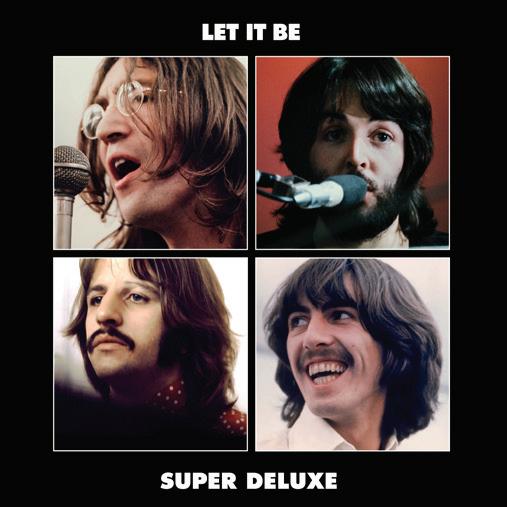
In a conversation with WIRED, Paul McCartney recalled a time ten years after his mother’s death when he was “probably overdoing everything, drinking and staying out too late and getting crazy.” On one of these wild nights, when the pressures of fame became a little too overbearing, McCartney went to bed early and dream of his mother, Mary, telling him, “Don’t worry. It’s going to be fine. Just let it be.”
Let It Be | 1970 | 04:03
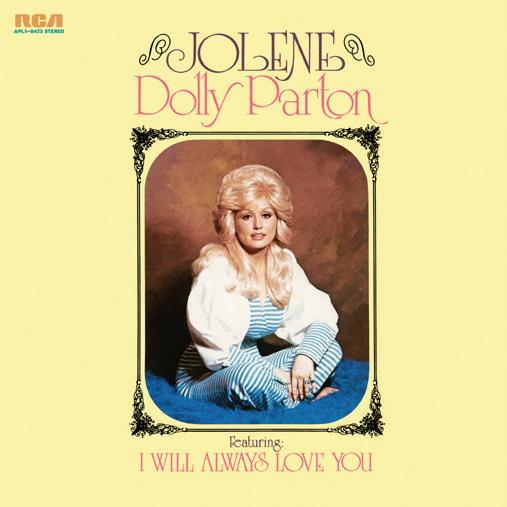
DOLLY PARTON ◆ "Jolene"
In the early days of her marriage to Carl Dean, Dolly Parton noticed that a local bank teller took a special liking to him. True to the song’s lyrics, she had ivory skin, auburn hair, and emerald green eyes. However, her name was not Jolene and Parton was not intimidated by their relationship. As Tom Vitale notes in his article for NPR, the title actually came from a girl named Jolene who asked for an autograph.
Jolene | 1974 | 02:43
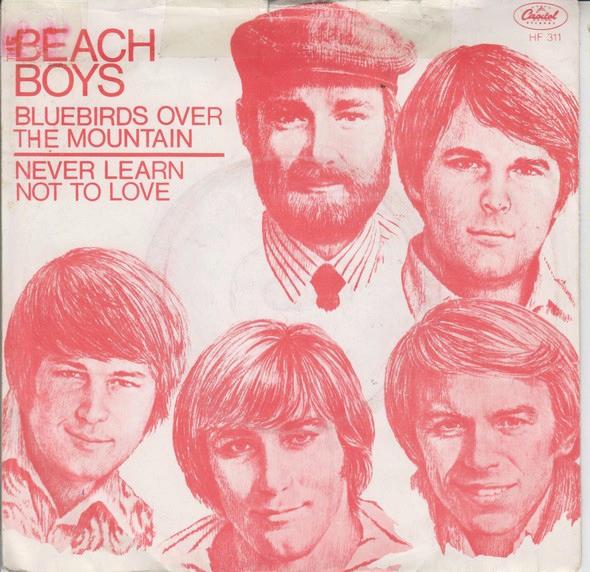
THE BEACH BOYS ◆ "Never Learn Not to Love"
When drummer Dennis Wilson picked up two hitchhikers in Malibu, he never imagined where it would lead. According to Biography, the hitchhikers were followers of Charles Manson, who quickly befriended Wilson. Manson and his followers moved into the rock star’s home for the summer, but this ended when the cult leader showed his true colors. Wilson and his band mates would rework a tune that Manson had originally written, “Cease to Exist,” and called it “Never Learn Not to Love.”
20/20 | 1968 | 02:33
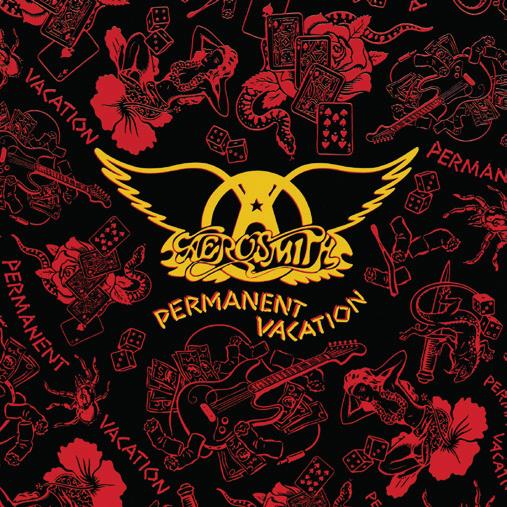
AEROSMITH ◆ "Dude (Looks Like a Lady)"
The song was originally named “Cruisin’ for a Lady,” but Steven Tyler changed the lyrics after seeing what he thought was a woman with bleached blonde hair, a tiny waist, and black nail polish. During an appearance on the “Rolling Stone: Music Now” podcast, Desmond Child revealed that it was the frontman of Mötley Crüe, Vince Neil. Neil thought it was “cool” to be a part of rock history.
Permanent Vacation | 1987 | 04:23
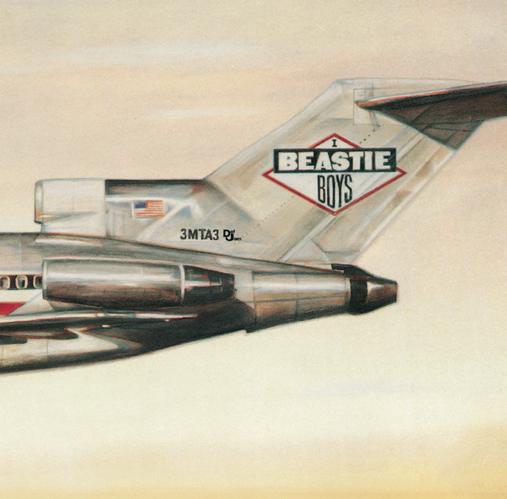
BEASTIE BOYS ◆ "Fight For Your Right"
Mike D told Penthouse, “It was summer 1986, and we wrote it in about five minutes.” This rock/rap fusion was intended to poke fun at the party music of the time. The band needed a quick hit for their upcoming album, and a few rhyming words written on a cocktail napkin landed them a golden ticket to L.A. The Beastie Boys distanced themselves from it in later years, with MCA noting that at one point they actually became the “drunken fools” they had satirized.
Licensed To Ill | 1986 | 03:28

KENDRICK LAMAR ◆ "Swimming Pools (Drank) [Extended Version]"
The intention behind Lamar’s hit is surprisingly different from its manifestation as an anthem for high school parties and college smoke sessions. The rapper told Genius, the rapper explained that the song shows “the reason why [he] is not following the smoke a lot of weed trend. It’s not as harmless as you think.” A glance at the lyrics reveals the song is a cautionary tale: “...all I have in life is my new appetite for failure / And I got hunger pain that grow insane, tell me, do that sound familiar?”
good kid, m.A.A.d. city | 2012 | 05:13

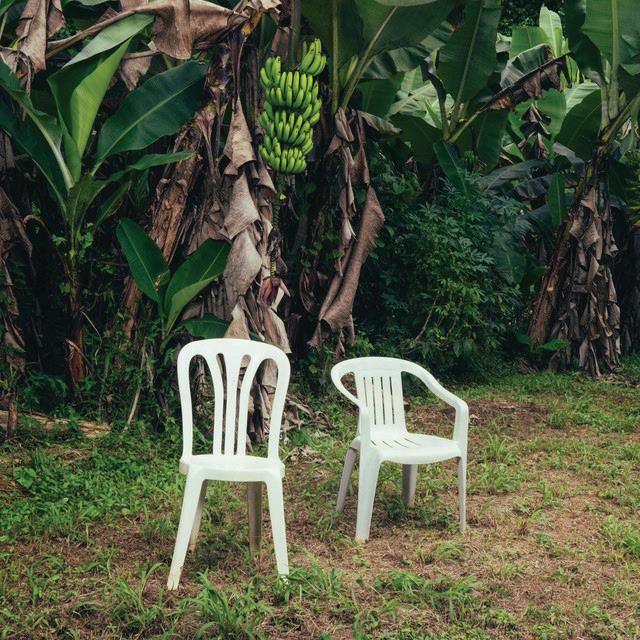
RADIOHEAD ◆ "How to Disappear Completely"
Following the OK Computer tour, Thom Yorke was overwhelmed and on the brink of a breakdown. In an effort to detach from the pressures of reality, he took some advice from R.E.M.’s Michael Stipe. As Thom Donovan of American Songwriter describes, the legend urged Yorke to repeat the words “I’m not here, this isn’t happening” as a way to cope with the pressures of sudden fame and stardom. A masterpiece was born.
Kid A | 2000 | 05:56
BAD BUNNY ◆ "BAILE INoLVIDABLE"
Bad Bunny’s Grammy-winning DeBÍ TiRAR MáS FOToS celebrates his Puerto Rican heritage. In an interview with Time, he proudly stated, “I found what my roots are: the sound that represents me.” “BAILE INoLVIDABLE” specifically is a tribute to the 1970s salsa scene in New York City with a tie-in to lost love: “No, no te puedo olvidar / No, no te puedo borrar / Tú me enseñaste a querer / Me enseñaste a bailar” (“No, I can’t forget you/ No, I can’t erase you / You taught me how to love / You taught me how to dance”).
DeBÍ TiRAR MáS FOToS | 2025 | 06:07

LADY GAGA ◆ "Born This Way"
In her 2011 interview on the Howard Stern Show, Gaga shared that she wrote "Edge of Glory" in about 10 minutes, just after the passing of her grandfather. It is meant to be a reflective piece, capturing the essence of what it means to live a fulfilling life. She went on to say, "you may never reach that glorious moment until you die, so live life on the edge, halfway in between heaven and hell, and let’s all dance in the middle."
Born This Way | 2011 | 04:20
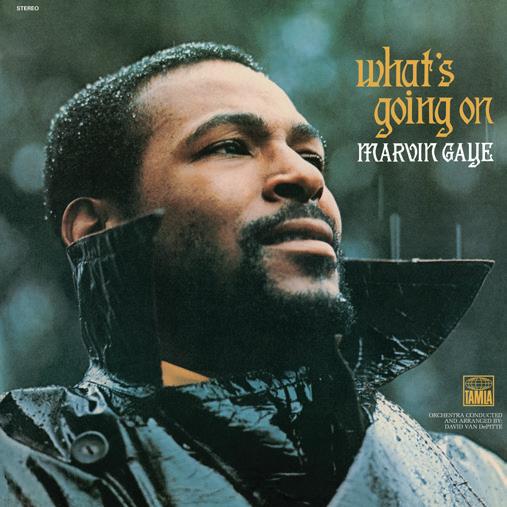
MARVIN GAYE ◆ "What's Going On"
“What’s Going On” opens with the sound of celebration, a soldier welcomed home from war. Marvin Gaye’s own brother returned from Vietnam in 1970; in 1971, Marvin released this ode to peace. According to Lydia Hutchinson of The Performing Songwriter, Gaye and his co-writer, Obie Benson, questioned what kind of world they were living in—the war, draft, riots, and police brutality.
What's Going On | 1971 | 03:53
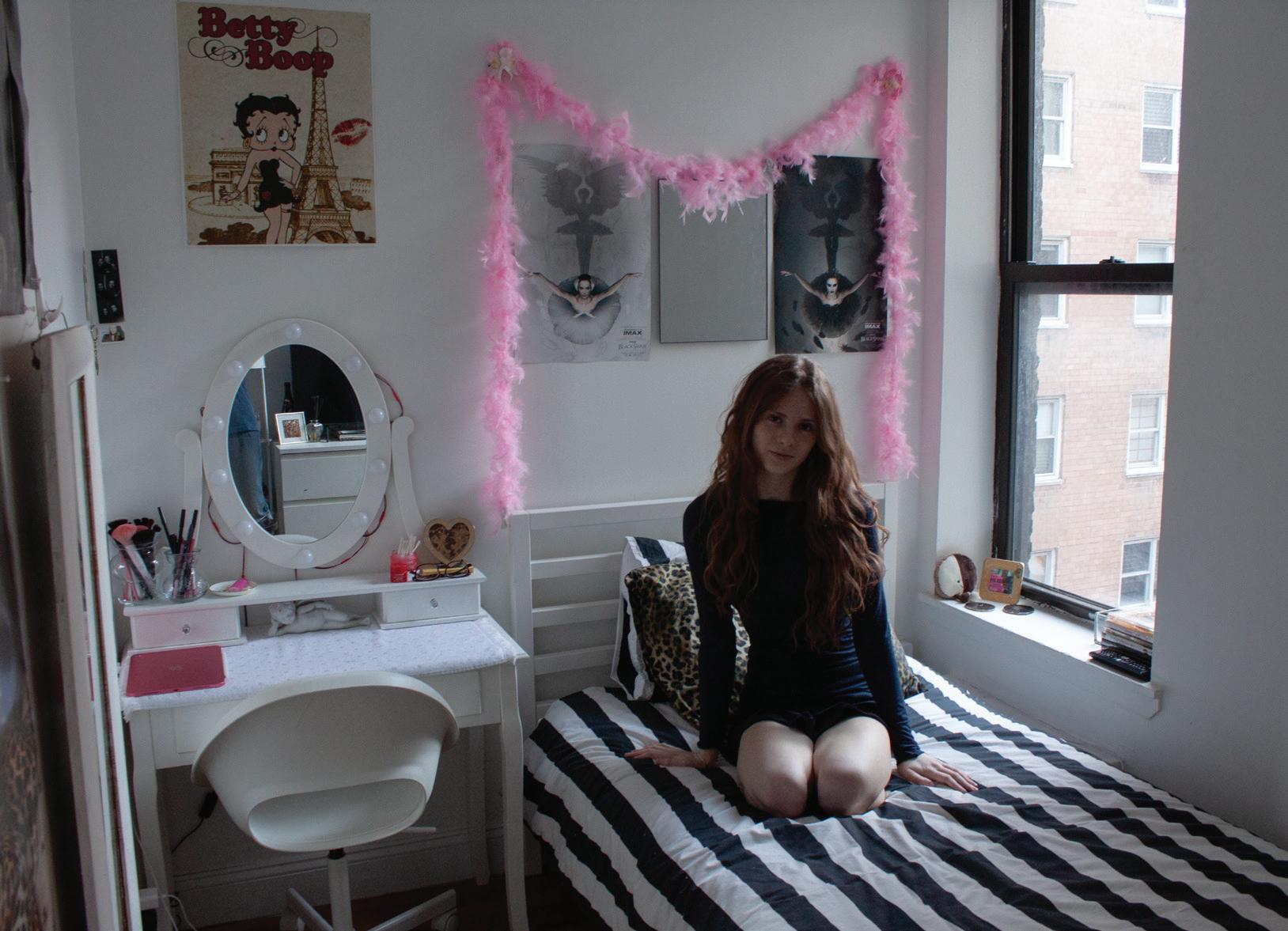
Your space reflects you, and you reflect your space
Some of my earliest memories consist of neon pink walls surrounded by stuffed animals and One Direction posters. Then came my Tiffany Blue era, followed by my early teen years: gray walls covered with random pieces of memorabilia duct-taped to the wall and Nirvana song lyrics in the center as a beacon to my angst.
When I was 16, I ripped hundreds of pages from Vogue and papered my walls. A few months before leaving for college, I moved up to the attic where I displayed vintage jewelry, more restrained collages, and family heirlooms. It was a more refined space that I had to abandon as soon as it felt like home. As my presence in my childhood home slowly dissipates, the walls still whisper the stories of what makes me me.
I’m in my first New York City apartment now, so it feels like the right time to explore how we’ve evolved but continue to define ourselves by our spaces that reflect how far we’ve come.
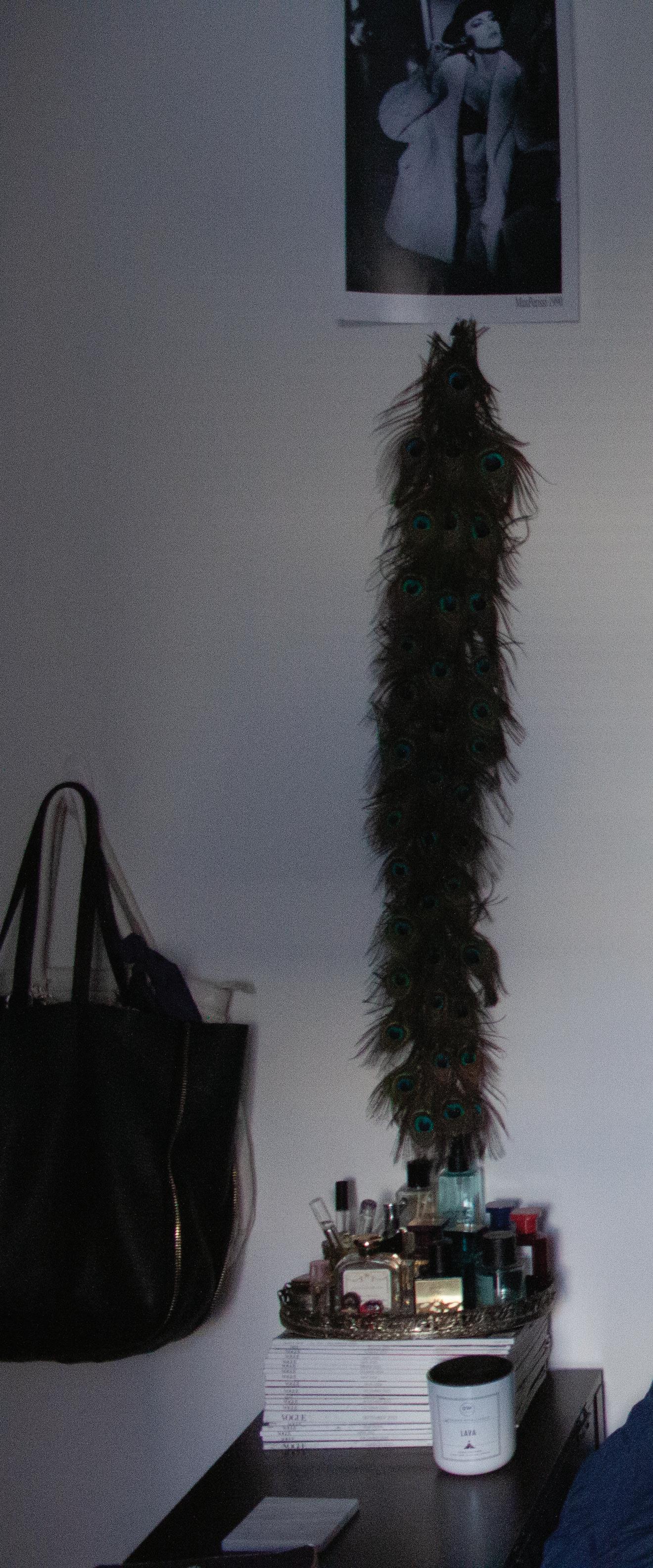
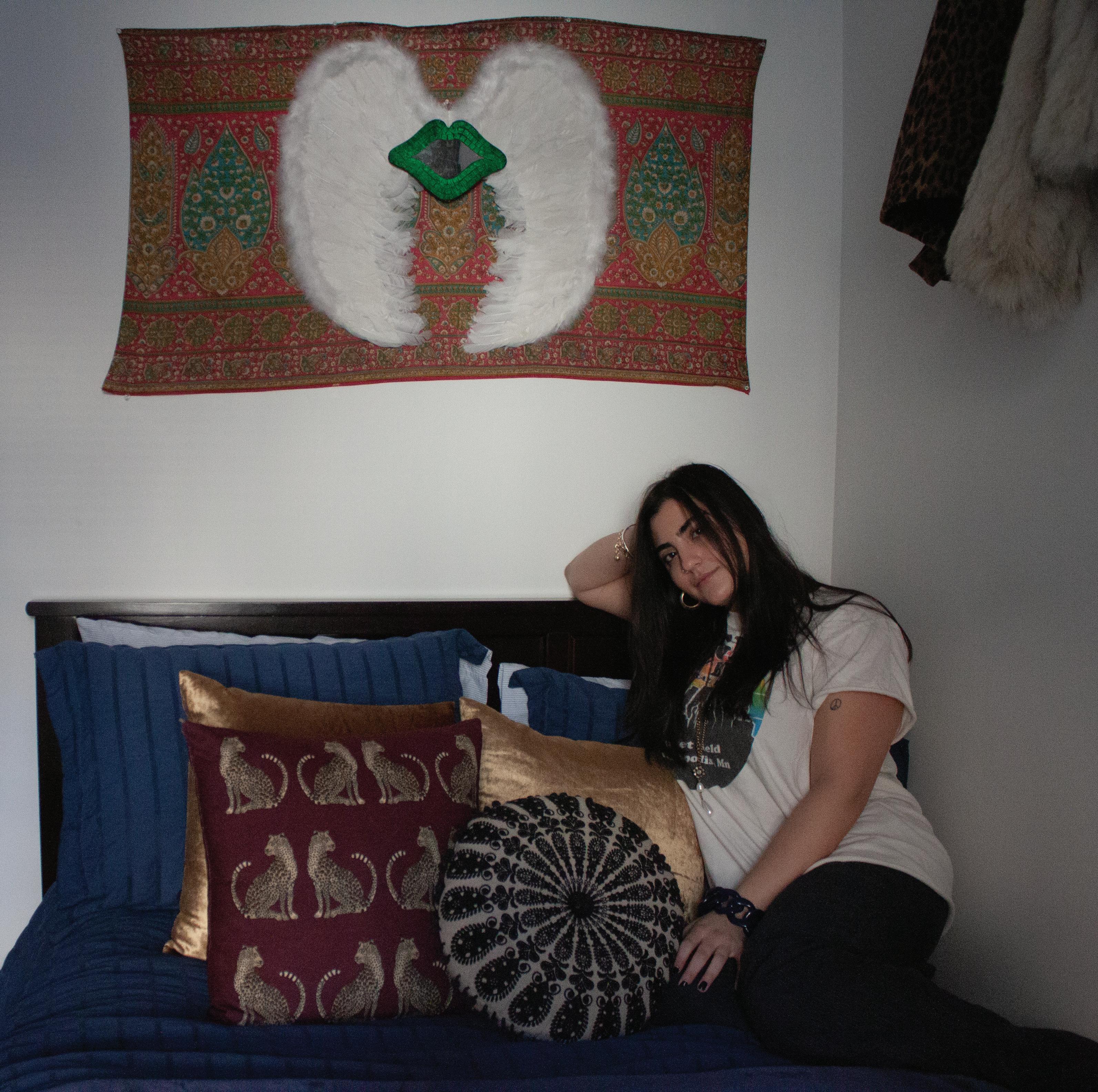
Hometown: Colonia, NJ
Current: UES, Manhattan
“I decorated my space with stuff that I’ve collected from thrift stores and from making my own posters over the years—this makes it more personal and reflects what I want to be reminded of when I’m in my room. It’s eclectic. ”
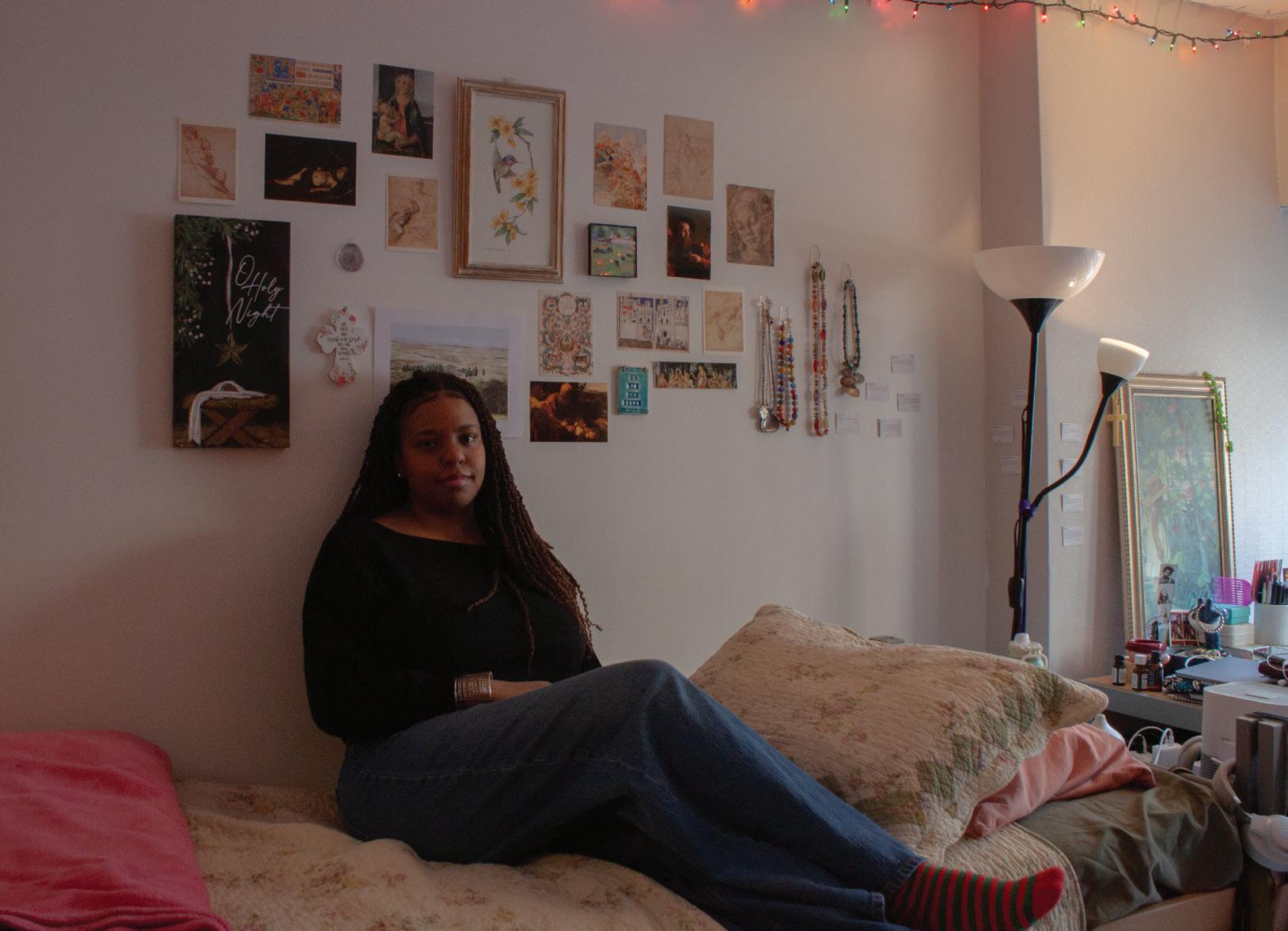
Hometown: Levittown, NY
Current: UES, Manhattan
“My wall has pictures that are meaningful. The verses on my walls keep me grounded and remind me who I am. I wanted my space to feel like somewhere I can relax and feel like my home back in Jersey. It's those small things that remind me of who I am.”
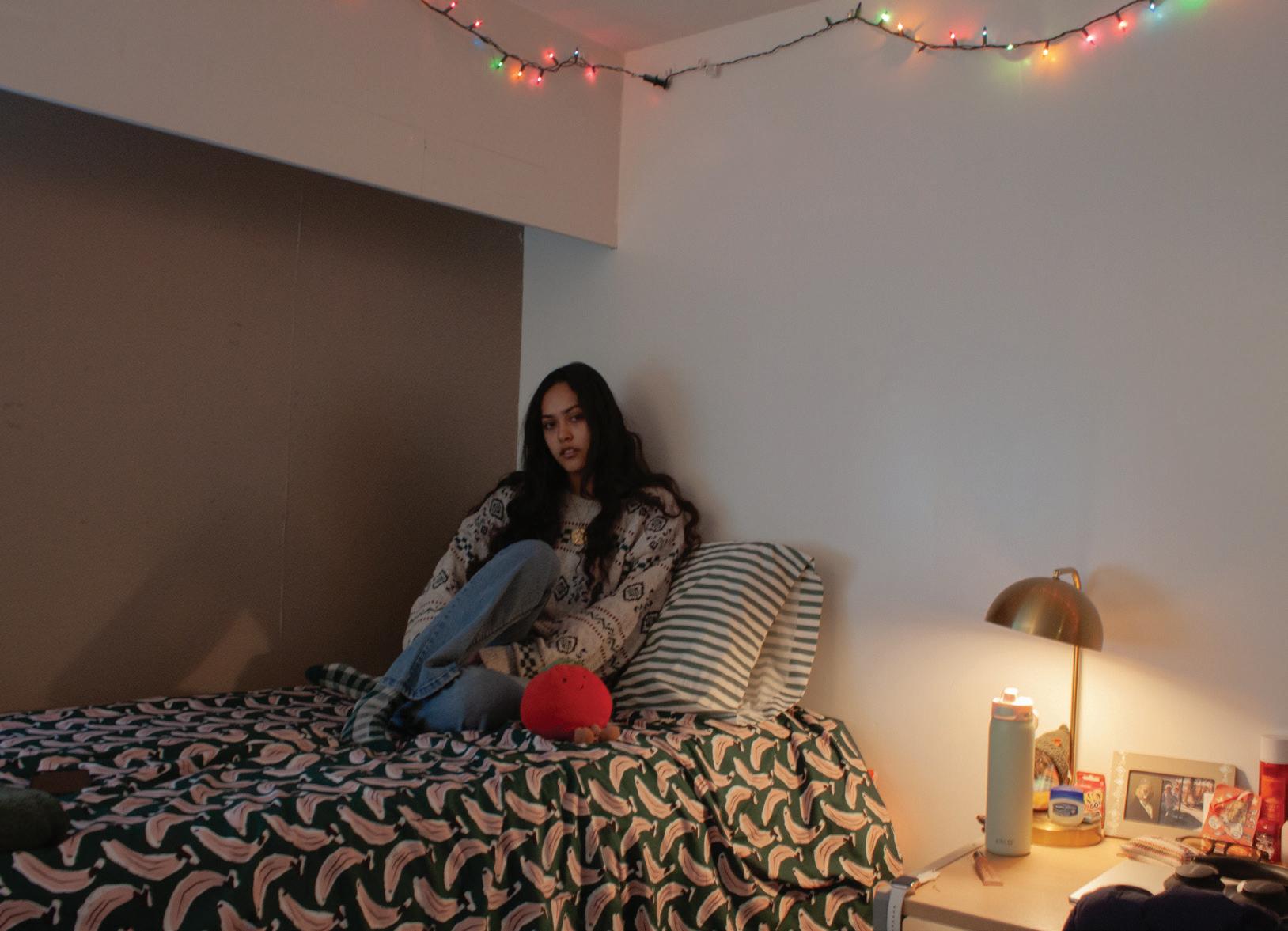
Hometown: Haledon, NJ
Current: Midtown East, Manhattan
Hometown: San Antonio, TX
Current: Midtown East, Manhattan
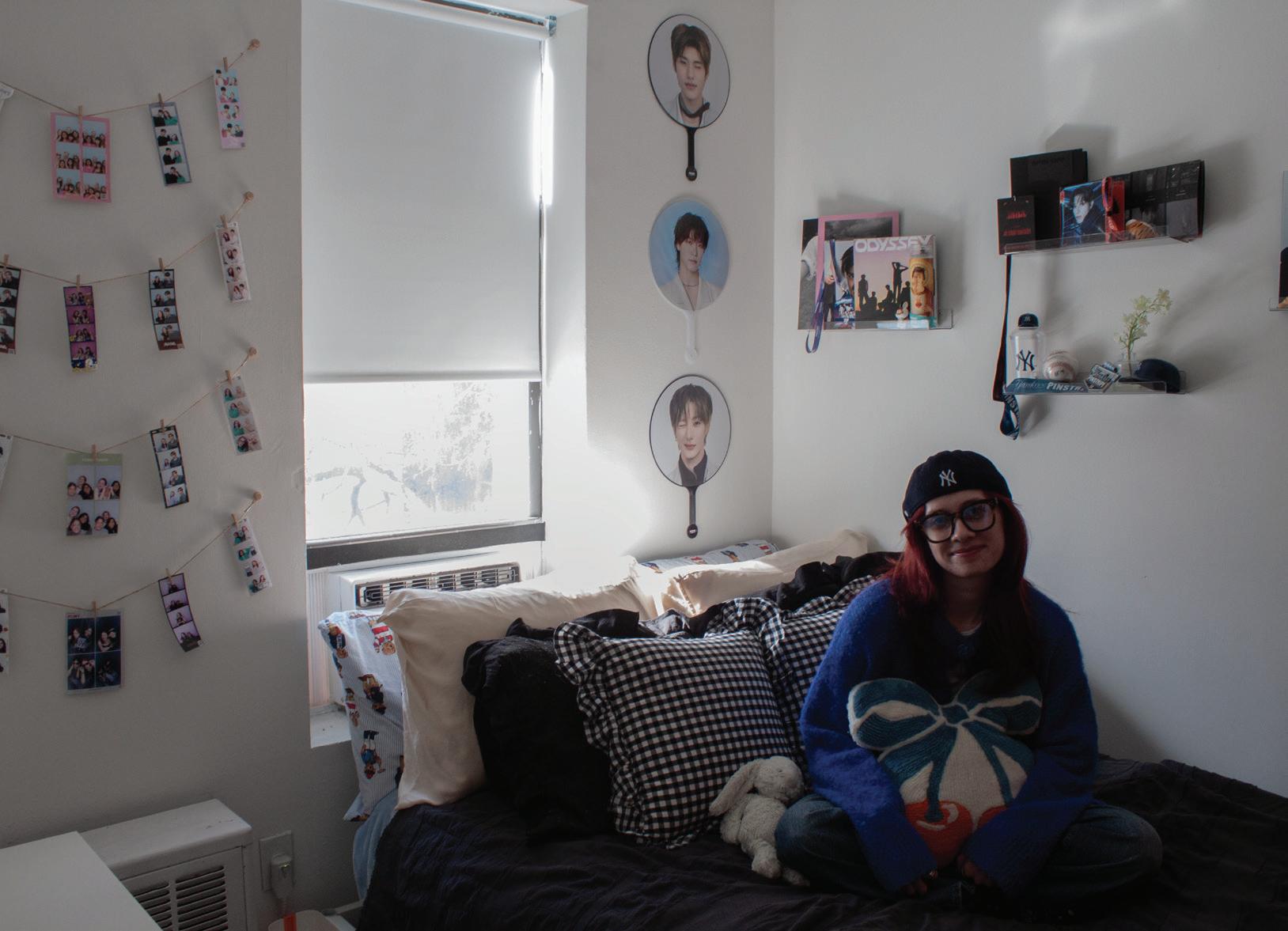
Hometown: Arlington, TX
Current: UES, Manhattan
“I love color. I love anything funky, something that feels bright when I wake up. It’s a comfortable, cozy, warm place of nostalgia and reminds me of being back home in Texas. It’s inviting and makes me want to keep coming back, or go to sleep in my bed, because that can be hard when you don’t have a good feng shui or good colors.”
“I just choose stuff that represents me and my interests. I always put my friends in my room. It’s basically my personality thrown on the walls. When I walk in this room, it’s about what I like.”
“A lot of my stuff is thrifted, some is from my dorm. I’m a buddy on a budget—I just put things up I knew were cute. This is my space, and I’m going to be really sad when I move out. I feel safe and comfortable here.”
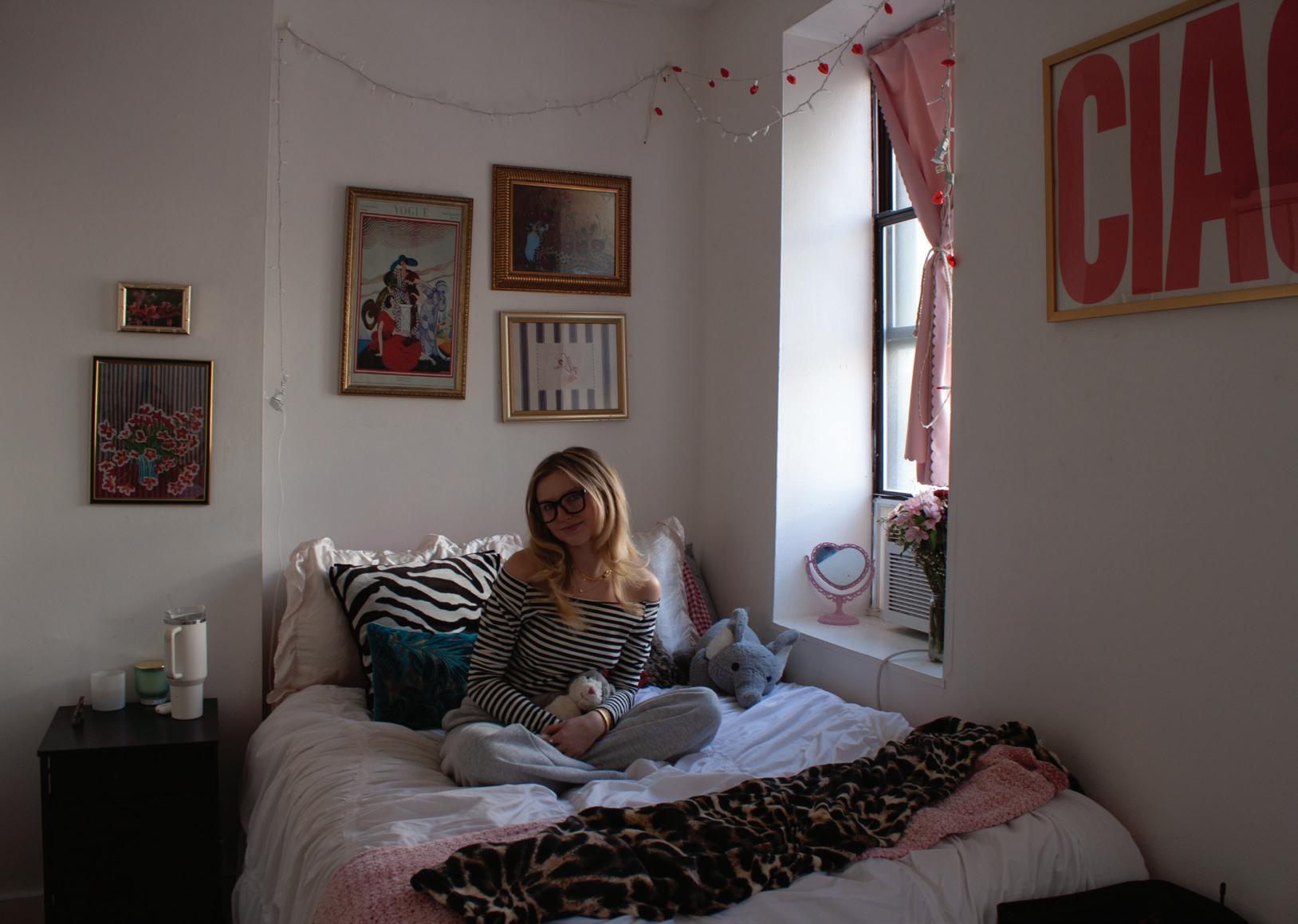
Hometown: Augusta, GA
Current: East Village, Manhattan
“I've collected things over so many years, just random photos and decorations. I'm a Class Ten hoarder—I hold onto everything. There’s so much of me in it, and the things that matter to me like music, fashion, friends, family.”
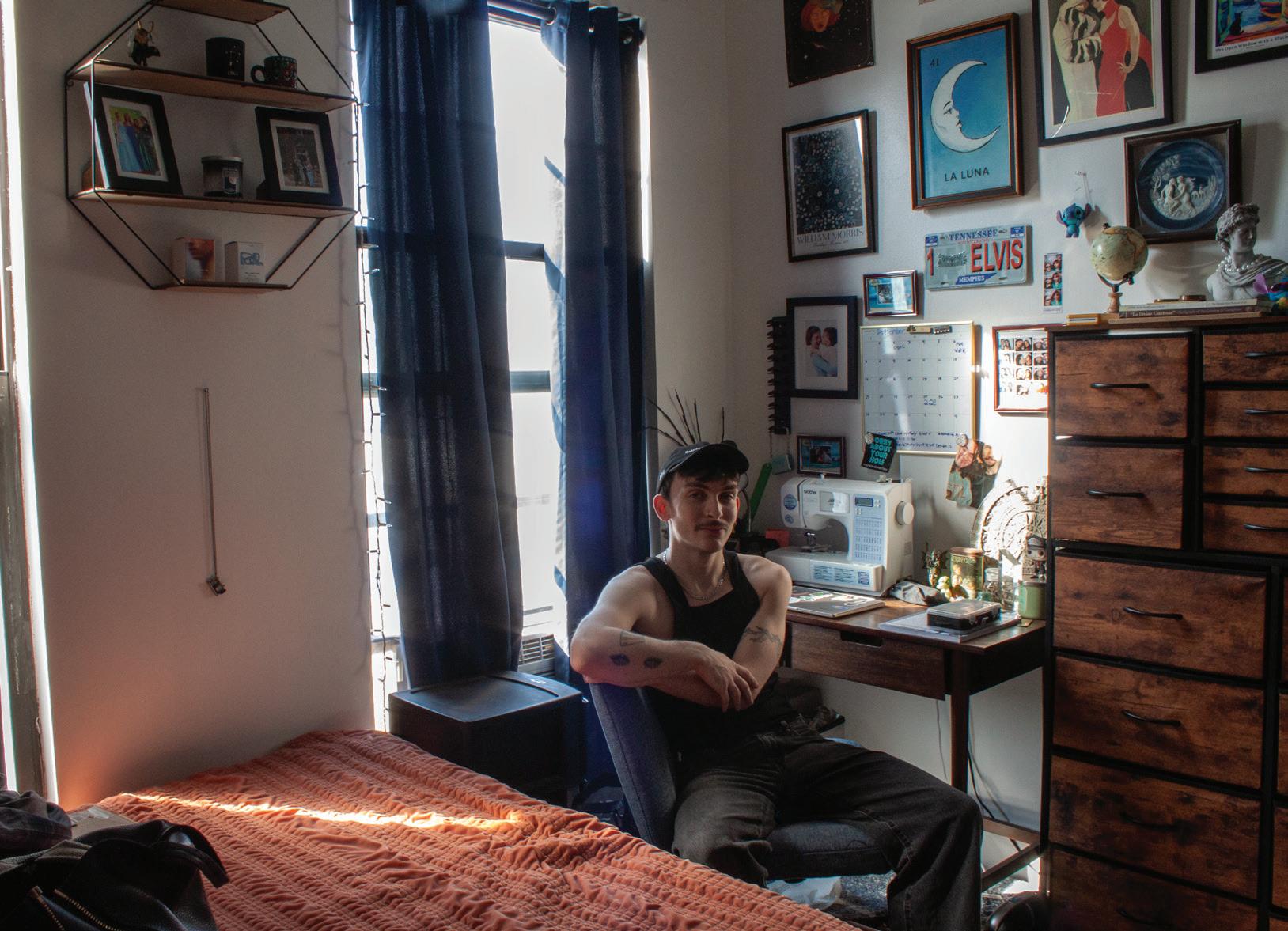
Hometown: Lansdale, PA
Current: Bushwick, Brooklyn
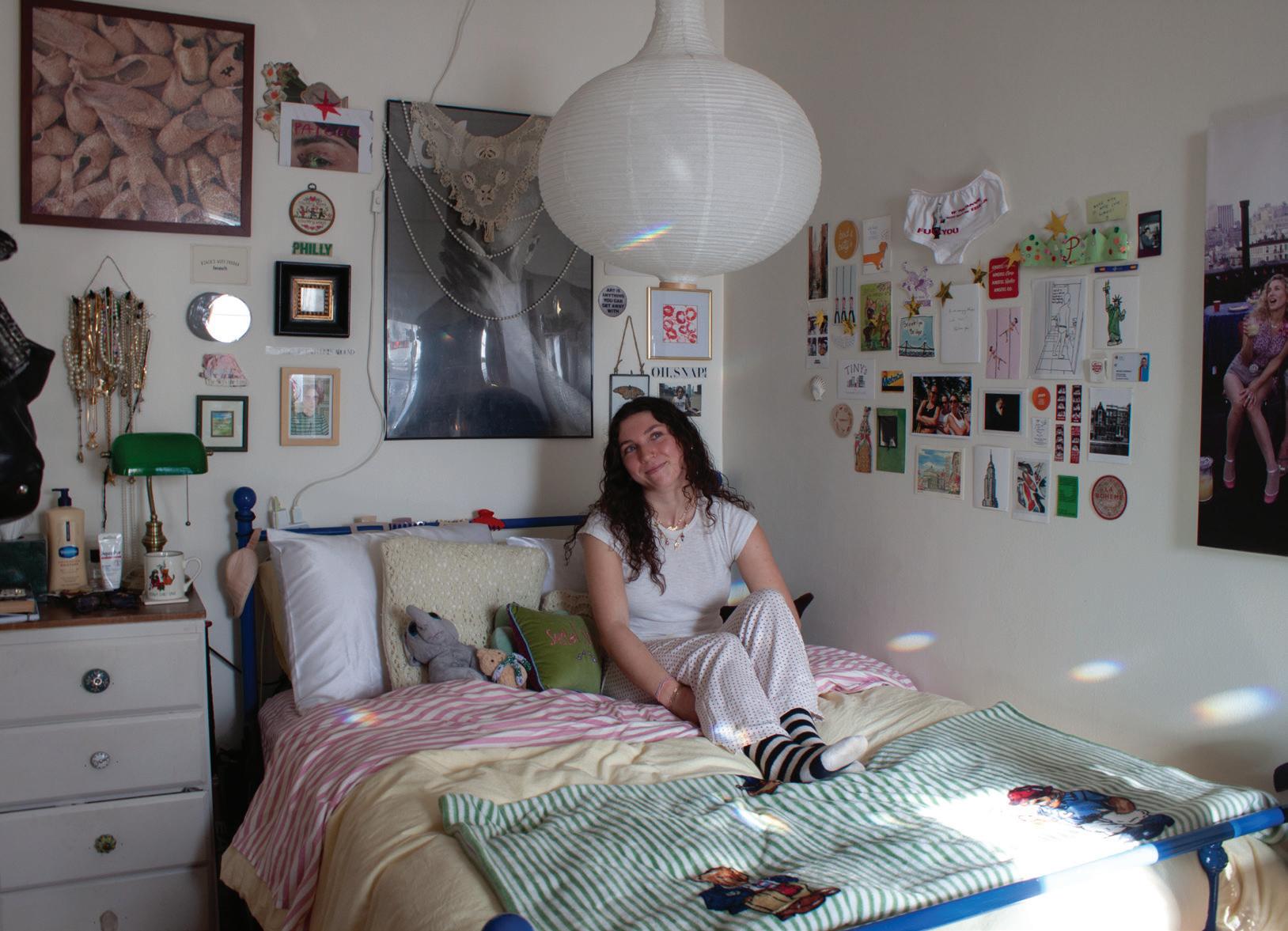
Hometown: Glenside, PA
Current: Hell’s Kitchen, Manhattan
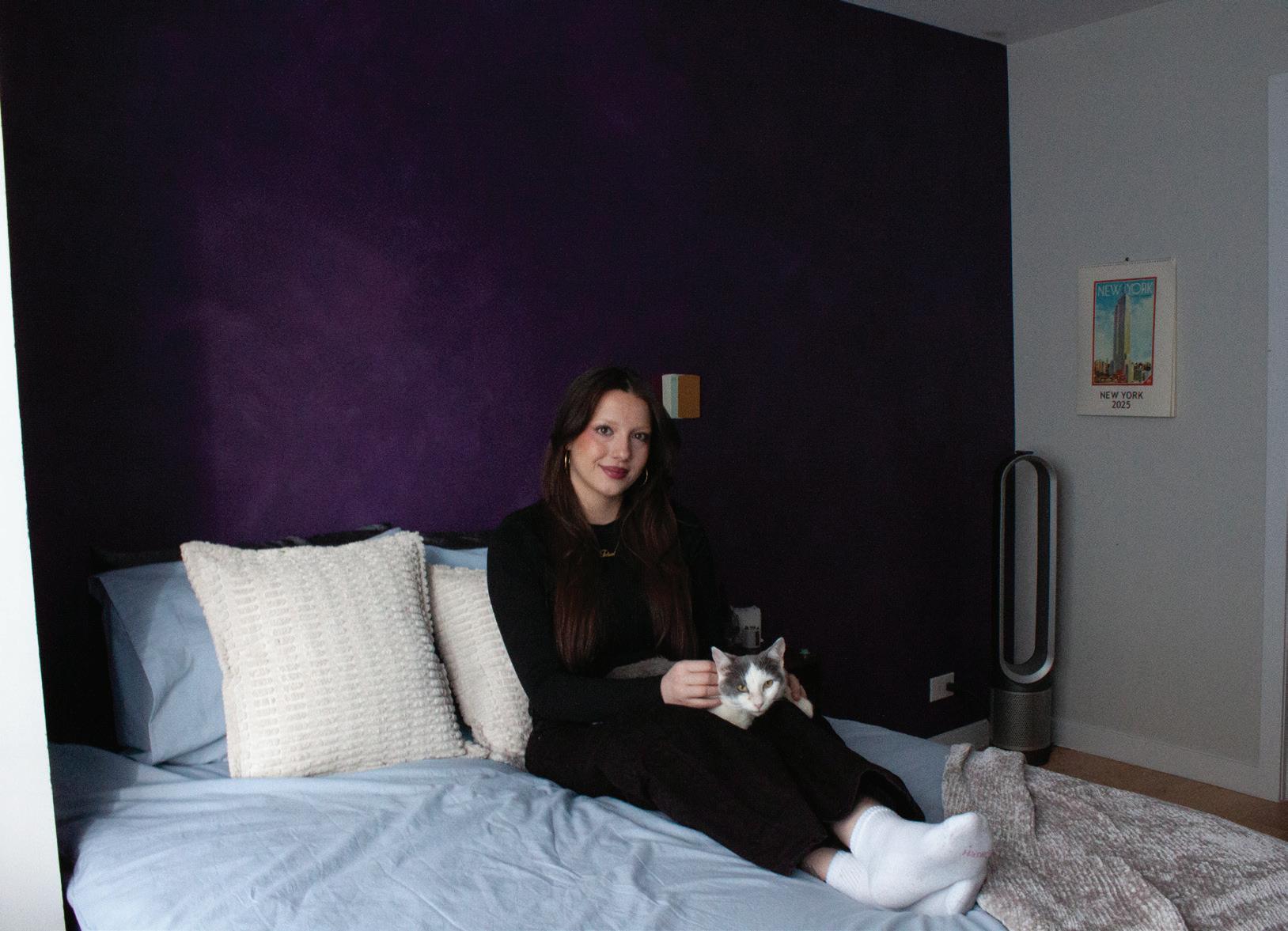
Hometown: San Diego, CA
Current: Gramercy, Manhattan
“I really love to cover every open space on my walls. I like the maximalist vibe. I collect things from around NYC and travel and put them up. My mom’s a maximalist, and that was passed down.”
“My room is ever-changing. It’s a reflection of the fact I’m never done with things. I have no rhyme or reason for what I do. It's immediate and not something I plan. I’m never stationary.”
“This is my third apartment in the city, so I’ve been collecting for a while. At this point, there are hearts everywhere it’s kind of insane. People started to catch on, and now everyone buys me hearts. I like to write, and I used to take a lot of pictures, so I print some to put up. Other photographers, too. It inspires me to work and create.”
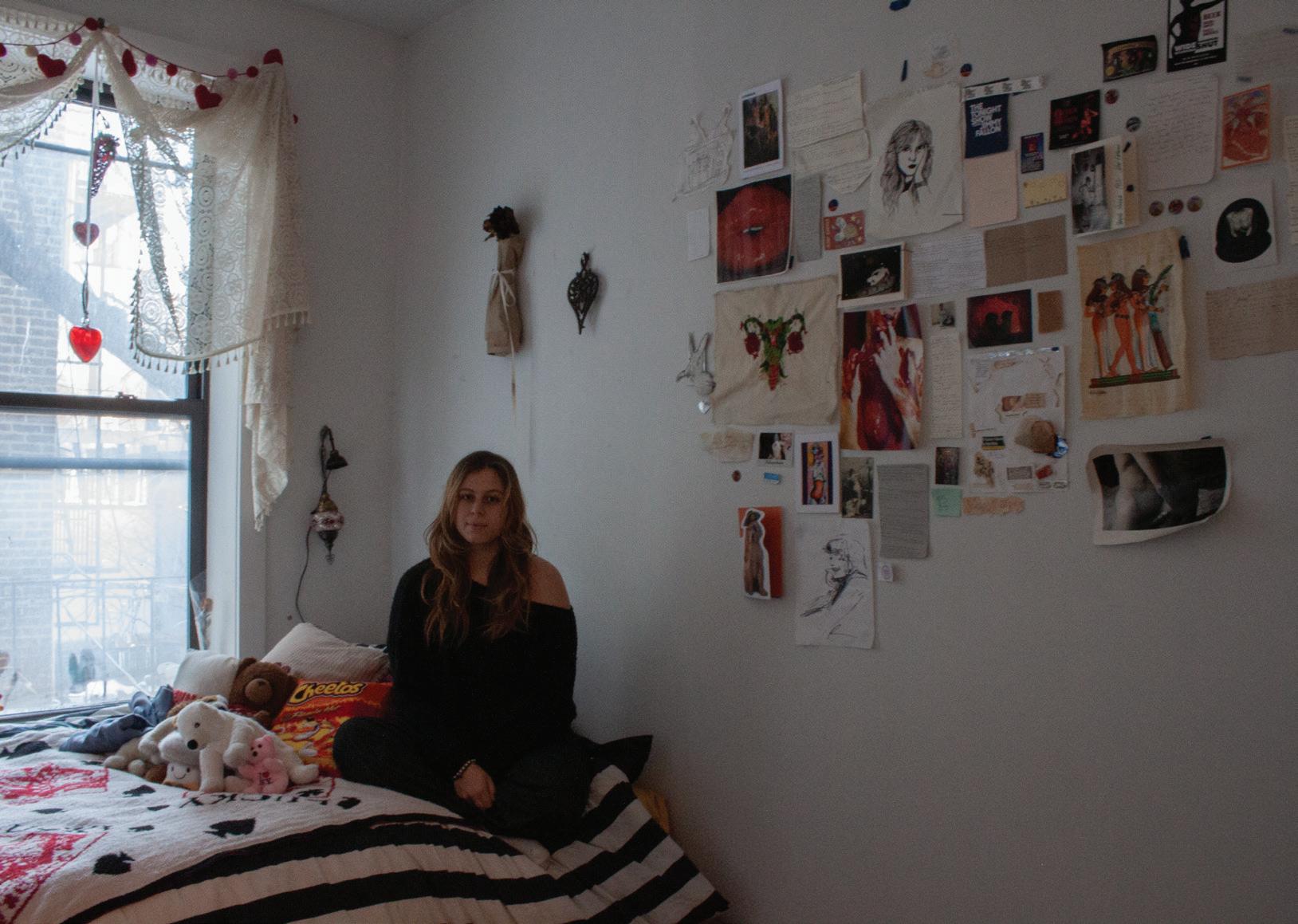
Hometown: Xalapa, Veracruz, Mexico
Current: Bushwick, Brooklyn
“There was a point in my life where I was really frustrated at my inability to do the things I wanted to do. I decided to get rid of my bed and sleep on a floor futon to be more productive. Slowly but surely, my room became more like my own personal office/studio/art space where I write my inspirations, jot ideas, and store materials. It’s probably not the most inviting to others, but it's helped me do what I’ve always wanted.”
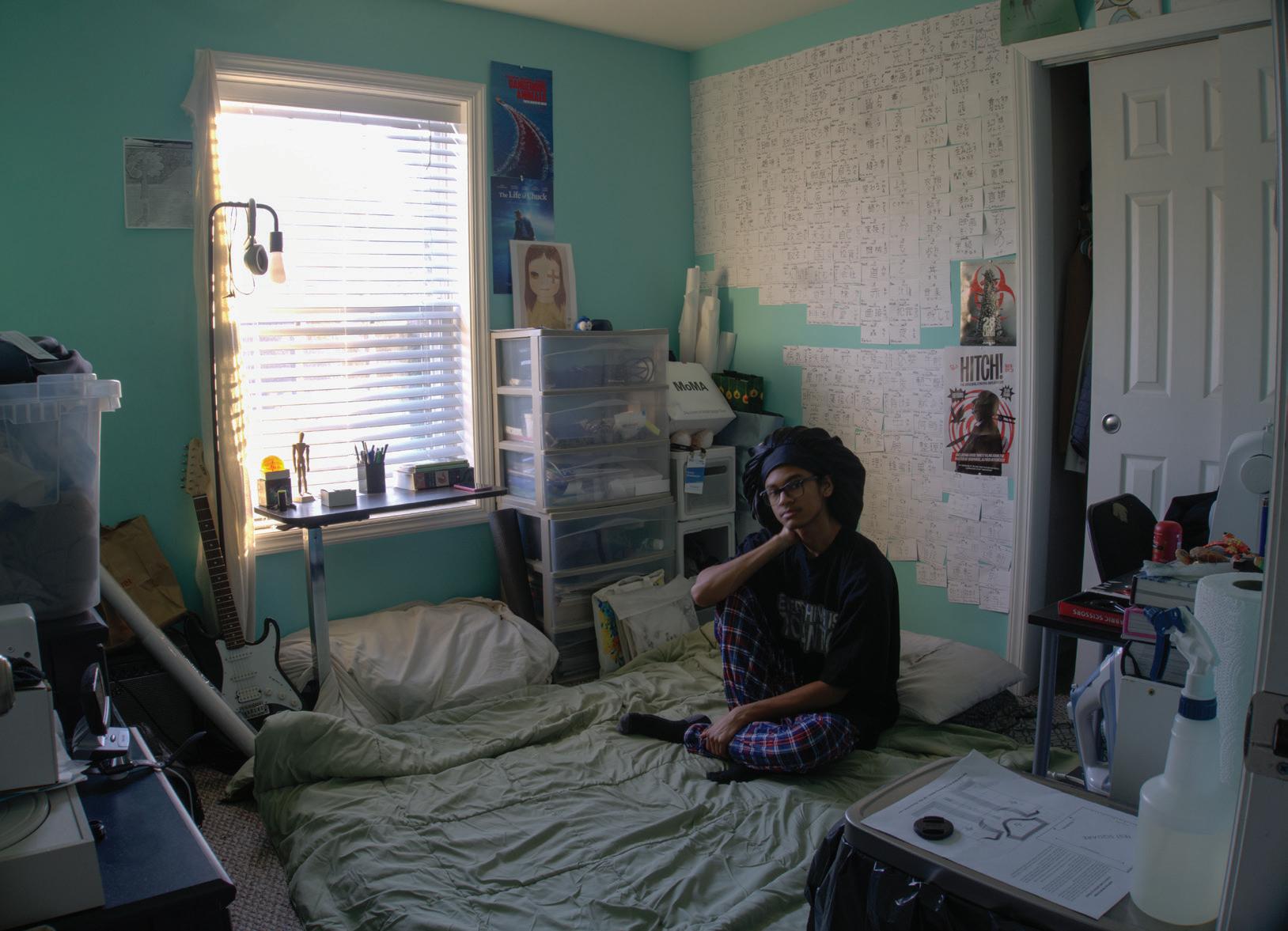
Hometown: White Plains, NY
Current: White Plains, NY


by Luzaya Nayer
The days of overheated styles and complicated haircare routines are finished. Constant innovation and unique formulas have shifted the haircare industry’s focus to long-term strength and a better understanding of what hair actually needs. These trends will redefine your routine.

Healthy hair begins at the root, and proper scalp care prevents hair loss and promotes growth. According to Coherent Market Insights, the scalp treatment market is projected to reach $23.81 billion by 2032.
Since the scalp directly impacts hair growth, many scientists are focusing on the scalp microbiomes. A disrupted microbiome can lead to excessive oil, severe dryness, itchiness, flaking, and dandruff. Products including prebiotics, probiotics, and postbiotics can help restore the scalp's environment.
Haircare brands have recently begun launching products like scalp scrubs and serums to exfoliate, balance oil levels, and promote circulation. Spate, which analyzes consumer trends, reported a 20.3% year-over-year increase in scalp care. This is further driven by trends like scalp care spas and serums, alongside ingredients promoting hair growth like rosemary and aloe vera. Restoring Hair & Edge Drops by Cécred is a daily scalp serum formulated with key peptides to promote fuller hair density.
We have been conditioned to believe that foam and bubbles equal better cleansing. However, a simple and quick routine with a product that rinses, cleanses, and conditions your hair is best.
Traditional shampoos can be filled with harsh chemicals and surfactants that can actually harm your hair. Our scalps need their natural oils to stay balanced and healthy. Shampoos with suds and foam strip the oils, so additional products are needed to keep things healthy and nourished.
Detergent-free shampoos remove excess buildup and dirt without stripping away necessary natural oils. Brands like Hairstory create products with simple, clean ingredients that nourish your hair. Their hero product is the New Wash Original, a detergent-free formula that replaces shampoo and conditioner, protects the scalp while cleansing, and promotes softer, fuller, and smoother hair.
The beauty world is slowly shifting toward hair that looks ultra sleek and shiny. The rise of products like hair gloss and shine sprays has only increased the desire for a glass-like finish. To achieve this effect, brands are launching athome glosses, frizz serums, and shine sprays.
Abbey Yung, a certified trichologist, recommends the L'Oréal Paris Elvive Glycolic Gloss 5-Minute Lamination Treatment, which adds ultraglossy, mirror-like shine in five minutes. Afterwards, apply a heat protectant, especially on severely damaged hair. Then blow-dry and straighten your hair before adding a shine serum or spray. Innovative treatments can now help you achieve that gloss-like shine without a salon trip.
By Armenie Skates
Defining yourself as a gold or silver person can be a big milestone in your personal fashion journey. “Both metals have their own unique appeal, and the choice ultimately comes down to personal style, your skin tone, and how you want your jewelry to complement your everyday look,” says jewelry designer Jennifer Franklin.
Finding the style that fits you best might be easier than committing to a metal. Each outfit is an opportunity to experiment with your self-expression. So whether you decide to wear gold, silver, or both, the most important factor is the confidence you bring.
Lacy and hyper-feminine, typical looks include anything with bows, ribbons, pearls, and dainty jewelry. “Sometimes it's as simple as color choices like pinks, lilacs, whites and ivories,” according to influencer and stylist Maree Ellard. “When you add bows to something, you have the coquette thing kind of covered.” Gold jewelry pairs well with this look.
In the 90’s these looks were comfortable, effortless, unpolished: unbuttoned flannel over a plain t-shirt, ripped jeans from a thrift store, whatever sneakers were closest to the door. The jewelry, then, should be subtle. Go minimalist silver.
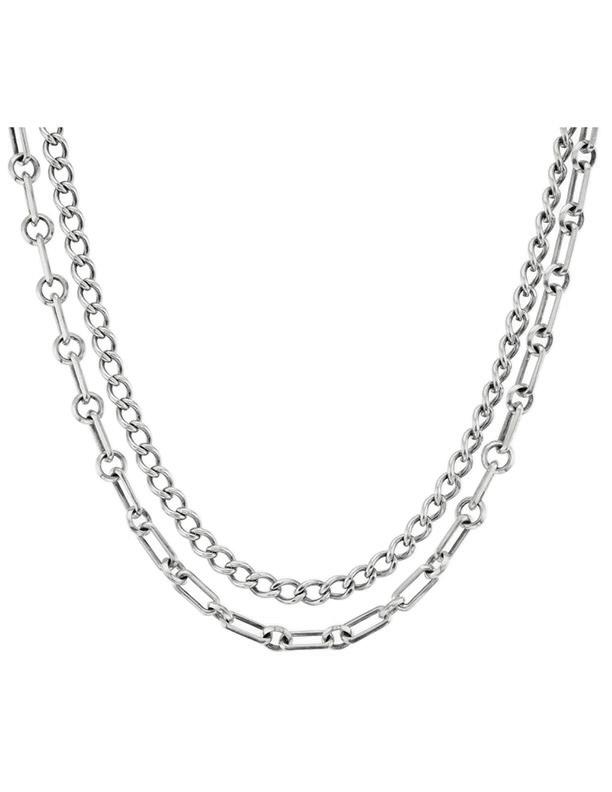
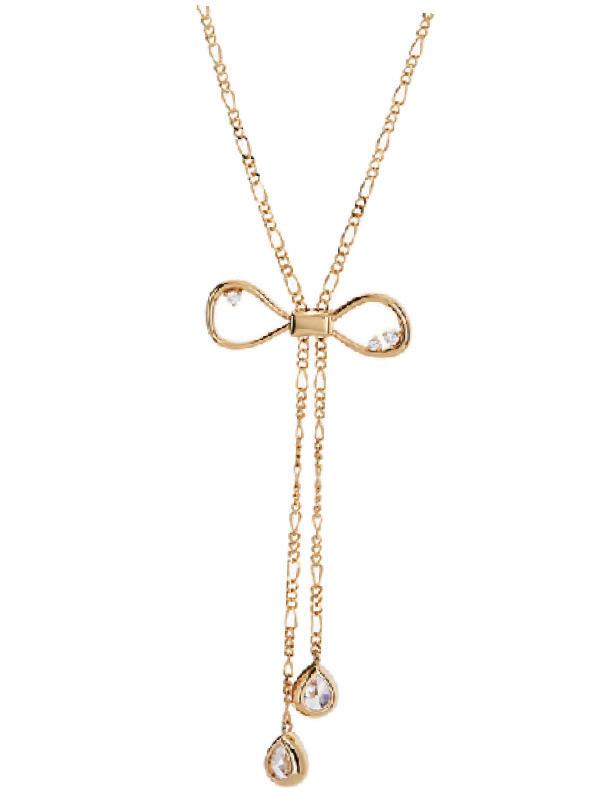
Sometimes referred to as the “office siren,” this look focuses on simple, modern, and well-tailored clothes, with modesty in mind. A nice pencil skirt or button-up shirt are staples to this wardrobe “Young professionals [want to be] rebels and wanting to change the workplace,” says career and leadership coach Phoebe Gavin. This aesthetic is reliant on blacks and grays, but gold jewelry adds a warm touch.
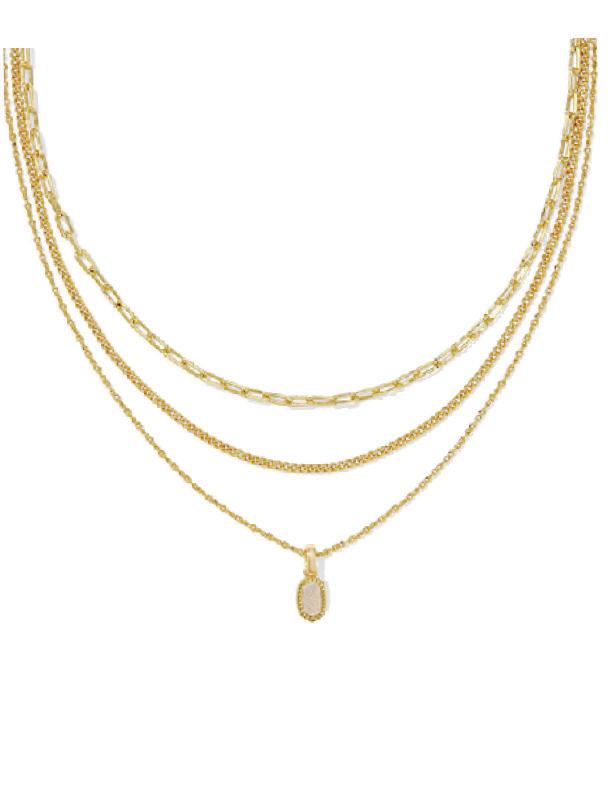

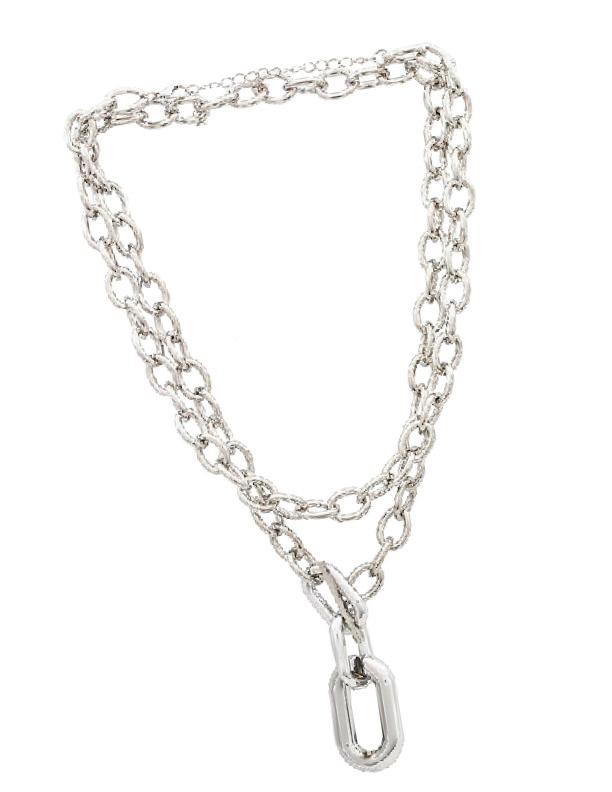
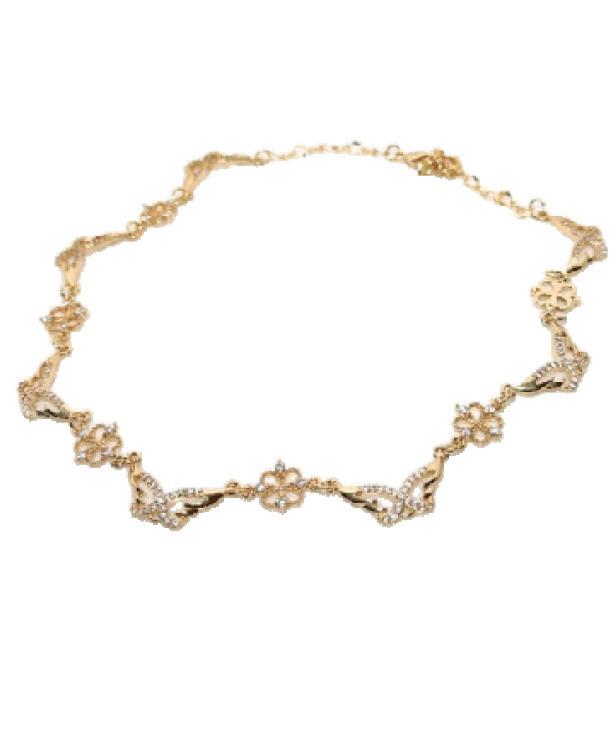
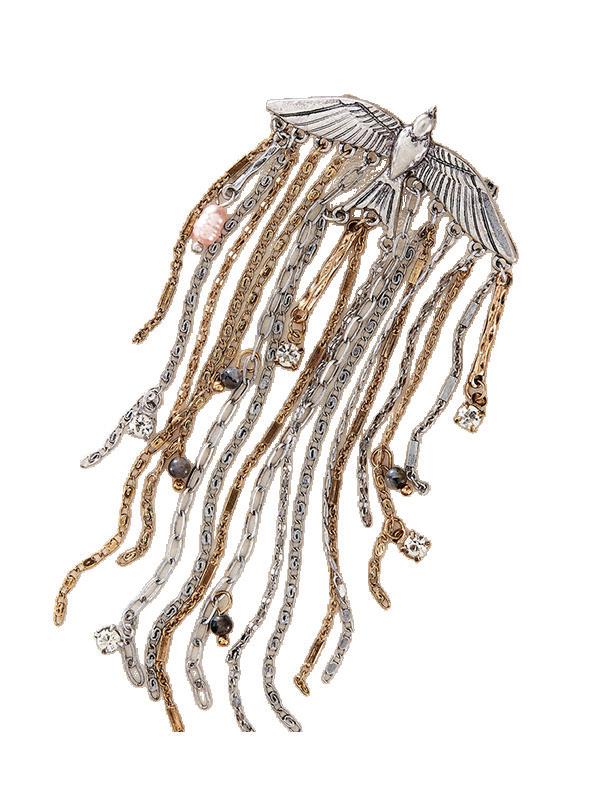
Baggy and layered clothes define this look. The more the fabric at the bottom of your pants drags on the dirty sidewalk, the better. Think skate park. The layering extends to the jewelry—silver necklaces and bracelets make ideal accents.
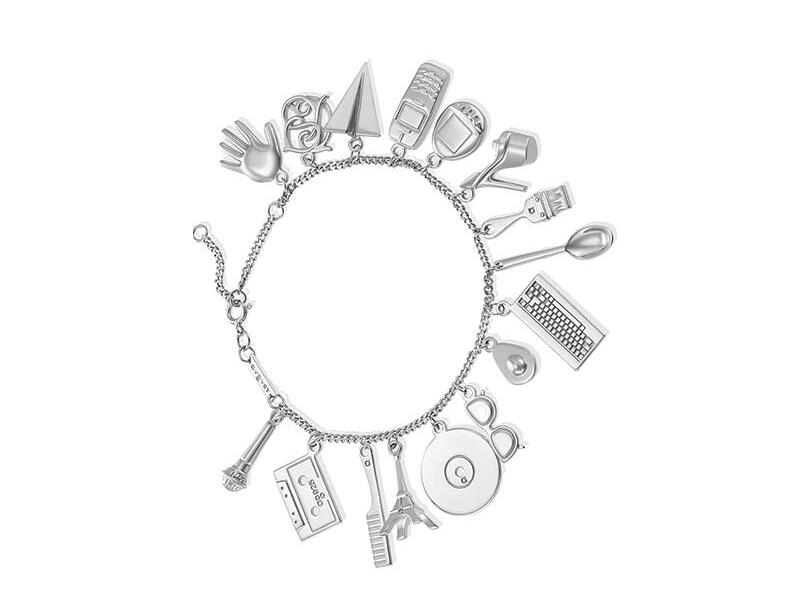
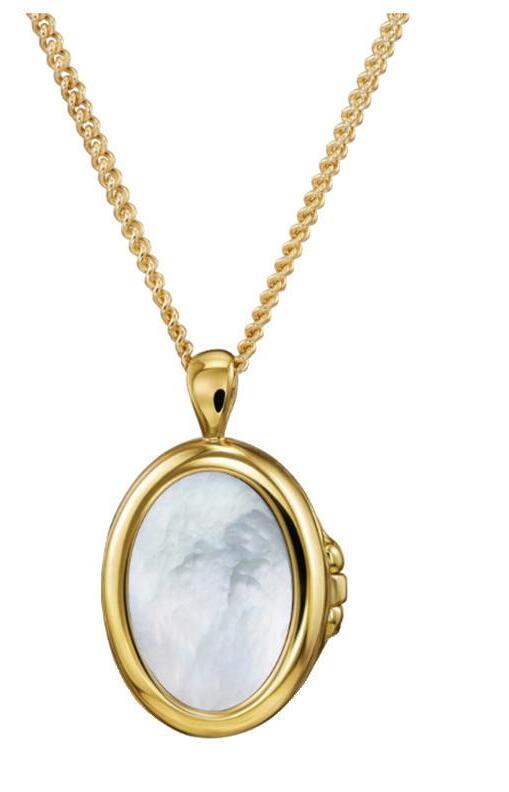
This post-hippie style embraces loud patterns. The clothes are flowy and bright with an air of mysticism. It suggests a “the more the merrier mentality, so mixing metals is common,” per Cosmo. “Dainty layers and clean gold looks are out, and more-is-more, undone vibes are totally in.”
Pastels, floral patterns, and long, flowy skirts. This aesthetic embraces nature and a softer, simpler life. While silver can feel industrial and harsh, gold provides a tempered, warmer feeling.
“Y2K aspires to be futuristic, sleek, and technology-driven…Metallic and shiny fabrics and bold accessories are essential fashion pieces for this The Pace Press. This aesthetic arose at the very beginning of the 2000s alongside conversations about the implications of impending technologies. Here, industrial aspects of silver match well with Y2K sensibilities
Imagine sitting in a library that has an intense, moody aura—the colors of dark academia reflect this aesthetic in browns, blacks, and grays. The warm, dark tones in this style match best with gold jewelry.
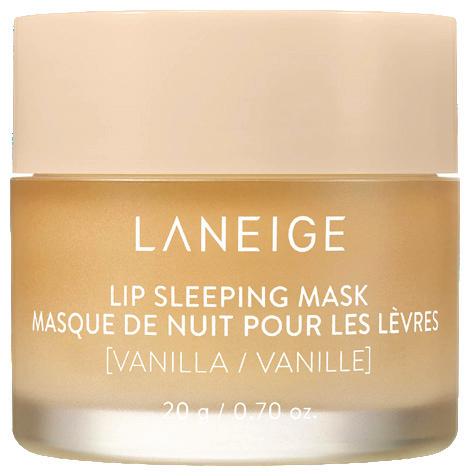
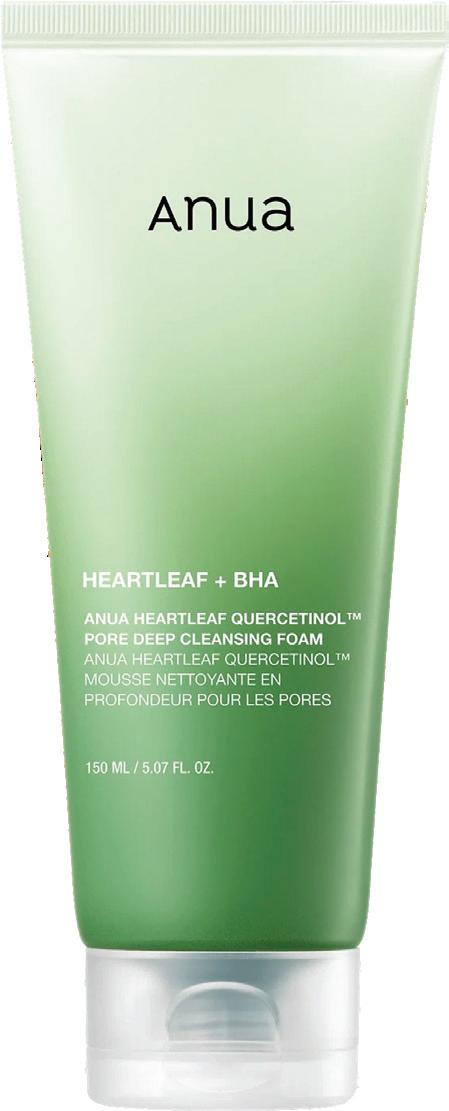
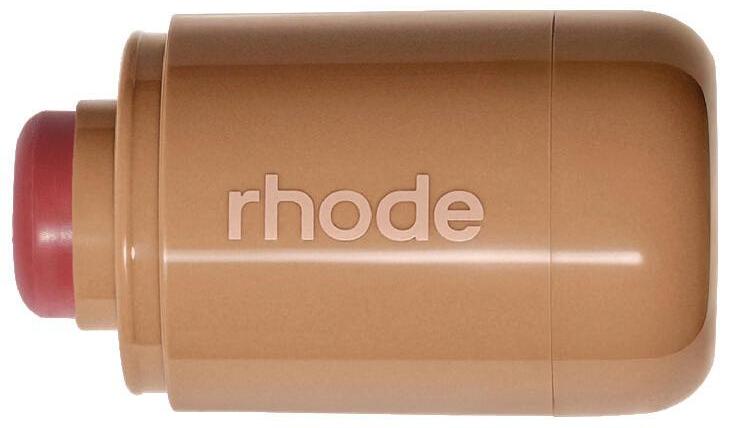
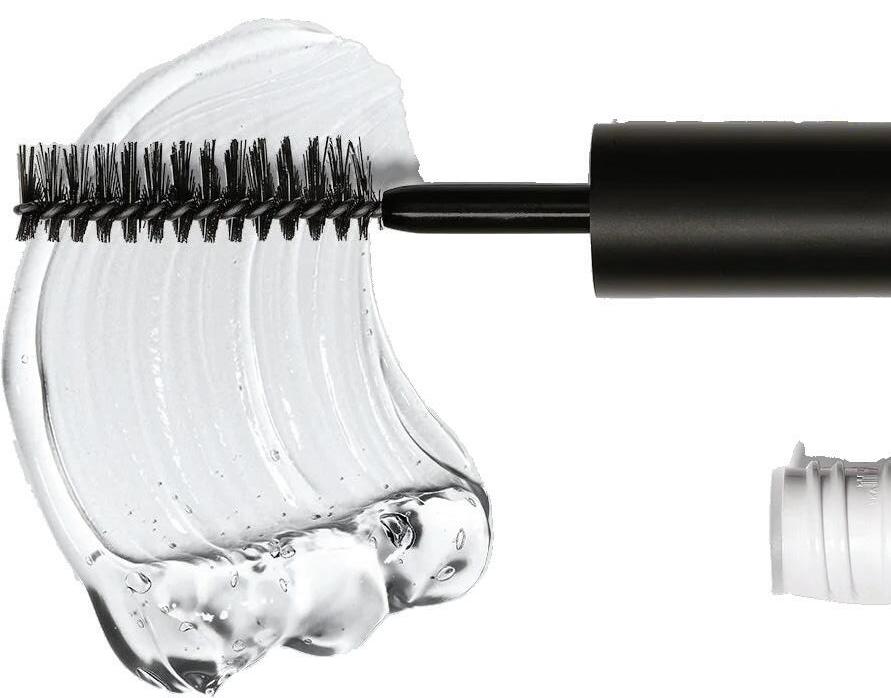
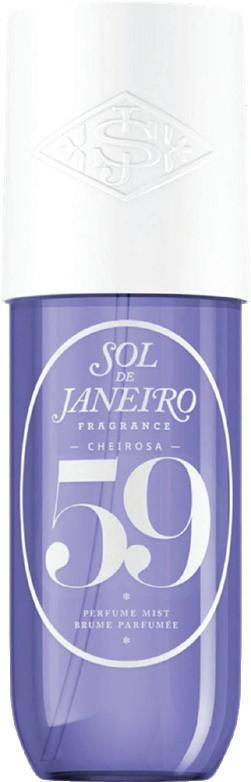
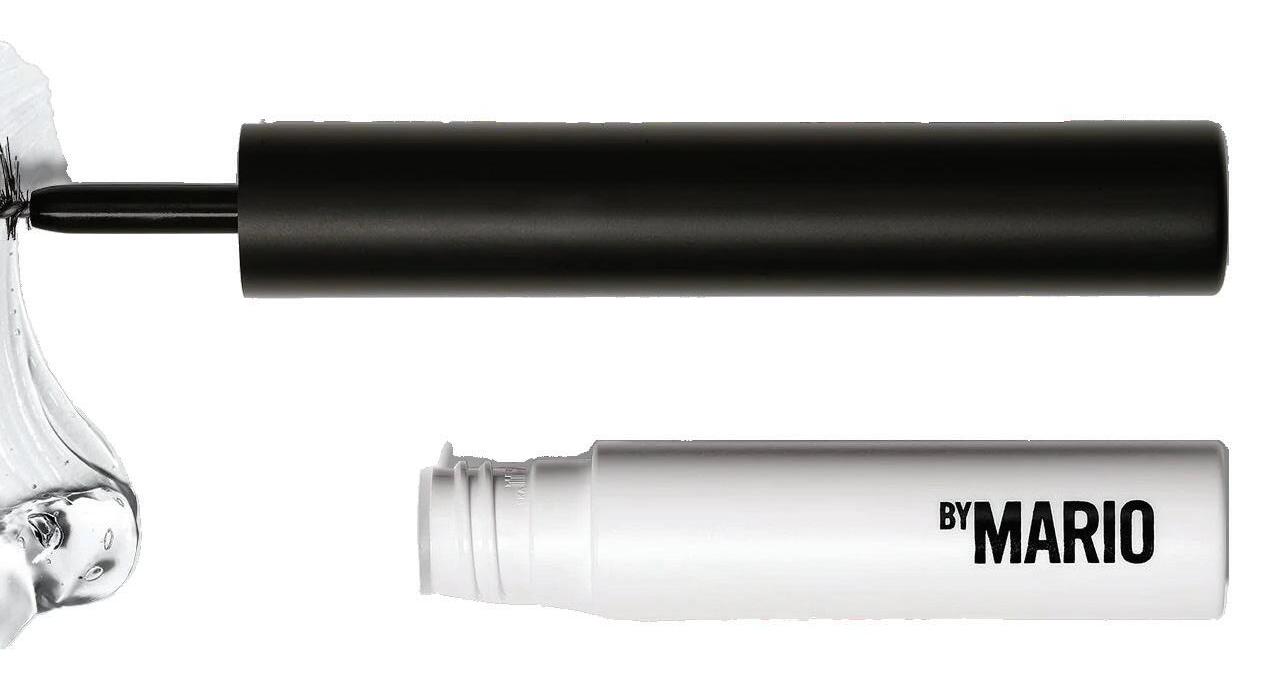
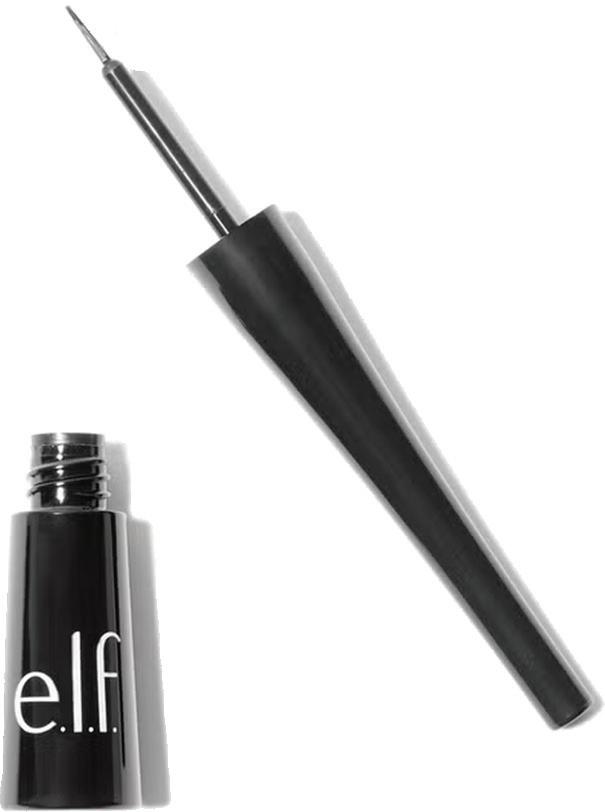
benefit
professional loose powder
$39
morphe 9m midnight dune artistry palette
$30
OUAI mini hair oil
$18
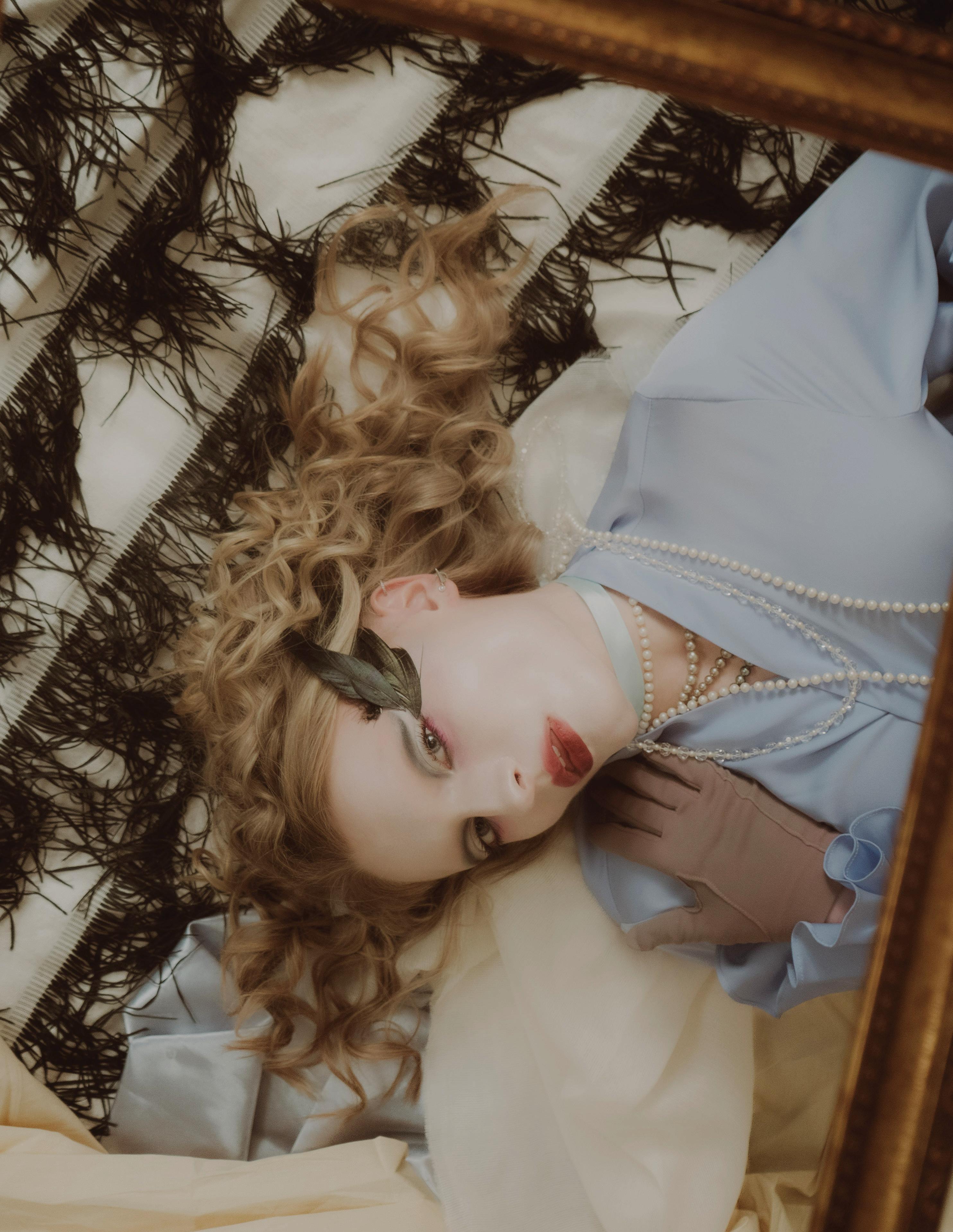
Jenna Persaud
CREATIVE DIRECTOR
Iris Mchugh
Kanahara Miguel
Sofia Valencia
HAIR & MAKEUP
Paige Collins
Colette Lowry-Kirkhus
STYLING DIRECTORS
Andrea Garrido Torre
ASST STYLING DIRECTOR
Kira Brown
STYLING
Maddie Larson
PHOTOGRAPHER
Jessie Stahnke
Samon Turner
MODELS
Paige Collins
Katrina Hodge
TJ McCaffery
Jenna Persaud
SET DESIGN
Katrina Hodge
Ellie Mooney
PRODUCTION
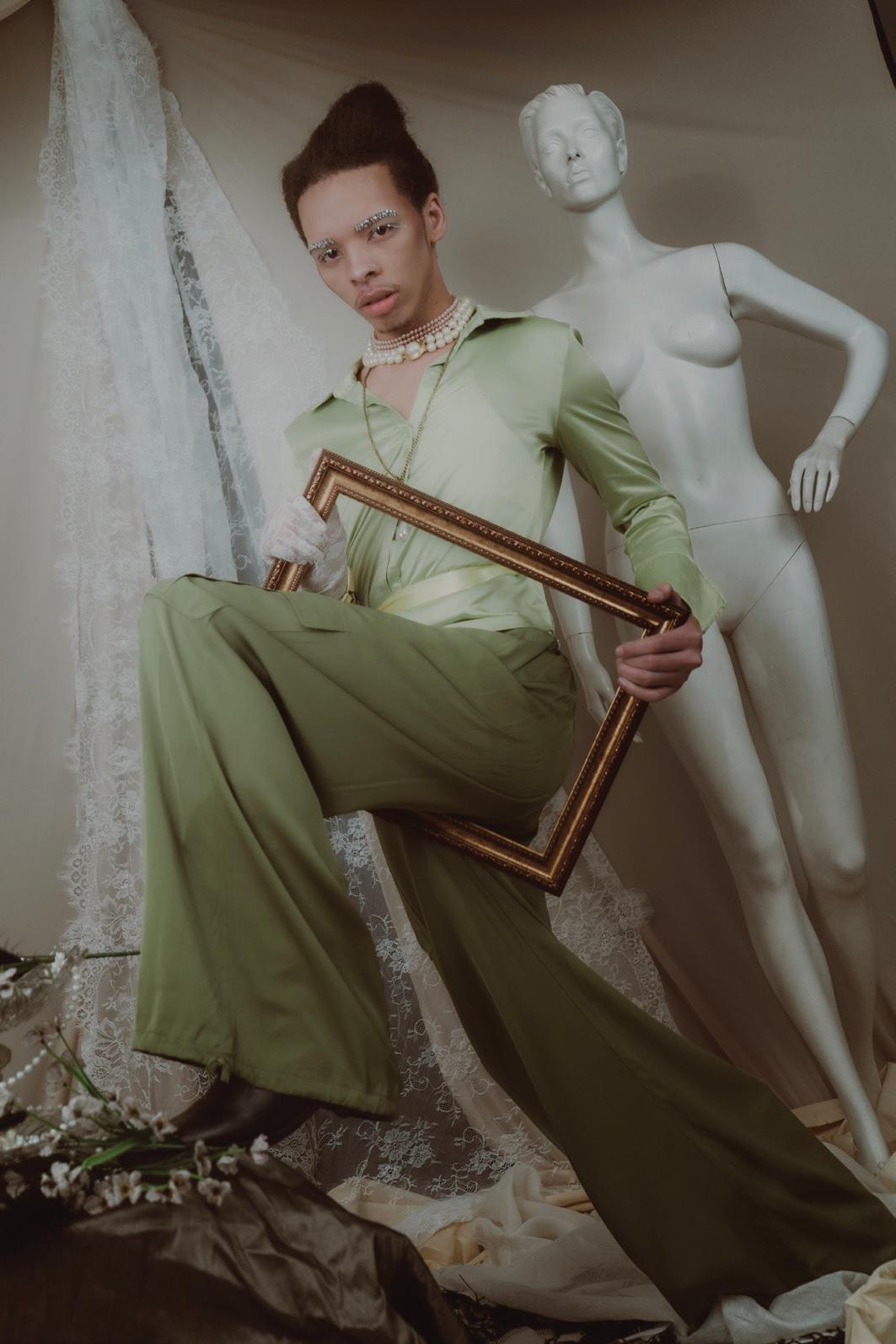
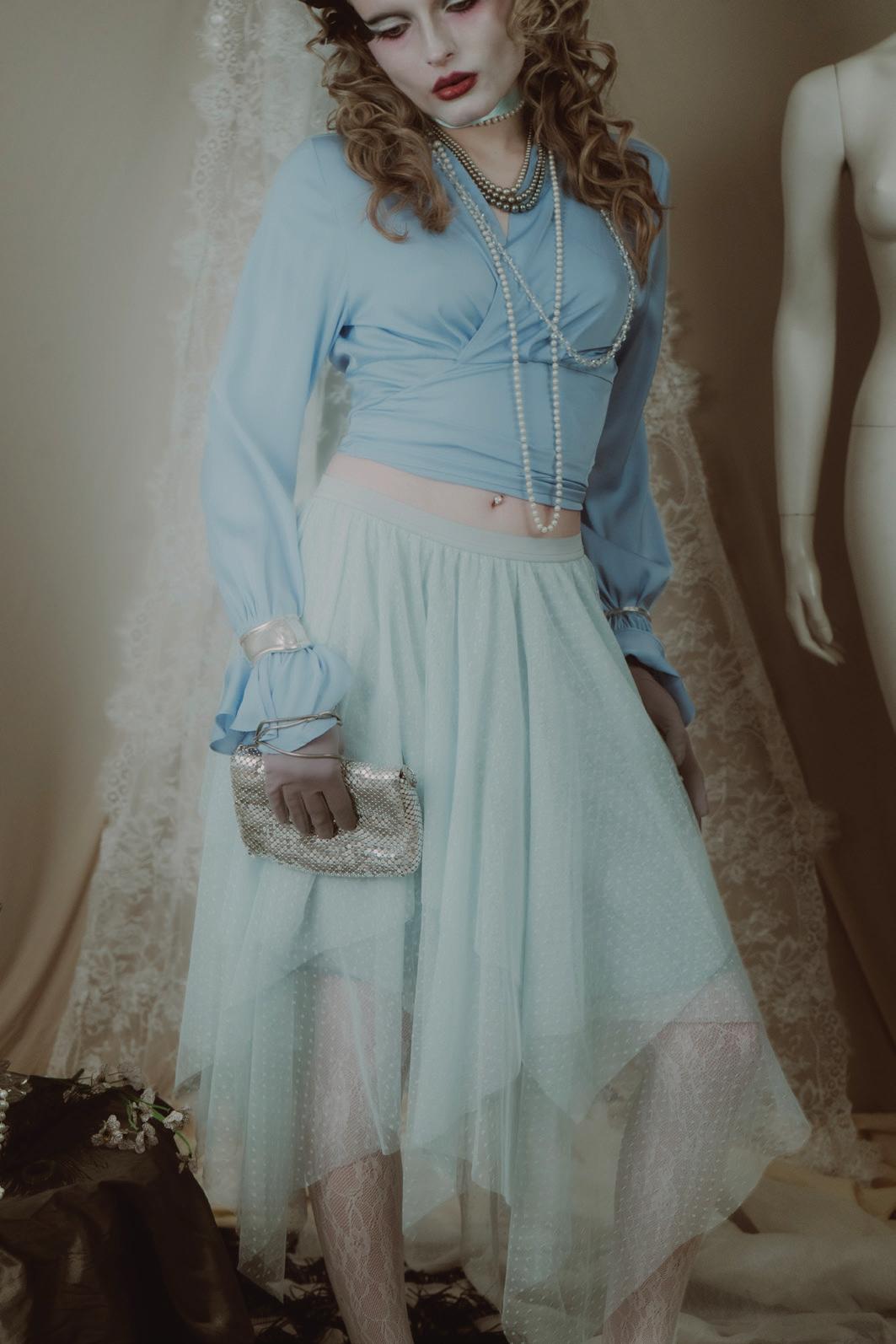
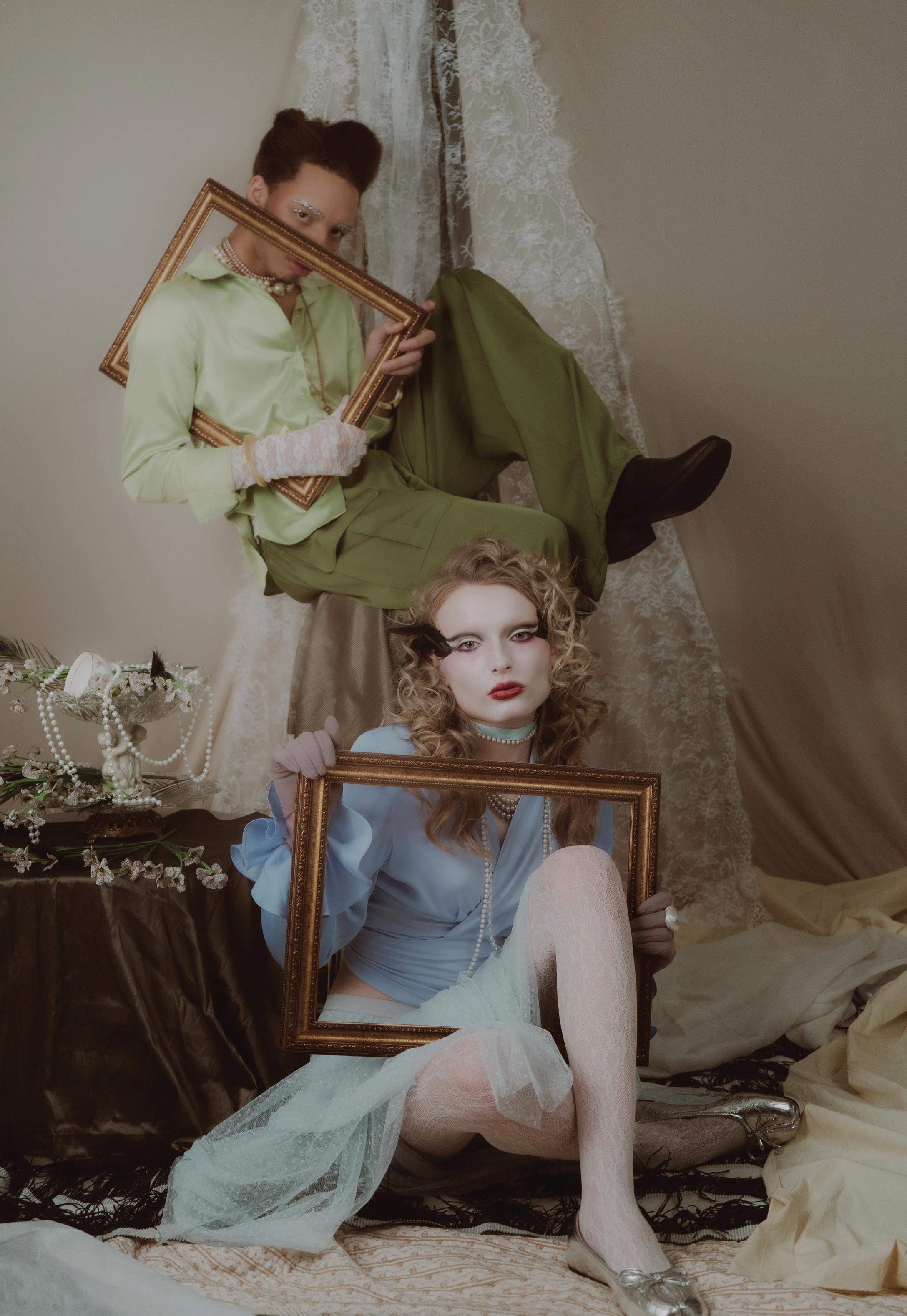
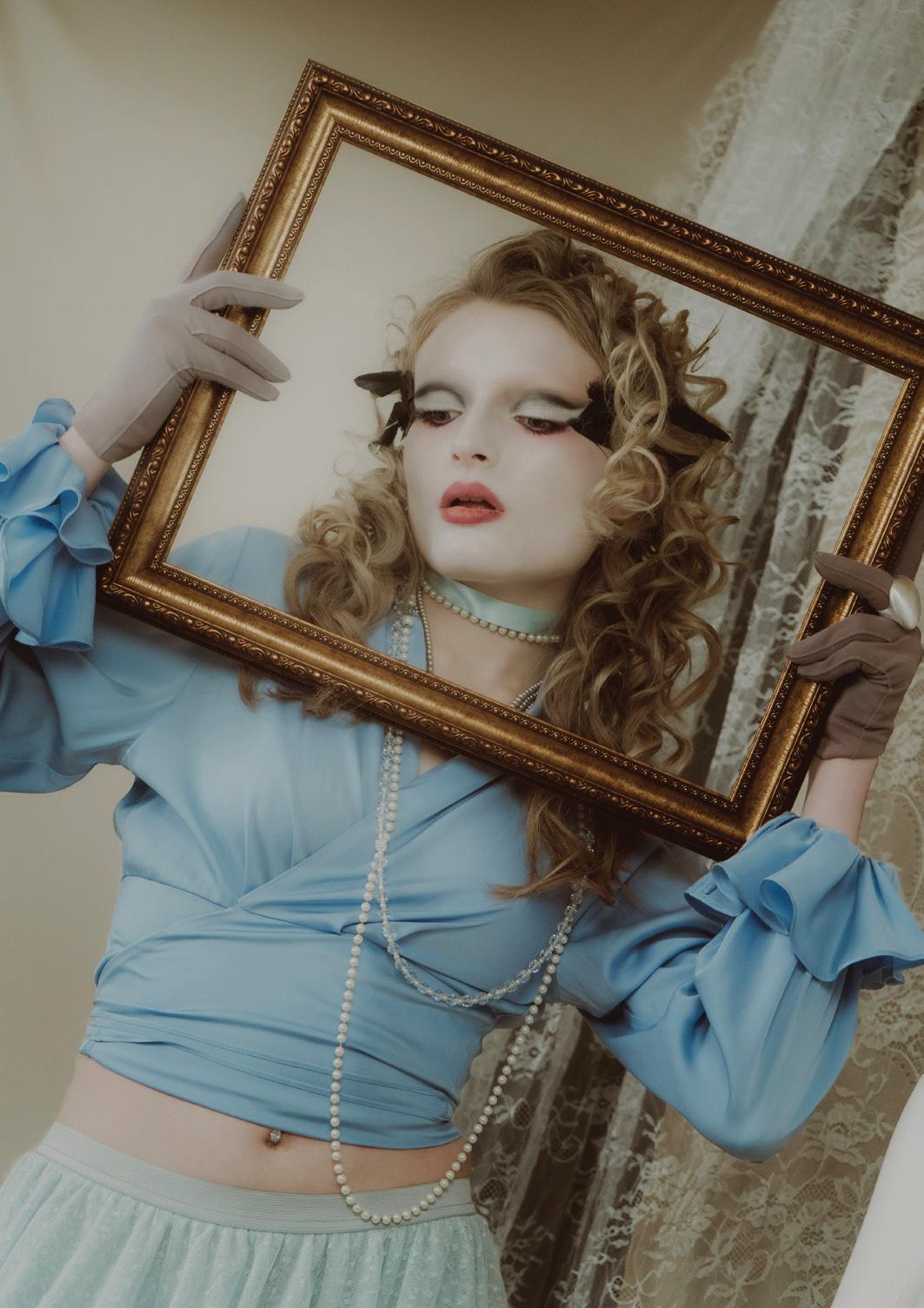
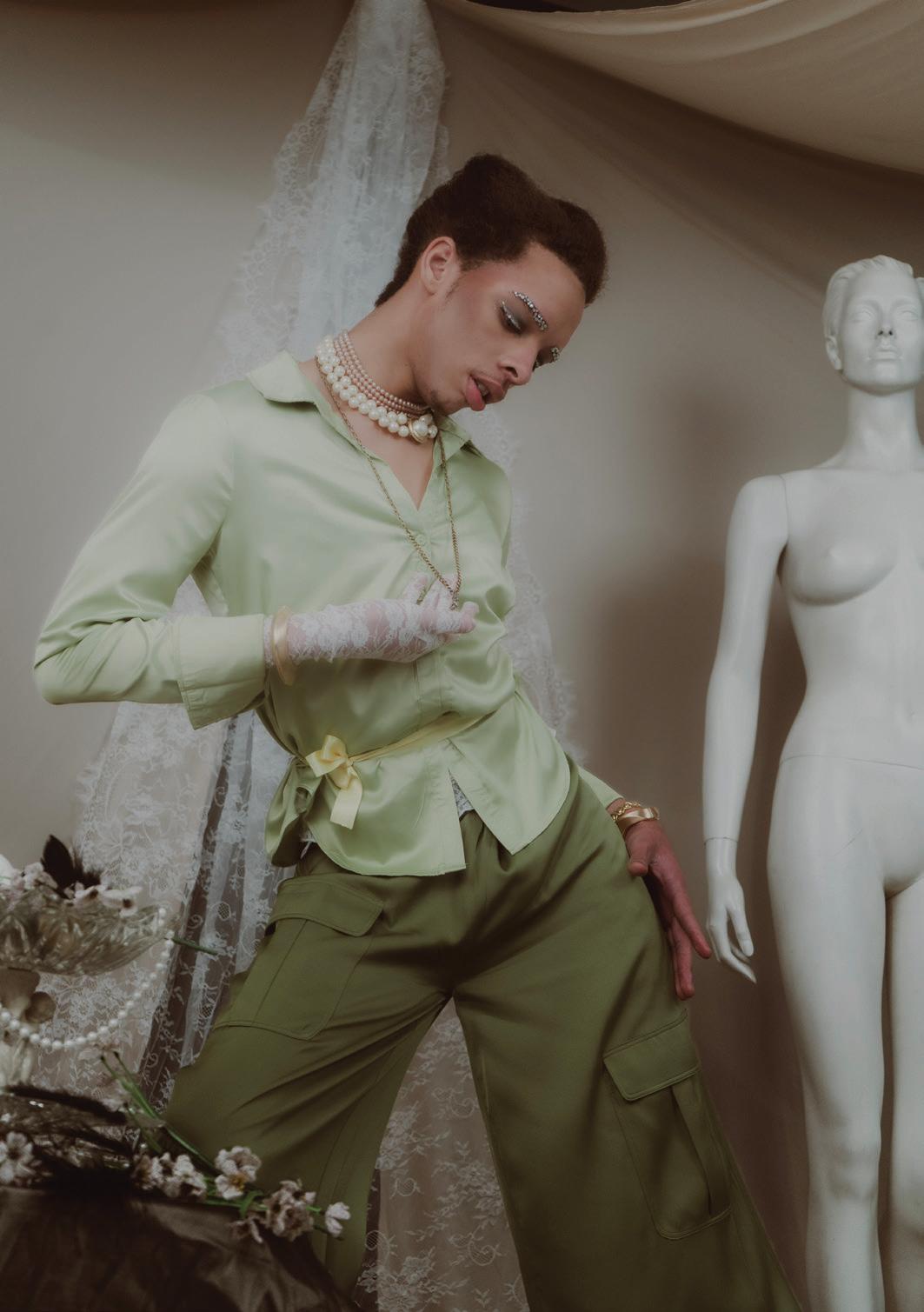
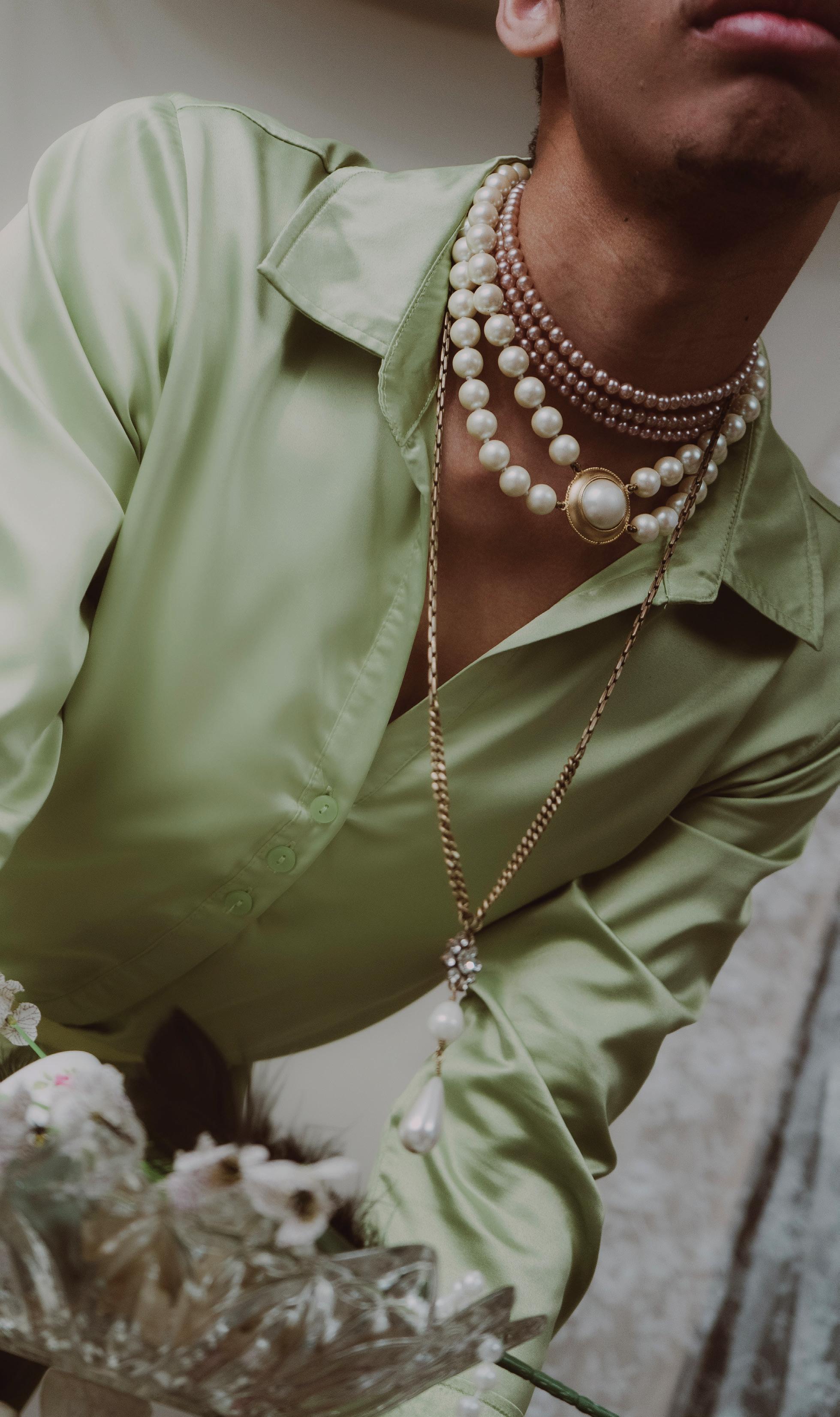
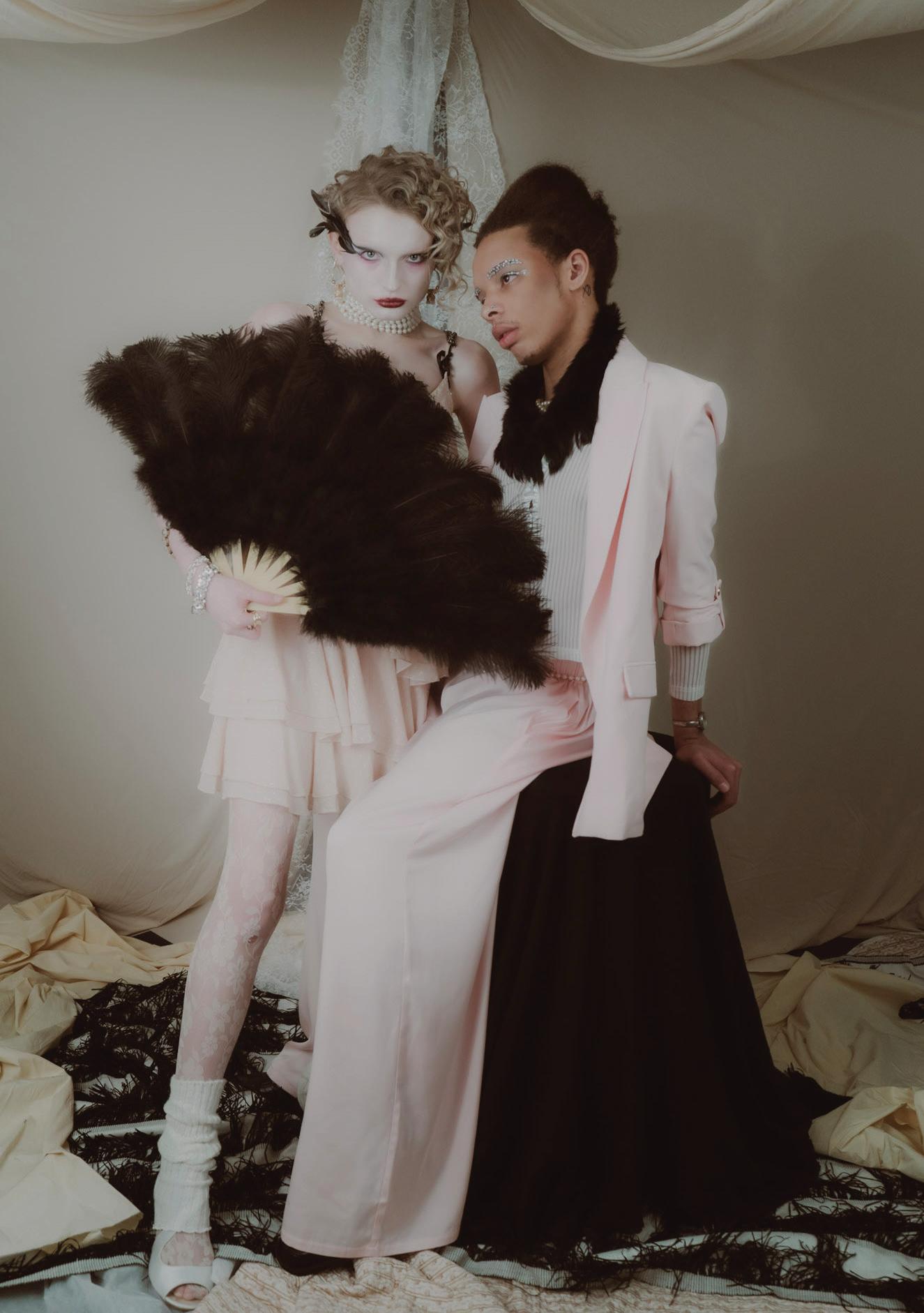
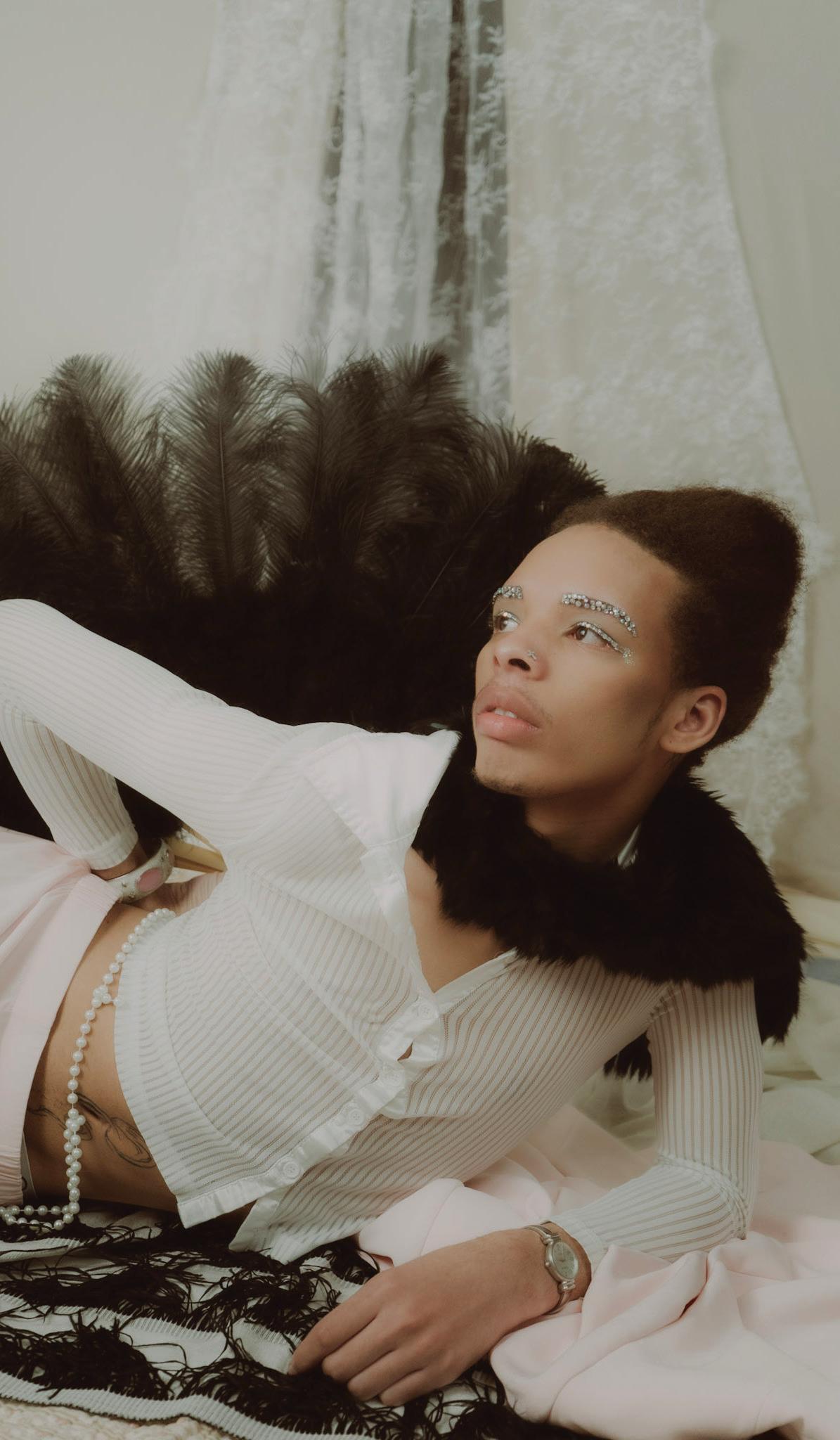
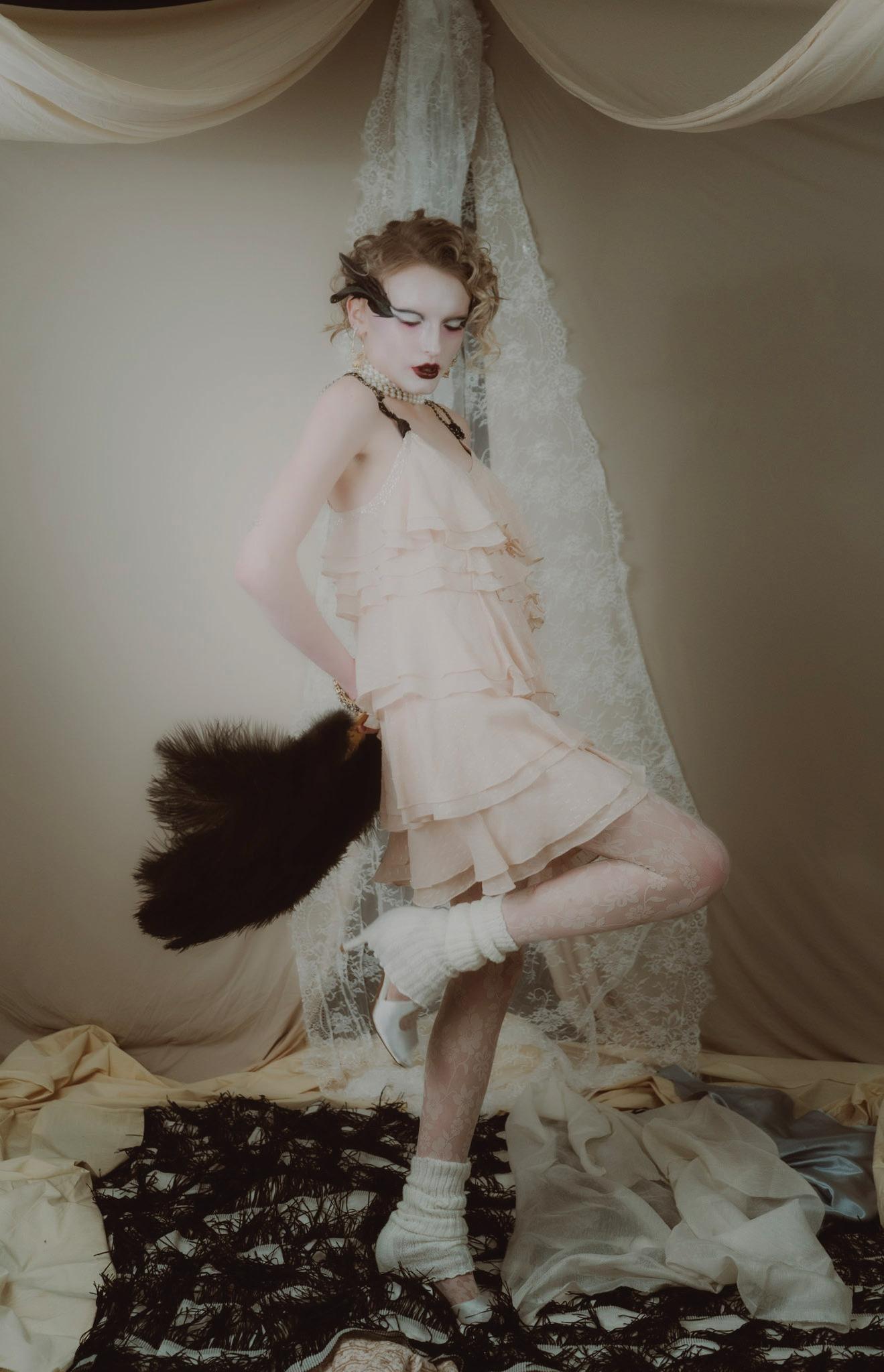
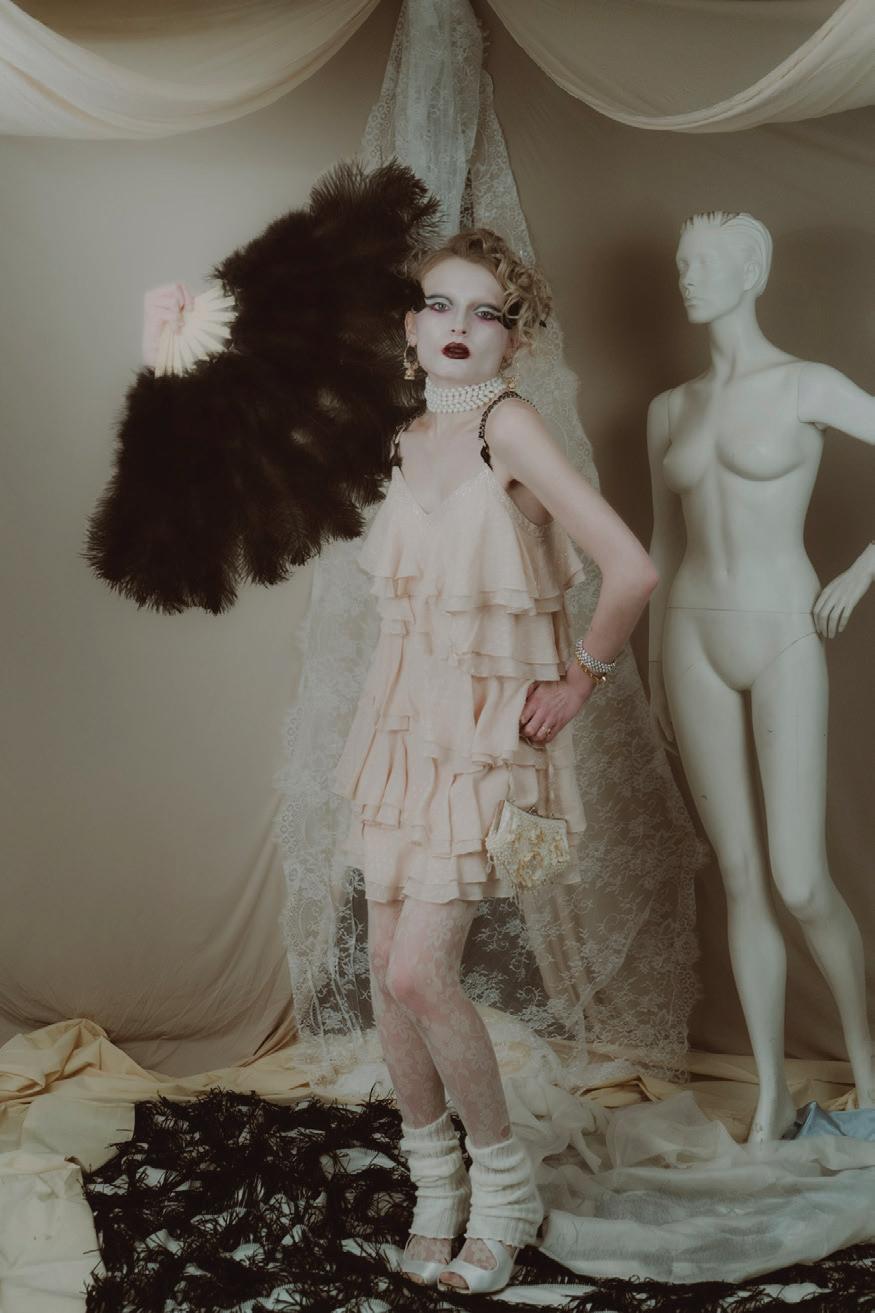
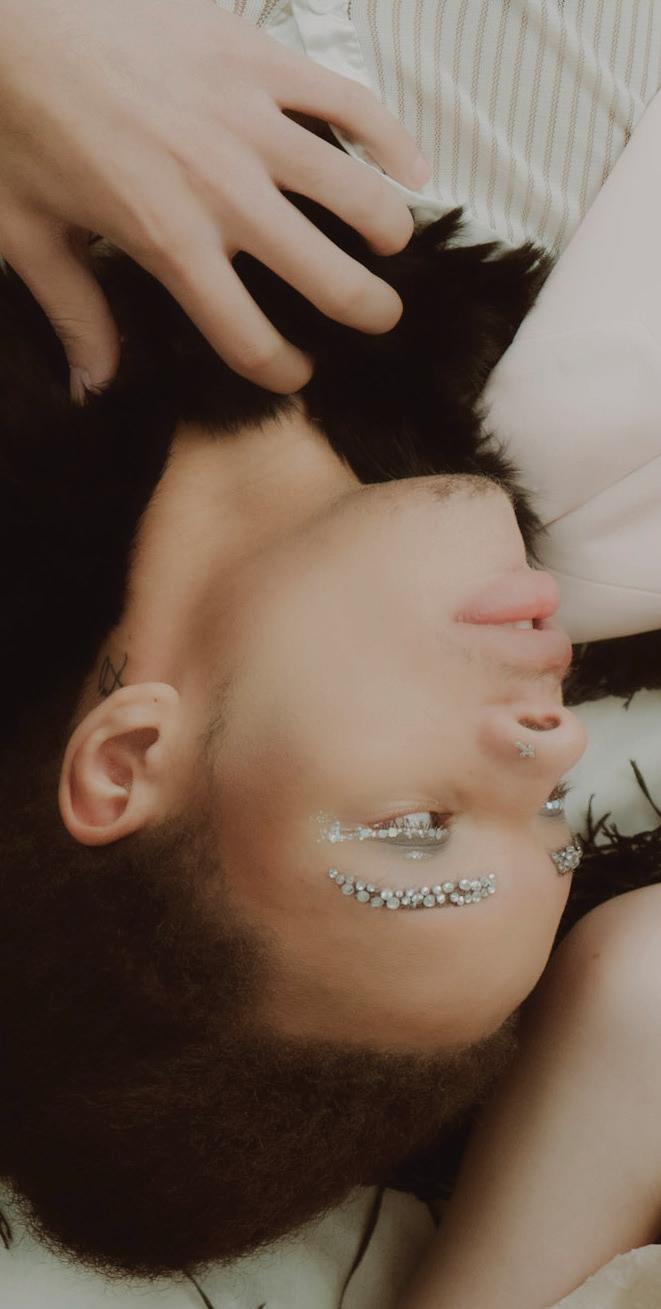
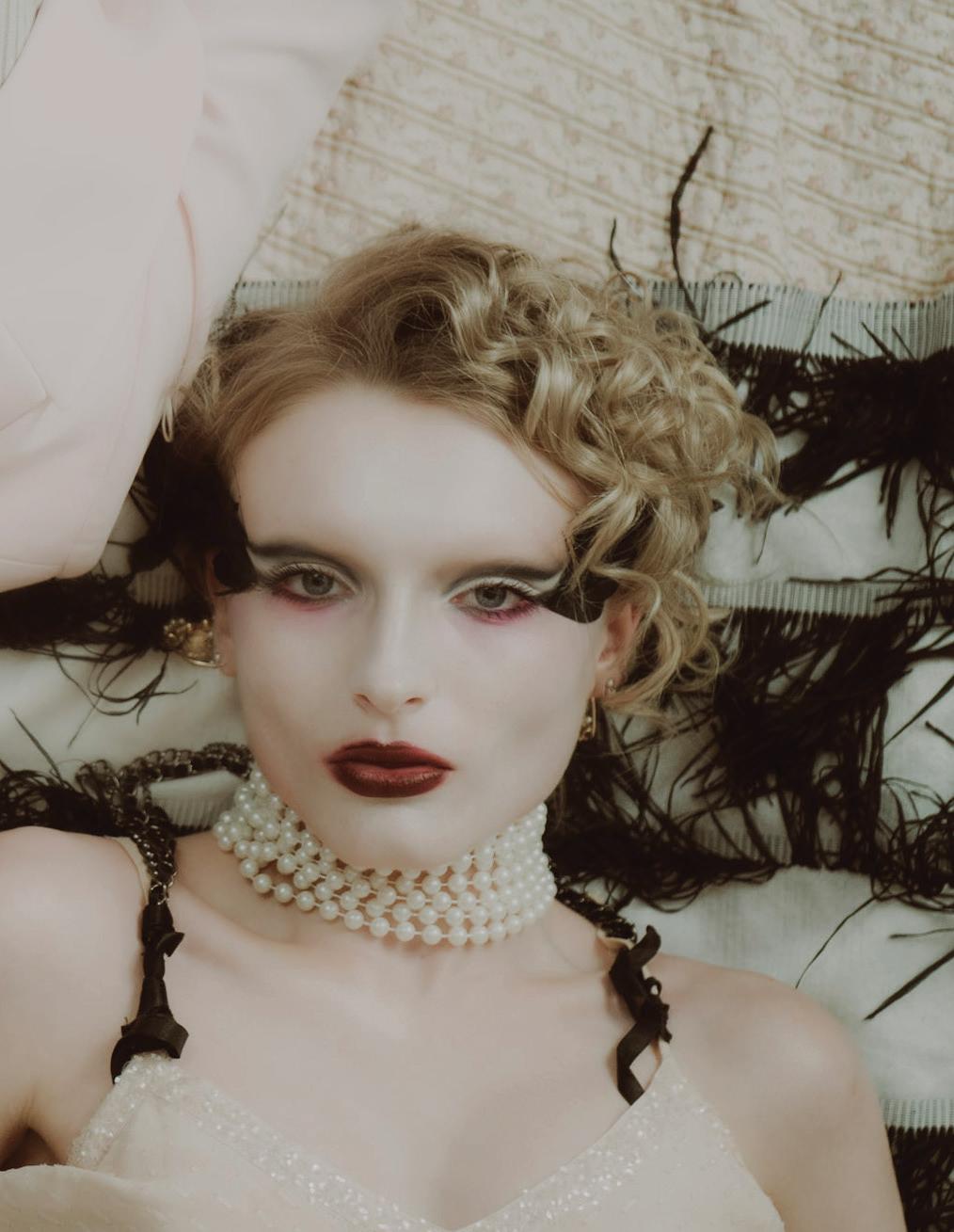
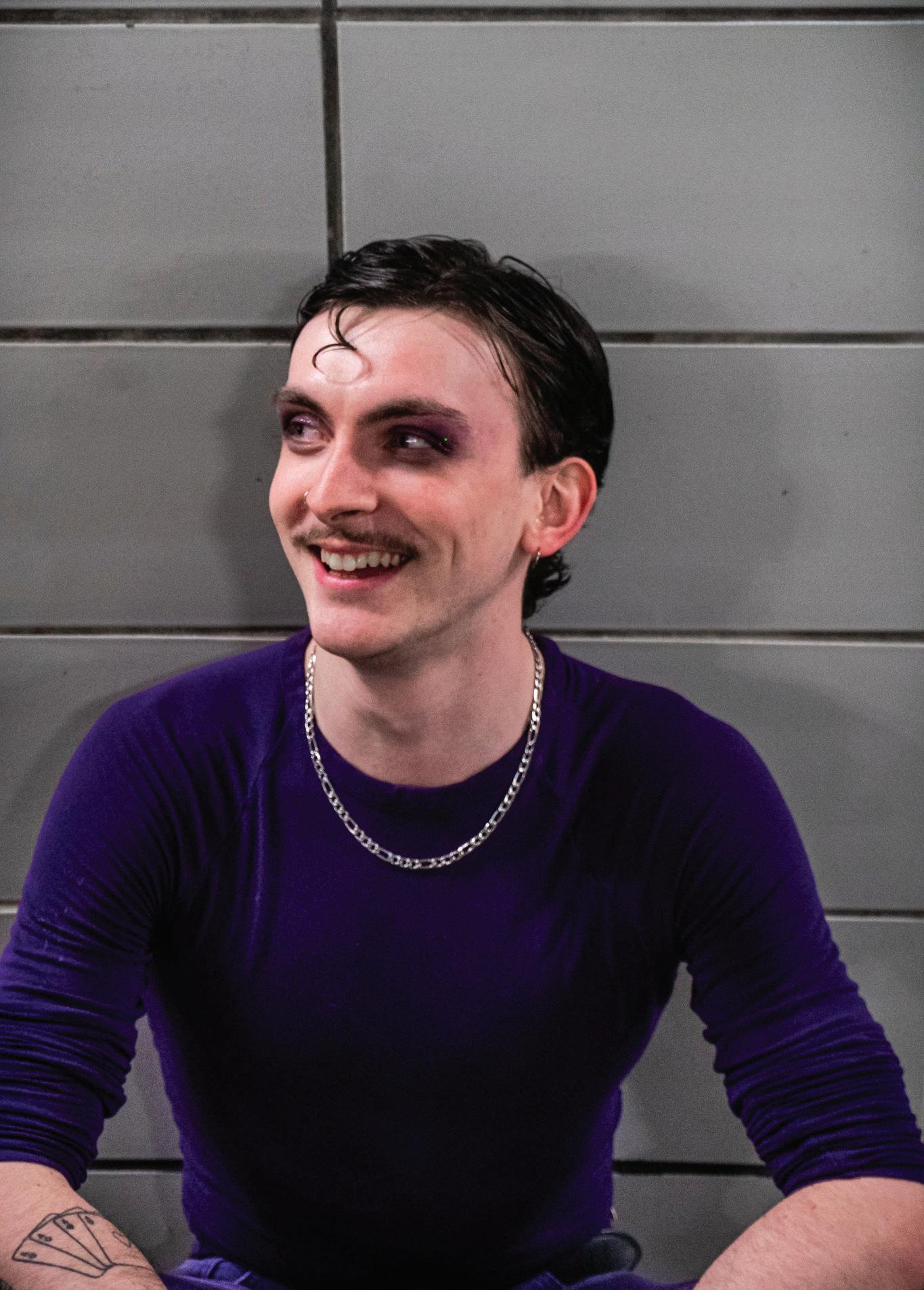
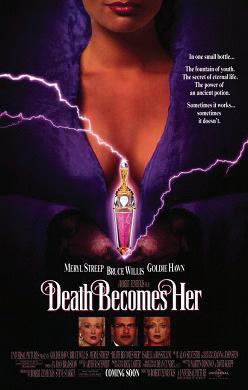

Red Bull
I always have a Red Bull on me. I don’t speak to anyone before I’ve had my daily caffeine fix. I always love something a little fruity (naturally), so Strawberry Apricot is my favorite. (Red Bull please sponsor us <3)
Death Becomes Her It’s campy. It’s fun. It’s Meryl Streep. I always return to this movie—when the Broadway musical debuted in 2024, I was ecstatic.
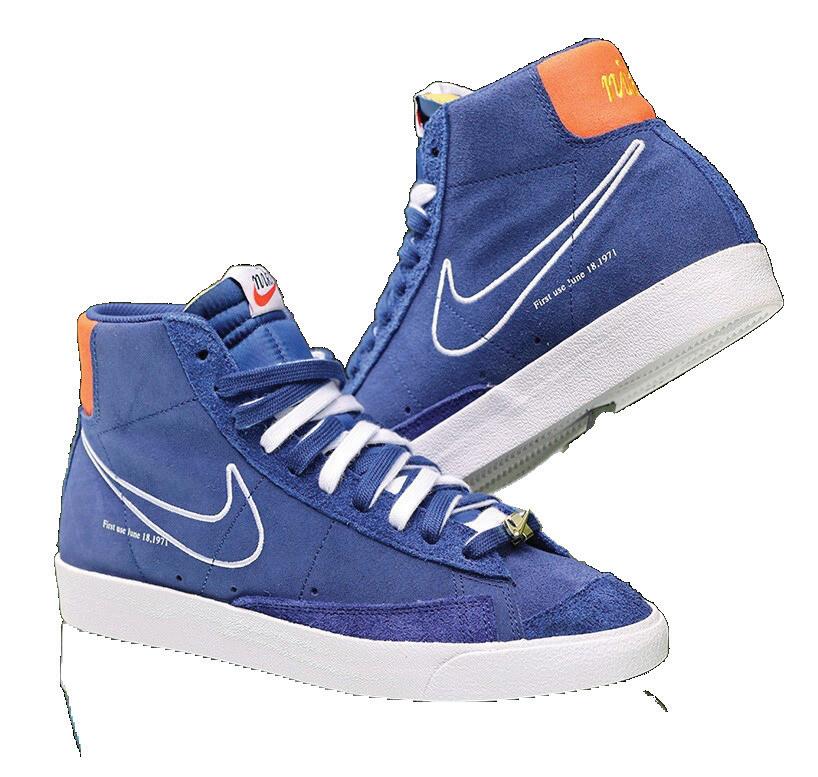
Nike Blazers
They’re not my everyday shoes, but god do I love them. More than anything, I just love to add a pop of color to my footwear—it makes me feel more coordinated.

Wishbone Conan Gray
I have been a fan of Conan Gray since his YouTube days. His heartbreak anthems got me through my teenage years and darkest hours. Conan has a special place in my heart.
Caps
“What’s that? A hat? Crazy, funky, junky hat! Overslept? Hair unsightly? Tryna look like Kiera Knightley?”
Truer words have never been said. Baseball caps can add a splash of color, subtly elevate an outfit, or cover up bad hair. My latest go-to has been my Midnight Rodeo cap, courtesy of my roommate, Bailey. Thank you, king!
Kiehl's Ultra Facial Moisturizer
Skin care is not my forte, but I’ve always known the basics. Kiehl's Moisturizer was one of the first skin care products I bought myself, and I stick to it. The SPF formula keeps my not-so-supple British skin youthful.
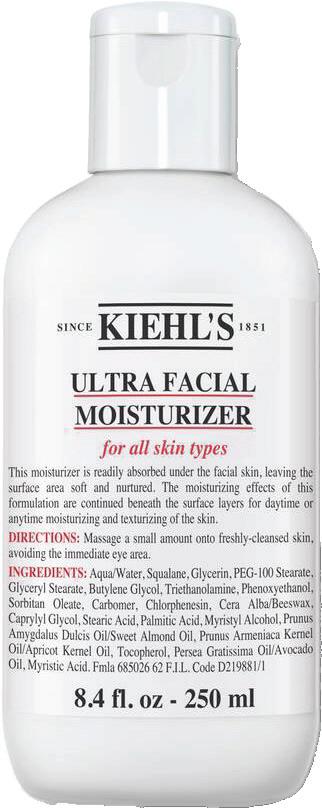
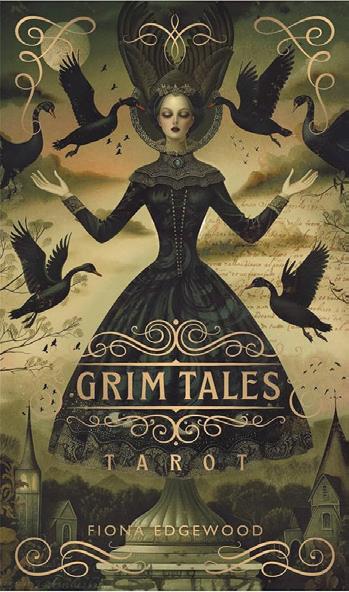
Grim Tales Tarot Deck by
Fiona Edgewood
In 2026, I plan to align my chakras, connect with my spirits, and strengthen my intuition. As someone who loves Grimm’s fairytales and eerie doll-like art, this deck in particular has been there for me through every reading
Repetto Camille Ballet Flats in Black
My ballerina desires manifest with every step in these flats. Pair them with a lace sock, a wide-leg jean, a miniskirt, or even sweatpants—I will find a way to keep these on. I now know how Dorothy felt with her ruby slippers.
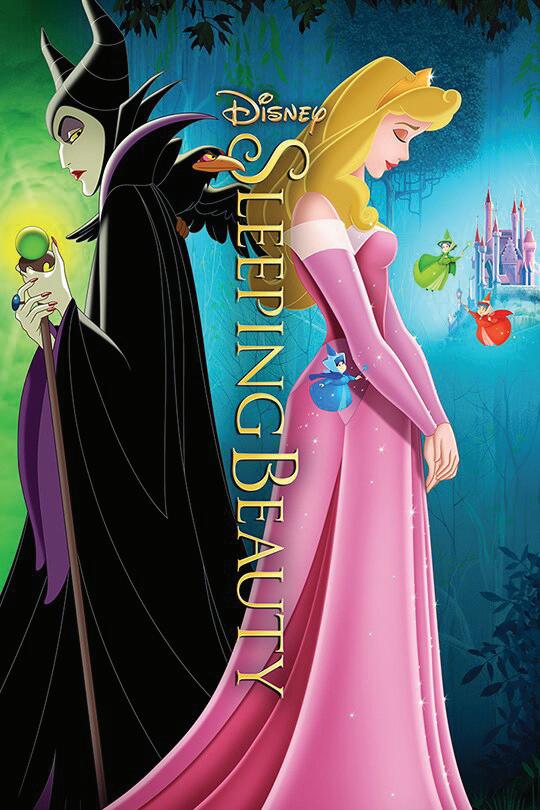
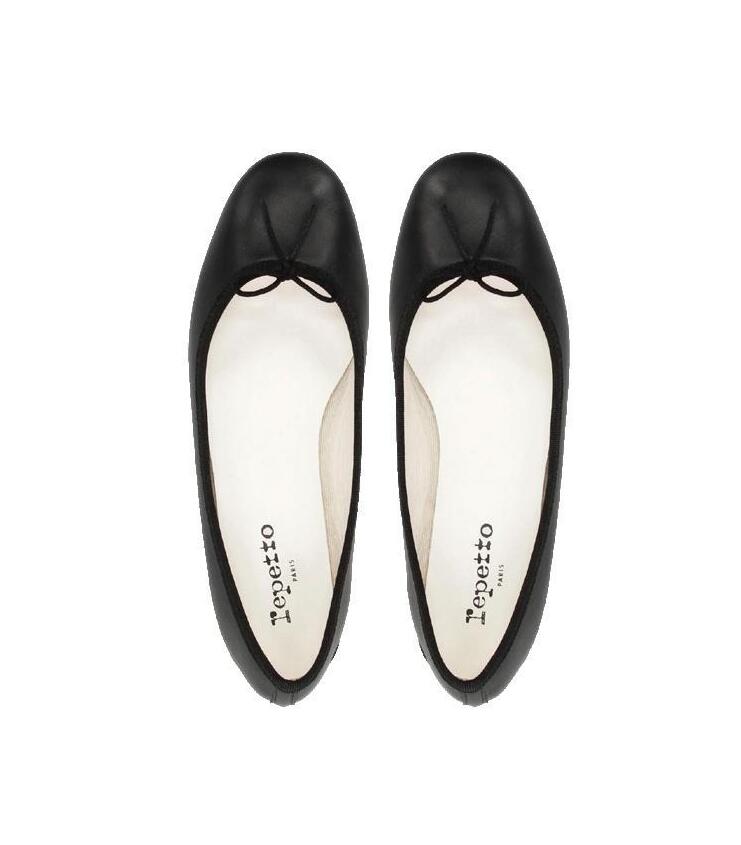
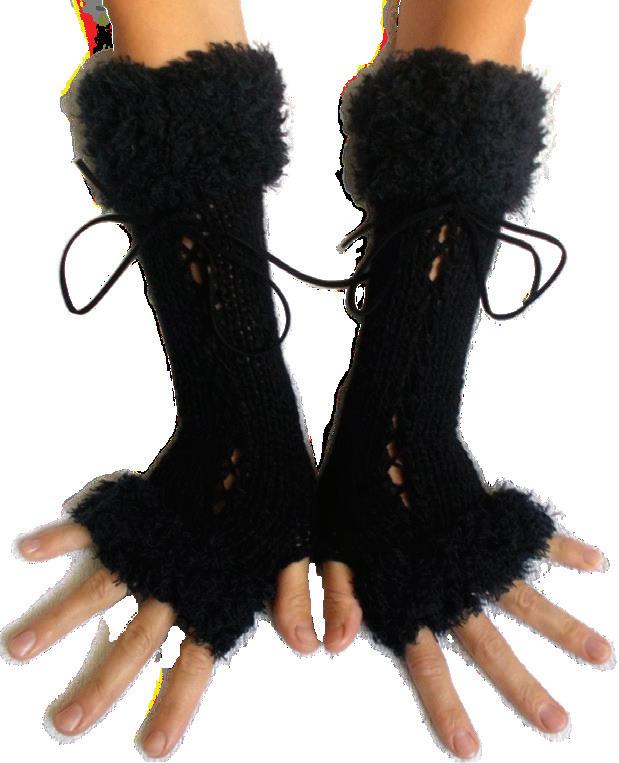
Knitted with gothic touches, these are hard to part with as the sky becomes bluer. These gloves have been a staple, the only thing on my mind when winter arrives.
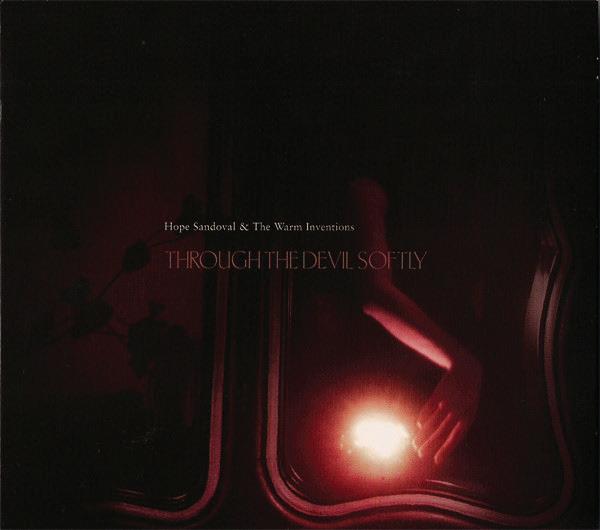
Through The Devil Softly by Hope Sandoval & The Warm Inventions
Sleeping Beauty (1959)
My underrated icon, Briar Rose. She’s been my girl since birth. I watch this film every single night without fail on rotation with Barbie of Swan Lake. As a professional dreamer/sleeper, I always take inspiration from this movie.
Nosferatu Heretic Parfum
Frosty lilac and floral orris concrete delight. Just give me a candlestick and a cotton nightgown, and I'm immediately immersed in 19thcentury Germany, living out my vampire dreams. Icy like mint gum, but warm like a lavender field.
Every listen casts a hypnotic spell. I find myself in the passenger seat riding to the summit of Acadia National Park in Maine. The August heat with a subtle breeze, arm out the window, and the wind in my hair.
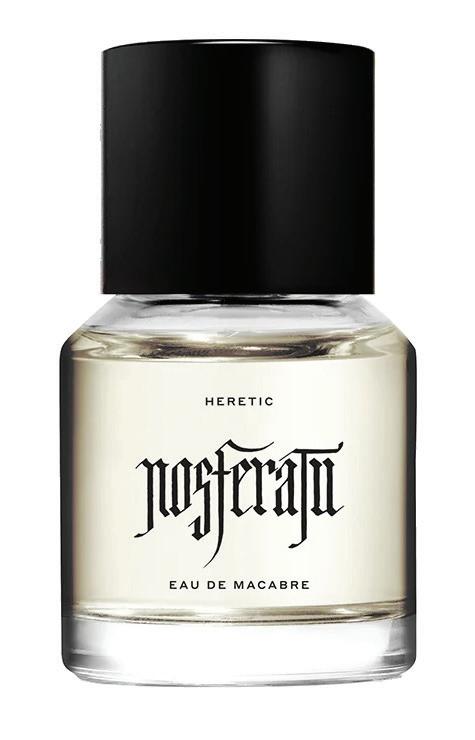
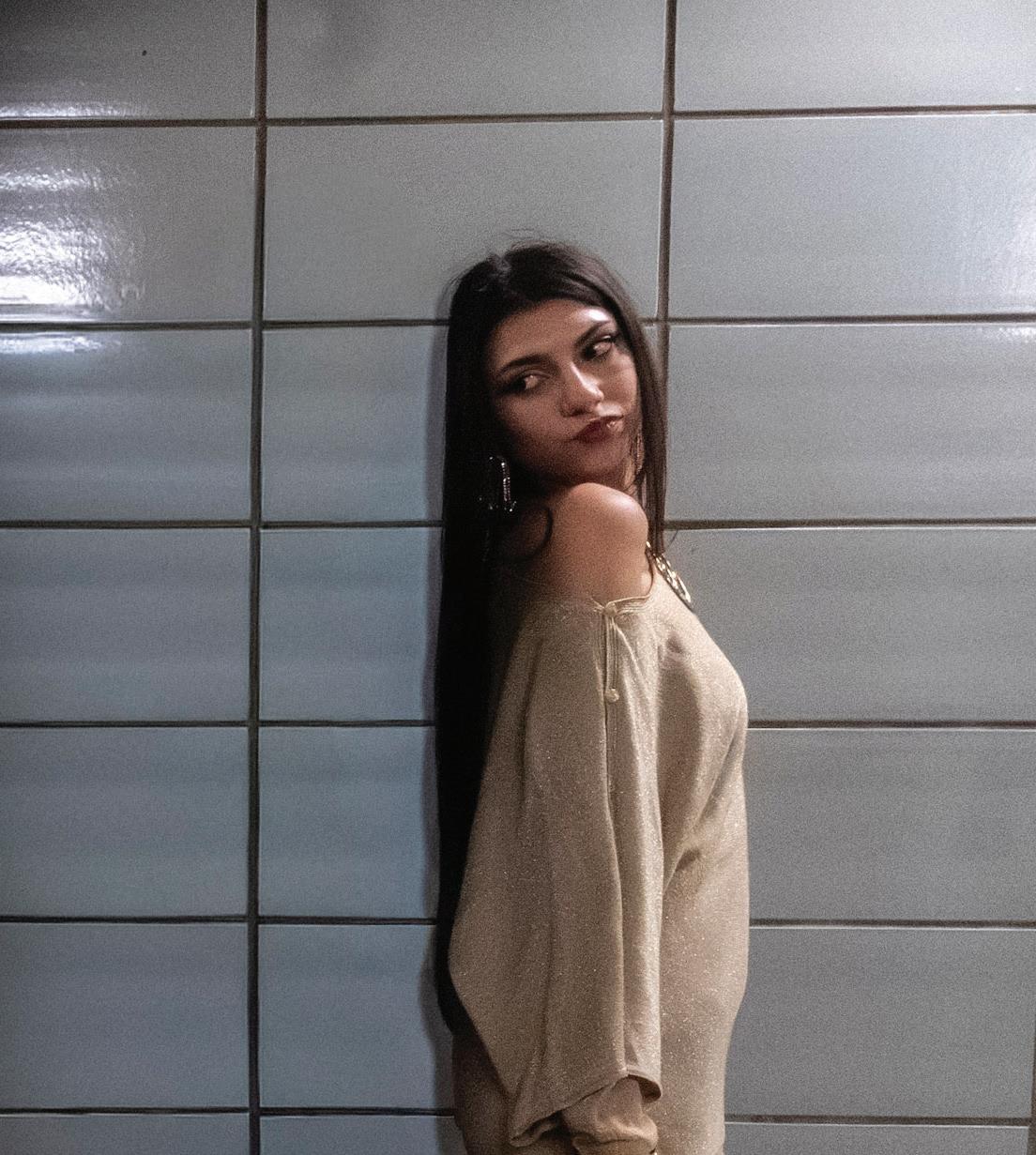
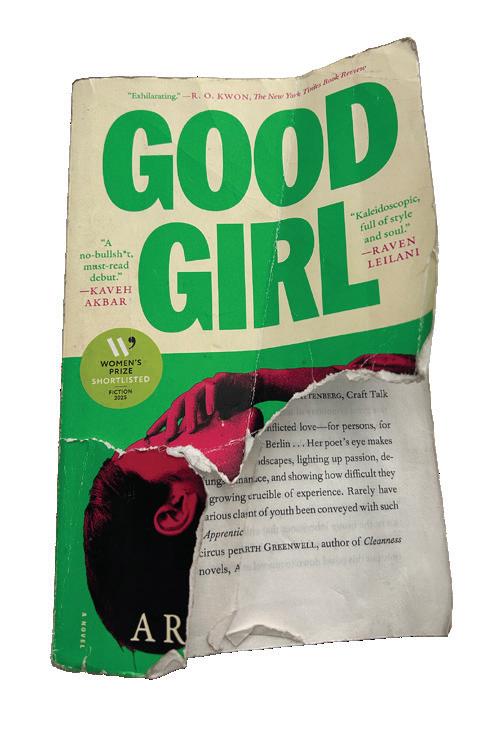
Girl by Aria Aber
I’m a firm believer that books should look used. It is only fair to include my beaten-up copy of Good Girl. If I had to describe this book in five words: rawness, self-discovery, prejudices, teenage mistakes.
One of my New Year's resolutions was to carry tangerines everywhere. Check my purse—at school, in the subway, or at the bar—one of the only things you’ll find (other than red lipstick) is a tangerine.
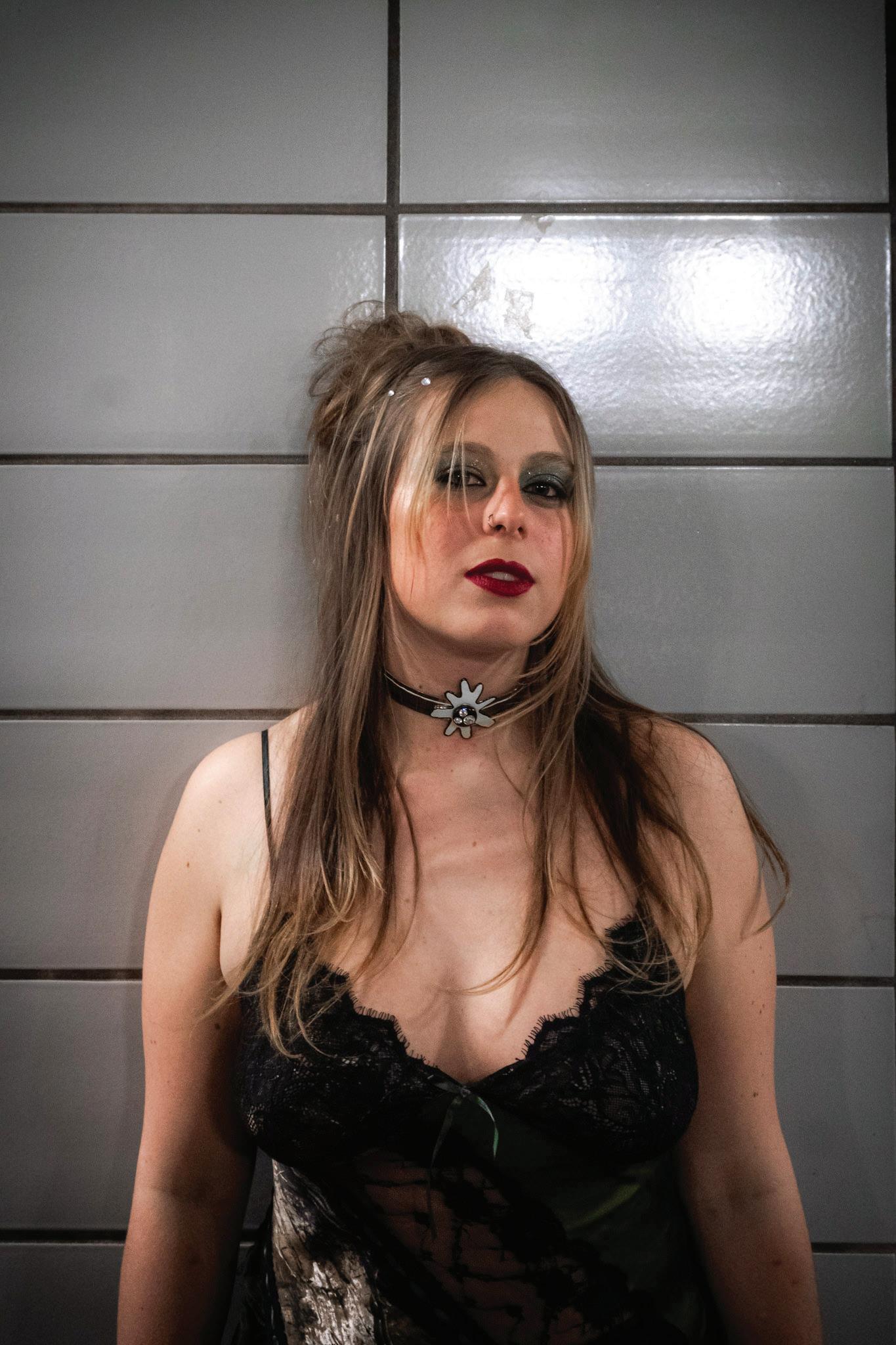
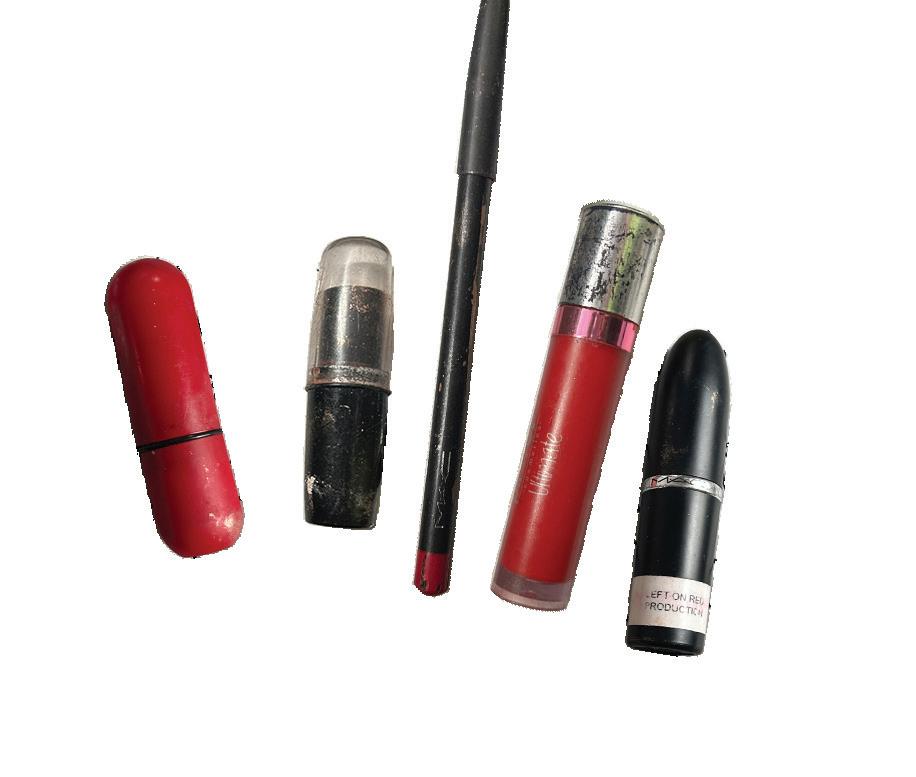
My only beauty tip ever is to wear bright red lipstick. I will wear a red lip to execute the most mundane of activities. The cheap bodega ones always end up being my favorites.
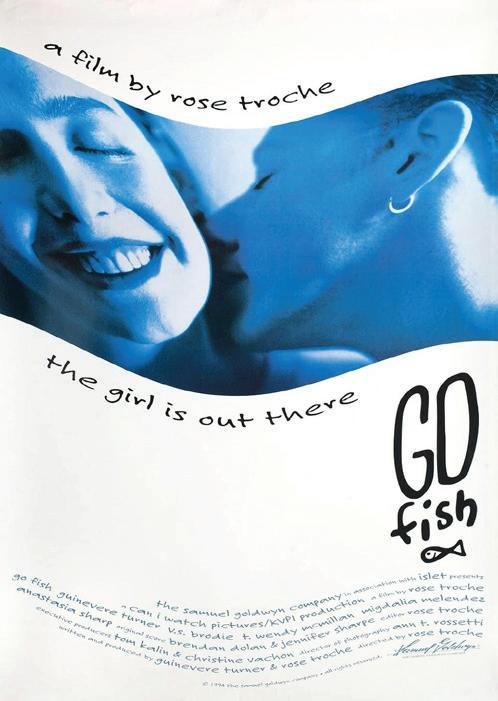
I spent about two years looking for the perfect leather jacket. I finally thrifted THE one, and I can confidently say, you can bury me in it.
Go Fish by Rose Troche
I chose one of my favorite “lesbian low-budget" movies, as predicted by the rest of the Lex Line staff. The film might be simple in structure, but in substance, it’s perfect, full of queer friendship and a sapphic happy ending.
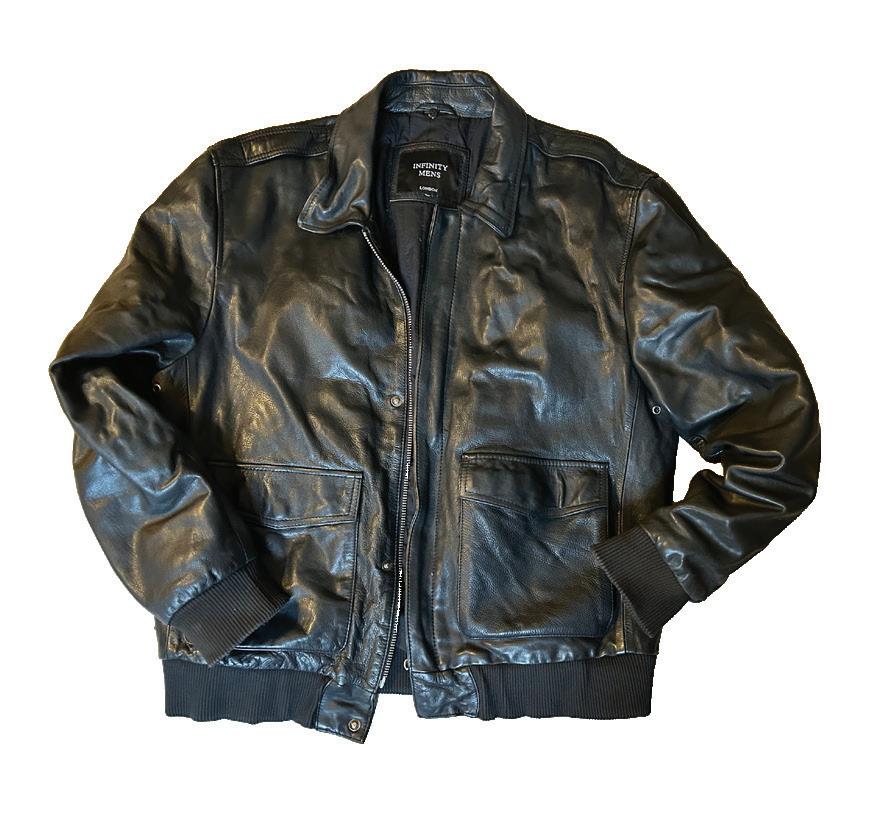
I have been wearing the same watch every day since 2019. My dad gifted me this watch, and unfortunately, it broke last year. My girlfriend surprised me with the exact same model for Christmas. It’s the perfect size, simple, and reliable.
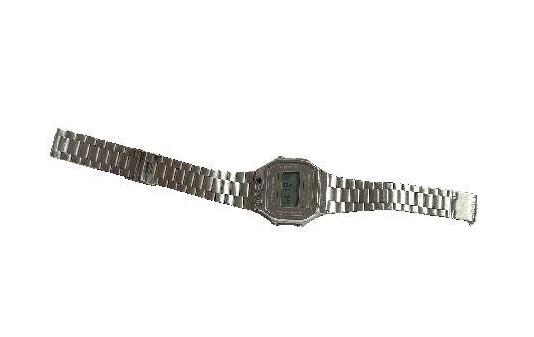

Tiger Bolo Tie
When I feel like I’m missing something—sometimes my Southern roots—I pop this on with a pair of cowboy boots, and I feel right at home.
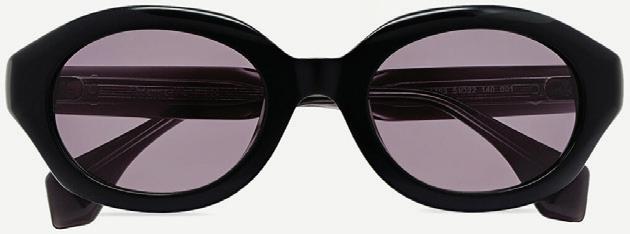
Vivienne Westwood’s 2023 Zeypher Sunnies
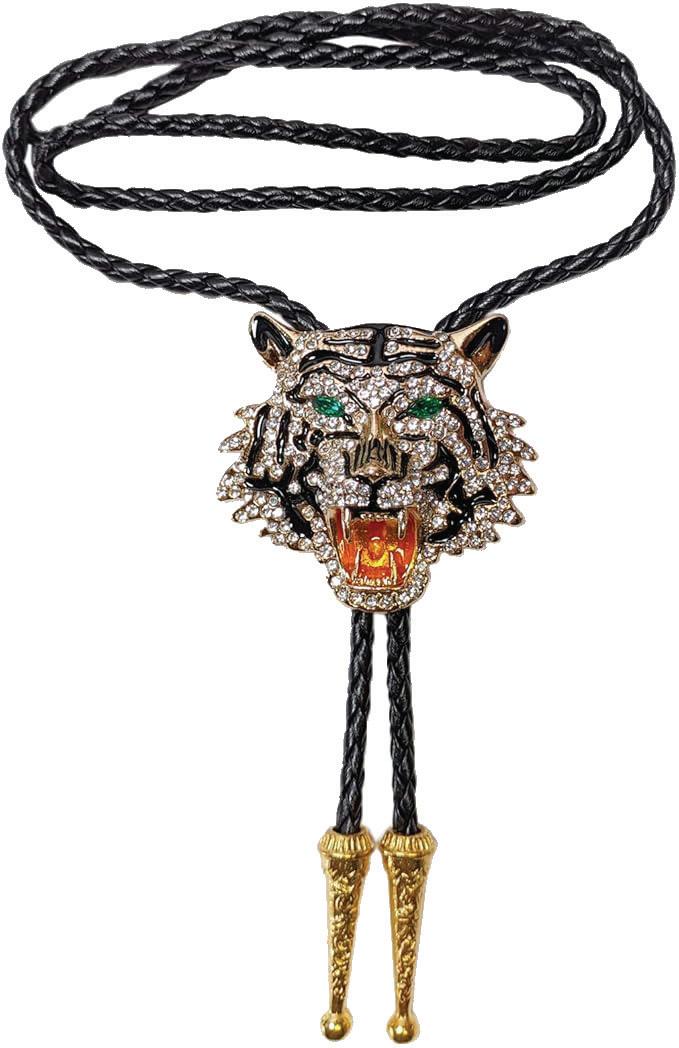
These are my day-to-day sunglasses, even if there isn’t a sliver of sun peeking through the clouds, and they elevate every look with the plumcolored lenses.
Good Dye Young Red DYEposit
This depositing conditioner has saved my hair many-a-time (thanks to GDY co-founder Hayley Williams). My go-to for giving my hair a little oomph.
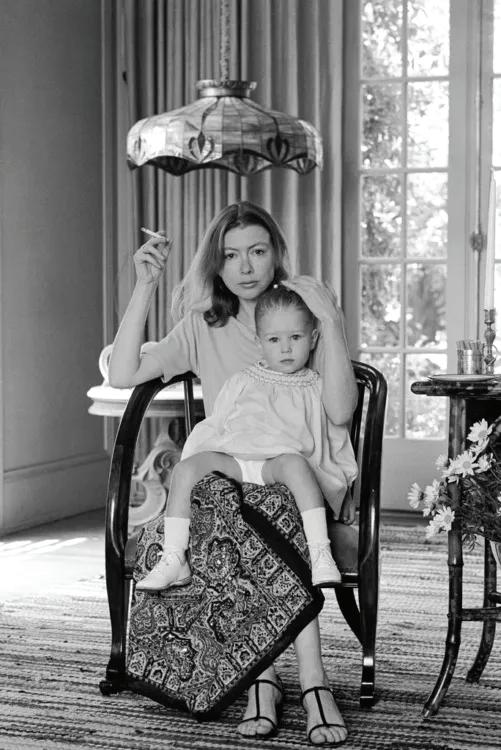
“On Going Home” Joan Didion
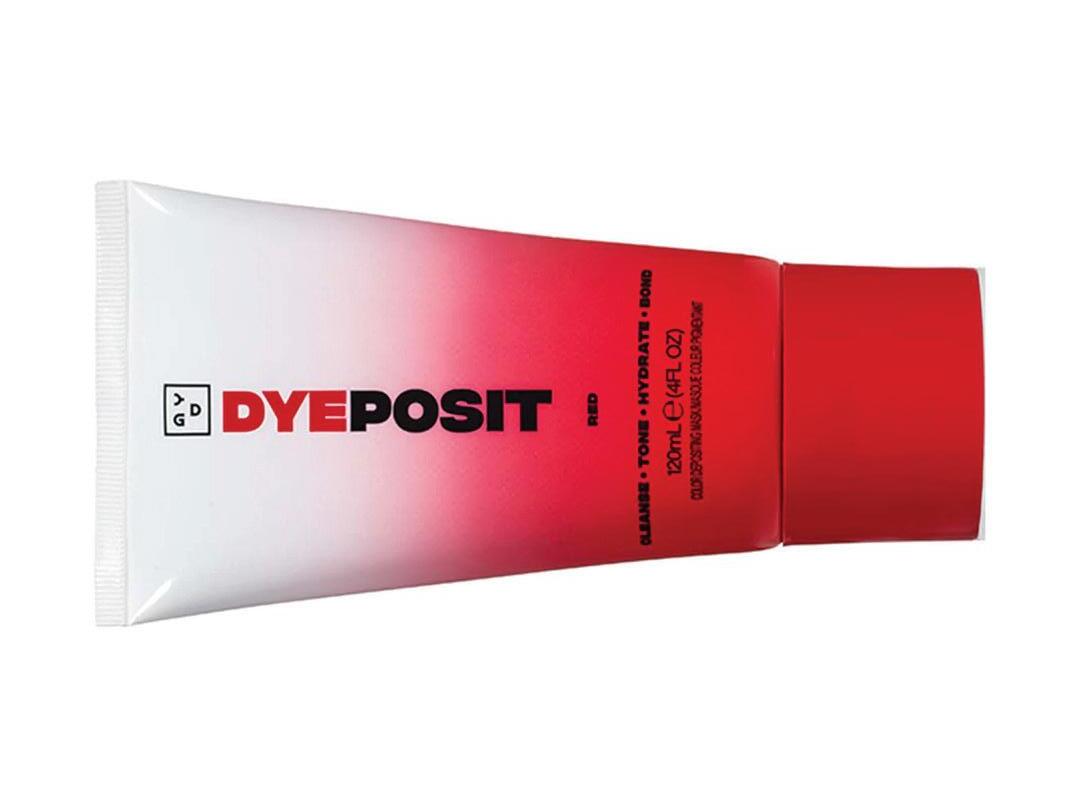
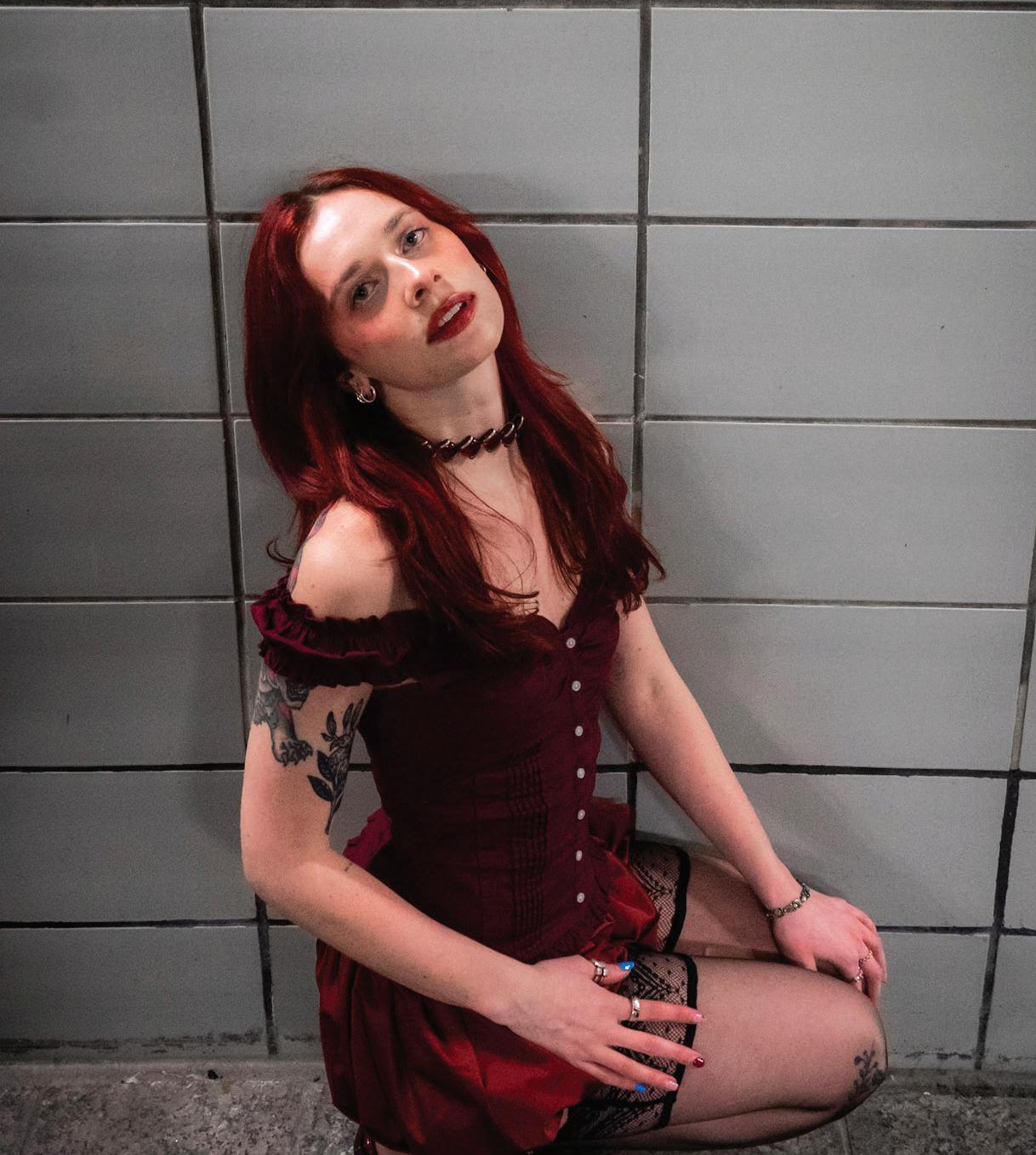

When I first read this, I thought Didion had been living in my brain. She perfectly describes what it’s like to leave “home” and then return, knowing you’ll never live life as it was.
Ego Death at a Bachelorette Party
Hayley Williams
My favorite and most-streamed album of 2025. Hayley Williams was never meant to fit into a box, and neither was I. There’s room to feel everything you’ve ever felt in 66 minutes.
Dark Chocolate Covered Crunch Corn Kernels
I owe all of the joy from my college years to Trader Joe's. These dark chocolate-covered kernels feed my soul in ways the average mind couldn’t comprehend.