

WD-40
The fortieth try
WORDS TO KNOW
MEET THESE BEFORE YOU READ
• Revenuethe money a business takes in by selling something.
• Customer - the person or group who pays for what a business o ers.
• Product - the thing a business makes and sells.
• Market - all the people who might want to buy a certain product.
Watch for these four words as you read. Each one shows up in the story below, doing real work. Notice them in action, and they will make a lot more sense than any definition can.
READ THE STORY Thirty-nine times the little team mixed a batch, tested it, and watched it fail. They were not making a toy or a cleaning spray. They were trying to keep a nuclear missile from rusting itself to pieces, and they were running out of tries. Then came the fortieth.
In 1953, a small company called the Rocket Chemical Company opened in San Diego, California. It had a staff of just three people and one goal: to make products that stopped rust and grease from ruining metal parts in the aerospace industry. Their first big job was a serious one. A company called Convair was building the Atlas missile, the first missile of its kind in the American arsenal, and the thin metal skin of that missile had to be protected from rust.
Rust was no small worry here. Metal left in the open air slowly reacts with water and breaks down, and the Atlas was built so light that its outer skin doubled as the wall of its fuel tanks. There was almost no room for error. The Rocket Chemical team needed a liquid that would push water away from the metal and leave behind a thin, protective coat. Chemists call that idea water displacement, which simply means moving the water out of the way.
STOP & THINK
Why was rust a far bigger danger on the Atlas missile than on most metal objects?

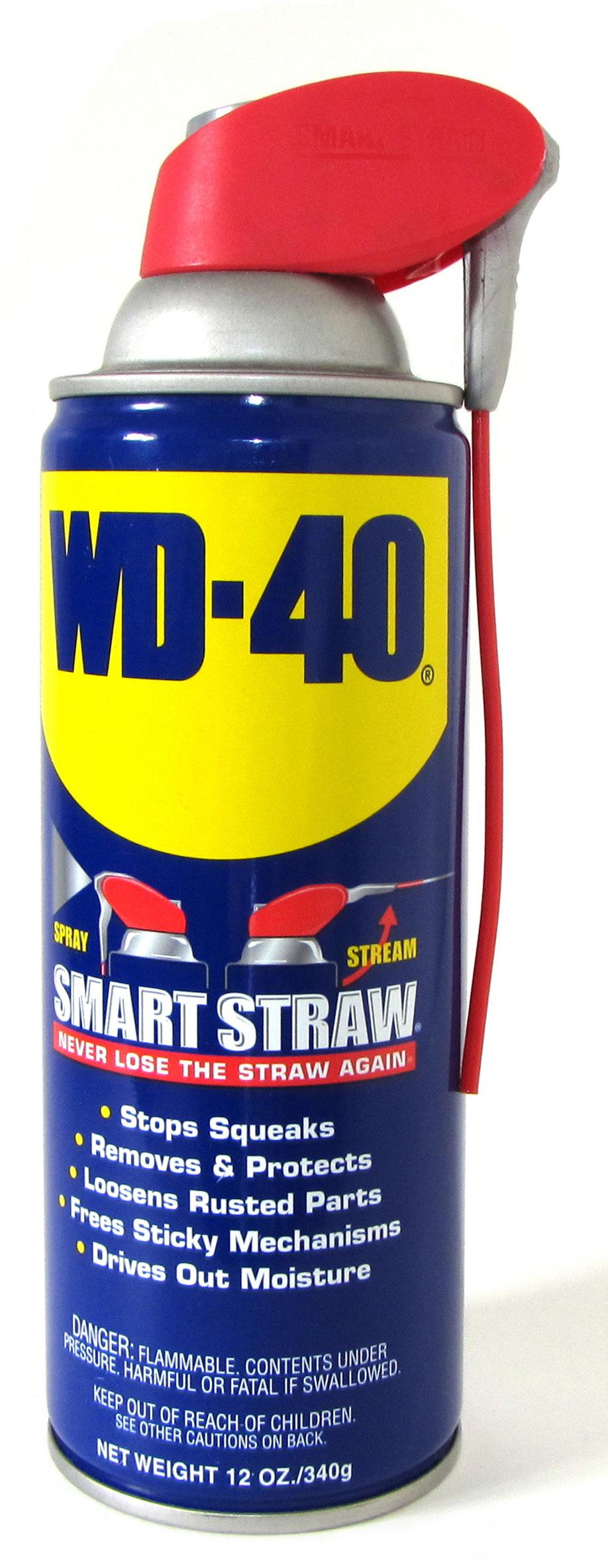
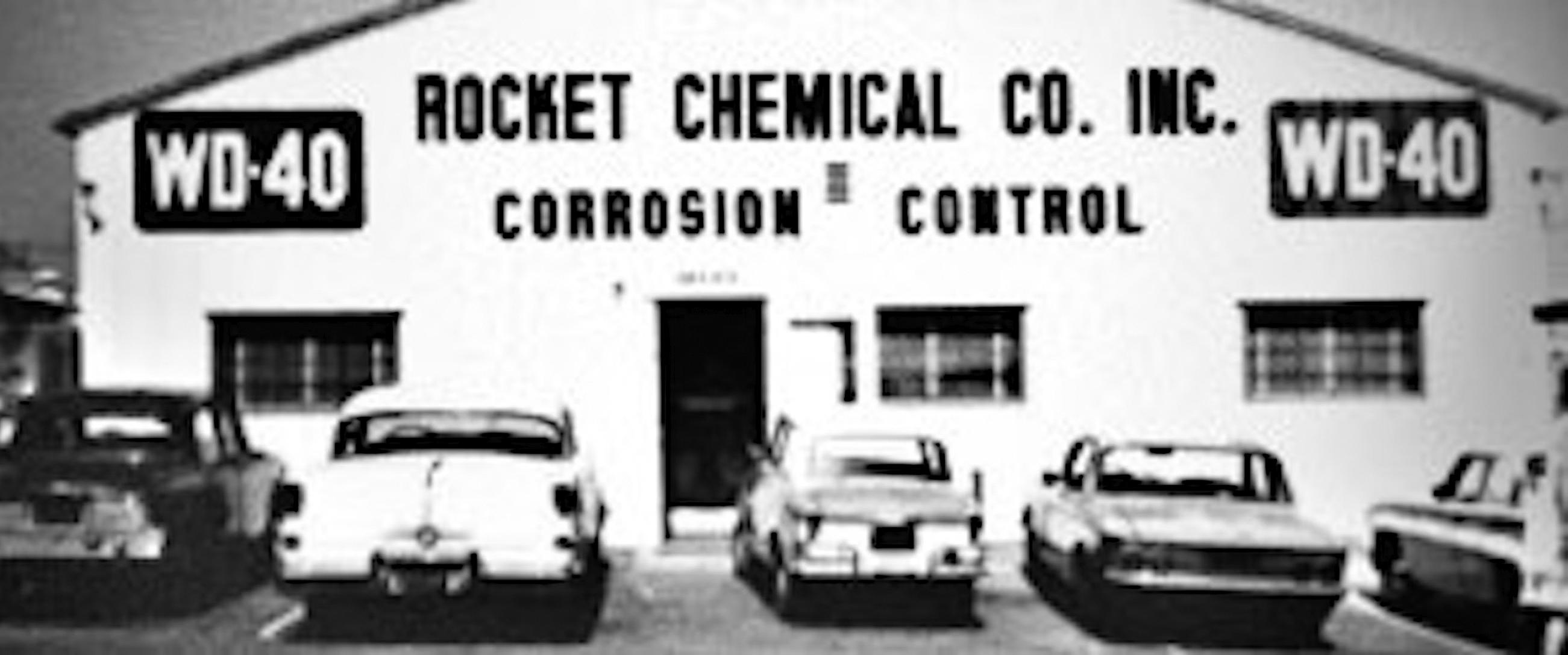

Getting the formula right was not easy. The team mixed a batch, tested it, and wrote down the result. Then they adjusted the recipe and tried again, numbering each attempt so they would never repeat a mistake. The first try did not work. Neither did the next, or the one after that. They kept going, batch after batch, until the 40th finally did the job, and it did it so well that the same secret formula is still used today. That is how the product got its name. WDstands for Water Displacement, 40th formula, taken straight from the lab note -
WD-40 did its job on the Atlas missile, but then the company noticed something it had not
STOP & THINK
Why was rust a far bigger danger on the Atlas missile than on most metal objects?

STOP
& THINK
Who was WD-40’s first customer, and who turned out to be the much bigger one?
planned. The workers who used it at the plant started taking cans home for themselves. They had discovered it was useful for all sorts of ordinary things, like quieting a squeaky hinge, freeing a stuck lock, or loosening a rusted bolt. The product built for missiles turned out to be perfect for everyday life, and people wanted it in their own homes.
The company’s president, Norm Larsen, paid attention to that. He realized that ordinary people might buy WD-40 for their homes, not just aerospace companies, and that there were a great many more homes than missile factories. So the team put WD-40 into an aerosol spray can that anyone could use, and in 1958 it reached store shelves in San Diego for the first time. By 1960 the company had grown to seven employees who sold about 45 cases a day, often straight out of the trunks of their cars to nearby hardware and sporting goods stores.
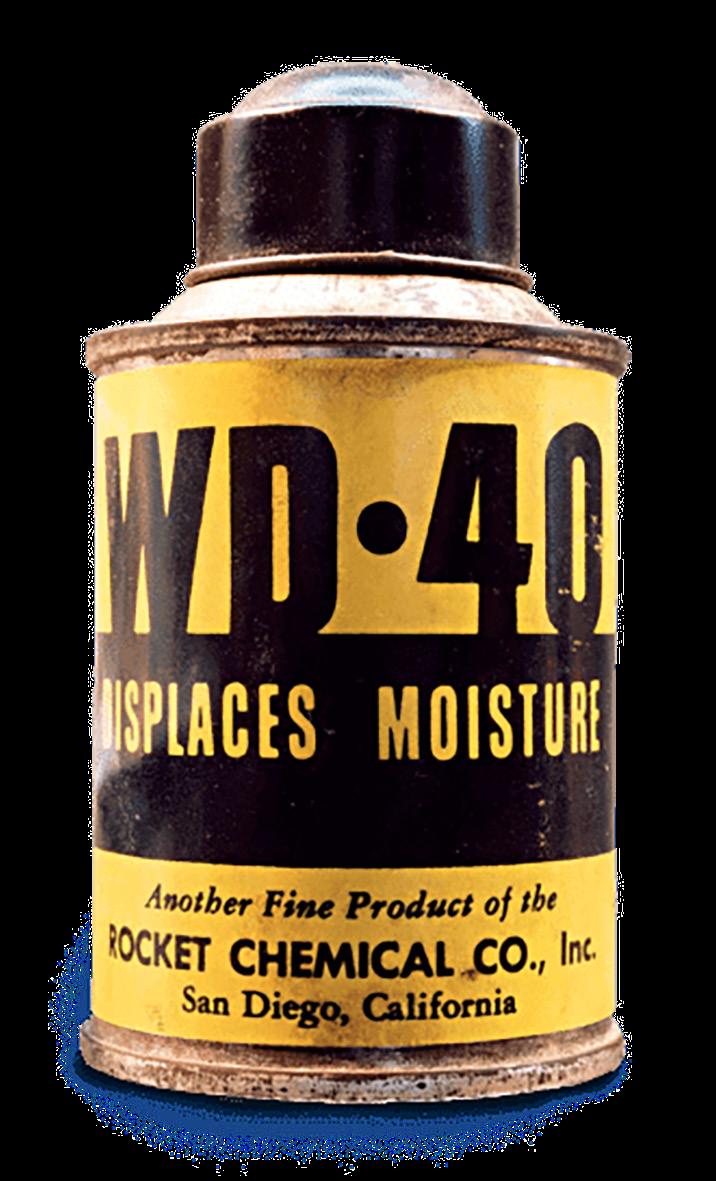
From there the little product kept climbing. It proved itself in dramatic ways, too: after a hurricane flooded the Gulf Coast in 1961, WD-40 was used to dry out and rescue water-damaged machines, and around 1962 NASA used it to help protect the spacecraft that carried astronaut John Glenn into orbit. The company eventually took the name of its most famous product, and in
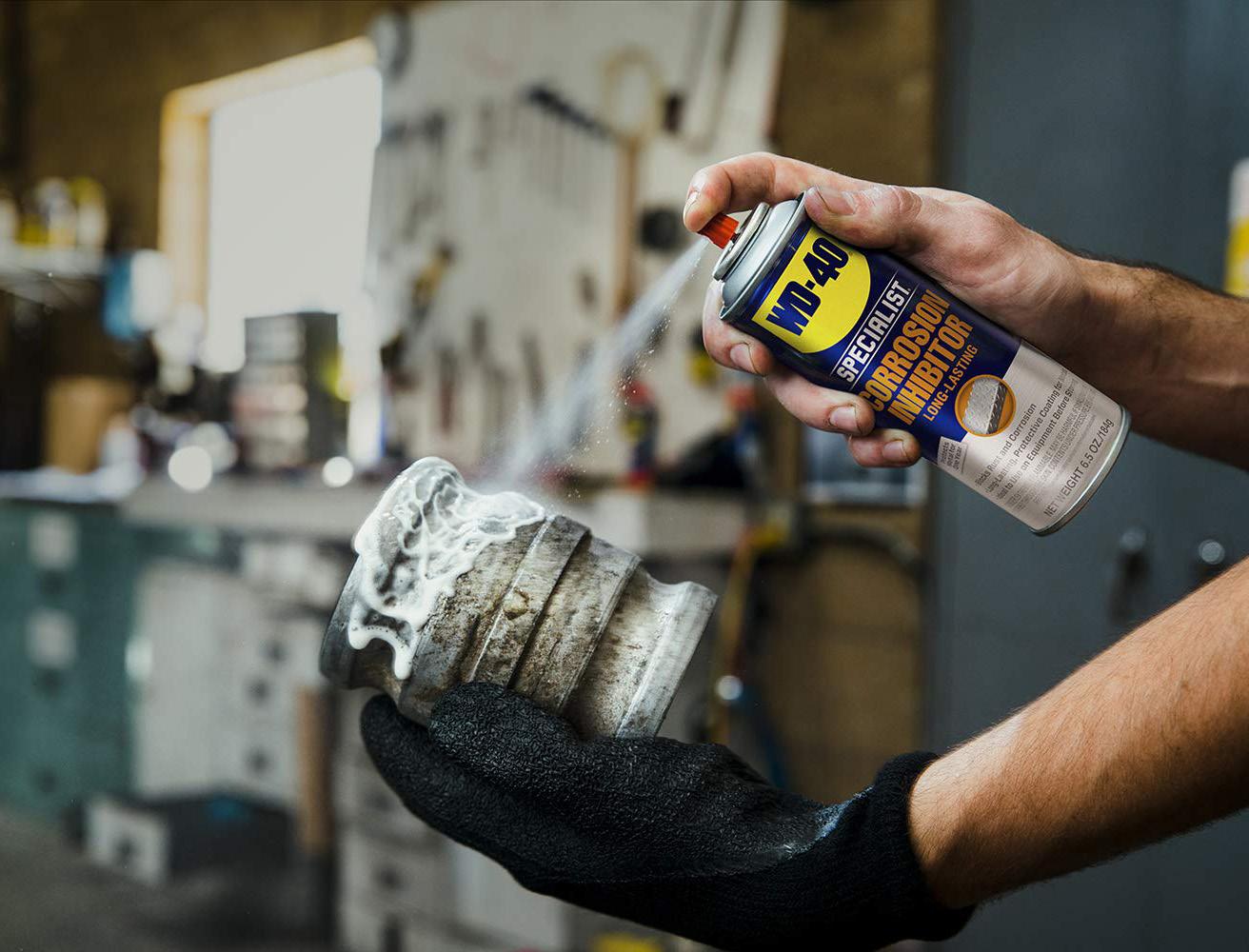
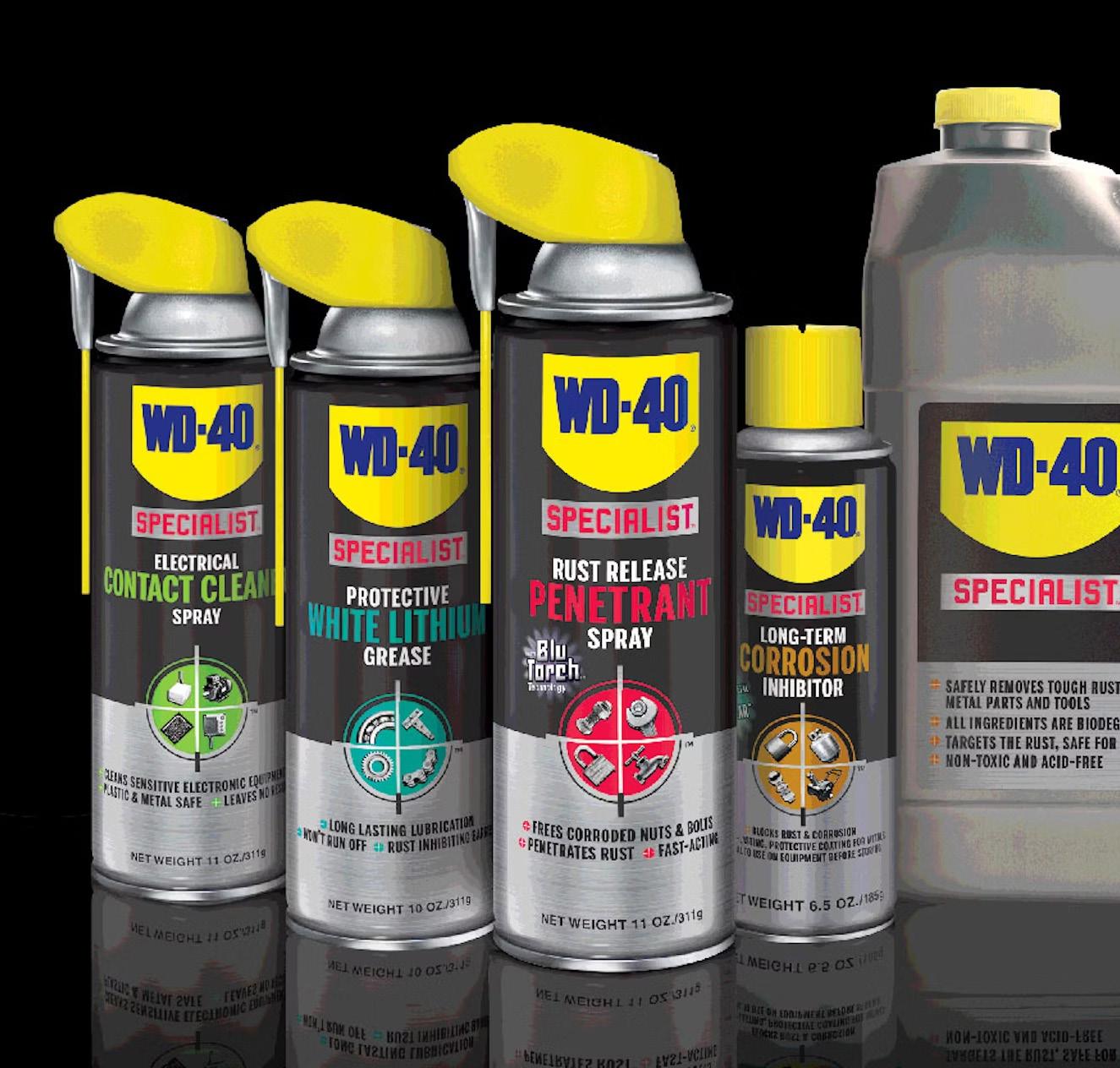
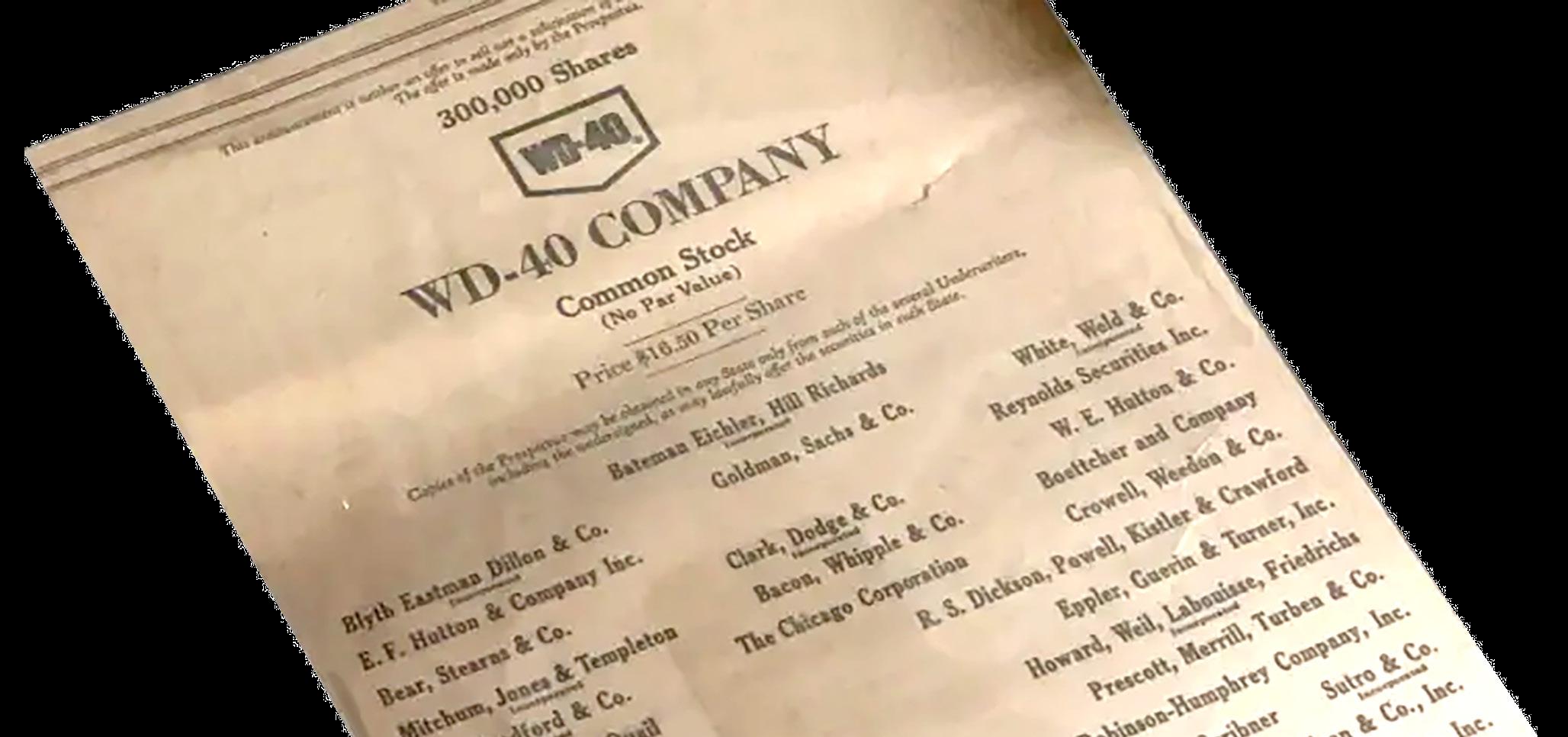
1973 the WD-40 Company became a public company, which means anyone can buy a small share of it on the stock market, where it still trades under the symbol WDFC.
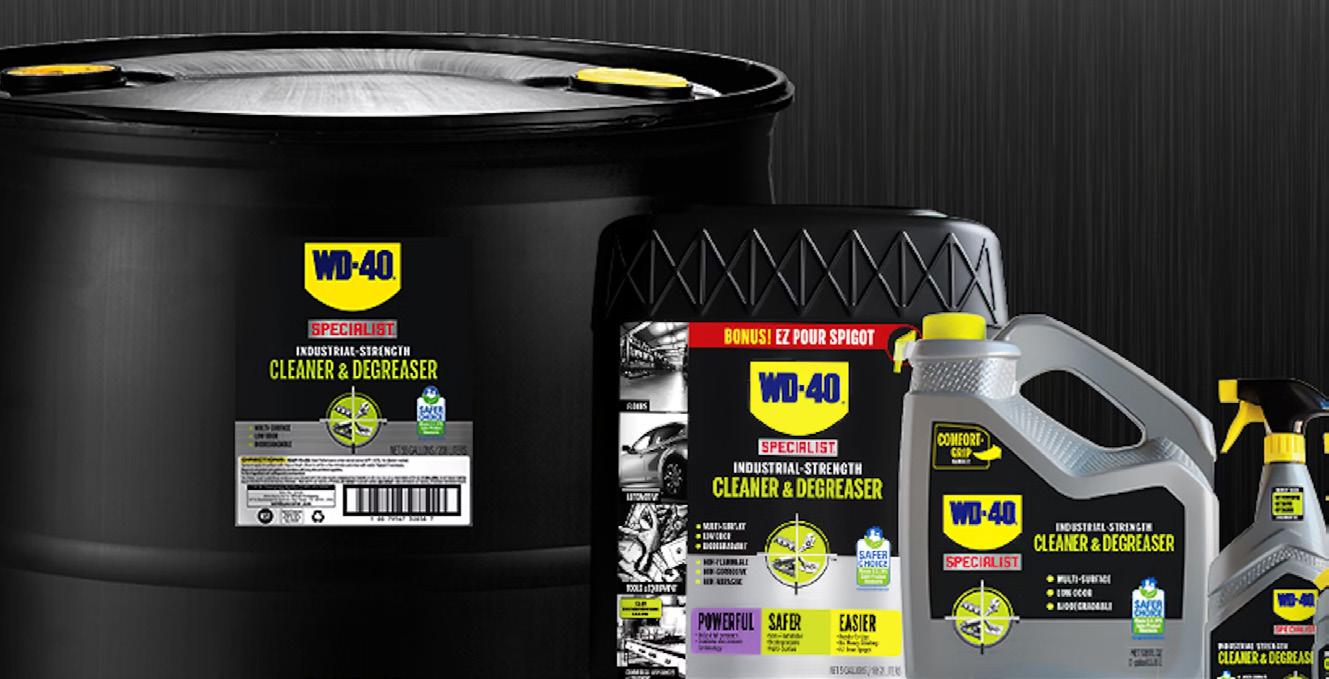
Today WD-40 is sold in more than 170 countries, and in 2025 the company brought in about $620 million in revenue. The blue and yellow can that started in a three-person lab now sits in garages and kitchen drawers all over the world. The product itself barely changed along the way. What changed was the company realizing how many people, far beyond a few missile builders, wanted exactly what it had already made.
DID YOU KNOW?
• The exact WD-40 formula has never been patented. The company decided a patent would mean publishing the recipe for everyone to see, so instead they keep it a secret, the same way Coca-Cola guards its formula. The original is reportedly locked in a bank vault.
STOP & THINK
The product stayed almost the same the whole time. So why did the business grow so enormously?
• Fans have sent in thousands of uses for WD-40 over the years, from freeing stuck rings to quieting squeaky toys to protecting tools from rust.
• WD-40 stands for nothing fancier than “Water Displacement, 40th formula,” the note in the lab book recording that the recipe worked on the fortieth try.
The Lesson
The price is not the cost. The gap between them is where a business lives or dies.
Almost everybody has ideas. The minute it rains, someone wishes for a better umbrella. But an idea sitting in your head is not a business, and it never will be on its own. A business begins the exact moment someone is willing to hand over money for what you made. That money coming in has a name. It is called revenue
TAKE IT TO THE CLASS
WD-40 started by solving one narrow problem, rust on a missile. It was a real problem with a real solution, but only a few aerospace companies needed it, so the business stayed small. The company got much larger when Norm Larsen realized that a far bigger group of people, a far bigger market, shared a version of the same problem. Almost everyone owns something made of metal, and metal gets stuck, squeaky, or rusty. Same exact product, many more customers, far more revenue. The clue was hiding in those take-home cans the whole time, and it points to a quietly important truth. Sometimes your biggest customer is not the one you set out to serve.
WHO REALLY KEPT TRYING?
Here is the question for the room. The Rocket Chemical team tried 39 times before the 40th formula worked. Imagine you were on that team after attempt number 30. Would you have kept going, or argued that the company should give up and try something else?
Split the room out loud. Some of you defend “keep mixing,” some defend “cut our losses.” Both sides have a real point. Listen for this question as you argue: how do you actually know the di erence between not quitting and wasting time and money? There is no clean answer, and that is exactly what makes it worth arguing about.
The Work
CHECK YOU FOLLOWED THE STORY
1. What was the Rocket Chemical Company originally trying to make, and for whom?
2. Where does the name “WD-40” come from?
3. How did the company first discover that ordinary people wanted the product?
THINK HARDER
1. The team tried 39 times before the 40th formula worked. Why might careful, numbered records of each failure have helped them more than starting fresh every time?
2. The product never changed when WD-40 went from missiles to garages, yet the business grew enormously. So what did change?
3. Explain in your own words why an idea is not a business until someone pays for it.
TRY IT YOURSELF
Pick a product you own that costs more than the materials in it seem to be worth, like a good backpack or a sturdy water bottle. List three things, besides the raw materials, that you think you are paying for when you buy it.
BUSINESS RULE
“The price is not the cost. The gap between them is where a business lives or dies.”