
TRAINING MANUAL








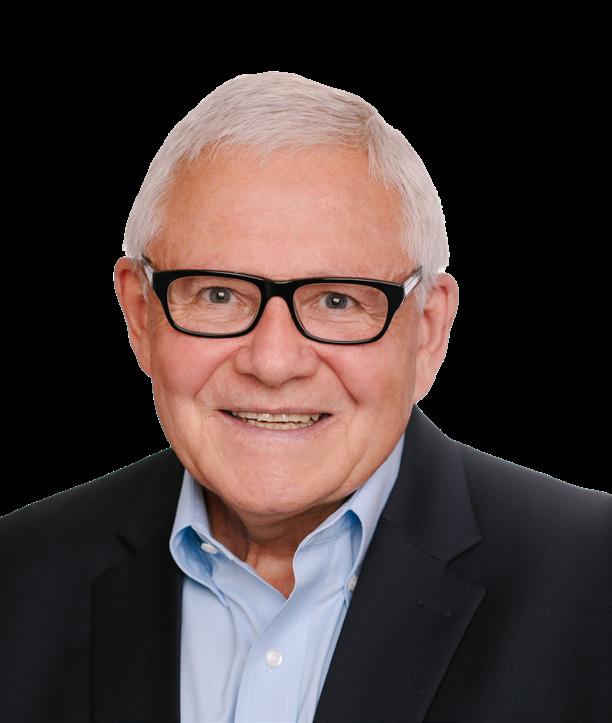
With four children and ten grandchildren, Tom has a passion to help families create and build a family legacy that will carry on for generations to come.
Three words: CLARITY, ALIGNMENT, and COMMUNICATION, are at the heart of what Legacy by Design does with families. We help them gain clarity around their goals in five areas of their legacy
(personal, family, financial, business, and charitable). Next, we review their existing plan to see how well it aligns with that clarity. Finally, once that plan is aligned, we assist them in communicating and discussing that plan with the next generations. This is done in family meetings.
We do all this through the Multi-Generational Legacy Coaching Process. This process helps families gain clarity and confidence around what they believe God wants them to do with their resources. It helps them quantify their needs for the future, what they wish to leave for their family, what they will do with their business, and how the remainder of their resources can be released to organizations that reflect their values. It often leads to a zero estate tax plan.
We believe the lack of clarity around their legacy issues keeps many families from maximizing the use of their resources. In addition, many families do not know whether their existing plans match up with what they believe God would have them to do with what He has entrusted to them.
Tom is a CPA by training whose career has led him to serve with numerous financial service and ministry organizations such as Ernst & Young, Cru, Ronald Blue & Co., Perimeter Church, Generous Giving, Inc., National Christian Foundation, Kingdom Advisors, and Haggai Institute.
Tom is a Qualified Kingdom Advisor (QKA™) and contributing author to two books: unHERITAGE – The 11 Pitfalls of Family Legacy and How to Avoid Them and unPREPARED – 14 Elements of Successful Wealth Transfer.
Living and serving in Africa for several years and working extensively in Europe, Asia, and Russia enhanced Tom’s global Christian perspective. Tom and his wife Susan have been married for 46 years and live in Atlanta, Georgia with their Down syndrome daughter, Pamela Joy.
© 2026 Tom Conway & Family Legacy by Design



1:00 – 1:30 1:30 – 2:15
2:15 – 3:00 3:00 – 3:20 3:20 – 4:00 4:00 – 4:45 4:45 – 5:30 5:30 – 6:15 6:15 – 7:45
Welcome and Introduction
Session 1 – Introduction to Multi-Generational Legacy Coaching
Session 2 – The Heart of a Legacy Coach
BREAK
Session 3 – The Process of Legacy Coaching
Session 4 – The 5 Areas of Legacy
Session 5 – Stage 1 – The Goals Conversation
BREAK Dinner
7:00 – 8:00
8:00 – 8:45
8:45 – 9:30
9:30 – 10:15
10:15 – 10:35 10:35 – 11:20
11:20 – 12:00 12:00 – 12:45 12:45 – 1:30
1:30 – 2:15 2:15 – 3:00 3:00 – 3:45
Breakfast
Devotions
Session 6 – Stage 1 – FAMILY Review
Session 7 – Stage 1 – Goals and Gaps Analysis
BREAK
Session 8 – Stage 2 – Strategy Development and Implementation
Session 9 – Engaging the Next Generation LUNCH
Session 10 – Initial Family Meeting
Session 11 – Developing Family Vision, Mission, Values
Session 12 – Stage 3 – Ongoing Monitoring
Session 13 – Evaluation and Departure


What are your goals and expectations for our time together?
• Articulate the distinctions between legacy planning and traditional wealth planning:
o Define a legacy and different types of legacies
o Understand a Biblical worldview toward legacy
• Understand the benefits of Legacy by Design vs. Legacy by Default:
o Understand why traditional wealth planning typically fails
o Understand best practices of successful families’ wealth and legacy planning
• Begin to incorporate CLARITY, ALIGNMENT, and COMMUNICATION principles into multi-generational wealth planning:
o Understand and articulate different types of capital in legacy planning
o Understand a Biblical approach to multi-generational stewardship
2026 Tom Conway & Family
1. I will __________.
2. I will take ___________ with me.
3. I will probably die at a time I did not _______________.
4. Someone else will get my _______________.
5. I can only decide before I die who gets my ___________ after I die.
“There will be a family meeting. It’s just a matter of whether you will be there or not.”
1. Something that is ________________ from someone who has died.
2. Something that is ________________ by our ancestor or predecessor.
Legacy is not about __________________.
The most significant legacy people leave is __________ at all about money. It is about ______________, ________________, and ________________.
1. The legacy you have __________________.
2. The legacy you will ___________________.
3. The legacy you are ____________ _____________ _____________.
Deuteronomy 6:4–7, Ecclesiastes 2:18–19 describe the importance and priorities of legacy from God’s perspective:
MY GOALS FOR MY CLIENTS
1. Family ____________________.
2. Wise ______________ transfer and _______________ transfer.
YOUR BIBLICAL GOALS FOR YOUR CLIENTS
1. To hear, “_____________________________________________” (Matthew 25:21)
2. To present every man ________________ in ___________ (Colossians 1:28–29)
1. Legacy Coaching involves helping ________________ pass on their faith, resources, and impact for generations to come.
2. Legacy Coaching includes an ________________ mindset.
3. Legacy Coaching is focused upon the success of the family for _______________ generations.
Modern/Secular View:
• Raise children to ________________________
• “Up and Out” theory: We __________ them up; We __________ them out.
Biblical View:
• ___________________ not independence
• ________________________ loving and serving one another
Describe the promise you see given to Abraham in Genesis 17:6-7:
Describe the Biblical scope of legacy in Psalm 78, Psalm 105, and Deuteronomy 7
What are typical priorities in modern legacy advice and what are its generational consequences?
• _______ of wealth transfer fails in the _________ generation.
• _______ of wealth transfer fails by the _________ generation.
• 60% of generational failure is due to a lack of ________________ and _________ within the family.
• 25% of generational failure is due to unprepared ____________.
• 10% of generational failure is due to a lack of ____________ surrounding family ______________ and an individual’s place therein.
• Less than 5% of generational failure is due to failures in financial planning, ____________, and investments.
1. No foundation of faith
2. Lack of parental/grandparental _______________
3. Lack of _____________ about your legacy
4. Lack of __________________ among generations
5. Lack of __________________ (too busy)
6. Lack of preparation of the next generation
7. Lack of ________________
1. A foundation of faith
2. Shared _______________
3. Intentional ___________ by parents and grandparents
4. Regular open and honest communication
5. Intentional preparation of the next generation
6. Commitment to stewardship and generosity
How can a legacy coach advise away from the points of generational failure, and toward generational success?
• Encourage Faith
• Model good practices and Communication
• Prepare the Next Generation
• Help Families Develop Family V, M, V
• Talk to your Family
• Be Generous and a Good Steward
1. ________________ family involvement
2. A _______________ that integrates what the family members learn together.
3. The learning and practice of _______________ in many areas
Define the following types of capital:
1. Human Capital: ______________________________________________________________
2. Intellectual Capital: __________________________________________________________
3. Social Capital: _______________________________________________________________
4. Financial Capital: ___________________________________________________________
5. Spiritual Capital: _____________________________________________________________
Traditional Planning
Financial Wealth Transfer
Outcomes Materially Defined:
• Financial Plan
• Estate Documents
Transactional in Nature
Blue Sky Planning vs. vs. vs. vs. vs.
Legacy Planning Wealth Transfer Broadly Defined; emotional, social, intellectual, financial and spiritual safety along with legal documents.
Outcomes _________________ Defined Focus on Communication, Trust, and Safety Financial Plan Legal Documents. ____________________in nature
Intentionally deep Family Focused Planning
1. Why do traditional approaches typically fail?
2. What priorities ensure successful capital transfer?
3. How does the Bible inform generational legacy?
4. What do CLARITY, ALIGNMENT, and COMMUNICATION mean for client priorities?
5. How can Legacy Coaching make a meaningful impact?



What have you found are some of the characteristics or skills of a person who does Legacy Work successfully?
Describe in your own terms what it means to have a HEART for legacy coaching/ advising.
• Articulate and exercise the distinctions between technical expertise and relational expertise in legacy planning
o Prioritize the heart motives in relational legacy planning
o Understand how relational legacy planning benefits the technical legacy planning, both for you and your clients.
• Understand and employ the characteristics of a legacy planner, using biblical support and authority
o Understand the Biblical priority of heart preparation, and its impact on holistic legacy coaching
o Advise clients with a heart for multiple generations
o Incorporate heart skills and technical expertise for holistic legacy coaching
o Develop and exercise a heart for collaboration
• Articulate and apply a job description for an ideal legacy coach that incorporates both heart skills and technical expertise
List some of the components of each side of the Legacy Planning competency:
TECHNICAL
1. Tools
2. Techniques
3. ______________
4. Documents
RELATIONAL
1. Purposes
2. Passions
3. Values
4. Desires
5. Motivation
6. Feelings
1. Heart Preparation
2. Multi-Generational
3. Certain Skills Mindset
4. Collaboration Mindset
1. Heart Preparation – 1 Timothy 1:5 – In the blanks provided, describe in your own words how each of the Legacy Planner’s Heart Preparation characteristics applies.
a. Spiritual Motivation – Colossians 1:27b-29; Matthew 25:21
b. You Must Care – 1 Thessalonians 2:8
i. Care About ______________
ii. Care About ______________
iii. Care About their _____________________________
c. A Desire to Serve – Mark 10:45; Philippians 2:3-4
d. Be Free from the Love of Money – Hebrews 13:5; 1 Timothy 3:3
e. A Willingness to Speak the Truth – Ephesians 4:15; Ephesians 4:2-3
f. A Commitment to Prayer – 1 Samuel 12:23; 1 Thessalonians 5:16-18
2. What are ways a Legacy Planner can demonstrate a multi-generational mindset?
a. Willingness to _________________ and befriend a client’s children and grandchildren.
b. A heart for facilitating ___________________ between generations.
c. ____________________ the next generation(s).
d. Time and curiosity.
2026 Tom Conway & Family Legacy by Design
e. Six Areas of life to Review: Spiritual Life, Family, _______________, Physical, Vocational, and Social.
3. What certain skillsets should a Legacy Planner be able to demonstrate?
a. Skills
b. Skills
c. _______________________________ Skills to gain understanding
i. Questions about Personal Legacy
ii. Questions about Family Legacy i
iii. Questions about Financial Legacy
iv. Questions about Business Legacy
v. Questions about Kingdom and Charitable Legacy
d. Technical Skills
i. __________ Planning
ii. Tax Planning
1. Income, Capital Gains Tax, Estate and Gift Tax
iii. Financial Planning
iv. Business Planning
v. Charitable Planning
vi. Insurance Knowledge
g. Governance and Succession Guidance
i. Family Governance
ii. Business Governance
iii. ______________ Council
iv. Ownership vs. Management
1. F____________
2. O__________________.
3. B_________________/Management
4. How can a legacy planner demonstrate a Collaboration Mindset?
a. _______________ - Showing honor and respect to existing advisors.
b. Drawing on ___________________ of other advisors.
c. Knowing ___________ and _____________ you need to bring in other professionals.
d. Connecting them with other believers and ______________ to motivate and encourage them. (FCCI, C-12, Convene, YPO, Halftime Institute).
In the space provided, draft a list of qualifications for an ideal legacy coach that would incorporate the characteristics described above:
1. How does the priority of Heart Preparation inform your approach to your clients and the advice you would give them in legacy planning?
2. How can a legacy coach’s multigenerational mindset positively influence a client’s legacy plan?
3. How can the relational skillsets and technical skillsets support each other for your clients’ benefit?
4. How can the job description you drafted positively influence your own growth as a legacy coach and planner?



In this session, you will be introduced to an overview of the three stages of Family Legacy Coaching. Each of the stages will be explored in more detail in later sessions.
Prior to being introduced to the three stages, describe in your own words how the three key words in legacy planning – CLARITY, ALIGNMENT, COMMUNICATION –inform your approach to the process of coaching your clients and planning their legacies.
• Know the three stages of the legacy coaching process
o Gain an introductory knowledge to the Family Legacy Review
o Gain an introductory knowledge to Strategy Development and Implementation
o Gain an introductory knowledge to the process of Ongoing Monitoring
• Articulate keys for passing on a legacy to your client
o Understand the clients’ roles and responsibilities in legacy planning
• Articulate and apply a basic plan for legacy coaching using the three stages (prior to in-depth discussion)
1. Clarity 2. Alignment 3. Communication
What are the three stages of the Legacy Coaching Process?
1. Stage 1 – _____________ Legacy Review
2. Stage 2 – Strategy __________________ and Implementation
3. Stage 3 – Ongoing _________________
What are the three steps in the first stage of the Legacy Coaching Process?
4. _____________ Conversation around the Five Areas of Legacy
5. Review of ________________ Plan. (FAMILY)
6. Family Legacy ______________ and ___________ Analysis (DELIVERABLE)
7. Quote of Fee for Stage 2
Stage 1 – Step 1: What are the five areas of legacy a client should consider?
See Session 4
a. Personal Legacy
b. Family Legacy
c. Financial Legacy
d. Business Legacy
e. Kingdom Legacy (AKA Charitable Legacy)
Stage 1 – Step 2: What does the acronym FAMILY stand for? See Session 6
Financial Statement
Assets Under Management
Mandatory Documents
Insurance Coverage
Liabilities & Taxes
Yearly Cash Flow
Stage 1 – Step 3: What are the different areas where Gaps can be found?
See Session 7
• _____________Planning Gaps - Income and Capital Gains Gaps
• _____________ Transfer Gaps - Business Continuity & Succession Gaps
• _________Transfer Gaps - Business Legacy Gaps
• Clarity and Communication Gaps - Charitable Giving Gaps
Use the list below to reference components and steps of the second stage of engagement – Strategy Development and Implementation:
1. Goal Clarification (Session 5)
2. Trusted Advisor Conversation (Session 8)
3. Planning and Collaborating with Existing Advisors (Session 8)
4. Strategy Development (Session 8)
5. Delivery of Plan – Decision Making by Client (Session 8-9)
6. Engaging the Next Generation (Session 9)
7. Creation of Charitable Giving Strategy (Session 8)
8. Initial Family Meeting (Sesion 10)
Use the list below to reference components and steps of the third stage of engagement – Ongoing Monitoring
1. Tax and Cash Flow Review (Session 12)
2. Regular Family Meetings (Session 12)
3. Accountability to Plan Implementation (Session 10)
4. Family Climate Survey (Session 10)
5. Development of Family Vision, Mission, and Values (Session 11)
6. Family Journal of Generosity (Session 12)
7. Codifying Family Story (Session 12)
8. Special Project Counseling
What are seven ways in which your client can ensure he or she passes on a legacy successfully?
1. Be intentional.
2. Be ______________ or _______________ enough to look for help.
3. _______________ your legacy. G2 and G3 are watching.
4. Conduct regular family meetings.
5. Pass on a legacy of ___________________.
6. Be ___________________ as a steward and as a leader.
7. Be willing to _________ hard at it.
APPENDIX M)
1. How would you prepare for an initial meeting with your client, using the three key words in legacy planning – CLARITY, ALIGNMENT, COMMUNICATION – in the context of the three stages of legacy planning?
2. How would you communicate the keys for passing on a legacy, in light of what you have learned about the HEART of legacy coaching?
3. How can you best think about the three stages of Legacy Coaching in the context of multi-generational legacy planning? How do each of the stages apply both to your clients and their heirs?


In Stage 1 of the Legacy Coaching Process, you will learn in more detail about five different areas to consider coaching your clients and planning their legacies. Generally speaking, your clients will be known for something in each of these areas.
As you begin to review your clients’ legacies, how can you prepare them to think about the different areas of legacy in a meaningful, actionable, and lasting way using the principles of CLARITY, ALIGNMENT, and COMMUNICATION?
How does Proverbs 20:5 apply to your approach to legacy coaching and your client? “A plan in the heart of a man is like deep water, but a man of understanding draws it out.”
• Understand and explain the components of the five areas of legacy coaching, and articulate the positive outcomes in those areas for your client.
o Develop and use a list of questions to ask your clients to get them thinking properly about what each area of legacy means for them and their next generations!
o Lead your clients to prioritize what they would like to be known for in each of the five areas of legacy.
• Apply technical and relational skills to the five different areas of legacy to coach your client.
o Articulate questions to your client that address both sides of legacy coaching and prepare them accordingly.
o Incorporate multi-generational and a heart-focused approach with your clients.
© 2026 Tom Conway & Family
1. ___________________ Legacy
2. ___________________ Legacy
3. ___________________ Legacy
4. ___________________ Legacy
5. ___________________ or __________________ Legacy
What are some questions you might consider asking your client regarding their personal legacy? What would they like to be remembered for?
• What do you and your spouse want to be remembered for?
• What would you like to have your grandchildren remember you for?
• What do you want on your tombstone?
• What would it take for you to have a greater sense of personal fulfillment?
Possible Things you want to be known for:
• Godly Character
• Sold-out Follower of Christ
• Good Name in the Community
• Free from the Love of Money
• Generous and Ready to Share
CONSIDER A LETTER TO YOUR HEIRS TO PUT INTO YOUR DOCUMENTS
Tell me about your family? Children Grandchildren Parents Siblings
• How close are they?
• How are they doing?
o Spiritually?
o Family wise?
o Educationally?
o Vocationally?
o Relationship wise?
• What are three things you would like to do to improve your family legacy?
Possible Things you want to be known for
• Loved God
• Loved his wife
• Loved his children
• Hero to his family
• An example to his kids
How can a multi-generational approach to legacy coaching help inform your client how they would like to improve their family legacy, and prioritize how they would like to be remembered in their family legacy?
This is the Wealth Transfer Piece
What amount of inheritance to your children could you leave that will be a blessing to them – and not a curse?
• What do you hope your inheritance will accomplish in the lives of your heirs?
• Principle: ‘You love your children equally; therefore, you treat them uniquely.”
• How prepared are your children to receive an inheritance?
• What is the best way to leave them an inheritance? (Outright or in trust)
• When is the best time to leave them an inheritance? (Now or later)
• Is charitable giving included in your financial legacy?
Possible Things to be known for:
• Left an inheritance
• Didn’t Spoil Kids with Money
• No Debts for Children
• No Need for Financial Support from Your Children in Your Later Years
• Taught The Next Generation How to Handle Money
In regard to a financial legacy, describe what this principle means: “You love your children equally; therefore, you treat them uniquely.”
How can a heart-focus and multi-generational approach to planning a financial legacy help your clients prioritize how they want to be remembered?
Tell me about your business:
• What is the leadership like in your business?
• Do you have a ______________ continuity plan or a business succession plan?
• What are your ultimate plans for your business?
• Will any of your heirs want to be involved in your business?
• How is your business _____________ your employees, customers, vendors, etc.?
• What would you like to do to make your business legacy better?
Possible Things to be known for as a Business Leader:
• Viewed Business as a Stewardship from God
• Had values for the company
• Hard Worker
• Reputation as a Good Employer
• Caring Owner
• Treated People Fairly
• Generous
Using a multi-generational and heart-focused approach to legacy coaching, how can you get your clients to think “beyond the paperwork and profits” regarding a business legacy, and how they are remembered as a business owner and employer?
• What are your current giving practices?
• Is there any charitable giving in your estate plan?
• Have you ever considered adding charity as another child?
• What do you want to do for the Kingdom, both during your life and at the end of your life?
• If you are leaving money to charity at the end of life, are your children the ones to give it away, and are they trained and prepared for such a task?
Possible Things to be Known For:
• Generous with his stuff
• Generous with his money
• Generous to the poor and needy
• Had a heart for building God’s Kingdom
How can you help your client prioritize their charitable legacy using legacy coaching principles?
How can a Biblical understanding of the gospel guide your clients’ attitude and approach toward their charitable legacy and building God’s kingdom?
1. How does legacy coaching apply to each of the five areas of legacy?
2. How does a Biblical understanding of legacy and the gospel help inform you as a coach in helping your clients determine legacy priorities?
3. How can each of the areas of legacy interact and overlap with the others, especially when considering multigenerational and heart-focused legacies?
4. How can a kingdom / charitable legacy best reflect personal, family, financial, and business legacy priorities, as well as involve future generations in those priorities?


The Goals Conversation is the key to helping the client get CLARITY around what they want to do with what they have. Asking thoughtful questions and listening attentively will help you understand what the client wants to do with what they have been entrusted with.
This is also a great place for you to build a relationship with the client. People love to talk about themselves, and you will give them much opportunity to do that.
• Listen attentively
o Develop an attitude of understanding versus agreement to better develop and plan legacy goals for your client.
• Understand and exercise biblical communication in conversation with your clients and their families
o Understand and incorporate the three keys to communication in your own approach to client and family interaction.
o Reference Biblical passages to support your development as a Christ-like Communicator, and fulfil his commandment, “Love One Another as I have Loved You.”
• Engage clients and their families with the Goals Conversation Questionnaire, and be able to use the questionnaire to assist in your planning and recommendations
What are some basic areas in which you can get to know the family that will help guide your conversation?
1. Their ______________ and __________________
2. Their needs
3. Their ___________________
Consider these tips for a successful goals conversation:
• Engage in a comfortable environment
• Listen to Understand
• Be attentive to both spouses
Understanding NOT Agreement
• Agreement is __________________.
• Understanding is _____________________ and leads to planning and problem solving.
• The way to understanding is Empathetic ___________________.
Explain in your own words what it means to prioritize Understanding over Agreement with your client and their family.
How does the Apostle Paul exhort his audience to engage in communication with one another (Ephesians 4:2,3; Colossians 4:6)?
Study these other verses on your own for more Biblical instruction on communication: Titus 3:2; Proverbs 16:24; Ephesians 4:29-32; Psalm 19:14; James 1:19
What are the three keys to communication?
1. Be ______________ (Matthew 5:37; 2 Corinthians 6:11-13; Proverbs 25:11-12)
2. Be _________________ (Zechariah 8:16; Psalm 15:2; Philippians 4:8; Ephesians 4:25)
3. Be __________________ (1 Peter 4:8-11; Psalm 15:3; 1 Corinthians 13:4-7; Romans 12:10; Matthew 7:12 and John 13:34)
Watch out for ___________________!
How can you apply these keys with your clients to avoid miscommunication? SEE APPENDIX A FOR THE FAMILY LEGACY REVIEW GOALS QUESTIONNAIRE
1. In what ways does Jesus Christ show us a model for communication – both unto God and unto one another?
2. How do the Golden Rule (Matthew 7:12) and the New Commandment (John 13:34) teach us how to communicate with one another?
3. How can you exercise heart preparation, a multi-generational mindset, and a collaboration mindset as you conduct the questionnaire with your clients?
4. What technical skills and what relational skills can you develop and exercise to make the questionnaire more meaningful and actionable for your clients?



BEFORE WE BEGIN: This section will review all the information you will collect from your client. You may find that much of the information, you can get from his existing advisors (CFO, CPA, Attorney, Insurance Agent). Ask you client to contact these advisors and give them permission to share his or her information with you.
• To understand everything about your client’s financial situation
• Understand the six areas you will want to learn about in order to do a thorough analysis of a client’s situation, summarized in the acronym “FAMILY.”
o Gather the right information in each area to help you understand what the client’s current situation looks like.
• Understand how the six areas relate to each other
• How to become a thoroughly informed student of your client’s situation
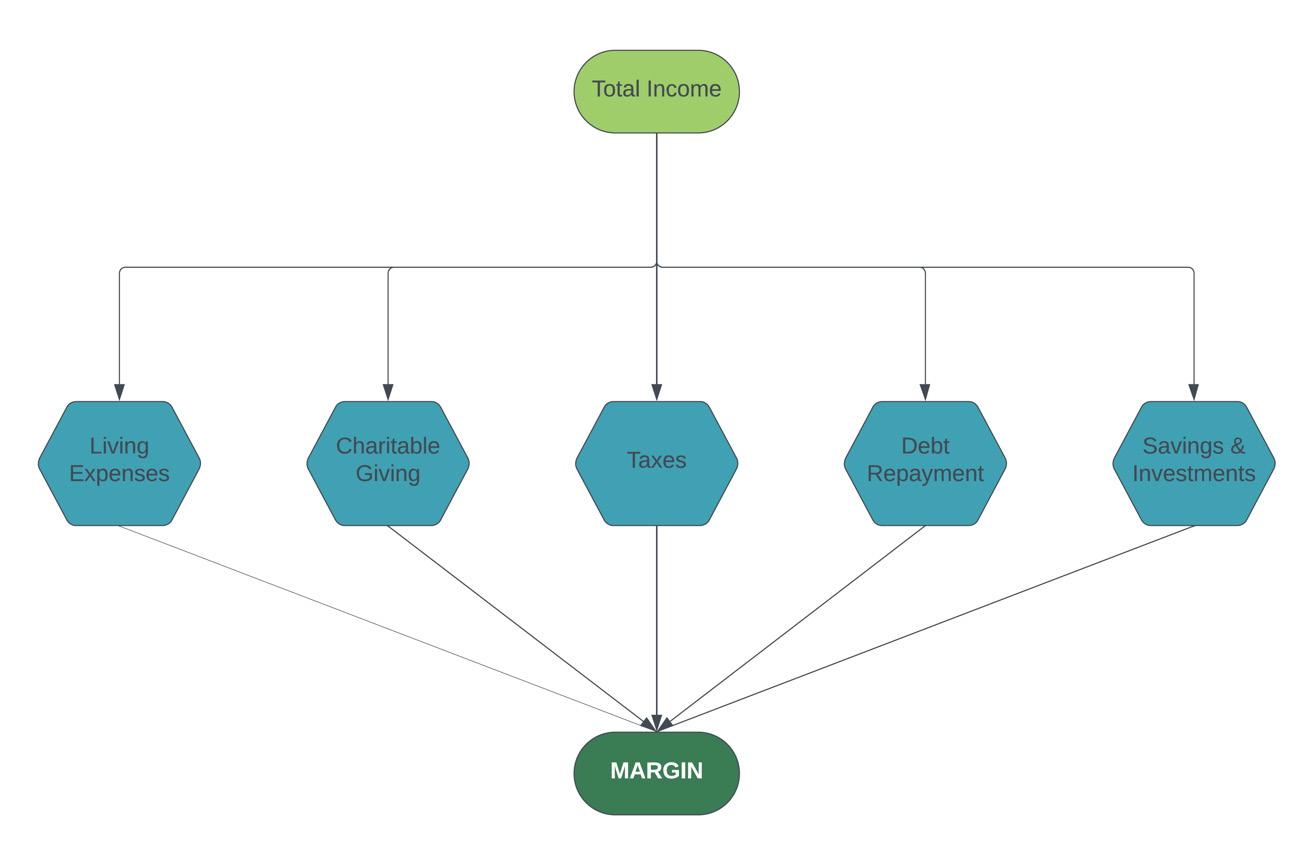
• Communicate five money management principles in relation to client cash flow
o Help clients understand all sources of revenue and expenses, and their net margin
2026 Tom Conway & Family
What does the acronym FAMILY stand for?
1. F: _____________________________
2. A: _____________________________
3. M: _____________________________
4. I: _____________________________
5. L: ______________________________
6. Y: _____________________________
Reference Appendix B, C, and D for FAMILY Checklists
What are you interested in learning from your client’s Net Worth Statement?
1. ___________ of Assets (H/W/J)
2. Current Fair Market Value of Assets.
3. Cost basis of Certain Assets.
4. Debt ___________.
1. Investment Statements
2. Retirement Statements
3. Investment Advisor Information
What are some ideas you might consider when discussing retirement assets with your client?
1. Naming charity as a ___________________ beneficiary of any retirement assets.
2. Retirement Assets are the _____________ assets for end of life giving.
3. If a client is over 70 1/2 , they may be able to give _______ assets to charity up to _______________.
What are the four most common types of legal documents your client should have in his or her legacy inventory?
1. ______________ Planning Documents (Wills and Revocable Living Trusts, Medical POA, Financial POA)
2. Trust Documents
3. ___________________ Life Insurance Trust Documents (ILIT’s)
4. __________________ Documents
5. Other Documents
What are some other Business Documents your client may have as part of their legal inventory?
1. _____________________ Agreements for Shareholders
2. LLC __________________ Agreements
3. Buy/Sell Agreements
4. Partnership Agreements
5. Other _____________________
What do you want to know about the client’s insurance?
1. Life Insurance: Amount and Type
2. ___________________ of the policies (Insured, Owner, Beneficiary, Secondary Beneficiary).
3. Inside or _______________ of the Estate.
4. ____________ Insurance Policies (Disability, LT Care, Other)
Reference Appendix D for the Life Insurance Template
What are six types of tax documents your clients should consider as part of their legacy inventory?
1. Personal _____________ ________ Returns (2 Years)
2. Corporate Tax Returns (S Corp/C Corp) (2 Years)
3. _____________________ or LLC Returns (2 Years)
4. _____________ Tax Returns (Form 1041)
5. Gift Tax Returns (Form 709)
6. Estate Tax Returns (if applicable) (Form 706)
Sources of Income – What are the different sources of income your client may have?
1. Salary and _______________.
1. When gathering the FAMILY information find out who are the best people to get you that information. It may be you can contact their CFO, CPA, attorney, or insurance provider to get the information you need.
2. Ask you client to contact his other advisors and let them know you will be reaching out to them for information and they are free to share it with you.
3. How is your coaching the client through the FAMILY review a spiritual and relational ministry to his or her legacy?
4. How can the Five Money Management Principles be applied in different areas of the FAMILY review, not just the review of Cash Flow?



BEFORE WE BEGIN: The following pages represent an example of a thorough GOALS and GAPS analysis in the five areas of legacy:
a) Personal Legacy
b) Family Legacy
c) Financial Legacy
d) Business Legacy e) Kingdom of Charitable Legacy
Use the example pages below to consider what kind of questions you could be asking your clients during the Goals Conversation that will help them know where their existing plan does not align with their GOALS and what GAPS exist between what they told you they wanted and what their existing plan is.
During this exercise you will gain greater insight into what the client’s goals really are
• Apply the principles of clarity, alignment, and communication as you work with your client in developing and analyzing goals, and making recommendations in the goals and gaps analysis.
• Apply the characteristics of a legacy planner in the five areas of legacy planning with a biblical foundation and understanding of what your client wants to do with what they have.
• Characteristics of a legacy planner:
o Heart Preparation
o Multi-Generational Mindset
o Certain Skills
o Collaboration Mindset
• Apply the Family Legacy Inventory to understand technical gaps in your clients’ legacy plan.
Once the goals & gaps are clear, you will then quote a fee to the client for fixing the gaps
1. To outline in writing and pictorially how the client’s existing plan is not aligned with the goals they shared with you in the Goals Conversation.
2. To prepare them for engaging you to complete Stage 2 – Strategy Development and Implementation
3. To quote to them the fee for Stage 2 of your process
1. Review Current Net Worth – by Ownership in Some Cases
2. Review Potential Estate Tax Liability (if applicable)
3. Review Your Detailed Observations with Some Recommendations
4. Review Pictorially What Their Existing Plan Is and What It Could Be
Joe and Mary Client – November 2019
Mary:
√ To see your children and grandchildren thriving in life
√ To have a close relationship with your children and grandchildren
√ To continue to grow spiritually
√ To see your extended family experience healthy relationships and grow in unity
√ To find a ministry to do together with Joe
√ To support Joe in his position as leader of the company
Joe:
√ To eventually own 100% of Your Company
√ To have clarity on what to do with the business
√ To have clarity on how much to leave to children and to charity at the end of life
√ To define how much is enough for you and Mary for the rest of their lives
√ To communicate and have discussion with his children about his estate plans
√ To have a plan for a slow down at age 65 and an eventual plan for retirement
√ To have clarity on what to do with the assets in the Family Foundation
√ To include their children in their giving plans
√ To maintain good health and good relationships with children
√ To visit the Holy Land in the next 2 years
Your current plan falls short of the goals mentioned in your goals conversation.
1. Personal Legacy Gaps: Estate Planning Gaps
√ Your current and proposed documents are not aligned with your stated objectives.
√ Joe’s current estate plan leaves all of his estate to Mary, and then to your two children at the end of Mary’s life. This would have each of your children inheriting $32M+ after estate tax.
√ Your current estate plan would leave your family subject to an estimated $25M+ in estate tax at the death of the second to die.
√ In addition, your daughter will be subject to estate tax of $4.1M upon her death.
√ Some of your current life insurance will be in your estate and will cause estate tax to be paid unnecessarily. That insurance can be removed from your estate to your Irrevocable trusts and passed tax-free to heirs.
√ Up until 2019, we assume you are using your annual gift tax exclusions ($15,000 per beneficiary, $30,000 from you as a couple, now with a grandchild, up to a total of $90,000) to pay premiums on the 3 policies in your irrevocable trusts.
√ Since you purchased your new insurance policy in January of 2019 (premium of $240,000), you will begin to be using some of your lifetime exemption each year ($176,156) for the amount you transfer into the Irrevocable trust to pay annual premiums.
√ Gift tax returns need to be filed for gifts made to your irrevocable trusts for life insurance premiums.
√ Your current estate plan leaves nothing to charity at the end of life.
√ Your current estate plan does not include any language regarding your personal faith and your desires for your descendants.
√ Your estate documents do not take advantage of disclaimer funded donor advised fund language that could eliminate estate tax both for you and your children upon the death of the second to die.
√ Depending upon how much you decide to leave to your children, you should consider using your $22.8M estate and gift tax exemption before it expires in 2026.
√ Once your Revocable Living Trust is signed, you should put your out of state assets into these trusts to avoid probate in those states (especially the Alabama property).
√ You do not have an advisory group to assist Mary in business decisions related to the ongoing management of the company in the event of Joe’s passing.
√ Your current estate plan has the National Christian Foundation as your Remote Contingent Distribution recipient if your family has no living
descendants. However, there are no instructions to NCF as to how the money should be distributed and you have given that authority to them.
√ Your brother’s estate owes significant estate taxes. Possibly Your, LLC could redeem some of those shares from the estate to create liquidity to pay estate tax.
Clarity & Communication Gaps:
√ It is important for you to codify and communicate to your children and grandchildren your love for the Lord, your values, what is important to you, and how you hope to see the family legacy passed on to future generations. This information can be included in your documents.
√ We have a strong relationship with a couple, who lead a company that could be of great assistance with Mary’s desire to build unity among her extended family.
√ Current documents leave your two children close to $32M+ each, including assets already transferred to them and life insurance proceeds in the Irrevocable Life Insurance Trusts.
√ You need to settle on what is an appropriate inheritance for your children. What will be a blessing to them and not a curse?
√ One of the biggest mistakes people make is to focus on wealth transfer without creating an intentional and proactive plan for wisdom transfer.
√ One of the greatest opportunities you have in the area of family legacy is in developing an intentional and proactive plan for wisdom transfer to your children, grandchildren, and future generations. This plan for Wisdom
Transfer should include:
o Working with your son and daughter to create a family vision, mission, and values for your family.
o Transferring life lessons learned (both from the things you did right and the mistakes you made along the way).
o Preparing your heirs to be wise stewards of their inheritance (money management skills, saving & investing, getting wise counsel, proper view of the dangers of debt, etc.)
o Sharing and codifying your respective family stories so they gain a sense of their identity and destiny as part of your family!
o Passing on your life stories and the things you each have experienced in your journey through life that have made you who you are today. Include in this, your salvation story and what your faith and your relationship with Christ mean to you now.
√ Regular family meetings could be used to draw your family together, build relationships, communicate your family history, establish family values, train the next generation of stewards, and prepare them for the wealth they will receive.
Income
√ You should consider moving a significant portion of your Company CMA account out of the company into your personal joint account. This would protect you should there be a significant issue in the company that would impact your personal liability.
√ You should have your CFO prepare a personal income tax projection for you for the current tax year 2019. Then you can look at possible year end strategies to reduce your 2019 tax liability.
√ With your strong charitable desires, you should consider setting up a donor advised fund with either the National Christian Foundation, Provision Bridge, or The Signatry and make significant contributions into it before year end to maximize your charitable deductions.
√ Your annual income puts you in the highest tax bracket (37% federal and 5.75% state). That means that any charitable giving you do before year end will only cost you 57 cents for every dollar given.
√ You should look at your e-trade account to see if you have any gains in positions you have held for over a year. If so, you should gift those shares, in lieu of cash, to your donor advised fund, and then use the cash to buy back the positions at a higher cost basis. This will enable you to eliminate the capital gains in those shares and allow you to increase your basis in the shares you want to continue to hold.
√ If funds allow, you should maximize your 50% (now 60%) charitable income tax deduction each year. This will reduce your current income tax liability and your eventual estate tax liability.
√ Before selling any sizable highly appreciated asset, review potential opportunities to reduce or eliminate capital gains tax.
√ Retirement assets are the best assets to leave to charity at the end of life.
√ Some of your insurance is owned by you and thus included in your taxable estate. You should move those life insurance policies into your Irrevocable Trusts.
√ You should consider transferring the ownership of the life insurance policies on your children’s lives to their ownership.
√ Your existing retirement accounts pay to your spouse on your death. You should review the contingent beneficiaries and make your charitable entity (DAF or Private Foundation) as the secondary beneficiary on your retirement assets. Otherwise, your family may have to pay both Income in Respect of a Decedent (IRD) taxes and estate taxes on your retirement plan assets upon the death of the second to die.
√ You do not have a written business continuity plan that would instruct others as to how the business should be run if you were suddenly disabled or incapacitated.
√ There is no written business succession plan for transferring the business in the future. We believe that the wise stewardship of your business legacy requires a well thought out Business Succession Plan. This will help to assure that the spiritual values you hold dear will be passed on as well as financial value.
√ You should create and begin to use an Advisory Team for your spouse to help in the leadership of the company once you are gone.
√ There is no Buy/Sell Agreement or Shareholder Agreement in the business that will aid in the systematic transfer of the business and ensure that your family receives the value for the shares they own.
√ One of the big issues that many business owners neglect is the proper transfer of “control”. There are ways to structure business succession and exit plans so that you can maintain “control” as long as you desire and progressively transfer ownership to the next generations.
√ You should consider giving annual and end of life gifts of your company stock to a DAF to reduce current and future income and estate tax liabilities.
√ You should consider gifting Company Stock to a DAF at the end of your life and let your heirs purchase the stock from the charity with a Note.
√ I applaud you in what you are doing to pass on your spiritual values to the next generation of company leaders. (Man in the Mirror Study, 7 Habits of Highly Effective People Study)
√ Fellowship with other Christian CEOs (such as a Convene, C-12, YPO, or FCCI) could help you as you continue to lead your company.
√ Currently your sister is the only trustee of the Family Foundation, Inc.
√ You should consider setting up a Donor Advised Fund (DAF) at either The Signatry or the National Christian Foundation for year-end giving. A DAF is a great tool to use for both personal and corporate giving during life and at the end of life. It also allows you to give anonymously.
√ Consider maximizing your 60% AGI charitable giving limitation each year. This will enable you to give to the charities you believe in, and also significantly reduce your tax liabilities.
√ The gifting of non-liquid assets such as highly appreciated securities, business interests, and land are the most tax efficient way to give as opposed to making cash gifts.
√ You currently have no charitable giving in your estate plan; yet you have indicated a desire to give generously.
√ The best assets to leave to charity at the end of life are retirement funds (IRD assets) as they avoid both IRD income taxes and estate taxes.
√ You have indicated a desire to instill “a giving heart” in your children and eventually your grandchildren. We can help you with a strategy to do that.
© 2026 Tom Conway & Family Legacy by Design


BEFORE WE BEGIN: What does “strategy” mean to you and how would you communicate it to your client?
Think about what you’ve learned in Stage 1 of the Legacy Coaching Process – Family Legacy Review How can a thorough analysis, inventory, and understanding of your clients’ technical and relational needs, goals, and gaps better inform a strategy?
• Learn to approach your clients’ need for a family legacy plan with deliberation and purpose.
o Legacy by design vs. legacy by default
o Understand steps in strategy development and how they can be applied for your client’s goals and objectives.
o Understand how strategies can be applied to the five areas of legacy planning.
• Learn the importance of other advisors and how your client should employ them in their legacy plan
o Know the different types of advisors and planning team members.
o Understand how different roles and advisors can assist in your client’s legacy plan.
Consider the following questions to help you and your client determine who might be considered a “trusted advisor,” i.e., your client would not make a decision without their input.
1. Who are the various Professional Advisors that you currently work with?
2. What is your relationship with each?
3. What do you feel is the expertise or value each brings to the table, if any?
4. What do you consider to be the Strengths & Weaknesses of each?
5. Out of those Advisors, which ones do you currently feel are “Trusted Advisors”; meaning you wouldn’t make a decision without their input (in contrast to Advisors that are not in your Inner Circle, such as the 3rd stock broker you’ve had at Merrill Lynch in the last 5 years or an Attorney who did your Incorporation 20 years ago). Those might be considered “Advisors”, but probably not “Trusted Advisors”.
6. Out of those who you consider to be “Trusted Advisors”, please evaluate each on the basis of:
• Character (You trust their Heart)
• Competence (You trust their Expertise)
• World View (They have your Biblical Worldview & Values)
7. From this shorter list, which ones do you feel you need and want to be part of your “Trusted Advisor” Team, and do you want them on your Inner Circle?
List different advisors, roles, and other individuals who may serve on your clients’ Planning Team:
1. Clients ________________ Advisor
2. NCF Gift Planning Attorney
3. ____________ Legacy Coaches I wish to bring in.
What are some considerations for including with each planning alternative?
1. Description of the ______________.
2. Key Benefits to the client for implementing the idea.
3. Design the Concept – Steps needed to implement the idea.
4. ________________ to implement the changes.
5. Potential ______________ or _______________ tax savings.
SEE APPENDIX E FOR A GUIDE TO ESTATE AND BUSINESS PLANNING DECISIONS
1. How can you incorporate the characteristics of a legacy coach to guide the development and implementation of strategy?
2. How can you exercise CLARITY, ALIGNMENT, and COMMUNICATION in advising your clients on their planning team and strategy development.
3. How can “the heart of a legacy coach” inform and guide your questions and priorities to help determine trusted advisors for your client?



BEFORE WE BEGIN: What does a successfully executed multi-generational legacy plan look like? How can you as a legacy coach think about the five areas of legacy for your clients’ inheriting generations?
Why do so many families fail in transitioning wealth and legacy from one generation to the next?
• Understand and apply a biblical worldview to engage your clients’ next generation(s) and prepare them
o Recognize characteristics of a successful family
o Understand how the next generation can be prepared for a successful legacy plan in different aspects of their lives
• Learn to conduct a meaningful interview with next generation(s
o See Appendix F – Next Generation Interview Questions
What do Proverbs 22:6, Ephesians 6:4, 2 Timothy 2:2, and Philippians 4:9 teach us about multi-generational interaction and preparation?
What other verses or Biblical principles can you think of that involve the legacy planning of an inheritance from one generation to another?
Add your own characteristics of a successful family to the list provided based on Biblical principles and worldview
1. Intentionality
3. Open Communication within Generations
5. Sharing of Family Plans and Responsibilities
7. Generosity
9. Regular Family Meetings
2. Clear Vision, Mission, and Values
4. Family Stories
6. Group Decision Making
8. Education of Next Generation
10. Fun Activities Together
What are some things you can do as a legacy coach to prepare the next generation for a successful legacy plan?
1. ________________ from Generation 1
2. Confidentiality
3. Getting to Know the Next Generation
4. ____________________ Them: Respect, Care, Active Listening
5. ________________ for Them
6. Initial Family Meeting
7. ________________ Them
When interviewing the next generation what are some relational and technical aspects of their lives you should consider?
1. Financial Understanding.
2. Family ___________________. (children)
3. ___________________ Aspirations
4. Spiritual Life
5. Family and Friend ______________________
6. Physical and Health Issues
7. _______________ and Fun
8. 3 Greatest Concerns in their Life
9. Greatest ______________
What are the six areas of life you as a legacy coach can encourage growth and development for the next generation?
1. _________________ life
2. Family Life
3. _________________ life
4. Financial life
5. _____________ life
6. Social life
SEE APPENDIX F-3
How can 3 John vv. 2 and 4 inform your approach to your clients and their inheriting generations and their priorities?
See Appendix F for Next Generation Interview Questions and Personal Life Planning Self Evaluation
1. How can you exercise CLARITY, ALIGNMENT, and COMMUNICATION in preparing the next generation for a successful legacy plan?
2. How can you exhort and incorporate the characteristics of a legacy planner – (a) Heart Preparation, (b) A Multi-Generational Mindset, (c) Certain Skills, and (d) a Collaboration Mindset – into the bequeathing generation so they can better prepare the inheriting generation(s) for a successful legacy plan.



BEFORE WE BEGIN: How would you define a successful meeting in general? What expectations would you have of a multi-generational family meeting in particular?
• Understand the purposes and types of family meetings
• Understand different issues and areas of discussion and lead your client’s family through a successful meeting
o Exercise Technical and Relational Skills in the Five Areas of Legacy while in a family meeting setting
o Lead your client’s family with care through business and financial conversations
• Develop and adopt a meaningful family meeting agenda for your client to assist a multi-generational conversation about the five areas of legacy
o See Appendix G – Sample Family Meeting Agenda
2026 Tom Conway & Family
1. ______________________ between generations.
2. Building Trust.
3. _________________ on Family and Business Plans
4. _____________________ of G2 or G3
5. Fun
What are four different types of family meetings?
1. ________________ making meetings.
2. Informational Meetings
3. ________________ Meetings – to educate the family on certain topics (trusts, insurance, distributions)
4. __________________ Meetings – vacation together
1. What type of a meeting will it be?
2. What would you like your family to work on?
3. G-1 Shares Hopes and Dreams for G2 and G3
4. Potential Personality Test
5. Communicating your long-term intentions for the business
6. Estate Planning Issues
7. Philanthropic Discussions
8. Asking Family members what their hopes and dreams are.
What are four main categories of issues to talk about in a family meeting?
1. Personal _____________ Issues – Biblical Values to Carry On
2. Business Issues
3. ___________________ Issues
4. __________________ Issues
1. Long Term Goal for your business: What is your ultimate Goal?
2. Business Structure
3. Business Succession
4. Business Value
5. What do you project growth to be in the future?
6. Business Continuity Plans
1. Long Term Goal for your business: What is your ultimate Goal?
a. Multi-generational business?
b. Sell at a certain time – to whom?
c. What will happen to our employees if we sell?
d. How long do you (G1) plan to work?
e. Any sibling rivalry? What about children not into the business?
2. Business Structure and Continuity
a. What would you want to happen if you were gone?
b. How many VPs?
c. Board of Advisors to assist your spouse?
d. No Board of Directors?
3. Business Value – What is the value of the business? Is a valuation needed?
4. Involving Family in the Business
a. Do you have a Family Employment Policy
b. Should you have a Board of Advisors?
c. Who should be on it? Spouse? Children?
d. Should your spouse own some stock in her name?
e. Have your children ever been involved in corporate planning meetings? Should they?
f. Have you thought about other businesses outside of your core business?
g. Have you considered a family bank?
5. Projected growth of the business in the future?
• Size of Estate
• Potential Estate Tax
• Distribution of Estate
• To Family
• To Charity
• Executor/Trustees
• Life Insurance Available
How can the issue of philanthropy and generosity be discussed among multiple generations to encourage their participation and alignment with charitable priorities?
1. FAMILY
2.
3. OWNERSHIP
See Appendix G for a Sample Family Meeting Agenda
See Appendix H for a Sample Estate Plan Diagram
1. How can you exercise best practices in legacy coaching to help guide your client’s estate plan in a multigenerational family meeting?
2. How can you as a legacy coach help guide a family meeting where priorities and goals among multiple generations are in conflict, or out of alignment with one another?
3. How can a Relational Meeting, e.g., a vacation together, help bring CLARITY, ALIGNMENT, and COMMUNICATION to a family’s legacy plan?



BEFORE WE BEGIN: What successful vision statements, mission statements, or expressions of core values have you seen in organizations or families? What do you think made them successful?
are five words that represent your highest values as an individual?
• Understand how vision statements, mission statements, and core values can be adopted into a family legacy plan
o Practice developing vision, mission, and value statements that reflect your clients’ priorities.
o Understand the importance of communication in developing family vision, mission, and value statements.
• Lead your clients’ families through exercises that draw out a vision, a mission, and top values, and help them implement them into their legacy plans
o See Appendix I – Family Values Exercise
o See Appendix J – Samples of Vision, Mission, and Values Documents
What evidence have you seen of a Godly legacy and an ungodly legacy? What are some possible causes of each?
GOD’S IDEAL – MULTI-GENERATIONAL FAMILIES – Psalm 78:5-7
GOD’S COVENANT PROMISE – Genesis 17: 6-7
HOW LONG? – A THOUSAND GENERATIONS – Psalm 105:8; Deuteronomy 7:9
MODERN VIEW OF FAMILY VERSUS A BIBLICAL VIEW
THE MODERN VIEW
• We raise our children to __________________
• The “up and out theory” ‘Raise them up and kick them out”
2026 Tom Conway & Family
• ______________________ not Independence
• Multi-generations loving and serving one another
1. Be _______________ (Matthew 5:37; 2 Corinthians 6:11-13; Proverbs 25:11-12)
2. Be ________________ (Zechariah 8:16; Psalm 15:2; Philippians 4:8; Ephesians 4:25)
3. Be ________________ (1 Pet 4:8-11; Psalm 15:3; 1 Corinthians 13:4-7; Romans 12:10; Matthew 7:12 & John 13:34)
Watch out for triangulation!
What are five ways to mitigate dysfunction, according to Patrick Lencioni’s book, “The Five Dysfunctions of a Team”?
1. Build Trust.
2. Master _________________.
3. Achieve _____________________.
4. Embrace Accountability.
5. Focus on _________________.
What are three elements and evidence of a High-Trust culture?
1. Safety 2. Connection 3. Communication
• What families inspire us and why?
• What is the purpose of our family?
• What kind of family do we want to be?
• What kind of relationships do we want to have with one another?
• What are our responsibilities as family members?
• What kinds of things do we want to do together?
• What do we want to be remembered for?
What are the definitions of Vision, Mission, and Values, and how do they apply to a family?
VISION: a short, memorable statement of a future vision of something only God can do.
• What can only God do in and through our family?
• What do we want to be in the future? Our preferred future?
• Short, memorable, captivating . . .
• Example: Going on the adventure of impacting our world for Christ
MISSION: what we do to accomplish the vision
• What will we do to accomplish the vision?
• This is the practical side – what we can do?
• Example: To love God intimately. To live extravagant generosity
2026 Tom Conway & Family
VALUES: our compass setting as we live out the vision and mission
• Definition: the lasting beliefs and ideas shared by a family that influences behavior and attitude
• What is important to your family and what makes you unique?
• Single words with a short statement of explanation sometimes supported by a scripture verse
Write a short, memorable statement of a future vision of something ONLY God can do:
Write some “Big Ideas” that you believe or hope to encapsulate in your family’s mission:
Finish the Sentence: OUR FAMILY MISSION IS TO
See Appendix I to conduct an exercise in prioritizing values.
SEE SAMPLE VISION, MISSION, & VALUES STATEMENTS – J1-4
• Tweak it
• Memorize it
• Review it at family get togethers.
• Who will carry the torch for the family?



BEFORE WE BEGIN: Looking back on Stage 1 (Family Legacy Review) and Stage 2 (Strategy Development and Implementation), what aspects of those stages could you review with your client on a regular basis for their ongoing benefit and development?
• Understand how you can provide additional services to your client and their generation(s) to benefit their legacy plans
• Conduct a quarterly review with your clients to evaluate progress and gaps
Some families need/desire an ongoing relationship with you. By this time, you know more about their situation than anyone else and they want to keep you engaged with their family or at least with them as leaders of their family.
1. Initial Goals from Family Legacy Review (Goals & Gaps Analysis)
2. Accomplished Year to Date
3. Not Yet Accomplished
4. Projects for Next Year
What areas of your client’s legacy plan you should plan to review on a regular basis?
1. Family Updates
2. Business Updates
3. Review Net Worth, Cash Flow, Income Tax Projection, Anticipated Giving, Annual Gifts to Children, Other Gifts, Potential Estate Tax Liability
4. Family Meeting Activities
5. Investment / Net Worth Growing Activities
6. Family Mentoring
What are ways you can continue to add value to your clients and their legacy plan?
• Vision, Mission, Values Exercise
• JOG Facilitation for the family
• Meeting with and Training for G2 or G3
• Counsel regarding major financial decisions (ie, business sale, gift of business interest)
• Family Meeting Facilitation
• Meeting with Younger Generations
• Assisting them in Annual Cash Flow Allocation
• Spiritual Education
• Biblical Worldview Education
• Financial Education
• Family Business Education
• Investment Education
• Leadership Education (What is being done to prepare the next generation of family leaders?)
• Trust and Estate Education
• Lead a Family Journey of Generosity
• Develop a Giving Strategy
• Document Giving Priorities
• Helping them Give Away Money
1. Family Office Services
2. Family Governance Issues
3. Outside Advisory Board or Board of Directors for Business
4. Develop Family Council
5. Develop Family Constitution and Policies
6. Develop Family Bank
7. Navigating the Three Circle Diagram
1. How does ongoing monitoring and regular review demonstrate the Heart of a Legacy Coach?
2. How can you emphasize and incorporate CLARITY, ALIGNMENT, and COMMUNICATION in a legacy plan review schedule with your client and their families?



NAME: _____________________
DATE:________
Three-Year Question: If we were to meet 3 years from today, looking back over your life from now until then, in any area, what must have happened by then for you to feel good about your progress?
Three-Year Goals:
1. 2.
Lifetime Satisfaction Question: If you are standing before the Lord at the end of your life, looking back over your life from then until today, what must have happened for you to feel good about your life and to feel confident you will hear, “Well done, my good and faithful servant” from our Heavenly Father?
Lifetime Gols:
1. 2.
What has been the single most meaningful charitable gift you have ever made in your life? Why?
What areas of service and giving have you been involved with?
What charities or ministries are “near and dear” to your hearts?
a. How do you want to be remembered…
i. By your family?
ii. By the Lord?
b. When you look at your personal lives, what have been the happiest times in your life and why?
c. With the gifts and abilities that God has given you and your experiences so far in life, what would it take for you to have a greater sense of personal fulfillment?
d. Over the next 3 Years what would be the key things each of you would like to see happen in your life to make your personal legacy better? (Your mission, purpose, and passions)
e. Have you ever prepared a personal mission statement? Do you have a life verse?
a. Tell me about your family – children, parents, grandchildren – how are they all doing?
b. Tell me about your ______ child(ren):
i. Age(s)?
ii. Single or Married?
iii. Do they have children? Ages?
c. How close are you with…
i. Your children?
ii. Your in-laws?
iii. Your grandchildren?
d. How are your children doing…
i. Spiritually?
ii. Educationally?
iii. Job/Career-Wise?
iv. In life, generally?
e. Are there any damaged relationships within your family that need to be repaired? What are they?
f. In your generation, what do you most hope to accomplish?
g. In your generation, what do you most hope to avoid?
h. Over the next three years what would you like to see happen in your life to make your family legacy better?
i. What are the most significant things you would like to do with each of your children or grandchildren to have a more fulfilling family legacy?
j. What are the key values you would like to build into yourself and see built into your family over the next three years?
a. What most amazes you about the amount of wealth you have been fortunate to accumulate?
b. Do you feel a sense of financial freedom? Do you feel financially blessed?
c. What would it take for you to feel a greater sense of financial freedom?
d. Do you anticipate an inheritance from your parents?
e. What are your views of ‘Wealth Transfer’ as it relates to your family? Do you think it is possible to give them too much?
f. What would you like to do for your family as part of your financial legacy?
g. What needs of your children are you trying to fulfill through your inheritance? (housing, education, medical needs, retirement needs).
h. Are you giving to your children annually?
i. What, in your mind, is an adequate inheritance for your children?
j. What impact do you think this money will have on your childrens’ lives?
k. What would you want to see done with the rest?
l. Is there anyone outside of your immediate family that you would like to bless?
m. Are there any particular family assets that you would like passed on to the next generation?
n. Do you have any charitable giving in your estate plan?
o. If you were to create a vision of how God might want you to use the wealth that He has blessed and entrusted you with to impact the world around you…for His Glory; what might you envision God would want to do through you?
a. Tell me about your business. How and when did it get started?
b. How do you feel about your business today?
c. Do you see this as a multi-generational business? If so, is the next generation prepared to lead it?
d. How comfortable are you about your business continuity and business succession?
e. Do you have a strong leadership team in your business? Who would take over if you were temporarily disabled?
f. Have you given any thought to what a successful business legacy would look like?
g. What would you like your legacy in the business to look like three years from now?
h. What concerns you most about your business situation today?
i. What do you see as the biggest obstacles or hurdles to overcome in your family business for it to become all you think God wants it to be?
j. Are there any persons outside of your immediate family that you would like to influence through your business? If so, who are they, and how would you like to influence them?
a. If you could do something that would have a significant impact on the Kingdom and on eternity, what would each of you want to do?
b. Have you thought about what your respective gifts, talents and abilities are that could be used for the Lord to influence others and have an eternal impact? What are some of those for each of you?
c. How could you use your leadership and time better as part of your Kingdom Legacy?
a. If you had unlimited time, talents, and resources, what would you choose to do?
b. What are your three greatest concerns about your life today?
c. What would bring the greatest relief to you if it were solved today?
During Phase I of our Family Legacy Coaching process, which we call “Family Legacy Review” most people realize and identify new goals or gain Clarity on their existing goals in the areas of their Personal, Family, Financial, Business, and Kingdom Legacies.
1. Financial Statement
a. Review Assets & Liabilities
b. Who has ownership? (Husband/Wife/Joint)
c. What is the value – Cost Basis?
d. What are the debt terms?
2. Assets Under Management
a. Get Investment Statements (POD, TOD)
b. Get Retirement Statements
c. Get Bank Statements
d. Get Investment Advisor Information
3. Mandatory Documents
a. Estate Planning documents (Wills, Trusts, etc.)
b. Trust Documents
c. ILIT Documents
d. Business Documents
4. Insurance Coverage
a. How Much Life Insurance (See Life Insurance Template)
b. Policy Particulars (Husband & Wife)
c. Is Policy In or Out of Estate?
d. Other Insurance Policies
e. Get most recent statements, face page, and renewal premium schedules
5. Liabilities & Taxes
a. Personal Federal Income Tax Returns
b. Corporate Tax Returns
c. Partnership Tax Returns
d. Trust Tax Returns (Forms 1041)
e. Gift Tax Returns (Forms 709)
f. Estate Tax Returns
6. Yearly Cash Flow
a. Annual Revenue
b. Annual Expenses
c. Other regular or special payments
d. Five Uses of Money Worksheet
1. Financial Statement
a. Review Assets & Liabilities
i. Cash
ii. Liquid Investments
iii. Securities
iv. Retirement Assets
1. These could be subject to Income in Respect of a Decedent (IRD) taxes
2. These could be given to charity
3. If client is over 70 ½, these could go to charity $100,000
v. Business Assets
1. Closely-held business
2. Private equity investments
3. Other LLC investments
vi. Real Estate (Equity or Debt)
1. Primary residence
2. Vacation homes
3. Rental Homes
vii. Revolving Debt
viii. Installment Debt
ix. Mortgage/ Property/Collateral Debt
b. Who has ownership? (Husband/Wife/Joint)
c. What is the value – Cost Basis?
d. What are the debt terms?
a. Get Investment Statements
i. Payable on Death (POD) or Transfer on Death (TOD)?
ii. Brokerage Accounts and Firms who hold these assets
iii. Who are the beneficiary designations?
b. Get Retirement Statements
i. May include assets in Balance Sheet
ii. Who are the Beneficiary Designations?
c. Get Bank Statements
i. Bank Name
ii. Account Number
iii. Routing Number
iv. Point of Contact?
d. Get Investment Advisor Information
3. Mandatory Documents
a. Estate Planning documents
i. Revocable Living Trust – One or Separate
ii. Date of Documents
iii. Grantors
iv. Beneficiaries
v. Ages of Distribution
vi. Executors and Successors
vii. Trustees and Successors
b. Trust Documents
i. Revocable?
ii. Grantor Trusts
iii. Electing Small Business Trust (ESBT) or Qualified Subchapter-S Trust (QSST)
iv. Dynasty Trusts
v. Generation Skipping Trusts
c. Irrevocable Life Insurance Trust (ILIT) Documents:
i. What is in the trust?
ii. Who is the trustee? Successor?
iii. Who are the beneficiaries?
iv. What are the ages and amounts of distribution?
v. Generation skipping?
vi. Gift tax implications?
vii. What to know in each trust:
1. Name of Trust
2. Date of Trust
3. Is it Dynastic?
4. Who is the Grantor?
5. What assets are in the trust?
6. Who are the Trustees? Primary, Secondary?
7. Who are the beneficiaries?
8. At what age is the corpus distributed?
d. Business Documents
i. Shareholder Agreements
1. Rules regarding death, disability, retirement, incapacity, firing
2. Treatment of heirs
ii. LLC Operating Agreements
1. Members and Managing Members
2. Members rights and obligations
iii. Buy/Sell Agreements
1. Funding
2. Determination of Value of ownership interests
2026 Tom Conway & Family Legacy by Design
3. Payout – immediate or over time?
iv. Partnership Agreements
v. Other Documents?
1. Pre-nuptial Agreement
2. 3.
4. Insurance Coverage
a. How Much Life Insurance (See Life Insurance Template)
b. Policy Particulars (Husband & Wife)
i. Policy Date
ii. Policy Number
iii. Type of Policy
1. Term – Level Term? How long in effect so far?
2. Permanent Policy – Cash Value?
iv. Face Amount
v. Cost Basis
vi. Cash Value
vii. Premium
c. Is Policy In or Out of Estate?
d. Other Insurance Policies
i. Disability Insurance
ii. Long-term Care Insurance
iii. Get most recent statements, face page, and renewal premium schedules
a. Personal Federal Income Tax Returns
i. Overpayment/Underpayment
ii. Any tax planning?
iii. Personality of CPA – Planner or Preparer?
b. Corporate Tax Returns
c. Partnership Tax Returns
d. Trust Tax Returns (Forms 1041)
e. Gift Tax Returns (Forms 709)
i. Exemption Used
ii. Exemption Remaining
f. Estate Tax Returns
i. Amount of Lifetime Exemption Used
ii. Exemption Portable to Spouse
a. Annual Revenue
i. Annual Salary
ii. Dividends/Interest (Schedule B)
iii. Capital Gains (Schedule D)
iv. Rental Income (Schedule E)
v. Corporate Distributions
vi. What is the Revenue Flow for the upcoming year?
b. Annual Expenses – Five Uses of Money
i. An estimate of Living Expenses
ii. Annual Giving
iii. Investments
iv. Debt Repayment
v. Tax Projection
c. Other regular or special payments
i. College Education?
ii. Gifts to Children / Grandchildren
d. Five Uses of Money Diagram
Name of Document:
Date of Document:
Grantor:
Guardians:
Executor/Personal Representative:
Successor:
Trustee:
Successor Trustee:
Beneficiary Primary Secondary Charity
Distribution Plan (Outright?, in trust?, over time?, age limitations?)
Amount of distribution:
If no survivors:
Financial Power of Attorney:
Healthcare Power of Attorney:
1. What is your client’s existing Plan?
a. Principal players
i. Executor/Personal Representative and Successor
ii. Guardians
iii. Trustee(s) and Successors
iv. Beneficiaries and When?
v. Charity?
vi. Remote Contingent Beneficiaries
vii. Financial and Healthcare Power of Attorney
viii. Potential Estate Tax
ix. How much of Lifetime Exemption has been used?
2. Where are the Gaps
3. Wealth Transfer Decisions – How Much to Leave to Children?
a. How much to leave to children to be a blessing and not a curse?
b. When to leave?
c. Outright or In Trust?
d. Love Your Children Equally, Therefore Treat Them Uniquely
e. Leaving Now?
f. Leave now and give the rest to charity
g. Trust Issues
i. What kind?
1. Generation Skipping or for a time?
2. What is Rule for Perpetuities?
i. Grantor?
ii. Trustees?
iii. Beneficiaries?
4. Family Decisions
a. Family Meetings
i. How often, where, what to discuss
ii. Types of Family Meetings
iii. Initial Family Meeting
b. Vision, Mission, and Values
c. JOG for family
d. Establishing Family Committees
i. Investment Management
ii. Planning
iii. Charitable Giving
iv. Family Meetings, Retreats, and Vacations
v. Family Council
5. Business Planning Decisions
a. How is leadership in business?
b. How is the health of the business?
c. What is the future potential of the business?
d. What is Business Continuity Plan?
e. What is Business Succession Plan? What will happen to the business?
f. Will it be a Multi-generational Business?
g. Is there family in the business?
h. Is the Next Generation Prepared to Lead the Business?
i. When will you sell it?
j. Who are potential buyers?
6. Charitable Decisions
a. Do I need a Donor Advised Fund?
b. Do I have any non-liquid assets to leave to charity?
c. What will I leave to charity at end of life?
d. Does a Charitable Remainder Trust make sense now or later?
7. Potential Solutions
a. Make charity secondary beneficiary of Retirement Accounts
b. Advisory Council for Business Succession
c. Wealth Transfer tools
i. Annual Exemptions
ii. Lifetime Exemptions
iii. Gifts to Next Generation
iv. Sales to Intentionally Defective Grantor Trusts
v. Spousal Lifetime Annuity Trusts
vi. Testamentary Charitable Lead Trusts
vii. Generation Skipping Trusts
viii. Irrevocable Life Insurance Trusts
Goal: Build trust and relationship with the next generation
• Three-year question: If we were meeting 3 years from today, looking back over your life from then until today, what must have happened for you to feel good about your progress?
• Do you practice personal devotions – how often and how long?
• Are you involved in a church?
• Are there any areas where you are now serving?
• Have you ever participated in a mission trip?
• Do you have children? How many?
• Where would you like to live?
• How close is your relationship with your siblings?
• How close is your relationship with your parents?
• What are your expectations of your parents?
• How close is your relationship with your in-laws?
• Budget – are you living within your means?
• Home – do you own one or plan to purchase one?
• Debt – School loans? Credit Card? Auto loans? Mortgage? Other?
• Will – do you have one?
• Life Insurance? How much and what kind?
• Anticipated inheritance?
• Teaching
o 5 uses of money
o 5 keys to financial success
• Do you have any health issues?
• Do you engage in regular exercise and diet?
• Do you currently work? Do you like it? Do you hope to be there for a while?
• Do you have any Interest in the family business (real estate or otherwise)?
• What do you hope to be doing 5 years from now?
• If resources were not an issue, what would you like to do/have/be? Where would you like to go?
• Who are your close friends?
• Do you have couple friends (if applicable)?
• How much fun do you have programmed in your life?
• What do you like to do for fun?
• Who do you like to have fun with?
1. What are your three Greatest Concerns in Your life today?
2. What would bring the greatest relief to you if it were solved today?
Name: _____________________________________ Date: _______________
On a scale of 0-10, how you would rate yourself in each of these areas?
1. Spiritual life
5. Vocational/Work life
Relational/Social life
APPENDIX G – SAMPLE FAMILY MEETING AGENDA
September 28, 2024
a. Open in Prayer
b. Share the Objective of the Meeting
c. Ground Rules
i. Show Respect to All
ii. One Person Speaks at a Time
iii. Questions Can Be Asked as They Come Up
d. I would like to share your parent’s goals with you:
i. To decide about the future of the family business – one location or multiple locations.
ii. Tom wants Beth to work less and them travel more.
iii. Tom wants the family to be protected and provided for in the event of his premature death.
iv. Tom doesn’t want to give the children too much. They talked about splitting the estate among the children and charity.
v. To prepare you children to purchase & take over the dental practice if you so choose.
vi. Beth wants to see all of their children walking in the truth.
vii. To decide what the Lord wants them to do in the future to serve His Kingdom.
viii. To go on mission trips, maybe with children, both inside and outside the U.S.
e. Current Situation:
i. Your parents have gained some clarity recently about the direction of the dental practice and have communicated that to you all.
1. They want to share the details that led them to that decision and answer any questions you might have.
2. Tom, share your thoughts on what you want to do and why.
3. They have decided to engage a EOS (Entrepreneurial Operating System - book “Traction”) facilitator to strengthen the existing business.
ii. They have sought to follow God and be faithful in raising their family. They have communicated to me that the family is far more important than the business.
iii. Part of their journey has led to the formation and growth of Smith Family Dental Care. Both your dad and your mom have worked in the practice from the beginning, and they saw it as something you could be a part of if you so decided. They believe God has led them into this business and that He is the ultimate owner of the business, and they are simply His stewards.
iv. Because you must be a dentist to own a dental practice, your dad owns 100% of the business.
v. The other assets they own are the building the business operates
in, some retirement funds, and the home we are in.
vi. The building that the practice operates out of is in the name of your mother’s living trust.
vii. Faith and Monica [daughters] are currently employees of the business, and John [son] hopes to be in it once he finishes dental school. Jim [son] has chosen to go a different direction.
viii. Your parents want to sell the business to the dentists in the family over time if they want to buy into it.
a. Share Tom’s Philosophy for the Children
i. Pass on a spiritual heritage to them
ii. Create a family business that they could all work in if they so desired.
iii. Assist them in getting educated.
iv. Provide for their needs while they were in the home.
v. Help them to become self-sufficient.
vi. Not to give them a lot.
a. Both Tom and Beth have a will and a living trust
b. The executor on the documents was Uncle Bill
c. They recently changed the Executor to Monica [daughter]. This is a decision for now and may be changed in the future.
d. Four questions to that decision
i. How confident and competent is she to handle this responsibility?
ii. From a family dynamics perspective, would it be a surprise to the other children?
iii. Would they be okay with it?
iv. How would the other children respond to her leadership?
e. They have created a document that, in the event of Tom’s early death, would sell the practice to a family dentist (either Faith, Monica, or John).
f. Your parents have a heart for ministry and will be giving a significant amount of their estate to charity at the end of life.
4. CLOSE IN PRAYER
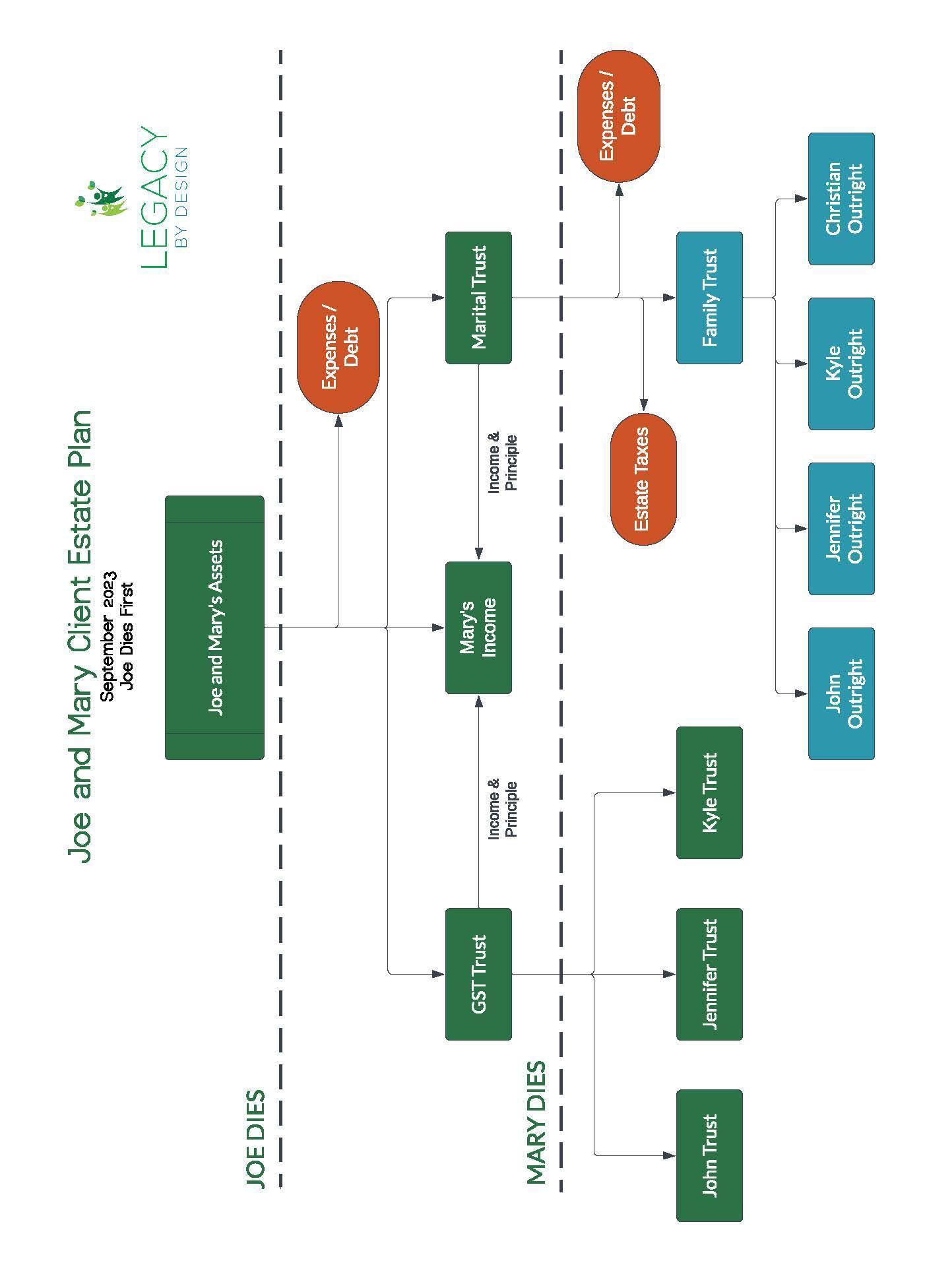
September 19, 2024
1. TAKE OUT THE LIST BELOW
2. THINK ABOUT YOUR LIVES OVER THE YEAR
3. STEP 1 – CIRCLE THE VALUES THAT ARE IMPORTANT TO YOU
4. STEP 2 – NEXT TO EACH VALUE YOU CIRCLED, WRITE THE LETTER H, M, or L
a. H = Highly Important
b. M = Medium Importance
c. L = Not So Important
1. STEP 3 – TAKE THE Hs AND CIRCLE YOUR TOP 6. IF YOU DON’T HAVE ENOUGH, CIRCLE Ms
2. WE WILL THEN HAVE EACH FAMILY MEMBER SHARE THEIR TOP 6 AND WRITE THEM ALL ON THE BOARD.
a. This may be a list of up to 20-30 values, or more.
1. FROM THIS LIST OF VALUES ON THE BOARD, I WANT EACH OF YOU TO PICK YOUR TOP 6.
2. THEN GO AROUND THE ROOM AND HAVE EVERYONE SHARE THE TOP 6 THEY CHOSE. PUT A MARK NEXT TO EACH OF THE ONES ON THE BOARD THAT ARE CHOSEN. THESE WILL BE OUR FAMILY’S TOP 6 VALUES.
3. THIS IS A START.
4. NEXT WE WOULD DEFINE EACH OF THE 6 BY ADDING THE TERM, “DEMONSTRATED BY”
a. For example, one of our values is “Family…”
i. “…Demonstrated by communicating with each other regularly,”
ii. “…Demonstrated by keeping in touch with one another,” etc.
Name:
ACCUMULATION OF WEALTH
ACHIEVEMENT
ADVENTURE
APPEARANCE
BEAUTY
BELONGING
COMPETENCE
COMPASSION
CAREER
CONTENTMENT
COURAGE
CREATIVITY
COMMITMENT
CURIOSITY
COMMUNICATION
COMMUNITY
DEPENDABILITY
DISCIPLINE
EDUCATION
FAIRNESS
FAITH IN GOD
FAITHFULNESS
FAMILY
FINANCIAL INDEPENDENCE
FORGIVENESS
FRIENDSHIPS
FRUGALITY/THRIFT
GENEROSITY
GOOD REPUTATION
HAPPINESS
HARD WORK
HEALTH
HONESTY
HOSPITALITY
HUMILITY
HUMOR
INTEGRITY
KINDNESS
KNOWING YOUR LIFE
PURPOSE
LEARNING
LIVE A MORAL LIFE
LOYALTY
MODERATION
OPEN-MINDEDNESS
PATIENCE
PEACE
PERSEVERANCE
PERSONAL FREEDOM
PERSONAL GROWTH
PLAY/FUN
PLEASURE
POWER
PRACTICE WHAT YOU PREACH
PROSPERITY
PROVIDING FOR FAMILY RECOGNITION RECREATION
RELAXATION
RESOLVING CONFLICT
RESPECT ALL PEOPLE
RESPONSIBILITY
SELF-CONTROL
SELF-KNOWLEDGE
SELFLESSNESS
SERVANT LEADERSHIP
SERVING OTHERS
SELF-RESPECT
SOCIAL RESPONSIBILITY
SOCIAL STATUS
STEWARDSHIP
SUCCESS
TEAMWORK
THANKFULNESS
TOLERANCE
TRUST
VOLUNTEERISM
WINNING
WORK/LIFE BALANCE
September 18, 2024
VISION
To go on the adventure of impacting our world for Christ. (Ephesians 3:20 MSG)
MISSION Love God Intimately. Live Extravagant Generosity.
1. God – We value Knowing God
a. Intimate relationship with Christ
b. Seek Holy Spirit Guidance
c. Power of god’s Word and Prayer
d. Clean hands and a pure heart
e. Honor and obey God in spirit, mind, and body
f. Live with humility and integrity
g. God owns all
2. Family – We value loving our family
a. Commitment to love each other
b. A spirit of unity and forgiveness
c. Equip each individual’s calling
d. Training Godly generations
e. Model biblical living
f. Remember and tell our family story
3. People – We value Serving Others
a. Love your neighbor as yourself
b. Spread God’s Word to all the world
c. Be wise stewards of our time, talent, and treasure
d. Grow wealth for our family and those we serve
September 18, 2024
VISION To Be a Bright Light in a Dark World
MISSION Honor God, Love Family, Serve Others
1. Seek God - We can always go deeper and deeper is always better
2. Prioritize Family - We will love, support, and forgive one another
3. Pursue Humility - We want to think more of others and less of ourselves
4. Act With Integrity - Doing the right thing is always right
5. Be Generous - God has blessed us so that we can be a blessing
6. Think Stewardship - He owns it all and we are just His managers
September 18, 2024
To enrich the lives of families and kids by giving our time, talents, money, and other resources.
Committed to glorifying God by striving to live life based on our family values.
Family - Strengthen & Support
Accountability - Transparency
Integrity - Trustworthy, Dependable & Honorable
Thankfulness - Be thankful in every situation and bless others
Humility - Freedom from pride & arrogance
Faith - Glorifying God
Unselfishness - Considering Others
Loyalty – Committed
September 18, 2024
Honor God Love Family Serve Others
Seek God
Prioritize Family Pursue Humility Act with Integrity Be Generous Think Stewardship
“Love the Lord your God with all your heart and with all your soul, and with all your mind. This is the first and greatest commandment. And the second is like it: Love your neighbor as yourself.”
Matthew 22:37-39
Mission/Values: XYZ Company and its various entities was founded in Butte, Montana by John Smith, influenced and encouraged by his father Fred. The intent was to honor God using the gifts they developed in business and faithfulness, exercising excellence to build a profitable and enduring business. The intent was to use the profit created by the business to support the family and maximize the ability to give away resources to support God honoring ministries and charitable organizations.
It is the desire of the current family stewards of the business and highest intent to perpetuate running a sustainable business known for excellence, innovation, efficiency, and its commitment to God and running on Christian principles
Values Foundational to our business:
• Faithful Stewardship
• Excellence
• Integrity
• Innovation
• Customer Service
Intent: This constitution is meant to layout our desires as stewards to operate and manage our business and families. We seek to see owners rewarded for their risk, bless all those who we encounter in our business with respect and dignity, providing sustainable businesses, products, services and relationships.
The drive to be efficient and innovative to reasonably maximize profit is to provide for our families and significantly support advancing Christian work. We want to maximize our integrity with all people and maximize the ability to financially support Christian causes.
© 2026 Tom Conway & Family Legacy by Design
Section 1 Governance: The Family Advisory Board (FAB), described in section 2, will make all policies and guidelines regarding the investment, management, philanthropy, or other uses for the business and/or family involving the distribution of business resources and profit.
Philanthropy: Charitable contributions will be made to one charitable foundation on behalf of the corporation as determined by the FAB. This will be a high priority to support from the profitability of the business. The objective is to give from the business at least 10% of the profit annually.
Business Investment: We seek to take a long-term perspective in our business decisions. We want to allocate sufficient resources to our business plans to allow for future opportunities while continuing to maintain well this vital engine that makes all our personal and professional goals operate. Our intent is to grow the business which will require sufficient capital for equipment, facilities, logistics and people.
Distributions: It is the intent to distribute significant portion of profit after charitable considerations, to the owners. It is the expectation that the owner’s will support their families and there is no intention to have families supported directly through the business beyond appropriate income and benefits in line with the work they do for the business.
Tax Planning: Income and transfer tax planning strategies that reduce the family’s overall tax liability with integrity, will be encouraged and recommended when deemed appropriate by the FAB.
Section 2 Family Advisory Board:
Composition: The FAB will be made up of Five (5) voting members. Each family represented in ownership will have one vote, currently there are three families, and their voting members are John, Frank, and Scott. The other two (2) voting members will be appointed by a majority vote of the family members or a unanimous vote if less than three family voting members. The other voting
© 2026 Tom Conway & Family
members (2) will be non-family members, in the sense not directly in the line of any of the three voting family members. They might be as examples, trusted uncle/aunt, CFO, CEO, or outside trusted advisor.
Voting: All decisions/actions to be taken by the FAB will be decided by a majority of the voting members. Any family voting member may request a formal vote and decision on any topic.
Tenure: The family voting members will serve if they or their family retain ownership until death, resignation, incapacity, or removal if reasonable cause is shown. Removal would require a unanimous vote of all remaining voting members (family and non-family).
Non-family voting members will serve until death, resignation, incapacity, or removal. Removal may be for any reason with a majority vote of the voting family members or a unanimous vote if less than three voting family members.
Successors: The family voting members will name their successors and have them recorded. If a successor is not named the remaining family voting members will name the successor, which must be a person in the direct family line or spouse. The vote to name the successor must be unanimous.
Non-family voting successors will be named by a majority vote of the current family voting members, if less than three the vote must be unanimous.
Meetings: The FAB should meet at least quarterly to review the business financials, operations, strategies as well as review how the family values are being lived out in stewarding the business. A review of the engagement, preparedness and plan of any family members contemplating or active in the business.
Written notice for the meeting must be given three (3) days in advance to each member unless such notice is waived in writing by a member.
Section 3 Ownership: It is the intent that to hold ownership in the family business you must be employed and have worked full time for two (2) years at one of the
companies before being considered for ownership.
Qualifying employment is intended to be with a career focus. Employment part time seasonal or full time intended for a stage in life (teen, college, pre-children, etc.) would not apply to qualifying for ownership but is welcome from family members.
Section 4 Career Employment: The driving force behind our decisions should be the best interest of the organization and not that of individual family members.
Philosophy:
• We want to attract the most qualified people to our companies, both family and non-family
• We encourage all of our family to work at our companies, but it is neither a job or an obligation for family members
• Family members upon being hired will be treated as all-other employees.
• There is no guarantee that family members will be promoted to top management positions simply because they are part of the family.
• Family members are expected to be examples as far as work ethic, integrity, performance, and dedication.
• We cannot employ individuals whether family members or not who do not make a full contribution.
Prerequisite Qualifications:
• Educational Requirements: It is encouraged that all family members experience post high school education.
• Outside Work Experience: A successful work experience of 2 years outside of our family companies is required. This work experience should help expose you to skills or situations that might be helpful to our companies and be completed without preferential treatment. The Family Advisory Board should approve the work experience or appoint a committee to approve the work prior to it being assumed by any
individual family member that the work would qualify.
• Family Employment-Specifics
o Family members who wish to join the company should inform the President/CEO of their desire to join. They would then be asked to complete the standard application forms
o Family members will go through the standard interviewing, assessment and hiring process
o The final decision for hiring rests with the Family Advisory Board (Possibly Board in the future)
o A Career Development Plan (CDP) will be established for every family member working at our companies for their career. This would include training, continuing educations, coaching, mentoring, special projects/assignments, job rotations, etc.
o Family employees will be asked to provide a yearly selfassessment, including personal development objectives for the following year
o Promotion and advancement recommendations will be made by their supervisor or by the company’s management with a final decision by the FAB (or future board)
o Family members may be dismissed related to continued poor performance, unacceptable personal conduct, and any other grounds on which a non-family employee may be dismissed
o A family member that has been dismissed by the company will not be reconsidered for employment
o A family member that might leave voluntarily may return to work for our companies subject to the approval of the FAB.
• Compensation: Family members will receive compensation and benefits based on their position, responsibilities, qualifications, and performance and will be comparable to that of non-family employees in a similar position, with similar qualifications. Share ownership or family connection will not determine their salary. As owners, they will receive income through the return from their shares.
Section 5 Amendments: The Family Advisory Board may take any action it deems appropriate with respect to the subject matter of this constitution including amending this constitution with the written consent of a majority of its then acting voting members.
Signatures:

65-80% of all worldwide businesses – Including mom and pop stores
40% of Fortune 500 businesses are family owned or controlled
Family owned businesses generate ½ of Gross Domestic Product and employ half of the workforce
The Three-Circle Model of the Family Business System was developed at Harvard Business School by Renato Tagiuri and John Davis in 1978.
A helpful collection of questions to gauge where you are with your family legacy
If your answers to the questions below ignite anxiety or fear, you’re not alone. Many individuals and families blessed with great wealth don’t feel adequately prepared when it comes to their end-of-life plan, how much they want to leave their heirs, and how much to give to charity. Making matters worse, spouses frequently are not aligned in their thinking around these topics and haven’t communicated their desires clearly to their children. We encourage you to read through these questions, answer them honestly, and consider how we can help you take next steps toward a better future.
1. How clear are you and your spouse about what you want to do with all you have been blessed with?
2. How aligned are you and your spouse about how much financial inheritance you are planning to leave to your children and how and when will they receive it?
3. How confident are you that your children are prepared spiritually, emotionally, and financially to handle well the financial resources you are planning to leave to them?
4. Has your estate plan been updated in the last five years? Is it a zero-tax estate plan?
5. Are you aware of what your existing estate plan entails, especially regarding estate taxes owed or inheritance amounts to your children and charity?
6. Have you met with your family and communicated to them what your estate distribution plans are?
7. If you are a business owner, do you have a written business continuation and business succession plan?
8. If you are a business owner, will your spouse and family be taken care of by your business in the event of your premature death?
9. Have you included charitable giving in your estate plan, and if so, have you decided what assets you will give to charity?
10. Do your current advisors have a holistic view of your wealth?
January 6, 2017
Mr. & Mrs. John Jones
Address
Dear John and Mary,
I look forward to being with you both on Monday. I am happy about your decision to engage our firm to do a Family Legacy Review for you. I believe this exercise will help you gain greater clarity around what you believe God wants you to do with what you have. It will also help you see whether your existing plans align with that clarity.
This Engagement Letter explains our process and lays out the next steps we will take to complete your Family Legacy Review.
There are three main elements to the Family Legacy Review Process:
1. When we meet on Monday, we will go through our Legacy Goals Conversation with you. This will involve my asking you many questions about your goals and desires in five areas of your legacy:
a. Personal Legacy
b. Family Legacy
c. Financial Legacy
d. Business Legacy
e. Kingdom Legacy
2. Next, I will gather all your financial and estate planning information using our FAMILY acronym explained below. I will then review all of
your current information in order to see how your current plan aligns with the goals that you state in your Legacy Goals Conversation. I will then identify any “GAPS” in your existing plan where your Legacy goals are not being fulfilled.
3. The deliverable to you will be our “Goals and Gaps Analysis”. This report will identify areas where your current plan does not align with your goals, and will identify potential strategies you could utilize to better align your plan with your goals. In the Family Legacy Review, we will make specific recommendations about “next steps” we believe you should consider.
Documents Needed
In order to complete your Family Legacy Review, I will work with you to gather some information from you to review. We use the acronym FAMILY to describe the information we want to review.
F - Financial Statements - Includes balance sheets, income statements, and net worth overview.
A - Assets Under Management - Investments, retirement accounts, business interests, and property.
M- Mandatory Documents - Wills, trusts, powers of attorney, and other legal documents.
I - Insurance Coverage - Life, long-term care, disability, and liability protections.
L - Liabilities & Taxes - Outstanding debts, tax returns, and potential estate tax exposure.
Y - Yearly Cash Flow - Income sources, budgeting, and spending patterns.
F - Financial Statements – This is a listing of your assets and liabilities. If you have a Personal Financial Statement already prepared, that would be great.
A - Assets Under Management – Checking accounts, investment accounts, retirement accounts, etc. Also any beneficiary designations on any retirement accounts you may have.
M- Mandatory Documents – Estate Planning documents, LLC documents, Buy/Sell Agreements, trust documents (if any), IRA or 401(k) beneficiary designations, etc.)
I - Insurance Coverage – (Last 2 years for each)
(Most recent statements, Face Page & Renewal Premium Schedules from Policies)
L - Liabilities & Taxes
a. Personal Tax Returns (Federal and State)
b. Corporate Tax Returns
c. Trust Tax Returns (if any)
Y- Yearly Cash Flow (any Budget or cash flow information you may have on your living expenses)
We will work with you and/or your assistant to make the process as simple & efficient as possible! Some people find it easier to scan and email the documents, others prefer to copy them and send them to us. Either way is fine. If your assistant chooses to scan “FAMILY” information to us, please email it to tom@conwayassoc.com.
Here is what you can expect from the Family Legacy Review.
1. We will help you gain more clarity around how you want to allocate the resources God has entrusted to you.
2. We will help you see clearly whether your existing plan aligns with the goals you indicate in our Legacy Goals Conversation.
3. We will help you identify any “Gaps” in your existing plan.
4. We will lay out in detail any opportunities you should capitalize on in order to align your plans and improve your legacy.
5. We will make specific recommendations as to the most appropriate next steps to take to enhance the family legacy you desire to leave.
Once the Family Legacy Review is complete, we will lay out a plan for next steps. We will also estimate any potential current income, capital gains, or estate tax savings and quote the fees for those next steps in such a way that we believe the benefits of the Legacy Coaching process will be clear to you.
Fees
The cost of the Family Legacy Review is $10,000 payable in advance. Travel costs are reimbursable. You will be billed separately for travel costs.
Please feel free to call If you have any questions regarding this Engagement Letter. Please sign and return it to me along with your check.
Thank you for the privilege of serving you.
Sincerely yours,
Tom Conway President
Agreed to:
Mr. or Mrs. Jones
March 2, 2016
Date
Mr. & Mrs. John Jones
Engagement Letter Stage 2
Dear John and Mary,
I have thoroughly enjoyed getting to know you and learning what God has put upon your hearts for your family and business legacy.
We sincerely appreciate the confidence you have expressed in our firm and we look forward to working with you. The primary purpose of this Agreement is to spell out in everyday terms what you can expect from us and what we expect from you. We anticipate a positive, long-term and mutually beneficial relationship with you.
This agreement is between Conway & Associates, LLC (C&A) and John and Mary Jones (Client), and outlines the terms of our engagement.
We will work with you to:
1. Re-do your estate plan by incorporating some or all of the following actions:
a. Assisting you in finding an estate planning attorney with whom you feel comfortable.
b. Adding a living trust to your documents in order to avoid probate and ensure confidentiality of your situation.
c. Eliminating the $3,300,000 in estate and IRD taxes that are currently due in your existing estate plan.
d. Including language that expresses your faith and your desires for your descendants.
e. Ensuring that the amount and timing of your distributions to your heirs
will be a blessing to them and not a curse.
f. Looking at the feasibility of setting up other trusts for children and grandchildren to provide for future education and other family needs.
2. Develop a strong Family Legacy by:
a. Assisting you in developing a Stewardship Philosophy for your family that will include a family mission statement with supporting values.
b. Facilitating family meetings with your four children to build communication and develop a strong family legacy.
3. Look at the most tax efficient ways to grow your net worth, sell your Jones Partners stock, provide for your children and future grandchildren, and accomplish your charitable objectives.
4. Assist you in managing your cash flow to reach your objectives such as being debt free, accumulating an adequate estate outside of your business and continuing your charitable giving.
We believe that ongoing, honest communication between C&A and its clients is essential. You understand that the value and usefulness of the consulting services provided by C&A are dependent upon the information you provide us and upon your active participation in the formulation of goals and objectives. During the course of this engagement, you agree to maintain communication with C&A since we need to work with the your most current information in order to meet your stated goals and objectives.
1. Our fee for your complete engagement is $24,000.
2. It covers all calls, meetings, and the planning necessary to design and implement your Plan. Travel expenses will be billed separately.
3. This does not include any fees you may pay to third parties (Attorney, CPA, or other outside Advisors) you may choose to engage.
4. If you require consultation services outside the scope of this engagement, we are pleased to provide services based upon a mutually agreed upon fee for the project you want to engage us for.
Payment is due in three installments: $8,000.00 payable upon signing this Engagement Letter, $8,000 due June 1, 2016, and $8,000 due September 1, 2016.
1. C&A will treat confidential information provided by client as confidential.
2. Either party may terminate this Agreement prior to the conclusion of services. In such cases, termination must be requested in writing and effective immediately upon receipt. We will only invoice you pro rata for the services provided up until the effective date of termination.
3. We believe open communication is the key to a successful consulting relationship. If at any time, you feel C&A is not meeting your expectations, or worse, has done something upsetting to you, you agree to first contact Tom Conway, in order to provide C&A the opportunity to review the matter and take corrective action. If we are unable to resolve your concern, we agree to attempt to resolve any conflicts in mediation before resorting to any other forum.
4. You acknowledge that nothing contained in this Agreement violates the terms and conditions of any other agreements to which you may be bound.
We are sensitive to the privacy needs of our clients and protect information we collect as needed to provide consulting services. All nonpublic personal
information furnished to C&A, as well as advice we provide to you, shall be treated as confidential and shall not be disclosed to third parties, except as permitted by you, or as required by law.
Client records are maintained in our business office and access is limited to key people in our firm who require information to deliver consulting or administrative services. Former clients are provided the same privacy protections as current clients. Further, the advice provided by C&A is proprietary and intellectual property is not to be shared with any other persons or firms.
Please feel free to call if you have any questions regarding this Engagement Letter. Upon your decision to engage C&A, please sign and return it to me along with your first payment.
Thank you for the privilege of serving you.
Sincerely yours,
Tom Conway President Conway & Associates, LLC
“Legacy By Design”
Agreed to:
Mr. or Mrs. John Jones
Date
September 17, 2019
Updated December 5, 2023
Goals February 17, 2016
1. P – Kids more integrated and well trained
2. P – Be on the same page with Spouse
3. P – Get rid of mortgage
4. P – Be regarded as a giving person
5. P – Have a good reputation
6. A – More savings, investments – Goal of $20M
7. A – A sense of what the next phase of wife’s life should be after Youngest Child out
8. A – More involvement in Christian organizations
9. A – A healthy retirement
10. A – A family trip to Israel
11. Both – Serve others, be generous, and have well prepared children
12. Both – To see their kids and grandkids grounded in the faith
13. Both – To be generous and have an impact through their giving
14. Both – To have a zero estate tax plan
1. Re-did estate documents including a living trust
a. Included wording regarding your faith and hopes and dreams for your kids into estate documents
b. Changed distribution ages and amounts to children – 30/35/40 –20%, 30%, all
c. Included Disclaimer Funded DAF language
d. Named charity as secondary beneficiary on retirement funds
e. Named charity as a 5th child thus giving 20% of estate to charity at end of lives
2. Paid off original mortgage
3. Put $500,000 each year into DAF
4. Bought condo in Florida
5. Savings and Investments have grown
6. Transferred a portion of business to children and set up trusts for them
7. Re-did life insurance in ILIT so there is greater death benefit and no more payments
8. Family bonding trip to Chile and Italy
9. Paying kid’s education expenses out of Husband’s father’s Educational Trust
10. Included children in your giving
11. Opened DAF for annual giving
1. Zero Estate Tax plan – But moving in that direction
2. No assets moved into living trust
3. Development of a family mission statement
4. Family trip to Israel
5. Attending a Generous Giving type event with your children
6. Maybe taking a couple of children to Generous Giving Conference or a Gathering event in the future
7. No family mission trip yet
Wealth in Families
Family Wealth
Bridging Generations
Entrusted – Building a Legacy that Lasts
Willing Wisdom
Preparing Heirs
Generation to Generation –
Life Cycle of The Family Business
Philanthropy: Heirs & Values
UnPrepared – 14 Elements Wealth Transfer
UnHeritage – 11 Pitfalls to Family Legacy
The Cycle of the Gift
The Opposite of Spoiled
Love, Power, and Money
Family Stewardship
The Intentional Legacy
Crucial Conversations
Crucial Accountability
The Financially Intelligent Parent
Give It All Away, Getting It All Back Again
Boundaries Series
Townsend
Margin
The Blessing
Charles Collier
James Hughes Jr.
Roy Williams & Amy Castoro
David York
Thomas Deans
Roy Williams & Vic Preisser
Kevin Kersick, John A. Davis
Roy Williams & Vic Preisser
Family Meridian
Family Meridian
James Hughes Jr.
Ron Lieber
Dean Fowler
Rod Zeeb
David McAlvany
Patterson, Grenny
Patterson, Grenny
Jon & Eileen Gallo
David Green, Bill High
Dr. Henry Cloud & Dr. John
Dr. Richard Swenson
John Trent & Gary Smalley
The Five Love Languages
Rules of Wealth
Protect & Enhance Your Estate
I Like Giving
The Generosity Bet
Family Money
Sperry
Generation iY
The 5 Dysfunctions of a Team
Beyond Gold
What Matters
Raising Money Smart Kids
The Entitlement Cure
Do Hard Things
The Danger of Raising Nice Kids
Raising Grateful Kids in an Entitled World
Gary Chapman
Richard Templar
Robert Esperti
Brad Formsma
Bill High & Ashley McCauley
Terry Parker, David Wills, Greg
Tim Elmore
Patrick Lencioni
Thayer Cheatham Willis
Cam Thornton & Rod Zeeb
Ron & Judy Blue
Dr. John Townsend
Alex & Brett Harris
Timothy Smith
Kristen Welch
Name: ____________________________________
Date_______________
Your feedback on this curriculum will help add value to the information and delivery of the subjects for future training sessions. We are grateful for your participation and honesty in this short survey. Disagree
1. The instructor demonstrated competency on the subjects presented
2. The instructor communicated the subjects in the sessions in an appropriate and accessible manner
3. The information presented in the sessions was useful and applicable for my profession or pursuits
4. The learning objectives, curriculum workbook, and review questions assisted in organizing and retaining information
5. I feel better prepared to have a more meaningful conversation with my clients or others about the information presented
6. The course demonstrated a foundation upon and focus on Biblical principles
7. The appendices and other handouts were helpful in supplementing the core curriculum content
8. The curriculum helped define and encourage you to adopt the characteristics of a legacy planner: Heart Preparation; Multi-Generational Mindset; Certain Skills; Collaboration Mindset
9. I would recommend this course to others interested in the subject of legacy planning and coaching