Responsibility Report 2018
We believe our responsibilities go beyond our products. Our obligation is not just about minimizing our footprint but also about maximizing positive social and environmental impacts for every person and community that our products touch.
Our journey
Social Impact
Giving Back through Retail
Guinea Worm Eradication
The Safe Water Fund
Global humanitarian work
Partnership with likeminded organizatons
Going beyond safe water
Responsibility
and standards
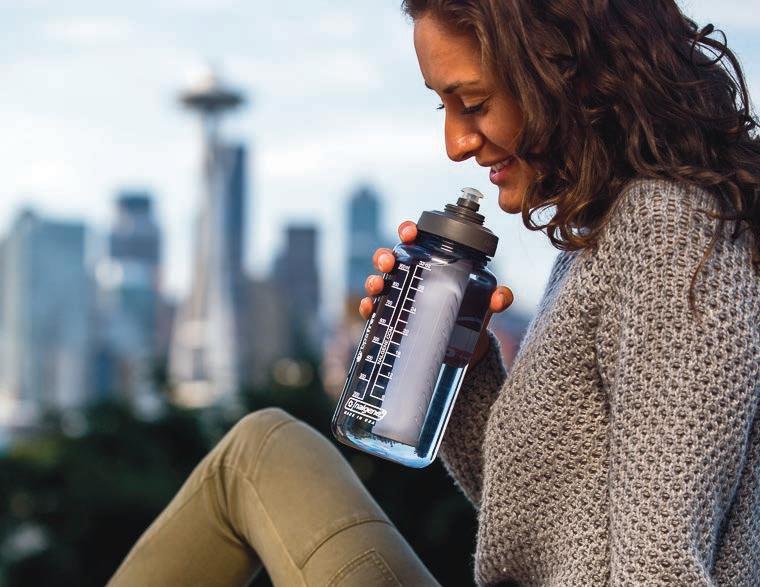
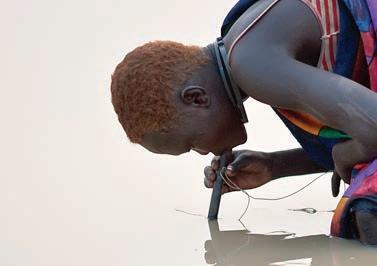
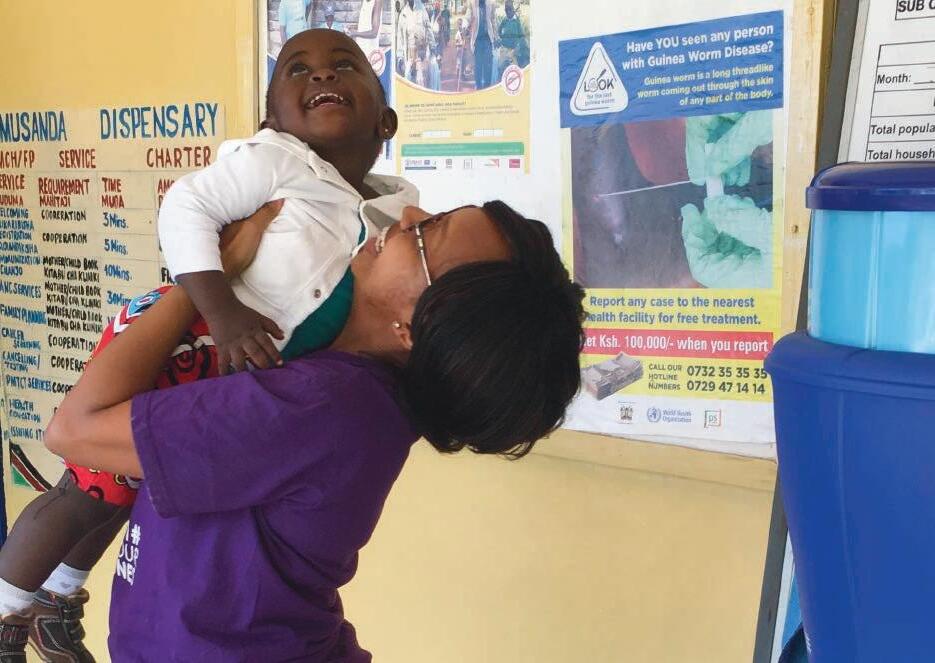
LifeStraw is not a retail company with a CSR program. We are a social good company with a retail program.
OUR JOURNEY
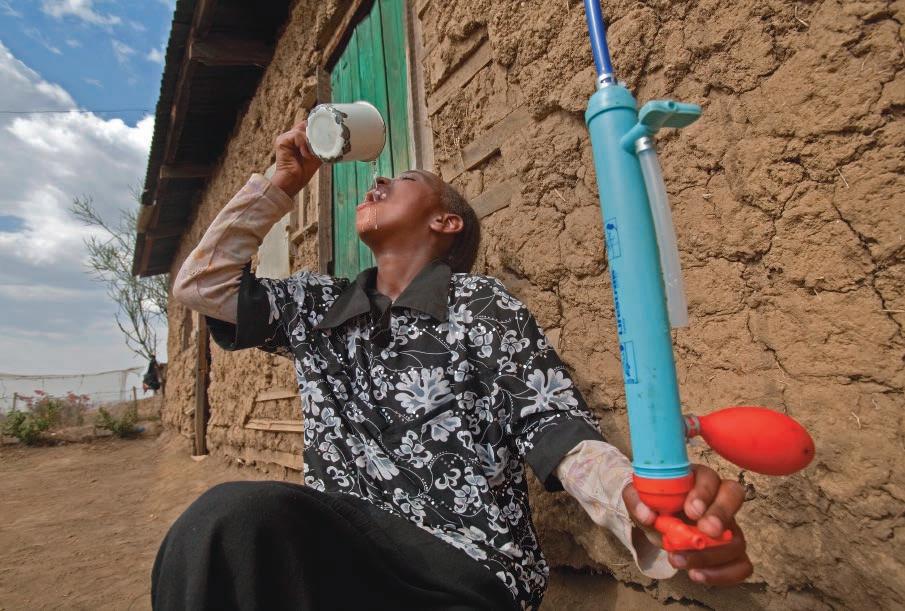
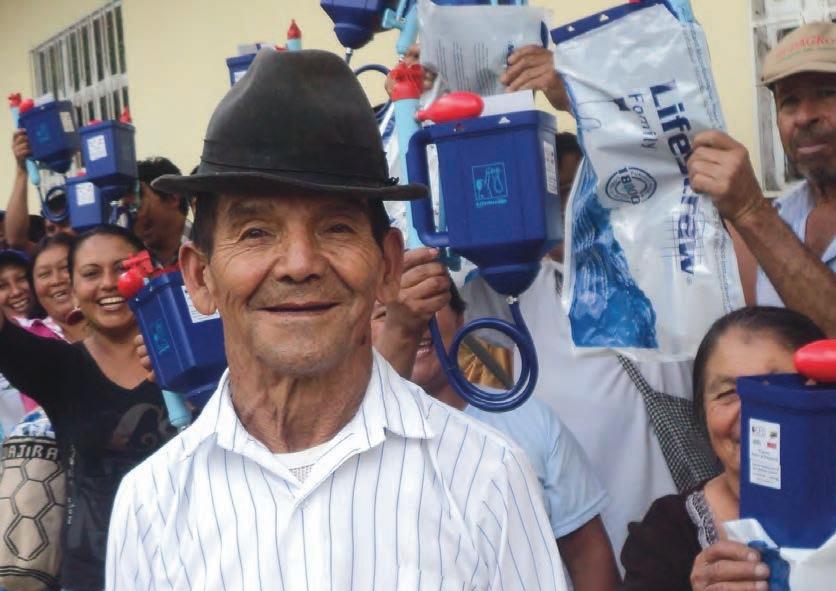
LifeStraw was built on a partnership that started over 20 years ago with the Carter Center in a collective effort to eradicate Guinea worm disease by removing the parasite from drinking water. The personal LifeStraw that removes bacteria and parasites was introduced in 2005 for people in developing countries and for emergency relief situationsproviding safe drinking water to people who do not have access.
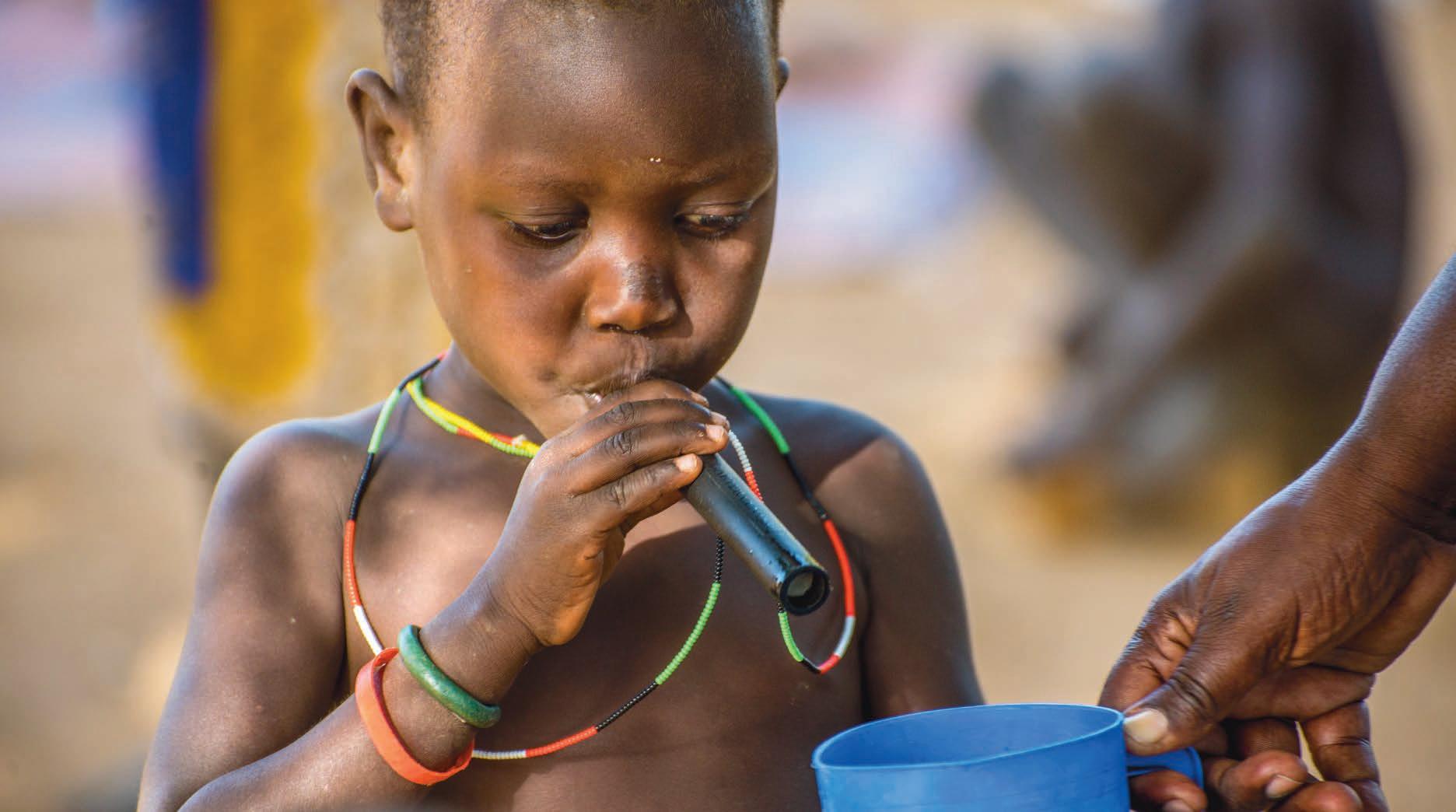
Today, the LifeStraw portfolio includes filters and purifiers for people in diverse situations. LifeStraw products are used in 64 countries. We continue to work to provide safe water to developing communities and have also become a leader in water filtration and purification for the outdoor sports and recreation market.
What makes LifeStraw unique is not only our innovative technologies and products that protect people across the world, but also our approach to retail. We believe that consumers and companies can play a powerful role in addressing the global
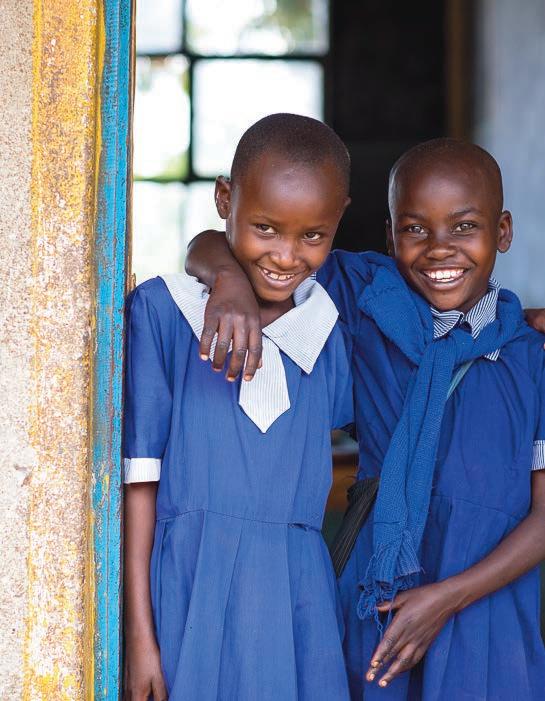
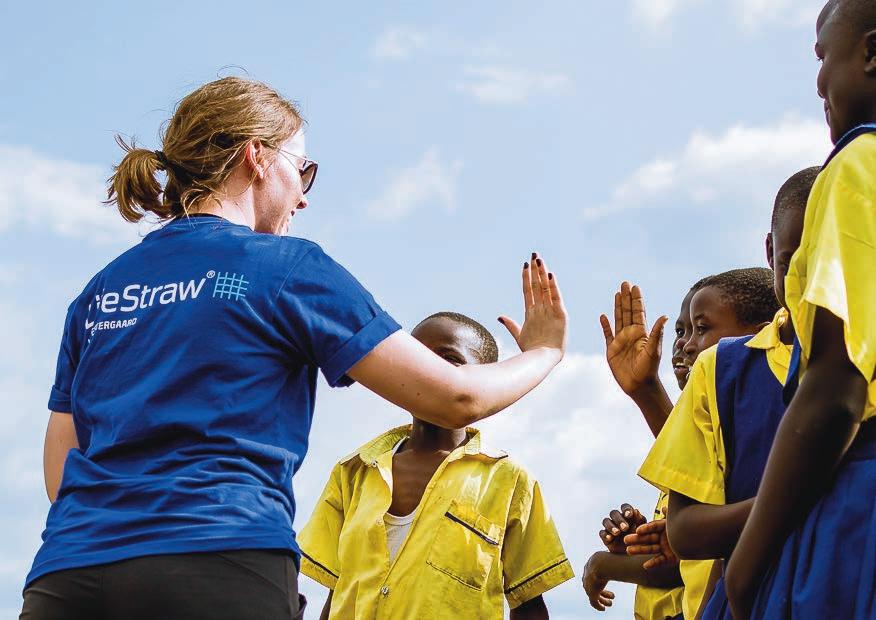
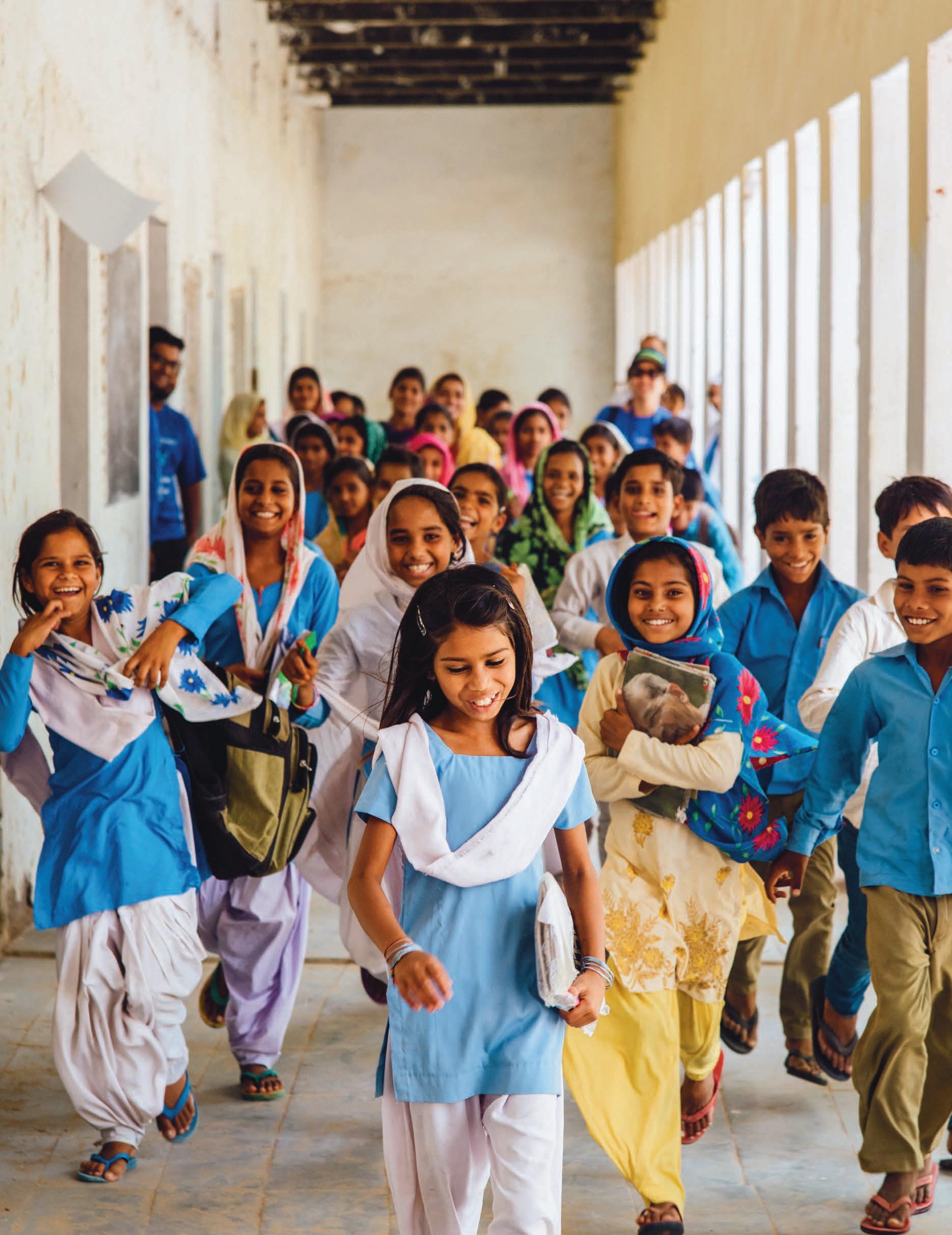
water problem. We connect consumer sales to impacting people in developing countries through initiatives including the ongoing Giving Back through Retail program. For every product purchased, a school child in need receives safe drinking water for an entire year. We do this using our own public health expertise and with our own staff in developing countries to provide LifeStraw water purifiers specifically designed for schools. The program also includes ongoing training, education and maintenance to ensure the schools and school kids have the knowledge and tools to prevent waterborne illnesses and stay happy and healthy!
Giving Back through Retail SOCIAL IMPACT
WE’RE NOT A ONE FOR ONE AND THERE’S A REASON
LifeStraw is not a one-for-one program in the traditional sense because we use products (LifeStraw Community) specifically designed for school kids that are dfferent from our retail products. The program is also sustainable in that funds generated through our retail sales not only fund the delivery of LifeStraw Community purifiers, but also sustain our local teams of educators to provide consistent follow-up and comprehensive education and data collection.
WE DON’T JUST DROP OFF FILTERS
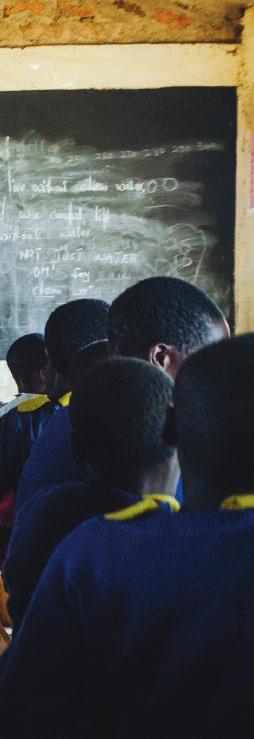
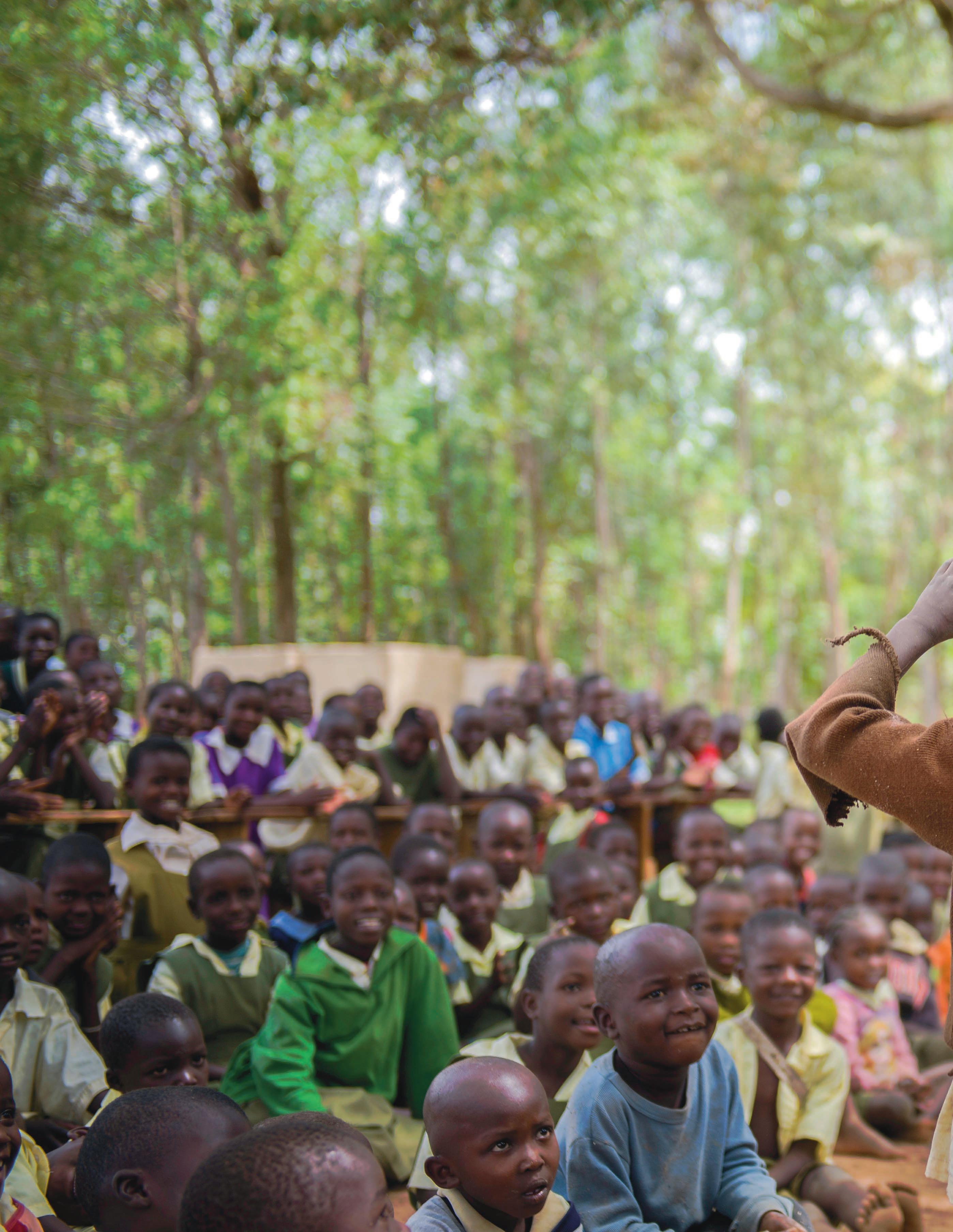
Whereas most programs take small groups of teachers and faculty to a central location for training, our program trains all teachers, students and staff on-site at the school to ensure transparency, relationship building, and most importantly direct education to school children. We don’t just teach about the purifiers: we teach handwashing, hygiene, sanitation, safe water at home and general health practices. In every school we provide purifiers to, we make a minimum 5 year commitment.
MONITORING & DATA COLLECTION
Our local staff use mobile survey platforms year round to transparently collect data on product performance, usage and school feedback as well as monitor repairs, maintain inventory and capture personal stories. In each school, data is collected on purifiers delivered, school population, GPS coordinates, and every purifier is given an individual QR code and ID that is scanned into the electronic system and tracked to avoid losses and review technical performance.
THE PEOPLE BEHIND THE PROGRAM
97.5% of the staff are local and 75% of management positions are held by women.
1,015,652 1,621 10,677
GIVE BACK PROGRAM MILESTONES AS OF MARCH 2018 LITERS OF WATER PURIFIED
106 M 10,000+
STUDENTS WITH ACCESS TO SAFE WATER SCHOOLS REACHED FOLLOW UP VISITS
Commitment
PURIFIERS DELIVERED
In 2018, we will expand our retail-funded safe water programs to new countries, including looking at Nepal and vulnerable communities in the US.
For every retail product purchased, a school child in need receives safe water for an entire school year.
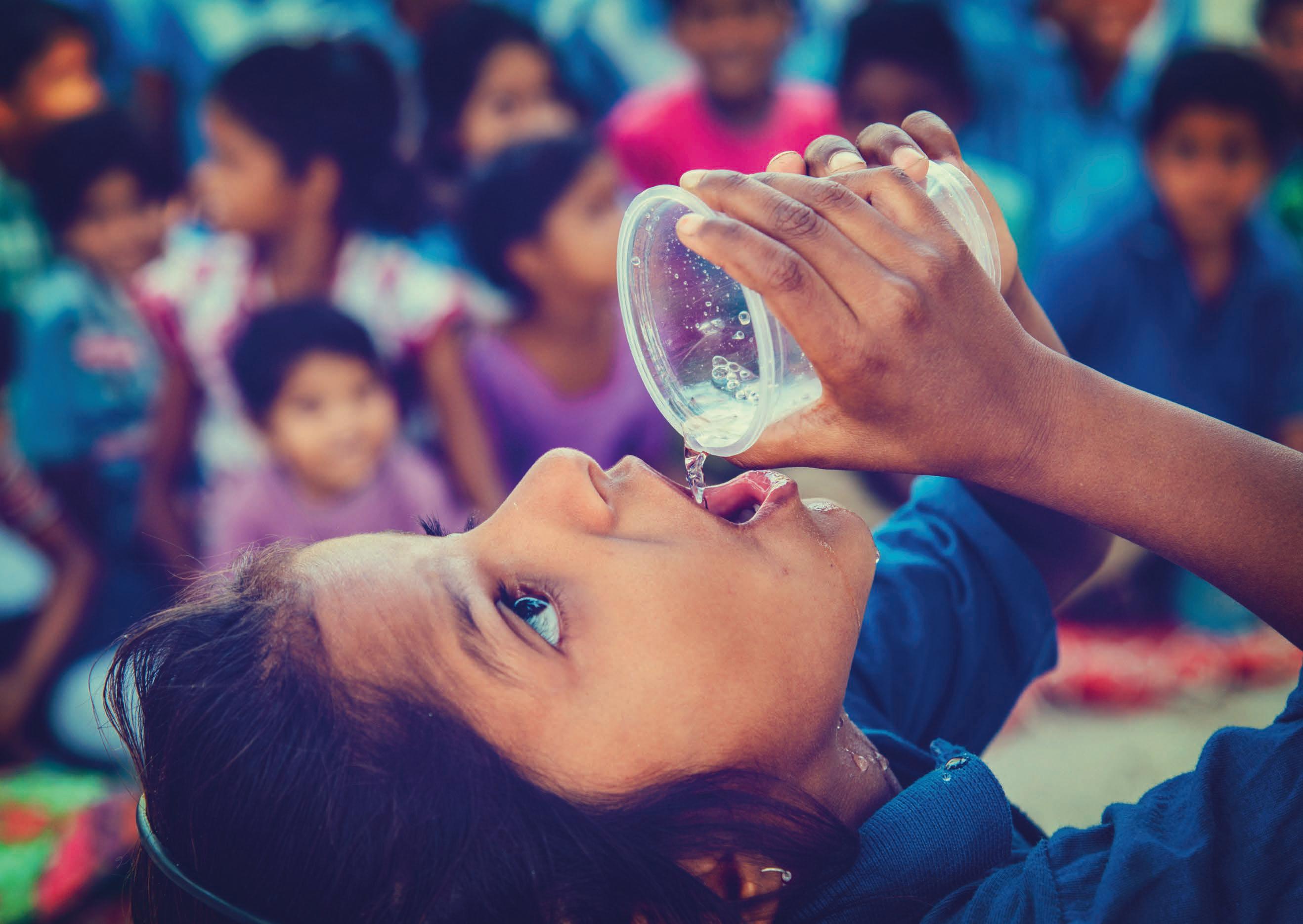
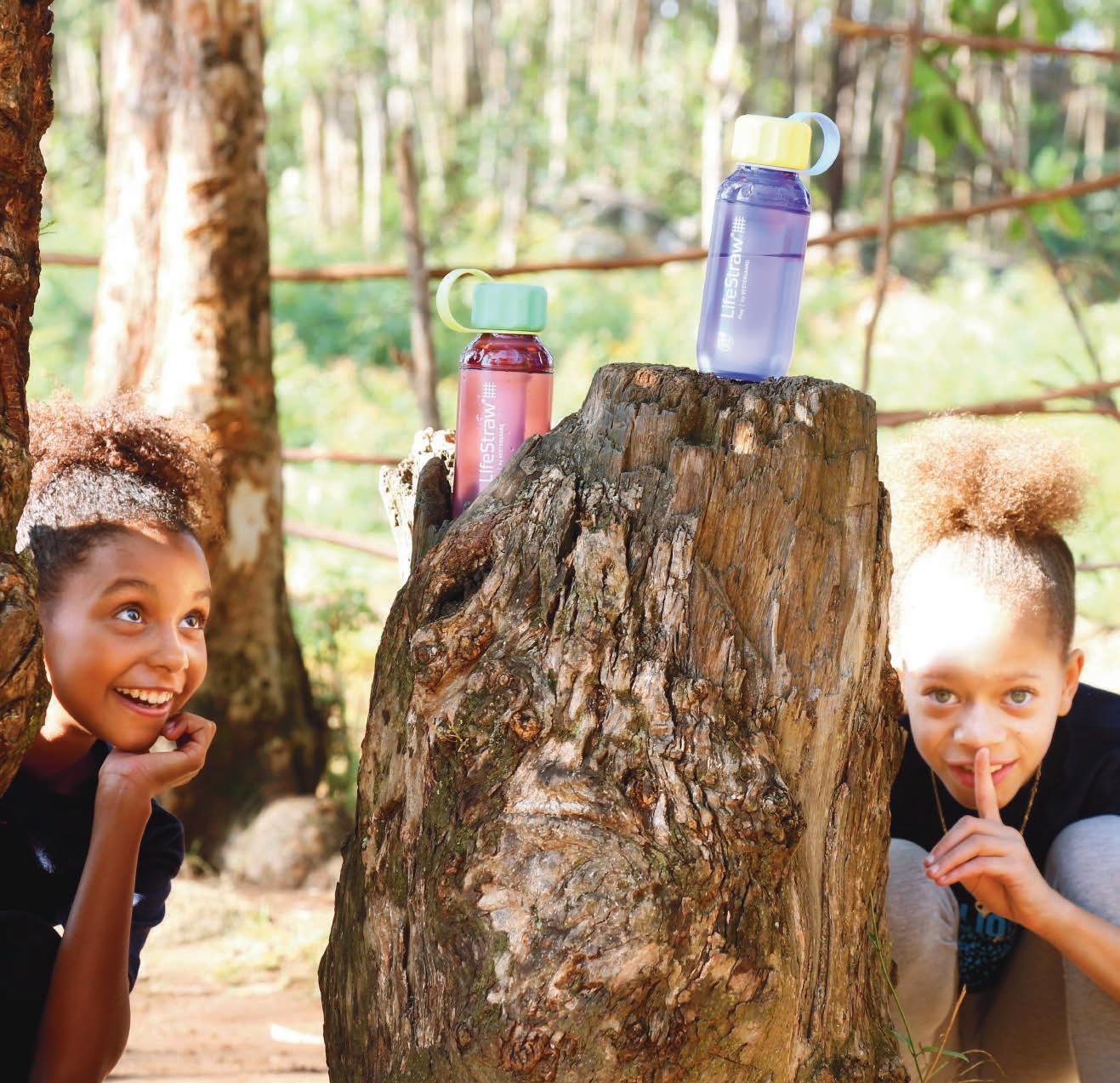
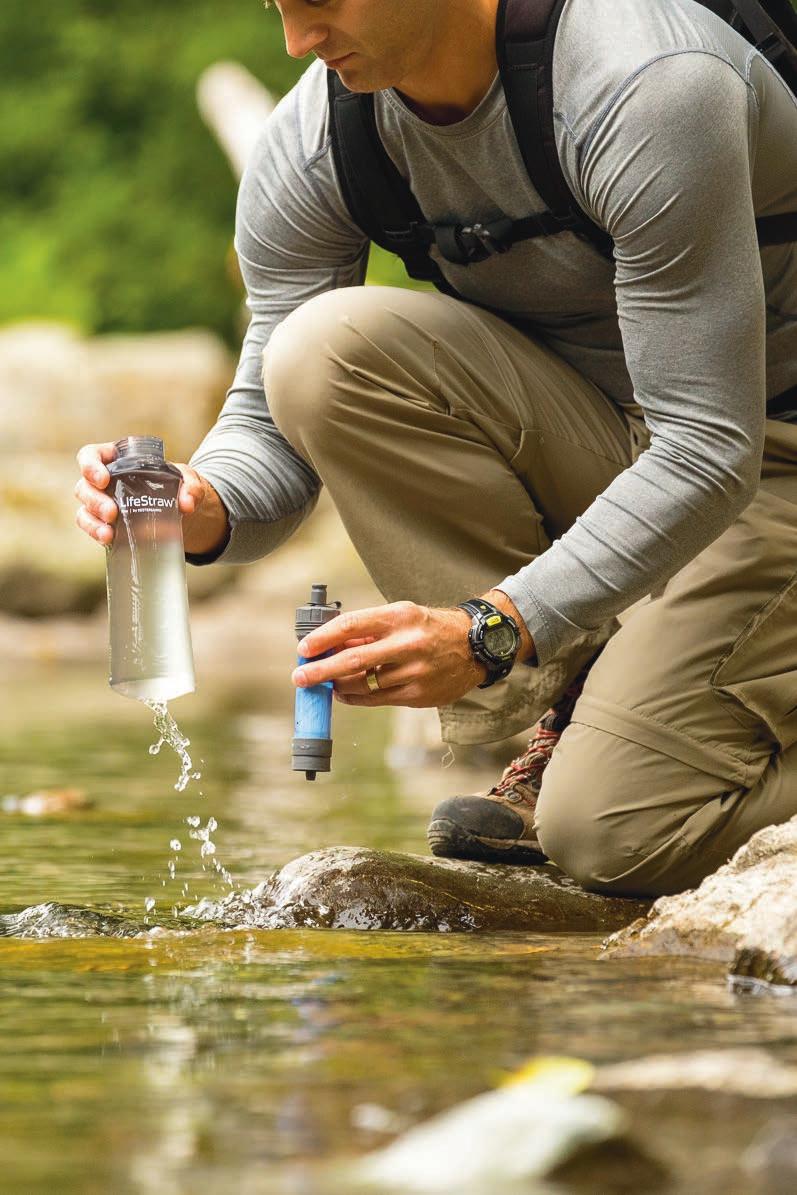
Through this program, consumers have supported the provision of safe water to over 1 million school children
SOCIAL IMPACT
Guinea Worm Eradication
1994: LifeStraw began its work with the Carter Center, creating a simple mesh filter to remove Guinea Worm disease from water.
In 1999: this evolved into LifeStraw’s first pipe filter.
In 2017, LifeStraw donated 149,000 Guinea worm filters which were distributed in the 2 countries with remaining cases: Chad and Ethiopia. Filters were also distributed in Mali and South Sudan, for sustaining eradication efforts. When Guinea Worm is eradicated, it will be the second human disease to be eradicated and the first disease to be removed from the planet without the use of a vaccine.
Overall, LifeStraw has provided over 37 million LifeStraw Guinea Worm filters to the Carter Center and its partners for the eradication of the disease.
In 1986, there were 3.5 million annual cases of Guinea worm disease in roughly 21 countries. In 2017, there have been 30 cases in just 2 countries: Chad and Ethiopia.
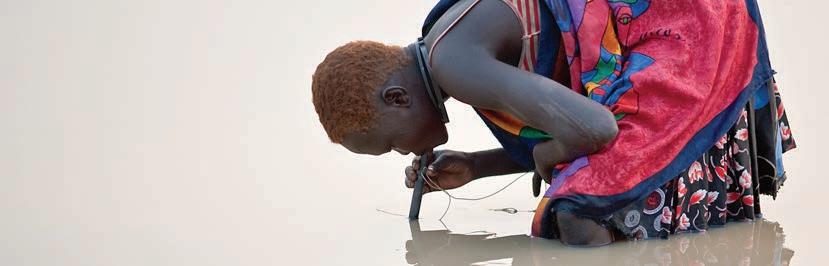
When Guinea worm disease is eradicated, it will be the first disease to be removed from the planet without the use of a vaccine.
We are committed to our long-standing partnership and supporting the Carter Center until Guinea worm disease is eradicated.
© Carter Center
The Safe Water Fund & Disaster Relief
The LifeStraw Safe Water Fund provides a means for socially-minded individuals and organizations to engage in high-impact safe water programs around the world and respond to emergencies quickly. The Safe Water Fund enables us to crowdsource contributions from individuals, non-profits and foundations in order to expand our ability to respond to disasters and to serve vulnerable school children around the world. The Fund is managed by New Ventures Fund, a 501-c3 public charity.
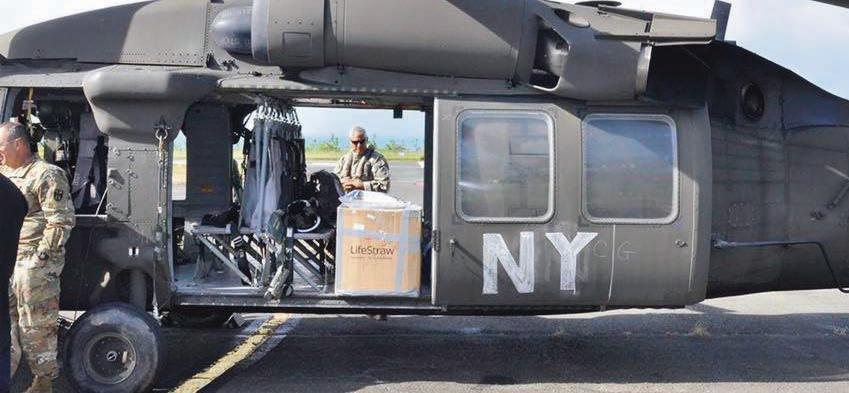
In 2017, the Safe Water Fund expanded its program work in Haiti, Kenya and India. In the fall of 2017, the Fund along with several partners, undertook a major effort to respond to the crisis of lack of safe water in Puerto Rico and the Caribbean. To date, through a combination of direct donations, Safe Water Fund support and partner organizations, LifeStraw has provided more than 10,000 filters and purifiers to the region, covering over 153,000 people. The Safe Water Fund’s direct contributions covered over 37,000 people.
IMPACT OF THE SAFE WATER FUND BY NUMBER OF PEOPLE REACHED WITH SAFE WATER
18,900 1,300 1,900 7,788 37,123
In 2018, the Lifestraw Safe Water Fund aims to create global partnerships with emergency response organizations, like Team Rubicon, that can support in the rapid deployment of safe water products within the first 72 hours of any emergency. Commitment
ECUADOR HAITI
INDIA KENYA PUERTO RICO
SOCIAL IMPACT
Global humanitarian work
A core part of our business remains our work with humanitarian organizations around the world. LifeStraw is active in over 64 countries, making product available to a wide group of partners seeking to provide access to safe water in communities in which they work. Whenever possible, LifeStraw seeks to provide on-the-ground training and education to partner organizations implementing programs with LifeStraw products. Our partnerships range from WHO and other UN organizations, to local governments to small non-profits operating at a village level.
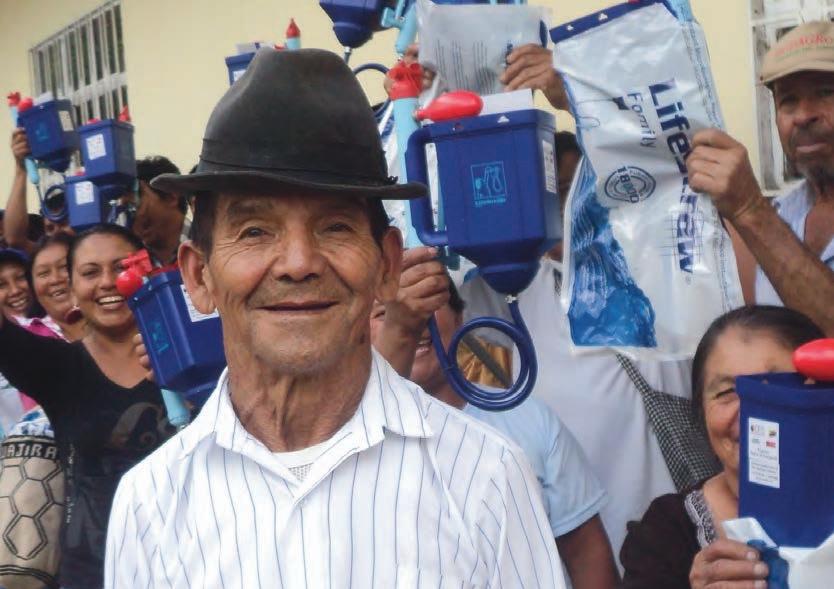
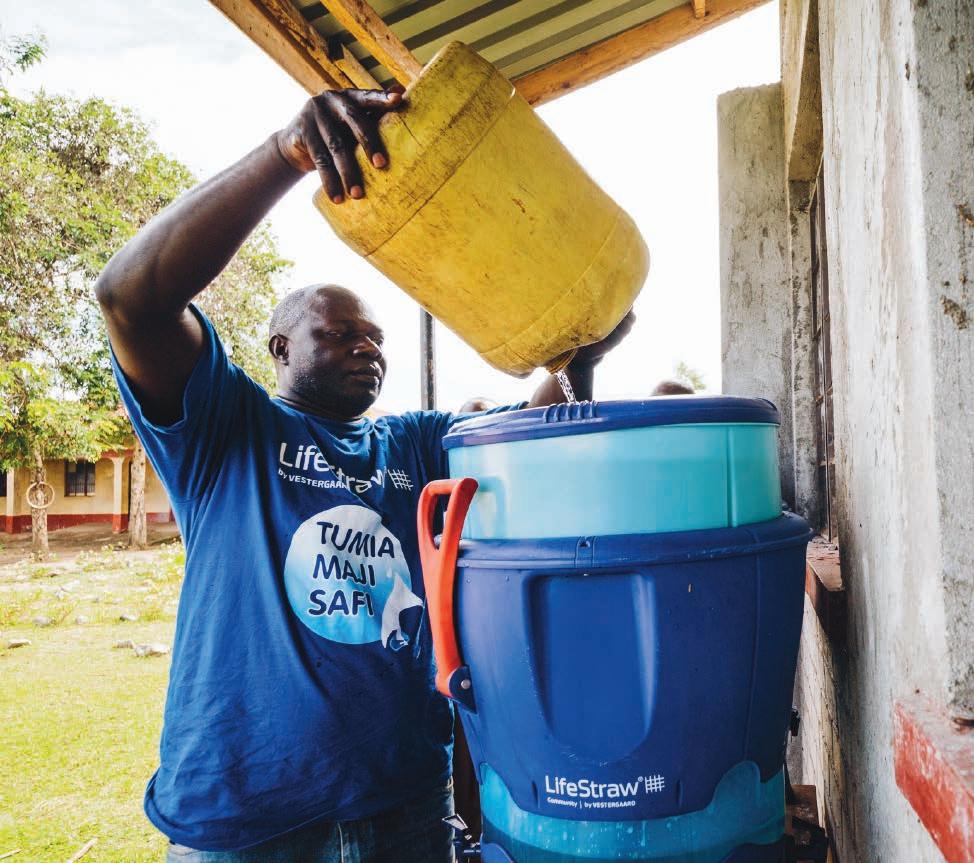
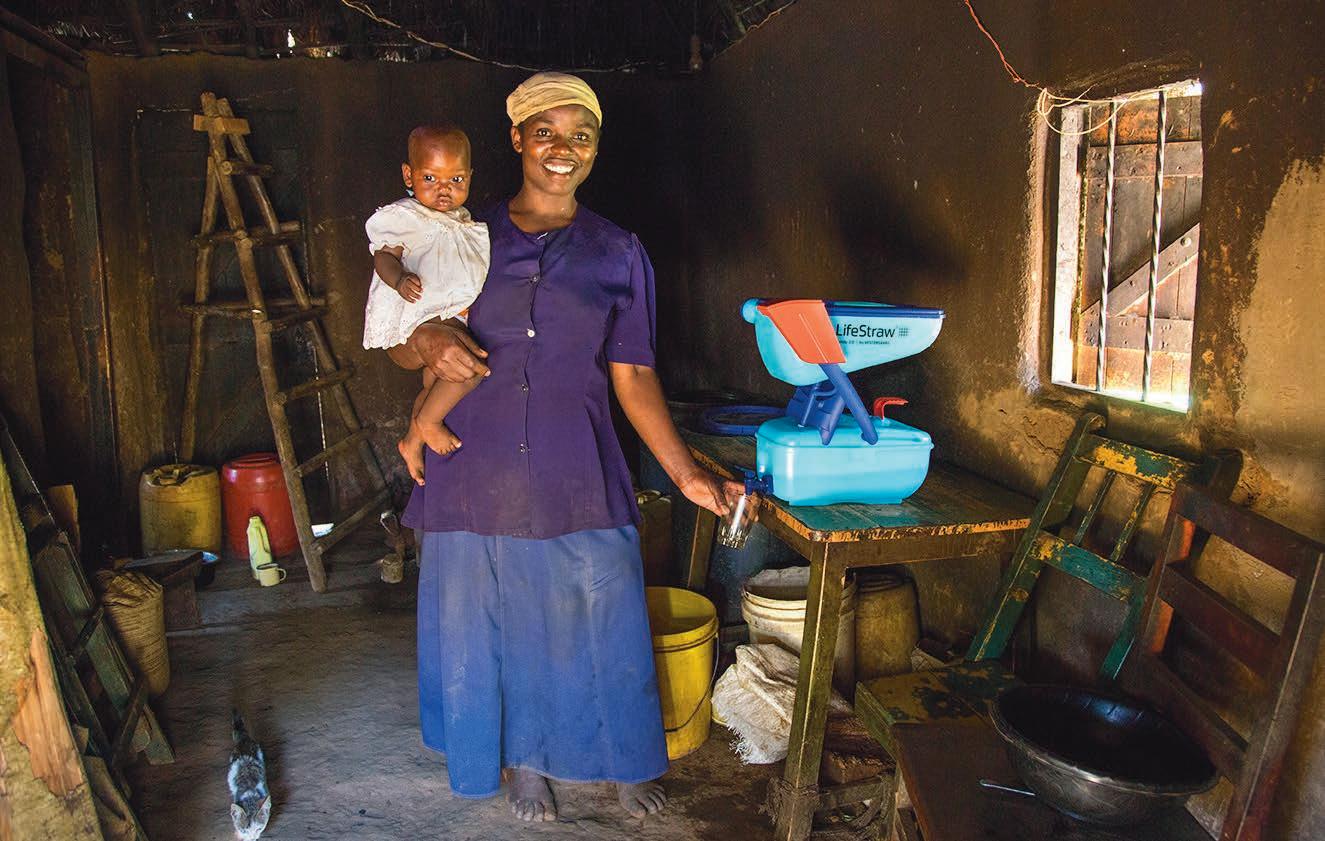
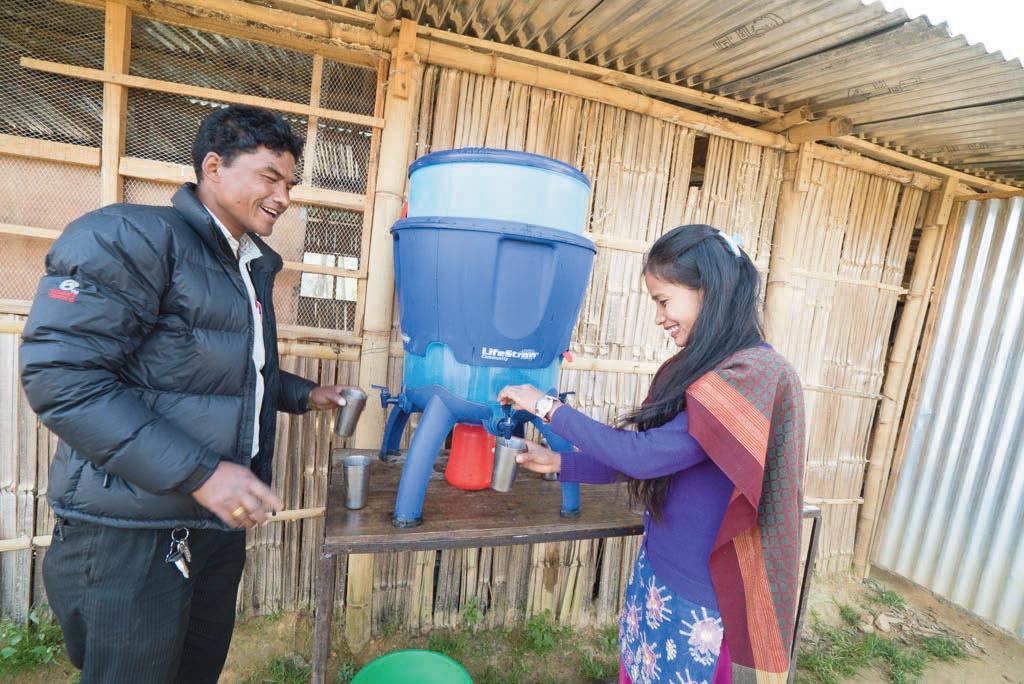
LIFESTRAW FILTERS AND PURIFIERS ARE USED FOR ADDRESSING SAFE WATER ISSUES IN DIFFERENT SITUATIONS
RURAL SCHOOLS
Safe water in schools is important for development, concentration and can reduce absenteeism by preventing children from getting waterborne diseases.
COMMUNITY CENTERS
Safe water improves nutrition and the absorption of key micronutrients and amino acids that are important for health.
HEALTH FACILITIES
Safe water is necessary for the administration of medications and hand washing in clinics and hospitals.
DISASTER RESPONSE
LifeStraw products are used globally for emergency response and humanitarian disaster relief.
Safe water is critical for emergency responders and the communities impacted by a disaster in the days and weeks after a disaster occurs.
IDP AND REFUGEE CAMPS
LifeStraw is active in IDP and refugee camps, working with partners to rapidly deliver long-term safe water solutions on location.
HOUSEHOLDS
LifeStraw purifiers enable families to treat their water in the home, ensuring they receive microbiologically-safe water free from bacteria, viruses and parasites, and helps prevent the recontamination that can occur when water is transported from the source to the point-of-use.
In 2018 and 2019, we will continue to innovate technologies to address a wider range of water contamination, including arsenic and fluoride removal.
SOCIAL IMPACT
Partnerships with like-minded organizations
The LifeStraw Program Development Team works with corporate partners to provide safe water to communities around the world. All programs include a focus on data and transparency as well as comprehensive education, follow-up and ensuring sustainability. An added focus on many of our partnerships is combining components of environmental conservation with the provision of safe water.
KEY PARTNERS IN 2018
JAGUAR LAND ROVER & CLIMATECARE
Working together to cover the hardest-to-reach populations with safe water and ensure environmental sustainability
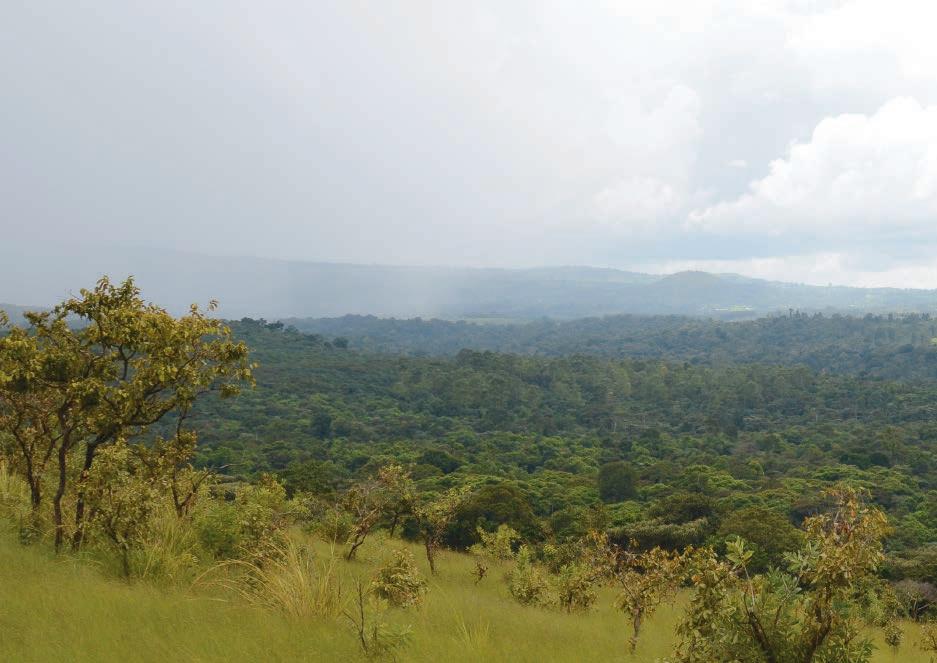
LifeStraw’s partnership with Jaguar Land Rover and ClimateCare is a 5 year commitment to reach 300,000 school children with access to safe water in some of the hardest-to-reach areas of rural western Kenya. The program reaches vulnerable communities suffering from land rights conflicts in Cheptains sub-county, and 3 other sub-counties in the region. Many of the rural schools in this region are attended by school children living in some of the most vulnerable small holder farm communities in Kenya.
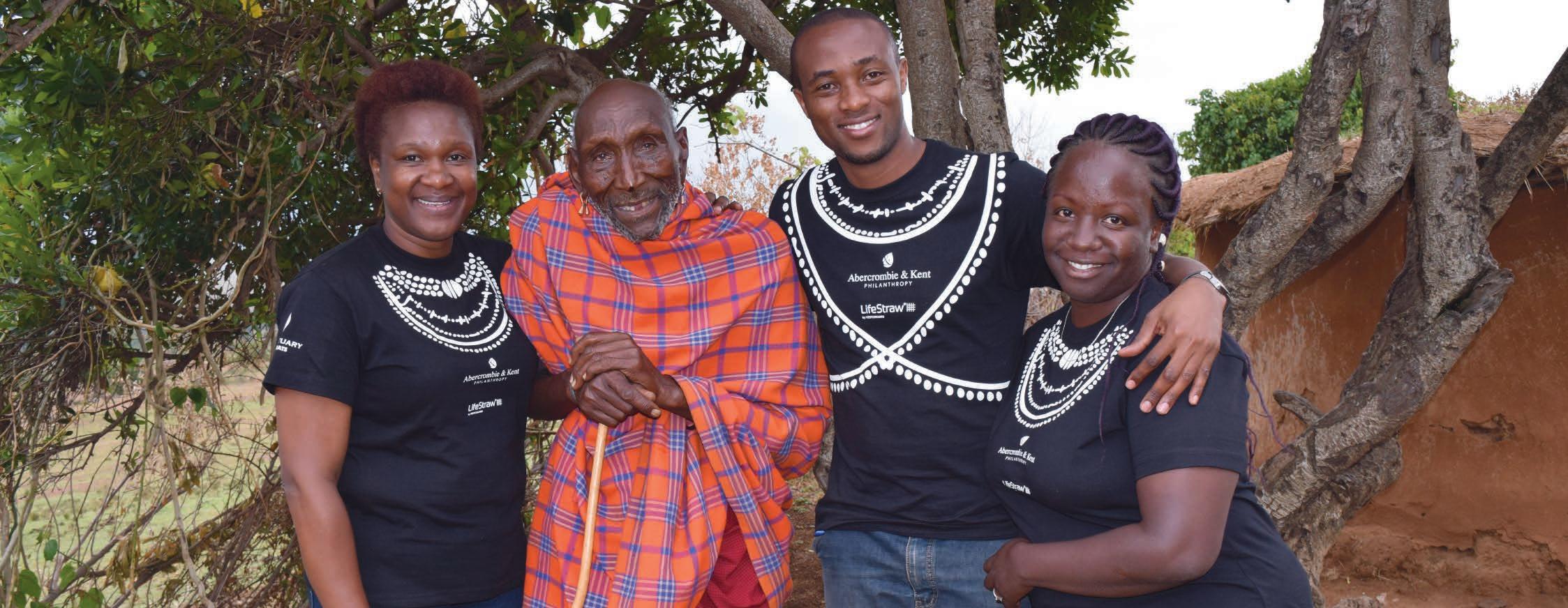
THE CHILDREN’S ENVIRONMENTAL LITERACY FOUNDATION
Educating youth on water and environmental issues and connecting students across the world
LifeStraw works with the Children’s Environmental Literacy Foundation to help educate students around the US of the importance of water issues and environmental sustainability and also connects them to schools in rural western Kenya where they sponsor and provide safe water to school children.
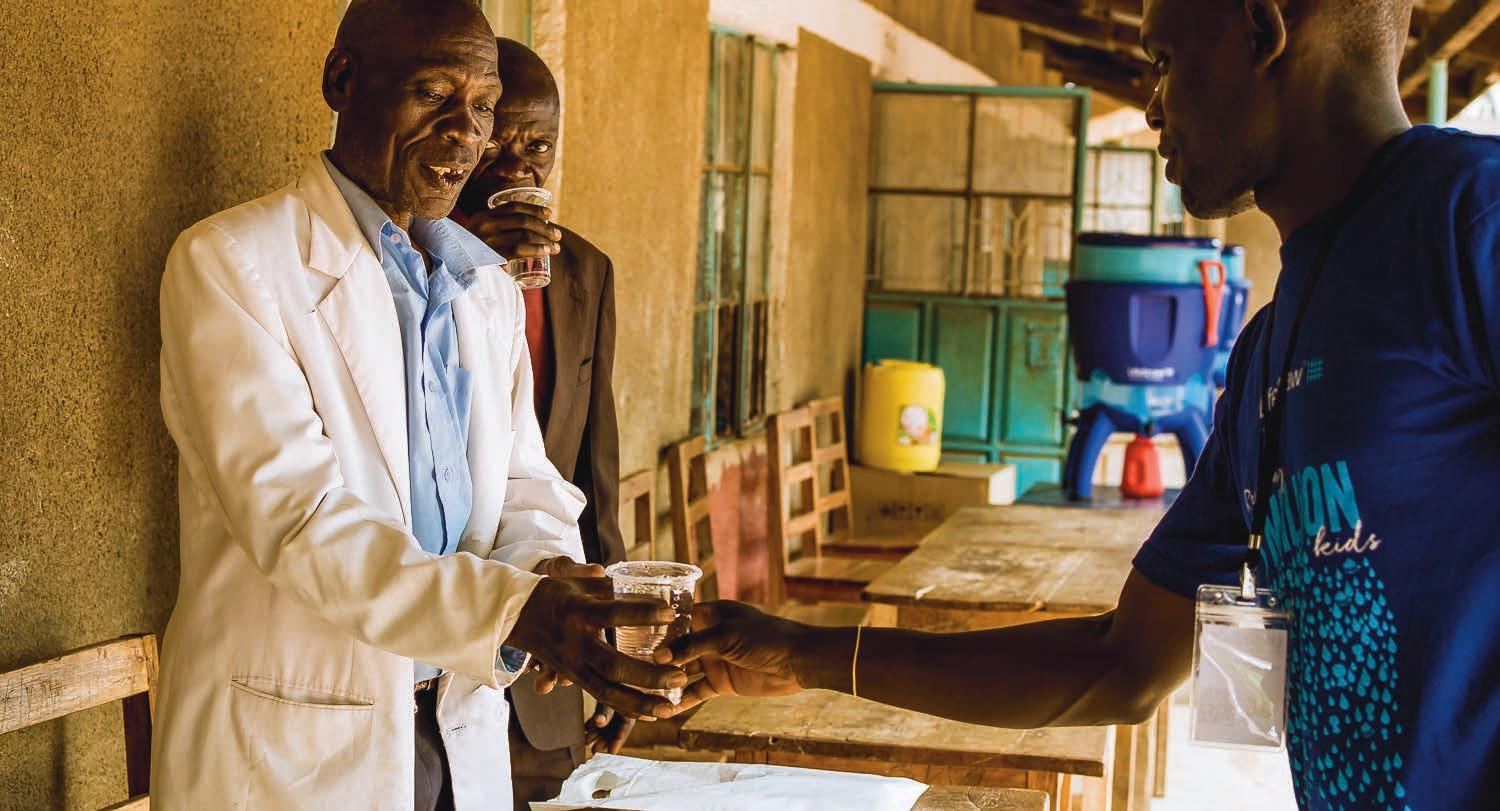
ABERCOMBIE & KENT PHILANTHROPY
Protecting communities at the forefront of wildlife conservation
This program is expanding vital services and ensuring livelihood development for the Masaai people who have coexisted with wildlife in the Masaai Mara region for millennia and are critical to preserving and protecting the human-wildlife and nature ecosystem of the region. Primary school children are particularly vulnerable to waterborne disease in these communities because of the overwhelming amount of wildlife that overlap with drinking water sources and cause contamination.
Commitment
In 2018 and 2019, we will be working to make stronger partnerships and work closely with organizations focused on environmental conservation, in the US and internationally. Providing safe water to vulnerable communities is not only about making contaminated water safe but is also about protecting the water resources we depend on from getting contaminated.
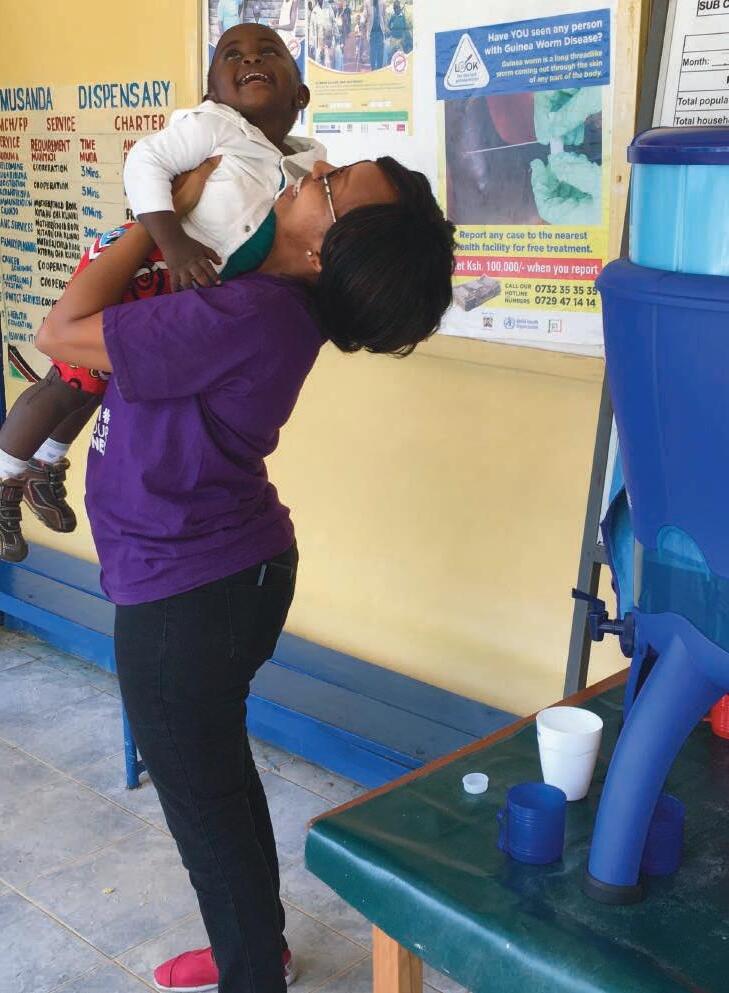
There are times when responsibility goes beyond our everyday business. Investing in women and girls, through education, safe water or providing better access to maternal care is part of the same goal: to support positive change in the communities where we work. We see these as opportunities, not costs.
GOING BEYOND SAFE WATER
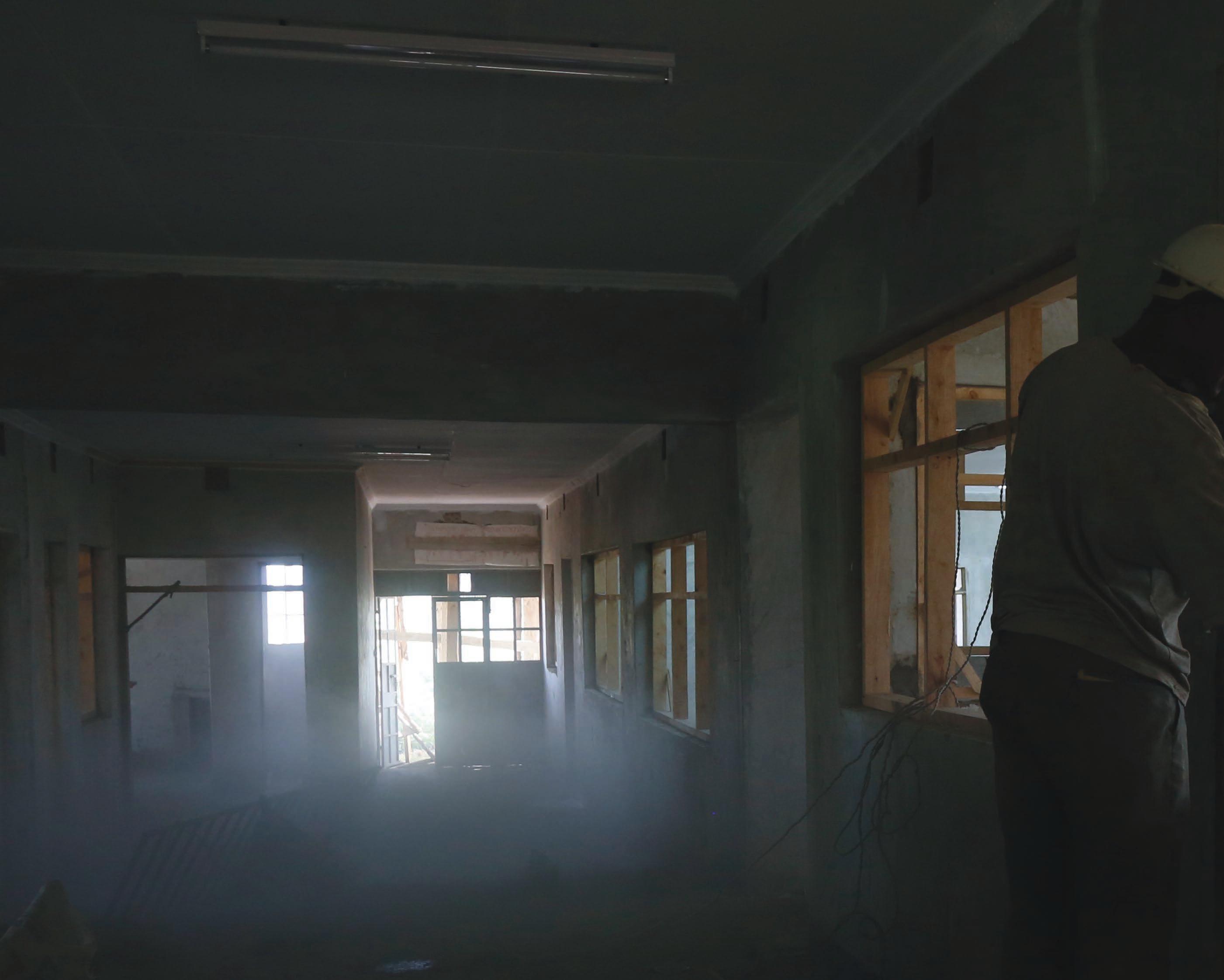
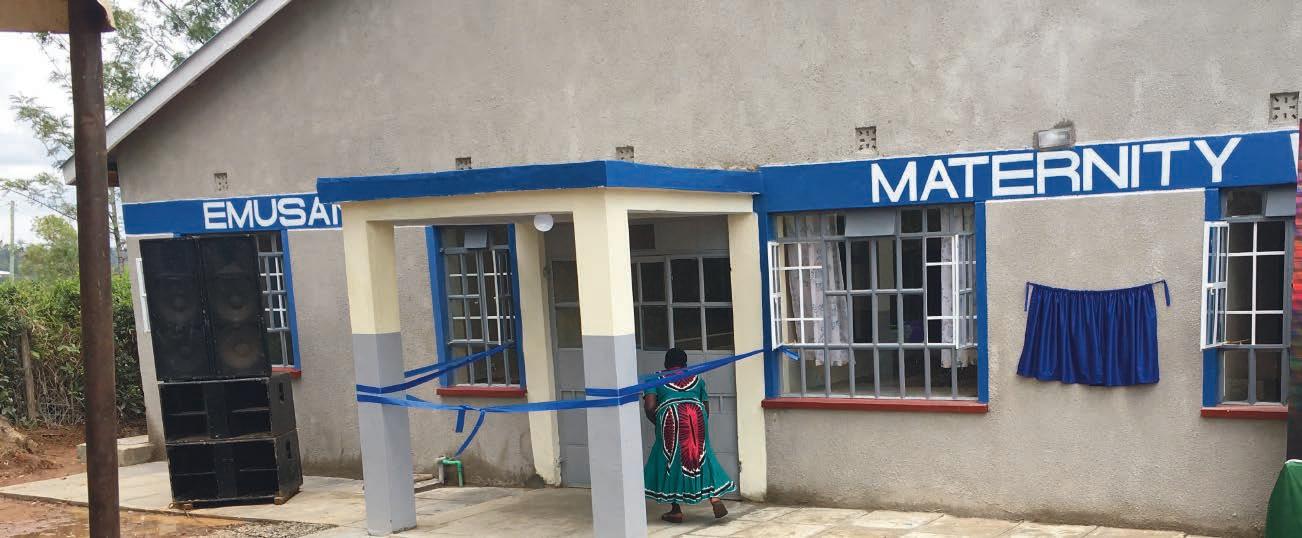
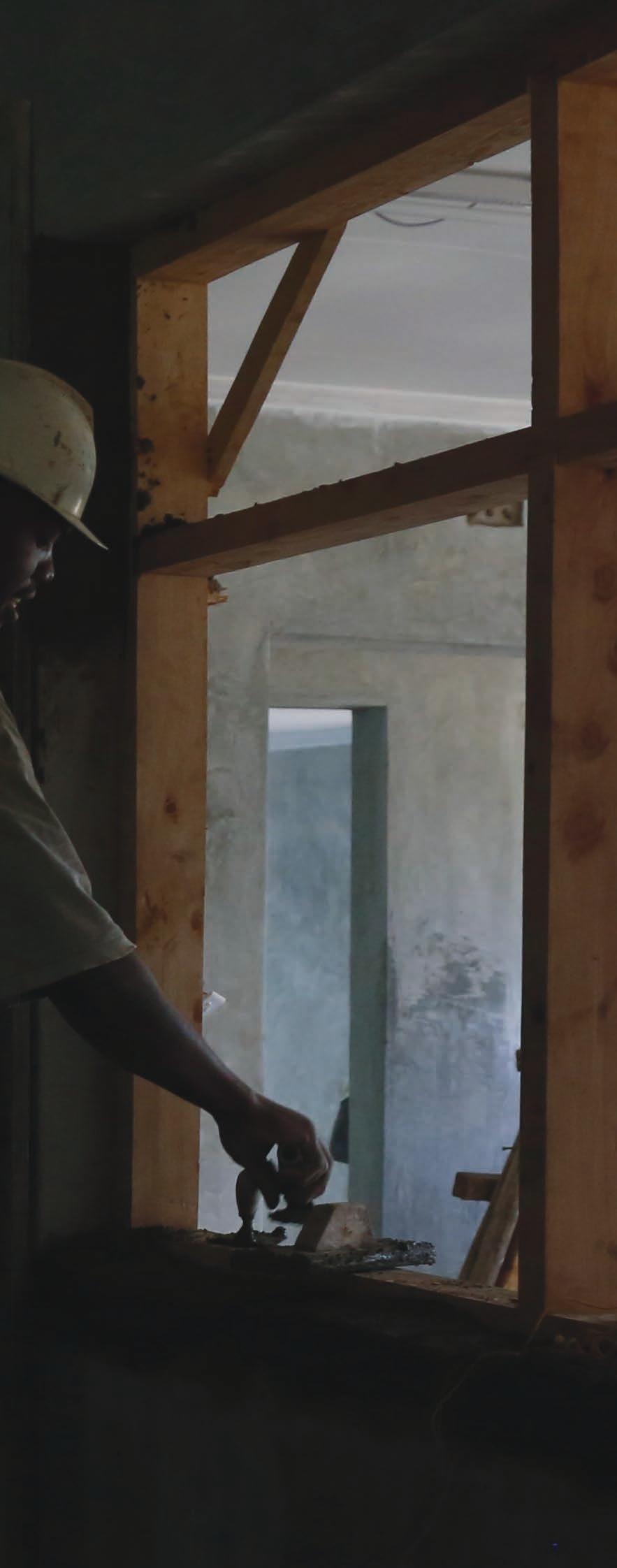
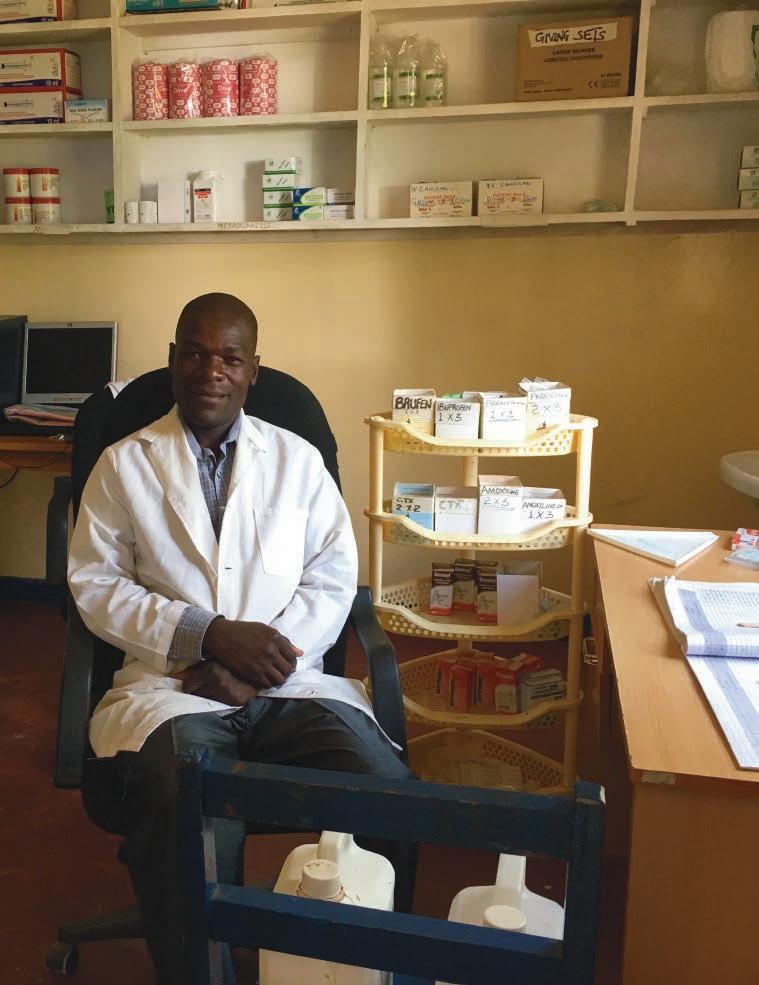
Opening of Emusanda Maternity Ward in rural Kenya
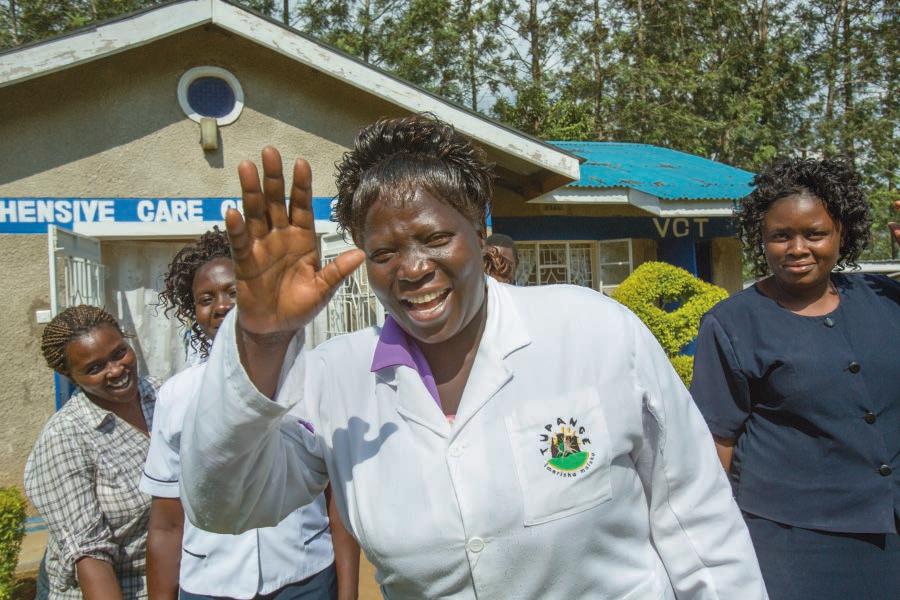
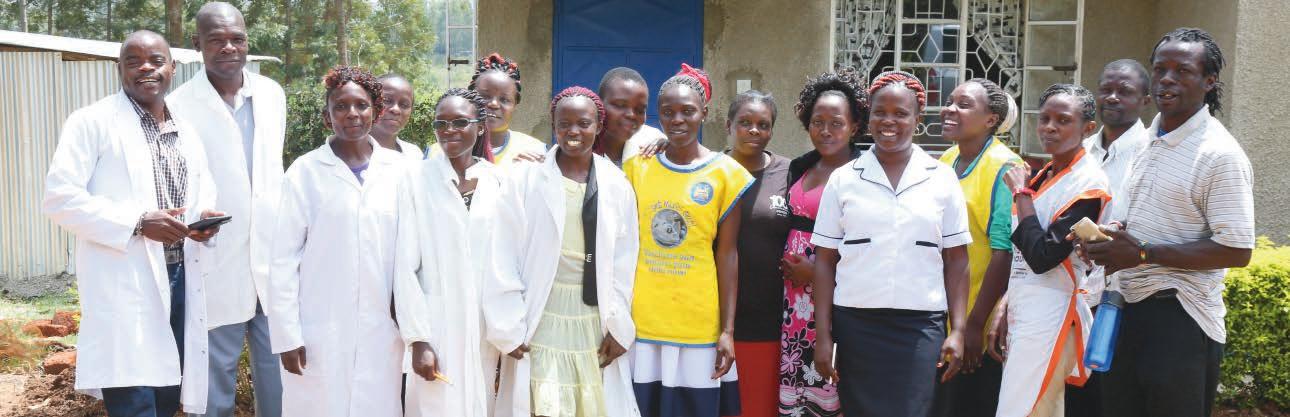
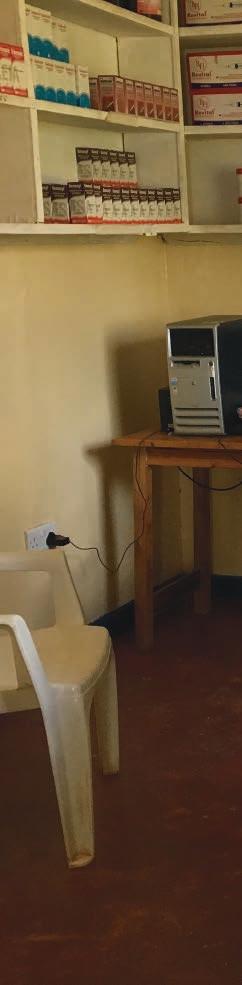
On International Women’s Day in 2018, LifeStraw’s parent company, Vestergaard opened the doors of a donated 12-bed maternity ward in western Kenya’s Lurambi Sub-County. The ward, equipped with technologies previously unavailable in this region of Kenya, will provide high quality maternal and neonatal healthcare to the rural women of this community. The opening of the Emusanda Maternity Ward signals Vestergaard and LifeStraw’s long-standing commitment to the health and well-being of this community, and its long-standing relationship with the government of Kenya.
A 10 YEAR COMMITMENT TO THE HEALTH OF COMMUNITIES IN WESTERN KENYA
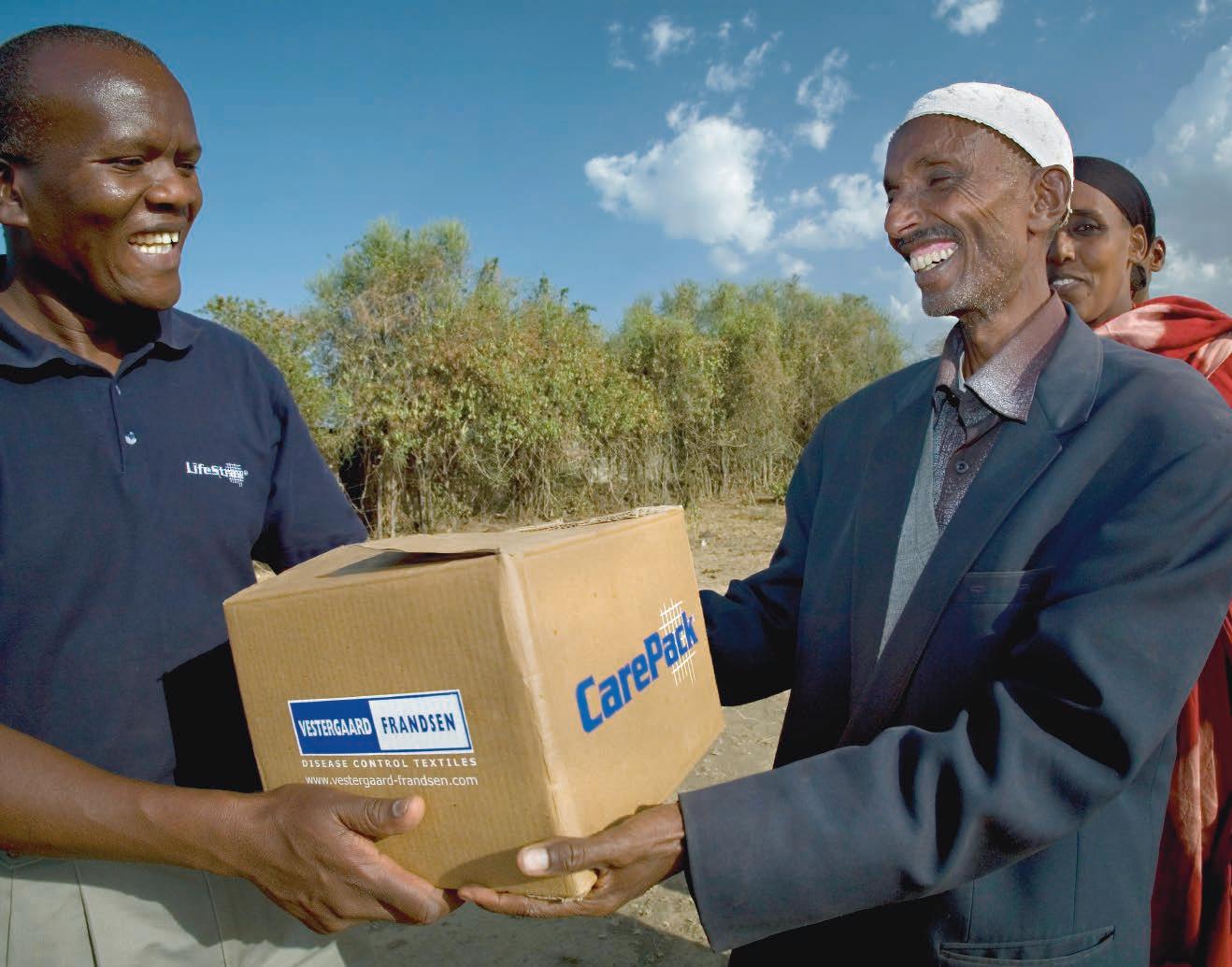
The maternity ward was donated 10 years after Vestergaard’s initial work in this community implementing an integrated prevention campaign: providing voluntary testing and counseling for HIV/AIDS with the distribution of a CarePack of health tools (bednets, water filters, condoms and educational materials). More than 49,000 people received counseling and testing within a 7 day period. Due to the higher than expected rates of HIV infection identified during this campaign, Vestergaard provided further support to the Government of Kenya and the local community by building Emusanda Health Clinic and Comprehensive Care Center which provides primary care services and HIV care.
ENSURING SUSTAINABILITY THROUGH CLOSE COLLABORATION WITH THE KENYA MINISTRY OF HEALTH
Since 2009, we have worked with the Government of Kenya to transition this health facility to their management. As of last year, the Ministry of Health has taken full responsibility for the management of this Health Center. To ensure that Emusanda Health Center has the full suite of resources needed for a Community Health Center, as a final show of support, Vestergaard and the LifeStraw team have supported the construction of a maternity ward.
GOING BEYOND SAFE WATER
Empowering women and girls
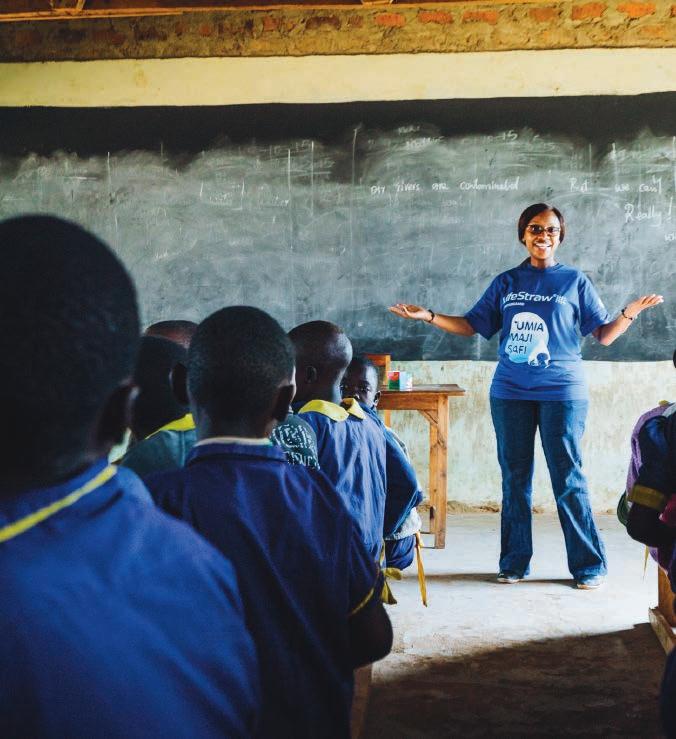
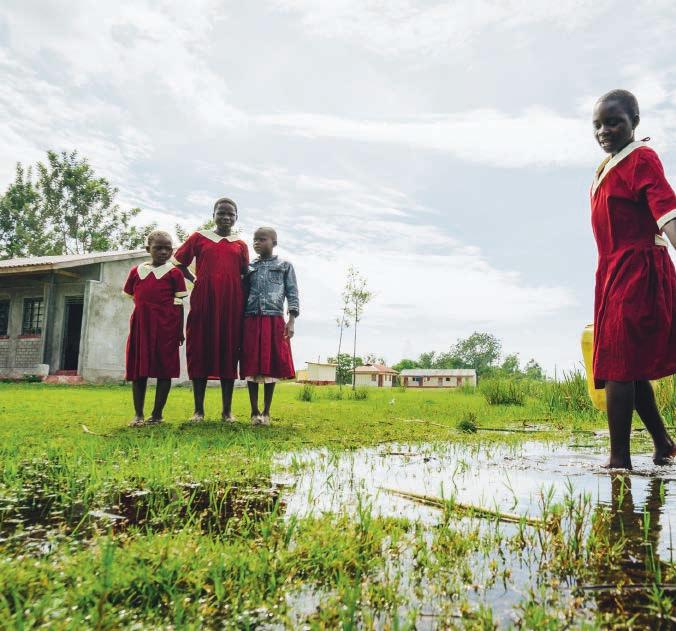
LifeStraw is comprised of more than 50% women which includes the highest levels of decision making and program strategy and our team members come from all over the world. This diverse set of experiences translates into the type of creativity and strategy needed for our success.
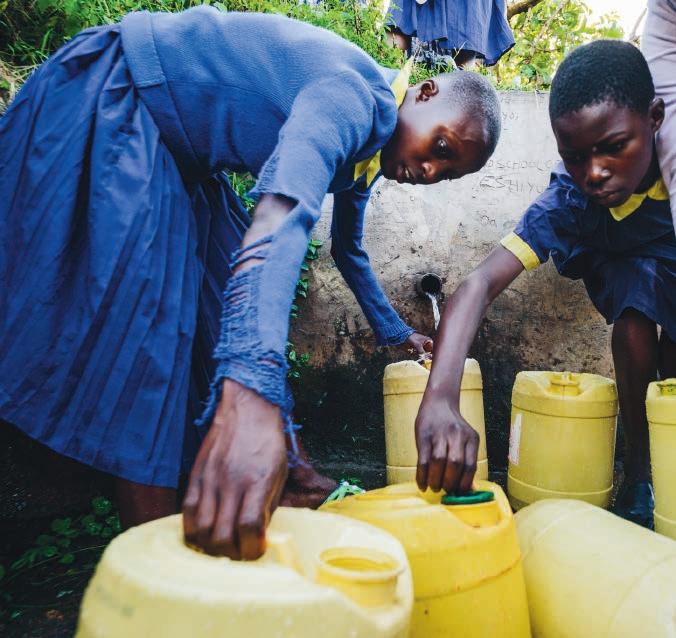
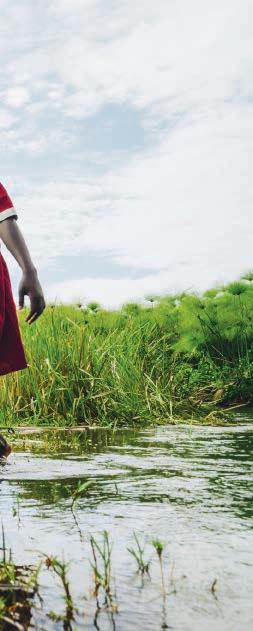
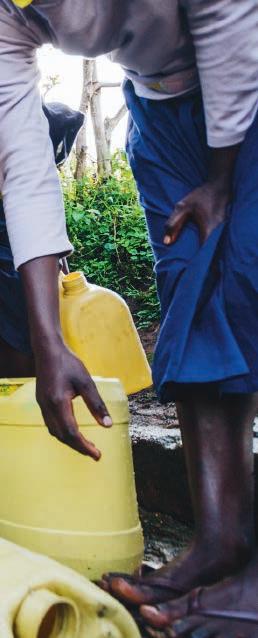
Our programs not only focus on providing safe water to the most vulnerable, but we also recognize that lack of access to safe water disproportionately affects women and young girls.
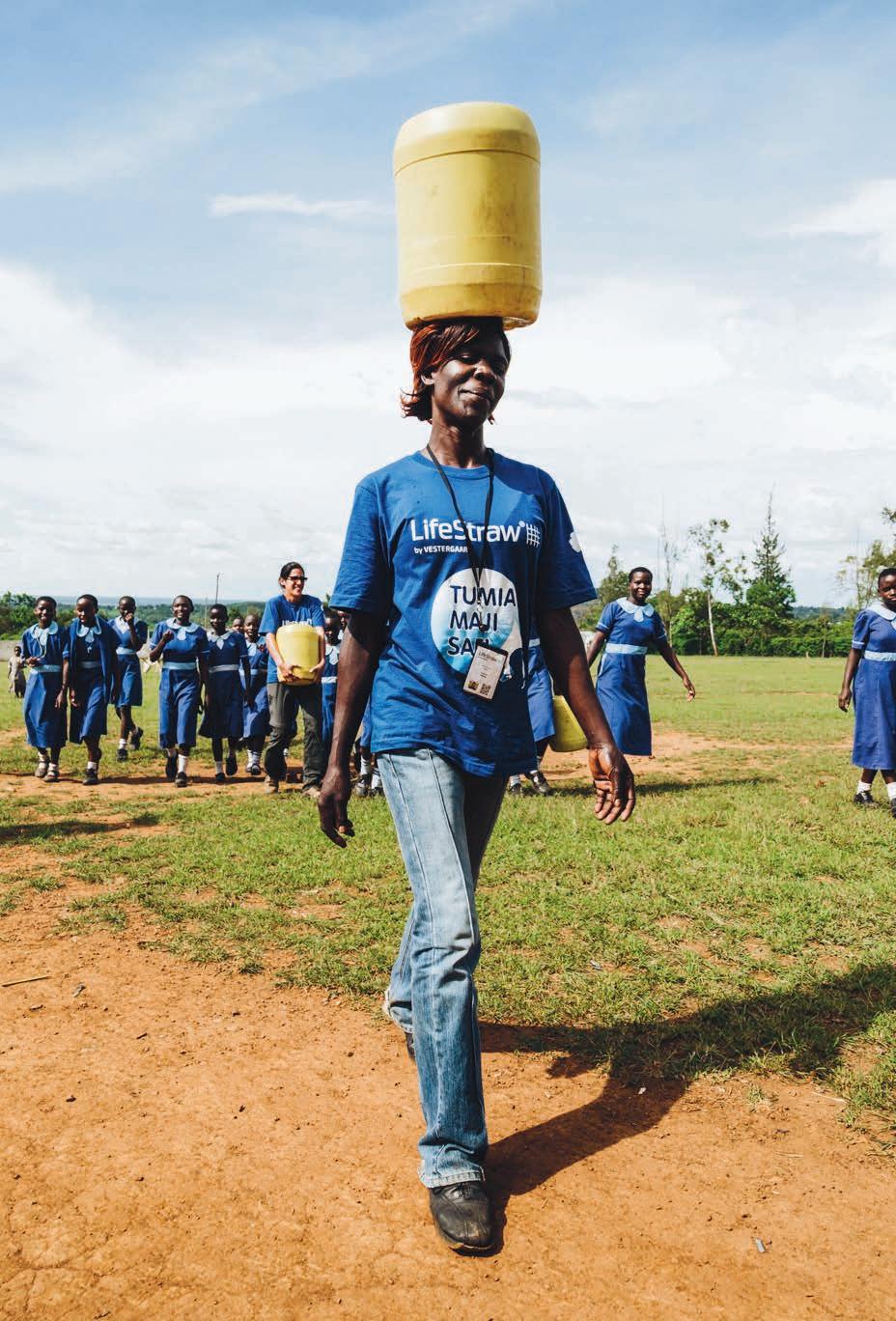
Women and girls around the world bear the primary responsibility for:
• Fetching water (a 20 liter jerry can weighs as much as 44 lbs!)
• Purifying water
• Caring for other family members who fall sick due to waterborne disease
How do our programs make an impact on women and girls?
- Emphasis on shared responsibilities among genders for water collection and treatment by appointing student ambassadors from both genders to work together to oversee water collection and filtration.
- Employment of local women and creation of women leaders amongst local staff
- Empowerment of volunteer groups lead by local women. To date, more than 50 community-based organizations have been registered, including the Ministry of Gender and Social Services in Kenya and are active promoting health education.
RESPONSIBILITY
We commit to transparency and accountability through every step of the value chain: from product, to purchase to impact.
GLOBAL STANDARDS & TESTING
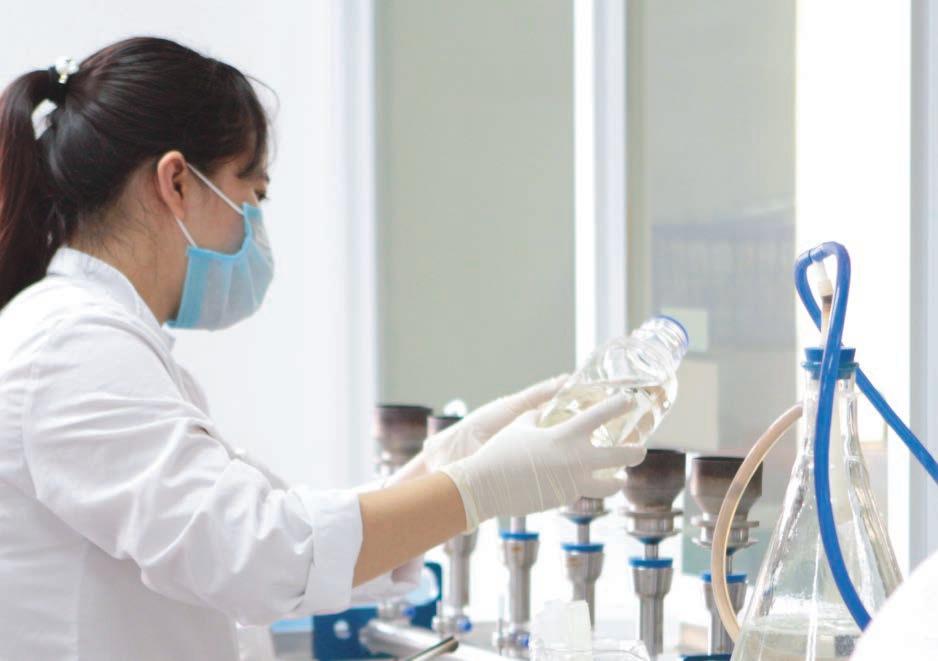
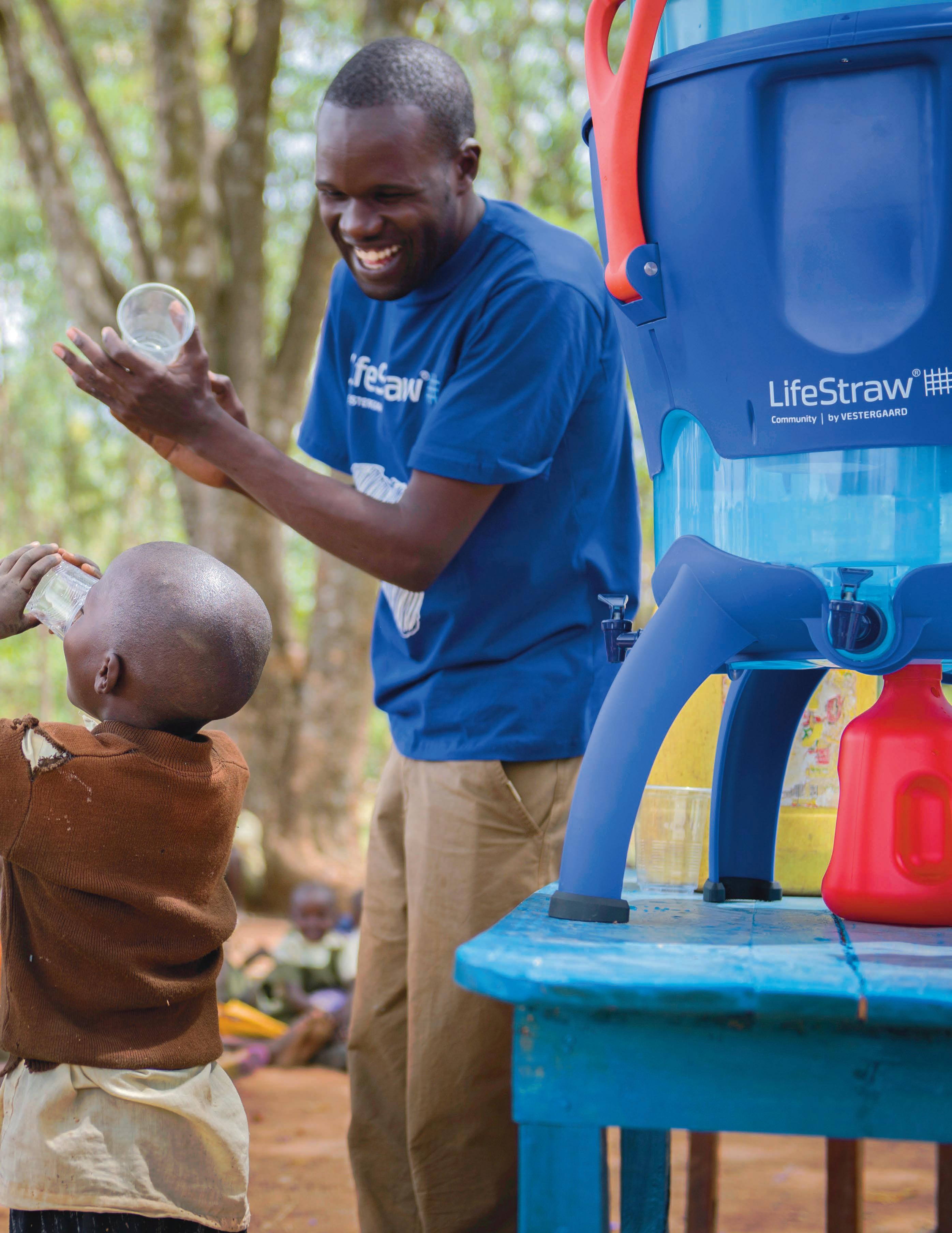
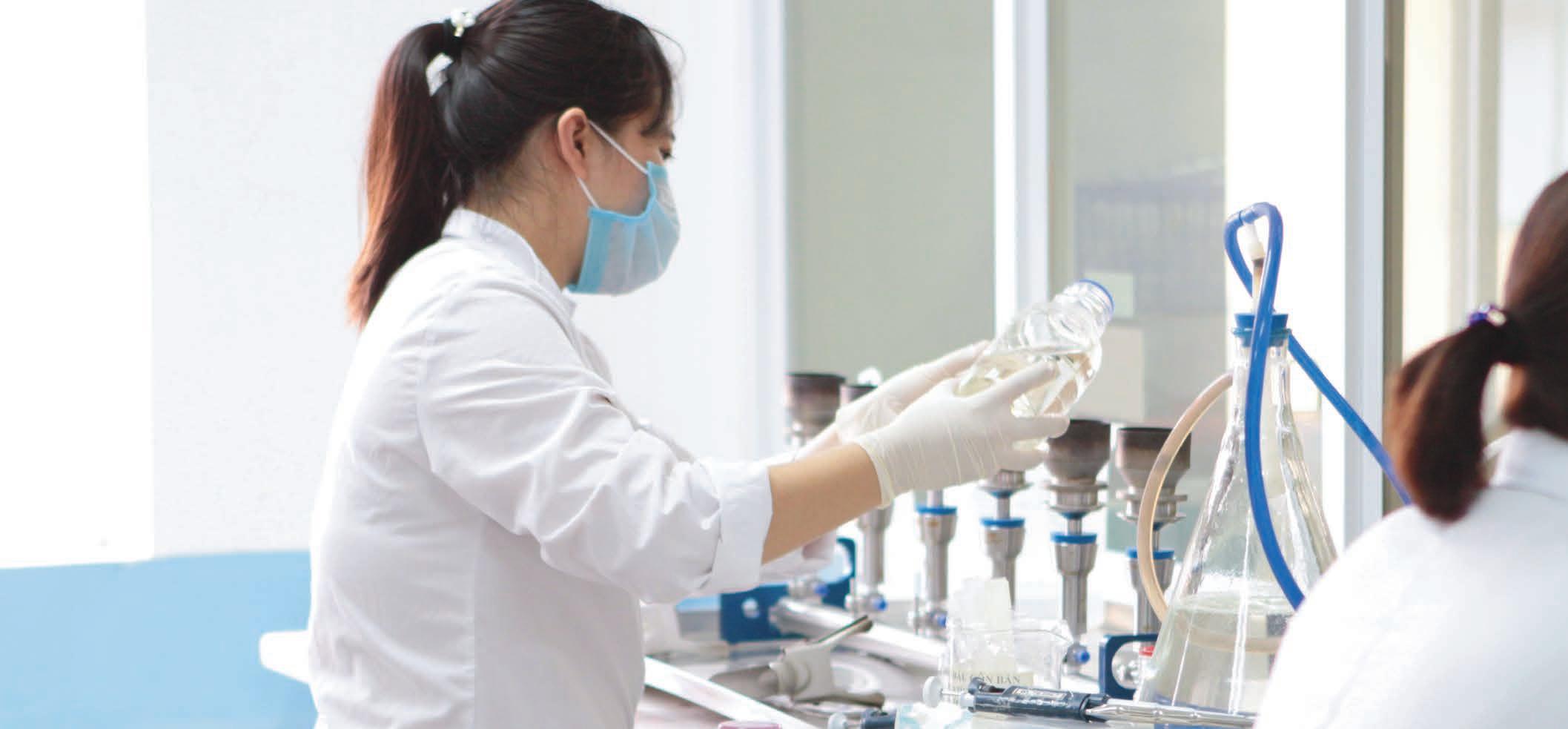
We believe that responsible manufacturing includes creating and maintaining a strong evidence base for our product claims and their intended impacts. All products undergo global, independent testing and certification for retail and humanitarian markets. We also built and run an ISO accredited water laboratory based in Vietnam that does quality validation and testing of all of our new and existing products.
EVIDENCE BASED PRODUCT CLAIMS
LifeStraw recognizes the importance of research and providing evidence for claims regarding the performance and durability of all our products.
Packaging materials and claims are validated and verified using standard testing protocols set by the United States Environmental Protection Agency (“US EPA”), NSF Laboratories and ASTM International Water Testing Standards for water filters.
We also perform regular testing on all products through our own ISO 17025 certified laboratory in Hanoi, Vietnam and through independent laboratories for additional testing. In accordance with US EPA and NSF protocols, LifeStraw filters are tested against high levels of microbial contaminants (enteric bacteria and protozoan parasites) which represent the “worst case” water quality scenario.
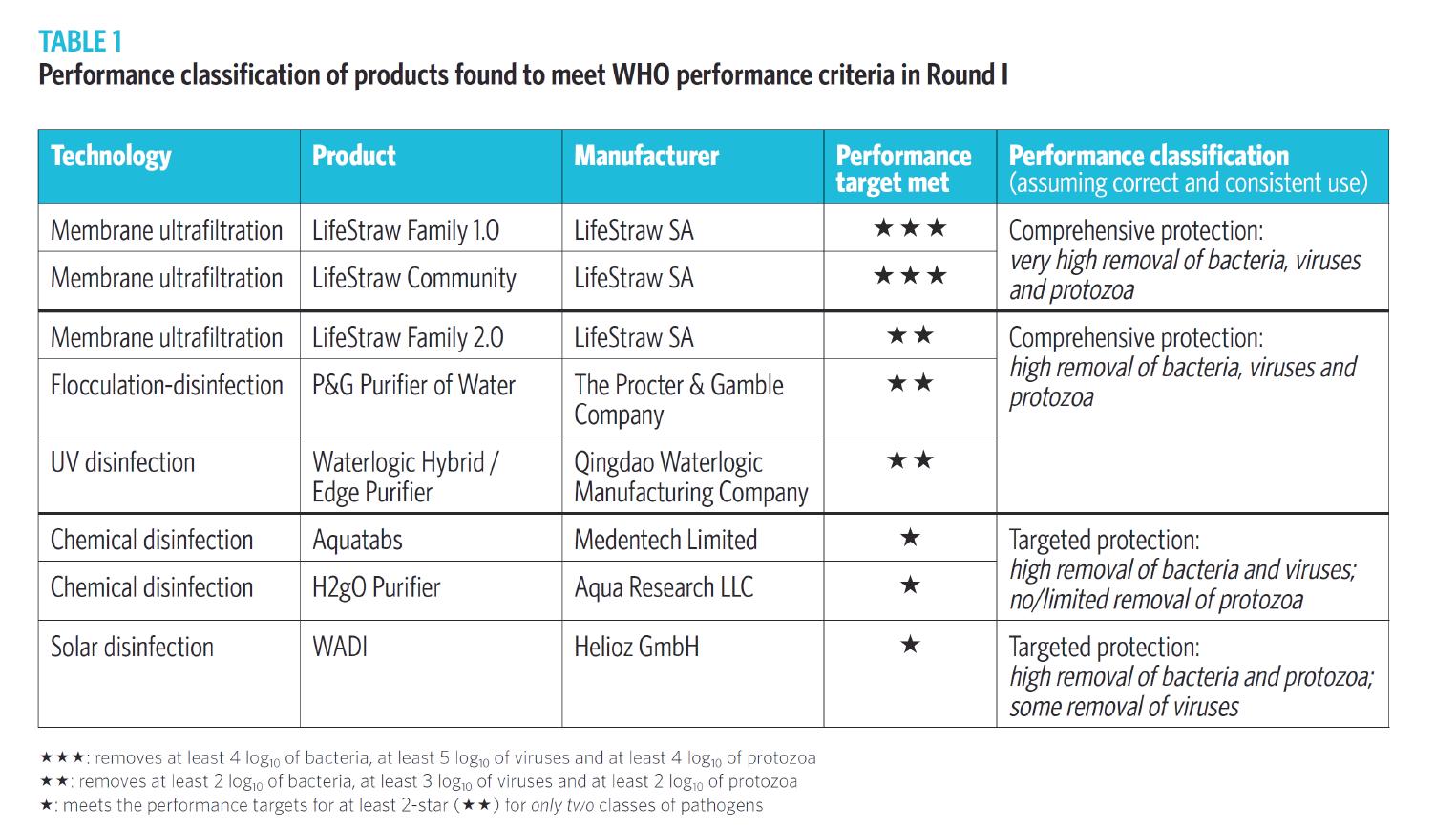
GLOBAL STANDARDS: WORLD HEALTH ORGANIZATION PERFORMANCE CLASSIFICATION
In February 2016, the Round 1 testing results of the WHO International Scheme to Evaluate Household Water Treatment Technologies was released. This scheme independently evaluates the performance of household water treatment (HWT) technologies according to WHO health-based criteria.
IMPROVED PERFORMANCE
We have recently updated our claims for filter life-span and log reduction for microbiological contamination. This is the result of a new round of testing for our products in which we test the actual lifespan and performance achieved and not just minimum thresholds. These results have been achieved during both internal and external lab testing.
HEALTH IMPACT STUDIES
Many academic institutions continue to test our products and the health impact they achieve, such as the UCSF, University of Washington, London School of Hygiene and Tropical Medicine, University of Arizona, and Emory University. Most recently, there are randomized control trials of our products in Rwanda.
ISO CERTIFIED LAB
LifeStraw has its own lab and team of scientists dedicated to provide R&D feedback and testing on all products. The Laboratory is ISO/IEC 17025 accredited and an ILAC/MRA member.
All of our products are tested against NSF standards for NSF 42 and 53 and US EPA standards for safe drinking water.
The lab provides ongoing performance testing for all new R&D projects, works closely with our quality control team, and provides on-going longterm microbiological, chemical and heavy metal product testing. The lab also coordinates independent external testing with other accredited international labs in the US and elsewhere.
Commitment
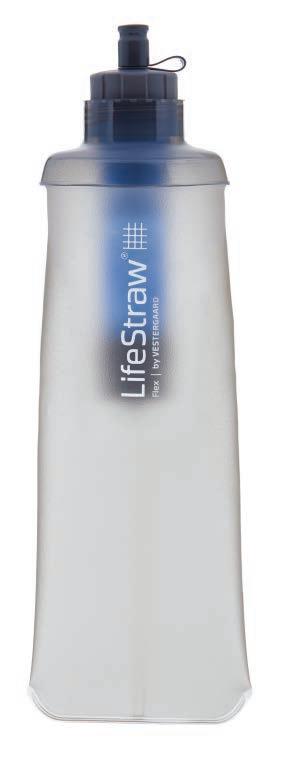
In 2018, LifeStraw will apply for NSF certification on all of our retail products. This includes NSF 42 for LifeStraw Go, LifeStraw Universal and LifeStraw Play and NSF 53 for lead removal for LifeStraw Flex.
RESPONSIBLE SUPPLY CHAIN
We believe in social and environmental sustainability and this starts with responsible design, product development and transparent supply chains. Technologies can play a role in addressing global problems, like access to safe water, but manufacturing has an impact. LifeStraw is committed to acknowledging this impact and taking action to minimize our footprint and use materials responsibly.
REDUCING PLASTICS IN PRODUCT, PACKAGING AND FINDING WAYS TO UPCYCLE PLASTIC WASTE
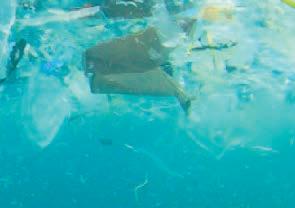
We see the issues of plastic waste, ocean plastics and the rise of microplastics in water sources as one of the biggest threats we will face in the next 10 years. This year is all about finding ways to:
1. Reduce plastic in our supply chain,
2. Ensure product recyclability,
3. Move to designs that are repairable rather than disposable,
4. Expand our materials toolbox and,
5. Find areas to use existing plastic waste, like ocean plastics.
CHEMICAL MANAGEMENT
The quality of our products, designed to improve health, is the foundation of our supply chain. All products, materials and chemicals used in the production of LifeStraw products pass US FDA standards, and all components that come in contact with water are US FDA compliant as food grade materials.
INCREASING TRANSPARENCY IN SUPPLY CHAIN THROUGH CERTIFICATIONS
We understand it’s not just about making commitments and implementing responsible operations, it is also about building transparency and accountability in these systems to ensure they work.
Currently our products are independently tested by accredited laboratories against global standards, including the National Science Foundation (NSF), the US Food and Drug Administration (FDA) and the World Health Organization (WHO). We publish these results as well as results that support all of our product claims. This year we will move to get formal certifications from NSF on our water filter products.
Commitment
• Work towards RSC 100 and Fair Trade certifications.
• Assess the possibility of using ocean plastics/organic plastic for a few of the product components to be implemented by 2019.
• Validate a toolbox of more sustainable (and recycled/ recyclable) materials for product design.
We want our supply chain to reflect the very principles of our business - that doing good stretches beyond product and materials - it’s about people, conduct, environment, human rights and social impact.
Packaging
SUPPLIER ADHERENCE TO ENVIRONMENTAL STANDARDS
Currently our production factory and Tier 1 suppliers are required to sign our Supplier Code of Conduct which includes our expectations for environmentally responsible manufacturing and sourcing. Additionally, we only work with Tier 1 suppliers who have the ISO 14001 certification for environmental standards compliance. This year, we will expand the reach of this code of conduct, pushing it farther down the value chain, to include Tier 2 suppliers.
PACKAGING INITIATIVES
All the packaging material that Lifestraw uses is recyclable . We promote the use of recycled packaging material and blisters and work with responsible suppliers. We are currently working to transition all the plastic bags used for master carton packing to be oxybiodegradable.
Another way we are incorporating an environmentally conscious design in our packaging is by reducing overall size. This aims to decrease our transportation footprint by enabling us to fit more products into our standard shipments.
We also believe communication plays a very important role in helping our consumers understand the best ways to recycle both products and packaging. Therefore, we will be incorporating clear and concise labelling that adheres to the objectives of the Sustainable Packaging Coallition. In addition, in 2018 we will work toward FSC certification for packaging.
Commitment
• Provide transparent information on recycled/upcycled components on all products by end of 2018 and provide a “how-to” center on the website for recycling products.
• Remove plastic or increase use of recycled plastics in packaging for all products.
• Obtain FSC certification for all our packaging material.
CODE OF CONDUCT
LifeStraw is guided by the Vestergaard Code of Conduct, built on the UN Global Compact framework and the UN Global Compact Principles.
The Ten Principles of the United Nations Global Compact are derived from: the Universal Declaration of Human Rights, the International Labour Organization’s Declaration on Fundamental Principles and Rights at Work, the Rio Declaration on Environment and Development, and the United Nations Convention Against Corruption.
Human Rights
Principle 1: Businesses should support and respect the protection of internationally proclaimed human rights; Principle 2: make sure that they are not complicit in human rights abuses.
Building on these principles: We believe and operate with the understanding that safe water, health and having a healthy environment are basic human rights. It’s our obligation to ensure this is reflected throughout our organization and all organizations or individuals that we work with. We also commit to actively advocating for these issues globally.
Labor
Principle 3: Businesses should uphold the freedom of association and the effective recognition of the right to collective bargaining;
Principle 4: the elimination of all forms of forced and compulsory labor;
Principle 5: the effective abolition of child labor; and Principle 6: the elimination of discrimination in respect of employment and occupation.
Building on these principles: We believe that responsible labor practices are more than ensuring a zero tolerance environment for principles 3-6. It is also about creating respectful and supportive work environments that foster a diverse workforce through competitive wages, ensuring a supportive organization for working families and ensuring that every employee and organization we work with is treated with dignity and respect.
Environment
Principle 7: Businesses should support a precautionary approach to environmental challenges;
Principle 8: undertake initiatives to promote greater environmental responsibility; and Principle 9: encourage the development and diffusion of environmentally friendly technologies.
Building on these principles: We believe that we have an obligation to address environmental issues and advocate for the protection of natural resources. We challenge ourselves through responsible design and supply chain to minimize the plastics that go into our products, work with recyclable materials and innovate ways to use recycled or upcycled materials. We require our supply chain and Tier 1 suppliers to sign a supplier code of conduct that includes environmental health and safty guidelines.
Anti-Corruption
Principle 10: Businesses should work against corruption in all its forms, including extortion and bribery.
In addition to the 10 principles, our Code of Conduct includes guidelines on:
- Ensuring fair and ethical business engagement.
- A focus on respecting human rights, freedom of religion and celebrating diversity.
In 2018, we will require a signed supplier code of conduct further down the value chain to cover all Tier 2 suppliers and sourcing partners that we work with.
RESPONSIBLE DESIGN
We design products to be fit for purpose, meaning we design products specifically for the people, purpose and context for which they will be used. We fully understand that what a hiker in California needs in a water filter is fundamentally different than what a mother needs for her house in western Kenya. This is something that sets LifeStraw and all of Vestergaard’s brands apart.
Our basic covenants of design are:
1. Build a product around a technology that will provide the highest possible standards of water quality.
2. Design products to be durable, long-lasting, require minimal spare parts and are easy to understand, install and use.
3. Deliver a product that can provide safe water in the quantities and format needed for the local context.
4. Incorporate target user feedback throughout the development process.
5. All products are designed and produced in a responsible manner – including safe, recyclable materials and minimizing any unwanted social or environmental impacts. We also design products with on-going feedback from our target customers. We prototype a product, focus group and test it in local context. With our two most recent humanitarian products: LifeStraw Community was field tested for approximately 6 months in western Kenya and in Vietnam in both schools and health facilities. This included user feedback in the form of individual surveys and focus groups and a number of changes were made to the final design. With
We have different product portfolios and different R&D streams for international health and development programs in lower resourced countries vs our retail products designed for higher resourced programs. That being said, we ensure that all products start with the best technology or combination of technologies to afford the highest quality of filtered or purified water. We never compromise filter or purifier performance for physical product design or cost.
Commitment
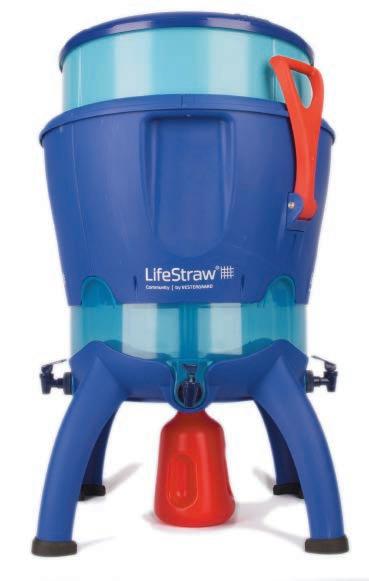
LifeStraw Family 2.0, we field tested the product in households in Rwanda for close to 1 year and also made several adjustments to the final design after collecting user feedback. We are an evidence based company whose objective is to improve the health and quality of life for all people. This is not done by providing products alone but providing safe water solutions that will be consistently used and will translate into better health.
In 2017, we launched the first individual water filter product to remove microbiological contaminants, chemicals and heavy metals including lead. In 2019, we will address the issues of safe water in the home, launching a household product that can remove microplastics, heavy metals, chemicals and microbiological contamination.
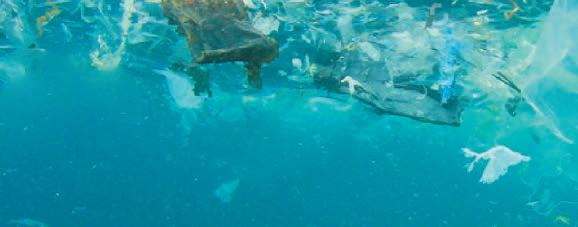
A FOCUS ON PLASTICS
400 BILLION
2050
150 MILLION TONS 1 MILLION
By 2050 the ocean will contain more plastic by weight than fish
of the total marine debris floating in the world’s oceans are plastics.
267 water bottles are used annually water bottles are used per minute globally
46,000 80%
pieces of plastic are swirling in each square mile of our oceans.
species around the world are harmed by plastic. of plastics are floating in our oceans
MICOPLASTICS IN PLASTIC WATER BOTTLES*
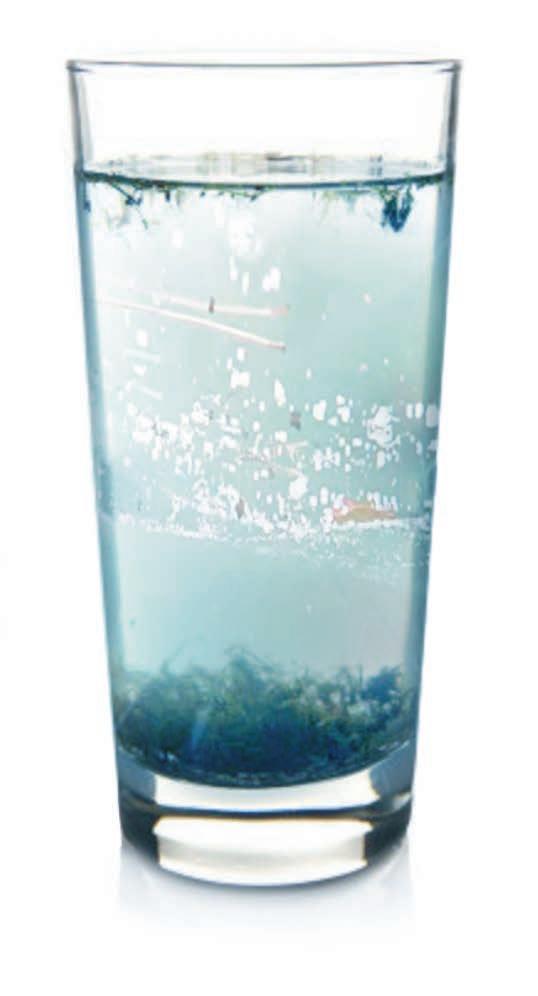
Analysis of 259 bottles from 19 locations in nine countries across 11 different brands found an average of 325 plastic particles for every litre of water being sold. Microplastics were found in 93% of water bottles tested.
MICROPLASTICS IN TAP WATER**
Tests show billions of people globally are drinking water contaminated by plastic particles, with 83% of samples found to be polluted. The US had the highest contamination rate, at 94%. European nations including the UK, Germany and France had the lowest contamination rate, but this was still 72%.
* https://www.theguardian.com/environment/2018/mar/15/microplastics-found-in-morethan-90-of-bottled-water-study-says
** http://news.bbc.co.uk/2/shared/bsp/hi/pdfs/14_03_13_finalbottled.pdf
We’re on a mission to reduce the amount of plastics in our supply chain, in our oceans, and in our bodies
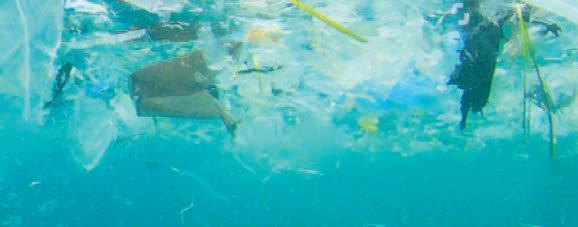
One LifeStraw provides 8,000 water bottles worth of safe drinking water
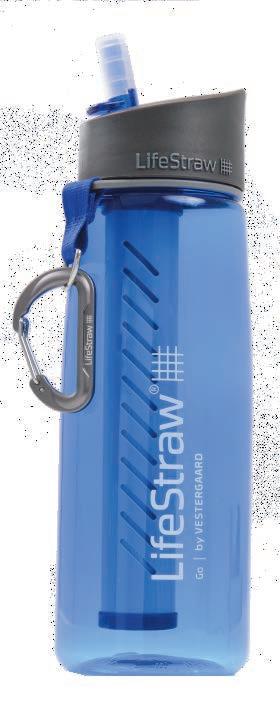
LifeStraw products reduce the need for bottled water by making safe water readily available anywhere.
Commitment
Each filter is designed to have a long lifetime. And after the products reach the end of their life, all the materials are recyclable.
LifeStraw filters and purifiers remove virtually all microplastics present in drinking water. The pore size in LifeStraw filters is 8 times smaller than the smallest microplastics reported.
In 2018, we will work with partners to advocate for the reduction of disposable plastic water bottles.
In 2018, we commit to reducing the plastic that we use in our products and packaging and only work with plastic materials that are recyclable.
In 2018, we commit to doing a full manufacturing assessment to identify product components which can be made from recycled or upcycled plastic water bottles and ocean plastics.
PEOPLE
Diversity
This is more than doing good, this is doing good business.
As a global company, the strength of our team is rooted in the individuals. The combination of genders, ethnicities and cultures is vital to the work we do to ensure we understand the markets and communities we serve.
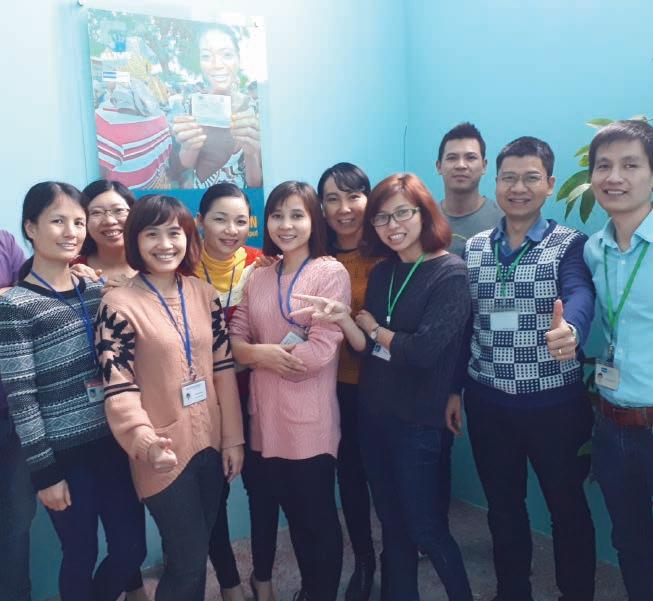
We believe that a diverse set of opinions and perspectives can push the boundaries of design and innovation. We recognize that disruptive thinking cannot happen when we only have people from similar backgrounds creating strategy, product design, communications plans or implementing programs. We celebrate the diversity on our team, and commit to challenge our own organizational and recruitment processes to grow and support this diversity.
LifeStraw team
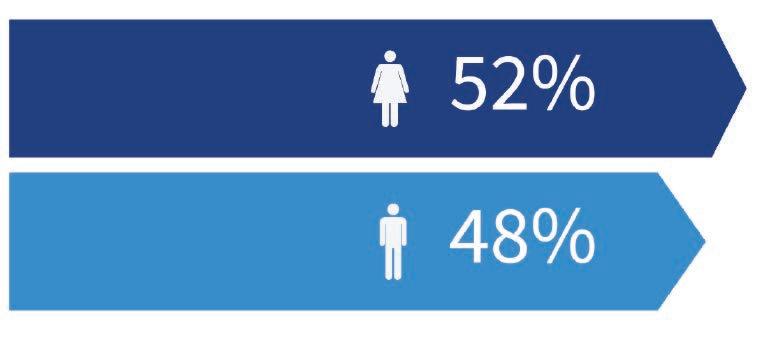
The LifeStraw team is made of up of:
Public health experts
Scientists
Engineers
Business & sales specialists
Marketing experts
Community engagement teams
Program coordination & logistics teams
75% of the management team at LifeStraw are women
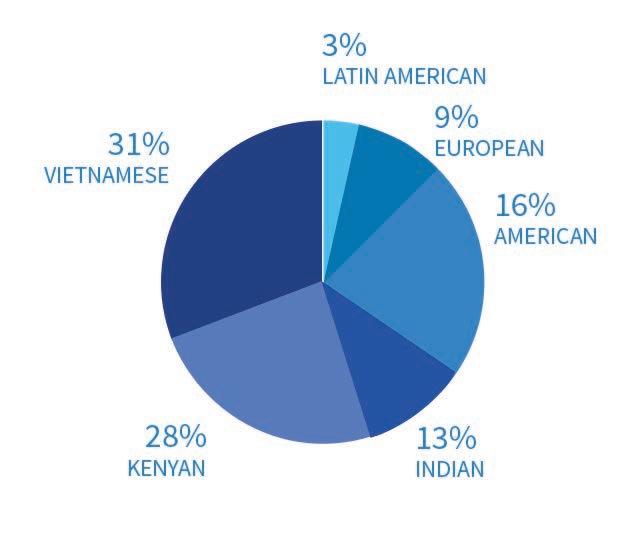
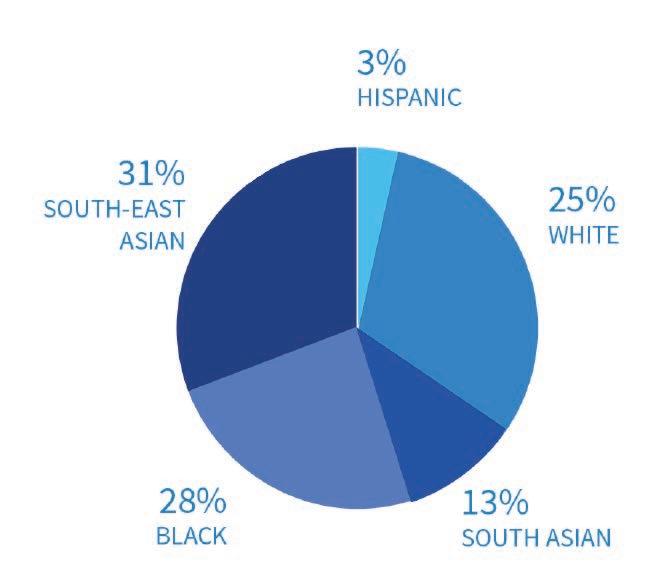
Starting in 2018, we will work on more active recruiting of women into our engineering positions in research & development, product design, supply chain and quality control divisions.


ENGAGEMENT
Being an active part of the solution
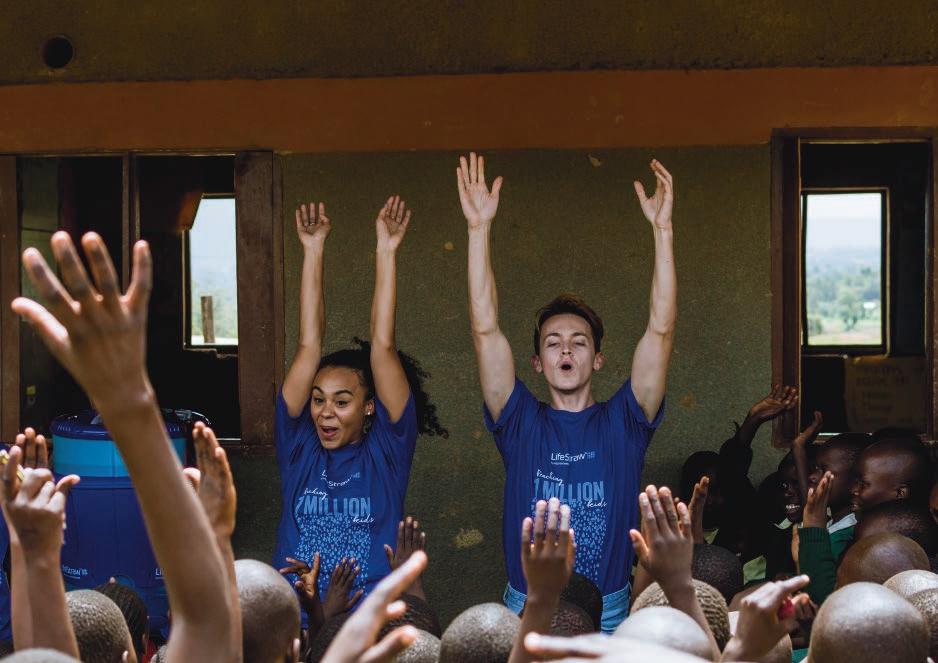
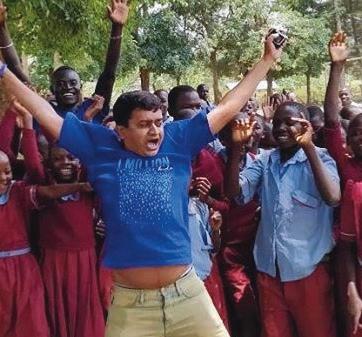
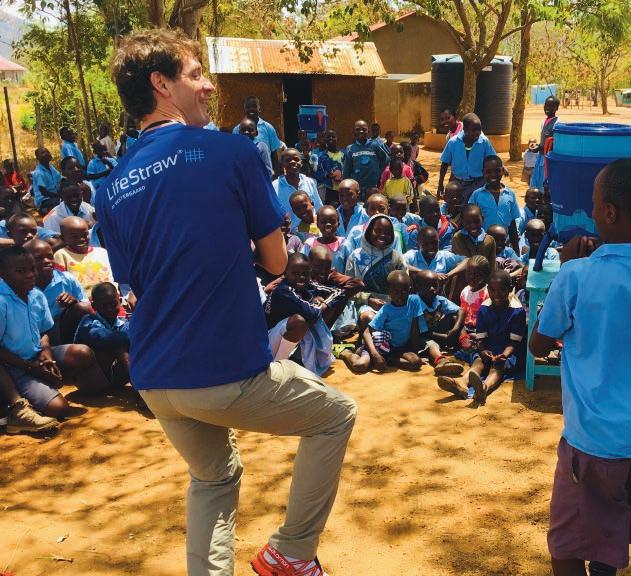
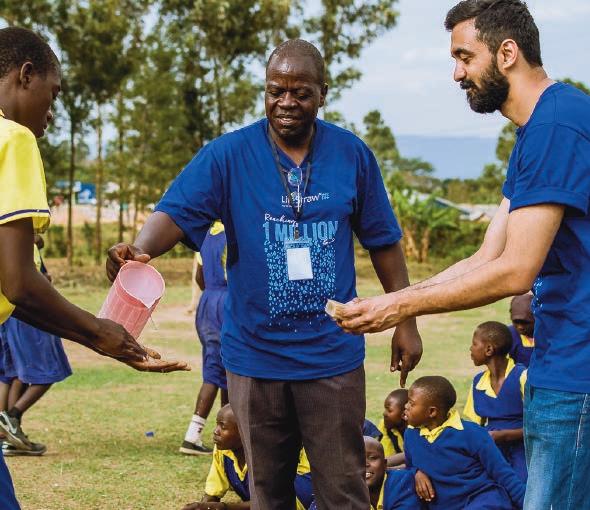
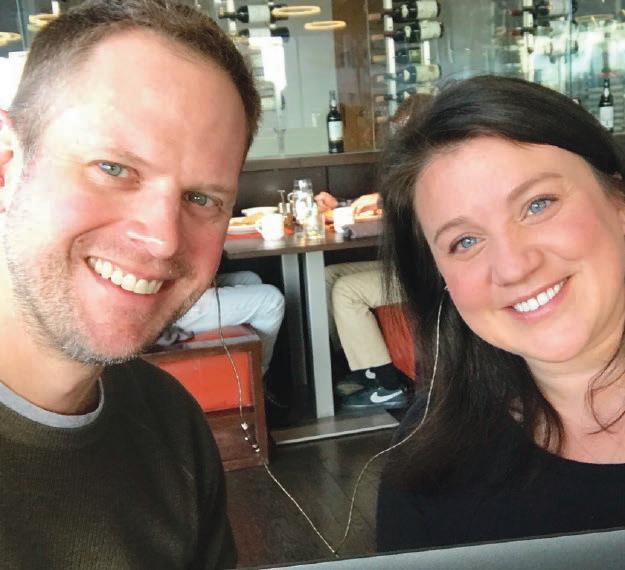
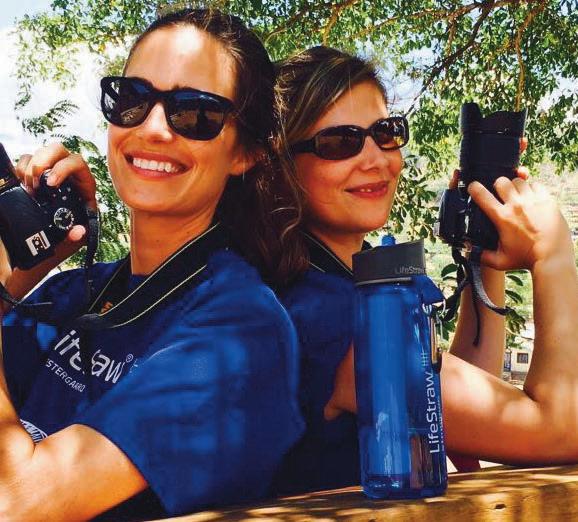
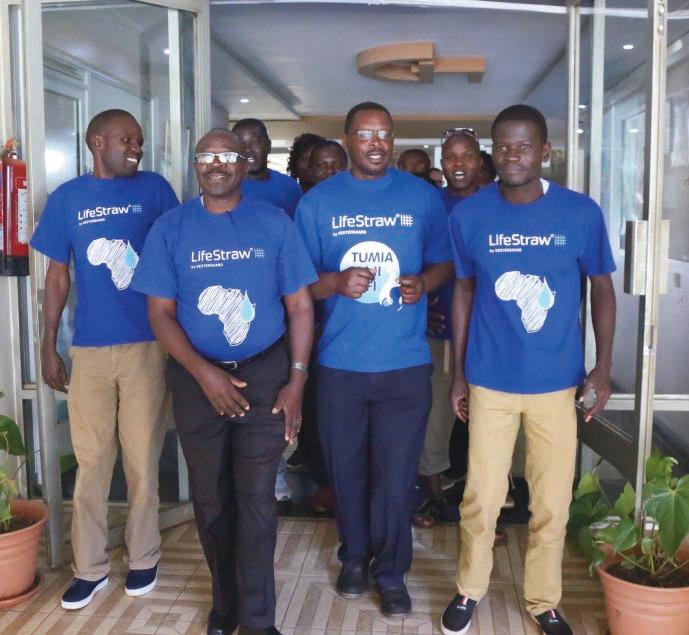
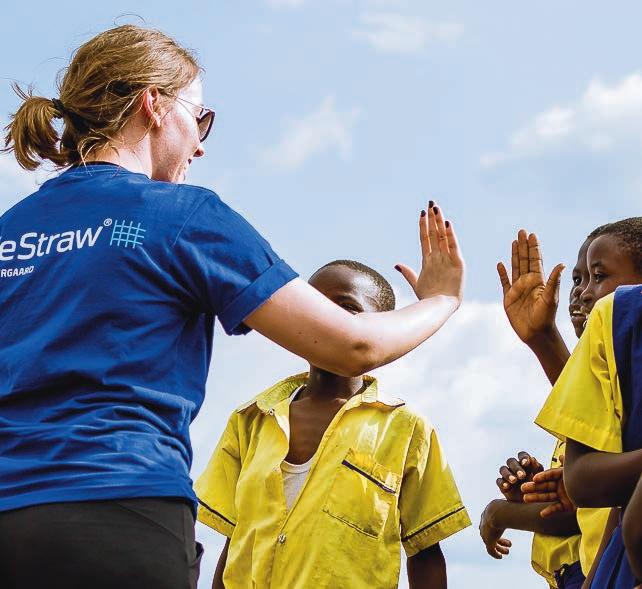
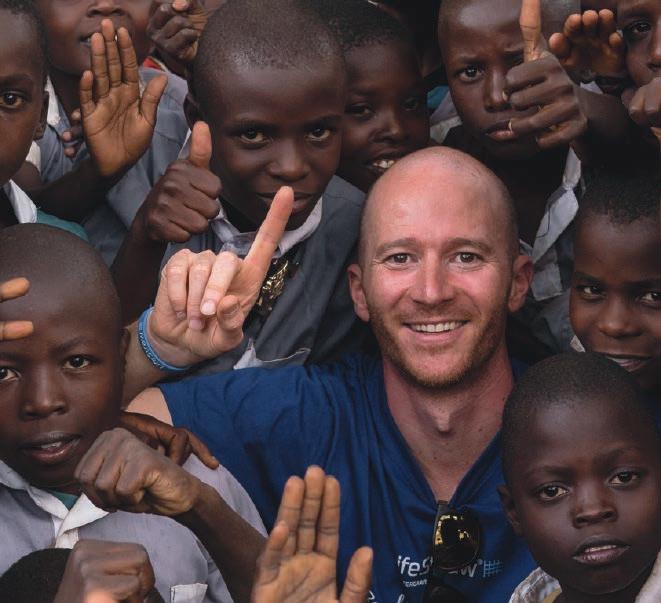
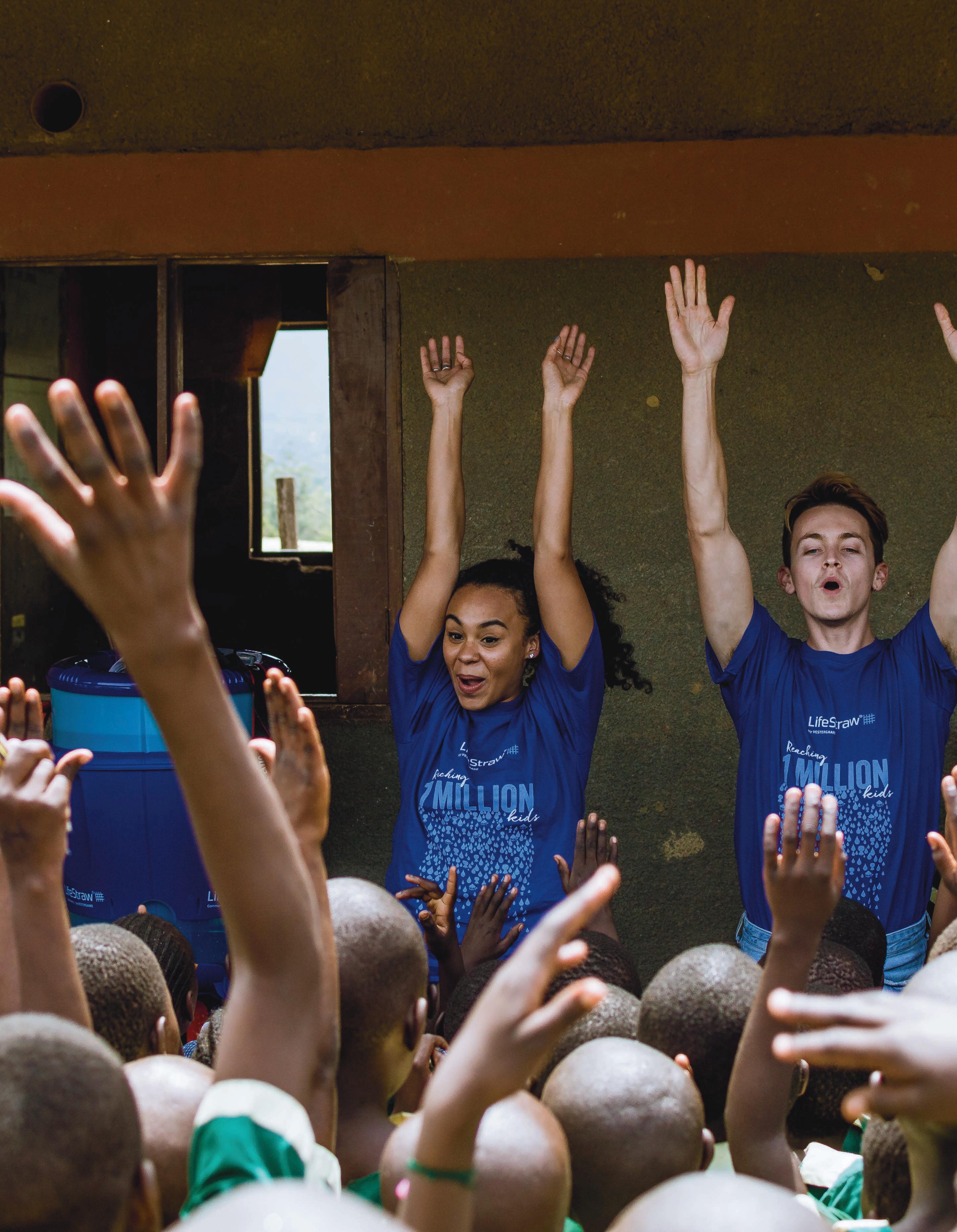
This year, LifeStraw staff were joined by team members across the global Vestergaard organization to take in a week of installation and education related to our Give Back Program to bring safe water to school children in western Kenya. During this campaign over 150 staff, media and volunteers joined together to install LifeStraw purifiers and provide training and education to local schools. We are thrilled to announce that we were able to reach our goal of providing safe water to 1 million children through our Retail Give Back Programs over the last four years.
Our teams of international staff, volunteers, retail partners, and ambassadors joined with local Kenyan staff to visit over 500 schools . Most left by 6am and did not return until 12 hours later, often skipping lunch. They sat with the teachers and school children and chatted with them, traded stories about cultures; sang songs, played games, demonstrated hand washing and drinking safe water hundreds of times, and connected with school children and individuals from around the world.
For LifeStraw, this is one example of what we like to say is “getting our hands dirty”. We value the opportunity for people connected with LifeStraw to participate in the tangible social impact that our programs and products have on people’s lives. We also value individuals who are willing to go deep and challenge themselves, physically, mentally and emotionally in the work we do.
WE THINK GLOBALLY, AND ACT LOCALLY
We are in the business of doing good, and we work towards reaching goals that have a global impact. However, we place strong importance on local leadership in driving program impact. We train in local languages, tailor educational materials to context and always work with local communities whether that is in the US, India, Kenya, Ecuador, Myanmar, or the countless other countries in which we implement our work. As an example, our Kenya program has 40 full time staff in-country, who work year-round to ensure proper use of the LifeStraw purifiers in our program-supported schools, providing maintenance and assistance through monthly follow up visits to every school.
CONSUMER ENGAGEMENT
We engage our customers in our sustainability and public health efforts and seek to maintain a productive conversation and learning exchange related to issues of sustainability and safe water. Our customers are directly involved in our Giving Back programs, as it is through our retails sales that together we have reached over 1 million children. We are fully transparent with our costumers about how the funds are distributed, and how each retail product that is purchased provides a child in need with safe water for an entire school year.
Our customers have a special relationship with the LifeStraw brand, and they ask time and time again how they can get involved as volunteers and brand ambassadors. We believe this consumer engagement is integral to the sustainability of our business and our philanthropic programs.
Commitment
In 2018, we are announcing our internal “Think Globally, Act Locally” employee volunteer program. Every member of the LifeStraw team will commit at least 1 day per quarter to local community volunteer initiatives.
ABOUT VESTERGAARD
Vestergaard is an innovative leader in the global war against diseases, especially those impacting vulnerable populations around the world. Vestergaard’s game-changing solutions contribute to a healthier, more sustainable planet.
Vestergaard operates according to a humanitarian entrepreneurship business model, whereby doing good is good business. Following this model, the company devotes its entire innovative platform towards producing breakthrough products and solutions for disadvantaged people.
SOME OF THE WORLD’S MOST VEXING GLOBAL HEALTH CHALLENGES:
MALARIA PREVENTION:
Globally, Vestergaard is the largest producer of long-lasting insecticidal bed nets. PermaNet® 2.0, introduced in 2004, was the first long-lasting insecticidal net brought to scale, and PermaNet® 3.0 is the first long-lasting insecticidal net with increased efficacy against insecticide resistant mosquitoes.
796 million PermaNet® long-lasting insecticidal bed nets have contributed to the 60% reduction in malaria deaths from 2000 to 2015.
PREVENTION OF AFRICAN SLEEPING SICKNESS:
Human African Trypanosomiasis or HAT (also known as sleeping sickness) is a parasitic disease spread by the tsetse fly; it affects people in resource-limited settings in Africa, with more than 56 million people living at risk. The disease is almost always fatal if left untreated. For the past 20 years, Vestergaard has supplied long-lasting vector control tools for the fight against sleeping sickness. ZeroFly® Screens, Targets and Traps have insecticide incorporated into the screen to protect to protect humans and livestock from nuisance and biting flies, including tsetse flies, which transmit sleeping sickness. 400,000 ZeroFly® Screens, Targets & Traps are keeping tsetse flies from infecting humans and animals with sleeping sickness disease.
FOOD SECURITY:
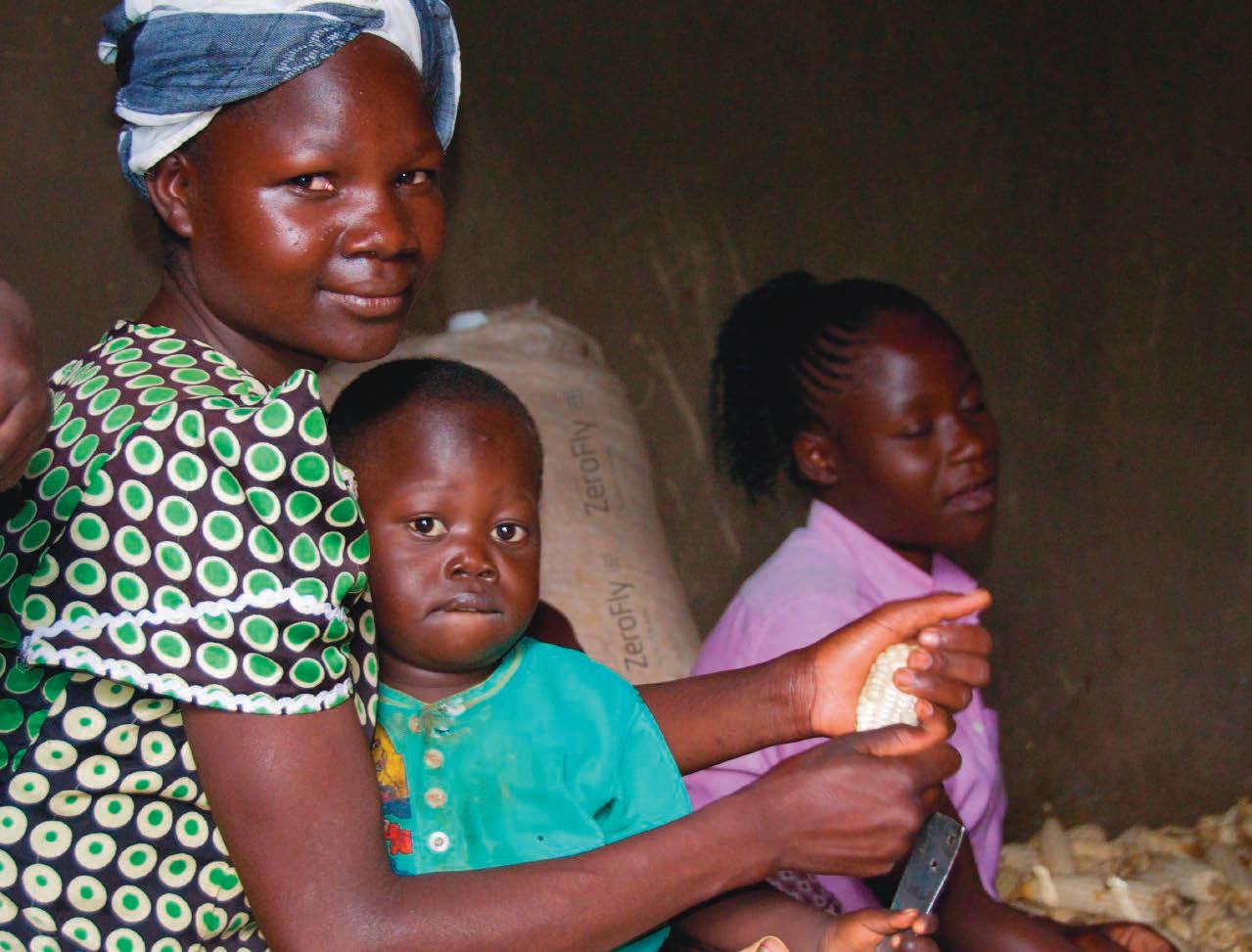
ZeroFly® Storage Bags incorporate insecticide into the bag to prevent pest infestations that cause postharvest crop losses. 320,000 ZeroFly® Storage Bags support food security by protecting post-harvest grains and seeds from losses due to pest infestation.
PREVENTING WATERBORNE DISEASE:
5.5 million LifeStraw® water filters are preventing waterborne diseases for some of the 2.1 billion people without access to safe, readily available water at home.
PREVENTION AND ERADICATION OF GUINEA WORM DISEASE:
37 million LifeStraw® Guinea Worm filters are helping eradicate Guinea worm disease which afflicted 3.5 million people in 1986; 30 people in 2017.
RESPONSIBLE OPERATIONS
The United Nations Global Compact (UNGC) was established to encourage companies to act as socially responsible members of the international community. The UNGC issued 10 principles which dictate responsible behavior with regards to human rights, labor standards, environment and anticorruption. Vestergaard has been a member of the UNGC for 12 years.
RESPONSIBLE SUPPLY CHAIN
In 2017 Vestergaard secured SA8000 certification. This is the leading global social certification standard for factories and organizations around the globe. It ensures the highest quality of social compliance and fair treatment of workers.
Vestergaard’s humanitarian products have benefited over 1.6 billion people worldwide.