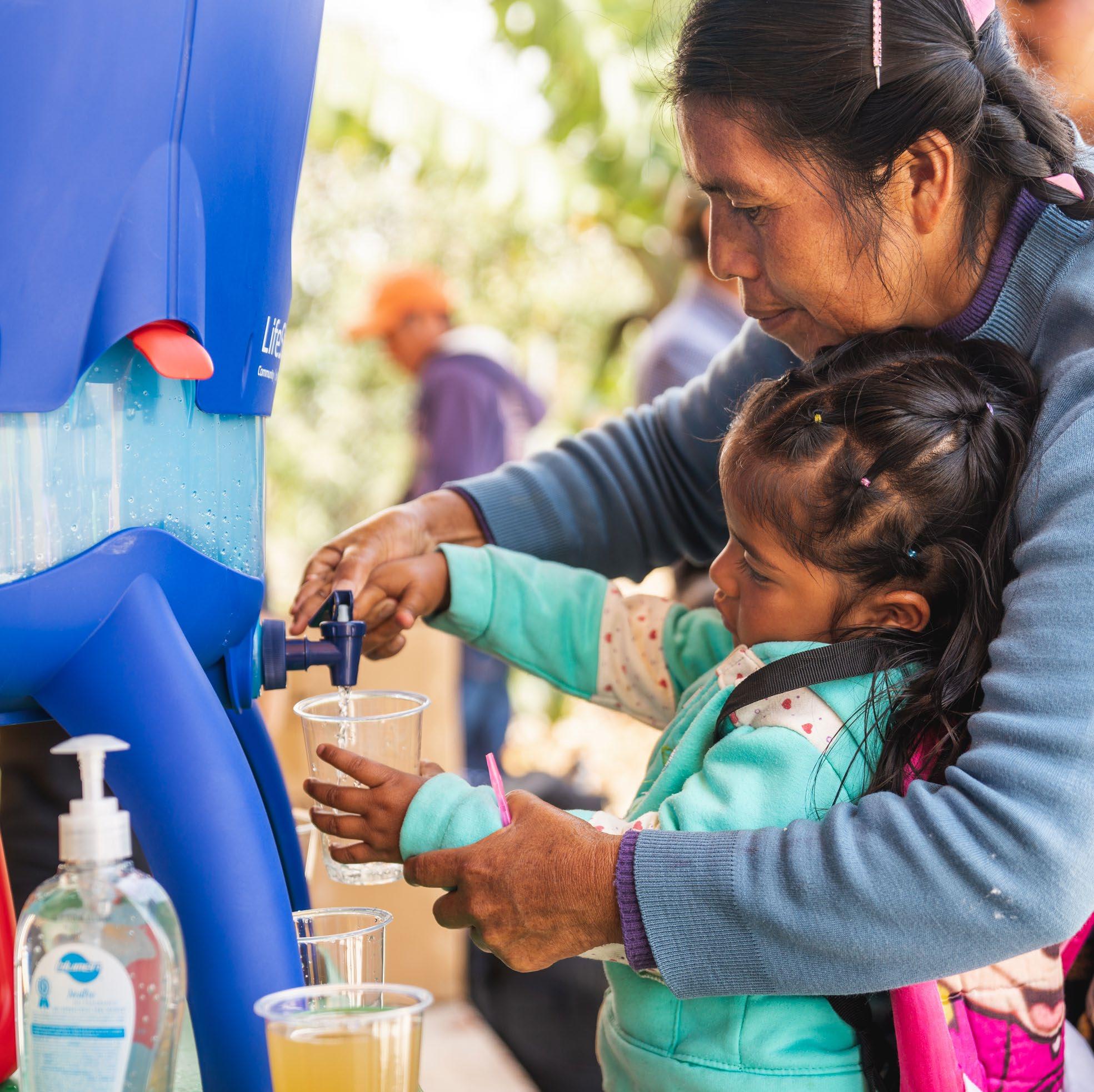
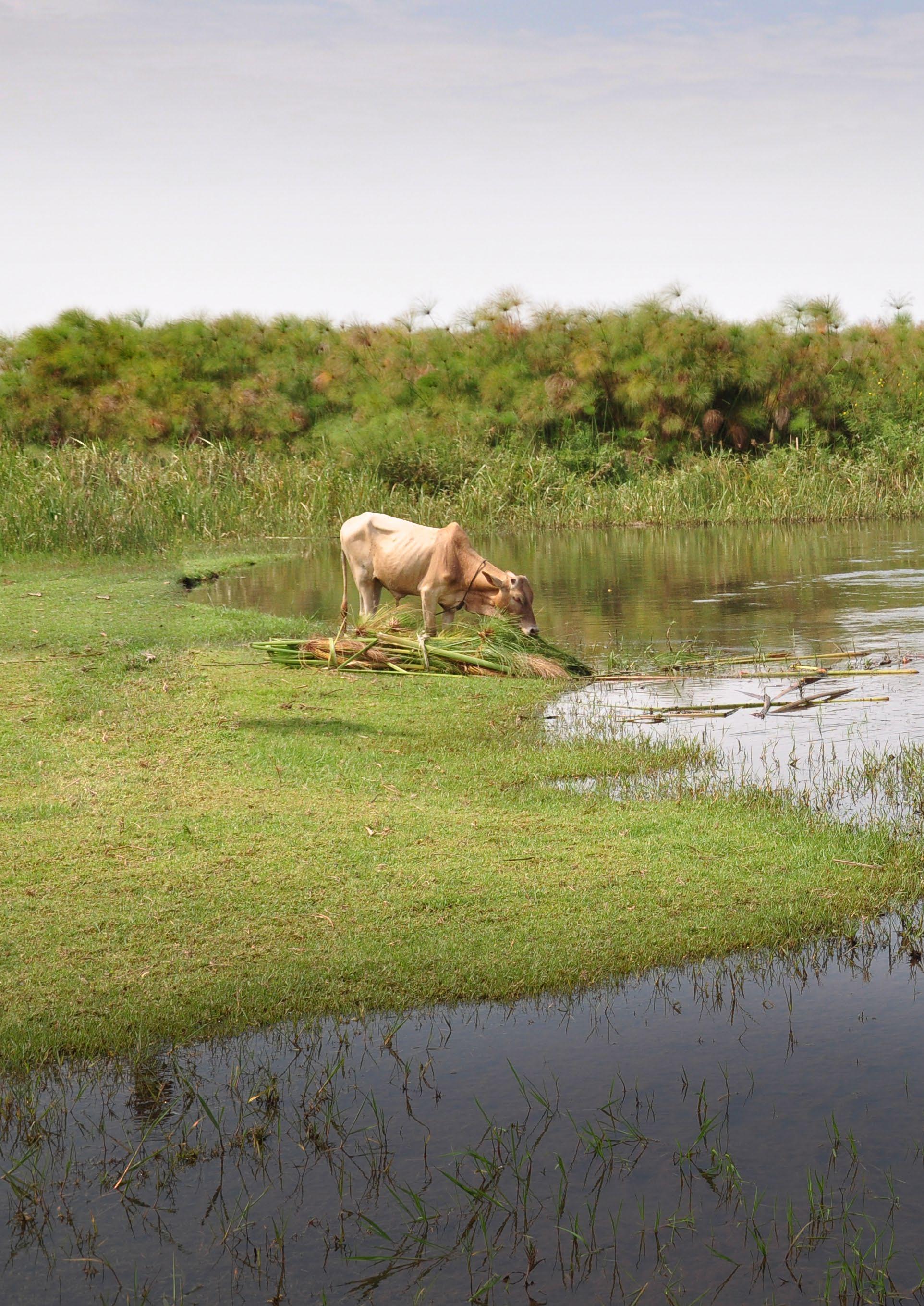
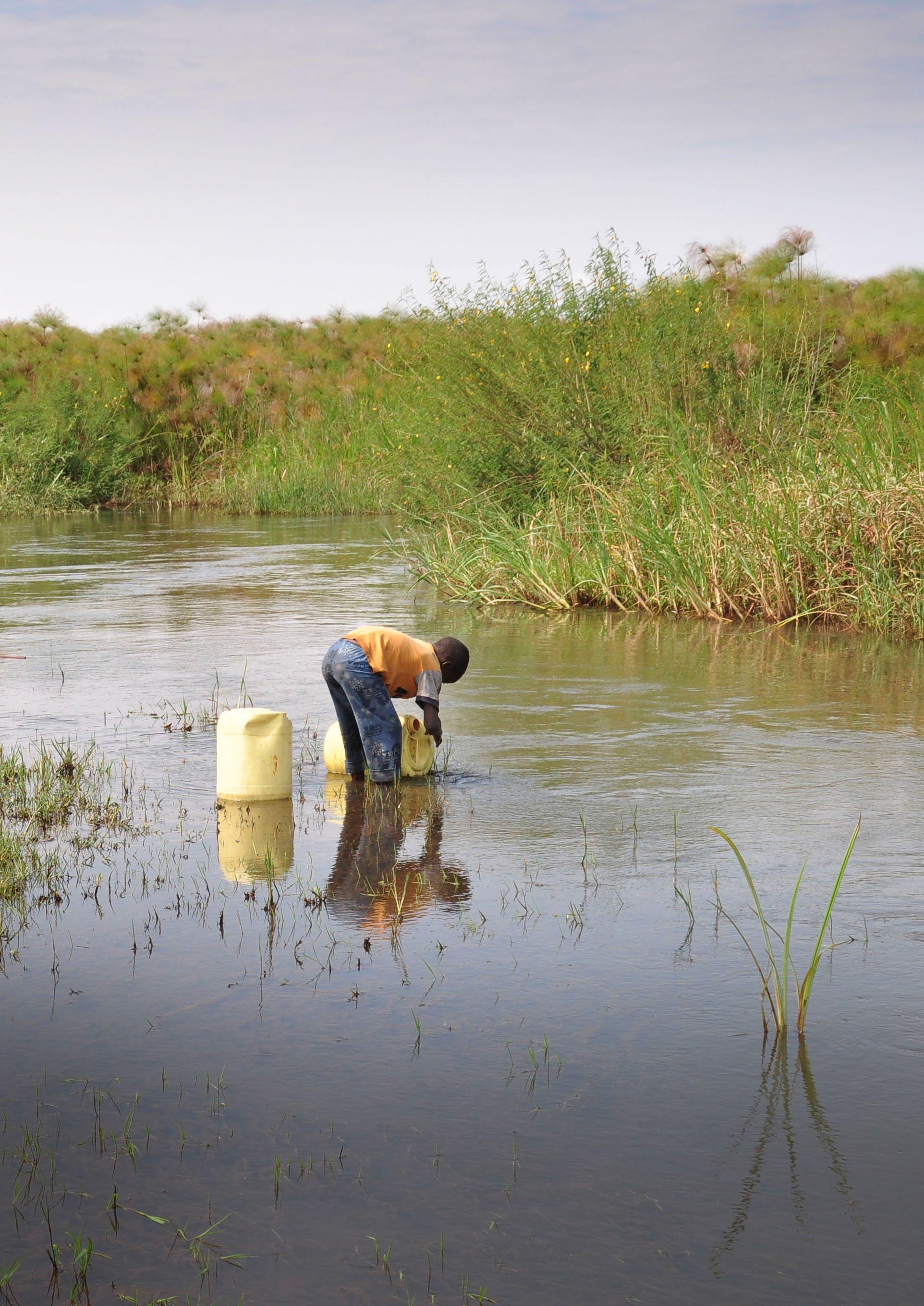
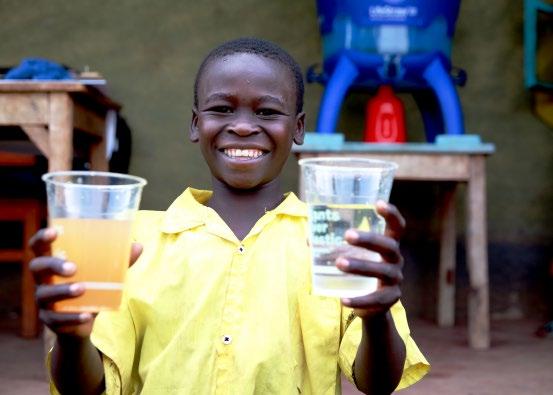
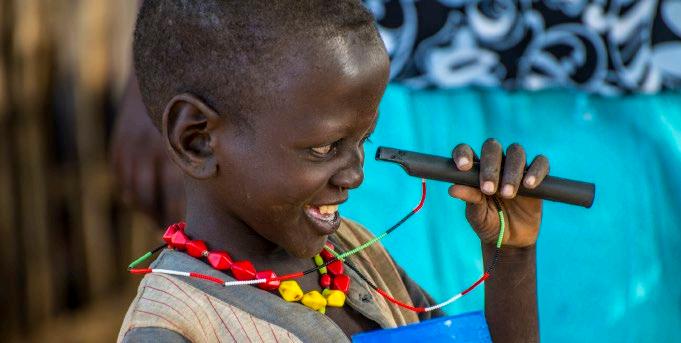
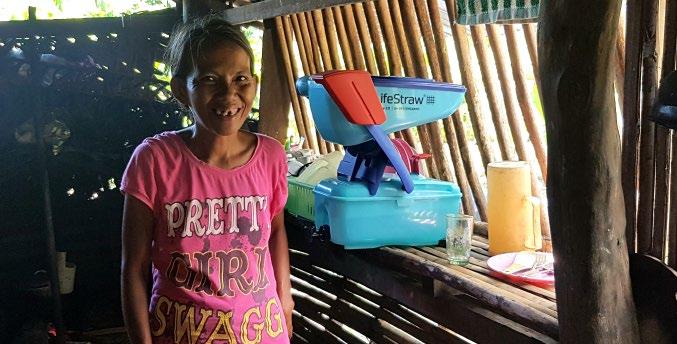
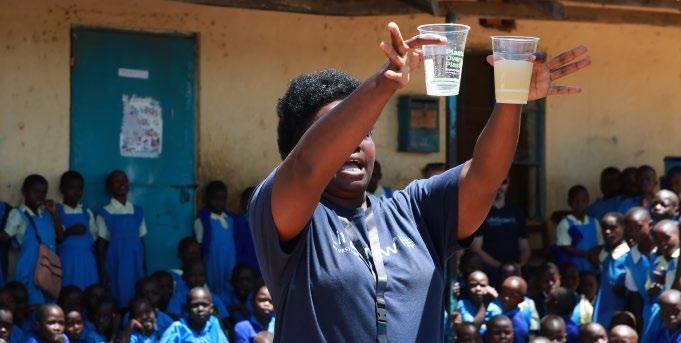
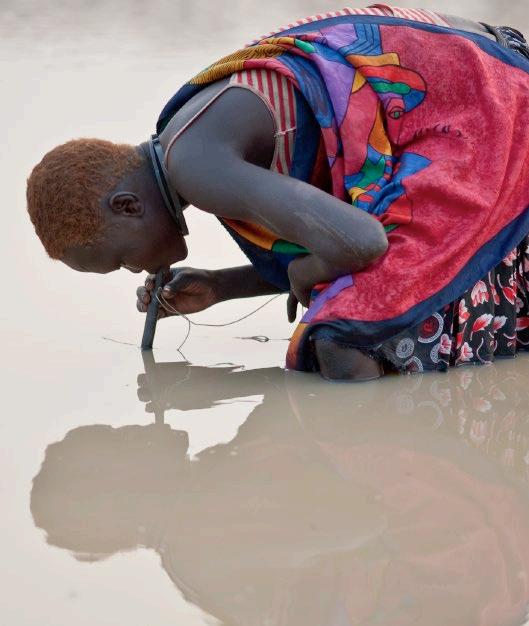
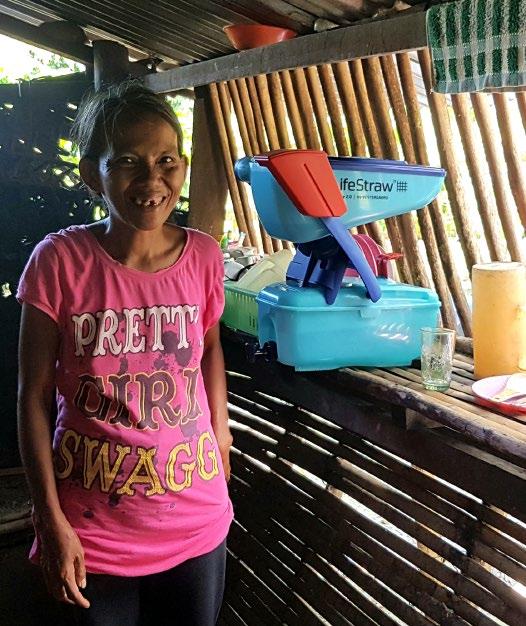
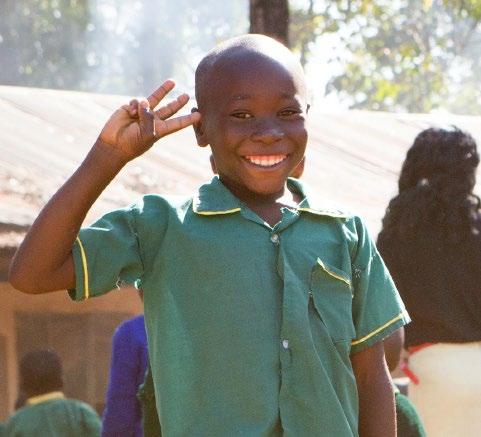
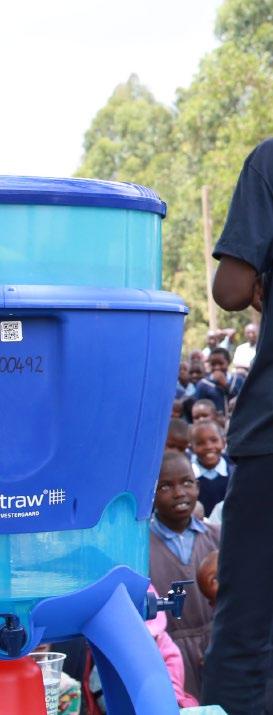
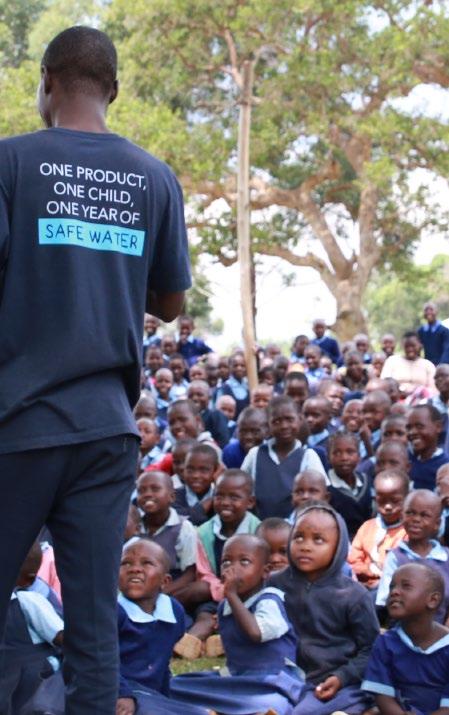
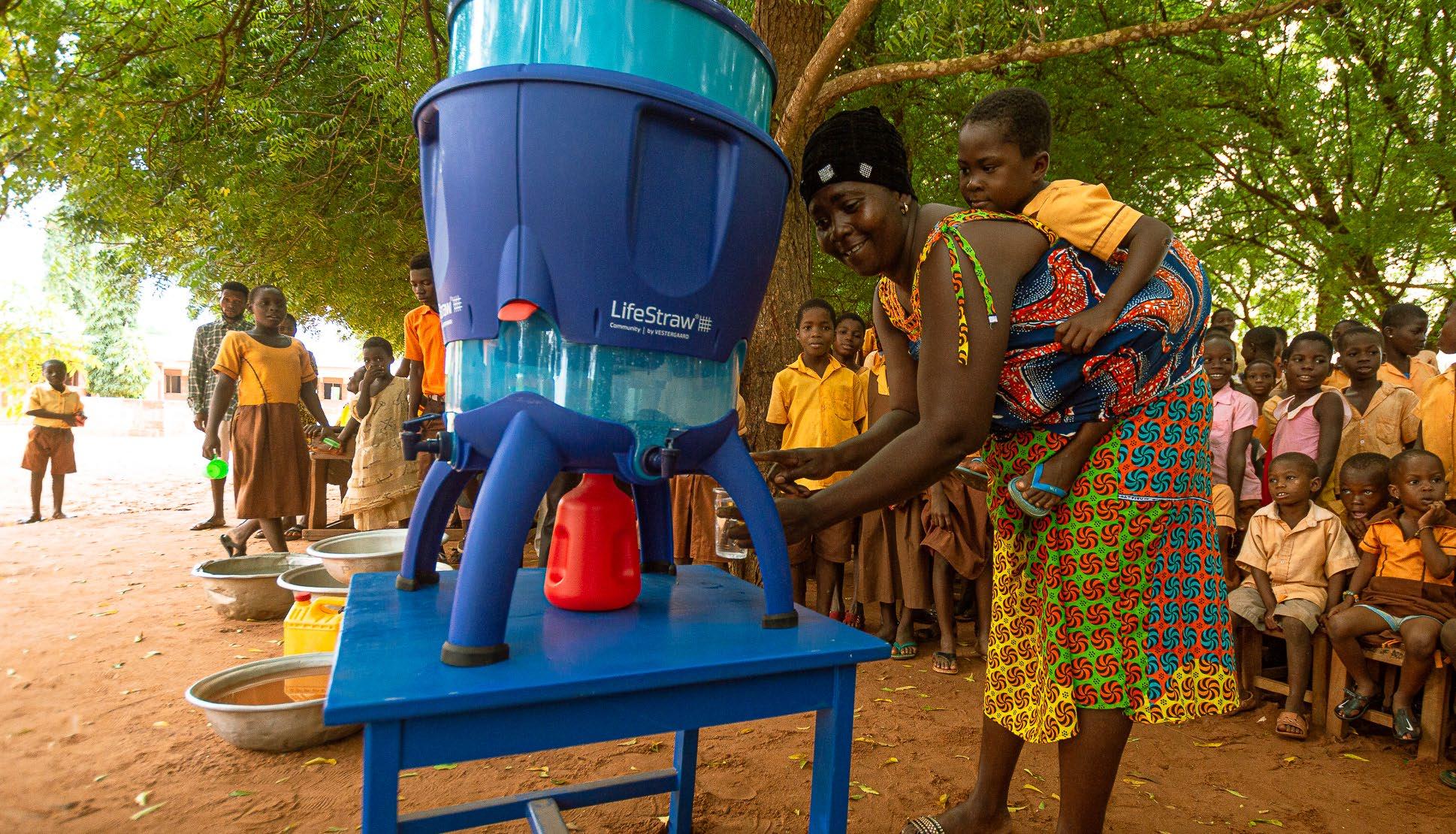
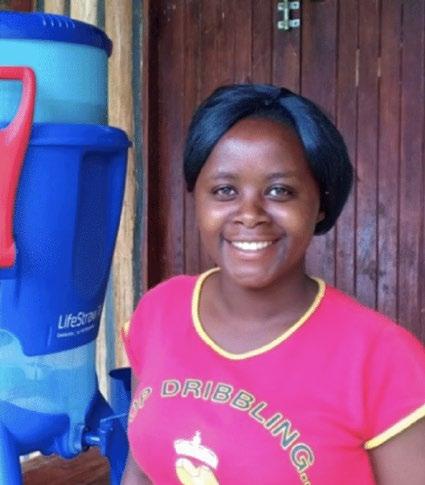
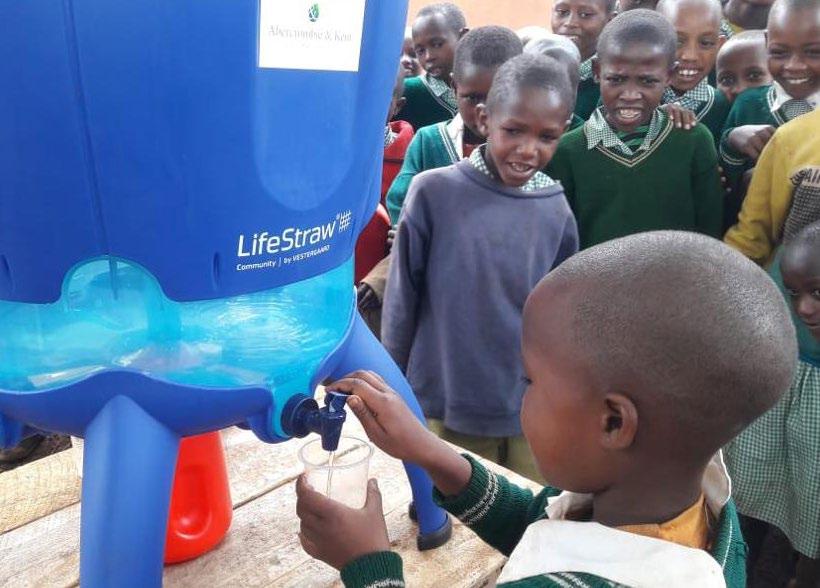
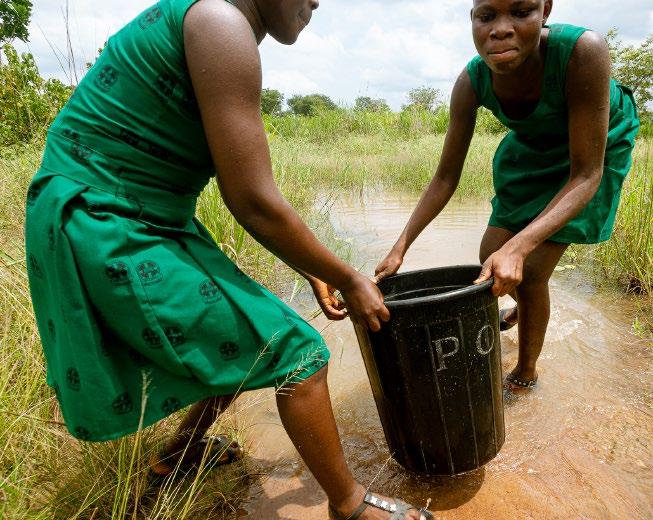
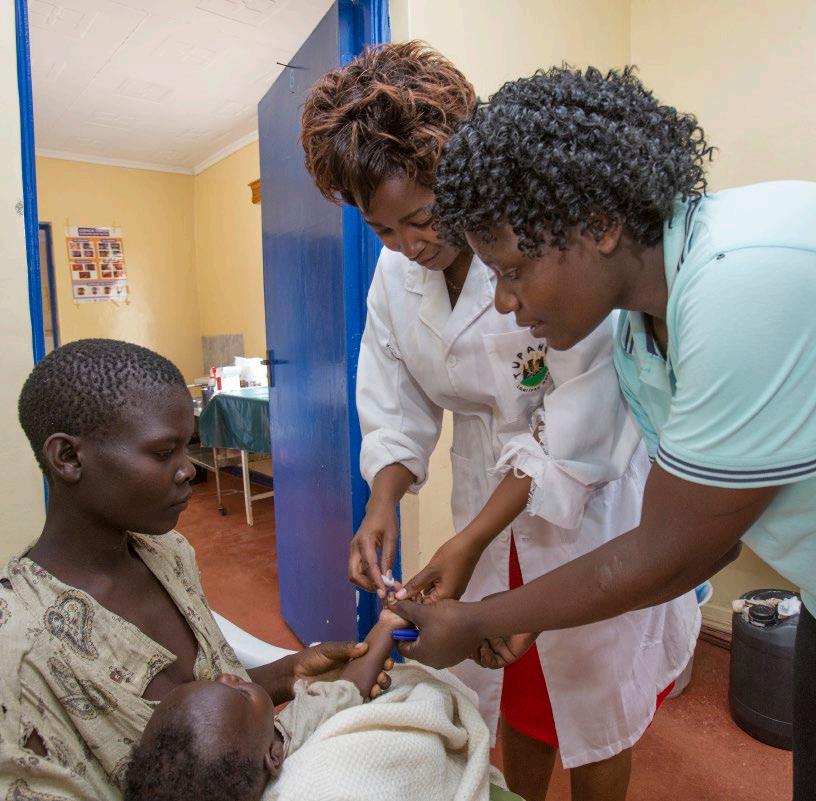
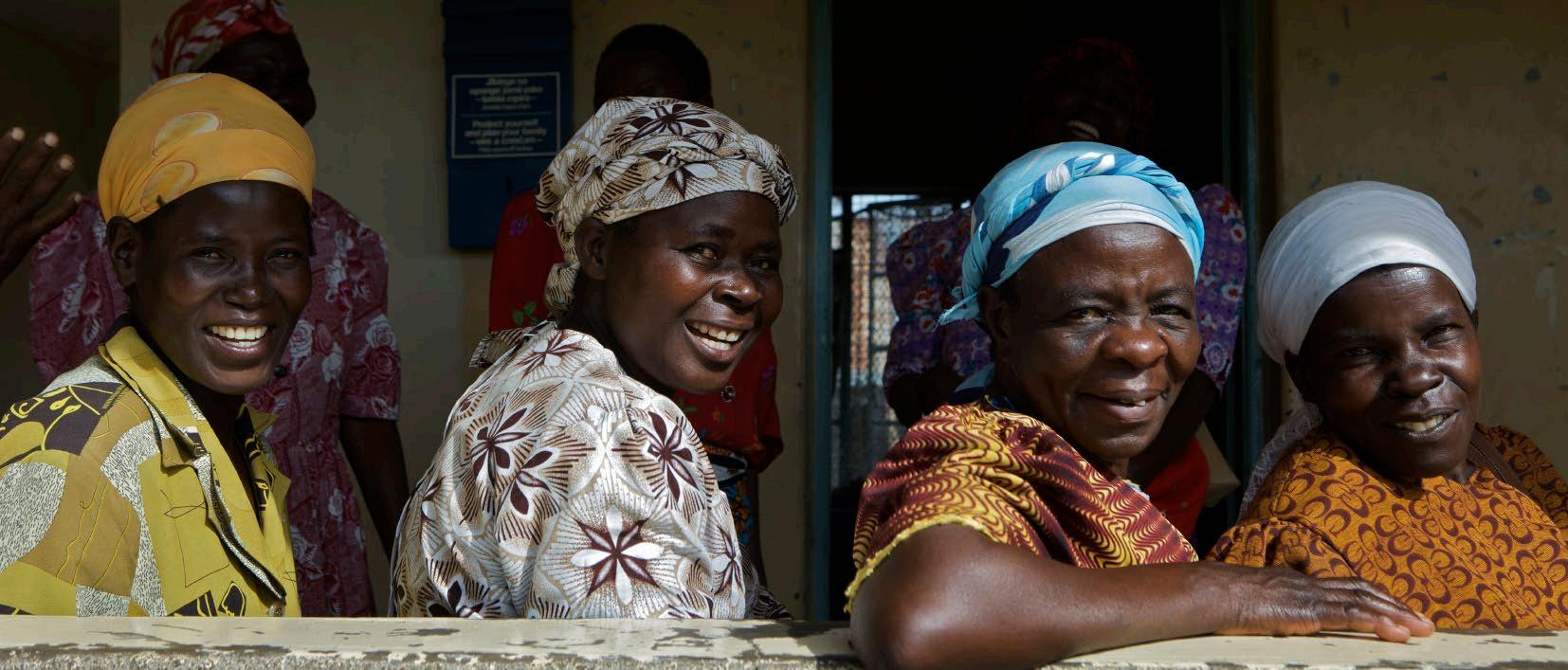
Yet globally, nearly 800 million people lack access to a safe drinking water supply. We believe safe water is a human right.
We are determined to change that.
a short introduction about us
The LifeStraw brand is built on the belief that safe water is a human right and our intent to meet this basic human need is what drives us. We seek to redefine the safe drinking water space through technology, innovation, product quality, and design, in order to provide safe water solutions for diverse populations around the world. We also believe in our responsibility to ensure positive impact on both people and planet throughout our value chain, and to go beyond products to implement long-term programming that changes people’s lives.
a letter from our CEO
We’re only a few months into 2020, and already 2019 seems like a world away. In this moment, when both the health of our families and the health of our economy are so much in doubt, it can be hard to look forward with anything other than concern and trepidation. But we are a company that has never been afraid to tackle difficult problems. We can look at a challenge with clear eyes and an absolute commitment to change the world for the better.
The extent of the upheaval in the world is hard to grasp in this moment but I am confident that together with our team, our partners and our customers, we will rise to meet this crisis. We recognize the link between human health and environmental health and believe we have a role to play in helping to preserve both during this crisis and after it is gone. We will get through this, and we remain committed, as always, to doing right and to rising to the challenges of this moment, just as we rose to meet the challenges of 2019.
In 2019 our commitments focused on our responsibility to people and planet. We had a number of successes that we are all very proud of and a few areas that we fell short. I feel it is important to be transparent about both our successes and what we can learn from our shortcomings.
Last year we provided more than 1.19 million school children with a year of safe water and health education funded by our retail sales. Our teams and products helped provide safe water access to over 93,000 people following natural disasters in places like India, the Philippines, Mozambique and the Bahamas. We also donated 520,000 LifeStraw Guinea worm filters to the Carter Center in continuous support of their Guinea
Alison Hill Chief Executive Officer
worm disease eradication program. We are proud to be partners with the Carter Center for over 25 years and are committed to seeing their efforts through to eradication of this terrible disease.
In keeping with our commitment to the planet, we removed 5.1 tons of plastic from our supply chain and made great progress in moving away from disposable plastic packaging to more sustainable packaging materials. Because our products are designed to remove the need for single use plastic water bottles, we estimate that our sales in 2019 have the potential to offset the need for more than 51 million single use plastic bottles.
In 2019 we were not able to expand our LifeStraw Give Back program to low resource areas in the United States because we were not able to fully address the extent of water contamination to these communities with our current technology. We are committed to exploring new technology that can address these issues. We also did not launch additional recycling resources online that we committed to make available to our customers. These resources will be launched in 2020.
Our global community now faces new challenges with an unprecedented viral pandemic that is testing the strength and resolve of our economy and each one of us. While this pandemic has changed the lives of every person on this planet, it has highlighted the inequities and vulnerabilities of many of the low resource communities that we are committed to helping. As we make commitments for 2020, it is with these communities in mind and clear resolve that we have a responsibility to play our part.
We remain committed, as always, to doing right and to rising to the challenges of this moment.
our history
how it all started
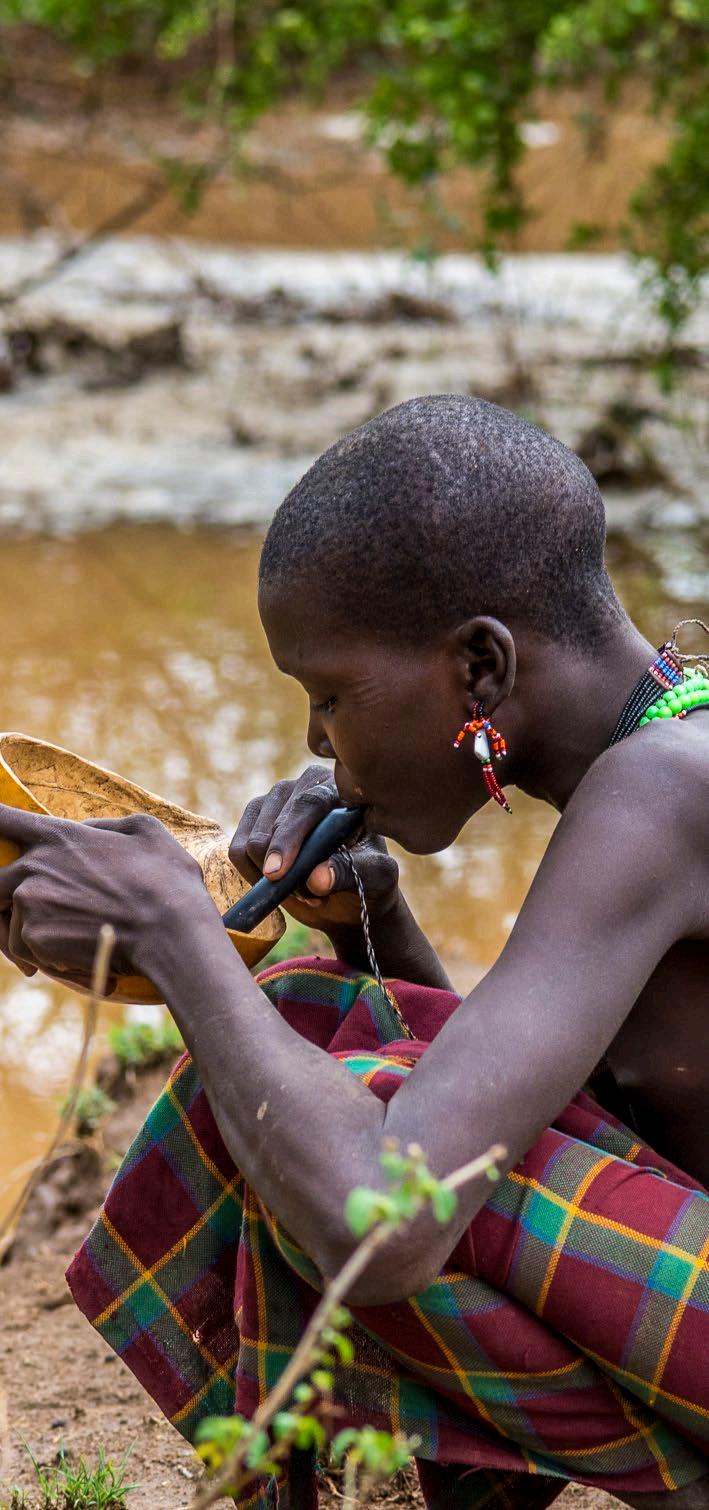
LifeStraw was built on a partnership that started over 25 years ago with the Carter Center, in a collective effort to eradicate Guinea worm disease by designing a simple mesh filter that removes the parasite from drinking water.
our continued responsibility
This partnership eventually led to the development of the personal LifeStraw in 2005, which addresses a broader range of water contaminants including bacteria, parasites and microplastics. LifeStraw has continued to innovate its technology and product portfolio to address a diversity of water quality needs across the globe including the reduction of viruses, heavy metals such as lead, chemicals, and other emerging contaminants that impact people in every country.
LifeStraw has become a market leader in water filtration and purification for outdoors sports and recreation and last year expanded to the in-home water filtration space. Our continued expansion into diverse markets allows us to reach new audiences and addresses emerging water quality concerns. Having a positive Impact on people and planet continues to inform every aspect of our business and retail strategy; for every product purchased, a school child in need receives safe drinking water for an entire year. By expanding our product portfolio, we empower an even larger audience to give back, and play a vital role in addressing the global water crisis.
26 years of responsibility
Social responsibility and impact continue to inform every aspect of our business. our guiding principles
Doing Good is in our DNA. We were founded as a humanitarian entreprenuership company and continue to abide by those principles.
Planet Matters.
We have made a commitment to be a carbon neutral company and continue to examine ways to reduce our footprint
Safe Water is a Human Right
We commit to designing water filtration solutions to help make this a global reality.
Impact from Start to Finish. From the start of our supply chain to an end-user in our give back program, we always measure impact on people and plant.
Design
Innovation.
We take our roots of simple Danish design and apply them globally to the specific contexts of each community of users we serve.
2020 commitment
LifeStraw will apply for certification to become a B-Corporation.
Science & Evidence.
We rigirously test every product both in our own water lab and with independent labs to verify every claim we make.
2019 scorecard
2019 Commitment
Donate more than 300,000 LifeStraw Guinea worm filters to The Carter Center.
Recommit to an internal Think Globally, Act Locally employee volunteer initiative to support the significant engagement of our employees outside of LifeStraw programs. Each employee will be afforded at least 1-working day per quarter to support local volunteering projects which will be tracked and reported annually.
Expand the reach of our Code of Conduct to Tier 2 (rawmaterial) suppliers.
Continue to work toward Fair Trade certification by the end of 2019.
Evaluate the potential to use recycled PET plastic for product components or packaging.
Continue to explore products and suppliers of reliable, sustainable materials potentially including glass, stainless steel and ceramic.
Achieve reduction of 300,000 CO2 emissions by reducing air freight activity.
Reduce 4.5 tons of plastic, an additional 250,000 foam bags and convert 6 tons of packaging paper to FSCcertified packaging paper.
Achieve first FSC certification and make a timebound commitment for all packaging material to be certified.
In 2020, launch a high throughput emergency filter product, with an option for heavy metals removal.
2019 Actual Score
LifeStraw donated 520,000 Guinea worm filters to the Carter Center in 2019.
Over 50% of LifeStraw staff volunteered at local organizations on Giving Tuesday. While we actively support our employees in volunteer efforts throughout the year, we did not create a tracking or reporting mechanism outside of Giving Tuesday. This will be a priority in 2020.
100% of Tier 1 and Tier 2 suppliers have signed our full Code of Conduct. We have performed a SMETA audit on our direct suppliers.
Through further research and investigation we came to understand Fair Trade protocols were not applicable to our business.
In 2019, we developed molded pulp (100% compostable) packaging for LifeStraw Go and LifeStraw Universal and transitioned that packaging to the market in January of 2020.
We are launching our stainless steel product in 2020 while continuing to explore other sustainable materials for future product launches.
LifeStraw signed a climate neutral pledge and we are initiating the process of estimating our carbon footprint to offset all of our 2019 emissions. This will be completed in 2020.
In 2019, we removed 5.1 tons of plastic from our packaging, removed almost all plastic and foam bags (261,483 reduction), and converted 8.6 tons of packaging paper to FSC-certified.
80% of our packaging materials have received FSC certification.
The product, LifeStraw Max, has undergone field trials, and debuted at Outdoor Retailer in January of 2020, where it won an innovation award. It is on track to be commercially available by the end of 2020.
2019 Commitment
Expand our technology platform to address humanitarian and emergency response needs and continue to pursue solutions for fluoride removal and other contaminants.
2019 Actual Score
Our R&D team initiated research processes for integrating technologies to remove arsenic and fluoride. For our new humanitarian product (LifeStraw Max), we validated a filter for added protection against heavy metals.
Submit for NSF 42 and NSF 53 certifications for at least two products this year and continue testing for emerging contaminants with NSF 401.
Expand our retail-funded Give Back Program to under resourced communities in the United States.
We completed testing to meet NSF 401 standards for the LifeStraw Home product. We have submitted the LifeStraw home for NSF 42 and NSF 53 certifications, which should be completed in 2020.
Strategic plans for expanding into low-resource communities in the US was not actualized, due to product constraints and their capacity to address the US water quality issues at scale. This is a priority for 2020.
Lead an emergency coalition to respond to disasters and emergencies.
Conduct an evaluation of a national recycling partner for our products and product components.
Create a sustainability section of our website that communicates our progress toward responsible packaging goals.
Partner with Airstream on a Clean Water Across America campaign, which we expect to result in additional domestic, environmentally focused partnerships.
Independently test and report on the quantitative removal of microplastics using LifeStraw technology against the smallest microplastics found in our environment.
We partnered with non-profits and other brands to respond to a number of natural and humanitarian disasters in 2019 including in India and the Bahamas.
We partnered with TerraCycle to implement a recycling program to collect post-consumer activated carbon and ion exchange water filters and hollow membrane filters. This will be launched in 2020.
This initiative was not actualized but will be prioritized in 2020.
We partnered with airstream to implement a 3-month environmental conservation education and awareness tour, and supported several other conservation organizations.
We completed independent testing and reporting on the removal of microplastics for both our ultra and micro filter membranes, achieving 99.999% removal for both.
2019 highlights
impact: people
Kids received safe water through our Give Back Program in 2019.
1,190,524 322 520,000
Guinea worm filters donated to The Carter Center.
New schools added to our Give Back Program.
93,100
People provided safe water after natural disasters.
impact: planet
2019 will mark the first year LifeStraw offsets all of its C02 emissions as a company in partnership with Climate Neutral.
51 million
Singe-use plastic bottles potentially offset by purchases of LifeStraw bottle and Home products.
1 million
People reached with our Clean Water Across America advocacy campaign.
5.1 tons
Plastic removed from our supply chain.
LifeStraw safe water projects 2019
This map shows the depth and breadth of our projects in 2019. Each number represents the number of people that received access to safe water through a particular project in 2019. The top key shows the different types of projects that were implemented.
impact: people
LifeStraw has always held impact on people as its core measure of success.
This section shows the depth and breadth by which we approach this value.
Guinea worm eradication
Celebrating 25 years of partnership with the Carter Center.
1994: 100,000 cases
In 1994, LifeStraw partnered with the Carter Center to design a simple mesh filter to remove Guinea worm larvae from drinking water. At the time, there were more than 100,000 cases in 18 countries spanning Africa, South Asia and the Middle East. The Carter Center began their work in 1986 when there were 3.5 million cases globally.
2019: 53 cases
In 2019, LifeStraw donated 520,000 LifeStraw Guinea worm filters to the Carter Center for use in five countries. By the end of 2019, there were only 53 provisional cases reported in just four countries.
Since the partnership’s inception, LifeStraw has provided the Carter Center with more than 38 million filters.
2020 commitment
When Guinea worm is eradicated, it will be the first disease to be removed from the planet without the use of a vaccine.
LifeStraw will donate over 350,000 Guinea worm filters to the Carter Center. LifeStraw is committed to supporting the Carter Center through eradication.
give back program
How does it work?
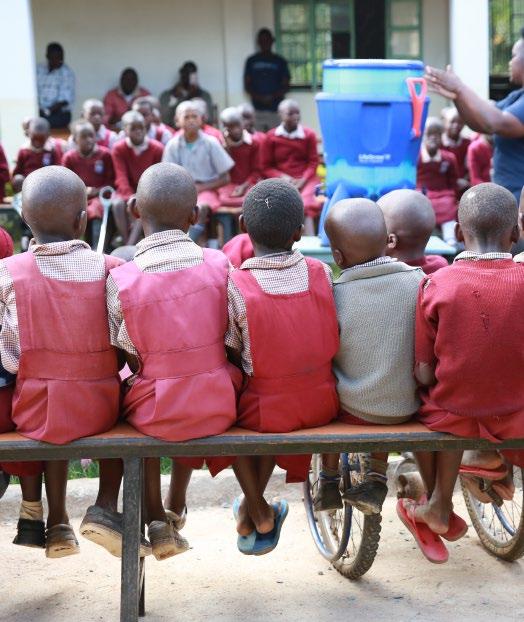
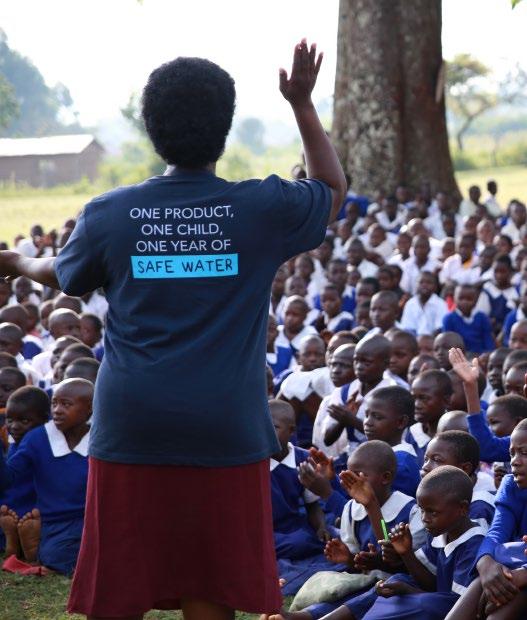
For every LifeStraw product purchased, a child in need receives safe water for an entire school year.
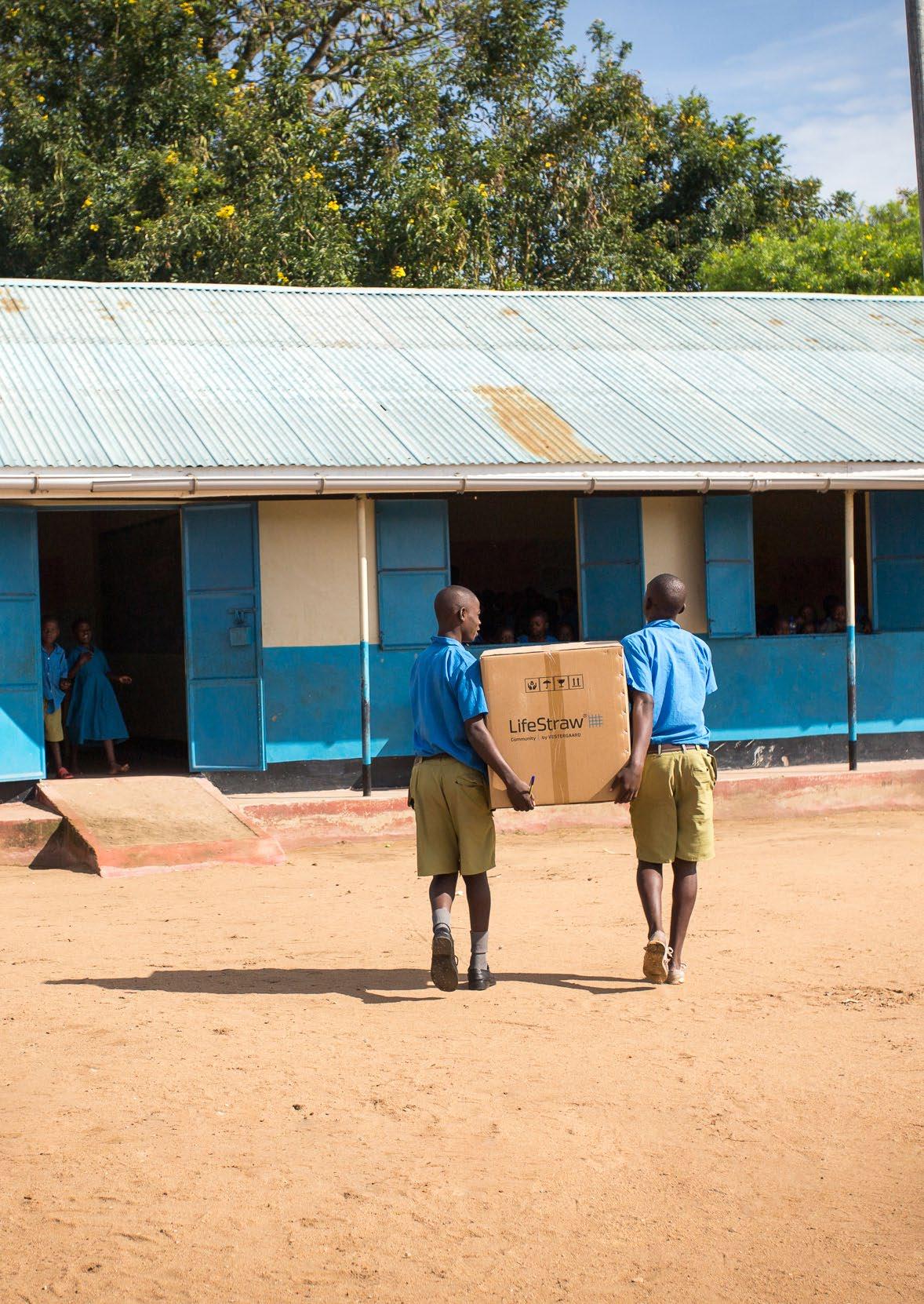
One LifeStraw Community purifier provides approximately 100 students with safe water for an entire year. The LifeStraw Community lasts five years, and with every delivery of a purifier, we also commit staff and program resources for a period of five years. One purchase of any LifeStraw product provides a year of safe water to a child in need, five purchases provide that child with safe water for the next five years.
Since its inception in 2014, the LifeStraw Give Back Program has provided over 3 million kids with a year of safe water.
2019 numbers from our Give Back Program:
5,349
Follow-up visits conducted 9.7 MM Liters of safe water provided 1.19 MM
Kids with a year of safe water
2020 commitment
We will launch a new program in Northern Bangladesh and we also expect to reach more than 150 new schools and provide more than 1.2 million kids with a year of safe water. Finally, we will develop a strategy for better measurement of health impact of our safe water programming.
why our program is different
we’re not a one for one, and there’s a reason global
we don’t just drop off filters
We don‘t provide the same product that was purchased through retail; rather, our programs utilize products specifically designed for the context in which they will be used.
programs, local teams
In Western Kenya, we employ 40 full-time staff to ensure year-round education, coordination, implementation and support. All programs are managed by local staff that come from the communities where they work.
We provide on-site education and training and yearround support to build relationships with our schools and communities, as well as a 5 year commitment to every school.
data collection & monitoring
We use mobile survey platforms to collect data and school feedback as well as monitor repairs. And we bar code everything!
2020 commitment
We will develop a strategy to provide safe water and support to lowresource communities in the USA.
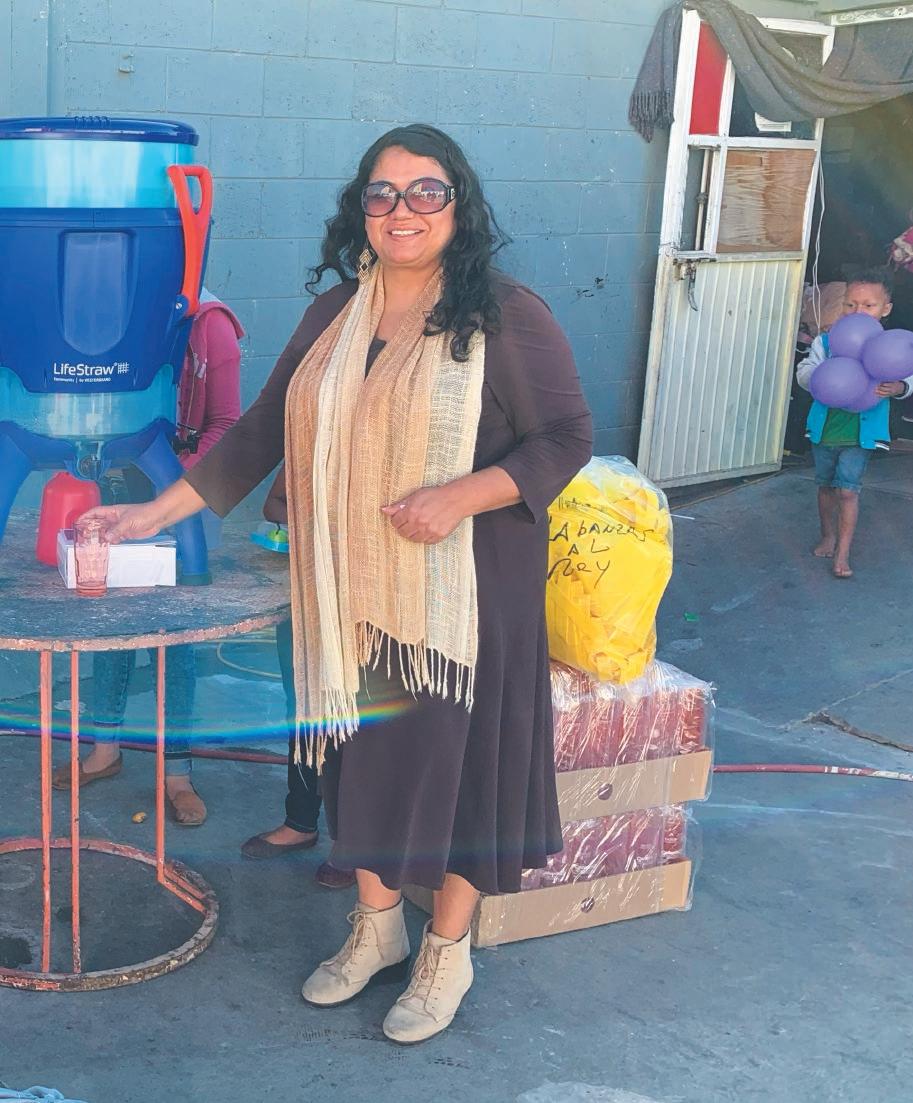
Juarez, Mexico safe water to migrant shelters on the Mexico-US border
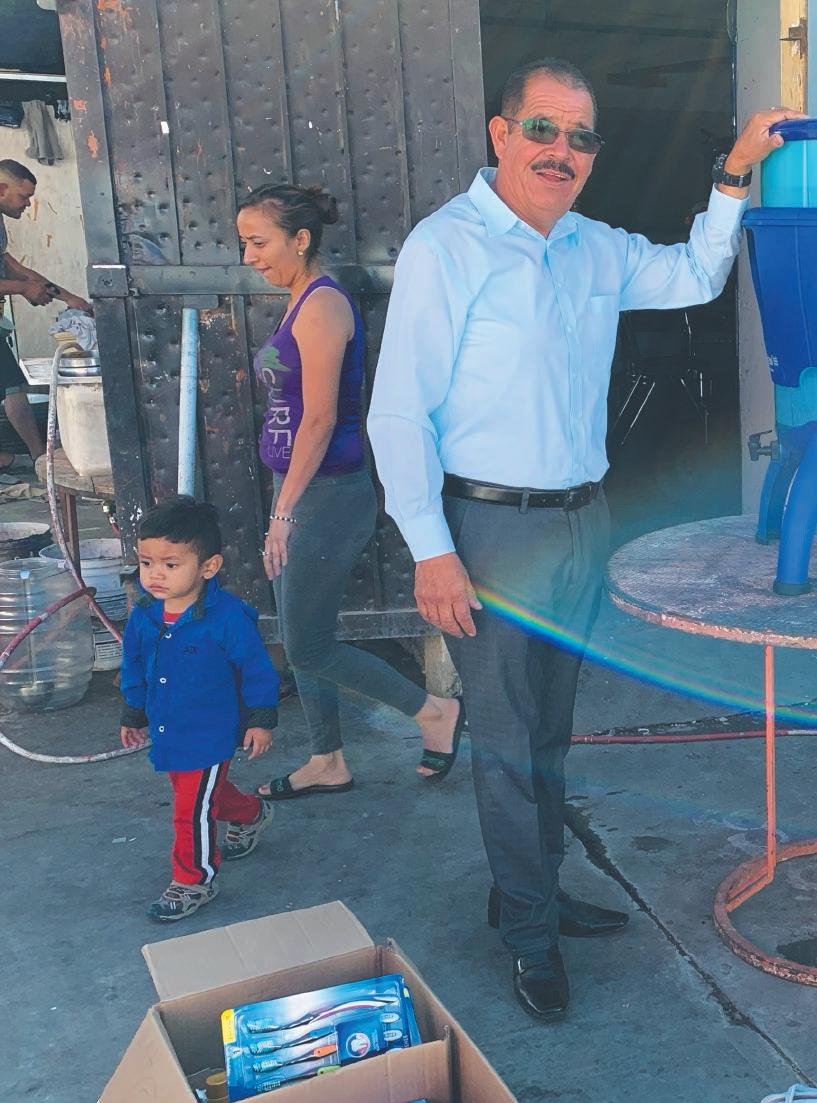
LifeStraw has a long-standing relationship with the Secretary of Health in the State of Chihuahua, Mexico. So when we became aware that a center that houses migrants on the Mexican side of the US-Mexico border was in need of safe water, we responded. LifeStraw staff flew down, and along with local partners, conducted a needs-assessment and visited a number of centers and shelters in Juarez, a city home to one of the three busiest crossings on the Mexico US-border. We spoke with a number of migrants, many of whom had already spent months in shelters awaiting an appointment in the US. The majority had fled violence in their home countries, only to face new challenges of violence, unstable housing, and a lack of access to basic necessities like food, water and health care at the border.
Ultimately, LifeStraw identified six locations that were in urgent need of safe water; we donated eight LifeStraw Community purifiers and conducted trainings on product use and maintenance and proper hygiene, and also distributed other essential hygiene and health items.
We remain dedicated to expanding our reach in these communities.
A focus on LGBTQ+ migrants
One of the centers (not pictured due to safety concerns) that LifeStraw supports was a shelter for LGBTQ+ migrants, one of the most at-risk populations amongst the migrant communities. Most of the individuals living in this center had fled extreme violence and severe persecution due to their gender or sexual identity, in addition to the ongoing violence in their home countries.
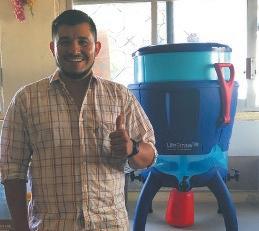
The purifier will bring good health
Alvaro Hermocillio is a missionary and volunteer at the center.
La Esperanza in Juarez is a rehabilitation center for immigrants, drug addicts and alcoholics. It has a bed capacity of 20, though often houses over 50 people. When LifeStraw visited the center, they were using unsafe tap water to drink and cook their meals.
“Well to begin, the purifier will bring good health. We don‘t know what the tap water has in it and we normally trust in God and drink it hoping that nothing bad happens but now with the LifeStraw water purifier, we shall get clean water, remain healthy and save money which we would otherwise use to purchase water. I have been buying water daily for $5 but now I will save that money.”
emergency relief work
The LifeStraw Safe Water Fund, financially managed by New Venture Fund, a 501(c)(3), allows us to crowdsource contributions from socially-minded individuals, non-profits and foundations, in order to expand our ability to respond to natural and humanitarian disasters. In addition, we partner with a variety of companies, non-profits and local grassroots organizations to collaborate on emergency relief work.
Countries where LifeStraw responded to emergencies in 2019
Indonesia
India
Philippines
9,200 people received safe water during a Tsunami and earthquake response.
68,550 people received safe water during a flood and cyclone response.
1,050 people received safe water during a typhoon and earthquake response.
Somalia
Mozambique
5,000 people received safe water during a Tsunami and earthquake response.
7,500 people received safe water during a cyclone response.
The Bahamas
1,800 people received safe water during a hurricane response.
2020 commitment
LifeStraw will continue to respond to emergencies, with a goal of having boots and product on the ground within 72 hours. LifeStraw will also develop a strategy and launch an initial meeting of a humanitarian working group to bring together sociallyconscious brands to better respond to emergencies and disasters.
Hurricane Dorian relief
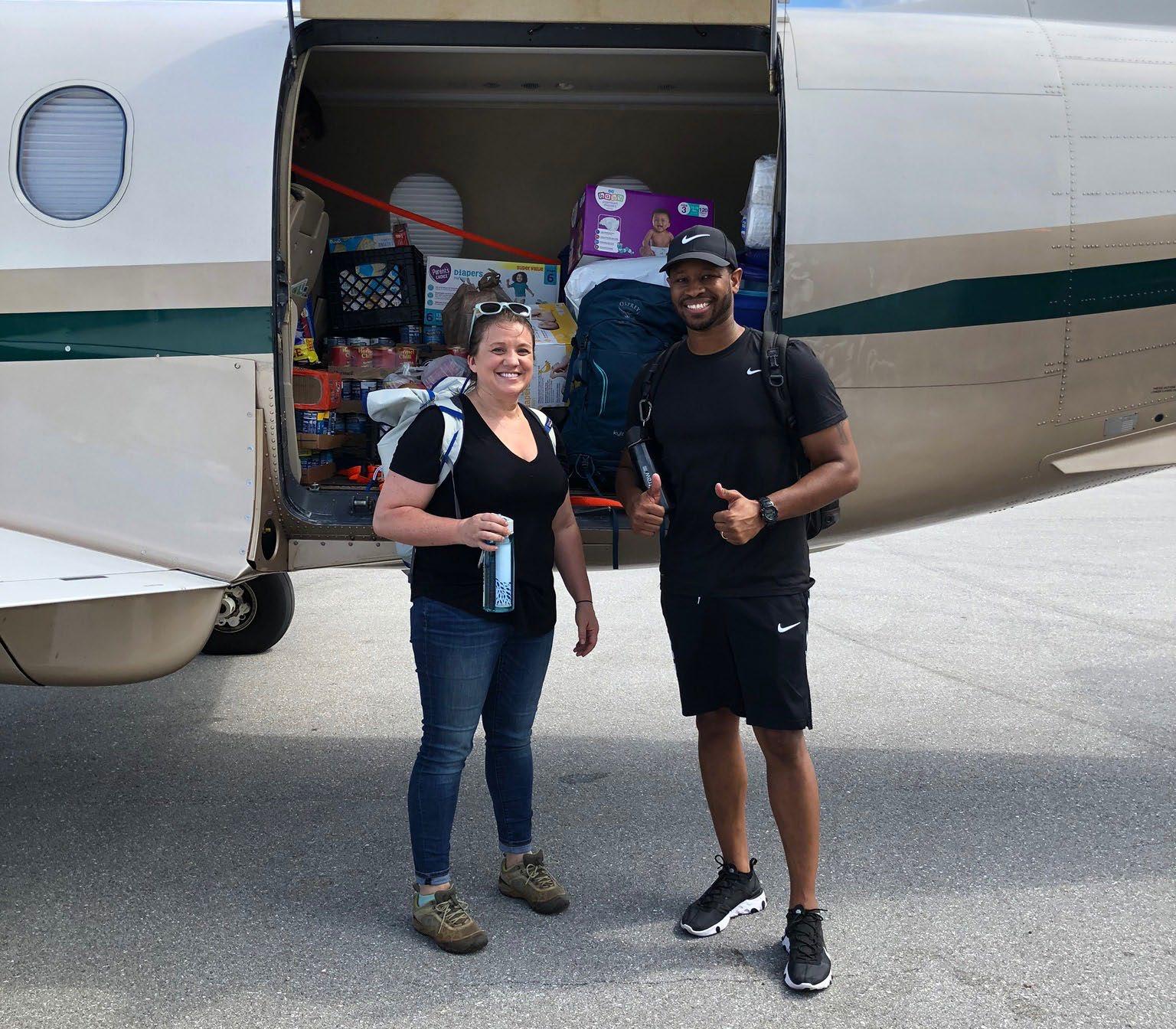
Alison Hill, CEO of LifeStraw with Hartley Thompson III on one of the first relief flights to the The Bahamas after Hurricane Dorian. LifeStraw largely played a coordination role since after arriving, we discovered the majority of water sources were contaminated with salt water.
Hartley, a native Bahamanian, has since established the Thompson Legacy Foundation to support communities experiencing hardships around the world.
humanitarian partnerships
LifeStraw works with organizations around the world that buy and distribute LifeStraw products to communities that need them. We often provide training and education support to these organizations before and during their implementation. We have been proud to serve so many amazing passionate organizations for many years. Here is a quick snapshot of the number of people reached with safe water in 2019 by other organizations distributing LifeStraw products.
India
Bangladesh (Rohingya camps)
Philippines
16,900 people received safe water
44,000 people received safe water
40,500 people received safe water
Indonesia
3,000 people received safe water
Kenya
South Sudan
Tanzania
19,610 people received safe water
126,000 people received safe water
3,400 people received safe water
Mali
2,200 people received safe water
133,550 people received safe water
Myanmar Ethiopia & Zimbabwe
34,800 people received safe water
A story from the Philippines
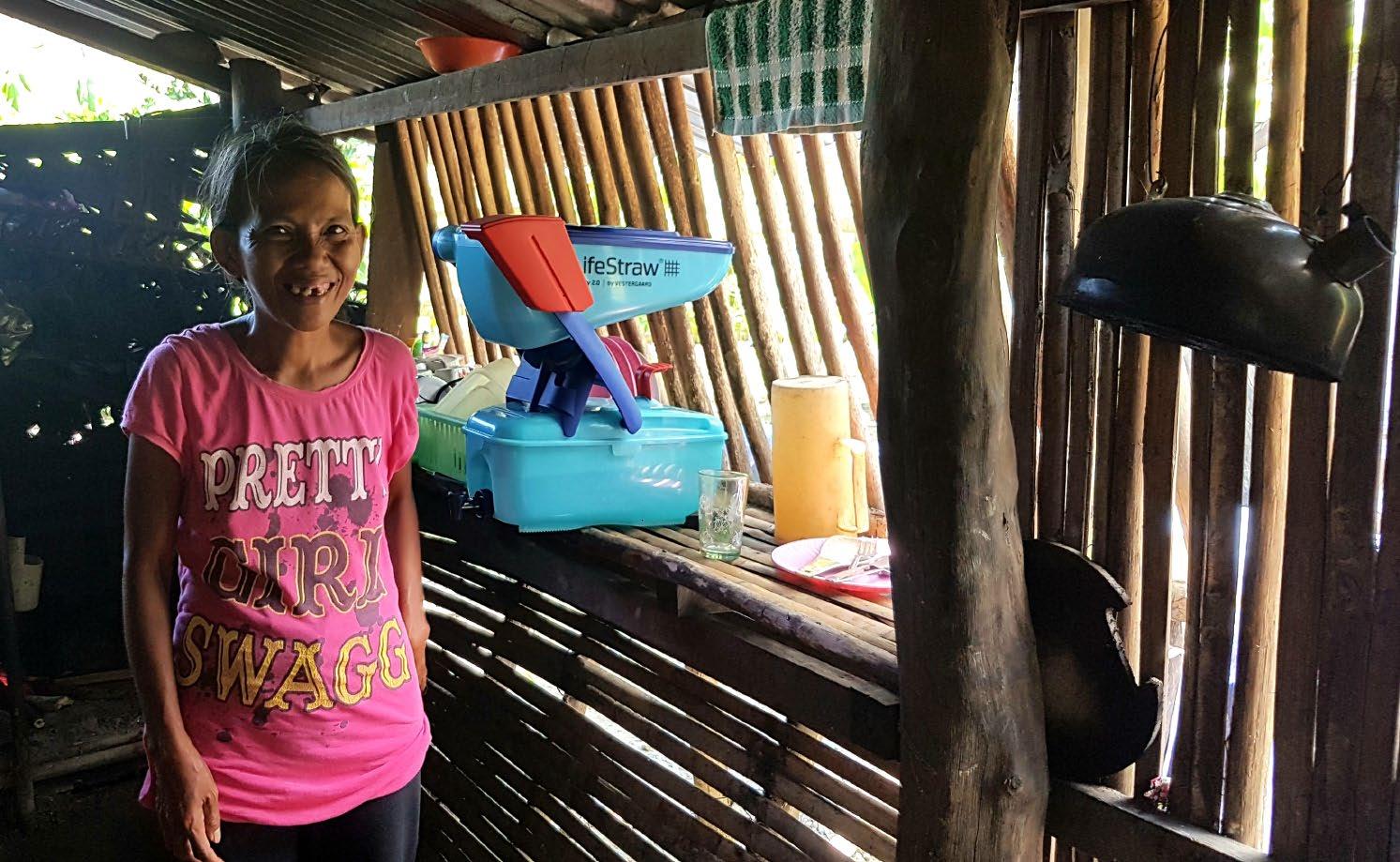
In the Philippines, one out of every ten Filipinos has no access to safe drinking water. This leaves communities vulnerable to waterborne diseases such as typhoid, cholera and dysentery. LifeStraw, in partnership with DEG-KFW and ASSIST, implemented an 18-month long project to bring safe water to households, day care centers and schools in Aurora, a province in Eastern Philippines and one of the provinces most vulnerable to natural disasters like earthquakes and typhoons.
In addition to installing 300 LifeStraw Community purifiers in day cares and in schools, and 2,000 LifeStraw Family 2.0 purifiers in individual households,
Because of the water filter that we have received, I feel assured that the water my children are drinking is safe. Our situation now has gotten better. My children don’t complain of stomach aches anymore and I don’t have to spend 20 pesos for water.
LifeStraw and its partners trained ‘Community Clean Water Advocates’, held community awareness sessions on safe water and hygiene, implemented school awareness programs on water, sanitation and hygiene and applied rigorous impact evaluation. The program ultimately reached over 40,000 people with safe water.
school program partnerships
LifeStraw partners with corporate, non-profit and philanthropic organizations to provide safe water to communities around the world. We work closely to ensure comprehensive education, follow-up, data collection and monitoring. Additionally, many of our partnerships integrate the provision of safe water
Pencils of Promise
with other environmental conservation efforts. Providing safe water to communities is not only about making contaminated water safe to drink, but also about protecting water resources from becoming contaminated in the first place.
In 2019, LifeStraw partnered with Pencils of Promise, a non-profit organization with a mission to build schools and provide quality educational programming to increase literacy rates around the world. Access to safe water not only restores students’ health but also reduces the time spent collecting water, thereby increasing attendance and learning at school. Together, LifeStraw and Pencils of Promise provided safe water and comprehensive hygiene and sanitation education to 59 schools, reaching 12,868 students in Ghana.
59 schools in Ghana received safe water and hygiene education.
12,868 students now have safe water through the PoP and LifeStraw partnership.
Abercrombie & Kent Philanthropy
Abercrombie and Kent, a luxury travel company with operations worldwide, began a partnership with LifeStraw in 2017 to provide safe water to communities that live on the edge of wildlife and conservation areas. The initial work focused on the Maasai Mara region of Kenya and has since expanded to 4 more countries.
4 new countries
Supporting the Bwindi Women’s Bicycle Enterprise with safe water
22 new schools as well as 3 health facilities and 2 bike and bead shops.
12,602 new students with safe water in 2019 through the AKP LifeStraw partnership.
As part of the partnership with Abercrombie & Kent Philanthropy, we worked together to also bring safe water to the Bwindi Women’s Bicycle Enterprise, which employs six local women living in communities around Bwindi Impenetrable National Park. The shop provides the women with much-needed income, while also giving their community vital access to transportation.
“Thank you so much for this water purifier, it will make us healthy and even increase the number of clients coming for attention at our bike shop.”
- Penlope Tukwasiibwe, Bwindi Women’s Bicycle Enterprise Member
Vietnam Uganda
Tanzania
Zambia
2019:
a focus on women and girls
We believe strongly in promoting women’s empowerment, health and leadership in our own company, in the communities where we work, and within our industry.
Women, girls and water
Lack of access to safe water disproportionately affects women and girls as they carry the main burden of fetching water and caring for sick family members. Providing easy access to safe water frees up time for women and girls to work, study and attend school.
LifeStraw is dedicated to empowering women and girls in our programs, through:
• Emphasis on shared responsibilities among genders for water collection and treatment by appointing student ambassadors from both genders to work together to oversee the maintenance and use of the purifiers.
• Employment of local women and creation of women leaders among local staff.
• Empowerment of local women-led volunteer groups.
2020 commitment
Promoting women’s voices in the outdoor industry
In 2019, LifeStraw partnered with SNEWS and the Voice, an independent outdoor industry news network to establish a monthly column called Her Voice, which invited guest journalists and contributors to highlight unique issues and conversations related to women in the outdoor industry.
We have been proud to support conversations tackling:
• Moving beyond body positivity and how brands can be more inclusive.
• Why onsite childcare is good for business.
• Why sponsoring women athletes makes “cents.”
• The importance of moving beyond women in outward marketing materials and ensuring representation of women content creators. Experience of women founders and entrepreneurs in the outdoor industry and biases around “women made goods.”
• Why we need Her Voice.
LifeStraw will continue to promote the advancement of women and girls through support of Emusanda Health Center and through a continuation of thought leadership for women in the outdoor industry.
Supporting maternal and child healthcare at Emusanda Health Center
Since 2008, LifeStraw and Vestergaard have supported Emusanda Health Center in Lurambi, Kenya, which provides primary and pediatric care, pharmacy and lab services and HIV testing, counseling and treatment.
In 2017, Vestergaard and Lifestraw supported the construction and grand opening of a brand new 12-bed maternity ward. The ward is equipped with technologies previously unavailable in this region of Kenya and has ensured that high quality maternal and neonatal health care is available to all women of the community.
The maternity ward had been the outstanding requirement for Emusanda to be elevated from a ‘Dispensary’ to a ‘Health Center’. In 2019, the government publicly announced the Emusanda had been granted Health Center status! With this qualification, Emusanda can access additional staff and resources to continue to broaden the health services provided.
In 2019, LifeStraw provided support to ensure that the maternity ward is staffed 24 hrs/day.
In 2019, Emusanda provided:
1,055 antenatal visits 482 postnatal visits 634 family planning visits
3,238 child health visits 115 births
2,298 HIV tests
a brand for everyone
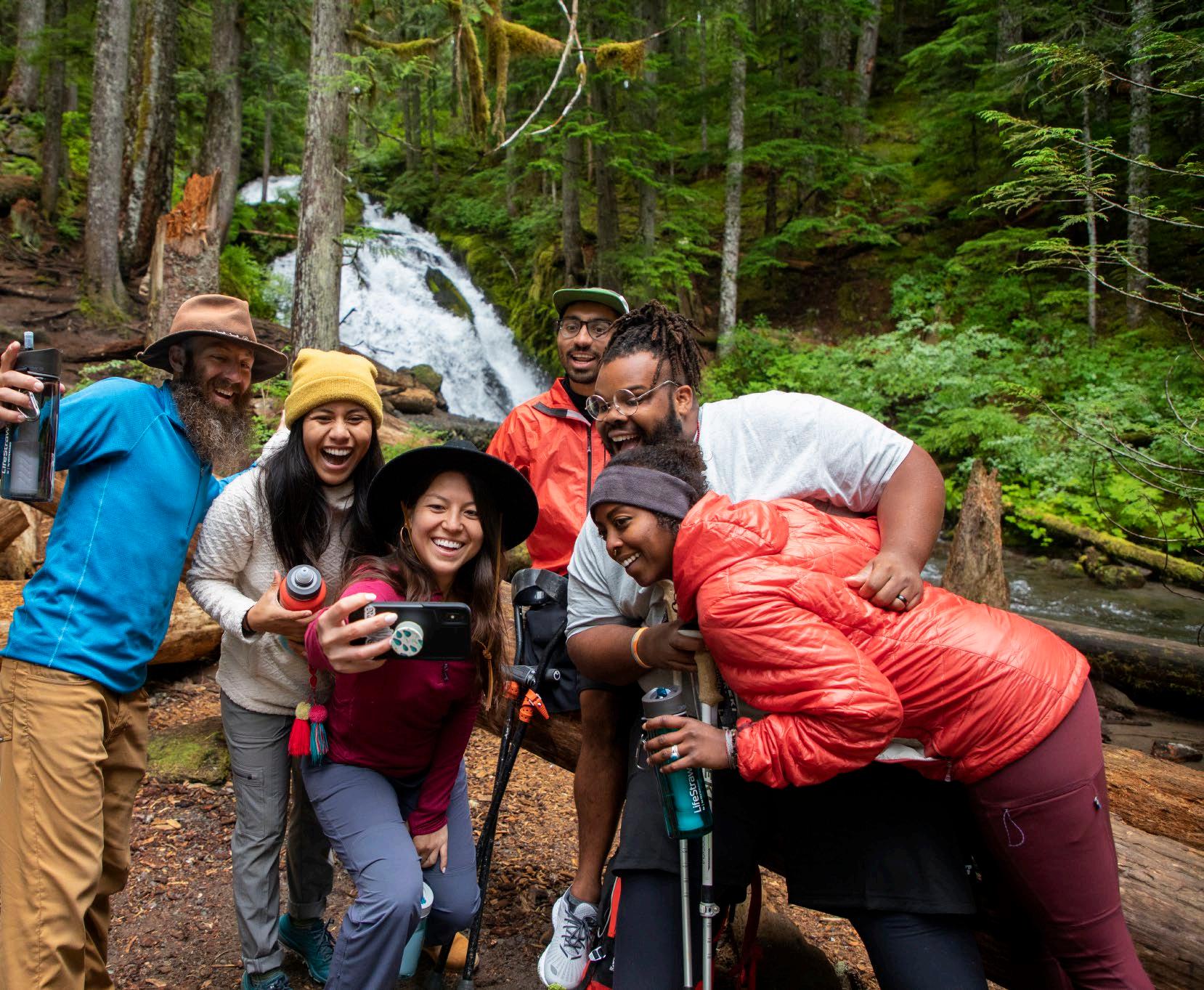
In 2019, we started an initiative to ensure greater diversity and inclusion in our brand materials. Our goal is to more accurately reflect the community of customers that use our products and to show our ambition to serve everyone. This includes displaying a diversity of ethnicities, abilities, and body types in our imagery as well as supporting ambassadors and discussions related to diversity and inclusion through sponsored social posts, blog posts, articles, and talks and it also includes an effort to hire more local and diverse content creators.
We realize that diversity doesn’t stop with these categories and we are committed to continuing to ensure our content reflects an effort to represent diversity in gender, age, ability, sexual identity, race, ethnicity, body type, geography, and income level. We know there is always room for improvement and we thank everyone for helping us learn along the way.
2020 commitment
LifeStraw will formalize and quantify our diversity and inclusion initiative to ensure that it’s a permanent part of our brand and content guidelines.
diversity makes us stronger our people
As a global company, the strength of our team is rooted in our individuals. The diverse genders, ethnicities and cultures that encompass the LifeStraw team are vital to our company culture and to ensuring that we understand the market and the communities we serve. We also believe that a diverse set of unlike minds and perspectives can push the boundaries of design and innovation. We recognize that disruptive thinking cannot happen when we only have people from similar backgrounds creating strategy, product design, communications plans or implementing
programs. We celebrate the diversity of our team and commit to challenging our own organizational and recruitment processes to continue to grow and support this diversity.
LifeStraw will formalize its policy to ensure at least one woman and one minority are included as final candidates of every hiring process. We will also formalize a vendor policy to ensure we are evaluating minority-owned and otherwise diverse vendors when we seek to hire services.
Think globally, act locally employee engagement
In 2019, LifeStraw recommitted to its internal Think Globally, Act Locally employee volunteer initiative to support local community engagement outside of LifeStraw programs.
On December 3, Giving Tuesday, the entire LifeStraw team was given the day off to volunteer or participate in activities that give back to their communities.
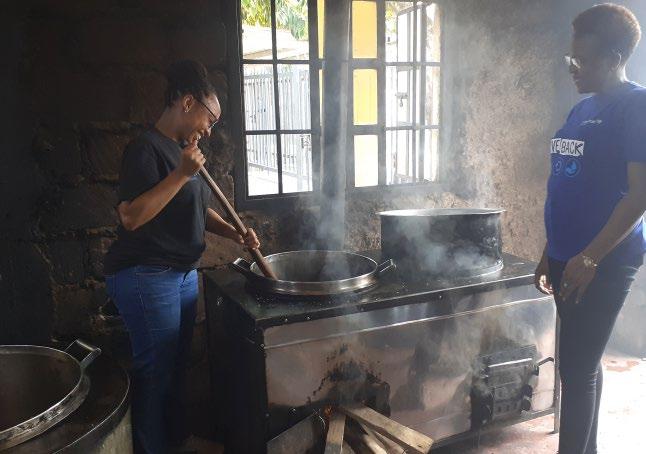
In Kenya, some of our staff spent the day at Motherly Care Children’s Home, a center for orphaned and vulnerable children, to help cook, serve food and clean up.
Other LifeStraw staff in western Kenya spent the day at St. Alberto’s Children’s Home, a center for children who have been orphaned or have special needs. Prior to their visit, they shopped for groceries and clothing to donate to the center. Once there, they spent the day cleaning the corridors, changing and dressing babies, playing with the kids and feeding everyone lunch.
2020 commitment
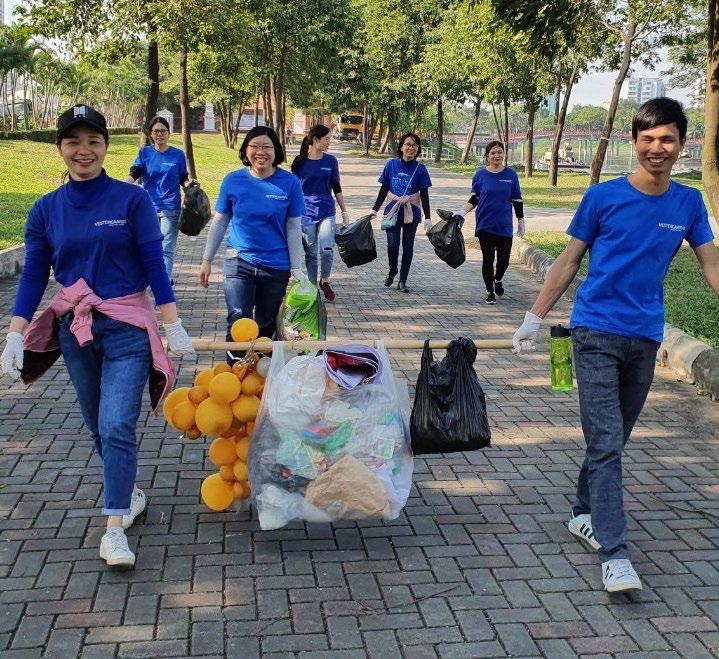
In Vietnam, our team traveled to YenSo Park, the largest public park in Hanoi, to collect trash.
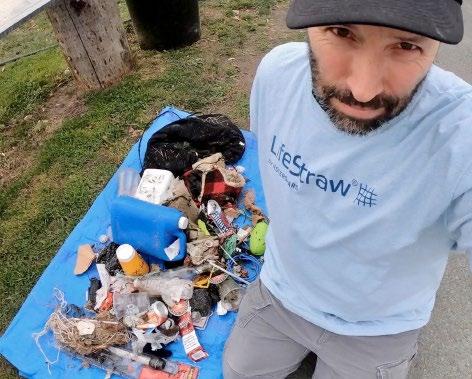
Our US-based team participated in a variety of volunteer and community activities, from spending time with students at local schools in Maryland, Nevada and California, to working at soup kitchens and food banks, to a beach cleanup in Seattle, to helping with repairs at a horse farm in Maryland that supports individuals with special needs.
LifeStraw will recommit to our internal Think Globally, Act Locally initiative to support employee volunteerism beyond LifeStraw programming. We will afford each employee at least one workday per quarter to support local volunteering projects, and we will develop a system to better track and report engagement. We will also continue to volunteer on Giving Tuesday.
impact: planet
We’re on a mission to reduce the amount of plastics in our supply chain, in our oceans, and in our bodies.
We‘re also pledging to go carbon neutral and to continue to support our planet through responsible manufacturing practices and advocacy.
%
Only 23% of plastic bottles are recycled in the US.
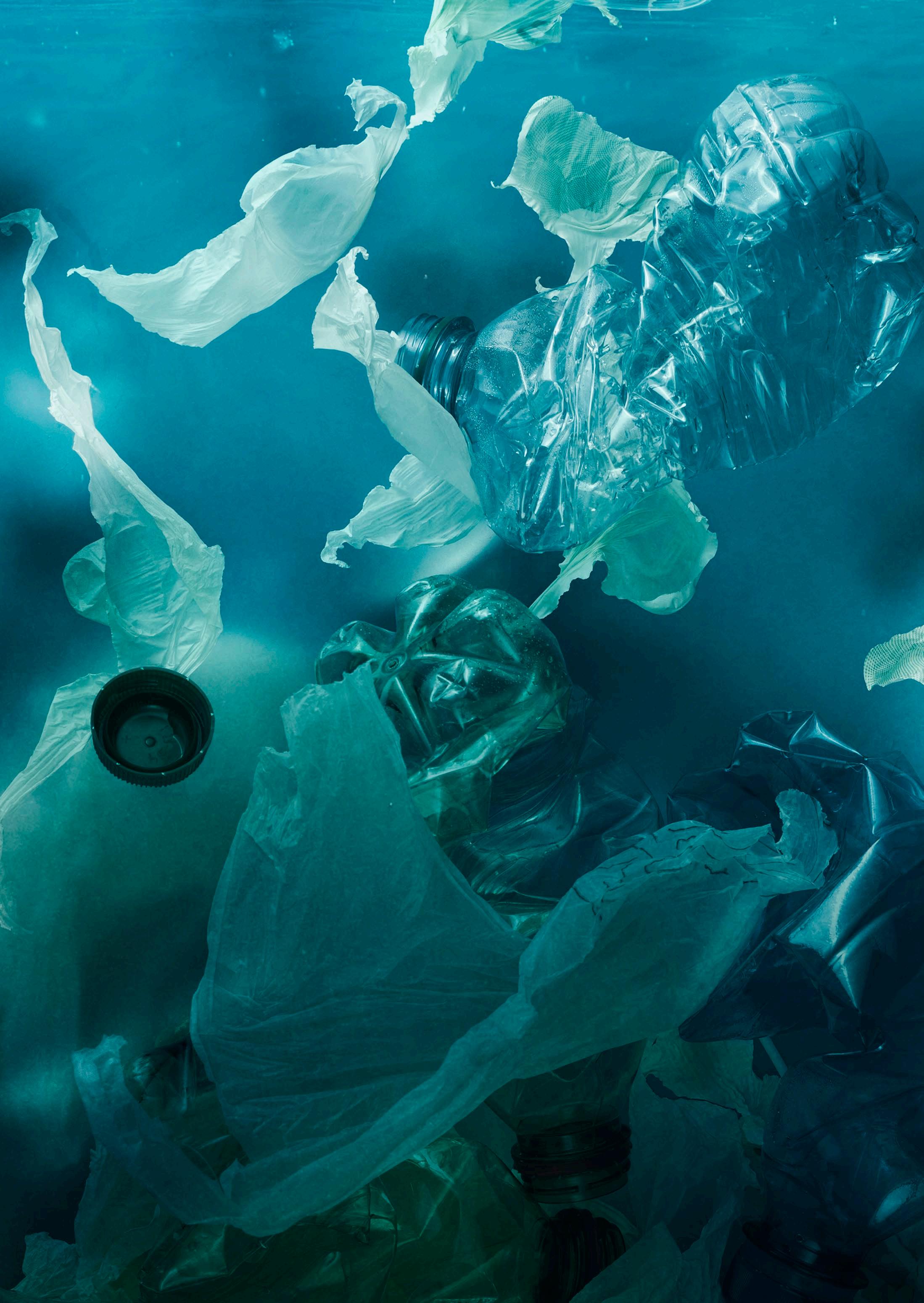
150 million tons of plastics are floating in our oceans.
REDUCING SINGLE USE PLASTIC WATER BOTTLES
Sales of LifeStraw bottle and home products in the US in 2019 have the potential to offset 51 million single use plastic water bottles. (Based on the fact that an average consumer uses 167 bottles of water per year).
plastics emissions
carbon neutral
93% of tap and bottled water in the United States is contaminated with microplastics*
FILTERING MICROPLASTICS
LifeStraw filters and purifiers remove virtually all microplastics present in drinking water. In 2019, LifeStraw independently tested and certified that all lifestraw products are able to remove 99.999% of all microplastics from drinking water.
In 2019, LifeStraw signed a pledge through Climate Neutral, to measure and offset the entirety of our company’s carbon emissions. In 2020, we will complete our carbon audit and offset all of our 2019 emissions.
2020 commitment
We will will offset all 2019 company emissions, including those related to our supply chain and logistics. In 2020, we will complete the Climate Neutral emissions audit and certification.
clean water and environmental advocacy
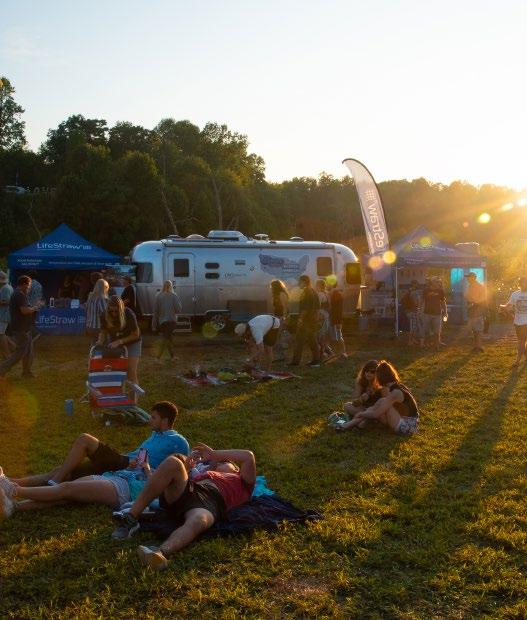
In 2019, LifeStraw took to the road on a Clean Water Across America Campaign, in partnership with Airstream, to promote land and water protection and education, and to promote the joy of being outdoors while focusing on conservation to educate consumers throughout the country on the importance of clean water.
States visited Campsites State parks
People reached
20 24 12 + 1 Million
LifeStraw also continued to support several other partners in their efforts to support protection and sustainability, including the Conservation Alliance and 5 Gyres. Check out their good work.
Ethical Trade auditing
Increasing transparency through certifications responsible supply chain
In 2019, we performed a third party SMETA (Sedex Members Ethical Trade Audit) audit on our direct supplier. SMETA is designed to help auditors conduct high quality audits that encompass all aspects of responsible business practice, covering Sedex’s four pillars of Labour, Health and Safety, Environment and Business Ethics.
We’re committed to demonstrating our role as a responsible business through supply chain transparency through formal, industry recognized certifications. All current suppliers are ISO 14000 compliant and our primary supplier is also ISO 45000 compliant.
Human health and environmental health go hand in hand. Manufacturing products, even life-saving filters and purifiers, has environmental impacts and costs. That’s why we design long-lasting products that reduce the need for disposable plastic, and implement manufacturing practices that reduce our environmental footprint.
Chemical management
The quality of our products is the foundation of our supply chain. All products, components, and materials that are in contact with drinking water are US FDA compliant as food grade materials and BPA free. In addition, we conduct comprehensive chemical testing to be aligned with emerging regulations including Prop 65 and other industry and retailer standards. Our chemical standards specifically take into account:
The Food and Drug Administration US FDA 21CFR 177, US FDA 21CFR 181, US FDA CPG SEC. 545; European Regulation (EC) No. 1935/2004, Plastic regulation (EU) No. 10/2011, European Directive 84/500/EE; French decret No. 2007-766, French decret No. 92-631, French Arrete Du Novembre 1992, French Law 2012-1442; German 1 September 2005 (LFGB), DIN 51032:2017 and their amendments
Code of Conduct & responsible sourcing
LifeStraw has a strict Code of Conduct that we require our production facility, all supply chain vendors and Tier I vendors (which supply direct product components) to sign and adhere to. This includes our expectations for environmentally responsible manufacturing and sourcing. The Code of Conduct can be found publicly on our website.
We have a process by which we utilize environmental performance data in all sourcing decisions and an ongoing training program to promote improved environmental performance.
2020 commitment
We will execute an external review process of our Code of Conduct to ensure we have the highest standards for responsible business. Perform SMETA (Sedex Members Ethical Trade Audit) audit on all Tier 2 suppliers. By 2020 all Tier 2 suppliers will also have a SMETA audit performed.
Packaging initiatives responsible packaging
LifeStraw is committed to reducing the consumption of single-use plastics in our packaging and we continue to focus on expanding our sustainable material toolbox for packaging, with a goal of 100% recycled packaging materials by 2021. In 2019, we continued our responsible packaging initiative:
Eliminated 5.1 tons of plastic from our supply chain with improved practices.
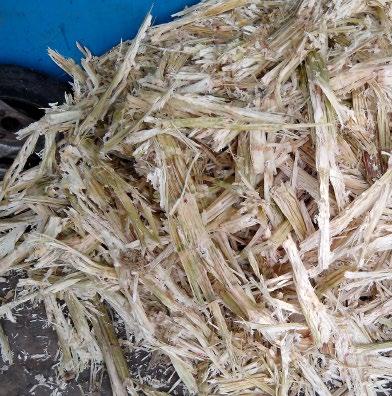
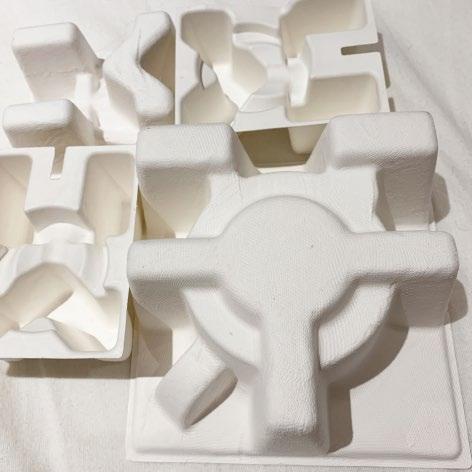
Shifting to molded pulp, a packaging material that is compostable and made from sugarcane pulp and recycled paper.
2020 commitment
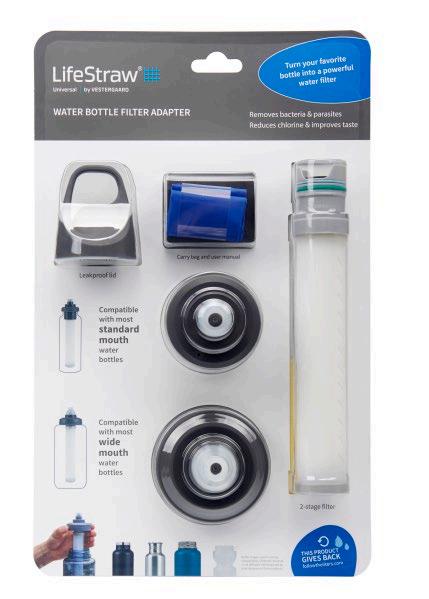
Phased out the plastic blister packaging on the LifeStraw Universal and moved to an FSC-certified cardboard box.
Converted 8.6 tons of packaging paper to FSC-certified packaging, and reduced the overall size of product packaging. This allows us to use less cardboard and decrease our transportation footprint.
LifeStraw will expand our use of molded pulp for packaging to LifeStraw Home; evaluate additional suppliers for upcycled plastic; create a roadmap to go 100% plastic-free or compostable for all packaging by 2021, and eliminate all non-compostable plastic bags from our supply chain.
Molded pulp
Molded pulp is a packaging material made out of the fibrous residue that remains after sugarcane production. Through a process of mixing with water and heating, the material is pressed with steel molds to create the different shapes. The resulting molded pulp trays are recyclable and biodegradable.
Recyclable Products
While some of our products are made of durable plastic or glass and contribute to a vast reduction in the use of single-use plastics, we know that the lifetime for certain parts of our products is not infinite. In 2019, we began exploring a partnership with TerraCycle, a global leader in recycling hard-to-recycle materials, to implement a program to collect post-consumer
activated carbon and ion exchange water filters and hollow membrane filters.
Consumer Communication
We believe communication plays a very important role in helping our consumers understand the best ways to recycle both products and packaging.
2020 commitment
We will launch a recycling section of our website to increase transparency and customer education, and to actively engage customers in the recycling of our products and packaging.
responsible design
We design products to fit the people, purpose and context for which they will be used. A hiker in Washington needs a fundamentally different product than a child in the Philippines, but both have a right to safe water. Our thoughtfully designed products ensure consistent use and translate to better health outcomes, no matter the location.
Our design covenants are:
Next level protection
We build products around technologies that provide the highest possible standard of water quality. We never compromise filter or purifier performance.
Rigorously tested
We demonstrate our commitment to next level protection by testing all products both internally and through independent groups.
Thoughtful
We design with the end-user, their water quality challenges, and their local context in mind, in order to ensure their health and satisfaction.
Sustainable
We design and produce durable products that minimize negative social and environmental impacts. The full lifecycle and footprint of our products is considered at its inception.
Continuous improvement
Incorporate end-user feedback throughout the development process and the lifetime of the product.
2019 LifeStraw launches the award-winning LifeStraw Home water filter pitcher
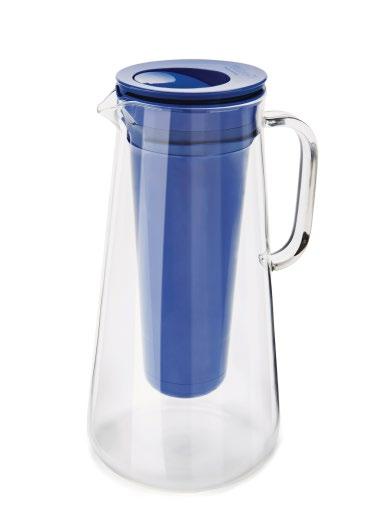
In 2019 we launched LifeStraw Home, a sleak water filter pitcher with next level protection. Since March of 2019, LifeStraw Home has been awarded with 6 international design awards due to it its aesthetics, its filtration performance and its tie to social impact.
LifeStraw Max debuts as a next generation high volume emergency water purifier
Born of our humanitarian roots, the LifeStraw Max is a high-flow rate purification system that instantly purifies water at a rate of 200 liters per hour, without the need for electricity, battery power or chemicals. It removes viruses, bacteria, parasites, microplastics and has an optional activated carbon + ion exchange filter that reduces heavy metals, chemicals and other toxins.
2020 commitment
LifeStraw will continue research on arsenic and fluoride removal and will complete NSF 42 and NSF 53 certifications for LifeStraw Home.
global standards and testing
Our products meet or exceed global standards and are routinely tested, both internally and by independent labs, to ensure product claims.
LifeStraw operates its own ISO accredited water lab
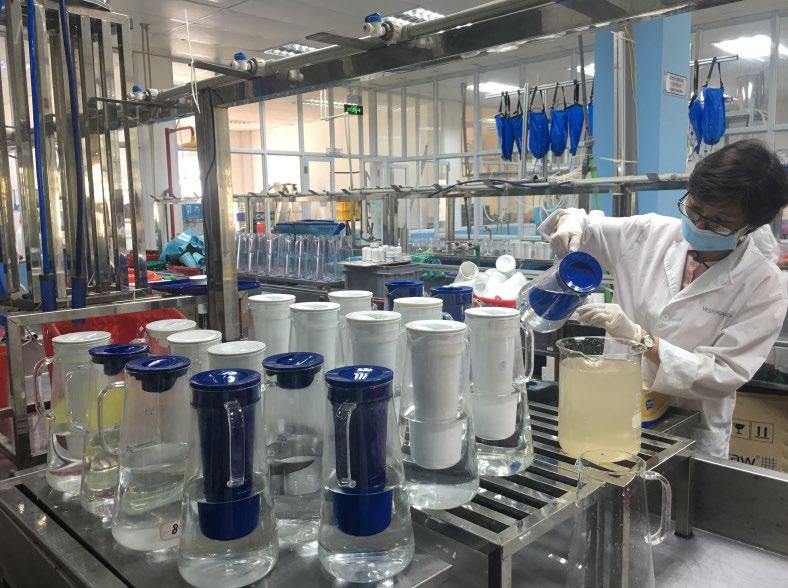
We operate an ISO/IEC 17025 accredited water laboratory with a dedicated team of scientists based in Vietnam. This team provides feedback during product design, conducts quality validation and testing of all new and existing products, provides on-going, long-term microbiological, chemical and heavy metal product testing, and coordinates external testing with other accredited international labs.
We use the most current protocols from US EPA, NSF and ANSI
In accordance with United States Environmental Protection Agency (US EPA), American National Standards Institute (ANSI), and NSF International (NSF) protocols, LifeStraw filters are tested against challenging water standards including high levels of microbial contaminants, such as enteric bacteria and protozoan parasites. Relevant products are also tested against NSF standards for aesthetic impurities such as taste (NSF 42), and heavy metal contaminants with health effects (NSF 53).
LifeStraw Home is one of the first filtering pitchers tested to remove PFOA and PFOS In 2019, it was tested to meet NSF 473 standards for PFOS and PFOA reduction. LifeStraw Home also passed testing to eliminate emerging drinking water contaminants such as pharmaceutacals and BPA (NSF 401).
Our humanitarian products meet the highest WHO independent testing standards
An independent 2016 WHO study evaluating the performance of household water treatment technologies gave three LifeStraw products – LifeStraw Family 1.0, LifeStraw Family 2.0 and LifeStraw Community – high performance results, deeming each with “comprehensive protection.”
2020 commitments
LifeStraw will apply for certification to become a B-Corporation.
LifeStraw will donate over 350,000 Guinea worm filters to the Carter Center. LifeStraw is committed to supporting the Carter Center through eradication.
We will launch a new program in Northern Bangladesh and we also expect to reach more than 150 new schools provide more than 1.2 million kids with a year of safe water. Finally, we will develop a strategy for better measurement of health impact of our safe water programming.
We will develop a strategy to provide safe water and support to low-resource communities in the USA.
LifeStraw will continue to respond to emergencies, with a goal of having boots and product on the ground within 72 hours. LifeStraw will also develop a strategy and launch an initial meeting of a humanitarian working group to bring together socially-conscious brands to better respond to emergencies and disasters.
LifeStraw will continue to promote the advancement of women and girls through support of Emusanda Health Center and through a continuation of thought leadership for women in the outdoor industry.
LifeStraw will formalize and quantify our diversity and inclusion initiative to ensure that it’s a permanent part of our brand and content guidelines.
LifeStraw will formalize its policy to ensure at least one woman and one minority are included as final candidates of every hiring process. We will also formalize a vendor policy to ensure we are evaluating minority-owned and otherwise diverse vendors when we seek to hire services.
LifeStraw will recommit to our internal Think Globally, Act Locally initiative to support employee volunteerism beyond LifeStraw programming. We will afford each employee at least one workday per quarter to support local volunteering projects, and we will develop a system to better track and report engagement. We will also continue to volunteer on Giving Tuesday.
We will will offset all 2019 company emissions, including those related to our supply chain and logistics. In 2020, we will complete the Climate Neutral emissions audit and certification.
We will execute an external review process of our Code of Conduct to ensure we have the highest standards for responsible business. Perform SMETA (Sedex Members Ethical Trade Audit) audit on all Tier 2 suppliers. By 2020 all Tier 2 suppliers will also have a SMETA audit performed.
LifeStraw will expand our use of molded pulp for packaging to LifeStraw Home; evaluate additional suppliers for upcycled plastic; create a roadmap to go 100% plastic-free or compostable for all packaging by 2021, and eliminate all non-compostable plastic bags from our supply chain.
We will launch a recycling section of our website to increase transparency and customer education, and to actively engage customers in the recycling of our products and packaging.
LifeStraw will continue research on arsenic and fluoride removal and will complete NSF 42 and NSF 53 certifications for LifeStraw Home.
As we face 2020, we all stand on uncertain ground. Yet, we remain steadfast in our commitments to people and planet. We will get through this together and we thank the communities of health professionals and frontline workers that we have worked hand in hand with for so long for their sacrifices during these unprecedented times.