
Active Threat Response: Common Civilian Mistakes and Misunderstandings By Lieutenant
Jeb Bozarth
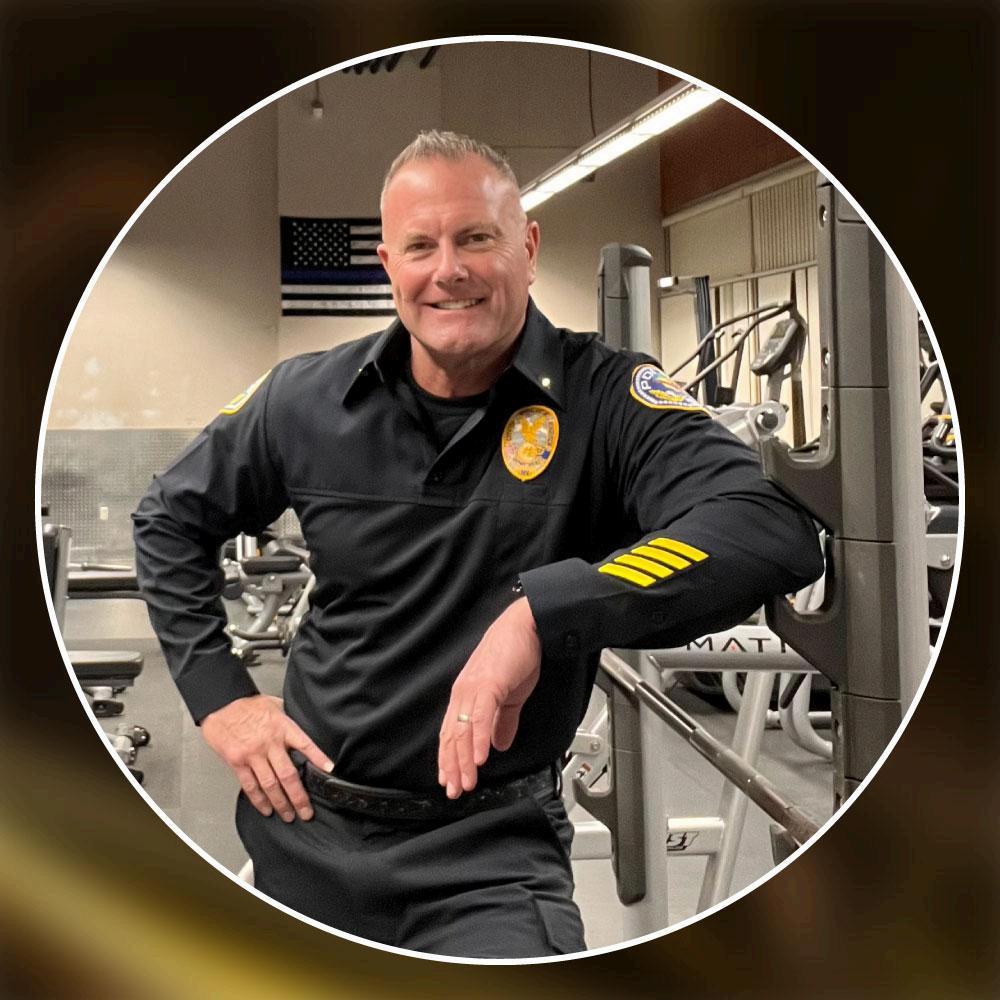
Active threat situations unfold quickly, and civilians often react based on instinct rather than informed guidance This reaction creates mistakes that experts repeatedly see These mistakes come from fear, limited training, and ideas shaped by television or social media. Understanding these common misunderstandings helps civilians respond with more confidence and clarity when seconds matter most, as explained by Lieutenant Jeb Bozarth
One frequent misunderstanding involves the belief that danger comes with clear warning signs. Many people expect loud alarms, obvious behavior, or visible cues before they act. Real threats rarely present such signs. Confusion often serves as the first clue, and civilians sometimes freeze as they try to understand what is happening This hesitation allows danger to grow People stay safer when they trust their instincts and move quickly rather than waiting for confirmation.
Another common mistake is assuming police will arrive instantly Although officers respond as fast as possible, they must first locate the threat before helping anyone Their priority focuses on stopping the attacker. Civilians sometimes misinterpret this as a lack of concern, yet experts explain that this strategy protects more lives Understanding this helps people stay calm and focused on their own safety steps until officers secure the scene
Misunderstanding the run, hide, fight method also leads to preventable errors Some civilians think they must follow the method step by step Others believe hiding means staying still without taking additional safety measures Real hiding involves securing rooms, turning off lights, and remaining out of sight. Flexibility becomes crucial. The safest choice depends on what is happening in the moment
When people learn about these common mistakes, they prepare themselves to act rather than freeze. Knowledge reduces fear and supports clear action. With the right understanding, civilians improve their ability to stay safe and help others during active threat situations
Movies also play a role in shaping incorrect beliefs Fiction often shows dramatic pauses or emotional exchanges, but real attackers move fast without warning Civilians who expect movie-like behavior may underestimate the urgency of the situation Real awareness enables faster, more accurate decisions.