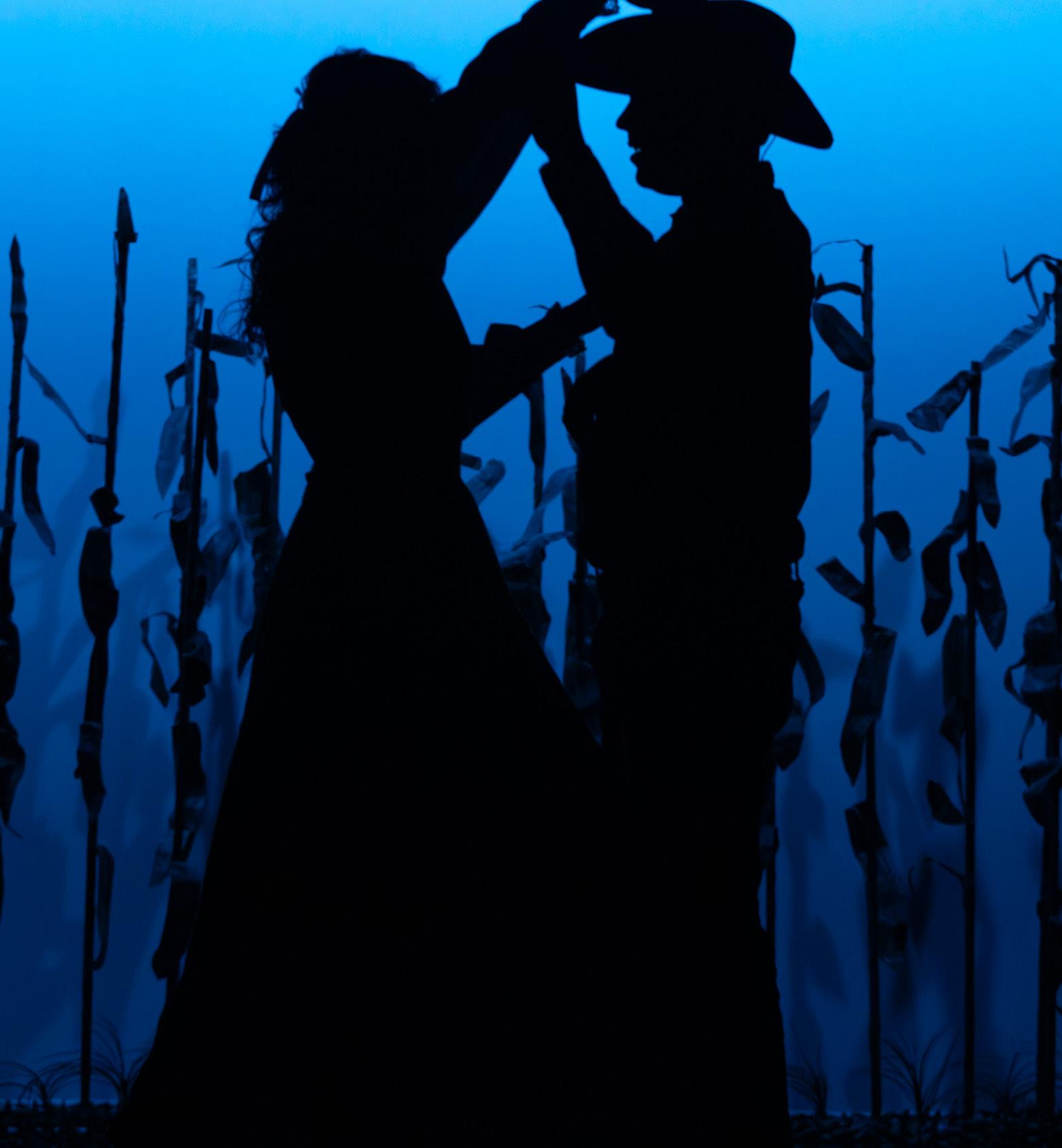
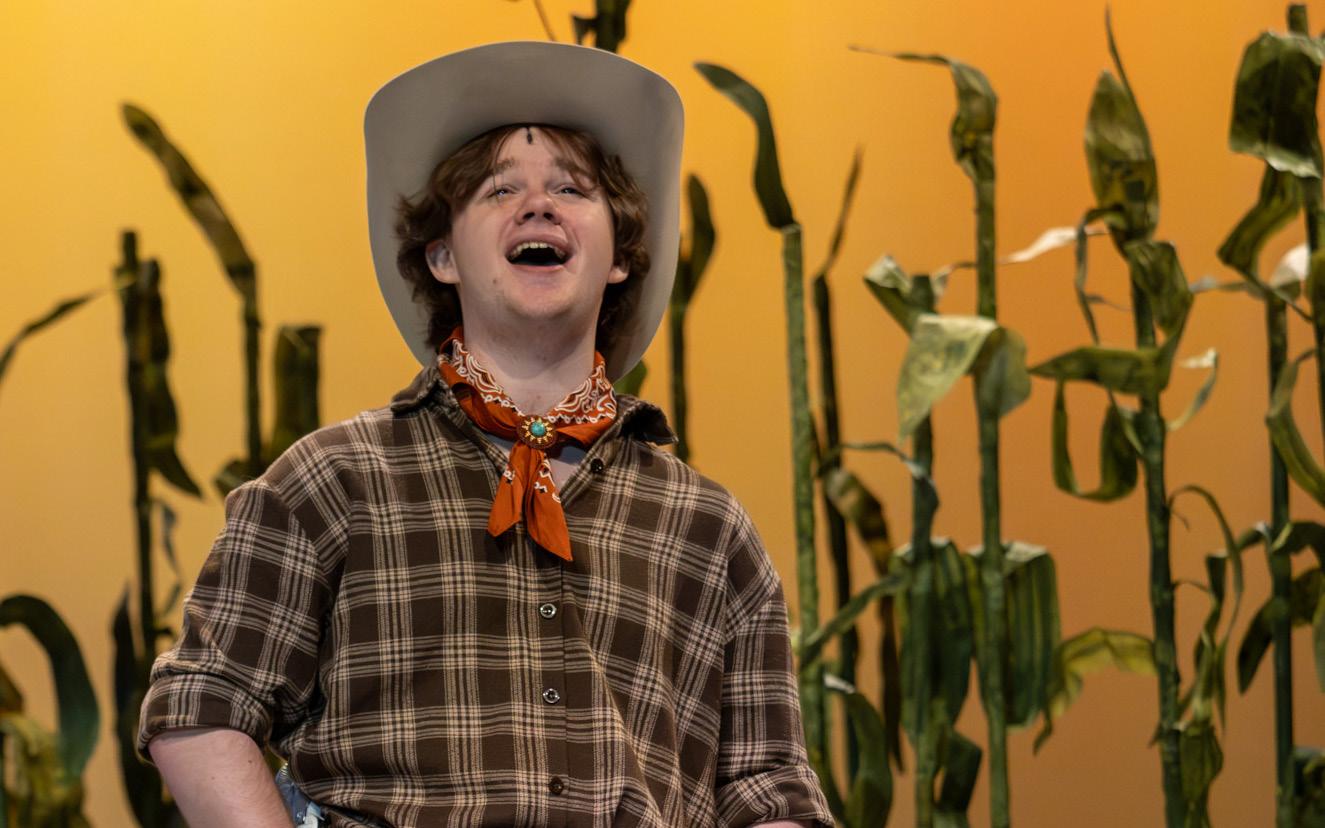
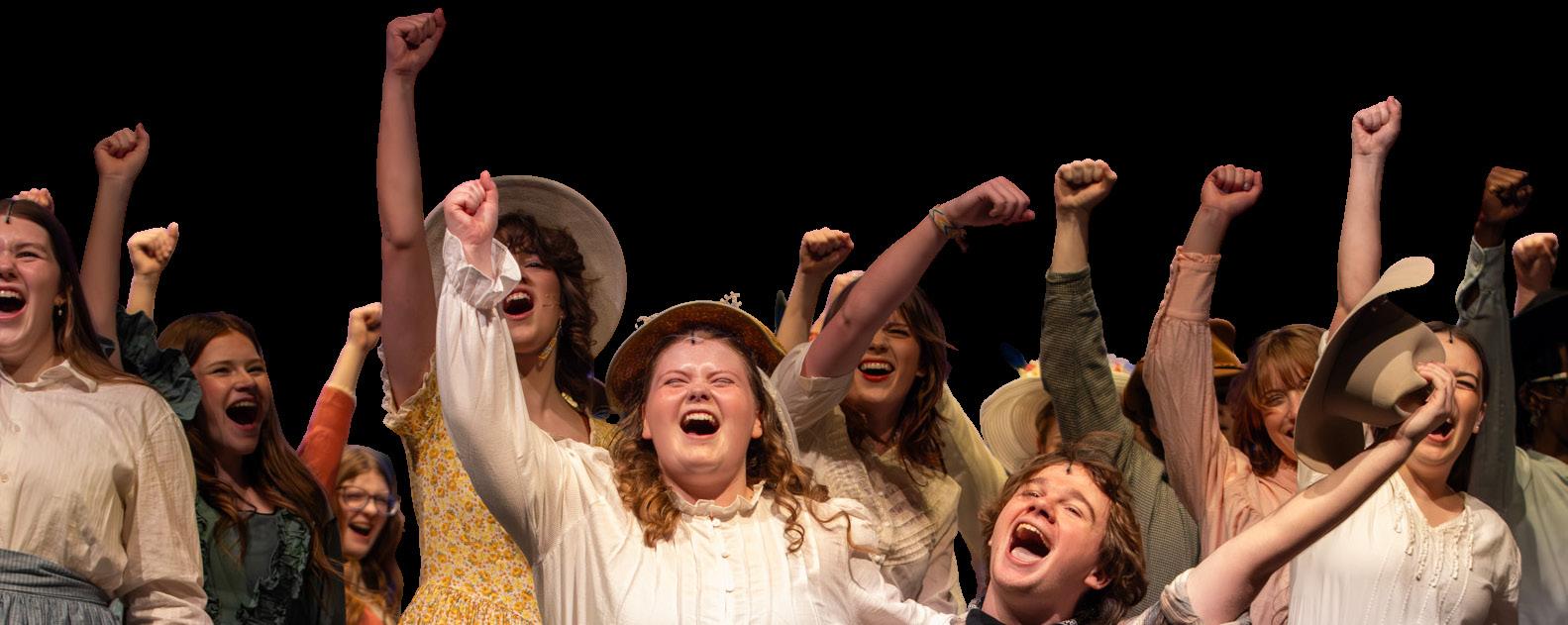
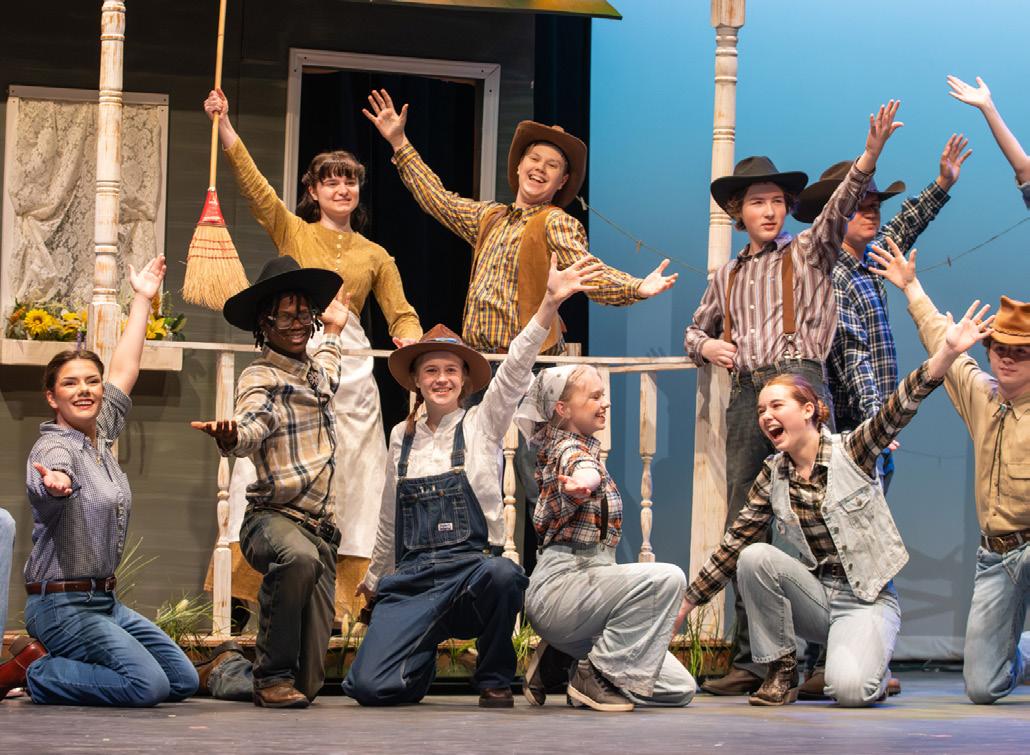
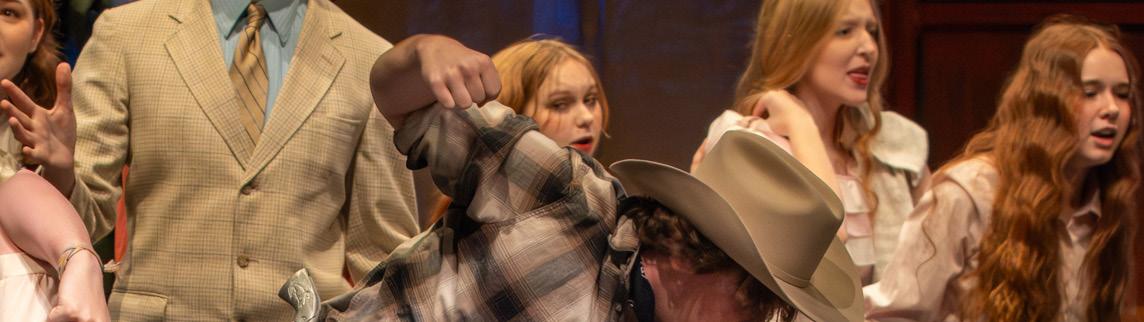
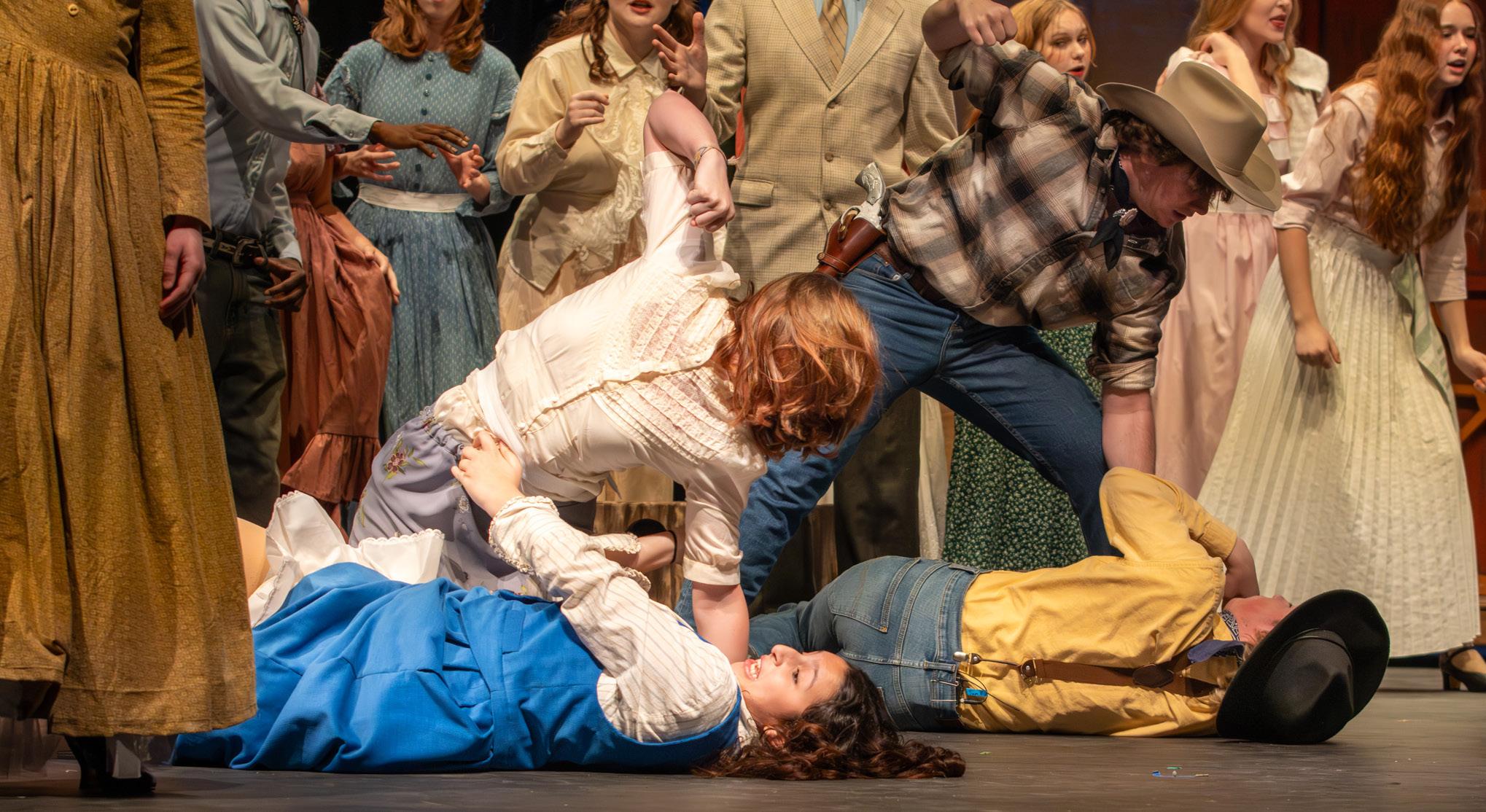
The spring musical took the stage on April 9-11. Pg. 12-13
The Ledger
Liberty High School
2275 Sommers Road
Lake Saint Louis MO. 63367
libertyledger17@gmail.com
Volume 13 Issue 4
Intentions
The Ledger is a publication that releases four issues (one issue per quarter) throughout the year, distributing 900 free copies to the student body, faculty, and administration.
The Ledger is a part of the district’s curriculum and is
3 - Who’s Watching Me?
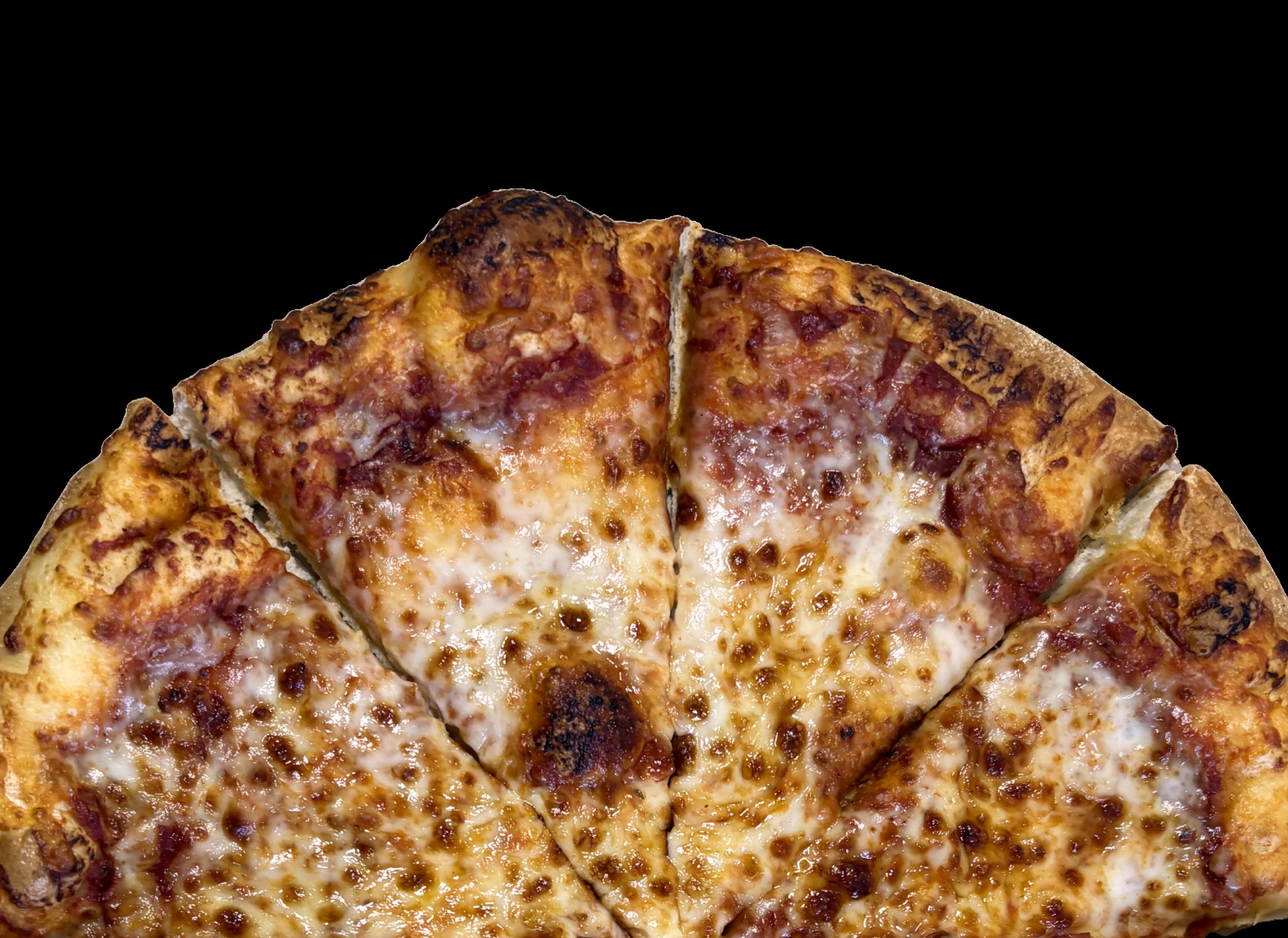
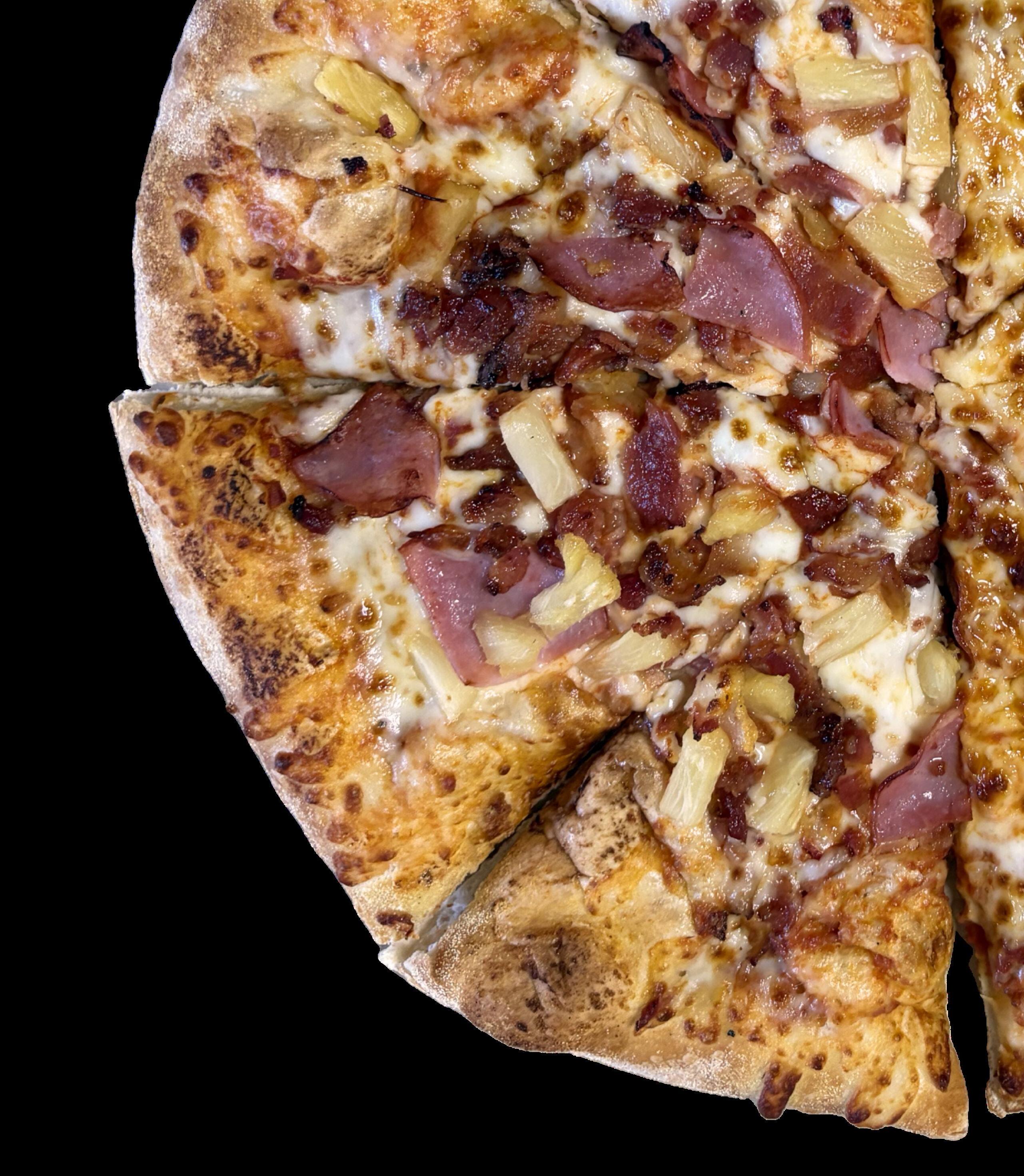
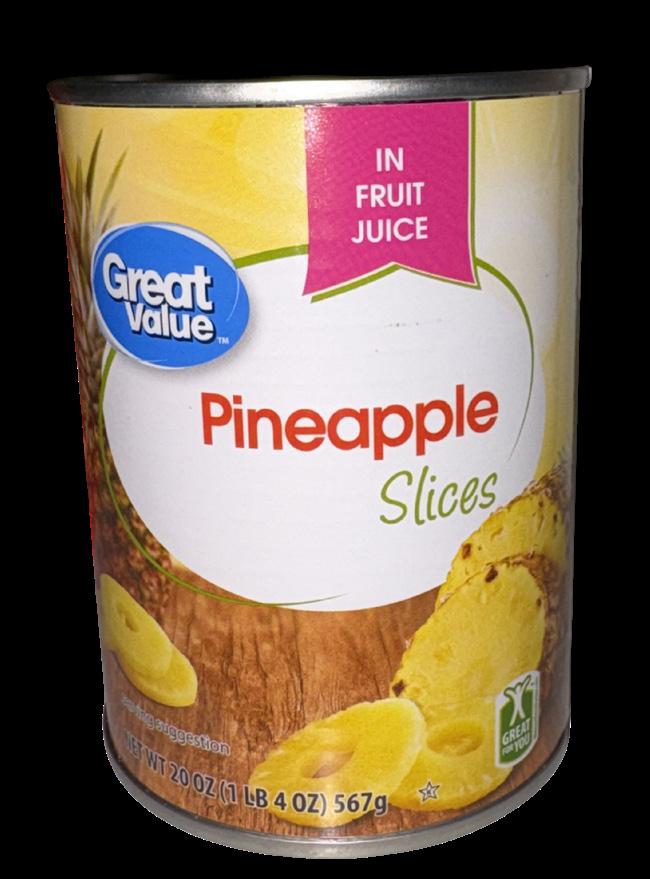
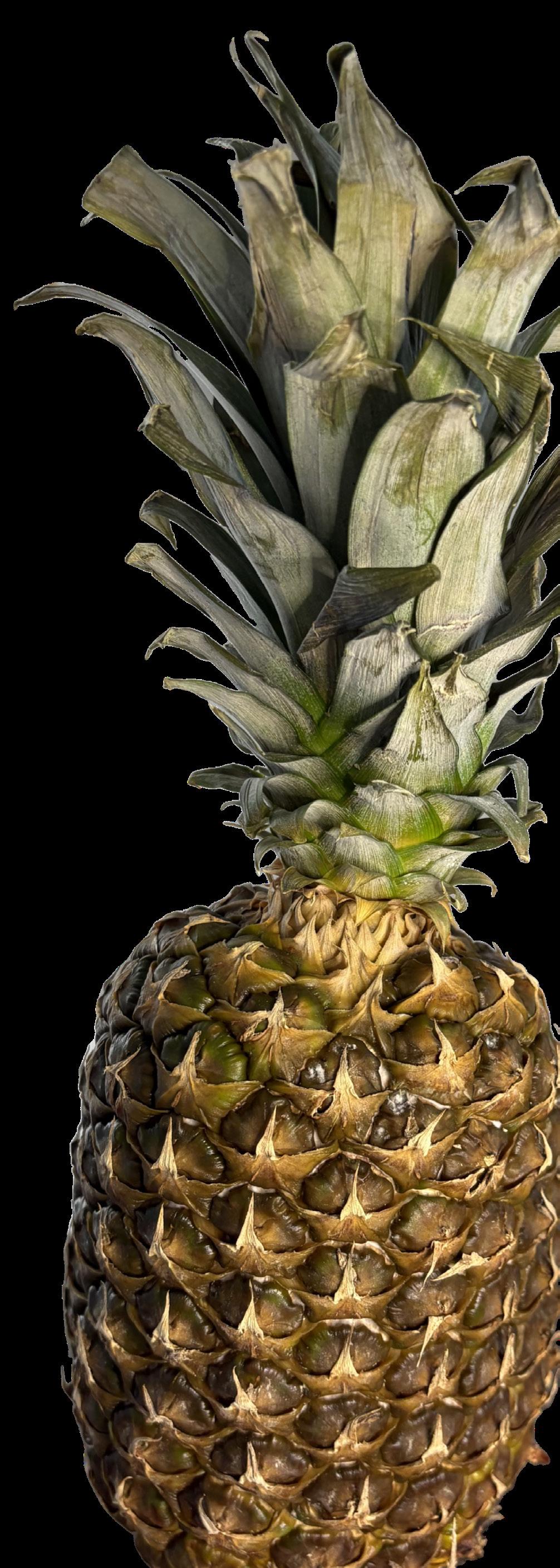
4 - Pineapple on Pizza: Yay or Nay?
6 - To Build Trust in Medicine
Opinion News
7 - Is AI a Culprit in Global Water Bankruptcy?
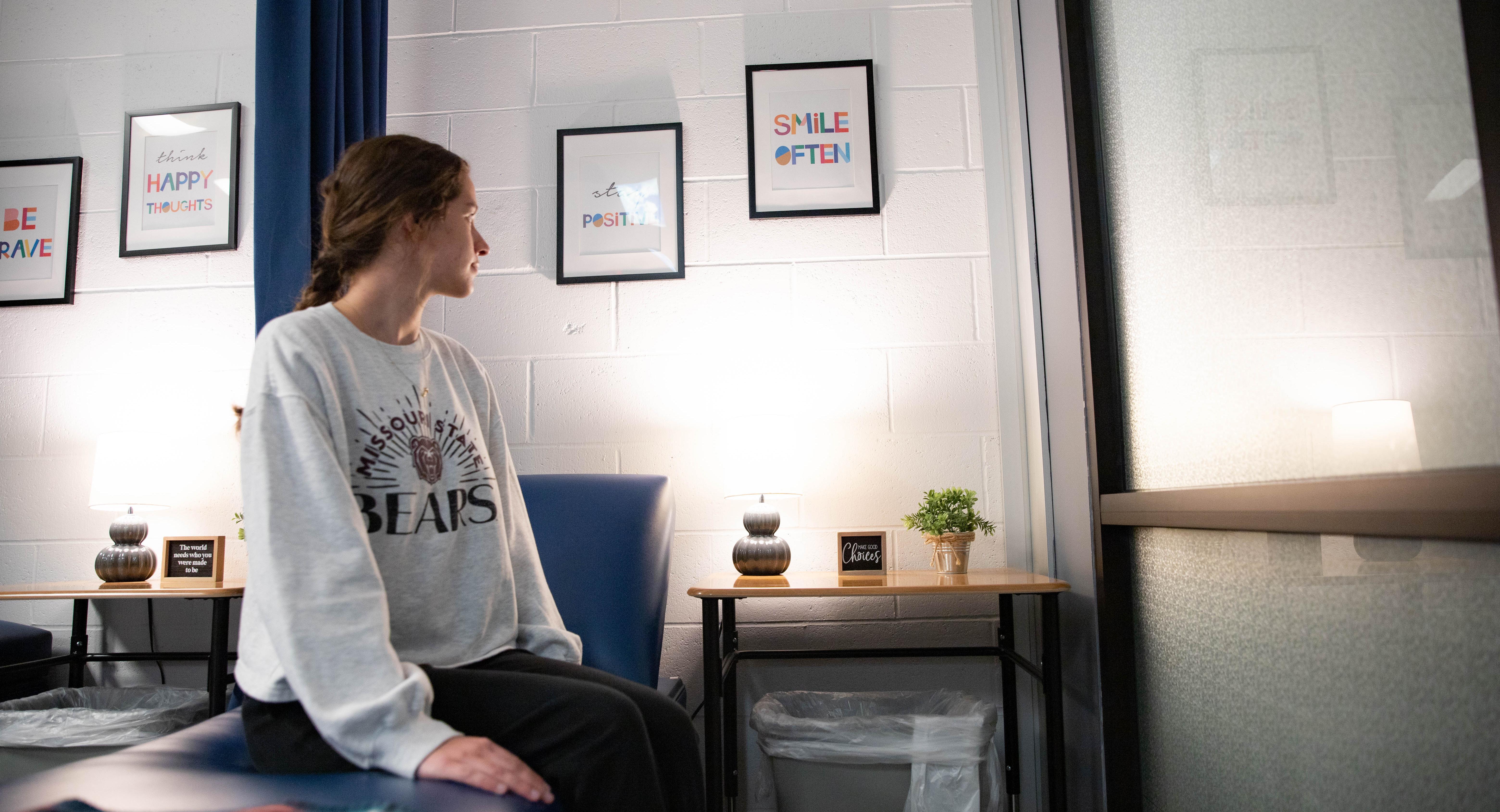
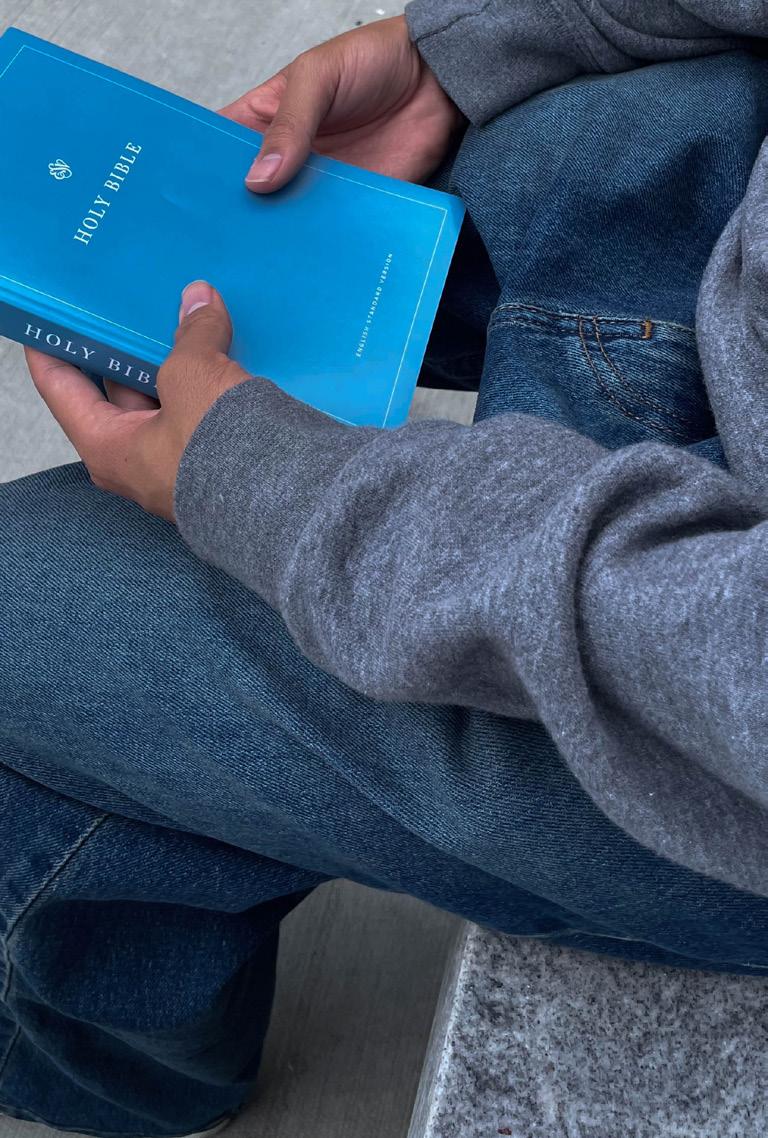
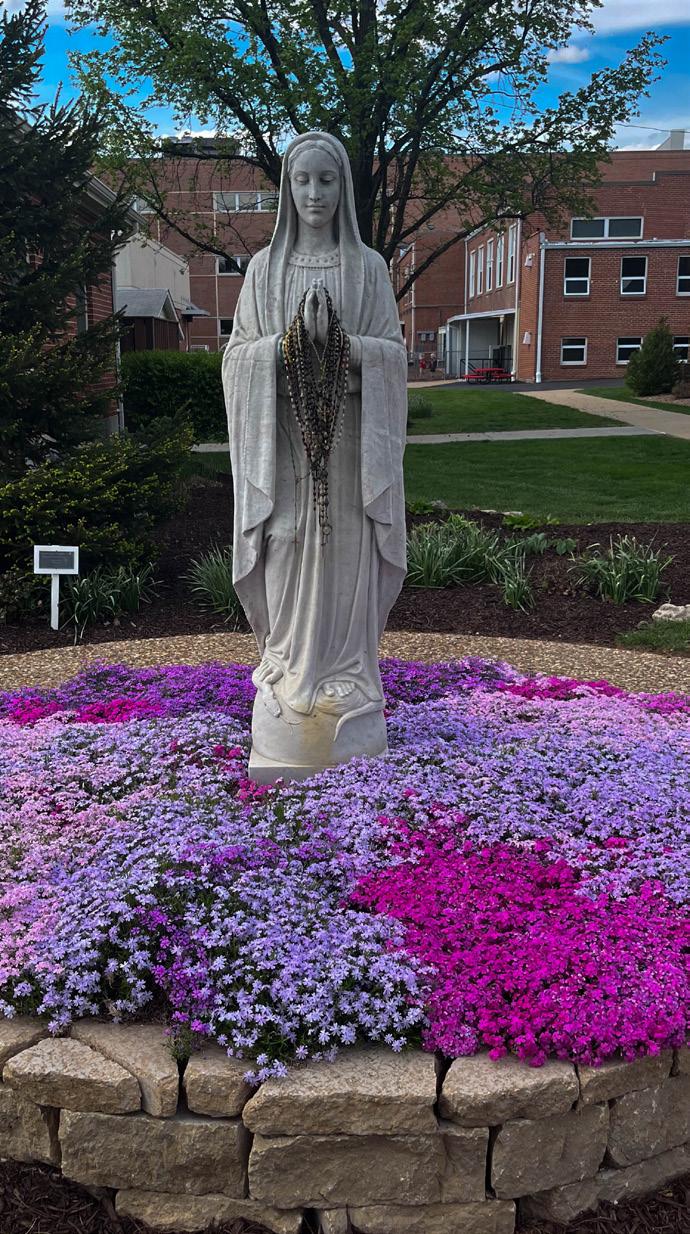
8 - Religious Holidays
In-Depth
10 - The Broken Bonds of Human Connection
Feature
12 - Liberty Says “You’re Doing Fine Oklahoma!”
14 - The Art of Storytelling
Sports
16 - Beyond the Cold
A&E
18 - Music Shapes Life in Little Ways
designed to provide a journalistic experience for written expression on a variety of topics. It is a student-led publication class that reports on events related to the school community. Students write, take photos, and design the publication while the adviser supervises the student journalists.
The opinions expressed in the magazine may not be those of Liberty High School, nor the Wentzville R-IV School District faculty, staff or administration. The staff editorial, when included, expresses the opinion of the Ledger staff.
Credentials
The Ledger is a member of the National Scholastic Press Association, Quill and Scroll, and the Missouri Interscholastic Press Association.
Cover photo by A. McClelland
Who’s Me?
Designed by Meghan Lynch
WATCHING
Surveillance, and our collective paranoia around it, has greatly increased in recent years.
“B
ig Brother is watching you.” George Orwell’s “1984 follows a low-ranking member of society in totalitarian Oceania, where citizens are under constant surveillance through their screens. Sound familiar?
Surveillance is not an uncommon fear amongst the general public. There’s a reason it’s such a common trope in popular media, because it’s so close to reality that it elicits real fear. According to the Pew Research Center, many Americans think that the government and certain companies regularly track their online and offline activities. Unfortunately, they just might be right. With the recent Super Bowl ad from Ring, the number of concerned citizens has grown.
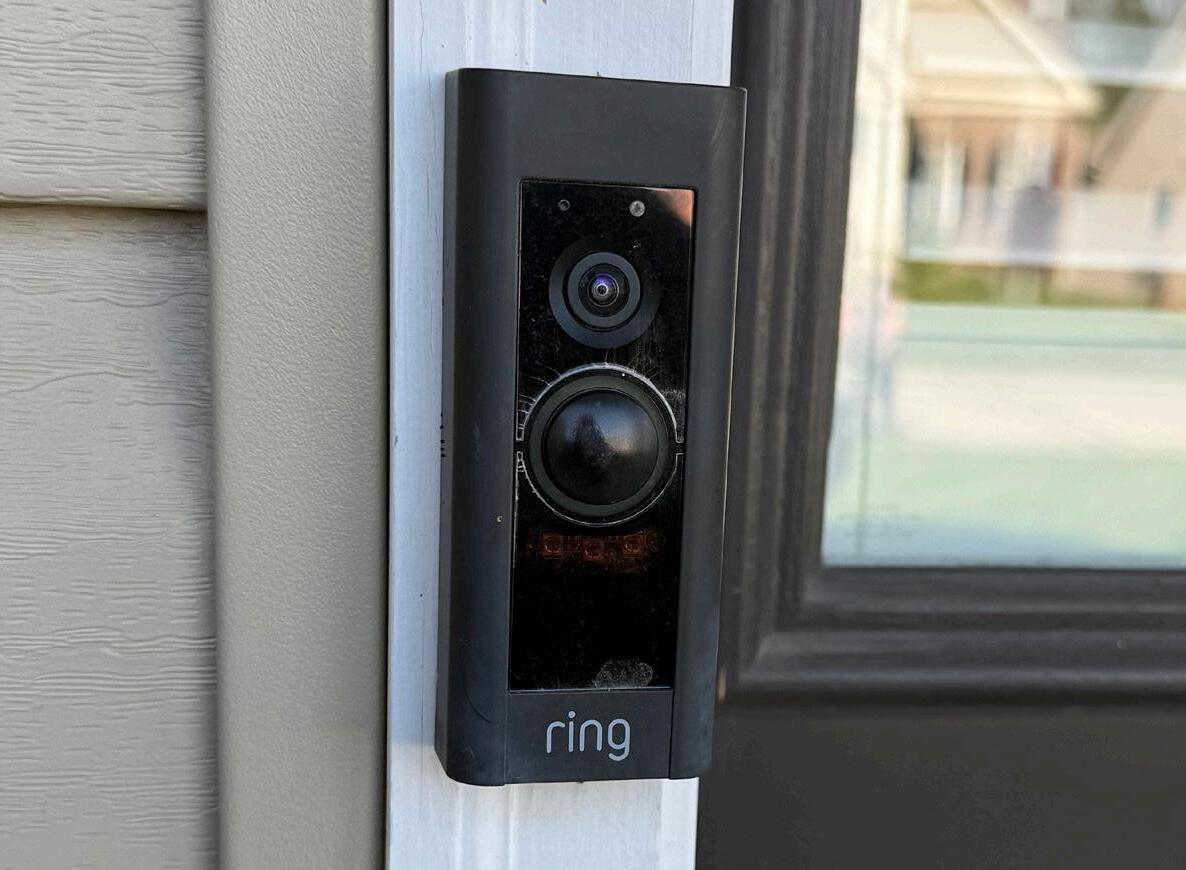
Ring, partnered with Flock Safety, premiered their new Search Party feature in a 2026 Super Bowl commercial. The Amazon-owned company claimed this feature would implement AI to find people’s lost dogs through a network of other Ring Cameras in the area. Flock itself is a surveillance systems company that often partners with law enforcement agencies, including the Immigration and Customs Enforcement agency, which has been under fire as of late. According to CNBC, “Flock…operates a network of automated license plate readers, and sells access to that software to customers that include law enforcement agencies.”
Viewers and consumers were justifiably outraged. The new feature appeared to be a blatant violation of privacy, creating an invisible always-watching eye. A “Big Brother,” one could say. Allegedly, Ring cameras have been used to assist ICE in their controversial raids. The ad sparked lots of discussion online and in day-to-day life about just how much the government is really watching their citizens. Even after Ring cancelled their partnership with Flock, the controversy continued to spread.
It’s not only doorbells, though. Technology is everywhere, even in places where it doesn’t need to be. The latest example of this is Meta’s new Meta Glasses—glasses that can record hands free and virtually undetectably. And it’s definitely not the first time technology has infiltrated places it’s never been before. With devices like Alexa or Google Home, fridges with tablets in their doors, and cars that are now equipped with Apple CarPlay and internet, it seems that we can’t escape our screens.
been in classified briefings and I’m telling you, don’t be on the train using your earpods thinking someone can’t listen to your conversation. I’m telling you, the [wired earphones] are a bit more secure.” And even if your fridge isn’t watching you make a sandwich, it is tracking what’s on your grocery list. Alexa might not be listening to your every word and conversation, but it can pick up key words when you make an offhand comment about a vacation you want to go on. These devices are advertisement godsends, and can make it feel as though we’re being watched.
Social media has also created new problems and concerns regarding surveillance, including the phenomenon of self-surveillance. When one can be recorded at any moment, they begin to watch what they do more closely; they monitor themselves and their own behavior. This issue is just as harmful as actual surveillance, because it elicits the same anxiety and “on-edge” feeling that actual surveillance does.
But what does this have to do with surveillance? It’s no secret that our phones and devices monitor and farm our data; every website these days asks for permission to share it. As a guest on “The Late Show with Stephen Colbert,” former Vice President Kamala Harris said, “I have
Ultimately, the rise in technology has corresponded with a rise in paranoia and restlessness around surveillance. No one likes the thought of being watched, but more and more, it’s becoming something that we’re expected to simply be okay with; it’s becoming a fact of life. And while there’s almost nothing one can do to fully prevent online surveillance, one can—and should—be closely monitoring how they
Are we really being watched?
The answer lies in new advanced technology.
Graphic by M. Lynch
Photo submitted by M. Barnes
Pineapple Pizza: on YAY NAY
or
The pitfall of pizza.
By Ella Quinney, Editor-in-Chief of the Ledger
There is one pizza topping that has haunted many over the past few decades: pineapple. Since its introduction in 1962, people have questioned whether pineapple is a cursed topping, or a perfect match. The answer is clear when you look into the history of pizza.
Pizza originated in Italy, and the first use of pineapple on pizza happened far away from here. Greek-born Canadian, Sam Panopoulus, is credited with creating the first Hawaiian pizza. It is important to consider the authenticity of pineapple on pizza.
“I don’t think fruit should be on a pizza,” Olivia Marino (11), the daughter of an Italian pizza shop owner, said.
Another argument for why pineapple
does not work as a topping is that it is warm when served. Cooked or warm fruit is a separate debate itself, but several people dislike the taste of cooked pineapple, and believe that fruit in general should not be served warm.
“I don’t like cooked fruit. I think fruit should be cold and refreshing,” Ashlyn Stafford (12) said.
When looking at the food science of pineapple on pizza, it is important to think of what each topping brings to the pizza. Pineapple brings very little. The typical tomato sauce on a pizza brings the acidity needed
to balance a pizza, when pineapple is added to the mix, it can create an imbalance in acidity.
“The fruitiness with the sauce and cheese just doesn’t mix,” Chase Eberwein (12) said.
The truth is pineapple on pizza is not an end-all-be-all. People are entitled to their own pizza topping preferences, with or without reasoning. That being said, not everyone has a detailed reason for disliking pineapple on pizza.
“It’s disgusting,” math teacher Michael McFadden said.
Pineapple on pizza is perfection!
By Meghan Lynch, Editor-in-Chief of the Ledger
It’s an argument that everyone’s been involved in at one point or another: is pineapple on pizza good, or is it disgusting? While this may seem like an argument of personal opinion, there is some evidence pointing towards a correct answer.
It’s no secret that salty and sweet combos are fan-favorites—such as ice cream and french fries, or chocolate covered pretzels—and there’s actually a scientific reason for this. There are certain receptors on your tongue that are triggered by salty and sweet flavors combined, meaning that salty and sweet combinations actually do taste better.
“It gives it a sweeter flavor, while the pizza is kind of dense and salty,” Bryson Tigues (11) said.
Not only is pineapple on pizza scientifically proven to taste good, it also can be really important for people who don’t have access to fresh fruits. America has a huge problem with food deserts, which, according to the dictionary, are “urban areas in which it is difficult to buy affordable or good-quality fresh food.” And while
“Do You Like Pineapple On Pizza?”
Based on the data from responders (75) who were collected through random sampling,
Photos by E. Quinney
Graph by E. Quinney
OPINION
Medical decisions are often weighted moments, for doctors and patients alike. Even so, interactions can be improved when both sides learn to work with one another—with empathy, education, and ethics being crucial components.
Photo by L. Vaka
Build Trust in MED To
Creating more trusting interactions in medicine.
By Loukya Vaka, Copy Editor
Vaccines, reproductive health, mental health, nutrition, and more. What do these terms have in common? Controversial, yes. Divisive, most definitely. So, how do we make doctors understand, and how do we encourage patients to listen?
Perhaps, the first step is taking a glance at the other side.
For patients, finding the right medical professional is crucial. In some cases, patients are able to cultivate great relationships with doctors, and the positive effects are monumental.
“I think it’s easy to go to the doctor if I am having an issue,” Abby Chandonnet (12) said. “I think I have the connection with my doctor that I am able to talk to her about anything and she would be able to help me in any way she can.”
However, if patients feel distrustful because of their past experiences, from being pressured towards only one option to being left unheard and alone in a difficult environment, trust can be hard to rebuild.
On the other hand, medical professionals may feel limited in their ability because of patients’ predetermined notions of what they believe to be best. After all, once one’s mind is made up, it becomes difficult to bring in new angles.
“Overall, I think the medical field is very trustworthy, but I feel—especially in the age of social media—there are more opinions out there, and a lot of misinformation goes out that people take as factual. That ends up harming that relationship and trusting medical professionals,” Melissa Simms, school nurse, said. “You’re trusting the people that are just posting online based on maybe individual, one-off experiences that are valid concerns but shouldn’t necessarily override well-thoughtout information.”
Now, there are few things that can easily be established: healthcare breeds moments of strong emotions and opinions alike. A little harder to understand is the solution to the overarching question: in this environment, how do we establish trust?
A possible solution: a conversation.
“When you have that working relationship with a doctor, I don’t think you feel pressure,” Simms said. “When you don’t have that, you can come in with your own preconceived ideas of what should be done or how things should be done, rather than trusting that the people who are there have your best interest at heart.”
The answer seems simple, almost too idealistic. Yet, the issue begins with considering what we define as a proper conversation? A conversation, a real connection, is placing
biases at the door, no matter how difficult that may be, and honestly appreciating all options as a united front, not a divided one.
“These doctors and nurses take the time to go through the schooling to understand how the human body and everything works,” Chandonnet said.
When one goes to their next appointment, they should acknowledge the absolute truth: health and medicine are scary topics. Even so, it can be a bit less complex, as doctors communicate with greater sensitivity and knowledge while patients carefully open their mind to the healthcare professionals that exist to guide, not command. Overall, we can learn to walk through healthcare together, as medical care continues to grow as diverse and dynamic as the people it serves.
“Every person is different, but if you need that established time with someone. Doctorhopping is really a detriment to everybody,” Simms said. “And, I wish that we’d have all the time in the world to investigate.”
Now, all it takes is one step in the right direction after another, along with a little empathy on both sides. Ultimately, we must remember the humanity that drives us all, and the humanity that can allow us to connect and trust, especially when it matters.
Is AI a Culprit in Global Water Bankruptcy?
Surges in AI development are implicated
By Keena Boschert, Reporter
More Americans have begun looking at artificial intelligence companies following a report issued Jan. 20, by the United Nations’ Institute for Water, Environment and Health.
The UN stated the world was in a “Global Water Bankruptcy” through the release of a flagship report. The UN defines this as a structural imbalance between the demand for water and its availability. While many view water as a renewable resource, much of the world’s freshwater has been facing serious strain. Groundwater resources, rivers, lakes, and wetlands have witnessed depletion beyond sustainable limits. Water that is safe for consumption is becoming an increasingly scarce resource around the world.
More Americans have begun looking at artificial intelligence companies following this development. As the UN calls for nations to invest in water and develop “honest, sciencebased adaptation to a new reality,” within their report, citizens have pointed fingers at the fast
by calls for water conservation.
progressing generative AI field. The federal budget reveals that the government spent $5.6 billion on AI investment between fiscal years 2022 and 2024. Citizens ask whether or not the United States policymakers can abide by the UN’s call for the implementation of “water as a global priority” if AI continues to be a national priority.
AI data centers utilize electrical energy to access and store data, with some of said energy coming off as heat. In order to prevent the equipment from overheating, the data centers utilize a process known as evaporative cooling. The water travels across the equipment, heating up, evaporating, and as a result, cooling the machinery.
A single, large data center consumes roughly 5 million gallons of water per day, with a total of 1.8 billion gallons annually, according to the Environmental and Energy Study Institute. As of 2025, the nation houses 5,426 data centers which are estimated to consume a total of 439 million gallons of water daily.
Data centers pull water, typically, from the power facilities from which they obtain their energy. Withdrawals of water from these plants are a significant source of water stress for drought prone areas and throughout the summer. Additionally, research in 2022 from Lawrence Berkeley National Laboratory showed that over 20% of U.S. data centers relied on watersheds that were already under moderate to severe stress from drought. As of 2026, this figure has likely increased.
Environmentalists and citizens alike have begun to voice their concerns regarding the implications of a global water bankruptcy on the projected increase in AI development. A question has been raised regarding the ability of these centers to adopt more sustainable practices to reflect the UN’s report. Only time will tell how the federal government and AI corporations will respond to the water crisis.
TierPoint’s St. Louis data center sits less than 30 minutes away from Liberty High School. TierPoint partners with other companies to support their AI needs with their in-house data infrastructure.
Photo by K. Boschert
Dieye
Len
A season of fasting, prayer, reflection and renewal for Christians around the world.
Ash Wednesday to Easter Sunday
Lent is 40 days of prayer, fasting, and almsgiving for millions of Christians across the world that is observed by certain Christian denominations: Roman Catholics, Eastern Orthodox Christians, Anglicans, Episcopalians, Methodists, Presbyterians, and Lutherans. Lent is a season of preparation.
It takes place during the six weeks leading up to Holy week, culminating with Easter on Sunday, April 5. Lent is an important season in Christianity that lasts for about 40 days and helps Christians prepare for Easter. It begins on Ash Wednesday and ends just before Easter Sunday. During this period, many Christians focus on prayer, reflection, and improving themselves. The 40 days of Lent represent the time Jesus spent fasting and praying in the desert before beginning his public ministry. Because of this story, Lent is often seen as a time of sacrifice, and self-discipline.
“Lent prepares you for Easter by shifting your focus from worldly distractions to spirituality and your relationship with God, allowing you to focus on Easter’s true meaning: the rise of Jesus from the dead,” Aiden Franco (11) said.
By the time Easter arrives, many people feel that they have grown and strengthened their relationship with God.
Many people choose to give something up during Lent, such as sweets, fast food, soda, social media, or other habits they enjoy in their daily lives. Some people abstain from eating meat on Fridays.
“Something that I have tried to do and give up is avoid eating a lot of sweet treats during Lent,” Aiden Franco (11) said. This act of giving something up helps them practice selfcontrol and remember the sacrifices of Jesus by reading the Bible, attending church services, or helping people in need. Many believers also try to be kinder, more patient, and more forgiving during Lent.
Another important part of Lent is helping others through charity, donating money, volunteering, or simply doing good actions. Some Christians also practice fasting, which means eating less or avoiding certain foods on specific days, and it prepares them for Easter.
Dieye
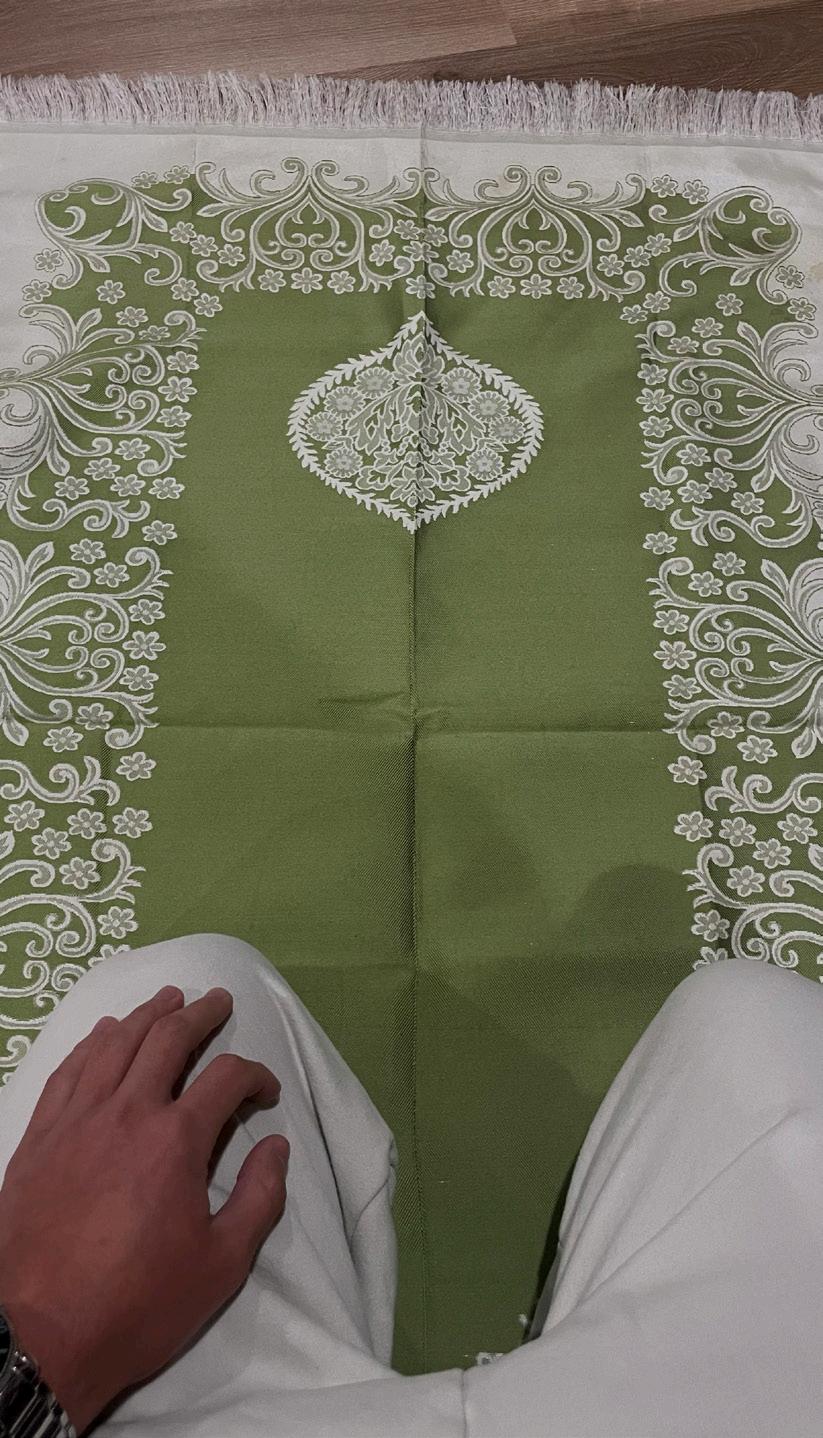
Ramadan
For Muslims around the world, Ramadan is a sacred time to fast, reflect and strengthen their connection with God and community.
The holy month Ramadan is the ninth month of the Islamic Lunar Calendar. A month where Muslims fast. Fasting during Ramadan is part of the Five Pillars of Islam, and it is determined by the sight of the crescent room and lasts 29 to 30 days. From dawn until sunset, Muslims abstain from food and drink. However, fasting is not only about physical restraint—it is also about improving one’s character and avoiding negative behaviors, such as arguing, gossiping, or swearing. Muslims believe that during this sacred month, the Quran, the holy book of Islam, was first revealed to the Prophet Muhammad (peace be upon him). Because of this, Ramadan is seen as a time to strengthen faith and reconnect with religious values. Going without food and drink for many hours reminds Muslims to be grateful for the blessings they have in their daily lives. Students, workers, and families continue their daily routines while fasting, which requires dedication and determination.
“In my opinion, fasting defines if you’re Muslim or not because it is one of the Five Pillars of Islam. But, there might be reasons why someone can’t fast, which is valid,” Avdeen Jabari (11) said.
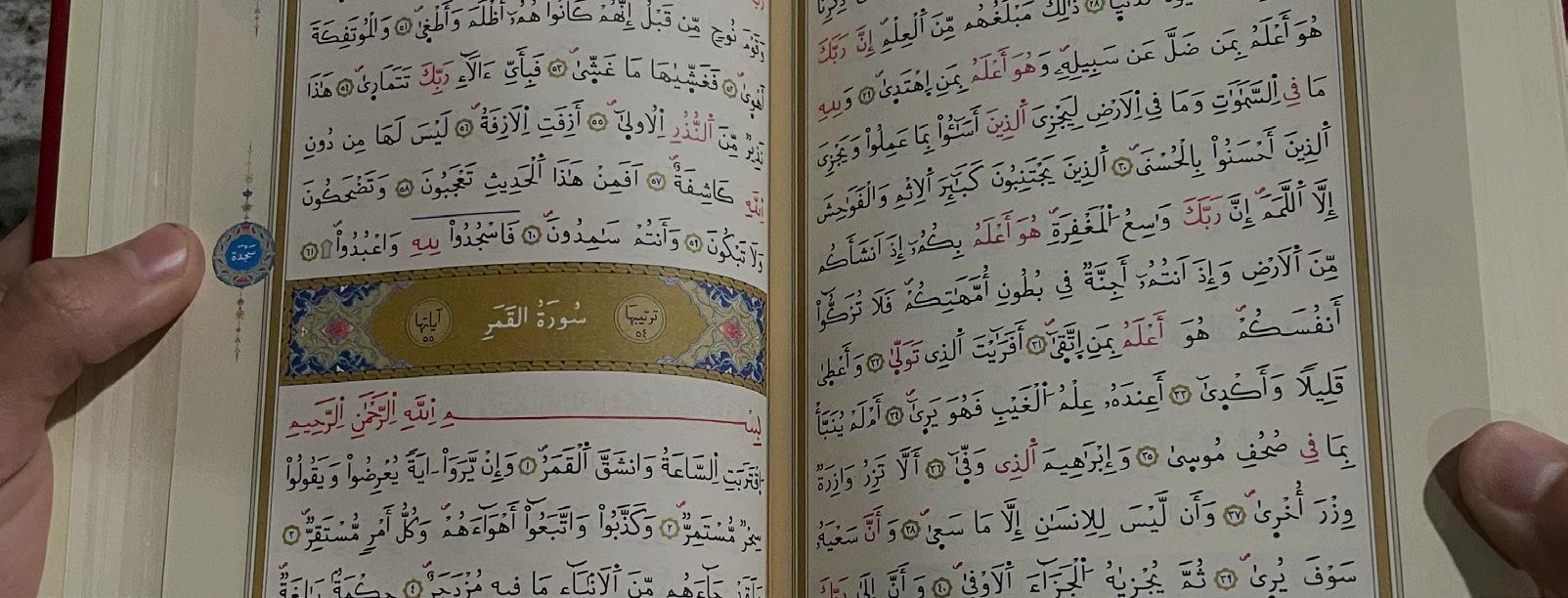
Some people aim to read the entire Quran during the month, while others focus on understanding its messages more deeply. Suhoor, known as the pre-dawn meal in English, is a significant element for Muslims during Ramadan. It is the last meal before the sun rises and the day of fasting begins.
“It helps you get through the day and gives you the energy you need. It really helps keep you full longer and more energized throughout your fasting,” Jabari said.
When the sun sets, Muslims break their fast with a meal known as iftar. This moment is often filled with excitement and gratitude after a long day of fasting.
Ramadan is not only about staying away from food and drink during the day, but also about trying to be a better person in everyday life. During this month, Muslims take time to think about what they do and how they treat others. They try to be more patient, speak kindly, and avoid doing bad things, like arguing or gossiping. Fasting can be hard, but it helps people understand how others feel when they do not have enough to eat, and it teaches them to be thankful for what they have.
Families and friends frequently gather together for iftar meals, making it one of the most social and happy moments of the day. Sharing food and spending time with loved ones creates a strong sense of community.
Another crucial part of Ramadan is charity, called Zakat in Arabic. Muslims are encouraged to help those who are less fortunate by donating money, providing food, or supporting charitable organizations. Although Ramadan is observed by Muslims everywhere, traditions and cultural practices can vary from country to country.
2:183 ‘‘O believers! Fasting is prescribed for you—as it was for those before you, so perhaps you will become mindful of Allah.’’
Reciting the Quran is one of the most important acts of worship to perform in Ramadan. It was the month when the Quran was first brought down to the heavens. So, it is of the sunnah to increase Quran reading during this Holy month.
The
Bro Bonds of Human ken
Dr. Vivek Murphy, the 21st Surgeon General of the United States, recognized the widespread ailment of the American people in the 2023 general advisory “Our Epidemic of Loneliness and Isolation.” He did not, however, leave the people without hope; he created a national strategy consisting of six steps.
Step 1: Connect local communities. Create environments and programs to promote social connection—for the average person, this might mean going to the library or a park. These public spaces are made for everyone, and they often already have programs in place.
Step 2: Create policies that promote connection. Only the government can do this step, but one can show their support by contacting their representatives.
Step 3: The health sector. Spreading information and educating doctors is the best thing to do here.
Step 4: Change online environments. Social media sites might not change their policies quickly, but one can be more positive and supportive online—this will have a much bigger effect than one might think.
Step 5: Research. Learn more and talk to experts about the loneliness epidemic.
Step 6: Create a culture of kindness. Compliment that girl’s hair, hold the door for the person behind you, or even start a conversation with the person next to you about this very article.
Connection
The impact that the Loneliness Epidemic has on society.
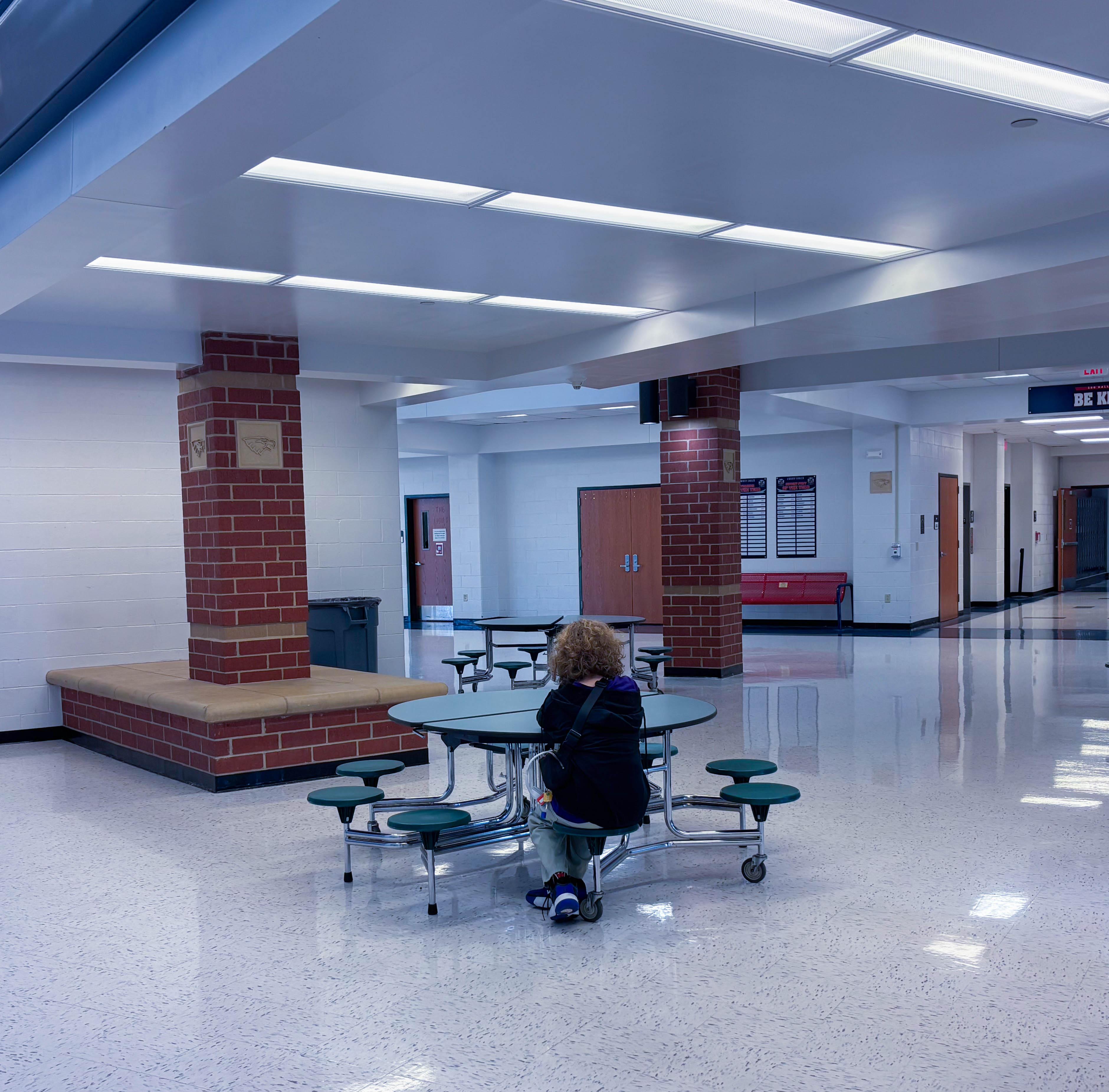
How many people have cried themselves to sleep as the ache of being unknown claws at their chest? How many have hid their tears as someone they call a friend asks if they’d sit this meet-up out? How many have felt their heart break as they realize what others have been saying about them? How many people have felt, and do feel, completely alone?
Too many.
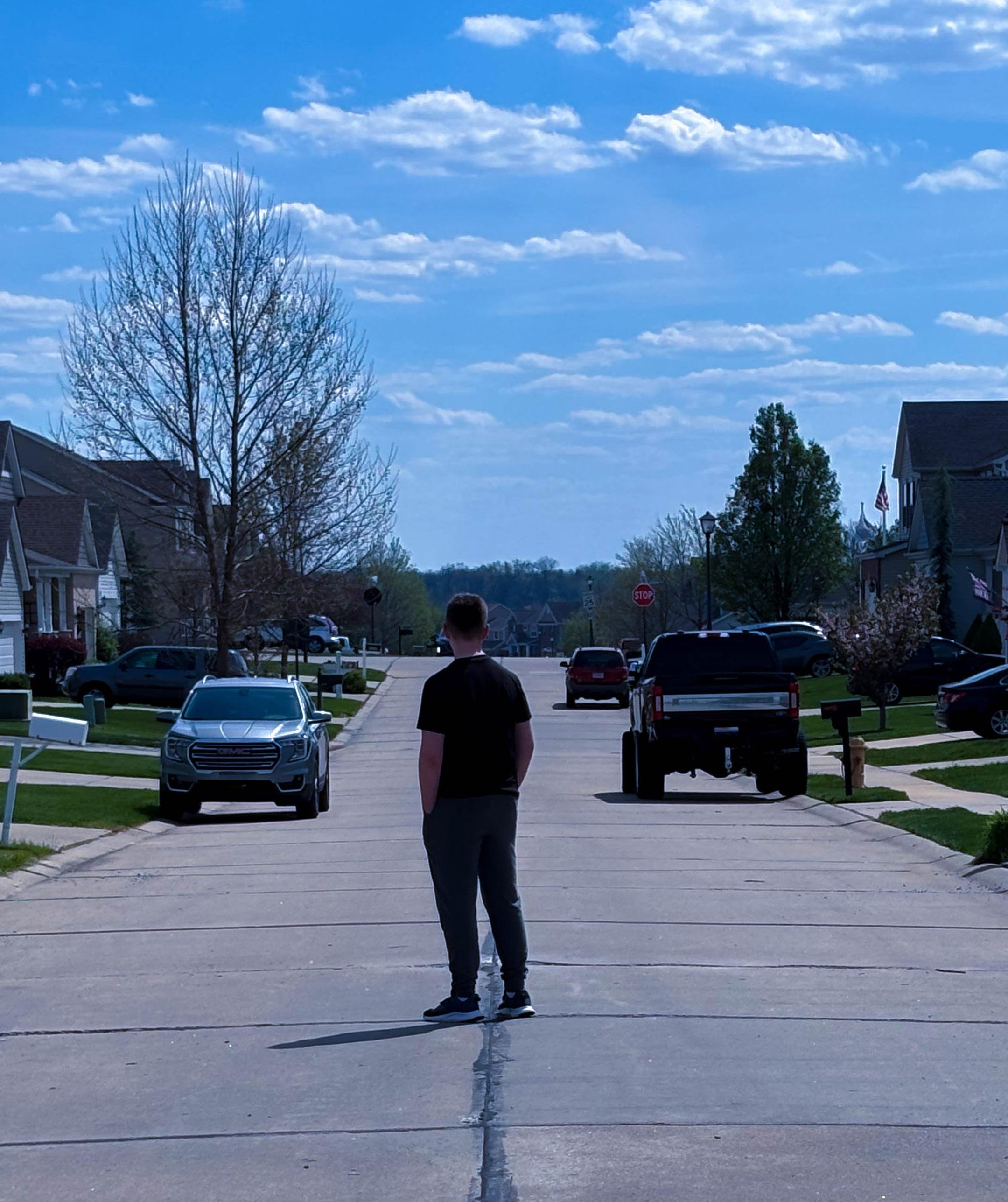
Loneliness is a common ailment these days. It affects millions of people in the world. And how ironic is it that we all suffer from being completely alone? But, what is the cause? What has turned the world upside down into a wasteland of hatred, skepticism, and apathy?
The loneliness epidemic.
“I don’t remember hearing about a loneliness epidemic before the days of the internet,” Matthew Barker, AP Psychology teacher, said. In the 80s, kids would come home when
“Especially with Covid and coming out of Covid…we have found that with our technology, ironically, what was originally thought to be something to unite us in some ways. Has allowed for people to isolate themselves, intentionally or unintentionally.”
- Matthew Barker
Photo by L. Hufty
the street lights came on. News stories were broadcast only on TV, and if you missed it, then you missed the news. There was no knowledge about the violence happening across the world every second. Nowadays most people have cell phones, and these phones are one’s connection to the entire world.
For many people, 24/7 news is causing anxiety, especially in parents. After kidnapping stories and true crime mysteries, parents have become scared to let their children wander far. Or at all.
Kids are encouraged to stay inside, to be safe and not trust new people—“Stranger danger!” their parents call—isolating them from society. These children no longer know how to interact with the world because they were never allowed to be in it. And yet, as they grow older, their parents grow angry: “Why don’t you ever go outside? Why don’t you have any friends?” Everyone assumes that they know how to make friends, how to exist in a public space because what child at this age doesn’t? So, the child becomes ashamed to ask for instruction, and no adult thinks to give it. Without this imperative social knowledge, the child either makes a fool of themselves in society’s eye or isolates themselves from society to avoid the embarrassment.
Another main cause of the loneliness epidemic is a lack of third places. A third place is somewhere found outside of your home (first place) and work/school (second place). Some examples of third places include cafes, stores, libraries, etc. Due to the rise in social media, physical third places are becoming less popular. Malls are shutting down. Stores are closing their doors, all because social media is taking over third places. And, social media’s role as a new third place is doing the opposite of what it is supposed to do.
Twenty years ago, Facebook was two years old. By no means was it used to the level it, or other social media, is used today. Actually, in 2005, only about 5% of adults in the US used social media, according to an “Our World in Data” article by Esteban Ortiz-Ospina. That number has, of
By Lexi Hufty, Reporter and Brielle Vassel, Reporter
course, skyrocketed. How many people are on their phones using social media? You don’t need to look far to see that people are glued to their phones. This is just a single example of one of the ways social media harms true connection.
“I think, since people are spending so much time on the internet forming connections, a lot of those connections are fake, and they lose the ability to actually have relationships in their personal life,” Brooklyn Donohue (11) said.
You can’t have a real conversation with the barista when you’re scrolling. You won’t be able to compliment a girl’s makeup because you won’t look up. These are the important beginnings of real relationships, and they simply don’t happen anymore.
Social media can have benefits: talking to people you never would have met in person, learning new topics and hobbies, or finding community for a niche interest. But how many stories do you hear of invisible cyberbullies, or Karens who harass and tear people down? How many welcoming communities have become dumpsters for toxic waste? Social media can connect, but it can just as easily tear us apart as we forget our humanity.
The constant negativity online can do a number on people’s mental health. For instance, by going online, people are isolating themselves: “There is some evidence to note that people who are experiencing social isolation and loneliness are at increased risk for premature death,” said Dr. Clark, in an article published by the American Medical Association. “Social isolation and loneliness were associated with a 29% increased risk of heart disease and a 32% risk of stroke.”
While loneliness has been prevalent throughout history, the moment that really shed light on the loneliness epidemic was Covid-19.
“Especially with Covid and coming out of Covid… we have found that with our technology, ironically, what was originally thought to be something to unite us in some ways. Has allowed for people to isolate themselves, intentionally or unintentionally,” Barker said.
People went from being able to go places, to having to shield ourselves from the pandemic. People wore physical masks to block out the germs but they also wore mental and emotional masks in order to survive. Those couple of years have caused harm to our society and the way we socialize.
In a study from the American Psychological Association, researchers found a 5% increase in loneliness on average in more than 200,000 participants. While Covid-19 made a dent on our ability to be social, this doesn’t mean it’s the end for our society. There are many ways people can find each other.
Everyone’s a little lonely. So if you get the urge to say hello to someone but think, “No, that’ll be too awkward,” do it anyway. The world might be a bit better for it.
IN-DEPTH
APR 2026 Designed by
Brielle Vassel
“There is some evidence to note that people who are experiencing social isolation and loneliness are at increased risk for premature death,” said Dr. Frank Clark, in an article published by the American Medical Association. “Social isolation and loneliness were associated with a 29% increased risk of heart disease and a 32% risk of stroke.”
Photo by B. Vassal
Photo by B. Vassel
What do you like
A G N CTI about ?
Liberty says
“You’re
Doing Fine
Acting lets you embody the spirit of another person for a little while. “
I love the challenge of getting to be someone else. It can help you learn more about yourself in the process.
- Makaela Barnes
- Sebastian Tabers
- Tyler Bugg “ “ “ “ It’s a way for me to see and understand different perspectives. It’s a way to live a life vicariously that you wouldn’t otherwise be able to live. “
Oklah o
People will say we’re in love with the spring musical!
By Keena Boschert, Reporter
This spring, Liberty staged its first golden-age musical since Cinderella in 2019, as “Oklahoma!” entered the theater. Cast and crew began production in January, meeting routinely in preparation for the showings in April.
“It has been a very long time since we have done a golden age musical,” theater director Melissa Gehrke said. This show followed a more traditional format, with songs and large acting scenes following each other closely. This was different from what drama club members were used to, and “it required a lot of different skills to make it work,” Gehrke said.
Gehrke hoped to approach this beloved musical differently. “It seemed like people consistently forgot about the darker parts of Oklahoma,” Gehrke said. “That started to make me think about how people categorize their memories and sometimes look with rose-colored glasses. She had noticed that many remember “Oklahoma!” only for its bright, happy moments. Many seem to forget the conflicts and death. She saw this as an opportunity to present the influence memory can have.
“That led me to thinking about nostalgia and how it can shift your memories a bit,” Gehrke said. With this in mind, she wanted to make the show feel like that of a memory.
FEATURE
APR 2026 Designed by
Keena Boschert
The cast pump their fists in celebration, as the title song, “Oklahoma” concludes. This song required the most amount practice from cast members, as it featured a four-part harmony.
The show began with AP psychology teacher Matthew Barker, playing the part of an older Curly, sifting through a box of objects, each item coinciding with a song in the overture. The famous song, “Oh What a Beautiful Morning,” began after the opening of a music box. This signaled to audiences the beginning of Curly’s memories.
The eventual shutting of the music box at the conclusion of the show, the end of the memory, featured Barker coming face to face with his younger self, Tyler Bugg (12).
“I tried to really think about nostalgia, and the choices people make to get what they want in life.
and
Peyton Bemis (9) holds her fist above a terrified Nancy Badwan (9), while Tyler Bugg (12) aims for Samuel Varga (10) behind them. The song “The Farmer and the Cowman” featured a thrilling brawl between the two types of Oklahoma citizens.
That led us to the framing of how we approached our version,” Gehrke said.
These changes were met with great reception from audiences, with a total of 900-1,000 tickets sold.
“My biggest hope was that people who were already really familiar with Oklahoma saw the characters in a different light,” Gehrke said. Liberty’s “Oklahoma!” grappled with the effects of memories and nostalgia, and the role they play in how we think of the past. The show was not one audiences will forget.
Photos by A. McClelland
The male ensemble
Aunt Eller, played by Micki Morris (12), sing “Kansas City.” During this number, Will Parker, played by Cohen Roach (9), described the excitement he saw while on a trip to Kansas City, Missouri.
Curly, played by Tyler Bugg (12), talks with Aunt Eller, played by Micki Morris (12), as she shucks corn. The stage directors decided on purchasing real corn for the scene rather than attempting to construct prop corn.
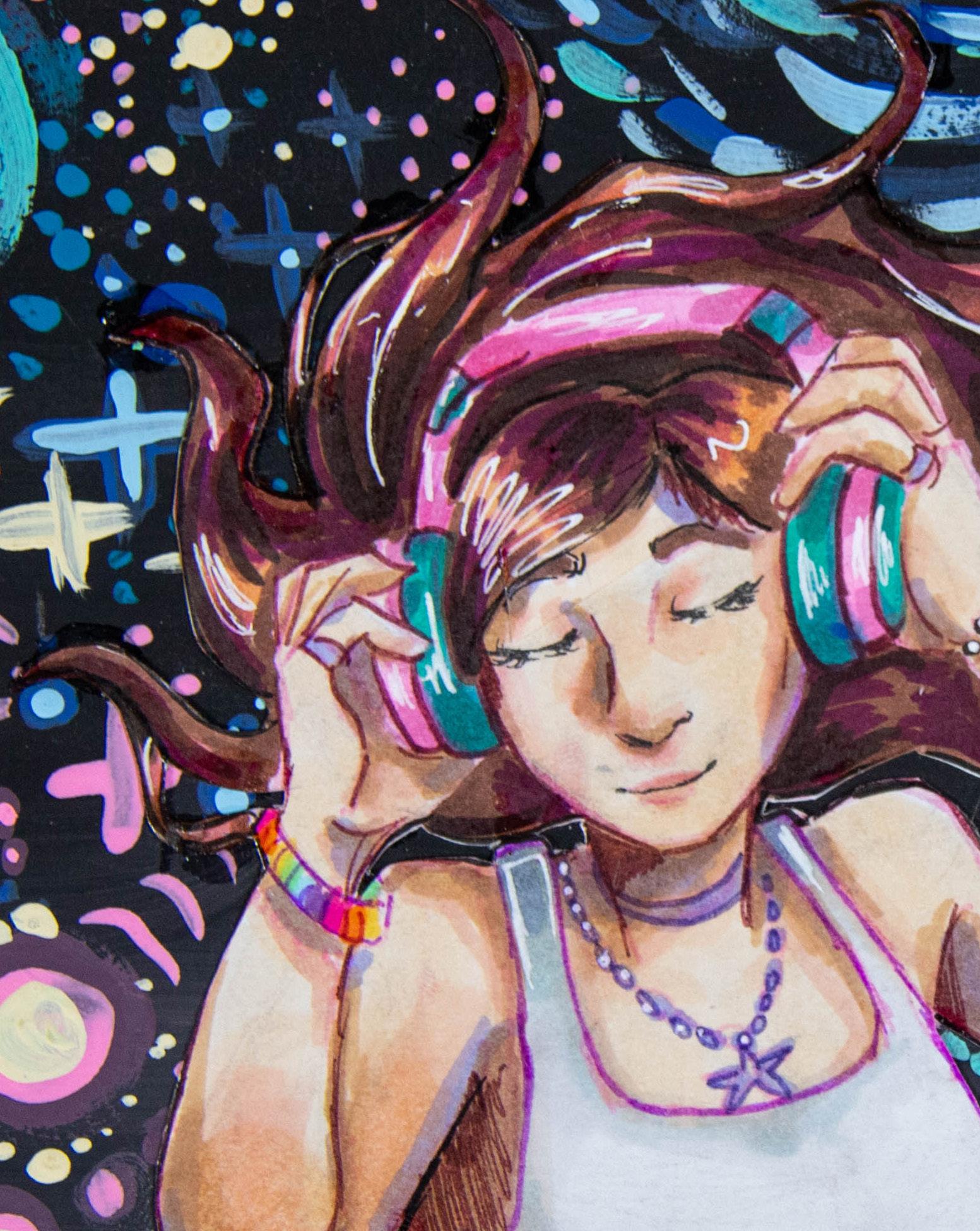
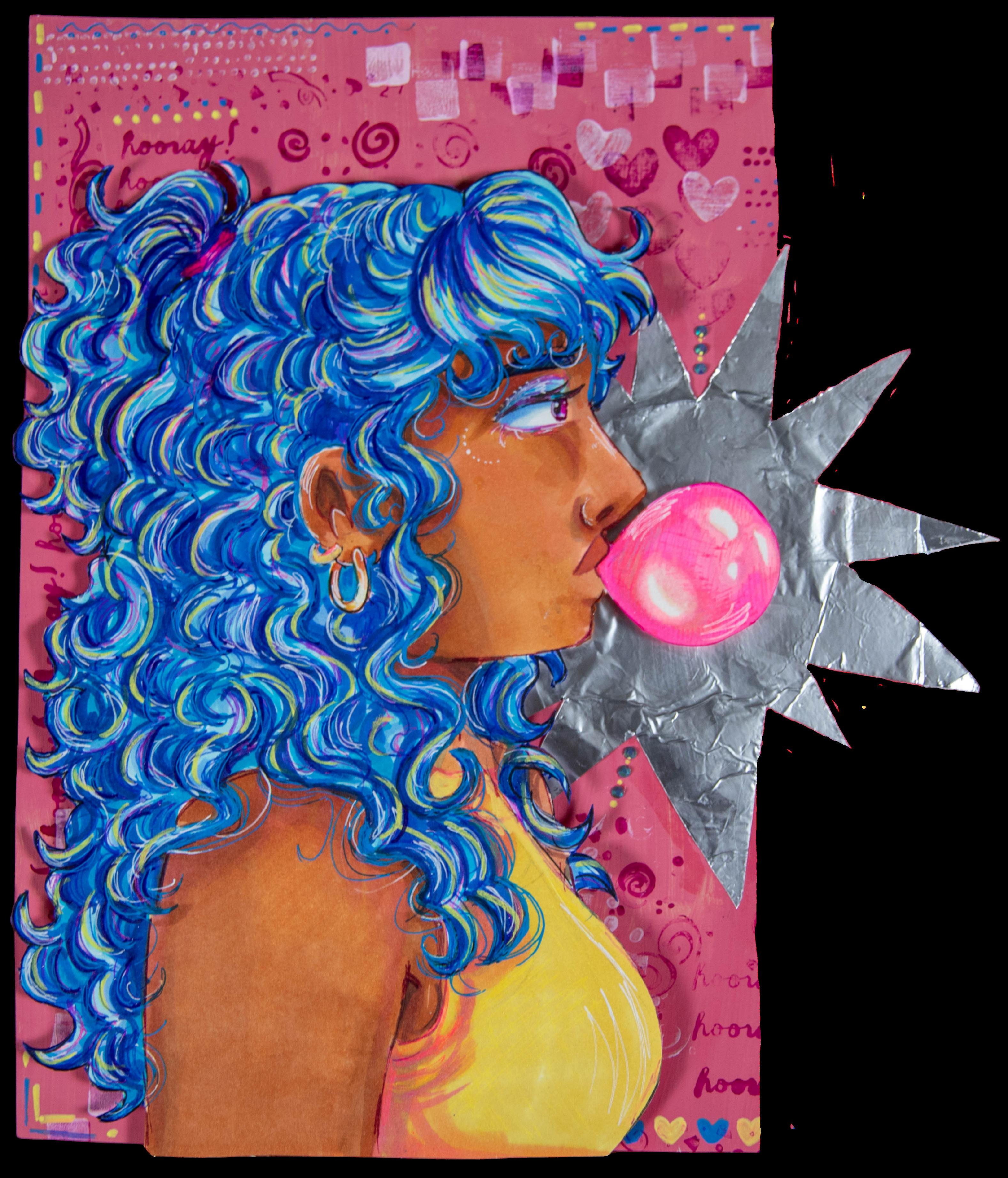
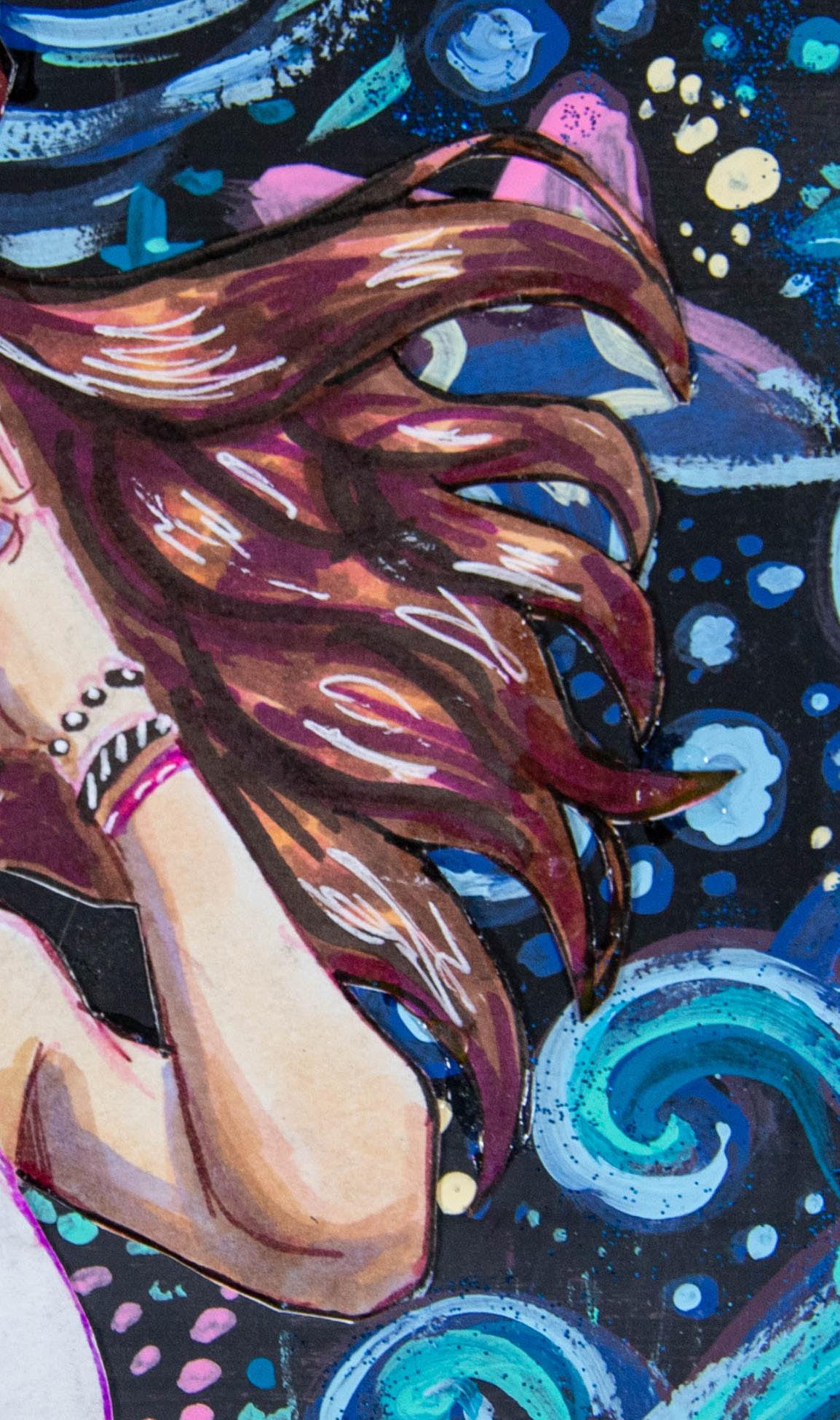
This piece of art was created using a range of materials: markers, glitter gel pens, paint, gemstones, stamps, and tinfoil. Hillyard uses different mediums in order to create dynamic pieces. “I do my best to make every area of the paper look as interesting as possible. To me, there shouldn’t be any square inch where the viewer is bored,” Hillyard said.
art created and submitted by A. Hillyard
APR 2026 Designed by Ella Quinney
FEATURE 15
A RT The of Storytelling
Addison Hillyard’s art and writing show
her love for storytelling.
By Ella Quinney, Editor-in-Chief of the Ledger
Apink crayon is clenched in her hand, as she scribbles on a loose piece of paper. She switches to a purple crayon, then blue, and slowly an image appears. It’s a messy drawing, meant to be a character that she admires. She shows it to everyone who will look, showing off her beloved piece of artwork. Her parents smile and tell her she did a good job.
Now, a pencil rests in her hand, as she sketches in her notebook, outlining the drawing before she goes back to add color and details. It’s no longer a messy stick figure in crayon—it’s a thought-out illustration of one of her favorite characters. She observes her final piece, admiring her work and thinking back to the little girl she once was.
“Since I was in preschool, I just kept drawing. And I ended up getting good at it,” Addison Hillyard (10) said. “I’m really proud of myself for that because I was able to get good at it by myself.”
Hillyard has been an artist her whole life. She is constantly working to improve her artwork and make her younger self proud.
Her love for creating art started with a love for seeing it. Growing up, Hillyard watched a lot of animated shows. The character designs in these shows have stuck with her to this day.
“‘Ever After High’ was a big one,” Hillyard said. “I really liked how the dresses and characters looked. I took a lot of inspiration from that.”
Not only have these shows inspired Hillyard’s art, but they have also inspired her to write. Her writing began in elementary school, where she would pull ideas from several shows and books she had watched or read, and create her own story concepts.
“I would start writing the first five chapters of a book, then drop it because I had never created a plot for it,” Hillyard said.
“There have been a lot of failed attempts.”
She is now working on original story ideas and characters for potential books and TV shows she wants to write.
The reason Hillyard is so passionate about her art and writing is because she knows how impactful it can be for a person. Art and stories can leave an impact on the people who see them, and Hillyard wants her work to do that.
“I see how different shows, books, and movies affect everyone, and I want to make others feel that too,” Hillyard said.
Beyond the Cold
Beyond the Cold
Photo by M. Brown
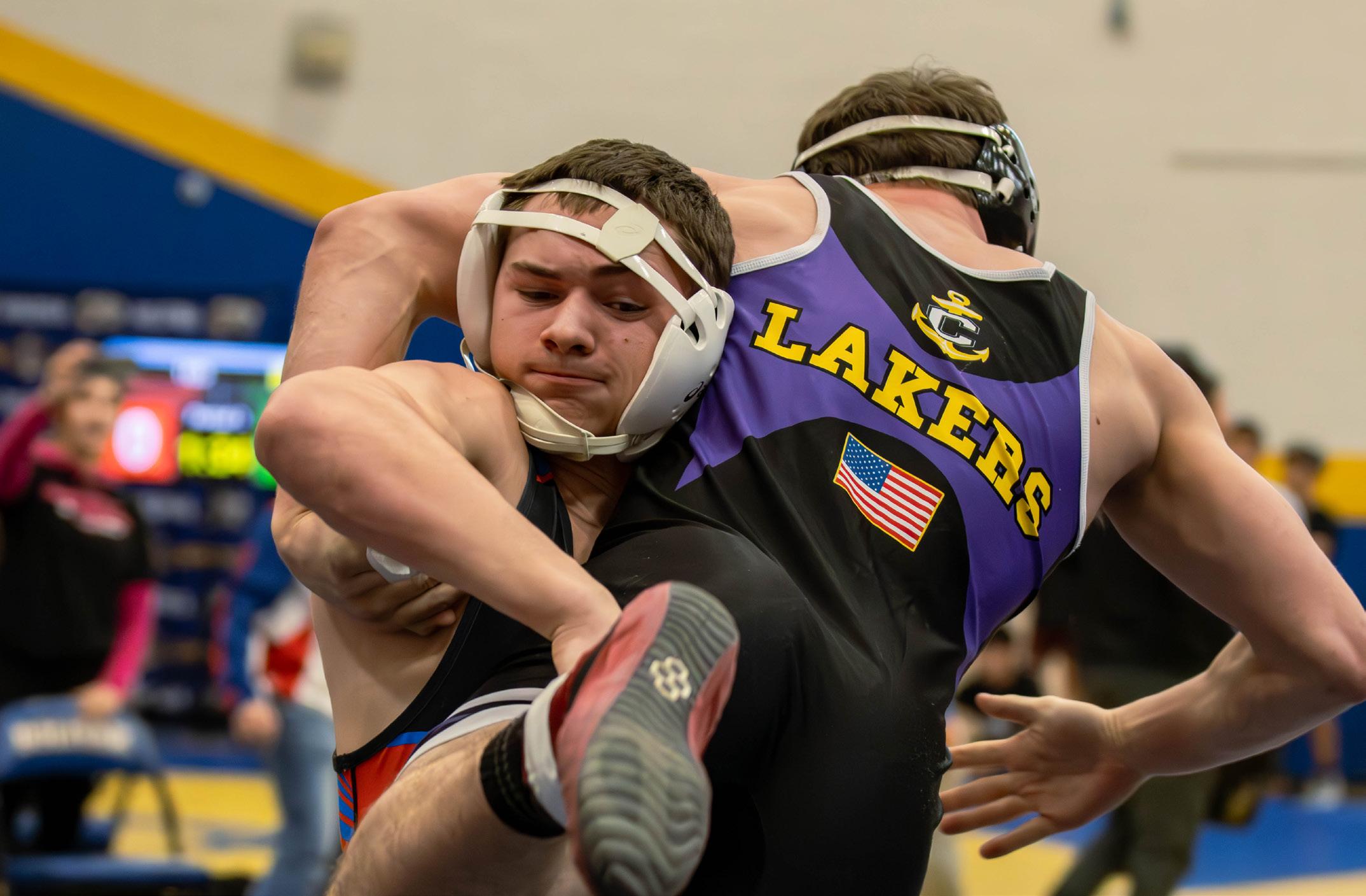
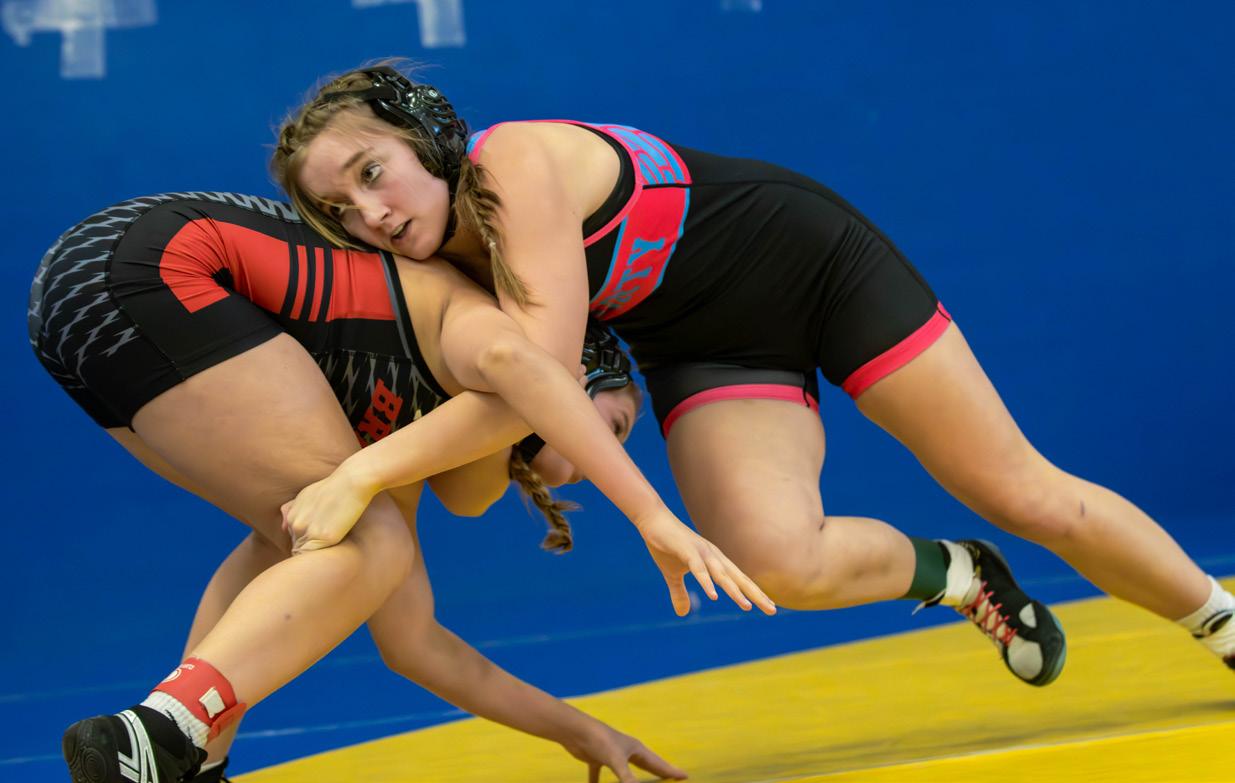
Paxton Hughes (12) uses all his strength to pick up his oppenent, preparing to throw him down for a pin.
Lexi Daniels (11) drives her legs and charges at her opponent with all her force for the pin at the Bolivar tournament .
Photo by M. Brown
Multiple winter sport athletes shine at the Missouri State Championships.
By Will Nolan, Editor-in-Chief of brodcast media
Before the crowd arrives and the lights turn on, certain athletes are already preparing for their time, their moment, their story, on the big stage. Hearts are racing, and heads are pounding. The biggest moment of these young athletes’ careers is about to take place.
After the long season of non-stop hard work, dedication, and pressure through conference and districts, very few athletes make their way to the top: the state tournament. Regardless of the outcome, these athletes are the best of the best.
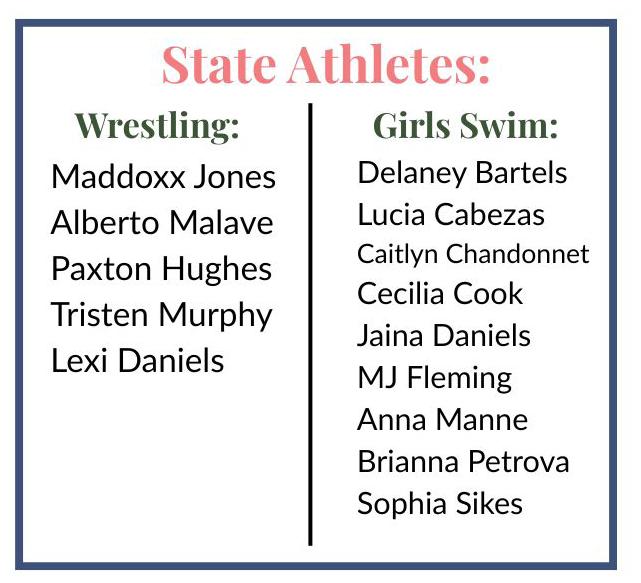
Fourteen athletes from wrestling and swimming pushed their way through every competition, every opponent, and every injury—all the way to the state tournament. While all athletes accomplished a major milestone by getting to the state tournament, only very few of them placed, which is another great accomplishment.
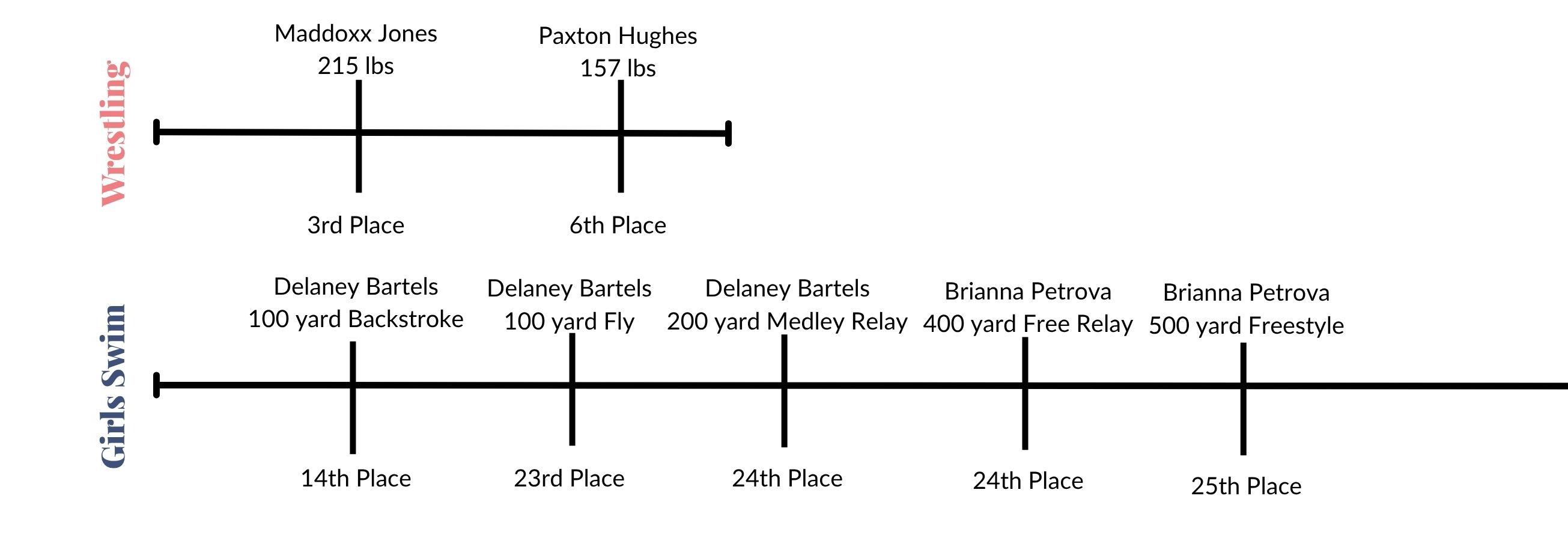
Boys wrestlers Maddoxx Jones (12) and Paxton Hughes (12) both placed in the state tournament, with Hughes receiving the sixth place medal and the third place award going to Jones.
Along with the medalists from wrestling, girls swimming also had their share of state medalists. Delaney Bartels (11) advanced to the finals in the 100 yard Backstroke, where she placed 14th overall in the state while also setting a new personal best time of 1:02:17. She also placed 23rd in the 100 yard fly and 24th in the 200 yard Medley Relay.
“It felt really good cause I haven’t dropped time for a while,” Bartels said.
Designed by Will Nolan
“Then, I was also the first person at Liberty to place at state in swimming.”
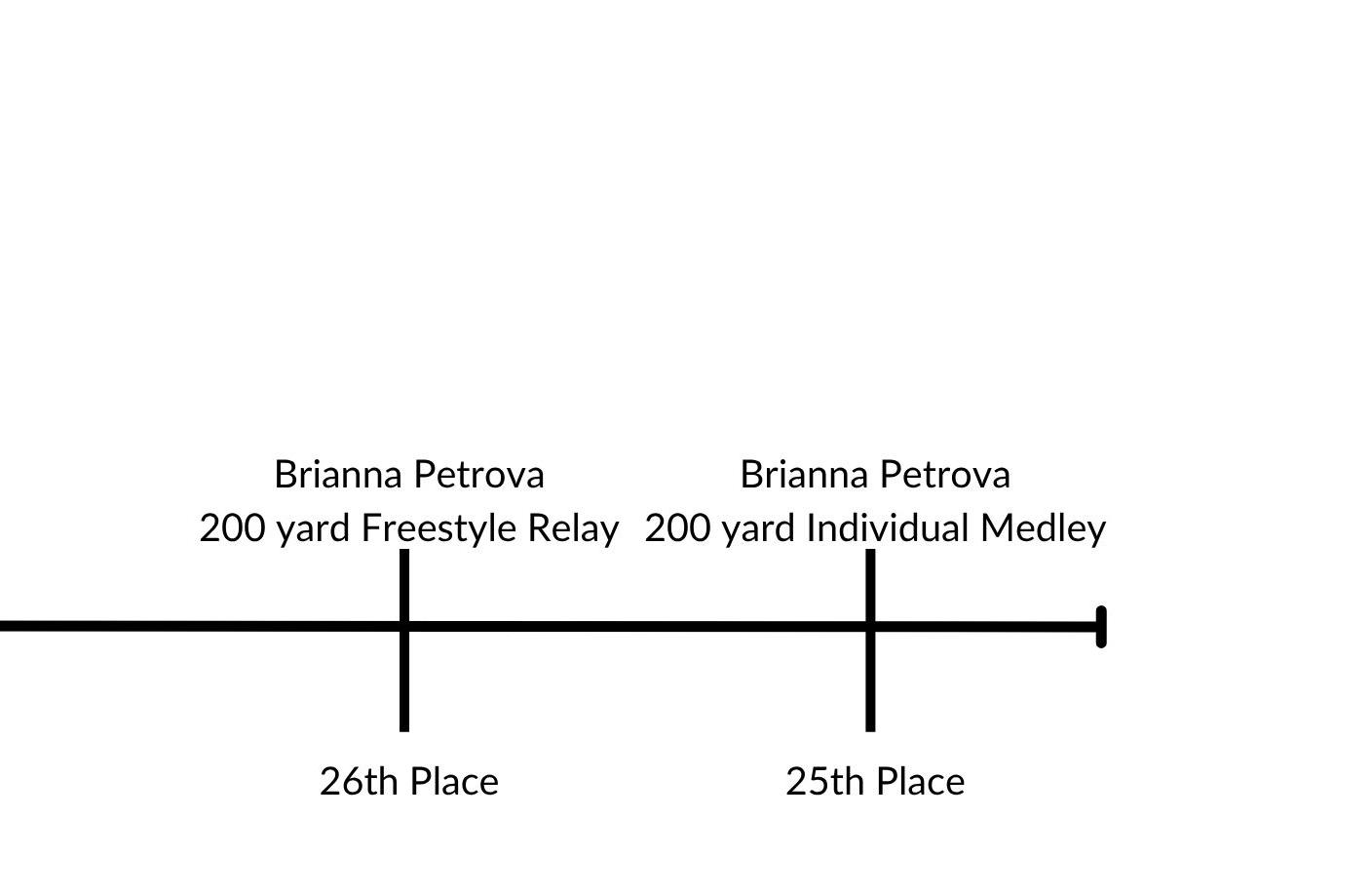
Not only did Bartels place, but Brianna Petrova (9) finished 25th in the 200 yard Medley Relay, 25th in the 500 yard Freestyle, 26th in the 200 yard Freestyle Relay, and 24th in the 400 yard Free Relay.
Becoming a state athlete is a dream for most high school athletes. Finishing the match and looking up at the scoreboard to see your name placed in a medal position is an athlete’s dream.
“It was such a euphoric feeling in a way,” Hughes said. “It felt so good but it was also bittersweet because it’s over, no more wrestling.”
For the seniors, this was the last time they would compete at the high school level, and for some of them, it was the last time they would ever compete in their sport.
“There’s obviously good sides about that, too, but I think it was the best way to end it,” Hughes said.
Being a state athlete comes with its challenges, but if you prepare, the possibilities are endless. For some athletes, their pregame routine consists of listening to music. However, there are routines and traditions out there that are unique.
“We usually have pasta parties so we feel carb-loaded before the meet,” Bartels said.
While no one ended up getting first place at state, these athletes are still the best of the best in the state and deserve the recognition.
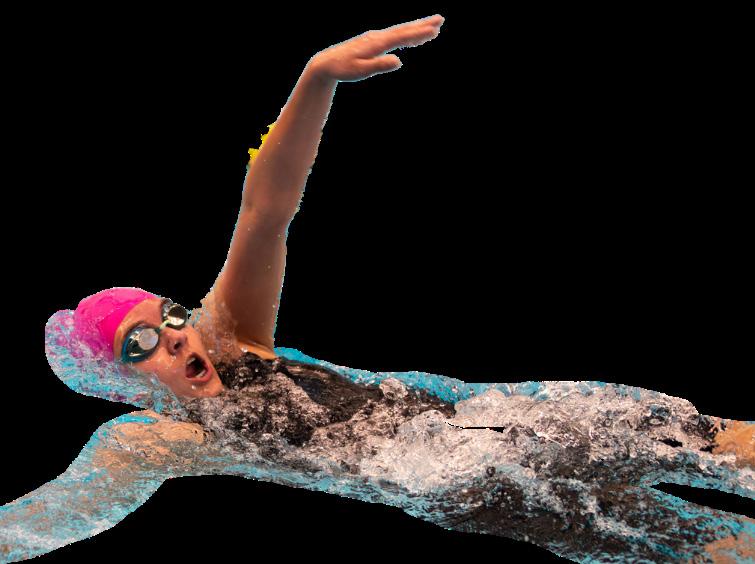
Delaney Bartels (11) takes a quick breath during her 14th place finish in the 100 yard backstroke.
Photo by M. Stroud
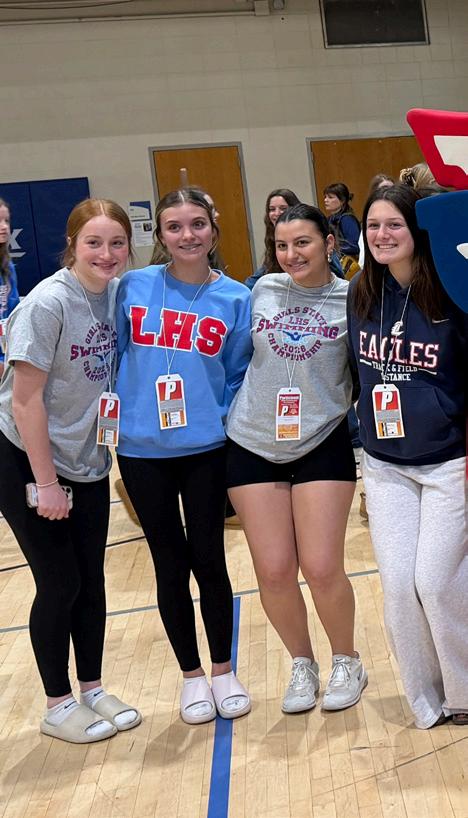
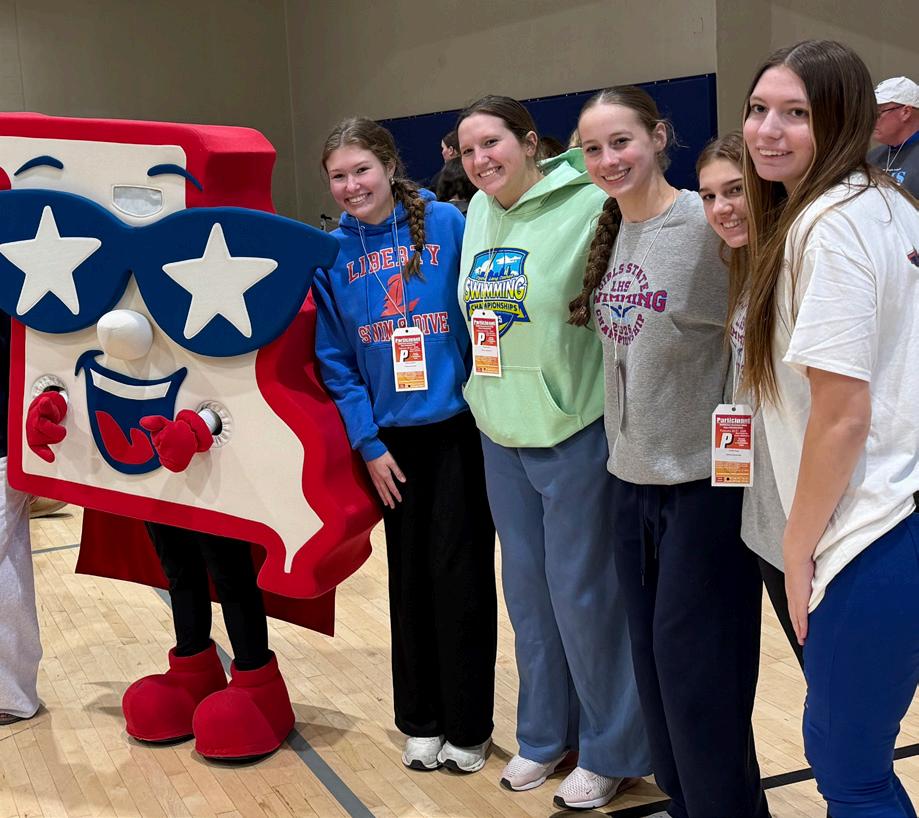
Girls swim arrived at MSHSAA State Championships at the St. Peters Rec Plex, where the MSHSAA mascot made an appearance and took photos with many schools.
Photo by G. Fanklin
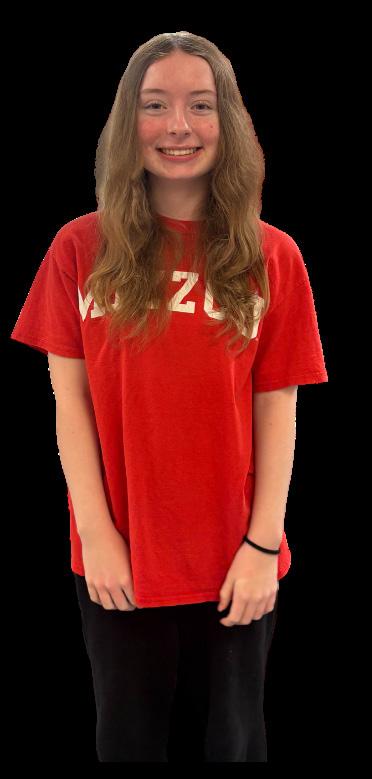
Eleanor Revelle (11) believes she looks like she would listen to her favorite artist - Tate McRae.
How Music Taste Makes Itself Known Through Fashion Choices.
By Emery Miyasaki, Reporter
Kennedy Heck (10) listens to many genres of music, including a lot of “older music.”
Miyasaki
Music is a prime form of self expression, evident in the fact that music genres rise and fall with every turn of the decade. In the 80s, it was synth, the 90s grunge, the 2000s emo, and the 2010s EDM. With every era entered, people want to leave the last time period behind, and the media switches again. The culture that comes to represent every decade is a combination of fashion, celebrities, and music.
It is undeniable that music is intertwined heavily with society. The average person spends 20 hours a week listening to music. So how does that connection make itself known?
In the way we dress. The stereotypes are there for a reason. People often look like the genre of music they enjoy. Either because they take inspiration
from their favorite singers, or the community, or the era from which their music is most popular. It is all a form of self expression.
When asked about his music taste, Dakshin Thambaiah (10) explained that he listens to artists like Travis Scott and Drake because, “when I need something to pump me up, I listen to them to motivate me.” Thambaiah believed people would not be able to guess his music taste, because he dresses casually.
To test this theory, I took a picture of him, went to another randomly selected student, and asked them what type of music they believed the Thambaiah listened to. Eleanor Revelle (11) was spot on with her guess with genre, though slightly off with the artist.
The experiment was run again. Taking a picture of Revelle and selecting another student to show.
Revelle said she enjoyed listening to Tate McRae and that her favorite song was “Party Next Door.”
“I just really like the vibe of her music and persona on stage,” Revelle said.
Revelle believed she did, in fact, look like her music taste. She was proven correct, as a third randomly selected student was able to guess Revelle’s favorite artist exactly.
What this experiment reaffirms is that music taste is closely tied to life. Music influences so much of one’s appearance, that others can guess what is playing in their headphones from just a glance. Art is evident in every aspect of life, seeping in through the media
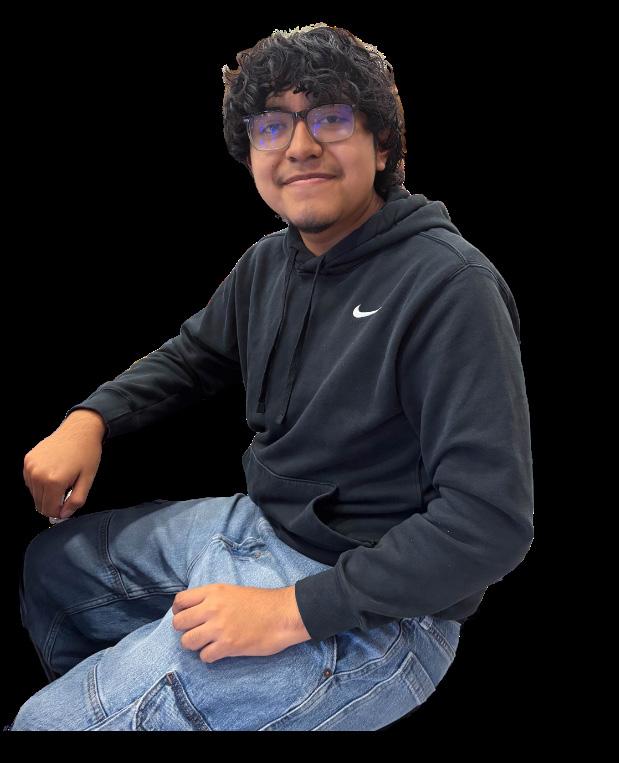
Diego Caamano-Martinez (11) enjoys listening to Indie Rock bands such as Nirvana. He thinks people could guess this based on how he dresses.
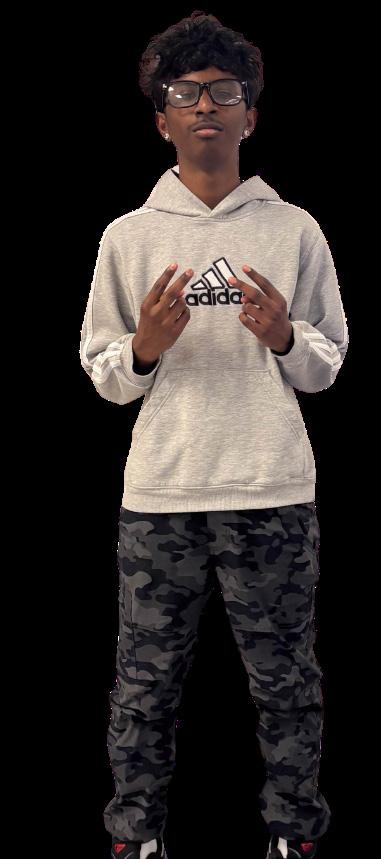
Dakshin Thambaiah (10) also likes to listen to R&B and funk.
Photos by E. Miyasaki
Get involved early! Time moves by so much faster than you expect.
Everyone ends up where they need to be. Don’t stress about the future
High school is not a competition. Everyone is own their own journey.
Don’t try to fake who you are just to be popular. You are going to need to put more effort in at the end of the year than the beginning just to keep up. Stay motivated and push through.
Don’t be afraid to try new things!
Have fun. Go to football games, dances, theater shows, join clubs. Do the things that make you happy. LOCK IN!!! Be kind!
Always have a water bottle with you. Or, just drink water.
Don’t get involved in other people’s business.
Life moves pretty fast sometimes, so pause, and enjoy it.
Don’t overwhelm yourself with work. Take a breath sometimes.
Don’t sell yourself short. Try not to be late.
If the hallways are too loud or stressful, wear headphones.
Surround yourself with people you feel comfortable enough to be yourself around.
Don’t take things for granted. High school goes by really fast.