Confronting the stigmas and silence surrounding sexual assault
Pg. 10-11
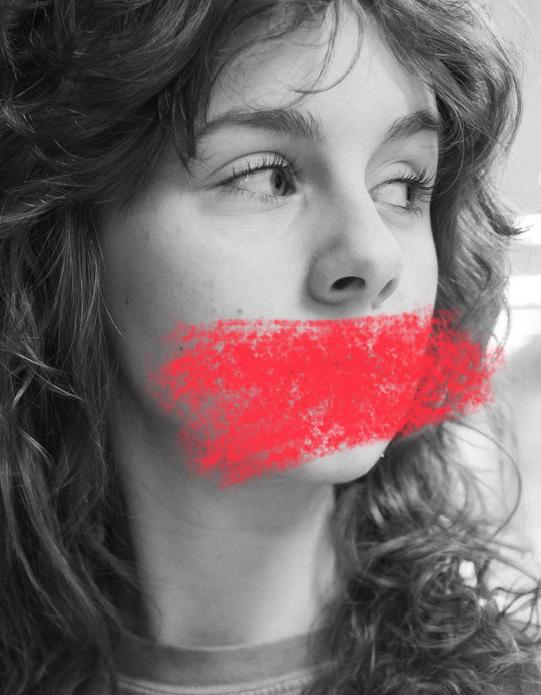

Confronting the stigmas and silence surrounding sexual assault
Pg. 10-11


The Ledger
Liberty High School
2275 Sommers Road
Lake Saint Louis MO. 63367 libertyledger17@gmail.com
Volume 13 Issue 3
Intentions
The Ledger is a publication that releases four issues (one issue per quarter) throughout the year, distributing 900 free copies to the student body, faculty, and administration. The Ledger is a part of the district’s curriculum and is
designed to provide a journalistic experience for written expression on a variety of topics. It is a student-led publication class that reports on events related to the school community. Students write, take photos, and design the publication while the adviser supervises the student journalists.
The opinions expressed in the magazine may not be those of Liberty High School, nor the Wentzville R-IV School District faculty, staff or administration. The staff editorial, when included, expresses the opinion of the Ledger staff.
Credentials
The Ledger is a member of the National Scholastic Press Association, Quill and Scroll, and the Missouri Interscholastic Press Association.

Movies don’t exist anymore.
Not physically, at least. When was the last time you bought a DVD of a new movie?
Greed is single-handedly destroying the media industry.

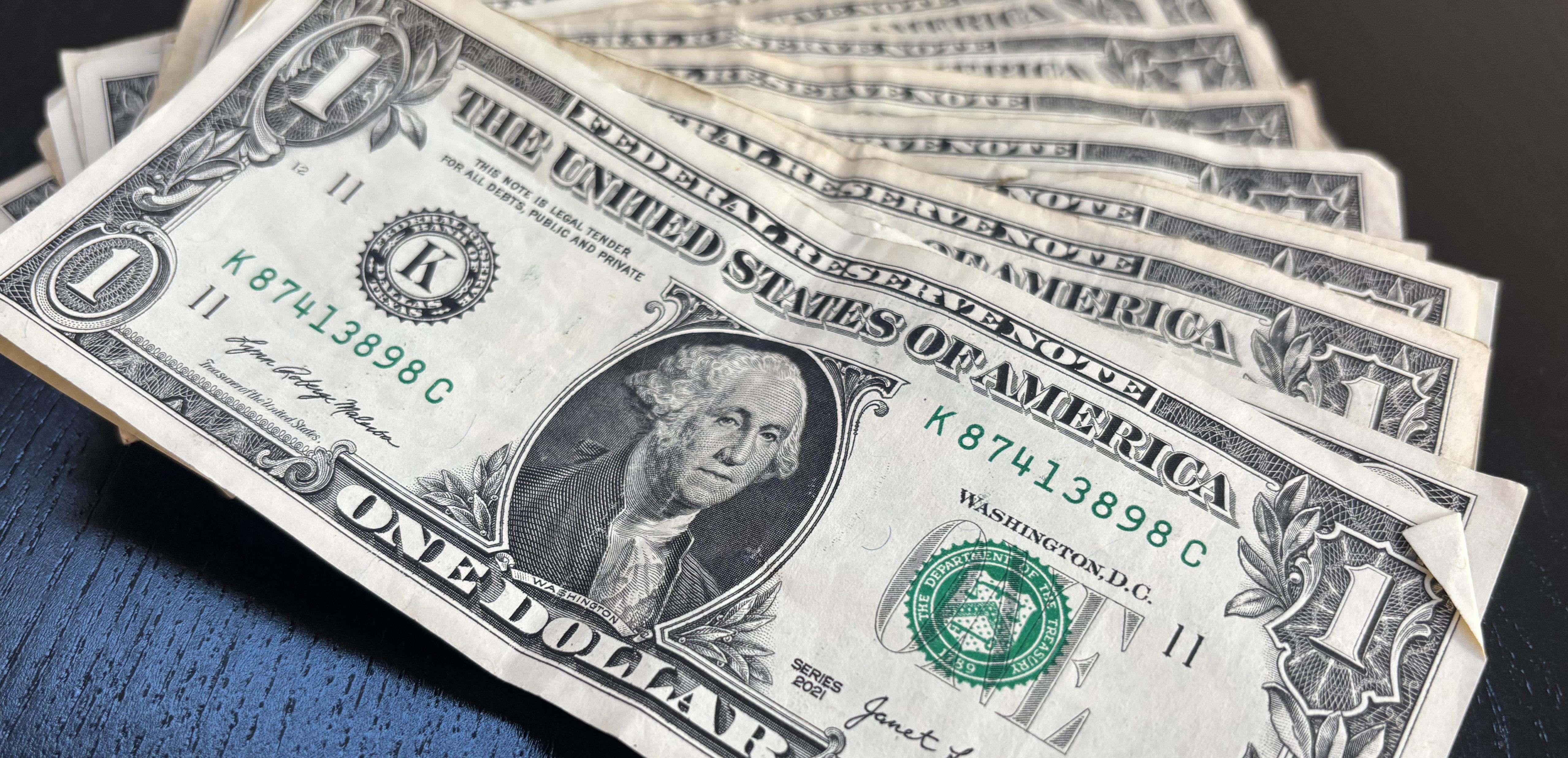
The entertainment industry is all smoke and mirrors. The glamor and the blinding lights are a cover for the reality of show business, which is about one thing: money.
The vast majority of media is controlled by just a few giant conglomerates that produce and fund the movies and shows we see on our screens today.
One example of this is Disney, which has acquired Marvel, Lucasfilms, ESPN, National Geographic, ABC, and—recently—Hulu.
Additionally, there was a newly big story surrounding Netflix’s impending purchase of Warner Bros. Pictures, which would allow them rights to huge franchises—including Harry Potter and DC. They would also own the streaming service HBO Max.
While these situations could be brushed off as only being business deals, it actually has a much bigger impact on the things we see on TV and in movie theaters. Essentially, it’s a problem with choice, or lack thereof. Over the last several years, we’ve already seen streaming services charge more for subscriptions with ads or combined subscriptions. This issue stems from greed and a need for control.
“Social power encompasses market power, as those who possess it inevitably seek to monetize their dominant position,” said Alim Ulbashev, who wrote for a University of Cincinnati law journal. These big corporations are in the business of making money, not making movies, and that has detrimental effects on the quality of movies and shows we see today.
In the worst case scenario, media monopolies can—and often do—lead to censorship. One company, one person, could shut down an entire idea for any reason, and that’s dangerous not only to art as a concept, but also to the understanding of different perspectives that people gain from movies, which is already at risk. A few people should not have overwhelming authority over what people watch and expose themselves to.
Media monopolies pose a huge problem for everyone who has ever watched a movie that changed their life because it’s those smaller indie films that are on the line when it comes to these studio deals. The entertainment industry, much like everything else in this world, is primarily concerned with money, and many studios and executives are willing to sacrifice an artist’s voice to make a quick buck. It’s essential that artists and creatives have the opportunity to tell their stories, because that’s what makes media interesting and engaging. It’s the personal stories that give media a life of its own.
Odds are, it’s been a while, and that’s exactly what huge media and streaming conglomerates want.
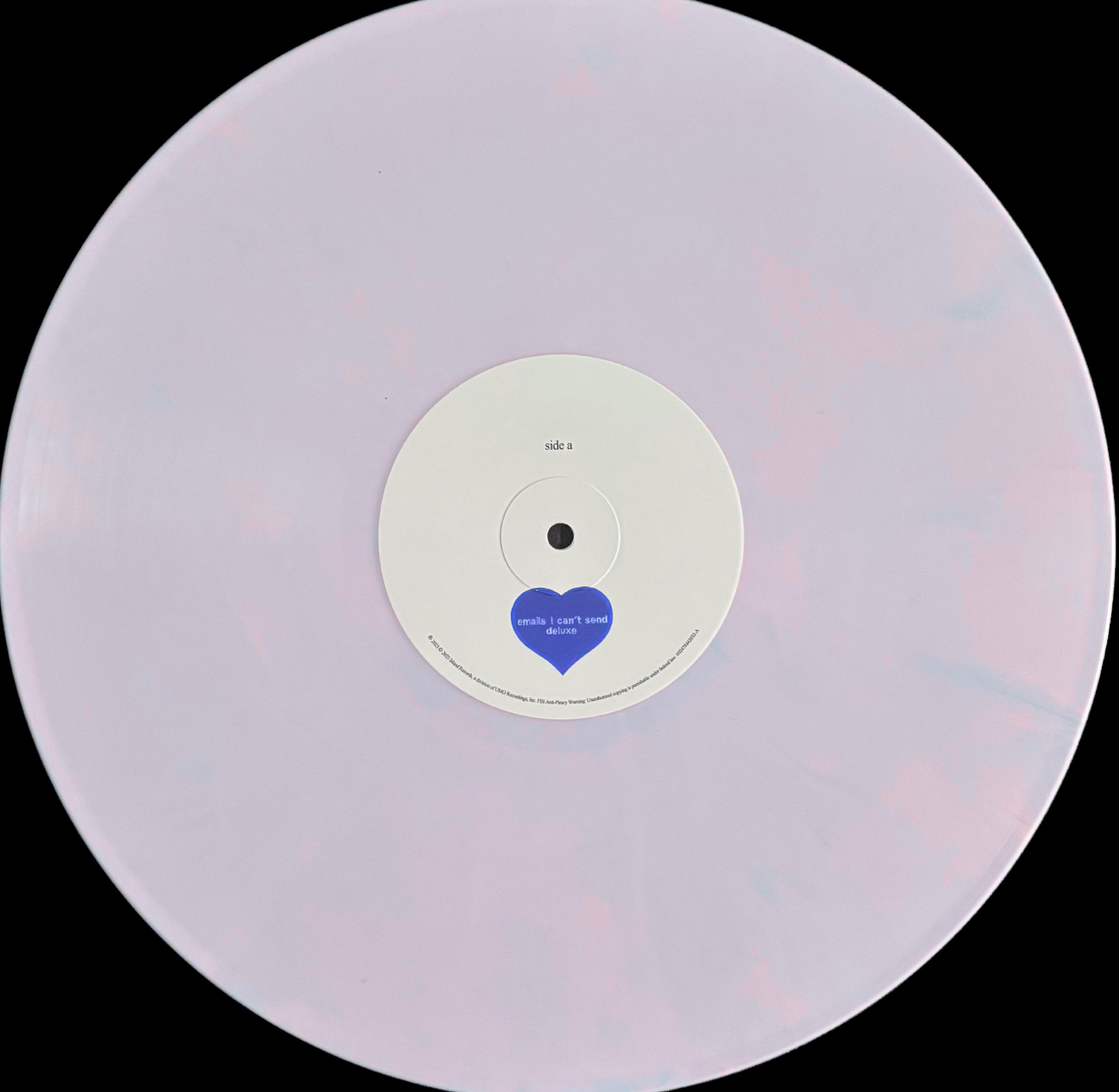
The downfall of physical media has become a popular topic of discussion as of late, and many people are making a conscious effort to bring back more analog technology. For example, younger generations have started vinyl or CD collections, trying to lessen how much time they spend on their phone.
While that’s a good practice, it’s also important to note that the majority of people are only becoming more technologically dependent, meaning that physical media is being approved for production less and less, because it’s all about profit. Physical media isn’t being bought as much as it used to be, and studios and record labels don’t want to lose a single cent in producing a CD if not many people are going to buy it.
The only way to get physical media back is to continue, or start, buying CDs, vinyls, and DVDs. Supply will only go up if demand does, and it’s incredibly important for art to actually exist in the real world, not just as code in our phones.
by M. Lynch
“It’s important to buy clothes in person so you know what they look like, what they feel like,”
by L. Hufty
By Brielle Vassel, Reporter
Through just the click of a button, a tap on a screen you can get almost everything delivered to your house. However, there are many things you can’t achieve through the screen. After that tap you are powerless to control how your product gets handled.
You can’t smell a candle through a phone. You can’t try on that hoodie or pair of sneakers. On top of that, you can’t control if the package will get tampered with, damaged or lost.
“There’s so much AI in scams out there. You might not be getting what you think you are,” Abigail O’Connell (10) said.
When you shop in person, however, you can smell that scent, try on that hoodie and check the thing you’re buying
to make sure it is not damaged. While one day delivery is great, immediately getting the product can be even better. You can use it right away without worrying about why it is in California instead of with you.
The fact of the matter is that humans crave connection.
“Social connections are important to our mental and physical health,” according to the CDC website. In-person shopping helps to create a connection for consumers. Whether it be thrifting or just shopping, offline shopping helps to strengthen the bonds between friends. “A major part of my friend group is to go to thrift stores together,” Tyler Bugg (12) said.
Another important aspect of offline
shopping is the physicality of it.
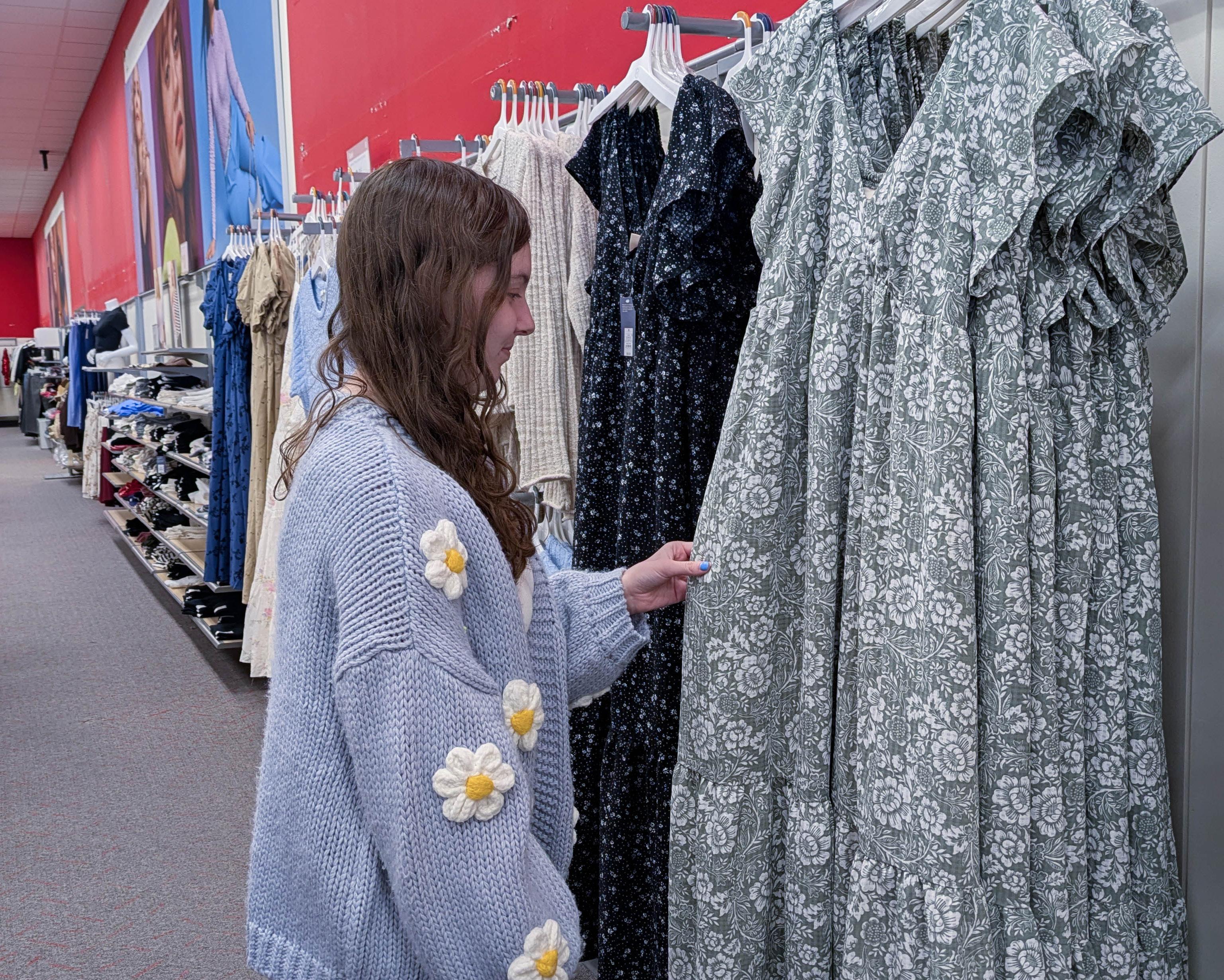
“It’s important to buy clothes in person so you know what they look like, what they feel like,” Gabby Young (11) said.
You cannot feel the material of the new hoodie you are buying. Nor can you try it on to make sure it fits. Not only does this help the buyer to pick out things that fit them, but it also creates a connection to the product. A candle smell could bring you back to your childhood. You cannot do that through a screen.
Whether it’s the way a candle smells or the way the clothes fit, offline shopping is better. No more worrying about whether or not one day delivery is actually one day. The product is here in your hands instead of on the doorstep.

By Lexi Hufty, Reporter
ou only came in for a sale—you didn’t expect the store to be this busy. People crowd around you on every side. The line for checkout trails out the door. Every shirt you see on the rack looks the exact same, made of the same itchy cloth, for the same exuberant price. The flowery scent of candles and perfumes clog the air, making your head ache. Why did you drive an hour for this? The six-pack of socks you wanted could easily be bought online for half the hassle.
Perhaps that’s just the point. Online shopping has come a long way since it was first thought up in 1994. Almost every store is online now. And yes, there are some losses—you can’t feel how soft that sweater is, or exactly what that lip gloss smells like. But, is that so great a loss? If you don’t like it, you can just send it right back.
Shopping no longer has to be a dreaded chore. Ran out of dog food? Don’t worry, you don’t have to make a trip to the store after work. You can just order it online and it’ll be home tonight. You don’t have to spend hours searching through a maze of aisles. You don’t have to dread a crying baby in a long checkout line. Everything is made easy.
And even then, how many options will you find at Target? A few variations of the same design? When, online, you can get anything from anywhere. Want to look like a fairy princess? There’s a beautifully made sparkly dress on Etsy. How about a mourning Victorian? There’s an online shop that specializes in historically accurate fashion. You could never find these things in person. Maybe they’re just a bit too niche, maybe they can only sell online, or maybe their store is located in New York.
But, it doesn’t matter! Whatever you order will be here tomorrow. No creeps, no cash, no crying. Simple and efficient. Even though scams do exist, they’re easy to avoid when you know what to look for.
“I haven’t experienced scams. I read the materials, look at the overall rating, and if it’s below a 3 [stars] I won’t buy it,” Kelsey Donaldson (9) said.
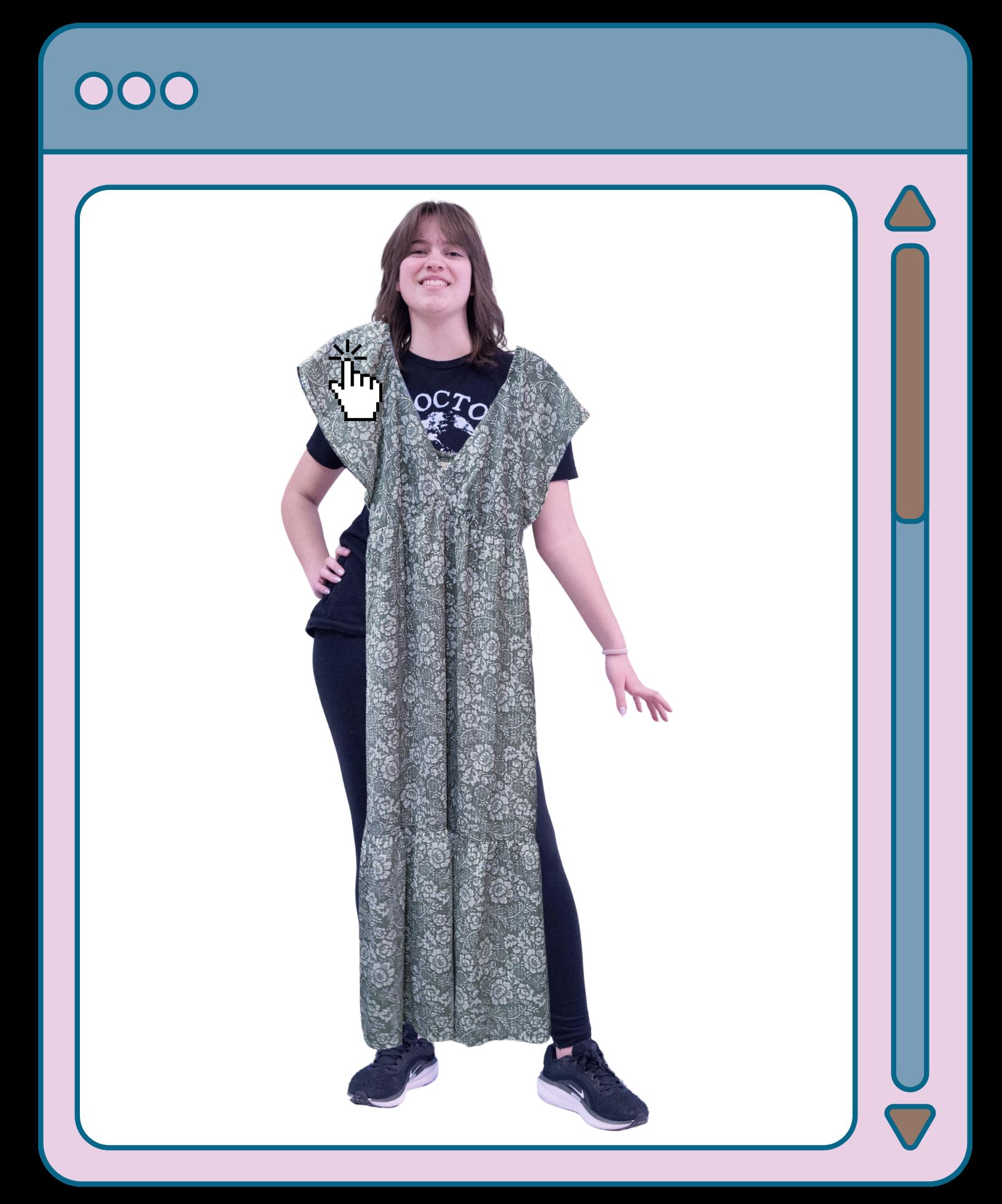
“I haven’t experienced scams. I read the materials, look at the overall rating, and if it’s below a 3 [stars] I won’t buy it,”
By Keena Boschert, Reporter
TikTok has exacerbated an already rampant issue: the general public is discounting the severity of mental illness.
While TikTok serves as a great outlet for many, a place to remove themselves from everyday stressors, it frequently sees a specific type of terminology thrown around across posts. As these words appear in more and more videos, the meaning of them begins to turn cloudy. The severity of their implications gets lost.
TherapyTok, an emerging subculture on the app, has reached a vast audience. Many users have found a new source for information on their mental health, validation, and support. 30 second videos explain different attachment styles, signs of toxicity within relationships, and the symptoms of Major Depressive Disorder.
As a result, users self-diagnose, receive unrealistic advice to improve their mental health, and—overall—begin to lack a true understanding of what it means to have mental illness.
Following the creation of TherapyTok, many have begun to question whether or not words surrounding mental health should be spoken so casually.
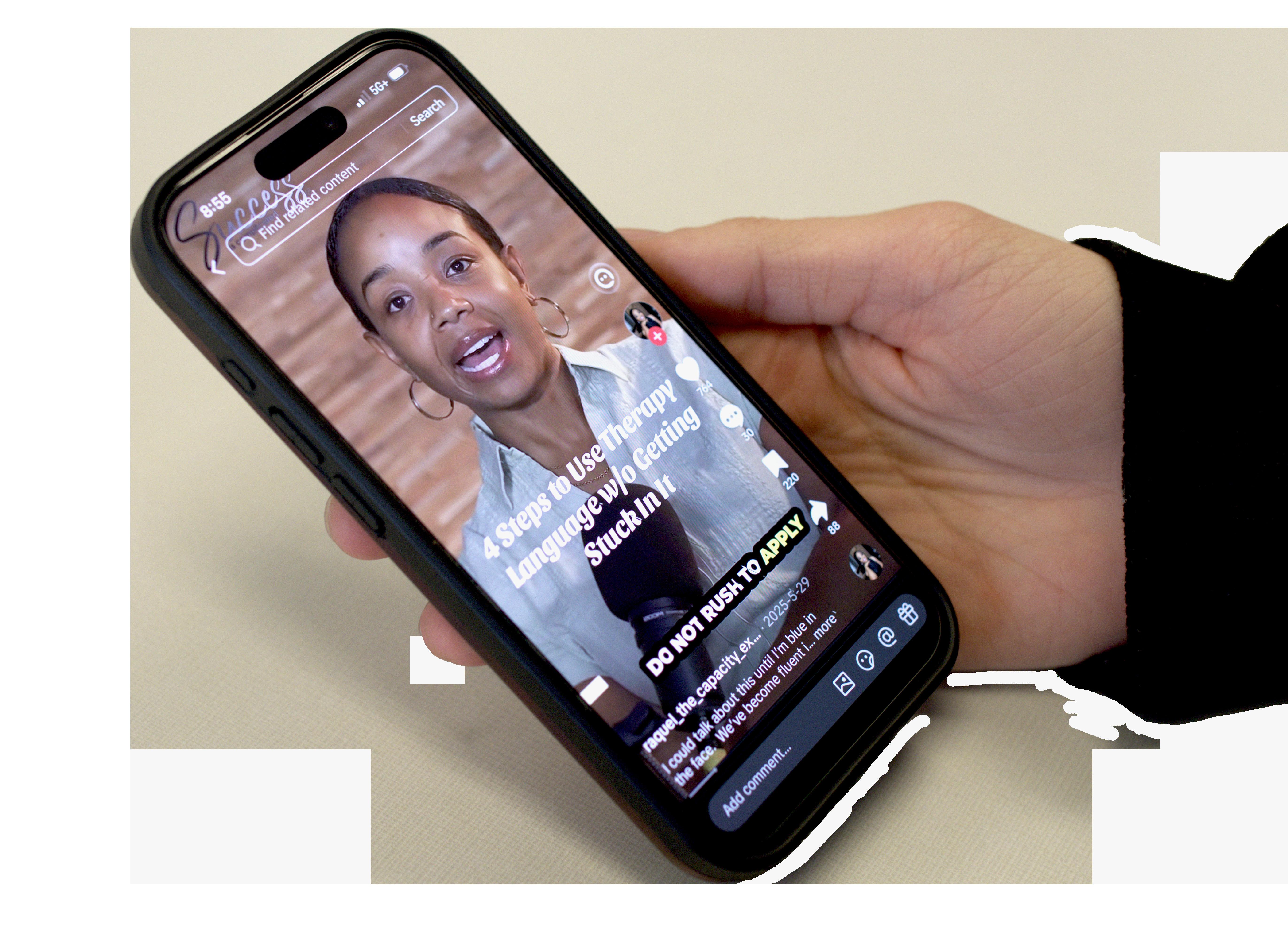
Serious health conditions are being oversimplified through “TikTok therapy language.” People begin to use real diagnoses in everyday conversation for experiences that fall short of their true meanings. For instance, it is not uncommon for a user to describe themselves as being “overstimulated.” They may be in a loud place, or in a tightly packed room. But what does it truly mean to be overstimulated?

overwhelmed with information, and eventually, shuts down.
Just like the term overstimulation, so many phrases have lost their meaning.
Dissociation is not spacing out, it is when mental functions are removed from an individual’s conscious state. An individual with severe dissociation could live through an entire day and not register any of it.
to make another doubt their own memories, perceptions, or reality as a whole. These words, and so many more, have been reduced to off-hand remarks. When an individual with a true diagnosis describes their experiences, it is no longer regarded with the same severity.
Overstimulation, often experienced by people with ADHD or Autism Spectrum Disorder, is when an individual’s nervous system receives too many signals from the body. Many people’s brains have a means of blocking out a majority of the signals they receive. They don’t feel the clothes on their skin, don’t hear the faint hum of fluorescent lights, and don’t register the people surrounding them. But for some, their brain is unable to ignore these signals.
OCD is not a compulsion to keep your room clean or your desk organized, it is a disorder that causes severe obsessions and repetitive behaviors. Someone suffering with OCD could have recurring thoughts that their hands are dirty, and as a result, wash them excessively, until they are raw.
Gaslighting is not as simple as someone telling an individual they are overreacting, it is a form of psychological manipulation. It takes place gradually. Gaslighters attempt
It is true that conversations on mental health have done much good. The public’s view on mental health is vastly different from what it was years ago. “Literacy around mental health has increased exponentially, coupled with the rise of public figures speaking openly and candidly about their challenges,” said Dr. Gishawn Mace, a psychology professor at Howard University.
But while the normalization of discussing mental health has reduced common stigmas, it has had an inverse, diluting effect that cannot be ignored. These phrases have serious meanings, and are more than their TherapyTok definitions.
After the signing of executive order, “Protecting the American People against Invasion,” by President Donald Trump on Jan. 20 2025, there have been extreme changes to America’s immigration policies. This has primarily been focused on advancing Immigration and Customs Enforcement (ICE). Diverging from Biden-era enforcement priorities, the Trump administration is broadening ICE’s focus to all who fail to register themselves with the U.S. government, regardless of criminal record. The executive order also limited temporary protected status through work permits, and expanded a program empowering local law enforcement to carry out the same duties as immigration officers.
The Trump Administration states they have deported more than 600,000 illegal immigrants since the president took office in January 2025. Compliant with the Trump Administration’s plan to deport immigrants regardless of criminal history, tracreports. org reported that data from November 2025 showed 73.6% of deported immigrants had no previous convictions. This diverges from the sentiments of the American people, with Pew Research Center stating 51% of U.S. adults thought only some immigrants should be deported, rather than all.
To reflect this drastic increase in detainment, over 100 more facilities were in use by the end of 2025 compared to the beginning of the year. Perhaps most famously, the Trump Administration began its utilization of El Salvador’s massive CECOT prison (Terrorism Confinement Center) after the President’s invocation of the Alien Enemies Act of 1798. Said act was utilized by the Trump Administration to specifically target Venezuelan Immigrants suspected to be affiliated with gangs.
The classifications for potential “gang affiliation” have since been heavily criticized by the American public. Many immigrants and their families state they were detained based on their tattoos and clothing, which were said to be proof of gang ties.
By Keena Boschert, Reporter
ICE officials later stated tattoos were not the determining factor for gang affiliation. However, a government document that was later released showed Homeland Security Investigations highlighted specific clothing and tattoos, examples of which being stars and clocks, that officers would use to try to identify members of the gang Tren de Aragua.
One lawyer, Linette Tobin, hired for a client sent to El Salvador’s prison stated “I’ve seen [Department of Homeland Security’s] evidence. It is limited to this tattoo he has on his arm of a soccer ball with a crown on top. DHS says a crown tattoo is proof of gang membership.”
The concerns of proper due process not being provided to these deportees is coupled with the harsh conditions present in the previously mentioned detainment facilities. Accounts of abuse and assault have begun to circulate from detention centers across the nation. One recently constructed detainment center, Fort Bliss, accumulated 60 violations of federal detention standards within its first 50 days of operation.
Trump-era immigration enforcement has seen major changes to both its structure and size. Troops of federal officers have been deployed in order to round up and detain immigrants, in many cases, regardless of criminal history. To reflect the increasing number of deported individuals, the administration has also set their sights on erecting new holding facilities.
These violations include a lack of food, water, and medical care.
As the president’s second term progresses, so will America’s immigration policies. “I think the people in charge have gotten a taste of power, and I don’t think they’re going to stop,” said one student who chose to remain anonymous. As the strength of ICE is increased through the deployment of the national guard to various states across the country, the rate of deportation is expected to increase even further.


By Will Nolan, Editor-in-Chief of Broadcast Media
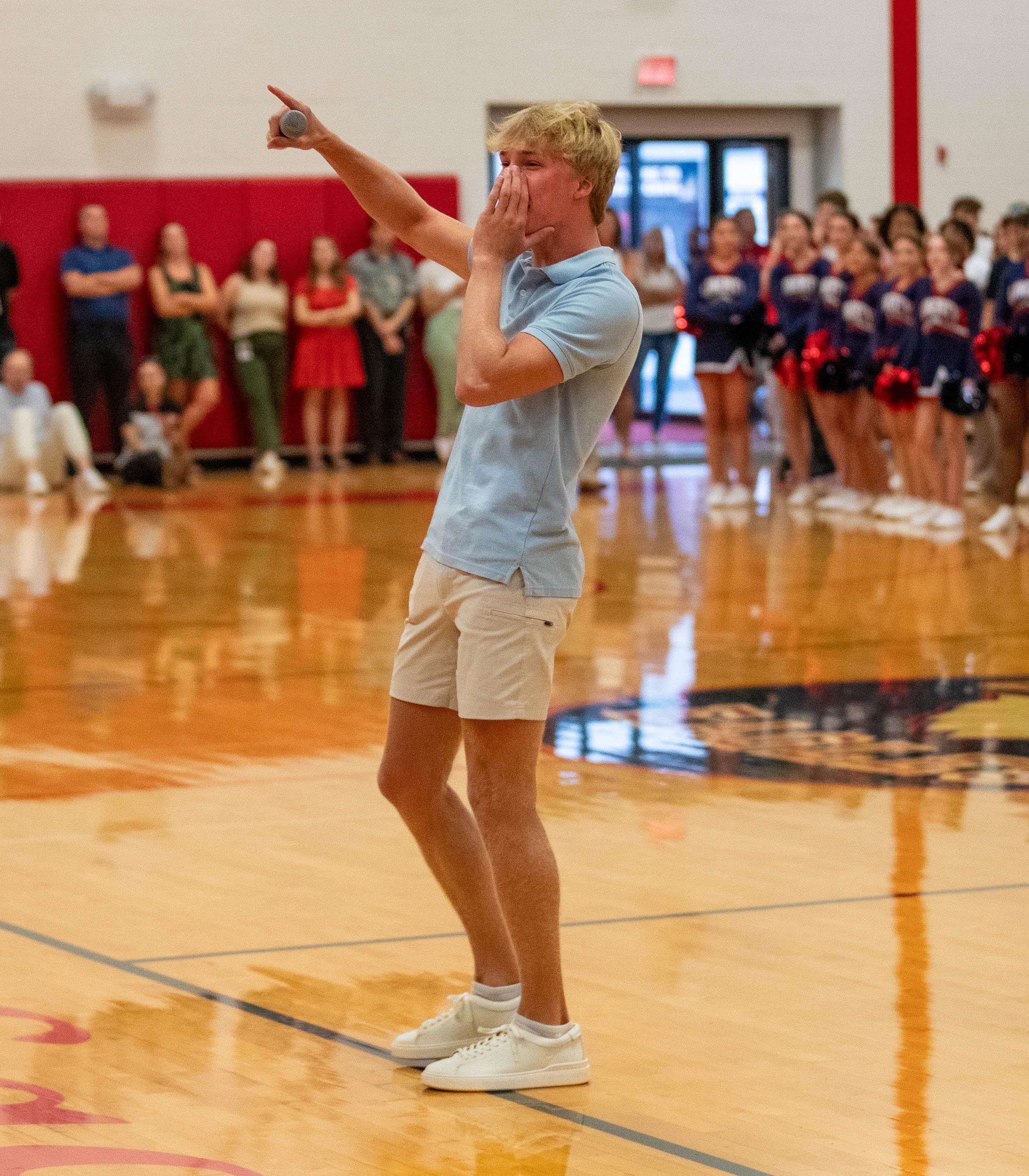
With new students joining the Liberty community every so often, new clubs forming what feels like every month, and the school being past full capacity, some are wondering if there is still a community within the students of the school. While no one has a definite answer, StuCo adviser Lindsey Holmes, along with everyone in Student Council, are always trying to build a bigger and better community throughout the school.
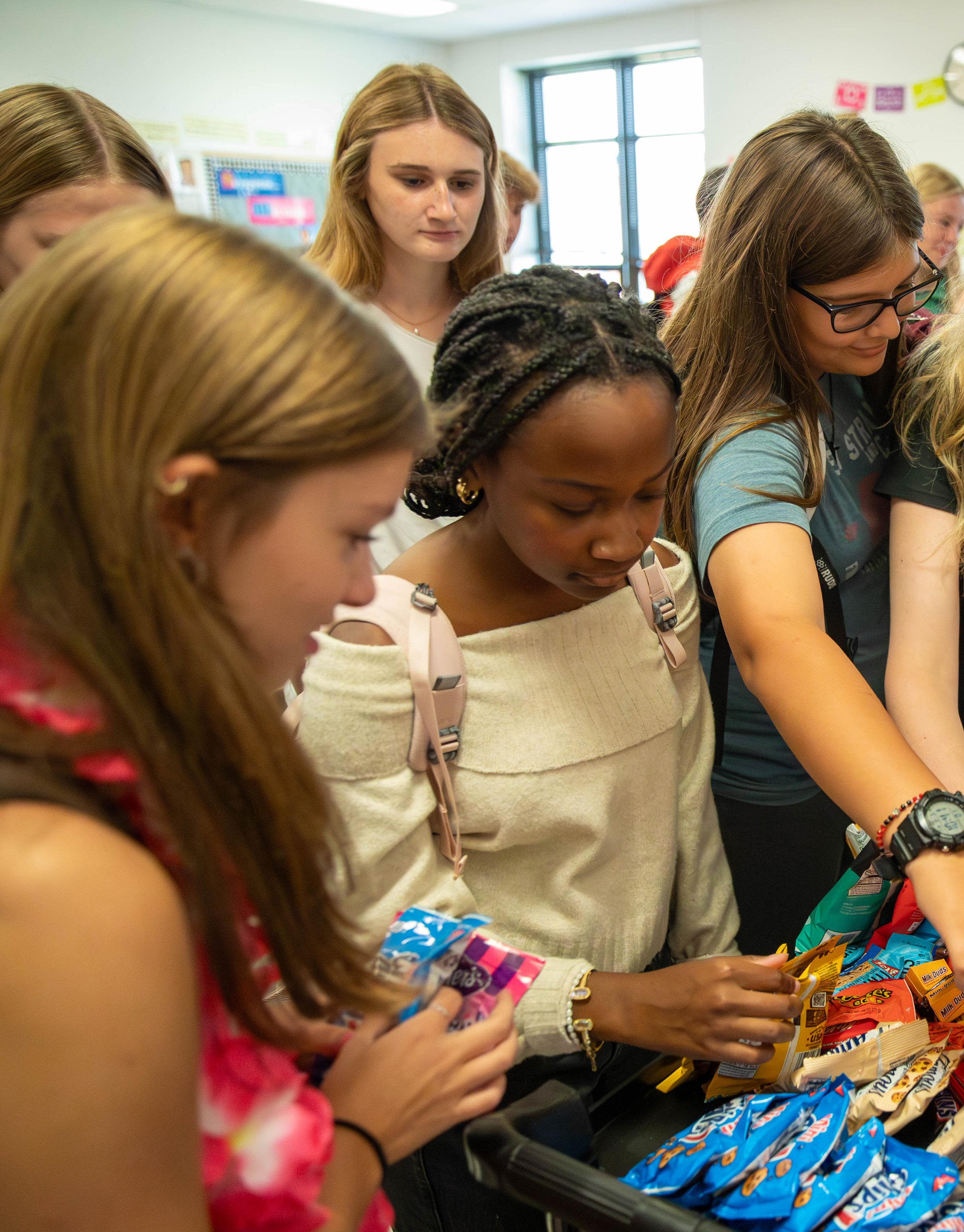
Besides all of the football pregame tailgates, all school assemblies, the pep rallies, and student section themes, there was always one way that students at the school got more involved, and that was clubs. The amount of students joining clubs as well as new clubs being created is growing rapidly. StuCo has seen that and taken action, creating the All Club Council.
“Bringing more awareness to the things that are affecting the entire building and things that kids need to be aware of,” Holmes said.
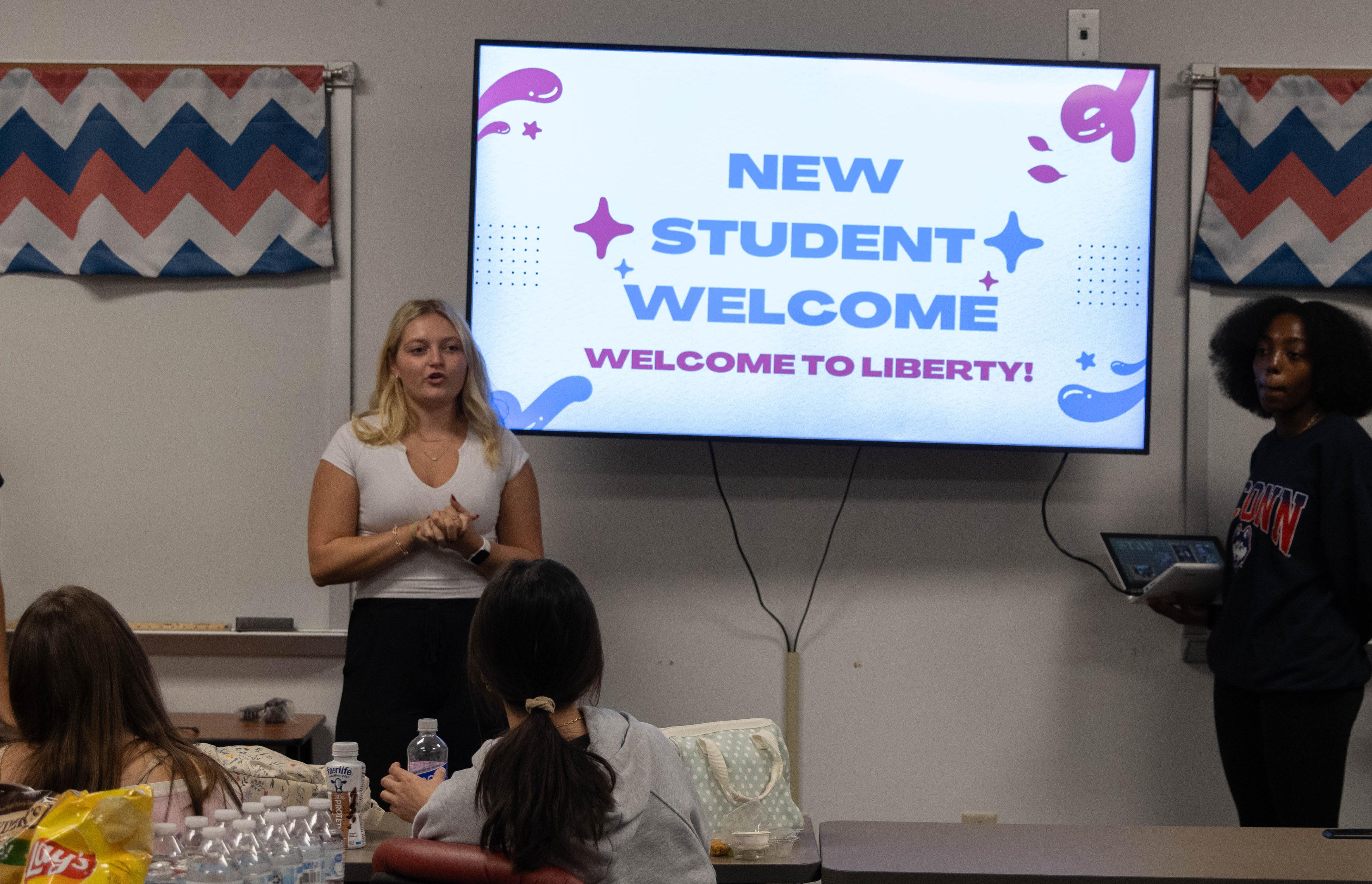
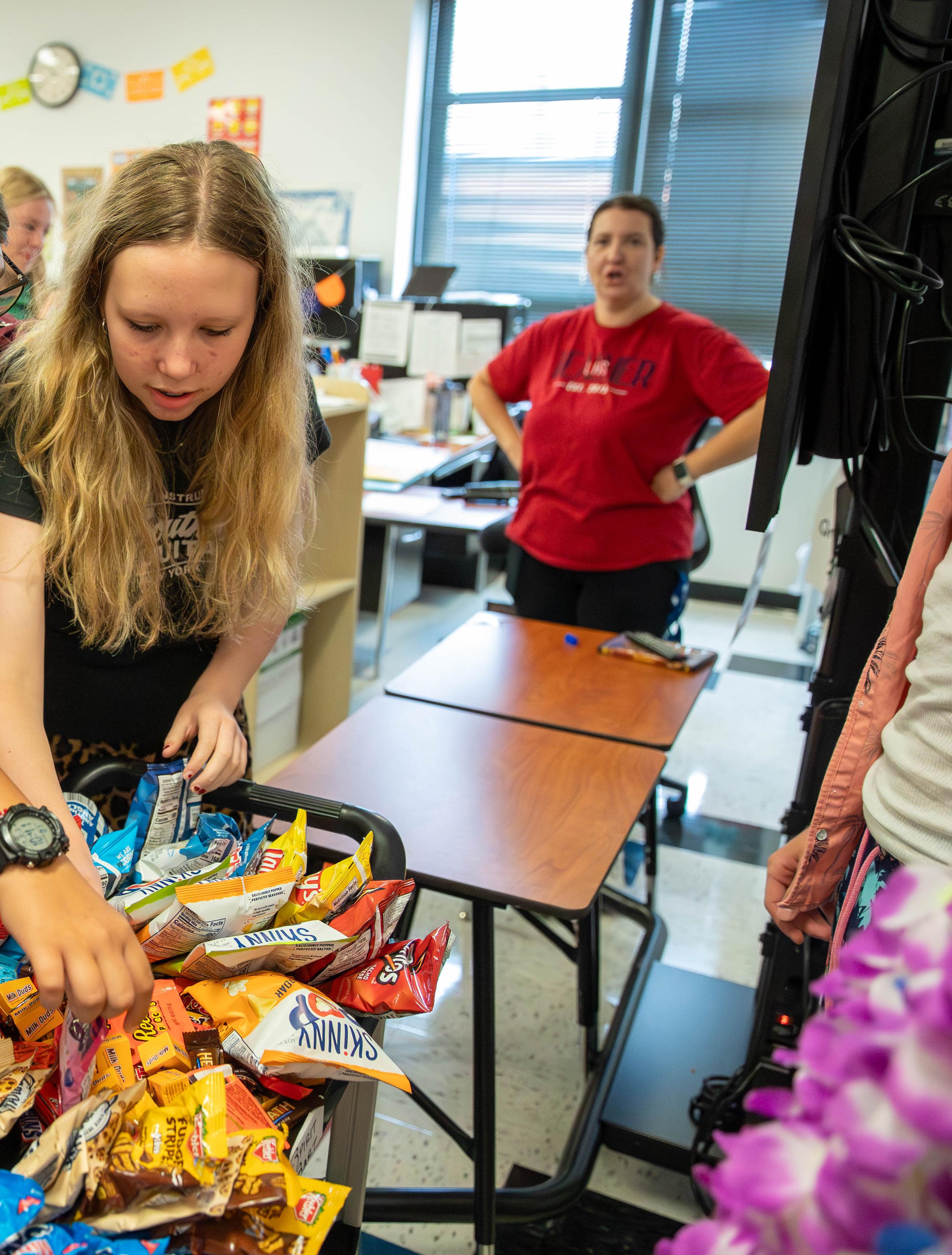
“Maybe bringing more attention to individual organizations, too.
With this being the fourth year of All Club Council, Holmes put the weight of the club on StuCo member Alyssa Johnson to organize and run the club. Johnson is in charge of making sure clubs and students at Liberty feel included and that everyone is in the know, which can make a huge impact on the students and the building.
“I think it’s definitely helpful to the school,” Johnson said. “I feel pretty helpful about just being able to promote other people’s things and be there to give advice.”
This is Johnson’s first year as All Club Council lead, and this is very much the first year that this club has been what some people call real.
“
I definitely would like to accomplish more being able to get the word out for other people, such as club events, fundraisers, spirit days and a lot of other stuff.”
- Alyssa Johnson (11)
“Three years ago, we did a little pilot of it, and we didn’t have it really established last year,” Holmes said. “Things got busy last year but this would be like the first official year.
All Club Council has monthly meetings with clubs from around the school, all conversing on upcoming events that could be promoted to the students of the school to get them more involved.
“I definitely would like to accomplish more, being able to get the word out for other people, such as club events, fundraisers, spirit days and a lot of other stuff,” Johnson said.
Sexual Assault: According to the Office on Violence Against Women, the term “sexual assault” means any nonconsensual sexual act proscribed by Federal, tribal, or State law, including when the victim lacks capacity to consent.
Sexual Misconduct: A broad term encompassing any unwelcome behavior of a sexual nature that is committed without consent or by force, intimidation, coercion, or manipulation.
Consent: Freely given agreement to have sexual intercourse or sexual contact as indicated by words or overt actions by a person legally and functionally competent.
Sexual Abuse: When a person knowingly causes another person to engage in a sex act by threatening or placing the other person in fear, or if someone engages in a sexual act with a person who is incapable of appraising the nature of the act or unable to give consent.
Sexual Violence: A sexual act that is committed or attempted by another person without freely given consent of the victim or against someone who is unable to consent or refuse. It includes forced or alcohol/drug facilitated penetration of a victim; forced or alcohol/drug facilitated incidents in which the victim was made to penetrate a perpetrator or someone else; non-physically pressured unwanted penetration; intentional sexual touching; or non-contact acts of a sexual nature. Sexual violence can also occur when a perpetrator forces or coerces a victim to engage in sexual acts with a third party. Sexual violence involves a lack of freely given consent as well as situations in which the victim is unable to consent or refuse.
Sexual Harassment: Includes unwelcome sexual advances, requests for sexual favors, and other verbal or physical harassment of a sexual nature.
Rape: Unlawful sexual activity and usually sexual intercourse carried out forcibly or under threat of injury against a person’s will or with a person who is beneath a certain age or incapable of valid consent because of mental illness, mental deficiency, intoxication, unconsciousness, or deception.
Victim Blaming/Blameshifting:
Someone saying, implying, or treating a person who has experienced harmful or abusive behavior (such as a survivor of sexual violence) like it was a result of something they did or said, instead of placing the responsibility where it belongs: on the person who harmed them.
Sexual trauma: This as an umbrella term to describe any sexual act that is imposed on another person without their consent. This can be a one-time event or an ongoing experience and does not have to be physically violent.
by

By Ella Quinney, Editor-in-Chief of the Ledger
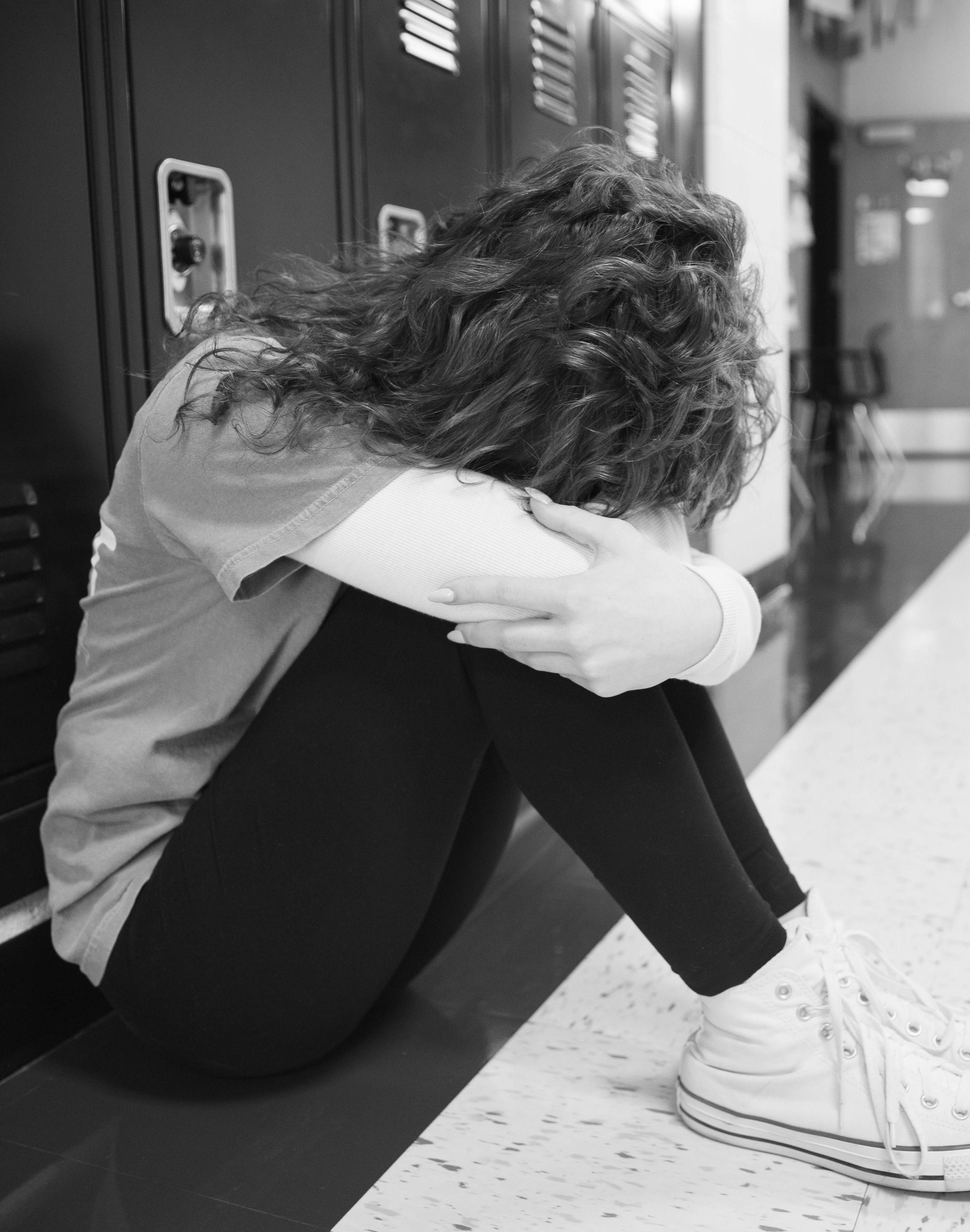
This story contains references to content that may be difficult for those who have experienced trauma or are sensitive to topics concerning sexual assault, sexual harassment, sexual abuse, sexual violence, and rape. Student names have been changed for confidentiality.
You walk down the street when you suddenly hear someone barking behind you. You walk a little quicker, trying to avoid confrontation with the person. You hear their footsteps get closer to you. You pretend you don’t hear them, and keep walking towards your destination. They keep following. Then you finally arrive and rush into the store, panic in your eyes, heart racing, you look for someone, anyone that you think can help. You stand next to a group and keep your eyes on the door, no one comes in behind you. You are safe, at least for now.
Not everyone ends up safe, you were lucky.
According to the National Sexual Violence Resource Center (NSVRC) 81% of women and 43% of men are not lucky, they report to being sexually harassed or assaulted at least once in their lives. However, these numbers do not tell the full story. The truth behind the numbers is that survivors will not report their experiences.
1/ 4 1/ 6 women men reported being sexually abused before the age of 18 reported being sexually abused before the age of 18
Victim blaming is when a survivor tells their story to others and they respond saying, “It was probably what you were wearing. You shouldn’t wear a skirt that length if you don’t want attention. Boys will be boys, I’m sure you’re over exaggerating,” along with every other recycled response that places the blame on the survivor and not the perpetrator. This can cause survivors to feel guilty towards what happened to them.
comfortable and seen is by learning how to support them. If a friend or family member chooses to share their story with you, you should do the following:
-Listen without interrupting
-Show that you believe them
-Remember that it is not their fault
-Acknowledge that it was difficult for them to come forward
-Let them stay in control
-Respect their decisions– even if you disagree
-Be patient
-Respect their boundaries
There are several valid and understandable reasons for survivors to not come forward. According to Brown & Barron, there are five core obstacles that survivors may have to overcome in order to share their stories; trauma, guilt, fear of punishment, fear of not being believed, and stigmas.
Talking about any form of trauma is difficult. However, sexual trauma is unique in how personal it is and the double standards surrounding it. When survivors seek help, they can sometimes become retraumatized with the response they receive. This is because of victim blaming
“For a long time, I thought it was my fault,” Jane Doe said in reference to their personal sexual assault experiences. “I never really got to heal from it because nobody really knew.”
Blameshifting is not only done by friends or family that do not understand, but also from law enforcement and the criminal justice system.
Often, officers and judges will not accept a case due to the survivor not being the “ideal victim.” However, the “ideal victim” they look for, does not exist. It is quite simply a false pretense that pop culture has created.
of victims are paralyzed 70% according to the article “What is the impact of victim blaming & why do people do it?” by Fairspace according to The Children’s Assessment Center
On account of blameshifting, survivors will often be scared that others will not believe their story, discredit what they have been through, or will compare their experience with others experiences.
“A lot of people will think that it’s not that big of a deal, because a lot of women go through it,” Doe said. “I remember the first time I ever told anybody, I told my mom, and she said ‘that just happens to everybody.’ She was very supportive, but kept saying ‘that’s going to happen, and you have to get over it.”
While it is important to move past these experiences, the healing process takes time, and is different for everyone. It can take years for a survivor to feel secure enough to share their story with someone they trust, and even longer to reach out to someone for help. It is important to understand that everyone heals at different times, and in different ways. Survivors’ reactions and emotions towards their personal experiences are completely valid, and should be respected.
The easiest way to help survivors feel
You should avoid asking why they did not say something sooner, why they did not fight back, judging them for anything related to what they have been through, and do not tell anyone else without the survivors explicit permission.
A predominant part of creating a world where survivors feel more comfortable is to change the way pop culture treats the topic.
Often times, media will portray sexual assault, harassment, abuse, violence, and other offenses has a joke. Belittling the importance of the topic and creating a hostile environment for survivors that will prevent them from sharing their stories.
It does happen to a lot of people, but it shouldn’t happen to a lot of people. It should be dealt with.
-Jane Doe-
Sexual harassment is common but it should not be. When you hear someone make a joke or inappropriate comment about someone else’s appearance, it is your duty to speak up. You have the power to help.
You can make a difference.
You can help to remove the stigmas . You can break the silence surrounding sexual harassment, assault, abuse, and other sexual crimes.
By Meghan Lynch, Editor-in-Chief
Marquise Buckley’s day starts like many other high school students: waking up before the sun, and already late for school. His mom drives him to school every morning, and—despite being chronically late—he likes to stop somewhere for breakfast. Lately, he usually goes to QuikTrip, where his go-to order is a donut and a strawberry boosted smoothie.
“We used to go to Circle K every morning, but Jamie—she was an amazing woman—was wrongfully fired because she was sick. She was the nicest person ever.” People and relationships are some of the most important things in Buckley’s life, and it’s evident in both what he says and how he acts. Even when it comes to the seemingly unimportant things in life, such as where he goes to get breakfast, he gravitates towards people that he can form a relationship with. To him, life is more than just a list of achievements to check off, it’s about experiencing as much as he can.
Sometimes, that doesn’t mean being the funniest in the room or talking to the most people. Sometimes, “experiencing” also means doing little things for yourself throughout the day, and appreciating what no one else can see or hear.
“I’m usually late to all of my classes because I like to listen to music, and I like to walk in as the song’s either ending or hitting its climax. It’s just a thing I do for me.”
Missing a few minutes of a lecture doesn’t bother him much, though. To him, education is important, but not as important as the social part of the school day. According to Buckley, “Lunch is probably where I do the most,” he said. “The very first thing I do is go to DECA. I only spend money at DECA when they have sugar cookies. If they don’t have sugar cookies, I walk right out and I say ‘JP, you guys need to call the truck and make sure I have my sugar cookies.’ As soon as I go in there, they know to start giving me sugar cookies.”
For an extrovert, lunchtime is definitely one of Buckley’s favorite parts of the day.
“I kind of try to talk to random people for like the first five or 10 minutes. I’ll just join a random group and talk to them,” Buckley said. His outgoing nature is inspired by the word “sonder.” The word means so much to him that he got it as a tattoo. He uses the word has a life motto.
“Sonder is the realization that everyone is as vivid and complex as you are,” he shared. “I got that tattooed because I feel like all of my life, I’ve always felt that way. I don’t think that there’s a ‘main character,’” Buckley said. “[My tattoo’s] name is Ella. I do name my tattoos. I think everyone should name their tattoos because they’re a part of you. They’re like a child to me.”
Buckley’s outgoing personality has reached almost every corner of the school, and it’s safe to say that he’d be known in any room he walked into. He’s a walking lesson in self-confidence, and having enough of it to explore new facets of yourself without fear.
“[My love of fashion] started junior year because that’s when I started to care more about my reputation, and maybe at first because I liked the attention and compliments,” Buckley said. “Then, it turned into representing my high confidence and trying to find new outfits I’ve never worn before, and wearing out fits that I felt represented me.”
Fashion is a huge part of people’s perception of themselves, and how others perceive them. “With every outfit, I listen to different music and make different jokes. My outfits single-handedly change my mood from my music down to the way I talk.”

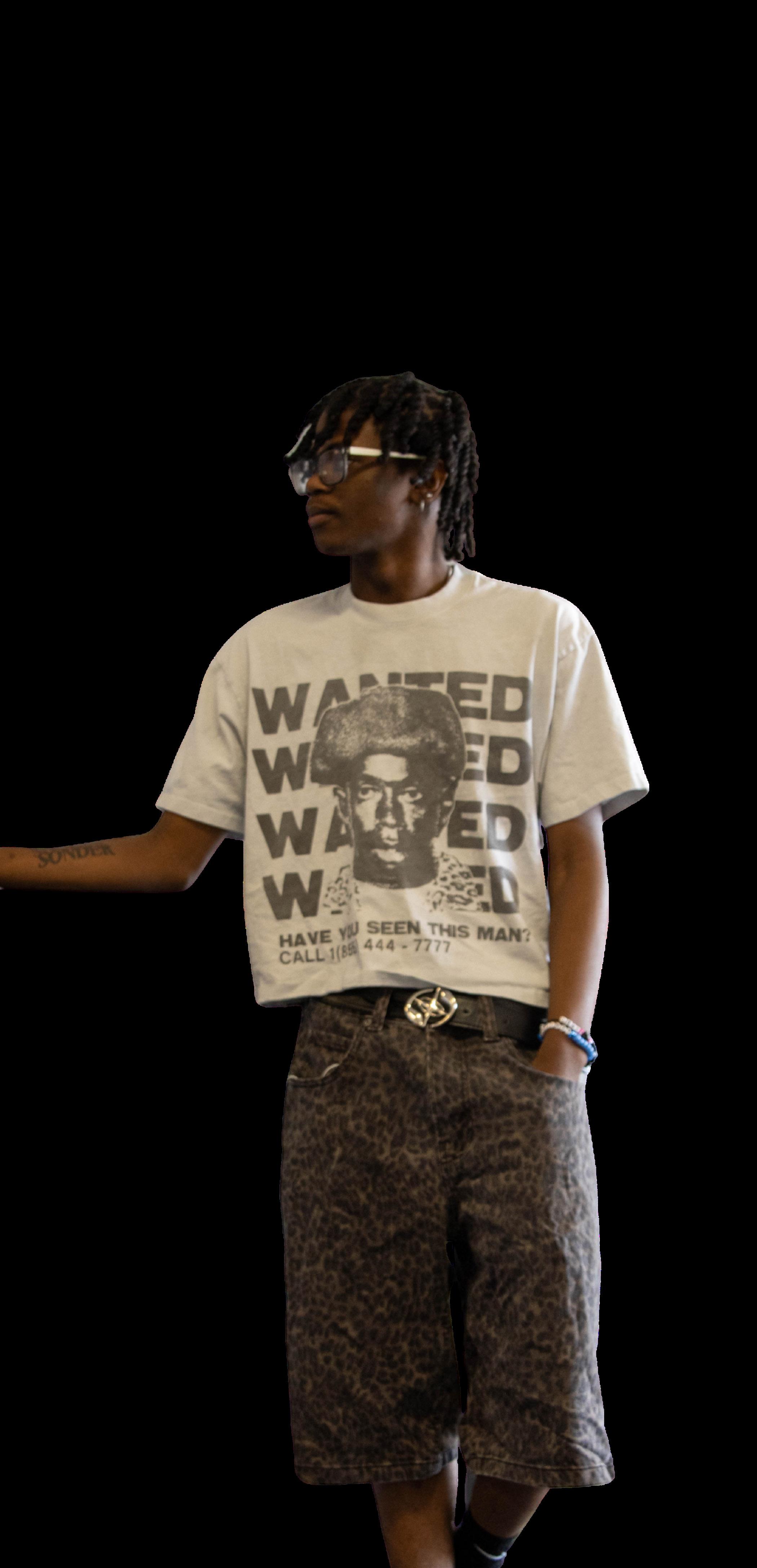


Marquise Buckley’s latest passion in life is acting. At the beginning of his senior year, he joined Drama Club and auditioned for the fall play, “Suite Surrender.” And even though he wasn’t cast in the production, that didn’t deter him. “I was like one of five guys that got called back out of a lot of other people who have been doing theater longer. For that to be my first audition and for me to get called back, I knew there was something there that Mrs. Gehrke saw, and that other people saw.”
Originally, he wasn’t sure about auditioning for the spring musical, but with the encouragement of others, specifically Mrs. Gehrke, he decided to go for it.
His decision paid off, too. He has been cast as Ike Skidmore in the spring musical “Oklahoma!” and at the time of writing this, has started rehearsals, so he’s been spending his time after school a lot differently. “I’m probably most excited about being a part of ‘The Farmer and the Cowman,’” Buckley said. “It’s a song.”
When the world seems too bleak, take a moment to remember the things that are simply good.
By Loukya Vaka, Copy Editor
F
un fact: life is stressful. And, for the most part, there’s not much that can be done about this.
A 5-year-old may be stressed about the monster that is most certainly lurking under the bed, insisting that their parents do a thorough sweep just one more time.
A 14-year-old could be worried about their first final, tryout, relationship, audition, or breakup.
An 18-year-old might be preoccupied with analyzing their totally solid plan for their newfound independence, researching how to cook well enough to sustain themselves or how to pay bills.
A 20-year-old is possibly wondering what they’re going to use their major for, looking into the job market with anxious thoughts bouncing around their head.
So, stress is diverse, and it’s everywhere. So much so that it’s unbelievably tough to remember what there is to life beyond going from one thing to another.
But, when the world is bleak for many people for so many reasons, it’s important to remember the small joys of just one good thing happening in one small moment.

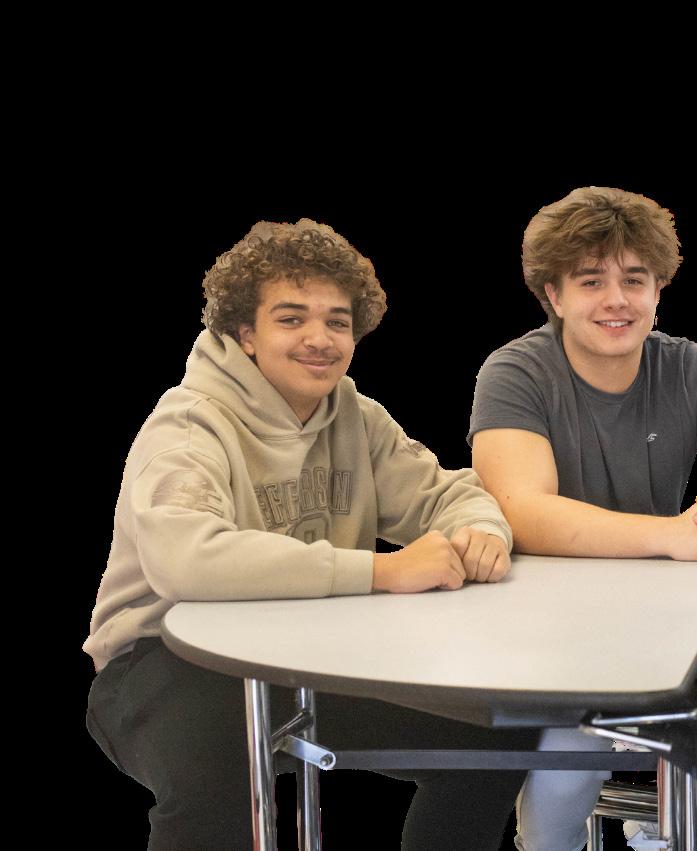
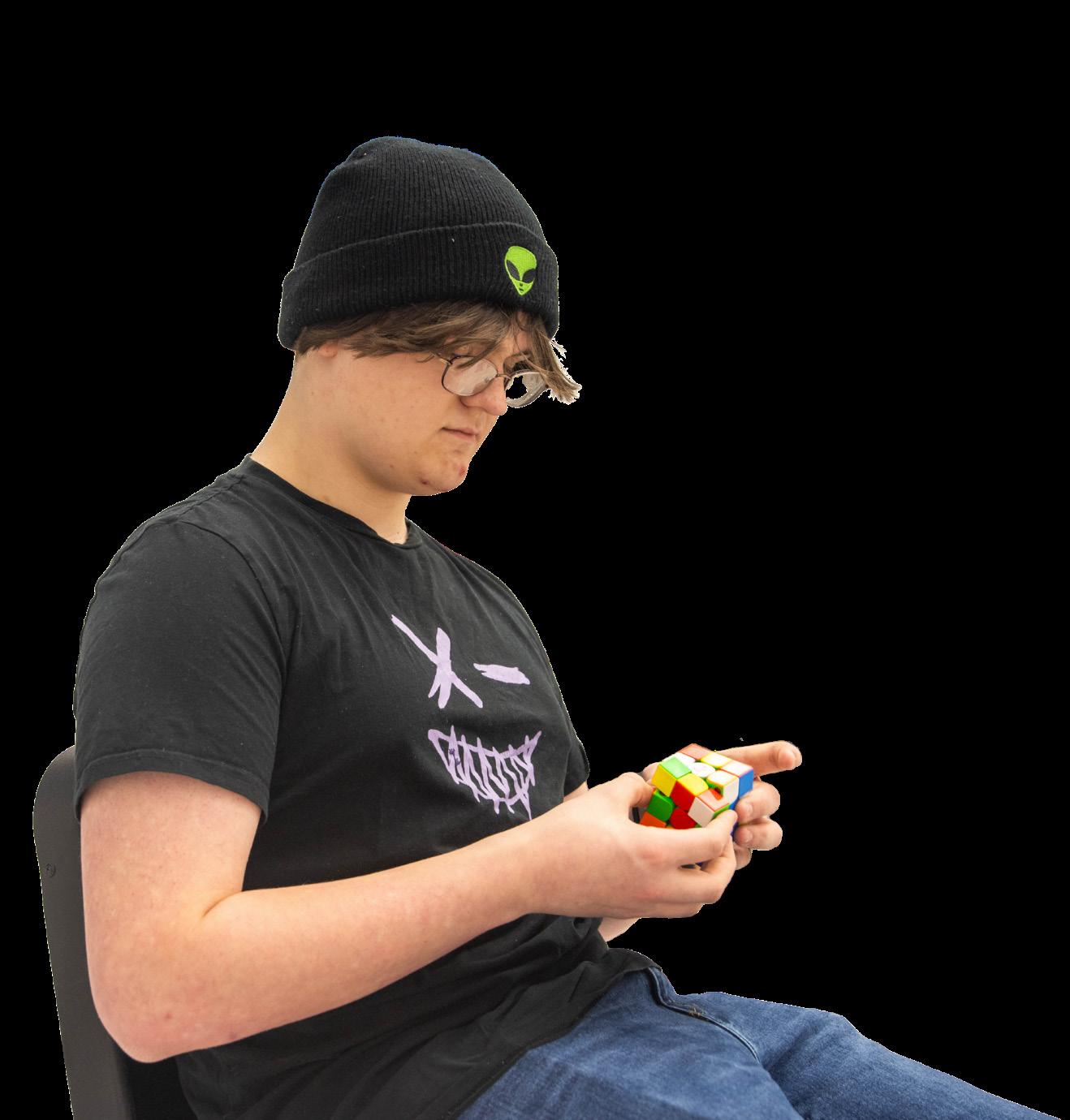
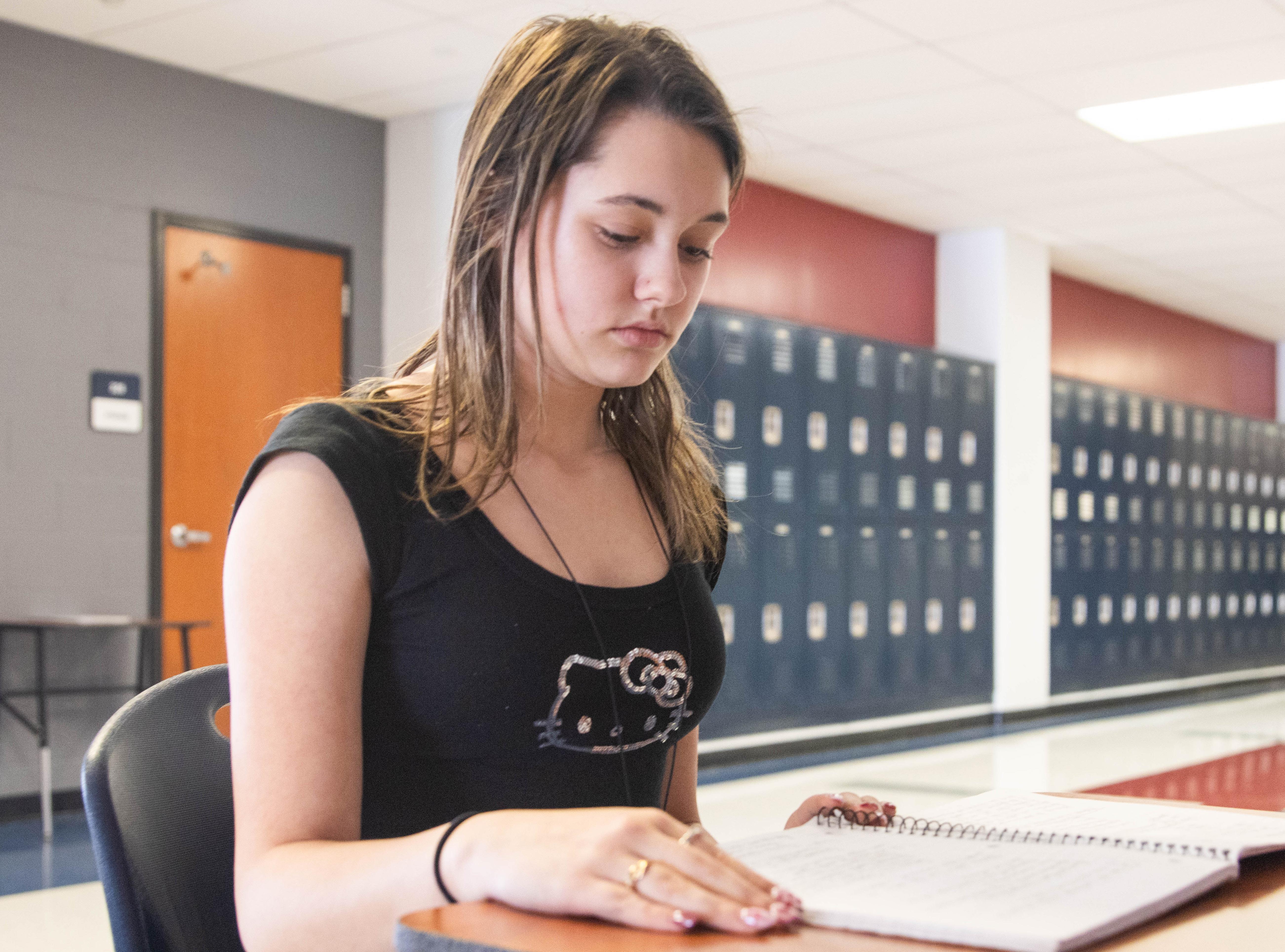
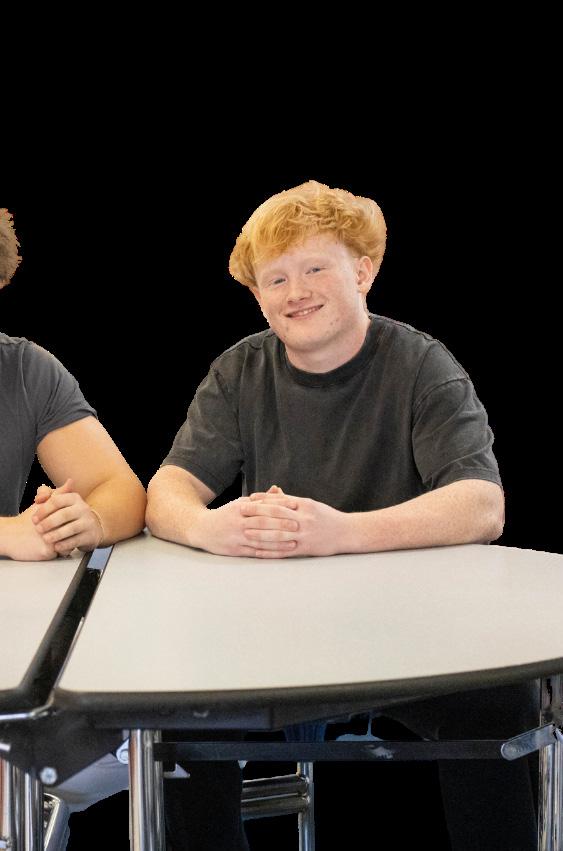
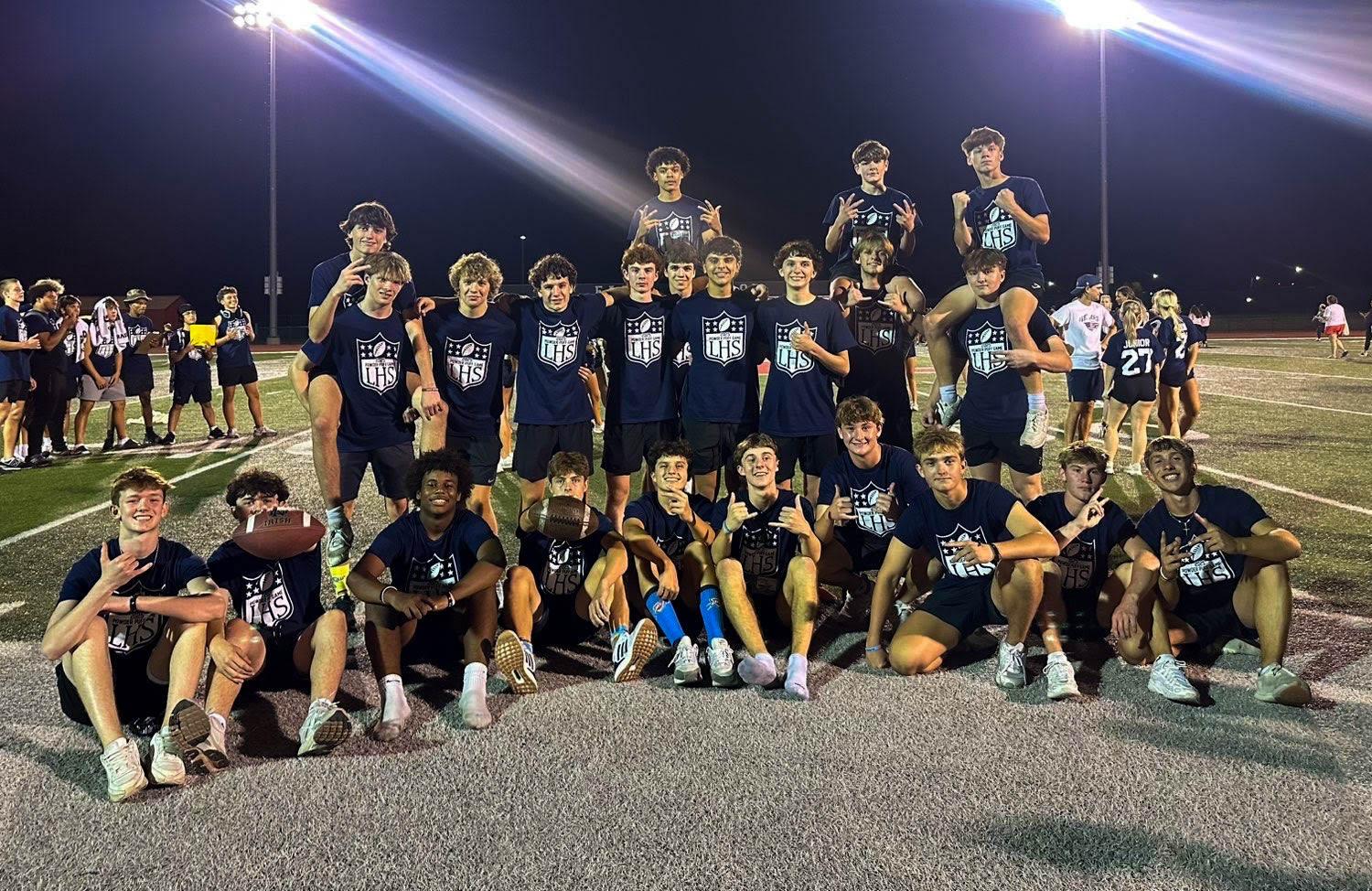

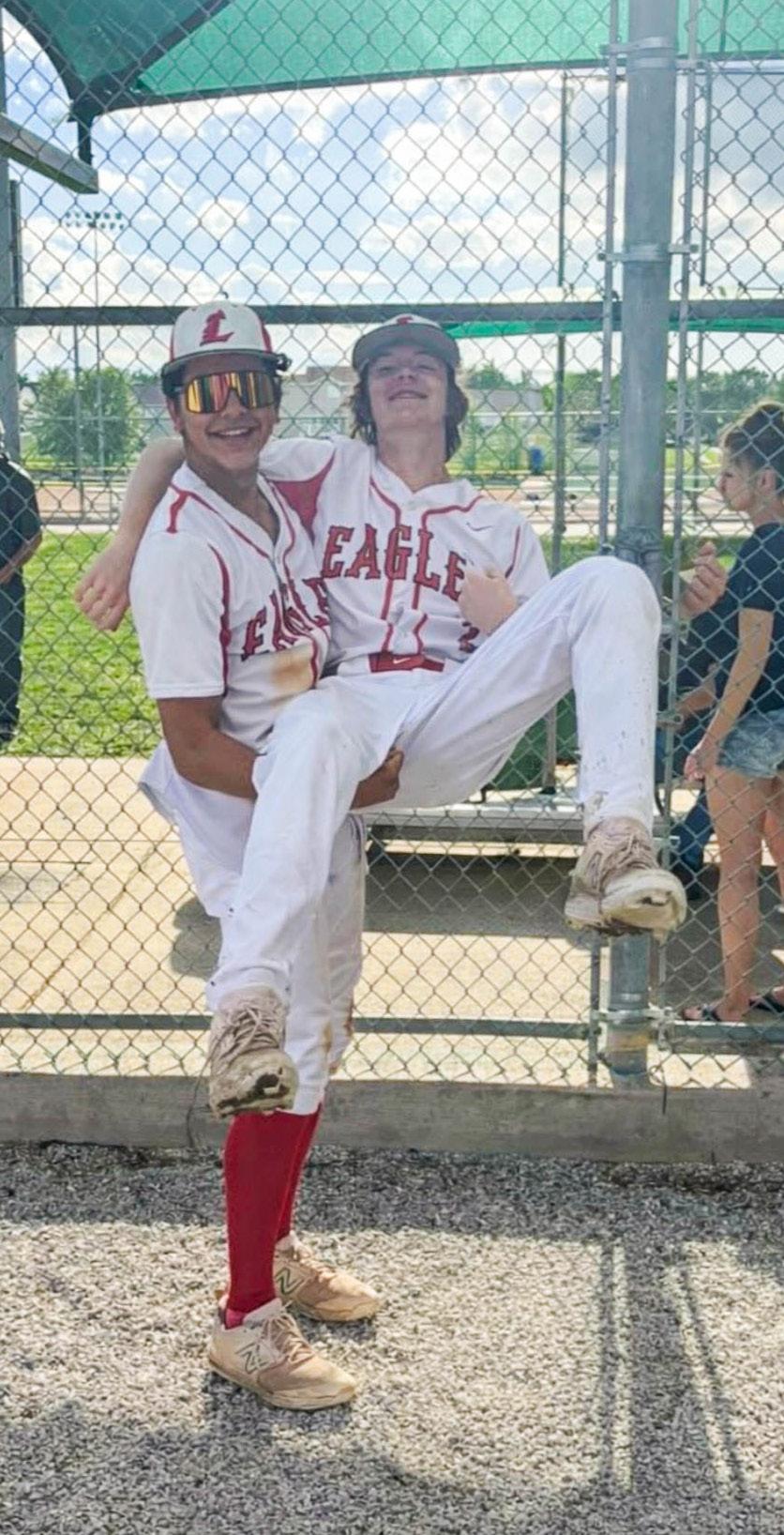


By Emery Miyasaki, Reporter
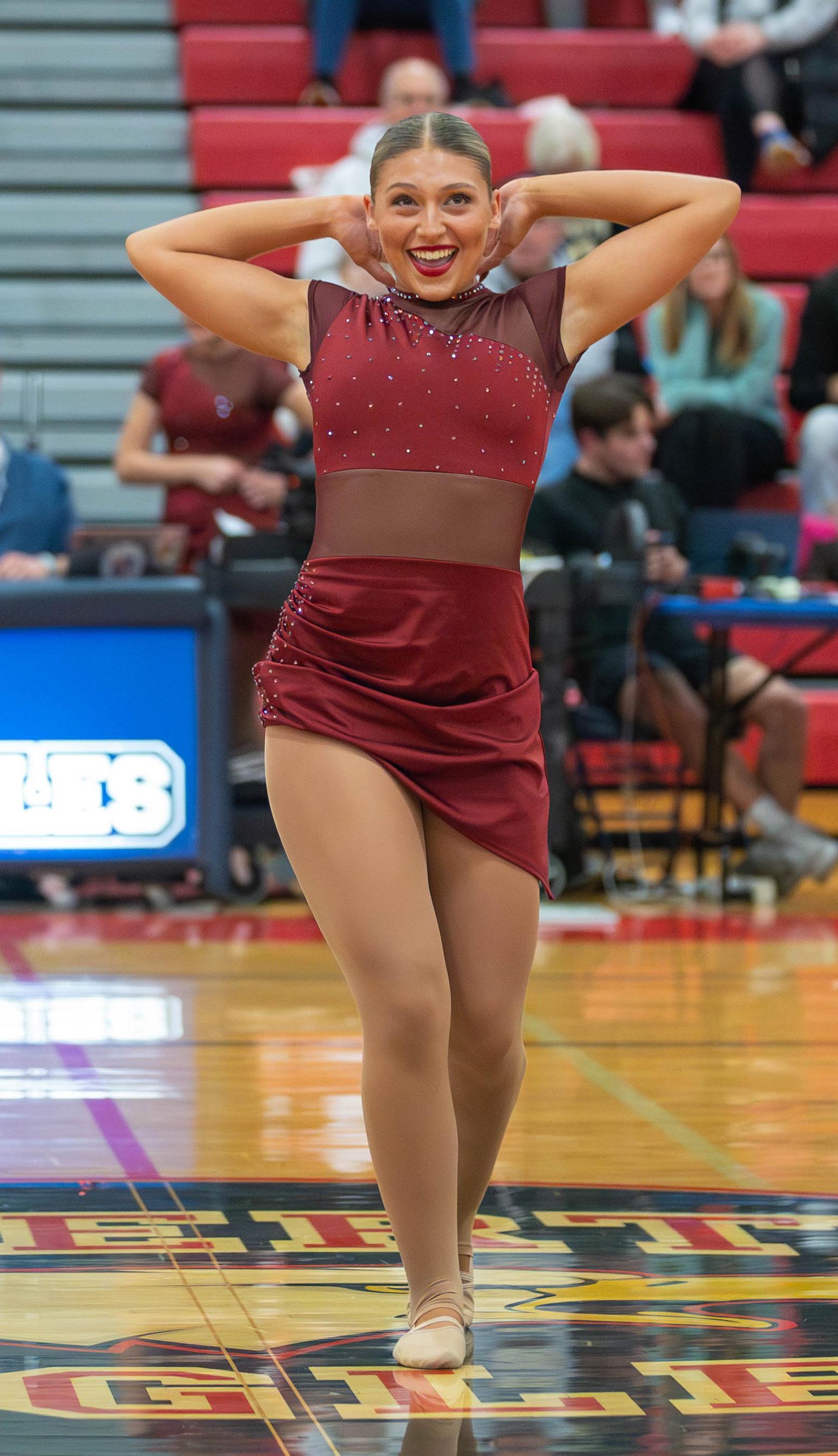
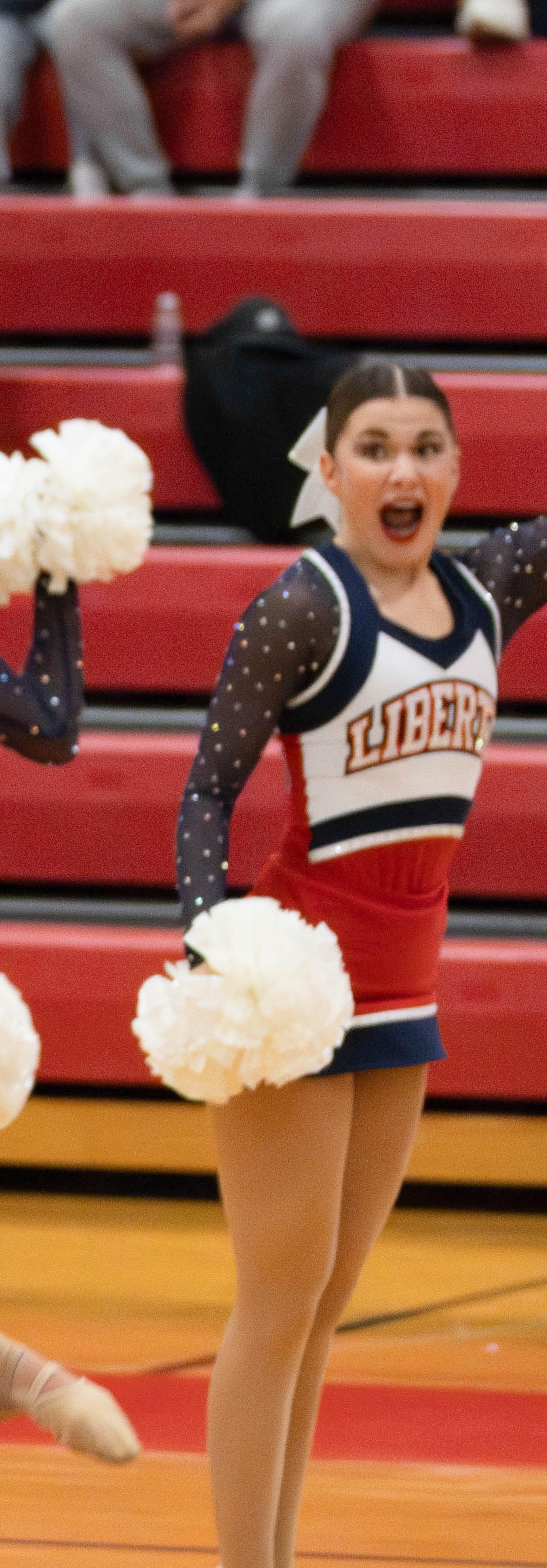
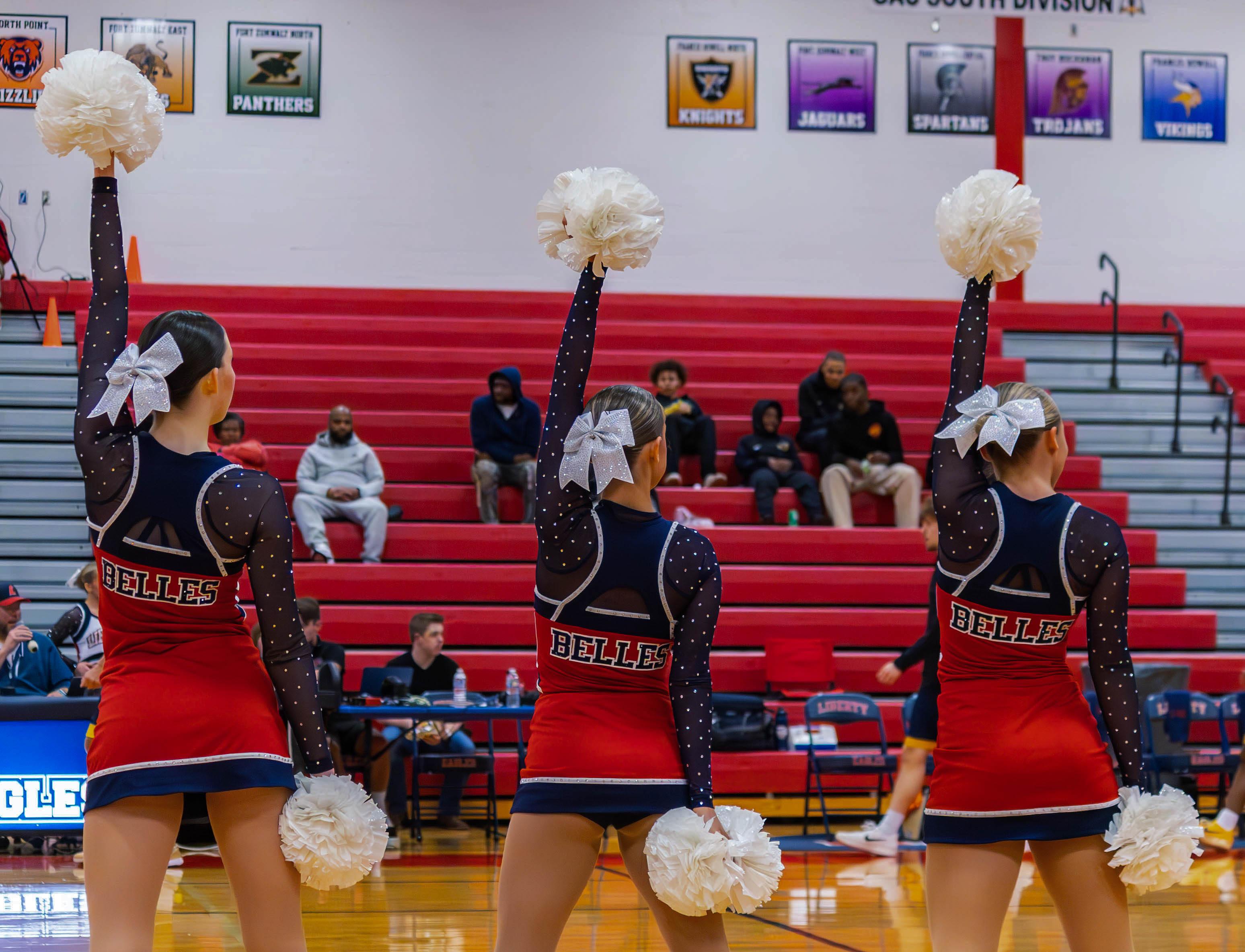
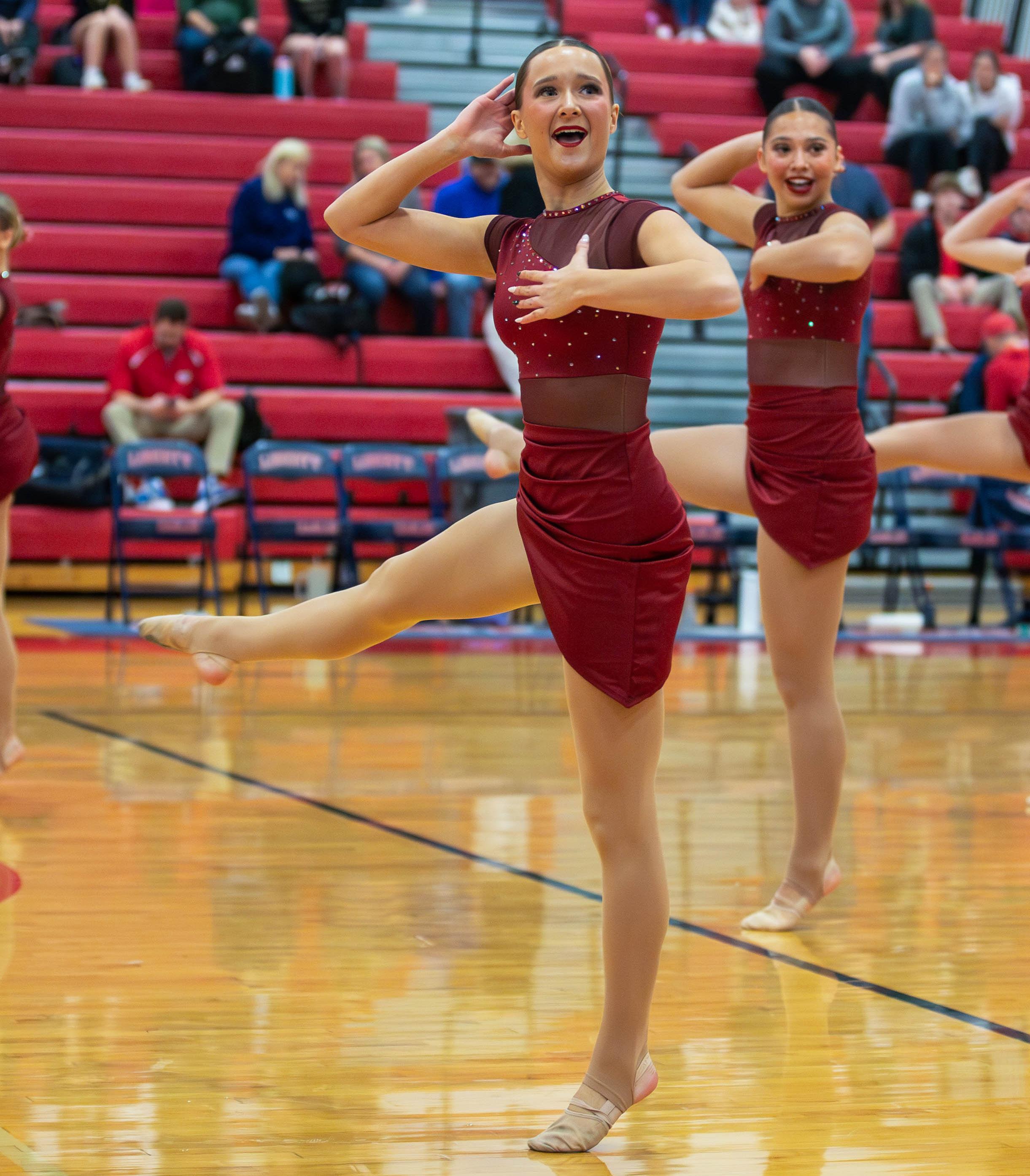
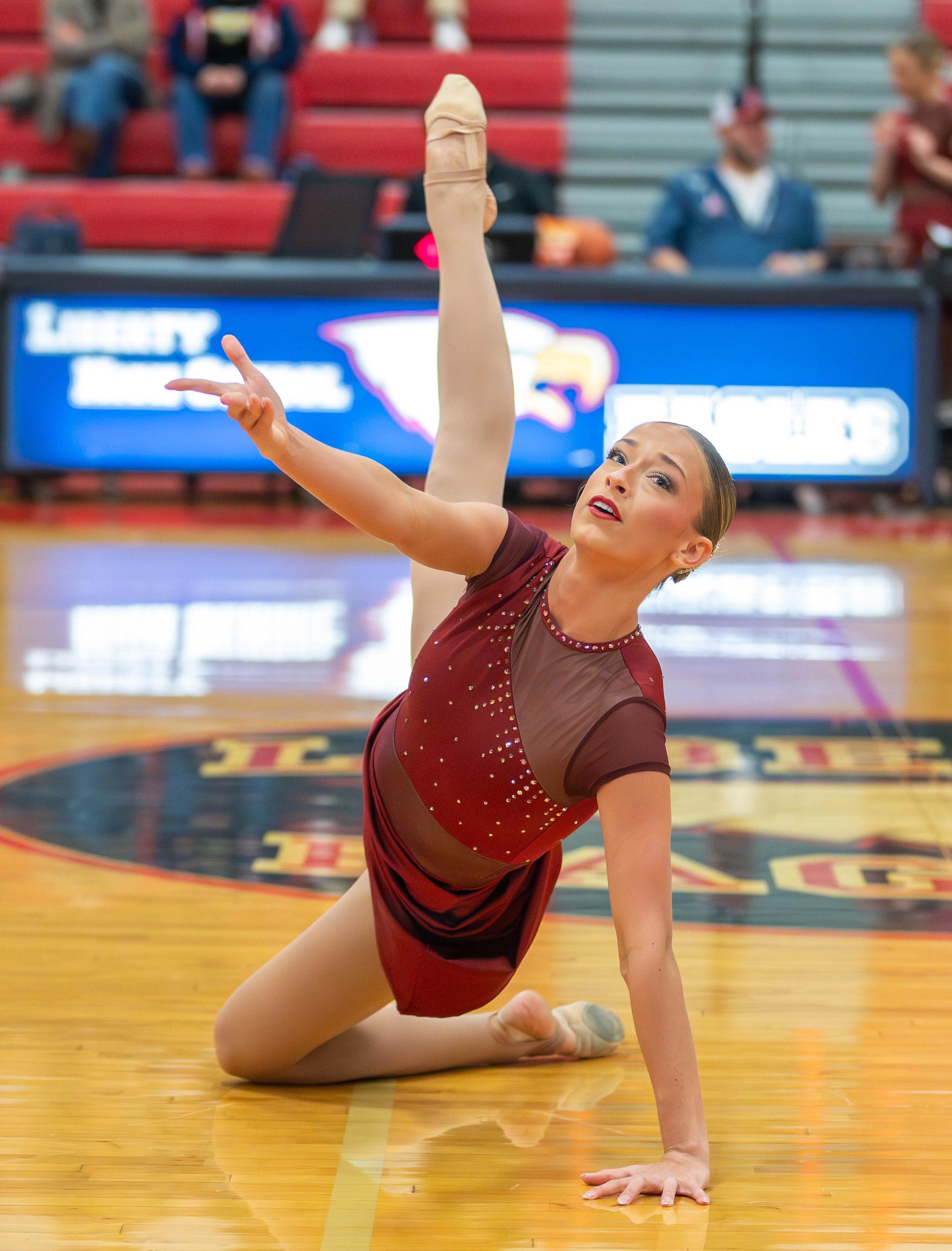
The buzzer rings and the athletes clear the court, the game’s not over, but everyone takes a pause. It’s halftime! Girls run onto the floor in matching costumes and strike a pose. Music starts, and the dancers begin their performance.
The Belles are our dance team. They perform at halftime during basketball and football season. With their performances, they hype up the crowd and help students reengage with the game.
“The goal of our halftime routines is to make the audience feel something,” varsity coach Amanda Miller said. “Depending on the style, that feeling may change, an energetic hip hop routine is meant to hype the crowd and energize them to cheer on our Eagles; a pom routine is designed to spark pride and school spirit; and a jazz routine aims to move the audience through storytelling. Above all, we want our performances to leave the crowd feeling pride, spirit, or captivation.”


their routines behind the scenes to make them game-day ready.
“The Belles practice a lot, and many people don’t realize how much work we put in,” Vinyard said. “We practice at least four days a week - sometimes even five - and put a lot of our off time into practicing to better ourselves and the team.”
“During competition season, such as now, we spend more time cleaning dances, specifically refining technique and synchronization of our competition routines,” Miller said.
The Belles are highly successful in their sport, having claimed four state championships and four top-three finishes at a national level. Clearly their skills
The Belles are one of the most iconic parts of halftime. Without their performance, game day would feel incomplete.




The SF-25 was the last Ferrari car to utilize ground effect before it was removed in 2026. It was described by Ferrari as a “completely new car” that used the race-winning Ferrari SF-24 as a basic foundation. The SF-25 kept the pull-rod rear suspension. Ferrari opined that changing such would clean up airflow around the car while opening up opportunities for further aerodynamic development.
Charles Leclerc (16): Monégasque driver, Leclerc arrived in F1 in 2019 at the age of 21. He’s one of the best Scuderia Ferrari drivers. Leclerc is contracted to remain at Ferrari until at least the end of the 2026 season.
“Whatever the position at stake, you’ve got to do your absolute best as a driver whether you’re fighting for the fifth or first position,” Leclerc said.
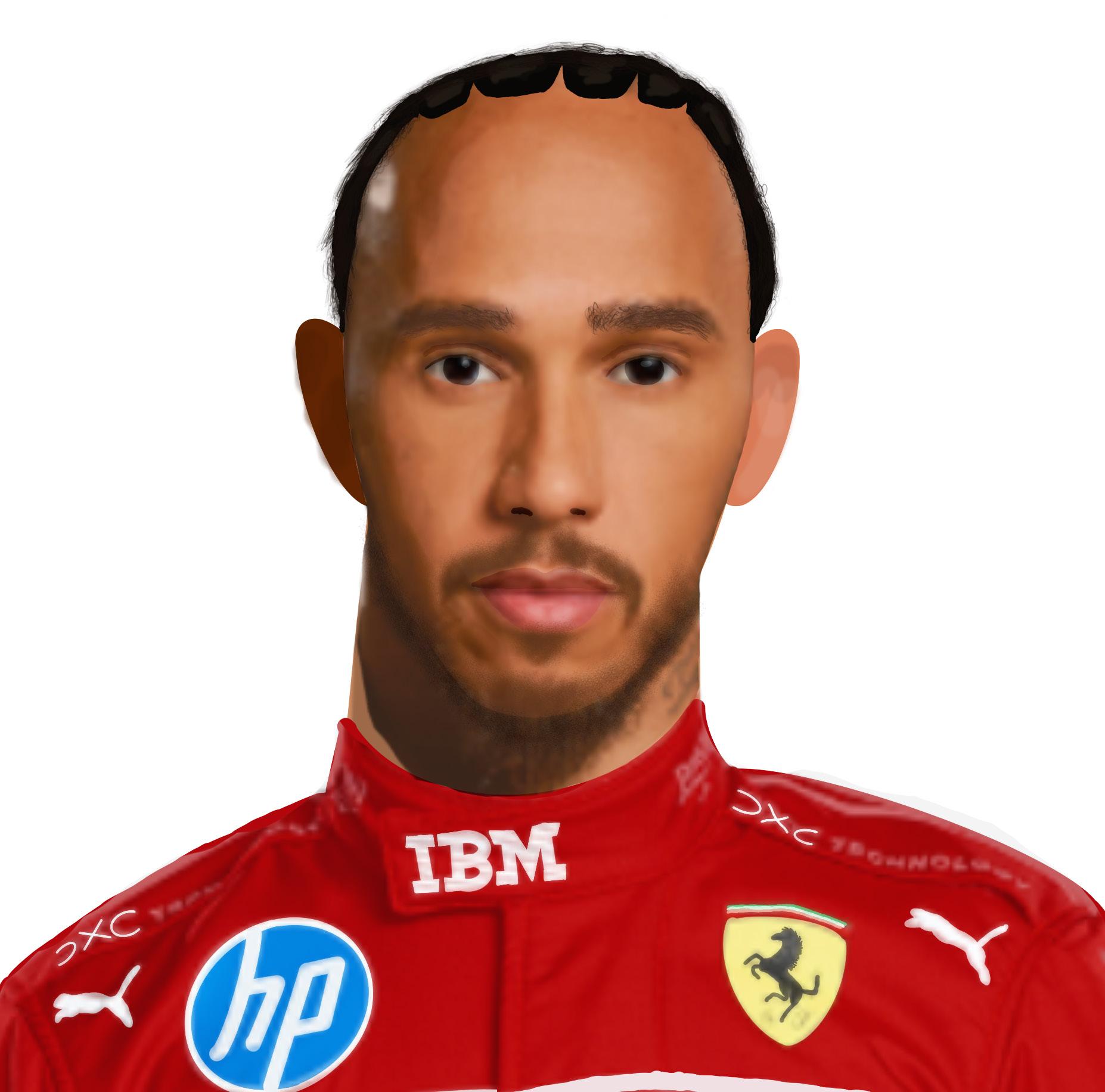
Lewis Hamilton (44): British racing driver who competes in Formula1 for Ferrari. Hamilton signed for Mercedes in 2013,ending his 15-year association with McLaren. Hamilton signed for Ferrari in 2025 at the age of 40, where he is contracted to remain until at least the end of 2026.
‘’I don’t aspire to be like other drivers, I aspire to be unique in my own way,’’ Hamilton said.

From
When most people think about Formula 1 Racing (F1), they just think about sports cars racing in circles. Today, F1 has transformed from a European sport to a popular worldwide sport.
Social media has reshaped the sports image, giving fans access to drivers’ lives, personalities, and even the action behind the pits.
Fans aren’t just watching the races anymore, they’re experiencing the sport from every angle. Social media has given a multitude of coverage over highlights and viral clips of drivers, keeping F1 a relevant topic recently. Not only do we get to see short clips, but we also get to see team radios that are streamed live, letting fans hear real-time strategy between teams, take in the tension of split-second decisions, and feel the adrenaline of the racers. Every race has become a captivating story full of rivalry, intensity, and high risks with high stakes.
F1 has also made a globally significant cultural impact

through being mentioned in films, documentaries, and social media. For instance, the most recent Formula 1 movie has sparked a huge conversation about F1. We also get to see drivers behind the helmets and doing projects. Lewis Hamilton, for example, isn’t just breaking lap records—he’s producing documentaries, collaborating on media projects, and showing fans his life off the track. Other drivers, like Max Verstappen and George Russell, use platforms like Instagram and TikTok to connect with fans, posting content ranging from gaming streams to moments in the pit, boosting the energy of both the fans and audience.
Beyond the track, F1 is embracing lifestyle entertainment and fashion. We get to see collaborations ranging from video games to driver-inspired fashion lines. Fans can wear team gear, play as their favorite drivers in games like the well-received F1 25 game, or follow their favorite drivers’ projects off the track.
Early racing machines laid the foundation for modern Formula 1 engineering. Lightweight bodies, powerful engines, and innovative aerodynamics helped shape the future of the sport. These classic cars represent the origins of speed, precision, and the relentless pursuit of performance that define Formula 1 today.
An Alfa Romeo 8c 2900, the predecessor to Ferrari, racing in the 1930’s.
What trend are you?
A. Labubu
B. Quarter zips
C. Nothing beats a Jet-2 Holiday
D. Dubai Chocolate
E. Group 7
What’s your favorite sport?
A .Laser Tag
B. Hockey
C. Track
D. Cheerleading
E. Martial Arts
What’s your favorite sea creature?
A. Anglerfish
B. Dolphin
C. Jellyfish
D. Axolotl
E. Octopus
What’s your favorite childhood media?
A. Spongebob
B. Wild Kratts
C. My Little Pony: Friendship is Magic
D. Sofia the First
E. Paw Patrol

Which funky ice cream flavor sounds the best?
A. Spuds and Fudge
B. Red, White, and Blueberry
C. U.S.S. Butterscotch
D. Strawberry Mint
E. Marzipan Maraschino Cherry
What’s your favorite class?
A. History
B. PE
C. Science
D. English
E. Math
What brand of energy drink are you?
A. Red Bull
B. Celsius
C. Monster
D. Alani
E. Prime
What’s your favorite punctuation?
A. !
B. ,
C. /
D. ~
E. -