www.progressivejudaism.org.uk
of Progressive Judaism Voices

The inaugural conference
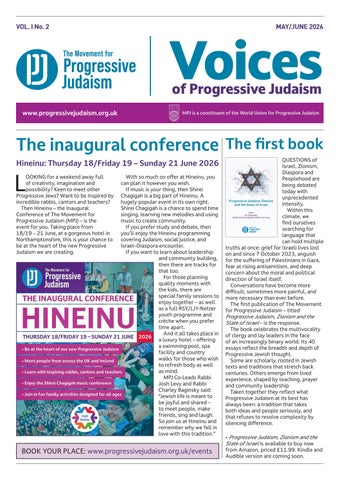
Hineinu: Thursday 18/Friday 19 – Sunday 21 June 2026
LOOKING for a weekend away full of creativity, imagination and possibility? Keen to meet other Progressive Jews? Want to be inspired by incredible rabbis, cantors and teachers?
Then Hineinu – the Inaugural Conference of The Movement for Progressive Judaism (MPJ) – is the event for you. Taking place from 18/19 – 21 June, at a gorgeous hotel in Northamptonshire, this is your chance to be at the heart of the new Progressive Judaism we are creating.
With so much on offer at Hineinu, you can plan it however you wish.
If music is your thing, then Shirei Chagigah is a big part of Hineinu. A hugely popular event in its own right, Shirei Chagigah is a chance to spend time singing, learning new melodies and using music to create community.
If you prefer study and debate, then you’ll enjoy the Hineinu programming covering Judaism, social justice, and Israel–Diaspora encounter.
If you want to learn about leadership and community building, then there are tracks for that too.
For those planning quality moments with the kids, there are special family sessions to enjoy together – as well as a full RSY/LJY-Netzer youth programme and crèche when you prefer time apart.
And it all takes place in a luxury hotel – offering a swimming pool, spa facility and country walks for those who wish to refresh body as well as mind.
MPJ Co-Leads Rabbi Josh Levy and Rabbi Charley Baginsky said: “Jewish life is meant to be joyful and shared –to meet people, make friends, sing and laugh. So join us at Hineinu and remember why we fell in love with this tradition.”
The first book
QUESTIONS of Israel, Zionism, Diaspora and Peoplehood are being debated today with unprecedented intensity.
Within this climate, we find ourselves searching for language that can hold multiple truths at once: grief for Israeli lives lost on and since 7 October 2023, anguish for the suffering of Palestinians in Gaza, fear at rising antisemitism, and deep concern about the moral and political direction of Israel itself.
Conversations have become more difficult, sometimes more painful, and more necessary than ever before.
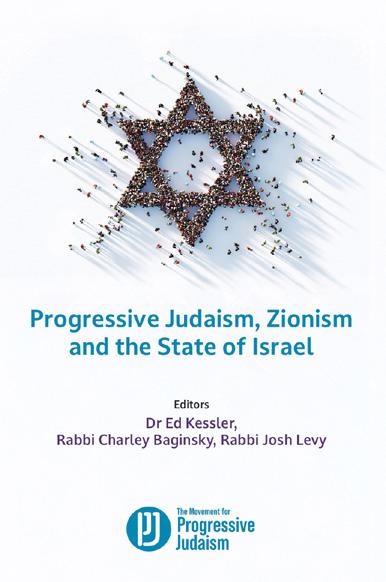
The first publication of The Movement for Progressive Judaism – titled Progressive Judaism, Zionism and the State of Israel – is the response.
The book celebrates the multivocality of clergy and lay leaders in the face of an increasingly binary world. Its 40 essays reflect the breadth and depth of Progressive Jewish thought.
Some are scholarly, rooted in Jewish texts and traditions that stretch back centuries. Others emerge from lived experience, shaped by teaching, prayer and community leadership.
Taken together they reflect what Progressive Judaism at its best has always been: a tradition that takes both ideas and people seriously, and that refuses to resolve complexity by silencing difference.
• Progressive Judaism, Zionism and the State of Israel is available to buy now from Amazon, priced £11.99. Kindle and Audible version are coming soon.
Why we are talking about Israel
Dr Ed Kessler, Rabbi Charley Baginsky and Rabbi Josh Levy introduce MPJ’s first publication
IT will be no surprise that editing a book on the relationship between Progressive Judaism, Zionism and the State of Israel – especially as the first publication from our new Movement for Progressive Judaism – has been hard work. It has also turned out to be incredibly rewarding.
The question we have regularly been asked is why this book, and why now?
The answer is that the events of recent years have destabilised much that was once taken for granted: a sense of moral clarity, the language used to speak about Israel, and even confidence in the frameworks through which Progressive Jews understand the relationship with Zionism and the State of Israel, the Diaspora and Jewish Peoplehood.
It is clear that many Jews feel intellectually and theologically underprepared for the scale of the questions they are facing.
After the trauma of 7 October 2023 and the war in Gaza, these issues have returned with even greater urgency.
It has been some years since our Movements, now brought together as The Movement for Progressive Judaism, engaged seriously, together and at scale, with the meaning of Progressive Zionism and with the nature of our relationship with the Land and State of Israel.
In the meantime, the world has changed; Israel has changed; the Diaspora has changed.
“It is our hope that this book helps create the conditions for deeper conversation.”
The global conversation about nationalism, justice and identity has also shifted in profound ways.
It is therefore not surprising that many have struggled to find a common language, or even to speak across the differences that have emerged within our diverse Jewish communities.
As we travelled the country in 2024 and 2025, in the two years leading up to the coming together of Liberal Judaism and The Movement for Reform Judaism, we were asked a profound question: what would have been different after 7 October 2023 if there had already been a single Progressive Movement?
In synagogues, community meetings and private conversations, members of our communities returned to this again and again.
What difference would it make to speak, learn and lead as one Movement for Progressive Judaism? How might a unified Movement have helped prepare Progressive Jews, spiritually and intellectually, for what followed?
The reshaping of the landscape in which Jews around the world live has become more visible: a devastating war in Gaza unfolding alongside a surge in global protest, an increasingly polarised public discourse and a sharp rise in antisemitism.
Language has hardened. Political divisions have deepened. Across many societies, extremism, both left-wing and right-wing, has grown as nationalist politics have re-emerged. Individually and in combination, these forces have made Jewish life feel newly uncertain.
That is why we are so proud that our Movement’s first book – Progressive Judaism, Zionism and the State of Israel – represents something essential to Progressive Jewish life: the willingness to engage openly, intellectually and spiritually, with some of the most complex questions facing Jews today.
The 40 voices that appear in its pages – rabbis and cantors, scholars and educators, activists and campaigners –are all committed and leading members of Progressive communities.
There are those who are young and those with a hoary head, as well as those somewhere in between; many have experience of living in Israel, but not all; politically, some are on the right and others on the left; they represent communities large and small, in London and throughout the British Isles.
Their perspectives do not always align. Indeed, some challenge one another directly. Diversity is not a weakness of Progressive Judaism. It is one of its defining strengths.
The authority of Progressive Judaism does not rest in a single voice or in a fixed doctrine. It is a movement shaped by conscience, by study, and by argument pursued for the ‘sake of Heaven’.
No one voice can define Zionism for Progressive Jews, and no single framework can capture the full complexity of our relationship with Israel. Instead, this book offers something more faithful to the spirit of our tradition: a dialogue.
Our hopes for this volume are threefold.
First, that those outside the Jewish community will encounter the richness and diversity of Jewish thought.
Too often the public conversation assumes that Jews speak with a single voice about Israel. The reality, as these pages demonstrate, is far more complex and far more human.
Second, that those who identify as Zionists will find within these pages a deeper religious and moral language through which to articulate that commitment. The language of religious Zionism does not belong only to others. It is part of their inheritance too, if they choose to claim it.
Third, that those in our congregations who do not identify as Zionists may come to better understand those who do, and why Israel, both land and state, remains central to many Jews’ sense of peoplehood, history and destiny.
“No one voice can define Zionism for Progressive Jews.”
Above all, it is our hope that this book helps create the conditions for deeper conversation within and beyond Progressive Jewish communities: conversations that are thoughtful rather than reactive, rooted in Jewish learning and dialogue as well as lived experience, and guided by the values that define Progressive Judaism –intellectual honesty, moral courage and a commitment to human dignity.
The creation of The Movement for Progressive Judaism marks a new chapter in the life of Progressive Jewish communities in the UK and Ireland.
This volume is one of the first steps in shaping the intellectual and theological voice of that new Movement.
Our gratitude extends to the 40 contributors who entrusted us with their thinking and their courage at a moment when these issues are especially urgent.
We also thank a wonderful Progressive Jewish family, the Chinns, for their support and are delighted that the book is dedicated to Lady Susan Chinn z”l.
Finally, we are grateful to the MPJ staff team and Launch Board, the communities that sustain the life of Progressive Judaism, and to the colleagues, editors and supporters who helped bring the book into being.
• This article is an edited version of the introduction to Progressive Judaism, Zionism and the State of Israel, available to buy now from Amazon.
Standing in solidarity
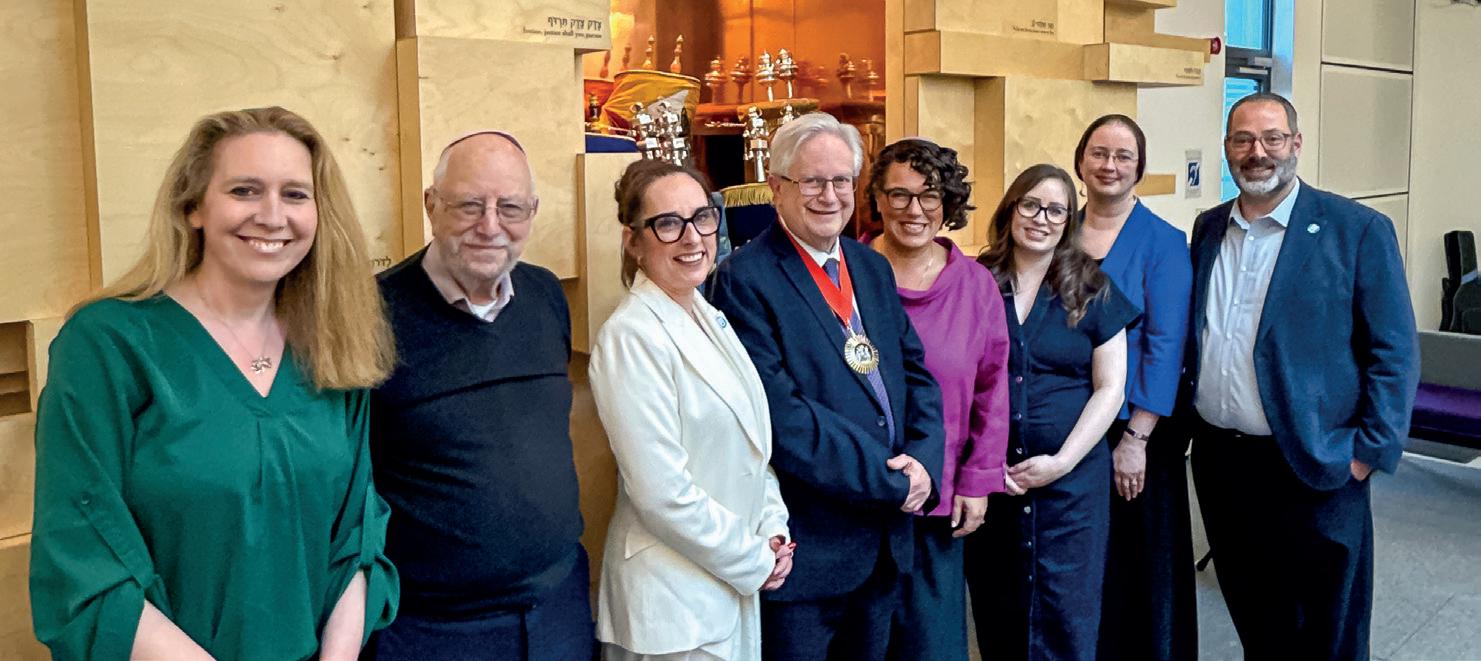
Rabbi Miriam Berger, Rabbi Jeffrey Newman, Rabbi Charley Baginsky, Rabbi Danny Rich, Cantor Zöe Jacobs, Rabbi Deborah Blausten, Rabbi Eleanor Davis and Rabbi Josh Levy at FRS
FINCHLEY Reform Synagogue (FRS) held a poignant and moving Kabbalat Shabbat service, joined by neighbours of all faiths and none, following the attempted arson attack on the FRS building.
Visitors included members of the local Somali Bravanese Welfare Association, whose own centre was destroyed by arsonists 13 years ago and who had used the FRS building until their new home was ready.
Friends from Citizens UK, Finchley Progressive Synagogue and many other Jewish and faith communities – as well as The Movement for Progressive Judaism’s Co-Leads Rabbi Josh Levy and Rabbi Charley Baginsky, Sarah Sackman MP and Barnet Mayor Rabbi Danny Rich –filled the FRS foyer for hours before the service began.
Together, everyone made and signed flowers of support, sang songs of solidarity, thanked the police and CST, and shared the huge number of donated cupcakes and doughnuts.
It was standing room only in the sanctuary for the musical service that followed – led by Cantor Zöe Jacobs, Rabbi Deborah Blausten and Rabbi Eleanor Davis. As well as reflections, prayer and a candle lighting, the evening also included a Bat Mitzvah and the graduation of the synagogue’s young hadracha (leadership) cohort.
Speaking afterwards, Cantor Zöe said: “A Friday night service with multiple rabbis, cantors, imams, priests and school headteachers made for an incredibly warm and memorable Shabbat. FRS was overwhelmed in the best possible way by the support we received and by the sheer number of people who showed up in solidarity.
“Together, we shall overcome acts of hatred and attempts to divide communities or isolate us from our neighbours. Everyone at our synagogue is grateful for the friends who have stood alongside us and reminded us that light will always drive out darkness.”
Remembrance and reflection
YOM HaShoah, the Annual Jewish Remembrance Day for Victims of the Holocaust, was marked across Progressive communities with a series of talks, vigils and services.
Our members were also among the thousands who gathered for the 2026 National Yom HaShoah UK Commemoration in London, bringing together survivors, descendants and community leaders for a ceremony of remembrance and reflection.
Rabbi Rebecca Birk of Finchley Progressive Synagogue represented The Movement for Progressive Judaism, lighting a candle with survivor Lydia Tischler MBE and Bernice Kennet, the daughter of survivor Gina Turgel (photo by Meron Persey Photography).
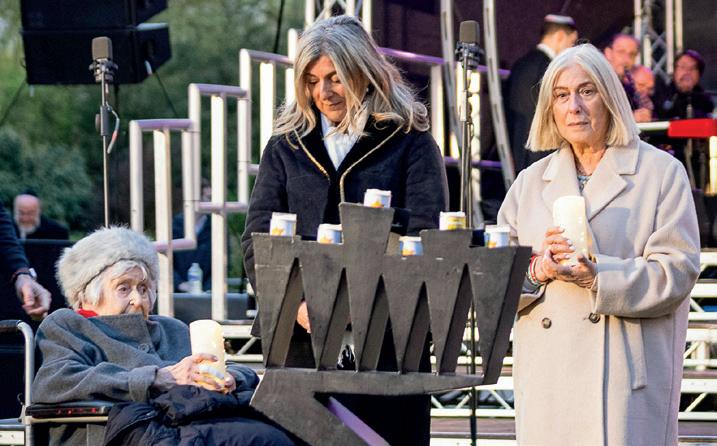
Rabbi Rebecca said: “This ceremony, in the shadow of the Houses of Parliament, was particularly poignant this year. As I lit the sixth candle with survivor and friend of FPS Lydia Tischler, I was moved by the sense of collective mourning and determination that this must never happen again.”
Celebrate 100 years of the World Union
THE Movement for Progressive Judaism is excited to be working with the European Union for Progressive Judaism on a very special event – Darkeinu: One Story, Many Journeys – to mark 100 years since the creation of the World Union for Progressive Judaism (WUPJ).
Taking place from Thursday 25 to Sunday 28 June – following on from our flagship Hineinu event – Darkeinu is a four-day celebration of Progressive Jewish connection, courage and creativity, where we will be joined by Progressive Jews from around the globe.
Options for Darkeinu, which takes place in London, include single, two-day and whole-event tickets so everyone can attend no matter their schedule.
The WUPJ was founded in London in July 1926, the initiative of Lily Montagu and Claude Montefiore. Their conference brought nearly 150 Jews from the UK, the USA, Germany, France, India and Sweden to create the world’s first federation of Progressive Jews, a term that then started to be used to describe Liberal and Reform Jews together.
The WUPJ is now the single largest global Jewish membership organisation with 1.8 million members in 50 countries. It supports and advocates for the option of Progressive Judaism and our communities from Cape Town to Cherkasy, Anchorage to Auckland, and Tel Aviv to Tbilisi.
On Thursday 25 June, a gala opening will bring us together to mark 100 years. On Friday 26, a whole-day programme, which will continue on Sunday 28, will begin with Member of the Knesset Rabbi Gilad Kariv’s keynote address and then offer six strands of learning, discussion, sharing and future building.
Each strand will feature global and European panels, conversation and lots to take away. Erev Shabbat services and dinner will be hosted by Progressive congregations throughout London.
Saturday’s programme includes the centenary service for the World Union for Progressive Judaism and a Havdalah concert of 100 years of our Jewish music together with a dessert reception.
From 22 to 25 June, we are also offering a great range of visits to the jewels in the crown of British Jewish history, including a Jewish tour of the British Museum, a day trip to the Cairo Genizah and Woolf Institute in Cambridge, a Jewish day in Brighton and a stimulating open study day at Leo Baeck College, which is celebrating its 70th anniversary this year.
To book for any of the above, visit www.progressivejudaism.org.uk/events
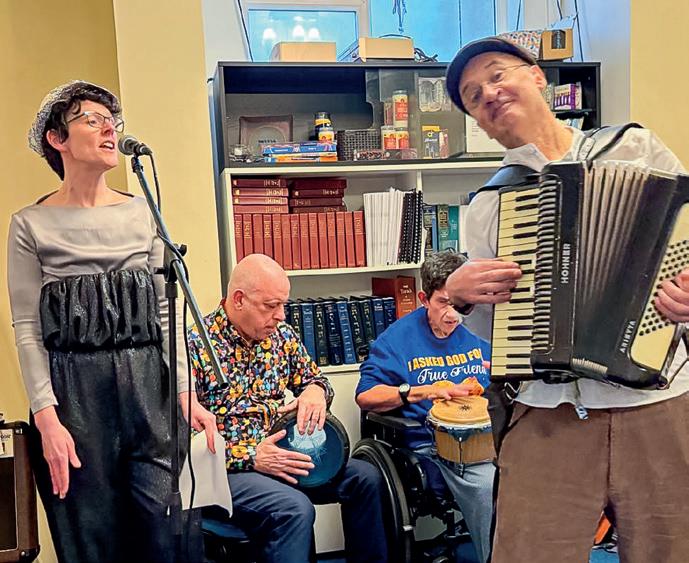
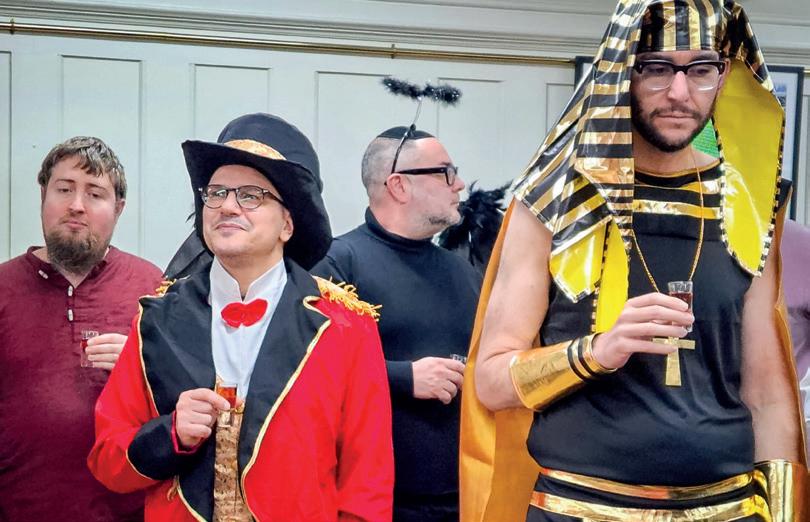
Purim 5786 around our communities
Edgware and Hendon
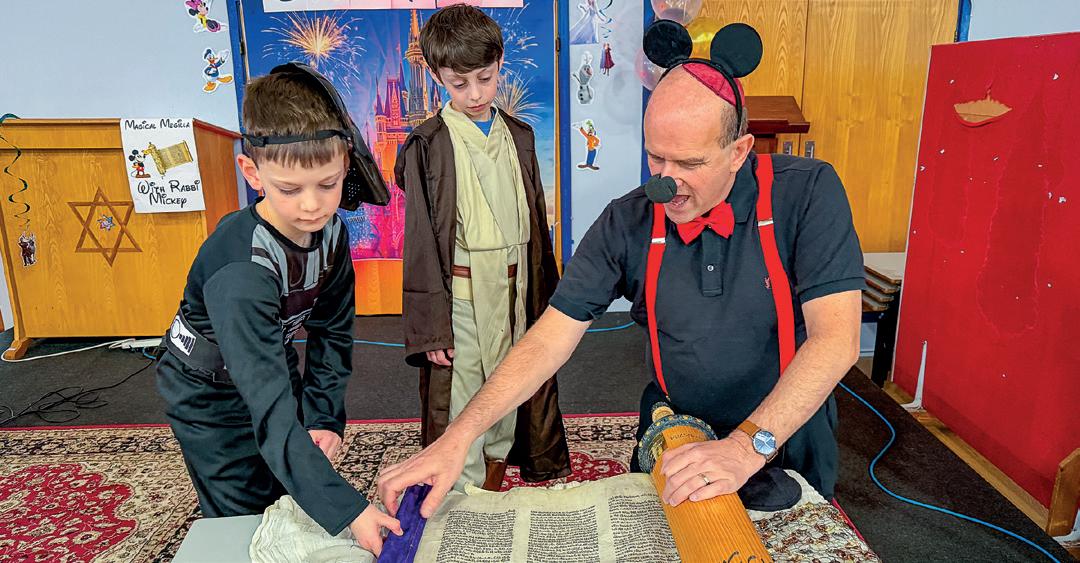
welcomed children and families of the community for an unforgettable day at Purimland, where they enjoyed immersive celebration inspired by the
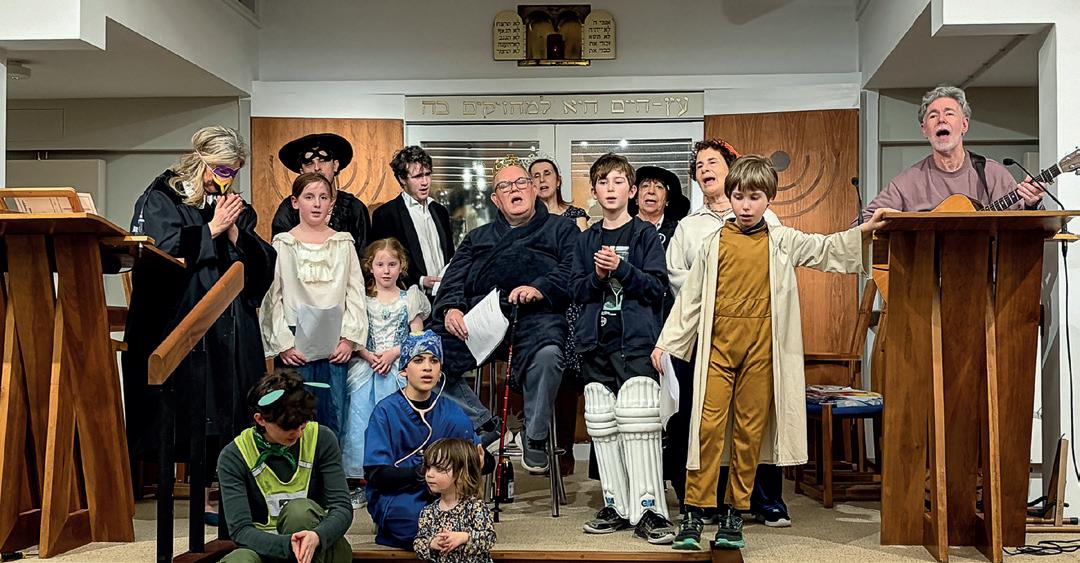
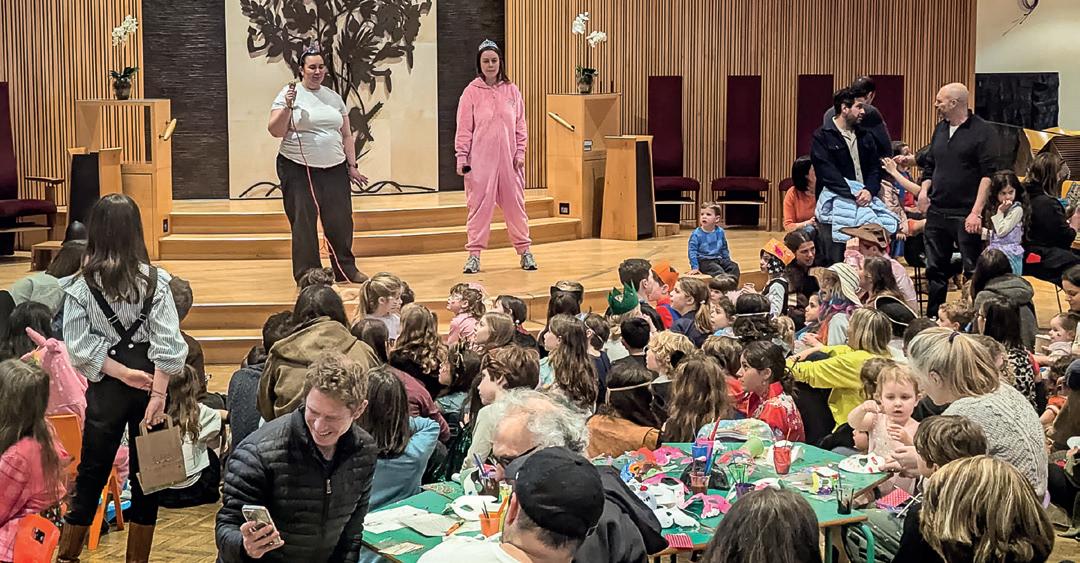
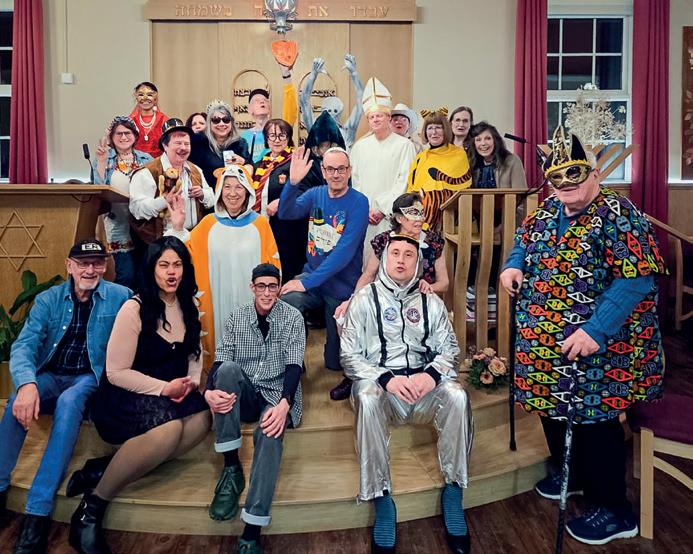
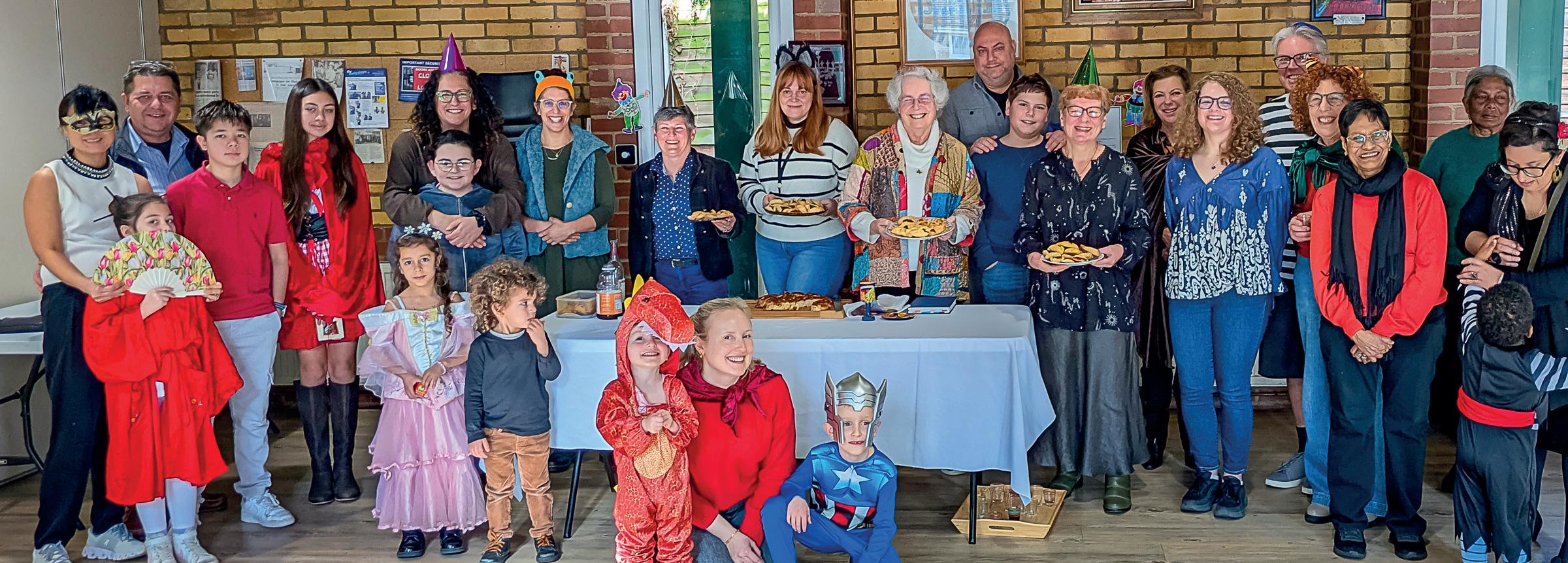
Harlow and Chelmsford Jewish Community celebrated in both locations, including a fun family party, complete with plenty of hamantaschen
Reform Synagogue
Purim story
Bristol and West Progressive Jewish Congregation hosted a joyful musical Purim that was enjoyed by all in attendance
Finchley Progressive Synagogue saw generations come together for a fun and musical festival celebration in their newly renovated building
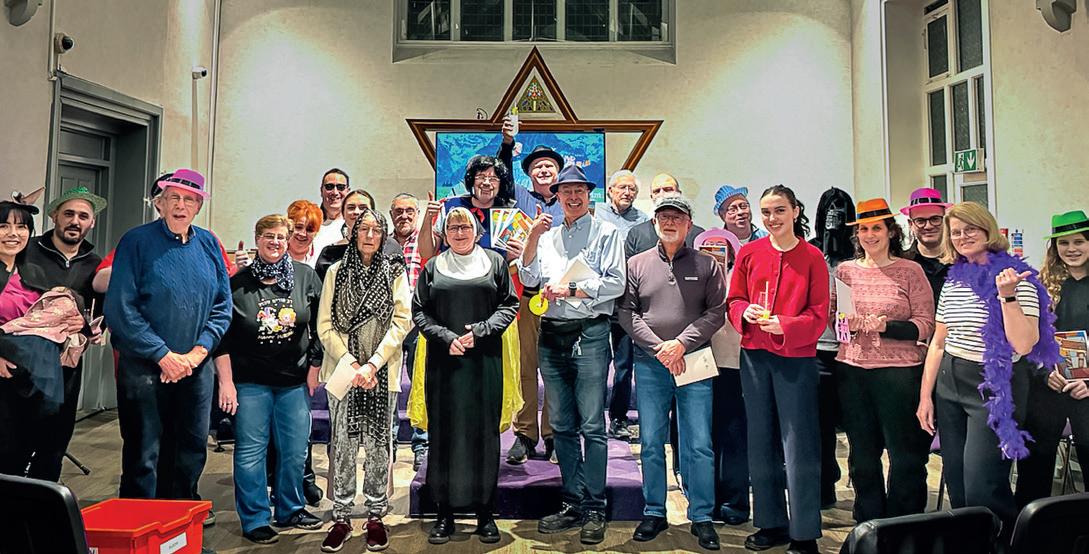
The Liberal Synagogue Elstree and Radlett Reform Synagogue celebrated their merger by bringing the two communities together for a celebration with cocktails and a Sounds of Purim Megillah singalong
Alyth’s celebrations included a family party, Abba-themed Gimme Gimme Gimme A Spiel After Midnight and several Megillah readings
Kingston Liberal Synagogue saw Miss Lily’s Underground Cabaret Bar return, with members finding their burlesque personas
The South London Liberal Synagogue enjoyed a combined Shabbat and Purim service, complete with a sermon from guest Rabbi Gabriel Kanter-Webber of Brighton and Hove Progressive Synagogue
Pesach 5786 around our communities
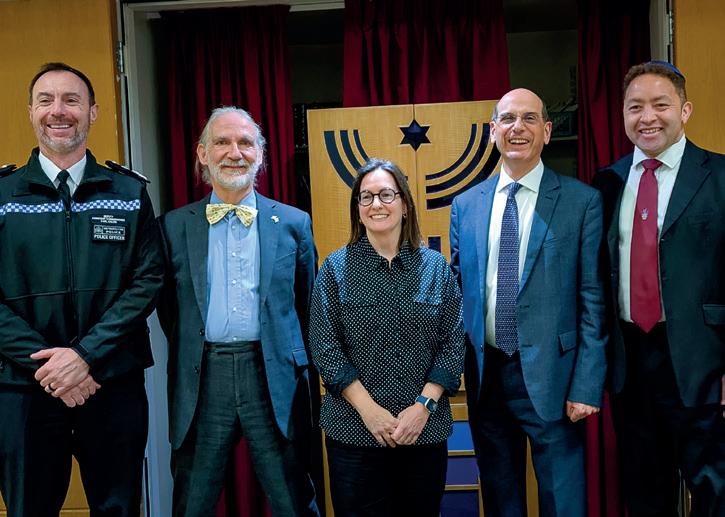
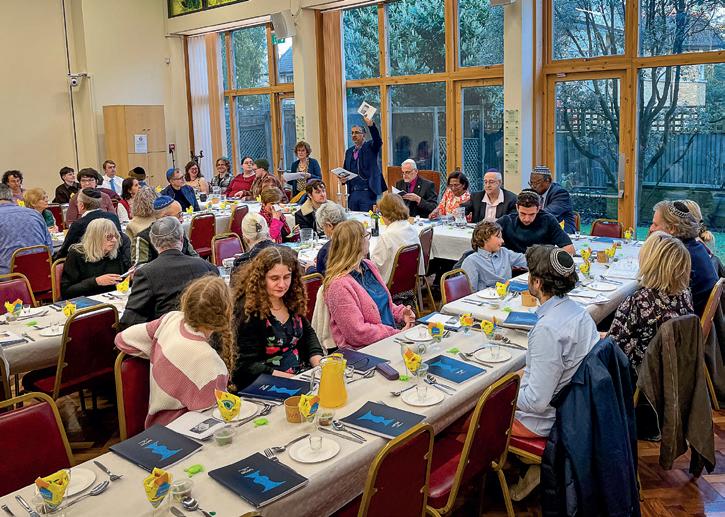
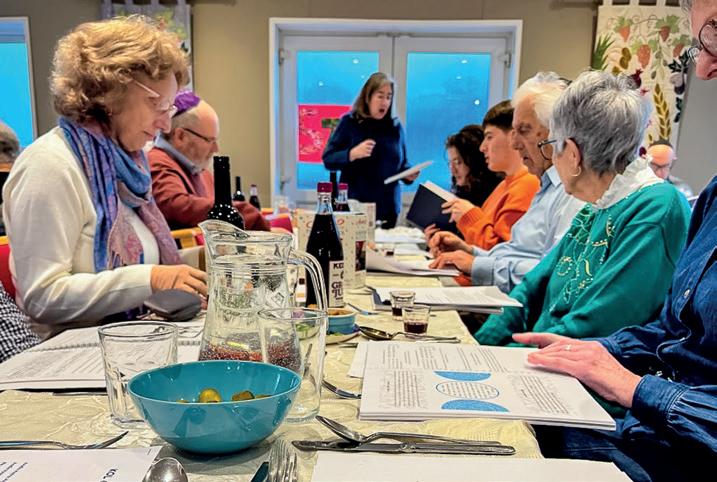
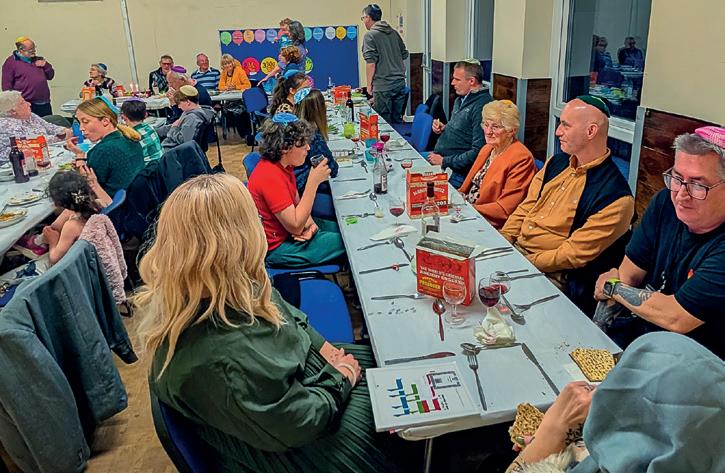
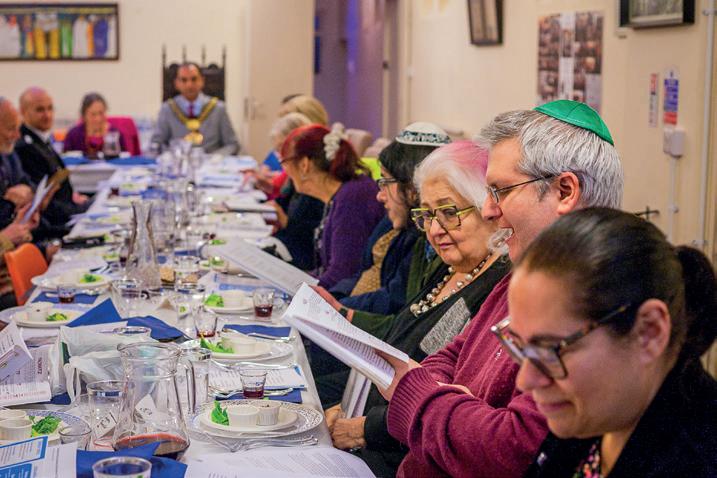
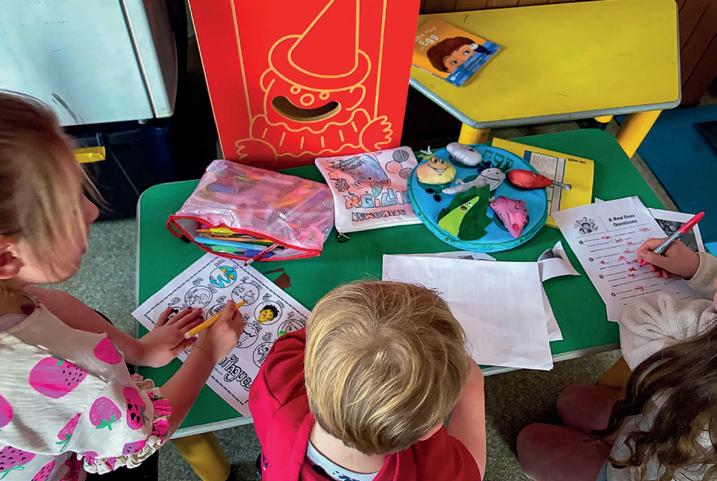
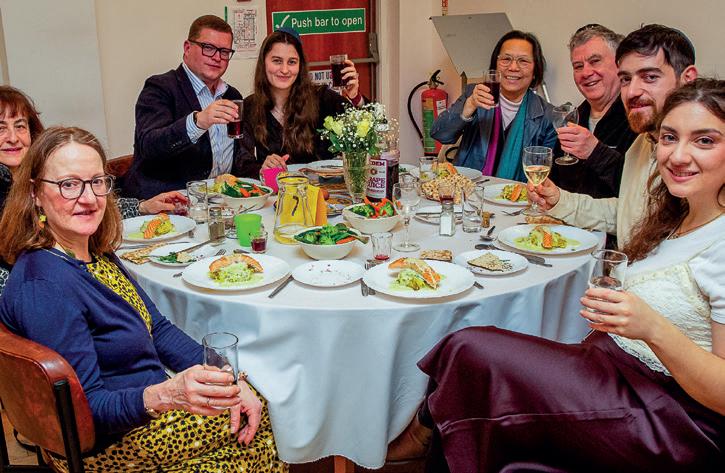
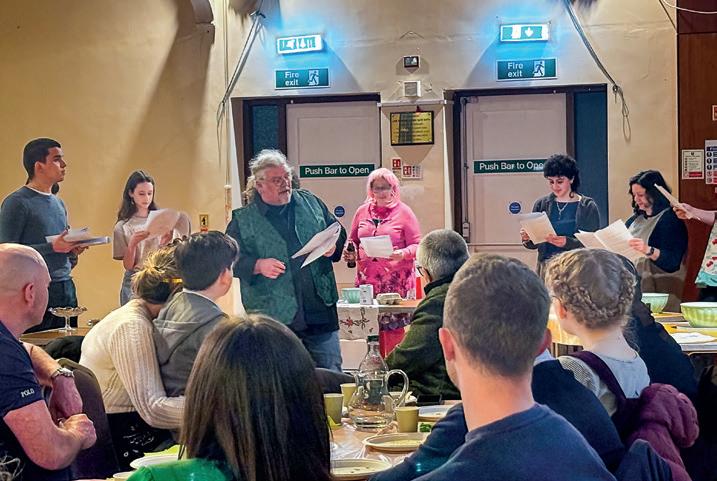
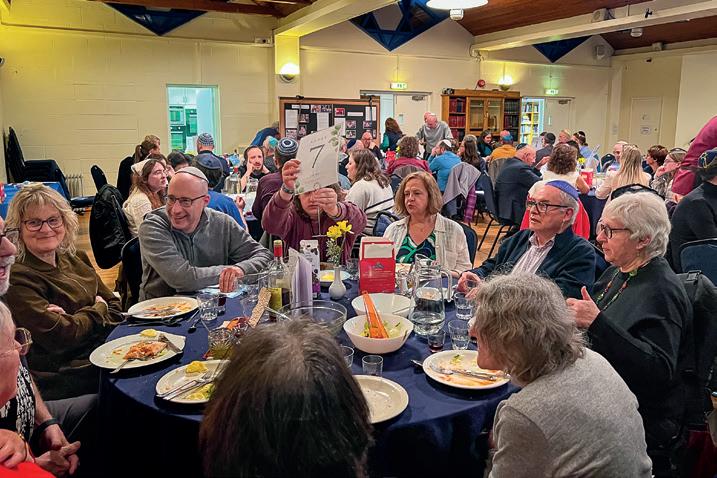
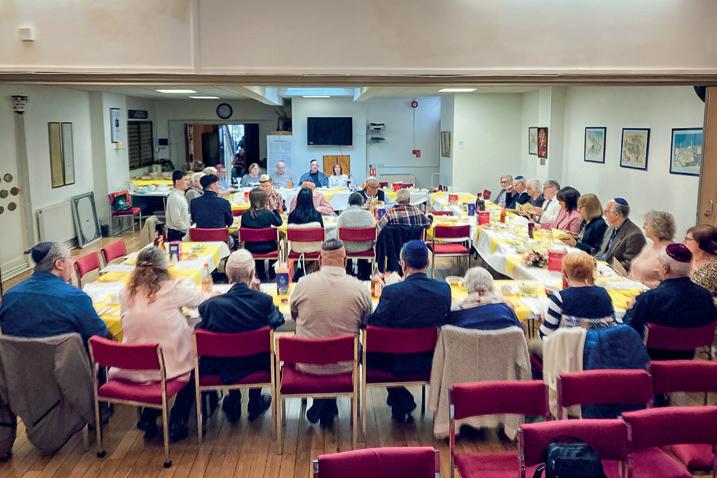
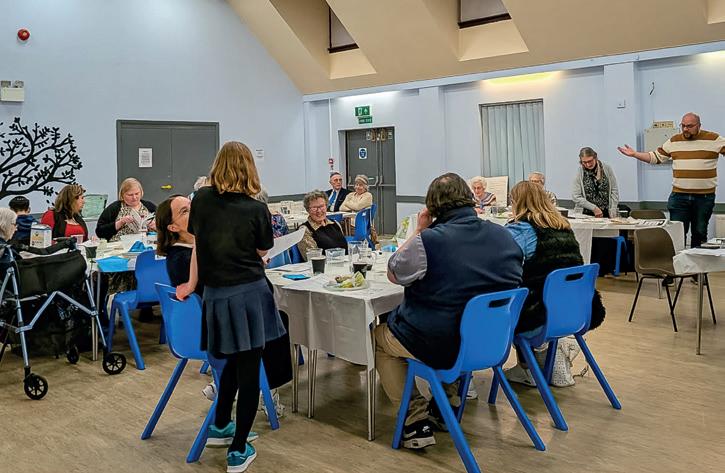
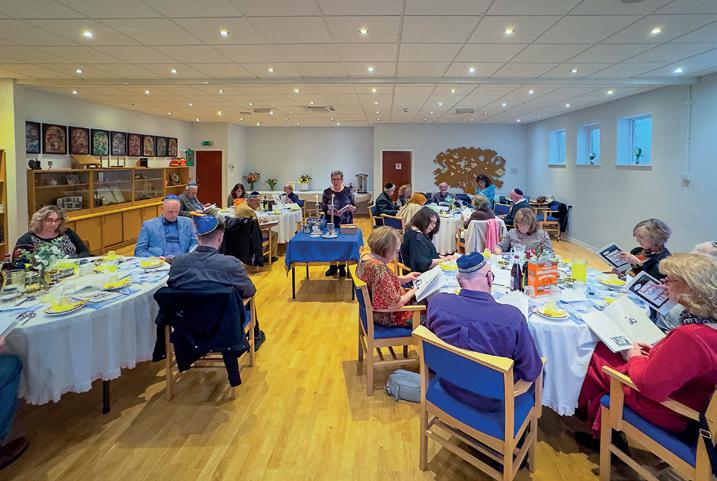
East London and Essex Liberal Synagogue welcomed Calvin Bailey and Met Police Deputy Assistant Commissioner Carl Galvin
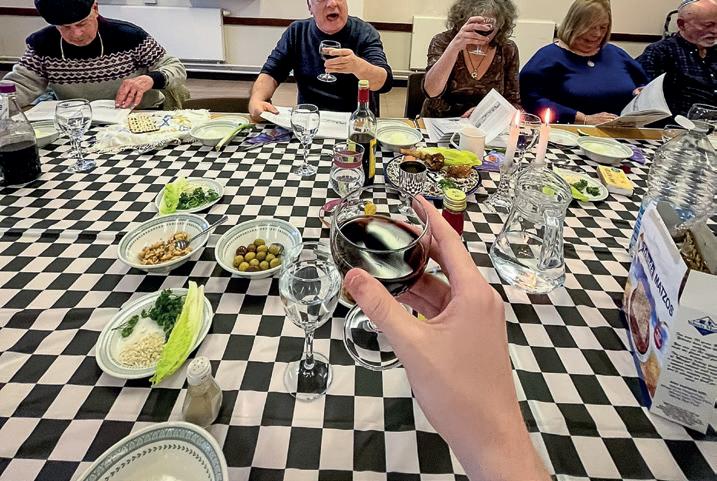
Kol Chai Hatch End Reform Jewish Community held an absorbing and meaningful Seder
The growing Progressive Jewish Community in Northern Ireland held a chocolate Seder
Nottingham Liberal Synagogue’s Seder had over 100 members and guests in attendance
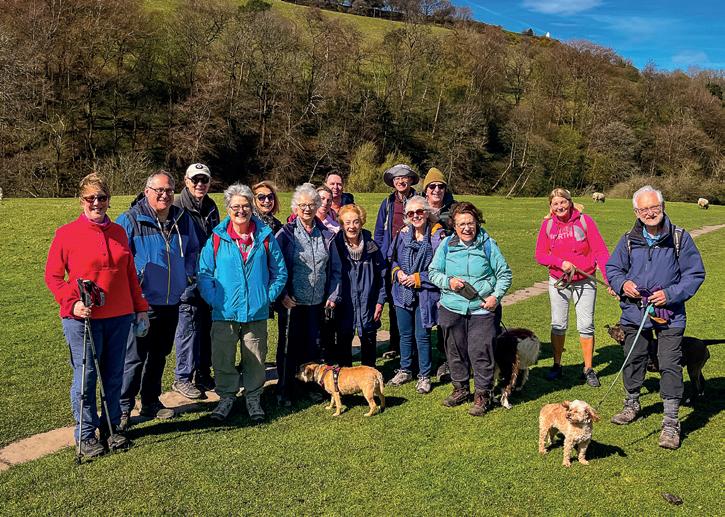
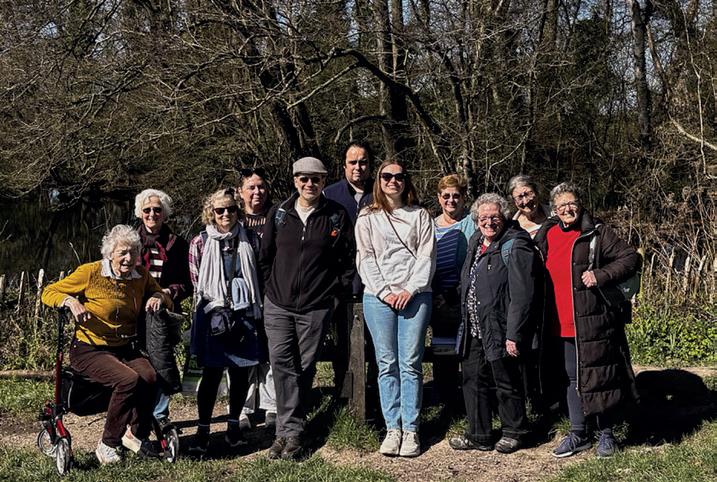
North Herts Progressive Jewish Community held a fun matzah ramble in Hitchin
North West Surrey Synagogue, Wimbledon Synagogue and Kingston Liberal Synagogue joined as Southside Progressive Communities
Wessex Liberal Jewish Community’s annual Seder was attended by members of all ages
Glasgow Reform Synagogue was packed for a second night Seder, led by Rabbi Pete Tobias
Southend and District Reform Synagogue held a Shabbat Seder, led by Rabbi Warren Elf
Southport and District Reform Synagogue held a reflective Seder, focused on resilience
Menorah Synagogue’s annual matzah ramble involved 15 people, four dogs, frolicking newborn lambs and soaring skylarks
Bradford Synagogue hosted the Lord Mayor and local dignitaries (photo: Martin Williams)
York Liberal Jewish Community enjoyed a night filled with joy, spontaneity and singing
Stevenage Liberal Synagogue members told the Pesach story, sang and enjoyed a meal
Lincolnshire Jewish Community saw members come from far and wide for a first night Seder
Beyond the Jew/Non-Jew Binary
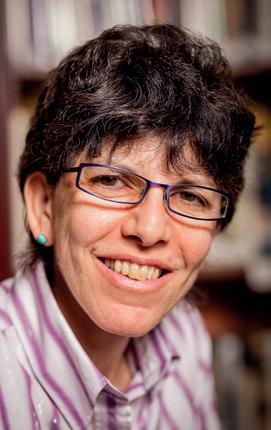
Rabbi Elli Tikvah Sarah on recognising the non-Jews who participate in congregations
WHEN I retired at the end of April 2021, I gave a presentation at the online Liberal Judaism Biennial Weekend on my preliminary exploration of Jewish teachings that run contrary to prevailing binary assumptions.
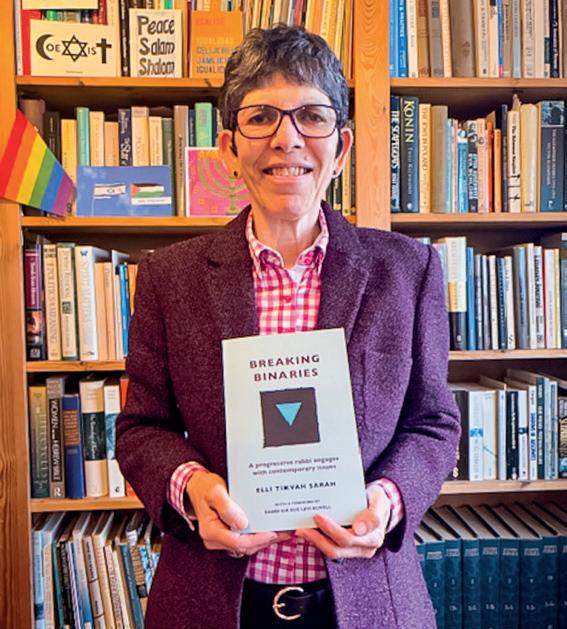
Five years later, my book, Breaking Binaries. A progressive rabbi engages with contemporary issues, has recently been published. Rooted in my own experience, Breaking Binaries examines ‘threes’ and ‘betweens’ in Jewish teaching, rites, and relationships.
Drawing on Jewish texts, the book goes on to apply a triangulating perspective to the consideration of contemporary issues, including gender, Jewish status beyond the Jew/non-Jew binary, interfaith engagement, and the ecological crisis.
For the purpose of this article, I have been asked to focus on an issue that gets to the heart of the Jew/non-Jew binary: the phenomenon of ‘non-Jews’ who participate in congregations, and how we recognise them.
Progressive Judaism may have rejected the halakhic definition of who is a Jew, but the binary Jew/non-Jew issue remains.
The prevailing Progressive policy on equilineal descent (that Jewish status can be inherited from either parent, where someone has a Jewish upbringing and identifies as Jewish) addresses the status of the children of a mixed marriage, but not that of the non-Jew in the family and in the congregation. Everyone in the mixed family is Jewish, except the non-Jewish parent.
They participate in the security rota. They bring their children to classes. They are engaged in the synagogue’s social action projects. They attend Shabbat and festival services, educational programmes, and social and cultural events. In some cases, they sit on synagogue committees.
I am aware that, as soon as I say this, there is an obvious question to be asked: if these non-Jewish parents choose to be so actively involved, why do they not choose to become Jewish themselves?
I have asked individuals that question myself. And I have received a variety of answers: “I’m not religious and don’t believe in God. It would be hypocritical for me to convert to Judaism”; “I’m happy with my Jewish family and enjoy celebrating the cycle of the Jewish year at home and in the synagogue, but I don’t feel the need to convert”; “Being part of the synagogue has enhanced my family life and my own life, but I don’t feel the need to be Jewish myself.”
Some may feel that the phenomenon of actively involved non-Jews choosing not to become Jews reveals a failure on the part of our Progressive synagogues and their clergy to encourage the conversion of non-Jewish spouses, partners and parents.
I look at the issue differently. Conversion is a binary solution: a non-Jew becomes a Jew. Of course, conversion is a valid choice for those non-Jews who choose that path. But in the case of a non-Jew who participates in Jewish congregational life who does not choose to convert, I think the time has come to subvert the binary.
I know from my experience as a congregational rabbi that for many nonJewish parents, while they support the Jewish upbringing of their children and the involvement of their Jewish spouse/ partner in the congregation, they have no desire to be included themselves.
But there are also non-Jewish parents who are actively involved in the life of the congregation.
One way to accomplish this would be to reassert, with appropriate contemporary modifications, the rabbinic reconceptualisation of the biblical geir, ‘sojourner’, as the geir toshav, ‘the resident sojourner’, a halakhic term used to designate the legal status of a non-Jew living in the land of Israel who does not convert, but agrees to observe the ‘Seven Laws of Noah’ (Babylonian Talmud Sanhedrin 56a-b).
What would a contemporary version of the geir toshav look like in practice? For an example from America, we can check out the approach of Reconstructionist
Rabbi Geela Rayzel Raphael (Ger Toshav. A Proposal for Intermarried and other Allies in our Midst : www.shechinah.com/ ger-toshav.html)
But what about here in Britain? Most Progressive congregations offer nonJewish partners the option of becoming a ‘Friend’ or ‘Associate’ of the synagogue. In some congregations, non-Jewish partners are automatically accorded this status. The benefit of the latter practice is that it acknowledges the nonJew in the family and their support of their Jewish partner and willingness for their children to be brought up as Jews. The problem with it is that it does not give non-Jewish partners the option of positively choosing to be included.
My suggestion centres on offering the non-Jew who decides to become actively involved the option of becoming a geir toshav member, a status that would involve their official agreement to abide by the rules and practices of the congregation and being accorded full voting rights on equal terms with Jewish members in return, with the exception of any matters related to Jewish status and ritual. They would also have the right to be included in the ballot for a place on the synagogue council, although they would not be eligible to take on a representative role, such as Chair or President.
To be clear: a geir toshav is not a Jew. It follows that, in addition to not having a leadership role in the congregation, it would not be appropriate for them to lead prayer, or to be invited to recite the Torah and haftarah blessings, carry, lift, or un/dress the Torah scroll; that is, to undertake the mitzvot, ‘commandments’, associated with the Torah service, that devolve on Jews alone.
However, a geir toshav would be welcome to participate in the Bat, Bar, or non-gendered B’Mitzvah of their child, read a passage in English, or open the Ark that houses the Torah scrolls, which is a minhag (‘custom’) and not a mitzvah (For a discussion of opening the Ark, see www.rabbinicalassembly.org/ sites/default/files/public/halakhah/ teshuvot/2011-2020/non-jews-arkopening.pdf ).
While not a Jew, a geir toshav is also not a non-Jew. The term ‘non-Jew’, the binary opposite of ‘Jew’, is neither adequate nor appropriate to designate a committed ally who has chosen to reside within the gates of the congregation, and to actively participate in and contribute to the life of the community.
Page 10: Breaking Binaries reviewed.
Rabbi Elli Tikvah Sarah and the book
We are a house with many doors
Rabbi Jonathan Romain on the different ways people engage with Jewish life and community
IT may not be flattering to describe Progressive Judaism as an elephant, but if you are aware of the old story then it might be an appropriate image.
The story is about a group of people who were put in a room in which there was no light at all and, unbeknown to them, there was an elephant standing in the middle. They could not see it and they were asked to identify what it was.
One felt its legs and declared it was a tree. Another felt its trunk and said it was a snake. A third touched its tusks and reckoned it was a spear. All were wrong, of course, because they had focused on one aspect and not the whole elephant.
How does that relate to Progressive Judaism? Because it too can appear in many guises to different people.
We see that regularly at the Beit Din, where those who are converting to Judaism have remarkably varying motives for doing so.
Some cite spirituality and see us as a God-centred movement that believes in the one Deity who is both creator and revealer, and with whom one can also have a personal relationship.
Without God, they feel, the world lacks purpose and order. They also latch on to the way we worship God, be it through the regular rhythm of the Sabbath services or daily observances like keeping kosher. Prayers and rituals are what makes us so compelling.
Not so for others. For them, it is not so much belief itself but the practical application of belief that Progressive Judaism preaches that attracts them. Tikkun olam (healing the world) is a cry for personal engagement, by turning the jungle in which we find ourselves into something more resembling a garden.
Social action – or godly action – means helping others, both within the Jewish community and equally outside it.
This may be through projects in one’s local neighbourhood (such as providing facilities for children with special needs), national campaigns (such as housing refugees) or international concerns (such as protecting the environment). These are Progressive Judaism’s key glories in their eyes.
For yet others, the great pulling factor is the sense of community that Progressive synagogues offer.
We live in a cold and lonely world, where individuals can feel lost. For them, like a Chanukiah glowing in the window, the warmth that comes from being part of a vibrant community is our main selling point.
Most of our synagogues are not just a house of prayer but a community centre, brimming with film evenings, walking groups, bridge clubs, mothers and toddlers, friendship clubs, book circles, and much more.
It may take a little effort to go along the first time, though hopefully one is invited, but once you are involved it becomes a new home where you feel valued and at ease. That is very powerful and should not be underestimated.
Of course, not every Progressive synagogue has such a range of activities, and not all operate at peak levels of welcome – but those that do are enormously attractive. Our national Movement is also here to help with advice, resources and connections.
There are also those who define their Jewishness as observing the values promoted by us: justice, integrity, honesty, charity, hospitality – and carried out with humility and kindness. As they might put it: to be a good Jew, you don’t have to believe in God… just do what God says.
Does this mean that converts who are motivated more by the tikkun olam or by the social and cultural aspects are less sincere or worthy than those whose route is solely religious?
The answer is a resounding ‘no’ – for they are merely mirroring born Jews, who also have very different points of connection with Jewish life.
The discrepancy between the number of people who attend services every Shabbat and those who come on the High Holy Days screams out that many do not feel the pull of regular prayer.
Even our periodic attempts to revise the Prayer Book to make it more meaningful or relevant, while enriching existing worshippers, rarely produce an influx of new ones.
To be even more blunt, the old assumption that most Jews are ‘twotimes-a-year’ Jews is no longer true. Many never come to services at all, and the difference between the number who might be expected on Yom Kippur and the number who actually appear can be up to 50%. Yet the missing half still pay hundreds of pounds to be members.
It is not that they are hypocrites or delusional, just that they focus on other parts of being Jewish.
They may not attend services but might religiously participate in the knitting group or poetry circle, if not be essential to its success.
It would be a mistake, though, to simply say they are non-religious. Their standpoint is much more pronounced in that many are agnostic or atheist, either holding there may be no God or being sure there is none.
This is a uniquely Jewish phenomenon. You cannot be a Christian atheist because if you do not believe in the ‘Father, Son and Holy Ghost’, you are not a Christian. But a Jewish atheist can still look Jewish, eat Jewish, laugh Jewish, speak Jewish, act Jewish or think Jewish… and still want to belong to a synagogue and actively contribute in various areas of interest.
I recall a member at Maidenhead who never came to services but was crucial to the synagogue’s endeavours. Why? Because he was the wicket keeper for the shul’s cricket team and each summer would guard our Progressive Jewish stumps every Sunday with ferocious pride. That was his way of being Jewish and we won many a match thanks to him.
It is clear, therefore, that there are many ways of Jews being Jewish and the best synagogues allow them to do so, regarding themselves as a house with many doors. It does not matter by which one people enter, so long as they come in somehow, and our job is to keep all doors wide open.
• Rabbi Dr Jonathan Romain MBE is Convenor of The Movement for Progressive Judaism’s Reform Beit Din
Each week, our Progressive rabbis and cantors write insightful and in-depth commentary on the Torah portion, as well as thought-provoking articles on a variety of topics. Find them at progressivejudaism.org.uk/latest-thought
From Ba’alei to Ba’alat Tefillah
Ilana Natelson-Carter reflects on her prayer leading journey and a beautiful metamorphosis
IT IS November 2024. The clocks have recently gone back an hour. Autumn is truly on its way. A group of like-minded individuals meet for the first time, in a significantly historic space, to begin their service leadership journey together in the Ba’alei Tefillah programme.
I was initially intrigued being in the same building where Lily Montagu captivated, educated and motivated the lives of many ordinary individuals and where, some hundred-plus years later, her legacy is witness to a new dawn. Not knowing what to expect necessarily, nor how the next chapter was going to unravel, was fine, as I instantly felt encouraged and welcomed by the course facilitator Alexandra Gellnick, tutors Rabbi Anna Gerrard and Marc Schulz, and 11 new cohort friends.
Over the duration of the programme, I transformed as a student. I learned how to lead Shabbat services and how to consider the wider leadership journey.
This included jointly leading Yom Kippur for the first time, a Seder night, and, as a non-techie person, delivering a Zoom Erev Shabbat service. In addition, I delivered a recording for a public civic event and recited Kaddish at Salisbury Cathedral on Holocaust Memorial Day.
None of this was done solo. If anything, my journey has been mutually and motivationally collaborative, with my new cohort of friends, as well as my supportive family, Wessex community, mentor Rabbi Dr Miri Lawrence and sponsor Michael Hart.
This journey has been spiritually nourishing, uplifting, soul-searching, educating, emotional, physically challenging, geographically uprooting, yet grounding and safe. With the friends I have made along the way, it has been one of the most epic and transformative opportunities of my life.
A very special moment saw all 12 of us together (one via the powers of social platform solutions) stood on Shabbat Mevarachim, engaged together just some several hours after listening to Rabbi Rebecca Birk’s befitting Sedra Vayakhel Pekudei. A wonderfully profound and connecting shared Shabbat space as part of a refugee service.
Another beautiful bonding moment was at our Ba’alei Tefillah residential weekend, which we shared with three splendid student rabbis.
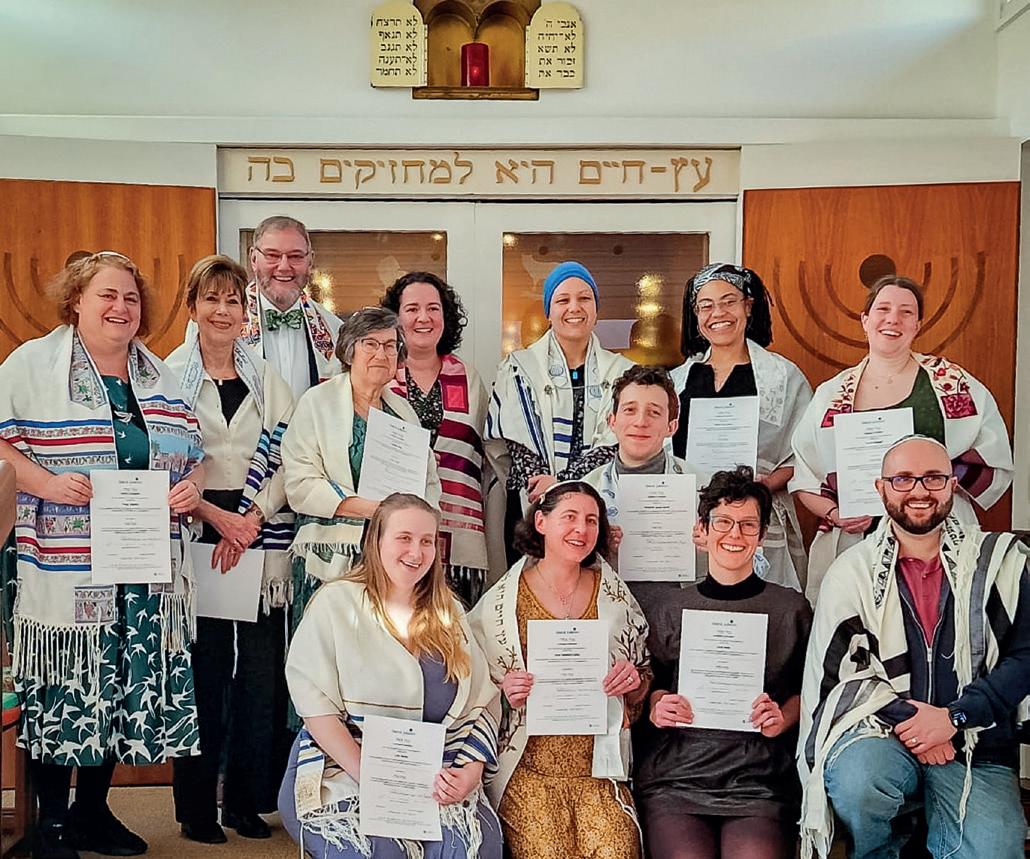
During our studies, we had invaluable experiences at different synagogues and communities, all welcoming, but in particular Finchley Progressive Synagogue, who humbly housed our graduation ceremony (pictured).
This pinnacle moment, towards which we had journeyed together, was being acknowledged and shared in such a lovely sacred space, and it suddenly felt real. The Ark doors opened, and we were called up individually to receive our certificates by both Rabbi Anna Gerrard and Rabbi Charley Baginsky, Co-Lead of The Movement for Progressive Judaism. It was naturally quite emotional, yet spiritually embracing, standing together and in front of our families beneath the Ner Tamid, the Ark doors open.
To add to this pivotal moment, we were the eighth and last cohort that studied under Liberal Judaism.
Fear not, for a new prayer leadership course will be launched by our new Movement for Progressive Judaism, welcoming those who wish to add to the fabric of their mishkan through leading Shabbat services, satiate their knowledge, embrace their curiosity, and expand upon their traits and values to guide congregations into prayer filled with gevurah (strength), nefesh (soul) and ahava (love). Etz Chayim Chi; a continued metamorphosis and cyclical journey of a spiritual ascent without a destination absolute.
“To act justly, and to love mercy, and walk humbly” (Prophet Micah 6:8). This is Ba’alat Tefillah.
• NEXT ISSUE: Find out all about our brand new, revamped and renamed prayer leadership course for members of Progressive Jewish communities.
Building skills and confidence in bereavement care
THE Movement for Progressive Judaism’s Doing Death Jewishly programme –supported by JJBS – brought together 107 participants from 51 communities for a nine-session programme exploring how Jewish mourning practices can support the psychological and communal journey of bereavement. The course combined pastoral learning with practical training, covering tahara (ritual preparation of the deceased), leading shiva and funerals, writing a hesped (eulogy), and supporting families beyond shloshim (the mourning period).
It also addressed how communities can create compassionate and confident responses at times of profound loss. Feedback from across participating communities highlighted both the scale of engagement and depth of impact. Volunteers consistently described the programme as filling a significant gap in knowledge, confidence and Jewish understanding. Many were already in pastoral roles or anticipated taking on greater responsibility, and said the course gave them structure and reassurance they had previously lacked.
The impact is already visible in our communities. Participants have reported increased confidence in leading services, supporting mourners and developing local bereavement structures. Initiatives, from improved communication systems to new forms of communal support, have been introduced. The programme also fostered strong peer networks, reducing isolation among volunteers and enabling shared learning across congregations.
A full set of Doing Death Jewishly videos and resources will be published soon on www.progressivejudaism.org.uk
Supporting parents-to-be
A VOLUNTARY organisation founded by Jewish birth workers is supporting families in our communities through pregnancy, birth and early parenthood.
Shifrah UK works to build community, share trusted information, and advocate for greater awareness of Jewish needs within maternity services. The non-profit also provides training for healthcare professionals on antisemitism and Jewish cultural competency in maternity care.
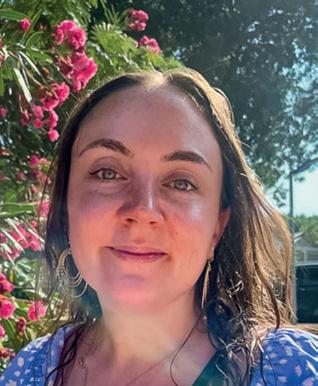
Miriam Pappworth (pictured), a member of Birmingham Progressive Synagogue, is one of the founders and a key member of the Shifrah UK team.
She told Voices that her Progressive Jewish values have inspired this work. Miriam said: “As a midwife, I’m continually reminded that birth is both a physical and spiritual transition and I want to support parents in preparing for and shaping their experience.
“Over the past two and a half years, it has become clear how important it is to provide Jewish families with a safe space to express their Jewishness without fear while preparing for birth and parenthood.
“Guided by my own Progressive Jewish values – particularly personal autonomy, inclusivity, and social action – I hope to give back to my community through this work while encouraging parents to focus on what matters most to them.’
Shifrah UK’s new midwife-led Birth Preparation Classes have been developed by experienced midwives, lactation consultants and psychologists to support Jewish parents at this important time.
The classes aim to provide a safe and welcoming space for Jewish parentsto-be from all backgrounds, and will be delivered online, making them accessible from the comfort of your own home.
Miriam added: “We aim to create a welcoming space for the whole Jewish community in the UK and Ireland.
“Our classes are open to people from all Jewish backgrounds, those with Jewish heritage or in mixed heritage couples, including those who are observant, secular, or somewhere in between. They are inclusive of couples, single parents, same-sex couples and gender non-conforming participants.”
Any parents interested in joining should complete the booking form at www.shifrah.org.uk/birthprep
Renewing our home
By Rabbi Rebecca Birk, Finchley Progressive Synagogue
Without bread and sustenance there is no Torah. (Pirkei Avot 3:17)
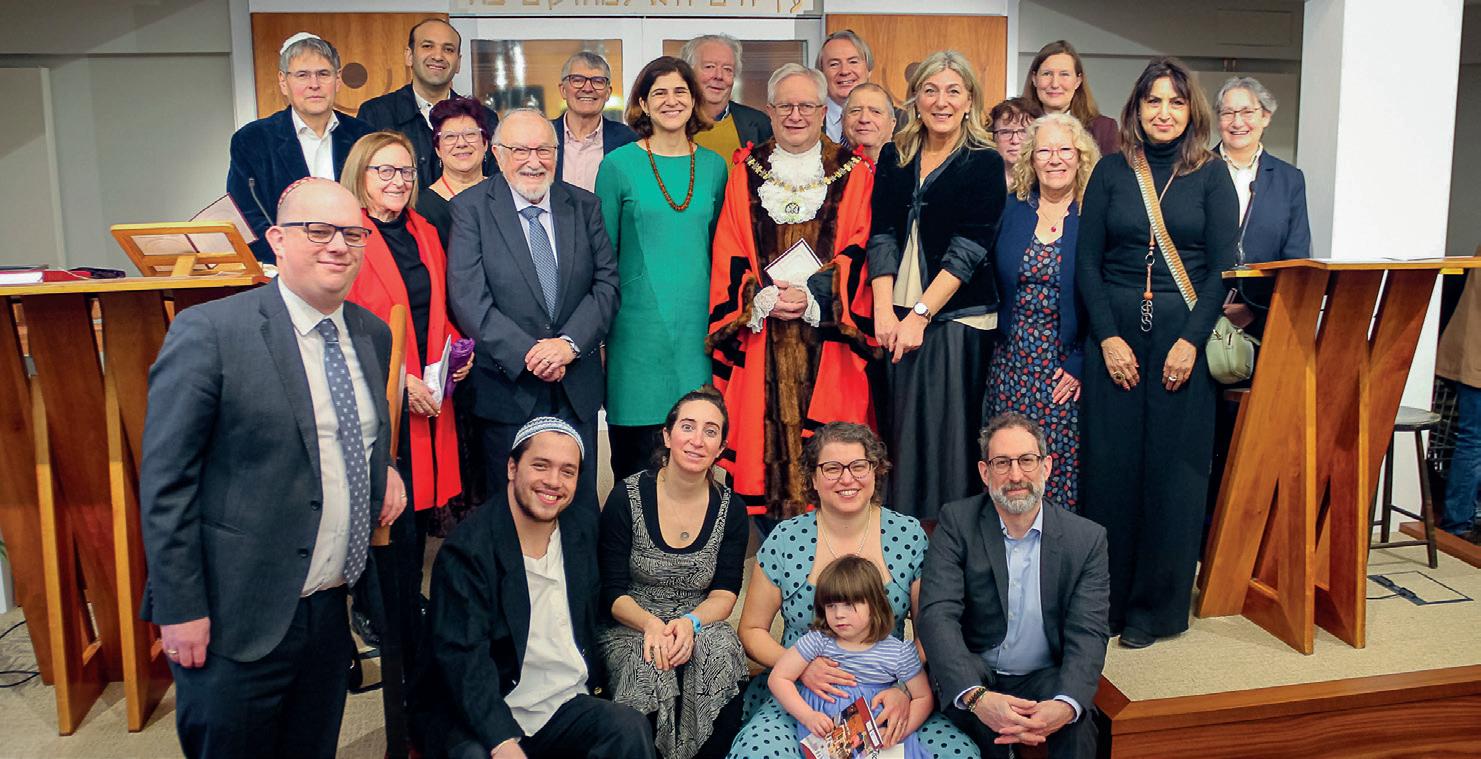
WE at Finchley Progressive Synagogue (FPS) officially opened our newly renovated building with a civic service (pictured above), the culmination of a project conceived seven years earlier.
Focusing on our building in this suffering world felt, at times, indulgent. But the desire to mend, improve and beautify became a goal that extended beyond the building. It articulated way more than the need to repair the roof of a suburban synagogue in North London. It became a way to express hope for and commitment to subsequent generations of Jews and Jewish families who choose to be part of FPS and believe in its future.
Long-time FPS member Richard Allen Greene (now a Leo Baeck College student rabbi) was involved in the project from the beginning.
“After a perhaps symbolic 18 years as a happy Jew in the pews at FPS, I began to feel that our building was letting us down,” he recalled. “We had a wonderful rabbi, talented musicians and a vibrant, welcoming membership, all housed in a building that held joyous memories for many of us but which was crumbling before our eyes – and, worryingly, over our heads.”
FPS Council member James Levy took the lead on the project and quickly found it was bigger than any of us anticipated.
James said: “It started with the roof. But then it was the broken heating, wiring, drainage, damp courses, AV system and so on. Beyond fixing things, we wanted to beautify the building. How could this be done? Our resources did not match the expected cost.”
But cost was only one factor in the project, and perhaps not the most important one.
Richard revealed: “Just before we launched our fundraising campaign, the penny dropped for me about why the project mattered. We had been talking about FPS as a building, when in fact, all along, we should have been talking about it as what it truly is – our home.”
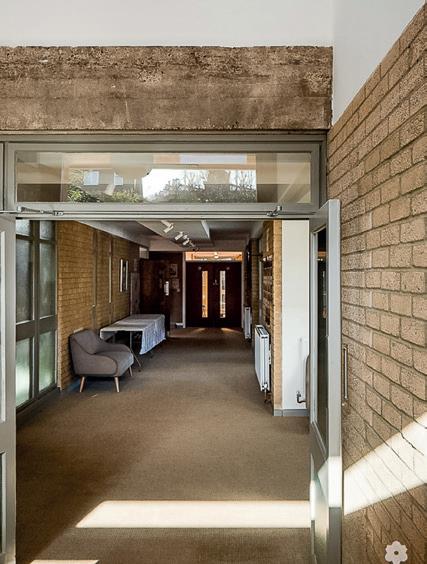
James added: “We proceeded with faith as our pathfinder. And we fixed and renewed it all. And more; we have made the building more beautiful. There is more natural light, there is a new array of windows and new lantern canopies over the entrance and the sanctuary.”
So our bricks and mortar renovation transformed into a renewal of what we are as a synagogue community.
We are a congregation that houses winter homeless shelters, refugee groups, daytime study, evening conversion learning, communal meals and prayer moments both on and off the bimah, as well as space for children and our Shabbatots toddlers.
We fundraised for 18 months. We told the story of what we have been as a congregation and what we intend to be in the future and what links both. We found our local architects MillsPower, who admired the ‘bones’ of our 1960s building. They vowed to restore it lovingly and sensitively and maintain our original doors, floors and Ark, and they succeeded.
This has been a labour of love in its truest sense. We think we’ve built for the future and hope we have enabled all the many parts of FPS life to thrive.
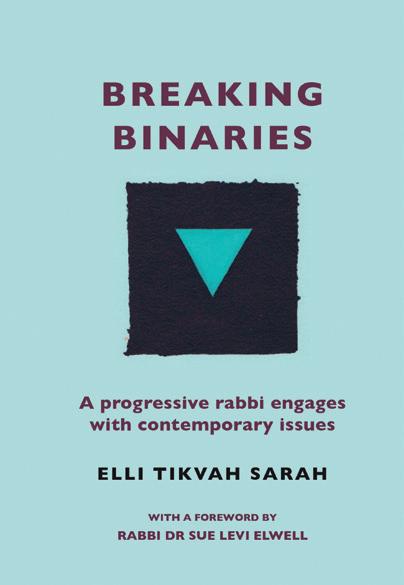
Breaking Binaries: A progressive rabbi engages with contemporary issues
by Rabbi Elli Tikvah Sarah
(ISBN: 978-1-9194854-0-9).
Review by Lucian J Hudson
RABBI Elli
Tikvah Sarah has written a timely, thoughtful and thoughtprovoking book that inspires my thinking about the contribution of Progressive Judaism as we establish our new Movement. Elli is a questing and questioning spirit. Deeply immersed in a lifelong study of Jewish texts, teachings, practices and relationships, and inspired by the experience of being a rabbi, Elli challenges us in a gentle and appreciative way to go beyond the limitations of oppositions – specifically binary modes of thought and practice. For example, the idea that Judaism is built on dualities, between Heaven and Earth, male and female, woman and man, sacred and profane. But there can be an alternative way of looking at things, supported by close reading of our religious texts. Elli develops the concept of triangulation, resisting binary oppositions in favour of more complex, plural, in-between and liminal conceptual spaces.
For Elli, who is a feminist, lesbian and queer, the personal is political. Their own journey has given them a new quest: to transcend binary gender. The book considers contemporary issues, so as well as gender, Jewish status beyond the Jew/non-Jew binary, Israel-Palestine and inter-faith engagement.
The chapter on transcending the gender binary is a very interesting one. The gender-confounding biblical stories of Deborah and Joseph are particularly inspiring. In Elli’s words; “My life as far back as I can remember has been constrained by a particular form of binary tyranny.”
IT is well known that we in Britain are lucky to have a constant supply of rabbis who have been trained at Leo Baeck College.
What is not generally known is that part of their course involves writing a lengthy thesis on a Jewish topic.
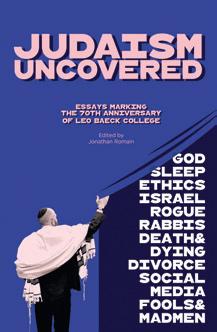
Until now, these fascinating original works have largely been read only by a small handful of people. However, a new book Judaism Uncovered, edited by Rabbi Dr Jonathan Romain, is set to change all of that.
Elli writes: “We are told that sex is a matter of biological facts, while gender reflects cultural norms. The reality is that both sex and gender are culturally constructed around binary opposites, and everyone is forced through the binary wringer.”
Whilst fully opposing any discrimination, we may not wish to lose the capacity to discern, even if we can question the assumptions on which that discernment is made. There may be strong policy and medical reasons for so doing. Admittedly, language can constrain, as well as enable. Elli’s scholarship is most attuned to Hebrew and reading of Jewish texts, opening new possibilities.
I found Elli’s contention about what constitutes reality difficult to relate to, however much our sense of reality is mediated through thought and language. Culture does not set the limits of reality, even though it shapes our experience of it. Elli’s experience, extensive and intensive, is one thing; saying that it is the reality for all of us is another, unless one takes the further step to argue we are victims of false consciousness.
I was reminded of the philosophy of Bishop Berkeley, which arose as a reaction to rationalism and empiricism. His idealism, also described as subjective idealism or immaterialism, is the view that reality consists exclusively of minds and their ideas. He argued that “to be is to be perceived”, meaning material objects do not exist independently of being perceived by a mind.
Judaism is dynamic in character, and evolves, yet it also retains an objectivity, and one that transcends us. Its texts can be read literally, allegorically and mystically. For me, Judaism ultimately challenges any ideology. It has spawned such a wide range of divergent thinkers, and will continue to do so. Even if Judaism in some hands may become ideological, it proves enduring in resisting being doctrinaire.
Released to celebrate the College’s 70th anniversary, it contains shortened versions of 27 theses, edited by the original writers.
Judaism Uncovered is 255 pages and costs just £9.99, making fascinating reading for you and an ideal present for others. It is available from the College and can be obtained by emailing valerie.kaye@lbc.ac.uk
I was asked to review this book before Pesach and thought about it deeply during that period. It filled me with excitement yet also apprehension. It is among many things a chronicle of Elli’s own liberation journey, but in engaging with it, doing justice to the arguments and exercising care, it can become part of my own liberation journey and that of those who read it.
The book can be read in different ways: at the very least, consideration of the topics raised – but also the way we engage with any issue that does not lend itself to an easy solution, that is contested and contentious; and how we contribute as Progressive Jews to wider public discourse. Viktor Frankl’s insight here is highly relevant: “Between stimulus and response, there is a space. In that space is our power to choose our response. In our response lies our growth and freedom”.
Elli’s book Trouble-Making Judaism, published when I was Chair of Liberal Judaism in 2012, informed my thinking then as this new book will now. Elli then wrote, “…wherever one looks, Judaism appears to be trouble-making, troubling, and troubled… I believe that by taking new journeys into our sacred texts and re-examining our history and the people who shaped it, we can better engage with our inheritance and participate in the vital issues of Jewish life today.”
Elli and I would agree that this new book might make more people feel they can re-engage with issues which we are in danger of denying, deflecting or dismissing. Crucial to our new Movement is to entertain thoughts without accepting them; to agree, and disagree well; to raise questions without feeling we have to provide instant answers; and to keep open our broad tent, inviting us all to live our Jewish or Jew-ish journeys in peaceful co-existence.
• Buy the book for £15 (+ £5 p&p) from www.unusualpublications.com/shop
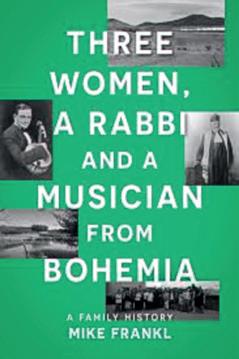
MIKE Frankl MBE of Beth Shalom Reform Synagogue in Cambridge has written a new book – Three Women, a Rabbi and a Musician from Bohemia –describing his family history and his relatives’ varied journeys and escapes from Bohemia. It is out now and available from www.troubador.co.uk
Updates from RSY and LJY
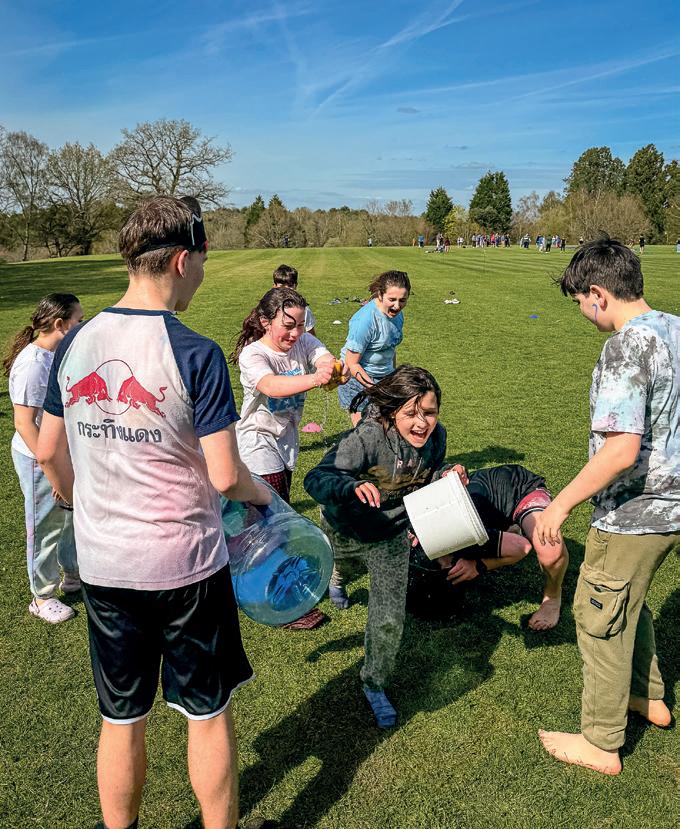
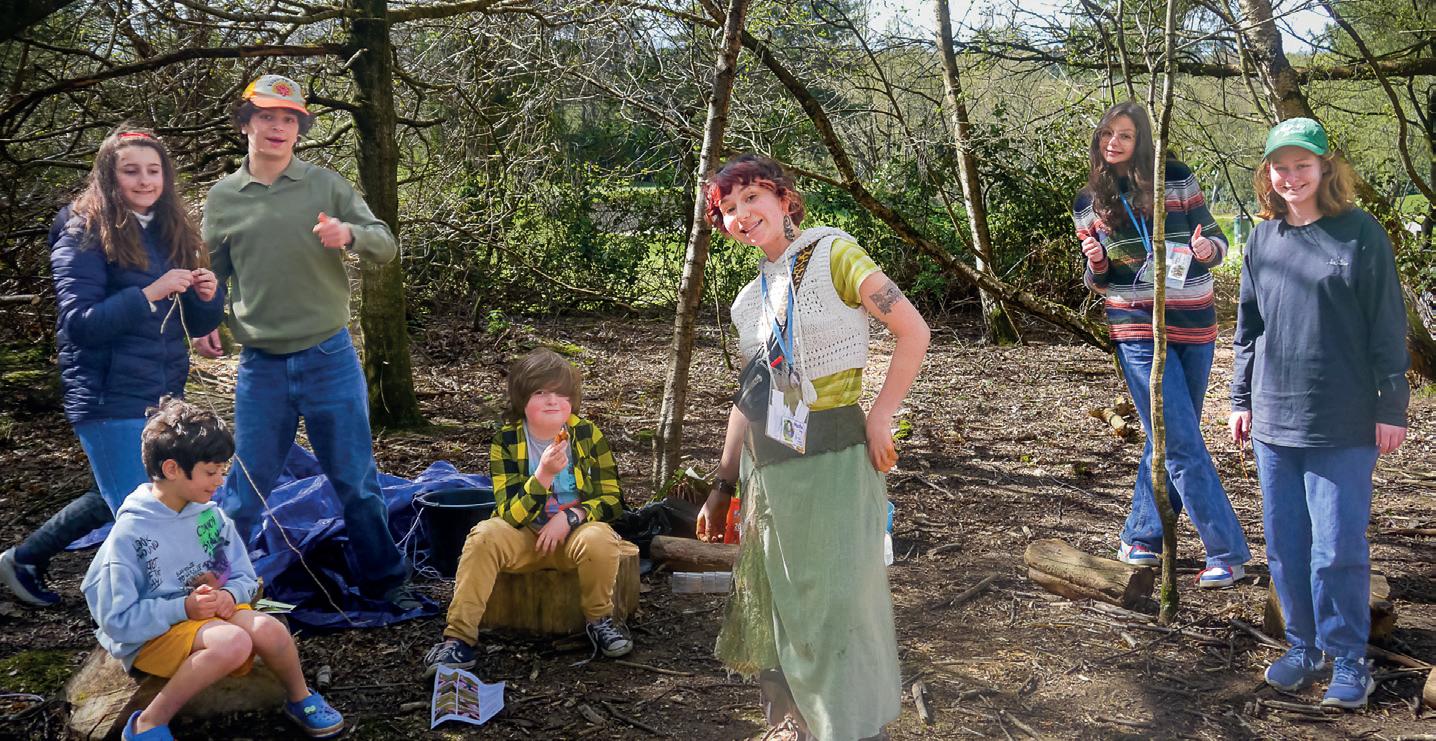
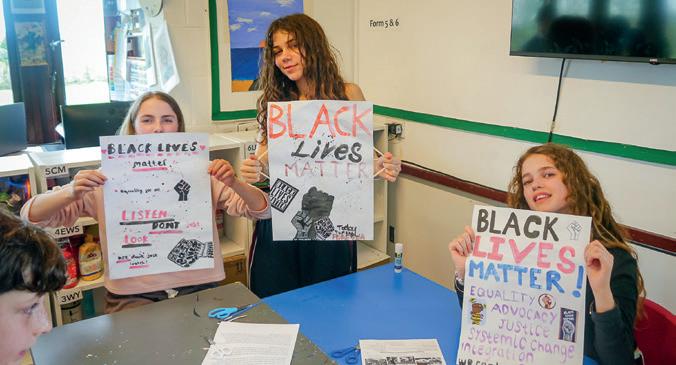
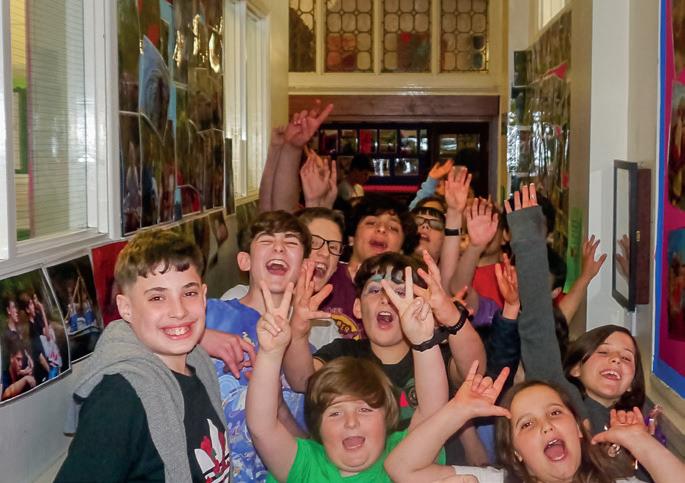
LJY-NETZER’s Shamayim was our biggest spring camp ever, with a record number of participants attending from all across the UK.
Movement Worker Jess Spanier said: “We had the most amazing time. Shamayim saw lots of our old LJY friends reunited and lots of newbies join for their first ever camp. Everyone had fun doing chuggim (project groups) including sports, art, music and bushcraft. On Friday we had a beautiful Kabbalat Shabbat service, followed by a big Shabbat dinner with the whole of camp and fresh challah driven all the way down from London. We can’t wait to see you all on Kadimah!”
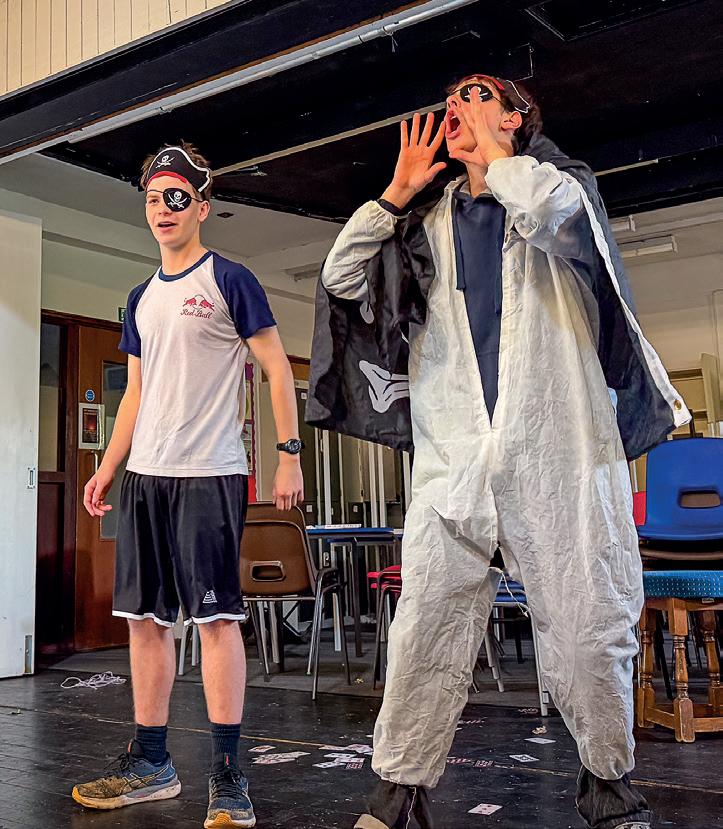
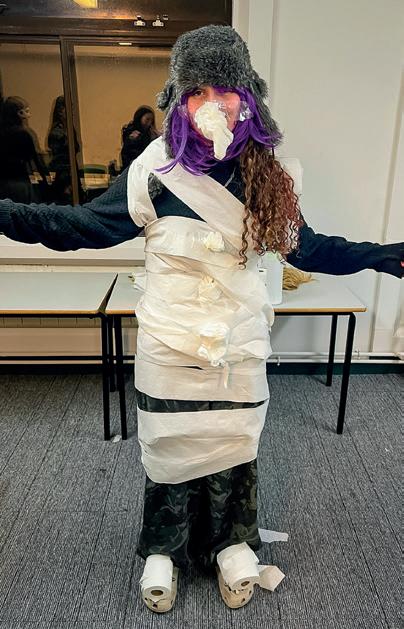
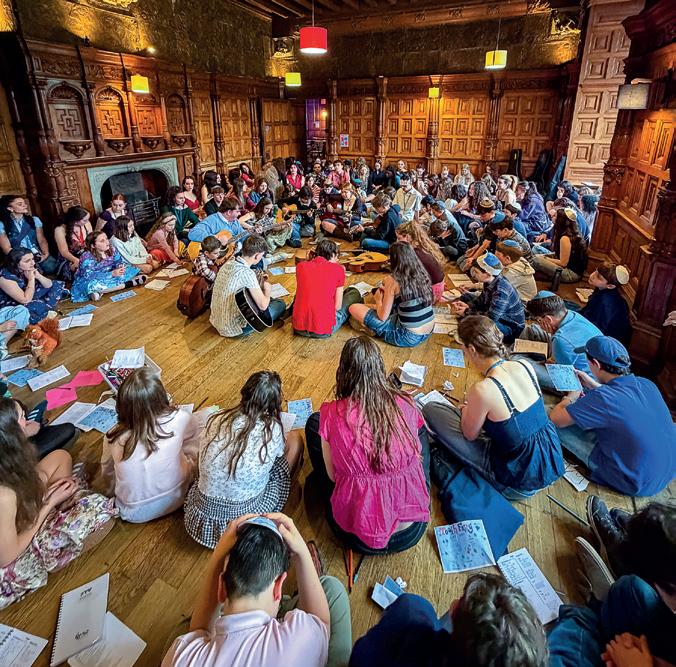
RSY-NETZER had more than 40 young leaders spend some time with us at a fabulous February weekend. Over the residential, our teenagers learned about the intricate art of ‘kefology’ – creating lots and lots of fun.
Participant Gabby said: “We started off FebRes with a Kabbalat Shabbat full of ruach (energy), ready to start the weekend. Our first full day consisted of lots of peulot (activities) that were educational but also fun. The highlight of the weekend was the winter Olympic kef, where curling was the main event, but we can’t forget the messy but hilarious toilet paper snowmen. WE can’t wait for Shemesh.”
UPCOMING CAMPS:
28 July-9 August: Shemesh (RSYNetzer Summer Camp)
11-23 August: Machaneh Kadimah (LJY-Netzer Summer Camp)
SUMMER TOURS:
2-23 July: RSY-Netzer Israel Tour
26 July-16 August: Netivim (LJYNetzer Israel Tour)
• More information and booking via ljy-netzer.org and rsy-netzer.org.uk
Progressive Communities
GREATER LONDON
Alyth (Golders Green) alyth.org.uk
The Ark Synagogue (Northwood) arksynagogue.org
Beit Klal Yisrael (Fitzrovia) bky.org.uk
Bromley Reform Synagogue bromleyshul.org.uk
Crouch End Chavurah crouchendchavurah.org
Ealing Liberal Synagogue ealingliberalsynagogue.org.uk
East London & Essex Liberal Synagogue elels.org.uk
Edgware & Hendon Reform Synagogue ehrs.uk
Finchley Progressive Synagogue fps.org
Finchley Reform Synagogue frs.org.uk
Kehillah North London kehillah.org.uk
Kingston Liberal Synagogue klsonline.org
Kol Chai: Hatch End Jewish Community kolchai.org
The Liberal Jewish Synagogue (St John’s Wood) ljs.org
The Liberal Synagogue Elstree tlse.org.uk
Makor Hayim (Willesden) makorhayim.org
Mosaic Liberal Synagogue (Stanmore) mosaicliberal.org.uk
Mosaic Reform Synagogue (Stanmore) choosemosaic.org/reform
North West Surrey Synagogue nwss.org.uk
Oaks Lane Reform Synagogue swesrs.org.uk
Radlett Reform Synagogue radlettreform.org.uk
Sha’arei Tsedek: North London Reform Synagogue shaarei-tsedek.org.uk
The South London Liberal Synagogue southlondon.org
South Bucks Jewish Community sbjc.org.uk
Southgate Progressive Synagogue sps.uk.com
Sukkat Shalom Reform Synagogue (Wanstead) sukkatshalom.org.uk
The Wimbledon Synagogue wimshul.org
Tikvah Chadasha: Brentwood Reform Synagogue tikvahchadasha.com
SOUTHERN ENGLAND
Bournemouth Reform Synagogue bournemouthreform.org.uk
Brighton and Hove Progressive Synagogue bhps-online.org
Brighton and Hove Reform Synagogue bh-rs.org
Bristol and West Progressive Jewish Congregation bwpjc.org
Crawley Jewish Community
Eastbourne Liberal Jewish Community eljc.org.uk
Isle of Wight Jewish Society
Kehillat Kernow: The Jewish Community of Cornwall kehillatkernow.com
Kent Liberal Jewish Community kljc.org.uk
Maidenhead Synagogue maidenheadsynagogue.org.uk
Milton Keynes and District Reform Synagogue mkdrs.org.uk
Oxford Jewish Congregation ojc-online.org
Reading Liberal Jewish Community
South Hampshire Reform Jewish Community southhantsreform.wordpress.com
Southend and District Reform Synagogue southendreform.org.uk
Swindon Jewish Community
Thanet & District Reform Synagogue tdrs.org.uk
Three Counties Liberal Jewish Community (Gloucestershire, Herefordshire and Worcestershire) 3cljc.org.uk
Totnes Jewish Community
Wessex Liberal Jewish Community (Bournemouth) wessexliberaljudaism.org.uk
EASTERN ENGLAND
Bedfordshire Progressive Synagogue bedfordshire-ps.org.uk
Beth Shalom Reform Synagogue, Cambridge beth-shalom.org.uk
Harlow and Chelmsford Jewish Community harlowjewishcommunity.org.uk
Norwich Liberal Jewish Community norwichljc.org.uk
Peterborough Liberal Jewish Community pljc.org.uk
Stevenage Liberal Synagogue stevenageliberalsynagogue.org.uk
Suffolk Liberal Jewish Community (Ipswich) suffolkljc.co.uk
MIDLANDS
Birmingham Progressive Synagogue bpsjudaism.com
Coventry Jewish Reform Community coventryuk-jrc.blogspot.com
Leicester Progressive Jewish Congregation lpjc.org.uk
Lincolnshire Jewish Community lincolnshirejewishcommunity.co.uk
Nottingham Liberal Synagogue nottinghamliberalsynagogue.com
NORTH WEST
Blackpool Reform Jewish Congregation facebook.com/BRJCShule
Liverpool Reform Synagogue lrshul.org
Manchester Reform Synagogue jacksonsrow.org
Menorah Synagogue (Cheshire) menorah.org.uk
Sha’arei Shalom (Whitefield) shaareishalom-mcr.co.uk
Southport and District Reform Synagogue southportreform.org.uk
NORTH EAST
Bradford Synagogue bradfordsynagogue.co.uk
Darlington Hebrew Congregation dhcreform.org
Ne’ve Shalom (Hull) hull-reform.co.uk
Sinai Synagogue Leeds sinaileeds.uk
Newcastle Reform Synagogue newcastlereformsynagogue.co.uk
Seven Hills Shul (Sheffield) shef-ref.co.uk
York Liberal Jewish Community jewsinyork.org.uk
WALES
Cardiff Reform Synagogue cardiffreformsyn.org.uk
SCOTLAND
Glasgow Reform Synagogue grs.org.uk
Sukkat Shalom: Edinburgh Liberal Jewish Community eljc.org
IRELAND
Dublin Jewish Progressive Congregation djpcireland.com