MAGAZINE ISSUE 01 MAY 2022
CONTENTS 04 INTRODUCTION 07 PERIOD PRODUCTS 08 LYDIA’S STORY 10 SUSTAINABILITY 12 BLOOD COLOURS 13 PERIOD FACTS 14 PCOS
YOUR STORIES 16 COLOURING PAGE 18 WORDSEARCH 19 PERIOD POVERTY 22 DEZ 28 ESTHER 33 ARCHIE 36
THE CONVERSATION STARTS HERE
We are all very familiar with the negative connotations surrounding periods. We are presented with comments like “you’re in a mood, are you on your period?”, or the constant stigma of it all. We believe that periods are a human issue. An issue that we believe everyone should be educated about, whether you experience it in the physical sense, or not. Our words have to stop being met with disgust, embarrassment, and shame. We want everyone to be able to talk openly and freely about periods, just like we do about any other human experience. Throughout this magazine we will discuss all things menstruation. We don’t just want to educate you, but to also show you the creative side of periods. From fun illustrations and photographs, to helpful facts. We hope that this magazine leaves you feeling more educated, but most importantly to feel empowered.
TRIGGER WARNING: IMAGES AND MENTIONS OF BLOOD.
04
CONVERSATION
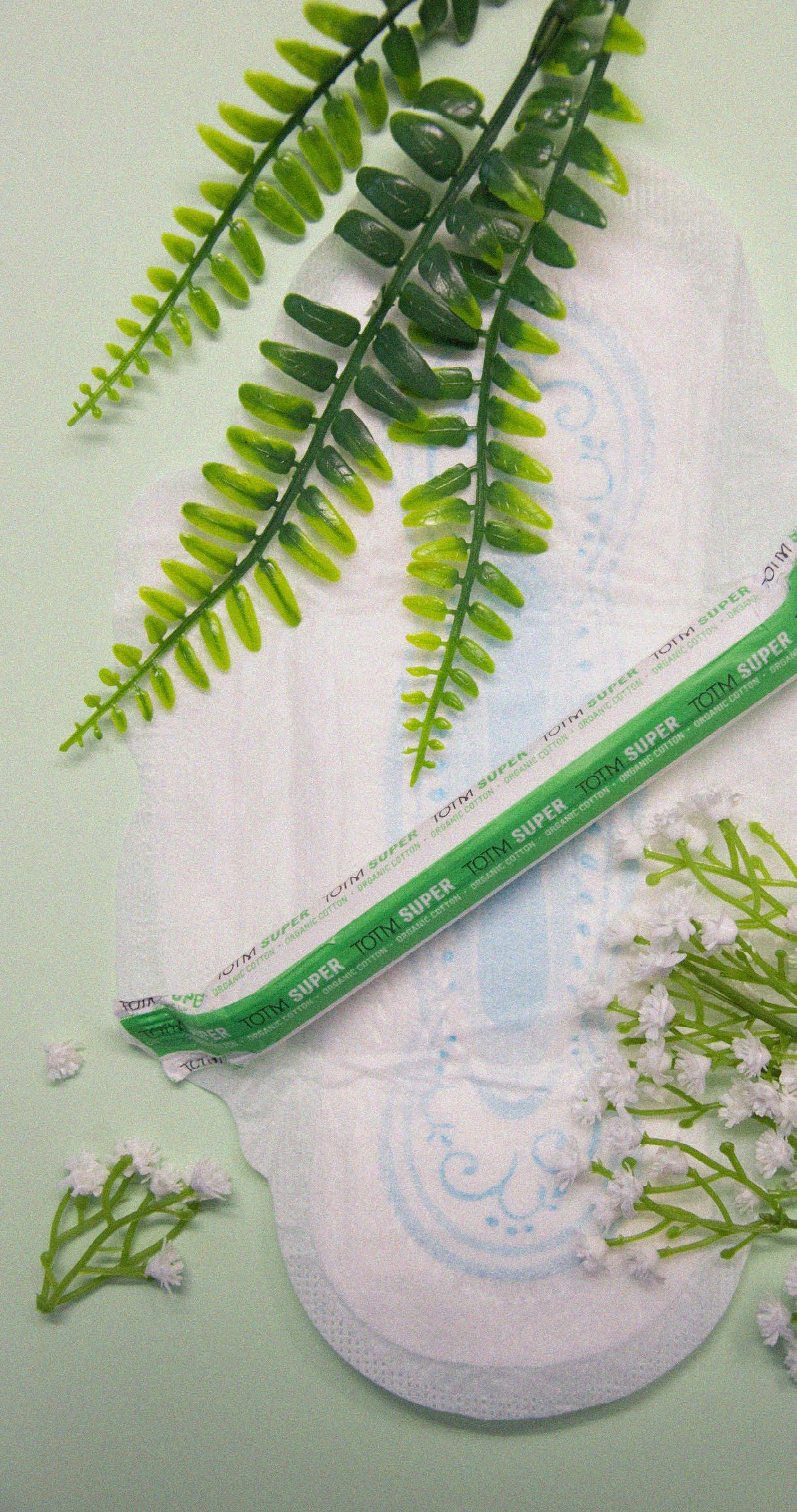
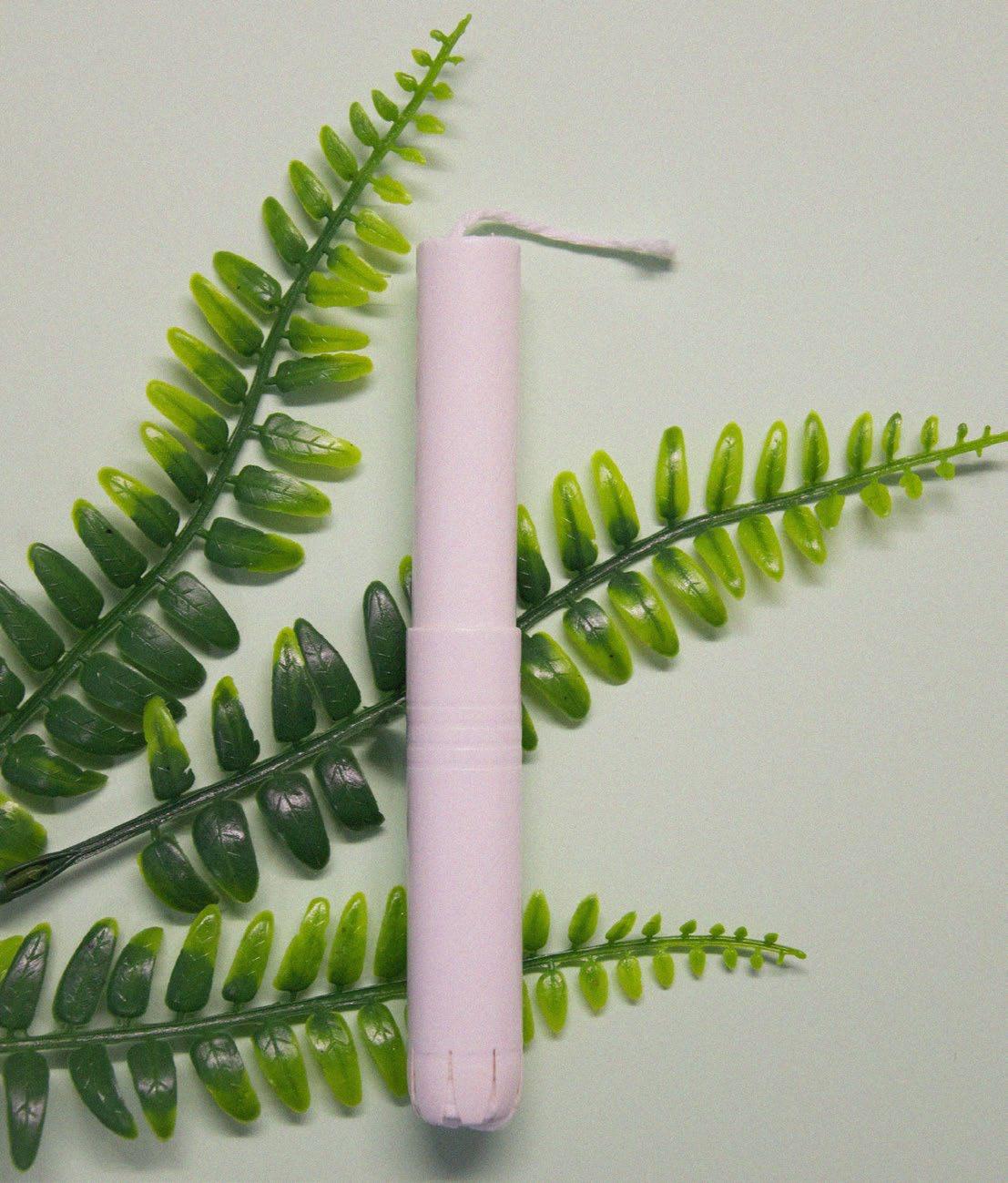
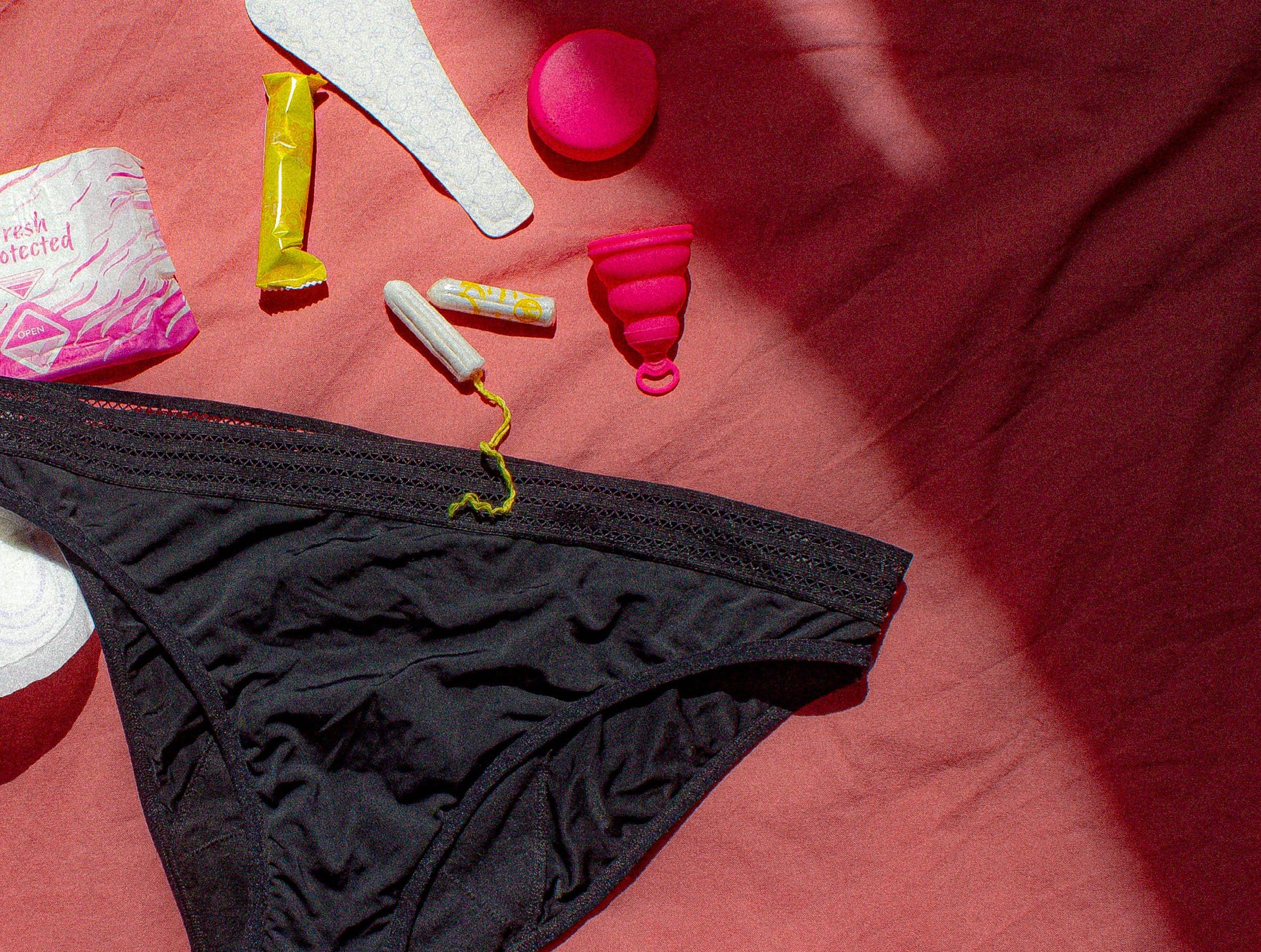
Tampon
Make sure you have clean hands before you change or put a new tampon in. Find a position that is comfortable for you, some people find it easier to crouch down with their knees apart, or stand with one foot on the toilet seat or bath. Try different positions and find out what works best for you. Stretch the cord of the tampon before you insert. Tilt the tampon slightly backwards and not straight up when you insert it, this way the tampon will follow the natural slope of your vagina. If using an applicator tampon, push it like a syringe until you hear a click then remove the applicator so just the tampon is left behind. If you can feel the tampon once you have inserted it in you should remove it and try again as you shouldn’t be able to feel the tampon once it is in.
Moon Cup
Fold one side of the rim down into the cup, so it makes a pointy shape. With clean washed hands, insert the cup using two fingers. Make sure it’s right up in the canal! If you don’t feel the cup pop open when you first insert it, don’t worry, this is normal. Use your index finger to give it a spin. This will help it open. Sometimes you can hear a very small suction-cup noise! When you want to take the cup out, press on one side of the rim, or pinch the cup to break the suction seal. You should be able to hear this too! Pinch the base of the cup, or use the stem to pull it out. Tip the blood into the toilet or the sink. Rinse the cup with cold water. After your period, make sure you sterilise the cup for 5 minutes using boiling water.

A GUIDE TO PERIOD PRODUCTS
07
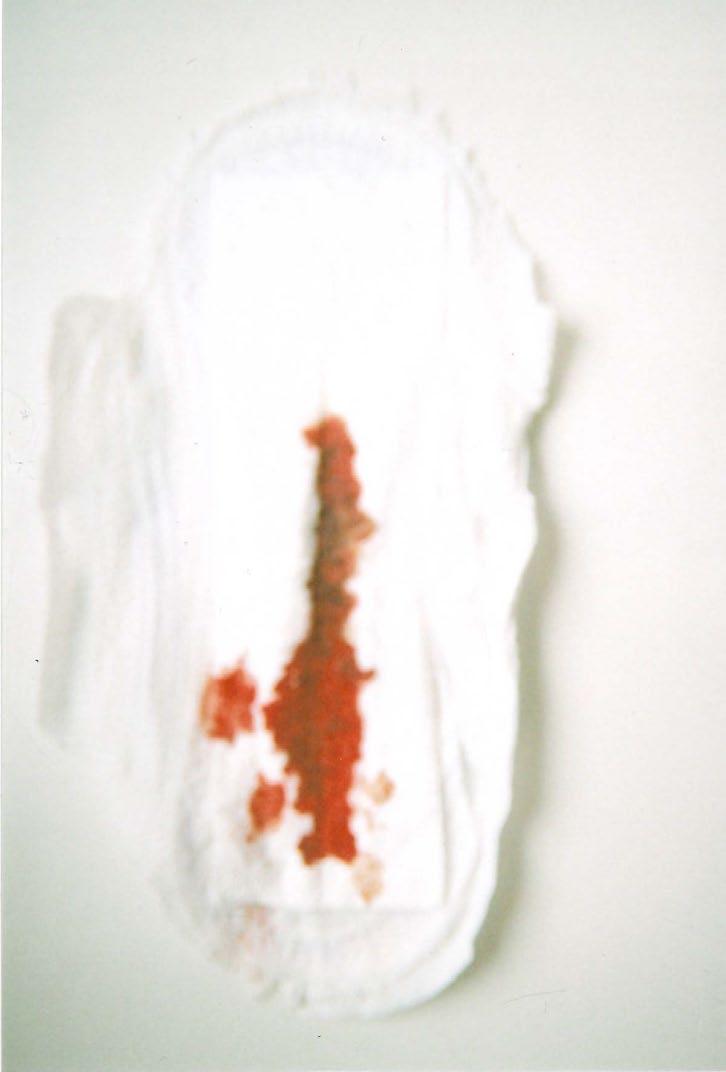
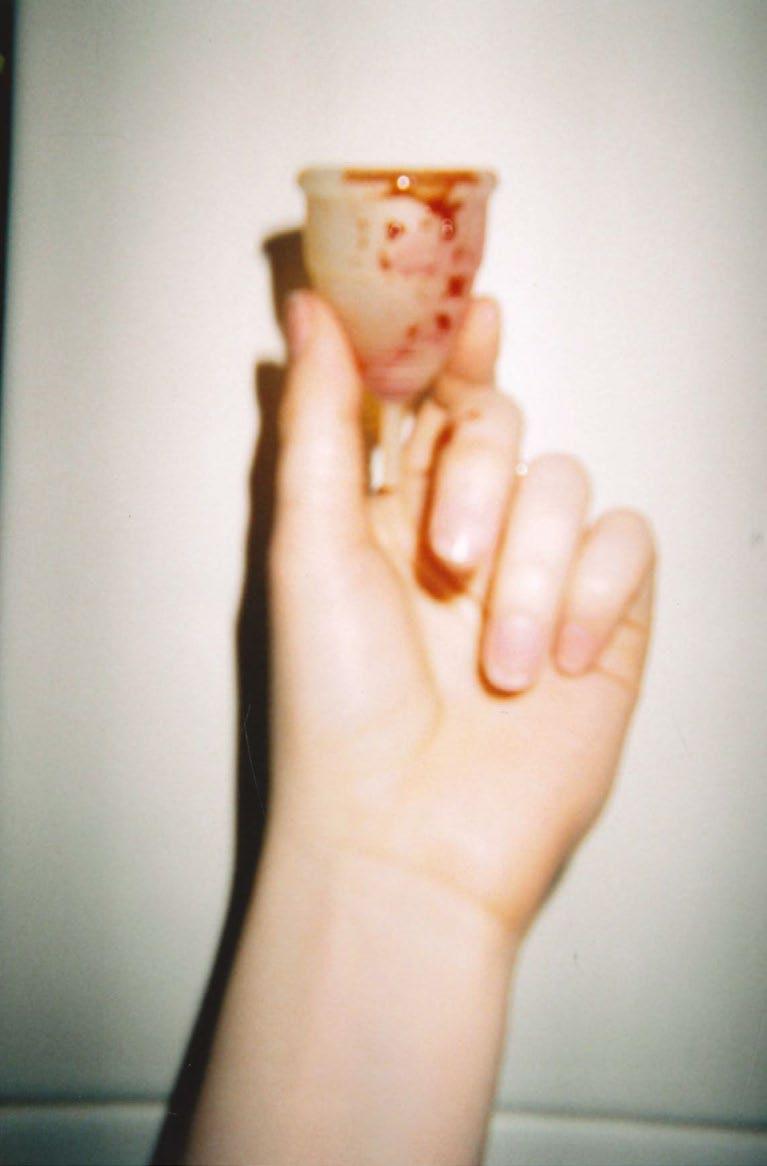
Since starting my periods at the age of 12 and 9 months, I’ve used tampons a grand total of two times - once in year 8, because of this weird peer pressure tampon supremacy there is amongst teenage girls, and again in year 9 when I was on holiday. Neither time was a fun experience and, even after 7 years, the feeling of pulling out a dry tampon is something I’ll never get over. Apart from those times, I had exclusively used pads. And they were fine. You kind of get used to the feeling of wet pants all day, the smell of your own organs, and learning to sit in ways that won’t make your blood spill on your favourite trousers (RIP my beloved vintage dungarees and green velvet flares). Tampons scared me, and pads were bearable, so I kept using them.
From the ages of 15 to 17 however, I was very into the BuzzFeed channel, LadyLike. This is how I first learned about menstrual cups. They intrigued me for years, but the £20 investment kept putting me off (meanwhile I was spending
at least £5 per period on pads, but you get me).
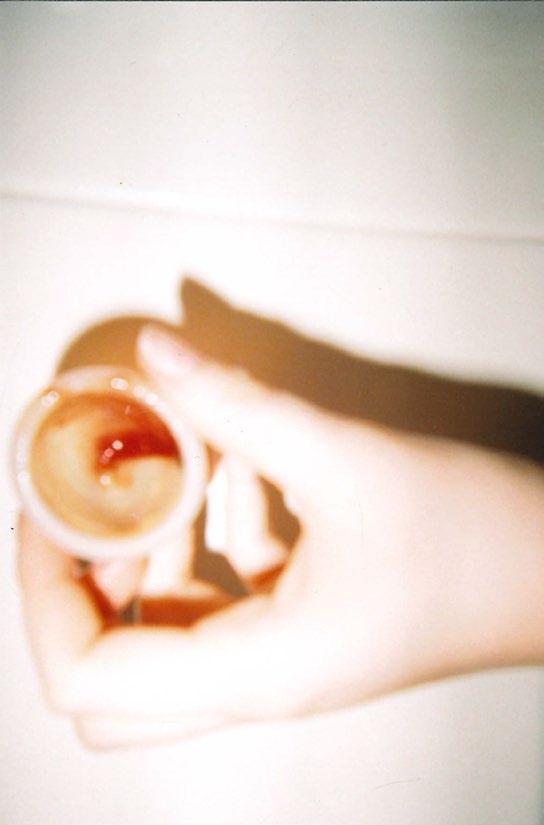
I was almost 18 when my mum said she’d bought me a present, and surprised me with my first cup. She told me that they had three sizes on the website: Size 1 was for people who hadn’t had or didn’t have sex, Size 2 was for people who have sex regularly, and Size 3 was for people who have had children. She said with a smile, “so I bought you the second size” - yeh, cheers for that mum. When I first began to use the cup, I don’t remember struggling to put it in like I did with the tampons. There wasn’t any discomfort when I’d be moving around, and the fact that I had clean, dry underwear all day was the dream. The cup let me forget that I was bleeding. Of course, there was the odd time where I would have small leaks, and putting it in may have been more of a challenge if I was in a public toilet for example… but nothing was even as near as messy as what I was used to. I was a cup fangirl for years.
08
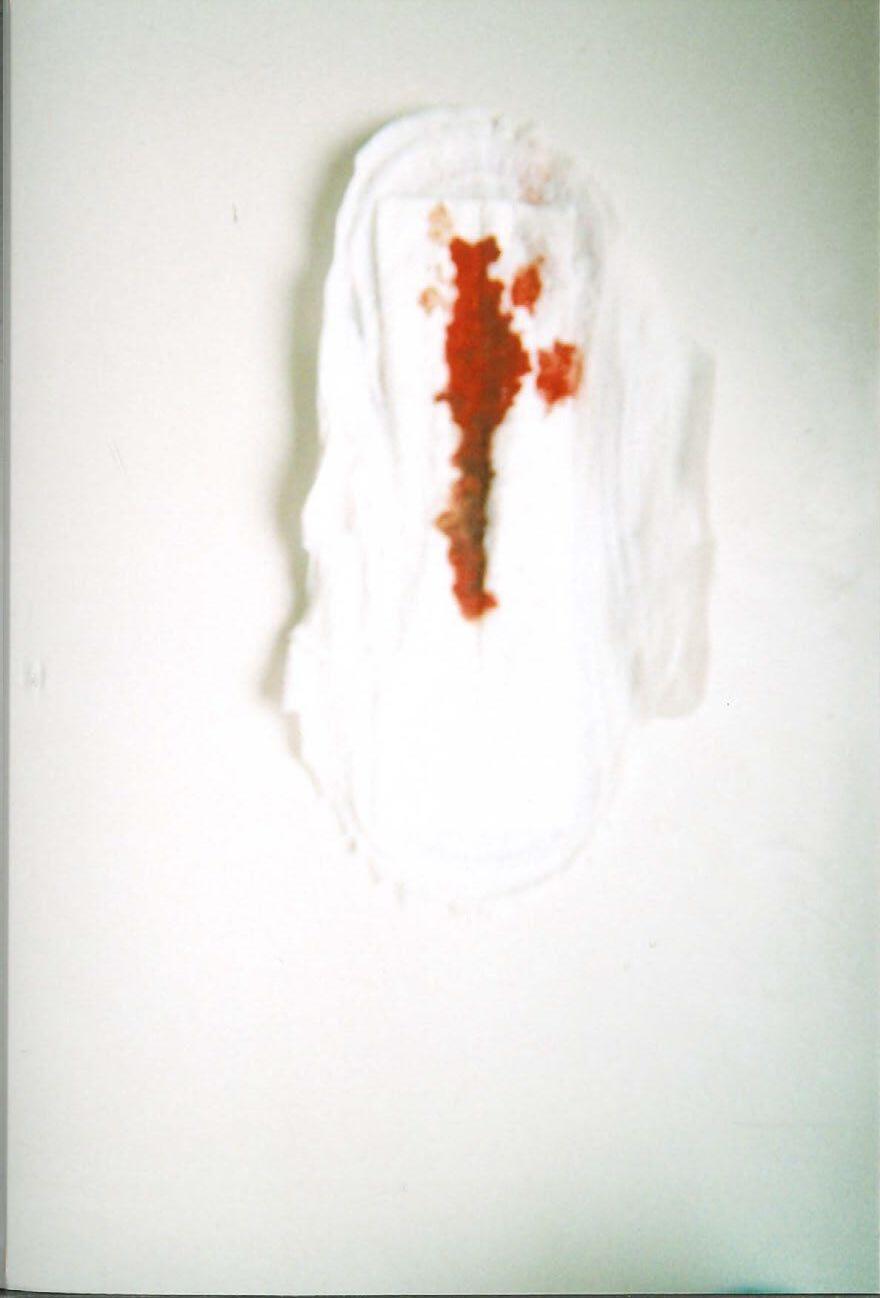
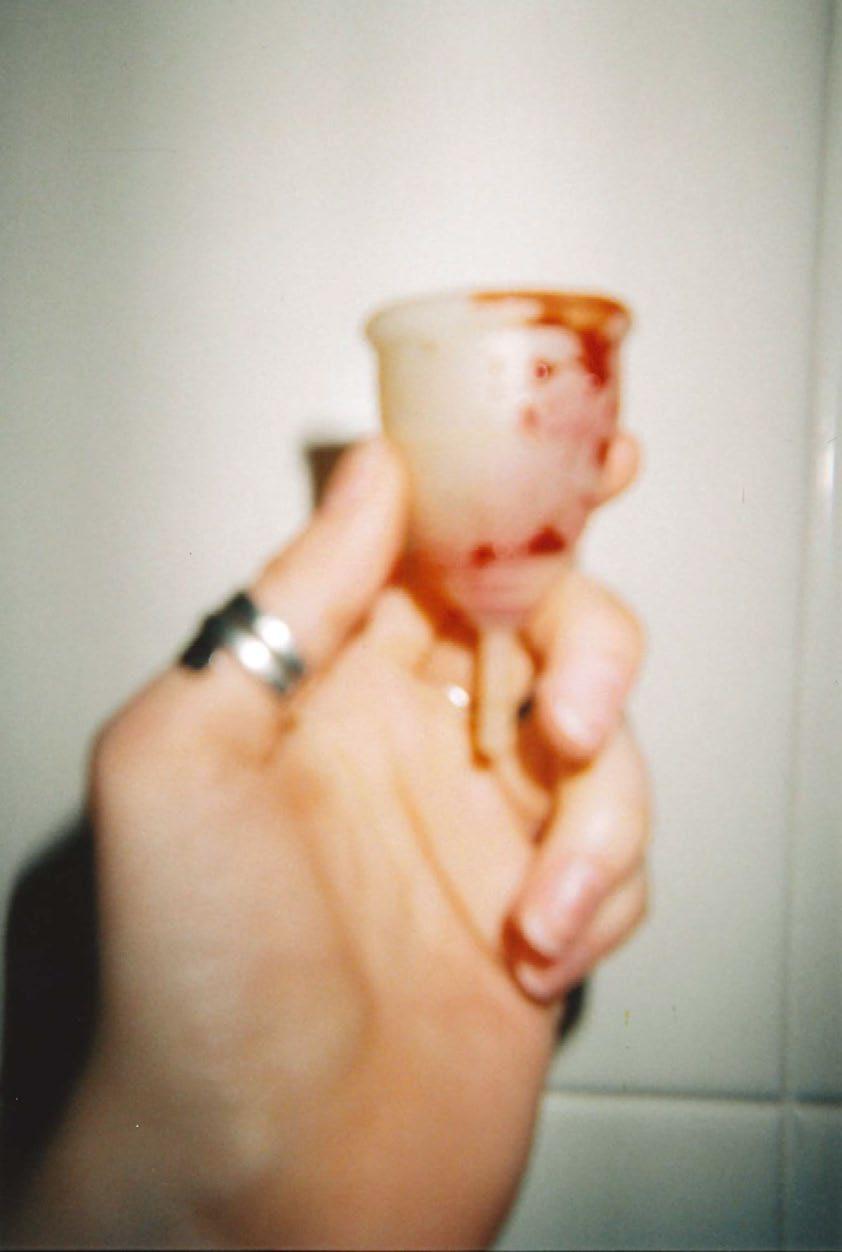
Then around March 2021, I came off my contraceptive pill (you know what’s coming). I was put on Lucette when I was almost 17, and stayed on it for just over three years. While I was on the pill, my periods were light, pain free, and of course very regular. I thought they were staying that way post coming off the pill, which was a very welcome surprise. Turns out my uterus just wanted to wait six months until I started uni to totally fuck me over. Suddenly my periods felt, and still feel, like death. They’re heavy, they give me debilitated cramps, they make me embarrassingly emotional…
Most of the time now, because my flow is very much giving Niagara Falls energy, I have to double up using both my cup and a pad. I know this obviously isn’t great sustainability-wise, but what can you do? I’m totally still a cup fangirl, but it’s just not enough for me at the moment.
I’ve thought about going back on contraception to help with this, but of course
that creates challenges in itself too. I can’t go back on Lucette because it gave me migraines, but I tried another pill for about a month after coming off Lucette and I never stopped bleeding. There’s a crazy amount of pills to try, but I’m just not sure whether the side effects (one of which is literally death) and messing with my already questionable hormones are worth the potentially lighter periods. It’s almost as if science, society, and powerful cis men who probably think that the most painful thing a person could experience is getting kicked in the balls couldn’t give less of a fuck about harming people who literally have the power to create life.
If you take anything away from this, let it be that: menstrual cups aren’t scary, contraceptive pills might turn your uterus into a sneaky little bitch, and you should maybe save your favourite trousers for next week.
lydia rose
10
SUSTAINABILITY S
ustainable period products are a big topic at the moment, as we as a society are all thinking about how we can do better and produce less waste. There are lots of methods that can be used, such as biodegradable pads and tampons, reusable pads and underwear and menstrual cups. By using these alternative methods, we can stop producing so much waste. On average, people can use 3-5 pads per day they are on their period, so by changing to using sustainable products can make a big difference.
From my personal experience, I have recently started to use period underwear, which can be bought from lots of different websites online, such as brands called WUKA and Modibodi. I have found that they are effective and very comfortable as you do not have to wear a tampon or pad. Personally, my periods are normally quite light, so I find they work well for me. On most of the websites that sell them however, they say in the descriptions what sort of flow the underwear is best for. From my experience, after you have finished with the underwear you just need to rinse them out the the sink and give them a little hand wash to get the blood out before putting them in the normal washing. Alternatively, rather than the period underwear, you can also buy reusable fabrics pads, which can be bought on websites such as DAME and Eco Lily. Both of these brands sell their own style or reusable pad. These options can seem a little expensive at first, but it is important to remember that you will use these products many times and are much more than a one-time use. You could also always make your own reusable pads and lots of patterns can be found online on how to make them. Then you can customise the colours and patterns to how you like!
Alternatively, if you would like to stick to using more traditional pads and tampons, there are many online brands that sell much more sustainable products. For example the brand Here We Flo sells pads that are 100% organic and made from sustainable bamboo, as well as plant based compostable wrappers. They also sell tampons that are 100% organic which could be another option if you prefer to use tampons. This is a really good option if you would still like to use more traditional period products.
WHAT COLOUR IS YOUR FLOW ?
Red. If your period blood is red it means it is fresh blood and you have a steady flow.
Dark Red. This means that you are beginning or ending your period that cycle but it could also be an early sign of pregnancy.
Pink. A pink colour blood can mean period blood is mixed with cervical fluid or you have had significant weight loss or an unhealthy diet.
Orange. If your period blood is orange that means that it is mixed with cervical fluid and you could possibly have an infection. Black. This colour blood means you are coming to the end of your period or you could have a vaginal blockage.
Grey. If your period blood is grey it is likely that you have bacterial vaginosis.
12
Most period having people have period stains in every pair of underwear they own.
Sleeping with a nightlight can regulate your cycle.
The average period having person has more than 400 periods in their life.
You could go through up to 15,000 period products in your lifetime. Menstrual cups can safely be worn 4 hours longer than tampons. Orgasms can make your cramps better.
Your period gets worse when it is cold.
Drinking alcohol on your period can make pains last longer.
Studies suggest that city lights or artificial lights influence the menstrual cycle.
The sound of your voice changes during your period.
Stress can cause periods to become longer, shorter or even totally stop.
FACTS . PERIOD .
PCOS W
hen gathering information for the content that our readers would like to see in this magazine, one thing that stood out was information about PCOS and Endometriosis. These are topics that are often missed and there is not a huge amount of awareness when there really should be as it can effect lots of people. We would like to spread awareness of what PCOS and Endometriosis are, as it is important that we know what some of the symptoms are and are aware of them.
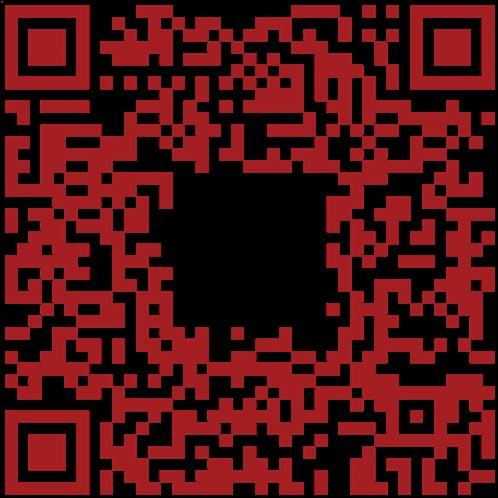
PCOS (Polycystic Ovary Syndrome) is a very common condition that affects how the ovaries work. Polycystic ovaries contain a large number of harmless follicles that are up to 8 mm in size. The follicles are underdeveloped sacs in which eggs develop. Therefore, in PCOS, the sacs are often unable to release an egg; this often means ovulation does not happen. It’s hard to know an exact number of how many people have PCOS, but it is estimated that around 1 in 10 women in the UK have PCOS (stated on the NHS website) and more than half of these women do not have any notable symptoms. People are often diagnosed in their late teens or early 20s. Some of these symptoms include: irregular periods or none at all; finding it challenging to get pregnant because of irregular ovulation or not able to ovulate at all; excessive hair growth especially on your face, chest and back; weight gain; thinning hair and hair loss; acne and oily skin. The cause of PCOS is unknown but it often runs in families so if any of your immediate family have PCOS and you are experiencing any of these symptoms, then please seek medical advice. Even though the cause is not totally clear, it does relate to abnormal hormone levels in the body including high levels of insulin. If you relate to any of this, or would like to know more, please refer to the websites that have more detailed information by scanning the QR code.
14
Endometriosis is also often referred to as “Endo”. The name comes from the word ‘endometrium’, which refers to the tissue that normally lines the uterus or womb. Endometriosis happens when tissue similar to the lining of a uterus grows outside of your uterus where it does not belong. It can instead often be found on ovaries, fallopian tubes, tissues that hold the uterus in place, and on the outer surface of the uterus. Some risk factors of Endometriosis are: if you have a mother, sister or daughter with the disease; if you are giving birth for the first time over the age of 30; and if you have an abnormal uterus. The most common symptoms are: pain similar to excessive menstrual cramps that can be felt in the lower back and abdomen; pain when having sex; abnormal or heavy menstrual flow; infertility; painful urination and bowel movements when on your period; other gastrointestinal problems, such as diarrhea and constipation and/or nausea. It is very important to note that these are only the most common symptoms, and there are lots more out there as every person has a different experience.
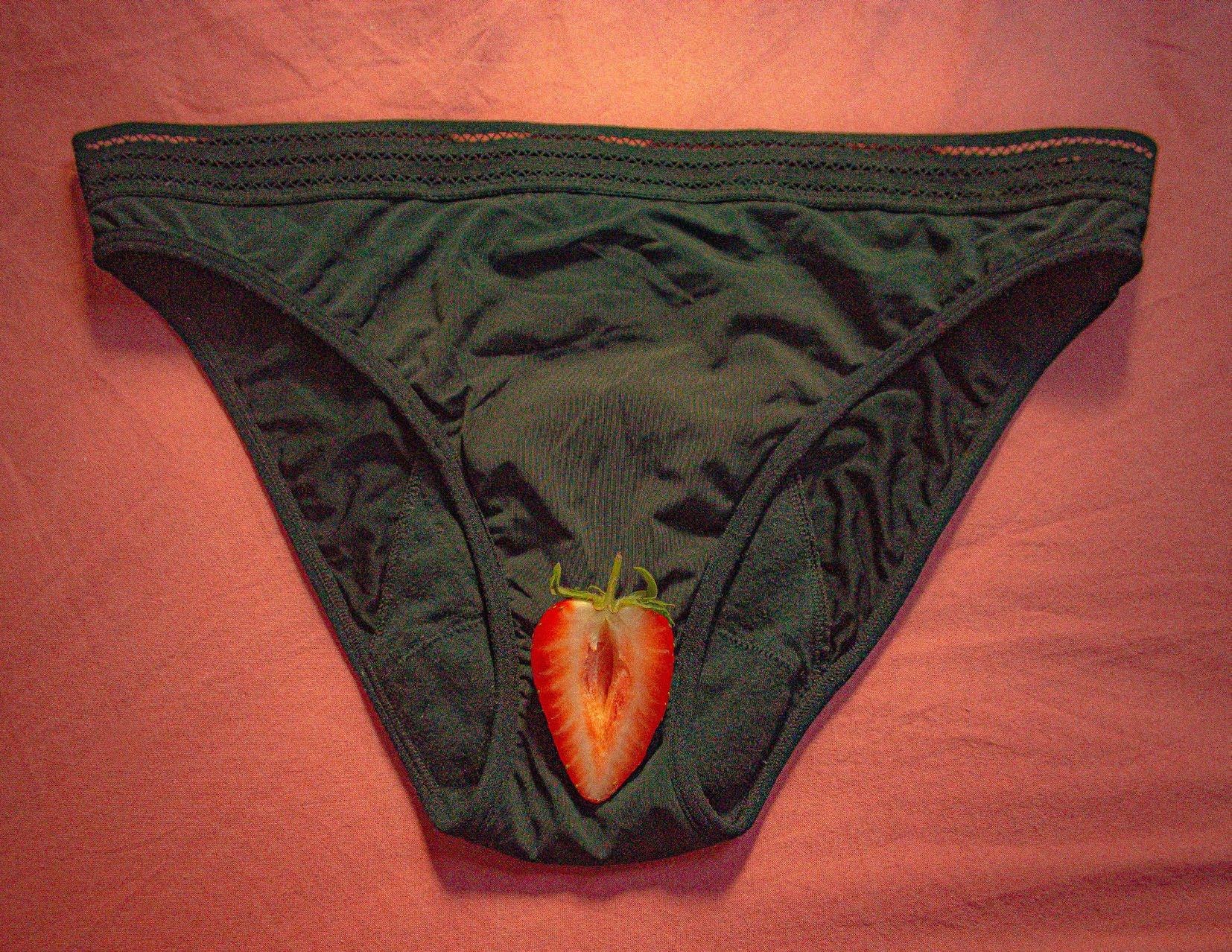
16
“I once came on my period in the middle of observing a lesson for a school project. I didn’t realise until the next day when the teacher pulled me aside after class and said that she noticed it and not to worry. We then had a conversation about how I felt and dealt with being on my period as a trans person. Probably one of the most refreshing yet embarrassing experiences with my period.”
“I was at work once and my then supervisor told me that there wasn’t any time to take breaks when I was going upstairs to change my tampon and pad. So I bled through to prove a point that I needed to go and change. He then gave me a telling off and a written warning for hygiene. So I told him to fuck off.”
“I’ve never used tampons. I’m kinda scared too, to be honest.”
“Using a menstrual cup made my life so much easier when on my period. Less pain, less cramps and less worrying about being near a bathroom or carrying lots of products everywhere with me. It’s given me more freedom! And it’s saving me money every month!”
“I kind of like my period, it is a reminder of my body and that I am healthy. Every time I get my period on time I am reminded that I am alive and that my body is taking care of me.”
YOUR STORIES

18
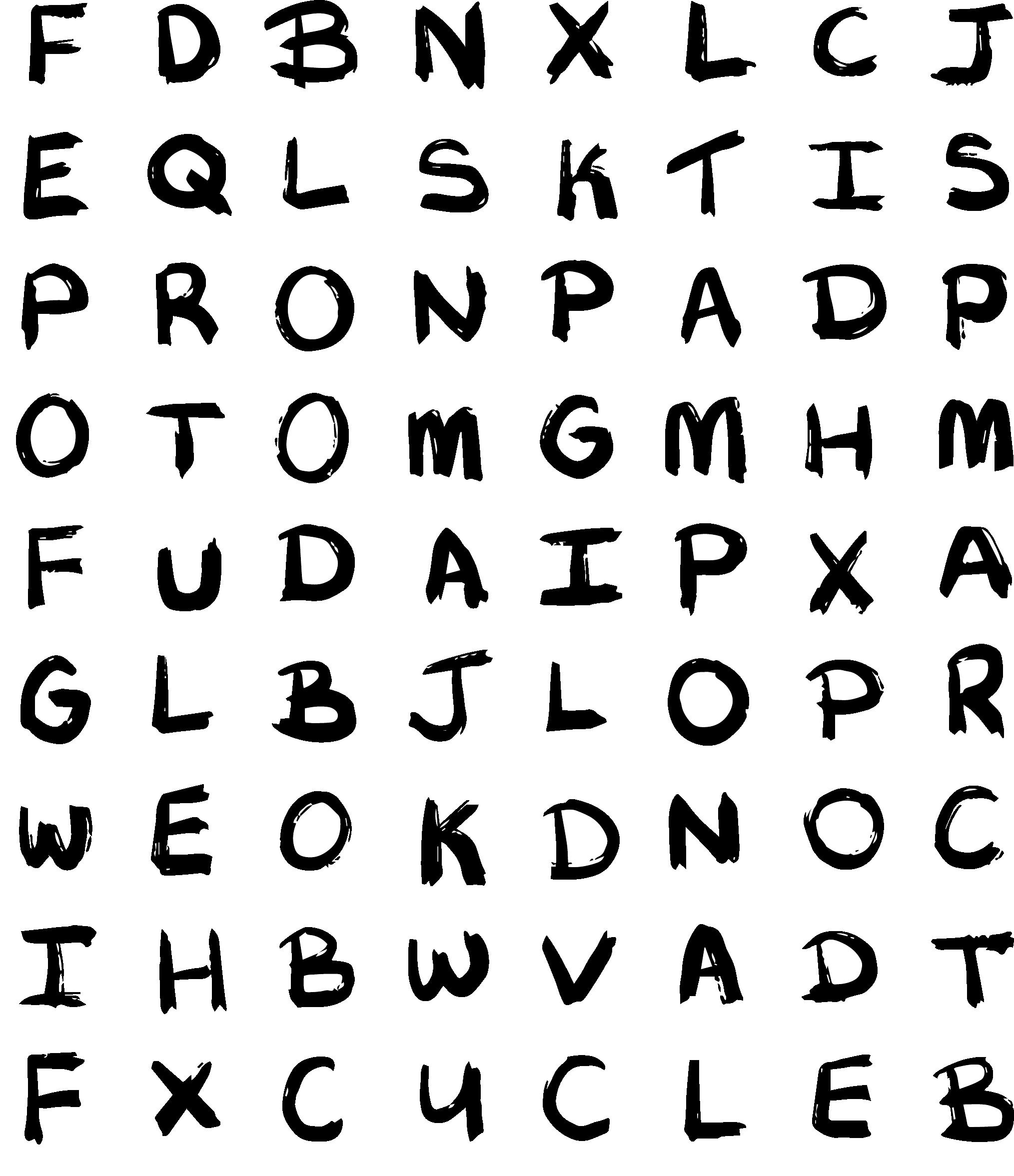
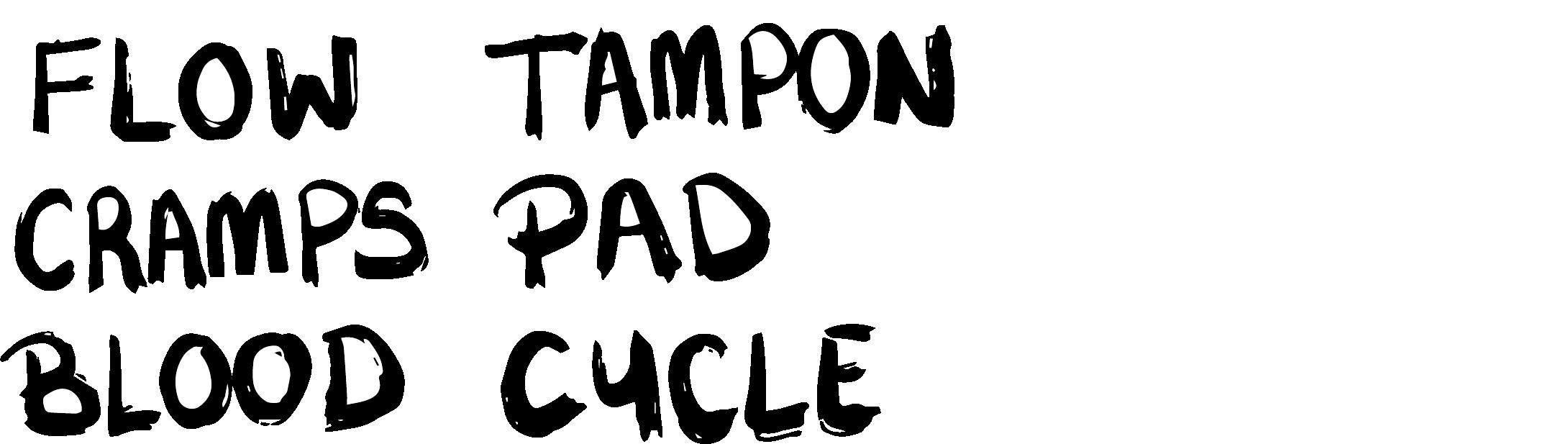
19
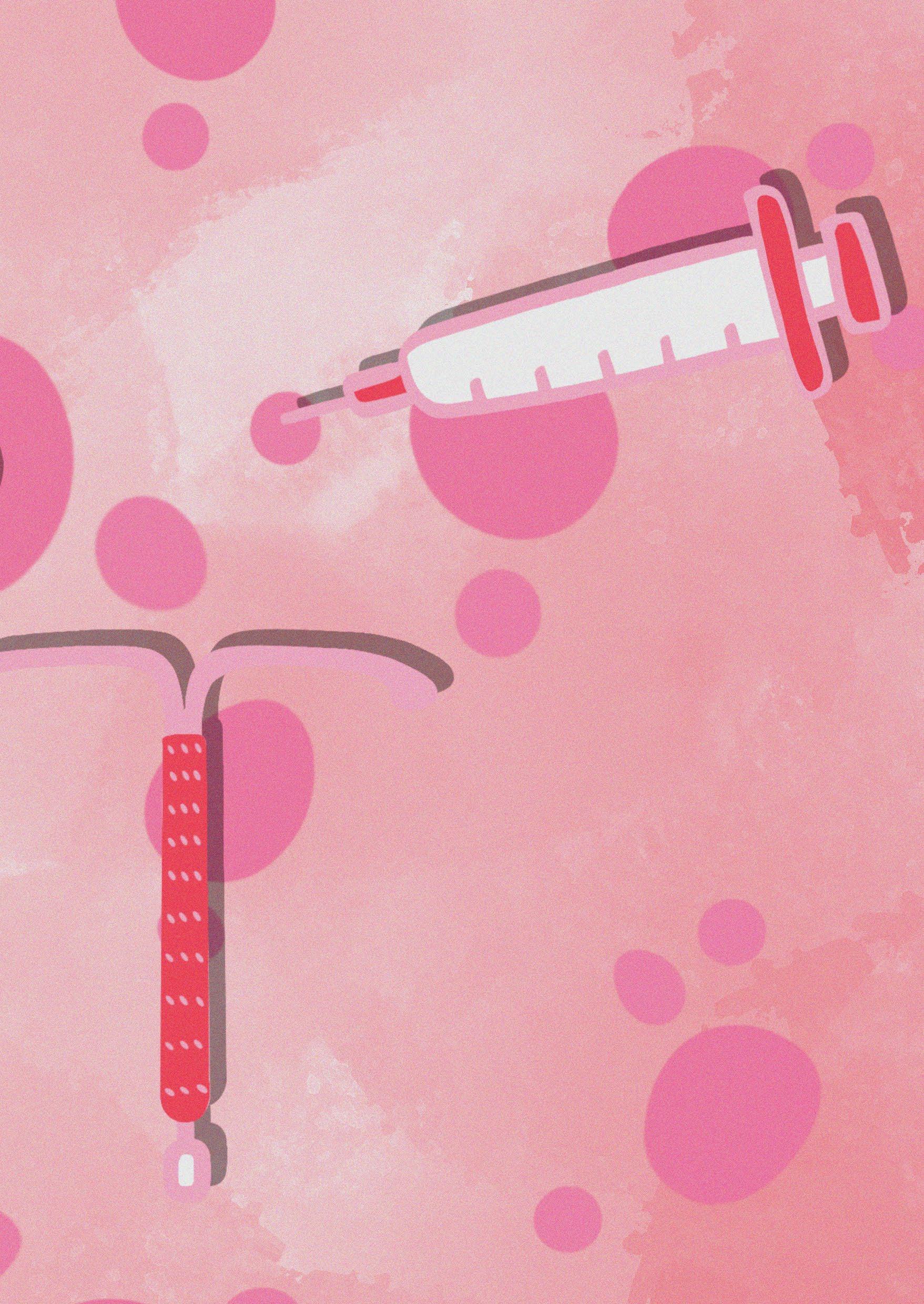
PERIOD POVERTY
Period poverty is a huge issue around the world, including in the UK. Period poverty refers to the increased economic vulnerability people are facing due to the high cost of period products. This is not only pads and tampons, but also pain medication and underwear. All of these things cost money, and many people do not have the means to be able to afford these items, as they have to prioritise putting their money towards other products such as food, clothing etc. In the world that we live in, it is ridiculous that we still have to pay for period products even though it is something that happens to our bodies that cannot be helped.
22
In Africa, 1 in 10 girls miss school because they don’t have access to period products, or because there is not a safe private toilet to use at their schools whilst on their period.
In Sub-Saharan Africa, some girls can miss as much as 20% of their school year (statistics found on the Action Aid website) and some may feel they have to drop out of school because of the amount of education they have missed due to this. Additionally, there are lots of health risks involved for those that do not have access to period products, as they have to use things such as rags or anything else they can use to stop them from free bleeding. The use of items that are not meant to be used for the purpose of periods often causes infections, further embarrassment, and loss of school attendance, aggravating an already unfair situation.
Arguably, we are more privileged in the UK as schools can apply for money from the government; this helps to supply period products in the toilets of schools. Although, research conducted by Plan International UK found that 49% of girls still missed a day of school because of their period, and 59% of those girls made up another reason for why they had to miss school. It is unfortunate that in this day and age, around the world,
someone’s education will suffer because of their period - something that is completely out of their control! No one should be made to feel ashamed because they are on their period, and everyone should have access to the correct products to support them through their period. It would be progressive if governments and health care providers around the world took Scotland’s lead, and were able to supply free period products for people that really needed them. By supplying people with clean toilets and sanitary products they will be more comfortable and happy about going to school, and therefore have a chance of a better education that could positively impact their future.
As a society we are becoming more aware of this problem, but it still needs to be spoken about more and solutions need to be made to help people. There are a lot of charities and websites that have more information surrounding period poverty. We encourage you to read more about this topic and donate if you can!
23
THE PERIOD POVERTY PROJECT @ PCA
HARRIET MOORE (SHE/HER)
What inspired you to work on the Period Poverty Project?
I have always been very conscious of the cost of period products and the effect this can have on education, and this was a big part of my campaign when I first ran for Student Union President. As part of my election campaign, I put period products in a selection of the toilets around campus, which gained huge amounts of positive feedback from a variety of students. Around the same time, Scotland announced a bill to make period products free for all so it was definitely a prevalent topic at that time.
What did the Period Poverty Project entail?
As I mentioned above, period poverty and free products was a very hot topic at the time. I was discussing it with an old friend working as a secondary school teacher, who told me about the “Period product scheme for schools and colleges in England”. I looked into this and found that Plymouth College of Art was eligible for funding because of our Further Education provision, so I signed up. This meant that I (for the institution) was awarded over £1,000 of funding for the academic year 2020/21 which could be used to purchase a variety of period products, including sustainable options. This funding is awarded annually, based on the amount of students enrolled each year. This more than funded products for our FE students, and as they also used our main
Tavistock Place campus, it meant these were accessible for our Higher Education students too. We are also part of the Student Union budget to top up products for students studying on Undergraduate and Postgraduate courses, and to purchase period products for the Student Union Food Bank. I think the next steps for the campaign is to include better signage in the toilets on all of our campuses to let students know about the Period Poverty Project and to encourage students to let us know if and when products run out - we do check all of the toilets every 3-4 weeks.
Was there any stigma surrounding you starting this project?
I actually don’t feel like there was any stigma around this campaign because Plymouth College of Art is such an open, understanding environment. The only thing I can think about is encouraging students and staff to say period products rather than sanitary products. This is actually something I learnt along the way too, I previously used to say sanitary products until I read an article about the usage of words and phrases around periods continuing the stigma around them. For example, words like “hygiene” and “sanitary” continue to reinforce the negative narratives around periods being ‘dirty’, so we should be encouraging people to call them what they are - products for your period.
25
What impact have your efforts had on the college? I definitely think it has had a big impact on students and staff alike, even myself. There’s nothing worse than going to the toilet and realising you weren’t prepared to start your period, but it’s great being able to just grab some period products and get on with your day. The cost of period products is really expensive, and those who can’t afford them will often miss out on their education because they stay home, and I didn’t want this to be a barrier for our students. I have had so much positive feedback from students about having access for free through the Period Poverty Project, and it’s also been really nice to hear positive feedback from trans students about them being available in all toilets too. As I mentioned above, the next step for me is better signage in the toilets and I definitely want to include some educational information on this too, e.g. statistics about period poverty in the UK (In the UK, 1 in 10 girls can’t afford to buy menstrual products, while 1 in 7 have struggled to afford them, according to a representative survey of 1,000 girls and young women aged 14-21 by Plan International UK).
26
DEZ (SHE/HER)
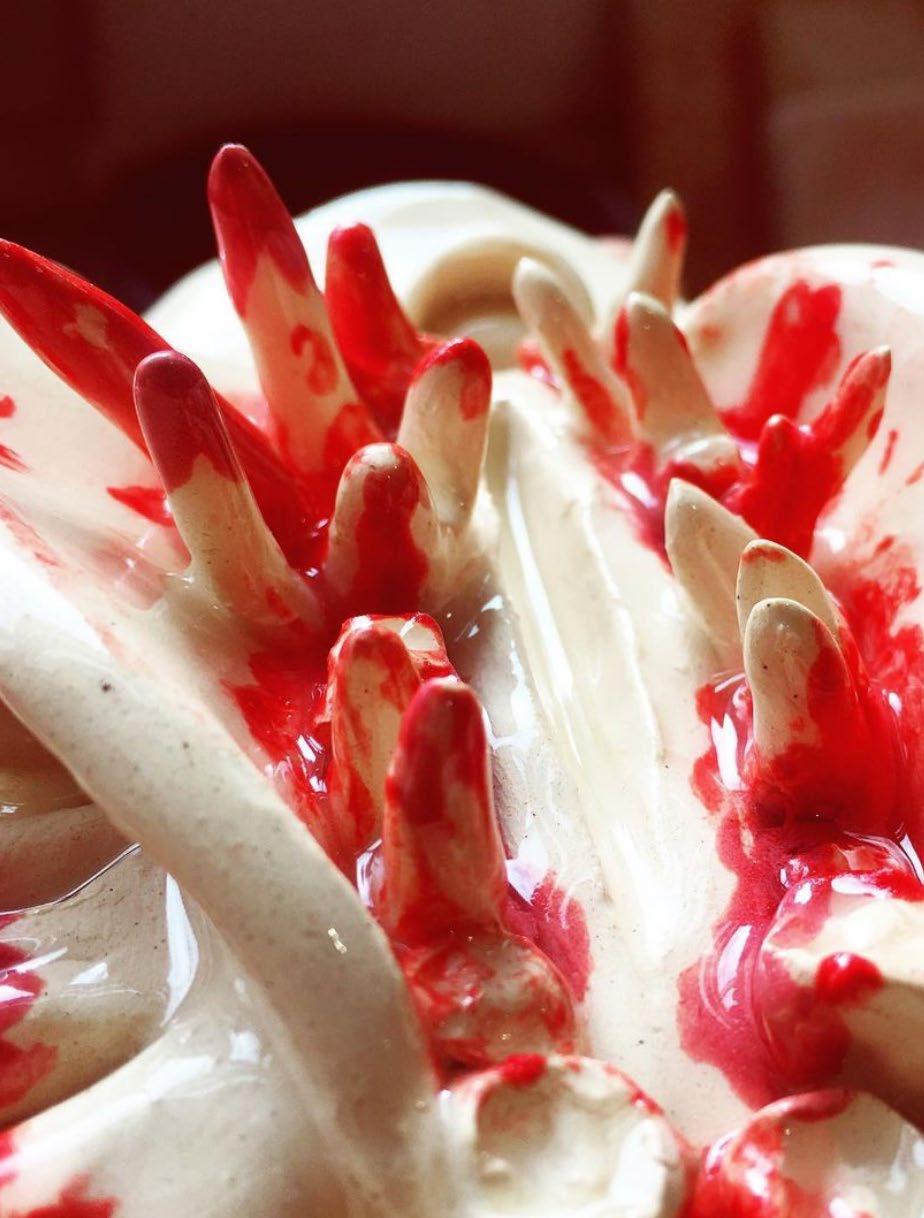
Have you always been interested in incorporating yonic (the shape of a vulva) imagery in your artwork? I haven’t always been interested in incorporating yonic imagery in my work, I have however always been drawn to the human body and I’ve focused on the body previously. My focus on vulvas was initially just for fun, I had the opportunity to sculpt something and almost naturally decided on making them. After some research further into the topic and other themes it’s just begun something I want to focus on.
28
ARTIST SPOTLIGHT
How do you ensure that your vulva artwork is inclusive to different races, and to the trans male and non binary afab communities?
Honestly I’m not quite sure. I started off just making vulvas for fun and then decided to take it further for my project. I’d like, even when I’m finished with this particular project, to continue making vulva artwork, both digital and sculpturally. I do want to expand the range of colours and shapes that my vulvas come in . In terms of my work being inclusive of trans male and non binary afab communities, my work is intended for all, especially vulva owners . My work with yonic imagery made me consider how cisnormative ideals impact people’s views of bodies and genitalia. None of my vulvas are attached to a specific gender or idea or opinion. I want my work to be about recognising how powerful vulvas and their owners are!
Do you ever receive any backlash or negative reactions to your artwork? how does this make you feel? if not, what would your reactions be if you did?
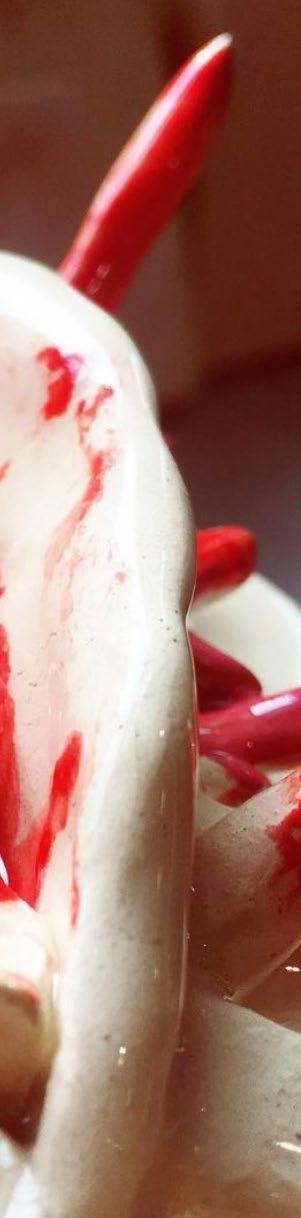
Overall I’ve mostly got good feedback and reactions, I’ve only had around three negative reactions, but it did make me question whether I should bother with my work. I then realised that the reaction I got was clearly from a place of misunderstanding and/or lack of education surrounding vulvas. Additionally some reactions are from people who want me or expect me as an artist to create a certain type of work. Any negative comments I have or will ever receive is actually more reason to continue making. People shouldn’t be so upset when they see something that doesn’t align with their view on what vulvas or genitals should look like. I am also aware some of the vulvas I make are toothed so I’m not surprised if I were to get negative reactions.
How has choosing fine art as your degree helped you in exploring this imagery? Choosing fine art has allowed me to explore so many different ideas in any medium. I have the freedom to focus on what interests me most which is yonic imagery, the body and loads of other topics/themes. In exploring these themes and imagery, what are you hoping to achieve? abolishing stigma, normalising conversations, self confidence for yourself and others, etc?
I want my work and focus on these themes to be a tool for sexual empowerment and also normalising conversations around vulvas. Some of my pieces are “toothed” specifically for my current project, which is about reclaiming the narrative around the myth of “vagina dentata” or vulva dentata, the myth has been historically used to frighten people and almost demonise ,specifically,female bodies and female sexuality. I want to instead present the idea of the vulvas (toothed or not) as a powerful and mystical force to be reckoned with. I really liked this idea I was researching, which was about genitals being apotropaic, and having the power to; heal, repel evil forces, and even cause harm. Whilst the flower analogy surrounding vulvas isn’t terrible, I want to move slightly away from the idea that vulvas or vaginas are delicate little things that are neat and tidy. Overall I find yonic imagery in whatever medium to be so fun and I’d also like to share that with others! My interest started out as fun and continues to be fun as I find new ways to explore these themes.
Do you believe that conversations/imagery surrounding vulvas are often white/ cisnormative? and if so, what is your opinion on this?
I believe that mainstream conversations surrounding vulvas are, from what I’ve seen, very minimal and usually often steered by white or cisnormative people. I think conversations that include people outside of those groups aren’t as projected but they exist. I like that generally more conversations are being had. More people are becoming educated and less afraid to talk about vulvas or topics surrounding genitals and bodies.
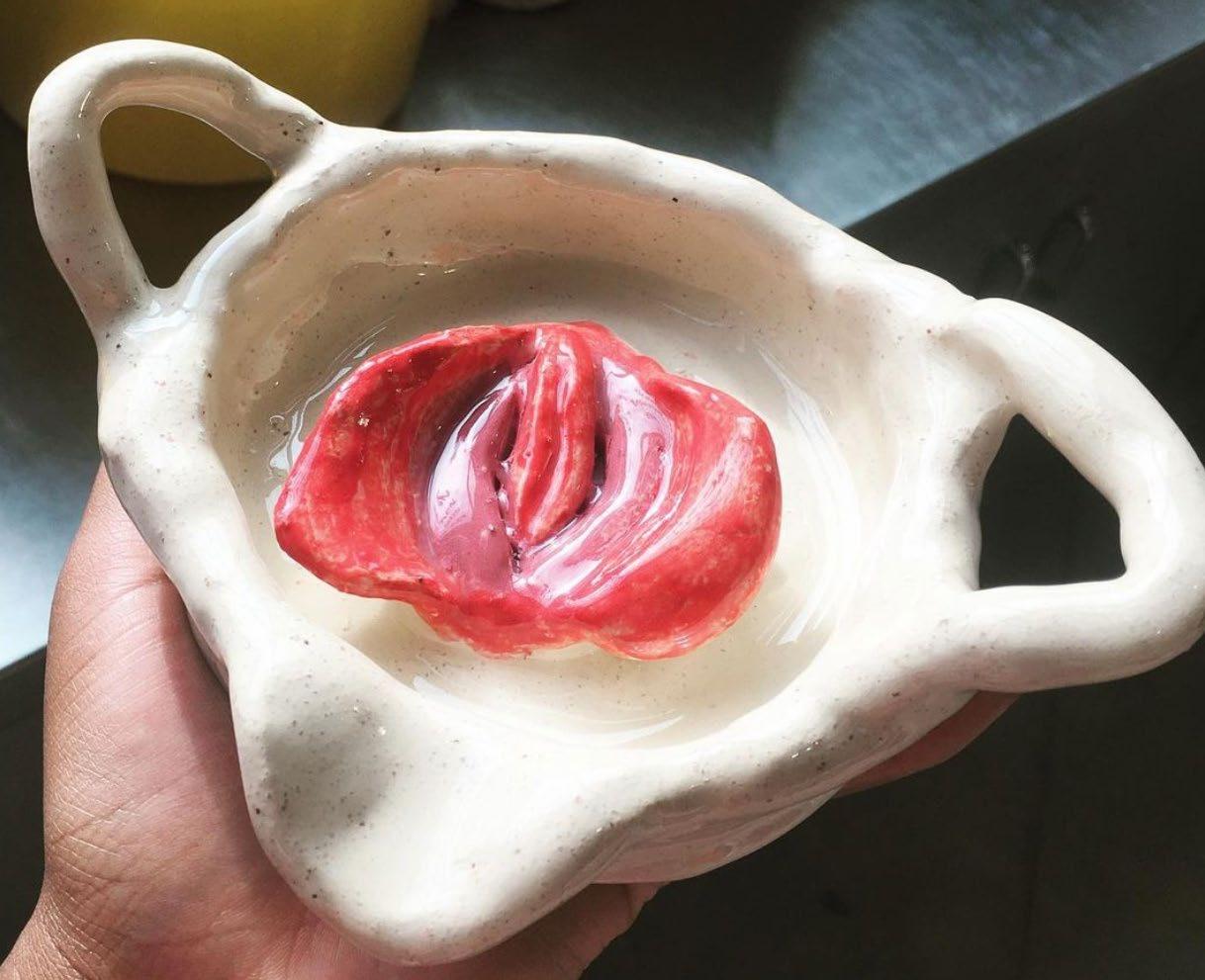
“I want to instead present the idea of the vulvas (toothed or not) as a powerful and mystical force to be reckoned with.”
@dezzartzz
31
ESTHER (SHE/HER)
Have you always been interested in incorporating feminist themes into your artwork?
Definitely not always, I think once I was introduced to an environment that I knew was safe to express my beliefs freely (my foundation in art at PCA) that’s when it really started. Also being mistreated in a previous relationship with a man left me with a lot of shit to unload and I started using my art as a channel for that, and have since realised that the issues I experienced need to be widely combatted, it’s not always an individual issue.
Do you feel as though choosing illustration as your degree has helped you explore these themes?
For sure! I struggled towards the beginning of my degree as it was very thematically structured meaning I didn’t get a lot of time
to express what I needed but I can understand that is to help you find your footing, as now im nearing the ending of my second year I’ve absolutely jam packed my briefs with feminism and I’ve been able to make the most of the freedom we’ve now been given. I also think being able to visually communicate inequality (and how inequality can be tackled) is something I should make the most of with my skills and illustration abilities.
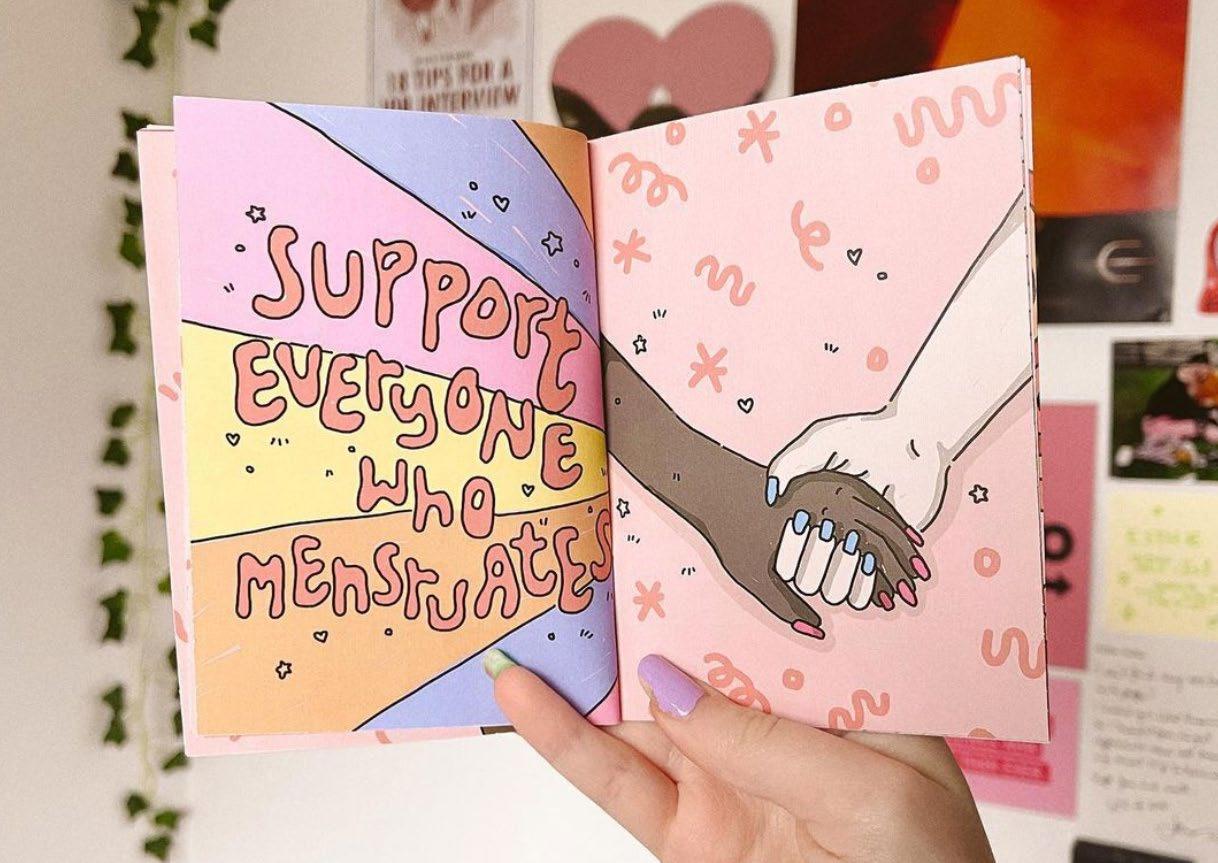
What inspired you to create a zine about periods?
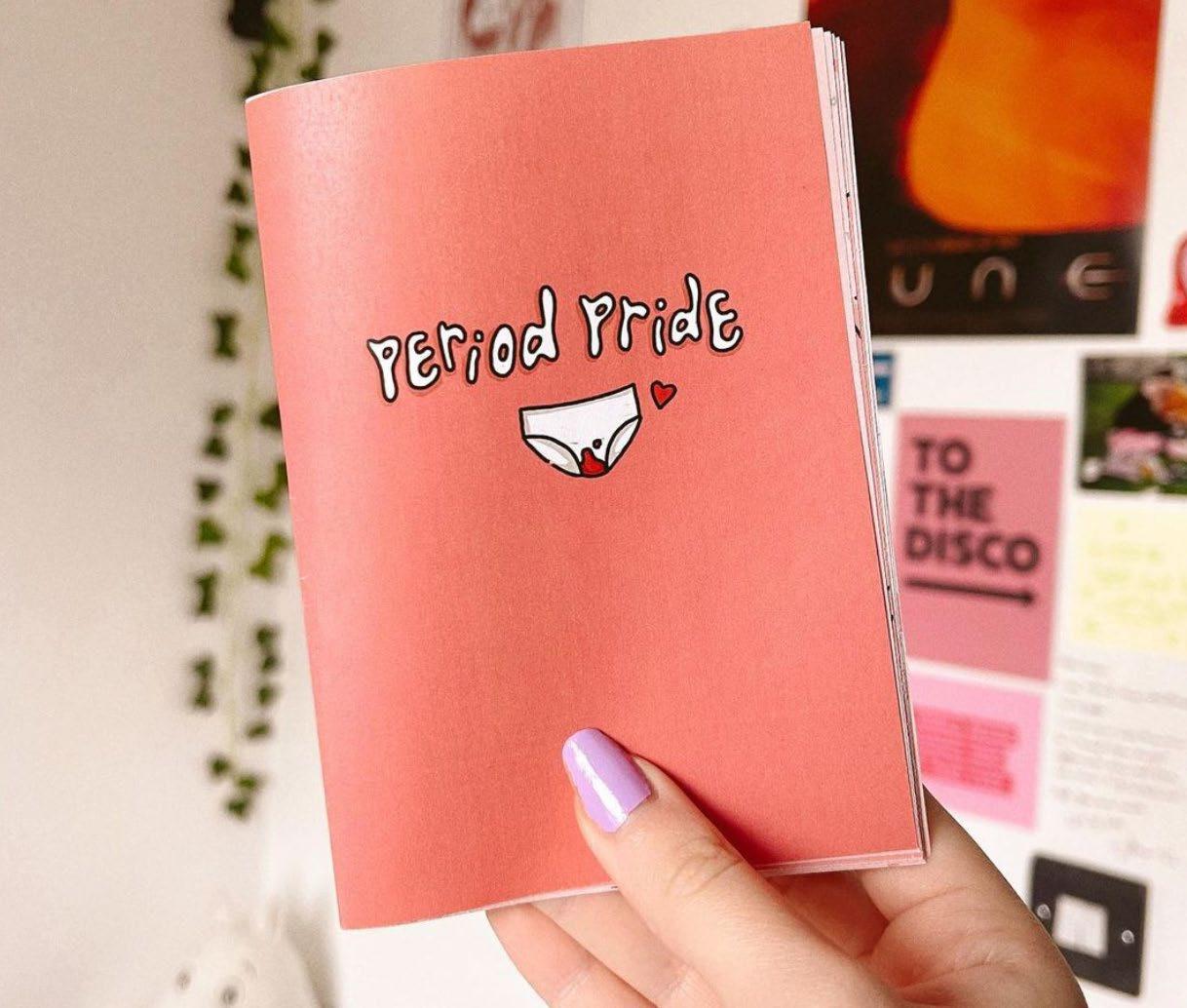
Obviously period pride is something I massively believe in, and the stigma around periods is not nearly discussed enough. I was inspired by my desire to normalise conversations about periods and also my own struggles and never having my pain and hormonal cycles taken seriously by the men in my life.
“I was inspired by my normalize conversations about and also my own struggles having my pain and hormonal taken seriously by the men
ARTIST SPOTLIGHT
my desire to about periods struggles in never hormonal cycles in my life.”
33
@artyesther
Were you apprehensive about making your zine, due to negative reactions you might have received?
I was nervous at first as my course is mainly run by two male lecturers, but then I sort of realised that’s the whole motivation behind the zine, to communicate important messages visually. I also find the idea of spreading important opinions motivating, and sometimes it can be exciting to educate those who may have negative reactions.
Did you receive any negative reactions about your zine?
Not yet! I’m very lucky to be surrounded by the best support system of friends and family who all agreed the zine is full of valuable phrases - but i’m sure if I had a bigger following /wider audience on social media etc. I probably would’ve got backlash from people who are stubborn (or just straight up misogynists lol!!)
In your zine you say “support everyone who menstruates.” Do you believe that conversations/imagery surrounding periods are often white/cisnormative? And if so, what is your opinion on this?
Yes - a lot of conversations about periods are that way. I think it’s massively important to be aware that not everyone who menstruates identifies as a woman, and to also include all races in these conversations because at the end of the day we are all human and all deal with the trouble of periods. I like the phrase ‘someone who menstruates’ or ‘someone who has a uterus’ as its a bit more inclusive towards people who identify as transgender or nonbinary, especially when experiencing periods as somebody who doesn’t identify as a woman can be hugely confusing and dysphoric, and that counts for pads/tampons being called ‘feminine hygiene’ too.
Do you feel as though your zine made a positive impact in decreasing stigma? If not, do you think it could, and how would you achieve this?
I definitely think my zine made a positive impact, as spreading any awareness is better than none whatsoever! I am proud that I can use my practice in a way that is raising awareness, and I will continue to push my messages out there as best I can with the tools I have as I grow.
35
ARCHIE (THEY/THEM)
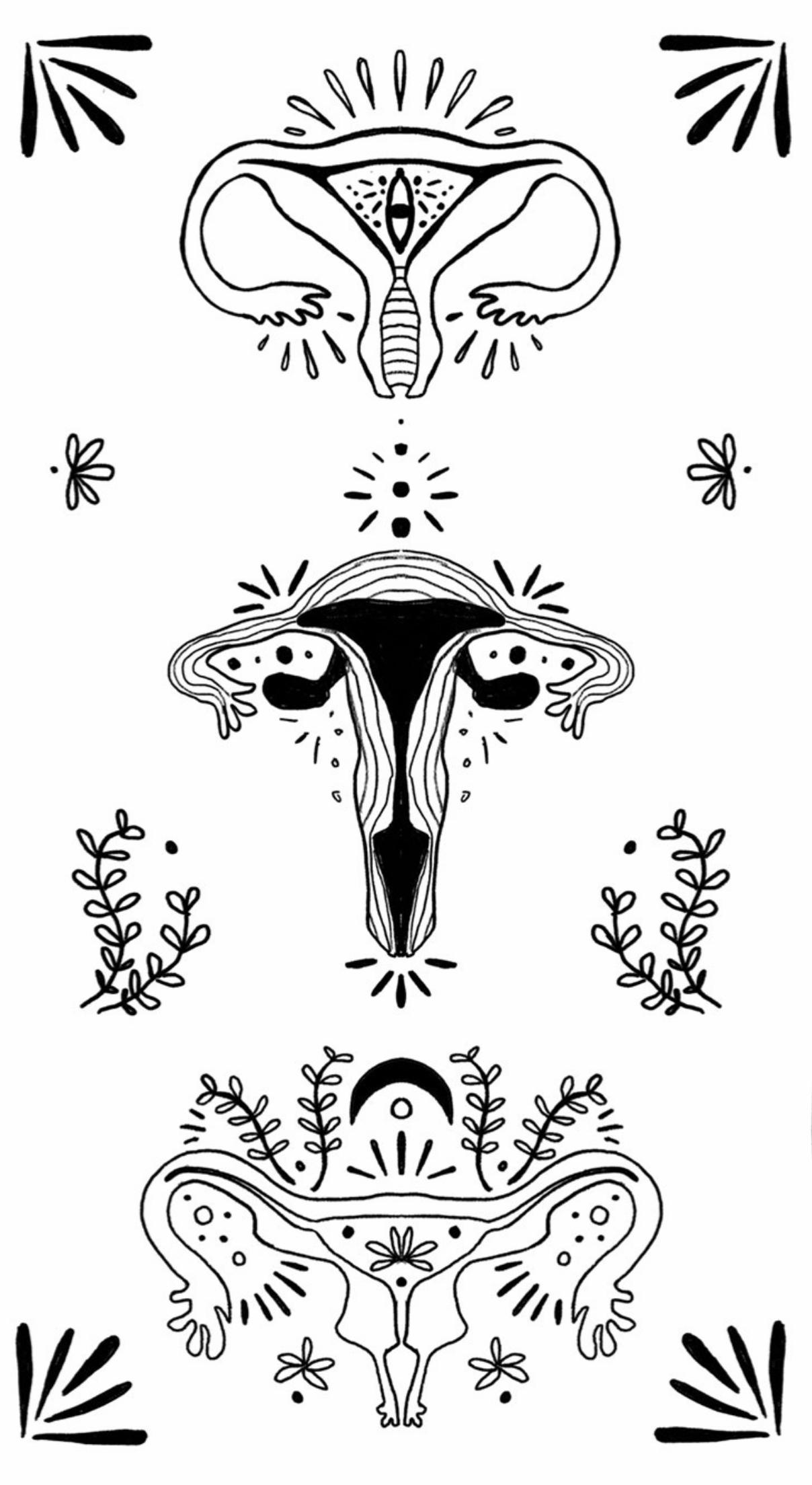
What inspired you to create your trans uterus designs?
I I began playing around with symmetry in my work, and uteruses quickly came into that through experimentation. I’ve seen a huge rise in female artists’ the use of female anatomy to reclaim our bodies from a long history of use in artwork by men - in our circles we see a lot of tote bags with tits on and the like. This is fantastic, but i’ve always felt a disconnect with this as a non-binary person. The reclamation of anatomy in art is essential. Still, it can feel quite exclusive due to most trans and non-binary people’s dysphoric associations and the lack of inclusion we have in mainstream culture. We are used to people focussing on our genitalia and sex, much like the focus on female nudity throughout art history.
I wanted to take this trend of celebrating and reclaiming anatomy for ourselves, making our transness clear, and being proud about it.
Have you always been interested in incorporating these themes into your designs?
I have had a loooong, complicated history with these themes. Body dysmorphia and gender dysphoria make exploring this difficult, but arguably that much more important. I have only begun to explore this in my work after a long journey of becoming comfortable with my body, having partially medically transitioned, and coming to terms with accepting my body where i can. In that way, producing art based on these themes has been integral to my continuing recovery from body dysmorphia and gender dysphoria.
36
SPOTLIGHT
ARTIST
@feypoked
37
Has studying illustration at pca helped you explore these themes?
Definitely! I have never felt unaccepted in PCA, and so I have felt at ease with exploring this too! The staff at PCA are so supportive of trans rights and social justice, I’m thrilled to be working in an environment which is so accepting and blossoms such a rich community.
Do you ever receive any backlash or negative reactions to your artwork? How does this make you feel? Is this something you were apprehensive of?
I am lucky enough to have a wonderful group of followers who are very accepting, so I haven’t received anything negative as of yet when it comes to these images. A few years ago, when I was taking commissions to raise money for my transition, I did receive some fairily horrible comments on posts. It shook me for a few days, but thankfully wasn’t more than that. Having such a small platform also means I don’t receive much of this, it was only when I had more followers than I did receive these. Although the sort of hate is something that trans creators do receive, I think one of the most amazing things about our community is the strength we have. So many of us have faced significant trauma, and so I don’t think abuse on the internet is something we should be afraid of. At least, it’s not worth not sharing what we feel people need to see. Rather, if you begin to face hate that you can’t handle, then it’s time to take care of yourself and move away from those platforms. The idea that people might attack shouldn’t be enough to silence us, because in my experience, at smaller numbers this rarely happens.
As a non-binary tattoo artist, how does it feel to be able to create a business in which you can promote trans themes freely?
Tattooing is quite an intimate process and one that can help alleviate gender dysphoria, which is something I’m currently writing a paper on. It can make your body feel like art, and distract from insecurities, as well as use composition to ‘change’ the shape of your body - contour and transform it into something reclaimed. So within that, along with the recent history between tattoos and queer people, I feel that trans themes are integral to the tattooing community. So yeah, basically what I’m saying is this feels like the perfect place to explore those themes, and knowing the work that I produce will positively affect trans people (both thematically and practically) gives this job so much more meaning.
39
LIAM OLCZYK
LYDIA ROSE PENNELL
ACE HAYWARD CARTER WOODS
CHARLIE-ANN JOHNSON
EMILY WOODALL
GEORGIA EASON
MEGAN WHITE