
Lutheran Heritage Foundation:

Lutheran Heritage Foundation:
Somalia, in northeast Africa, is one of the world’s most dangerous places to be a Christian.
Over 99 percent of the country’s population identifies as Muslim, and it’s not hard to see why. Sharia law is enshrined in Somalia’s constitution, and anyone who expresses doubt about Islam or even curiosity about another religion faces intense persecution: harassment, property damage and physical attacks.
Religious leaders speak openly about eliminating Christianity from Somalia, and any Somali who is found to worship Jesus or worse, shares the Good News with others risks immediate execution.
Despite the dangers, a small community of Christians (probably fewer than 10,000 people of the country’s 8 million inhabitants) perseveres.
Where does a believer turn when there are no churches?
The isolation felt by the one-in-a-thousand Somali Christian is significant. Though it is a dangerous proposition and some have died in the process small, secret groups of Christians have formed, including a Somali Lutheran Church.
With no known trained pastors inside Somalia’s borders, LHF’s catechisms and devotions published in the Somali
PAGES 2-3:
LHF begins new work among the Eritrean people.
language bring answers to questions, comfort and a sense of belonging to a larger church family.
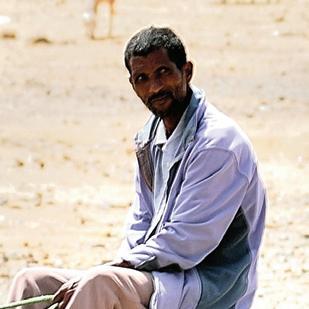
Rev. Warsame (names are changed for their protection), a Lutheran pastor and evangelist, is passionate about sharing LHF publications with his Somali people. Though he himself has suffered physical attacks and threats of death, Rev. Warsame is determined to share LHF books inside Somalia’s borders. And now, he writes, he may have found a way:
“Greetings! I have traveled to Ethiopia...[and met] Brother Diric, a young man who graduated from Mekane Yesus Seminary a few years ago. He requested that LHF books be delivered to
Somali Christians
cont. on page 3
PAGE 4:
Check out LHF’s new mission project for Lutheran Sunday schools and day schools, providing Bible books for Ethiopia.
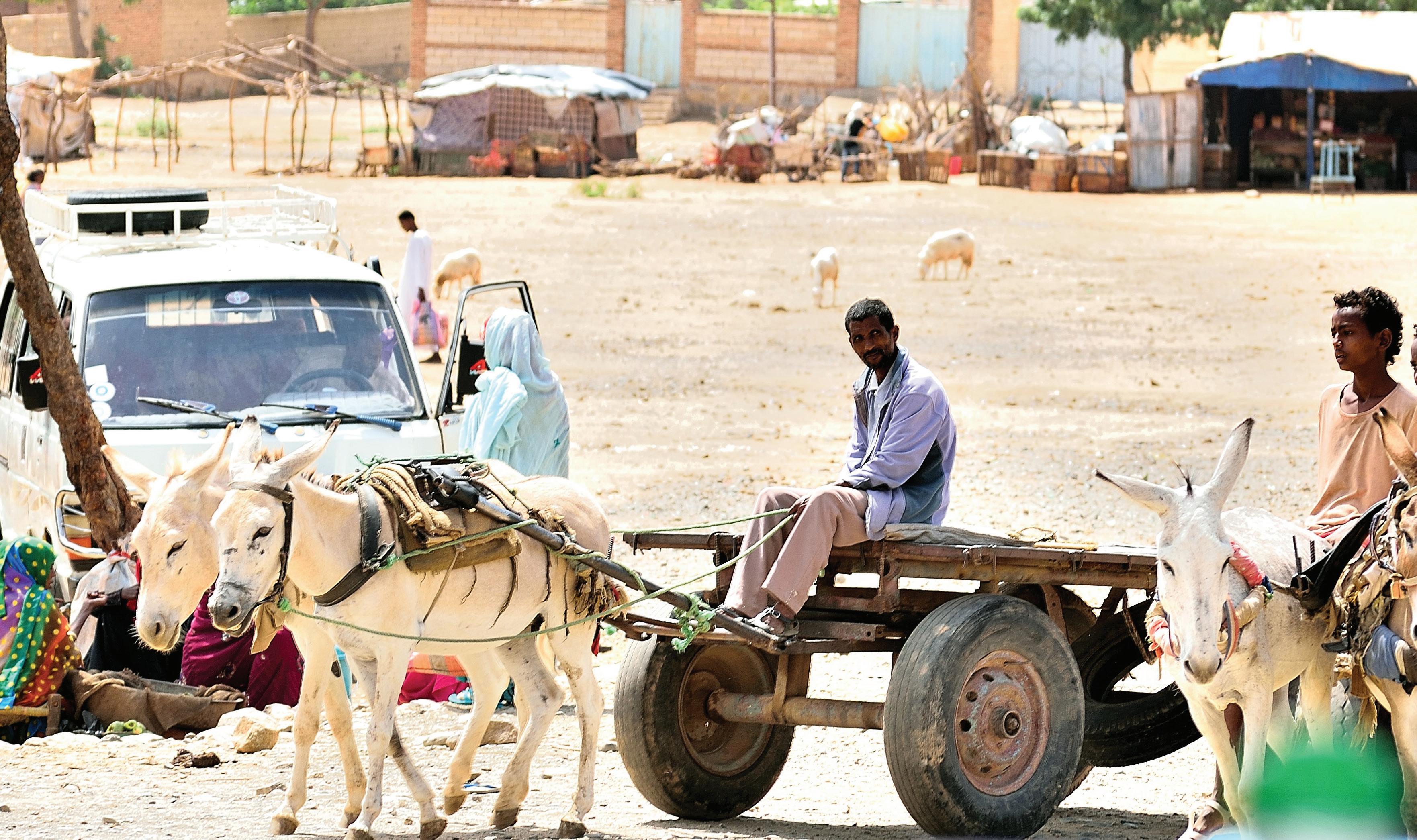
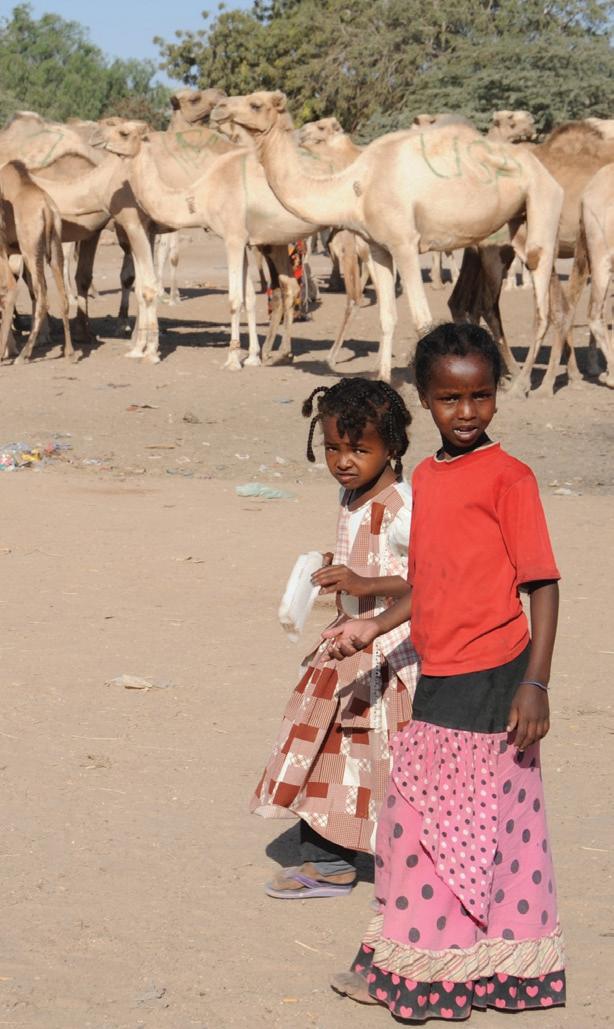
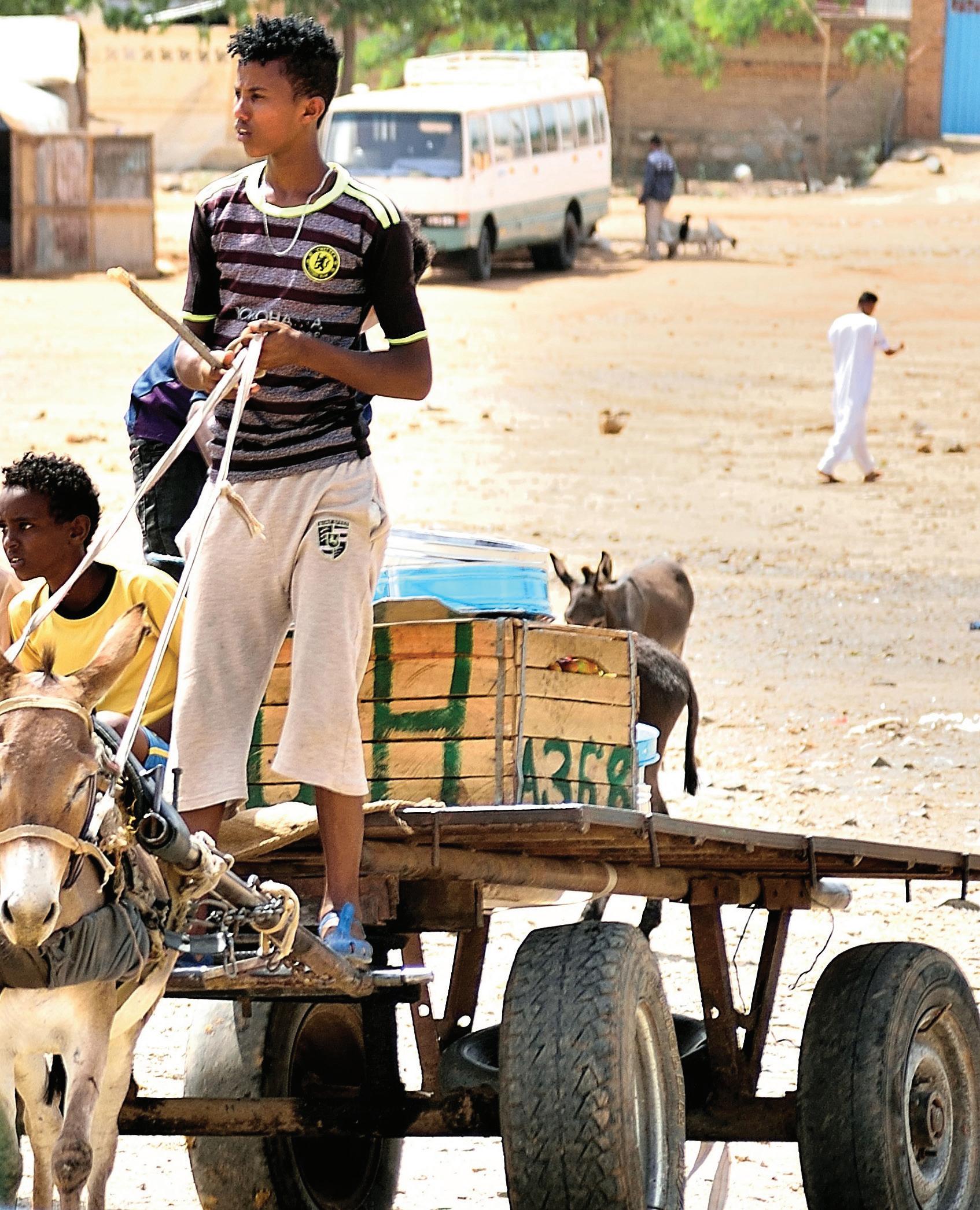
Less than 400 miles up the coast from Somalia in east Africa, there is a small country called Eritrea. Though there is much greater freedom of religion in Eritrea than in Somalia (half the population is Christian, and the other half Sunni Muslim), Eritreans are leaving their country in droves.
At a rate of 3,000 people per month, nearly 10 percent of the population has fled to other countries like Ethiopia, Italy, the United States and Canada to evade forced conscription in Eritrea’s military (which can last indefinitely) and to embrace liberties like
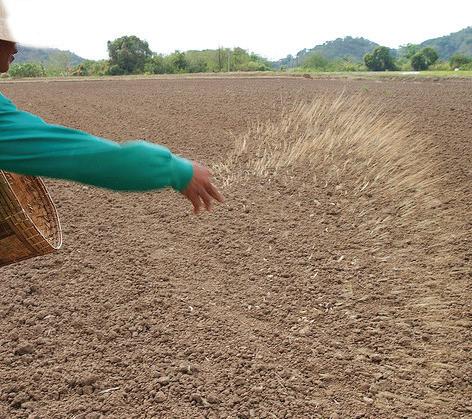
a free press and speech.
Among those who remain are a group of about 20,000 Christians who belong to the Evangelical Lutheran Church of Eritrea, the result of the Gospel sown by Swedish missionaries in the late 1800s.
Excited to share the Good News with those who hadn’t yet heard, Eritrean Lutherans were actually responsible for spreading the faith to the Oromo people in Ethiopia, where today Mekane Yesus numbers more than 9 million people!
This passion for the Gospel continues among the Eritrean people today, including those who have relocated to other countries.
“Diaspora is a word that refers to God’s scattered Church that has been dispersed outside its traditional homeland,” explains Rev. Dr. Dinku Bato, LHF’s coordinator for African translation projects. “There is a large Eritrean Lutheran diaspora here in the United States, and they believe they are missionaries.
“Think of the parable of the sower and the
seed. If you see Eritrean immigrants, think they are missionaries to this said. “This is their second home, are sent to share the Gospel with Rev. Bato recently connected with the Eritrean diaspora who now lives Dakota, where he learned of their good Lutheran books in the Kunama guage.
“So far, we’ve learned of nearly itrean congregations. They do have of the Kunama Small Catechism, done in the 1960s. Church leaders there are fewer than 10 copies that among the diaspora; lay people it,” he said.
The congregations have also materials in the Tigrigna language, is the official language of Eritrea. identified Kunama and Tigrigna translators, and work is now underway on a variety projects, including the Jesus Never votional tract, the Small Catechism Parts) and A Child’s Garden of Bible
“There is a lot of work to be done,”
immigrants, they this land,” he where they with us.” with part of lives in South their need for
Kunama lannearly a dozen Erhave a version but it was leaders estimate that remain don’t have asked for language, which LHF has translators, variety of Never Fails deCatechism (Six Chief Bible Stories. done,” com-
mented Rev. Bato. “I met a young Eritrean vicar in St. Paul, Minnesota, who told me that though he knows about the Small Catechism with Explanation, his people have never seen it. So the need is great.”
Once completed, these LHF translations will be used not only among Eritrean immigrants here in the United States, but also for the Evangelical Lutheran Church of Eritrea.
Rev. Bato said he looks forward to traveling to Eritrea to meet with church leaders about how the books can be used in their congregations.
“Though they now live on the other side of the world, the Eritrean diaspora has not forgotten their mother church,” Rev. Bato said. “As immigrants in a new land, they cannot offer a lot of financial support for their churches back home. But through their work with LHF, they can send them this great gift of the faith, which will help keep the faith strong in Eritrea for generations to come.”
a group of believers in Somalia. He said that even though the number of those who attend his Friday service is small, there are many converts and seekers there who would very much like to receive and read the books by themselves, as they fear persecution if their Christian faith is exposed. He said that LHF books are a great source for teaching and learning the Christian faith.
“Since the Somali border police will not permit Christian literature into their country, he suggested that we smuggle about 100 books every month, and he promised to distribute them immediately. My church elders and I applauded his proposal and assured him that we will start the process of smuggling as soon as the books arrive.

“Two weeks ago, I met a trader of my clan who regularly smuggles contraband goods, and I asked about the possibility of delivering three boxes of Christian books to someone in Somalia. The trader said, ‘That is not problem at all. We don’t care about the contents; just pack and seal them well, and we will take them to anywhere you want in Somalia.’
“Brother Diric also proposed that his congregation, which currently has about eight members, become part of our Somali Lutheran Church, which the elders and I welcomed.
“Additionally, one of the elders and I traveled to a camp of internally displaced people to visit some converts there and to deliver Somali Bibles. We met five believers in the camp and three in town. They told us that there are more believers and seekers in their areas and they requested for teaching and Christian literature. We spent two days in each location, during which I answered their questions about Christianity, Islam and the difference between the two faiths, and I instructed them on how to pray and how to read the Bible.
“Finally, in my own city, I have been teaching five new converts (three women and two men), separately at different hours and in different venues, to make sure that before they are allowed to join the fellowship, their conversion is genuine and they are reliable people.”
To help support this important work, go to www.LHFmissions.org/Donate and select “Somalia” from the dropdown menu.
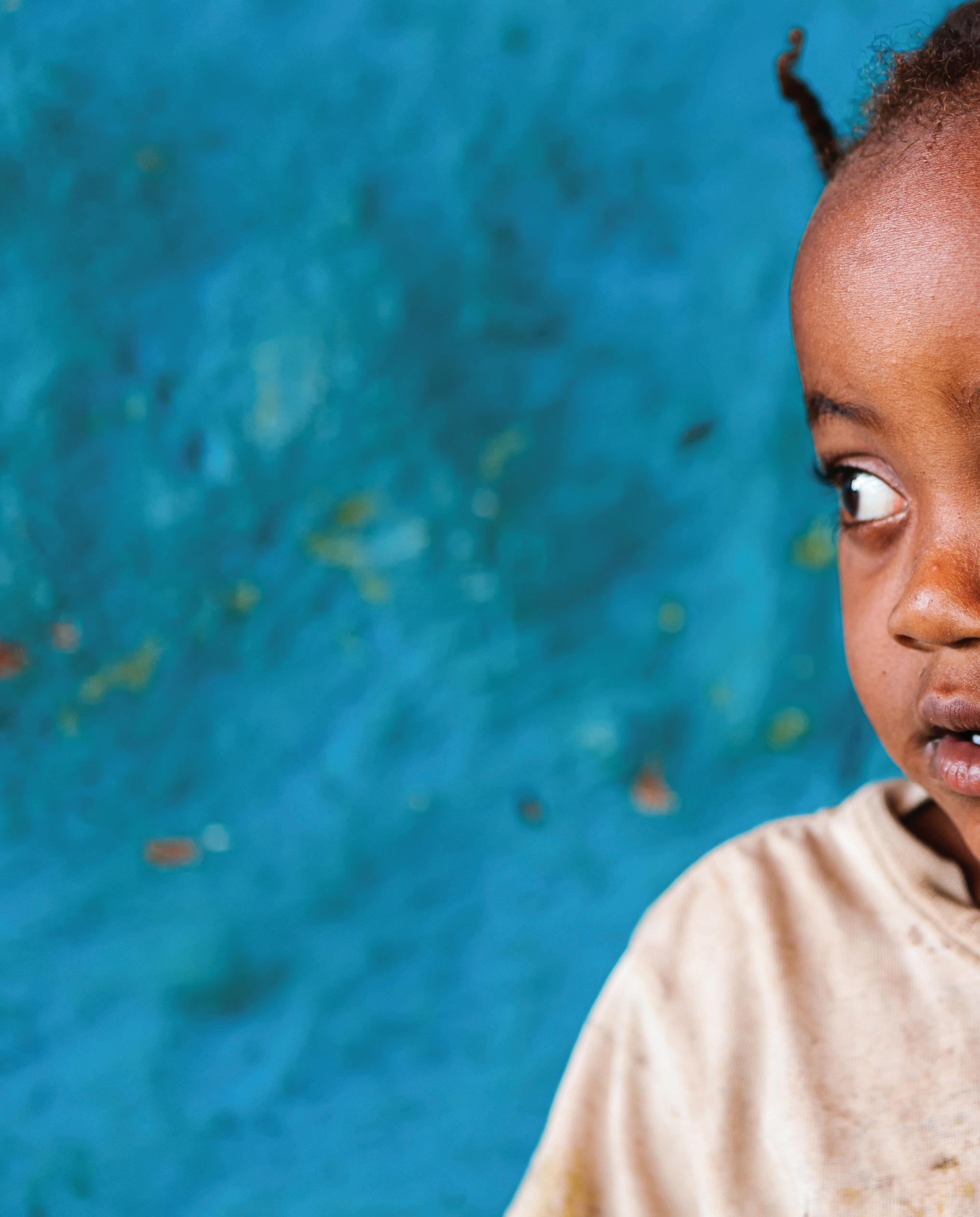
2,000 years ago, the Ethiopian eunuch couldn’t understand what the Bible was teaching. As he sat in his chariot puzzling over the Book of Isaiah, God sent His disciple, Philip, to help.
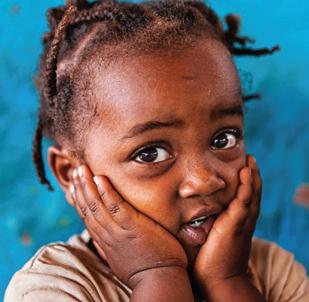
Today, Ethiopian children have the same problem. And just like Philip, your Sunday school, VBS or Lutheran day school students can help! For children, the Bible’s hundreds of pages can seem overwhelming.
They need books, written on their level, to introduce them to the love of Jesus.
For young children, brightly illustrated, easy-to-read Bible storybooks can tell them in a simple way about the Savior Jesus and how He died for them. For teens who are old enough to start reading the Bible for themselves, Luther’s Small Catechism answers the question first posed centuries ago by the Ethiopian eunuch: “What does this mean?”
There are hundreds of Ethiopian Lutheran schools and Sunday schools packed with eager young students, but teachers face a dilemma: they have no Bible storybooks from which to teach. From week to week, they must make do with teaching the lessons to the children orally.
Even the smallest Sunday schools can help. For every $5 your students can send to LHF, we can print a Bible storybook or Small Catechism in the languages of Ethiopia, such as Amharic, Oromo, Kambaata, Hadiyya, and many more!
To order your free Resource Kit (including a short DVD about the project, bulletin board photos, and classroom activities), call LHF at (800)554-0723 or send an email with your name, church/school and shipping address to info@LHFmissions.org.
Rev. Dr. Matthew