
INTEGRATED PLANNING 2026 AWARDS
ABOUT THESE AWARDS
These awards celebrate the success of individuals and teams working in Victorian Local Government’s integrated planning space.
The Community and Integrated Planning Award focuses on local government initiatives that demonstrate excellence in the areas of:
• Council planning
• Community planning – empowering community
• Integrating Council and community planning
• Performance measurement and management
• Service planning, transformation or enhancement
• Sustainable community involvement in Council and community visioning
• Planning for environmental sustainability, accessibility, gender equality
• Planning for business transformation
• Transparent reporting
The Best Practice and Innovation in Council Plan Development Award is aligned with the legislative period for developing a Council Plan. The purpose of this award is to foster continuous improvement in project planning, stimulate innovation and to acknowledge best practice development of Council Plans.
Proudly supported by Teletrac Navman
WINNER, HIGH COMMENDATION & FINALIST
Community and
Integrated
WINNER
Planning Award
Greater Geelong City Council
Organisation-Wide Integrated Planning Initiative
HIGH COMMENDATION
Mitchell Shire Council
Community Blueprint
FINALIST
Port Phillip City Council
Shaping Balaclava Together: Community Forum
2026 INTEGRATED PLANNING AWARDS
Community and Integrated Planning Award
Greater Geelong City Council Organisation-Wide Integrated Planning Initiative
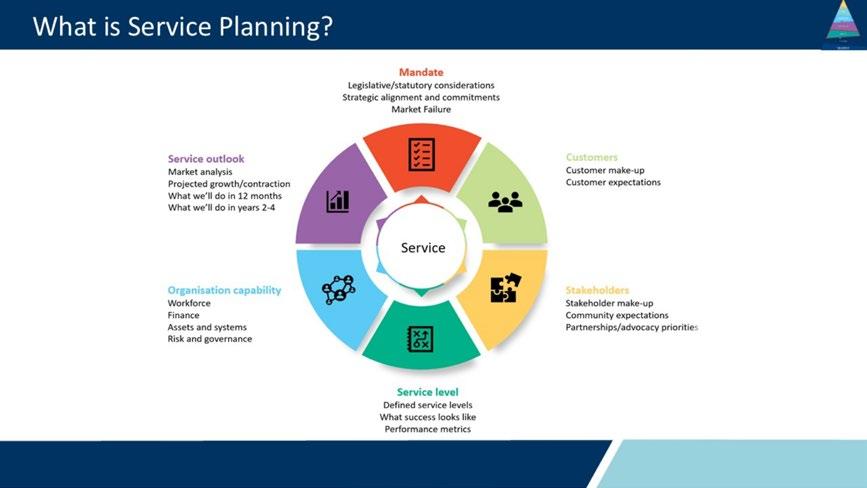
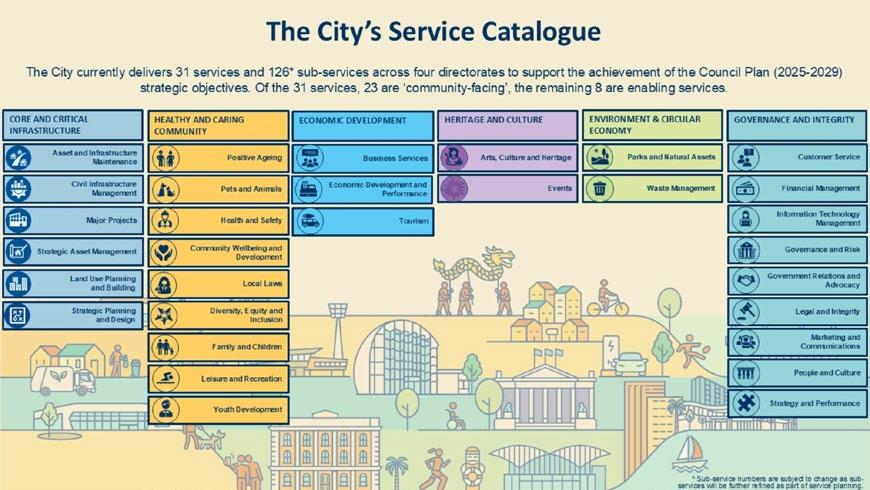
Greater Geelong took on its new integrated planning project to better connect community priorities with Council strategy, services, budgets, and delivery. The project introduced a new planning and reporting system, improved service planning, and created a more connected planning and budget process. It replaced old spreadsheet-based systems with one transparent platform that improves decision making and long-term sustainability. With a 2025-26 budgeted expenditure of $730.6 million, 84 active business plans, and 31 services, the project is helping the council respond better to community needs and supports its long-term vision.
The project was developed because previous planning processes were disconnected and lacked clear links between community priorities, Council plans, and funding decisions. This caused inefficiencies, limited transparency, and made it harder to measure outcomes. The new approach created a stronger connection between the Council Plan, organisation strategy, service plans, business plans, and budgets. A new planning and reporting system became the “single source of truth,” helping staff track strategic actions and performance measures. Service reviews and collaborative planning cycles also helped ensure services remain effective, efficient, and aligned with changing community needs.
The initiative was delivered through a staged, organisation-wide rollout, supported by strong executive leadership and change management. Staff received training, workshops, and one-on-one support to help them adopt the new system and planning methods. More than 348 users now manage over 500 strategic actions through the platform. Different departments, including Finance, IT, Asset Management, Risk, Customer Service, and Change Management, worked together to embed the system into everyday operations. New dashboards, Power BI reporting tools, and a partnerbased planning model improved collaboration, accountability, and visibility across the organisation.
The project has already delivered strong outcomes. Budget requests and service changes are now directly linked to Council priorities, community needs, and service sustainability. Early service reviews identified around $500,000 per year in savings and efficiencies, equal to 4.3 full-time staff positions. The council also improved public transparency by creating clearer reporting, with further plans to roll out communityfacing dashboards that close the feedback loop. The initiative is now embedded into ongoing governance, planning, and reporting processes, creating a longterm framework that supports better service delivery, financial sustainability, accountability, and stronger community trust.
2026 INTEGRATED PLANNING AWARDS
Community and Integrated Planning Award
Mitchell Shire Council Community Blueprint
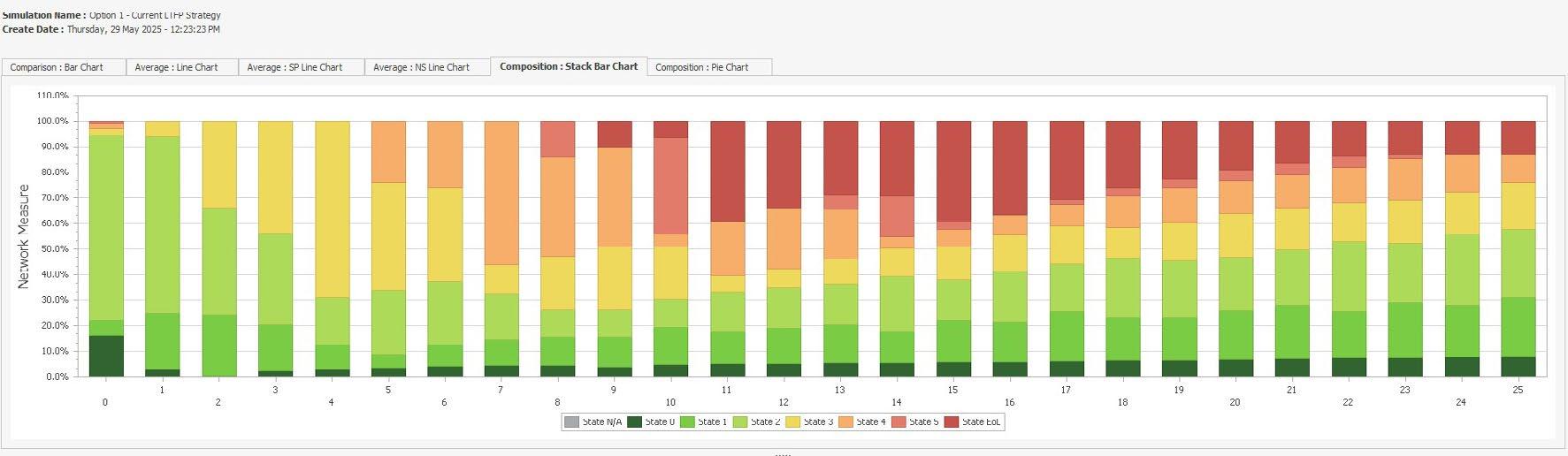
Mitchell Shire’s 10-Year Asset Plan was developed by putting the community at the centre of decisionmaking, using evidence-based planning to guide growth and renewal. A diverse 35-member community panel worked through simple, clear questions about local infrastructure, service levels, priorities, and trade-offs. They also explored funding ideas and helped define what “minimum standards” should look like for services. This input was combined with asset data and analysis to create a plan that aligns infrastructure investment with community priorities and the Council’s strategic objectives.
The plan was developed in response to the need for better alignment between infrastructure planning and long-term strategic goals. Earlier reviews showed risks from disconnected planning and limited community input. To fix this, the Asset Plan was developed alongside the Council Plan using integrated data, modelling, and deliberative engagement. Strong governance from a Project Control Group and Project Implementation Group ensured progress was maintained and risks were identified and managed early.
Implementation utilised structured change management and strong cross-council collaboration. Staff from assets, finance, engagement, and governance worked together through workshops and reviews. The mayor also took part in Community Panel discussions, showing leadership involvement. Tools like “cheat sheets” helped community members on the panel understand asset conditions and service levels and make informed decisions. Predictive modelling and survey analysis supported evidence-based planning, while ongoing feedback helped improve the process in real time.
The project also had a strong focus on inclusion and accessibility. With support from Accessibility Australia, clear information and supports were provided for community panel participation, leading to strong representation from people living with disability. Engagement methods included workshops, surveys, pop-ups, and digital tools, ensuring broad participation. The final Asset Plan links community priorities with funding, operations, and long-term delivery. It improves transparency, strengthens trust, and provides a practical and sustainable framework for future asset management and decision-making.
2026 INTEGRATED PLANNING AWARDS
Community and Integrated Planning Award
Port Phillip City Council Shaping Balaclava Together: Community Forum
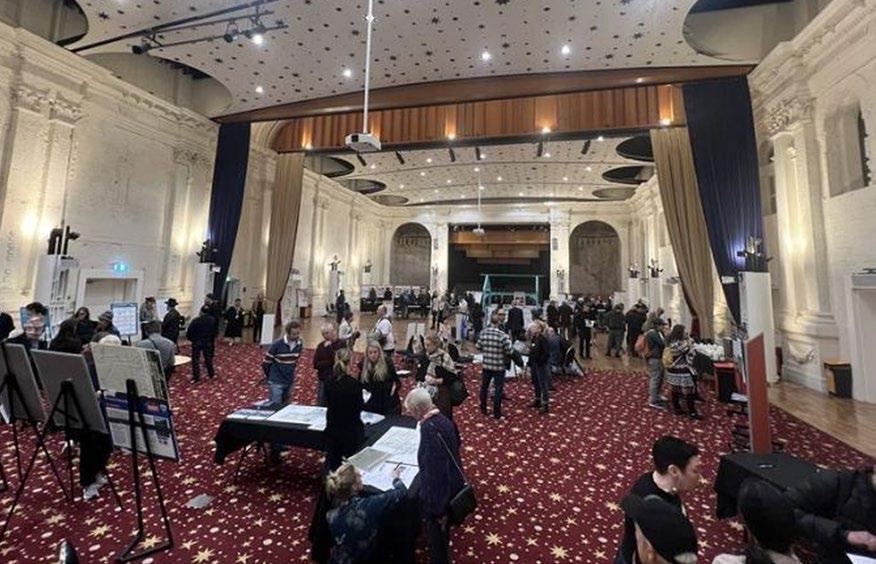
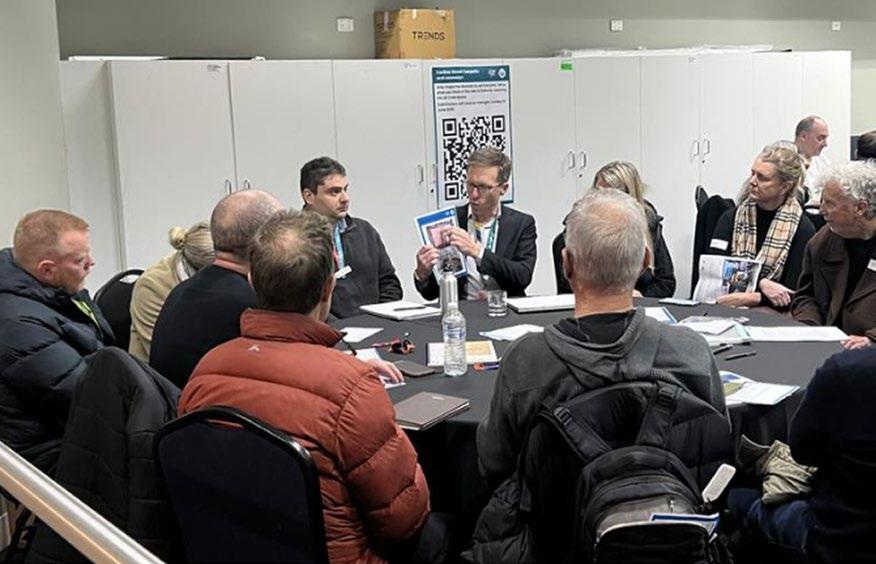
The Balaclava Community Forum in May 2025 brought more than 120 residents, community organisations, businesses, and visitors together to connect, explore local projects, and share feedback on Council-led initiatives. The event used an expo-style format with interactive stations where people could move at their own pace. Topics included land sales, streetscape upgrades, urban greening, heritage, safety, and waste. This novel approach helped create open conversation, improved collaboration, and made community concerns more visible. The feedback collected directly informed project priorities and helped shape future precinct planning in a more community-led way.
The forum was designed in response to growing community concerns about issues like safety and neighbourhood change, and a growing perception that the Council’s responses were lacking cohesion and strategic alignment. The forum was a place to be heard; it provided a safe and welcoming space for people to ask questions, share views, and learn about local initiatives. The event supported stronger inclusion by being family-friendly and accessible for different ages and backgrounds. Community groups were invited to participate, helping strengthen local networks and increase volunteering opportunities.
Delivering the forum required strong internal coordination across 31 staff members spanning different departments. Staff were supported with clear roles, briefing materials, and communication tools to manage complex and sometimes sensitive conversations like those around issues like land sales. The engagement model combined interactive displays, roundtables, voting activities, and visual materials to help people understand issues more clearly. This helped shift the conversation from reactive concerns to more informed and structured discussion. Strong communication planning also helped manage reputational risk and ensured consistent messaging.
The initiative combined nine projects into one integrated engagement program, with six seeking feedback and three sharing updates. It used a mix of methods, including surveys, workshops, pop-ups, and online input, resulting in over 250 survey responses and ongoing community interest after the event. The approach improved transparency, reduced consultation fatigue, and strengthened trust in the council. It also created a repeatable model for future place-based engagement across the municipality.
WINNER, HIGH COMMENDATION & FINALISTS
(Listed in alphabetical order based on council)
Best Practice and Innovation in Council Plan Development Award
WINNER
Greater Bendigo City Council Council Plan Mir wimbul 2025-2029
HIGH COMMENDATION
Merri-bek City Council
Merri-bek Statutory Strategic Plans Project
FINALISTS
Brimbank City Council
‘We Are Brimbank’ Integrated Council Plan 2025-2029
Macedon Ranges Shire Council Shaping the Ranges 2025-2035
Mornington Peninsula Shire Council Council Strategic Planning Project 2025-29
Surf Coast Shire Council
Surf Coast Shire Council Plan Development and Integration
2026 INTEGRATED PLANNING AWARDS
Best Practice and Innovation in Council Plan Development Award
Greater Bendigo City Council
Council Plan Mir wimbul 2025-2029
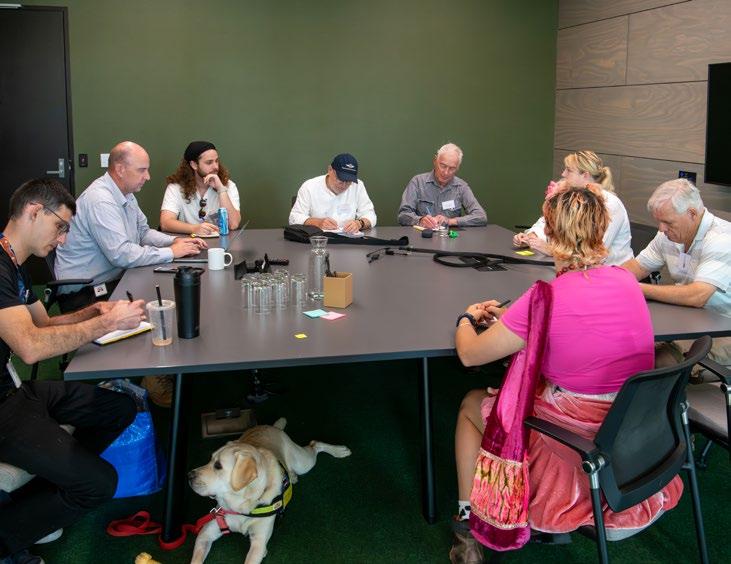
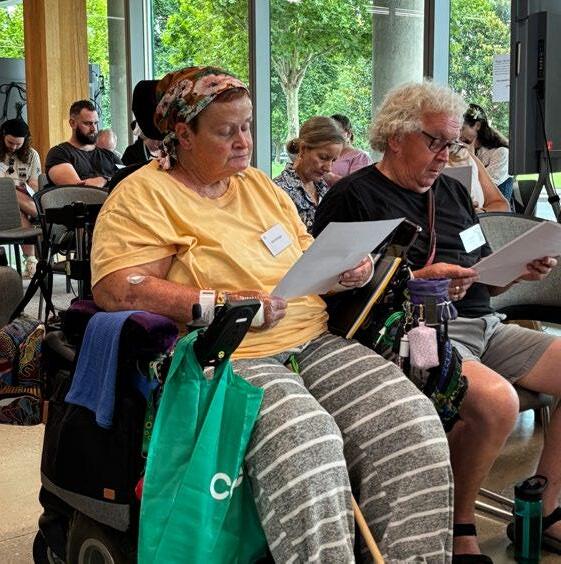
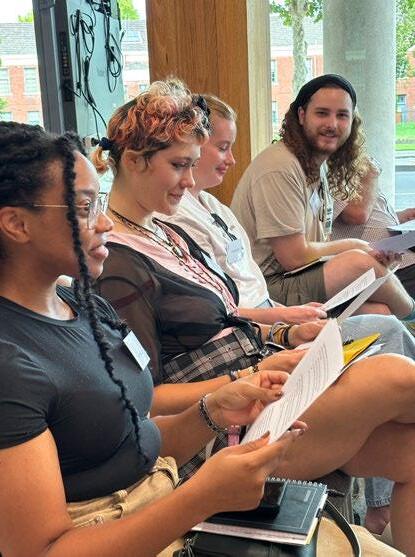
The simplicity of Greater Bendigo’s Council Plan –Mir wimbul – was anything but simple to design. It was a deliberate effort to take on feedback in the community’s own words and return a plan that was readable and relevant to the community while being useful and actionable internally. The plan was developed with criteria developed by a deliberative community panel that was written verbatim into the Council Plan. For the first time, the Annual Budget was fully aligned with Council Plan actions, so everything presented was funded and clear from the start, improving accountability and delivery.
The Council Plan was delivered with strong governance and structured project management. An “Integrated Strategic Planning Governance Group” provided oversight, and the Executive Leadership Team made key decisions before going to Councillors. Early engagement with Traditional Owners was undertaken to make sure cultural perspectives were included in the design, while the community panel was selected with an equity focus to ensure that underrepresented voices were included from the beginning. This helped build stronger relationships and make the Council Plan more inclusive and better aligned with community needs while meeting legislative requirements.
To overcome engagement fatigue and avoid the risk of delivering a plan that did not meet the twin targets of being both useful for internal staff and also easy for the community to understand, the team used a “What We Know” and “What You Said” approach, making community input clearly visible throughout the Plan. Written in plain English, the document made community insights traceable, demonstrating how input directly informed the current direction.
Despite leadership changes and restructures, the project continued unabated thanks to strong coordination and a lean governance model. The project used a hybrid methodology of an overarching waterfall structure combined with agile approaches for components that benefited from co-design. Internally, more engagement was undertaken than in previous plans, with staff surveys, focus groups, and working groups helping shape content. Community engagement spanned surveys, interviews, submissions, and existing data, with the 42-person community panel’s guidance becoming key part of Council decision making that is now used across planning, budgeting, and strategy.
Merri-bek City Council
Merri-bek
Statutory Strategic Plans Project
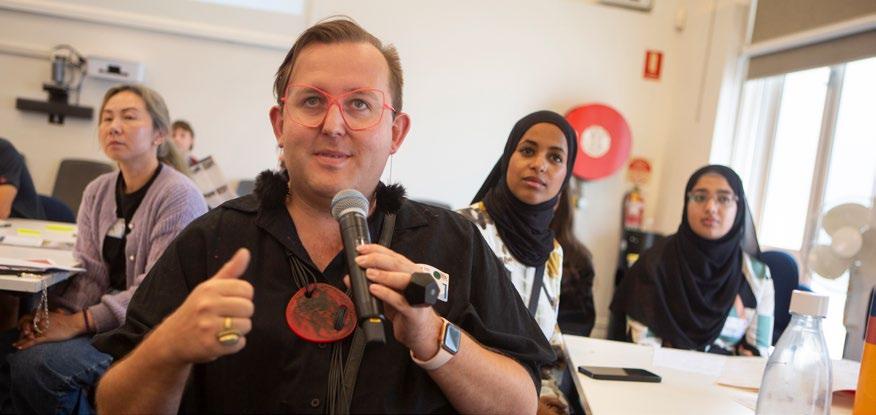
Merri-bek’s Council Plan 2025-2029 sets a clear direction for a fairer, healthier, more sustainable, and more connected city. It was shaped through strong community participation, from multicultural residents to young people, and brings together responses to the evolving challenges facing local government at large – climate action, housing affordability, health inequity, social cohesion, infrastructure demand, liveability – into one integrated, clear roadmap. The plan translates community priorities into funded actions that will guide council services and investment over the next four years.
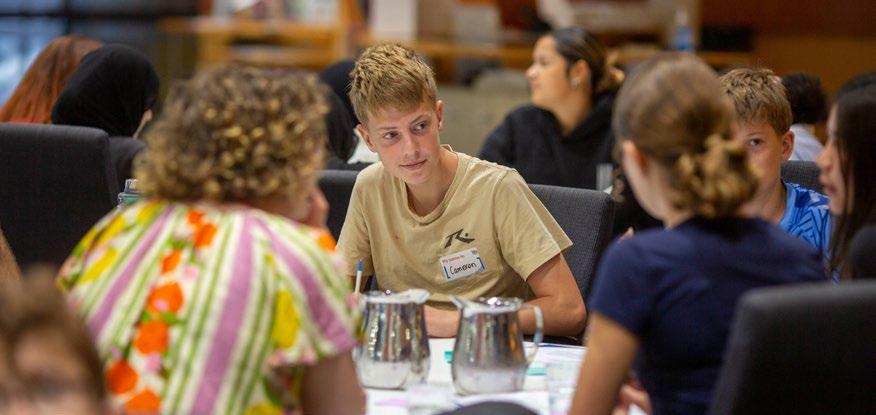
The Plan was developed through a structured governance approach, with a Project Control Board overseeing delivery, risk, and decision making. Councillors led the strategic direction through workshops and briefings, while officers across the organisation supported planning and implementation. A 40-member community panel and a 24-member youth panel provided deliberative input, helping ensure community voices shaped priorities, not just providing consultation feedback. The methodology combined evidence and engagement, using a “Community Context Report” demographic data, service analysis, and community feedback. This ensured decisions were based on real needs, including housing stress, climate risks, health inequities, and population change.
The Municipal Health and Wellbeing Plan was integrated into the Council Plan, embedding equity, prevention, and wellbeing across all strategic areas.
Community engagement included surveys, workshops, and deliberative sessions, with more than 1,000 expressions of interest for the community panel. The process ensured CALD communities, young people, renters, and diverse residents were represented. Their input directly influenced the Community Vision and strategic priorities. The Council Plan is now being implemented through annual action planning, budget alignment, and service delivery frameworks. Strategic priorities are linked to funded initiatives and monitored through performance indicators. Progress is reported quarterly to the Council and publicly through annual reporting, ensuring transparency and accountability.
The Plan also integrates major Council strategies, including climate action, housing, transport, open space, and economic development, creating a single coordinated framework. This ensures all Council decisions are aligned with long-term goals and community priorities. Compared to previous cycles, this Council Plan is more integrated, Councillorled, and evidence-based, with stronger alignment between vision, strategy, and delivery. It also improved engagement with communities and strengthened how feedback is translated into action.
2026 INTEGRATED PLANNING AWARDS
Best Practice and Innovation in Council Plan Development
Brimbank City Council
‘We Are Brimbank’ Integrated Council Plan 2025-2029
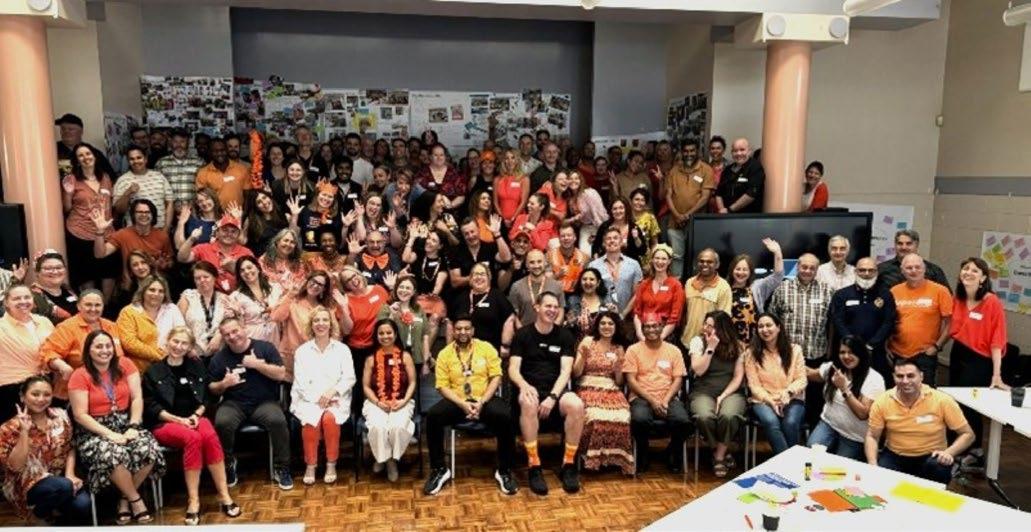
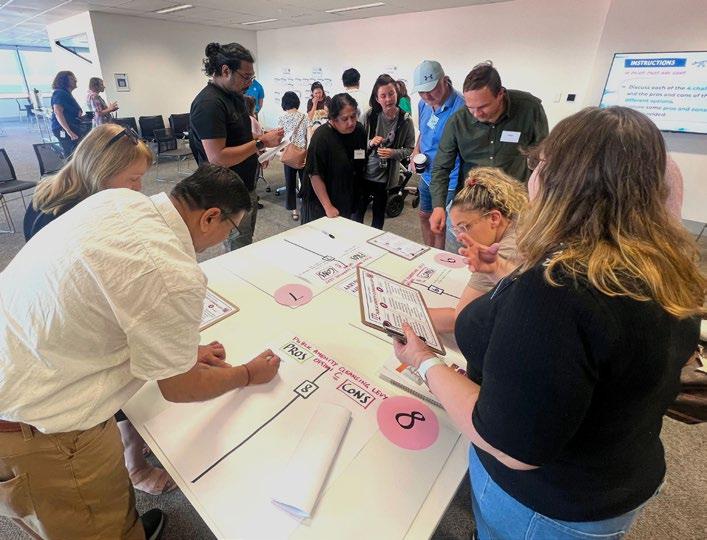
Brimbank’s 2025-2029 Council Plan – We Are Brimbank – was a whole-of-organisation, community-driven planning process that transformed how the council sets priorities and delivers services. For the first time, Councillors, staff, and community members were involved throughout the entire process, not just at the end or at various milestones, creating shared ownership and true collaboration. A key innovation was the development of seven “Community Principles” for decision making, based on community values and now guiding Council decisions. This has made the Plan more transparent, inclusive, and evidence-based, helping build trust between the council and the community.
The plan’s development was supported by a clear governance structure, including a Project Control Group, executive oversight, and coordination by Corporate Planning. Project management tools from the Enterprise Project Management Office, such as risk tracking, milestone planning, and lessons-learned reviews, ensured a structured and organised approach that integrated strategy, budget, and service planning. Strong evidence and data underpinned the Plan. The Council considered key challenges, including financial pressure, climate change, population growth, and rising community expectations.
Soberly addressing the reality of local government financial sustainability, financial constraints were considered from the outset, not as an internal issue alone but as a community-wide reality. Tools such as PESTLE analysis, demographic data, and health and wellbeing insights informed decisions. Community panel discussions helped participants explore tradeoffs and prioritise effectively, while engagement with diverse stakeholders, including Aboriginal and Torres Strait Islander groups, youth services, and community organisations, ensured inclusive representation.
Both quantitative and qualitative data were used. ABS Census data, health reports, and service metrics were combined with feedback from workshops, staff sessions, and engagement activities. Staff also assessed the practicality and equity of proposals early in the process. Community engagement included workshops, pop-ups, and online platforms. The plan is now integrated into operations through Strategic Service Plans, Annual Action Plans, and budgets, with progress tracked through indicators, reports, LGPRF measures, and community surveys. Stronger collaboration and ongoing engagement were key improvements, though earlier planning and earlier data access were identified as areas for future enhancement so that Brimbank can go from strength to strength.
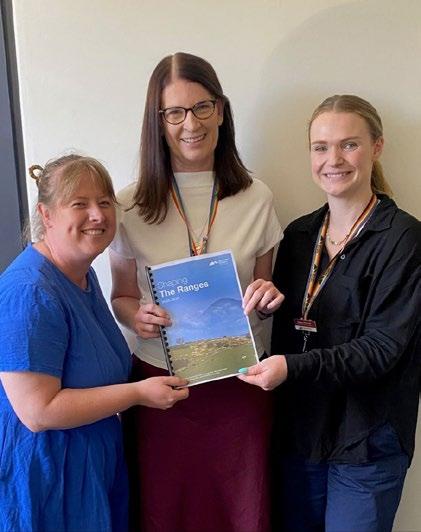
Macedon Ranges Shire Council Shaping
the Ranges 2025-2035
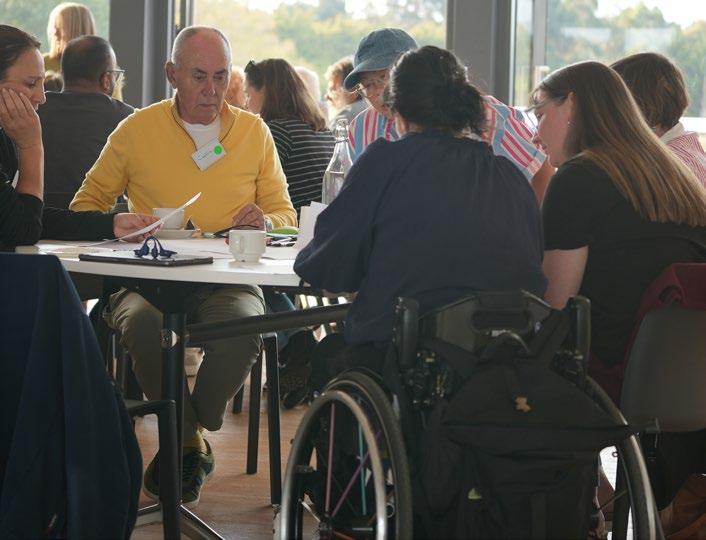
Macedon Ranges developed its “Shaping the Ranges 2025-2035” plan to create a more connected, transparent, and community-focused approach to strategic planning. In a conscious effort to not just create multiple compliance documents, their team combined key strategies into one Integrated Strategic Plan that would connect their community’s voice directly to actions, services, and infrastructure. The project was delivered by a small, cross-directorate team and focused strongly on community engagement, accountability, and lasting outcomes for local residents.
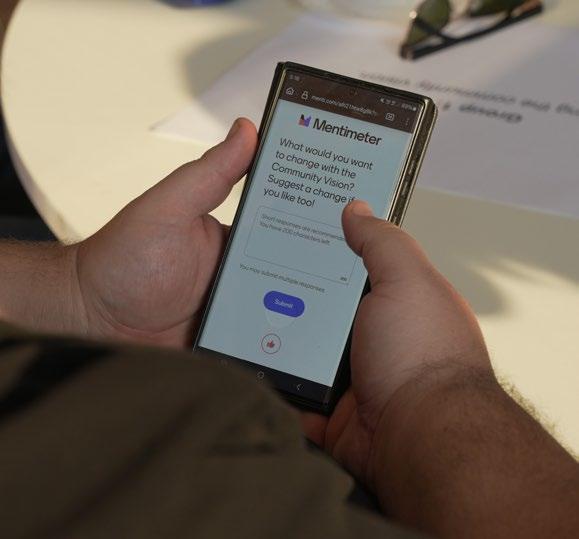
The project used a structured but flexible governance approach made possible by this small but passionate team, with fortnightly checkpoints, shared templates, clear timelines, and regular Executive Leadership Team and Councillor briefings. Despite limited staff capacity, the team successfully managed the project through careful planning and collaboration. Three key phases guided the work: Discover, Deliberate, and Integrate. Community engagement included a Community Assembly, stakeholder sessions, Traditional Owner participation, and public consultation through Have Your Say. A Gender Impact Assessment was also included to ensure this layer of equity and inclusion was considered across all objectives and actions.
The planning process combined financial data, asset information, population trends, and community feedback to develop realistic and measurable priorities. Whole-of-Council workshops helped leaders from different departments work together to shape Year One Actions and Indicators. Councillors were involved throughout the process, helping refine the strategic direction and ensuring the final plan reflected community needs and available resources. The integrated approach improved alignment between community priorities, funding, services, and infrastructure planning.
The final plan provides a clear framework for how the council will deliver and measure outcomes over the next ten years. Progress will be monitored through annual reporting, quarterly updates, and strategic indicators linked to community outcomes. The project also strengthened organisational collaboration and introduced new ways of integrated planning that can guide future planning cycles. Despite being delivered by a very small team, the initiative created a coordinated, delivery-ready plan that improves transparency, accountability, and long-term decision-making for the community.
2026 INTEGRATED PLANNING AWARDS
Mornington Peninsula Shire Council Council Strategic Planning Project 2025-29
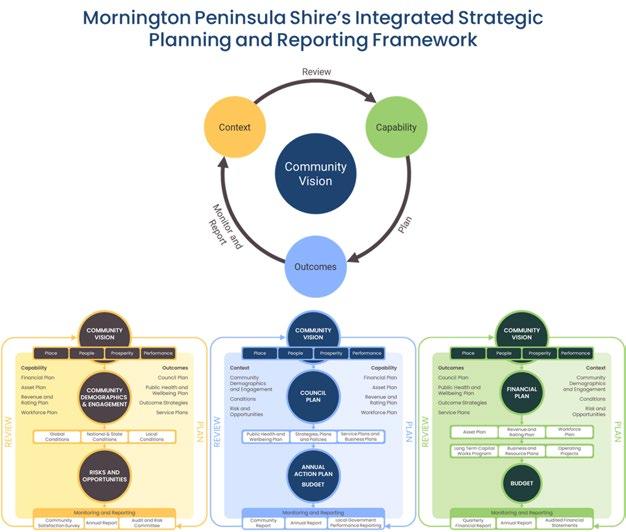
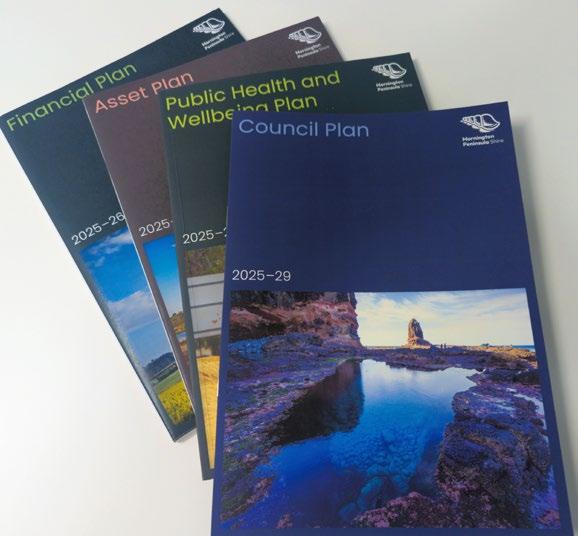
Mornington Peninsula’s strategic planning project successfully delivered a strategically connected, outcomes-focused, and community-driven direction for both the community and the organisation. The project used an integrated approach to develop the Council Plan, Public Health and Wellbeing Plan, Financial Plan, and Asset Plan shaped by thousands of community voices. Strong Councillor involvement and alignment with the Integrated Strategic Planning and Reporting Framework created a clear connection from the Community Vision through to service plans and annual work plans, improving planning, monitoring, reporting, accountability, and transparency.
The project followed Council’s Project Management Framework using a ‘PRINCE2’ hybrid model, providing structure and flexibility. A high-level project plan included goals, timelines, milestones, and decisionmaking processes. A Project Control Group of senior leaders and plan owners provided governance, while a cross-functional Project Team including Corporate Performance, Communications, Finance, and Community Planning collaborated effectively. Risk registers, action logs, and responsibility matrices supported accountability, while communication was managed through SharePoint and engagement plans.
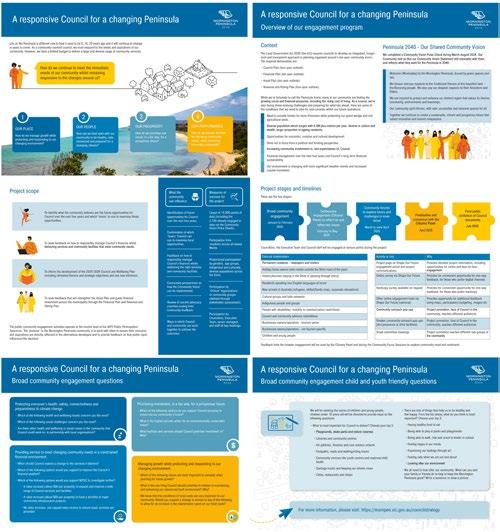
The project used quantitative and qualitative data to understand community priorities, including a conditions report, community sentiment report, Community Satisfaction Survey data, and Health and Wellbeing Profile data. Engagement activities gathered more than 4,100 responses, including those from surveys, pop-ups, youth input, community conversations, and stakeholder forums. The plans were exhibited publicly for six weeks, receiving 466 additional comments.
Councillors and the community played a key role, with Councillors seeking stronger ownership and access to raw data. Officers supported workshops and drafting, with AI data synthesis cleverly utilised for measuring sentiment in reporting. Integrating all plans with the Community Vision created a coordinated process, linking strategy to action. The project was highly successful, improving connection, measurability, governance, transparency, and long-term planning maturity.
Best Practice and Innovation in Council Plan Development Award
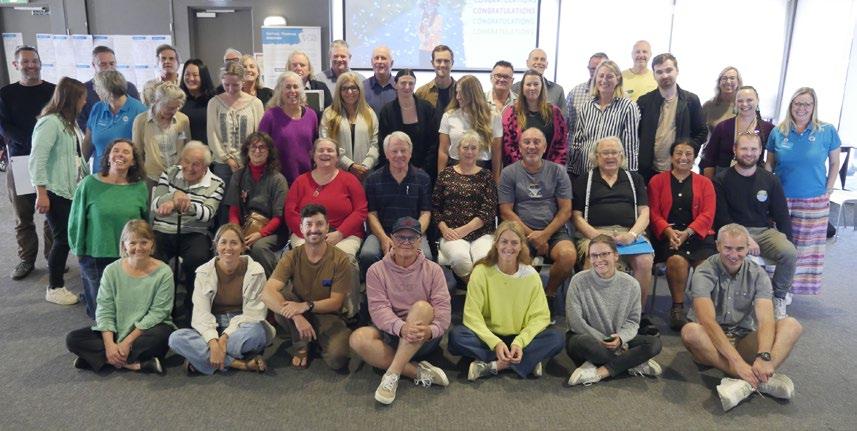
Surf Coast Shire Council Surf Coast Shire Council Plan Development and Integration
Surf Coast Shire’s 2025-2029 Council Plan was developed as a direct response to increasing pressure on financial sustainability and growing service demand. The project had a deliberate focus on how the council could continue delivering services in a constrained financial environment while still meeting community expectations. A deliberative community panel considered how to balance priorities, obligations, and financial limits in this universally felt local government context. Key to this was giving the panel a specific remit: “How can Council balance the priorities of our community and meet legislative obligations, whilst remaining in a financially sustainable position.”
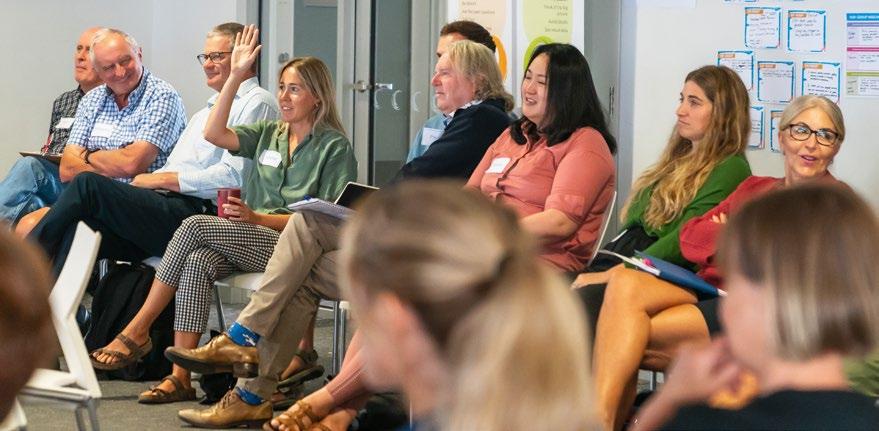
The project was delivered through a structured governance model, including a Project Working Group, Project Control Group, and CEO sponsorship. Councillors and senior leaders were engaged through workshops and briefings, while 43-member community panel was recruited and met over multiple days to develop recommendations, with Councillors attending as observers to ensure transparency. The planning process included three phases: participatory engagement through surveys and pop-ups, deliberative engagement through the community panel, and public exhibition of the draft plan for feedback. Hundreds of responses were collected and used to refine the final product.
The plan was responsive to evidence, including demographic data, financial analysis, and service demand trends. Key challenges, such as ageing infrastructure, climate impacts, and funding constraints, were considered, and engagement findings were analysed and shared with both the community panel and Councillors to support transparency. Staff from across the council contributed through workshops and engagement activities, ensuring planning reflected both community views and operational reality. The Council Plan was integrated with service planning, budgeting, and strategic delivery, improving alignment and reducing duplication.
The Municipal Public Health and Wellbeing Plan, along with climate and financial sustainability priorities, was embedded into the Council Plan to create a single coordinated framework. Performance is now monitored through Strategic Indicators and regular reporting, including half-year and full-year reports shared publicly, while internal reporting supports ongoing oversight by staff, Executives, and Councillors. A key innovation was focusing community engagement on financial sustainability, helping participants understand tradeoffs and improving trust in decision-making. Overall, the Council Plan represents a more integrated, transparent, and financially responsible approach to planning, aligning community priorities with real budget and service delivery constraints.