LINGUA FRANCA
POLYPHONIE
AUFILDESLANGUES
Unatlasdel'intime
FROMTAIPEITOSICILY: ATRAVELSTORY
Acloserlookattheculturesshapingourworld.
ÉCHOSD'UNEANNÉEDE PROJETS
Parcourslinguistiques, passerellesculturelles
AUFILDESLANGUES
Unatlasdel'intime
FROMTAIPEITOSICILY: ATRAVELSTORY
Acloserlookattheculturesshapingourworld.
ÉCHOSD'UNEANNÉEDE PROJETS
Parcourslinguistiques, passerellesculturelles
2 0 2 6
Classes d'espagnol / allemand / italien / arabe / mandarin
Un grand merci aux professeurs des départements de langues vivantes et de documentation: Xiaohua Wei, Najma Moratti, Souad Malih, Farida Meddah, Cécile Perruche, Sonia Rocca, Uschi Niethammer, Caroline Roquain, Vanessa Arexis, Mélanie Stouff et Nour Bousmah. Merci à Vanessa Arexis pour la photo de couverture.
Crédits photographiques : Élèves, Wikimedia, Pixabay, Google Maps, Canva
EDITO.
Pour sa cinquième édition, le magazine Lingua Franca met à l’honneur une sélection de projets menés au cours de l’année, témoignant de l’engagement des élèves dans les cours de langues et d’autres expériences d’apprentissage. Dans des reportages, récits intimes et créations originales, les contributeurs s’appuient sur leurs connaissances linguistiques et culturelles pour livrer une pluralité d’impressions
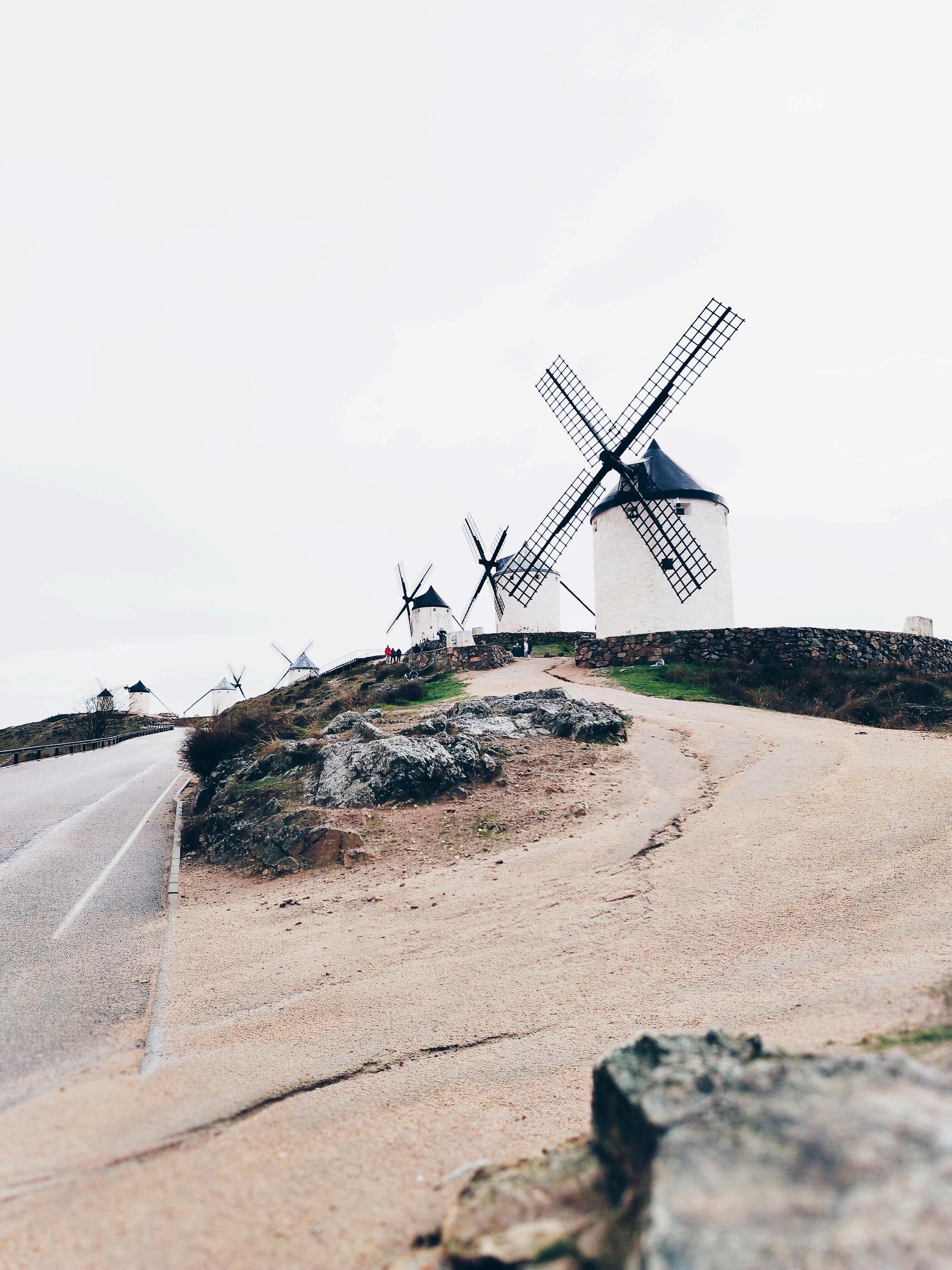
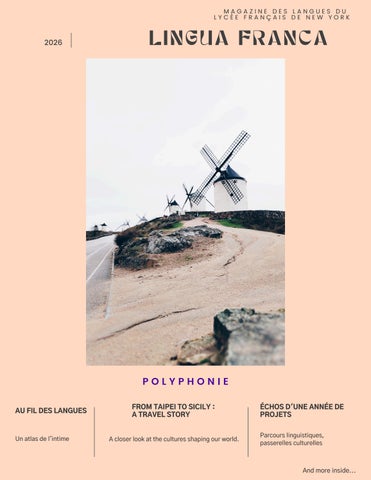
Nous avons choisi en couverture les moulins à vent de Consuegra, dans la province de Tolède, comme un écho à Don Quichotte de la Manche, œuvre polyphonique s’il en est. Traduit dans plus de 140 langues et variétés linguistiques, ce roman ne cesse de conquérir ou reconquérir les lecteurs par sa portée universelle.
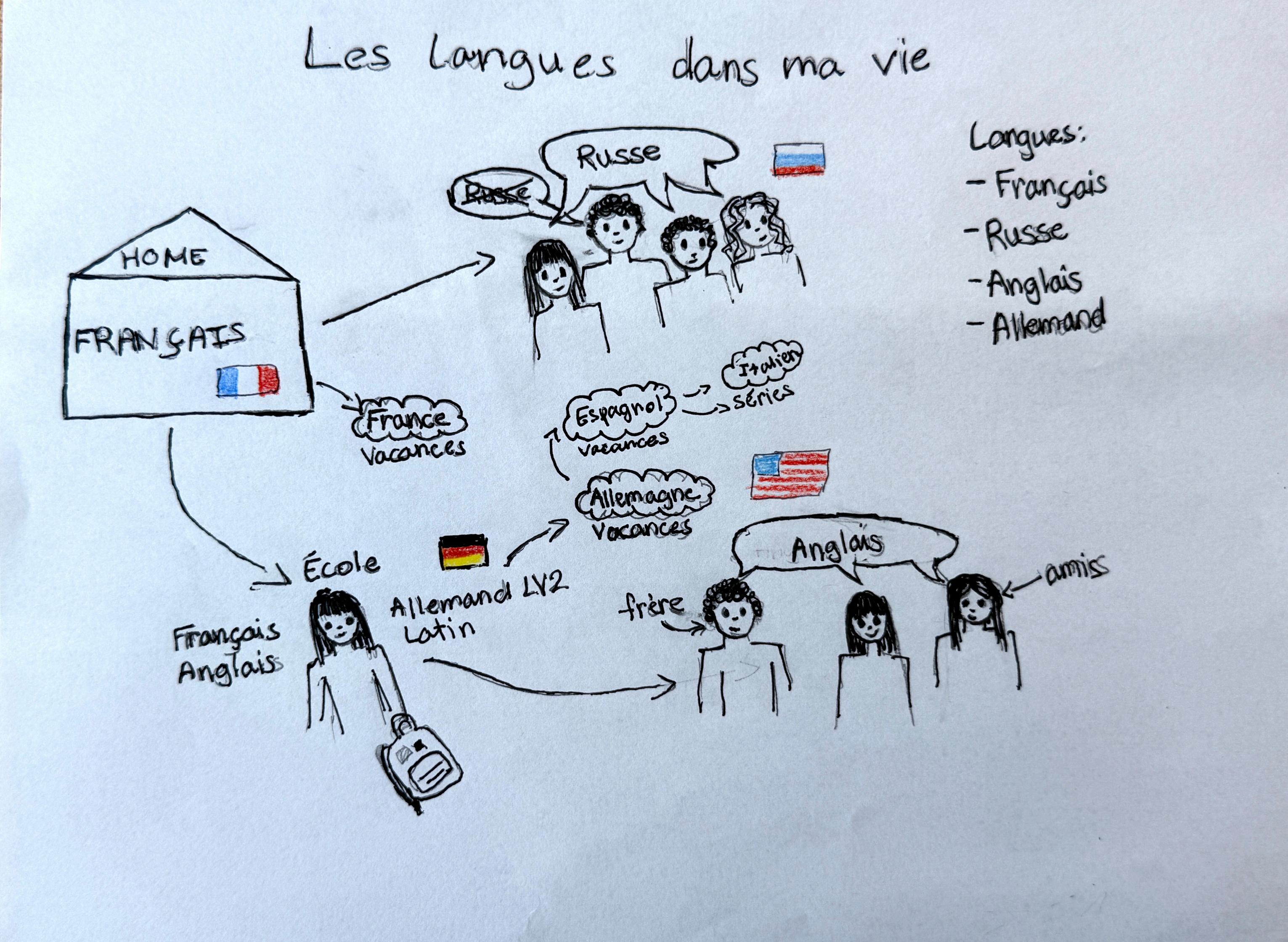
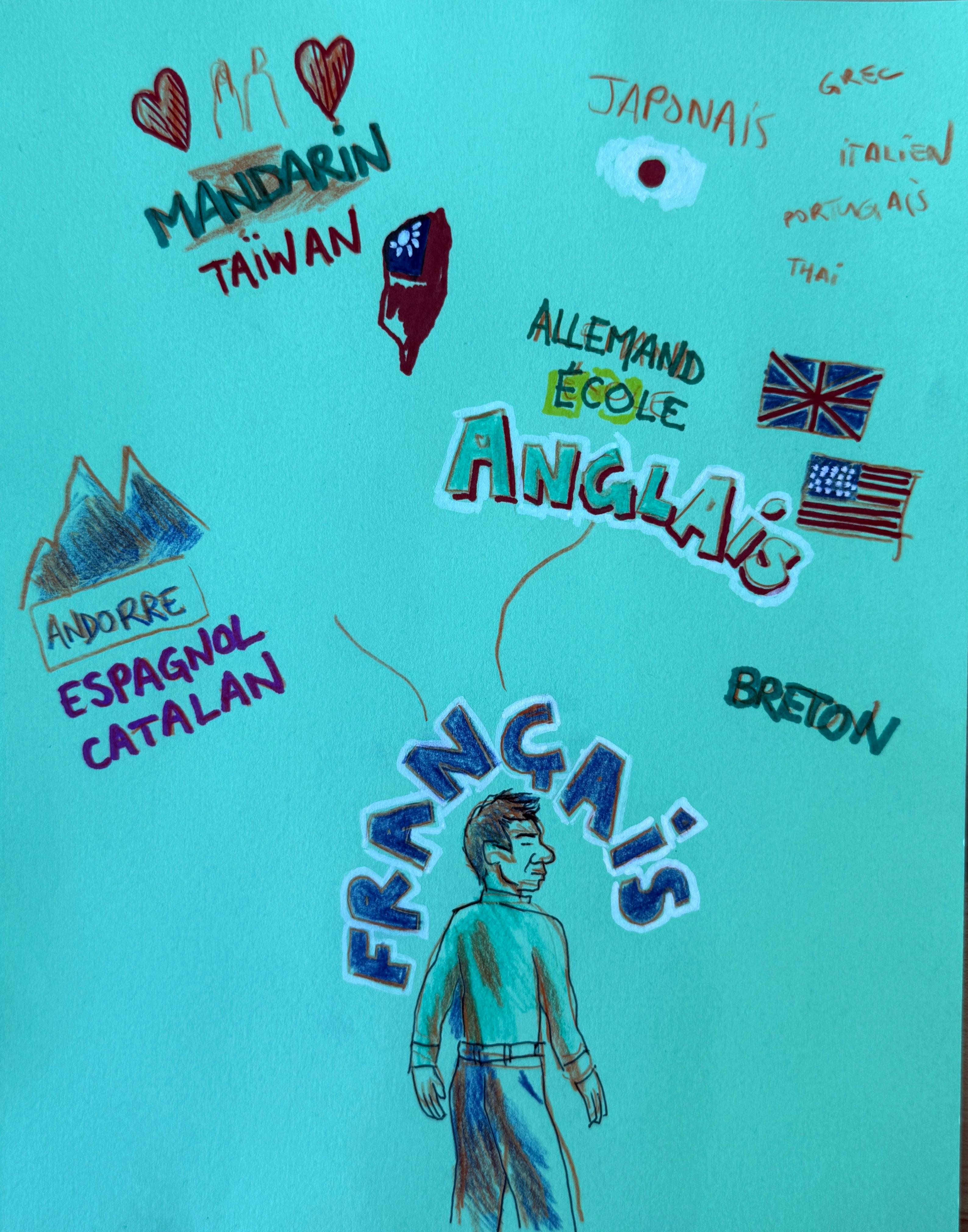
Dans le dossier inaugural, des élèves explorent le lien qu’ils entretiennent avec les langues qui jalonnent leur vie. Cet atlas se révèle à la fois intime et universel, tant il transcende les frontières et montre que l’expérience personnelle peut résonner en chacun de nous.
Une deuxième rubrique vous fera voyager du canal de Wuzhen à Suzhou, Taipei, la Sicile, New York, le Maroc et Tolède au gré de chroniques illustrées et fascinantes. Nos explorateurs y relatent leurs découvertes culturelles inspirantes
Cette édition se clôt sur une mosaïque aux thématiques variées telles que Dante, la Movida madrilène, l’art contestataire et la poésie.
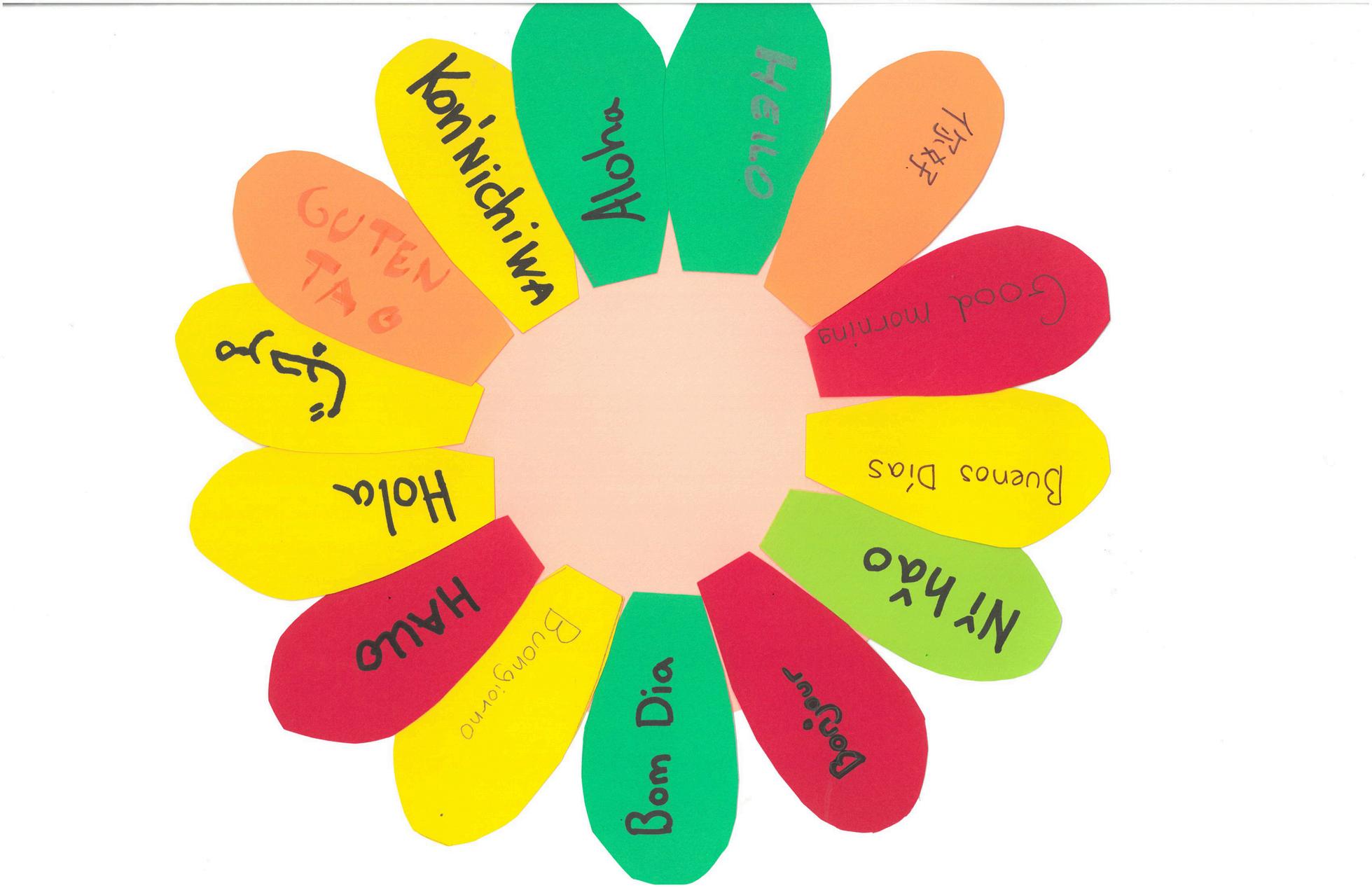
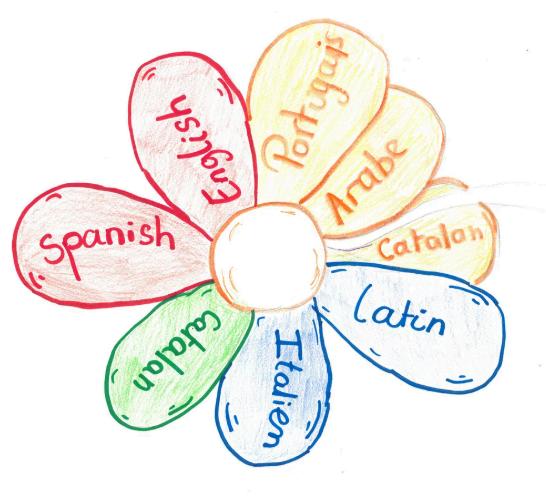
Bahaty, chi sei ?
Da uno due e tre
From the breeze in the mangrove trees
Le sable dans les pieds
Une langue que je parlais qui mélange le français et l’anglais
“Come stai” o “arriverderci”
La raclette avec le fromage qui brille Italian, a Romance language
That doesn't age
Des poèmes ou des musiques
By Nina Simone et Doechii
Tiramisù
Pain perdu
Ah quelle route
Oh, how cute!
Bahaty Binchéhi
Dear Students and Parents,
As the Chinese proverb wisely says: “ ⾏ 万 ⾥ 路 胜 读 万 卷
书 ” ”traveling ten thousand miles outweighs reading ten thousand books. “On this upcoming journey, you will have the chance to prove this truth. As we embark on the journey, I want you not to just measure these cities with your feet; I challenge you to measure them with your curiosity, your dialogue with historic landmarks, and your own observations.
Experiencing the bustle of Shanghai, the serene moments of Suzhou, and the rich heritage of Taipei and Wuzhen alongside you will be a highlight of my year. This digital guide will serve as a living record, documenting how this journey shifts your perspective and broadens your horizons.
Taipei was such an exciting mix of energy, culture, and creativity. From the moment we arrived, the city felt alive with bright lights, busy streets, and the constant buzz of people exploring, eating, and discovering something new. Every corner had something interesting, whether it was a small local shop, a temple tucked between buildings, or a stunning modern skyline view.
One of the best parts of Taipei was the food. The night markets were unforgettable, filled with incredible smells, colorful stalls, and so many different things to try. It felt like an adventure just walking through them, tasting new snacks and seeing how lively everything was at night.
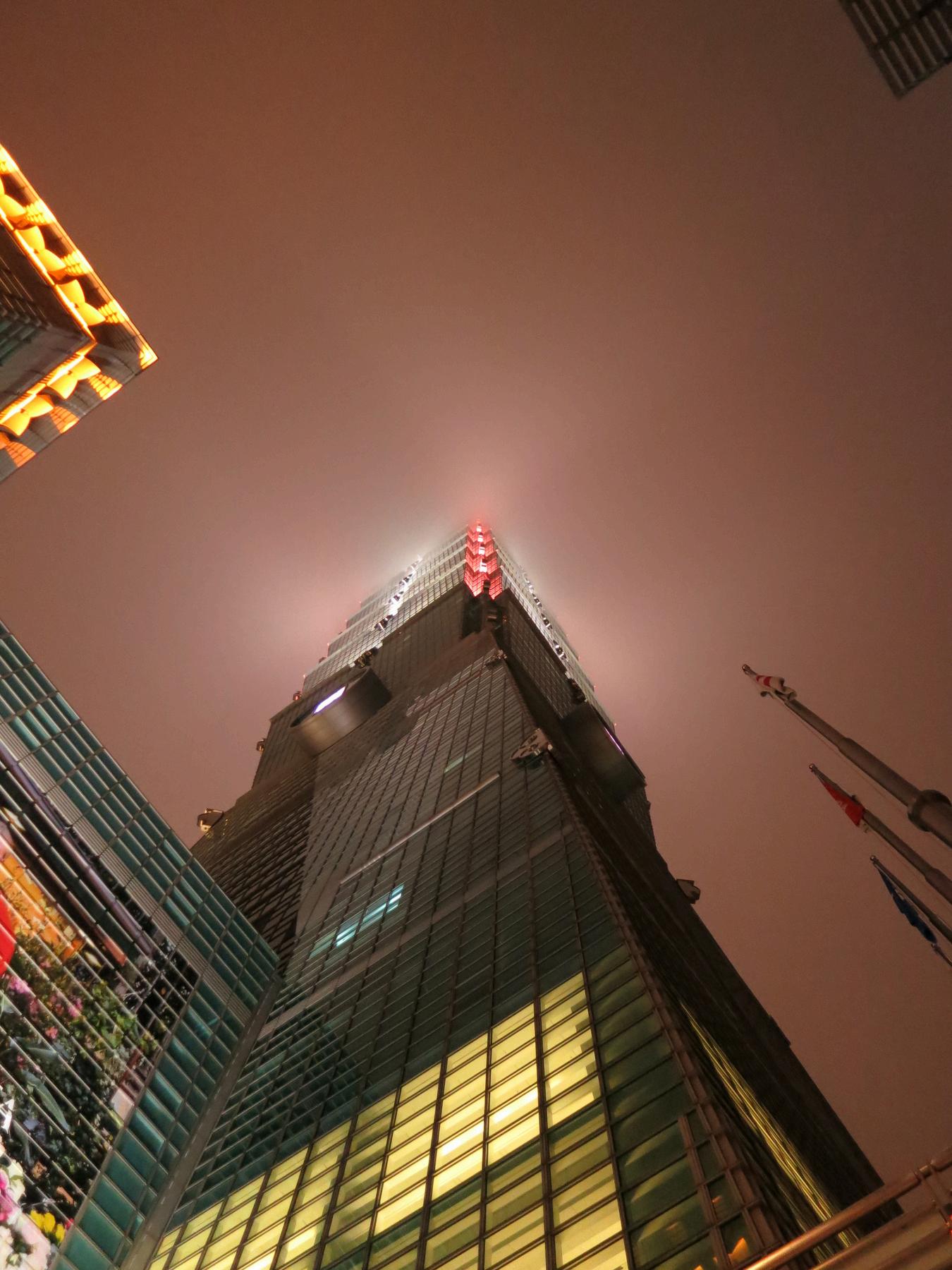
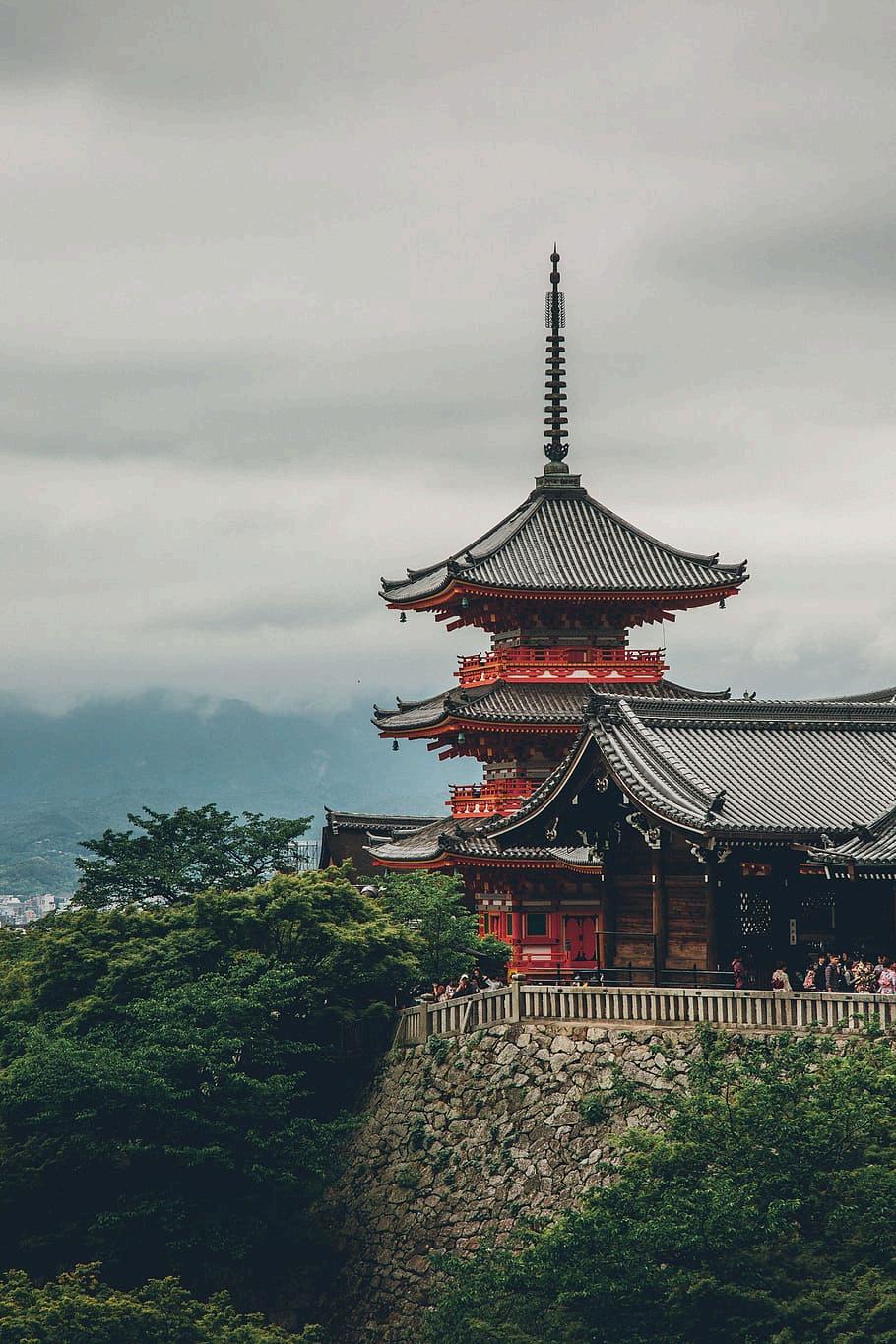
The city also had a really unique balance between tradition and modern life. We visited beautiful temples that felt peaceful and calm, then just minutes later we were surrounded by tall buildings and busy streets. That contrast made Taipei feel special and different from anywhere else.
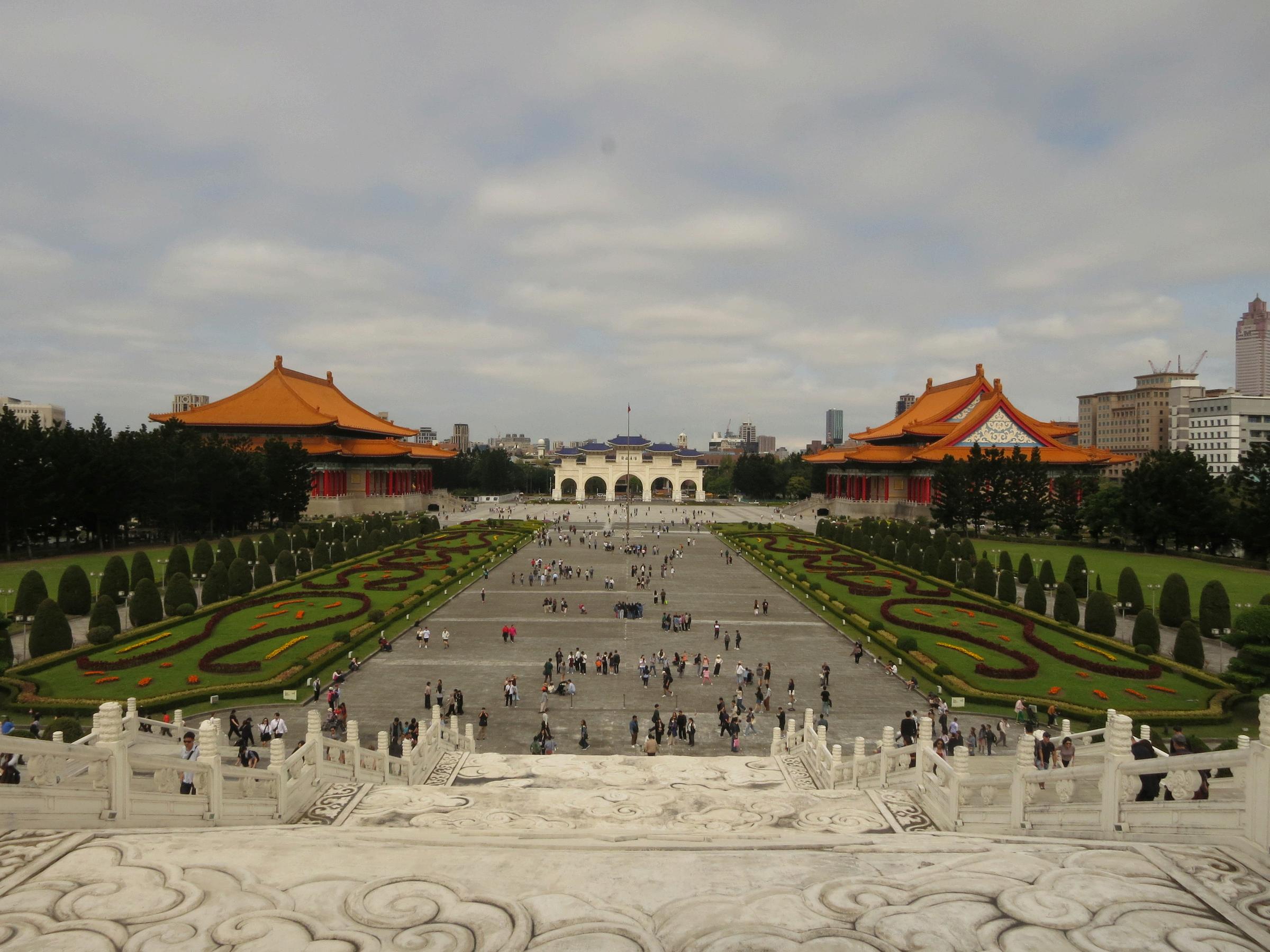
Overall, Taipei was such a fun and memorable experience. It was a place where every day felt full of discovery, and there was always something new to see or try. It’s definitely a city I’ll never forget.
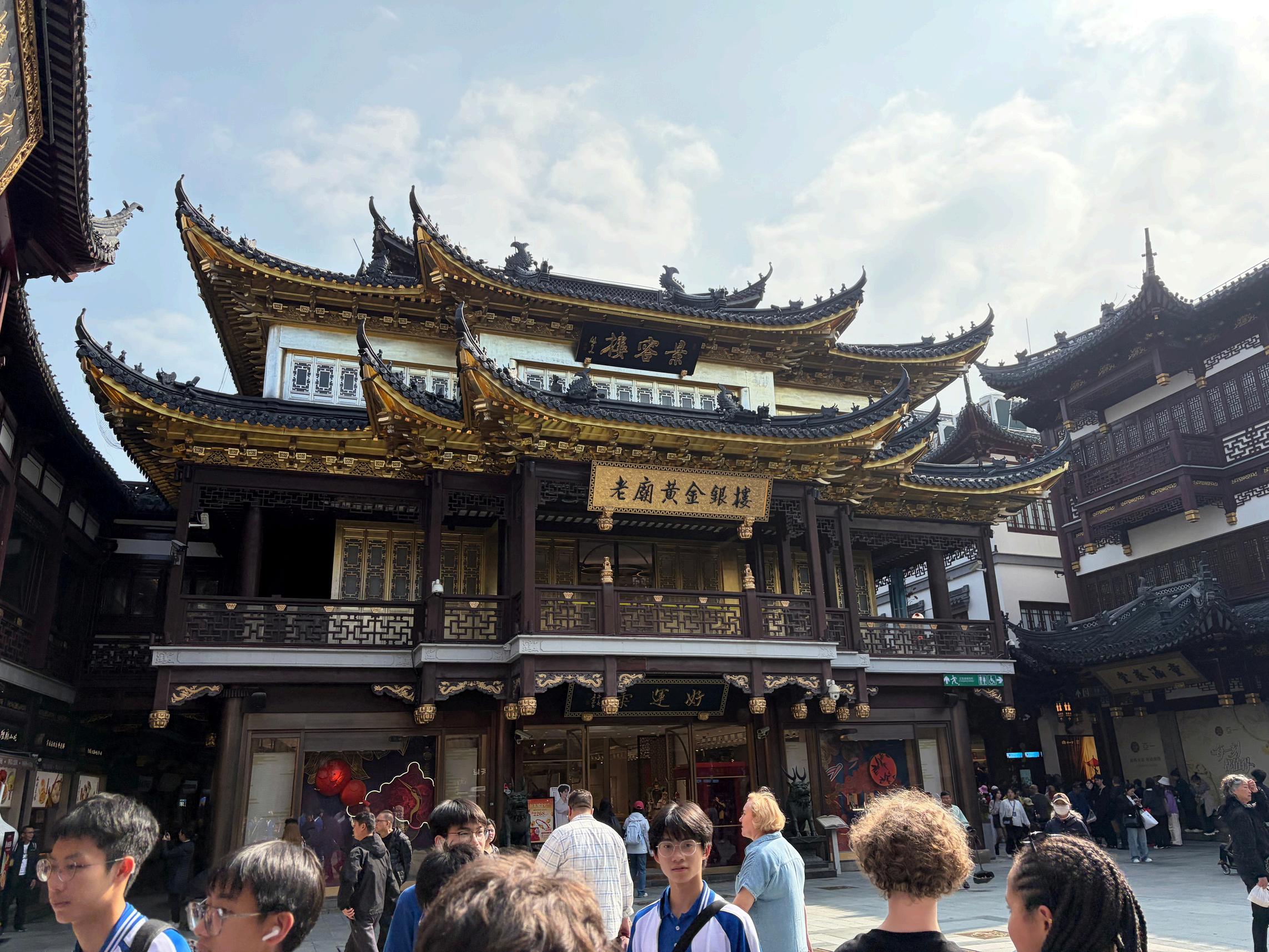
上海城隍庙
上海城隍庙在上海。它是一个很有名的地方。每天有 很多人来这里。这里有很多传统的中国建筑。房子是 红色的,很漂亮。城隍庙附近有很多商店。人们可以 买小吃和礼物。这里很热闹
The city god temple is a chinese folk religion and divine temple located in Shanghai China in the old city. It commemorates the old city of shanghai and honors the three gods of the town. It attracts a lot of tourist and is a very bustling place. There are many tradition chinese building in this area.
豫园很漂亮的花园。豫园在上 海,历史悠久。豫园有中国传 统文化和建筑.花园里有小亭 子、漂亮的石桥、安静的蓄水 池。花园旁边是著名的上海城 隍庙,这是一座古老的庙宇, 人们在此祈祷和香火。该地 区位于一个老小区(老社
区),非常热闹,有时甚至很
拥挤,因为它是一个受欢迎的 娱乐和商业区。游客可以吃到 小笼包、包子、糖葫芦、年 糕、汤、面等美食,喝茶。
距离著名的上海标志性地点外 滩也不远。
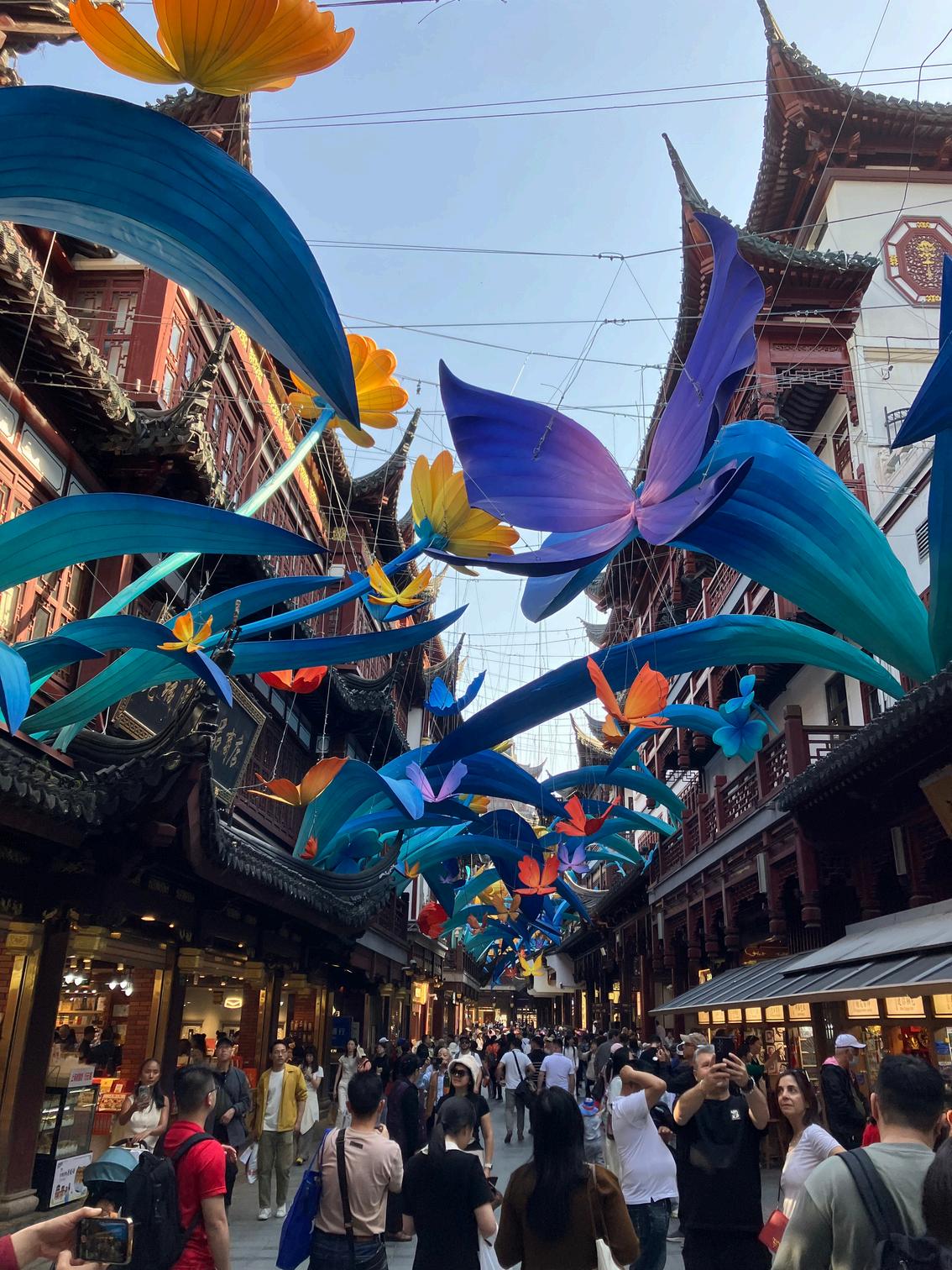
Yuyuan is a very beautiful garden. Yuyuan is in Shanghai and has a long history. Yuyuan features traditional Chinese culture and architecture. In the garden, there are small pavilions, beautiful stone bridges, and quiet ponds. Next to the garden is the famous Shanghai City God Temple, which is an ancient temple where people pray and burn incense. The area is located in an old neighborhood (old community) and is very lively, sometimes even crowded, because it is a popular entertainment and commercial area. Visitors can enjoy foods such as xiaolongbao, buns, candied hawthorn, rice cakes, soup, and noodles, and drink tea. It is also not far from the famous Shanghai landmark, the Bund.
Spending time in the City God temple and the yu garden was very memorable. It was a lot of fun to walk around and see such beutiful architecture around. We spent some time there shopping and buying gifts for friends and family back home.
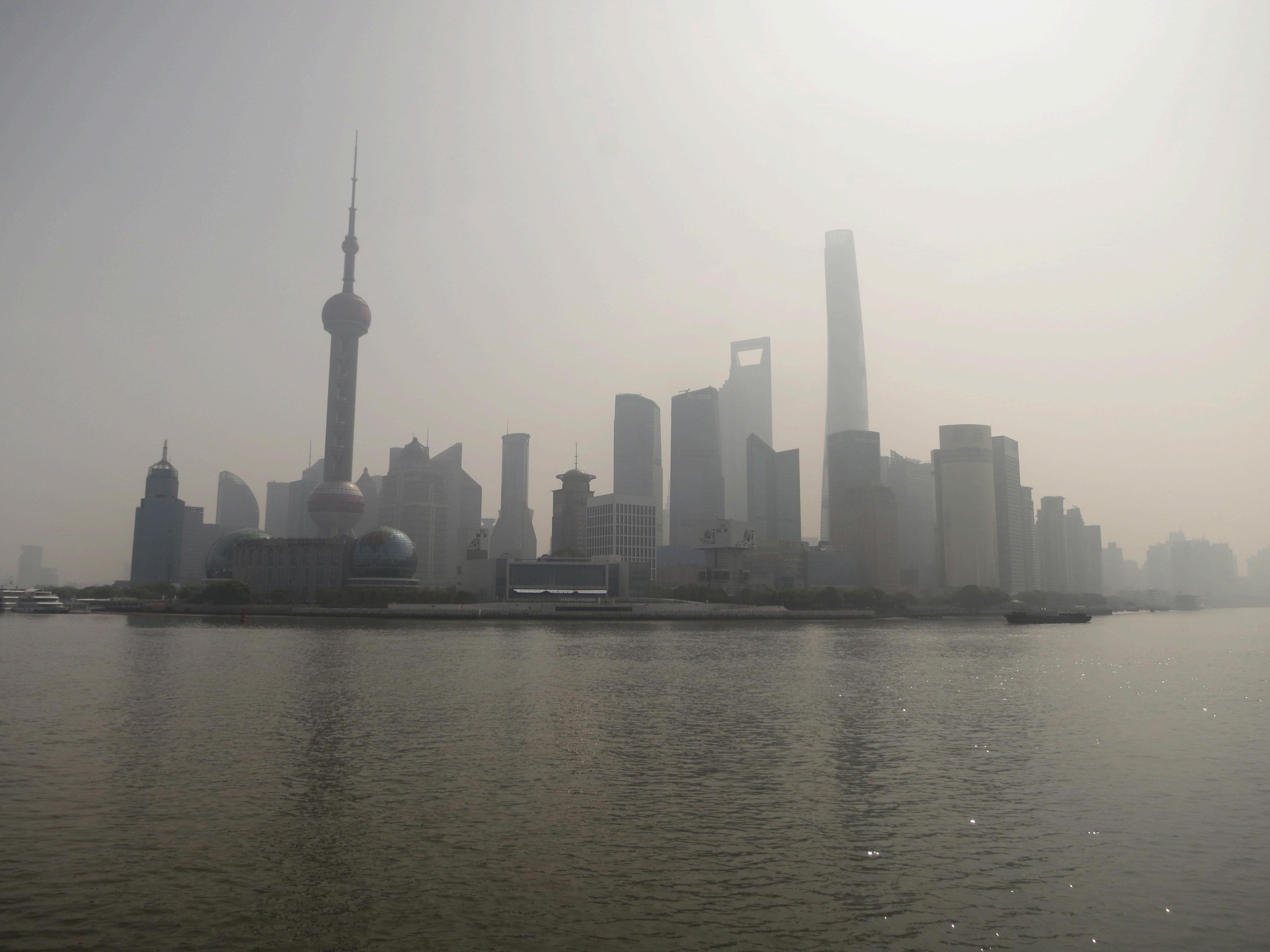
法国和上海有很多文化历史。很久以前,上海有法租界。法国 人在那里建了法式房子和商店。
一九六四年,法国成为最早承认中国的西方国家之一.今天,法国 和中国在商业和文化上合作.现在人们还可以看到一法式房子 和商店。
France and Shanghai have a lot of cultural history. Long ago, Shanghai had a French concession. The French built French houses and shops there. In 1964, France became one of the earliest Western countries to recognize China. Today, France and China cooperate in business and culture. Nowadays, people can still seeFrenchhousesandshops.
POST TRIP FEFLECTIONS
We visited the french concession and greatly enjoyed it.The view was beutiful and we took many pictures.The tall buidings and beutiful architecture were gorgeous.
BY ADRIANA:
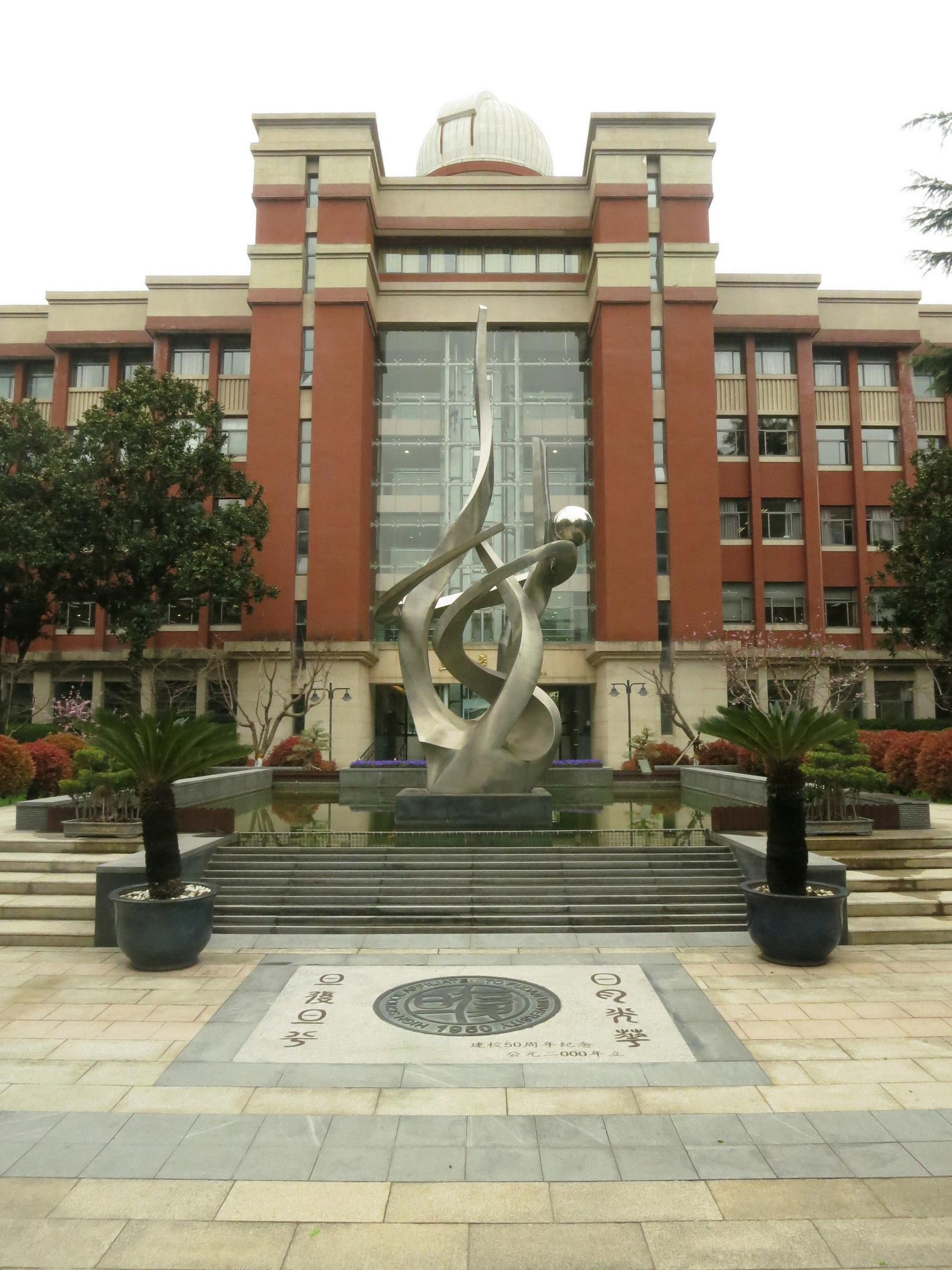
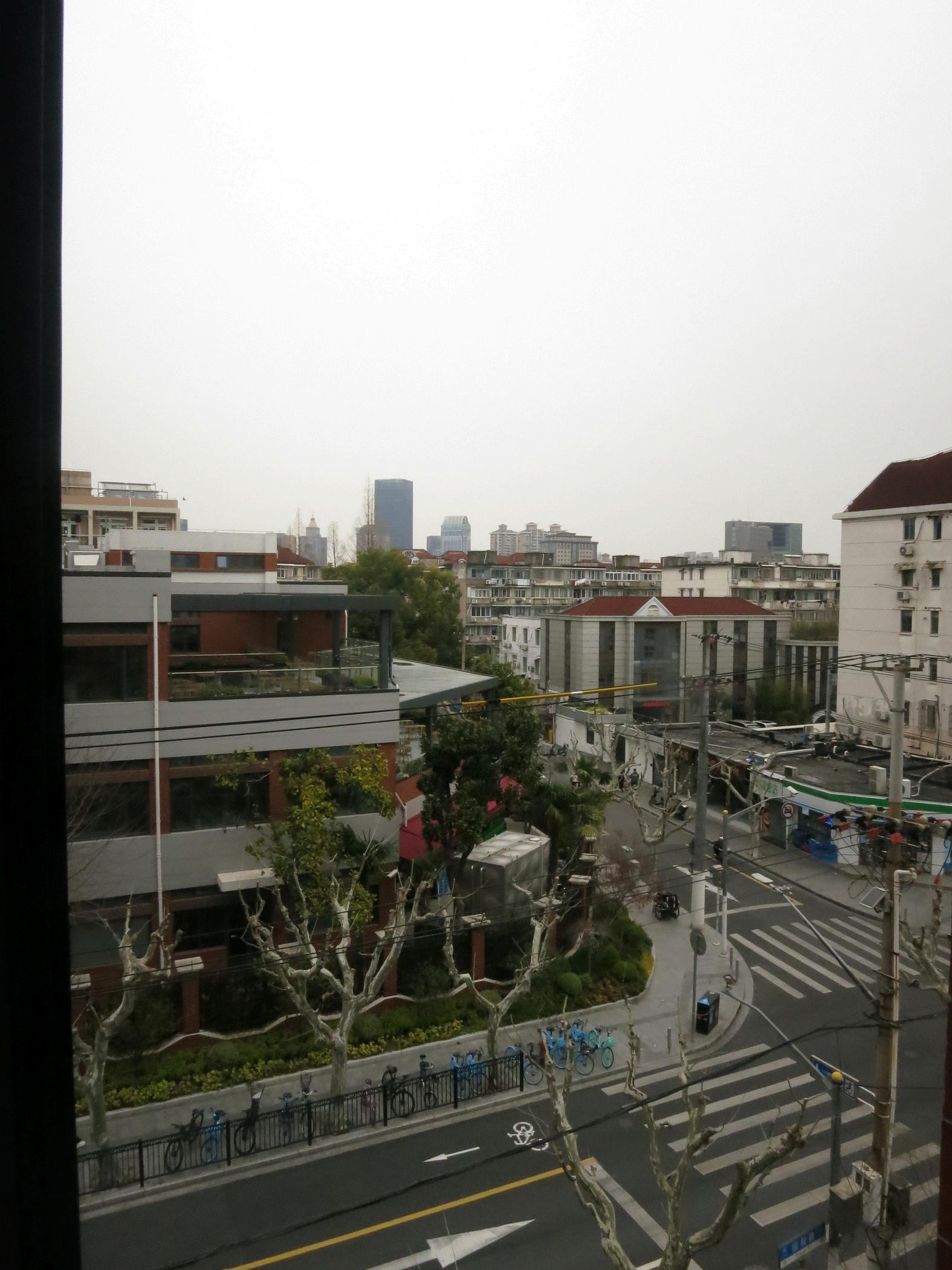
Fudan High School is a prestigious school located in Shanghai’s Yangpu District. We stayed there for three nights and we were accompanied by local students during our visit. This experience will allow us to immerse ourselves in the daily life of the school, discover a different educational system, and build meaningful connections with students from another culture. We will participate in classes, explore the campus, and take part in various activities that will help us better understand both academic and social life in Shanghai. This exchange did not only enrich our knowledge but also broaden our perspectives and strengthen our ability to communicate in an international environment. The Lycée has been partiticpating in exchange for nearly 15 years.
复旦高中是一所位于上海杨 浦区的高级学校。
我们在宿舍住三晚。 在我们在那里期间,我们 会有一些伙伴陪伴我们度 过学校的时光。
Spring (March–May): Mild and comfortable (50–70°F / 10–21°C).
Summer (June–August): Hot and humid (85–100°F / 30–38°C). It can feel very sticky.
Autumn (September–November): Pleasant and cooler (60–75°F / 15–24°C).
Winter (December–February): Cold but not extreme (35–50°F / 2–10°C). It rarely snows.
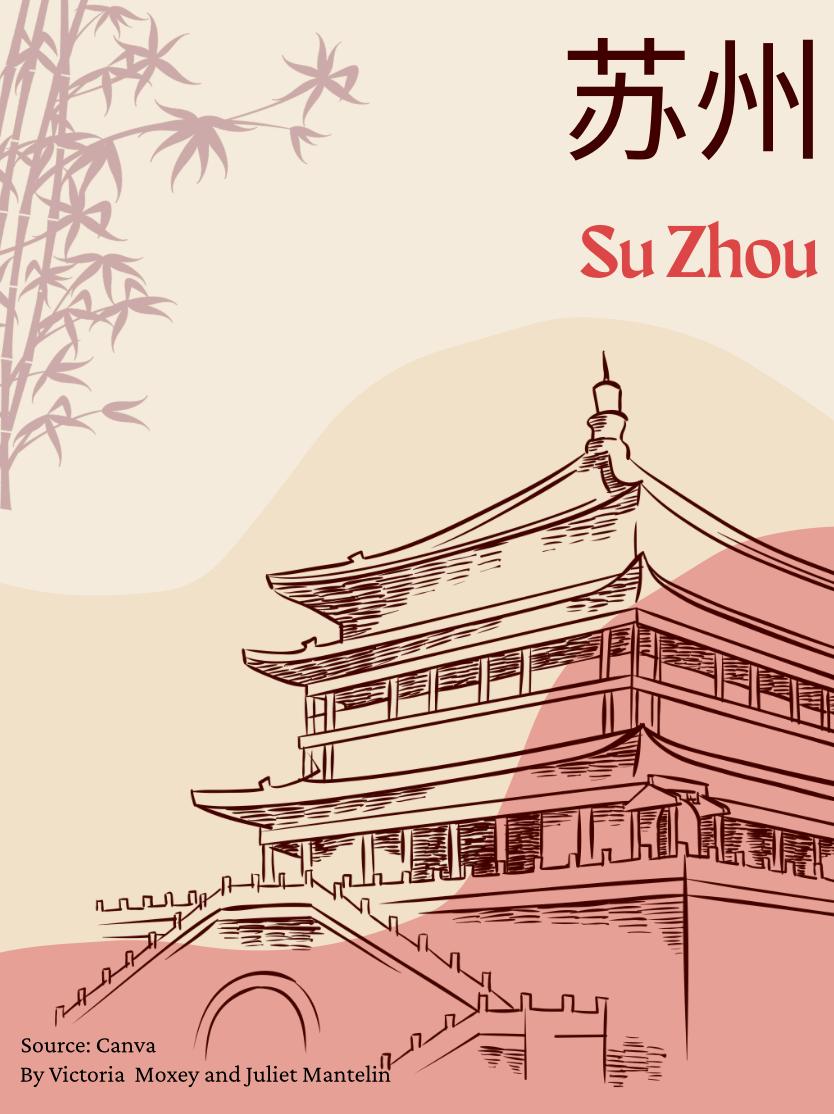
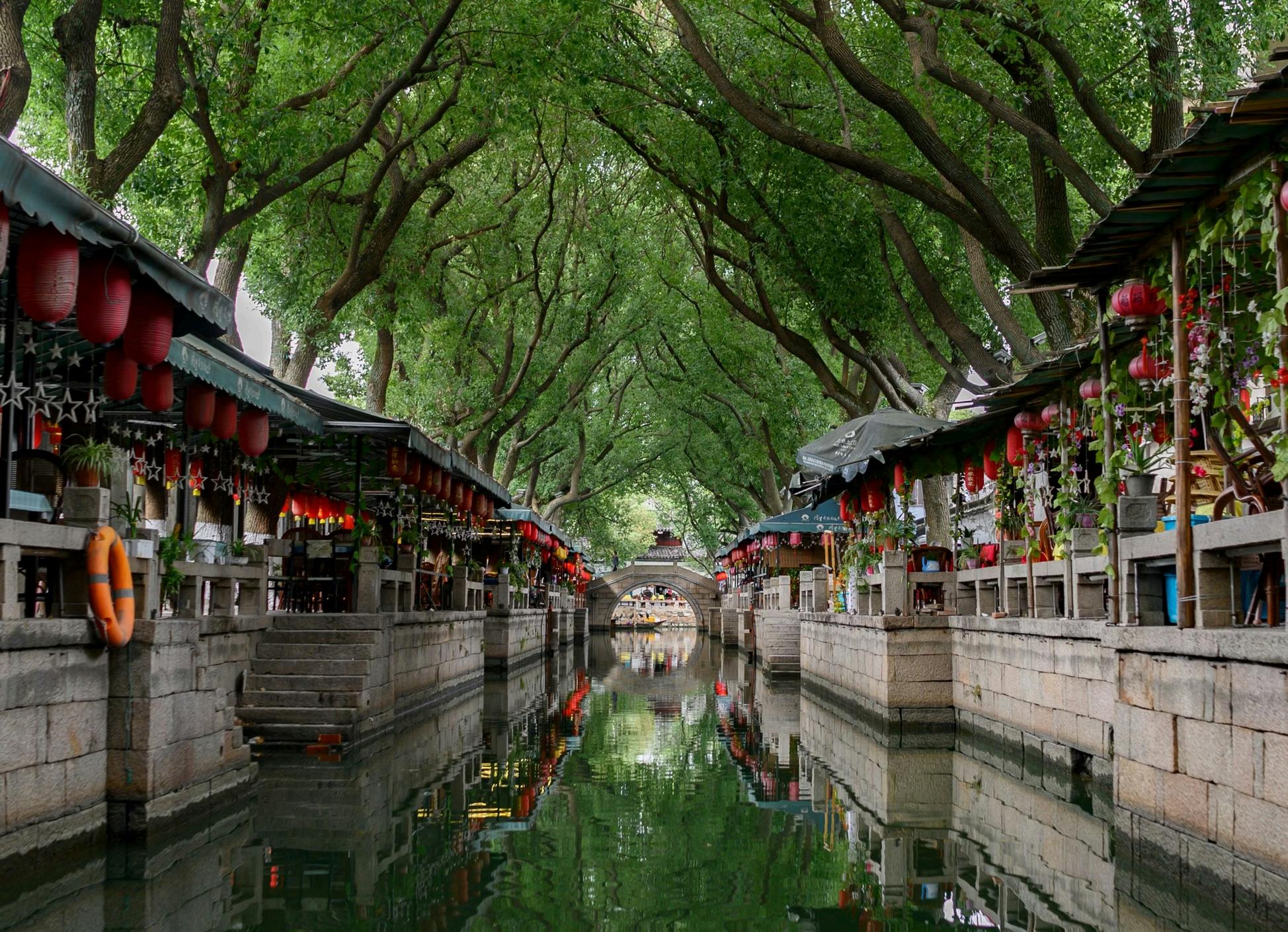
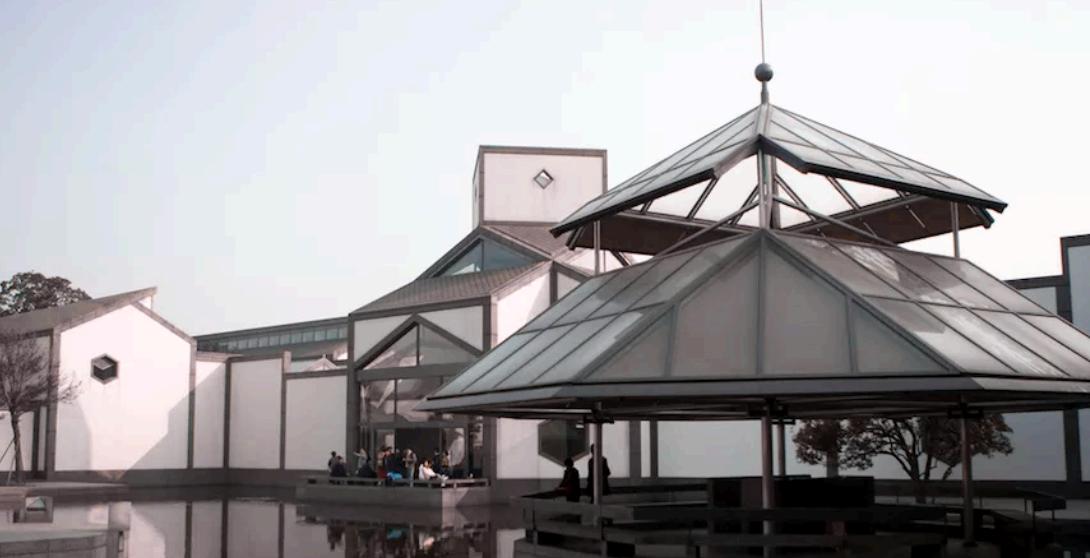
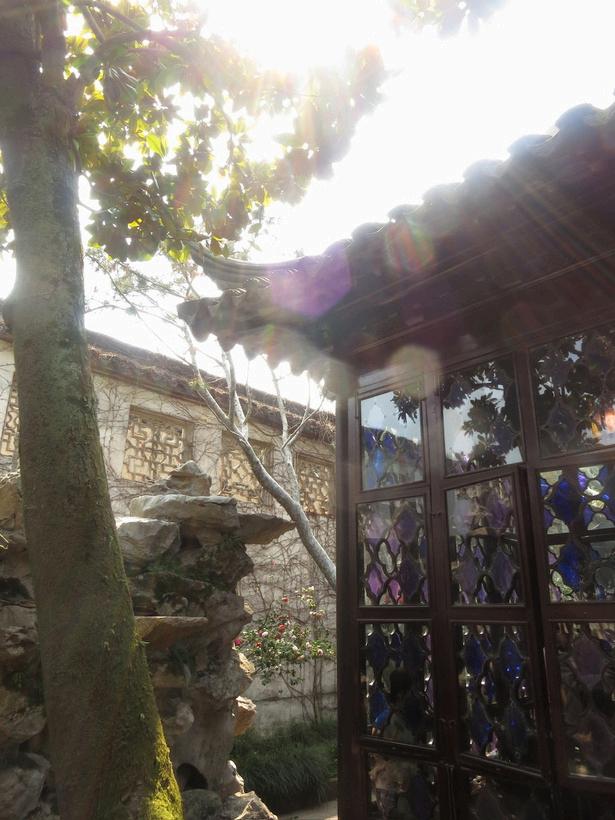
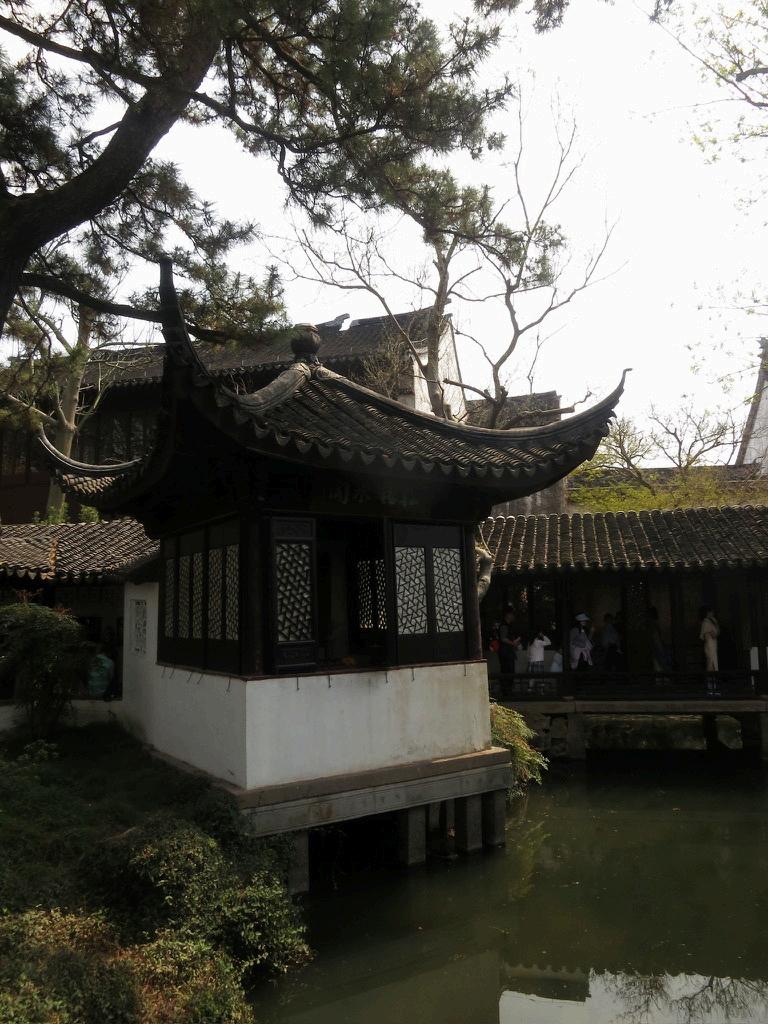
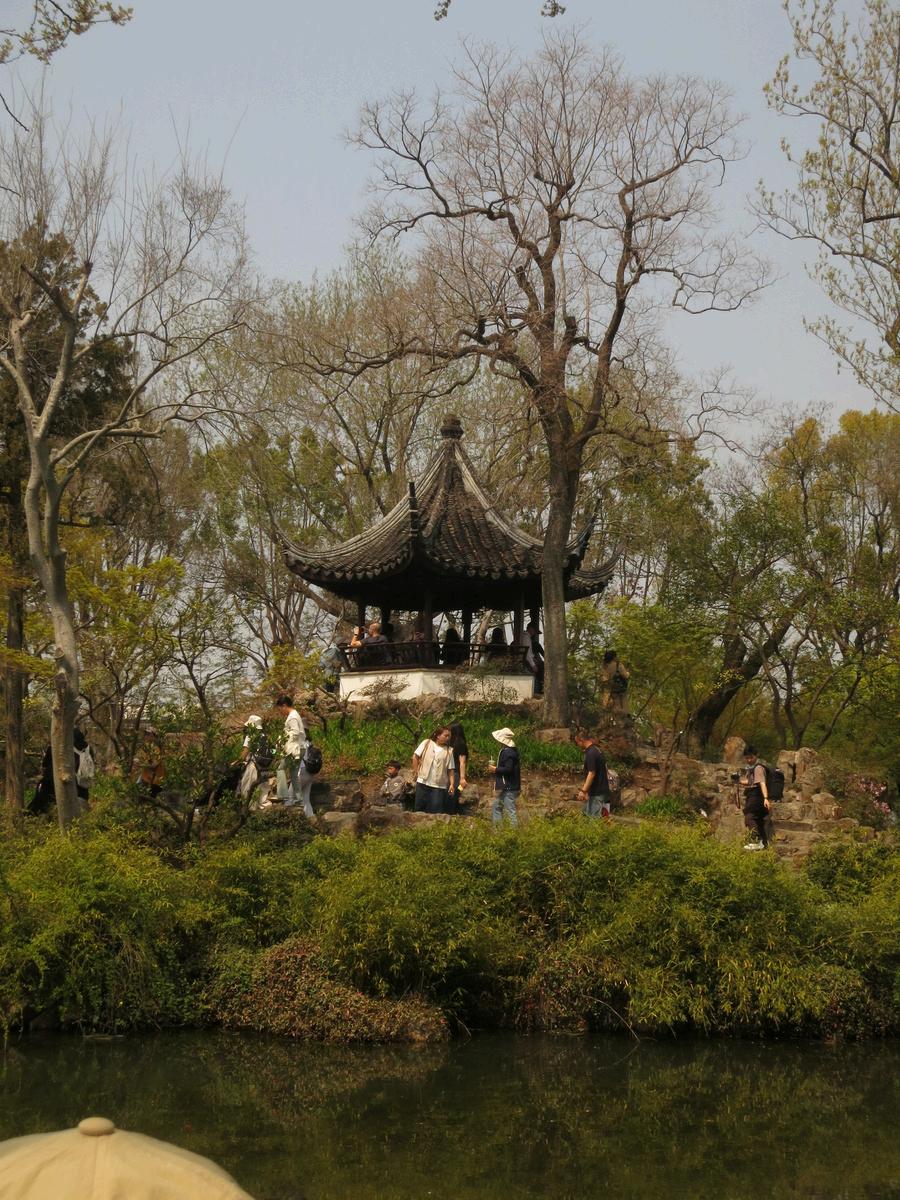
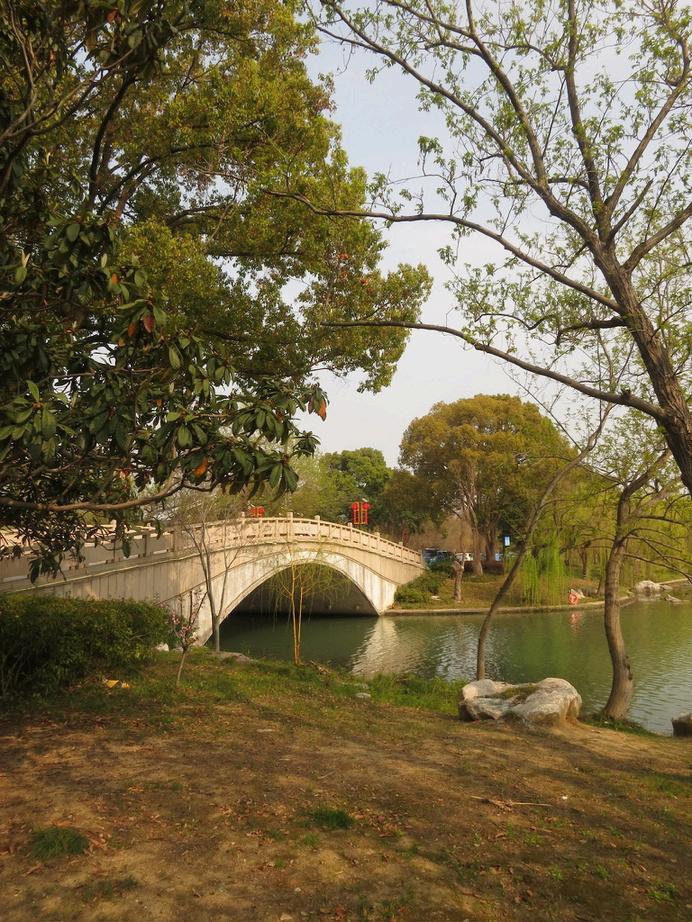
Suzhou(苏州)isahistoriccityineasternChina,inJiangsuProvincenearShanghai.Itisoneoftheoldestcities inChinaandwasfoundedin514BCEasthecapitaloftheStateofWu.Thecitywascarefullyplannedwith canals,streets,andwalls,andmuchofthislayoutstillexiststoday.Becauseofitsmanywaterwaysandbridges, Suzhouisoftencalledthe“VeniceoftheEast.”LocatedalongtheGrandCanal,itbecameanimportantcenterof trade.DuringtheTangandSongdynasties,Suzhougrewrichandfamousforitssilkproduction,attracting merchants,scholars,andartists.
城市 - CITY
苏州 (SŪZHŌU) – SUZHOU
⽔ (SHUǏ) – WATER
河 (HÉ) – RIVER
运河 (YÙNHÉ) – CANAL
古城 (GUCHÉNG) – ANCIENT CITY
历史 (LÌSHǏ) – HISTORY
吴国 (WÚGUÓ) – STATE OF WU
⾸都 (SHOUDŪ) – CAPITAL
丝绸 (SĪCHÓU) – SILK
商⼈ (SHĀNGRÉN) – MERCHANT
贸易 (MÀOYÌ) – TRADE
花园 (HUĀYUÁN) – GARDEN
1.亭⼦ (TÍNGZI) – PAVILION
桥 (QIÁO) – BRIDGE
⽂化 (WÉNHUÀ) – CULTURE
漂亮 - PRETTY
现代 (XIÀNDÀI) – MODERN
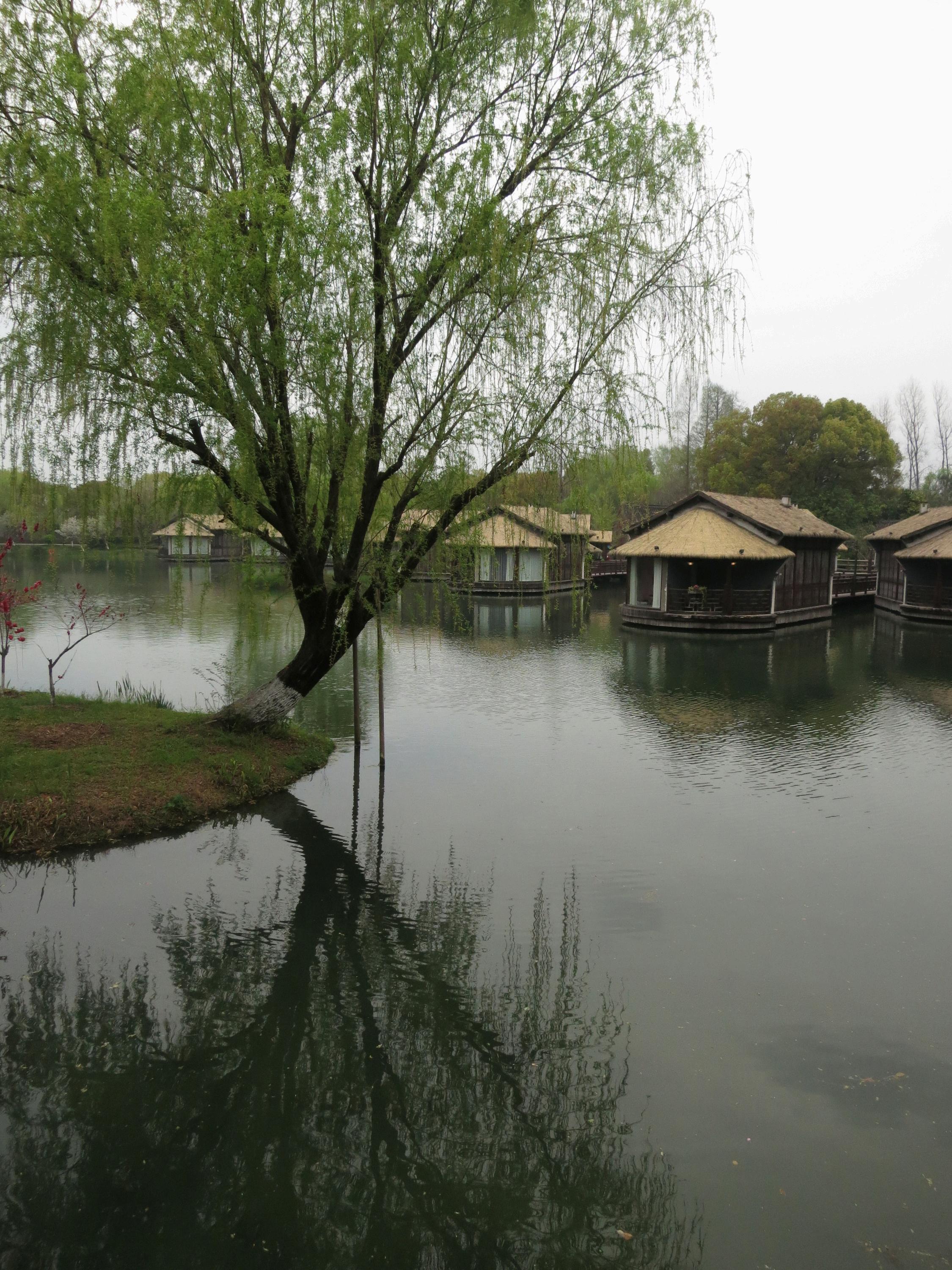
乌镇有很多运河,可以坐
船。运河上有很多桥, 有的是木头做的,有的
是 石 头 做 的 , 都 很 古
老。运河旁边还有很多 商店,比如饭店,咖啡
店 , 茶 馆 , 礼 品 店 等 等。
Wuzhen is an ancient water town situated in the Zhejiang province not far from Shanghai. Founded around 1300 years ago, it is famous for its many canals, stone bridges, and historic wooden houses. Visitors can walk along narrow streets, take boat rides on the water, and experience the peaceful atmosphere and traditional cultureofthisancienttown.
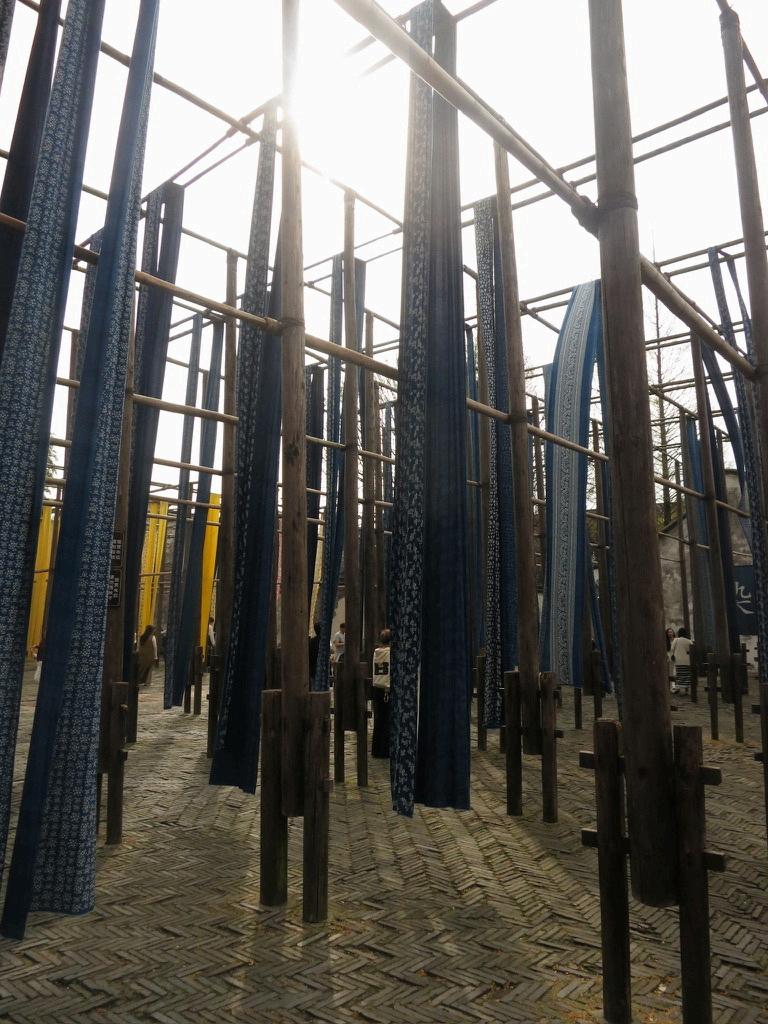
在乌镇我们参观了 木心的家。他的家 是一个博物馆,很 漂亮。木心是一个 很有名的作家。他
过去住在纽约 (Queens)!
In Wuzhen, we visited Mu Xin's home. His home is a museum, and it is very beautiful. Mu Xin was a very famous writer. He used to live in New York (Queens)!
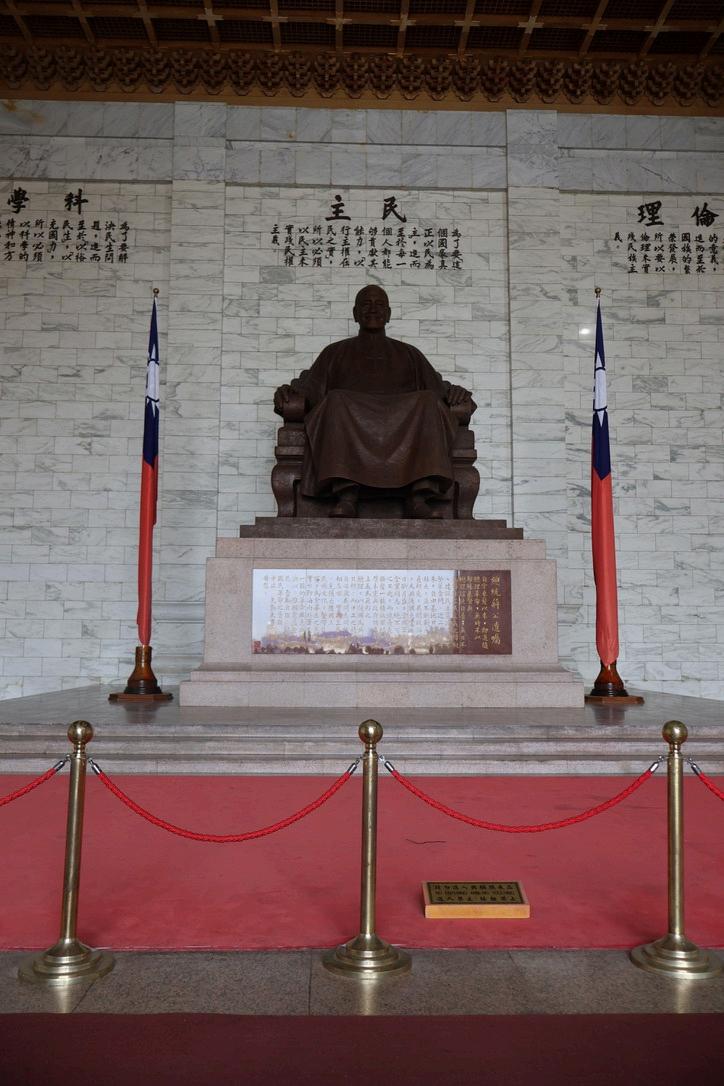
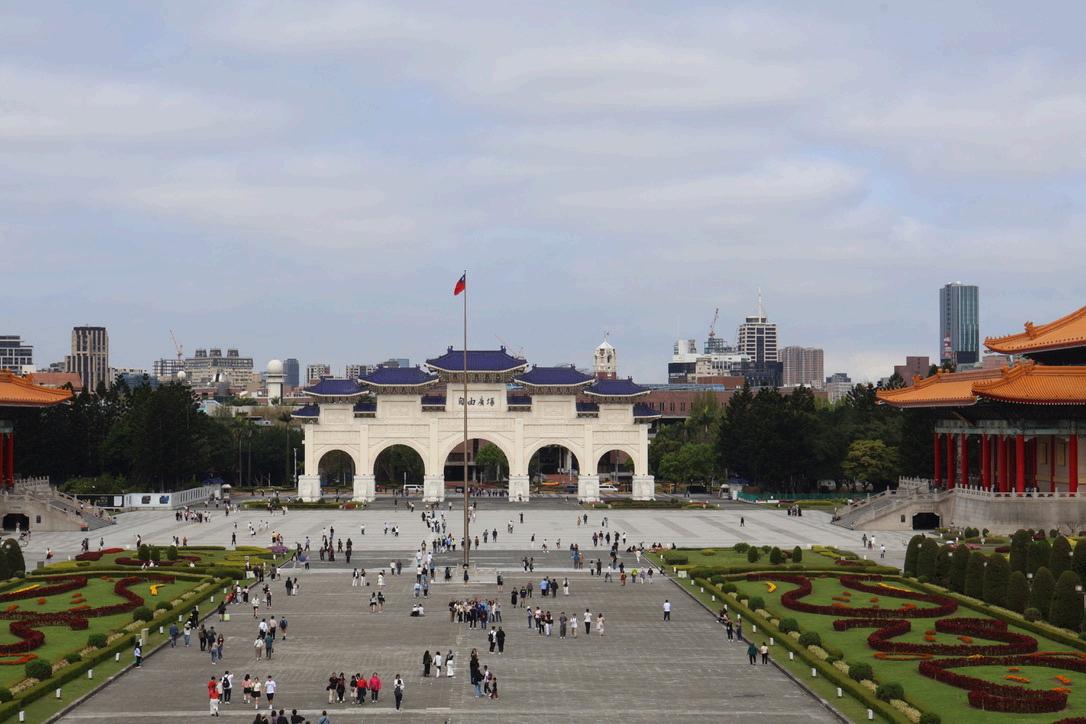
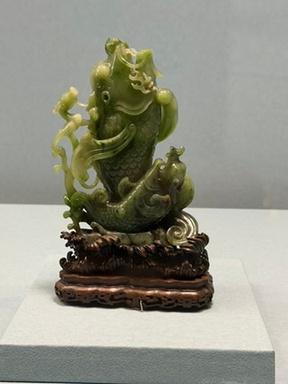
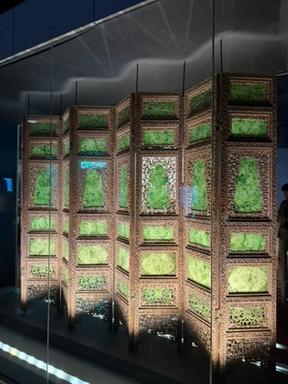
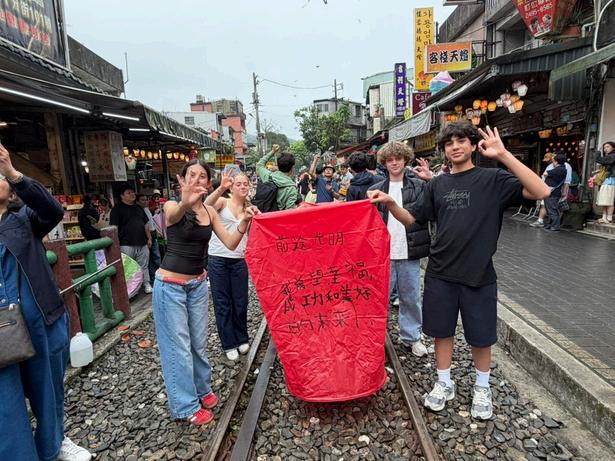
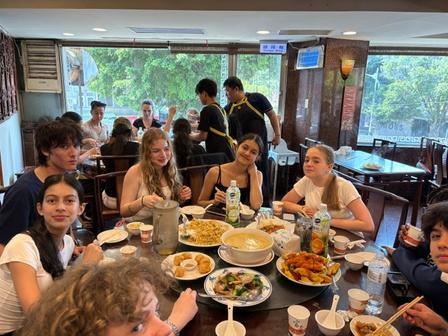
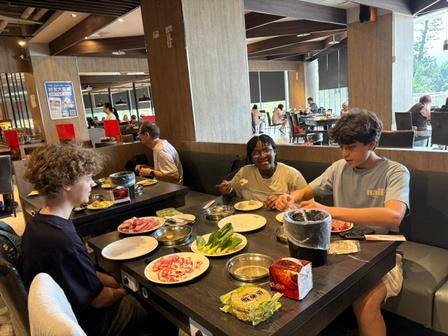
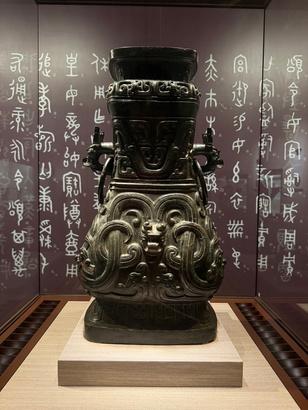
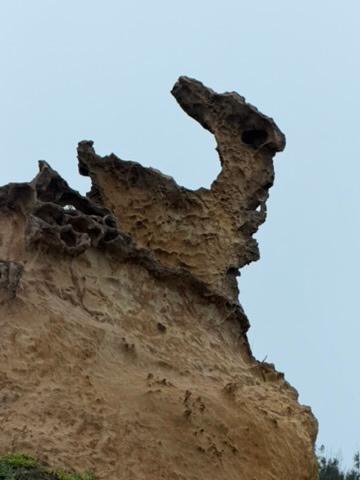
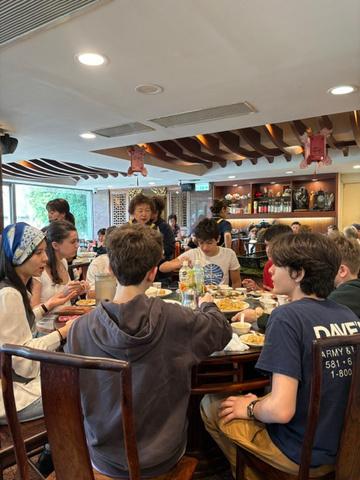
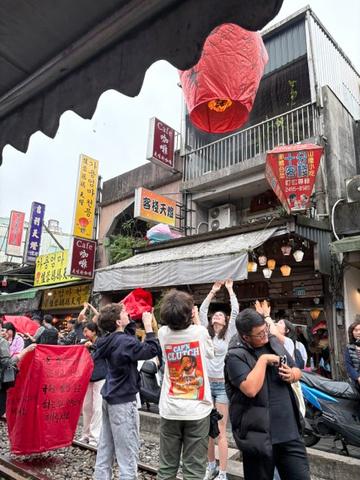
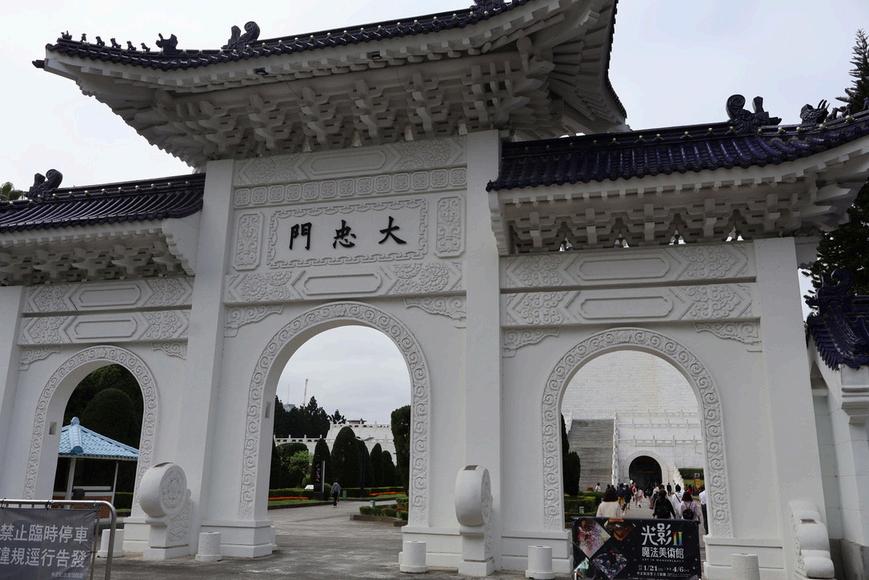
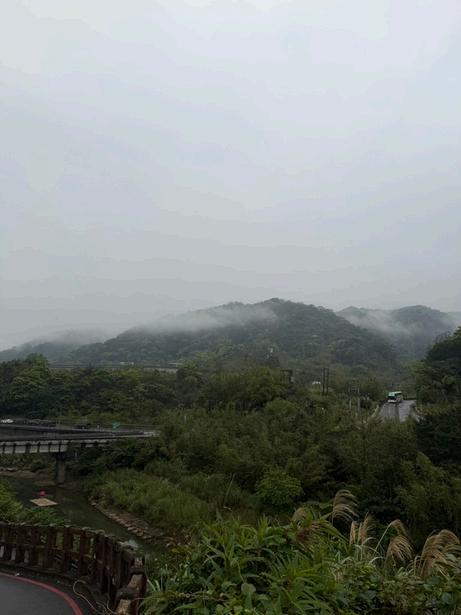
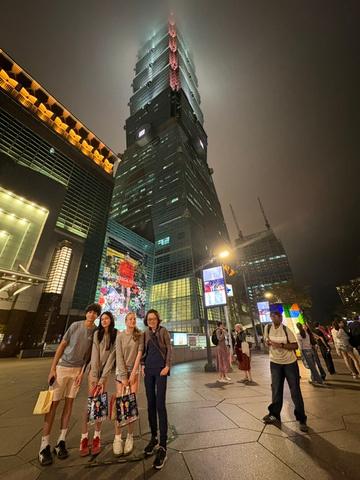
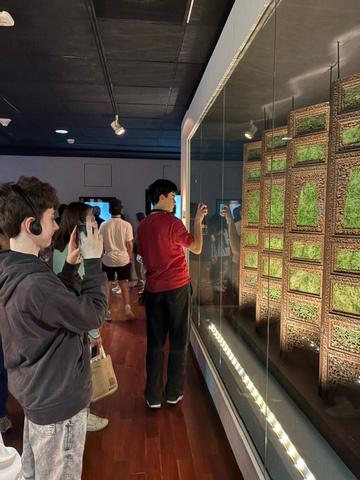
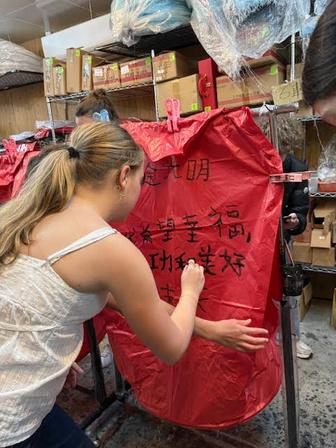
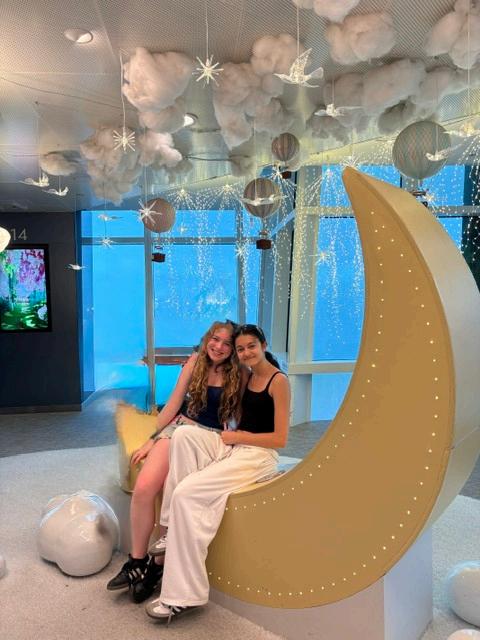
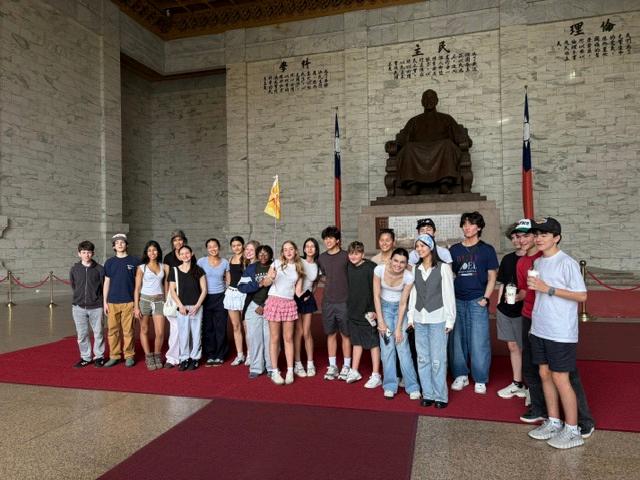
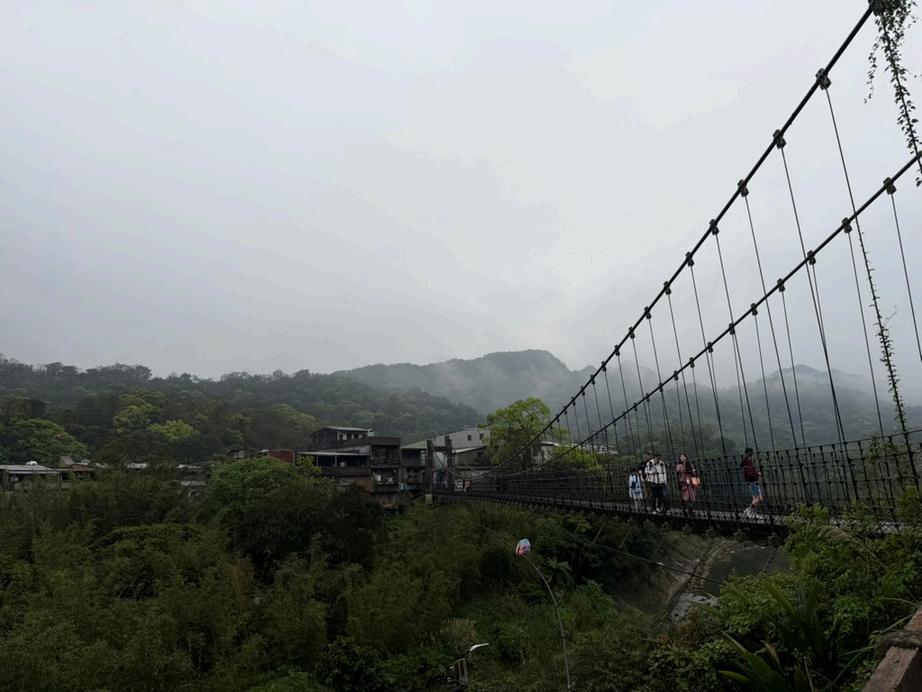
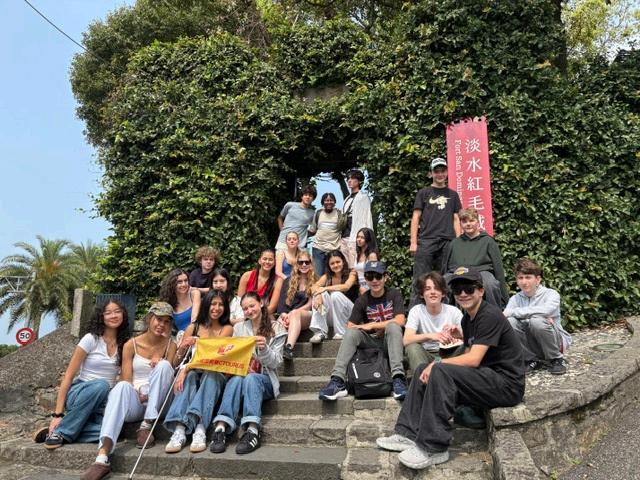
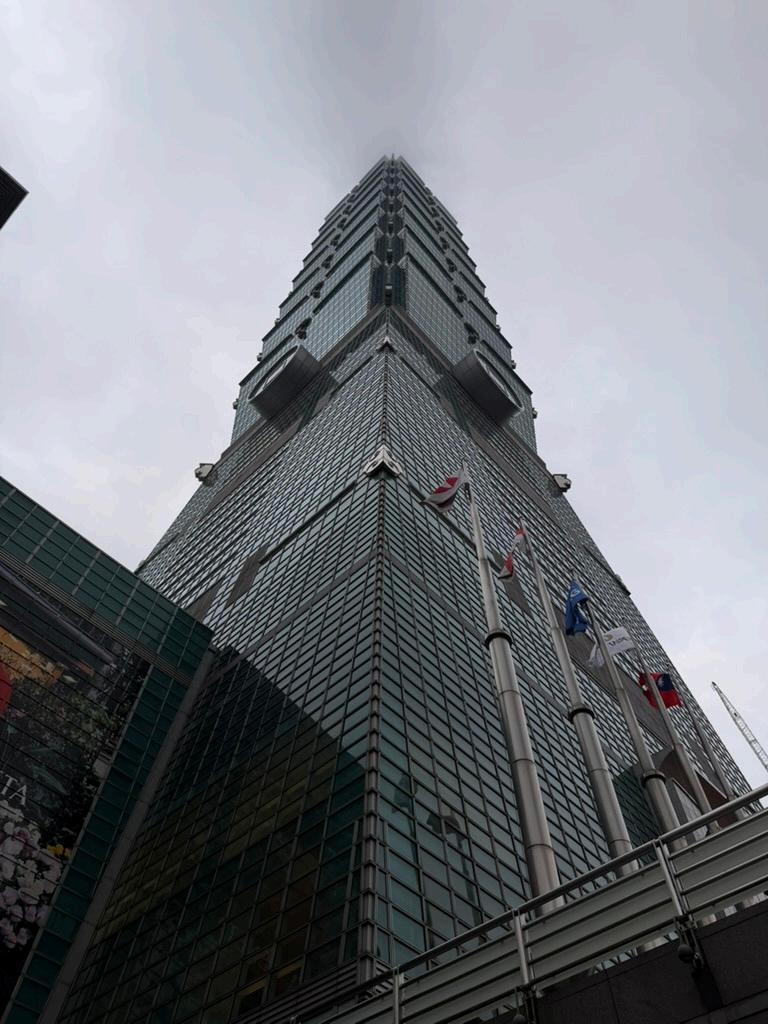
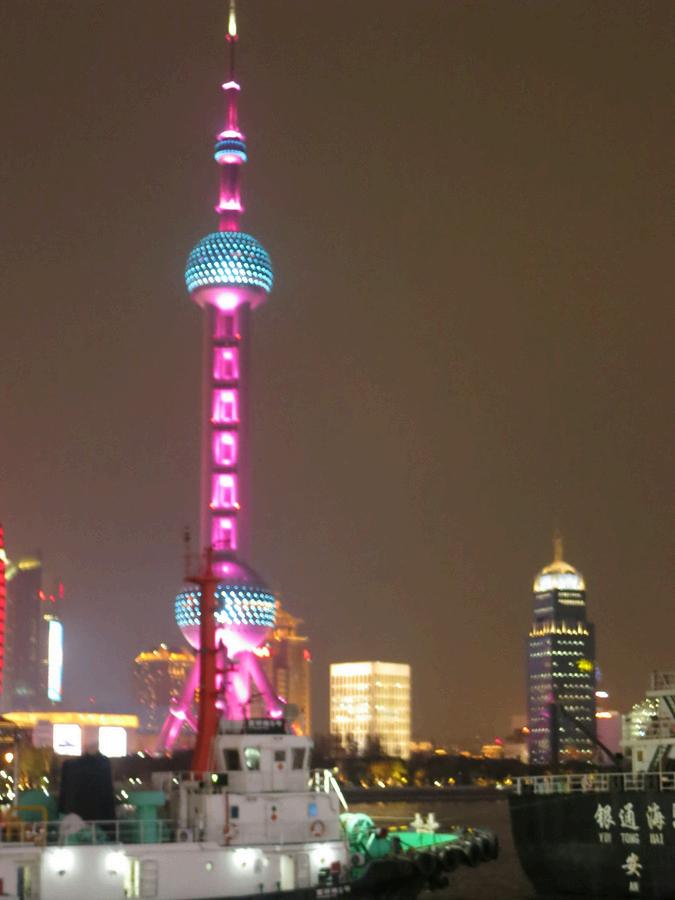
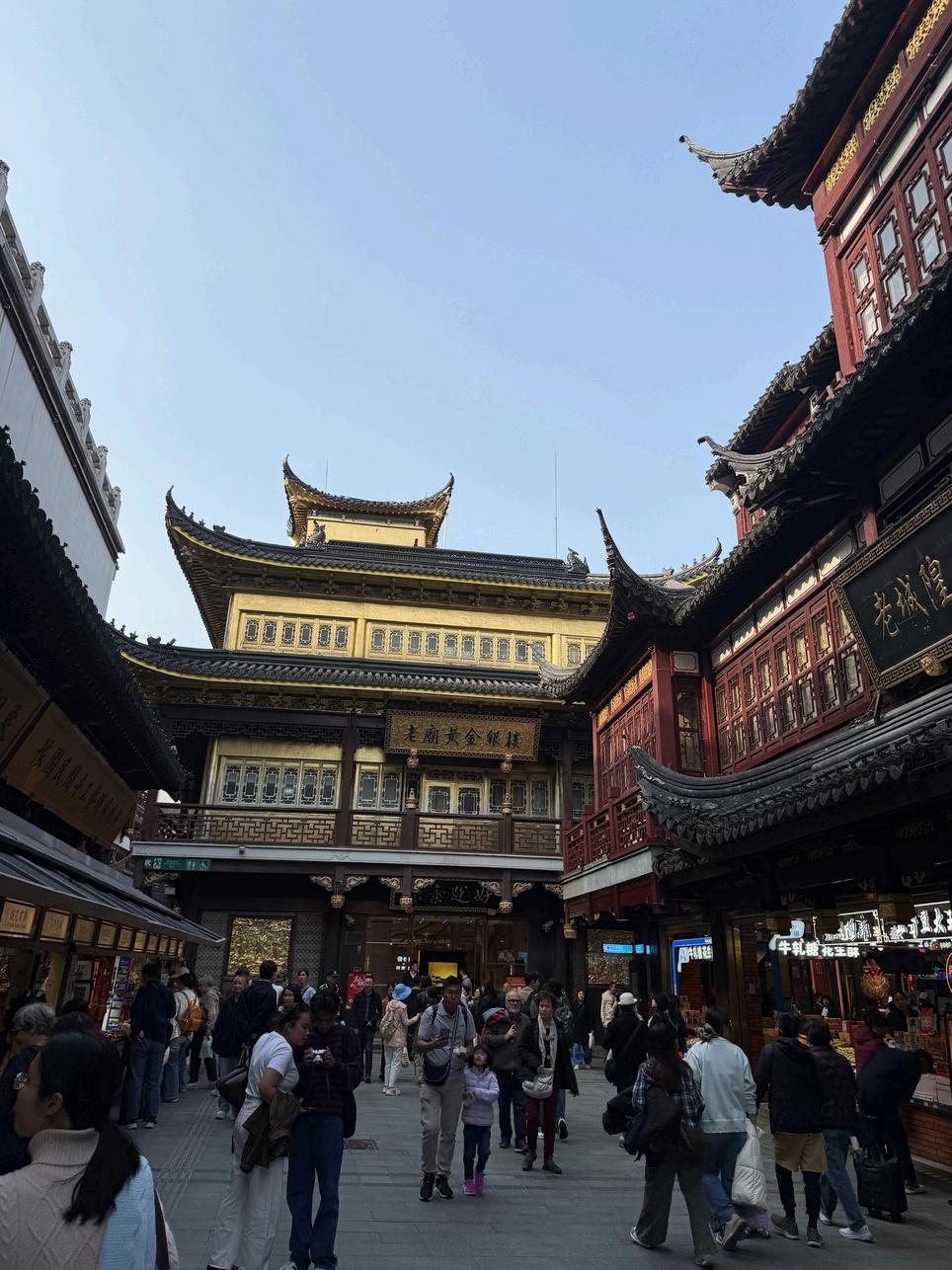
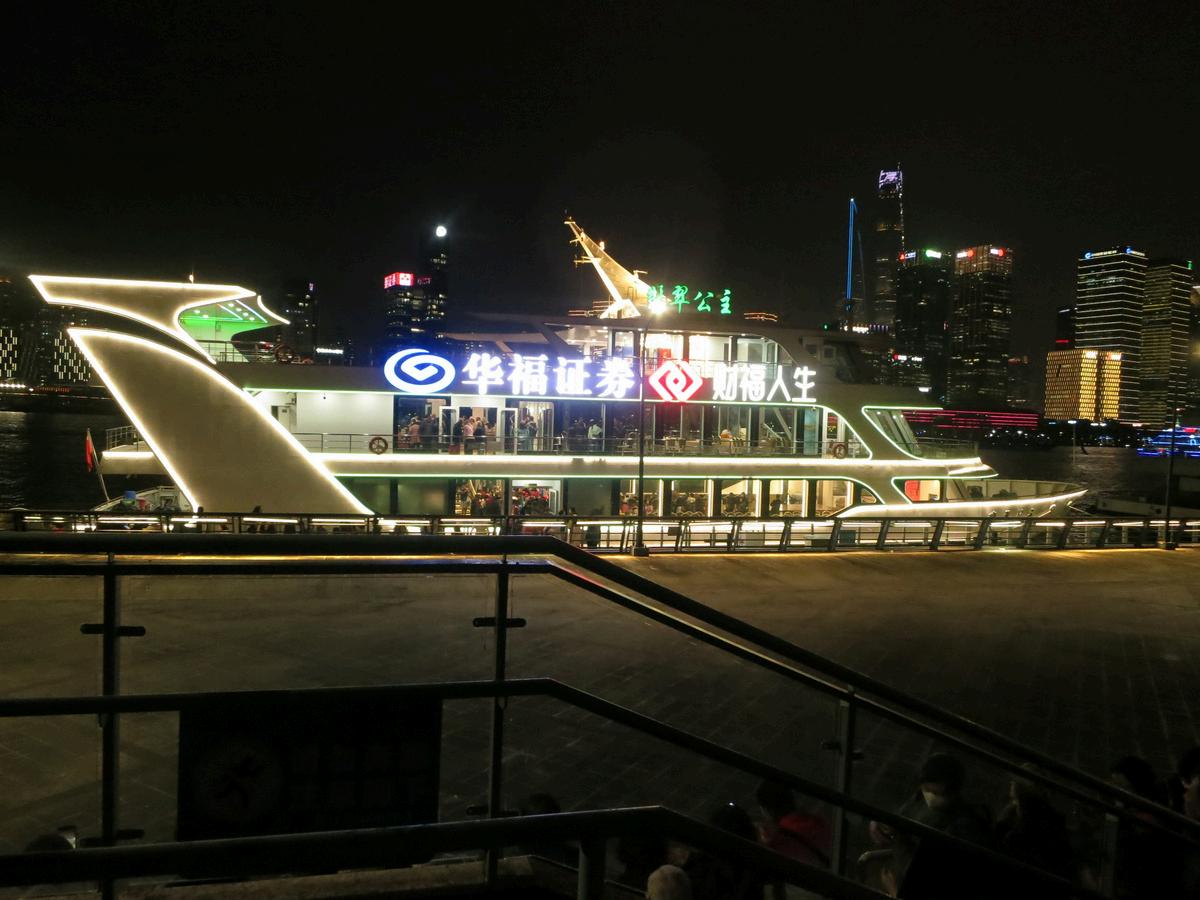
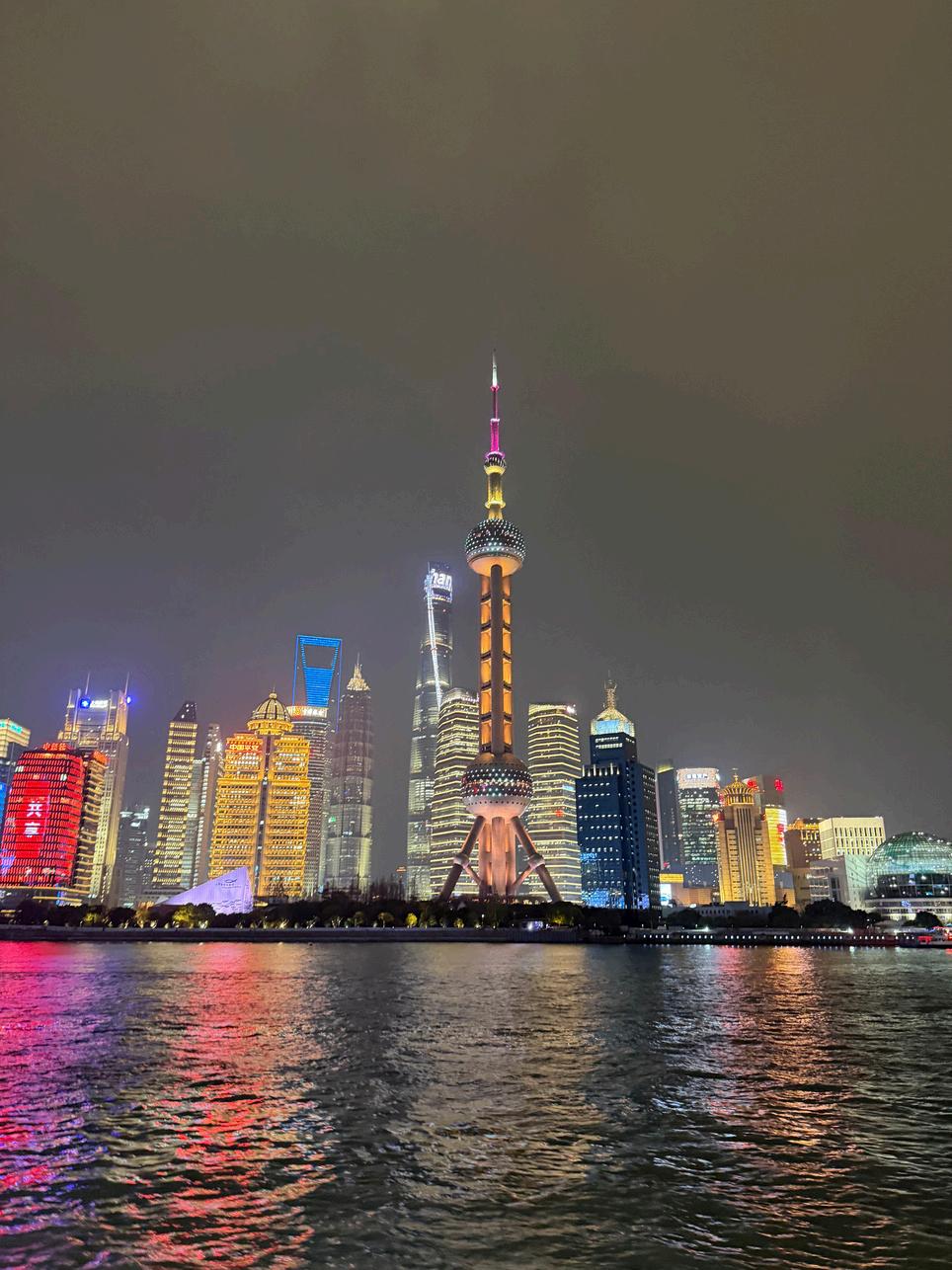
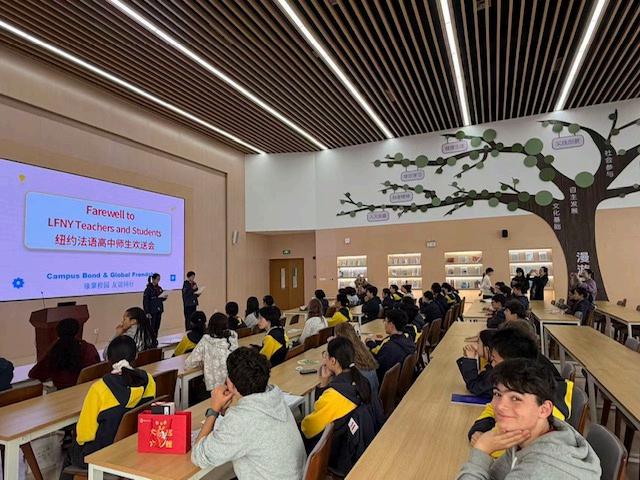
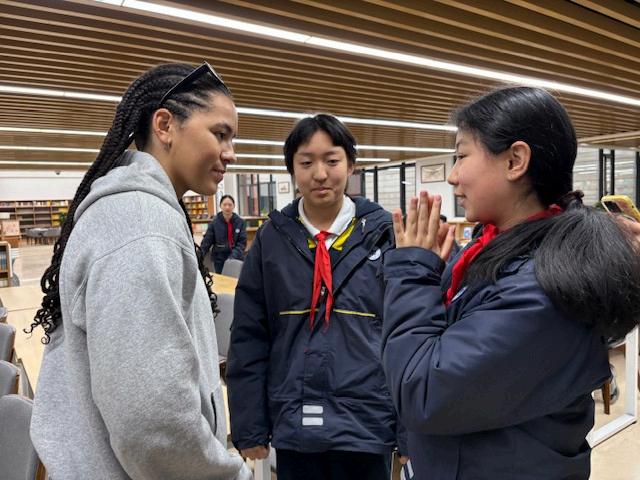
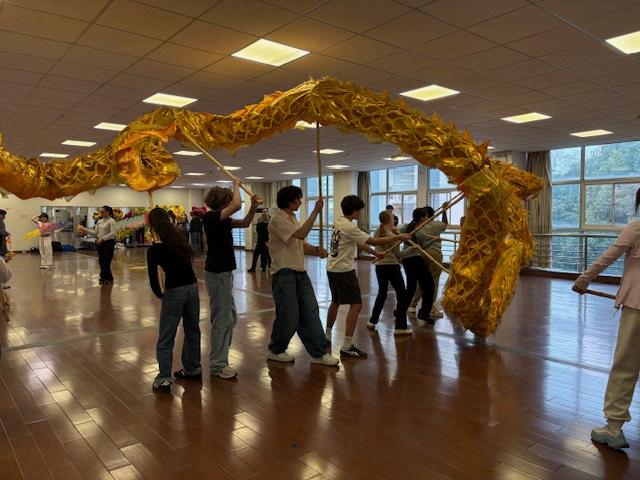
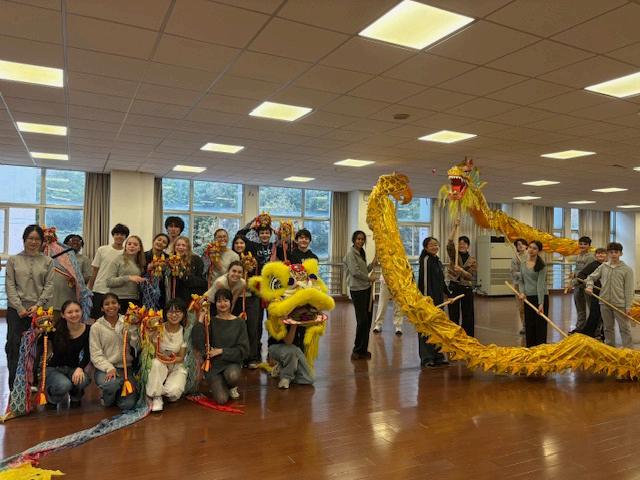
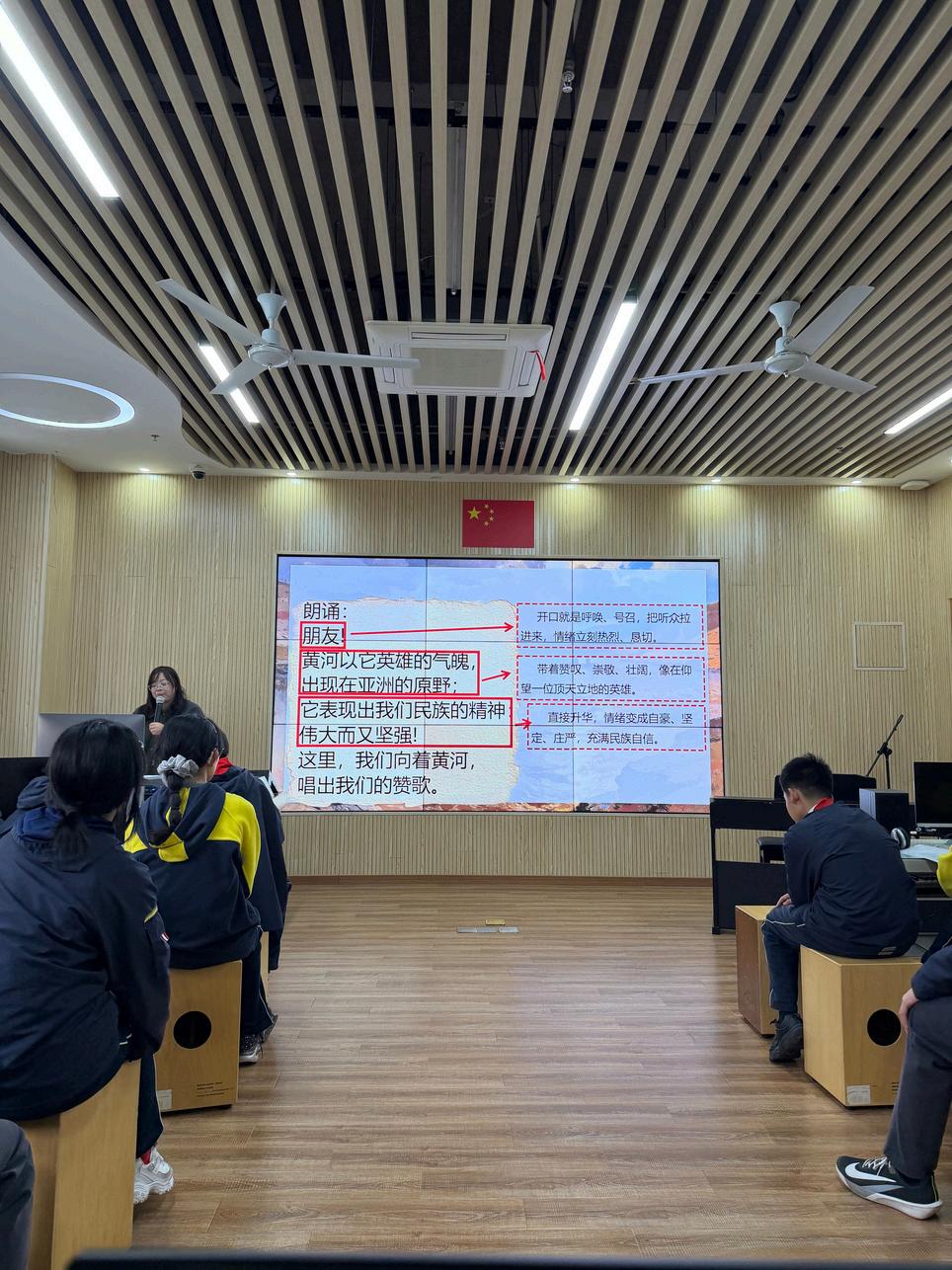
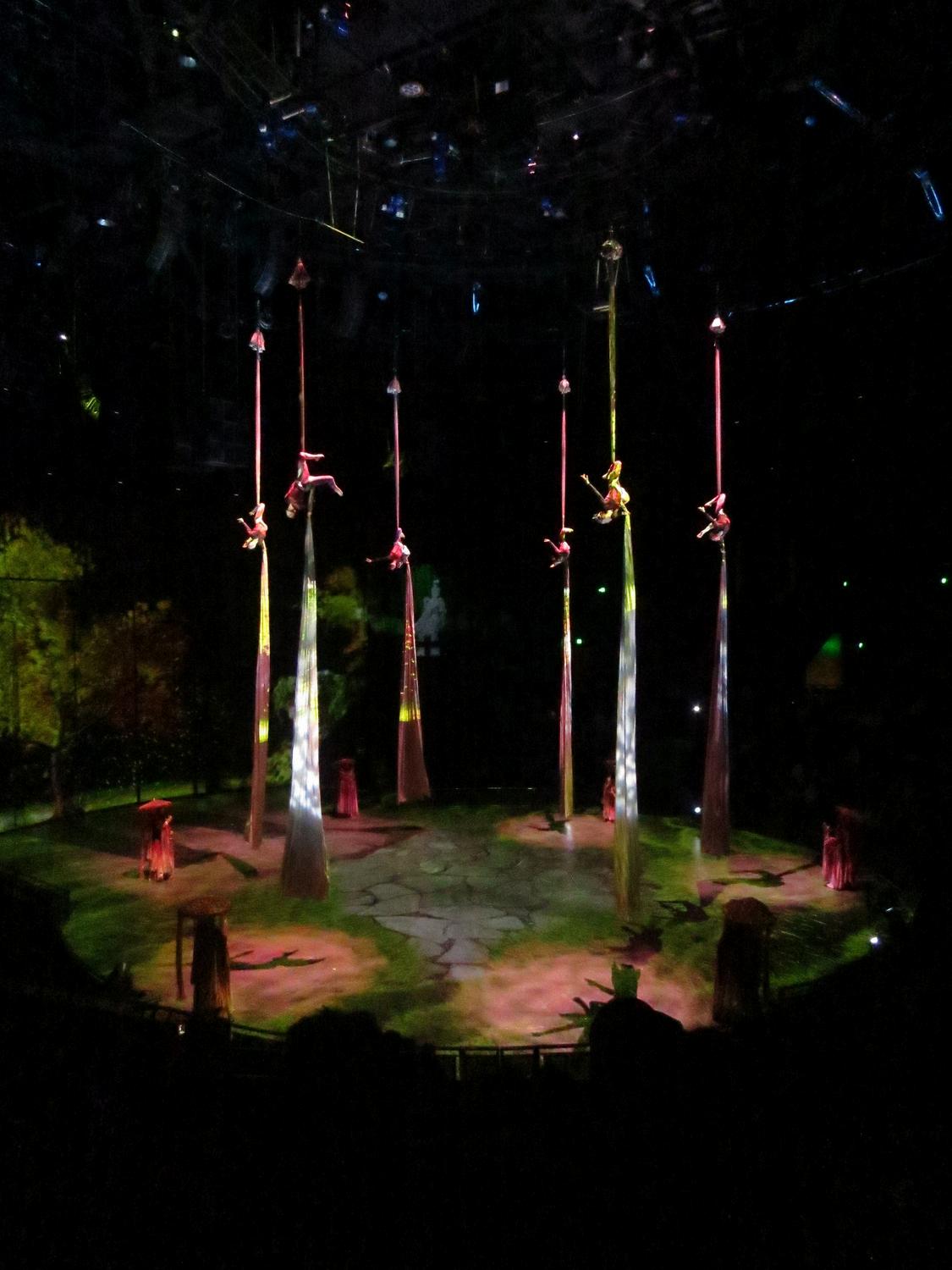
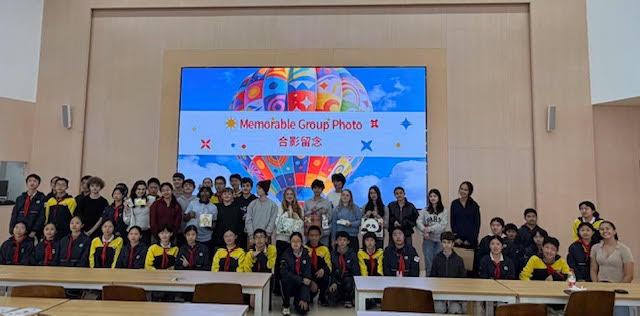
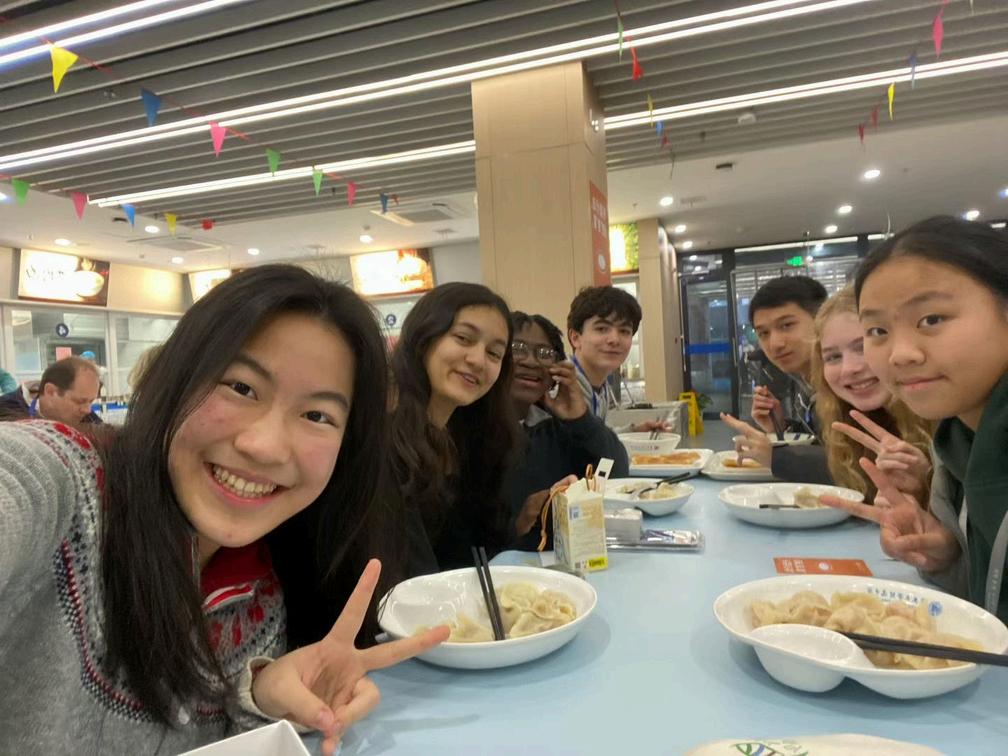
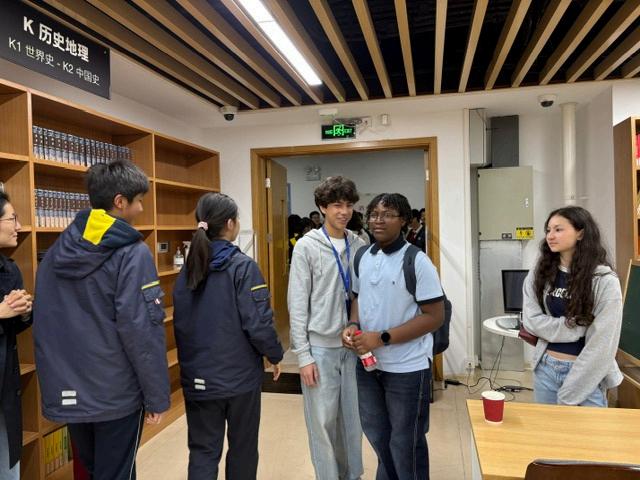
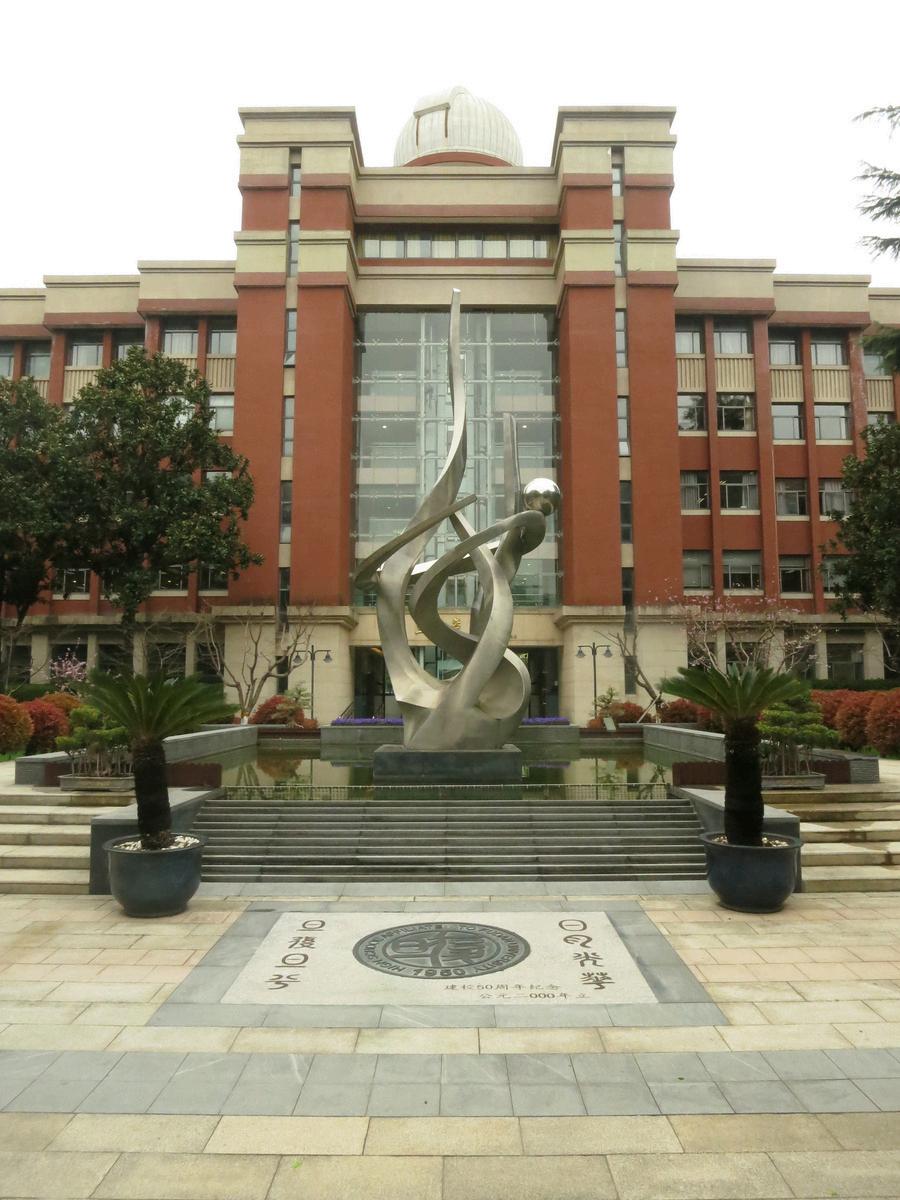
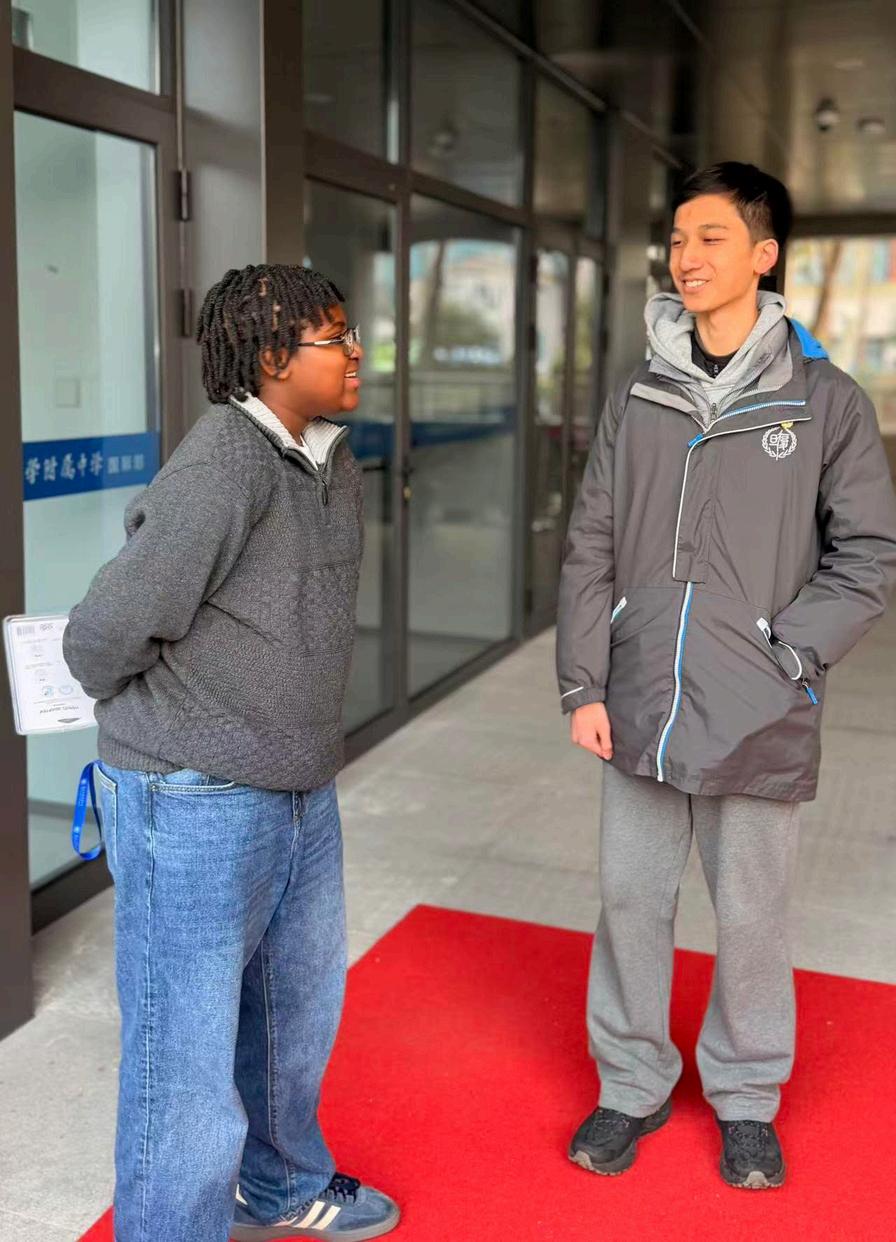
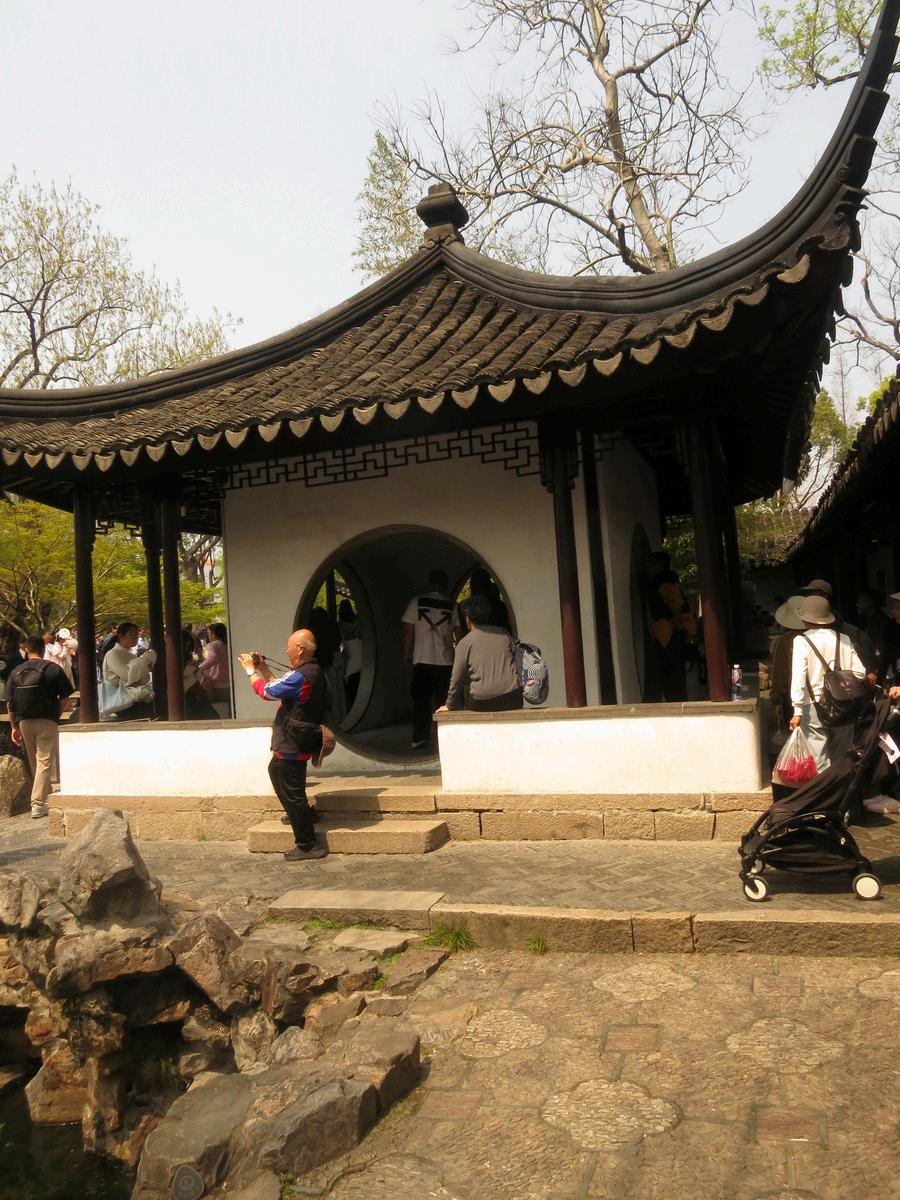
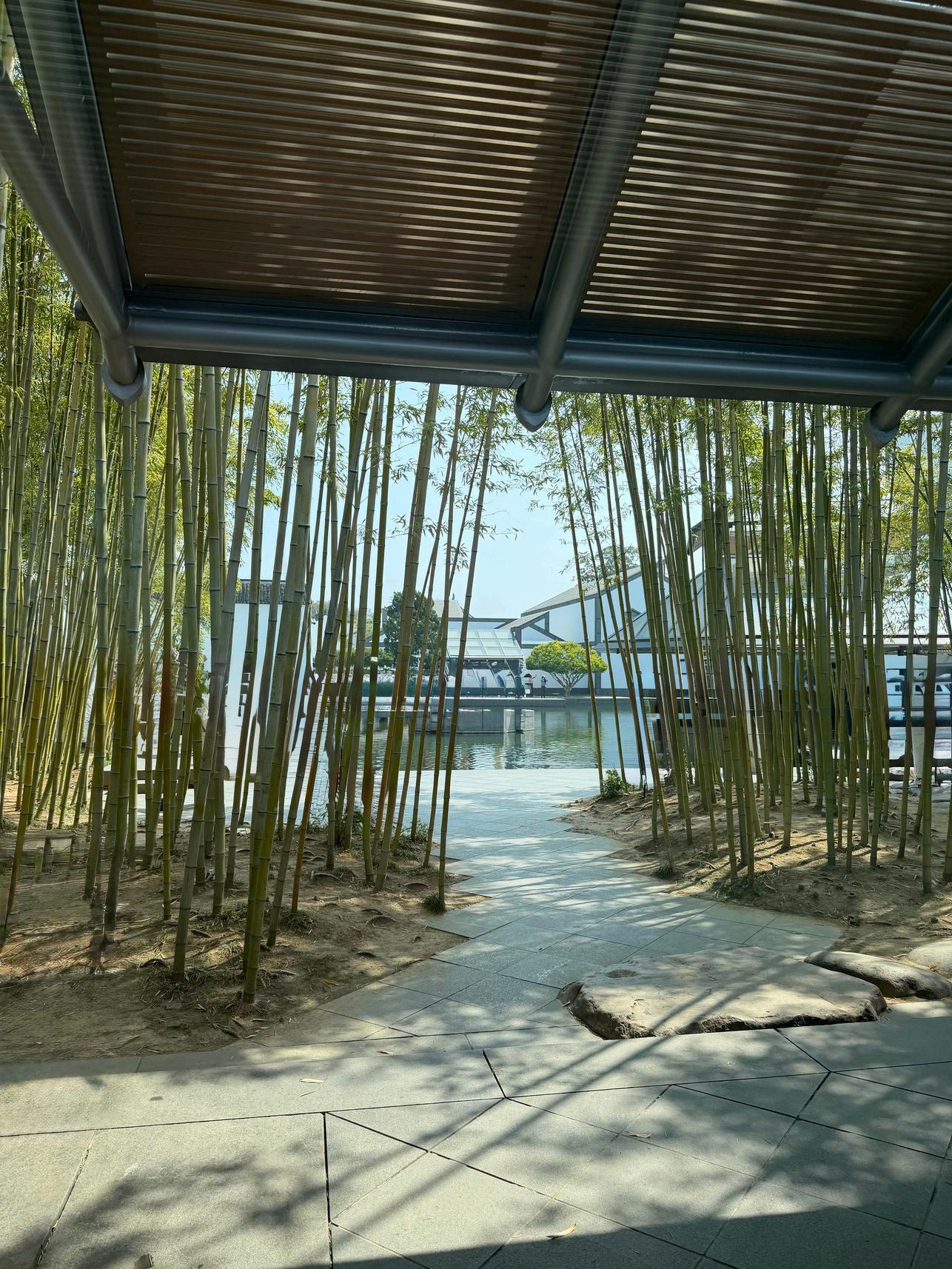
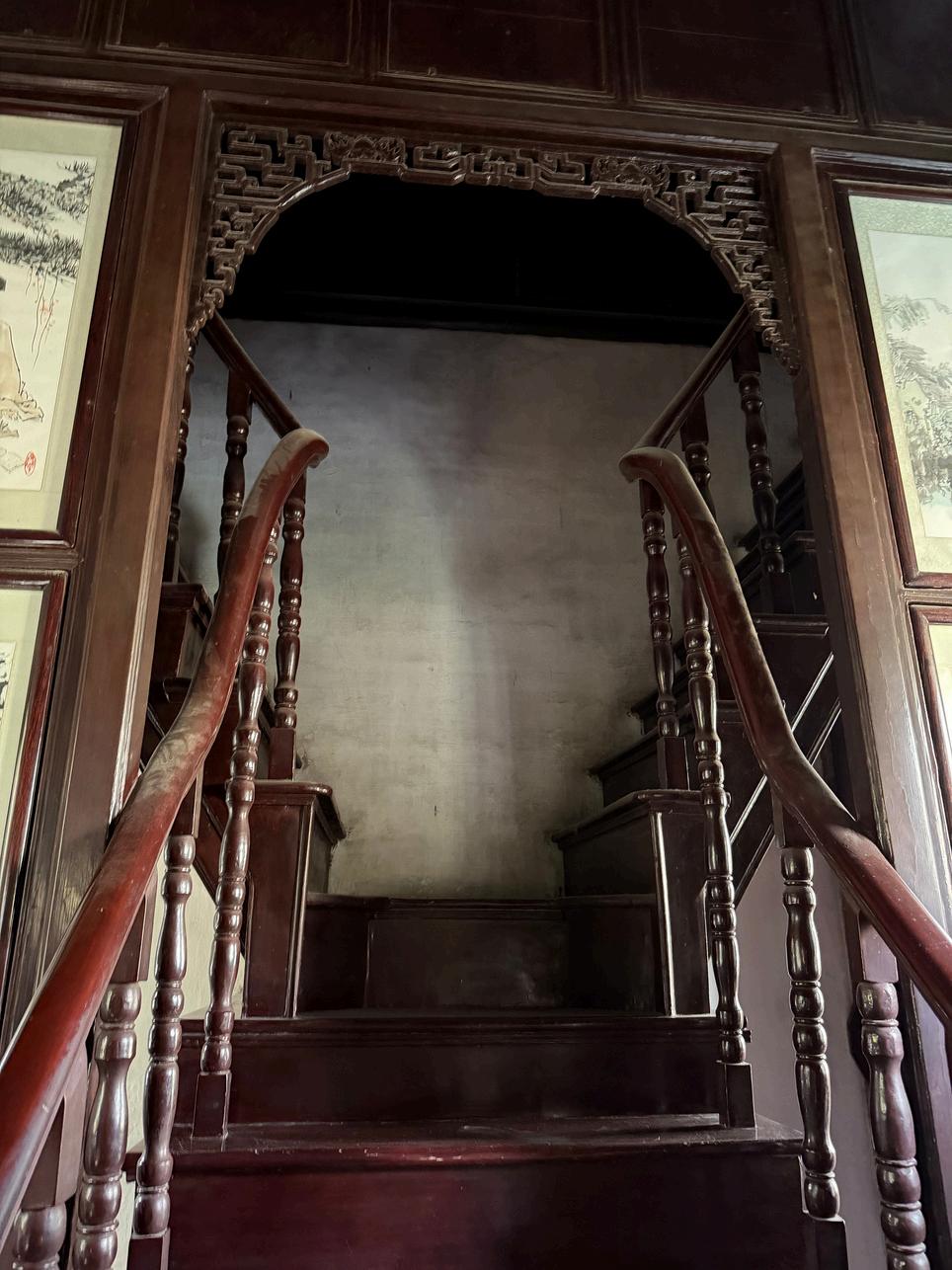
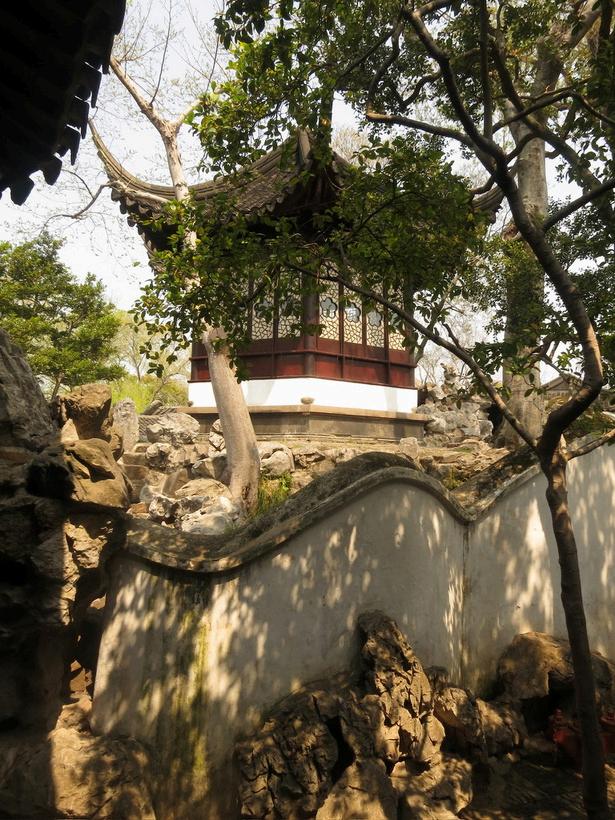
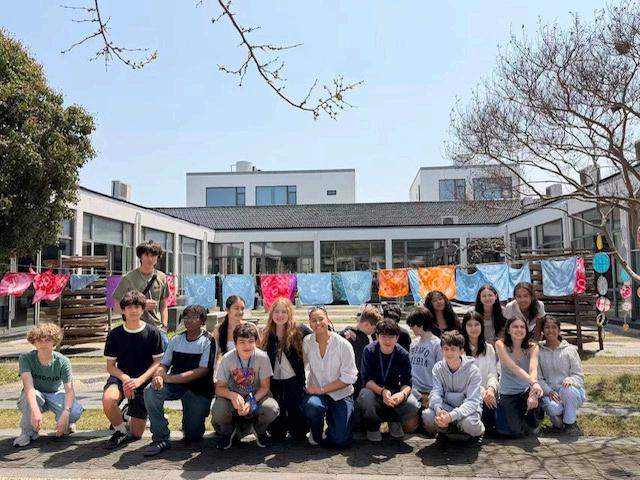
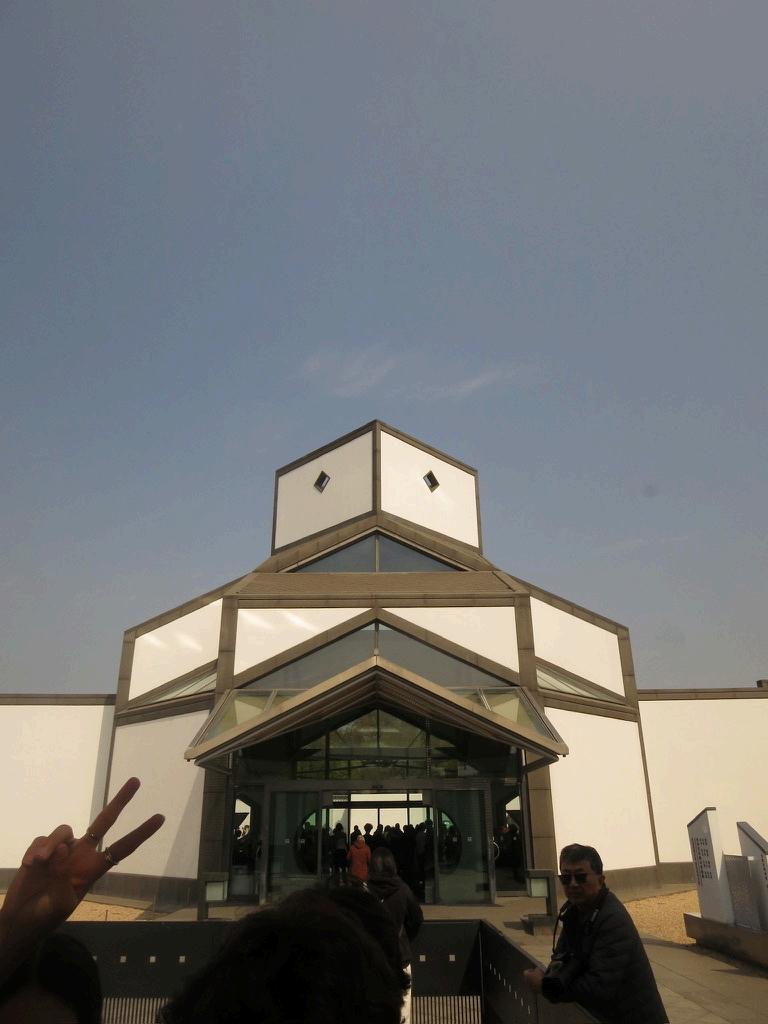
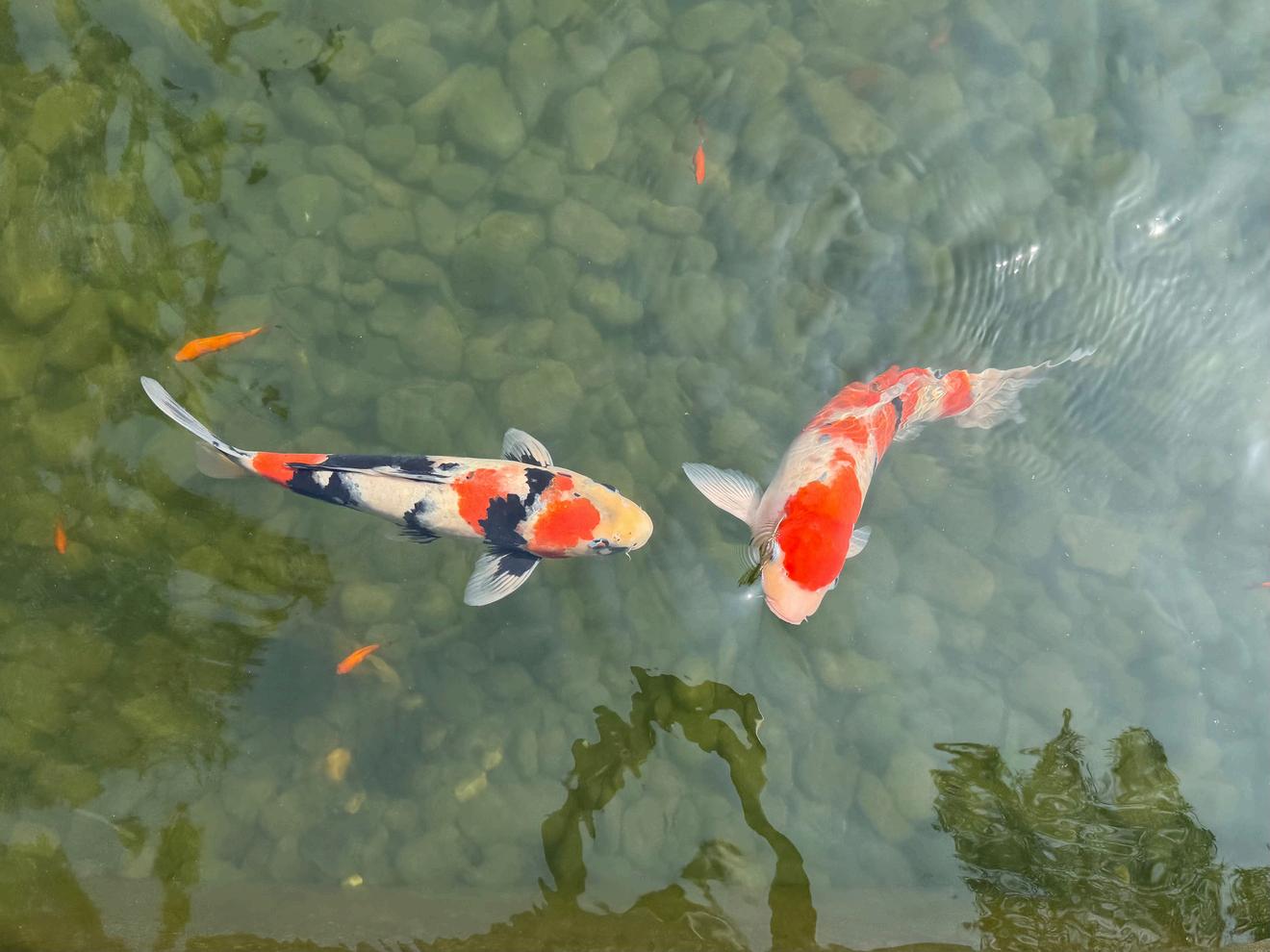
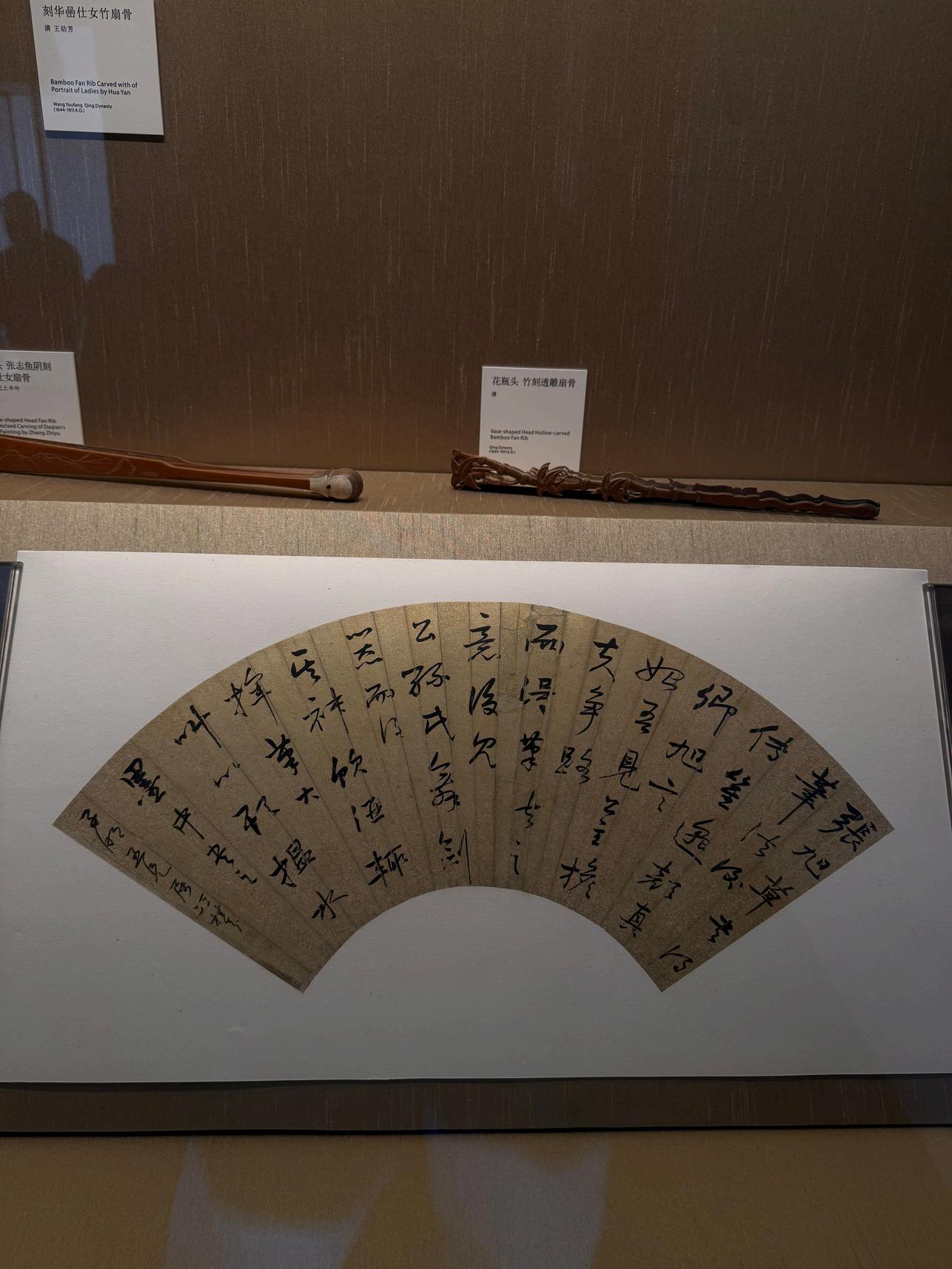
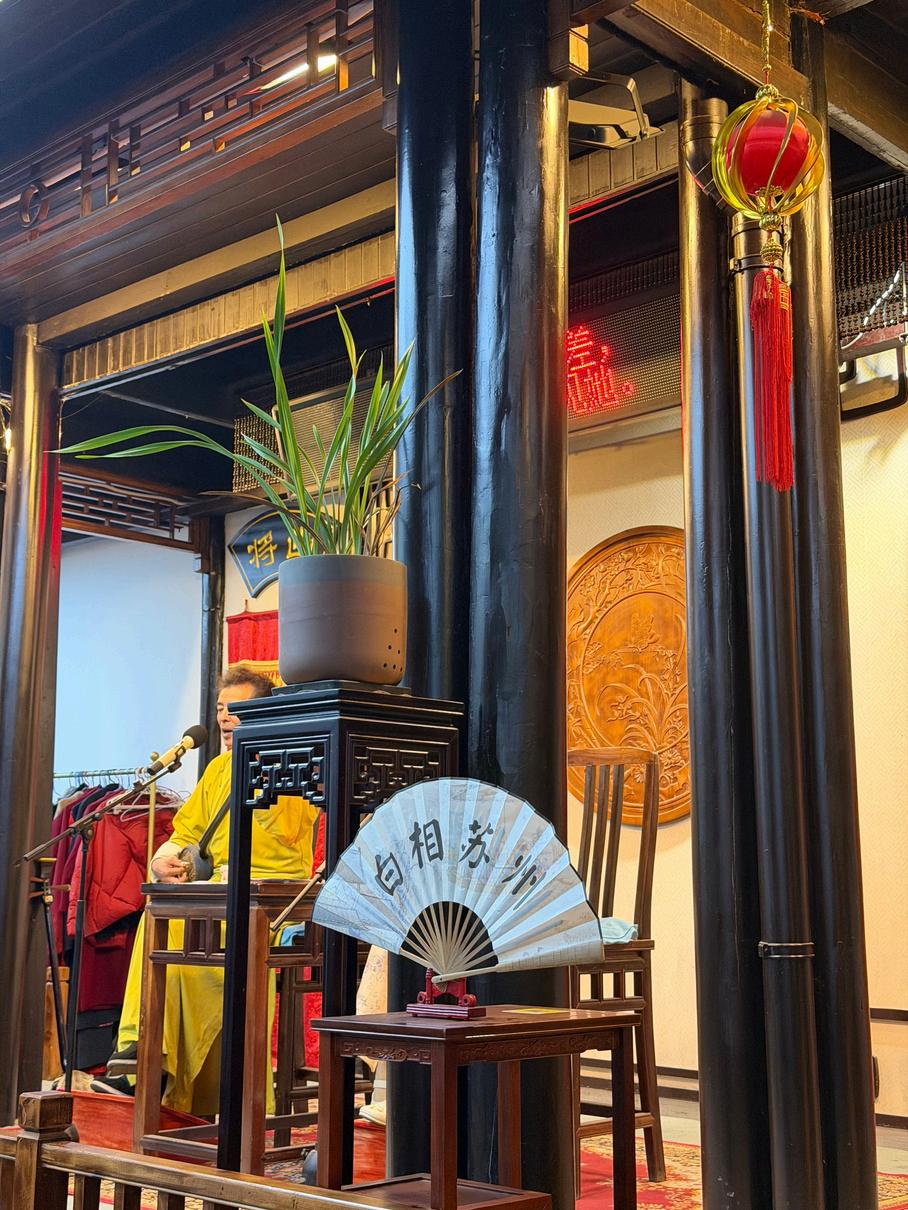
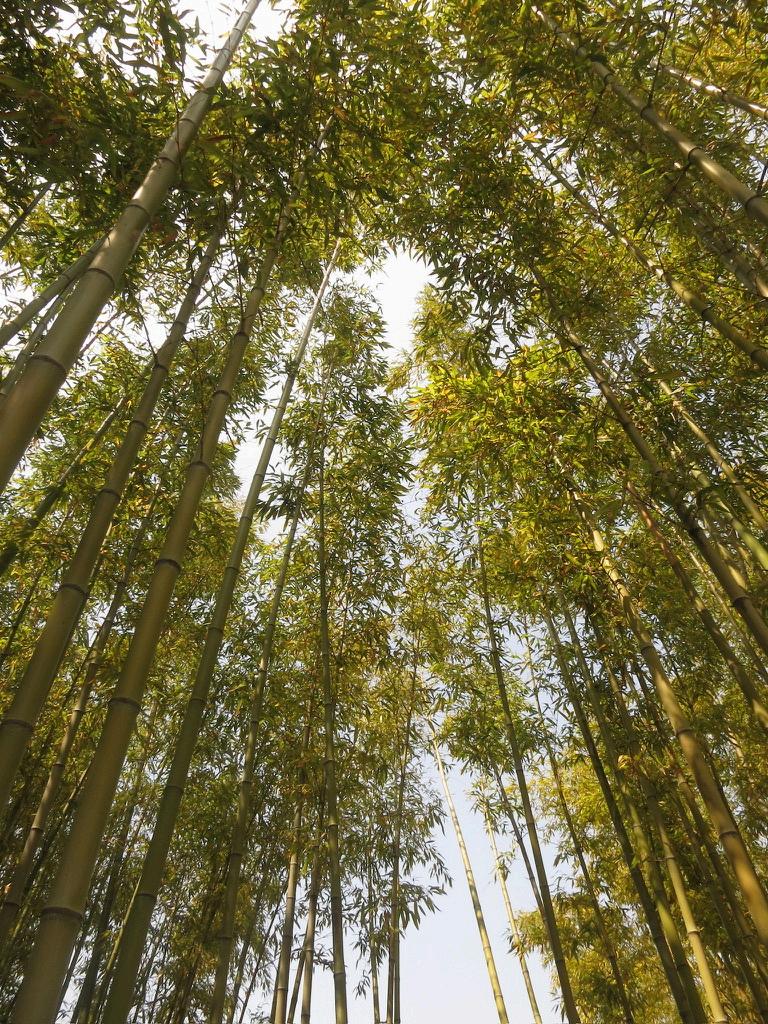
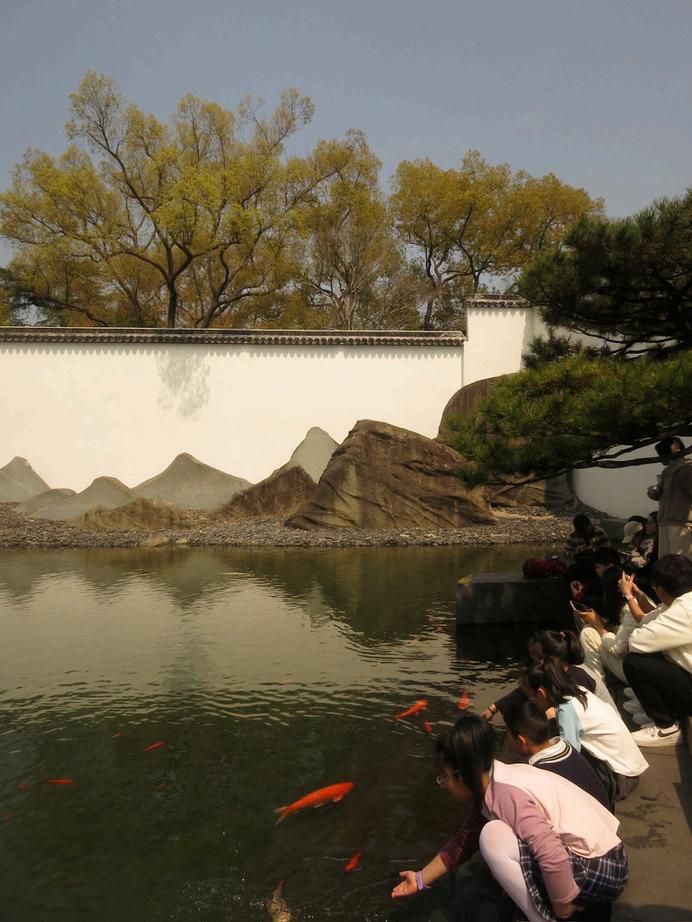
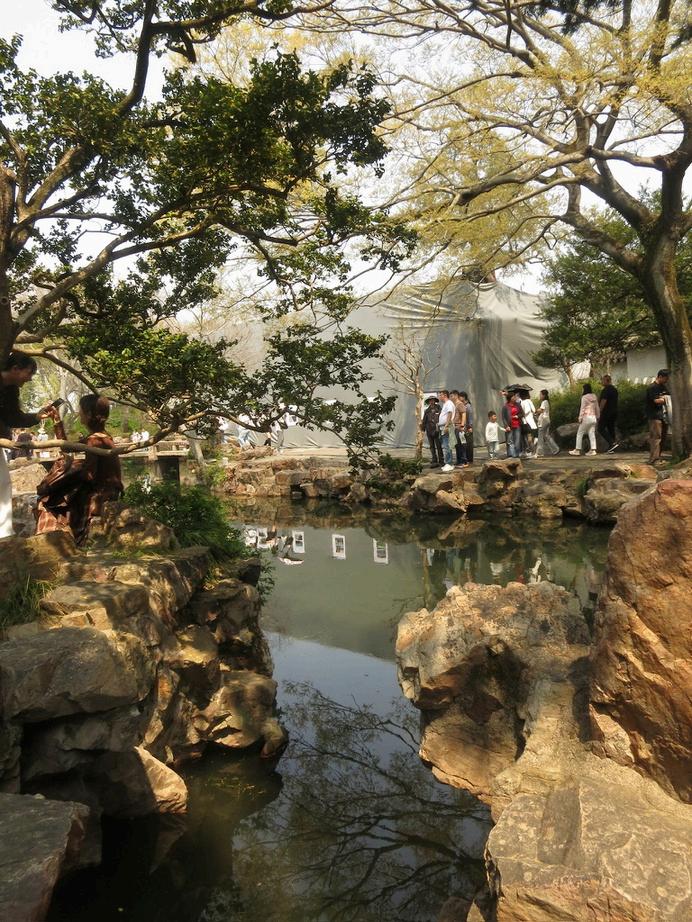
As we look back on our unforgettable journey through China and Taiwan, it becomes clear that this experience was so much more than a school trip. It was a bridge between cultures, a collection of shared moments, and a rare opportunity to learn far beyond the classroom. None of it would have been possible without the dedication, care, and enthusiasm of the teachers who guided us every step of the way.
We would like to extend our heartfelt thank you to Mme. Moratti, Mme. Roussel, and Mr. Charrel for their constant support and energy throughout the trip. Whether navigating busy streets or keeping us on schedule, their presence made sure that everything ran smoothly along the way.
A very special thank you goes to our Mandarin teacher, 卫⽼师 (Mme. Wei). This trip was truly brought to life through her passion and commitment. From the very beginning, she worked tirelessly to plan an experience that was not only educational but deeply immersive and memorable. Her guidance helped us connect with the language, culture, and people in a way that we will carry with us for years to come.
More than just a teacher, Mme. Wei was our guide, our support system, and our inspiration throughout the journey. Her kindness, patience, and enthusiasm created an environment where we felt both encouraged and cared for. We are incredibly grateful for everything she has done for us, not only during this trip, but every day in the classroom. This journey will stay with us forever and so will our gratitude.
Thank you for everything.
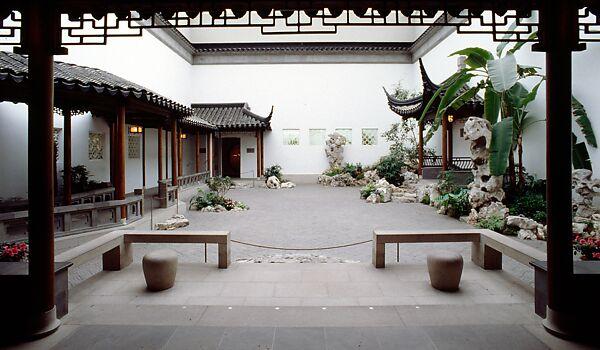
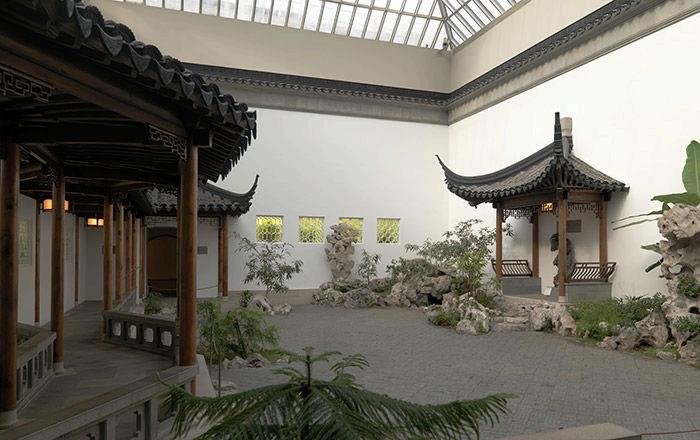
New York city is the location of the Metropolitan museum of art . We both went to this museum together and visited the Astor Court. It is a garden trying to re-create the suzhou gardens in China with materials directly imported from Suzhou (苏州).
在纽约的大都会博物馆有一 座花园,叫“Astor Court”。“Astor Court”花园
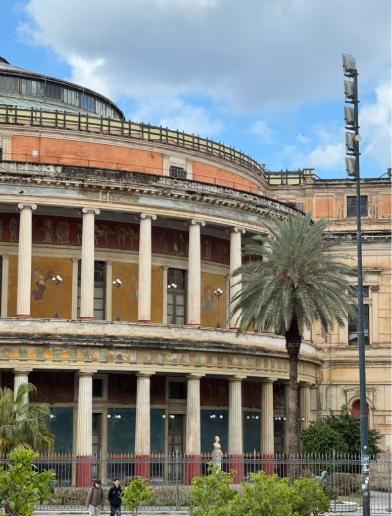
MytriptoSicilywas extremelyfunand educationalandIwas abletolearnand discovermanynew things.Wetouredthe enitreislandinabusand visitedcitiesallaround theisland.
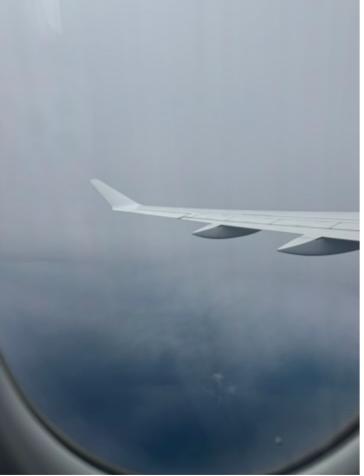
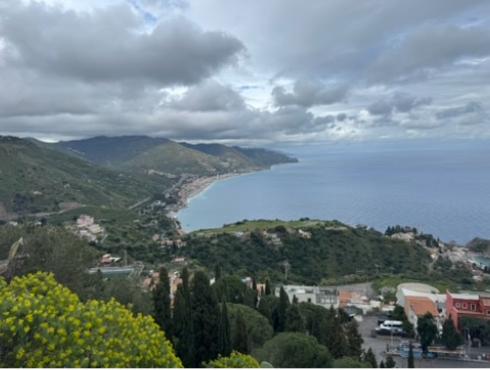
Sicily is a very beautiful island. It is ancient and steeped in history. We traveled to Sicily by plane, a journey that took eleven hours. Sicily is home to many shops and restaurants, and the food is delicious. The houses in Sicily are beautiful; the rivers and bridges are equally lovely and quite fascinating. The capital of Sicily is Palermo. Traveling to Sicily is very convenient. Sicily is my favorite island.
西西里岛是很漂亮的岛。西西里岛很古老,也有很多历史。我们坐飞机去西西里 岛,要十一小时。西西里岛有很多商店和饭馆,食物很好吃。西西里岛的房子很 漂亮,河和桥也很漂亮,也很有意思。西西里岛的首府是Palermo。去西西里岛
旅游很方便。西西里岛是我最喜欢的岛。
By Nina Hickox
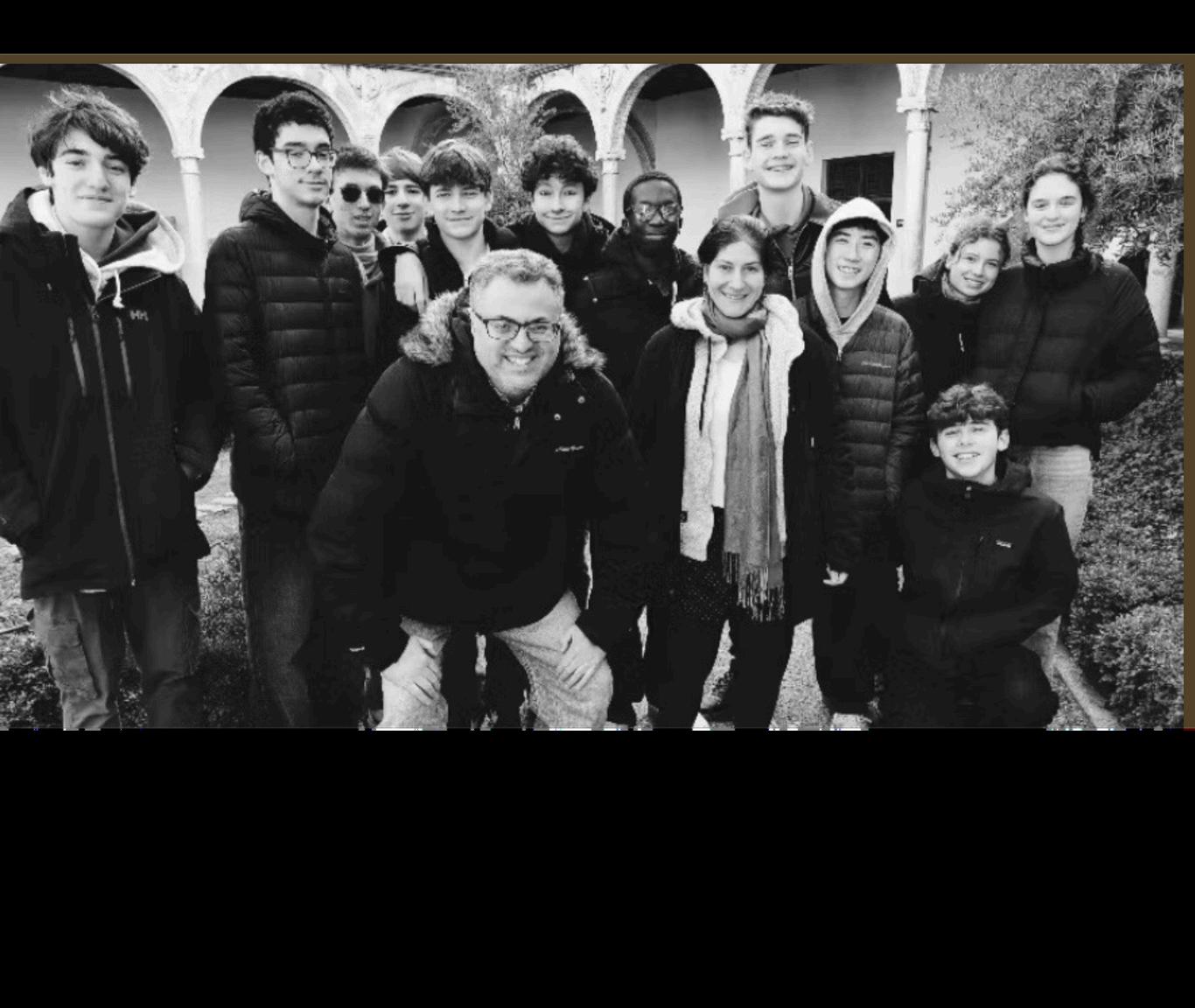
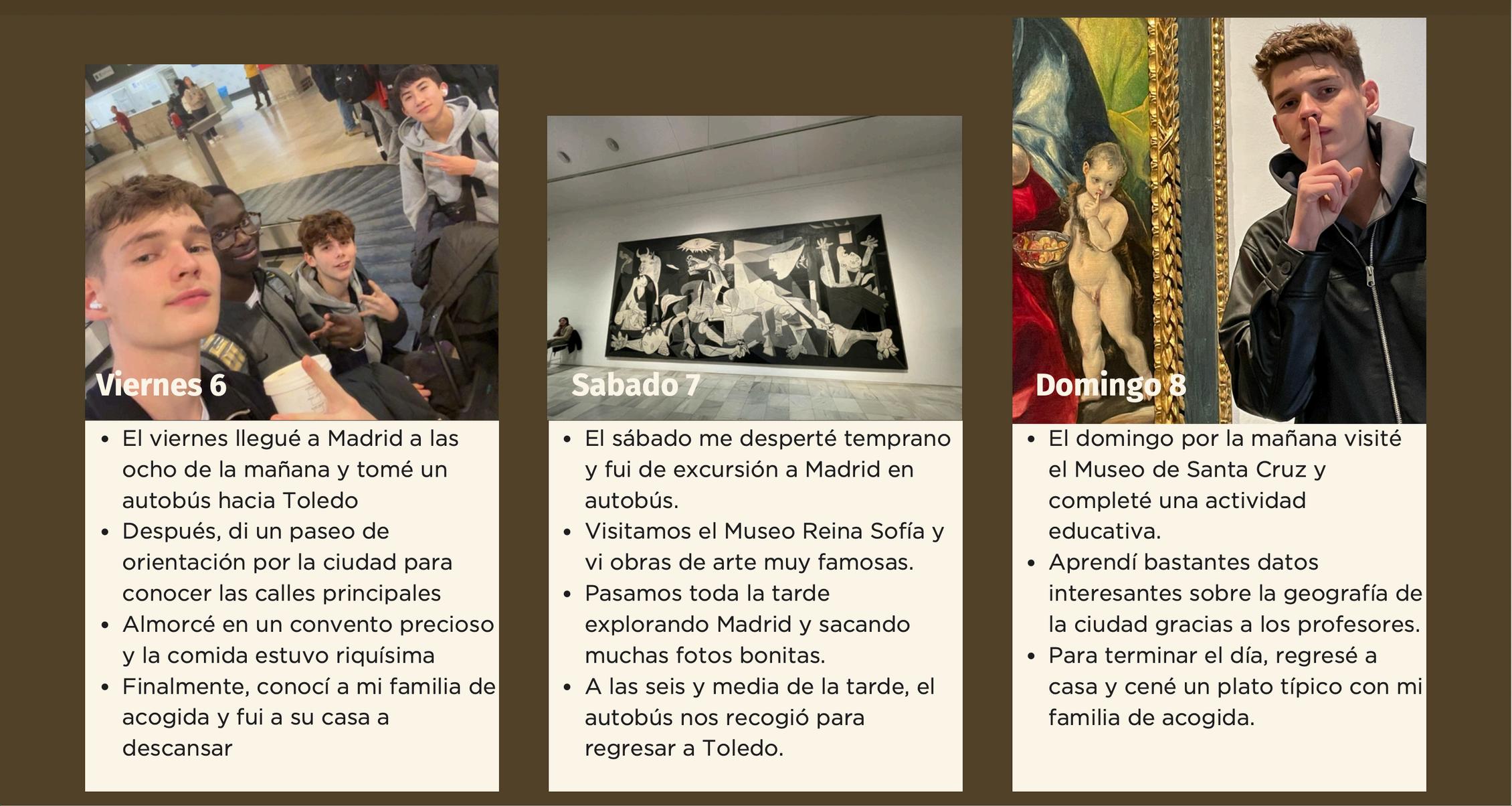
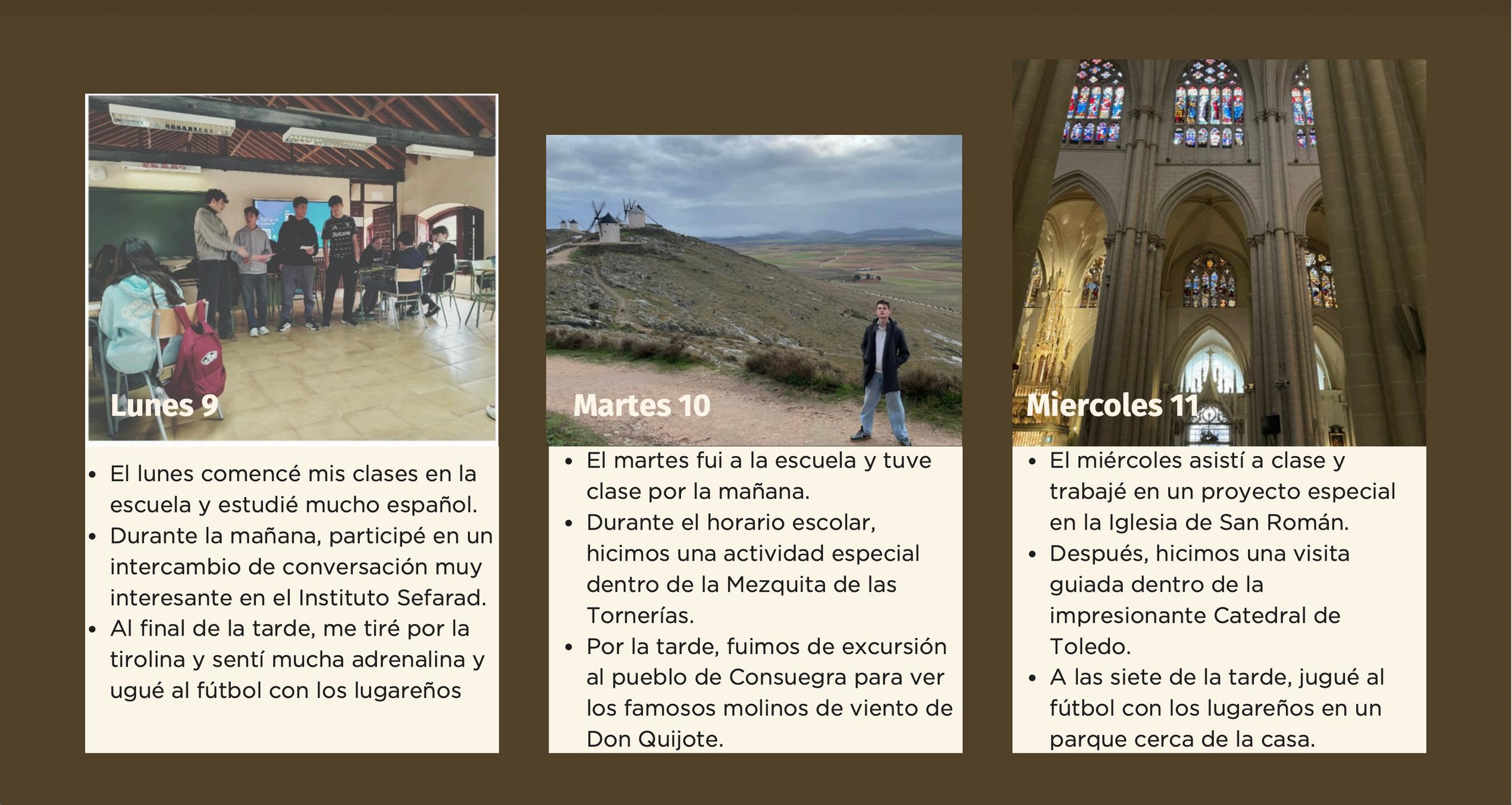
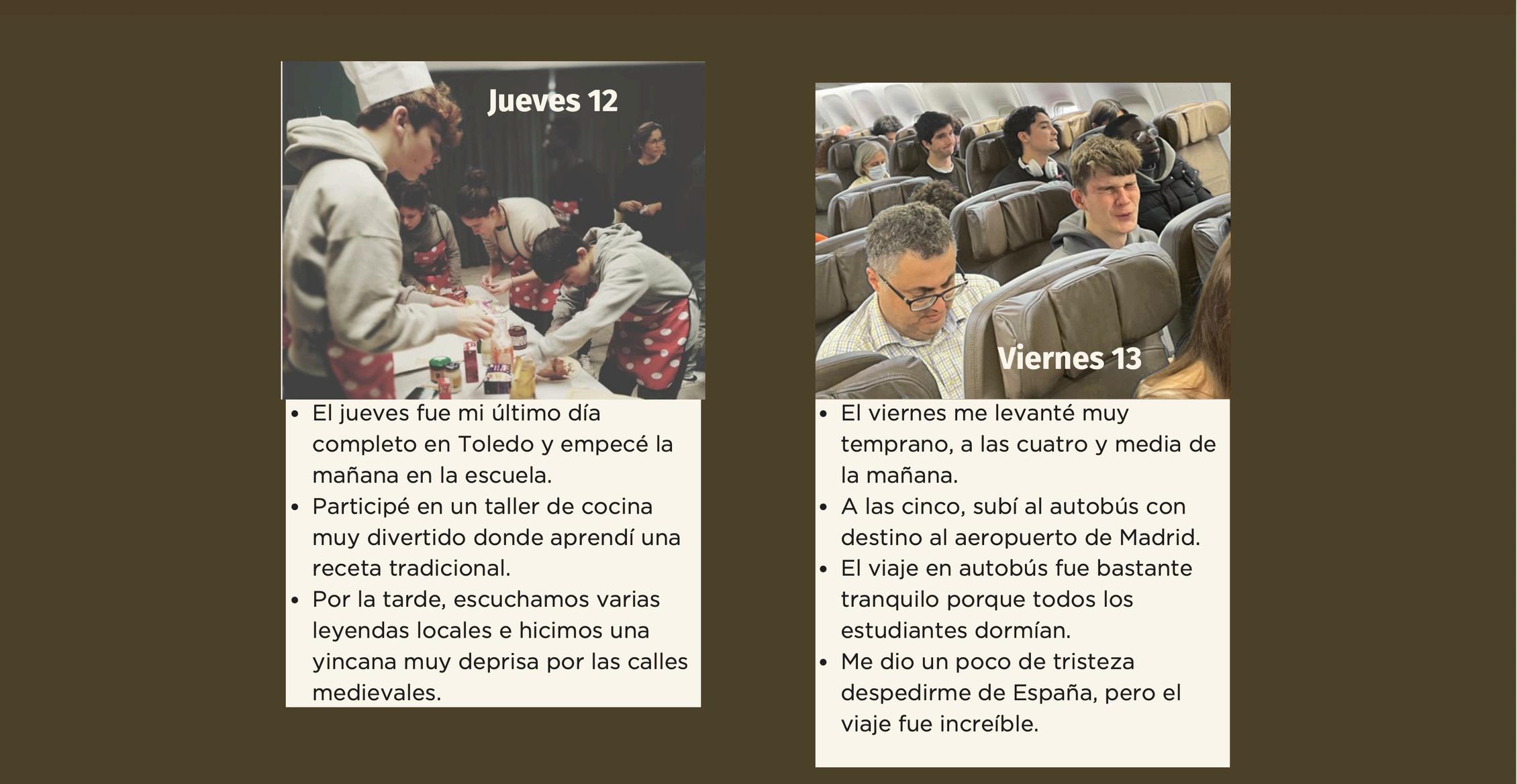
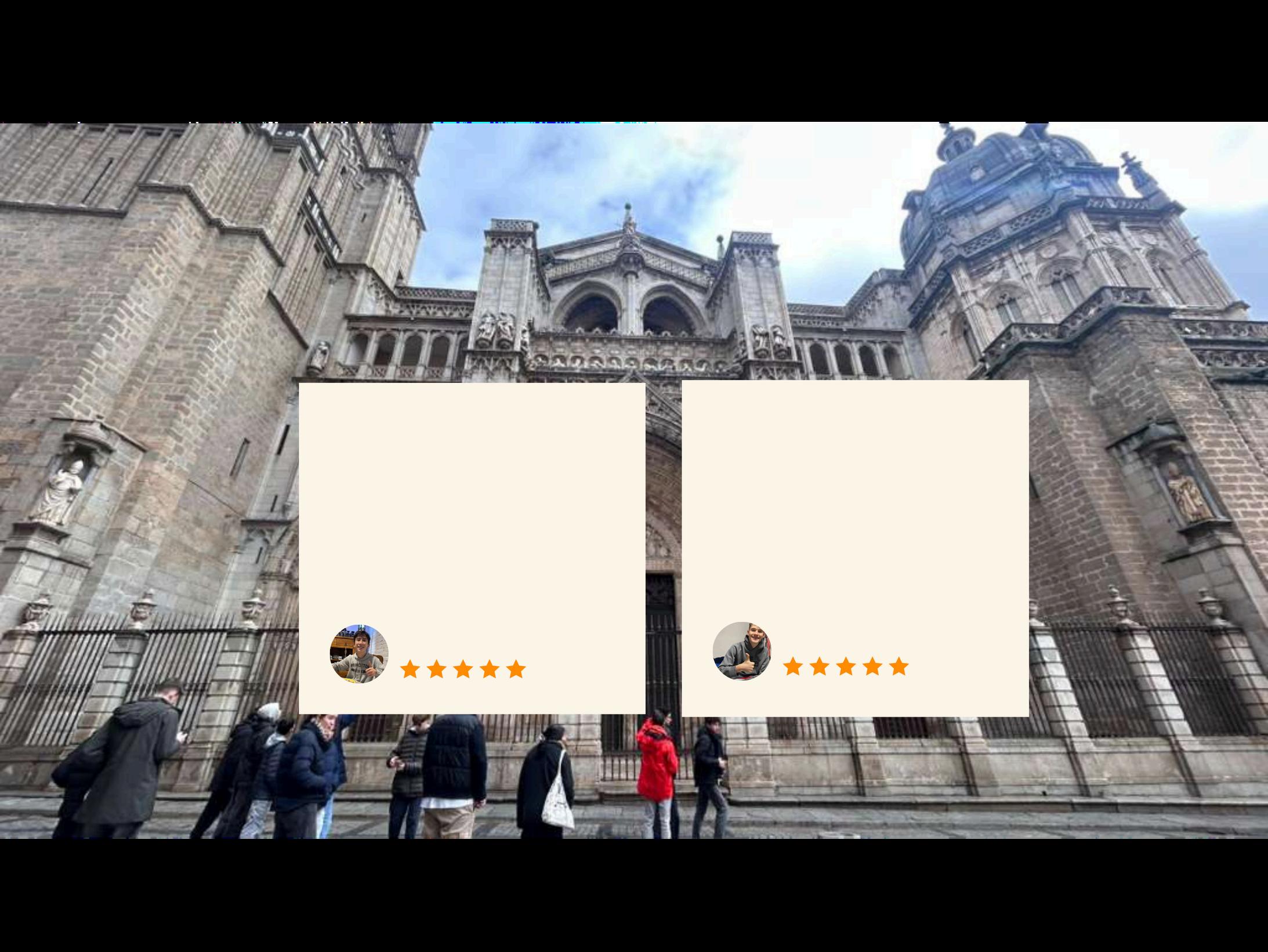
"¡Meencantóesteviaje!Estoy muyfelizdehaberpodido aprendertanto españolyconocerunanueva cultura ¡Mipartefavoritafue poderpasartiempoconmis amigosyjugaralfútbolconlos lugareños!"
"¡Esteviajefuemuydivertido! Meencantómejoraraúnmás miniveldeespañolyvisitar todoslosdiferentescentros culturales Tambiénme encantópoderpracticarmi españolconloslugareñosy conmifamiliadeacogida"
Sammy-AtallahHorwich
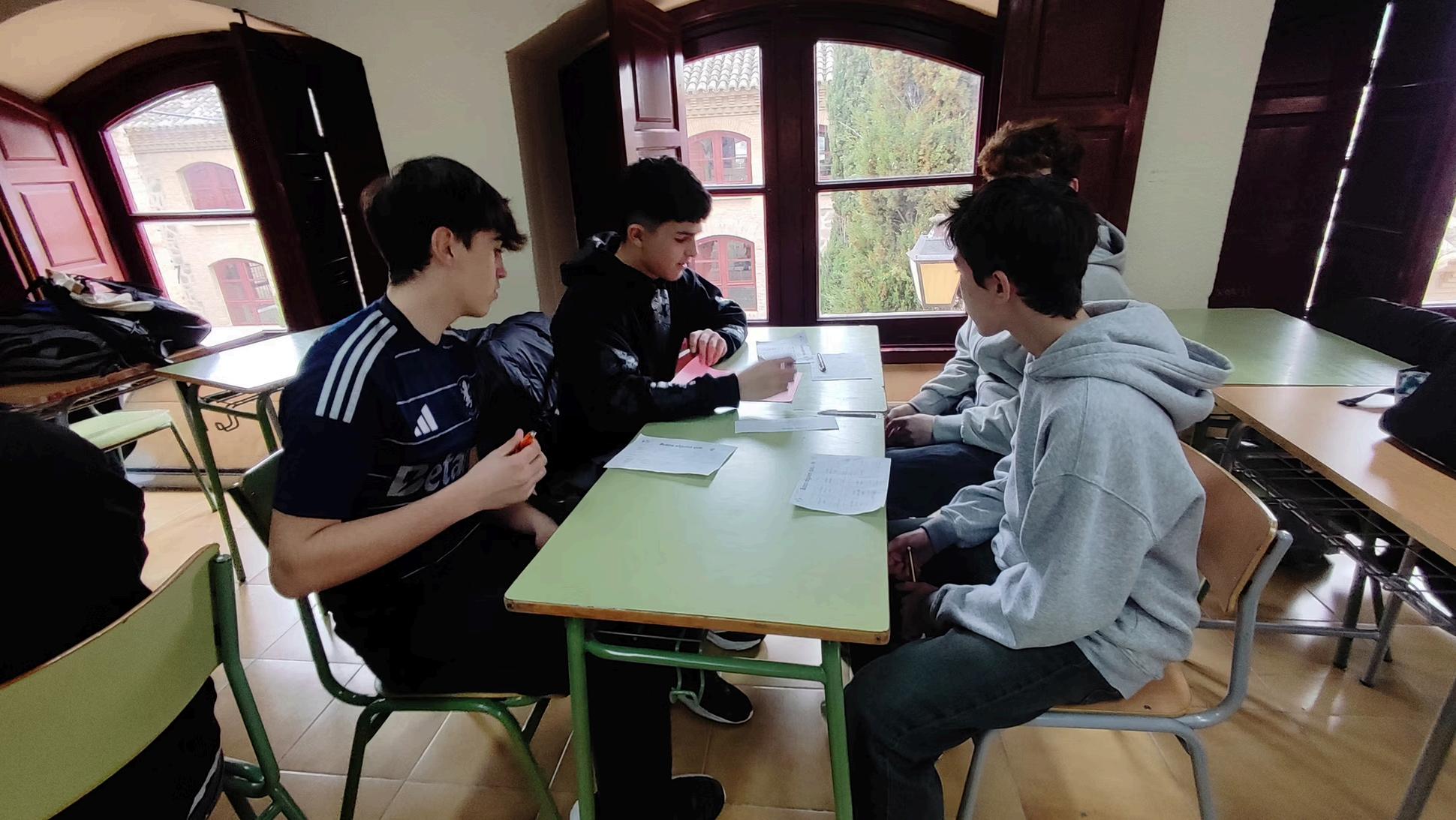
During the Arabic trip in Morocco, we did a workshop with our Art and Math teachers, Mr. Campanella and Mr. Ulysse, in which we learned more about tessellation, mosaic, and Delacroix's famous paintings of Moroccan landscapes and people. The first workshop we had was about tesselation, a pattern of geometric shapes that fit together perfectly without any gaps and can repeat in all directions infinitely. We also did our own patterns with various shapes, and we learned more about the three main rules of tessellation.
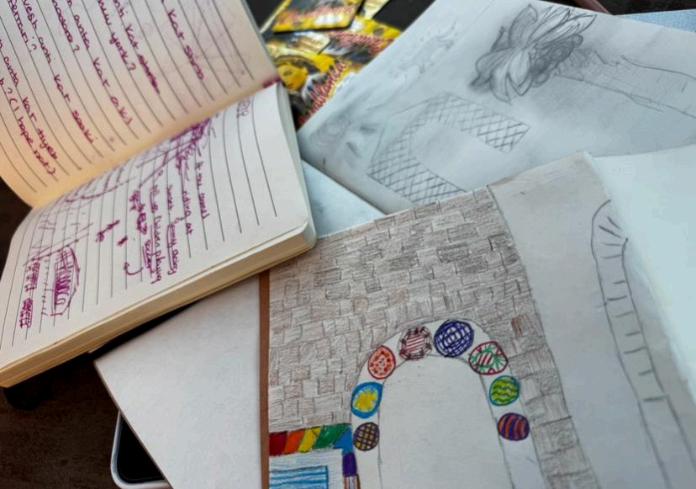
After the math class with Mr. Ulysse, we had an art class with Mr. Campanella, in which we learned more about Delacroix's painting of Morocco. Delacroix is one of the most significant artists of the 19th century. He left for Morocco in early 1832, and, curious about everything, he collected notes and drawings in his notebooks, which he later turned into paintings. Inspired by Delacroix's work, we illustrated our favorite moments of the trip in our sketchbook, which was a calm and relaxing activity.
Zena Bernasconi and Chloé Grivel
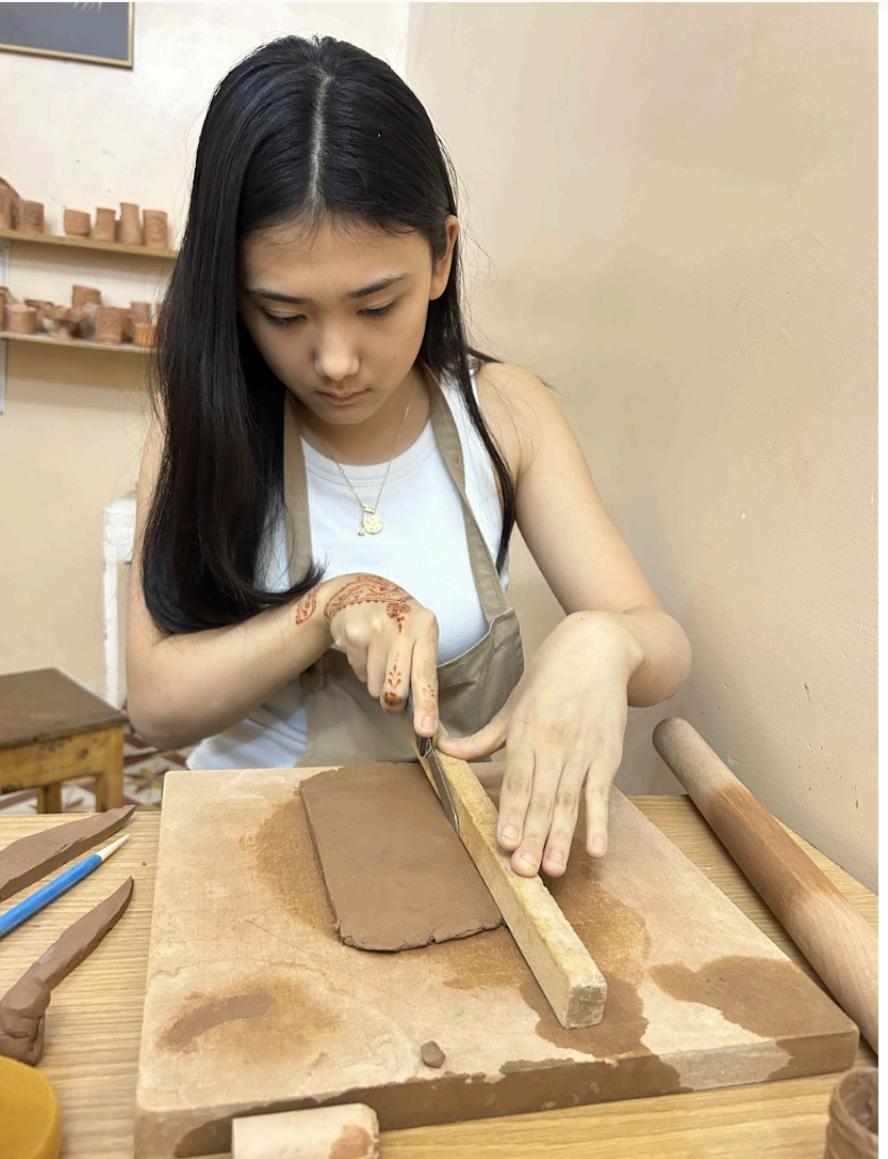
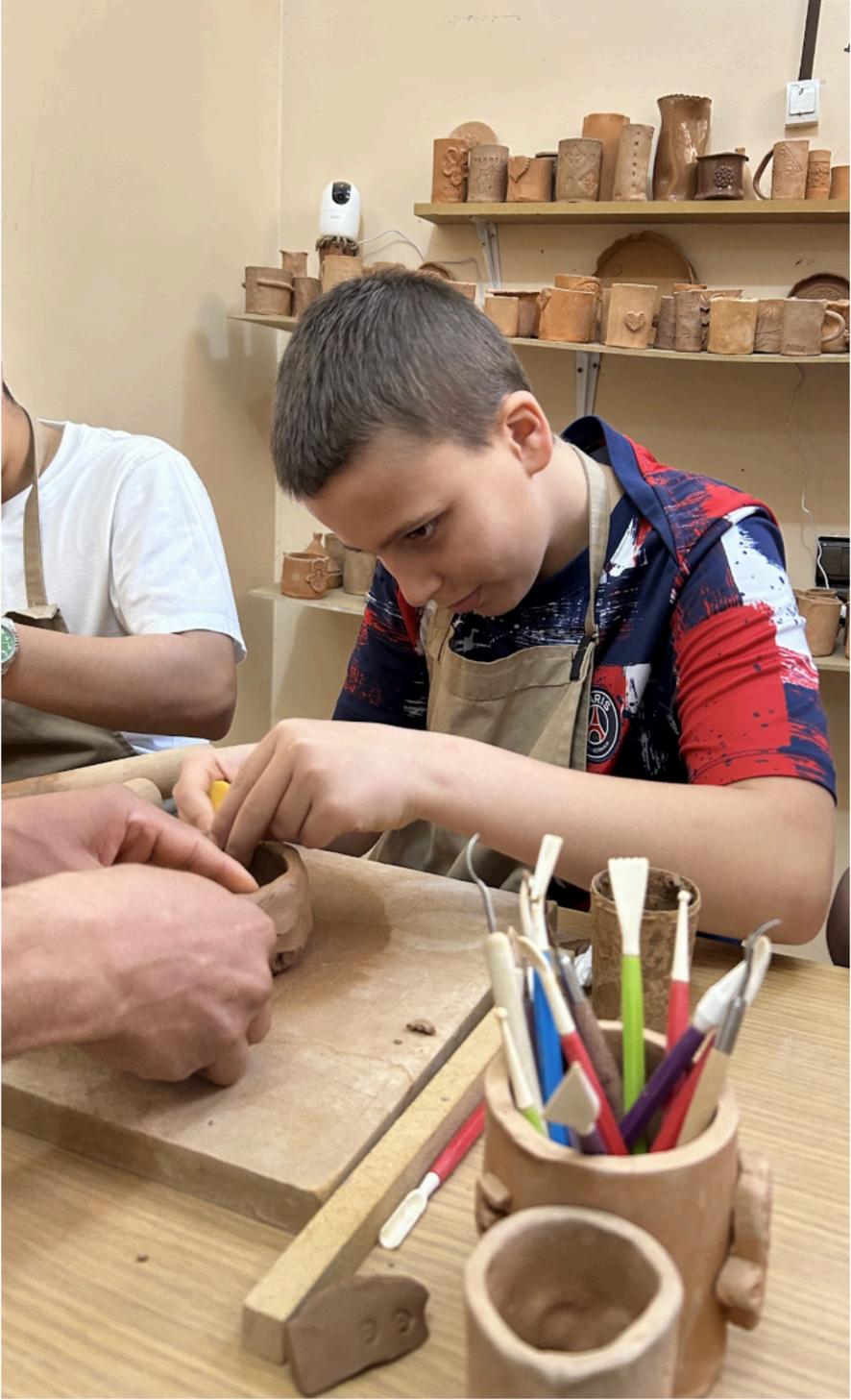
We arrived at the pottery place and received a very warm welcome from the workers who greeted us in Arabic. We each sat in a different workshop and started to break down the clay. Once we flattened it out, we each chose to sculpt a different sculpture I made a coffee mug but others might have made a bowl or maybe a plate.
This time it was wet clay, so it was easier to sculpt, but it made your hands and arms very dirty, which took us each 15 minutes to scrub off. The next day, we went back to gather our masterpieces and got to take it back home to New York. It was a great experience to learn, all while having fun with your peers and teachers
Yanis Ghenania, Eamann Derouach
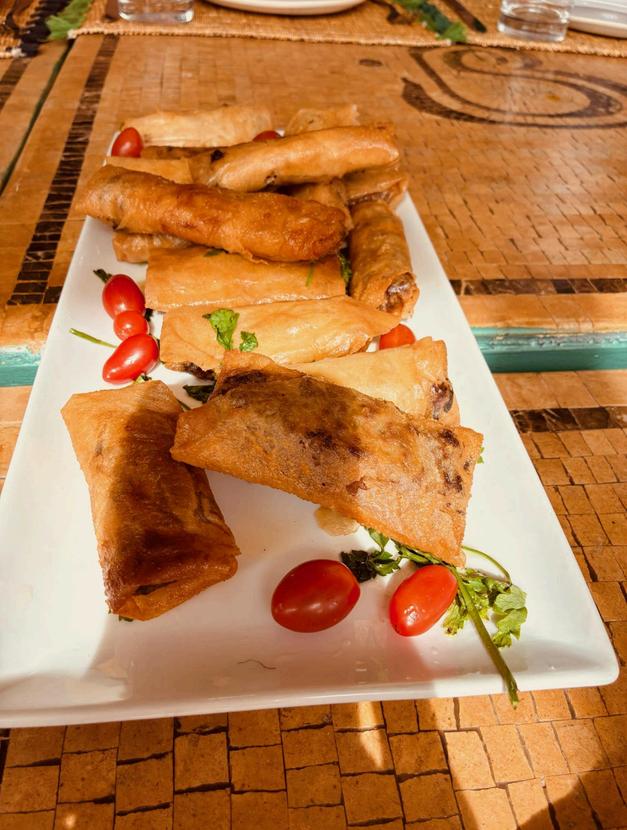
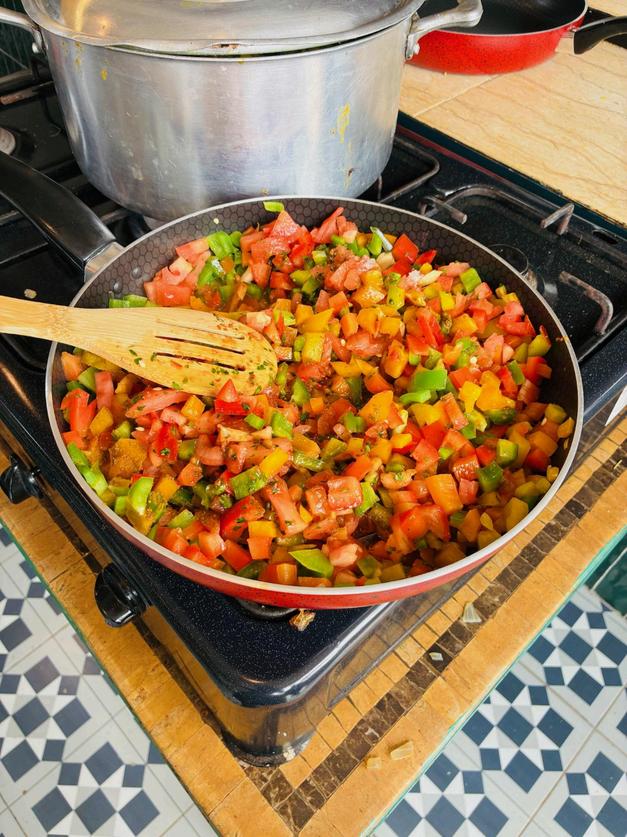
We cooked many Moroccan dishes on our trip: chicken tagine, Moroccan salad, and briouats. We used local ingredients, including Moroccan spices, and even learned their names in Arabic. After successfully cooking everything, we tasted our own creations and shared our dishes with everyone. It was delicious, we had a lot of fun, and it was a pleasure sharing what we had cooked with others. This experience taught us patience, as Moroccan cooking takes a long time (we cooked for 2-3 hours). It also taught us teamwork, since we worked in groups and separated our tasks, and how to create scrumptious food from scratch. I felt prouder to share something I had made with my own hands than if someone else had cooked it for me.
Cleo Perron and Lilya Fathi El Idrissi
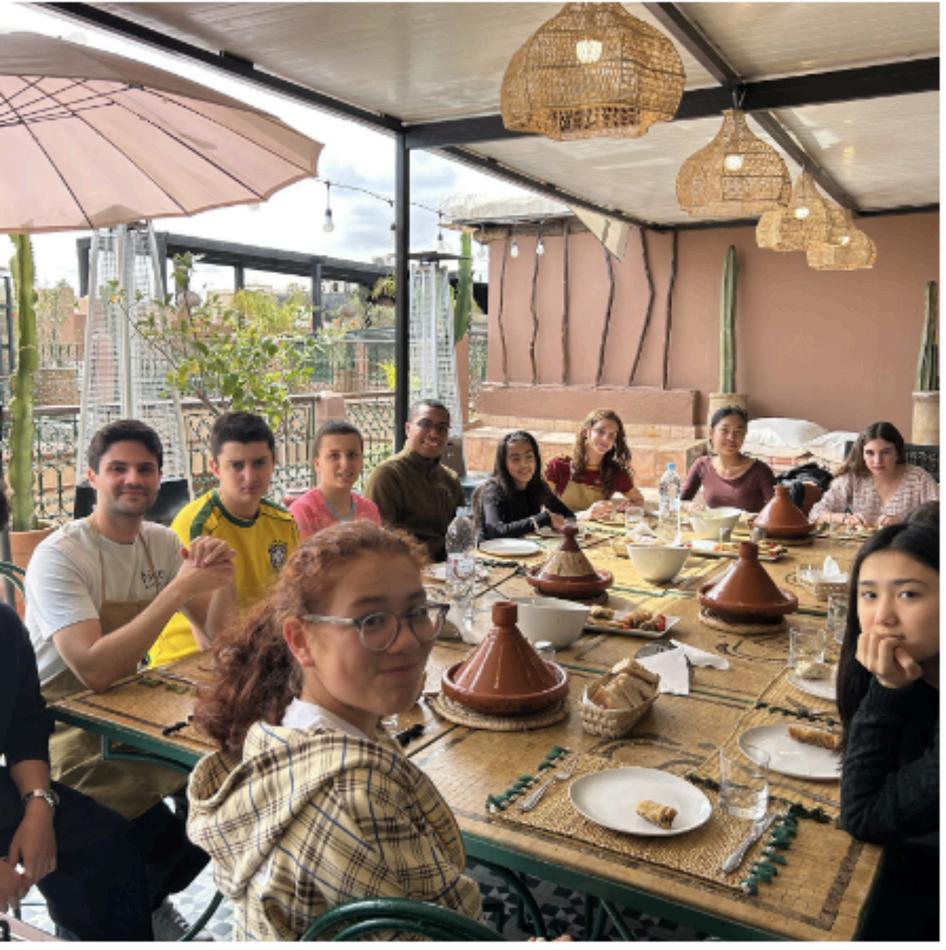
Our Marrakech trip with the Arabic class shaped our understanding of the language we use every day To us, Arabic felt very structured before the trip. With a heavy focus on the language components from one classroom, like pronunciation, grammar, and vocabulary, the language felt very slow. Upon arrival in Morocco, we felt the language come alive; the endless possibilities of the language made the class experience feel small.
The moment we landed, we felt the language change. It sounded different from Modern Standard Arabic. It sounded different than what we learned in class It took time to hear. Hearing different forms of Arabic being used around us and in every corner made us feel part of Marrakesh. At first, it was dull, but we started to hear recognizable Arabic, and it changed how we felt around the city. It made me understand that it is unimportant to understand a language fluently at some point, it is more important to experience living the language. A little at a time, a little at a time.
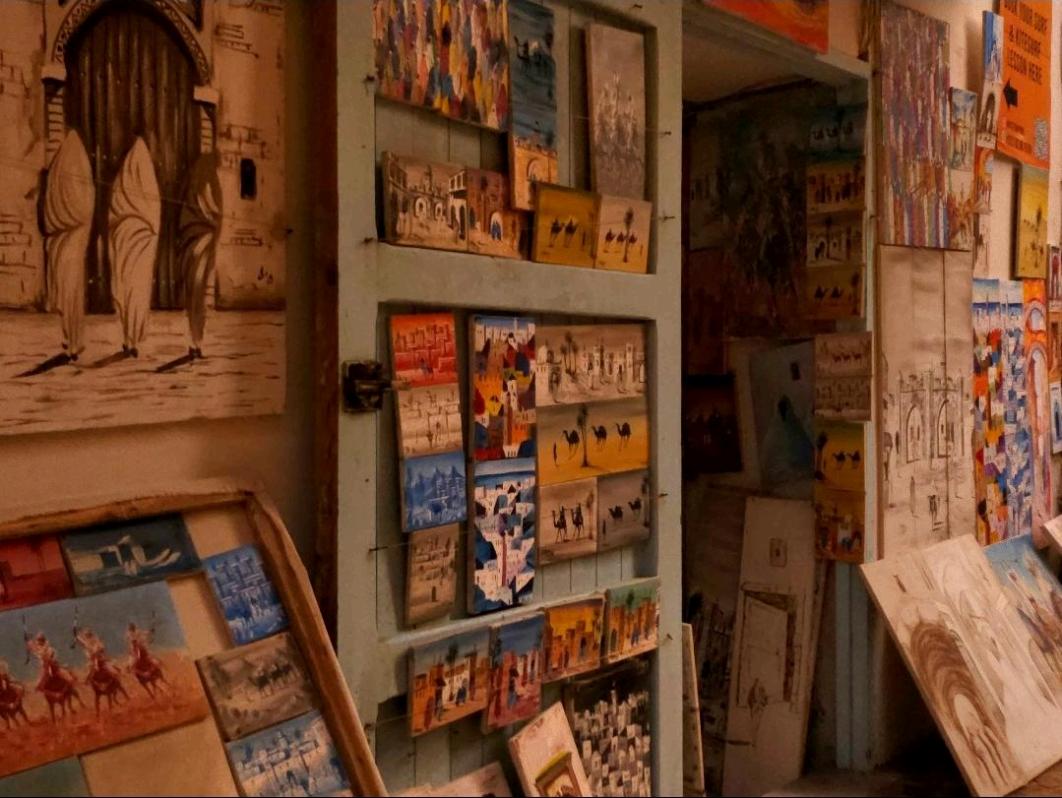
The trip stood in the memory of all of us, how just a little Arabic changed everything we had learned and prepared. It felt like we had been there before. At every corner, every market (قوﺳ), we felt different forms of Arabic being used around us. We remember learning a phrase to bargain with: “Affak ana taliba !” This language and the sounds were not what we learned and spent time listening to, but we took in every word, staying keen and curious. We were excited to see the organic way in which different languages were used in conversation. In most instances, people spoke in Arabic, switched to French(ﻲﺳﻧرﻓ), and every once in a while touched on English(يزﯾﻠﺟﻧإ) We then used the same languages to respond We couldn't always find our words in Arabic, so we used French, and relied on gestures. We could even be understood. This flexibility and adaptability, without a formal structure, made us look at language in a different way. This was a clear departure from a fixed way of looking at language to a more dynamic way, and communicative approach. We made lots of mistakes every day, and we felt less nervous about making mistakes, because we understood that communication can still happen in a way that everything isn’t completely correct.
Our experience showed us the value in speaking Arabic at a basic conversational level. We were able to shrug off the fear of being wrong in speaking Arabic. This was most noticeable in Marrakech, because it showed us that Arabic was not simply a school subject(ﺔﯾﺳردﻣﻟاةدﺎﻣﻟا), or an abstract academic language, but rather a versatile and useful language that offered different ways of expression every day
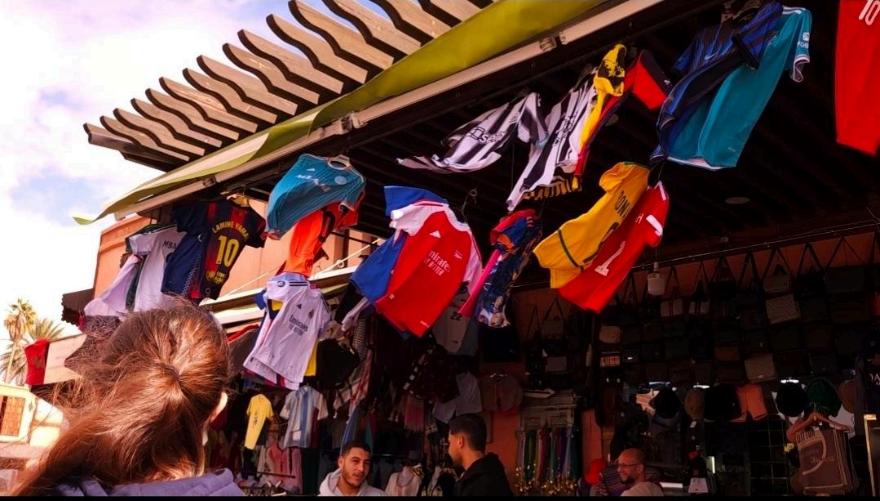
Our perspective and motivation on learning Arabic further evolved to appreciate the more functional side of language, and also the communicative purposes of the language, instead of solely learning the language text books (بﺗﻛ)to pass from one grade to the next.
Amani Guerre, Nora Luisa McCarthy
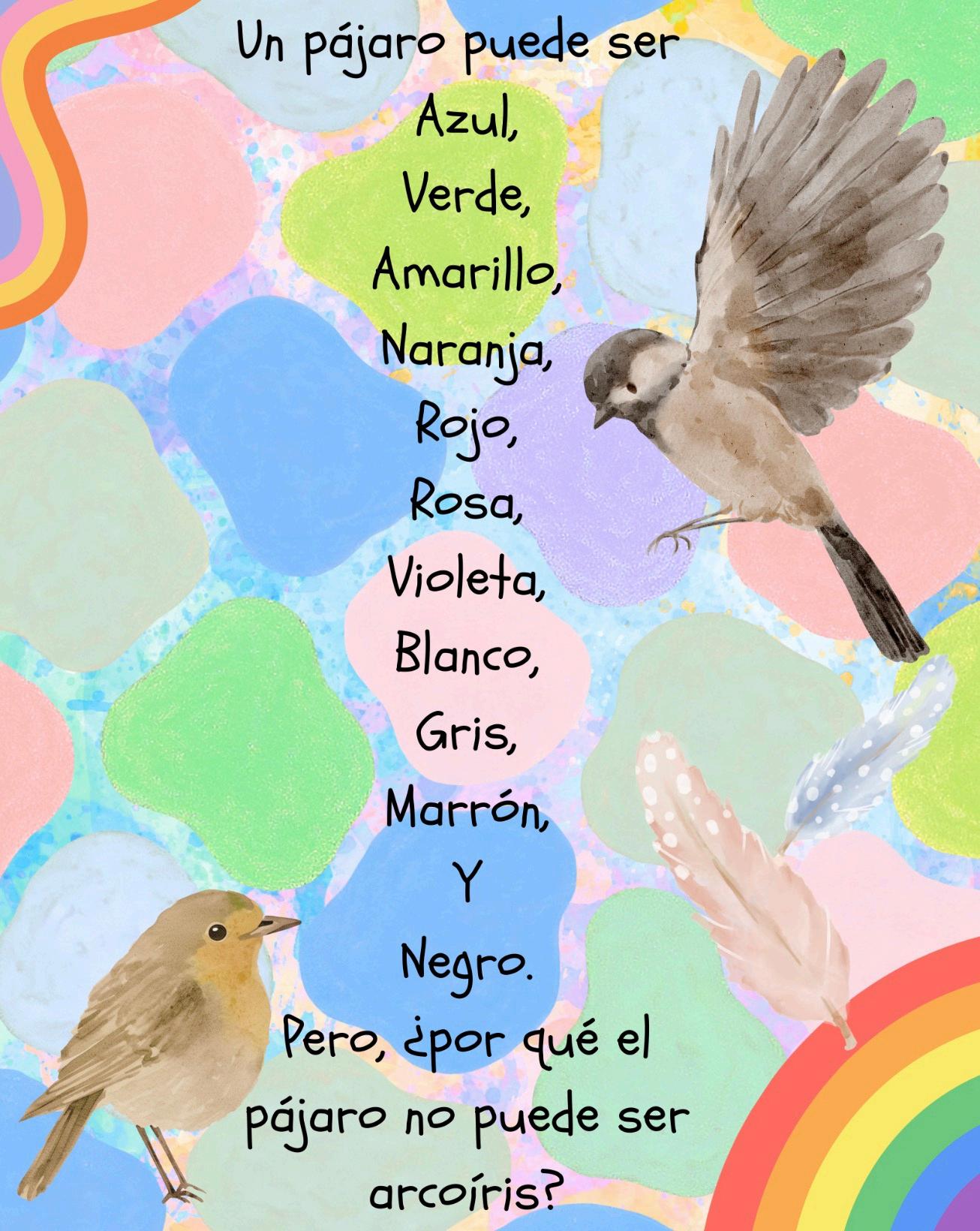
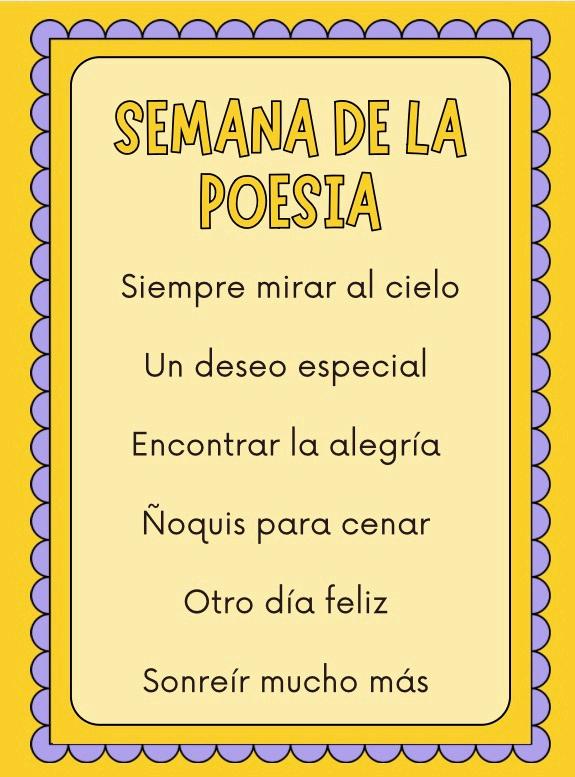
El joven que conocí ayer
El fuego que se alza de mis manos emana de esta pluma. Con ella escribo deseos de un niño omnisciente. Mis deseos, mi energía consumida, por un amor que temo, una sombra imaginada, alucinaciones
Sé que un día, el ángel del que sueño desde los doce bajará del cielo hasta este papel, al cual confieso lo que no sé.
Ayúdame, guíame porque temo ahogarme en estas olas matadoras de la juventud las alas.
“Mi niño, no te rayes”, dice mi mamá.
Aunque cree conocerme de verdad, no sabe quién soy.
¡Olé! dice la calle escucha. ¡Adiós! el amor se va. El joven que conocí ayer me entendió mejor que nadie.
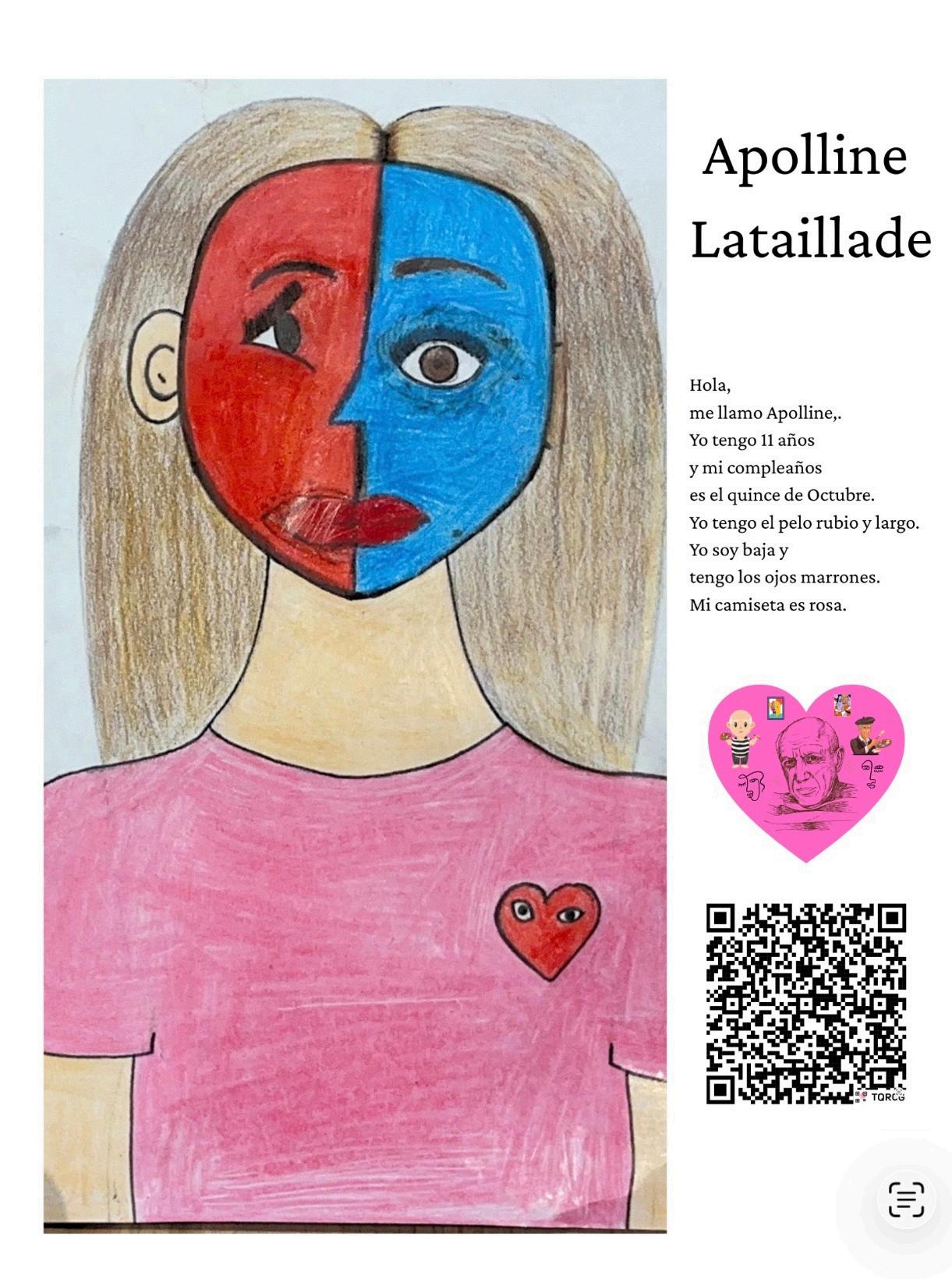
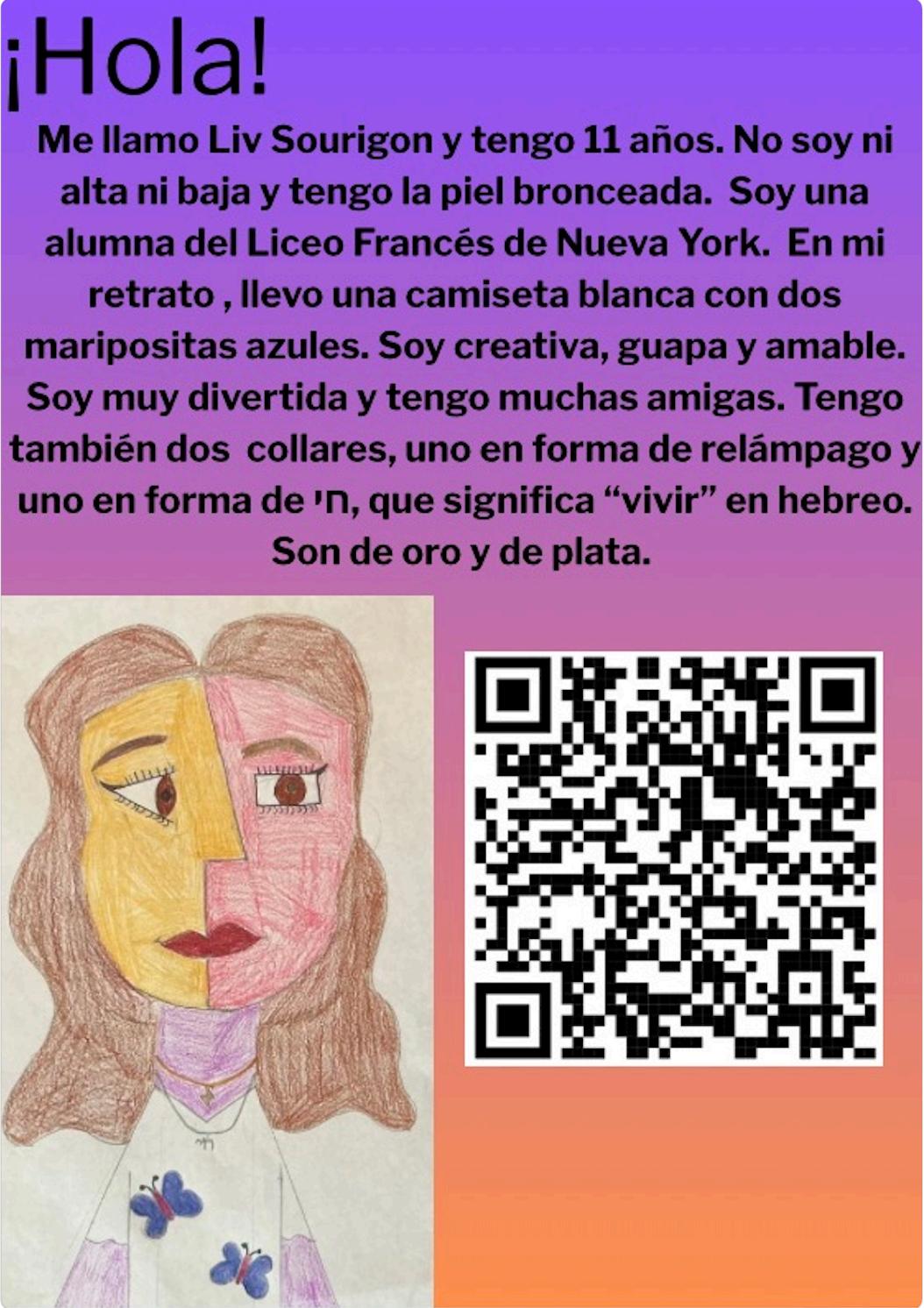
Les élèves de 6e ont réalisé un autoportrait cubiste inspiré de Pablo Picasso. Ils ont ensuite enregistré une présentation orale en espagnol dans laquelle ils se décrivent et présentent leurs vêtements. Un QR code associé à chaque œuvre permet d’écouter leur présentation et de découvrir leur travail.
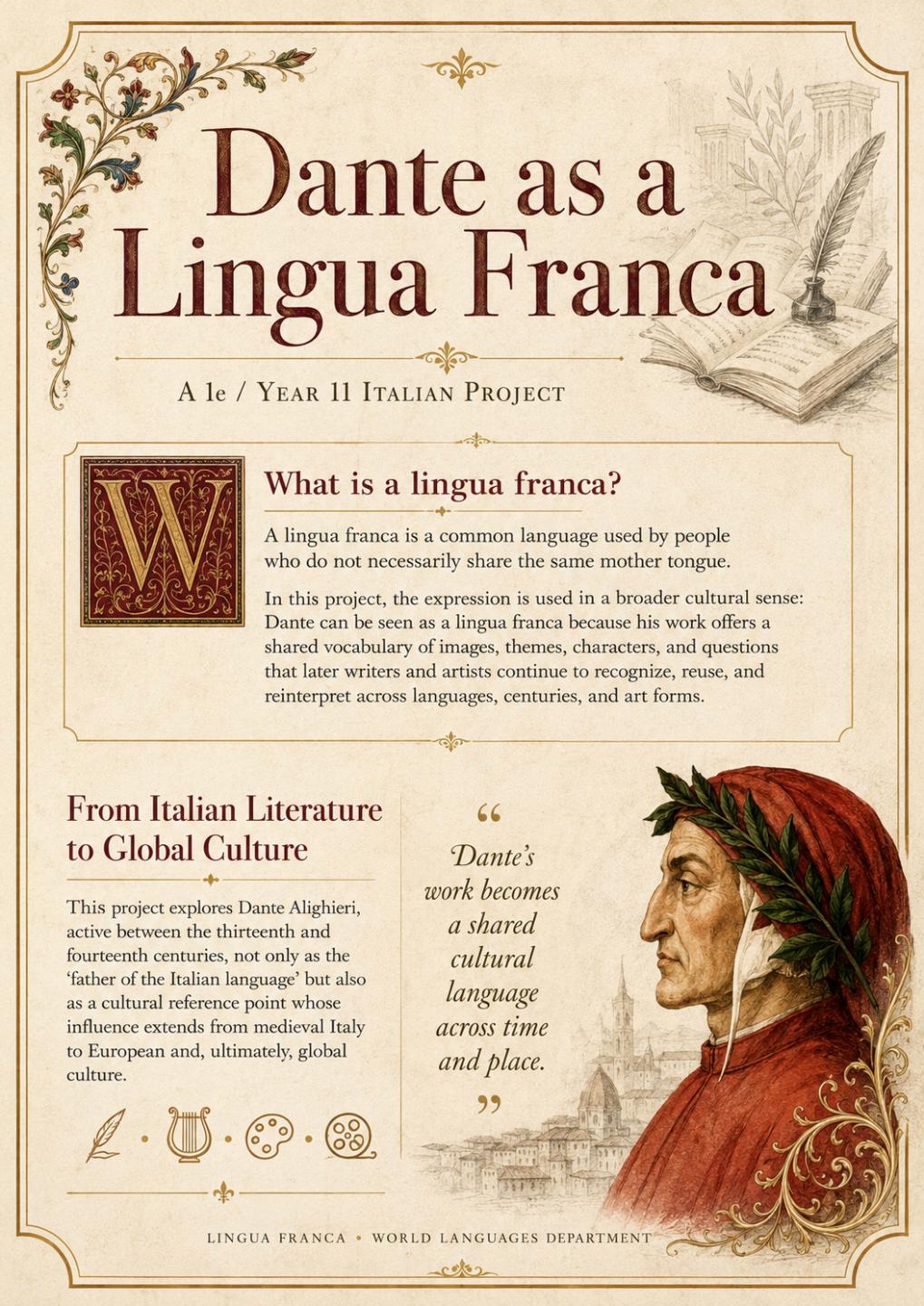
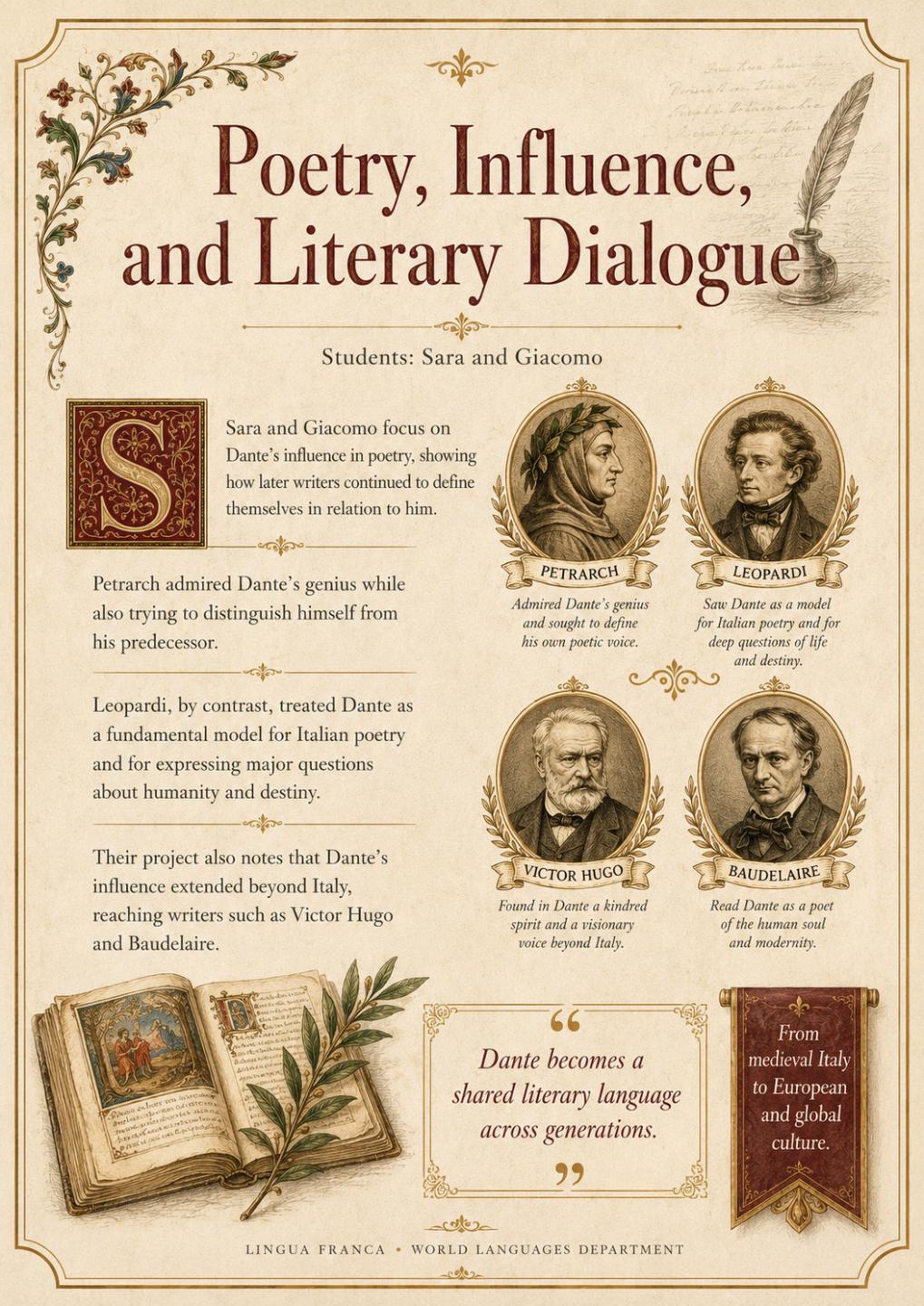
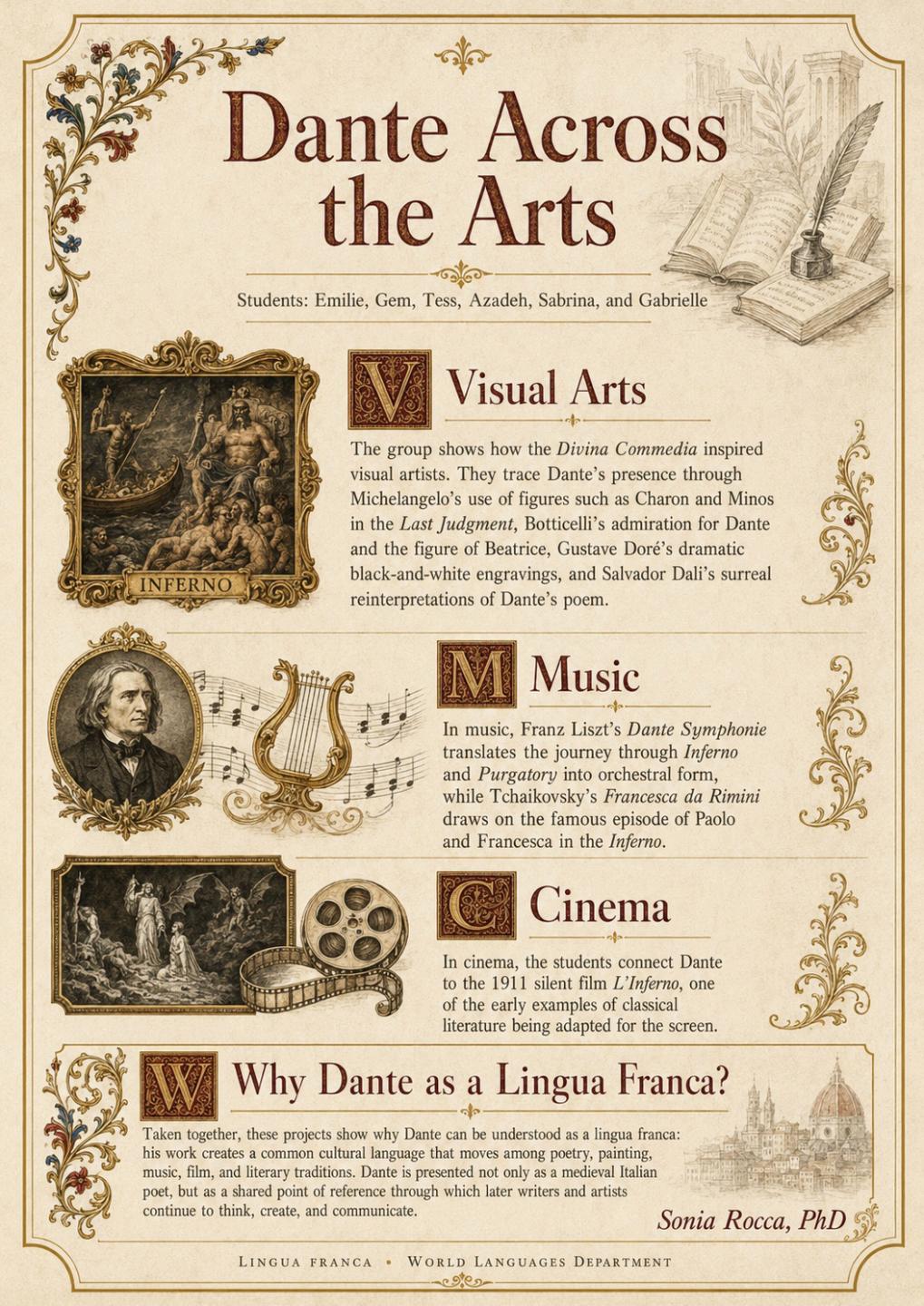
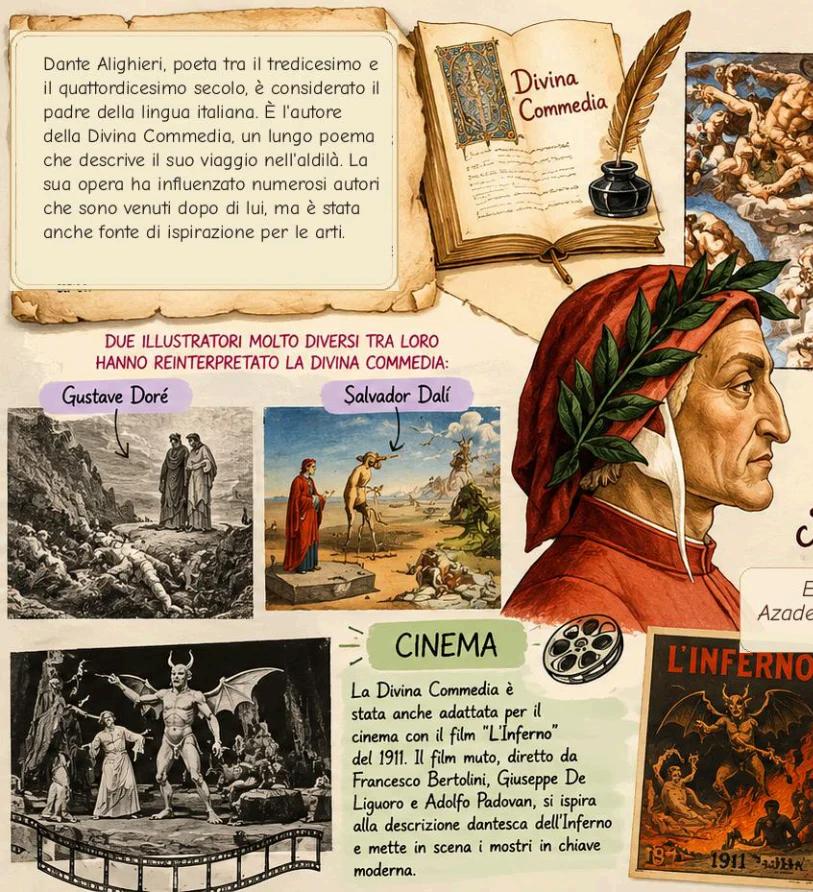
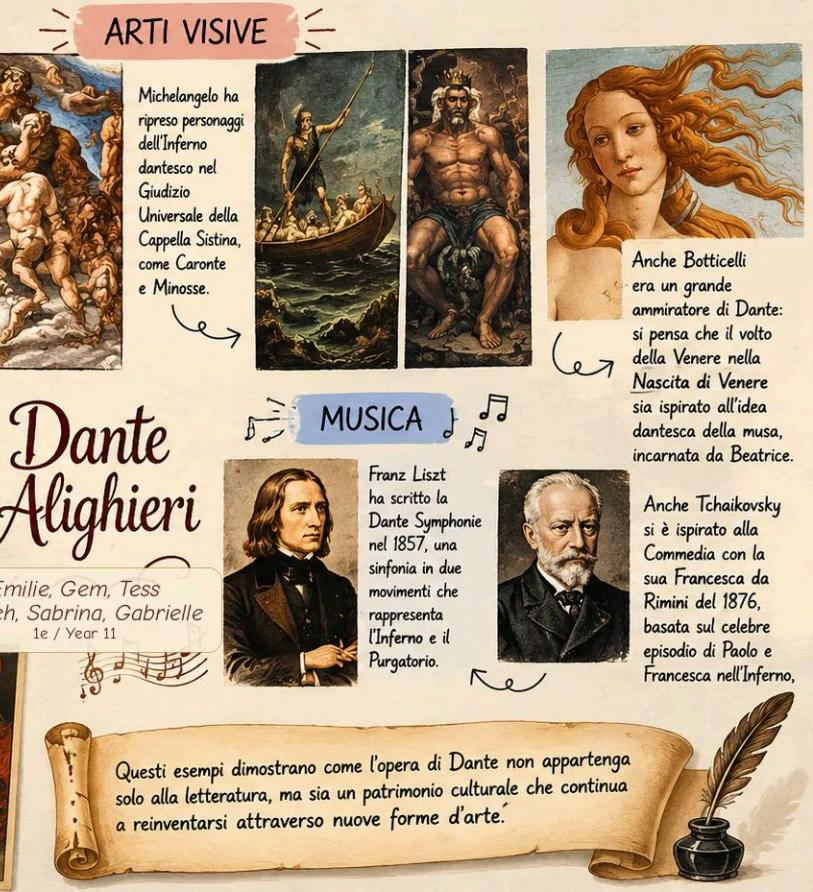
Dante poeta del Medioevo e una figura emblematica della letteratura italiana. Considerato come il padre della lingua italiana, Dante ha scritto il capolavoro assoluto La divina commedia che ha ispirato ben altri nei loro scritti anche centinaia assoluto La divina commedia che ha ispirato ben altri nei loro scritti anche centinaia di anni dopo. Ci domandiamo allora in che modo Dante si riflette negli scritti di così tanti scrittori nonostante gli anni e le lingue che li separano.
Due esempi:
Petrarca:
Petrarca fu influenzato profondamente da Dante, nonostante le sue continue dichiarazioni di distacco. É possibile vedere questo nel Canzoniere che è riempito di riferimenti alle opere di Dante. Però lui per distaccarsi di quest'ultimo scelse di scrivere in latino.Lui riconosceva la genialità di Dante e la sua importanza nel mondo culturale e poetico italiano; ma era proprio questa grandezza che per lui era un peso insopportabile. In somma Dante ha influenzato Petrarca nei suoi scritti ma anche nella sua voglia di staccarsi dai suoi predecessori quest’ultimo disse anche:
«Egli è un grande ingegno, ma io vado per altra via.».
Leopardi:
Leopardi studio Dante riconoscendo il suo lavoro e considerandolo come figura suprema della lingua italiana. Tuttavia, a differenza di Petrarca non cerca di staccarsi di Dante ma lo usa invece come punto di riferimento fondamentale sia per il suo proprio lavoro e anche per la poesia italiana in generale. Anche se le loro epoche di vita sono molto diverse, Leopardi ha un obiettivo simile a quello di Dante: capire ed esprimere le grandi domande sull’uomo e sul suo destino attraverso la poesia.
«Dante aveva il coraggio della disperazione e quello della speranza. Io ho solo il primo.»
Come l’abbiamo visto, Dante appare come una figura fondatrice della letteratura italiana, in particolare della poesia. Egli influenza i poeti italiani per generazioni, e quindi anche le letterature successive: Dante è ovunque. La sua influenza non si ferma all’Italia; anche Victor Hugo o Baudelaire citano Dante, mostrando quanto abbia segnato e trasformato la cultura letteraria europea.
Sara e Giacomo
In the German program, students learn language through hands-on projects, cultural experiences, collaboration, and real-world communication. German provides a close-knit learning environment where students develop confidence, creativity, and global awareness while embodying the school’s values of Solidarité, Ténacité, Esprit de découverte, and Épanouissement.






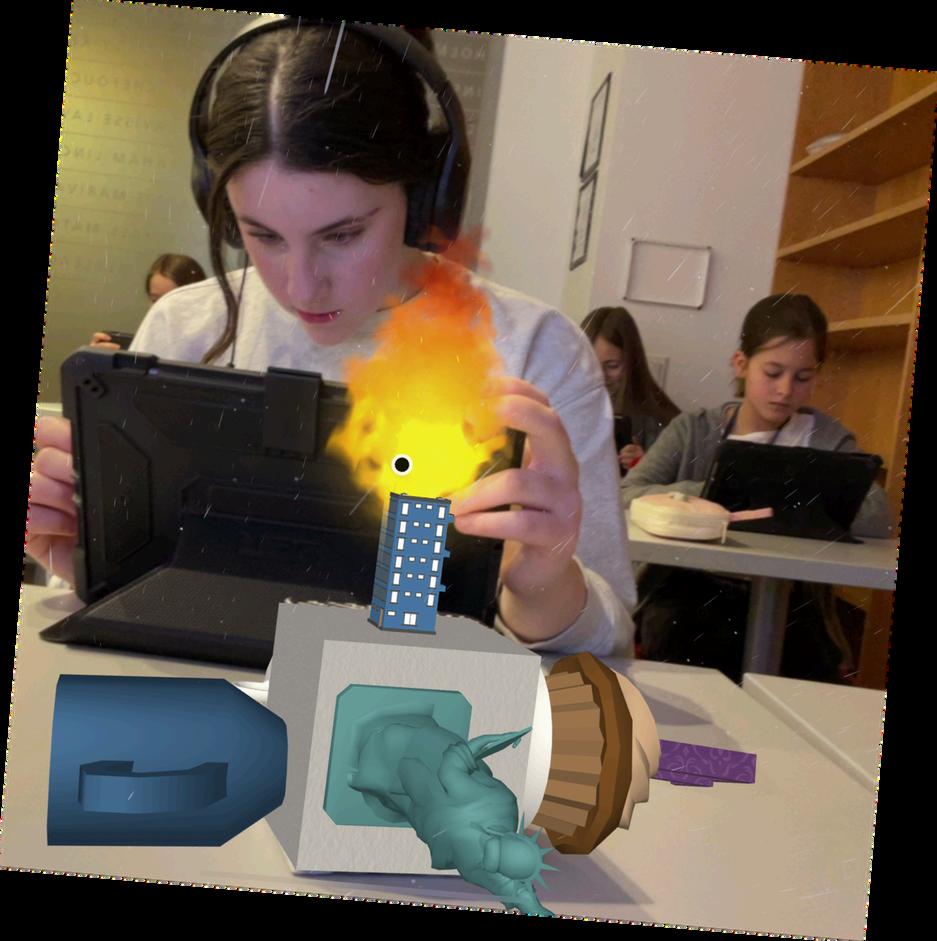
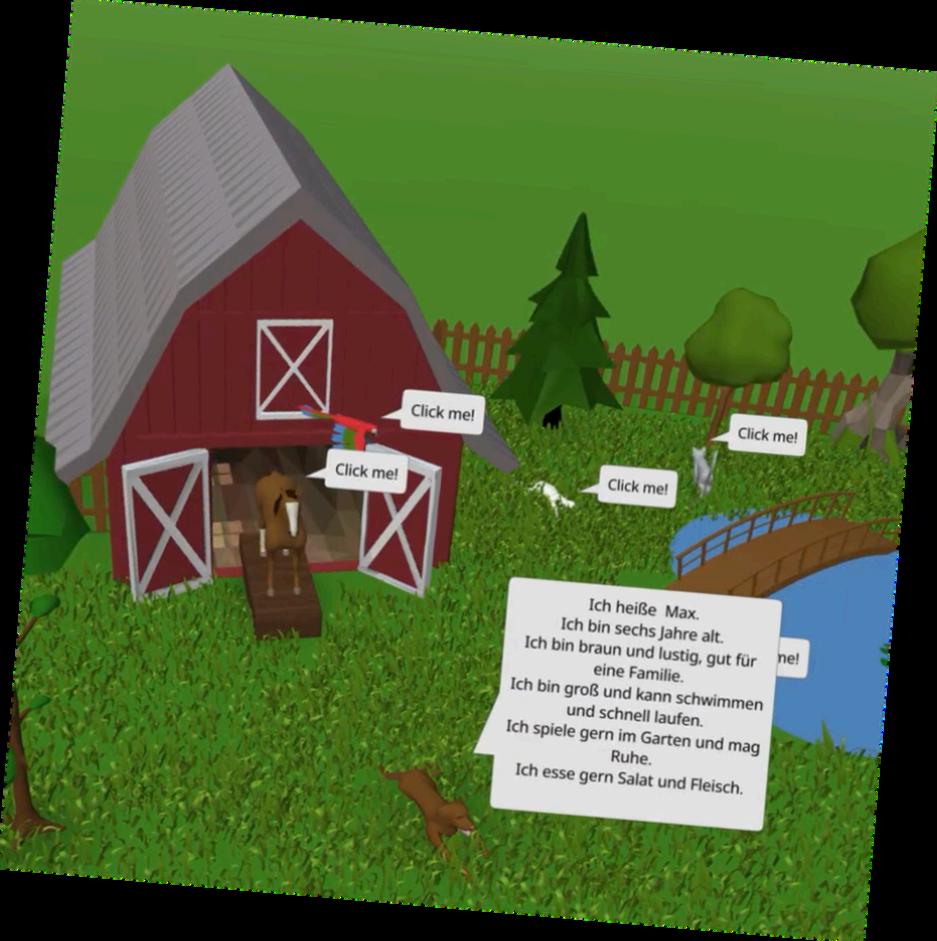


From Year 6 to Year 9, students used digital design tools such as Delightex and Merge Cubes to create immersive projects in German.
Year 6: Interactive “Das bin ich” Merge Cube projects https://bit.ly/ich6e
Year 7: Interactive Merge Cube projects on the theme “Das ist mein Freund / meine Freundin” https://bit.ly/friend5e and collaborative 3D animal shelters with recorded descriptions https://bit.ly/Tierheim5e
Year 9: Collaborative dream houses and virtual house tours where students practiced communicating in German using prepositions and more complex grammatical structures https://bit.ly/Traumhaus3e These projects encouraged students to use German in authentic contexts while developing creativity, communication, digital literacy, and teamwork skills.



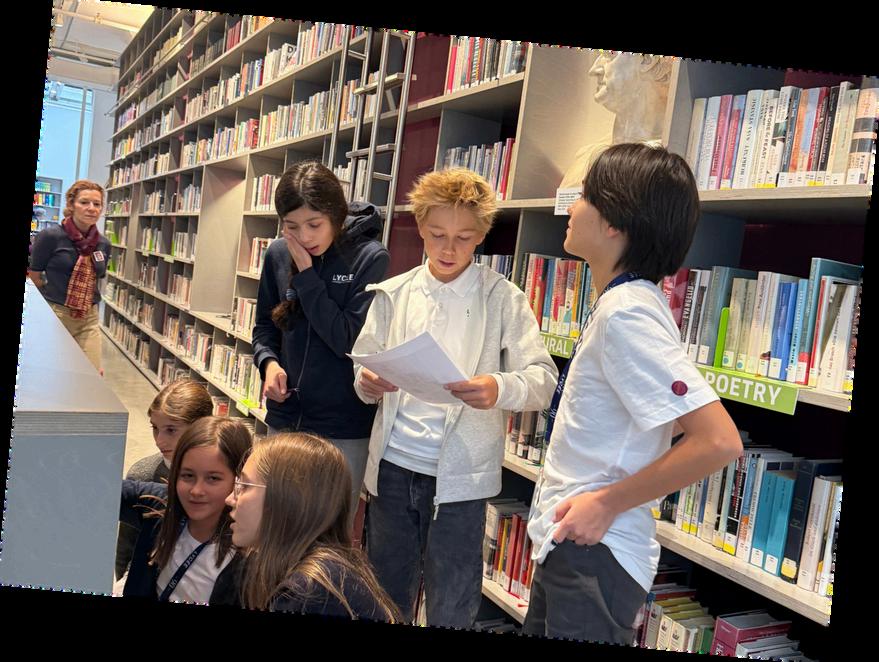
Students explored German-speaking cultures through hands-on activities and authentic experiences.
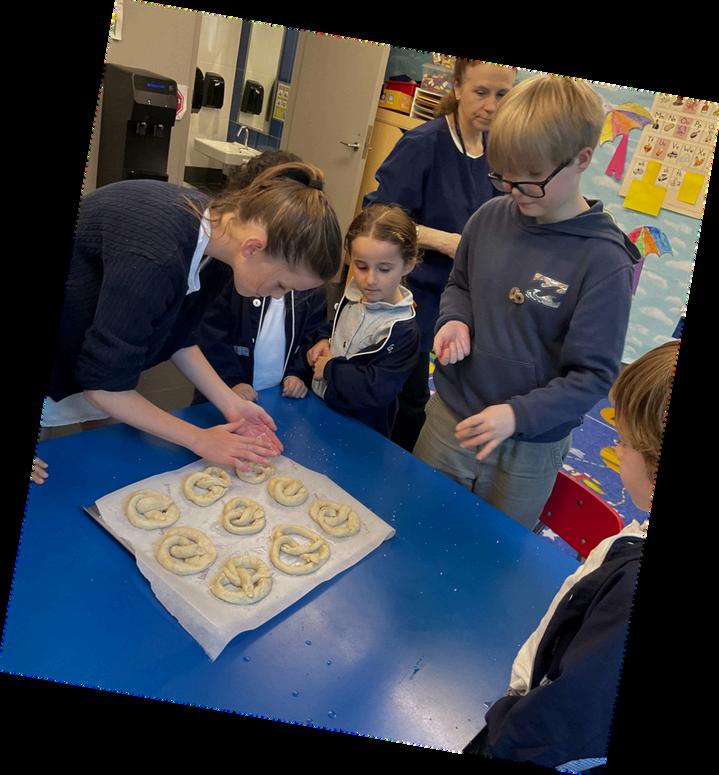
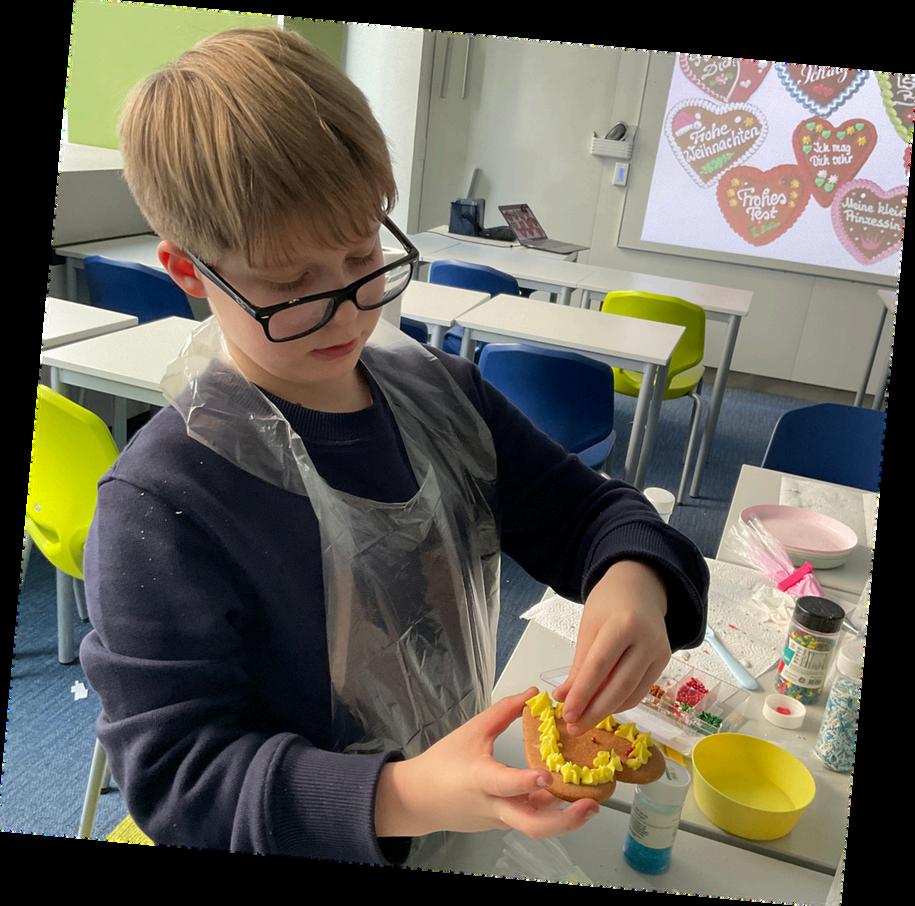
Year 6: Decorating Lebkuchenherzen, learning about German food traditions, and baking pretzels with younger students
Year 7: Visit to the Goethe-Institut New York for workshops and cultural activities

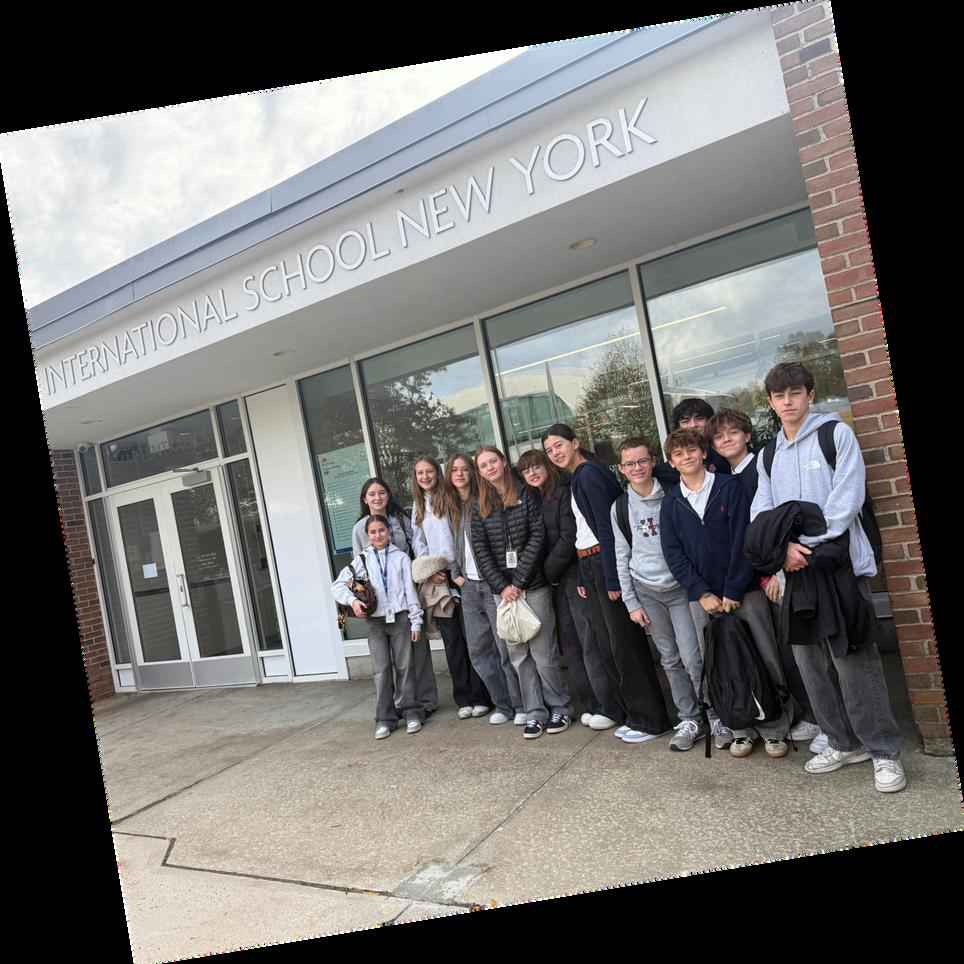
Year 8: Exchange with students from the German International School New York in White Plains, focusing on intercultural communication and school life



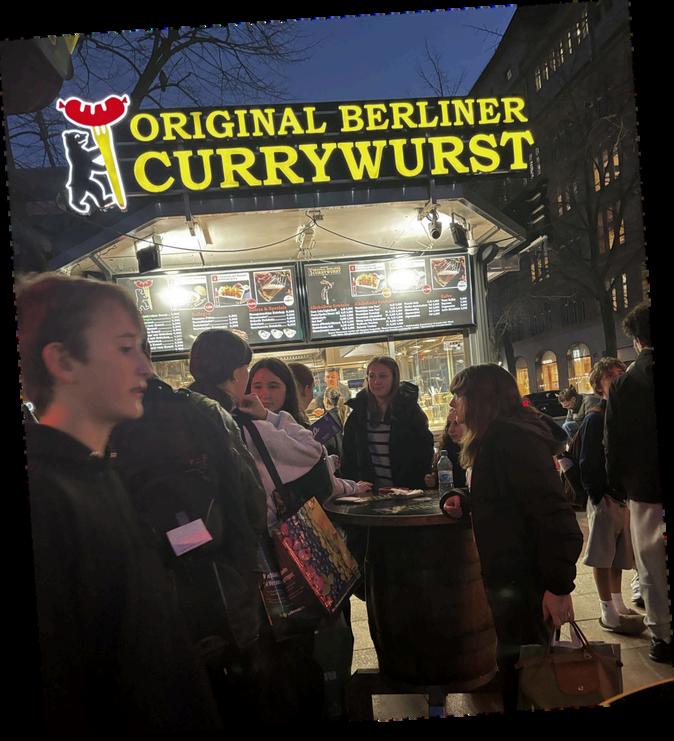



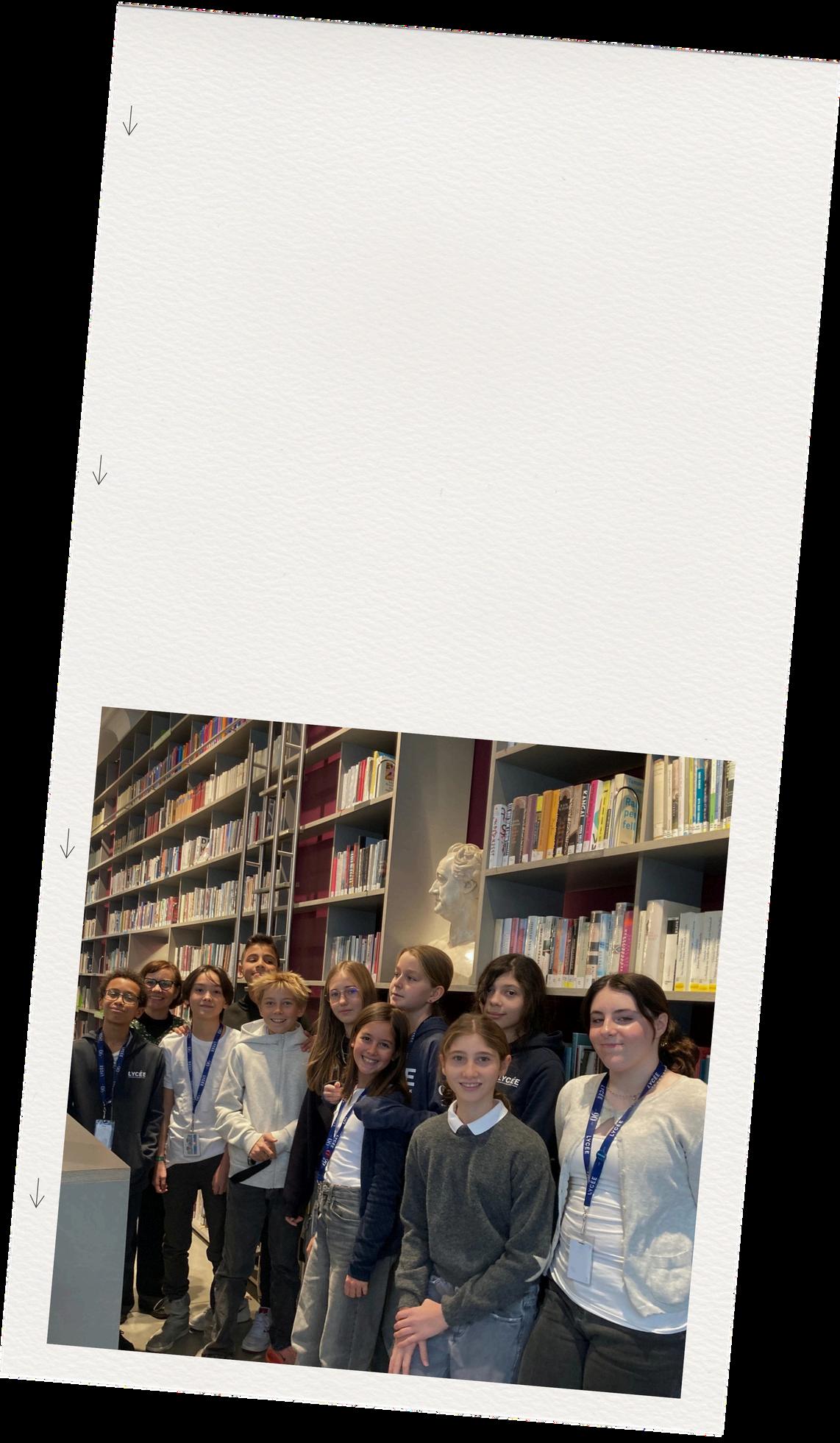

A major highlight for Year 8 and 9 students was the Berlin trip. Students attended language classes and explored sites connected to history, art, and sports, including the East Side Gallery and Olympic Stadium. The experience strengthened both language skills and cultural understanding. https://bit.ly/2026Berlin



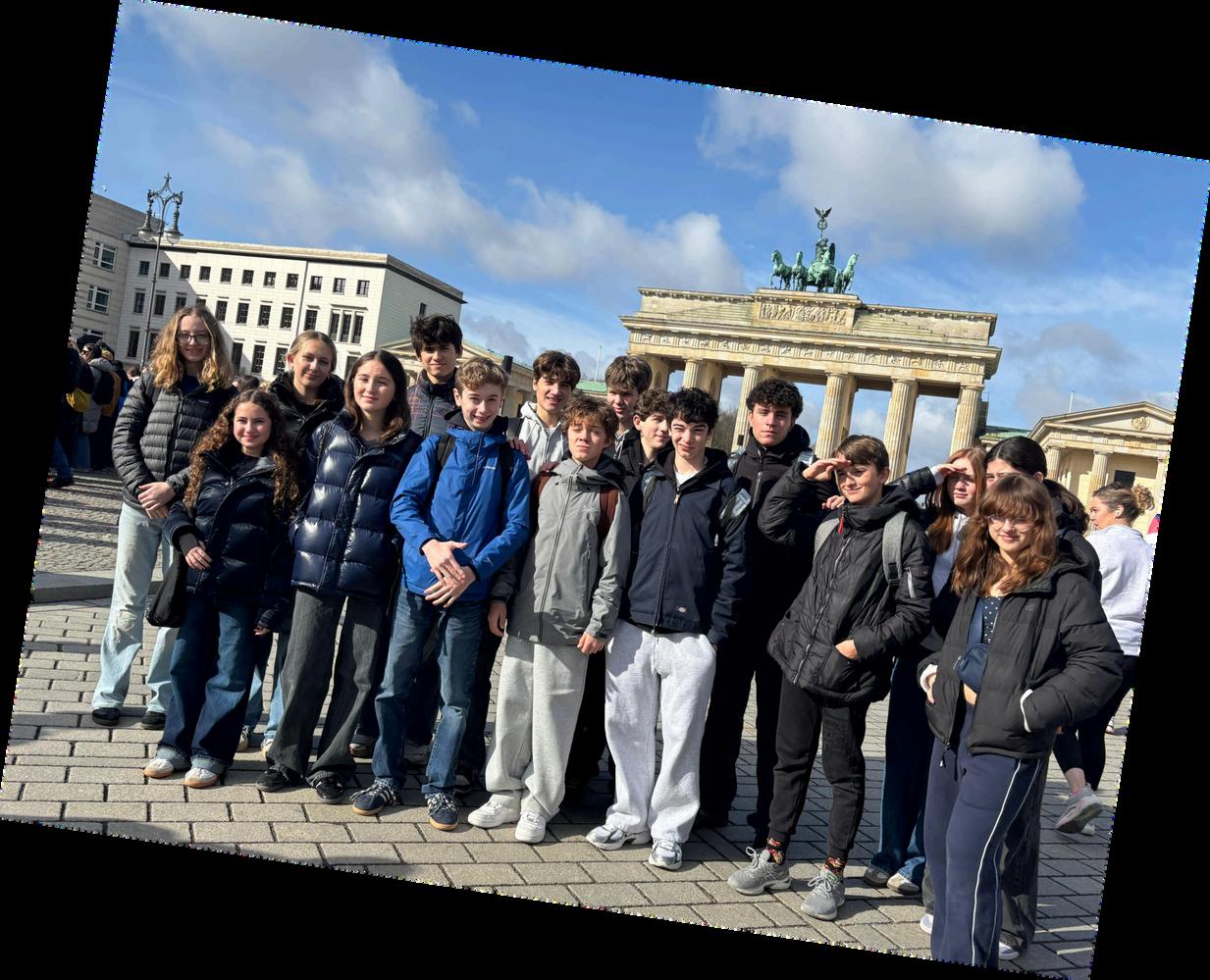

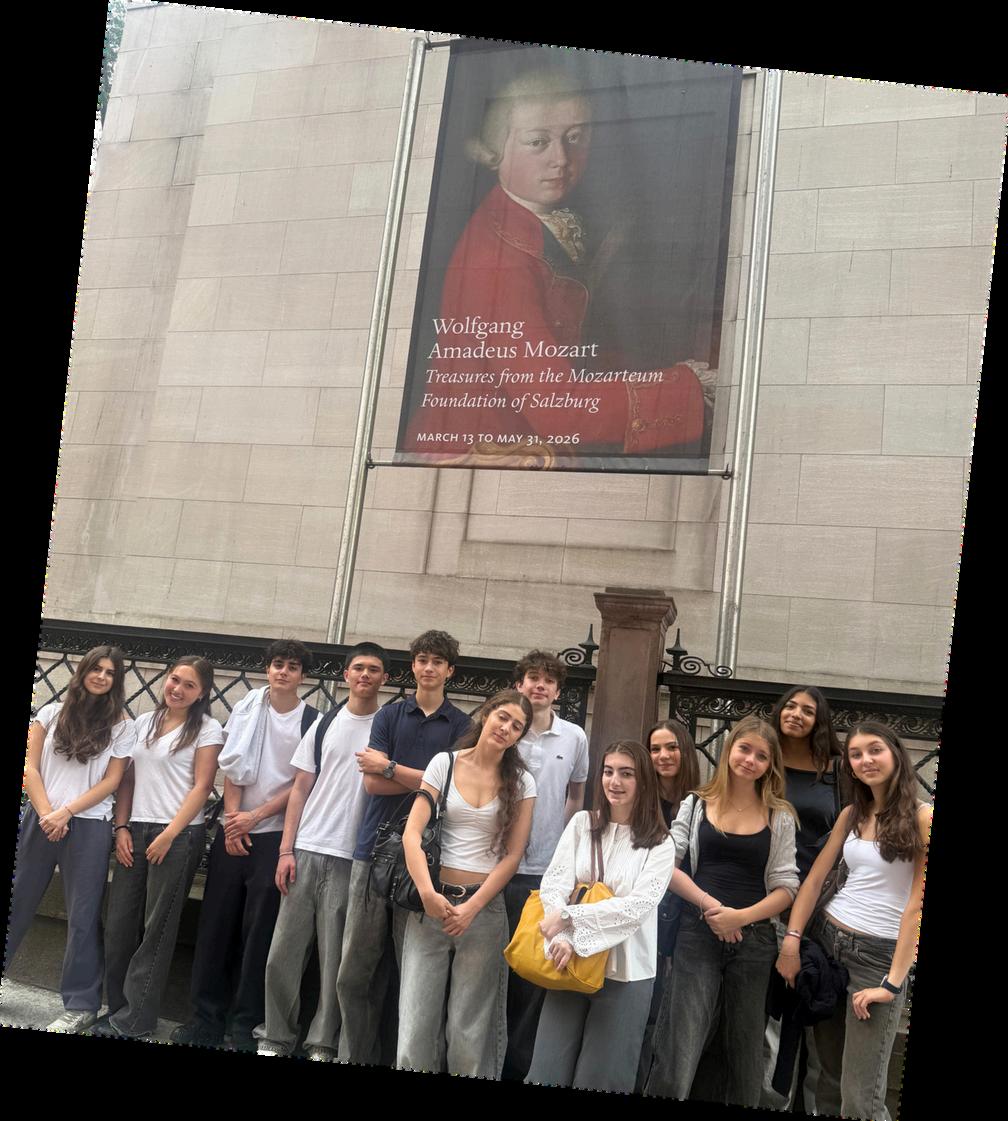



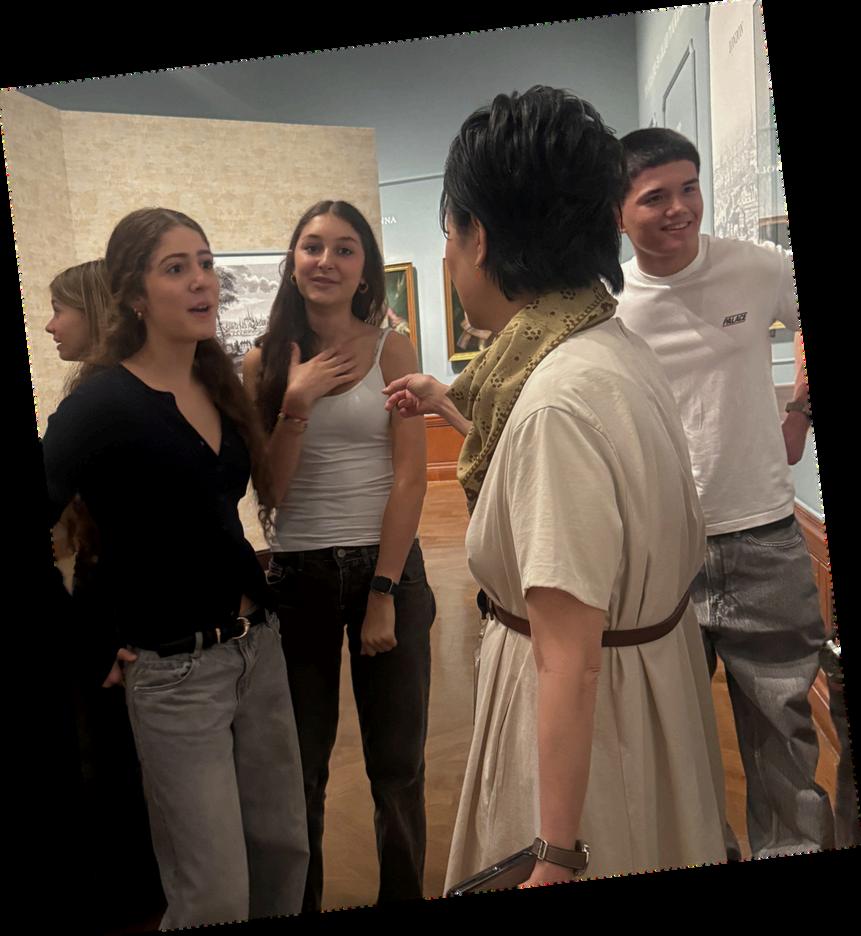

In the upper grades, students combined language learning with literature, history, and creative expression.
Year 10: Creation of a digital Berlin city guide https://bit.ly/2eTour and a visit to the Morgan Library’s Mozart exhibition
Year 11: Students created their own fairy tales inspired by the Grimm brothers and turned them into stop-motion animation films using LEGO figures, Playmobil, and hand-drawn illustrations. https://bit.ly/tales1e
Year 11: Graphic memoir projects inspired by Nora Krug’s Heimat, reflecting on questions of identity, memory, and belonging https://bit.ly/1eHeimat
Year 12: Podcast-style radio broadcasts discussing themes of migration, identity, and integration after reading excerpts from Saša Stanišić’s “Herkunft” https://bit.ly/RadioTle
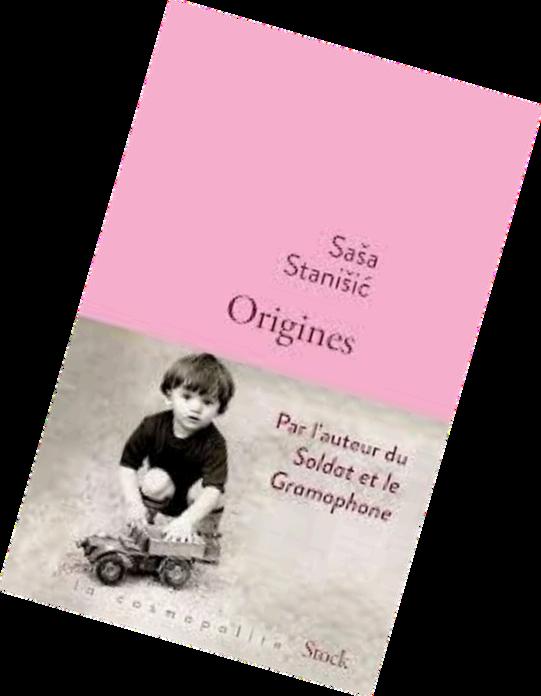
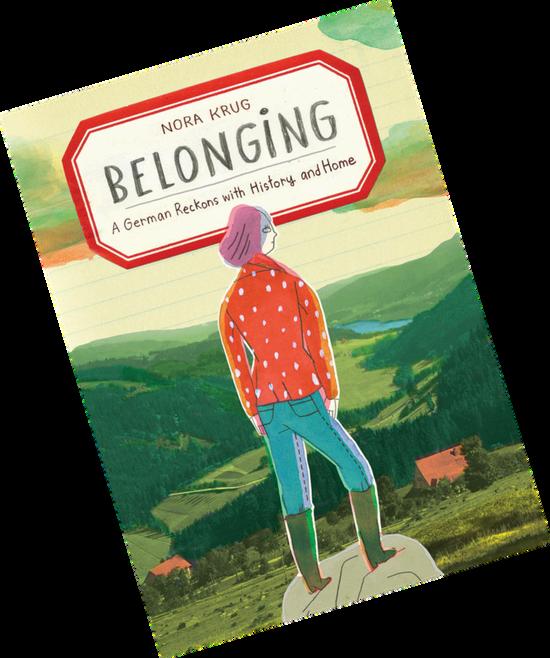


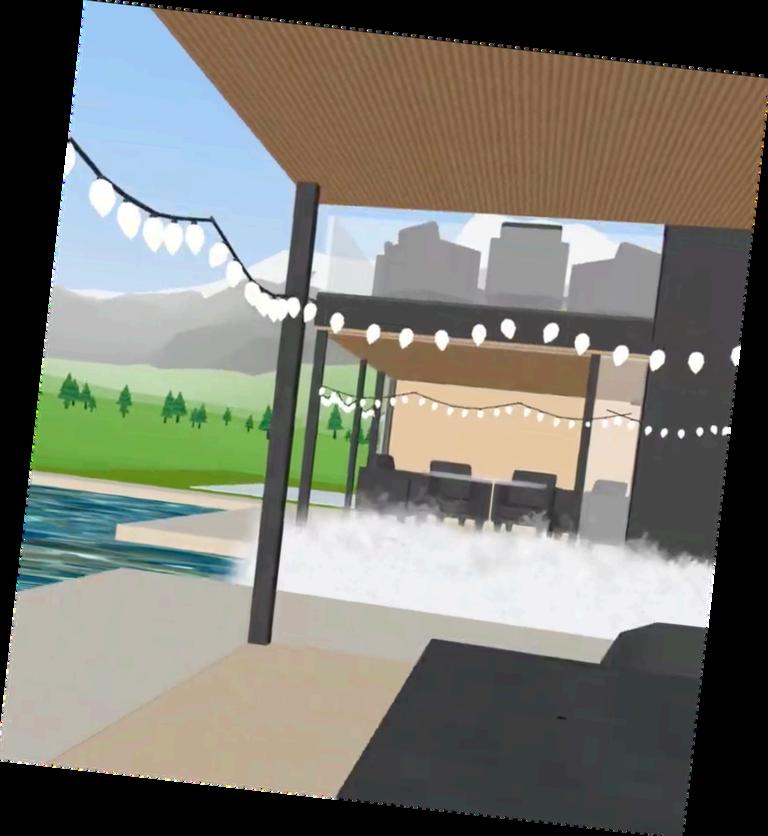

Through projects such as digital storytelling, animation, podcasts, intercultural exchanges, and virtual design, students experience language learning as a way to connect with others, explore new perspectives, and better understand the world around them.
From virtual dream houses and fairy-tale films to pretzel baking and exploring Berlin, this year offered students many opportunities to experience German in creative and meaningful ways. We are grateful for the energy, curiosity, and enthusiasm students brought to the classroom throughout the year and look forward to many more projects, adventures, and discoveries in German next year.
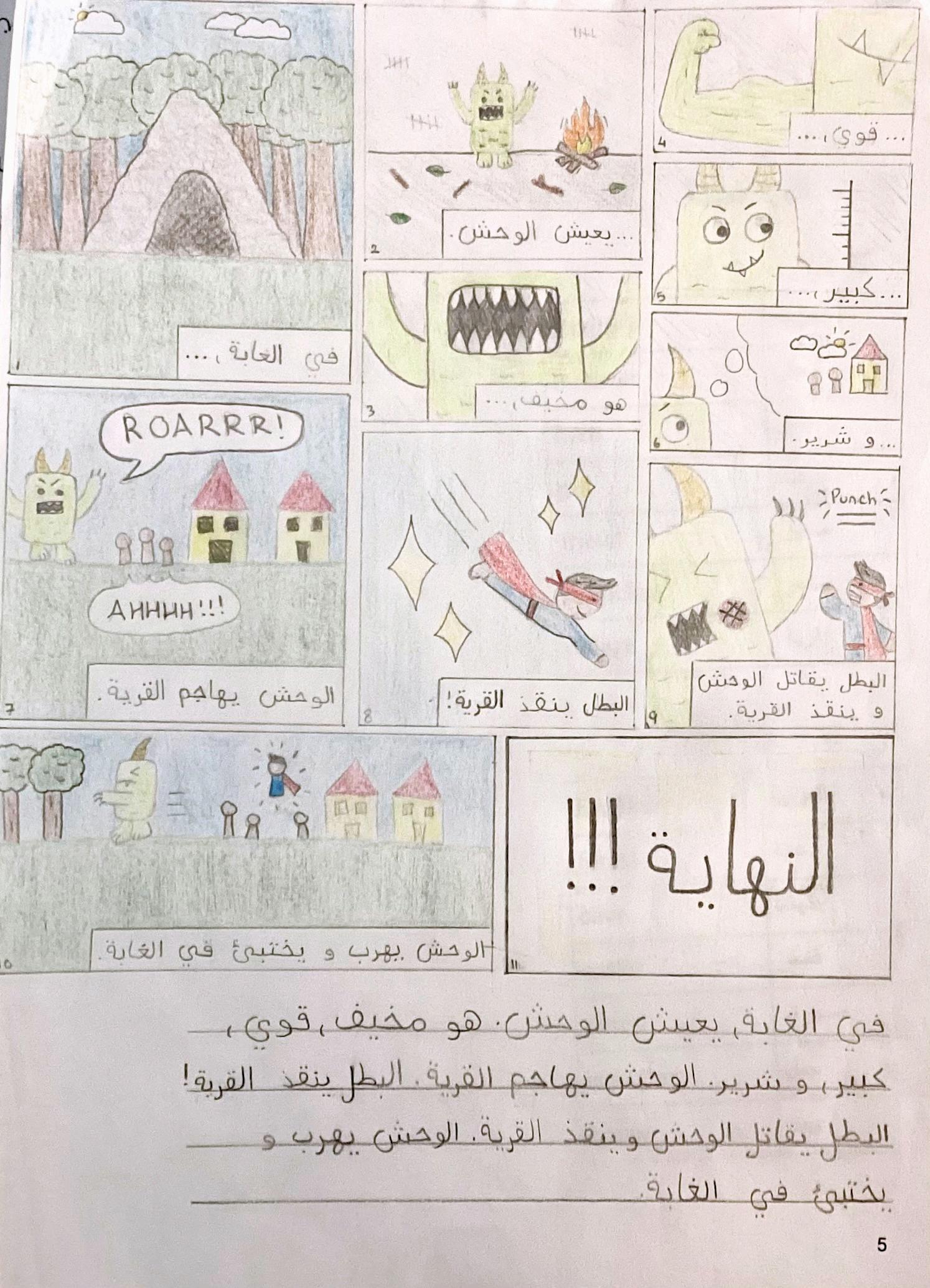
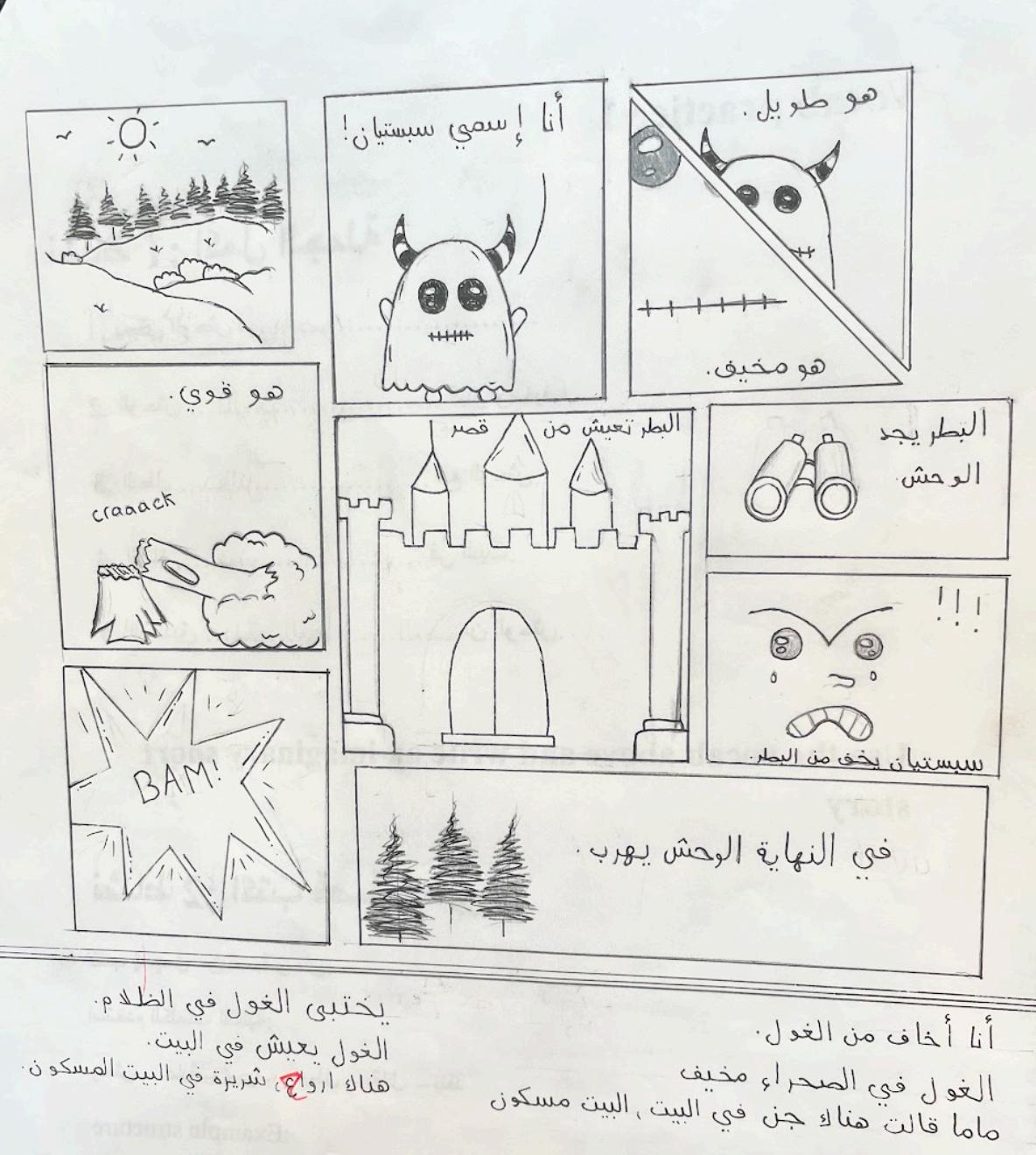
En arabe, les élèves de 4e ont créé des bandes dessinées sur le thème du monstre dans le cadre d’une résidence d’artiste avec Karine Bernadou. En s’inspirant de contes et de légendes de différentes cultures, ils ont imaginé, décrit et illustré leur propre créature. Voici deux extraits de leurs productions.
Rodrigo Mizala (1991)
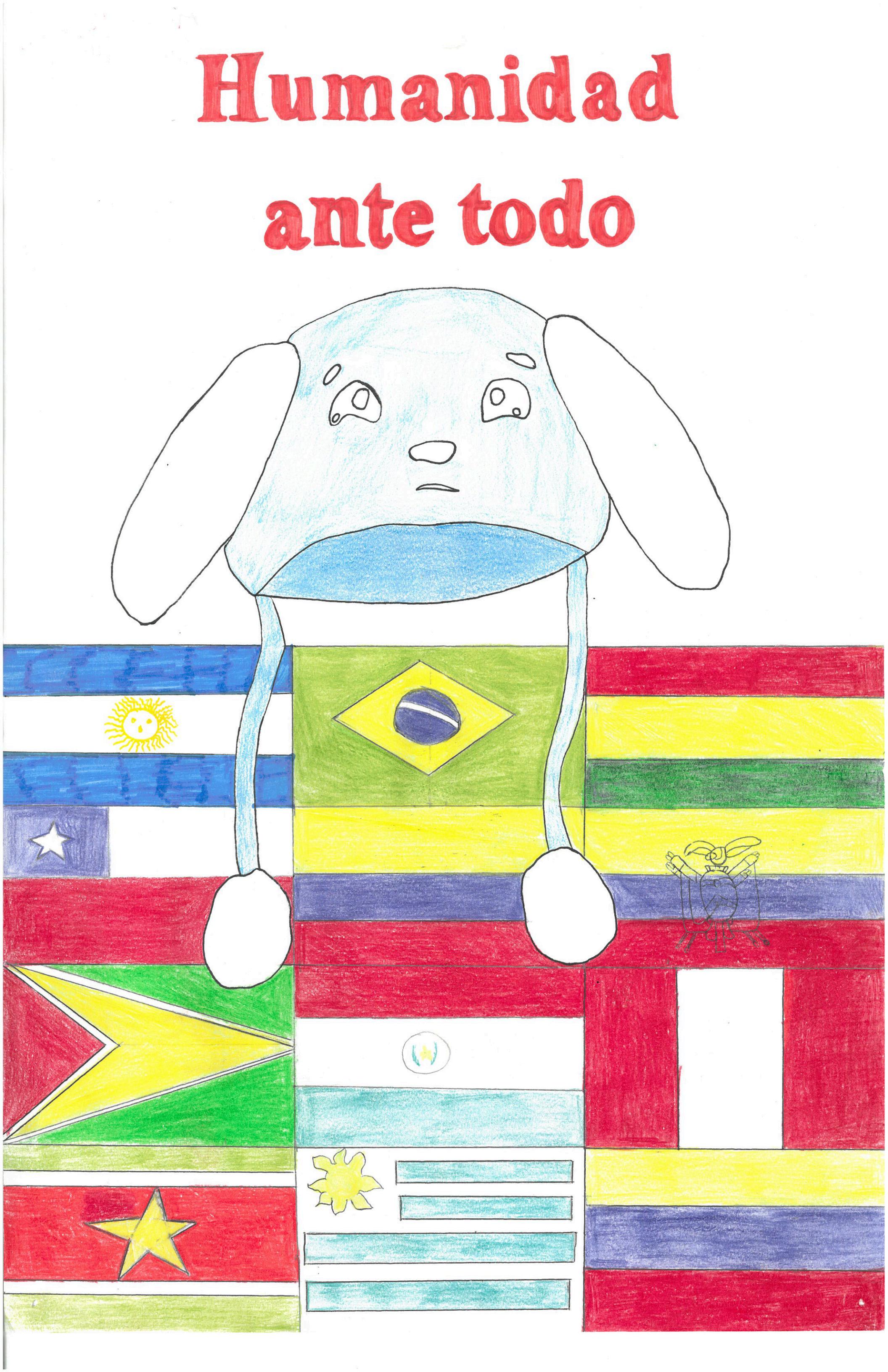
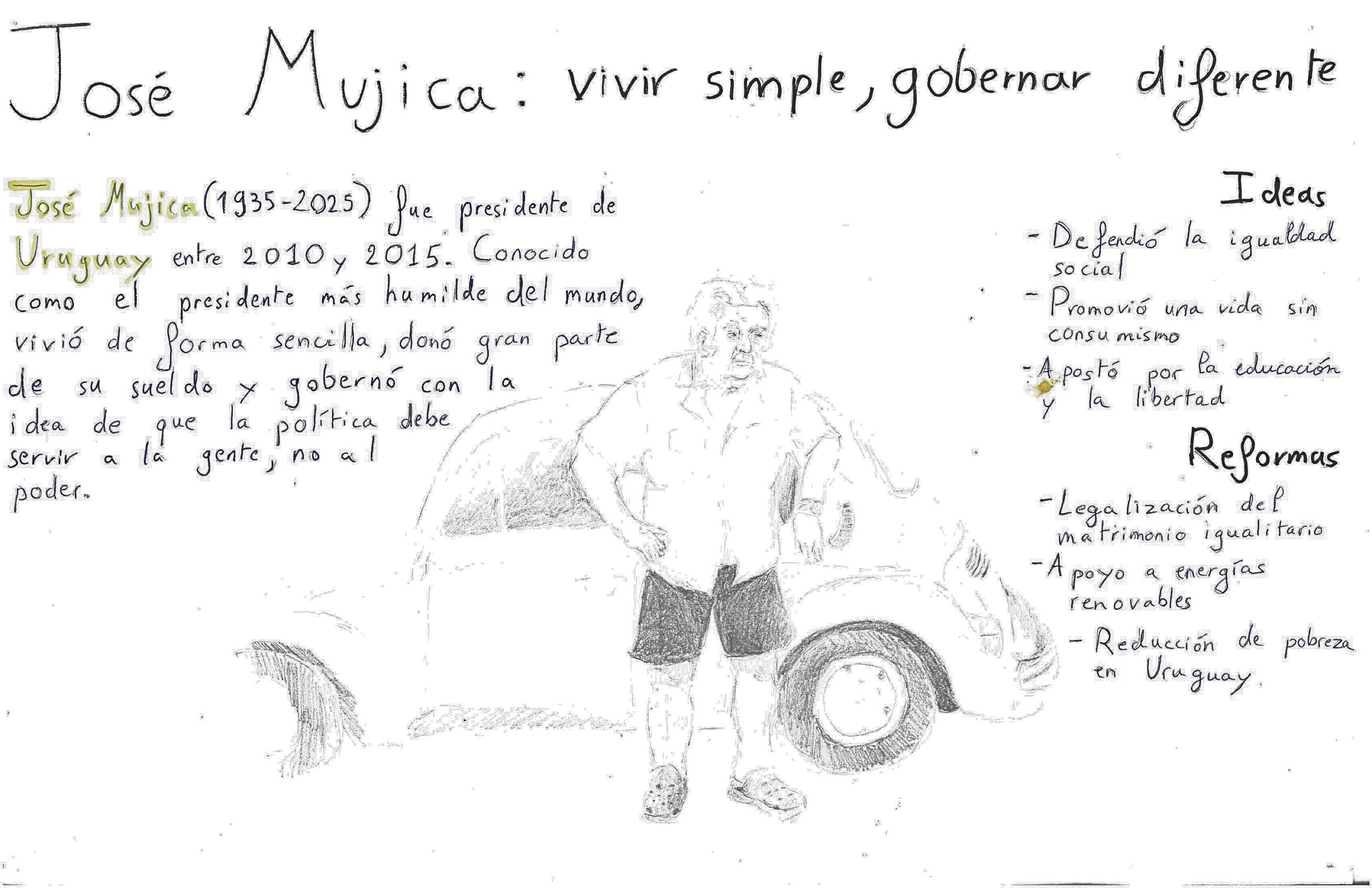
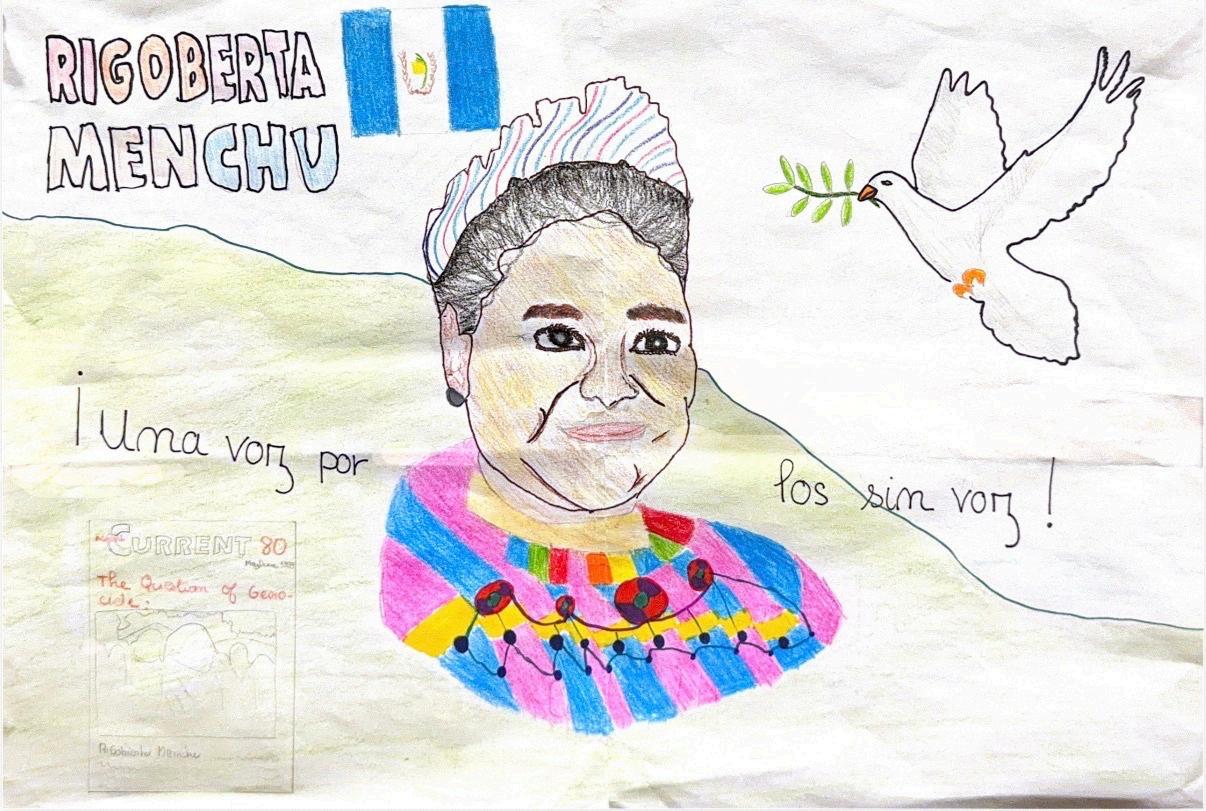
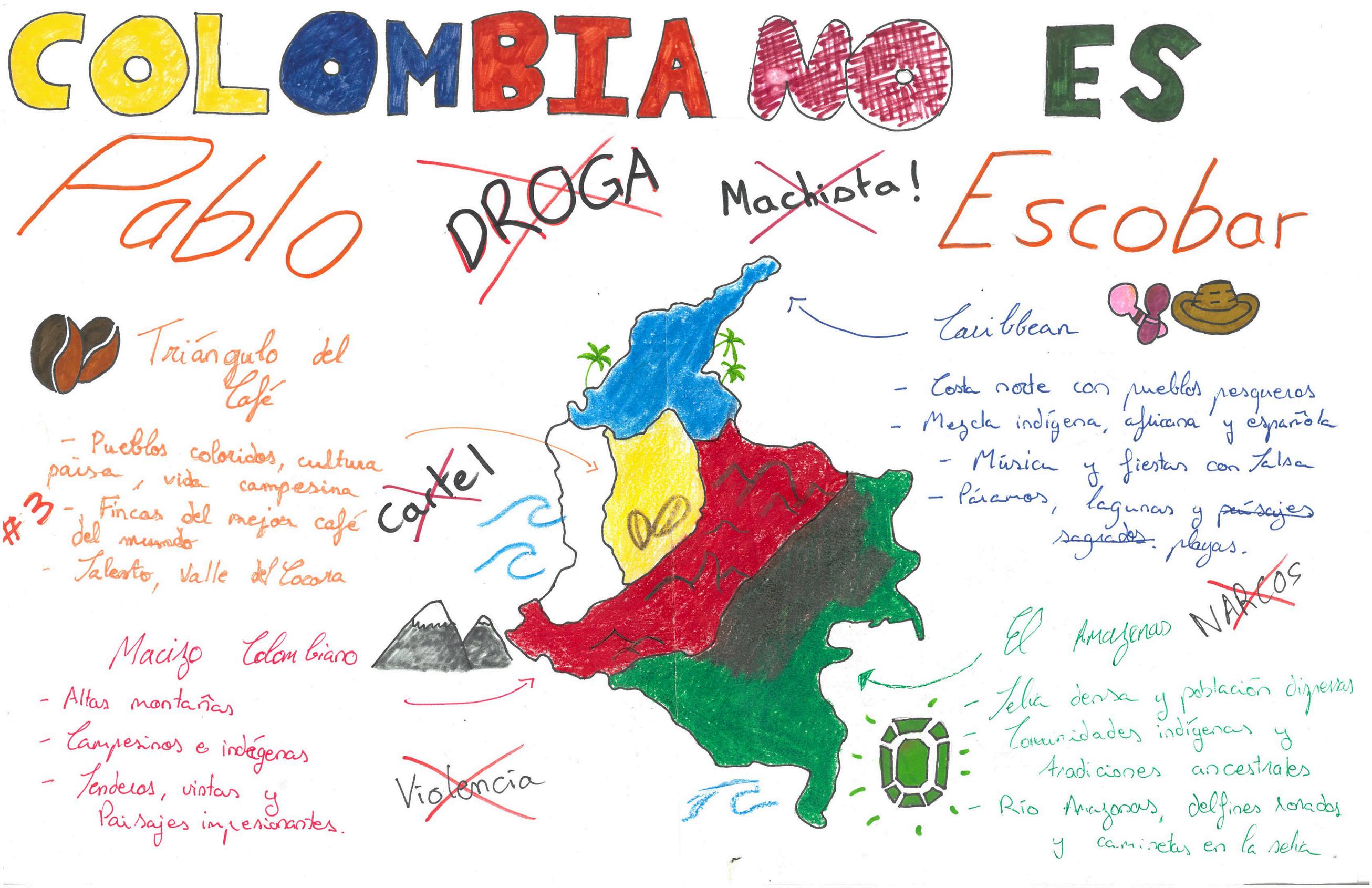
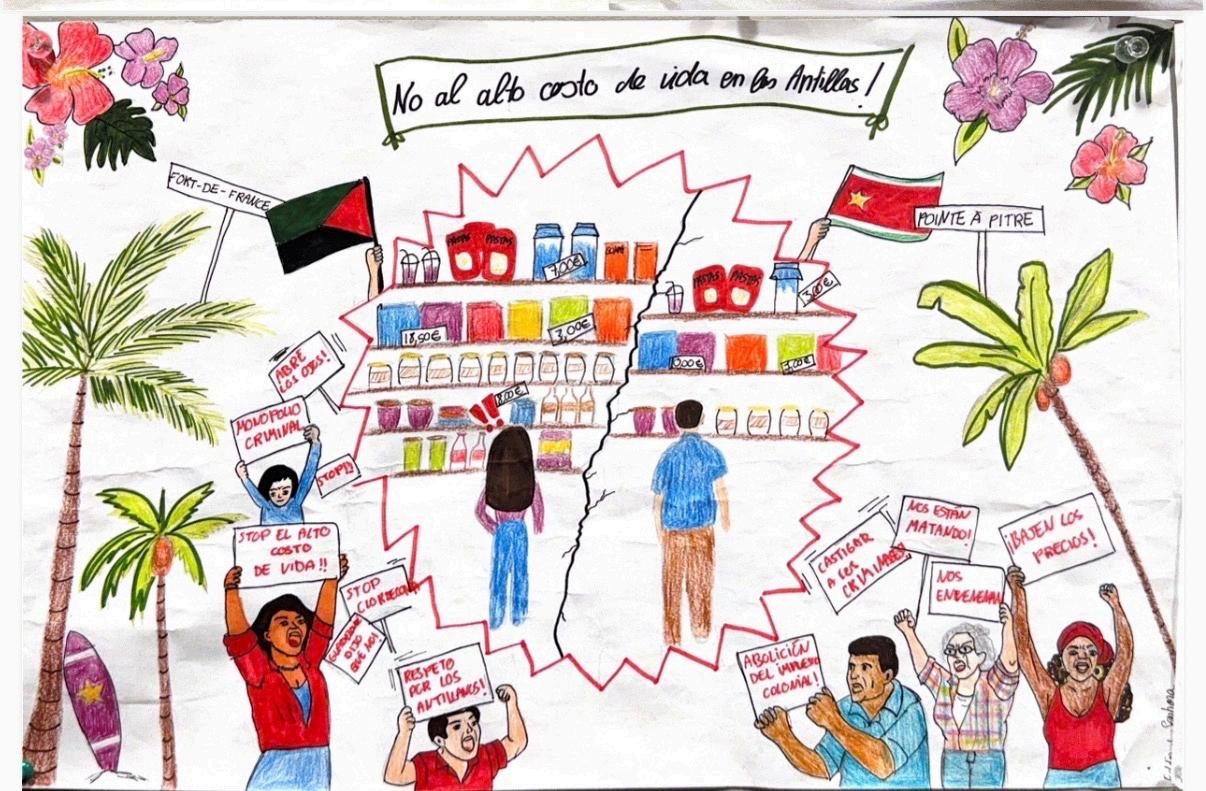
Inspirés par les peintures murales chiliennes et le rôle social des artistes engagés, les élèves de Première ont créé leurs propres fresques en cours d’espagnol. Libres de choisir l’époque et le lieu de leur récit, ils ont utilisé l’art pour raconter, dénoncer ou sensibiliser, démontrant ainsi que l’art peut être un puissant vecteur de réflexion et de changement.
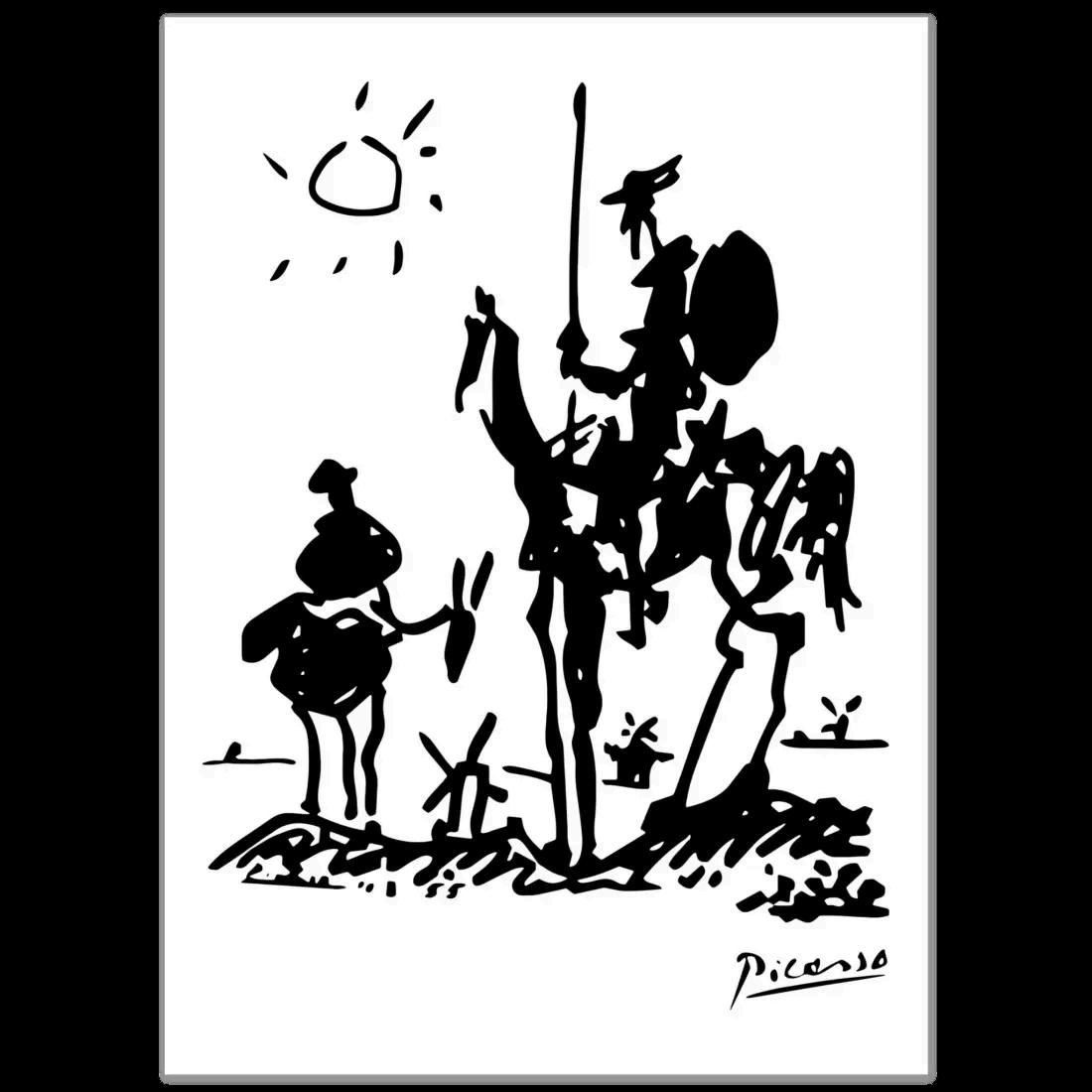
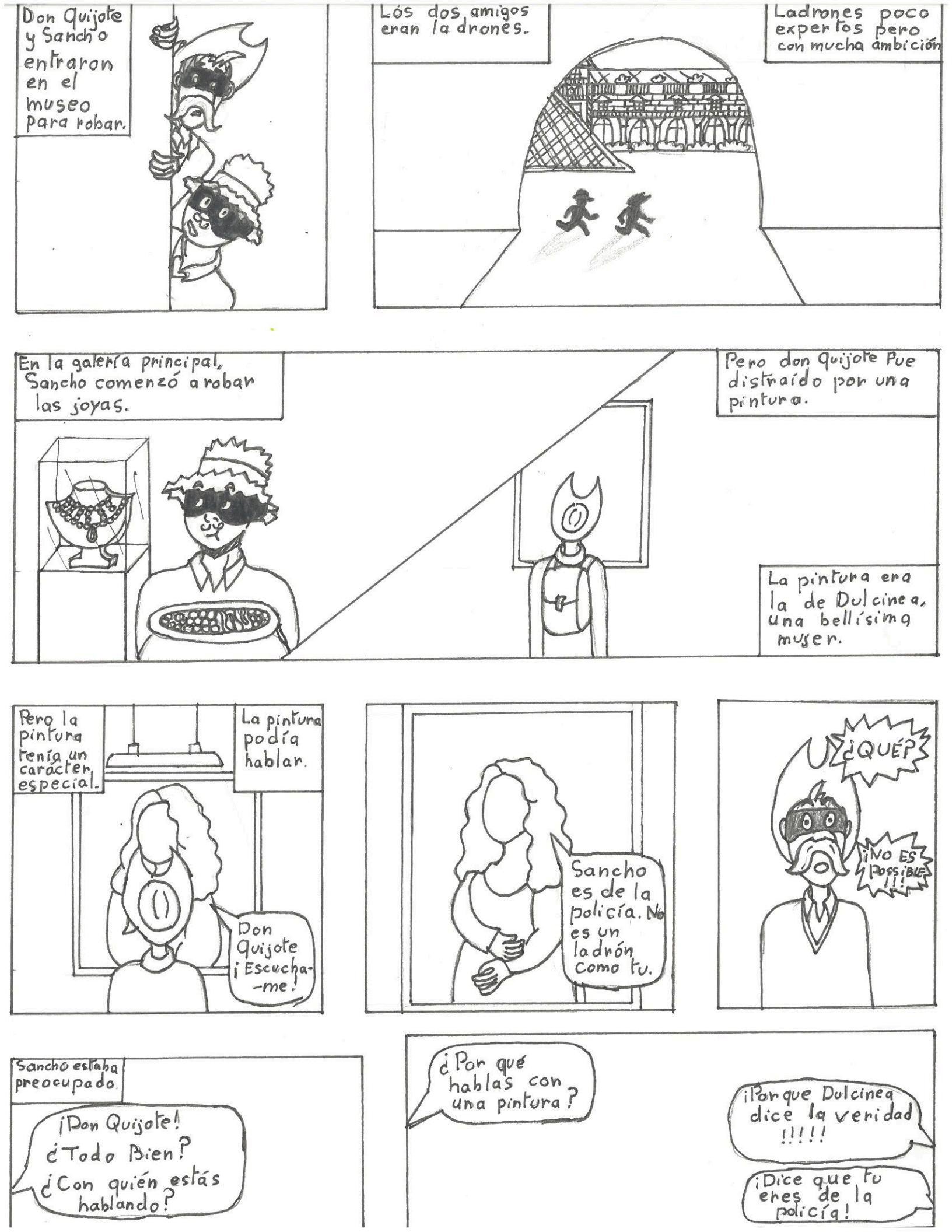
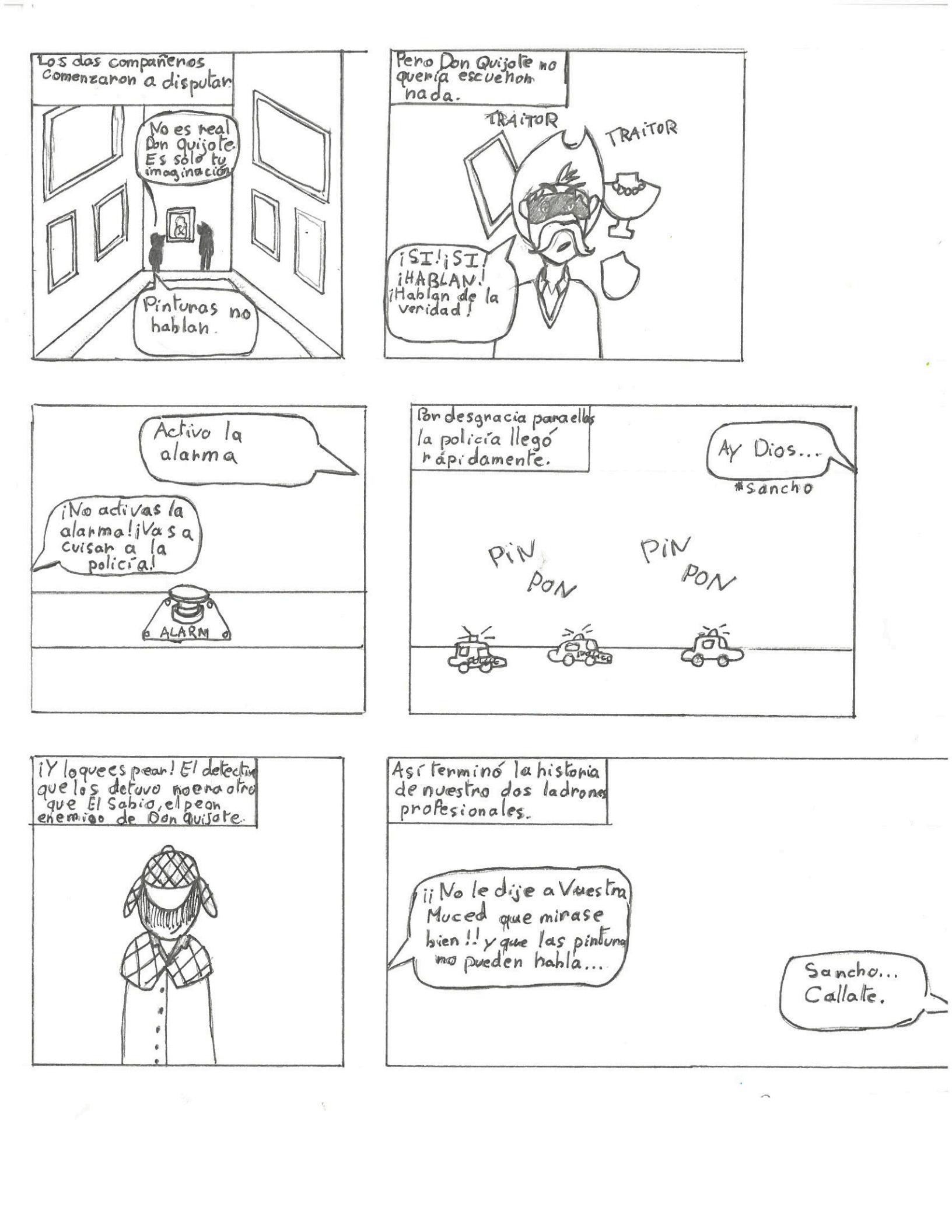
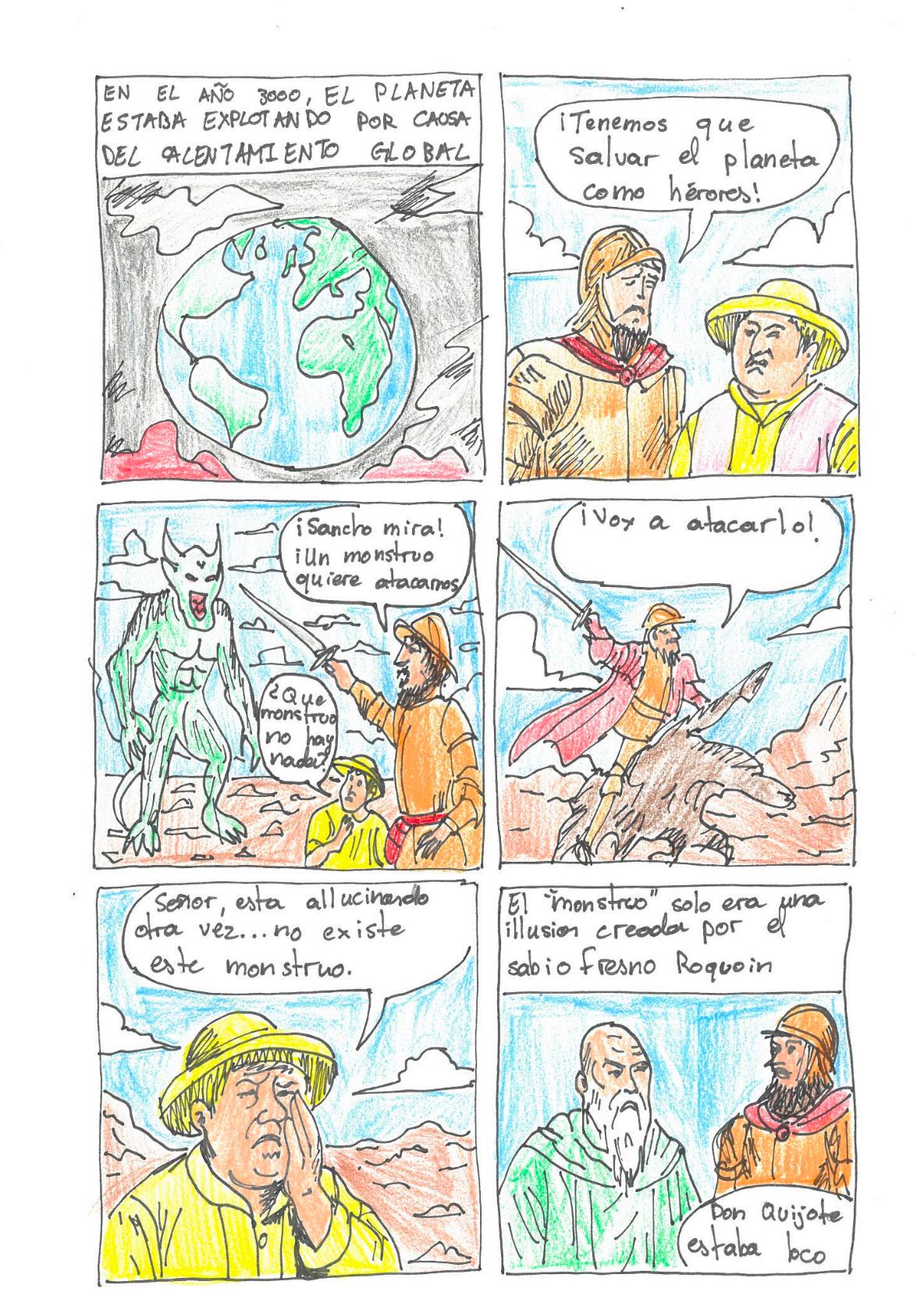
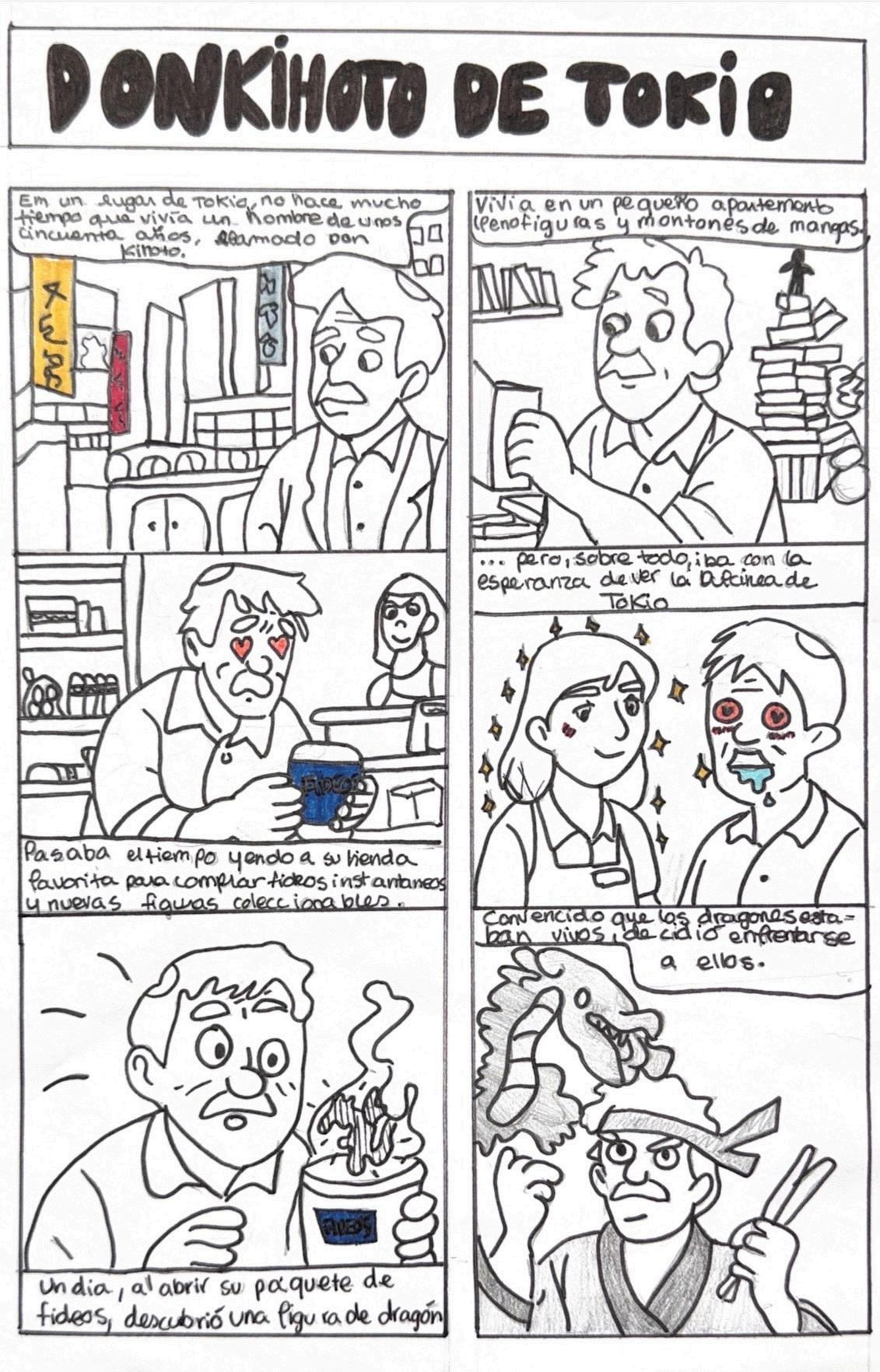
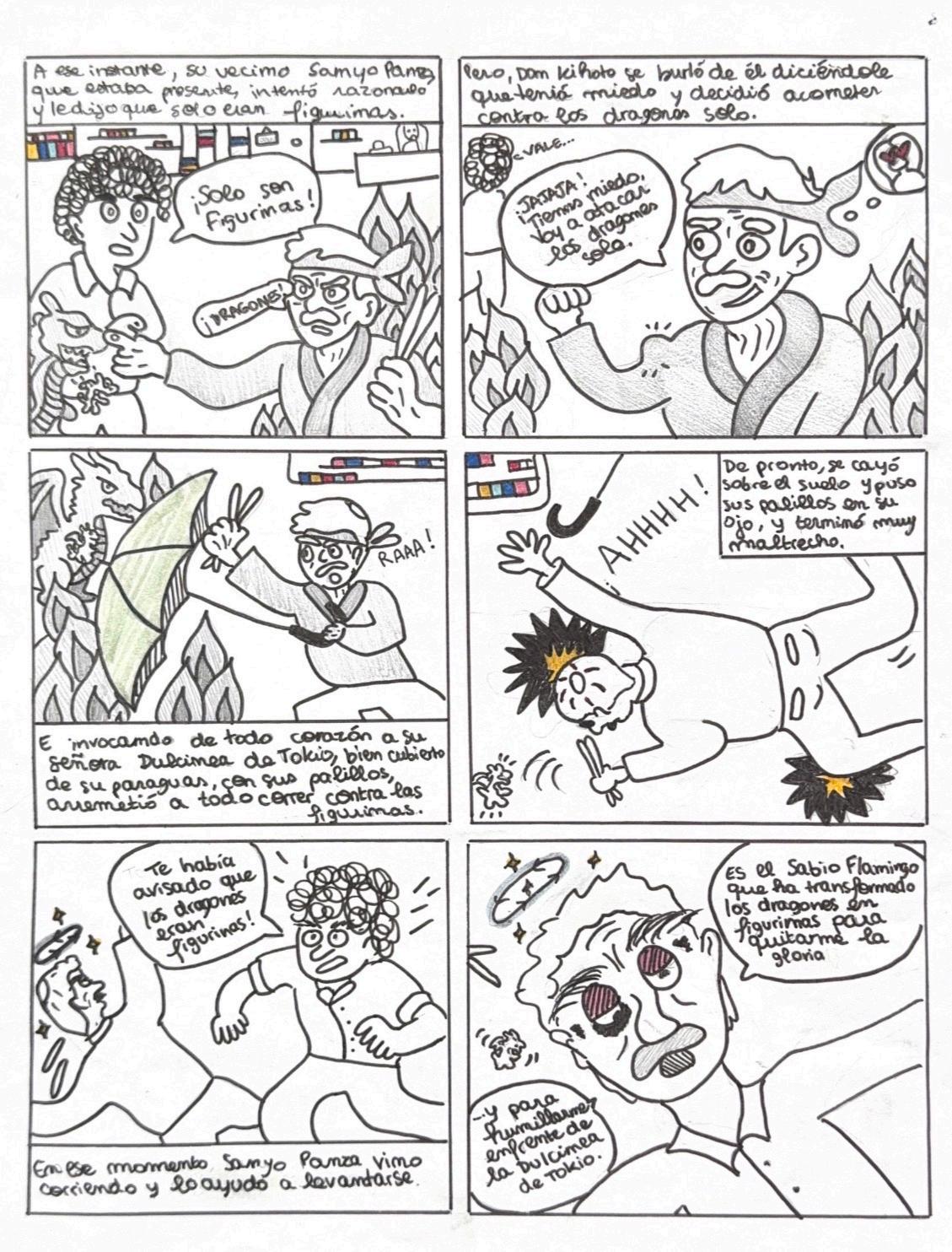
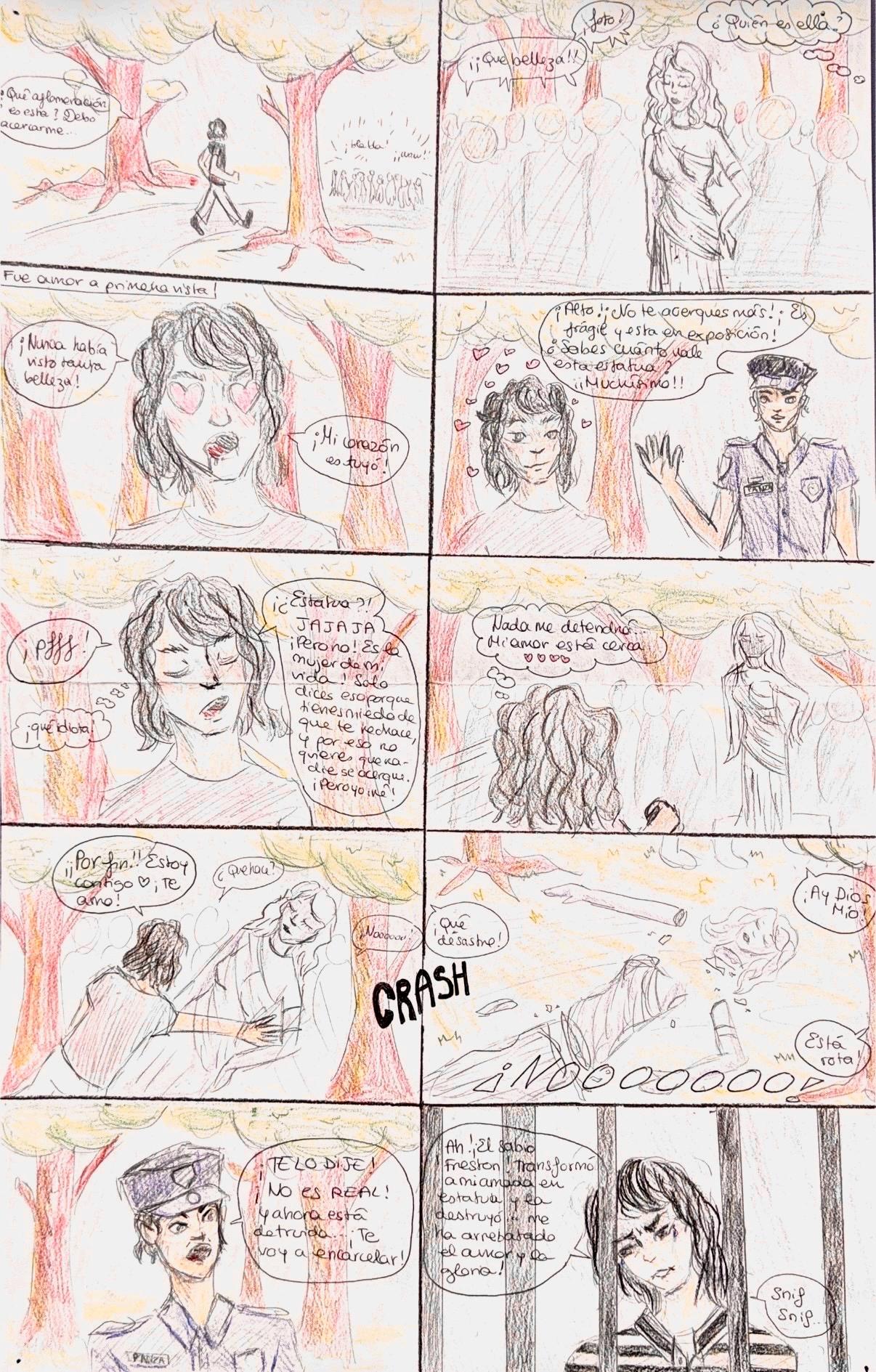
Après avoir étudié des extraits authentiques de Don Quijote de la Mancha, les élèves de Terminale ont participé à un projet créatif inspiré de bandes dessinées de l’illustrateur allemand Flix. Ils ont imaginé une nouvelle aventure de Don Quijote en espagnol et rédigé un récit mêlant narration et dialogues.
Imagina y presenta a un personaje que podría haber vivido en el universo de Pedro Almodóvar durante el Madrid de los años 80.
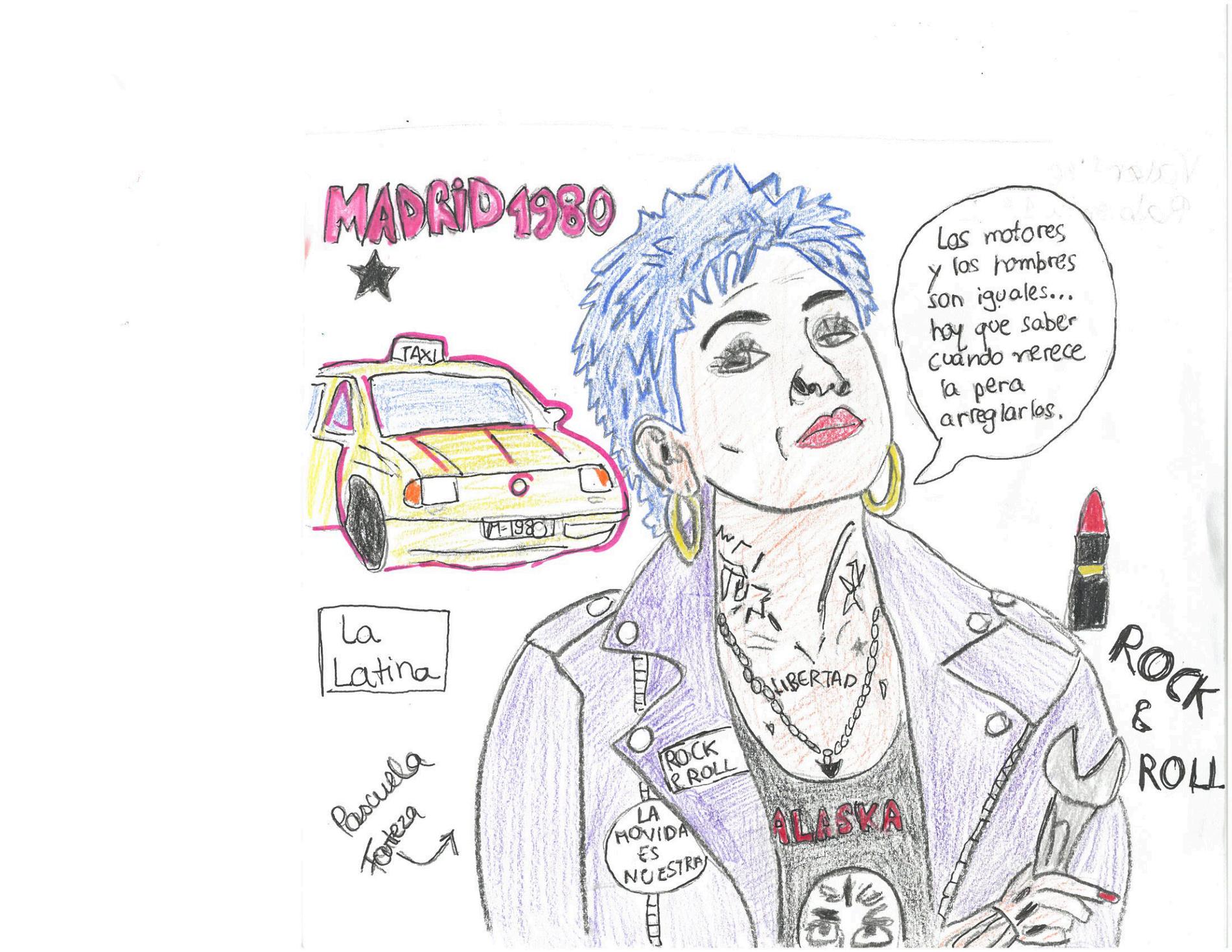
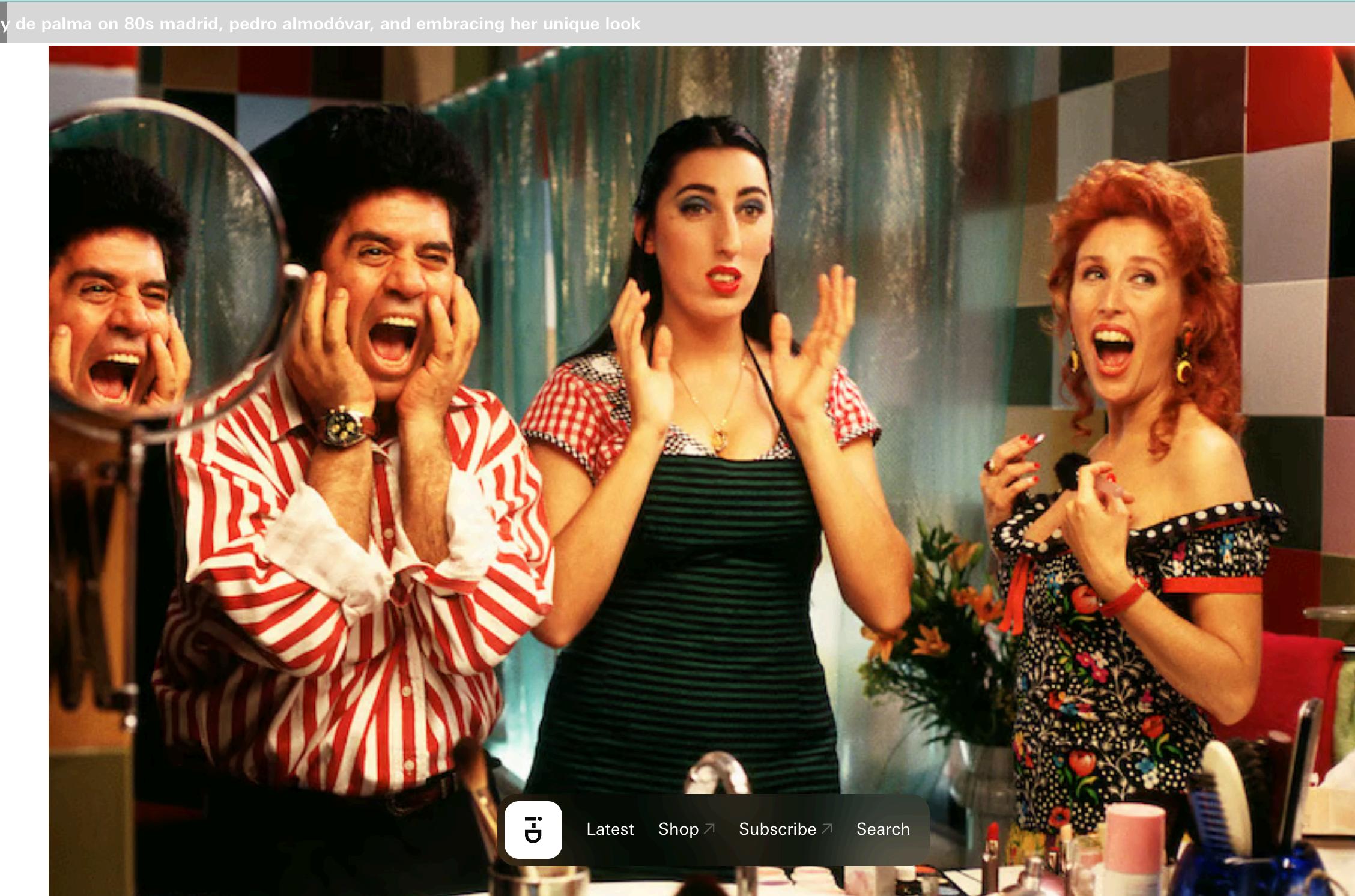
Rossy de Palma en el rodaje de "Mujeres al borde de un ataque de nervios", Pedro Almodóvar, 1988.
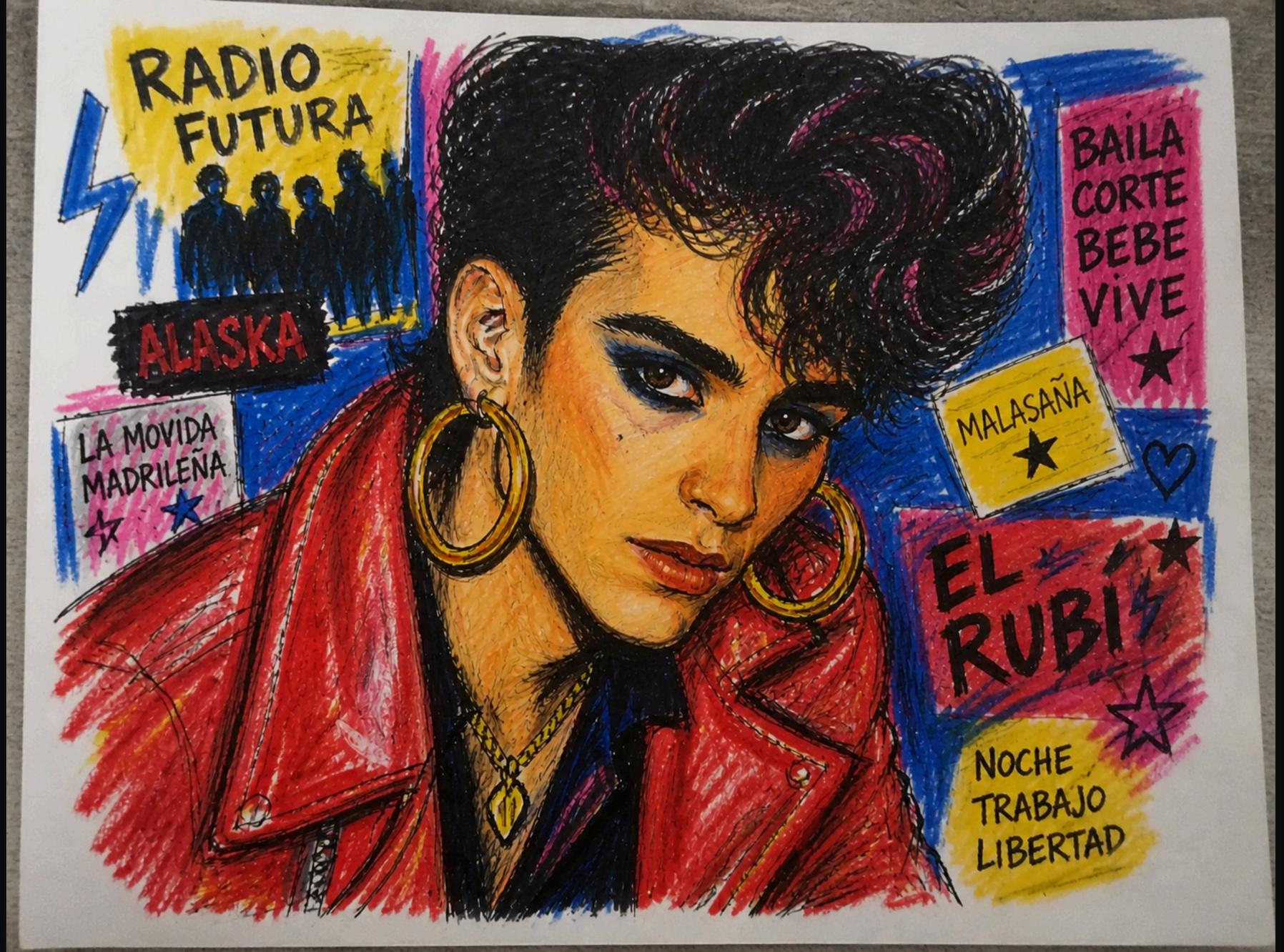
Jonah Cohen, dibujo generado por la IA
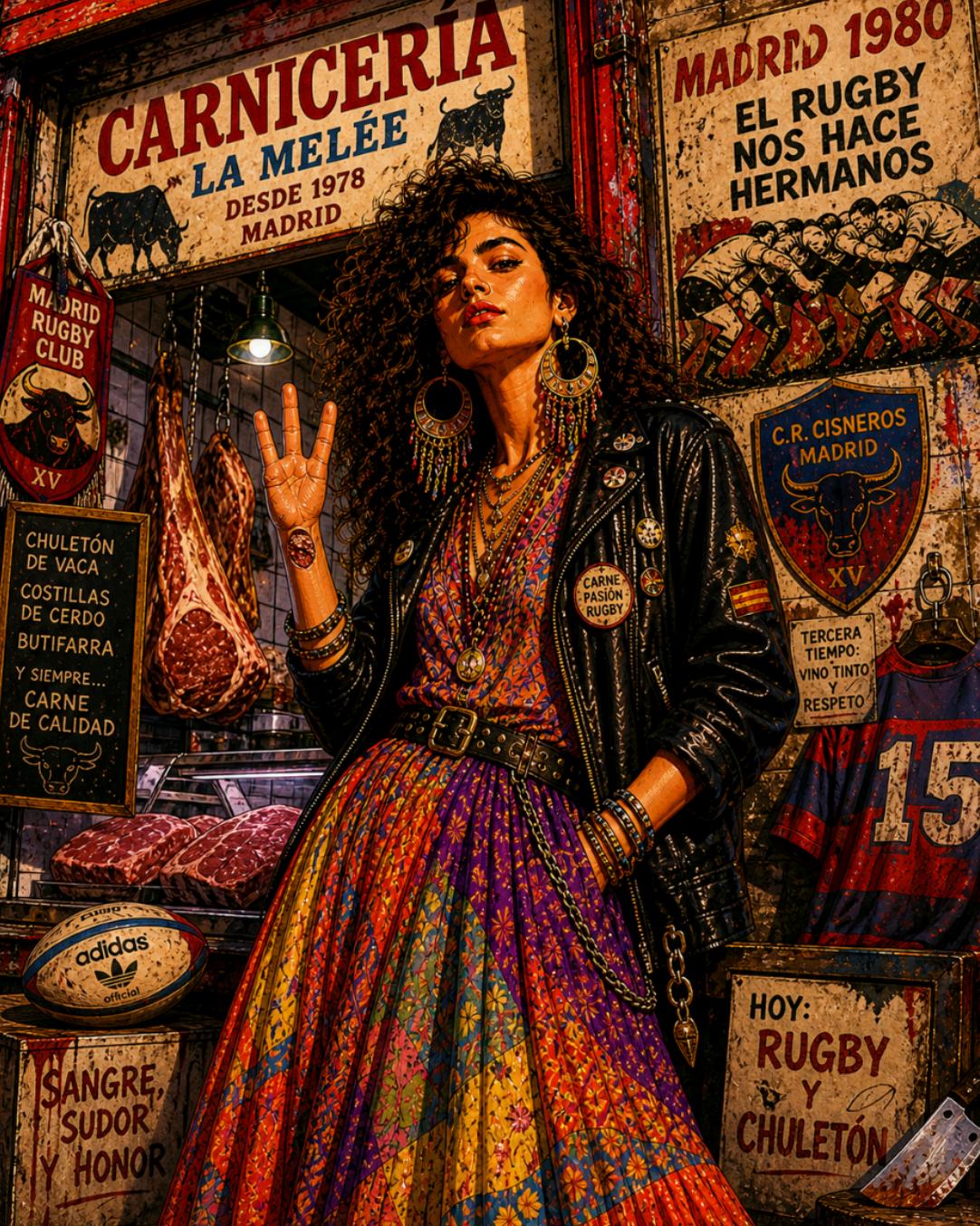
Mathis Durand. Dibujo generado por la IA Peggy Morcilla nació en Madrid en 1963. Su apodo es "Joaquina", tiene veinte años y es carnicera en un mercado del barrio. Vive con su madre en un apartamento pequeño. Su madre es soltera y su padre murió cuando tenía cinco años durante un partido de rugby. Tiene un estilo hippie muy llamativo, lleva faldas de colores saturados y pendientes enormes. Es una mujer alta y flaca. Además, tiene tres dedos en la mano derecha porque se los cortó en un accidente en la carnicería. Su personalidad es sorprendente, le gusta mucho el rugby y su gran miedo son las vacas, vivas o muertas. Por último, su objetivo en la vida es buscar la libertad y la autenticidad lejos de los normas de la sociedad.
Français de New York