Planning Commission Meeting
June 18, 2026

Today’s Planning Commission Meeting
Process & Engagement Recap
Project Schedule
The Lexington Downtown Area Master Plan’s yearlong process took place through six (6) task phases.
Task 0 - Project Startup and Coordination
Task 1 - Existing Conditions Analysis
Task 2 - Housing and Market Analysis
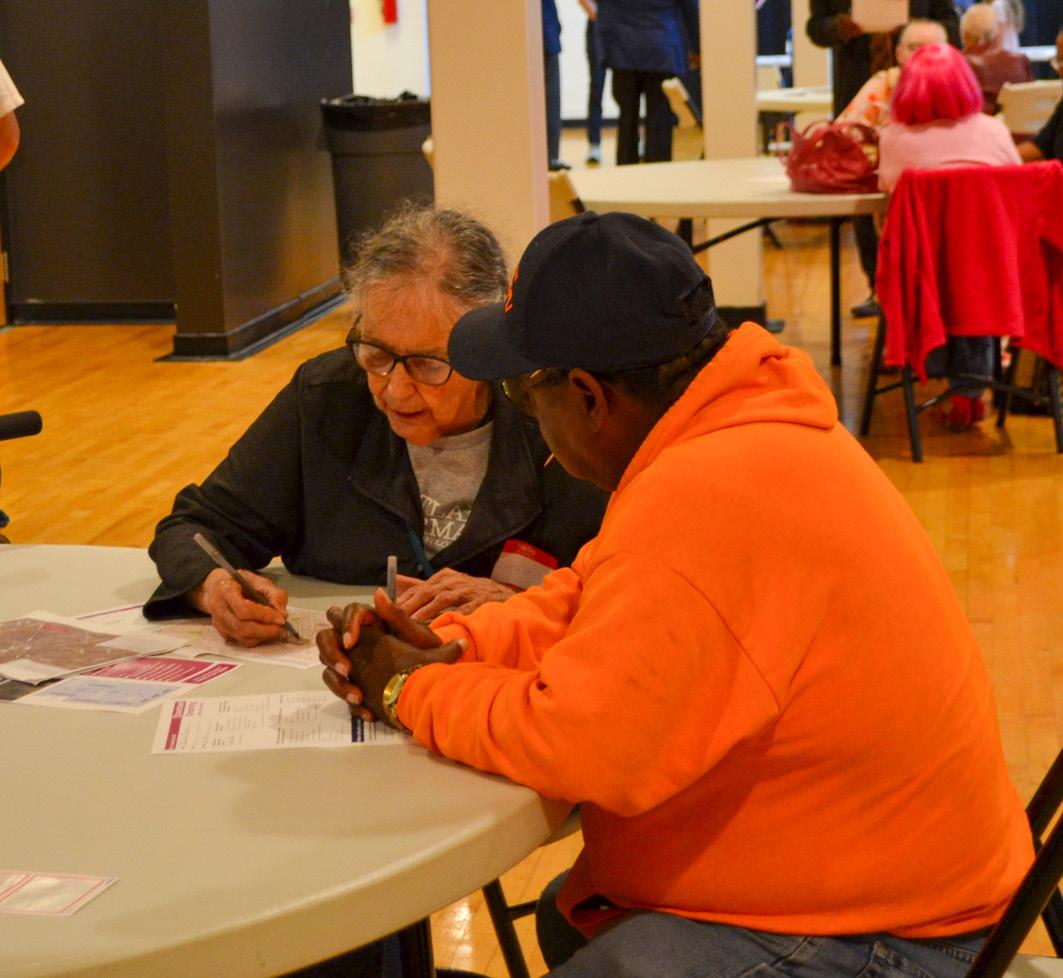
Task 3 - Public Engagement
Advisory Committee Meetings
Stakeholder Interviews
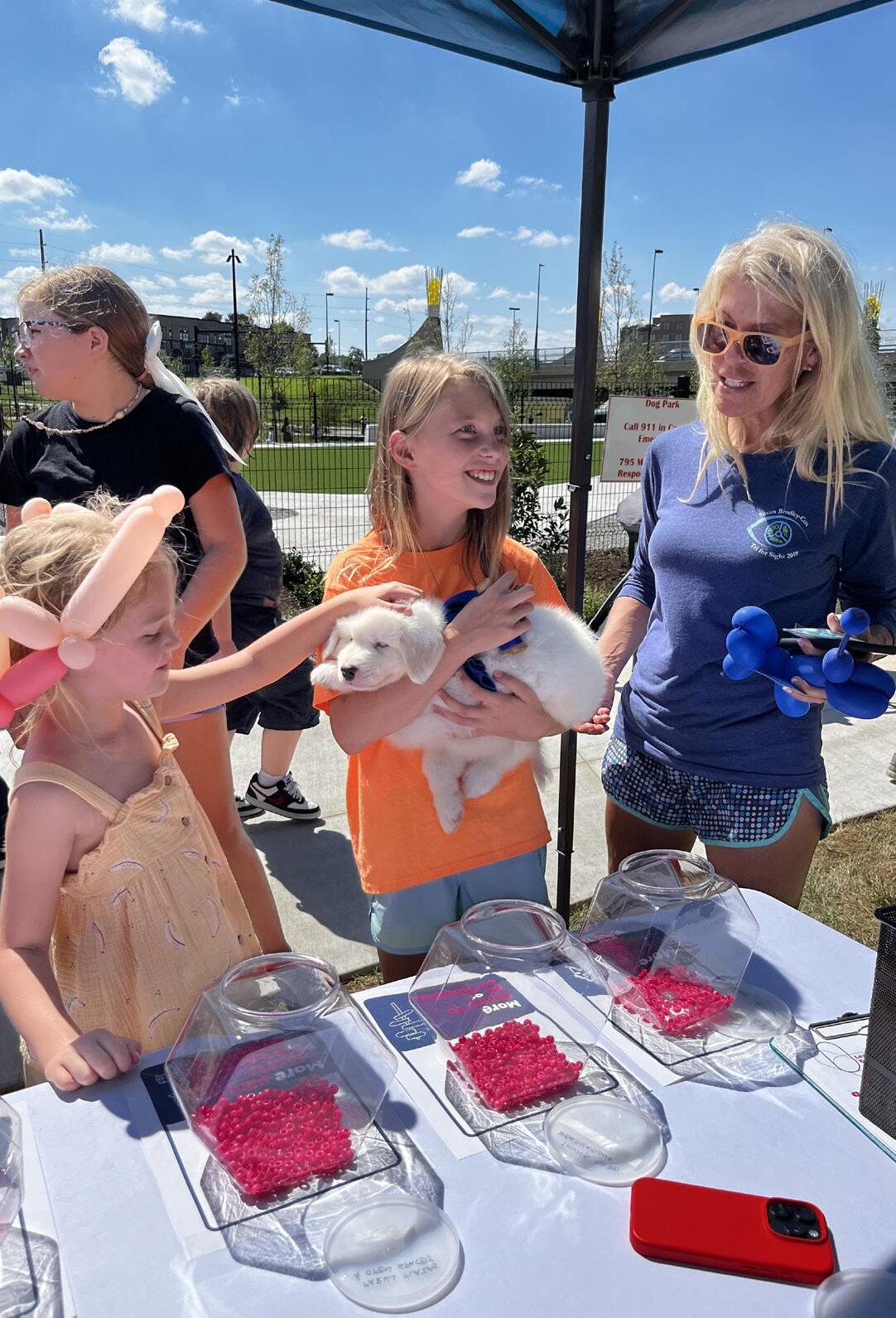
Targeted Neighborhood Engagement
Community Meetings
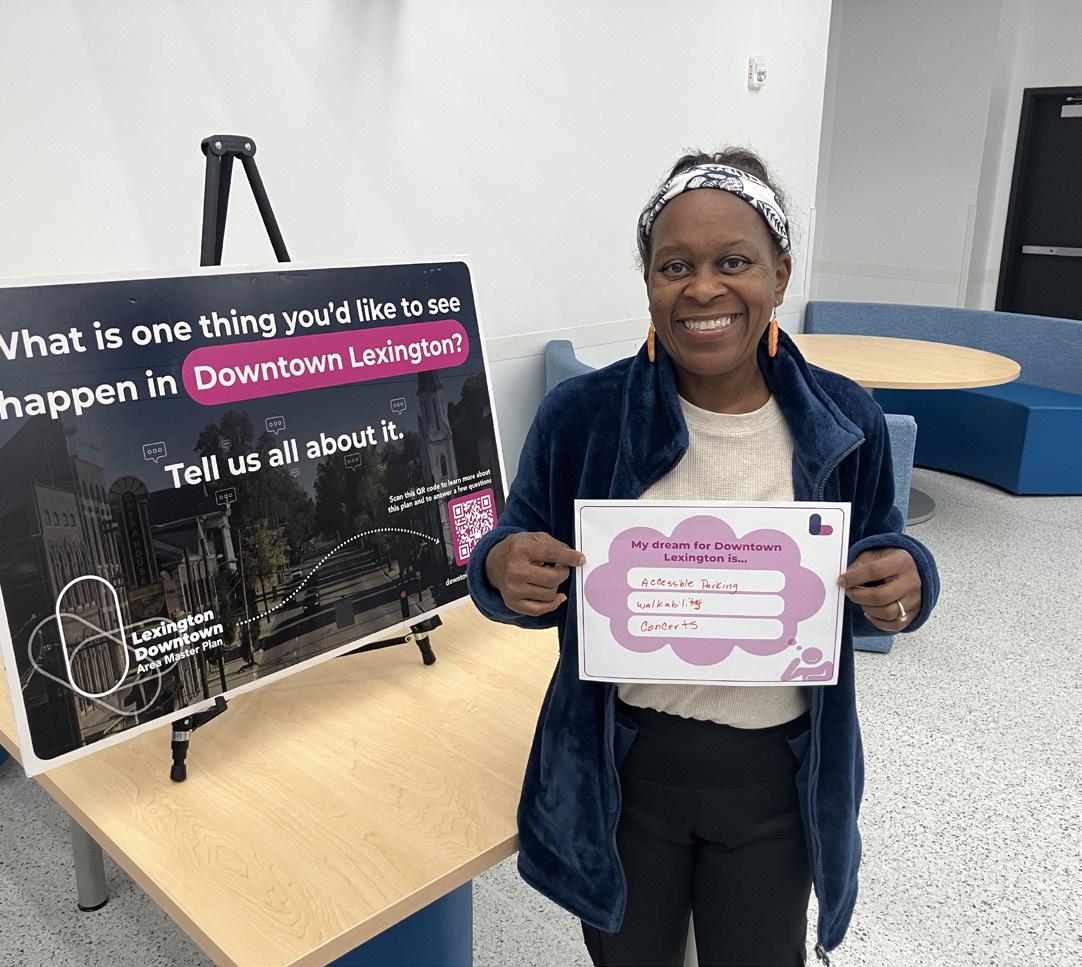
Online Engagement
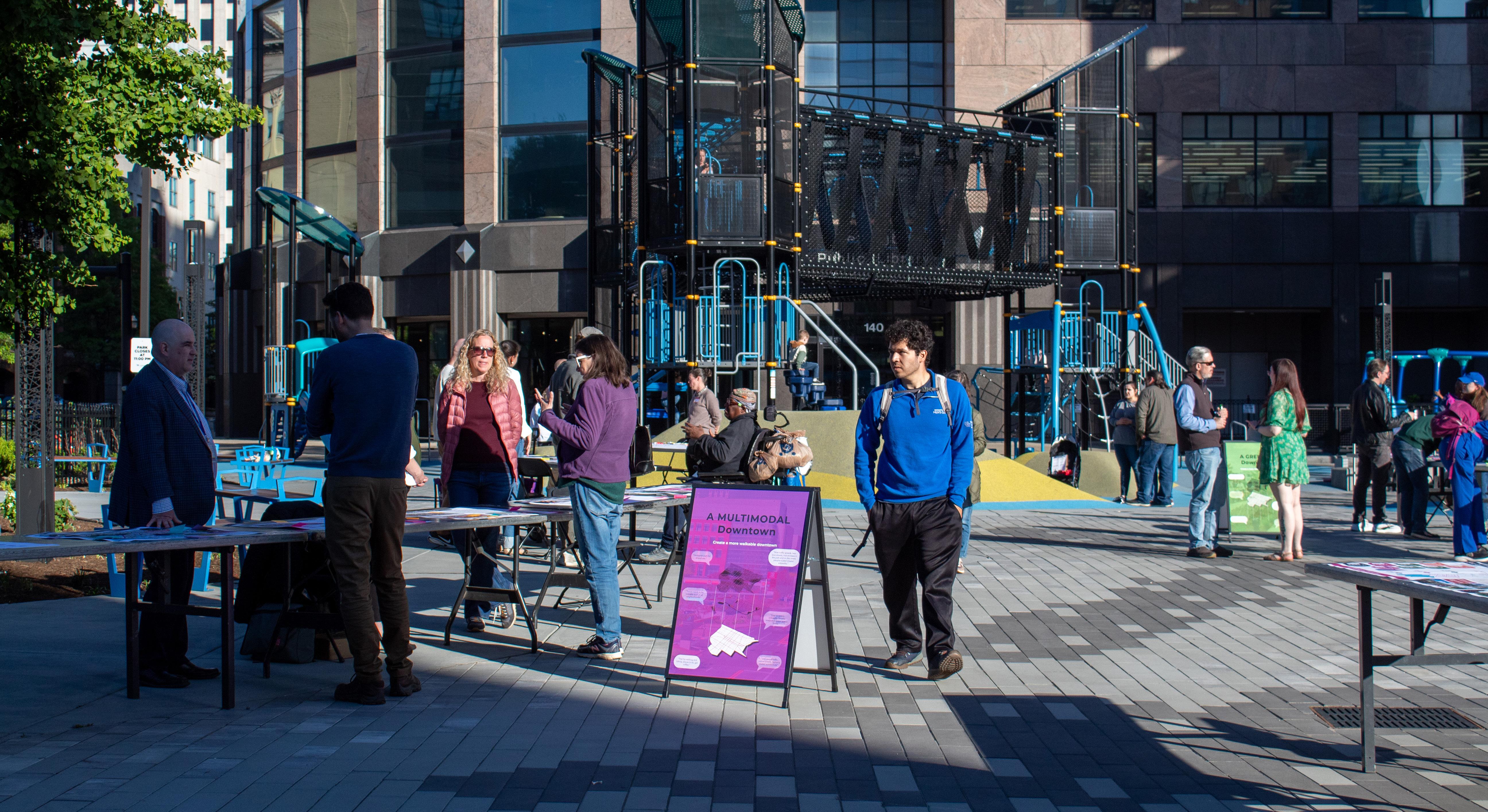
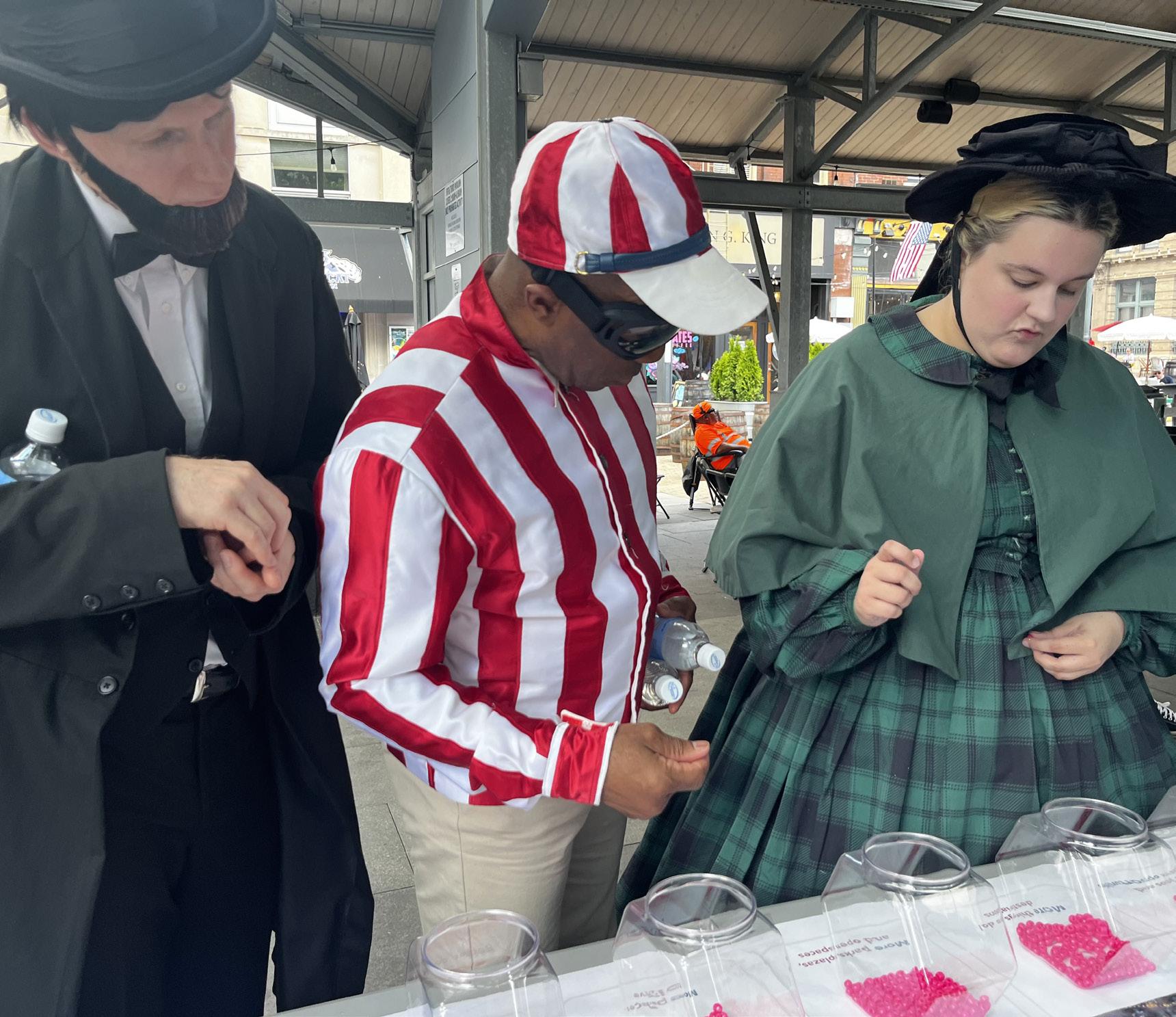
Nontraditional and Creative Engagement
Task 4 - Plan Development
Task 5 - Summary Report
Task 6 - Deliverables
Three Phases of Engagement
This plan’s engagement occurred in three distinct phases, tailored to help craft, test, and refine a vision for downtown.
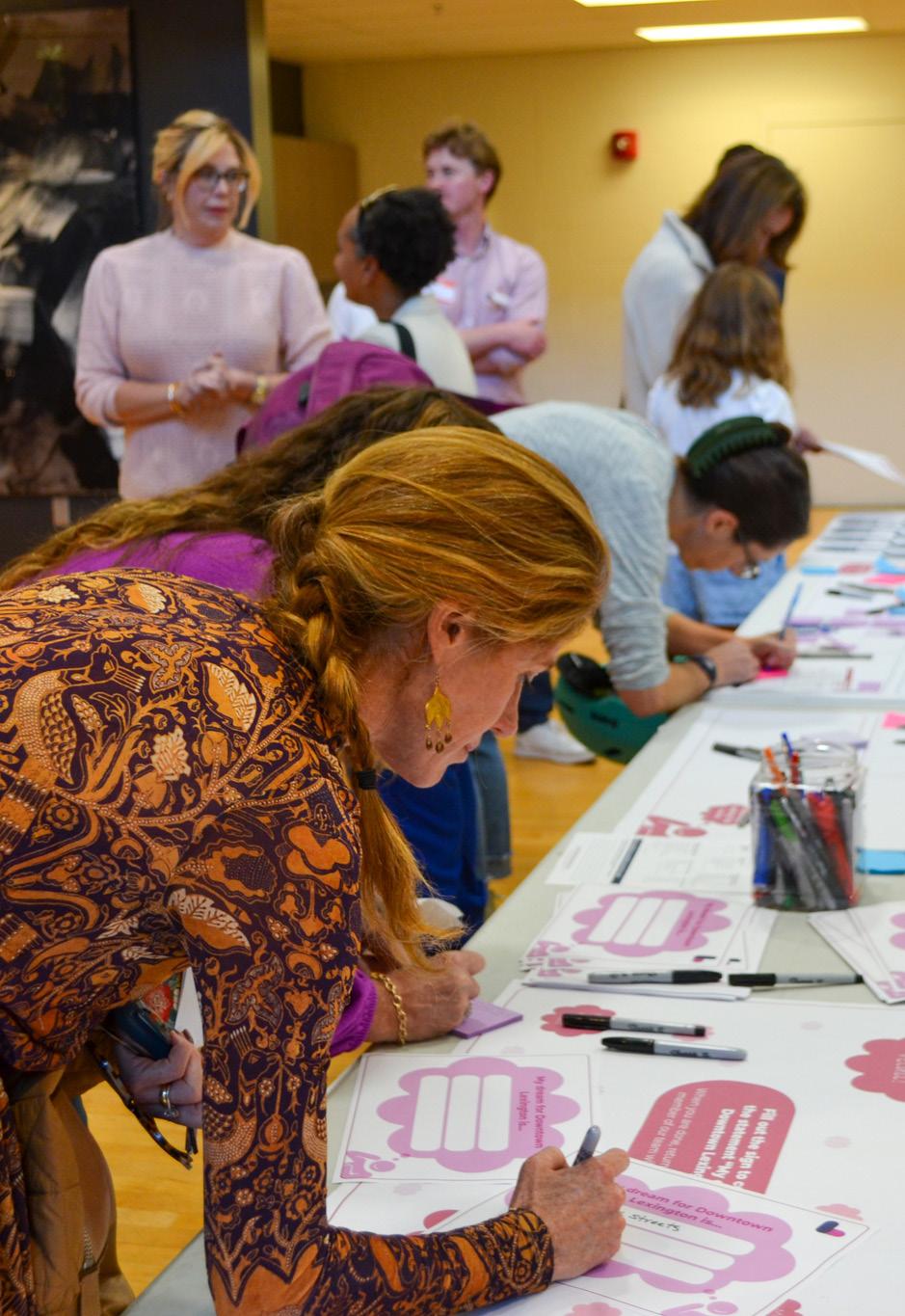
Committee Meeting 1: Project Launch
Advisory Committee Meetings
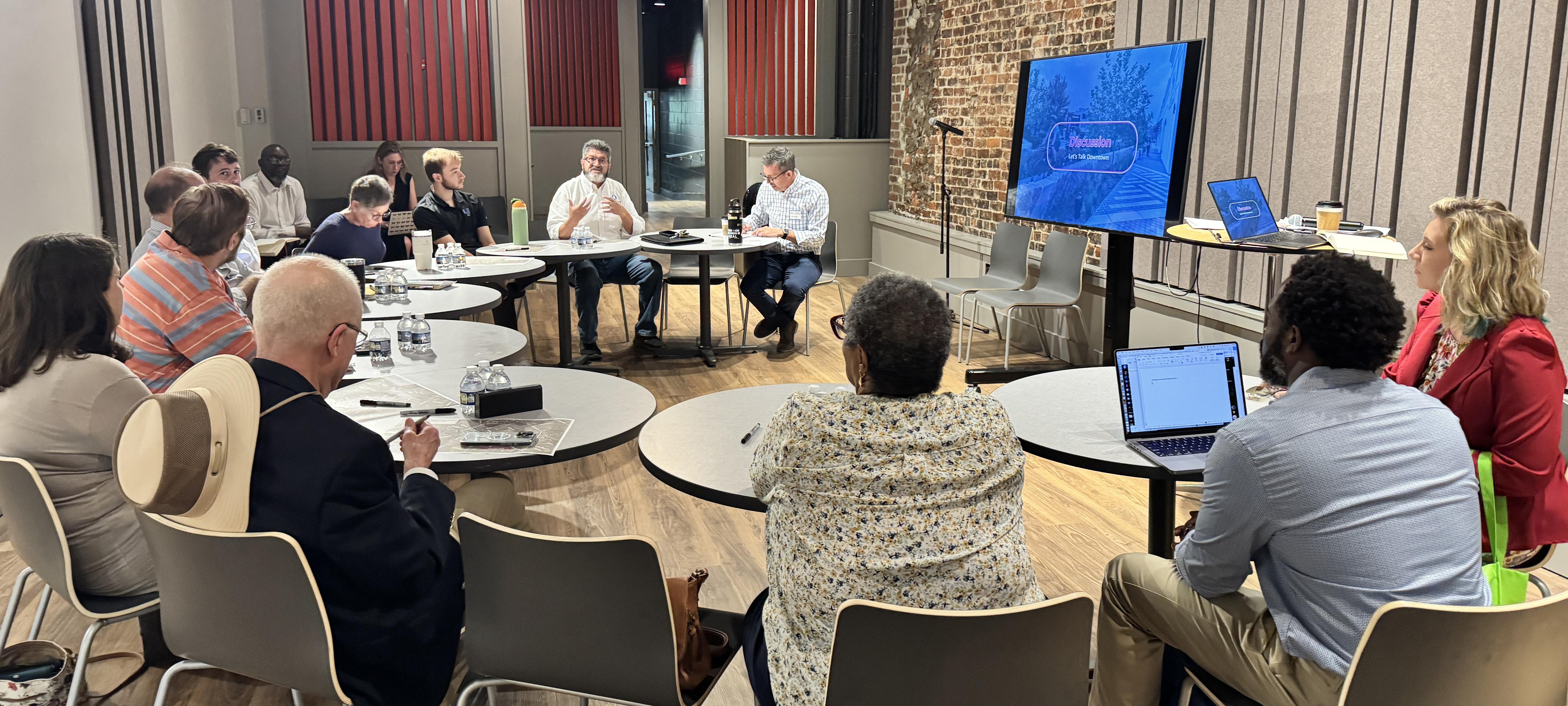
Discussion centered around downtown’s key issues and opportunities.
Committee Meeting 2: Downtown Dreaming
Introduced the project goals, shared potential focus areas for catalytic development, and highlighted key corridors.
Committee Meeting 3: Downtown Designing
Previewed the Downtown Framework and its supporting strategies. Discussed initial concepts for focus areas.
Committee Meeting 4: Downtown Destiny
Discussed the plan’s key recommendations and implementation strategies.
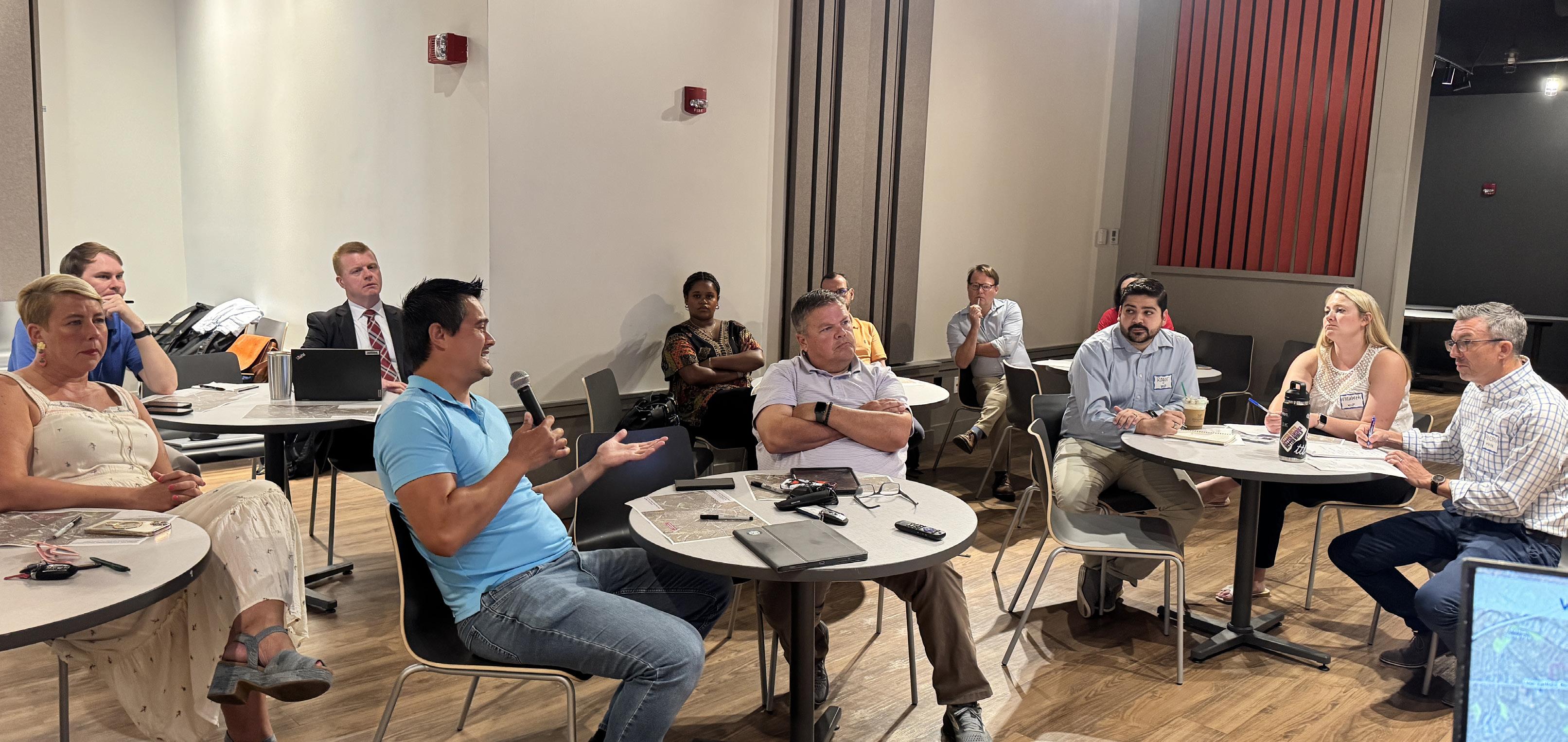
Stakeholder Roundtables
100+ Downtown Stakeholders
Engaged through nine roundtable discussions:
Food and Beverage Businesses
Transportation Specialists
Places of Worship, Nonprofits, and Social Services
Downtown Retailers
Developers and Real Estate
Institutions and Education
LFUCG Departments
Arts and Culture
Neighborhood Groups
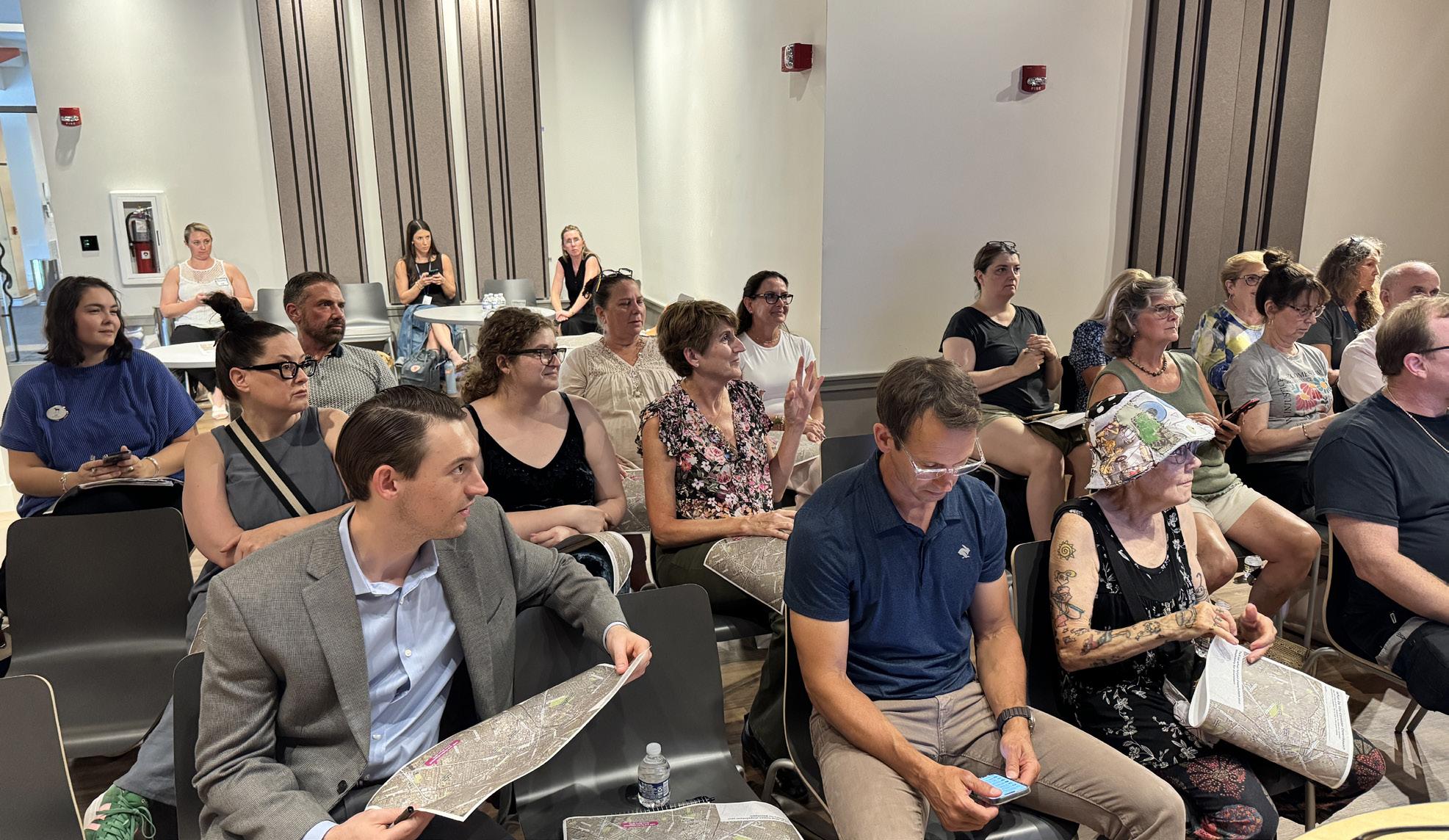
These meetings were instrumental in developing an early understanding of downtown, which were summarized as a set of emerging themes, later refined into Project Goals.
Online Engagement
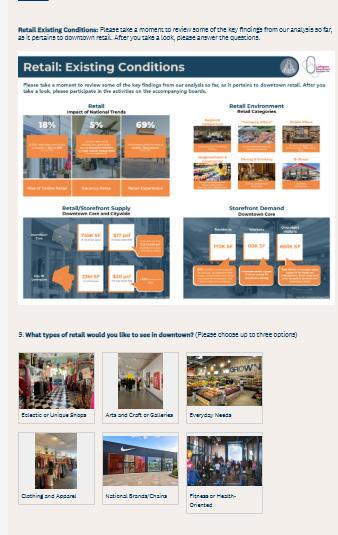
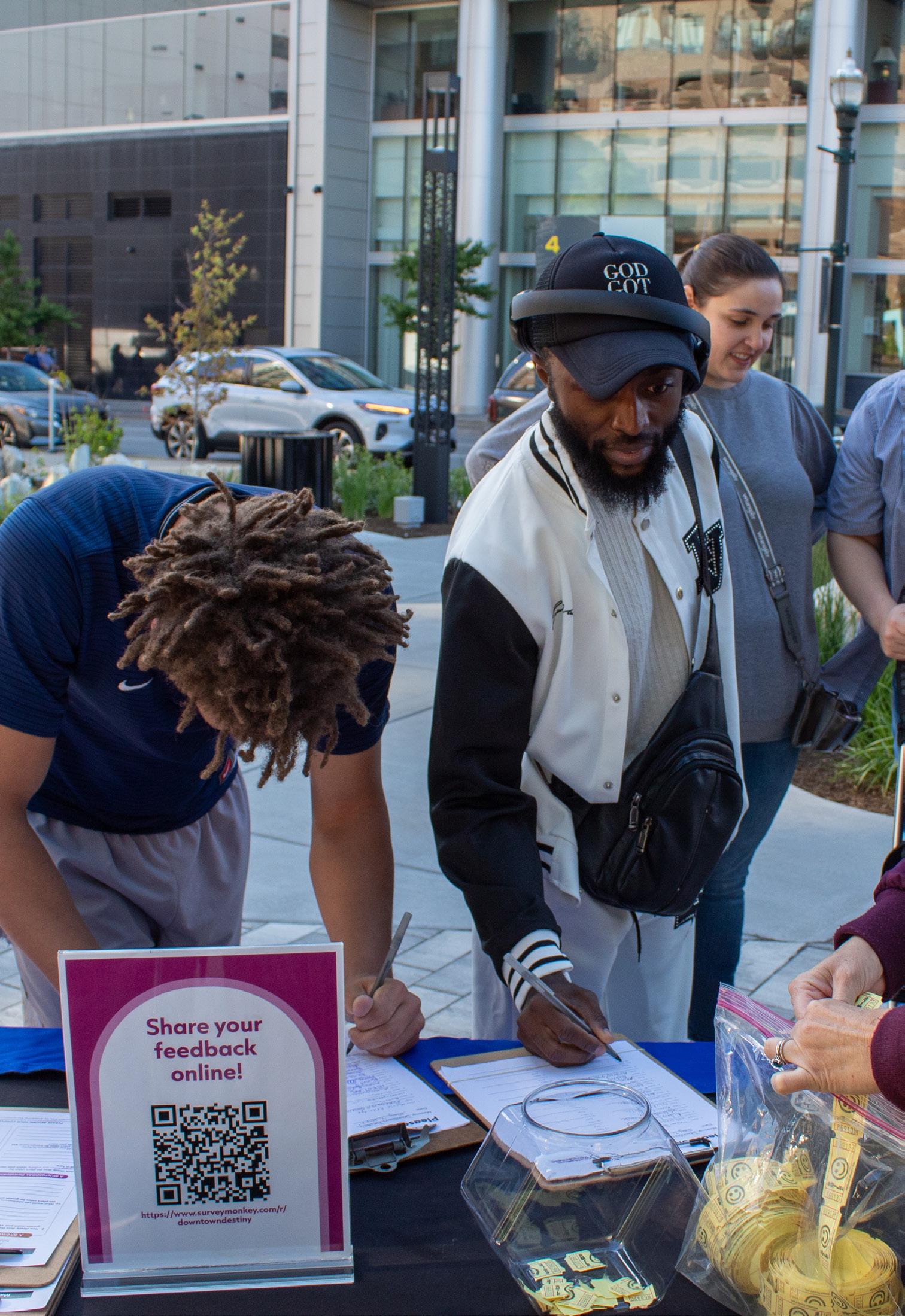
Surveys were an invaluable tool in reaching members of the community who were unable to attend events, or who would rather share their feedback online.
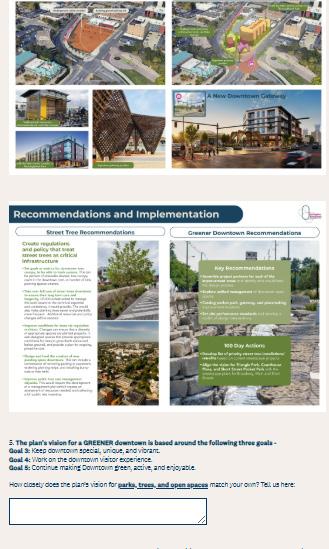
943 Online Survey Responses Project Website
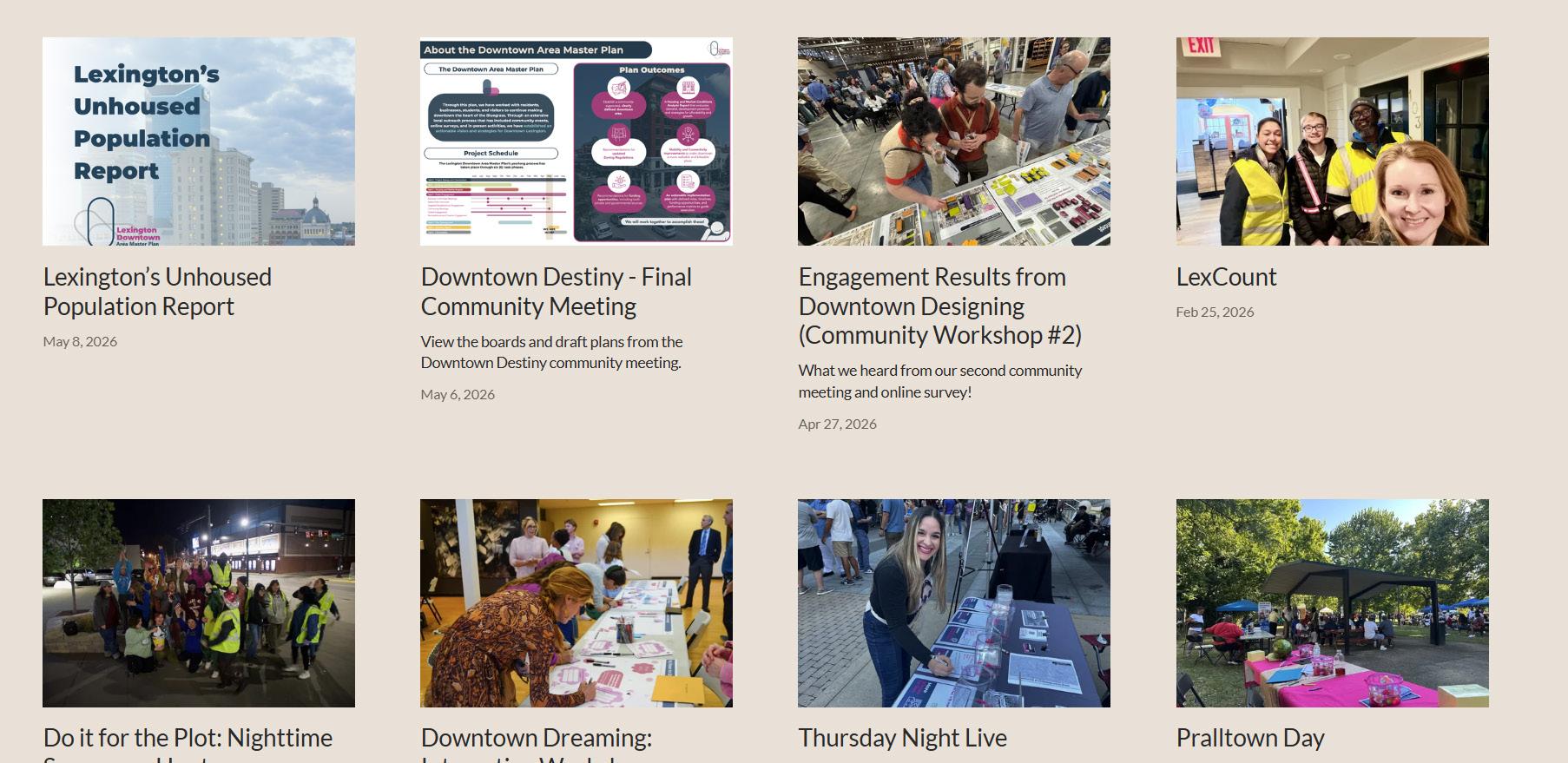
www.downtownlexplan.com a dedicated project website, was maintained and regularly updated throughout the planning process to keep the Lexington community informed of project milestones, engagement opportunities, and plan updates.
Neighborhood Engagement
Key Events Attended and Groups Engaged by Planning Team
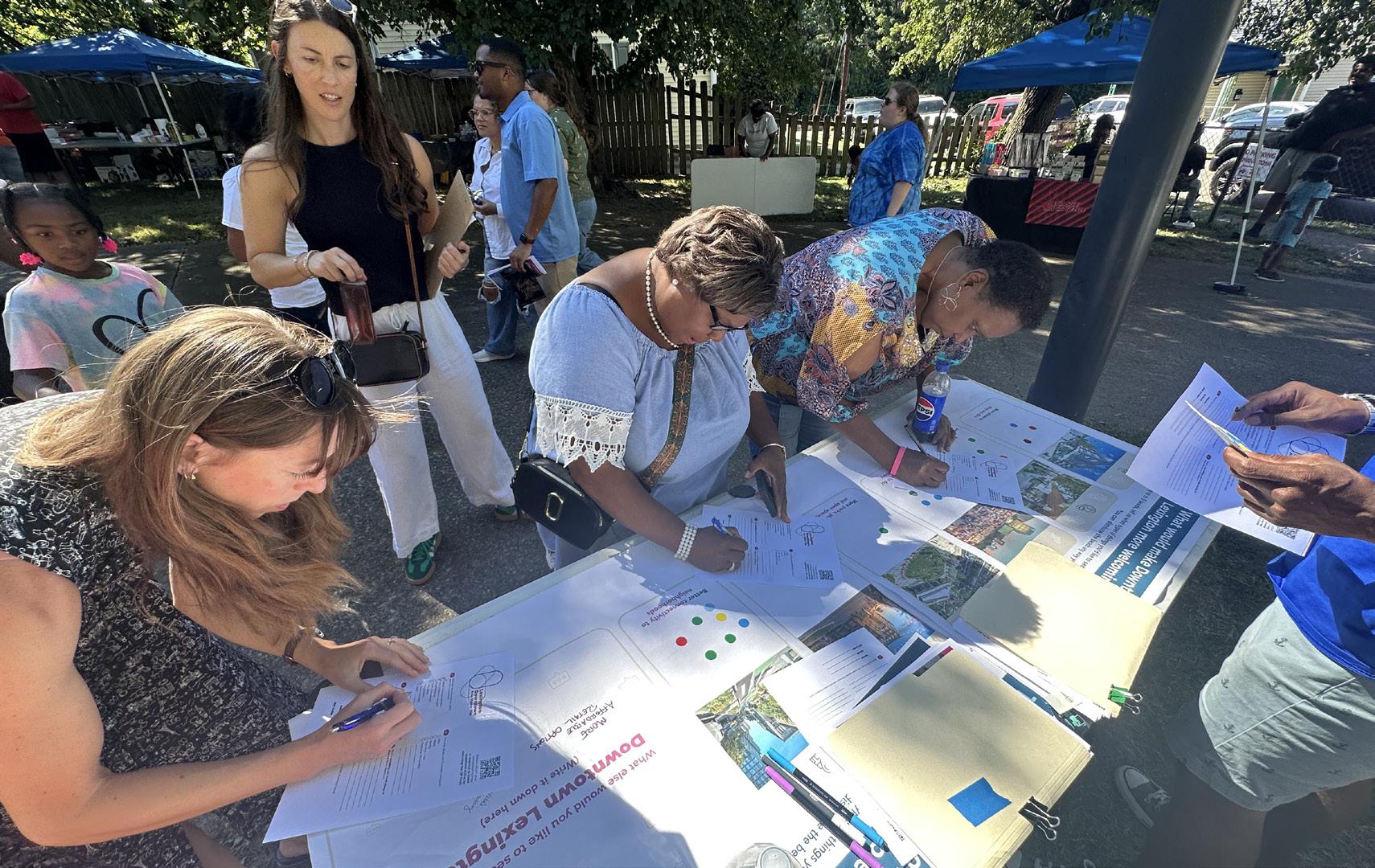
700+
Lexingtonians engaged at neighborhood events and meetings
20+
Events and meetings attended in the yearlong process
Gatton Park Opening Jazz In the Park
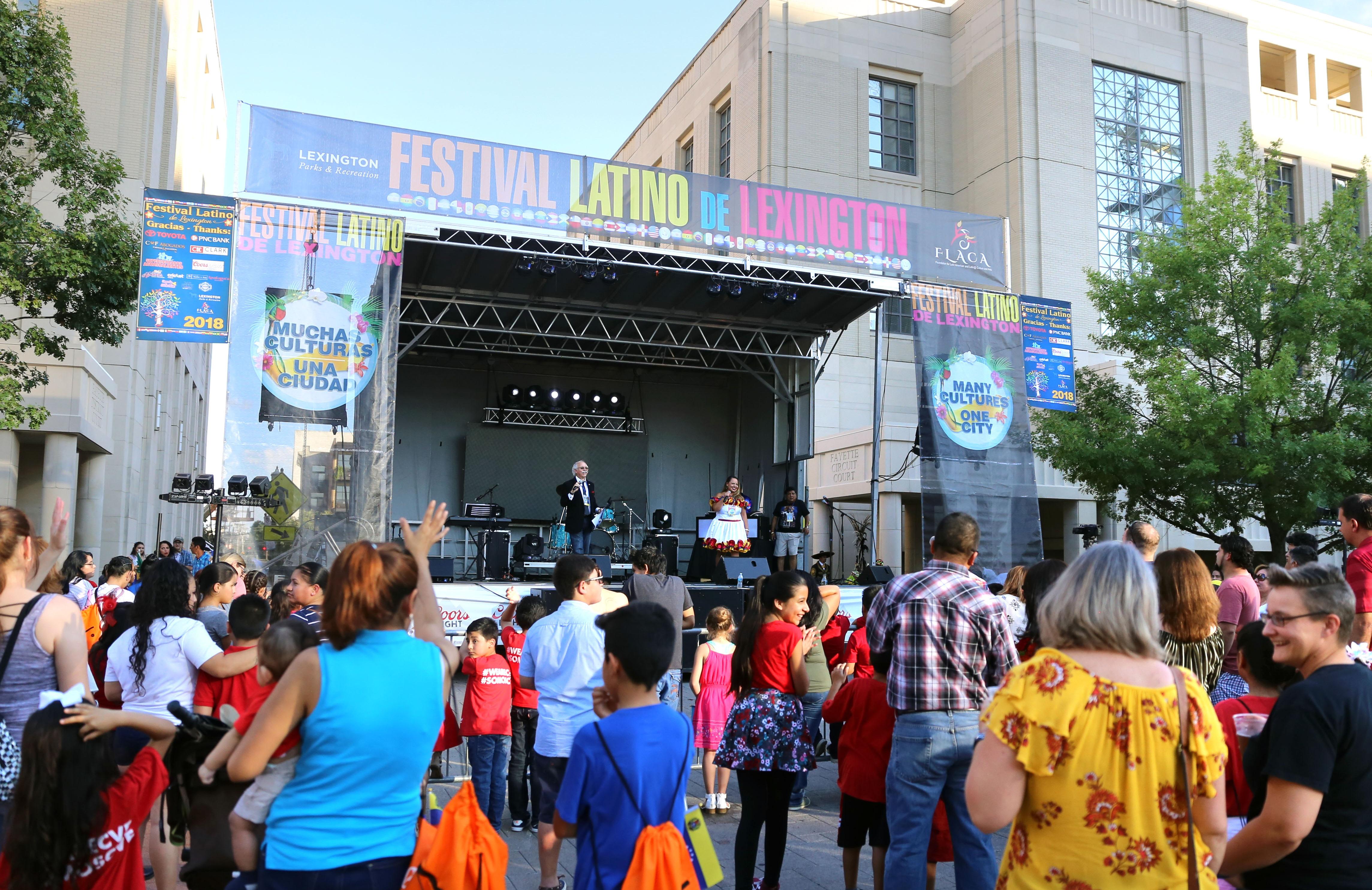
Pralltown Day Roots and Heritage Festival
Phoenix Park Ribbon Cutting Complete Streets and Vision Zero
Williams Wells Brown Neighborhood Association Meeting
“Do it for the Plot”
Scavenger Hunt
Creative Engagement
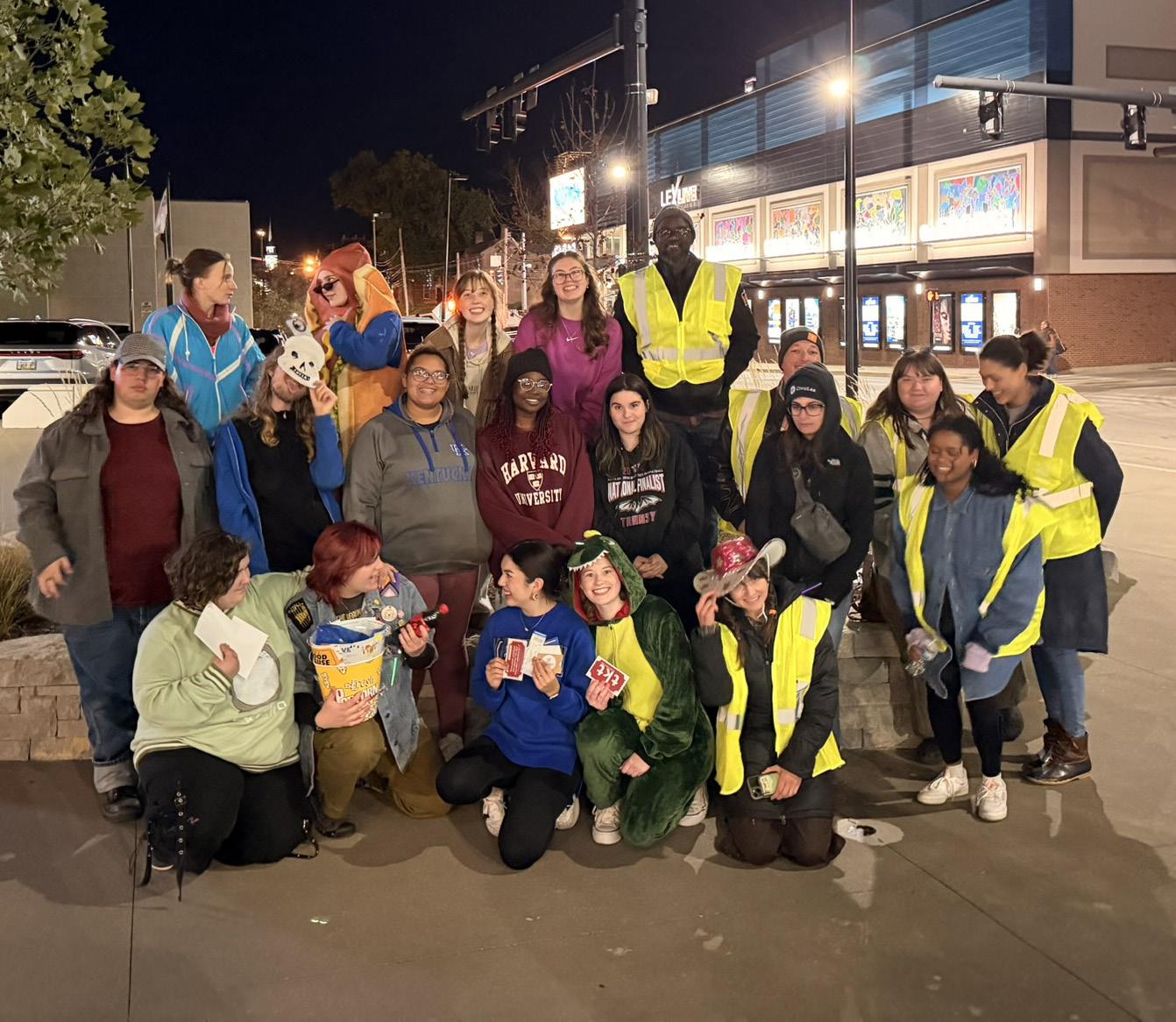
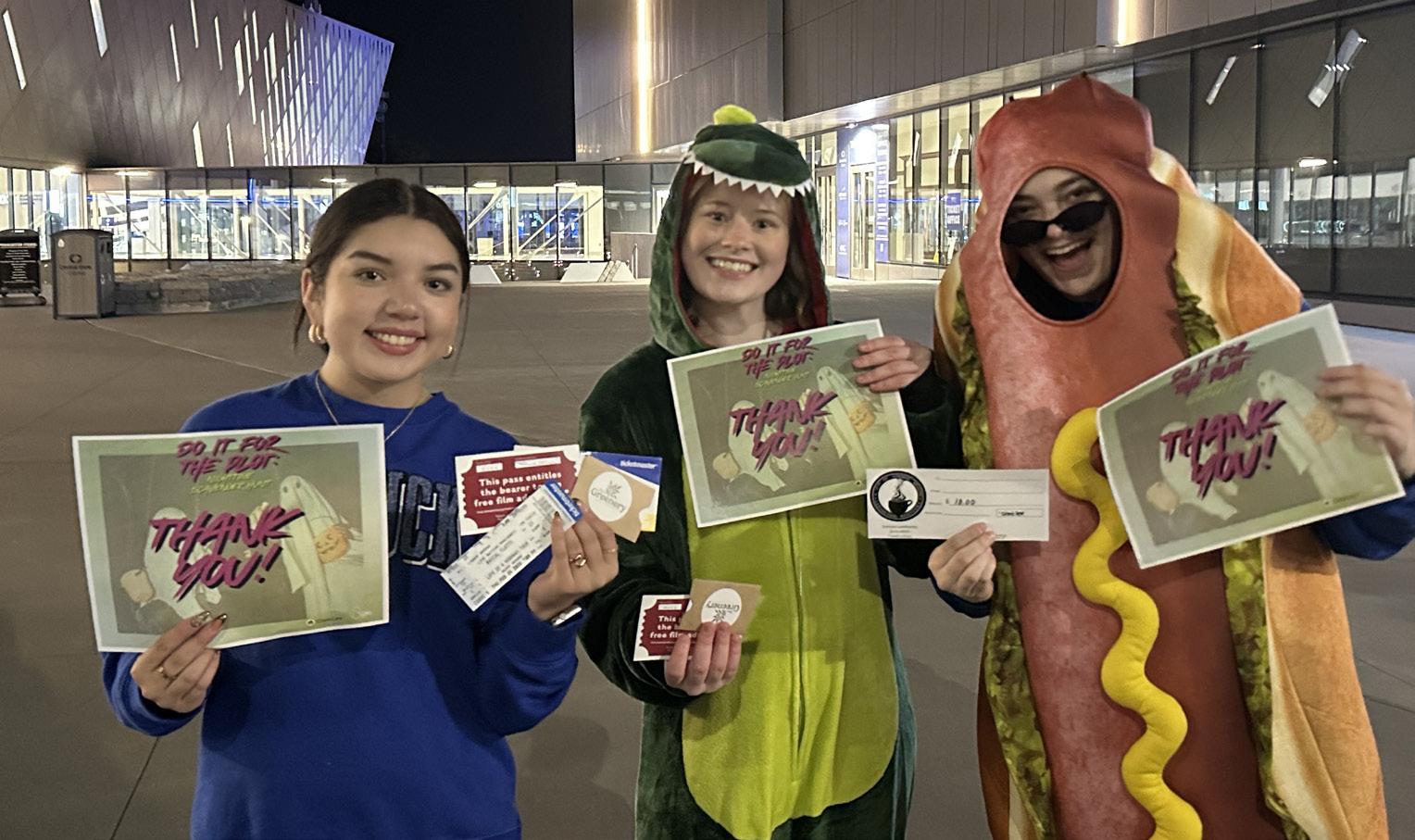
25 Students participating in scavenger hunt
Engaging Lexington’s Unhoused & LexCount
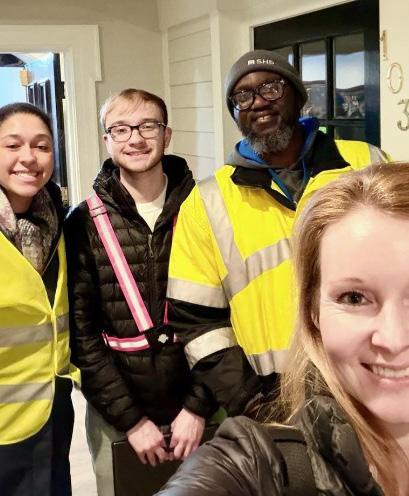
5 Interviews with unhoused individuals
12 Interviews with partners supporting the unhoused
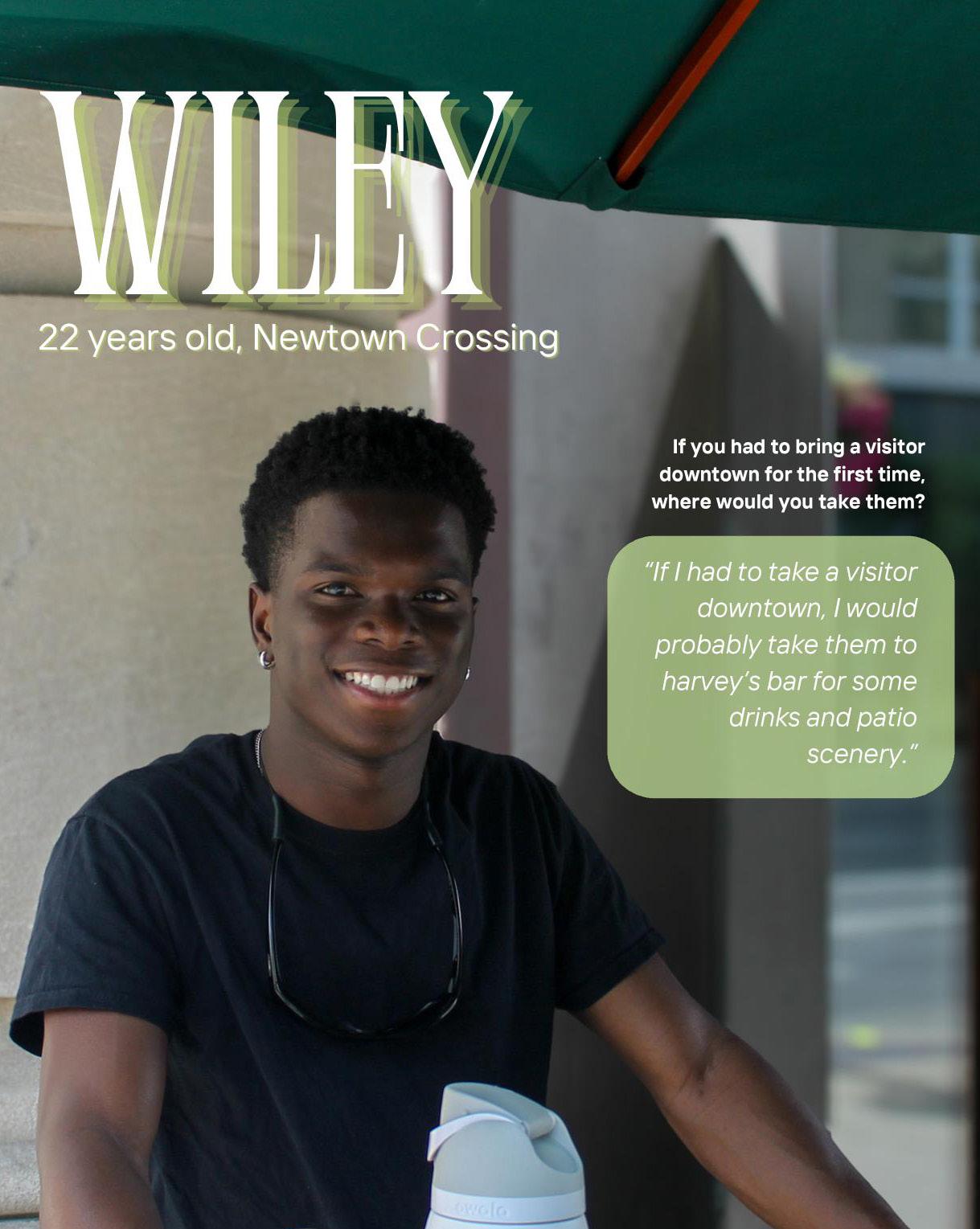
10 Downtown stories collected
Interactive Workshops
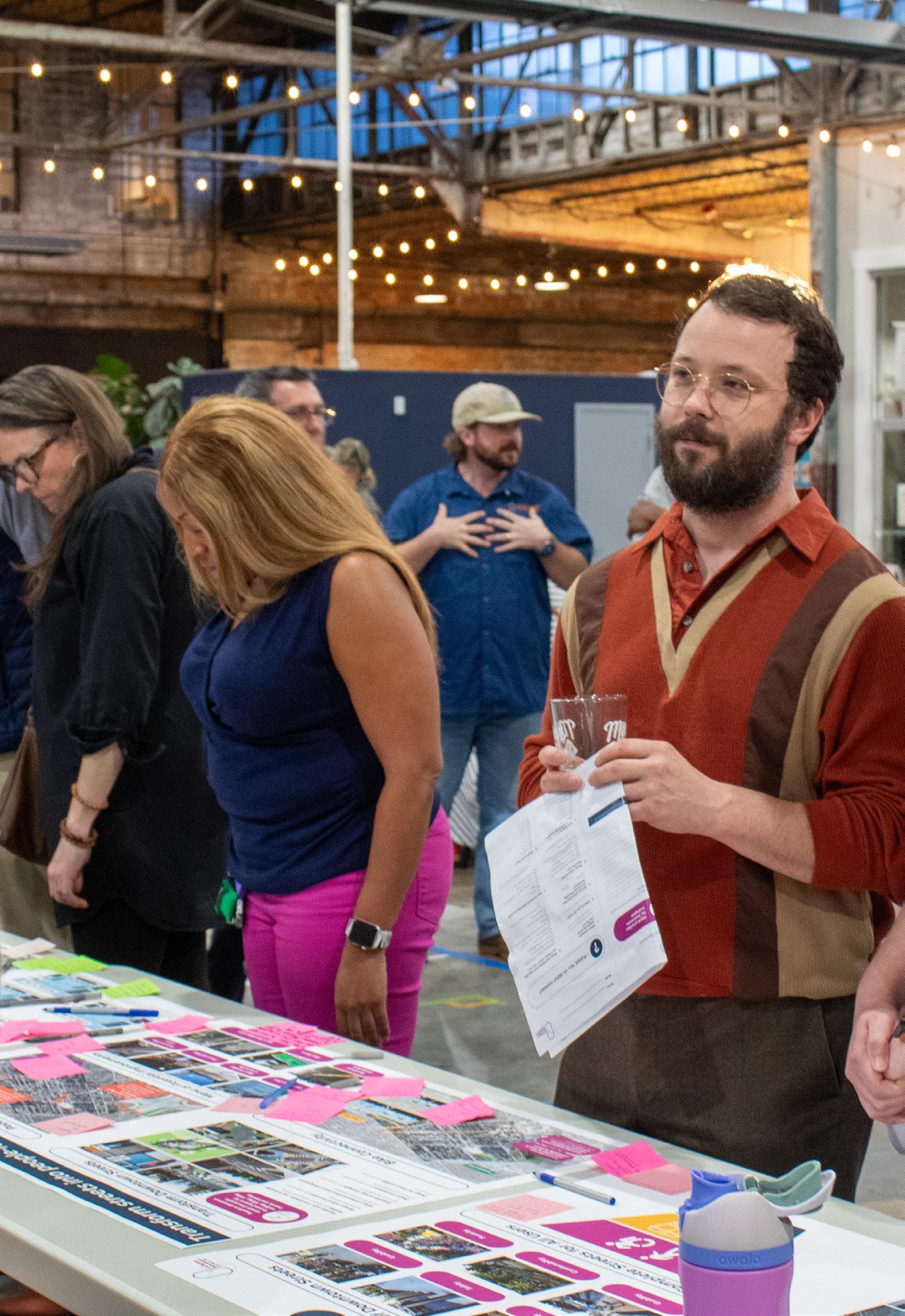
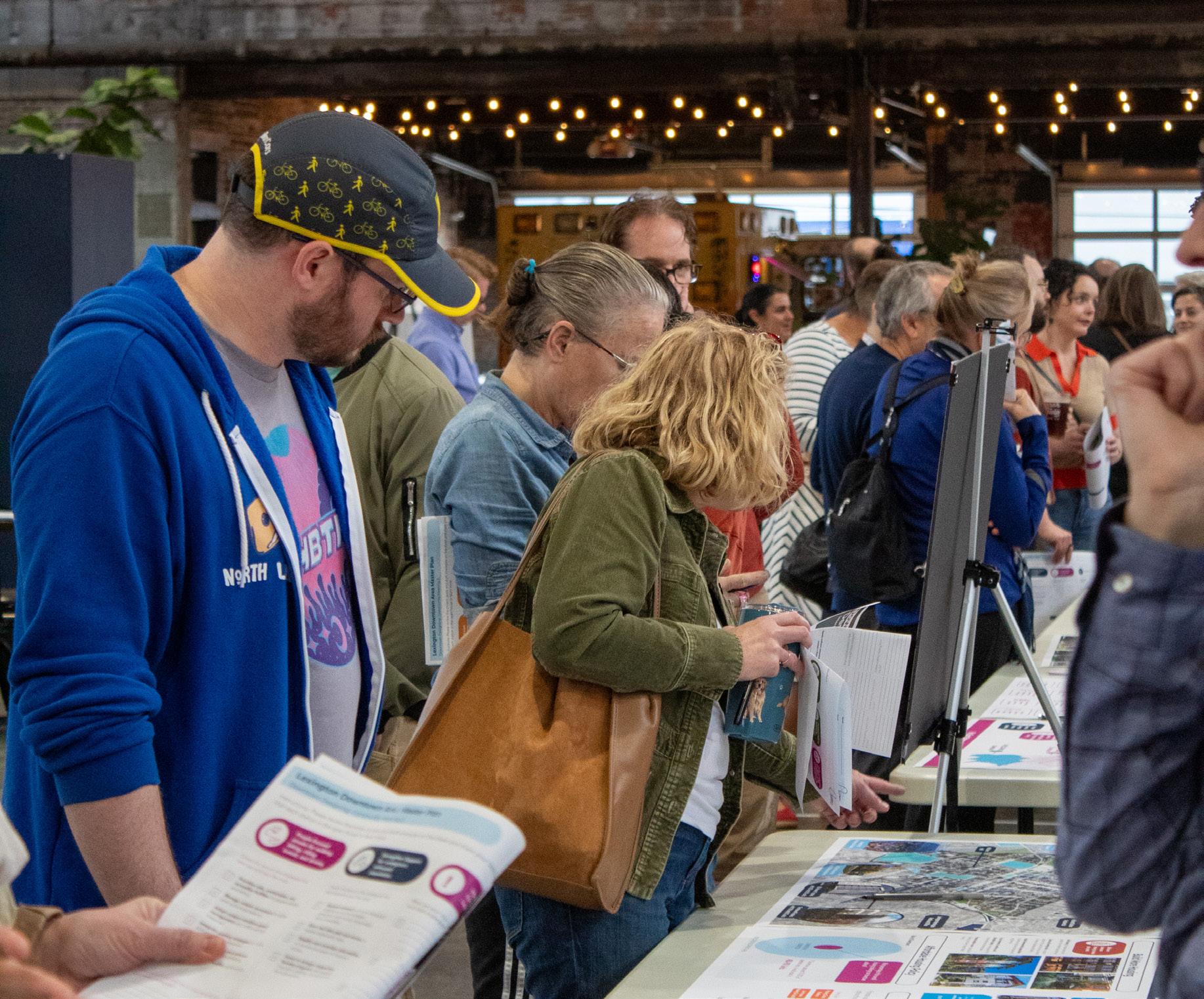
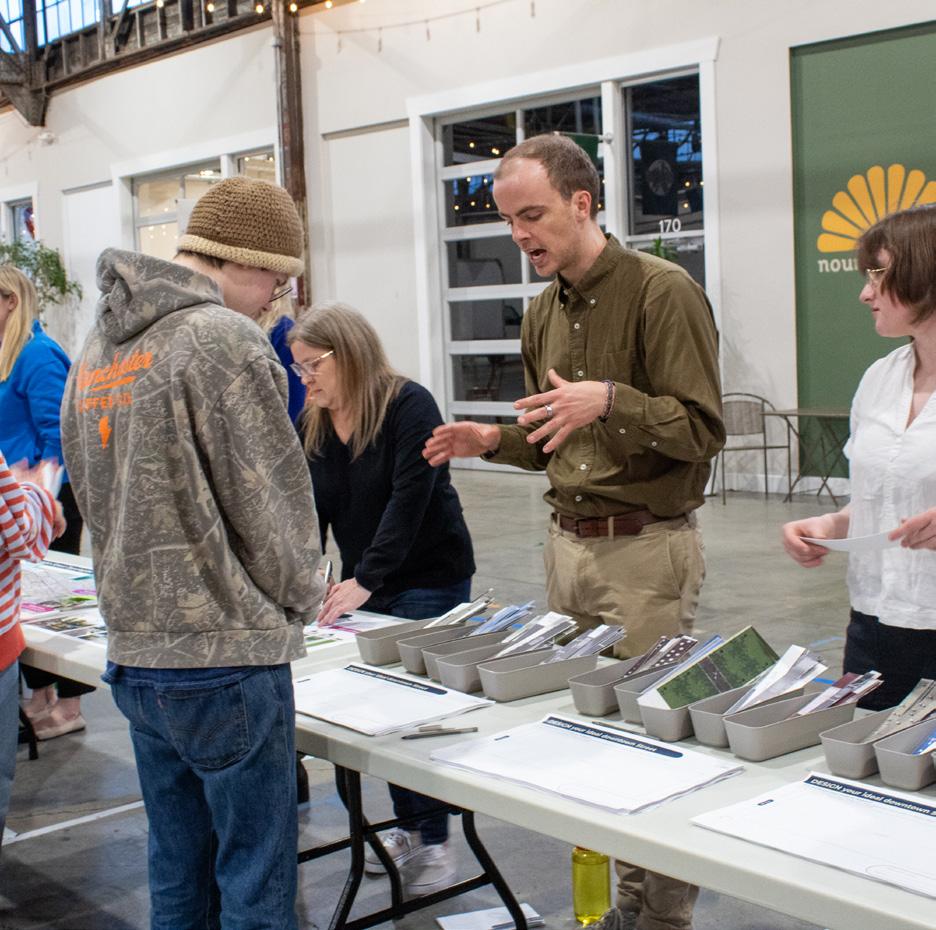
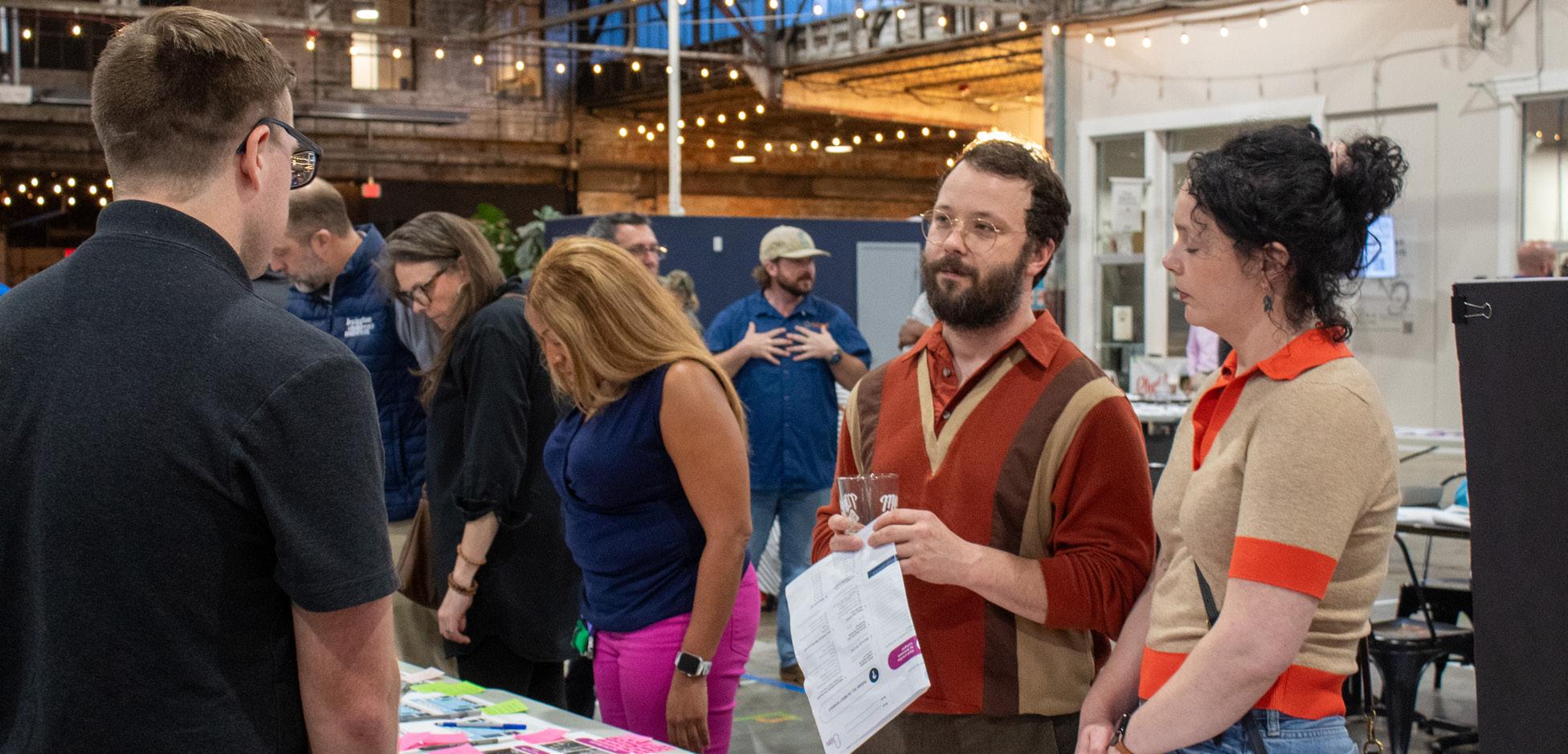
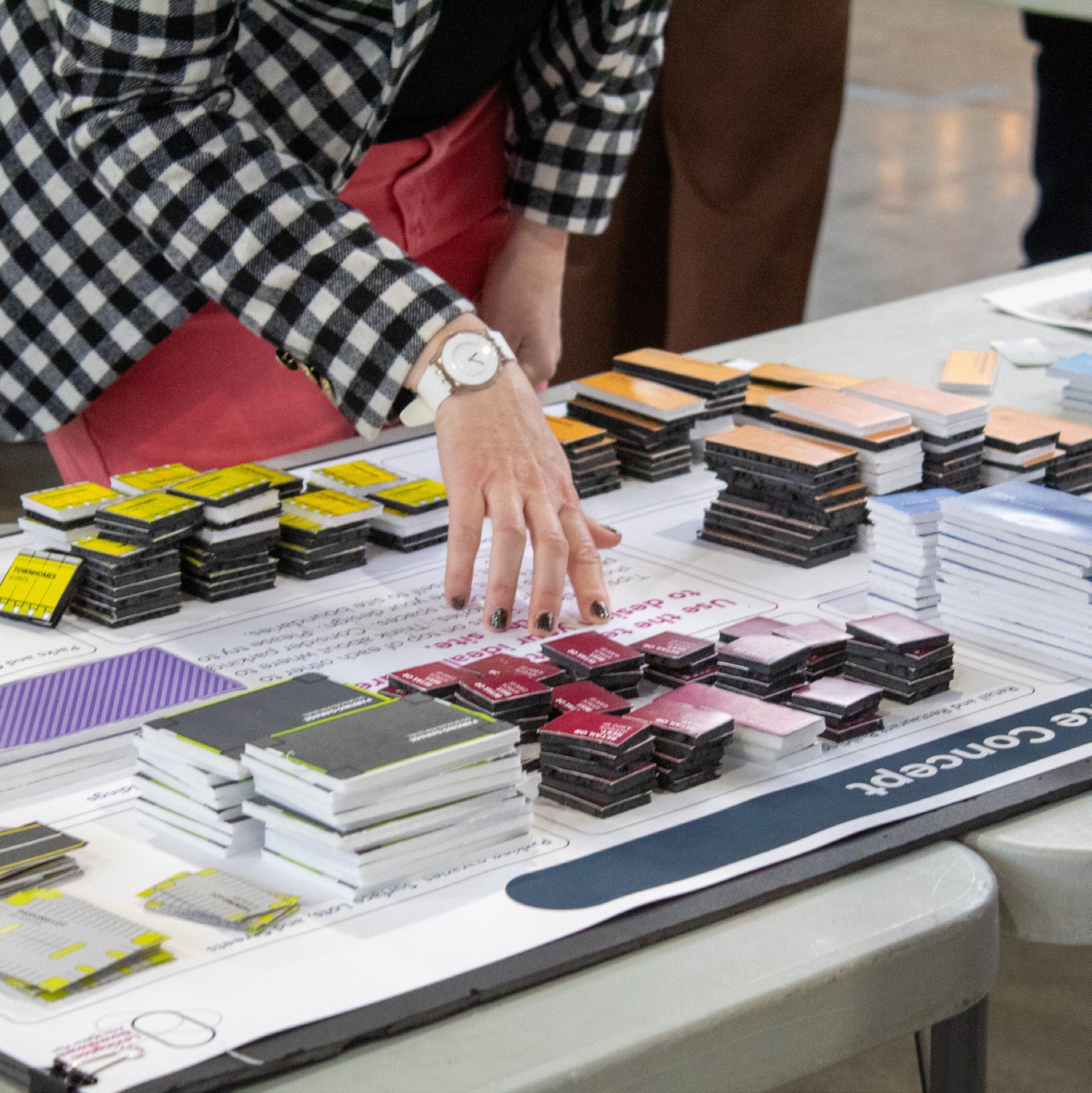
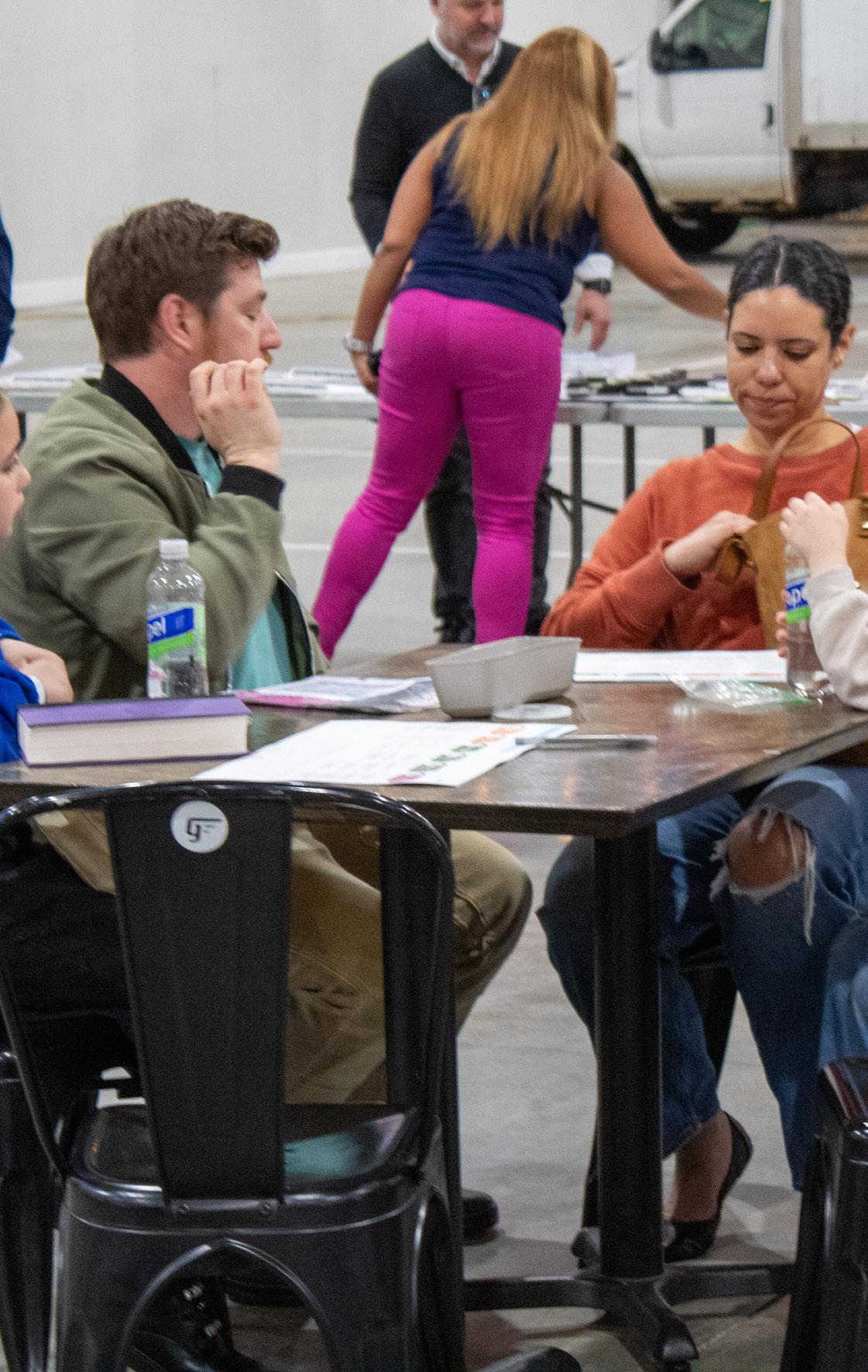
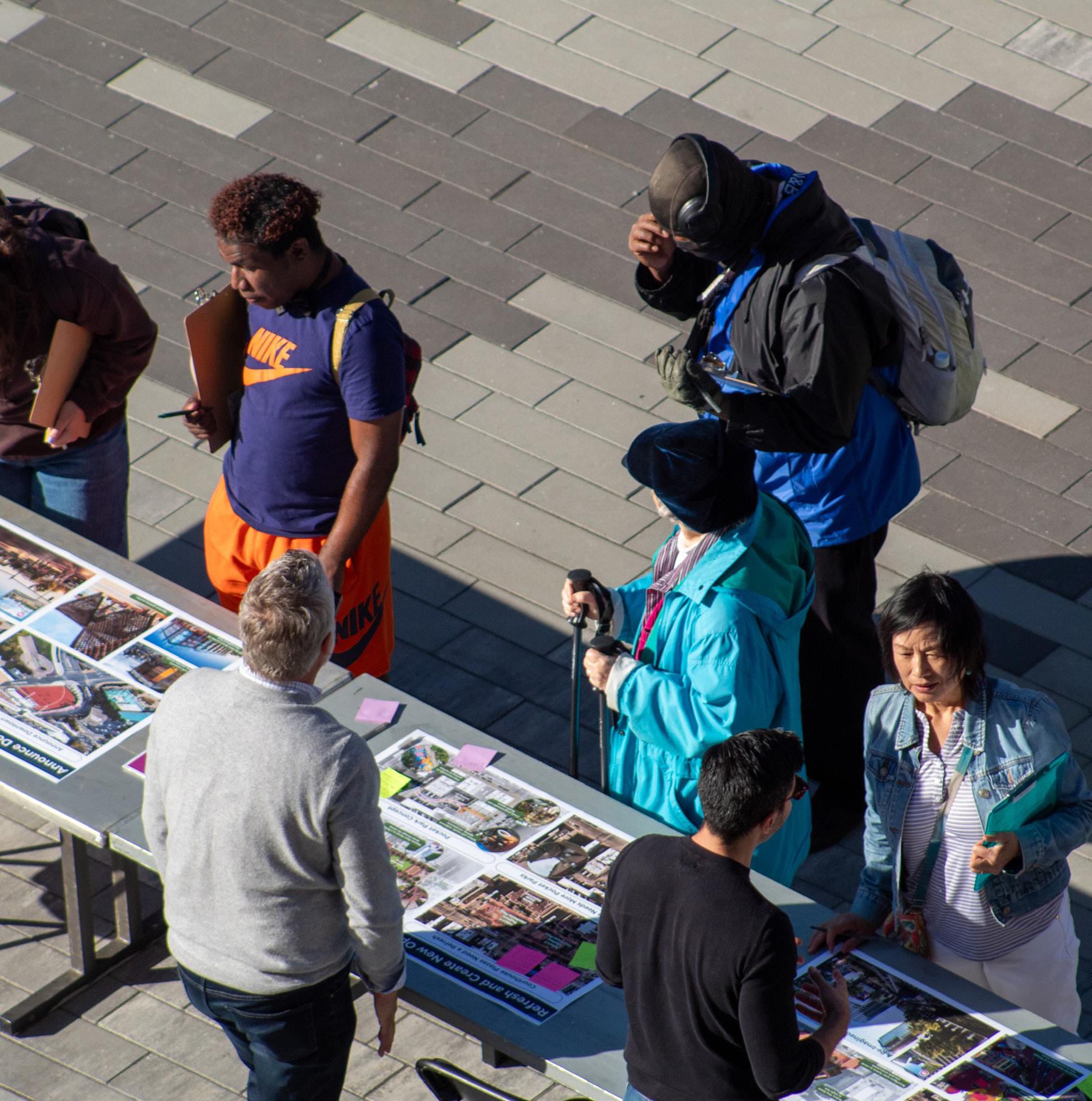
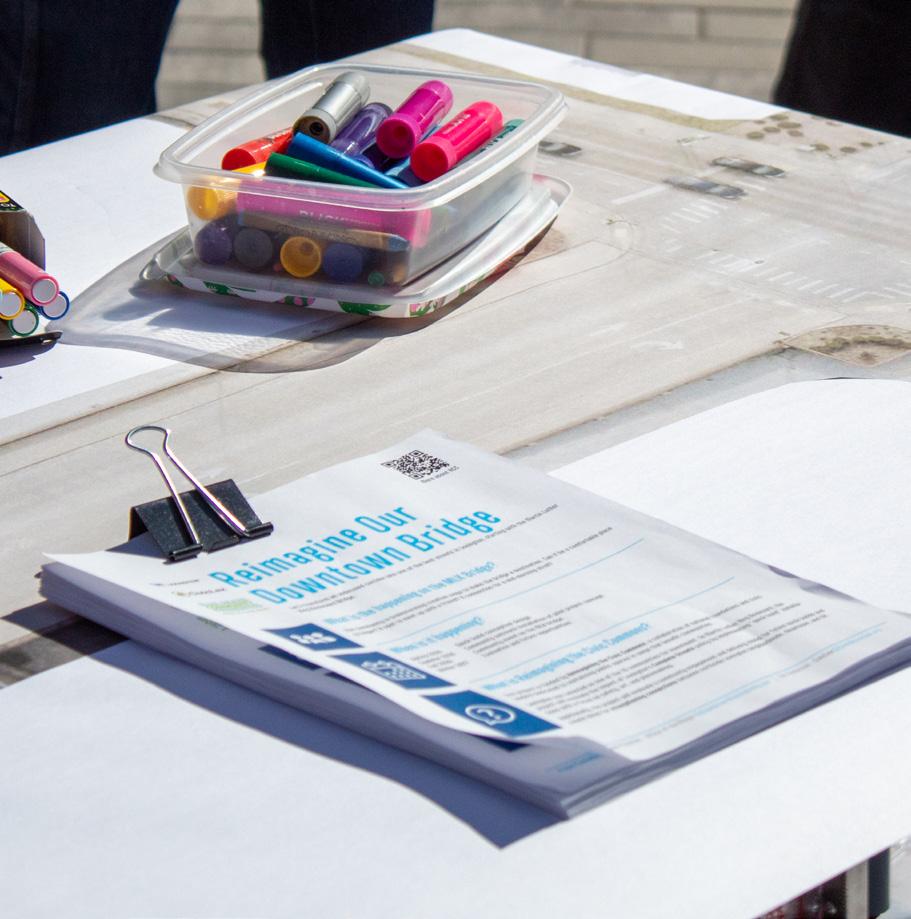
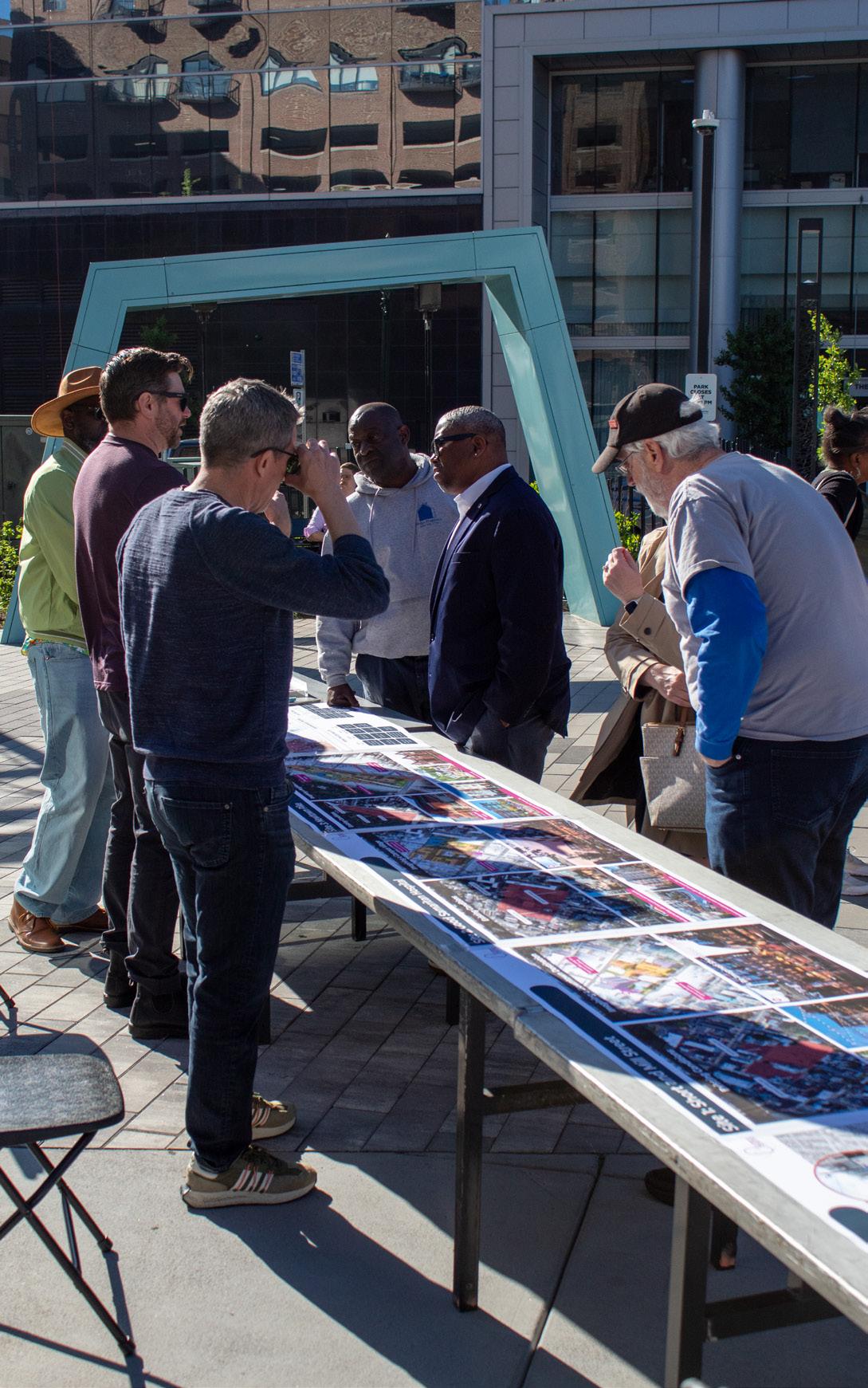
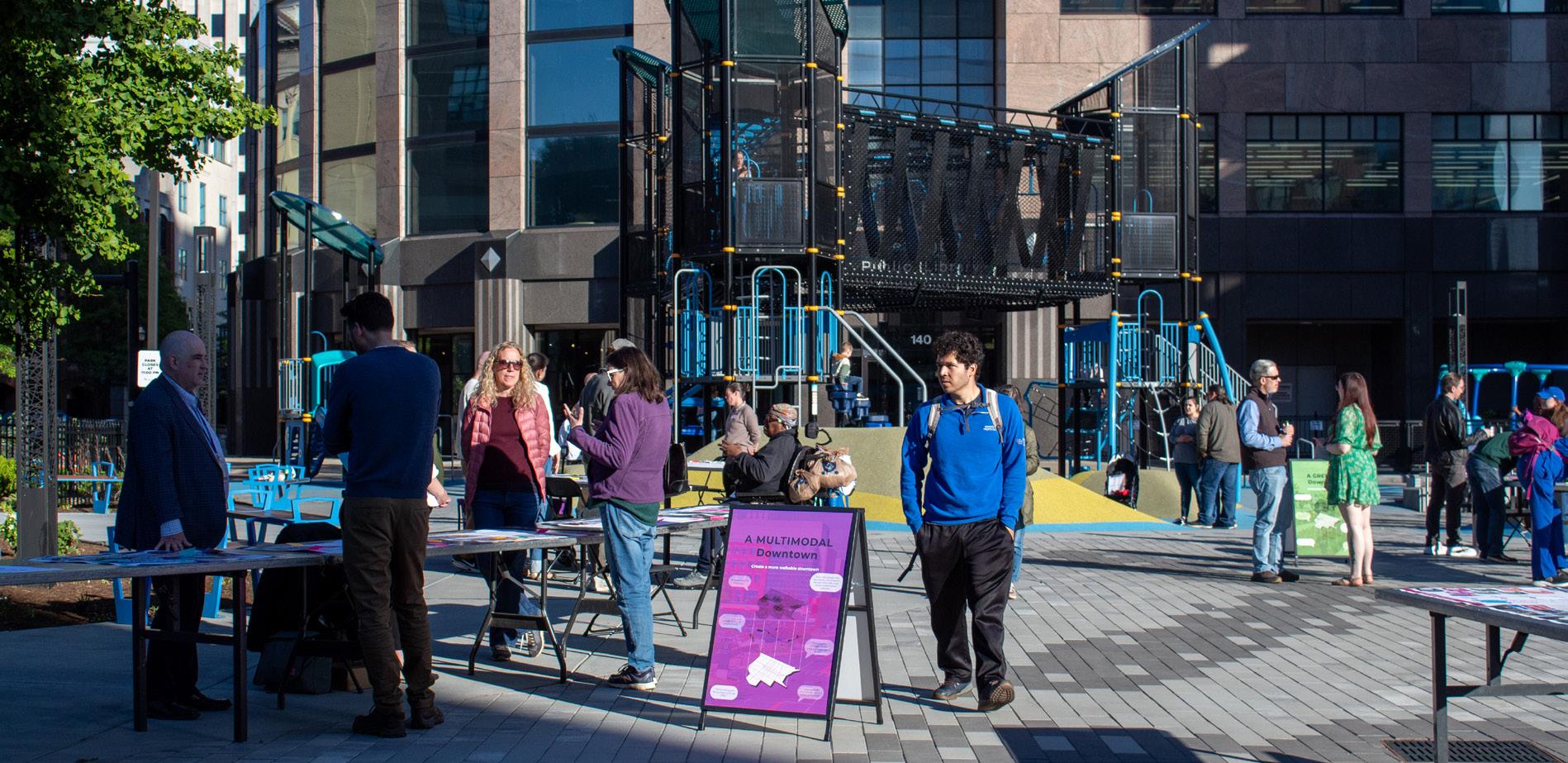
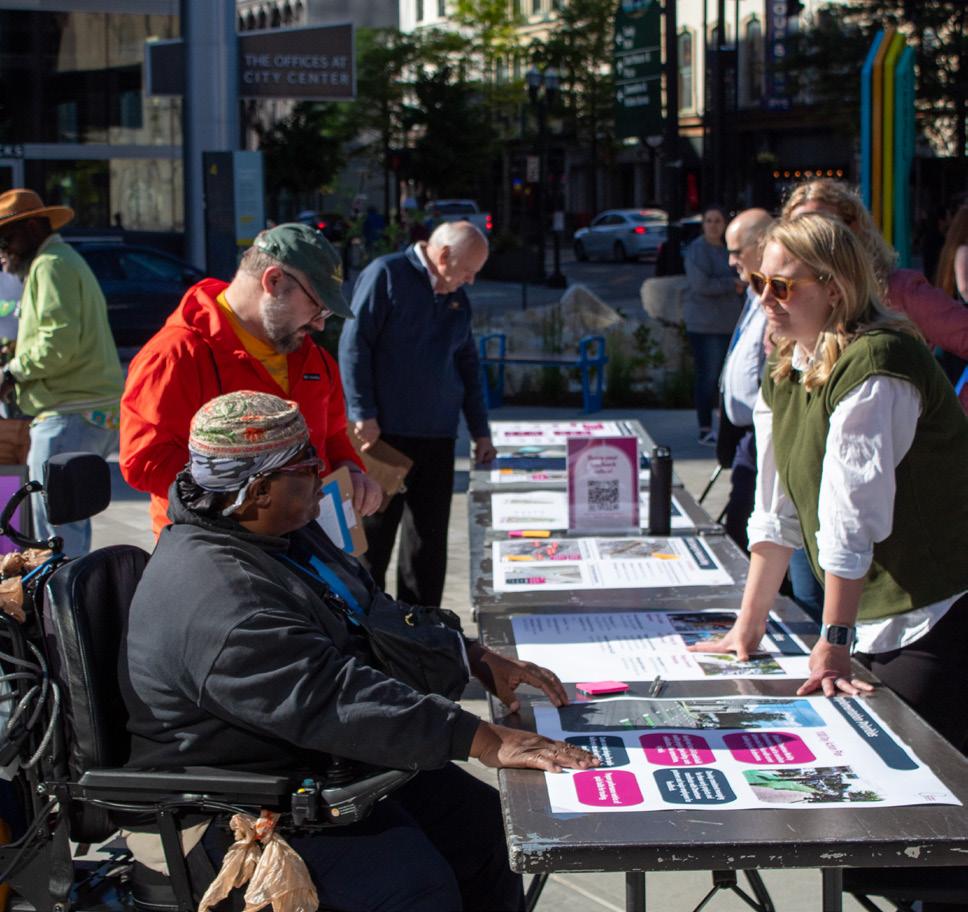
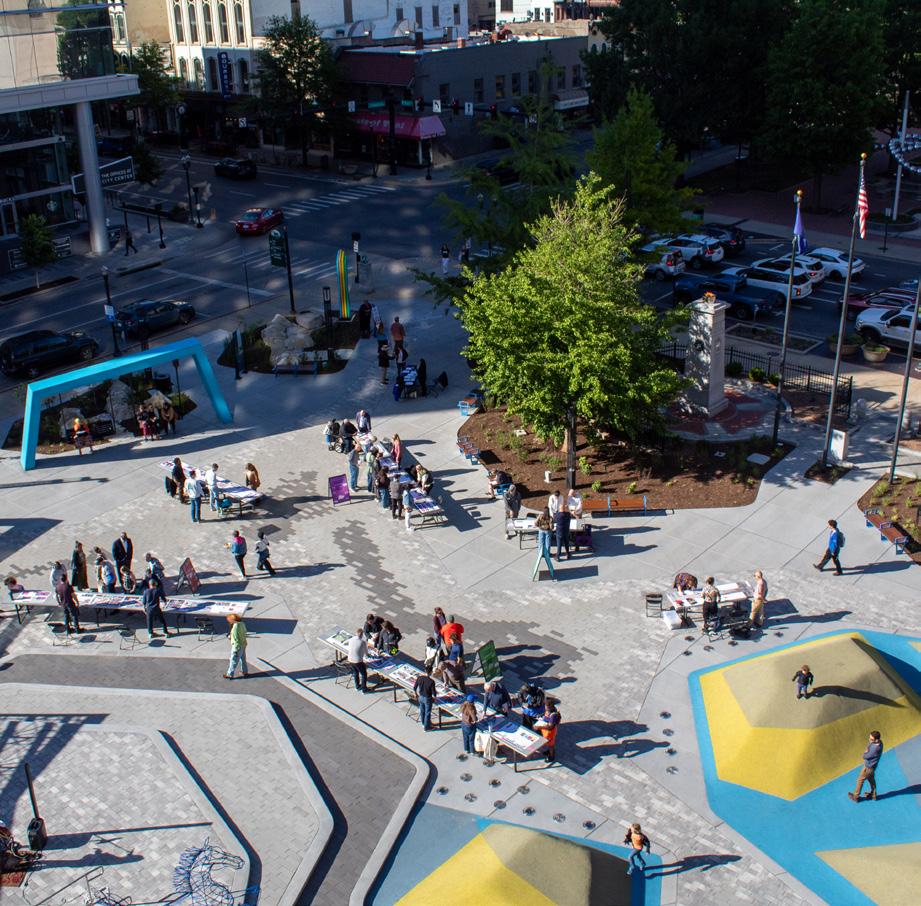
As part of this process, the planning team hosted three interactive workshops to coincide with each of the three engagement phases. These workshops were instrumental in both learning from the community and relaying back ideas and sharing concepts.
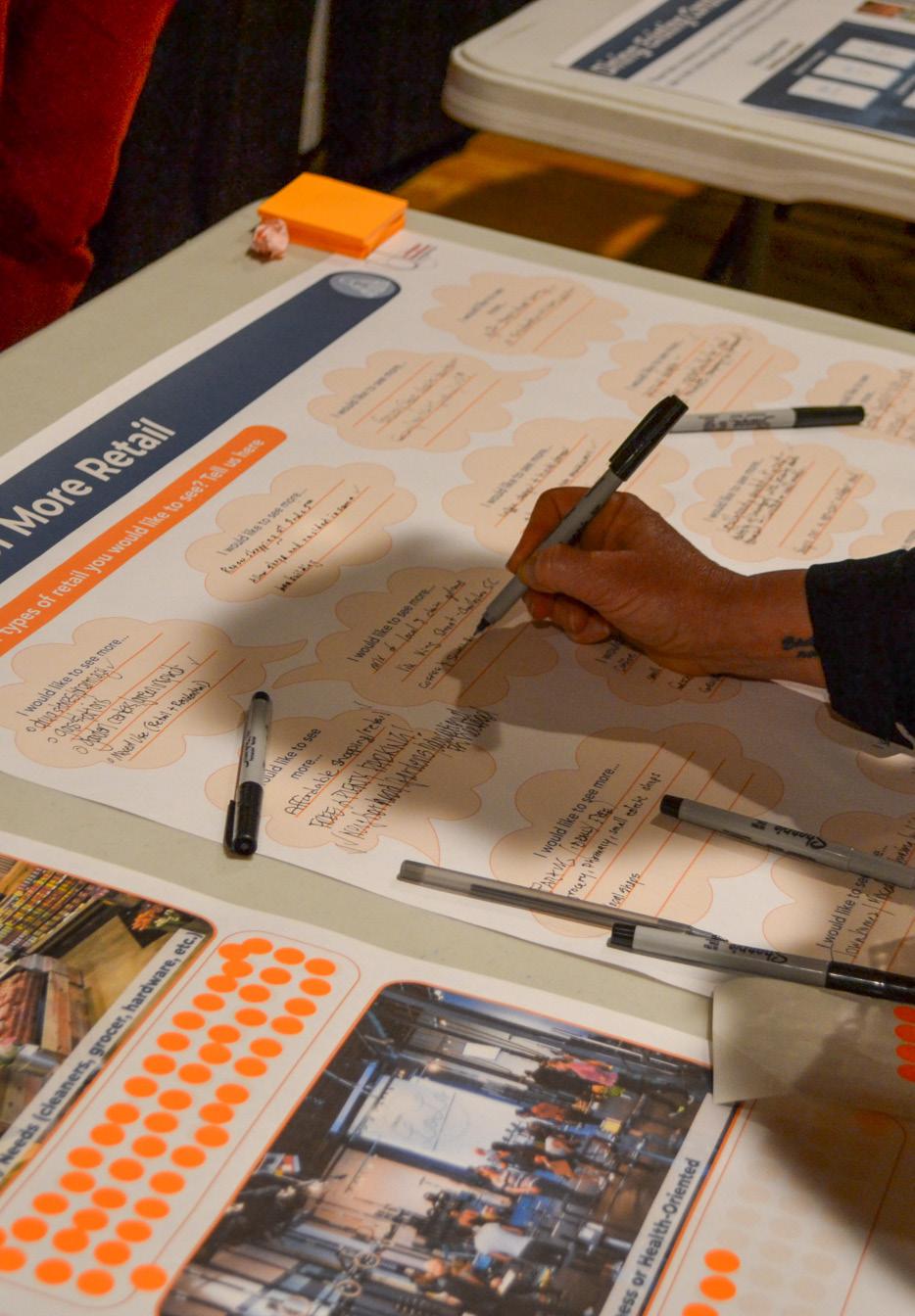
Interactive Workshop 1 October 8, 2025
Interactive Workshop 2 March 4, 2026
Downtown Dreaming
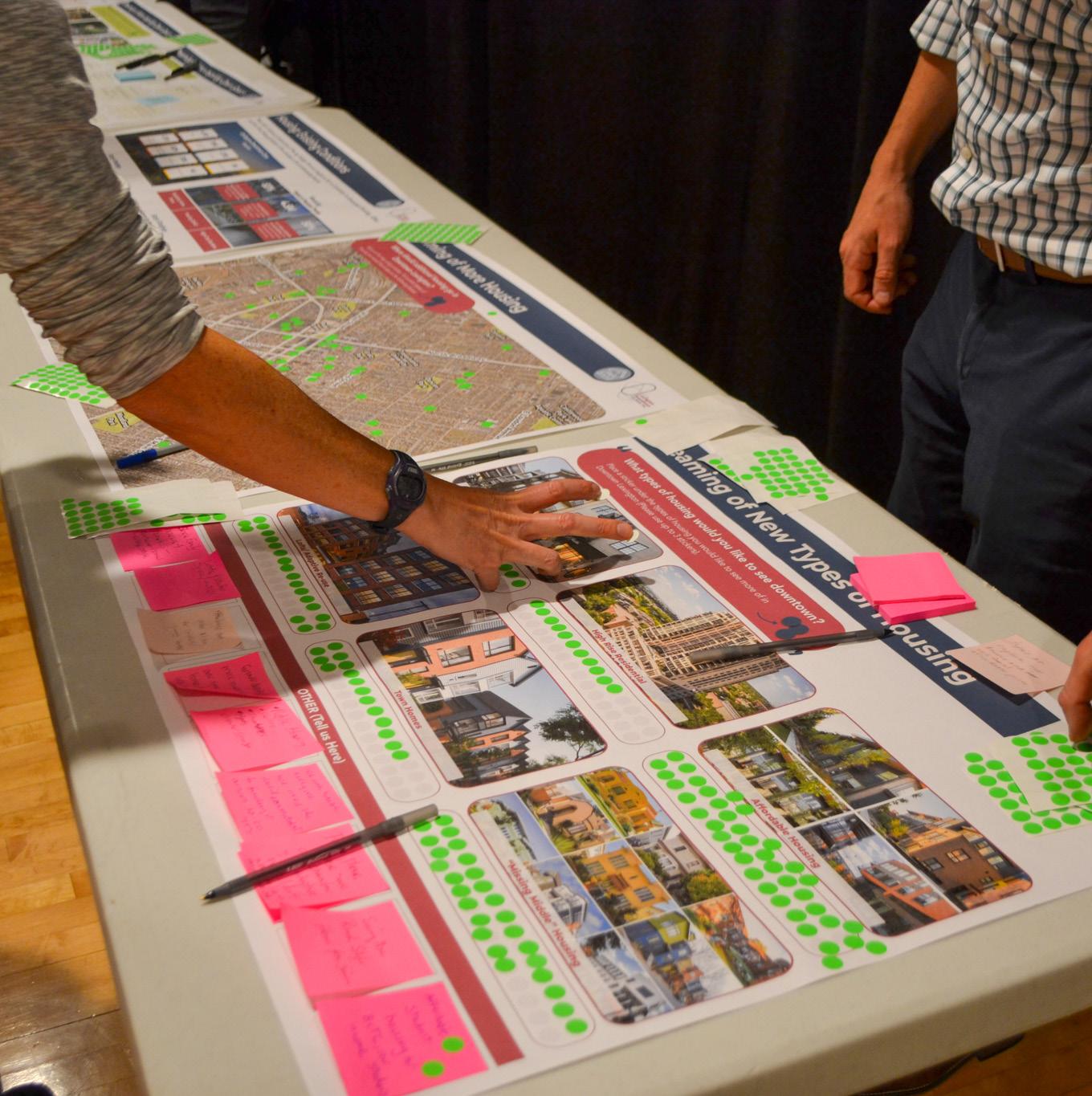
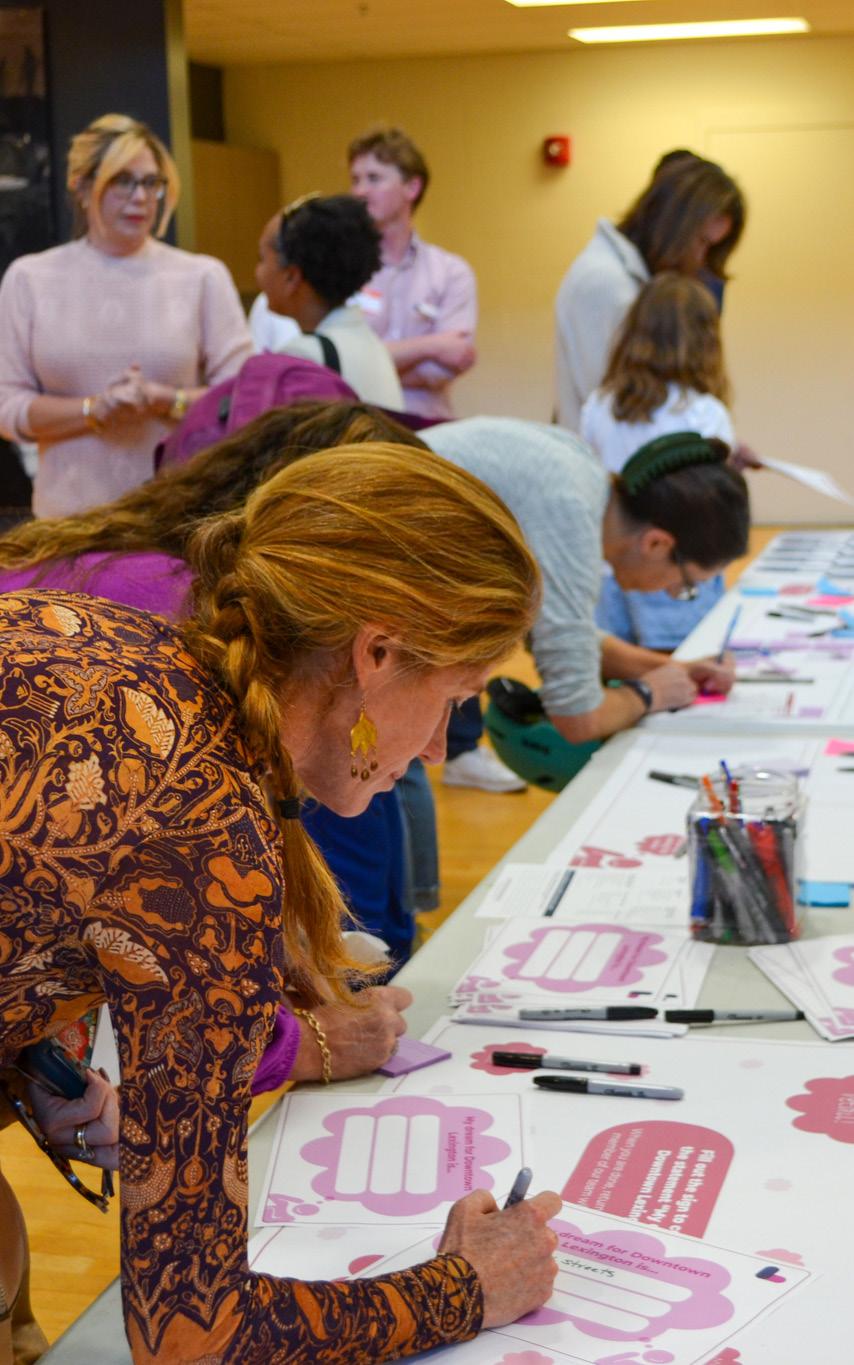
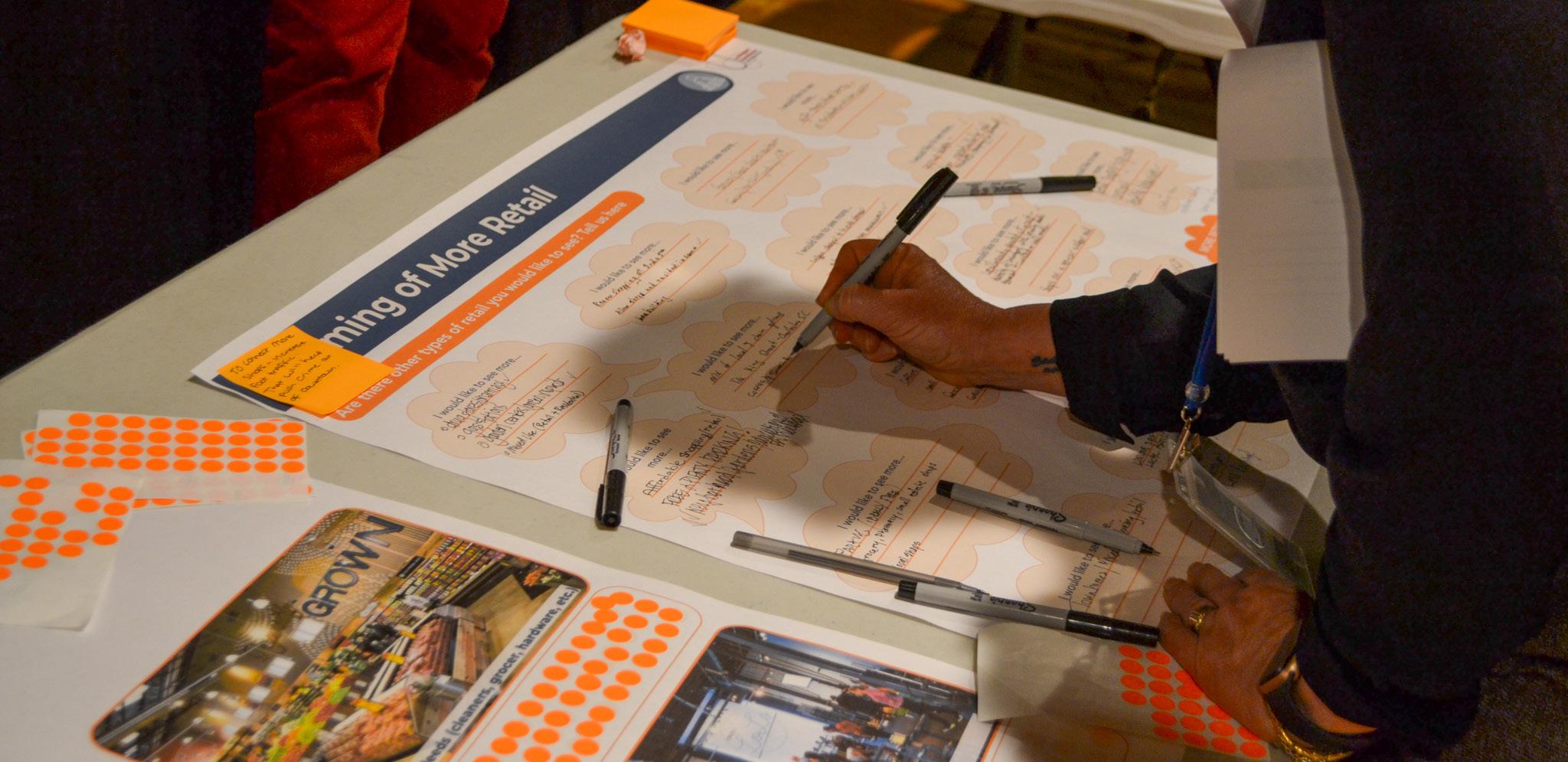
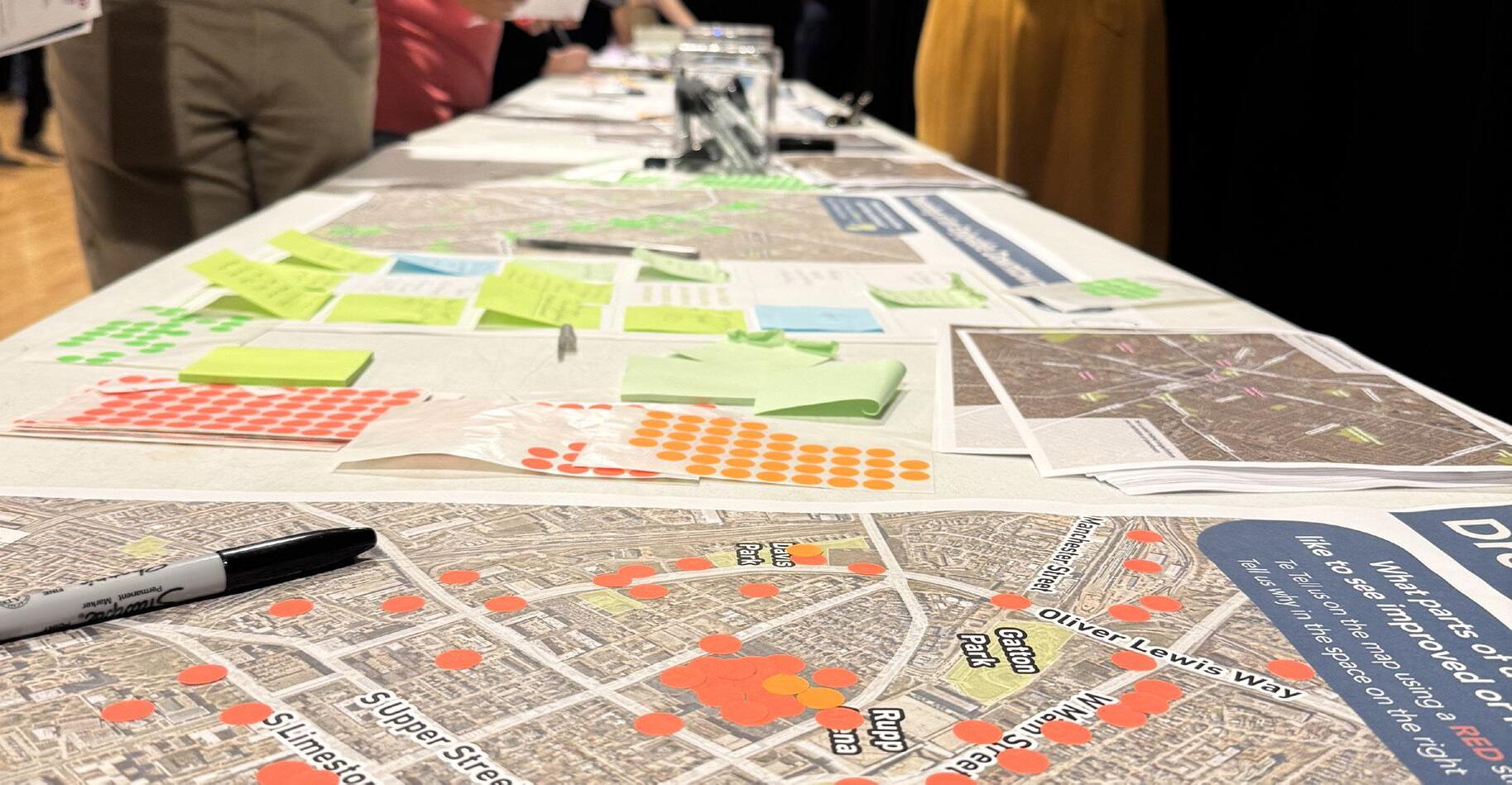
First, we asked Lexingtonians to dream about their vision for the future of downtown.
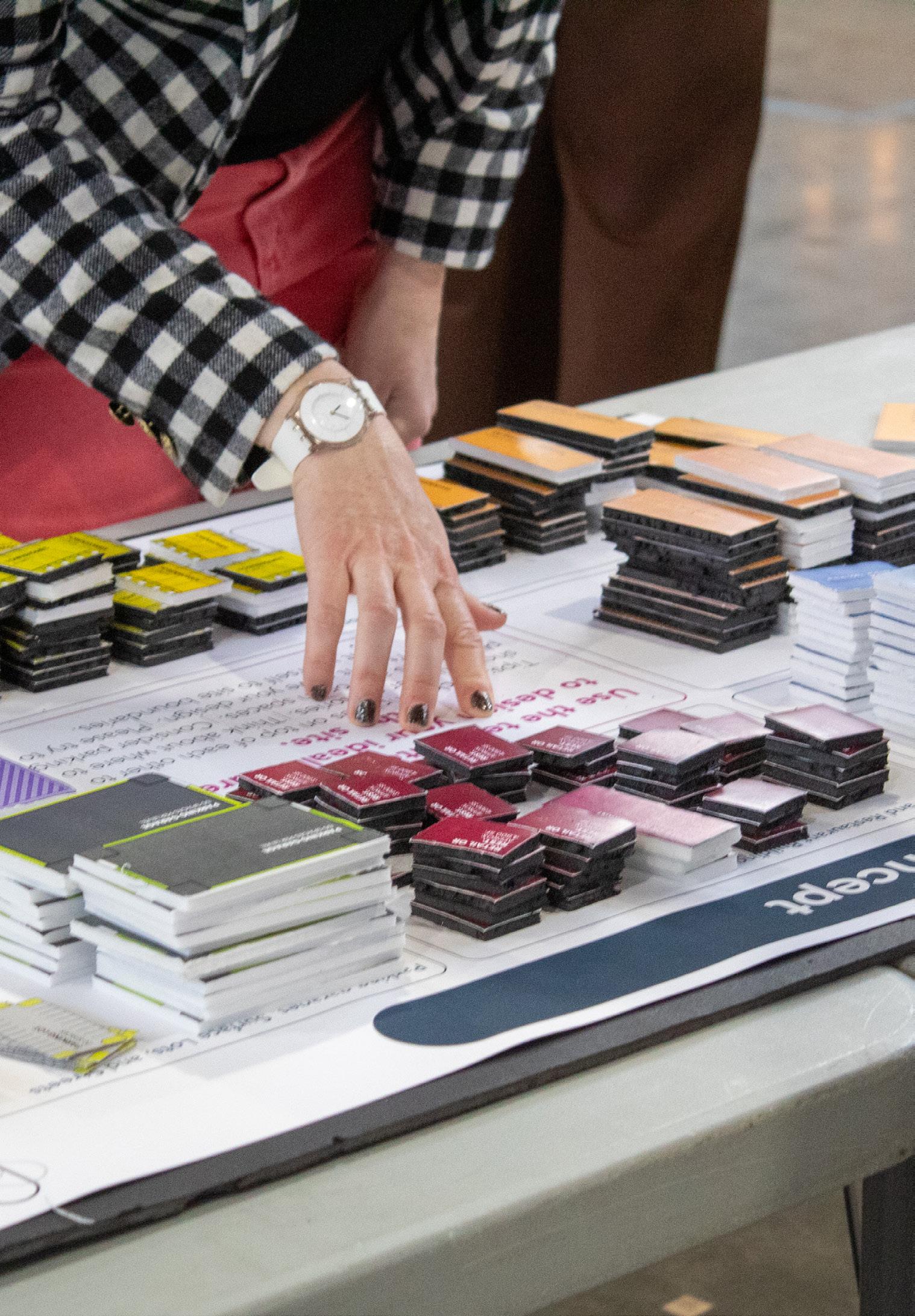
Downtown Designing
Then, we got to work and developed ideas and concepts, and shared them for community input.
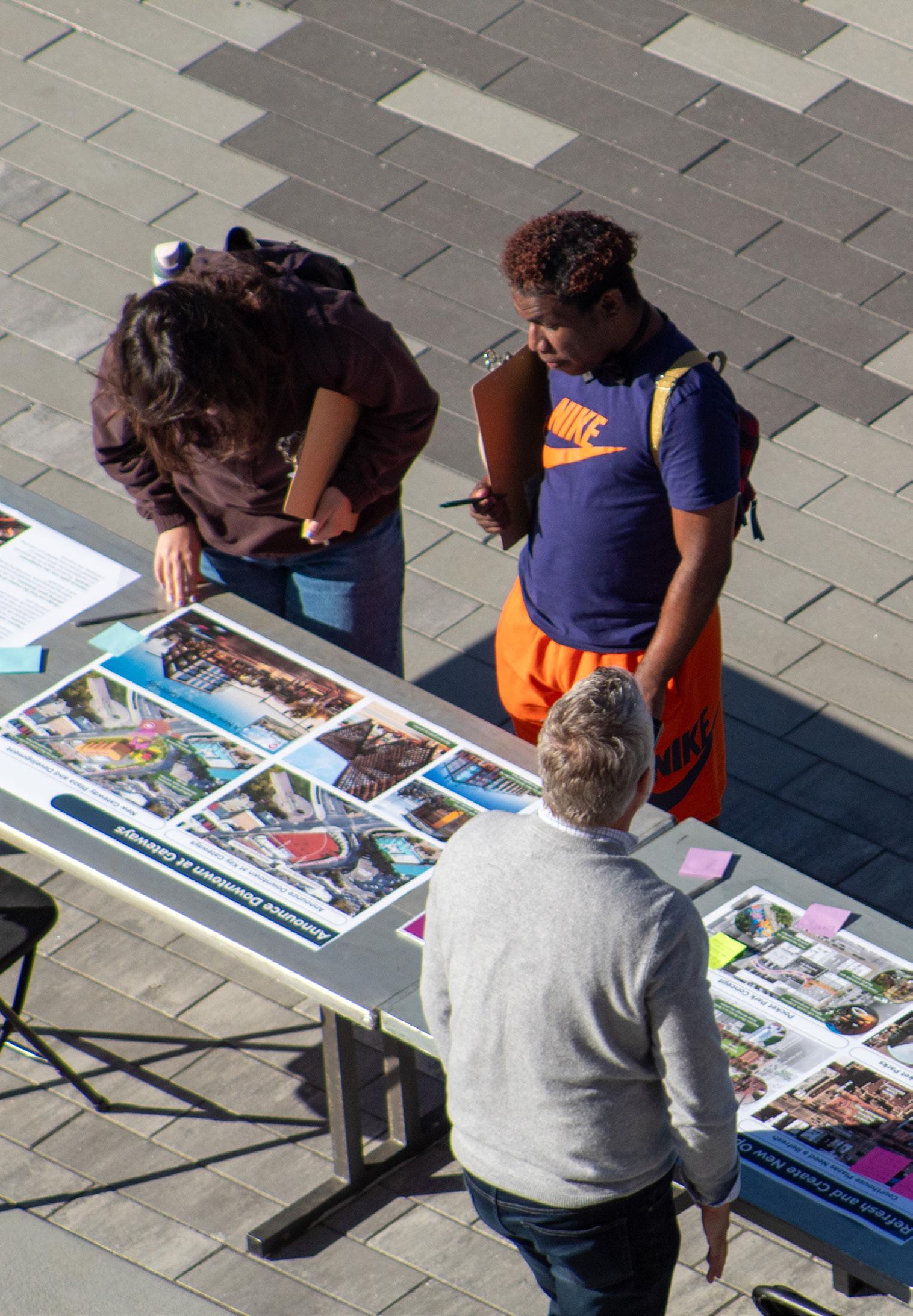
Interactive Workshop 3 May 7, 2026
Downtown Destiny
Lastly, we refined the ideas into concepts and recommendations to make these dreams a reality.
What We Heard: Downtown Dreaming Phase
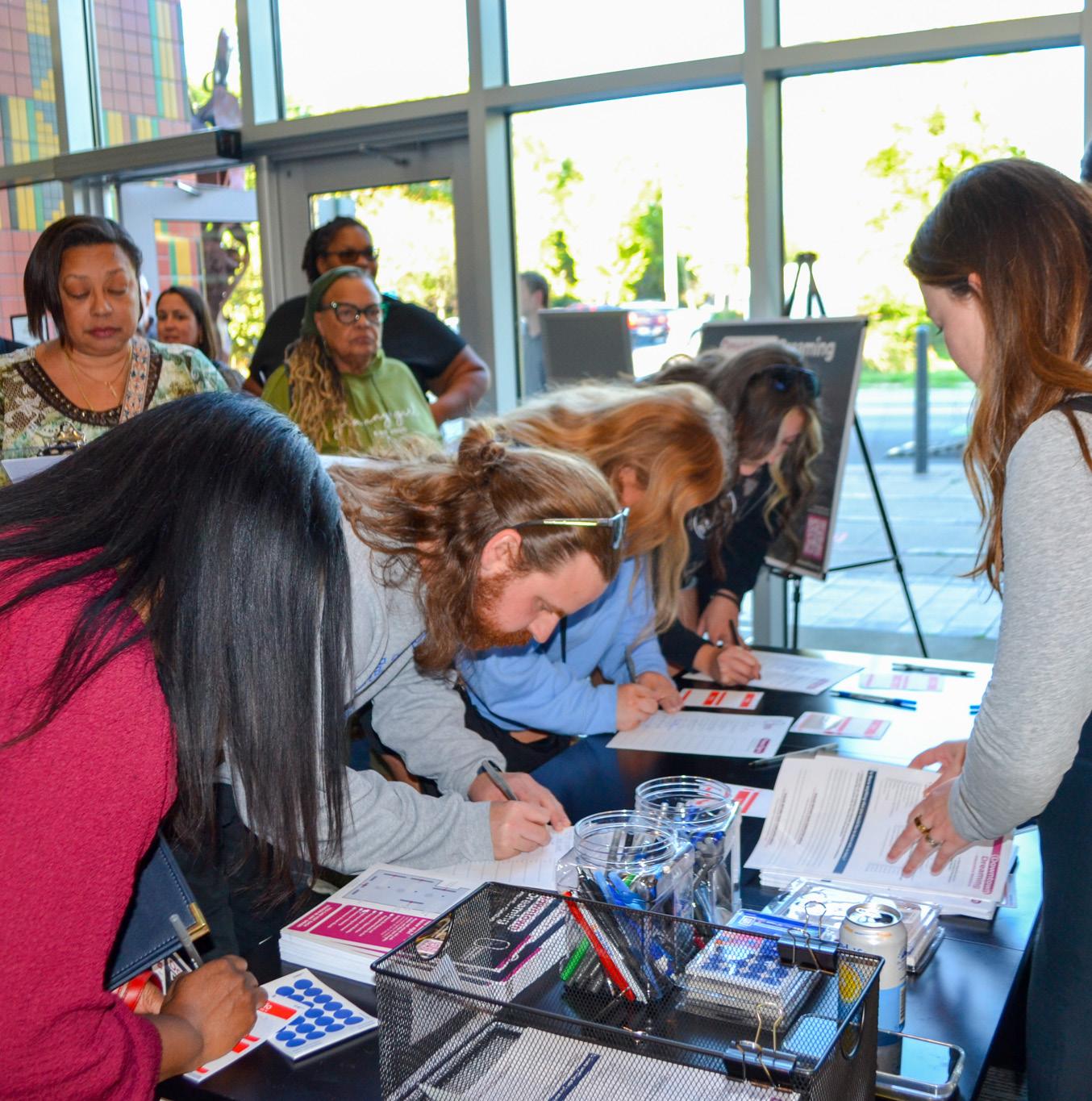
What We Heard: Downtown Designing Phase
Transportation &
Green
150+
Downtown designers attended this workshop
What We Heard: Downtown Destiny Phase
Lexingtonians
Top Things We Heard
Expand multimodal options, but consider traffic impacts.
Grow in ways that welcome everyone, including those already here.
Invest in green space and care for Lexington’s tree canopy.
Commit to lasting, city-led solutions for our unhoused neighbors.
The Vision for Downtown:
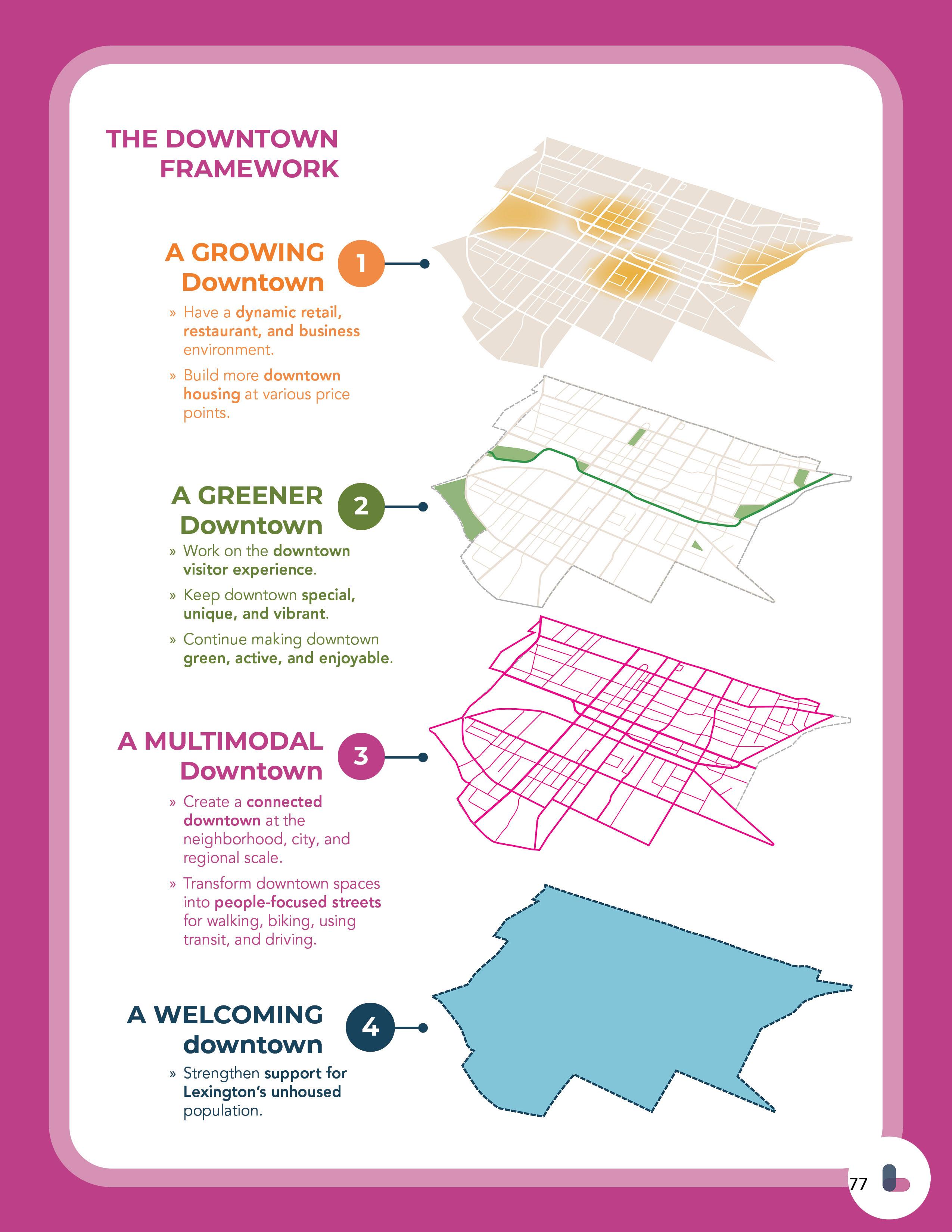
Downtown Framework
Have a dynamic retail, restaurant, hospitality, and business environment.
Project Goals and Framework
Build more downtown housing at various price points
Keep downtown special, unique, and vibrant.
Work on the downtown visitor experience
Continue making downtown green, active, and enjoyable
Create a connected downtown
People-focused streets for walking, biking, riding transit, and driving.
Support Lexington’s unhoused population.

“Infill! Reuse! Rent prices are comparable to California! :(“
“Better incentives to encourage small local (not franchises or corporate) bodegas in neighborhoods.”
“Greater density/ more multi-family over single family homes.”
A GROWING Downtown
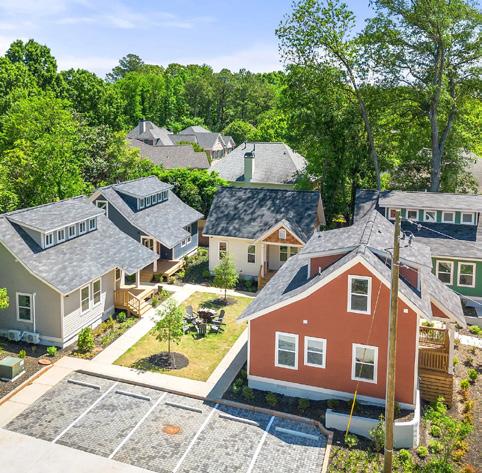
Create a diversity of housing and retail options
“Focus on and enhance the unique identities and character of the neighborhoods and/ or districts.”
“The downtown visitor experience is limited by current zoning & lack of residential density.”
“Infill yes - but have them match architecture of the area.”

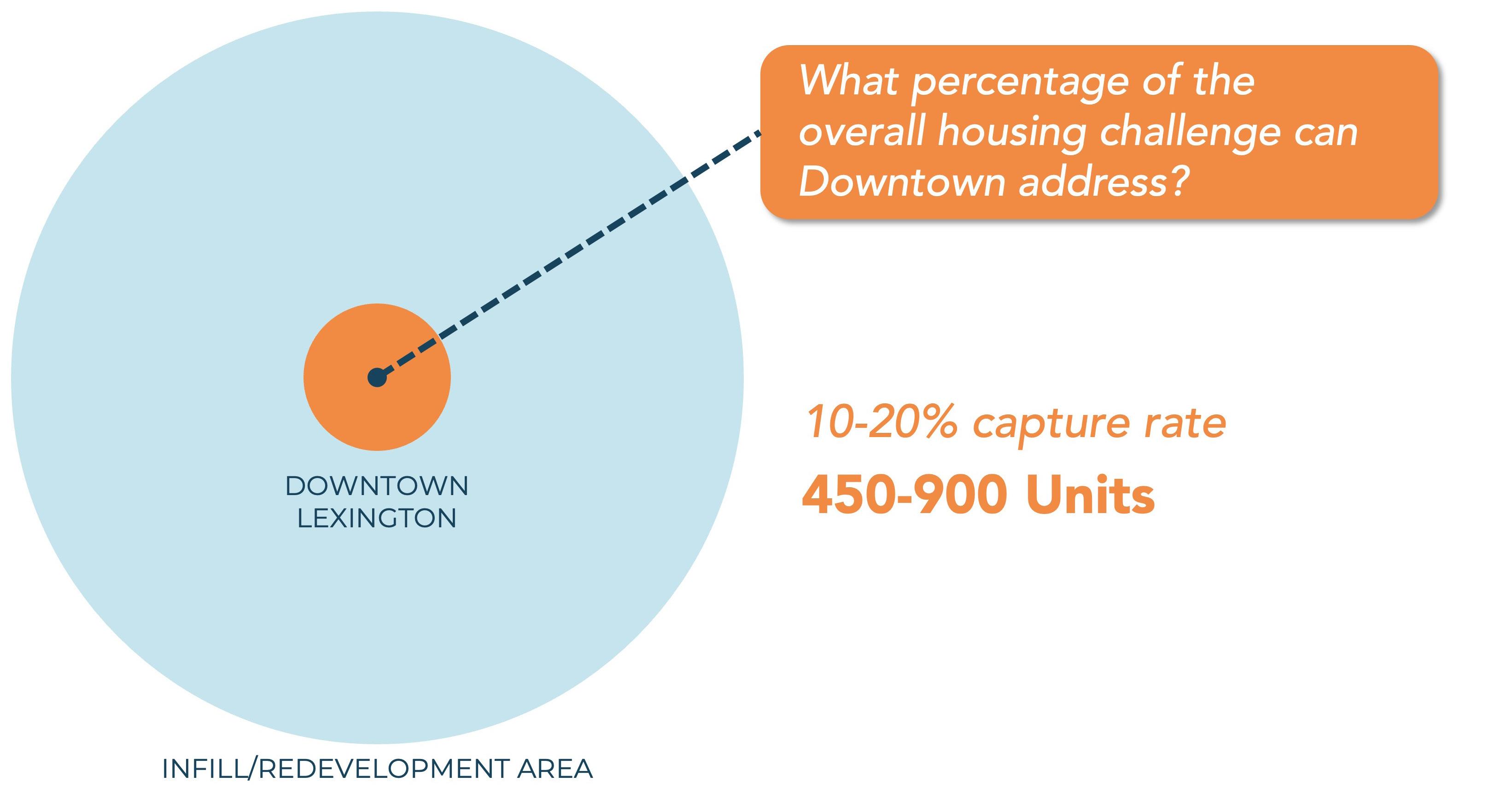
A Growing Downtown: Housing
Build more downtown housing at various price points.
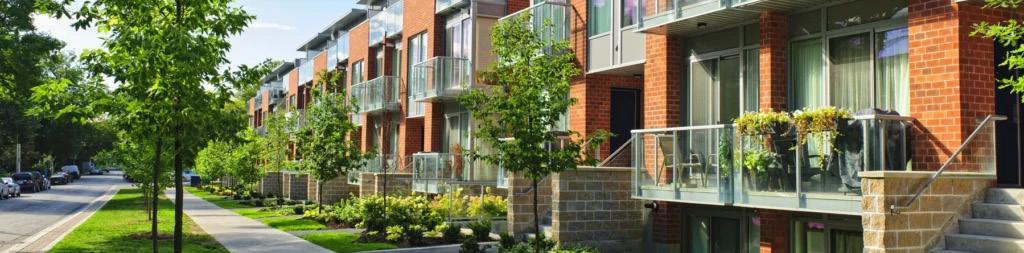
Five Strategies
1. Add market and workforce housing to increase vibrancy and support more resident-focused services.
2. Create and leverage tools to support a spectrum of housing that serves a diversity of needs and addresses affordability and anti-displacement.
3. Include homeownership opportunities at downtown edges near park space and neighborhoods.
4. Focus investment in workforce and affordable housing in areas outside of entertainment-oriented spaces
5. Promote adaptive reuse, particularly to support added housing.
The role of downtown in affordable housing policy
A Growing Downtown: Retail & Restaurants
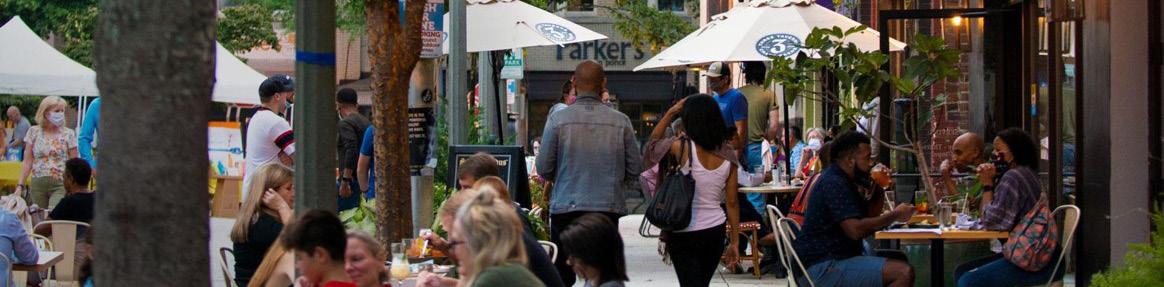
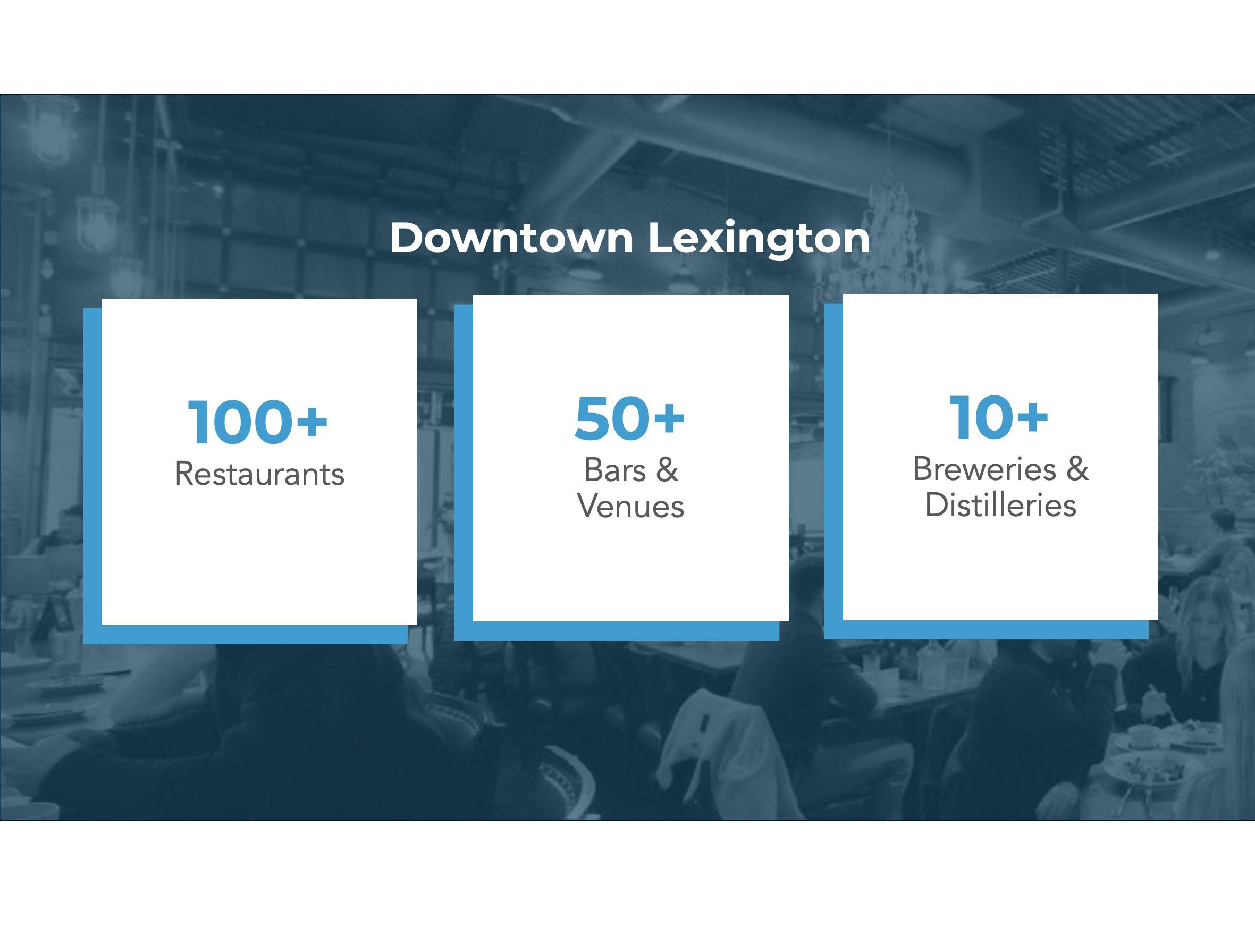
Have a dynamic retail, restaurant, hospitality, and business environment
Six Strategies
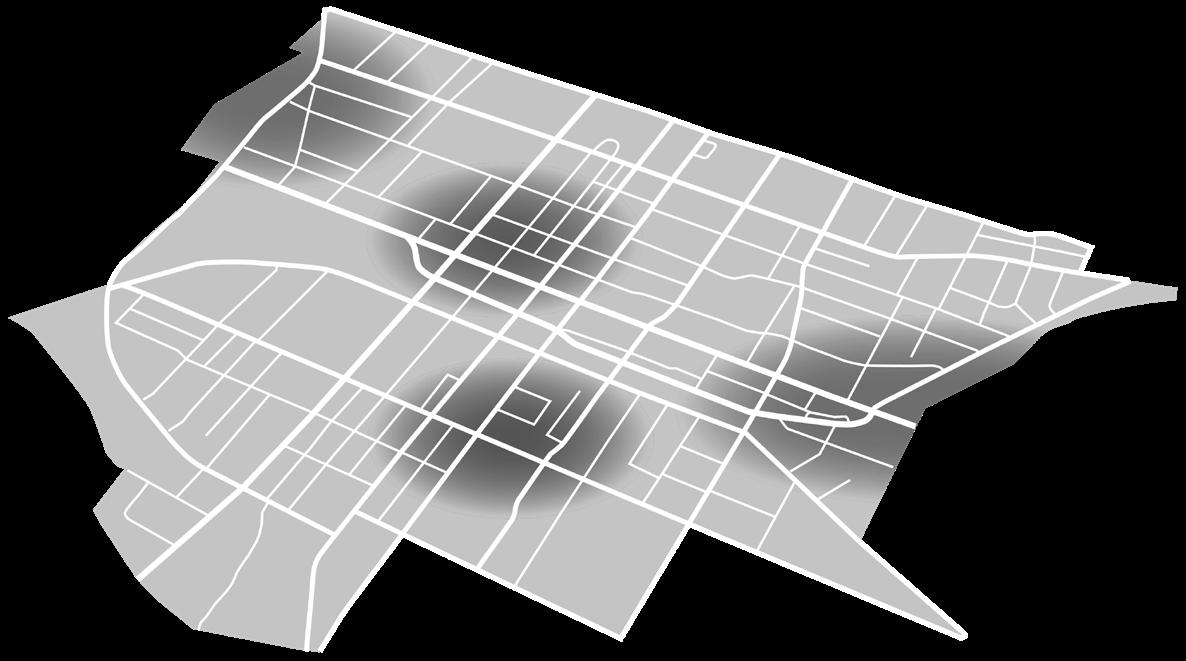
1. Establish focus areas in downtown to guide development types to suitable and feasible areas.
2. Continue visitor momentum to downtown through hotel and visitor-friendly experiences in select areas.
3. Encourage start-ups and artists in focused areas through targeted programs, affordable lease rates, and a critical mass of complementary and mutually reinforcing uses.
4. Create and cluster resident-focused retail programs in areas where greater housing density will be focused.
5. Support student-oriented housing and uses in area(s) closest to higher education campuses.
6. Reposition downtown office as part of a more flexible mixed-use business environment.
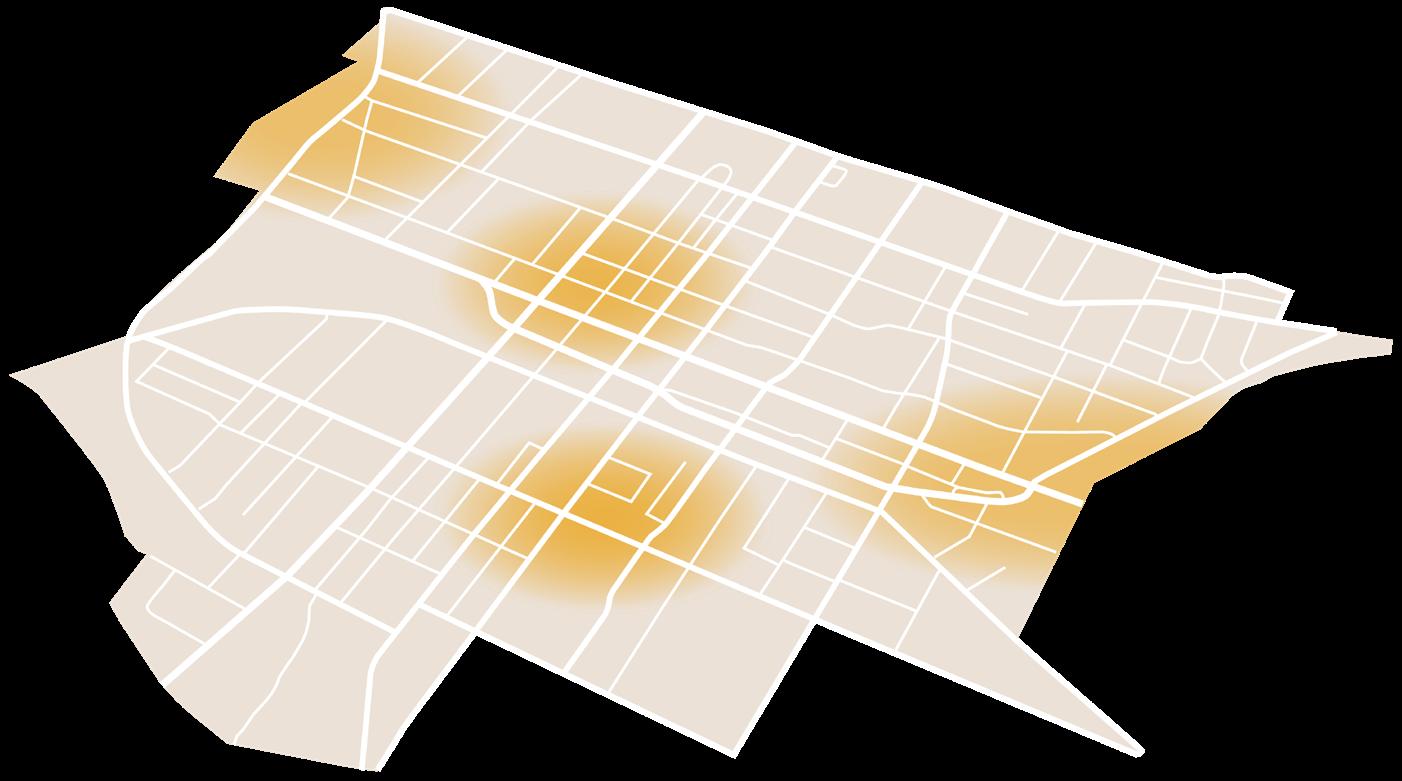
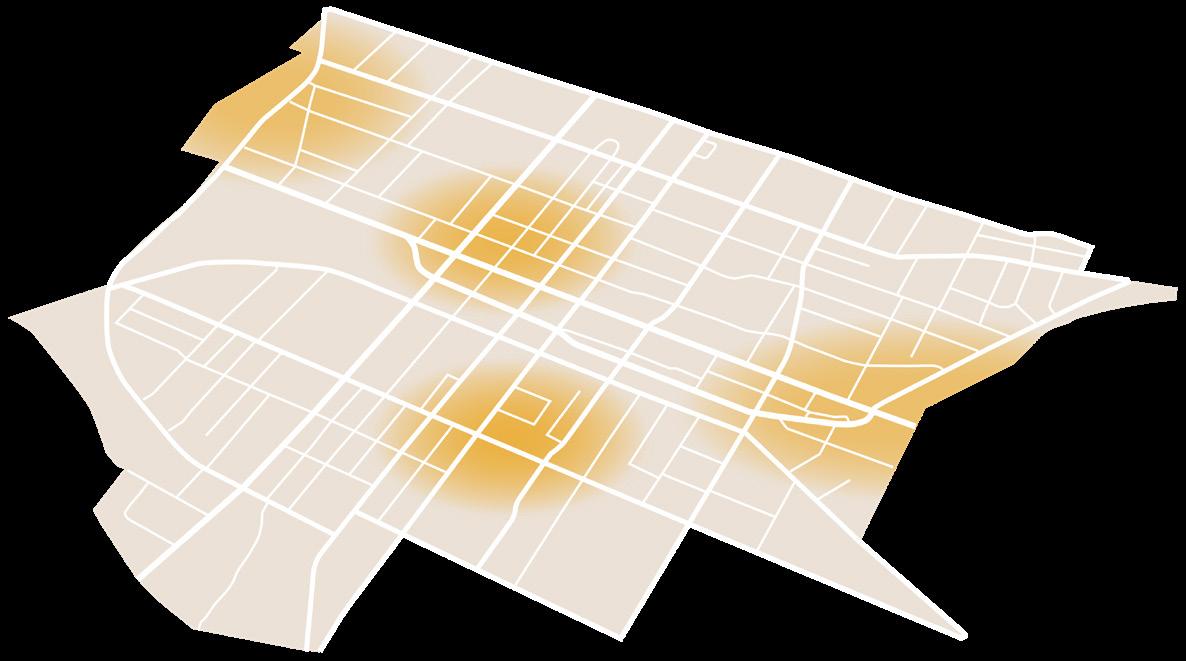
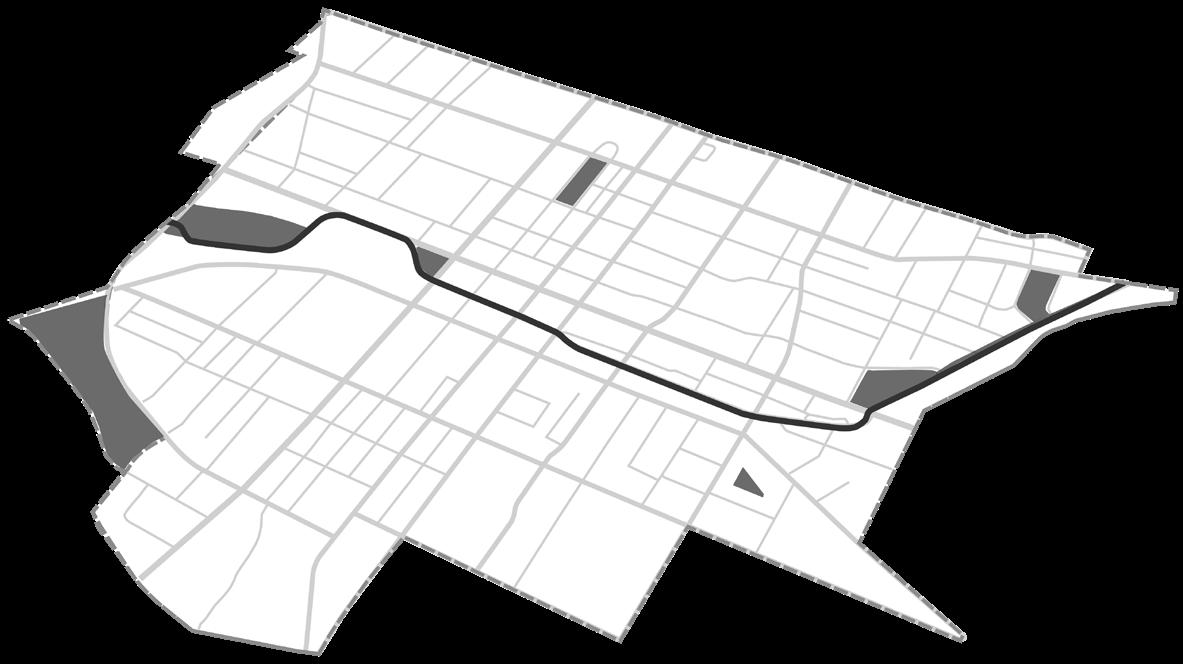
Downtown Focus Areas
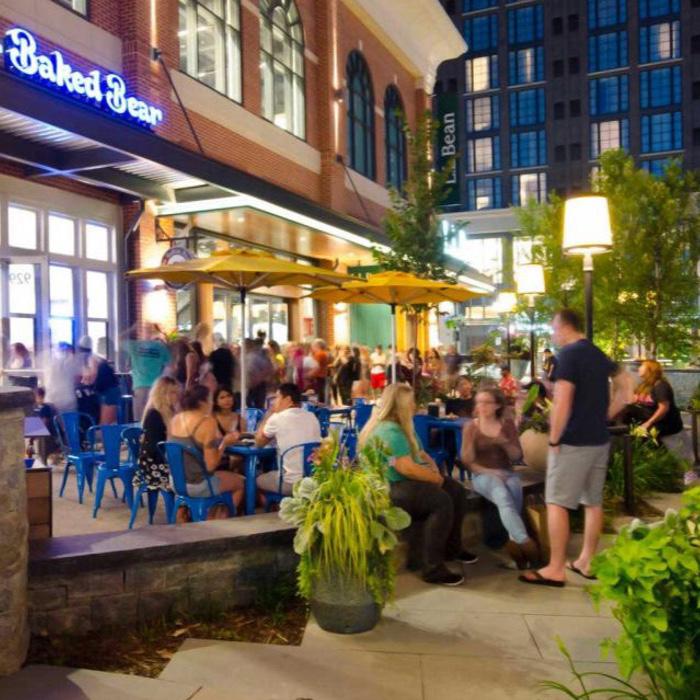
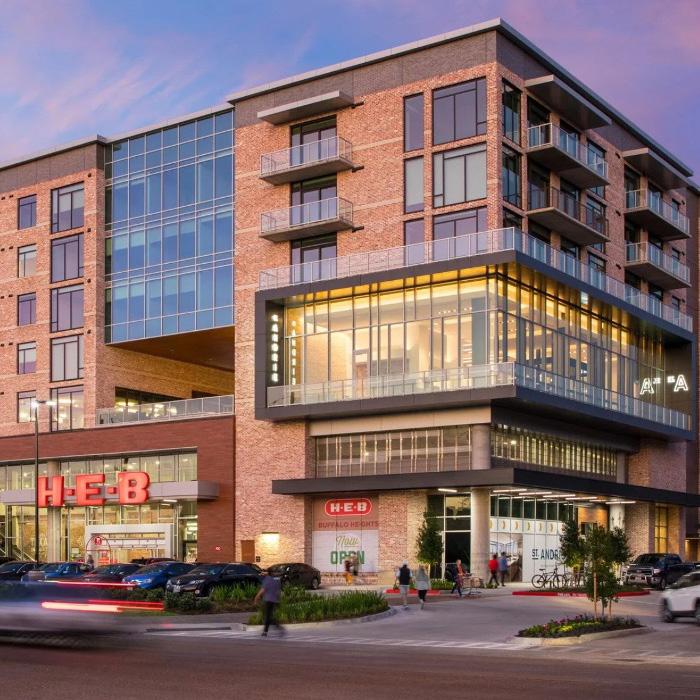
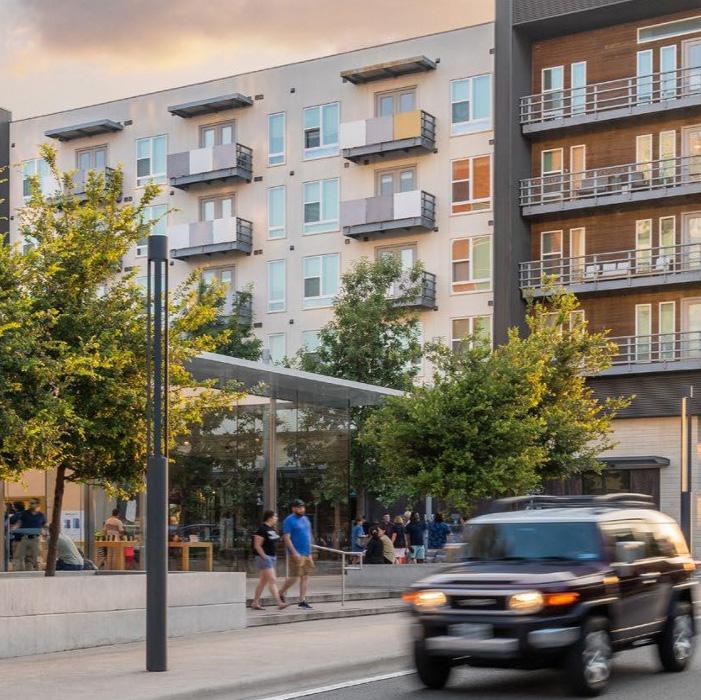
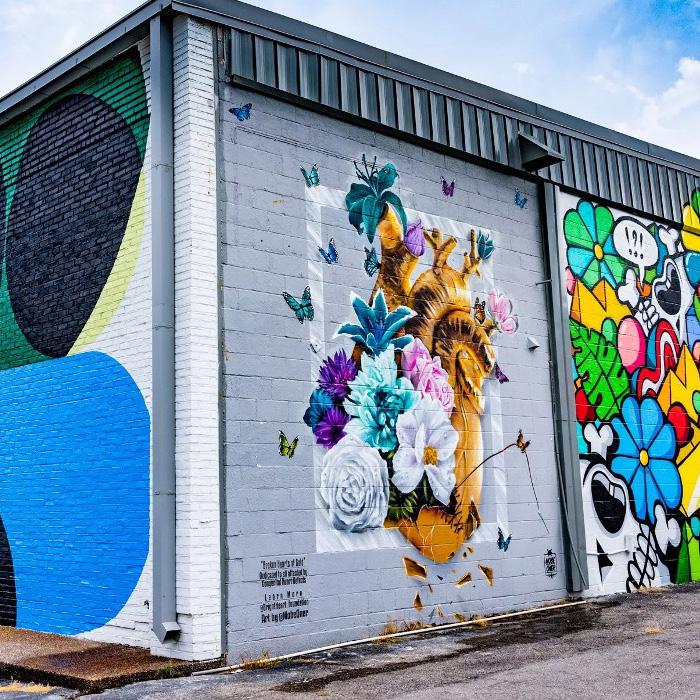
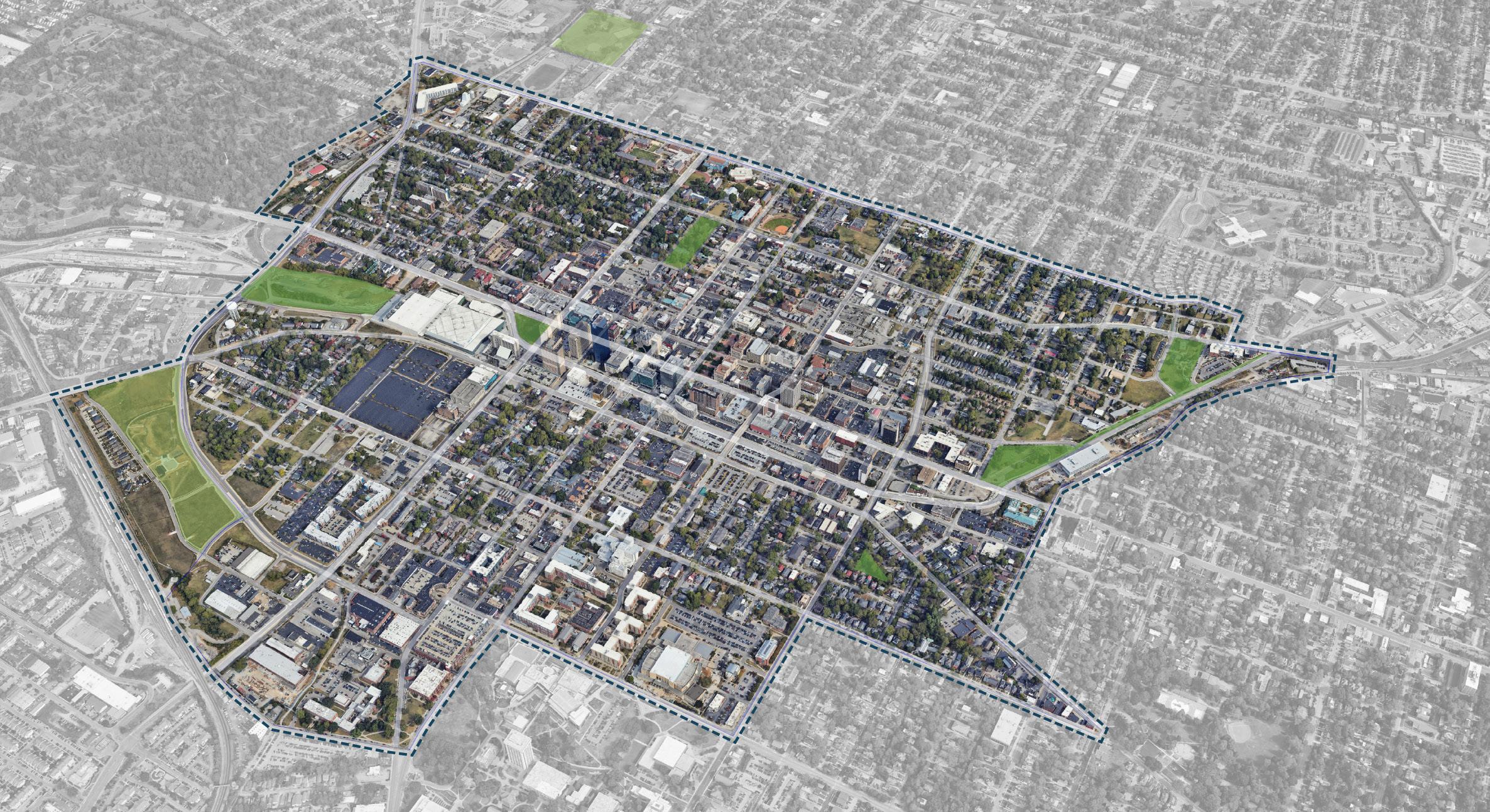
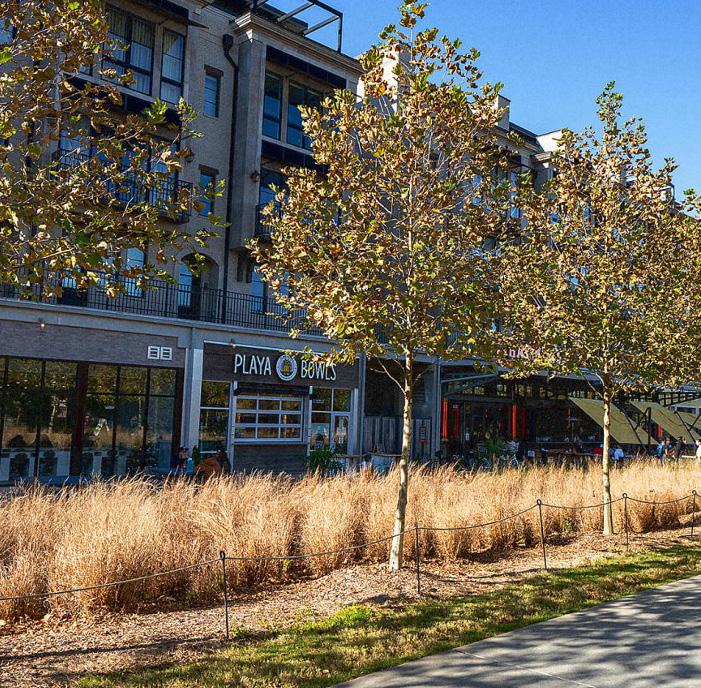
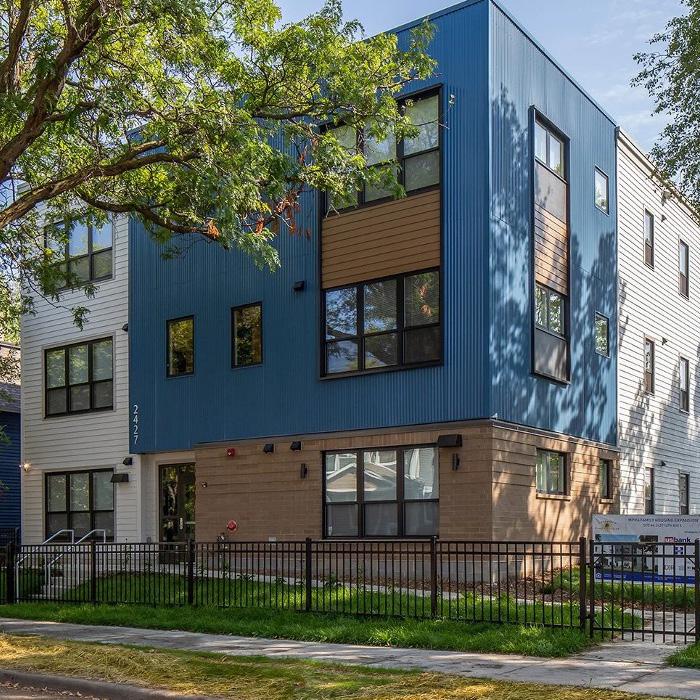
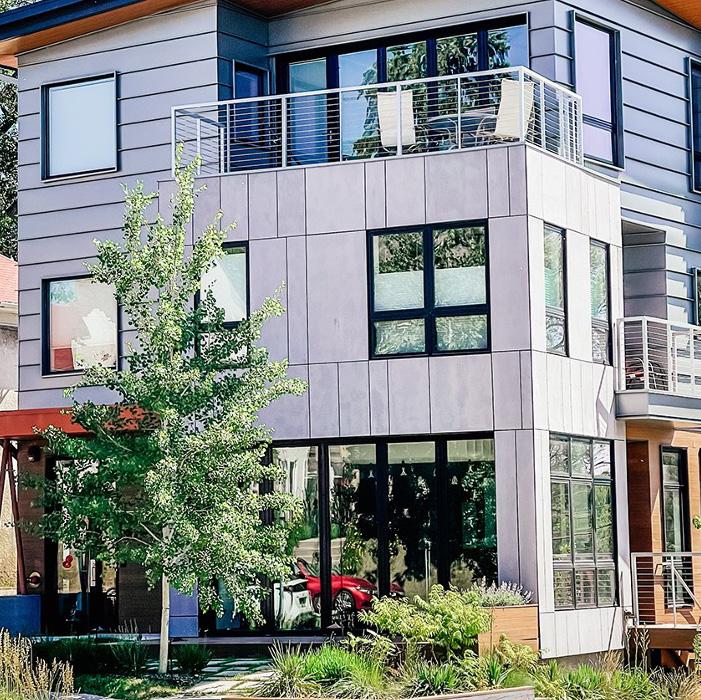
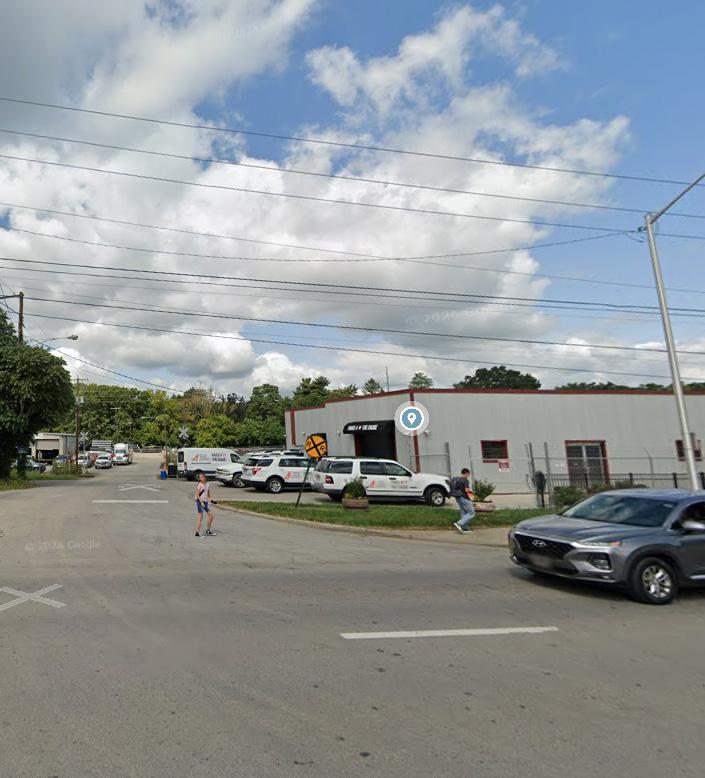
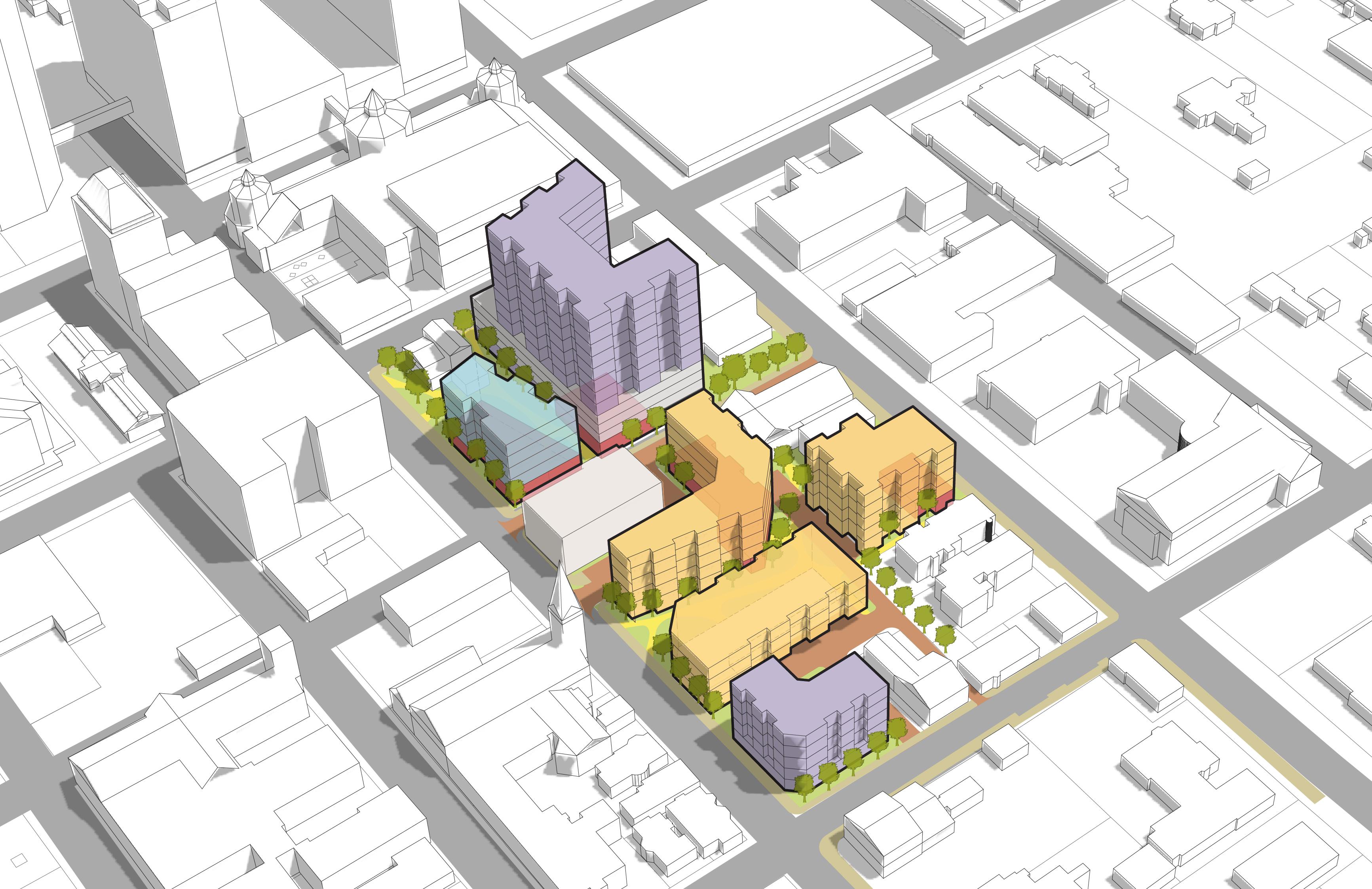
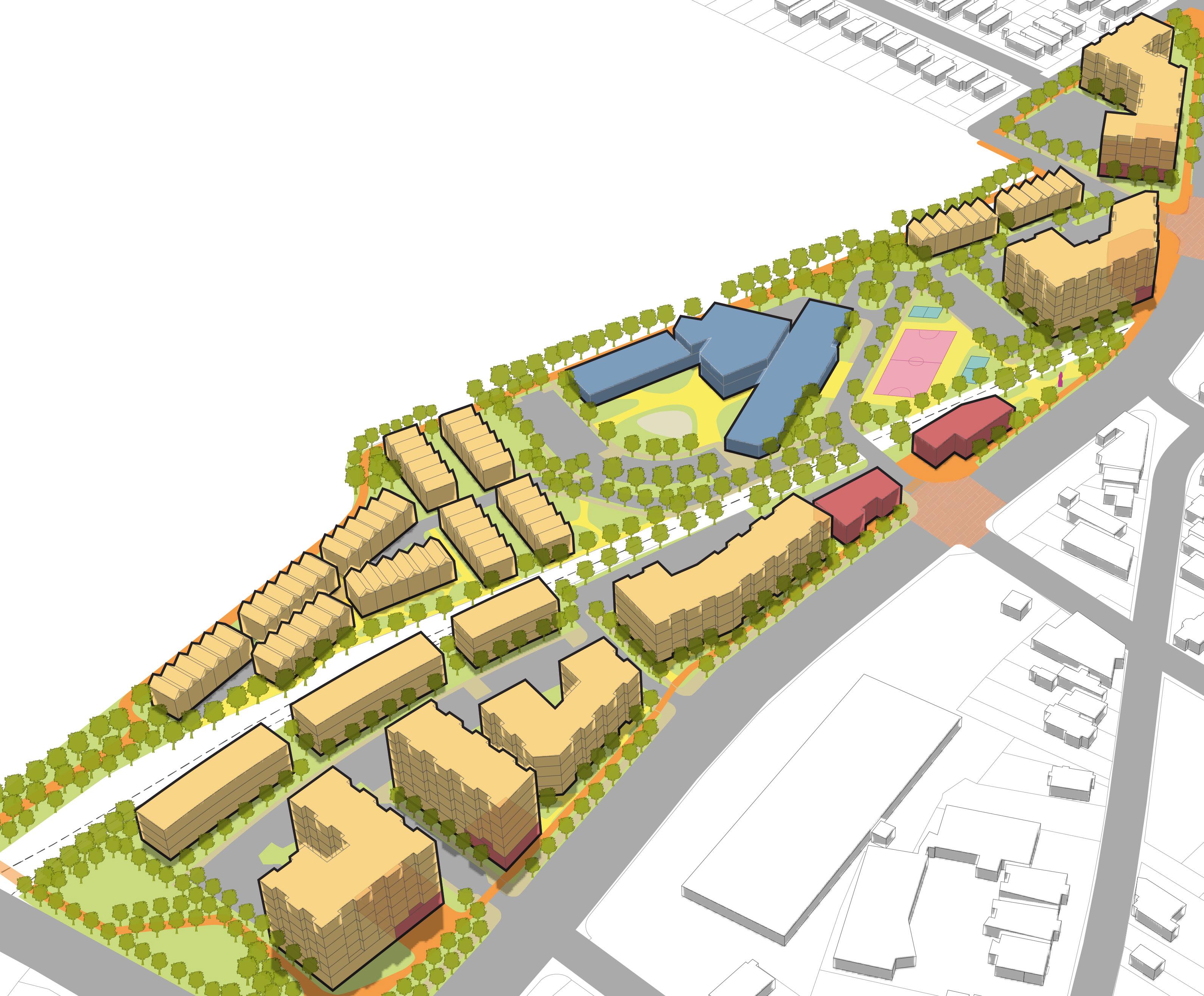
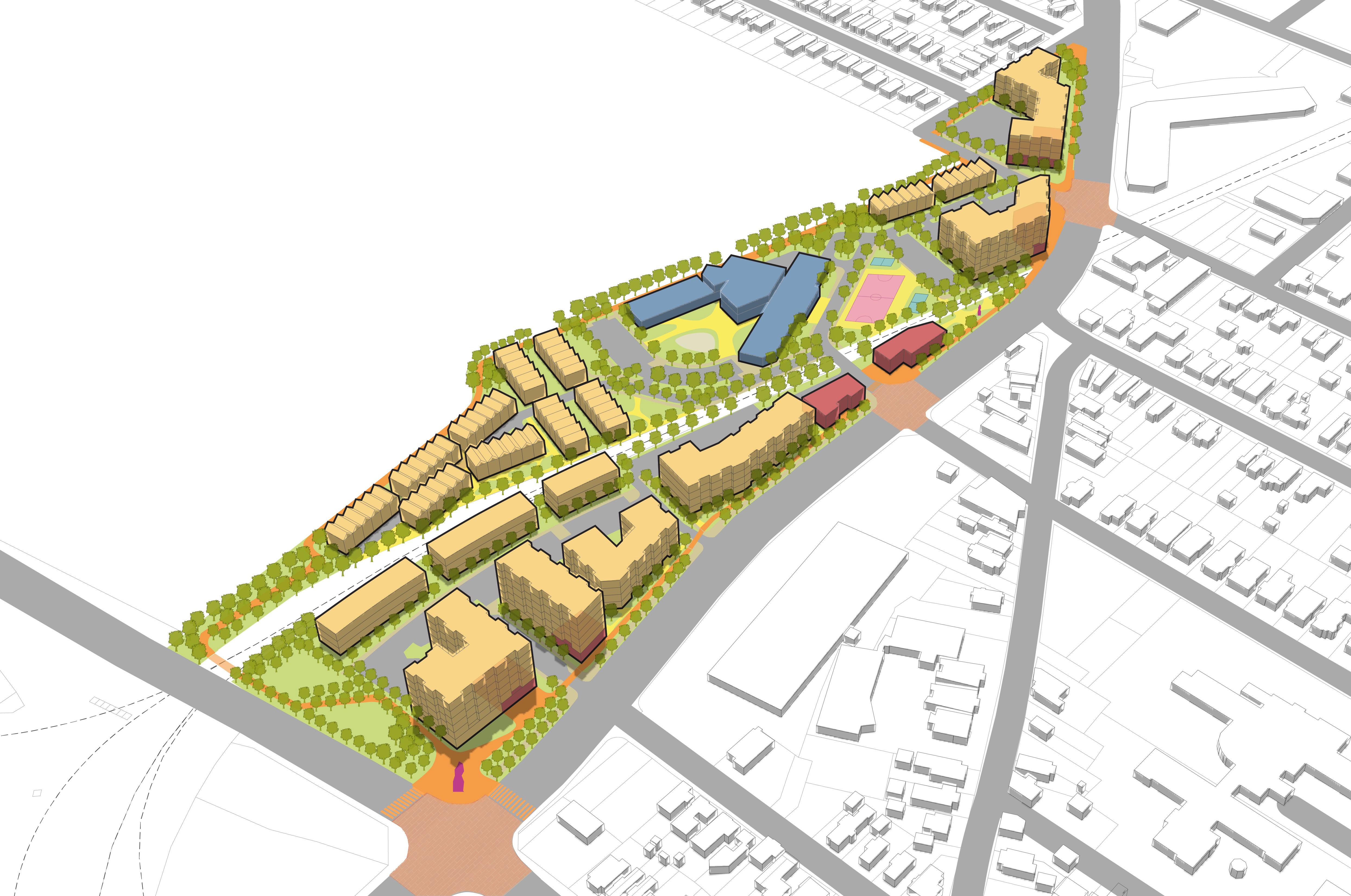
Visualizing Three Catalyst Sites
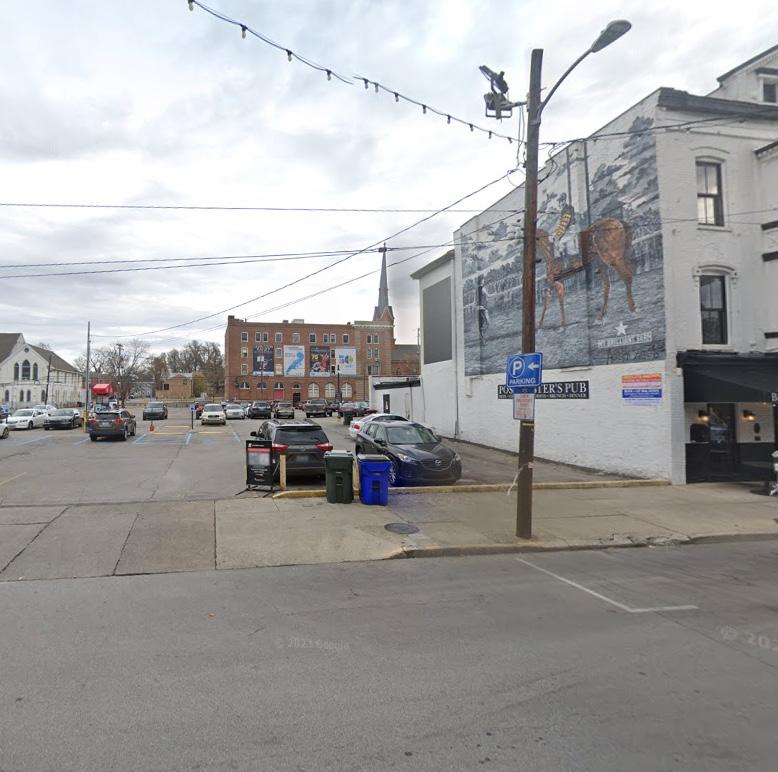
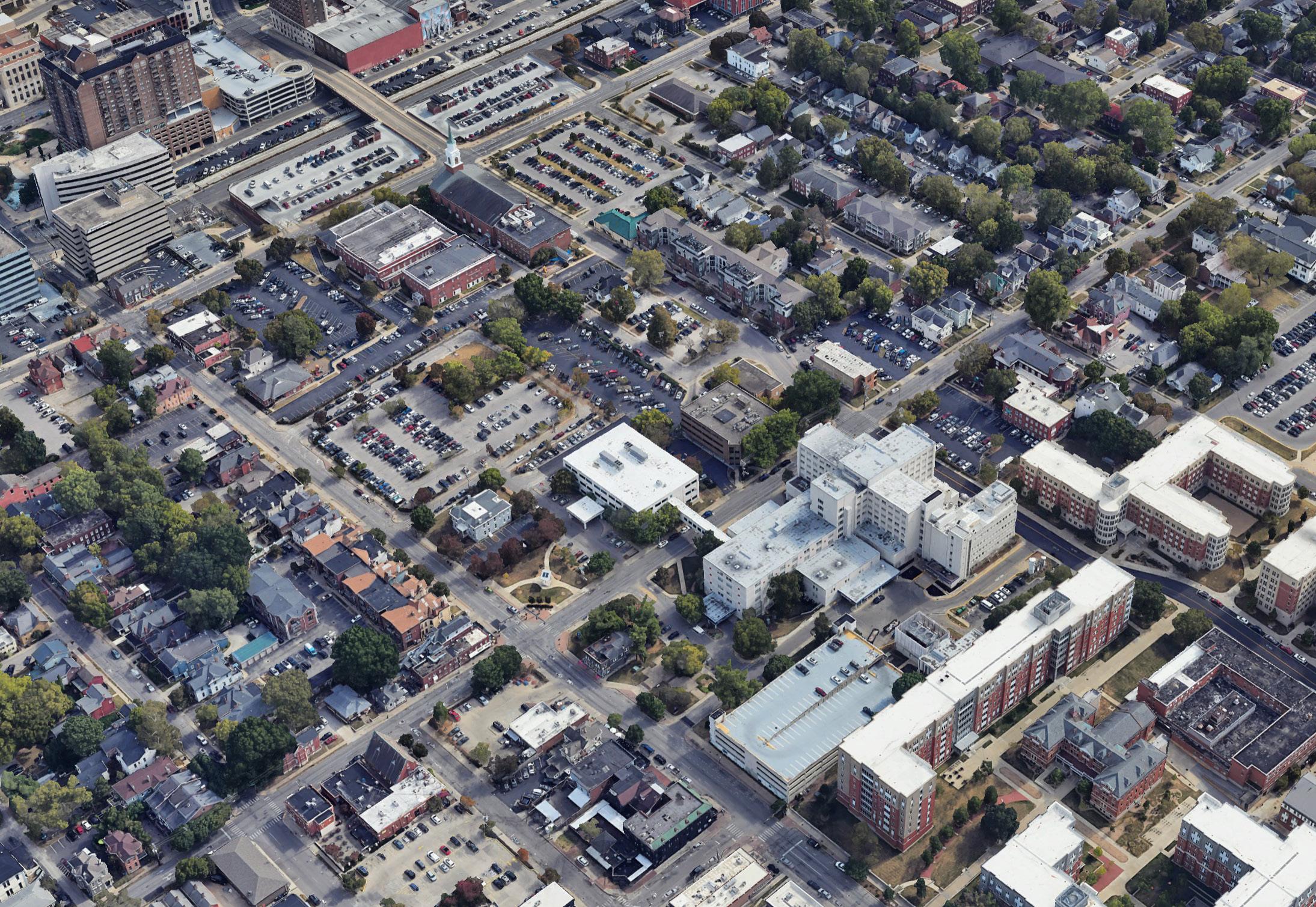
Site 1: Mill & Short Streets
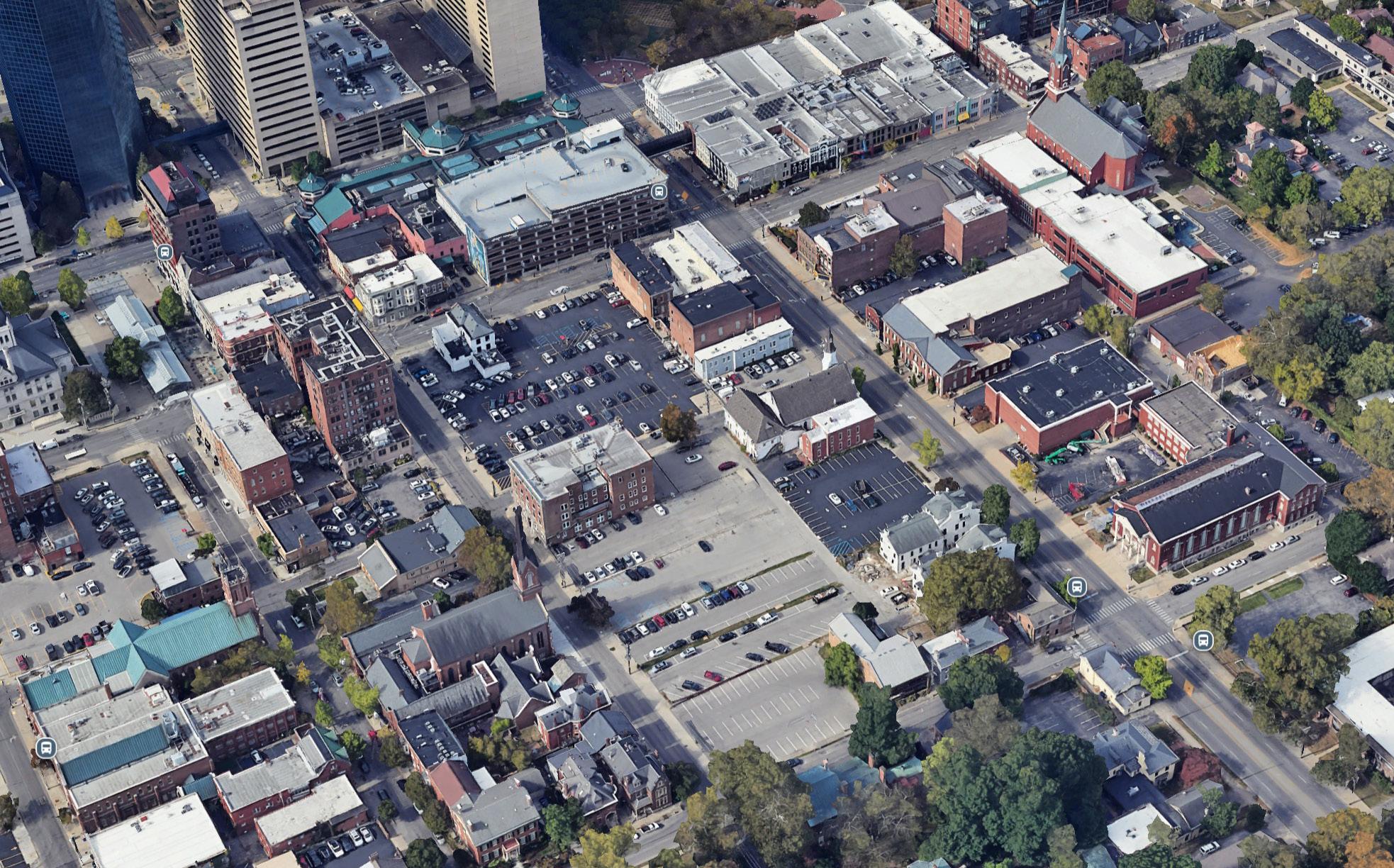
Existing parking lots
Existing parking lots
Site 1: Mill & Short Streets
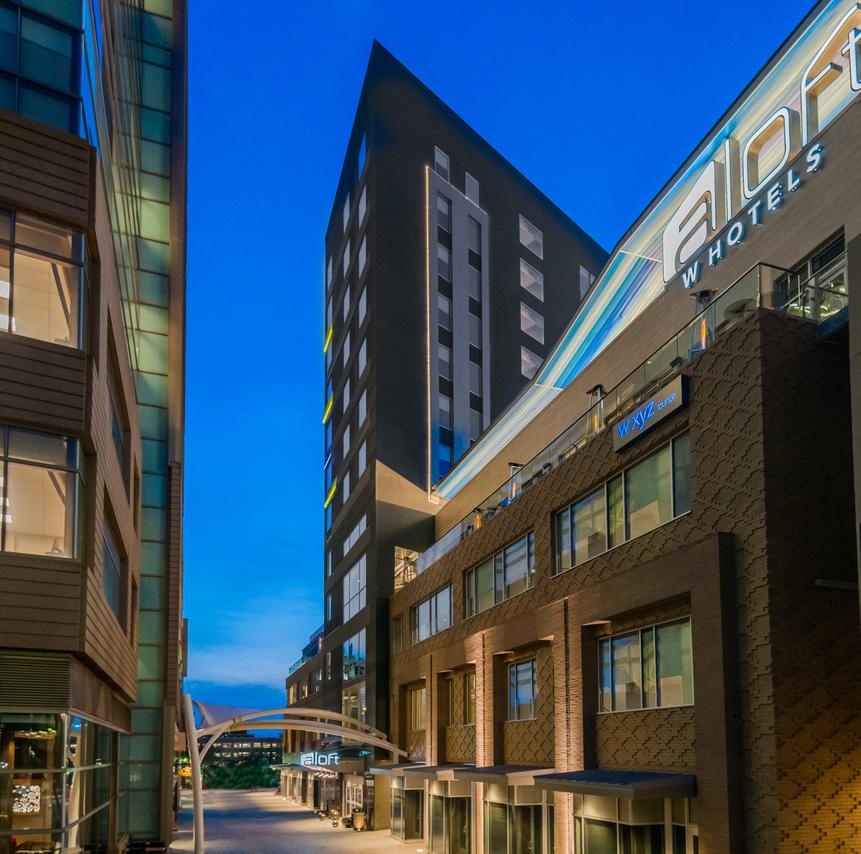
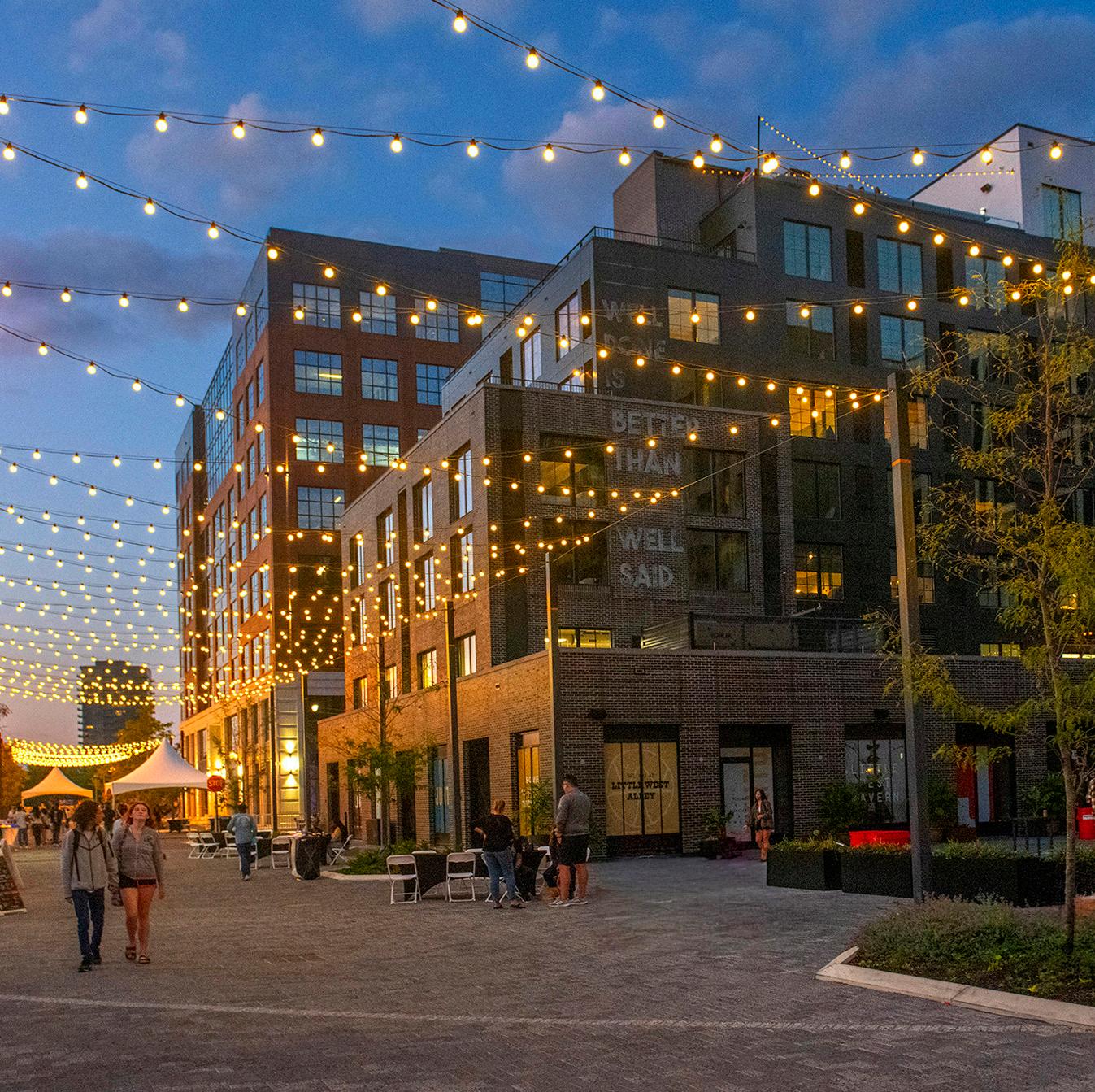
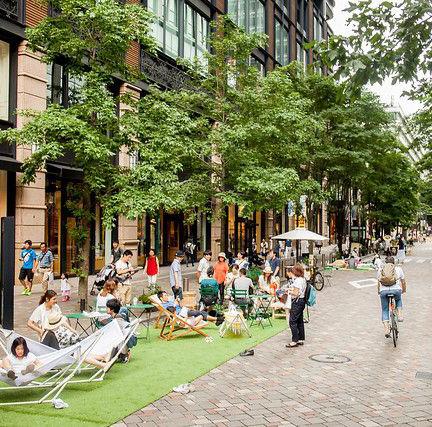
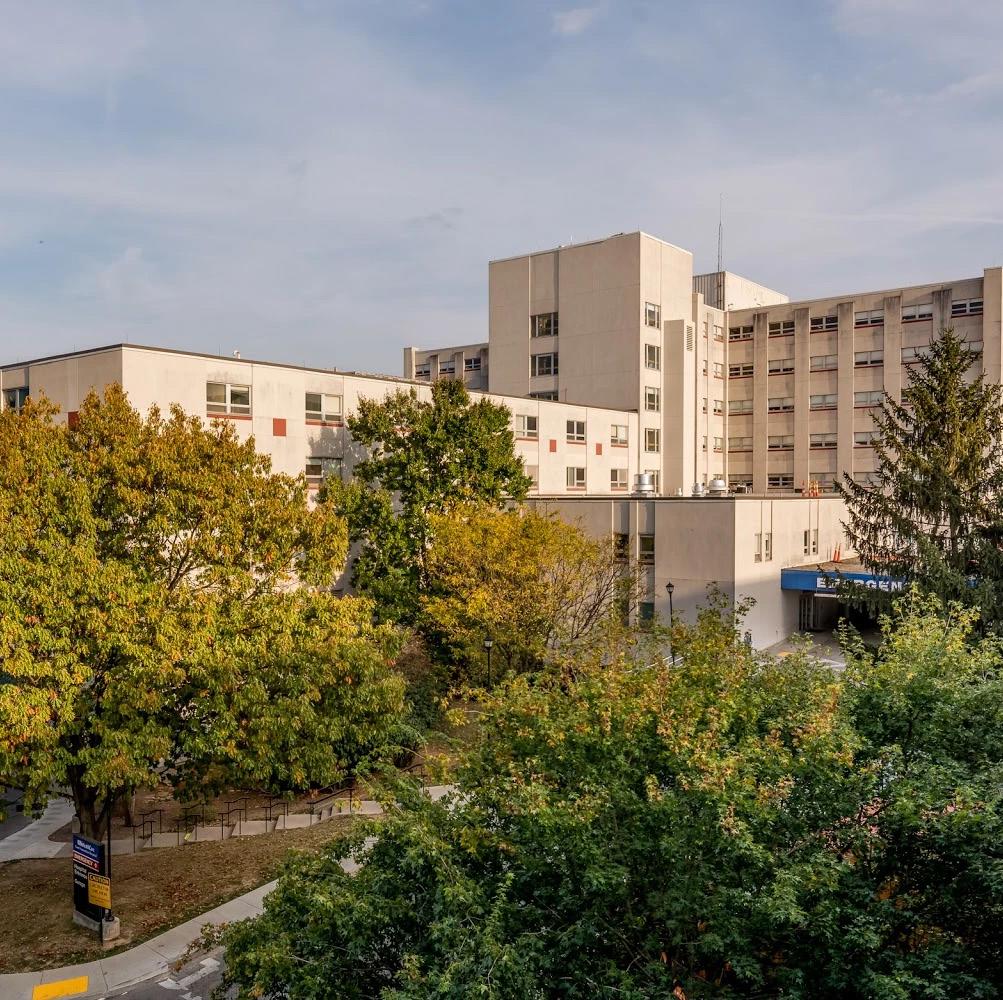
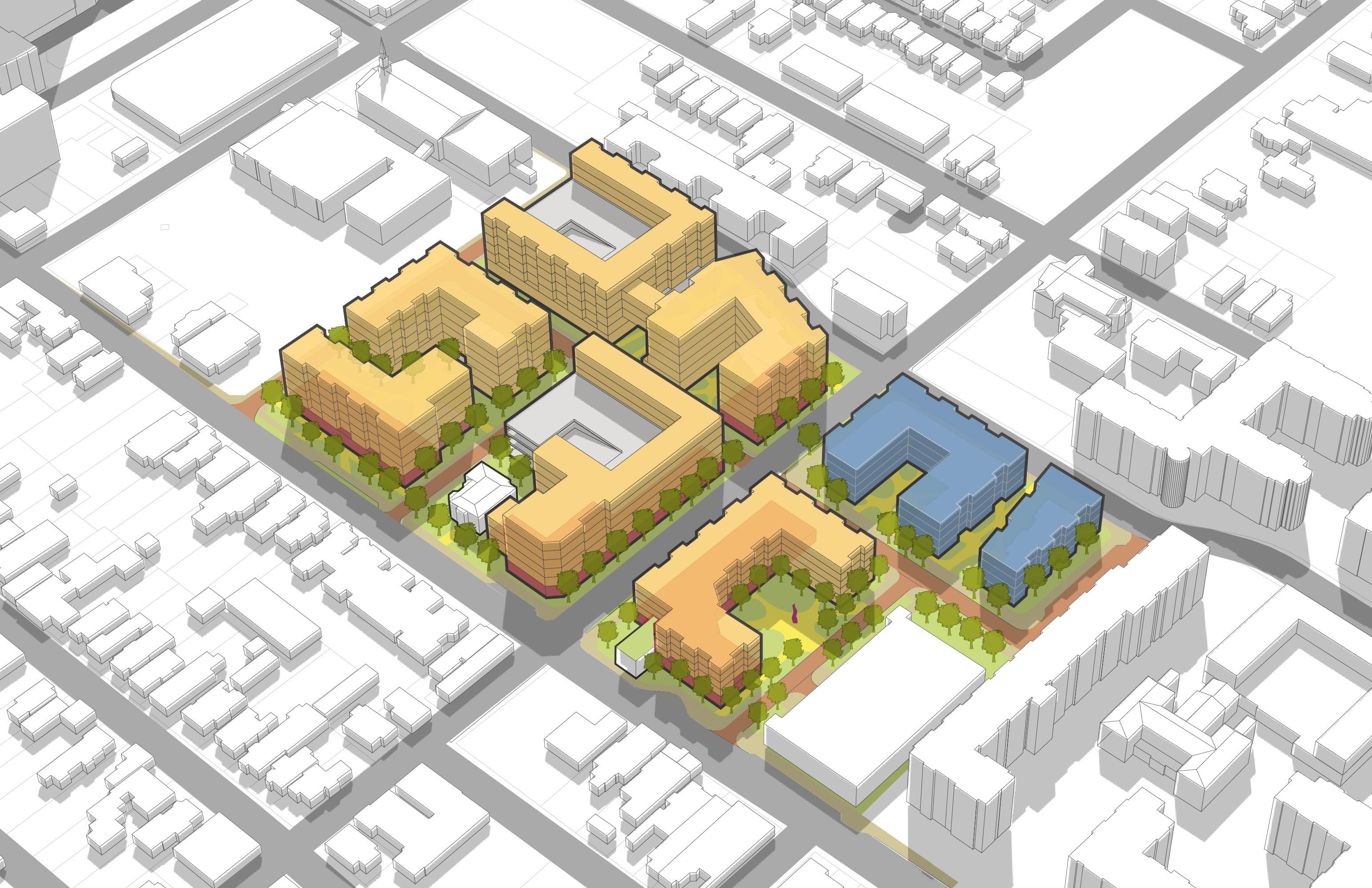
Site 2: Good Samaritan Hospital
MLKBoulevard
SouthUpperStreet MaxwellStreet BoydHall
TransitCenter
SouthLimestone
Good Samaritan Hospital
Good Samaritan Garage
Existing parking lots
Site 2: Good Samaritan Hospital
Existing building to remain
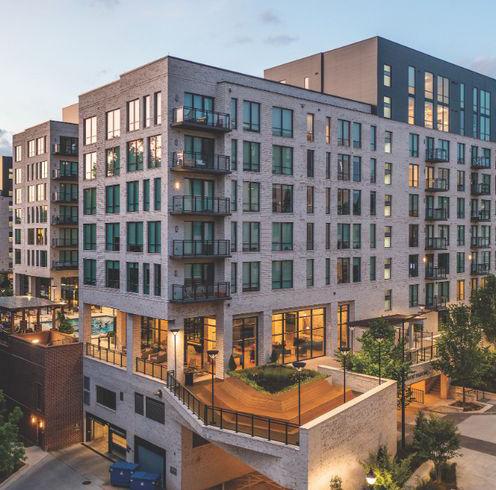
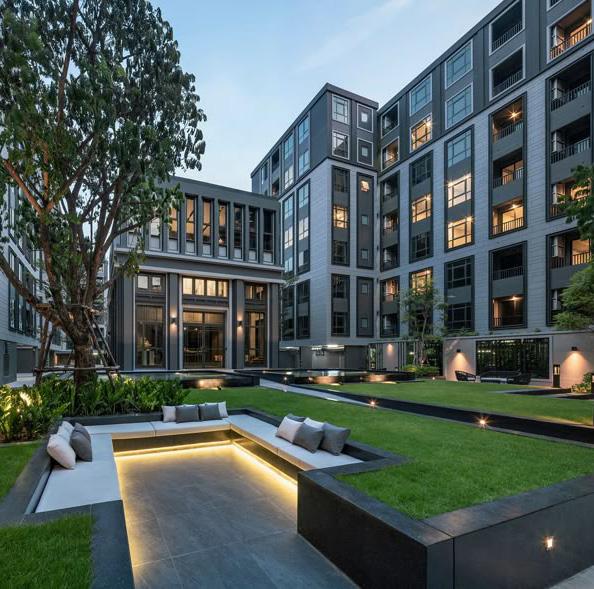
Student and workforce mixed use housing along Limestone and Maxwell
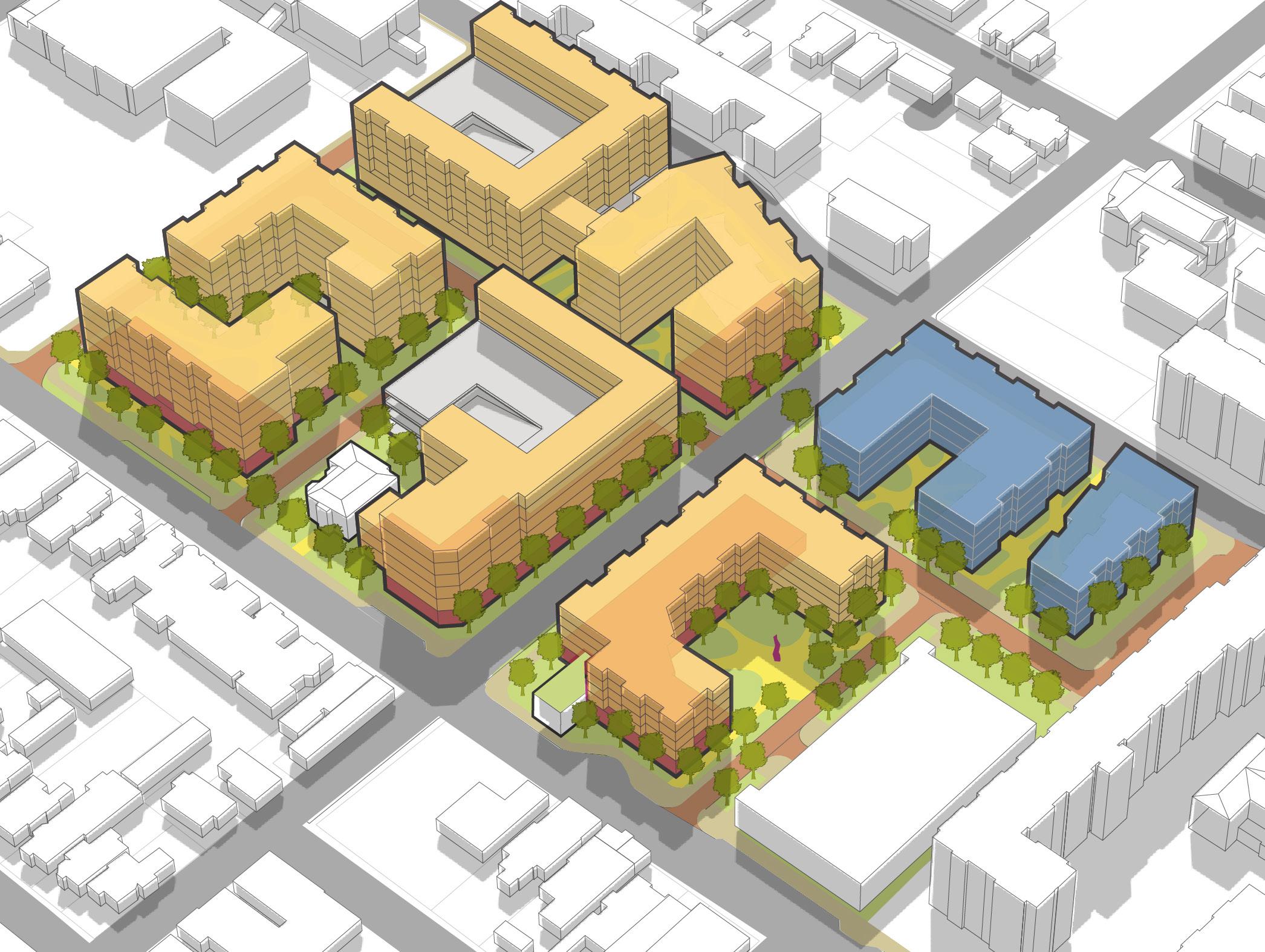
Existing building to remain
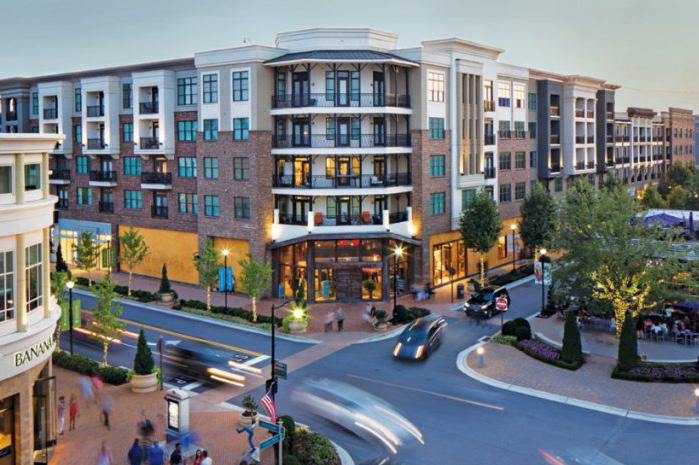
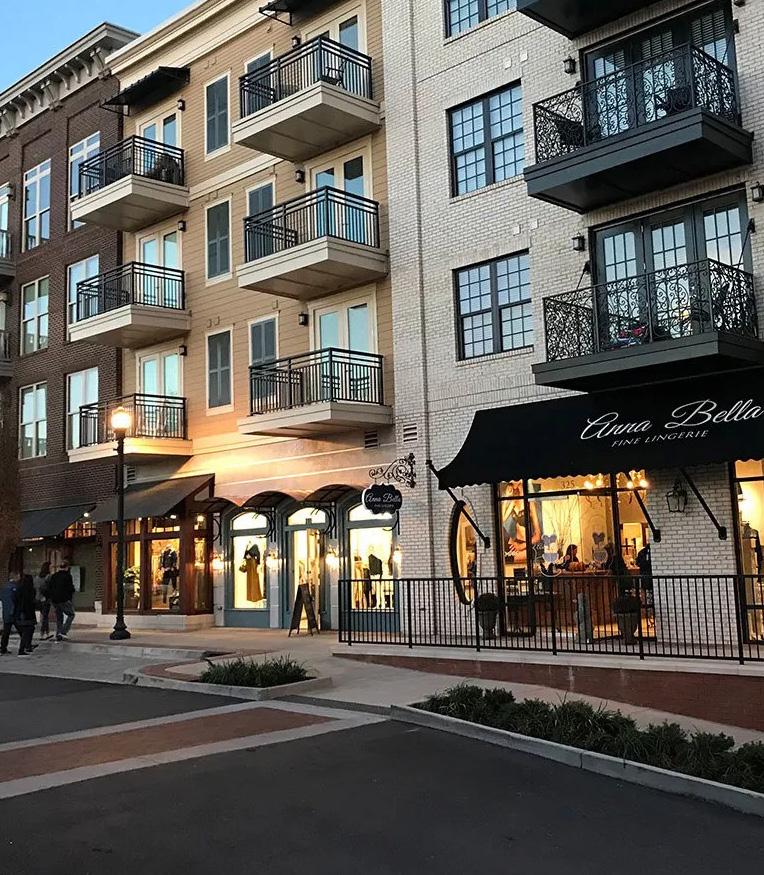
MLKBoulevard
SouthUpperStreet
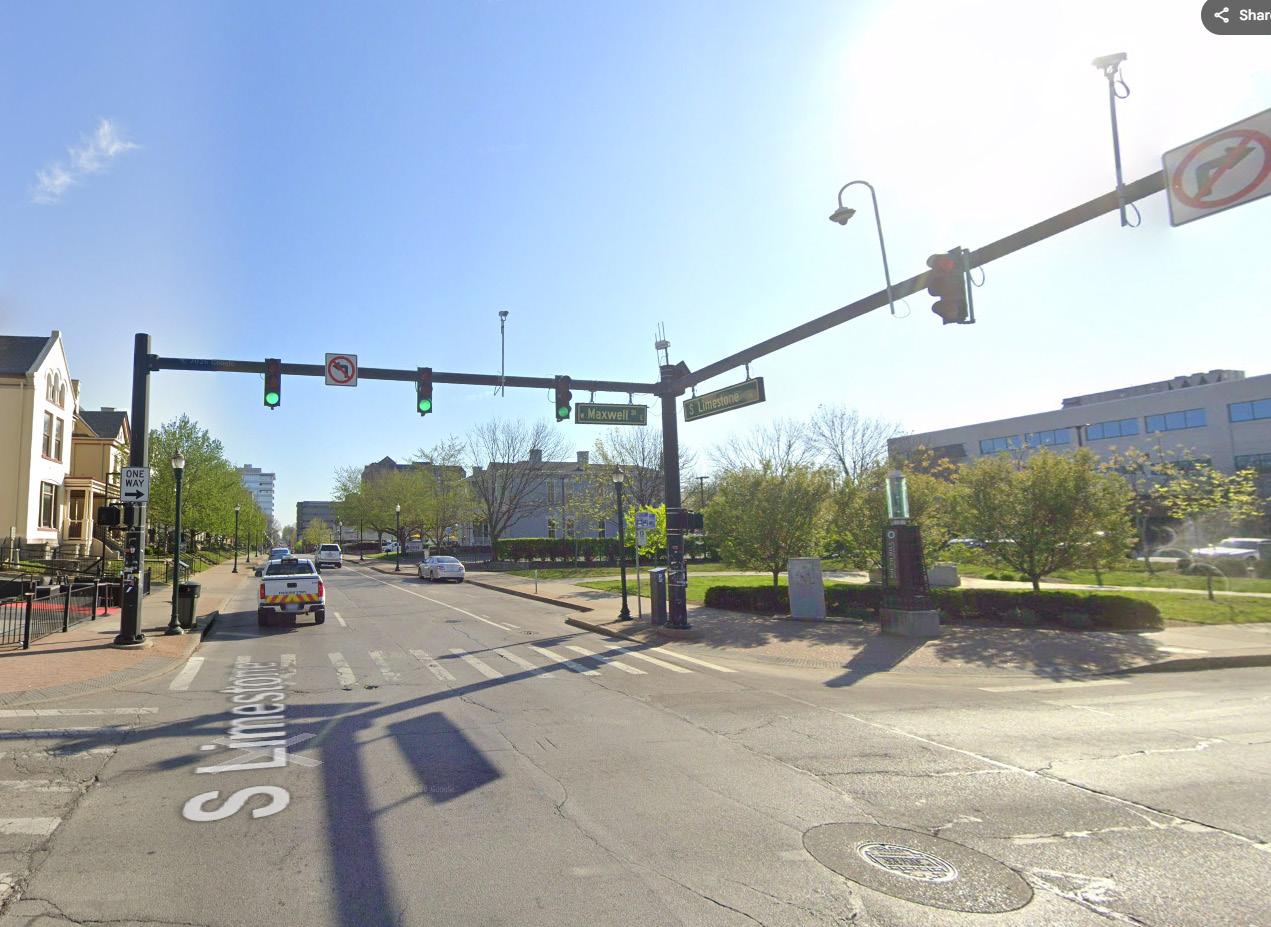
Site 2: A Re-Imagined S Limestone
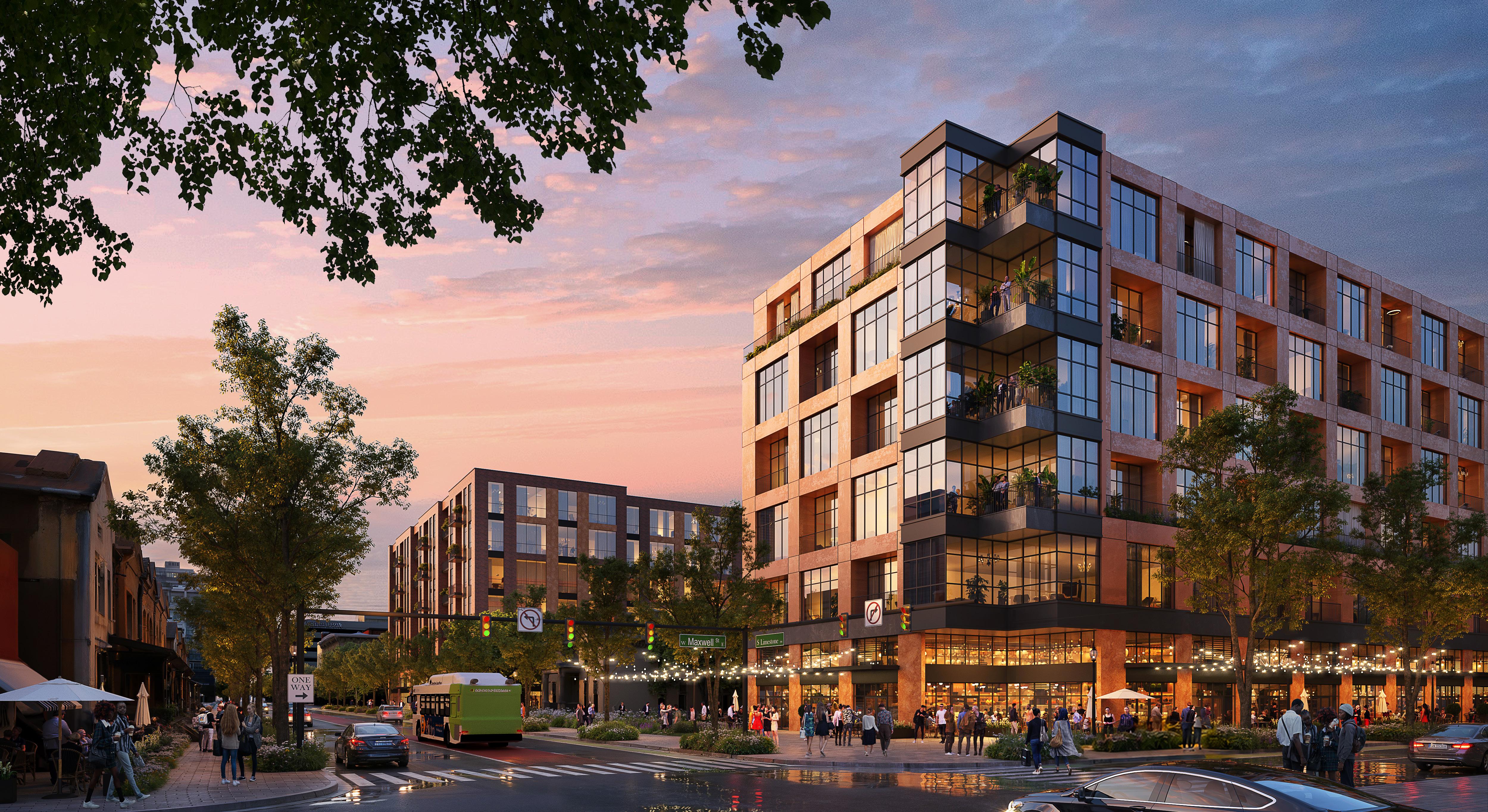
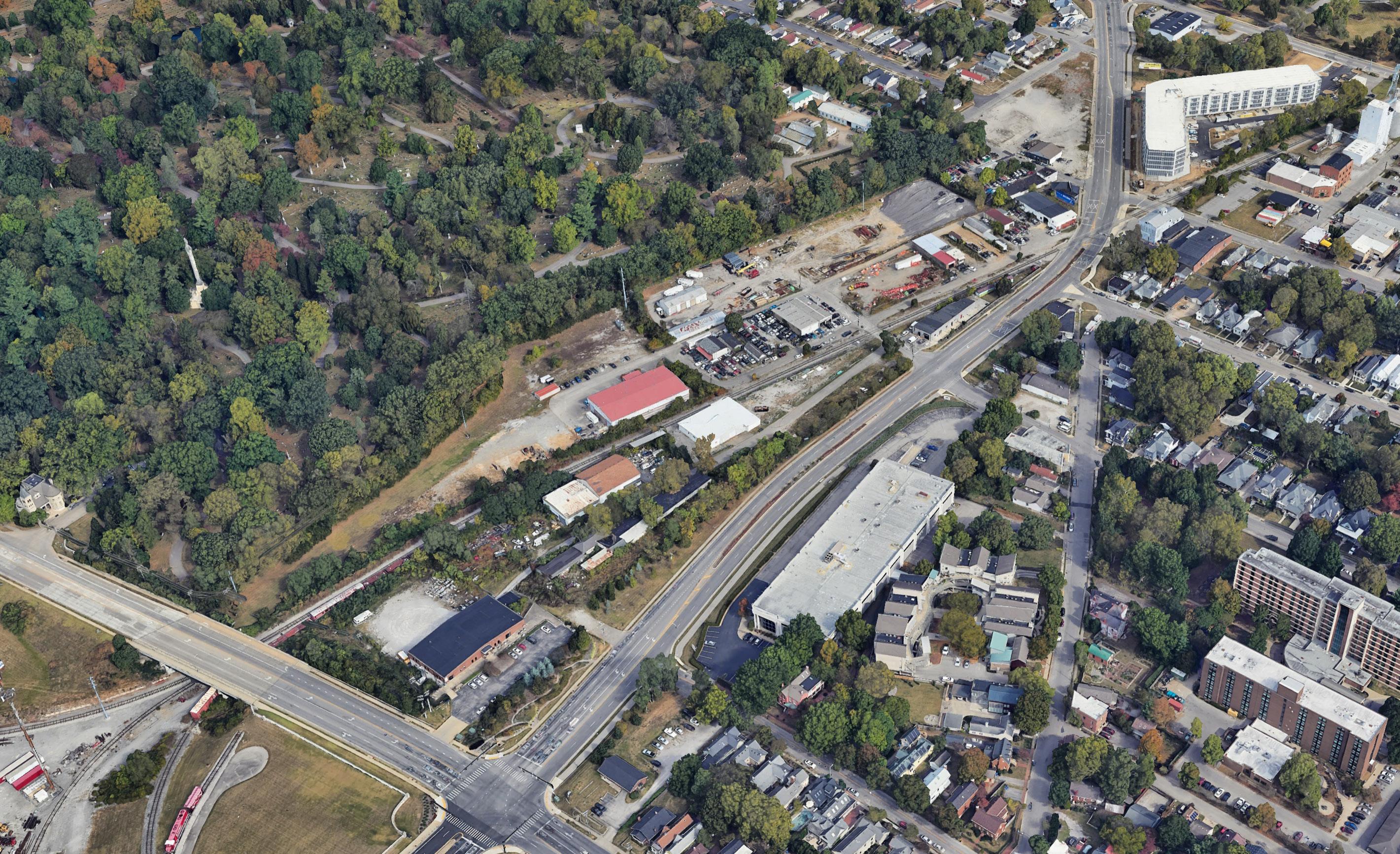
Site 3: Newtown Pike
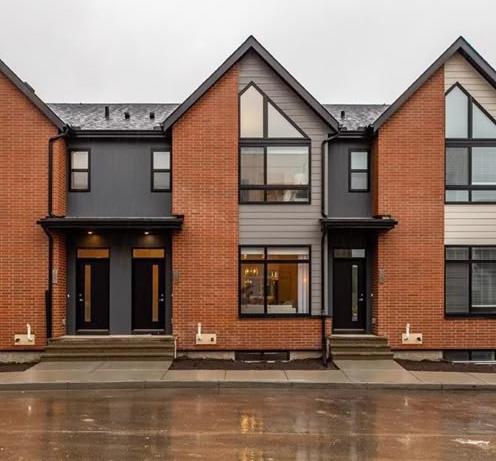
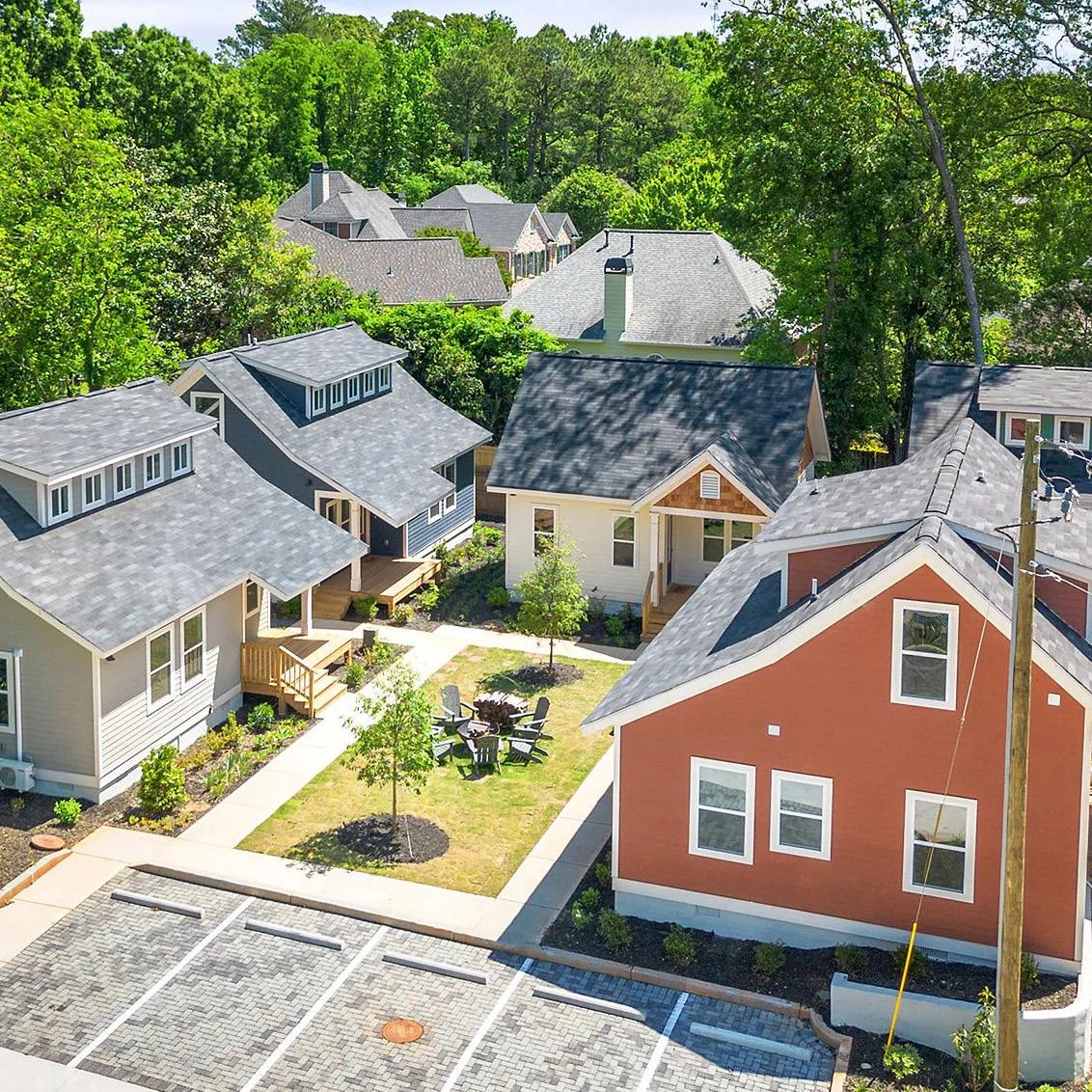
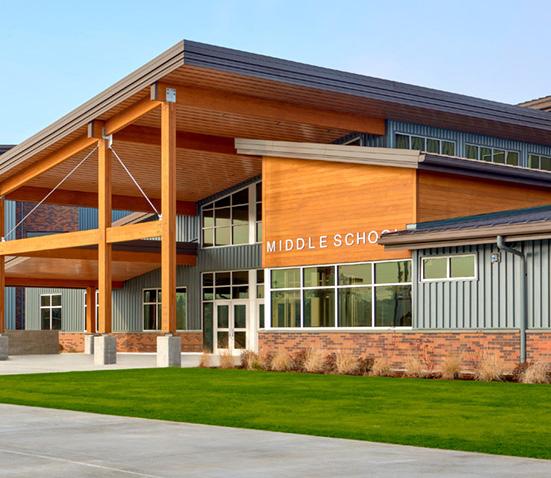
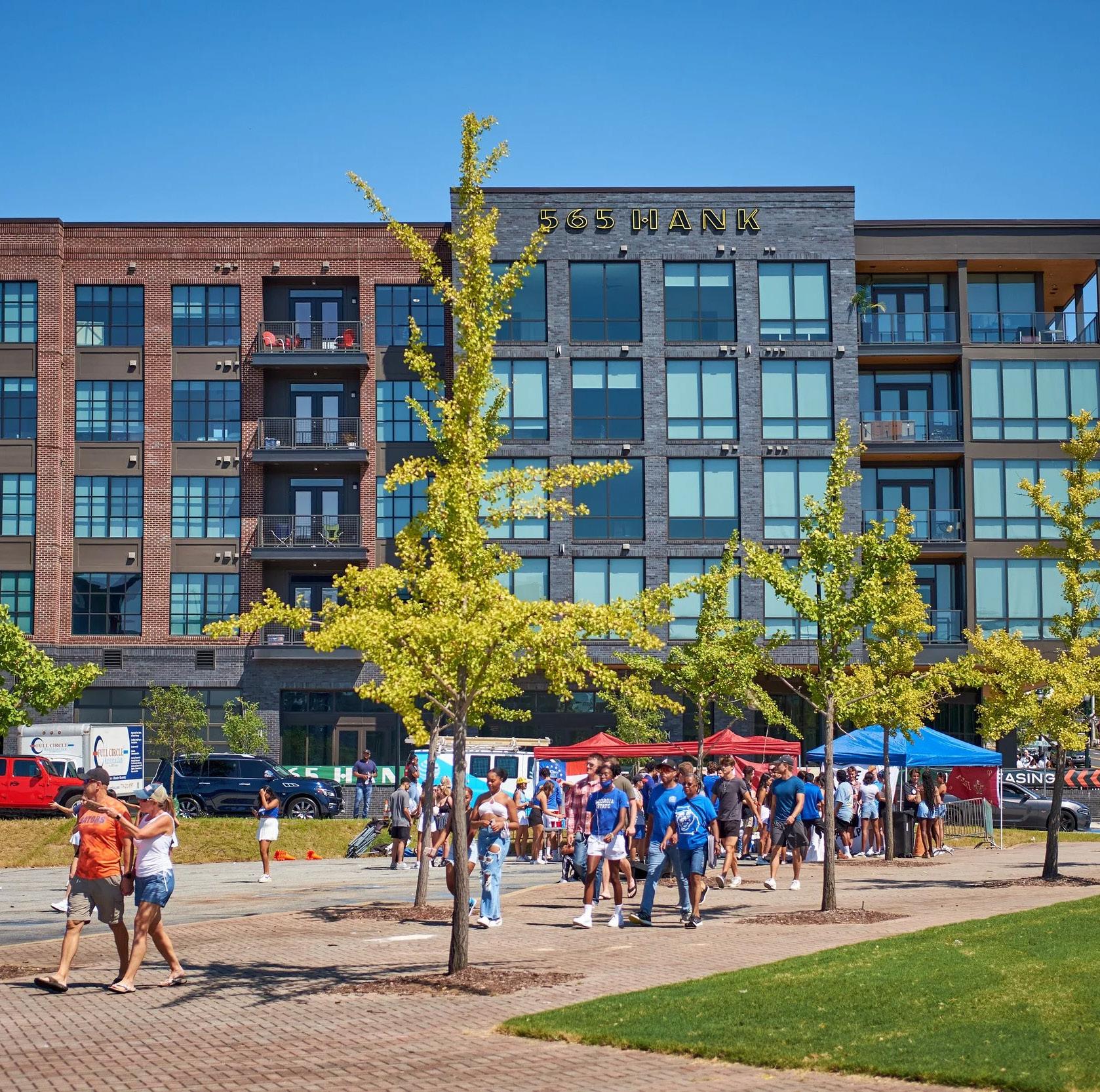
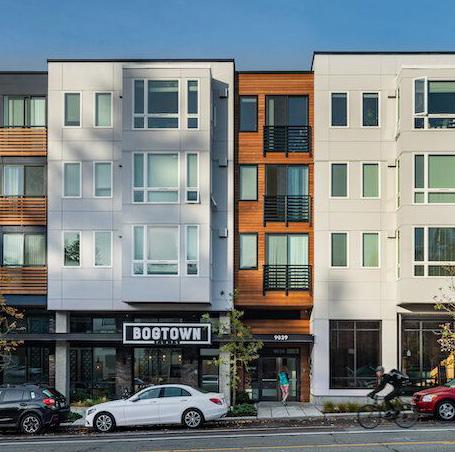
Multi-use
Zoning Recommendations
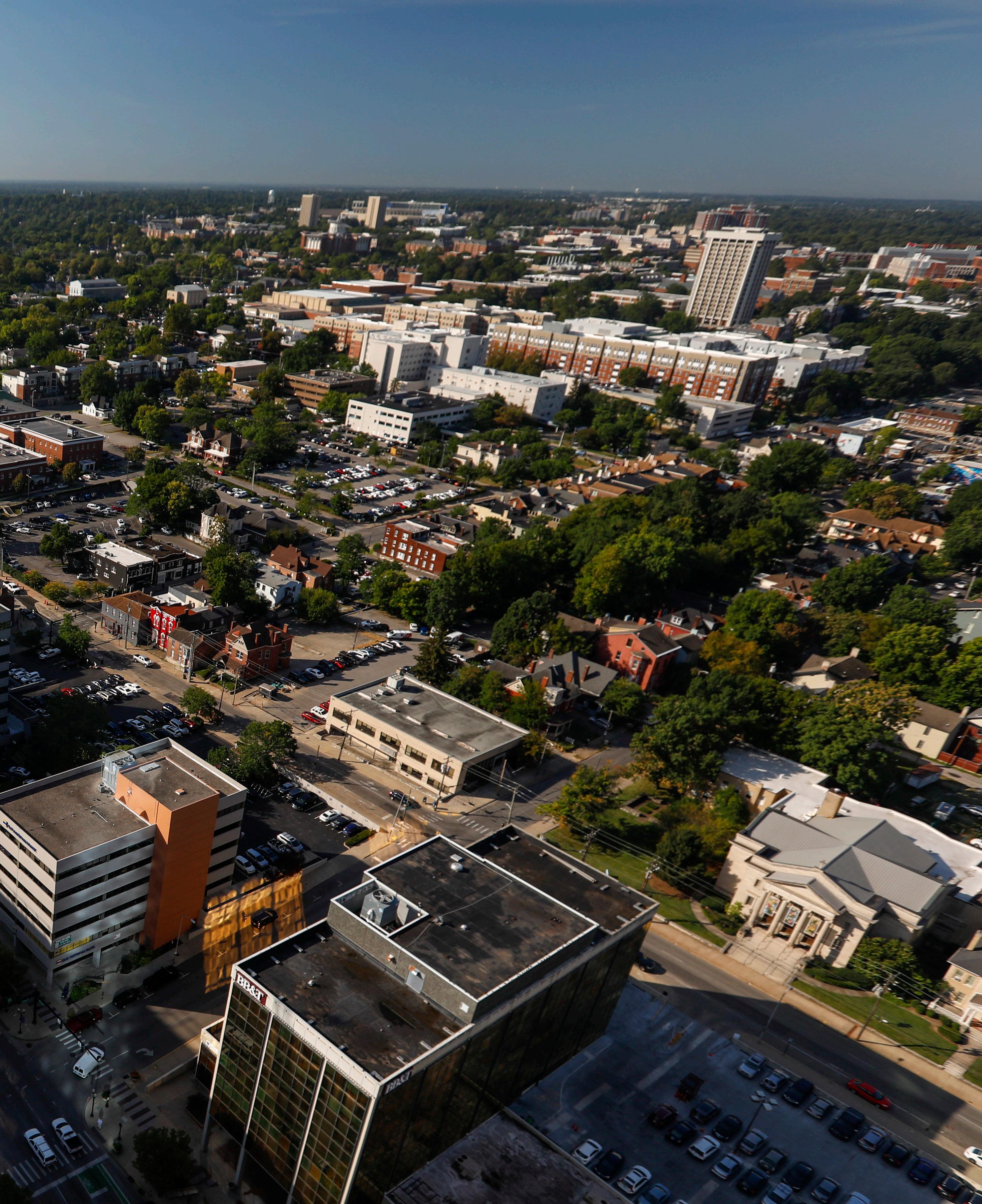
Align downtown’s regulatory environment with the vision articulated in this plan and illustrated in the three catalyst site concepts.
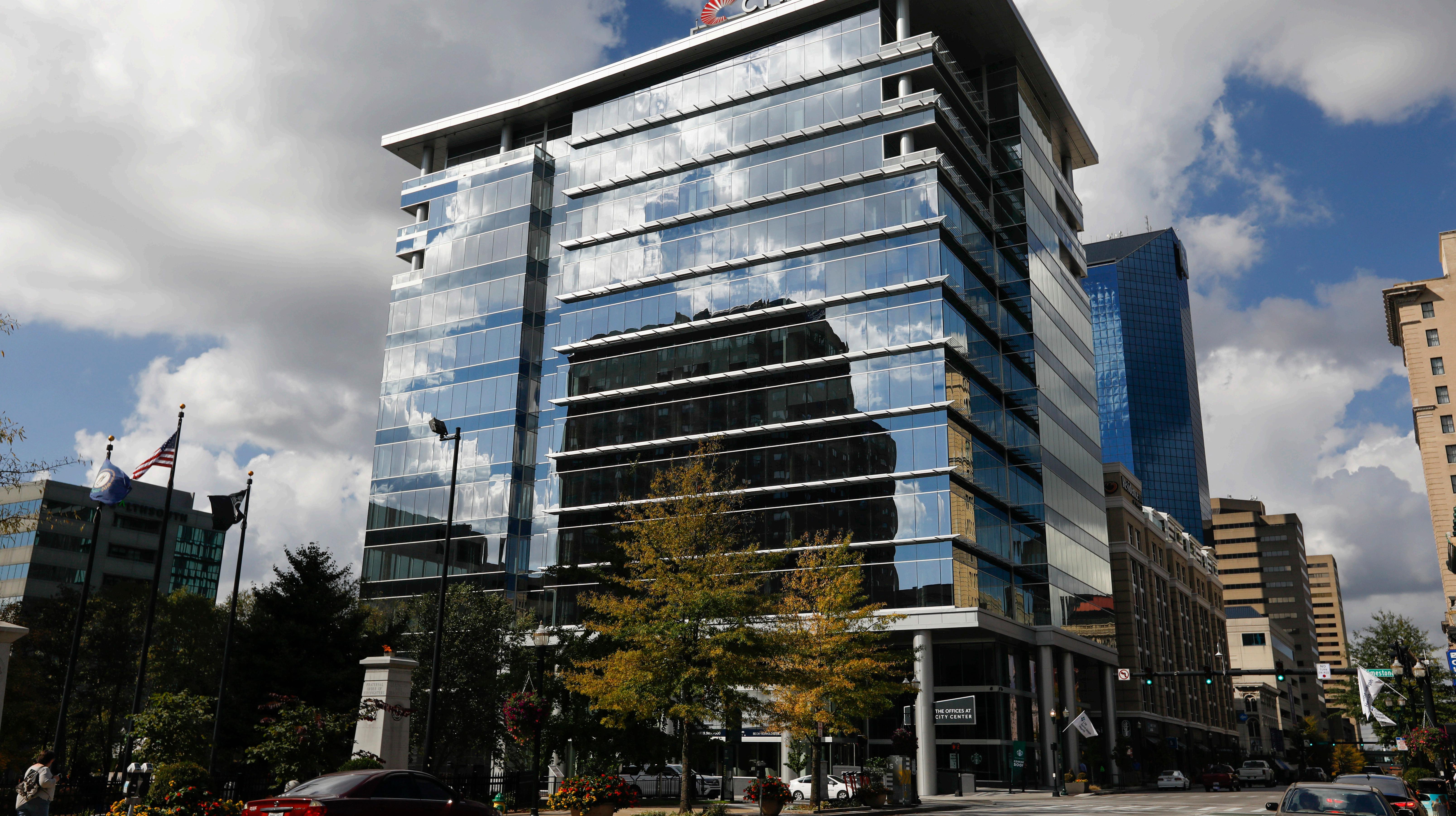
• Modernize Downtown Business Zoning: Update downtown zoning by modernizing permitted uses, increasing building heights when restricted, and requiring active ground-floor activity along key corridors.
• Create Special Zoning Provisions in the Downtown Core Area: Tailor zoning standards for citywide zones when within the Downtown Core Area to shape compact, walkable neighborhoods.
• Establish Downtown Urban Design Standards: Create downtown-specific design standards that shape how new development meets the street, activates the public realm, and contributes to a high-quality pedestrian experience.
• Support Historically Significant Properties: Update Historic Guidelines, encourage the adaptive-reuse of historic buildings in more zones, and add preservation incentives through grants, tax abatements, or expedited review.
100 Day Actions
In the first 100 days after adoption...
• Identify resources for and launch a citywide affordable housing and antidisplacement strategy.
• Align zoning and entitlement processes with residential feasibility.
• Create a development barrier audit for priority focus areas and catalytic sites.
• Create a tenanting, branding, and attraction readiness plan.
• Evaluate revenue streams from market-based activity and development.
• Explore tax abatement for workforce and affordable housing.
“Increase programming of events and activities.”
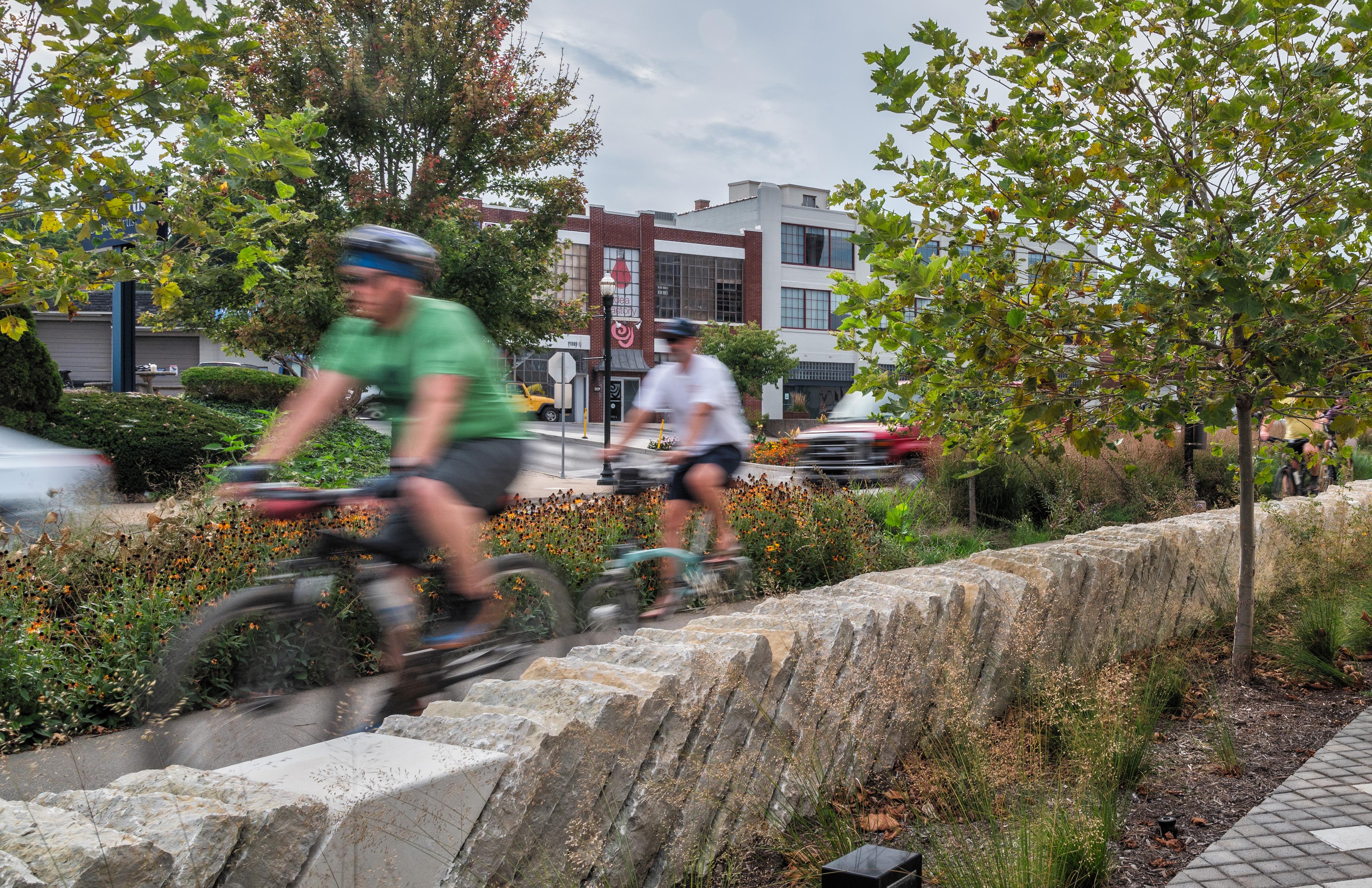
“When people come to Lex they should leave with an idea of the city’s culture + identity.”
“Tree canopy! On the north side is not as good would love to see that increase.”
A GREENER Downtown
Create a more beautiful downtown
“Love the Legacy Trial and the connection with the Town Branch Trail. I would love to see more of this.”
“Make signage brand coherent and inspiring/interactive.”
“Protected or off road bike paths for each corridor.”
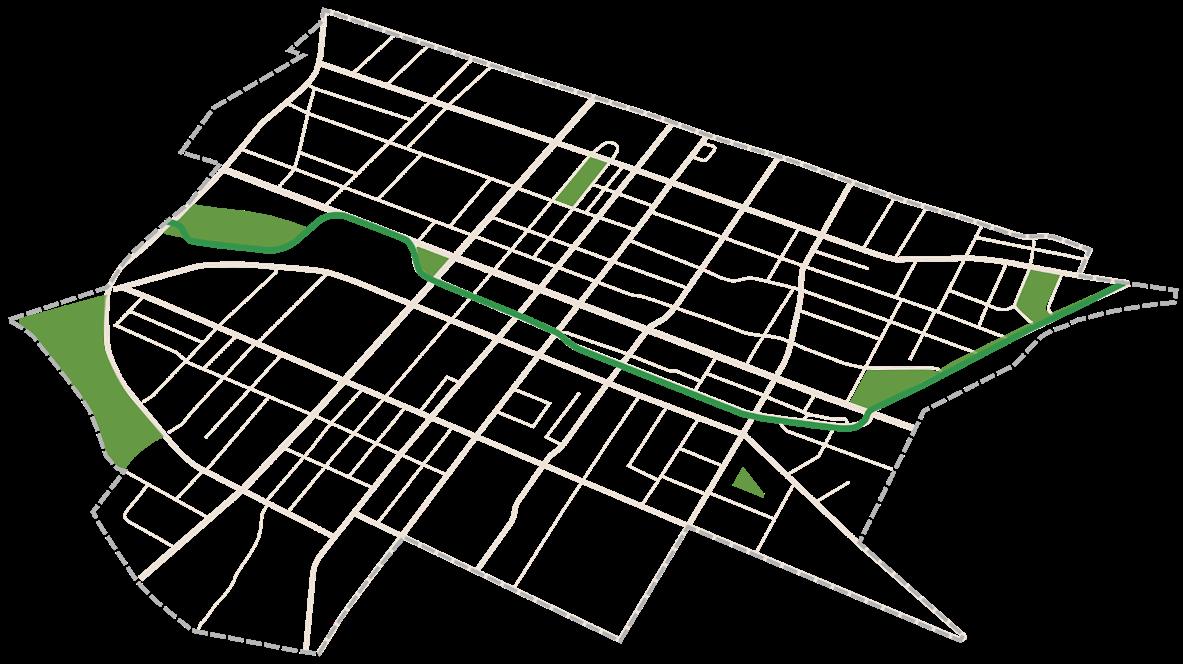
A Greener Downtown: 3 Goals
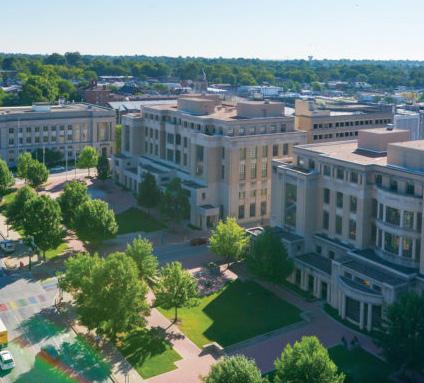
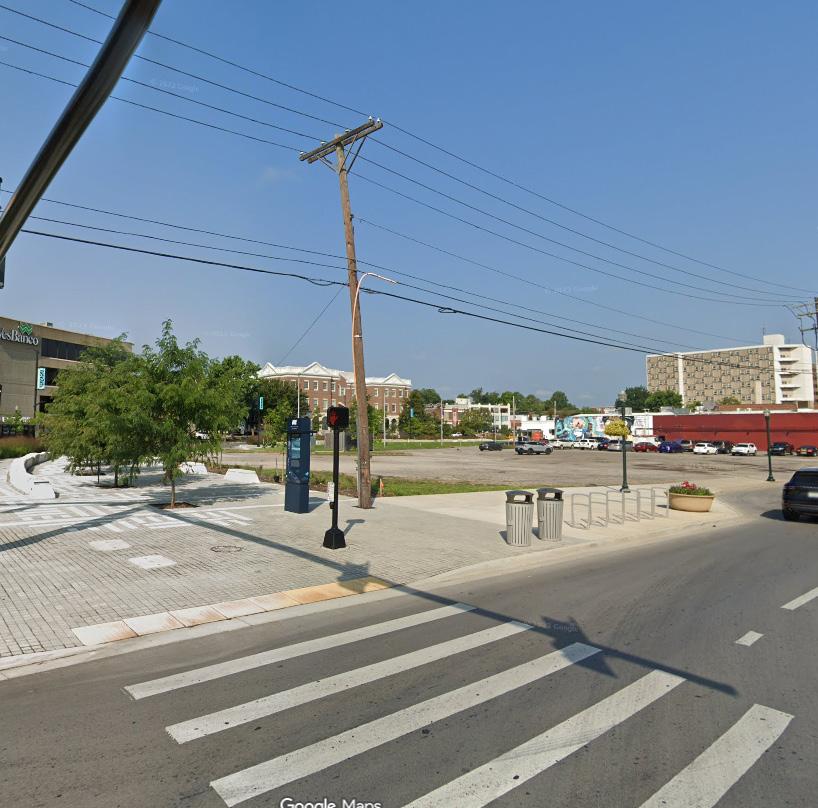
Delight with Pocket Parks
A Greener Downtown: Special, Unique & Vibrant
Keep downtown special, unique, and vibrant.
Four Strategies
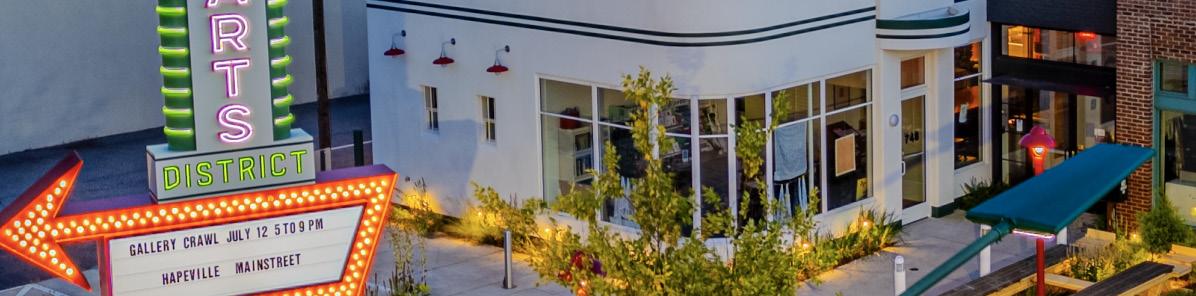
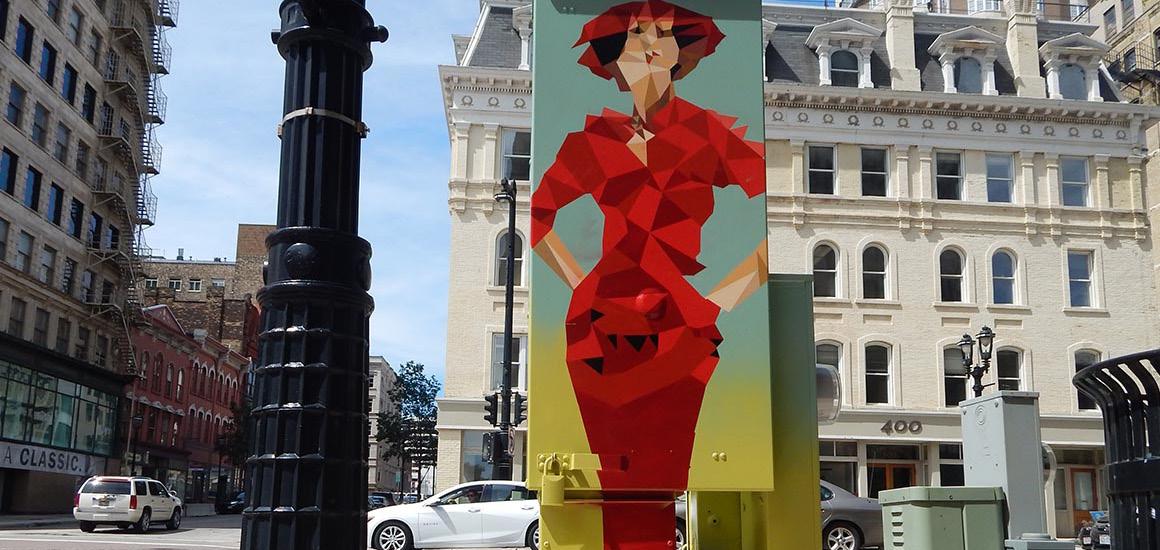
1. Delight downtown spaces with public art and whimsy.
2. Develop a cohesive Downtown Lexington identity.
3. Showcase downtown neighborhoods’ unique identities and character.
4. Design gateways that announce and celebrate downtown.
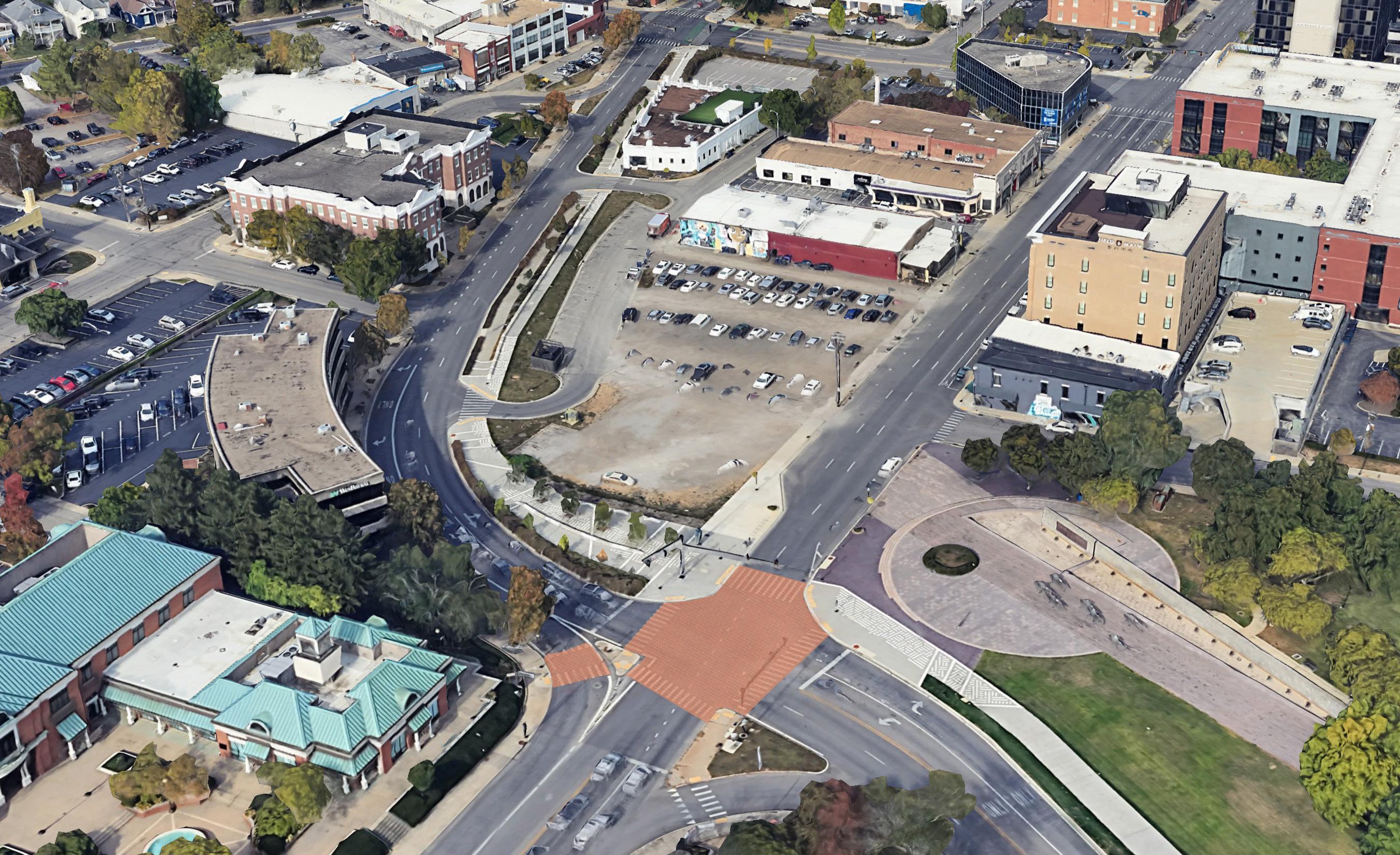
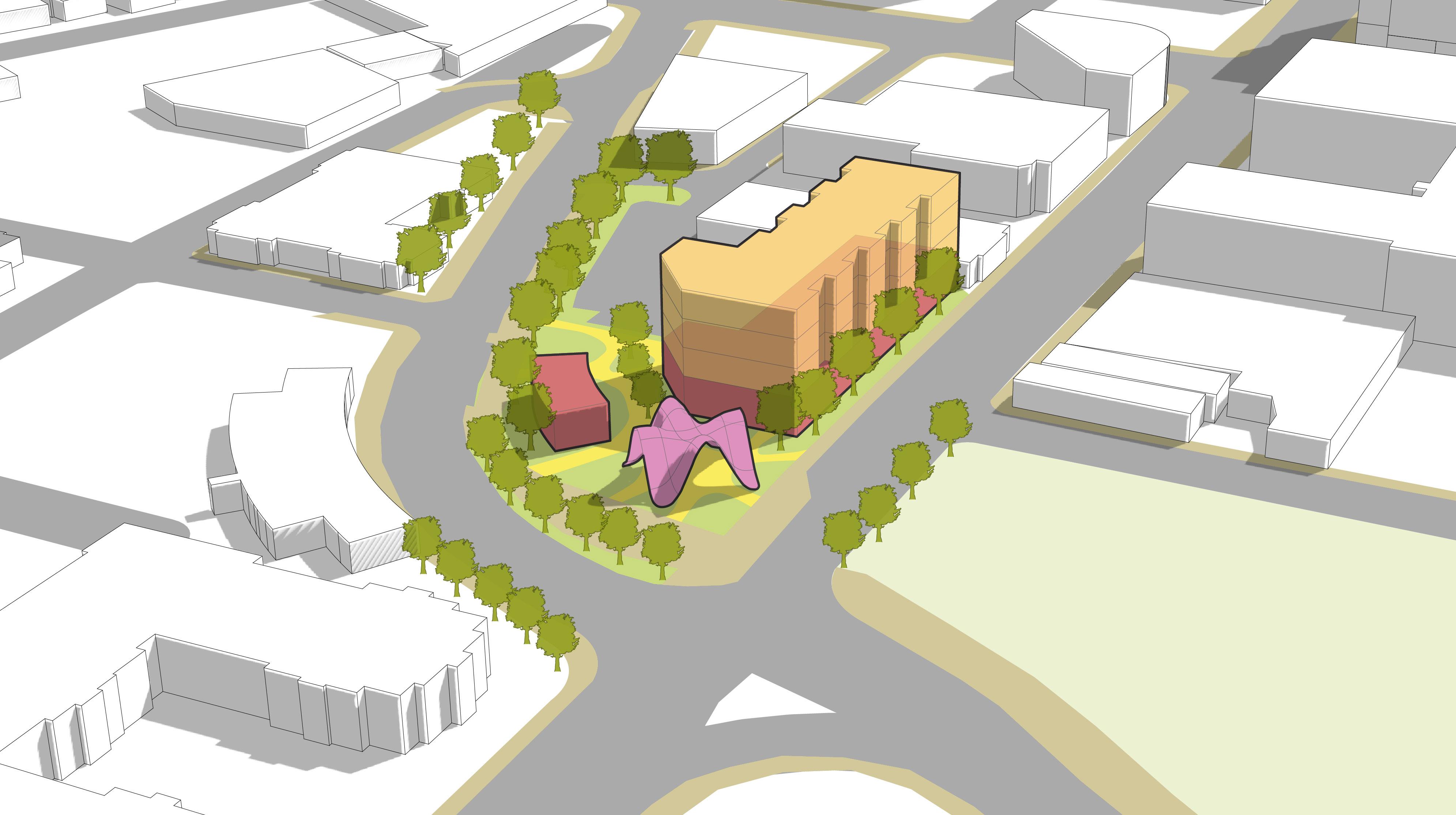
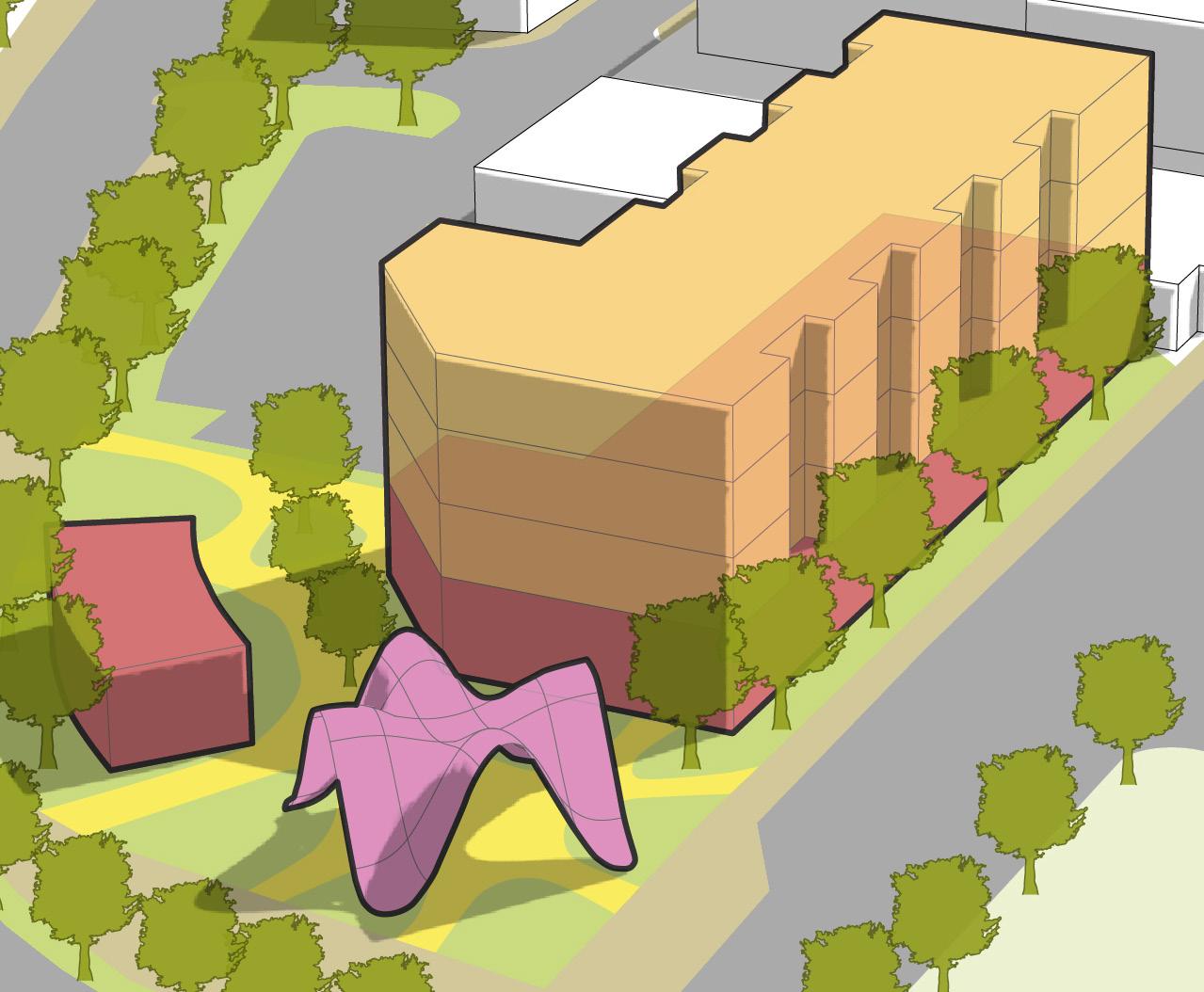
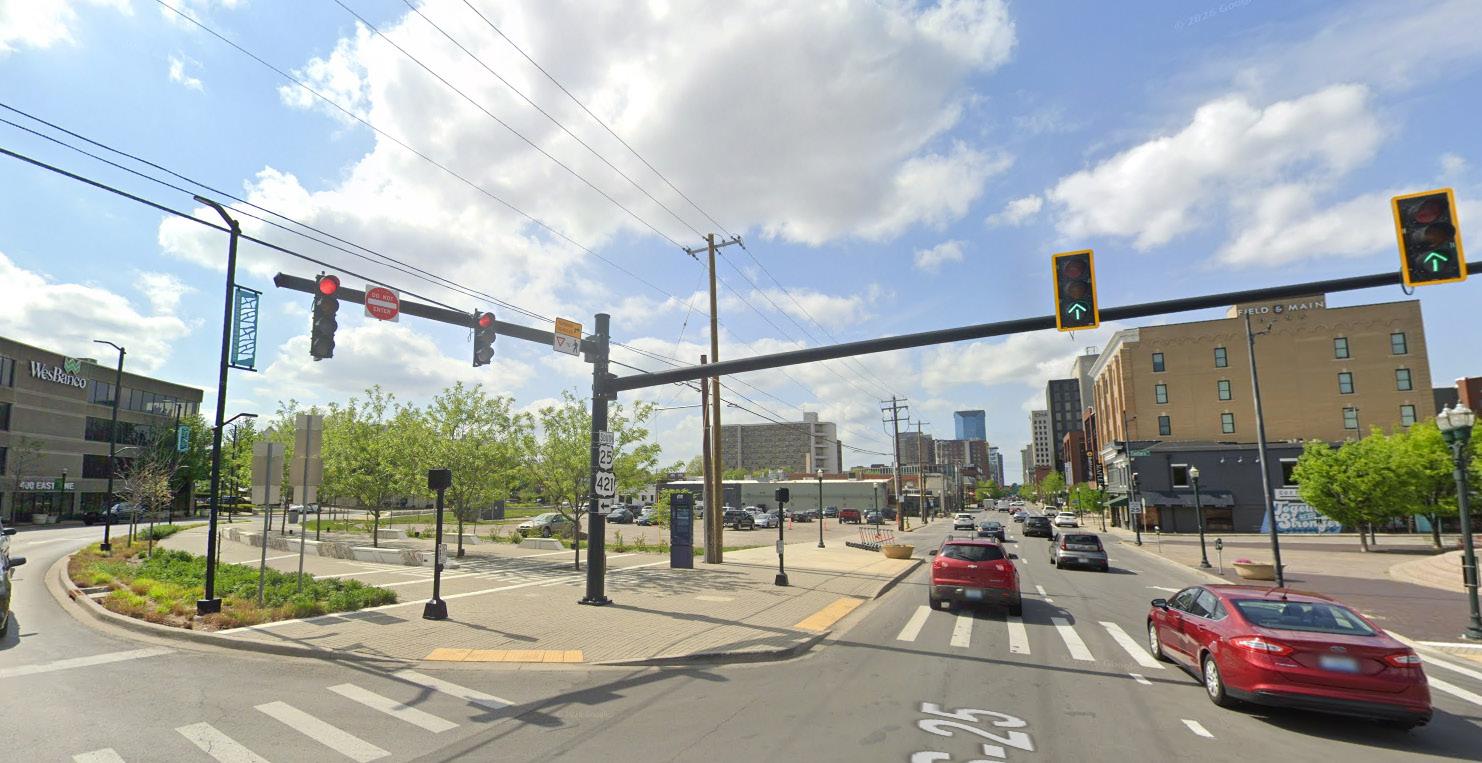
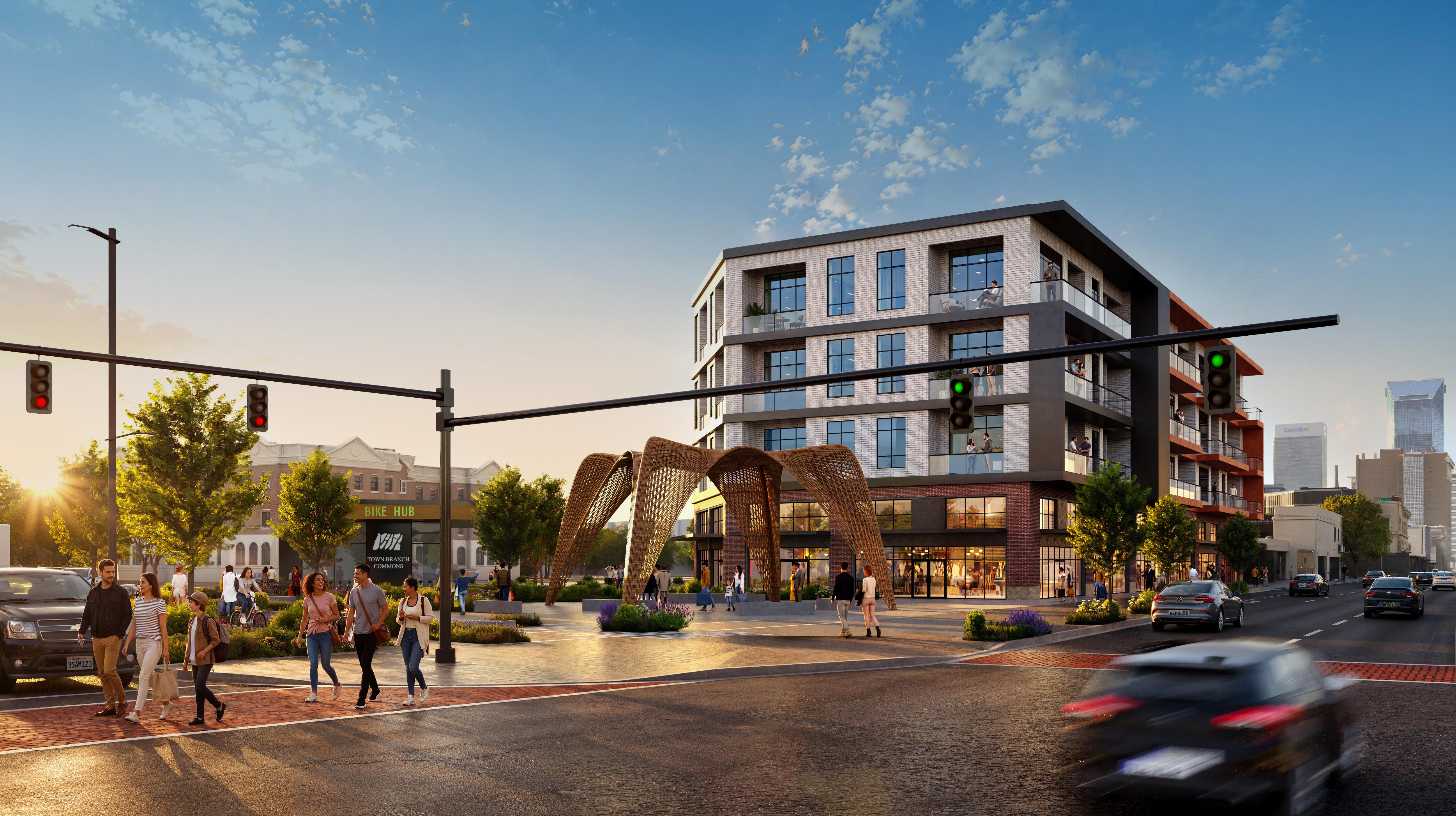
New Gateway Green and Development
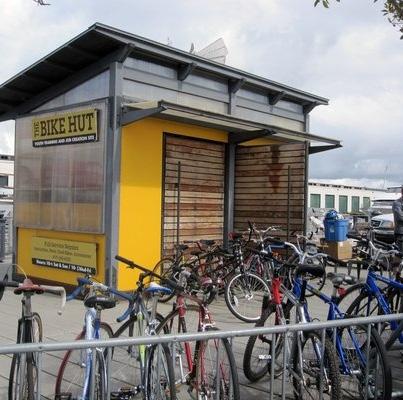
Trailhead with restrooms, information kiosk, and bike storage
Town BranchCommons Mixed Use
Infill the Main Street corridor with mixed use development

EastVineStreet
Signature gateway pavilion
MidlandAvenue
EastMainStreet
Thoroughbred Park
A New Downtown Gateway
A Greener Downtown: Visitor Experience
Work on the downtown visitor experience
Two Strategies
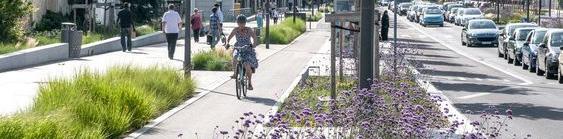
1. Connect existing and future destinations with linear greens, high quality trails, and safe crossings.
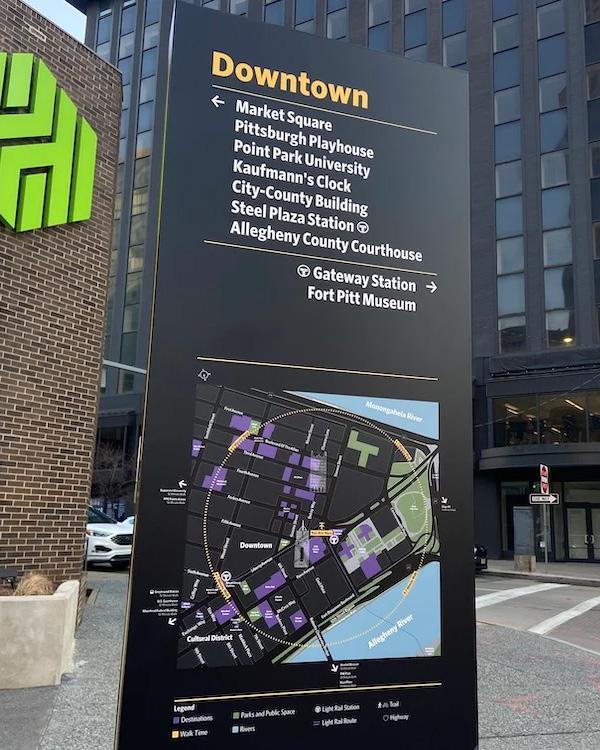
2. Establish clear and consistent signage and wayfinding.
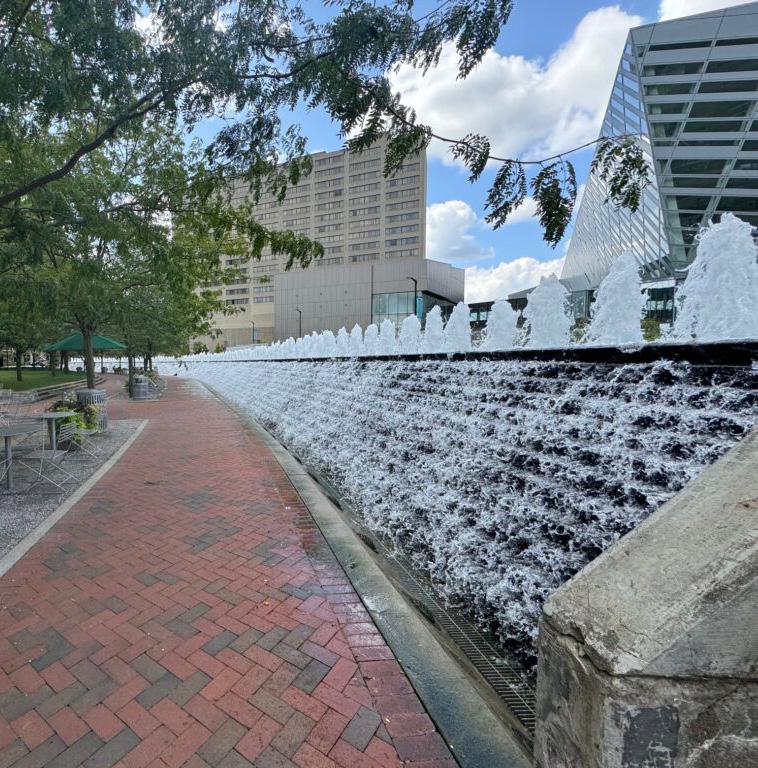
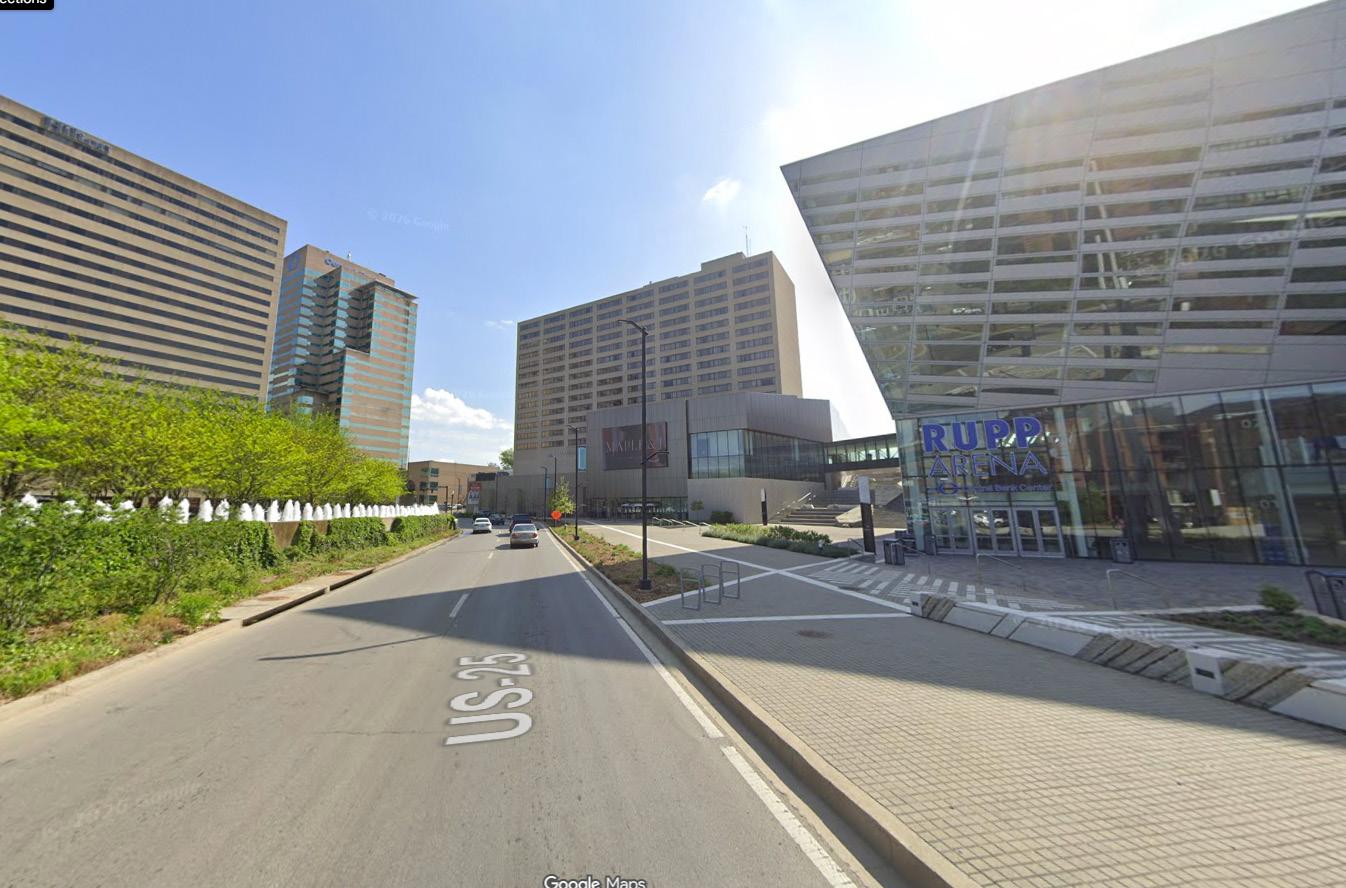
Triangle Park Feels Disconnected
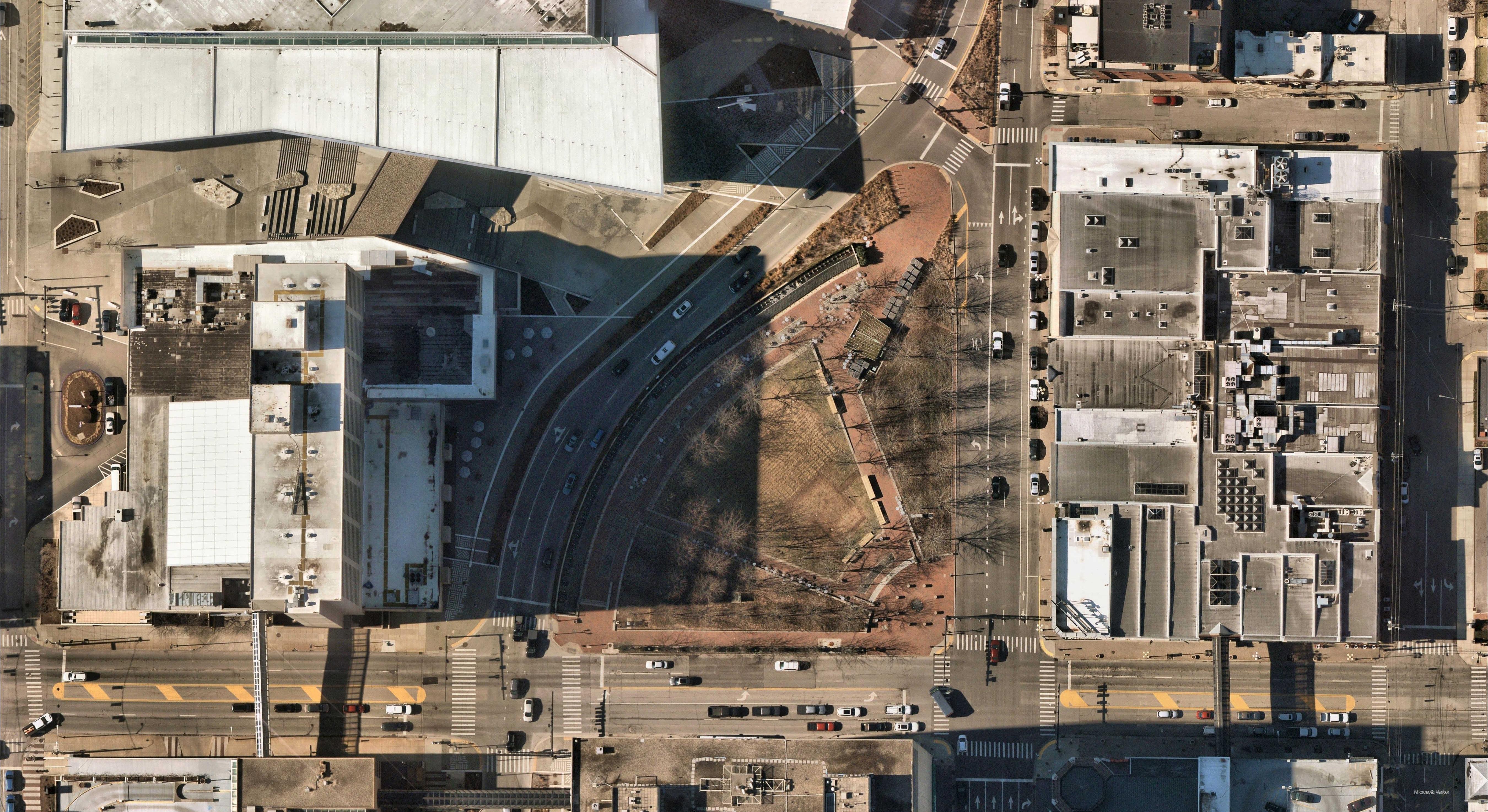
Hyatt Regency
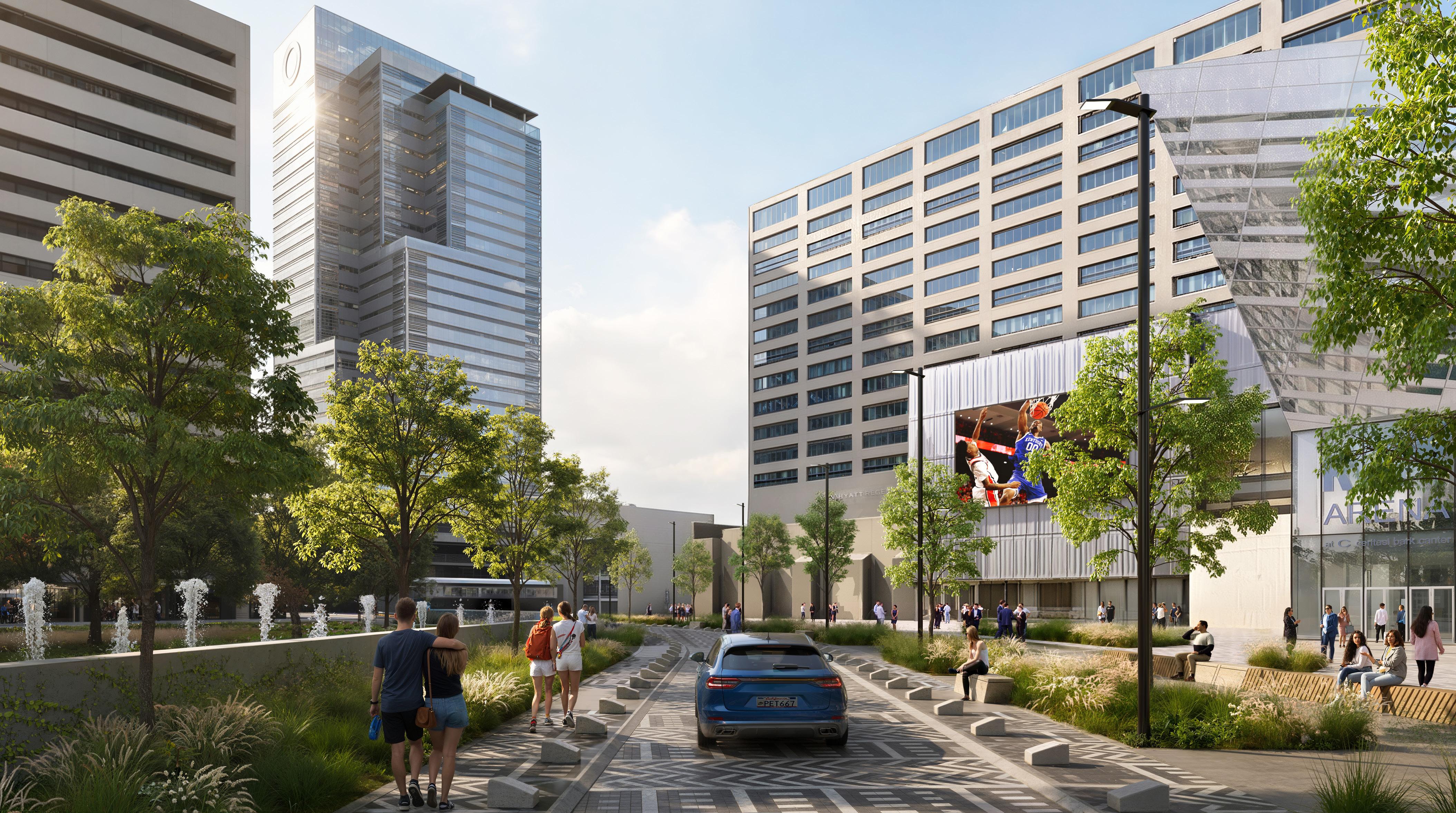
A Connected Triangle Park
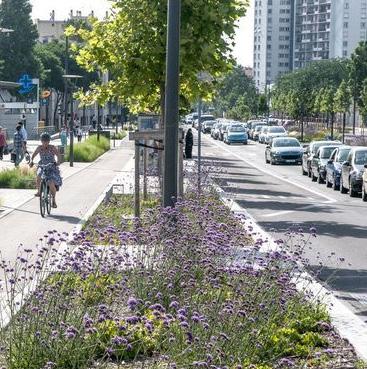
Reduce Vine Street to a single lane
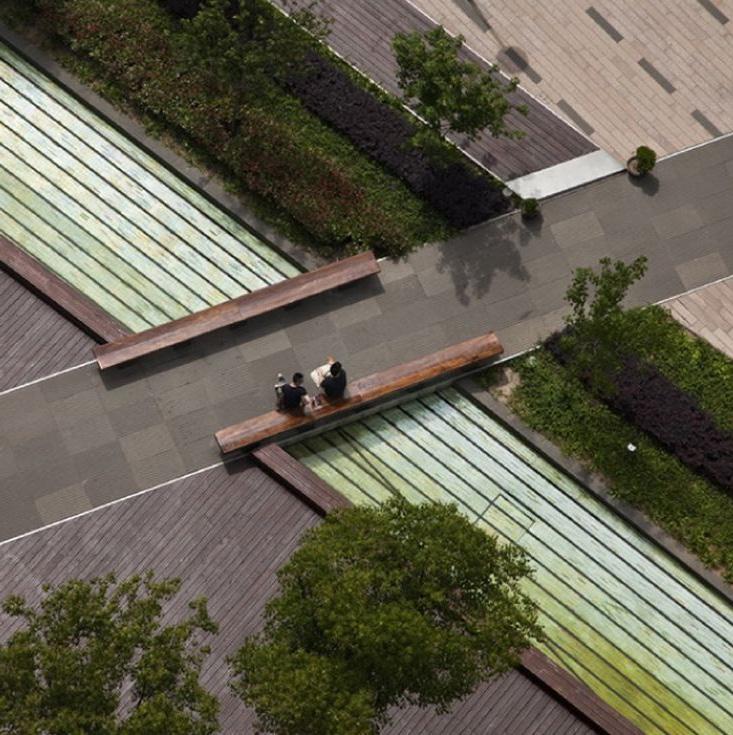
Reconfigure water feature to create new park access points
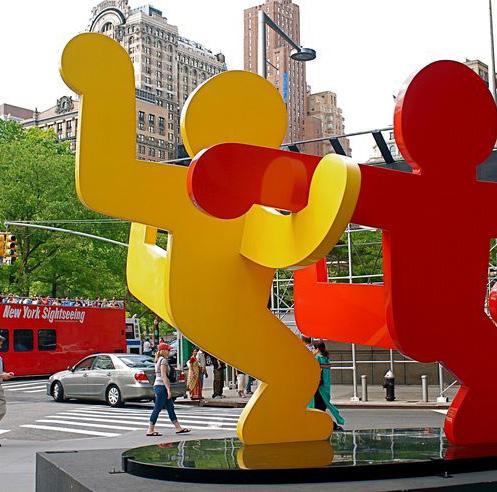
Improve gateway into downtown
Extend two-way operations of West Main to Broadway
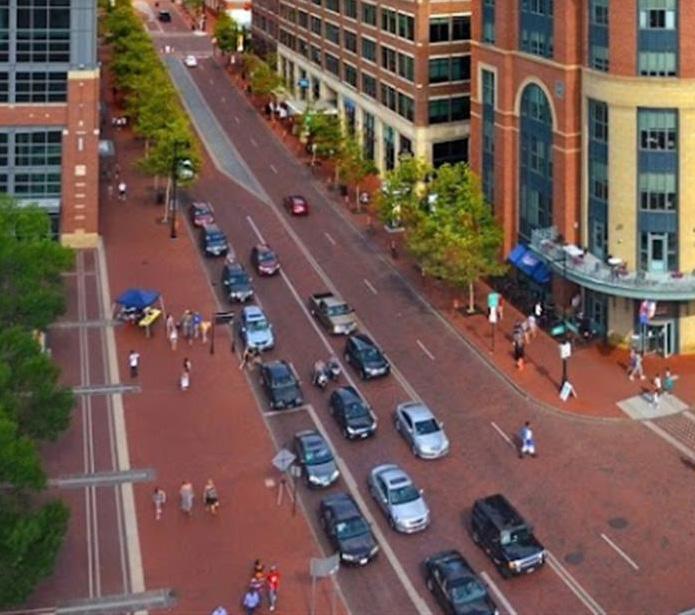
Expand the look and feel of Triangle Park to surrounding streets
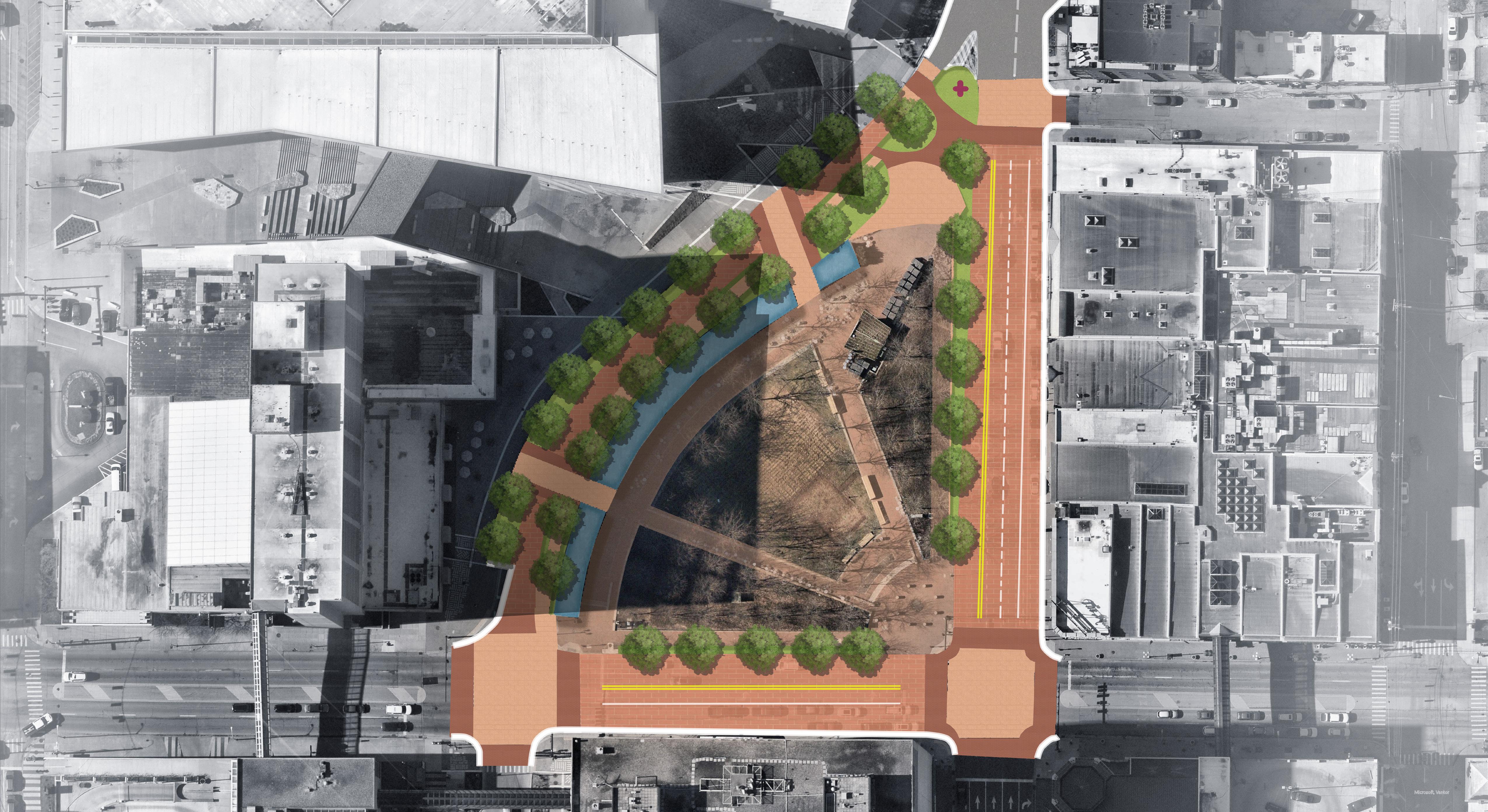
A Re-Imagined Vine Street
A Greener Downtown: Active and Enjoyable
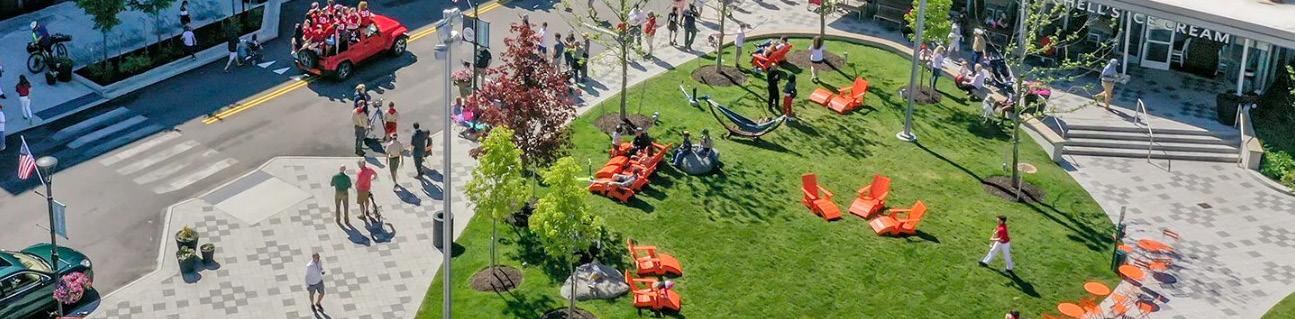
Continue making Downtown green, active, and enjoyable.
Three Strategies
1. Refresh older or dated open spaces so they better connect with their surroundings.
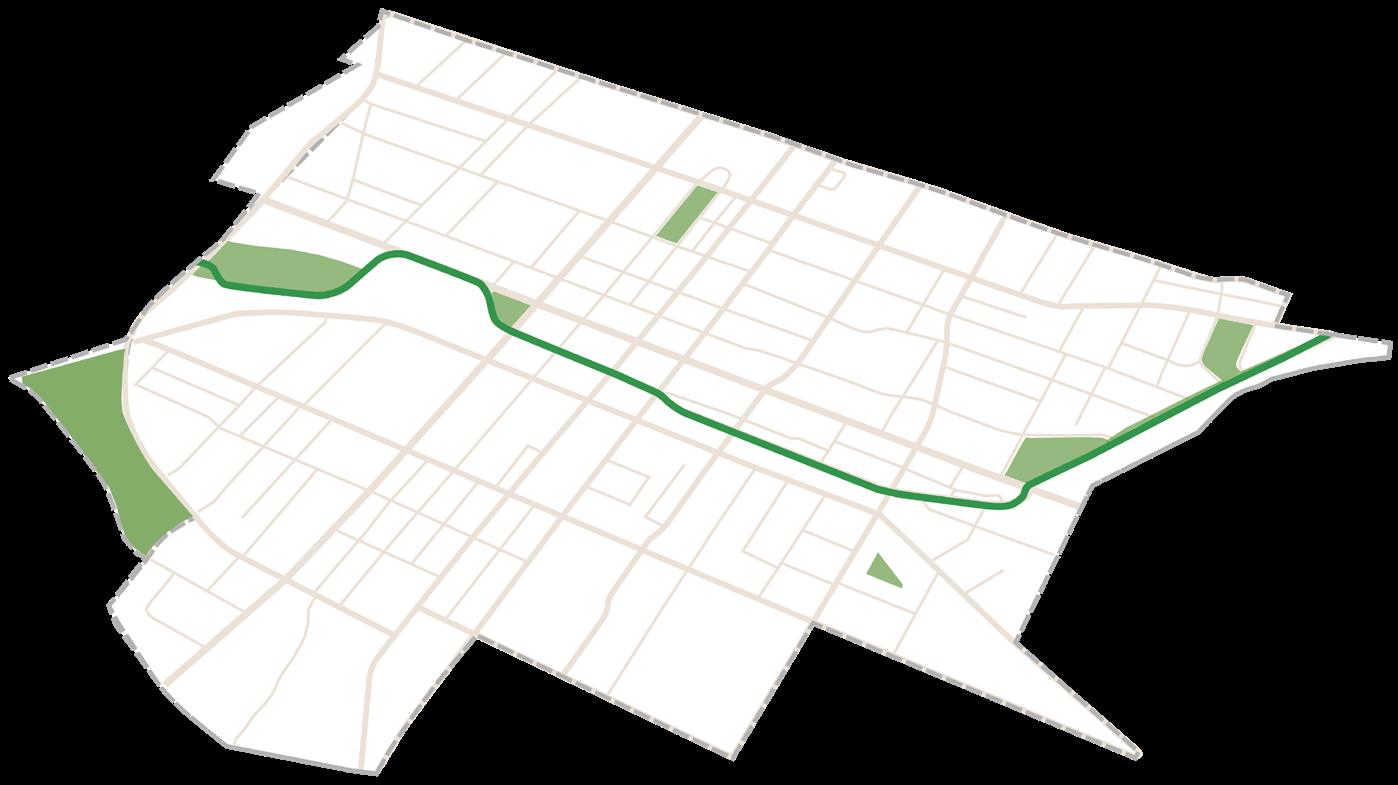
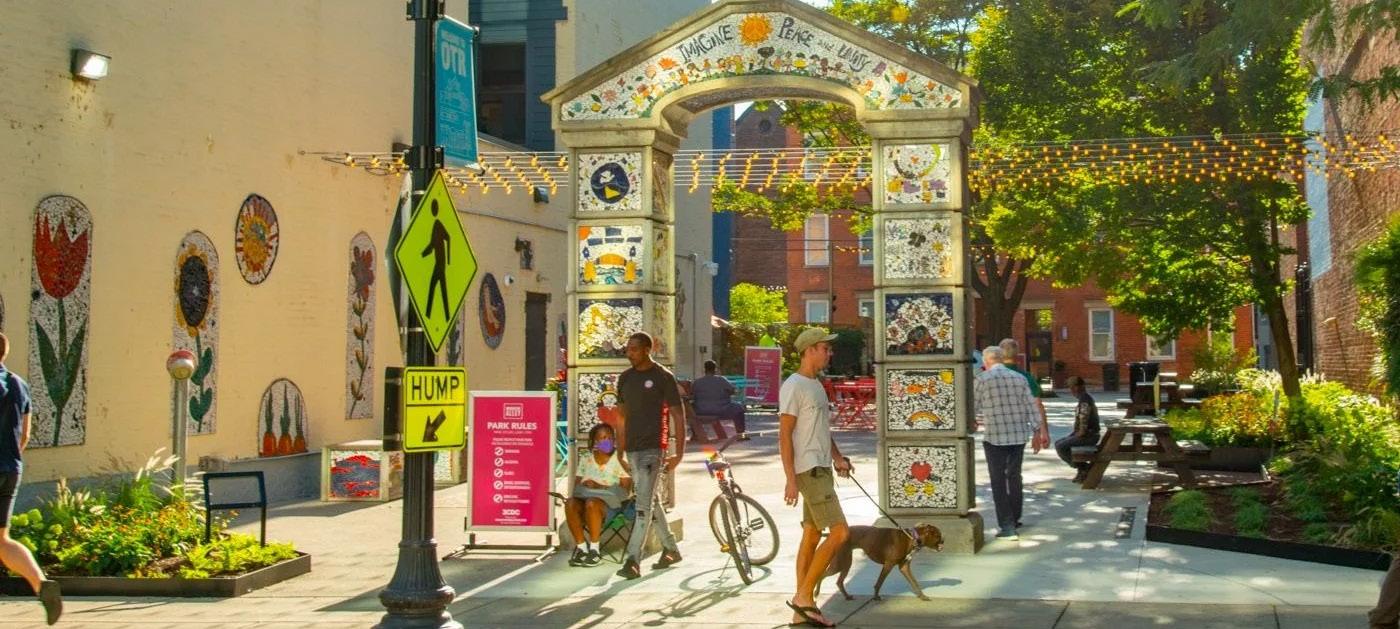
2. Expand downtown’s green space network with plazas, pocket parks, and linear greens.
3. Improve and maintain downtown’s tree canopy through dedicated investment.
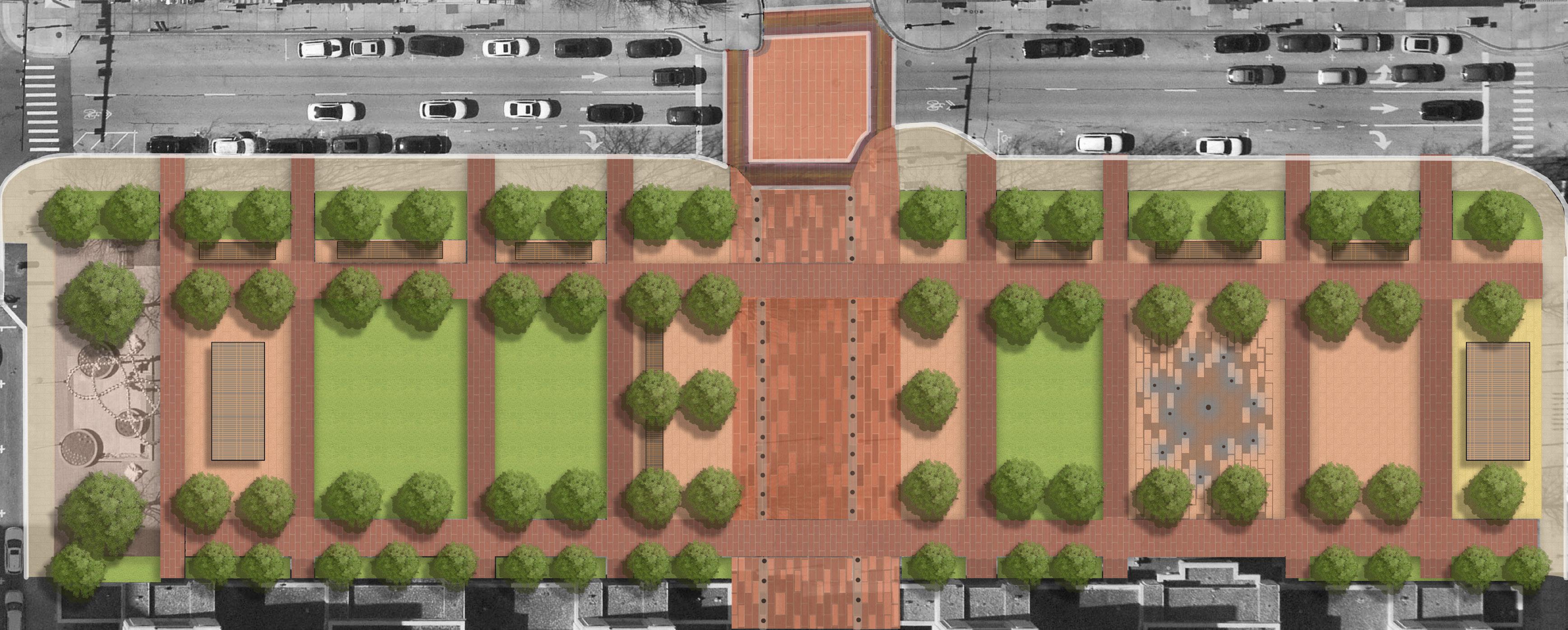
Courthouse Plazas Need
a Refresh
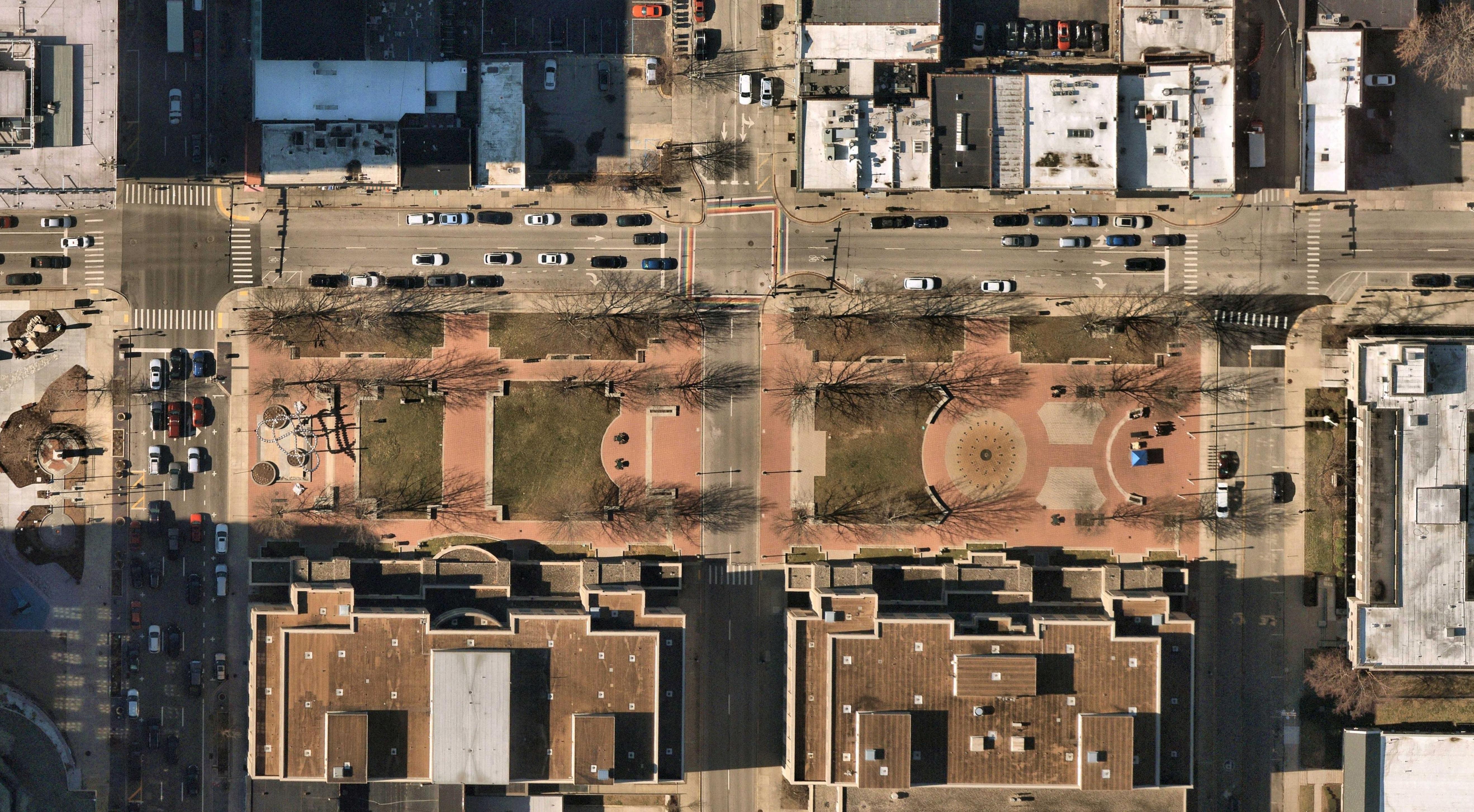
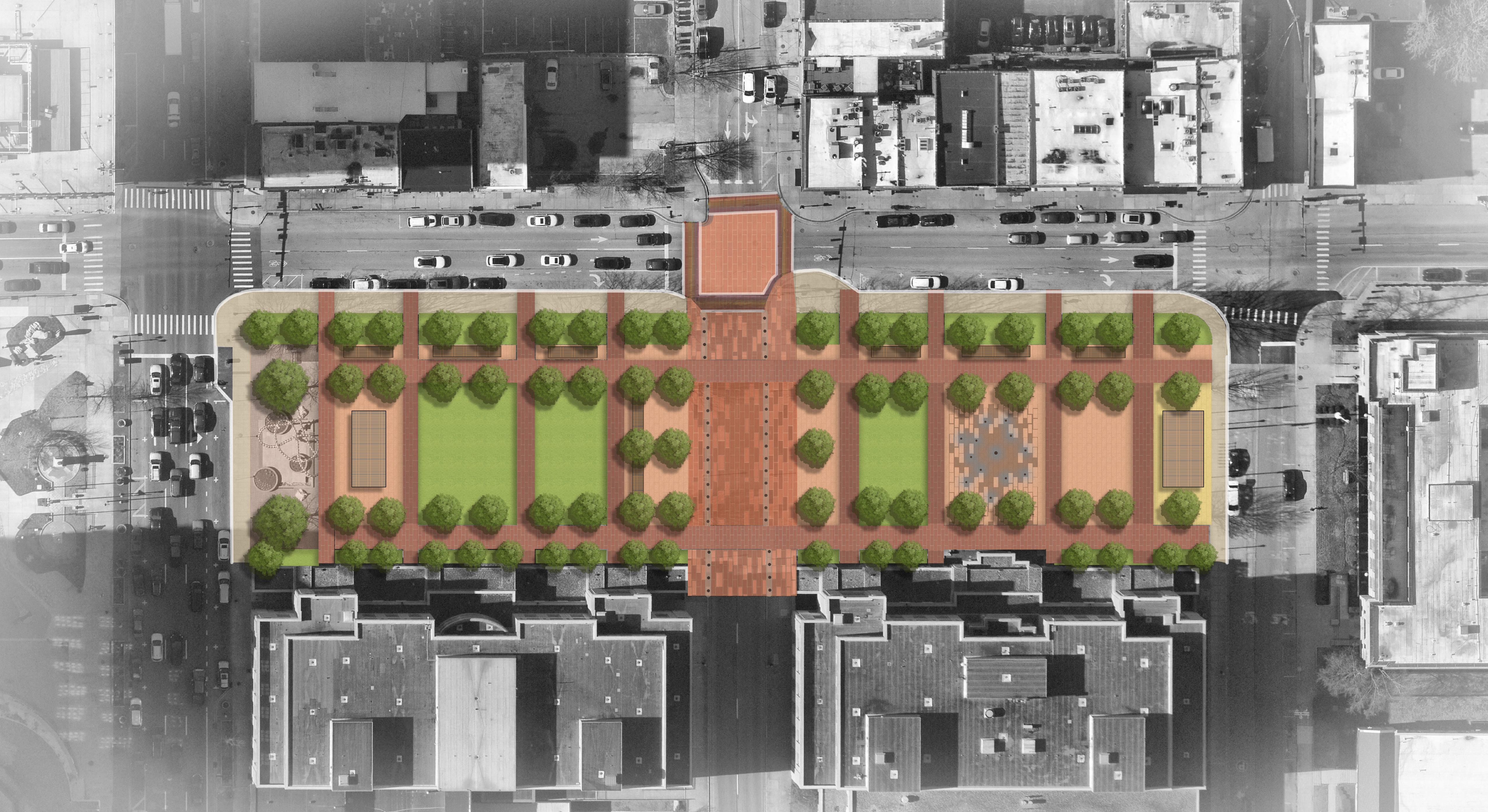
A More Functional Courthouse Plaza
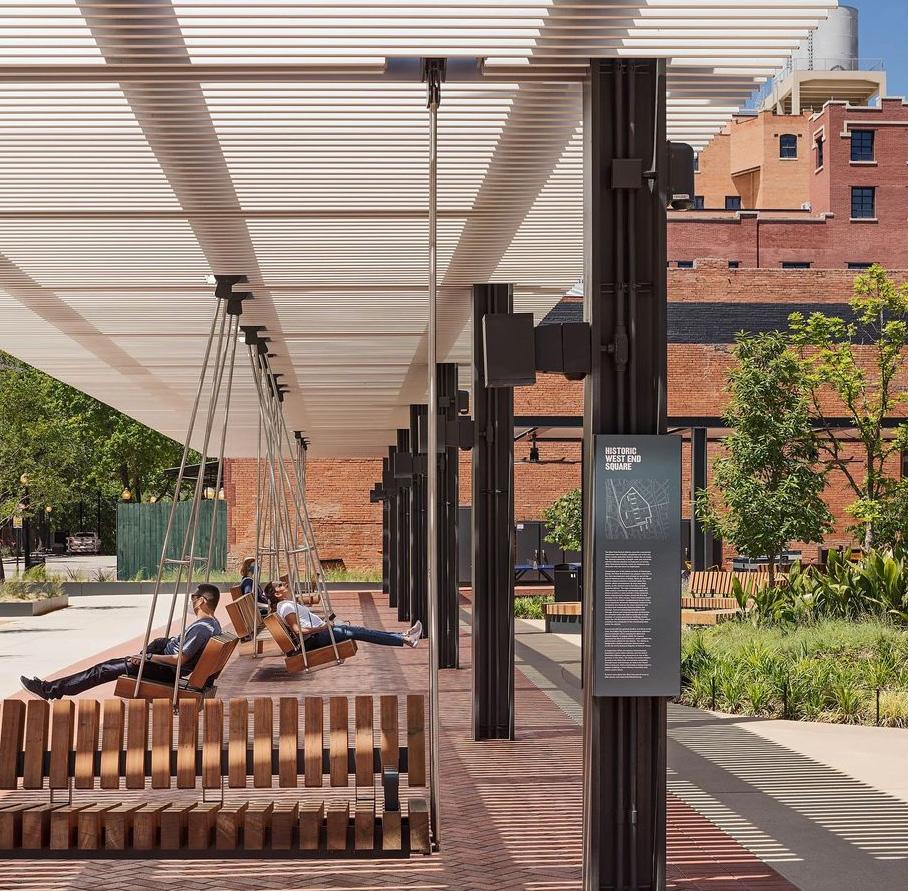
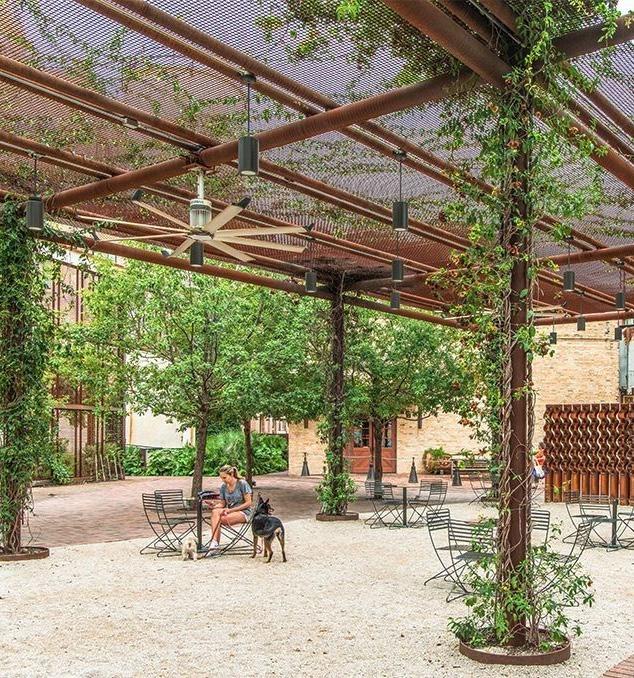
Add trees, shade structures, and seating
Add an event pavilion or programmable shade structure
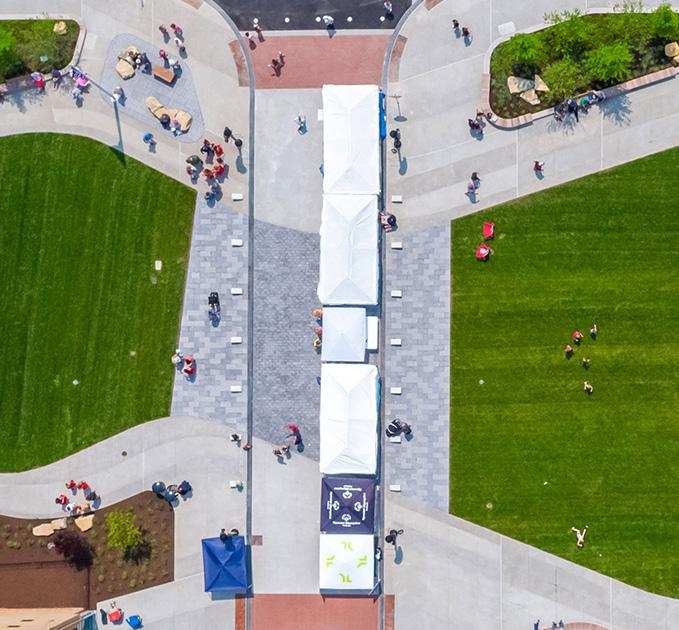
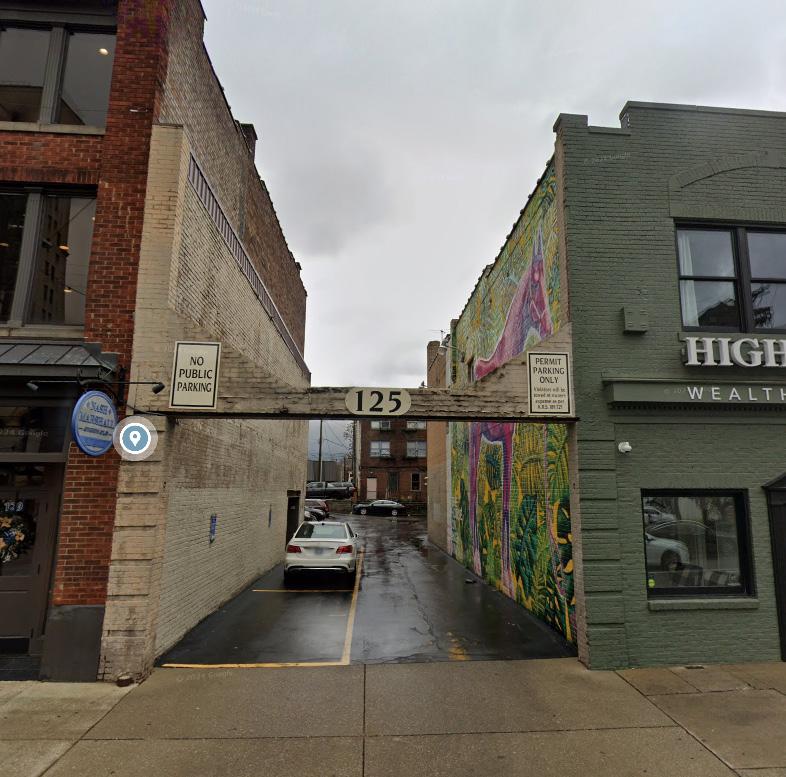
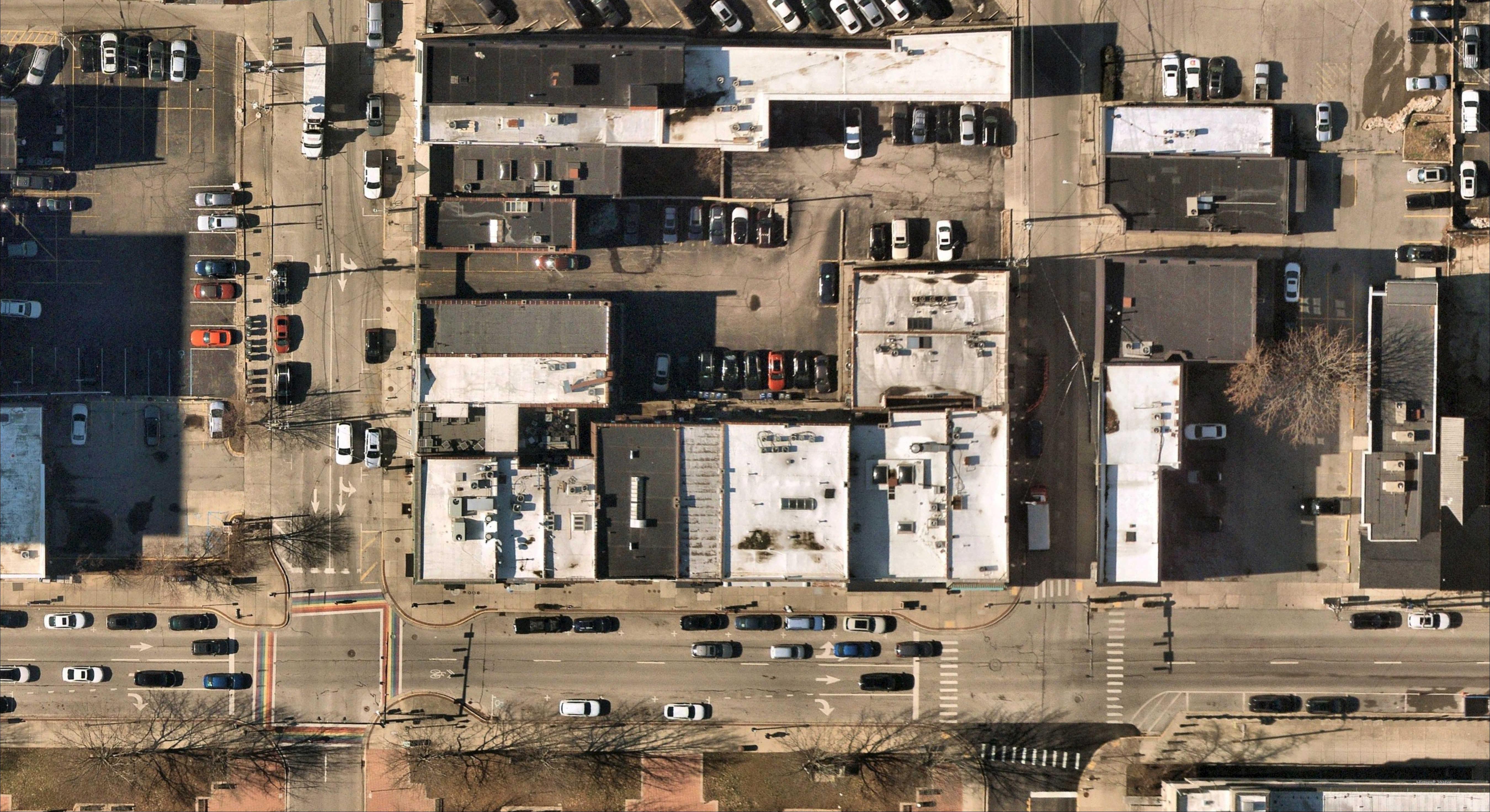
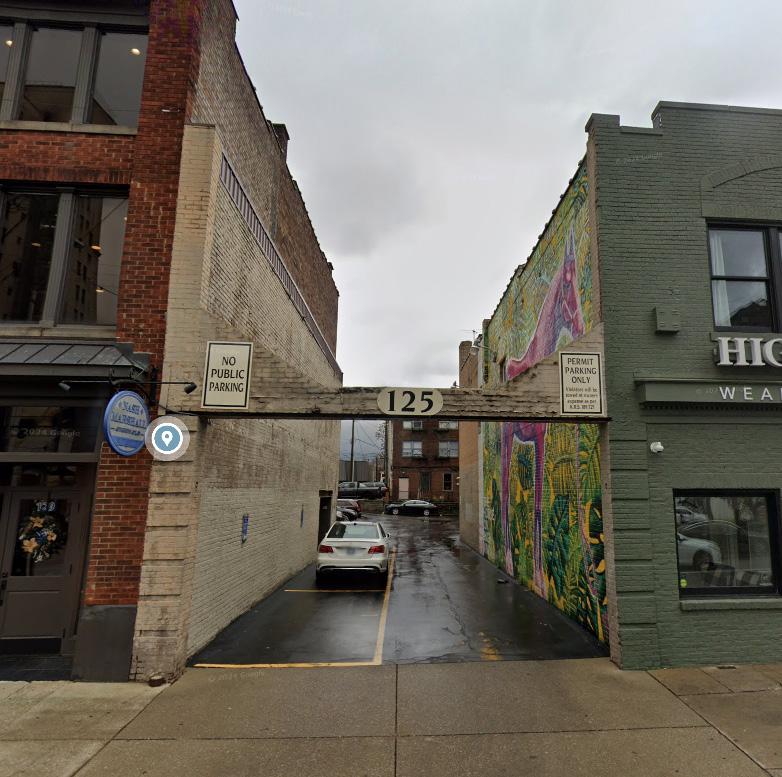
Downtown Needs More Pocket Parks
Court
Lussi Brown Coffee Bar Ona Osha
Short St.
Pocket Park Concept
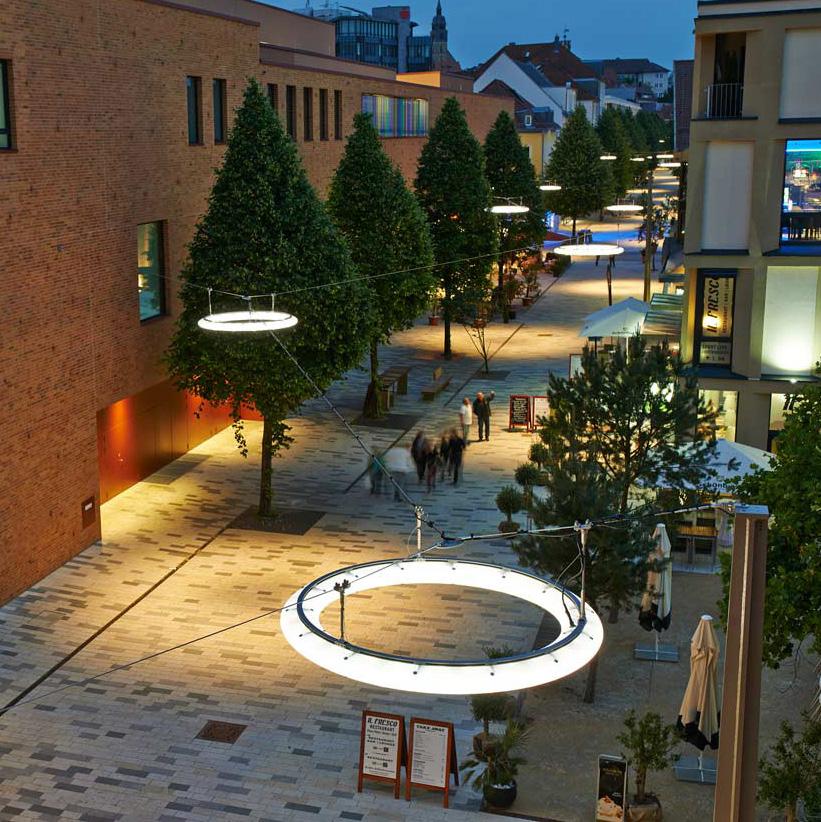
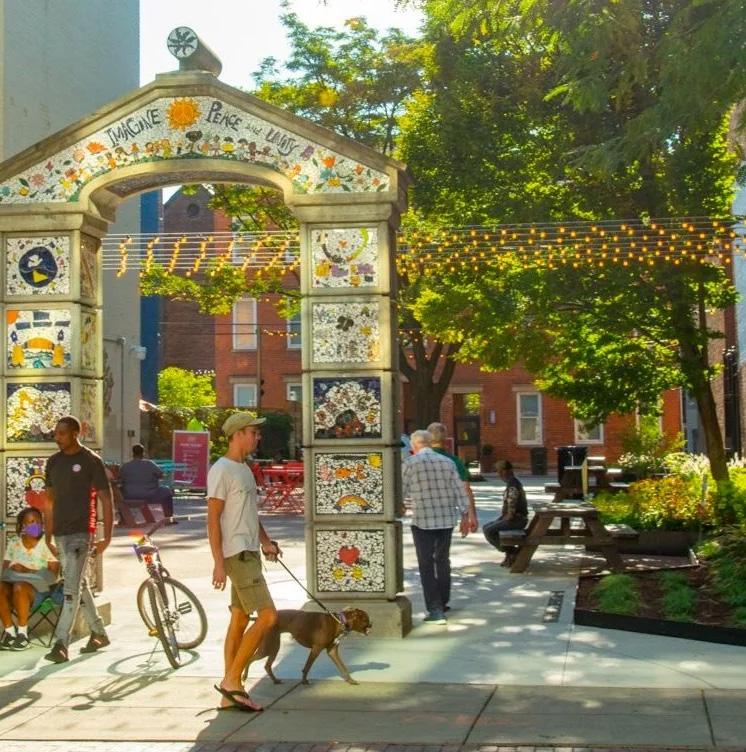
Enliven with murals, sculptures, lighting, and greenery
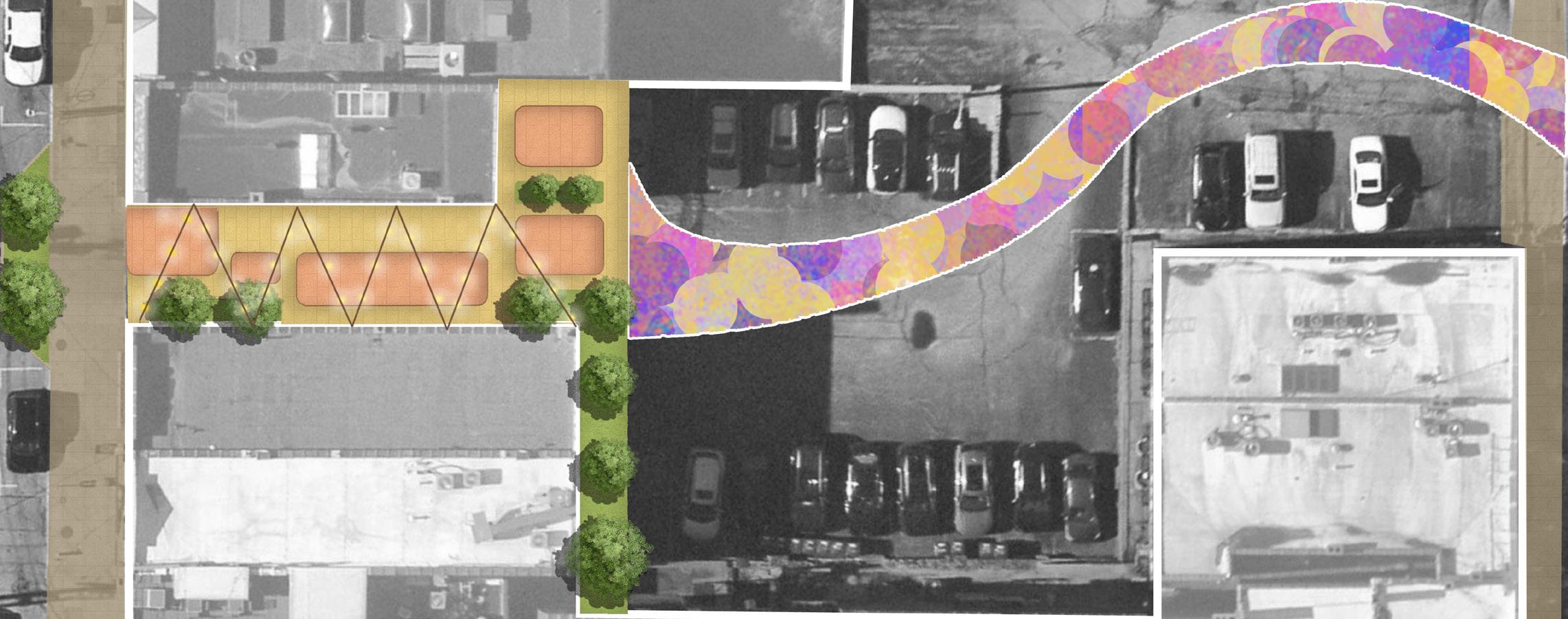
Existing parking lot
Create programmable and flexible spaces
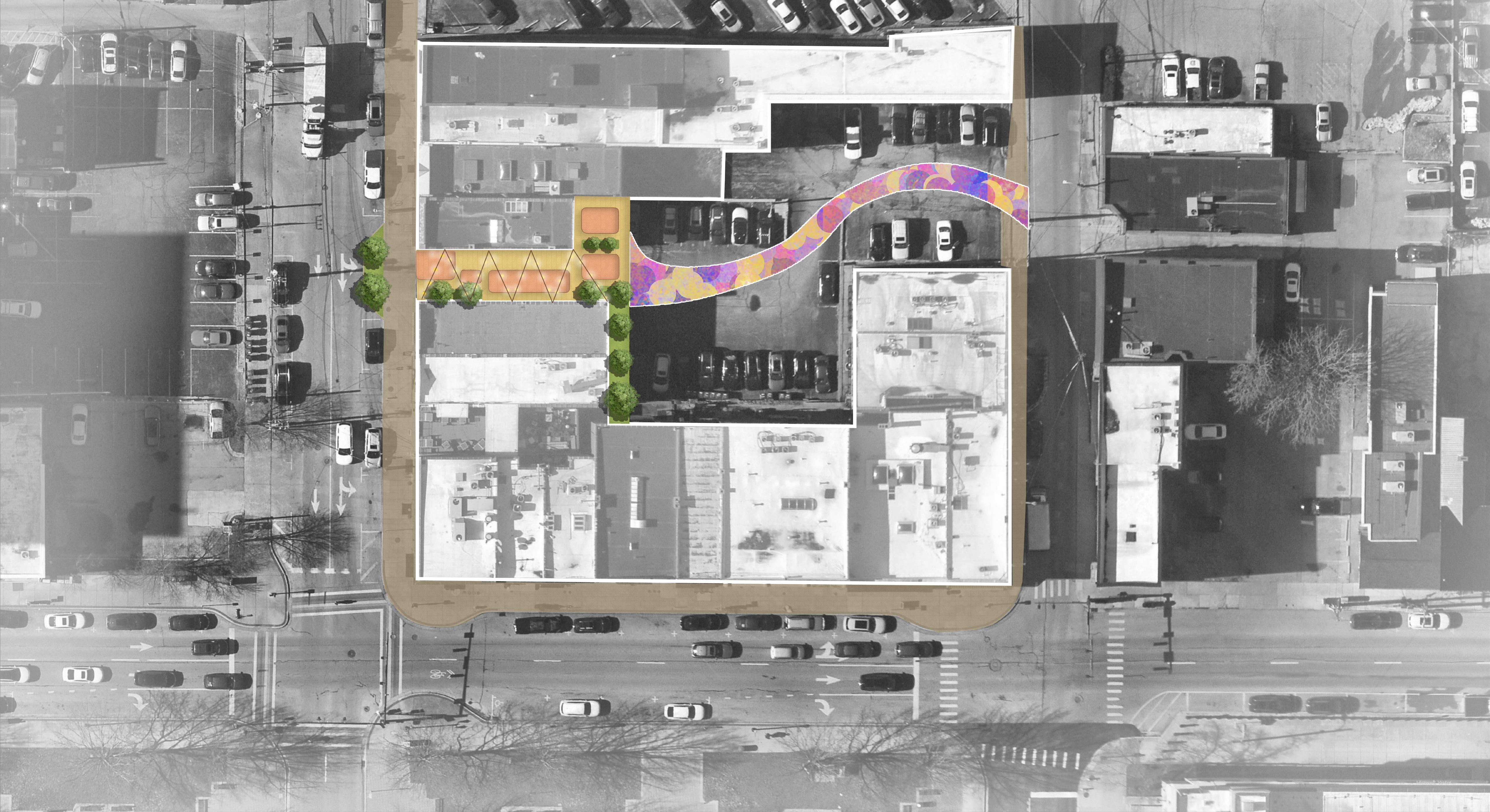
Paint mural path on parking lot surface
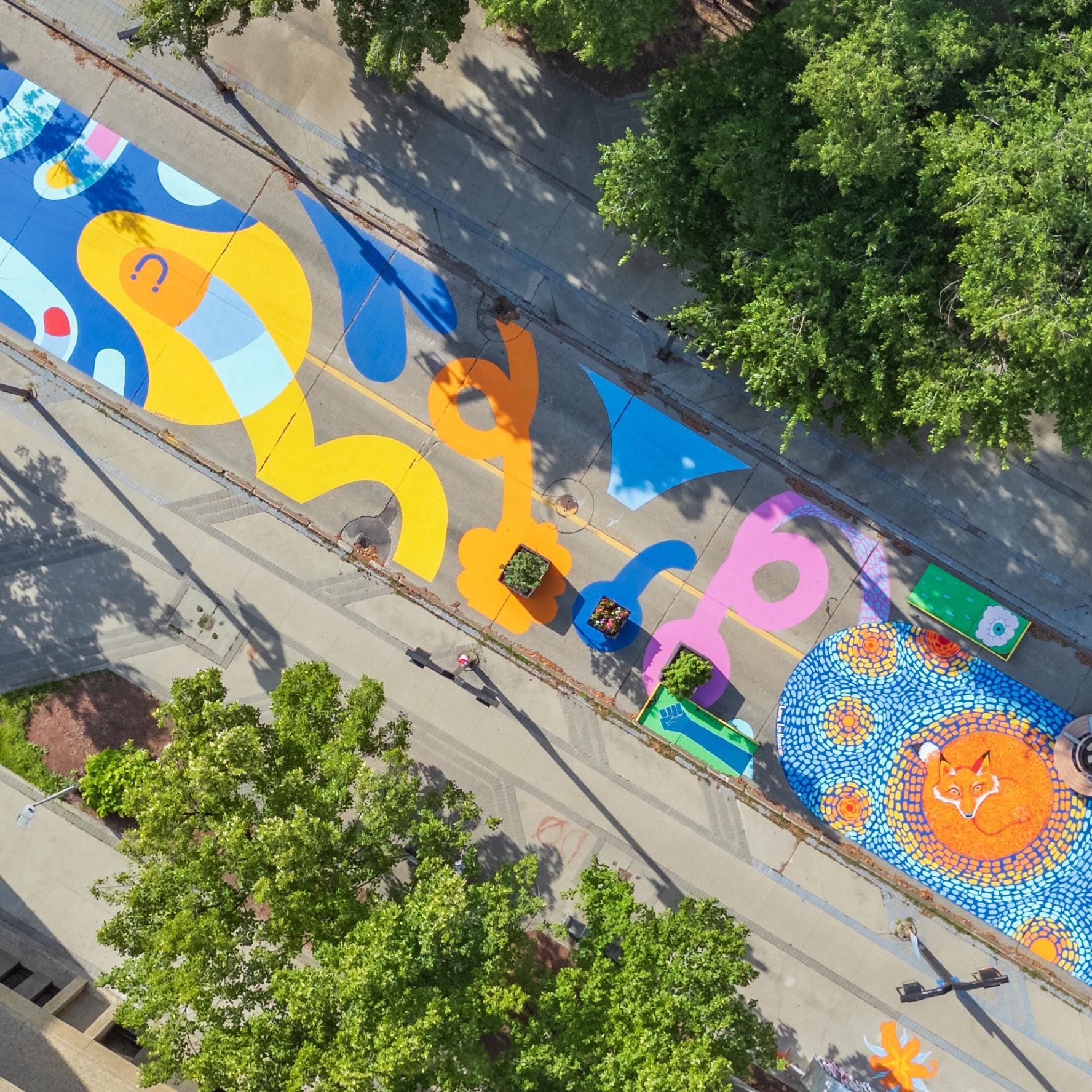
Corto Lima Sidebar
Lussi Brown Coffee Bar Ona
Street Tree Recommendations
Create regulations and policy that treat street trees as critical infrastructure.
• Set Downtown Tree Canopy Goals: Establish measurable goals for trees downtown, such as canopy coverage, planting locations, or heat reduction levels.
• Complete a Public Tree Inventory: Document downtown trees, conditions, maintenance needs, and available planting locations.
• Take Over Street Tree Care: Shift downtown street tree maintenance to LFUCG for more consistent and proactive care.
• Prioritize Tree Care First: Invest in the health of existing trees before expanding new planting efforts.
• Update Tree Regulations: Revise standards to ensure the right trees are planted in the right conditions with adequate space and care.
• Create New Planting Space: Remove unnecessary pavement and integrate trees into streetscapes, bump-outs, parks, and public spaces.
• Coordinate with Capital Projects: Build tree canopy goals into transportation, utility, streetscape, trail, and public space projects.
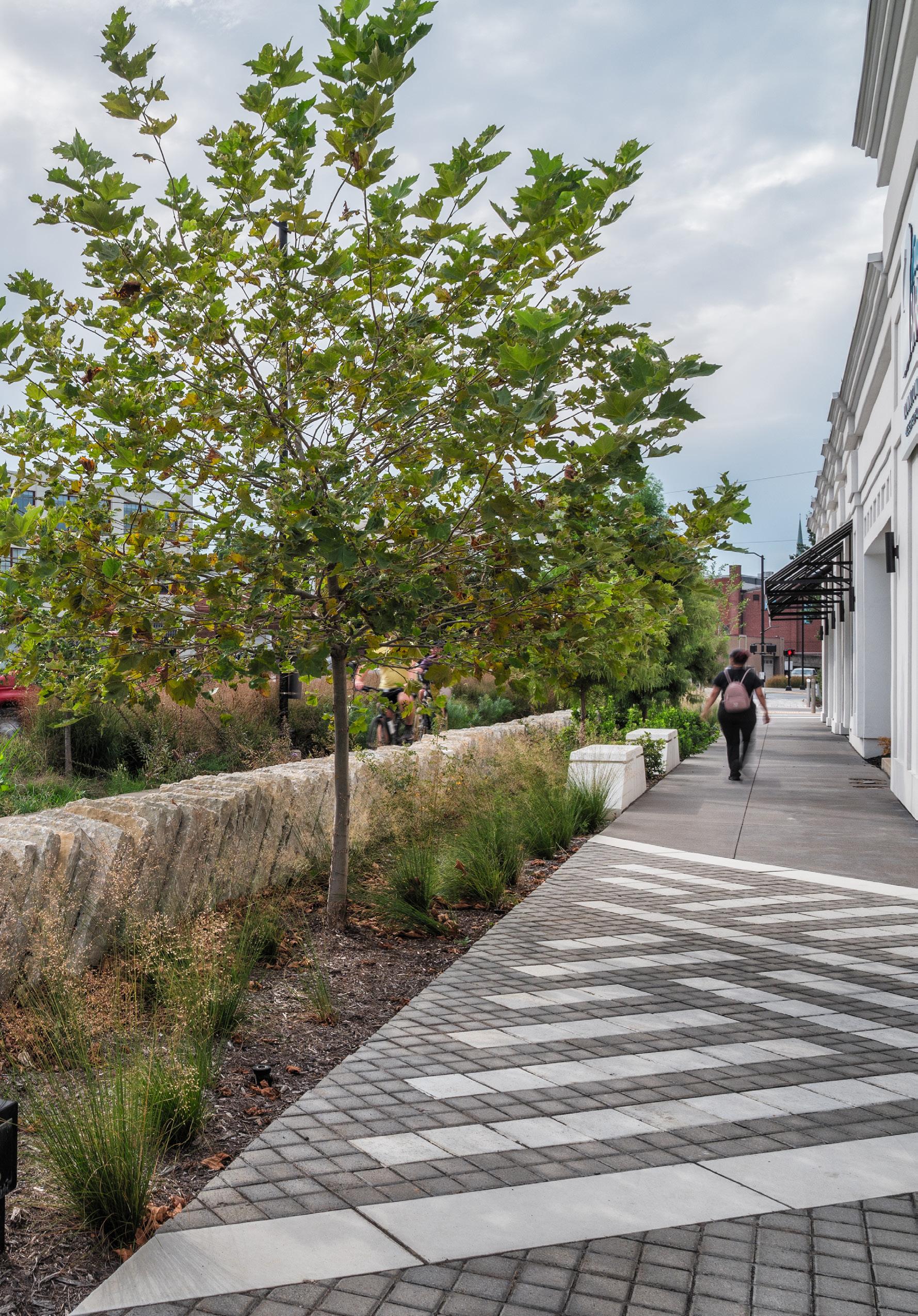
100 Day Actions
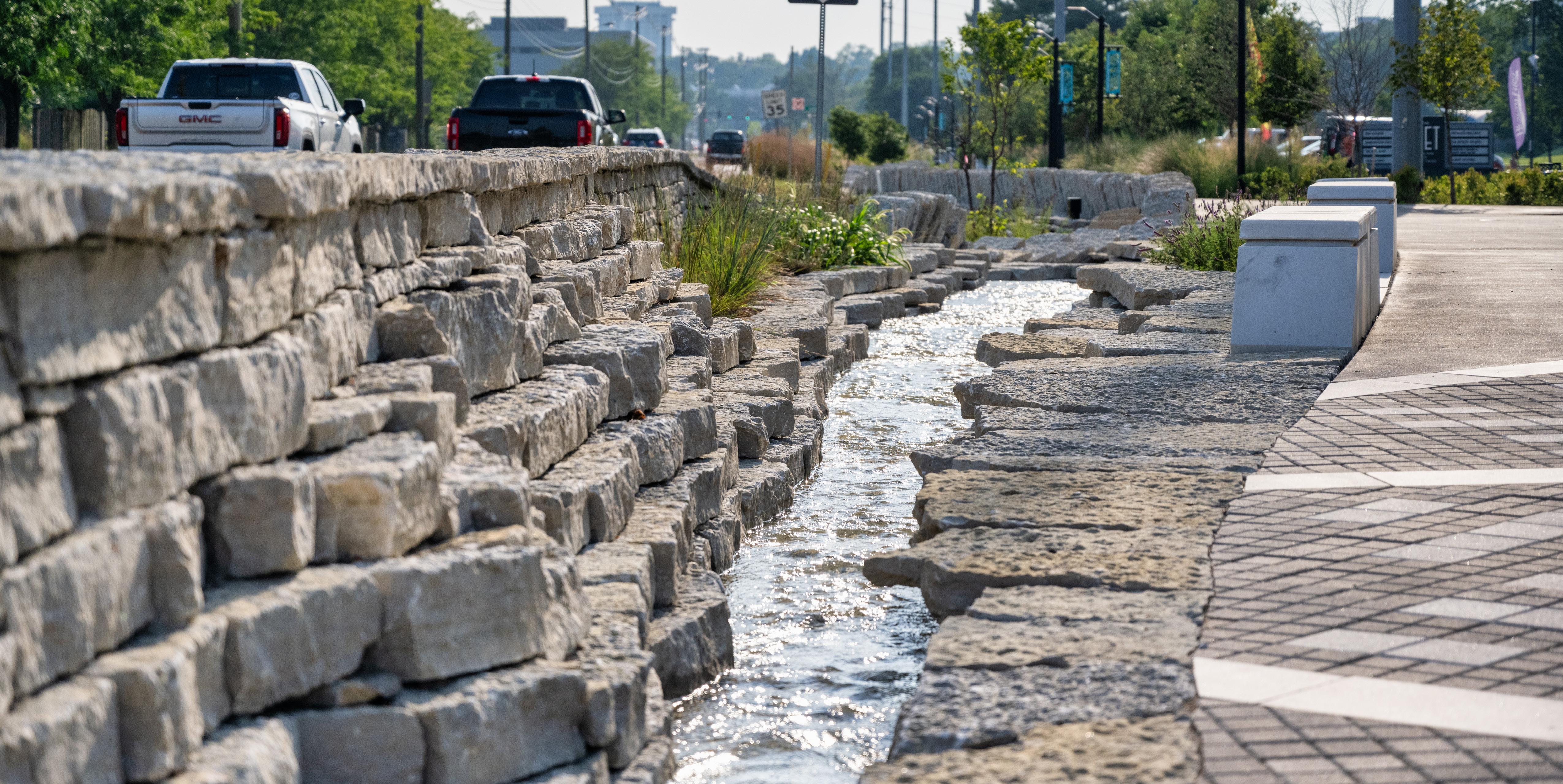
In the first 100 days after adoption...
• Celebrate Downtown Through Inclusive Programming
• Define and Elevate Downtown’s Identity
• Pilot Green Space Connections
• Create Open Space Design Guidance
• Set Downtown Tree Canopy Goals
“High quality trails and safe crossings are important to our citizens and would ALSO greatly improve Lexington’s hospitality.
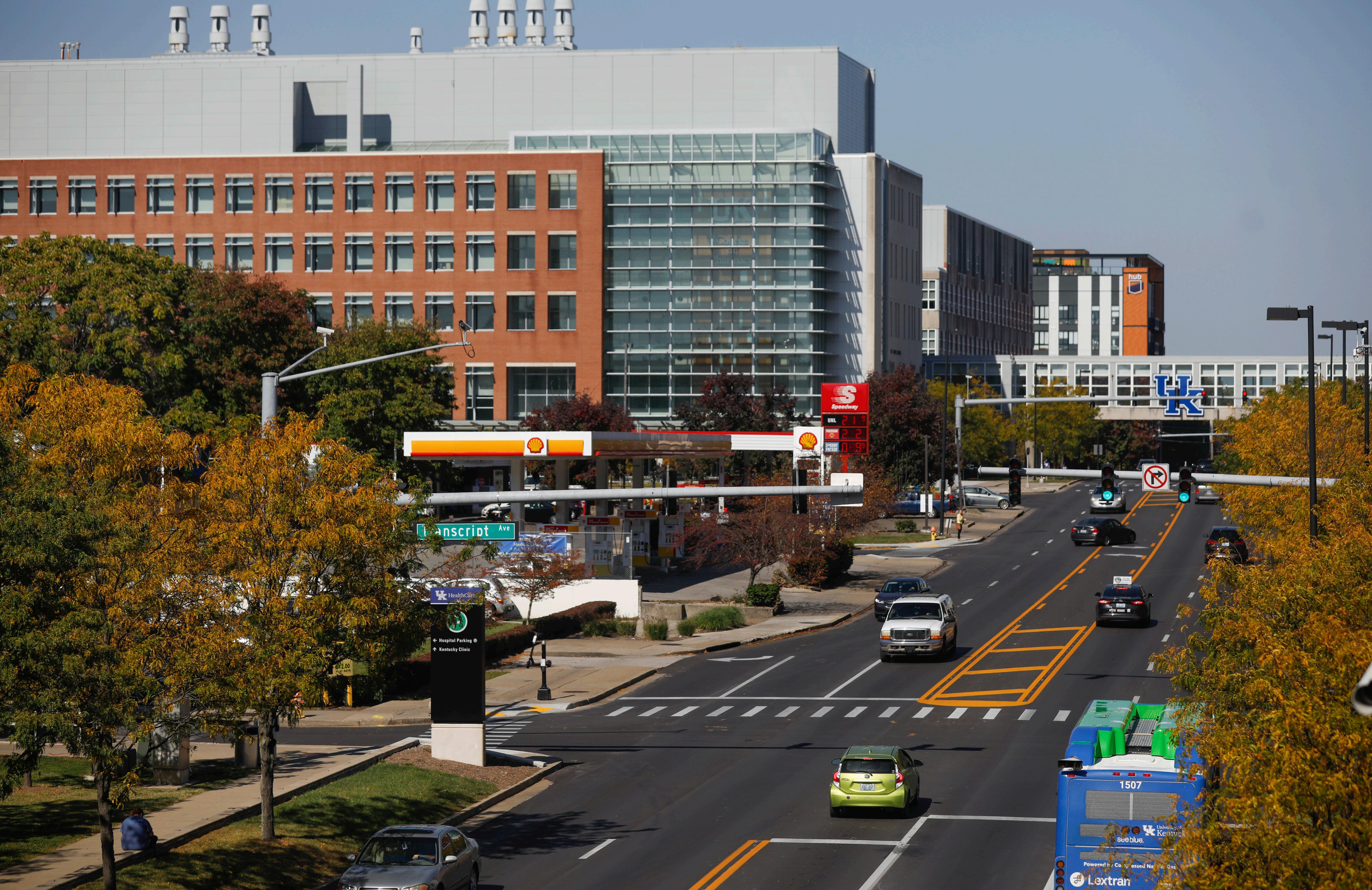
“Make it even more walkable, bikeable, and consider better public transit.”
“Transit needs to be available to all neighborhoods.”
A MULTIMODAL Downtown
Create a more walkable downtown
“True bus service, regular airport buses, LexTran expanding routes.”
“All sidewalks need to be attractive with greenery. Whenever I walk down town its unpleasant with cars speeding empty lots and broken sidewalks with garbage cans.”
“Improved bike lanes and rapid bus transit across the city.”
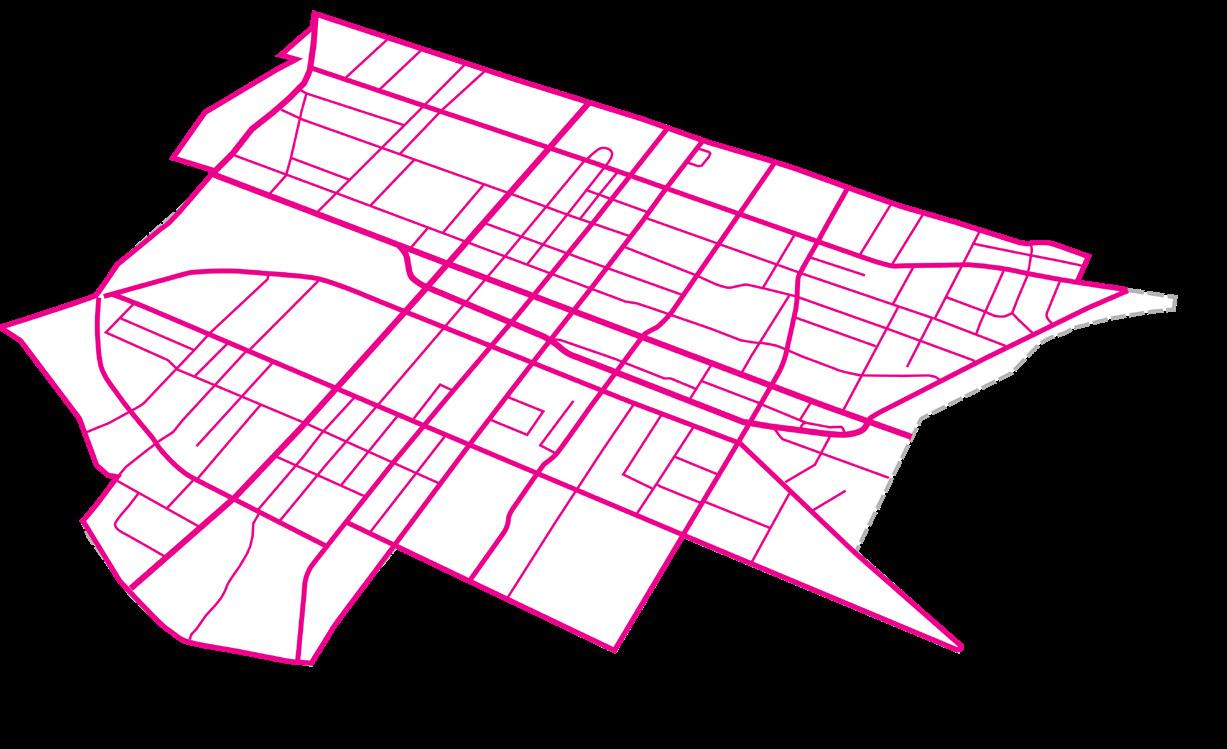
Streets
Downtown Street Typologies
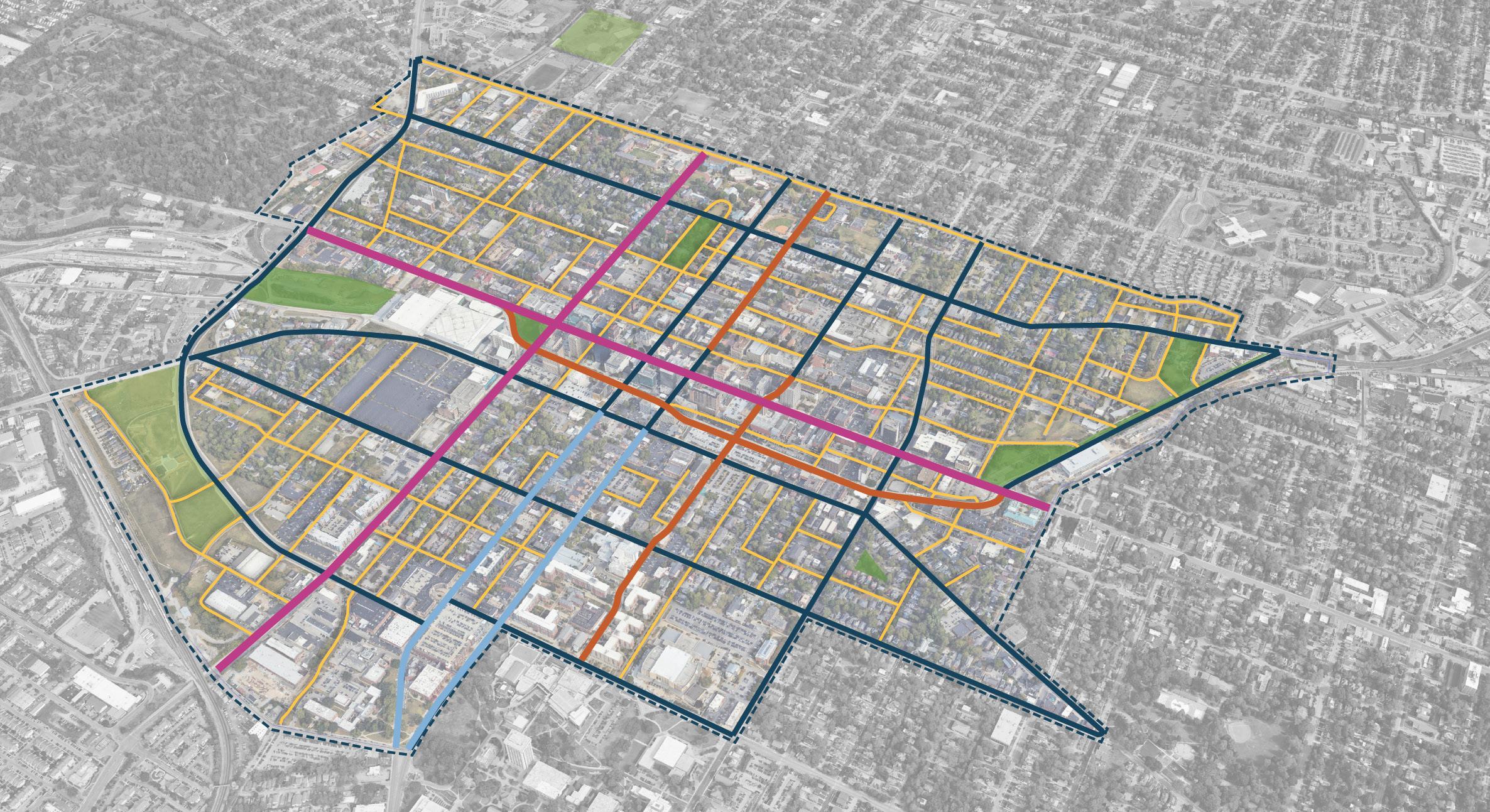
Streets that are bike focused with protected infrastructure
All other streets in downtown that are local in nature and have a more neighborhood feel
Typology
Street Typologies: Roles and Priorities
Signature Streets Main Street
Broadway
Connector Streets Oliver Lewis Way
Avenue of Champions
Maxwell Street
High Street
Third Street
North Upper Street
Elm Tree Lane
Bike
Connector
Streets
Martin Luther King Jr.
Blvd
Vine Street
North Limestone
South Upper Street
South Limestone Street
Downtown Streets Local streets
Downtown’s primary corridors Carry significant vehicle and truck traffic while serving major destinations like hotels, institutions, civic spaces, and visitor attractions
Links between zones, neighborhoods, and major corridors Carry moderate vehicle volumes and support walking, biking, transit, and local access
• Generous pedestrian space
• Highly visible, well-lit pedestrian crossings
• Strong downtown identity and clear wayfinding
• Context-appropriate speeds supported by traffic calming design
• Off-street parking access
• Context-appropriate speeds supported by traffic calming design
• Enhanced pedestrian crossings at key gateways
• On-street parking
• Well-managed green space and high tree canopy
Premium bike facilities connecting through the downtown core
Primary routes for frequent, highcapacity transit (BRT)
Provide protected bike connections comfortable for most users
Support reliable transit service connecting downtown to the broader city
• Protected bike facilities
• Continuous and legible intersections
• Managed vehicle speeds
• Predictable interactions between modes of transportation
• Transit priority through downtown traffic
• Accessible, visible stops
• Clear curb management
• Frequent pedestrian crossings
• Well-managed green space and high tree canopy
Local street network Lower-volume streets that support daily activity, access, and placemaking
• Continuous sidewalks and frequent pedestrian crossings
• Low vehicle speeds
• On-street parking
• Flexible design approaches to allocate space to pedestrians, cyclists, street-activity (e.g. outdoor dining, parklets, etc.), or green space
A Multimodal Downtown: People-Focused Streets
Transform downtown streets into people-focused spaces for walking, biking, riding transit, and driving.
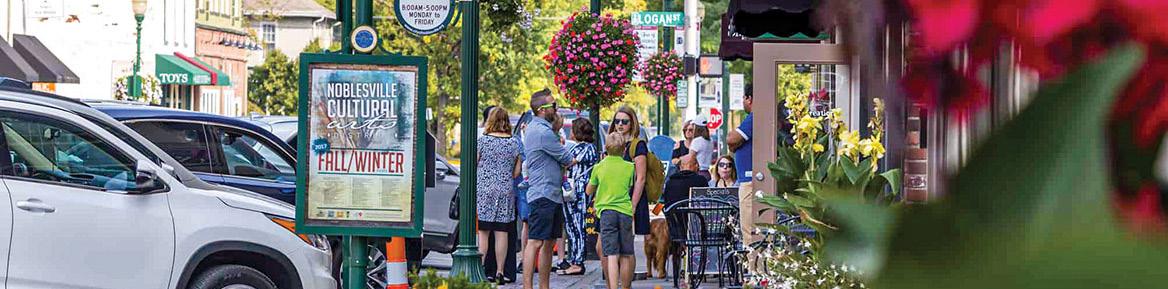
Six
Strategies
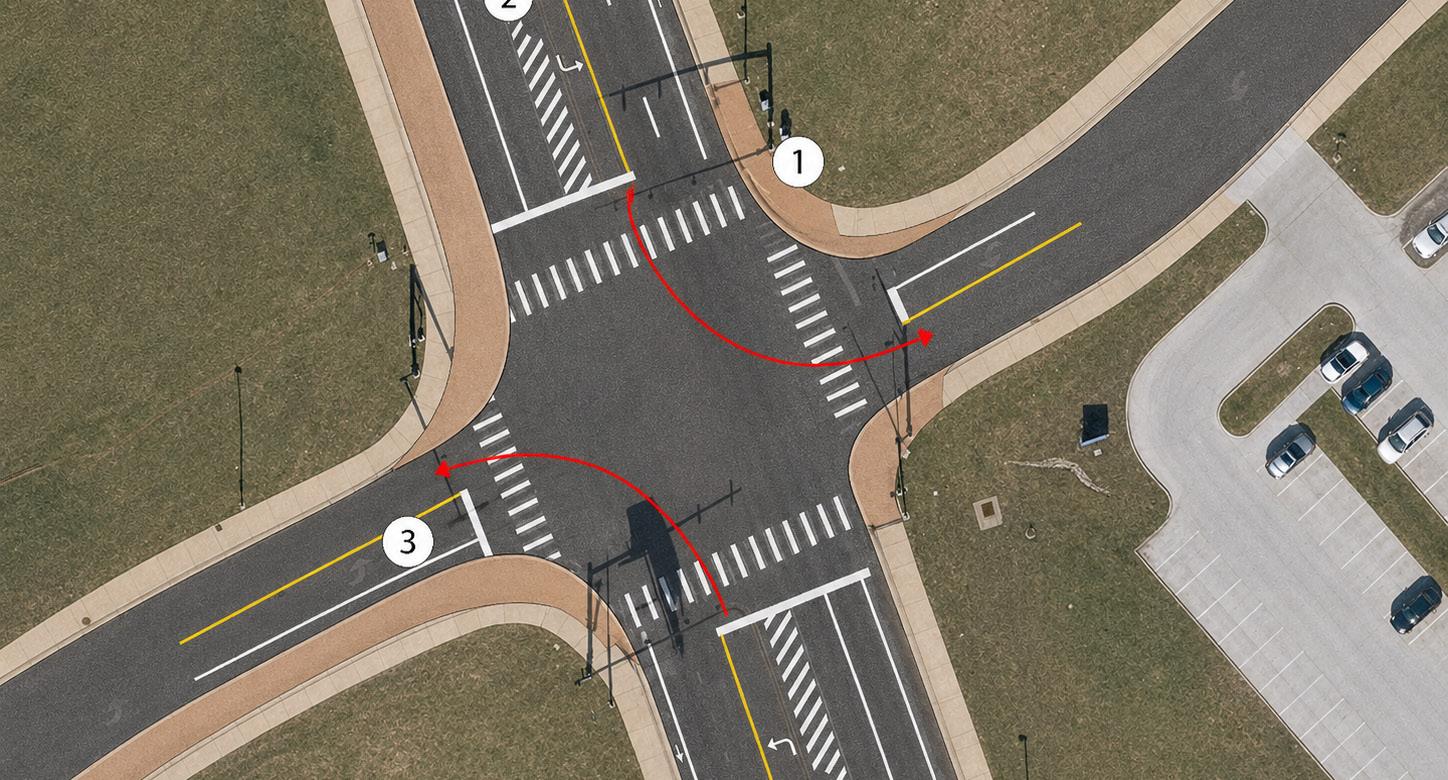
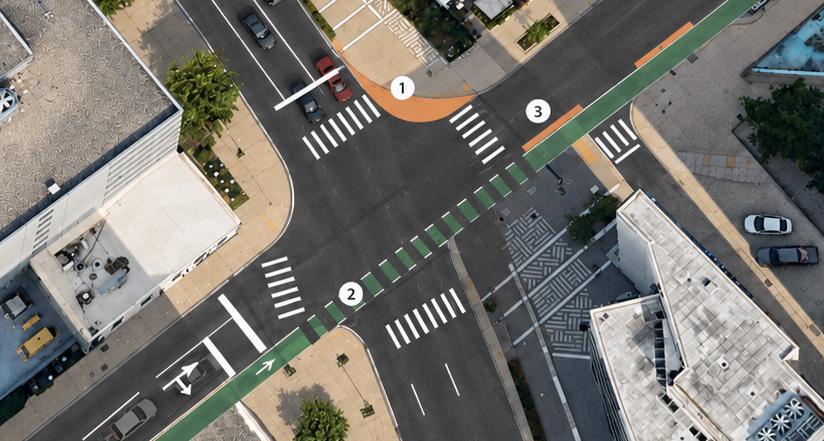
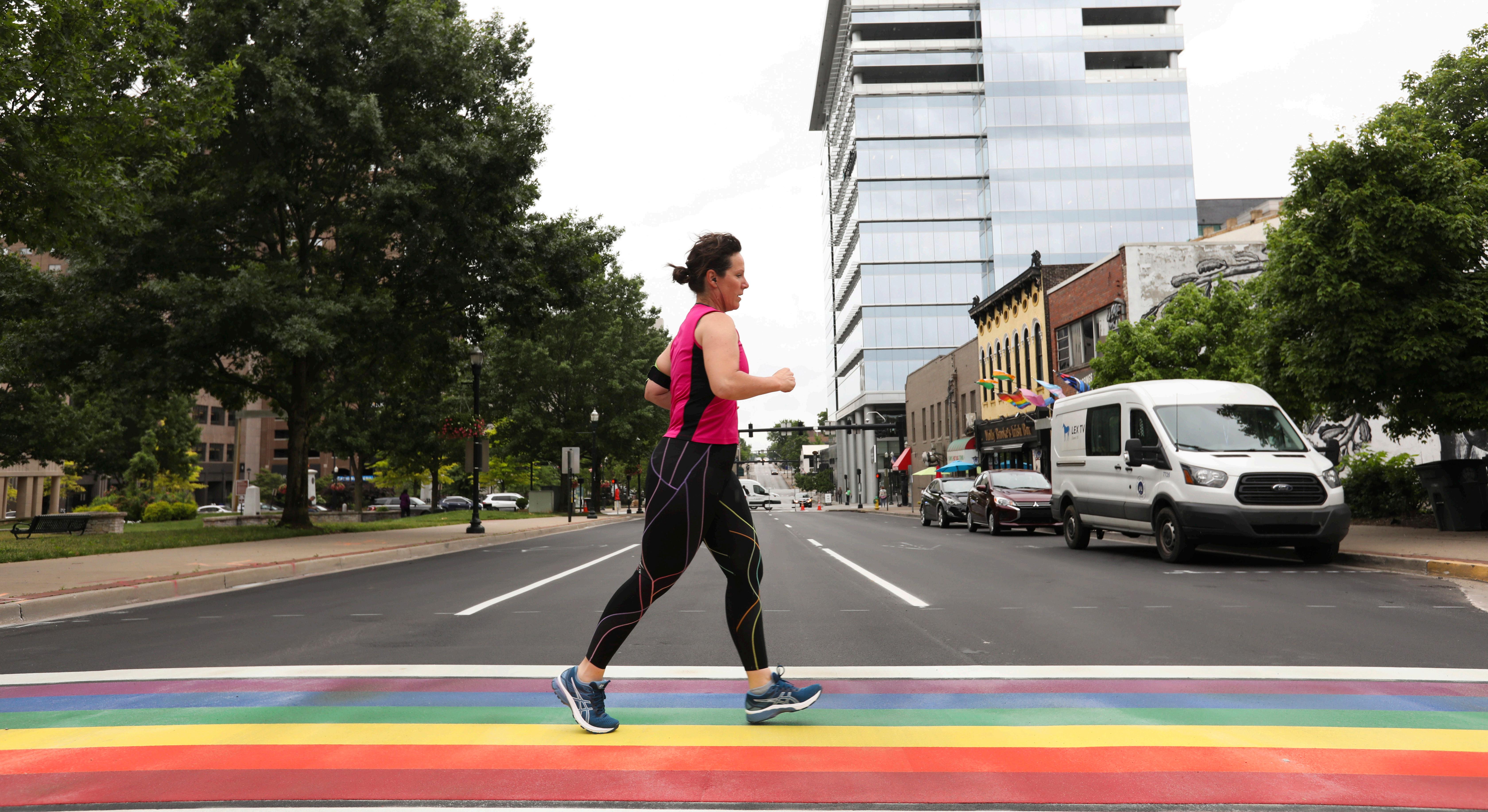
1. Prioritize safe, comfortable, and accessible facilities for people walking and biking.
2. Manage vehicle movement for safety and multimodal balance.
3. Adopt context-sensitive speed management and traffic calming measures.
4. Integrate parking strategies for mode shift and curb management.
5. Design streetscapes that enhance safety, comfort, and placemaking.
6. Design for future mobility options and innovations.
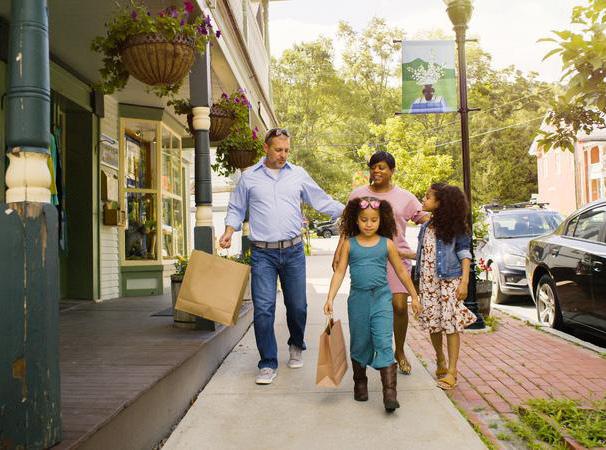
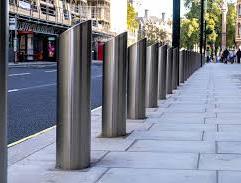
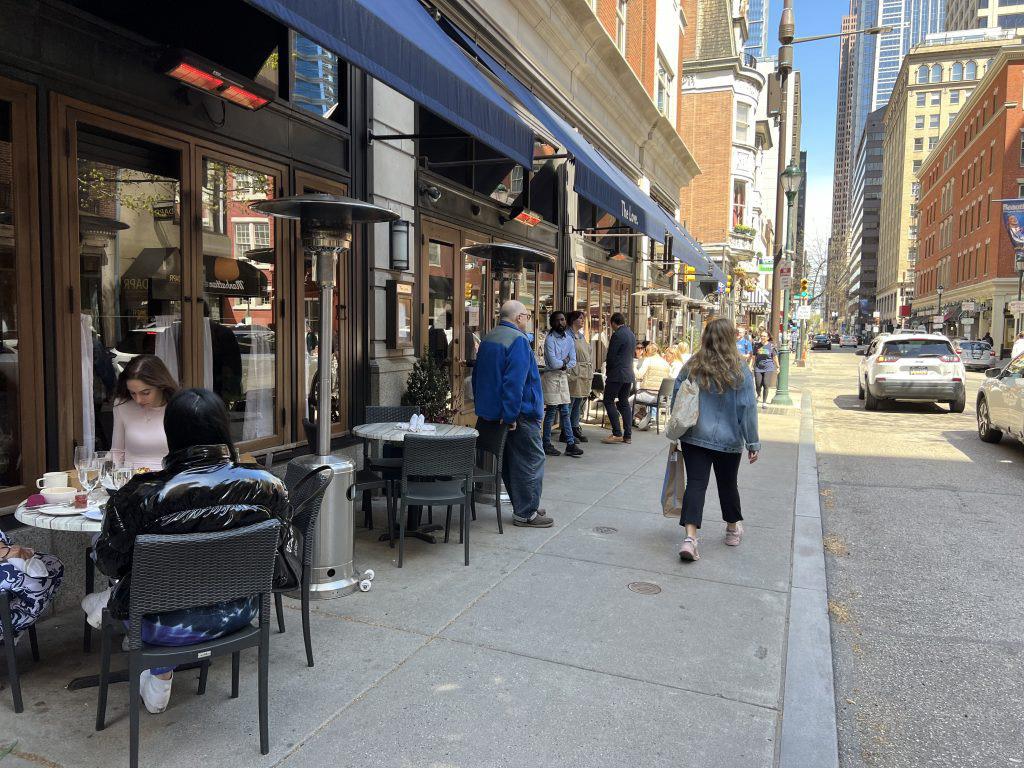
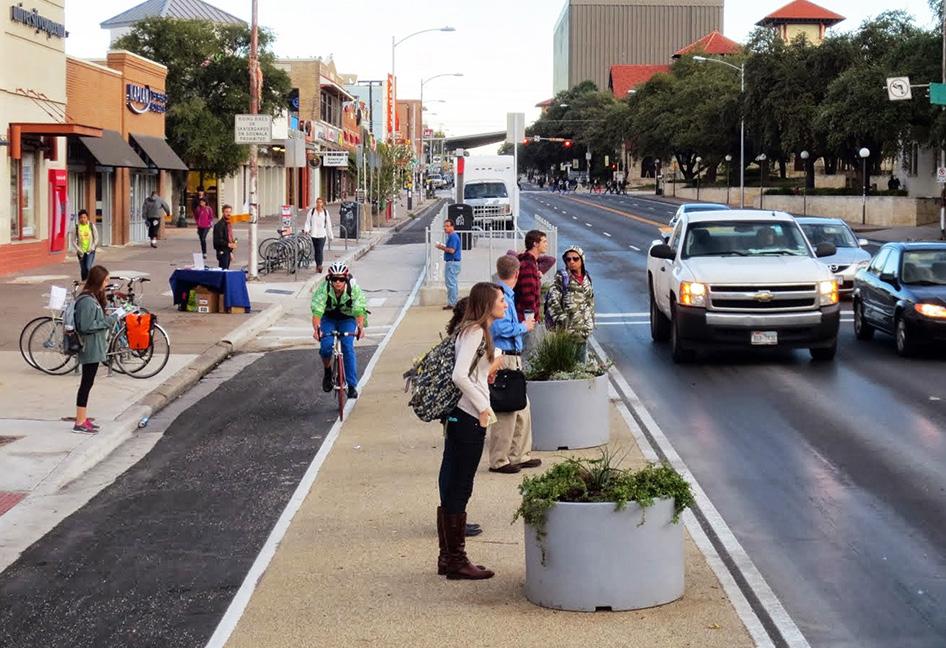
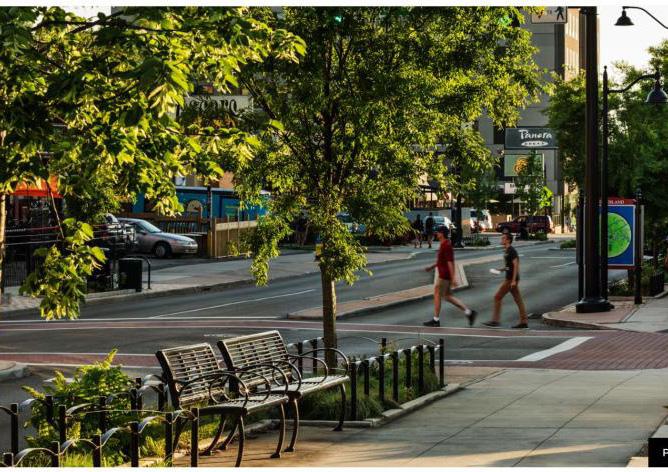
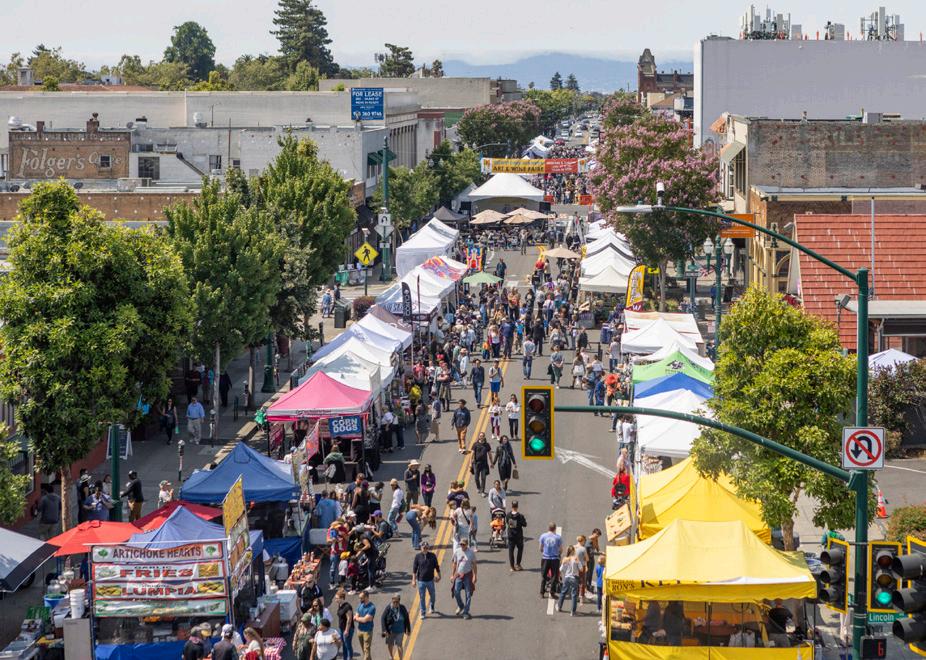
Downtown streets serve many purposes:
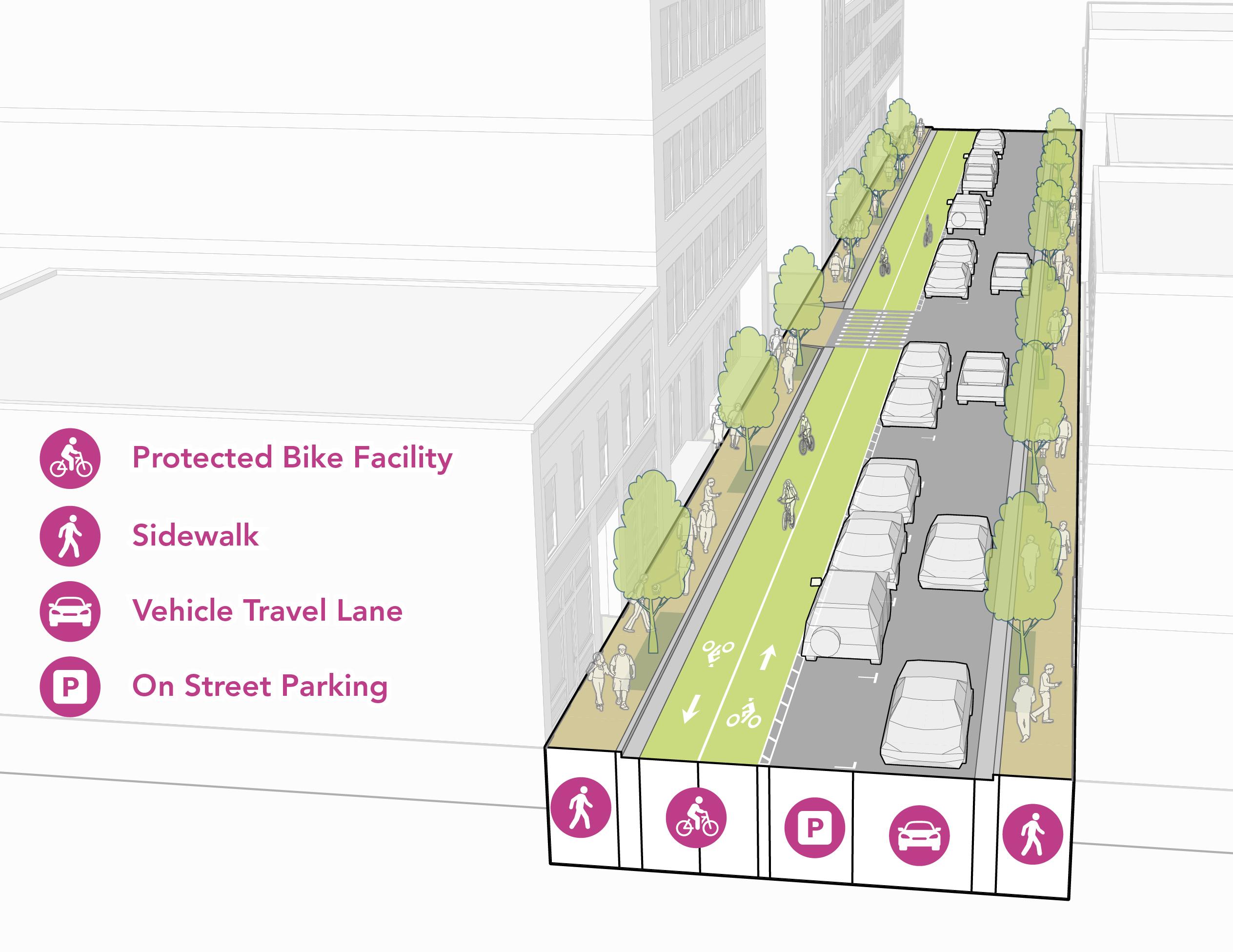
Example Street Concepts
Short St Cycletrack Concept
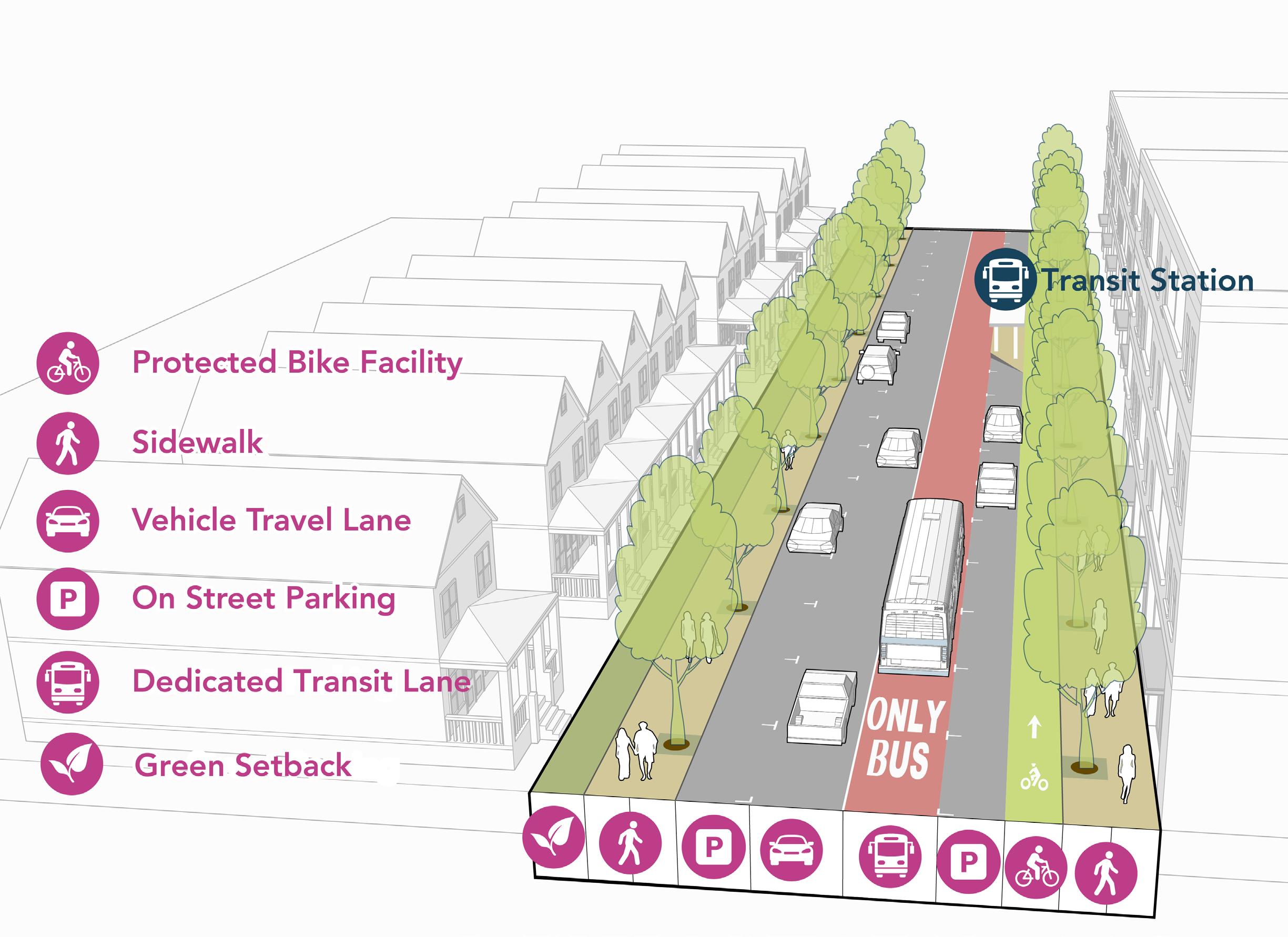
Multimodal South Limestone St Concept
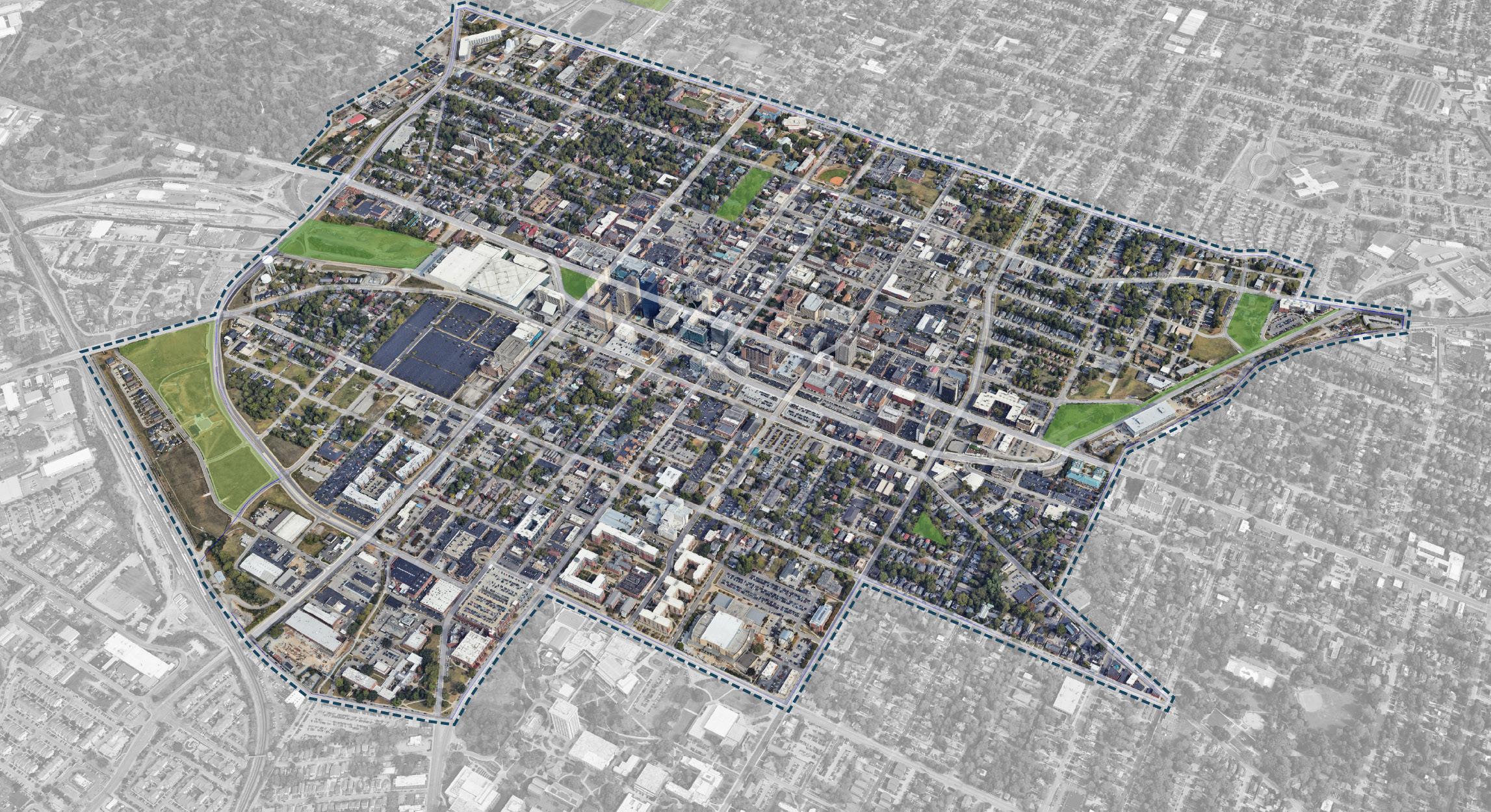
Priority Corridors for Traffic Calming
OliverLewisWay
AvenueofChampions RoseStreet MidlandAve. HighStreet MaxwellStreet FourthStreet ThirdStreet MainStreet NLimestone St. Jefferson Street Upper Street
A Multimodal Downtown: Improve Connectivity
Create a connected downtown at the neighborhood, city, and regional scale.
Three Strategies
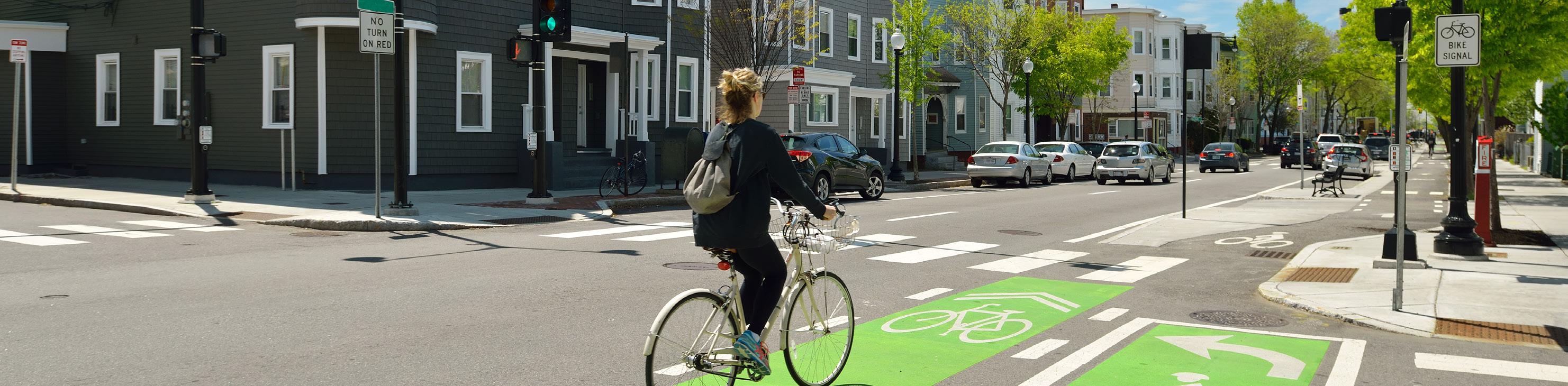
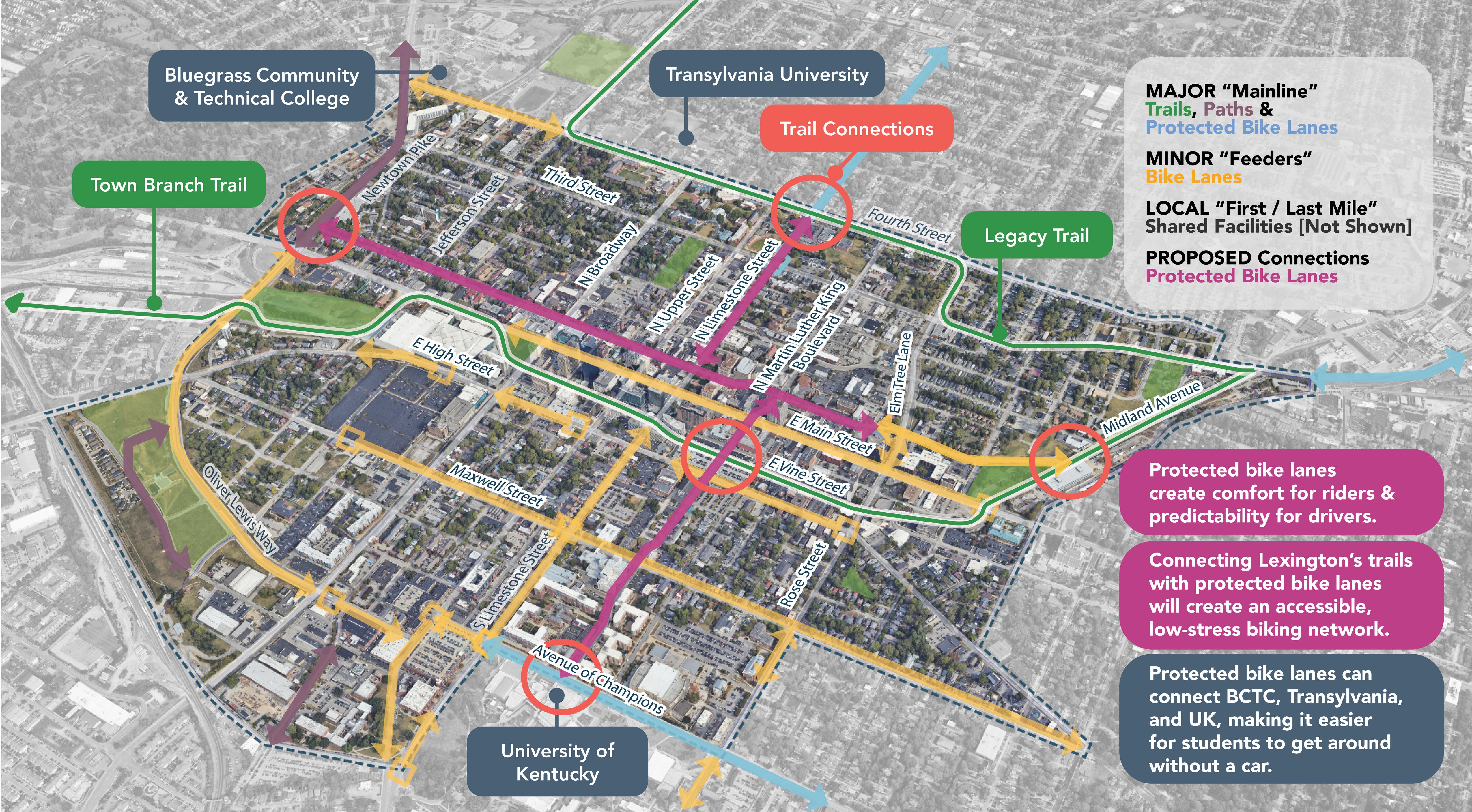
1. Stitch Downtown to adjacent neighborhoods, campuses, and destinations through low-stress walking and biking links.
2. Improve citywide transit access to, from, and within Downtown.
3. Tie Downtown into the broader region with clear transfer points, park-once options, and intercity mobility.
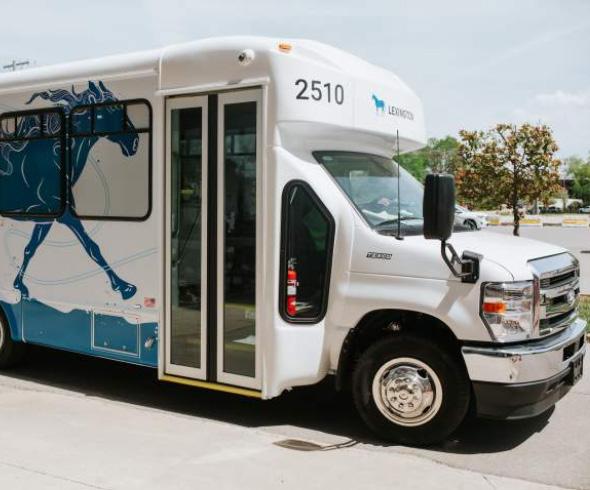
Evaluate the LexRide circulators to emphasize frequency and simplicity.
To reduce travel time for the circulators, which makes the service more appealing, consider simplifying the route or limiting stops to increase frequency.
Low Stress Walking and Biking Links
100 Day Actions
In the first 100 days after adoption...
• Expand the use of quick-build materials to pilot improvements.
• Raise on-street parking rates to support on-street turnover and promote off-street parking.
• Evaluate the LexRide circulators to emphasize frequency and simplicity.
• Educate new university students on how to use public transportation to access destinations downtown.
“Access to medical care like mobile clinic.”
“Mental health/ addiction focus/ councilors.”
“Definitely need to fix problems at the root or nothing will change.”
“City owned/publicly owned full time homeless shelter.”
A WELCOMING Downtown
Strengthen Support for Lexington’s unhoused population.
“Focus on tiny home communities.”
“There needs to be a radius that day centers and shelters can be from schools..”

A Welcoming Downtown: Supporting Neighbors
Strengthen support for Lexington’s unhoused population.
Four Strategies
1. Invest in stronger supportive housing programs that provide long-term stability, not just short-term placement.
2. Improve transparency so more unhoused neighbors, and the broader Lexington community, know what help is available.
3. Simplify and centralize information so services are easier to find and access.
4. Share real data and real stories to replace myths with facts.
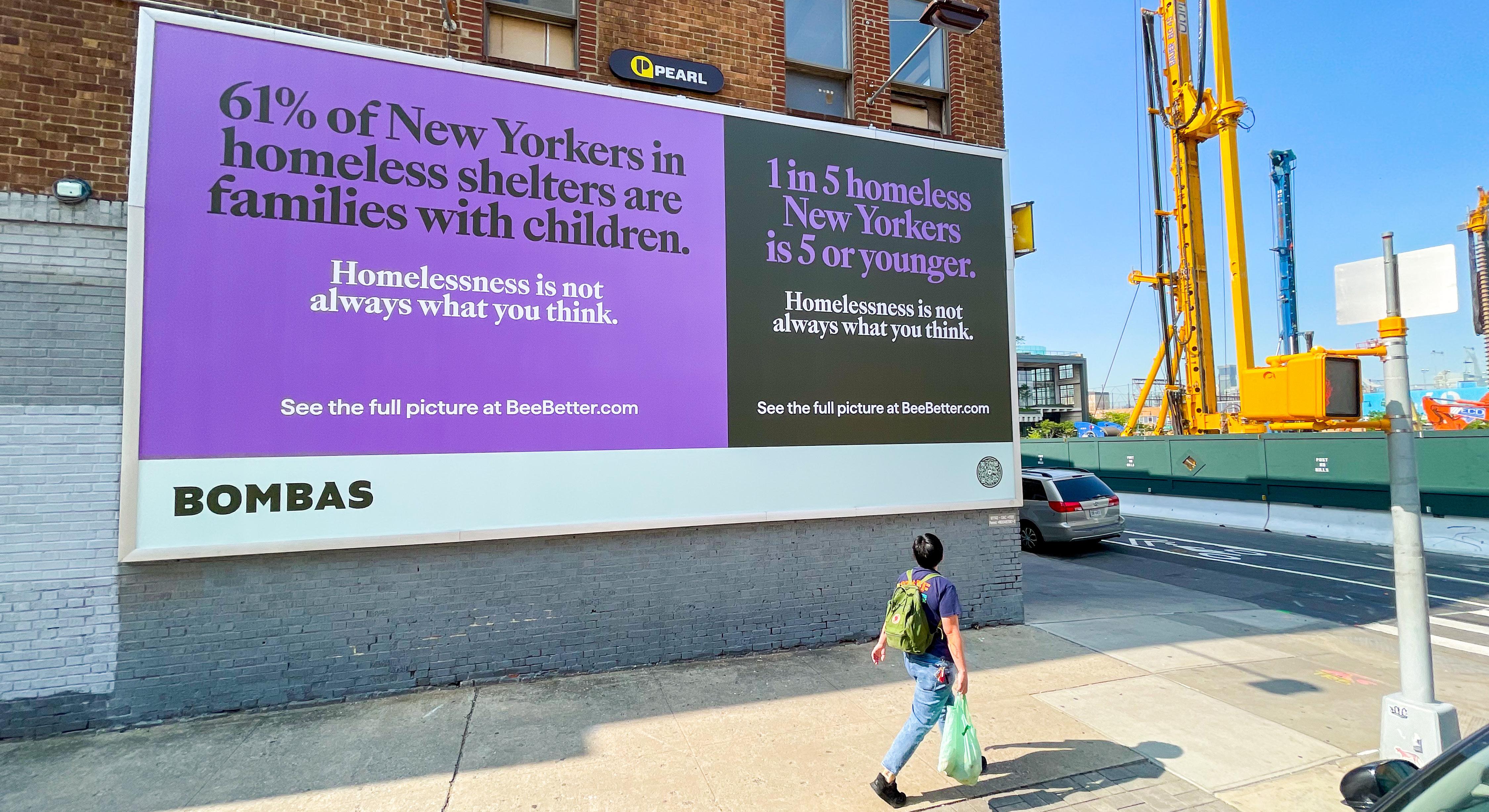
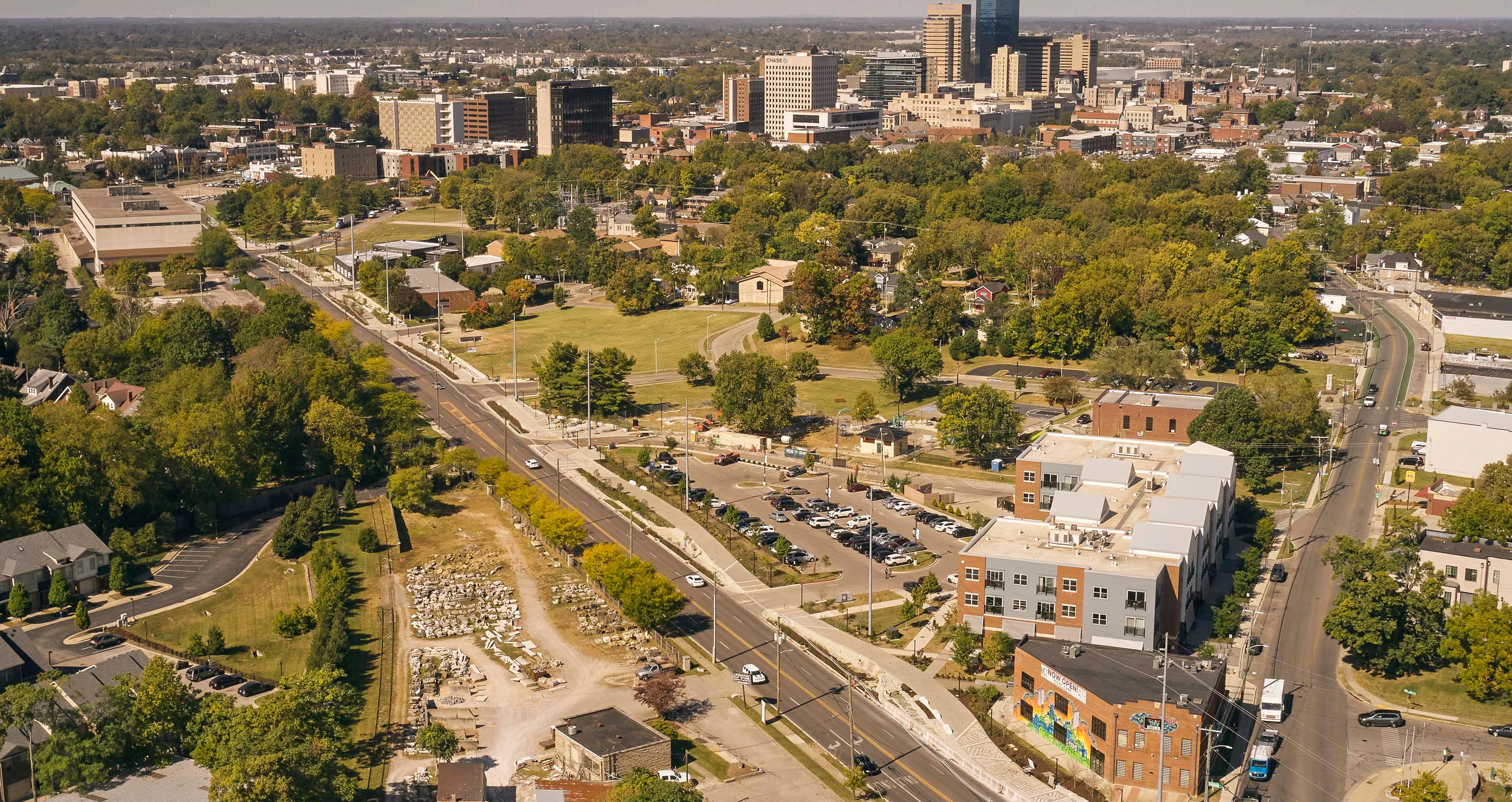
Engagement and Interviews Conducted
» December 2, 2025 - Officer Dawn Norden (East End Police Officer)
» December 11, 2025 - Liz Bancroft (General Prosecution Attorney)
» December 11, 2025 - Jeff Herron (Director of OHPI)
» December 12, 2025 - Danielle Thompson (Shelter Director, Salvation Army)
» December 15, 2025 - Diane Fleet (Asst. Director of Greenhouse17 and Homelessness Task Force)
» December 17, 2025 - Laura Carr (Lexington Rescue Mission)
» December 17, 2025 - Office of Homelessness Prevention and Intervention Board
» December 18, 2025 - Benjamin Taylor (Officer with the Paramedics team)
» December 19, 2025 - Judge Tackett (Mental Health Court)
» January 13, 2026 - Dr. Marc Woods (Director of Nursing, Eastern State)
» February 13, 2026 – Interviews with five Unhoused Women at Salvation Army
» February 25, 2026 - Participated in the LexCount
“This work looks great, at the point I think the most important thing is to enthusiastically pursue the recommendations. Build stuff forward - Lexington deserves it”
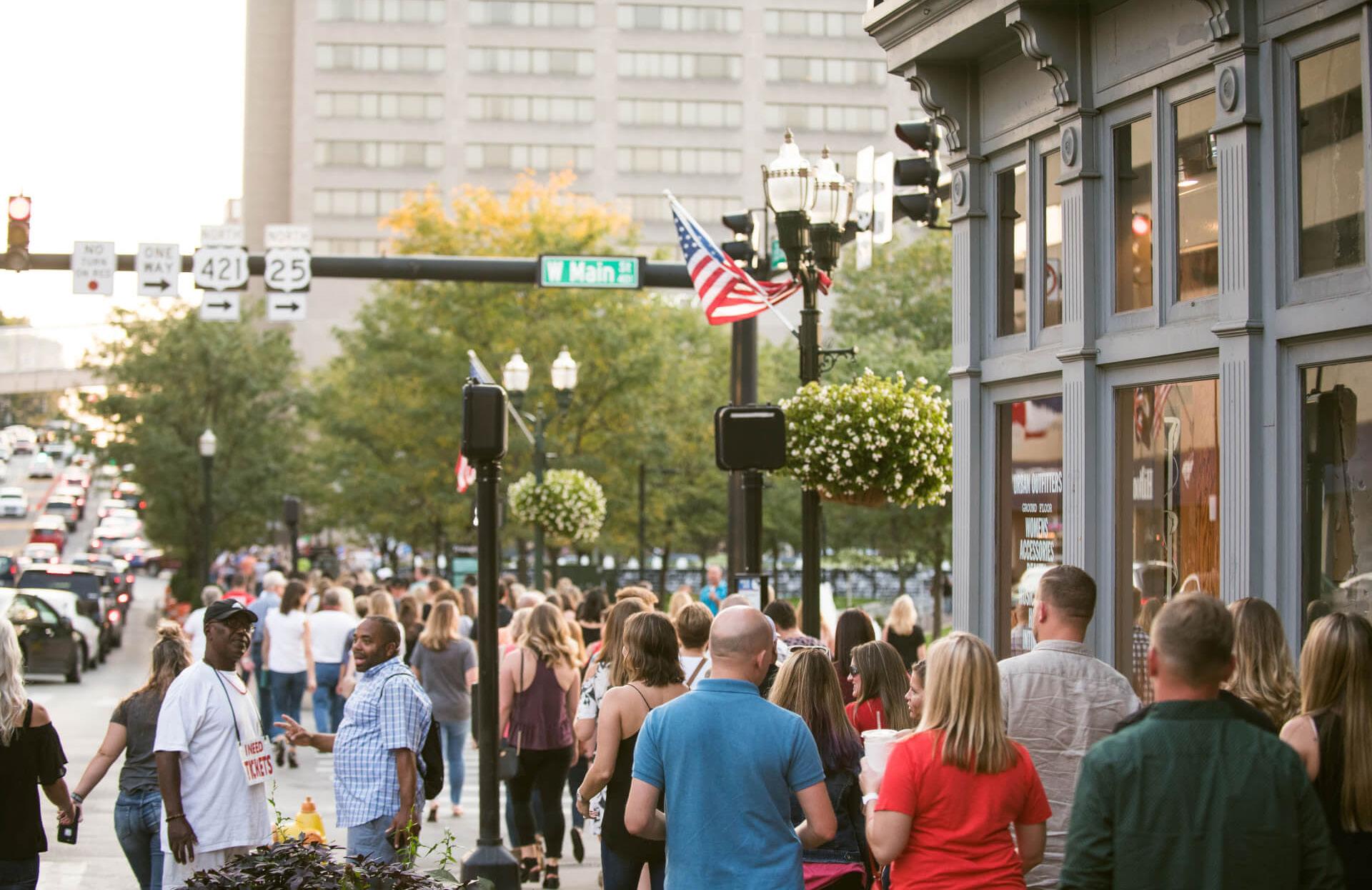
“Dream big and achieve”
“Implement it all!”
Implementing the Vision
Building capacity to implement this plan
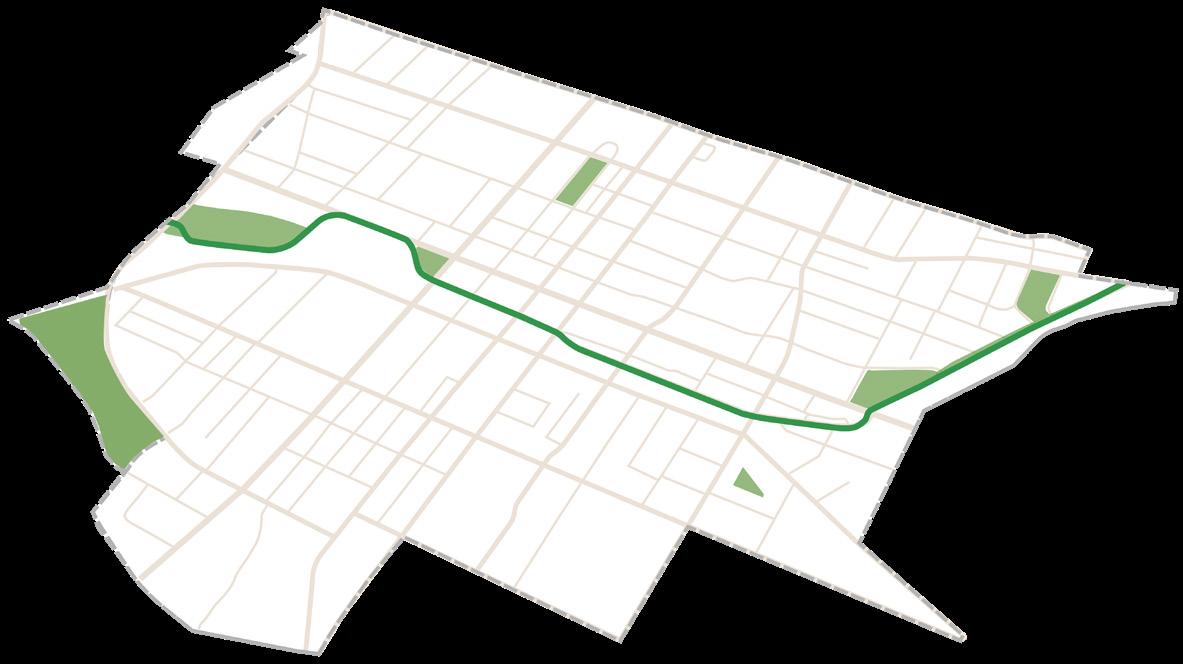
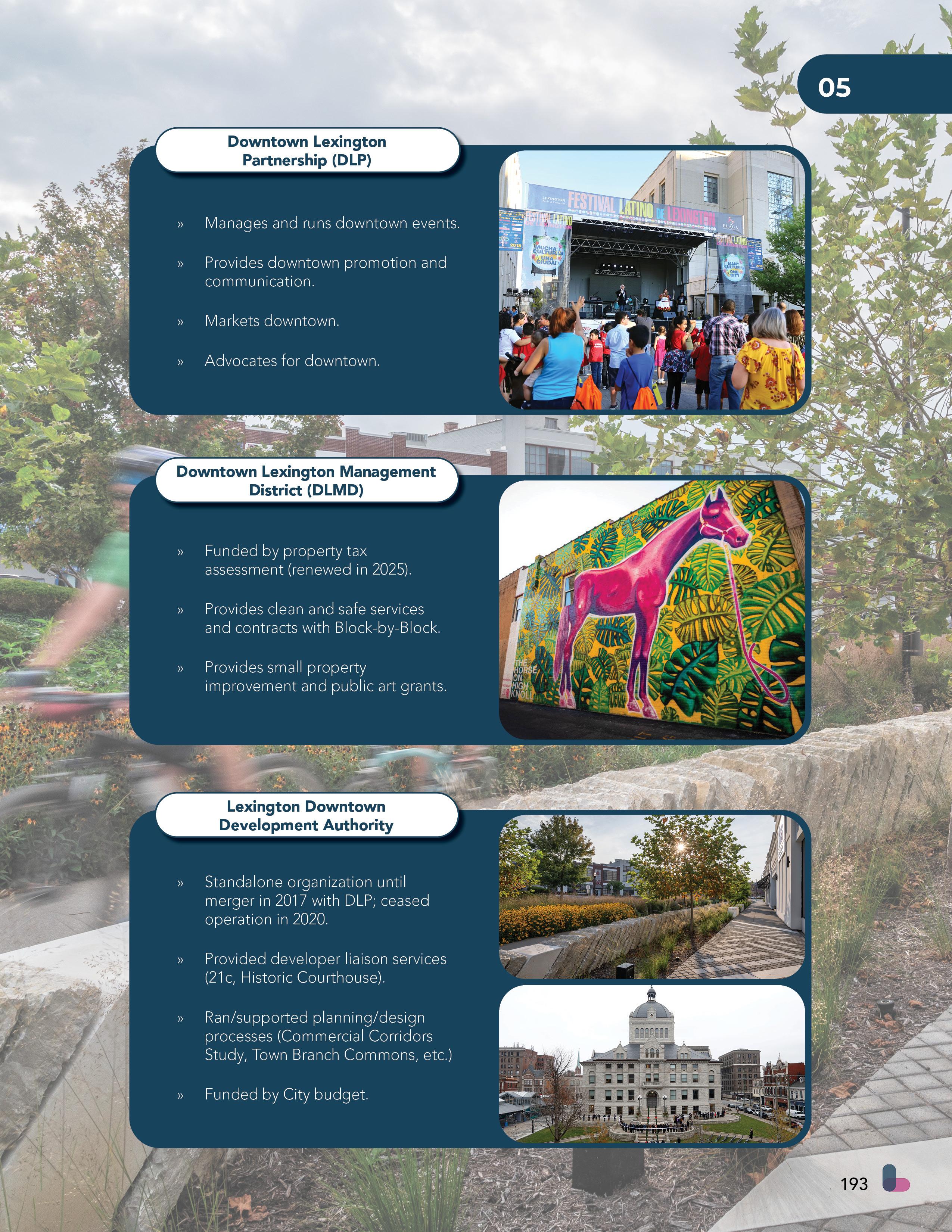
Current/Previous Organizations

Lexington Partnership (DLP)
> Manages and runs downtown events.
> Provides downtown promotion and communication.
> Markets downtown.
> Advocates for downtown.
Management District (DLMD)
> Funded by property tax assessment (renewed in 2025).
> Provides clean and safe services and contracts with Block-by-Block.
> Provides small property improvement and public art grants.
Development Authority
> Standalone organization until merger in 2017 with DLP; ceased operation in 2020.
> Provided developer liaison services (21c, Historic Courthouse).
> Ran/supported planning/ design processes (Commercial Corridors Study, Town Branch Commons, etc.)
> Funded by City budget.
Downtown
Lexington Downtown
Downtown Lexington
Issues and Concerns From Stakeholders
Discussions with stakeholders revealed that the previous DDA didn’t achieve long term success because it...
Lacked a dedicated funding source
Had limited formal authority
Had an unclear mandate and purpose
Was not the final decision maker, limiting effectiveness and trust
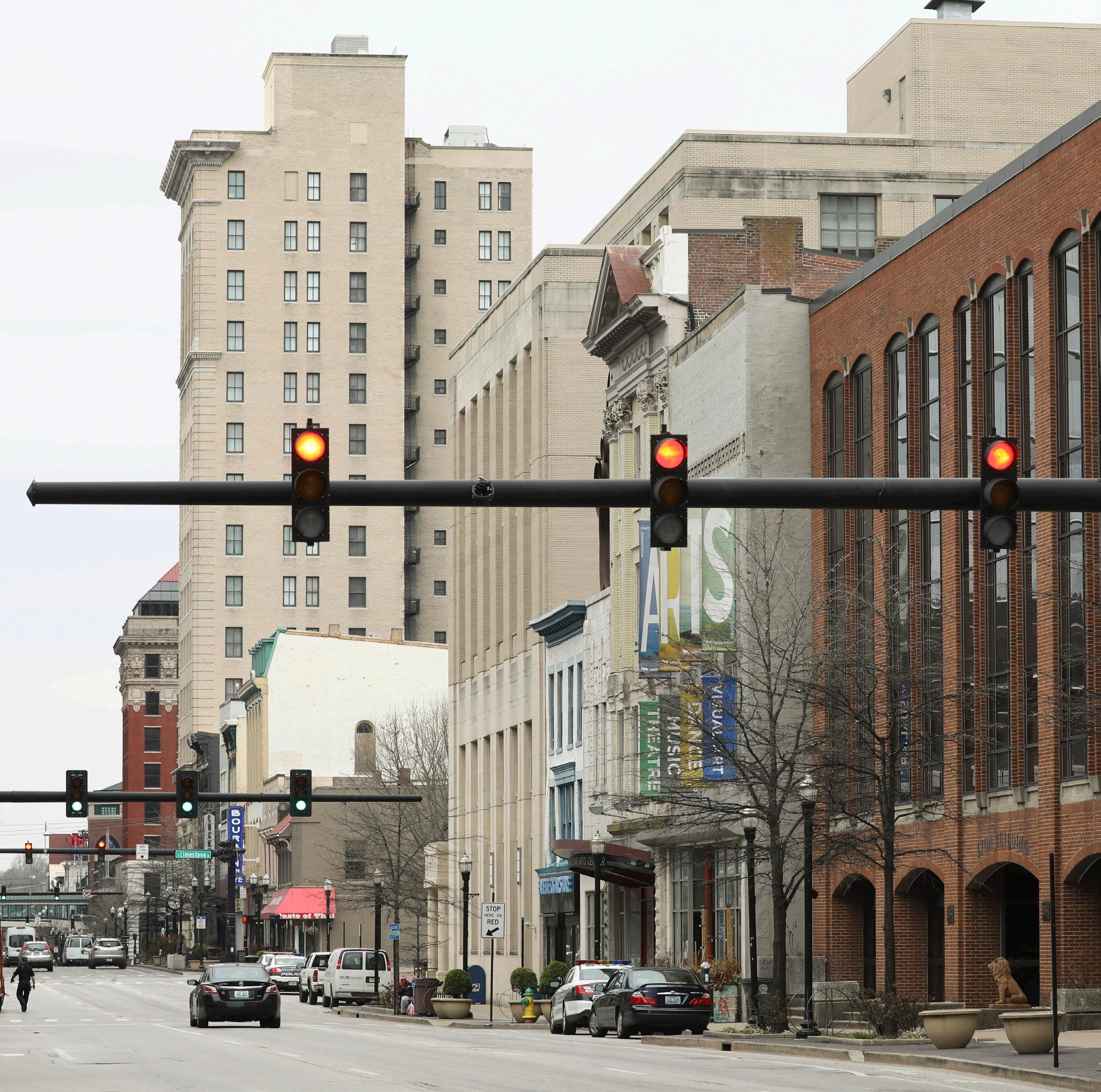
Missing Functions Needed for Implementation (From Stakeholders)
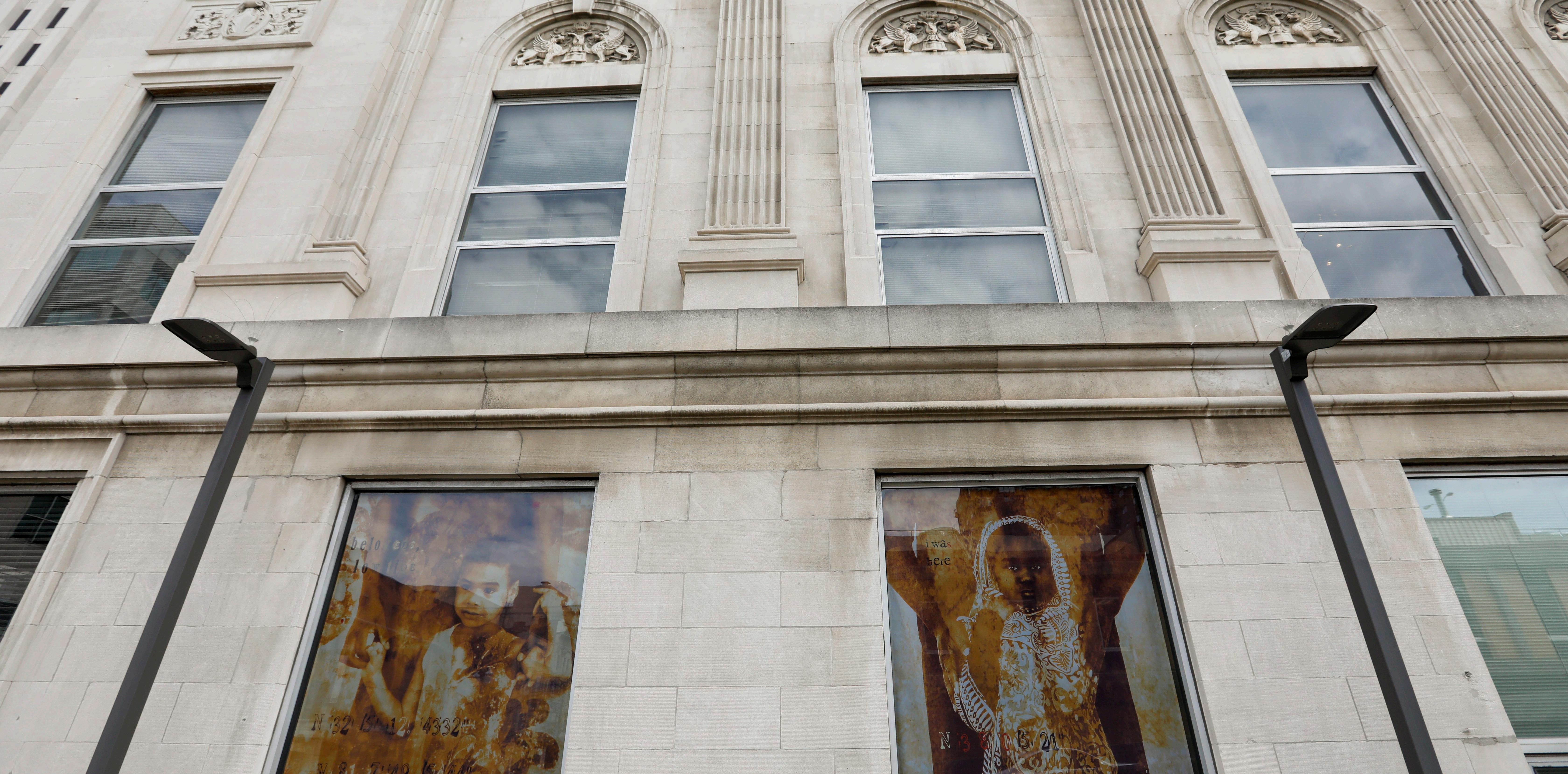
Development and Real Estate
Urban Design and Placemaking
Economic Positioning
> Curate retail and master lease space
> Acquire and hold property
> Facilitate design and development projects
> Have a development team with real estate expertise
> Provide the vision for public realm and infrastructure improvements
> Facilitate implementation of public realm projects
> Look holistically at downtown as a district
> Attract the right development in the right place
Example Entities


Downtown Grand Rapids Inc.
DGRI serves as the singular management entity for the combined operations of the Downtown Development Authority, the Downtown Improvement District and the Monroe North Tax Increment Finance Authority.
Columbus, Inc.
CDDC and SID: Private non-profit led by Board of Directors of 13 senior business & institutional leaders.

Connect Toledo
CDDC and SID: Private non-profit lead by Board of Directors of senior business & institutional leaders
Louisville Downtown Partnership
DDC and BID: Private non-profit led by Board of Directors of senior business & institutional leaders.
Downtown
Implementing this Plan
We recommend that Lexington create an implementation entity that:
• Has a dedicated funding source.
• Has real estate, development and financial expertise to manage incentives and services including low interest loans, grants, land assembly assistance (leverage the land bank tool) and redevelopment facilitation.
• Assists with funding sources, applies for grants, and develops partnerships with state and governmental agencies.
• Facilitates the design and implementation of public realm enhancements.
• Recruits tenants, curates retail, master leases space.
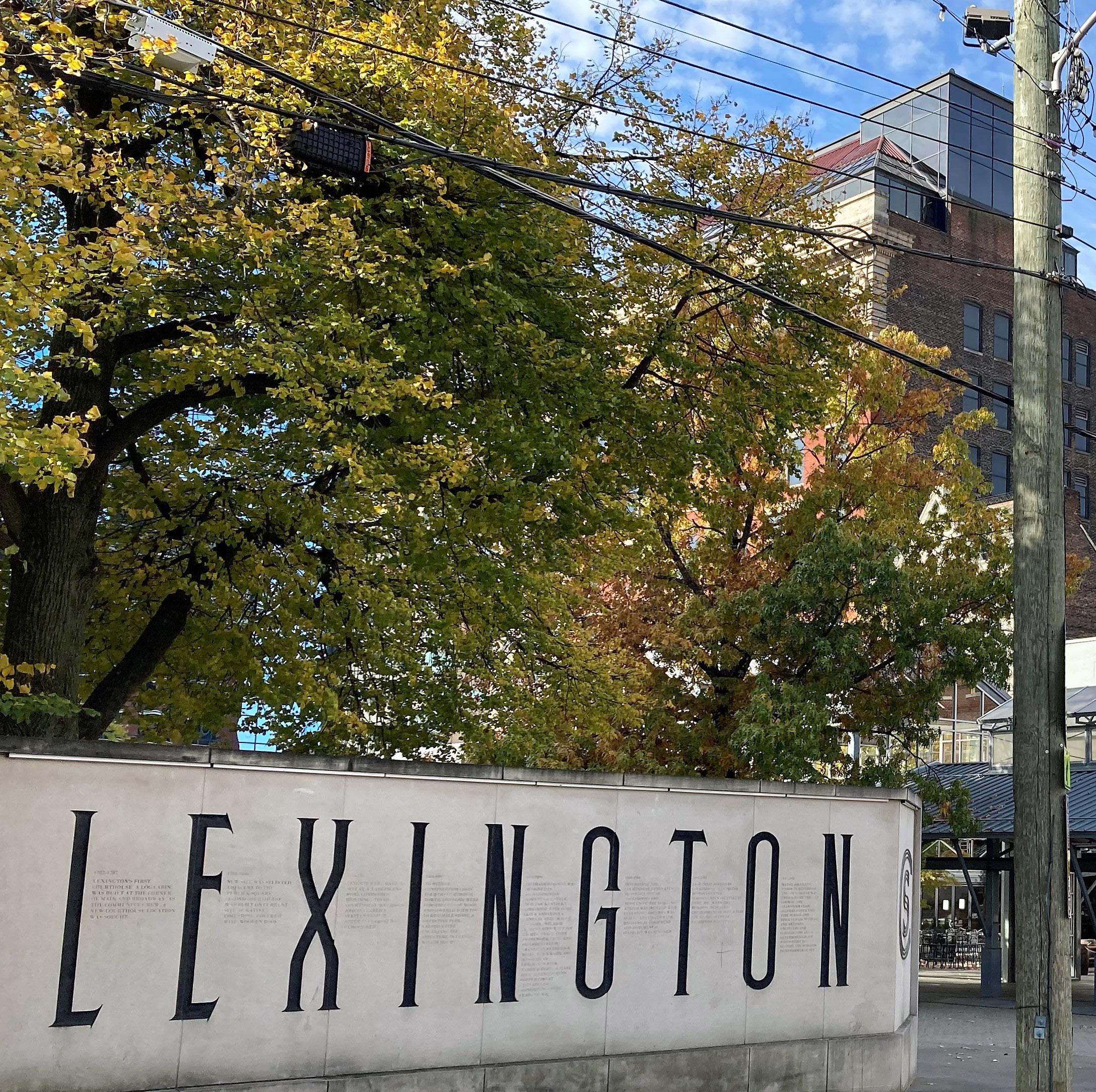
In the first 100 days...
Hold an Implementation Entity Workshop that brings current downtown organizations and partners to the table to discuss needed improvements to efficiency and an approach to reforming an implementation entity. Include sessions with downtown organizations from other cities to discuss their formation, funding, roles, responsibilities and lessons learned.
Plan Review
Master Plan Document
Master Plan Document
1 | Introduction
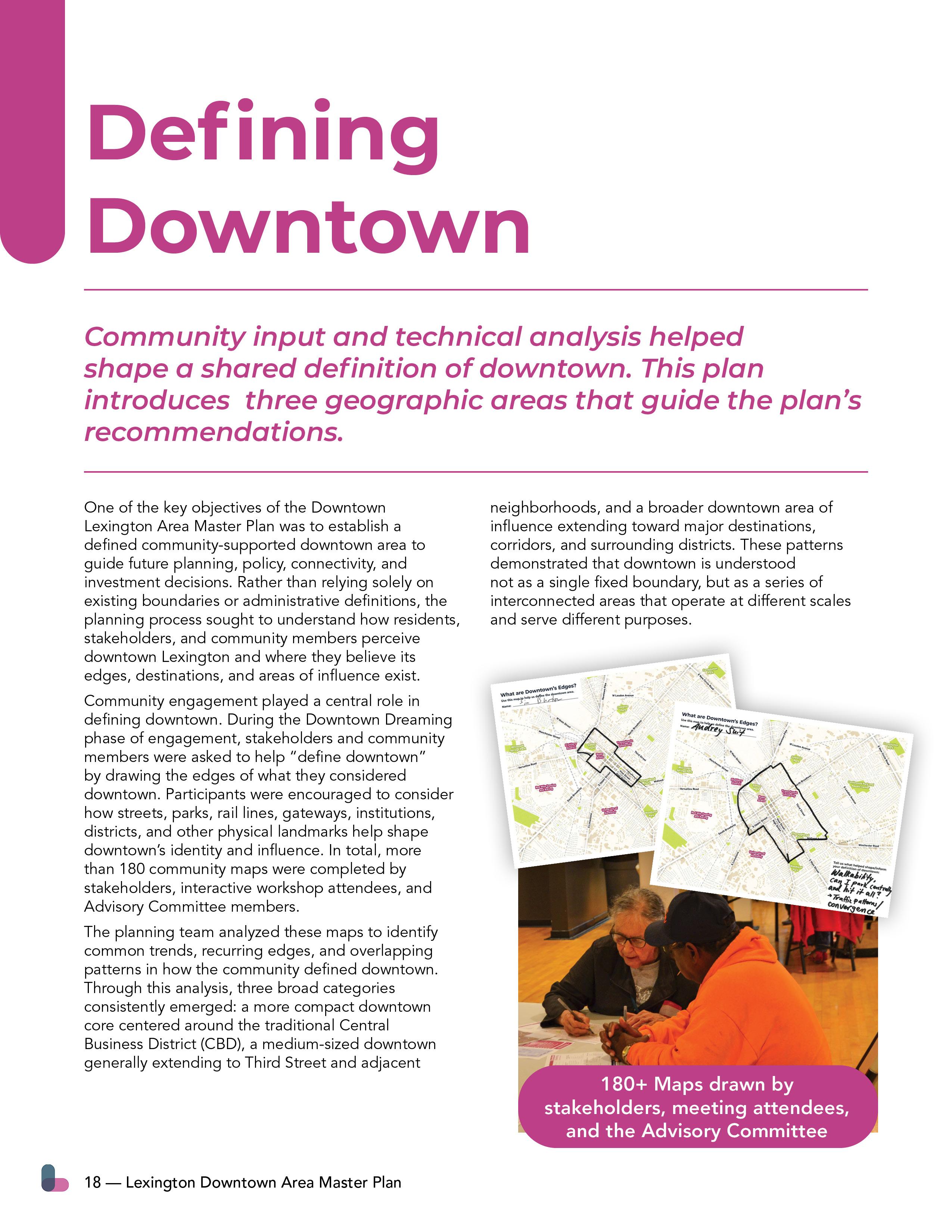
Example Spread Shown
2 | Existing Conditions
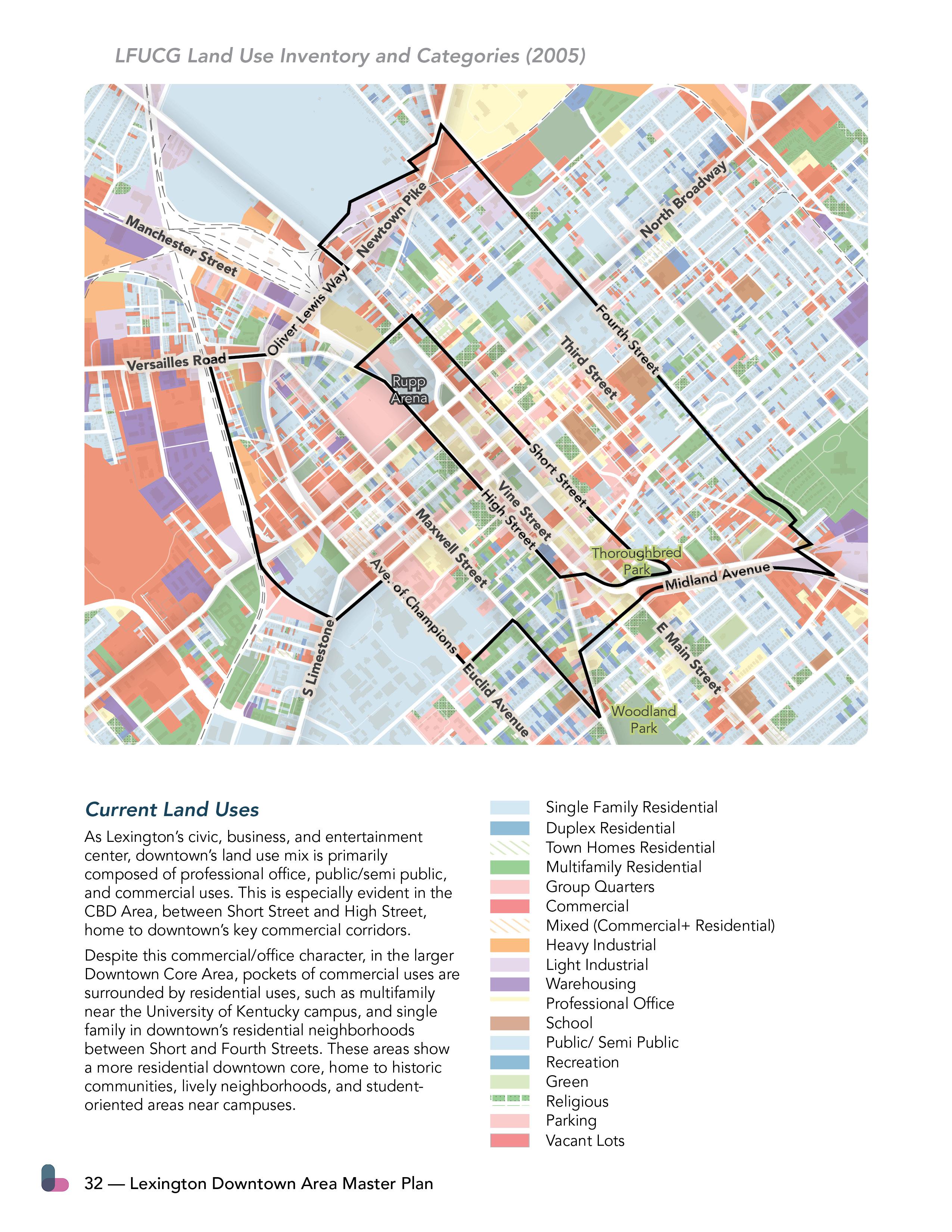
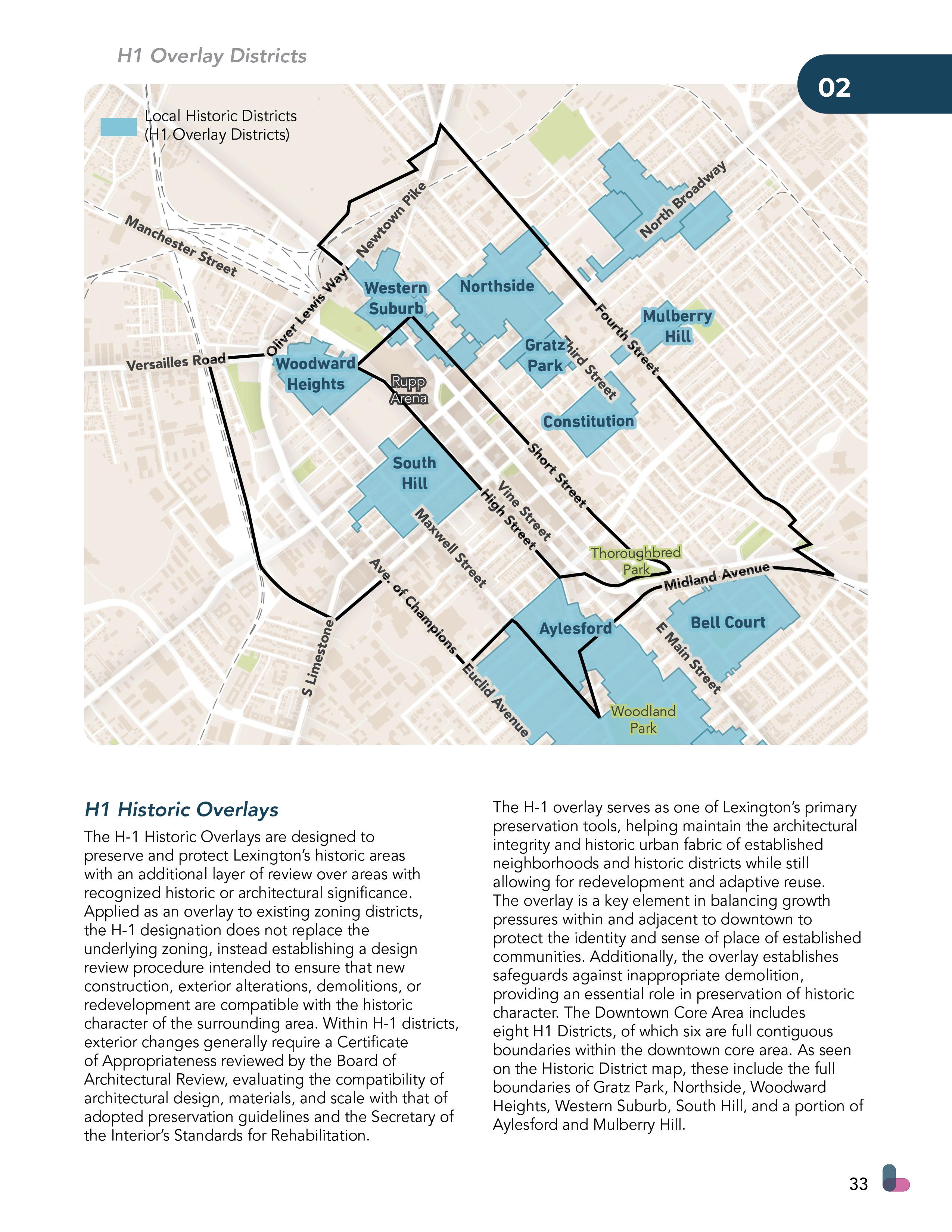
Example Spread Shown
3 | Community Engagement
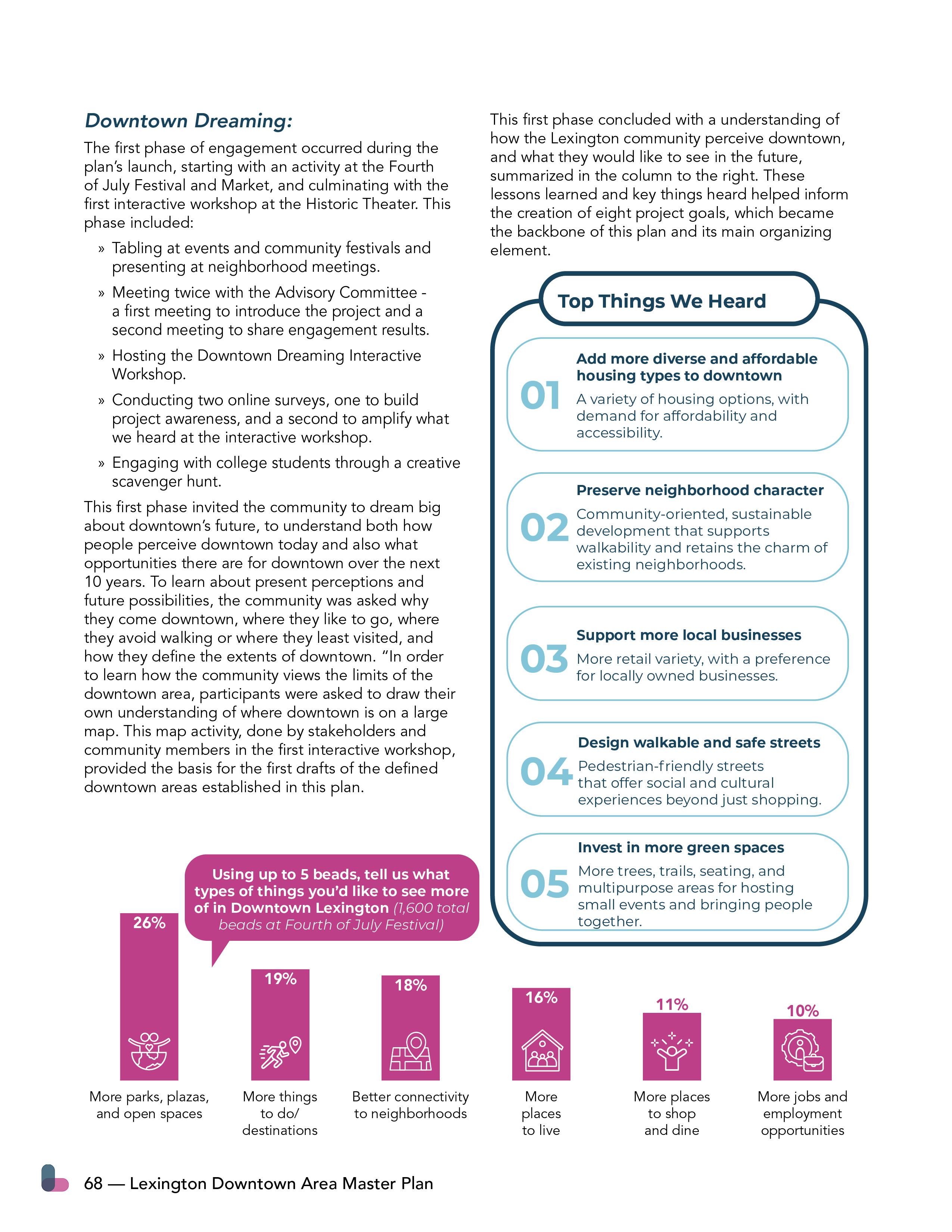
Example Spread Shown
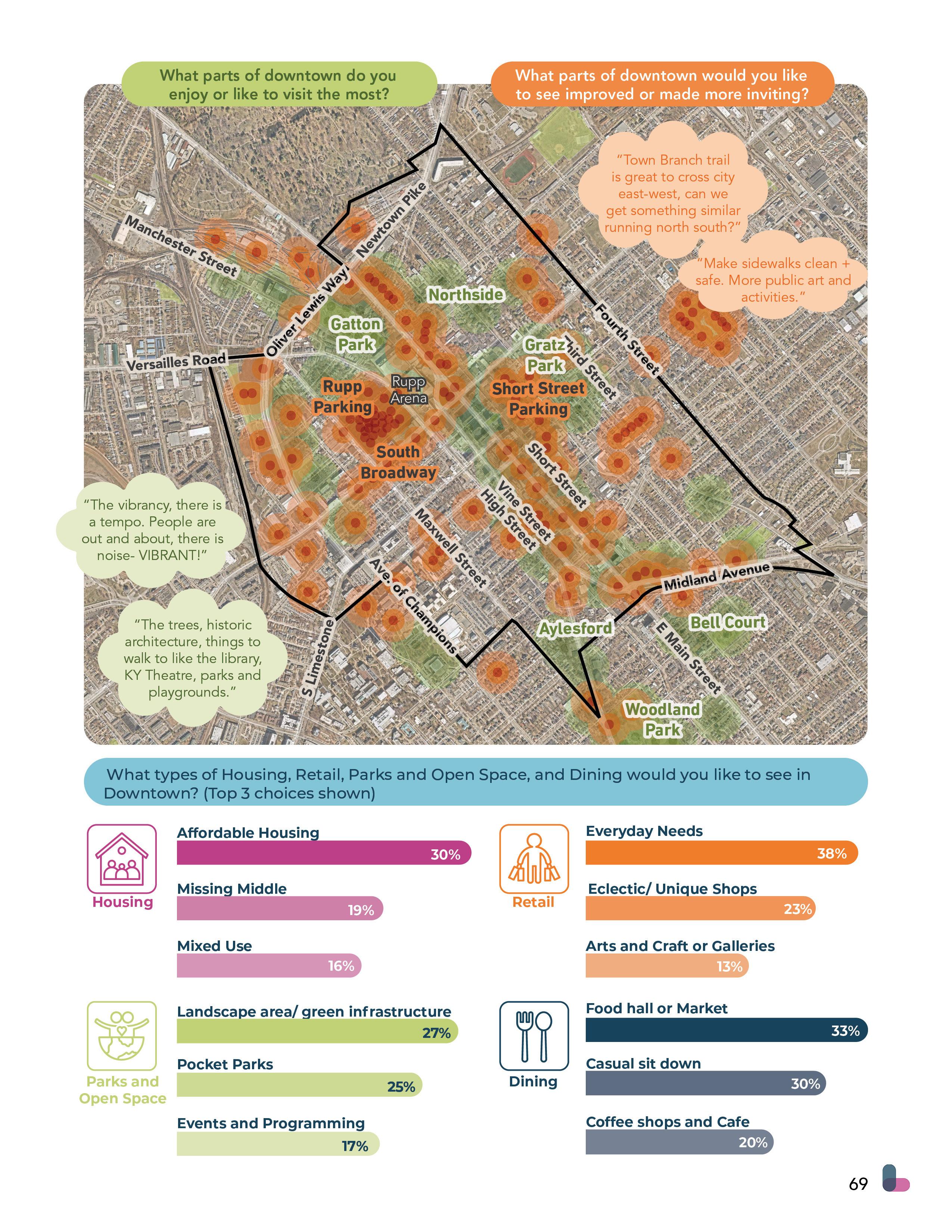
4 | The Vision for Downtown
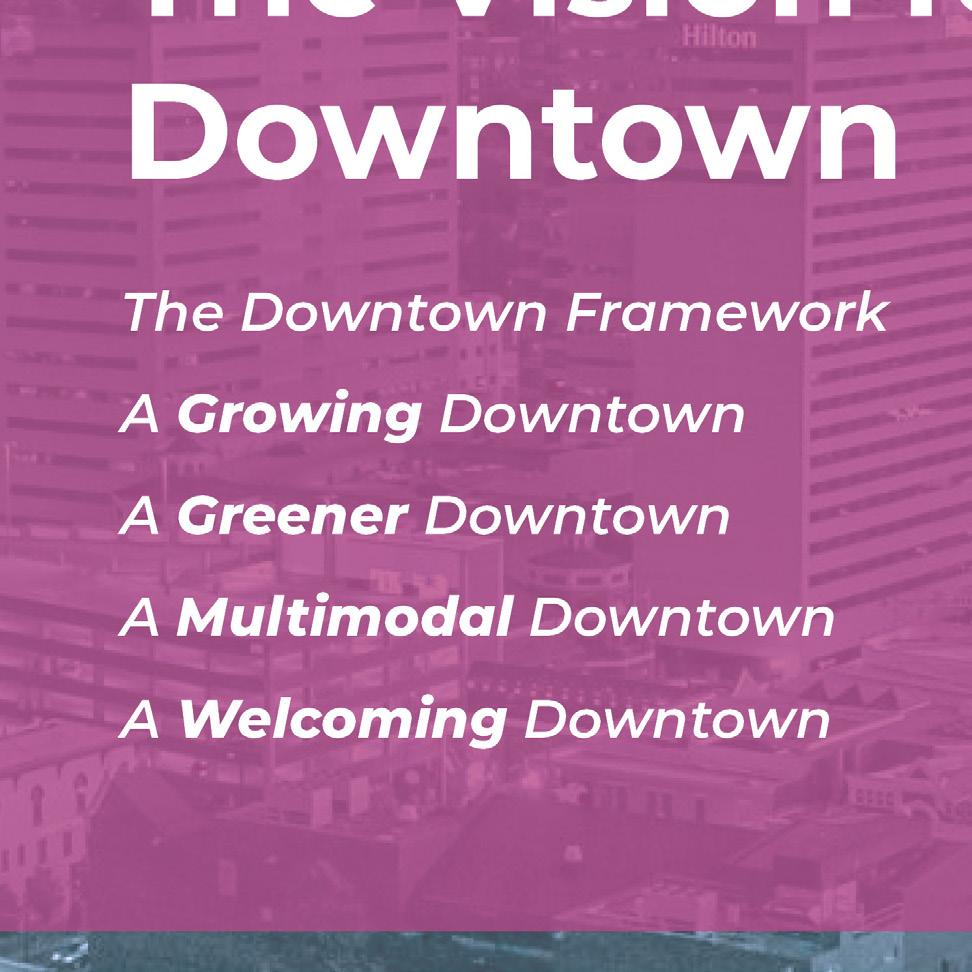
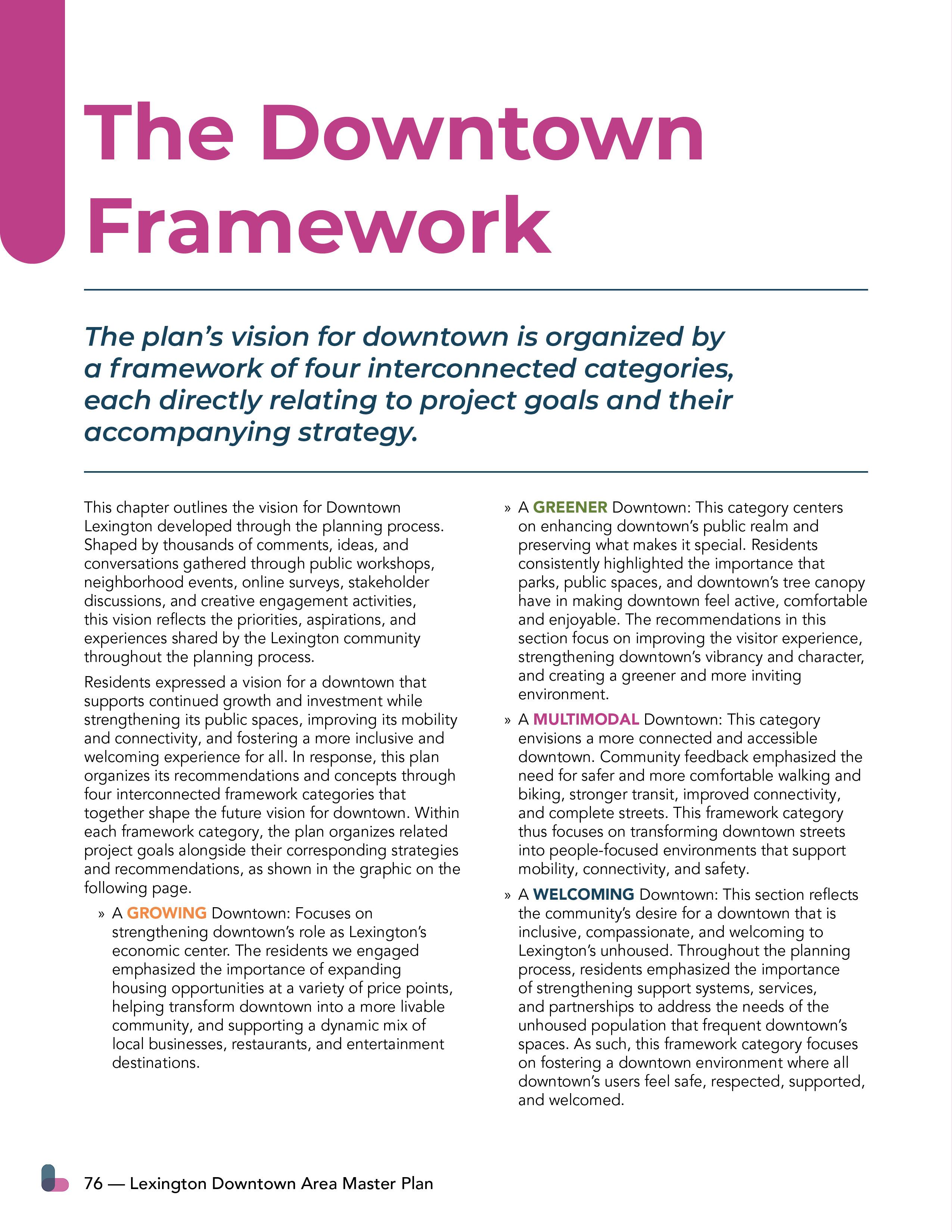
Example Spread Shown
4 | The Vision for Downtown
How This Chapter is Organized
4 | The Vision for Downtown
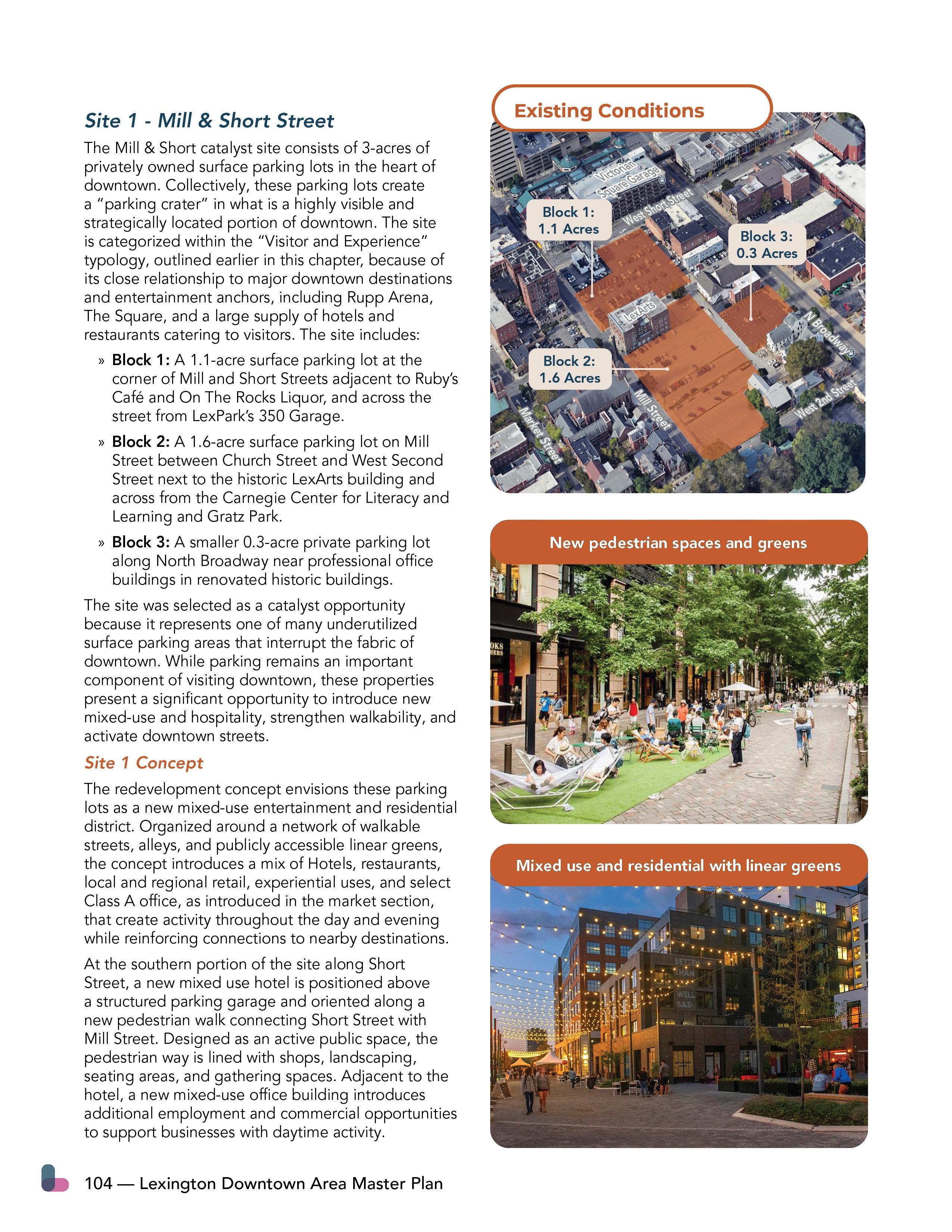
Example Spread Shown
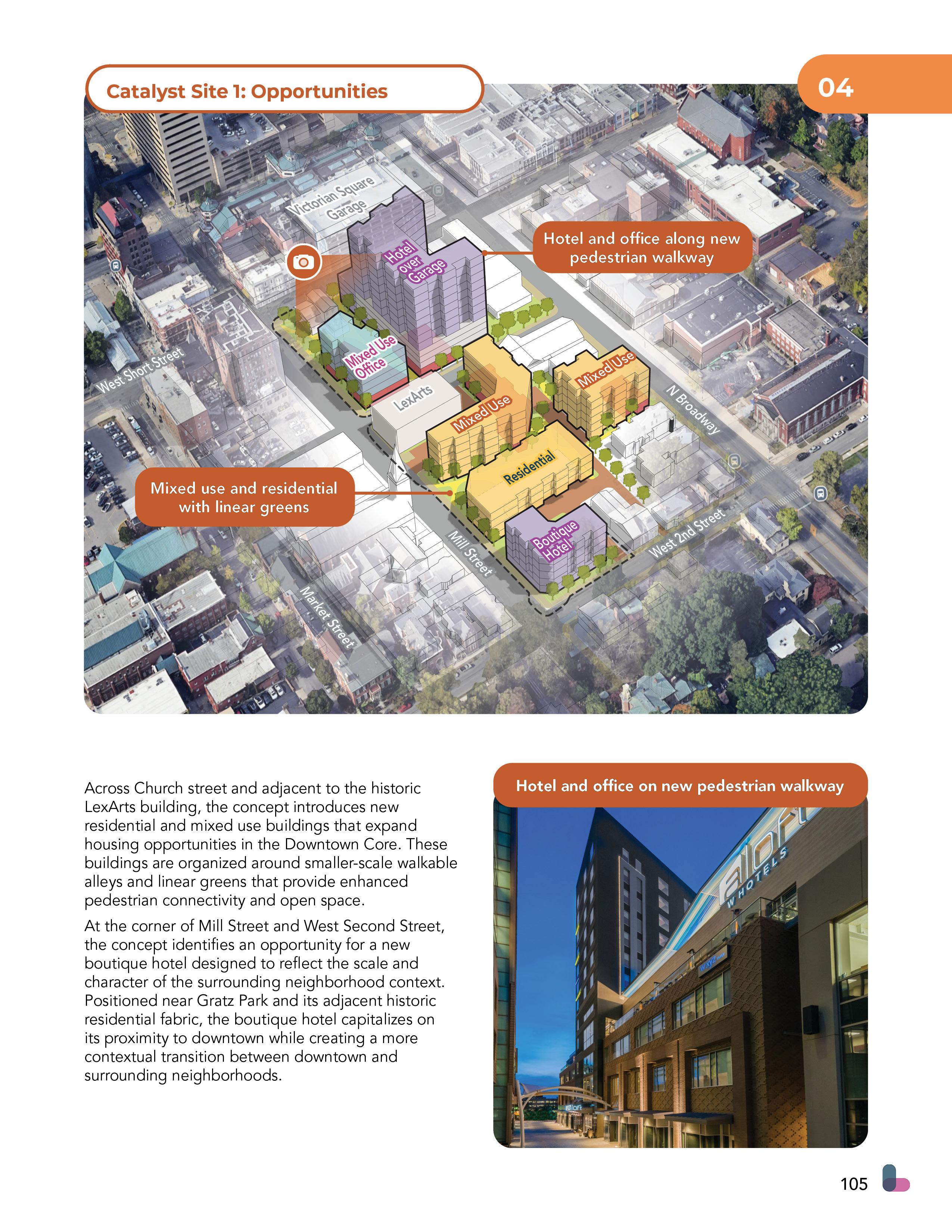
4 | The Vision for Downtown: Implementation
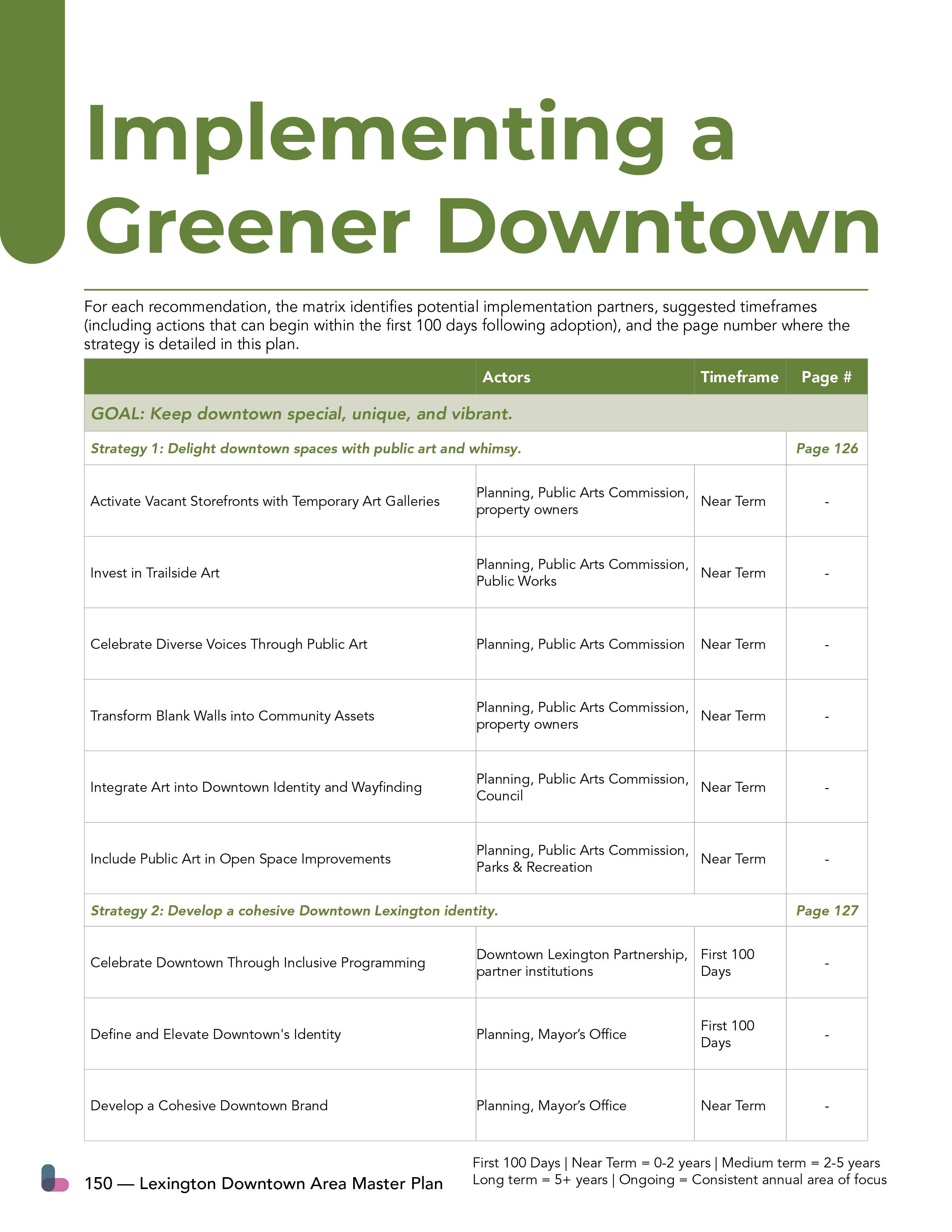
Example Spread Shown
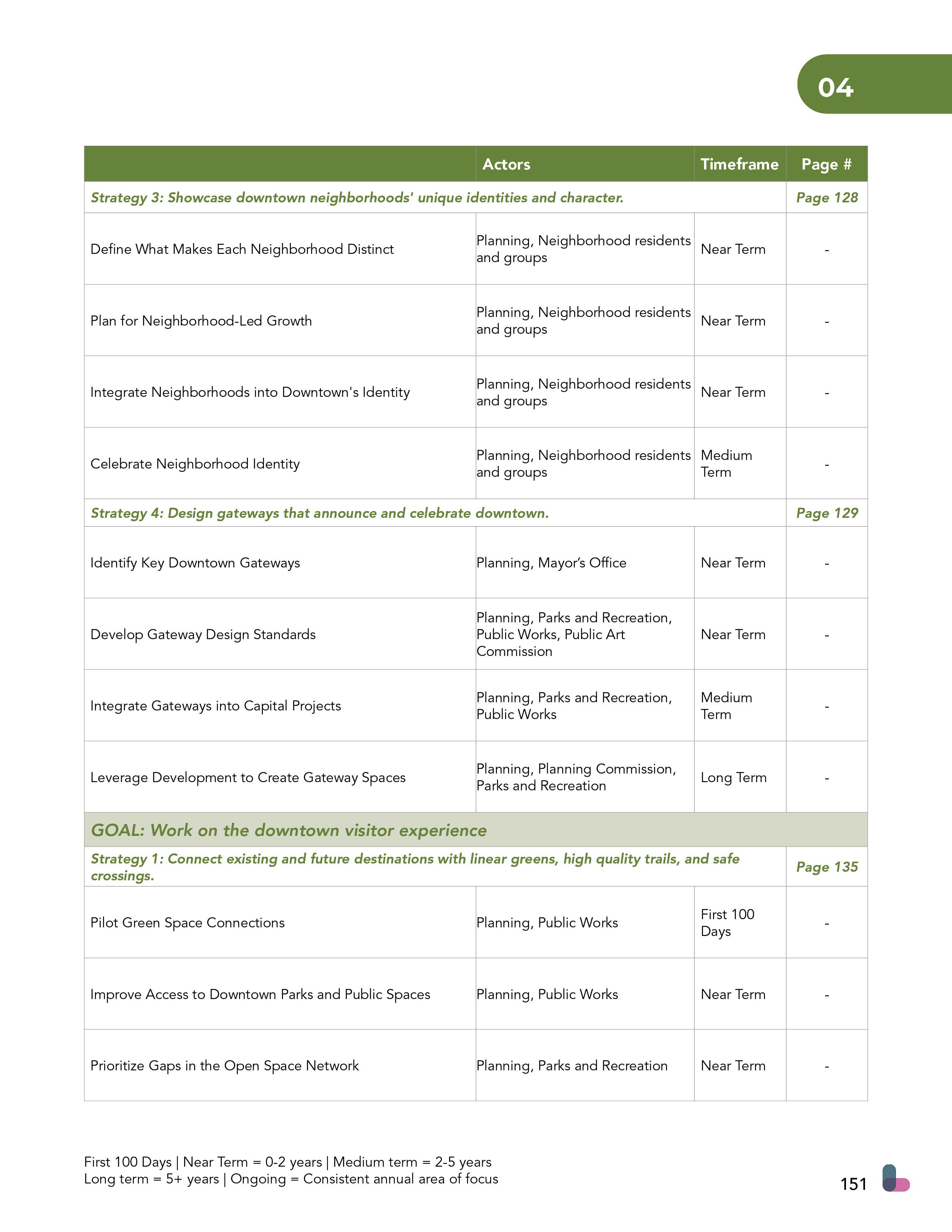
5 | Implementing the Vision
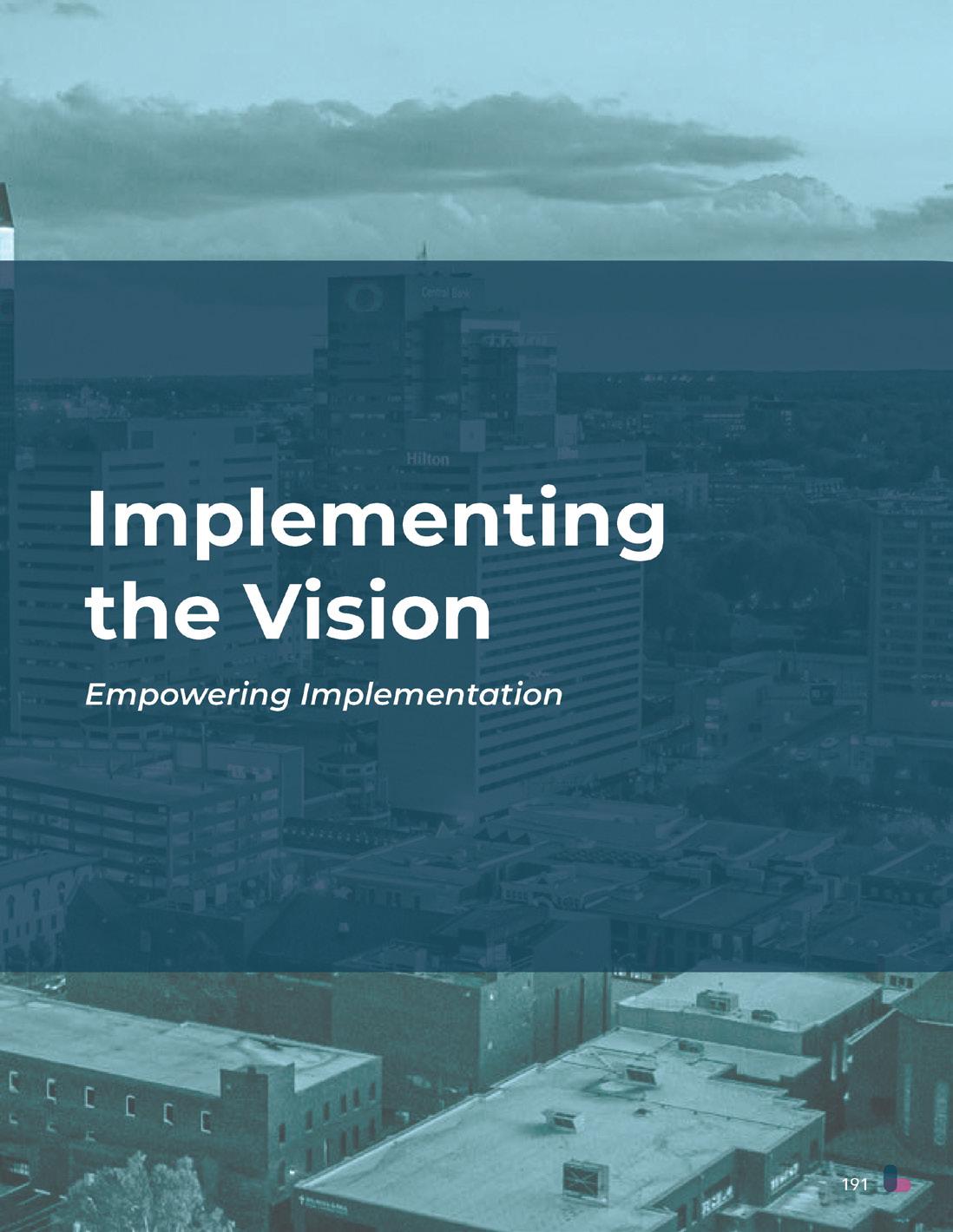
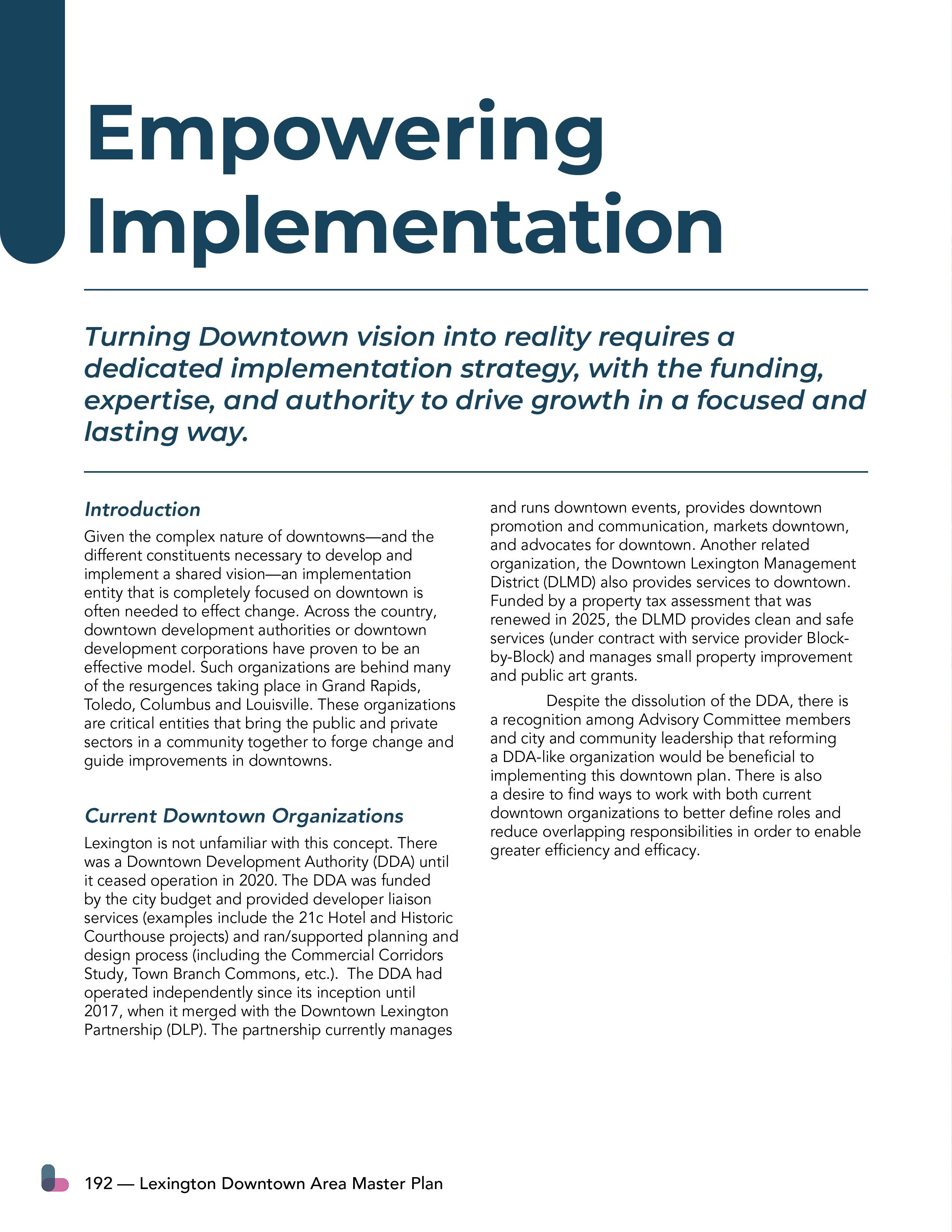
Example Spread Shown
Discussion
Thank you for your feedback
Collateral Materials
Additional Content
Project Goals
Through multiple rounds of public input, eight project goals emerged and became the foundation for the plan’s recommendations.
Have a dynamic retail, restaurant, and business environment.
Create a connected downtown at a neighborhood, city, and regional scale.
Keep downtown special, unique, and vibrant.
Build more downtown housing at various price points.
Transform downtown streets into peoplefocused spaces for walking, biking, riding transit, and driving.
Continue making Downtown green, active, and enjoyable.
Work on the downtown visitor experience.
Strengthen support for Lexington’s unhoused population.
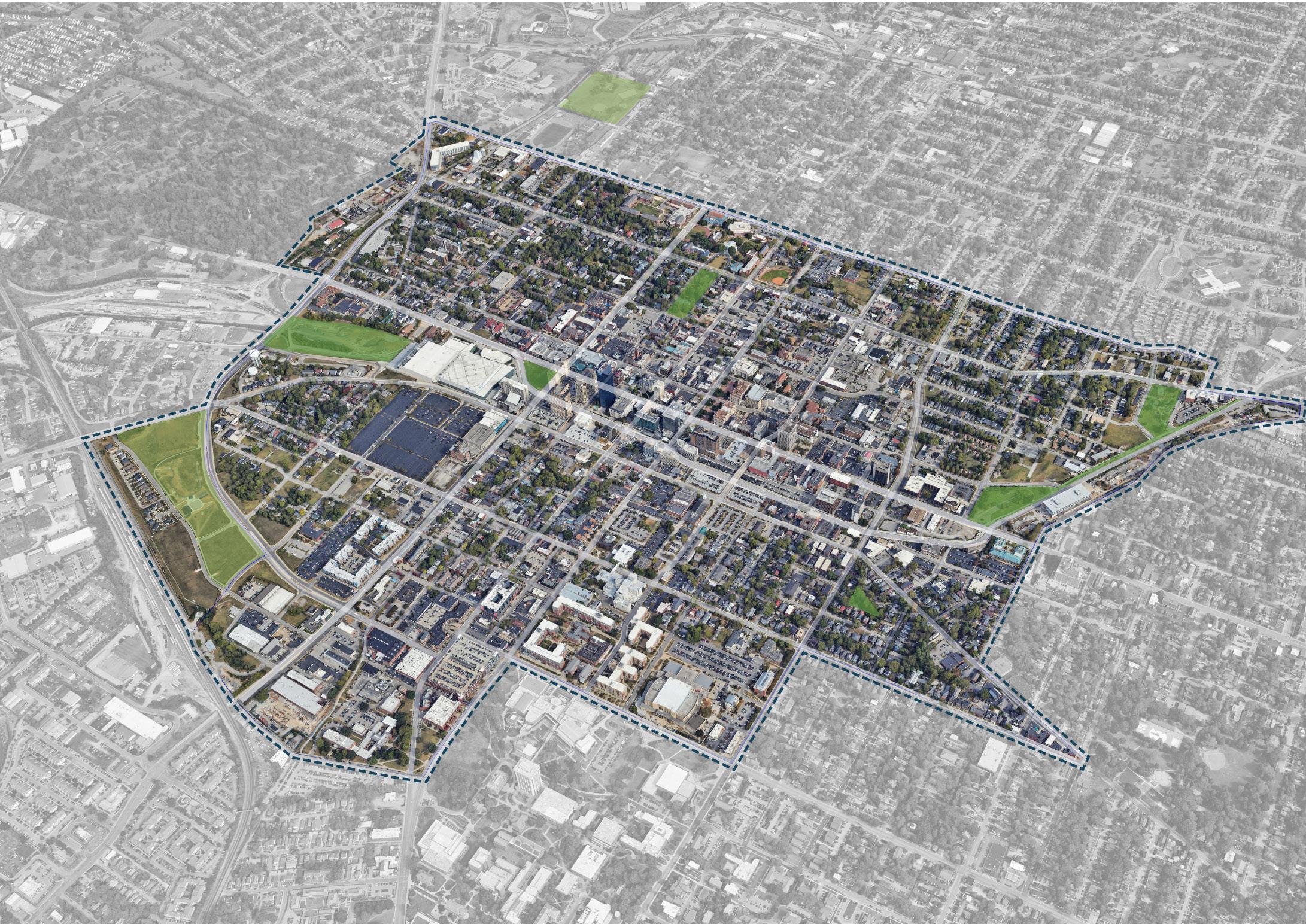
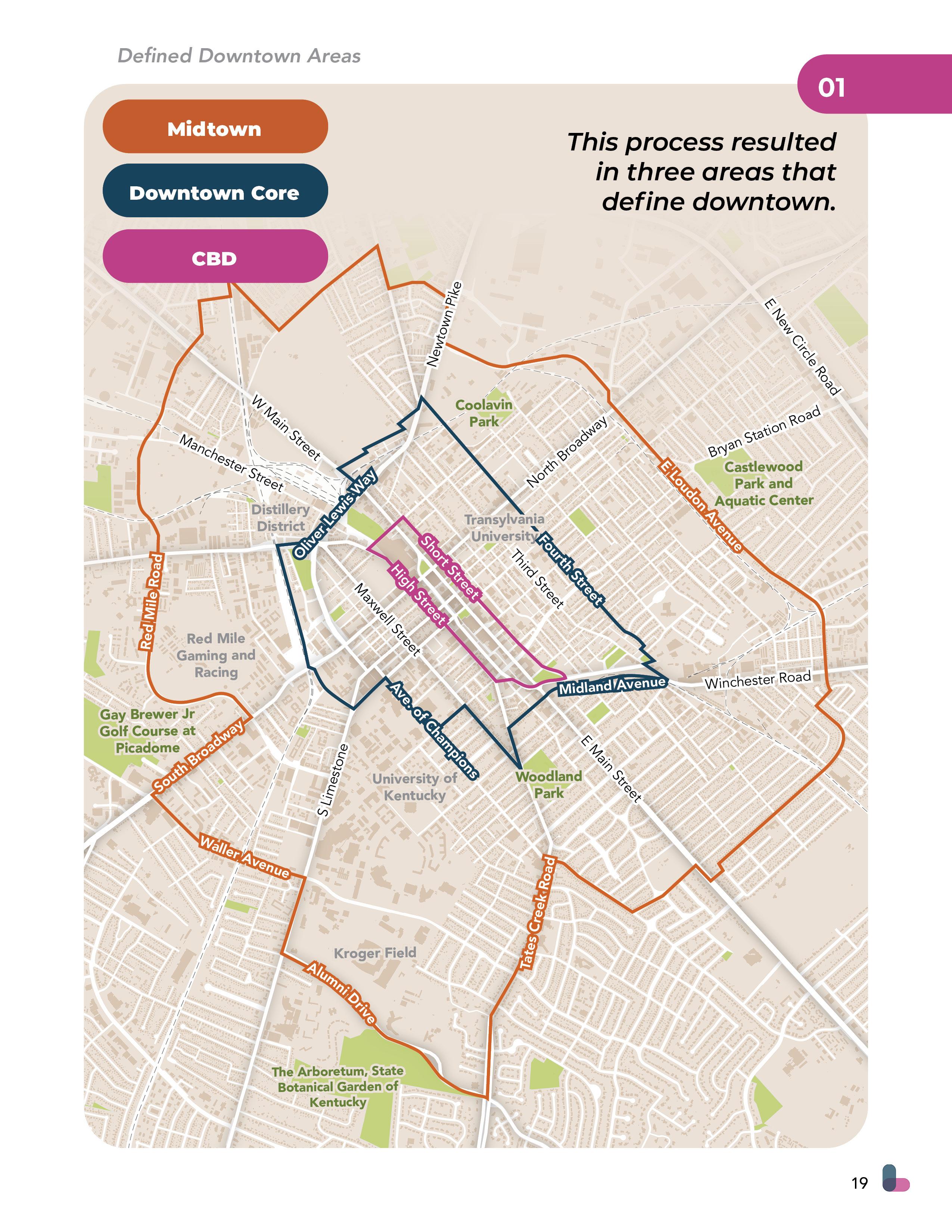
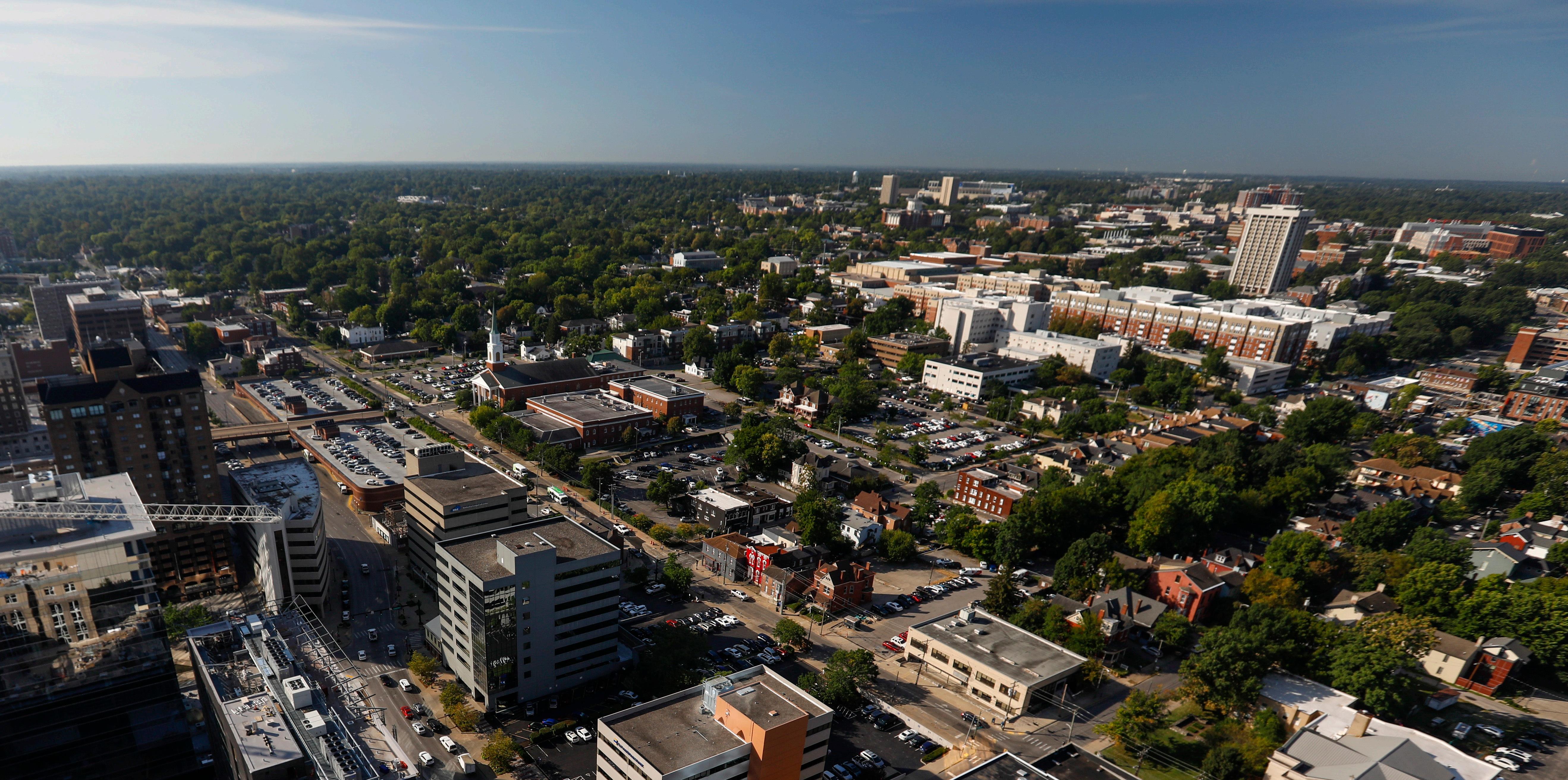
Defining Downtown: Midtown
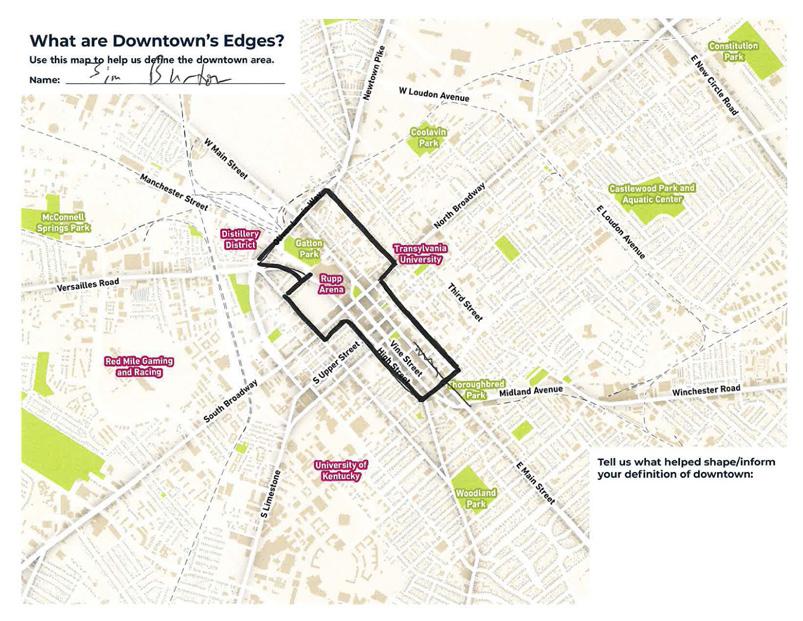
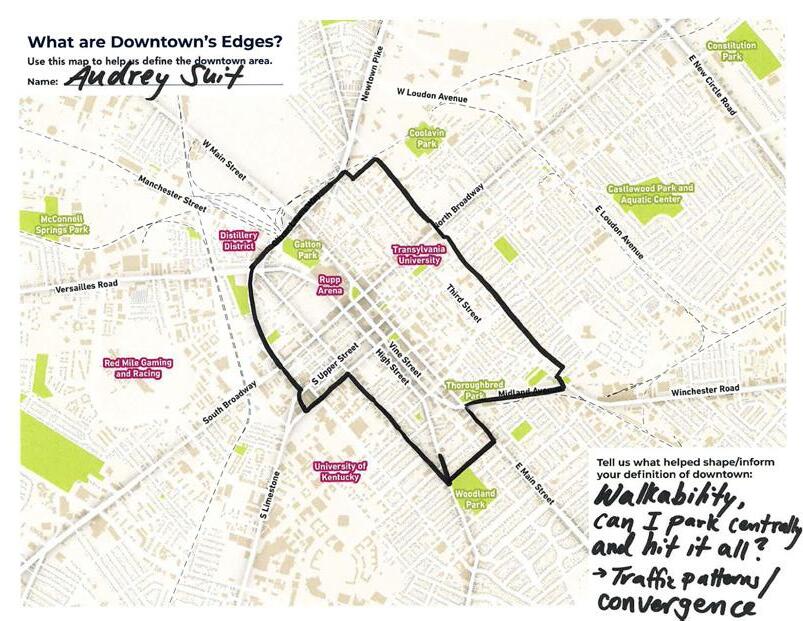
Defining Downtown: CBD & Downtown Core
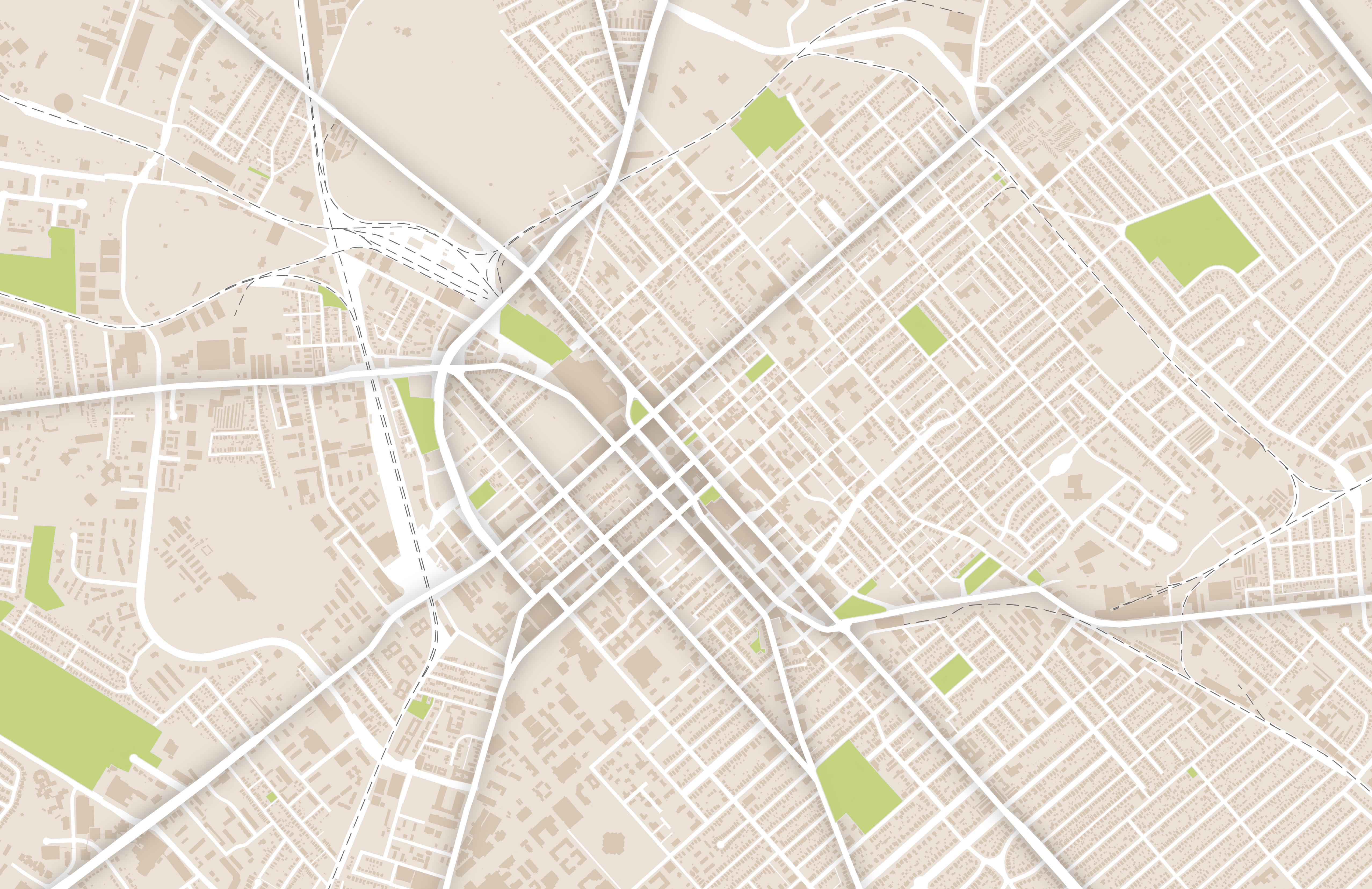
Defined CBD
Key focus area for this plan. Used for recommendations for zoning, connectivity, mobility, placemaking, parking, tree canopy, and catalytic/infill sites.
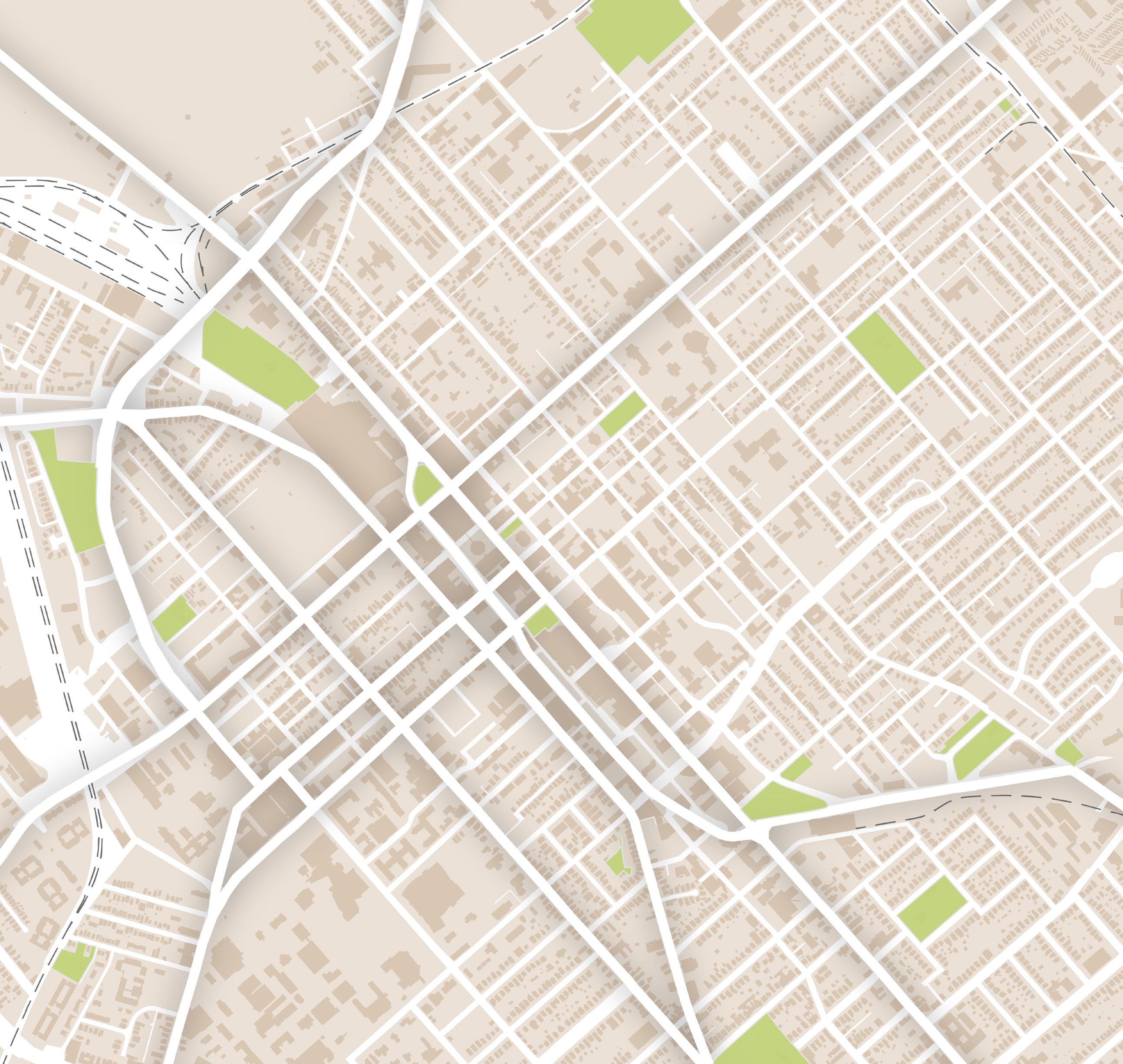
Downtown Core Used for recommendations covering connectivity, mobility, and catalytic/ infill sites.
Aligning Opportunity with Downtown Zoning
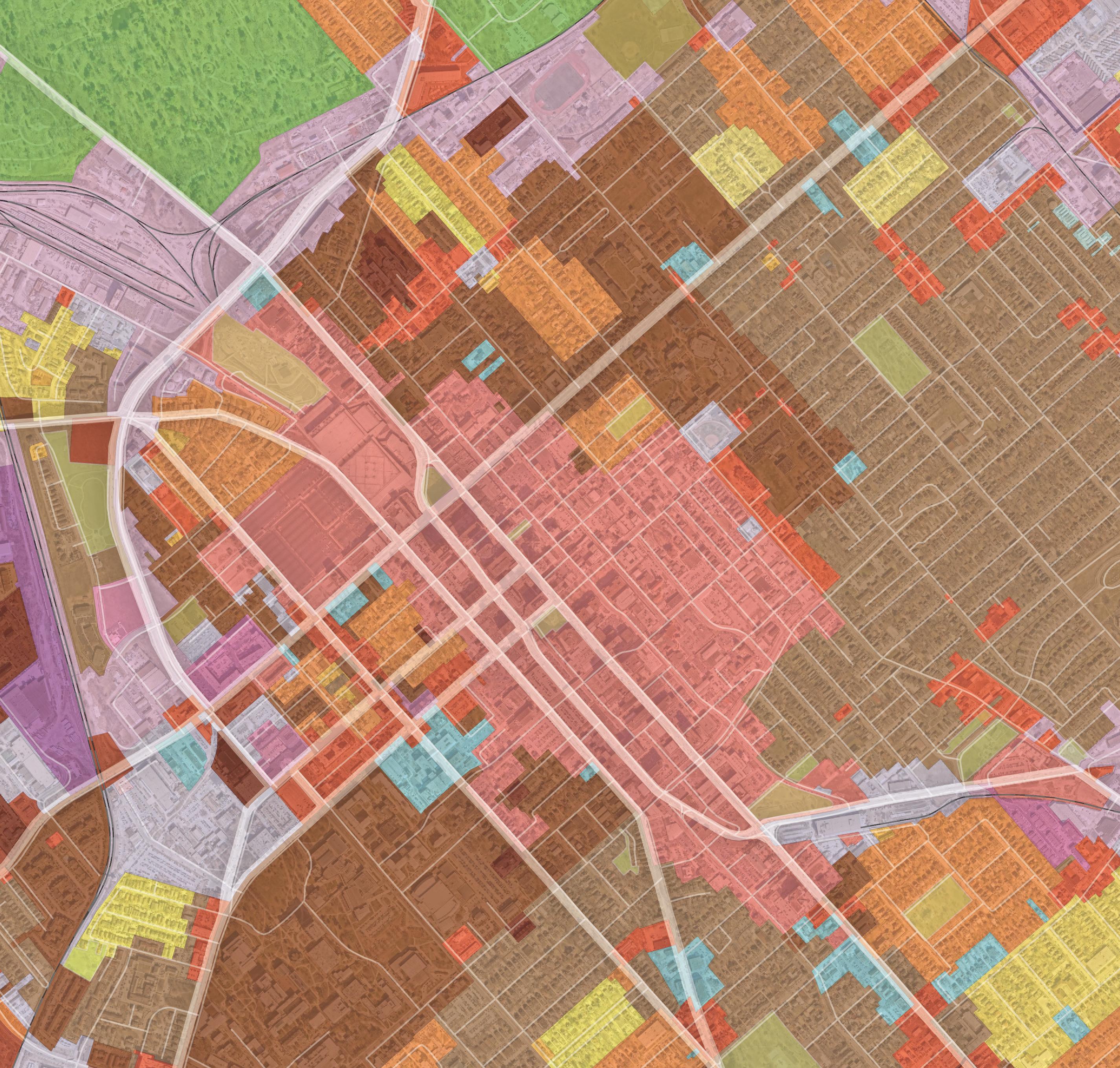
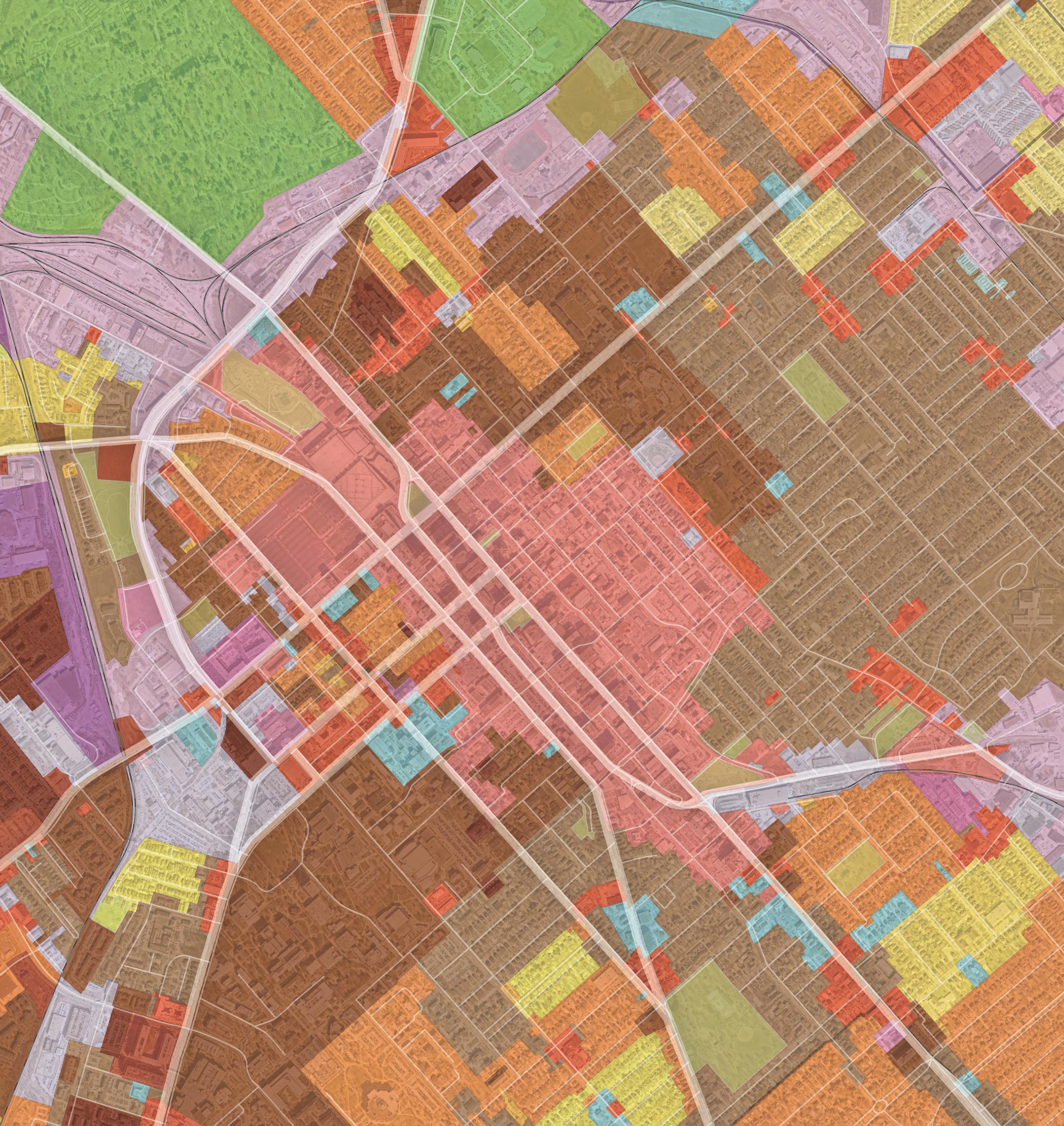
» The bulk of the Downtown Core is zoned B-2 (Downtown Business) and B-2B (Center Business), and is generally surrounded by R-3 and R-4.
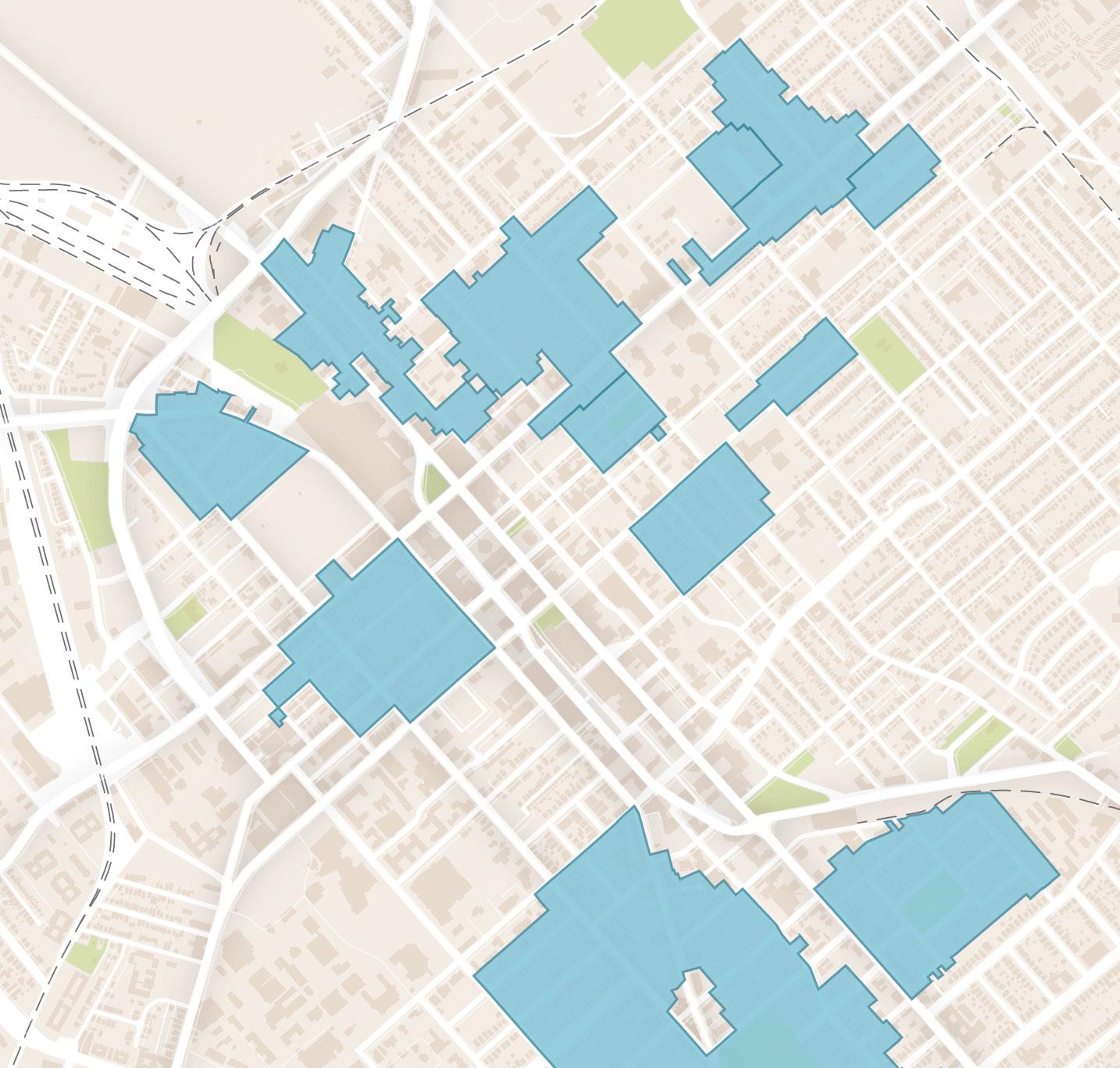
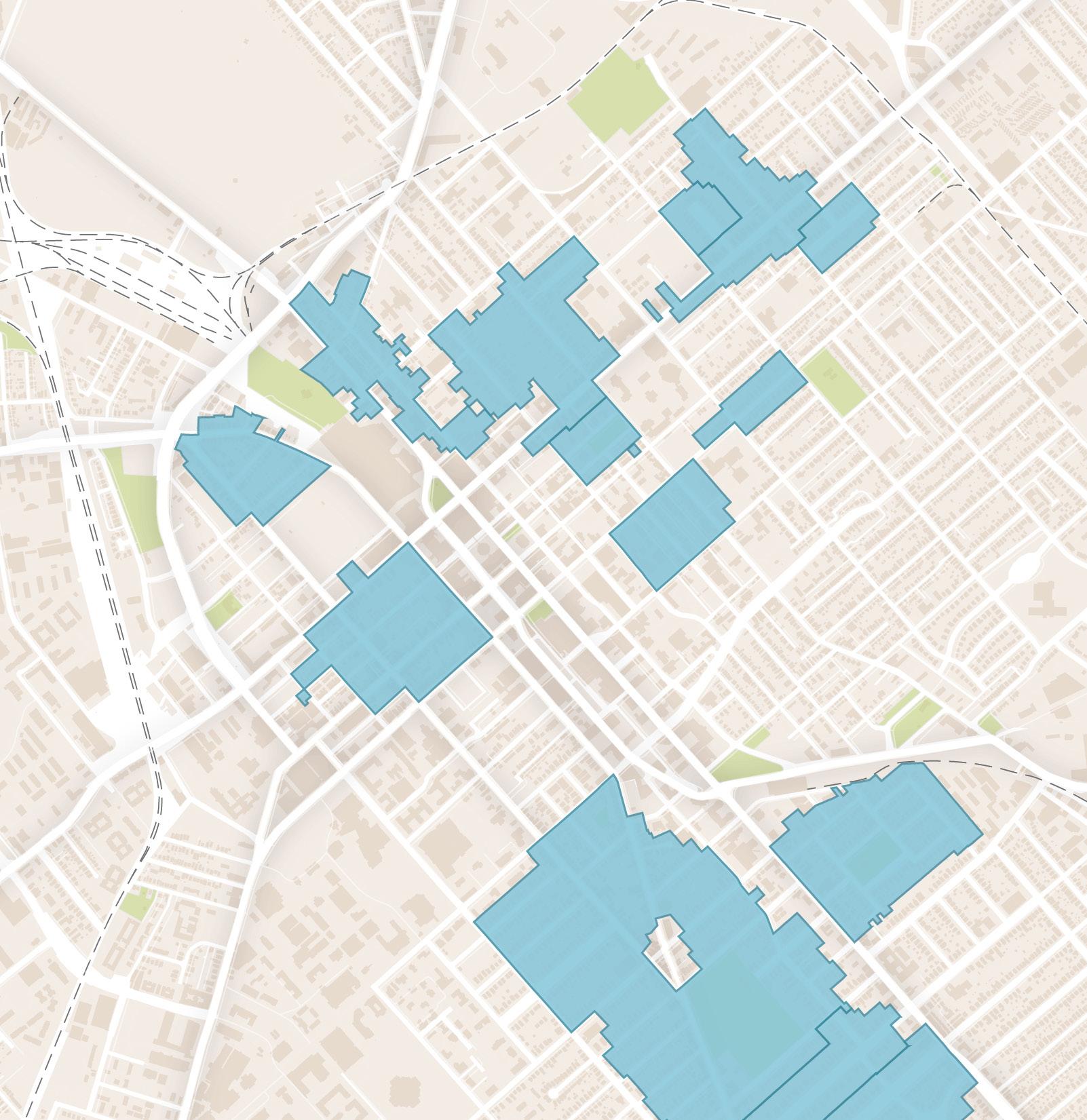
» The Downtown Core is home to 8 of Lexington’s 15 Local Historic (H1 Overlay) Districts, concentrated between Main Street and Fourth Street.
Lessons from Successful Implementation
Lesson 1
Have a dedicated funding source that is not dependent on political jurisdictions.
Lesson 4
Provide the vision for downtown and participate in implementation of catalytic projects.
Lesson 7
Match staffing to the vision and mission of the organization.
Lesson 2
Being independent allows to focus on what is best for downtown and the mission to improve downtown.
Lesson 5
Participate in the development ecosystem.
Lesson 3
Have an engaged, dynamic leader.
Lesson 8
Be focused and intentional.
Lesson 6
Form partnerships and develop relationships to enable complex projects and create lasting change.