Planning Commission Work Session | April 16, 2026

Planning Commission Work Session | April 16, 2026
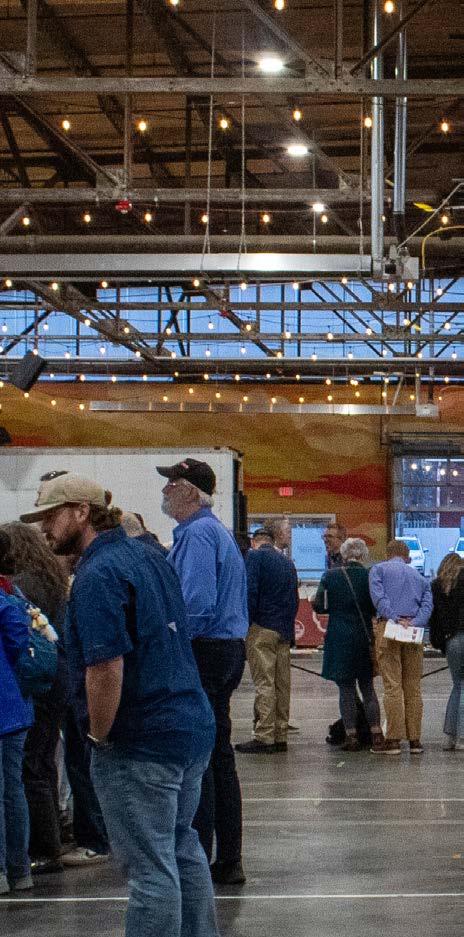
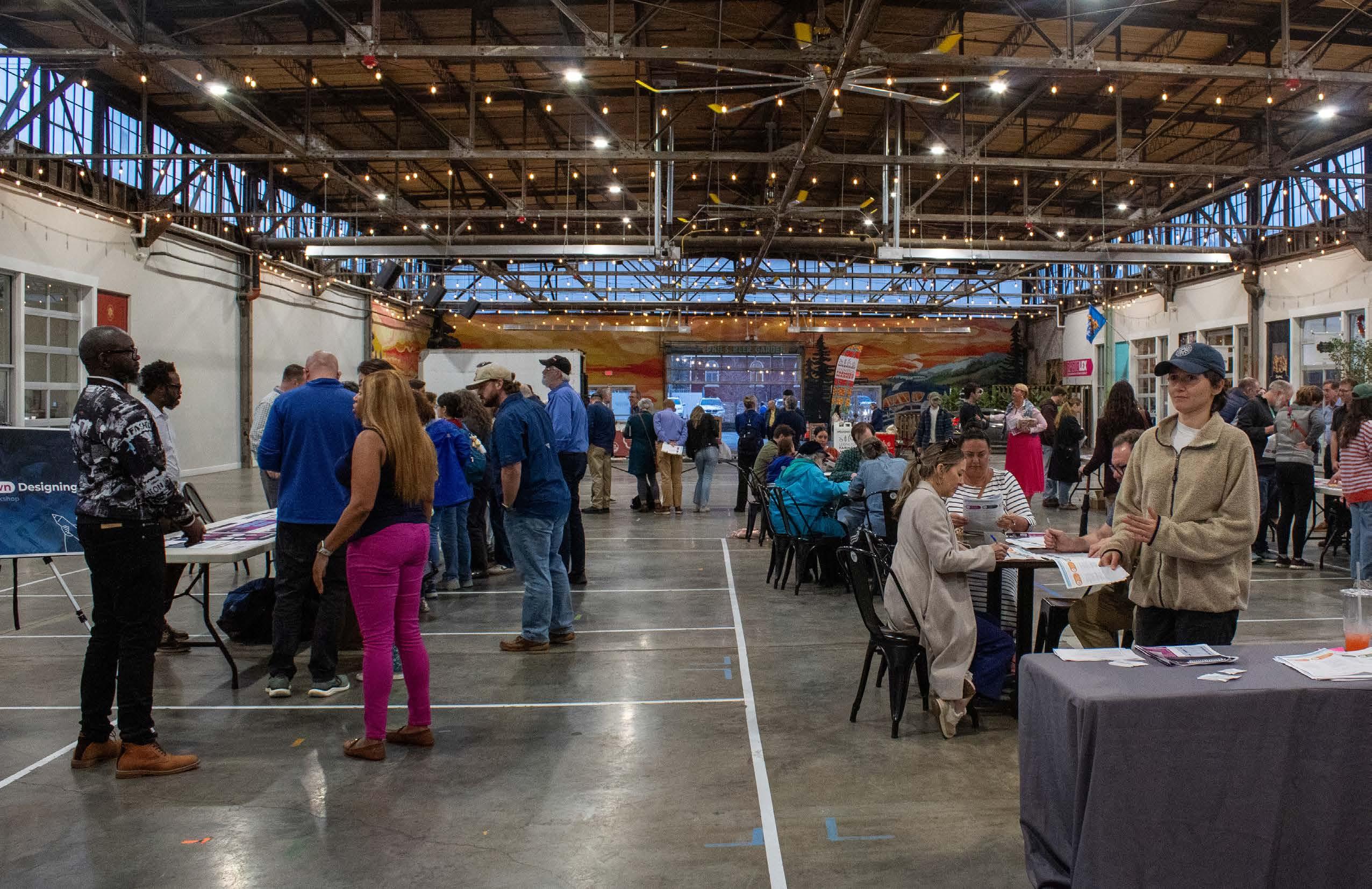
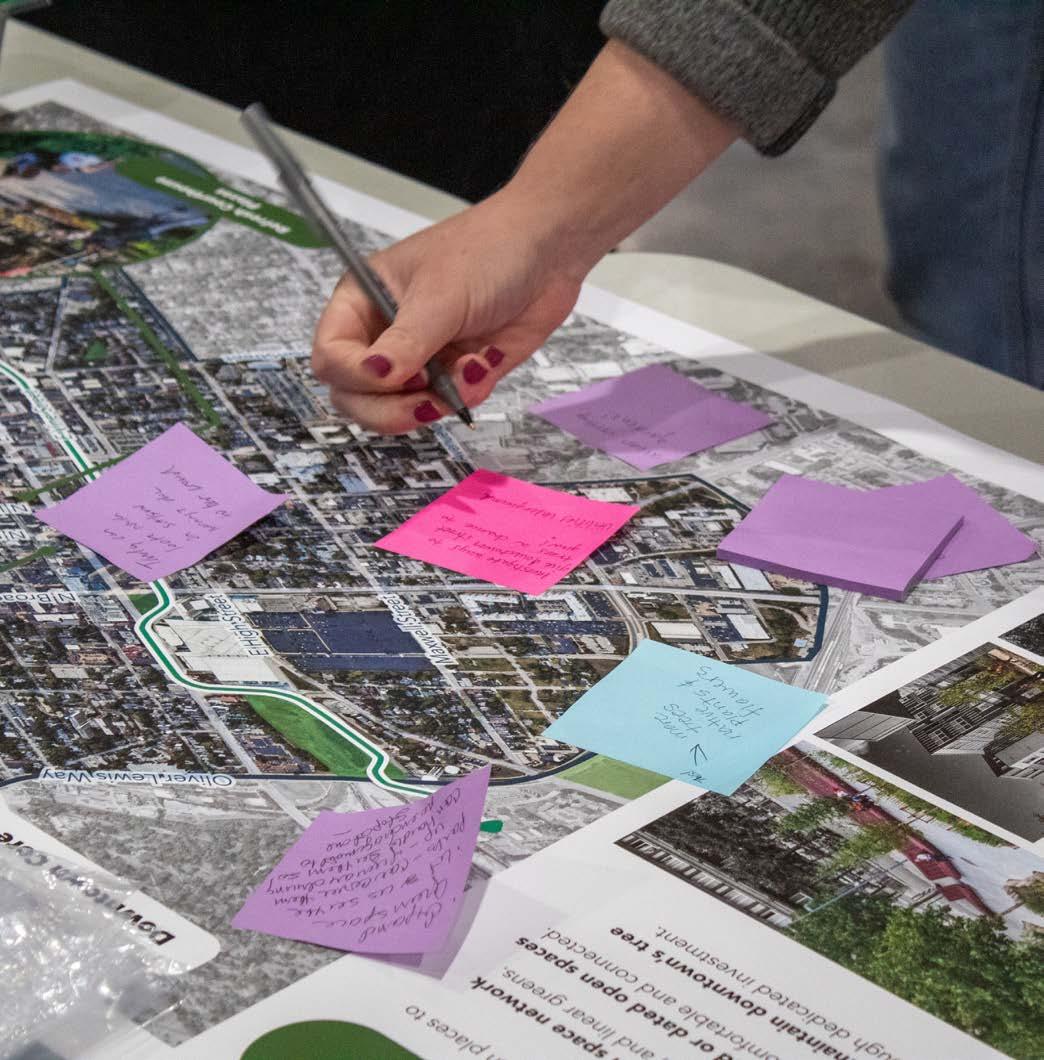
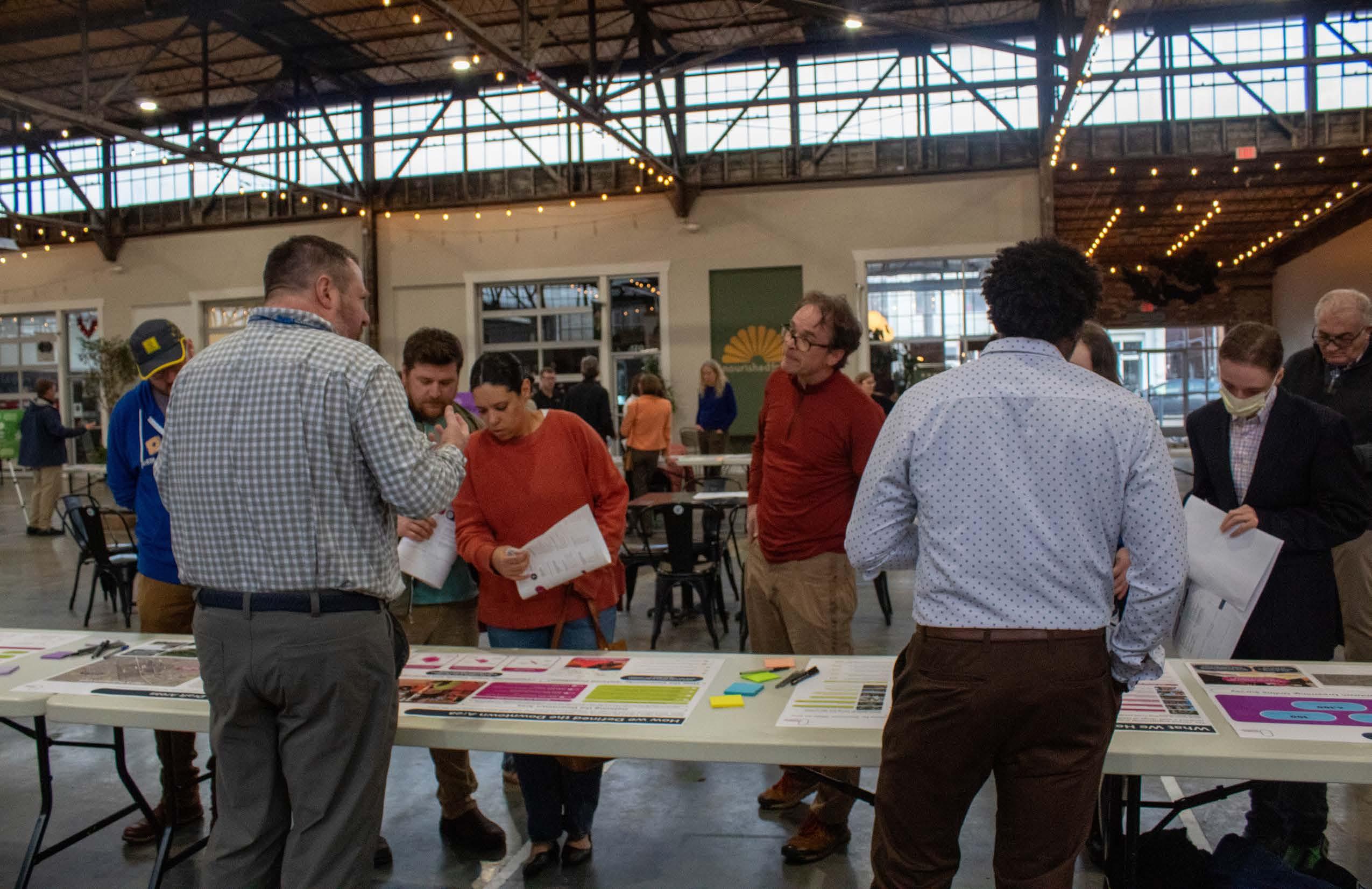
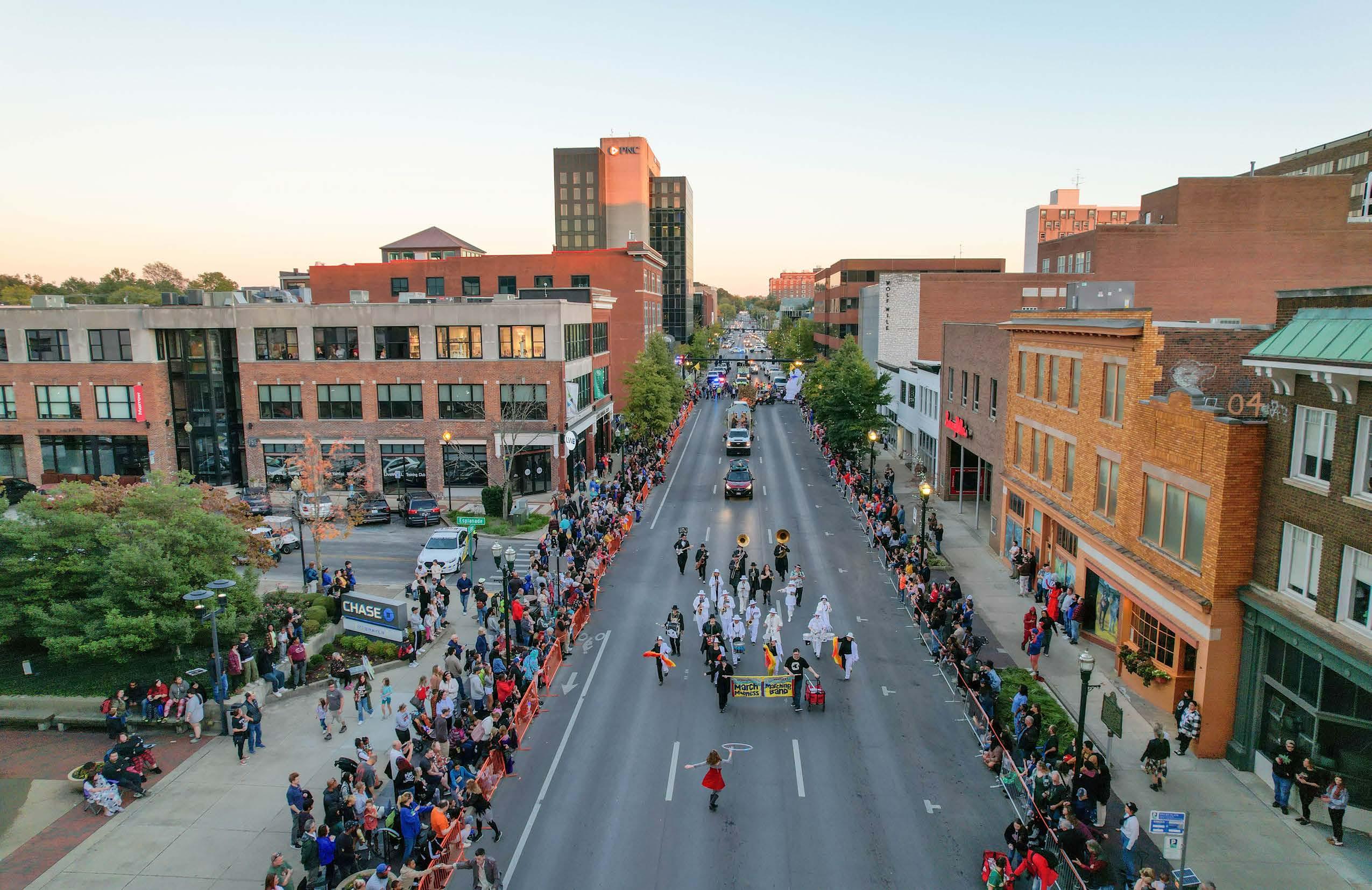
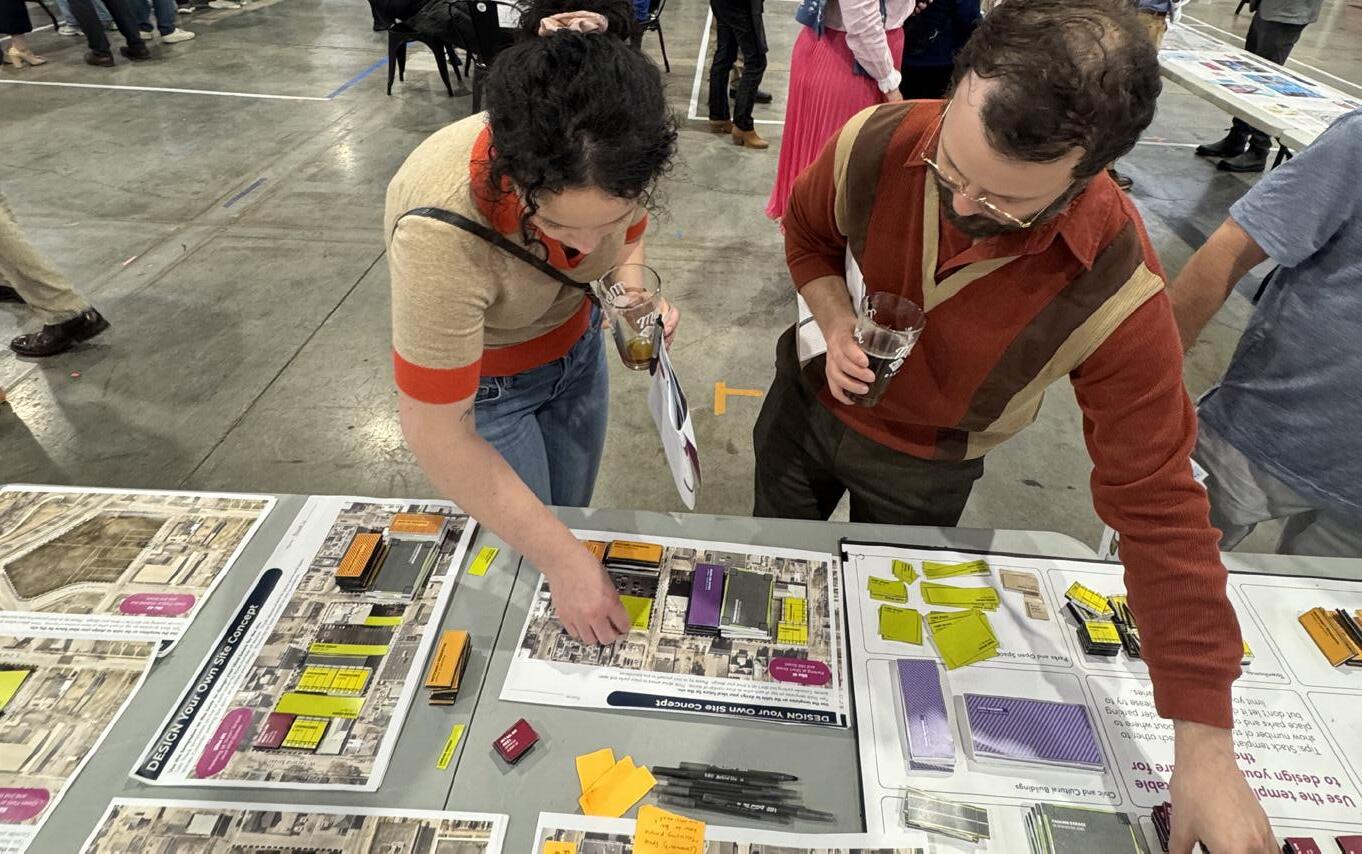
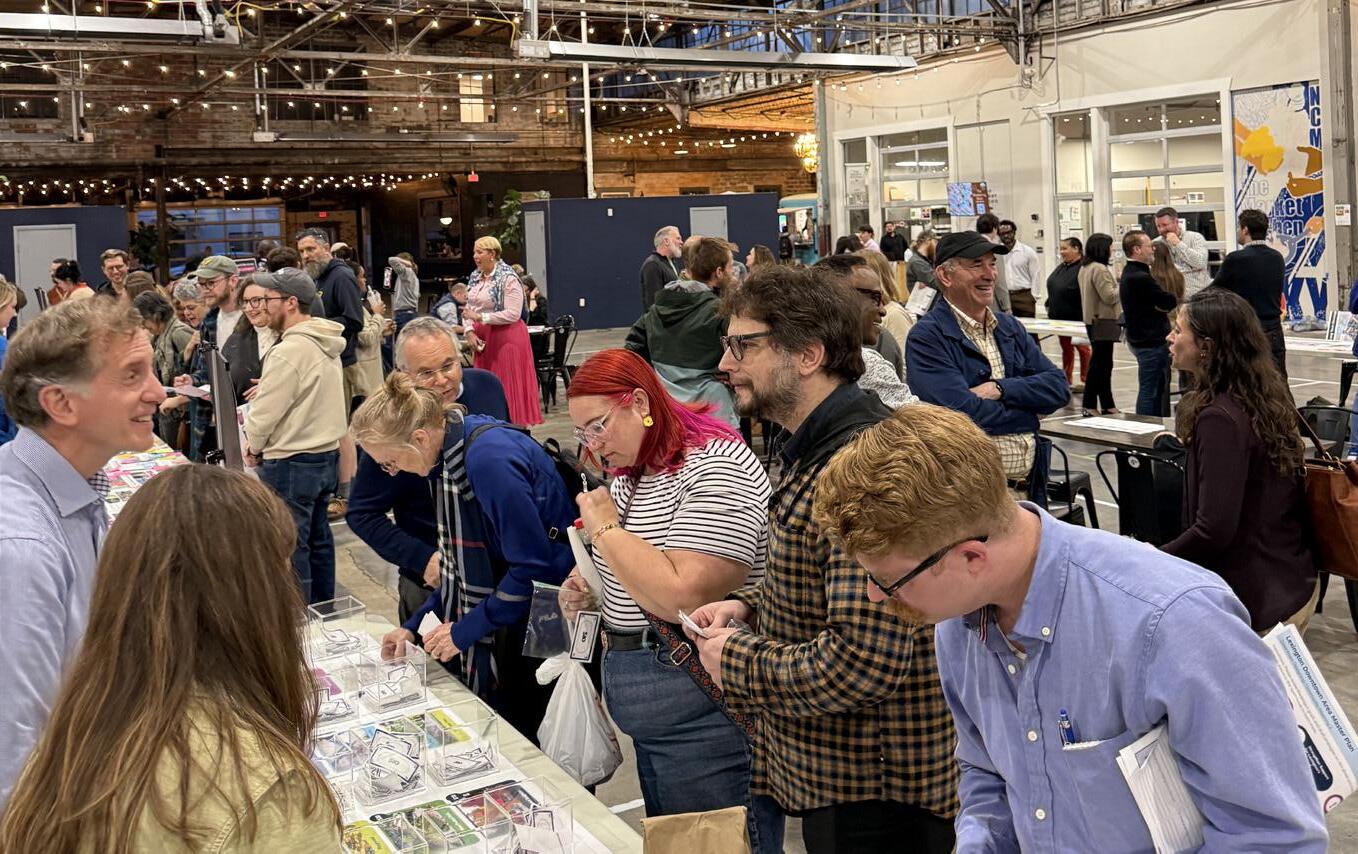
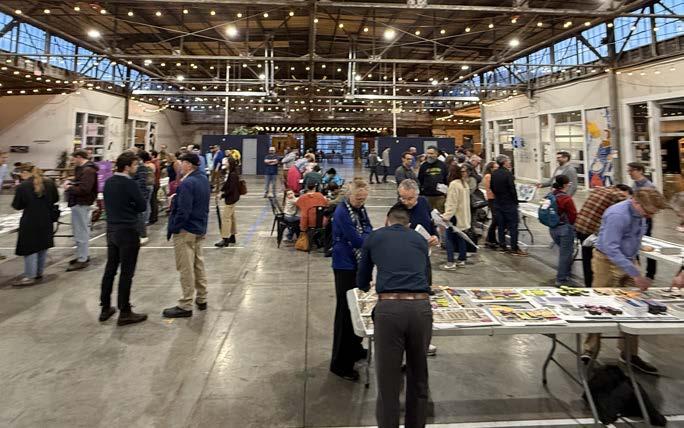
The planning team hosted the second of three community meetings on March 4. Attended by more than 150 people, this event included various interactive activities where Lexingtonians could help design ideas for downtown.
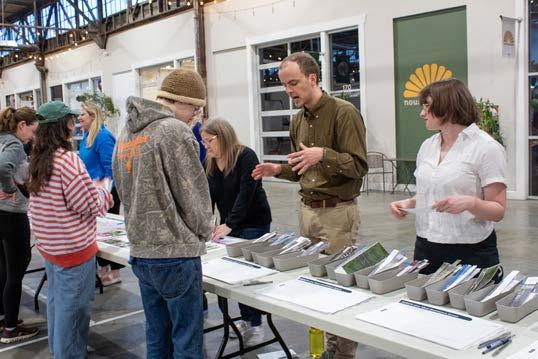
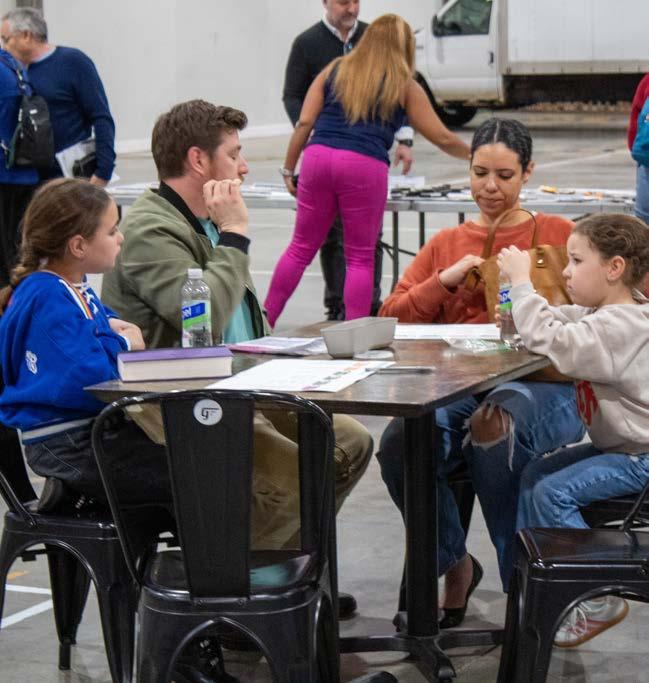
150+ Lexington residents, visitors, and students!
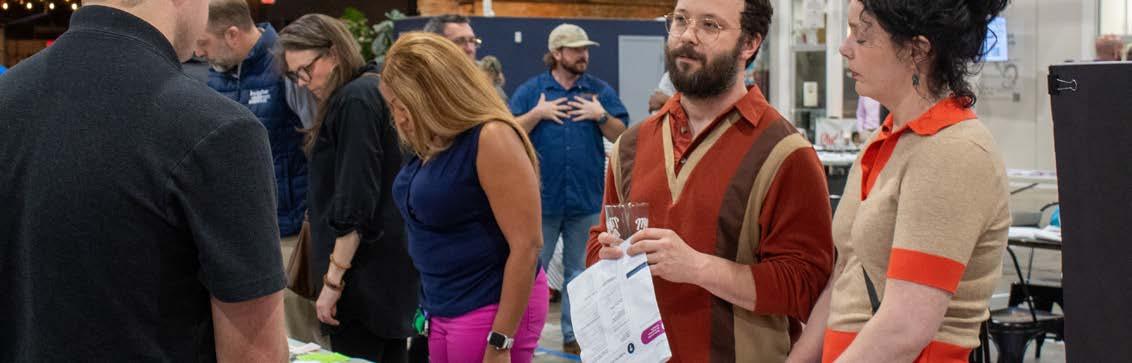
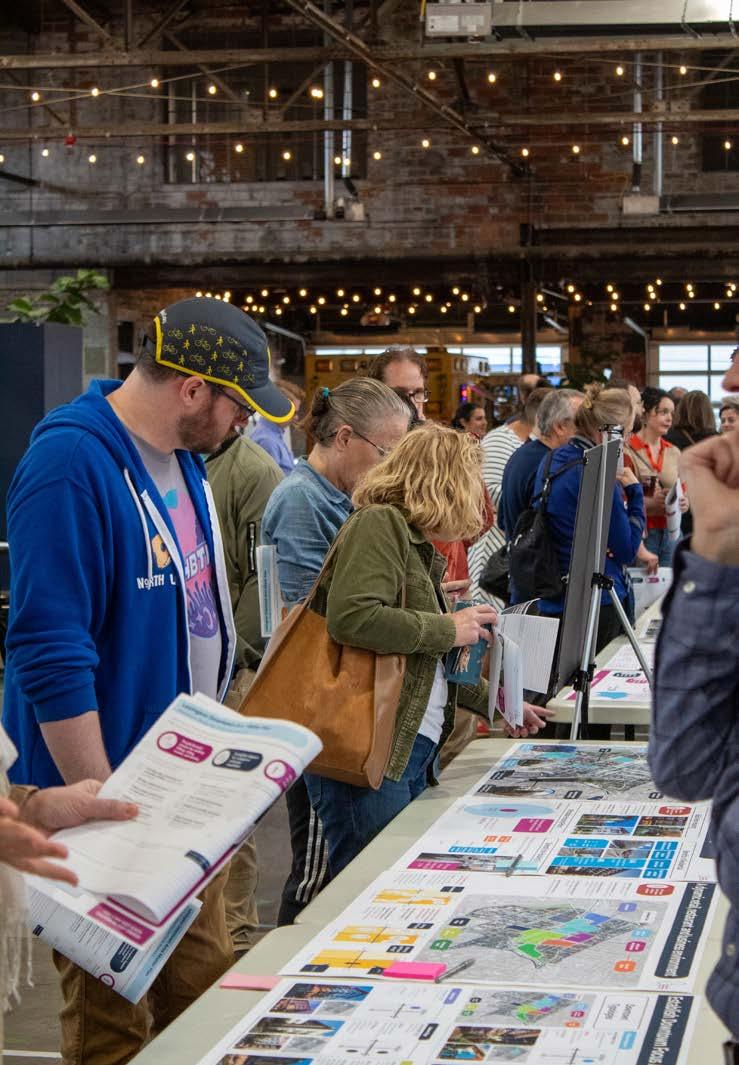
Following the interactive workshop, the planning team hosted an online survey with similar questions and activities as the Downtown Designing event. The survey was active between Monday, March 9 and Sunday, March 29 and shared by LFUCG.
258 total survey responses (90% of which did not attend the interactive workshop)
53% of survey respondents live or work downtown Survey respondents mostly live in the 40502 (12%) or 40508 (25%) ZIP Codes
Work on the downtown visitor experience
Create a connected downtown
Have a dynamic retail, restaurant, and business environment Support Lexington’s unhoused population.
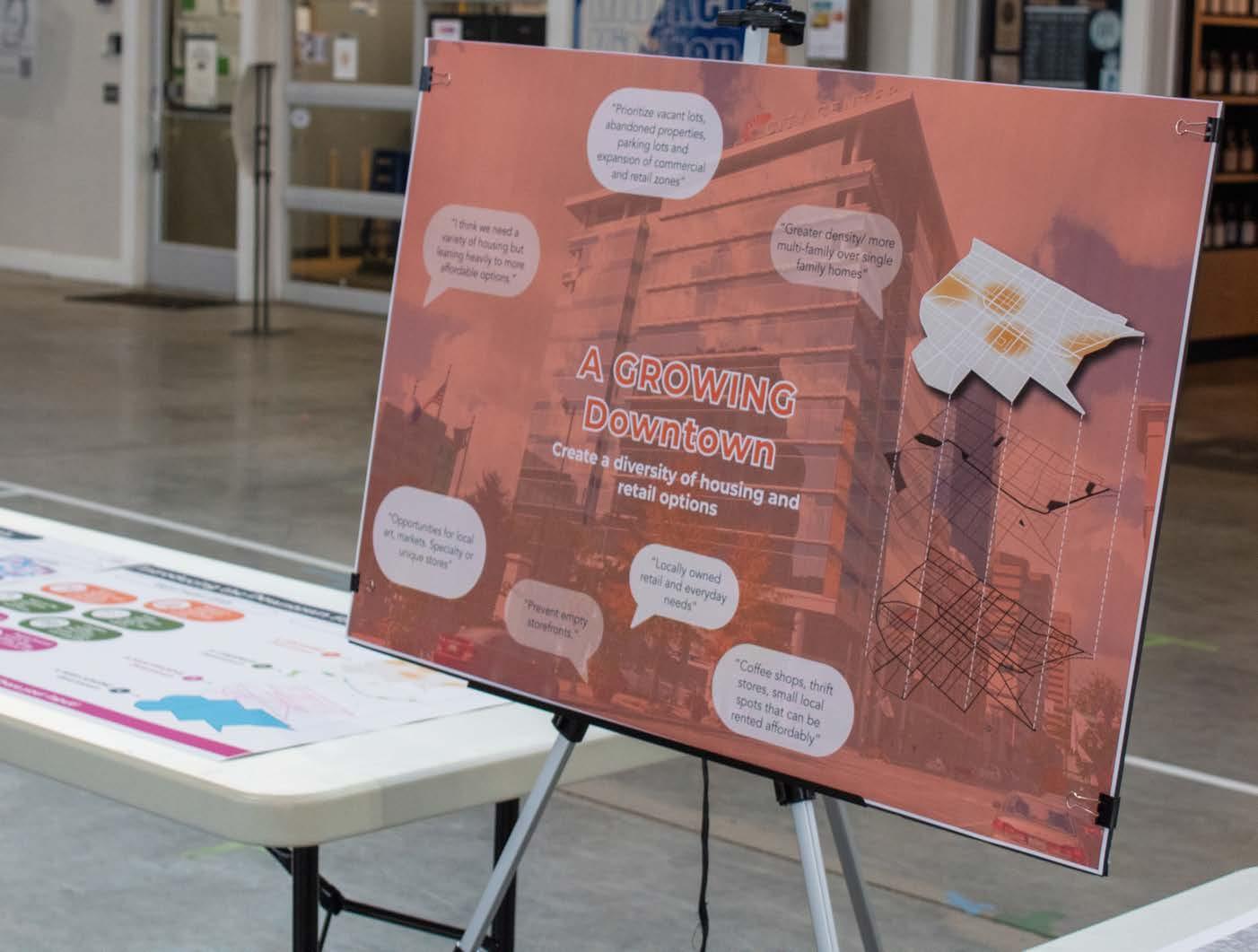
Build more downtown housing at various price points
Keep downtown special, unique, and vibrant.
Continue making Downtown green, active, and enjoyable
People-focused streets for walking, biking, riding transit, and driving.

“Infill! Reuse! Rent prices are comparable to California! :(“
“What do you consider to be affordable and to what social economic class?”
“Greater density/ more multi-family over single family homes.”
“We need integrated regenerative green spaces for affordable housing.”
“Prevent empty storefronts.”
“Infill yes - but have them match architecture of the area.”
Build more downtown housing at various price points
73% Promote adaptive re-use of underutilized buildings, particularly to support added housing.
48%
Create and leverage tools to support a spectrum of housing that serves a diversity of needs and addresses affordability.
Add housing to increase vibrancy and support more resident focused services. 42%
We asked people which strategies resonated the most.
Top things we heard:
Strong support for affordable housing.
Strong desire for, adaptive reuse, and walkable mixed-use.
31% Include homeownership opportunities at downtown edges near park spaces and neighborhoods.
Focus investment in workforce and affordable housing in areas separate from more entertainment-oriented spaces. 25%
Protect existing residents and historic neighborhoods
Top things we heard:
Support for local and small business.
Make downtown selfsufficient with daily needs like grocery stores and services. 01 01 02 02 03 03
Desire for a vibrant and diverse downtown.
Have a dynamic retail, restaurant, and business environment
Encourage start-ups and artists in appropriate areas through targeted programs, affordable lease rates, and clustering of likeminded people.
Create and cluster residentfocused retail program in area(s) where a greater density of housing will be focused.
Establish focus areas to guide development types to suitable and feasible areas. Support student-oriented housing and uses in area(s) closest to higher education campuses.
Continue visitor momentum through hotel and visitorfriendly experiences in select areas.
Online survey respondents were asked what types of uses or features they would you like to see included if they were designing new development in downtown, ? Select your top 3 from the list below.
“Restaurants, retail, small businesses.”
“High rise residential which fresh grads and young adults like.”
“Mixed Use with Rowhomes & Greenspace.”
77% - Mixed Use Residential (Ground level retail with housing above)
63% - Green or Open Space
40% - Multifamily Housing
30% - Mixed Use Office (Ground level retail with office above)
“We need more residential density in taller buildings, that provides affordable housing for a greater number of people.”
“Anything to increase density and upward versus outward growth. I love how Cincinnati has a big city feel to their downtown, but they are similar in population.”
19% - Townhomes
18% - Stand-alone retail or restaurant spaces
16% - Other
10% - Civic Buildings
9% - Hotel or Hospitality
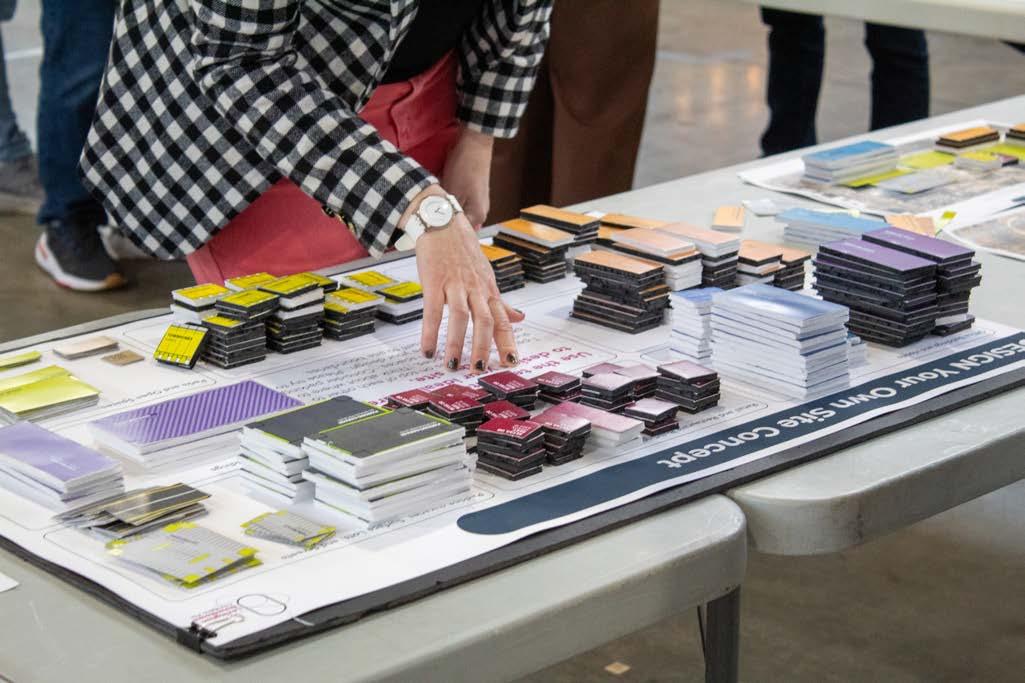
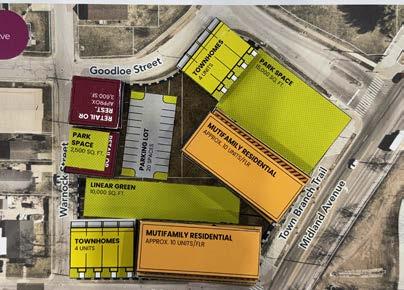
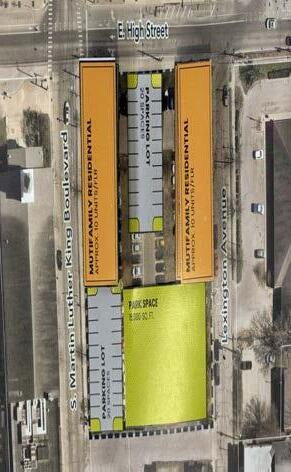
Public meeting attendees were able to design one of three sites in downtown, using a kit of parts.
23
Total site concepts by meeting attendants
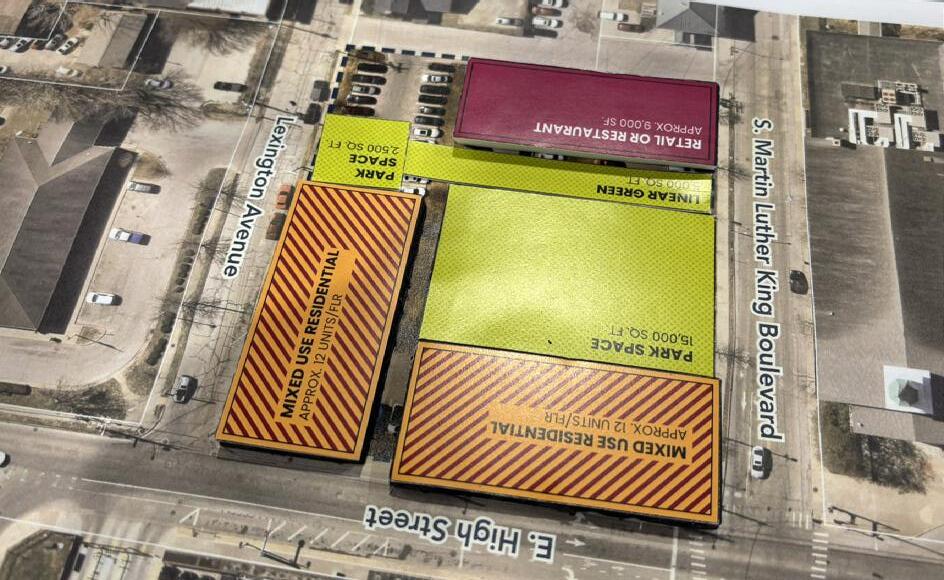
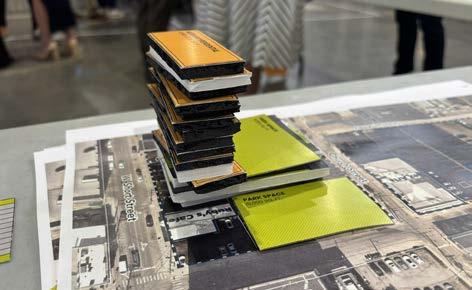
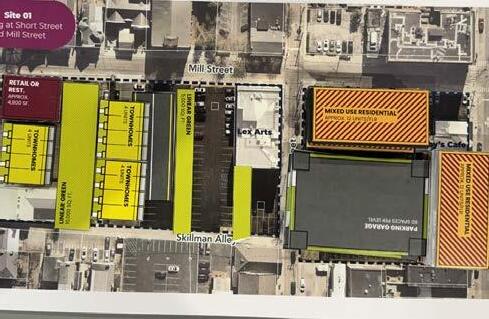
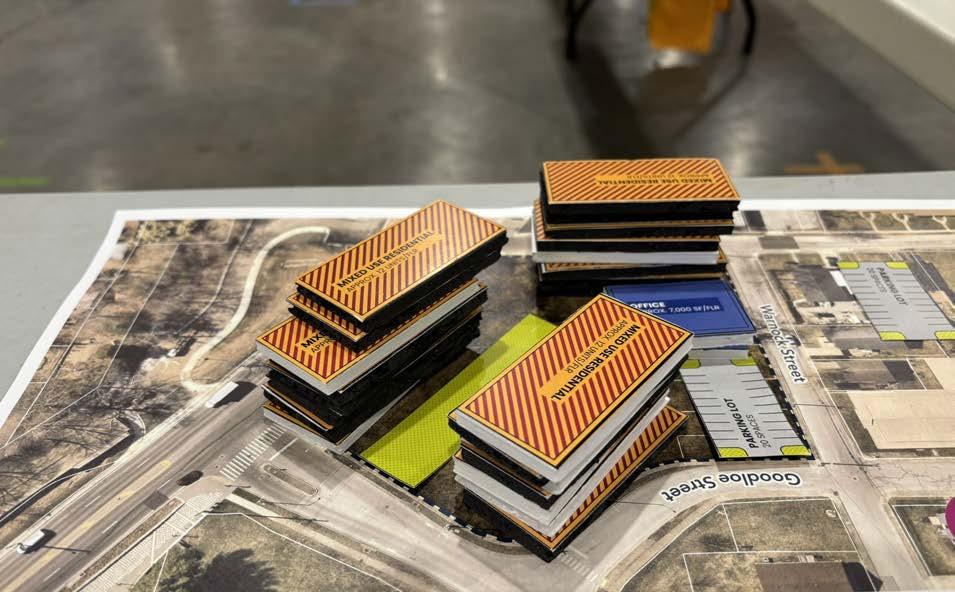
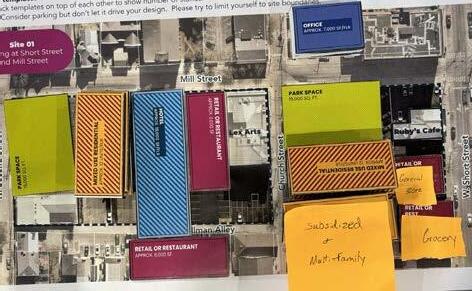
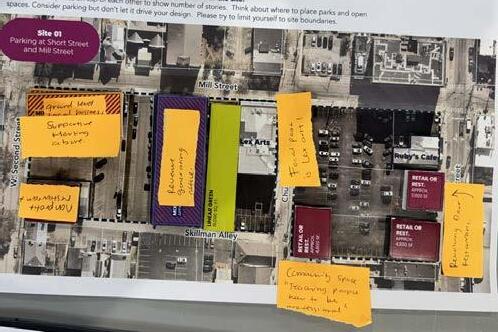
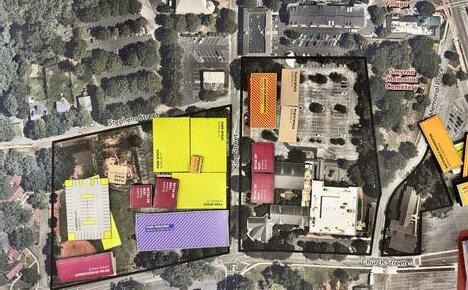
60% of site concepts included mixed use buildings
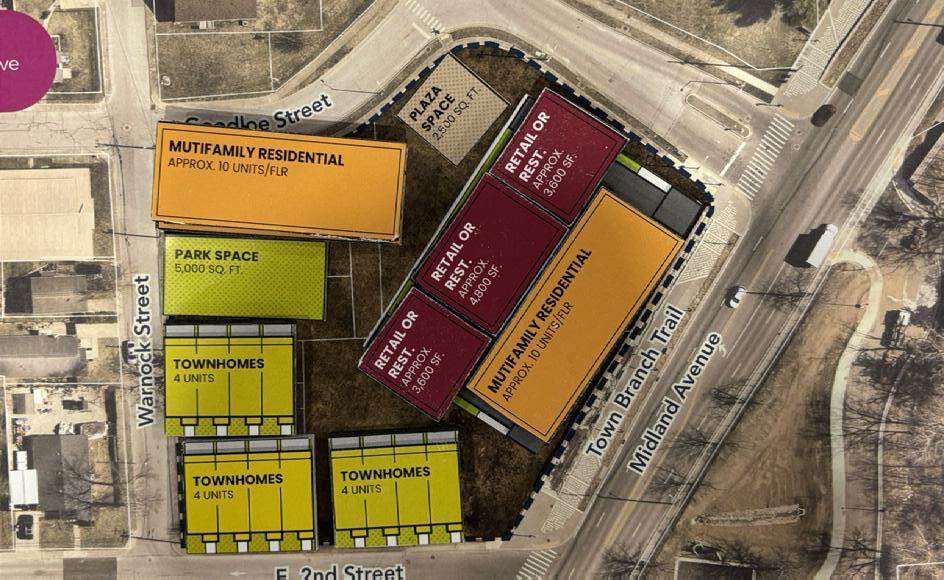
80% of concepts included at least 1 acre of green space
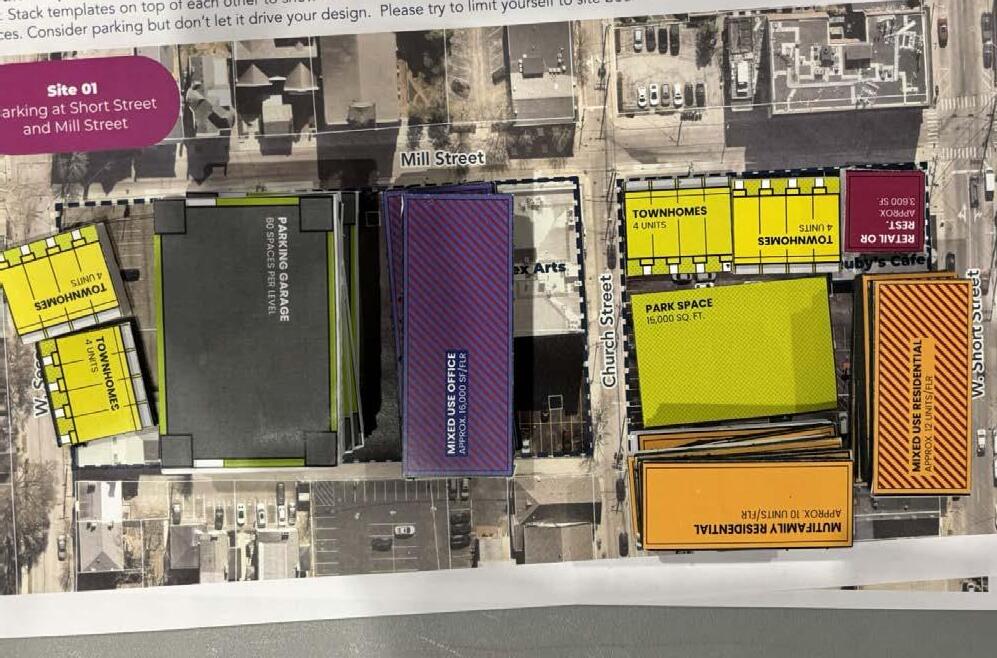
20% of site concepts included office buildings
“Open space with opportunities of walking, group talk, open community activities.”
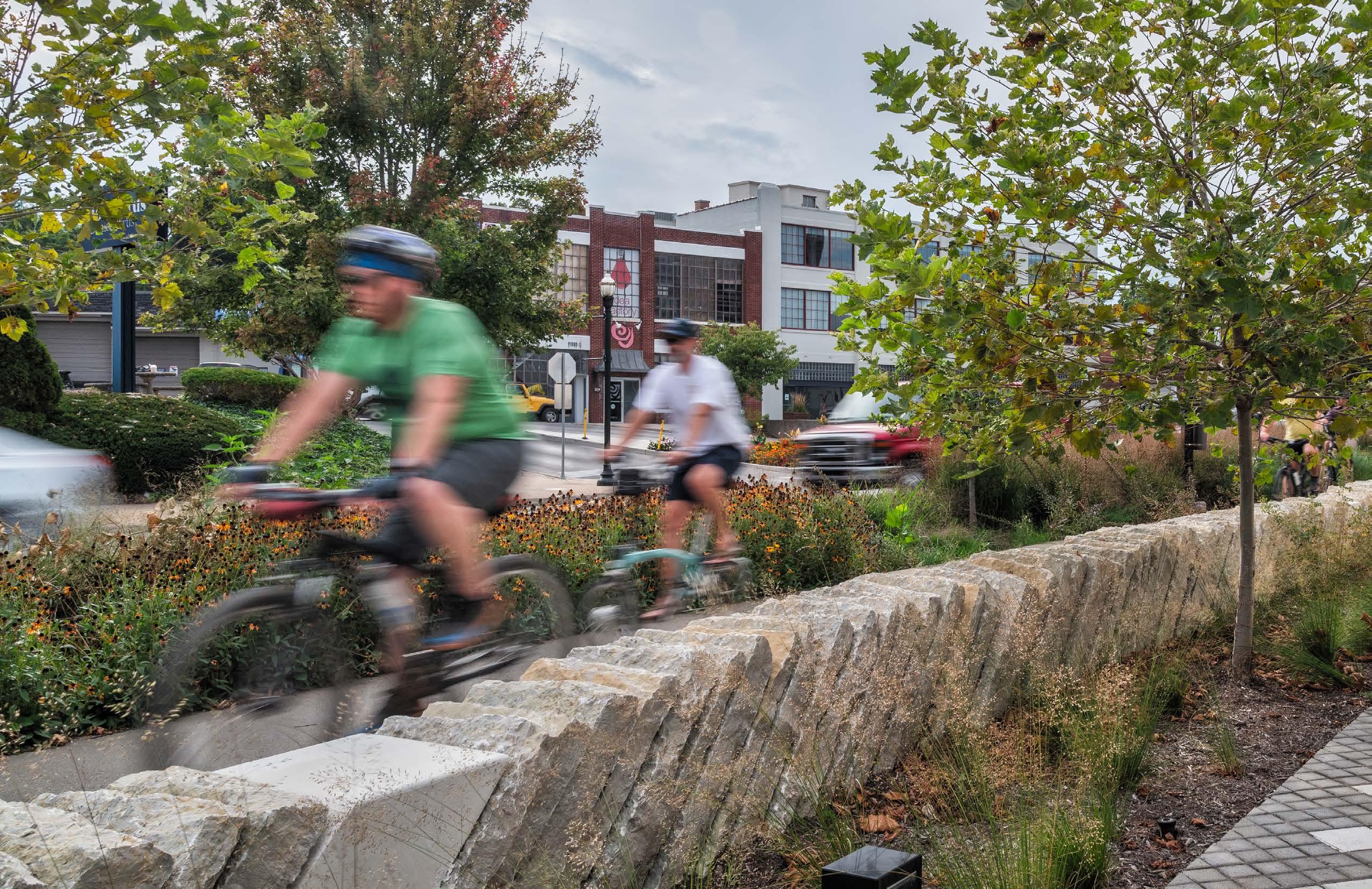
“When people come to Lex they should leave with an idea of the city’s culture + identity.”
“Tree canopy! On the north side is not as good would love to see that increase.”
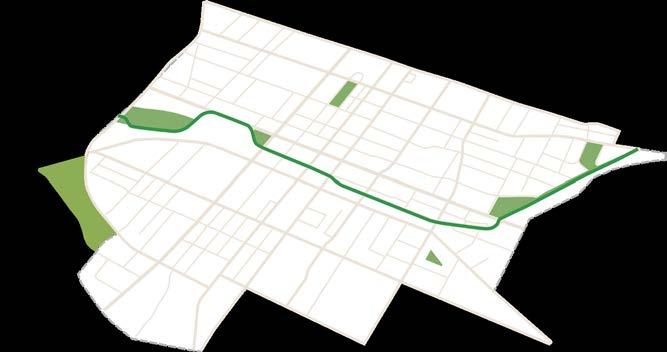
“Love the Legacy Trial and the connection with the Town Branch Trail. I would love to see more of this .”
“Make signage brand coherent and inspiring/interactive.”
“Protected or off road bike paths for each corridor.”
We asked people which strategies resonated the most.
Keep downtown special, unique, and vibrant.
59%
Delight downtown spaces with public art and whimsy.
55%
Showcase downtown neighborhoods’ unique identities and character.
40% Develop a cohesive Downtown Lexington identity.
28%
Design gateways that announce and celebrate downtown.
Celebrate local artists and authentic Kentucky identity.
Historic preservation and local ownership. Safety and Cleanliness are priorities before aesthetics.
Work on the downtown visitor experience
Connect existing and future destinations with linear greens, high quality trails, and safe crossings.
Establish clear and consistent signage and wayfinding.
Expand the capacity of the Downtown Lexington Partnership to steward downtown initiatives.
Improved mobility, walkability, and transit.
Wayfinding, signage, and information access.
Resident-centered, green, and engaging public spaces.
Continue making Downtown green, active, and enjoyable
Refresh underutilized or dated open spaces so they better connect with their surroundings.
Improve and maintain downtown’s tree canopy through dedicated investment.
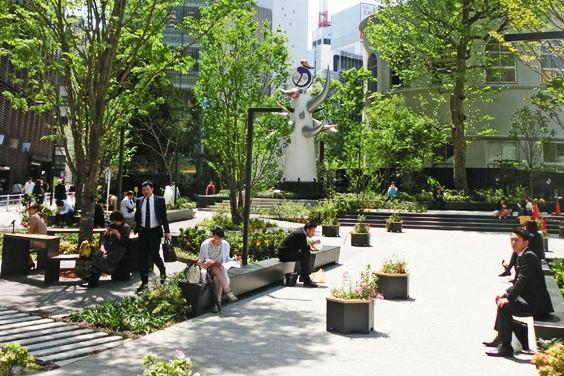
Expand downtown’s green space network with plazas, pocket parks, and linear greens.
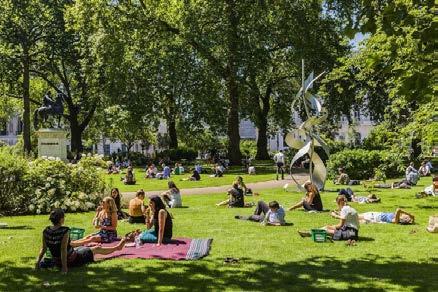
Activate existing park spaces with places to linger and recreate.
Prioritize tree canopy and native landscaping.
Preserve and enhance existing green spaces.
Rethink surface parking and add Community-oriented spaces.
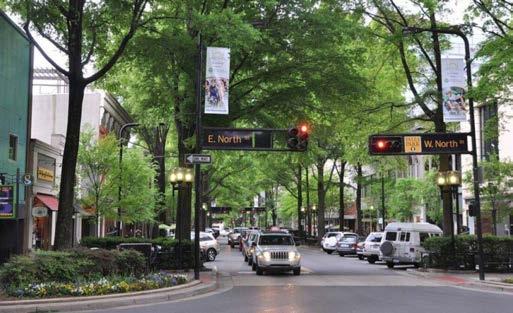
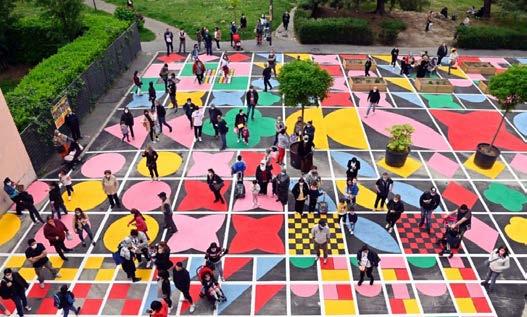
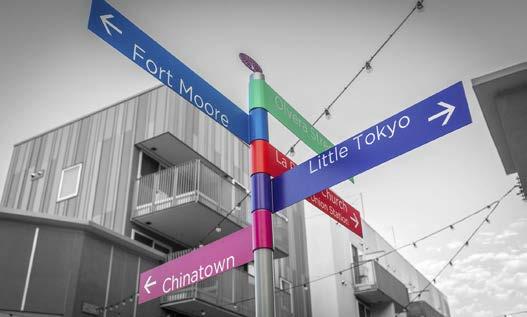
Public Meeting participants were given a total of $100 to spend toward park and open space improvements downtown. With these limited funds, they were able to select from the items below to tell us how they would spend their $100.
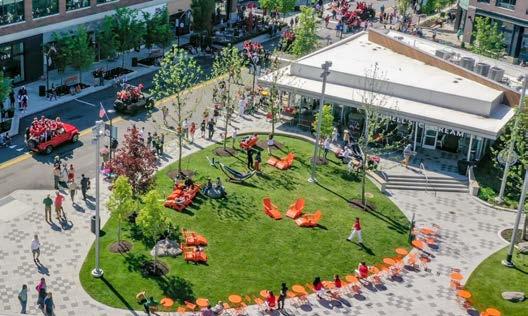
Online survey respondents were asked: of the parks and open space improvements below, which ones would like to see more of in Downtown Lexington? Please only select your top 3.
“Combine rather than separate public parks and playgrounds such as Gatton and Phoenix parks.”
“Build parks, with lots of trees and greenery.”
“More biking and walking”
“How about more connectivity of the parks and how to get to the parks from the surrounding downtown buffer parks, so that you draw people from these zones to go downtown more through the parks.”
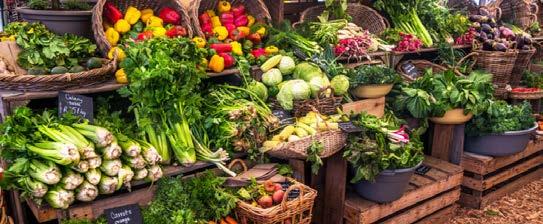
“More integrated green spaces/ gardens food production.”
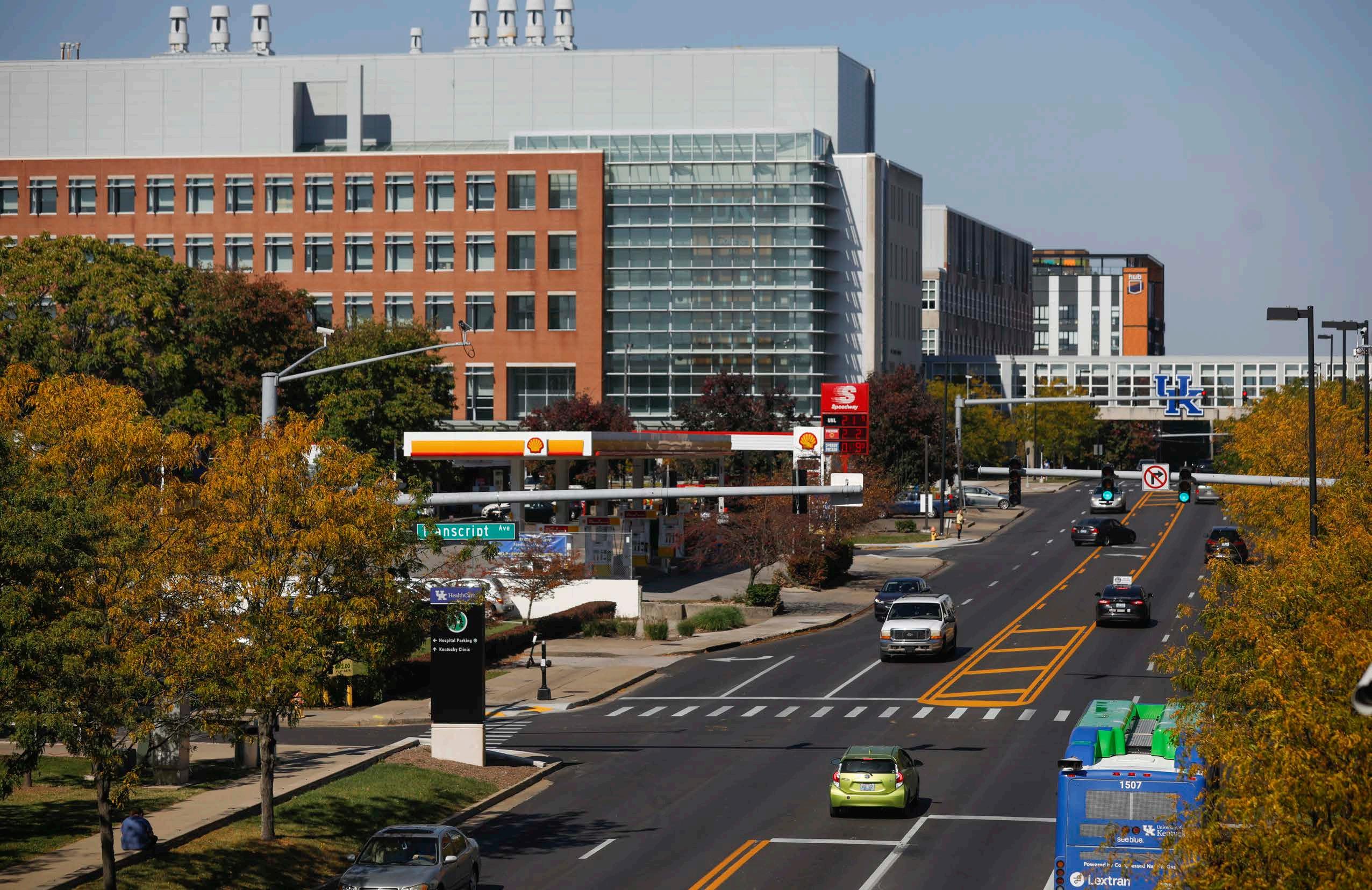
“We need to find ways to make downtown an economic cultural and social heart. That will draw the outskirts in..”
“Transit needs to be available to all neighborhoods.”
“True bus service regular airport buses lex is expanding routes.”
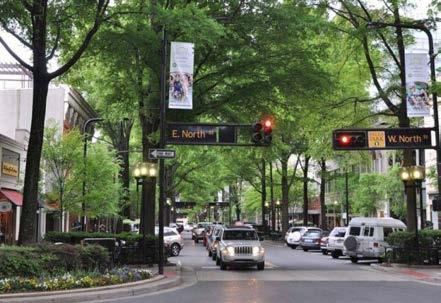
“All sidewalks need to be attractive with greenery. Whenever I walk down town its unpleasant with cars speeding empty lots and broken sidewalks with garbage cans.”
“Improved bike lanes and rapid bus transit across the city.”
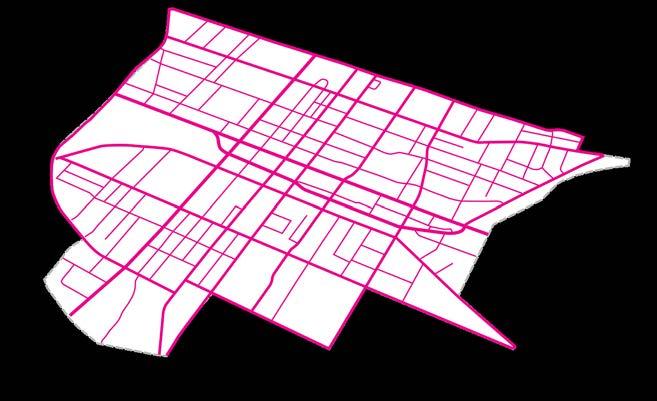
Create a connected downtown at the neighborhood, city, and regional scale.
67% Stitch downtown to adjacent neighborhoods, campuses, and destinations through low stress walking/ biking links.
60% Improve citywide transit access to/from/within downtown by increasing frequency, legibility, and dignity in the transit process.
We asked people which strategies resonated the most.
Expand and invest in public transit options.
Enhance bike and pedestrian infrastructure.
Cohesive, multimodal connectivity across the city
41%
Tie downtown into the broader region with clear transfer points, park-once options, and intercity mobility.
34% Make navigation intuitive inside downtown with unified signage, maps, and real time information.
Prioritize pedestrian safety, and active transportation.
Enhance traffic management.
Improve multimodal and public transit options.
People-focused streets for walking, biking, riding transit, and driving.
Prioritize safe, comfortable, and accessible facilities for people walking and biking.
Design streetscapes that enhance safety, comfort, and placemaking.
Adopt context sensitive speed management and traffic calming measures.
Manage vehicle movement for safety and multimodal balance.
Integrate parking strategies for mode shift and curb management.
Design for future mobility options and innovations. 27%
Public Meeting attendees were asked to design their ideal downtown street using the Kit of Parts.
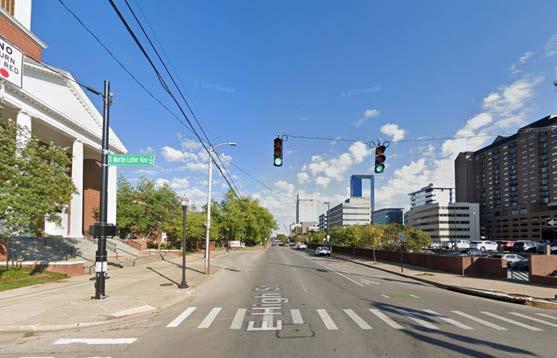
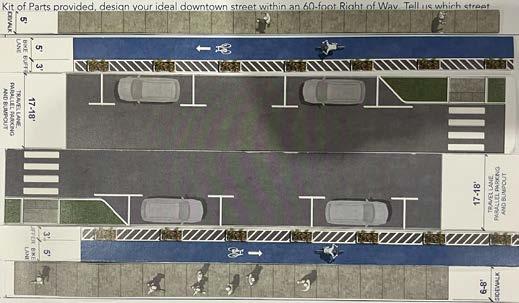
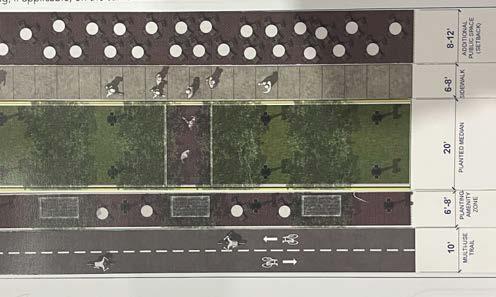
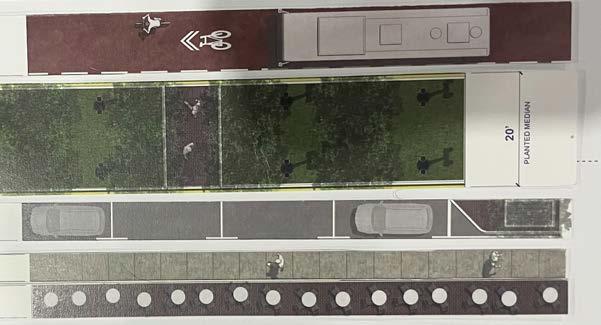
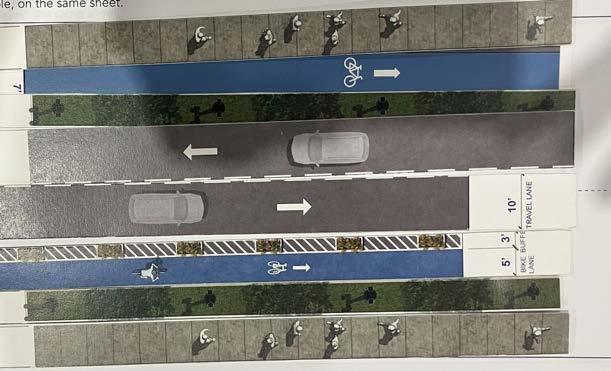
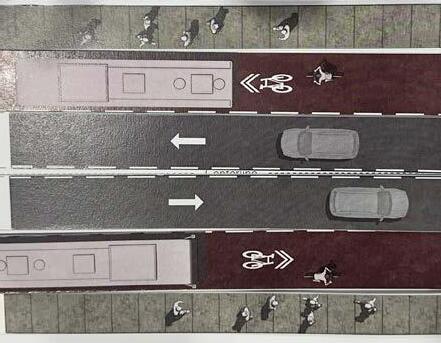
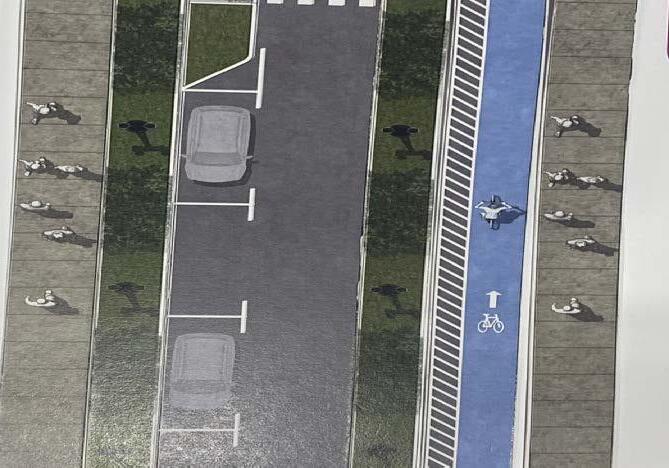
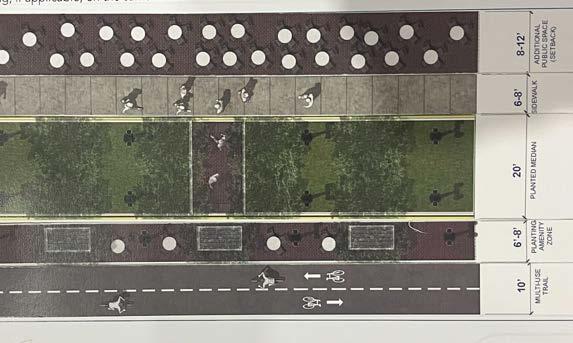
Online survey respondents were asked about their ideal downtown streets, what types of facilities they would prioritize? Rank each of these from low (1) to high priority (5).
Streetscape improvements (street trees, seating, etc.)
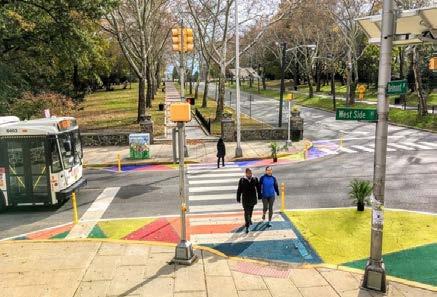
Safer Crosswalks
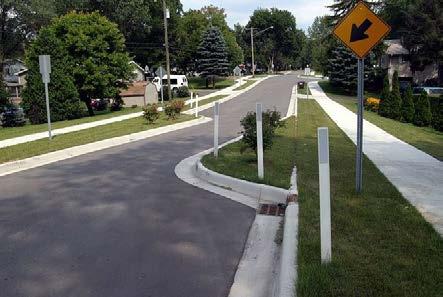
Traffic calming measures (bump-outs, on-street parking, etc.)
On-Street bike infrastructure (bike lanes, cycletracks, etc.)
Wider Sidewalks
Intersections/ Signalization improvements
Vehicular
Travel Lanes
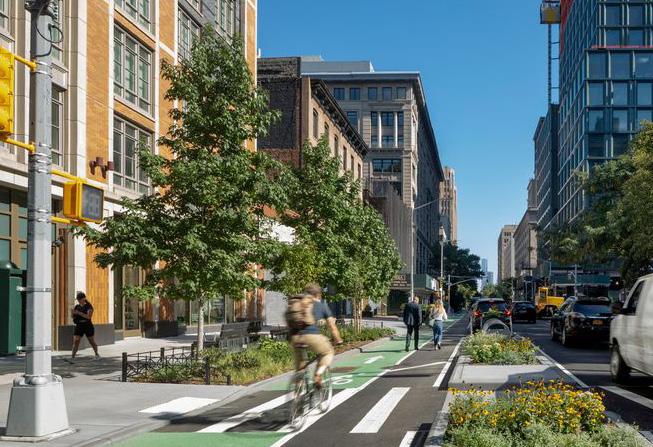
Streetscape improvements
“We should ensure that this includes wide and refreshed sidewalks which are flat and accommodate groups of people.”
“Protected bike lanes as opposed to just painted.”
“Support the findings identifying targeted streets to become more people-oriented.”
"Would love for the city to be more walkable in general and better traffic on main artery roads."
"Increase separated bike lanes, establish bike/walk only streets on each edge of downtown."
"All sidewalks need to be attractive with greenery. Whenever I walk down town its unpleasant with cars speeding empty lots and broken sidewalks with garbage cans.”
"Add more bus stops have benches at more bus stops have cameras at each bus stop."
"Bike boxes and other visual indicators for cars. Where to drive, where to stop."
"Stitching downtown to UK campus would be very transformative for more student engagement."
"Pedestrian only streets/ sections."
"Separated bike lanes w/ medians that have grasses = beautification = safety."
"We need a cultural trail!."
"Biking/walking. Running exploring- one city mindset for everyone to engage with! ."
"Expand trolley south toward Maxwell."
"Midland Ave Main street crosswalk can feel unsafe."
“Access to medical care like mobile clinic.”
“Definitely need to fix problems at the root or nothing will change.”
“Mental health/ addiction focus/ councilors.”
“City owned/publicly owned full time homeless shelter.”
“There needs to be a radius that day centers and shelters can be from schools..”
“Focus on tiny home communities.”
We asked people which strategies resonated the most.
Strengthen Support for Lexington’s unhoused population.
Invest in stronger supportive housing programs that provide long-term stability, not just short-term placement.
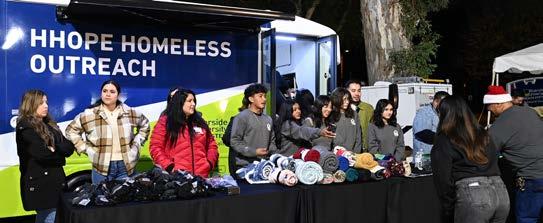
Expand outreach so more unhoused neighbors, and the broader Lexington community, know what help is available.
Simplify and centralize information so services are easier to find and access.
Share real data and real stories to replace myths with facts.
“Provide opportunities for unhoused people to engage positively in the downtown Lexington area to create a sense of belonging.”
“Leverage effective work done by local nonprofits but they need more monetary investments.”
01 02 03
Prioritize affordable and gradual-release housing. Expand mental health and support services.
Promote safety, inclusion, and data-informed strategies.
“Gradual release housing that allows for homeless to gradually rebuild autonomy supported by architecture design and empathy.”
“Longterm stability for housing would be amazing.”
Public Meeting attendees were asked to prioritize between various methods to strengthen support for the unhoused . Using five stickers, we asked people to tell us how they would like to see these prioritized.
“Additional mental health programs that fall outside of traditional therapy.”
Online Survey respondents were asked how they would prioritize between these recommendations and to rank each of these from low (1) to high priority (5).
“Gardens create food and love.”
“Community gardens (w/ classes, projects, etc)”
Transportation & Mobility (142 mentions):
Safer streets for bikes and pedestrians, and improving public transit is the dominant priority. 01
Affordable Housing (86 mentions):
Increasing affordable housing options, with strong support for adaptive reuse, infill development, and mixed-use strategies over displacement of residents.
03
Green Spaces, Trees and Parks (78 mentions):
Expanding downtown’s tree canopy, creating pocket parks in underutilized areas, and activating existing parks.
"Trees, trees! I don’t know much about these things but I do wants trees to be everywhere."
"Provide affordable rent/ subsidized housing and ownable housing. A housing plan should make living in Lexington easier for everyone.”
"More diverse housing to allow people to live work shop and play downtown."
!"More small scale retail. Make it more vibrant and interesting to walk, remove blank walls and mirrored windows."
We asked people what their PRIORITY is for Downtown Lexington
"Connect neighborhoods and encourage density without tearing down historical buildings."
"Outdoor placemaking through parks, art, inviting spaces."
"Making downtown more friendly to pedestrians."
"More affordable retail/ office spaces for local startups!"
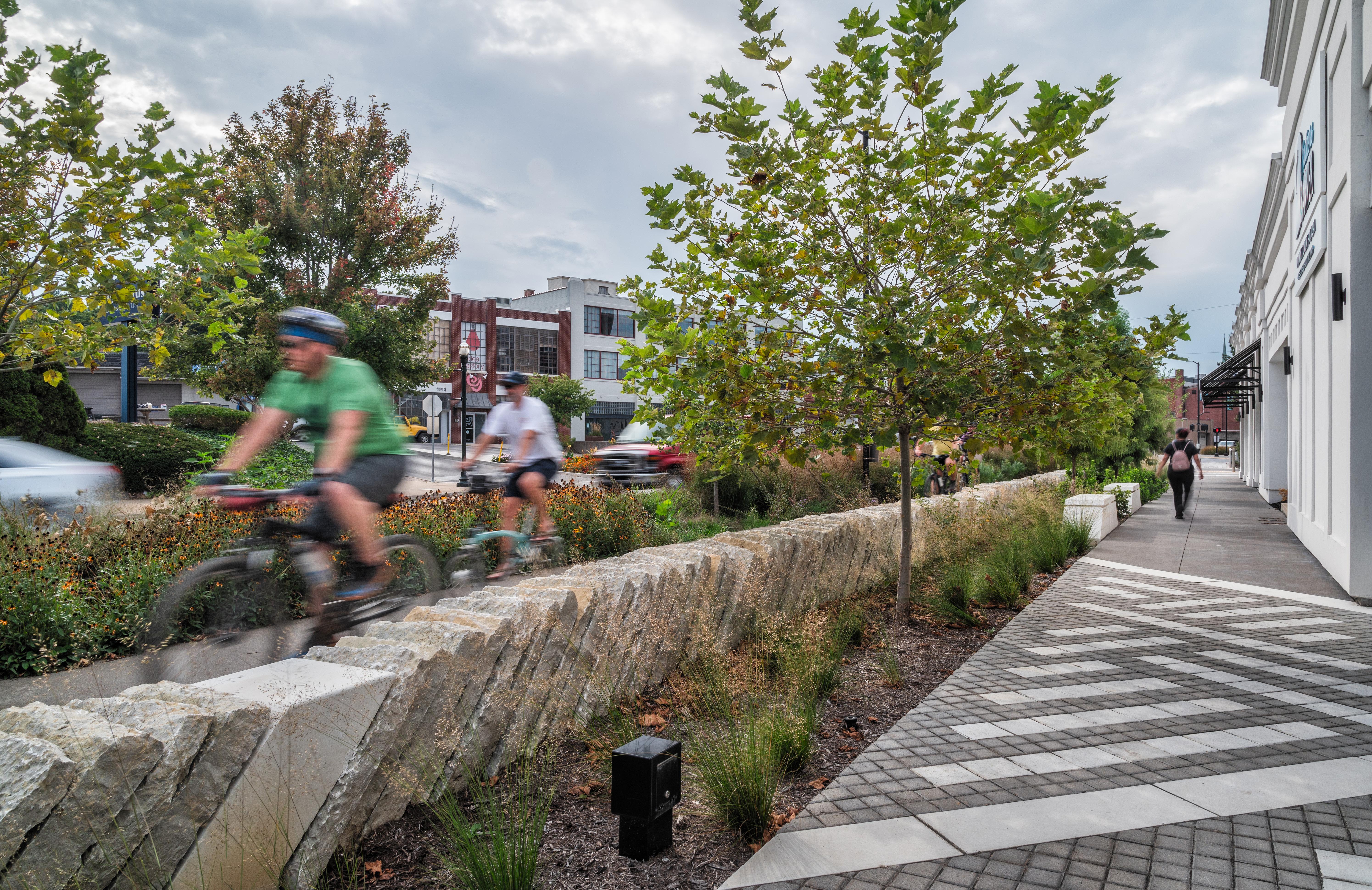
What’s Next for Us
The Consultant Team will continue refining the Master Plan and advancing the catalyst sites. These are to be shared with the Lexington Community at the third Community Meeting, DOWNTOWN DESTINY on May 07, 2026 at Phoenix Park.
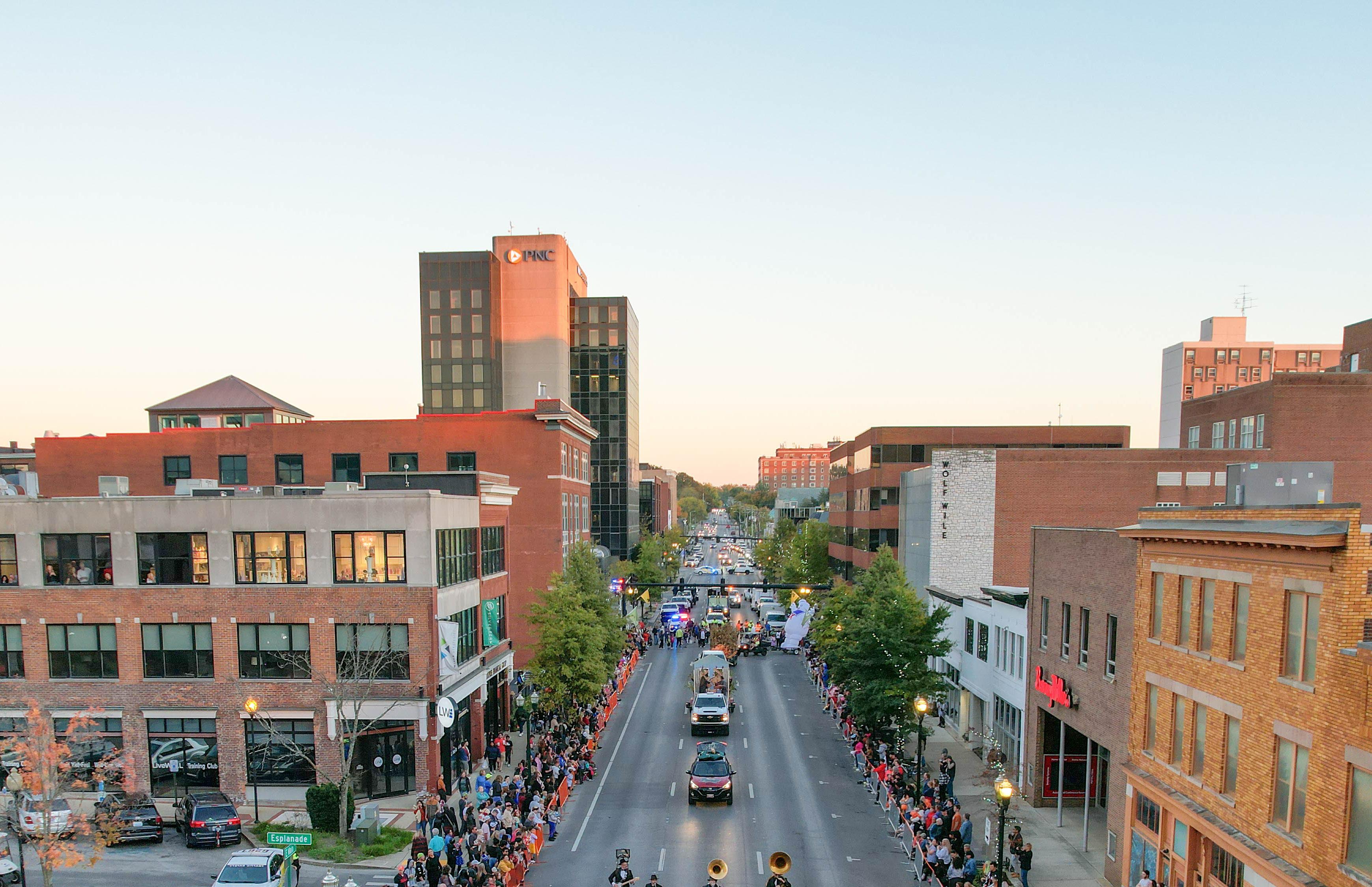
Advance catalyst sites
Continue Refining the Master Plan Project Advisory Committee Meeting 4: April 22, 2026
Adoption Process: Starts in Mid-June Community Meeting 3: May 06, 2026
Council Presentation