








BY TOM LAUB Lifestyles editor tlaub@lewistownsentinel.com
Home can be the Pennsylvania Turnpike
Indiana’s early morning dew
High up in the hills of California
Home is just another word for you
— “You’re My Home” (Words and music by Billy Joel)
LEWISTOWN — Everyone needs a hangout. A place to relax, laugh, enjoy the company of others and good food. A place to be entertained. A place “where everybody knows your name,” to borrow a phrase from a famous sitcom. A
place to feel comfortable. A place that makes you feel better. A home away from home. A place full of good times, smiles and memories.
As a youngster, it might be an improvised fort, a treehouse or a large cardboard box. Simplicity ruled.
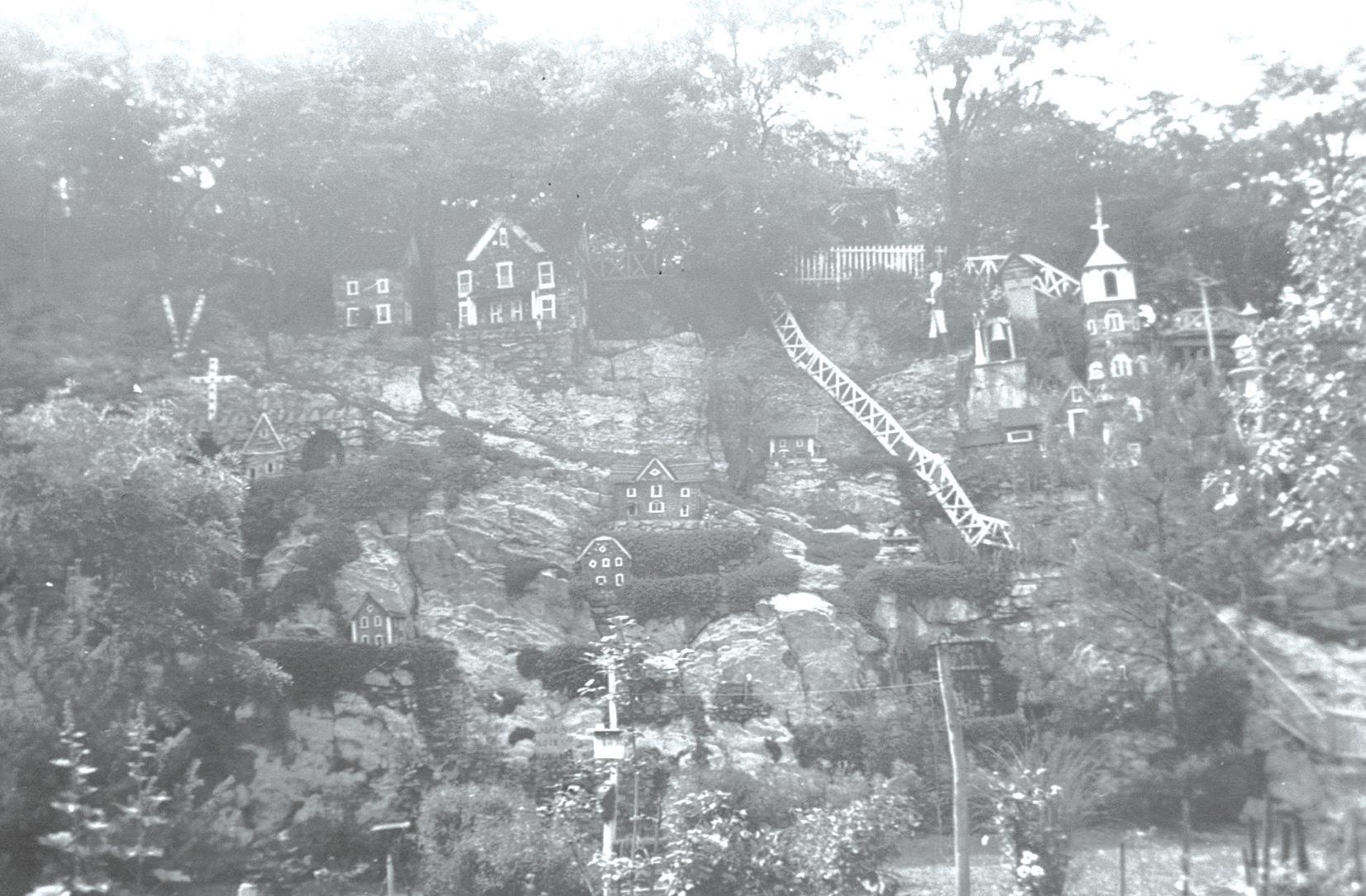
With the world around me expanding, attending school and making new friends, there were new adventures in new places to explore in Lewistown. Depending on the elementary school walking route and the amount of homework, I might pass by Fairyland (aka Tiny Town) for a quick tour. The other pathway home might include a stop in a small shop or store. Eventually, I found my way
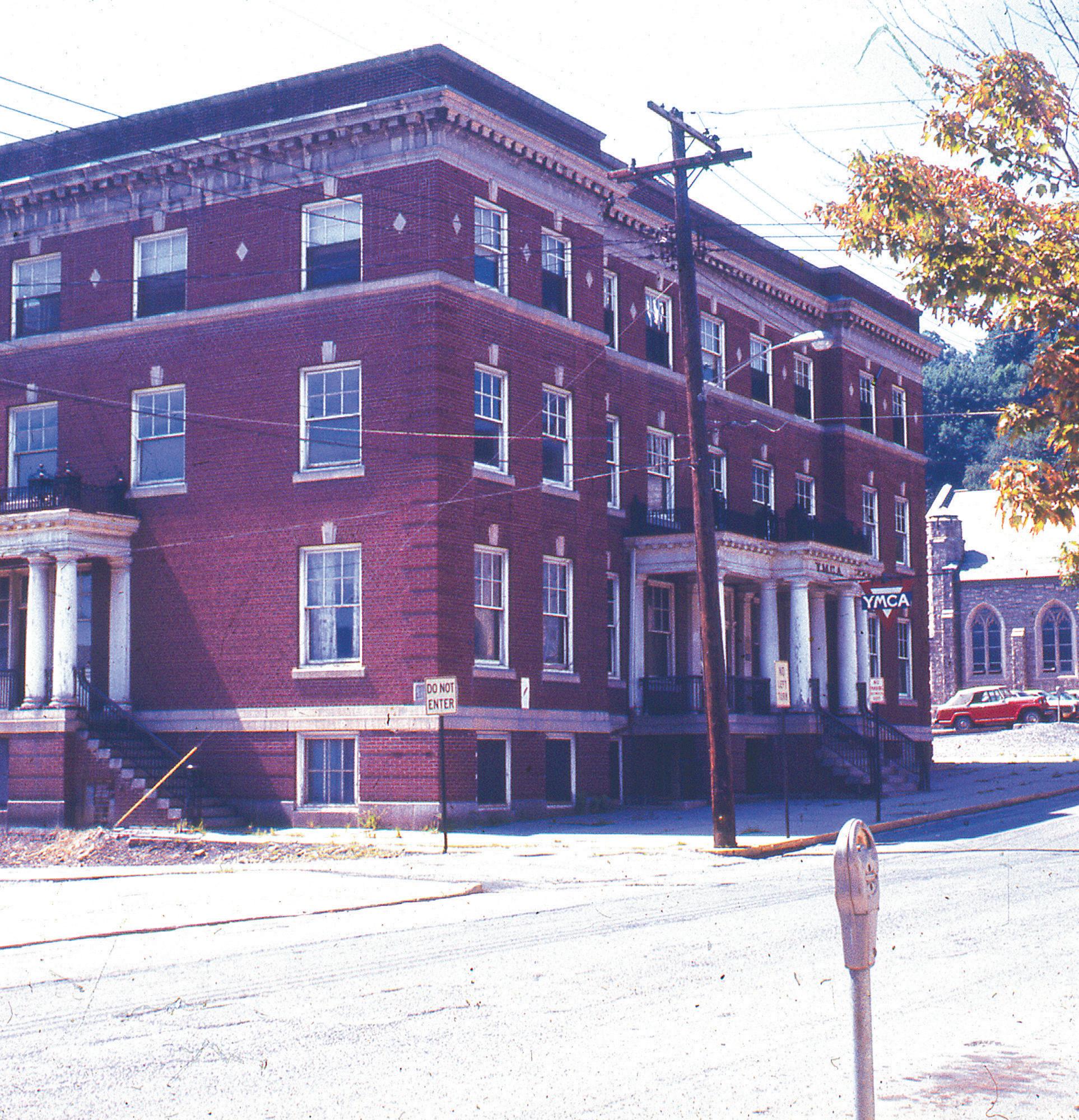
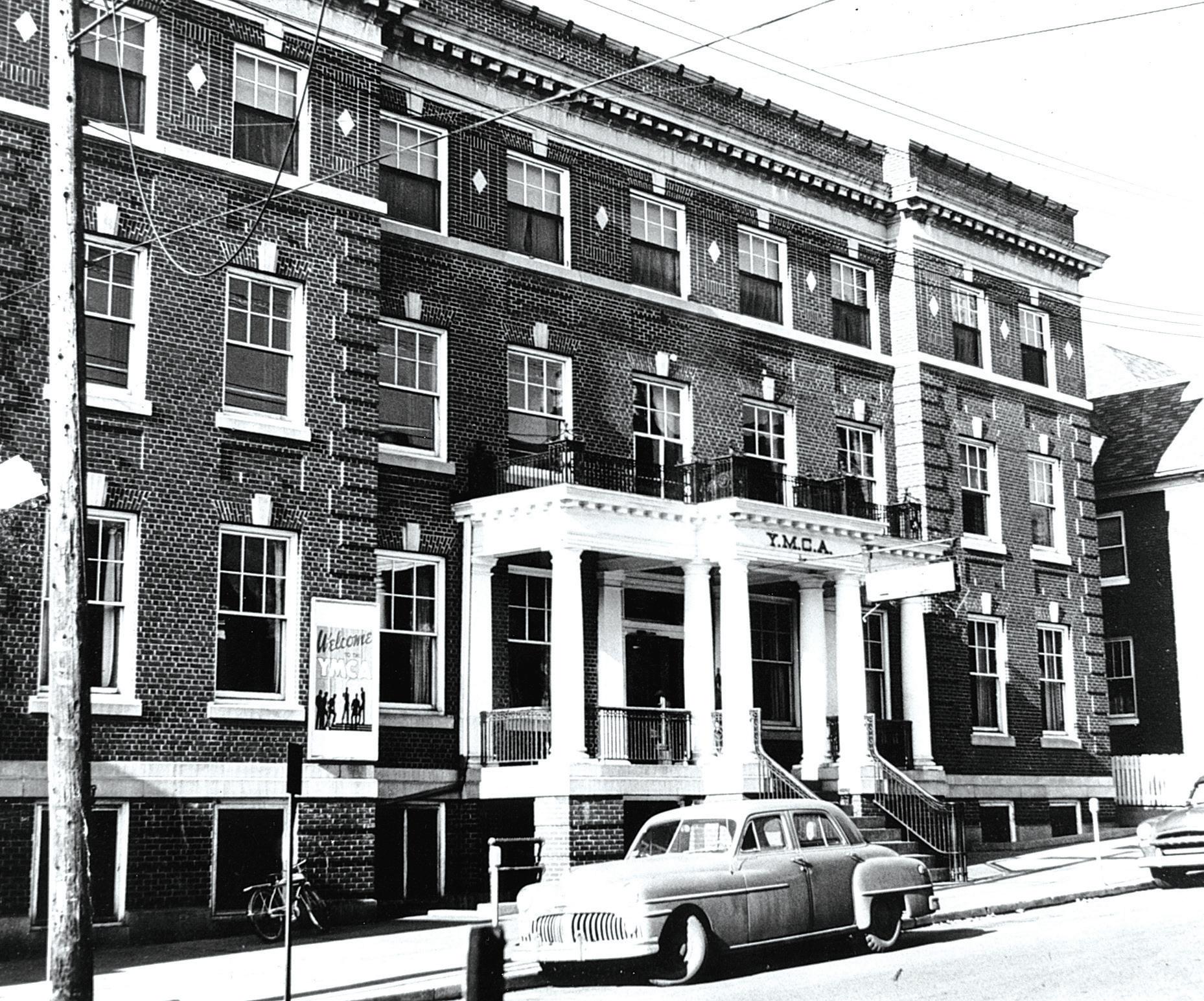
“Visits to 5th Ward playground filled many nights during summer vacation and even winter days flying Estes model rockets. The short trip to the Hillside Service Store on Valley Street was good for candy and baseball cards. Dixon Field (later renamed Rec Park) in Lewistown was my home for baseball during Little League, Junior Babe Ruth and first year of Senior Babe Ruth. The Lewistown YMCA on Dorcas Street was the venue for gym class after a short walk from Sacred Heart School.”
to Gus’s Pizza for a few slices or Shorty’s Gulf station for a small bag of potato chips after a long day. Visits to 5th Ward playground filled many nights during summer vacation and even winter days flying Estes model rockets. The short trip to the Hillside Service Store on Valley Street was
good for candy and baseball cards. Dixon Field (later renamed Rec Park) in Lewistown was my home for baseball during Little League, Junior Babe Ruth and first year of Senior Babe Ruth. The Lewistown YMCA on Dorcas Street was the venue for gym class after a short walk from Sacred Heart School.
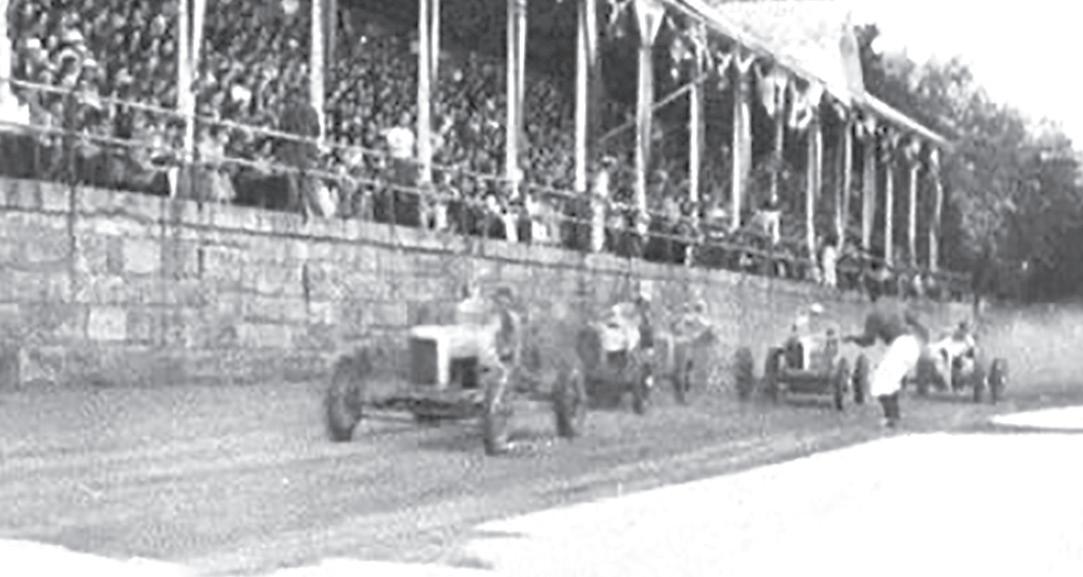
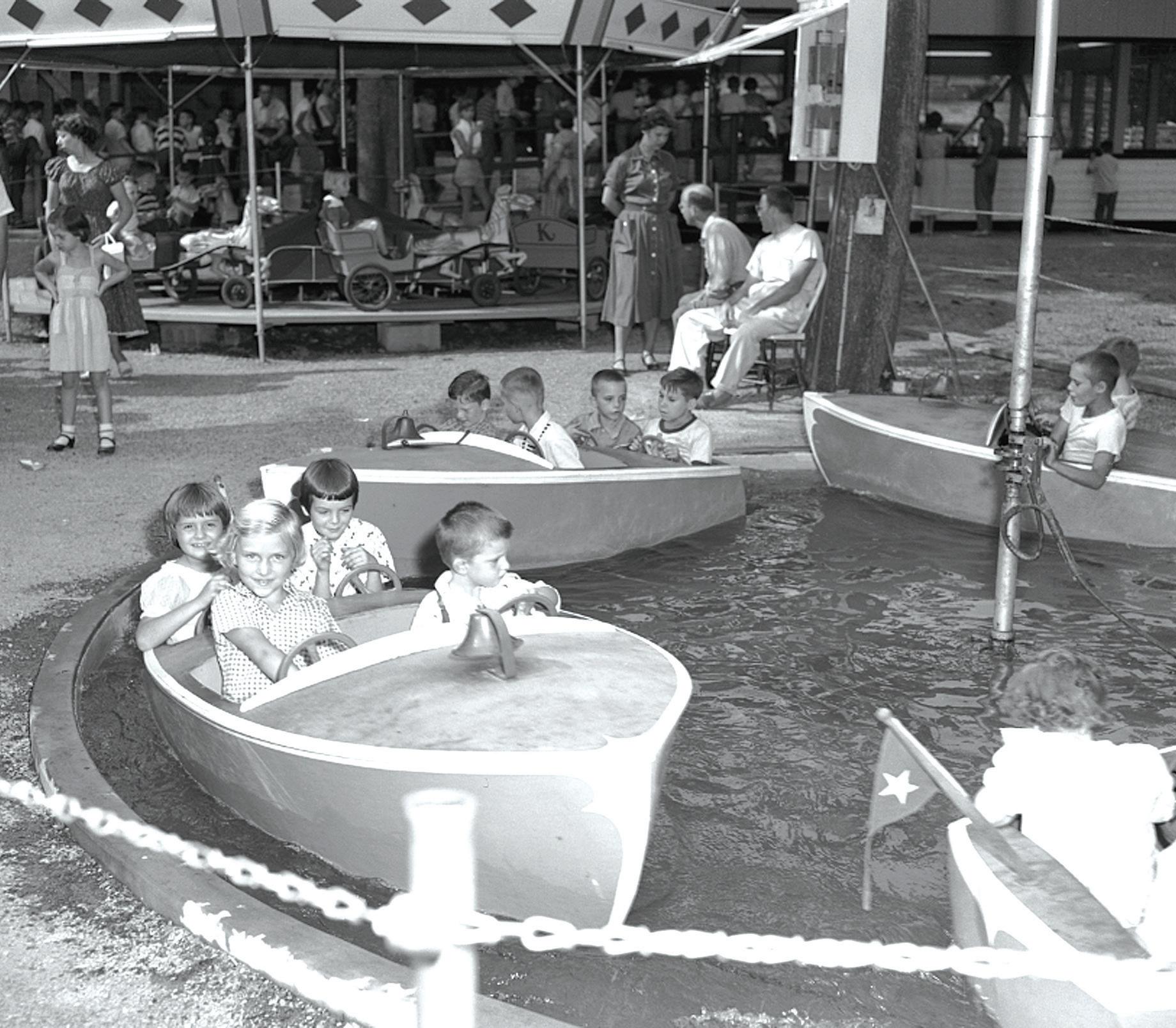
Before national chains began dotting the area, local businesses served area residents with various specialties. Long’s Dairy in Burnham was known for delicious fried chicken. Milkshake lovers had several choices from the Royal Dairy in Lewistown to Dairyland in Reedsville. Downtown Lewistown favorite eating places were Laskaris Bros. Restaurant for hotdogs and rice pudding and the Diana Shoppe for steak hoagies. Both were family-owned businesses offering great food. There was always something to do. The Miller and Embassy theaters provided plenty of movie thrills from Disney to James Bond to the Beatles’ “A Hard Day’s Night.” For amusement park rides, Kish Park (pre-Hurricane Agnes in 1972) was the place to be for a day full of fun including the roller coaster, cups and saucers and other rides. Shopping in Lewistown was primarily limited to
See Places/ Page 4


Continued from Page 3
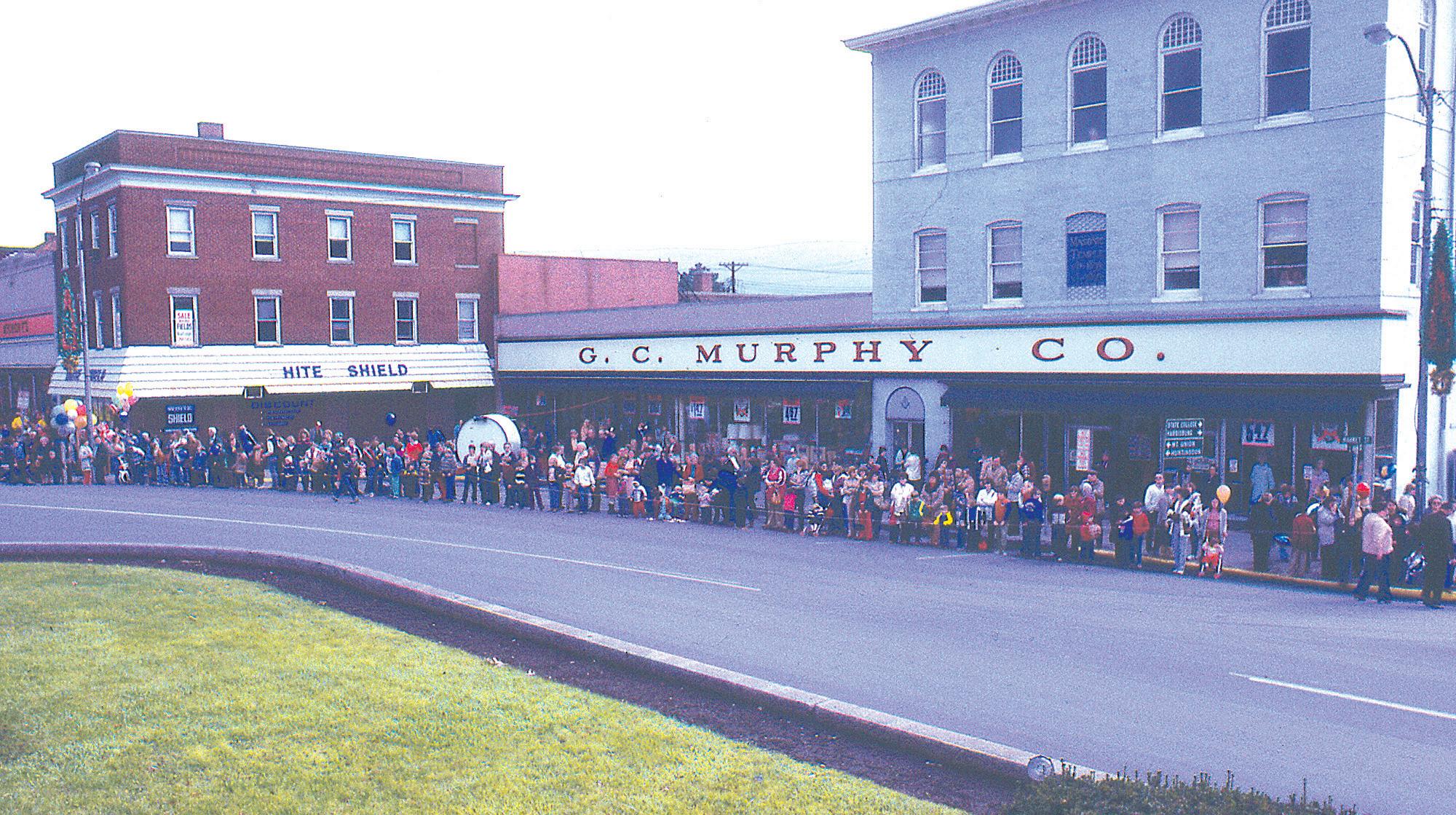
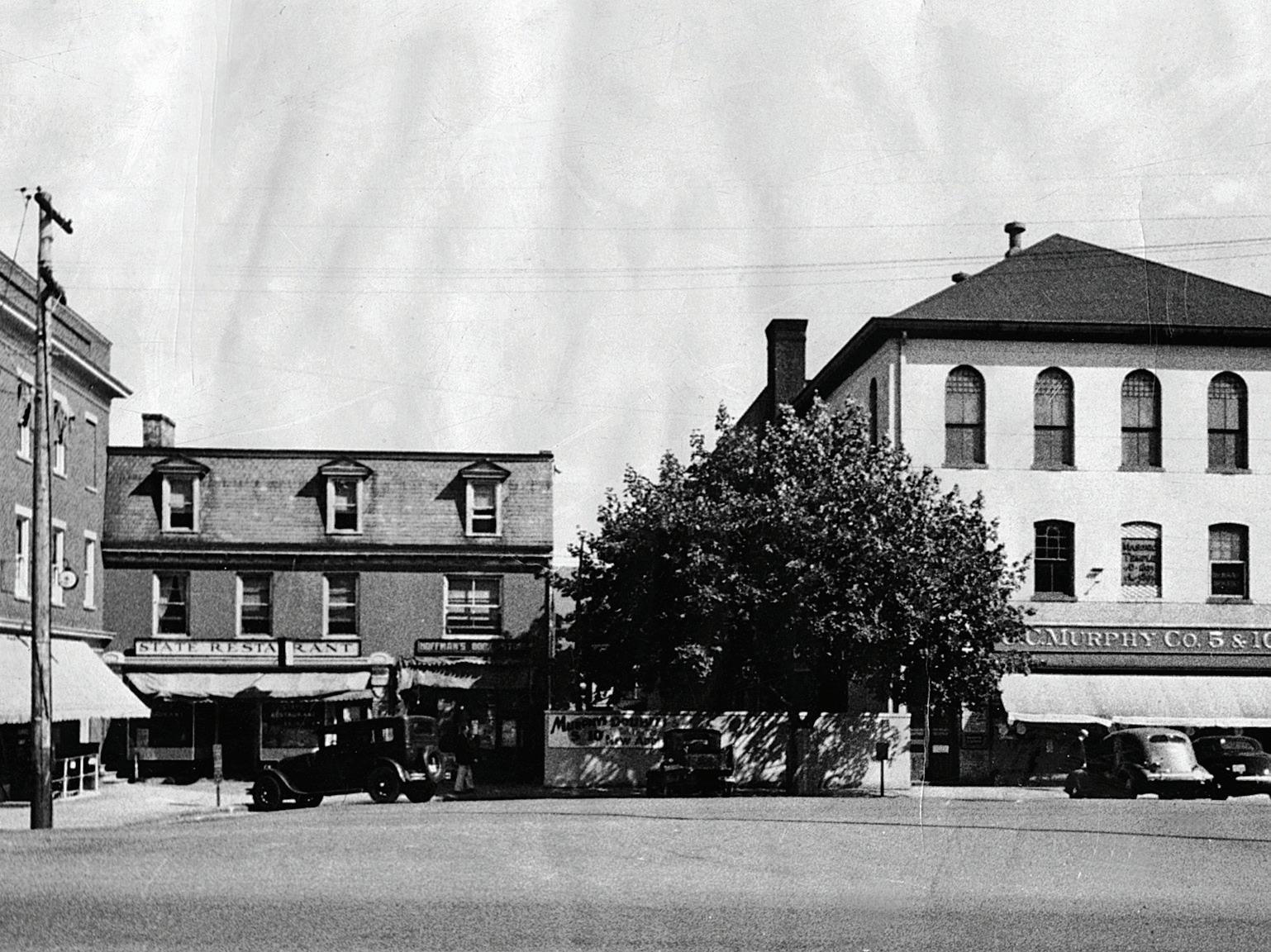
Market Street. In the premall era throughout the 1960s, the downtown area had complete multi-level department stores, including McMeen’s (on the future Bon-Ton site), Danks (the old building) and Montgomery Ward. There were several men’s and women’s clothing stores plus multiple shoe stores and jewelry shops. For a kid, especially at Christmas, hours were spent at G.C. Murphy and McCrory’s 5 and 10¢ stores looking at toys and compiling a list.
Memories were created out-of-town, too. Visits to relatives in Mount Union often included a stop at Peduzzi’s for lunch or a soda.
On a longer trek to see family in Shenandoah, Schutawie’s Luncheonette was a prime stop, owned and operated by relatives.
By high school and college, the number of hangouts grew by the day, usually including any place that allowed my friends and I to goof off for at least five minutes. High school baseball was played at the fairgrounds and there were
countless memories at Mitchell Field, from Friday night football to Saturday afternoon pickup games to graduation.
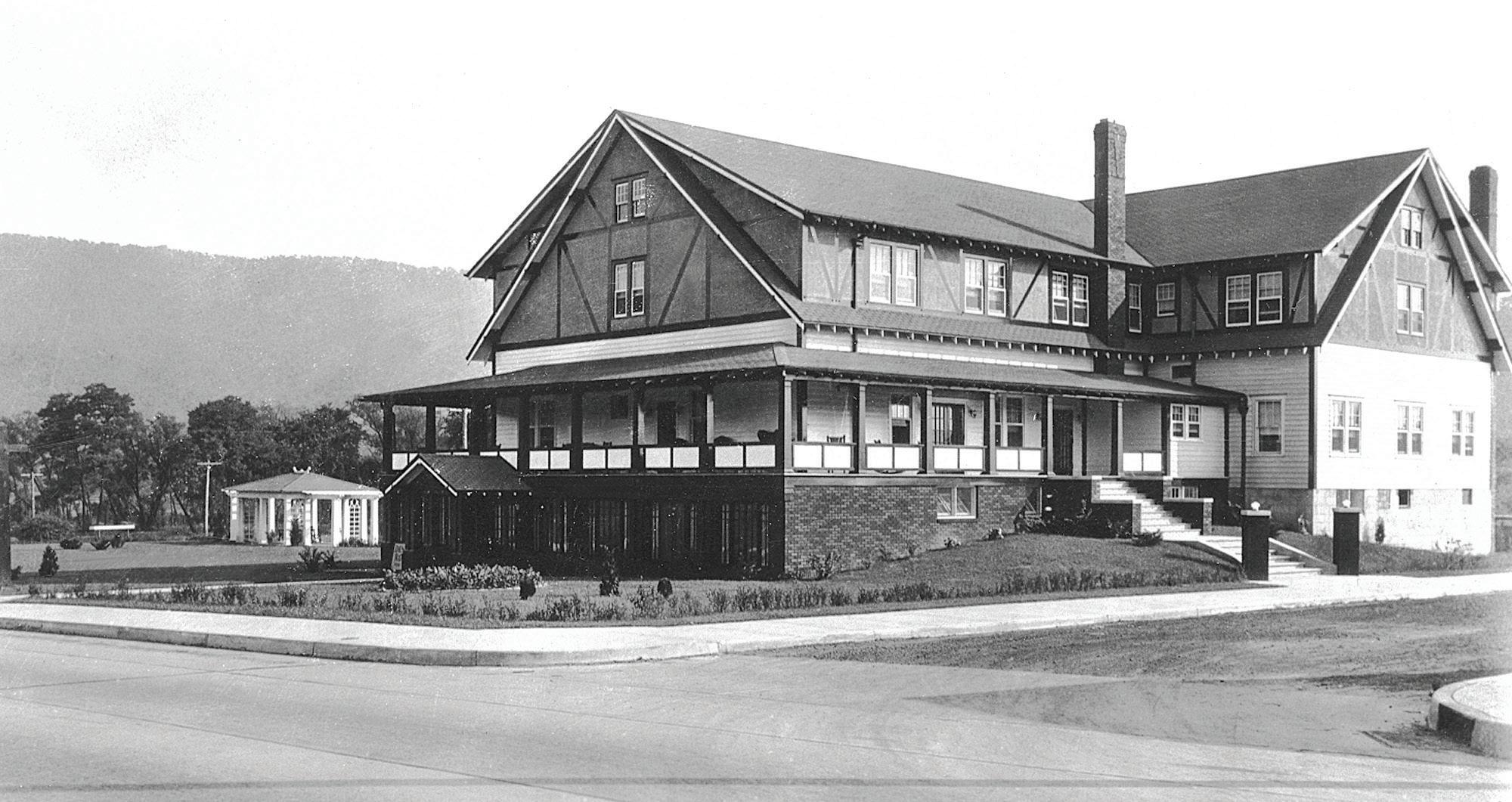
As an adult, the good times became more subdued. Most of the time, anyway. There were many family dinners at Tony’s Cottage Inn on Route 322 in the Lewistown Narrows. Events at Angelo’s Italian Restaurant, Riden’s Restaurant in Yeagertown or Kirby’s on Chestnut Street in Lewistown were weekend highlights. Riden’s was like a local “Cheers.” Everyone knew everyone, including the Riden family. Kirby’s was in a unique older building, with a restaurant on the ground level and a bar in the basement. It had history and tales of a ghostly presence. Stories of similar unexplained encounters at Green Gables have been told for years. The accounts add to the lore and memories.
There were many establishments frequented, a few more than others. Some are gone. Some are still here. They were all a part of growing up and experiencing life.
Why so many hangouts? That’s what hometowns are about. That’s where memories are made.

We’re now on

Micha el W. Kra mer
429 South Main Street
Lewistown, PA 17044
(717) 248-7848 Ext 332
Cell (717) 805-1227
Cell (717) 363-6591
Fax (888) 371-5193
mike@lakeauto com
I Remember when Bratton’s was the go-to restaurant in Juniata County. It was the hang-out after events at Juniata Joint High School and the stopping place for travelers. Just two short blocks and the river bridge from the only traffic between Harrisburg and Lewistown on old Route 22, it was easy to access and had a stellar reputation. The owner, proprietor and summer cook was Lydia Bratton, a chunky white-haired lady who loved Penn State and held season tickets to Nittany Lion football games. Management included Lyd’s daughter, Esther, an auburn-haired, feisty, middle-aged lady with boundless energy and the best waitressing skills I’ve ever known.
My memories are from the viewpoint of a waitress in 1963 and 1964. We wore calico print, bibbed uniforms with matching caps. Most of the prints were rather subdued. However, when I volunteered to make my own uniform rather than wait for the dressmaker to do it, I got to pick the fabrics. I chose the only two bright bolts, sunshine yellow and red. (Thank you Juniata County 4-H for seven years of sewing instruction). Esther trained us and I still remember some of her rules. Don’t ask if they want dessert. Ask what they want for dessert. She was brusque and a few of the waitresses were a little afraid of her, but I found her to be a great teacher and I learned a lot.
There was a group of guys who, along with Esther, made up a breakfast club who met each morning to tell tales and drink coffee. Esther told me I could not repeat any of their raunchy talk. I said
I wouldn’t repeat anything but was saving it all for a book. Esther, this is my “book” and you needn’t have worried.
Most meals cost $2.95 with Sunday meals $3.95, so tips weren’t great. My pay was 55¢ the first year and 65¢ the second. I took home around $30 a week in wage and about the same in tips. Tips were usually about a quarter or 50¢. One well-known lawyer from Mifflintown left two dimes regardless of his bill. We thought maybe he could have afforded more. A local spinster who bought all lunches at Bratton’s was known to sit at the counter, talk a lot and never tip. She was pawned off on each unsuspecting new waitress. The first time I waited on her, Esther asked, with a smirk, “How much did Joyce tip?” I replied, “a quarter,” which was good for a lunch. She became my customer for both summers and never failed to tip me the quarter. I liked her.
Bratton’s was known for homemade ice cream and chocolate cake with peanut butter icing. The Sunday special was chicken and waffles served family style. Out-of-area customers were sometimes surprised that the waffles were topped with gravy. Waitresses were allowed to choose any menu items, including dessert. However, Lydia made up our chicken with snippets of chicken not suitable for customers. Tasted the same. I grabbed a French fry every time I walked through the kitchen. We had no fast food places to buy them.
Along with regular menu items, we had one local man who bought his daily 7¢ cigar. Dr. Dodd, whose office was across the street, sometimes sent
patients to purchase 10¢ worth of coke syrup for stomach ailments. Esther kept punching boards going which I’m pretty sure was illegal.
I think the restaurant closed in the 1970s. It is still missed by some of us old timers.
— Rosalita Leonard McAlisterville
“I grabbed a French fry every time I walked through the kitchen. We had no fast food places to buy them.”

BY BRIAN CARSON Sentinel reporter bcarson@lewistownsentinel.com
LEWISTOWN – The bell above the door chimed as we entered Corkins Restaurant on a Saturday afternoon in 1976. My mother guided my brother and me through the crowded diner, her hand on my shoulder, steering me past waitresses balancing plates stacked with burgers and fries.
“Booth in the corner,” she said, spotting an empty space near the window overlooking Market Street.
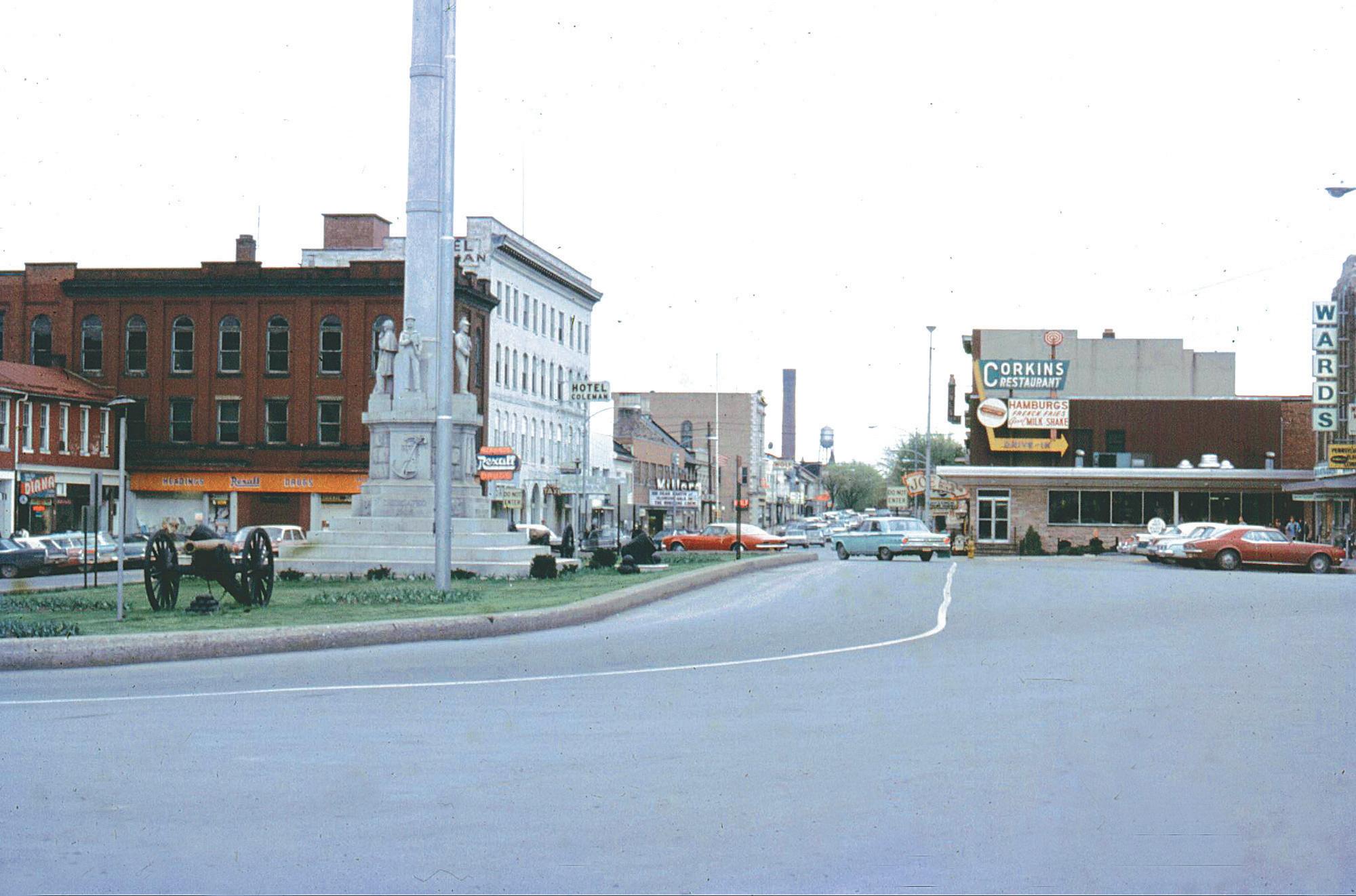
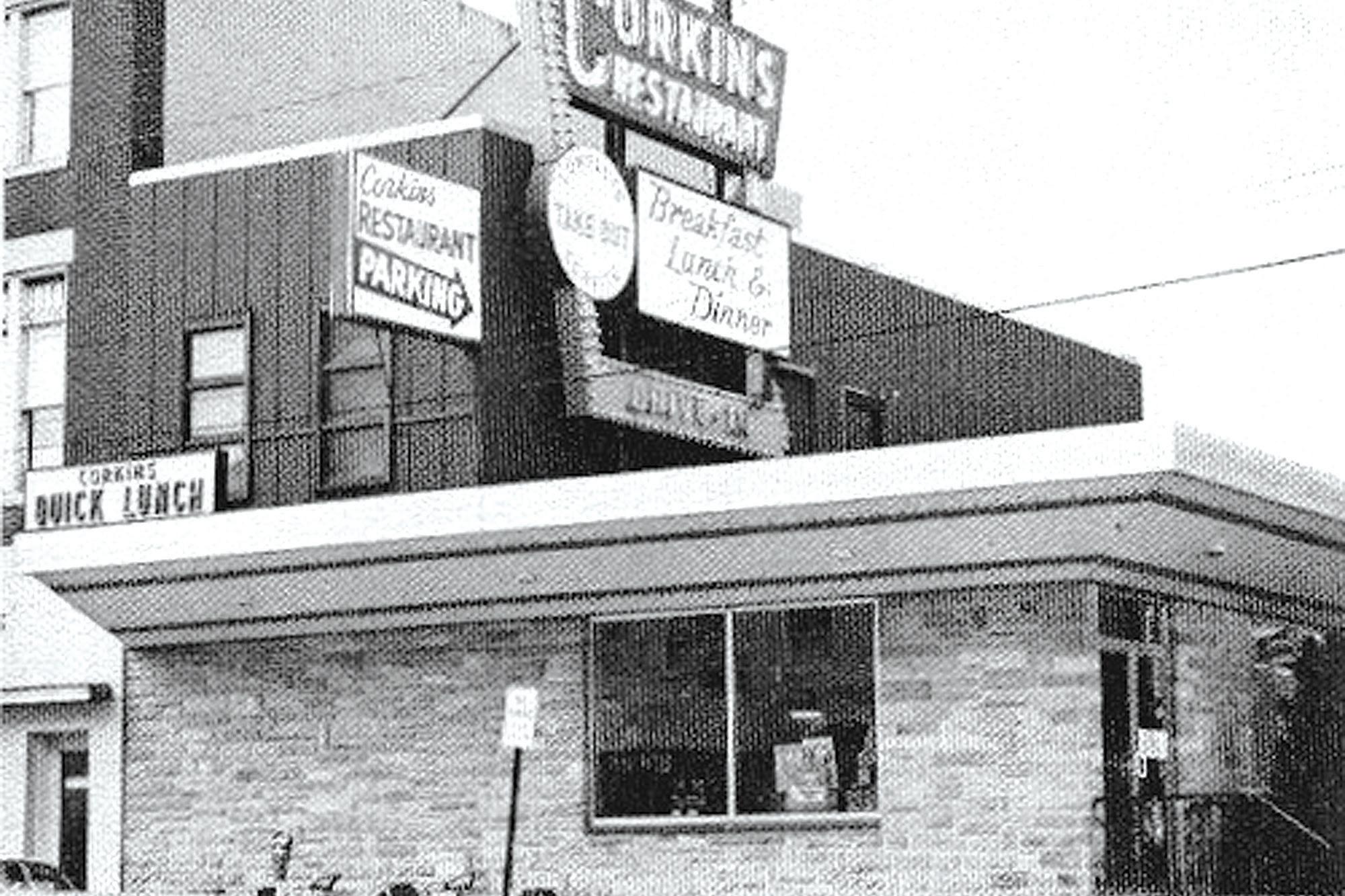
Corkins operated in downtown Lewistown from 1951 to 1983, serving as a cornerstone of local dining for generations of families.
The restaurant occupied the space now housing AGIA Insurance, but longtime residents still recall its worn leather booths and counter stools where regulars perched every morning for coffee.
My legs swung beneath the table, too short to reach the floor. A waitress with a pen tucked behind her ear brought water glasses and menus, though we rarely needed them. Our orders remained consistent with each visit.
The tabletop mini jukeboxes captivated me more than any toy store window. I flipped through the song selections, examining each new addition while my quarter waited for deployment. The small chrome machines played songs throughout the restaurant.
“Can I play music?” I asked, already knowing the answer.
Mom nodded, sliding a quarter across the table. “One song.”
I deliberated between Elton John’s “Philadelphia Freedom” and Starbuck’s “Moonlight Feels Right.” The decision weighed on
me with surprising gravity, as if the entire restaurant awaited my musical selection. If a Kiss song occasionally appeared, I was extra excited.
The waitress returned, notepad ready. “The usual?” she asked my mother, who nodded.
“Club sandwich, fries, and a vanilla shake,” I announced, ordering my standard meal. The triple-decker sandwich arrived cut into triangles, secured with toothpicks, architectural masterpieces I deconstructed layer by layer. My brother ordered a cheeseburger with extra pickles.
Corkins represented more than meals. For Lewistown families in the 1970s, the restaurant provided sanctuary from home kitchens and a place where children practiced public behavior. Parents nodded to neighbors across the room while waitresses called regular customers by name.
The restaurant connected generations through shared experience.
Cooks and servers navigated between worlds. The rhythm of Corkins—clattering plates, murmured conversations, occasional bursts of laughter—created a soundtrack of community life.
My vanilla milkshake arrived in a tall glass with the metal mixing container alongside, effectively pro-
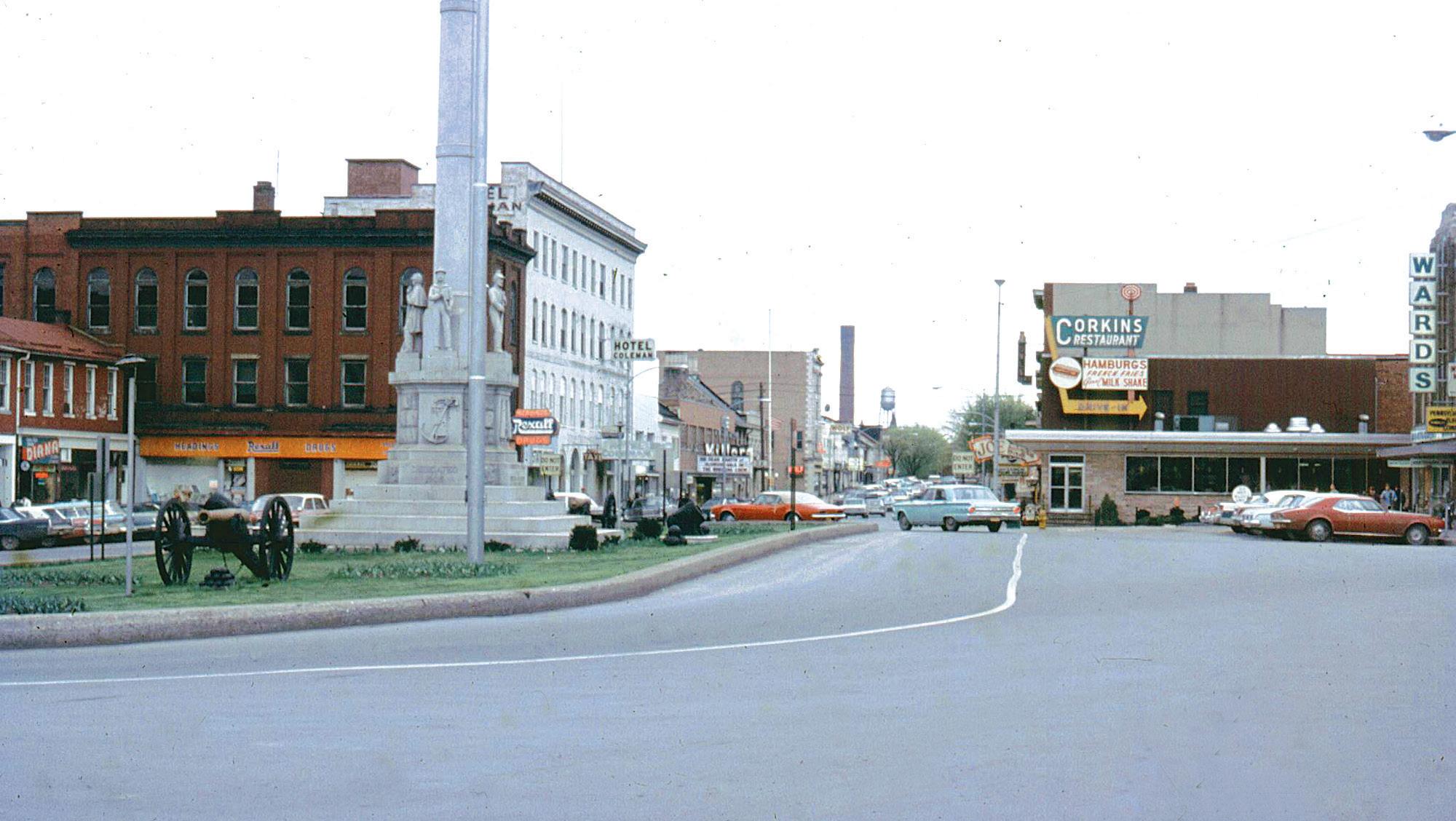
Mifflin County Historical Society Corkins Restaurant on Monument Square in Lewistown.
viding two milkshakes for the price of one. I stirred the thick concoction with my straw, creating a whirlpool before attempting the first sip.
“Slow down,” Mom cautioned as I attacked my fries, dunking them in ketchup. “We have time.”
Time moved differently at Corkins. The urgency of errands and schedules dissolved. Saturday lunches stretched into hour-long affairs as Mom nursed a second cup of coffee while my brother and I negotiated dessert possibilities.
The restaurant wit-
nessed countless family moments: birthday celebrations, after-school treats, weekend rituals. The booths absorbed conversations about report cards, Little League games, and neighborhood developments.
Corkins served as Lewistown’s community bulletin board, where news traveled booth to booth.
Beyond food, the restaurant offered children lessons in independence.
Mom encouraged us to order for ourselves, calculate tips, and engage in conversation with the servers. These small responsibilities made us feel grown-up.
“Please” and “thank you” echoed with each interaction, reinforced by Mom’s expectant gaze. The diner provided a classroom for social education that no school could replicate.
The waitresses knew regular customers’ preferences without asking. “Ex-
tra napkins for your boy,” one would say to Mom, having witnessed my previous encounters with ketchup. Lewistown changed throughout the 1970s. Downtown stores competed with new shopping plazas, and chain restaurants established locations near the highway. Yet Corkins maintained its loyal clientele until closing in 1983.
The diner’s appeal tran-
See Corkins / Page 7


Continued from Page 6
scended its menu. Teenagers gathered after football games, elderly couples maintained decades-long breakfast traditions, and families like ours found comfort in its reliability.
When my club sandwich arrived, steam rose from the fresh-cut fries. The sandwich stood nearly three inches tall, requiring strategic compression before attempting the first bite. Mom reminded me to use my napkin as mayonnaise inevitably escaped onto my chin.
The jukebox selection I’d deliberated over began playing, merging with
the restaurant’s ambient sounds. These meals represented more than nutrition—they offered security, consistency, and connection in a changing world.
We left Corkins with full stomachs and the promise of next Saturday’s return. The pattern repeated countless times throughout my childhood, building memories layered like the club sandwiches I ordered.
Today, I recreate aspects of those visits when possible—playing music during meals, encouraging conversation, and occasionally serving club sandwiches cut into triangles.
Mom is gone now. Corkins exists no more. Yet in my mind, I return to those Saturday afternoons whenever I need comfort.
Shopping at McCrory’s and Murphy’s and then filling our bellies at Corkins.
The mini jukeboxes, club sandwiches, and our weekly ritual meant everything to me—transporting me to a more innocent time when my biggest decision involved which song to play with my precious quarter.
The physical restaurant disappeared from Market Street decades ago, but Corkins persists in childhood memories of mini jukeboxes, vanilla milkshakes, and Saturday afternoons with Mom—experiences preserved in the minds of many Lewistown residents who grew up in the booth-to-booth warmth of a small-town diner.
I remember when as a boy of 13 or 14-years-old in the 1950s living about four miles from Lewistown on Route 103. I remember when I could travel throughout our area on my thumb (hitchhiking), to the Lewistown Country Club to work as a caddy during the day. Then thumbing my way to the bowling alley down by Red’s Diner to set pins until closing time. Then thumbing my way back home. I remember when it was a time a young boy could “thumb” his way around in complete safety, day or night. I remember when our area was a safe place to grow up.
— Larry Wilson, Sr. Lewistown


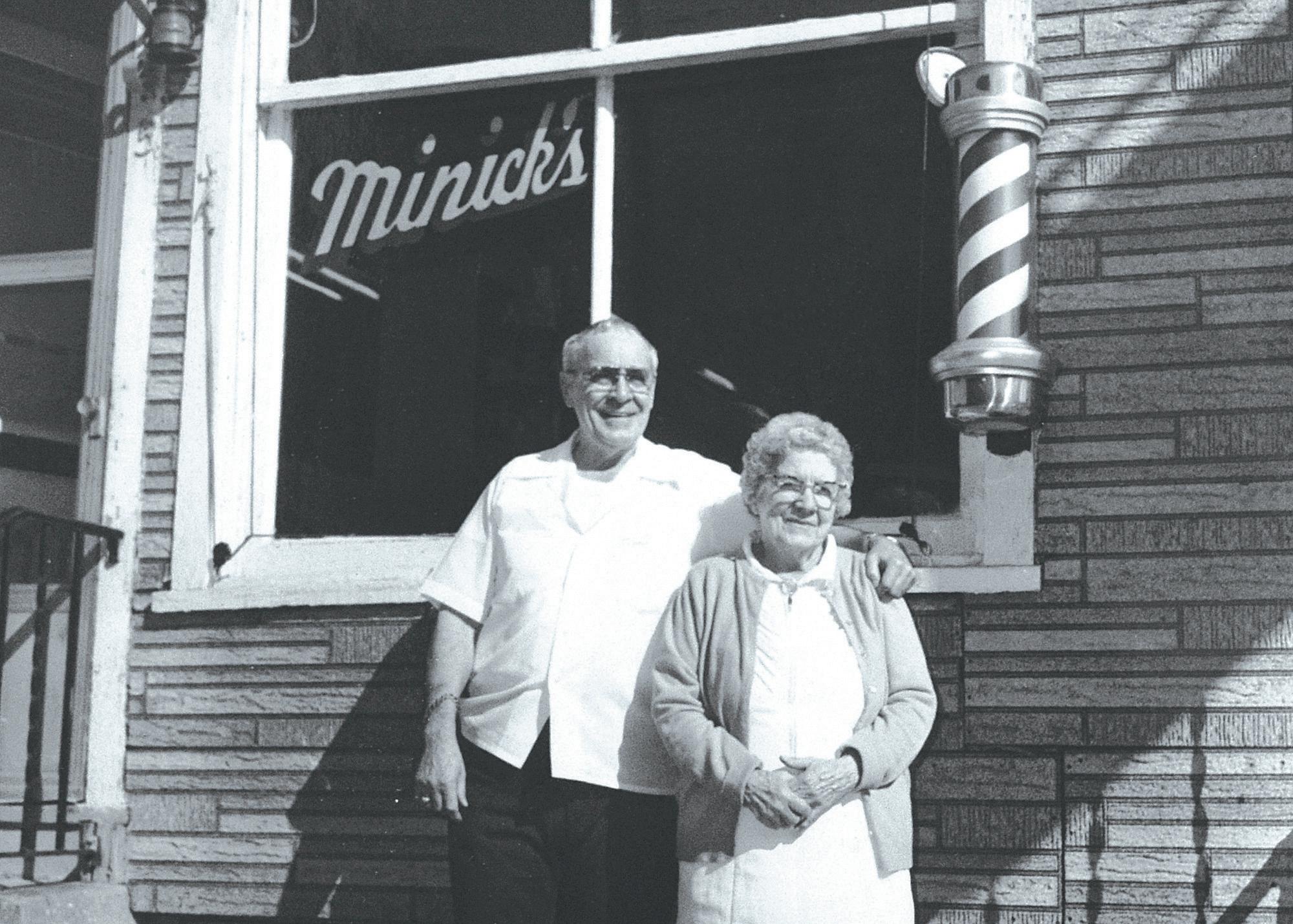
As you come down Brick Hill in Mifflintown heading west, then up the grade toward the traffic signal, there is a vacant space on the right squeezed between a building and the Juniata Valley Bank on the square. No more than 12 to 15 feet wide, for nearly half a century this small space was the center of one of Mifflintown’s most active, interesting and friendly places: Minick’s Barbershop. When did it begin?
seemed to know what was going on in Mifflintown. First of all, he was an active HAM operator with a wide community of contacts. Secondly, during most of my time there, he knew everyone, especially the town’s policeman, Glen Leister.
The Minick family lived behind the shop up a slight hill. Jim and wife Dot would talk back-and-forth over their intercom.
Secondly, while on duty, Leister would walk up to
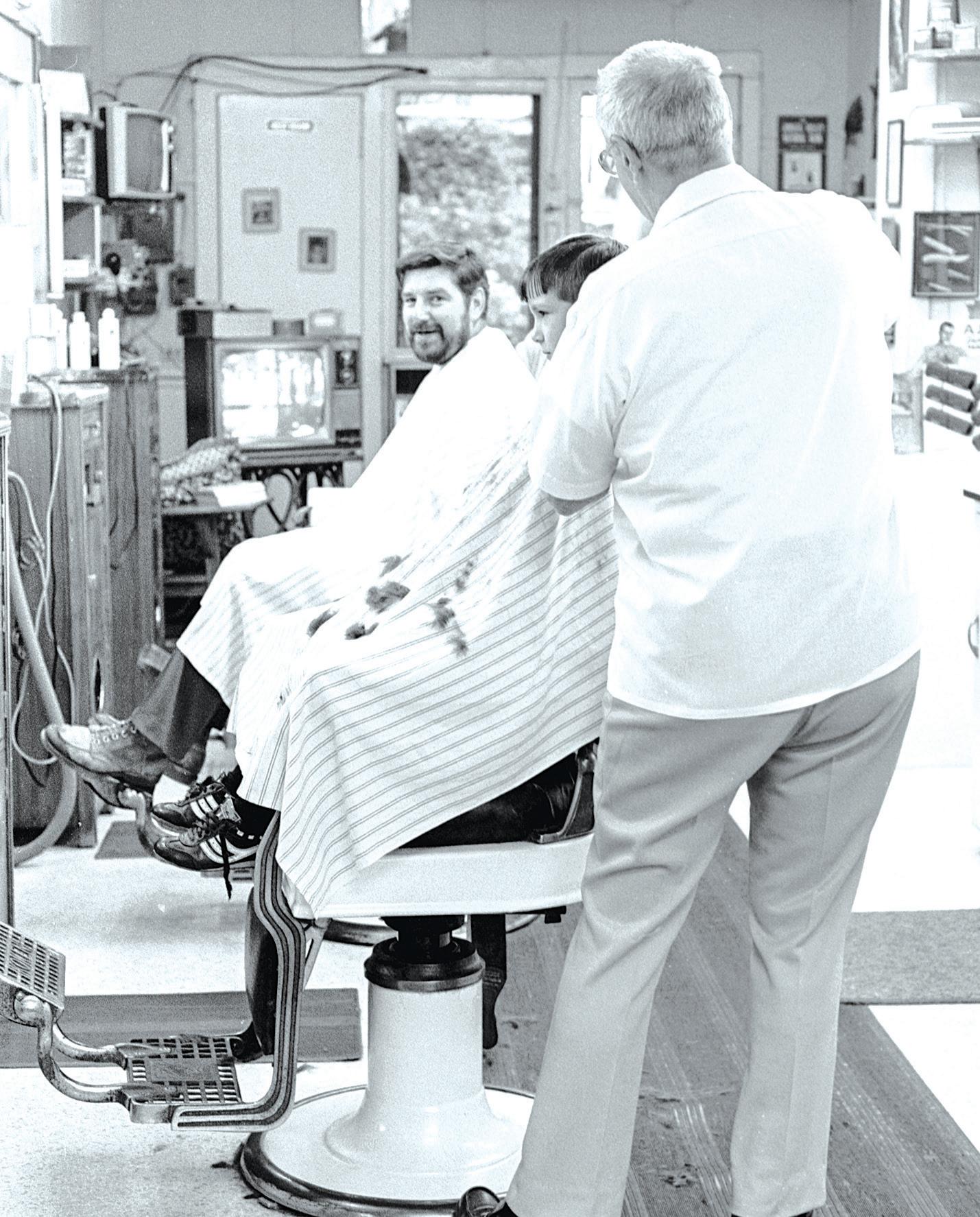
Third-generation barber, Jim Minick, Jr. probably has the answer. As for regular customers, Sam Sieber went there in the early 1900’s for a haircut. His son, North Sieber, and his three sons also were regular customers. Altogether, the Siebers patronized that establishment for nearly 50 years.
The second-generation barber, Jim Minick, always
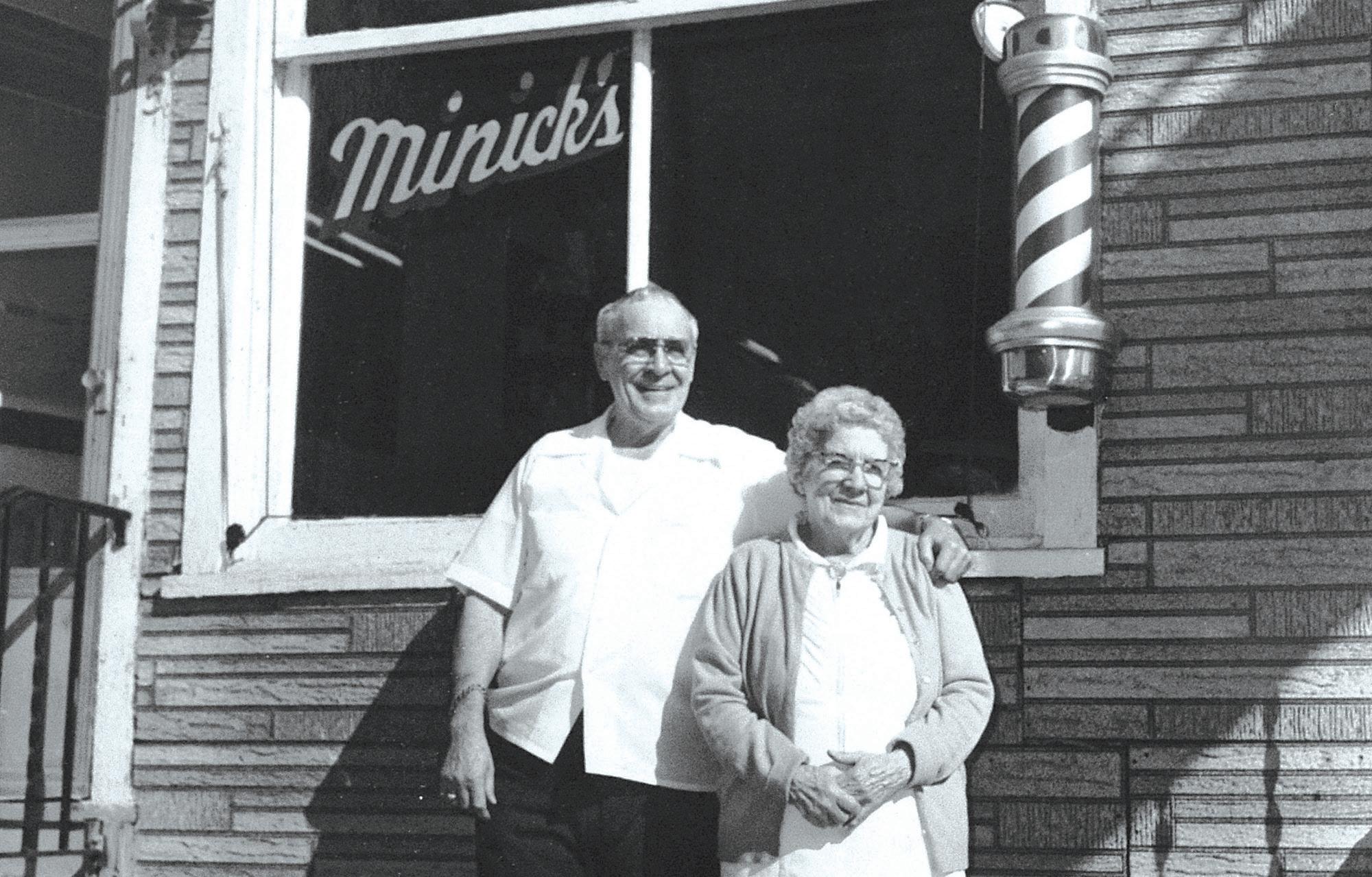
the steps, open the screen door and in a loud voice, tell Jim about the latest news. Most times, he had to talk loudly to be heard over the traffic noise. No matter how busy, Jim would return in tone and volume. For we kids sitting there reading comic books, it was one of the few times we were that close to a policeman.
In the days before it was fashionable to have longer
hair growing out, over the ears, we went to Minick’s Barbershop, on average, about every three weeks. Then as now, hair grew around-the-clock.
Each season had its particular appeal. If there on a late Saturday afternoon in the spring, I would look out the large front window for race cars being trans-
ported to Port Royal Speedway. Note that these were the days when all Route 22 traffic went through Mifflintown. Summer meant that more of the interesting town folk were on the street.
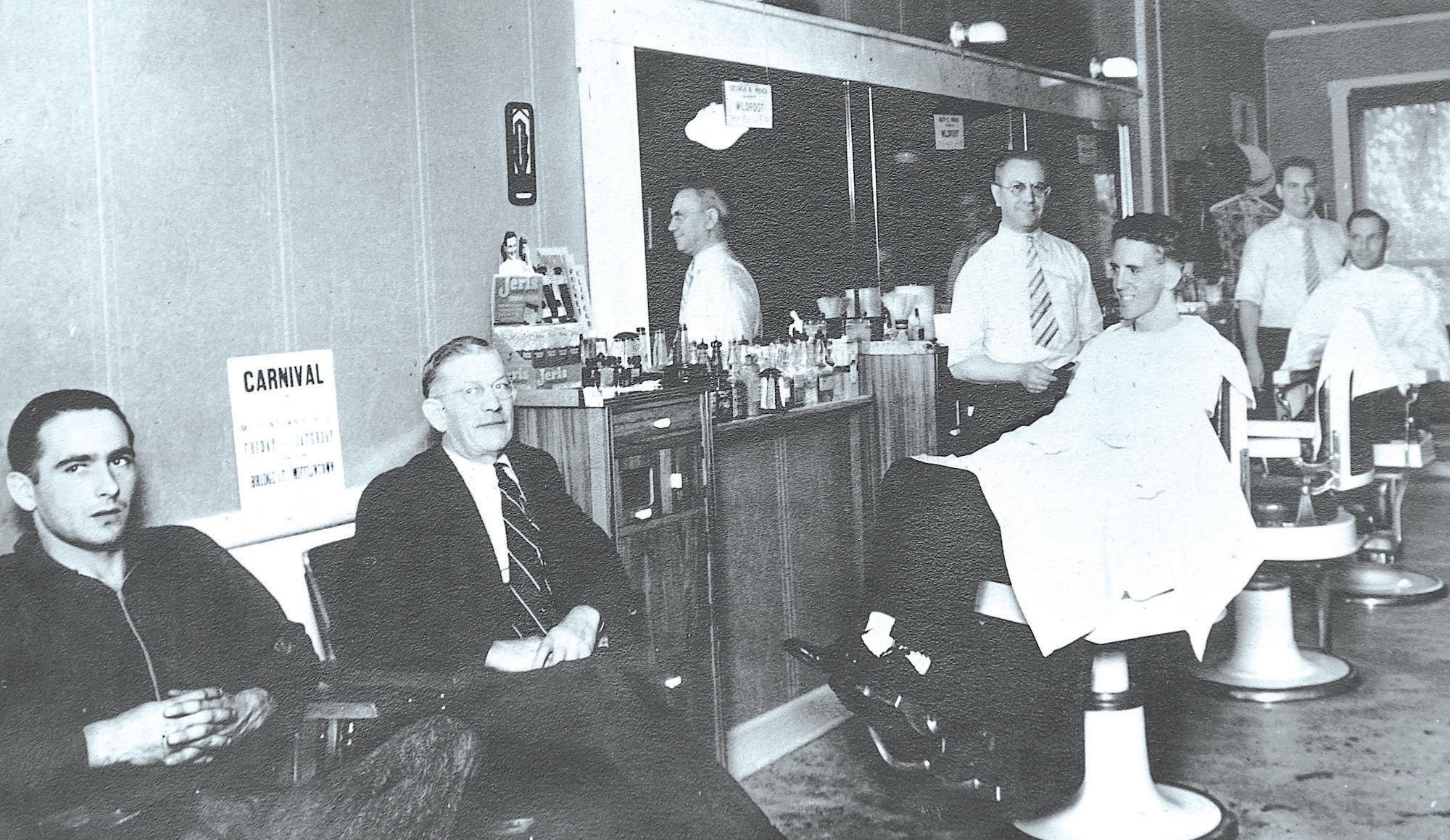
In the winter, the brown, metal oil heater shaped like a small refrigerator, was operating at the back
of the shop. This area is also where Jim placed his floor model radio tuned to WJUN-AM. The volume was just loud enough to be heard if I was lucky enough to be sitting in the third and rear barber chair.
Saturday in the fall on the day of a Penn State
Continued from Page 8
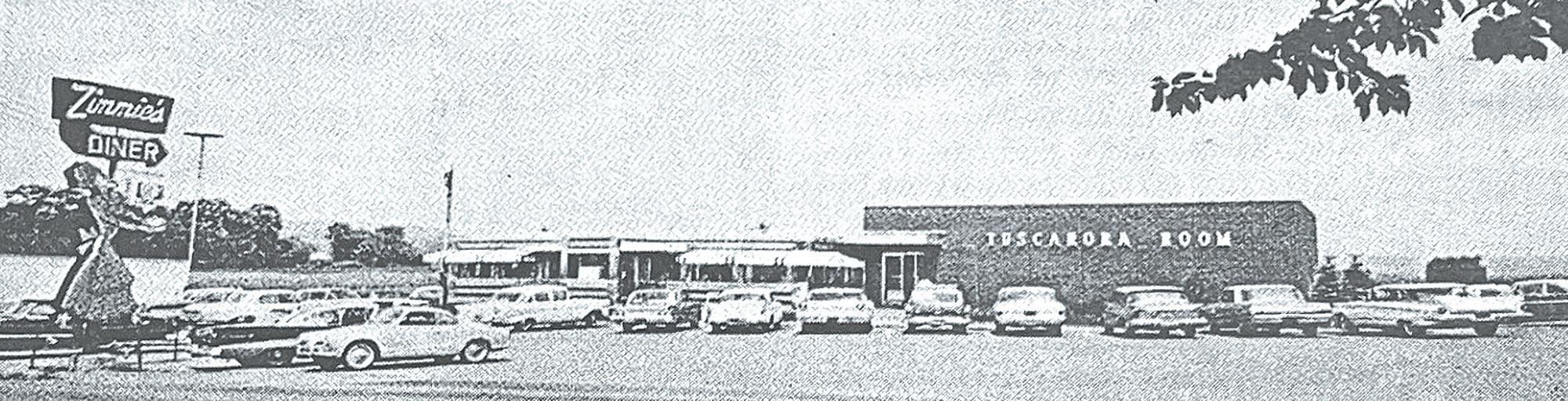
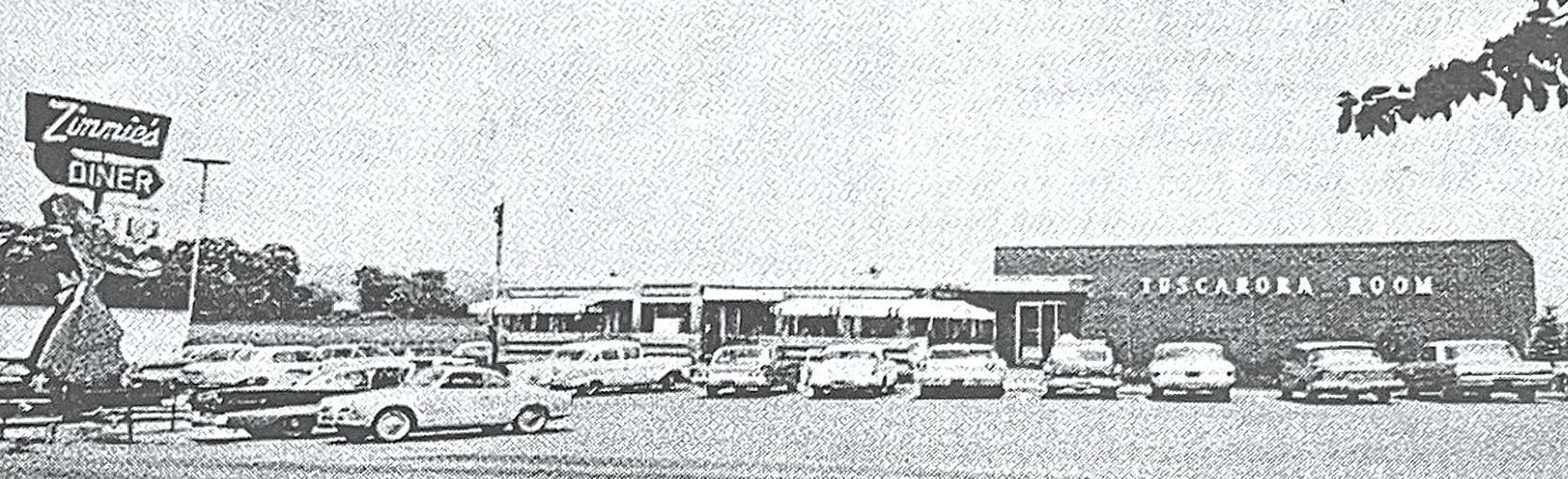
home game was the most exciting time to get a haircut. Glen Leister would be standing on the corner across Bridge Street from the First National Bank. In his hand was the cord-type connection that he used to manually control the traffic signal. Motorists and trucks in all four directions were waiting to get through town. A patron in need of a haircut would come in the shop to say that traffic heading west was backed up to Zimmie’s Diner. It seemed that most of the times we were there, all of the chairs-in-waiting were filled. Somehow, despite all that was going on, Jim kept track of who was next in line.
Inside the door, on the right in the middle of four chairs was a wicker-type stand with two shelves.
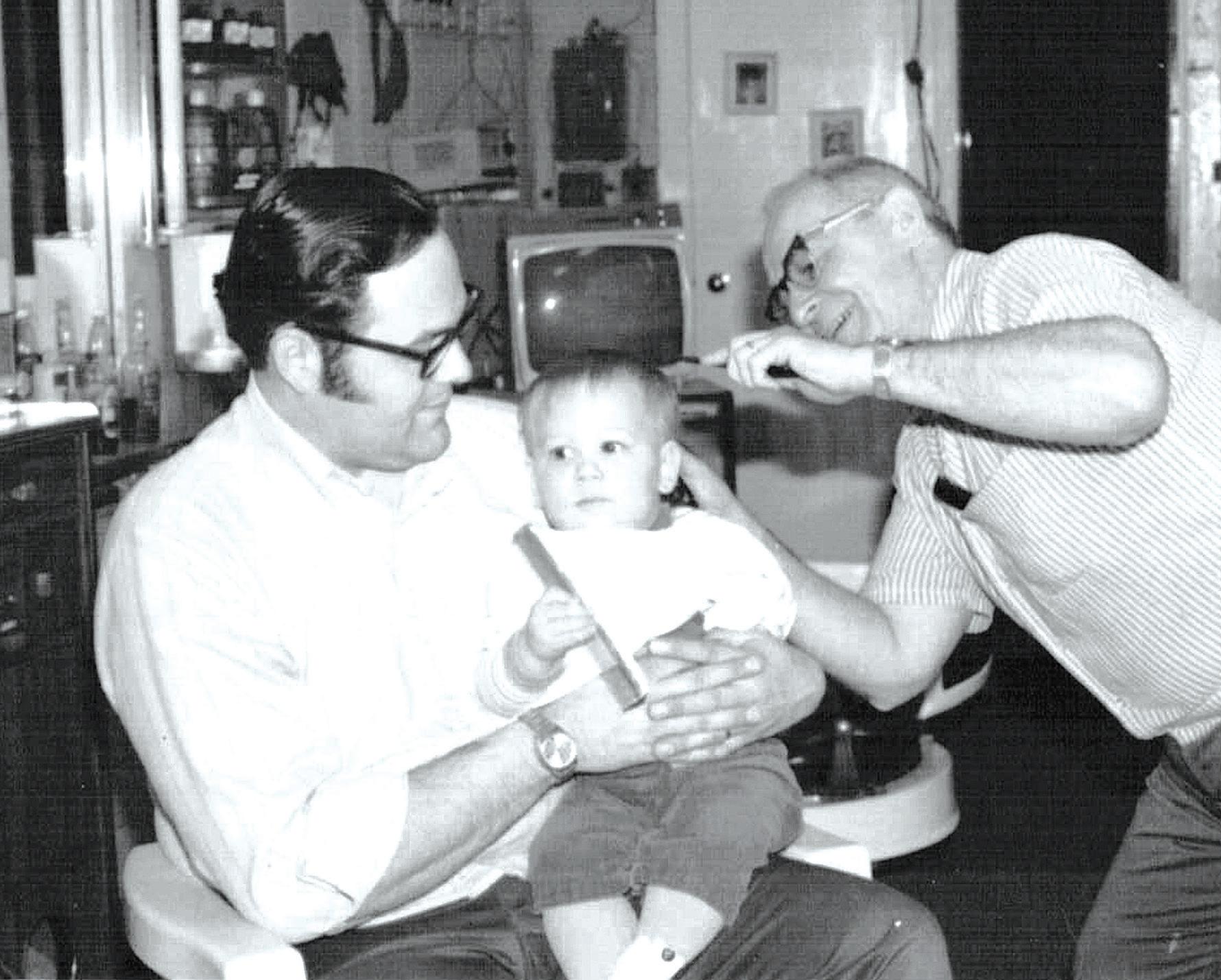
Magazines and newspapers were on the top with comic books stacked on the shelf underneath. My favorites were Donald Duck, his nephews Huey, Dewey and Louie, Scrooge McDuck and their adventures with the nefarious Beagle Boys. The shop had three barber chairs. The first two were in use and the third, near the back, was the most prized seat in the house. Lucky sitters at this vantage point got to see Jim at work, up close. After Jim would do the required cutting and trimming, his mother would brush away bits of hair, loosen the cape and apply a sweet-smelling powder. If necessary, she would use the clippers to align the cut. Before stepping down from the chair, she would give each kid two pennies.
We knew we were at last growing up when Jim would shave our necks and around our ears with a razor that he kept sharp with a leather strap.
There always seemed to be colorful characters in Minick’s Barbershop.
One in particular was the husband of Emma Lewis. He had a dignified look with a neat, trimmed mustache. They lived in the stately brick house at the eastern corner of Main Street (Route 22) and Cedar Spring Road. Mrs. Lewis was well known in Juniata County as a pianist and teacher. She gave piano lessons to my mother in the late 1920’s.
Another, as I recall, was an older man by the name of Kopenhaver. He was always telling stories while waiting for a haircut and was one of the few characters for whom I would put down my comic book.
Thanks to the Jim Minick family for adding to the childhood memories of growing up in Juniata County.
— Robert N. Sieber Mechanicsburg














In the 1960’s, the two main swimming pools in the Lewistown area were the Kish Park Pool and the Burnham Community Pool. My husband and I were both local kids who grew up in Lewistown and Burnham. We often teased each other about graduating from the two rival schools. I attended Lewistown High School, and my husband attended Chief Logan High School. There is still a lot of friendly ribbing about the schools but when it comes to the favorite swimming holes, it gets a little more serious. I was a fan of the Kish Park Pool. To me it was the only pool to hail from. My husband always refers to the Burnham Pool as the “cool pool.” Actually, both pools had a lot in common. Each had a concession stand serving favorite snacks like hot dogs, burgers, fountain drinks, frozen Milky Way and Three Musketeers candy bars among other treats. Both had a high and low diving board plus a sliding chute. The Kish Pool’s curved chute was a state-of-the-art model installed in 1970.
Both pools sold accessories like those rubber nose plugs that you could hang around your neck and all kinds of sun lotions. Remember the Sea and Ski brand? Both pools offered a storage service where you could store your extra clothes. Kish Pool had wire baskets while Burnham Pool had cubbies. They both gave you a numbered pin which you could fasten to your swimsuit for safekeeping. Both pools also had occasional evening splash hops. These were dances for teenagers at the pools with piped in popular music at Burnham and live bands at Kish Park.
One of my favorite memories at the Kish Park Pool included a sugar snack ritual. The concession stand sold Bonomo Turkish Taffy. My favorite flavors were vanilla and banana. The best method to eat it was to take it in the unopened wrapper, place it in your palm, smack it down onto the cement sidewalk to break it up then unwrap it and devour the pieces. I also have a memory of being taught how to swim by the most amazing woman, Jackie Bowersox. She taught many generations of youngsters how to swim at the Kish Park Pool and at the YMCA. One day, my father came to the pool after Jackie’s swim class, and he challenged me to swim across the pool and back without stopping. The reward was to be a brandnew bicycle. I was so excited and a little scared. I truly wanted to impress my father way more than I wanted a new bicycle. I was successful and proud when I met the challenge.
Now to my husband’s recollections:
In 1965, Burnham Lions Club president Gib Shirey cut the ribbon on what still stands today as the “cool pool” in Burnham. You were truly living large when you put your towel around your neck and rode your spyder bike down through Burnham to “the pool” where you parked by leaning your bike up against the fence, no one ever used a bike lock. It was great to get there early so you could pick a good spot to put your towel down over by the diving boards. That was “the place to be.” We kept our money in our sneakers, and the greatest power lunch was a paper cup of your favorite pop, a fivecent bag of Hartley’s and a
frozen Milky Way bar. You had to be 12-years-old to be allowed on the high dive, so it was like a teenage rite when you first climbed all those stairs and walked out on the high dive. It seemed like you were 150 feet above the water, but I think it was only 10 feet. All the guys tried to do a big gainer off the high diving board in order to splash the lifeguard. If the lifeguard blew their whistle, you knew they had caught a big wave. Doing a one-and-a-half flip off the high dive was one of the greatest thrills of life at the “cool pool.” Another cool dive was called the “Flying Dutchman,” when you dove out as far as you could and completed a quick flip just before you hit the water. They also had evening splash hops when they would play the great music of the 60’s and everyone would hang out and dance. The Burnham pool music was the greatest hits of the 60’s so when I hear those oldies now, it takes
me back to the hot summer days that seemed to last forever at the Burnham Pool.
Great memories, Mr. Arnold. Mrs. Arnold still thinks the Kish Park Pool was the best. It was big. (Olympic size without even counting the attached “baby” pool.) It didn’t have daily music, just some transistor radio music from a pool goer, sounds of splashes and laughter and anoccasional lifeguard whistle to curb some rule infraction. The pool also had lots of history. In the 60’s, it was the oldest continually-used and licensed pool in Pennsylvania. Yes, it was great, but eventually it went “to the dogs.” It is now buried under the ground where the Kish Park dog park is located. R.I.P. Kish Park Pool. Thankfully, the Burnham Community Pool is still open.
— Dee Miller, Ed Arnold McClure
• INDEPENDENT LIVING designed for persons aged 62 & over and qualified persons with disabilities
• LOCATION conveniently located just off Rte. 22 between Harrisburg and Lewistown
• AFFORDABLE rent is based on 30% of income, new energy efficient windows
• PET FRIENDLY small house pets are welcome (policies enforced)
• PEACEFUL quiet country setting with social activities, weekly grocery shopping trips, monthly “FUN” trips and more. APPLY TODAY 58 Honaman


• Ceramic & Plastic Containers • Black Wrought Iron
• Lots of New Pots
















• Garden Tools & Gloves • Potting Soil • Peat Moss • Fertilizers & Sprays (Organic & Conventional)
Annuals • Perennials • Bedding Plants
Hanging Baskets • Potted Plants • Succulents
Vegetable Plants • Garden Seeds • Herbs
Rhubarb Plants • Variety of Berry Bushes
• Over 60 Varieties of Tomatoes

I remember when . . .
Where the Snedeker Energy main station is currently on East Walnut Street, Lewistown, there used to be a little restaurant/gas station known as Harold’s Luncheonette. It was a small restaurant we frequented as young kids, mainly for their popsicles, potato chips and candy. It was a great eating place for adults and families. The restaurant was owned by Harold Klinger. I remember Harold’s mustache. He was a slight man but so kind to all the kids around the neighborhood.
Across the street was Martin’s Bar. Locally owned and attached to the bar owner’s home. Our dad frequented the neighborhood bar. A lot of times dad would come home with a copy of the “Lewistown Liar.” A publication by the well-known man, Ben Mason. He and dad would have many lively conversations about the lawyers and judge in Lewistown. Ben would stop for a beer on his way home to Glenwood, where he resided.
The neighborhood known as Hamilton Terrace was just that, terraced. With street names
like “Roosevelt” and “Mifflin Avenues” and at the top was “Mifflin Avenue Extended.” It was actually a dead-end street. Many families lived there with kids, so we always had someone to play with. Families like ours (seven children), the McCurdys (five children), Martins (four children), Richards (four children), two McCardle families (one with three children and the other with five children), Logans (three children), Kochenderfers (two children), Cassidys (three children) Shrefflers (two children), Silks (one child).
We were all like one big happy family, never a dull moment. We had our fun and we had our fights but never stayed mad for long. When we run into each other now, we all felt we were all one big happy family. We share lots of memories and laughs from days gone by. We all agree it was the best of times to grow up in that area.
We had a large playground called East End playground (which is now a small housing development) down behind Snedeker Energy. We spent many days in the summer at the playground on the merry go round, maypole,
sliding boards, see-saws, and played tetherball and softball. Summers always had supervisors to keep us entertained and out of trouble. We’d make pot holders, made things out of gimp, played board games, coloring books, and I was taught how to play chess. On Fridays after the morning session, Bill Fox would take us to the McClure Pool to swim for the afternoon. We all rode in the back of his open pick-up truck.
As we got older, we branched out to other areas, namely the Daisy Corner on Spring Street, Lewistown. A restaurant and a pool hall/pinball game area. Bob Mannino owned the business. We met a lot of people at the Daisy Corner over the few years we spent there. Bob taught us how to play pool. We would meet up with friends there and play pool and pinball for hours. Bob always made us feel like family. He looked out for us. We never got into any trouble under his watch. The caption in my graduation yearbook said “Tina can always be found at the Daisy Corner.” Many, many good times.
— Tina Miller Reedsville
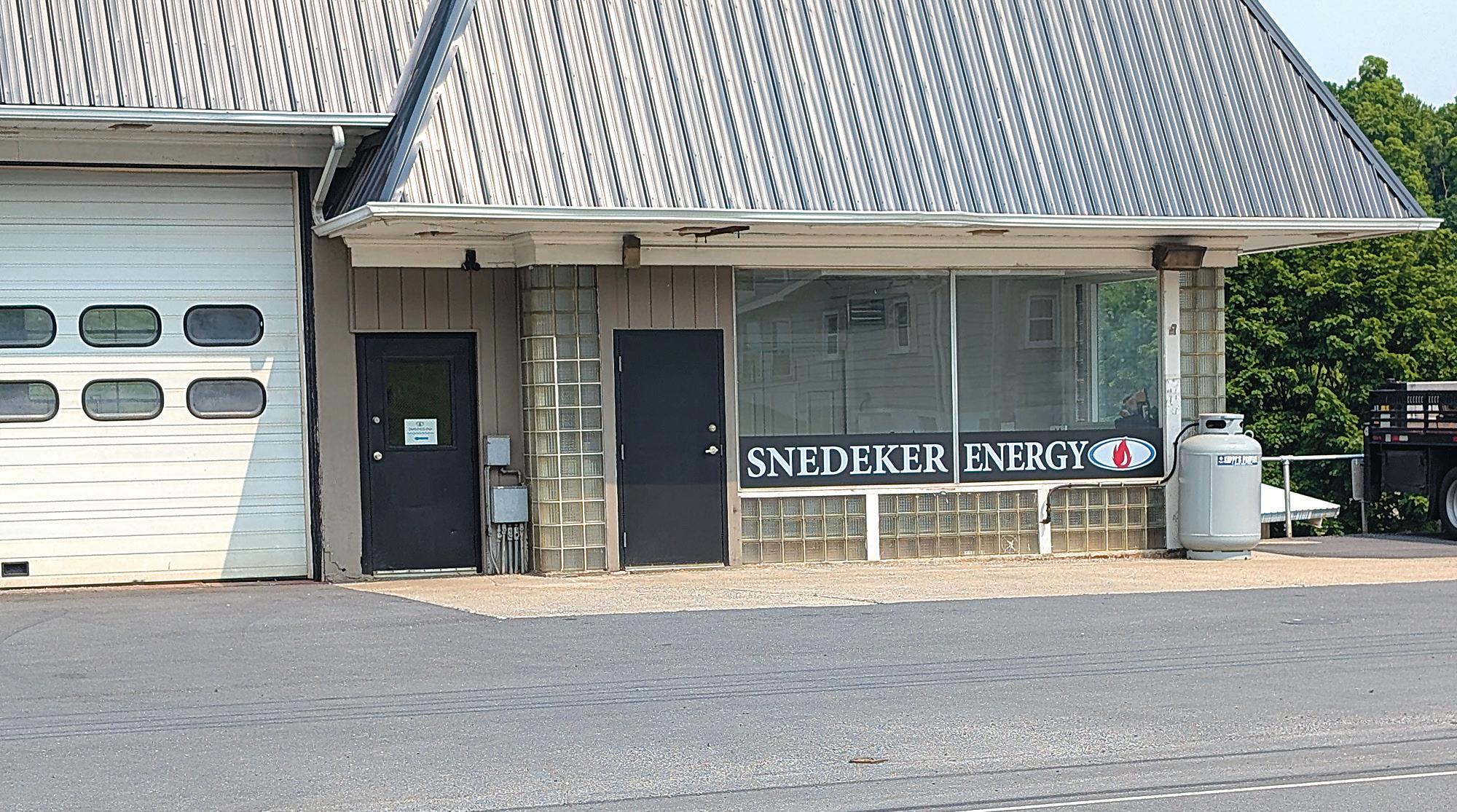
“...on East Walnut Street, Lewistown, there used to be a little restaurant/gas station known as Harold’s Luncheonette. It was a small restaurant we frequented as young kids, mainly for their popsicles, potato chips and candy. It was a great eating place for adults and families. ”

They tore down a building on Electric Avenue [Lewistown] to put in the new Cricket store. Before that, there was a hoagie shop there. But, before that, there was Woody’s Tavern. My brother and I had our first drink there. He was six and I was eight. Boy, that cold Coke tasted great.
You see, on Saturdays in 1956, our Dad, Bill Stuck, Sr., would take us with him while he had a beer with buddies. They were average working guys who were giving their stay-athome wives a break from the kids. They were all nice to us and we had fun playing with the pool balls or shuffleboard. We knew our limits and didn’t make too
much noise to draw attention. Most were war vets, only they didn’t talk about it. I remember, if a guy had a tattoo, he was either an ex-sailor or marine. Only war-hardened guys had tattoos. There was always a cloud of smoke that hung above us. No one cared that everyone smoked.
One Saturday, as we sat drinking our Coke and eating popcorn, someone brought up a question. Did we think we could eat a whole large beer tray of popcorn? “Well, come on, sure,” we said. So John, the bartender, made a fresh heaping tray and sat it on the table along with a Coke refill. Many men watched as we took on that popcorn. Yes, we finished it, and boy, did we get sick. None of it
stayed down and neither my brother nor I can eat popcorn to this day.
Most everything that was normal back then might be considered wrong now. I am not sure you can take a six- and eight-yearold into a beer joint. Did it hurt me? I’m 77 and in good health. I’ve never smoked and I don’t like the taste of alcohol. I don’t mind drinkers or bars. I have so many great memories of those guys and those days. I see why they are called the greatest generation. Both Dad and Woody’s Tavern are gone now, but they will always live in my heart.
— Bill Stuck, Jr. Yeagertown
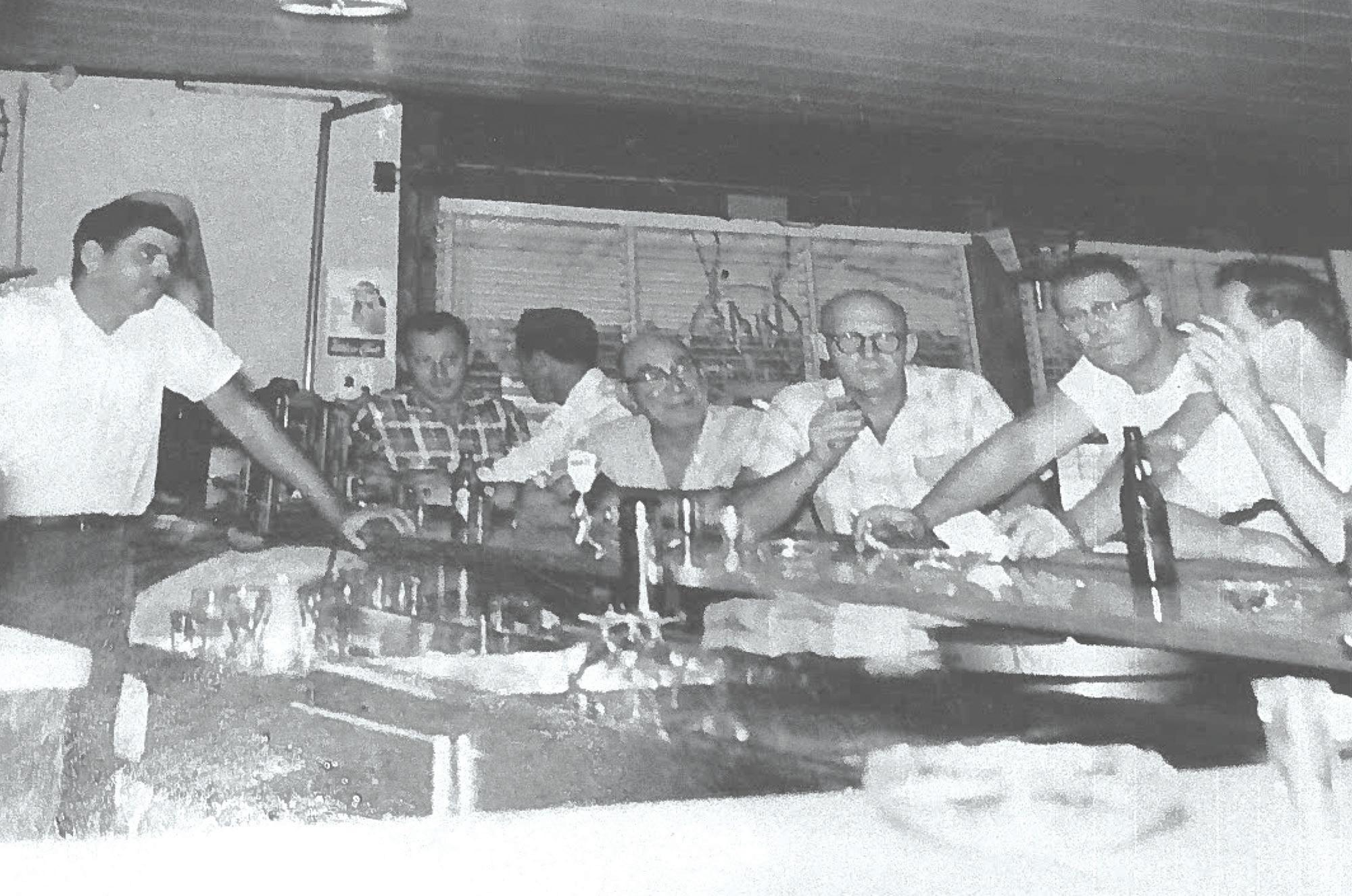
Customers at Woody’s Tavern. Bill Stuck, Sr. is second from right.


I have always felt I was fortunate to have spent the first twelve years of my life on the Juniata Terrace. My mother did not go to the hospital when she gave birth to me. The midwife lived on the first block of Juniata Terrace and delivered me in the bedroom. In 1939, many children were born at home. Many children lived on “the hill” because the American Viscose Corporation offered jobs and wanted families with many children.
They could work at the Viscose in the morning and attend the Viscose school in the afternoon. Our house had three bedrooms. Living in the house, besides myself, were my brother, cousin, parents, two uncles, and a grandfather.
The summers were very hot in the home, as there was no attic. The same reason there are destructive fires there today. Many kids would sleep on the porch in the summer since there was no air conditioning, Sleep attire was shorts and a tee shirt,
no shoes. Milk was delivered by trucks, and the last horse-drawn milk wagon, by Oak Valley Farm.
The clippity clop of the horse and the steel-wheeled wagon awakened me at the crack of dawn. I would run down the sidewalk, trying to keep pace with the horse.
What great fun. Someone informed my mother and she made me stop. I always thought Oak Valley Farm would be a great place to live — in the country. How disappointed I was when I began to drive and discovered Oak Valley Farm no longer had horses, and was located at the corner of Oak and Valley Streets
in Lewistown. A big red apartment building stands there today.
As kids, we had the run of hundreds of acres located in the great bow of the river and the railroad. Kids played in the grass and on the street, Tank Hill, Shade Farm, the railroad and the river. Even if you went in the river when you were told not to, your parents wouldn’t know if you didn’t get your hair wet.
Too bad television was invented.
— Pete Searer Lewistown
Vakharia 54391



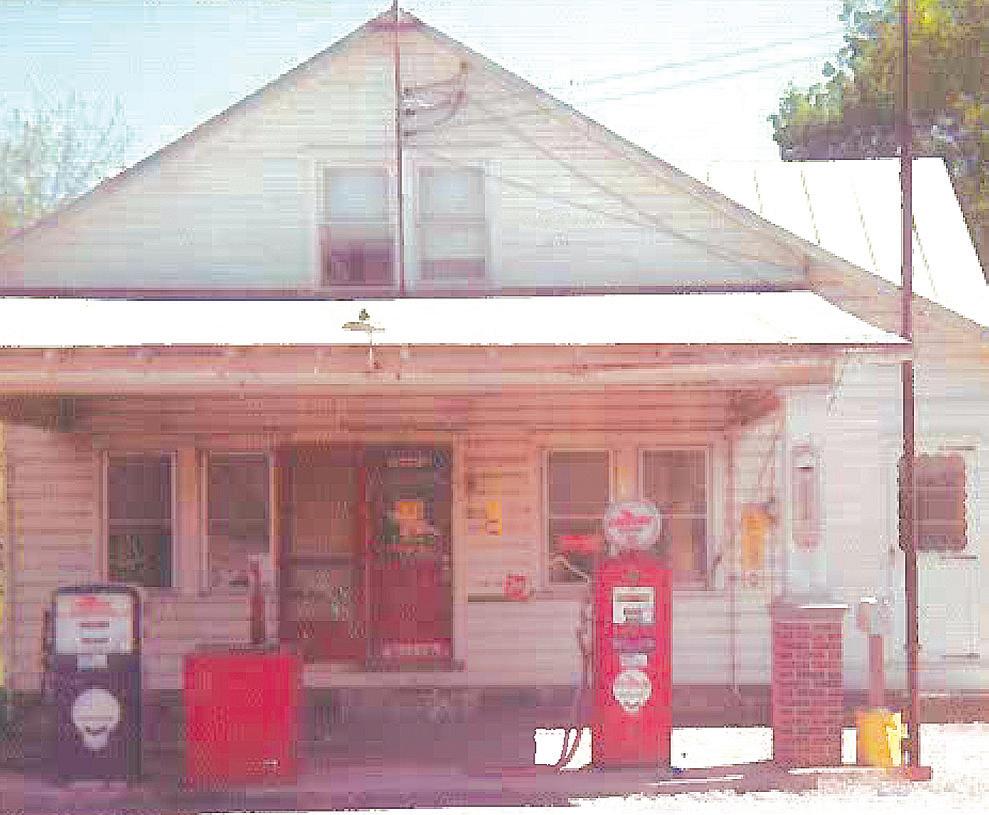
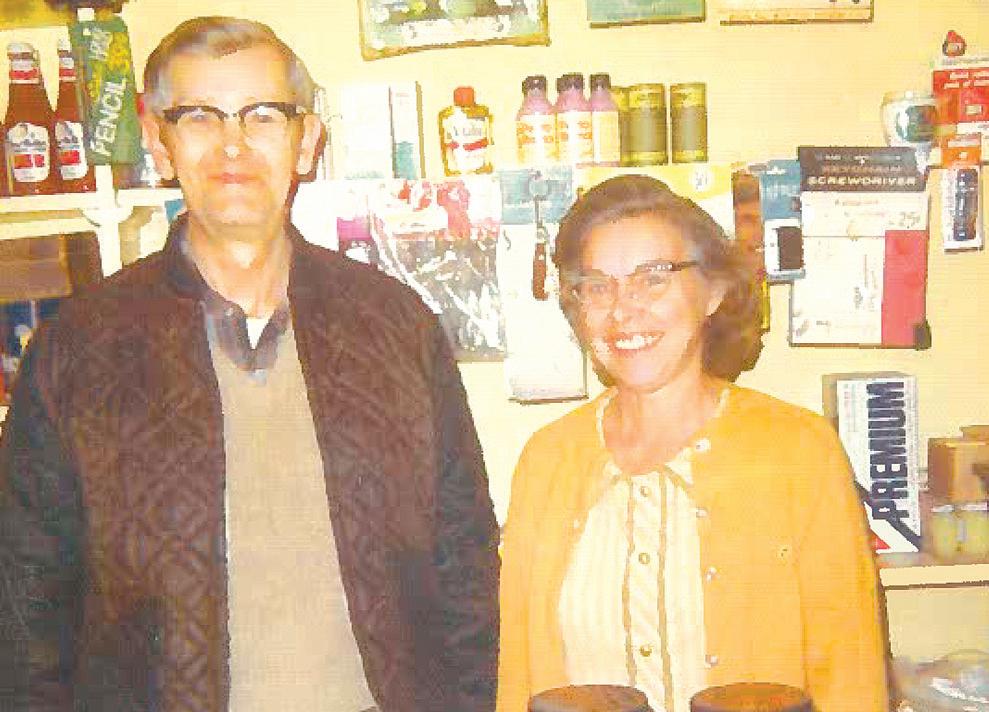
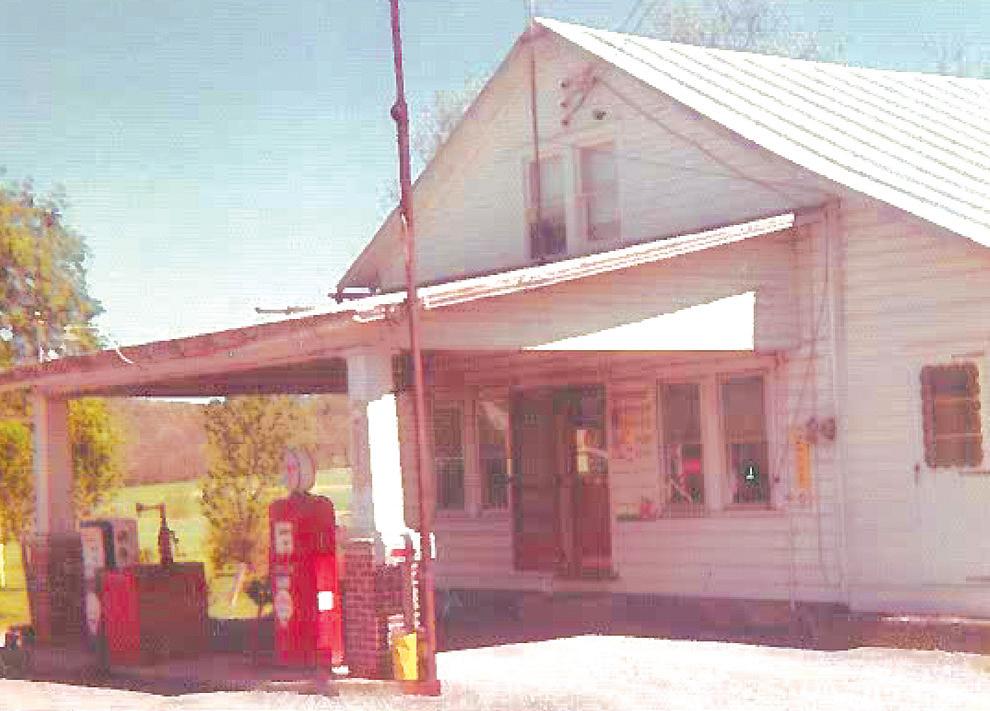
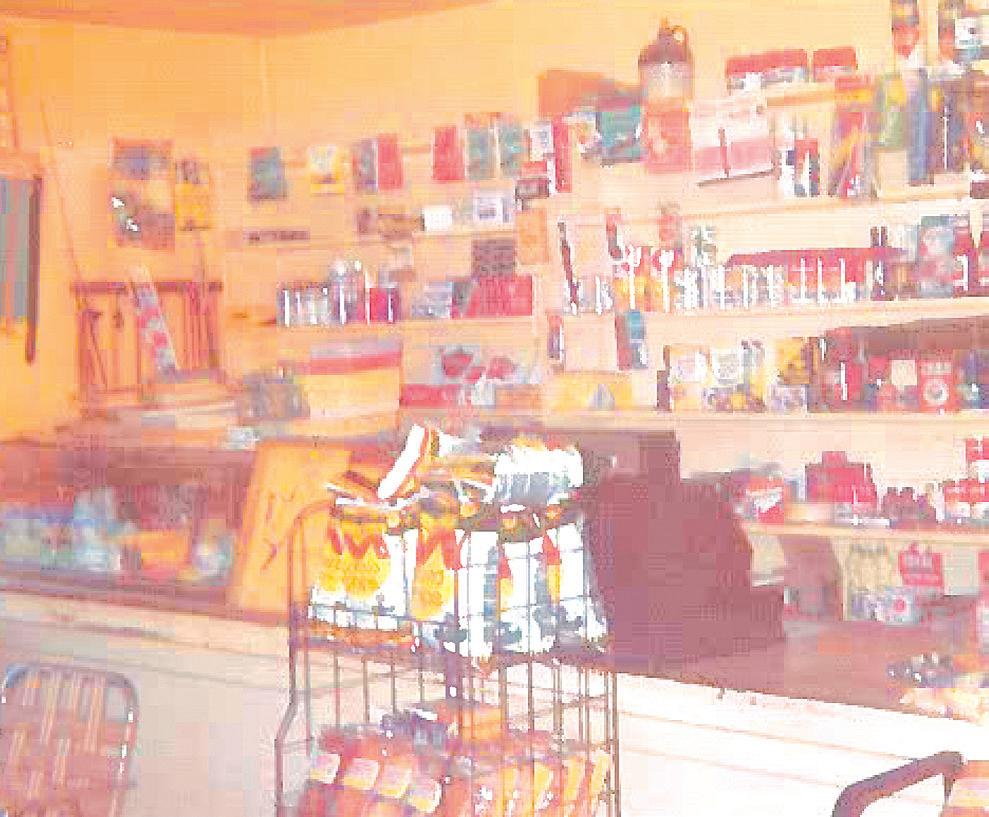
I remember hanging out at Blain and Ruth Kerstetter’s service station and grocery store in the 1960s and 1970s. The store was in Fayette Township, Juniata County, along Route 35, about a mile from Bunkertown. They had wooden tables where you could sit and enjoy a soft drink and a bag of chips. They also had a small dog named “Penny” and a cat named “Felix.” The floors inside were wooden and
they had two gas pumps outside. One still had a glass globe on top. In the evenings, there would be a lot of cars parked outside and the store would be full with people talking inside. A lot of people would pump their own gas so Blain and Ruth would not have to go out and do it, more so in the cold weather.
—
Mifflintown
Ruth Kerstetter
I remember when, as children growing up, we spent hours at 5th Ward playground. We (my brothers and I, and many neighborhood friends) would walk to the playground in the morning. There was usually a craft project (plaster of paris molds and rope crafts were favorites). Of course there were slides, merry go rounds, seesaws, tether ball and swings. Not being at all athletic did not stop me from playing girl’s softball. We traveled to neighboring playgrounds weekly for our games. The playground was not open in the afternoon, but occasionally, the playground supervisors would take us to the McClure pool to swim. Evenings were great fun at 5th Ward. There was a snack stand where you could get a “graveyard” drink (all types of soda mixed) and drink it through shoestring licorice. I remember my mother helping in the snack stand. Weekly, there was a hot dog roast, toasted marshmallows, and then the “Old Timer’s Game.” My father played, along with Uncle Joe and Uncle Yogi. I am sorry that my daughter and grandchildren were not able to experience this wonderful memory, but I will always keep it close in my heart.
— Cathy Laub Searer Lewistown