FRITZ SCHOLDER (1937–2005)
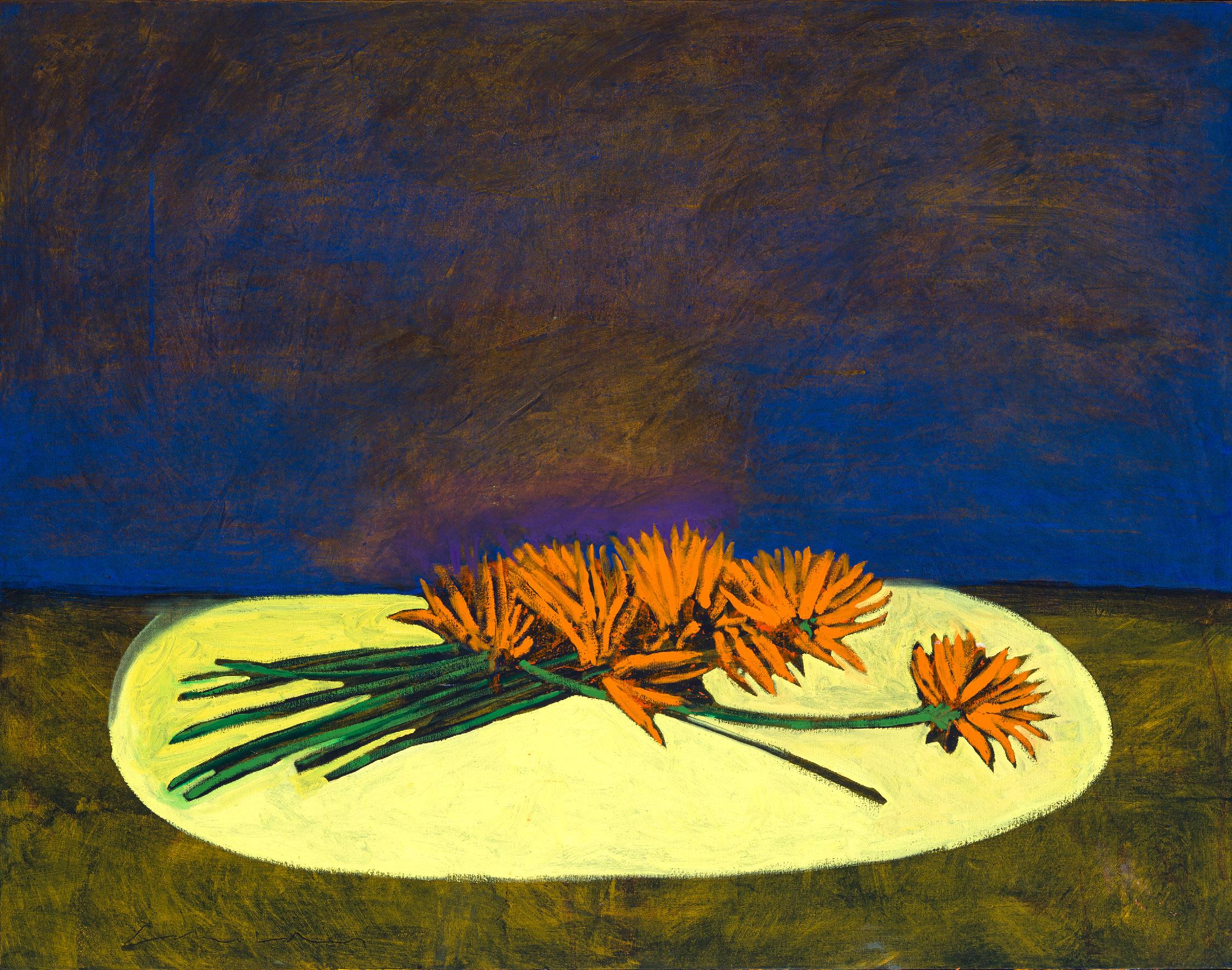
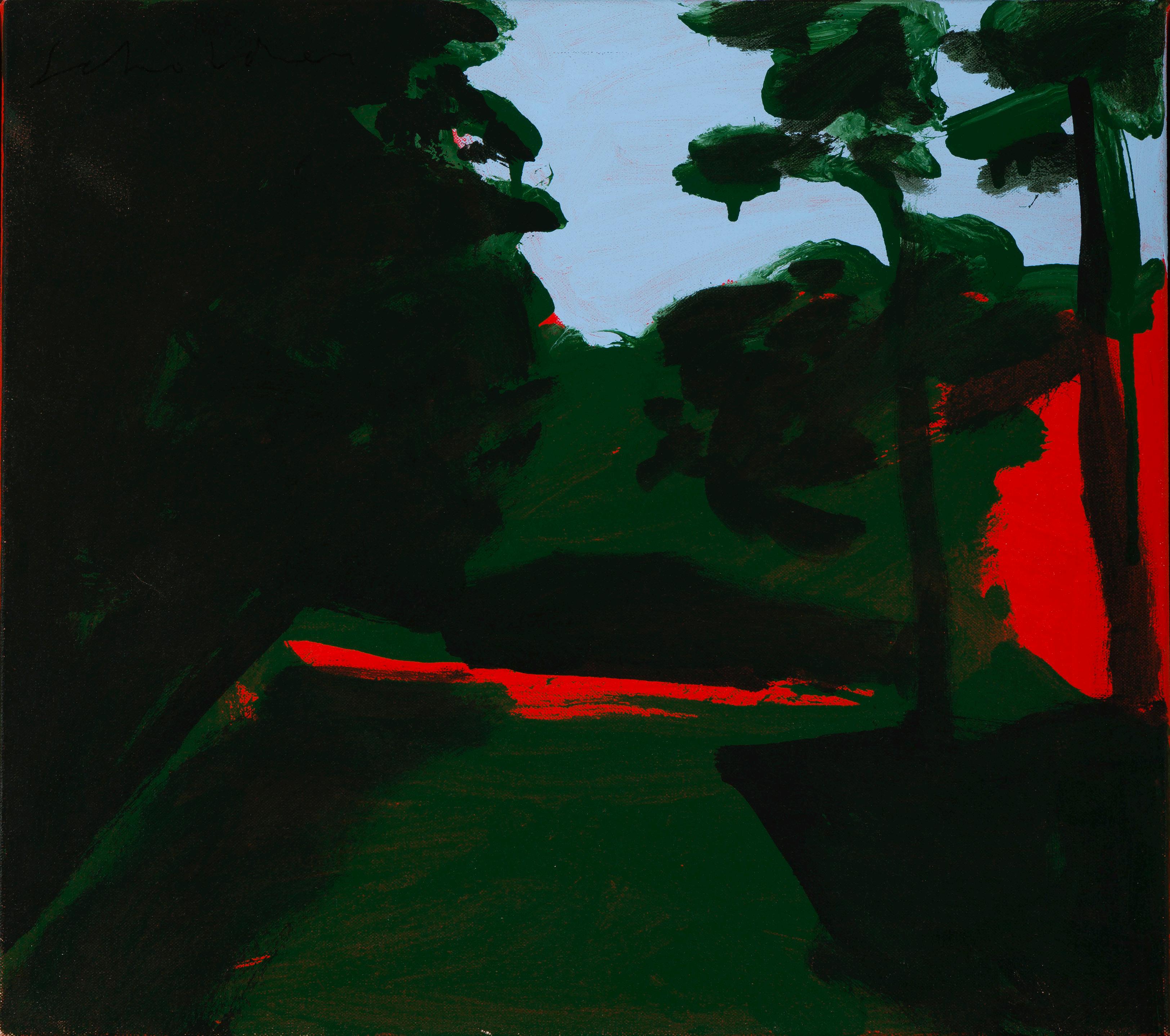
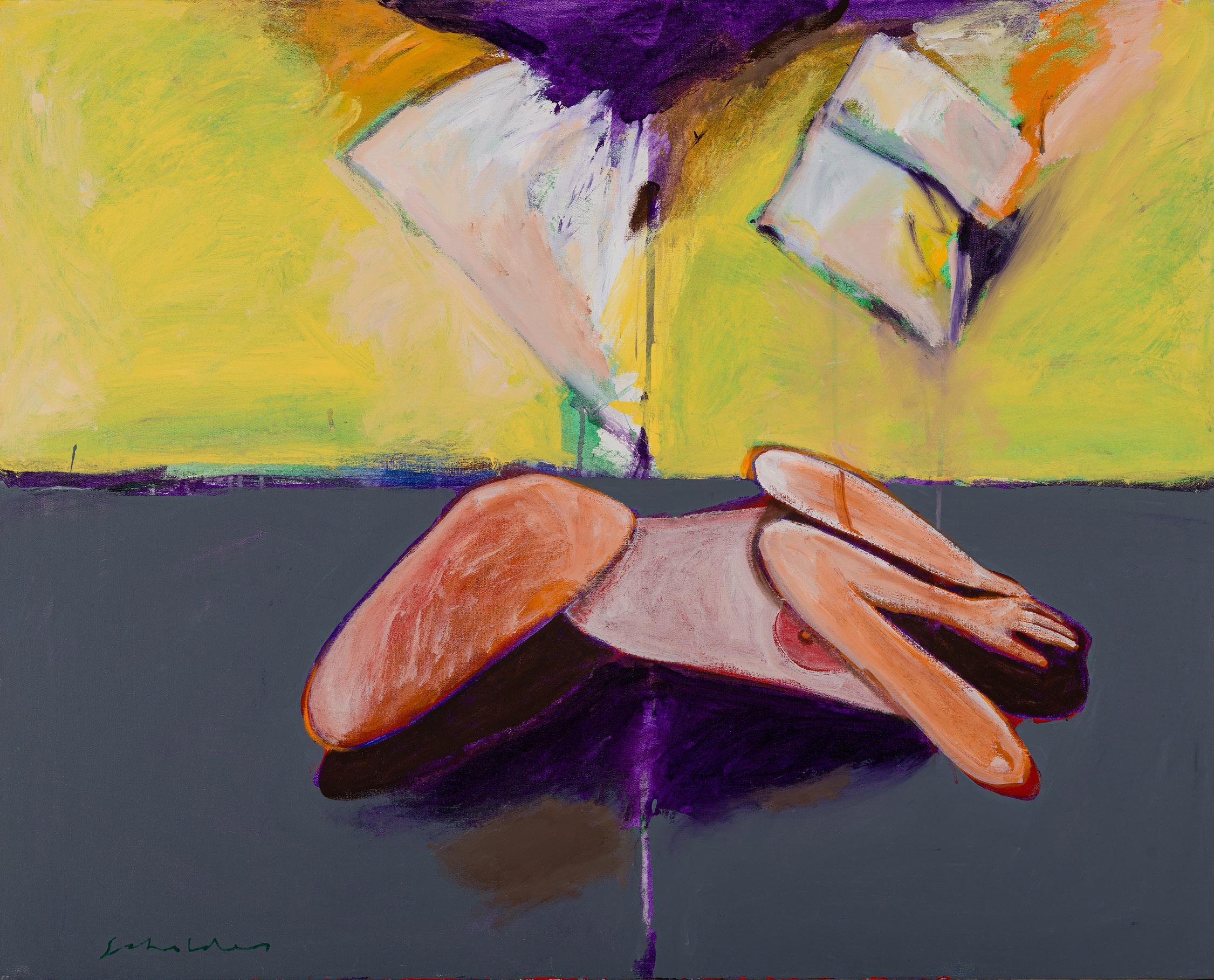
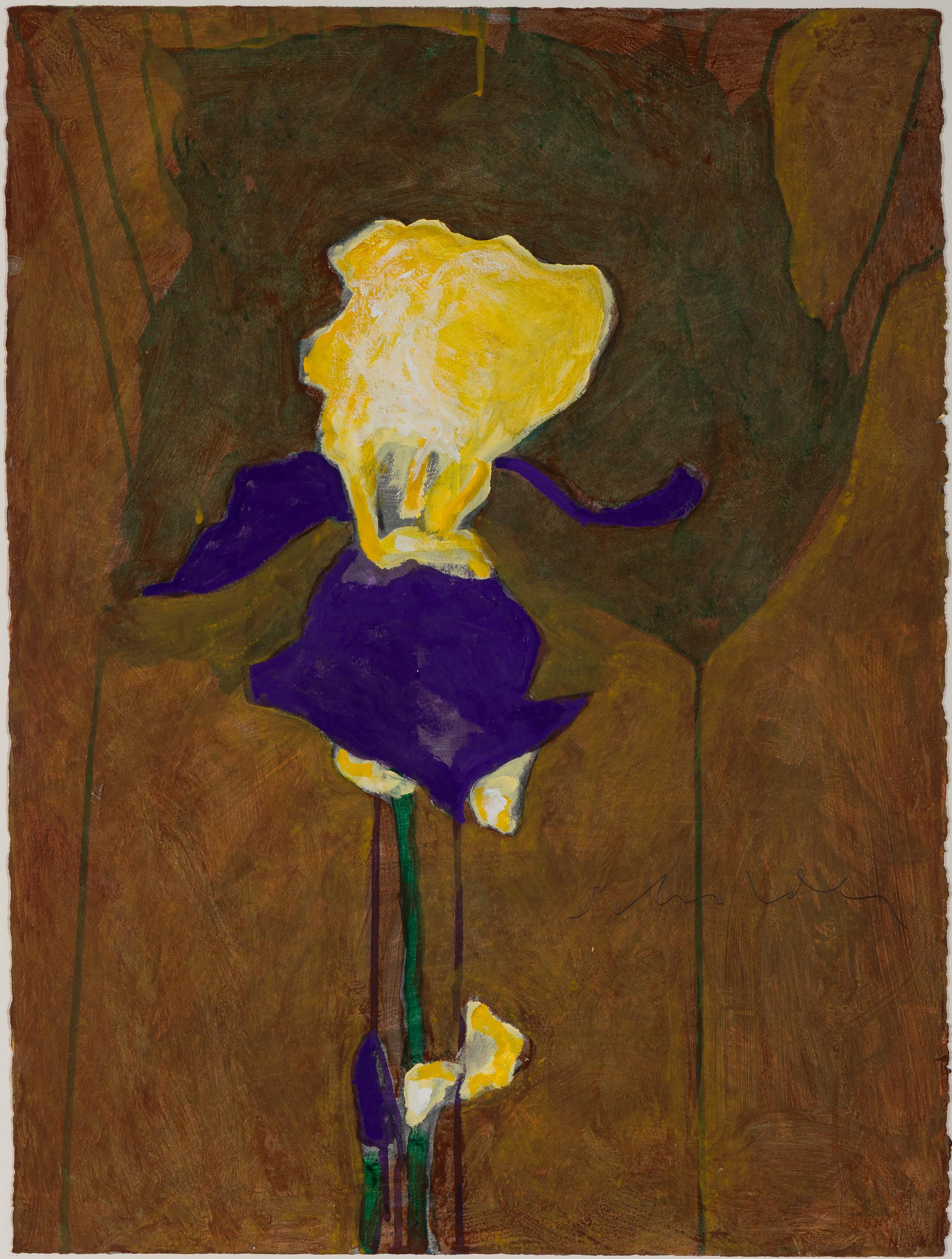
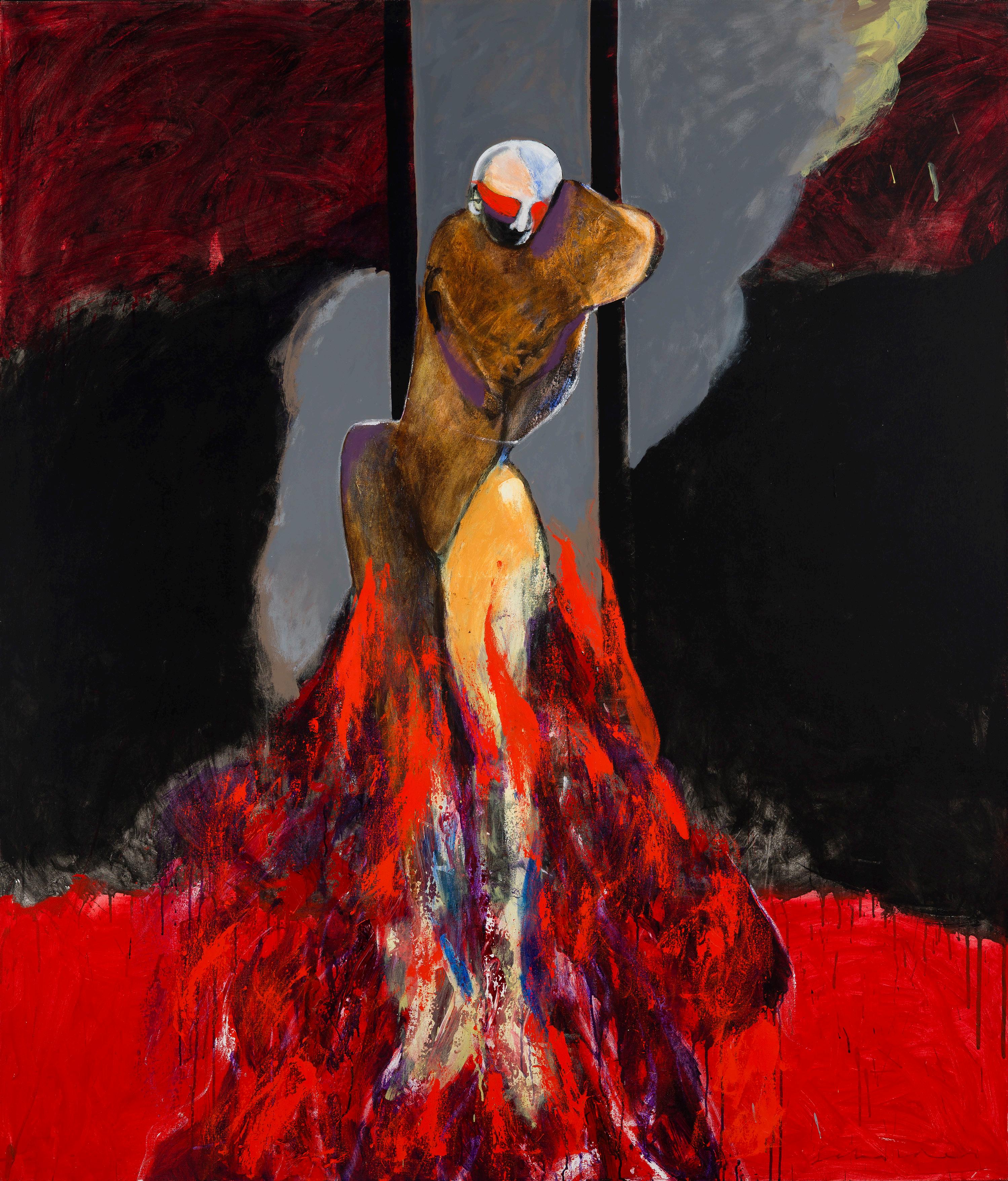
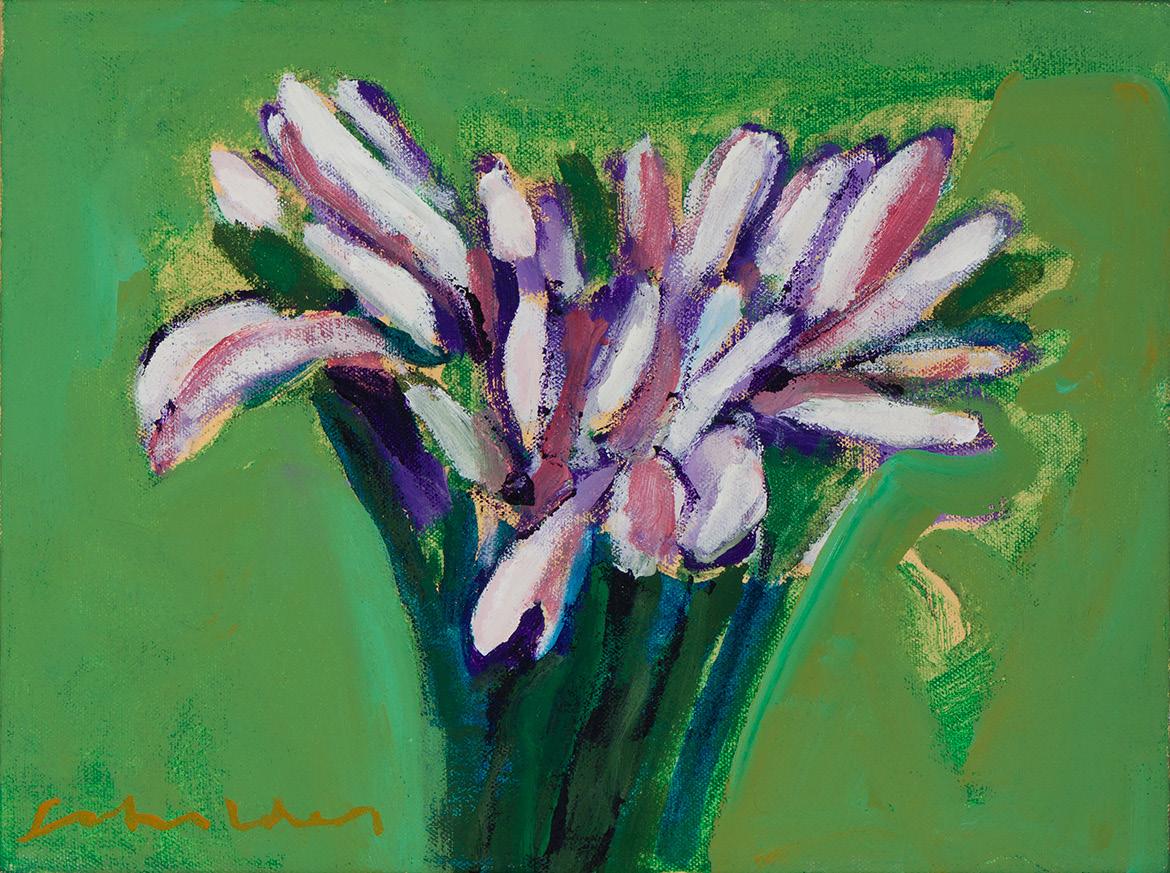
Chrysanthemums Thrown in the Spotlight oil on canvas, 36 x 46 in
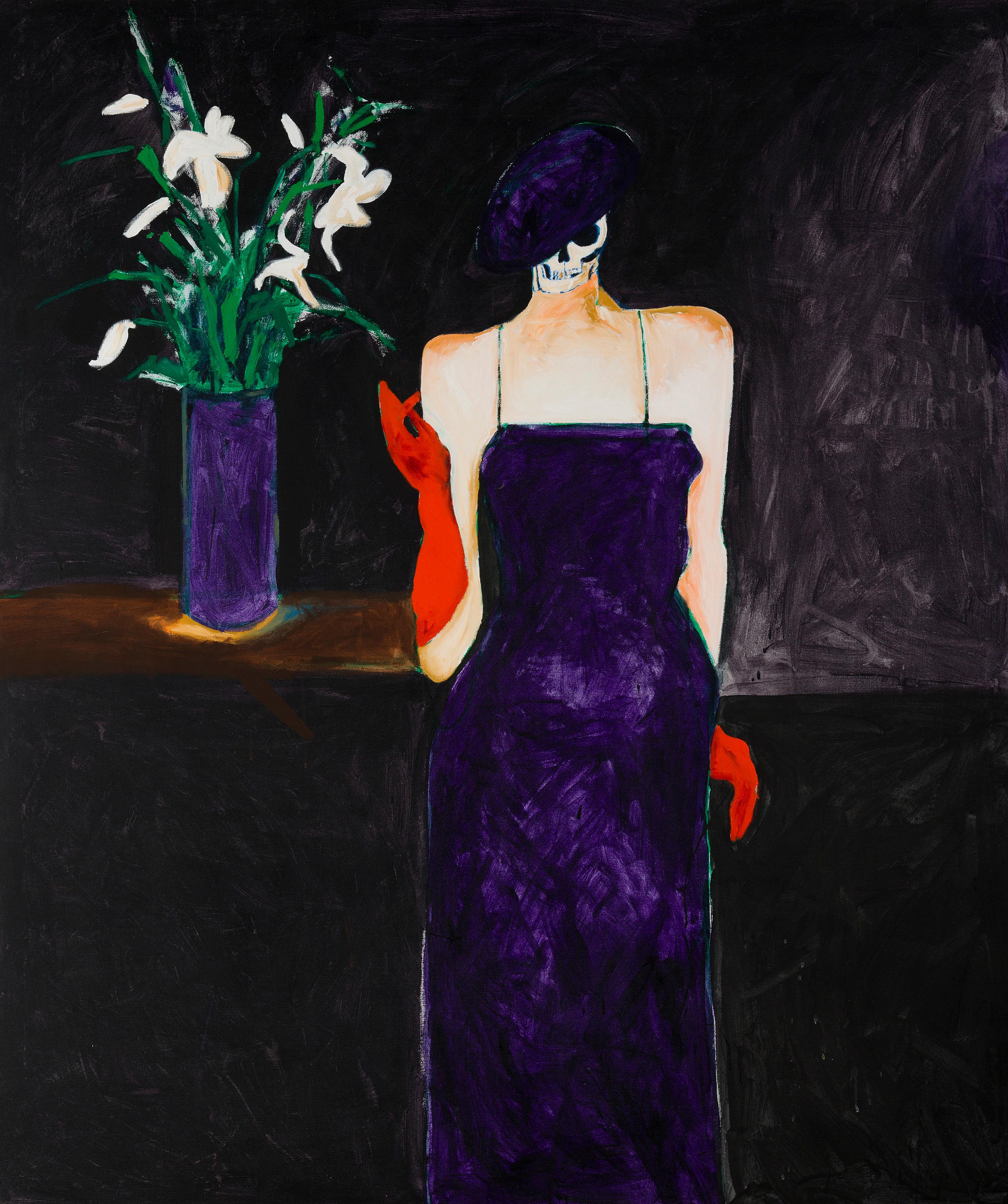
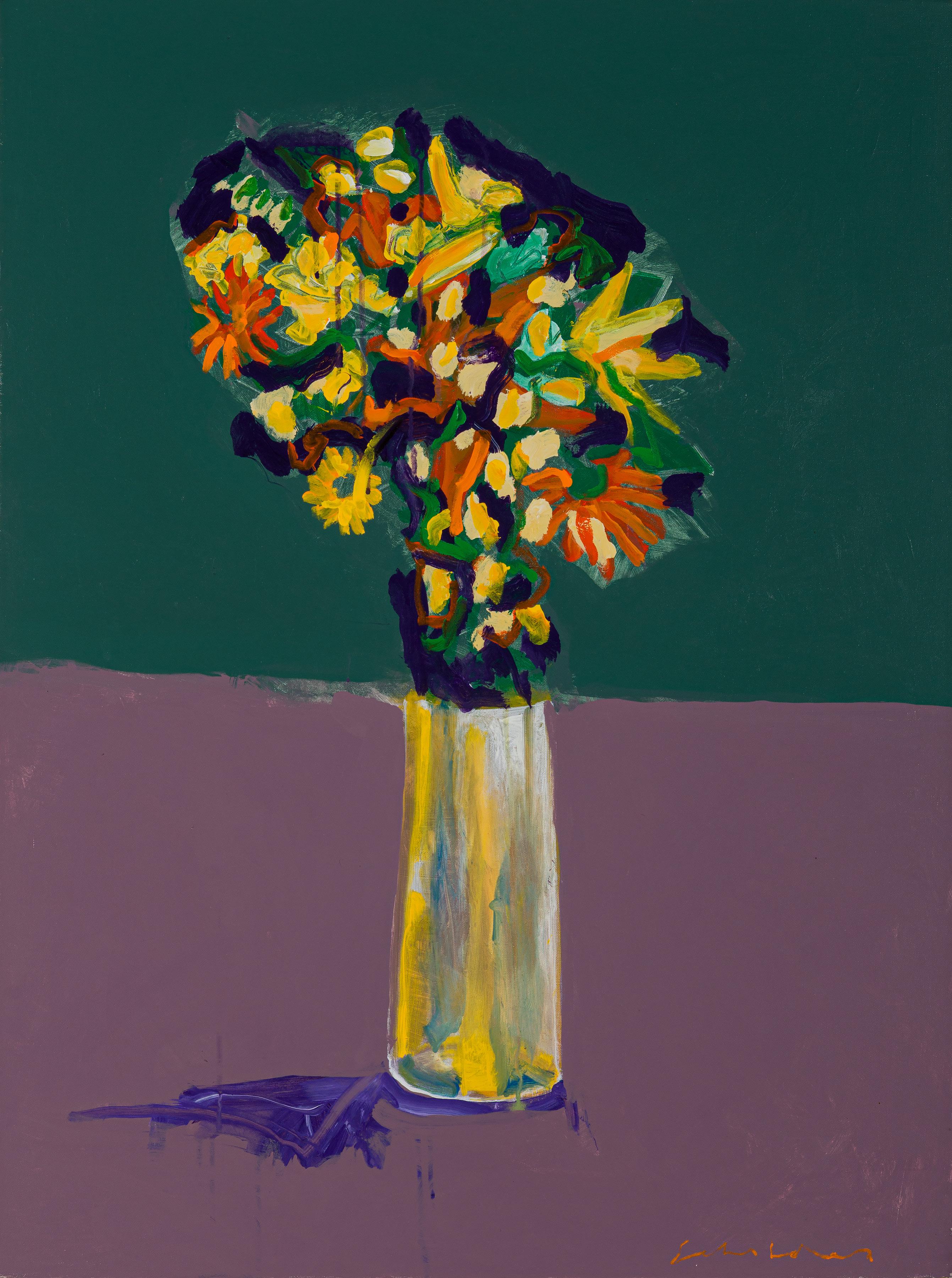
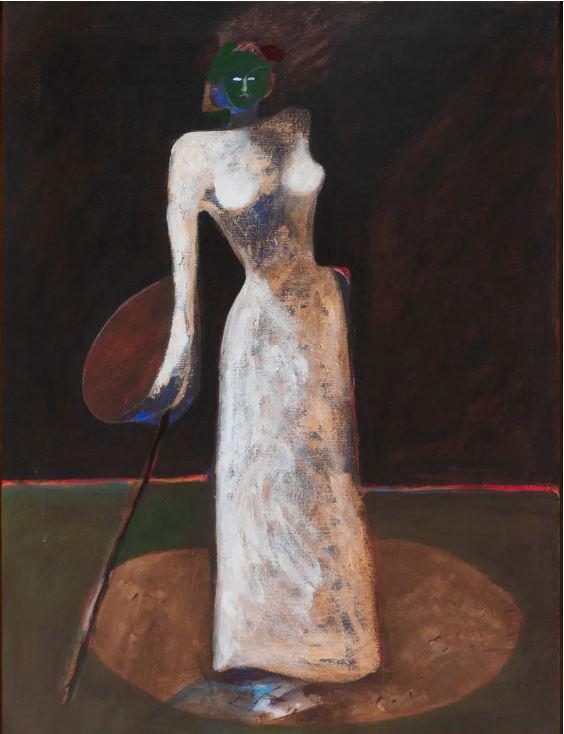
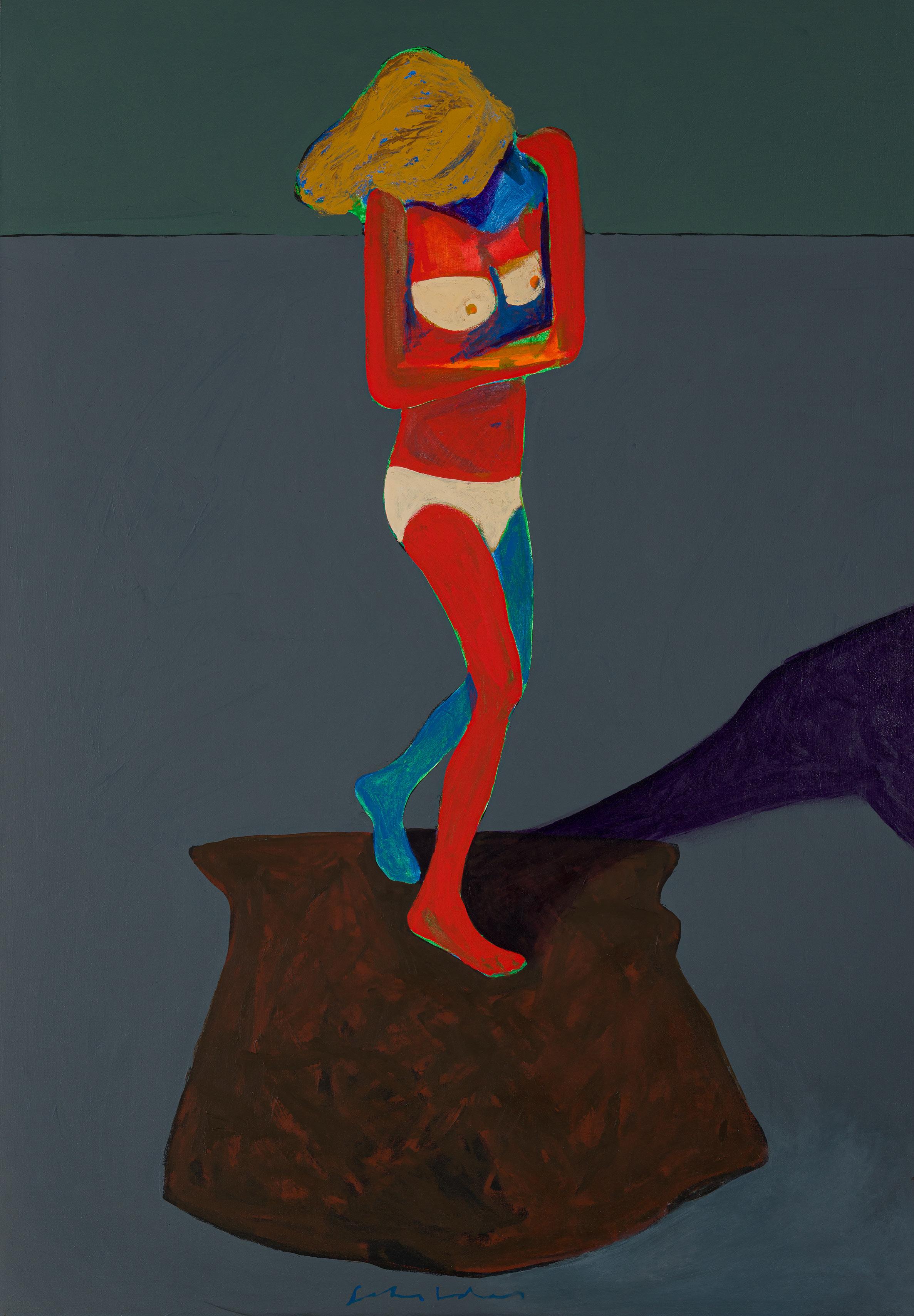
Mystery Woman with Flowers
1987, acrylic on canvas, 80 x 68 in
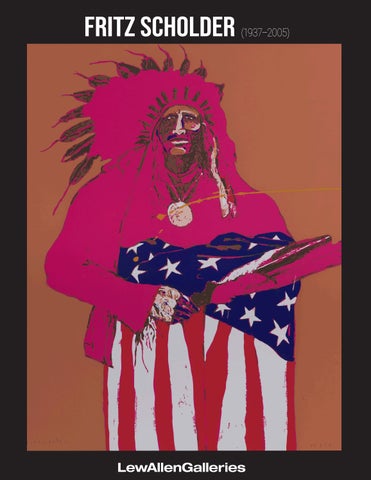
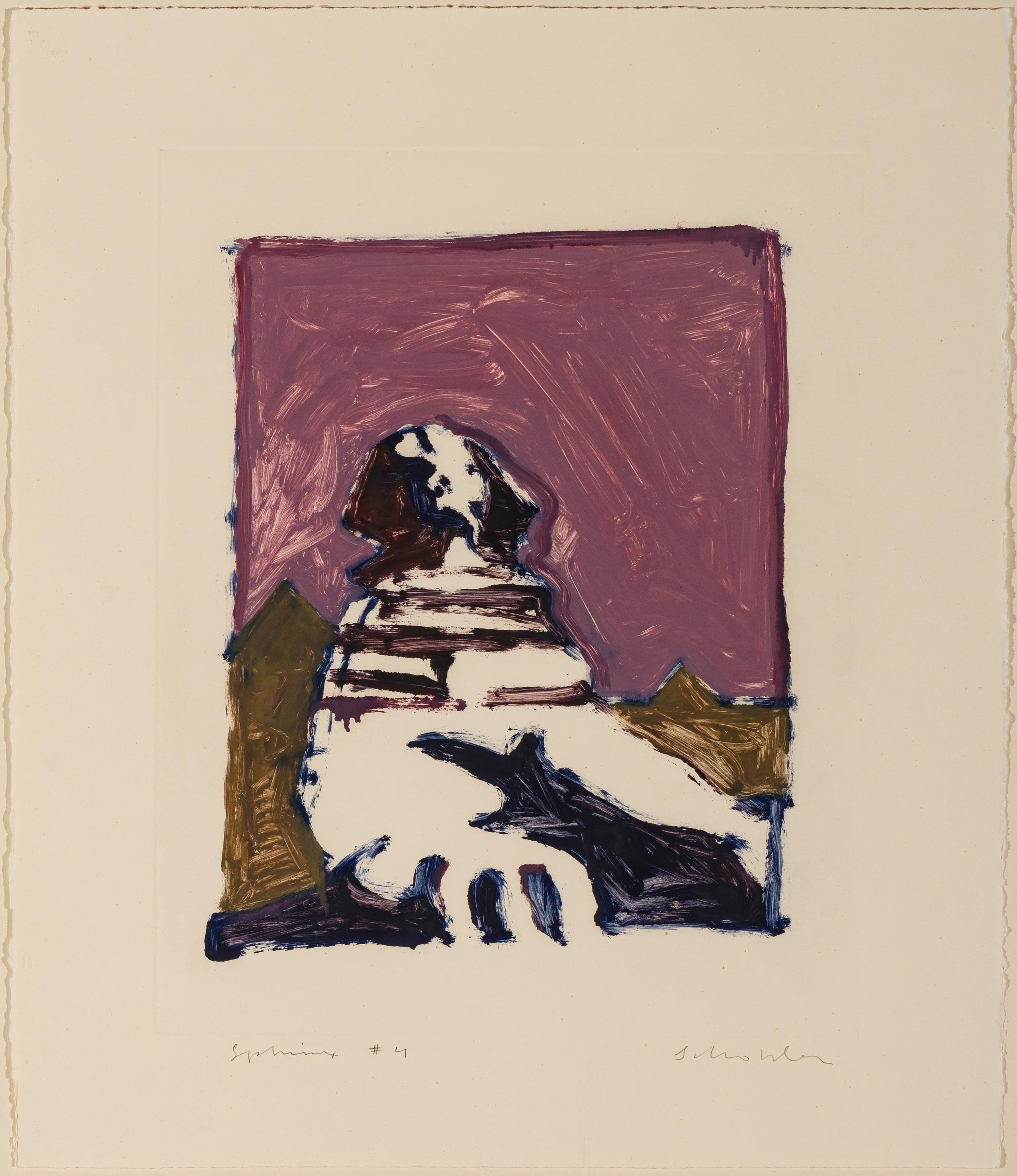
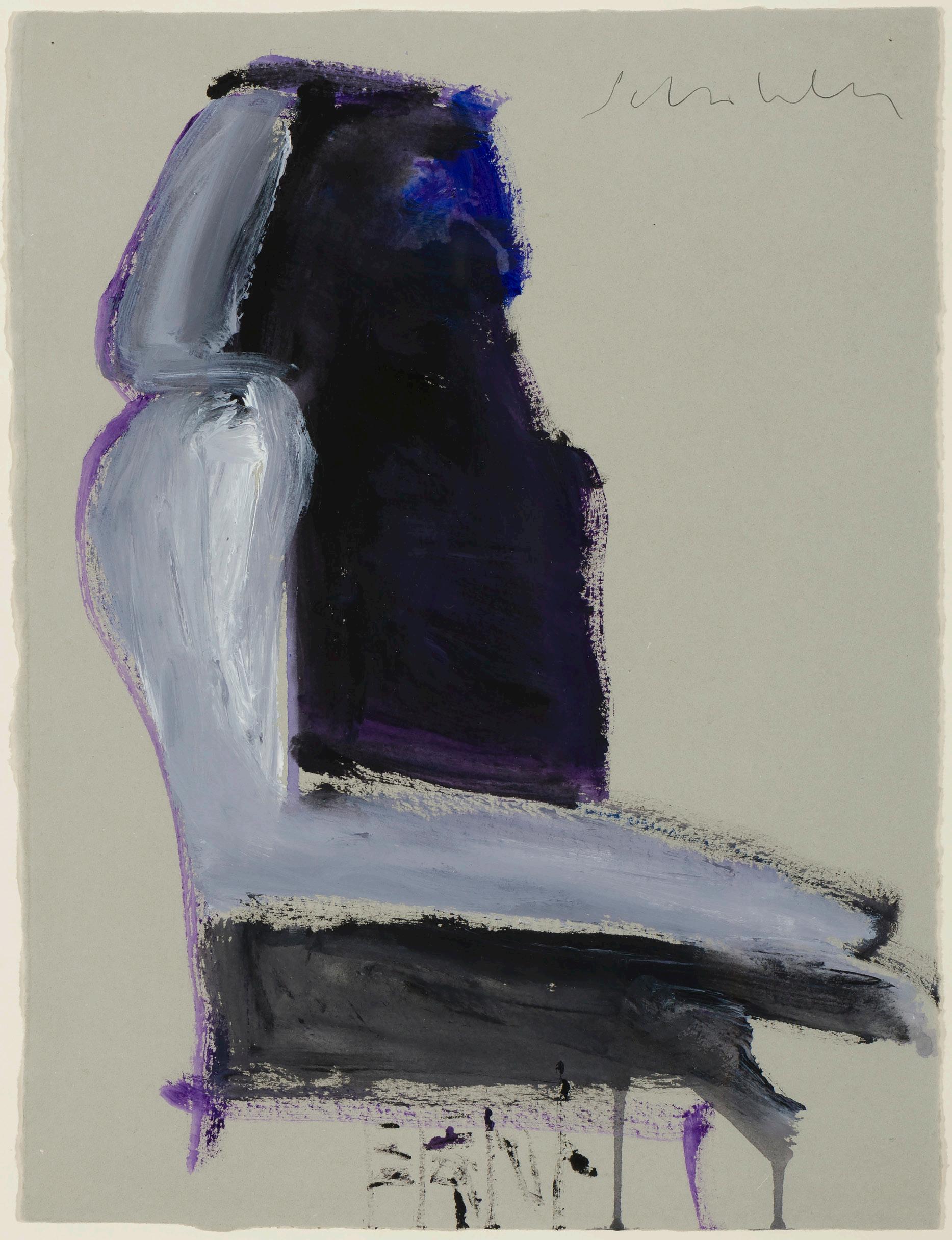
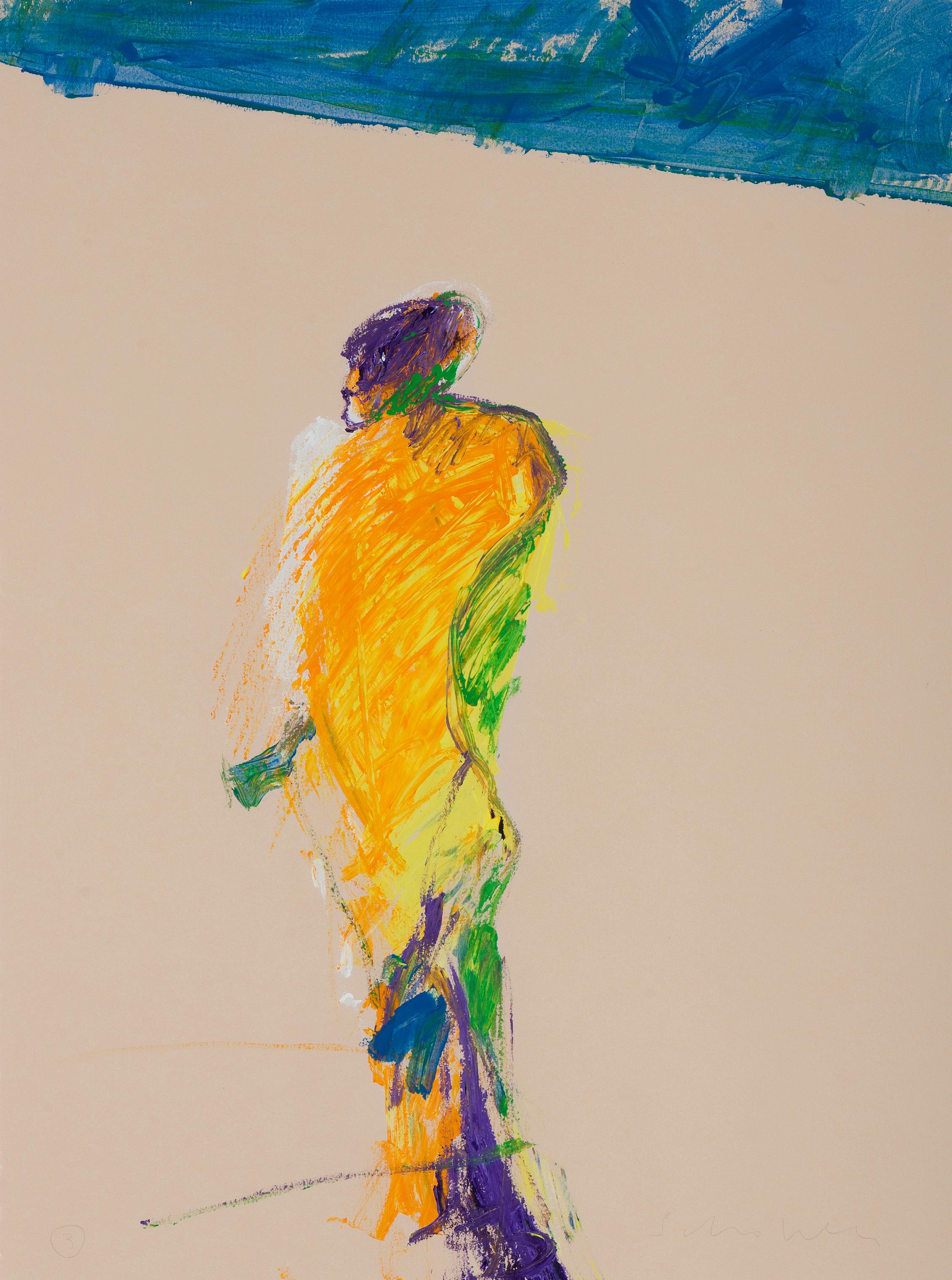
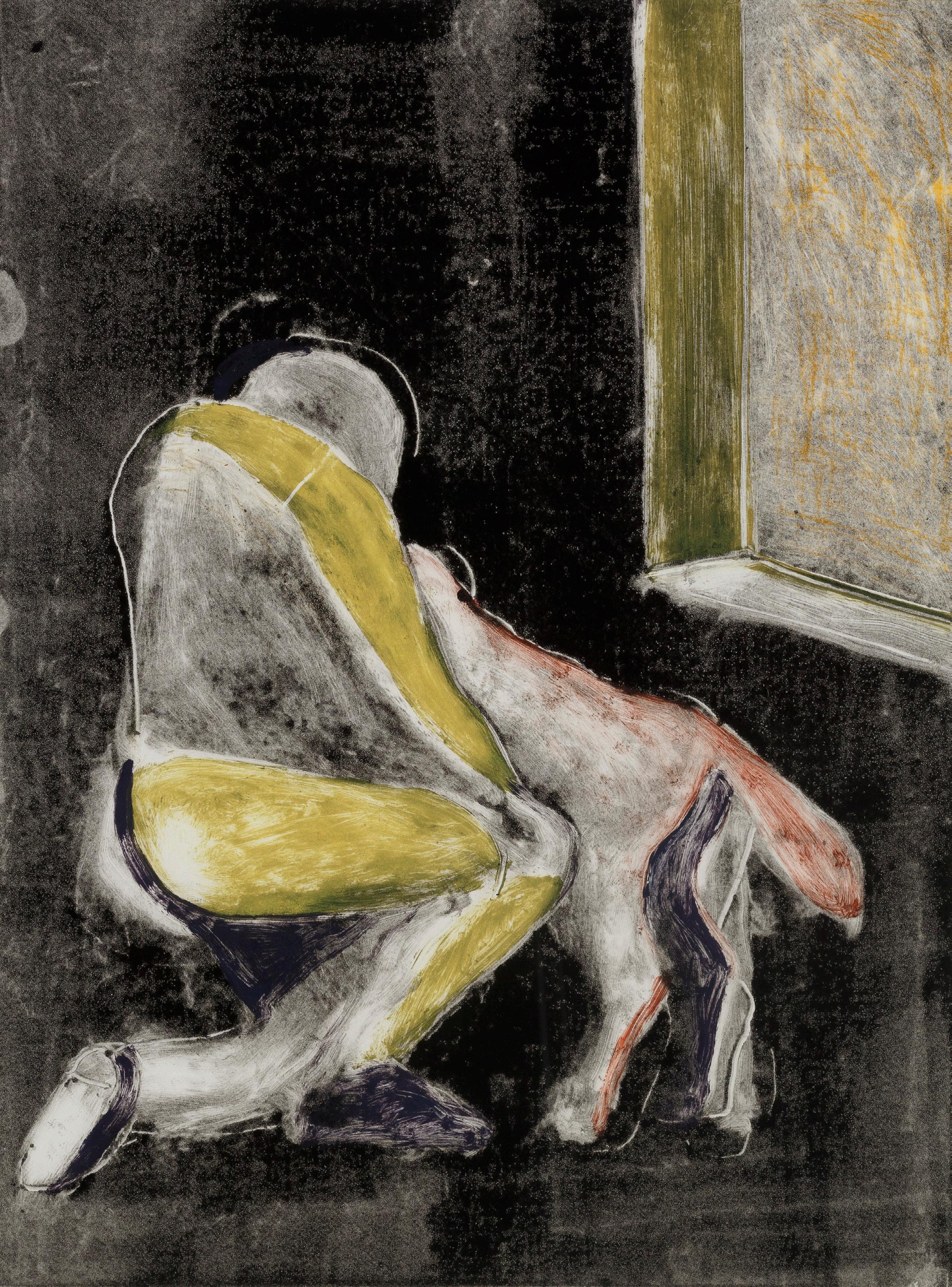
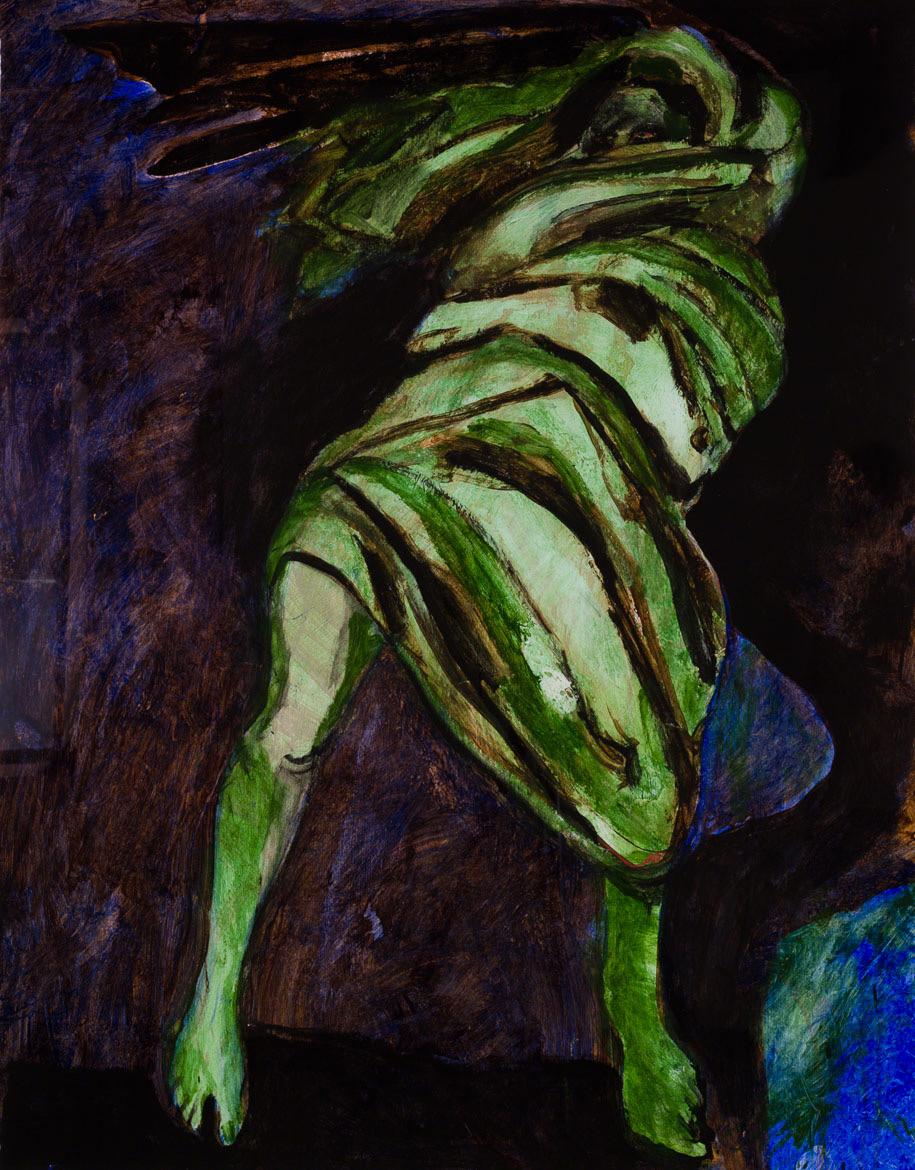
On the occasion of its 50 th Anniversary celebration and being honored by Time Out Magazine as one of the “10 Best Art Galleries in the United States”, LewAllen Galleries is particularly pleased to present an exhibition featuring original paintings, monotypes, and works on paper by Fritz Scholder alongside works by Jaune Quick-to-See Smith , two legendary figures of Indigenous American Art. Bringing together these two transformative masters, the exhibition offers an opportunity to examine their distinct methodologies and perspectives on Indigenous identity, story-telling, and history in tandem. This presentation celebrates Scholder’s groundbreaking legacy in recalibrating the historiography of American Indigenous art. LewAllen Galleries proudly represents the Estate of Fritz Scholder.
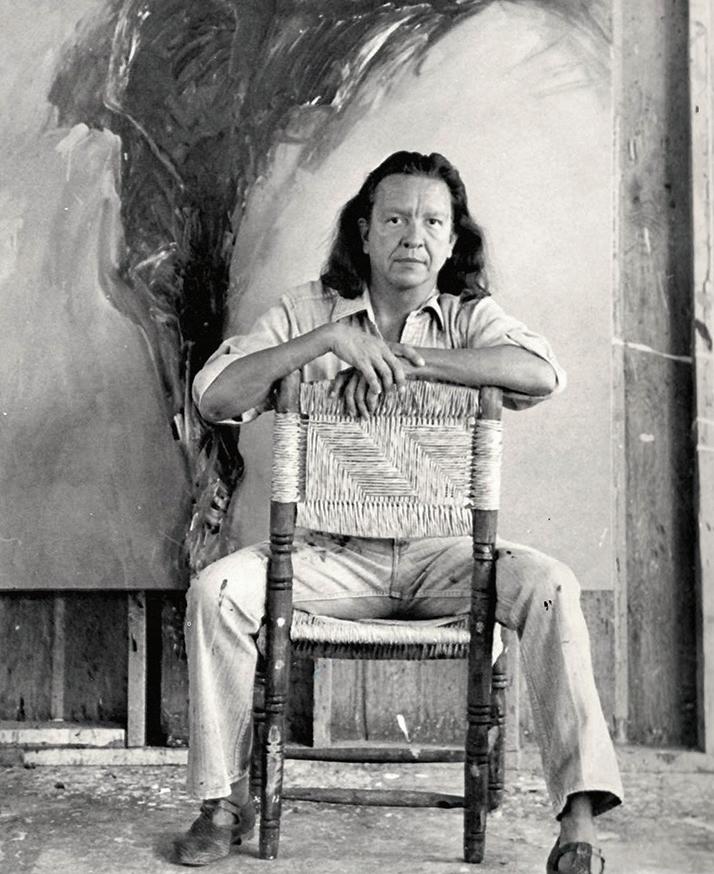
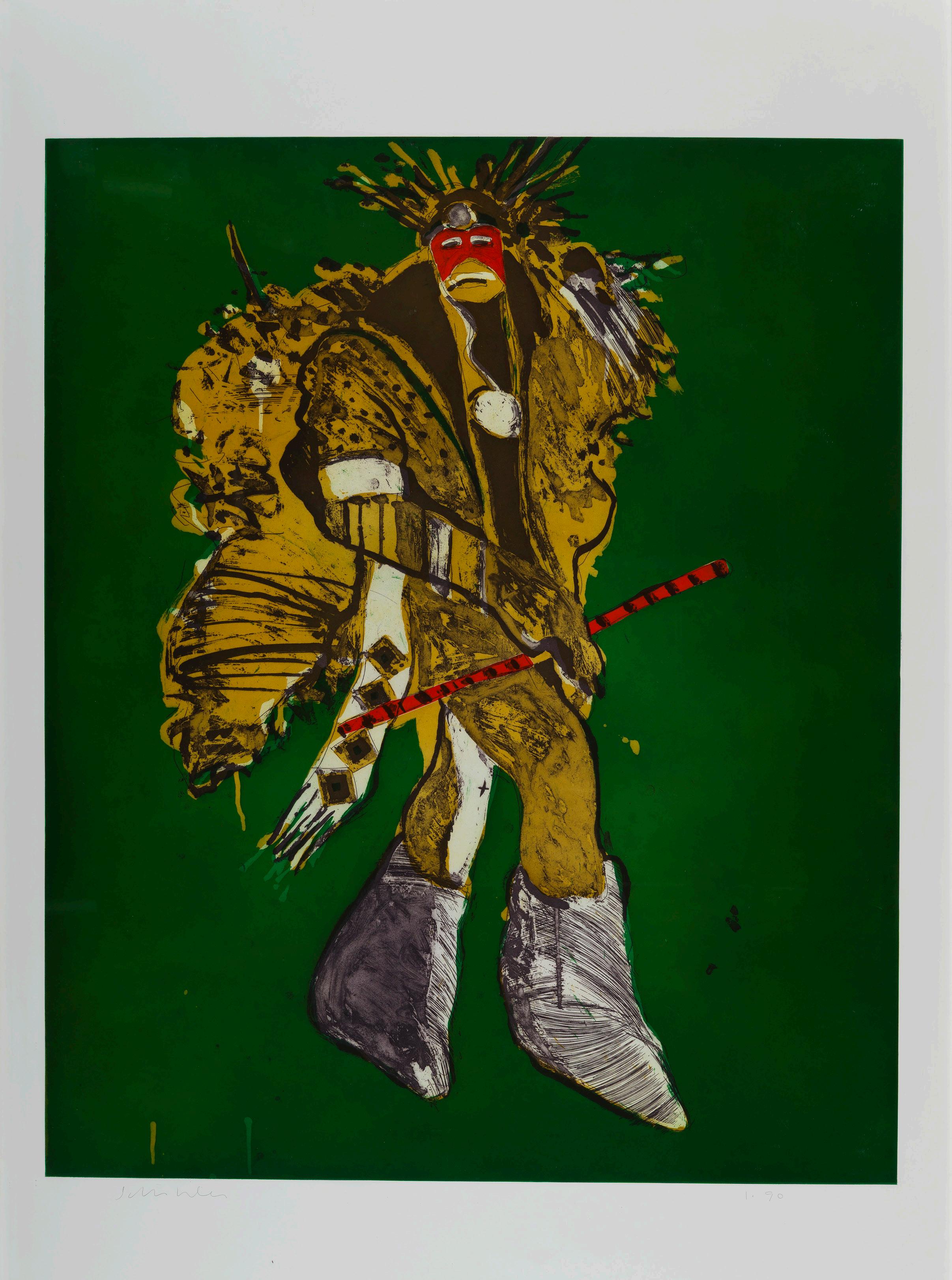
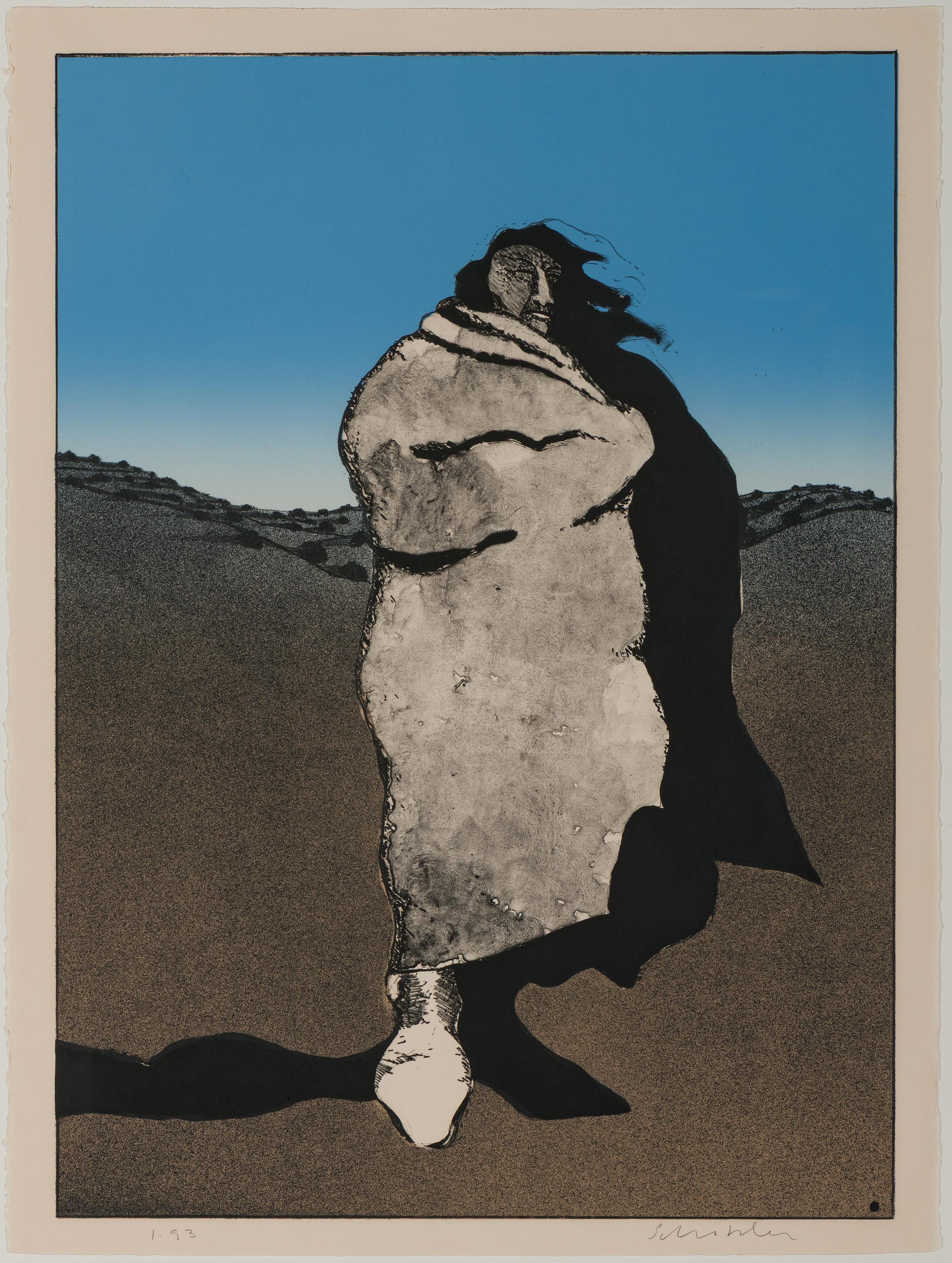
Fritz Scholder , a transformative force in American art history, is celebrated for radically reshaping how Native Americans were represented in contemporary visual culture. Rising to prominence in the mid-1960s while teaching at the Institute of American Indian Arts in Santa Fe, Scholder became the driving power behind a bold redefinition of Indigenous identity. He fiercely rejected romanticized stereotypes of the past, famously resolving to “paint the Indian real, not red.” By fusing Pop Art sensibilities with the raw emotional intensity of German Expressionism, his groundbreaking work exposed the profound gap between the lived experiences of Native people and the idealized myths that had long dominated Western art.
Born in Breckenridge, Minnesota, Scholder was an enrolled member of the Luiseño tribe. Driven by an insatiable intellectual curiosity, he studied under influential modernists at Sacramento City College and pursued an MFA at the University of Arizona, developing a lifelong fascination with the unknown. Though his early, controversial Native American subjects brought him international fame, Scholder’s career was defined by a constant negotiation between external representations
On the occasion of its 50 th Anniversary celebration and being honored by Time Out Magazine as one of the “10 Best Art Galleries in the United States”, LewAllen Galleries is particularly pleased to present an exhibition featuring original paintings, monotypes, and works on paper by Fritz Scholder alongside works by Jaune Quick-to-See Smith , two legendary figures of Indigenous American Art. Bringing together these two transformative masters, the exhibition offers an opportunity to examine their distinct methodologies and perspectives on Indigenous identity, story-telling, and history in tandem. This presentation celebrates Scholder’s groundbreaking legacy in recalibrating the historiography of American Indigenous art. LewAllen Galleries proudly represents the Estate of Fritz Scholder.
Fritz Scholder , a transformative force in American art history, is celebrated for radically reshaping how Native Americans were represented in contemporary visual culture. Rising to prominence in the mid-1960s while teaching at the Institute of American Indian Arts in Santa Fe, Scholder became the driving power behind a bold redefinition of Indigenous identity. He fiercely rejected romanticized stereotypes of the past, famously resolving to “paint the Indian real, not red.” By fusing Pop Art sensibilities with the raw emotional intensity of German Expressionism, his groundbreaking work exposed the profound gap between the lived experiences of Native people and the idealized myths that had long dominated Western art.
Born in Breckenridge, Minnesota, Scholder was an enrolled member of the Luiseño tribe. Driven by an insatiable intellectual curiosity, he studied under influential modernists at Sacramento City College and pursued an MFA at the University of Arizona, developing a lifelong fascination with the unknown. Though his early, controversial Native American subjects brought him international fame, Scholder’s career was defined by a constant negotiation between external representations and his internal reality. A student of Nathan
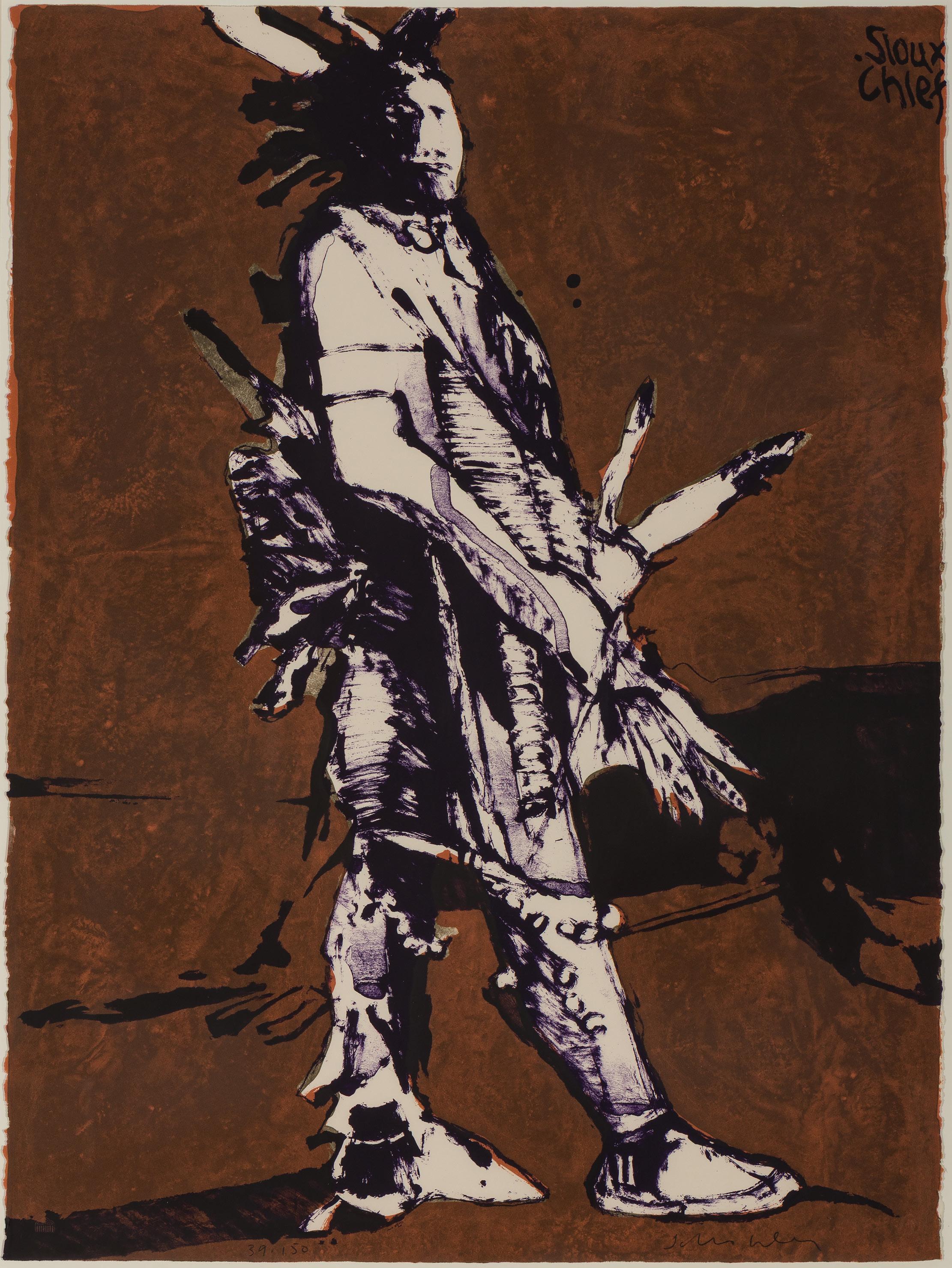
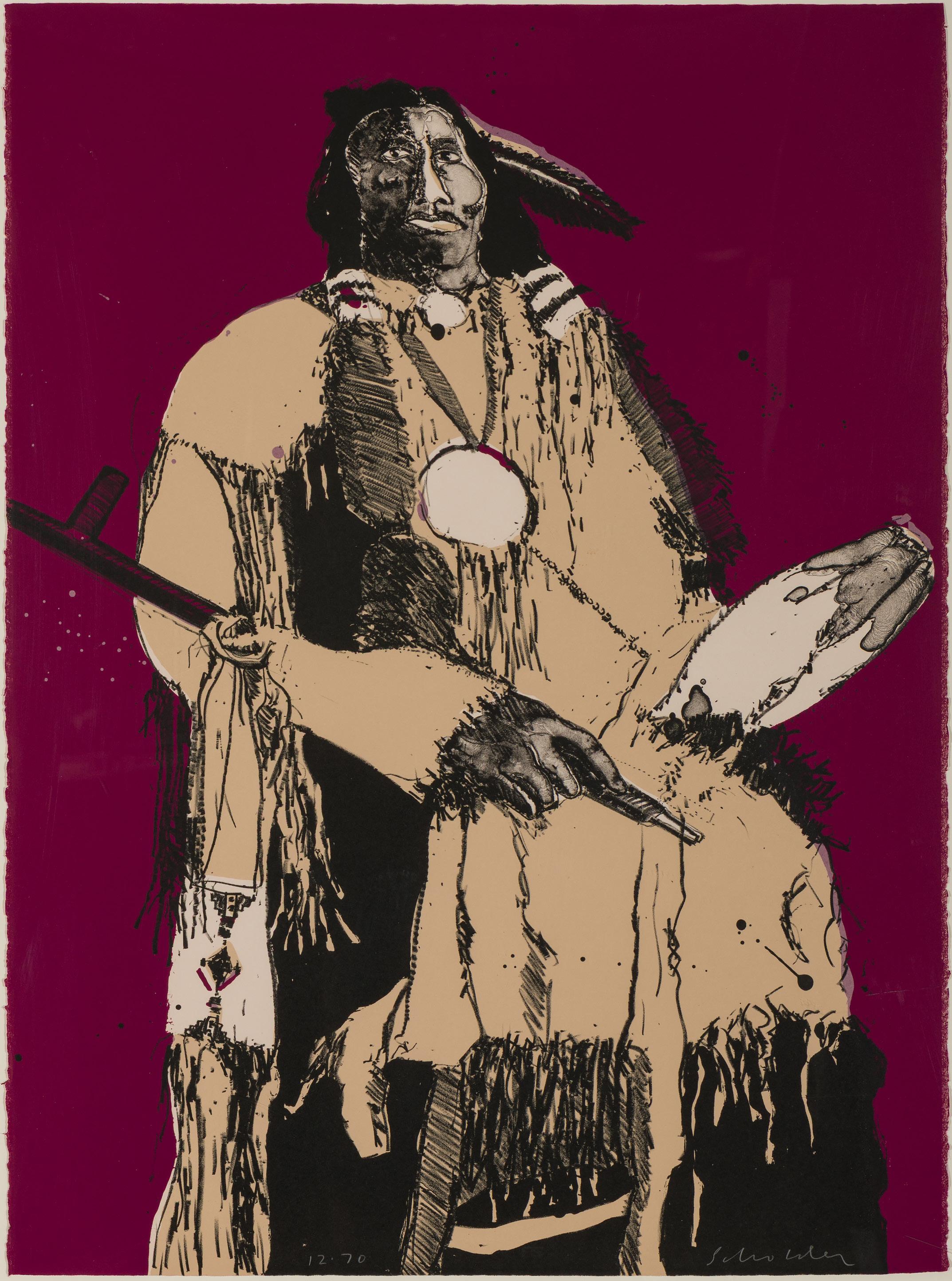
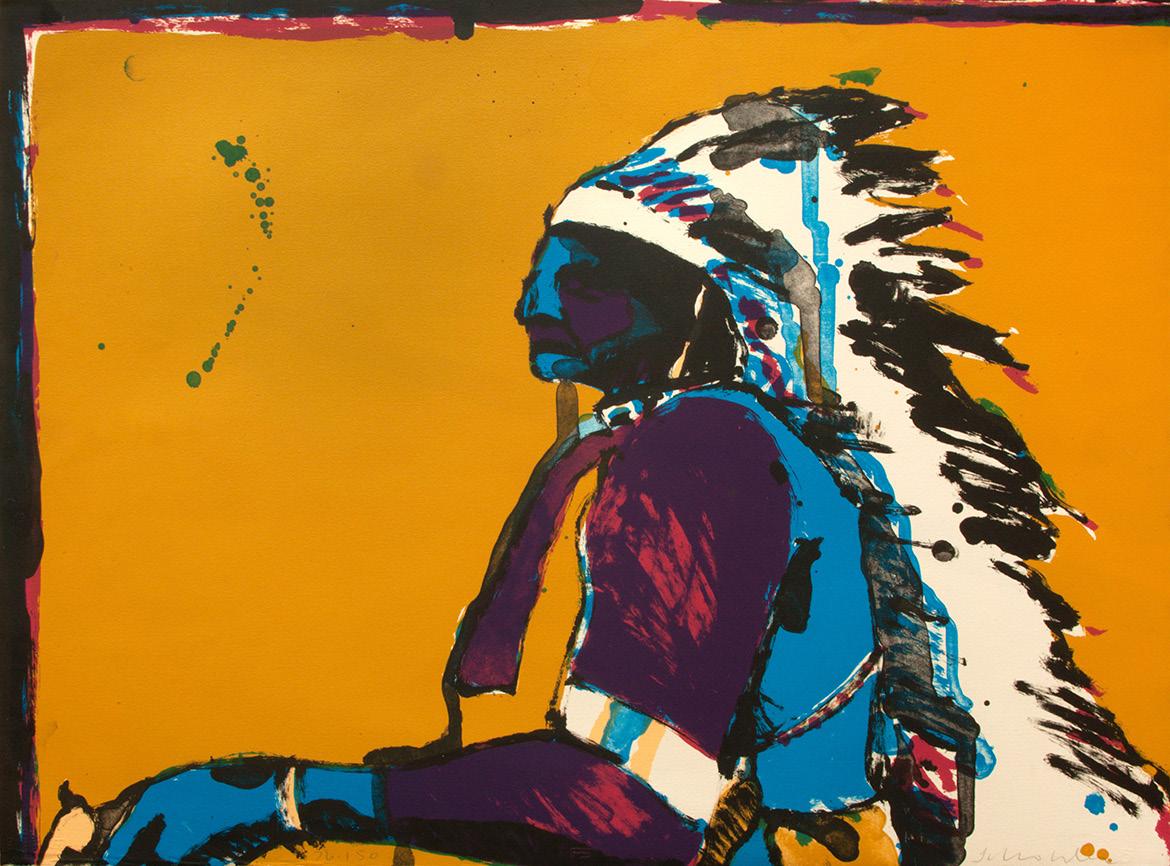
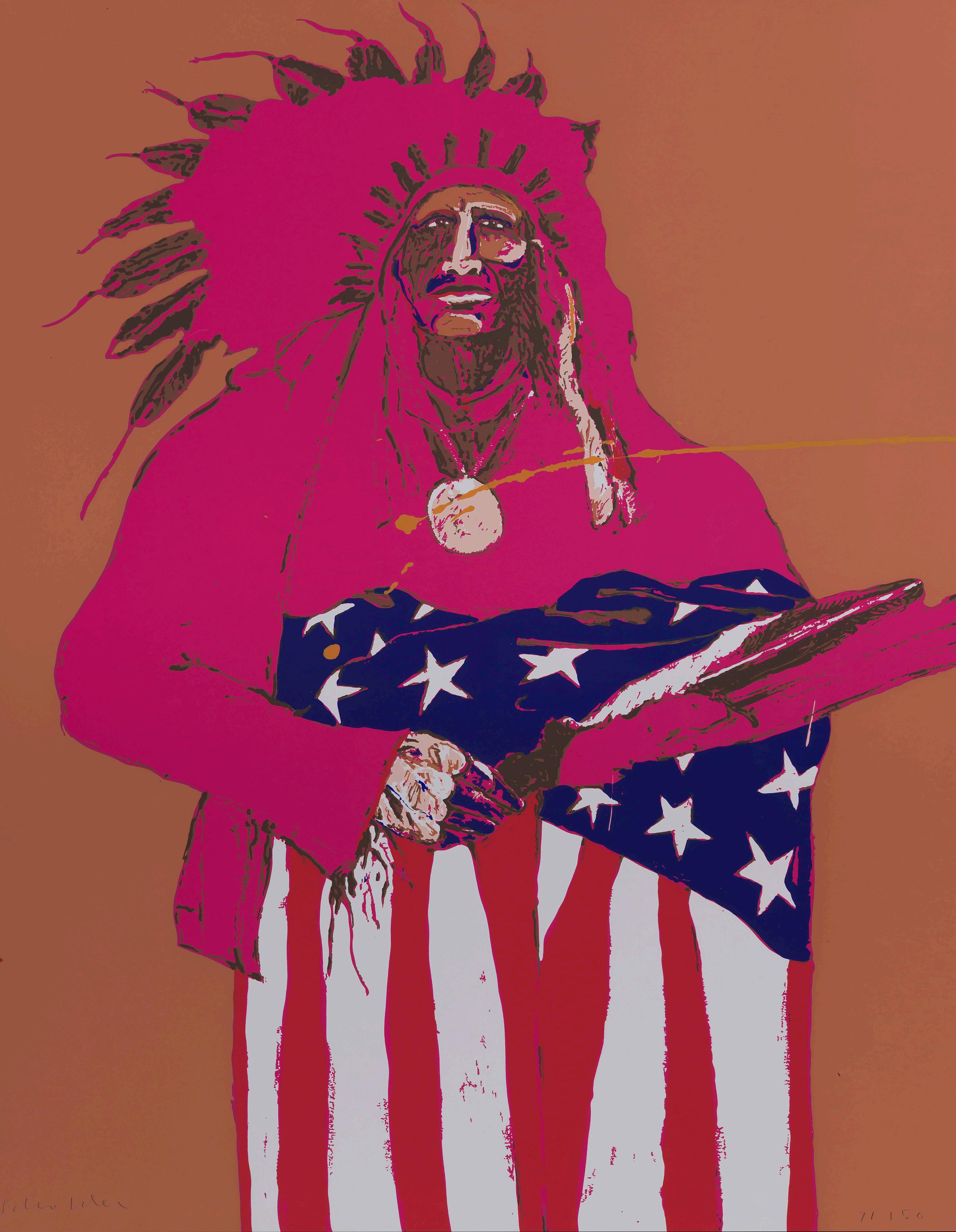
with Pistol (Ed. 150/150)
1978, original lithograph on paper, 22.25 x 29.88 in
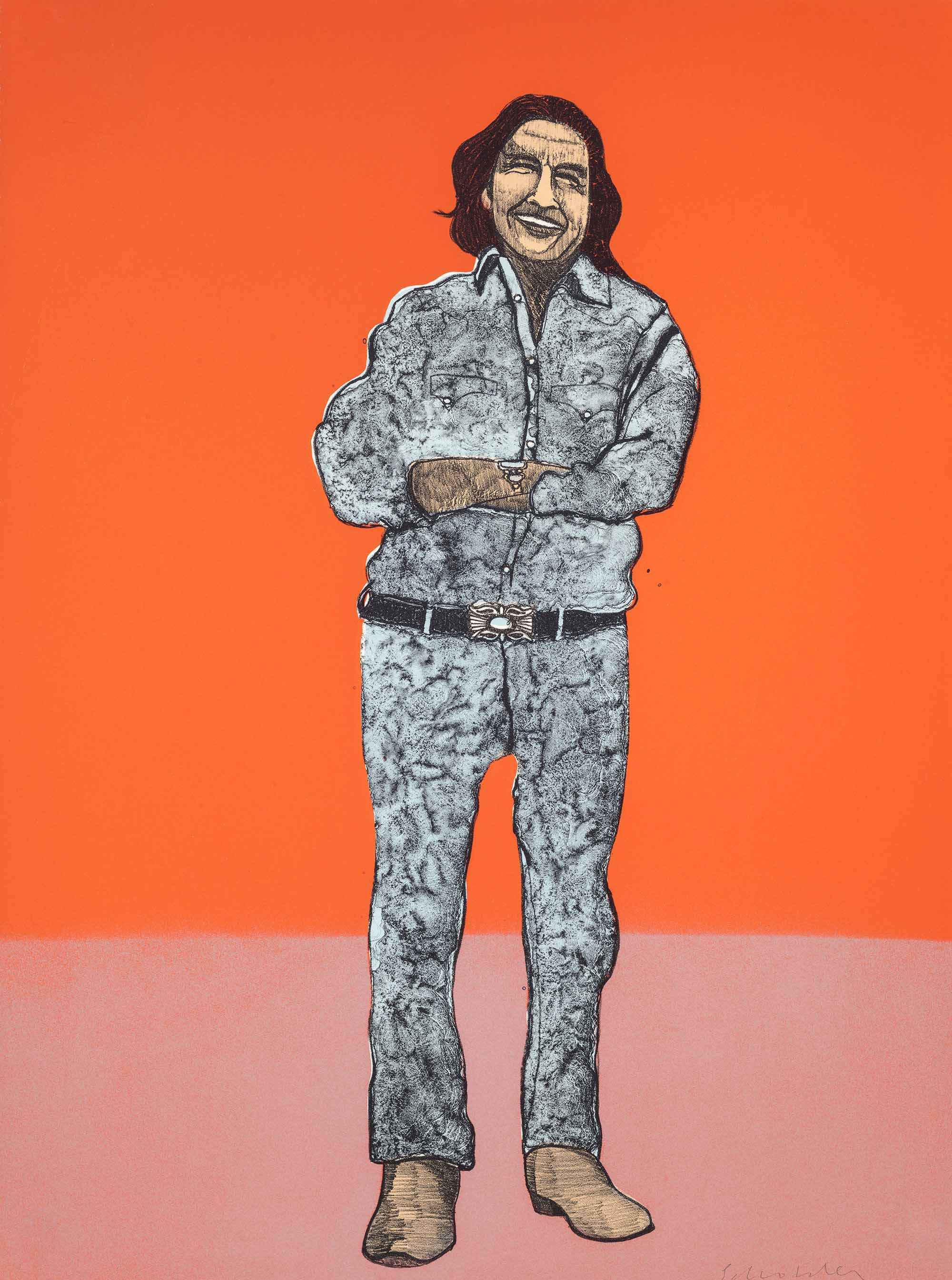
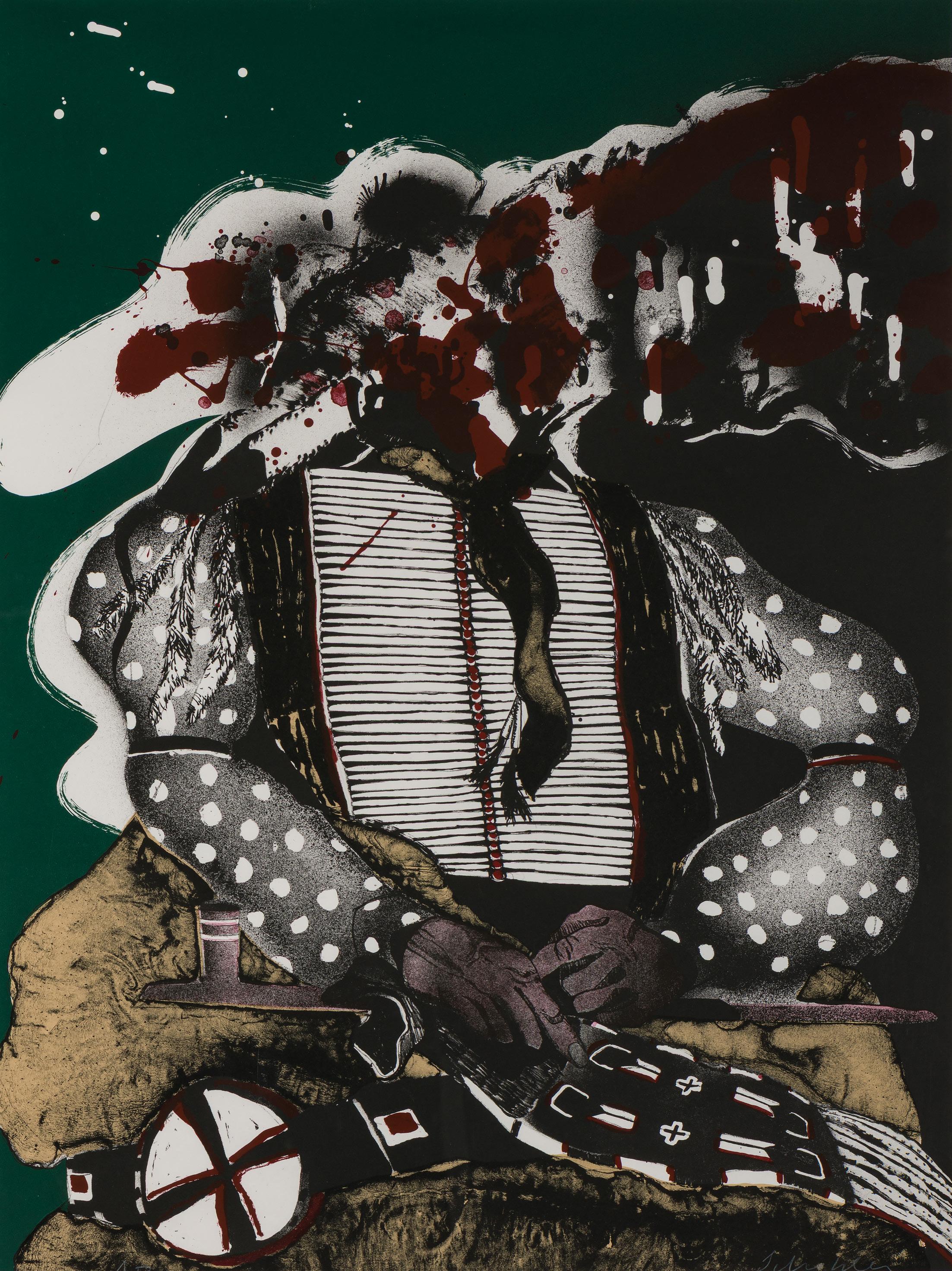
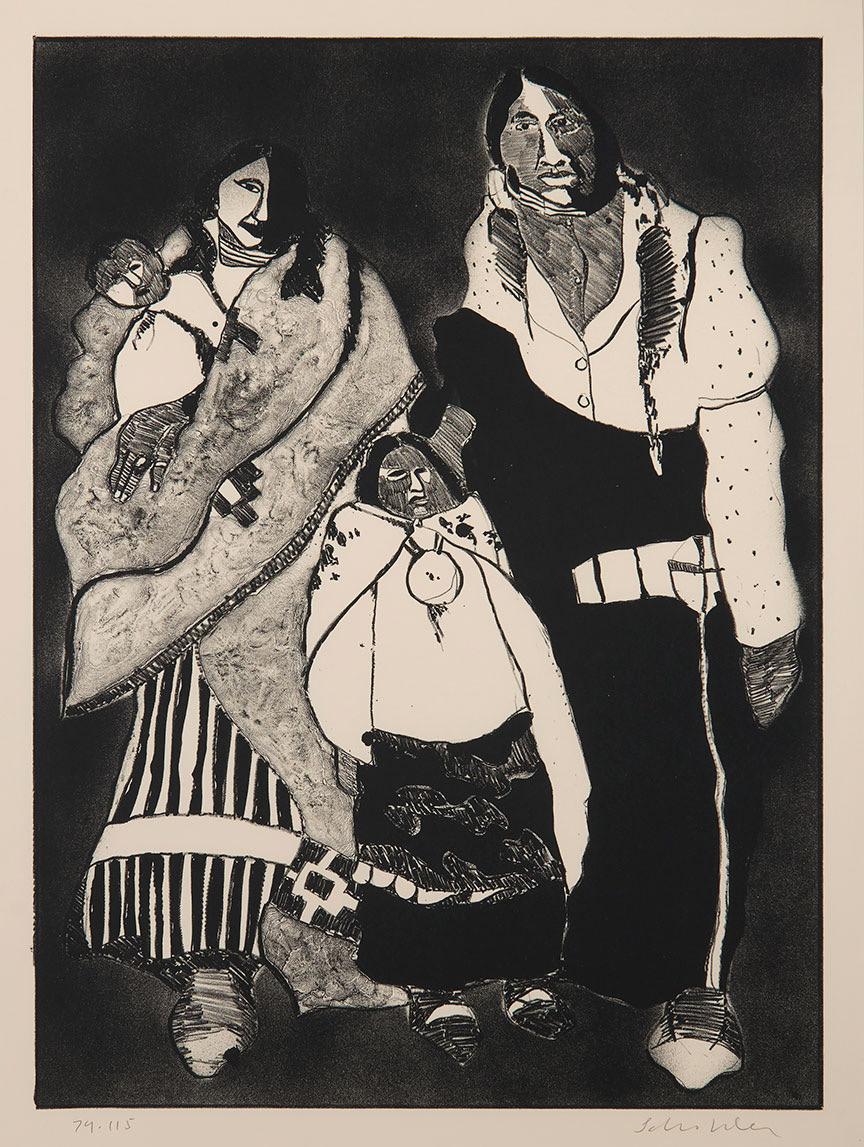
American Family (Ed. 90/115) 1974, original lithograph on paper, 30 x 22 in