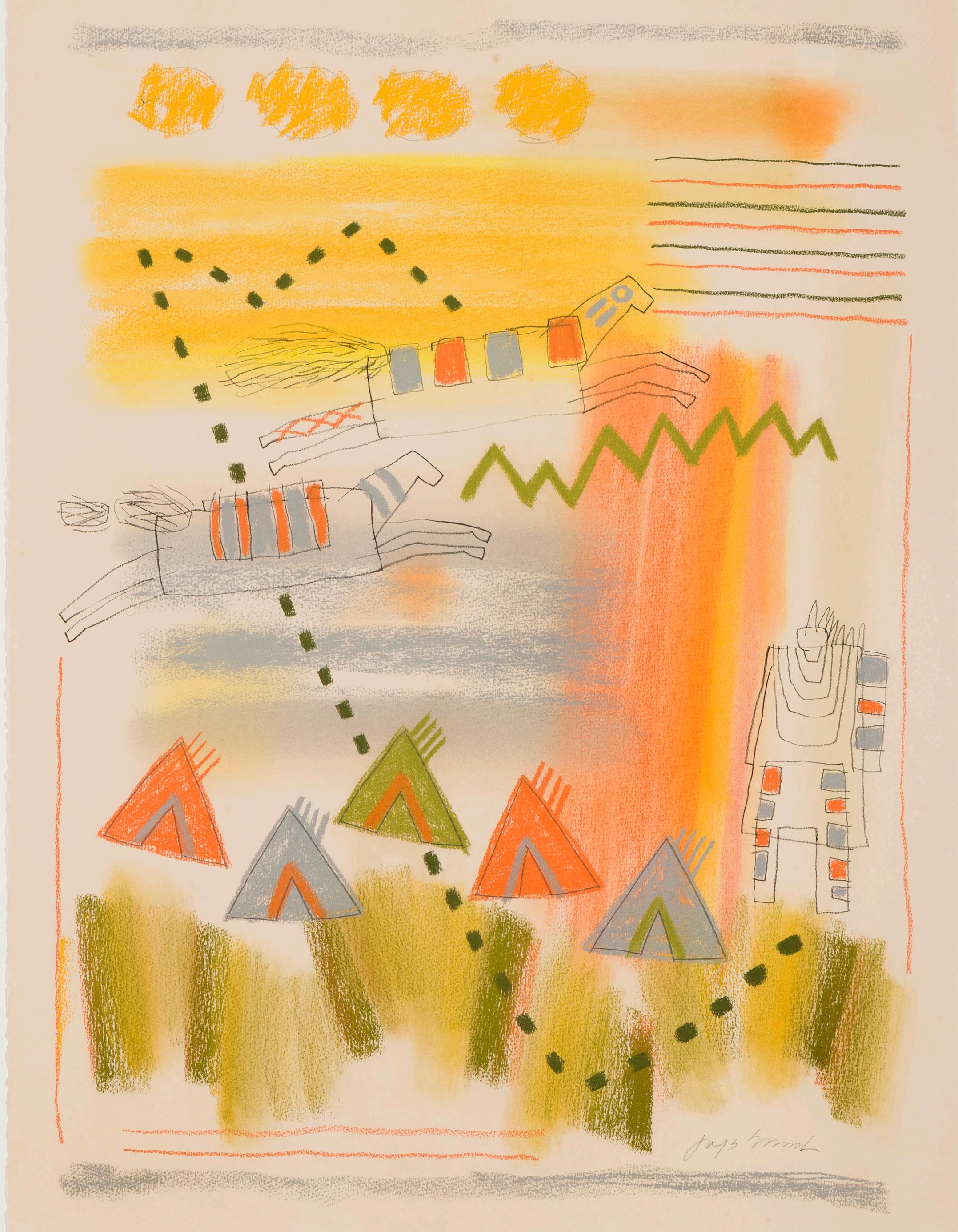
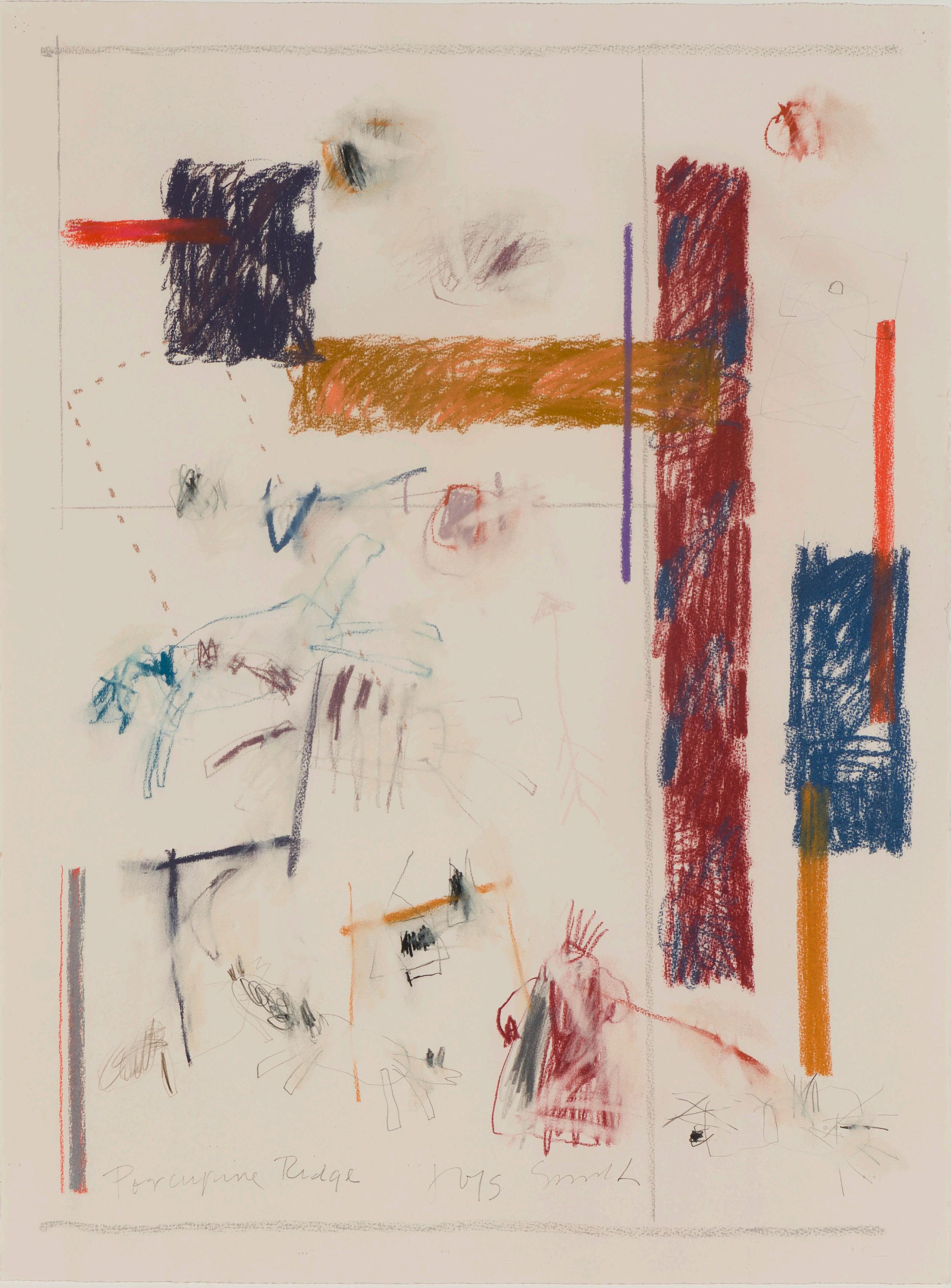
Petroglyph Park
1987, pastel on paper, 30 x 22.25 in
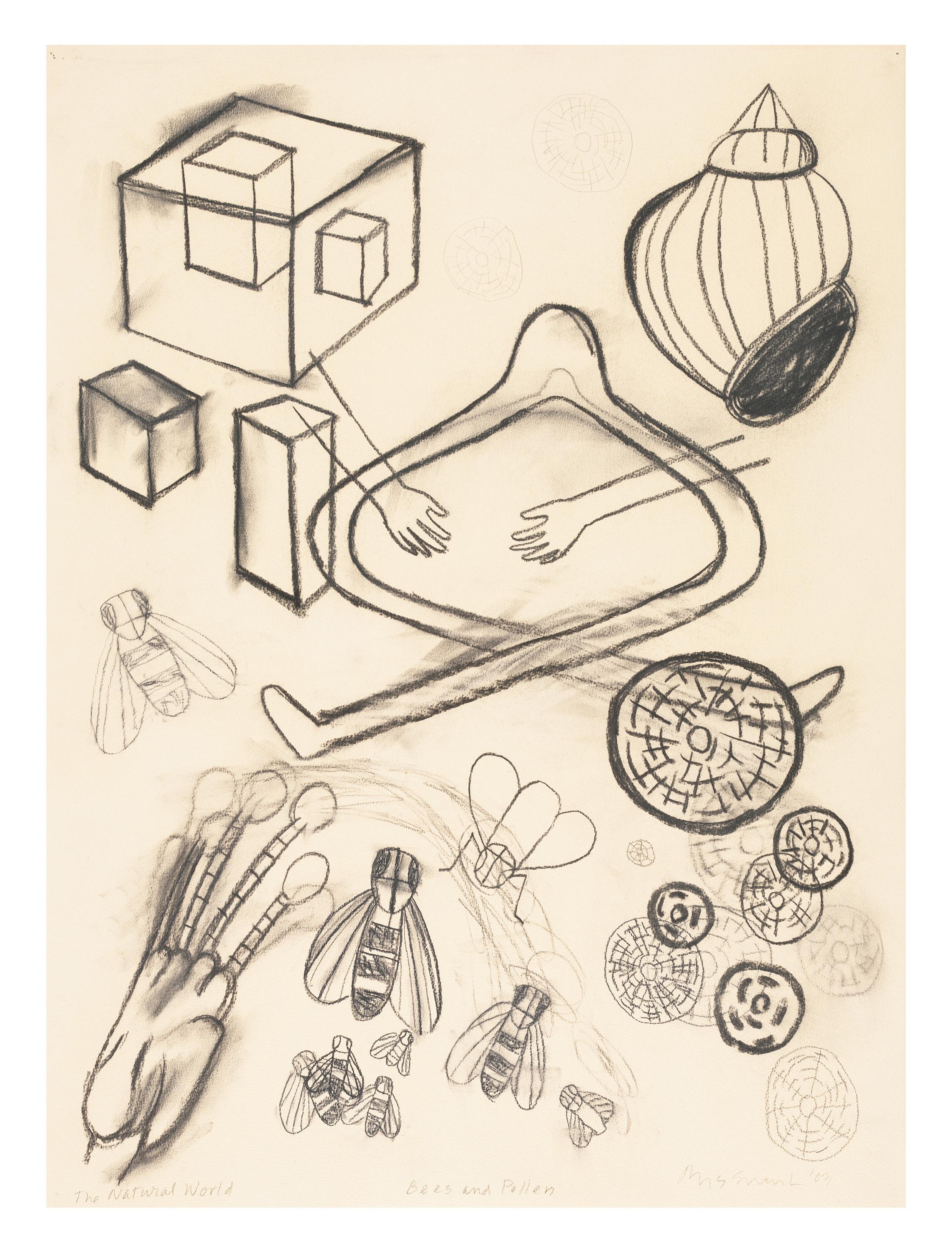
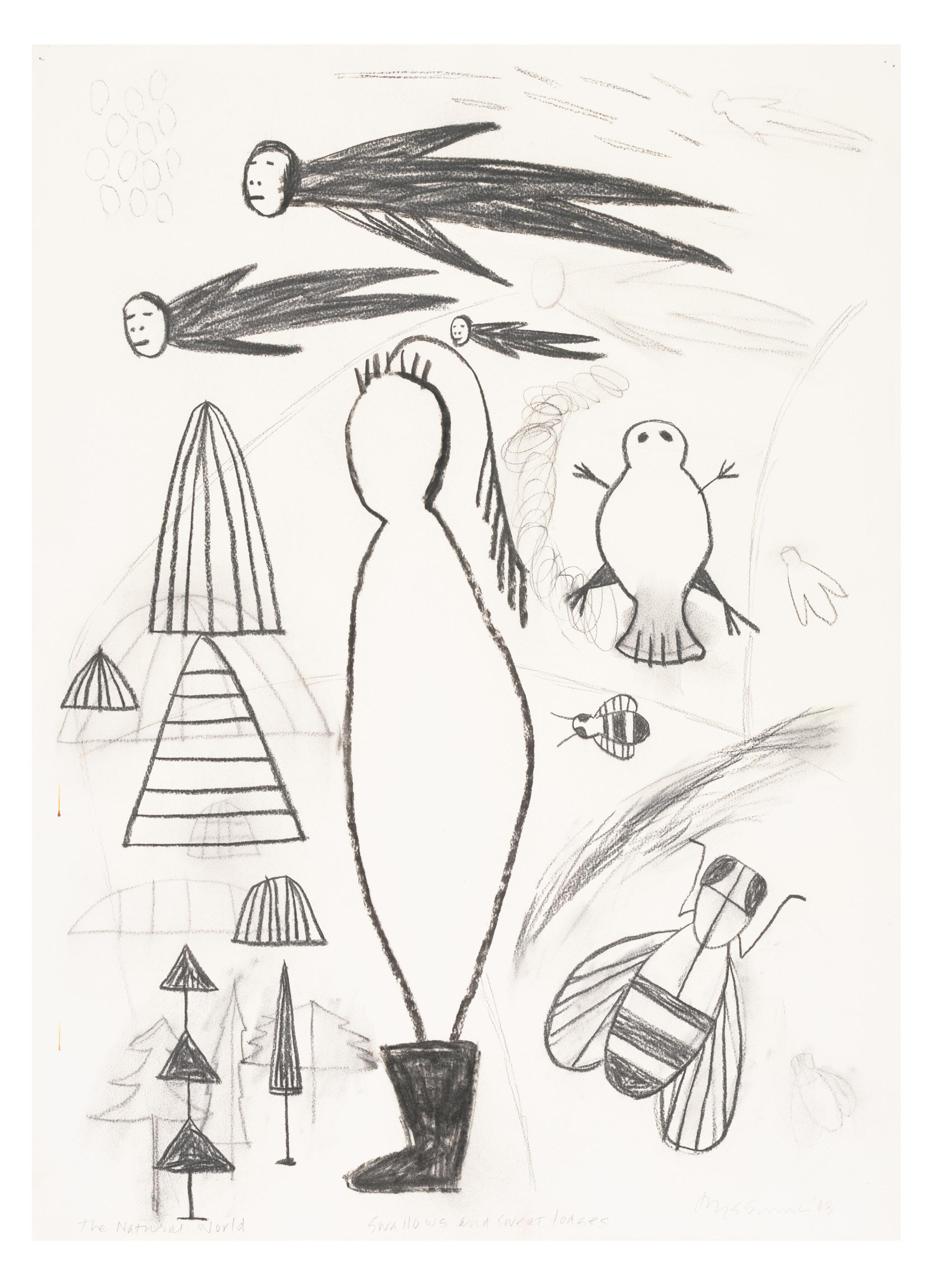
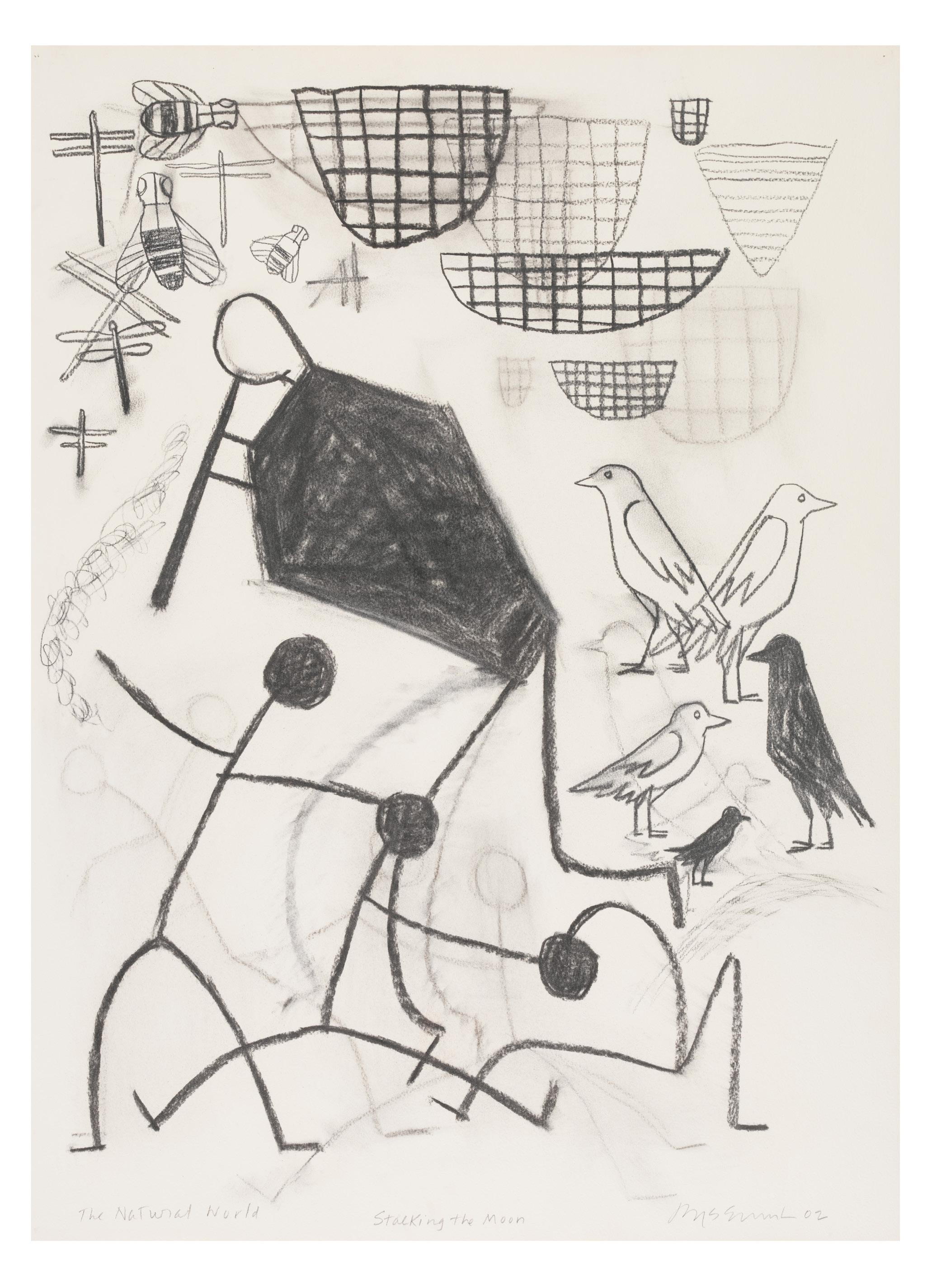
The Natural World: Bees and Pollen 2003, charcoal & graphite on paper, 30 x 22 in
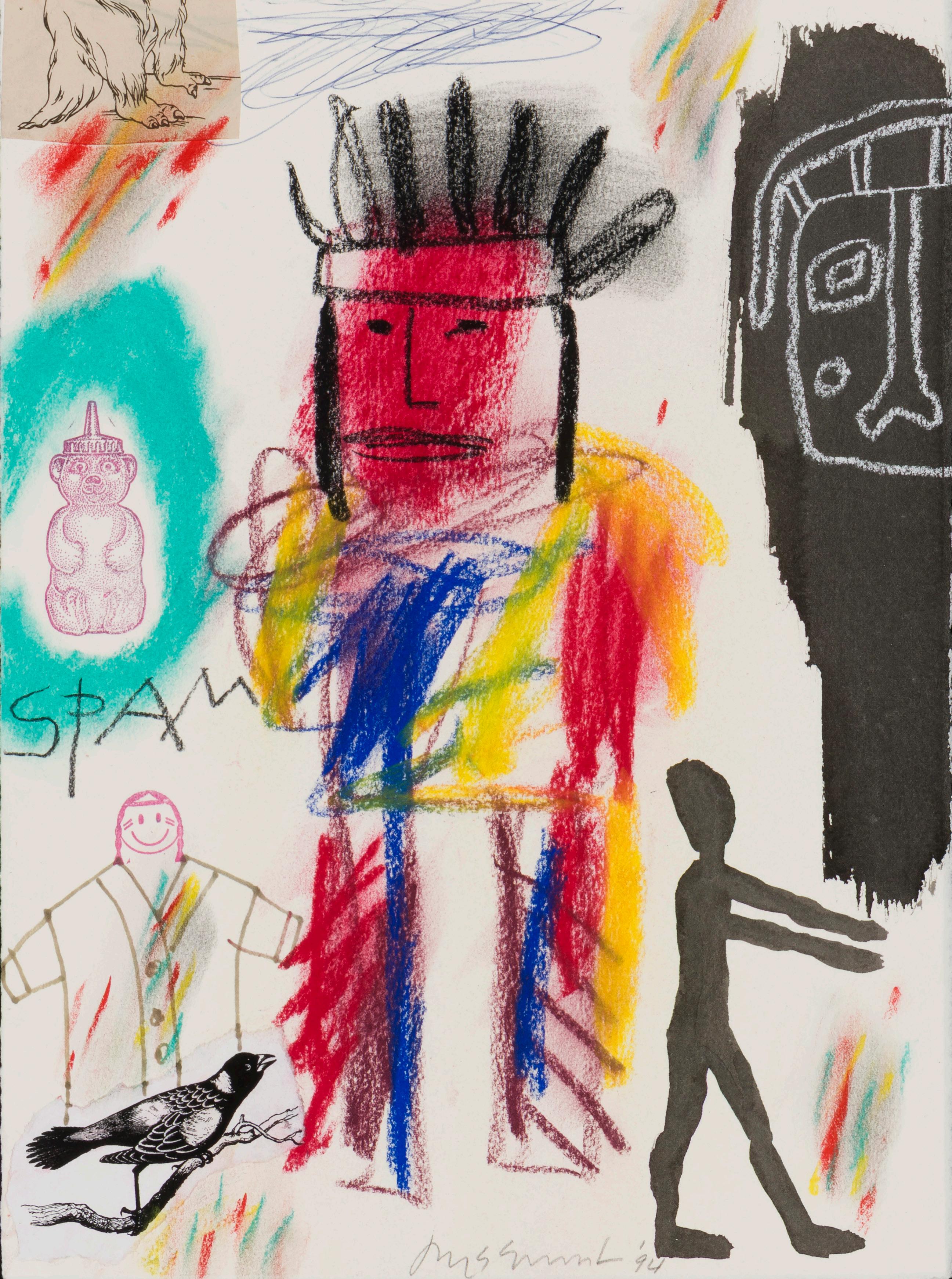
Spam
1994, mixed media & collage on paper, 15 x 11
Petroglyph Park
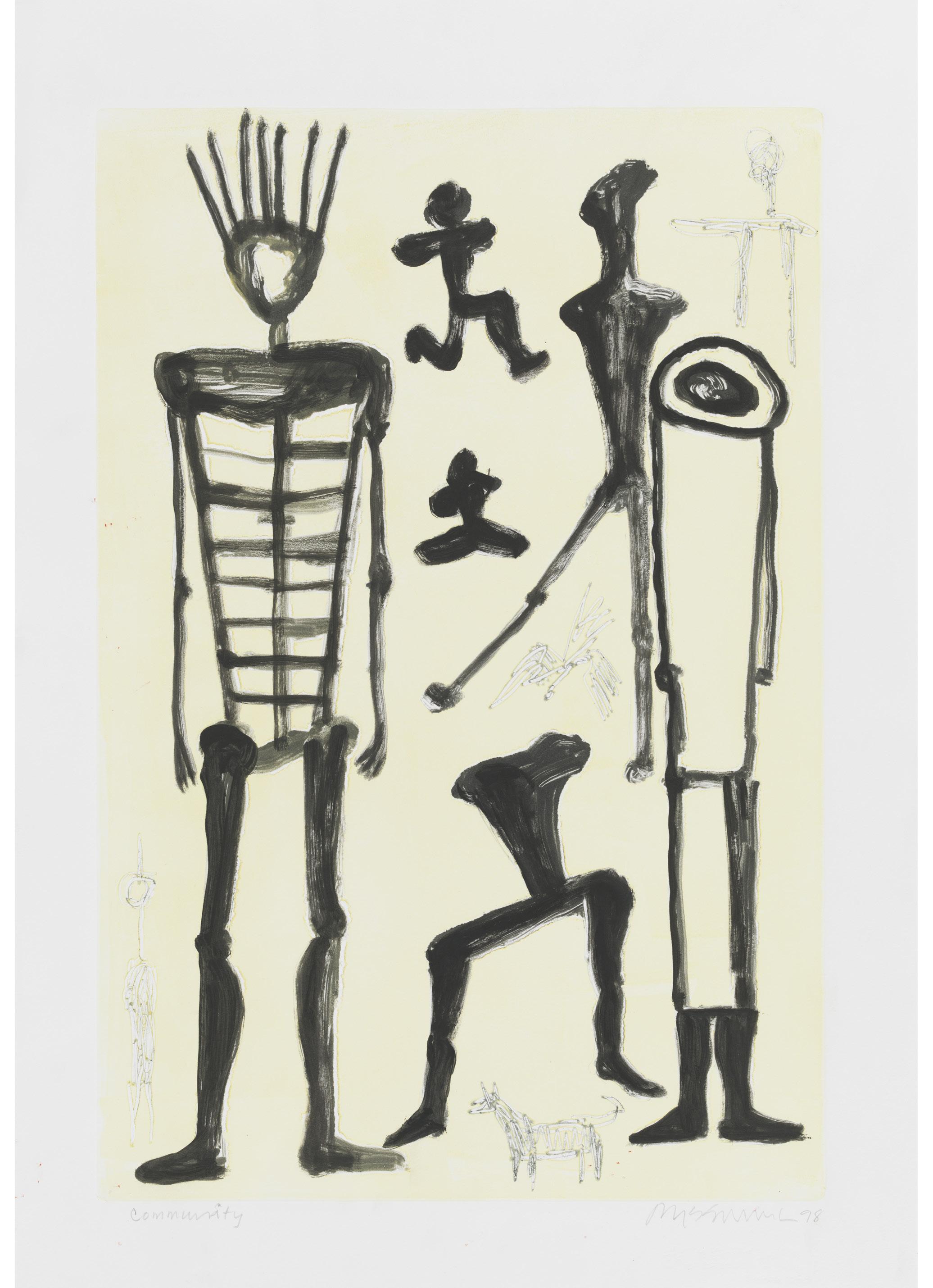
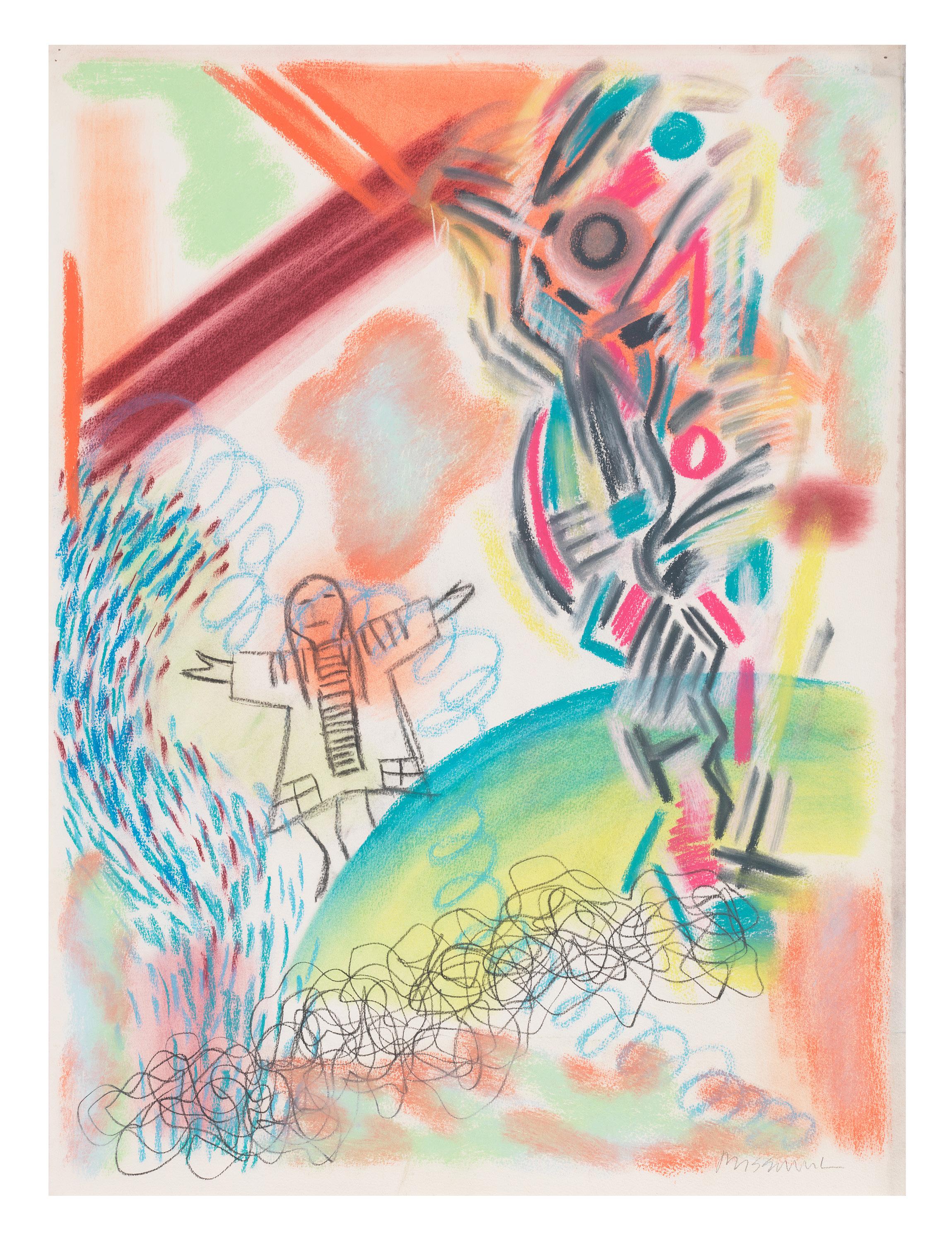
On the occasion of its 50th Anniversary celebration, LewAllen Galleries is honored to present an exhibition featuring original pastel paintings, watercolors, drawings, and monotypes by Jaune Quick-to-See Smith alongside works by Fritz Scholder. Bringing together these two legendary figures, the exhibition highlights their distinct methodologies, shared commitment to historical revisionism, and unique perspectives on Indigenous identity and narrative. This presentation is organized in collaboration with Garth Greenan Gallery in New York, honoring LewAllen’s longstanding relationship with the artist.
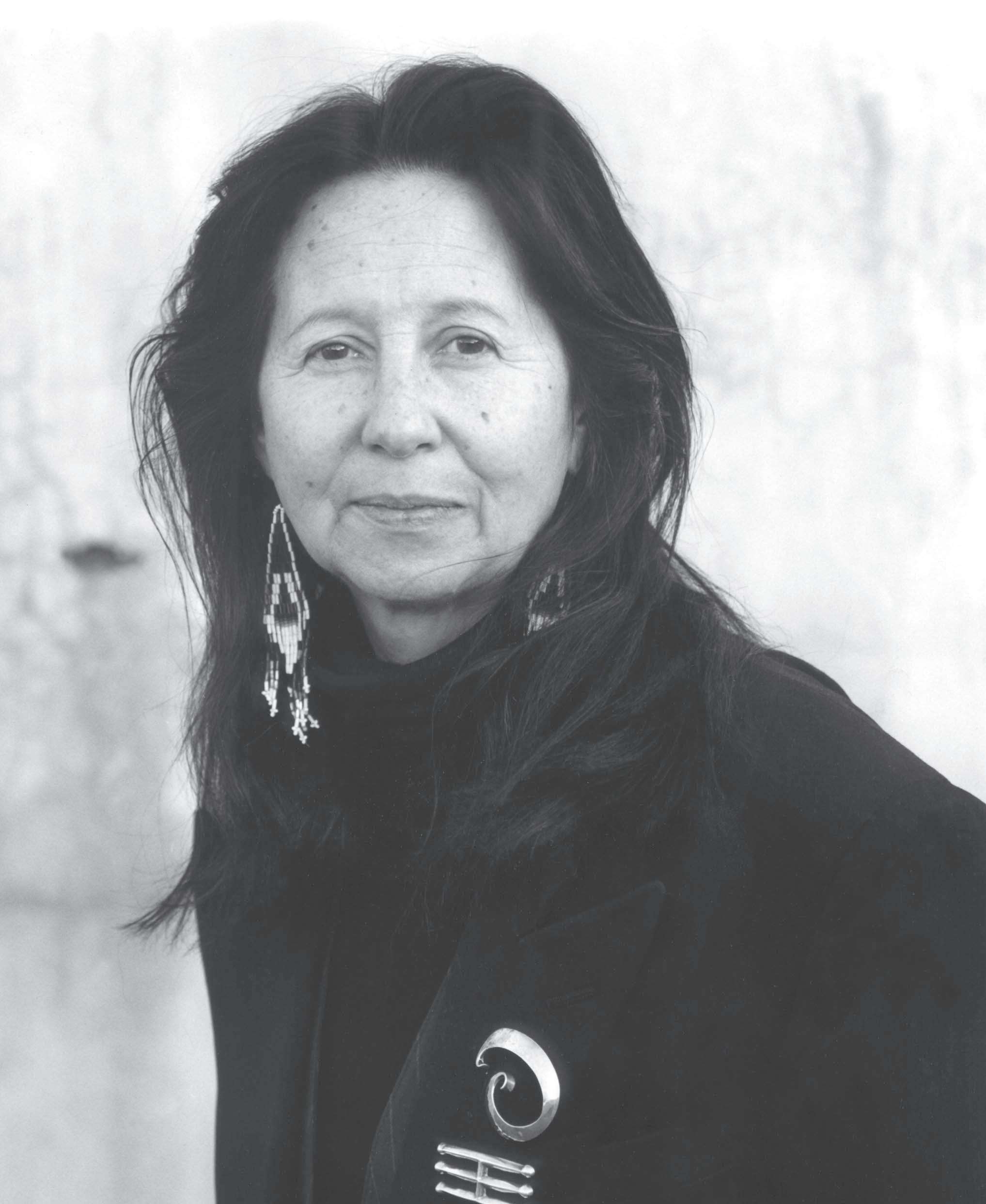
Jaune Quick-to-See Smith, a seminal force in contemporary American art, is recognized internationally for a career that spanned over five decades as an artist, activist, and educator. An enrolled member of the Confederated Salish and Kootenai Nation, Smith emerged as one of the most prominent Native American voices of her generation, dedicated to the reclamation of lost histories and the affirmation of Indigenous identity. Her practice functions as a powerful form of historical revisionism. She became known in her work for what she referred to as her role as a “trickster”—a sacred shape-shifting role rooted in Indigenous lore and modernism alike—whereby she constructs dense, multi-layered visual records challenging the erasure of Native experiences within the national discourse.
Born on the Flathead Indian Reservation in western Montana, Smith’s early life was deeply rooted in the land. Raised by her father, a horse trader, her childhood was marked by frequent relocation and manual labor, including harvesting crops in the Pacific Northwest. These formative years fostered a profound connection to nature and a natural affinity for mark-making; she often recalled drawing on the dirt with sticks long before ever setting foot inside a museum. This environment, surrounded by ancient petroglyphs and the rugged beauty of the reservation, provided the primary visual vocabulary that would later define her artistic career.
Despite her evident talent, Smith encountered systemic barriers from an early age, facing frequent discouragement from educators who cited her gender and Indigenous heritage as disqualifiers for a professional art career. Undeterred, she persisted with a tenacious resolve, working waitressing and janitorial jobs to support her family while pursuing her education over twenty years. Her persistence eventually led to degrees in painting and art education, subsequently working as an artist, educator, and curator. Addressing social, political, and environmental themes, Smith documents Indigenous narratives and examines conventional depictions of American history.
Throughout her career, Smith was a paragon of generosity, famously working to open doors for other Indigenous creators. She understood her success not as an individual achievement but as a collective responsibility, dedicating herself to extensive curatorial work—including being the first Native American artist invited to curate an exhibition at the National Gallery of Art ( The Land Carries Our Ancestors)— as well as community organizing and activist efforts to preserve sacred lands. While her historic achievements were met with global acclaim, she remained defined by a deep sense of humility. Smith’s global influence is underscored by her representation within the permanent collections of the world’s most prestigious institutions, including the Metropolitan Museum of Art, the Museum of Modern Art, the Whitney Museum of American Art, the Brooklyn Museum, the Smithsonian American Art
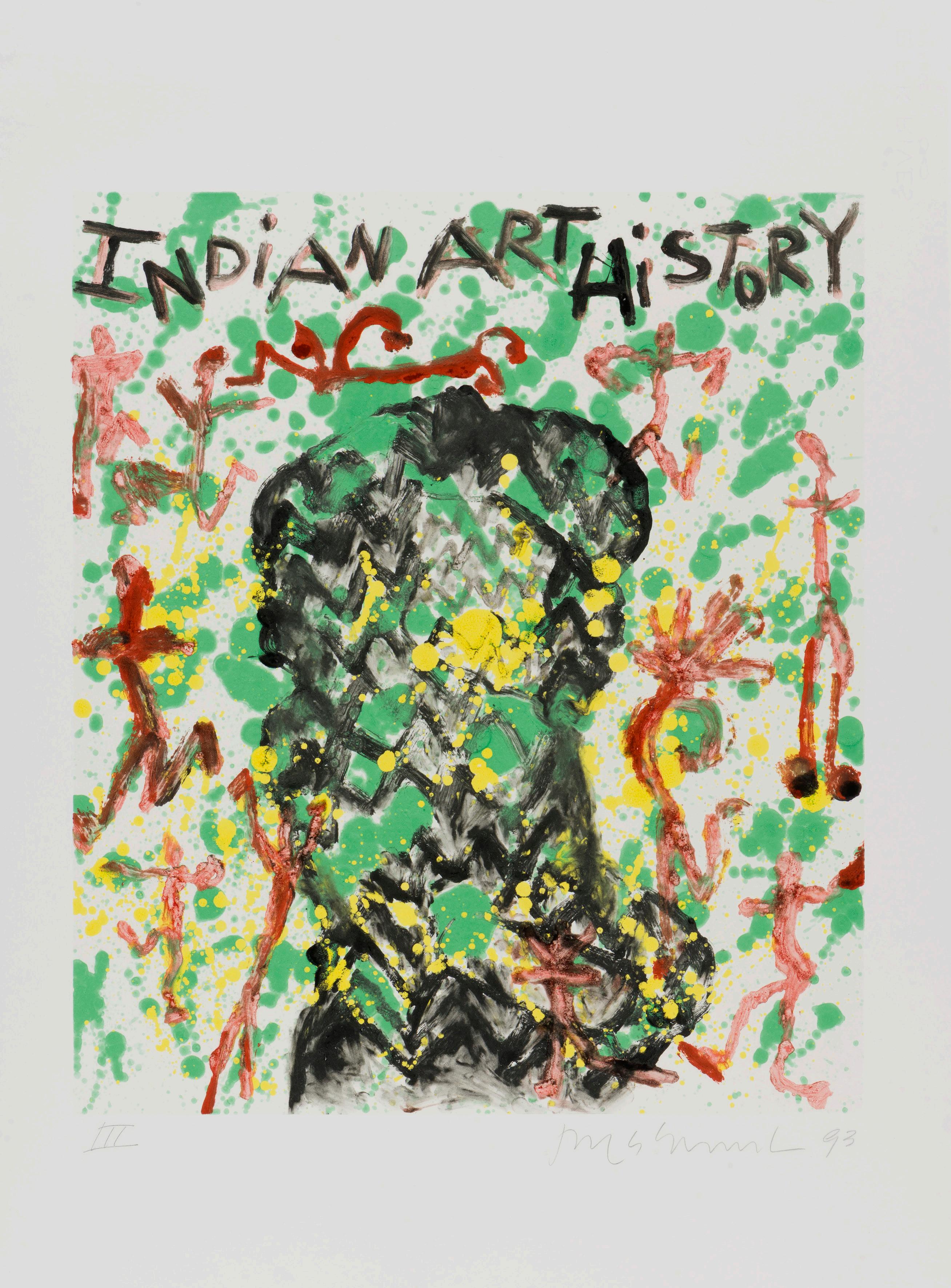
Indian Art History 1993, monotype, 21 x 18 in
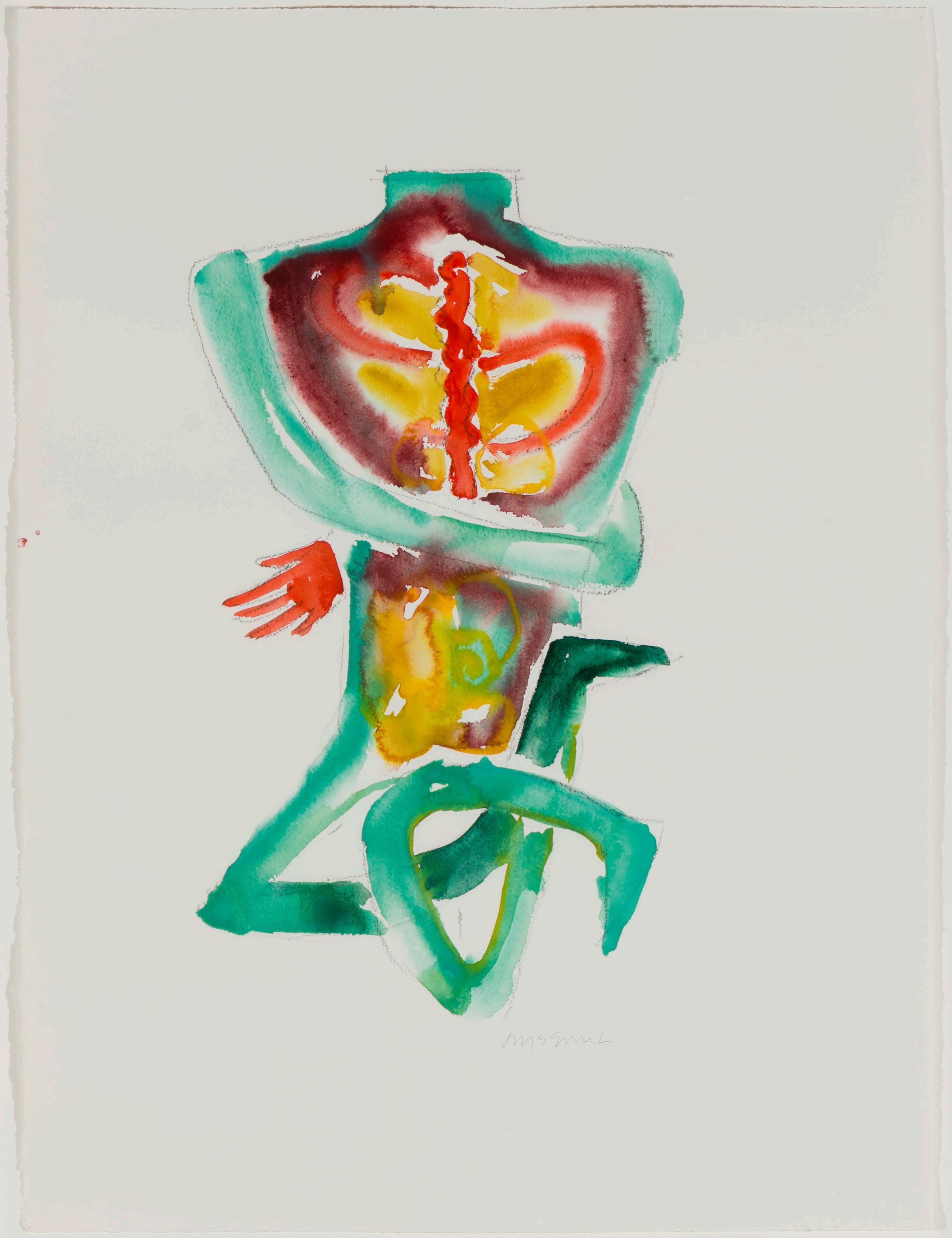
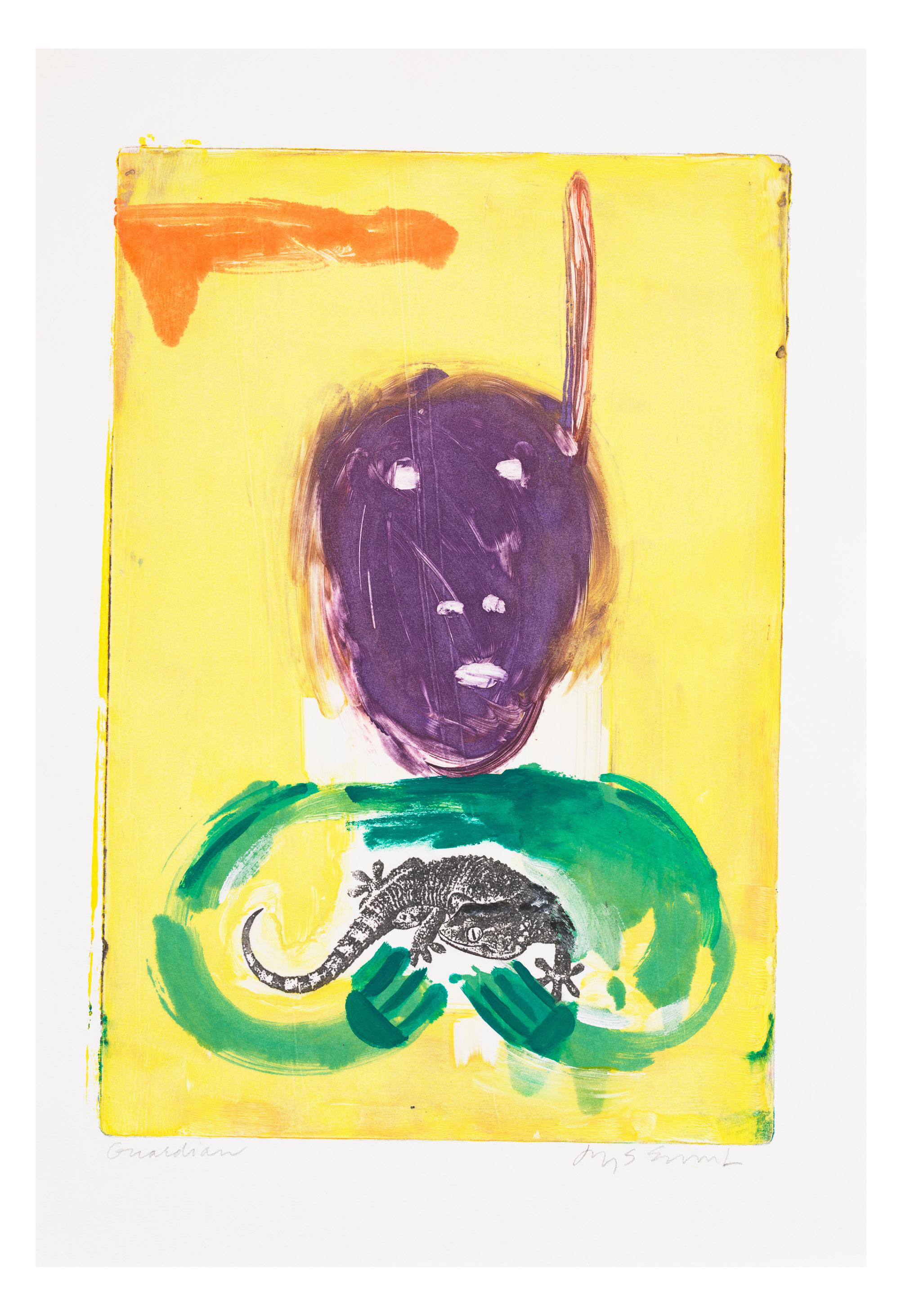
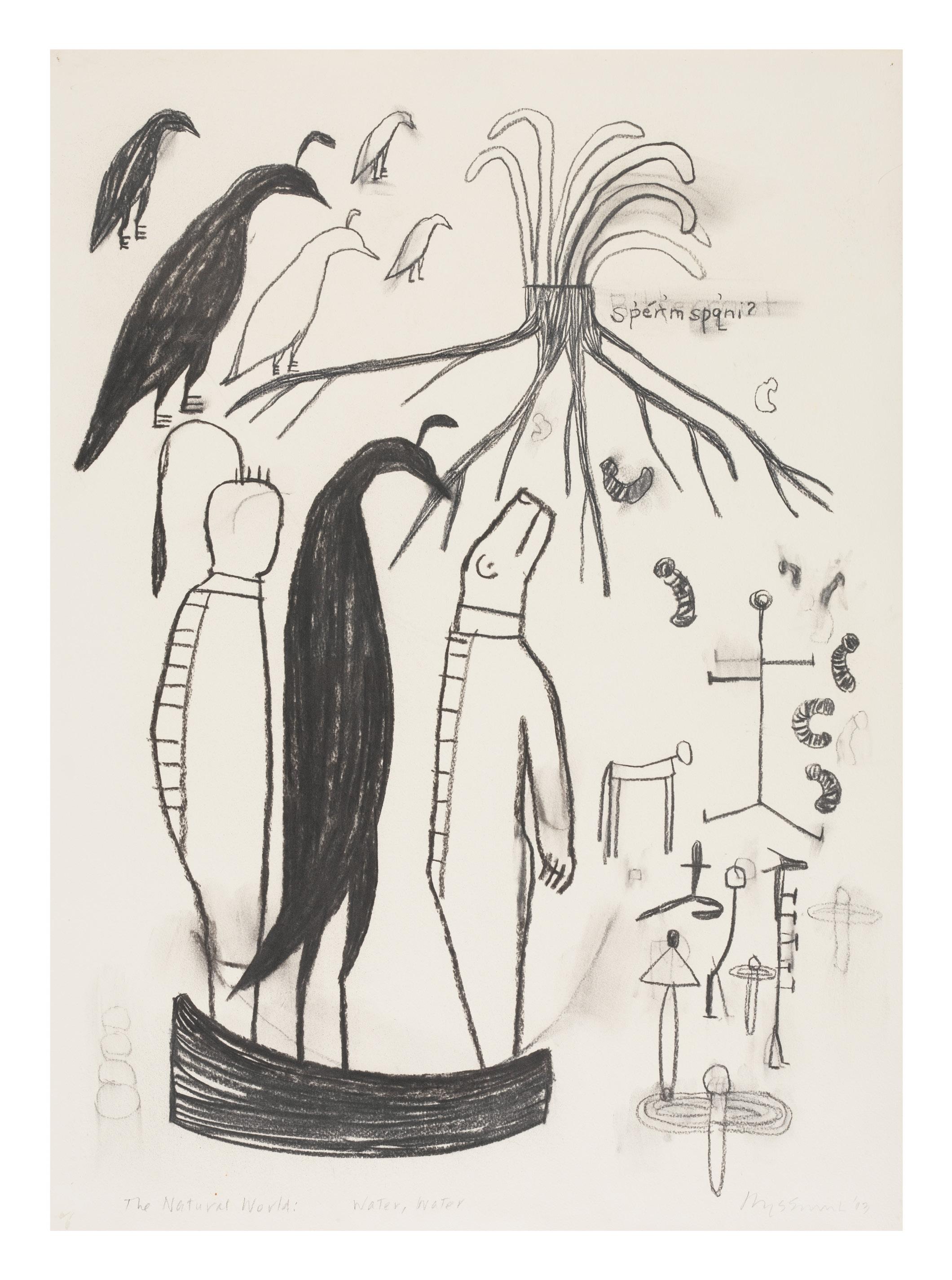
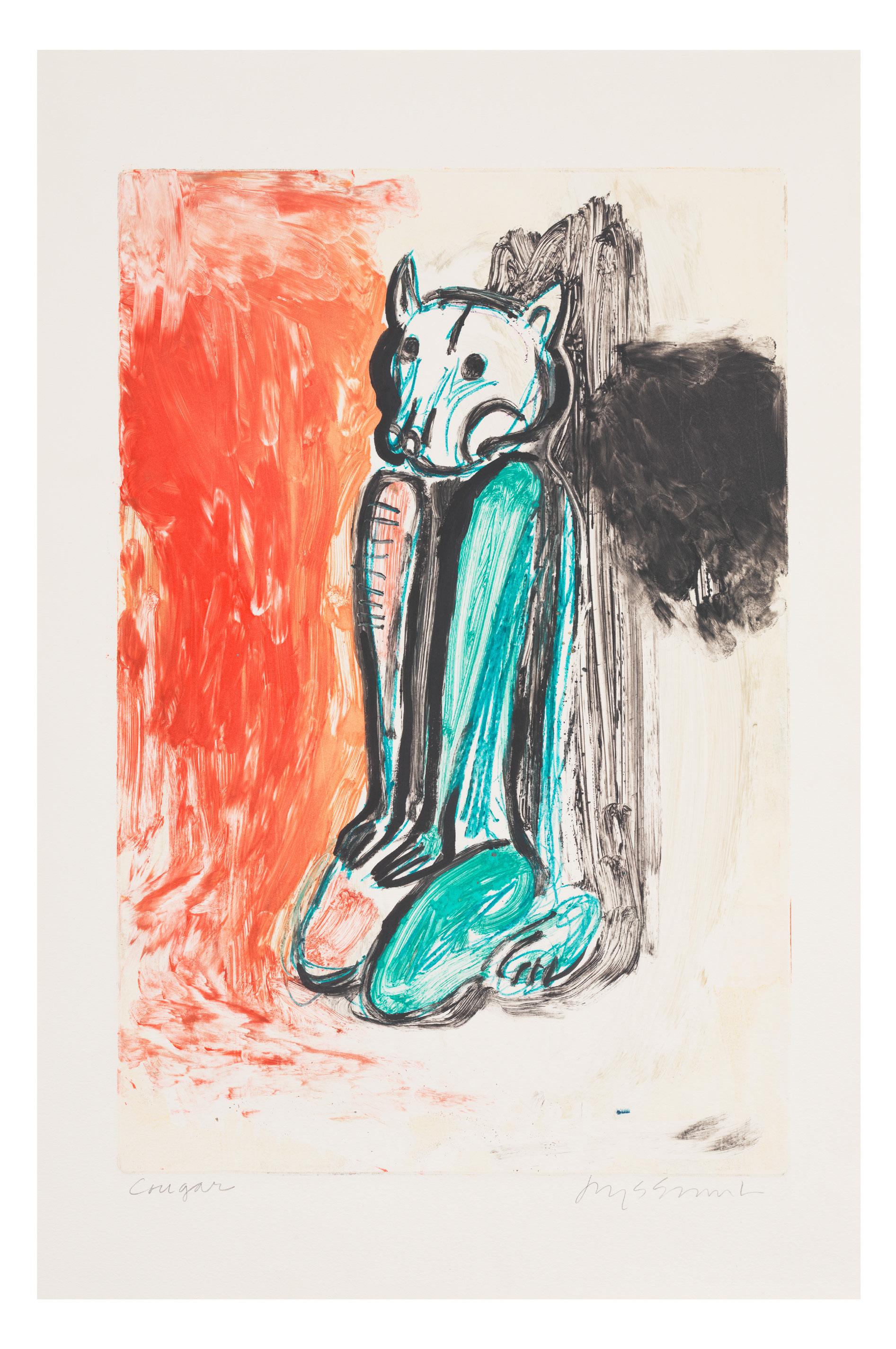
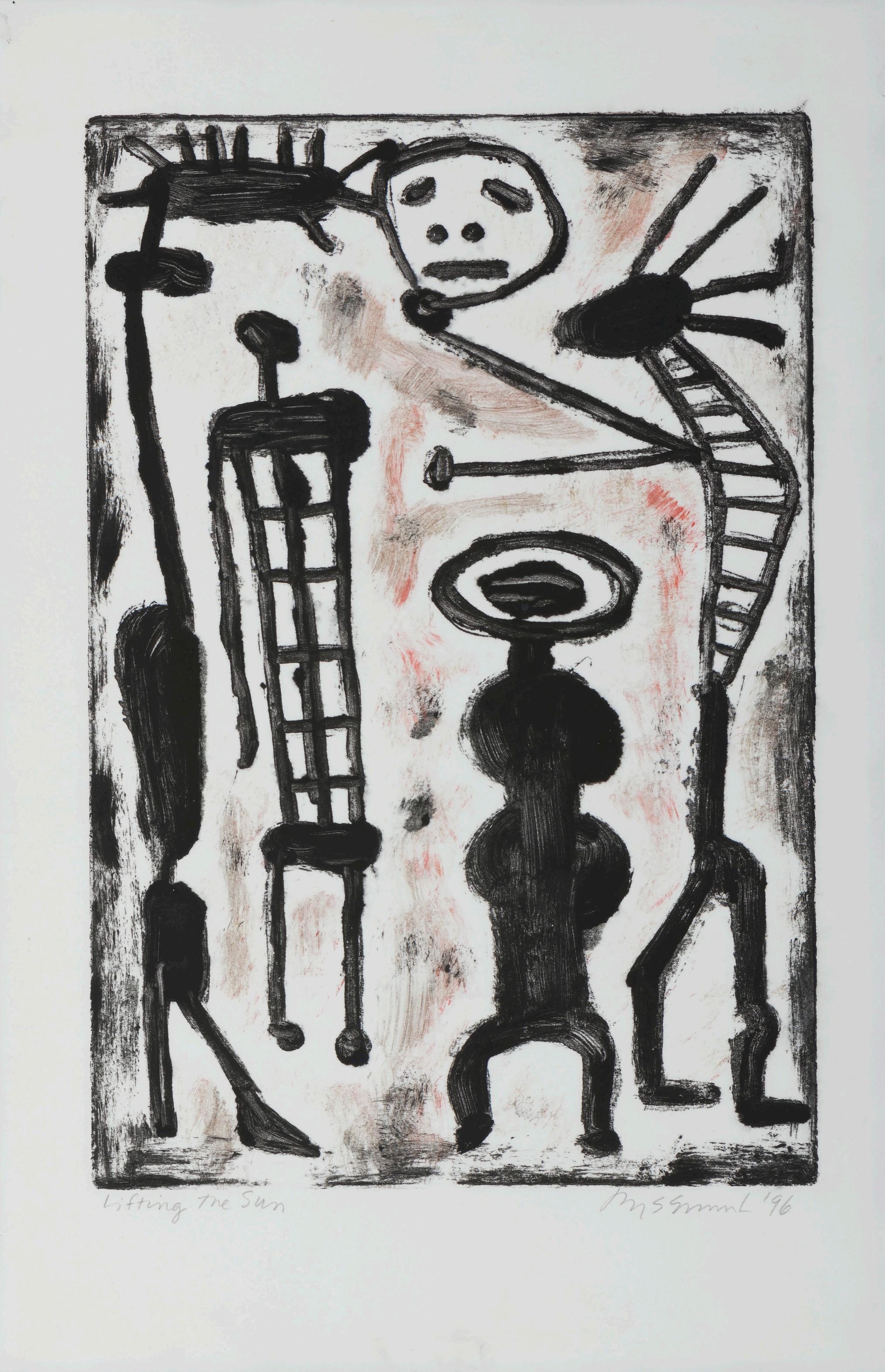
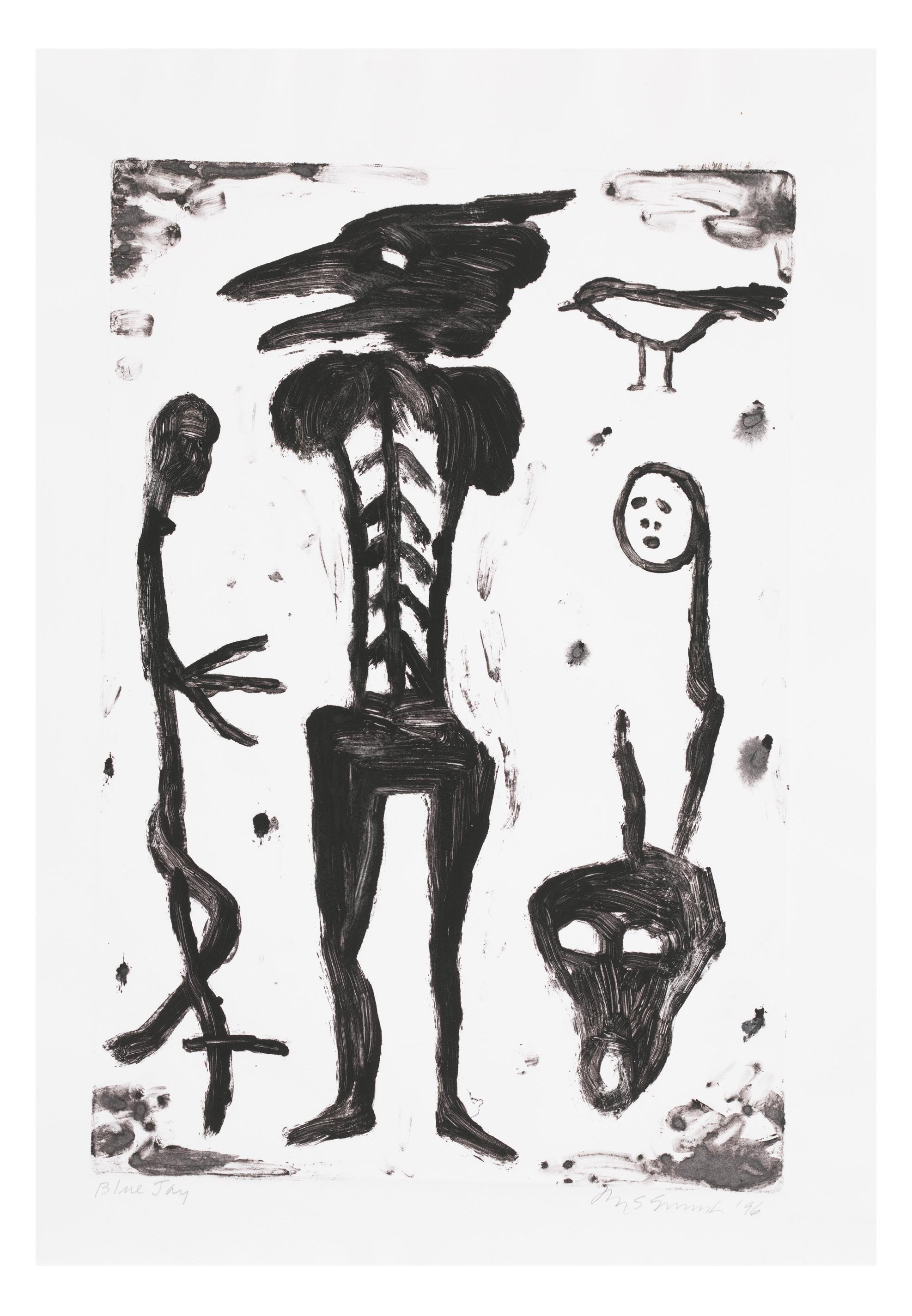
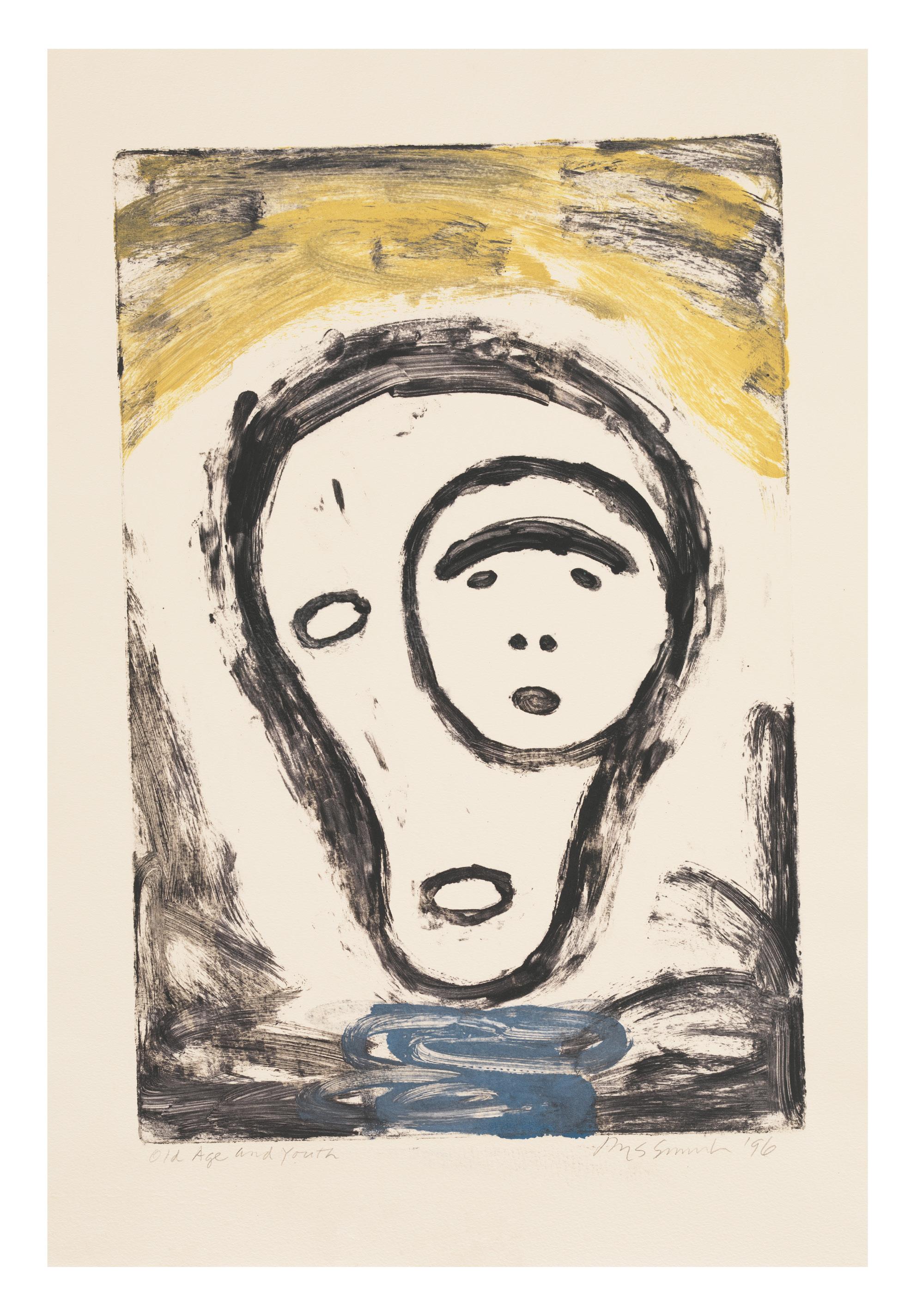
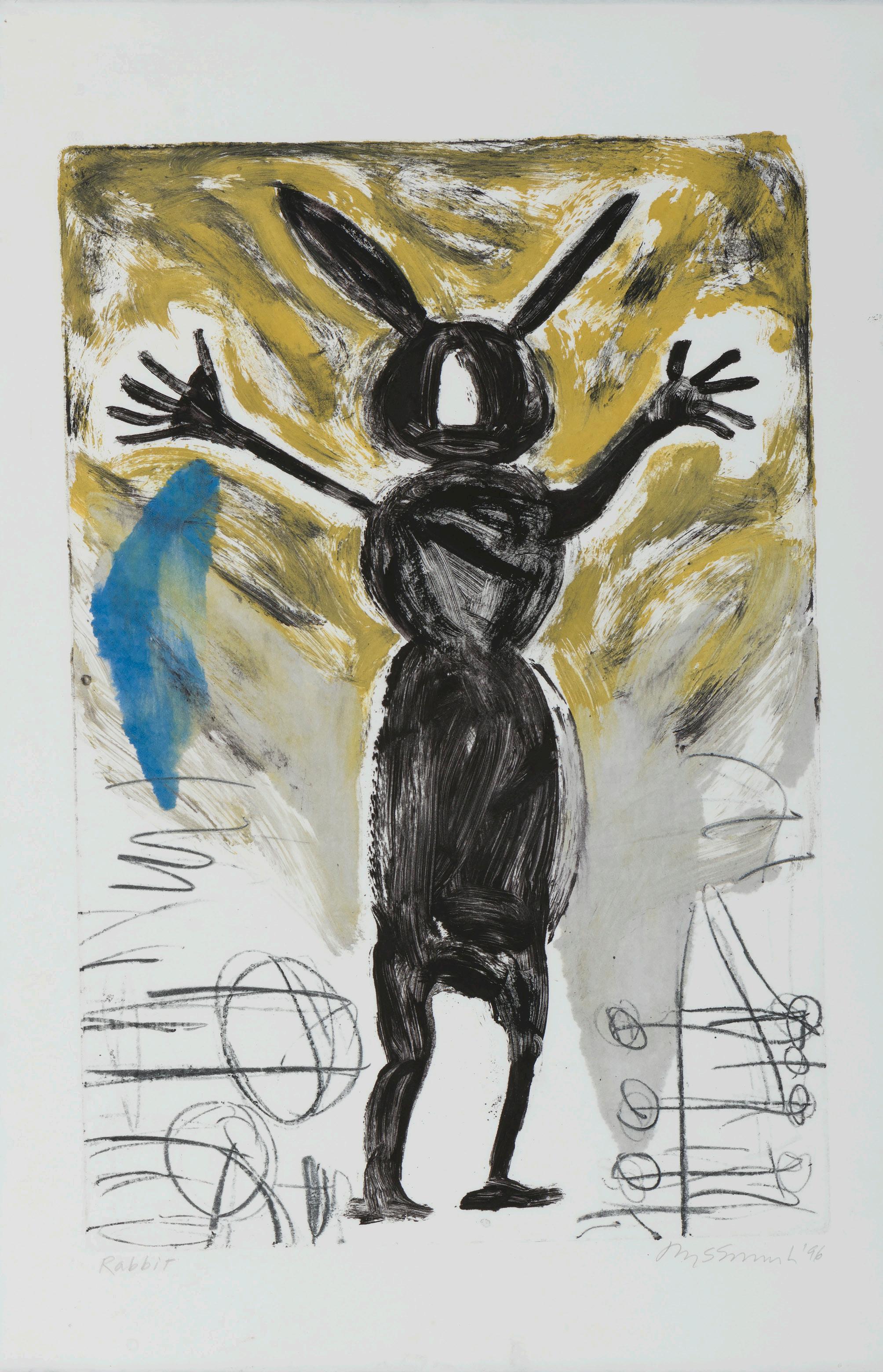
Old Age and Youth 1996, monotype, 22.25 x 15 in
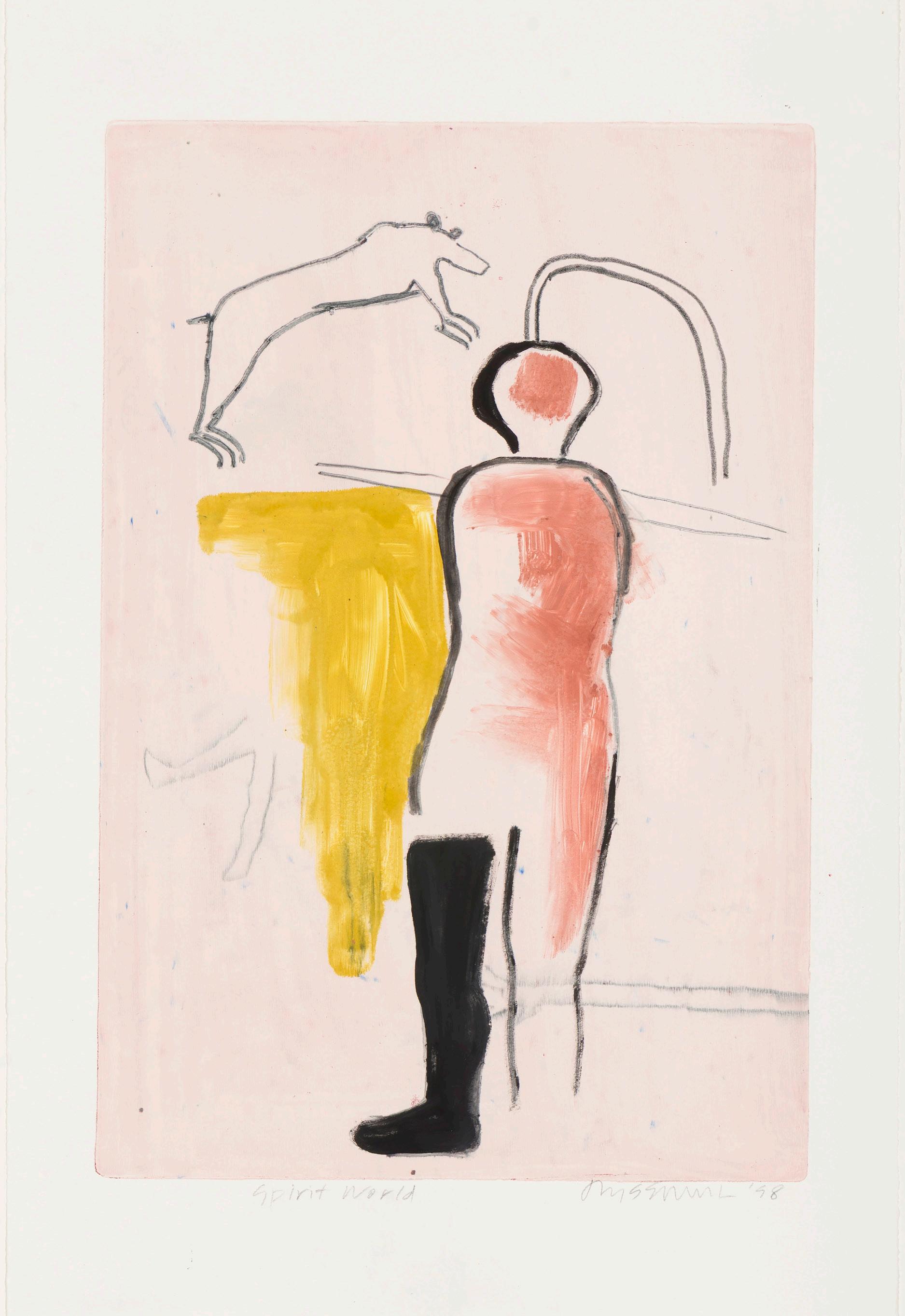
Spirit World 1998, monotype, 22.5 x 15 in