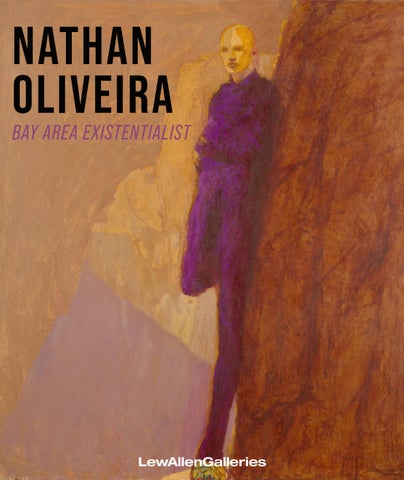
NATHAN OLIVEIRA
BAY AREA EXISTENTIALIST
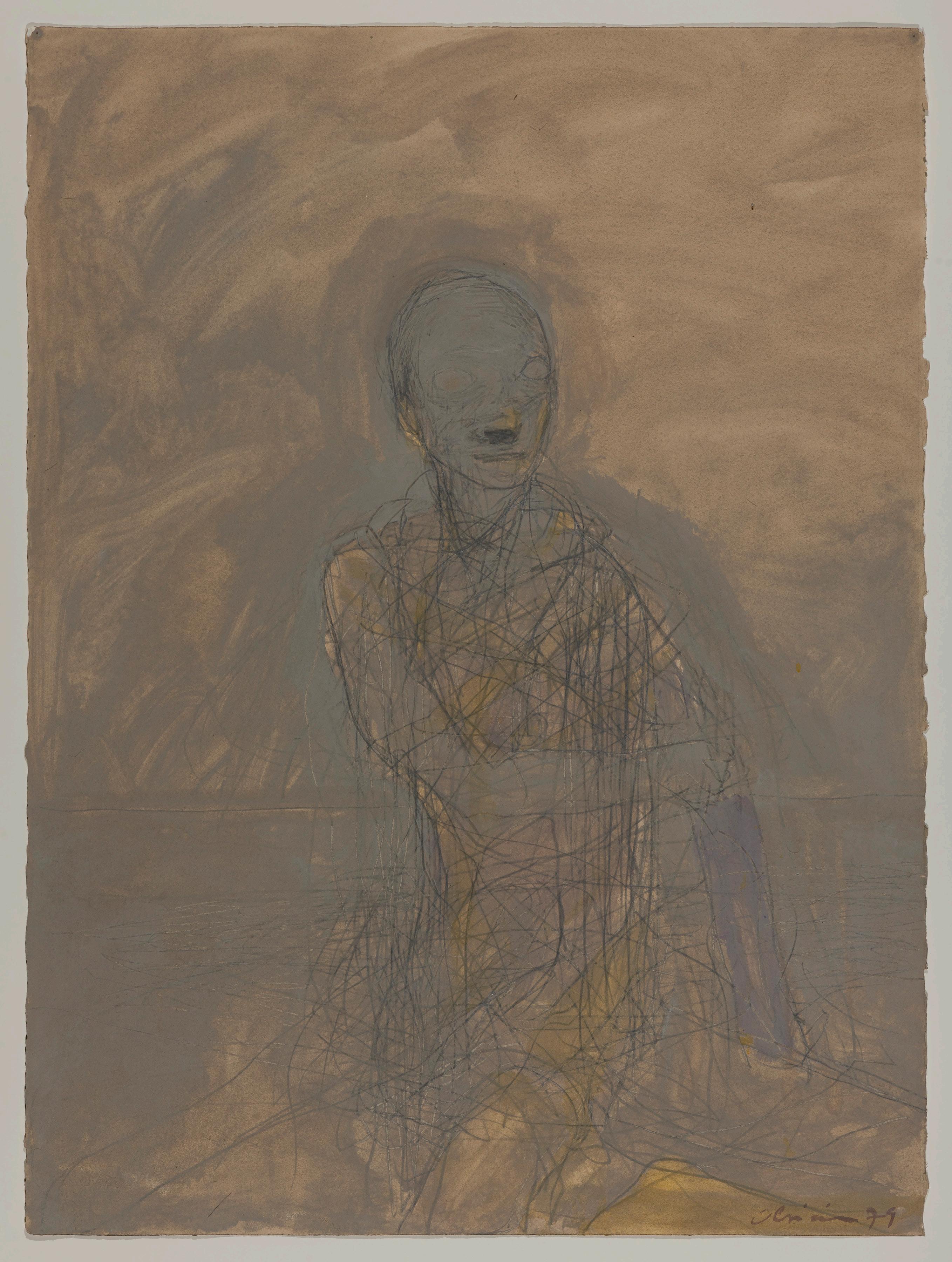
Seated Man with Violet Arm #23
1979, mixed media, gouache, pencil hand worked on paper, 30 x 22 in
BAY AREA EXISTENTIALIST NATHAN OLIVEIRA
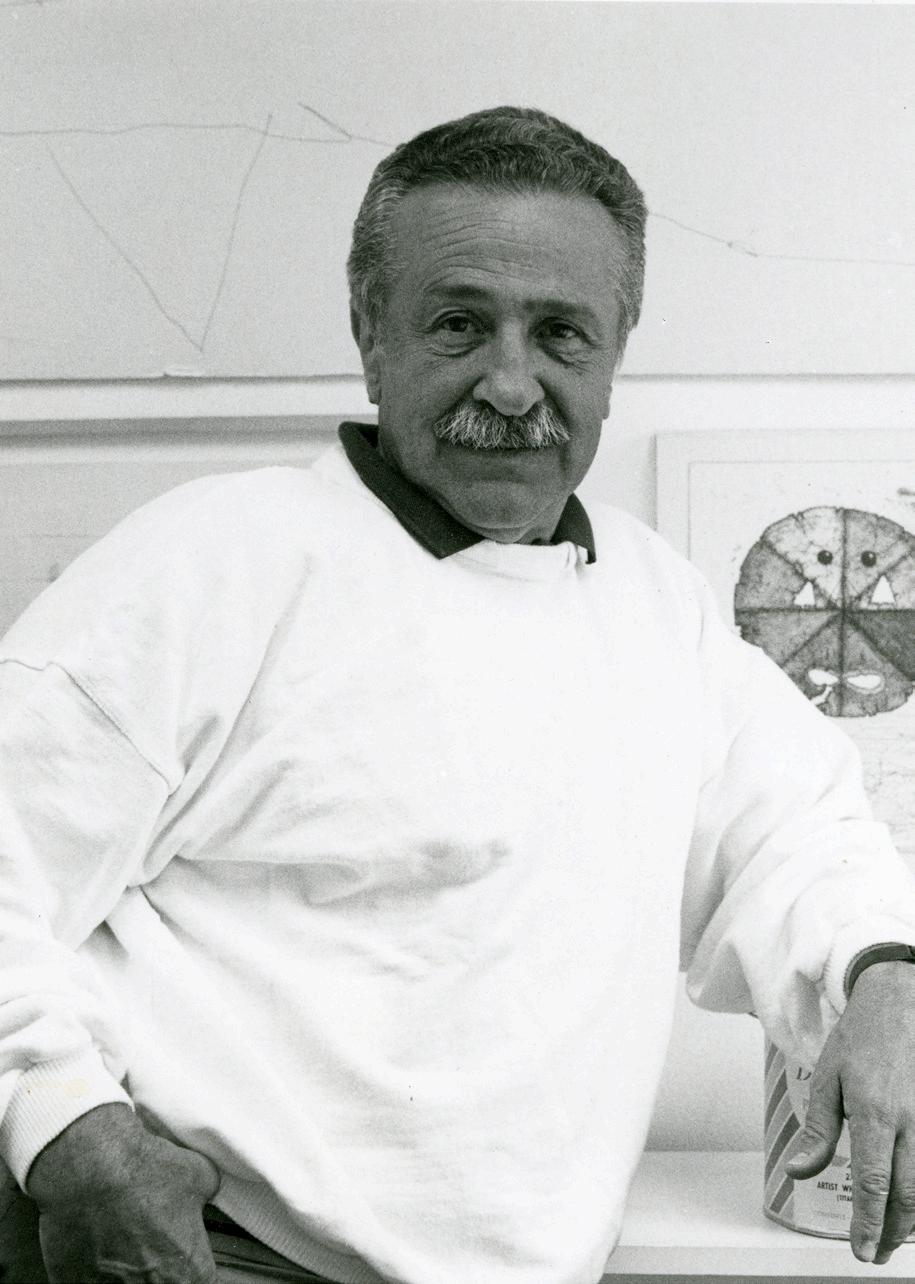
As we write about below, Nathan Oliveira was a remarkably brilliant and independent artist and thinker who brought to his work a profound and enduring universality of pictorial experience, images, and atmospheres that he believed could sustain on-going opportunities for revelations of the existential mysteries and dilemmas with which he sought to struggle. Perhaps, therefore, it is a bit ironic that it is from a random but riveting kairotic experience as a high school student viewing a late-period half-length portrait by Rembrandt at the Legion of Honor museum in San Francisco one afternoon, that young Oliveira seems fated to have become one of the greatest 20th century masters of evoking new life and spirit from figures in painting. Today, though, he is compared to Bacon, Giacometti, and Dubuffet, and he has become famous for the extraordinary passion and mystery redolent in his powerfully transcendent works. As other paintings in this exhibition amply demonstrate, Oliveira was not only the genius of
making brilliant figurative works using Abstract Expressionist gesture, but he also broadened his oeuvre over time to include other objects, such as antlers, bones, birds, wings, and geometric shapes, from which he could also extract profound meaning. We invite close looking and deep enjoyment of this American master.
Railyard Arts District | 1613 Paseo de Peralta | Santa Fe, New Mexico 87501 | tel 505.988.3250 www.lewallengalleries.com | contact@lewallengalleries.com
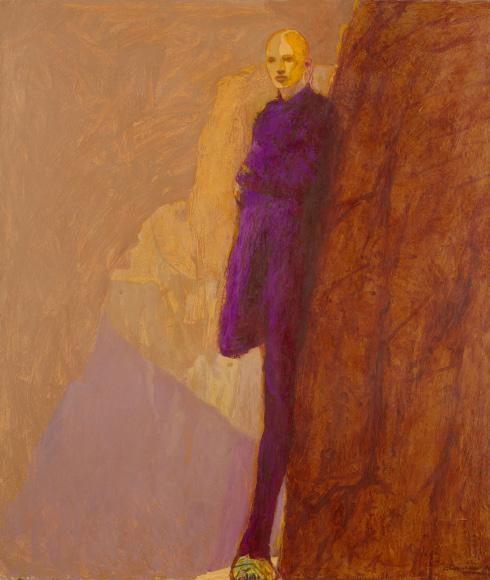
Cover :Climber, 2001, oil, alkyd & cold wax on canvas, 50 x 42 x 2 in
NATHAN OLIVEIRA
BAY AREA EXISTENTIALIST
Look closely at the paintings of Nathan Oliveira. See the saturnine figure at the edge of annulment. See the green closing aqueously around him. See the face scraped back to a smudge, the eyes withdrawn, inoperative, a brush remaindered in the picture as metonymic cipher. See the runner burning into radiant air, defying the gravity of enclosure. See evening light conducting a brief vespertine avowal of beauty. Underneath it, coursing through the accumulated sediment of the ordinary, lies the bare, unasked-for fact of the self. The Portuguese have a word for the disposition: saudade, a longing for something absent that may never have been fully present, a homesickness sans specific home, the preservation of an objectless aching. Nathan Oliveira, born in Oakland in 1928 to Portuguese parents, drew from the ambient condition of this affective inheritance the focus of his art: less the solitary figure embodied than the full predicament of embodiment itself.
Saudade is the Lusophone expression of a condition existentialism approaches from an alternate angle. Heidegger, who rejected the existentialist label even as his thought furnished a preponderance of its central terms, coined a starker word for arriving in a world for which one did not ask to exist and cannot account. He called this state Geworfenheit, thrownness, the discovery, as he put it in Being and Time, that one finds oneself already there, something rather than nothing, without prior consultation on the subject. The two words describe the same terrain complementarily: one warmly, from inside the feeling; the other clinically, from within its analysis. Peter Selz, the art historian and MoMA curator, organized the landmark 1959 exhibition New Images of Man. That exhibition first placed Oliveira in the company of Giacometti, Bacon, and Dubuffet, and whose catalogue essay remains a foundational text on many of its exhibited artists, was among the first to identify Oliveira’s distinctive innovation. Where Max Beckmann, the artist’s teacher for one decisive summer at Mills College, fortified his canvases with objects to wall off “the infinity of space,” Oliveira “welcomes the void emphatically.” A creative kind of emptiness would be the negative condition of his painting, its dark and generative correlate.
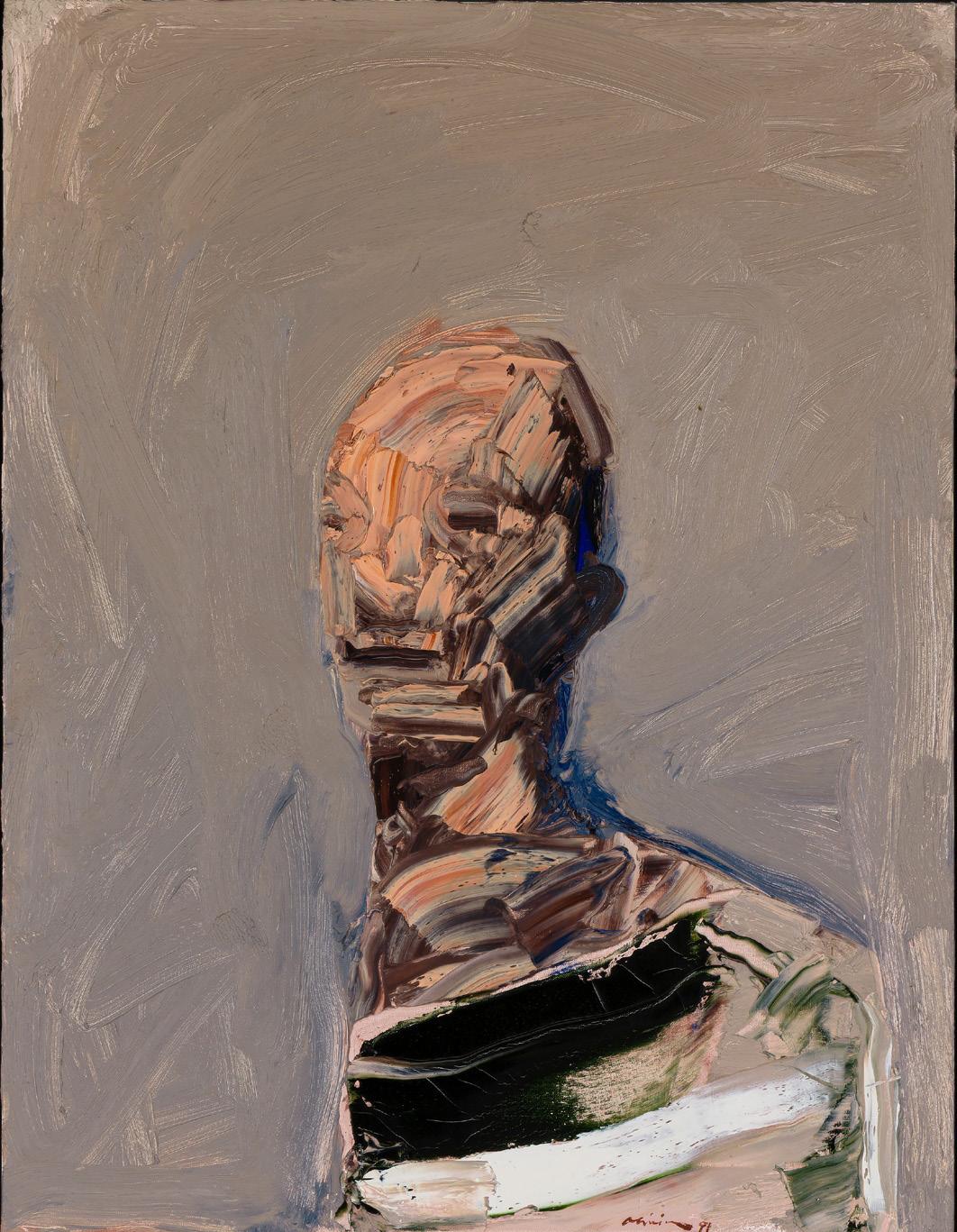
Head
oil on canvas, 36 x 28
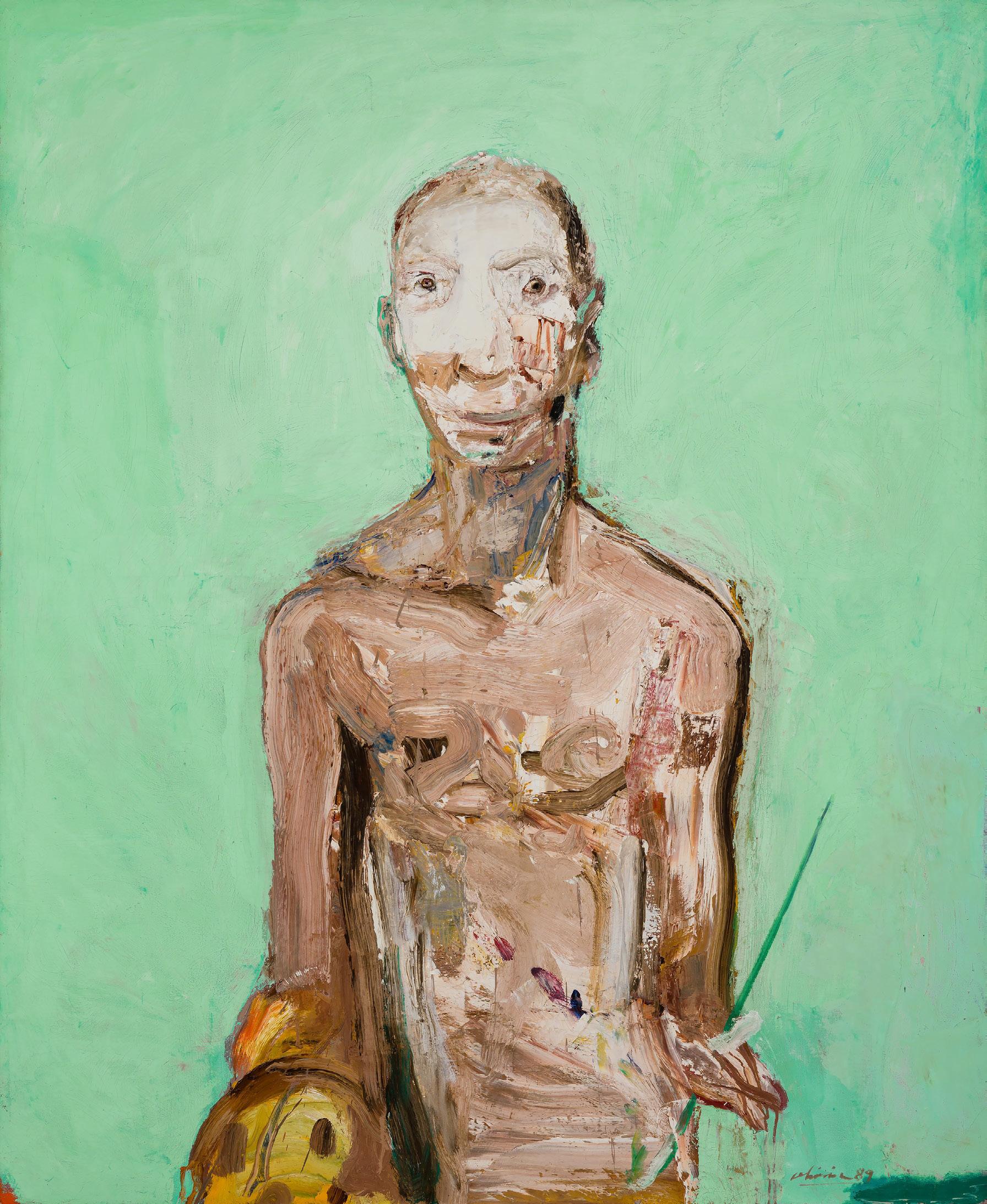
The Painted Painter
1989, oil on canvas, 66 x 54 x 2 in
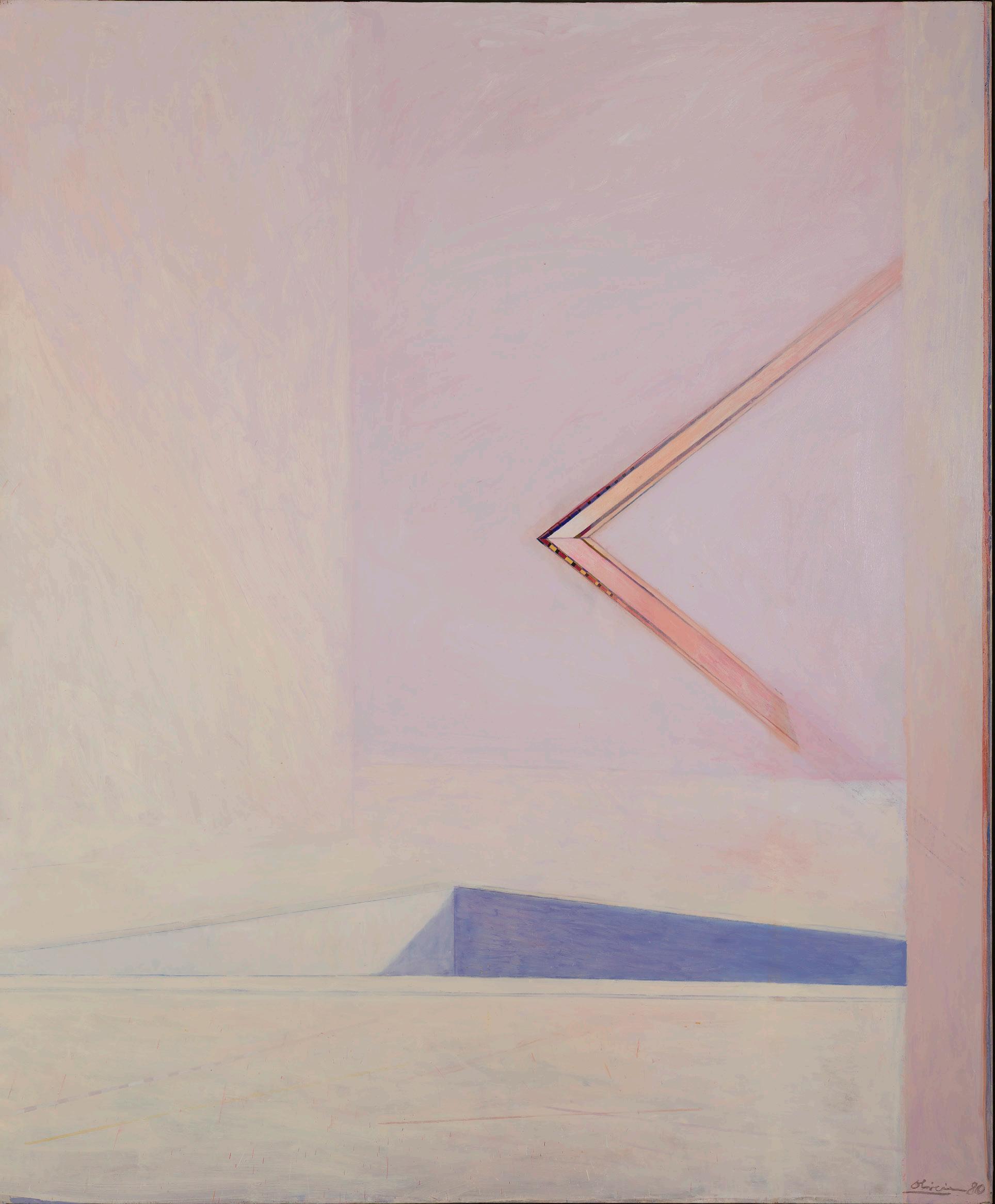
Ryan Site #13 1980, oil on canvas, 80 x 65.75 in
Existentialism and postwar art developed from a shared conviction that the inherited images of the settled self, drawn from art history's long account of the human, could not withstand an unsettled world. The philosophers and the painters of this period were each attempting to reckon with a figure that found itself alive and unexcused after the catastrophes of modernity had destroyed old certainties, making systemic alienation the new norm. By the late 1950s, the crisis of the figure under fundamentally altered historical conditions had become sufficiently discernible as to require the radical museological redetermination organized by Selz. Writing the preface for the MoMA exhibition, philosopher Paul Tillich described the project as evidence of “a turning point” in the century's understanding of the human.
Among the artists presented, Oliveira was the youngest and, in many respects, the most singular: the defining existentialist of the Bay Area, pursuing questions more often associated with the European avant-garde than with prevailing developments in New York, where a focus on Abstract Expressionism had not settled the question of the figure, but deferred it. His closest West Coast contemporaries—Park, Diebenkorn, Bischoff—held to the figurative to recover the sensuous and social pleasures of observed life. Oliveira retained the figure to develop, with extraordinary clarity, a visual analogue to existential thought: how finite consciousness confronts mortal contingency and the burden of self-awareness, placing a body in the unmitigated context of its own existence. Space offers no consolation, narrative no resolution, psychology no stable interiority. If existentialism possesses a major American painter, it is difficult to name a more compelling candidate.
More than seventy years later, the urgency of Oliveira's inquiry has only intensified. In Being and Nothingness (1943), Sartre selected the term facticity to describe the “givenness” of the body, the situation against which selfhood defines itself. That circumstance has in more contemporary terms acquired a technological dimension his generation could scarcely have anticipated. In a culture increasingly organized around predictive profiling, inaugurating a computed image of the self, the definition of what remains intractably one’s own has become newly pressing. The body in Oliveira’s paintings, neither classifiable nor predictable, preserves the unquantifiable weight of a particular existence, irreducible merely to the data a life emits.
In Painted Painter (1989), a blanched body lifts out of a sea of celadon, its author’s face abraded towards anonymity, the reed of a brush rising at right margin. The figure accrues and chafes in the same pass, wavering into view even as it weathers. The 20th century Viennese Expressionist painter Oskar Kokoschka, whose practice forms a tremulous dialogue with Oliveira’s and influenced his own, turned to portraiture out of what he described as a “feeling of alienation, as if we had never really known ourselves before.” He likewise maintained that the face is the site where another consciousness simultaneously offers and withholds itself. Oliveira's self-portrait internalizes this condition without recourse to another participant. Following psychoanalyst Julia Kristeva's observation that “the foreigner lives within us,” the face surfaces an encounter with the internal stranger.
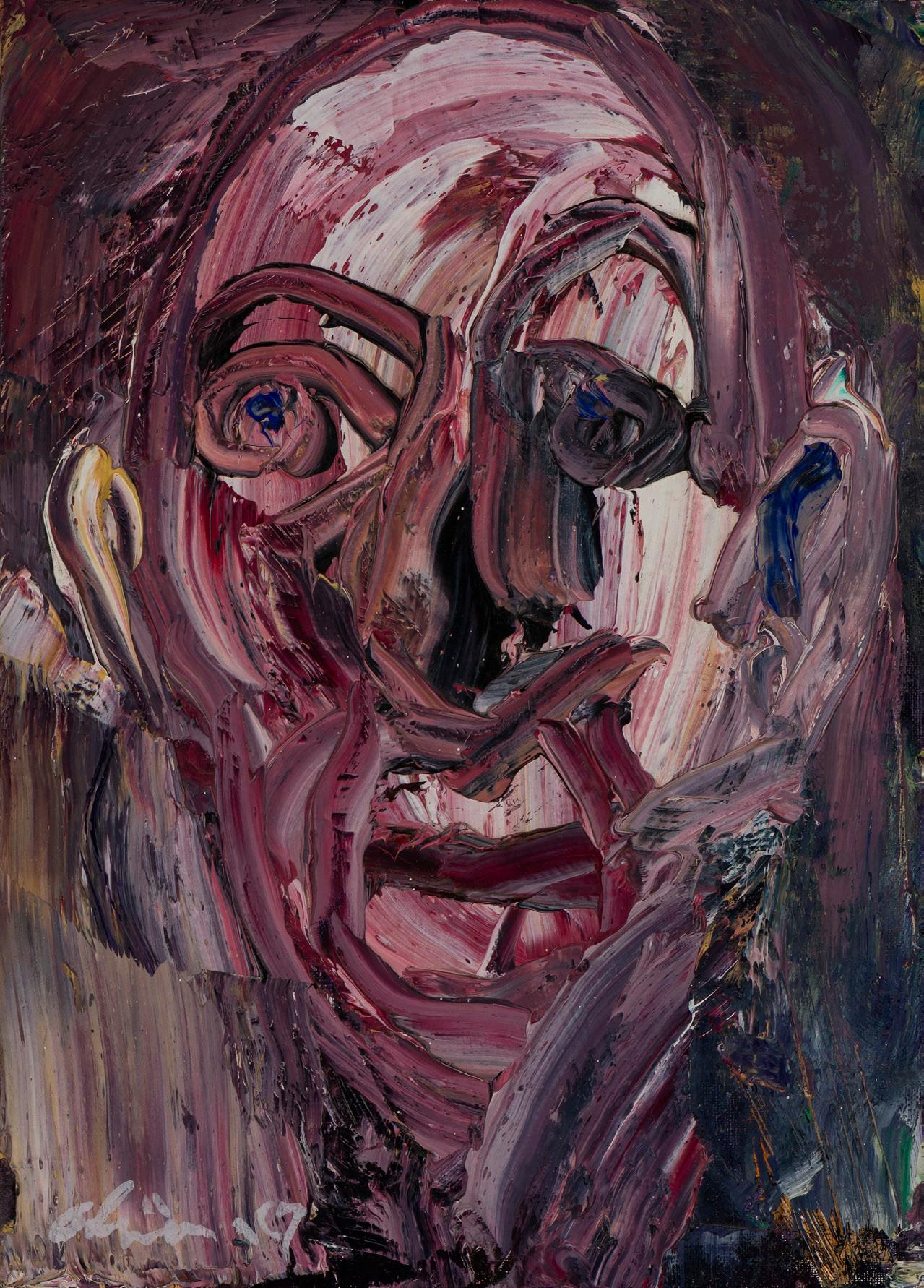
The two small panels Head 1 and Head 2 (both 1967, oil on board) are storms of impasto out of which a face surfaces and resubmerges. In Head 2, two blue eyes puncture the painted churn with a jolt of specificity amid the paint that engulfs them. Head (1985), formed in coppery slabs troweled to low relief, grants the flesh a geologic obduracy; by the year of its completion, Oliveira had already been the subject of the nationally touring SFMOMA survey Nathan Oliveira: A Survey Exhibition 1957–1983, and the painting seems to crystallize both the weight of that retrospective view and a central insight of the work. The more matter Oliveira applies, the less yielding the visage. His troweled flesh and eroded features register the body as the truth of experience lodged in flesh. The thickness of his paint is the thickness of embodiment.
Climber (2001) sets a slim violet figure against a wall of fire-lit stone, ascending or pinned, portending, per poet Rosmarie Waldrop's Reproduction of Profiles, that “even if we could not remember the color of heat the dominant fuel would still consume us.” Built from rubbed, stained passages of orange, rose, and umber, the surface resonates with the chromatic immersion of Rothko. Runner (2006), a towering eight feet of carmine smolder, melts its sprinting figure into the glowing center of its surrounding color field. The painting’s vast proportions, consuming the runner and the viewer's peripheral vision alike, admit no outside, no exit swift as flame. Only the slender green incursion at lower right, the cool resistant note, remains. Where Runner externalizes the passionate ordeal of being, Seated Man with Violet Arm #23 (1979), worked by hand in gouache and pencil, folds inward, knitting its sitter from a thicket of nervous graphite.
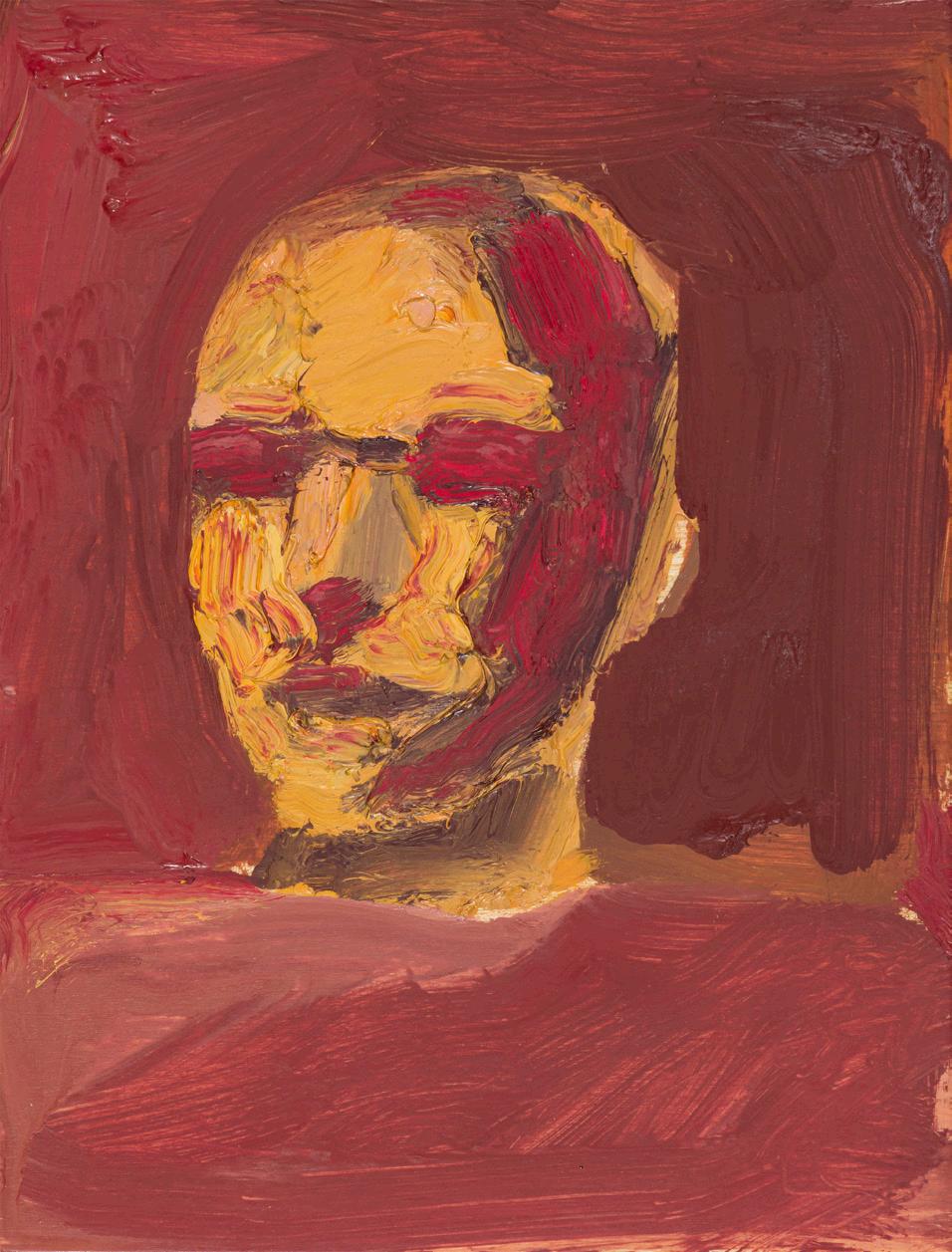
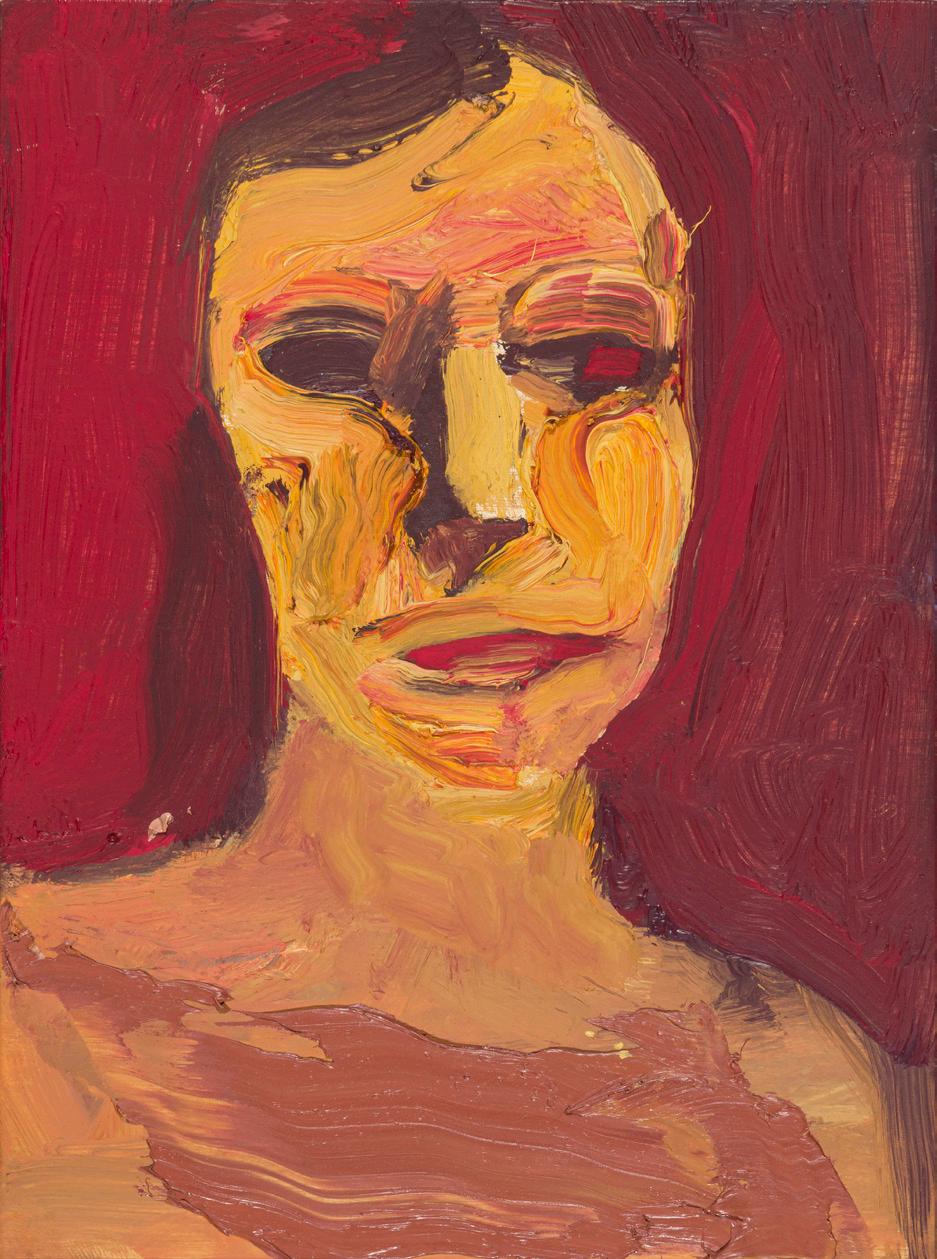
Below: Study 2 for Brunelleschi and Donatello in the Ruins of Rome
2025, oil on linen, 13.75 x 17.75 in
Above: Study 1 for Brunelleschi and Donatello in the Ruins of Rome
2025, oil on linen, 13.75 x 17.75 in
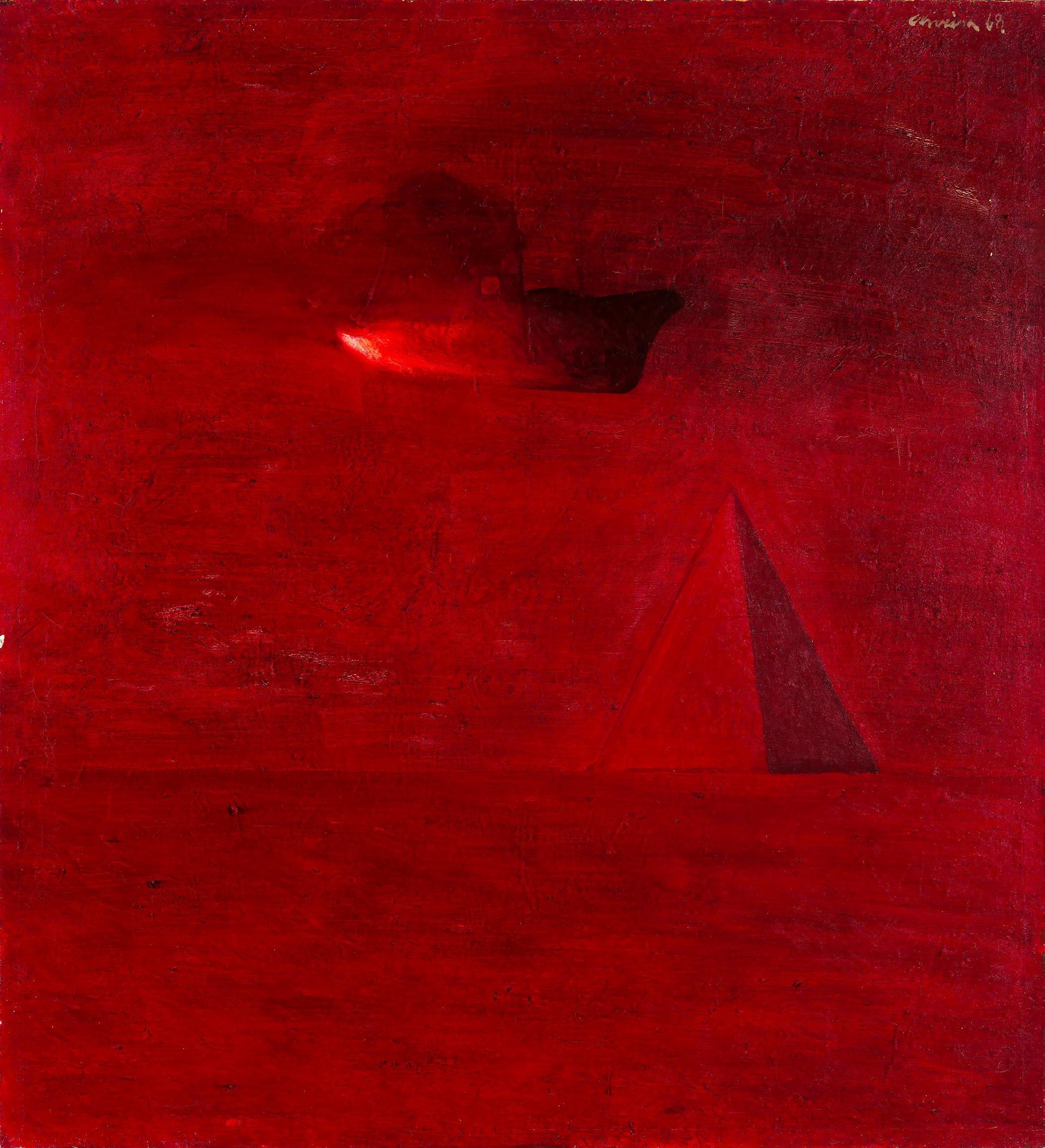
Ship and Pyramid
1968, oil on canvas, 66.25 x 60.25 x 1 in
The Swiss psychiatrist Karl Jaspers used the term Grenzsituationen, limit-situations, for those encounters with finitude and limited human agency, turning-points against which existence defines itself. Oliveira's rooms assume this function, becoming the spatial coordinates of an existential boundary. At such thresholds, Oliveira’s sitter speaks to the private terms of the self’s provisional coherence, formalizing the interminable labor of self-constitution. Stage Figure (1976) proposes an alternate limit of containment: a lone painted figure over a deep vermilion monotype ground, a mechanical curtain. Through the shift in medium, its varied and repeated attentions to the scene, Oliveira contends with finality, as if the curtain will not close. There is something here of the recursive American solitude in which Hopper specialized, which, as Peter Schjeldahl insisted in a review of Hopper’s work, far from loneliness, is solitude's maudlin projection.
The late 1960s coincide with Oliveira's mounting institutional recognition—major exhibitions at UCLA's Dickson Art Museum in 1963 and the San Francisco Museum of Art in 1969—and register a decisive shift from portraiture toward the more unstable ontology of the archetypal heads, rooms, spirits, and figures that would dominate his mature work. An extraordinary example of his work of the period, Ancient Figure Work (1969) crowns its great grey personage with a mask and sets, improbably, a small luminous seascape—formed of a horizon and a single sail—inside the cavity of its torso. Seated Man in Room (1969) rules off a perspectival box, a cell drawn with a draftsman’s restraint, within which its sitter’s bone-and-violet body is shot through with a scumble of parabolas, the roil of the inanimate. Bacon’s enclosures manifest an instructive parallel; the British critic David Sylvester perceived the painter’s figures as existential, moored between brute matter and its inhabiting consciousness.
Despite the broader architecture of its containments, as the exhibition unfolds, consciousness seems to diffuse outward into the world of things. Antlers, birds, empty interiors, and atmospheric distances become vessels for the same existential charge. The Antlers pair (both 1996, and a magisterial seven feet tall) float a rack of horn in warm ochre, the relic hanging with the gravity of a reliquary bone. In his canonical Why Look at Animals?, John Berger observed that animals possess “secrets” specifically addressed to humans, shouldering an elegy for a vanished life. Here, solid slabs of bodily remainder construct a scalar assertion: the once-animal relic indexes a shared planetary fate, attenuated and vertebral, haunted by
the pre-established harmonies, indeed the finality, of being.
The sweeping Wing V (1994) and the tender monotype Wing (1992) distill flight to single scything arcs of pigment. D'Arcy Wentworth Thompson, whose On Growth and Form remains among the last century's great unclassifiable tomes, observed that “the form of an object is a diagram of forces,” its shape the accumulated record of each pressure exerted upon it. Trace inscriptions of a still-present past, the wing, the antler, the arc of bone preserve the imprint of unseen stressors. “Cell and tissue, shell and bone, leaf and flower,” Thompson writes, “are so many portions of matter,” their forms molded in obedience to physical law.
Oliveira's Ryan Site paintings emerge from a biographical circumstance. Upon moving into a new Stanford studio in 1980, he discovered a dead kestrel at the entrance; shortly thereafter, birds nesting in the adjacent Ryan Laboratory, a research facility for electrical engineering, began teaching their young to cross the narrow interval between buildings. Ryan Site #3 (1982), a low earthen rise interrupted by a flaring lozenge of light amid wandering linear marks, transposes those observations into an image of remarkable economy. Ryan Site #13 (1980) is starker still: within a pallid field, a copper chevron bisecting the upper right, clean and undeviating as a circuit trace, a small blue rectangle entrenched at lower center like a shadow pried from its object. Bridging nature and technology, the paintings suggest stray electrons and sharpened arcs of avian flight, the oft-unseen forces that govern existence. New Mexican Sites 16 (1991) reduces landscape to a spectral armature framed against scorched earth, the figure, finally, disembodied.
Across the seventeen works gathered here, running from the impasto heads of 1967 to the burning Runner of 2006, the argument is singular, consistent. At its deepest register, an act of saudade: meeting longing headlong through the act of making. Oliveira put it himself, late in his life, with a bare economy equivalent to his art: “I do not look at modern art as a linear experience, continually in competition with itself, devouring itself—a game for popular society to play. I rather believe in an art that layers time upon time, an art that simply reaffirms our presence and the depth of our existence on this earth, our planet in the universe. In this respect I see my art as simply a current link in a chain to those who have preceded me. I simply want to be a part of a continuous resonance.”
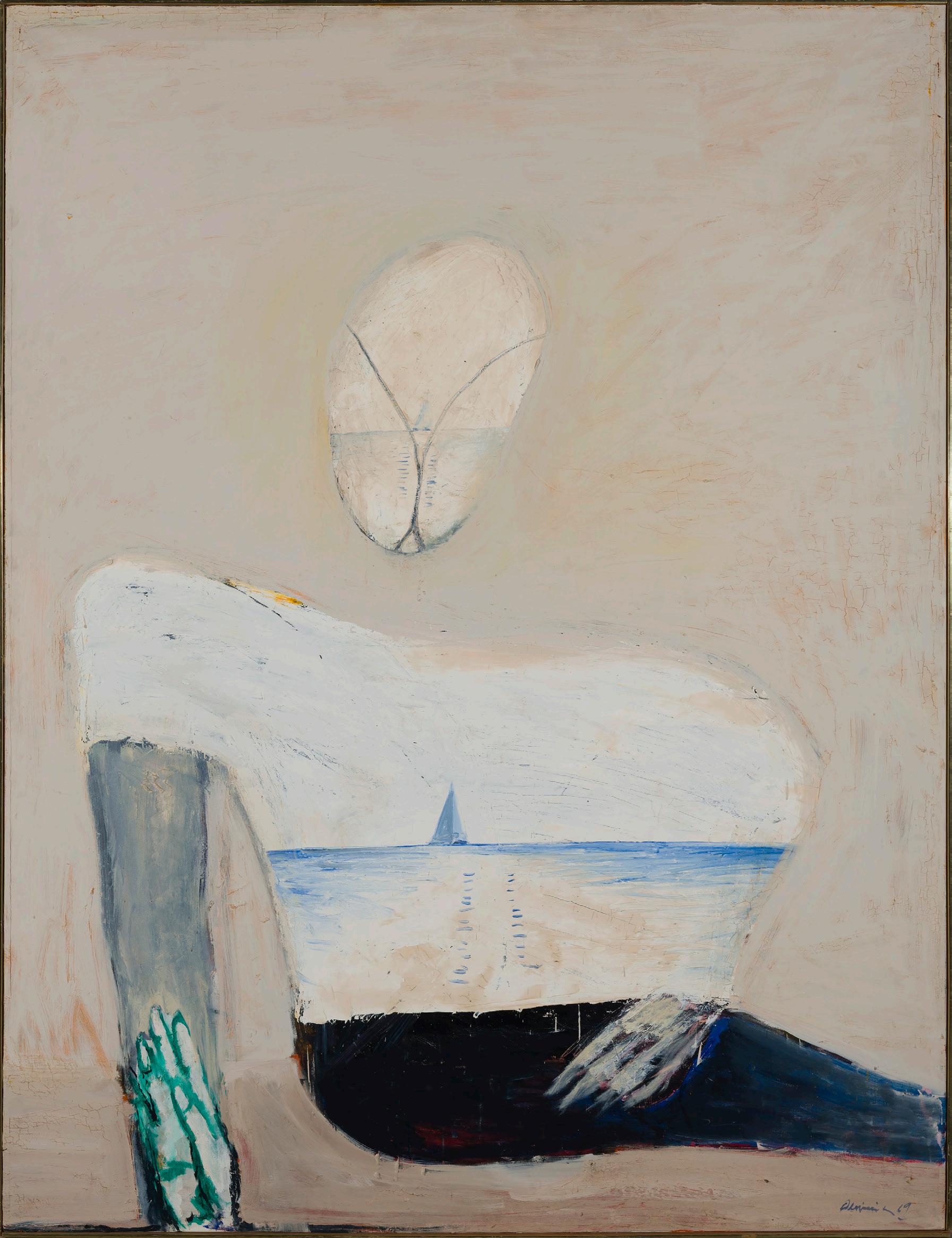
Ancient Figure Work
1969, oil on canvas, 78 x 60 in
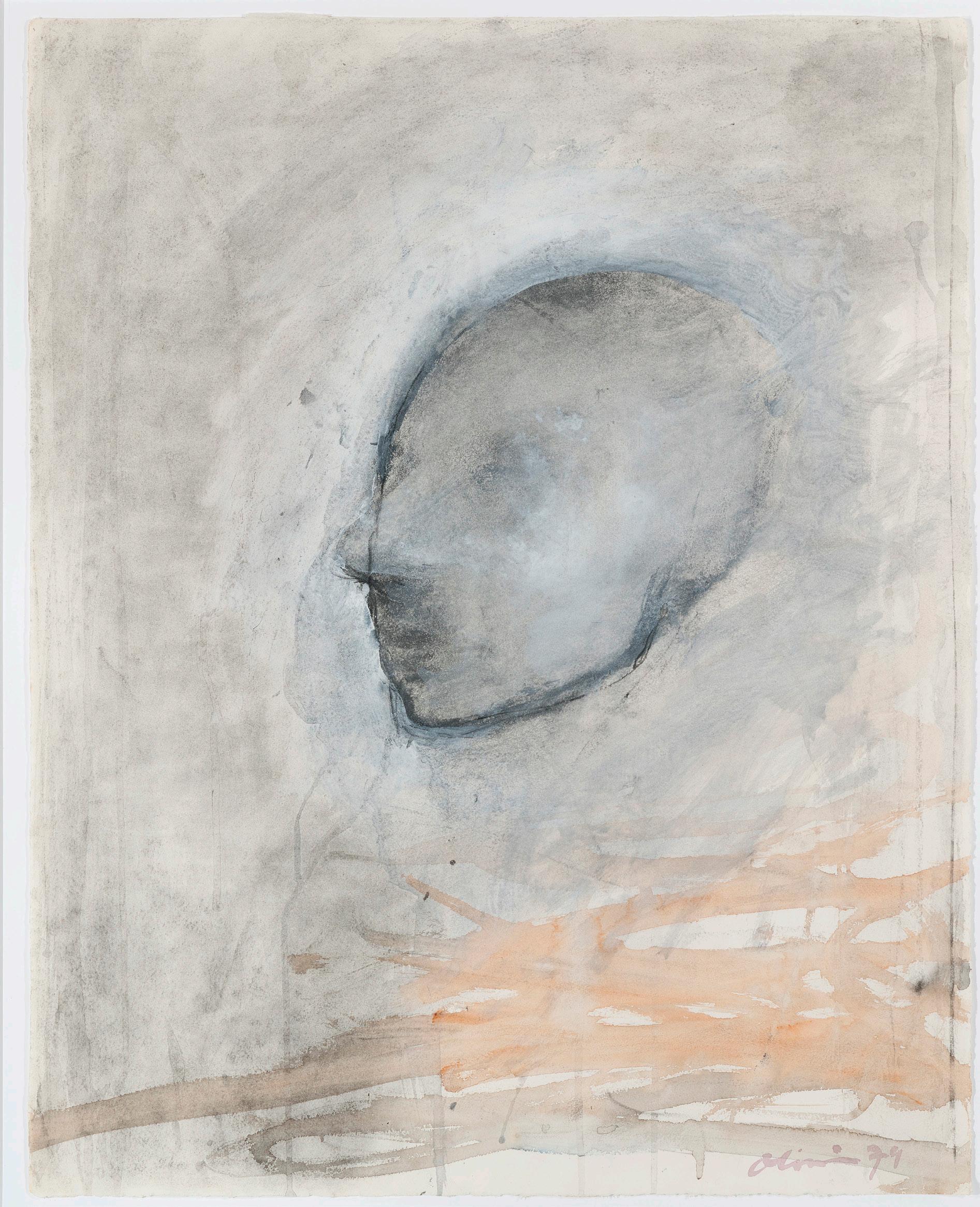
Charcoal Head 14 1979, watercolor on paper, 24 x 19 in
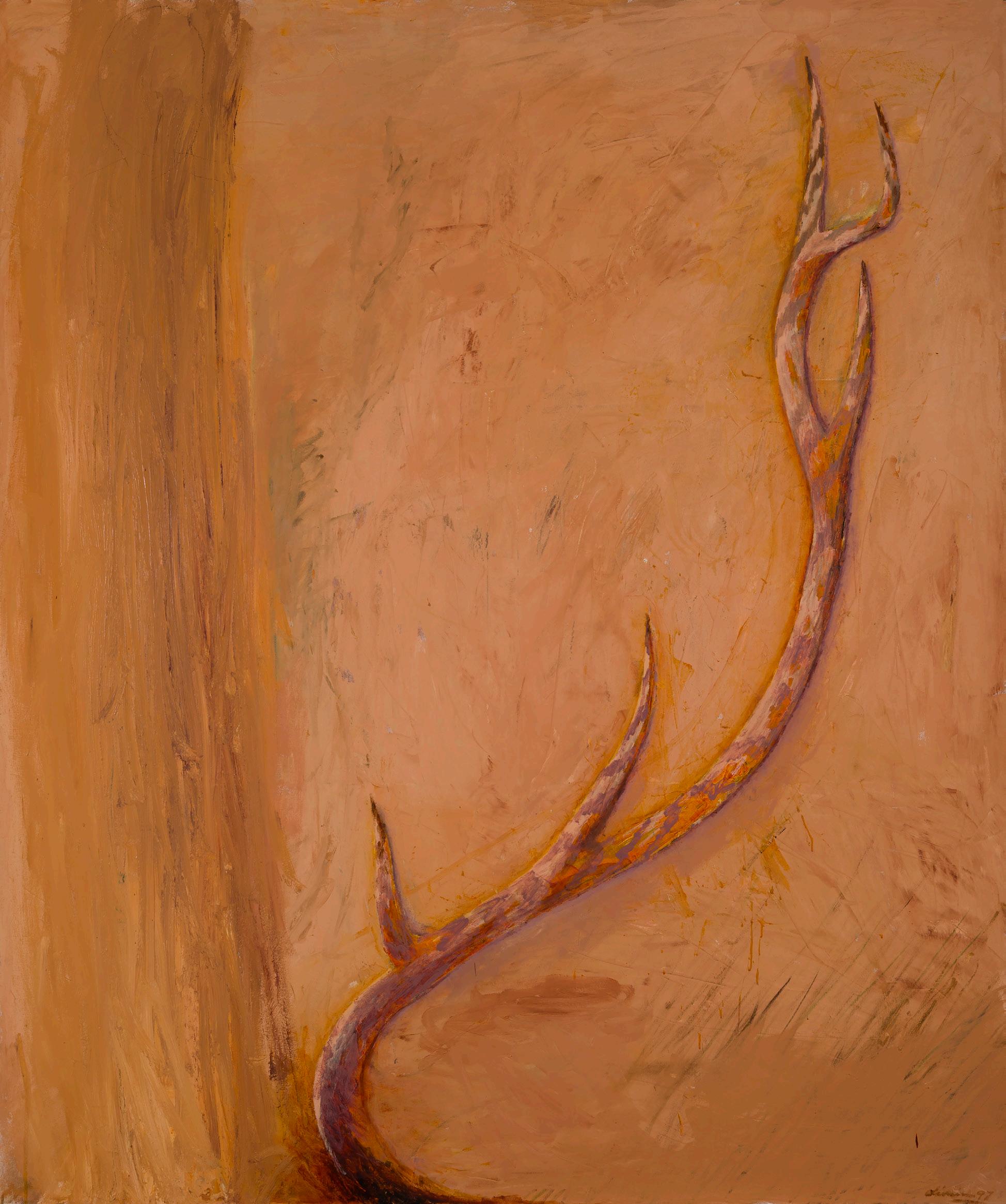
Antlers #2
1997, oil and cold wax medium on canvas, 84 x 70 x 1.5 in
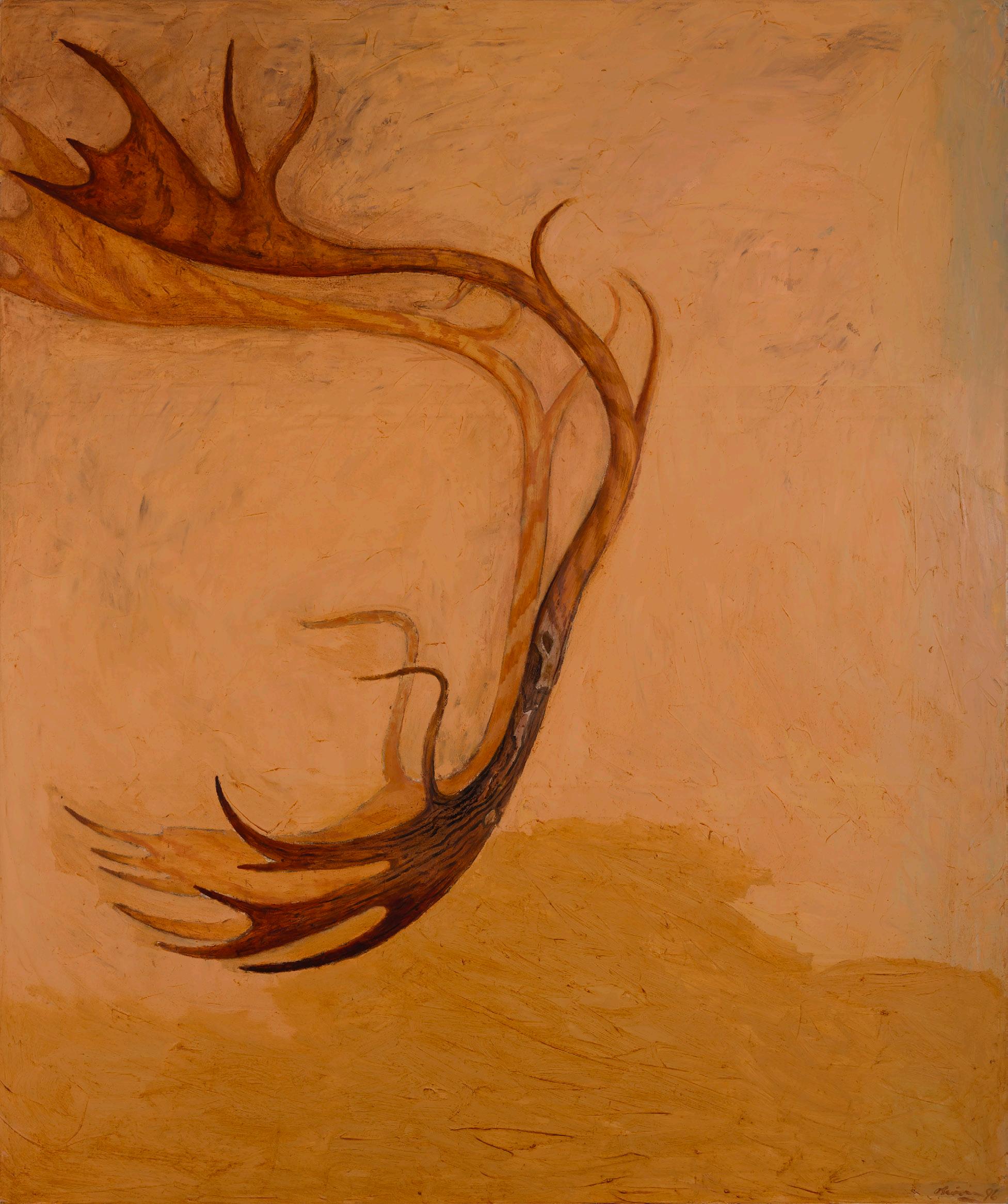
Antlers #1 1996, oil on canvas, 84 x 70 x 1.5 in
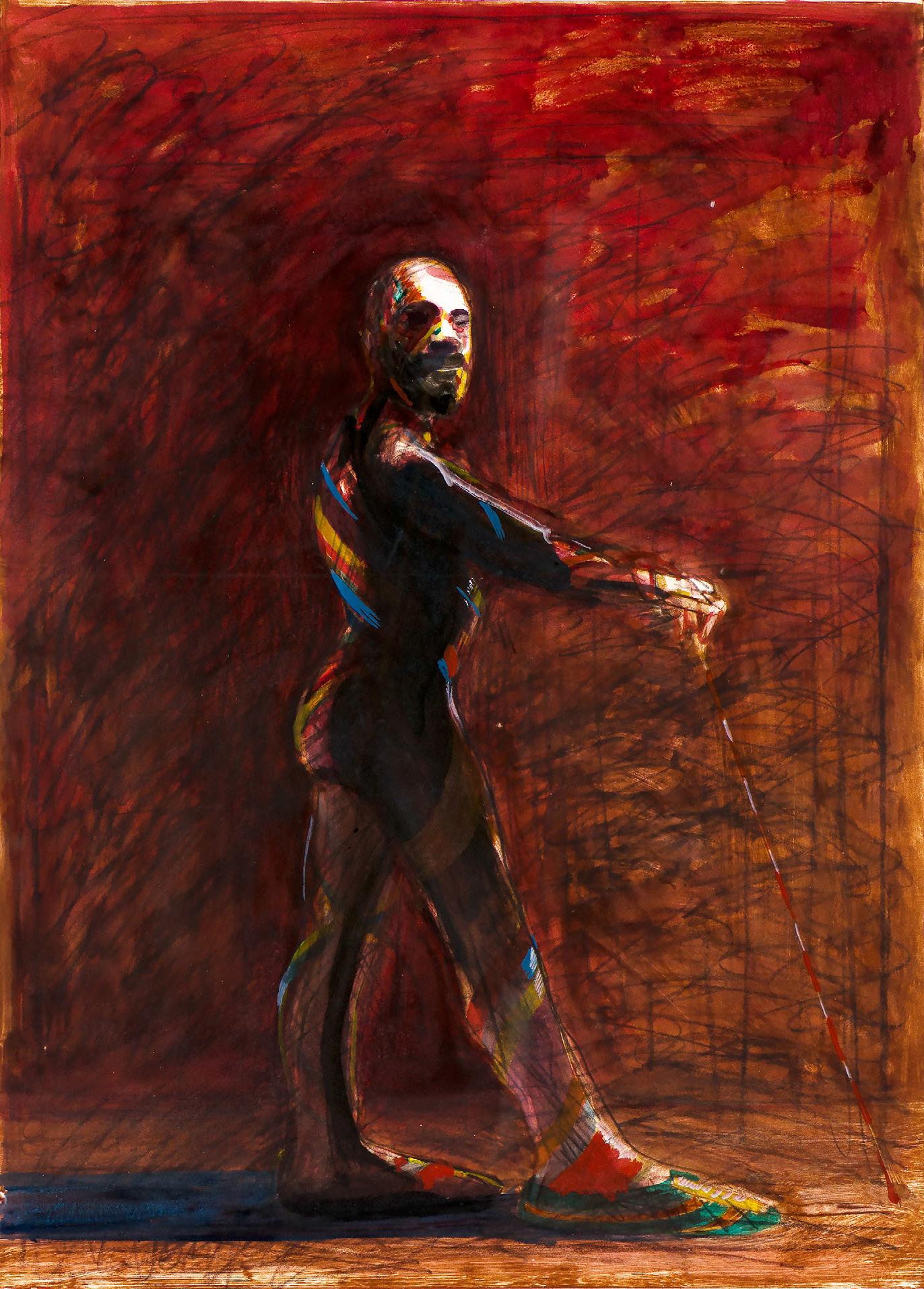
Stage Figure 1976, monotype, 30 x 22 in
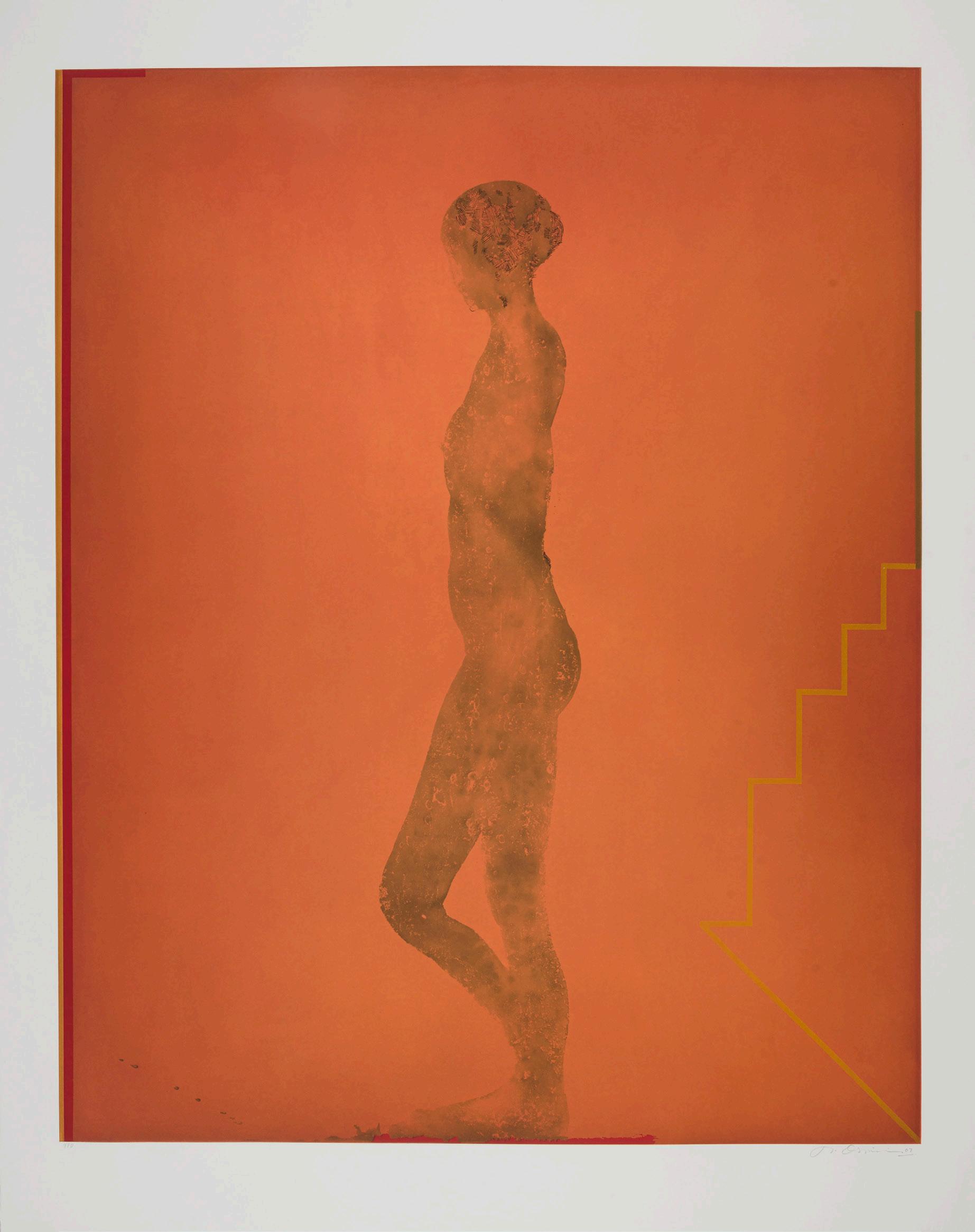
Standing Figure (Ed. of 35)
2007, cwolor sugar lift aquatint with hard-ground etching, 45 x 36 in
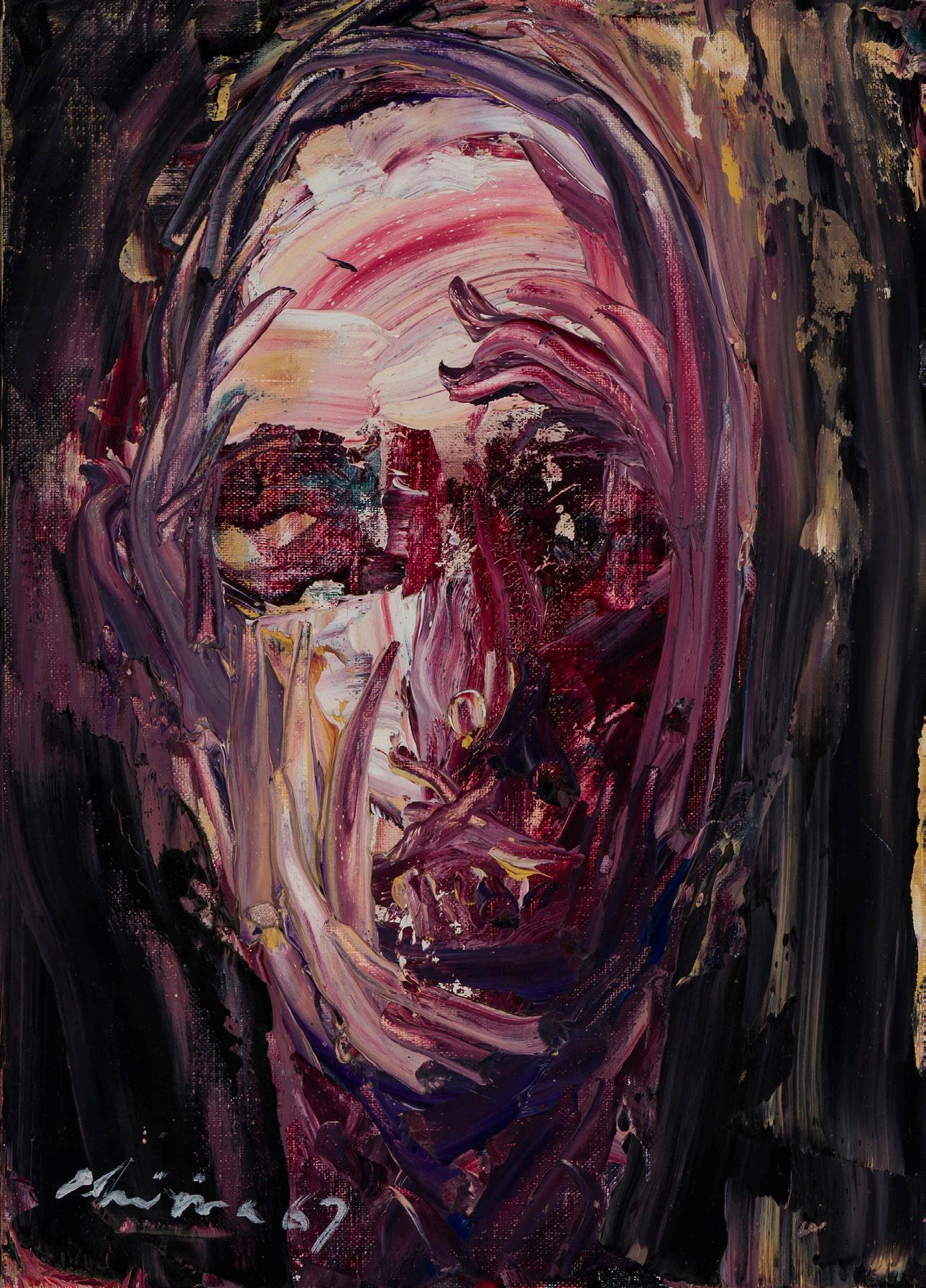
Head 1
1967, oil on art board, 13.75 x 10 in
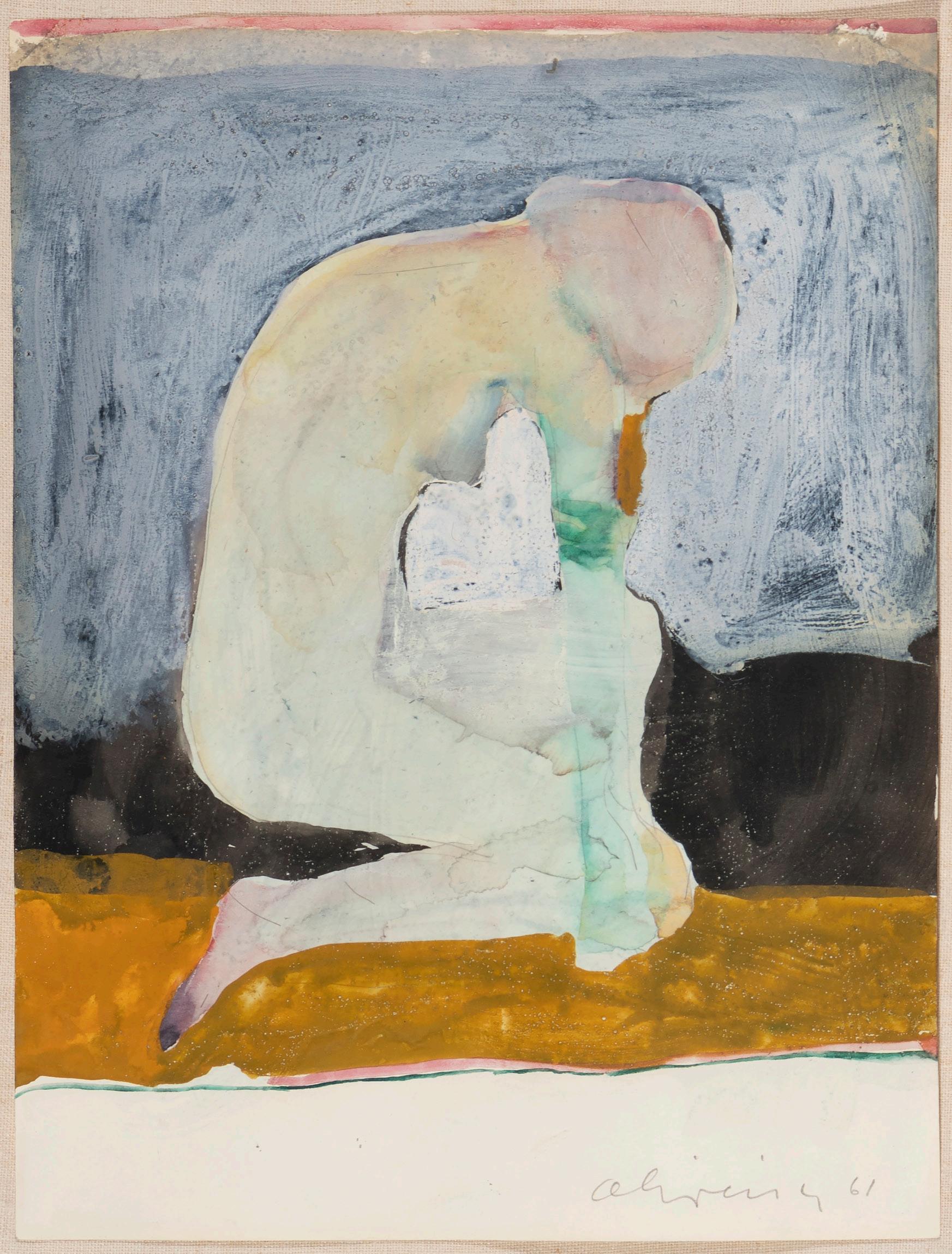
Untitled 1961, gouache & watercolor on paper. 11.63 x 8.75 in
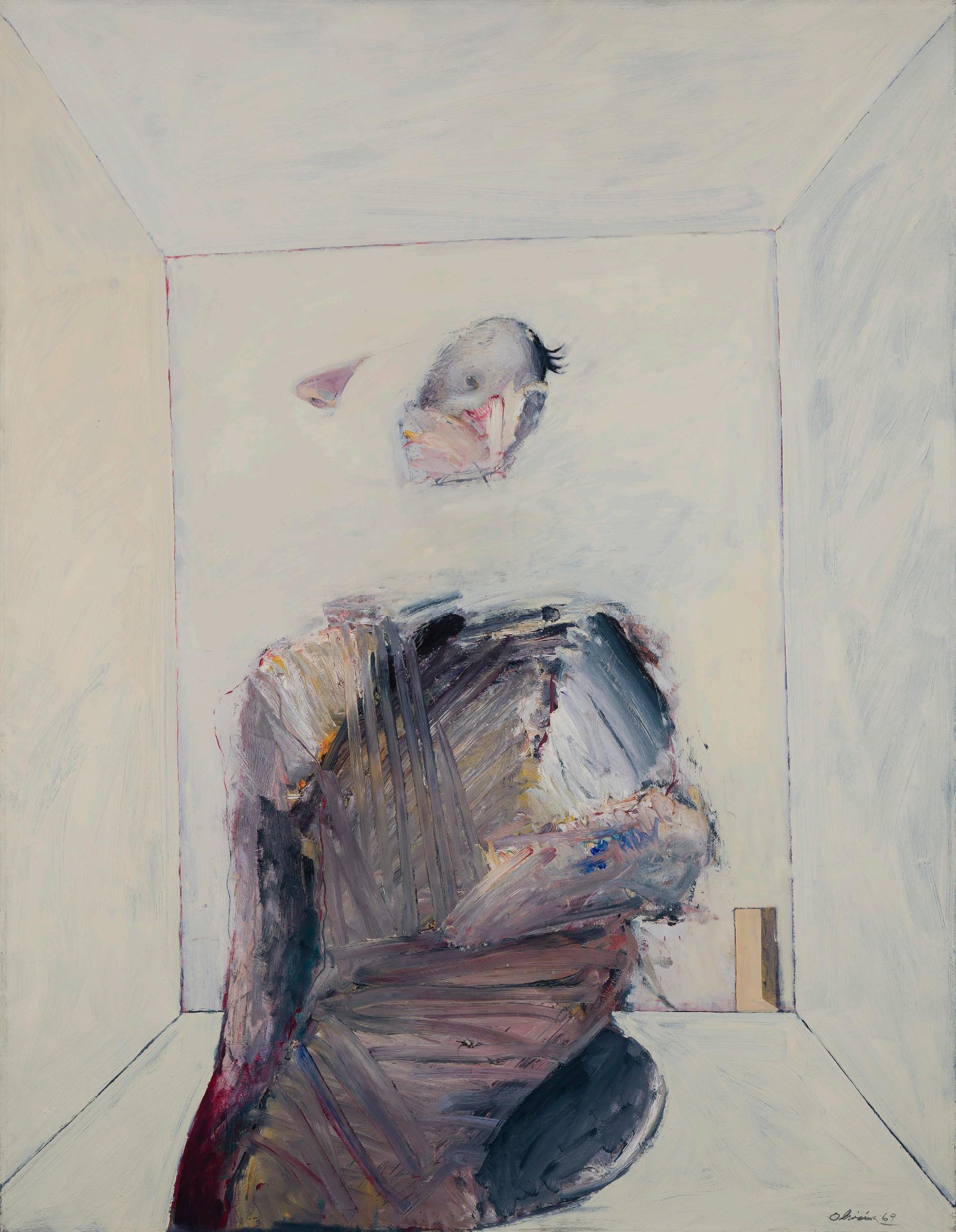
Seated Man in Room 1969, oil on canvas, 78 x 60
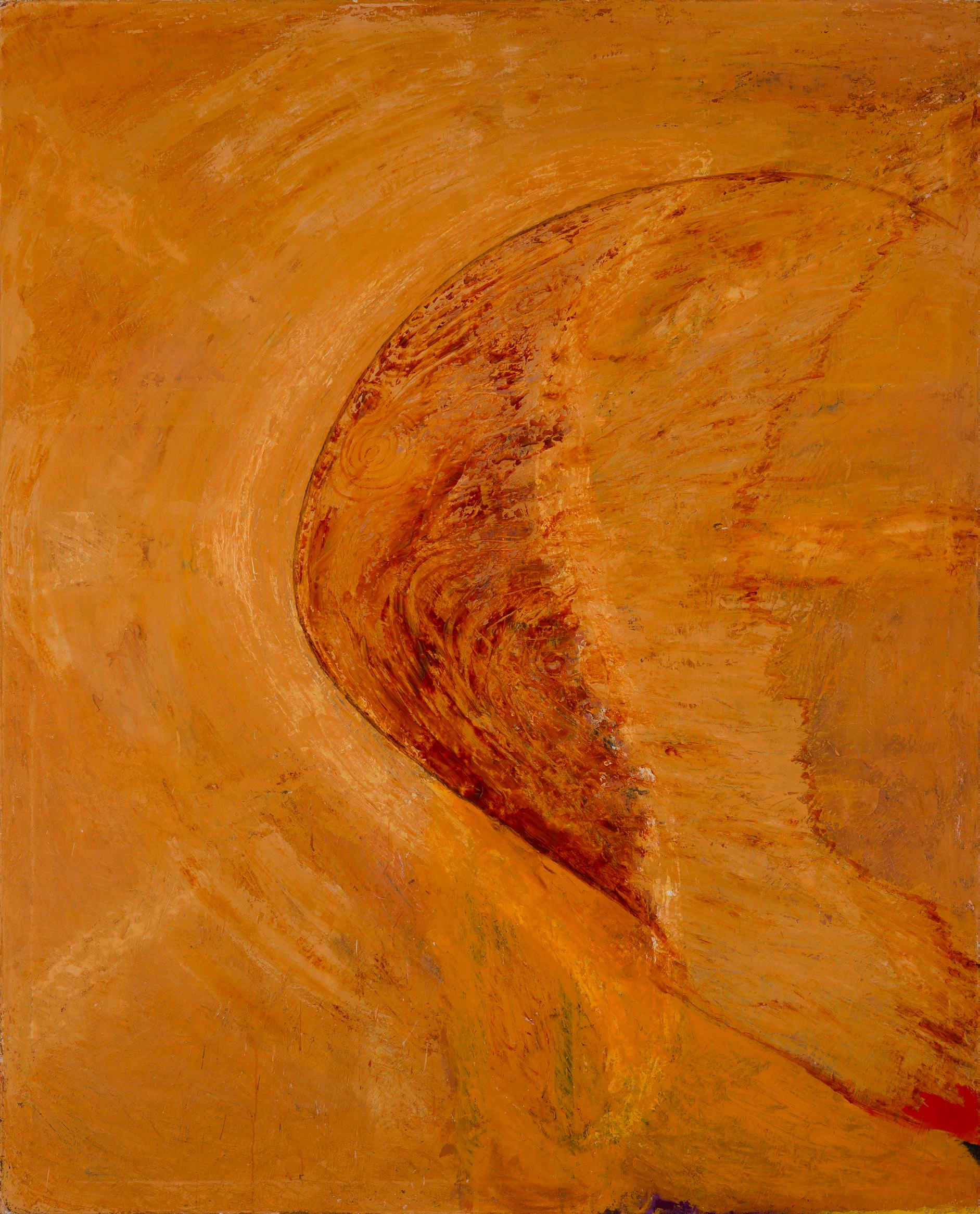
Analysis (Ration Analysis)
Rationalis
2025, oil on linen, 20 x 16 in
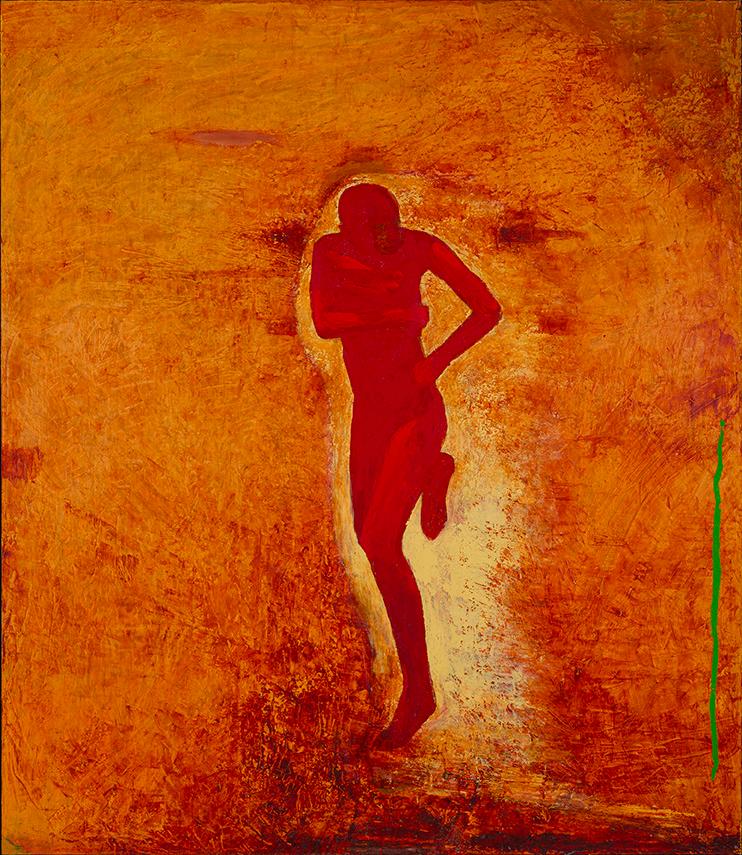
The Runner 2010, oil on canvas, 89 x 77
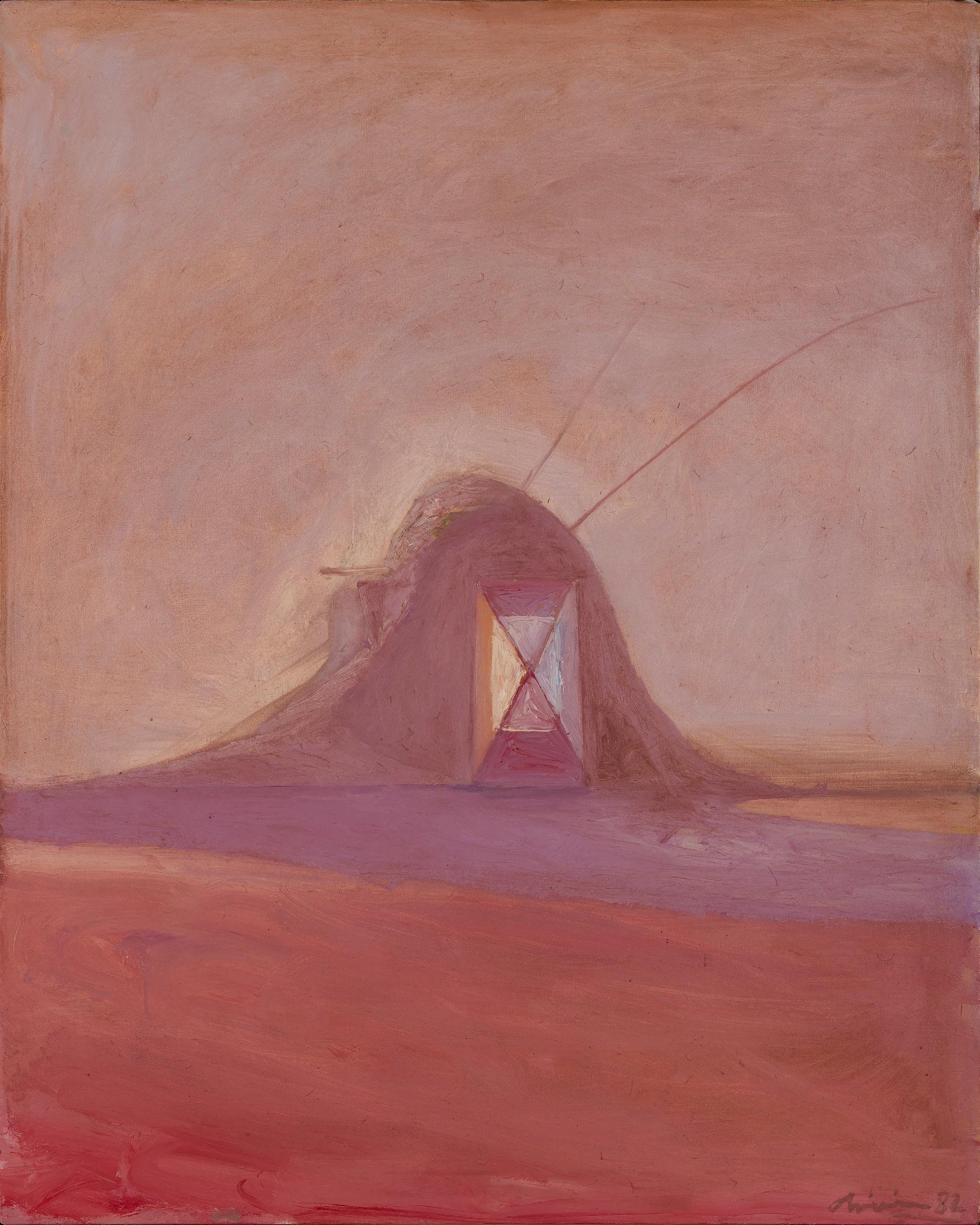
Ryan Site #3
1982, oil on canvas, 50 x 40 in
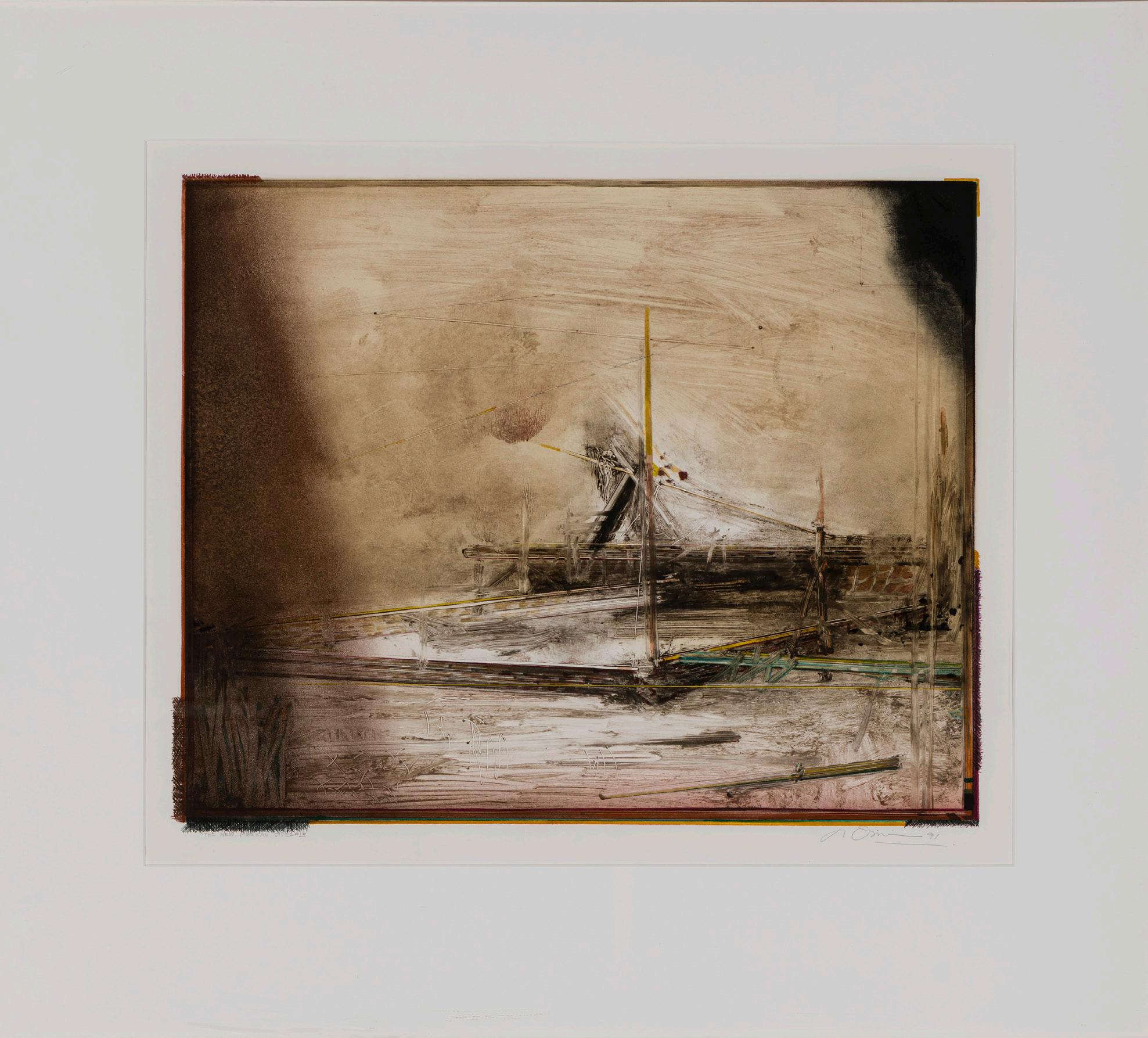
The New Mexican Site 16 1991, monotype, 22 x 30 in
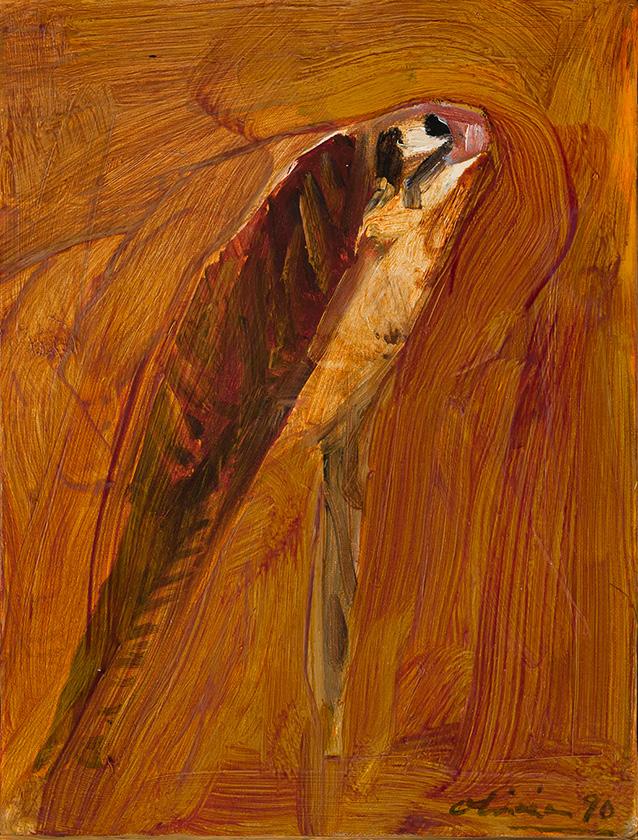
Hawk # 11
1990, oil on canvas, 11.75 x 14.5 in
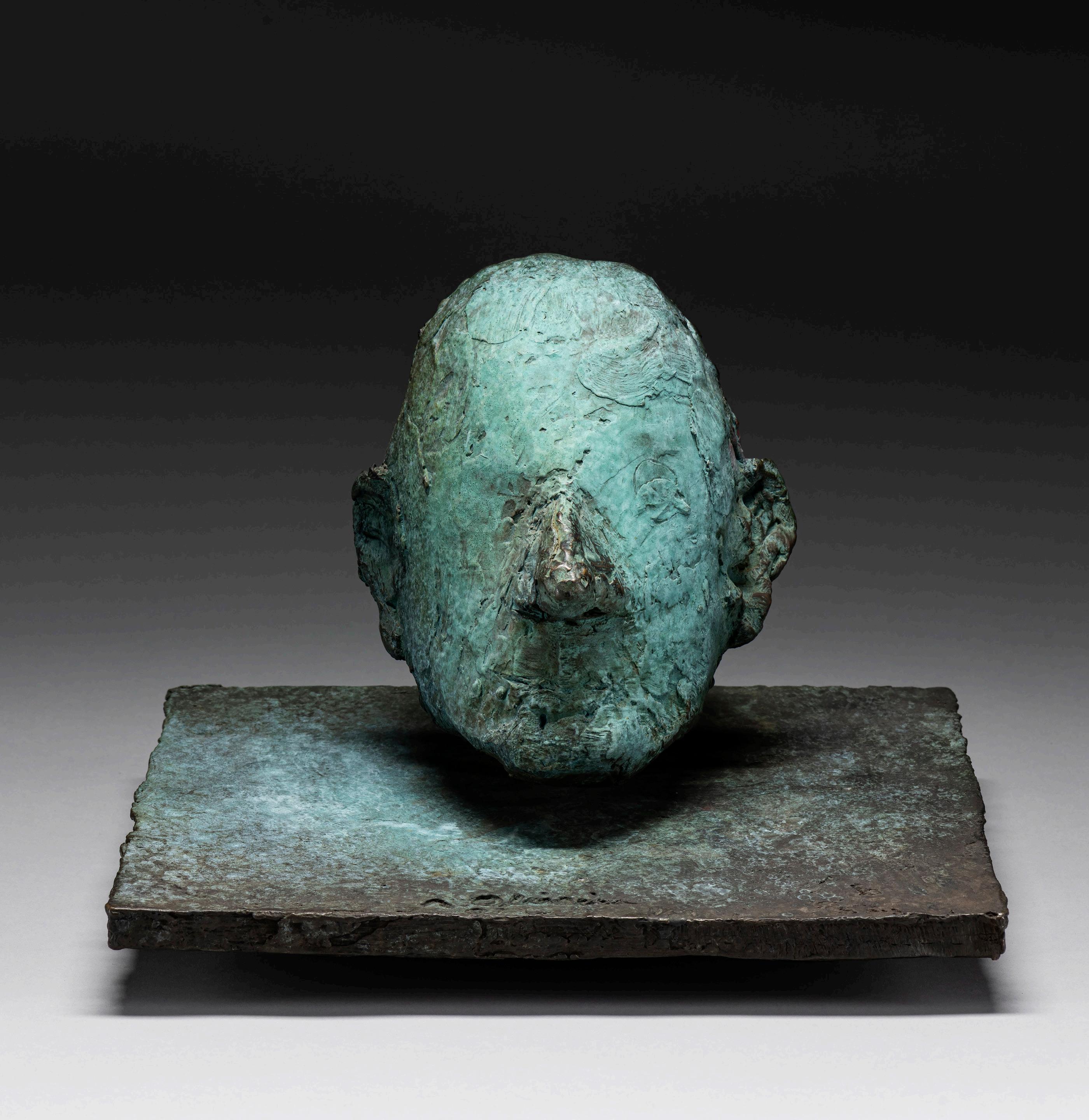
Mask II (Ed. 4/9)
2007, bronze, 9 x 11.75 x 11.75 in
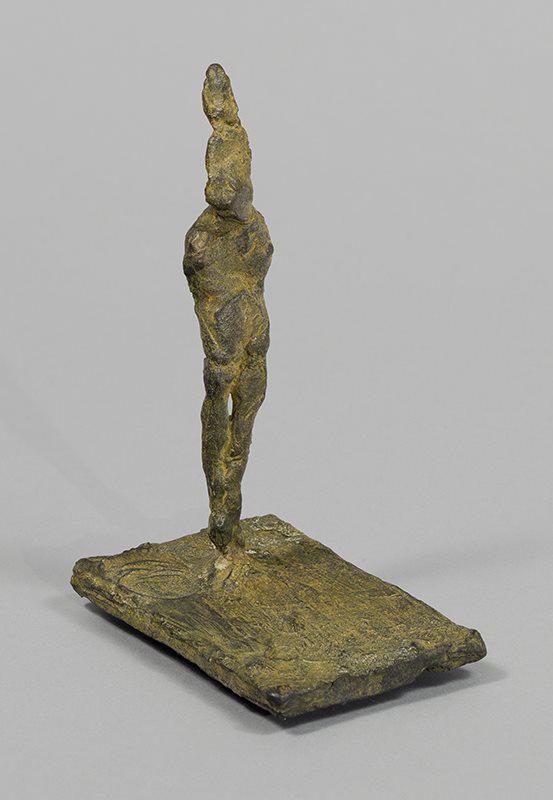
Small Figure (Ed. 24/25, Maquette) , 2007, bronze , 6 x 4 x 2.5 in
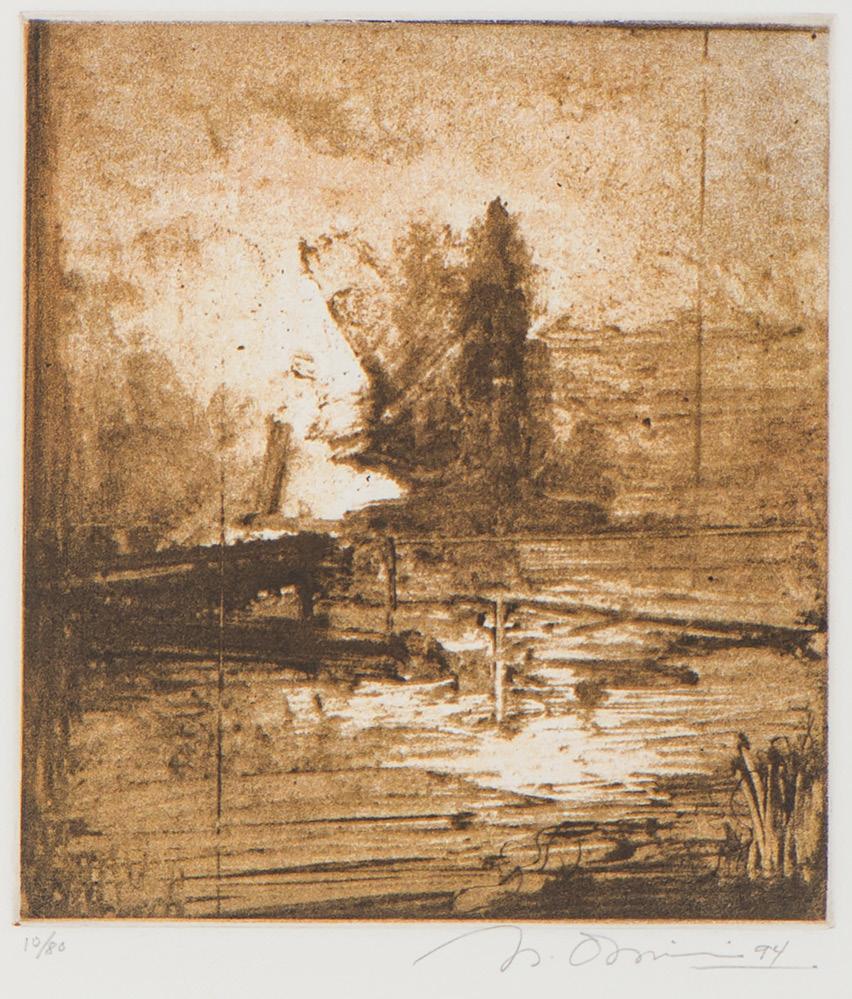
Revisited I (Ed. 10/80) 1994, intaglio on paper, 6.5
x 5.5 in
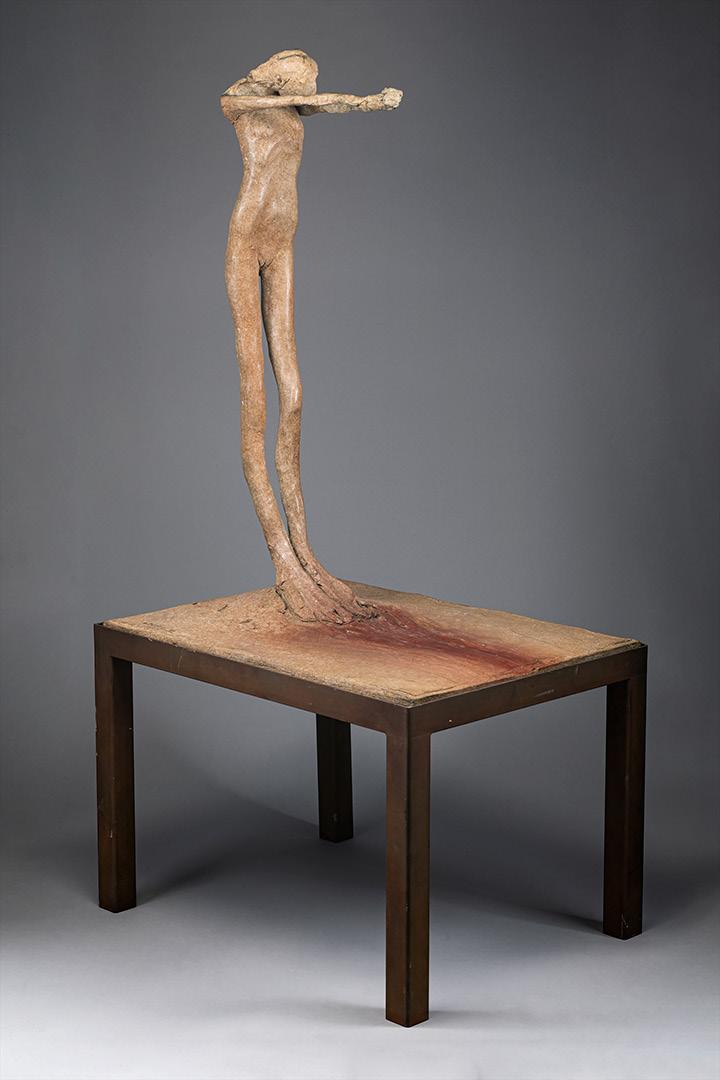
Figure #4 (Ed. of 7)
1983, bronze, 60 x 22.5 x 30.5in
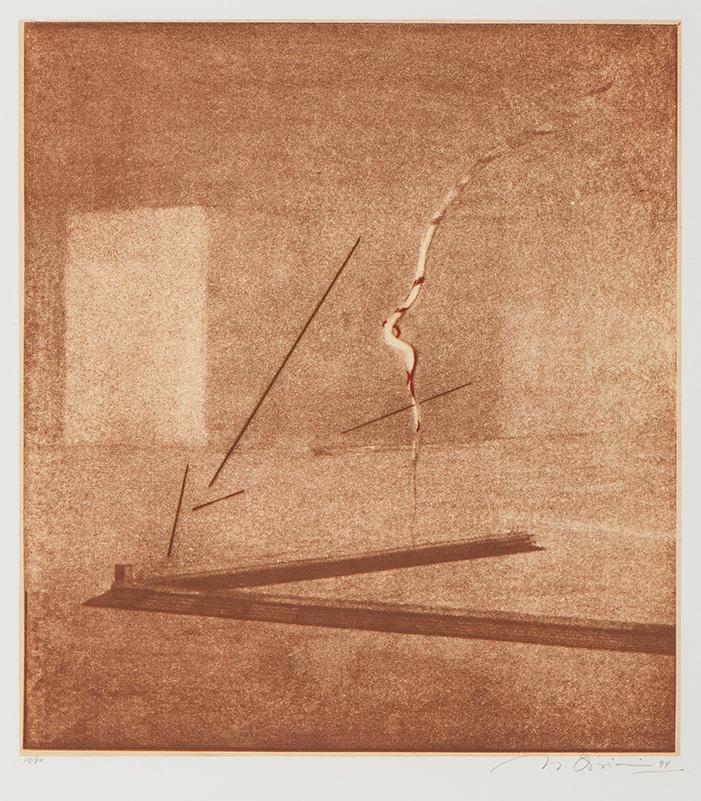
Revisited II (Ed. 10/80) 1994, intaglio on paper, 11.5 x 10.5 in
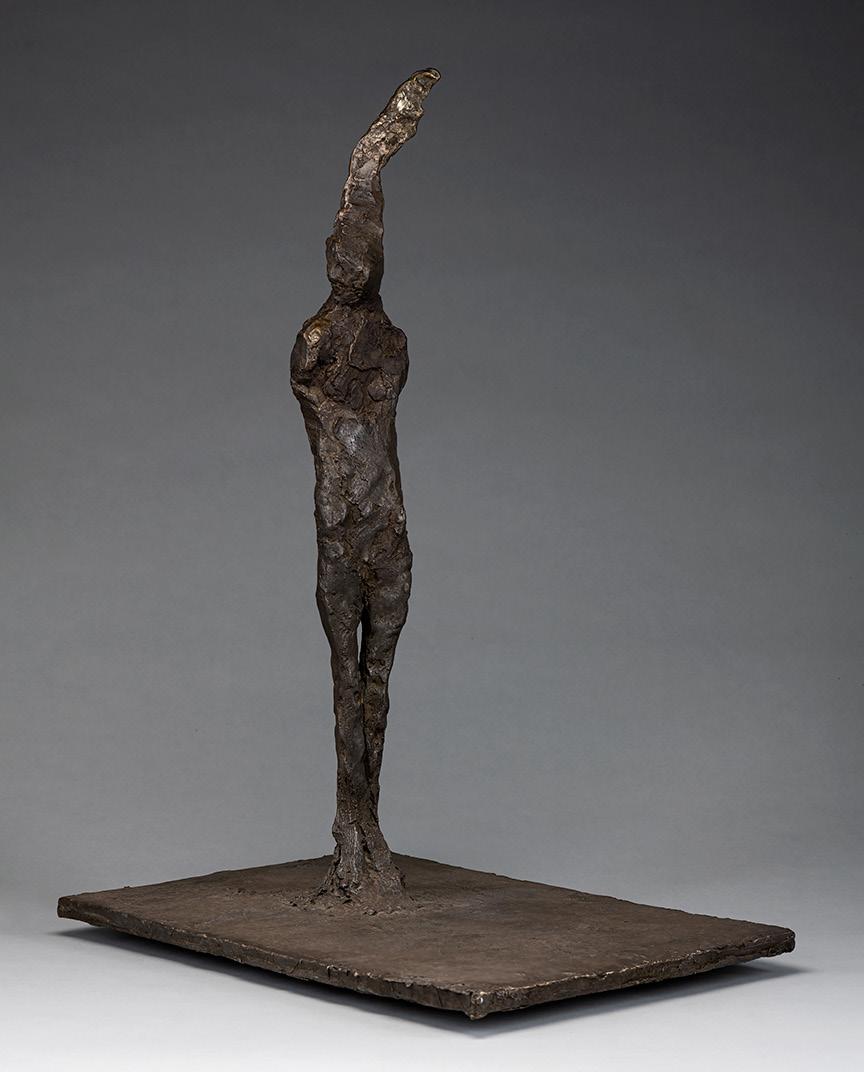
Standing Figure #1 (Ed. 2/9)
2007, bronze, 33 x 15.5 x 23.5 in
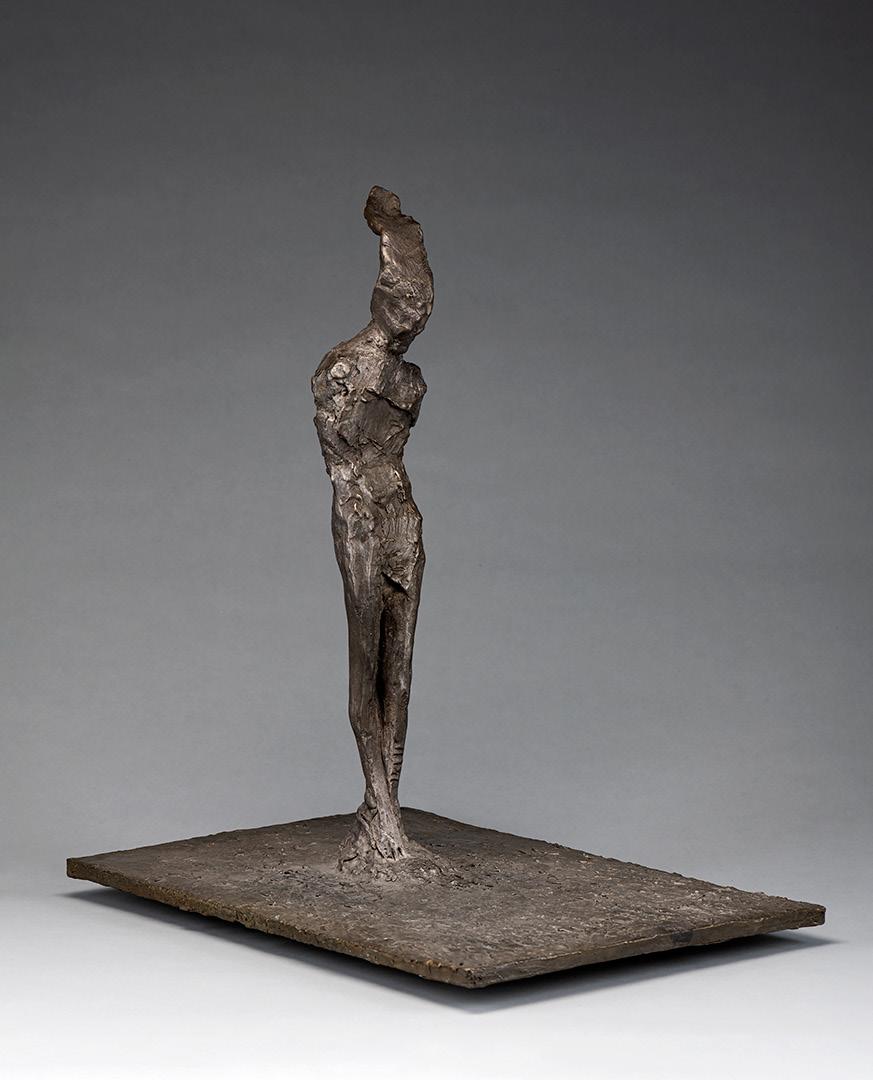
Standing Figure #2 (Ed. 4/9) 2007, bronze, 27 x 16 x 23.5 in
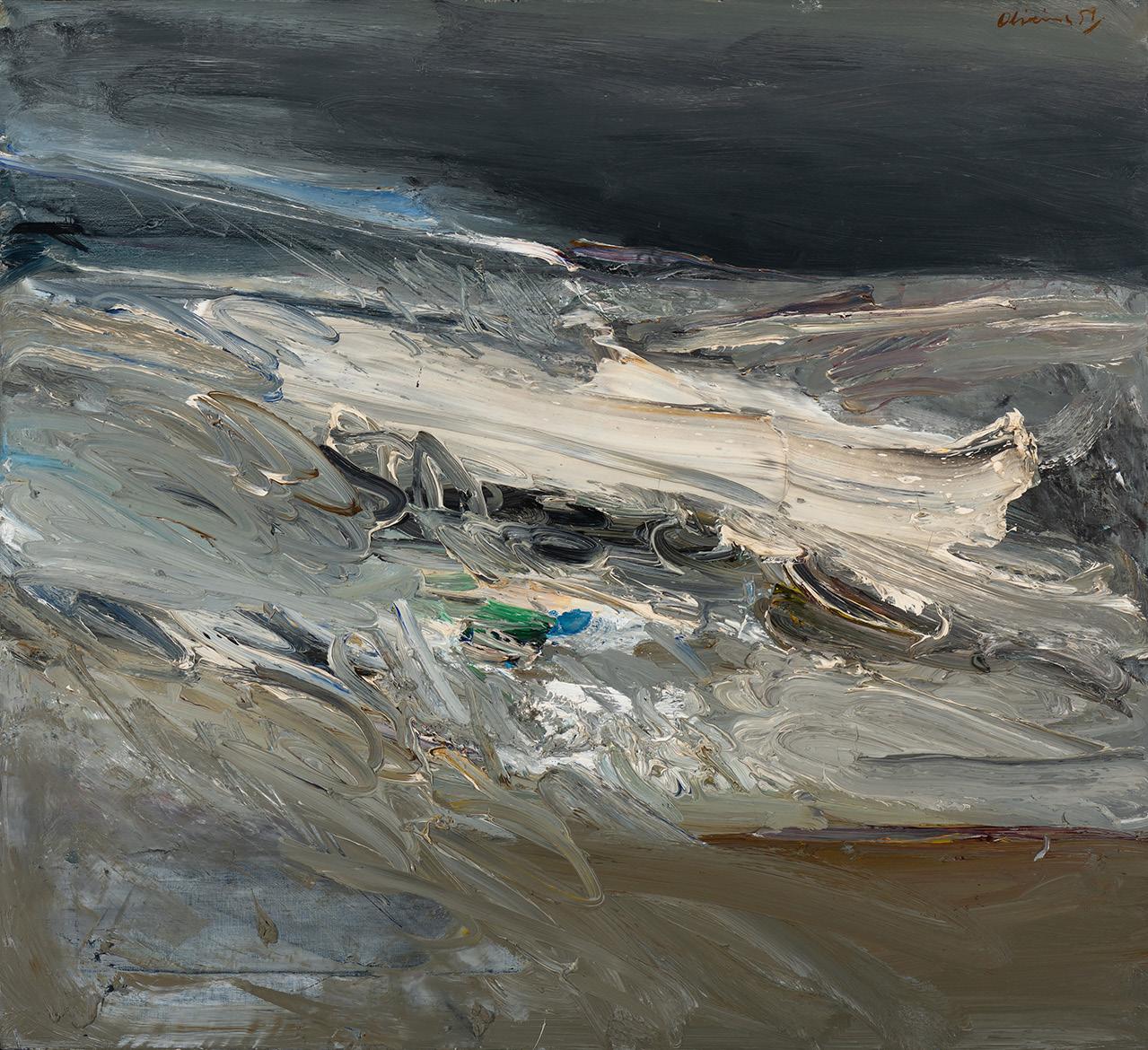
Oceanscape, Atlantic Crossing I 1959, oil on canvas, 35.25 x 38.75 in
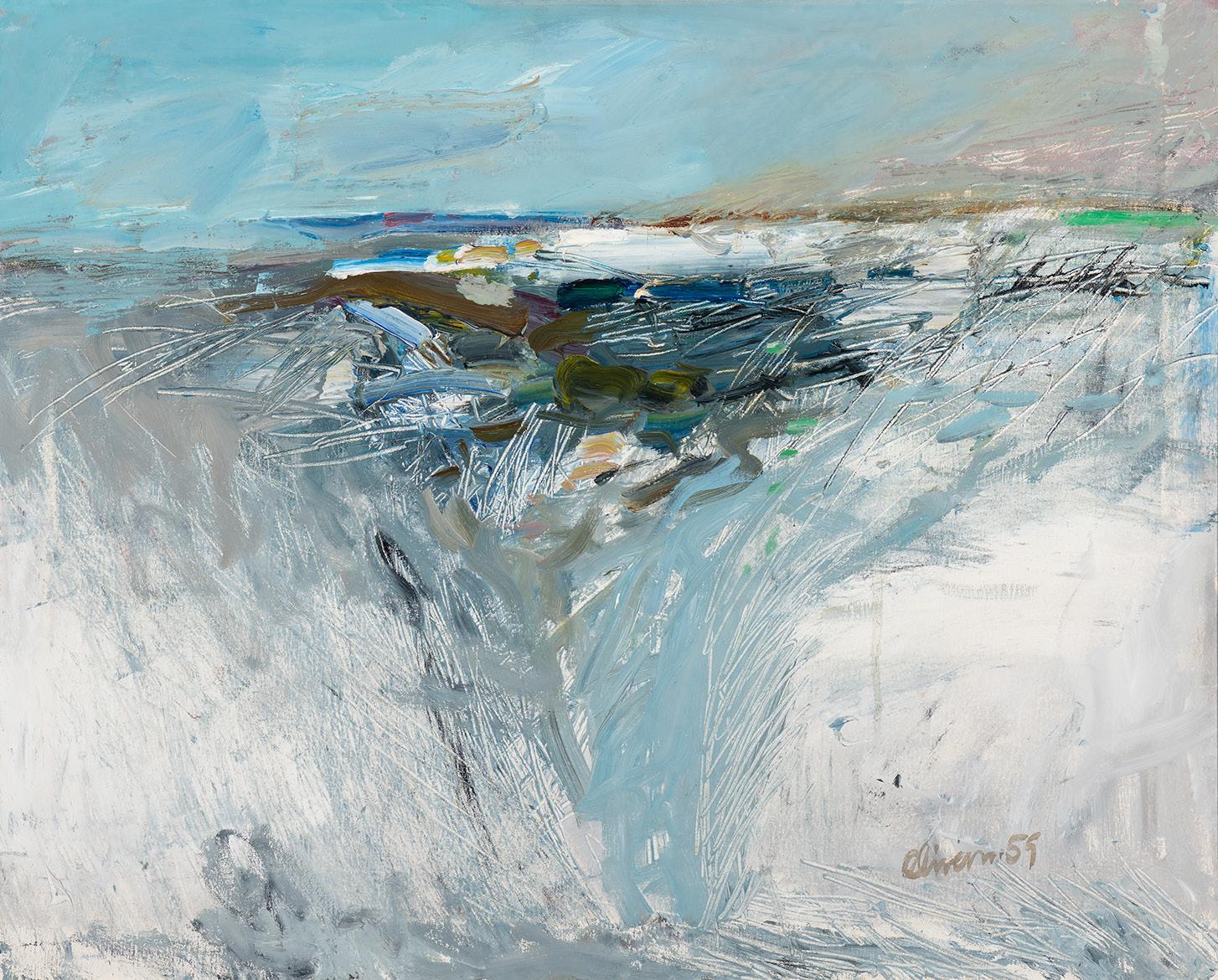
Oceanscape, Atlantic Crossing II 1959, oil on canvas, 24 x 30 in
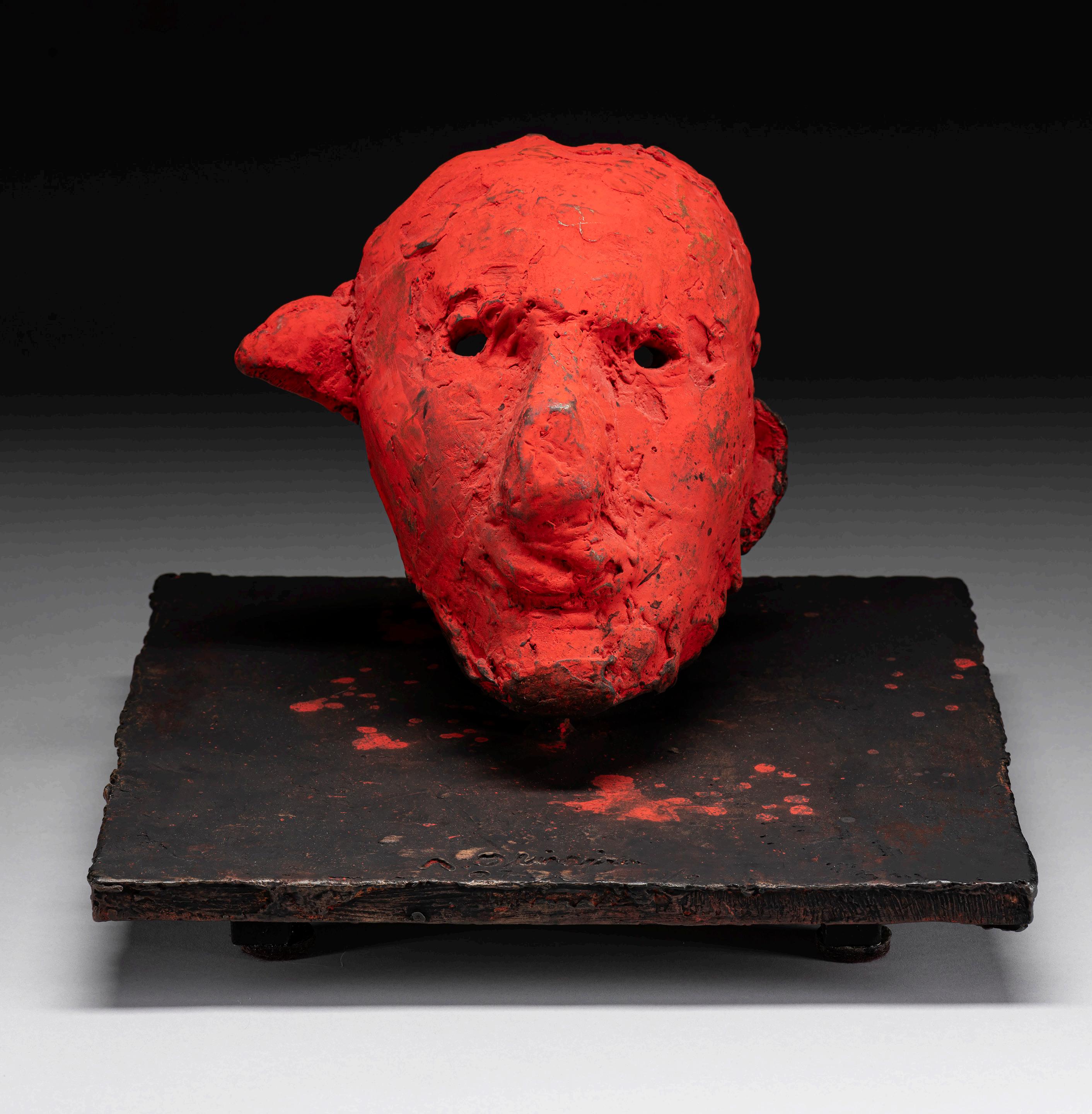
Mask VI (Ed. 7/9)
2007, bronze, 10 x 12 x 12 in
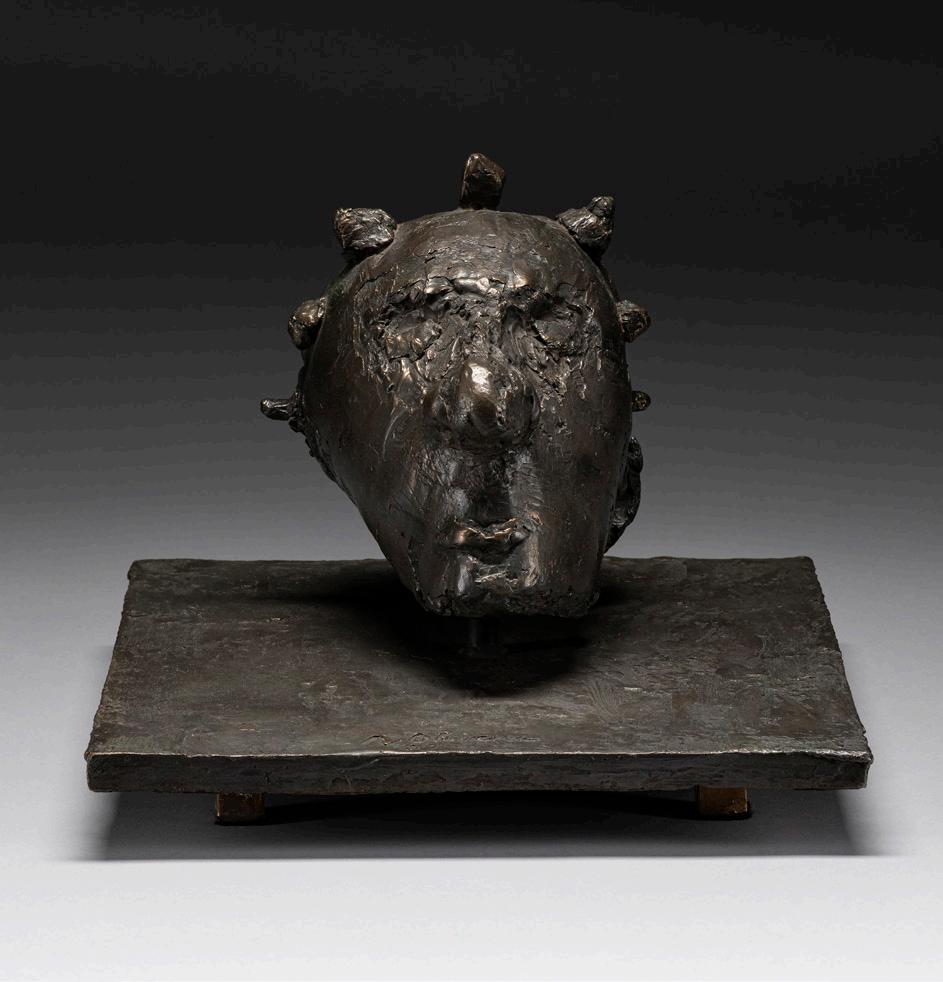
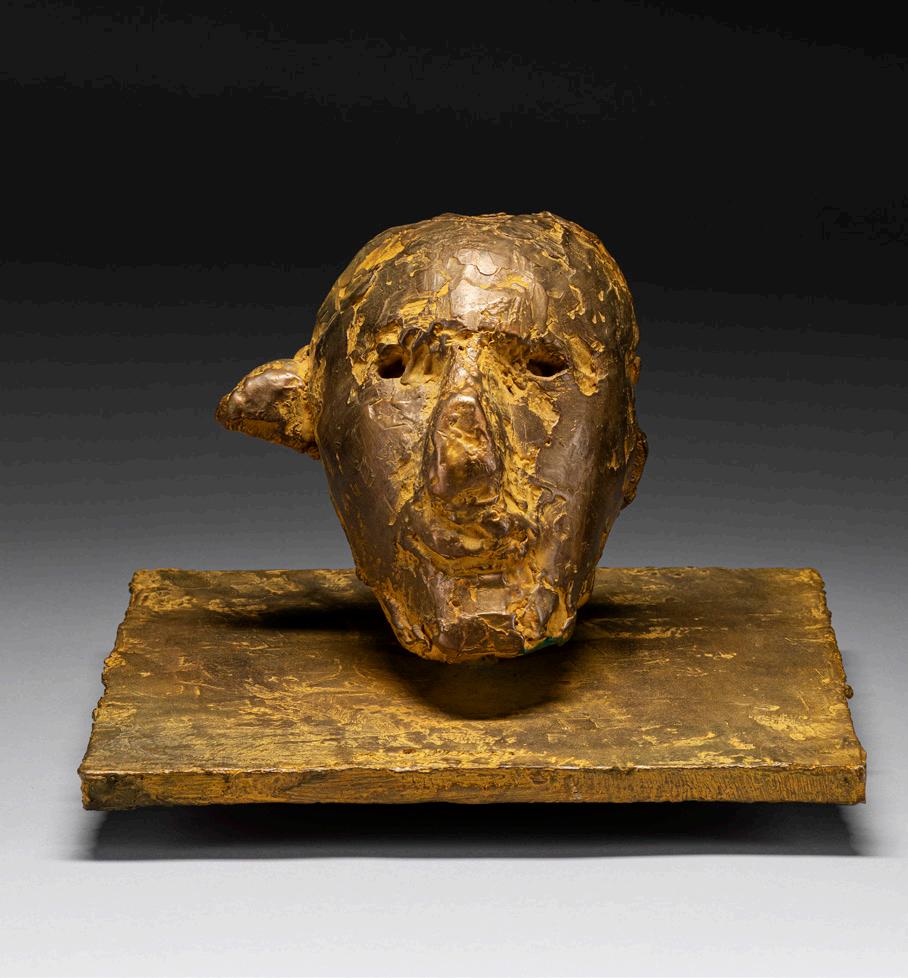
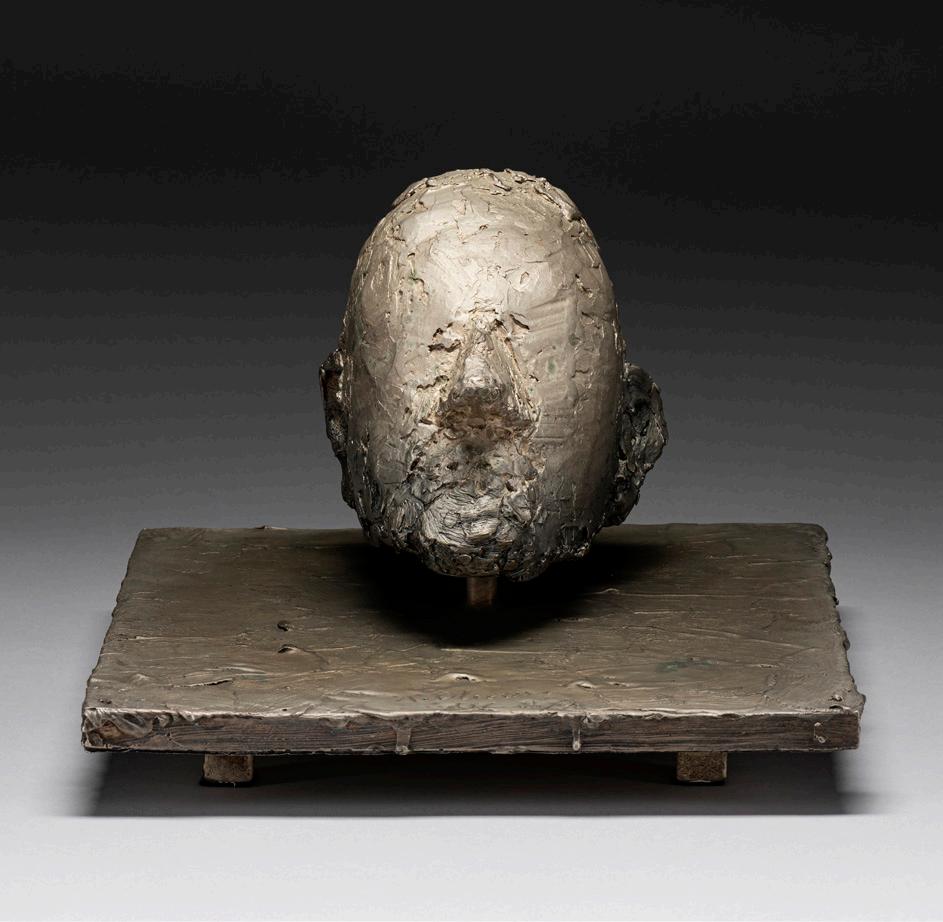
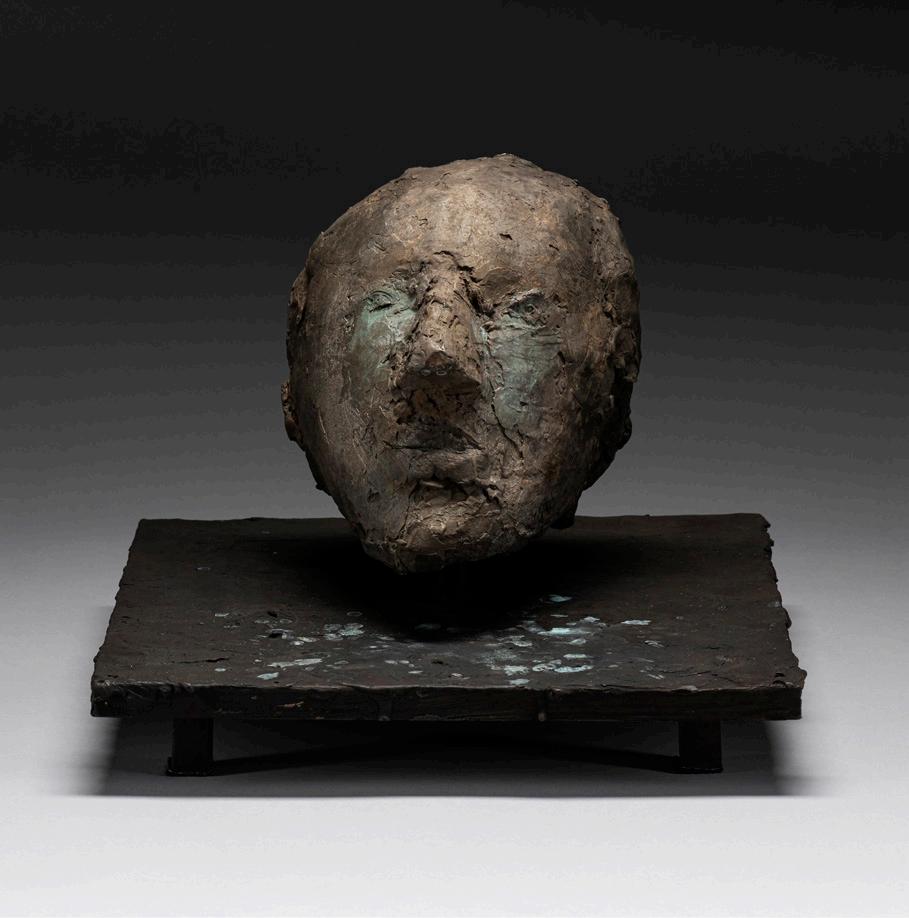
Mask V (Ed. of 9)
2007, bronze, 9.25 x 12 x 12 in
Mask III (Ed. 8/9)
2007, bronze, 9 x 12 x 12 in
Mask VI (Ed. 1/9)
2007, bronze, 9 x 12 x 12 in
Mask VII (Ed. 6/9)
2007, bronze, 9.5 x 12 x 12 in
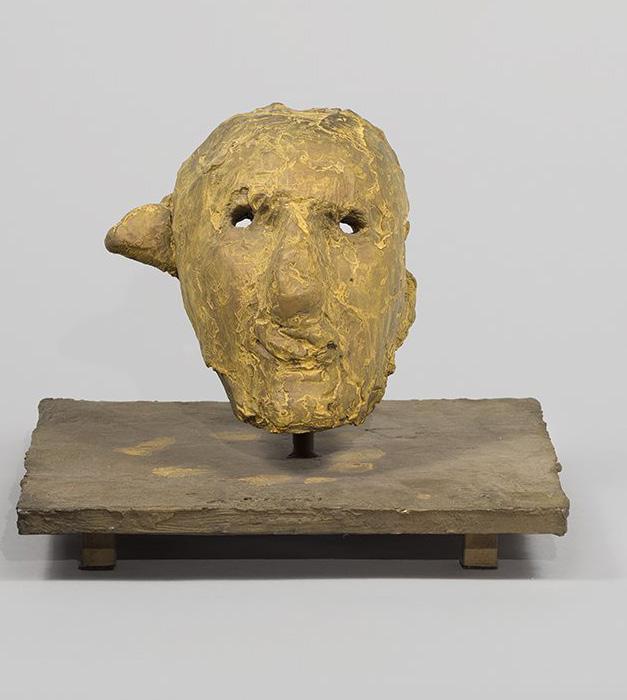
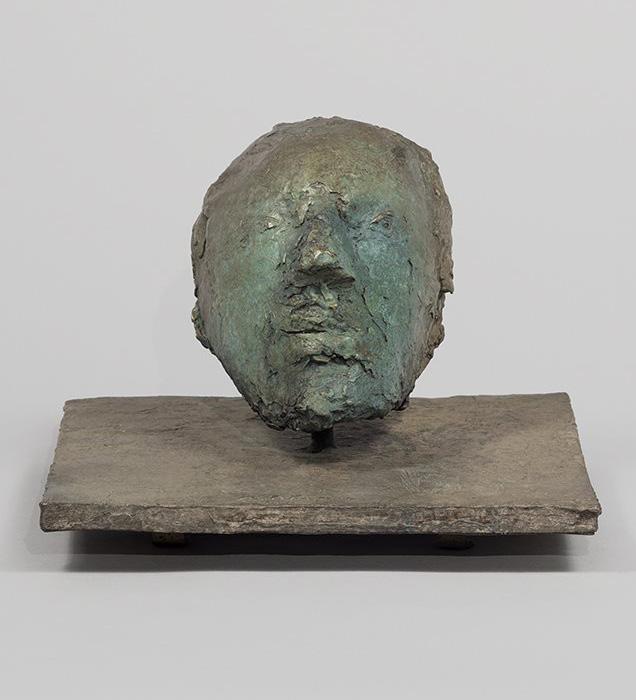
Mask I (Ed. 3/9)
2007, bronze, 10 x 12 x 12 in
Mask VI (Ed. 7/9)
2007, bronze, 10 x 12 x 12 in
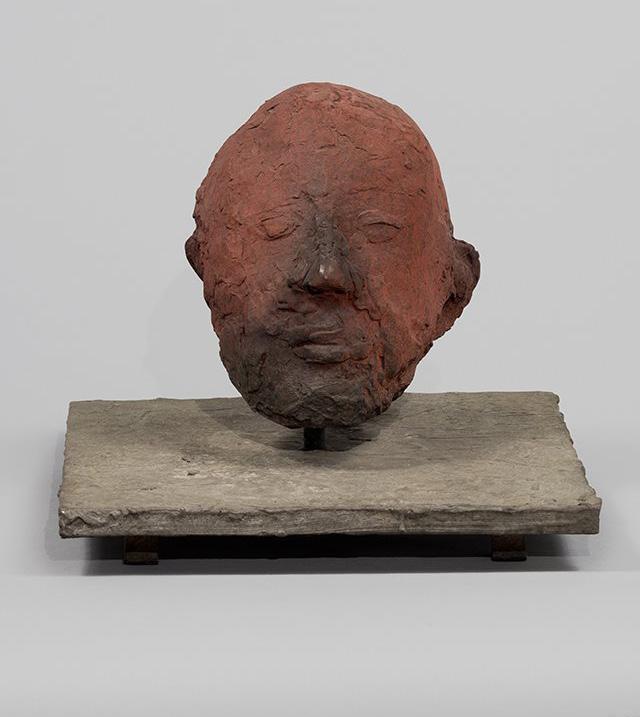
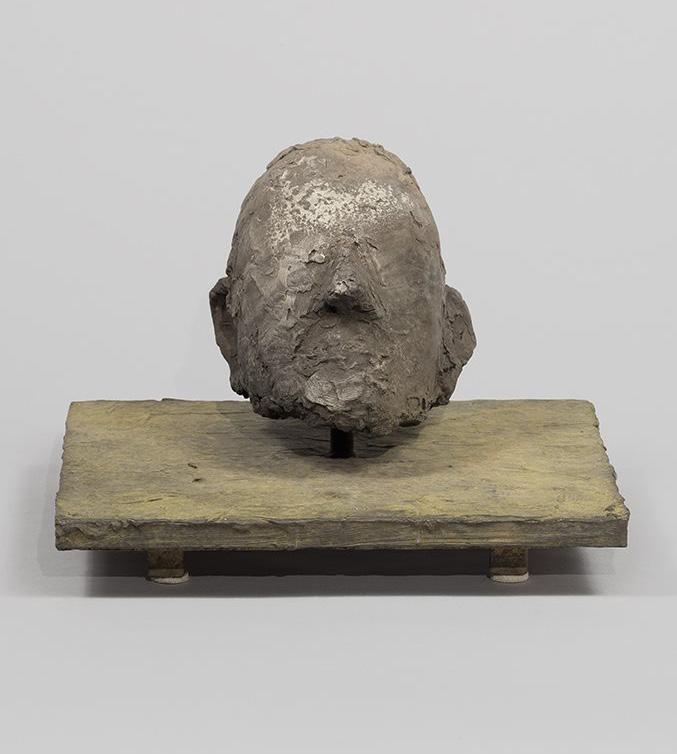
Mask III (Ed. 6/9)
2007, bronze, 10 x 12 x 12 in
Mask IV (Ed. 5/9)
2007, bronze, 10 x 12 x 12 in
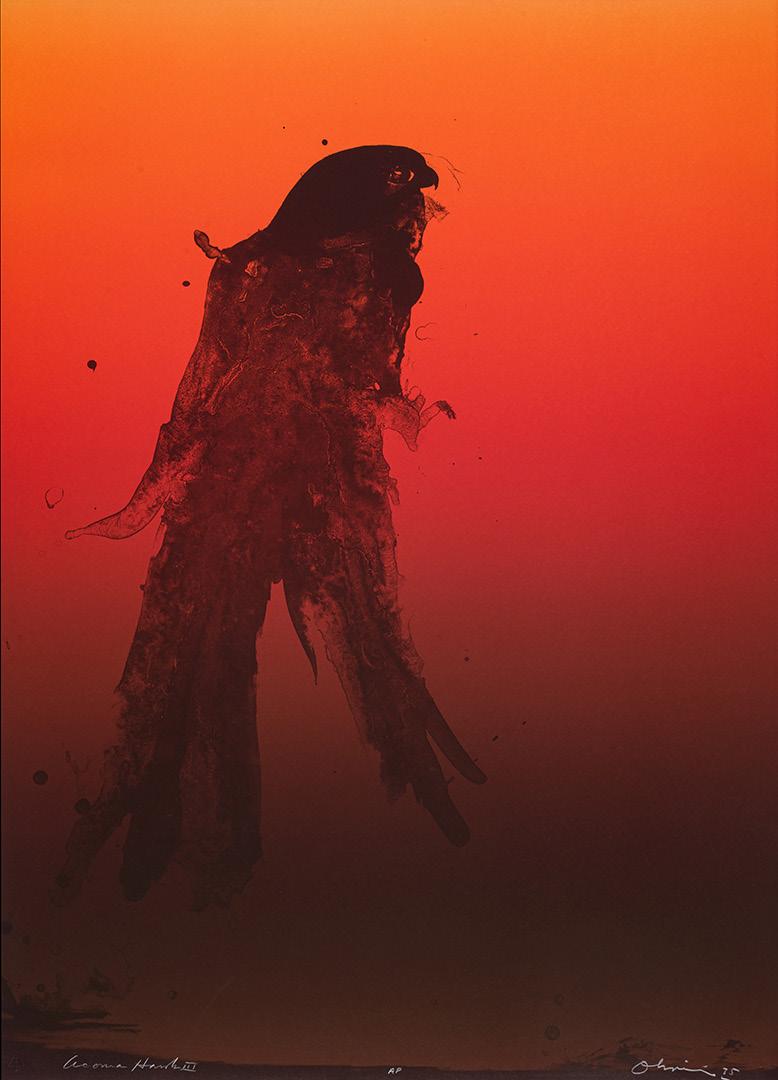
Acoma Hawk III (AP)
1975, two-color lithograph on paper, 30.13 x 21.63 in
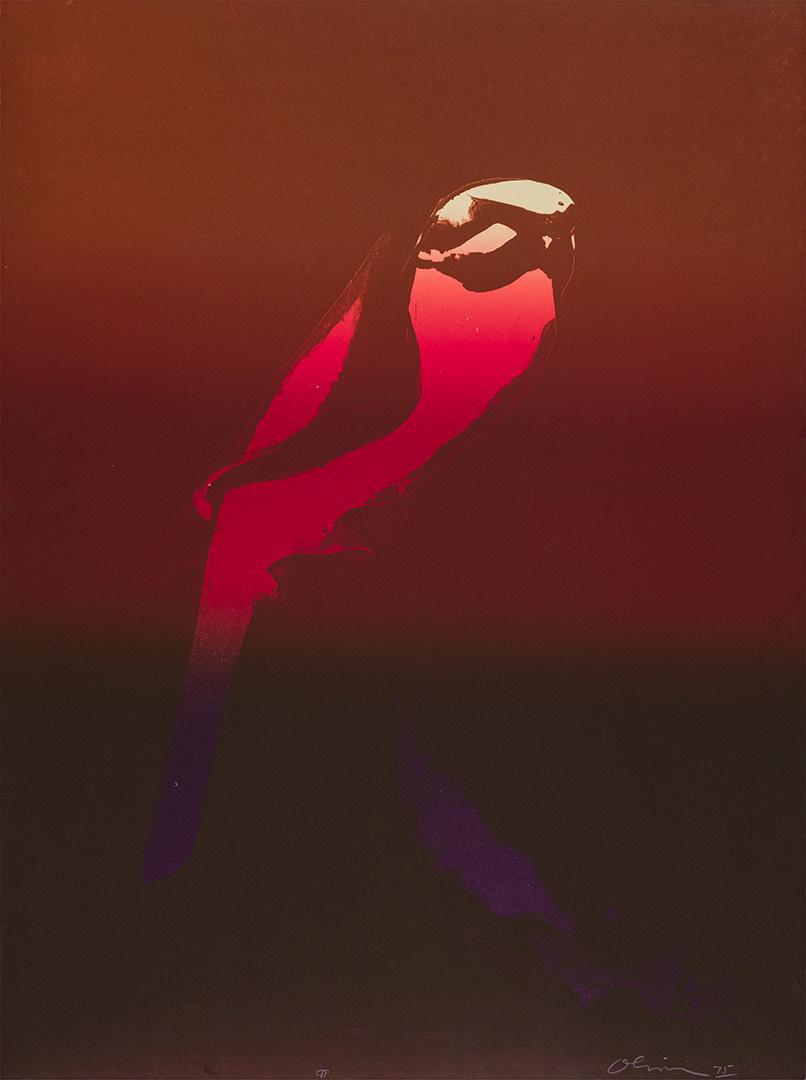
Acoma Hawk I (AP, Ed. of 20)
1975, seven-color lithograph on paper, 30.13 x 22.13 in
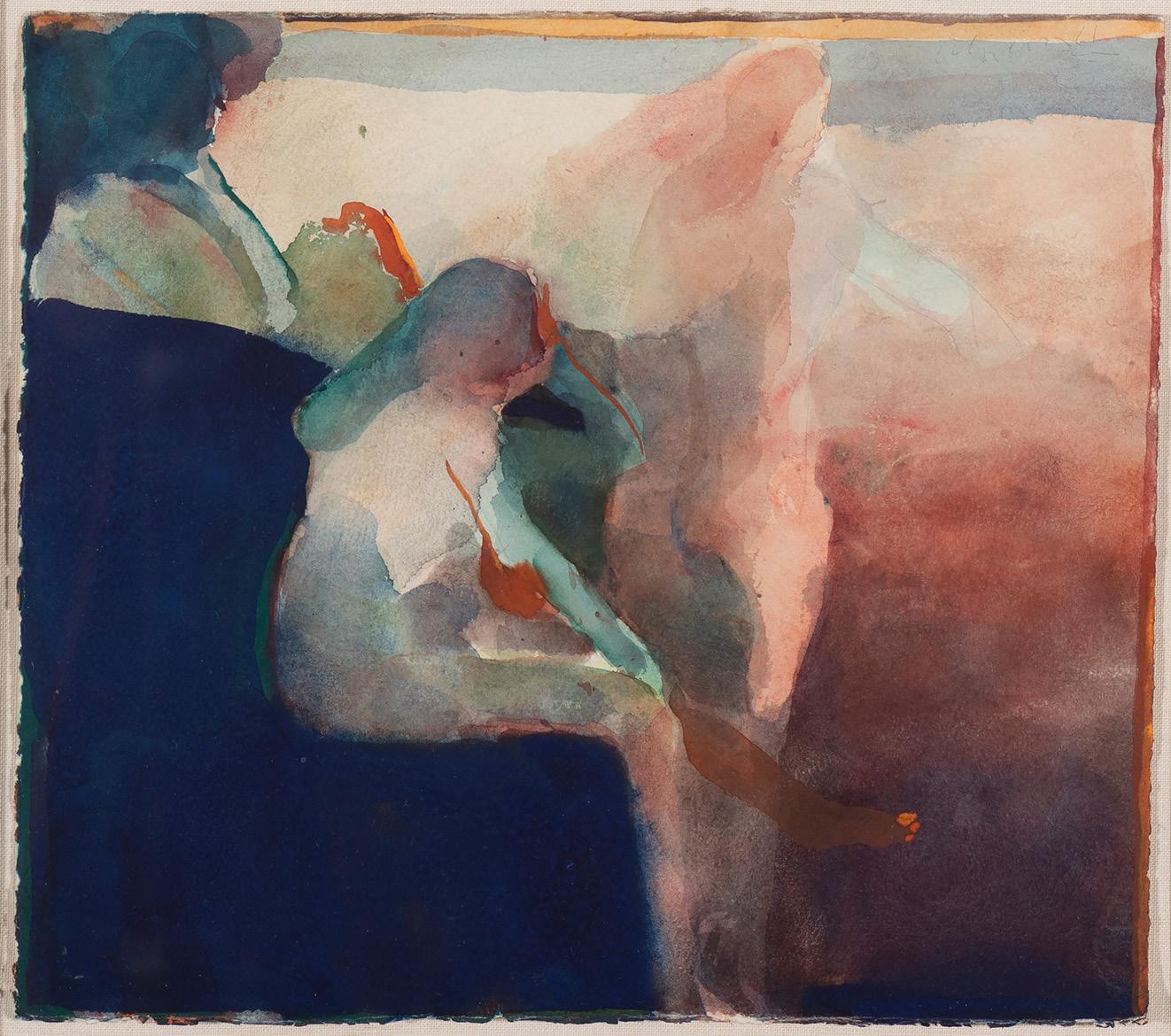
Untitled
1961, gouache & watercolor on paper, 10.25 x 11.5 in
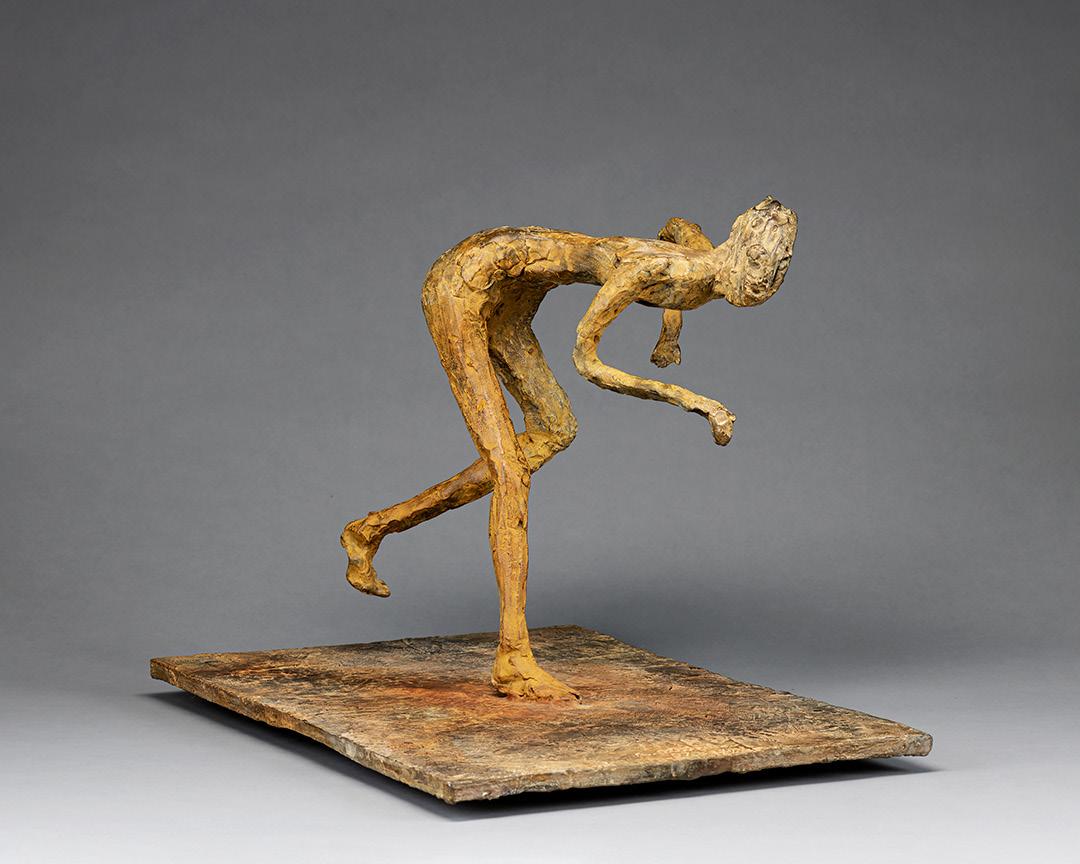
Runner (Ochre), (Ed. 1/9) 2007, bronze, 17 x 16 x 23.5
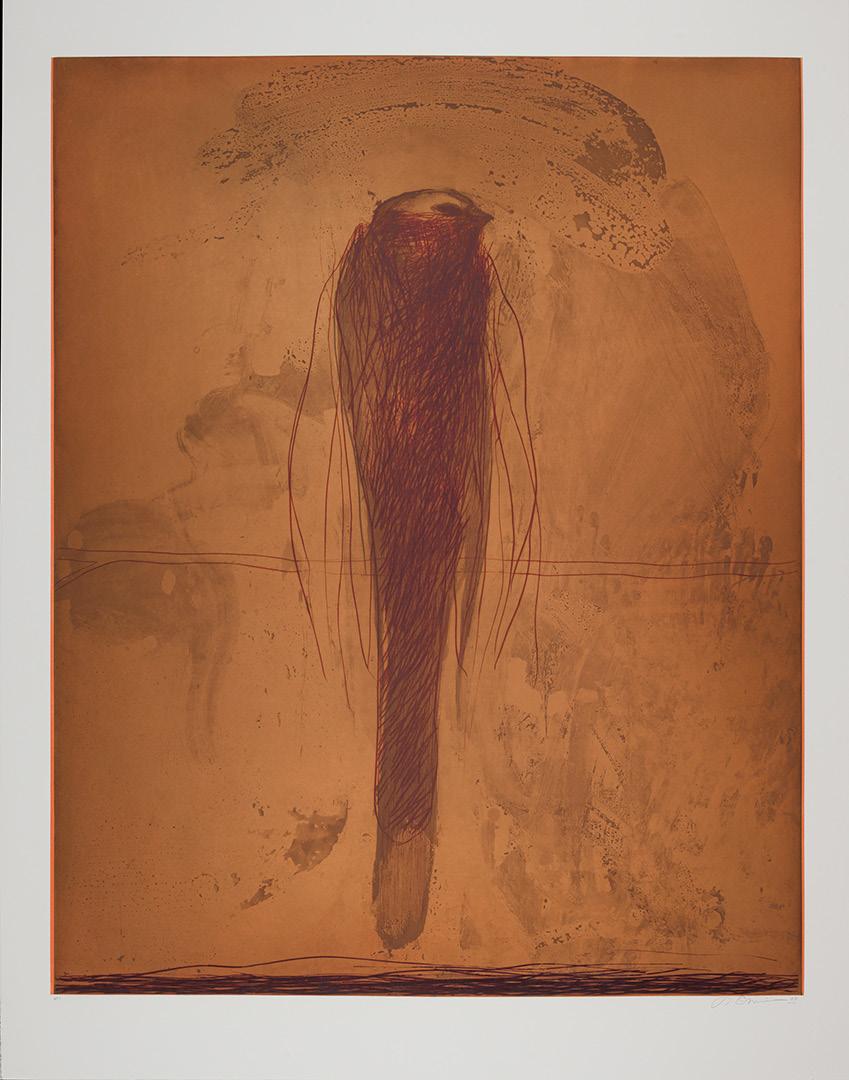
Bird (AP, Ed. of 35)
2007, drypoint, aquatint with hard-ground etching, 45 x 36 in
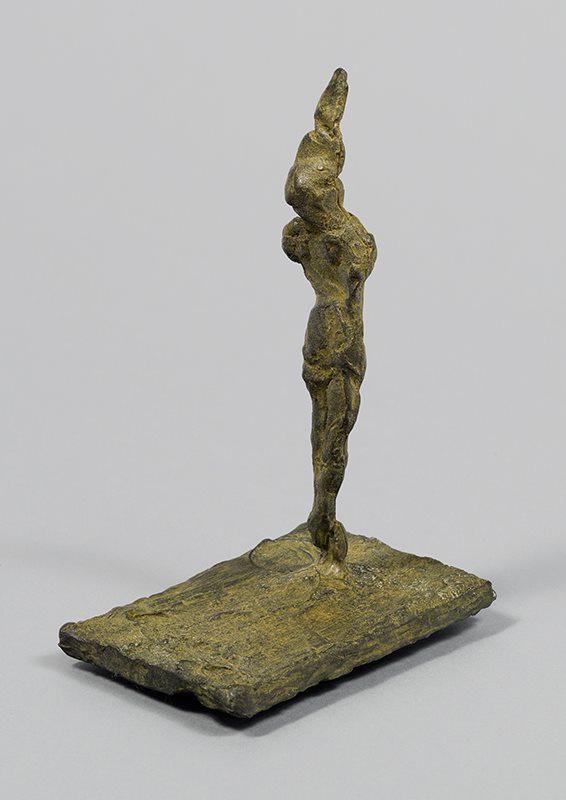
Small Figure (Ed. 22/25, Maquette) 2007, bronze, 6 x 4 x 2.5