JIVAN LEE MULTITUDES
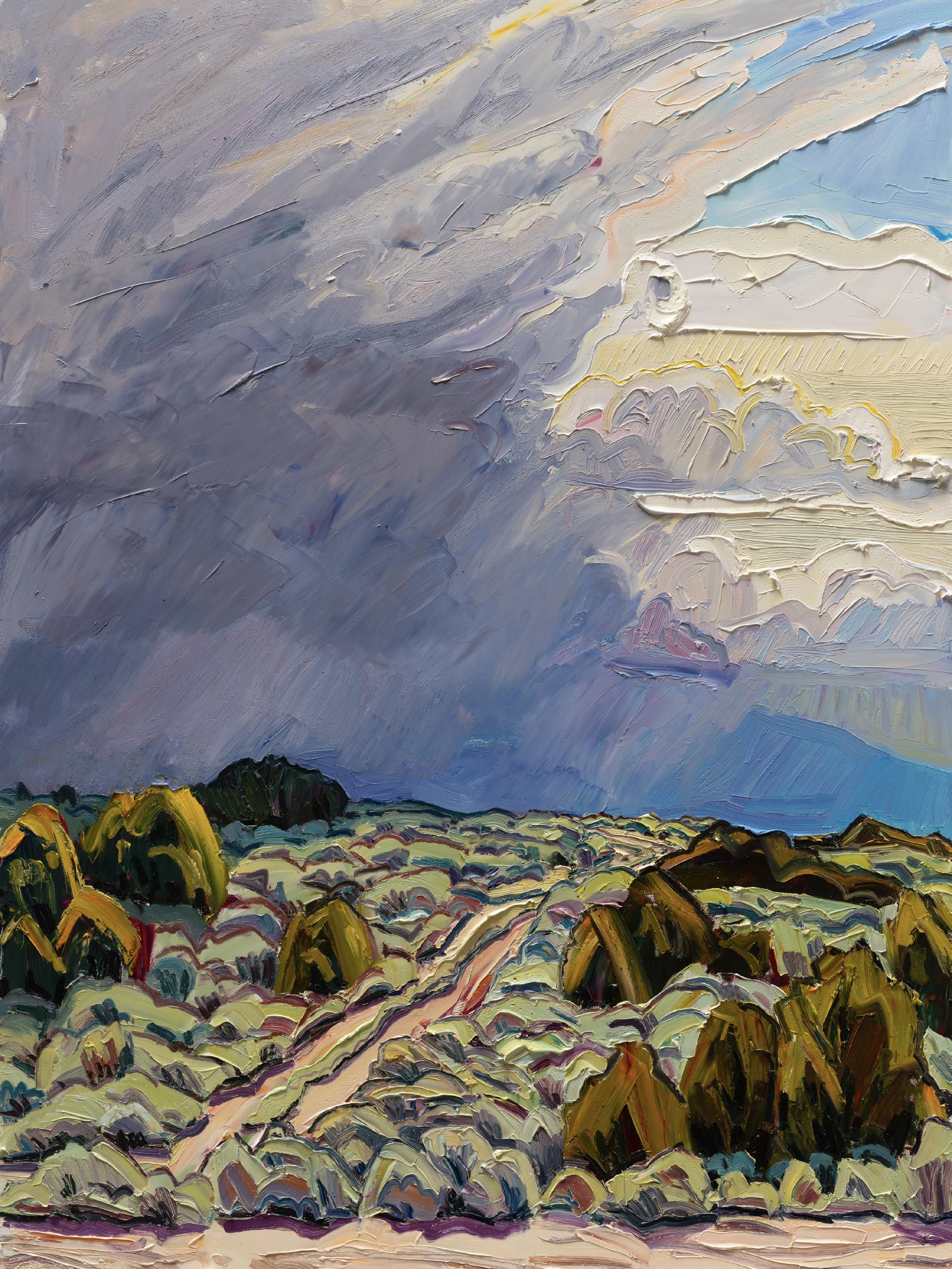
Path to the Western Range, 2026, oil on panel, 48x 36in
JIVAN LEE MULTITUDES
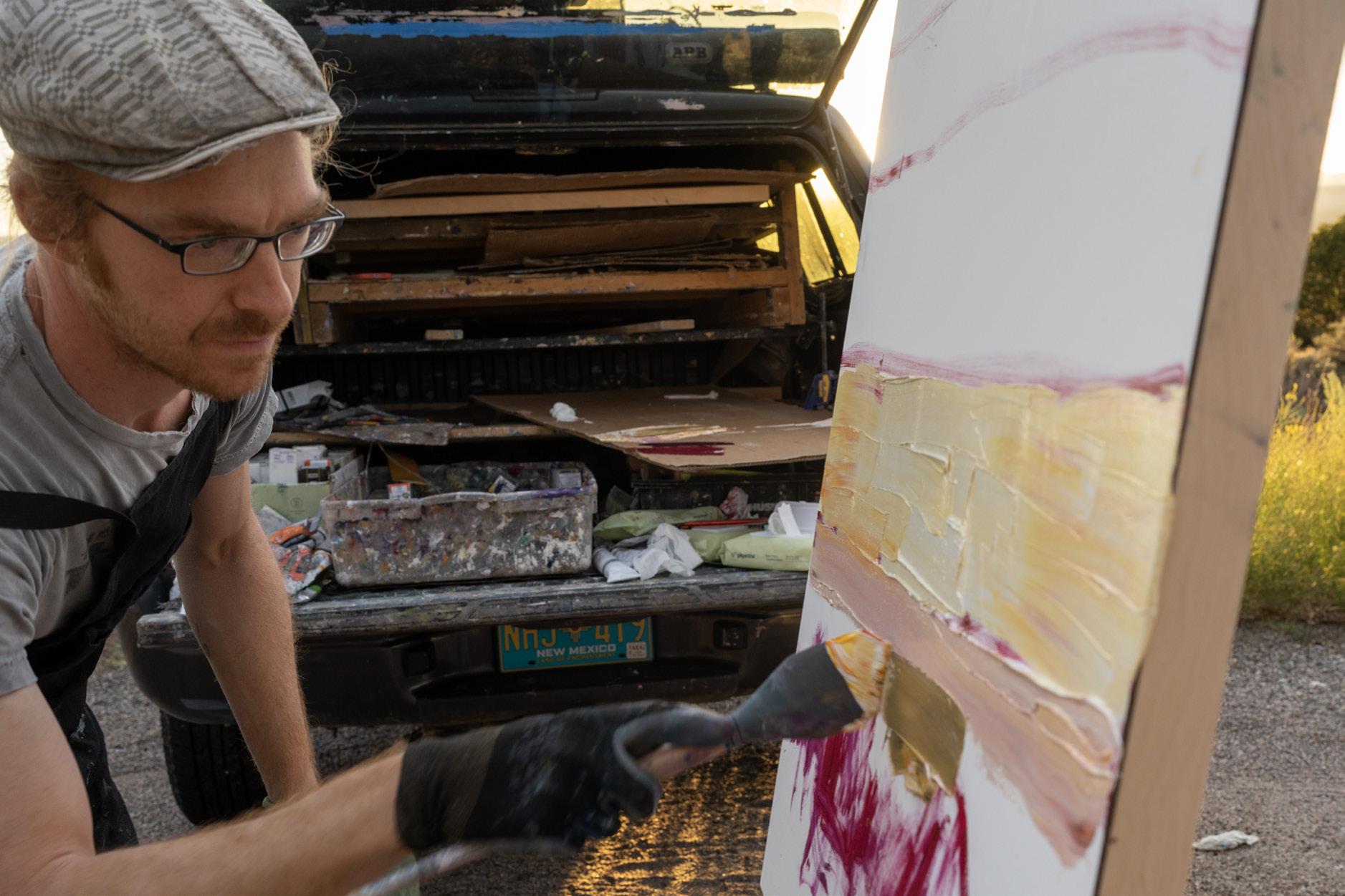
To view the vast expanses of the Northern New Mexico landscape, one almost invariably must chase the horizon—to project the eye outward toward the extreme, monumental shifts of topography, light, and scale. Throughout a twenty-five-year painting career, Jivan Lee has operated squarely within this tradition of adventurous, panoramic exploration. Lee’s plein air painting practice is, perhaps not expectedly, an immense physical and logistical labor. Venturing deep into the high desert with an elaborate, customized mobile studio, Lee consistently engages in an athletic race against volatile weather and unpredictable atmospheric conditions. Capturing a precise, fleeting alignment of hour, season, and weather requires total somatic immersion, often subjecting the artist’s body to rain, alpine winds, blistering summer heat, and sudden dust storms in order to secure the raw visual data to render the high desert’s shifting topography.
Building upon his established history of environmental immersion, Lee’s recent practice involves a more complex, multi-layered investigation of space. Embracing a sense of “Multitudes,” Lee expands the scope of the landscape in his new body of work, immersing the viewer in the experience of traversing different parts of the terrain over an expansive passage of time. The resulting panels on which Lee paints function as primary sites of artistic encounter, where the proximity of the natural world is recorded through the physical immediacy of paint application. This approach expands the historical lineage of Western landscape painting, transforming the painting surface into an active engagement with weather changes in real time.
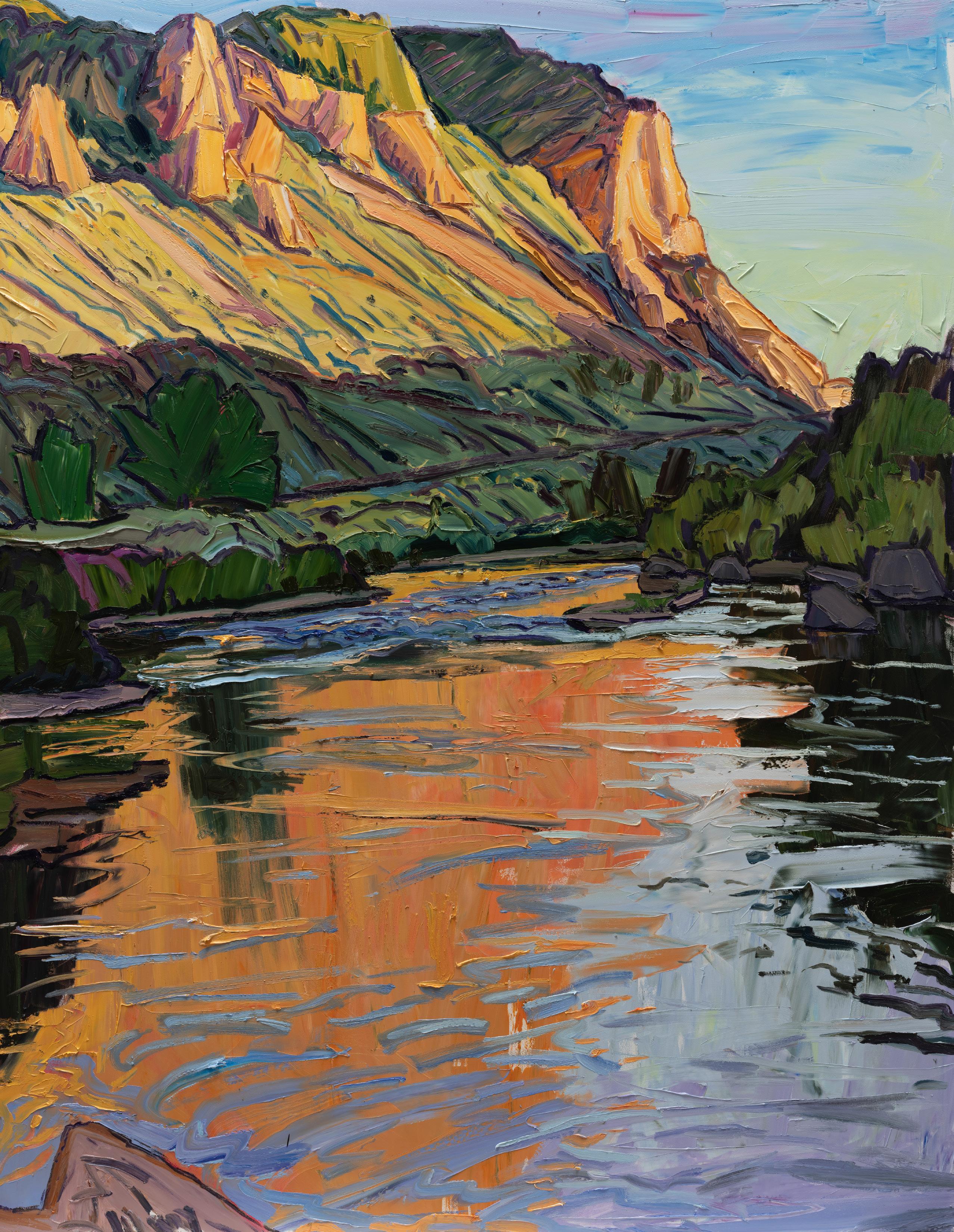
This rigorous negotiation between the temporal duration of nature’s elements and the physical immediacy of paint finds its ultimate structural realization in three-paneled Reflecting Pool series, which operates as a chronicle of the movement of light and passage of time. The river bend below a quartzite ridge remains a location to which Lee returns to frequently—a geographic constant. Approaching this site without a predetermined script, Lee allows studied observation to guide his live narrative, capturing the movement of a monumental shadow as it steps down from the peaks to the water’s edge.
This series opens with Reflecting Pool - Sun Up (2026), where a heavy, cool-toned shadow blankets the mountainside. This vast zone of shadow casts a quiet depth over the lowlands, juxtaposed against a vibrant crest of pure light that crowns the top ridge of the mountain. Small glimmers of this nascent morning brilliance are caught below, fractured across the crests of the river’s currents. This composition realizes the transition in time, tracking how a larger story unfolds across the landscape.
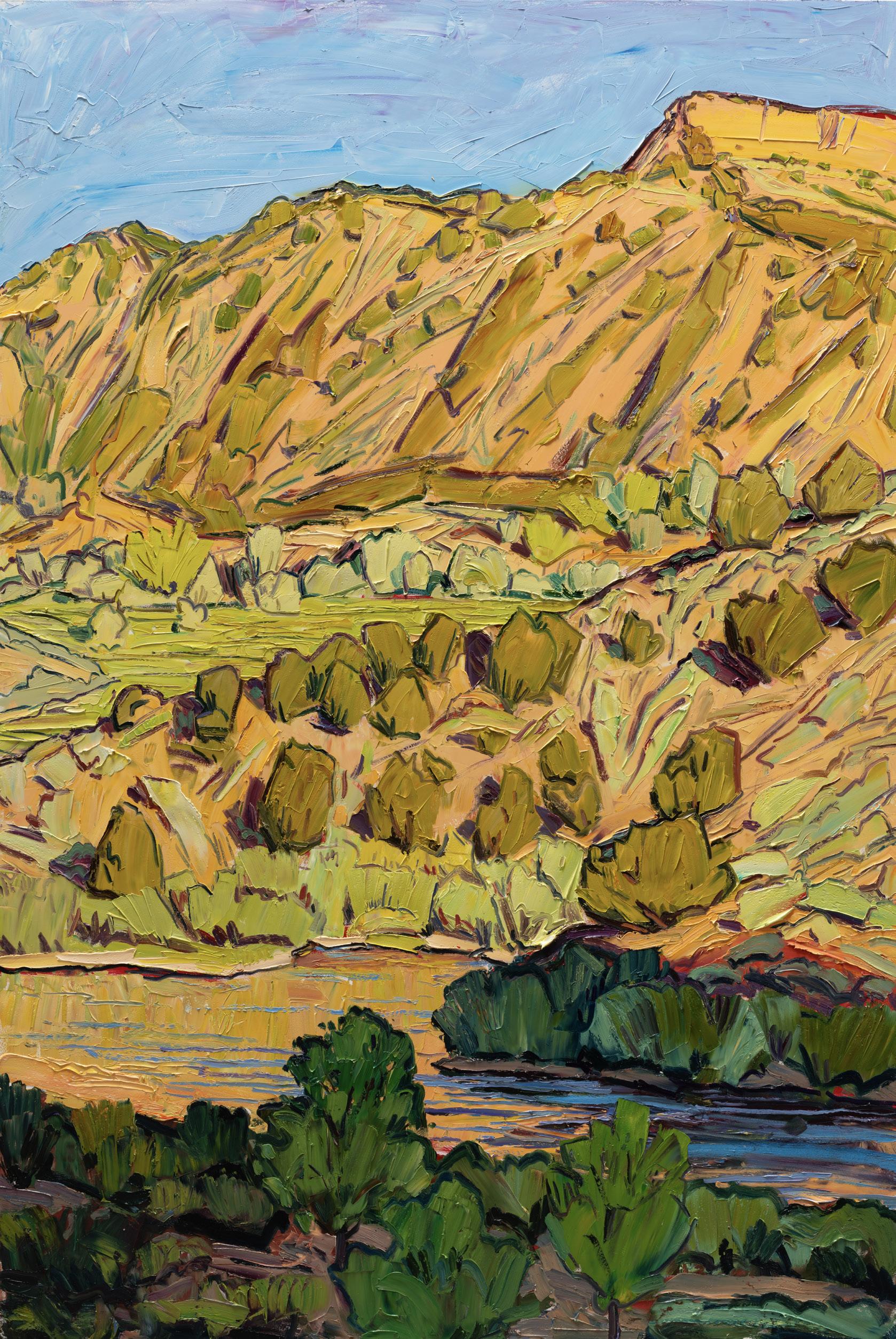
Reflecting Pool - To the River, 2026, oil on panel, 72x 48in
In Reflecting Pool - Walking Down (2026), the shadow cast from the landscape—out of frame—migrates downward, cloaking the lowlands and the verdant growth closest to the river. Above this dark foreground, the distant mountains are flooded with an almost sepia light. This sharp tonal contrast creates a forced perspective, compressing the space between the viewer and the illuminated sky above.
The climax of this journey is reached in Reflecting Pool - To the River (2026), where the shadow has completely dissolved, leaving the landscape fully illuminated to the water’s edge. The river, previously a darkened vessel for fractured glimmers, now mirrors this total illumination across its entire surface. Hung sequentially, these individual panels employ seriality to map the physical passage of time. Hung individually, each panel captures a remembered moment of this sequence of nature’s glorious luminosity in the presence of time’s movement through majestic forms of land and water. Lee’s technical handling of aqueous environments expands in individual works such as Down to Country Line (2026) and Quartzite - Midday (2026). In Down to Country Line, Lee tackles the complex optics of the river’s surface, rendering the brilliant reflections of the sky and the shoreline brush, while simultaneously navigating a transition into the transparent depth of the river itself. The composition allows the eye to plunge through the surface to witness the clear, sandy floor of the river, mapped with the undulating shadows of surface ripples and overhead trees. In Quartzite - Midday, Lee captures the scene’s dramatic vitality with an extraordinary handling of heavy impasto. Seeking to paint in total silence, Lee utilizes silicone spatulas rather than metal palette knives, a deliberate choice that eliminates the scraping noise of tools against panel and preserves his acute auditory connection to only those sounds occasioned from nature itself. While this deepens his immersion in the landscape, the resulting marks establish a new layer of tactile communication for the viewer – translating a quiet, focused practice into a rich density of visual information. The result is a surface that transcends the flat picture plane, the dimensionality of which operates as a sculptural object that creates a low-relief mapping of external forces on the landscape. The tactile thickness of the paint captures and holds the saturated colors of the sky, transforming the image of the river into a highly physical presence.
This material density introduces a distinct optical transition for the viewer. From a distance, Lee’s aggressive marks cohere optically, resolving into a persuasive, luminous illusion of aqueous current and crystalline stone. However, upon closer approach, this representation destabilizes and collapses into a thick, muscular architecture of raw pigment. This dual presence forces an awareness of the panel simultaneously as an evocative expression of an artist’s experience of a place and as a heavy, highly worked physical object in its own space.
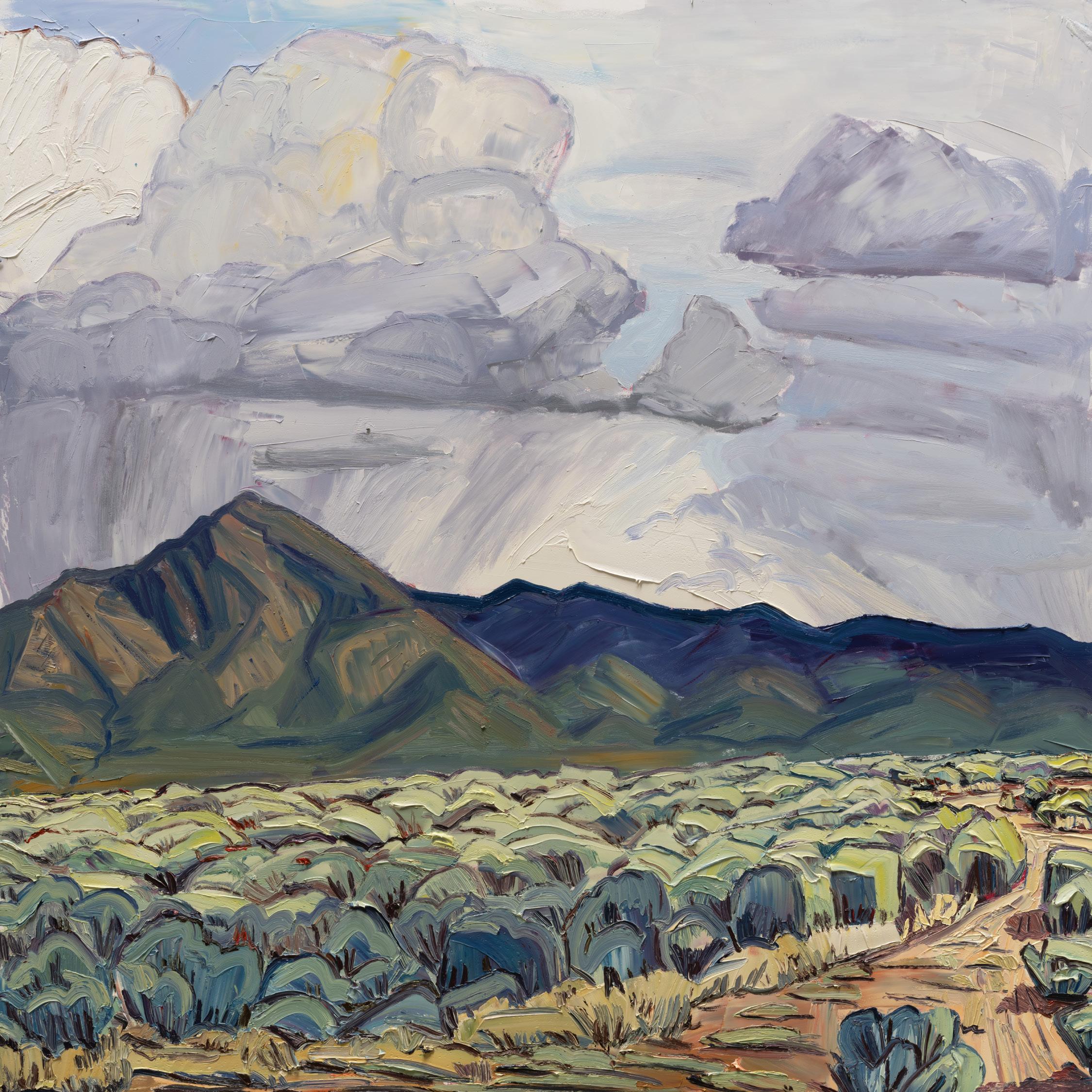
Picuris - Midday, 2026, oil on panel, 36 x 36 in
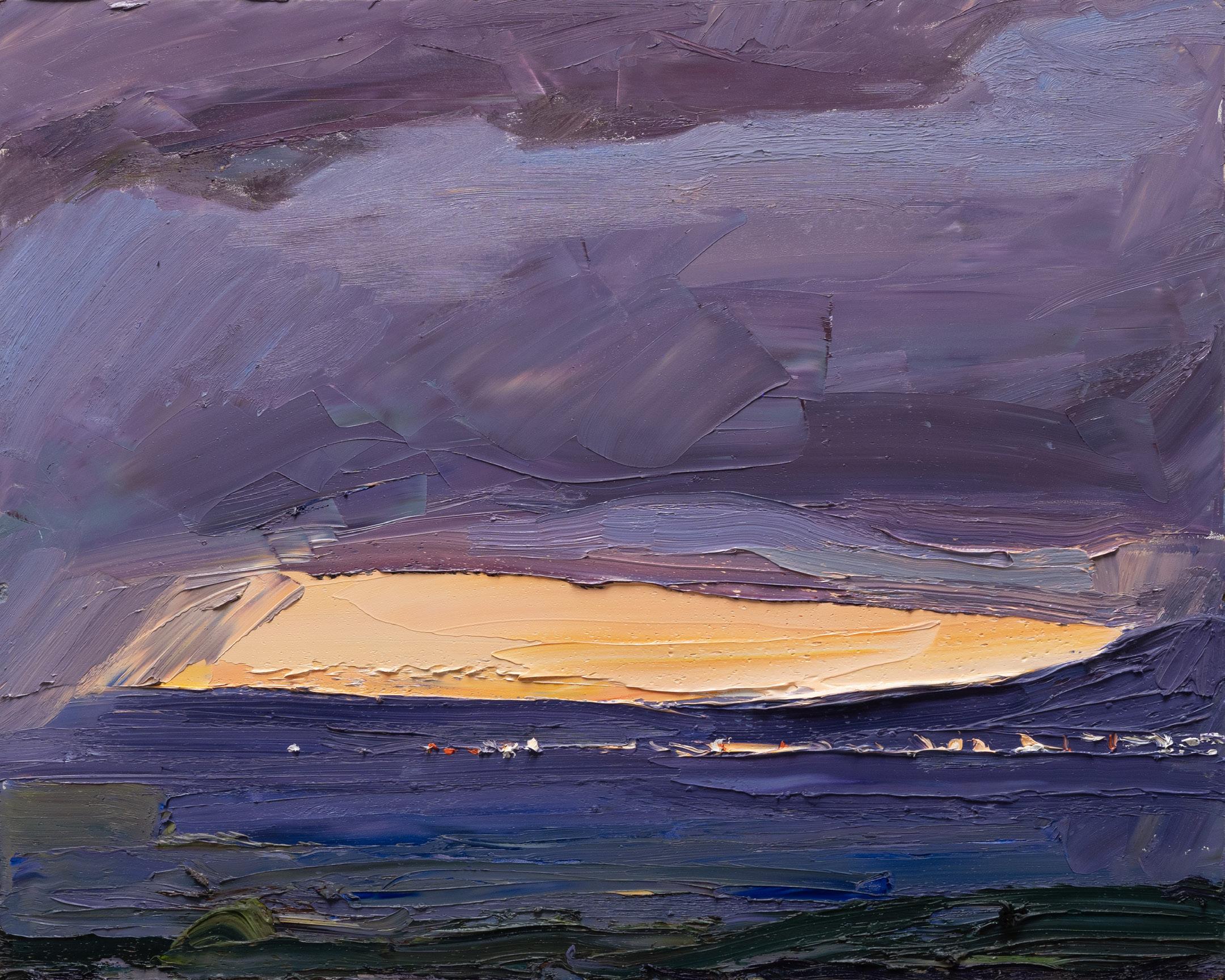
In Path to the Western Range, Lee captures the horizon in a specific moment of highaltitude meteorological intensity. Thick, urgent applications of oil paint physically register the dense suspension of an approaching afternoon storm. The panel records a transient environmental conflict where heavy cloud structures disrupt the predictable lucidity of the desert sky. Formally, the composition treats the sky as a space possessing physical density, applying the same heavy impasto to the tremulous clouds as to the terrestrial terrain to give the atmosphere tangible weight. Similarly, in Solitudes #1, Lee isolates a stark, silent threshold where the vast scale of the high desert imposes a distinct psychological stillness. Geological structures are simplified into massive forms that echo the architecture of the land. In both paintings, the physical thickness of the paint bridges the gap between visual and tactile reality.
As a singular counterbalance to the temporal narrative of the Reflecting Pools is the painting Quartzite - Morning (2026), which is anchored by an immediate optical truth. Free from an elaborate conceptual blueprint, the work emerges as a direct response to the intense, surprising clarity of the water’s hue at a specific moment—a recognition that the pool as subject carries an intrinsic poetry and urgency demanding immediate documentation. Formally, Quartzite - Morning exhibits a highly intentional equilibrium. Lee achieves a striking tension between the damp, tactile weight of the submerged stones—whose presence is heightened by the proximity of that singular blue—and the crisp, grassy line of the river’s edge.
In Multitudes, Lee’s paintings embrace the volatile and vibrant energy of the New Mexico landscape. They reflect the beauty of place in a manner unique to the hand of this artist who labors in its midst and makes its experience a part of his very being. On another level, these paintings function as not only the artist’s intimate experience of these places but, because of that intensity of experience, they become shared memories made available via his art to his viewers. Viewers can sense the reality of these places and the beauty they radiate regardless of whether they have personally visited the location. The raw vitality of the high desert or the lush verdancy of a New Mexico woods is brought directly into a Lee painting through the immediacy of his process and the tactile sensuousness of his impasto material. Lee’s translation of the experience of Southwestern nature into art creates an enduring opportunity for that viewer to share the experience of the place in the presence of the painting whenever they pass by the work. Even when completely removed from the physical geography of the place, the viewer is granted continuous access to its essence through an image on a panel that remains, paradoxically, entirely alive forever.
-Daniel Zeese
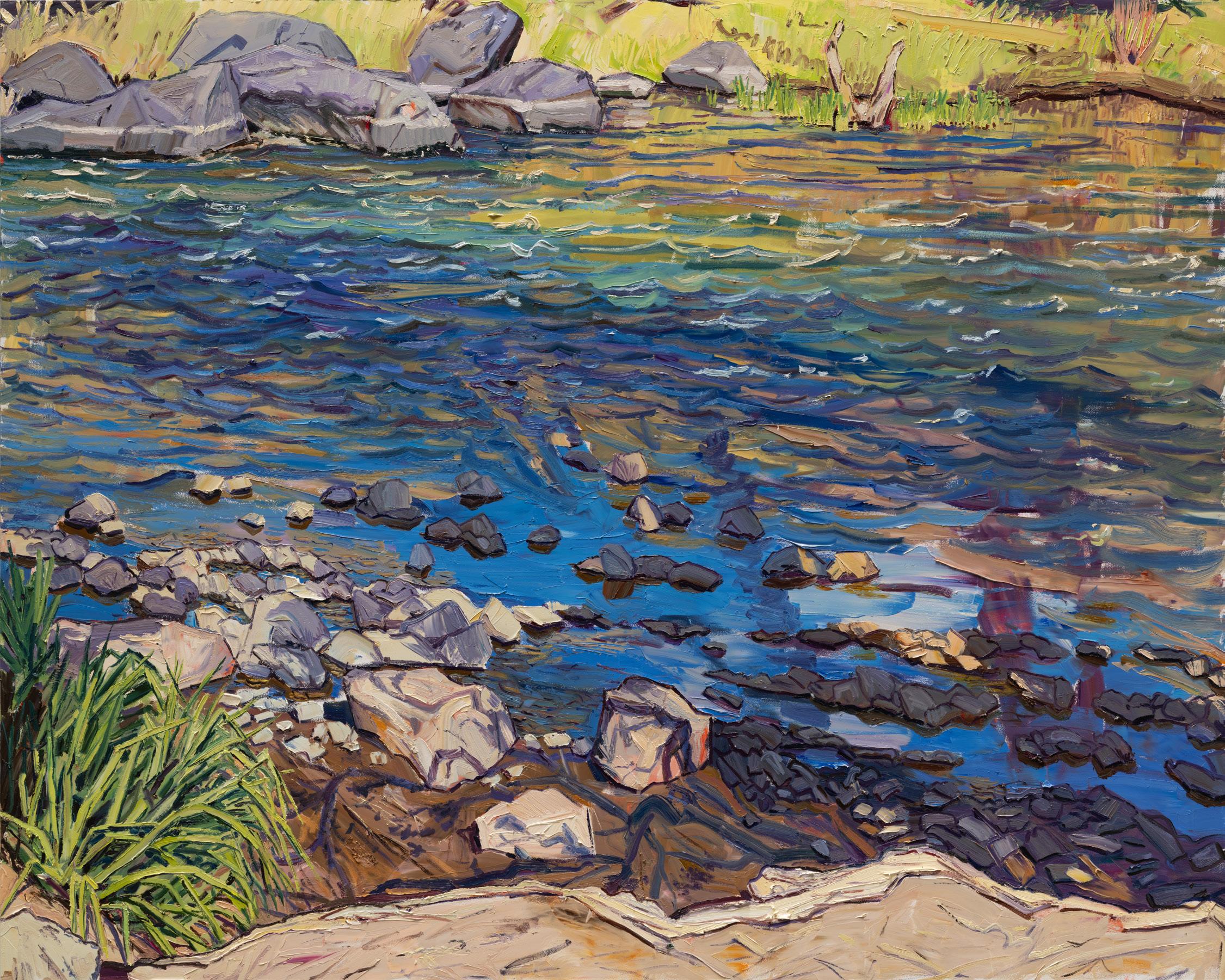
Quartzite – Morning, 2026, oil on panel, 48 x 60 in
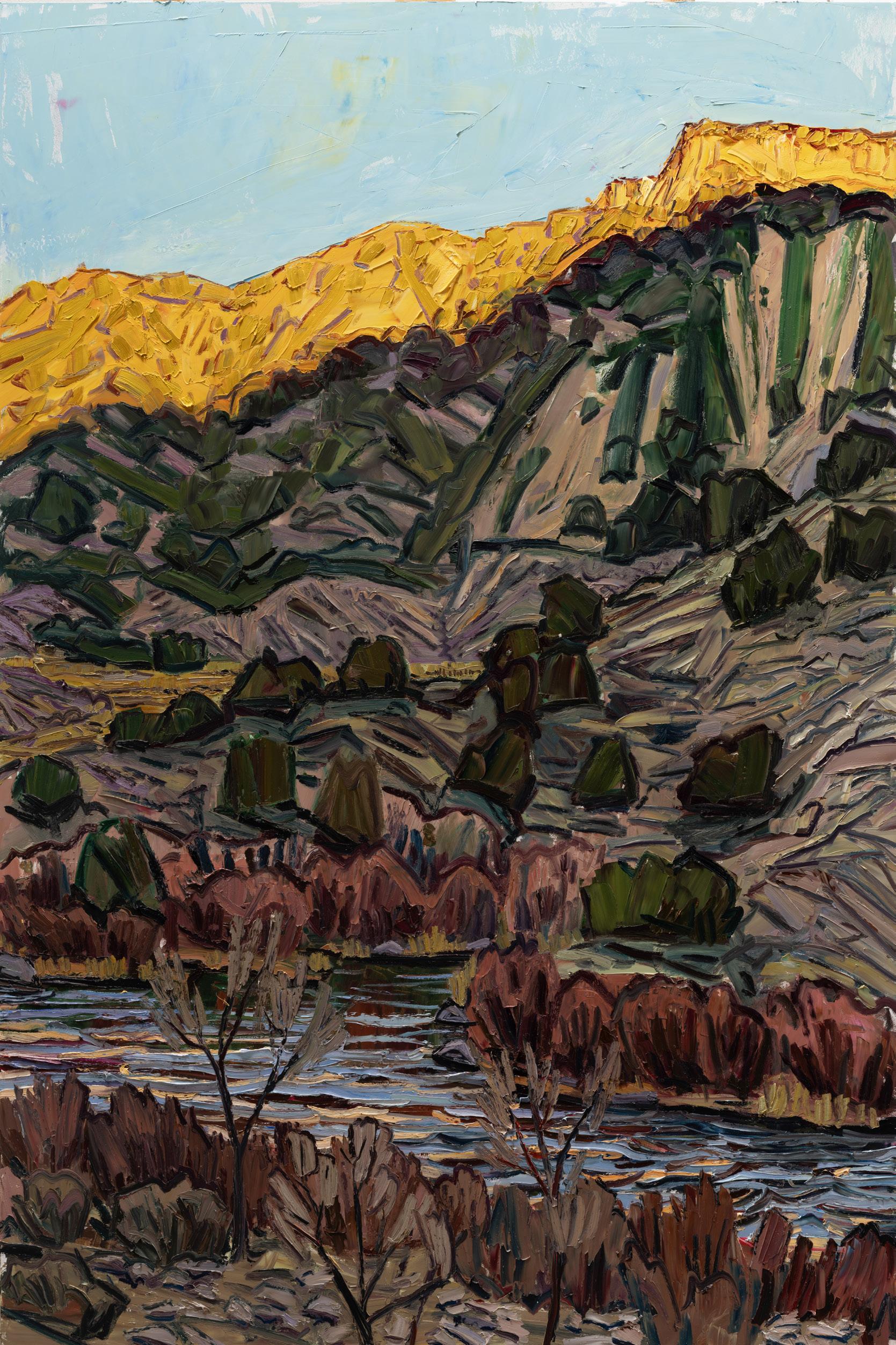
Reflecting Pool - Sun Up, 2026, oil on panel, 72x 48in
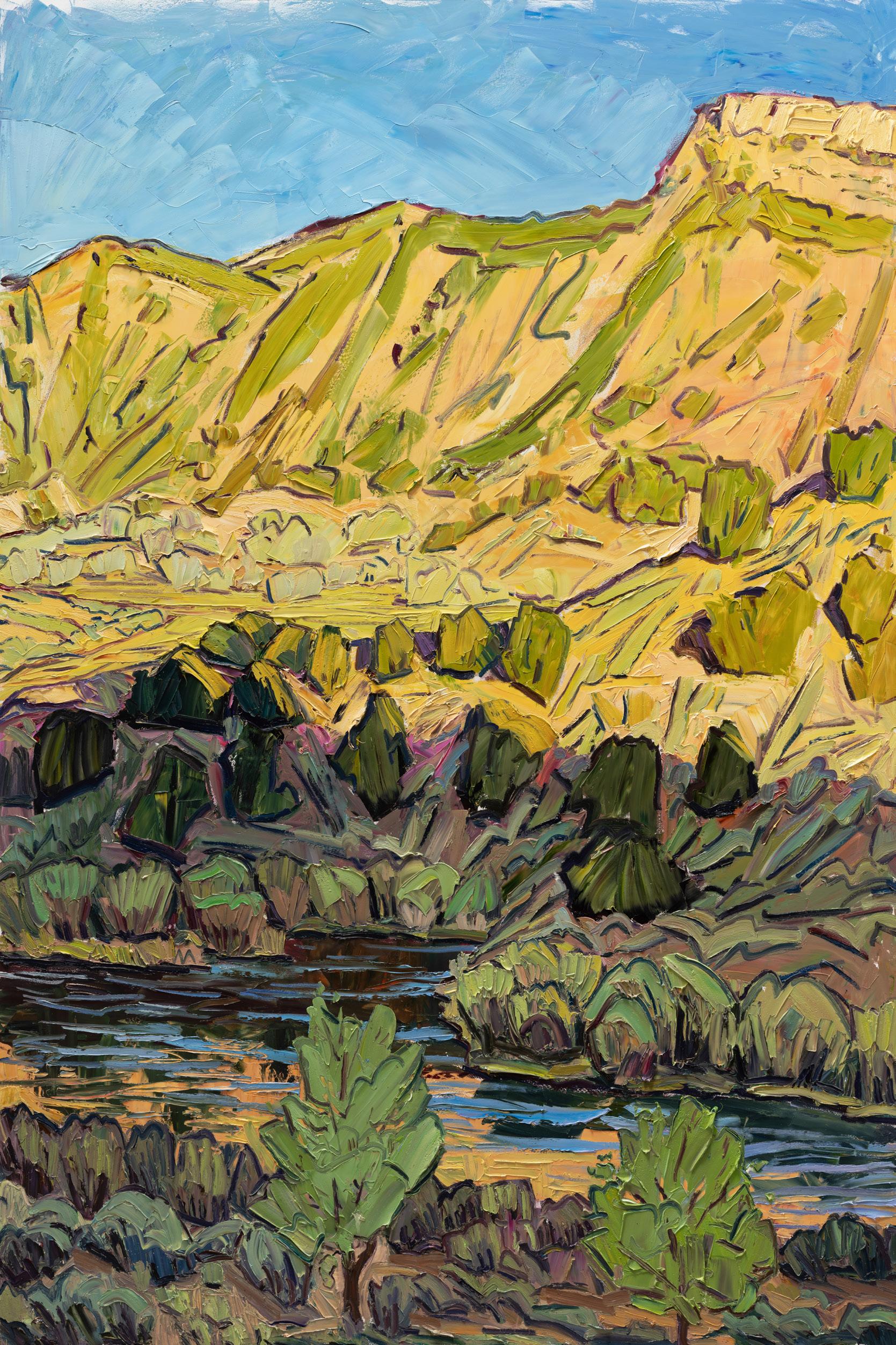
Reflecting Pool - Walking Down, 2026, oil on panel, 72x 48in
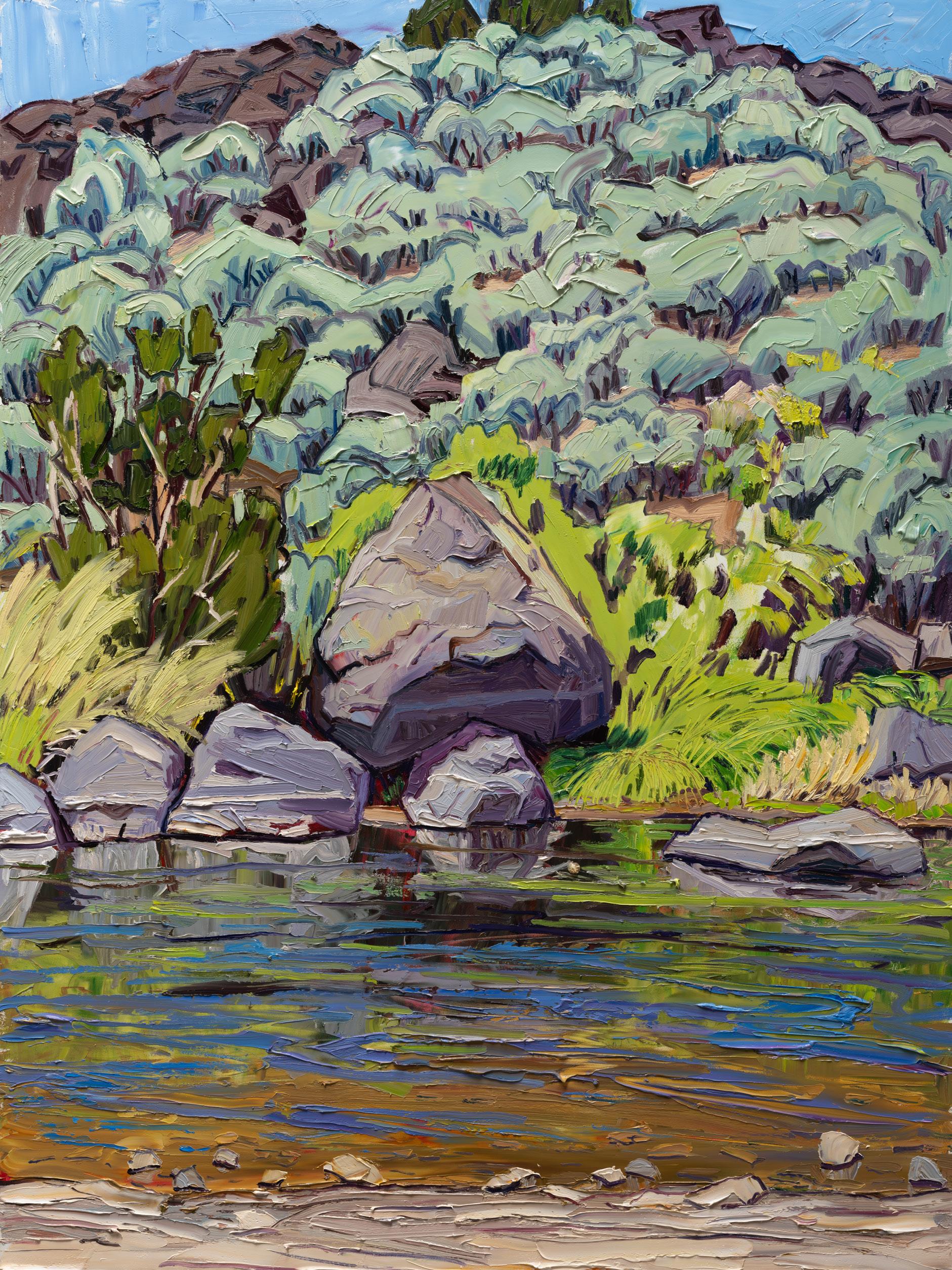
Quartzite - Midday, 2026, oil on panel, 48x 36in
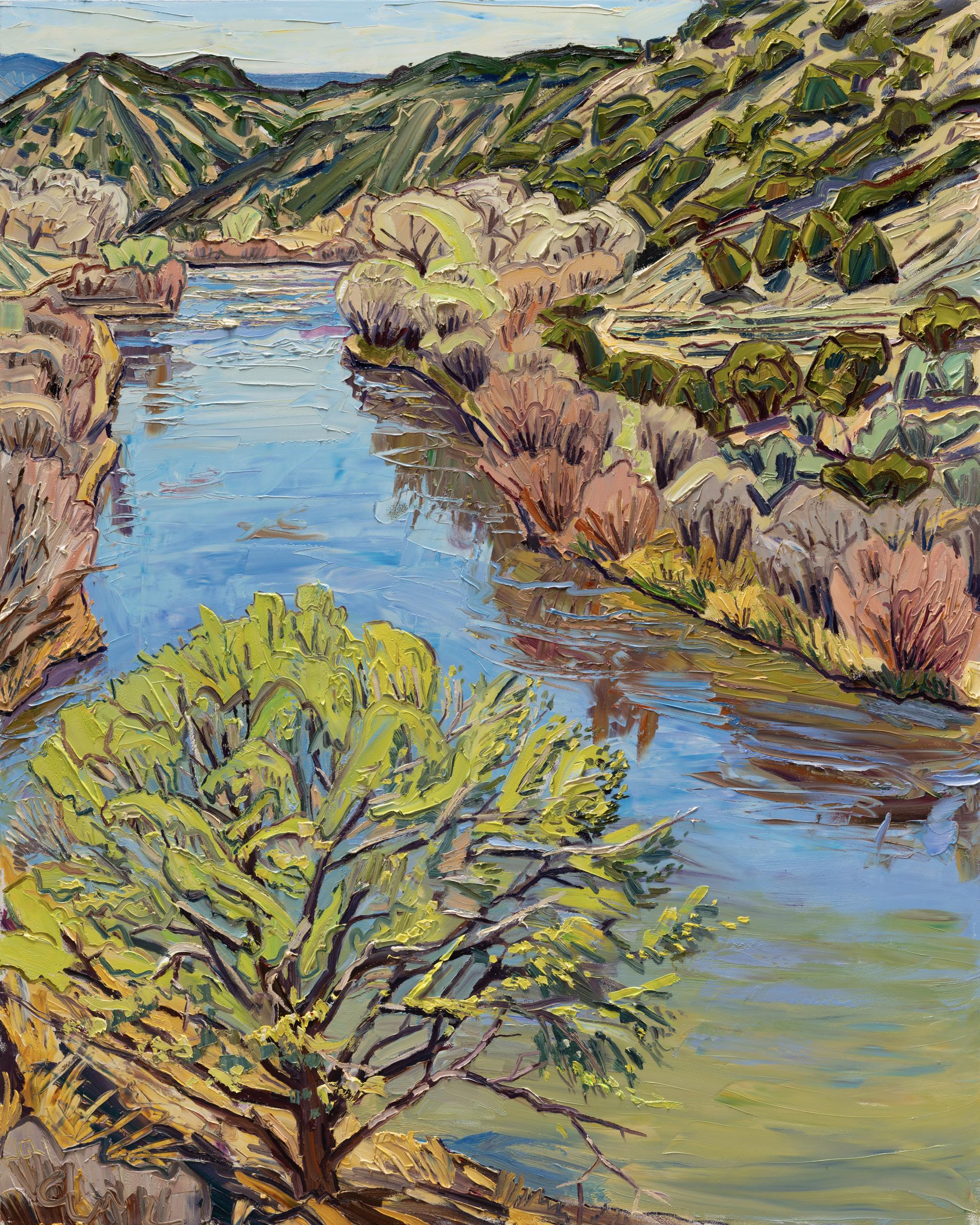
Down to County Line, 2026, oil on panel, 60x 48in
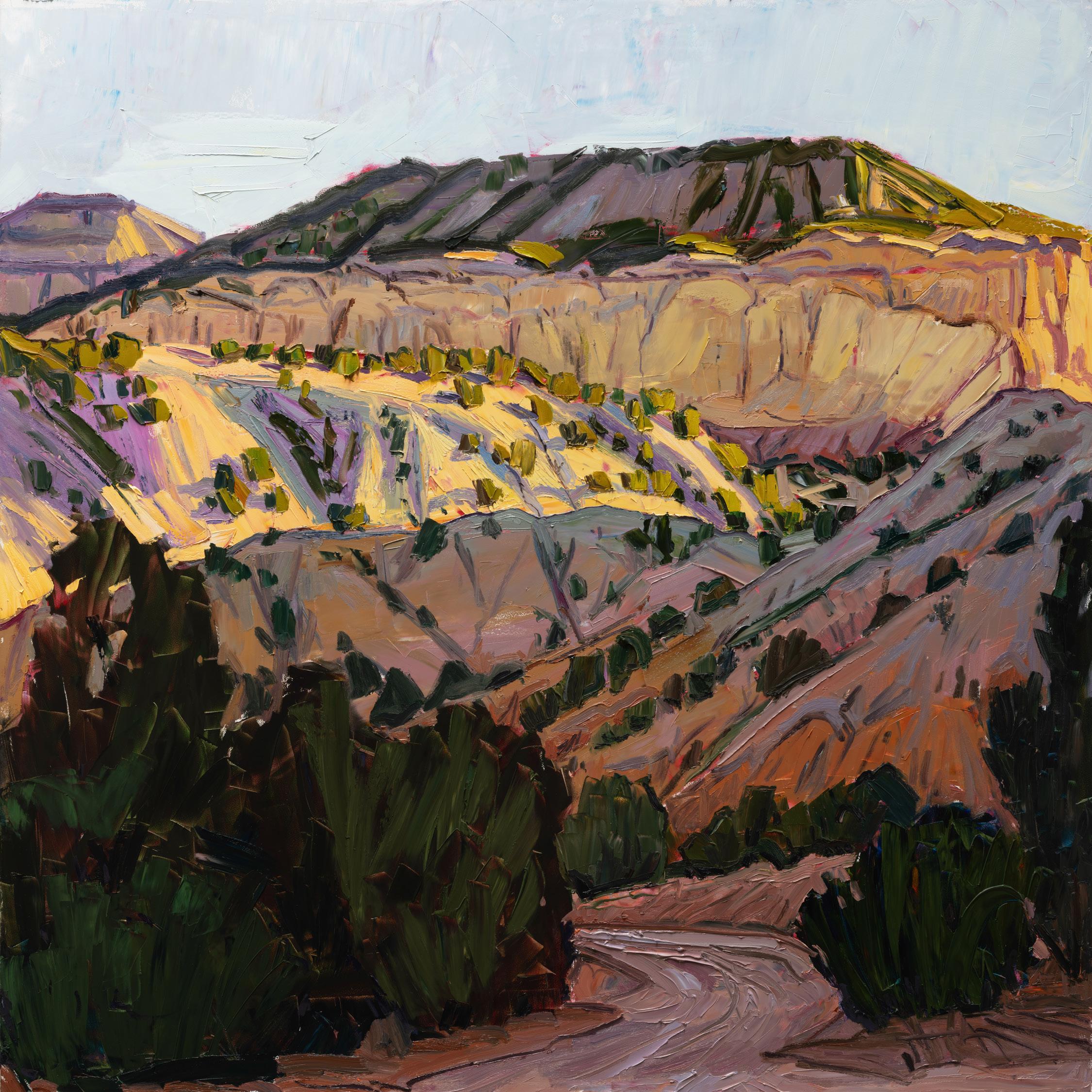
Ghost Ranch at Sunrise, 2026, oil on panel, 48x 48in
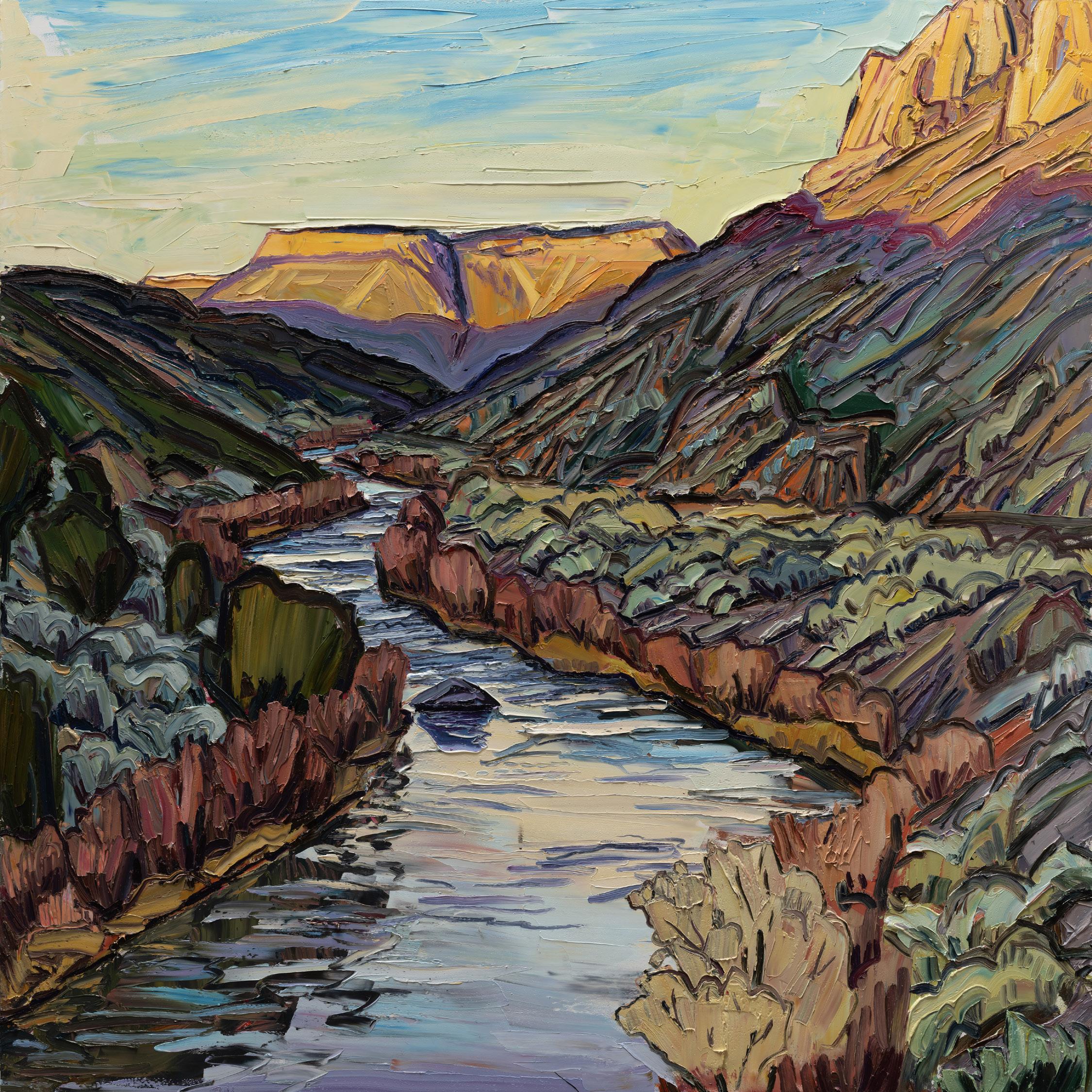
Below Quartzite - Sunset Ridgelines, 2026, oil on panel, 48x 48in
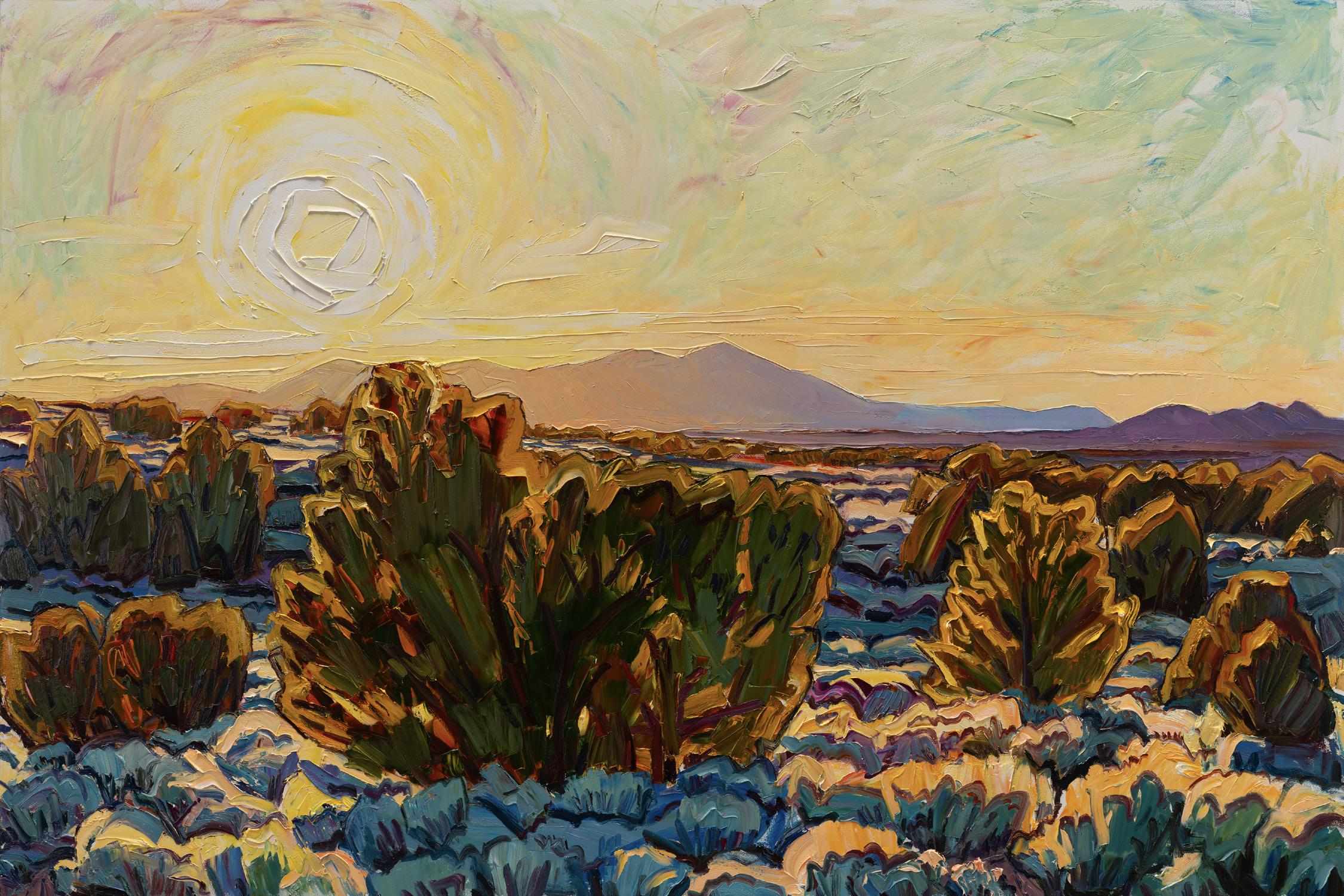
Last Light, 2025, oil on panel, 48x72 in
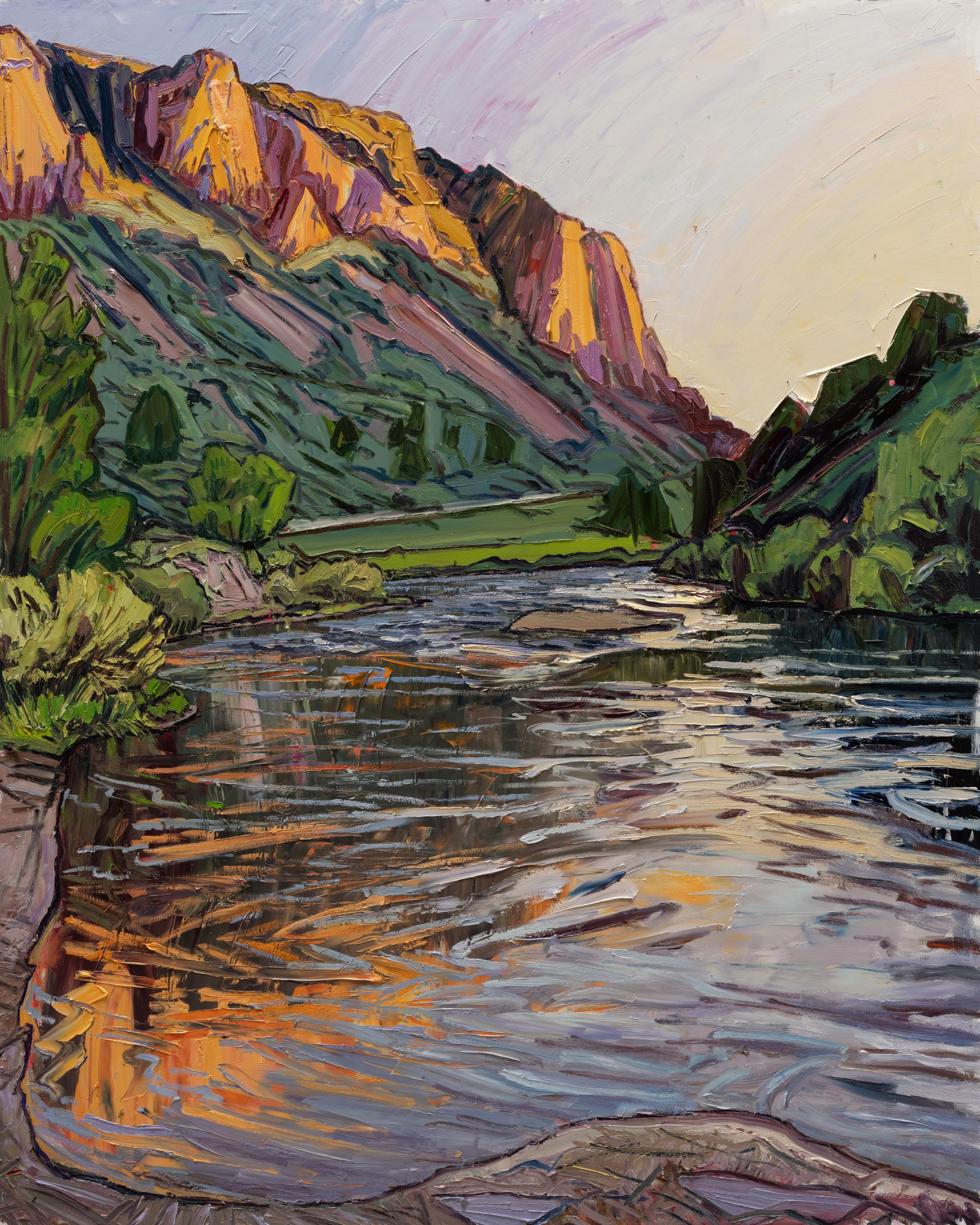
Quartzite - Sundown, 2026, oil on panel, 60x 48in
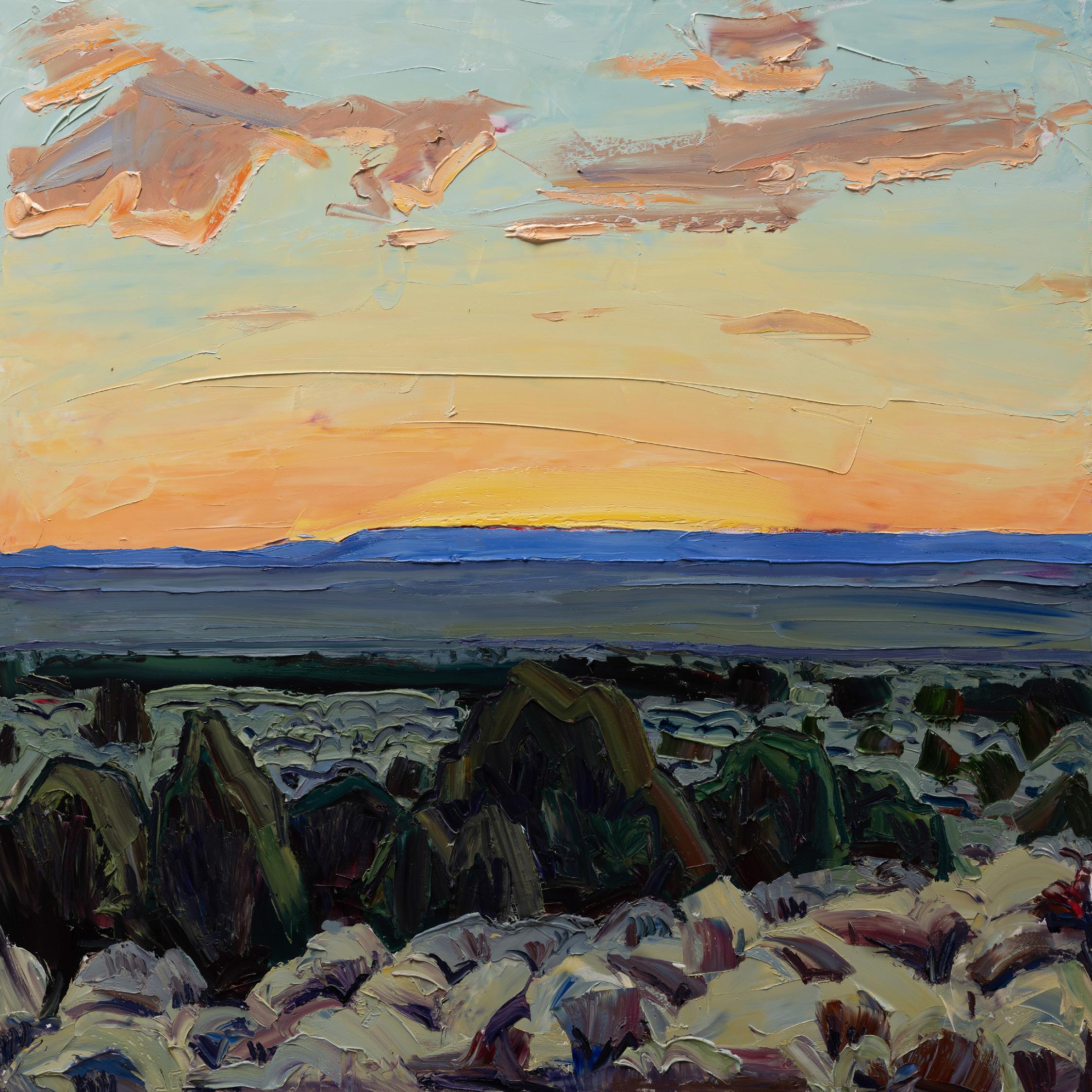
Rift Valley - Sundown, 2024, oil on panel, 36x 36in
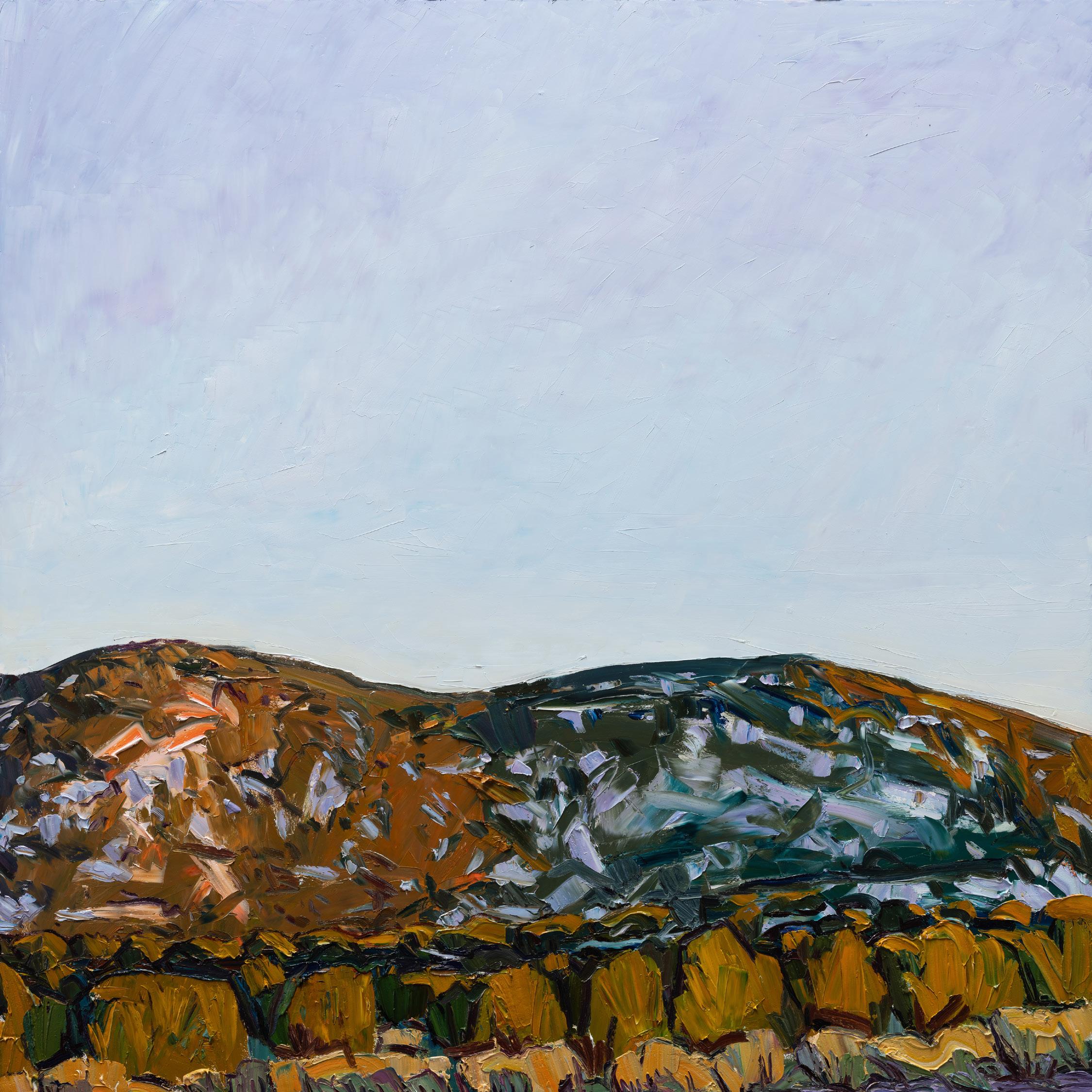
Southeast (Sundown), 2023, oil on panel, 48x 48in
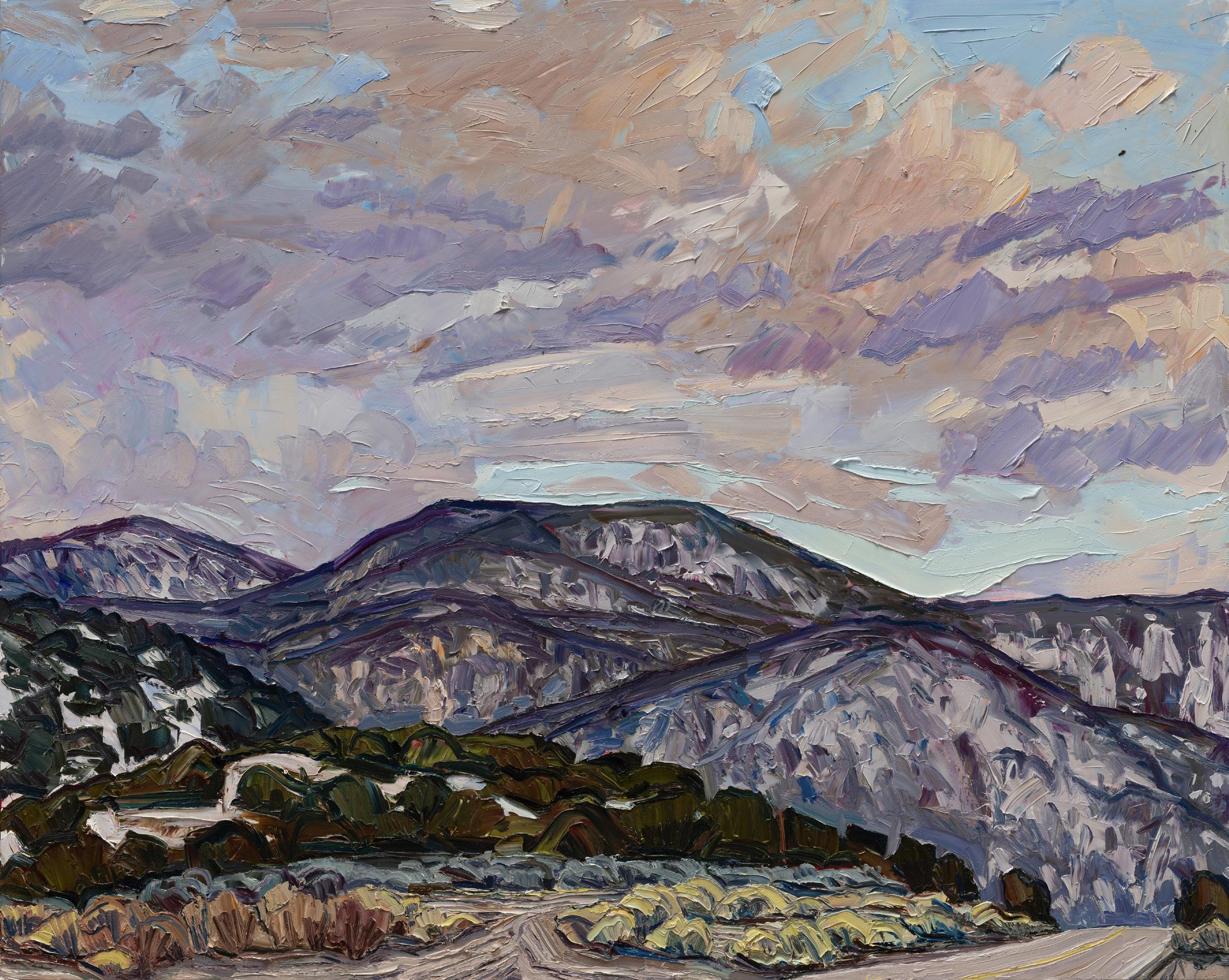
South Southeast (Dusk), 2026, oil on panel, 48x 60in
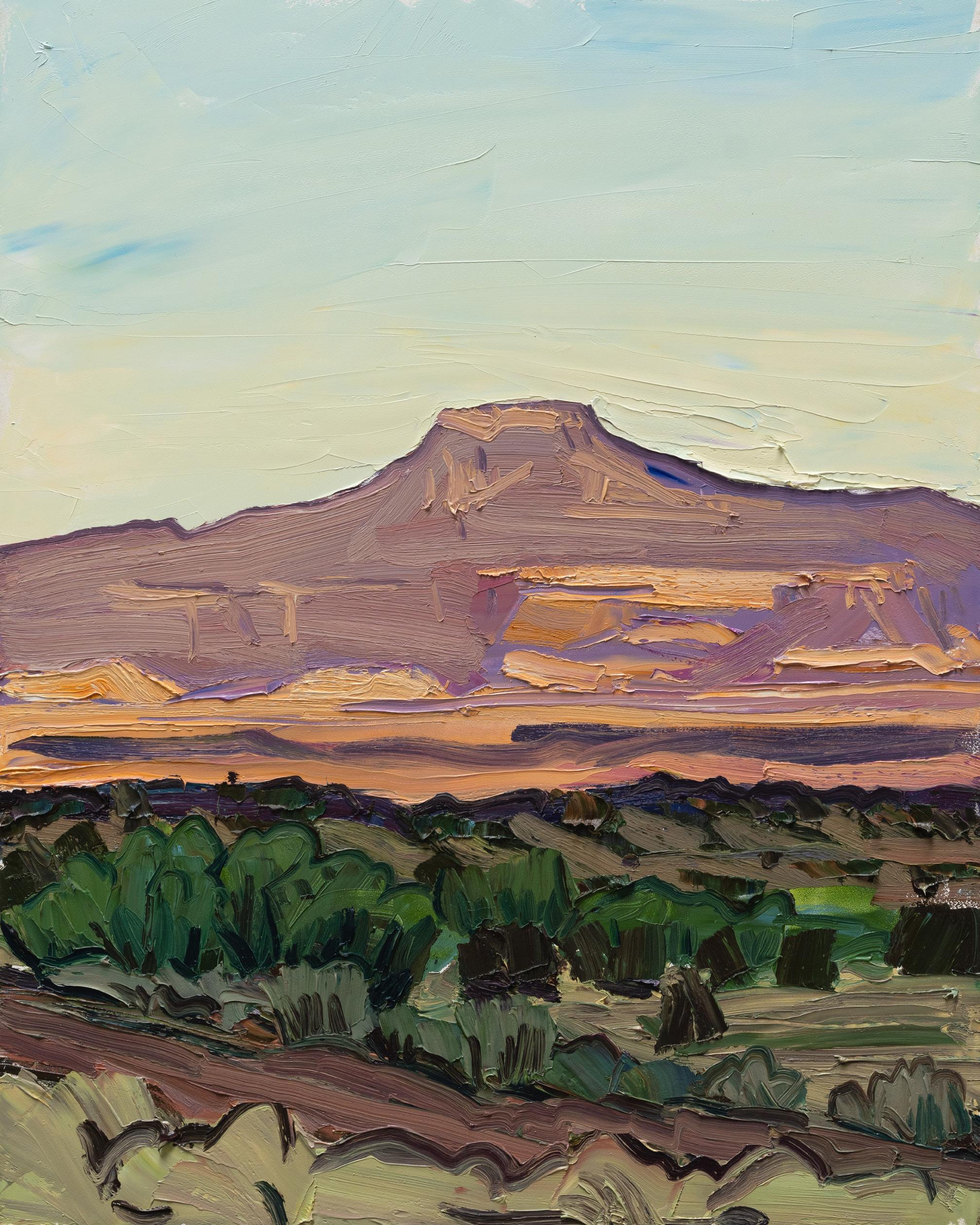
Pedernal Sunrise Study, 2026, oil on panel, 20x 16in
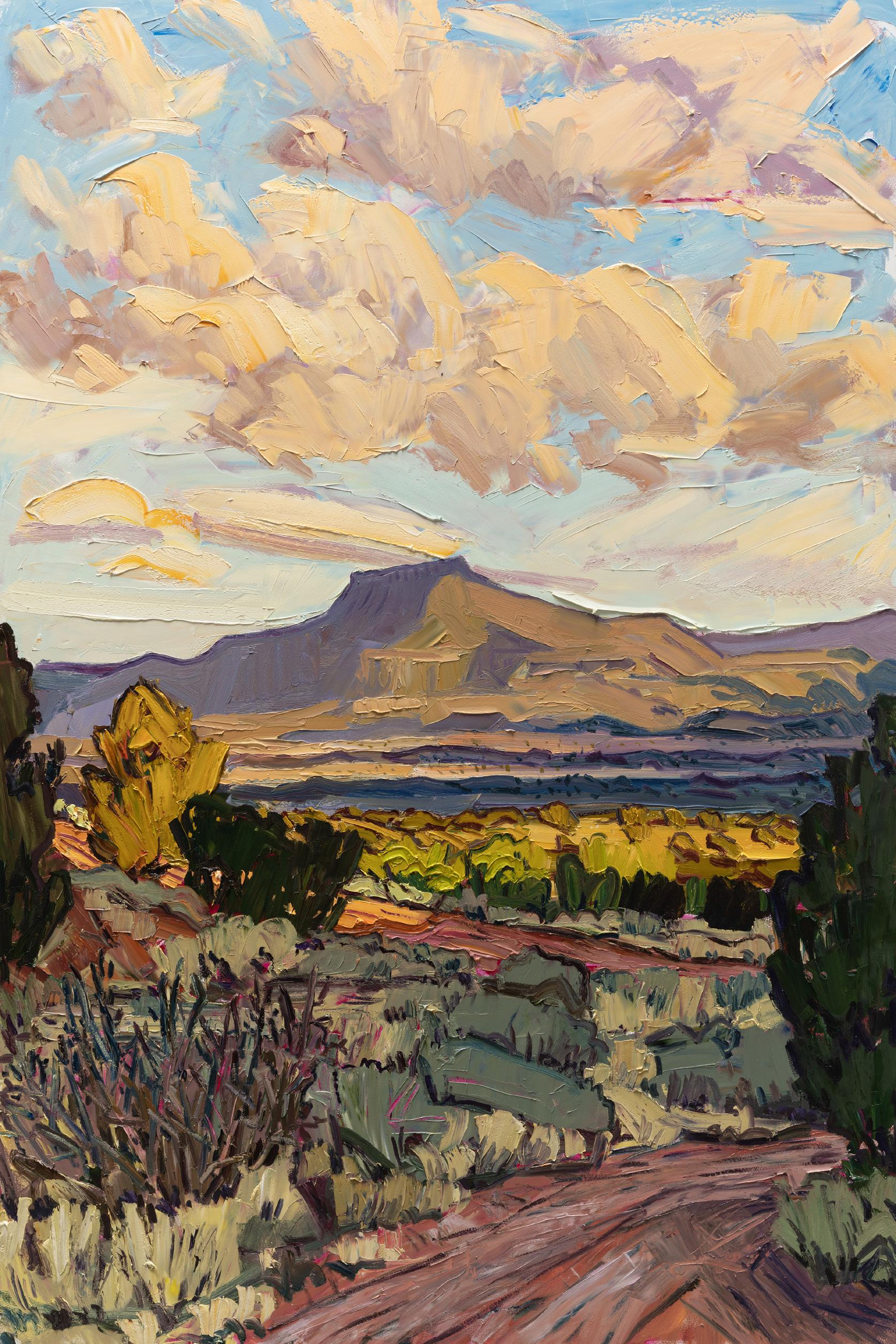
Pedernal from Ghost Ranch, 2026, oil on panel, 60x 40in
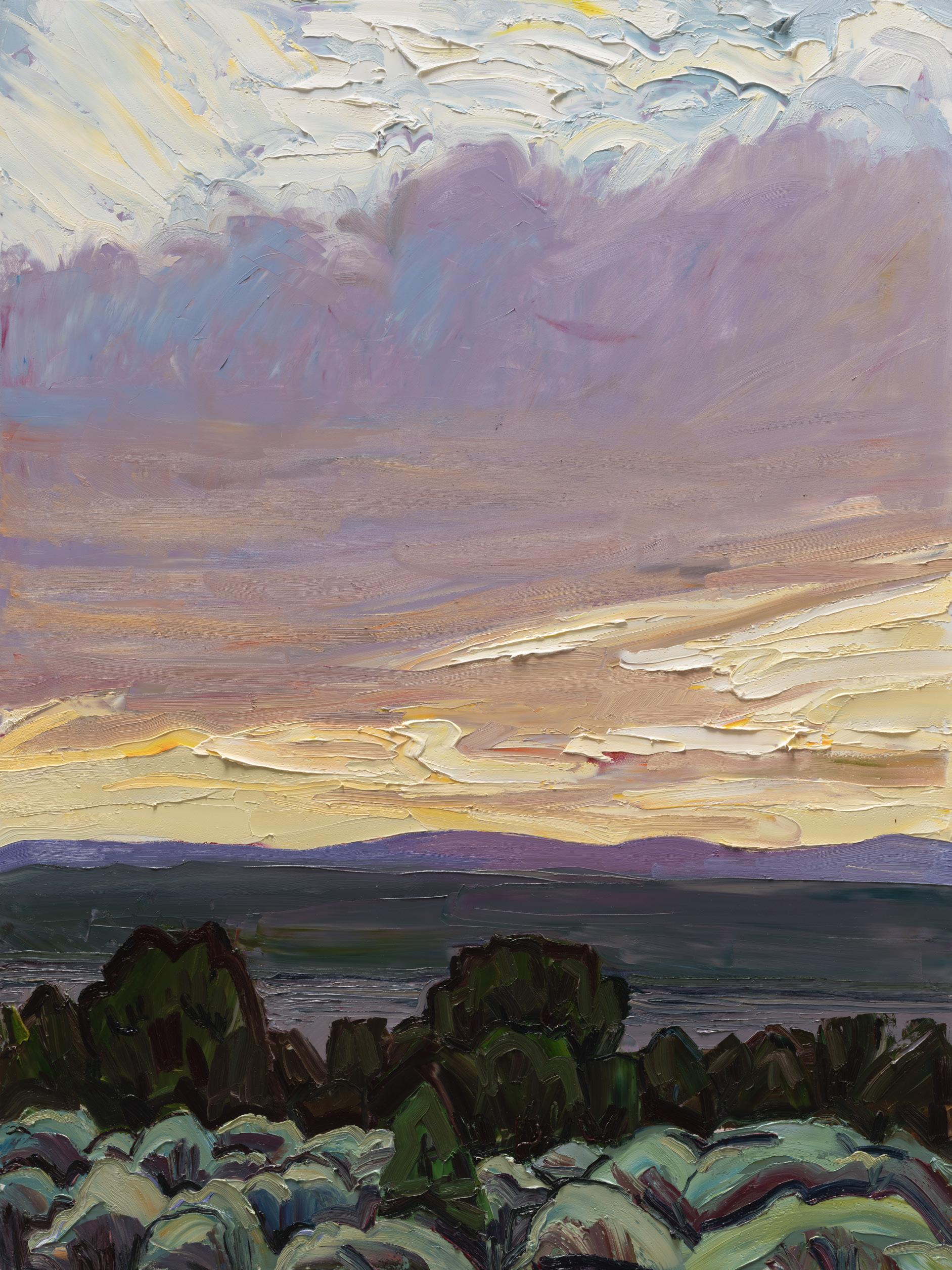
Solitudes #1, 2026, oil on panel, 48x 36in
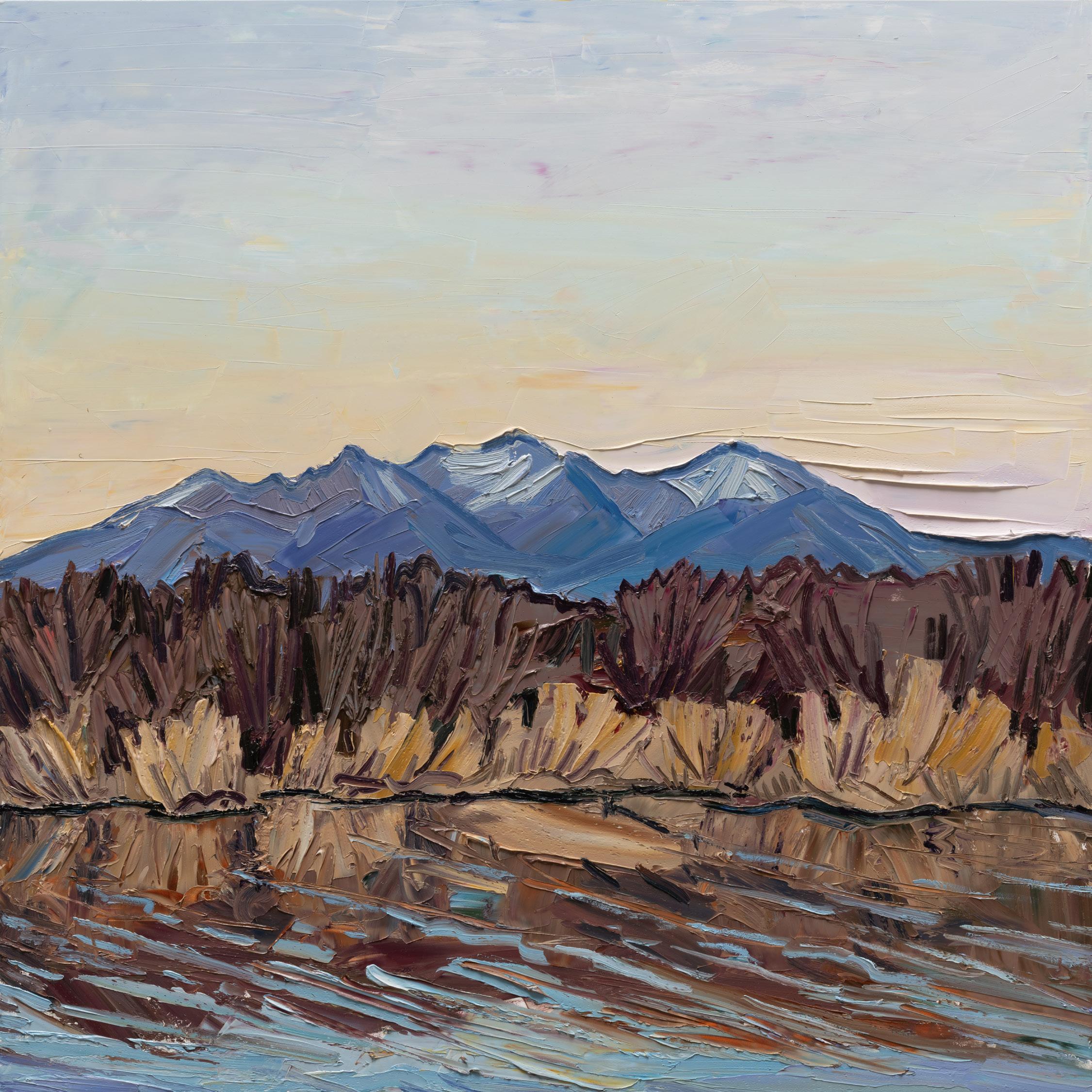
Blanca Peak, 2026, oil on panel, 30x 30in
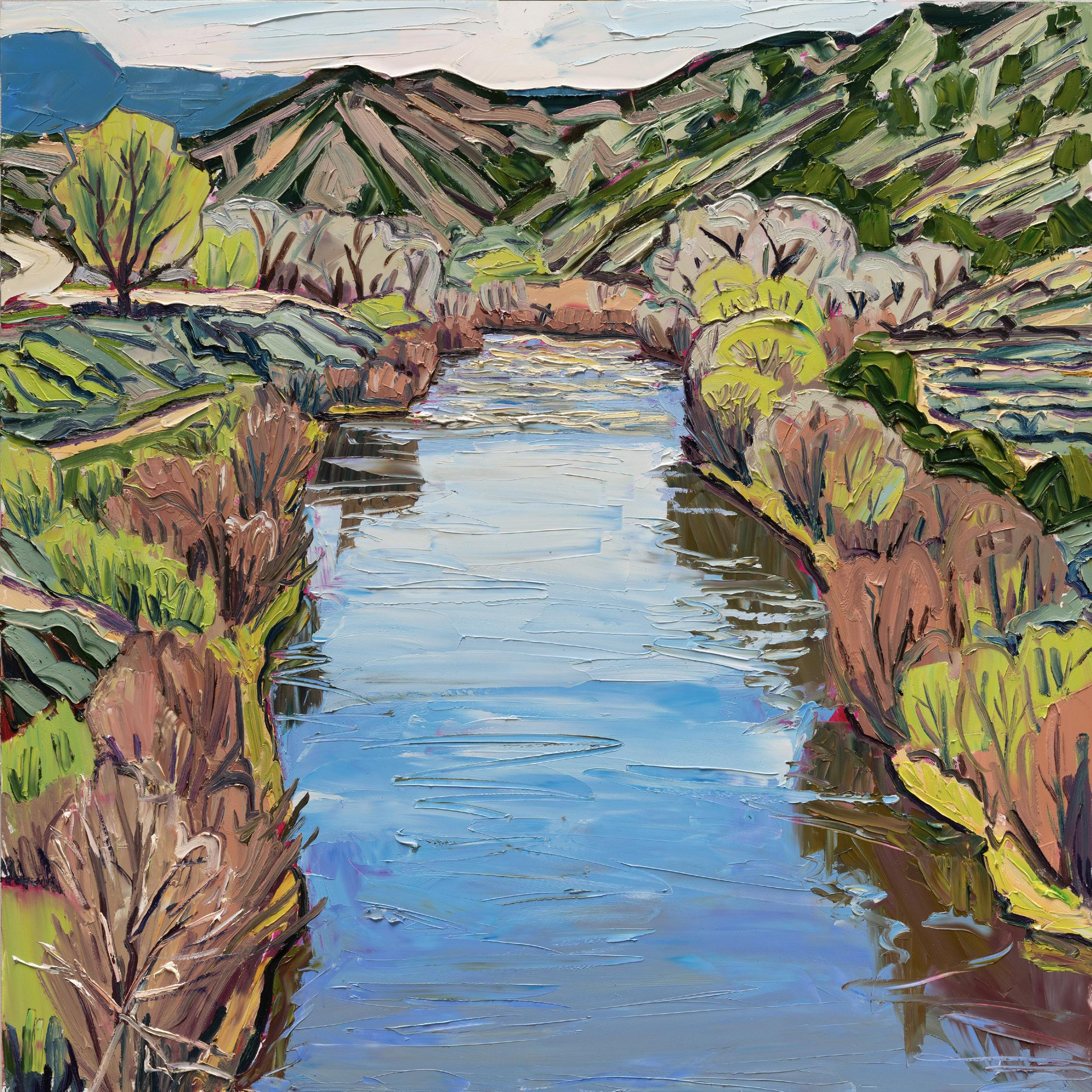
Downstream Reflection, 2026, oil on panel, 36x 36in
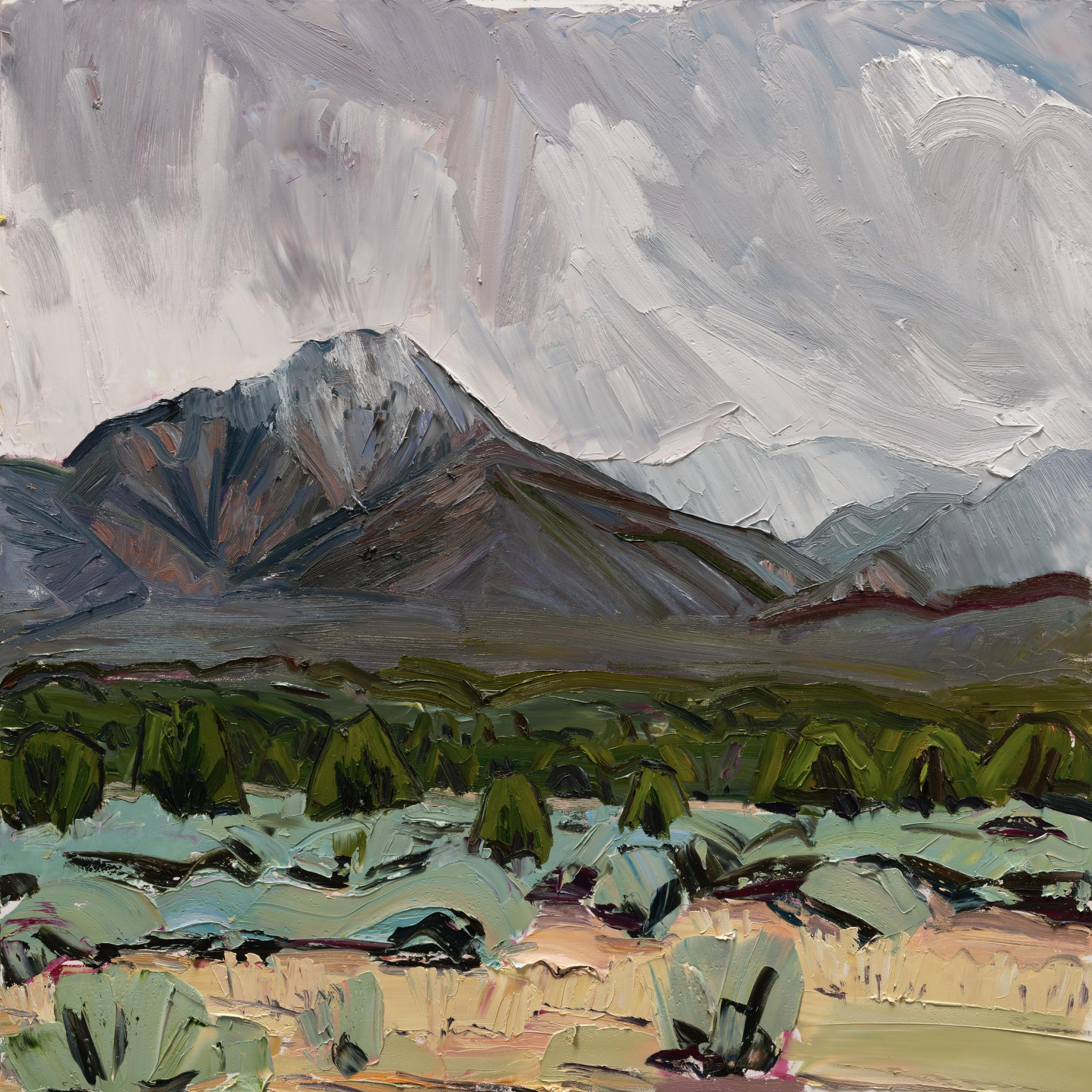
Picuris - Squall line, 2026, oil on panel, 30x 30in
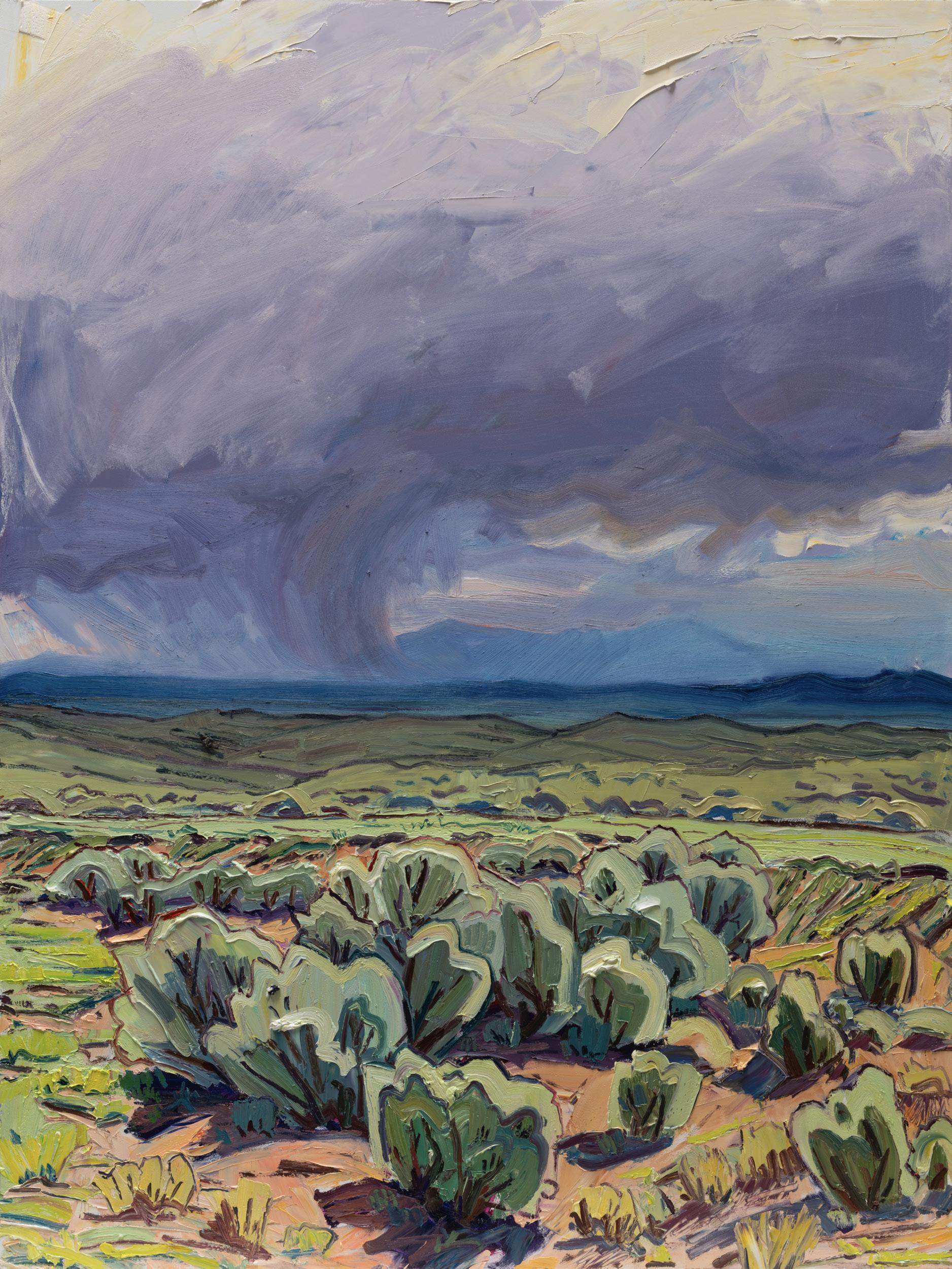
Midday Correspondence, 2026, oil on panel, 48x 36in
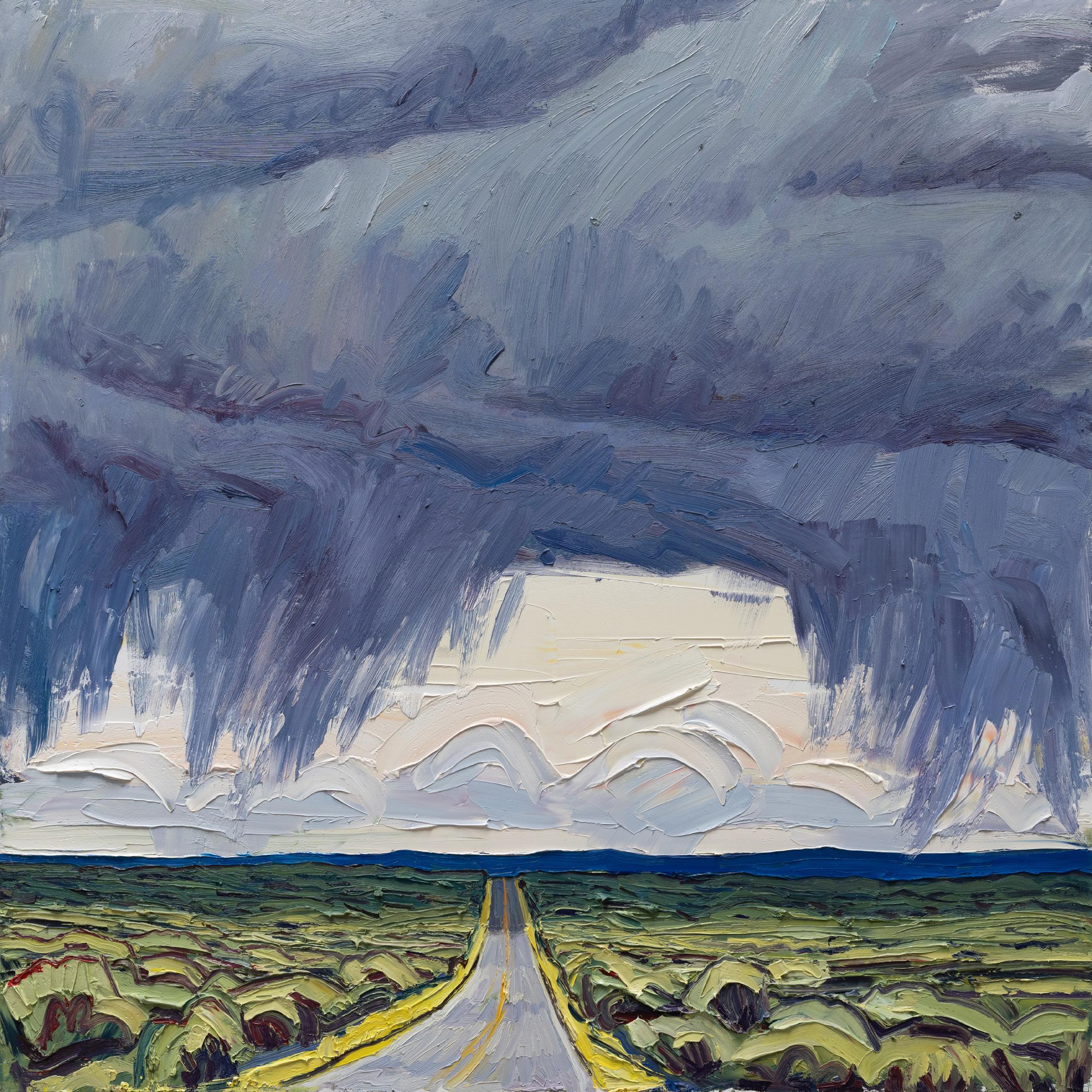
The Long Road - Study, 2026, oil on panel, 30x 30in
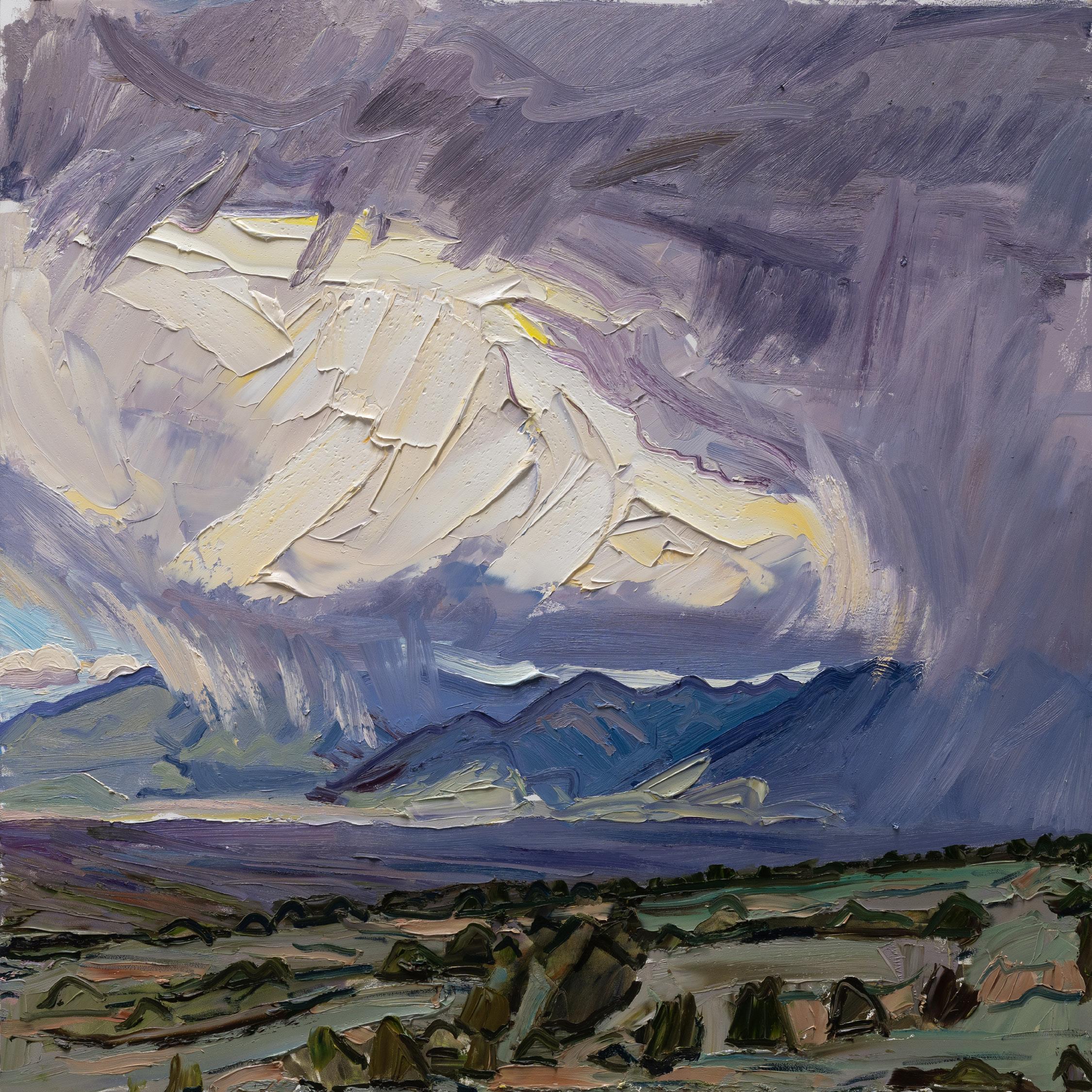
Dynamic Sky, 2026, oil on panel, 30x 30in
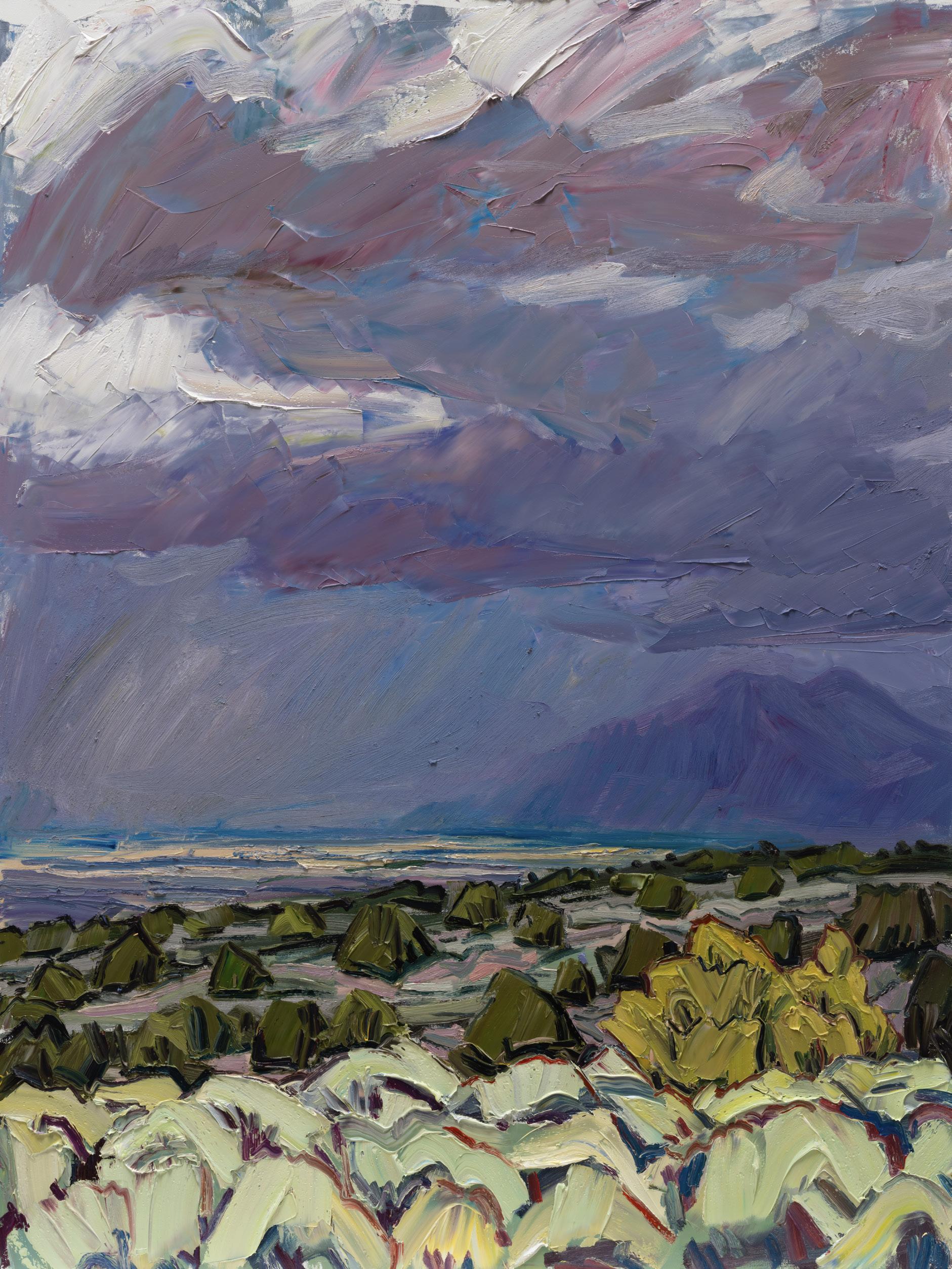
The Approach, 2026, oil on panel, 48 x 36 in
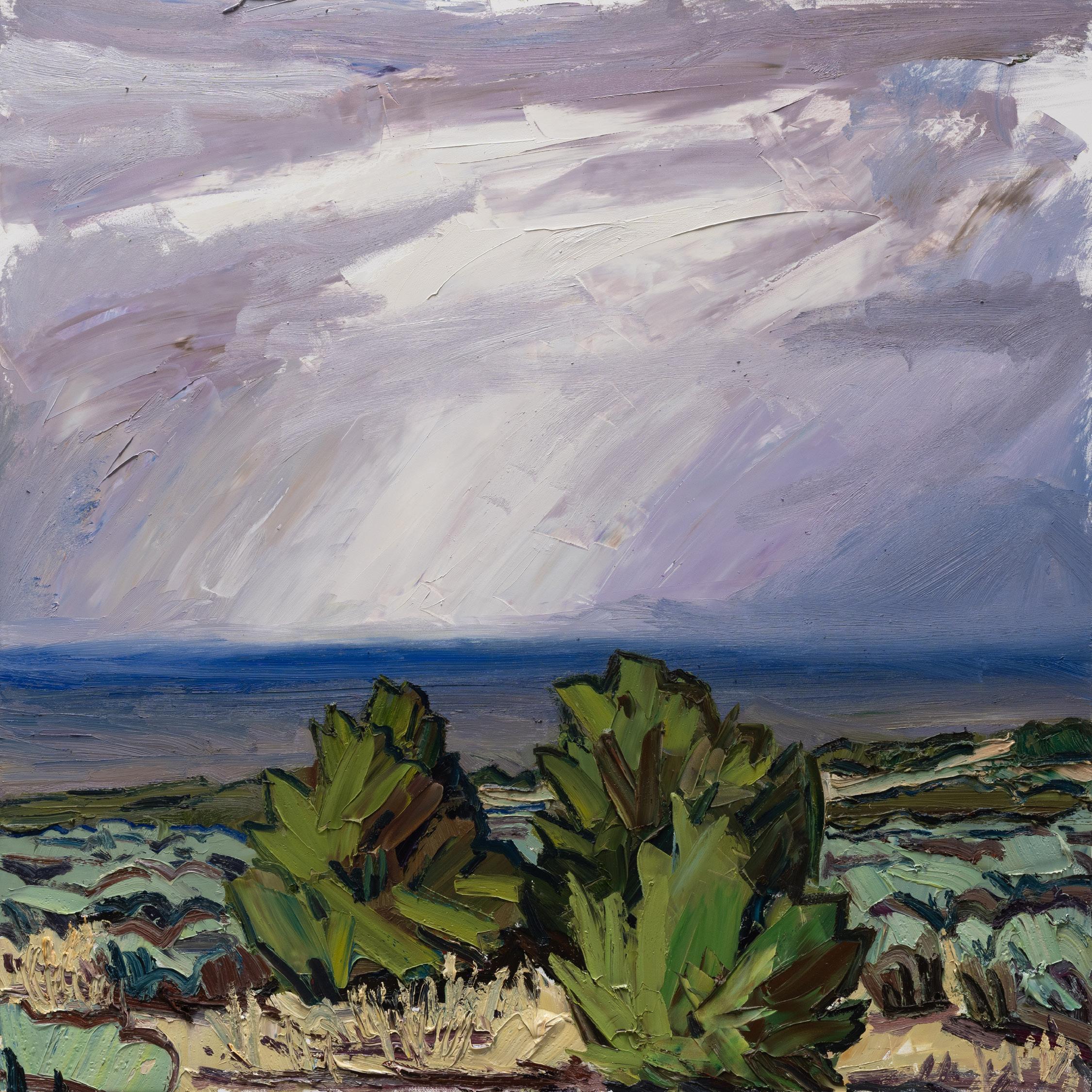
Nearing Night, 2026, oil on panel, 30x 30in
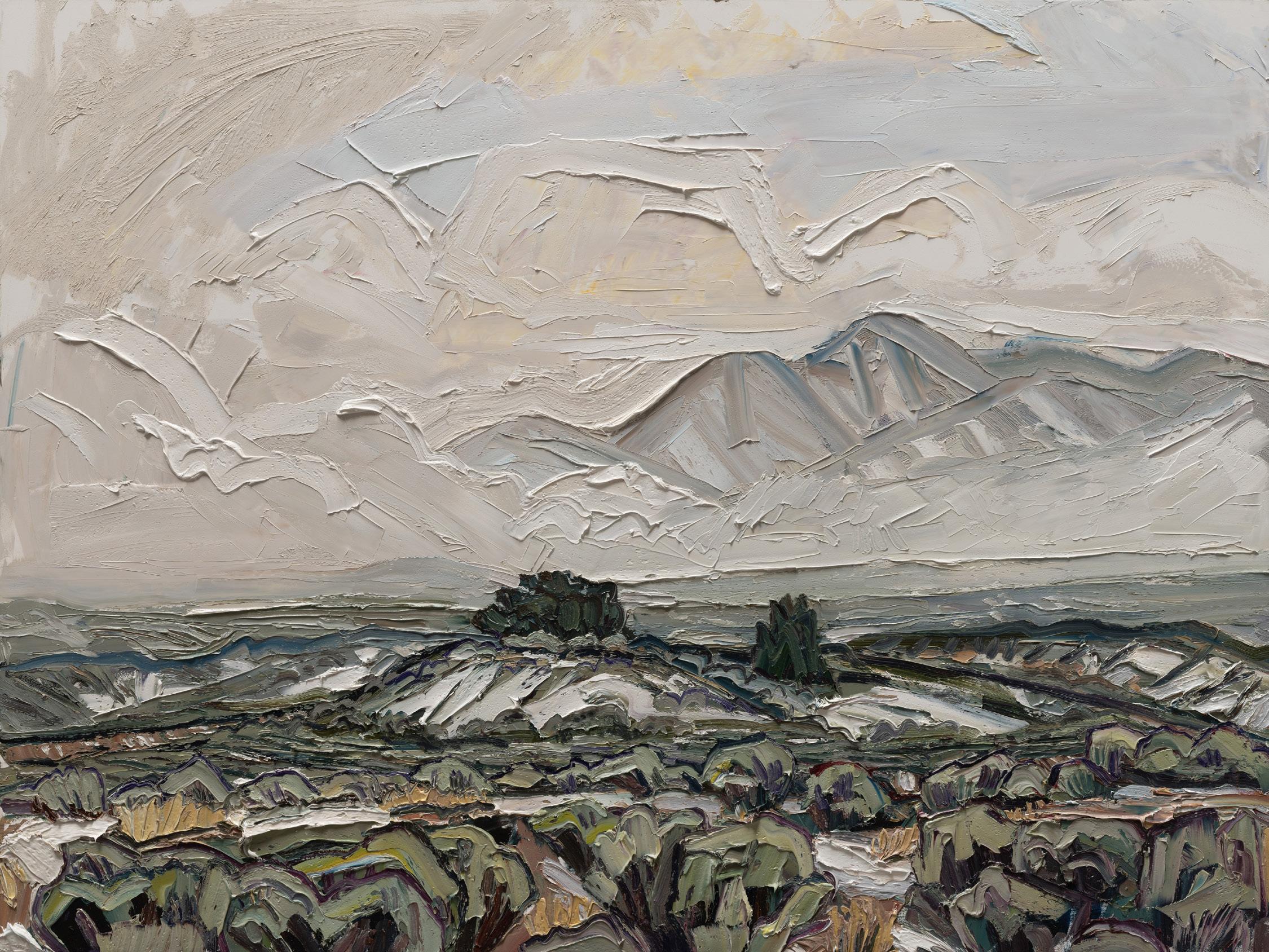
Towards the Picuris, 2026, oil on panel, 30 x 40 in
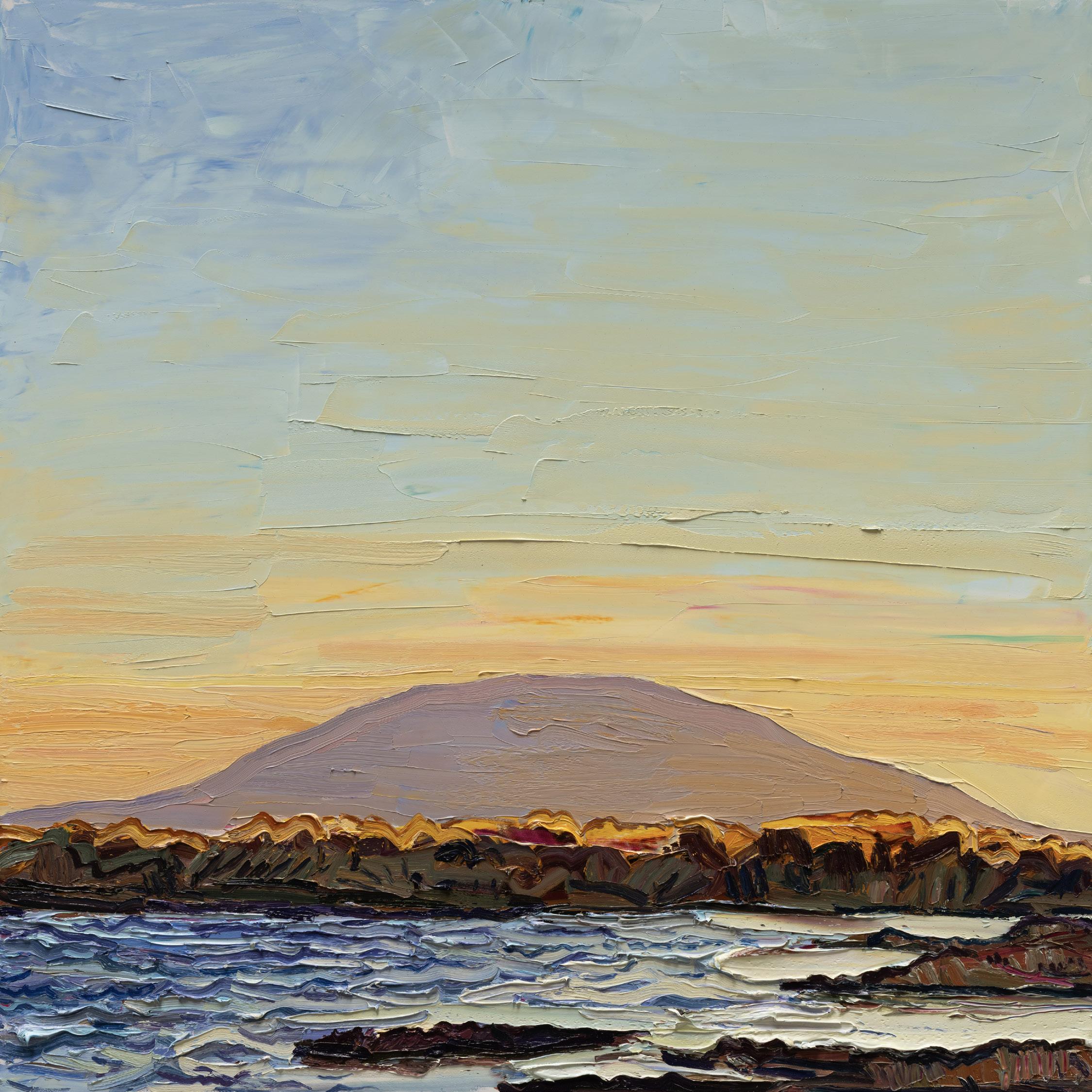
Ute Mountain, 2026, oil on panel, 30 x 30 in
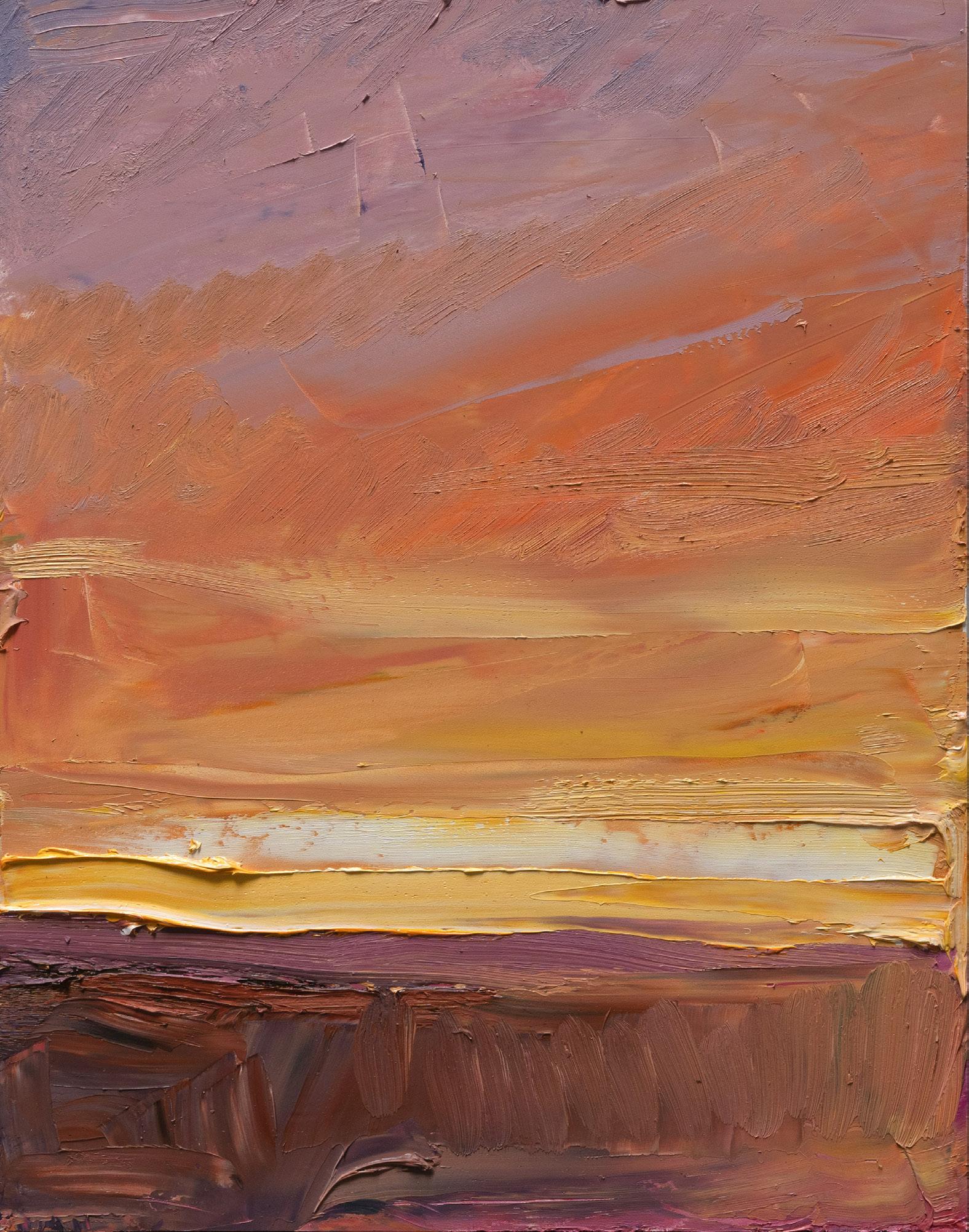
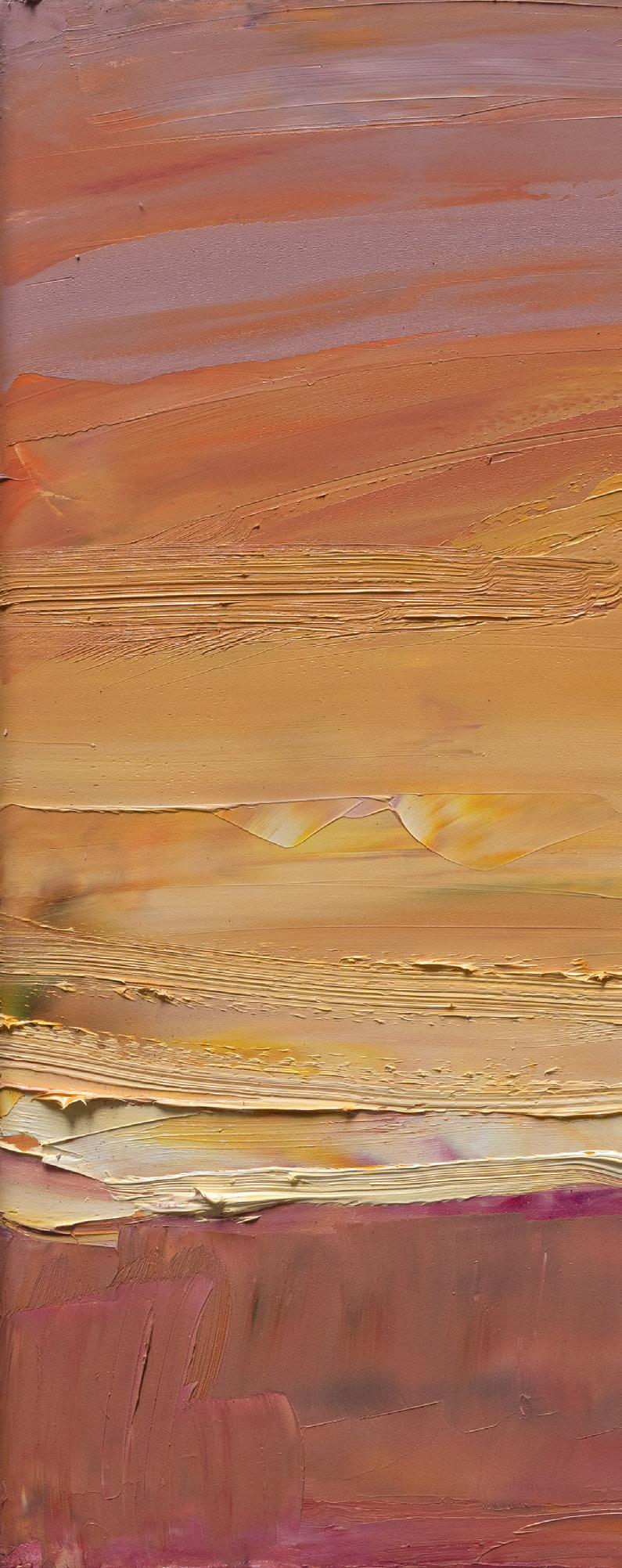
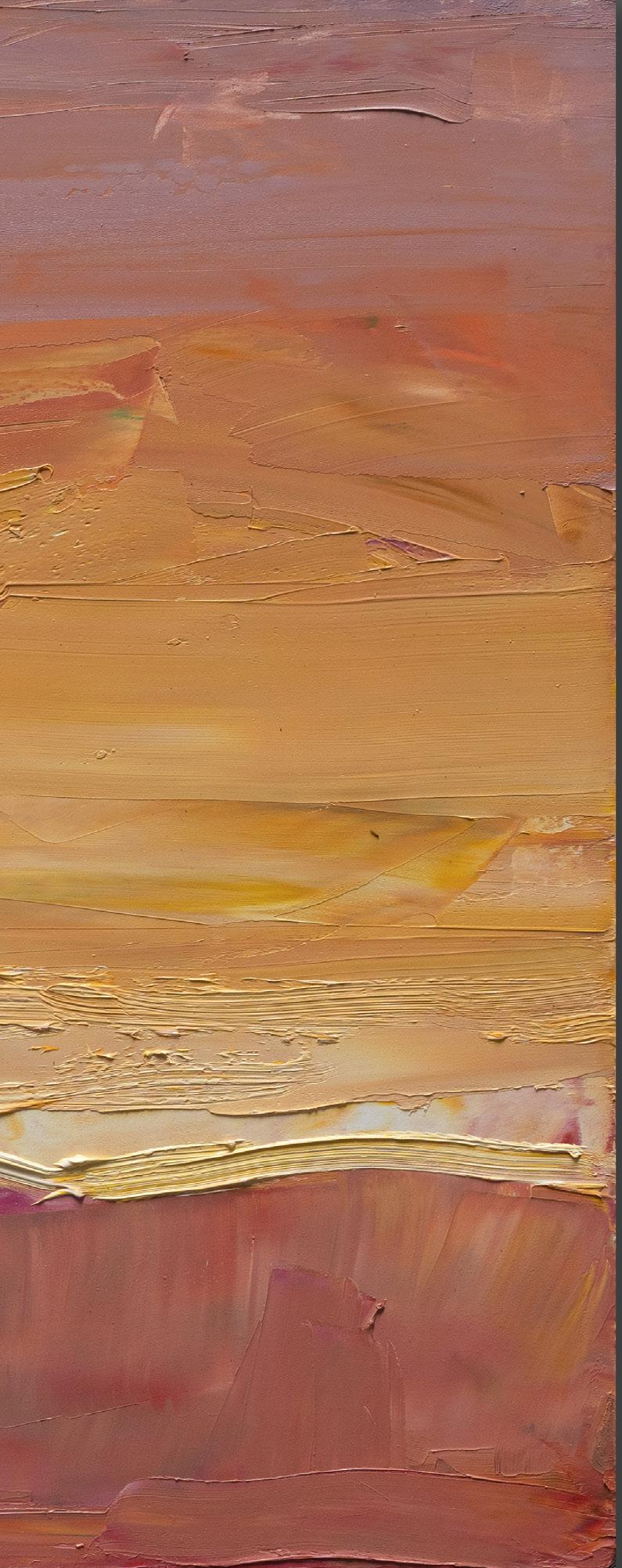
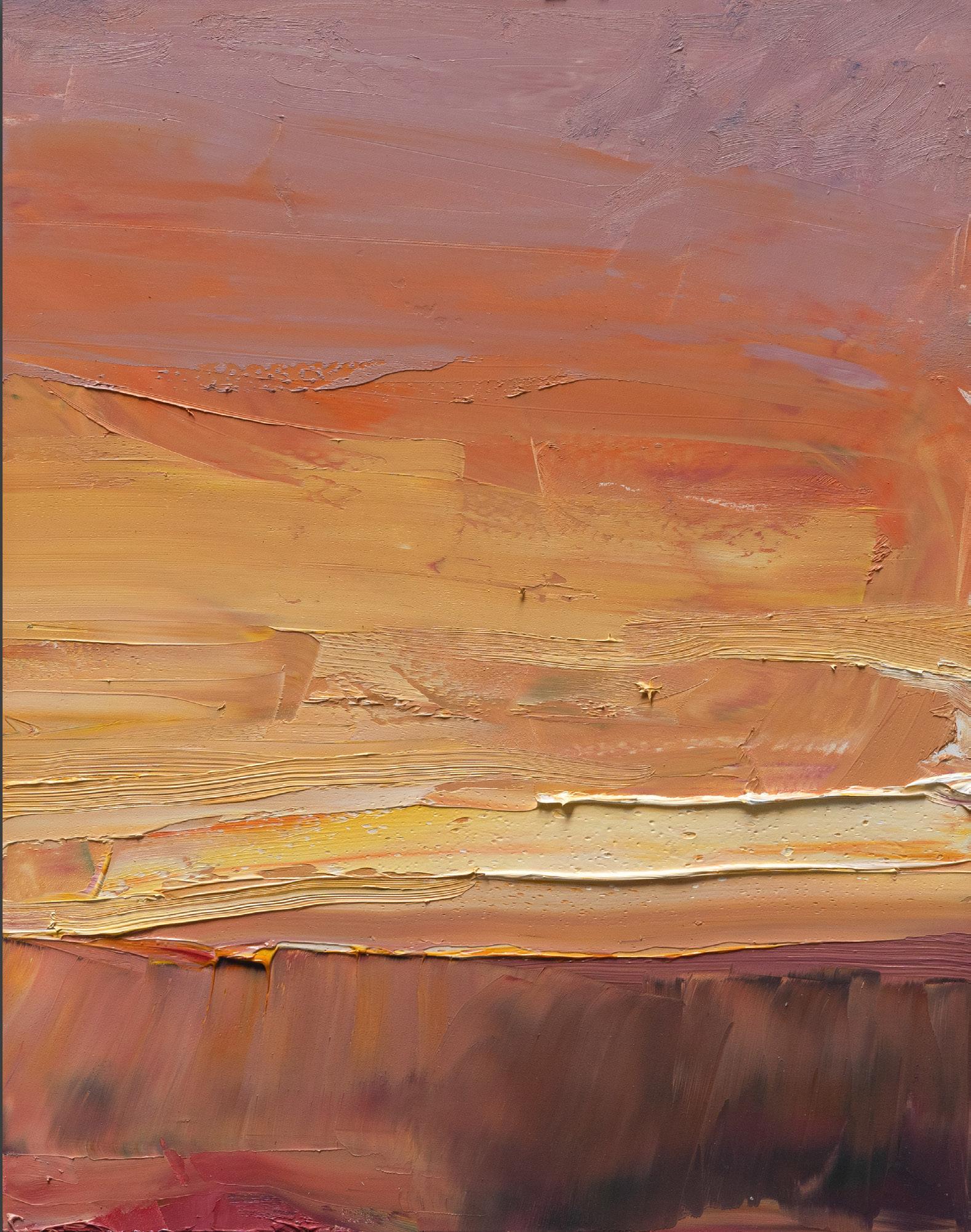
Solitudes #2 (triptych), 2026, oil on panel, 14 x 33.5 in