PRIMAL FIELD/INTERVAL HENRY JACKSON
HENRY JACKSON
PRIMAL FIELD/INTERVAL
Over his more than three-decade career, it has been fascinating to observe the creative oscillation in Bay Area artist Henry Jackson’s work between pure Abstract Expressionism and abstracted figuration, each articulated with avowals of intense chromatic diversities and interplay. Notable too is the way in which Jackson effects a reconciliation in his work between the two modalities, interacting figuration and AbEx, back and forth within an oeuvre that attains a remarkable sense of aesthetic completion as a result.
It is interesting to contrast this synergistic resolution in Jackson’s work with the more vacillating historical experience of his most famous forebear, David Park, considered the founder of the Bay Area Figurative Movement who struggled less comfortably with these same two modalities. Just when Abstract Expressionism was emerging as the predominant artistic movement in San Francisco in the late 1940s, Park, who was teaching at the California School of Fine Arts, suddenly had an epiphany and in 1949 destroyed all of his AbEx paintings of the previous four years. Especially since his AbEx works were considered successful, the move was thought radical. In doing so, Park entirely rejected the ideas of abstract expressionism and conceived the figure as the only way he could find a means of self-expression entirely his own. This dichotomous view of the two approaches and his insistence on divorcing the non-objective qualities in his work from the representational ones vexed
his work and initially the figurative-only paintings were stark and considered flat, schematic and of uneven quality.
Over time, however, the work evolved and became increasingly more abstracted as Park simplified figures to remove the incidental and unneeded description. In so doing, there was a sort of reunification of the aspects of abstract expressionism that Park had abandoned years prior with the figuration he felt more essential. For in the painting’s feeling of hieratic detachment, and in its engagement with something fundamental to human experience articulated through expressive gestures, authoritative brushstrokes, and unpredictable color oppositions, the works also resumed the realms associated with paintings of the Abstract Expressionists while also preserving the “sting” - as he called it - of the objective subject. And in this sense, Park came to a similar dialog – though manifested quite differently – between figuration and abstract expressionism that Jackson has successfully explored all along. It is this convergence that elevated Park’s work, making it some of the most critically and financially successful of his career.
In Jackson’s case, his assertive new paintings in this exhibition, entitled Primal Field/Interval, occupy a space between ancestral form and environment, where allusion to figurative presence exists in an expressive abstract state between
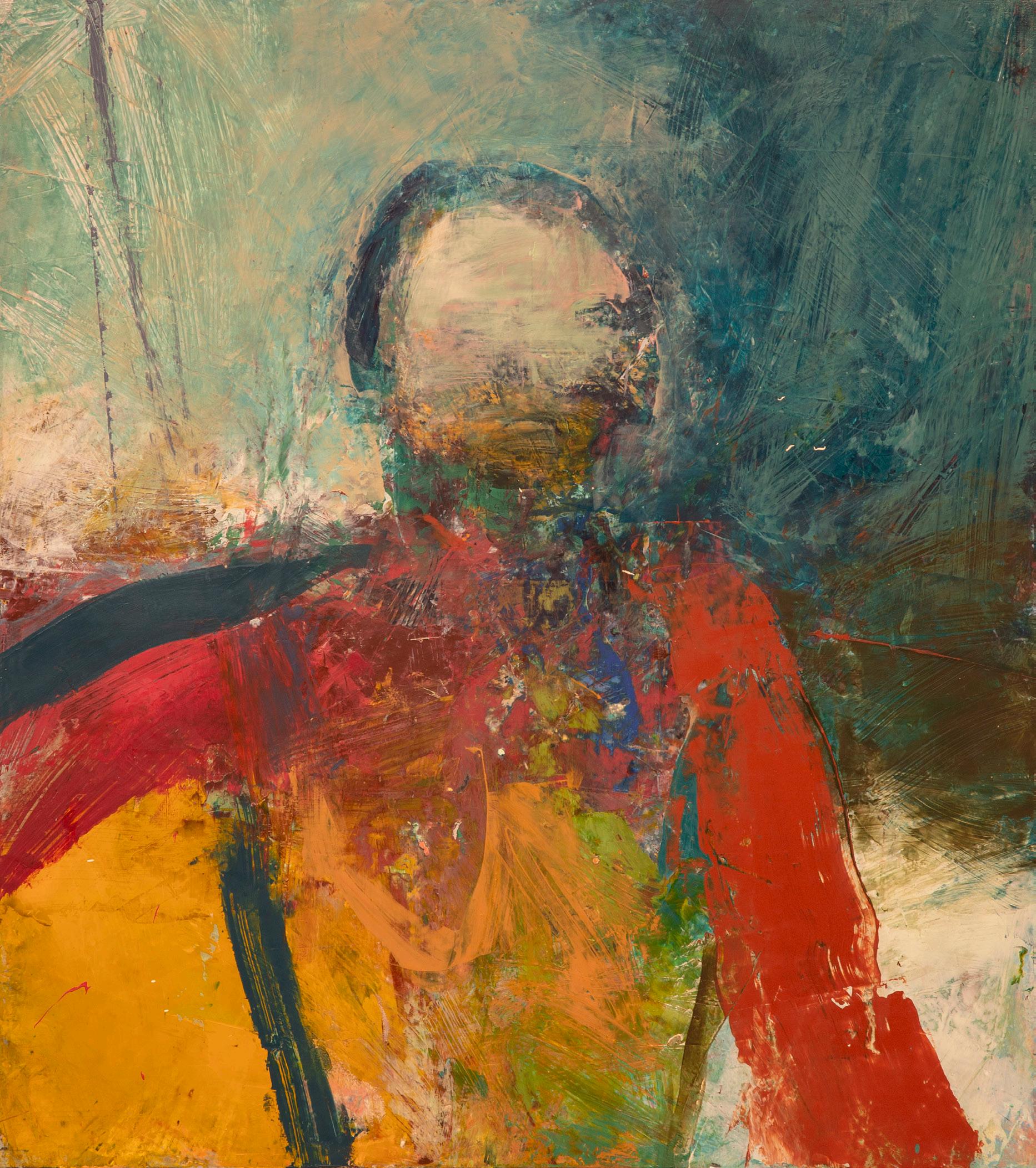
presence and dissolution. This conceptualization is rooted in the artist’s childhood immersed in the oral traditions of Hawaiian and New Guinean folklore. Jackson recalls family storytellers whose narratives of ceremony and the elemental world sparked a lifelong fascination with the threshold of physical existence—the elusive point where a spirit or memory first manifests as a tangible form. When one considers the nature of this fascinating personal legacy it stands to reason that the impulse to integrate figure with non-objective expression would emerge as Jackson’s very personal mode aesthetic idiom.
For the artist, these are not illustrations of specific tales, but “atmospheres”—visual auras of the surreal, personal postwar stories his family carried that waft into the tissues of his figures and the environments enveloping them. Just as these oral traditions rely on a narrator whose voice becomes inseparable from the details of the story, Jackson’s figures dissolve into an environment of vague and elusive non-specificity. By integrating the figure into the ‘non-objective’ field of Abstract Expressionism, Jackson allows the body to be subsumed by the weight and history of its surroundings—mirroring how ancestral identity is often defined by its union with the land and the stories that are told about it..”Jackson notes that these works are “elemental fields—dense, gestural forces that have been shaped in part by Pacific Island folklore.”
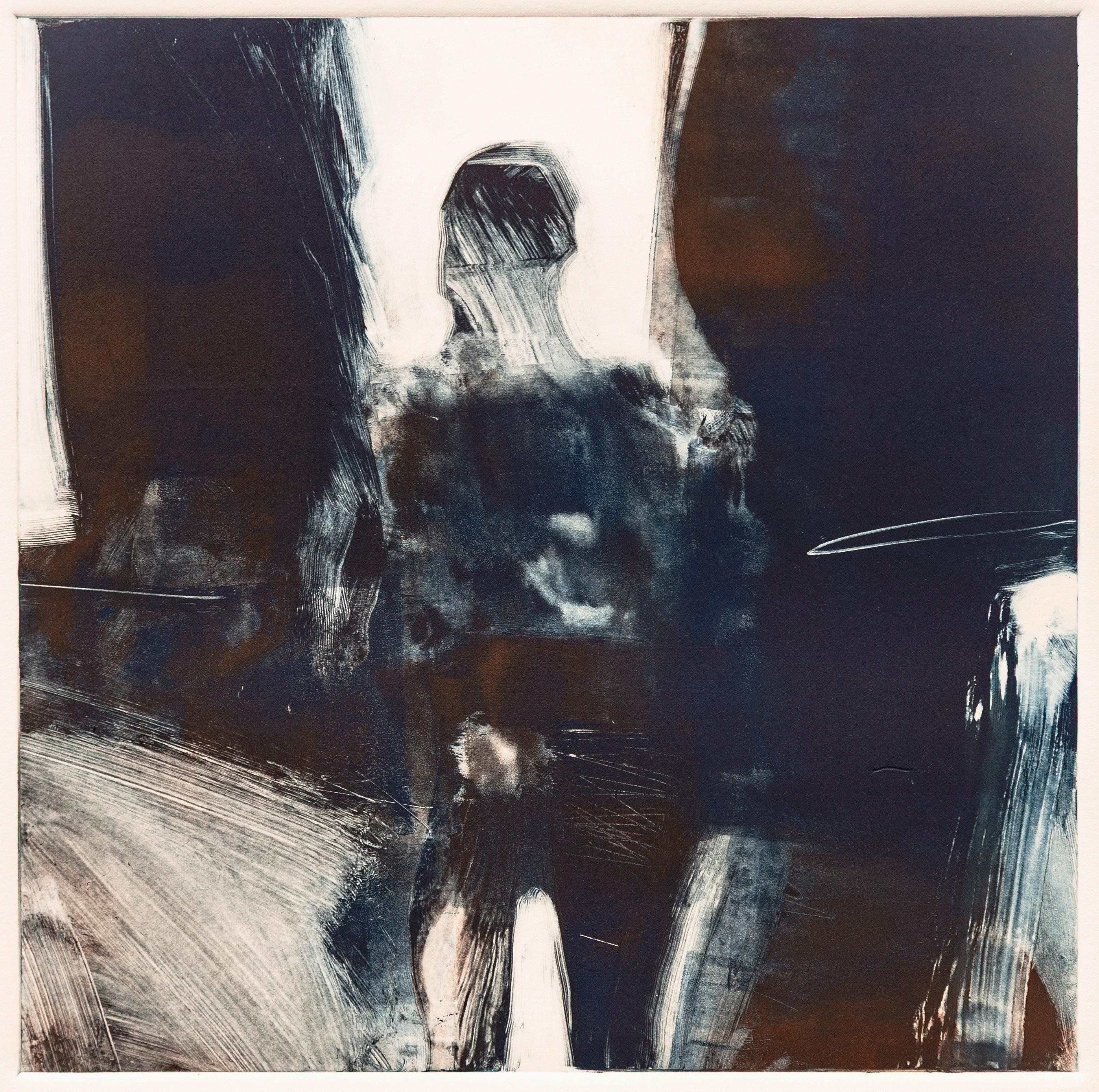
To understand these works on paper, one should view the creation of the oil-based monotypes as a performative rigor of physical translation. In the studio, the artist engages in
a private search for form; before the printing material touches the paper on the press, the ink remains wet, malleable, and alive—a fluid reflection of the happenings Jackson seeks to capture. These are spontaneous incidents of pigment—the unpredictable bleeding of ink, the resistance of the surface, and the sudden emergence of a gesture—which the artist identifies and preserves. The printing process itself serves as a profound hinge: the moment paper meets plate and weight is exerted, the energy possessed in the impulsive act of the artist is mediated and embodied through the process of the press, becoming permanently emblazoned upon the fiber of the paper. This transformation represents the shift from a living, changing artistic memory into a fixed artifact of remembered intention.
Jackson systematically removes or obscures specific features from the figure, a process of abstraction and deconstruction that serves to dismantle the barrier of specificity inherent in individual identity. Rather than prompting the viewer to seek a recognizable likeness, this erasure redirects the focus toward the broader narrative role the figure inhabits. By withholding the particularities of a face, Jackson allows these figures to transcend the personal and enter the realm of archetypes. These forms suggest that identity is not found in the surface details, but in the enduring, totemic presence of the body as it persists through time and represents not one person but all people.
By providing these visual openings, Jackson allows for a psychological resolution of the work
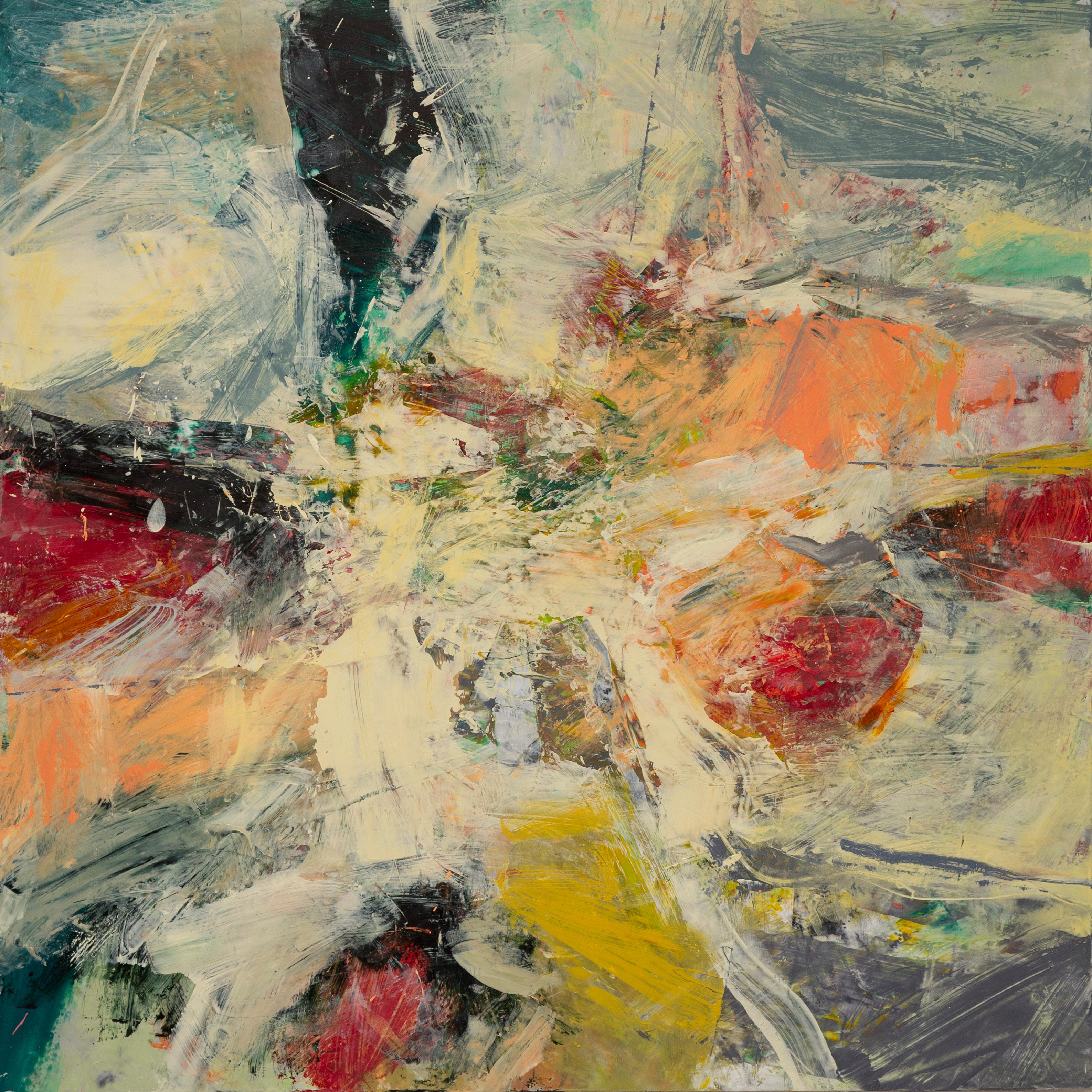
Entwine, 2026 Oil based mixed media on panel, 40 x 40 in
that functions as a contract between the artist and the observer. It begins with a basic cognitive impulse: the mind instinctively seeks to liberate the form from the surrounding abstraction. The paintings leave the necessary atmospheric room for this innate impulse of the brain to operate. But by resisting the specificity of a finished portrait, Jackson provides only the essential structural cues—creating a deliberate void that the viewer fills with a primal, collective recognition. This is the hallmark of Jackson’s intent: the understanding, rooted in the Oceanic folklore of his youth, that the most powerful stories are felt before they are named.
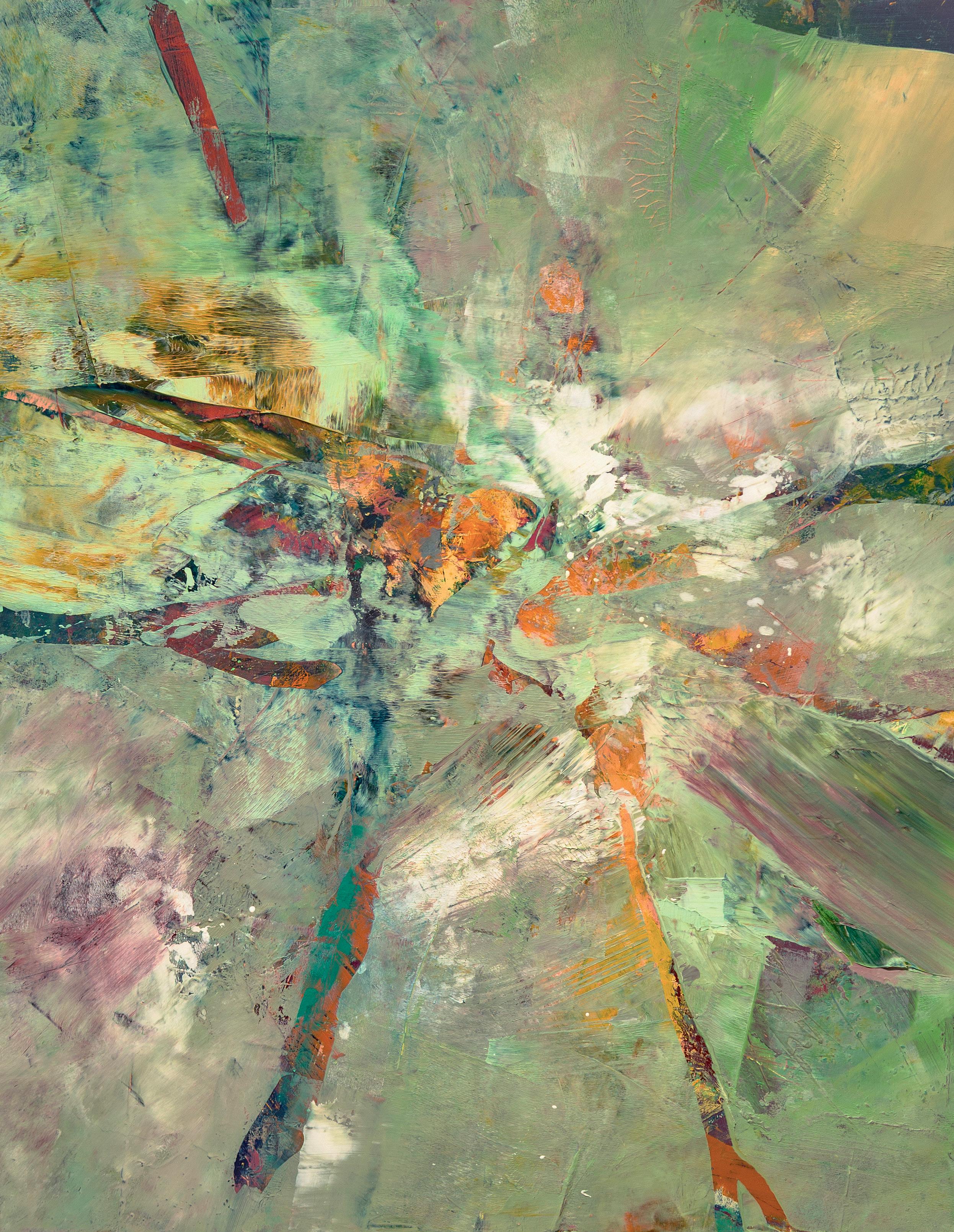
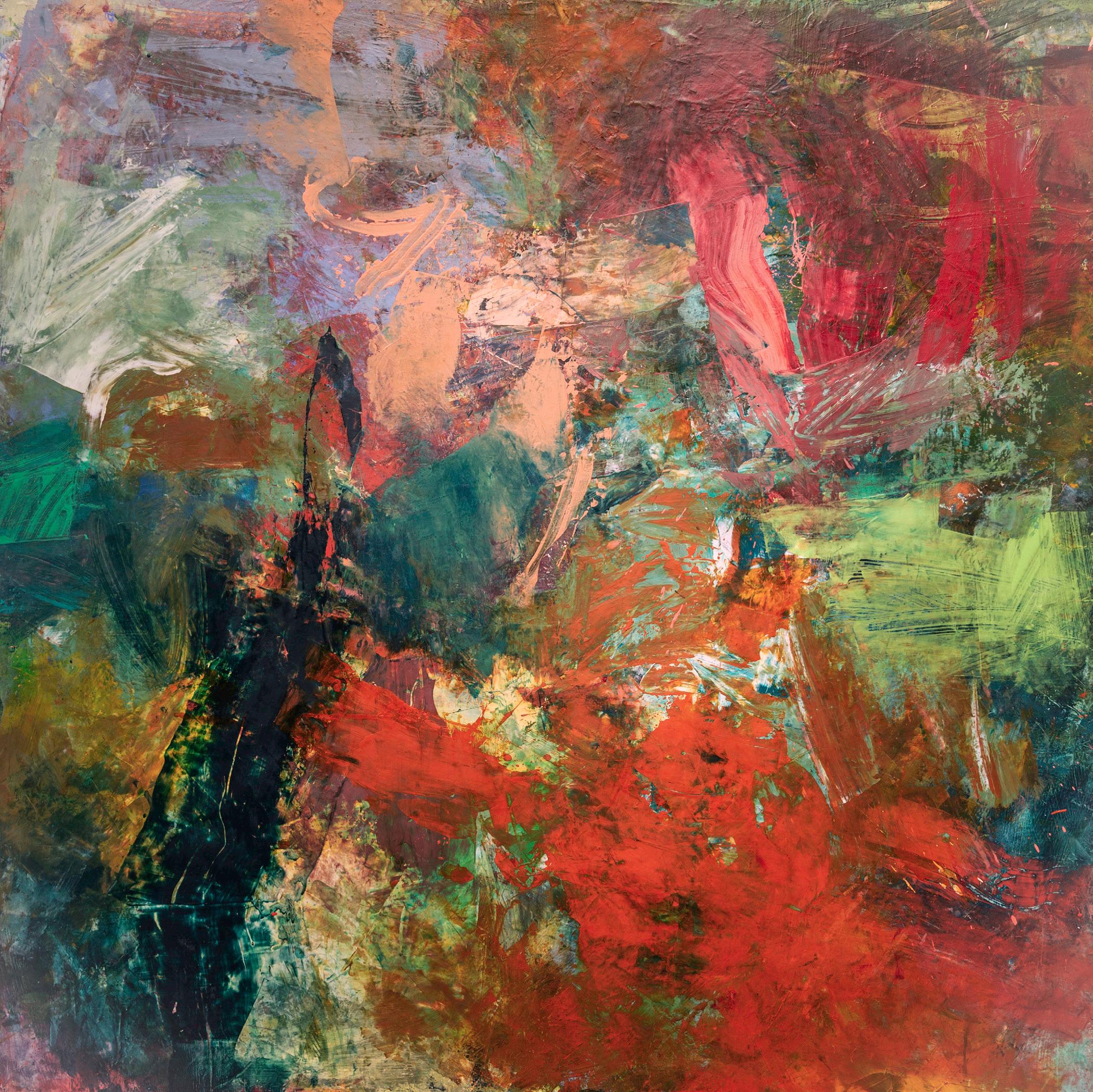
In the larger oil and mixed media paintings on panel, this search becomes a long-form excavation. Utilizing masonry trowels, steel scrapers, and spatula-like blades, Jackson builds a thick stratigraphy of pigment, then aggressively works back into it. By avoiding the preciousness of a traditional brush, he maintains a raw, muscular connection to the surface, unearthing the figure from the material. To enter these environments is to experience a shift in atmosphere akin to a humid, saturated jungle. These are elemental fields—dense, gestural forces that establish a climate through saturated color.
Jackson builds slabs of heavy pigment across the wood, creating layers of hue that mirror geological formation. Voids appear in the surface of the wax where light shines through—a submerged illumination that suggests a life force beneath the mass. Within this dynamic environment, color functions as the flesh of the painting, draped over the darker, tectonic marks of the
figure. Through this material excavation, Jackson illustrates his belief that “every landscape leaves its mark on the body.” By physically carving into the dense layers of pigment and media, the artist reveals the figure as being shaped by the struggle of its environment—treating the canvas as a site of ancestral recovery where the figure and the field are irrevocably tied by the same physical history. It is here that Jackson’s adept handling of pictorial space and his masterful orchestration of color reach their height of visual eloquence achieving the successful integration between abstraction and figurative representation that for so long eluded Park.
As one steps back from the exhibition, the dual nature of Jackson’s practice becomes evident. In the monotypes in which the more expressive figures appear, ultimately, they settle, quieted by memory into a place of repose that confers a contemplative distance from the everyday world. Conversely, in the oil and mixed media paintings, the figures become animated and seem to rise and witness, anchored in dense roiling color fields, derived from the history of the studio process and the artist’s memory of his cultural stories. One medium reveals the figure by stripping it to its core; the other reveals it by anchoring in the physical weight of its environment and cultural history. In both, Jackson celebrates a living bridge between the ancestral stories of his past and the visceral reality of the present, merging the abstraction of reality with the presence of the non-objective. This synthesis creates a vigorous painterly space conferring on these new works a powerful emotional signature that is both uniquely expressive and profoundly personal.
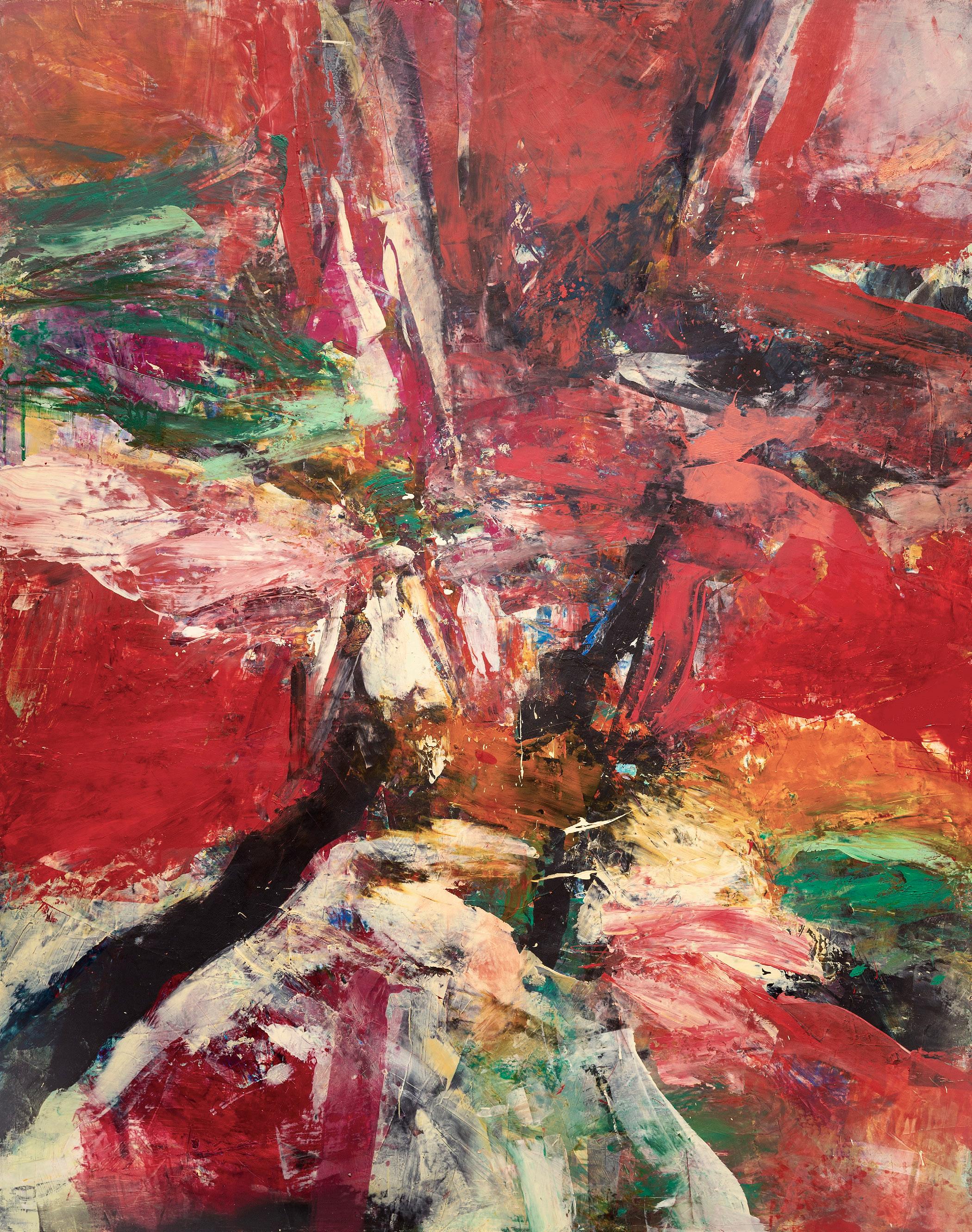
Red Breach, 2026 Oil based mixed media on panel, 60 x 47.5
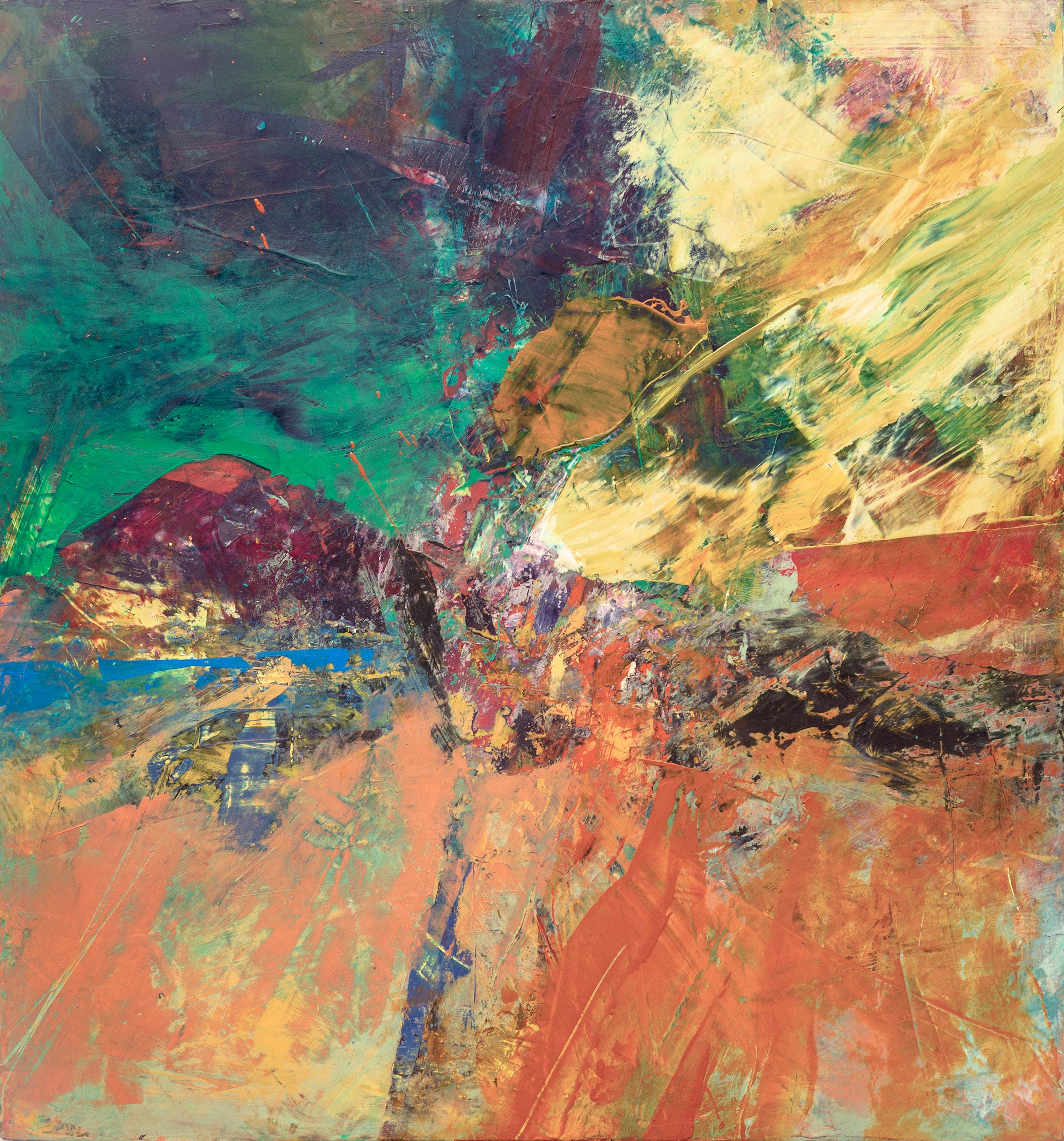
2026
Immanent,
Oil based mixed media on canvas over panel, 30.25 x 28.25 in
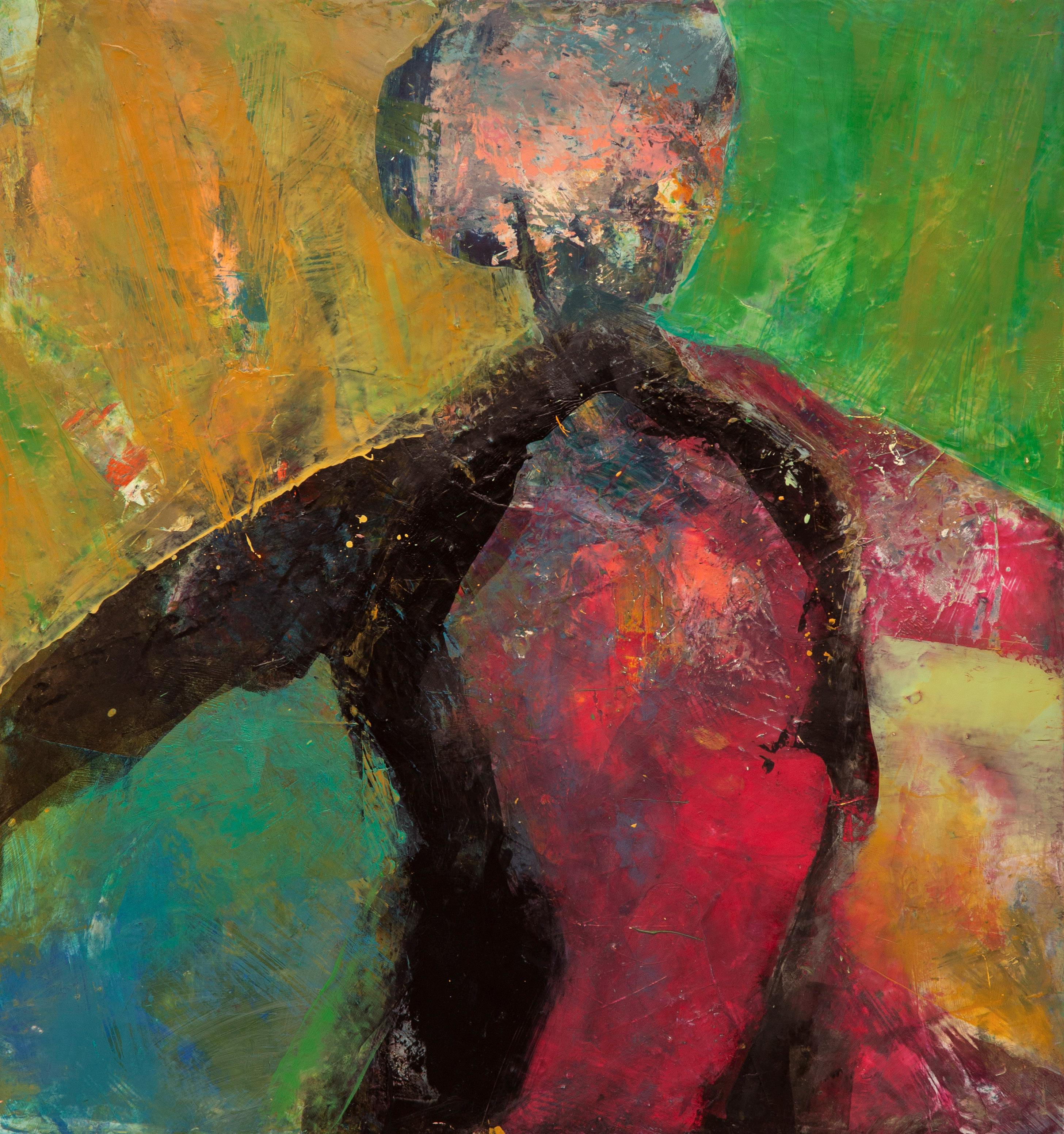
Rite, 2026 Oil based mixed media on canvas over panel, 32 x 30 in
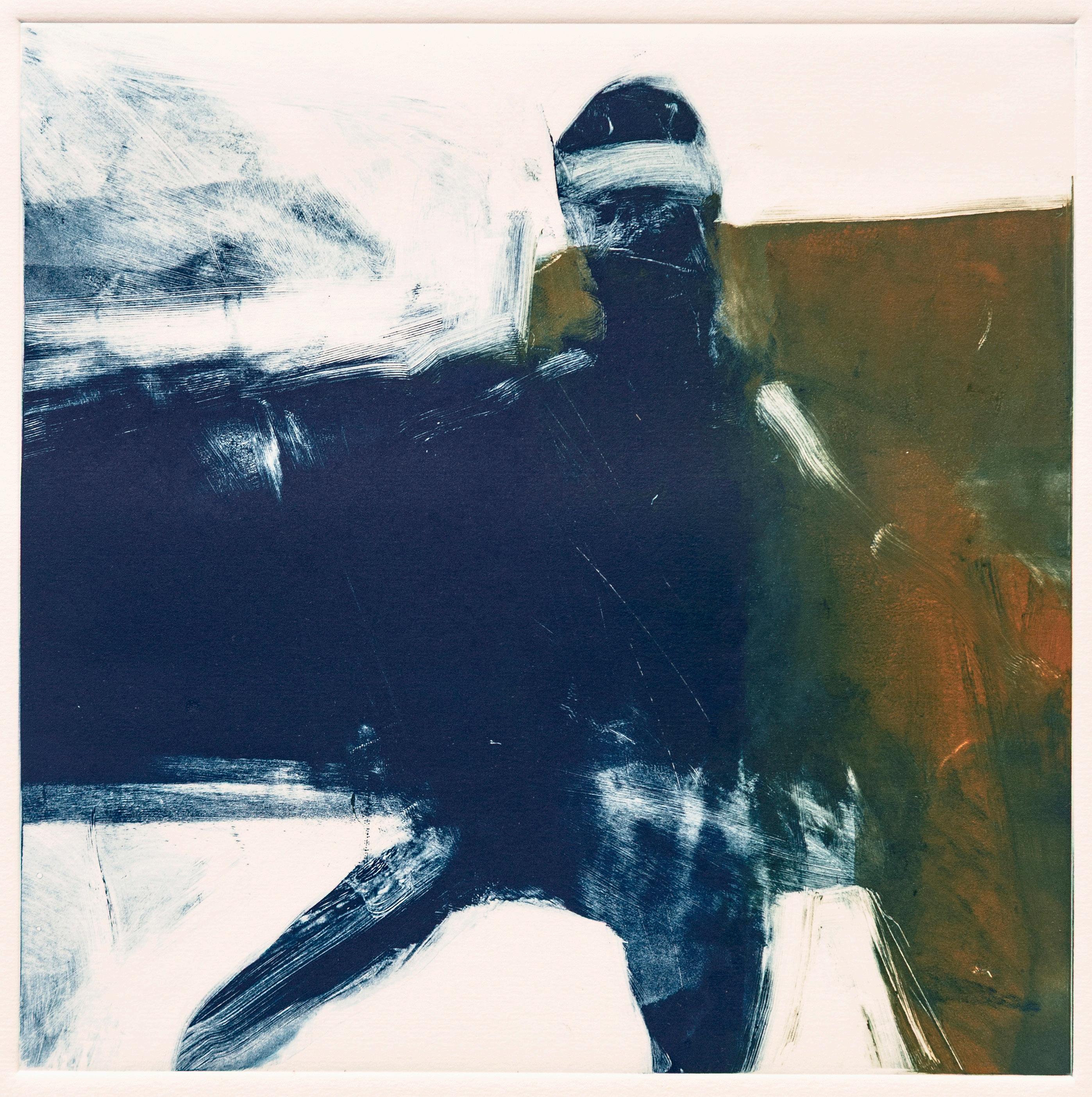
Untitled #32 (Interval Series), 2026 Monotype, 11.75 x 11.75 in
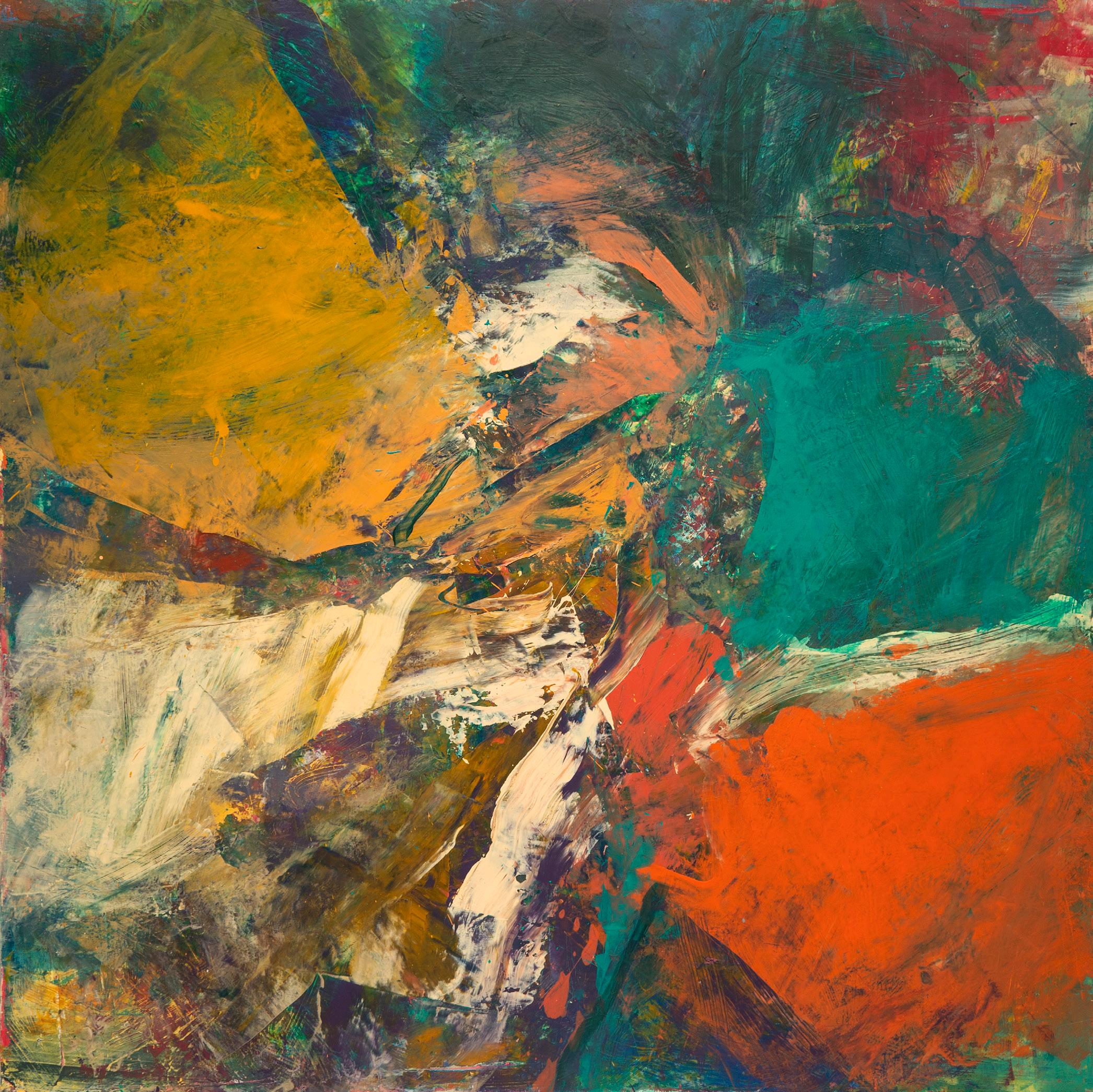
Tradition, 2026 Oil based mixed media on panel, 48 x 48 in
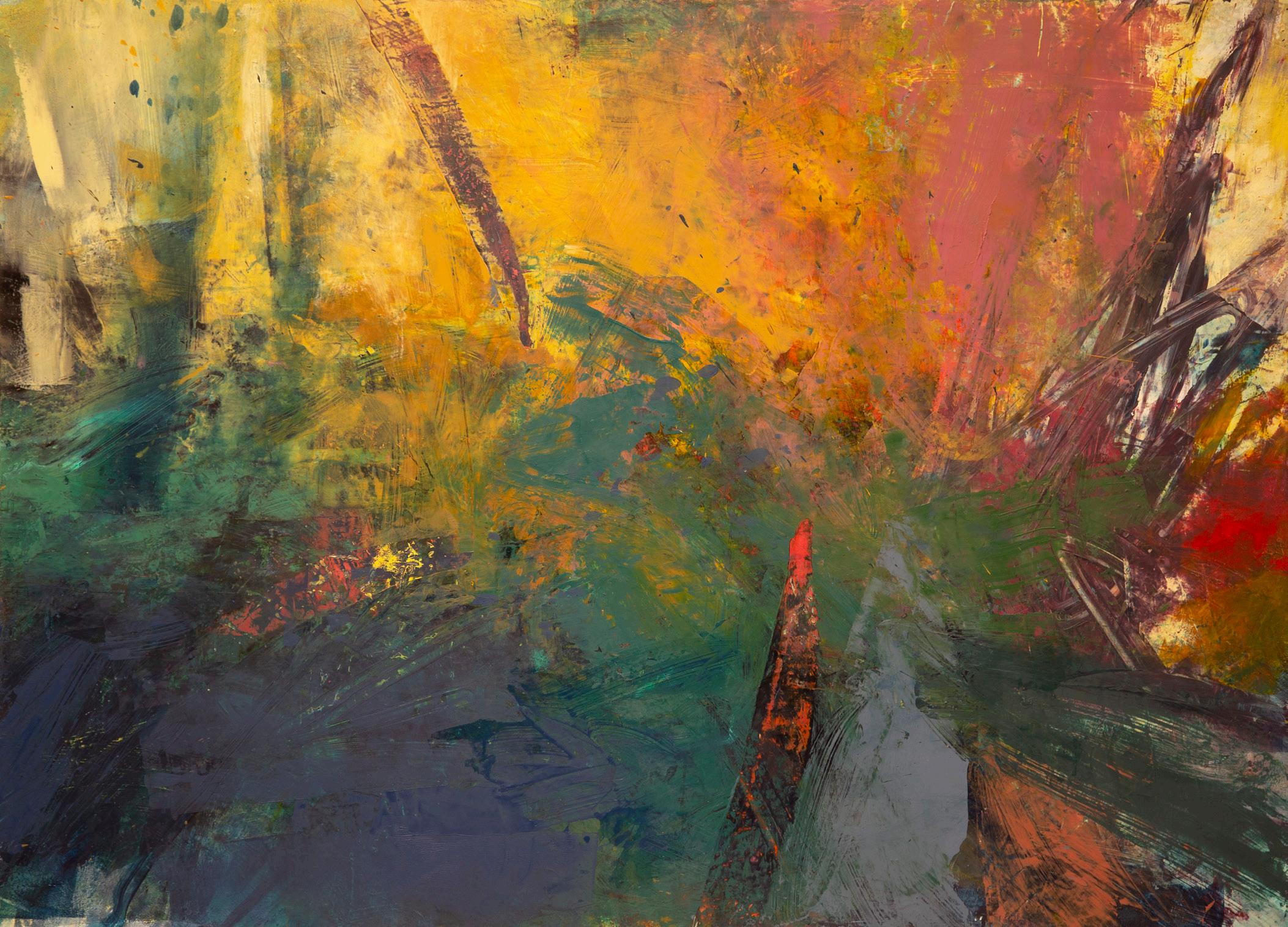
Implacement, 2026
Oil based mixed media on panel, 42 x 58 in
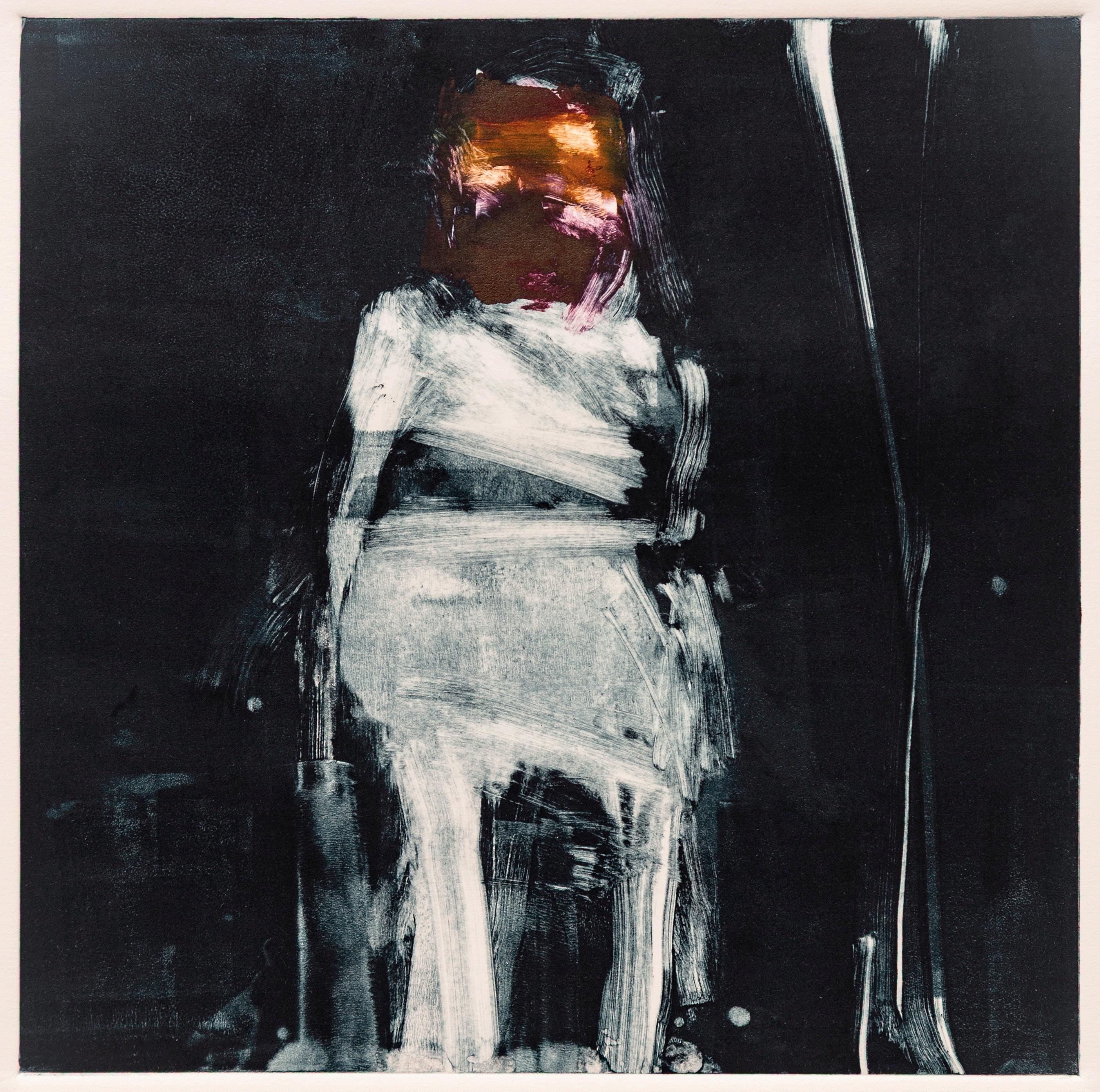
Untitled #29 (Interval Series), 2026 Monotype, 11.75 x 11.75 in
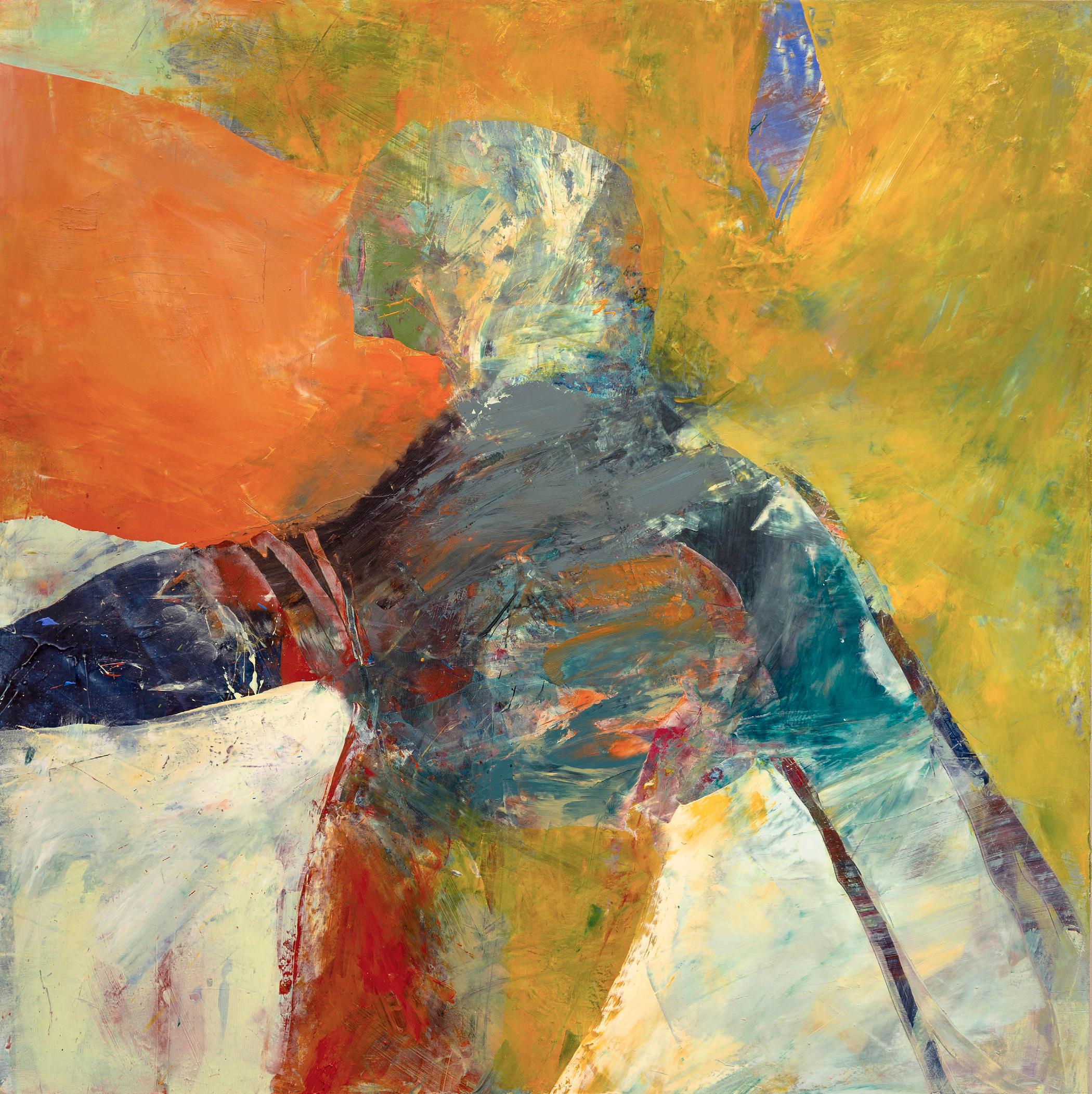
Locus, 2026
Oil based mixed media on panel, 40 x 40 in
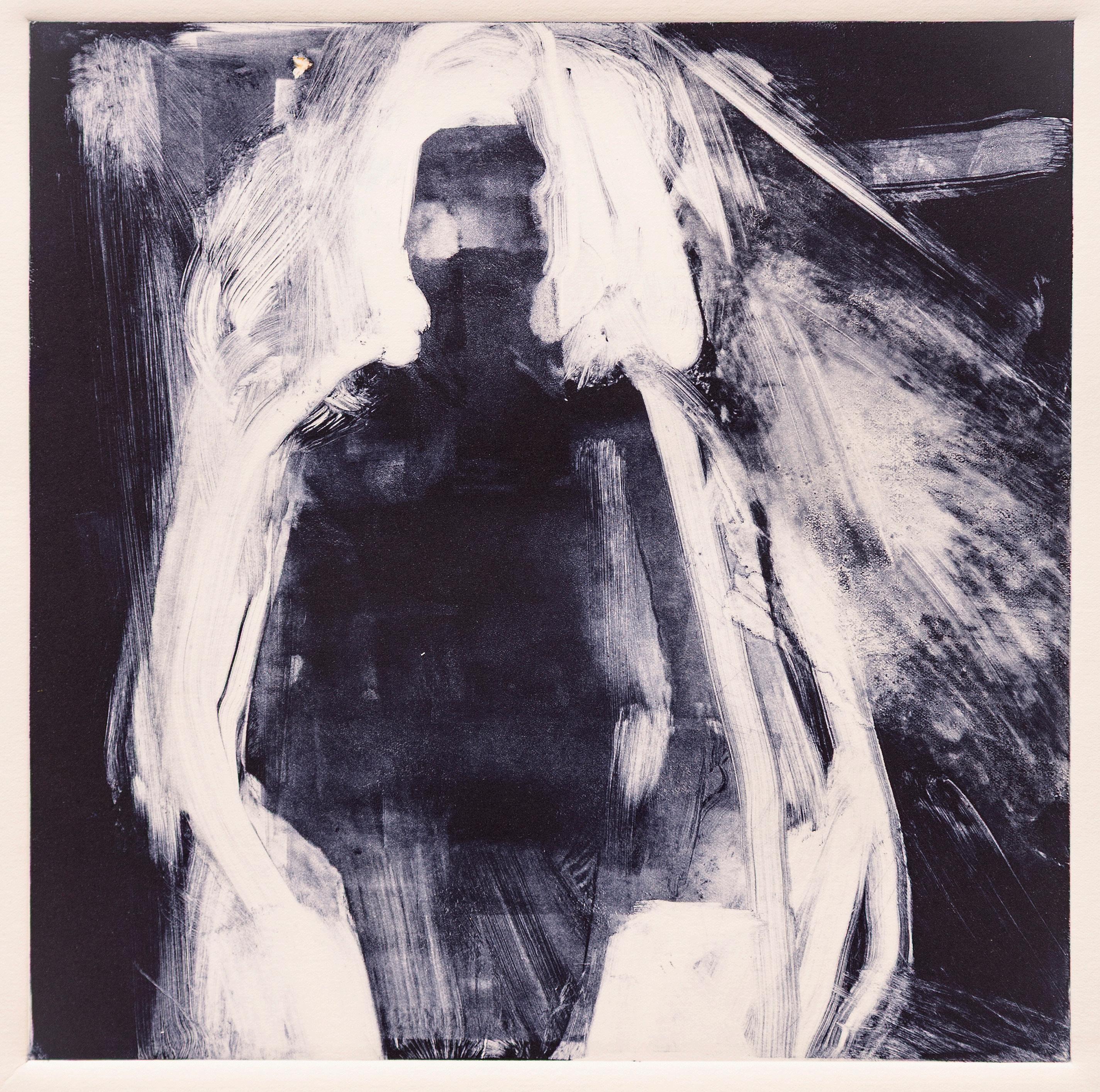
Untitled #30 (Interval Series), 2026 Monotype, 11.75 x 11.75 in
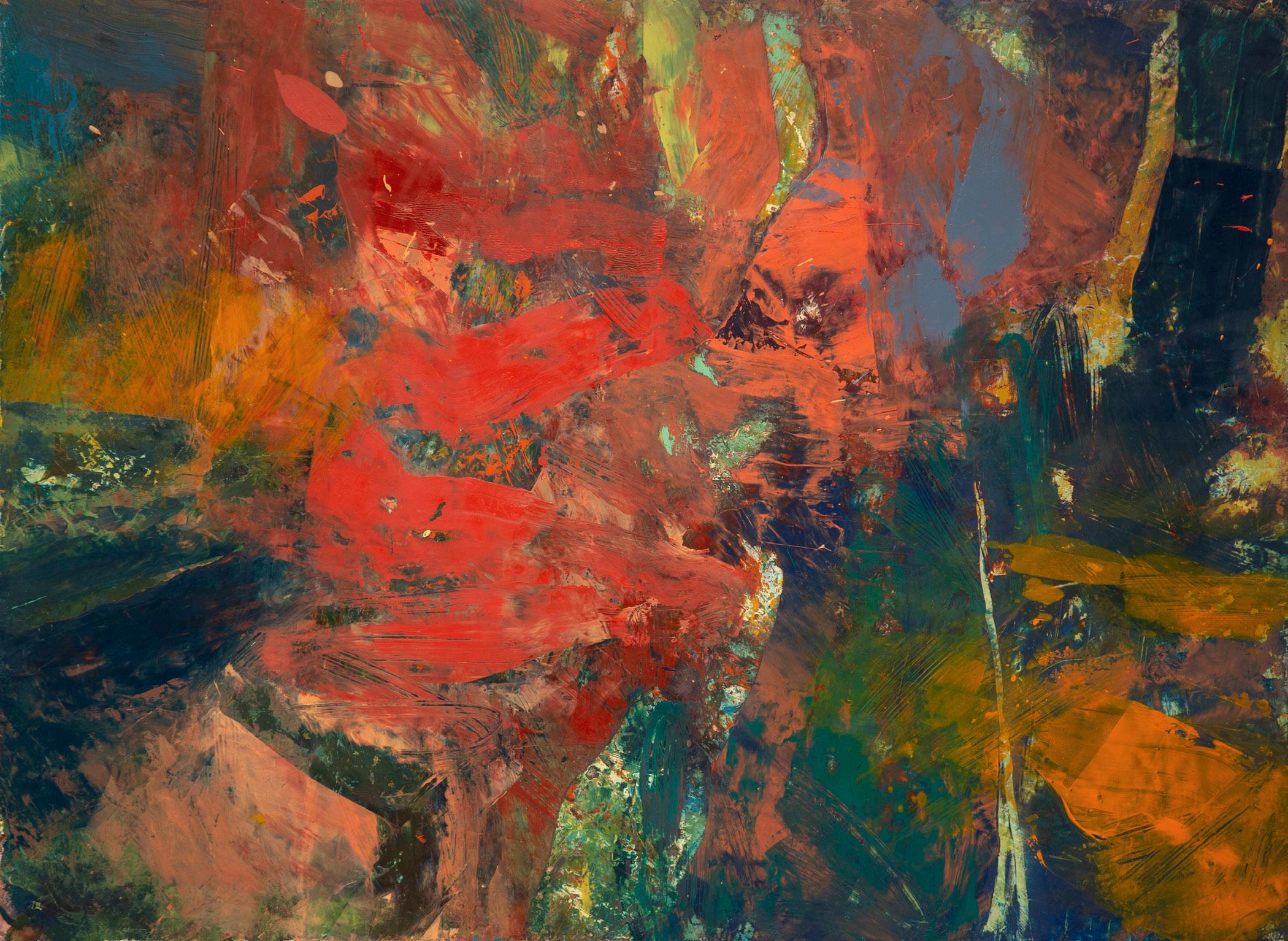
Impenetrable, 2026
Oil based mixed media on panel, 35 x 47.5 in
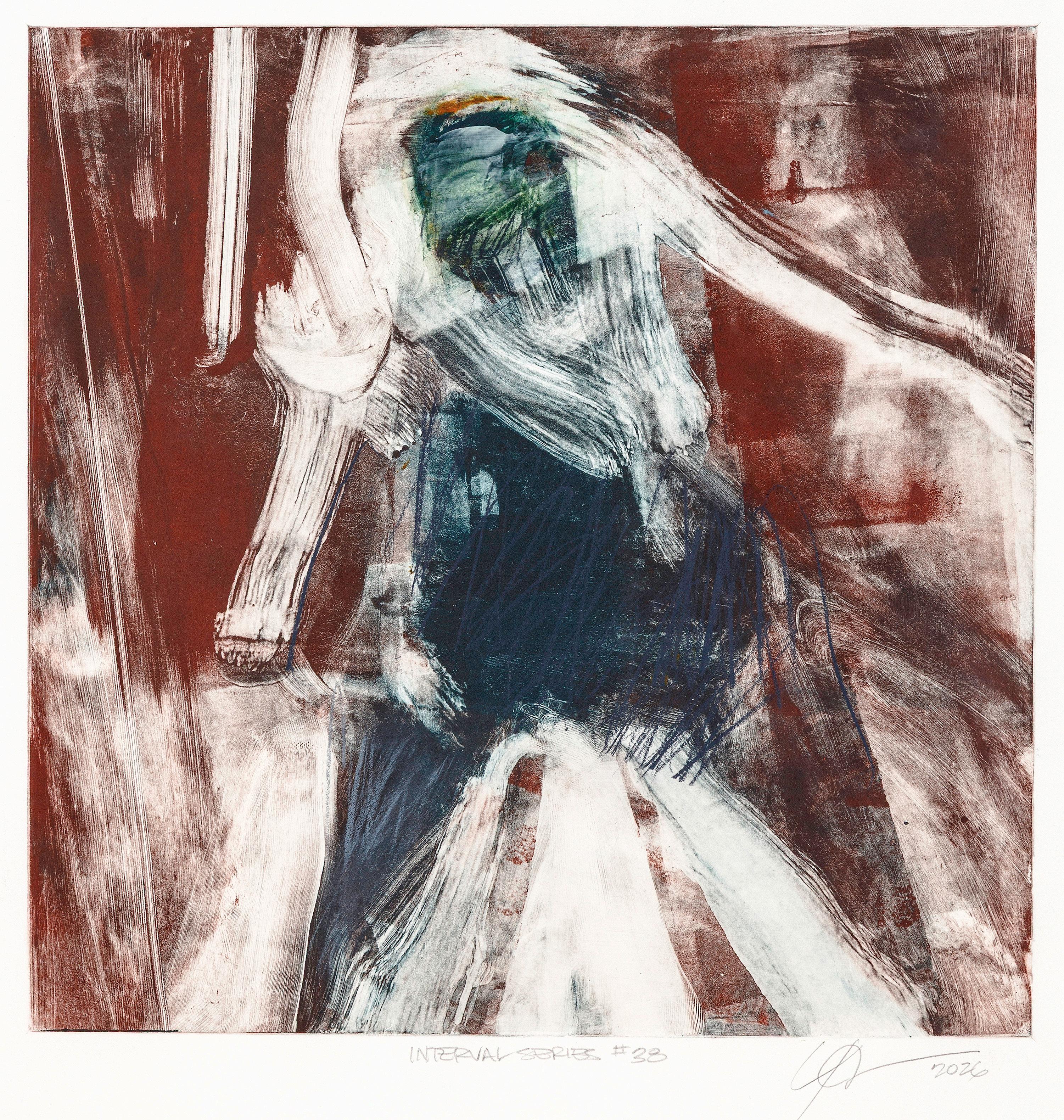
Untitled #38 (Interval Series), 2026 Monotype, 11.75 x 11.75 in
Untitled #32 (Interval Series), 2026 Monotype, 11.75 x 11.75 in
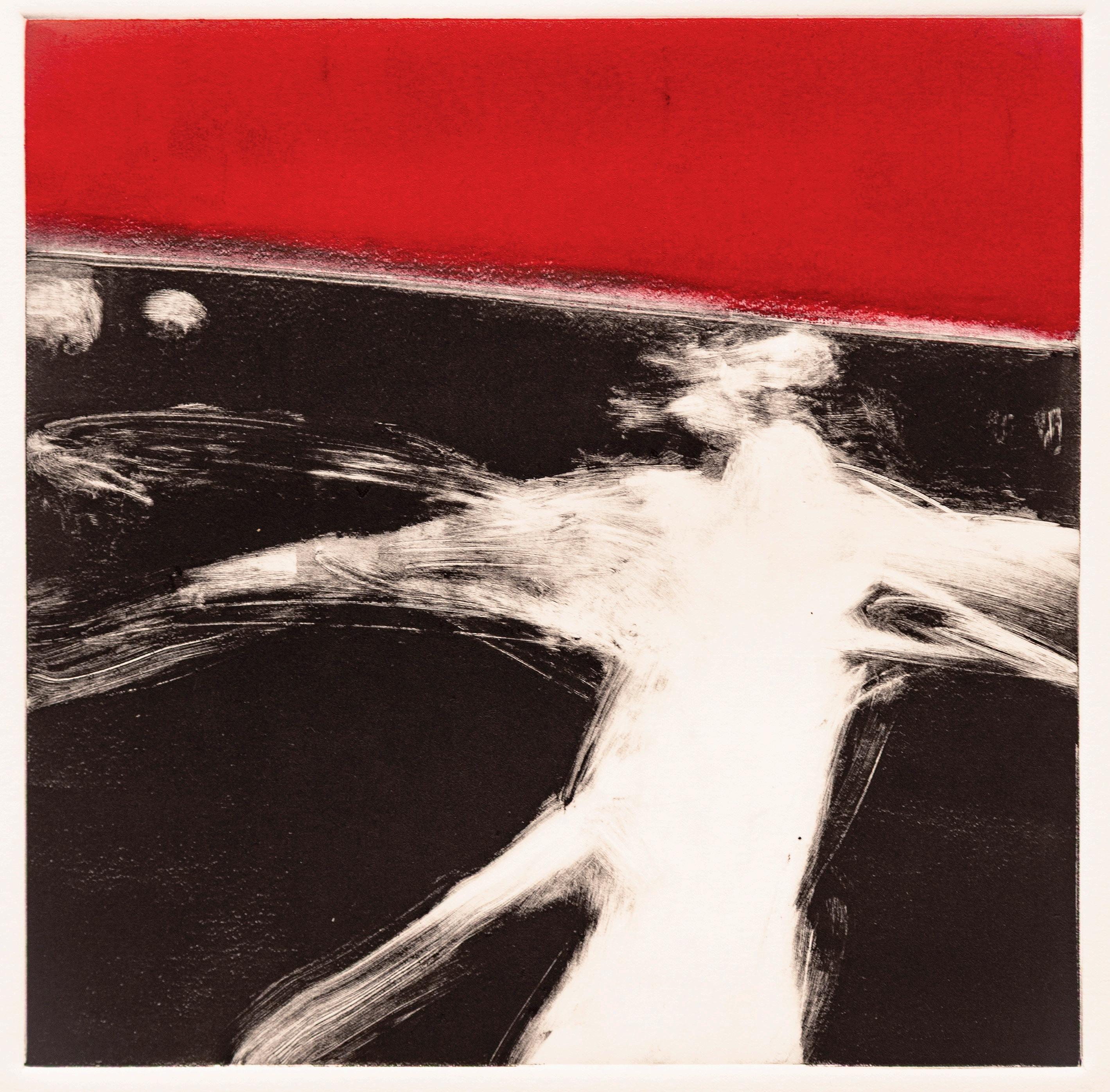
Untitled #31 (Interval Series), 2026 Monotype, 11.75 x 11.75 in
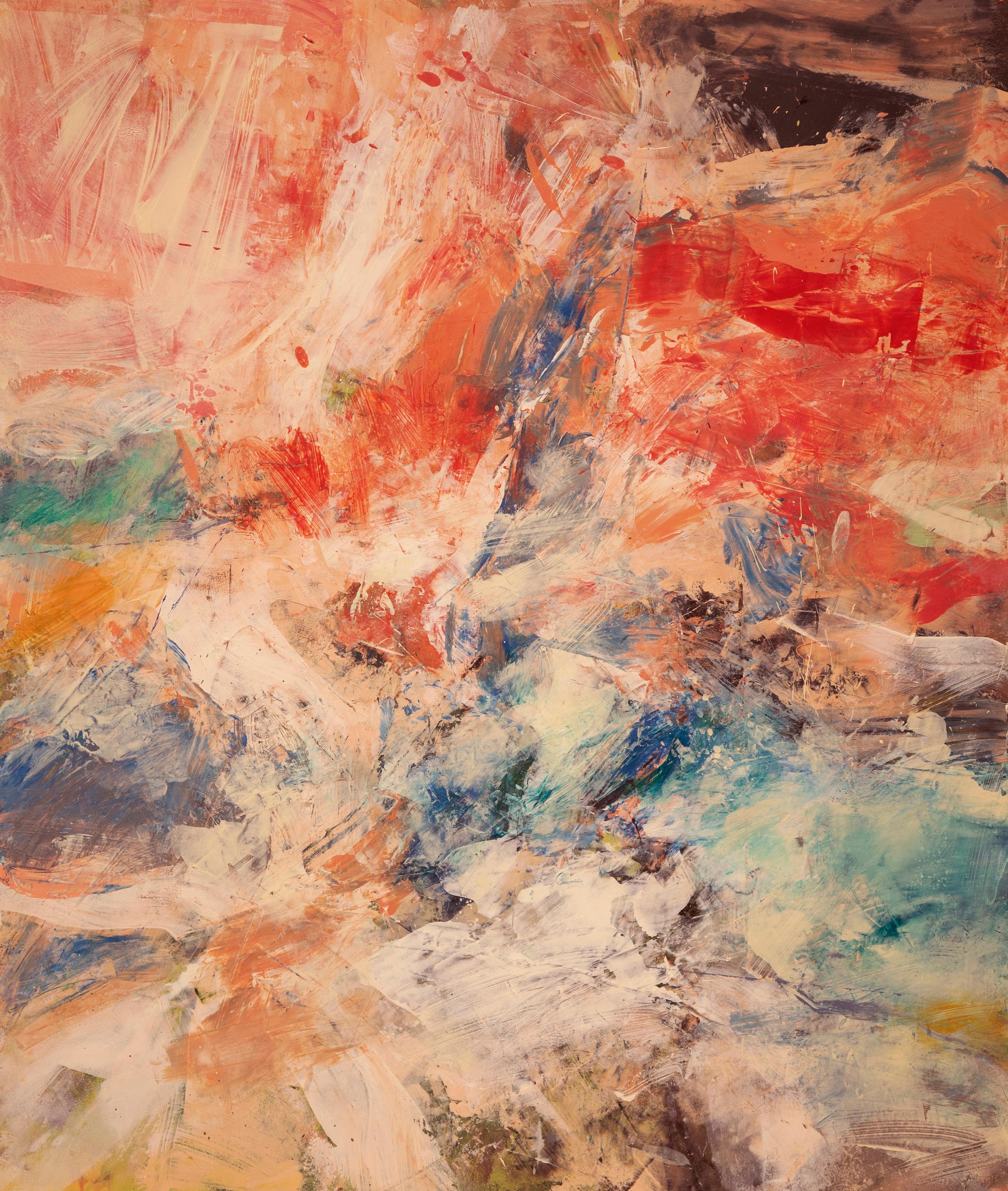
Eddy, 2026
Oil based mixed media on panel, 53 x 45 in
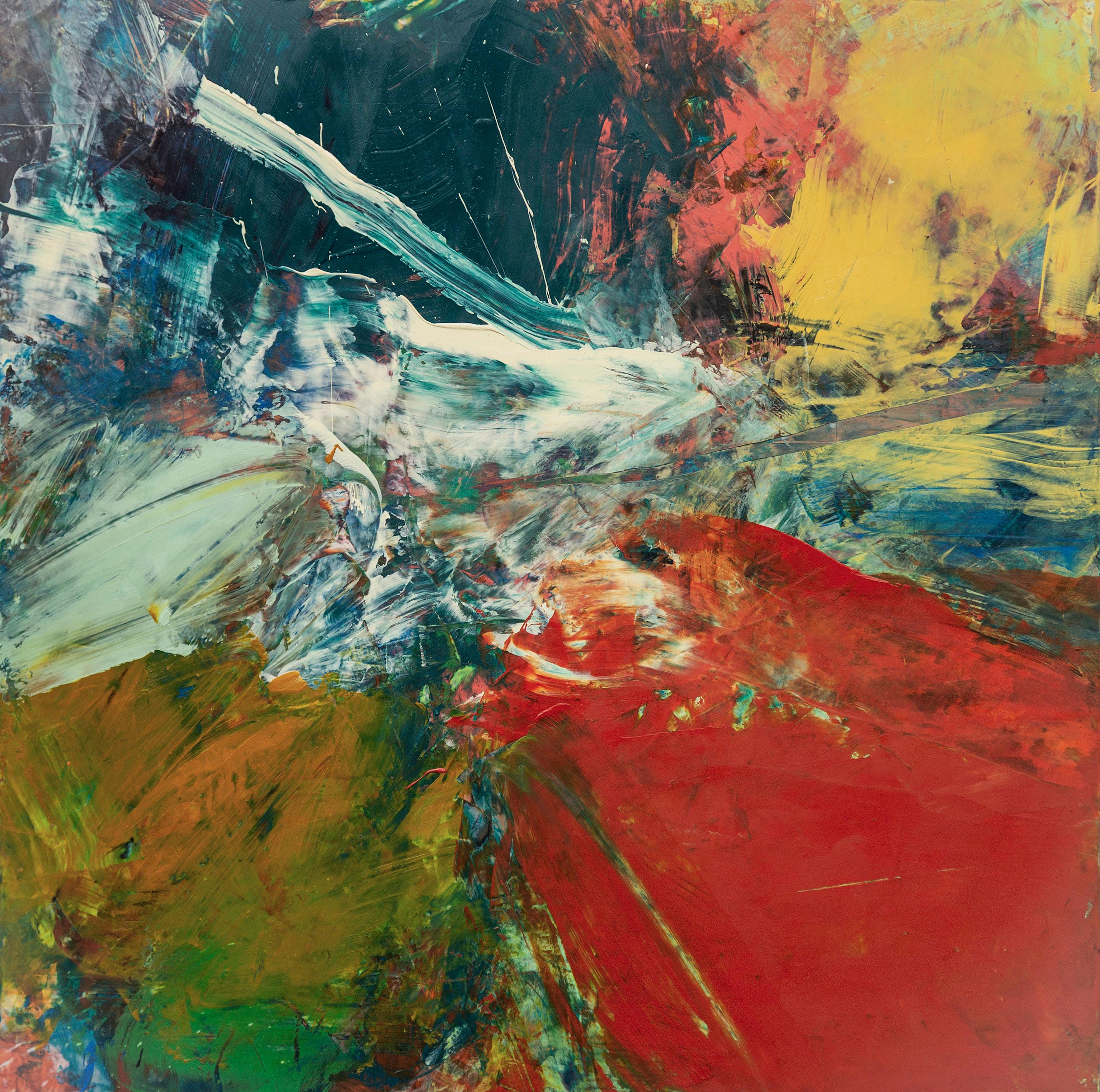
Diverge #1, 2026 Oil based mixed media on panel, 24.75 x 24.75 in
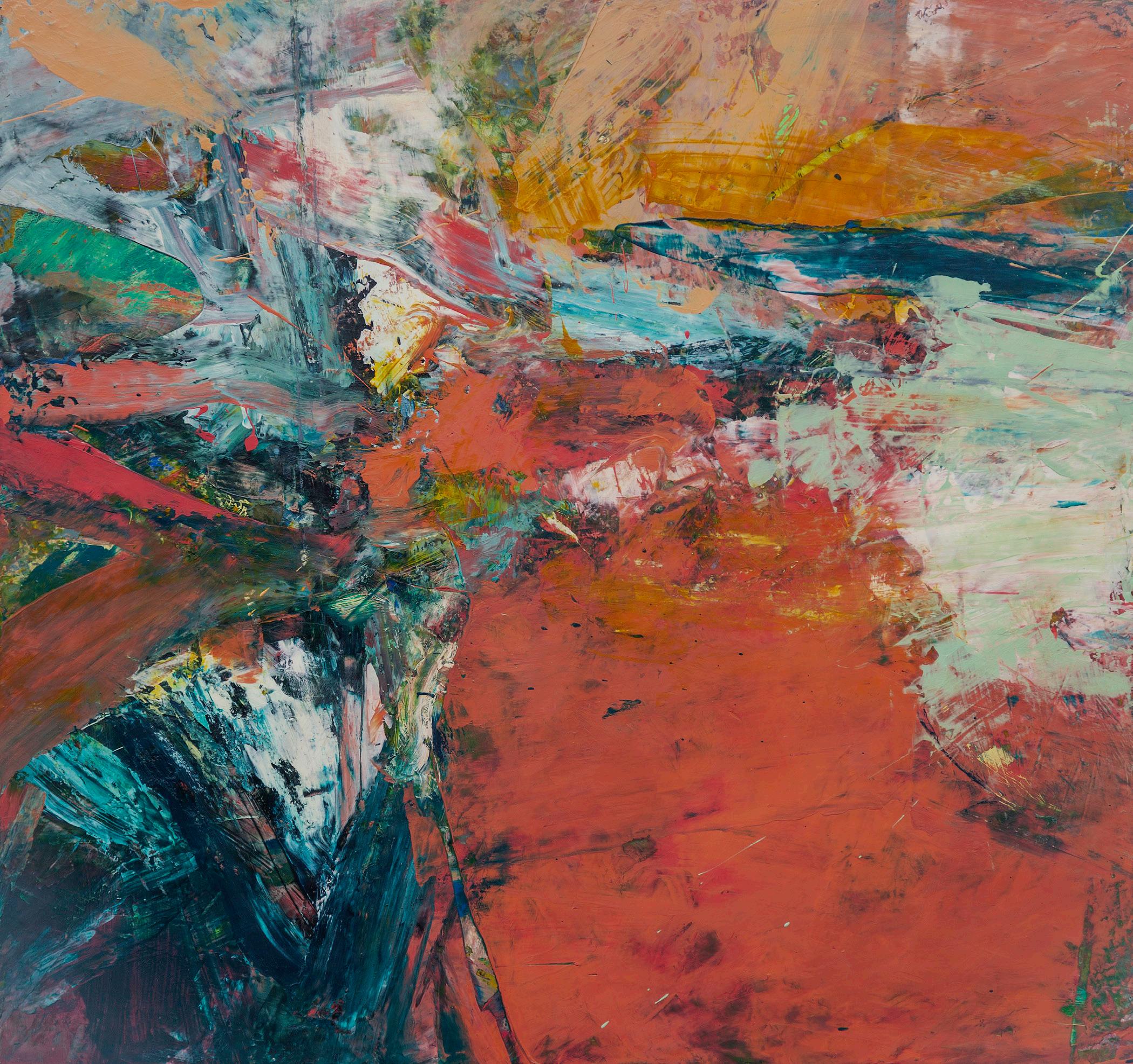
Commotion, 2026 Oil based mixed media on panel, 24.5 x 26 in
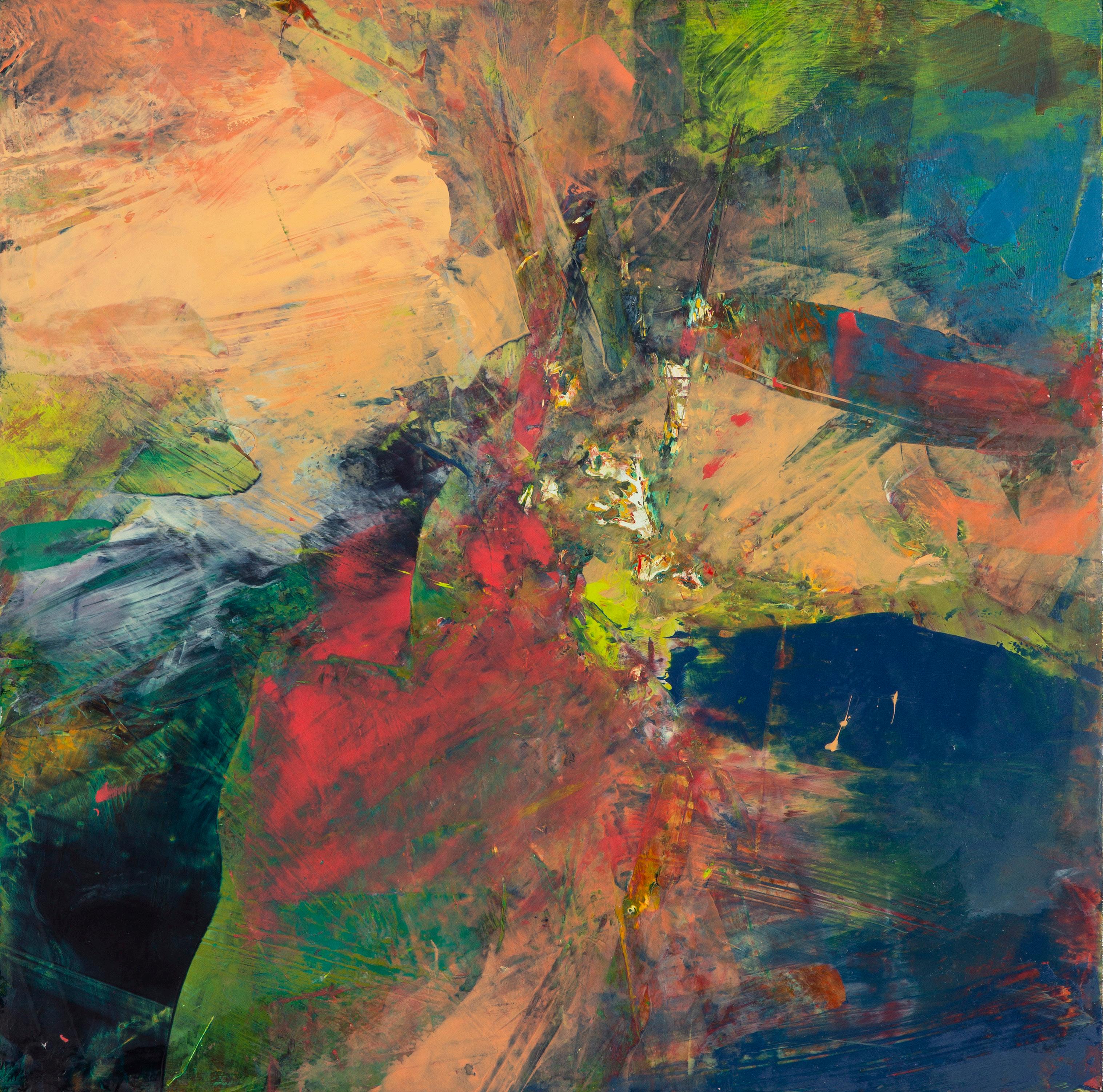
Immanent #2, 2026 Oil based mixed media on panel, 16 x 16 in
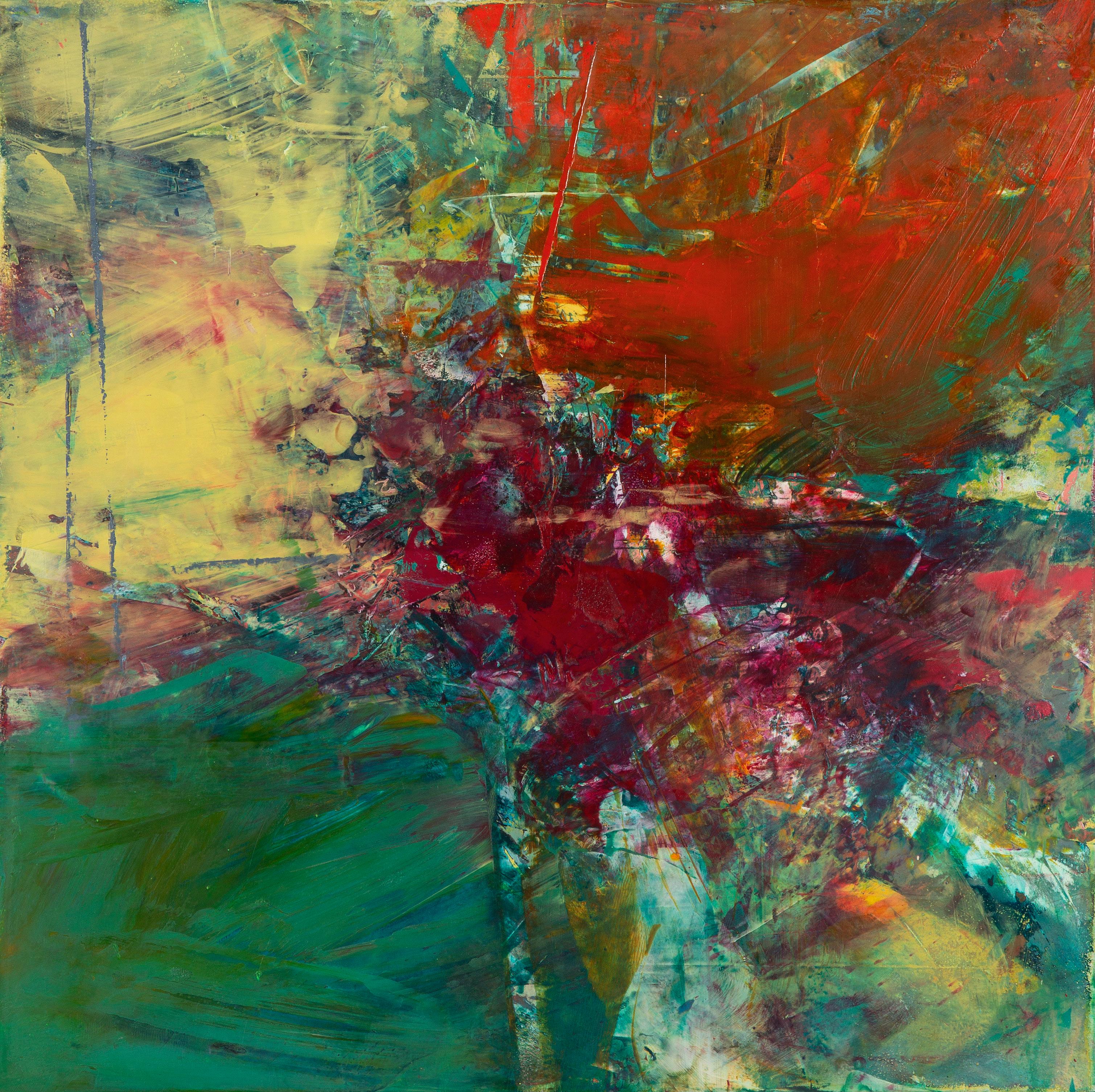
Leavings, 2026
Oil based mixed media on panel, 16 x 16 in
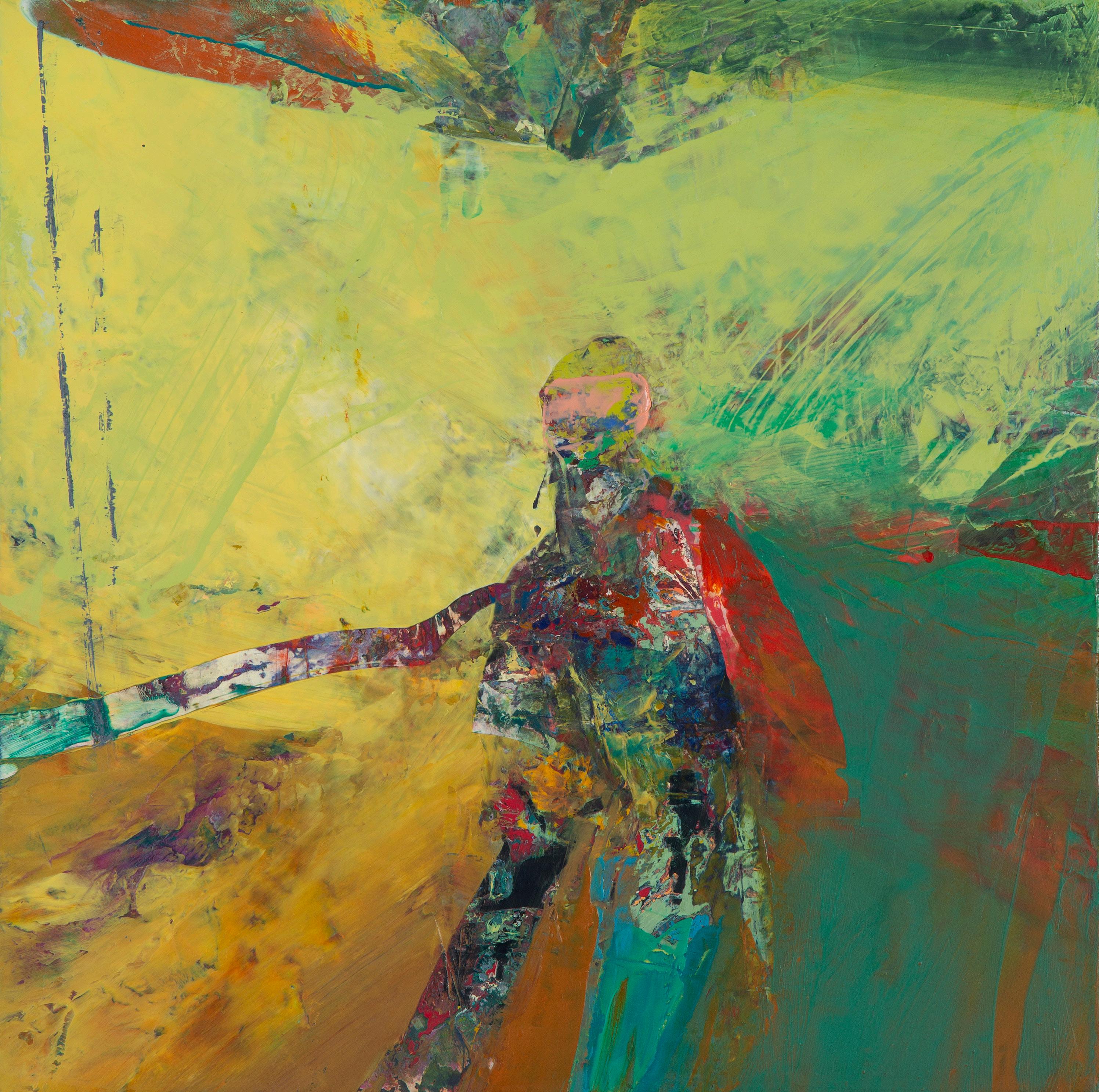
Tethered, 2026 Oil based mixed media on panel, 12 x 12 in
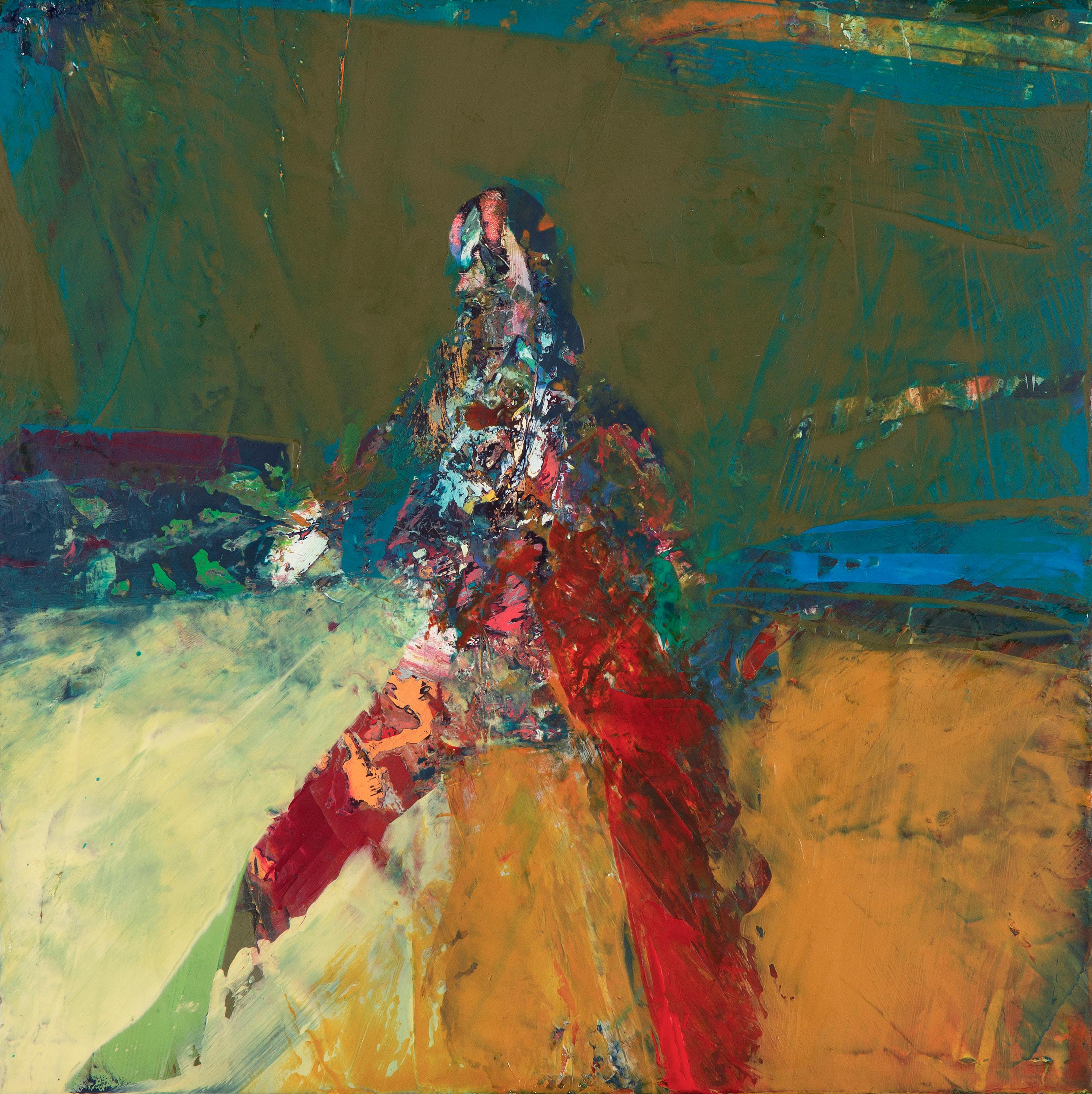
Sentry #2, 2026 Oil based mixed media on panel, 12 x 12 in
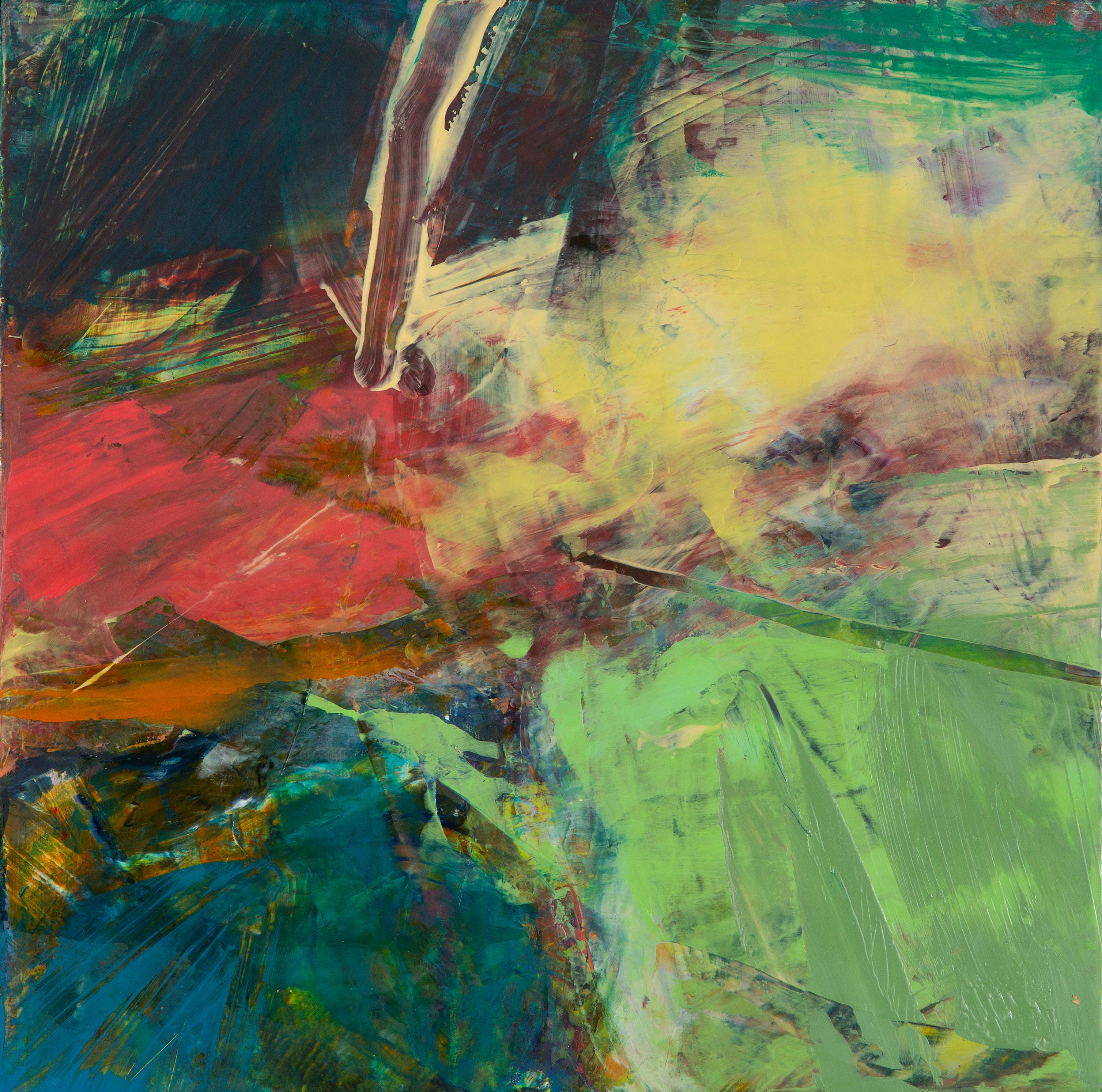
Diverge #2, 2026 Oil based mixed media on panel, 12 x 12 in
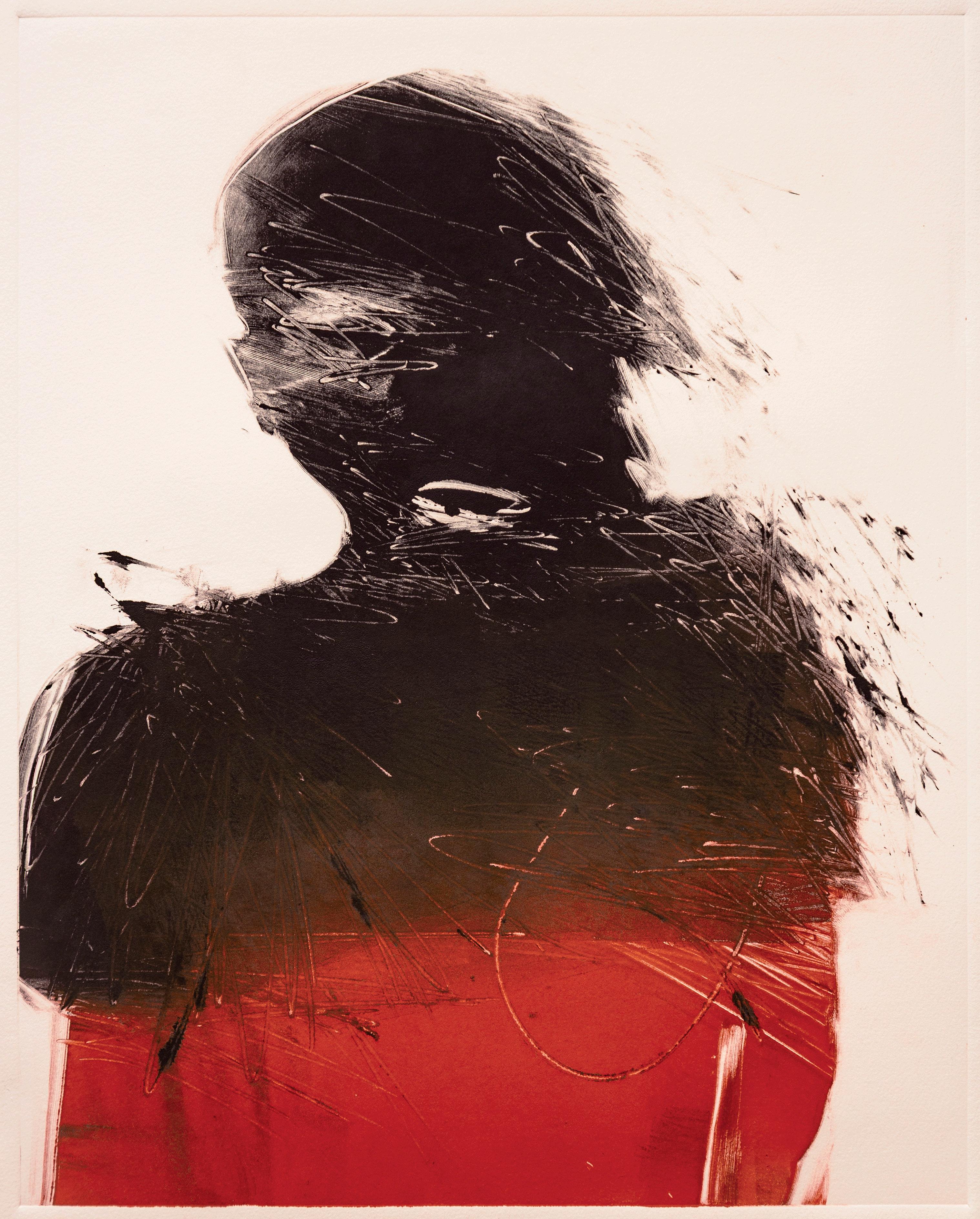
Untitled #33 (Interval Series), 2025 Monotype, 19.75 x 15.75 in
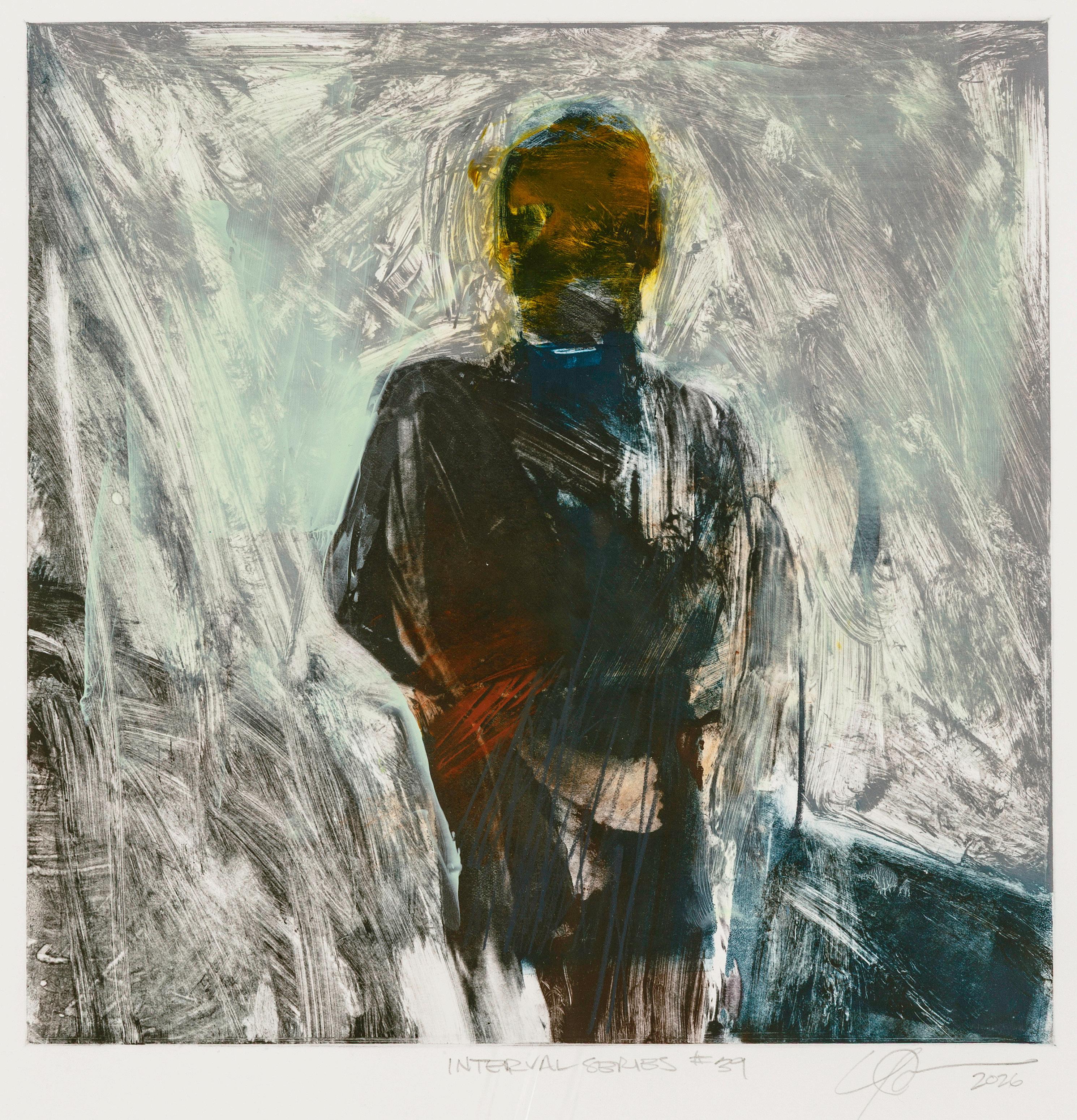
Untitled #39 (Interval Series), 2026 Monotype, 11.75 x 11.75 in
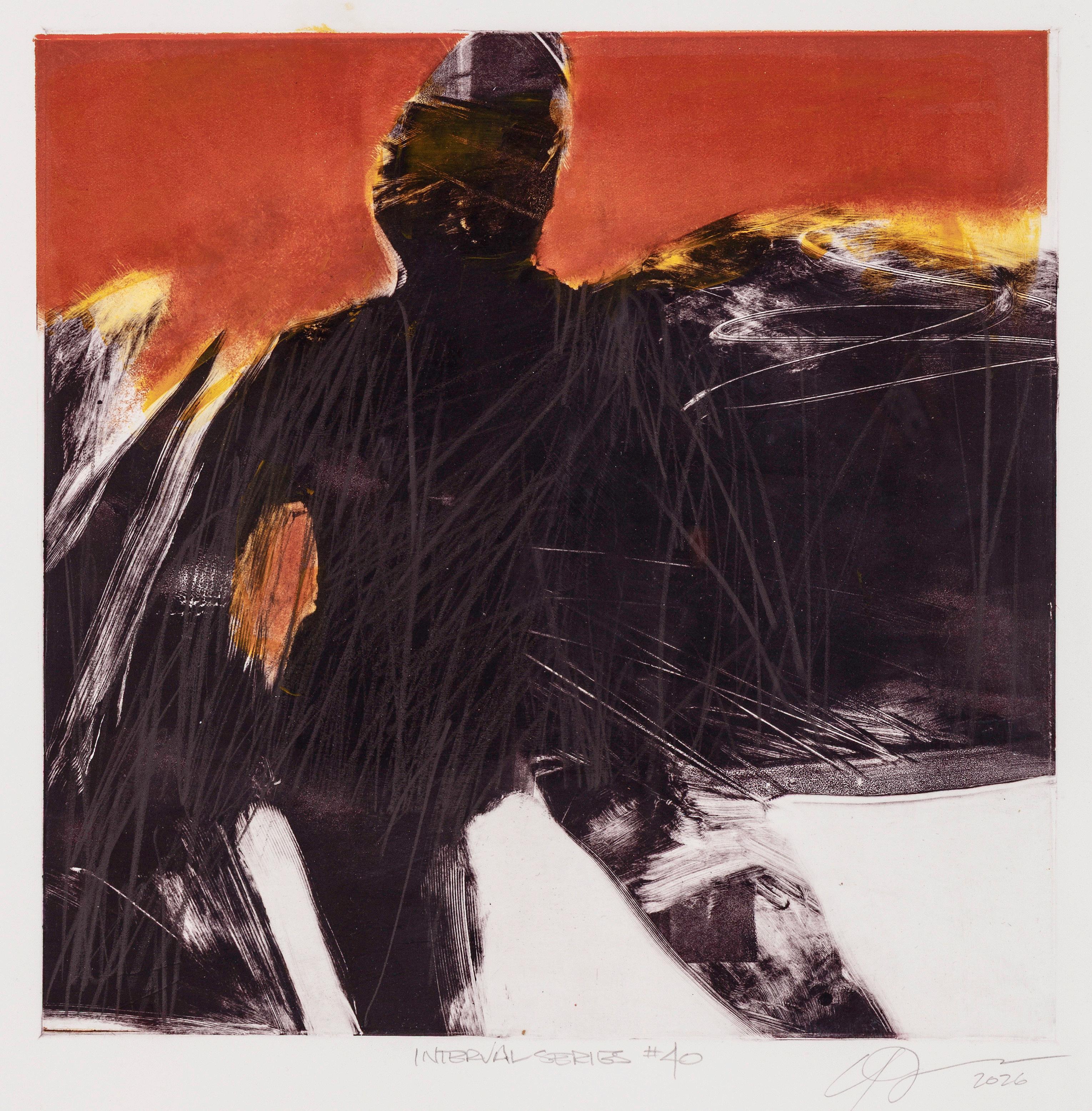
Untitled #40 (Interval Series), 2026 Monotype, 11.75 x 11.75 in
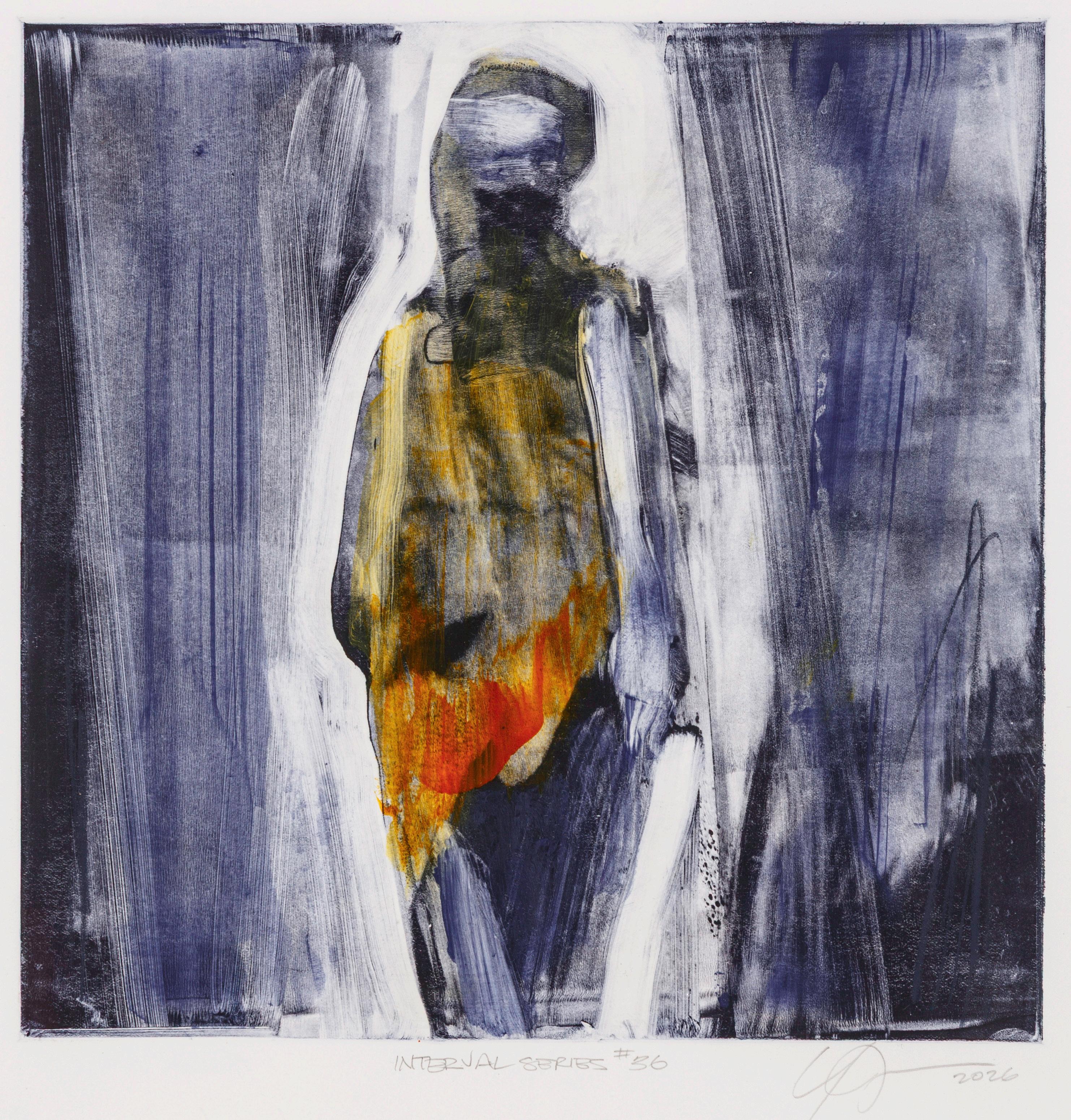
Untitled #36 (Interval Series), 2026 Monotype, 11.75 x 11.75 in
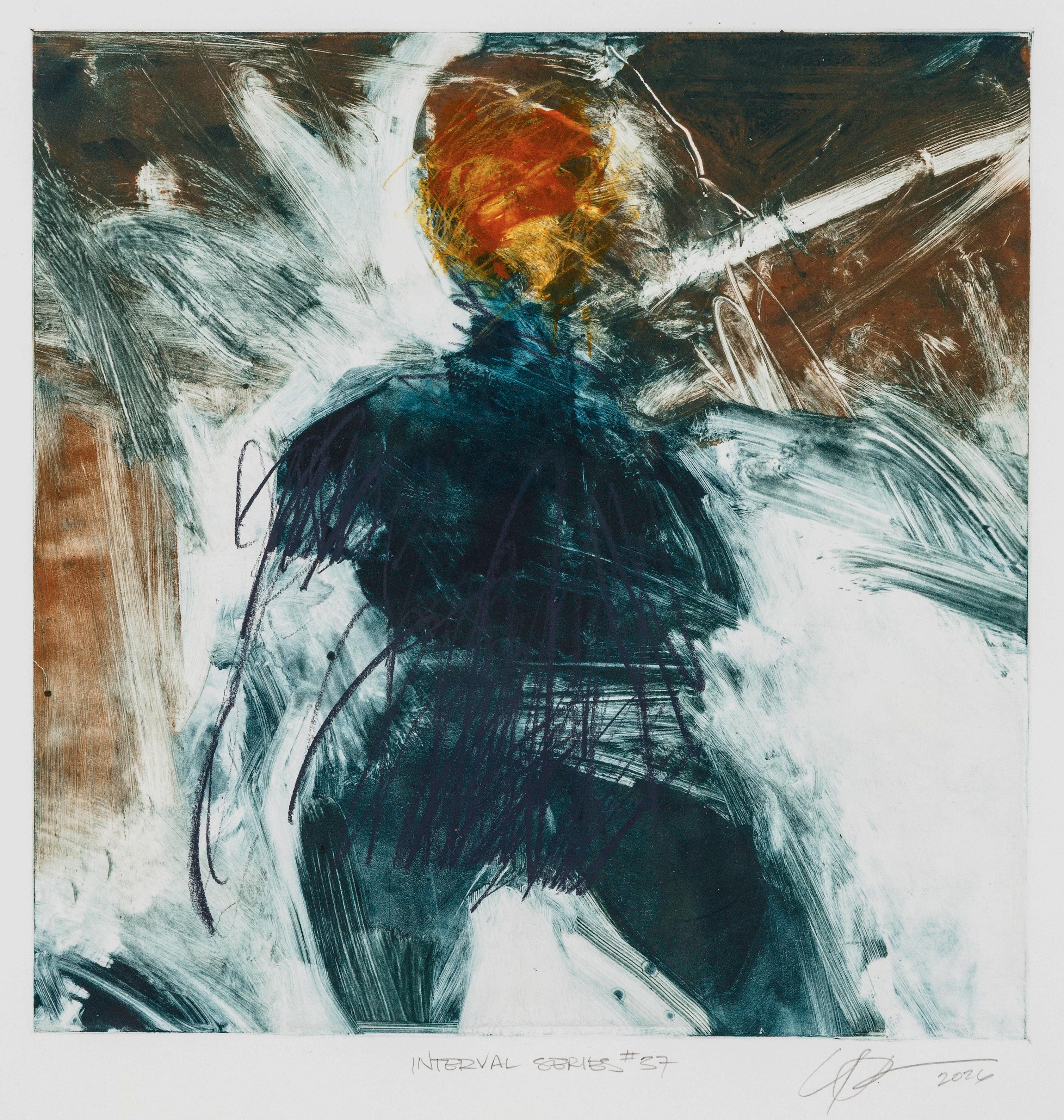
Untitled #37 (Interval Series), 2026 Monotype, 11.75 x 11.75 in
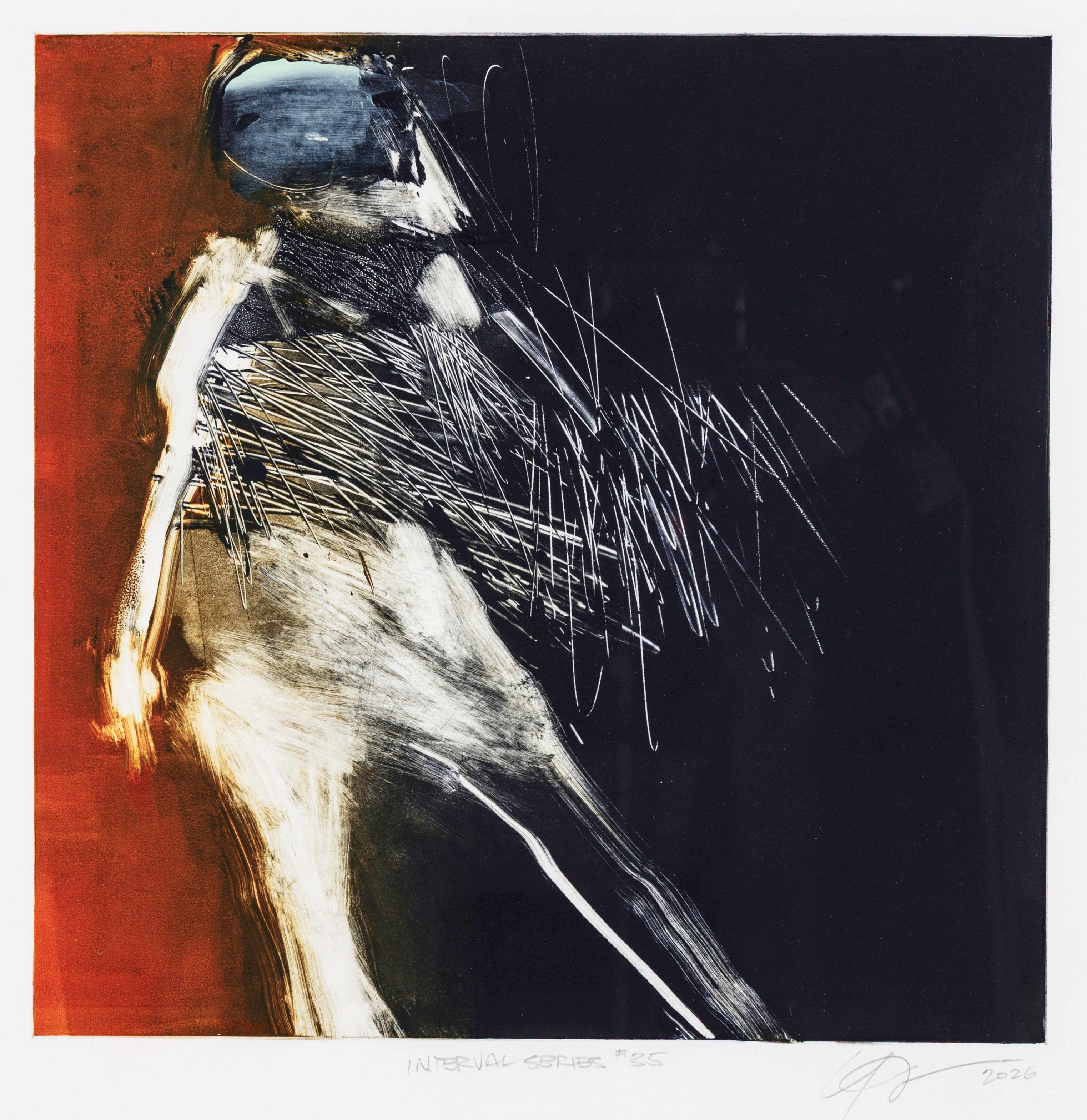
Untitled #35 (Interval Series), 2026 Monotype, 11.75 x 11.75 in