Total Fire Protection’s comprehensive collection of resources is designed to empower employees with the knowledge and skills necessary to excel in fire safety and protection.
Our training resources will help you stay proficient, compliant, and ready to safeguard lives and property. Become a vital part of our mission to provide unparalleled fire protection
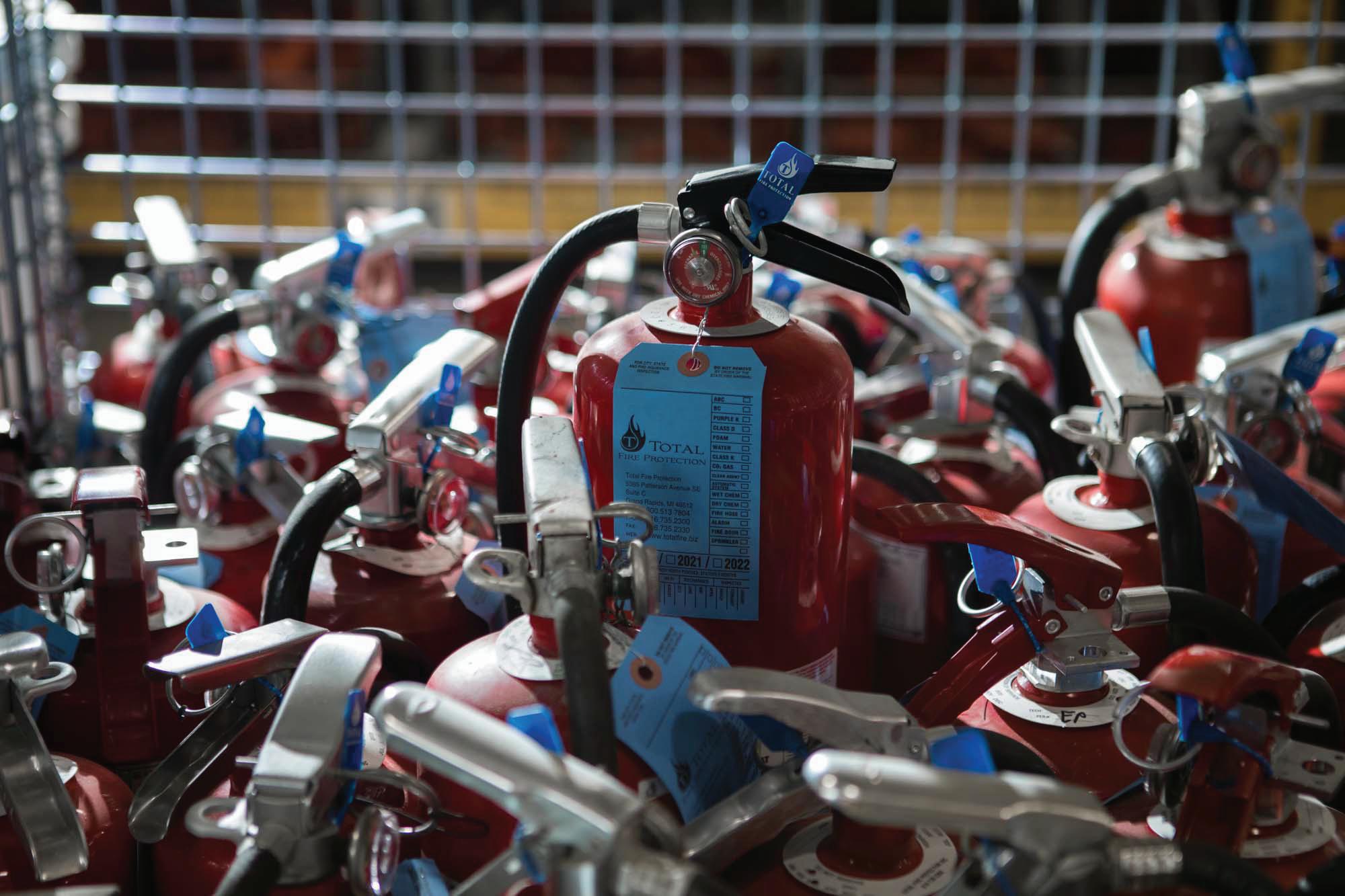
This training program is intended to provide a general overview of inspection, maintenance, and recharging procedures for cartridge operated fire extinguishers. Please refer to the specific manufacturer's manuals for detailed procedures. This online program is a practical training program that must be supplemented with actual hands-on training provided by the service company.
This general awareness training provides an overview and introduction to portable fire extinguishers. It is primarily designed for new technicians. Please note, this program does not offer detailed servicing information and should not replace hands-on training from industry professionals.
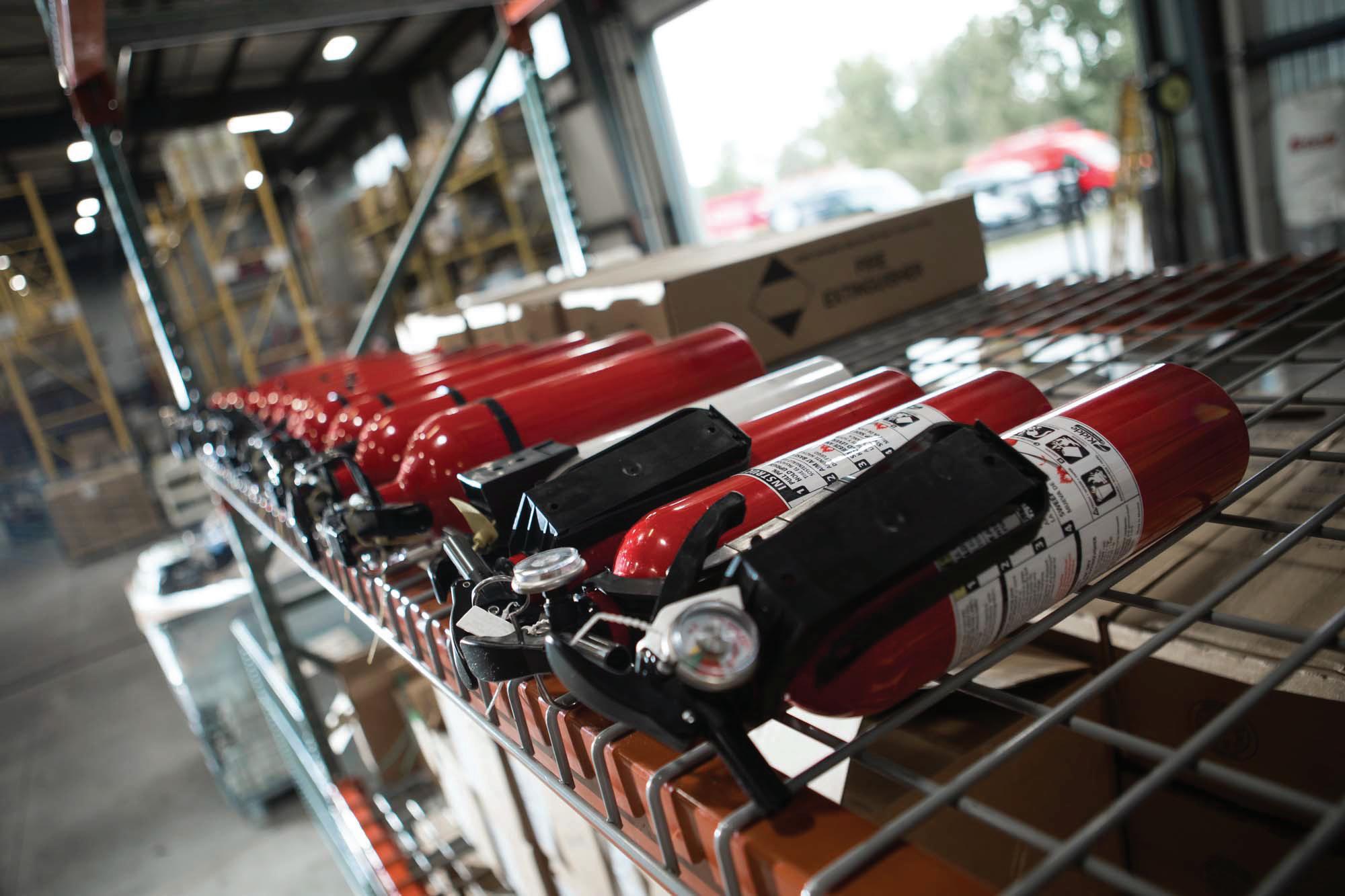
This training program covers the basics of inspecting and maintaining stored pressure and CO2 fire extinguishers, along with additional information. According to NFPA 10, all procedures must adhere to the manufacturer's service manual. For detailed procedures, please refer to the specific manufacturer's manuals. This online program provides practical training but must be supplemented with hands-on training provided by the service company.
The Fire Extinguishers Series is designed to provide attendees an overview of how Fire Extinguishers became important, product information, information on standards, codes and the enforcement of them, maintenance and inspection, as well as the selection and calculation of extinguisher coverage.
COURSE
The Recharge of Portable Fire Extinguisher program provides NFPA-10 compliant instructions on the safe and correct recharge techniques and procedures for dry stored pressure dry chemical, various stored pressure clean agent, water type extinguishers and an overview of CO2 refilling. Always read, understand and follow the manufacturer's recharge manual.
COURSE
This training program is intended to provide a general overview of inspection, maintenance, and recharging procedures for wheeled dry chemical fire extinguishers. Please refer to the specific manufacturer's manuals for detailed procedures. This online program is a practical training program that must be supplemented with actual hands-on training provided by the service company.
VIEW COURSE
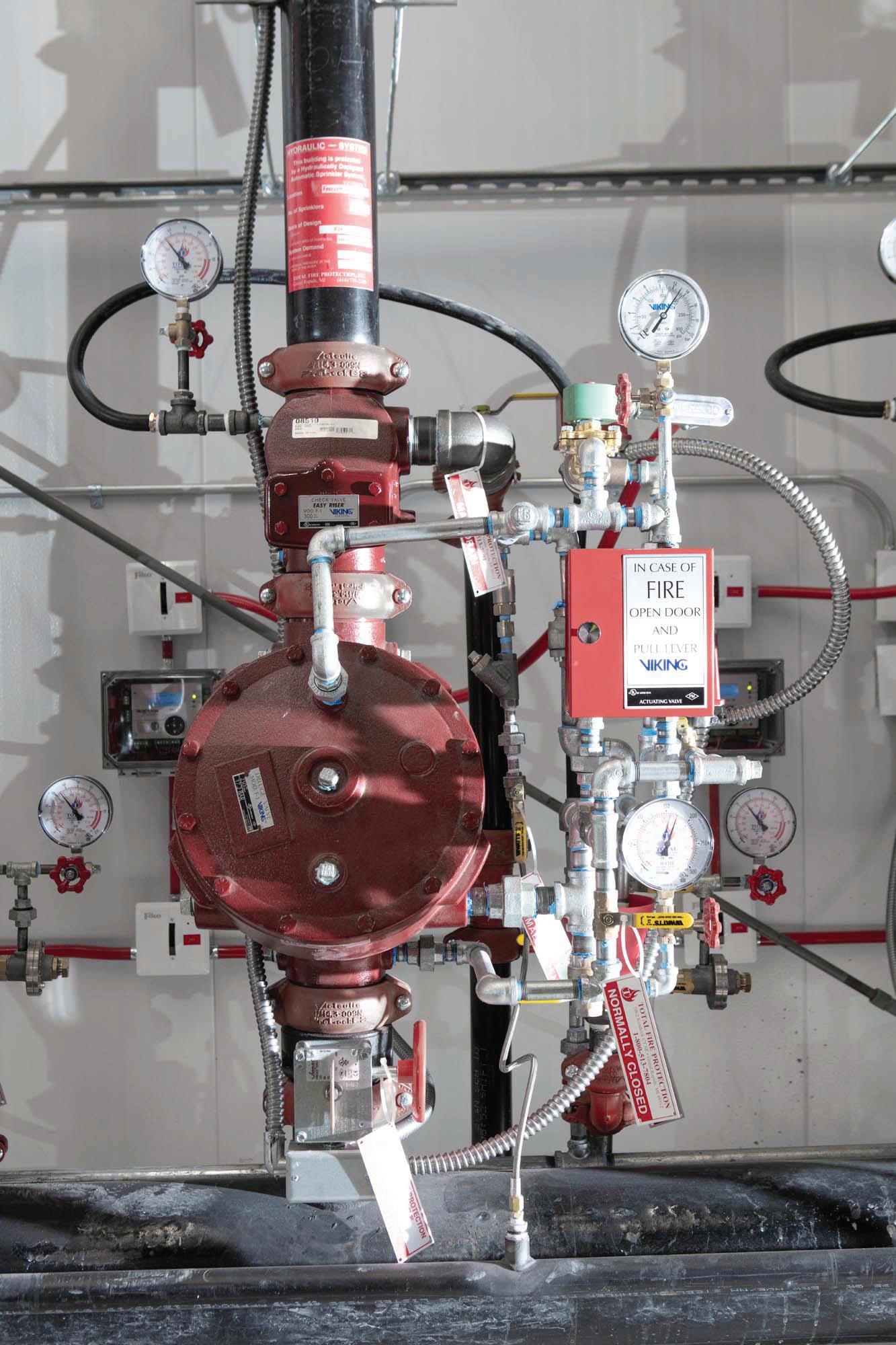
Build a fundamental understanding of essential safety requirements with NFPA 13, Standard for the Installation of Sprinkler Systems Online Training Series. Developed by NFPA code experts, the course helps ensure you or your team are skilled in the basics of the design, installation, use, and analysis of fire sprinkler systems.
This NFPA 13 training series contains the following courses:
• Introduction to NFPA 13 & Occupancy Hazard Classifications
• Water Supplies & Underground Piping
• System Basics & Design
• System Components
• Fire Sprinkler Installation Requirements
• Fire Sprinkler Location Requirements
Upon completion of the series, you should be able to:
• Navigate NFPA 13 and identify the scope and purpose of the standard
• Apply the sprinkler decision-making process
• Explain the requirements for water supplies and underground piping
• Determine the appropriate system type
• Locate and apply system component requirements
• Apply installation requirements for sprinkler systems
• Select and apply design approaches and calculations
Learn to avoid costly errors, improve project efficiency, and help protect lives and property with flexible, self-paced online learning from a trusted source. NFPA 20, Installation of Stationary Pumps for Fire Protection
Online Training Series takes you on the job virtually to experience the process of designing, installing, and testing a fire pump.
Upon completion of the series, you should be able to:
• Explain the purpose of fire pumps and distinguish between different types.
• Outline fire pump performance requirements based on size, water and power supply, and other factors.
• Detail installation requirements for fire pumps and associated equipment.
• Describe requirements for constructing and protecting fire pump enclosures.
• Clarify how to select components and arrange fire pump systems.
• Define key terms and concepts like "balanced flow" and "unbalanced flow."
NFPA 25, Inspection, Testing, and Maintenance (ITM) of Water-Based Fire Protection Systems Online Training features an interactive, multimedia format that lets you experience the standard in a practical way. The series offers expert instruction in the sprinkler system ITM processes and insight into the responsibilities of facility managers, contractors, and authorities having jurisdiction (AHJs).
Upon completion of the series, you should be able to:
• Describe the components of water-based fire suppression systems, including fire sprinklers, fire pumps, water tanks, and other system components
• Define and identify examples of impairments, critical deficiencies, and non-critical deficiencies
• Identify ITM activities to be conducted on a scheduled basis (weekly,
• monthly, etc.) and for unscheduled events such as emergency impairments
This NFPA 72 course provides a thorough introduction to the fundamentals of fire alarms. Fire Alarm Basics consists of three lessons highlighting the equipment and components that comprise a fire alarm system. Instruction covers basic fire alarm system configurations and terminology commonly used in the fire detection and alarm systems industry.
Upon completion of the series, you should be able to:
• Explain how building, fire, and life safety codes impact the requirements for fire detection and alarm systems
• Determine how NFPA 72 is used to design, install, and maintain a fire detection and alarm system and how the code is structured
• Describe the basic configuration of a fire detection and alarm system
• Identify the basic types of circuits
• Define specific terms used in the code
• List key requirements for primary power and for protection of primary power
• List the options for secondary power supplies
• Perform a battery calculation
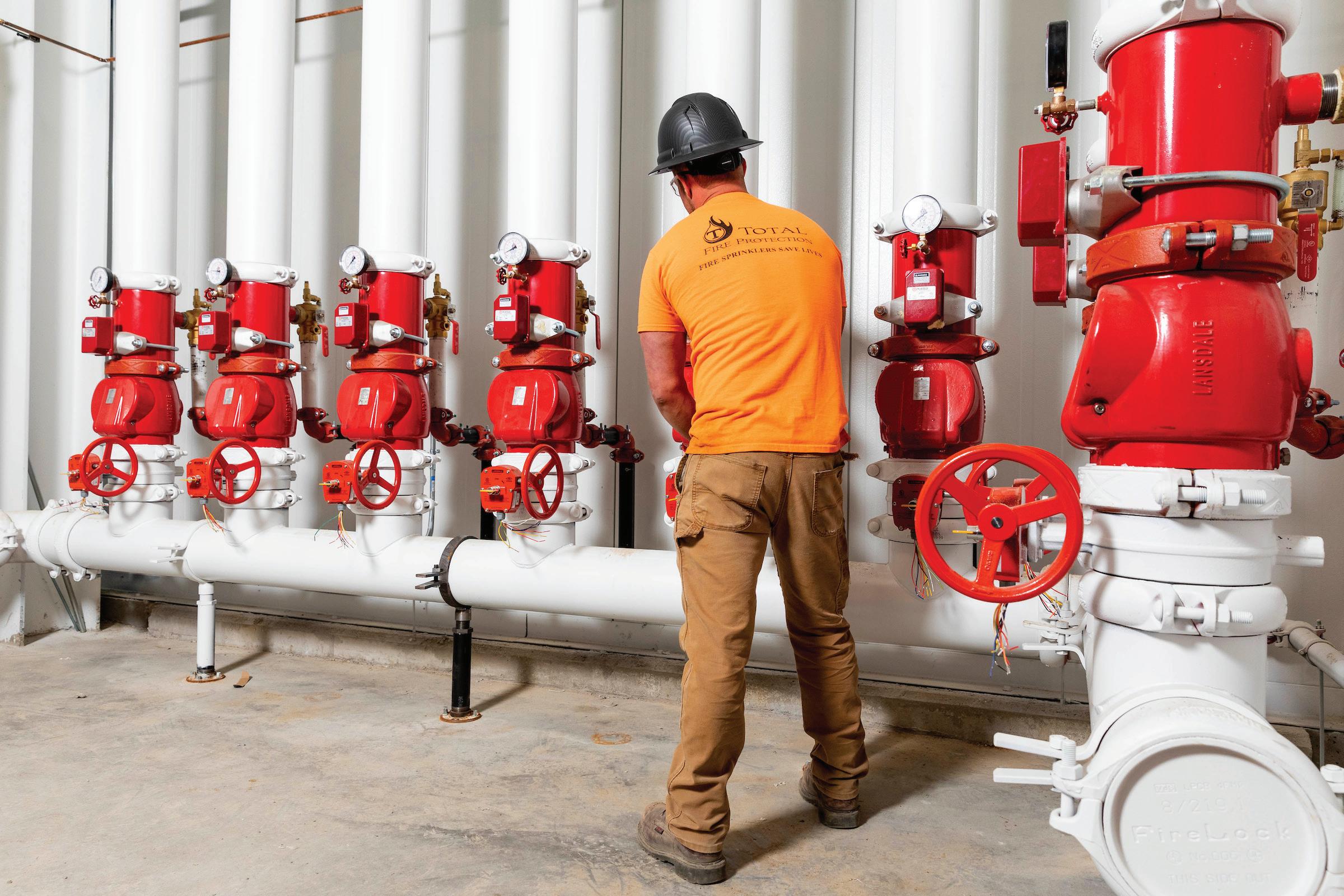
This general safety awareness training is intended to provide a general overview of various areas of safety and safe work practices. This training does not replace job specific safety function training nor in-depth training on certain topics. Please refer to your employer for such details and additional training.
The Exit and Emergency Lighting Series is designed to provide attendees the history and knowledge of why Exit Signs and Emergency Lighting are important while keeping current on the latest product innovations, how to sell these products and services, being aware of local and national codes, and, most importantly, how to inspect and troubleshoot Exit and Emergency Lighting.
The Kitchen Suppression Systems Series is designed to provide attendees an overview of the commercial kitchen environment, product information on a variety of manufacturer’s products, information on standards, codes, and enforcement, as well as a step-by-step guide to inspecting and maintaining Kitchen Suppression Systems. A detailed maintenance checklist is provided and explained, which can be used for everyday servicing. This course is intended to provide basic information on Kitchen Systems and is not designed to replace OEM training.
A Commercial Fire Sprinkler Inspector evaluates both new and existing fire sprinkler systems. For new installations, tasks include checking pipe sizes, sprinkler placement and orientation, identifying riser valves, and observing system tests. For existing systems, the inspector ensures valves are open, sprinklers are unobstructed, undamaged, and not painted, and that all necessary reports are available for review.
VIEW COURSE
The portable fire extinguisher technician is tasked with inspecting, testing, and maintaining portable fire extinguishers. This role requires a solid grasp of standard service practices and guidelines, as well as a thorough understanding of relevant codes, regulations, manufacturer requirements, and standards. Additionally, the technician must be knowledgeable about the specific hazards associated with different types of occupancies and adhere to established industry safety practices.
VIEW COURSE
The technician responsible for pre-engineered kitchen fire extinguishing systems conducts inspections, testing, and maintenance. This professional must understand the practices, guidelines, capabilities, and limitations of these systems. They need deep knowledge of the hazards in various occupancies and must be well-versed in industry safety practices. Additionally, they are required to comprehensively understand and apply relevant codes, regulations, manufacturer requirements, and standards related to these fire extinguishing systems.
The pre-engineered industrial fire extinguishing system technician is responsible for inspecting, testing, and maintaining systems in various settings, including vehicles and paint booths. They must understand fire chemistry, specific environmental hazards, and appropriate extinguishing agents. Additionally, they need knowledge of ventilation systems and must be familiar with relevant safety practices, codes, and standards.
The Inspection and Testing of Water-Based Systems certification program is designed for technicians who inspect and test existing water-based fire protection systems. This program focuses on identifying system impairments but does not include repair activities. It covers technical and procedural aspects such as system types and components, damage and deficiencies, building features, and inspection and testing protocols. Technicians will learn to use specific tools and equipment, follow safety practices, and adhere to NFPA 25 standards, while minimizing impact on surroundings and effectively reporting their findings.
The NAFED Engineered Fire Extinguishing Systems Technician Certification Exam is a comprehensive 150-question test that evaluates knowledge across multiple standards. These include NFPA 11, 12, 12A, 17, 72, 750, and 2001, covering various fire extinguishing systems such as foam, carbon dioxide, halon, dry chemical, water mist, and clean agents. The exam also explores the latest in fire alarm and signaling protocols, ensuring a well-rounded assessment of fire safety and extinguishing technologies.
VIEW COURSE ENROLL NOW
The Special Hazards Systems certification program equips engineering technicians with the skills required for the layout, installation, and maintenance of special hazards suppression systems. This comprehensive program covers a range of technical areas including physical sciences, mathematics, electrical and electronic fundamentals, fire suppression agents, fire protection devices, and the hydraulics of agent flow. Participants will also learn about system installation, maintenance, relevant codes, insurance standards, and contract management. This certification is ideal for technicians looking to specialize in the complex field of special hazards fire protection.
Explore the essentials of corrosion control and cathodic protection with ECS University’s online course. This interactive program covers the science of corrosion, implementation of cathodic protection systems, and strategies to extend infrastructure longevity. Ideal for both experienced engineers and newcomers, this course equips participants with crucial skills for effective corrosion management. Enroll now to enhance your expertise in maintaining the integrity of your assets.