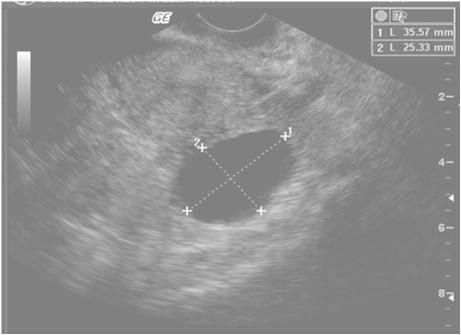
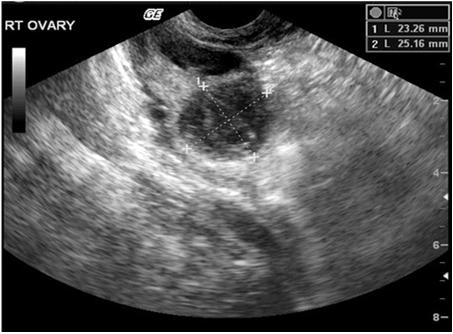
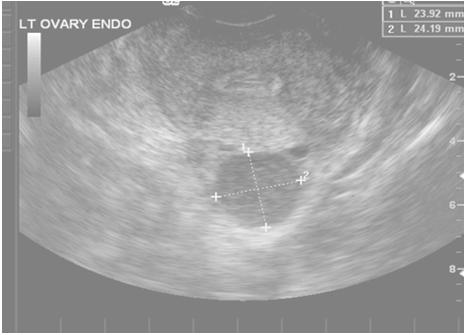
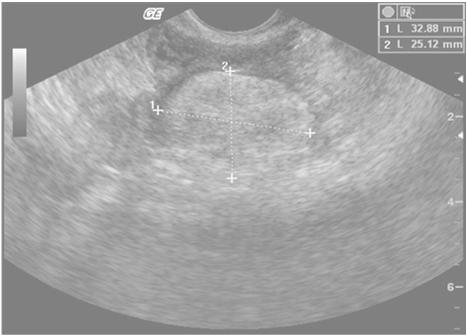
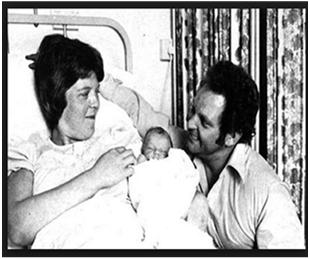
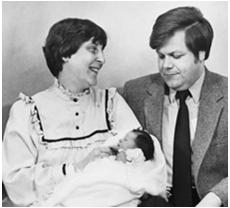
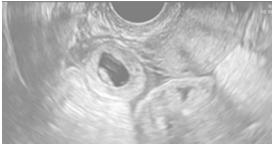
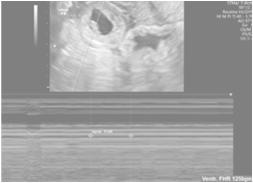
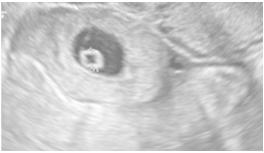
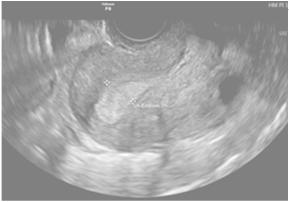
The Annual REI Nursing Congress: Scientific & Therapeutic Approaches to Assisted Reproductive Technology (StartART) provides a unique and comprehensive educational opportunity for nurses and other REI professionals, featuring critical updates on the latest advances in reproductive medicine from procedures and protocols to lab updates, innovations in genetics, impact of social change, and current ethical and legal issues. The goal of this annual congress is to provide late-breaking information, cutting-edge techniques, and best practices to improve ART outcomes. This goal is enhanced by the unique contributions that REI nurses make to the field of reproductive medicine through their skills, compassion, and caring.
Learning Objectives
After attending this continuing educational congress, the attendee should be able to:
• Distinguish strategies for selecting stimulation protocols according to responder types to optimize outcomes;
• Review the most commonly used adjuvants to ovarian stimulation;
• Identify common immunotherapeutic interventions used in IVF including their indications, safety profiles, and current evidence base;
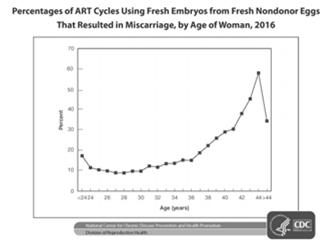
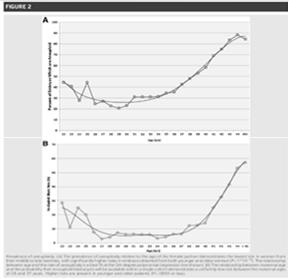
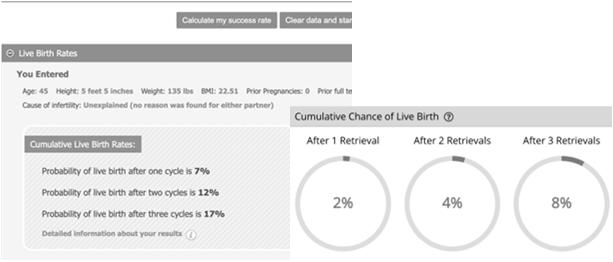
• Explain the challenges and management issues associated with advanced parental age;
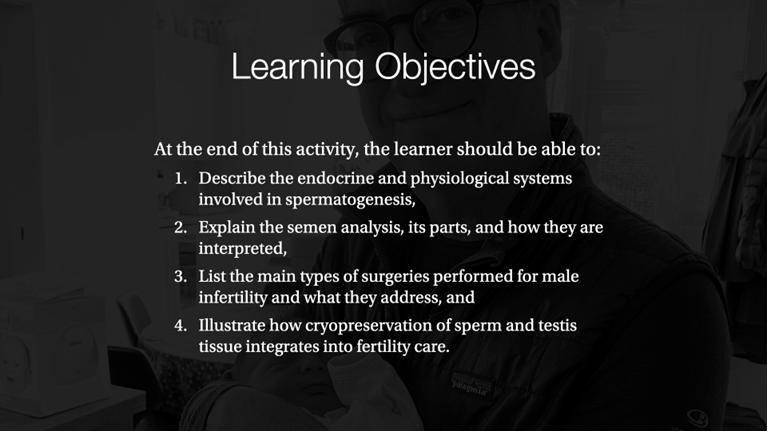
• Review progress in male reproductive medicine;
• Assess and select appropriate treatment strategies, distinguishing between evidence-based treatment options for various RPL etiologies;
• Discuss adjuncts and treatment options for RIF and their risks/benefits;
• Discuss the impact of disease and treatment strategies for endometriosis and PCOS on reproductive potential;
• Identify how to diagnose pathologies that affect fertility and determine whether surgery is required to improve outcomes;
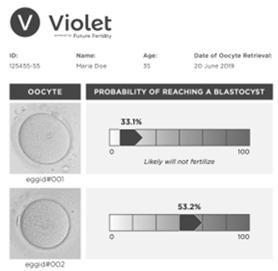
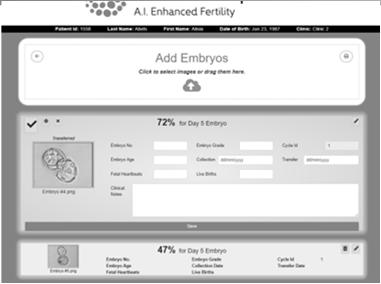
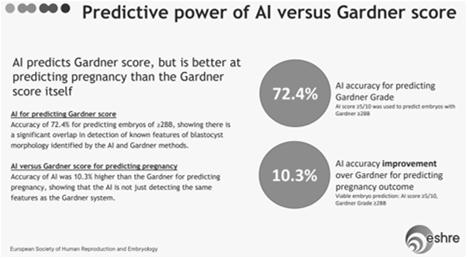
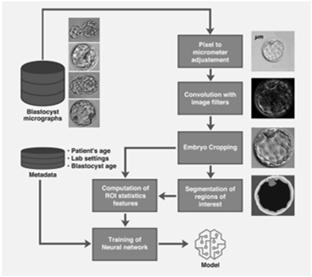
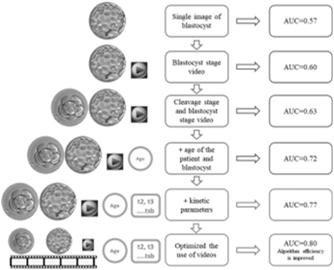
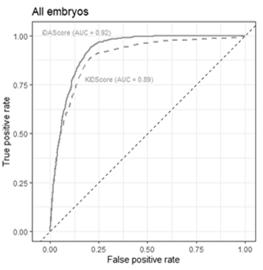
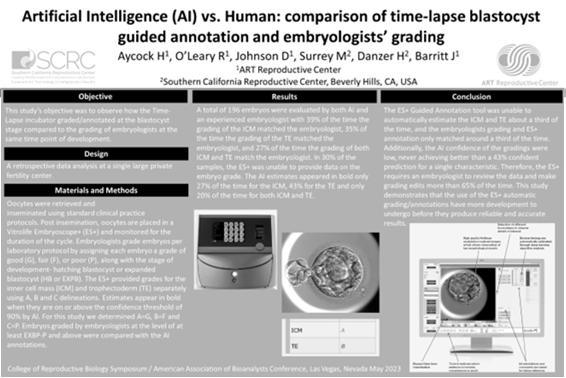
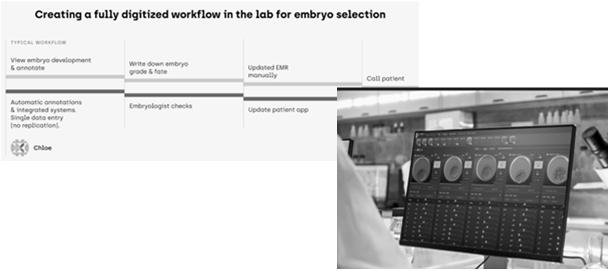
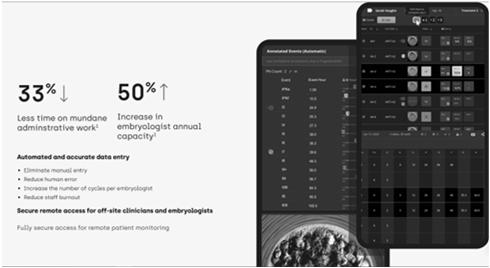
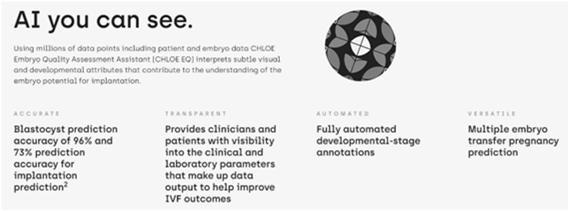
• Describe AI innovations in lab techniques from IVF retrieval to embryo transfer;
• Critically evaluate the multifaceted impact of emerging technologies, including AI and stem cells, on reproductive medicine;
• Examine advantages and protocol considerations for frozen embryo transfer;
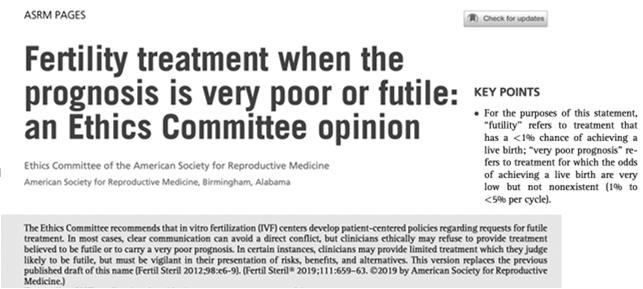
• Explore indications and ethical considerations for oocyte cryopreservation;
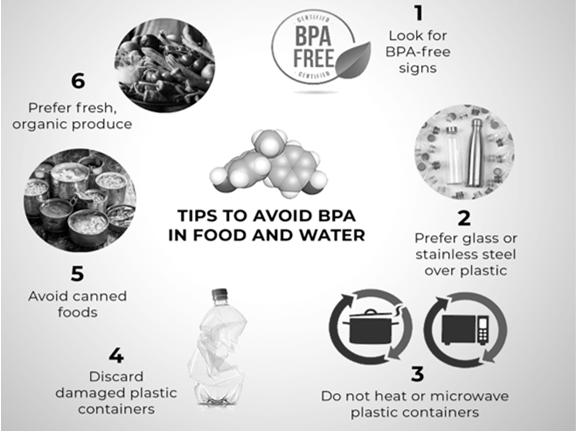
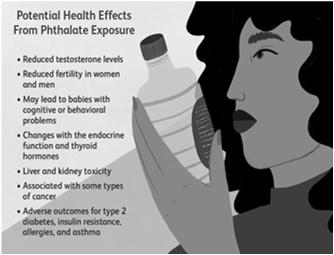
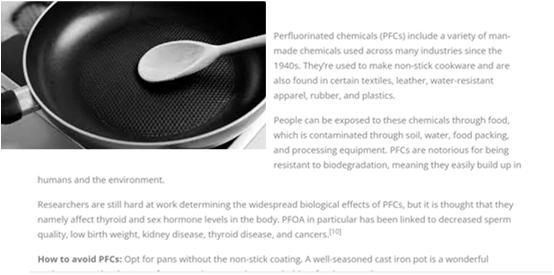
• Apply evidence-based strategies to educate and counsel patients undergoing fertility treatment on reducing their exposure to harmful environmental chemicals;
• Summarize the ways in which the long-term impact of gamete donation can inform the initial genetic and psychological counseling that donors undergo;
• Assess ethical principles as they relate to access to reproductive care;
• Debate current legal and liability issues encountered in ART practice;
• Characterize ways to minimize disparities for those requiring reproductive services;
• Compare and contrast the different types of PGT, including PGT-A, PGT-SR, and PGT-M, along with technical considerations around using these testing options and how they inform patient care and counseling;
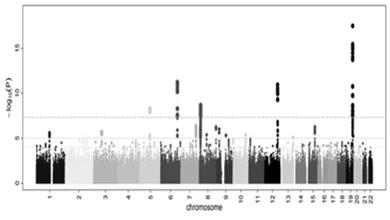
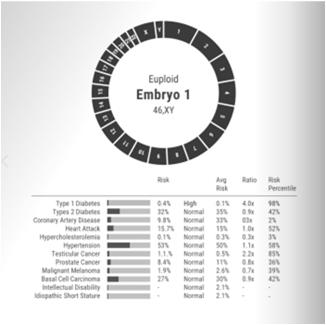
• Review the potential ethical challenges surrounding polygenic embryo scoring;
• Demonstrate the value of preimplantation genetic testing for aneuploidy;
• Gain skills and confidence in counseling patients about the use and potential risks of using embryos classified as “mosaic”.
Accreditation: Continuing Nursing Education
Nursing Continuing Professional Development (NCPD) Certification
Letters & Sciences is accredited as a provider of nursing continuing professional development (NCPD) by the American Nurses Credentialing Center’s Commission (ANCC) on Accreditation.
The activity is designated for 16.5 contact hours.
In addition, those that participate in REI 101 will earn an additional 3.5 contact hours.
To obtain the full number of contact hours, the learner must participate in the entire activity and complete each day’s posttest, credit request, and evaluation forms to receive the NCPD/CNE certificate onsite. Partial credit also will be offered only on a daily basis based on time spent learning.
The learners are advised that the educational content is developed by and reflects the opinions of the presenters and faculty, and does not necessarily reflect the opinions or recommendations of Letters & Sciences or the grantors. Accredited status does not imply endorsement by Letters & Sciences or ANCC of any commercial products discussed/displayed in conjunction with the educational activity.
Nurses licensed in California may apply for ANCC accreditation or: State of California Continuing Education Provider No. CEP14145. (Valid until 04/30/2026.)
Educational Grantors
The StartART Congress gratefully acknowledges the support of the following educational grantors:
EMD Serono, Inc., an affiliate of Merck KGaA, Darmstadt, Germany
Ferring Pharmaceuticals, Inc.
Organon LLC
Their generous support has made this meeting possible.
Agenda
Wednesday, August 6
3:00 PM – 6:30 PM REI 101: A Review & Refresher Course/ NCC Certification Exam Prep Welcome & CNE Information
Carol B. Lesser, MSN, NP-C; Tamara M. Tobias, ARNP, WHNP-BC
3:10 PM
3:30 PM
RHI Certification - Strategies for Success
Robin S. Scott, MSN, RNC-REIN, WHNP
Soutien Fertility, Estero, FL
General Assessment, Reproductive Anatomy and Physiology
Alexander M. Quaas, MD, PhD
Shady Grove Fertility, San Diego, Solano Beach, CA
4:15 PM Pathophysiology, Evaluation & Diagnosis of Reproductive Health Disorders: Endocrine, Structural, Endometriosis, Genetic Factors & Unexplained Infertility
Carol B. Lesser, MSN, NP-C
Boston IVF, Waltham, MA
5:00 PM
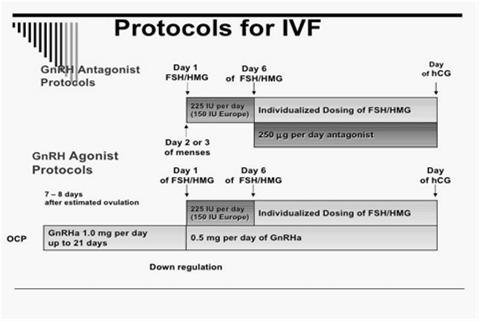
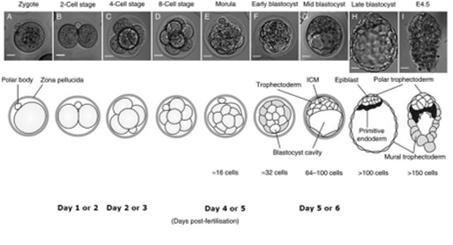
Assisted Reproductive Technology: IVF Protocols, Embryo Development, and the Role of Preimplantation Genetic Testing
Carol B. Lesser, MSN, NP-C, Tamara M. Tobias, ARNP, WHNP-BC
8:05 AM Long-term Genetic & Psychological Implications of Gamete Donation
Daniel B. Shapiro, MD, Reproductive Biology Associates, Atlanta, GA
Lauren Magalnick Berman, PhD, Psychotherapy & Fertility Counselor, Sandy Springs, GA
Lauren J. Isley, CGC, CooperSurgical, Trumbull, CT
Josh I. McLaurin, Esq., Georgia State Senator, Atlanta, GA
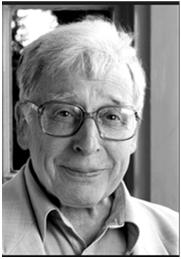
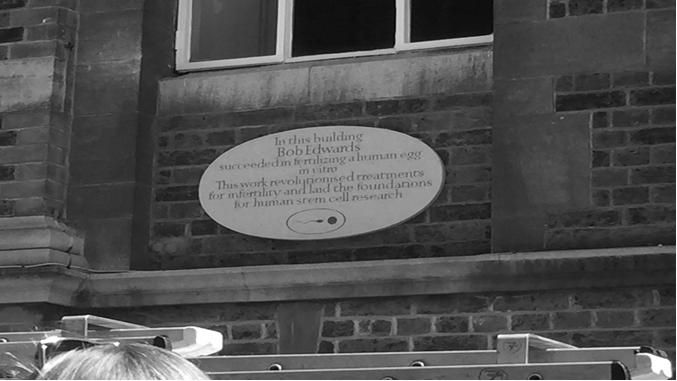
8:45 AM History of IVF & Evolving Role of IVF Nurses
Daniel B. Shapiro, MD Reproductive Biology Associates, Atlanta, GA
9:15 AM Defining the Future of Reproductive Medicine
Pietro E. Bortoletto, MD, MSc, FACOG Terra Fertility, Dedham, MA
Victoria S. Jiang, MD, Shady Grove Fertility, Atlanta, GA
Sigal Klipstein, MD, FACOG, InVia Fertility Specialists, Chicago, IL
Hugh S. Taylor, MD, Yale School of Medicine, New Haven, CT
S. Zev Williams, MD, PhD, Columbia University Fertility, New York, NY
10:00 AM Coffee Break
10:30 AM
11:00 AM
PGT-A & PGT-M: What Nurses Need to Know
Lauren J. Isley, MS, CGC CooperSurgical, Trumbull, CT
Recurrent Pregnancy Loss: Updates, Best Practices, and Guidelines for Evaluation and Treatment
S. Zev Williams, MD, PhD
Columbia University Fertility, New York, NY
11:45 AM Luncheon & Special Interest Tracks
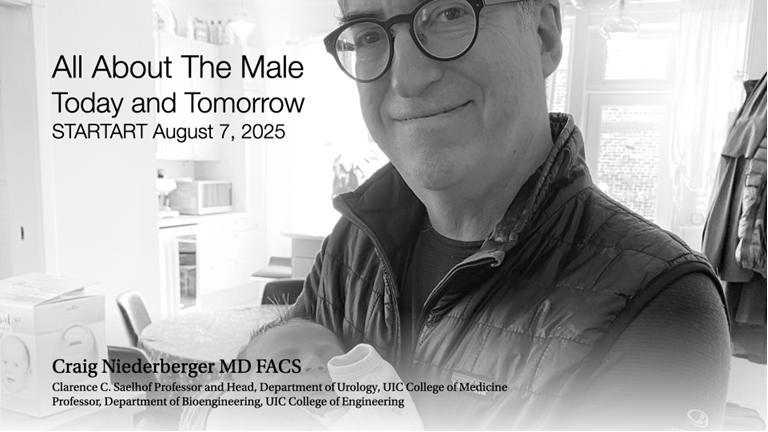
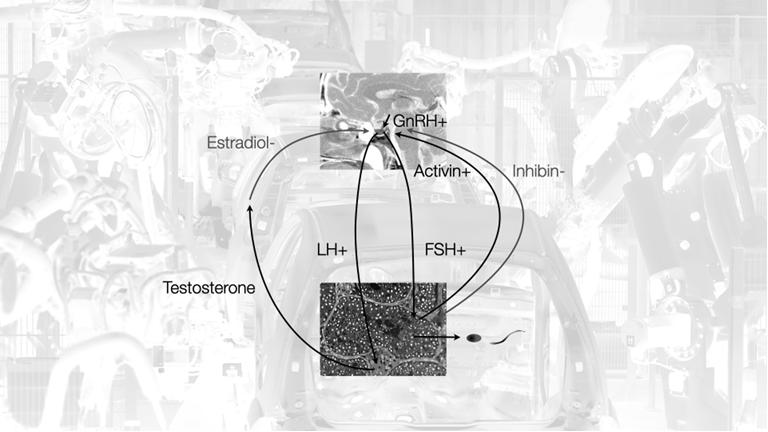
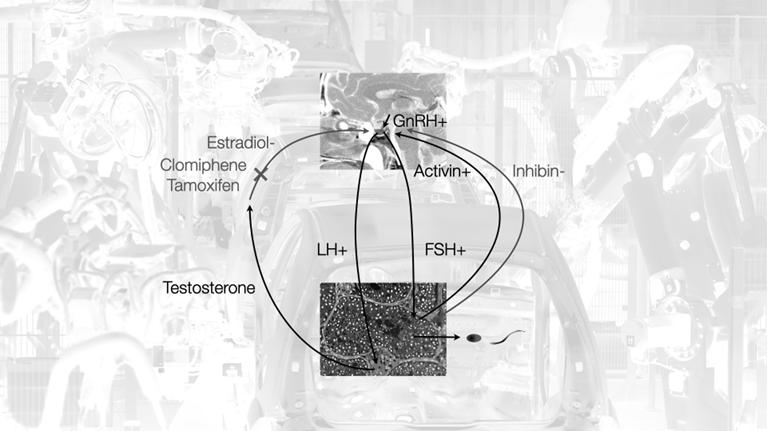
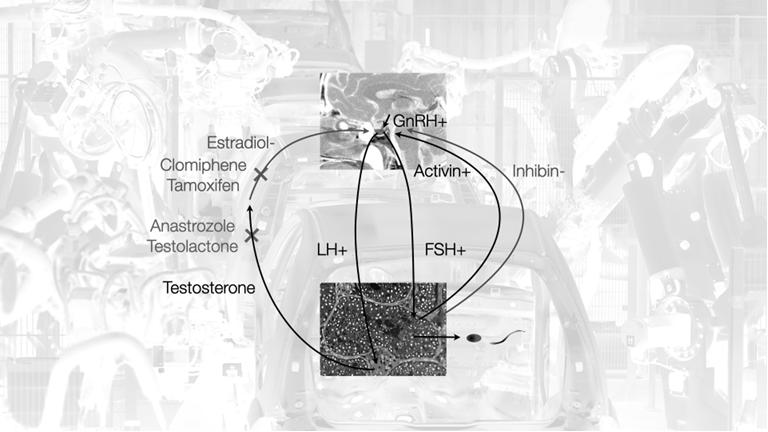
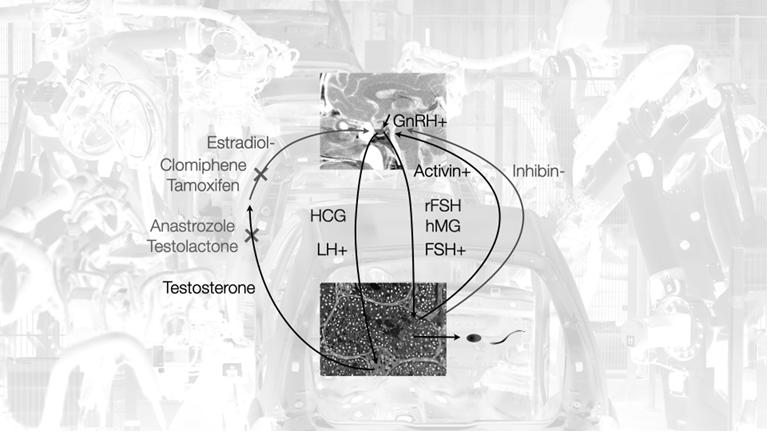
1:00 PM All About the Male: Today and Tomorrow
Craig S. Niederberger, MD, FACS University of Illinois, Chicago, Chicago, IL
1:45 PM Stimulation Protocols
Leah A. Kaye, MD, MS, FACOG Fertility Center of Las Vegas, Las Vegas, NV
2:30 PM
3:00 PM
3:30 PM
4:00 PM
Agenda (cont.)
Refreshment Break
Adjuvants & New Tests
Kaylen M. Silverberg, MD
Texas Fertility Center, Austin, TX
Imaging and Diagnostic Procedures in ART Practice
Alexander M. Quaas, MD, PhD
Shady Grove Fertility, San Diego, Solano Beach, CA
Conclusion & Evaluation
Tamara M. Tobias, ARNP, WHNP-BC, Co-Chair
Agenda
Time Friday, August 8
7:30 AM
8:00 AM
8:05 AM
8:35 AM
9:05 AM
9:35 AM
Breakfast Buffet
Welcome & CNE Information
Carol B. Lesser, MSN, NP-C; Tamara M. Tobias, ARNP, WHNP-BC
Evolving Legal Challenges Confronting Patients and Providers
Dean E. Masserman, JD
Vorzimer Masserman Fertility & Family Law, Woodland Hills, CA
Ethics of Access to Reproductive Care
Sigal Klipstein, MD, FACOG
InVia Fertility Specialists, Chicago, IL
Role of Immunotherapy in IVF
Pietro E. Bortoletto, MD, MSc, FACOG
Terra Fertility, Dedham, MA
Impact of Endocrine Disruptors on Reproduction and ART
Hugh S. Taylor, MD
Yale School of Medicine, New Haven, CT
10:05 AM Coffee Break
10:35 AM
11:05 AM
11:35 AM
12:15 PM
1:30 PM
Infertility Management of Advanced Maternal Age
Leah A. Kaye, MD, MS, FACOG
Fertility Center of Las Vegas, Las Vegas, NV
Updates in Polycystic Ovary Syndrome to Improve the Fertility Journey
Anuja Dokras, MD, MHCI, PhD
University of Pennsylvania, Philadelphia, PA
Clinical Updates on Endometriosis & Uterine Fibroids
Hugh S. Taylor, MD
Yale School of Medicine, New Haven, CT
Luncheon & Special Interest Tracks
Ethics of Preimplantation Genetic Testing for Polygenic Conditions (PGT-P)
Sigal Klipstein, MD, FACOG
InVia Fertility Specialists, Chicago, IL
2:00 PM
2:30PM
Agenda (cont.)
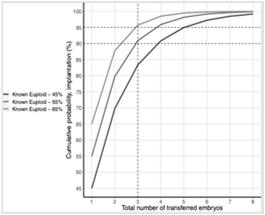
Best Practices for Recurrent Implantation Failure
Victoria S. Jiang, MD
Shady Grove Fertility, Atlanta, GA
Updates on Frozen Embryo Transfer
Carrie E. Bedient, MD, FACOG
University of Nevada, Las Vegas, Las Vegas, NV
3:00 PM Refreshment Break
3:30 PM
4:00 PM
Future on Ice: The Ethics and Medicine of Oocyte Cryopreservation
Carrie E. Bedient, MD, FACOG
University of Nevada, Las Vegas, Las Vegas, NV
Conclusion & Evaluation
Tamara M. Tobias, ARNP, WHNP-BC, Co-Chair
Agenda
Time Saturday, August 9
7:30 AM
8:00 AM
Breakfast Buffet
Welcome & CNE Information
Carol B. Lesser, MSN, NP-C; Tamara M. Tobias, ARNP, WHNP-BC
8:15 AM Early Pregnancy Management: Complex Cases
Tamara M. Tobias, ARNP, WHNP-BC Pinnacle Fertility , Bellevue, WA
9:00 AM
9:45 AM
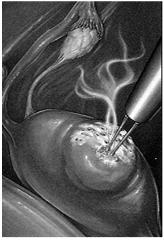
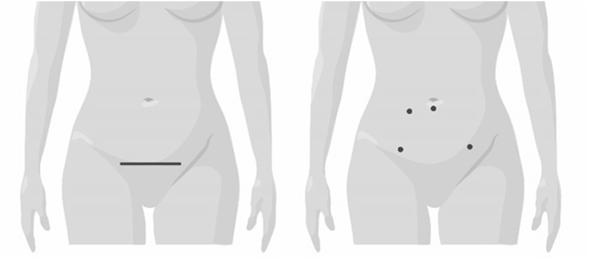
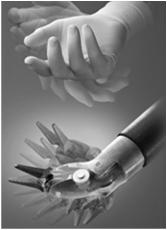
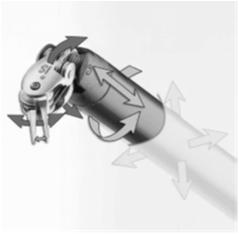
The Role of Minimally Invasive Surgery for Infertility
Glenn L. Schattman, MD
Weill Cornell Medical College, New York, NY
Refreshment Break
10:15 AM AI in Embryology
Jason A. Barritt, PhD, ELD, HCLD Kindbody, Beverly Hills, CA
11:00 AM
11:40 AM
Noon
Mosaicism: Are We Overinterpreting Results?
Glenn L. Schattman, MD
Weill Cornell Medical College, New York, NY
Hope and Griffin Buckley: A Family’s Success Story
Introduction: Leah A. Kaye, MD, MS, FACOG Fertility Center of Las Vegas, Las Vegas, NV
Summary and Activity Evaluation
Carol B. Lesser, NP-C, Co-Chair
Carol B. Lesser, MSN, NP-C
Nurse Practitioner
Boston IVF
Waltham, MA
Faculty
Co-Chairs
Tamara M. Tobias, ARNP, WHNP-BC
Director-at-Large, ASRM Board
Nurse Practitioner
Pinnacle Fertility Bellevue, WA
Distinguished Faculty
Jason A. Barritt, PhD, ELD, HCLD
Chief Scientific Officer
Kindbody Beverly Hills, CA
Carrie E. Bedient, MD, FACOG
Clinical Associate Professor
Kirk Kerkorian School of Medicine
Director of Reproductive Endocrinology & Infertility
Mountainview Ob/Gyn Residency
University of Nevada, Las Vegas
Fertility Center of Las Vegas Las Vegas, NV
Lauren Magalnick Berman, PhD
Psychotherapy & Fertility Counselor
Sandy Springs, GA
Pietro E. Bortoletto, MD, MSc, FACOG
Reproductive Endocrinologist & Surgeon
Terra Fertility
Dedham, MA
Anuja Dokras, MD, MHCI, PhD
Director, Penn Polycystic Ovary Syndrome Center
Executive Director, Women's Health Center for Clinical Innovation
Director, Penn Preimplantation Genetic Diagnosis Program
Medical Director, Reproductive Surgical Facility
Founder's Professor in Women's Health University of Pennsylvania Philadelphia, PA
Lauren J. Isley, MS, CGC
Medical Science Liaison
CooperSurgical Trumbull, CT
Victoria S. Jiang, MD
Fertility Physician
Shady Grove Fertility Atlanta, GA
Leah A. Kaye, MD, MS, FACOG
Reproductive Specialist
Fertility Center of Las Vegas
Clinical Assistant Professor
Sunrise Health Graduate Medical Education
Consortium
UNLV School of Medicine Las Vegas, NV
Sigal Klipstein, MD, FACOG
Vice President and Director of Egg Donor Program
InVia Fertility Specialists
Associate Professor University of Chicago Chicago, IL
Dean E. Masserman, JD Partner, Vorzimer Masserman Law Firm Woodland Hills, CA
The Honorable Josh I. McLaurin, Esq.
Georgia State Senator, District 14 Atlanta, GA
Craig S. Niederberger, MD, FACS
Clarence C. Saelhof Professor Head, Department of Urology
UIC College of Medicine
Professor, Department of Bioengineering
UIC College of Engineering
University of Illinois Chicago Chicago, IL
Alexander M. Quaas, MD, PhD
President, Pacific Coast Reproductive Society
Medical Director & Founding Partner
Shady Grove Fertility, San Diego
Solano Beach, CA
Glenn L. Schattman, MD
Past-President, SART
Vice-President, International Society of Fertility
Preservation
Chair, Alliance for Fertility Preservation
Associate Attending Physician, NYP Hospital
Associate Professor, Obstetrics & Gynecology and Reproductive Medicine
Ronald Perelman & Claudia Cohen Center for Reproductive Medicine
Weill Cornell Medical College
New York, NY
Robin S. Scott, MSN, RNC-REIN, WHNP
Founder & Director
Soutien Fertility
Estero, FL
Daniel B. Shapiro, MD
Medical Director
Reproductive Biology Associates
MyEggBank Atlanta, GA
Faculty
Kaylen M. Silverberg, MD
Medical Director, Managing Partner
Texas Fertility Center
Clinical Professor, Department of Ob/Gyn
Texas A&M School of Medicine
Co-Founder, Ovation Fertility
Austin, TX
Hugh S. Taylor, MD
Past-President, ASRM
Anita O'Keeffe Young Professor of Obstetrics, Gynecology, and Reproductive Sciences
Professor of Molecular, Cellular, and Developmental Biology
Chair of Obstetrics, Gynecology, and Reproductive Sciences
Yale School of Medicine
Chief, Obstetrics and Gynecology
Yale-New Haven Hospital New Haven, CT
S. Zev Williams, MD, PhD
Wendy D. Havens Associate Professor of Women's Health
Chief, Division of Reproductive Endocrinology & Infertility
Associate Professor of Obstetrics & Gynecology
Columbia University Irving Medical Center New York, NY
Disclosure Information
It is the policy of Letters & Sciences to ensure fair balance, independence, and scientific rigor in all educational activities/programs. Those who may have the opportunity to influence content of this CNE program (e.g. planners, faculty, authors, reviewers, and others) must disclose all relevant, significant financial relationships with ineligible companies so that the providers may identify and resolve any conflicts of interest prior to the program. Any relevant financial relationships have been mitigated. No relevant financial relationships were identified for any other individuals with the ability to control content of the activity.
Additionally, faculty members have been instructed to disclose any limitations of data and unlabeled or investigational uses of product(s), device(s) or clinical strategies to the participants at the time of the presentations.
The faculty, discussants, and Executive, CNE, and Curriculum Committees have disclosed the following:
Jason A. Barritt, PhD, ELD, HCLD
Former employer and stockholder in ART Reproductive Center
Employed by and stockholder in Kindbody
Serves as a consultant for: BluePath Solutions (Solutions Market Research, Vitrolife), California Cryobank, Fuji Film, Good Start Genetics, Inc. (Invitae), Irvine Scientific, TMRW, CAP Serves on the advisory board for: Fuji Film/Irvine Scientific Is a speaker for California Cryobank, Fuji Film/Irvine Scientific Has agreed to disclose any unlabeled/unapproved uses of drugs or products referenced in presentation/materials
Carrie E. Bedient, MD, FACOG
Has no conflicts of interest to report
Has agreed to disclose any unlabeled/unapproved uses of drugs or products referenced in presentation/materials
Lauren Magalnick Berman, PhD
Has no conflicts of interest to report
Has agreed to disclose any unlabeled/unapproved uses of drugs or products referenced in presentation/materials
Pietro E. Bortoletto, MD, MSc
Has no conflicts of interest to report Has agreed to disclose any unlabeled/unapproved uses of drugs or products referenced in presentation/materials
Anuja Dokras, MD, MHCI, PhD
Has received grant/research support from: Independence Blue Cross (IBX), National Institutes of Health, and PCORI Has received consulting fees from Ferring Pharmaceuticals, May Health Will not be discussing or referring to unlabeled/unapproved uses of drugs, devices, products, or therapeutic strategies
Lauren J. Isley, MS, CGC Is an employee of CooperSurgical Has agreed to disclose any unlabeled/unapproved uses of drugs or products referenced in presentation/materials
Victoria S. Jiang, MD
Has no conflicts of interest to report
Has agreed to disclose any unlabeled/unapproved uses of drugs or products referenced in presentation/materials
Disclosure Information (cont.)
Leah A. Kaye, MD, MS, FACOG
Has no conflicts of interest to report
Will be discussing or referring to unlabeled/unapproved uses of drugs, devices, products, or therapeutic strategies used in IVF protocols
Sigal Klipstein, MD, FACOG
Is an employee/owner at InVia Fertility Specialists
Has agreed to disclose any unlabeled/unapproved uses of drugs or products referenced in presentation/materials
Carol B. Lesser, MSN, NP-C
Has no conflicts of interest to report
Has agreed to disclose any unlabeled/unapproved uses of drugs or products referenced in presentation/materials
Dean E. Masserman, JD
Has no conflicts of interest to report
Has agreed to disclose any unlabeled/unapproved uses of drugs or products referenced in presentation/materials
The Honorable Josh I. McLaurin, Esq.
Has no conflicts of interest to report
Has agreed to disclose any unlabeled/unapproved uses of drugs or products referenced in presentation/materials
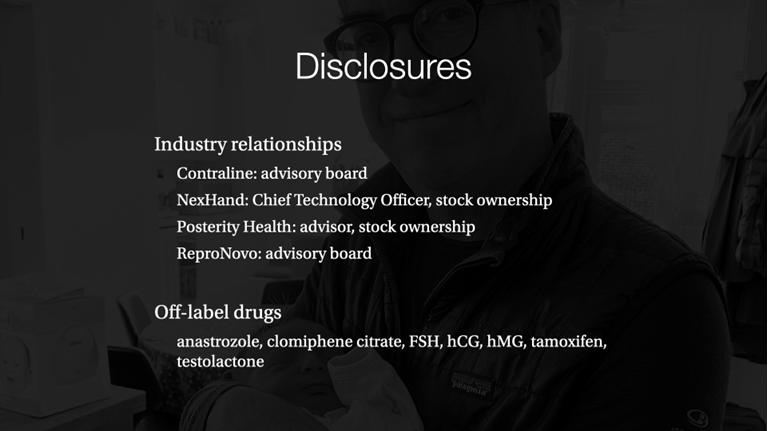
Craig S. Niederberger, MD, FACS
Serves on the advisory board of: COMMIT (Core Outcomes Measures for Infertility Trials), Contraline, ReproNovo
Has stock ownership: NexHand, Posterity Health
Will be discussing off label uses of anastrozole, clomiphene citrate, FSH, hCG, hMG, tamoxifen, testolactone
Alexander M. Quaas, MD, PhD
Has served on speakers bureau for Ferring Pharmaceuticals
Has agreed to disclose any unlabeled/unapproved uses of drugs or products referenced in presentation/materials
Glenn L. Schattman, MD
Has no conflicts of interest to report
Has agreed to disclose any unlabeled/unapproved uses of drugs or products referenced in presentation/materials
Robin S. Scott, MSN, RNC-REIN, WHNP
Has no conflicts of interest to report
Has agreed to disclose any unlabeled/unapproved uses of drugs or products referenced in presentation/materials
Daniel B. Shapiro, MD
Is an owner of Inception LLC
Has agreed to disclose any unlabeled/unapproved uses of drugs or products referenced in presentation/materials
Kaylen M. Silverberg, MD
Is an owner, stockholder and board member of Ovation Fertility, US Fertility
Has served as a consultant for EMD Serono
Has served on the advisory board for Progyny
Has agreed to disclose any unlabeled/unapproved uses of drugs or products referenced in presentation/materials
Hugh S. Taylor, MD
Disclosure Information (cont.)
Has received research/grant support from AbbVie
Has served as a consultant for Organon LLC
Has agreed to disclose any unlabeled/unapproved uses of drugs or products referenced in presentation/materials
Tamara M. Tobias, ARNP, WHNP-BC
Has served on speakers bureau for Ferring Pharmaceuticals
Has agreed to disclose any unlabeled/unapproved uses of drugs or products referenced in presentation/materials
S. Zev Williams, MD, PhD
Has no conflicts of interest to report
Has agreed to disclose any unlabeled/unapproved uses of drugs or products referenced in presentation/materials
Executive Committee, CNE Committee, Curriculum Committee Members
Letters & Sciences, the content managers/members of the Executive, CNE and Curriculum committees, report no relationships with ineligible companies.
External Reviewers
In accordance with Letters & Sciences policy and ANCC standards to identify and resolve any potential conflicts of interest, to assure fair balance, independence and objectivity, and to instill scientific rigor in all CNE activities, all presentations, with any potential for conflict of interest, have been reviewed by two external reviewers. These independent external reviewers, who have no potential conflicts of interest, have determined that no bias exists in these presentations. These external reviewers are:
Shannon L. DeVita, MSN, RN, CNL, DNP
University of San Diego San Diego, CA
Michele Nichols, PharmD
Pharmacy and Continuing Education Consultant Private Practice
Raritan, NJ
Co-Chair Biography
Carol B. Lesser, MSN, RNC, NP-C, StartART Congress Co-Chair, is a women's health nurse practitioner at Boston IVF in Waltham, Massachusetts. She earned her undergraduate degree in psychology from Cornell University in Ithaca, New York, and matriculated a nursing degree from the State University of New York at Stony Brook, followed by a Master’s of Science degree in Ob/Gyn Clinical Nursing from Boston College.
Ms. Lesser has been providing infertility services to couples in the Boston area for more than 3 decades. She began her nursing career as an Ob/Gyn Nurse Practitioner at Harvard Community Health Plan in Cambridge, Massachusetts. However, for more than 20 years, she has been a nurse practitioner at Boston IVF, one of New England's leading infertility treatment centers. Ms. Lesser is NAACOG certified as an Ob/Gyn Nurse Practitioner and is NCC certified in reproductive endocrinology and infertility.
A former board member of Resolve of the Bay State and a member of the American Society for Reproductive Medicine (ASRM) and the New England Fertility Society, Ms. Lesser was the recipient of the Jean Purdy Visionary Award for Excellence in Reproductive Nursing and a recipient of Resolve’s 2009 Hope Award for Service. She has delivered presentations on many topics in reproductive medicine, and speaks frequently to IVF nursing groups across the US. Ms. Lesser is the author of journal articles, ASRM abstracts, online newsletters, and content for continuing education activities. She is currently the editor for the ASRM nursing supplement to Sexuality, Reproduction and Menopause. Her areas of interest include ovarian decline in later reproductive years, patient friendly techniques for administering in vitro fertilization medications, polycystic ovarian syndrome, and ovarian hyperstimulation.
Co-Chair Biography
Tamara M. Tobias, ARNP, WHNP-BC, StartART Congress Co-Chair, is a women’s healthcare nurse practitioner at Pinnacle Fertility – formerly known as Seattle Reproductive Medicine (SRM) where she provides comprehensive care to infertile persons, egg freezing and fertility education for over 20 years.
Ms. Tobias earned a Bachelor of Science degree in Nursing at the College of Saint Benedict in St. Joseph, Minnesota, then, graduated from the Women’s Health Care Nurse Practitioner Program at Harbor-UCLA Medical Center before receiving a Master’s of Science in Nursing from California State University in Long Beach.
Ms. Tobias served as a Lieutenant Officer, US Navy at the Naval Medical Center in San Diego, where she was a charge nurse in the emergency and pediatric departments. After completing military service, she joined the nursing staff of San Diego Fertility Center where she discovered her passion for helping infertile persons and couples fulfill their goals of family building.
She is the Past President PCRS (Pacific Coast Reproductive Society 2024), and current member of PCRS. She is the Director-at-Large, of the ASRM Board (2025-2028), the significance of which is especially noted as she is the first nurse/nurse practitioner to ever hold this position in ASRM's 80-year history. Her leadership in ASRM was also recognized in 2023 when she became the recipient of the ASRM Service Milestone Award recipient for serving 15 years in leadership board and/or committee positions including receipt of the ASRM STAR Award recipient in 2021 for presenting at 9 ASRM Annual Meetings/Scientific Congresses. She is the Founding Member and Past Chair of ASRM Advanced Practice Provider Professional Group (APPPG), the Past Chair of the ASRM Nurses Professional Group (NPG), Co-Chair of the Donor Egg Meeting, and Founder and Past President of STARS (Seattle Tacoma Area Reproductive Society) a non-profit organization providing continuing education for fertility experts. Ms. Tobias served on the Executive Council of SART (Society for Assisted Reproductive Technologies) and has been a popular speaker at ASRM Annual Meetings and other professional conferences.
She is the author and publisher of publisher of Fertility Walk, Hiking Gear for the Two-Week Wait, and Bella’s Family Tree, as well as articles in nursing newsletters and journals. Both Seattle Metropolitan Magazine and Seattle Magazine have consistently recognized her among the “Top Nurse Practitioners”.
Faculty Biography
Jason Barritt, PhD, ELD, HCLD, is the Chief Scientific Officer at Kindbody, a technology-driven fertility clinic network and global family-building benefits provider for employers. Prior to joining Kindbody, he was the Embryology Laboratory Director and Research Scientist at the ART Reproductive Center in Beverly Hills, California, where he oversaw the daily operations of the embryology lab and coordinated studies that contributed to the advancement of infertility treatments.
Dr. Barritt received his BS degree in Biology from Pacific Lutheran University, followed by an MS degree in Human Genetics and a doctorate in Human Anatomy from the Medical College of Virginia in Richmond. Inspired by his desire to help people achieve their goals of having children, he completed a Postdoctoral Fellowship in the Gamete and Embryo Research Laboratory at the Institute for Reproductive Medicine and Science of Cooper Barnabas Medical Center in Livingston, New Jersey.
Dr. Barritt holds national certifications as both a High Complexity Laboratory Director and an Embryology Laboratory Director, and has been awarded New York State Department of Health Certifications for Laboratory Directing in Andrology, Endocrinology and Human Tissue Banking.
Prior to his present position at Kindbody and his recent tenure at the ART Reproductive Center, Dr. Barritt was responsible for all laboratory direction of embryology, andrology and endocrinology at the Reproductive Center in Ohio and at Reproductive Medicine Associates of New York. In addition, he has held the academic position of Clinical Instructor at the Mount Sinai School of Medicine in New York for more than a decade.
Dr. Barritt is a member of the American Society for Reproductive Medicine and the American Association of Bioanalysts. He has presented his clinical and research findings at meetings and congresses worldwide, and has published >25 papers and 100 abstracts in the field of reproductive medicine. He is recognized as one of the world’s foremost experts on the role of mitochondria in human oocytes and embryos.
Faculty Biography
Carrie E. Bedient, MD, FACOG, is a reproductive endocrinologist at the Fertility Center of Las Vegas, who contributes to the ongoing clinical care of her patients and the research efforts of the profession. Dr. Bedient received her Bachelor’s Degree from Washington University in St. Louis, majoring in chemistry and biology. She then earned a medical degree from the University of Arizona College of Medicine, followed by a residency in obstetrics and gynecology at Case Western Reserve University, where she was selected as Administrative Chief Resident during her time there. Dr. Bedient went on to complete a fellowship in reproductive endocrinology and infertility at Emory University.
While pursuing her medical degree, Dr. Bedient received prestigious awards, including the “Commitment to Underserved Peoples (CUP) Leadership Award” and the “Outstanding Fellow Research Proposal” at Emory University for “The Role of the Macrophage in Patients with Endometriosis”. The Metrohealth Medical Center/Cleveland Clinic Foundation singled out Dr. Bedient for an “Excellence in Resident Research Award’ and for skills demonstrated in minimally invasive surgery and laparo-endoscopic surgery. She also earned the “Khalid Ataya Excellence in Reproductive Endocrinology & Infertility Award”.
Dr. Bedient is a member of the American Association of Gynecologic Laparoscopy, the American Congress of Obstetricians and Gynecologists, the American Society for Reproductive Medicine, and the Pacific Coast Reproductive Society. A noted researcher and Clinical Assistant Professor in the Department of Obstetrics and Gynecology at the University of Nevada School of Medicine, Dr. Bedient’s goal is to provide effective and compassionate care for patients struggling with infertility.
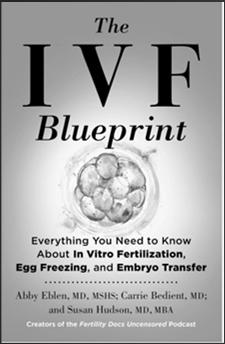
Her published work appears as book chapters, abstract presentations and other publications, reflecting her special interest in uterine anomalies, infertility and fertility preservation for patients undergoing toxic therapies for medical conditions such as cancer. Recently, Dr. Bedient became the published co-author, along with her Fertility Docs Uncensored podcast co-hosts, Drs. Abby Eblen and Susan Hudson, of The IVF Blueprint: Everything You Need to Know About In Vitro Fertilization, Egg Freezing, and Embryo Transfer
Faculty Biography
Lauren Berman, PhD, is a clinical psychologist in private practice for more than 30 years. She is the founder of the Fertility Psychology Center of Atlanta. She received her doctorate in clinical psychology from Emory University, and conducted her dissertation research in Israel while there as a Rotary Scholarship Fellow.
Dr. Berman works with reproductive endocrinology practices, as well as gestational surrogacy and egg donation programs. She has significant expertise in assessing oocyte donors, directed sperm donors, embryo donors and gestational carriers and counseling Intended Parents. She is a trained EMDR therapist with expertise in reproductive trauma.
She has presented on fertility counseling at the ASRM Scientific Congress and serves as the chair of the Mental Health Professional Group of ASRM. An invited lecturer, she has spoken at the Georgia Psychological Association and the Jones Foundation Infertility Conference, among other meetings. She is also a founding board member of the Jewish Fertility Foundation and the Atlanta Fertility Mental Health Consortium, and the Georgia Psychological Association.
Faculty Biography
Pietro E. Bortoletto, MD, MSc, FACOG, is a Reproductive Medicine Specialist and Reproductive Surgeon and Co-Founder of Terra Fertility in Dedham, Massachusetts. Born in São Paulo, Brazil and raised in Miami, Florida, he attended the University of Miami, graduating with a Bachelor of Science. Dr. Bortoletto then relocated to Chicago, to attend the Northwestern University Feinberg School of Medicine. Following medical school, he completed a residency in Obstetrics & Gynecology at the Brigham & Women's Hospital/Massachusetts General Hospital Integrated Residency Program in Obstetrics and Gynecology in Boston, Massachusetts. He is a graduate of the Ronald O. Perelman and Claudia Cohen Center for Reproductive Medicine fellowship program at Weill Cornell Medicine in New York City where he also obtained a Masters in Clinical and Translational Investigation at the Weill Cornell Graduate School of Medical Sciences.
After years as a dedicated clinician at Boston IVF, in 2025, he co-founded Terra Fertility alongside Dr. Emily Seidler and Dr. Denis Vaughan. Based out of Dedham, Massachusetts, Terra Fertility is reimagining fertility care by making it more accessible—through transparency, intuitive technology, and comprehensive patient education with a commitment to diversity and reproductive equality so that all patients, regardless of background, language, or identity, can feel informed, empowered, and supported on their fertility journeys.
Dr. Bortoletto currently serves as the Interactive Associate in Chief for Fertility & Sterility, co-hosts the F&S OnAir podcast and is the former Media Editor for F&S Reports.
Faculty Biography
Anuja Dokras, MD, MHCI, PhD, is Founder’s Professor of Women’s Health, Executive Director of the Women’s Health Center for Clinical Innovation, Director of the Penn Polycystic Ovary Syndrome Center. Medical Director of the Reproductive Surgical Facility and Director of the Penn Preimplantation Genetic Diagnosis Program.
Dr. Dokras received her medical degree from the University of Bombay, India, and went on to receive her doctorate in medicine as a Rhodes Scholar from the University of Oxford, United Kingdom. Dr. Dokras completed her post-doctoral research fellowship, internship and residency in Obstetrics and Gynecology, and fellowship in Reproductive Endocrinology and Infertility at the Yale University School of Medicine
At the University of Pennsylvania, her research program focuses on understanding the determinants of cardiovascular disease risk associated with PCOS at both the cellular and population level. She also studies the impact of clinical interventions on pregnancy, health related quality of life, anxiety and mood disorders in PCOS. Her research has been funded by the National Institutes of Health, Patient Centered Outcomes Research Institute, American Society of Reproductive Medicine and Reproductive Scientist Development Program.
Dr. Dokras has served as the Medical Director of the IVF program at Penn Fertility Care and currently, directs the Preimplantation Genetic Testing Program. As Director of the Penn Polycystic Ovary Syndrome Center, her leadership has created a unique multidisciplinary program for women with PCOS throughout their lifespan, offering nutritional, dermatological, weight management and psychological services. In addition, she directs the Women's Health Center for Clinical Innovation (WHCCI), an unprecedented concept that focuses on redesigning and reimagining healthcare delivery across the stages of women’s lives.
Past President of the Androgen Excess (AE)- PCOS Society, an international society focused on supporting education, research and patient awareness related to all aspects of androgen excess disorders, her leadership has made her sought after expert and speaker at national and international forums. She serves on the Editorial board for Endocrine Reviews and Fertility and Sterility.
Faculty Biography
Lauren J. Isley, MS, CGC is a Senior Clinical Science Specialist at CooperSurgical and a long-standing speaker addressing the importance of genetic counseling at StartART Congresses. She earned her Masters of Science in Genetic Counseling from Wayne State University. Ms. Isley has worked in various ART and women's health roles including preimplantation genetic testing, gamete donation, prenatal genetic testing, and newborn stem cells. Lauren previously served as Chair of the Genetic Counseling Professional Group (GCPG) of ASRM and GCPG Liaison to SART.
Her focus of interest includes issues surrounding genetic screening of gamete donors and education of recipients, as well as promoting the integration of genetic counselors into the field of assisted reproduction. The author of several peer-reviewed publications, Ms. Isley is a sought-after speaker at national meetings, exploring topics of genetic counseling and gamete donation.
Faculty Biography
Victoria S. Jiang, MD, is a board certified clinician providing patient care at Shady Grove Fertility, Atlanta practice, located in in Marietta, Georgia. She graduated from Emory University with a double major in Chemistry and Biology, with a focus in Organic Chemistry. She received her MD from Wake Forest School of Medicine in 2017, and completed her residency in Obstetrics and Gynecology at Emory University School of Medicine, and served as a clinical REI fellow at Massachusetts General Hospital/Harvard Medical School in Boston. She has received numerous awards for her teaching, research, and wellness efforts. Her interests include the integration of AI in medicine and embryology culture systems and their impact on IVF clinical outcomes.
Beyond her clinical practice, Dr. Jiang plays a pivotal role in the fertility community, serving as the SREI Associate Member Co-Chair on the SREI Board of Directors. She is also an active member of the SREI Interactive Media Committee and the PCRS Social Media Committee, where she leverages her expertise to raise awareness and contribute to the social media presence of these organizations. Her passion for advancing the field extends to her work in applying artificial intelligence to fertility and embryology, an area where she has written many research articles and presented at conferences worldwide.
Faculty Biography
Leah A. Kaye, MD, FACOG, is a reproductive specialist at the Fertility Center of Las Vegas, where her clinical focus includes emerging areas of reproductive medicine including transgender fertility care, obesity and fertility, and embryo implantation. Dr. Kaye completed her medical degree at the University of Maryland School of Medicine, followed by an Obstetrics and Gynecology residency at the University of Connecticut, where she discovered her passion for helping patients build families through reproductive medicine. Her next steps included a fellowship in reproductive endocrinology and infertility, along with a master’s degree from the University of Connecticut Graduate School in Clinical and Translational Research. During her training, she was the recipient of the New England Fertility Society Fellows Grant, the Residency Education Award and the Second Year Resident Teaching Award.
Dr. Kaye’s professional affiliations include membership in the Pacific Coast Reproductive Society, the American College of Obstetricians and Gynecologists, the American Society for Reproductive Medicine and the New England Fertility Society.
Faculty Biography
Sigal Klipstein, MD, FACOG, is a board-certified reproductive endocrinologist at InVia Fertility Specialists in Chicago. She earned her undergraduate degree from the University of Illinois, ChampaignUrbana (summa cum laude) and her medical degree from the University of Chicago Pritzker School of Medicine, where she is currently an assistant professor. She completed an Ob/Gyn residency and a fellowship in Reproductive Endocrinology and Infertility at the Beth Israel Deaconess Medical Center of Harvard Medical School, before pursuing a research fellowship at the National Cancer Institute of the National Institutes of Health, conducting clinical investigation into tumor metastasis.
In addition, Dr. Klipstein holds a fellowship in medical ethics from Harvard University. She is the current Chair of the American Society for Reproductive Medicine Ethics Committee, and a former chair of the American College of Obstetrics and Gynecology Committee on Ethics. Her research interests include: ethical issues in preimplantation genetic testing; ethical incorporation of emerging reproductive technologies; and oocyte cryopreservation and fertility for patients of advanced maternal age.
A contributor to the medical literature in both clinical and ethical arenas, Dr. Klipstein also has been the primary contributor to several ACOG Committee Opinions. In 2023, she was honored by ASRM with the “Arnold P. Gold Foundation Humanism in Medicine Award for Practicing Physicians”, acknowledging her role as a champion of humanism in healthcare, based on the compassionate, collaborative, and scientifically excellent care that she delivers to her patients.
Faculty Biography
Dean E. Masserman, JD, is a highly experienced and respected trial lawyer, who has handled in excess of 40 jury trials in both federal and state court, and serves as Chair of his firm’s (Law Firm of Vorzimer Masserman) Civil Defense Practice and Complex Litigation Practice. Educated at the University of California, San Diego and the University of Colorado, Boulder, he received his Juris Doctorate from Southwestern University. Mr. Masserman was admitted to the bar of the State of California; US District Court, Central, Eastern, Northern and Southern Districts of California; and the US Court of Appeals, Ninth Circuit. He is a member of the Los Angeles County (Litigation Section) and Federal Bar Associations, California Trial Lawyers Association, San Fernando Valley Criminal Bar Association, and California Attorneys for Criminal Justice.
Mr. Masserman began his legal career as a Los Angeles (LA) County Deputy Public Defender. In addition, he has worked with the LA County District Attorney's Office and the LA Superior Court Domestic Violence Program, and served as a contract attorney for the LA County Sheriff's Department, providing legal representation in several State and Federal Civil Rights Cases.
In collaboration with his law partner Andrew Vorzimer, JD, Mr. Masserman focuses on all facets of family law litigation. Specifically, their firm specializes in third party reproduction litigation, marital and nonmarital transactions, divorce, spousal and child support disputes, and complex criminal and family litigation. Mr. Masserman was instrumental in securing the first pre-birth judgment of maternity/paternity in the U.S., following the landmark decision in Buzzanca v. Buzzanca. He also authored an article regarding recent advances in PGD, and the legal ramifications associated with this procedure, for the Journal of Assisted Reproductive Law
Although the foundation of the practice is third party reproduction law, Mr. Masserman is also involved in business litigation, insurance defense, criminal defense, premises liability, and general civil litigation. Frequently, he is invited to serve as a media consultant and legal analyst for The Today Show, CBS Morning News, Good Morning America, and CNN Tonight. In addition, he lectures at the Legal Education Conference Center on the subject of criminal procedure.
Faculty Biography
Joshua I. McLaurin, JD, is a member of the Georgia State Senate serving in his fourth term in the state legislature and a candidate for State Lieutenant Governor. Mr. McLaurin attended the University of Georgia for undergraduate studies and earned a Master's Degree in Public Administration before obtaining a JD at Yale Law School. He is an attorney and state senator in Atlanta, Georgia, representing the 14th district in the state Senate, a seat once held by 39th US President Jimmy Carter.
Faculty Biography
Craig S. Niederberger, MD, FACS, is the Clarence C. Saelhof Professor, Head of the Department of Urology, and Chief of the Division of Andrology at the University of Illinois College of Medicine in Chicago. He is also a professor in the Department of Bioengineering at the University of Illinois College of Engineering.
A board certified urologist, Dr. Niederberger was educated at Harvey Mudd College, a member of the Claremont College Consortium in Claremont, California. He received his medical degree from the University of Pittsburgh, followed by residencies in surgery and in urology at Michael Reese Hospital and the University of Illinois at Chicago. He completed a fellowship in andrology at the Baylor College of Medicine, Houston, Texas.
Specializing in the field of male infertility and erectile dysfunction, Dr. Niederberger has been at the forefront of reproductive surgery and technology. He offers his patients the latest medical and surgical procedures in the diagnosis and treatment of male fertility.
Recognized for leadership of his fields of practice, Dr. Niederberger served as President of the Society for the Study of Male Reproduction, and as President of the Society for Male Reproduction and Urology, and the Chicago Urological Society. Within the American Society for Reproductive Medicine (ASRM), Dr. Niederberger has served as Chair of the Electronic Communications Resource Committee, General Program Chair of the 2009 ASRM Annual Meeting, and as a member of the Continuing Medical Education Committee.
Previously, Dr. Neiderberger served as Associate Editor-in-Chief of Fertility and Sterility and in editorship positions with the Journal of Urology, Practical Reviews in Urology, The Journal of Andrology and Urology Times. Currently, he co-moderates “Androlog”, an international email user’s group devoted to clinical and research issues in male reproductive medicine. He is an editor of the 4th edition of Infertility in the Male and of An Introduction to Male Reproductive Medicine.
Faculty Biography
Alexander M. Quaas, MD, PhD, is the founding member of the Shady Grove Fertility, San Diego practice, located in Solana Beach, California. In addition to his clinical responsibilities, Dr. Quaas is very involved in teaching and research in the field of reproductive endocrinology and infertility. He is President and serves on the Board of Directors of the Pacific Coast Reproductive Society (PCRS).
Dr. Quaas earned his medical degree from the University of Manchester in the UK, and a doctorate from the Albert Ludwig University in Freiburg, Germany. He completed a residency in obstetrics and gynecology at Harvard University, followed by a fellowship in reproductive endocrinology and infertility (REI) at the University of Southern California. After completing his fellowship, and board certification in REI, Dr. Quaas became a faculty member at Oklahoma University Health Science Center (OUHSC) and at the University Hospital of Basel, Switzerland, where his ongoing special interests in endometriosis, adenomyosis, polycystic ovarian syndrome, third-party reproduction, and fertility preservation began. While working at OUHSC, Dr. Quaas completed a Master’s degree in Clinical and Translational Science at the University, and participated in the prestigious ASRM/NICHD/Duke Clinical Research/ Reproductive Scientist Training (CREST) Program.
Fluent in English, Spanish, German, French, and Italian, he has authored and co-authored many peerreviewed publications and book chapters and serves on the editorial boards of Fertility and Sterility and the Journal of Assisted Reproduction and Genetics
Dr. Quaas has received numerous teaching and research awards, including multiple “Teacher of the Year” awards from his students at Harvard Medical School.
Faculty Biography
Glenn L. Schattman, MD, is a board-certified Reproductive Endocrinologist and Infertility specialist. He is recognized for his expertise in diagnosing and treating infertility, particularly in the areas of ovulation induction, IVF, and fertility preservation. He is also renowned for his contributions to the field through research, teaching, and leadership roles within professional organizations.
Dr. Schattman earned a B.S. from St. Lawrence University, followed by a medical degree. from SUNY Downstate Medical Center. He completed his residency in Obstetrics and Gynecology at The George Washington University Medical Center and a fellowship in Reproductive Endocrinology and Infertility at Weill Cornell Medical College/NewYork Presbyterian Hospital.
He joined the Cornell faculty in 1993 and is currently an Associate Professor of Obstetrics & Gynecology at Weill Cornell Medical College. He has held significant leadership positions, including Chair of the Society for Assisted Reproductive Technology (SART) Practice Committee and President of SART. He is also involved with the Alliance for Fertility Preservation.
Although his practice focuses on diagnosing and treating all causes of infertility, he has particular expertise in fertility preservation, especially for women at risk of infertility due to cancer treatment. He research focuses particularly in the areas of ovarian tissue cryopreservation and improving tissue revascularization in transplantation. He is also experienced in advanced surgical methods for treating infertility, such as those related to blocked fallopian tubes, endometriosis, and ovarian cysts.
Dr. Schattman is actively involved in teaching and mentoring medical students, residents, and fellows at Weill Cornell, and has received numerous awards for his clinical work and teaching, including the APGO National Faculty Award and the Best Teacher Award at New York Hospital-Weill Cornell Medical Center. He is also recognized in the New York Metro Area's Top Doctors book series.
Faculty Biography
Robin S. Scott, MSN, RNC-REIN, WHNP, is the Founder and Director of Soutien Fertility in Estero, Florida. Educated at Ohio State University with an undergraduate degree in Nursing, she completed a Master’s Degree in Perinatal Nursing at Indiana University in Bloomington. Originally based in Indianapolis, Ms. Scott founded Soutien (translated from the French, “support”) Fertility and IVF Nurse Support for Practices & Patients, as a source of REI-certified and experienced nurses and nurse practitioners to provide per-diem or contractual services for Reproductive Endocrinology/Infertility practices. This staffing service is especially important in helping practices make sure that coverage is available in a range of situations, where fully staffed REI nursing departments are constant and critical to the practice’s seamless delivery of care.
Ms. Scott carries her experience forward from her previous roles as a Lead Nurse at the University of North Carolina Fertility, Nurse Practitioner at the Santa Barbara Fertility Center, Eli Lilly as a Clinical Research Scientist, and as a Clinical Nurse Specialist at a range of academic and private practice REI centers. She currently serves as the Emeritus Advisor to the NPG Executive Board, and is active as a volunteer Reproductive Health and Infertility (RHI) Content Team Member engaged in the developing the content for the National Certification Corporation (NCC) Reproductive Health and Infertility Exam.
Faculty Biography
Daniel B. Shapiro, MD, is the Medical Director and a partner in Reproductive Biology Associates (RBA) in Atlanta. A graduate of Bowdoin College in Brunswick, Maine, Dr. Shapiro received his medical degree from Emory University School of Medicine in Atlanta, following which he served as a Chief Resident in Obstetrics and Gynecology at Pennsylvania Hospital in Philadelphia. He then completed a fellowship in Reproductive Endocrinology and Infertility at the University of Connecticut School of Medicine in Farmington, and was appointed as junior faculty of the University of Connecticut affiliated hospitals.
Dr. Shapiro co-founded the nation’s largest frozen egg bank, located at RBA. Since 2007, the egg bank completed ~7000 embryo transfers resulting in 3800 deliveries of 4200 babies. He is board certified in Obstetrics and Gynecology, as well as Reproductive Endocrinology. He is a member of the American Society of Reproductive Medicine, the Society of Reproductive Endocrinologists, and the Thomas Bond Society.
Dr. Shapiro is well published in clinical reproductive endocrinology, including in estrogen bio-synthesis. He also is recognized for his research focus on GnRH antagonists and their applications in fertility medicine.
Faculty Biography
Kaylen M. Silverberg, MD, is the Medical Director, Co-founder, and Managing Partner of the Texas Fertility Center. He is also a co-founder of Austin IVF, San Antonio IVF, and the Austin Fertility Surgery Center. He was educated at Vanderbilt University in Nashville, Tennessee, where he majored in finance and molecular biology. He pursued his medical studies at Baylor College of Medicine in Houston, followed by an internship and residency at Vanderbilt University Medical Center, where he was the Chief Resident. Dr. Silverberg then completed a fellowship in reproductive endocrinology/infertility at the University of Texas Health Science Center in San Antonio. He is certified by the American Board of Obstetrics and Gynecology, as well as the Subspecialty Board of Reproductive Endocrinology/Infertility.
Dr. Silverberg is actively involved in clinical research in infertility, and holds the appointment of Clinical Associate Professor in the Division of Reproductive Endocrinology and Infertility at the Texas A&M University Medical School. He holds a patent on the Mannose binding assay, a test of sperm function.
In 2016, he co-founded Ovation Fertility, the nation’s leading network of IVF laboratories. Over the past 7 years, Ovation Fertility has completed 3 private equity sales. Most recently, Ovation Fertility merged with US Fertility to form the largest fertility platform in the US.
In addition to managing a busy private infertility practice, Dr. Silverberg holds several extra-mural appointments. He has twice been appointed as a clinical director on the Executive Council of the Society for Assisted Reproductive Technology (SART). He is a member of the Progyny Medical Advisory Board, and is also President of the Governing Board of the North Austin Surgery Center. In addition, Dr. Silverberg is a member of the American College of Obstetrics and Gynecology, the American Society for Reproductive Medicine, and the American Association of Gynecologic Laparoscopists.
Dr. Silverberg has been invited to consult, including by Members of Congress and by the White House, on issues relating to healthcare economics, strategy and IVF policy. He has been honored with numerous awards, including for papers presented at infertility meetings. He was recognized by the American Fertility Association with their national “Family Building Award”.
In addition to his contributions to the peer-reviewed literature which includes more than 50 peerreviewed papers and more than 10 textbook chapters, Dr. Silverberg also serves as a reviewer for several respected clinical journals, including Obstetrics & Gynecology, Fertility & Sterility, and The Journal of Gynecologic Surgery.
Faculty Biography
Hugh S. Taylor, MD, is Chair of the Department of Obstetrics, Gynecology and Reproductive Sciences at Yale University School of Medicine and Chief of Obstetrics and Gynecology at Yale New Haven Hospital (YNHH). A graduate of Yale College and the University of Connecticut School of Medicine, he completed his residency at YNHH, followed by a postdoctoral fellowship in Molecular Biophysics and Biochemistry at Yale and a fellowship in Reproductive Endocrinology and Infertility.
Previously, Dr. Taylor was Chief of Reproductive Endocrinology and Infertility at YNHH and Professor and Vice-Chair of Obstetrics, Gynecology and Reproductive Sciences at Yale University School of Medicine. Under his leadership, the Section of Reproductive Endocrinology and Infertility has become nationally recognized.
He is Past-President of the American Society for Reproductive Medicine (ASRM), the largest American clinical organization for reproductive medicine specialists. An outstanding clinician, educator, and investigator, Dr. Taylor’s research has been continuously funded by the NIH for more than two decades. He also has received multiple research awards from ASRM, the Society for Gynecologic Investigation (SGI) and the Endocrine Society.
Dr. Taylor is the Editor-in-Chief of the Journal of Reproductive Sciences and Editor of Endocrinology. As a member of the Board of Directors of ASRM, he leads the Endometriosis Special Interest Group and also serves on the Governing Council of SGI. Dr. Taylor received the SGI’s prestigious President's Achievement Award in 2008. He has been recognized as “Mentor of the Year” by the American College of Obstetricians and Gynecologists and as “Honoree of the Year” by the Endometriosis Foundation of America.
Faculty Biography
S. Zev Williams, MD, PhD, is a reproductive endocrinologist and fertility specialist at NewYork Presbyterian. He is the Wendy D. Havens Associate Professor of Women's Health and the Chief of the Division of Reproductive Endocrinology and Infertility at Columbia University Irving Medical Center. He completed his medical and doctoral qualifications in Molecular Biology and Biochemistry at the Icahn School of Medicine at Mount Sinai School before continuing his training at the Brigham and Women’s Hospital/Massachusetts General Hospital for his residency in Obstetrics and Gynecology. After completing his fellowship in Reproductive Endocrinology and Infertility at Weill-Cornell in Reproductive Endocrinology/Infertility, Dr. Williams then completed a post-doctoral fellowship on RNA biology in the laboratory of Dr. Thomas Tuschl at Rockefeller University. As a physician scientist, Dr. Williams' focus has been on helping those suffering from recurrent pregnancy loss and infertility and developing novel technologies and treatments to improve patient success.
RHI Certification - Strategies for Success
Robin S. Scott, MSN, RNC-REIN, WHNP
Certification in reproductive health and infertility (RHI) is a critical component in advancing the quality of care, professional competence, and patient outcomes in our specialized field. As reproductive technologies evolve and fertility challenges become more prevalent, certified healthcare professionals (HCP) play a pivotal role in delivering evidence-based, compassionate, and holistic care to individuals and couples seeking reproductive assistance. Certification ensures that nurses/HCPs possess up-to-date clinical knowledge, adhere to ethical standards, and demonstrate a commitment to lifelong learning. It also fosters professional recognition, enhances multidisciplinary collaboration, and improves patient trust and satisfaction. By promoting excellence in reproductive and infertility healthcare delivery, certification not only elevates individual professional practice but also strengthens the broader healthcare system’s capacity to address complex reproductive health issues.
National certification in reproductive health and infertility represents a critical benchmark of clinical excellence, specialized knowledge, and professional commitment among nursing and other healthcare professionals. Recognizing, acknowledging, and rewarding clinicians who achieve this certification is essential for fostering a culture of continued learning, improving patient outcomes, and enhancing the quality of care in reproductive medicine. As RHI-C is a new certification, HCPs in our specialty may need to advocate for themselves to obtain this acknowledgement. Strategies to ensure that management embraces and rewards NCC RHI certification include: financial incentives, public recognition, career development opportunities, institutional support, and inclusion in quality metrics.
RHI Certification Strategies for Success
Robin S. Scott, MSN, WHNP Chair, ASRM NPG Certification Task Force
Disclosure Information
Nothing to disclose
About certification…
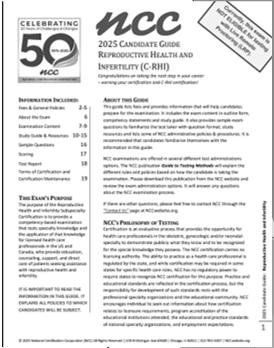
Reproductive Health and Infertility certification is being offered through NCC
About certification…
About certification…
NCC Certification exams
About REI/RHI certification…
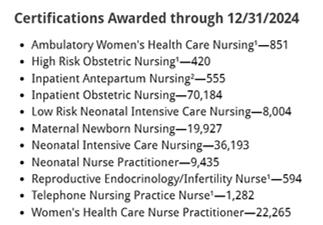
1989: “REIN” exam was introduced as a CORE Nursing exam.594 individuals were certified over the next 10 years (only nursescould sit for the exam)
Exam was dropped due to low registration numbers 2025: “RHI” exam is introduced as a SUBSPECIALTY exam (eligibility pool is expanded: RNs, PAs, CNMs, NPs, other healthcare professionals*) RHI as of July 2025 214 registrations 153have taken the exam
How are we doing?
Overall pass rate for NCC exams in 2024 = 79%
How are we doing?
Overall pass rate for NCC exams in 2024 = 79%
RHI pass rate so far in 2025 = 60%*
*per NCC, ~70% is expected for subspecialty exams
How are we doing?
CONGRATULATIONS!!!
Should
Getting started
Step 1.
https://www.nccweb site.org/certification -exams
Getting started
Step 2.
Getting started
Step 3.
Download candidate guide
Getting started
Study Guide Step 4.
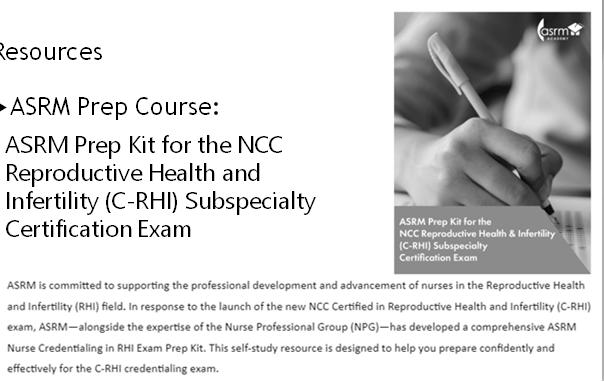
Resources
ASRM Prep Course: Components
Practice Test Questions / Answers & Explanations
NCC: RHI Candidate Guide –Sample Questions
Why is National Certification important?
Demonstrates expertise and competence
Improves patient outcomes
Promotes professional credibility and confidence
Enhances career advancement opportunities
Supports standardization across the profession
Why is National Certification important?
Ideas to take back to your practices
1.Build a case for certification’s value
2.Document and share accomplishments
3.Leverage performance reviews and career development meetings
4.Collaborate with nursing leadership
5.Get involved in shared governance or committees
6.Publicize certification within the organization
7.Partner with professional organizations
Next steps
NCC will submit for accreditation (through NCCA) once we have reached 500 test-takers
Accreditation is required for Magnet approval Standards team
Content team
Psychometrics (statistics) cannot be properly done without more test-takers
Key take-aways
100 registrants per year are needed to keep the exam valid and available
Talk with your management; make the case for certification support Encourage your colleagues; spread awareness If not a member, join ASRM and avail yourself of the learning resources Volunteer for the certification taskforce; we need your ideas! Register for the exam before September 30, 2025 SECOND CHANCE FREE!
Study and prepare! We need more test-takers. REGISTER NOW!
General Assessment, Reproductive Anatomy and Physiology
Alexander M. Quaas, MD, PhD
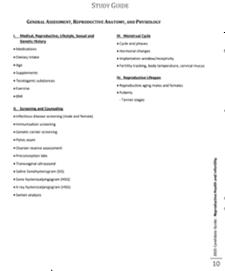
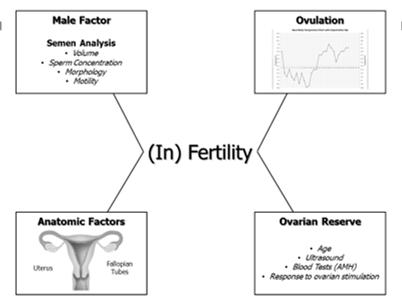
Infertility is a disease defined as the inability to achieve a successful pregnancy despite regular unprotected intercourse over a 12-month period.The causes of infertility can be derived from the natural process of reproduction, and broadly divided into several categories: male factor, ovulatory factor, female anatomic factor, or ovarian reserve-related infertility.A thorough medical, reproductive, lifestyle, sexual and genetic history is an integral part of the initial assessment of the infertile couple. A normal menstrual cycle is an essential requirement for natural reproduction, and an understanding of the menstrual cycle is pivotal for diagnosis and treatment in reproductive medicine.
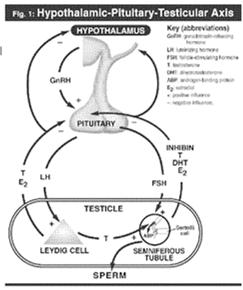
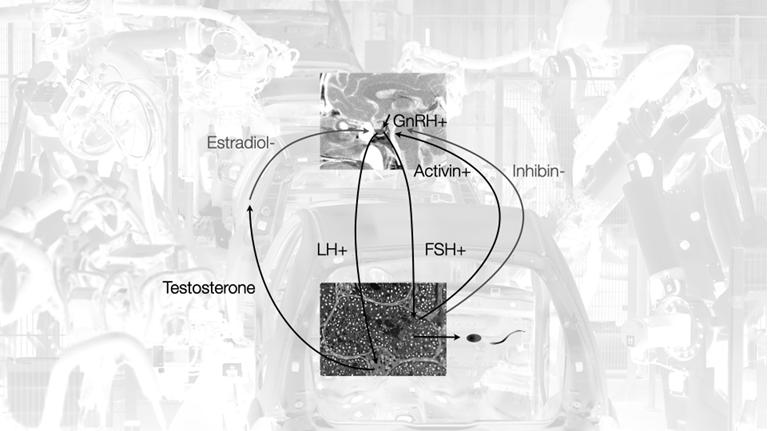
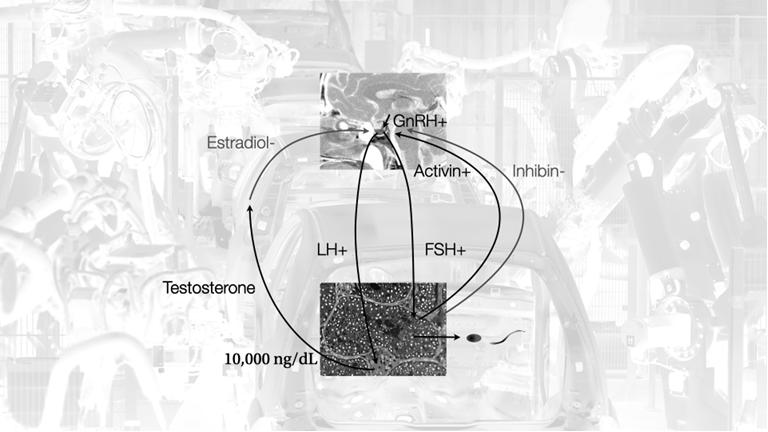
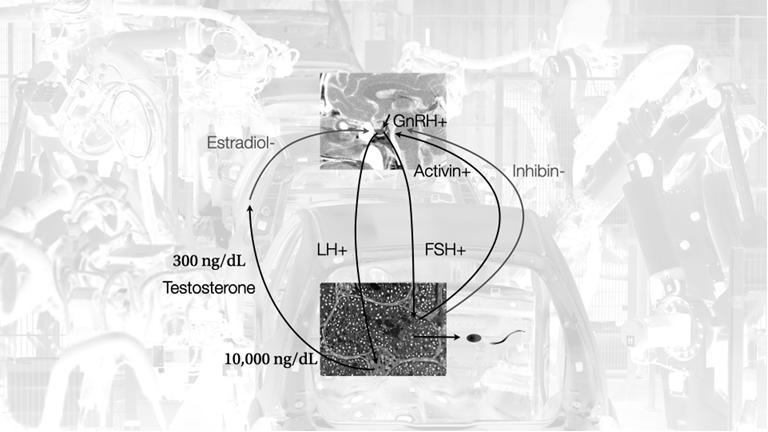
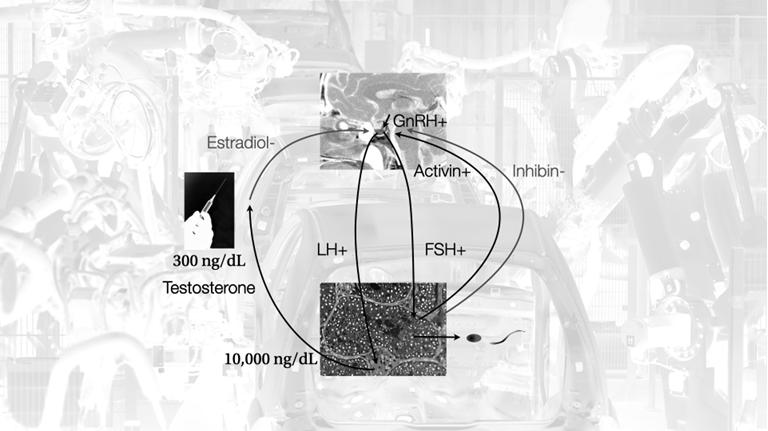
Male disorders can be broadly categorized according to the etiology-obstructive versus non-obstructive, and/or based on the site of the defect in the hypothalamic-pituitary-testicular axis.The initial assessment via history and physical exam forms the basis for the diagnosis of male factor disorders.
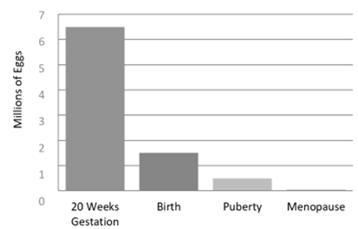
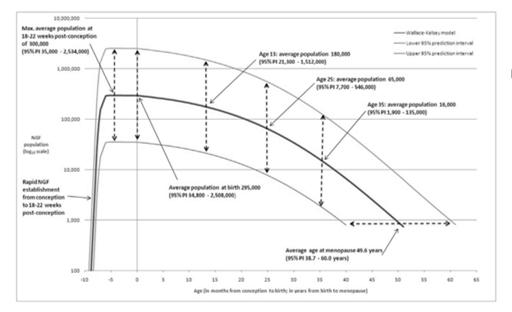
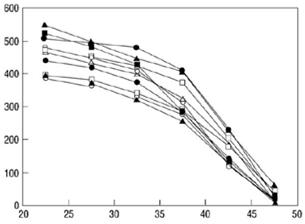
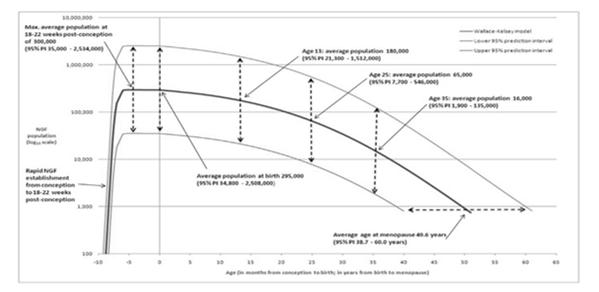
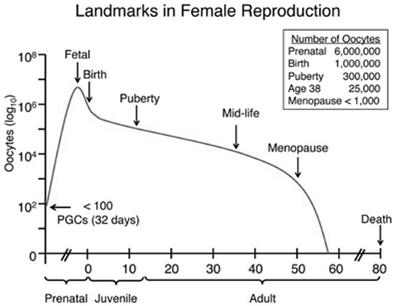
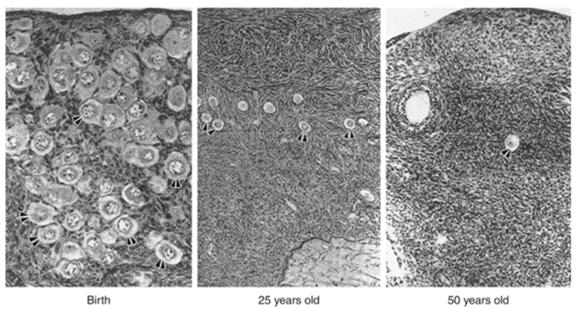
Women have a limited reproductive lifespan, as no new eggs are generated after birth, and the quantity and quality of human oocytes decline over the reproductive years. Ovarian reserve testing can assess the quantitative aspect of female ovarian reserve. Misperceptions and gaps in knowledge regarding reproductive aging exist in the general population.
The objectives of this session are to:
• Describe the process of taking a medical, reproductive, lifestyle, sexual and genetic history
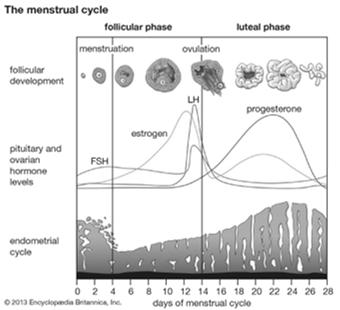
• Characterize the elements of the menstrual cycle and demonstrate the importance of a solid understanding of it for clinical practice
• Define the spectrum of male fertility disorders and their evaluation and treatment
• Summarize the process of ovarian aging and demonstrate the impact of the “biological clock” on clinical practice
REI 101 Course
1.General Assessment, Reproductive Anatomy and Physiology
Alex Quaas MD, PhD Medical Director, Shady Grove Fertility, Solana Beach Solana Beach / San Diego, CA
Disclosure Information
•Ferring Pharmaceuticals –Speaker Bureau
•Will not be discussing or referring to unlabeled/unapproved uses of drugs, devices, products, or therapeutic strategies
Structure/Topic
•Medical, reproductive, lifestyle, sexual and genetic history
•Menstrual cycle characteristics
•Male disorders
•Reproductive lifespan
Learning Objectives
•Describe the process of taking a medical, reproductive, lifestyle, sexual and genetic history
•Characterize the elements of the menstrual cycle and demonstratethe importance of a solid understanding of it for clinical practice
•Review the spectrum of male fertility disorders and their evaluation and treatment
•Describe the process of ovarian aging and demonstratethe impact of the “biological clock” on clinical practice
Structure/Topic
•Medical, reproductive, lifestyle, sexual and genetic history
•Menstrual cycle characteristics
•Male disorders
•Reproductive lifespan
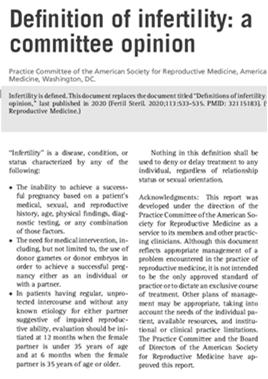
Definition of Infertility
• Infertility is a disease
•Inability to achieve a successful pregnancy despite regular unprotected intercourse
•Generally: over a 12-month period
•Female partner > 35: workup indicated after 6 months
•Female partner > 40: immediate workup reasonable
Foundation: Natural Reproduction
The Birds and the Bees: Natural Conception
Components of Evaluation and Treatment
Quaas - General Assessment, Reproductive Anatomy & Physiology
Case Example
•32 yo Gravida 0 with 43 yo husband
•Married since April 1, 2024
•Trying to conceive since April 2, 2024
•Regular periods with some dysmenorrhea
•No history of sexually transmitteddiseases
•He fathered a pregnancy in a previous relationship
Infertility affects approximately 15% of couples
History
How long have they been trying?
> 12 months with female age <35 → “infertility” > 6 months with female age 35-40 → “infertility” age > 40: may start workup at any time
•Lifestyle: exercise / activity, nutrition, tobacco / EtOH / recreational drug use, occupation, sleep, social stressors, mental health support?
•Sexual history: current sexual activity, IC timing, any problems with IC, past sexual history (including h/o + risk factors for STIs)
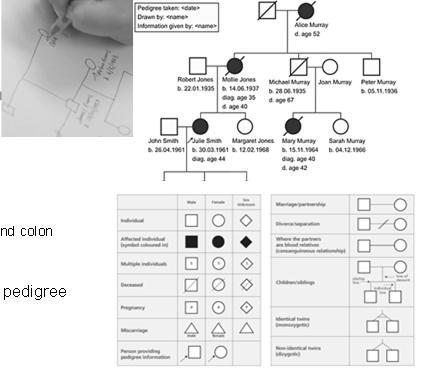
Genetic History
•Elicit family history
•Create family tree/genetic pedigree as needed
•(Referral to GC)
Structure/Topic
•Medical, reproductive, lifestyle, sexual and genetic history
•Menstrual cycle characteristics
•Male disorders
•Reproductive lifespan
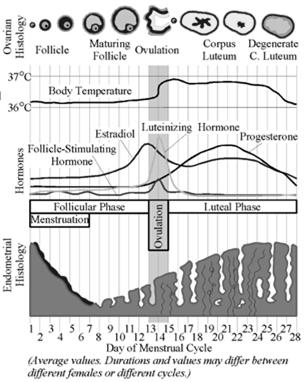
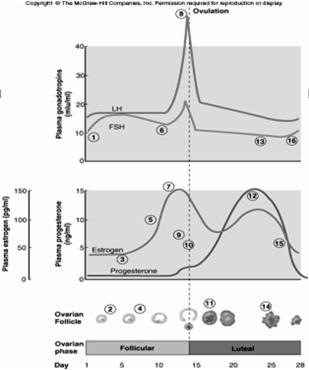
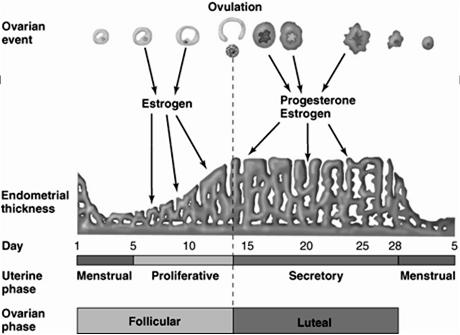
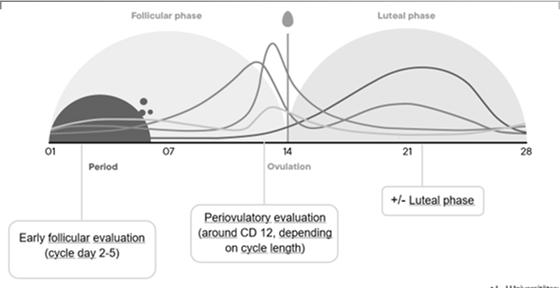
The Menstrual Cycle
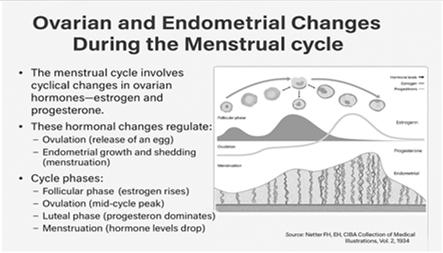
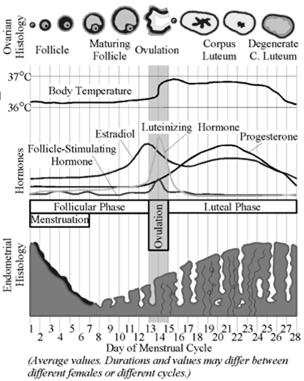
•Diagnosis and management of abnormal menstrual and ovulatory function: based on understanding of physiologic mechanisms involved in normal menstrual cycle
•Three phases
– Follicular phase
–Ovulation
– Luteal phase
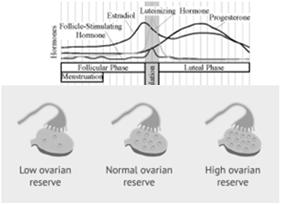
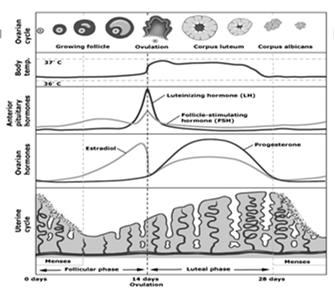
Hormonal control of the menstrual cycle
Hormonal
control of the uterus
Normal Menstrual Cycle
• Menarche = age at onset of menses
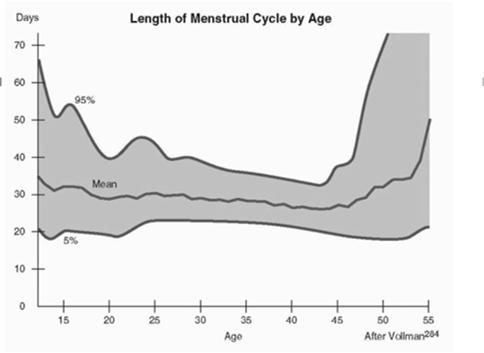
•Followed by 2-5 years of increasing regularity as cycles shorten to reach usual reproductive age pattern
•Duration of the follicular phase: major determinant of cycle length
Normal Menses
•Usual duration of flow is 4 to 6 days
•Normal volume of blood loss is 30 ml
•Normal cycle length: every 21-35 days
Menstrual Cycle Length
•Shorter cycle lengths: accelerated follicular growth patterns due to alterations in FSH and inhibin patterns
•At the same time: fewer follicles grow per cycle as a woman ages
•Cycles will start to shorten in late reproductive period
•2 to 6 years prior to menopause, cycles increase in length
•Menopause occurs due to depletion of follicles
Amenorrhea
• a = negative, men = month, rhoia = flow
–Absence of menstruation
• Primary Amenorrhea
–No period by age 13 in the absence of growth/development of secondary sexual characteristic
–No period by 15-16 regardless of growth/secondary sexual characteristics
–No period within 5 years of thelarche
• Secondary Amenorrhea
–No menses for 3-6 months or for the duration of 3 typical menstrual cycles for patient with oligomenorrhea
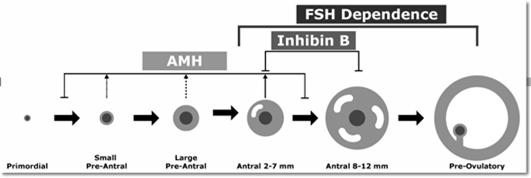
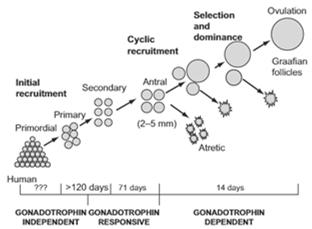
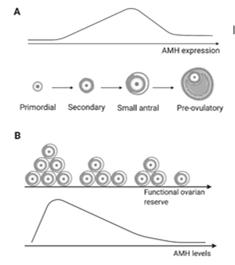
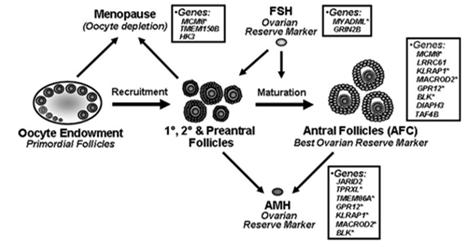
•AMH: produced by granulosa cells of pre-antral and small antral follicles of ovary
•From antral follicle stage, FSHresponsible for further growth, overcomesAMH inhibitory effect
•Inhibin B: produced by antral follicles, negative feedback to pituitary to suppress FSH and limit development to single follicle
•FSH promotes development of antral follicles, ovulatory follicle is most receptive to it
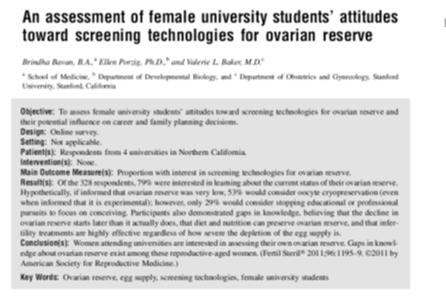
College Student Survey 2011
Misperceptions / gaps in knowledge regarding reproductive aging
Take-home Messages
•Taking a thorough medical, reproductive, lifestyle, sexual and genetic history is a crucial element of the initial fertility assessment
•The physiology of the menstrual cycle is the basis for the understanding, evaluation and management of menstrual and ovulatory disorders
•Male fertility disorders may be obstructive or non-obstructive, their evaluation and treatment is guided by history, exam and testing
•Ovarian aging represents a major challenge for fertility care Understanding of ovarian reserve testing vital Increased awareness needed
Pathophysiology, Evaluation & Diagnosis of Reproductive Health Disorders
Carol B. Lesser, MSN, NP-C
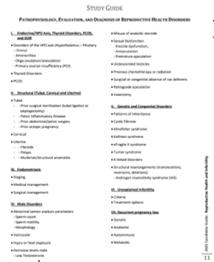
Reproductive endocrinology infertility (REI) nursing requires a basic understanding of the female menstrual cycle. From that foundation nurses are better able to assist their patients in understanding their menstrual cycle day dependent testing, treatment and interpretation of their results. A review of the HPO axis and its control over menstrual cycle function is crucial to understanding the application of gonadotropin and other fertility medications and their rationale for use.
With this basic understanding it is possible to better understand what happens when there is a disruption in the normal menstrual cycle. While the most common variations of a normal monthly cycle will be reviewed, there will be an emphasis on the two extremes since they encompass a large proportion of the patients seen. Specifically, polycystic ovarian syndrome and decreased ovarian reserve will be explained in detail.
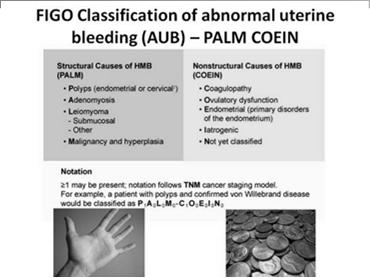
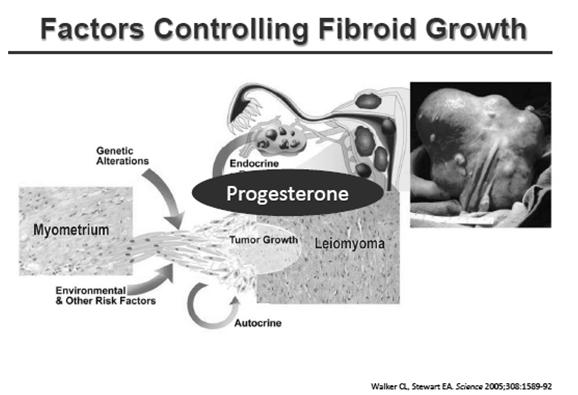
There also needs to be an awareness of the structural causes of infertility both, congenital and acquired. This will require a review of the common tests available that provide up to date information regarding the uterus including the inner cavity as well as the fallopian tubes and ovaries. Diagnosis of fibroids and their implications will also be addressed with a review of endometriosis and the potentially profound adverse effects on fertility and quality-of-life to follow.
Possible genetic causes of infertility for both males and females will be explored, as well as explanations of the current approaches to recurrent pregnancy loss and unexplained infertility.
Evaluation and Diagnosis of Reproductive Health: What Can Go Wrong?
Carol Lesser, NP-C Boston IVF Waltham, MA
Disclosure Information
•Will not be discussing or referring to unlabeled/unapproved uses of drugs, devices, products, or therapeutic strategies
Learning Objectives
•Review the fundamentals ofendocrine control of reproduction with emphasis on PCOS and DOR
•Examine the structural causes of infertility
•Demonstrate the negative effects of endometriosis on fertility
•Evaluate genetic and congenital disorders that impact fertility
•Define unexplained infertility
•Assess the major causes and treatment of recurrent pregnancy loss (RPL)
It All Starts With the Menstrual Cycle
Hypothalamic-Pituitary-Ovarian Axis
H-P-O Axis: A Delicate Balance
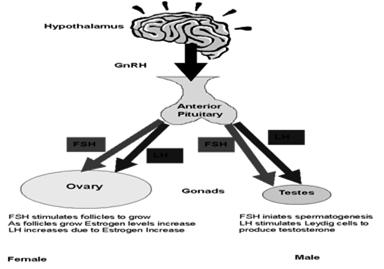
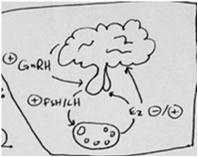
•Hypothalamus releases GnRH
•Pituitary releases FSH and LH
•FSH stimulates follicular growth
•LH triggers ovulation
•LH supports corpus luteum formation after ovulation
•Frequency and amplitude of pulses affect FSH and LH
H-P-O Axis
•Ovaries produce estrogen and progesterone
•Follicles grow and secrete estrogen (follicular phase)
•At high levels causes LH surge----> ovulation (positive feedback)
•Dominant follicle ruptures---> corpus luteum secretes progesterone (luteal phase)
•If no fertilization---> corpus luteum degenerates---> hormone levels drops--->menses starts
Hormonal Issues and Ovulatory Dysfunction
•Ovulatory dysfunction is when cycles are outside ofthe normal range (25-35 days)
•Understanding the menstrual cycle is key to interpreting lab and ultrasound results
Day 3 Hormone Evaluation
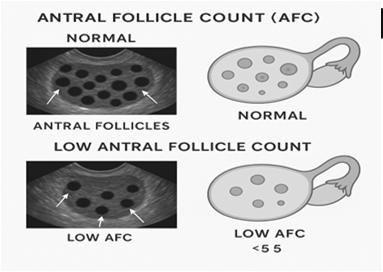
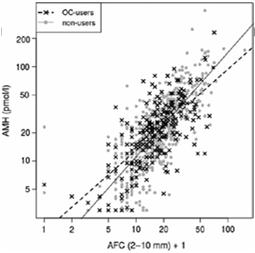
•Estradiol, FSH, AMH
•TSH, PRL, LH
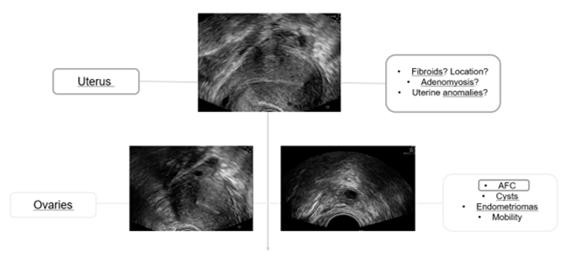
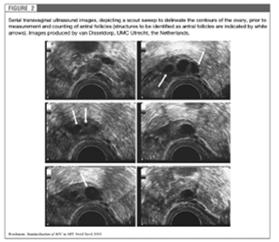
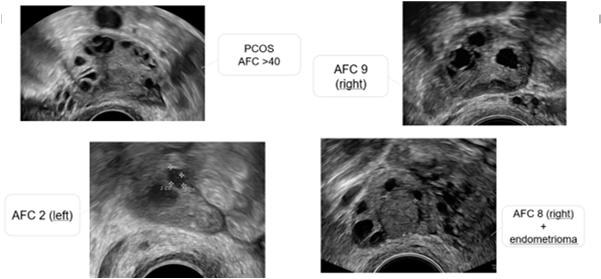
•Antral follicle count (AFC, TAFC, BAF)
•Androgens when indicated
•POF/POI patient: Fragile X, karyotype
Common Causes of Ovulatory Dysfunction
•PCOS
•Hypothalamic dysfunction
•Thyroid dysfunction
•Primary Ovarian Insufficiency or Failure
•Hyperprolactinemia
PCOS:An Ancient Disorder
Hippocrates (460-377 BC)
But those women whose menstruation is less than 3 days or is meager, are robust, with a healthy complexion and a masculine appearance; yet they are not concerned about rearing children nor do they become pregnant.”
Azziz R et al: Polycystic Ovary Syndrome: an ancient disorder? Fertil Steril. 95, No 5, 15448(2011)
2025: over 1 million TikTok posts on PCOS Multiple Podcasts ASRM website: askpcos.org
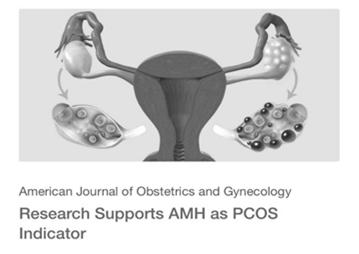
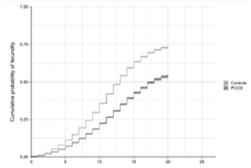
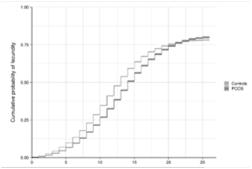
Polycystic Ovary Syndrome (PCOS)
Pathophysiology of PCOS
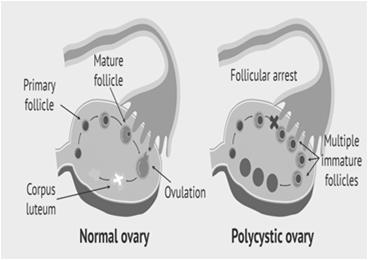
•Thecal cells produce increased androgens
•Increased androgens result in many small follicles
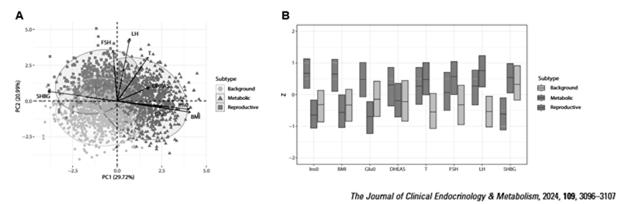
•May result in anovulation, hirsutism,PCO ovarian morphology, insulin resistance
•AMH 3.2 as a potential cut off [Piltonen et al 2025]
•PCOS is a syndrome: Effects are not universal
Piltonen TT et al. Fertil Steril. 2025 May 19:S0015-0282(25)00435-2.
PCOS Diagnosis: Rotterdam Criteria 2003
•2 out of 3
•4 clinical phenotypes1
•Irregular cycles (<21 >35)
•Hyperandrogenism especially hirsutism2
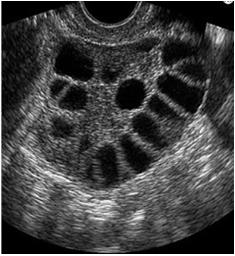
•PCO morphology on ultrasound > 20 antral follicles per ovary
1 Chiaffarino F et al. Eur J Obstet Gynecol Reprod Biol. 2022 Dec;279:159-170.
•Hypothyroidism stimulates prolactin. Add LT4 and repeat.
•Pharmacologic causes
•Pituitary MRI to diagnose and follow
•Treat with dopamine agonists as indicated
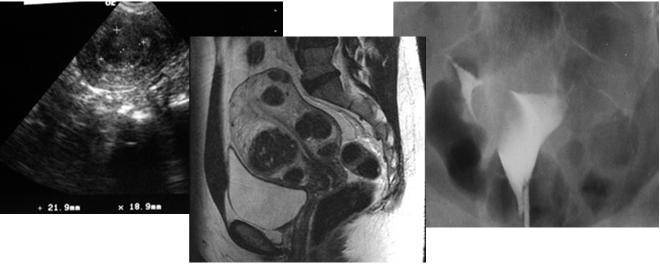
Uterine Cavity Evaluation
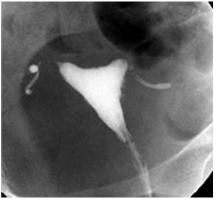
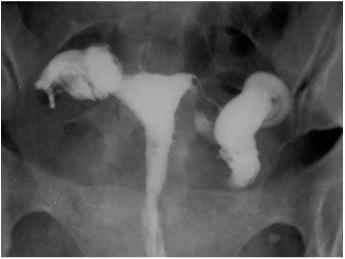
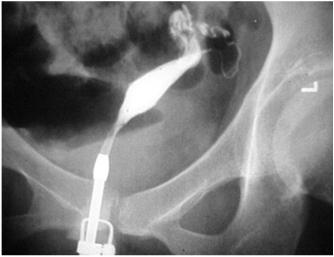
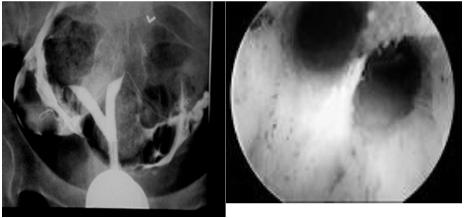
•Hysterosalpingogram (HSG)
•HyCoSy (FemVue)
•Saline infusion sonogram SIS or SHG
•3D ultrasound
•Office hysteroscopy
•Diagnostic or operative hysteroscopy
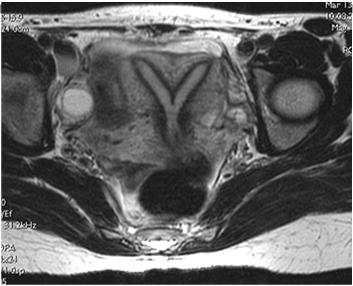
•Pelvic MRI
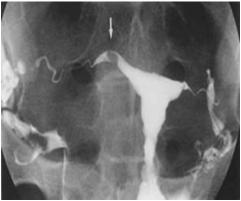
Hysterosalpingogram (HSG)
•Assess uterine cavity for shape and filling defects
•Check for tubal patency
Hysterosalpingogram (HSG)
•First performed in 1914 in the follicular phase
•Absolute contraindications: pregnancy, pelvic infection, allergy to iodine
–Pregnancy test should be done prior to x-ray
•Risk of infection following HSG in those patients with confirmed distally blocked tubes
•Prophylactic antibiotics should be given to women with known tubal disease (doxycycline 100 mg po BID x 5 days, starting prior test or azithromycin 1 gm day of)
Tubal Patency Evaluation
•HSG
•HyCoSy
•Laparoscopy with chromotubation
Assessing Tubal Patency
HSG is very sensitive at detecting occlusion
Normal HSG Tubal Obstruction
Tubal Factor
Risk factors include:
•H/O PID
•Prior ectopic pregnancy
•Ruptured appendix
HSG: What is the Diagnosis?
Hysterosalpingogram
•Detects Müllerian defects
•If noted further evaluation with 3D ultrasound is indicated
•Detects tubal pathology
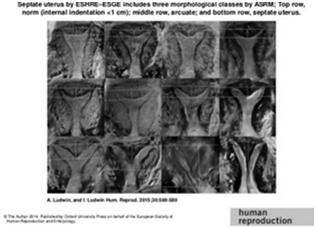
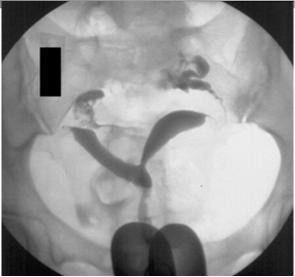
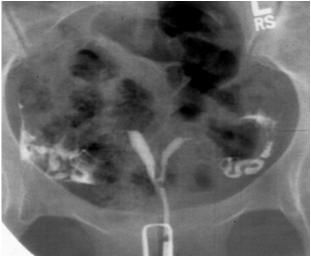
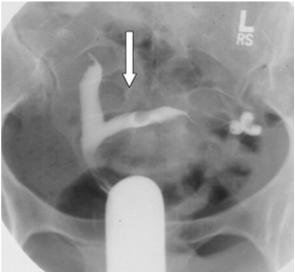
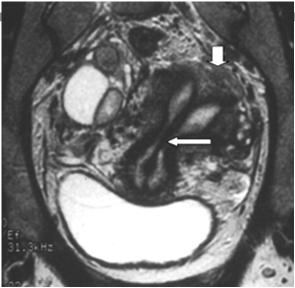
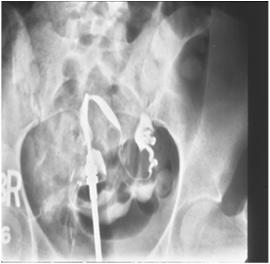
HSG: Unicornuate Uterus
HSG: Septate Uterus
HyCoSy
•Hysterosalpingo Contrast Sonography
•FemVue
•Cavity check for filling defects
•Tubal patency assessment
•Same timing as SIS or HSG
•Can be done with foam or saline
Sonohysterogram (SIS or SHG)
•First reported in 1993
•Follicular phase
•Not typically painful
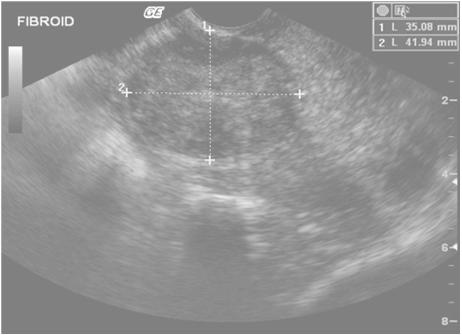
•Polyps, fibroids, adhesions
•Cavity defects
HyCoSy
SIS Filling Defects
Sonohysterogram Filling Defect
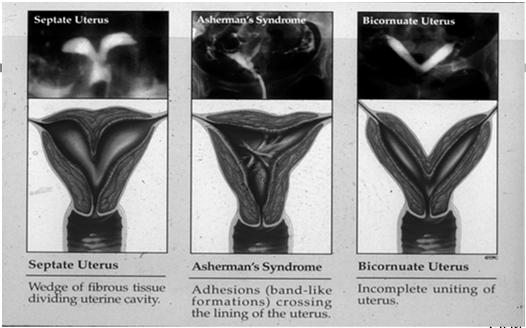
Common Uterine Anomalies (CUA)
•Developmental (Congenital) Anomalies
•Fusion/reabsorption problem
-Unicornuate
-Bicornuate
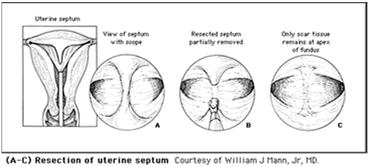
-Septate
Congenital Uterine Anomalies
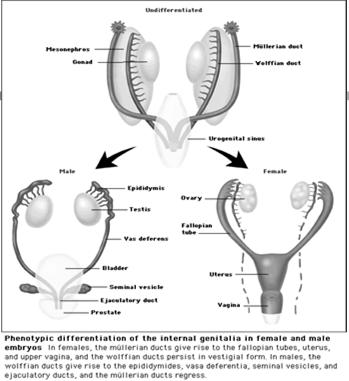
•Cause: Maldevelopment of Müllerian ducts
•Mechanism of infertility
-Impaired implantation
-Higher miscarriage risk
Acquired Uterine Factor
•Acquired abnormalities
-Polyps
-Myomas (fibroids)
-Synechiae (adhesions)
-Chronic endometritis
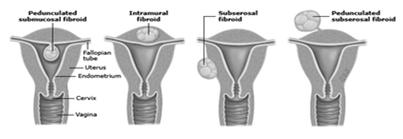
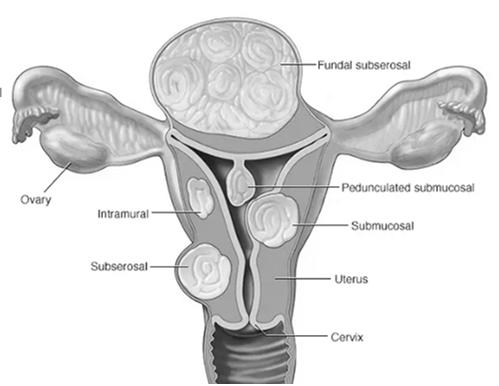
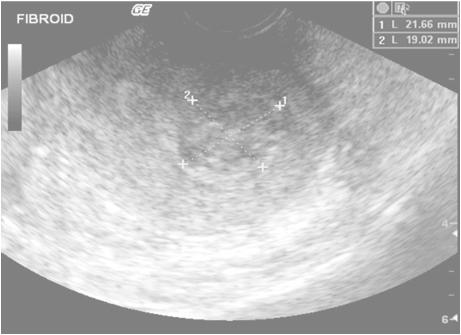
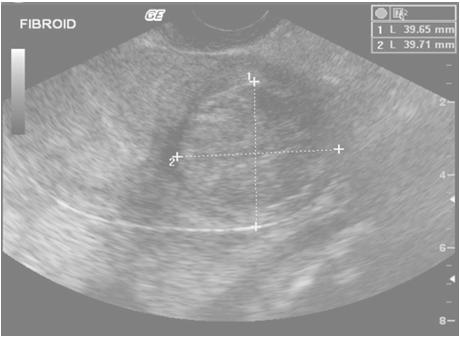
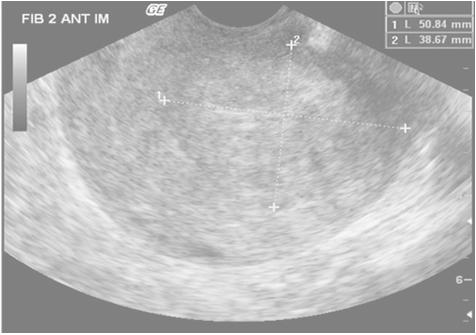
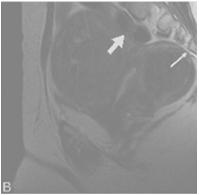
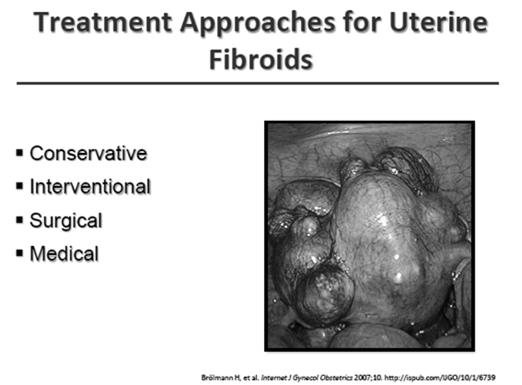
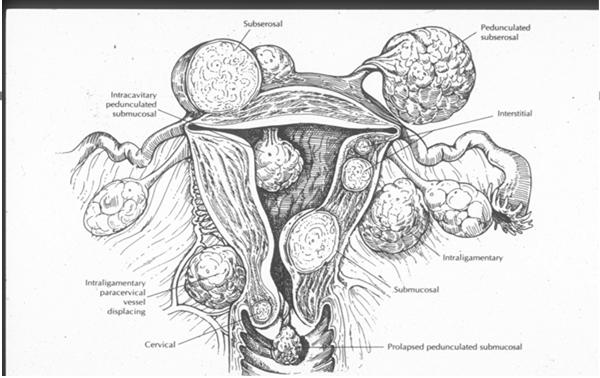
Uterine Factor: Fibroids
•Submucosal
•Intramural
•Subserosal
•Pedunculated
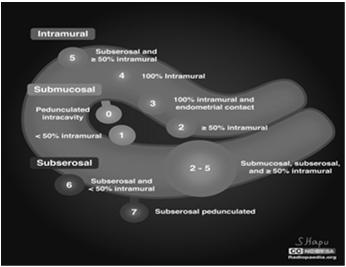
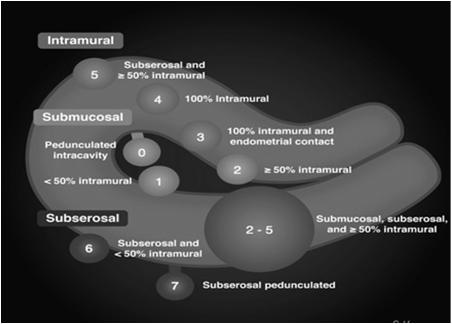
Fibroid Classification
Fibroids
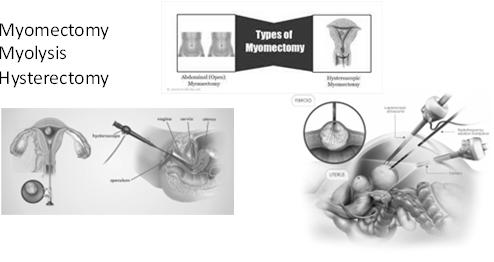
Myomectomy: Type, Location and Size Matter
•Hysteroscopic –submucosal that distort cavity
Recovery varies 1-3 months
•Laparoscopic –intramural or larger fibroids
Recovery varies 3-6 months
•Abdominal –large fibroids not amenable to less invasive methods
Recovery varies >6 months
FIGO
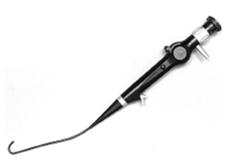
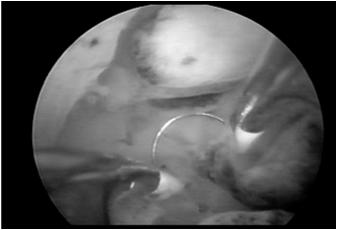
Operative Hysteroscopy
•Office vs operative
•Timing: days 5-12 or while on OCPs
•Biopsy usually included
•Can be diagnostic or curative
Fibroid Interventions: Nonsurgical
•GnRH agonists-pre surgery to shrink and reduce blood loss during surgery. Induces menopausal state.
•SPRM Selective Progesterone Receptor Modulators
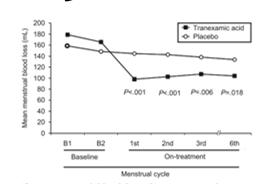
•Tranexamic acid-reduce menorrhagia
•Hormonal contraceptives: oral, progestin IUD. Does not shrink fibroids.
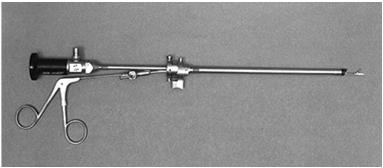
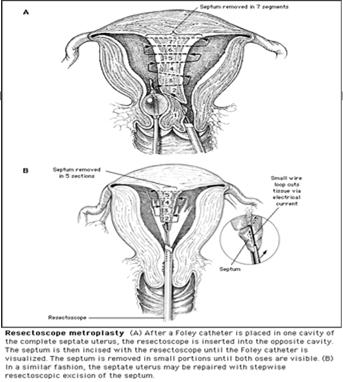
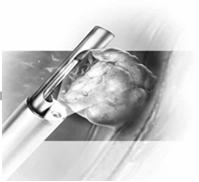
Hysteroscopic Resectoscopes
Laparoscopy
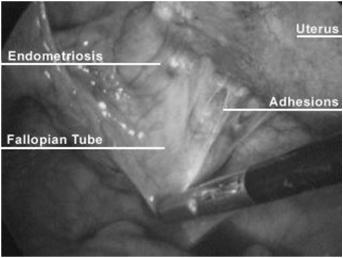
•Diagnose & treat endometriosis
•Remove adhesions
•Address tubal factor
•Remove or reduce septums, fibroids
•Not routine but gold standard for confirming endometriosis
Endometriosis
•Symptoms vary from asymptomatic to severe
•Can cause chronic pain often misdiagnosed
•Can profoundly affect quality-of-life
•Can cause adhesions
•Can negatively affect success rates even with ART
Endometriosis: Differential Diagnosis
•Adenomyosis: similar symptoms with tender enlarged uterus
•PID
•IBS can mimic symptoms of endometriosis
•Interstitial cystitis (bladder pain syndrome)
Endometriosis Treatment
•Goal is to reduce estrogen-drivendisease progression
•COC or hormonal IUD
•GnRH agonists or GnRH antagonists
•Add-back therapy with low dose estrogen/progesterone to mitigate menopausal symptoms
•Aromatase inhibitors
•Surgery when pregnancy desired promptly or symptoms warrant it
•Your role is vital to patients’ ability to navigate through testing and treatment
•You are the bridge that connects patients to the complex web of information vital to their fertility journey
IVF Protocols, Embryo Development and the Role of PGT
Kaylen M. Silverberg, MD
While there is a lot of science behind ovarian stimulation, there is also a lot of ART. Ovarian stimulation involves a thorough understanding of the inner workings of the hypothalamicpituitary-ovarian (H-P-O) axis and then, figuring out ways to manipulate it using some of the gonadotropins at our disposal in order to maximize a woman’s response while minimizing adverse effects.
Natural reproduction is inherently inefficient, as a proven fertile couple under 35 y0 has only a 20% chance for conception and a 15% chance for successful live birth per cycle. Ovarian hyperstimulation was developed in order to facilitate the development of multiple eggs per cycle and, when combined with IVF, to hopefully, produce more euploid blastocysts.This presentation will review the use of FSH, LH (hCG), GnRH agonists and antagonists, estrogen and OCP pretreatment, oral agents like estrogen receptor modulators or aromatase inhibitors and different ways of tricking Mother Nature to improve the odds.
We have learned that optimal IVF stimulation actually starts in the cycle before IVF. We take advantage of that by “priming” a patient’s ovaries to develop a larger cohort of immature follicles that will be ready to respond to endogenous and/or exogenous gonadotropin stimulation once a period begins. We then stimulate follicular development using FSH alone or FSH +hMG, combined with something (typically GnRH-a or GnRH-ant) to suppress spontaneous ovulation. This is followed by a trigger- typically leuprolide acetate and/or hCG.
Oocyte retrieval follows trigger by approximately 36 hours and after a 4-6 hour incubation, retrieved oocytes are inseminated or injected (ICSI) with properly prepared sperm. While ICSI has become routine in most programs, recent data suggest that insemination likely yields superior results for patients with normal male factor. This is important, as ICSI adds both significant expense as well as potential damage to the oocyte. Regardless, for patients with severe male factor, there are now a variety of techniques that improve the likelihood of success for men who previously had no hope of parenthood.
Approximately 18 hours following insemination or sperm injection, fertilization is visually confirmed. Successfully fertilized oocytes are then followed in culture for up to 7 days. Once they reach the expanded blastocyst stage (approximately 128 cells), they are vitrified with or without undergoing biopsy for chromosomal screening. Pre-implantation genetic testing (PGTA/M/SR/P) may then be offered. While PGT has held out the promise of higher pregnancy rates, lower miscarriage rates, higher live birth rates, faster time to pregnancy, and reduction/elimination of genetic disease propagation, it remains very controversial, as data so far do not conclusively demonstrate that it can deliver on all of these promises.
Assisted Reproductive Technology: IVF Protocols, Embryo Development, and the Role of Preimplantation Genetic Testing
Kaylen M. Silverberg, MD
Medical Director, Texas Fertility Center
Co-Founder, Ovation Fertility Austin, TX
Disclosure Information
•Is an owner, stockholder and board member of Ovation Fertility, US Fertility
•Has served as a consultant for EMD Serono
•Has served on the advisory board for Progyny
•Will not be discussing or referring to unlabeled/unapproved uses of drugs, devices, products, or therapeutic strategies
Learning Objectives
•Review the most commonly employed stimulation protocols for IVF
•Critically evaluate the most common andrology procedures performed during ART
•Review the current state of PGT
•Discuss normal and abnormal early embryonic development
- IVF Protocols, Embryo
Silverberg
IVF Protocols
Inherent Inefficiency of IVF
•12 oocytes (12)
•75% fertilization (9)
•40-60% blast utilization rate (3-5)
•30-50% euploid (1-3)
–Therefore, it takes about 10-12 eggs (depending on patient age) to produce 1 euploid blastocyst
•Large (n=661), MC RCT compared PGT-A to morphology alone for single embryo FET
•No differences in OPR at 20 weeks per FET or Intention to treat
•Subgroup analysis of 35-40 yo showed significant increase in OPR (51% vs. 37%), but no difference if analyzed by ITT at randomization
•Lack of significance potentially related to one lab that generated aberrant results
Munné S et al. Fertil Steril. 2019 Oct;112(4 Suppl1):e71-e80.
PGT: Conclusions
•PGT-A can ID embryos with abnormalities
•Current evidence does not support universal use as it has not consistently improved LBR
•Probably best in older population or recurrent aborters, as it does reduce the incidence of Sab
•ACOG, ACMG recommend PGT-M and PGT-SR if necessary, but not PGT-A
•ACOG, ACMG do not recommend PGT-P outside of experimental protocol
PGT-P
•Designed for polygenic disorders
•Produces relative risk profiles for embryos based on mathematical modeling to estimate incidence of future disease (IDDM, CAD, cancers, etc.)
•Not recommended by ACMG due to insufficient data
Grebe TA on behalf of the American College of Medical Genetics and Genomics (ACMG). Genet Med. 2024 Apr;26(4):101052.
Reproductive Health: Treatment & Complications
Tamara M.Tobias, ARNP, WHNP-BC
This review course is designed to offer fundamental support and direction for nurses and Advanced Practice Providers new to practice, returning to practice, or interested in taking the NCC certification examination. The course will review foundational knowledge reflected in the Reproductive Health and Infertility exam.
This section of the REI 101 curriculum will provide additional background, rationale and important clinical information on contraception options, fibroids, cysts, chronic pelvic pain, and early pregnancy management options.
Reproductive Health Treatment and Complications
Tamara Tobias, WHNP-BC, ARNP Pinnacle Fertility
Seattle, WA
Disclosure Information
•Ferring –Speaker Bureau
Learning Objectives
•Review contraception options
•Describe fibroids and cysts
•Discuss treatment of chronic pelvic pain
•Identify early pregnancy management options
Contraception
Contraception –Considerations
•Effectiveness
•Contraindications?
•Low-maintenance options?
•Mood and weight concerns?
•STI prevention?
Contraception Options
•Combination hormonal oral contraceptives (contain estrogen and progestin)
–Efficacy: 99% perfect use, typical use 93%
–Non-invasive, reversible
–Cons: possible hormonal side effects, estrogen contraindications
•Copper IUD
–Efficacy >99%
–No hormones, longest-lasting option up to 10 years
–Low maintenance
–Cons: can increase menstrual bleeding and cramping. Requires office insertion/removal
Estrogen Contraindications
•Hypertension above 140/90
•History of or family history deep venous thrombosis (DVT), pulmonary embolus (PE), or stroke
•Clotting disorders, or family history of clotting disorders
–Low maintenance, minimal systemic hormone exposure, lighter or absent periods
–Cons: irregular spotting first 3-6 mo, requires office insertion/removal
•Subdermal Progestin Implant
–Efficacy >99%, up to 3 years
–Low maintenance, can improve menstrual regularity for some
–Cons: Irregular bleeding commons SE, mood changes
•Progestin only pill (Minipill)
–Shorter term option, Efficacy 91-99% depending on perfect use
–Non-invasive, reversible, no estrogen
–Cons: must be taken at same time daily, higher failure rate than long-acting reversible options (i.e.IUD)
•Depo-Provera Injection
–Efficacy 94-99%, requires 4 injections per year
–Cons: possible weight gain, irregular bleeding, delayed return to fertility –up to 18 months
Barrier Methods
•Male Condoms
–85-98% effective, STI protection
•Female Condoms
–79-95% effective, STI protection
•Diaphragm or cervical cap
–<88% effective, requires correct use
–Does not protect against STI unless dual protection with condom
•Pros: no hormonal side effects
•Cons: higher failure rate, requires consistent use
Question
Which contraceptive method provides both effective hormonal management and endometrial protection in women with heavy menstrual bleeding?
A. Copper IUD
B. Levonorgestrel-releasing IUD
C. Barrier methods
Question
When selecting a contraceptive method for a 29-year-old patient, which factor is most important to consider?
A. Patient’s age and reproductive goals
B. Patient’s favorite color
C. Patient’s employment status
Question
Which potential side effect is associated with the use of combined hormonal contraceptives in the management of hormonal imbalances?
A. Weight loss
B. Hypertension
C. Improved bone density
Fibroids
Uterine Fibroid Types
•Subserosal –develop on the outside of the uterus; least symptoms. can become pedunculated
•Intramural –most common; located in the uterine wall, can cause uterus to bulge
•Submucosal –found within the uterine lining and can protrude into the cavity; may impact fertility!
Leiomyomas common –up to 30-40% in women > 35 yrs
FIGO (International Federation of Gynecology and Obstetrics Classification for uterine leiomyomas) Ob
Surgical Myomectomy Options
•Submucosal fibroids
Hysteroscopic
•No abdominal incisions, minimal scarring
Laparoscopic
Abdominal (Open)
Considerations
•Healing time 2-3 months
•Intramural fibroids or large submucosal
•Small abdominal incisions
•Healing time 3-6 months
•Large or multiple fibroids or difficult to reach
•Longer recovery time
•Healing time 6-12 months
•Monitor for complications –adhesions after laparoscopic or abdominal, f/u HSG or SIS
•Ovarian stimulation and fibroid growth
•Hormonal treatment before surgery –GnRH agonists to shrink, ↓ blood loss, ↓ recurrence
Subserosal Fibroid
Uterus
Fibroid
Submucosal Fibroid
Intramural Fibroid
Uterus -Adenomyosis
•Condition in which there is abnormal growth of the endometrium into the myometrium
•Ultrasound = diffuse, globular uterine enlargement without fibroids
•May see multiple cysts in myometrium
•May have abnormally thick endometrium with poor distinctness of endomyometrial junction
Pathology Confirmed Adenomyosis
Question
A 29-year-old presents with heavy menstrual bleeding and pelvic pain. Ultrasoundreveals multiple intramural fibroids. Which factor may contribute to her infertility?
A. Distortion of the uterine cavity
B. Ovarian hyperstimulation
C. Endometrial Hyperplasia
Question
When evaluating uterine structural abnormalities, which imaging modality is considered most useful for assessing uterine anomalies?
A. Transvaginal ultrasound
B. Magnetic resonance imaging (MRI)
C. Hysterosalpingography(HSG) or saline sonogram
Question
Which reproductive surgery is most commonly performed to reverse a tubal ligation?
A. hysteroscopy
B. laparoscopy
C. laparotomy
Ovarian Cysts
Ovarian Cyst
•During course of lifetime, many women develop a cyst
•Most are functional, cystic, benign, and related to the ovulation process
•Become pathologic if persist or large >7cm
Cyst Types
•Functional / Physiologic
–Simple follicular
–Corpus luteum
•Endometrioma
•Teratoma/dermoid
Functional / Physiologic Cysts
•Ovulatory cysts; most 2.5 cm size or < 5 cm
•Result from non-rupture of dominate follicle or failure of immature follicle to undergo atresia
•Usually asymptomatic
•Large or persistent may be associated with menstrual irregularities and pelvic pain
•Most common type of functional cyst
Simple Cyst
Uterus
Cyst
Corpus Luteal Functional Cysts
•Result from intracystic hemorrhage
•May be associated with menstrual irregularity
•Spontaneous resolve 6-12 weeks
Endometrioma
•Seen in 25% women > 30 years of age
•Symptoms result from implantation of endometrial tissue
•Endometrial tissue responds to hormonal changes and bleeds during menses
•Blood and cellular debris accumulate
•Local inflammation results in adhesions
Corpus Luteal Cyst Cyst
Endometrioma
Dermoid / Teratoma
•Derived from all 3 germ layers
•Most asymptomatic
•Malignant transformation –2 %
•If rupture (rare) cause chemical peritonitis and diffuse pain
Uterus Cyst
Teratoma / Dermoid
Ovary
Cyst
Question
A 30-year-old presents for an ultrasound because her menses is delayed by 2 weeks. The ultrasound reports a complex cyst on her right ovary. Which type of cyst may explain her late menses?
–GnRH Agonists (2nd line) leuprolide or nafarelin, GnRH Antagonists (elagolix)
•Add-back therapy (low-dose estrogen/progesterone) may bee needed to mitigate side effects of bone loss
Question
A 35-year-old patient present with chronic pelvic pain and dysmenorrhea. Laparoscopy reveals ectopic endometrial tissue implants. Which condition does this describe?
A. Endometriosis
B. Uterine Fibroids
C. Adenomyosis
Question
A 30-year-old patient with infertility and a history of pelvic inflammatory disease is most likely to have compromised which structure?
A. Cervix
B. Fallopian tubes
C. Uterine Body
Question
A 33-year-old with pelvic pain and infertility undergoes laparoscopy that reveals adhesions and endometriotic implants. Which treatment option is most appropriate?
A. Oral contraceptives
B. Laparoscopic surgical ablation
C. IVF
Question
A patient with chronic pelvic pain unresponsive to medical therapy is being evaluated for surgical management. Which procedure is most appropriate for releasing pelvic adhesions?
A. Hysterectomy
B. Laparoscopic Adhesiolysis
C. Endometrial ablation
Question
For a patient with chronic pelvic pain secondary to endometriosis, which treatment option is most appropriate?
A. Oral contraceptives
B. Nonsteroidal anti-inflammatory drugs (NSAIDs)
C. Antibiotic therapy
Early Pregnancy Management Options
Normal Early Pregnancy Ultrasound
•Gestational sac
•Yolk sac
•Amnion
•Embryo and cardiac activity
Gestational Sac (GS) Features
•First definitive sign of early pregnancy
•Earliest seen 4.5 menstrual weeks
•5 weeks = 5 mm
•Growth 1mm/day in early pregnancy
Gestational Sac
Yolk Sac Features
•Earliest embryonic landmark
•Should see by 6 weeks
•Forms in conjunction with embryonic disc
•Indicates true gestational sac even before embryo is seen; important for r/o ectopic
Amnion Features & Ultrasound
•Very thin membrane surrounding the embryo
•Chorion-amnion fuses between 16-20 weeks
•Important for characterization of twin pregnancies
Yolk Sac
Amnion
Embryo-Crown Rump Length (CRL)
•CRL is the long axis of the embryo
•Should see embryo when gestational sac 1620 mm
•Most accurate for dating between 6.5 –12 weeks
Embryo
Cardiac Activity
•Usually evident as soon as embryo can be seen, but may not see if CRL ≤4 mm
•Mifepristone followed by misoprostol over 24-48 hrs
•Combined 8491% effective
•Misoprostol alone 67-76% effective
•More control
•Highly effective
Surgical
•Manual vacuum aspiration (MVA) or D&C
•Predictable
•Highly effective
•Rapid resolution
•May favor if hx anemia or bleeding abnormalities
•May favor if uterine anomalies or cavity distortion
Schreiber et al 2018
Ectopic Pregnancy
•Increased risk with infertility patients:
–Underlying tubal disease
–Increased multiples (ovulation induction)
–Inadvertent placement of embryo with embryo transfer
Ectopic Pregnancy -Symptoms
•Pelvic pain-diffuse, bilateral, or contralateral
•Vaginal bleeding –may or may not
•Extraovarian (adnexal) mass
•Shoulder pain
•Abnormal hCG levels –plateau or subnormal rise
Extraovarian Mass –Tubal Ectopic Pregnancy Ovary
Ectopic Pregnancy Treatment
Laparoscopy
•Adnexal embryonic cardiac activity
•Size of mass (> 4 cm)
•Presence of free peritoneal fluid/blood
•Pain or unstable
Methotrexate
•Patient stable
–Two dose protocol, higher treatment success
–Day 1 MTX
–Day 4 repeat MTX and hCG
–Day 7 repeat hCG level and continue to follow hCG until negative
Methotrexate Patient Education
•Works by targeting rapidly dividing cells
• ↑ hCG during initial therapy
•Vaginal bleeding or spotting may occur
•Abdominal pain “separation pain” (between 3-7 days after tx begins. Resolves within 4-12 hours. If severe of persistent = evaluation
•Avoid IC until hCG undetectable
•Avoid sun (limit risk dermatitis)
•Avoid foods/supplements with folic acid
•Avoid gas-forming foods (produce pain)
•Avoid new conception until hCG undetectable
Question
In early pregnancy management, a patient presents with vaginal bleeding. Which ultrasound finding is most concerning for an ectopic pregnancy?
A. An intrauterine gestational sac with a yolk sac
B. A complex adnexal mass separate from the ovary
C. A subchorionic hemorrhage adjacent to the gestational sac implantation
Question
In the medical management of an ectopic pregnancy, which medication is most commonly used?
A. Methotrexate
B. Clomiphene citrate
C. Letrozole
Question
A patient in early pregnancy presents with severeabdominal pain and vaginal bleeding. Which management strategy is most appropriatewhen an ectopic pregnancy is suspected?
A. Immediate surgical intervention
B. Expectant management with close observation
C. Ultrasound-guided diagnostic evaluation
Long-term Genetic & Psychological Implications of Gamete Donation
Daniel B. Shapiro, MD, Reproductive Biology Associates, Atlanta, GA
Lauren Magalnick Berman, PhD, Psychotherapy & Fertility Counselor, Sandy Springs, GA
Lauren J. Isley, CGC, CooperSurgical, Trumbull, CT
Josh I. McLaurin, Esq., Georgia State Senator, Atlanta, GA
Gamete dona on was once perceived as a short-term commitment and focused on the needs around ini al qualifica on and the dona on process. However, given recent evolu ons in gene c tes ng, health technology, and anonymity, the lifelong implica ons of dona on are increasingly being recognized.
Along with a gene c counselor and mental health professional, a reproduc ve endocrinologist who donated sperm more than 35 years ago will present side-by-side with a man who was conceived with this physician’s sperm. Through a series of structured ques ons, issues pertaining to personal/family medical history ascertainment, psychoeduca onal counseling, and informed consent at the me of ini al qualifica on will be addressed. Speakers may also review relevant research related to experiences around the dona on process, poten ally informing strategies for programs to create a posi ve environment for donors. Finally, by reflec ng on the speakers’ personal journeys of gamete dona on, a discussion will take place around health updates and the importance of long-term communica on with the donor program, as well as the poten al impact of future iden ty disclosure to offspring.
Long-term Genetic and Psychological Implications of Gamete Donation
Lauren M. Berman, PhD Psychologist, Sandy Springs, GA
Lauren J. Isley, MS, CGC, Genetic Counselor, Trumbull, CT
Joshua I. McLaurin, JD, State Senator, Atlanta, GA
Daniel B. Shapiro, MD, Reproductive Endocrinologist, Atlanta, GA
Disclosures
•Lauren M. Berman, PhD: Principal, Fertility Psychology Center of Atlanta, LLC. Nothing to Disclose
•LaurenJ.Isley, MS, CGC: Full-time employee of CooperSurgical, Inc.
•Joshua I. McLaurin, JD: Nothing to Disclose
•Daniel B. Shapiro, MD: Owner, Inception LLC
•Have agreed to disclose any unlabeled/unapproved uses of drugs or products referenced in presentation/materials
Learning Objectives
•Describe the impact of gamete donation on the donors themselves and donor-conceived persons over a lifetime
•Summarize the ways in which the long-term impact of gamete donation can inform the initial genetic and psychological counseling that donors undergo
•Identify some challenges to informed consent around the lifetime impact of gamete donation
History of Disclosure/Anonymity
THEN:
Historically, few records (if any) were kept on sperm donors
•Disclosure of an individual’s donor conception was not commonplace
• Physicians often selected the recipient’s donor
•Regulations on donor anonymity began to evolve in the mid-1980s in some countries
NOW:
Evolving practices related to ‘donor anonymity’ especially outside the U.S.
Bigger push from gamete recipients/offspring for less anonymity
• More socially acceptable to disclose to offspring
However, disclosurepracticesare still variable
•Current donors better understand anonymity is never guaranteed
Adult photos, donors have now grown up with socialmedia, etc.
Impact of Secrecy on Donor-conceived
The discovery of hidden donor-conception can create an identity crisis
•
Loss of connection to family legacy and, possibly, ethnicity & religious Loss of sense of self
for
narrative of
• Worry about the implications for their relationships and their
about
Grethel et al 2024
Direct-To-Consumer Genetic Testing (DTC-GT)
DTC-GT and Relatedness
•Determines how much DNA is shared between the tested individual and others in that DTC-GT’s company’s database
•Often reported in “centimorgans” and/or percentage of shared DNA
–Centimorgan: a unit used to measure the probability that a section of DNA will be passed on to a descendant intact –i.e., parent/child have >3,330 centimorgans shared; full siblings have 2,200 –3,300 centimorgans shared
•May also show degrees of separation and possible relationships
DTC-GT and Inadvertent Disclosure
One-third of individuals discover their nature of conception via DNA tests (We Are Donor Conceived, 2020)
•Donor and donor-conceived person may match as relatives
•DCP may show non-paternity with presumed biological father
•DCP may have less of a genetic relationship than expected with relatives
•DCP may match with other half-siblings
How Important is DNA?
History of IVF & Evolving Role of IVF Nurses
Daniel B. Shapiro, MD
The first successful IVF procedures, conducted over 45 years ago, were the culmina on of a long road from early religious or totemic explana ons for human origins to explana ons based on the scien fic method and numerous technological advances. Throughout the evolu on of fer lity treatments, scien fic advance has been met with resistance, some religious and some based on the prevailing ethics of the me. The prevailing trend is for increasing acceptance of fer lity medicine despite the recent and sudden erosion of cons tu onal protec ons for reproduc ve freedom and bodily autonomy associated with the Dobbs decision on abor on rights. The organized resistance to reproduc ve freedom and autonomy has succeeded in enac ng abor on restric ons from the moment of concep on in several states, and do not specify whether the concep on is protected in vitro the same as in situ/in vivo. The ambiguity inherent in many of these restric ons, and the stated goal of the most strident opponents of reproduc ve freedom to protect all embryos, makes it likely that these ambigui es will be tested in court.
Reproduc ve Medicine has been a subspeciality of Obstetrics and Gynecology since the 1970’s, before the age of IVF. Early reproduc ve specialists focused on endocrine management of ovula on disorders and reproduc ve surgery. There were no fer lity nurses per se
Nursing itself is as old as human history, though the models for nursing care that are used today have their origins with Florence Nigh ngale, a Victorian era Bri sh nurse. At its incep on, IVF was guided by a nurse whose contribu ons to the first IVF in Britain went largely unrecognized for many years. Jean Purdy was the first nursing professional to interact with pa ents undergoing ovula on monitoring for egg collec on. She was also instrumental in the lab work that led to the birth of Louise Brown. The birth of Louise Brown was honored by the gran ng of a Nobel prize for Robert Edwards, but Purdy’s contribu ons went unrecognized because the Prize is not awarded posthumously, and both she and Patrick Steptoe died in the 1980s. Prior to becoming the world’s first IVF nurse, Purdy was also a member of the cardiothoracic team that performed the first open heart surgeries in Britain in the 1960s. Jean Purdy’s pioneering yet long-overlooked contribu ons highlight the essen al and enduring role of nurses in reproduc ve medicine—providing not only compassionate pa ent care but also advancing the science that makes breakthroughs like IVF possible.
A History of IVF and Origins of Fertility Nursing
Daniel Shapiro, MD
Medical Director
RBA, MyEggBank-NA Atlanta, GA
Disclosure Information
• Is Owner of Inception LLC
•Will not be discussing or referring to unlabeled/unapproved uses of drugs, devices, products, protocols, or therapeutic strategies
Learning Objectives
•Outline the key developments in Fertility Medicine
•Review reaction of Western Society to reproductive technologies
•Evaluate the origins of nursing for Fertility Medicine
Shapiro - History of IVF & Origins of
Early Concepts of Reproductive Science
•Hippocrates-around 400 BC (Greek)
–Considered the possibility that both men and women contributed ‘seed’ and that it mixed in the uterus
–All female medical conditions were the result of either suppressed menstruation or excessive bleeding
–Diseases of the woman emanate from hysteron (uterus)…hence the word “hysterical”
Hippocrates’ Woman: Reading the Female Body in Ancient Greece; King H, Routledge, London 1998
More Classical Medicine…
•Aristotle (Greek) about 300 BC
–Believed it was all about the male
–Woman was vessel to carry the seed planted by the male…which contained an entire tiny baby (homunculus)
–Women were imperfect men, who were ‘colder’ than men and were unable to provide enough heat to warm blood into semen
Hippocrates’ Woman: Reading the Female Body in Ancient Greece; King H, Routledge, London 1998 Image in https://www.britannica.com/science/homunculus-biology# /media/1/270724/277136
The classical view of reproductive physiology lasted about 2000 years…until enlightenment scientists (17th and 18th century) called the teachings of Hippocrates and Aristotle into question…
Reproductive Medicine Begins…
•J. Marion Sims-1855; chief of staff at Woman’s Hospital in NYC (now St Luke’sRoosevelt)
•‘Father of modern GYN’ performed 55 IUIs over 2-year period; only one pregnancy which ended in miscarriage
•Investigational methods were highly unethical; he worked on surgical technique by operating on enslaved African women without anesthesia
First Donor Insemination
Diagnosed azospermia in husband (from gonorrheal obstruction)
Asked best looking medical student in his charge to provide a sperm sample and then surreptitiously placed it in the wife while she was chloroformed and the other students watched
Husband was informed of the truth when the baby boy was born
Truth was published by a med student who was probably the donor…25 years later
The guilt-ridden medical student’s name?
Addison Davis Hard, MD (I did not make this up…)
He wrote a letter to the journal MEDICAL WORLD in 1909 detailing the event and defendingit as a means of ‘race
Dr William Pancoast…tsk…tsk…tsk
The Dark Ages
•1873- Harvard Medical School Professor Edward Clarke, MD publishes Sex in Education arguing that higher education in women contributes to their infertility
•1932- Aldous Huxley publishes Brave New World with a dystopian future filled with ‘test tube babies’
•1949- Pope Pius XII condemns attempts to fertilize human eggs in-vitro as sacrilege
•1954-Illinois courts declare donor sperm babies to be legally illegitimate (later overturned)
More Resistance to Reproductive Science…
•1968-Pope Paul VI issues Humanae Vitae which explicitly forbids Catholics from using oral contraceptionand requires that procreation be the result of sexual intercourse
•1971-Nobel Laureate James Watson(discoverer of DNA’s double helix), speaking at the American Bioethics Conference condemns IVF research as it necessitates infanticide’. Robert Edwards gets a standing ovation when he argues against Watson’s position.
•1972- The AMA urges a moratorium on ALL IVF research
IVF Origins
•1934 Harvard researcher Gregory Pincus succeeds with IVF using rabbit eggs and suggests this would help infertile women. He is denied tenure at Harvard as a result.
•1937 John Rock, MD writes an anonymous editorial for NEJM suggesting IVF would be ‘a boon for the barren woman with closed tubes!’
Gazit C and Klotz Steinman H.Test Tube Babies. Public Broadcasting System American Experience Season 19, Episode 4. Aired April 6, 2020.
Shapiro - History of IVF & Origins of Fertility Nursing
First Human IVF
•1938-John Rock hires Pincus’ research assistant Miriam Menkin and begins collecting human ova with the intent to fertilize them in-vitro.
•1944- Six years, 800 eggs and 138 attempts at insemination later, Rock and Menkin succeed in fertilizing 4 eggs in-vitro. No attempt was made to replace them into a patient.
•1951- Landrum Shettles, MD duplicates Rock and Menkin’s work at Columbia-Presbyterian in NYC
Sir Robert G. Edwards
British physiologist
Attemptedfertilization in-vitro but was unsuccessful until partnering with Howard And Georgeanna Jones at Johns Hopkins in 1965
Returned to England and in 1968 collaborates with Dr. Patrick Steptoe, a British gynecologist interested in helping Edwards achieve a live birth from IVF
Shapiro - History of IVF & Origins of Fertility Nursing
1973 was a very busy year…
First Attempt with IVF in the US
Doris and John Del Zio; September 1973
Under the care of Drs Shettles and Sweeny at Columbia Presbyterian, eggs were collected by surgery after ovarian stimulation, mixed with sperm and placed in an incubator.
A colleague of Shettles notified superiors of the attempt at which point the petri dish was taken out of the incubator and brought to Hospital administration, effectively ending the Del Zio’s chance of success.
The Del Zios sued and went to trial the same week Louise Brown was born in 1978. They won but were awarded only $50,000.
1975
•Steptoe and Edwards achieve an IVF pregnancy but it proves to be ectopic
•US government task force concludes that all federal IVF and fetal tissue research grants must be approved by a National Ethics Advisory Board, but no board is formed until 1978
1977
•Howard and Georgeanna Jones retire from Hopkins and resume their work in Norfolk at Eastern Virginia Medical School
•Steptoe and Edwards meet Lesley Brown in England and suggest an attempt at IVF to bypass her blocked fallopian tubes
•November 12, 1977-A single 8 cell embryo derived from a laparoscopic retrieval is implanted into Lesley Brown
1978
July 25, 1978
Louise Brown born in Oldham, England.
A media circus ensues.
Despite the world-wide fascination and delight with Louise Brown….
Her parents receive several bags of hate mail
1981
Howard and Georgeanna Jones
Founders of the Jones Institute in Norfolk and responsible for the first IVF clinic in the US and the first IVF baby in the States (Elizabeth Carr)
-
Louise Brown: My Life as the World’s First Test-Tube Baby Bristol Books , 2015, London
Elizabeth Carr
At Birth, 1981At ASRM, Baltimore, 2015
Nursing is a VERY Old Profession
4000-year-old male skeleton with Klippel-Feil Syndrome, a fatal genetic disease. The boy survived into his twenties, completely paralyzed, because he was nursed by his community. Without nursing support, he would have died by age 13.
TilleyL, Oxenham MF. Int J Paleopathol. 2011 Mar;1(1):35-42.
Florence Nightingale, the Founder of Modern Nursing
•Established hygiene standards (1850s)
•Introduced routine handwashing
•Worked with British Sanitation Commission to establish British public health standards
•Established first formal nursing school, now part of King’s College, London
•She also trained the first American nurse Linda Richards (1841 – 1930)
•Soon after the start of the US Civil War, she served as an adviser for American nurses working in the battlefield
Fertility Nursing Origins Midwifery
Midwifery
•Ancient tradition of women attending births
•Primary source of obstetric care until the 1940s
•Unlicensed until the 1950s
•Separate para-medical specialty 1980s
•Part of the culture of “Women Helping Women” in reproductive care
Doulas
•From the Greek word for “female slave” or “maidservant”
•New definition refers to women who provide emotional and physical support during labor
•Emerging option with origins in 1970s home birth movement
•1992- First National Doula organization dedicated to training and certifying doulas
Jean Purdy, the first IVF Nurse
•Registered British Nurse
•Worked with cardiothoracic surgeons in the 1960’s to assist at the first open heart surgeries in Britain
•Joined Robert Edwards in 1968 as a lab assistant in his Physiology lab
•Was the first to document cell division in early IVF studies with Steptoe and Edwards
•Went unrecognized for her work until very recently
Turning Points in IVF Since 1984
•1986-First Baby from Egg Freezing (Chen; Australia)
•1987-Vaginal Probe Ultrasound Egg retrievals
•1989-Partial Zona Dissection (precursor to ICSI) (Cohen et al.)
•1989/90- PGD; Embryo biopsy for X-linked diseases (Handyside et.al)
•1994- PGS
•1992- ICSI (Palermo et al.)
Chen C. Lancet. 1986 1(8486):884-6.;Cohen et al. Hum Reprod 4: 435, 1989; Handyside AH et al. Nature. 1990;344:768-70.16 Palermo G et al. Lancet. 1992 ;340(8810):17-8.
More Turning Points
•1997- First frozen donor egg baby (US)
•1999 - GnRH antagonists approved
•2000 - Vitrification of blastocyst with delivery reported
•2005 - Vitrification modification makes process easier
•2007 - First frozen donor egg bank based on vitrification
•2010 - Clinical application of comparative genomic hybridization
•2015 - Marriage Equality in US
2010
Nobel Prize in Medicine Robert Edwards
Social Objections to IVF
•Arise from traditional social norms and religious teaching
•Are more common in patriarchal societies
•Emanate from debate over abortion and the concept of “ensoulment”
•Include arguments based on access to care and social class
Shapiro - History of IVF & Origins of Fertility
>1% of All American Babies are the Result of IVF
•Social and political barriers to IVF remain but are less profound than they were prior to Roe v Wade
–Embryos can be discarded, tested, used for stem cell research etc.
–Hospital boards embrace REI now but kept it on the down low in the past
•Criticisms continue however
–Multiple birth rates
–Cost of care
–Potential for abuse/objectification
The Threat to Reproductive Medicine
•Roe v. Wade struck down 5-4 (6-3 on the question of the Mississippi Ban)
–First time in US history a constitutional right has been rescinded –3 recent Supreme Court appointees have created the new conservative majority
Food for Thought
•Study of human embryonic genetics requires access to an IVF lab
•The genetic revolution is underway and IVF medicine is at the forefront of genetic technology
•Gene splicing and gene therapy are already possible
•Overturning of ROE in 2022 imperils all of the above
McCann and Walker, New York Times, April 28th, 2025
Conclusions
•IVF is the result of
–Intense human desire for children
–Hundreds of years of scientific advancement
–Ethical fluidity
•Social attitudes have lagged behind scientific advance but eventually catch up
•Organized religion has a hard time reconciling IVF with theology and is currently working to end reproductive freedoms
•Genetic science will likely influence our thinking about ethics in reproduction over the next few decades
Many Thanks!
Defining the Future of Reproductive Medicine
Pietro E. Bortoletto, MD, MSc, FACOG Terra Fertility, Dedham, MA
Victoria S. Jiang, MD, Shady Grove Fertility, Atlanta, GA
Sigal Klipstein, MD, FACOG, InVia Fertility Specialists, Chicago, IL
Hugh S. Taylor MD, Yale School of Medicine, New Haven, CT
S. Zev Williams, MD, PhD, Columbia University Fertility, New York, NY
In recent years, the convergence of advanced technologies with reproductive medicine has begun to transform clinical decision-making and patient outcomes. Central to this transformation is the integration of artificial intelligence (AI), which offers powerful tools for enhancing diagnostic precision and improving assisted reproductive technologies (ART). AI systems have been successfully implemented across fertility tracking, sperm and oocyte analysis, and embryo selection, significantly improving success rates in in vitro fertilization (IVF) by reducing subjectivity and supporting personalized treatment strategies. Emerging technologies, including robotic automation and non-invasive genetic diagnostics, are also expanding access to fertility care by reducing costs and increasing efficiency. Tools such as time-lapse incubators, AI-guided sperm selection, and automated oocyte evaluation are helping to streamline laboratory workflows and democratize ART access globally.
Simultaneously, the ethical and legal dimensions of reproductive innovation, especially with technologies like in vitro gametogenesis (IVG), raise ethical concerns. The commercialization of IVG, if left unregulated, could exacerbate inequities in access to fertility treatments and provoke debates about consent, embryo commodification, and the societal implications of engineered reproduction.
Stem cell therapies present another emerging frontier. Their potential to generate gametes and regenerate reproductive tissues offers hope for patients with previously untreatable infertility causes Ongoing research explores induced pluripotent stem cells (iPSCs) to derive functional gametes, though such applications remain largely experimental and ethically debated due to concerns over genetic manipulation and long-term effects.
Clinicians must critically evaluate, in order to engage with these emerging technologies to understand how they are reshaping clinical practice, as well as their potential to impact outcomes in the future. By exploring tools such as AI-guided embryo selection, robotic automation, and non-invasive diagnostics, learners will gain insight into how innovation can enhance efficiency, reduce costs, expand access to fertility care, and improve patient-centered reproductive healthcare in a rapidly evolving field.
Panel Discussion
Defining the Future of Reproductive Medicine
Pietro E. Bortoletto, MD, MSc, FACOG Terra Fertility, Dedham, MA
Victoria S. Jiang, MD, Shady Grove Fertility, Atlanta, GA
Sigal Klipstein, MD, FACOG, InVia Fertility Specialists, Chicago, IL
Hugh S. Taylor MD, PhD, Yale School of Medicine, New Haven, CT
S. Zev Williams, MD, PhD, Columbia University Fertility,New York, NY
Disclosures
Pietro E. Bortoletto, MD, MSc, FACOG, hasno conflicts of interest to report
Victoria S. Jiang, MD, has no conflicts of interest to report
Sigal Klipstein, MD, FACOG, has no conflicts of interest to report
Hugh S. Taylor MD, PhD, has received research/grant support from AbbVie; has served as a consultant for Organon LLC
S. Zev Williams, MD, PhD, has no conflicts of interest to report
All have agreed to disclose any unlabeled/unapproved uses of drugs or products referenced in presentation/materials
Learning Objectives
•Explore the potential of AI to improve clinical decision-making in reproductive endocrinology
•Analyze the ethical issues related to the commercialization and accessibility of IVG
•Assess the therapeutic potential of stem cells in treating infertility, including their use in generating gametes and regenerating reproductive tissues
•Analyze the role of emerging technologies and innovations in expanding access and improving outcomes of fertility treatments
PGT-A & PGT-M: What Nurses Need to Know
Lauren J. Isley, MS, CGC
Preimplantation GeneticTesting (PGT) is a genetic screening test used during in vitro fertilization (IVF) to analyze embryos for genetic changes before implantation. It is divided into three main categories: PGTA, PGT-M, and PGT-SR, each serving a distinct purpose.
PGT-A (Preimplantation Genetic Testing for Aneuploidy) screens embryos for sporadic (not inherited) chromosome abnormalities, also known as aneuploidy. It is the most common type of embryo testing. Due to increasing risks of aneuploidy in oocytes and embryos related to maternal age, it may help reduce the time to live birth by identifying embryos with the correct number of chromosomes.
PGT-M (Preimplantation Genetic Testing for Monogenic Disorders) screens embryos for monogenic (single gene) conditions. The specific gene and mutation(s) must be known for patients to pursue this option. PGT-M assays are customized for each individual patient or couple; therefore, lead time is typically required prior to embryos being tested.
PGT-SR (Preimplantation Genetic Testing for Structural Rearrangements) screens embryos for specific inherited aneuploidy based on a parent’s structural chromosome rearrangement, such as translocations or inversions. These rearrangements may not affect the number of chromosomes but can still disrupt normal development and lead to infertility, recurrent miscarriage, or congenital anomalies in a newborn. PGT-SR helps identify embryos with normal or balanced chromosomes.
These PGT methods may enhance IVF outcomes by enabling more informed embryo selection, reducing the risk of genetic disease transmission, and improving the chances of a healthy live birth.
•69,XXX triploid or 23,X haploid (requires SNP-based analysis)
•Uniparental disomy
Benefits & Limitations of PGT-A
Benefits
•Reduces time to live birth in certain age groups
•Reduces risk of SAB
•Reduces risk of aneuploidy in fetus/live birth
•May provide insight on inherited chromosome abnormalities (e.g. chromosome translocation)
•Peace of mind?
Limitations/Challenges
•Considered a screening test –false positives and negatives do occur
•No guarantees –no euploid embryos may be identified; euploid embryos may not implant
•Technical/clinical limitations
•Prenatal testing is still recommended
•Predictive value of results can vary…
Capalbo et al. 2022 Isley - PGT-A and PGT-M: What Nurses Need to Know
Mosaicism
•Mosaicism in embryos = intermediate copy number
•Does ICN = mosaicism? Several proposed explanations exist
•Fetal aneuploidy related to the mosaic PGT-A result is very low (<1%)
•The “meaning” of mosaic varies by laboratory and provider preference
•ASRM has Practice Committee guidelines on clinical management of mosaic results
Bardos J et al. Fertil Steril. 2023;119(1):29-35. doi:10.1016/j.fertnstert.2022.10.010. Paulson RJ, Treff NR. F S Rep. 2020;1(3):164-165. Practice Committees of the ASRM and the Genetic Counseling Professional Group Fertil Steril. 2023;120(5):973-982.
Segmental Aneuploidy
Besser A et al. Fertil Steril. 2024;122(4): e99. Picchetta L et al. F S Sci. 2023;4(2S):17-26.
•Structural imbalances: A piece (segment) of a chromosome is missing/extra
•Identified in ~8.5% of biopsied blastocysts
•No positive correlation with increasing maternal age
•Concordance rates are lower than whole chromosome aneuploidy (~30%)
•Limited evidence on clinical impact: –Lower LBR?
–Risk of fetal CNV related to segmental result is unknown, but likely low
The ABCs of PGT
Preimplantation Genetic Testing for Structural Rearrangements
(PGT-SR)
•Screens embryos for specific inherited aneuploidbased on parent’s structural rearrangement
•Patient karyotypes must be known to set up additional testing in embryos
•Test prep/lead time often not required
•Typicallyalso includes full PGT-A
Preimplantation Genetic Testing for Aneuploidy (PGT-A)
•Screens embryos for sporadic (not inherited) chromosome abnormalities(aneuploidy)
•Most common type of embryo testing
•No test prep/lead time needed
•Aneuploidy in embryos/fetuses increases with maternal (egg) age and is the most common indication for PGT
PGT-SR
•PGT for structural rearrangements (SRs)
–Translocations, inversions
•SRs may be balanced or unbalanced
•Carriers of balanced SRs typically have a normal phenotype
•Unbalanced chromosome products typically manifest as infertility, recurrent SAB, or congenital anomalies in live birth
•Most unbalanced SRs can be detected on standard PGT-A platforms
•Some platforms may be able to detect both unbalanced AND balanced SRs
Griffin DK, Ogur C. DNA. 2023; 3(1):41-64.
The ABCs of PGT
Preimplantation Genetic Testing for Structural Rearrangements (PGT-SR)
•Screens embryos for specific inherited aneuploidbased on parent’s structural rearrangement
•Patient karyotypes must be known to set up additional testing in embryos
•Test prep/lead time often not required
•Typicallyalso includes full PGT-A
Preimplantation Genetic Testing for Aneuploidy (PGT-A)
•Screens embryos for sporadic (not inherited) chromosome abnormalities(aneuploidy)
•Most common type of embryo testing
•No test prep/lead time needed
•Aneuploidy in embryos/fetuses increases with maternal (egg) age and is the most common indication for PGT
PGT-M Case Example –Spinal Muscular Atrophy (SMA) Carriers Isley -
Preimplantation Genetic Testing for Monogenic Disorders
•Clinic policies around embryo transfer following PGT
•How to access genetic counseling for your patient (noting scope of practice!)
Recurrent Pregnancy Loss
S. Zev Williams, MD, PhD
Recurrent pregnancy loss (RPL) is a deeply distressing condition, often misunderstood by the public and underappreciated in its complexity by providers. Affecting up to 1 in 4 clinically recognized pregnancies, RPL demands a thorough, evidence-based, and multidisciplinary approach to diagnosis and management. This presentation reviews the current understanding of RPL, dispels common misconceptions, and highlights the most recent advances in the evaluation and treatment of affected patients.
Topics include a review of genetic causes, with emphasis on SNP microarray and rescue karyotyping; hormonal and metabolic contributors including insulin resistance and thyroid dysfunction; uterine factors such as congenital anomalies, adhesions, and adenomyosis; and antiphospholipid syndrome.The presentation also explores the emerging role of sperm DNA fragmentation, the diagnostic framework for immunologic causes, and the cautious application of empiric immunotherapy. Through illustrative case studies, including one involving symptom-linked immune flare and response to tailored immunomodulation, the presentation underscores the importance of individualized care.
Attendees will leave with an updated, practical framework for diagnosing and managing RPL, better equipped to support patients with clarity, compassion, and evidence-based strategies.
Recurrent Pregnancy Loss Updates, Best Practices and Guidelines For Evaluation and Treatment
ZevWilliams
MD, PhD
The Wendy D. Havens AssociateProfessor of Women’s Health Chief, Division of Reproductive endocrinology and infertility Columbia University Fertility Center
Disclosures
•Has no financial disclosures
•Has agreed to disclose any unlabeled/unapproved uses of drugs or products referenced in the presentation
Learning Objectives
•Identify common misconceptionsabout miscarriage and recurrent pregnancy loss (RPL), and contrast them with actual epidemiological data
•Evaluate the major causes of RPL including genetic, endocrine, uterine, autoimmune, and male factors
•Apply current best practices in evaluating RPL, including recommended diagnostic evaluations for couples experiencing RPL
•Assess and select appropriate treatment strategies, distinguishing between evidence-based treatment options for various RPL etiologies
•Critically examine the role of immunologic therapies in RPL, analyzing the limited but emerging role of immunomodulatory treatments in unexplained RPL and recognizing the importance of individualized patient assessment
What does the public think about miscarriage?
Most people think that pregnancy loss is RARE
…and due to something they did wrong
But is very upsetting
The public mistakenly believes that pregnancy loss is…
Rare Due to something they did wrong
Very upsetting
Guilt, isolation, self-blame
The reality Pregnancy loss is common
20-25% of clinically recognized pregnancies
~1,000,000 in the US annually
Risk of Pregnancy Loss by GA
GARisk of Loss
<6 wks20-25%
6-10 wks15%
16-24 wks2-3%
Risk of Pregnancy Loss by GA
GARisk of Loss
<6 wks20-25%
6-10 wks15%
16-24 wks2-3%
But, risk increases with:
• Advanced maternal age
• Number of prior losses
Outline for Today’s Talk
Causes of RPL
Causes of RPL
Genetics are the overriding factor
Pregnancy Loss
Genetics Everything else
Testing methods
G-band KaryotypingMicroarray
+Visualize all chromosomes
+Detects translocations
+Traditional “gold standard”
-Requires living cells
-Culturing bias
-3 week TOT
-Cannot exclude MCC, Mole, UPD, -Resolution to 10 Mb
+No need for living cells
+Can detect UPD, Mole
+Can detect MCC
+<10d TOT
+Resolution to <100kb
+Rescue karyotyping
-Will miss a balanced translocation
Genetic Testing: Bottom line
1.Testing of parents: G-band karyotyping
2.Testing of POC: SNP microarray
3.Preserve all POCs
Williams - Recurrent Pregnancy Loss
At home POC collection?
When normal is not normal
Kucherov, et al., Prenat Diagn (2018)
Treatment for Aneuploidy
•Test parents (G-band karyotyping)
•If abnormalities found-refer for genetic counseling
•IVF with PGT-A (pre-implantation genetic testing for aneuploidy)
•Gamete donation (depending on etiology)
•Expectant
Causes of RPL
Evaluation for Endocrine (Hormonal)
•~10% of RPL cases
•Often readily correctible
•Important for overall health
Insulin is directly toxic to placenta
…but metformin reverse the effects
Vega, M., et al., Fert & Steril 2019
Vega, M., et al., Fert & Steril 2019
…but metformin reverse the effects
…but metformin reverse the effects
Treatment for Endocrine
•Replenish Vitamin D
•Low sugar diet, weight loss, metformin
•Synthroid. Target TSH<2.5
•(Consider Selenium for +TPO)
Vega, M., et al., Fert & Steril 2019
Vega, M., et al., Fert & Steril 2019
Causes of RPL
Evaluation for Uterine Factor
Congenital Uterine Anomalies
Missed Abortion on Septum
Treatment for Uterine Factor
Surgical repair when indicated
◦Septum: Surgically repair
◦Bicornuate: Do not surgically repair
Gestational carrier if not correctable
Repeat evaluation after subsequent loss
Chronic Endometritis
Causes of RPL
Antiphospholipid Syndrome
•5% vs 20%, nml vs. RPL
•Mechanism: Induces thrombosis vs. endothelial/trophoblast effect
Antiphospholipid Syndrome: Clinical and Lab Criteria
G5P0050 (SAB x 5 at 5-7 wk GA including 3 euploid embryos).
Nml rpl evaluation
Normal office hysteroscopy
No chronic endometritis
◦ Normal TSH/TPO
◦ APS negative
◦ ACE ID, PAI 5G/5G
No toxic habits or exposures
Normal sperm DFI Plan for GC
Putting it all together: Patient JL
Putting it all together: Patient JL
Unusual history:
Eczema-like rash on abdomen/thighs with +hcg
Underwent trial of antiinflammatory protocol
◦Prednisone 10mg po qd
◦Claritin 10 mg po qd
◦Pepcid 20 mg po qd
◦Start 2 nights prior to transfer
+HCG. No rash
Putting it all together: Patient JL
•At 5 weeks GA decreased prednisone to 7.5mg
•At 6 weeks GA decreased prednisone to 5 mg
•Rash return the next day
•Increased prednisone to 7.5 mg x 1 week
•At 7wk, decreased prednisone to 5 mg
•At 8 weeks, decreased prednisone to 2.5 mg
•Rash returned. Resumed 5 mg
•At 9 weeks decreased to 2.5 mg
•At 10 weeks d/c’d
Putting it all together: Patient JL
Putting it all together: Patient JL
Role of chance? Same protocol?
Putting it all together: Patient JL
Conclusions
There are widespread misconceptions about pregnancy loss.
A systematic approach to evaluation and treatment can identify and correct causes in vast majority of case.
Immunotherapy has very limited data supporting its use and should be used only in rare cases.
All About the Male: Today and Tomorrow
Craig S. Niederberger, MD, FACS
The male of an infertile couple is as important to evaluate and treat as the female. Many men are surprised to find that they contribute to reproductive difficulties. When they do learn of their role, they are often adrift with what they can do and how to proceed. A healthcare professional can provide immeasurable assistance to an infertile couple by providing an understanding of what and how the male contributes, how it is assessed and interpreted, and what can be done. The purpose of this talk is to provide an overview of that pathway.
Explaining how his sperm is made gives a man great insight into his contribution and condition. Sperm is made in tiny hollow tubes in the testis under the control of his endocrine system. Testosterone is synthesized by Leydig cells in the testis in response to Luteinizing hormone (LH) secreted by the pituitary, and in a controlled feedback loop, testosterone is converted to estradiol which exerts negative feedback on LH, so it is essential that a man understand that exogenous testosterone will suppress his own production and reduce or eliminate sperm production. Medications like the selective estrogen-receptor modulator clomiphene citrate and the aromatase inhibitor anastrozole can be used in the male to increase testosterone production by his own testis, and if that's the problem, his sperm.
In addition to assessing his reproductive hormones, a basic test of male fertility is the semen analysis. When no sperm are seen in azoospermia, it gives a definitive diagnosis. But if any sperm are seen, because the semen analysis is so variable over time, it's difficult to interpret. Sperm shape, or morphology, is notoriously difficult to assess and use the results.Other tests such as whether white blood cells are present, the sperm are live or dead, or how intact is the sperm DNA, can help determine if there's a problem.
If a man is azoospermic, you can determine with high likelihood if it's obstruction or due to a problem with the factory by assaying FSH and measuring testis size. If it's a production issue, sperm may be retrieved from the testis with microdissection testicular sperm extraction. Especially if testosterone is low, clomiphene citrate or other stimulation medication may be used, and if sperm is found, it can be frozen prior to in-vitro fertilization.
There are a lot of exciting developments now and promised in the future. Artificial intelligence will improve many aspects of male reproductive medical care. Home testing is already here, and even if the semen analysis isn't a perfect test, it will bring men to the practitioner. Microfluidics promises to change the embryology laboratory in many beneficial ways, and sperm function can be improved by nanomolecular systems. Even the structure of the sperm may be used to make micromachines for better drug delivery. It's an exciting time in technology and male reproductive medicine will take full advantage of it.
Niederberger - All About the Male: Today & Tomorrow
Niederberger - All About the Male: Today & Tomorrow
Stimulation Protocols
Leah A. Kaye, MD, MS, FACOG
The overall goal of controlled ovarian stimulation is to recruit and retrieve a cohort of good quality oocytes with the intent of fertilizing them, growing them to high quality embryos, and completing the process with embryo transfer resulting in live birth. The first part of the process, stimulation of the ovaries, can be via numerous protocols that allow for the personalization and optimization of outcomes Protocols may be adjusted, particularly for patients with diminished ovarian reserve, advanced age, poor ovarian response, recurrent implantation failure, and diagnoses of PCOS or endometriosis. It is important to understand the rationale for protocol modifications and to aim for personalized medicine.
Optimizing Stimulation Protocols
Leah Kaye, MS, MD
Reproductive Specialist, Fertility Center of Las Vegas Las Vegas, NV
Clinical Asst Professor, University of Nevada Las Vegas, School of Medicine
Clinical Faculty, Sunrise Health Graduate Medical Education Consortium
Disclosure Information
•Will be discussing or referring to unlabeled/unapproved uses of drugs, devices, products, or therapeutic strategies
•I will often use brand names, but will try to use competing brands equally
•Slides and outline of presentation inspired by lectures from Drs. Marcelle Cedars, Kaylen Silverberg, and Claudio Benadiva
•No personal financial disclosures
Learning Objectives
•Describe standard IVF protocols and common variations in timing/dosing/strategy
•Evaluate medications utilized in IVF stimulation cycles
•Assess medication utilized in IVF frozen embryo transfer cycles
•Apply critical thinking to tailor a protocol to your patient, especially poor responders
Menstrual Cycle Recall
•FSH (and LH) recruit dominant follicle
•Signals from a dominant follicle “squash” other antral follicles
•Negative feedback of E2 on pituitary GNDs switch to positive feedback (and surge) with rising E2 and increasing follicular size
Menstrual Cycle Recall
•Ovulation
–Mechanical freeing of oocyte and cumulus cells,
–Genetic maturation and release of first polar body (PI MII)
–Switch from E2 to predominantly P4 production
Why Controlled Ovarian Stimulation?
•Human reproduction is wildly inefficient
•Obtain a greater number of “good quality” oocytes to enable
–More embryos
–Increased likelihood of at least one euploid
–More chances for successful pregnancy
Standard IVF Protocols
•Stimulate follicular growth
–FSH, human menopausal gonadotropin/FSH+LH
•Prevent premature ovulation
–GnRH agonist or GnRH antagonist
•Trigger ovulation
–hCG, GnRH agonist
•Retrieval 34-37 hours later
Standard IVF Protocols
•GnRH agonist down-regulation/“long” protocol
Standard IVF Protocols
•GnRH antagonist
Standard IVF Protocols –Common Variations
•Range of GND doses
•Single vs multiple doses per day
•Fixed vs flexible antagonist start
•FSH vs mixed FSH+LH
•OCP pretreatment (timing/batching) vs baseline with spontaneous menses
•Trigger with hCG vs GnRH agonist vs dual vs triple
–No difference in time to transfer resulting in ongoing pregnancy, 1.7mo conventional vs 3.0mo DuoStim
Massin N et al. Hum Reprod.2023;38(5):927-937.
Sperm Collection Protocol
•Semen analysis standard is 2-5 days of abstinence
•Growing evidence of correcting increased sperm DNA fragmentation, improving motility, with shorter duration of abstinence
•Repeat ejaculation protocol
Dahan MH et al. JAssist Reprod Genet. 2021;38(1):227-233.
Embryo Transfer Protocols
•Fresh transfer (day 3 or day 5)
•Programmed/medicated frozen transfer
•Natural/modified natural frozen transfer
•Timing of fertile window determined by first exposure to progesterone
Embryo Transfer Protocols
•Fresh transfer (day 3 or day 5)
–Trigger before P4 rise for synchronization between embryo and endometrium
–No/limited PGT
–Transfer best of what is available
Embryo Transfer Protocols
•Programmed/medicated frozen transfer
–Estradiol for first ~2 weeks
•Pills, patches, injections
–Progesterone added to second ~2 weeks
•Injections, vaginal suppositories, pills
–+/-GnRH agonist suppression prior to menses/cycle start
Kaye - Optimizing Stimulation Protocols
Embryo Transfer Protocols
•Natural/modified natural frozen transfer
–Spontaneous follicular recruitment
–Letrozole follicular recruitment
–Monitor for LH surge/trigger ovulation
–Start/supplement progesterone
•Injections, vaginal suppositories, pills
Adjuncts in IVF
•At stimulation: improving oocyte quality?
•At fertilization: improving sperm quality?
•At transfer: improving endometrium?
•No clear evidence for improved oocyte quality for any adjuncts = “no magic bullets”
Conclusions
•Use diagnostic test results, menstrual cycle history, and clues from prior cycles to personalize protocols
•Counsel that many IVF calculators provide estimated success rates for multiple cycles
•Recognize -and remind patients -that some of this is science but much of it is ART (pun shamelessly crafted)
Questions
Adjuvants & New Tests
Kaylen M. Silverberg, MD
Despite the significant improvement in live birth rates achieved in field of reproductive medicine and nursing over the past several decades, patients – and practitioners alike – are always looking for anything that will give their chance for success an extra “boost”. While this is certainly understandable, the search for the IVF “Holy Grail” usually leads down a blind alley. This presentation is designed to objectively and scientifically evaluate the most popular proposed tests and adjuvants used today.
It has been repetitively reported that 30-50% of euploid blastocysts fail to implant. This is very frustrating, as by the time patients make it to transfer, they have already undergone a battery of tests that assess ovarian reserve, sperm factors, potential infection, anatomic issues and genetic factors, among others. Many of the newer diagnostic tests are therefore designed to address potential causes of recurrent implantation failure (RIF). They specifically look at various markers that have, in some studies, been associated with a reduced chance for success with IVF. As most of these tests are relatively new, objective literature is understandably sparse. Unfortunately, in their zeal for any advantage, patients take to the internet in search of any study – no matter how small or obscure – that they can bring back to their physician for “consideration”.
Several medications and supplements have been proposed to improve ovarian response. One such medication, growth hormone (GH), provides an illustrative model for clinicians to understand the scope of this challenge. The first two meta-analyses of 6 prospective trials evaluating GH use for IVF were published in 2003 and 2005. They reported significantly higher live birth rates, though no benefit was observed in poor responders. More recent meta-analyses involving nearly 1,500 patients have produced conflicting results—one found that while growth hormone (GH) increased oocyte yield compared to placebo, it did not improve IVF outcomes. Nevertheless, GH has become increasingly used in poor responder populations.
In general, supplements are subject to far less rigorous scrutiny than medications.The data suggests that, while an occasional supplement may demonstrate consistently improved egg quantity, none definitively improve egg quality. Of all supplements reviewed here, DHEA appears to be the one with the most supporting data. CoQ10 is also interesting but has far less objective support.
Medications and supplements designed to reduce inflammation also yield conflicting results. Although they may have some benefit in RIF, steroids were determined to have no benefit in a Cochrane review of unselected patients. Similarly, intralipids, IVIg, and myo-inositol lack substantive evidence of efficacy. Laboratory adjuncts such as EmbryoGlue® have been shown to improve live birth rates, whereas assisted hatching does not appear to offer the same benefit. Finally, clinical procedures like the endometrial “scratch test”, while very popular for a short period of time has subsequently been demonstrated to lack efficacy and has fallen out of use.
The ongoing challenge for clinicians is to keep both patients and treatment protocols centered on tools and techniques with proven effectiveness.
Adjuvants and New
Tests: Do Any of Them Work?
Kaylen Silverberg, MD
Medical Director, Texas Fertility
Co-Founder, Ovation Fertility Austin,
TX
Disclosure Information
•Is an owner, stockholder and board member of Ovation Fertility, US Fertility
•Has served as a consultant for EMD Serono
•Has served on the advisory board for Progyny
•Will not be discussing or referring to unlabeled/unapproved uses of drugs, devices, products, or therapeutic strategies
Learning Objectives
•Critically review the most commonly used adjuvants to ovarian stimulation
•Evaluate new tests designed to improve fertility
Silverberg - Adjuvants and New Tests
Clinical Tests to Improve IVF Outcome
Endometrial Receptivity Assay (ERA)
•Concept
–30-50% of euploid blastocysts fail to implant. This could be due to uterine factors
–Other factors (tubal, immunologic, genetic, hematologic, unexplained) may also be responsible
–Despite universally recognized differences in stimulation and response, are all endometriums really synchronized for ET on Day 6 of P4?
Endometrial Receptivity Assay (ERA)
•Analyzes 238 genes that are differentially expressed during menstrual cycle.
–Identifies “window of implantation” and recommends optimal duration of progesterone exposure prior to embryo transfer
•Data are conflicting
–Some suggest 40% of ETs are performed outside window
•Meta analysis (8 studies, n=2784) showed no difference in outcome (LBR, IR, SAb) with and without ERA
•HFEA issued a “red symbol” (i.e., no evidence of efficacy)
Arian SE et al. Fertil Steril. 2023;119(2):229-238.
ALICE Testing
•Designed to detect chronic endometritis
–Asymptomatic inflammatory condition of the uterine lining
–Alice detects causative bacteria
–Provides specific recommendation for antimicrobial treatment
–Limited data, No RCTs
ALICE = Analysis of Infectious Chronic Endometritis
EMMA Testing
•Evaluates natural endometrial flora/microbiome
•Recommends treatment options to “optimize” microbiome
•Limited data other than company’s evaluation of >70,000 clinical samples
•No RCTs
EMMA = Endometrial Microbiome Metagenomic Analysis and Environmental Mold and Mycotoxin Assessment
Receptiva Testing
•Purports to detect endometriosis, progesterone resistance and endometritis
–BCL6 (associated with progesterone resistance)
–CD138 (marker for endometritis)
•If BCL6+, laparoscopy or DL x 60 days
•Conflicting data
Medications to Improve IVF Outcome
Growth Hormone for IVF-Early metaanalyses
•Cochrane Review
•6 PR trials
•No effect on stimulation parameters
•Higher live birth rates (CI 1.06-18.01)1
•Women > 40: PR study
•Higher E2, delivery rate 22% vs 4% (p<0.05)2
•Expensive, availability, safety?
•Not effective for poor responders
1 Harper et al. Cochrane Database System Rev.2003, issue 3.
2 Tesariket al. Hum Reprod 2005;20:2536.
Growth Hormone for IVF-Australian LIGHT Study
•<41 years of age
•Previous poor response (< 6 oocytes in previous IVF cycle)
•FSH <15
•Pros, randomized
–A: 12 IU GH starting stim day*
–B: Placebo
•GH treated patients:
–Higher likelihood of TVOR (95.4% vs. 78.5%; 5 vs. 4 oocytes)
–NO difference in embryonic development, likelihood of ET, pregnancy(14.5 vs. 13.7%)
1*Norman R, et al. Reprod Biomed Online. 38:908-15. 2019.
–Significant increase in clinical pregnancyrate (OR =1.45, CI 1.04-2.03, p<0.05)
–Significant increase in LBR (OR=2.7, CI 1.24-5.85, p=0.01)
–No effect on miscarriage rate (OR=0.43, CI 0.03-6.7, p=0.55)
1 Malasevskaia I, et al. J Mid East and N Africa Sciences. 2018; 7(04); 6-18.
2 Liu Y, et al. Gynecol Endocrinology; 2018;178-83.
CoQ-10
•Free radical scavenger
•Meta-analysis, but only included 1 RCT of CoQ 10
•Significant improvement in CPR vs. control (poor responders) (OR 2.2, CI (1.08-4.58)*
•Significant reduction in cycle cancellation rate (OR 0.33, CI 0.150.74)
Zhang et al. Hum Reprod Update. 2020;26 (2):247-63.
Silverberg - Adjuvants and New Tests
Heparin
•Blocks formation of thrombi at implantation site by inhibiting Factor X
•Conflicting data from meta analyses due to poor statistical methodology, small sample sizes
•Some studies DO suggest improvement in LBR, but data remain inconclusive
Akhtar M, et al. Fertil Steril. 2015;103:33-4.
Aspirin
•Inhibits platelet aggregation, improves blood flow to the ovaries and uterus
•Meta-analysis did not show improved LBR in IVF1
•Cochrane review –13 RCTs2
–No improvement in pregnancy rates or LBR
As an aside…
•Latest Cochrane review for RPL patients showed no benefit of ASA with or without low molecular weight heparin (i.e., enoxaparin [Lovenox]) in patients with or without thrombophilia3
1 Gelbaya T, et al. Hum Reprod Update. 2007;13:357-64
2 SiristatidisC, et al. Cochrane DatabaseSyst Rev 2011;CD004832.
3 DeJong P, et al. Cochrane Database Syst Rev 2014;CD004734I.
Sildenafil
•Vasodilator, improving blood flow to uterus
•Very poor quality data
•Small studies suggest occasional benefit but large, retrospective study demonstrated no improvement in endometrial thickness, endometrial blood flow, or LBR
Check J, et al. Clin Exp Obstet Gynecol. 2004;31:99-102.
Steroids
•Very difficult to assess due to multiple small studies using different drugs, different dosing regimens, different combinations, etc.
•Multiple proposed MOAs, all pointing to reduction in intrauterine inflammation
•Cochrane review of 14 RCTs: –No benefit of glucocorticoids on LBR, and SAb rates when used in unselected IVF/ICSI patients1
•Some evidence that prednisolone (with LMWH) may improve LBR in patients with one or more failed IVF cycles2
1 Boomsma C, et al. Cochrane Database Syst Rev 2012;CD005996
2 Fawzy M, et al. Arch Gynecol Obstet. 2014;289:677-80.
Intralipids
•Fatty emulsion of egg yolk, phospholipids, glycerin, soy bean oil, water
•Double blind, RCT of 296 RPL patients with elevated NK cells showed no difference in CPR
•Second study terminated early as control group did better than treatment group
•No substantive evidence demonstrating efficacy
Nardo L, et al. Upsala J Med Sci. 2002; 125;2:144-51.
IV Immunoglobulin (IVIG)
•Very poor data due to poor study design, multiple small uncontrolled trials
•Only 2 studies were RCT looking at RIF patients undergoing IVF
•No difference between study and control patients in terms of CPR or LBR
•No substantive data supporting its use
Li et al. Am J Reprod Immunol. 2013;70;434-47. Silverberg - Adjuvants and
Silverberg - Adjuvants and New Tests
Inositol (Myo-inositol)
•Most common ingredient in female supplements
•Daily use of 4 mg reduces gonadotropin requirements; lower doses ineffective
•Most supplements do not contain enough to be effective
•No demonstrated increase in LBR
Lagana A, et al. Arch Gynecol Obstet. 2018;298:675-84.
IVF Lab Supplements/Techniques
EmbryoGlue®
•It is hyaluronan -NOT glue
•Glycoprotein that raises viscosity in uterine cavity
•Cochrane review of 17 RCTs, 2898 patients*:
–Moderate quality evidence for an improvement in LBR
–Increased risk of twins
*Bonetkoe S, et al. Cochrane Database 2014;CD007421.
Assisted Hatching
•Used for over 20 years
•Mechanical or chemical disruption of zona
•Designed to facilitate embryo hatching as well as paracrine effects between embryo and endometrium
•Meta-analysis of 36 RCTs, 6459 patients –No increase in LBR
Li D, et al. Sci Rep. 2016;;6:31228.
Intentional Endometrial Injury (“Scratch”)
•Theory is that injury promotes production or secretion of growth factors and other cytokines
•Obvious problem is that injury doesn’t occur in same cycle as transfer; “injured” endometrium shed in preceding cycle…
•RCT demonstrated no benefit or improvement in LBR
Lensen S, et al. N Engl J Med. 2019; 380:325-34.
Intentional Endometrial Injury: Meta Analysis
•N=12 studies
•Used pipelle, mostly in cycle before IVF stimulation
Imaging and diagnostic procedures are essential components of ART practice. Ultrasound is by far the most important imaging modality, and can help with the assessment of normal ovulation, anatomic evaluation of the uterus, and assessment of quantitative ovarian reserve as well as any pathology in the ovaries. Knowledge of the normal menstrual cycle and sonographic features at different phases of the cycle, are the basis for day-to-day evaluation and treatment of fertility patients. Saline infusion sonography (SIS) can detect important intracavitary uterine pathologies. Ultrasound monitoring of early pregnancies is part of routine ART practice. 3D-ultrasound can help detect structural anomalies of the uterus, including Müllerian anomalies. Hysterosalpingography (HSG) and Hystero-salpingo-foamsonography (HyFoSy) are used to assess tubal patency. Ultrasound guidance for egg retrievals and embryo transfers is standard practice in reproductive medicine.
The objectives of this session are to:
• Demonstrate the importance of imaging, especially ultrasound, in reproductive medicine
• Characterize sonographic findings across the menstrual cycle
• Describe physiologic and pathologic ultrasound findings, including on saline infusion sonography
• Evaluate the role of imaging modalities other than ultrasound, as well as diagnostic procedures and imaging guidance in fertility care
Imaging and Diagnostic Procedures in ART Practice
Alex Quaas MD, PhD
Medical
Director, Shady Grove Fertility, Solana Beach Solana Beach / San Diego, CA
Disclosure Information
•Ferring Pharmaceuticals –Speaker Bureau
•Will not be discussing or referring to unlabeled/unapproved uses of drugs, devices, products, or therapeutic strategies
Structure/Topics
•Introduction: the role of imaging in reproductive medicine / infertility care
•Diagnostic procedures in the workup of infertility
•Imaging (ultrasound) guidance in fertility care
•Case examples
Quaas - Imaging & Diagnostic Procedures
Learning Objectives
•Demonstrate the importance of imaging, especially ultrasound, in reproductive medicine
•Characterize sonographic findings across the menstrual cycle
•Describe physiologic and pathologic ultrasound findings, including on saline infusion sonography
•Evaluate the role of imaging modalities other than ultrasound, as well as diagnostic procedures and imaging guidance in fertility care
Foundation: Natural Reproduction
Components of Evaluation and Treatment
The Menstrual Cycle
•Diagnosis and management of abnormal menstrual and ovulatory function: based on understanding of physiologic mechanisms involved in normal menstrual cycle
•Three phases
– Follicular phase
–Ovulation
– Luteal phase
Sonographic Evaluation of Uterus and Ovaries: Timepoints
Early Follicular Evaluation: CD 2-5
The
AFC (Antral Follicle Count)
CD 2-5: count all 2-10 mm follicles on both sides
Age and Oocyte Number
AFC: Examples
Anti-Müllerian Hormone (AMH)
•Expressed by the granulosa cells of the antral and pre-antral follicles (2-5mm)
•Variability throughout the cycle: ~ 20.7%
•14-55% lower on combined oral contraceptives
Nov 1;105(11):3361–73.
Correlation Between AFC and AMH
2015. Oct 1;30(10):2364-75. AFC: more subjective/ operator-dependent
Birch Petersen K, Hvidman HW,Forman JL, et al. Human Reproduction.
Appearance of the Endometrium
•Midcycle: proliferative = trilinear appearance
•Endometrial thickness (EMT): measured in long axis/sagittal plane, with entirety of endometrial lining through to endocervical canal in view
•What is more important? Thickness or appearance?
Role of the Endometrium
•IVF setting: EMT with limited capacity to identify poor prognosis patients
•Pattern, not thickness associated with implantation rates in IVF
•OS-IUI cycle setting: no association of EMT with pregnancy outcomes based on low quality evidence
Endometrial Thickness and LBR Outcomes
•In ovarian stimulation-intrauterine insemination cycles (OS-IUI): EMT associated with live birth rate (LBR)
•However: no statistically significant association after adjustment for treatment type
•Appreciable LBR seen for all EMTs
Confirmation that appearance may be more important than thickness
AM et al. Fertilityand Sterility. 2021 Jan 1;115(1):213-20.
Quaas
The Ovulatory Dominant Follicle
•Round, with smooth borders, hypoechoic
•Atretic follicle: irregular shape, rough edges, little echogenic
•Anovulatory-luteinizing dominant follicle: grows but does not ovulate → cyst formation, may be “hemorrhagic as well as round and smooth, but larger and persistent”
Distinction from Common Ovarian Cysts
•Not difficult → simple versus complex appearance
•Endometrioma: hypoechoic mass containing diffuse low-level internal echoes
•Dermoid cyst: multiple small hyperechoic lines and dots within the cyst forming a “mesh‐like” picture
•Borderline tumor: microcystic pattern of papillae and solid components
Sonographic Signs of Ovulation
•Follicle disappears or regresses in size
•Irregular margins
•Intra-follicular echoes/sudden↑ in echogenicity
•Free fluid around ovary or in the Pouch of Douglas
Ovulatory dominant follicle
Anovulatory-
Ovulatory dominant follicle Endometrioma
Dermoid cyst Borderline tumor
Mid to Late Follicular (Pre-ovulatory) Saline Infusion Sonography (SIS)
Endometrial polyps
Submucosal myoma (FIGO type II)
Fibroids: Location and Impact
•Submucosal fibroids: ↓Implantation rate (IR) and ↑SAB rate
•Intramural: questionable impact
-Benefit of myomectomy vs complications of surgery
•Possible explanation of differential impact: Downregulation of important „receptivity genes“ in submucosal fibroids
•Most common and relevant: tubal evaluation Quaas - Imaging & Diagnostic Procedures
CTCT
•Not often used in the practice of REI
•Potentially useful for assessment of tubo-ovarian abscesses (hopefully rare!!)
Diagnostic Procedures in the Workup of Infertility
Dueholm
WilburAC et al. American Journal of Roentgenology. 1992. Mar;158(3):575-9.
Imaging (Ultrasound) Guidance in Fertility Care
•Most common: ultrasound for egg retrievals and embryo transfers
Case 1: 29 yo G0 with 2 years of Primary Infertility
Case 2: 32 yo G0 with Abdominal Pain, Recent IVF Cycle
“Waist sign“
Hydrosalpinx
Case 3: 39 yo G2P2 with Menorrhagia
Take-home Messages
•Ultrasound is by far the most common and most important imaging modality in fertility care
2D / 3D / SIS / HyFoSy
Knowledge of US findings across the phases of the menstrual cycle and of abnormal findings on 2D / 3D US and SIS is crucial for clinical practice
•Other imaging modalities (such as MRI) may be used for specific clinical situations
•US guidance for retrievals and transfers is standard practice in reproductive medicine
Adenomyosis
Evolving Legal Challenges Confronting Patients and Providers
Dean E. Masserman, JD
In the evolving landscape of reproductive medicine, legal challenges are rapidly reshaping the responsibilities and liabilities of fertility providers, clinics, and patients. This presentation explores the profound impact of recent judicial decisions—particularly the current administration’s efforts to end birthright citizenship and the post-Dobbs legal environment, on reproductive rights and assisted reproductive technologies (ART). Now more than ever, reproductive healthcare is deeply entangled with political, religious, and constitutional debates.
Clinics are increasingly facing litigation over embryo disposition, genetic testing errors, mislabeling, and unintended embryo transfers. High-profile cases have resulted in seven-figure settlements and heightened scrutiny of laboratory protocols, patient consent processes, and the legal definitions surrounding embryos and parental rights. As more patients engage in surrogacy or seek ART across state or international lines, providers must navigate complex jurisdictional differences and emerging threats to long-standing legal protections.
The presentation emphasizes proactive legal risk management to minimize liability, including the need for laboratory protocols and clearly defined and enforceable embryo disposition agreements. The importance of strong interdisciplinary communication among medical, legal, and ethical stakeholders cannot be understated. Nurses and clinical staff play a vital role in ensuring the continuation of ART by employing correct policies and procedures thereby preventing unintended outcomes.
Evolving Legal Issues Confronting Patients and Providers
Dean E. Masserman, Esq. Vorzimer/Masserman –Fertility & Family Law Center 23035 Ventura Blvd. Los Angeles, CA 91364 vmfirm.com
Disclosure Information
•Has no conflicts of interest to report
•Has agreed to disclose any unlabeled/unapproved uses of drugs or products referenced in presentation/materials
Learning Objectives
•Deeplyexamine the political and religious threats to reproductive rights and the IVF community
•Discuss recent developments in State and Federal Laws
•Illustrate how these threats and developments negatively impact virtually every aspect of your clinical practice
•Explore risk management assessments related to genetic testing, report interpretation, genetic counseling and disclosure
Can a President amend the constitution from the Resolute desk by executive order?
I WARNED YOU
•From 2018 on I have been insistent in my messaging to audiences.
•In 2019, six states imposed a 6-8 weekabortion ban, and Alabama banned abortion except for the life of the mother.
•I gave my voice a rest until Justice Ruth Bader Ginsburg compromised her legacy by refusing to retire and left the door wide open for Trump to stack the court.
•In 2024, with Amy Coney Barret, Brett Cavanaugh, Neil Gorsuch, Samuel Alito and Clarence Thomas overruled the court overrule Roe in Dobbs, and now 26 states have near total or total abortion bans.
•Almost no one listened to me as my predictions became reality
What the Supreme Court Actually Said
•On June 27, 2025, the Supreme Court issued a 6–3 decision in Trump v. CASA. This ruling did not uphold or decide on the constitutionality of Executive Order 14160, which aims to end birthright citizenship for children born in the U.S. to undocumented immigrants or visa holders.
•However, the Court only addressed whether federal district courts have the authority to issue nationwide injunctions. The Court concluded that such broad injunctions exceed the equitable authority granted to federal courts, limiting relief to the plaintiffs directly involved in class action lawsuits.
•In fact, the Court did not address the issue of birthright citizenship at all, and in fact during oral argument even the conservative judges expressed doubt that a President could strike a constitutional amendment with a stroke of the pen.
When & Where Can Order Take Effect?
•The executive order cannot take effect for at least 30 days following the Supreme Court's decision, allowing time for legal challenges to proceed. The constitutional protections of the 14th Amendment remain in place unless and until the Supreme Court directly rules otherwise.
•After 30 days, if a state has not already sued or filed suit in those 30 days, the law will take effect!
•Check the map!
2024 Post Dobbs Map
Birthright Citizenship is Intact For Now
•To be clear: birthright citizenship remains in place. No child born in the United States has lost their right to citizenship as a result ofthis decision.
•The fundamental question, whether a president can unilaterally eliminate birthright citizenship, remains unresolved, and is widely expected to be struck down if ever fully tested in court.
•So, for the foreseeable future, all children born in the United States will be granted citizenship.
Key Caveat to Executive Order for ART
•Children born through surrogacy in the U.S. are delivered by American citizen surrogates and should fall entirely outside the scope of Executive Order 14160.
•The order targets births to undocumented immigrants or temporary visa holders, not to U.S. citizens giving birth on behalf of others.
•That distinction offers another layer of legal protection for international intended parents using American surrogates.
Key Takeaways Pending Resolution
•If you are in a “RED” state, it’s especially complicated. Why?
•Until we have clarity from the suits filed by the 22 states and injunctions sought last week after the ruling, it may be prudent to match only with surrogates residing in states that have actively challenged the executive order in federal court.
•These states are more likely to interpret and apply constitutional protections robustly and to protect birthright citizenship.
•If your clinic does not have surrogacy patients, why do you care? What is coming next? Anyone?
This is What is Coming
•When does life begin? When egg and sperm or introduced? When the embryo isimplanted?
•Is the intentional destruction of embryos criminal?
•Are frozen embryos children?
•Are IVF clinics now the legal guardians of these “children?”
•If embryos are children and the law requires that guardians do what is in the best interest of the child, what duties does that impose on the IVF clinics?
•This is coming. If you have never listened to me before, please listen now before you vote in next year’s midterm elections.
•An adverse decision here will imperil you and your practice.
Texas Ruling a Small Glimmer of Hope
•Last year I told you about a Texas Supreme Court case that centered on 3 frozen embryos created by a couple who signed an agreement saying Husband would get any remaining frozen embryos in case of a divorce.
•Wife sued arguing that the Texas abortion laws require frozen embryos to be treated as “people” and handled through the child custody process instead.
•The Texas State Supreme Court surprisingly rejected the wife’s claims and upheld the embryo disposition form.
•So, for the record, I was wrong. I predicted wife would win.
Embryo Disposition Forms
•I am presently receiving 3-4 calls per month from people going through a divorce and arguing about who gets the embryos. More than a 180% increase since 2023.
•This should not be an issue as all couples sign embryo disposition forms before they create or store tissue at a clinic. Right?
•This has been an ASRM guideline for some years now and has been the rule in California for many years.
•So why the sudden increase?Because clinics are scared to enforce the agreements.
•People are changing their minds and threatening to sue the clinic.
•Clinics deflect by stating they will hold the tissue until they receive a court orderor a new agreement signed by both parties.
•So, what is the actual point of having these agreements?
Your Clinic’s Embryo Disposition Agreement
•Is it an “advanced directives” that can be revoked at any time?
•Is it an “informed consent” document merely advising the patient of all material information outlined above?
•Is the “embryo disposition agreement” a “contract” between the patient(s) and the clinic, or a contract between the patient and his/her partner, or both?
•Conflation of the terms “advance directives,” “informed consent,” “embryo disposition agreements” and “healthcare instructions” are all treated differently and can lead to different and inconsistent court rulings.
What Can You Do To Avoid Liability?
•Make sure the agreements are reviewed with the patient/partner by a skilled staff nurse.
•Provide female patients with options to preserve fertility.
•Make absolutely sureyour disposition forms are separated from the consents and comply with law and industry standards.
•Do not listen to what your corporate owners’ lawyers advise.
•Strongly advise all patients and partners to consult with independent counsel.
•Be stern with enforcement and deadlines.
•Do not do anything out of fear or panic.
Litigation
Update Genetic Testing Case
•A Southern California couple sued a CA fertility clinic for fraudulent concealment claiming they mistakenly transferred an embryo carrying a rare stomach cancer gene and then falsified patient records to cover up the error.
•The couple specifically tested to prevent their child from carrying the disease. The couple had two male embryos. One healthy and the other not. The clinic transferred the wrong embryo.
•Couple claims their young son now faces the potential of stomach cancer or possible stomach surgery to avoid the rare cancer.
•The couple’s doctor and IVF coordinator are also named as defendants in the lawsuit.
•UPDATE: seven figure settlement.
Update Genetic Testing Case #2
•Female IP diagnosed with cancer and carrier of the BRCA gene.
•Used genetic testing to prevent female child from carrying mutation.
•Clinic sent 13 embryos out for testing.
•Lab report noted 14 test results, including 10a and 10b. The first test on embryo 10 was inconclusive so the lab retested embryo 10 and it was BRCA+.
•IVF clinic failed to realize that 10a and 10b were the same embryo and told the patient it was safe to transfer embryo 10a because it was inconclusive.
•IPs now 2 yr. old daughter carries the BRCA gene.
•UPDATE: seven figure settlement.
New Case –Wrong Gender Embryo
•IPs went to clinic and specifically requested that a 4AA male embryo implanted.
•Embryologist selected a 4AA embryo but selected failed to notice the XY notation.
•IPs SM gave birth to a perfectly healthy female baby.
•IPs sued clinic for malpractice and breach of contract.
•Liability?
•Damages?
•Takeaway?
New Case –Correct Gender, Wrong IP
•Two male IP patients (M and D), each created embryos using sperm from the same egg donor.
•IPs requested clinic transfer embryo #4 -4AA-XY created using sperm provided by D.
•The physiciansigning off on the FET noticed Patient M was listed at the top of the order, crossed it out, and hand wrote Patient D.
•Embryologist failed to notice handwritten change and transferred #4 –4AA-XY created using sperm provided by Patient M.
•SM delivered perfectly healthy male baby and remaining embryos discarded as plan was for one baby only.
•IPs discovered 3 years later bc of DNA test.
•Mistake? Liability? Takeaway?
New Case –Unlabeled Tissue
•Pt. diagnosed in her teens with severe endometriosis.
•16 eggs had been successfully fertilized.
•Days later, Pt.’s doctor called and notified her that all of her embryos had been discarded. He described it as an error in their lab.
•Lawsuit alleges that a lab employee had failed to label her embryos before placing them in an incubator, then threw the unlabeled embryos away.
•Clear liability.
•Damages?
Concluding Comments
•You can’t control politicians or elections, but you can control outcomes.
•Mistakes lead to litigation and will cost millions
•Litigation opens up the entire industry to further attack.
•Be vigilant. Use best practices. Take extra time to check everything.
•Protect you patients upfront to avoid back-end liability.
•Do not take shortcuts.
•Police yourselves before someone far less informed does it for you.
•We might be able to slide by all the B.S. going on around us as most states, people and politicians are IVF friendly, but that will change in a minute with one bad case.
Ethics of Access to Reproductive Care
Sigal Klipstein, MD, FACOG
Family building is a basic human right. Infertility can be seen as the inability to exercise this right. The historical definition of infertility as a medical condition among heterosexual couples who fail to achieve pregnancy through sexual intercourse is exclusionary and does not meet the needs of same sex individuals, those who are single, and those who are transgender. The ethical principles that underlie discussions of access to care include procreative liberty and distributive justice. Rights to access of reproductive services can be divided into positive and negative rights, and understanding the differences between these has a significant impact on policy decisions. The American Society for Reproductive Medicine (ASRM) has published an updated definition of infertility, which aims to address the need to expand access to care for all those who seek assistance with building a family. This updated definition goes beyond traditional definitions of infertility in an effort to be as inclusive as possible. It is hoped that efforts such as those of the ASRM, as well as the introduction of bills aimed at expanding coverage, will lead to increased utilization of fertility services by all those who stand to benefit from them. Impediments to access to care are discussed, and general solutions offered.
Ethics of Access to Reproductive Care
Sigal Klipstein, M.D.
InVia Fertility Specialists Chicago, IL
Disclosure Information
•Nothing to disclose
Learning Objectives
•Discuss the intricacies of family building as a basic human right
•Relate ASRM’s new new definition of infertility to the expansion of access to care
•Assess ethical principles as they relate to access to reproductive care
•Describe barriers limiting access to reproductive care
•Evaluate the Heritage Foundation Report and its impact on access to care
•Characterize ways to minimize disparities for those requiring reproductive services
Klipstein - Ethics of Access to Reproductive Care
Building a Family is a Basic Human Right
What is Infertility?
What is Infertility?
A barrier to the basic human right to build a family
Causes of Infertility
Medical condition
Causes of Infertility
Medical condition
Same sex couple
Causes of Infertility
Medical condition
Same sex couple
Single parent by choice Klipstein -
Medical condition
Causes of Infertility
Lack of a partner
Same sex couple
Single parent by choice
Definition of Infertility
•“Infertility” is a disease, condition, or status characterized by any of the following:
ASRM, 2023
ASRM, 2023 Klipstein -
Definition of Infertility
•“Infertility” is a disease, condition, or status characterized by any of the following:
–The inability to achieve a successful pregnancy based on a patient’s medical, sexual, and reproductive history, age, physical findings, diagnostic testing, or any combination of these factors.
–The need for medical intervention, including, but not limited to, the use of donor gametes or donor embryos in order to achieve a successful pregnancy either as an individual or with a partner
–In patients having regular, unprotected intercourse and without any known etiology for either partner suggestive of impaired reproductive ability, evaluation should be initiated at 12 months when the female partner is under 35 years of age and at 6 months when the female partner is 35 years of age or older.
Klipstein - Ethics of
Definition of Infertility
•“Infertility” is a disease, condition, or status characterized by any of the following:
–The inability to achieve a successful pregnancy based on a patient’s medical, sexual, and reproductive history, age, physical findings, diagnostic testing, or any combination of these factors.
ASRM, 2023
Definition of Infertility
•“Infertility” is a disease, condition, or status characterized by any of the following:
–The inability to achieve a successful pregnancy based on a patient’s medical, sexual, and reproductive history, age, physical findings, diagnostic testing, or any combination of these factors.
–The need for medical intervention, including, but not limited to, the use of donor gametes or donor embryos in order to achieve a successful pregnancy either as an individual or with a partner
ASRM, 2023
Definition of Infertility
•“Infertility” is a disease, condition, or status characterized by any of the following:
–The inability to achieve a successful pregnancy based on a patient’s medical, sexual, and reproductive history, age, physical findings, diagnostic testing, or any combination of these factors.
–The need for medical intervention, including, but not limited to, the use of donor gametes or donor embryos in order toachieve a successful pregnancy either as an individual or with a partner
–In patients having regular, unprotected intercourse and without any known etiology for either partner suggestive of impaired reproductive ability, evaluation should be initiated at 12 months when the female partner is under 35 years of age and at 6 months when the female partner is 35 years of age or older.
Nothing in this definition shall be used to deny or delay treatment to any individual, regardless of relationship status or sexual orientation
ASRM, 2023
Ethical Principles
Procreative Liberty
•The freedom to decide whether or notto have children without government restriction. This includes the freedom to reproduce and the freedom not to reproduce.
Robertson, Children of Choice, 1994
Legal Protections
“The ability to reproduce and to bear children constitutes a “major life activity” under the ADA.”
The right to make decisions without external influence
The right to resources allowing for family building
Positive Rights
“Right
Personhood Laws
•Riskier, less successful treatments
•Restrict patients’ abilities to make decisions about their medical care and embryo disposition
Insurance Drives Utilization
Coverage and Resources Procedures
wwww.resolve.org, 2024
Barriers to Care in Mandated States
•Uninsured
•Medicaid
•Self-insured employers
•Religious exemptions
•Unaware of coverage
•Language barriers
•Logistical issues (transportation, childcare, time off)
•Coverage of ‘non-medical” access to IVF
Racial/Ethnic Disparities in Infertility Treatment
Utilization in the US, 2011–2019
Distributive Justice
•Access to care is not equal
•This is not only financial
Knowledge Gaps in the Understanding of Fertility Among Non-Medical Graduate Students (N=133)
Knowledge Gaps Affect Access to Care
What is the IVF success rate based on female age?
LA, et al. F S Rep. 2020Aug 8;1(3):177-185.
-
Bernardi
The Heritage Foundation Report
“For a married couple, the desire for biological children is natural”
“Restorative Reproductive Medicine” An Alternative to ART?
“Once the underlying causes of the symptoms are identified, often through fertility awareness-basedmethods (FABMs), RRM protocols treat them through hormonebalancing dietary and nutritional adjustments, environmental changes, and, in some cases, surgery.”
“If a woman is not getting pregnant, there should be a reason why. Indeed, a woman’s body is designed to have the capacity to get pregnant.”
• Implies that if women only understood their bodies better, they would have less infertility –blames women Heavily focused on endometriosis and surgery as treatment De-emphasizes tubal and male factor infertility
• Often leads to delay in diagnosis and appropriate treatment – Some etiologies of infertility are best (or solely) treated with IVF
Tries to Create an Alternate Reality
“RRM-trained healthcare professionals are not content to simply override a woman’s cycle by flooding her body with various pharmaceuticals and/or synthetic hormones via pills, injections, or devices. Instead, they are armed with training in natural procreative technology (NaProTechnology), fertility education and medical management (FEMM), NeoFertility, and other practices that are committed to the understanding that a woman’s cycle.”
NaPro Technology, FEMM and NeoFertility are NOTmedical terms
Klipstein
Coined the Term “Ethical IVF” –Implying That What we all do is Somehow Unethical
“Having one’s babies conceived in a lab, sorted and selected by technicians, thrown away if not deemed healthy enough, or frozen for possible future use are not nice thoughts— even if one doesn’t fully appreciate the grave ethical violations.”
Solutions?
Education
•Community outreach
•PSAs
•Physician counseling
•Counteracting non-scientific theories
Economic
•Insurance
•Decrease cost of care
•Expansion of benefits
•Infrastructure
Social
•Decrease bias
•Inclusion •Equal access
Legal
•Mandates
•Nondiscrimination protections
•Legislation
Questions?
Role of Immunotherapy in IVF
Pietro E. Bortoletto, MD, MSc, FACOG
The role of immunotherapy in IVF has garnered significant attention, with a focus on improving ART outcomes, particularly in cases of recurrent miscarriage or implantation failure.SuccessfulART outcomes are intrinsically linked to a complex immune-endocrine dialogue between the developing embryo and the maternal endometrium, with altered maternal decidual immunity implicated in implantation impairment. The rationale behind immunomodulatory therapies is to correct presumed immunological imbalances to enhance and sustain embryo implantation, thereby improving live birth rates.
According to the 2018 ASRM guideline, most immunotherapies lack high-quality randomized controlled trials (RCTs) to justify routine use in general IVF populations. Similarly, a 2022 systematic review and meta-analysis found uncertain benefit across most interventions due to poor study quality and heterogeneity, though select subpopulations may derive some benefit. Consequently, there is a pressing need for further large, robust RCTs to validate findings, define clear indications, and precisely assess the risks and benefits of immunotherapeutic interventions in IVF.
To better identify the current and potential role of immunotherapy in IVF, clinicians will need to examine the concept of immune tolerance at the maternal-fetal interface, describe the immunologic basis for therapy, and recognize limitations in current literature for common immunotherapeutic interventions taking into account their indications, safety profiles and current evidence base.
Impact of Endocrine Disruptors on Reproduction and ART
Hugh S.Taylor, MD
Endocrine-disrupting chemicals (EDCs), including ubiquitous substances found in plastics, pesticides, and industrial byproducts, have emerged as significant threats to both male and female reproductive health. The growing body of evidence, as reviewed by Seli and Taylor [2023], highlights the detrimental impact of EDCs and air pollution on fertility, particularly in the context of assisted reproductive technologies (ART).These compounds interfere with hormonal pathways, leading to impaired gametogenesis, altered endometrial receptivity, and reduced embryo quality—ultimately compromising the success rates ofART such as in vitro fertilization (IVF).
Complementing this, Hassan and colleagues [2024] delve deeper into the molecular and epidemiological links between EDC exposure and adverse reproductive outcomes in women. Their findings reveal how EDCs can mimic or block estrogen and androgen activity, disrupt hypothalamic-pituitary-gonadal axis signaling, and induce oxidative stress and inflammation. These mechanisms are closely associated with conditions like polycystic ovary syndrome (PCOS) and endometriosis, further complicating fertility and ART outcomes. Additionally, some EDCs also induce cross-generational effects, inherited by future generations through epigenetic mechanisms.
The increasing knowledge of the impact of EDCs on reproductive biology and outcomes, underscores the urgent need for awareness, regulation, and mitigation strategies related to EDC exposure. By the end of this presentation, nurses should be able to: describe the mechanisms by which EDCs affect reproductive health and fertility; identify common sources of EDC exposure relevant to patient care; and apply evidence-based strategies to educate and counsel patients undergoing fertility treatment on reducing their exposure to harmful environmental chemicals. As frontline providers, nurses are uniquely positioned to advocate for environmental health awareness and contribute to improved reproductive outcomes in both natural and assisted conception contexts.
Impact Endocrine Disruptors on Reproduction and ART
Hugh S. Taylor, MD
Department of Obstetrics, Gynecology and Reproductive Sciences
Yale
School of Medicine
New Haven, CT
Disclosures
•Has received research/grant support from AbbVie
•Has served as a consultant for Organon LLC
•Has agreed to disclose any unlabeled/ from unapproved uses of drugs or products referenced in presentation/materials
Learning Objectives
•Examine the mechanisms by which EDCs affect reproductive health and fertility
•Identify common sources of EDC exposure relevant to patient care
•Apply evidence-based strategies to educate and counsel patients undergoing fertility treatment on reducing their exposure to harmful environmental chemicals
Molecular Mechanisms of Endocrine Disruption
•Mimic or block hormone action
•Alter production, metabolism or secretion
•Alter receptor levels
•Alter transport/ carrier protein binding
•Epigenetic alterations
Environmental
Endocrine Disruptors: Reproductive Health
Does Endocrine Disruption Affect Humans ?
Diethylstilbestrol (DES)
DES
Introduction –DES
•Between the 1940s and 1960s, millions of women were treated with DES
•Correlation between DES exposure in mothers and the occurrence of adenocarcinoma of the vagina reported in 1971
•High incidence of anatomic abnormalities of the genital tract that adversely affected their reproductive capacity
Estrogens
Bisphenol A “Weak” Estrogen in Adults
•Endocrine disruptor
•Stimulates uterine growth approximately 10-4 that of estradiol in adult animals
Sources of Exposure
Humans are widely exposed
Effects of Exposure on Fetus
•While many xenoestrogens appear to be weak estrogens and vary only in potency, their effects are paradoxical when exposure occurs to the fetus
•Profound and persistent effects long after exposure
Epigenetic Alterations
Methylation by DES
Bromer et al Endocrinology, 2009l;150(7):3376-82
Methylation by BPA
Are there naturally occurring estrogens that play a role in epigenetic programming?
What do fetal estrogens tell us about endocrine disruption?
DevelopmentalProgramming
by Fetal Estrogens
Epigenetic Programming by E3
2252 genesidentifiedthat were significantly hypomethylated; 2620 genes were hypermethylated in the E3-treated group
E3 Effect on Reproduction
Zhou Y et al, BMC Biol.2022;20(1):93
E3 Effect on Behavior
Fetal Estrogens are SERMs that Activate Epigenetic Programming
Rather than a weak estrogen as defined by its function as a canonical transcriptional activator, E3 could be a potent epigenetic modulator and influence developmental programming of the fetus.
Adult Exposure
Zhou
Effects of EDCs in Animal Studies
Top Five Endocrine Disruptors
Endocrine
Disruptor #1
Bisphenol-A (BPA)
• BPA is a chemical produced predominantly in the production of polycarbonate (hard, clear plastics) and epoxy resins (the lining you see on the inside of some metal-based canned foods and beverages). It’s been used in food and beverage packagingsince the 1960’s
• BPA can be found in canned foods, thermal receipts, drink and food containers, cell phones, baby bottles, and pacifiers. Exposure can be through ingestion, or absorption through your skin
• Not surprisingly, according to data from the National Health and Nutrition Examination Survey (NHANES),93% of the US populationhas detectable levels of BPA in their urine
Why is BPA a Problem for Fertility
•BPA has been shown to be associated with:
–Increased risk of infertility
–Increased risk of miscarriage (>80%)
–Increased risk of recurrent miscarriage
•Among infertile women undergoing IVF, higher urinary BPA levels have been associated with:
–Fewer oocytes retrieved
–Lower peak serum estradiol levels
–Implantation failure
–Abnormal fertilization
•BPA alternatives such as bisphenol S, are also harmful
Endocrine Disruptor #2 Phthalates
Phthalates are Synthetic Plasticizers, or Chemicals used to add Flexibility and Durability to Plastics
• Phthalates are found in many of the same items as BPA. However, they tend to show up more in personal care products such as lotions, soaps, and cosmetics in addition to processed foods, plastic and recycled cardboard food packaging, medical tubing, and any material containing polyvinyl chloride (PVC)
• Not surprisingly, due to their ubiquitous nature, phthalate metabolites have been shown to be detectable in more than95% of serum samplesin the US population
Why are Phthalates a Problem for Fertility?
•Women with endometriosis have been shown to havesignificantly higher plasma concentrationsof the phthalate metabolite di-(2-ethylhexyl-phthalate) (DEHP) compared to women without endometriosis
–2-3 times higher risk of biochemical pregnancy associated with three DEHP metabolites –39% miscarriage rate before 20 weeks gestation in women with the highest concentrations of DEHP metabolites compared to 23% in womenwith the lowest
•A dose-response relationship has been shown between urinary phthalate metabolites and decreased sperm concentration and motility in male partners of subfertile couples
Endocrine Disruptor #3
Polybrominated Diethyl Ethers (PBDEs)
•PBDEs are flameretardant chemicals. They can be used on upholstered furniture, carpeting and textiles, and some electronics. PBDEs can also be found in dust brought in on shoes and clothing
•Unlike BPA and phthalates, PBDEs are lipophilic and can linger in adipose tissues formonths to years
Why are PBDEs a problem for fertility?
•Data is limited when it comes to fertility outcomes and exposure to PBDEs
•Evidence has shown ahigher rate of miscarriagein women with higher levels of PBDEs
•Womenwith the highest levels of PBDE exposure to have a higher incidence ofstillbirth, low birth weight, and preterm delivery
•In California, where furniture flammability standards are strictest, some of the highest levels were found in pregnant women and wereassociated with thyroid function
Endocrine Disruptor #4
Perfluorinated Chemicals
Endocrine Disruptor #5 Infertility and Triclosan Exposure
Beroukhim et al. F S Rep 2022; 3 (3): 204-210
Tips to Minimize EDC Exposure
• Buy organic foods
• Minimize eating out
• Use stainless steel water bottle or travel coffee mug. Use liquids that come in glass containers
• Opt for an e-receipt, or tell them to trash the thermal receipt
• Leave your shoes outside or near the door to minimize tracking in PBDEs
• Examine your personal care products and replace with triclosan and phthalate-free products
www..ehhi.org
Infertility Management of Advanced Maternal Age
Leah A. Kaye, MD, MS, FACOG
Rates of infertility have increased in recent years, largely due to the advancing age of women trying to conceive in their later reproductive years. This comes with special challenges related to the natural decline in oocyte quantity and quality approaching menopause. As a result, this is a population with poorer outcomes in standard fertility treatments, increased risk of pregnancy loss, and elevated rates of pregnancy complications. As a field, we must learn to recognize these challenges, modify treatments to improve outcomes where able, and help patients to make decisions that prioritize their own safety when necessary. Treatment of women with advanced maternal age requires persistence balanced with counseling that can often be difficult related to prognosis. At the same time, clinicians must avoid age bias that pertain to advanced age and psychosocial fitness for parenthood.
Infertility Management of Advanced Maternal Age
Leah Kaye, MS, MD
Reproductive Specialist, Fertility Center of Las Vegas Las Vegas, NV
Clinical Asst Professor, University of Nevada Las Vegas, School of Medicine Clinical Faculty, Sunrise Health Graduate Medical Education Consortium
Disclosure Information
•No relationships to disclose
•Mention of IVF protocols including off-label use of estradiol and progesterone, as well as brief review of nutriceuticals/supplements
Acknowledgement
•Marcelle Cedars, MD, Elizabeth Ginsburg MD, Jacqueline Ho, MD, for use of some PowerPoint images and content, egregiously and with immense gratitude Kaye - Infertility Management of Advanced Maternal
Learning Objectives
•Discuss oocyte quantity and oocyte quality
•Explain the impact of age on infertility and fertility treatment outcomes
•Incorporate treatments to improve autologous IVF or bypass ovarian aging
•Identify obstetrical and fetal risks that are increased with advanced maternal age
•Discuss extreme advanced maternal age
Impact of Aging on Fertility
Incidence of Infertility and Age
http://www.cdc.gov/nchs/data/nhsr/nhsr067.pdf.
Concerns of Advanced Maternal Age
•Decreased ovarian reserve
–Treatment success rates
•Increased oocyte aneuploidy
–Higher miscarriage rates
–Lower pregnancy and live birth rates
•Higher maternal and fetal risk –Multiples
–Preeclampsia
–Gestational diabetes
–Cesarean delivery
–Prematurity
Ovarian Aging and Oocyte Quantity/Quality
•Decreased ovarian reserve
–Treatment success rates
•Increased oocyte aneuploidy
–Higher miscarriage rates
–Lower pregnancy and live birth rates
•Higher maternal and fetal risk –Multiples
–Preeclampsia
–Gestational diabetes
–Cesarean delivery
–Prematurity
Ovarian Aging
Rate of loss accelerates at 37-38 / primordial pool ~25K
Pangas
Ovarian Aging
Quantity: Is There Decreased Ovarian Reserve?
•Anti-Müllerian Hormone (AMH) (>1.0-1.3 mIU/ml)
•Antral follicle count (≥6-8)
•Day 3 FSH & E2 (FSH <10 ng/ml) (E2 ≤80 pg/ml)
Day 3 FSH
https://www.britannica.com/science/menstruation
Rate of Loss:GeneticVariants
2012 Nov;131(11):1709-24.
Rate of Loss: Environmental
•Female smokers 60% more likely to be infertile compared to non-smokers (CI = 1.34–1.91)
•Require nearly twice the number of IVF attempts to conceive compared to non-smokers
•Menopause occurs 1–4 years earlier
•Negative impact on fertility may be reversed after one year of smoking cessation
Rate of Loss: Stress
2012 Sep;27(9):2720-8.
Schuh-Huerta SM et al. Hum Genet.
BleilME et al. Hum Reprod.
Reproductive Aging: Quantity vs Quality
• Quantity: decline in follicle number, ultimately leads to menopause
• Quality: decreased implantation potential –Increase in meiotic non-disjunction
Decline in Quality
Concurrent Loss: Quantity and Quality
Broekmans FJ et al. Endocr Rev.
Concurrent Loss: Quantity and Quality
What are the Most Effective Treatment Options?
•Ovulation induction and IUI?
•Autologous IVF?
•Donor oocyte IVF?
•Gestational carrier?
Contemporary Approach to the Management of Unexplained Infertility
Goldman
Contemporary Approach to the Management of Unexplained Infertility
•FORT-T Trial
–Randomized 154 couples
•Women 38-42 yo had superior pregnancy rates with 36% fewer treatment cycles in the immediate IVF group
•84% of all live births resulted from IVF
•71% clinical pregnancy, 46% live birth at end of study
Goldman MB et al. Fertil Steril. 2014 Jun;101(6):1574-81.e1-2.
Autologous IVF Success Rates
Impact of AMH and AFC on Outcome
•AFC and AMH predict number of oocytes retrieved
•They do NOT predict pregnancy rate with IVF
–Also don’t predict:
•Reproductive potential for people with unproven fertility
•Reproductive potential for people with infertility
•Success rates after OI-IUI
Broer SL et al. FertilSteril. 2013 Aug;100(2):420-9.e7. Practice Committeeof the AmericanSociety for Reproductive Medicine. Fertil Steril. 2020 Dec;114(6):1151-1157.
•Risks of preeclampsia and diabetes are more marked in women >55
PaulsonRJ. JAMA.2002 Nov 13;288(18):2320-3.
Obstetric Outcomes After Age 50
•Retrospective study of 40 women 45-49 yo and >50 yo
•Comparison of outcomes between 2 groups
–Maternal outcomes
–Obstetric outcomes
–Neonatal outcomes
Guesdon E. Fertil Steril.2017 Jan;107(1):89-96.
Obstetric Outcomes After Age 50
•Multiple gestations 35% in both groups
•Pre-eclampsia risk
–45-49 yo: 20 (37.7%)
–>50 yo: 3 (21.4%)
•Gestational diabetes
–45-49 yo: 8 (15.1%)
–>50 yo: 1 (7.1%)
•Similar outcomes with respect to complication rates
•Prevalence of complications high in twins, single embryo transfer strongly recommended in age >45
Guesdon E. Fertil Steril.2017 Jan;107(1):89-96.
Recipient Screening
•Pre-cycle screening:
–Normal response to exogenous hormones
•Mock cycle & endometrial biopsy
–Psychosocial consultation
•Non-genetic parenting
•Parenthood at advanced reproductive age
–Pre-conception counseling
•Obstetrical issues
Recipient Screening
•Pre-cycle screening:
–General health status
•History and physical examination, PAP
•Mammogram, CMP, CBC
•Infectious disease screen
–Normal cardiovascular reserve
•Stress treadmill, EKG
–Normal uterine cavity evaluation
“Fitness” Questions Regarding Parenthood in Advanced Age
•Physical functioning
•Mental functioning
•Potential for loss of a parent before adulthood
Motherhood After Age 50 —An Evaluation of Parenting Stress and Physical Functioning
•Prospective cohort study in women >50 pregnant and delivering after oocyte donation
•Questionnaires assessing –Parenting stress (parenting stress index) –Physical and mental functioning (SF-36 Health Survey)
Steiner
Physical Functioning
Mental Functioning
Total Parenting Stress
Key Points
•Older parents adapt to parenting similarly to younger parents
•Assumptions about physical and mental capacity should not be considered an impediment to childrearing
•Postmenopausal reproduction should not be restricted based on concerns of parenting stress
Assisted Reproduction with Advancing Paternal and Maternal Age: An Ethics Committee Opinion
Assisted Reproduction with Advancing Paternal and Maternal Age: An Ethics Committee Opinion
Summary
•Advanced age is associated with:
–Decreased ovarian reserve
–Increased aneuploidy
•Miscarriage
•Low live birth rates
•High risk of no embryo to transfer in PGT cycles
•Live birth rates with donor egg excellent
Summary
•Ovarian reserve testing helpful in counseling on expected number of eggs and embryos
•Pregnancy and live birth rates related to age, not AMH
•Quantity important in IVF success to overcome declining quality
Summary
•Obstetric outcomes are increased in women with AMA –Preeclampsia, gestational diabetes, and operative delivery
•Comprehensive pre-treatment counseling for AMA patients is critical –OGTT, ECG, Stress testing, include maternal fetal medicine consultation >45 yo
•Women can still have reasonable outcomes with pregnancy and delivery, with outcomes worse after age 55
•Single embryo transfer with donor egg and age limits should be implemented when offering ART to women of advanced reproductive age
Questions?
Updates in Polycystic Ovary Syndrome to Improve the Fertility Journey
Anuja Dokras, MD, MHCI, PhD
The worldwide prevalence of PCOS is 8-13%. Recognized as the most common endocrine disorder in reproductive age women, PCOS increases reproductive, metabolic, and psychological risk. International evidence-based guidelines assist healthcare providers with establishing the diagnosis using Rotterdam criteria and in the management of this chronic disease. The common symptoms of anovulation and irregular menses may result in subfertility that can typically be managed with lifestyle modifications, oral ovulation induction medications and insulin sensitizers. Several robust clinical trials provide guidance regarding the treatments for ovulation induction with use of medications such as letrozole, clomiphene citrate and metformin. Fewer patients may need to use injectable medications for ovulation induction and fast track to IVF. Although cumulative IVF success rates are high in women with PCOS due to a high oocyte yield, these patients are at an increased risk of ovarian hyperstimulation. The underlying hyperandrogenism and insulin resistance predispose women with PCOS to a 2-3-fold increase in cardiometabolic risk including obesity, hypertension, dyslipidemia, type 2 diabetes, and metabolic syndrome. It is therefore not surprising that data from large meta-analyses suggest that PCOS diagnosis is associated with an increased risk of miscarriage, gestational diabetes, gestational hypertension, preeclampsia and perhaps, preterm birth. Preconception counselling should be offered to all patients including screening for diabetes, dyslipidemia and depression. Growing evidence supports increased risk of depression, anxiety and eating disorders in this population and these conditions can impact sustained engagement with weight management. Optimization of cardiometabolic health through nutritional counselling, lifestyle changes and possible pharmacotherapy should be discussed with patients prior to initiating fertility therapies.
Dokras - Updates in PCOS
Updates in PCOS to Improve the Fertility Journey
Anuja Dokras, MD, MHCI, PhD Professor of Obstetrics and Gynecology Director, PENN PCOS Program Executive Director, Women’s Health Center for Clinical Innovation University of Pennsylvania, Philadelphia, USA
Disclosures
•FerringPharmaceuticals–Consultant, Research grant
•MayHealth –Consultant, PI
•Novo Nordisk -Advisor
•National Institutes of Health –Research grant
•PCORI -Research grant
•Independence Blue Cross (IBX)-Research grant
•Will not be discussing or referring to unlabeled/unapproved uses of drugs, devices, products, or therapeutic strategies
Learning Objectives
•Evaluate reproductive care including cardiometabolic risk and mental health issues
•Apply updated diagnostic criteria and precision medicine approaches according to phenotypes
•Offer comprehensive counseling to pts explaining that the four phenotypes are not mutually exclusive, and some pts may experience a combination of characteristics from different phenotypes
@AnujaDokras
Anuja Dokras
PCOS -Chronic Life-Long Condition
Rotterdam Criteria
Diagnosis -Patient Perceptions
Gibson-Helm, Dokras, 2017
PCOS –International Guideline Development
Guideline recommendations
Diagnosis
Metabolic risk/ screening
Lifestyle
Emotional wellbeing
Models of care
Medical treatment
Adolescence
Infertility
Translation
Case studies
• 70 nominated world leaders ESHRE, ASRM, ENDO, ESHRE partnership
Collaboration with 37 societies/organisations internationally
• International consumer groups:
• PCOS Challenge, Verity, POSAA
• 52 Systematic reviews and 254 recommendations
Diagnostic Criteria-Irregular Cycles
• Definitions for cycle irregularity based on life-stage are retained
Clinical Hyperandrogenism
Clinical Hyperandrogenism
A comprehensive history and physical examination should be completed for symptoms and signs of clinical hyperandrogenism, including acne, female pattern hair loss and hirsutism in adults, and severe acne and hirsutism in adolescents.
A modified Ferriman Gallwey score (mFG) of 4 –6 should be used to detect hirsutism, depending on ethnicity, acknowledging that self-treatment is common and can limit clinical assessment.
Healthcare professionals should consider that the severity of hirsutism may vary by ethnicity but the prevalence of hirsutism appears similar across ethnicities.
Biochemical Hyperandrogenism
Healthcare professionals should use total and free testosterone to assess biochemical hyperandrogenism in the diagnosis of PCOS; free testosterone can be estimated by the calculated free androgen index. EBR 1.2.1
If testosterone or free testosterone is not elevated, healthcare professionals could consider measuring androstenedione and dehydro-epiandrosterone sulfate (DHEAS), noting their poorer specificity and the greater age-associated decrease in DHEAS.
Laboratories should use validated, highly accurate tandem mass spectrometry (LC-MS/MS) assays for measuring total testosterone and if needed, for androstenedione and DHEAS. Free testosterone should be assessed by calculation, equilibrium dialysis or ammonium sulfate precipitation.
NEW? | Recommendation to avoid use of radioimmunoassay.
❖❖❖
Polycystic Ovarian Morphology
Ovarian volume (OV) ≥ 10ml or follicle number per section (FNPS) ≥ 10 in at least one ovary in adults should be considered the threshold for PCOM if using older technology or image quality is insufficient to allow for an accurate assessment of follicle counts throughout the entire ovary.
Evidence-based recommendations to inform use of ultrasonography in diagnostic evaluation of PCOS.
Anti-Müllerian Hormone (AMH)
Serum AMH could be used for defining PCOM in adults
Serum AMH should only be used in accordance with the diagnostic algorithm, noting that in patients with irregular menstrual cycles and hyperandrogenism, an AMH level is not necessary for PCOS diagnosis.
We recommend that serum AMH should not be used as a single test for the diagnosis of PCOS.
Serum AMH should not yet be used in adolescents.
PCOS Updates –What Will You Know at the End of this Talk
• Diagnosis
– Phenotypes
• Reproductive care
Cardiometabolic risk
– Mental health
PCOS Phenotypes
HYPERANDROGENIC VERSUS NON-HYPERANDROGENIC
Diagnosis -Take Away Points
• Diagnosis should be based on the Rotterdam Criteria
• Review phenotype with patient
• If patient unsure about diagnosis, reestablish it!
PCOS Updates –What Will You Know at the End of This Talk
• Diagnosis – Phenotypes
• Reproductive care
– Cardiometabolic risk
Mental health
Dokras
PCOS Related Co-morbidities
Spontaneous conceptions –first birth
Population based Swedish registries
45,395 women with PCOS
217,049 controls
Started at age 18 -Follow up was 26 years
Spontaneous and assisted conceptions –first birth
PPCOS II study
• 748 women ages 18-40
• 5 treatment cycles with clomiphene or letrozole
Kaplan–Meier Curves for Live Birth.
Resistance to Ovulation with Oral Agents
Either gonadotrophins or laparoscopic ovarian surgery could be used in women with PCOS who are anovulatory and infertile, with clomiphene citrate-resistanceand no other infertility factors, following counselling on higher live birth rate and higher multiple pregnancy rates with gonadotrophins. EBR 5.5.4
• Extended letrozole for 7-10days (Zhu et al, 2023)
• Clomid+ letrozole CD 3-7 (Mejia et al, 2019)
• RCT letrozole (CD3-7) + gonadotropins (75IU CD 8-10) vs letrozole (Dai et al, 2023, Chen et al, 2024)
Steril, 111 (2019), pp. 571-578. Fertil Steril, 119 (2023), pp. 107-113
In Vitro Fertilization (IVF)
❖❖❖ In the absence of an absolute indication for IVF/ intracytoplasmic sperm injection (ICSI), IVF could be offered in women with PCOS and anovulatory infertility, if first-or second-line ovulation induction therapies have failed.
IVF Outcomes in PCOS
Cardiometabolic Risk and Pregnancy
Kalra et al, Fert Steril, 2013 Kalra et al, 2013, Fert Steril
Oral Contraceptive Pills versus Weight Loss -OWL PCOS Study
Pharmacological Agents
Other Factors Impacting Metabolic Health
Depressive symptoms
•36.6% (IQR: 22.3, 50.0%) in the PCOS group
•14.2% (IQR: 10.7, 22.2%) in the control group
Anxiety symptoms
•41.9% (IQR: 13.6,52%) in the PCOS group
•8.5% (IQR: 3.3,12.0%) in the control group
Fertility -Take Home Messages
• Discuss high ovarian reserve reflected by high AMH/ follicles
• PCOS maybe associated with subfertility
• Pregnancy may be high risk
• Preconception counseling should include lifestyle management and screening for cardiometabolic risk factors
Cooney et al, 2017
Laura Cooney
Cooney
Acknowledgements
Clinical Updates on Endometriosis & Uterine Fibroids
Hugh S.Taylor, MD
Endometriosis and fibroids are two of the most common gynecologic diseases, affecting approximately 10 and 25% of women, respectively. Both lead to severe disability and are often under-recognized and inadequately treated. Endometriosis is most commonly associated with pelvic pain and infertility; however, we have recently identified multiple systemic effects of endometriosis. Early recognition of endometriosis and validation of the myriad symptoms will alleviate patient suffering and lead to more rapid recognition of the disease. Clinical diagnosis rather than relying on surgery will lead to earlier diagnosis and treatment. Fibroids can cause heavy and prolonged menstrual bleeding. Diagnosis can be rapidly determined with a physical exam and/or ultrasound. For both conditions medical and surgical treatments are available. Medical therapies should be the initial treatment for most women. First and second line medical therapies are similar for both diseases. Typically, treatment begins with an oral contraceptive; the recent availability of GnRH antagonist have allowed for efficacious and well tolerated second line therapies.Surgical therapies include minimally invasive options and more definitive therapies including hysterectomy. Treatment decisions should be based on severity of symptoms, long-term patient goals and desires, as well as prior experience with various medical therapies.
Clinical Update on Endometriosis and Fibroids
Hugh S. Taylor, MD
Department of Obstetrics, Gynecology and Reproductive Sciences
Yale School of Medicine
New Haven, CT
Disclosures
• Has received research/grant support from AbbVie
• Has served as a consultant for Organon LLC
• Has agreed to disclose any unlabeled/ from unapproved uses of drugs or products referenced in presentation/materials
Learning Objectives
• Recognize common symptoms and diagnostic approaches for endometriosis and uterine fibroids
• Identify initial and second-line medical therapies, as well as surgical options, for the treatment of endometriosis and uterine fibroids
• Consider factors influencing treatment decisions for patients with endometriosis and uterine fibroids
Endometriosis is Ectopic Endometrial Glands and Stroma
Clinical Presentation
• Pain
• Infertility
• Asymptomatic
Disease Stage Does Not Explain Pain Symptoms
Dysmenorrhea73 86 72 85 .68
NM Pelvic pain38 46 36 41 .21
Dyspareunia 30 25 36 29 .91
Fedele L et al. Fertil Steril. 1990;53(1):155-158. Percentage at Each
Symptoms Associated with Endometriosis
Endometriosis is a Systemic Disease!
Taylor HS et al. Lancet 2021;397(10276):839-852.
Etiology of Endometriosis
Sampson’s Theory
Stem Cells and Disease
Can stem cells travel and differentiate into endometrium in other locations?
Bone Marrow Stem
Cell Derived Human Endometrium
Taylor HS. JAMA. 2004;292(1):81-85.
A Novel Origin of Endometriosis
• Stem cells contribute to endometriosis
• Likely accounts for endometriosis outside of the peritoneal cavity
• A novel mechanism of disease
Frequent Micrometastasis of Endometriosis to Distant Organs
Endometriosis Cells in Distant Organs
E Neisani et al Oncotarget 2017
Micro RNA (MiRNA)
Circulating MicroRNA in Endometriosis
Taylor - Update on Endometriosis and
Cosar E. Fertil Steril. 2016 Aug;106(2):402-9.
Systemic Effects of MicroRNAs Inflammation
The Metabolic Phenotype of Endometriosis: Explaining Low BMI
Goetz et al, Biol Reprod. 2016;95(6):115.
Nematian et al JCEM 2018
Metabolic Effect on Liver
et al, Biol Reprod. 2016;95(6):115. Mamillapalli R. F S Sci. 2025 May;6(2):221-231.
Metabolic Effect on Adipose Tissue
MM et al. Reprod Biol Endocrinol. 2019 Apr 15;17(1):36
Effect on Brian and Behavior Taylor - Update on
Goetz
Zolbin
Endometriosis and Atherosclerosis
Endometriosis: A Chronic Systemic Disease
•Endometriosis is a systemic disease with whole body effects.
•Varied presentation and diffuse symptoms are all part of this disease.
Challenges in Diagnosing Endometriosis
6.7-11 years from symptom onset to definitive diagnosis and treatment
• Many PCPs unfamiliar with disease
Symptoms are nonspecific or associated with other disorders
• Pain is subjective
Social norms inhibit conversation
• Survey of n = 7,025 women
●65% misdiagnosed
●46% saw ≥ 5 MDs to get correct diagnosis
Chronic Pelvic Pain Associated with Endometriosis
• Cyclic
Character of chronic pelvic pain:
• Over time, pain worsens or changes in character
• Cyclic bladder-and bowel-associated symptoms (nausea, distention, and early satiety)
Medical Therapy
Oral Contraceptives
• Progestin effect
• Administration: cyclic or continuous
• Best for mild pelvic pain
• Also provide contraception
Progestin Resistance
Progesterone Resistance and PR
While Complex, Endometriosis is Always Estrogen Dependent.
• GnRH Agonists
• Induce pseudo-menopause
• Addition of Aromatase inhibitor
• Complications: bone loss, vasomotor symptoms
• Add-back therapy (norethindrone or CEE/MPA)
Elagolix for the Treatment of Endometriosis-associated Pain
Elagolix:
Is an oral, non-peptide, gonadotropinreleasing hormone (GnRH) antagonist
Results in dose dependent suppression of gonadotropins and ovarian sex steroids
Does not desensitize or downregulate the receptor
Hormone suppression is rapid and reversible
Two,
Effects of Elagolix on Nonmenstrual Pelvic Pain
Mean Percent Change from Baseline to Month 6 for Lumbar Spine BMD
• Recognition of all the manifestations of Endometriosis-validation and support is crucial
• Early Clinical diagnosis
• First step NSAIDs + progestin-based therapy (OC)
• Monitor patient satisfaction, concerns and symptom relief in timely manner
• If not successful, distinguish between noncompliance, intolerance (side effects) and nonresponse (inadequate therapy)
• If side effects, perhaps try another first-line therapy
• If nonresponse, move to second-line therapy
• Surgical approach
• Decision evolves from shared decision-making Stepwise Approach to Treatment
Saline-Infusion Sonograms Can Define Hysteroscopically Resectable Fibroids
Laughlin SK, Stewart EA. Obstet Gynecol. 2011;117:396-403.
Transvaginal ultrasonography Sonohysterography
MRI Can Help Define “Bulk Symptoms”
Laughlin SK, Stewart EA. Obstet Gynecol. 2011;117:396-403.
Leiomyoma compressing bladder Leiomyoma compressing spine and colon
•Fibroids that don’t cause any symptoms may not need treatment.
Treatment Landscape for Uterine Fibroids
Surgical Therapy
Myomectomy
Myolysis
Hysterectomy
Uterine Artery Embolization (UAE)
• Decrease blood flow through uterine arteries
• Within 2–4 months 40–60% reduction in uterine volume
83% of patients reported symptomatic improvement in menorrhagia.
• ~8 dayrecovery time
• Absolute contraindications
Pregnancy, active infection, suspected pelvic cancer
• Relative contraindications
Coagulopathy, desire to maintain childbearing, immunocompromise
• Risks: major complications in 1–5% of cases.
Gupta J, et al. Cochrane Database Syst Rev. 2012;May 16(5):CD005073. Spies J. Clin Obstet Gynecol. 2016;59(1):93-102.
UAE—Before and After
MRI-Guided Focused Ultrasound
• FDA approved in 2004
• Uses focused sound waves to create thermal energy and destroy tissue
• 13.5% mean reduction in fibroid size at 6 months
• Recovery time of 1–2 days
• Patient selection is KEY!
• Typically requires multiple treatment sessions
• Limited availability
Radiofrequency Thermal Ablation
• FDA approved in 2012
• Laparoscopic ultrasound guidance
• Target ablation temperature of 100⁰ C
• Two-year RCT clinical outcomes vs LSC myomectomy
Medical Treatment Approaches for Uterine Fibroids
While many therapies are used to reduce bleeding or temporarily reduce fibroid size prior to surgery, none are approved for long term use.
Medical Interventions—Tranexamic Acid
• Antifibrinolytic
• Two 650 mg tablets orally 3 times daily for up to 5 days
• 2010 RCT in 187 women with HMB 40% ↓ in MBL with tranexamic acid vs 8.2%↓ in placebo
• Side effects are rare; no thromboembolic events reported in systematic review of 10 trials covering 1465 women
Medical Interventions—LNG IUS
• 2015 study in 38 women with fibroidrelated bleeding found:
Significant reduction in HMB and increased hemoglobin levels
No benefit in the treatment of bulk symptoms
• Higher expulsion rates in women with fibroids (11%) versus women without fibroids (3%)
• Higher expulsion rates in larger cavities
GnRH Antagonists for the Treatment of Fibroids
Relugolix–CT Significantly Decreases Menstrual and Non-menstrual Pain
How To Choose Correct Treatment?
Asymptomatic Women
Infertile women with distortion
Symptomatic women desiring future fertility
Symptomatic women who wish to preserve uterus and who have completed their family
Symptomatic women desiring definitive therapy
Clinical Surveillance
Myomectomy
Medical treatment or myomectomy
Medical treatment, myomectomy, myolysis or UAE
Hysterectomy
Conclusions
Endometriosis
• Endometriosis is underrecognized and associated with systemic symptoms
Early recognition, validation and supportive care s essential
• Treatment includes medical and surgical options; medical therapy is first line
Fibroids
• Fibroids are extremely common
Treatments typically are aimed at alleviating bleeding rather than treating fibroids
• Treatment also includes medical and surgical options
Summary
These two common disease are two of the most common diseases seen in women’s health
Both are hormonally responsive conditions
• Guidance as to optimal treatment includes understanding the patient desires, prior therapies and side effects as well as lifestyle
In general, medical therapies have improved and should be offered prior to considering surgical therapy
• GnRH antagonists offer practical solutions to management of both conditions
Ethics of Preimplantation Genetic Testing for Polygenic Conditions (PGT-P)
Sigal Klipstein, MD, FACOG
Preimplantation genetic testing for polygenic disease (PGT-P), also known as polygenic embryo screening, is a controversial technology that has begun to be offered commercially. It aims to determine whether a child resulting from a specific embryo will be at an increased or decreased risk for diseases including diabetes, cancer and heart disease. Such testing also has the potential to evaluate an embryo for traits such as height and intelligence. A number of ethical issues have been raised vis-a-vis this technology. These include the question of whether an embryo should be screened for a disease risk for diseases that will not develop for decades, and for which effective treatments might be developed by the time the child turned adult would be at risk for these. Additional concerns center around how such scores should be used to rank embryos, and whether children resulting from lower scoring embryos might be seen as less healthy or desirable than those with the most “optimal” polygenic risk score.
Counseling of patients is important when requests for the use of PGT-P are made and should focus on the difference between relative and absolute risk of disease development, among other concerns. Questions arise regarding whether this technology should only be offered to patients who have other reasons for pursuing IVF, or if intended parents would choose to pursue IVF for the express purpose of screening their embryos for polygenic disease risk. Such questions also raise concerns regarding distributive justice, as one might envision a society in which only the well to do are able to afford this screening and therefore to potentially improve the health of their future offspring. Such effects might be more pronounced over time such that those that can afford this technology might ultimately bear children that are much less likely to have chronic health conditions. Attention must be placed on the ethical and social implications of the use of PGT-P as it continues to evolve
Ethics of Preimplantation Genetic Testing for Polygenic Conditions (PGT-P)
Sigal Klipstein, MD, FACOG InVia Fertility Specialists Chicago, IL
Disclosure Information
•Nothing to disclose
Learning Objectives
•Evaluate the science behind PGT-P
•Analyze the potential uses of PGT-P
•Assess the marketing aspects of this technology
•Realize differences between relative and absolute risk of diseases
•Review the potential ethical challenges that this technology presents
Klipstein
PGT-P = Polygenic Embryo Scoring (PES)
•Aims to estimatethe genetic likelihood that an embryo will develop certain multifactorial diseases using a polygenic scoring system
•Used as a tool to for embryo selection with the goal of reducing the risk of multifactorial diseases and disease predispositions in the next generation
Uses Genome Wide Association Studies (GWAS)
Potential Uses of PGT-P
•Predict risk of diseases
–Heart disease
–Diabetes
–Cancer
•Select traits
–Height
–Intelligence
Klipstein
Understanding Risk Relative vs. Absolute
•PGT-P reduces risk of a rare disease by 50%
•PGT-P reduces the risk of a rare disease from two per thousand to one per thousand people
Understanding Risk
•Will patients understand relative vs. absolute risks?
–Marketing strategy focuses on relative risks
•More dramatic
–No context
Uses a “polygenic score”
◦ Statistical estimate
Shortest 2% of height
Lowest 2% of intelligence
Increased risk of DM, cancer, CVD
What are intended parents “purchasing”
How does this change expectations of parenthood
Are lower score embryos “affected” cs
Marketing to Potential “Users”
PES does not have a clear usage case in current ART It needs to be “sold”
What is the “consumer” purchasing?
Role of the Genetics of the IPs
Risks intrinsic to the reproductive couple are more impactful than overall risks
Need to emphasize the role of family history
•Diseases intrinsic to the gamete contributors will be variably distributed among the embryos However, the risk of these diseases will be higher than the general population risk
Screening vs. Ranking
•Are there embryos that would not be transferred based on their PES ranking?
Ranking: Ethical and Psychological Implications
•Will parents view a child resulting from the “second best” embryo differently?
•What if the “best” embryo fails to implant
Fertile vs. Infertile
•Does the counseling for PES vary depending on fertility status?
•Does this technology only apply to those that require IVF for other indications?
•Is PES more compelling as an “add on”?
Medical Limitations
Each IVF cycle results in a limited # of embryos
Should multiple IVF cycles be undertaken to optimize high ranking embryos?
Is this a technology that should only be utilized when large numbers of embryos can be obtained?
Ranking Diseases –Inherently Biased
•PES testing lab
•Society Who decides?
Perception of disease is affected by:
•Physician
•Patient
•Lived experience •Values •Fears
Existential Risks
Preferentially select diseases out of the gene pool
Recurrent Implantation Failure (RIF) remains a challenging and often ambiguous diagnosis in reproductive medicine. When evaluating RIF, it is important to review and assess evolving definitions, diagnostic approaches, and treatment strategies for RIF, while highlighting the limitations and controversies that persist in the field.
The definition of RIF has shifted from static criteria to more dynamic, individualized assessments. While the ESHRE working group proposes defining RIF after at least two failed embryo transfers with an expected cumulative pregnancy rate above 60%, the Lugano Workshop suggests a stricter definition— three failed euploid frozen embryo transfers (FETs). Retrospective studies reveal that true RIF may affect only 2–5% of patients, underscoring the need for precise classification to avoid overdiagnosis. Shifting and inconsistent definitions of RIF have made it challenging to conduct studies within the RIF population or even analyze data within a study or comparatively amongst studies. Further assessing diagnostic and treatment strategies in RIF has been further muddied by shifting or inconsistent definitions, making it difficult to discern what is most impactful or effective for this population.
Diagnostic evaluation for RIF is multifaceted and includes assessment of female, male, and embryorelated factors. Lifestyle contributors such as obesity, smoking, and caffeine intake may reduce success rates, though evidence on modifying these factors remains mixed. Common investigations include karyotyping, uterine imaging, evaluation for chronic endometritis, endometrial receptivity assays, and thrombophilia screening. However, many tests suffer from inconsistent methodologies and uncertain predictive value. Notably, assessing for uterine abnormalities/anatomy, optimizing endometrial thickness, and evaluating for endometrial inflammation (e.g., chronic endometritis) are among the more consistently supported contributors to RIF.
Treatment options range from evidence-based strategies to experimental and controversial interventions. While some clinicians employ intrauterine hCG, G-CSF, IV immunoglobulin, intralipids, or endometrial scratching in hopes of improving implantation rates, high-quality randomized trials often fail to show consistent benefit, and some treatments carry potential risks or ethical concerns. Preimplantation genetic testing for aneuploidy (PGT-A) can reduce unnecessary embryo transfers but does not consistently improve live birth rates in RIF populations.
Ultimately, the assessment and treatment of RIF emphasizes the need for individualized, evidenceinformed care. Structural abnormalities and chronic endometritis should be ruled out, lifestyle factors optimized, and patient counseling should stress the uncertainty surrounding many commonly used adjuncts. The field would benefit from further research using modern definitions and standardized outcome measures.
Best Practices for Recurrent Implantation Failure (RIF)
Victoria S. Jiang, MD
Reproductive Endocrinologist
Shady
Grove Fertility –Atlanta Atlanta, Georgia
Disclosure Information
•No financial disclosures
•Has agreed to disclose any unlabeled/unapproved uses of drugs or products referenced in presentation/materials
Learning Objectives
•Review the definition of RIF based on ESHRE and ASRM consensus groups
•Determine appropriate diagnostic testing for RIF
•Discuss adjuncts and treatment options for RIF and their risks/benefits
Defining Recurrent Implantation Failure
Fact or Fiction? The RIFt in Opinions
Defining ART Failure and RIF
• Early IVF yielded implantation rates < 10%
• Now, LBR up to 65% for euploid blastocyst transfers
Recurrent Implantation Failure (RIF)
A sub-population of poor prognosis patients pursuing IVF who fail to conceive after multiple attempts
despite anticipated high success rates
Until recently, no consensus
Challenges of Defining ART Failure:
IVF indication or infertility diagnoses
Patient factors (PMH, G/P)
Endometrial preparation cycle type
Laboratory factors
Stage/grade of embryo
# embryos transferred
PGT-A testing
Defining RIF
•Successful implantation = achievement of early pregnancy (i.e., detection of b-hCG in serum/urine)
•Proposed a dynamic definition following at least 2 failed embryo transfers, rather than a static definition
• Two factors to consider:
Estimating the chance of implantation/pregnancy
Level at which the threshold to act is set
Estimating the Chance of Implantation
•Many factors to consider (female, male, embryo)
•At a minimum: maternal age, euploidy rate and number of cleavage-stage or blastocysts transferred
ESHRE RIF Group, Hum Reprod Open 2023
ESHRE RIF Group, Hum Reprod Open 2023
ESHRE RIF Group, Hum Reprod Open 2023
Setting a Threshold for Action
•Some have proposed 95%
•Opponents state this criteria is too strict (i.e., highly specific)
•ESHRE assessed 10 members of participating SIGs evaluating different thresholds for cumulative success of implantation > 60%
ESHRE RIF Group, Hum Reprod Open 2023; Ata et al, Fertil Steril 2021
•Multi-center retrospective study at 25 clinics from Jan 2012 –Dec 2022 including 123,987 patients with 64,572 euploid blastocyst transfers up to 5th successive FET
•SimilarLBR for fourth (40%) and fifth (53%) FET
•CumulativeLBR after 5 euploid FET 98.1% Gill P et al.,
RIF: Agree to Disagree?
• Conflicting definitions of RIF
ESHRE: Failed at least 2 FET, cumulative expected pregnancy rate >60%
Lugano: Failed 3 euploid FET (or equivalent for untested embryos)
What do you all think?
Diagnostic Testing in RIF
Diagnostics for RIF
•Female factors
•Embryo factors
•Male factors
Lifestyle Factors
•50% of clinicians evaluate diet, stress and caffeine
•Cigarette smoking, alcohol consumption or caffeine have all been associated with lower ART success rates
•Obesity associated with reduced LBR (up to 68% lower OR) with IVF, but recent meta-analysis found no improvement in outcomes
•Vitamin D remains controversial, conflicting outcomes on ART success
Karyotype
•67% of clinicians evaluate male and female karyotypes
•While aneuploidy is most significant contributor to implantation failure, generally maternal meiotic origin
• Chromosomal abnormalities were present in 2.1% (13/615) of RIF patients
Autosomal –6 female, 4 male
Sex chromosome –2 female, 0 male Mosaicism –1 female, 1 male
•Other studies of chromosome abnormalities in infertility: 2.8-12% males, 3.0-15% females
Anatomical Investigations
•85% of clinicians consider anatomical investigations to identify structural etiologies for RIF
•Meta-analysis in RIF demonstrated higher LBR after hysteroscopy (RR 1.29)
•RCT ~700 RIF patients (2-4 failed IVF) showed similar LBR with or without hysteroscopy (~29%)
•MRI or diagnostic laparoscopy should be considered if suspicious
Endometrial Function and Receptivity Tests
•59% of clinicians evaluate for altered WOI
•Recent meta-analysis of ERA including RIF:
Displaced WOI: 38% good prognosis patients, 34% in RIF
No difference in OPR/LBR for pSET vs receptive ERA
Endometrial Function and Receptivity Tests
•Prospective study including 1,145 RIF patients (also included good prognosis IVF, RPL, use of donor oocytes) who underwent mid-luteal “endometrial immune profiling” using qRT-PCR for 5 markers (IL-18, IL-15, TWEAK, Fn14, CD56), previously validated in a fertile cohort
Chronic Endometritis
•85% of clinicians evaluate for chronic endometritis
•CE in RIF prevalence: 30-37%
•Retrospective study showed lower IR following treatment than patients without CE (12%, 3/26 vs 32%, 18/55), but similar CPR/OPR
•Two prospective studies have shown higher LBR with successful treatment vs patients with persistent CE or without CE
•Most studies do not include untreated group
Endometrial Thickness
•90% of clinicians consider endometrial thickness relevant in RIF
•Some studies have demonstrated imbalanced T cell populations in the setting of RIF (reduced CD4+ T-helper and Treg and elevated CD8+ T cells), other studies conflicting
•Increased risk for RIF in patients with HLA-C2 allotype and HLAG allele with 14 bp insertion –but lacks biologic plausibility
Thrombophilia Screening
•74% of clinicians consider thrombophilia screening relevant in RIF, 96% screen for APS and 75% hereditary thrombophilia
•Conflicting data regarding inheritable thrombophilias
• Anti-phospholipid Syndrome: Prevalence of APS 2.88% RR 3.06 for anti-phospholipid antibodies in RIF compared to successful IVF-ET and impaired implantation RR 5.06-5.81
•APS testing recommended, but other thrombophilia testing should be limited (unless clinical/family hx of thromboembolic)
Mitochondrial DNA
•Mitochondrial DNA content has been proposed as an indicator of embryo viability and implantation potential
•Mitochondrial score or ratio of mitochondrial/nuclear DNA copy number
•Seems to correlate with aneuploidy
•Few studies, contradictory results, small sample sizes
Diagnostics
•Female factors
•Embryo factors
•Male factors
Sperm Factors
•A study comparing RIF vs controls –better sperm motility and morphology
•No correlation of sperm aneuploidy FISH and 24% of patients with abnormal FISH had normozoospermia
•Sperm DNA fragmentation lacks standardized methods/thresholds and very limited data for sperm DNA fragmentation in RIF
Lifestyle Factors
•80% of clinicians consider male factors
•Obesity associated with poor semen quality
•Smoking, high caffeine intake or alcohol consumption and drug abuse can negatively impact semen parameters and affect sperm DNA integrity
•Interventions can improve sperm parameters and embryo quality but have not been evaluated specifically in RIF
Interventions
for RIF
Interventions
Interventions
•80% of clinicians offer treatments preconception and 75% offer during subsequent ART cycle
•69% of clinicians consider oocyte or sperm donation
•Most interventions offered are not guided by evidence but rather a perceived need to act
•Studies limited by definition ofRIF, poor design (small sample sizes, lack of RCT) and without a diagnostic parameter to treat
ESHRE
ESHRE RIF Group, Hum Reprod Open 2023
Endometrial Scratch
•Promote endometrial inflammatory response to promote implantation
•Some observational studies described improved CPR
•Results of meta-analysis and Cochrane review concluded no improved pregnancy outcomes
•Recent multi-center RCT stopped early due to decreased pregnancy rates
G-CSF
•Granulocyte Colony-Stimulating Factor may improve implantation through its effects on lymphocytes, macrophages and Th2 cells
•Conflicting results with some suggesting subcutaneous or intrauterine administration may improve CPR
•SFx: mucositis, splenic enlargement, hepatomegaly, epistaxis, exacerbation of RA, pseudogout
ESHRE
IV Intralipid
•Immune modulation by reduction of platelet aggregation, decrease IL-2, TNFa, and IL1
•A recent meta-analysis of 5 randomized trials found higher CPR and LBR but ultimately did not recommend due to moderate risk of bias
•Embryonic signal which promotes endometrial receptivity and synchrony
•Several studies report improved CPR and LBR in RIF
•May have better effect on fresh or cleavage stage ET
•Varied methodology
GnRH Agonist and Aromatase Inhibitor
•Undiagnosed endometriosis could contribute to RIF
•Improvement in CPR and LBR with combined therapy
•Limited studies
ESHRE
PGT-A
•Aneuploidy is most significant risk factor for implantation failure and miscarriage
•Prospectiveblinded non-selection study demonstrated lower reproductive potential for aneuploid embryos
•Meta-analysis including RCTs evaluating PGT-A in RIF failed to show improvement in CPR and LBR
•Other studies suggested reduced ET required for pregnancy
Other Embryology Factors
• Blastocyst Transfer:
Higher pregnancy rates in fresh and frozen cycles for blastocyst versus cleavage stage embryos
• Assisted Hatching:
Has not been shown to improve CPR or LBR in RIF
Some studies showed higher PR in patients >38 yo
To Summarize
•We’re closer to defining RIF
•Consider lifestyle factors for all involved parties
•Rule out structural factors which may contribute to RIF
•Chronic endometritis (with TOC) and APS testing can be considered
•Optimize EMT
•Although promising, most therapies (except PRP ) are not ready for prime time
•We need more research on diagnostics and therapeutics using updated definitions!
Updates on Frozen Embryo Transfer
Carrie E. Bedient, MD, FACOG
Practices surrounding IVF cycles have evolved widely over the past 40 years. Cutting edge techniques several years ago have naturally been replaced by a range of protocols and procedures to take advantage of improved safety and efficacy profiles. Through application of vitrification techniques over slow freezing, embryo viability post thaw is significantly improved, creating space for other advantages of frozen embryo transfers (FETs) to emerge.
FETs improve success rates, perinatal risk profiles and maternal risk profiles. The advent of FETs collectively improved success rates as well as decreased pregnancy loss, both ultimately improving the number of live births.
Factors contributing to this increased success vary. One beneficial aspect of freeze-all cycles includes the ability to push oocyte development longer, rather than triggering when the first few follicles become large. This allows for more aggressive stimulation with higher oocyte yields. Studies have shown that while 19mm is an optimal size for retrieval, larger follicles yield good quality blasts in similar percentages. With a frozen transfer physicians can stimulate the ovaries more aggressively, particularly in high responder patients, without risking severe OHSS due to high numbers of follicles, higher estrogen levels, and the threat of continued elevated HCG in the setting of an ongoing pregnancy. Freeze-all cycles also permit preimplantation genetic testing (PGT) to be performed, and embryo selection for transfer improves with potential combination of multiple cohorts of available embryos. PGT tested embryos ensures obviously aneuploid embryos are not transferred. The impact of transferring clearly aneuploid embryos affects not only patient distress in an adverse outcome, but also the potential resultant desire for termination of an abnormal pregnancy that could have been avoided. Genetic testing also permits greater comfort in transferring a single embryo, thereby cutting risk of multiple pregnancies down to spontaneous levels instead of the historically elevated multiple gestations associated with IVF.
Optimization of embryo-endometrial synchrony likely greatly contributes to improved success rates. With the presence of ovarian stimulation immediately prior to transfer, the endometrial development is altered, negatively impacting timing of appropriate endometrial histology and hormonal receptor regulation. The relative risks of perinatal complications significantly decrease with FETs. This is partly attributable to improved success rates and ability to do single embryo transfer of euploid embryos which minimizes the incidence of multiple gestations. In addition to the increase in singleton pregnancies, avoidance of perinatal complications remains significant even when comparing outcomes in singleton fresh vs. frozen cycles. Placental diseases, low birthweight and prematurity, ovarian hyperstimulation syndrome all decrease with frozen embryo cycles. That said, hypertensive disorders of pregnancy are definitively higher with FETs and that factor should be accounted for while counseling patients.
Several protocols to optimize transfer are available. Programmed cycles employing supplemental estradiol and progesterone while suppressing follicular development allow for more specific control of the transfer date. Modified natural cycles combine a more physiologic follicle development while also maintaining control of key hormonal changes required for implantation. Natural cycles avoid the use of exogenous medications and take advantage of a completely unaltered uterine environment. No method is completely advantageous, however. Programmed cycles expose patients to additional medication, modified natural cycles and natural cycles may be difficult to optimize, and time appropriately and are more subject to the inconsistencies and inadequacies that required the patient to use fertility treatments in the first place. Currently, a heavily studied area is the risk posed by FETs of preeclampsia on the mother, and how specific protocols may or may not impact its incidence.
Cumulatively, FET increases success rates and safety profiles for patients due to increased ability to optimize oocyte stimulation practices, embryonic genetic testing, endometrial development, and timing of embryo transfer.
Freezing in the Desert: FET Protocols
Carrie
Bedient, MD, FACOG
Fertility Center of Las Vegas
University of Nevada Las Vegas school of medicine
Cohost, Fertility Docs Uncensored Podcast
Author, the ivf blueprint
Disclosure
No relationships to disclose
Will not discuss off label or unapproved use of drugs, devices, products, or unapproved strategies
Objectives
Answer the following questions:
Identify protocol considerations for FET
Evaluate thetypes of protocols that arecurrently available?
Examine the advantages to FET
What is a Frozen Embryo Transfer?
Simply, it is a separation in time between embryo creation and embryo transfer accomplished by freezing the embryo
Why bother?
Historically, frozen embryo transfers were not viewed as a great thing
Already used best embryo
Thawed embryos were compromised compared to fresh
•Improvement despite use of slowfrozen supernumerary embryos after the best embryos were transferred fresh.
Major Challengesin IVF
FCLV Success Rates, 2004-2019,Age<35, CDC
Blast thaws
2PN thawsVitrified-warmed blastocysts
Positive Repercussionsof FET
While our mean number transferred declined steadily to 1.0, the multiple pregnancy and pregnancy loss rates also declined.
What Contributes to Improved Success Rates with FET?
Can utilize day 6-7 blastocysts in freeze all cycles
Day after Rescue ICSI can prevent total fertilization failure
Maximize oocyte/embryo availability Traditional trigger at 18mm was optimized for a fresh transfer cycle -beyond that, endometrium broke down and P4 rose, so success rates plummeted. As a result, limited oocyte yields to avoid those conditions
What Contributes to Improved Success Rates with FET?
Selection of best available embryo
PGT
Best of cohort(s) –combine multiple cycles if needed
Move from slow freeze to vitrification
May be a decrease in implantation and live birth rates after 5 years of cryo, but minimal (<5%)
What Contributes to Improved Success Rates with FET?
Improved embryo-endometrium synchrony
Closely control window of implantation and exogenous progesterone exposure
Easy to avoid transfer to non ideal endometrium (fluid, inadequate thickness, prior med exposure –leuprolide (Lupron®)
More ideal transfer of embryos with delayed growth into appropriately timed endometrium
Perinatal Risks
Improved success rates from FETs also improve:
Multiple gestation, prematurity
Transferring good quality blastocysts with a higher rate of success enables single embryo transfer (SET)
SET decreases twin risk from >30% to ~1%, virtually eliminates triplets
Singleton pregnancies more likely to
Deliver at term
Avoid GDM, preeclampsia, GHTN
Avoid prolonged NICU stay (stress/$$)
Obviate need for selective reduction
Perinatal Risks
Improved success rates from FETs also improve:
Genetic abnormalities
PGT typically requires several days to accomplish, limiting ability to biopsy a blastocyst and transfer in implantation window
Improved success rates with PGTA, especially over 35yo Assist in family planning for future pregnancies at advanced ages
Avoid termination for genetic abnormalities
Perinatal Risks
Improved success rates from FETs also improve:
Birth weight
IVF (fresh) has lower birth weights than spontaneous pregnancies
WHY?
FET: birth weight similar tospontaneous conceptions
Maternal Risks
OHSS
Multiple gestations
Able to minimize OHSS while maintaining good oocyte yields by GnRH agonist triggers
No fresh transfer precludes ongoing HCG exposure for late onset OHSS
Easily able to give mitigating meds if no pregnancy
Allows symptoms to fully resolve before embryo transfer and pregnancy
Transferring good quality euploid blastocysts
with a higher rate of success enables single embryo transfer (SET)
SET decreases twin risk from >30% to ~1%, virtually eliminates triplets
Singleton pregnancies more likely to Deliver at term
Avoid GDM, preeclampsia, GHTN
Avoid prolonged NICU stay (stress/$$)
Obviate need for selective reduction
The Flip Side:Fresh Transfers
Cheaper
…but not if they have todo another retrieval bc transfer didn’t work
…but not if they end up in hospital or with more procedures bc of OHSS
Faster and less complicated
…unless it doesn’t work, may overlook factors in the emphasis placed on retrieval
When the patient asks: “What went wrong?” it’s a lot harder to stand up to scrutiny
Protocol Considerations
What types of protocols are available?
What impact does progesterone administration have on an FET?
What impact does a programmed cycle vs natural cycle have on obstetric outcomes?
Protocol Deviations
“Deviation” makes a few assumptions:
•There is a “right way” to prepare the lining
•Implies anything other than that way is wrong
Considerations for FET Protocols
The Menu of Protocols
Modified Natural Cycle
Natural Cycle
Luteal Support in FET Arms of RCTs
→ 10 RCTs compared success with fresh vs freeze all:
Wei
Shi
-4 found freeze all better
-1 found freeze all worse
-Others inconclusive
-Could luteal support make a difference?
Luteal Support in FET Arms of RCTs
10 RCTs compared success with fresh vs freeze all:
Purple text: Study found FET significantly superior to fresh
-RCTs specifying PIO or >30mg dydrogesterone had superior FET success rates compared to fresh.
-Less support did not.
Devine et al. (2021) found a risk ratio of 1.6 in favor of PIO when compared to vaginal P4.
Pregnancy Outcomes with NC vs Programmed Cycle FET
Preeclampsia/HTN disorders and PPH are most significantly increased in FET
No difference in early vs late-onset preeclampsia (Niu 2023)
High E2 levels in early pregnancy related to preeclampsia (Hsieh 2023)
Pregnancy Outcomes After FET -LGA
National ART Surveillance Study (Rohong 2022)
Rate of LGA after FET decreased 18% 12%
Subgroup 2016-2018, increasing BMI associated with LGA
Childhood Outcomes -Cancer
Singletons after frozen ET no different than fresh ET (Finnish cohort, Terho 2022)
Increased cancer in FET vs natural conception or fresh ET (Nordic cohort, Sargisian 2022)
Comparing all ART to natural conception showed 19 vs 16 cases per 100,000 person-years, no statistical difference
Comparing FET to fresh showed 48 vs 18 cases per 100,000 person-years
Statistically significant, but 0.00048% vs 0.00018%, and very small FET sample size Danish cohort (Hargreave 2023) showed similar findings, but based off ofonly 12 cancer cases, mostly leukemia
Implanting Human Blastocyst
Questions?
PREORDER The IVF Blueprint (Amazon, B&N)
Available September 23rd , 2025!!
Bentin-Ley et al. Hum Reprod 1999
Future on Ice: The Ethics and Medicine of Oocyte Cryopreservation
Carrie E. Bedient, MD, FACOG
The technology surrounding oocyte cryopreservation makes it a viable tool within the arsenal of fertility treatments, particularly since its acceptance byASRM in 2012 as a non-experimental technique.This tool can be used to help patients with a medical threat to their fertility, in the form of cancer, endometriosis, gender transitioning treatments, premature ovarian insufficiency, autoimmune conditions, and toxic therapies. Oocyte cryopreservation increasingly is offered to patients as a preventive therapy for the age-related decline in egg quality and number. Non-medical threats exacerbating conception while associated with age-related oocyte impairment include a lack of partner, financial restraints, and career obligations, among others.
A wide range of ages for fertility preservation are technically feasible. Optimal outcomes seem to be obtained prior to age 35 if possible, or by age 38, if later cryopreservation is undertaken. Increasingly high numbers of mature oocytes are required to obtain a live birth when cryopreservation is done at advanced ages.
Stimulation protocols during oocyte cryopreservation cycles may have different medical considerations than during routine embryo creation. For example, estrogen and progesterone receptor positive breast cancer patients desiring egg cryopreservation frequently need lower levels of estrogen maintained throughout stimulation.Using an aromatase inhibitor such as letrozole and antagonizingGnRH receptors post stimulation to minimize exposure to supraphysiologic levels of sex hormones helps accomplish this goal. In addition to medical concerns, differential emotional considerations exist in oocyte cryopreservation cycles. Many patients are simultaneously undergoing complex and rapidly changing treatment plans for their underlying condition, complicating cycle-management and taxing emotional reserves.Transgender patients may experience increased gender dysphoria throughout a treatment that enhances hormone levels of their non-identified gender and requires genital-centric procedures. Even non-medical oocyte cryopreservation patients have higher levels of internalized shame that they have not achieved social markers of financial stability, a partner, or children by a proscribed age. Studies show that the most common reason women undergo elective fertility preservation is related to age, and the regret rate of the procedure remains low at 6%.
Oocyte cryopreservation requires different laboratory techniques and more skill than embryo cryopreservation due to the altered ratio of surface area to cytoplasm as well as the presence of a single cell rather than many cells.
The primary focus of this presentation centers on oocyte cryopreservation as a method of fertility preservation but also focuses on embryo cryopreservation and ovarian tissue cryopreservation.
Future on Ice: The Ethics and Medicine of Oocyte Cryopreservation
CarrieBedient, MD, FACOG Fertility Center of Las Vegas
Associate Clinical Professor University of Nevada Las Vegas
CO-HOST, Fertility Docs Uncensored Podcast
Author, The ivf blueprint
Disclosure
No relationships to disclose
Will not discuss off label or unapproved use of drugs, devices, products, or unapproved strategies
Objectives
Exploretechnical considerations for oocyte cryopreservation
Evaluateoncofertility with respect to egg retrieval processes and outcomes
Reviewconsiderations for fertility preservation in benign medical cases
Pursue education, work, family building without “biologica clock” pressure
Establish suitable relationships
Reduces pressure to have a child when not psychologically, socially, situationally ready
Removes the need for a reproductive third party
Social justice
Lack of stability (partnership, marriage, financial)
“Intentional” delay overestimates natural reproductive capacity and the skills of medicine
Ethical Considerations
The Argument AGAINST Egg Cryo
Invasive procedure for a non-immediate threat
Can work to avoid OHSS
Less risk if not active cancer diagnosis
May be unnecessary risk/expense because eggs unused
Crystal balls don’t exist.
False sense of security
Medical solution to a social problem
“Intentional” delay overestimates natural reproductive capacity and the skills of medicine
Cross Border Care -UK
Article from 2002 addressing initial thoughts about egg cryo (Lockwood, 2002)
Egg cryo removes the concerns about beginning of life related to cryopreserved embryos
Is there really a difference between freezing eggs at 30yo to use at 45yo, compared to an 80+% chance of miscarriage, or using someone else’s eggs entirely?
Isn’t it hypocritical that society applauds a “planned family” and denigrates the 50% of births that are unplanned, and yet resists “planning” done by women not yet ready to start a family
Study examining characteristics of egg cryo cycles 2008-2017:
Cross Border Care -China
Recent case upheld the inability of single women to freeze eggs for non medicalreasons:
Risks of going through egg freezing
Potential to delay childbearing with unknown safety implications to children
Protect against commercialization of reproduction
Counter arguments:
There is no difference in married and single women with respect to health care law in China
The risks are the same whether for medical or non-medical reasons
Documents outlining rules were made during the one child era
Cross Border Care -China
Arguments against non-medical oocyte cryo: It doesn’t actually empowerwomen, it’s based on deceptive marketing, does not actually address social environment of women and may put more pressure on them
Egg cryo as a preventative measure does not address the societal limitations on women, and excessive intervention may be detrimental
Legal and social issues must be defined and debatedand a national consensus must be reached before permitting non medicalegg cryo, may be better to teach fertility education, improving childcare, protecting employment opportunities.
General concern focuses on not classifying aging as a pathological process, and performing a procedure that medicalizes it does not serve anyone and could lead to further overmedicalization of normal occurrences (short stature or male pattern baldness for example)
Also,high concern over overutilization of resources if open to everyone
Pros and Cons of Oocyte vs Embryo Cryo
Embryo PRO
Oocyte PRO
No partner/donor required Provides more information on egg outcomes
Greater future potential More concrete planning tool
Less hesitation about embryo creation with potentially life-threatening disease More reassuring
Embryo CON
Requires a male partner/donor
Cannot separate egg and sperm once combined
Legal fate of embryos should couple separate or patient die
Oocyte CON
Less information about future embryo quality and number
When embryo quality discovered, too late for additional retrievals
ASRM Guidelines
Disclaimers
More technically challenging in lab
Expected live birth rates after oocyte cryo vs fresh eggs (non donors)
MIIs for ICSI better with fresh
ICSI fert rate was same
Fewer cycles with blast transfer with frozen (50% vs 66%)
More pregnancies with frozen More pregnancy losses with frozen
Same ultimate ongoing pregnancy rate 38% vs 36%, other studies show different outcomes
Final answer: Insufficient evidence to counsel about likelihood of live birth (when looking at donor data, no difference if using fresh vs frozen eggs).
ASRM Guidelines
What are live birth rates for infertile women using autologous frozen eggs (unplanned)?
No sperm available, desire to avoid extra embryos
Studies very heterogeneous
Non-randomized trials show worse pregnancy rates per egg with warmed eggs, but equal in random studies
National ART Surveillance cohort study showed no difference in cancellation, implantation, pregnancy, miscarriage, or live birth (37% vs 30%)
Vitrification does not impair success rates and may be better than slow freeze
Final answer: ongoing pregnancy rates per transfer appear similar in women using fresh vs frozen (unplanned) oocytes, ok to be reassured when freezing eggs for unplanned reasons
ASRM Guidelines
How does age at retrieval impact outcomes?
Surprisingly, no one has done the RCT for this 2 lower quality studies looked at this question
One study cut at 38yo, the other at 35yo
Shockingly: younger eggs did better (60% vs 43%, 23% vs 12%), but the live birth rates were unusual, so unclear utility of data
Final answer: likely that younger age at oocyte collection improves outcomes compared to older ages, but optimal age unclear
ASRM Guidelines
How do demographics and lifestyle factors (independent of age) impact outcomes?
How does ovarian reserve testing impact outcomes (independent of age)?
Ovarian reserve predicts number of eggs produced per cycle
Final answer: No studies how ovarian reserve testing predicts later live births after egg cryo
ASRM Guidelines
What are neonatal outcomes for people using cryopreserved oocytes?
Handful of small studies
Final answer: Not a lot of data, but doesn’t seem to show a difference between fresh vs frozen autologous oocytes, which holds in donor studies as well
How does ovarian reserve testing impact outcomes (independent of age)?
Ovarian reserve predicts number of eggs produced per cycle
Final answer: reserve testing predicts later live births after egg cryo
What increases success rates using frozen eggs?
Stim cycles, BMI, stim length and doses, peak hormone levels
Easier to evaluate in donor cycles
Final answer: More oocytes warmed, prior good outcome from those same eggs previously is helpful. Amount of time in cryo does not seem to be problematic
Post-pubertal reproductive age woman with a new diagnosis of cancer who has not yet undergone gonadotoxic treatment. May or may not have partner.
The diagnosis: Most common cancers in reproductive age women seeking fertility treatment –breast, cervical, uterine, blood cancers. But any cancer is possible.
Oncofertility
The process:
Preferable if referred before surgery/ASAP to increase time available for multiple cycles
Need at least 10-14 days for an egg retrieval before chemo start, even with random start protocol
Oncofertility
Medical points to consider:
Hormone sensitive cancers (ER/PR positive breast cancer especially) may need antiestrogens, which can prolong the cycle and decrease yield
Patients with cancer related blood clotting may need anticoagulation with increased estrogen levels
Patients with anemia or platelet deficiencies must be evaluated for bleeding risk prior to procedures
Other cancer related procedures (PET scans, port placements, biopsies, etc.) may need to occur mid-cycle
Oncofertility
Other considerations:
Social:
Overwhelmed beyond belief because averaging 5 medical appointments a week at best
Life altering diagnosis with potentially crippling uncertainty
Financial:
Even with insurance, cancer treatment is expensive, as is fertility treatment
Grant programs such as Livestrong and the pharmaceutical companies can be helpful, but still expensive
Oncofertility Prognosis
Endometriosis
Endometriosis
Transgender Patients
Medically:
Little data but typically good results consistent with age at retrieval May recommend stopping testosterone or not
Considerations:
Cost: many patients prefer to transition as soon as possible, with fewer financial resources Cisgenderism (bathrooms in a predominantly female clinic, official forms)
Postpones gender affirming care
Gender dysphoria from accentuating femaleness (transvaginal ultrasounds, hormonal effects)
FDA testing depending on potential future partner preferences
Autoimmune & Hematologic
Conditions such as lupus nephritis (autoimmune) or sickle cell anemia (hematologic) may require cytotoxic therapies
Cytoxan (cyclophosphamide) is extremely toxic and very effective in these conditions
Acuity may hamper ability to do oocyte retrieval
Autoimmune conditions in particular arehormonally sensitive and may also be predisposed to clotting disorders further exacerbated by elevated hormone levels
Prior blood clot or lupus anticoagulant may require anticoagulation
Ovarian Insufficiency or Failure
Increased accessibility of AMH levels may indicate patients who would benefit by fertility preservation
However, AMH is not extremely accurate at predicting age of menopause
Known diagnoses related to premature ovarian insufficiency or failure (Turner Syndrome, Fragile X) may prompt some patients to proactively cryopreserve oocytes
“Rescue” Oocyte Cryopreservation
A little considered benefit of a good freezing program is the ability to cryopreserve oocytes on the day of egg retrieval when sperm is unexpectedly unavailable
Planned Oocyte Cryopreservation
Second:
Optimal
Reasons include professional, personal, financial, psychological Most common: lack of partner
Financial: preserve eggs at a young age vs. pay for less successful treatments later
Not allowed in some countries if elective
Considered preventive medicine because female reproductive window narrower
Planned Oocyte Cryopreservation
Planned Oocyte Cryopreservation
Safety considerations with pregnancy:
Congenital anomalies and birth weight similar with spontaneous and cryo eggs (Chian et al)
No OB or perinatal risks known for using frozen eggs
Medical risks related to stimulation and retrieval –same as any other patient
OHSS
Bleeding (increase if >30 oocytes)
Anesthesia
Risks of advanced maternal age (GDM, GHTN, preterm)
No impact of the liquid nitrogen on euploidy
Planned Oocyte Cryopreservation
Usage Rates
Several studies, 9-12% usage rates of eggs
Low due to single parenthood, prefer to conceive naturally, not wanting to use sperm donor 94% do NOT regret decision
Planned Oocyte Cryopreservation
Bedient - Oocyte Cryopreservation
Technical Notes on Oocyte Cryopreservation
Oocytes more challenging for cryo:
Larger size (surface area to volume much lower than sperm –0.05 vs 4.3)
High water content (more to crystalize)
Special intracellular content/structure
More susceptible to cold shock injury, ice crystals
Protect using cryoprotectants that create a gradient to dehydrate eggs, convert cytoplasm to amorphous state, reduce temp at which ice forms, attenuates osmotic damages, stabilize membranes/structures
Ovarian Tissue Cryopreservation
Optimal patients:
Cancer, good 5-year survival
If prepubertal (<10yo do better than 11-12yo), otherwise <35yo
Risk of POI 50%, age <35yo, good 5 yr survival
Riskiest chemo drugs:
Alkylating agents are the worst (busulfan 600mg/m2, cyclophosphamide 7.5g/m2, ifosphamide 60g/m2)
Biopsies or removing one ovary don’t significantly compromise ovarian tissue
Slow freezing seems to have best data at this point, studies ongoing about tissue vitrification
Ovarian Tissue Transplantation
Re-transplantation, use 1/3 of available tissue at a time: Place tissue on ovary, peritoneal window or Heterotopic (arm, abdominal wall/rectus muscle, peritoneum) –less effective & less invasive
In general transplants last 4-5 years, depending on age, quality, follicle count
For centers that do it, live birth rates rate from 23-41%
Risk of mets:
>10% with leukemia/neuroblastoma/lymphoma
Between 0.5-10% in breast cancer, cervical cancer, colon cancer, Hodgkins, Ewings sarcoma
Other cancers are low
Ovarian Tissue Transplantation –Endocrine Function
Ovaries serve more than just pregnancies, also impact hormone production
72% of recipients: FSH 66 IU/ml <25 IU/ml
75% of recipients: E2 27 pg/ml 140 pg/ml
72% of recipients: return of menstruation
Average 20 weeks to achieve these levels
Function lasts 2.5 years on average (1-5 yearrange)
Ovarian Tissue Transplantation –Endocrine Function
Favorable factors for return of endocrine function
Age < 35 at time of ovarian cryopreservation
No chemotherapy prior to cryopreservation
Cancer type did not impact success EXCEPT cervical cancer
Vitrification improved rates over slow freezing Unilateral oophorectomy may decrease age of menopause by 1-2 years
Recurrent cancer seen in one patient, with a mucinous cystadenoma in a second patient (non ovarian primary cancer)
Early Pregnancy Management: Complex Cases
Tamara M.Tobias, ARNP, WHNP-BC
ART nurses and care providers are often faced with challenging situations.This presentation will examine complex cases of pregnancy loss, bleeding, pregnancy of unknown location (PUL), and ectopic pregnancy. Pregnancy loss is so disheartening for fertility patients and nurses play a key role in providing support. Talking points and understanding risks of early pregnancy such as bleeding, subchorionic hematomas, PUL, and ectopic pregnancy will be reviewed. The hope of this presentation is to aid ART nurses and care providers with critical thinking tools to properly triage calls and determine those which require urgent attention for safe patient care management.
Early Pregnancy Management
Tamara Tobias, WHNP-BC, ARNP Pinnacle Fertility Seattle, WA
Disclosure Information
•Ferring –Speaker Bureau
Learning Objectives
•Review updated terms for early pregnancy ultrasound. Review
•Recognize normal and abnormal findings in early pregnancy. Assess
•Evaluate early pregnancy loss management options. Evaluate
•Examine features consistent with aectopic pregnancies. Examine
Case Study: Kate
Kate presents to your office as a 37-year-old, G2 P1 EPL 1 for her 1st OB US.
•
•
•
• Denies any
What questions would you ask?
Do you have any concerns?
Normal Early Pregnancy Ultrasound
• Gestational Sac
• Yolk Sac
• Embryo and Cardiac Activity
Gestational Sac (GS) Features
First definitive sign of early pregnancy
Earliest seen 4.5 menstrual weeks
5 weeks = 5 mm
Growth 1mm/day in early pregnancy
Growth Delay
Absent or small interval growth of embryo or GS demonstrated by serial ultrasounds
Small GS relative to size of embryo
< 4mm difference = poor prognosis
Yolk Sac Features
Earliest embryonic landmark
• Should see by 6 weeks, size ≤ 6 mm
• Forms in conjunction with embryo until 8 weeks and then detaches and solidifies
• Indicates true gestational sac even before embryo is seen; important for r/o ectopic
Enlarged Yolk Sac Compared to Embryonic Pole Embryonic Pole
Embryo-Crown Rump Length (CRL)
• CRL is the long axis of the embryo
• Growth 1 mm/day from 6-9 wk
• Most accurate for dating between 6.5 –12 weeks
• After 12 weeks, CRL less accurate because extension/flexion of fetus Embryonic Pole
Cardiac Activity
• Should always see by 6.5 weeks
• Slowest 80-90 bpm prior to 6 weeks = normal
• If slow < 80 bpm at 7-9 weeks = poor prognosis
• Recommend repeat ultrasound 3-5 days
Case study: Kate
Normal IUP at 7 weeks
Case Study: Key Points
• Normal early pregnancies have distinct ultrasound landmarks.
• Dating -Even when LMP is known, variation in time of ovulation and fertilization may alter visible embryonic age
Case Study: Bree
Bree is 34 yrold G0 who did IVF for male factor infertility.
• Fresh ET –normal hCG levels
• Called, c/o intermittent spotting for past 3 days and some cramping
• 6W 5D based on transfer
Triage Questions
Estimated
After excluding for ectopic!
Case Study: Bree
• Subchorionic Hematoma (SCH) GS Embryo SCH
Subchorionic Hematoma
• 194 pregnancies (67 IVF, 127 nonIVF)
• IVF higher frequency of clot (22.4% vs. 11%)
In IVF group, increase w/ FET, parity ≥ 1, and BST transfer SCH in just IVF pregnancies
18.6% had SCH, no association with EPL, preterm birth, or birth weight
Asatoet al 2014, Anderson et al 2020
Case Presentation: Bree
~Early Pregnancy Loss
Pregnancy Loss Options
Expectant
•May take 4-6 wks
•70-80% will have empty uterus by 14 days
•More natural
•Unpredictable
Medication
•Mifepristone followed by misoprostol over 24-48 hrs
•Combined 84-91% effective
•Misoprostol alone 67-76% effective
•More control
•Highly effective
•May favor if uterine anomalies or cavity distortion
Surgical
•Manual vacuum aspiration (MVA) or D&C
•Predictable
•Highly effective
•Rapid resolution
•May favor if hx anemia or bleeding abnormalities
Early Pregnancy Loss
All options reasonable in majority of cases Patients most satisfied when they are able to choose
• Pain management should be offered to all, regardless of mode of management
• Check ABO RH, may need anti-D immune globulin
• Risk infection regardless of option is low at 2-3%
RCT found method of management does not affect future fertility
Schreiber et al 2018
Unique Characteristics
Not just a loss of pregnancy, but also a loss of dreams and an imagined future
• Untimely or unexpected
• Not recognized by society
• Limited community support
• Self-blame
Fears about fertility and future childbearing potential
Things to Say and Not Say
Do Say
“I am sorry for your loss.”
• “It’s ok to cry.”
“It is normal to feel sadness and grief.”
• “Is there anything I can do for you?”
“This is a lot to take in. Please know you can call me with any questions you may have.”
Don’t Say “There was something wrong with the baby anyway.”
• “Don’t worry, you are young. You can have another baby.”
“It was meant to be.”
• “At least it happened early and you didn’t really know the baby. It would have been so much worse losing an actual child.”
• “ I know exactly how you feel.”
Verywellfamily. (2020, September 30). Things not to say to someone after a miscarriage https://www.verywellfamily.com/things-not-to -say-after-a-miscarriage-2753006
Case Study: Key Points
• Subchorionic hematomas are seen at higher frequency with those who have undergone IVF and FET treatment
• Management method for pregnancy loss does not influence future fertility
• You can make a big difference supporting those after a loss
Case Study: Tiffany
Tiffany presents to your office as a 37-year-old G2
P1 EPL 1 for her 1st OB US.
• HxPCOS
• Letrozole 5 mg x 5 days Ultrasound CD16 = 23 mm follicle
• HCG trigger with IUI next day
• Initial hCG110 with appropriate rise
• 7W based on hCGtrigger
• Denies any pain or bleeding
What is your diagnosis? Other questions?
LT Ovary
Uterus
Pregnancy of Unknown Location (PUL)
PUL is not a diagnosis, transient state, “placeholder” Ectopic 6-20%
IUP 30-47%
Location never confirmed 5070%
Spontaneously resolve Persisting PUL
Barnhart, K 2012; Rubal and Chung 2012
PUL Talking Points
• “I am sorry for your loss.”
• “This is a lot to take in right now.”
• Patients want to understand how diagnosis and management would impact their future fertility
Want clarity around expectations
PUL –What do you do?
• Primary goal is to ensure that the PUL is nonviable
• D&C
• Limits exposure to methotrexate and delay for future conception
• Sensitivity of finding villi only 70%
• >15% ↓ in 12-24 hrssuggests villi removed
Follow declining hCGlevels
• ↓ hCGlevels are slower in ectopic pregnancies and can be used to aid in the frequency and duration of follow-up
An 85% hCGdrop within 4 days or a 95% drop within 7 days ruled out an ectopic pregnancy Rubal & Chung 2012;
Case Study ~ Tiffany D&C
Chorionic villi ~ avoided methotrexate and the wait to get pregnant again
Case Study: Key Points
Case Study: Heidi
• 33 yr old G1 TAB 1
• Hxfibroids, myomectomy
HSG possible occlusion of the right fallopian tube
AMH of 0.84 and AFC of 4-5
• Ovulation induction and IUI x3
• 4th IUI –pregnant, hCGrising although not double
Case Study: Heidi
Routine 7-week US. No bleeding or pain but a little twinge on left side
Uterus empty. Extraovarian mass 13 x 16 mm with possible yolk sac seen. No free fluid
Gave methotrexate Ectopic
Case Study: Heidi
•2 days later -called reporting severe left sided abdominal pain, 8 out of 10
• Free fluid 29x22x31mm LLQ
• Diagnosis: Rupturing/bleeding Left Tubal Ectopic Pregnancy
Started bleeding 1 hour prior to exam *Key point: can still rupture after methotrexate
Free fluid: Hemoperitoneum
Ectopic –Ultrasound Cul-de-sac
Free Fluid -most common ultrasound finding; blood is echogenic or particulate fluid
Leakage blood from end of tube
Risk of ectopic increased if moderate to large amount of free fluid associated with adnexal mass
Absence does not exclude ectopic
Ectopic Pregnancy
↑risk with infertility patients
• Underlying tubal disease
• Increased multiples (ovulation induction)
• Inadvertent placement of embryo with embryo transfer Symptoms
• Pelvic pain-diffuse, bilateral, or contralateral ~ “gas pains”
• Vaginal bleeding
• Shoulder pain
• Dizziness/syncope
• Abnormal hCGlevels –plateau or subnormal rise *50% asymptomatic!
Tubal Ectopic Pregnancy
• 95% tubal
• Thick, bright echogenic, ring-like structure located outside the uterus
• May lack yolk and embryo because suboptimal blood supply
Case Study: Megan
Pregnancy
Embryo
Treatment
Laparoscopy
• Adnexal embryonic cardiac activity
• Size of mass (>4 cm)
• Presence of free peritoneal blood
• Pain or unstable
Methotrexate
• Patient stable
• Two dose protocol, higher treatment success
• Day 1 MTX
• Day 4 repeat MTX and HCG
• Day 7 repeat HCG level and continue to follow HCG until negative
Alur-Gupta et al 2019.
Methotrexate Patient Education
• Works by targeting rapidly dividing cells
↑ hCGduring initial therapy
Vaginal bleeding or spotting
• Abdominal pain “separation pain” (between 3-7 days after txbegins. Resolves within 4-12 hours. If severe of persistent = evaluation
• Avoid IC until hCG undetectable
• Avoid sun (limit risk dermatitis)
• Avoid foods/supplements w/folic acid
• Avoid gas-forming foods (produce pain)
• Avoid new conception until hCG undetectable
Cervical Ectopic Pregnancy
Cesarean Scar Ectopic Pregnancy
Interstitial Ectopic Pregnancy
Study:
Heterotopic Pregnancy
Case Study: Key Points
There is an increased risk of ectopic pregnancy with a history of infertility.
• Ectopic pregnancies can be unpredictable.
• There is no bleeding or pain pattern that is characteristic for an ectopic pregnancy.
• Prompt nursing assessment is critical for safe management.
Ovary
Embryo
Twin Pregnancy with Small GS 2nd Sac
The Role of Minimally Invasive Surgery for Infertility
Glenn L. Schattman, MD
Fewer and fewer reproduc ve endocrinologists are performing surgeries these days. In fact, many fer lity specialists are not opera ng at all, other than performing oocyte retrievals. This should not be taken to mean that surgery to correct pathology isn’t necessary or beneficial. A comprehensive infer lity evalua on includes semen analysis and ovarian reserve tes ng, along with an assessment of the uterus and endometrial cavity to rule out condi ons such as Asherman’s syndrome (intrauterine adhesions), polyps, fibroids, and Müllerian anomalies. Addi onally, tubal patency or abnormali es can be evaluated using a hysterosalpingogram (HSG). Due to the nega ve impact of distal tubal occlusion and hydrosalpinx on ART outcomes—even when concep on bypasses the fallopian tubes—pa ents at higher risk for tubal disease should undergo evalua on of both their fallopian tubes and endometrial cavity. Since 30% of pa ents with tubal disease have no antecedent history for PID, tubal evalua on by HSG should be included not just for high-risk pa ents but also for pa ents that are not successful, despite the transfer of good quality embryos. Salpingectomy in these cases improves pregnancy outcomes back to baseline. IUDs prevent pregnancy through an intra-uterine pathology that creates a hos le environment for embryo implanta on. Therefore, removal of significant intra-uterine pathologies, similar to removing an IUD is going to have a beneficial impact on implanta on.
Evalua on for infer lity should be complete and include an evalua on of endometrial abnormali es for everyone and tubal pathology for indicated pa ents can reveal abnormali es that can lead to be5er reproduc ve outcomes. Surgery for infer lity remains an important op on, we just need to evaluate our pa ents appropriately and op mize outcomes.
- Role of Minimally Invasive
The Role of Minimally Invasive Surgery for Infertility
Glenn L. Schattman, MD, FACOG Associate Professor
Weill Medical College of Cornell University
The Ronald O. Perelman Center for Reproductive Medicine Cornell Institute for Reproductive Medicine (CRMI) New York, NY
Disclosure
The faculty of Weill Cornell Medical College is committed to providing transparency for any and allexternal relationships prior to giving an academic/clinical presentation.
•I have no relationships to disclose
•I will not be discussing or referring to unlabeled/unapproved uses of drugs, devices, products, protocols, or therapeutic strategies
Learning Objectives
•Distinguish those pathologies that affect fertility and are surgically treatable
•Identify how to diagnose pathologies that affect fertility
•Evaluate whether surgery is required to improve outcomes
Schattman
“Infertility surgery is DEAD: Only the obituary remains?”
Infertility Work-up
•Chronological and ovarian age
•Ovulation?
•Tubal disease?
• ~Endometriosis?
•Uterine abnormalities?
•Cervical factor?
•Semen analysis
Alan DeCherney, 2008
Uterus?
•Polyps
•Adhesions
•Fibroids
•Müllerian anomalies
•Endometrial abnormalities
Schattman - Role of Minimally Invasive Surgery
- Role of Minimally Invasive Surgery
Class V: Septate
Schattman
HSG: Septum
Schattman - Role of Minimally Invasive Surgery
Class IV: Bicornuate
Class V: Septate
Complete Septum
- Role of Minimally Invasive Surgery
MRI: Partial Septate
Schattman
Uterine Septum:
Hysteroscopic Septal Incision
Partial Septum Resection
Endometrial Polyp
Schattman - Role of Minimally Invasive Surgery
Schattman - Role of Minimally Invasive Surgery
Endometrial Polyp
•Accuracy:
HSG (21%)
TVUS (19%-96%) Vitale et al Eur J Obstet Gynecol Reprod Biol 2021 SIS (high sensitivity, low specificity)
•HSC (with biopsy) control
•Malignant 0.3% Savelli et al. Am J Obstet Gynecol 2003
Polyps: Impact on Fertility
•RCT polypectomy vs diagnostic hysteroscopy with polyp biopsy
•215 women , Transvaginal US
•Pregnancy rate 51.4% vs 25.4% ( p<0.001) after 4 IUI cycles.
•No correlation with polyp size
•Miscarriage rate, Biochemical rate ?
Pérez-Medina T et al. Hum Reprod. 2005 Jun;20(6):1632-5.
Uterine Leiomyomas: Are All Myomatous Uteri the Same?
–36.8% (14) required additional surgery, including hysterectomy (7)
•Risk of recurrence related to total # of myomas present
1Candiani GB et al. Br J Obstet Gynaecol. 1991 Apr;98(4):385-9; 2Fedele L et al. Hum Reprod. 1995 Jul;10(7):1795-6.;
3Nezhat FR et al. J Am Assoc Gynecol Laparosc. 1998 Aug;5(3):237-40.
ASRM-Practice Committee
•2008 “Myomas that distort the uterine cavity and large intramural myomas may have adverse effect on fertility”
•2017 “There is insufficient evidence to conclude that myomas reduce the likelihood of achieving a pregnancy with or without fertility treatment“
•2017 "excluding SM and IM with cavity distortion, there is no evidence to determine that a specific myoma size, number or location have any impact on achieving a pregnancy or early pregnancy loss"
Tubal Infertility
•Proximal tubal infertility
•Distal tubal infertility
•Tuberculosis related tubal infertility
Schattman - Role of Minimally Invasive Surgery
Tubal Disease
•25-30% female infertility
•>50% salpingitis
•Risk factors: prior ectopic, PID, endometriosis, prior pelvic surgery (C-section)
•Neg Hx + negative CT AB= < 15 % tubal pathology
•Tubal ligation (younger age)
•10-30% Tubal disease is unexplained
HSG standard first line test to diagnose tubal pathologies
HSG: Proximal Occlusion
•Oftentimes: spasm
–60% proximal blockage-patency on repeat HSG
•3% bilateral tubal blockage at laparoscopy conceived naturally
•Salpingectomy or proximal occlusion normalizes ART outcome Schattman - Role of Minimally Invasive Surgery
Ovarian Function Before and After Salpingectomy in Artificial Reproductive Technology Patients
•Lower ovarian reserve
•No difference in dose, duration of COH, peak E2, oocyte number, or embryo quality
•Ovary ipsilateral to the salpingectomy side had similar response to the contralateral ovary in case of unilateral salpingectomy
Dar P et al. Hum Reprod.2000 Jan;15(1):142-4.
Schattman - Role of Minimally Invasive Surgery
Endometriosis and Infertility
Following Laparoscopic Excision Of Visible Disease
Schattman - Role of Minimally Invasive Surgery
Endometriosis and Infertility
•~30% of women with “unexplained” infertility
•Etiology for infertility
–Mechanical
–Oocyte competence
–Endometrial abnormalities
Farquhar CM. BMJ. 2000 May 27;320(7247):1449-52.
Laparoscopic Excision of Minimal/Mild Endometriosis for Infertility
•Marcoux: Monthly fecundity 0.024 → 0.047
•Parazinni: Monthly fecundity 0.019 → 0.016
•Combined: NNT = 12
S. N Engl J Med 1997;337:217
1999;14:217
Laparoscopy to Look for and Treat Endometriosis: Number-Needed-to-Treat (NNT)
•Minimal / Mild Endometriosis at L/S: NNT = 12
•Clinically Suspected Endometriosis in Infertile Woman: NNT = 12
Prevalence of endometriosis in infertile woman=30%
Prevalence of minimal/mild endometriosis=70%
NNT=57
You would need to laparoscope 57 women to obtain 1 additional pregnancy
Marcoux
Parazzini F. Hum Reprod
Surgery vs IVF
•Patient age
•Ovarian reserve
•Prior fertility
•Number of children desired
•Site and extent of the tubal disease
•Presence of other infertility factors
• Experience of the surgeon
• Success rates of the IVF program
• Patient preference (religious beliefs)
Surgery for Infertility Isn’t Dead!
•Intra-cavitary lesions are detrimental and should be corrected
–Evaluation: 3D SIS, HSG, office hysteroscopy
–Polyps, fibroids, adhesions, septums
•No indication for diagnostic laparoscopy
•Fibroids near endometrial cavity should be removed before ART
•Hydrosalpinges should be removed or “clipped” before embryo transfer Schattman - Role of
Artificial Intelligence in Embryology
Jason A. Barritt, PhD, ELD, HCLD
Artificial intelligence (AI) rapidly transforming the field of human embryology, enhancing both the efficiency and accuracy of key processes within assisted reproductive technologies (ART), particularly in in vitro fertilization (IVF). By leveraging machine learning, computer vision, and data analytics, AI systems are now capable of evaluating embryo viability, predicting implantation potential, and supporting clinical decision-making with unprecedented precision.
One of the most impactful applications of AI in embryology is automated embryo grading.Traditionally, embryologists manually assess embryos based on morphological criteria—a process that is subjective and variable between practitioners. AI models trained on large datasets of embryo images and clinical outcomes can provide standardized, objective evaluations, often outperforming human experts in predicting successful pregnancies.Time-lapse imaging, in particular, enables deep learning algorithms to analyze embryo development kinetics, further refining viability assessments.
Another critical advancement lies in AI’s predictive capabilities. Algorithms can integrate diverse patient data—age, hormone levels, genetic screening results, and prior IVF history—with embryo characteristics to estimate implantation and live birth probabilities. This holistic, data-driven approach facilitates personalized treatment plans, optimizing embryo selection and improving success rates while reducing the need for multiple embryo transfers and the risk of multiple gestations.
Moreover, AI is being integrated into laboratory operations, including cryopreservation monitoring, workflow automation, and quality control. These innovations reduce human error and streamline lab processes, contributing to improved patient outcomes and laboratory efficiency.
Despite these promising developments, challenges remain.The quality and diversity of training datasets, potential biases in algorithms, and regulatory concerns around transparency and accountability must be addressed. Ethical considerations, especially regarding the use ofAI in reproductive decision-making, call for clear guidelines and robust oversight.
In conclusion, AI is poised to become a central tool in human embryology, offering the potential to revolutionize IVF practices through enhanced embryo selection, personalized treatment, and optimized lab performance. As technology continues to mature, its integration into clinical workflows will likely redefine the standard of care in reproductive medicine. However, ensuring ethical implementation and clinical validation remains crucial for AI’s sustained impact in this sensitive and life-creating field
AI In Embryology
Jason Barritt, PhD, HCLD Chief Scientific Officer
Kindbody Los Angeles, CA
Disclosures
•Former employer and stockholder in ART Reproductive Center
•Employed by and stockholder in Kindbody
•Serves as a consultant for: BluePath Solutions (Solutions Market Research, Vitrolife), California Cryobank, Fuji Film, Good Start Genetics, Inc. (Invitae), Irvine Scientific, TMRW, CAP
•Serves on the advisory board for: Fuji Film/Irvine Scientific
•Is a speaker for California Cryobank, Fuji Film/Irvine Scientific
•Will not be discussing or referring to unlabeled/unapproved uses of drugs, devices, products, protocols, or therapeutic strategies
Learning Objectives
•Explain and show time lapse imaging
•Demonstrate AI in reproductive medicine and embryology
•Discuss AI in the embryology lab for sperm
•Identify use of AI in the embryology lab for oocytes
•Explore AI in the embryology lab for embryos
Barritt - AI in Embryology
Video Disclosures
•Processes were re-enacted
•Masks and gloves were not needed
•Occurred before the pandemic
•AI videos have been provided by technology developers and marketers. I have no vested interest in their use. Further, only Life Whisperer and Cycle Clarity are approved by FDA for use in the US.
Embryo Development
Day 0 to Day 3
Cleavage Stage
Day 3 to Day 6
Blastocyst Stage
Time-lapse Development
Time Lapse Imaging using the Embryoscope
•The Embryoscope device comprises an incubator, a microscope and a computer operating system. This innovative tool allows the embryologist to monitor every embryo at 10-minute intervals in seven different video cuts, for a 3D, time-lapse view of each embryo’s development.
•The Embryoscope provides a vastly superior monitoring experience to traditional IVF methods. Where embryos would normally spend the duration of an IVF cycle in a culture dish and be removed three to five times for evaluation, the Embryoscope lets them remain in the perfect culture conditions of the incubator throughout the cycle. As a result, the embryologists receive more data than through traditional monitoring methods, without ever compromising the development environment of the embryos.
Barritt
Time-lapse Development
•Time-lapse allows almost 5000 images of embryo development during culture
•Time-lapse identifies ~33% of embryos that have a developmentally abnormal cleavage pattern
•Time-lapse does not identify genetically abnormal embryos, but it can help identify ones that are more likely to be normal vs. abnormal (68% accurate for normality)
•Time-lapse allows patients visual involvement and a better understanding of development
AI and Big Data are Omnipresent in the Lab
•Sperm selection
•Oocyte potential
•Embryo developmental potential
•Embryo genetic normality
•Predictive outcome with lab operations integration
•Ultrasound AI for follicle measurement, surge prediction and egg outcome
Barritt -
How AI is Transforming Embryology
AI is significantly transforming reproductive medicine by improving diagnosis, enhancing treatment outcomes, and personalizing patient care. Key areas where AI is making an impact include:
1. Embryo Selection and IVF Success Rates: AI-powered algorithms analyze images of embryos to assess their quality and predict implantation potentia more accurately than traditional methods. Deep learning models can evaluate factors like morphology and development rate, helping embryologists select the most viable embryo for implantation, which increases the success rates of in vitro fertilization (IVF).
2. Sperm and Oocyte Quality Assessment: AI can analyze sperm motility,morphology, and concentration, as well as assess oocyte quality. Machine learning models process large datasets of sperm and egg characteristics to identify the best candidates for fertilization, reducing the chances of unsuccessful fertilization attempts.
3. Personalized Treatment Plans: AI-driven algorithms analyze patient data, including age, hormone levels, and medical history, to recommend personalized IVF protocols and optimize medication dosages. This reduces the risk of ovarian hyperstimulation and improves outcomes by tailoring treatments to individual patients.
How AI is Transforming Embryology
4. Predicting IVF Outcomes: Machine learning models predict IVF success rates by analyzing factors like embryo quality, maternal age, and uterine conditions. This allows clinicians to make more informed decisions, set realistic expectations, and refine treatment plans to maximize success.
5. Improved Diagnosis of Infertility: AI assists in diagnosing infertility by analyzing ultrasound images, hormone profiles, and genetic data to identify subtle patterns that may indicate underlying reproductive issues. This leads to earlier and more accurate diagnoses, enabling targeted interventions.
6. Automation of Laboratory Processes: AI automates various laboratory procedures, including embryo monitoring, sperm analysis, and culture media optimization. This not only increases efficiency but also minimizes human error, ensuring more consistent and reliable results.
7. Genetic Screening and PGT (Preimplantation Genetic Testing): AI is enhancing the accuracy of genetic screening by identifying chromosomal abnormalities and genetic mutations more effectively. By improving PGT, AI helps reduce the risk of implantation failure and miscarriage.
How AI is Transforming Embryology
8. Natural Language Processing (NLP) for Patient Support: AI-powered chatbots and virtual assistants provide patients with personalized guidance, answering questions about treatment options, medications, and post-procedure care. This improves patient engagement and adherence to treatment protocols.
9. Endometriosis and Polycystic Ovary Syndrome (PCOS) Diagnosis: AI models analyze ultrasound images and hormonal profiles to improve the diagnosis and management of conditions like endometriosis and PCOS, which are often linked to nfertility.
10. Cryopreservation Optimization: AI is being used to optimize cryopreservation techniques, ensuring better survival and viability of eggs, sperm, and embryos after thawing. As AI continues to evolve, it is expected to make reproductive medicine more precise, efficient, and patient-centric, offering higher success rates and better overall experiences for individuals seeking fertility treatments.
AI in Embryo Selection and Its Impact on IVF Success Rates
AI is revolutionizing embryo selection in in vitro fertilization (IVF) by significantly enhancing the accuracy of predicting which embryos are most likely to result in a successful pregnancy. Traditionally, embryo selection has been based on manual assessment by embryologists, relying on morphology (appearance) and other observable factors. However, AI is transforming this process by introducing data-driven, objective, and highly accurate approaches.
⸻How AI Improves Embryo Selection
1.Time-Lapse Imaging and Morphokinetics Analysis •AI models analyze time-lapse videos of embryo development in incubators to assess morphological changes and growth patterns.•Algorithms track key developmental milestones, such as cell division timing and symmetry, which can influence the likelihood of implantation.AI identifies subtle patterns that may be missed by the human eye, providing more objective and consistent assessments.
AI in Embryo Selection and Its Impact on IVF Success Rates
2. Deep Learning for Morphological Assessment •Deep learning models trained on thousands of embryo images analyze embryo morphology (size, shape, and symmetry of cells).•These models can classify embryos into different quality grades, predicting the likelihood of successful implantation with higher precision than manual grading. AI considers both visual and temporal data to detect anomalies that could affect embryo viability.
3. AI-Powered Prediction of Implantation Potential •AI algorithms analyze embryo features and predict implantation potential with high accuracy. Machine learning models process historical IVF data, considering patient-specific factors (age, hormone levels, and previous IVF attempts) to refine predictions. The integration of AI with clinical data enables more personalized embryo selection, improving outcomes.
4. Genetic Screening and PGT Integration •AI assists in selecting embryos that are chromosomally normal (euploid) by enhancing the analysis of preimplantation genetic testing (PGT) results. PGT-A (Preimplantation Genetic Testing for Aneuploidy) combined with AI improves the likelihood of selecting embryos with normal chromosomal content, reducing miscarriage rates and improving live birth rates.
Benefits of AI in Embryo Selection
Increased IVF Success Rates •AI improves the accuracy of embryo grading and selection, leading to higher implantation and pregnancy rates.• Studies have shown that AI models can improve the predictive accuracy of implantation potential by up to 20%, leading to more successful outcomes.
Reduced Time to Pregnancy •By selecting the most viable embryos in the first transfer cycle, AI reduces the need for multiple IVF cycles. This minimizes emotional, physical, and financial stress on patients.
Lower Risk of Multiple Pregnancies •AI assists in selecting a single high-quality embryo for transfer, reducing the need for multiple embryo transfers and the associated risks of multiple pregnancies.
Consistency and Objectivity •AI minimizes human error and inter-observer variability in embryo selection. It standardizes the grading process, ensuring consistent and unbiased assessments.
Barritt
AI Models & Technologies in Embryo Selection
Challenges and Considerations
•Data Bias and Generalizability: AI models need diverse datasets to prevent biases and ensure generalizability across different populations.
•Ethical Concerns: AI’s role in reproductive decision-making raises ethical concerns regarding data privacy, informed consent, and potential biases.
•Regulatory Approval: AI systems used in embryo selection must undergo rigorous validation and regulatory approval before widespread clinical adoption.
Future of AI in Embryo Selection
AsAIalgorithmscontinuetoimprove,theyareexpectedtoprovideevengreater accuracyandefficiencyinembryoselection.IntegratingAIwithmulti-omicsdata, patient-specificinformation,andgeneticanalysiswillleadtoaneweraofpersonalized reproductivemedicine,maximizingthechancesofsuccessfulpregnancieswhile minimizingrisks.SeveralAIcompaniesareactivelycontributingtoadvancements in reproductivemedicine,focusingonimprovingIVFoutcomes,embryoselection, geneticanalysis,andpatientcare.Belowaresomeofthenotablecompaniesmaking animpact:
1.Vitrolife (iDAScore): iDAScore is an AI-based system that uses deep learning to evaluate time-lapse videos of embryos.• Focus: Embryo quality assessmentand implantation potential prediction.•Impact:Automates and standardizes embryo grading, improving the consistencyand accuracy of embryo selection.
Future of AI in Embryo Selection
2.Life Whisperer (Part of Presagen): AI-based platform that uses computer vision to assess embryo quality based on 2D images.•Focus: Predicting embryo viability and likelihood of implantation.•Impact: Provides rapid, non-invasive assessment to aid in embryo selection, increasing IVF success rates.
3.Fairtility (CHLOE Platform): CHLOE (Cultivating Human Life through Optimal Embryos) is an AI-powered platform that uses machine learning to evaluate embryo development.•Focus: Time-lapse imaging, embryo selection, and optimizing IVF outcomes.•Impact: Enhances accuracy and reduces variability in embryo evaluation, supporting embryologists in decision-making.
Barritt
Future of AI in Embryo Selection
4.AIVF: AI algorithms that analyze time-lapse embryo images to predict embryo viability.•Focus: Improving embryo selection and IVF success rates.•Impact: Assists fertility clinics by automating and refining embryo assessmentprocesses.
5.Alife Health: AI-powered platform offering personalized IVF treatment plans and embryo selection.•Focus: Optimizing IVF protocols, predicting treatment outcomes, and improving embryo selection.•Impact: Uses big data and AI to customize patient treatment, reducing the risk of failed cycles.
6.Embryonics: AI algorithms that analyze time-lapse images and clinical data to predict embryo implantation potential.•Focus: Embryo grading, genetic risk assessment, and personalized IVF treatment.•Impact: Enhances embryo selection accuracy and optimizes fertility treatments.
Future of AI in Embryo Selection
7.Overture Life: Robotics and AI for automating IVF laboratory procedures.•Focus: Improving efficiency in IVF labs through automation, reducing errors, and increasing precision.•Impact: Facilitates high-quality embryo selection and improves overall IVF success rates.
8.Future Fertility: AI models that assess egg quality and predict fertilization potential.•Focus: Oocyte quality evaluation and optimization of egg freezing outcomes.•Impact: Provides objective, data-driven insights to enhance decisionmaking in fertility preservation.
9.Celmatix: AI and big data applied to reproductive health genomics and fertility treatment outcomes.•Focus: Genetic testing, predictive modeling, and personalized fertility care.•Impact: Helps clinicians personalize treatment protocols and improve reproductive health outcomes.
Future of AI in Embryo Selection
10.EmbryoScope (Vitrolife): AI-powered time-lapse incubators that capture continuous images of embryo development.•Focus: Enhancing embryo viability analysis and selection.•Impact: Increases IVF success by enabling a detailed assessmentof embryo growth patterns.
11.Ava: AI-powered wearable fertility tracker that monitors physiological data.•Focus: Predicting ovulation and fertility windows.•Impact: Helps women optimize natural conception by providing accurate fertility insights.
12.Mojo: AI-based sperm analysis system.•Focus: Automated assessment of sperm quality, motility, and morphology.•Impact: Reduces human error and improves accuracy in sperm analysis, aiding fertility treatments.
Future of AI in Embryo Selection
13.Fecundis AI: Machine learning algorithms that analyze large datasets to predict ovarian response and optimize IVF protocols.•Focus: Personalized treatment protocols and improved stimulation strategies.•Impact: Enhances ovarian stimulation outcomes, reducing the risk of hyperstimulation and improving egg retrieval success.
14.Conceivable Life Sciences: AI-powered fertility coaching and personalized treatment optimization.•Focus: Fertility prediction, lifestyle interventions, and treatment guidance.•Impact: Supports individuals trying to conceive by offering customized plans and actionable insights.
15.Kindbody*: AI integration in fertility clinics to personalize treatment and improve outcomes.•Focus: Full-spectrum fertility services, including IVF, egg freezing, and genetic testing.•Impact: Improves patient experience by combining AI with comprehensivefertility care.
*Dr. Barritt is employed by and is a stockholder in Kindbody
The images you provided are of human blastocysts, a stage in embryo development usually reached around day 5–6 after fertilization. Embryo grading at the blastocyst stage is crucial in IVF to select the most viable embryo for transfer. The most common grading system evaluates three components:
1.Blastocyst expansion (1–6 scale) –degree of expansion and thinning of the zona pellucida.
2.Inner Cell Mass (ICM) quality (A–C) –the cluster of cells that will become the fetus.
3.Trophectoderm (TE) quality (A–C) –the outer cells that form the placenta.
Can ChatGPT Already Be An Embryologist?
Embryo 1 Appearance: Moderately expanded with clear cellular structures.
•Expansion: Likely a Grade 4 (expanded).
ICM: Slightly indistinct but visible –possibly a B
TE: Visible but not uniform –likely a B Tentative Grade: 4BB
Embryo 2 Appearance: Fully expanded and beginning to hatch. Expansion: Appears to be a Grade 5 or 6
ICM: Well defined and cohesive –likely an A TE: Smooth and evenly distributed –likely
•Tentative Grade: 5AA or 6AA (high quality)
Embryo 3 •Appearance: Expanded with distinct structures. Expansion: Likely a Grade 4 •ICM: Prominent, well-defined – A TE: Good distribution, slightly irregular – B Tentative Grade: 4AB
Can ChatGPT Already Be An Embryologist?
Summary:
Note: Grading is somewhat subjective and should be confirmed by an embryologist using high-magnificationimaging. Also, embryo grade does not guarantee implantation or pregnancy outcome but helps in selecting the most viable embryo.
Would you like help interpreting which embryo might be best for transfer based on this grading?
Can ChatGPT Already Be An Embryologist?
Can you also add the idea score
Certainly! The IDEA score (Implantation Data EvaluationAlgorithm) is a quantitative system used to assess the quality and potential of blastocysts. It integrates multiple morphological features, aiming to predict implantation potential more objectively
The IDEA score typically considers:
•Expansion stage
•Inner Cell Mass (ICM) quality
•Trophectoderm (TE) quality
Can ChatGPT Already Be An Embryologist?
Approximate scoring (based on literature and clinic adaptations):
IDEA scores can vary slightly by clinic, but generally follow this pattern.
Can ChatGPT Already Be An Embryologist?
Updated Grading with IDEA Scores
Can ChatGPT Already Be An Embryologist?
Summary:
•Embryo 2 is the best based on both morphological grading and IDEA score.
•Embryo 3 is a close second with high potential.
•Embryo 1 is still viable, but may have slightly lower implantation likelihood.
Let me know if you'd like help prioritizing for fresh vs. frozen transfer, or want to explore other embryo selection criteria (e.g., PGT-Aresults, patient age, etc.).
Embryology Jobs Are Changing
Systematic Reviews & Lab Impact
“Embryo selection through artificial intelligence versus embryologists: a systematic review”
This 2023 review evaluated 20 studies comparing AI and human embryologists. It found that AI outperformed clinicians in both morphological grading (median accuracy ~75.5% vs. 65.4% for embryologists) and clinical pregnancy prediction (AI ~77.8% vs. 64% for embryologists).
Implication:AI tools demonstrate superior consistency and predictive power, raising questions about shifting job responsibilities.
“Artificial Intelligence in IVF Laboratories: Elevating Outcomes…”
This MDPI paper outlines how AI automates embryo selection, integrates data, and enhances lab workflow. It notes embryologists will likely shift away from routine grading tasks toward validating AI outputs and handling complex manual procedures like ICSI or biopsy ().
Implication: Rather than disappearing, embryology roles are evolving—requiring new skills in AI oversight.
Embryology Jobs Are Changing
Prospective RCTs
“Can AI pick IVF embryos as well as a human?”
(University of NSW, 2024)
A randomized trial with 1,066 IVF patients comparing deep learning vs. embryologist embryo selection. Implantation success was practically identical (~46.5% vs. 48.2%), but AI performed selection ten times faster. Implication:AI systems can match human expert performance, offering significant efficiency gains— but without eliminating embryologist oversight.
AI Image-Based Models
“Frontiers | An artificial intelligence algorithm to select most viable embryos…”
Describes “DeepEmbryo,” which uses just three static microscope images to predict pregnancy outcomes more accurately than embryologists.
Implication:AI tools may significantly reduce the need for manual review time and expertise.
Sperm Selection Assistant -SiD
•Individual-sperm identification system based on computer vision, and artificial intelligence (AI)
•This algorithm assists the embryologist to select sperm during ICSI
•SiD detects motile spermatozoa, and individuallyanalyzes each spermatozoon in the visual field live using a digitizer attached to an ICSI microscope (magnification of 20x or more)
•Evaluation of the morphological and motility characteristics of individual spermatozoa is used by SiD to rapidly identifythe optimalsperm from the sample
•Morphology, Straight-line Velocity (VSL) and Linearity of the curvilinear path (LIN)
Sperm Selection Assistant -SiD
Sperm Selection Assistant -SiD
Barritt
Sperm Selection Assistant -SiD
Oocyte Potential Prediction -VIOLET
•Goal is to “harness the power of AI to improve fertility care and IVF outcomes, lower costs, and help alleviate patient stress”
Oocyte Potential Prediction -VIOLET
•The first non-invasive, image analysis of women's eggs powered by Artificial Intelligence
•Software able to detect signals and patters within the egg that the human eye can’t detect
•With this assessment the doctor can provide more personalized feedback on the quality of eggs
•Empowering women to make more educated decisions about their Future Fertility
Barritt -
Oocyte
Potential Prediction -VIOLET
Oocyte Potential Prediction -VIOLET
Oocyte Potential Prediction -VIOLET
•Violet has demonstratedsuperior in accuracy to the human eye of trained senior embryologists by >20%
•It predicts which eggs will successfully fertilize with ~90% accuracy and the likelihood of subsequent embryo development with ~63% accuracy in a non-invasive, instantaneous, and reproducible manner
(ESHRE, 2020; Fertility 2021)
Barritt -
Embryo Developmental Potential –Life Whisperer
•Offers potential to improve pregnancy rates with a cloud-based AI system, trained on more than 20,000 globally sourced 2D embryo images; a powerful basis for the Life WhispererAI to quickly identify features invisible to the human eye
Embryoscope® KID data vs. iDAScore® v1.0 Known Implantation Data
Barritt
Embryo Developmental Potential –Embryoscope® KID data vs. iDAScore® v1.0
115,000 KID (Known Implantations Data)
Embryo Developmental Potential –Embryoscope® KID data vs. iDAScore® v1.0
Embryo Developmental Potential –Embryoscope® KID data vs. iDAScore® v1.0
YouTube video?? 29:01 long showing development https://www.youtube.com/watch?v=IoiFdG_6zYo
Barritt
Embryo Developmental Potential –Embryoscope® KID data vs. iDAScore® v1.0
FairtilityTM –Time Lapse AI of Embryo Development
CHLOE AI assistant in the IVF lab
A mission to transform IVF into a transparent process, delivering unparalleled visibility to both IVF professionals and patients with CHLOE (Cultivating Human Life through Optimal Embryos).
CHLOE provides clinicians and prospective parents with visibility into the clinical and laboratory data to help improve IVF outcomes.
Barritt -
FairtilityTM –
Time Lapse AI of Embryo Development
FairtilityTM –
Time Lapse AI of Embryo Development
FairtilityTM –Time Lapse AI of Embryo Development
Barritt -
Cycle Clarity –Ultrasound AI
Cycle Clarity –Ultrasound AI
Cycle Clarity –Ultrasound AI
Barritt - AI
Cycle Clarity –Ultrasound AI
Acknowledgement
Alin Lina Akopians, MD,PHD
Barritt -
Mosaicism: Are We Overinterpreting Results?
Glenn L. Schattman, MD
Genetic testing of embryos for aneuploidy is being utilized in an ever-increasing percentage of ART cycles.Why is PGT-A being offered? Groups that use PGT-A indiscriminately claim that it reduces time to pregnancy, offers better pregnancy outcomes and reduces miscarriage rates. Despite evidence to the contrary, the number of cycles where PGT-A is being performed continues to increase. Whatever the reason, some patients may be harmed by utilizing this technology. And results obtained are not always clear-cut aneuploid or euploid. Embryo development from a single cell is complex. The cells destined to develop into trophectoderm, or inner cell mass are determined as early as 3 days post-fertilization at just the 8 cell stage. Post-mitotic errors in cell division can lead to embryos that are mixtures of euploid and aneuploid cells. These cells tend to develop clonally; in other words, they are not evenly distributed throughput the embryo and a random biopsy of a few cells does not always accurately represent the embryo or determine its viability. With the newer testing platforms, these non-integer results can be detected and reported as “mosaic”. Mosaic results are in fact quite common in embryos as well as placental biopsies seen during CVS testing. The implications of mosaic results in an embryo at the blastocyst stage are not as well understood. Additionally, attempting to classify embryo viability based on the % of cells that are abnormal, or which chromosomes or segments of chromosomes are abnormal is biologically implausible.This lecture will help the learner understand the limitations of testing and how to interpret abnormal results on PGT-A testing.