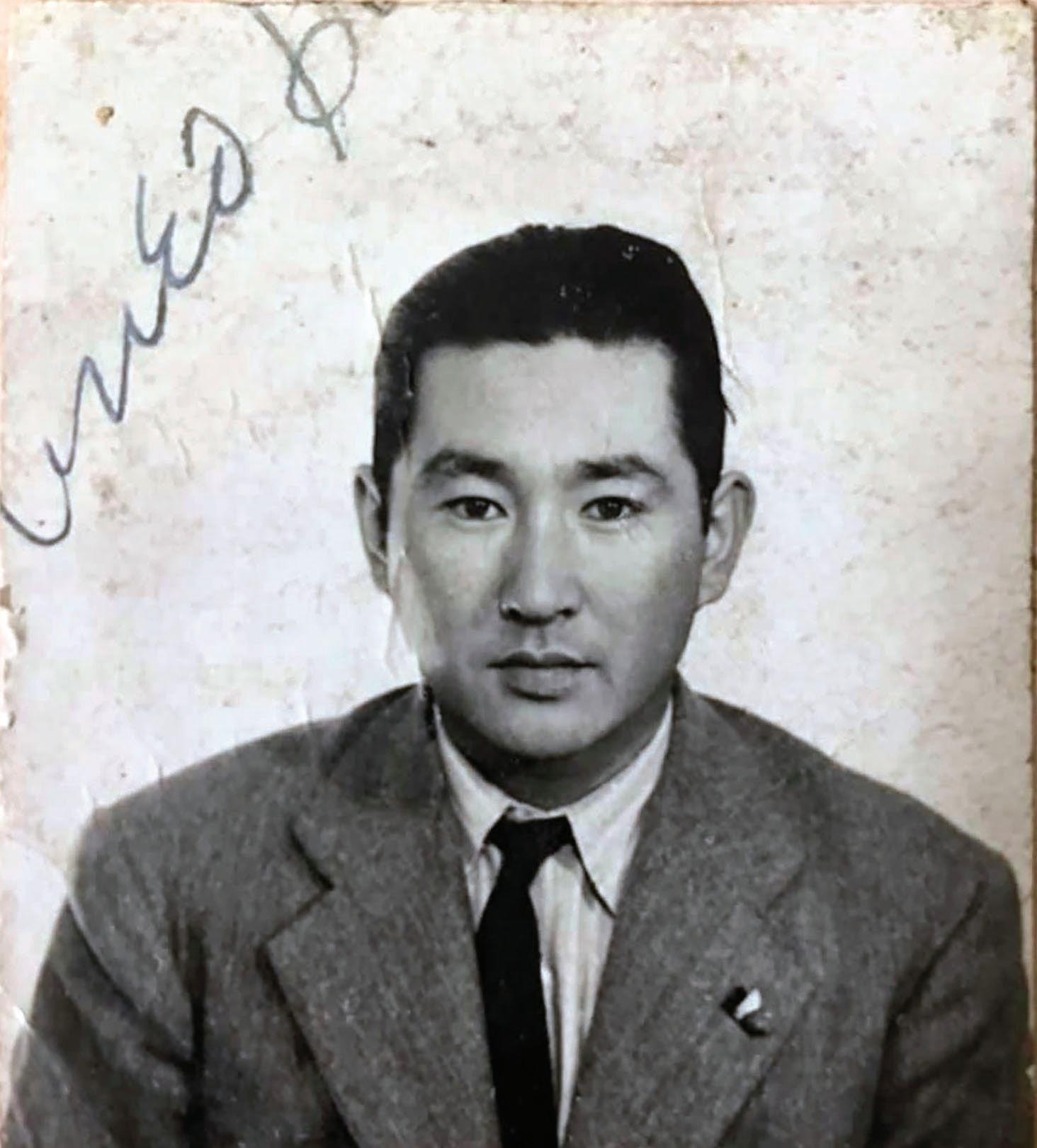
Artist’s grandfather, Kuneo Jack Sakai, ID photograph, 1941
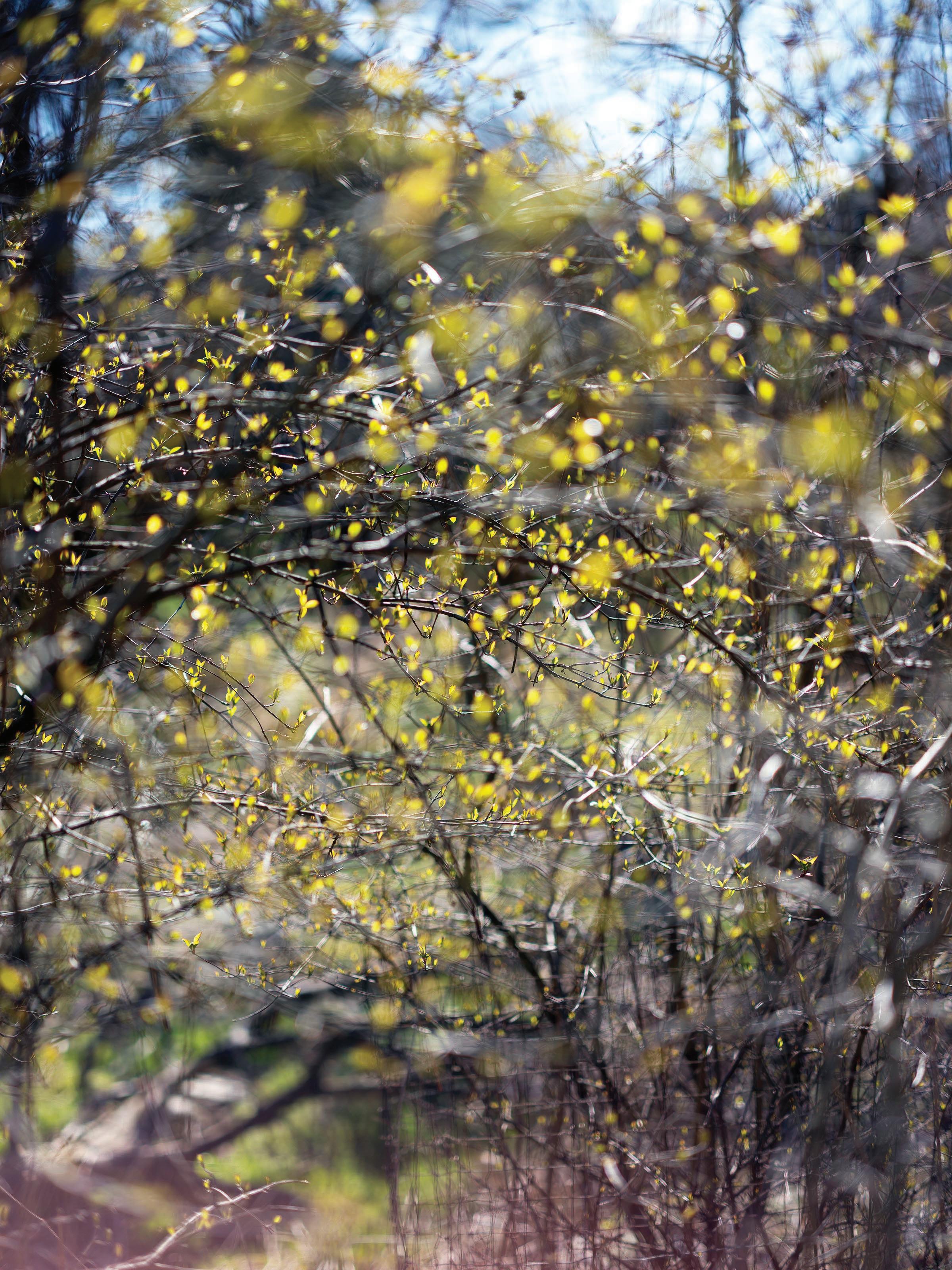
SPRING
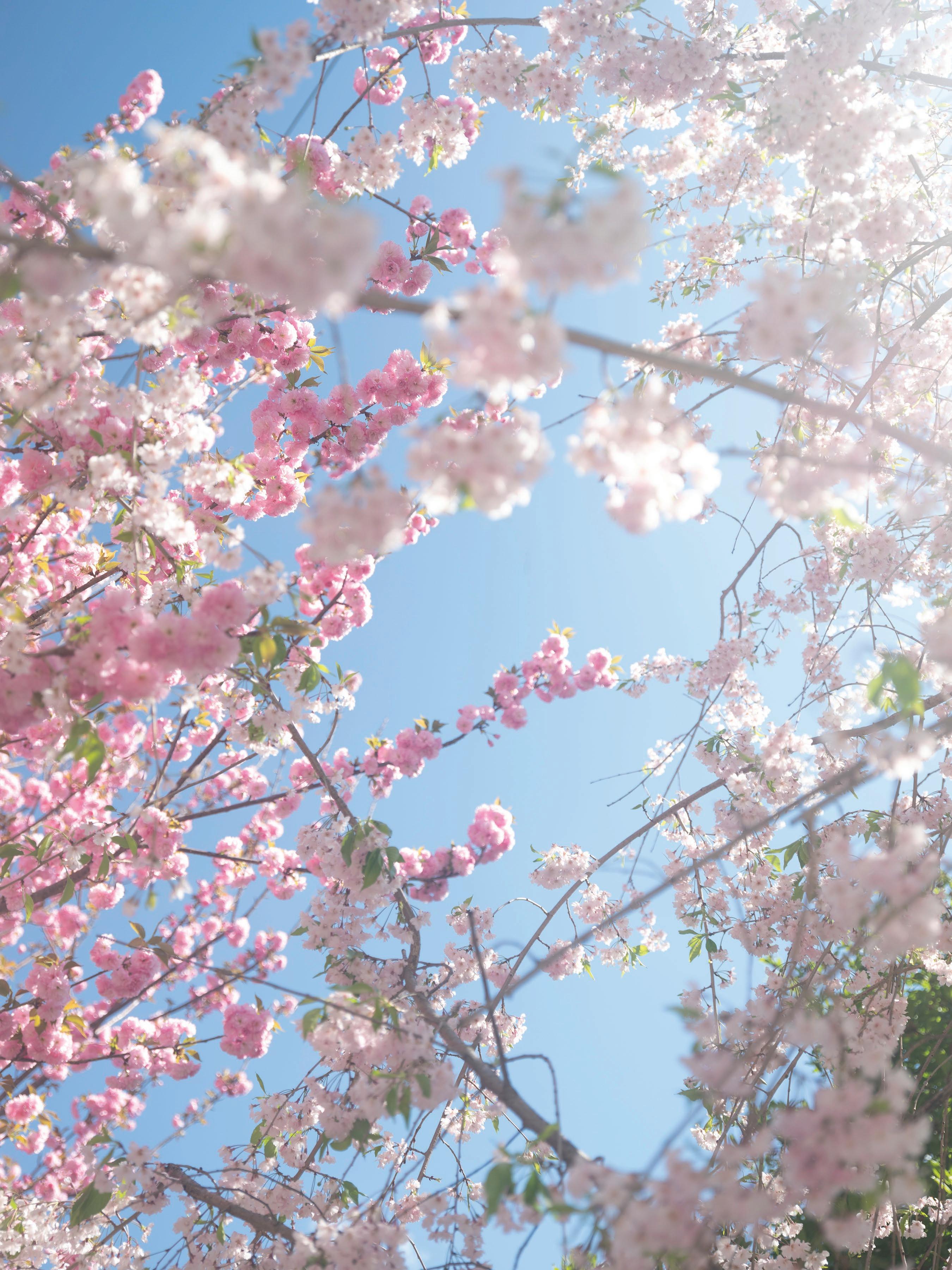
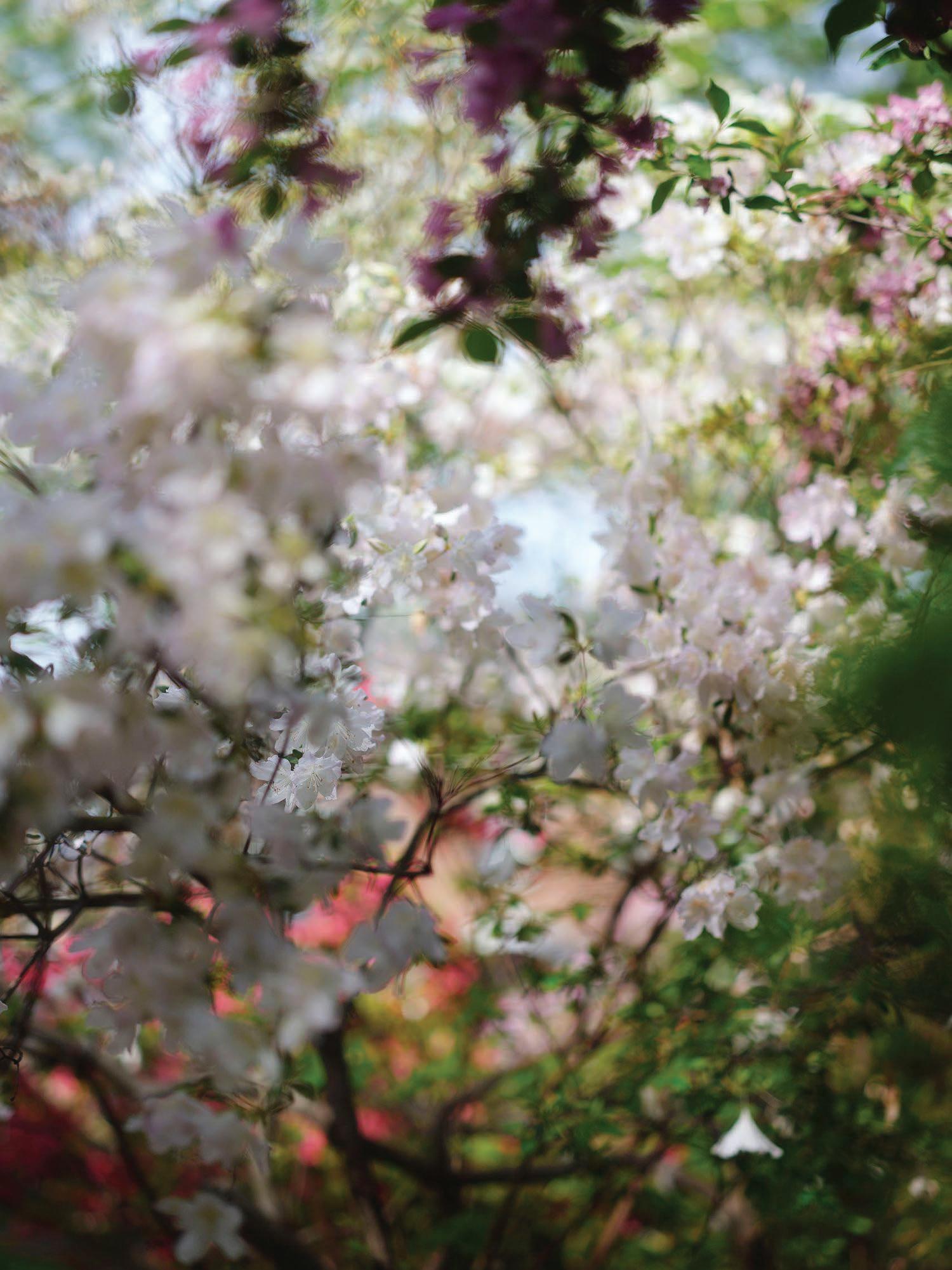
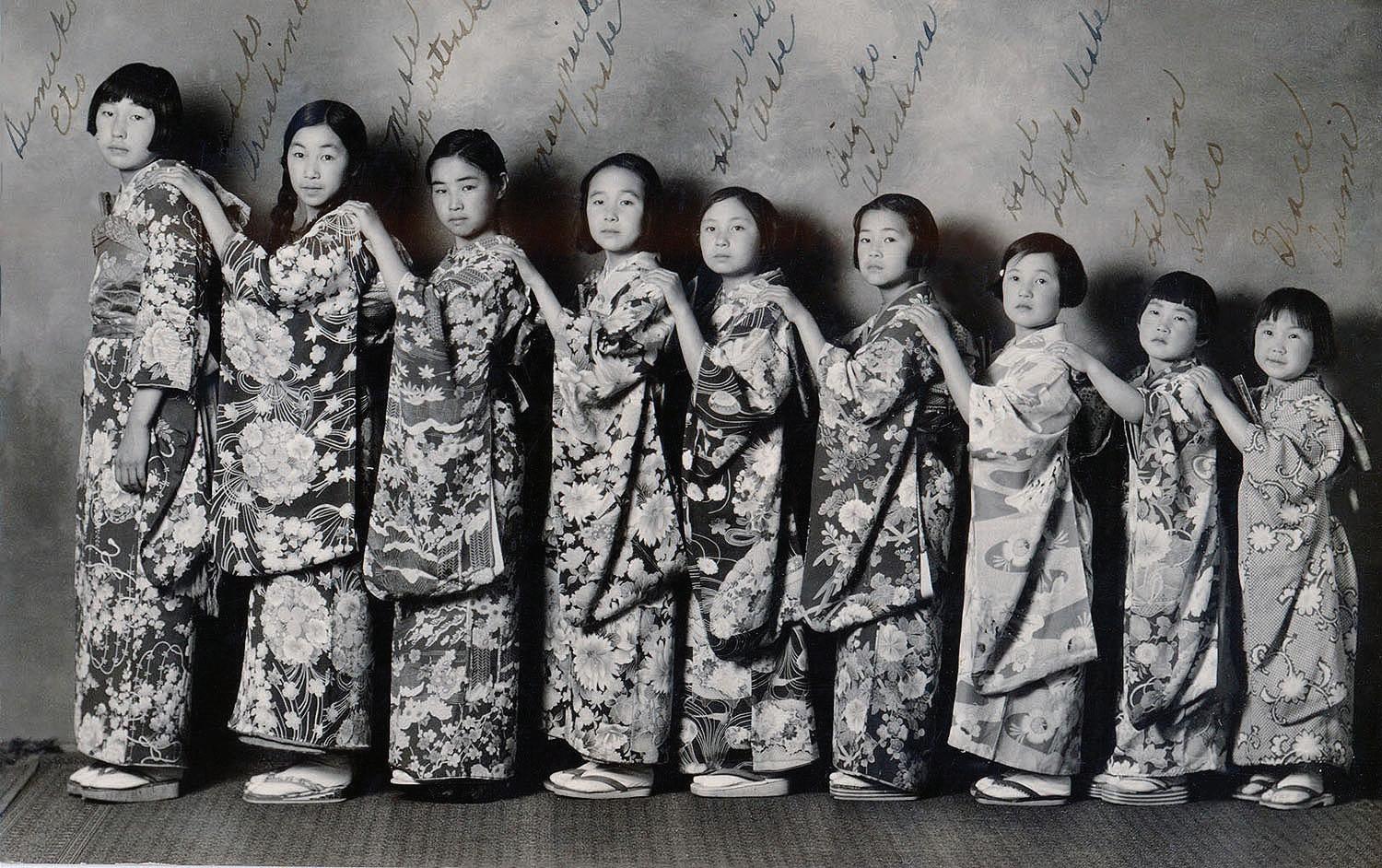
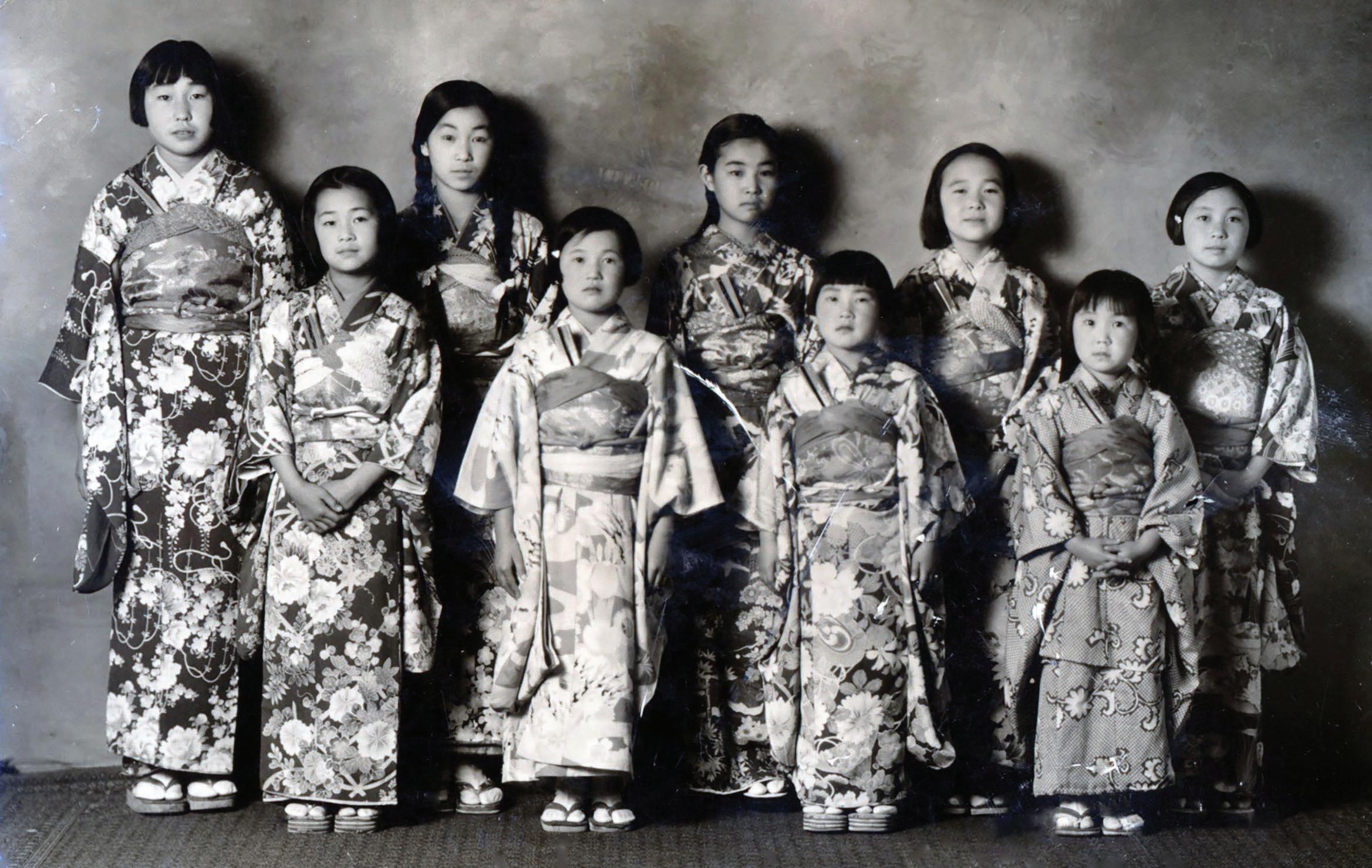
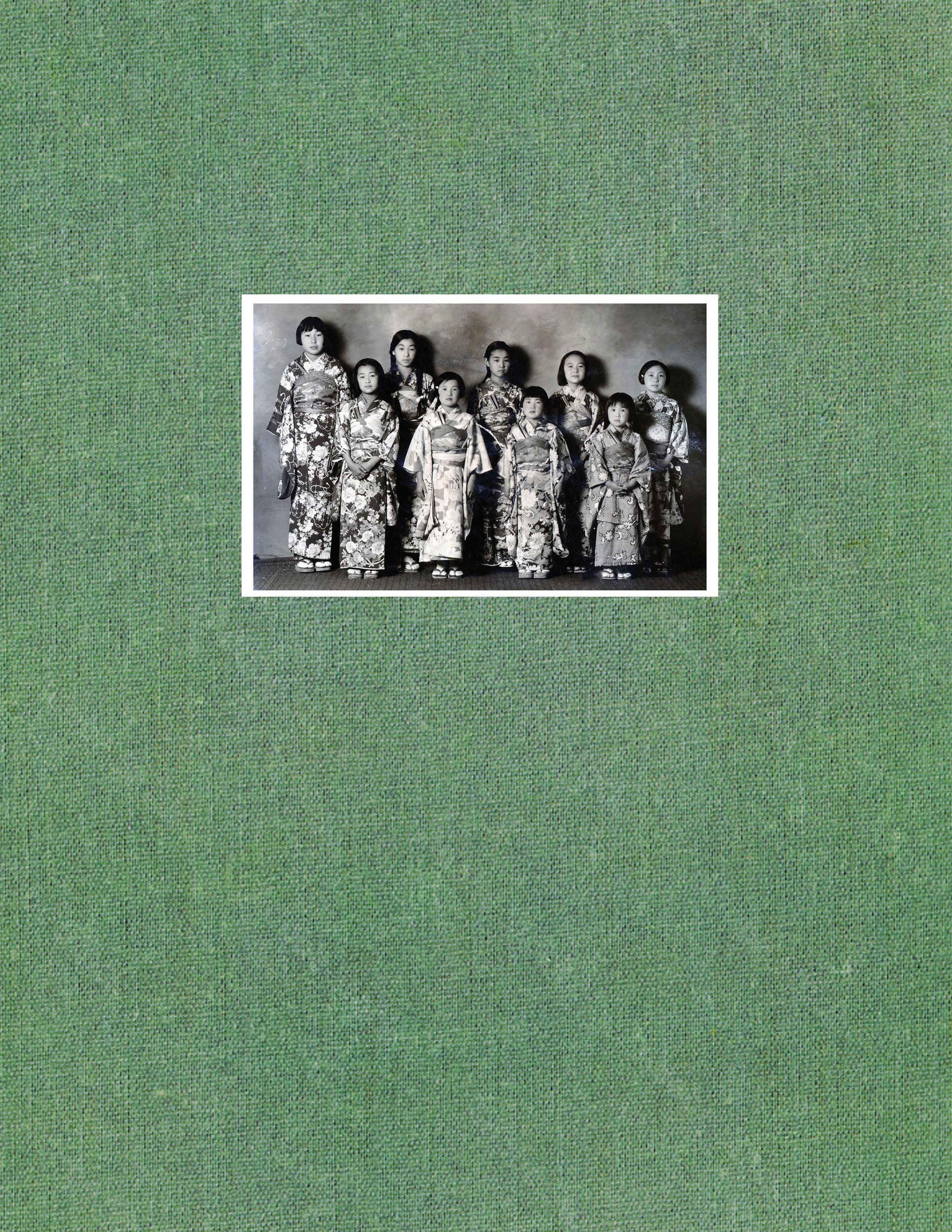
Artist’s grandmother, fourth from left, Spring Dance Recital, Buddhist Temple, Seattle, Washington, c. 1930
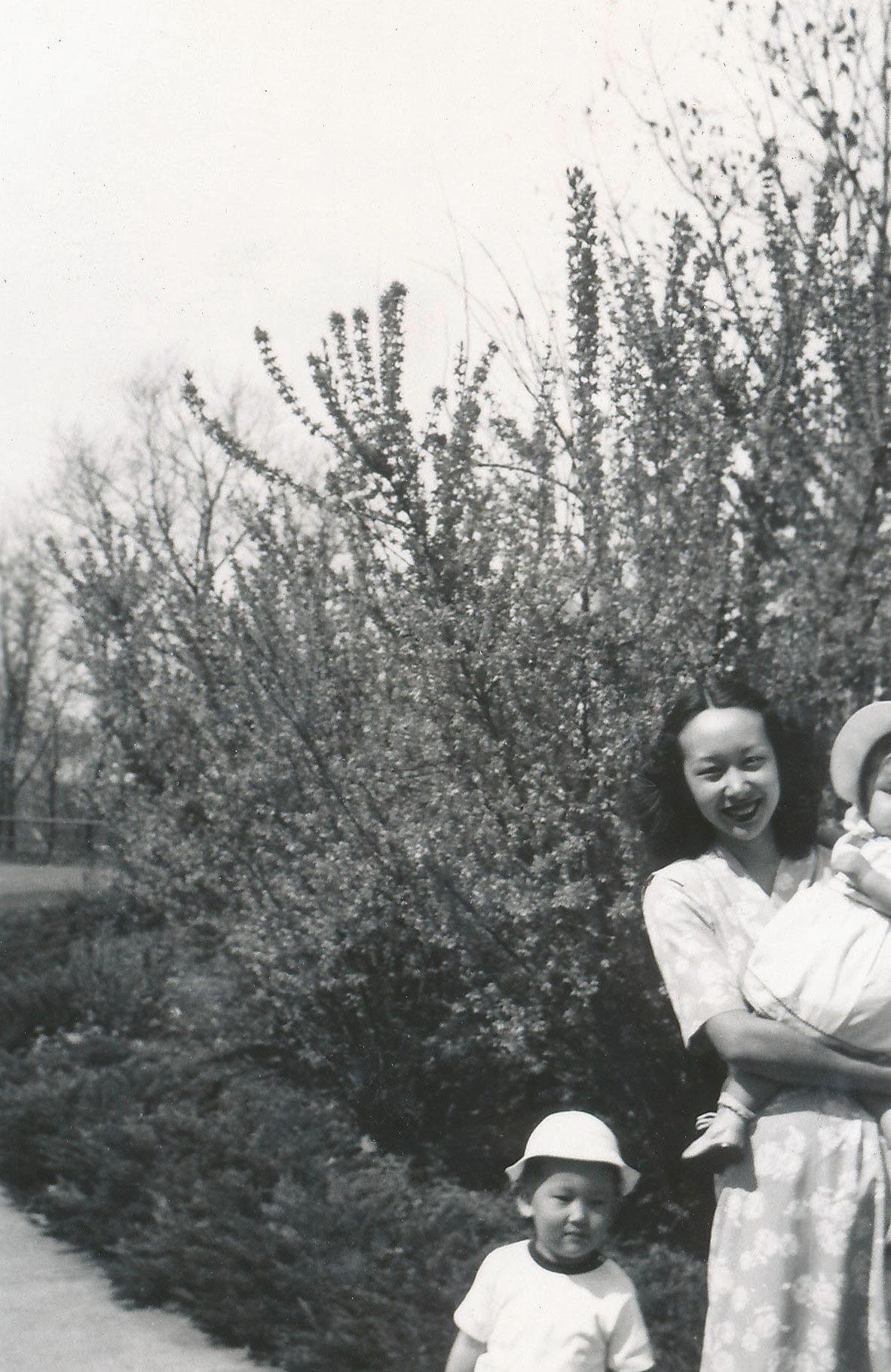
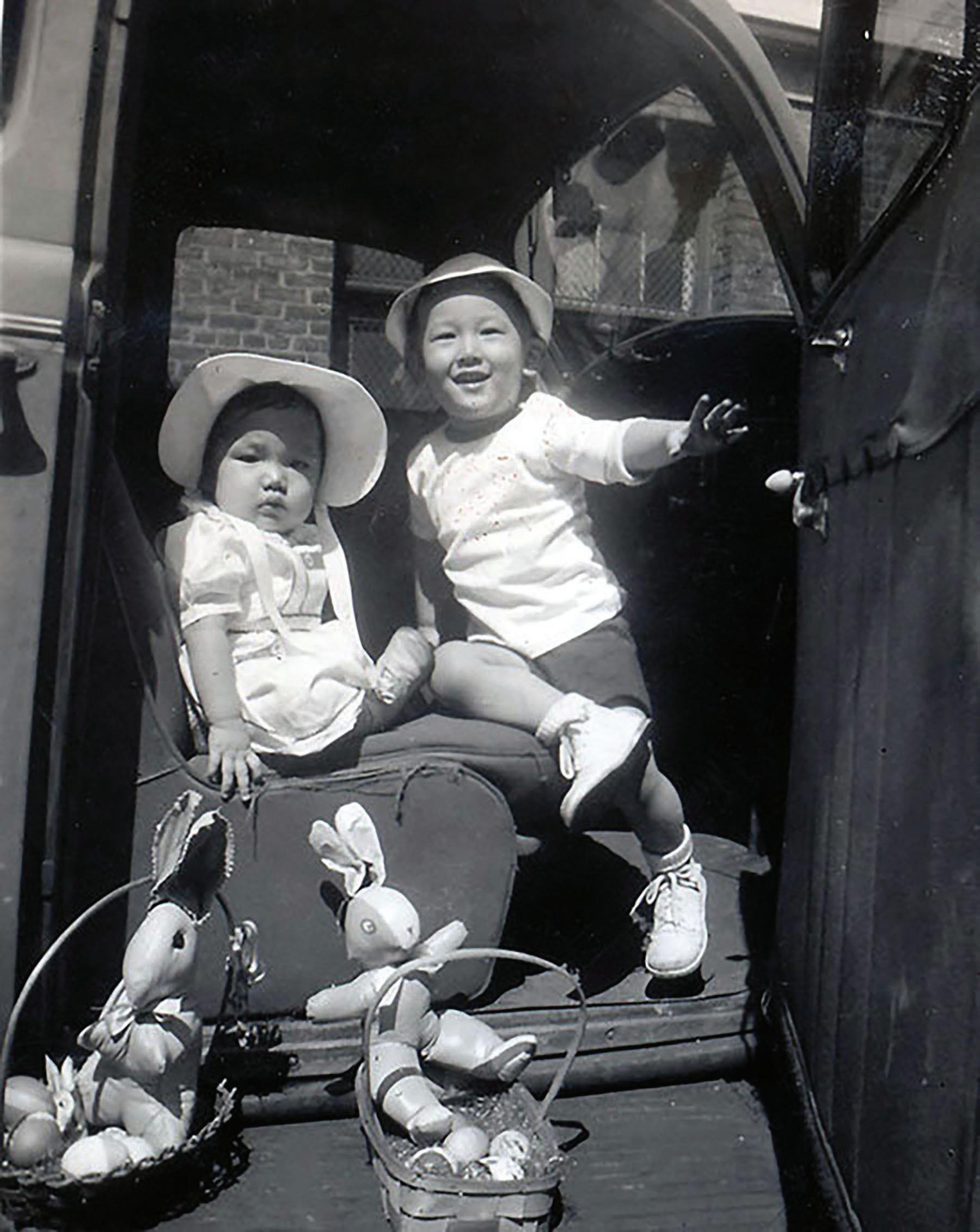
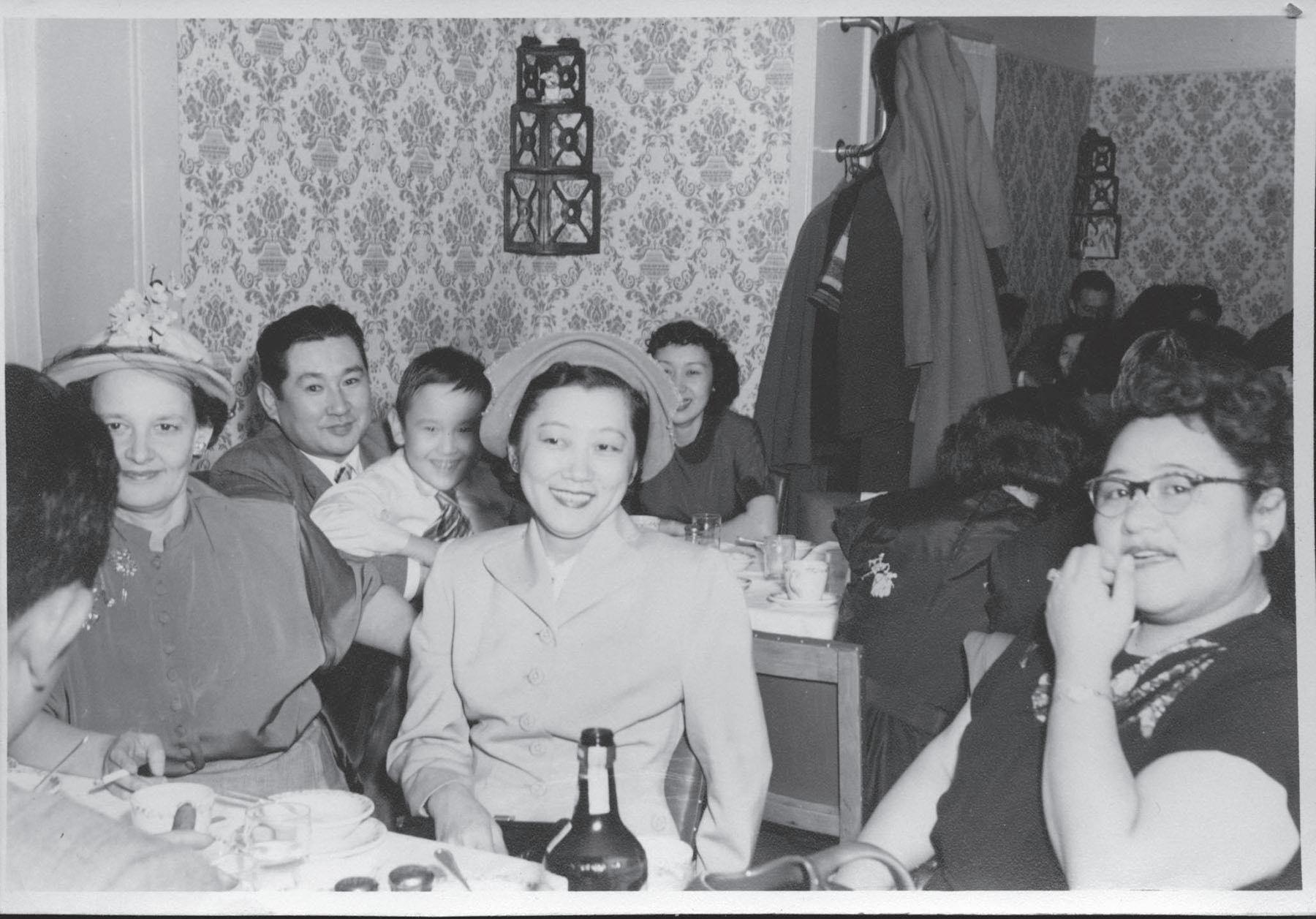
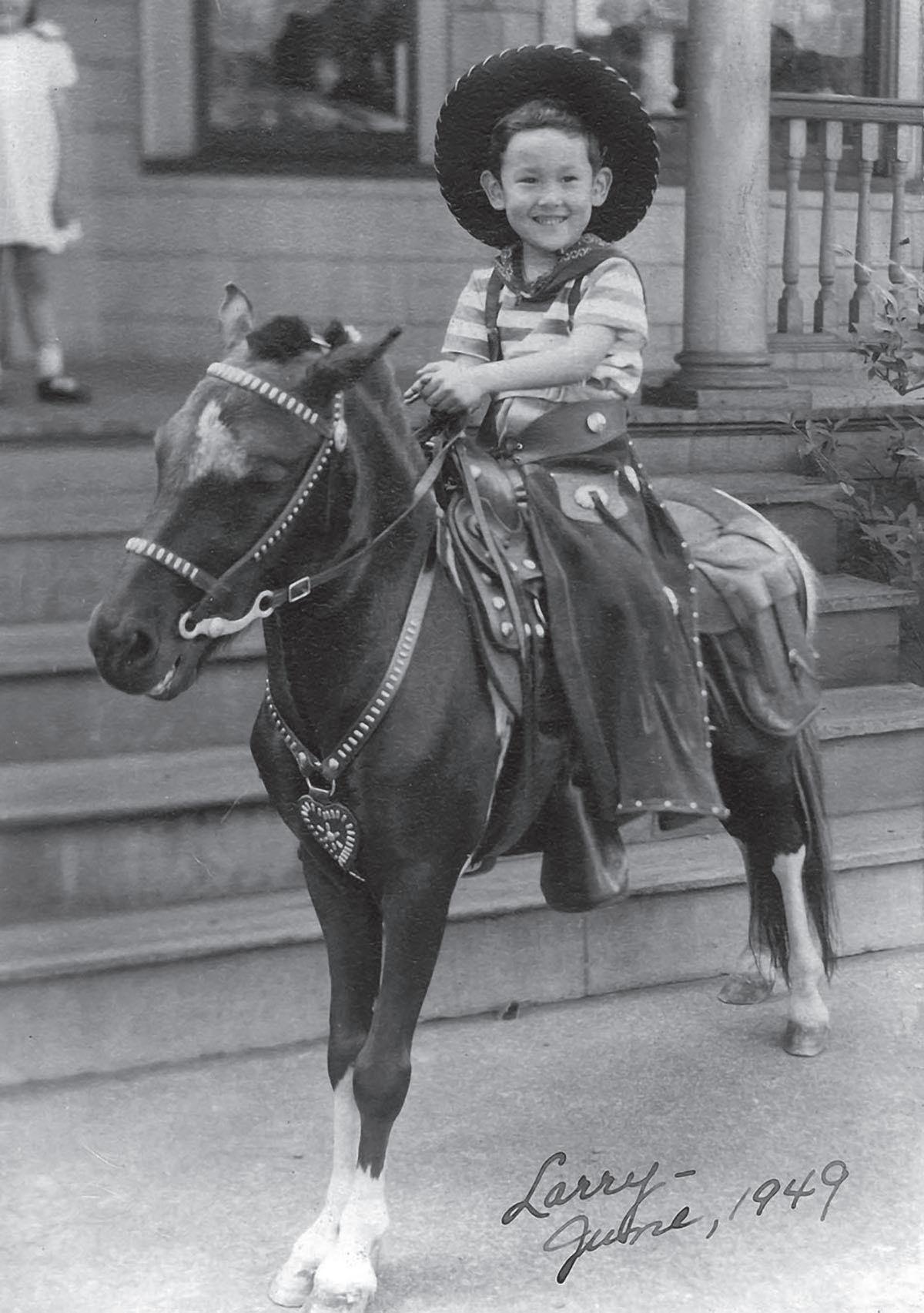
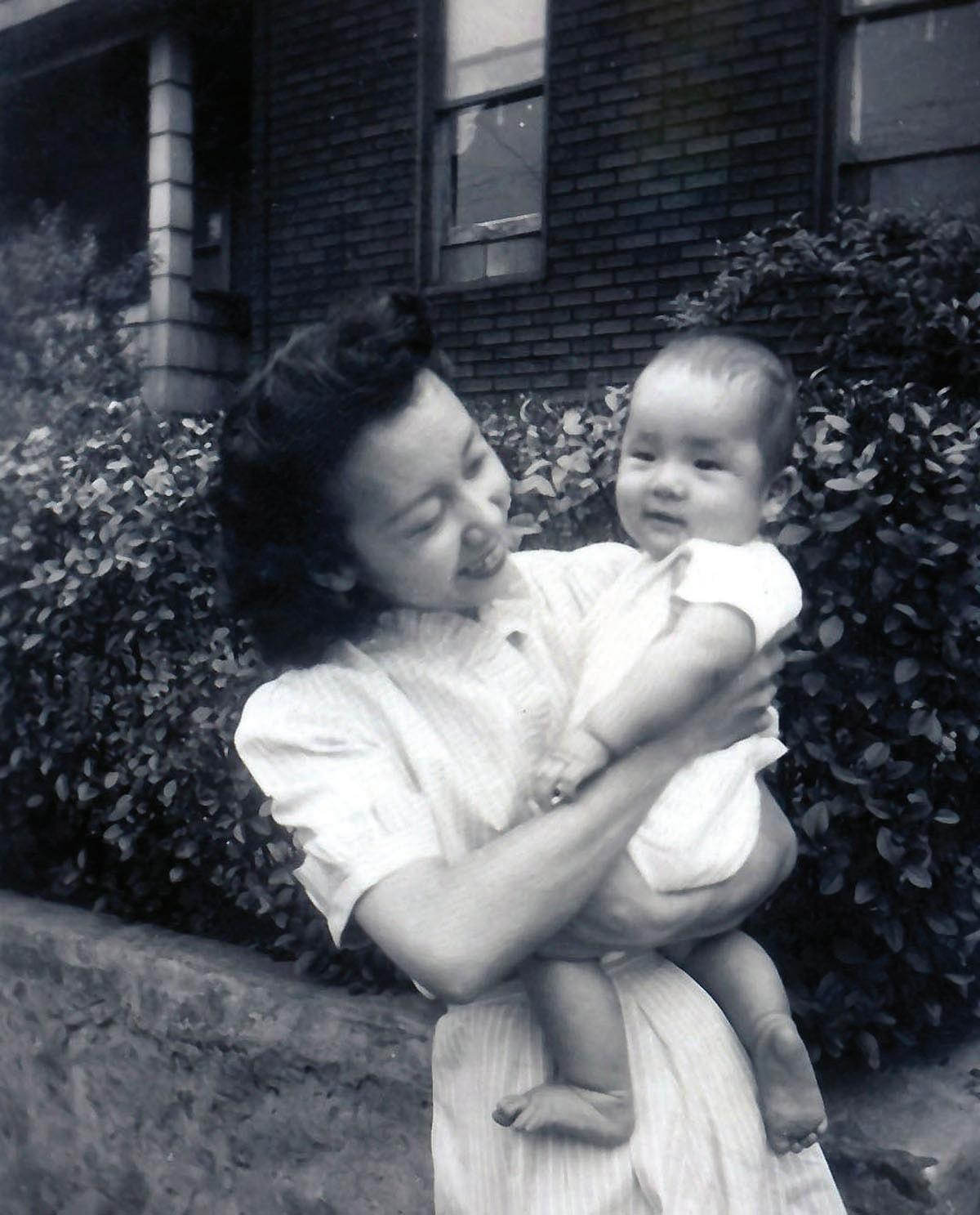
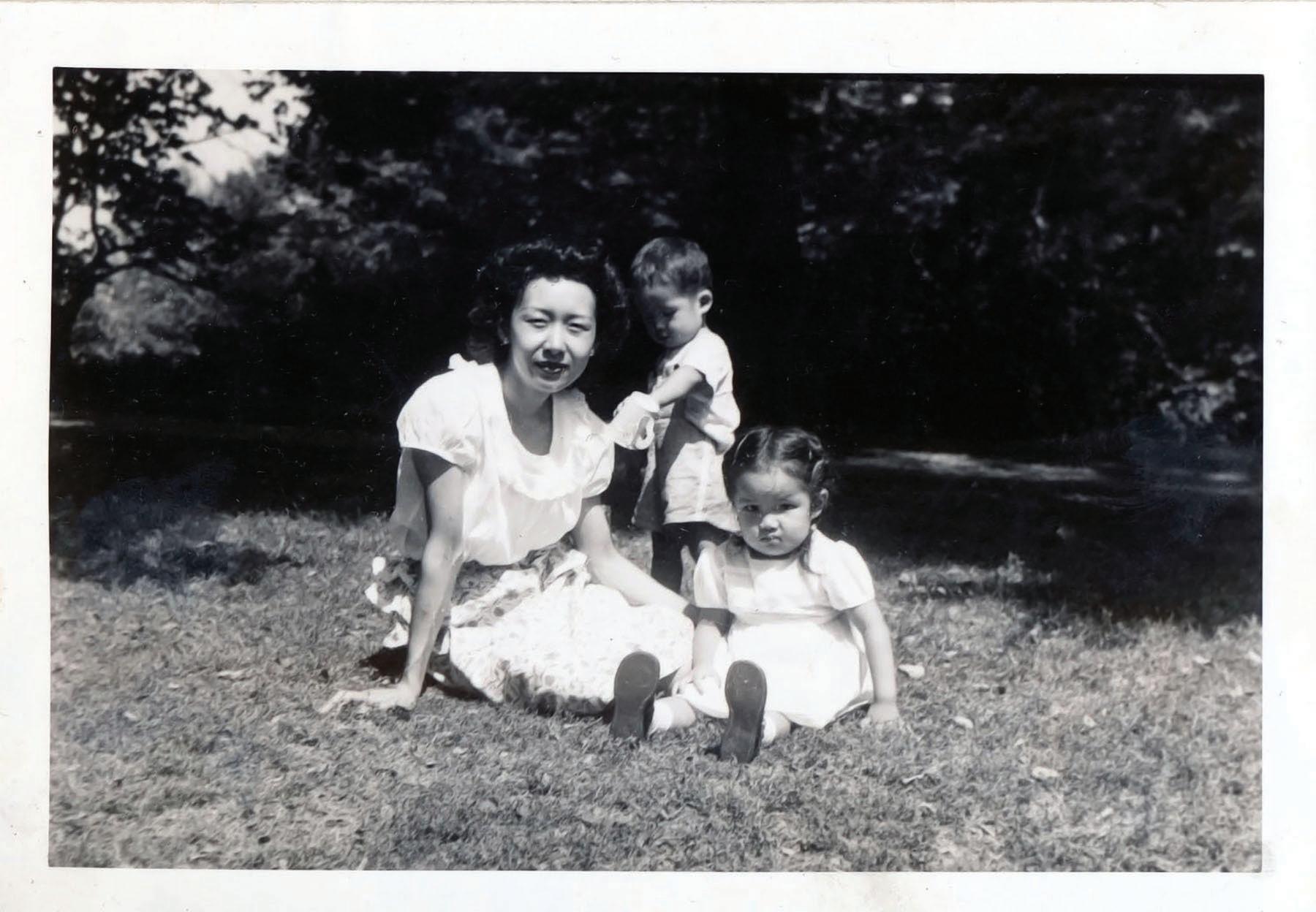
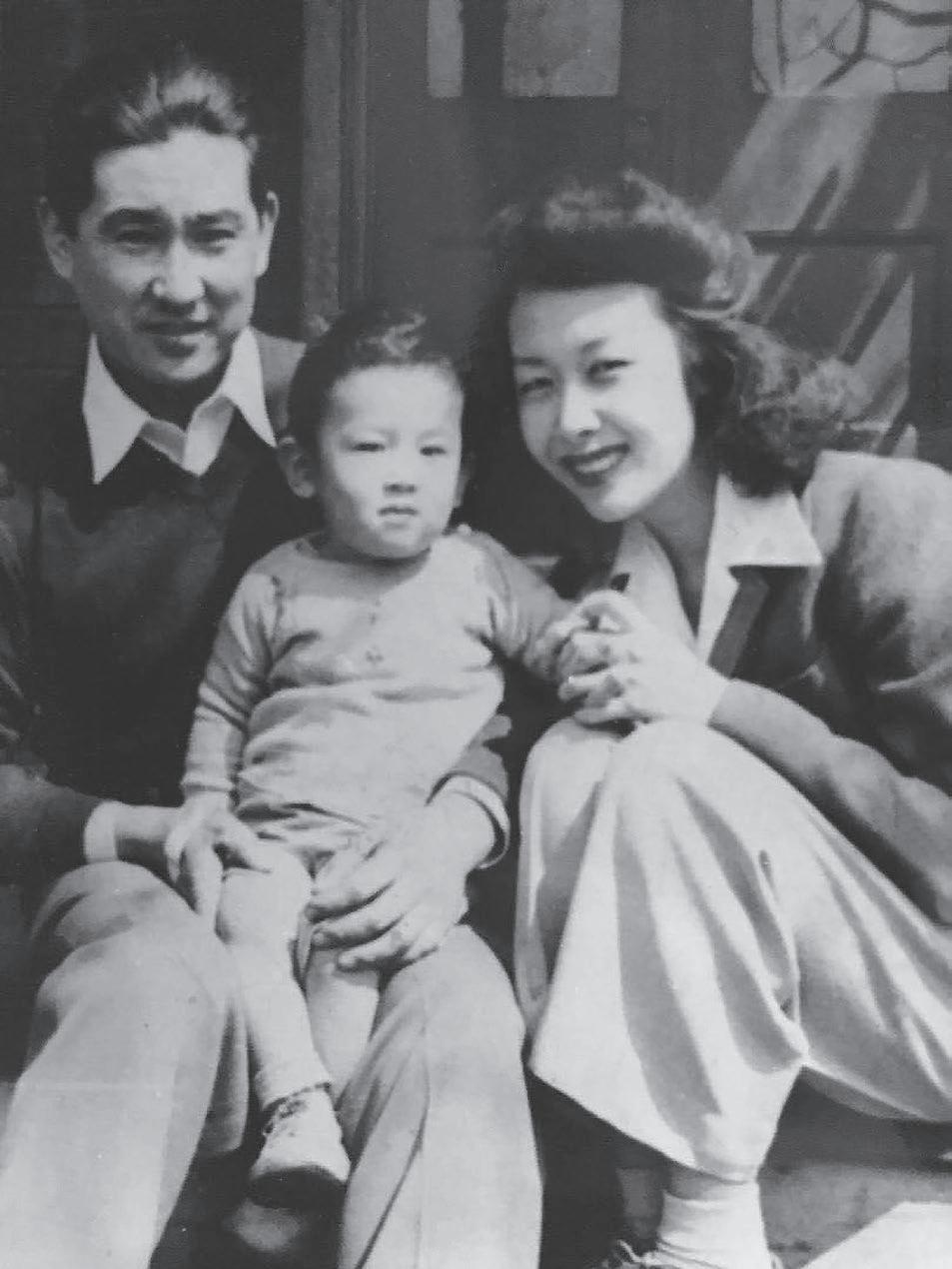
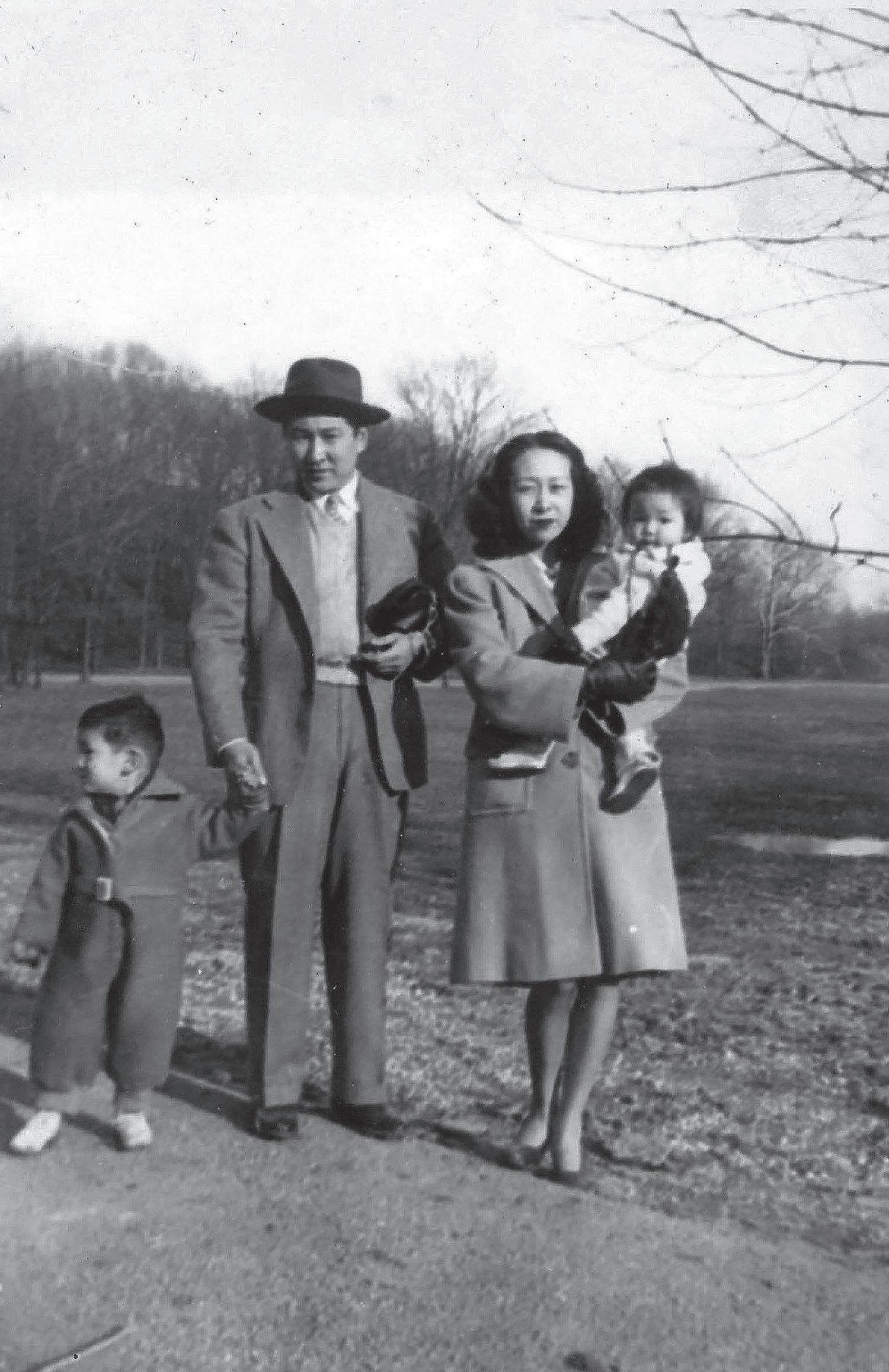
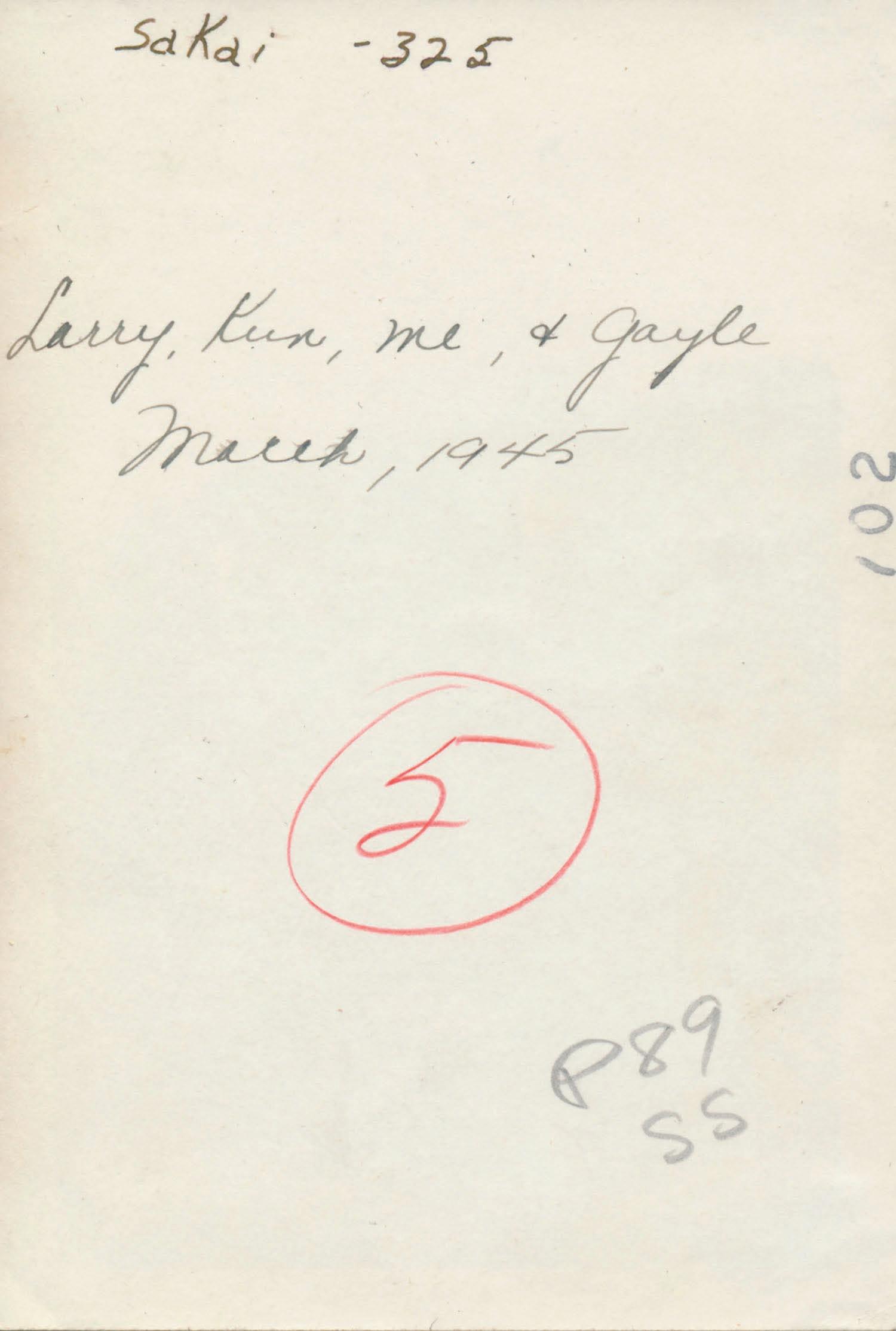
Artist’s grandmother, Mariko Sakai, Uncle Larry, and Aunt Gayle
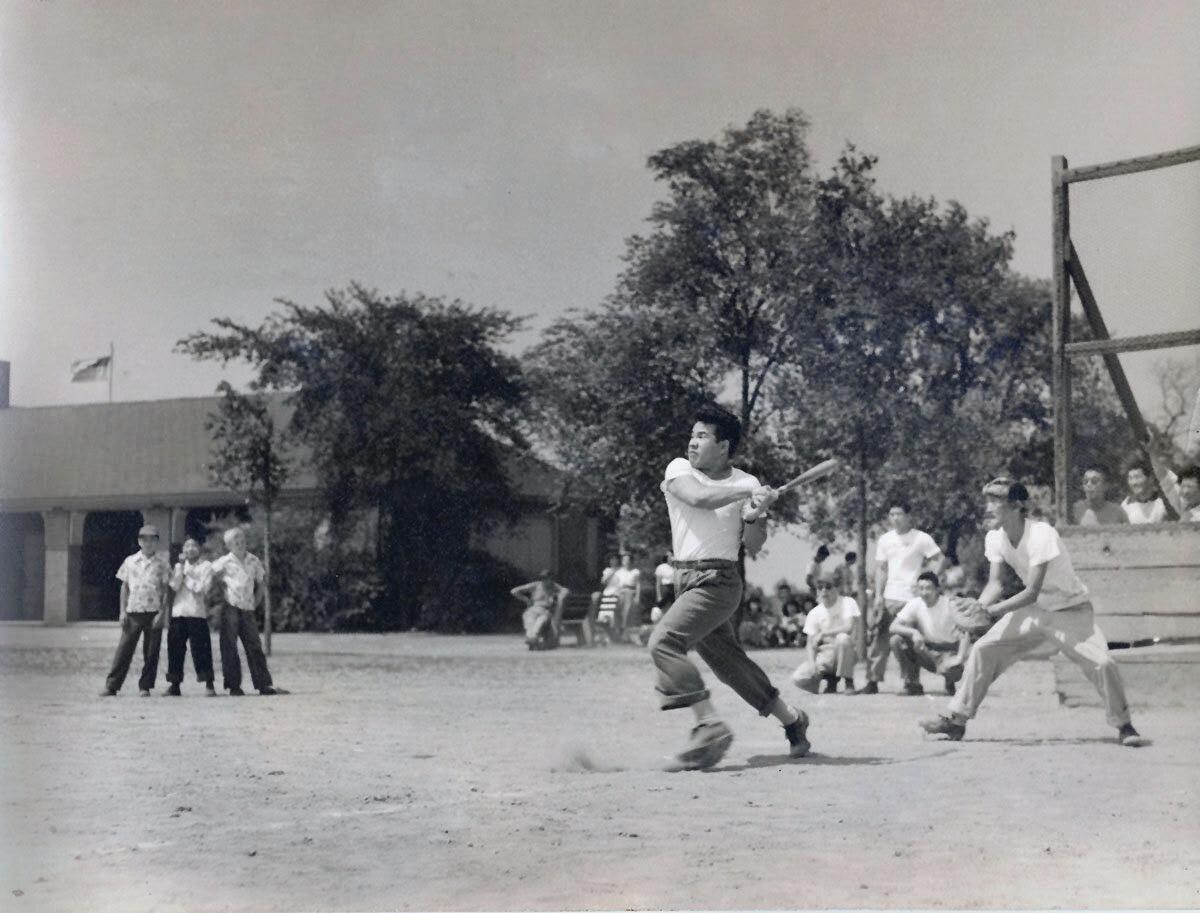
Sakai great-uncles playing baseball in Poston Internment Camp, Poston, Arizona, 1942
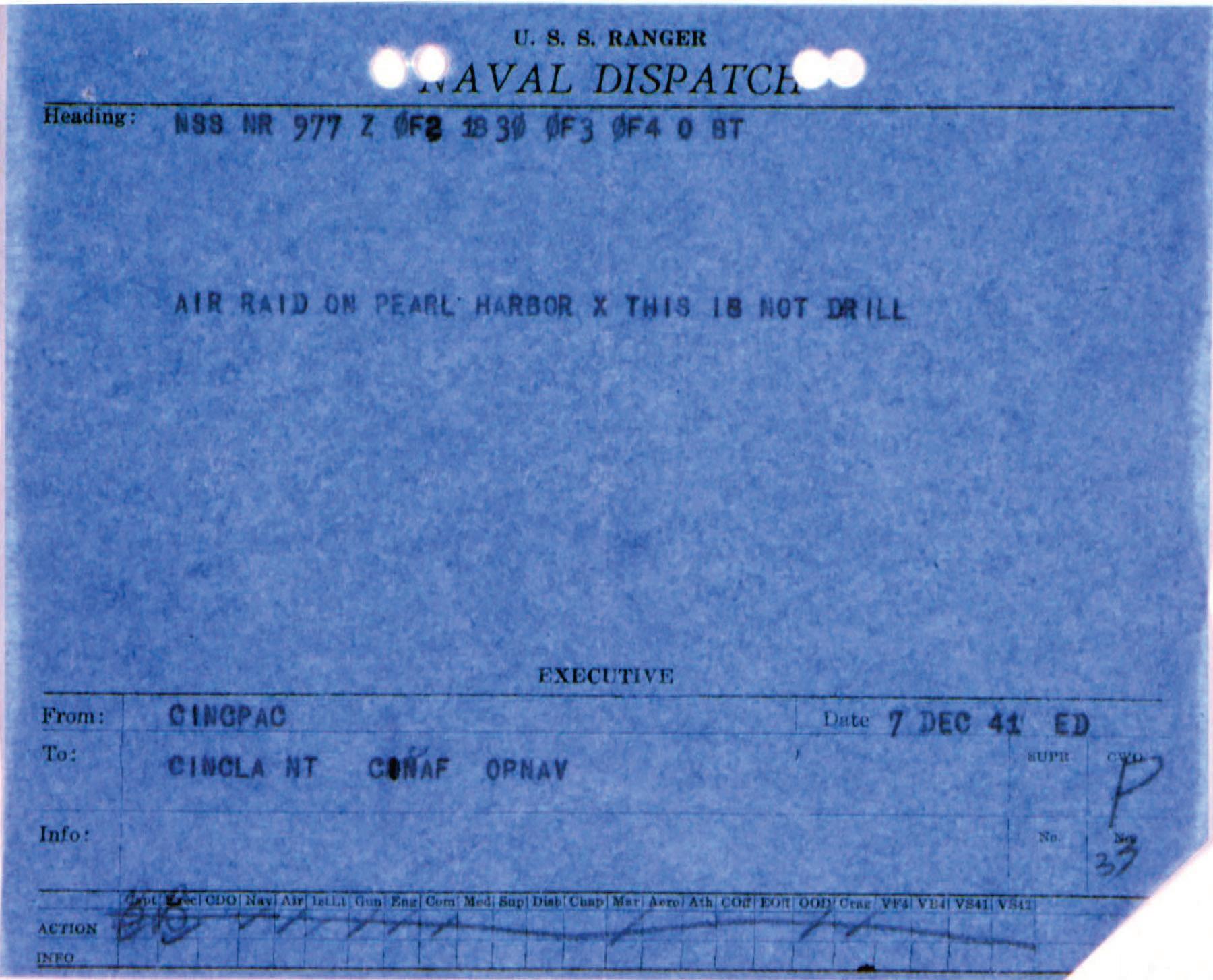
National Archives document, naval dispatch announcing the bombing of Pearl Harbor, December 7, 1941
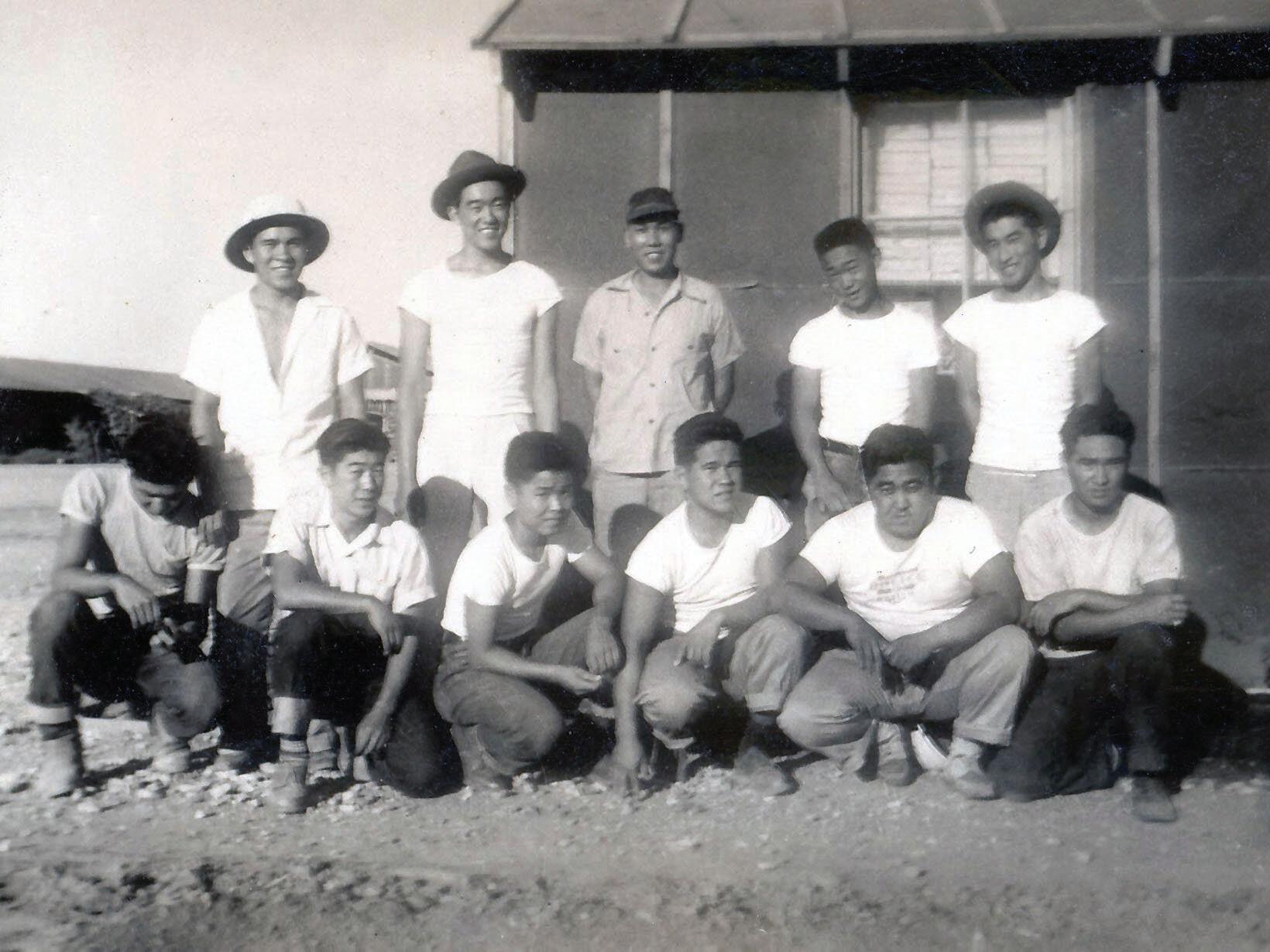
Sakai great-uncles and internees, Poston Internment Camp, Poston, Arizona, 1942
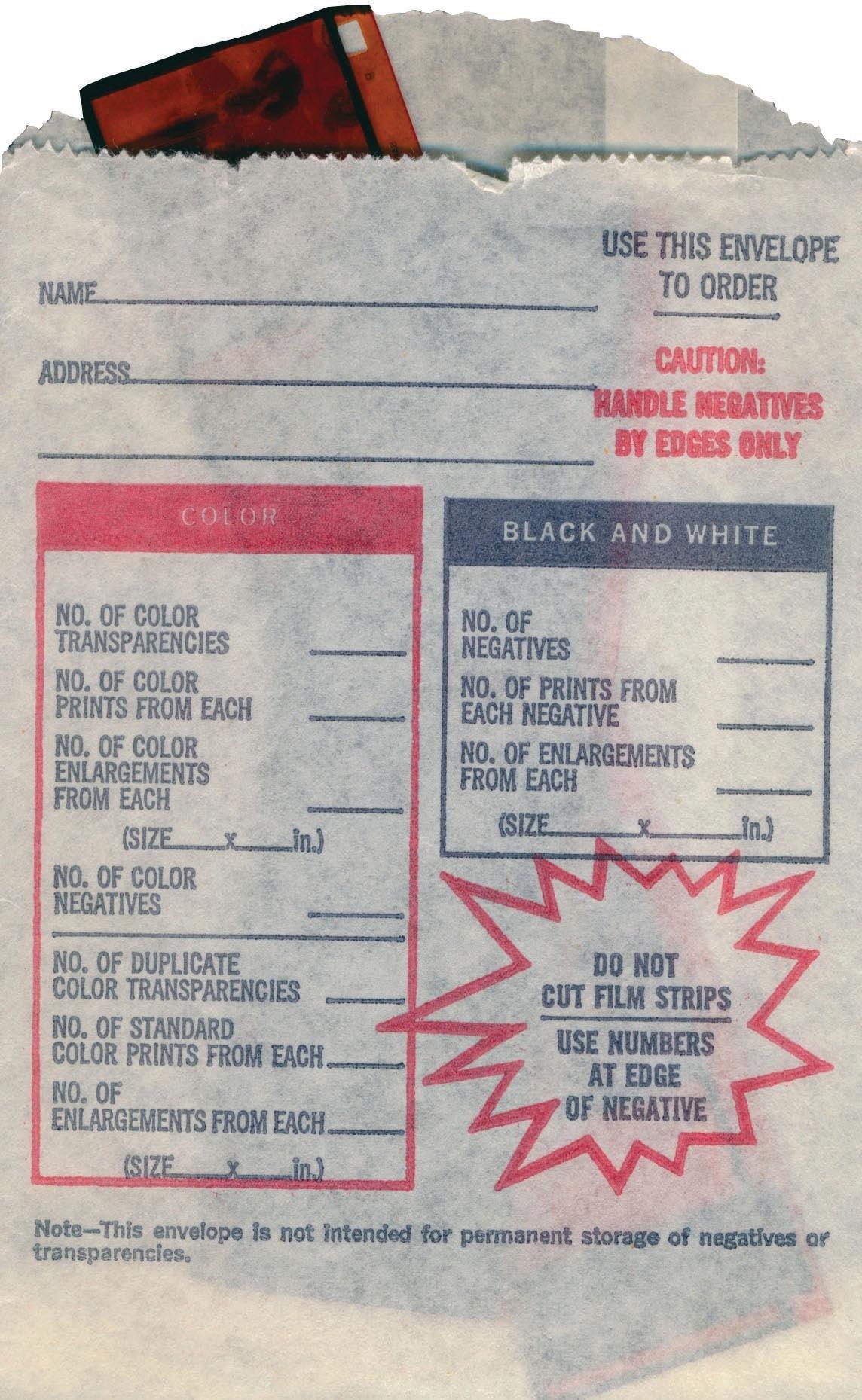
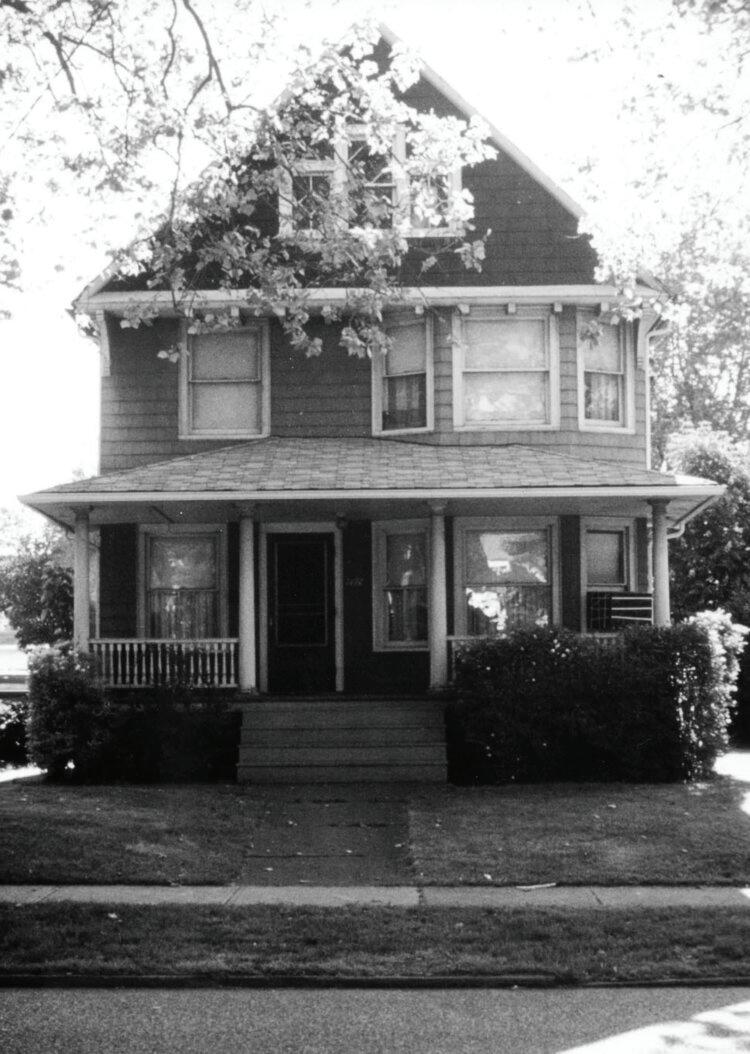
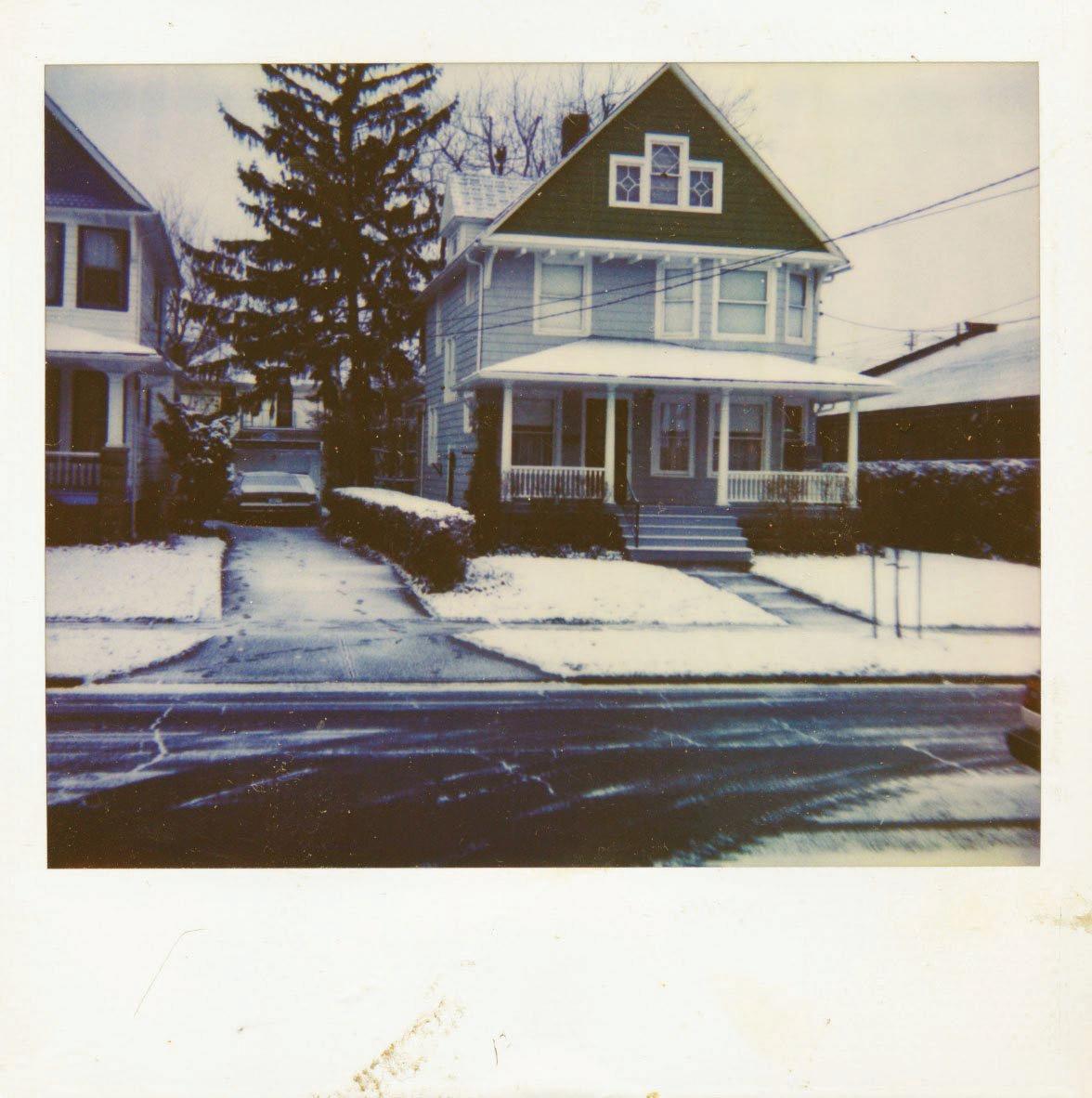
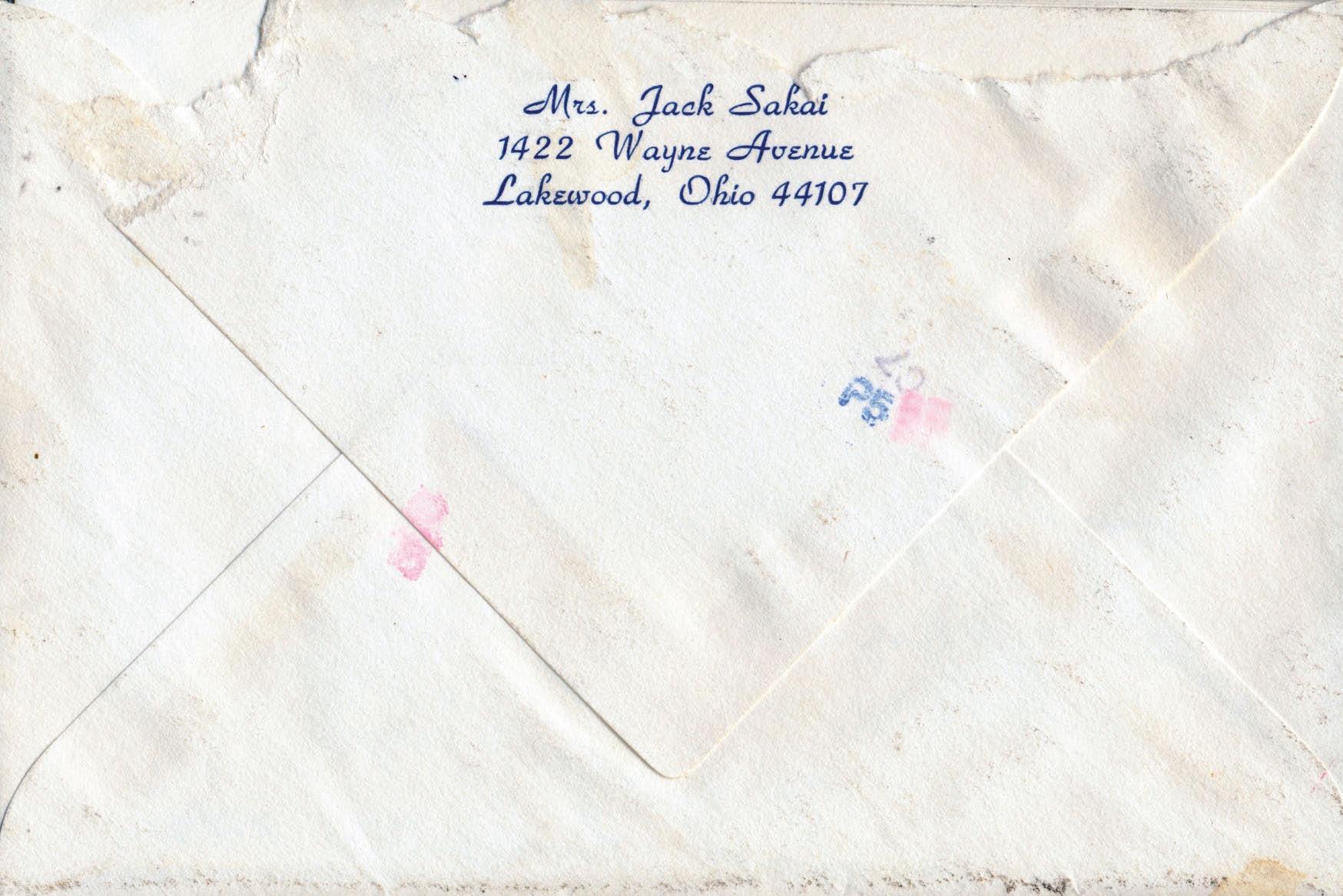
The Sakai home, Lakewood, Ohio, 1992
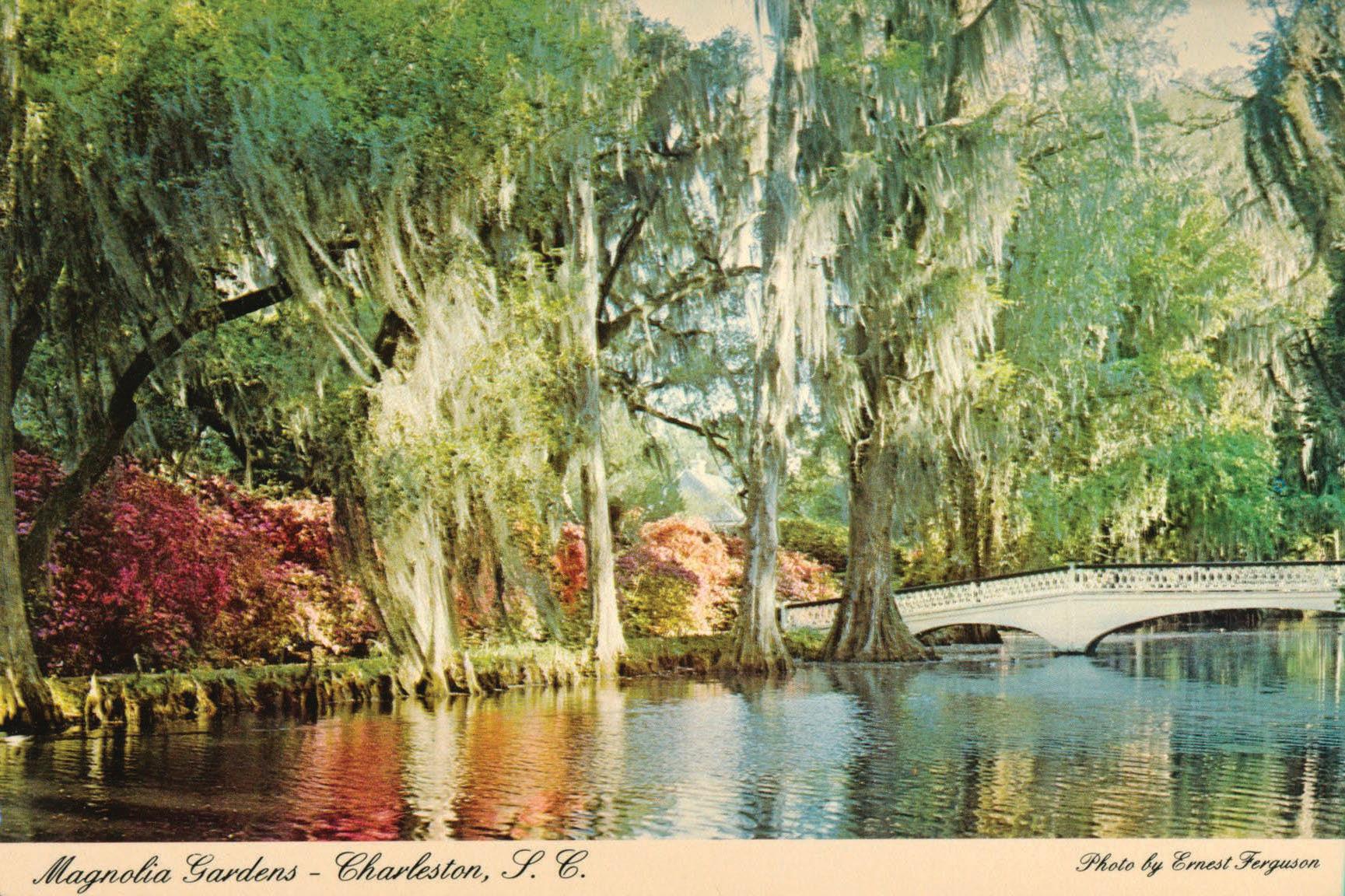
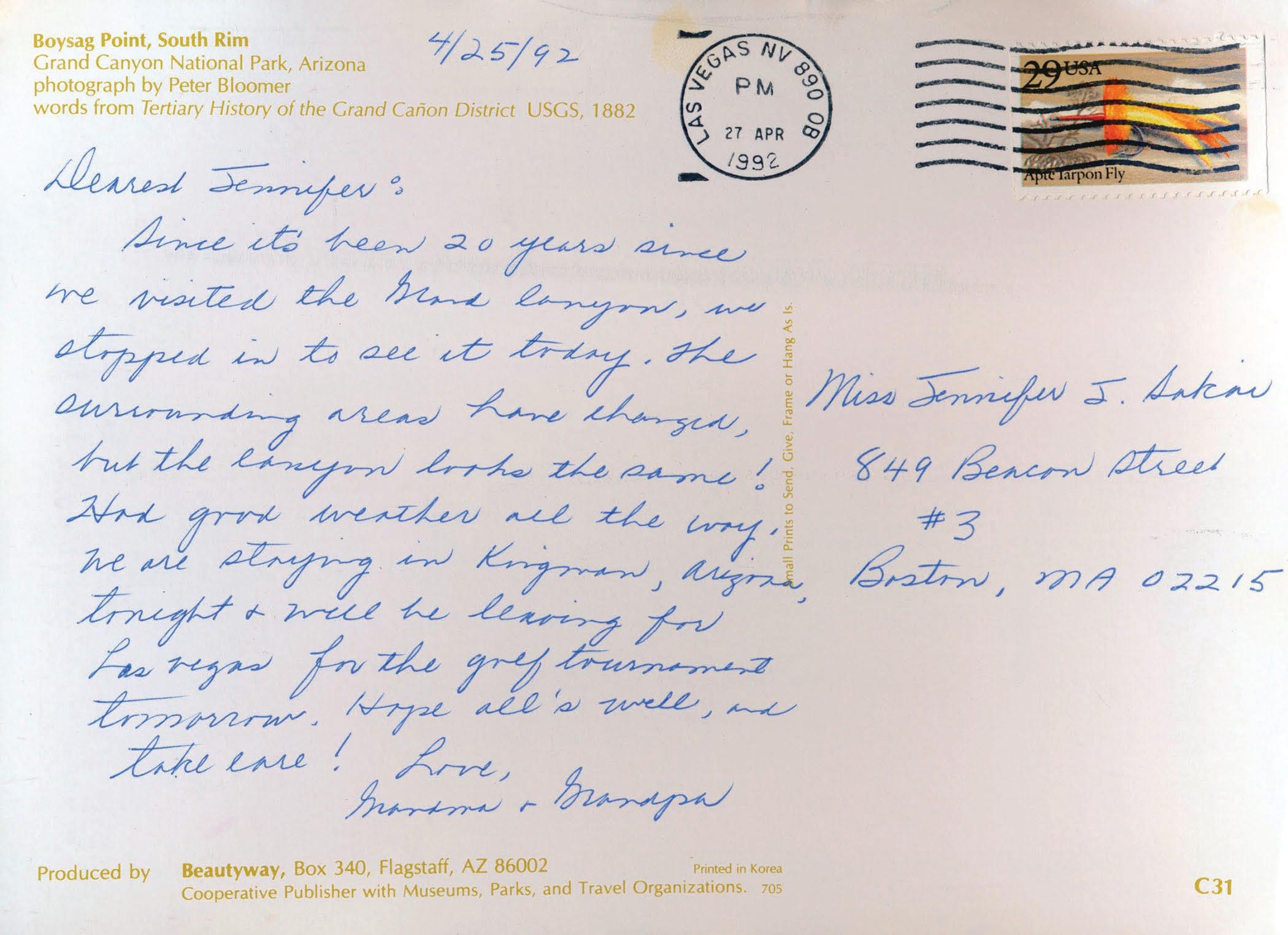
Postcard from artist’s grandmother, Mariko Sakai, during a road trip, 1992
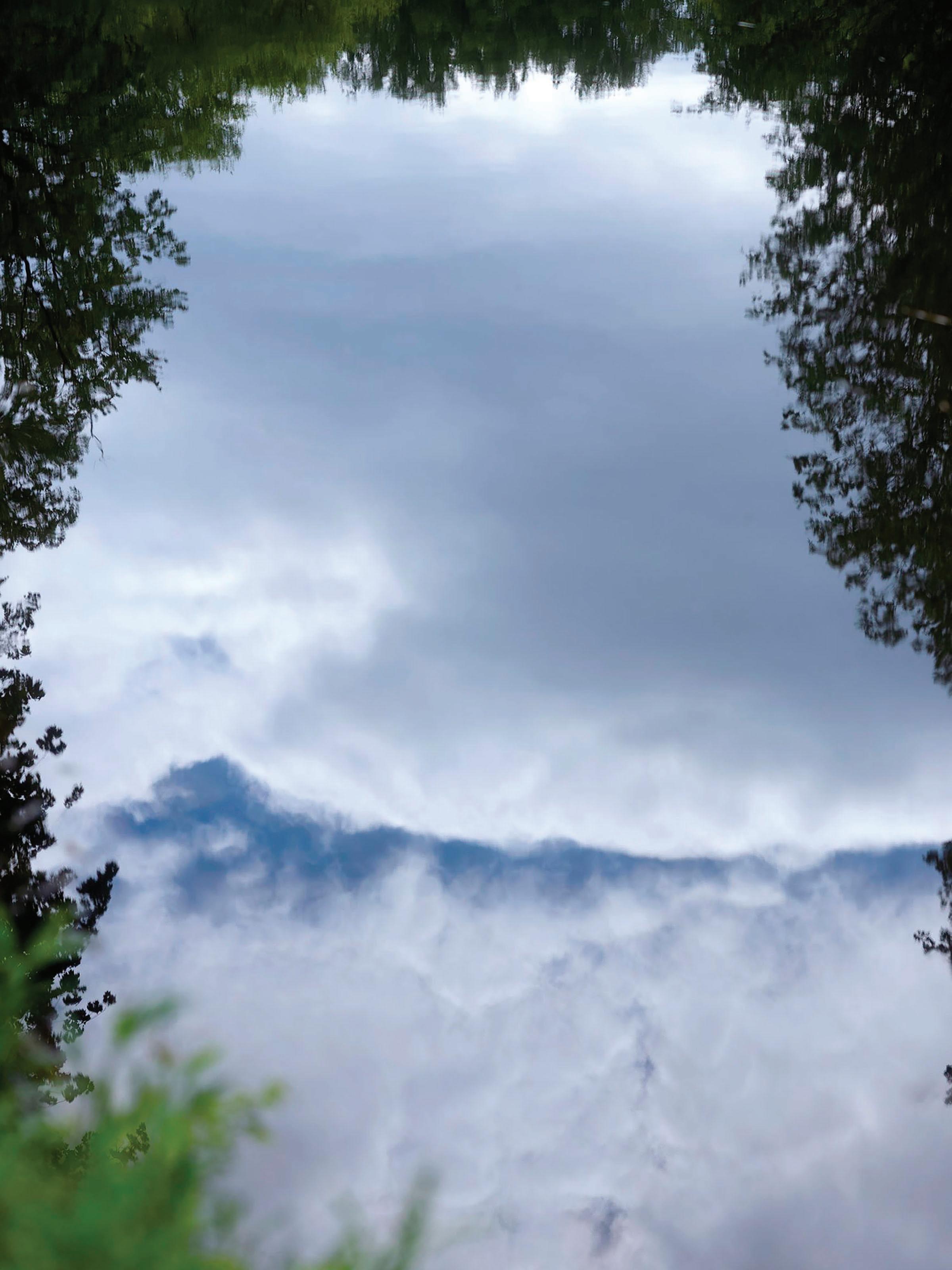
SUMMER
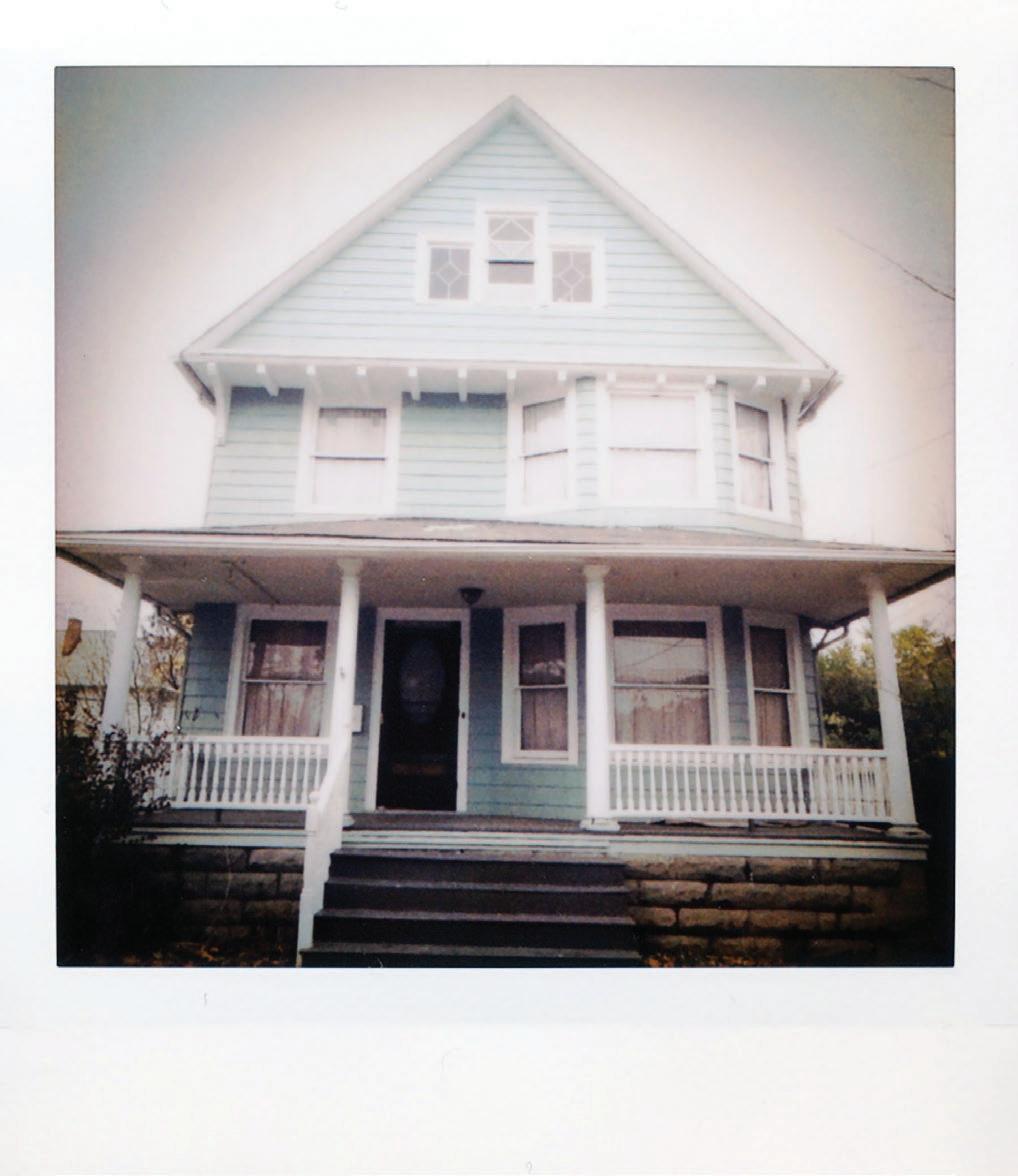
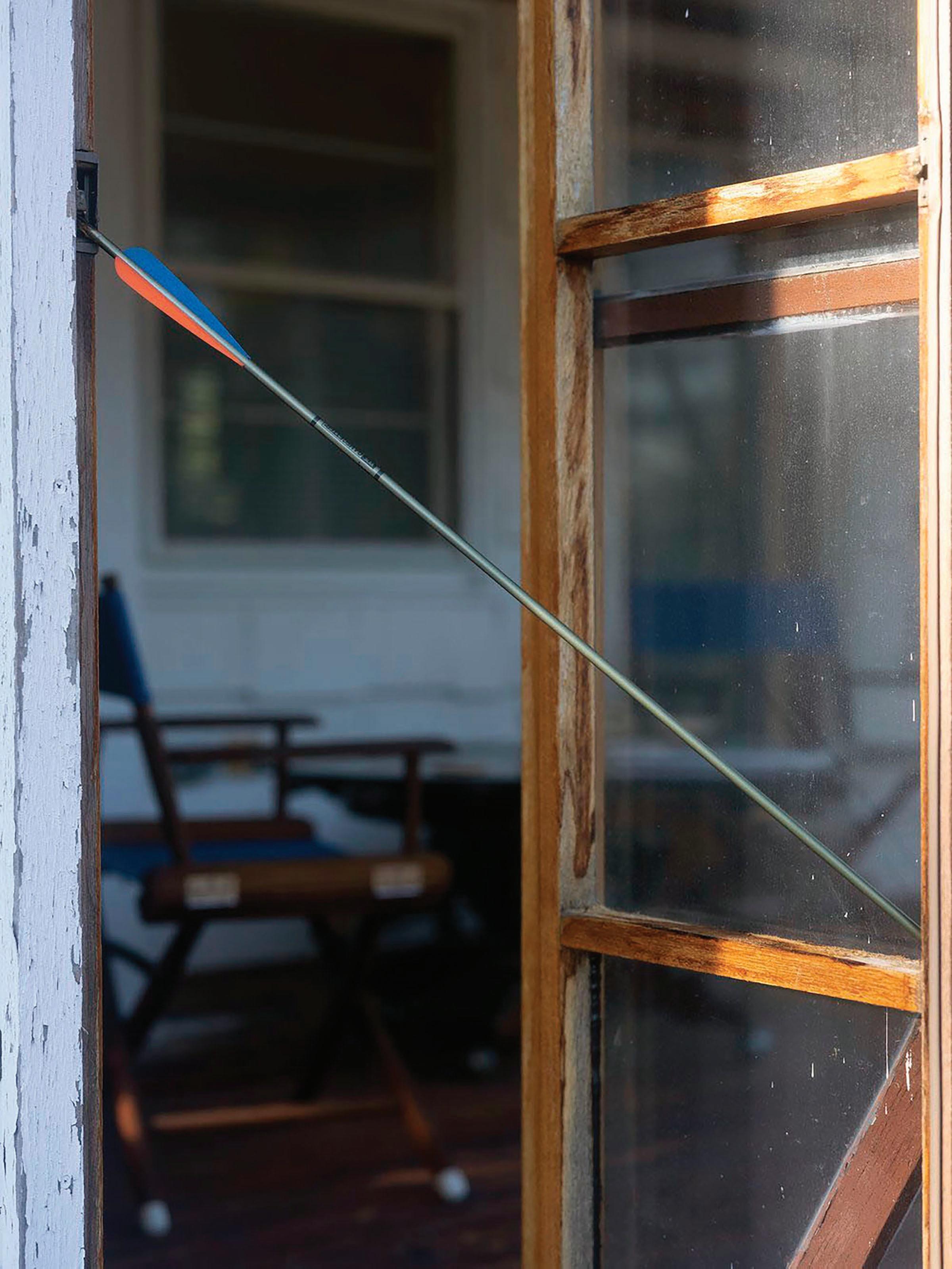
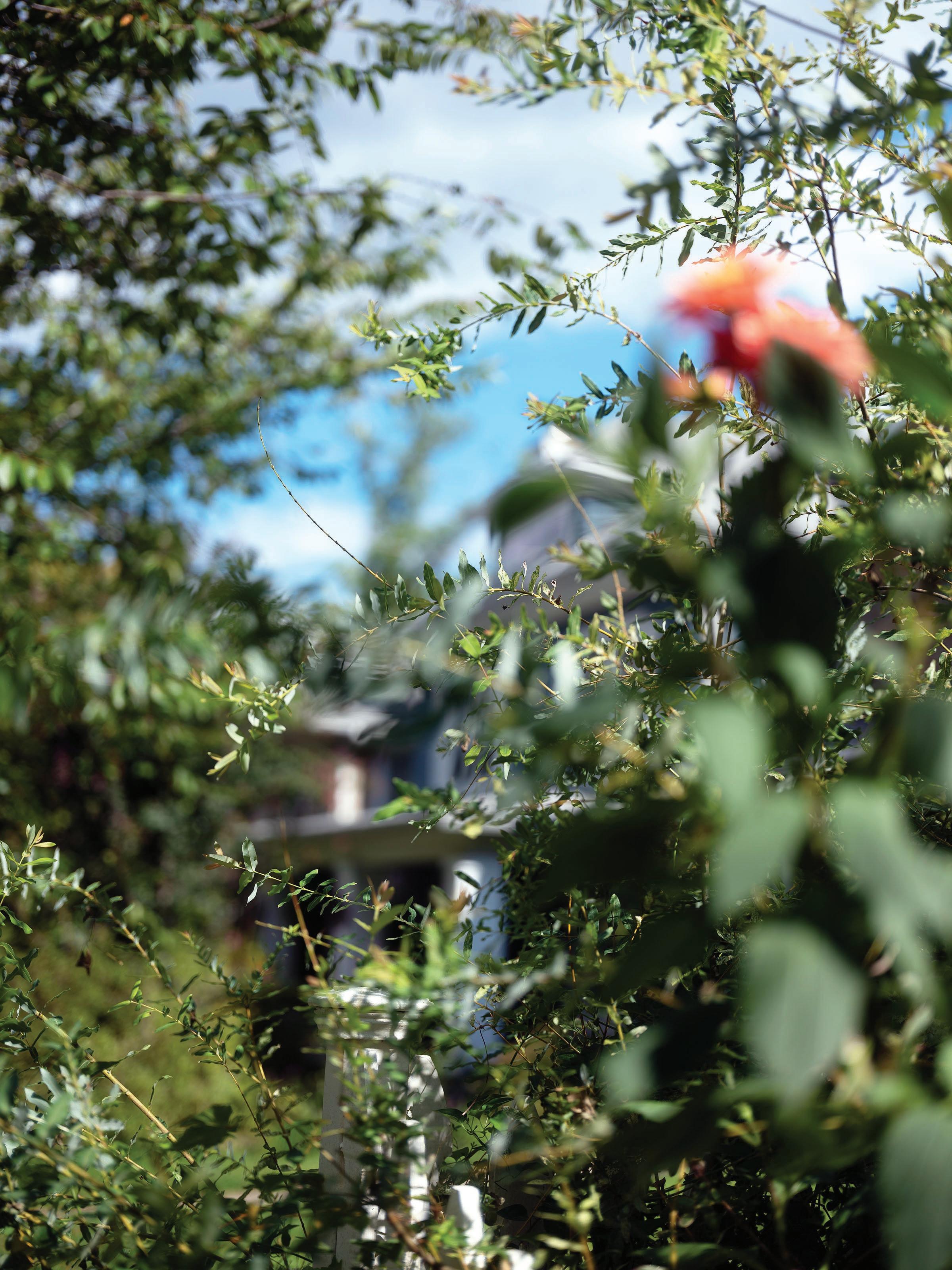
Sakai family home, Lakewood, Ohio, 2022, now vacant
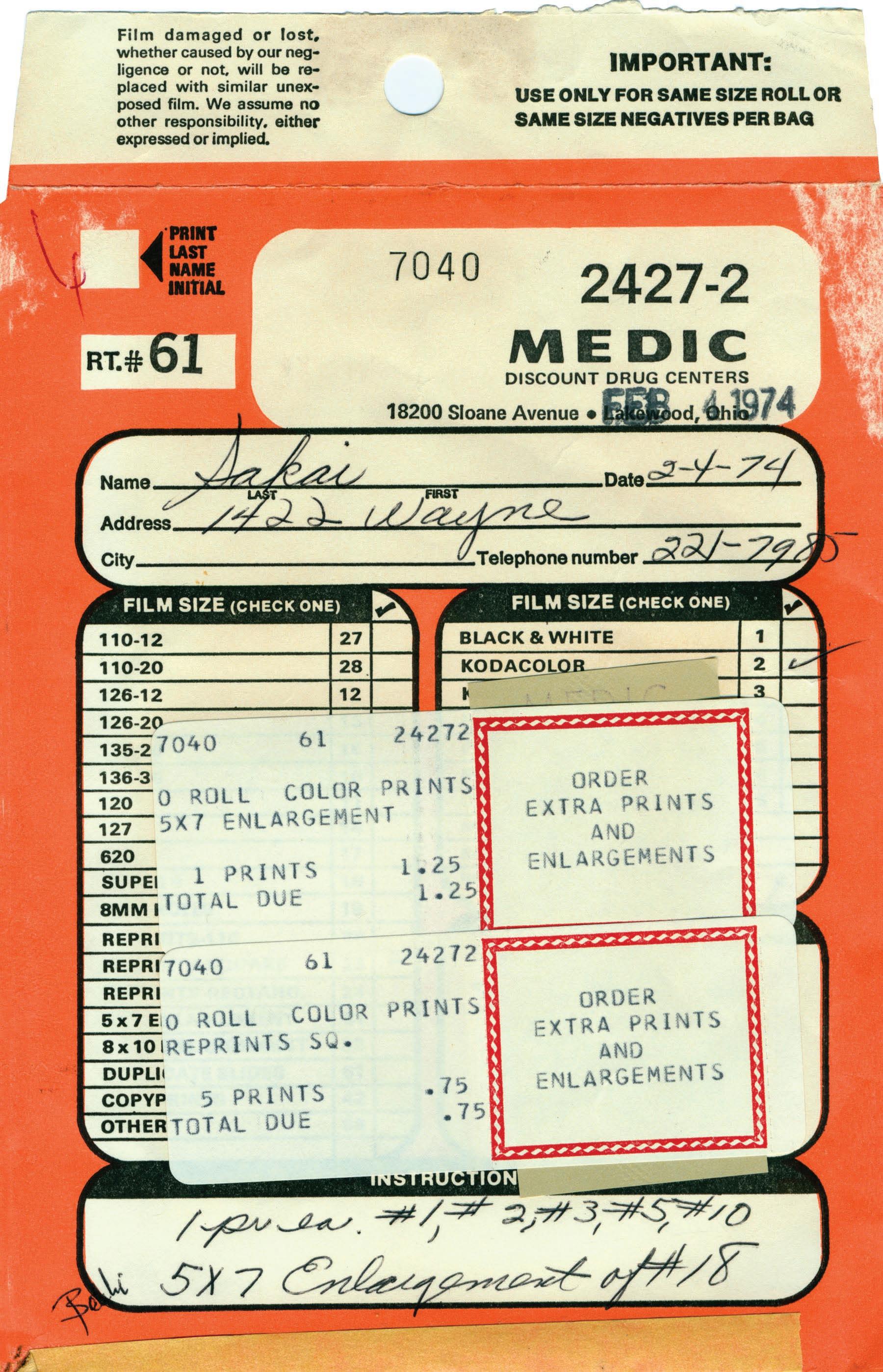
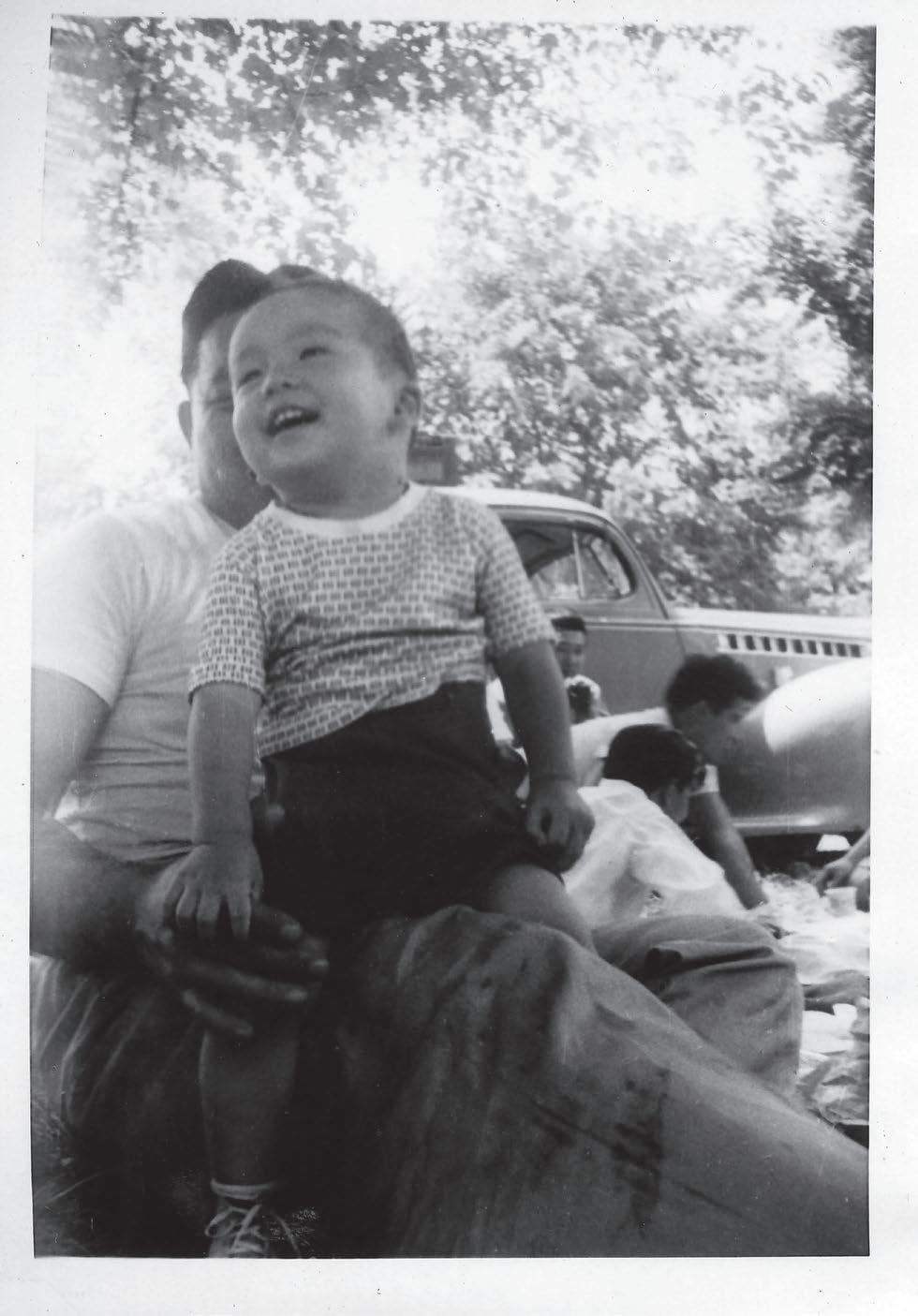
Artist’s father, John Sakai, with “Uncle” George Ikuta, Lakewood, Ohio
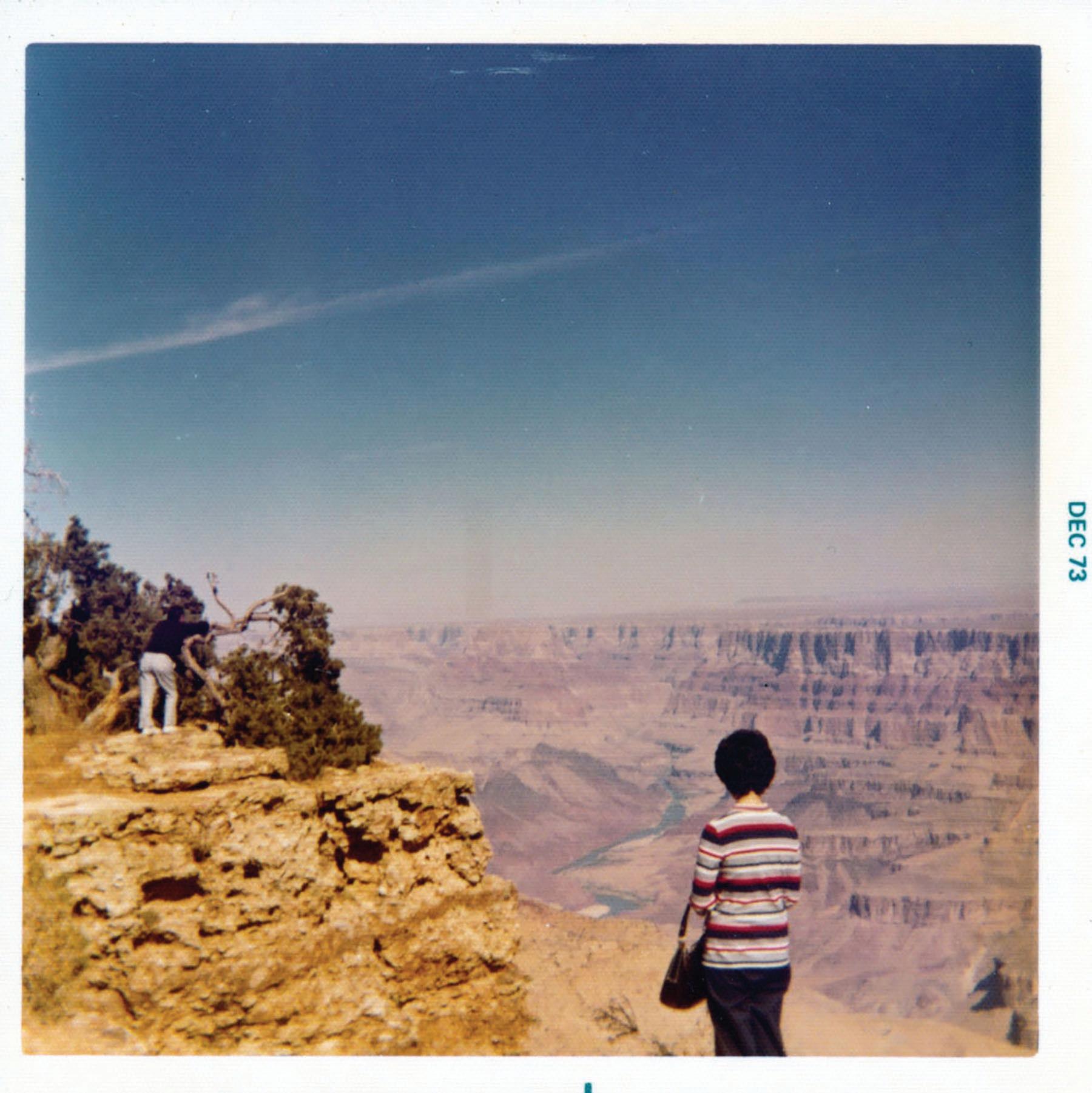
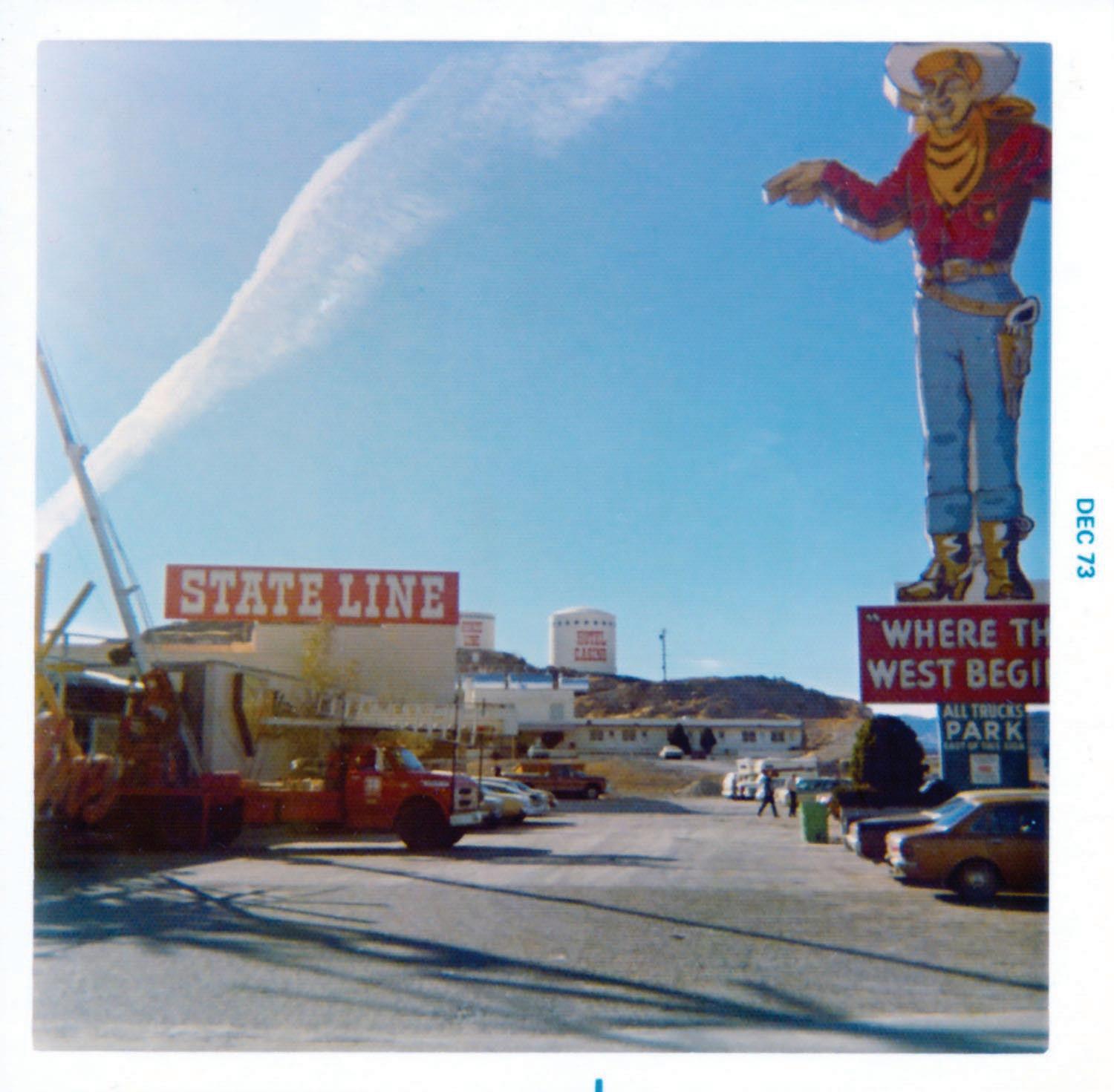
Jack Kuneo Sakai and Mary Mariko Sakai at the Grand Canyon, during a road trip west returning to the family farm and homes they lost during WWII
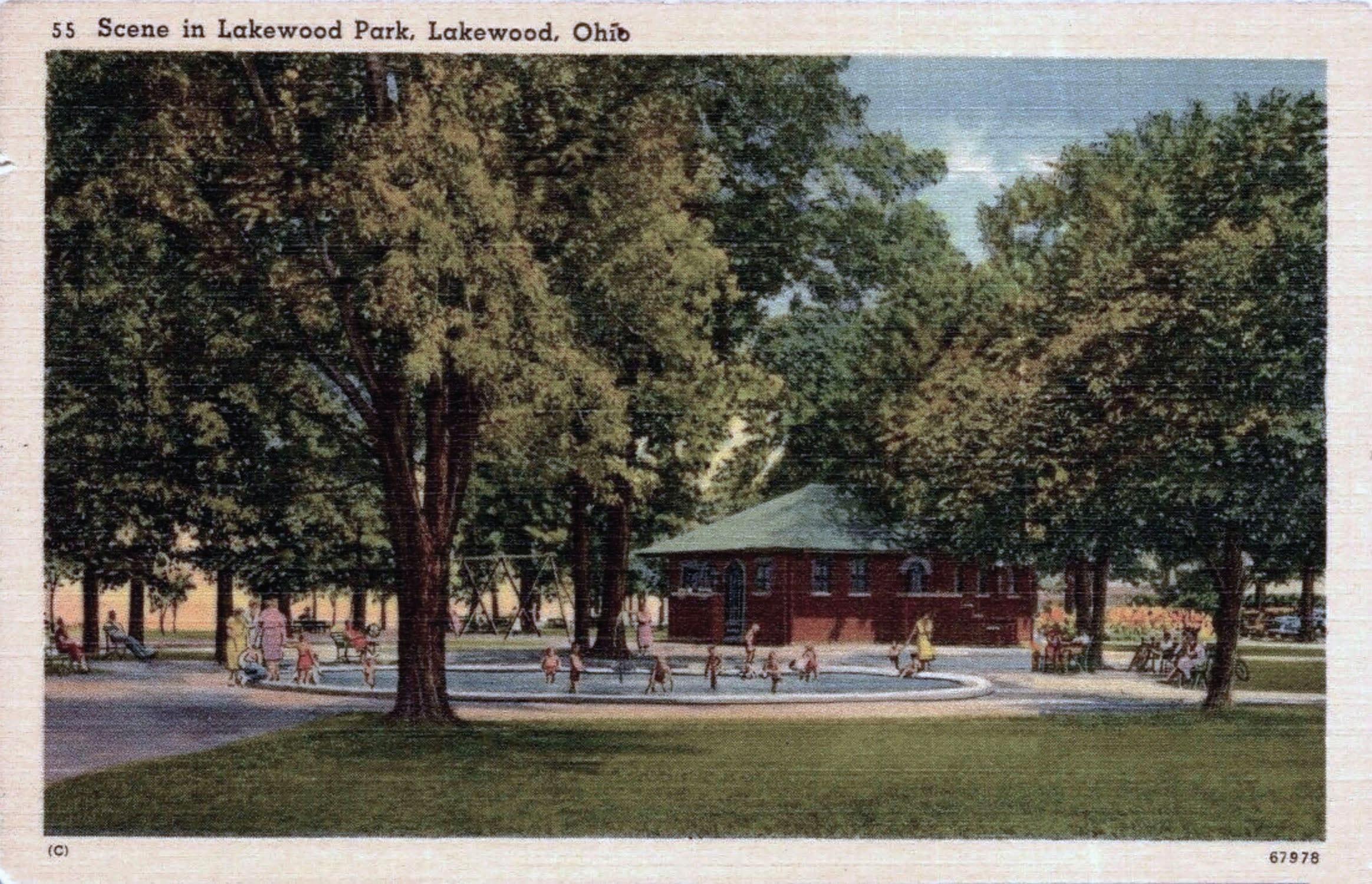
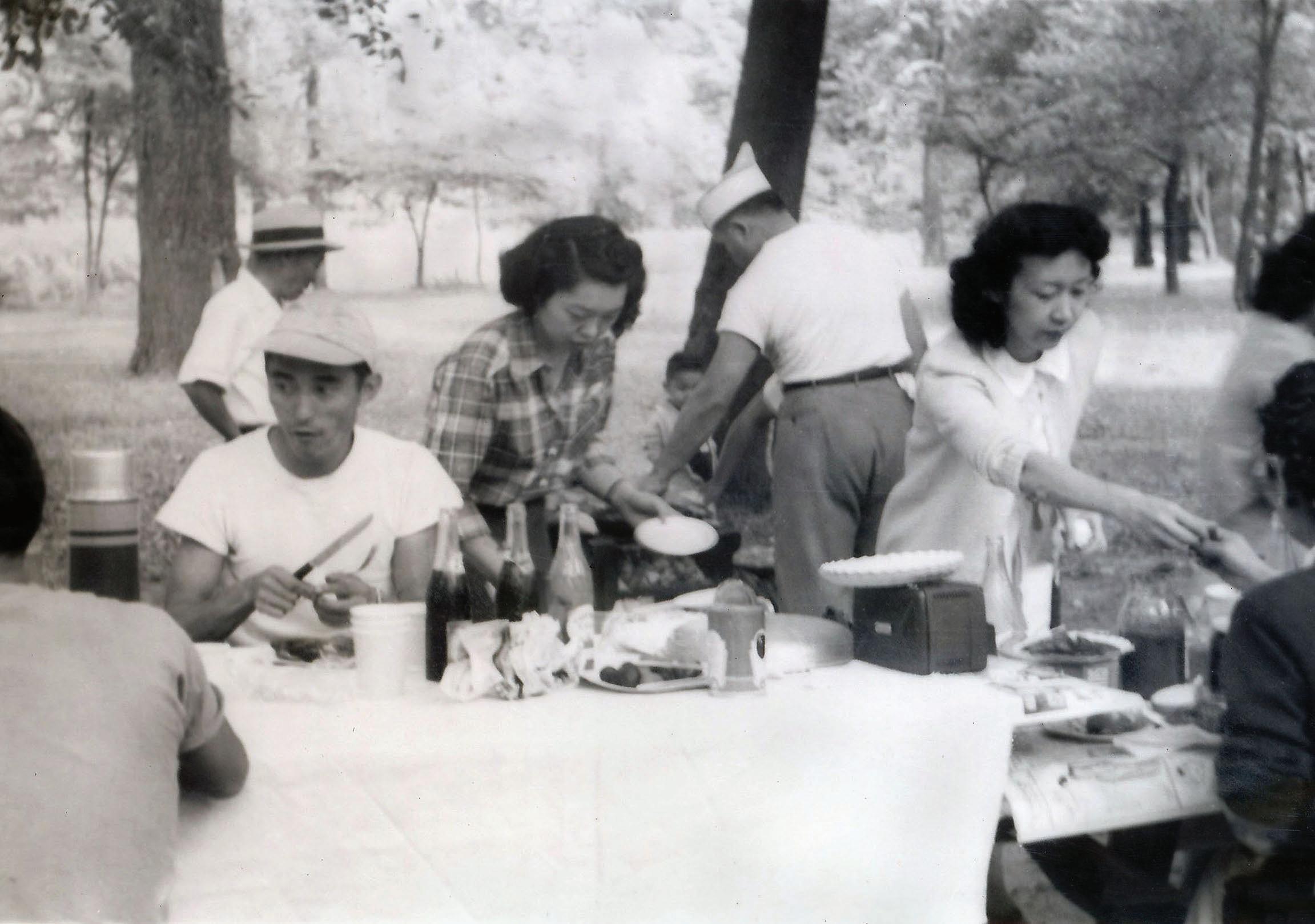
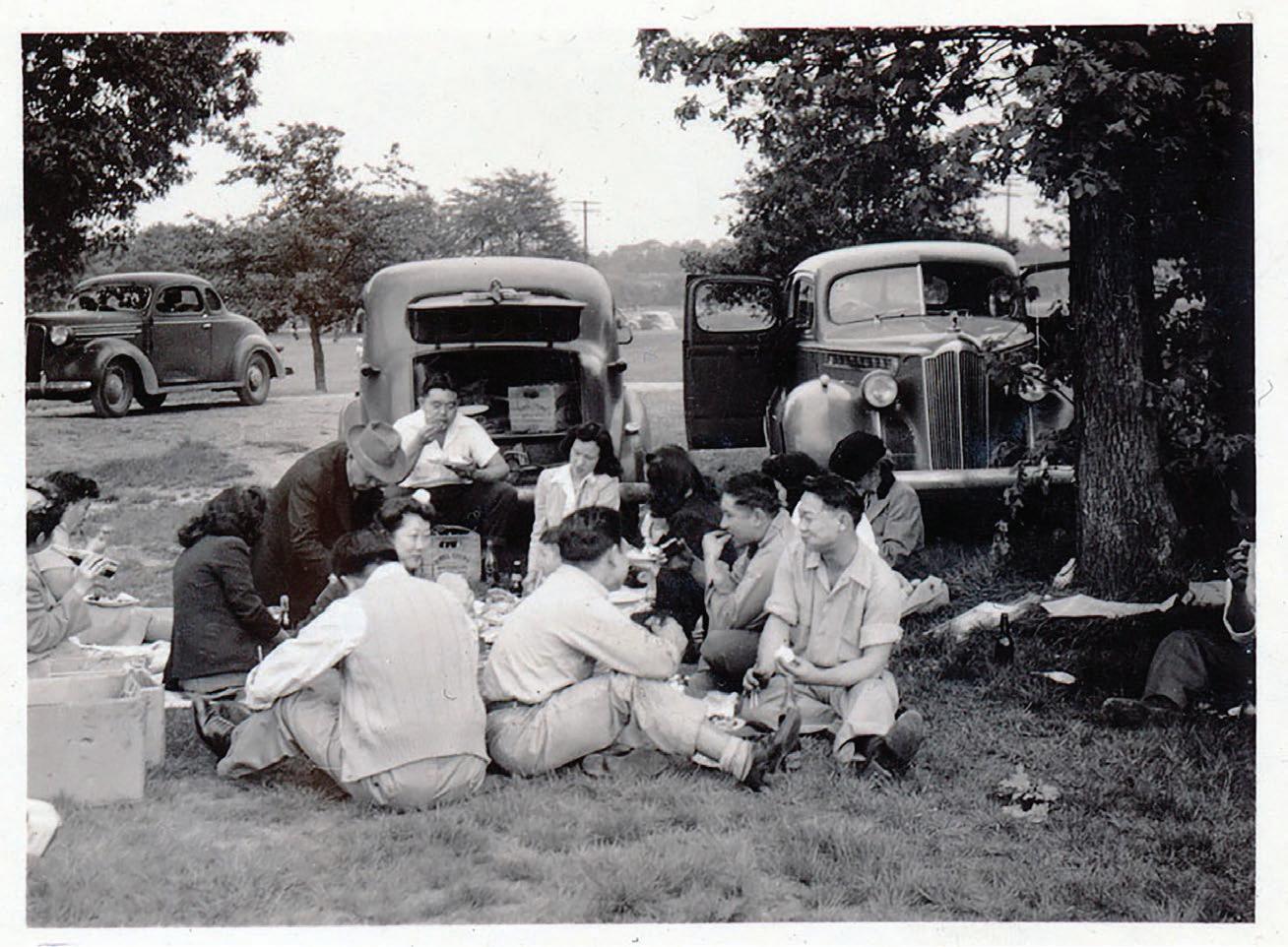
Mary Mariko Sakai (far right) at the annual Sakai “Steak and Bake” picnic, Lakewood, Ohio
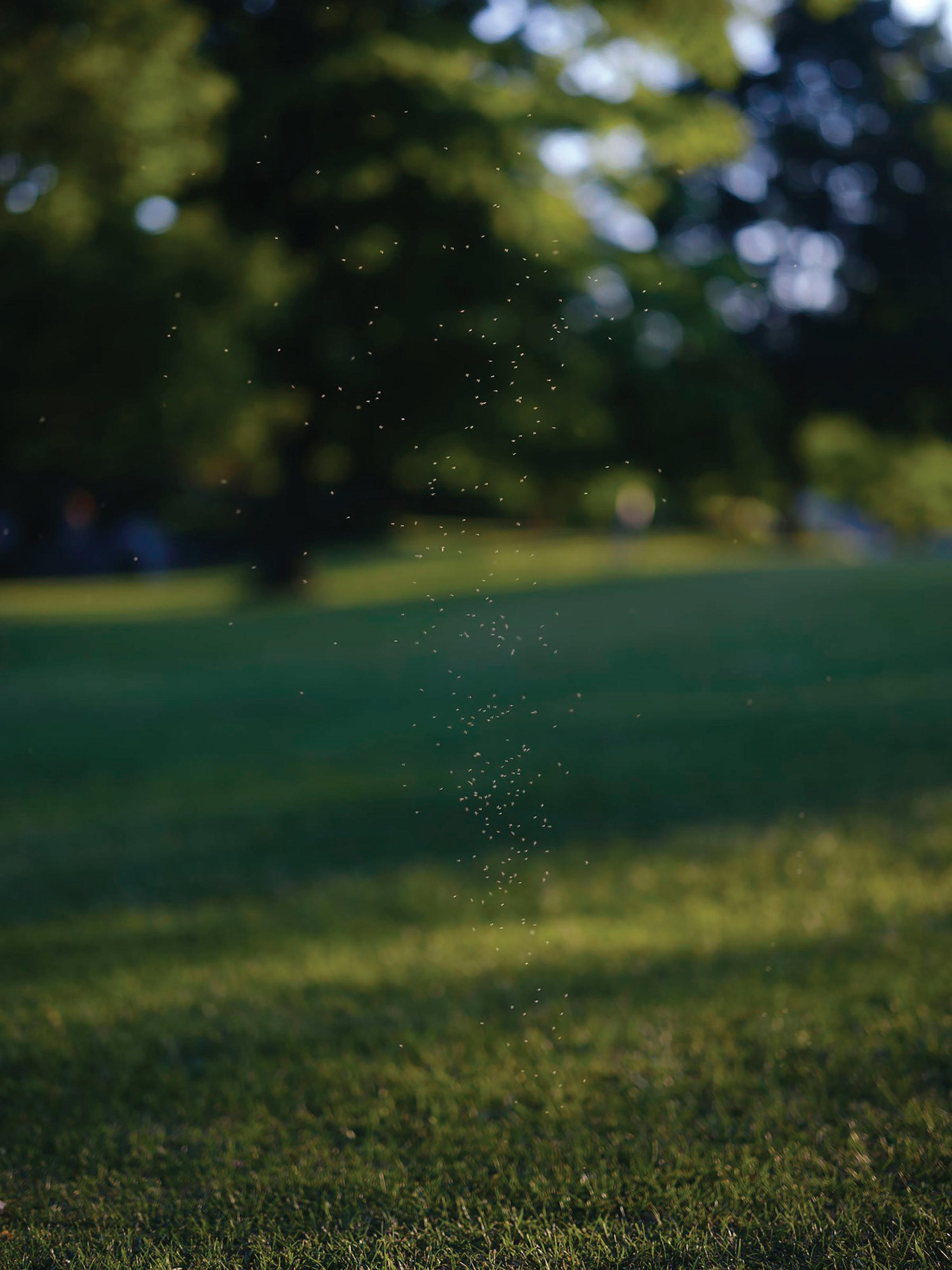
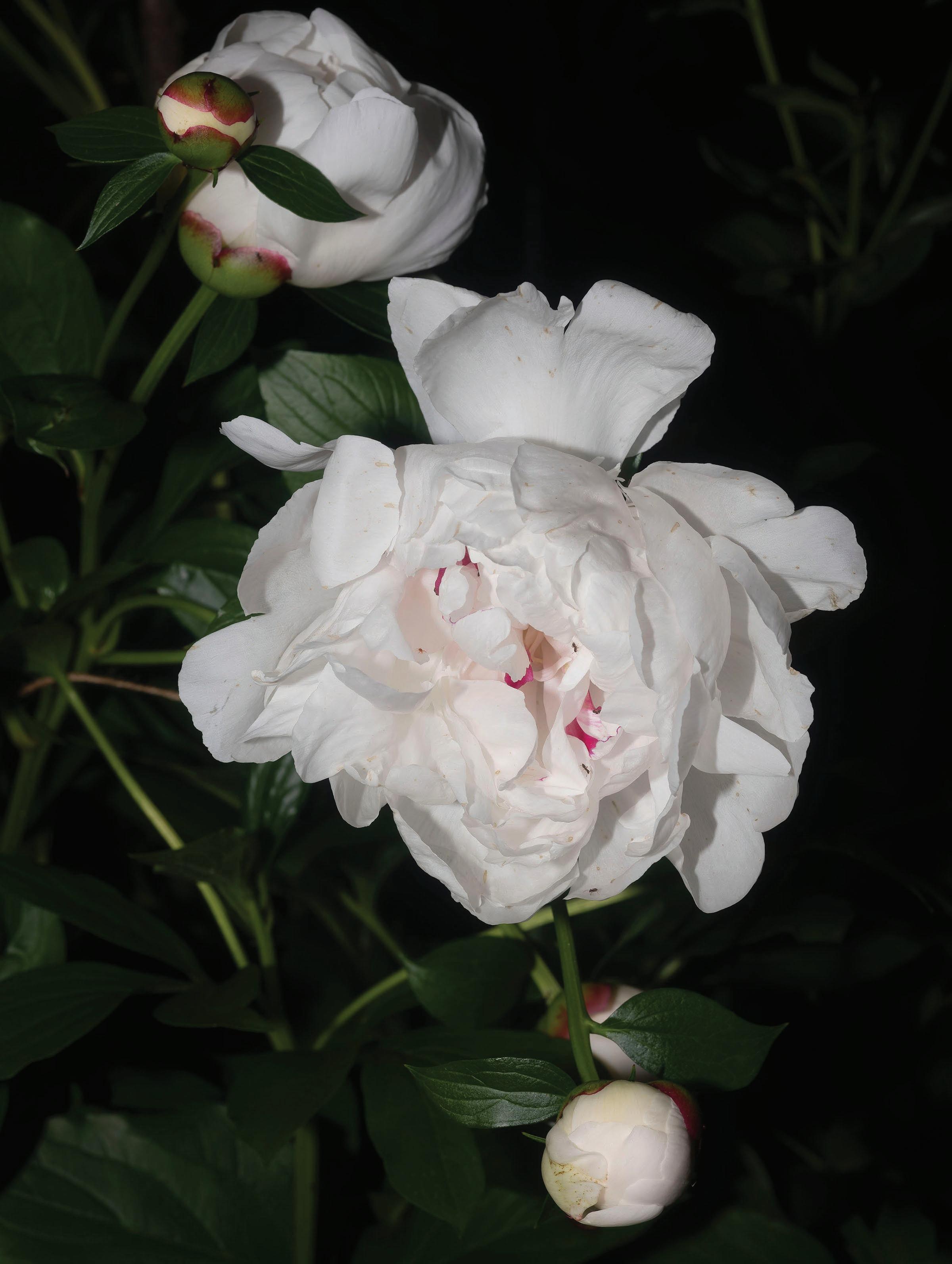
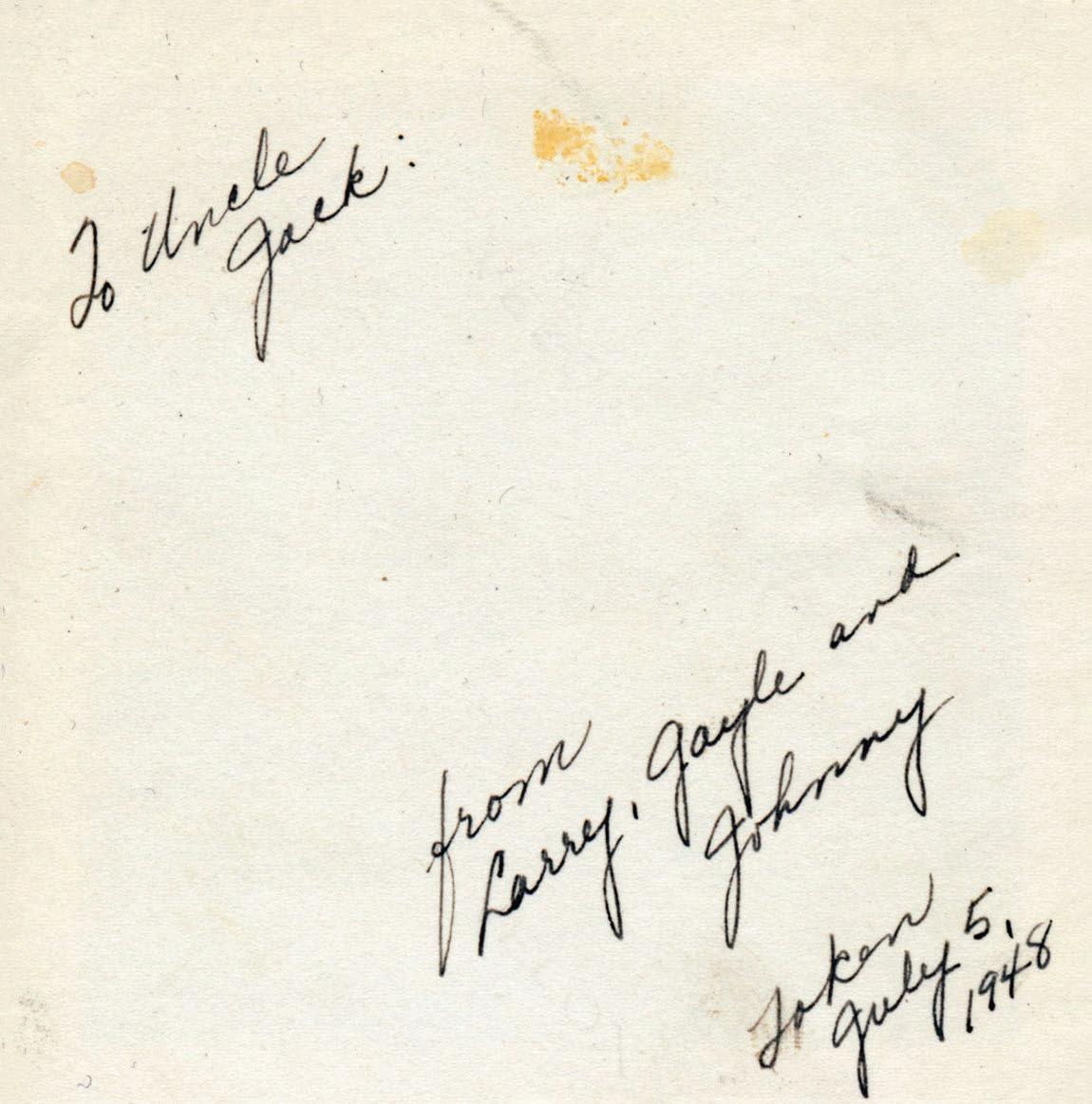
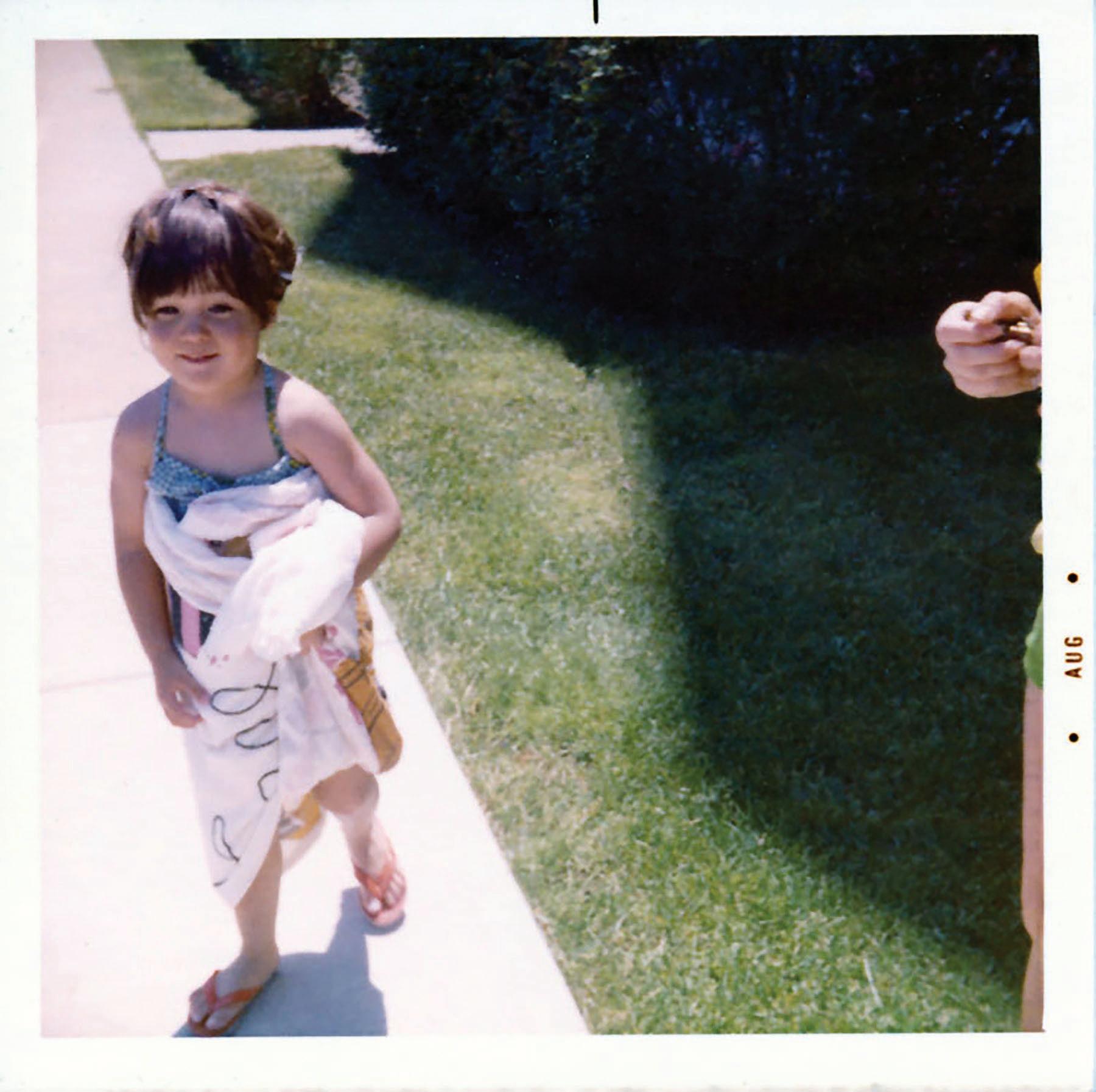
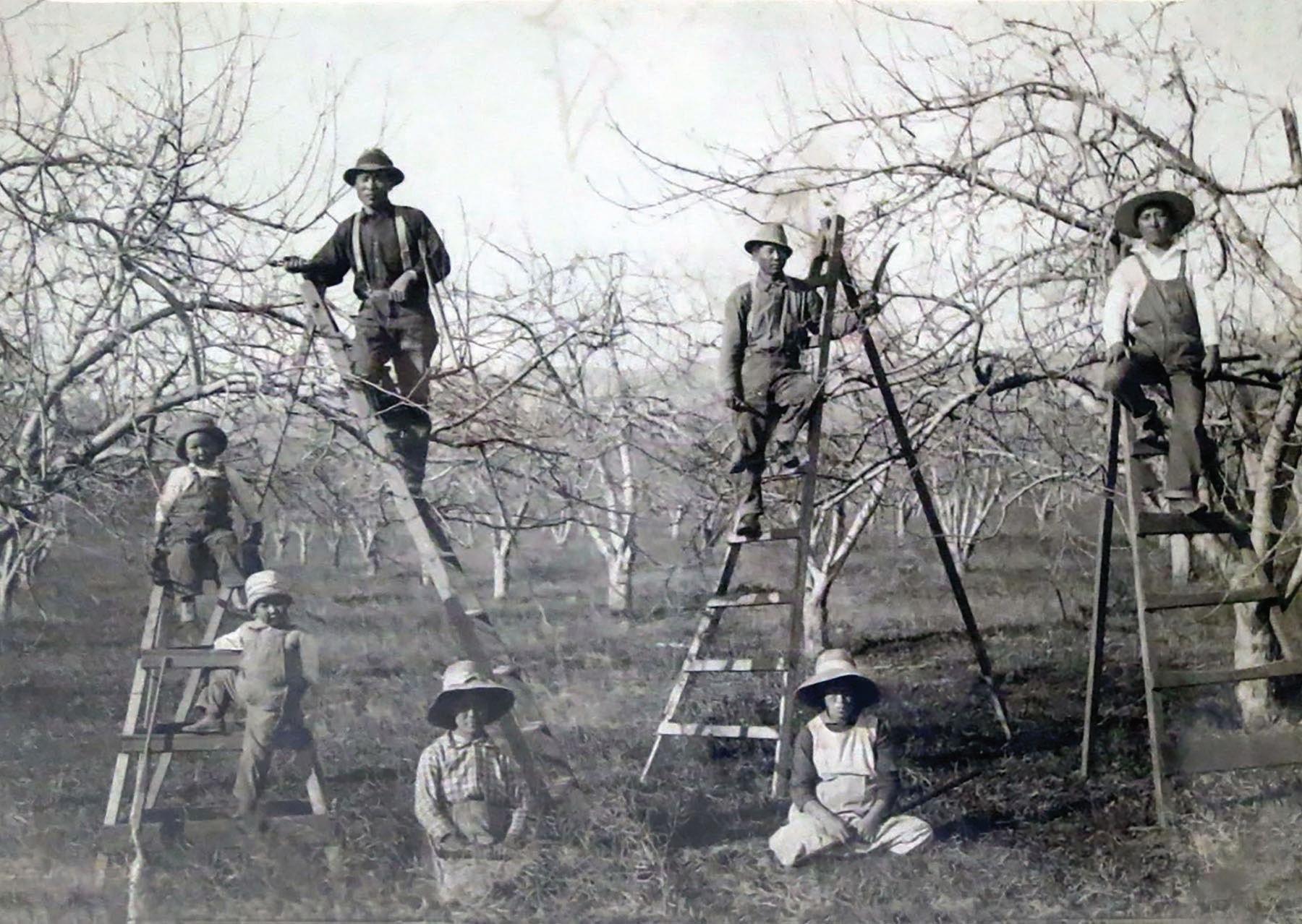
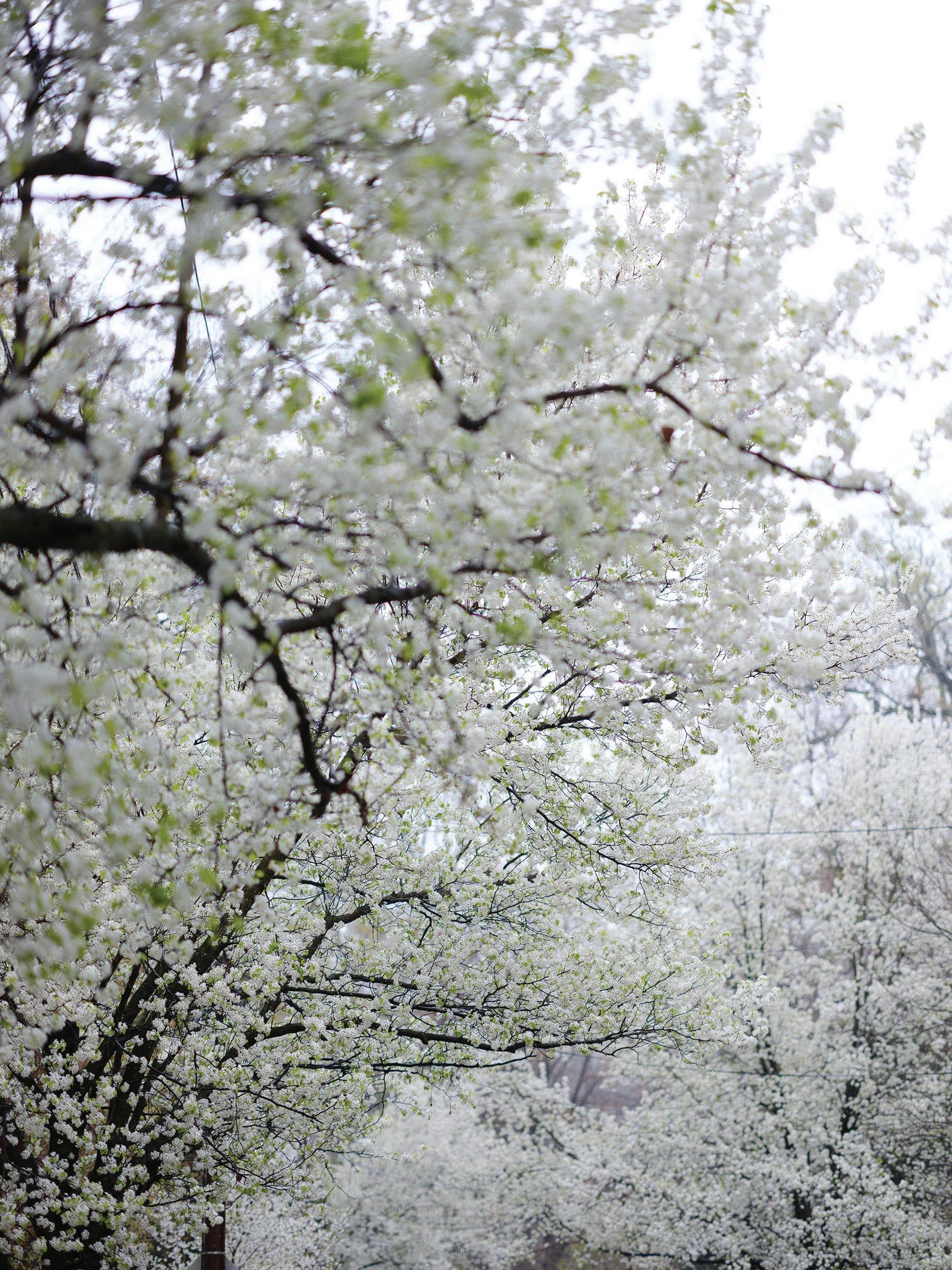
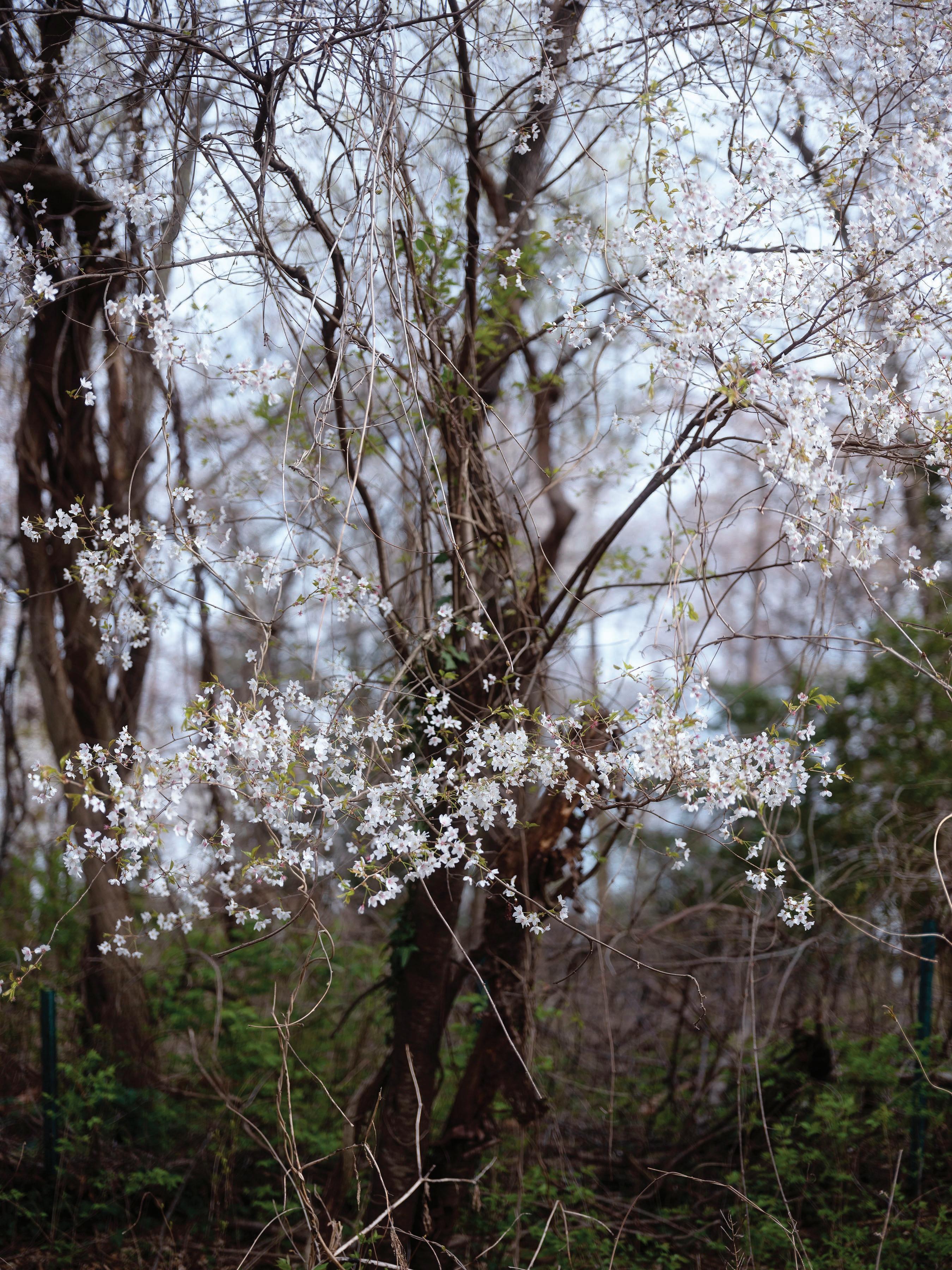
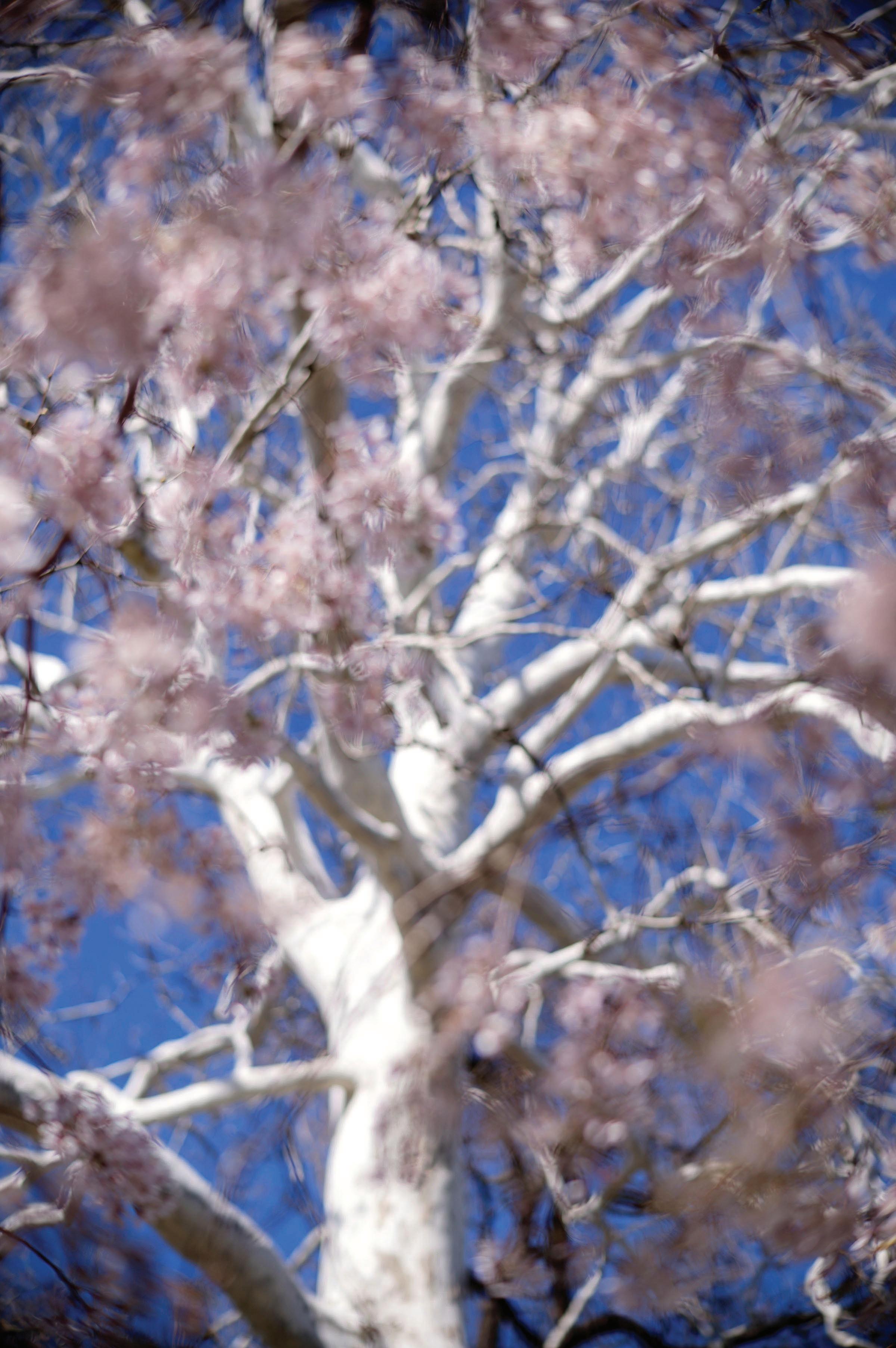
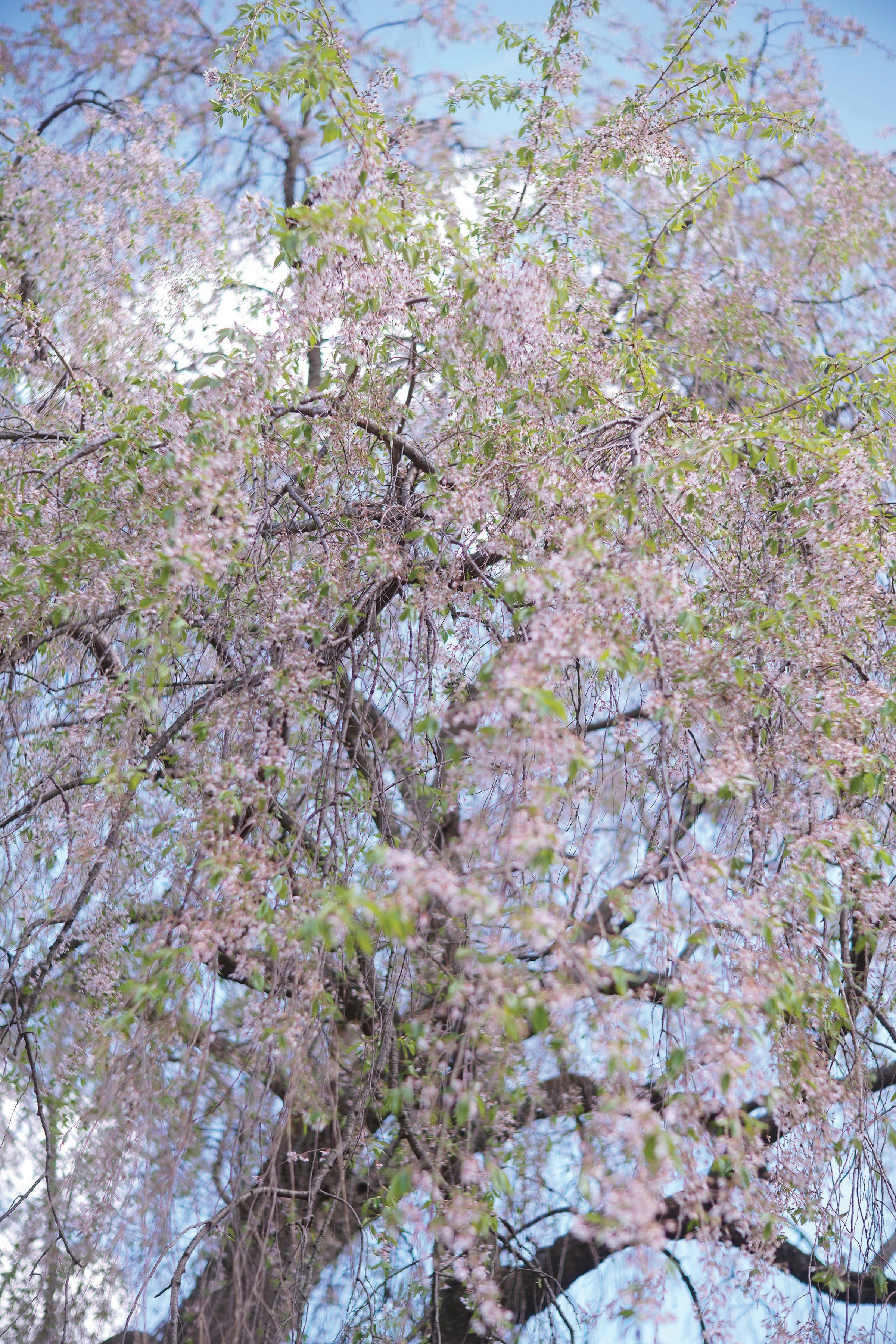
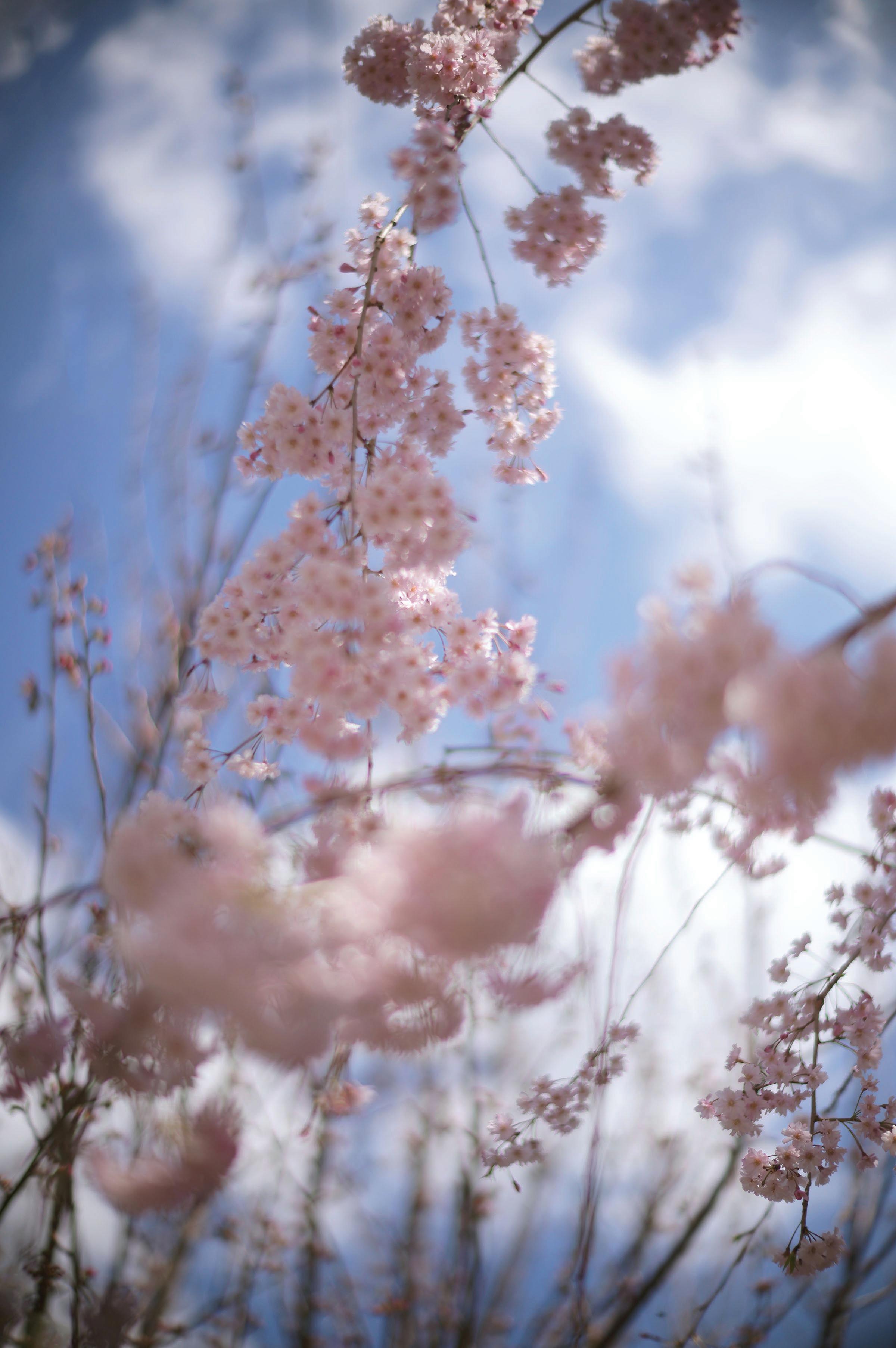
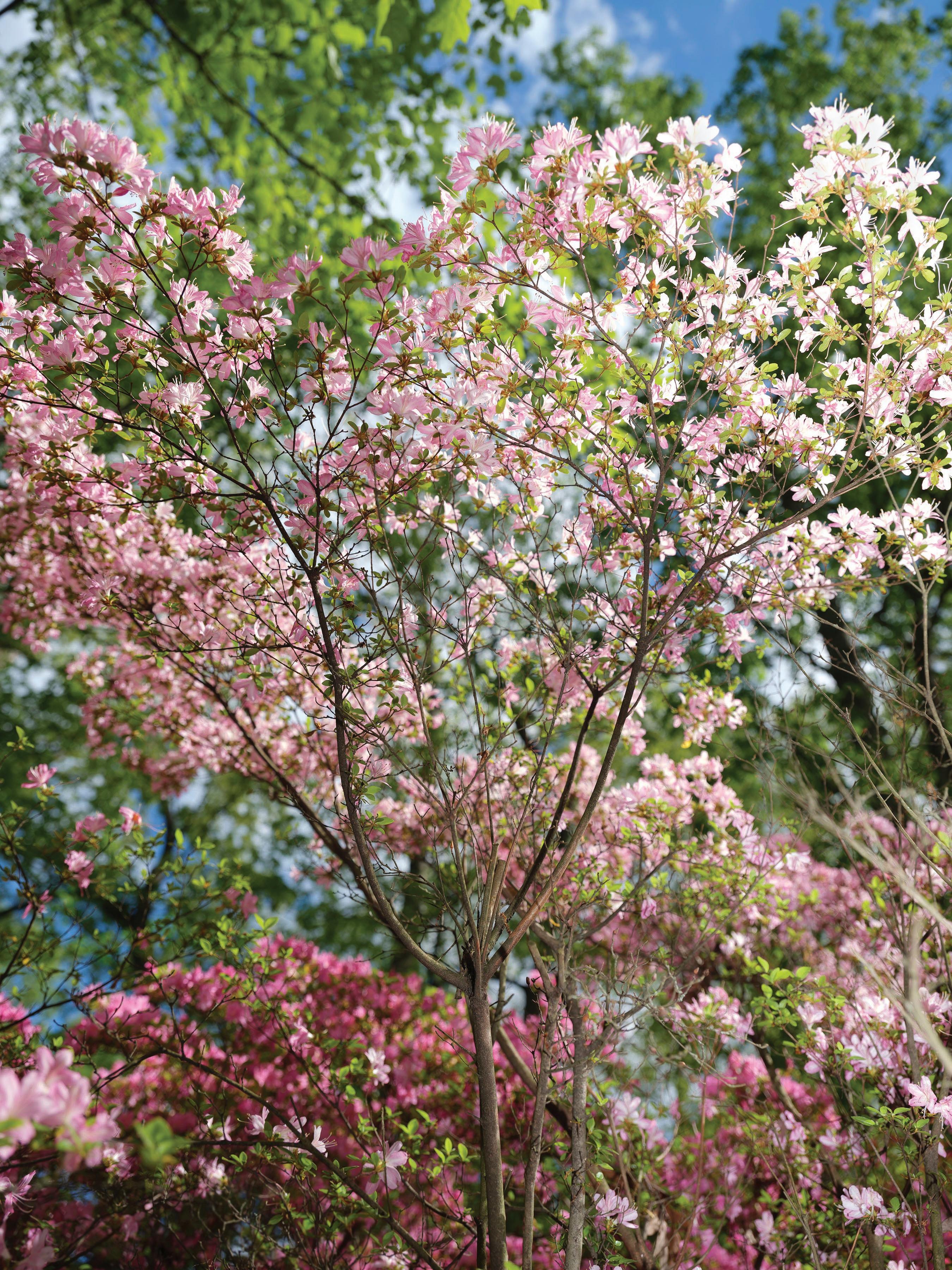
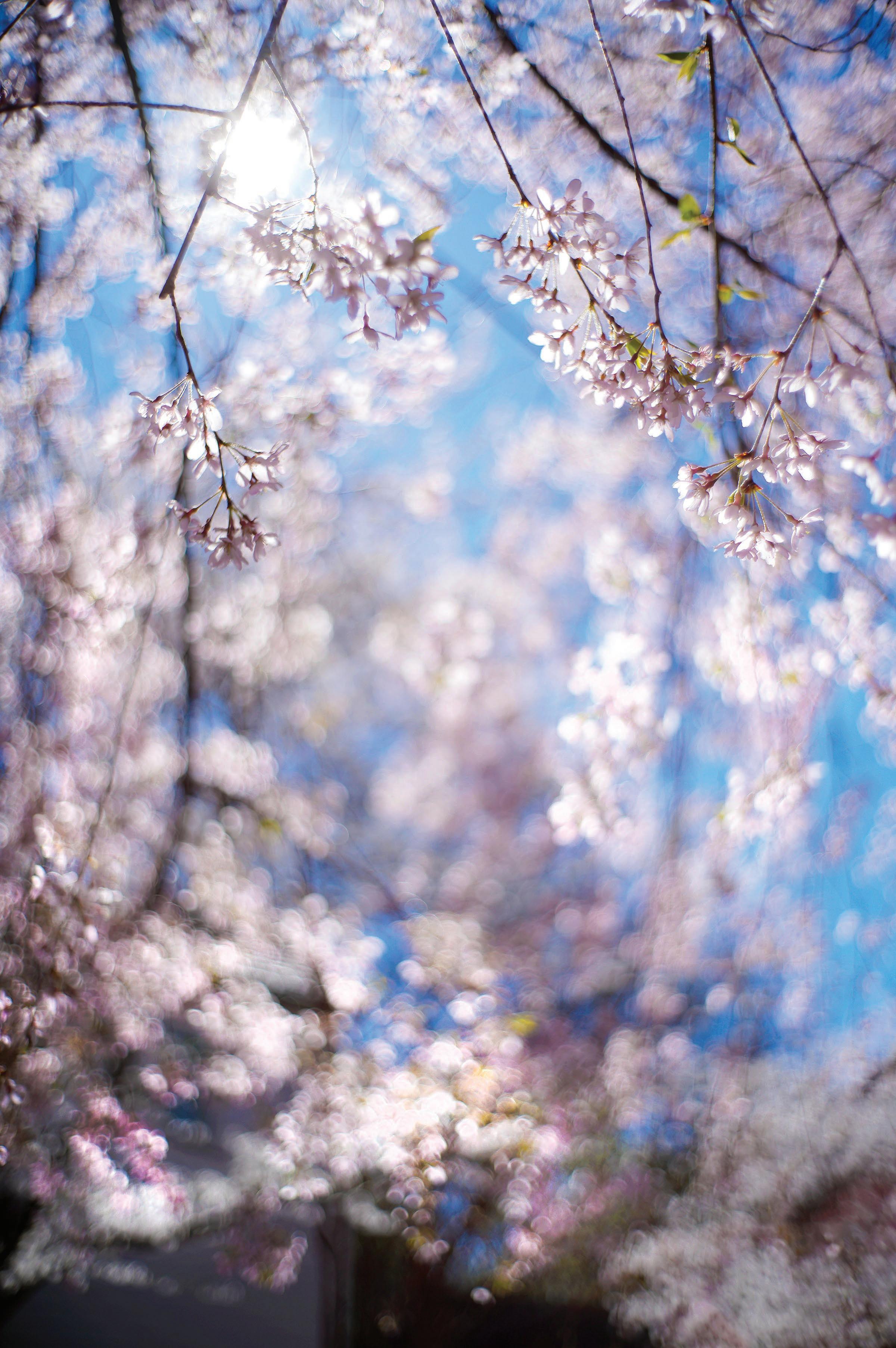
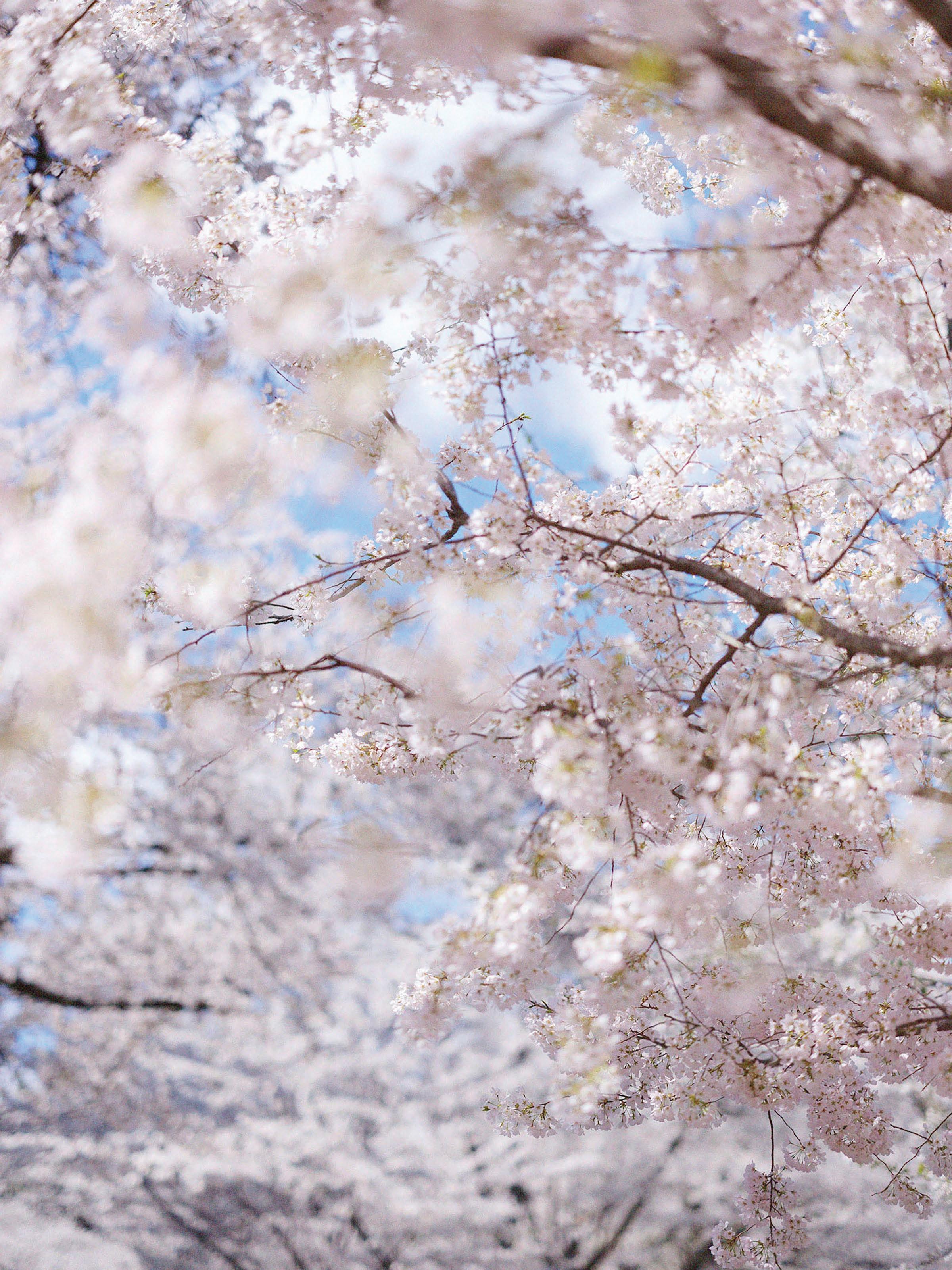
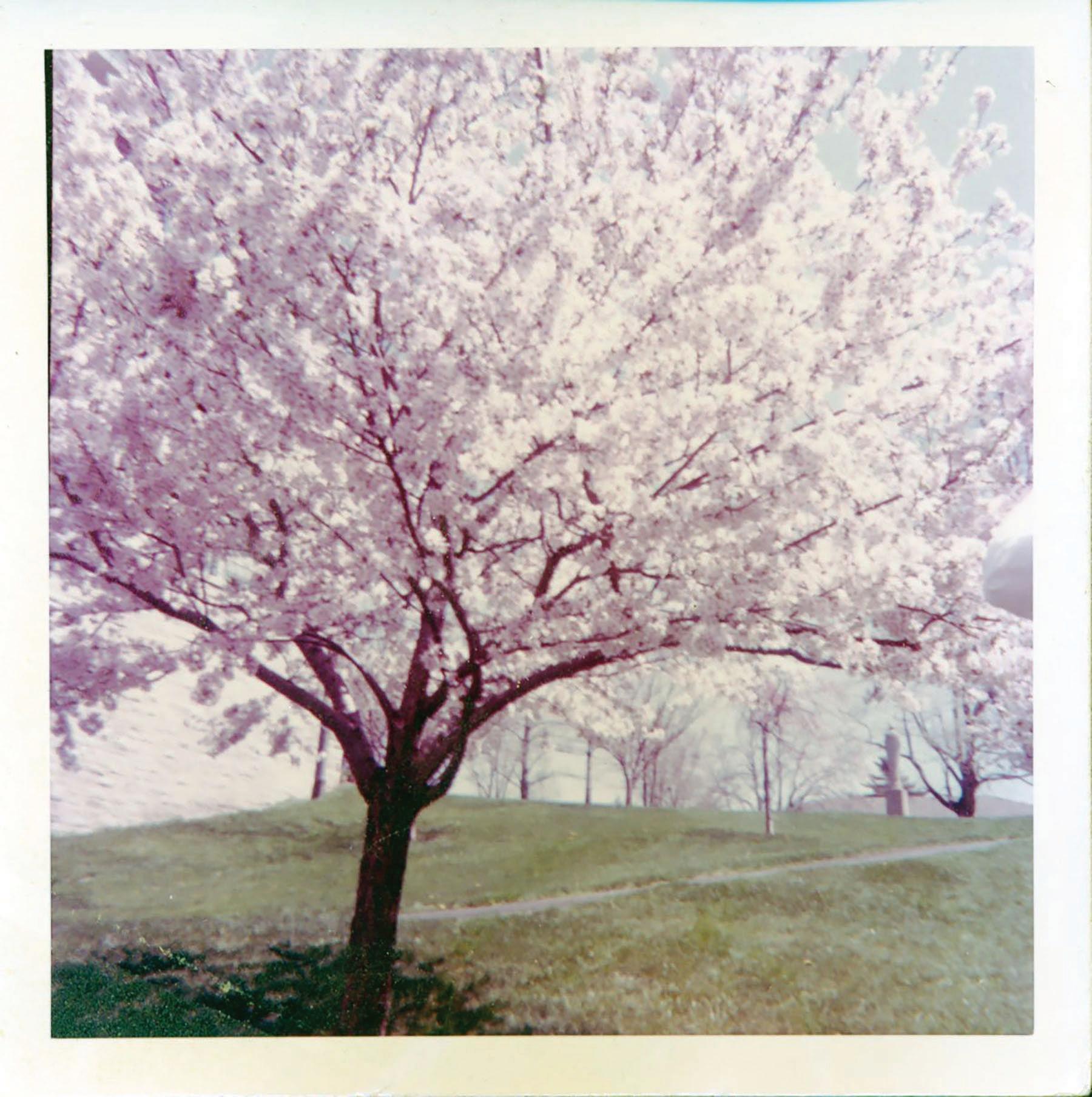
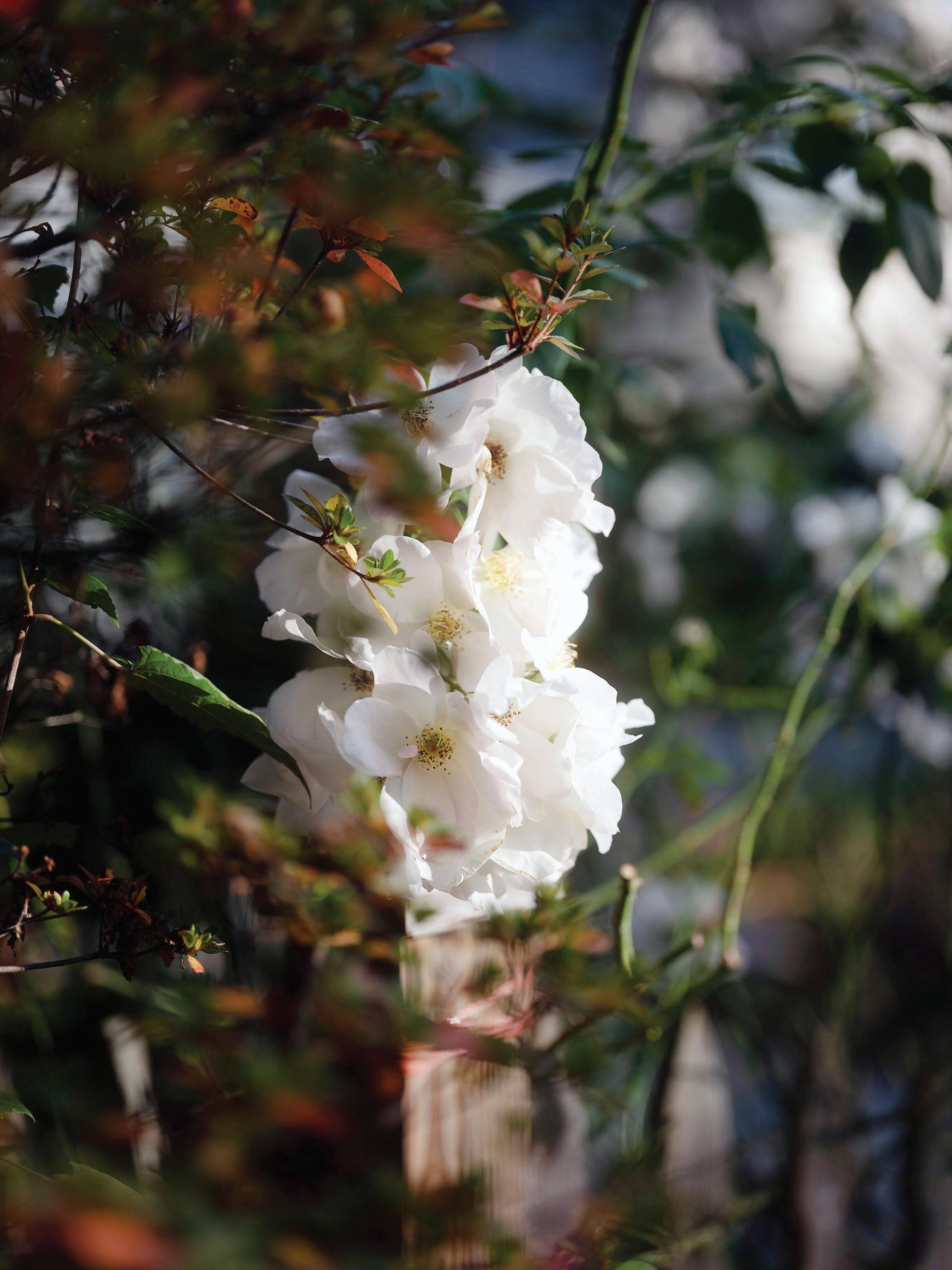
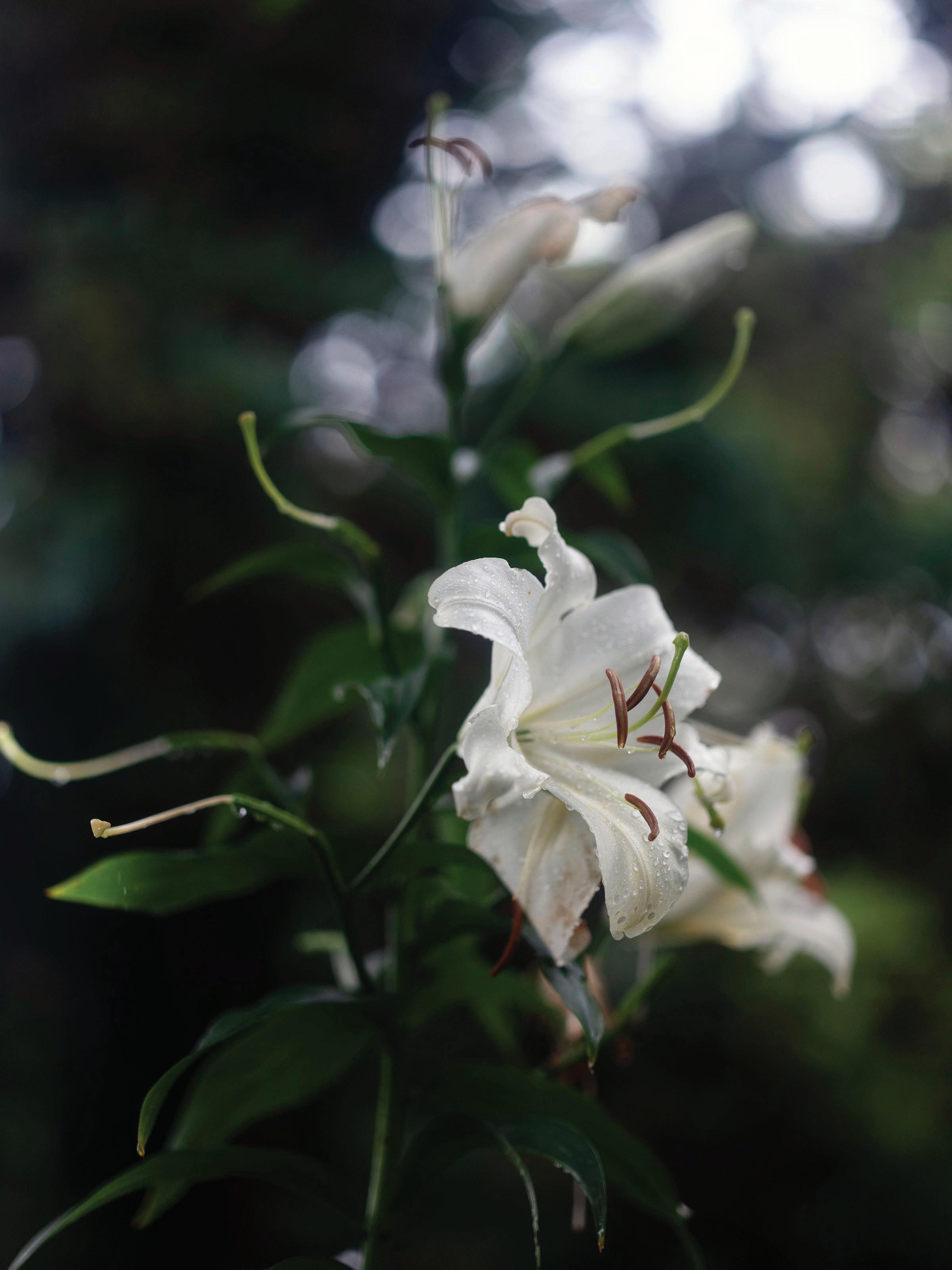
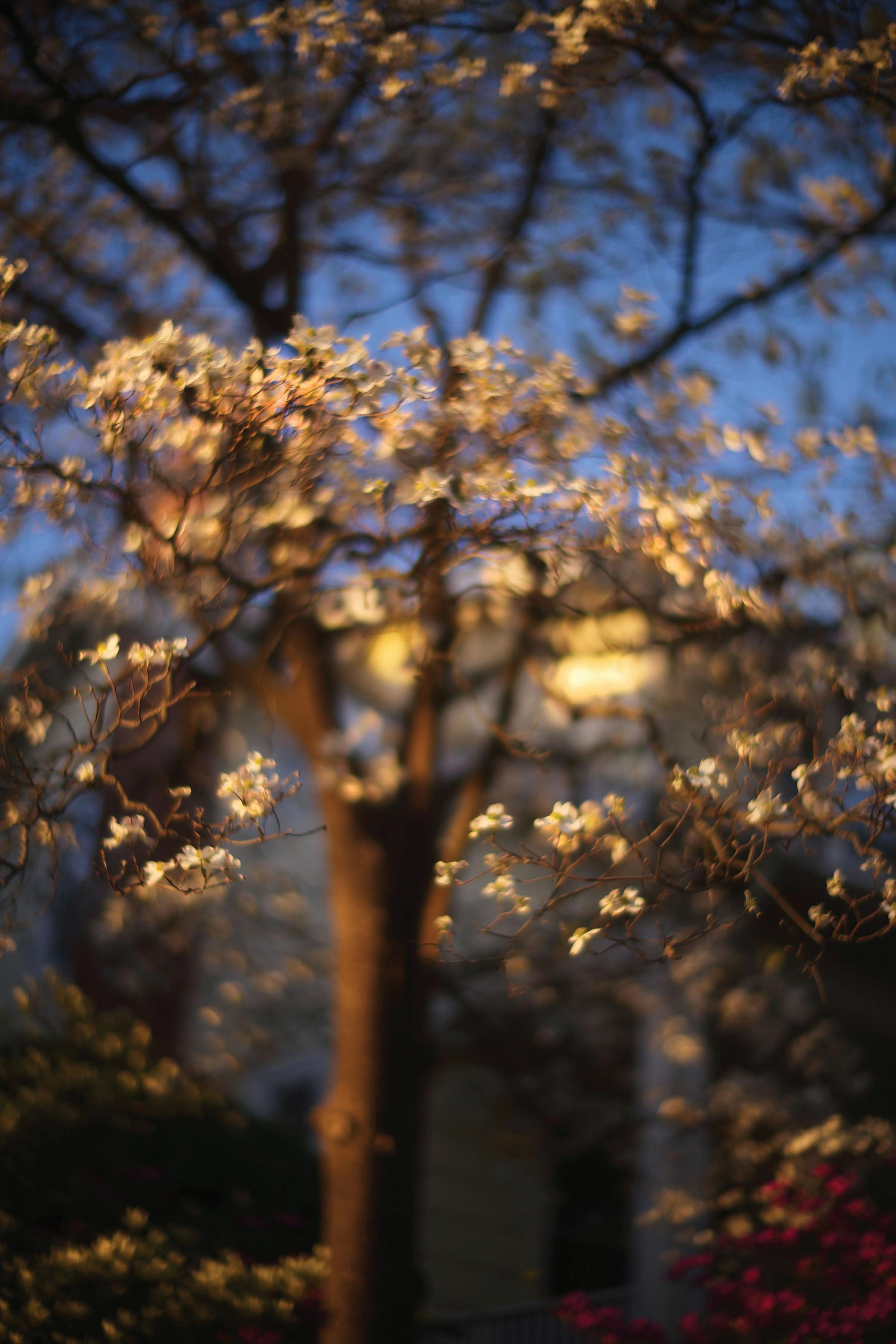
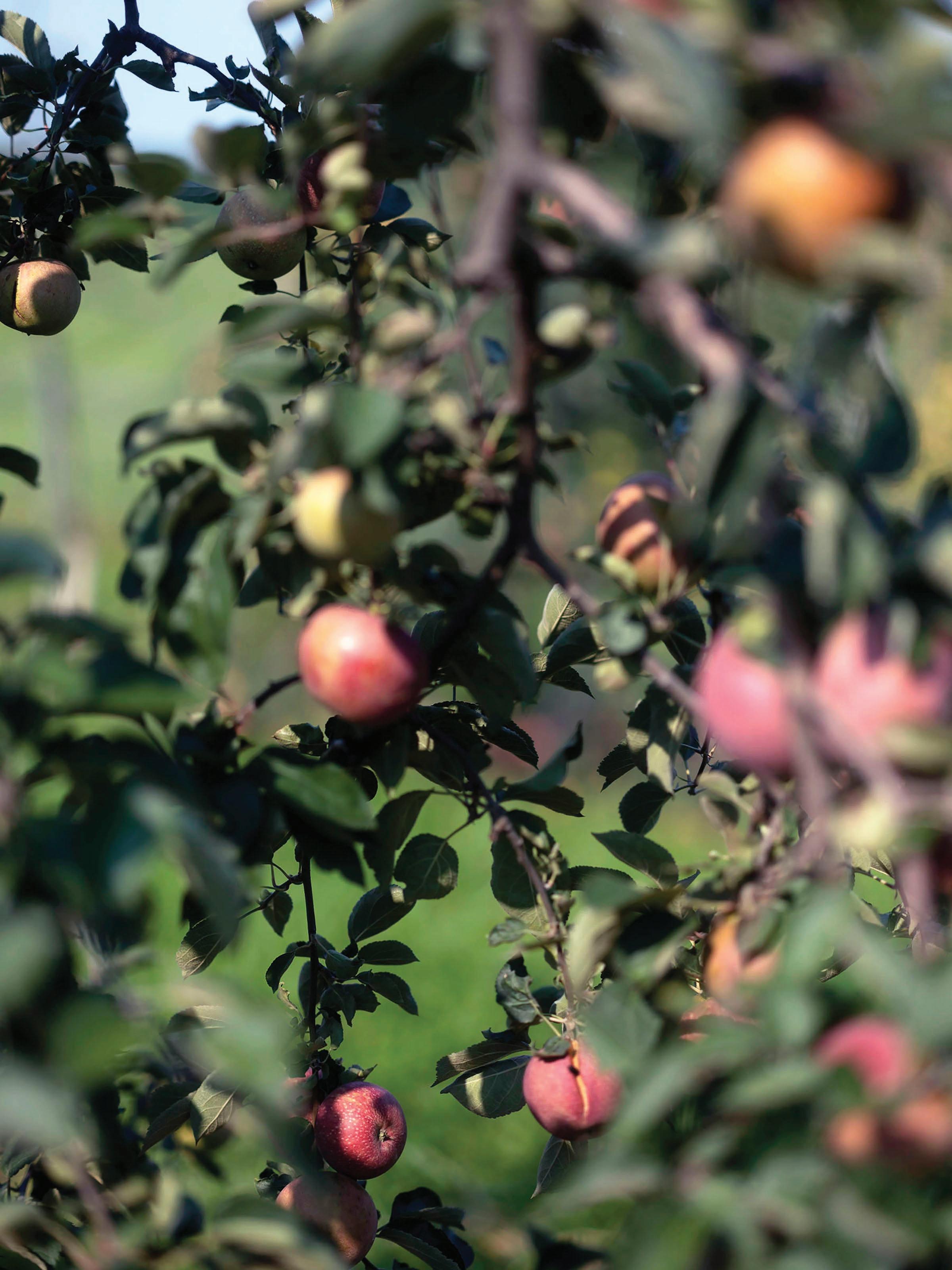
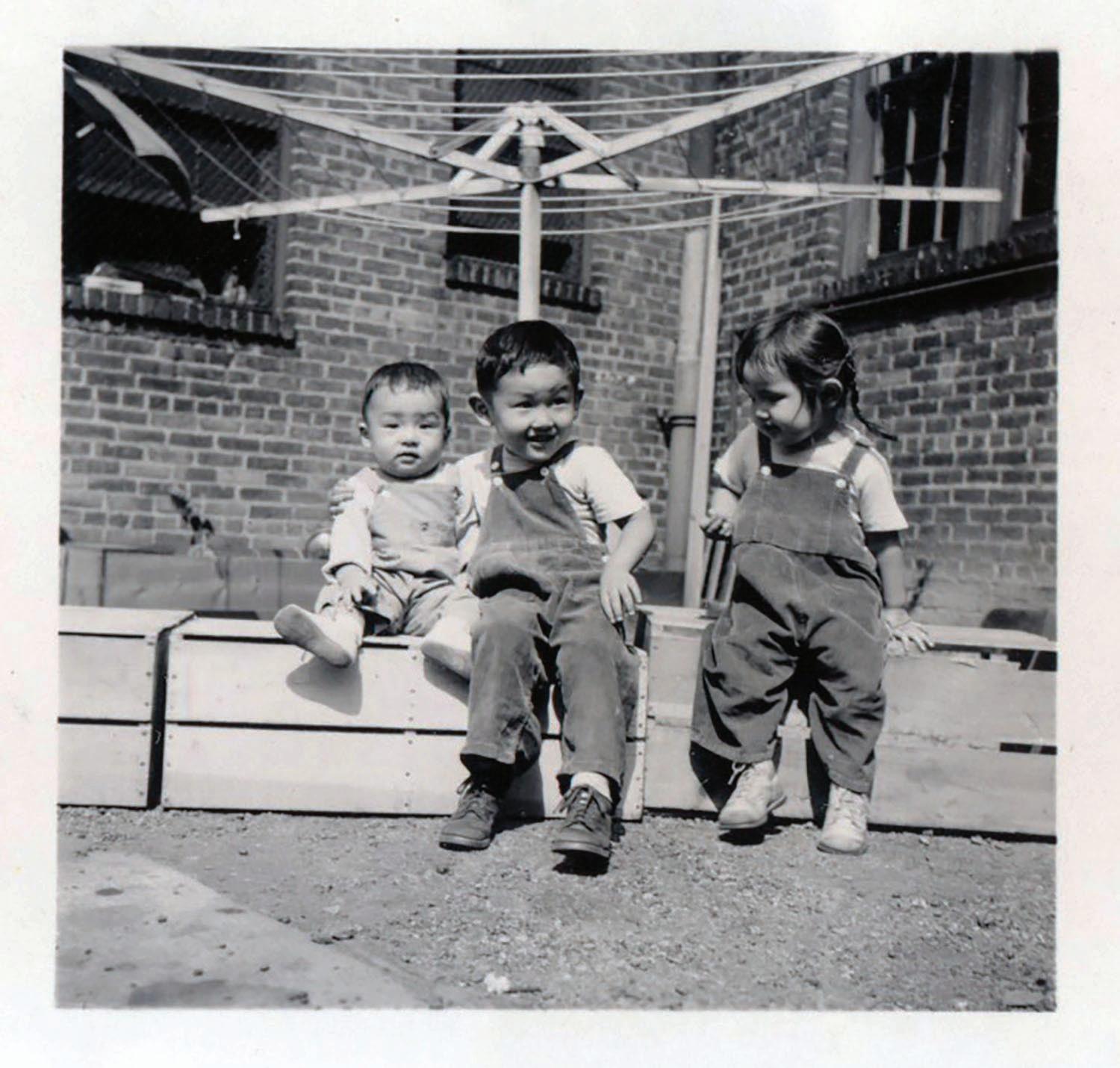
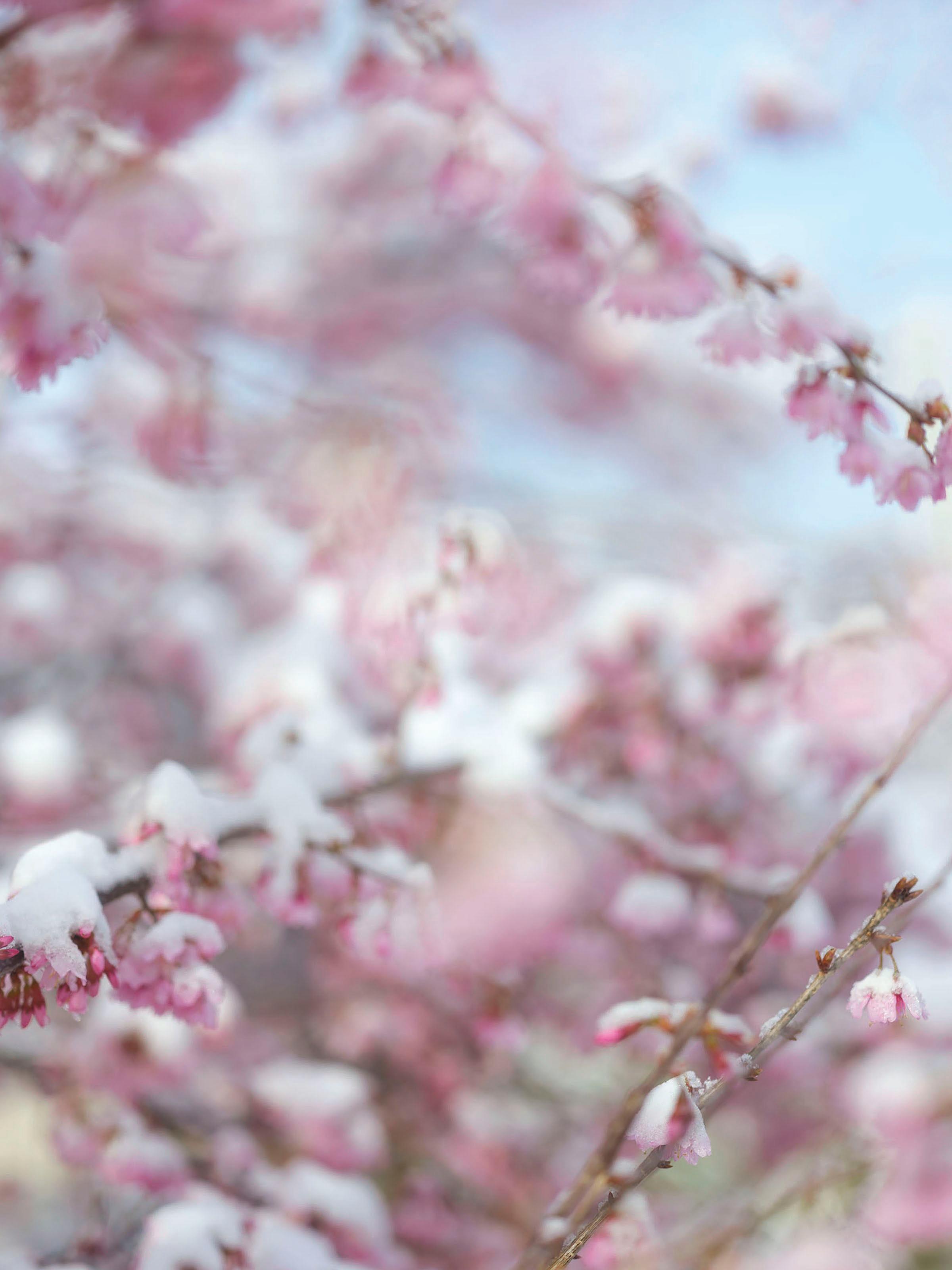
Left: Sakai family in their fruit orchard, California, pre-WWII. Right: Peach blossoms; Yeizo and Shige Sakai, artist’s great-grandparents, with children, including Kuneo Jack Sakai, San Luis Obispo, California, c. 1920
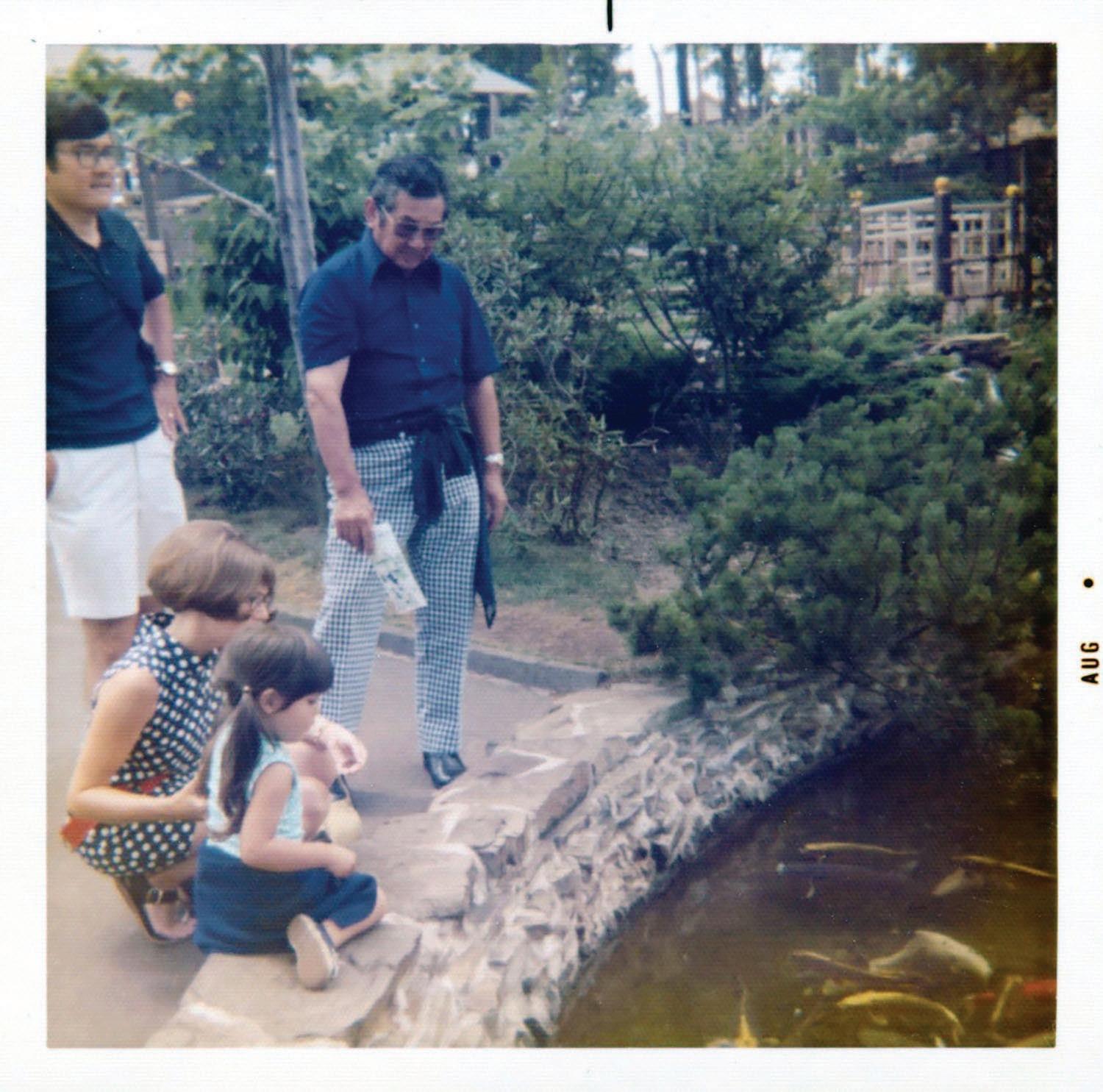
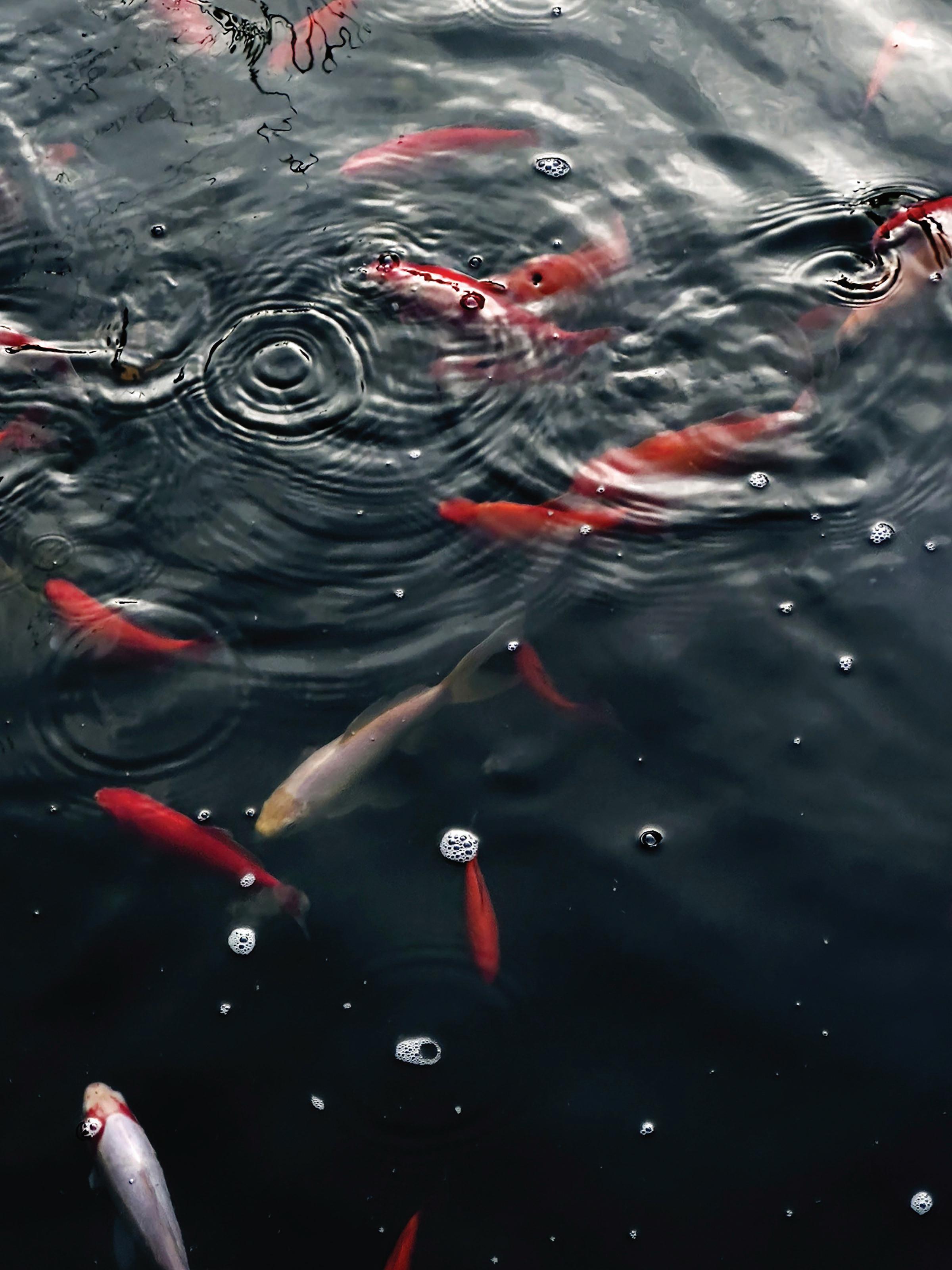
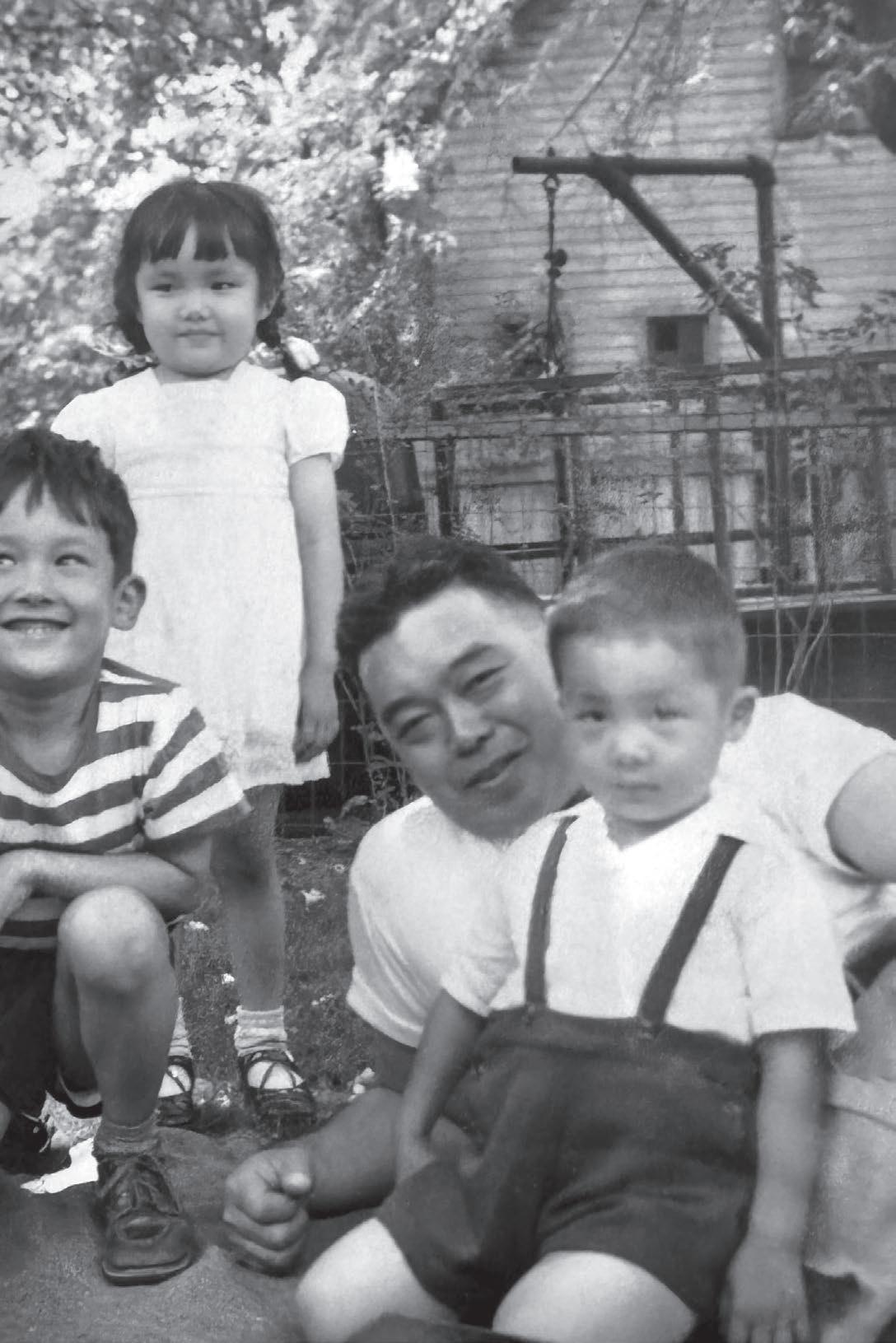
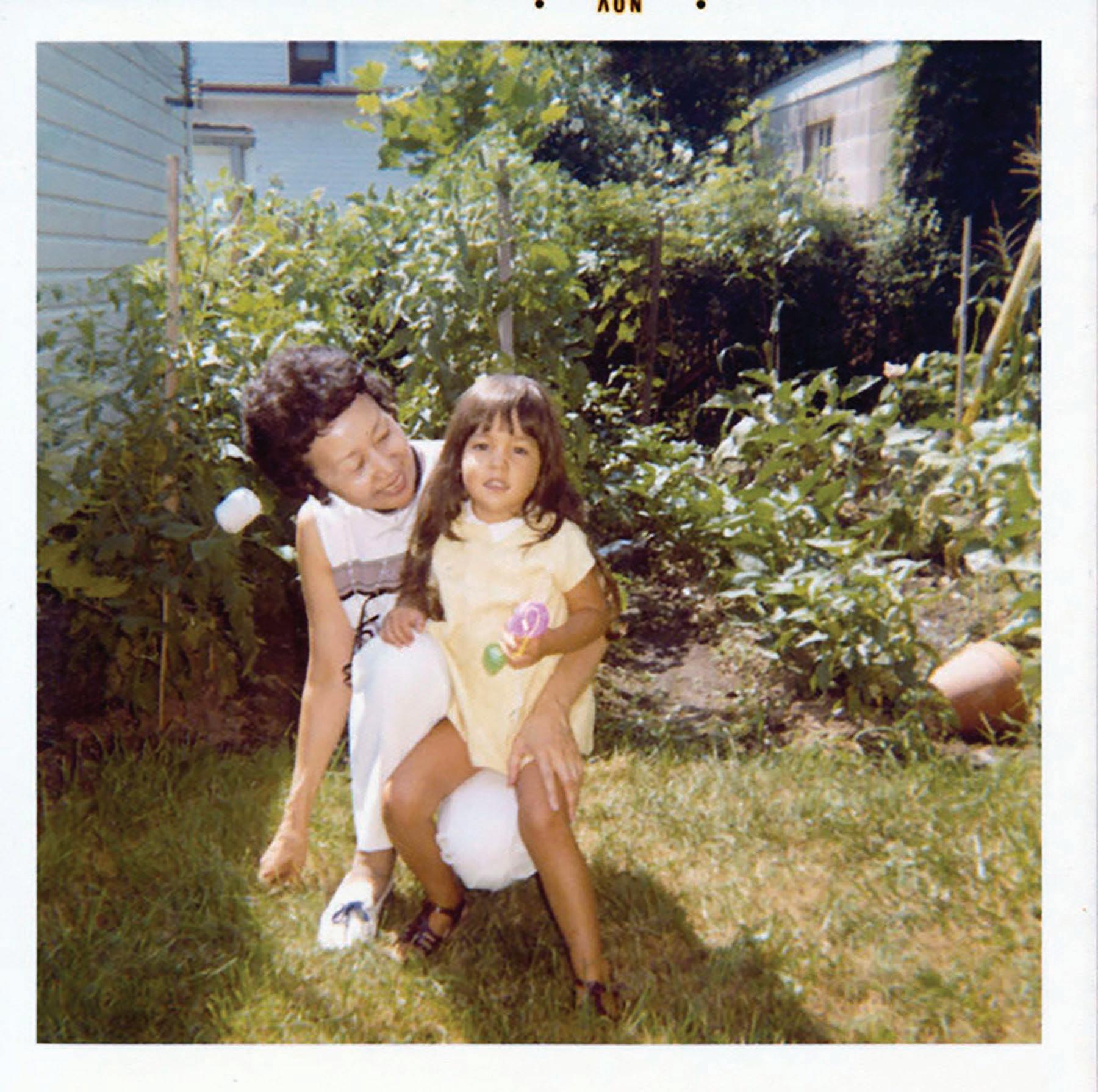
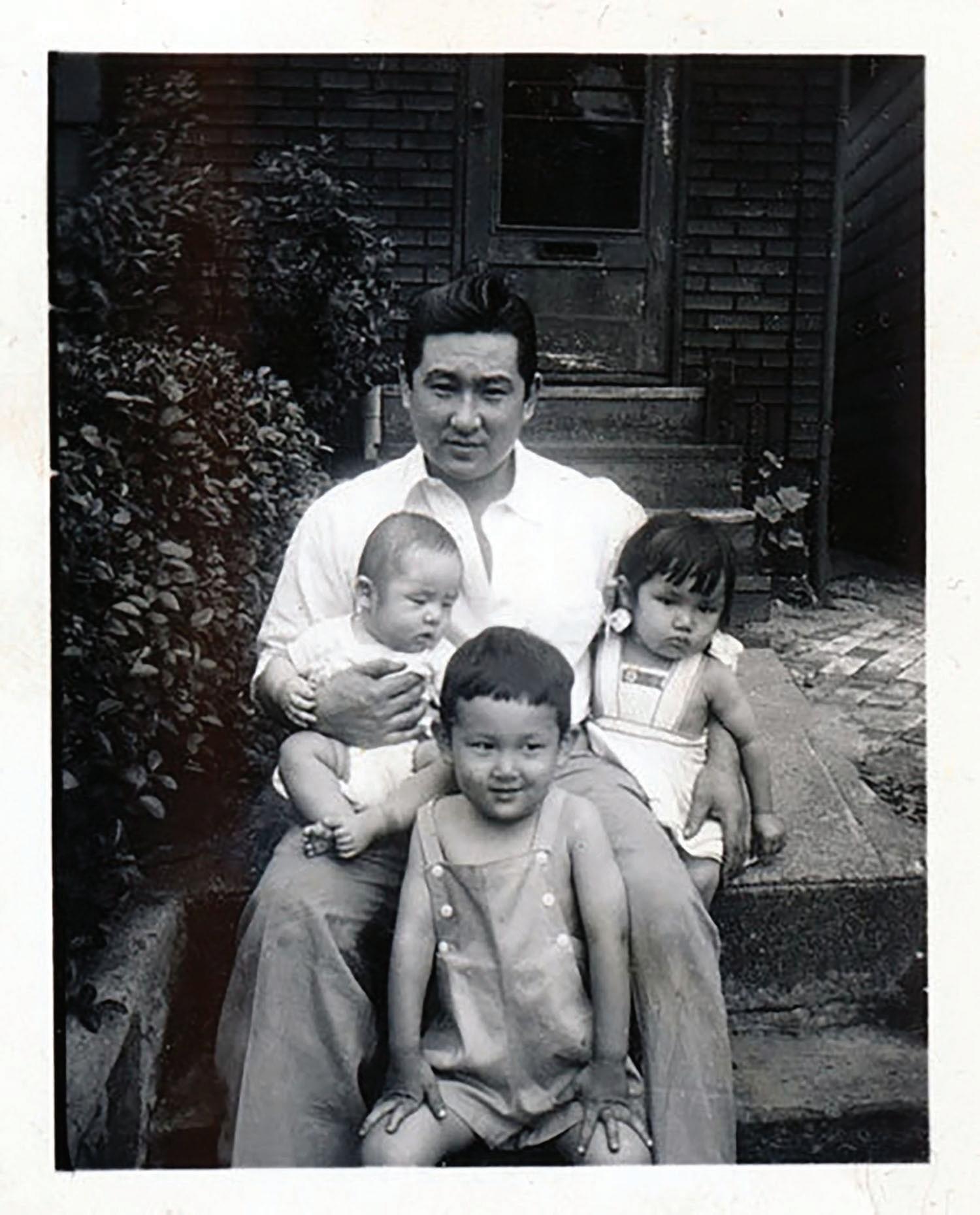
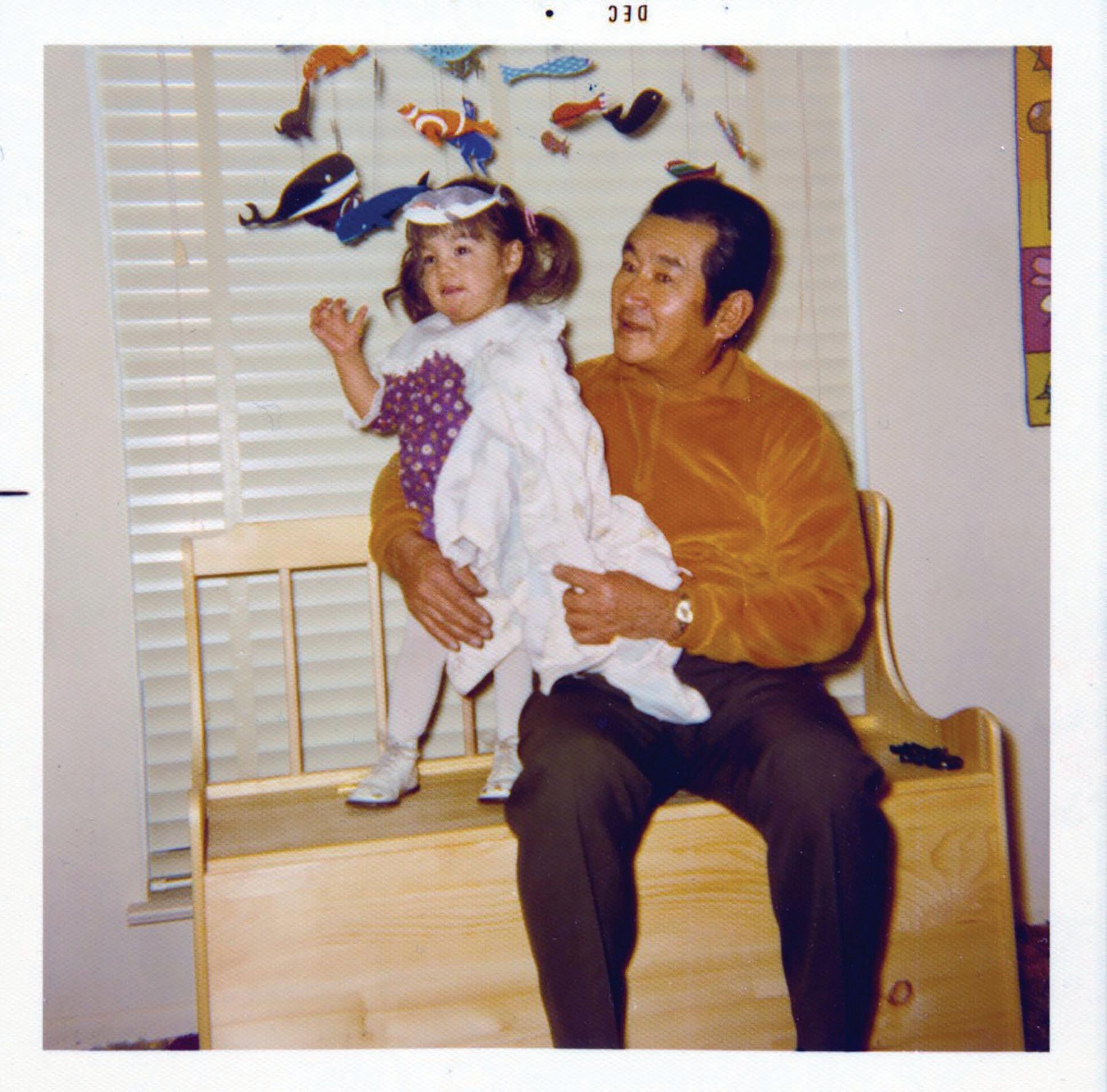
Artist with her grandfather, Jack Sakai; Uncle Larry Sakai (born in Poston Camp); and Aunt Nancy Sakai
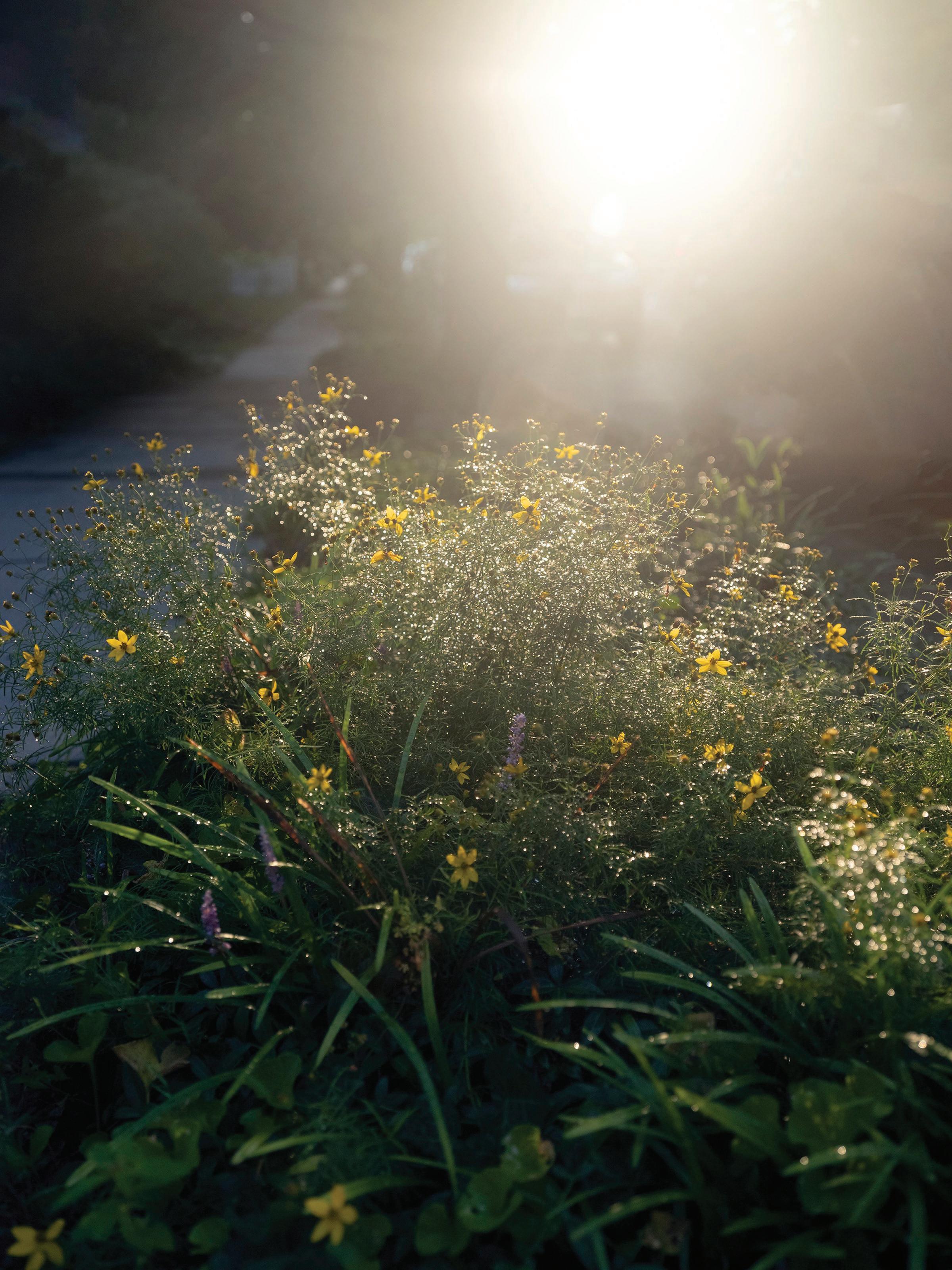
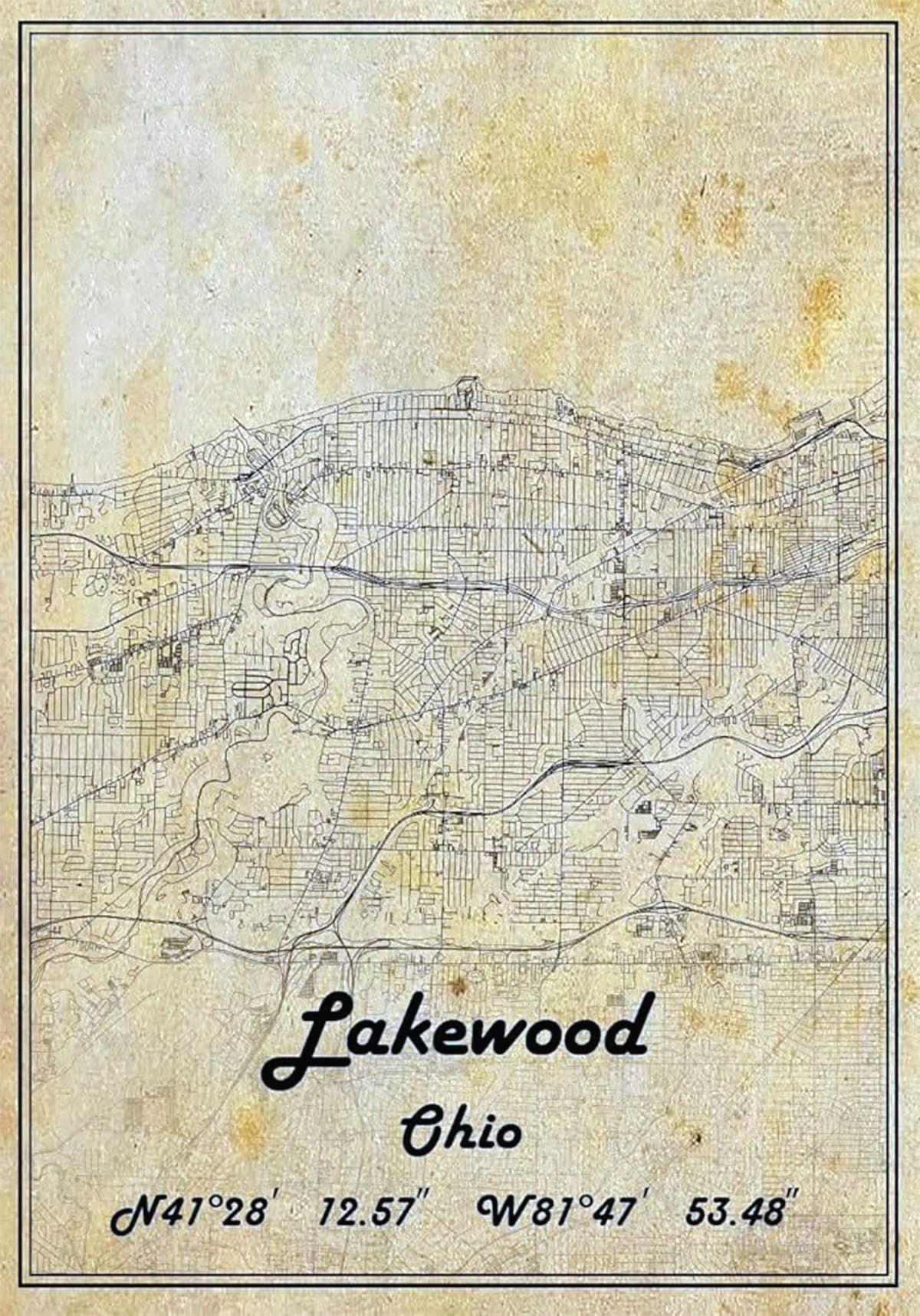
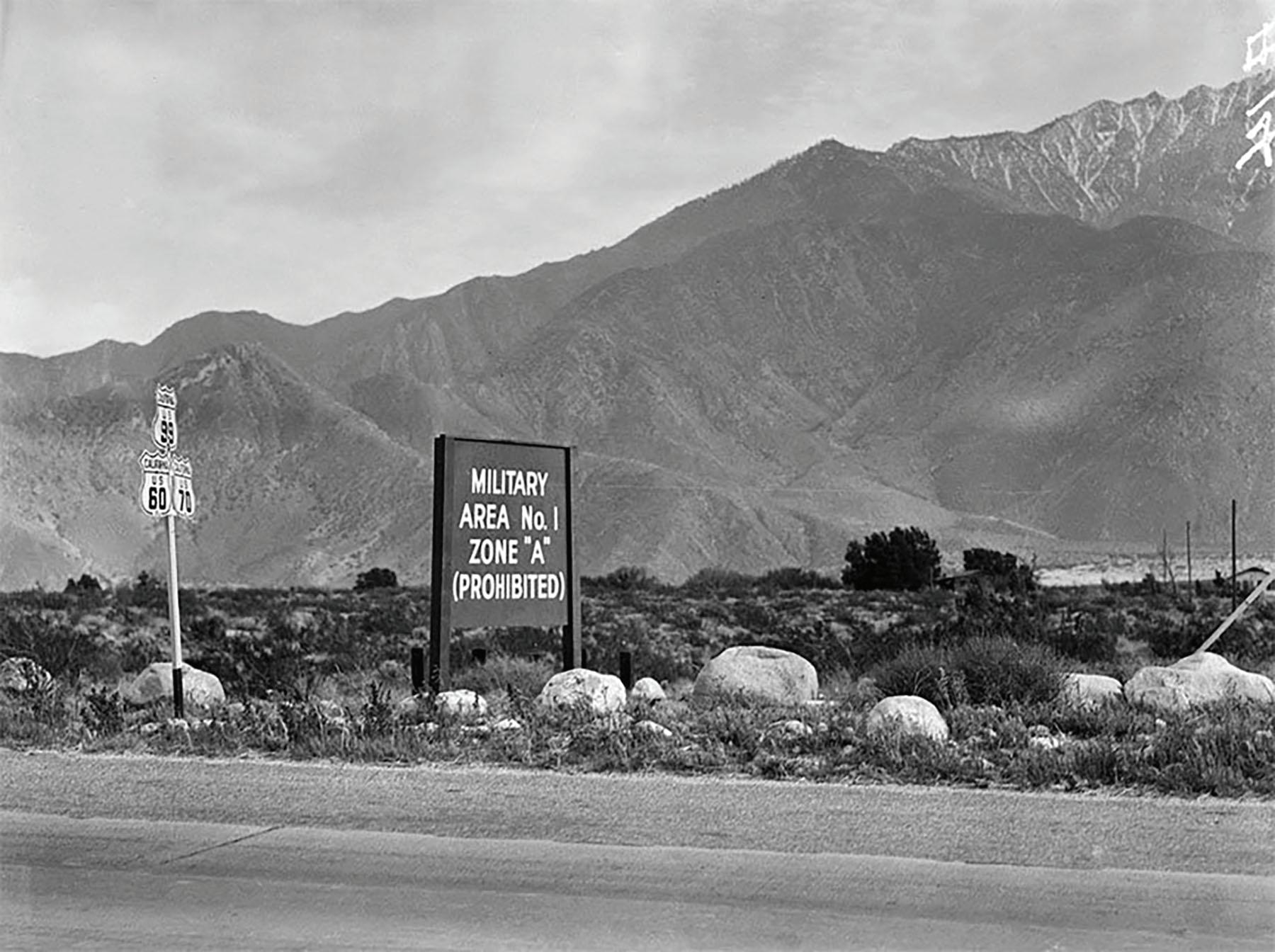
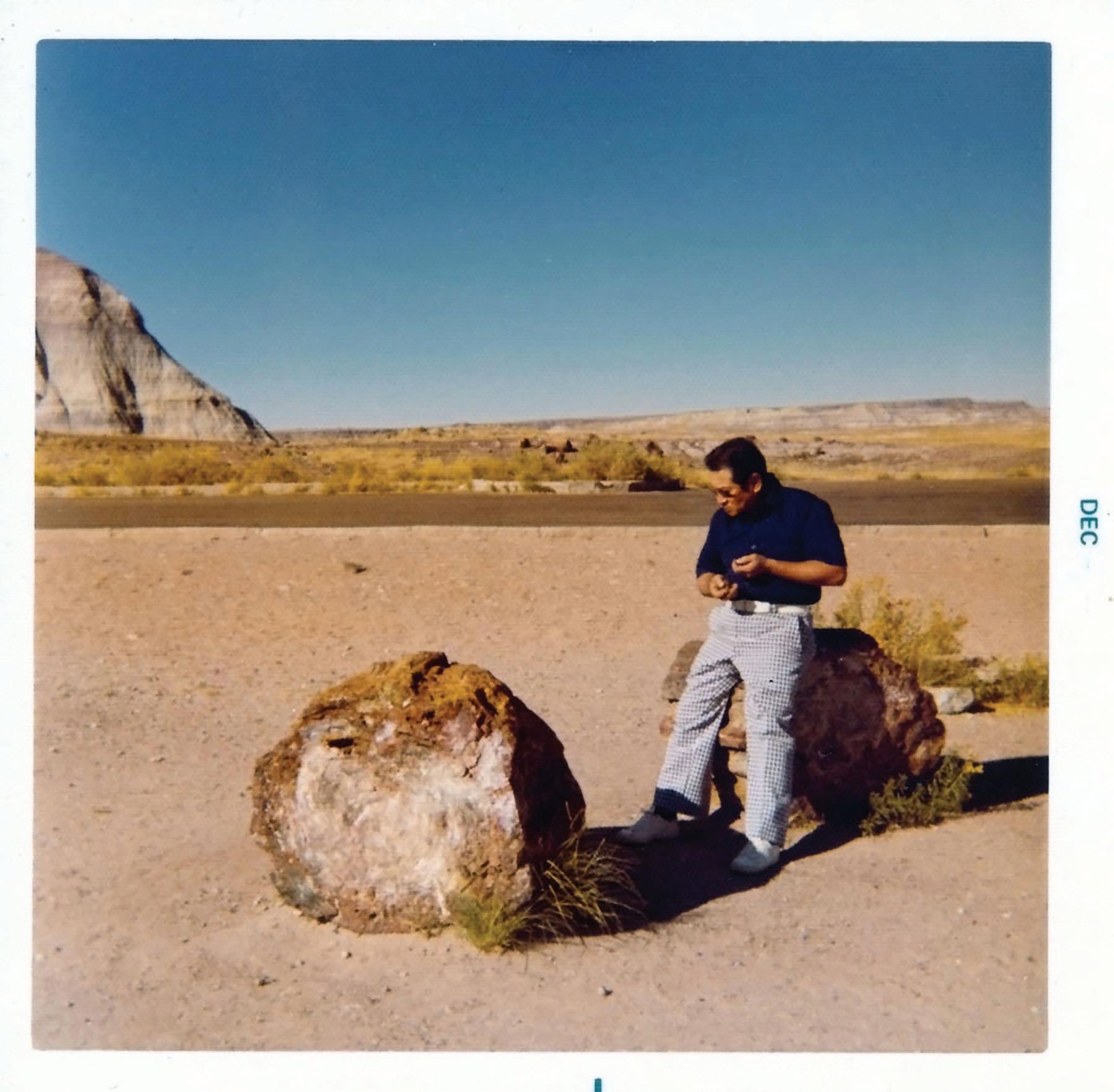
Right: Jack Sakai in the desert on a pilgrimage back to the West Coast.
Left: National Archives photograph near Poston Internment Camp
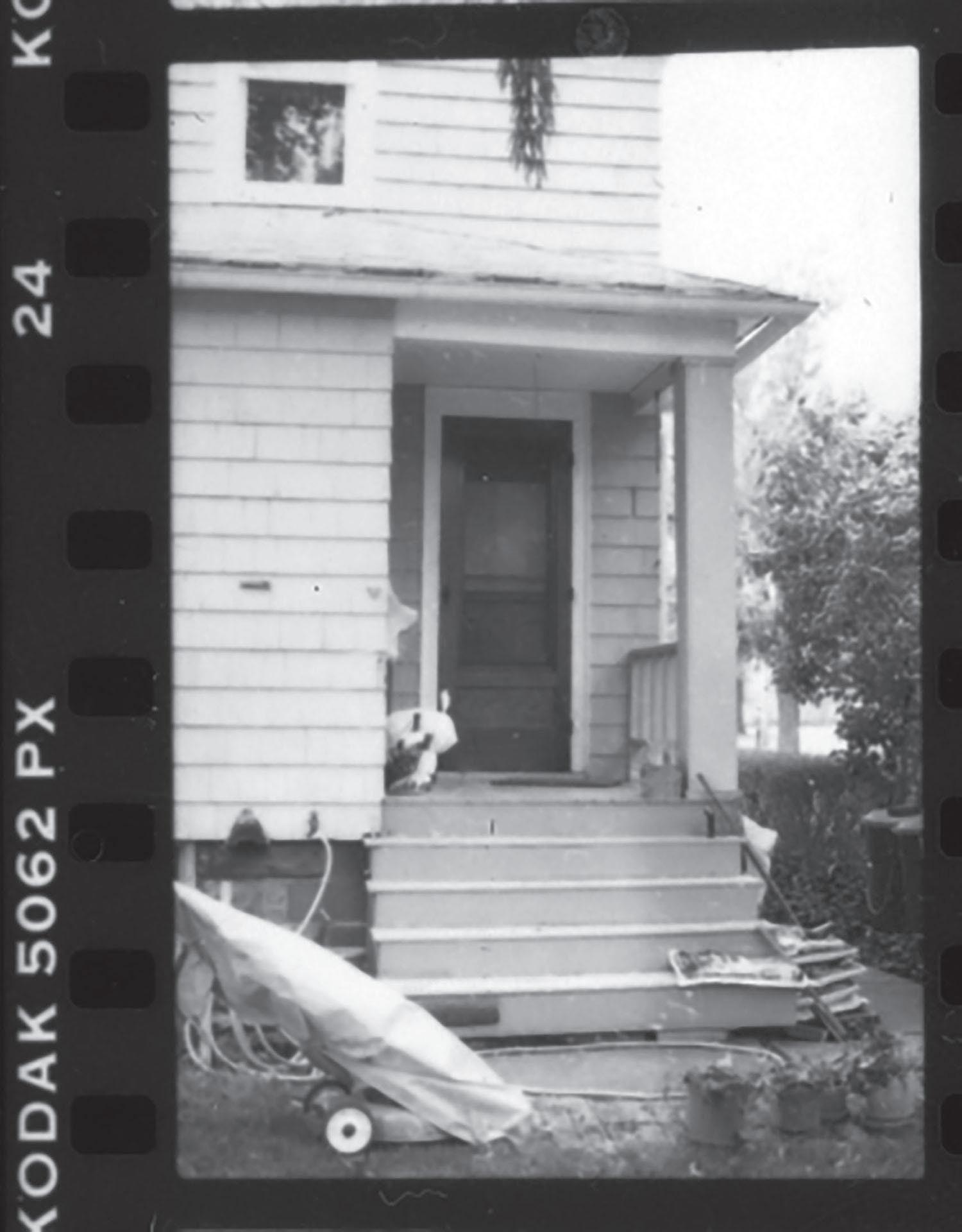
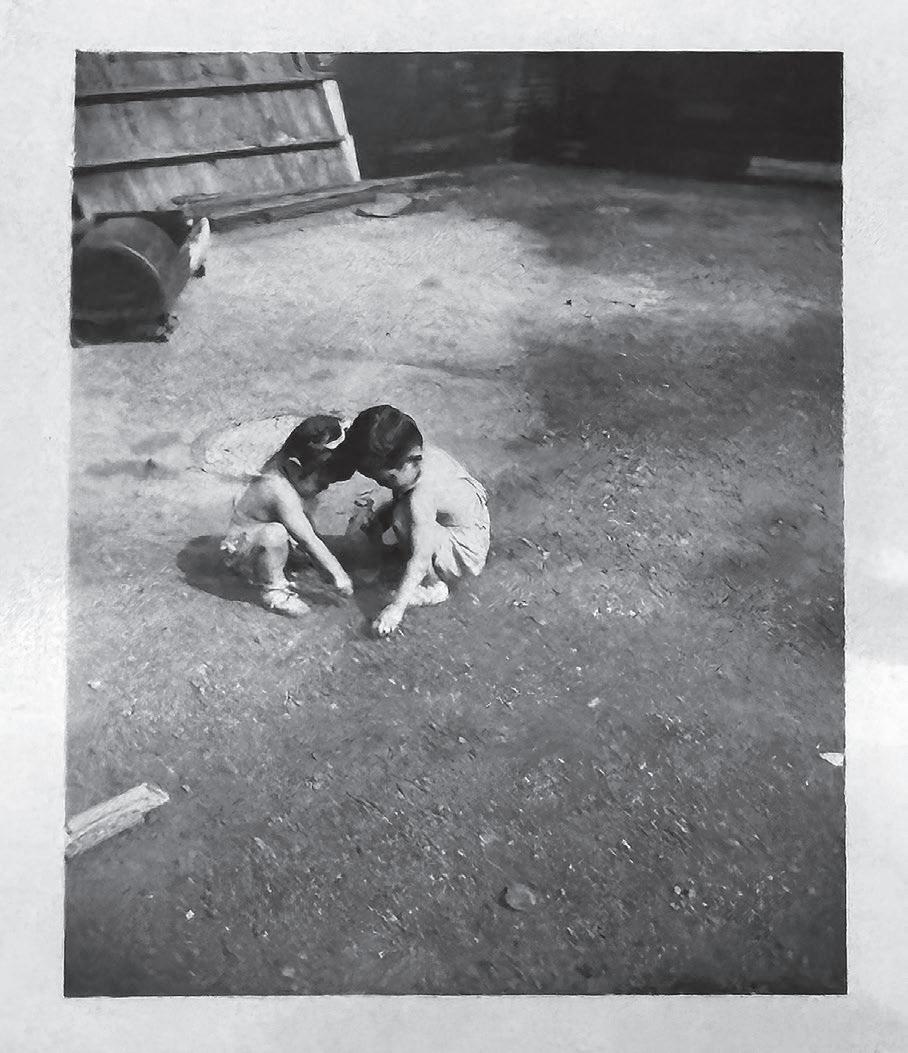
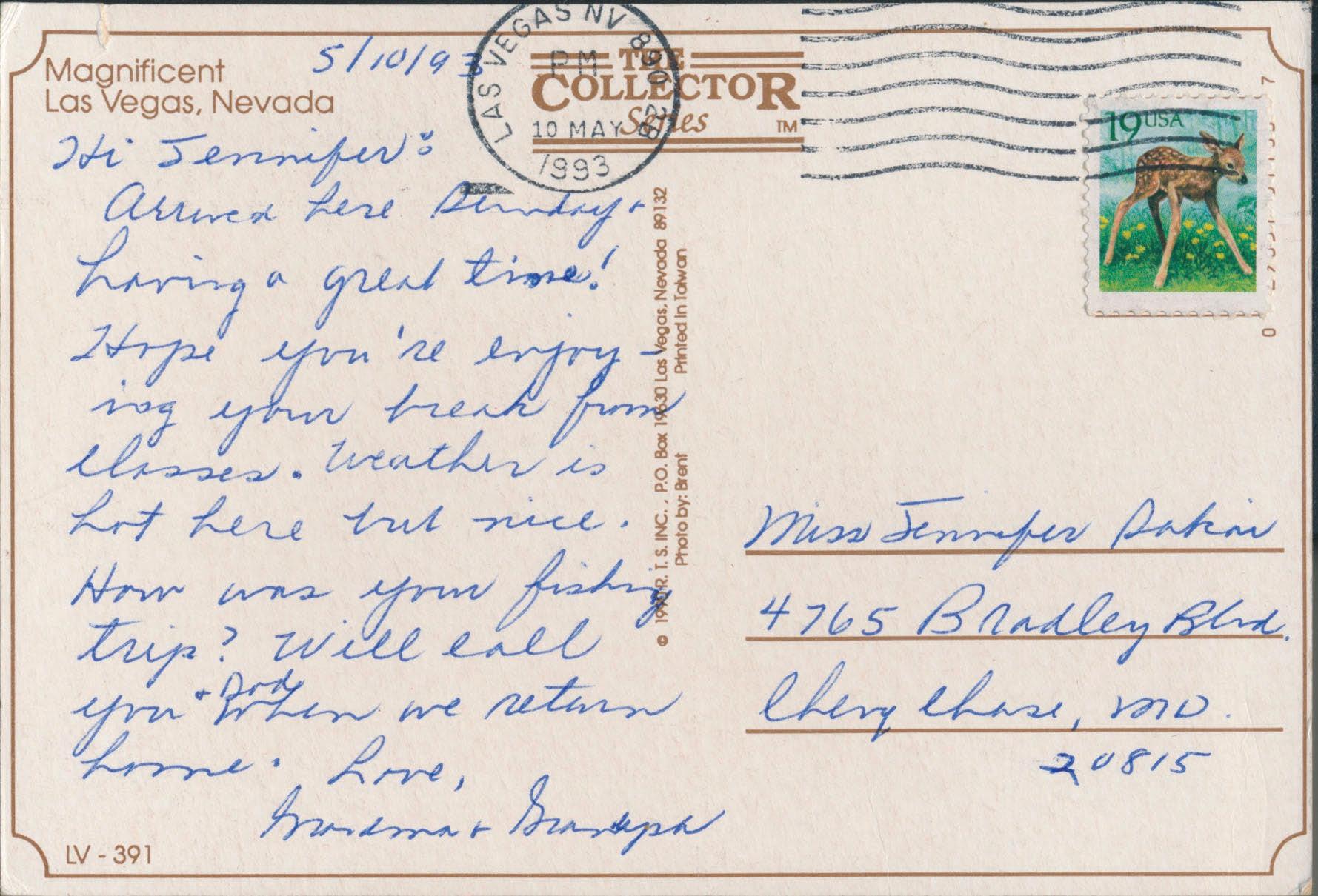
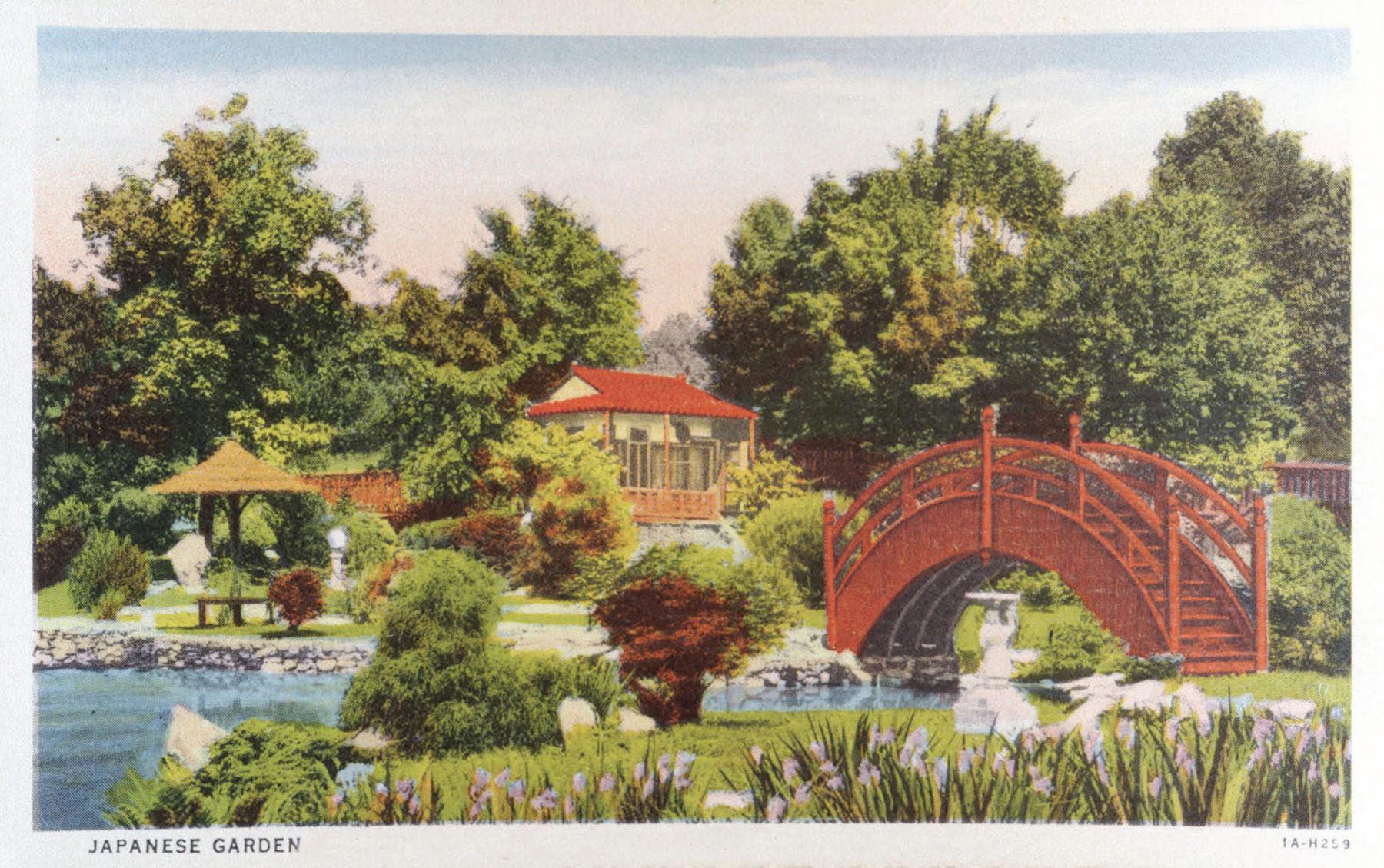
Postcard from Mariko Sakai while traveling to her granddaughter
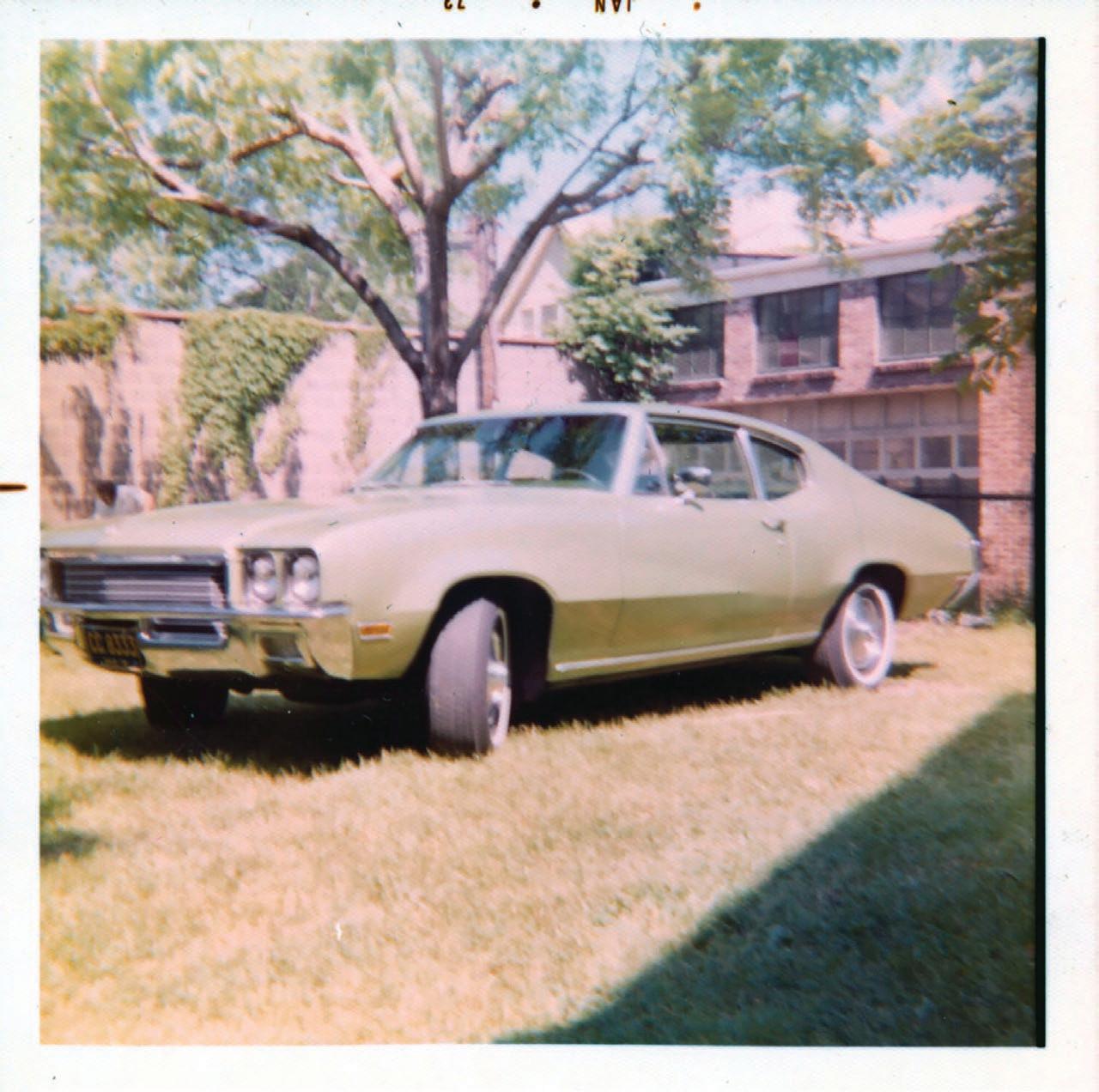
“The Green Machine,” Buick Skylark, owned by Sakai grandparents. After release from Poston Camp, Jack Sakai and his family moved to the Midwest and worked in the automotive field, applying their experience maintaining farm machinery to build their postwar lives.
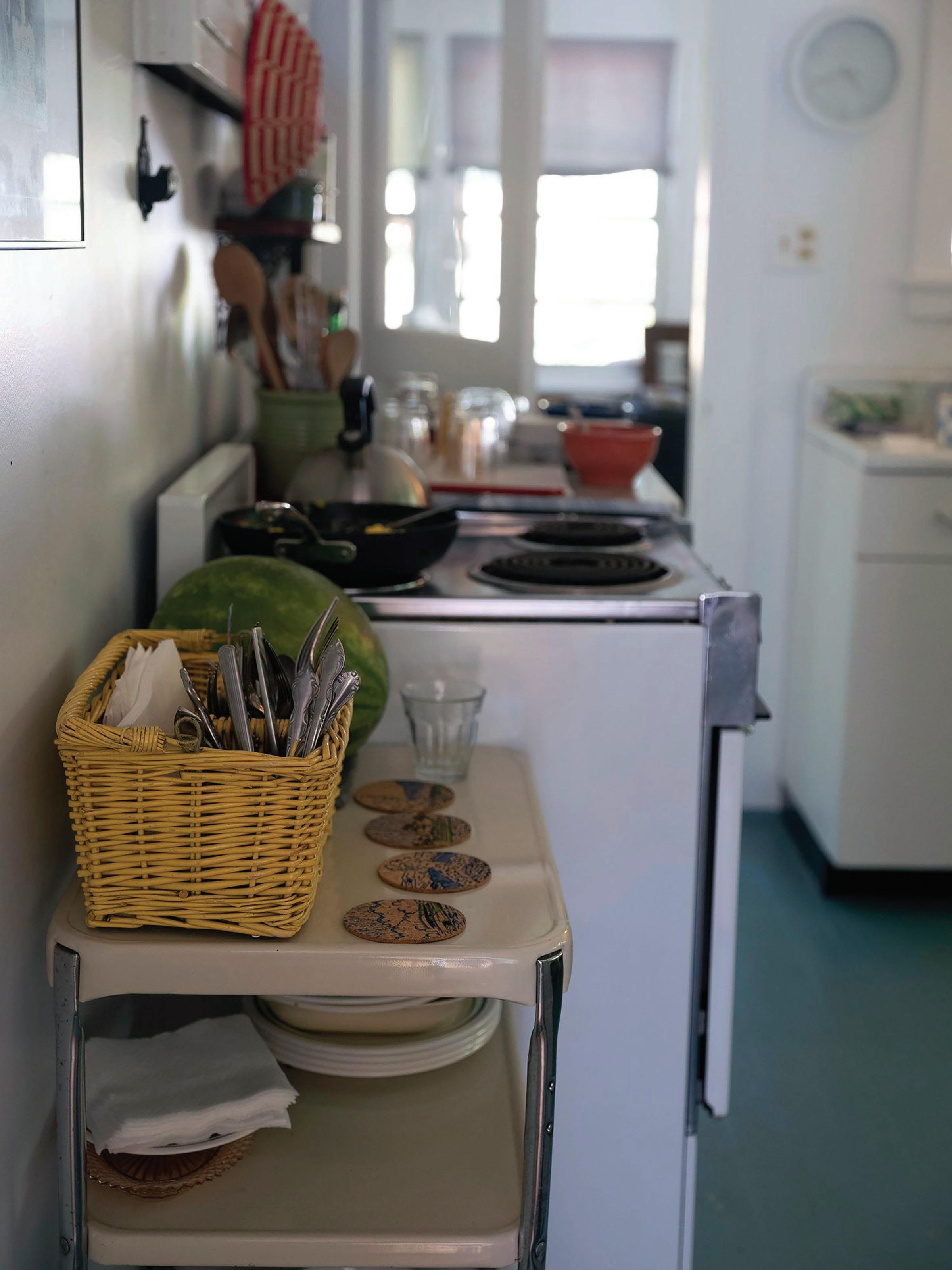
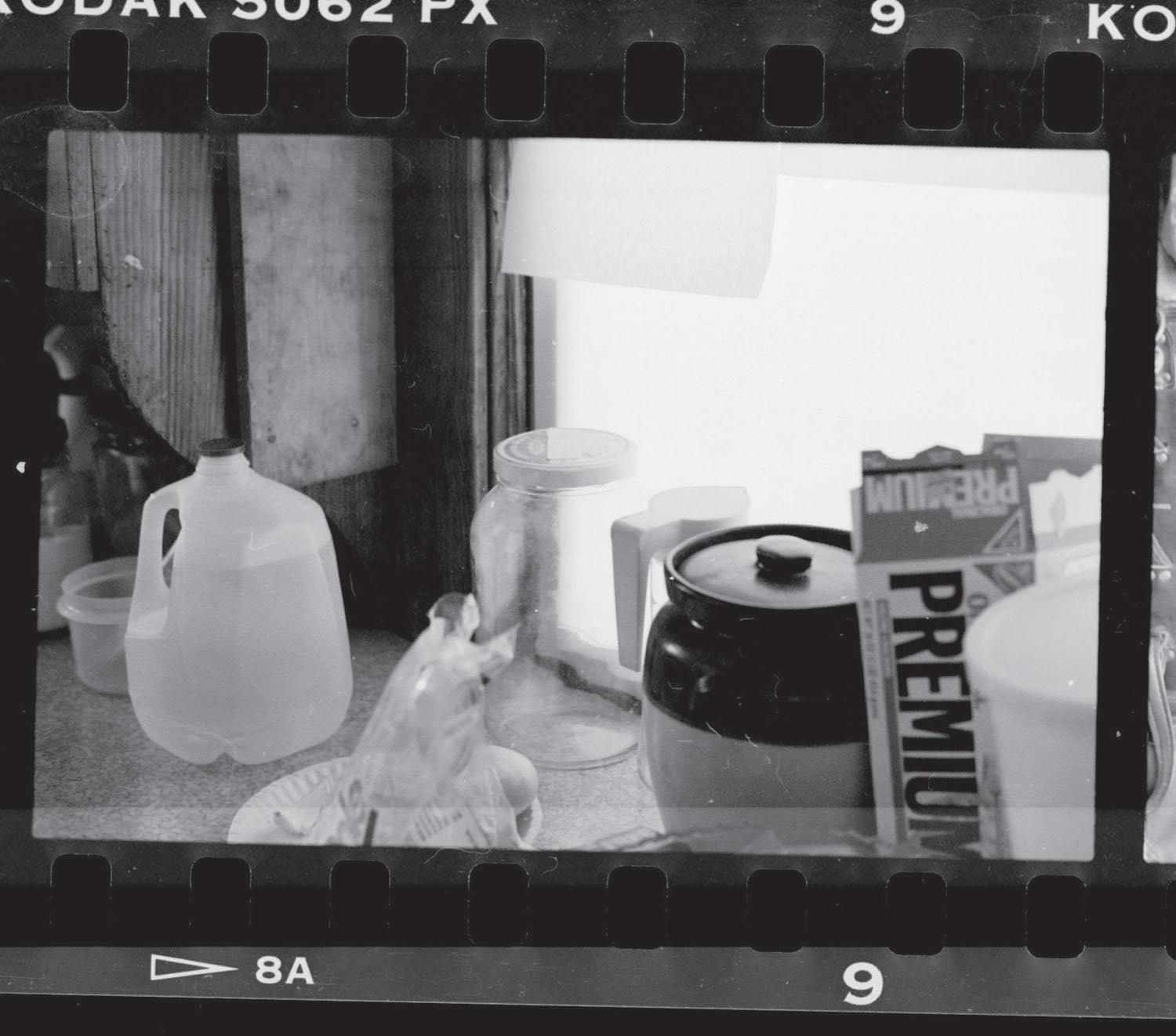
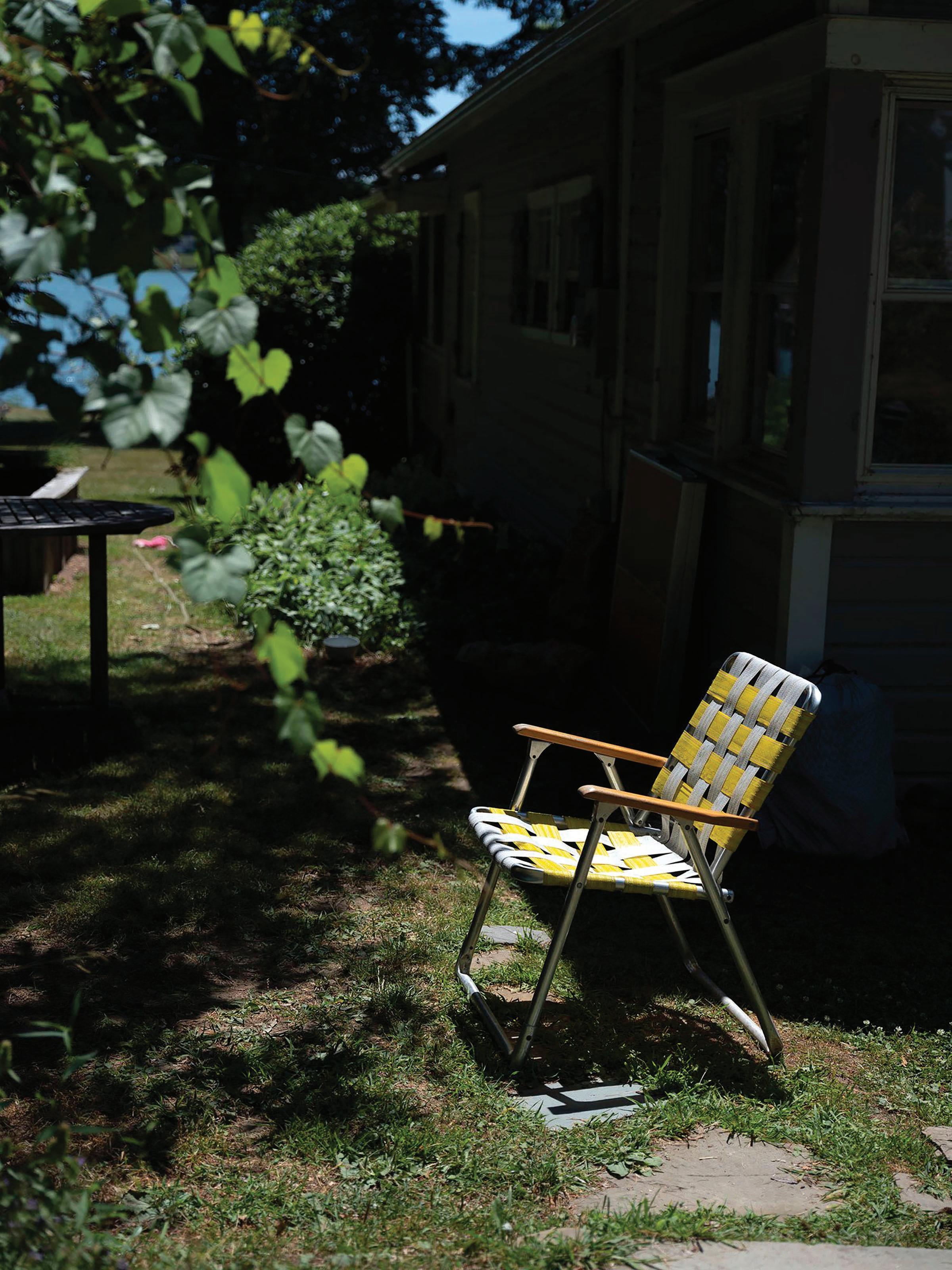
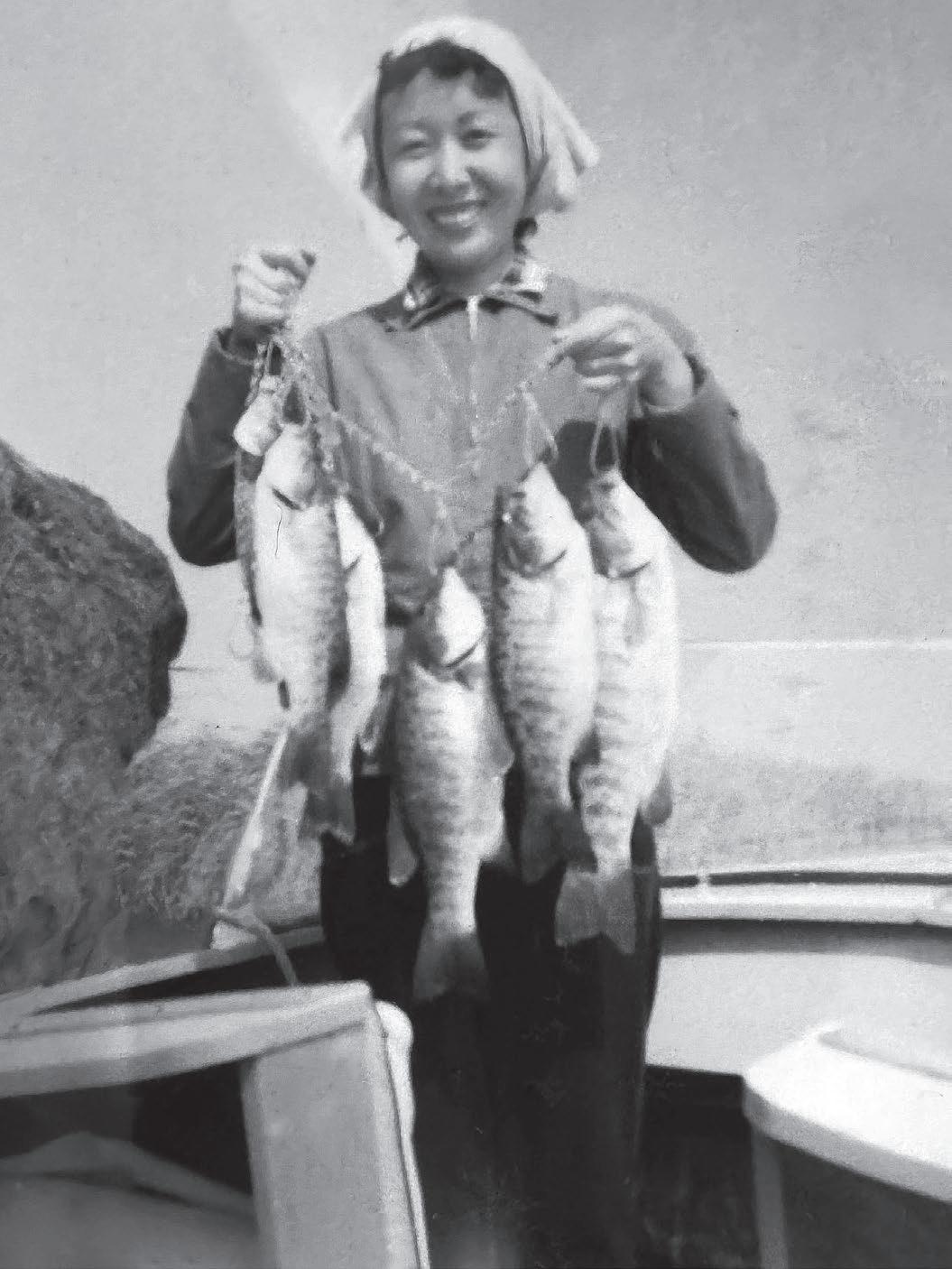
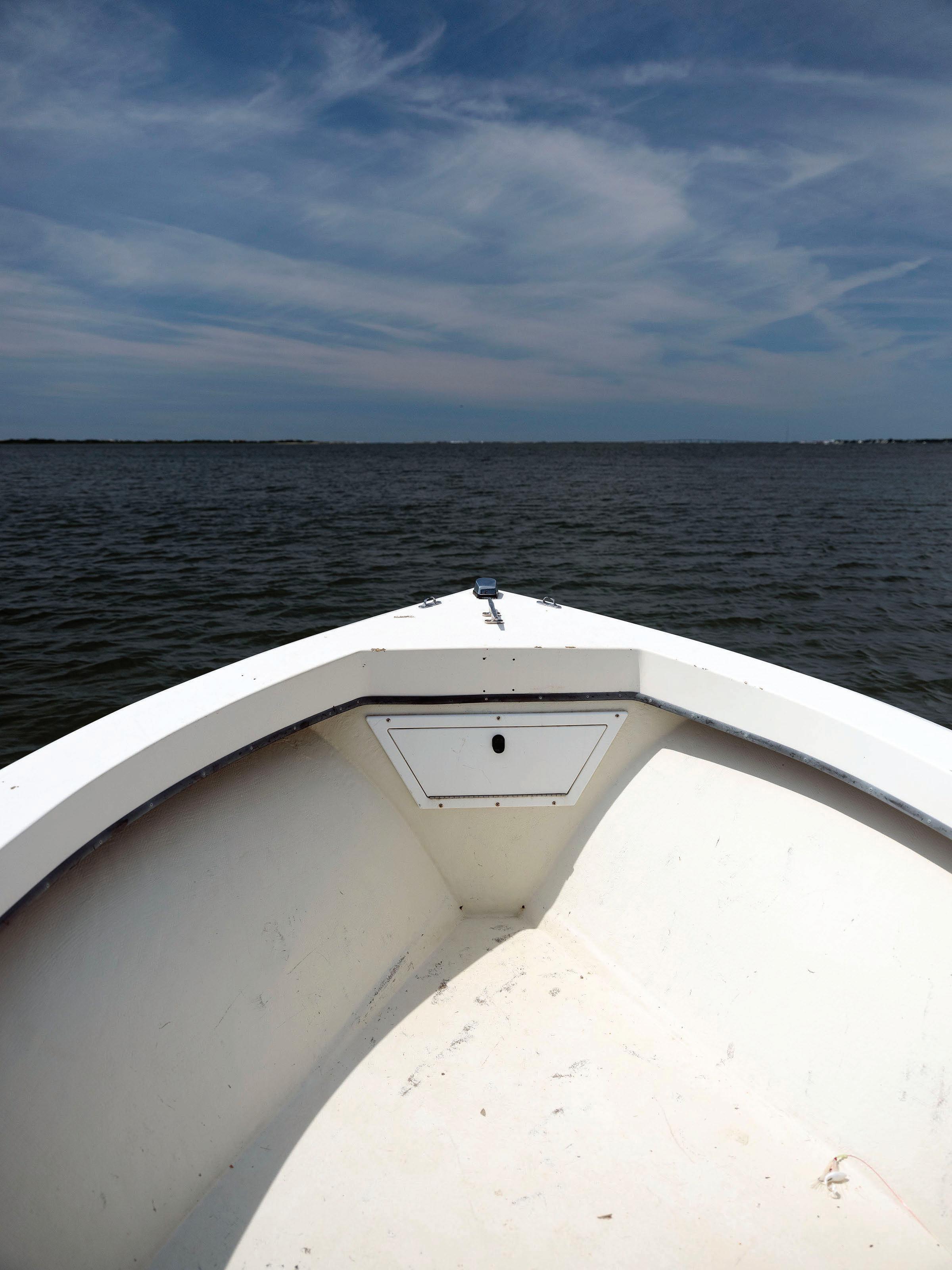
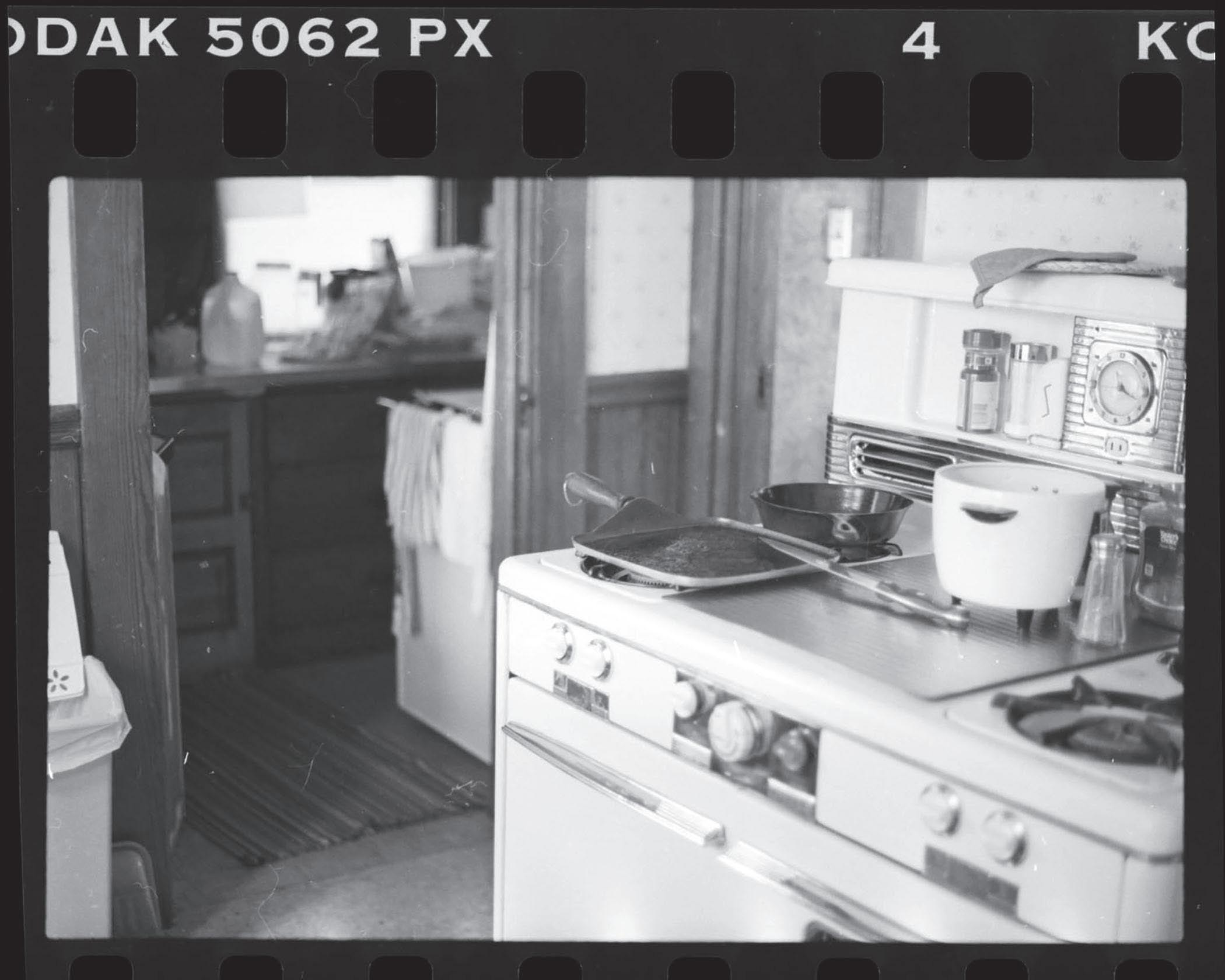
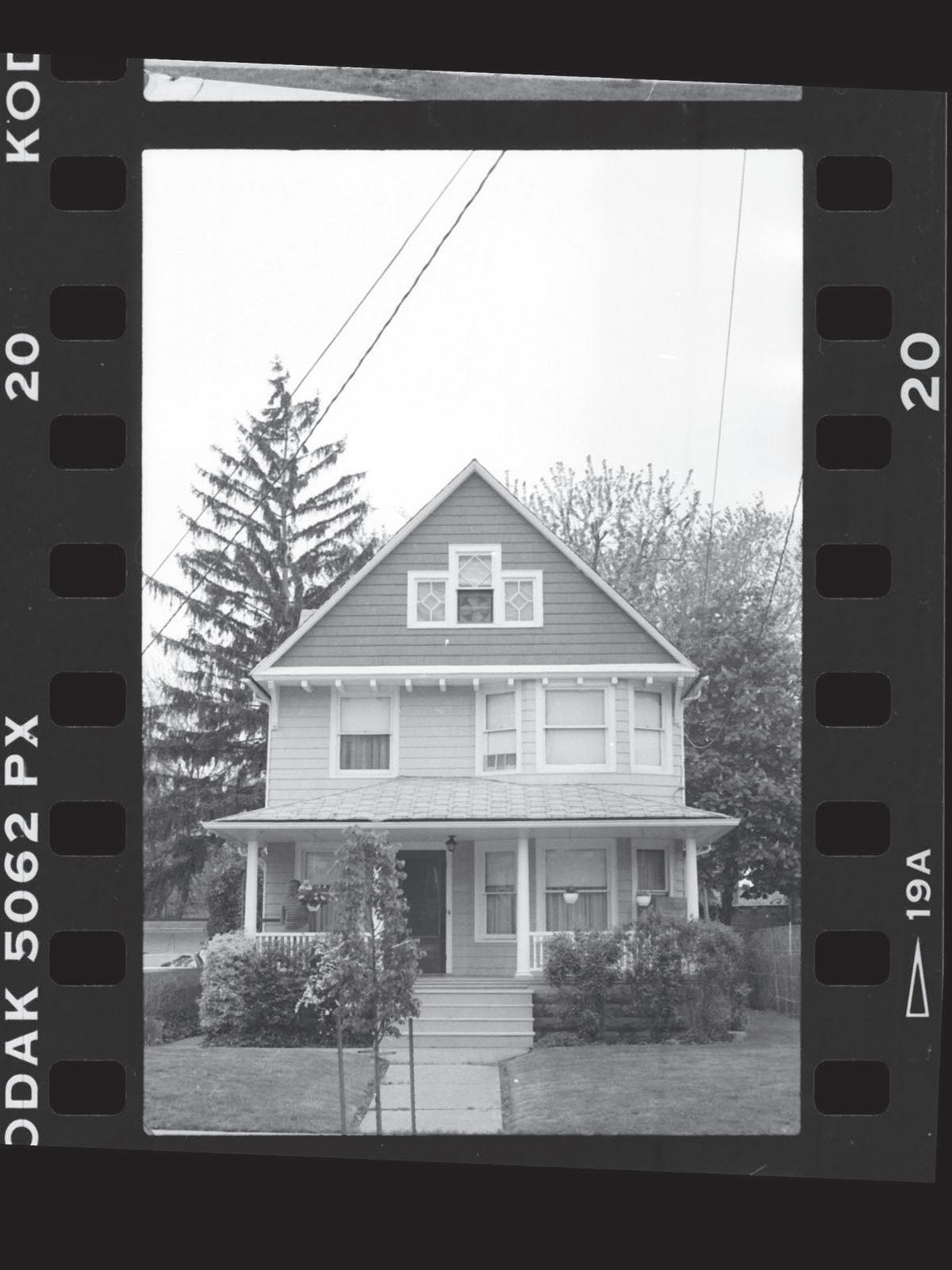
Sakai family home, with Jack Sakai on the front porch, Lakewood, Ohio, c. 1988
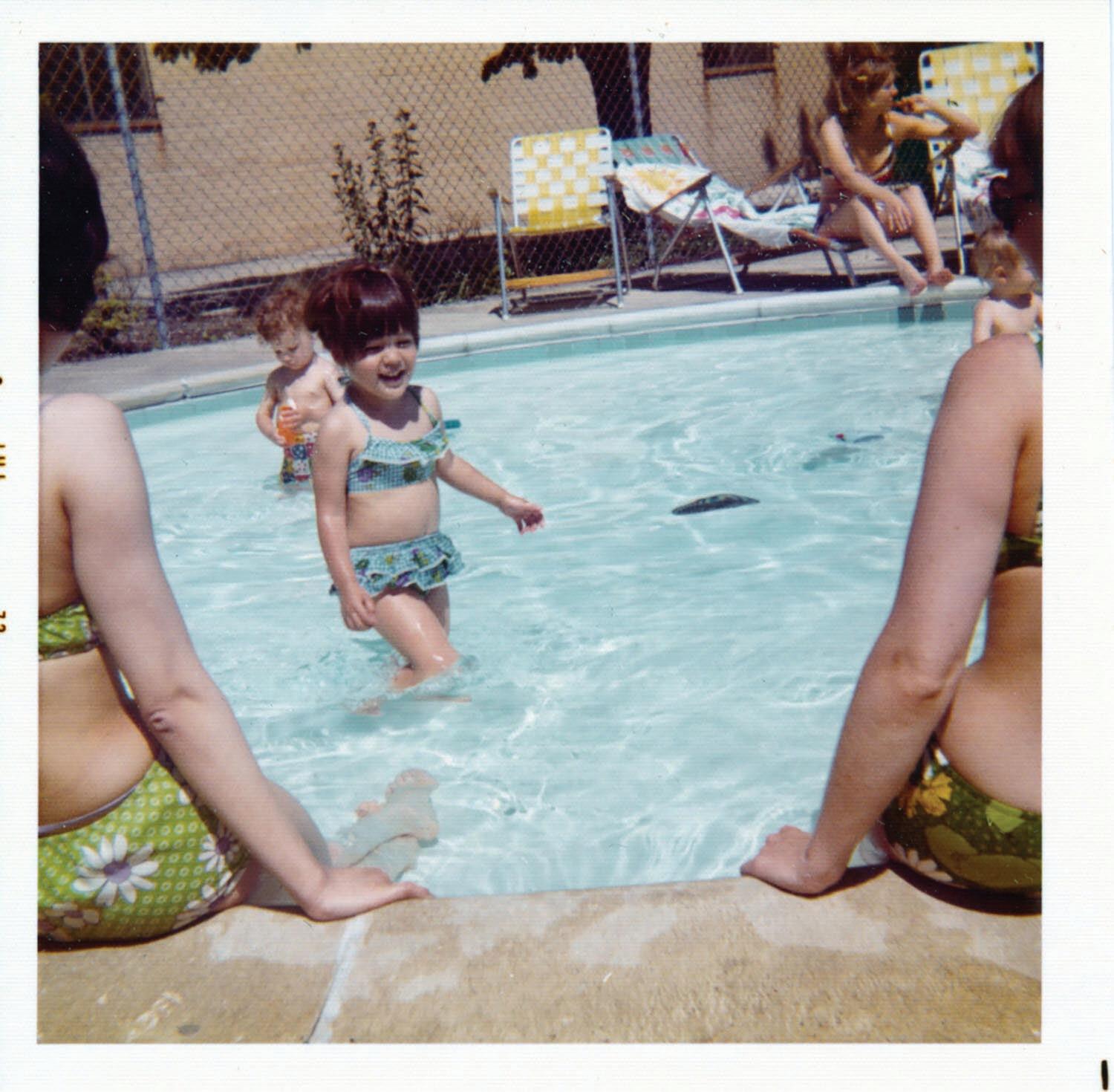
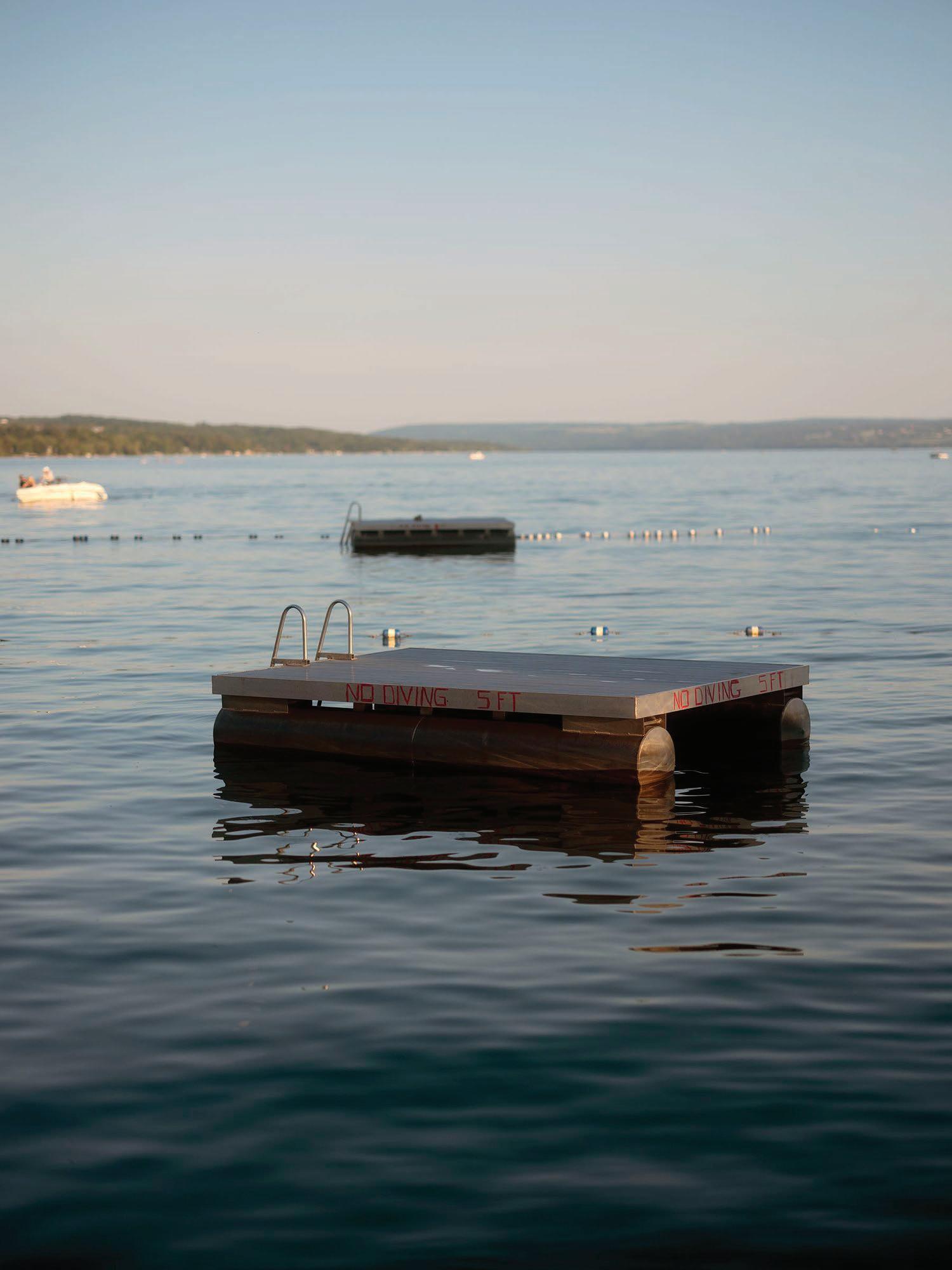
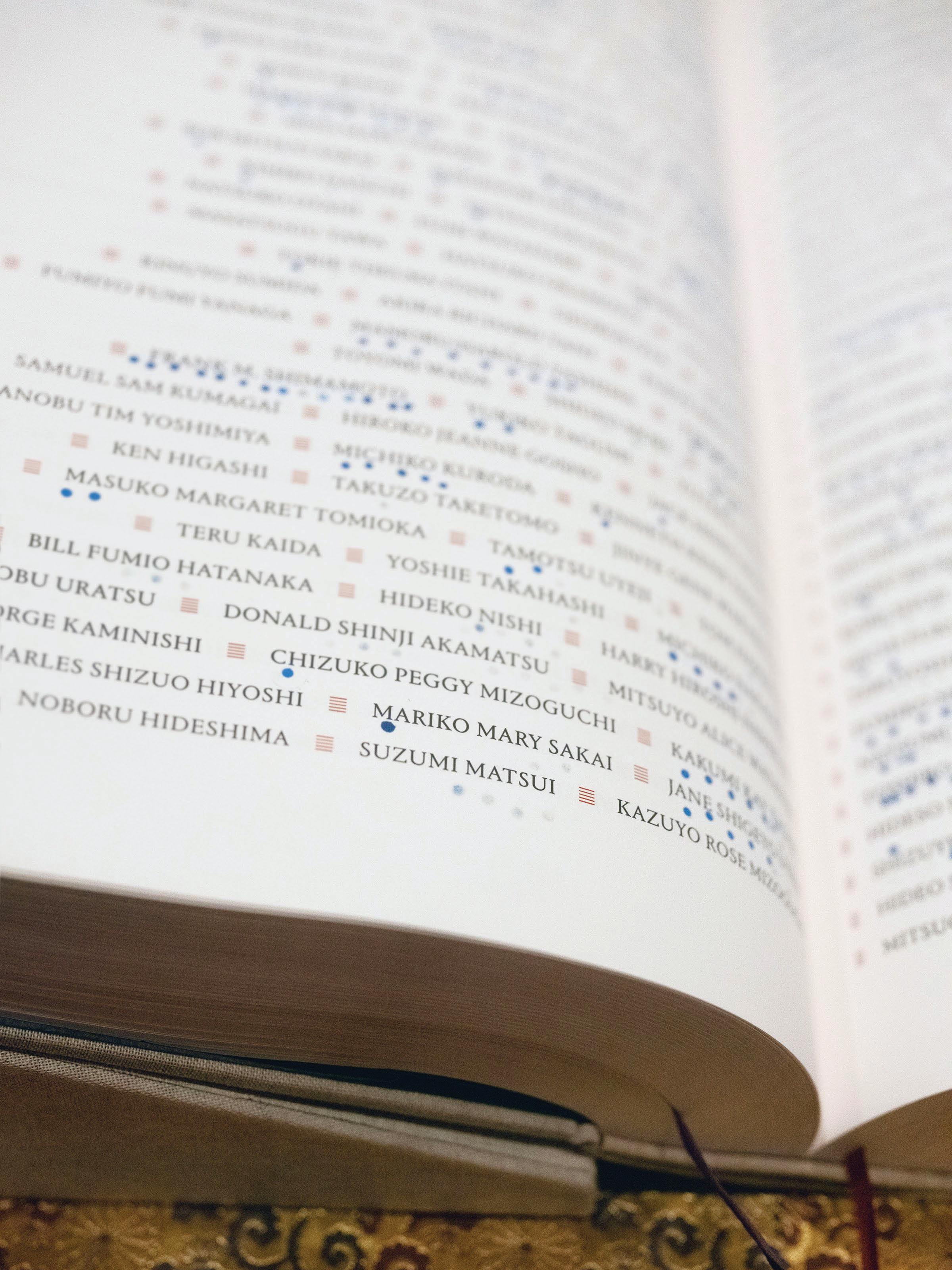
Left: The Ireichō (Sacred Book of Names), a comprehensive record documenting the 125,284 persons of Japanese ancestry incarcerated in U.S. detention camps during WWII.
Right: Blue stamp mark made by the artist next to her grandmother’s name, Mariko Mary Sakai, honoring her and all incarcerated individuals during a Smithsonian event.
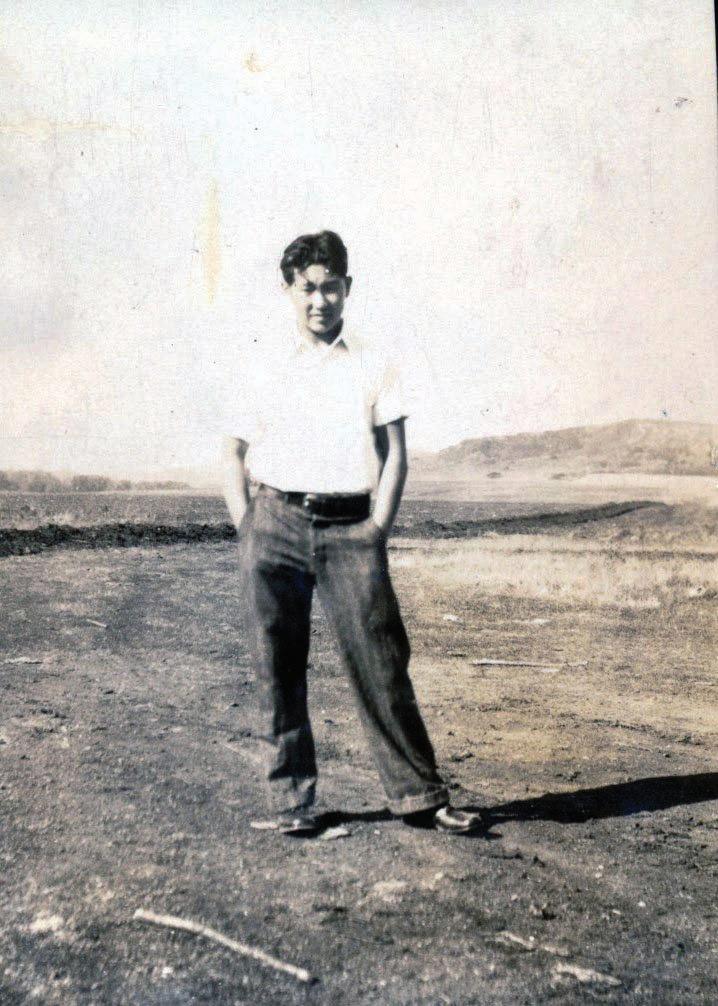
Artist’s grandmother’s brother, lost during the war. Only known family photograph, date unknown
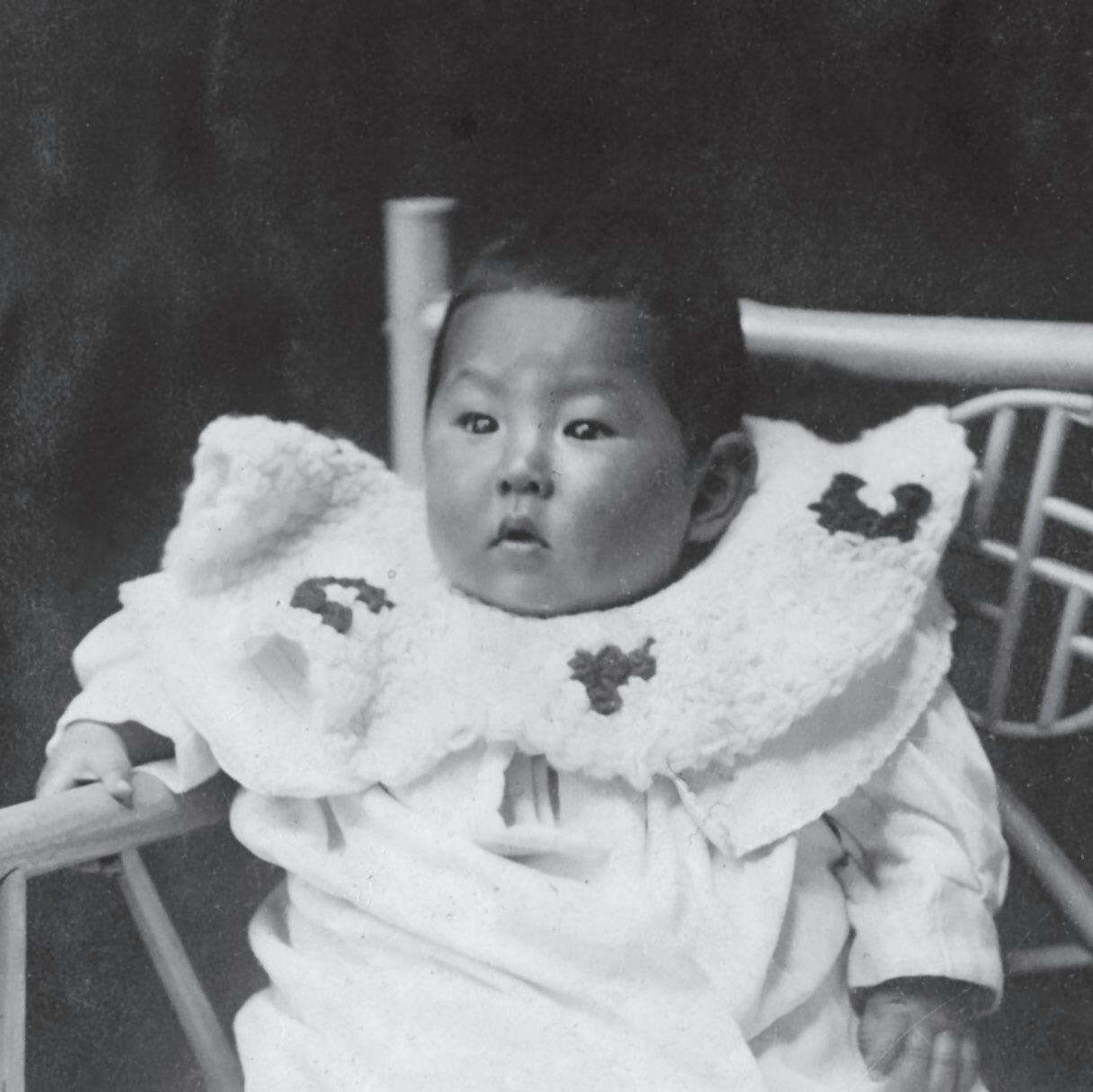
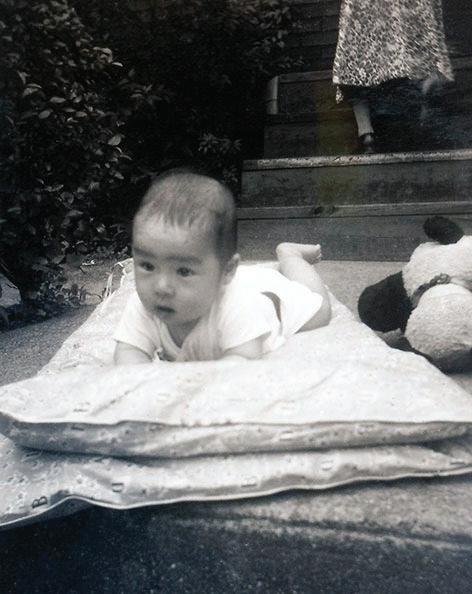
Artist’s grandfather’s first photograph. Born in Watsonville, California, United States, September 24, 1914
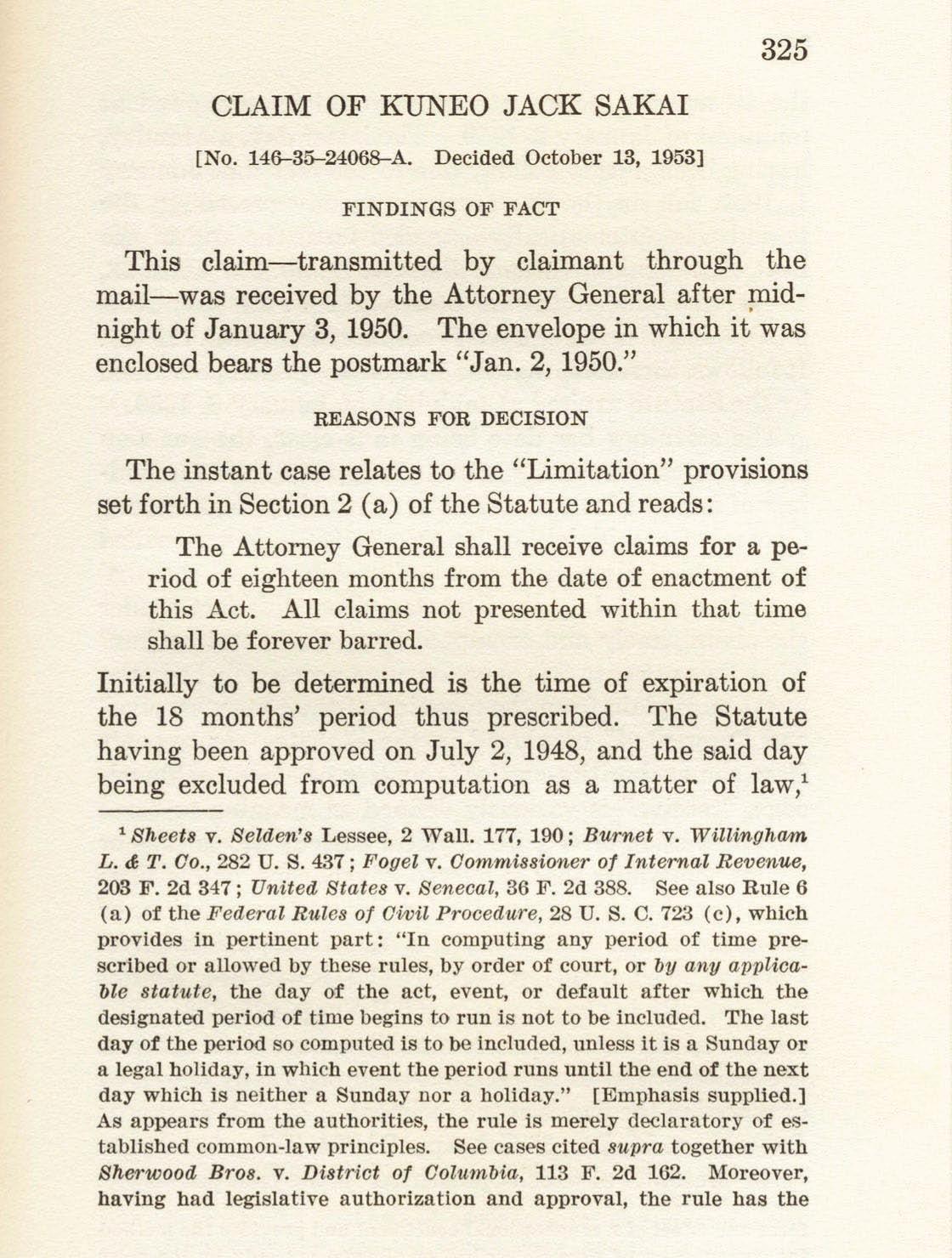
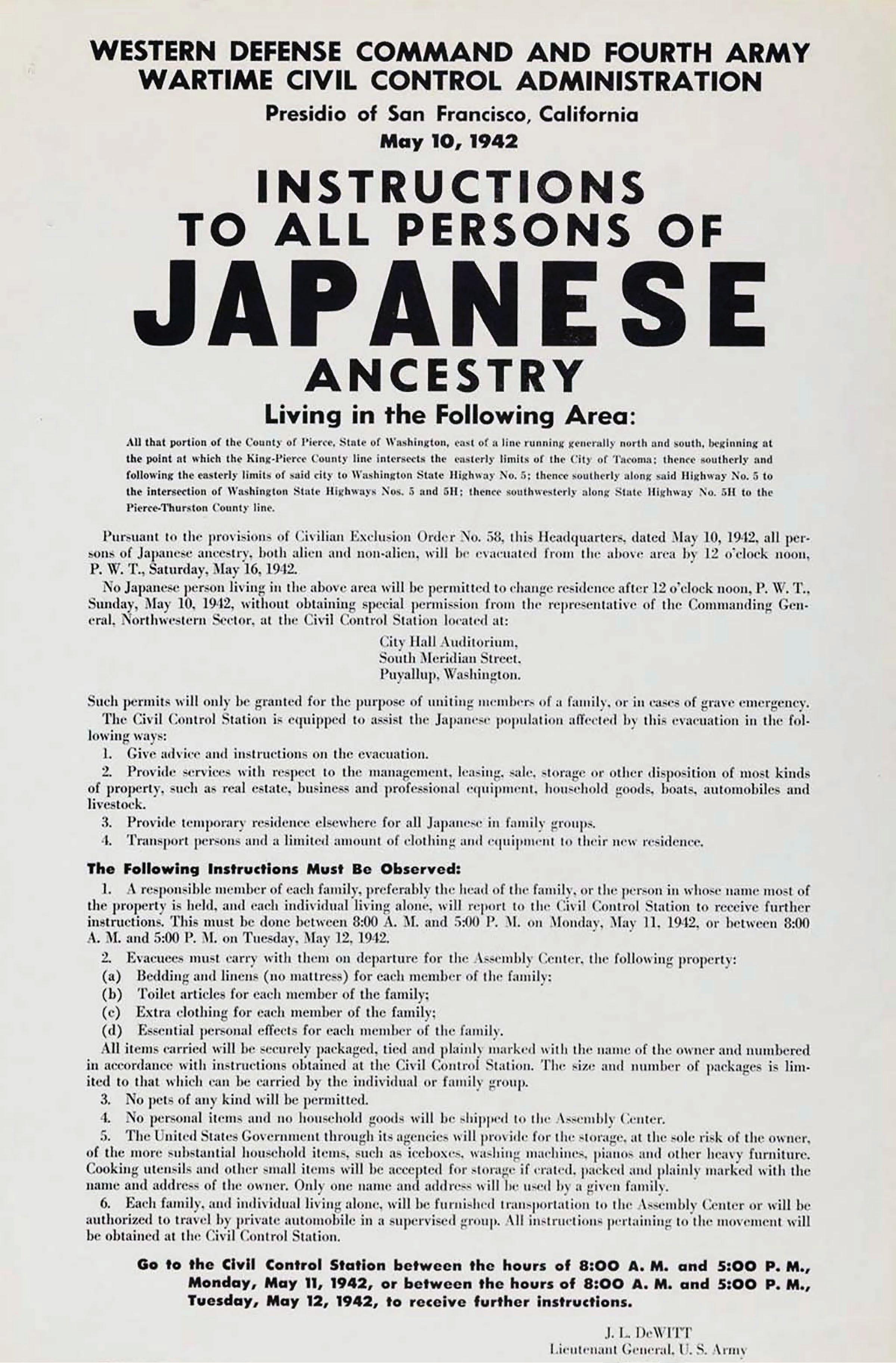
Artist’s grandfather’s rejection of claim of loss against the United States government, October 13, 1953, discovered in the National Archives
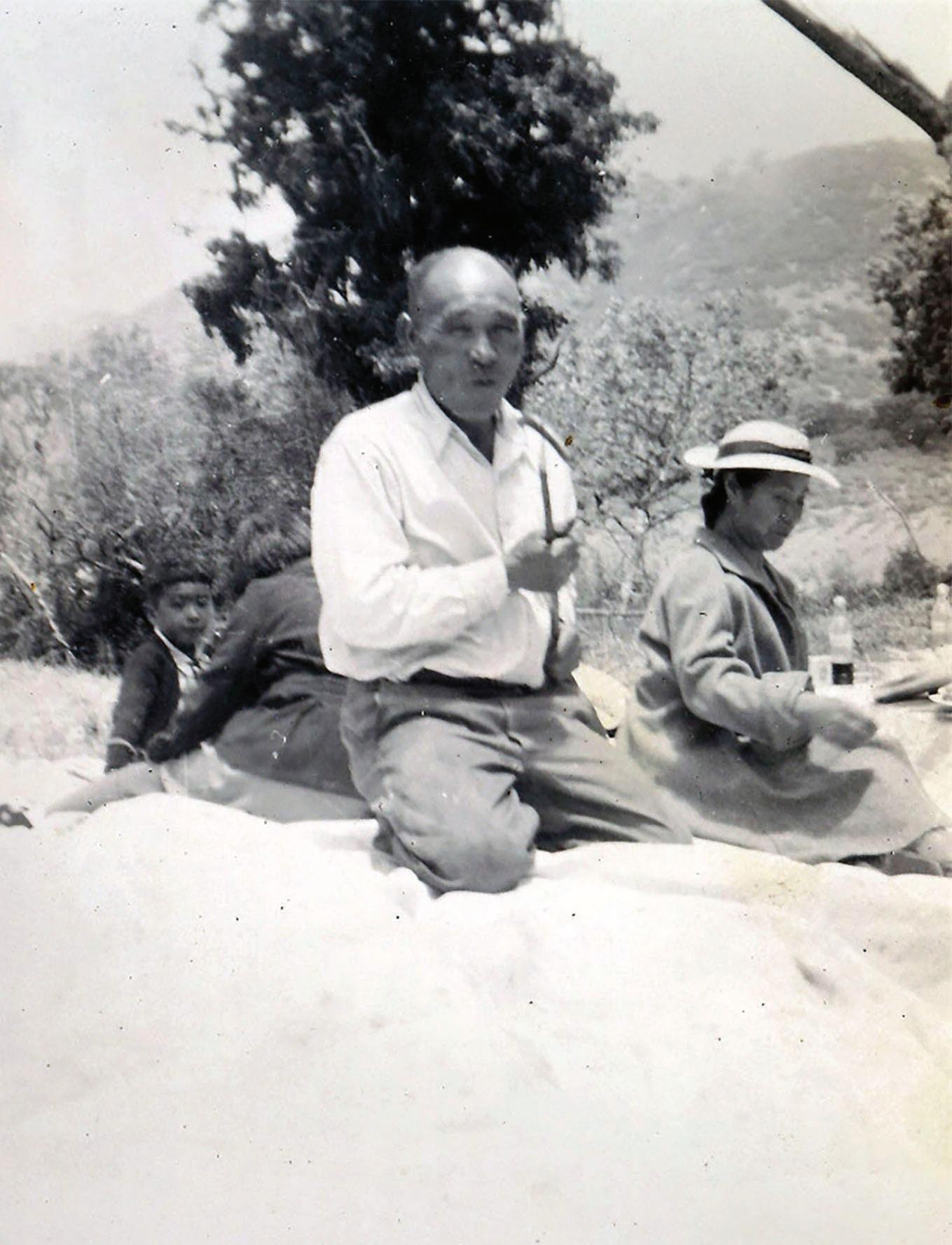
Artist’s great-grandfather and great-grandmother on the family farm overlooking hills in California, 4th of July 1937
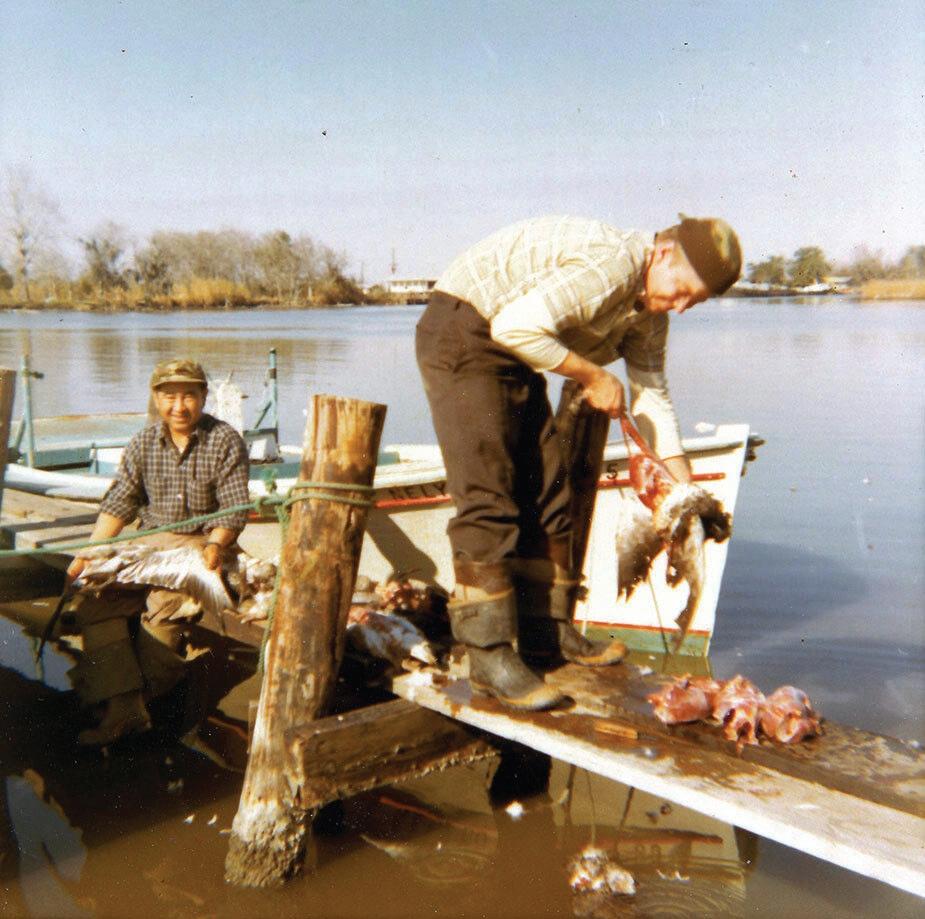
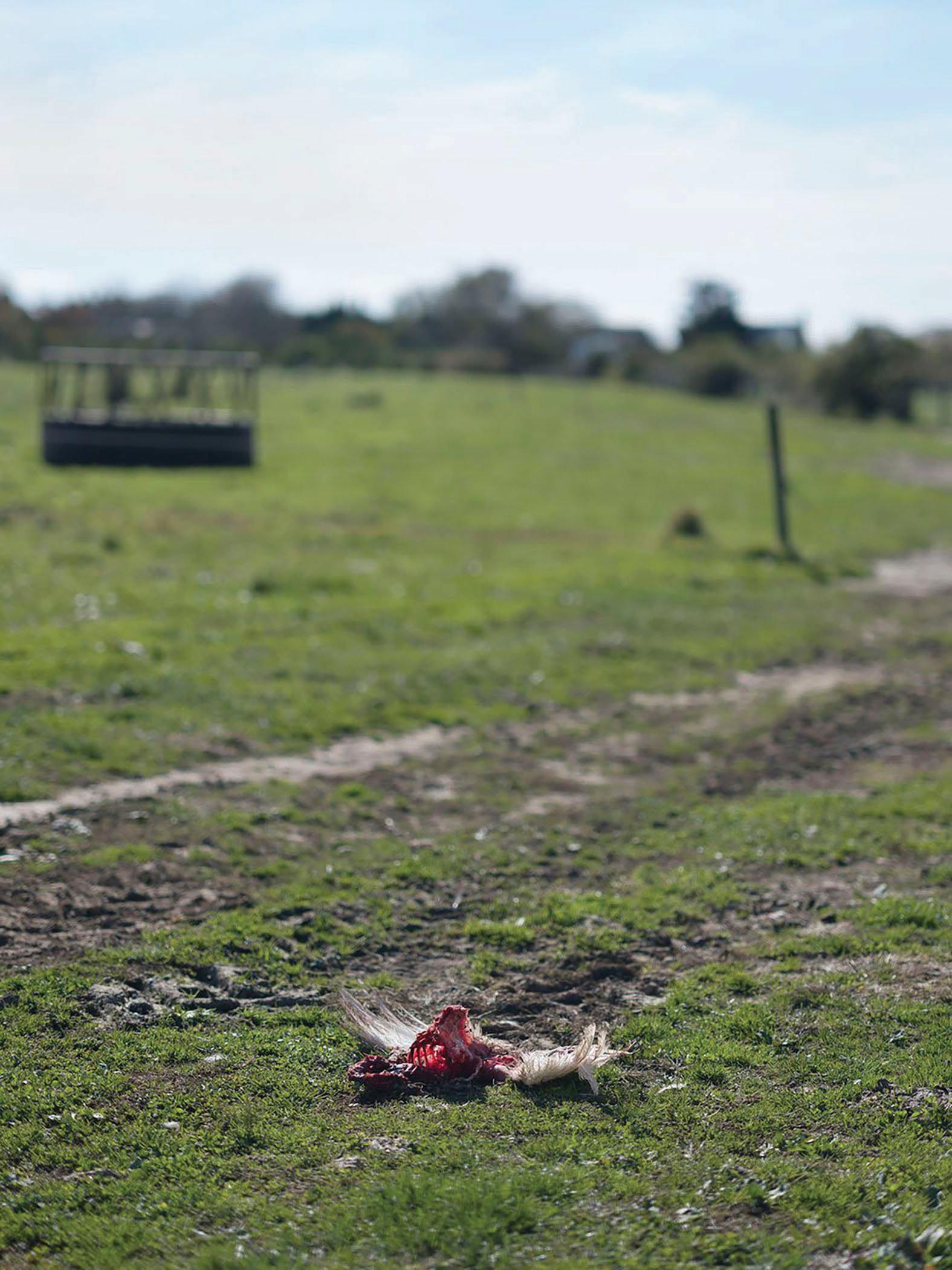
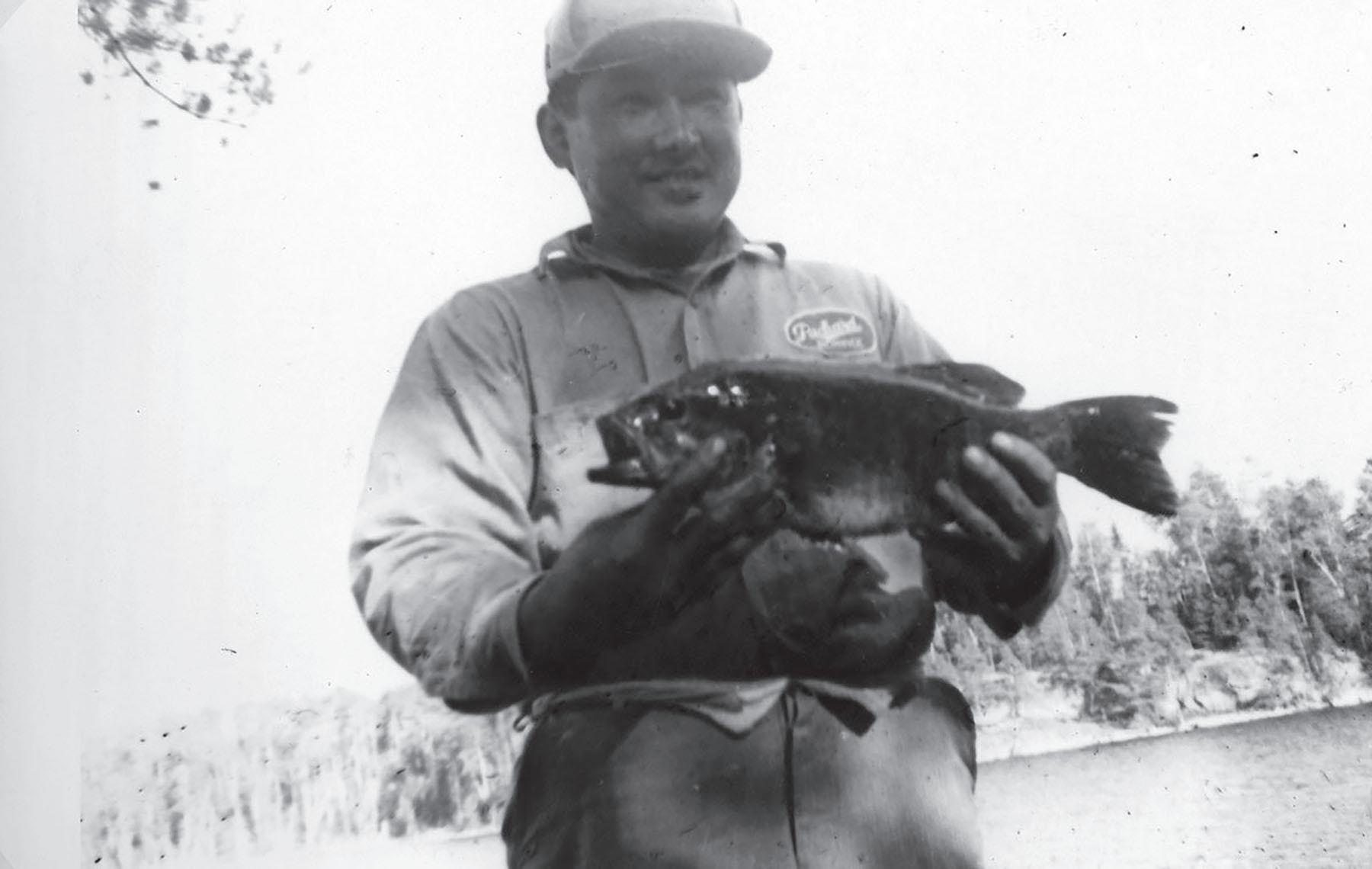
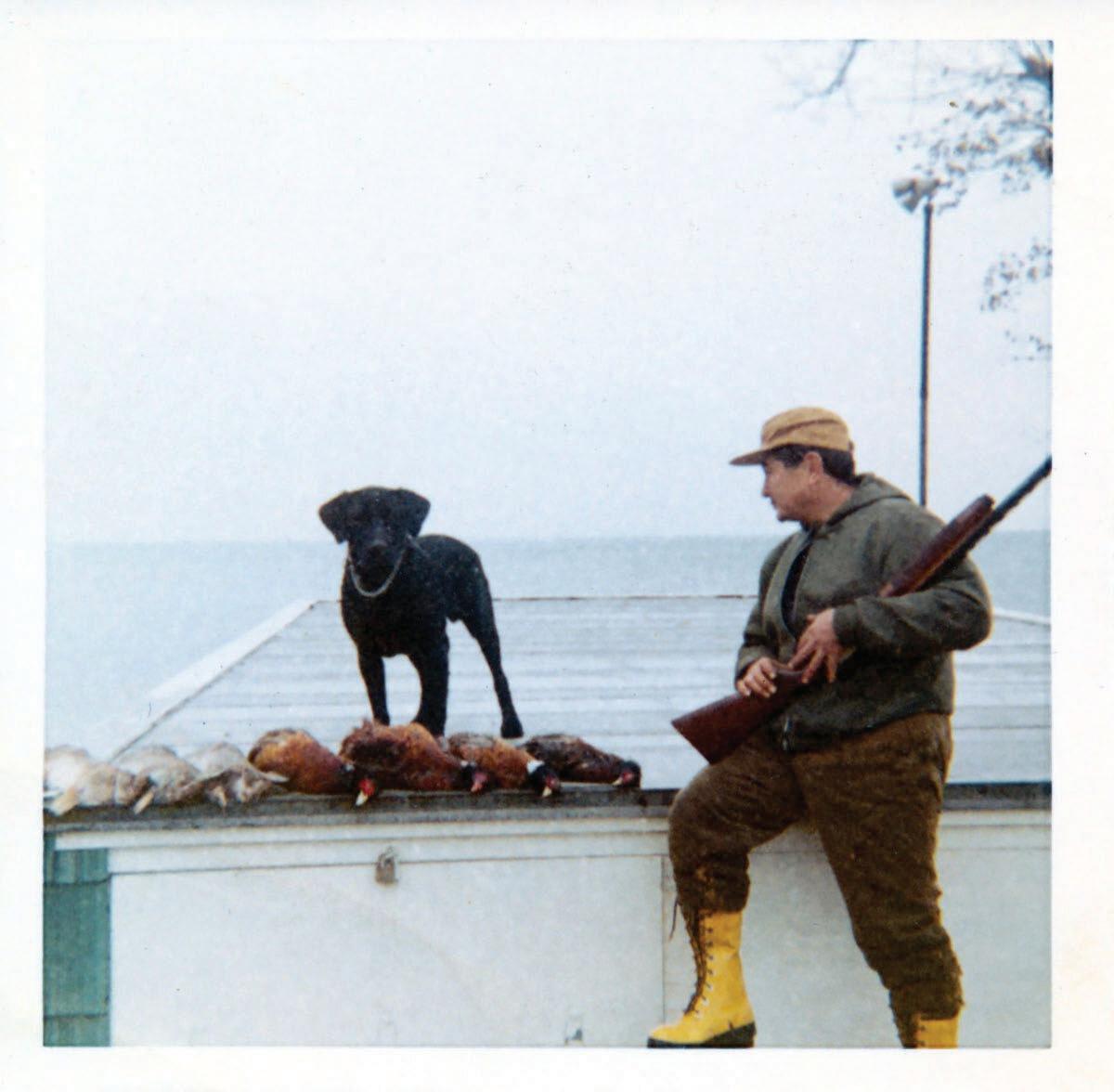
Sakai great-uncle’s bird hunting trip, Great Lakes, date unknown
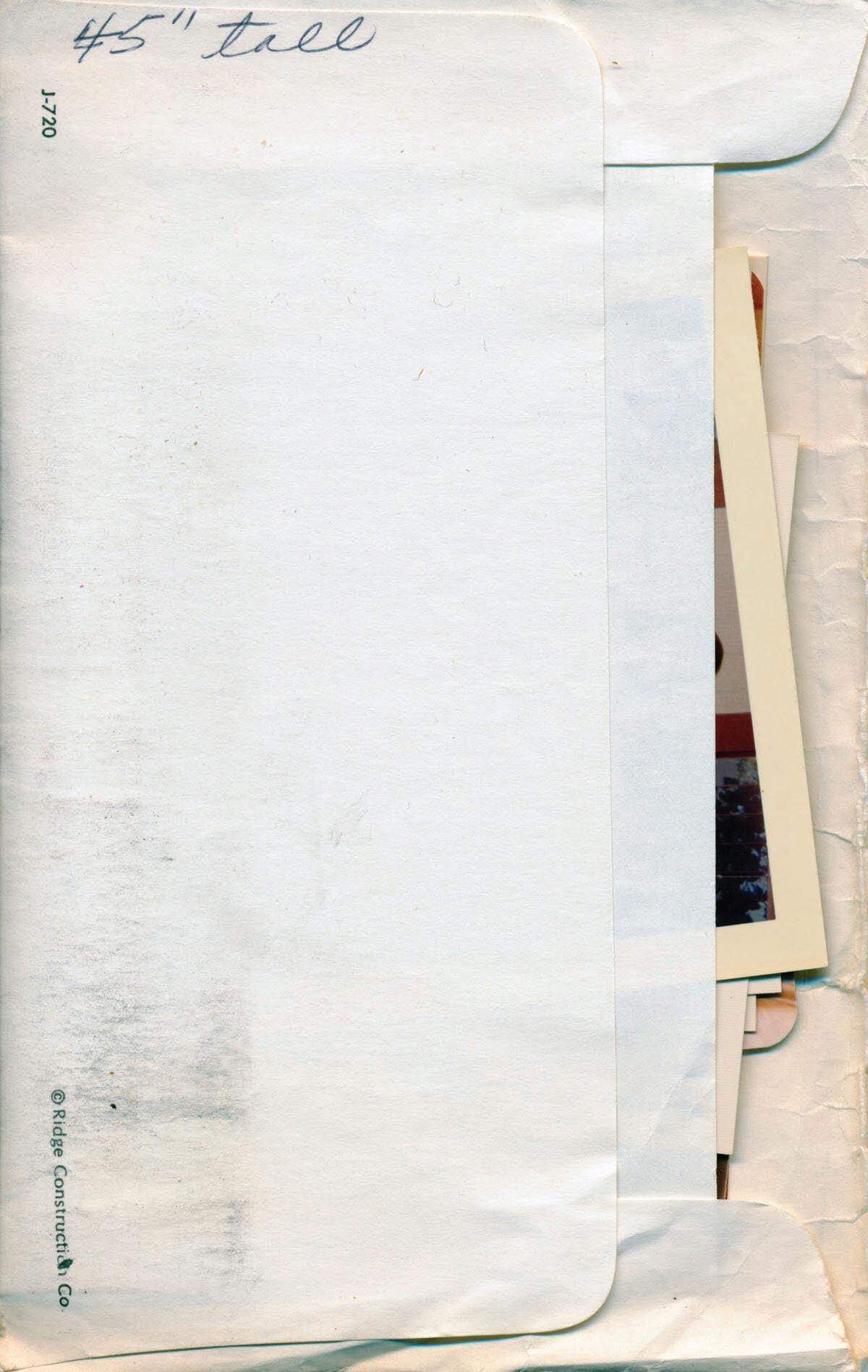
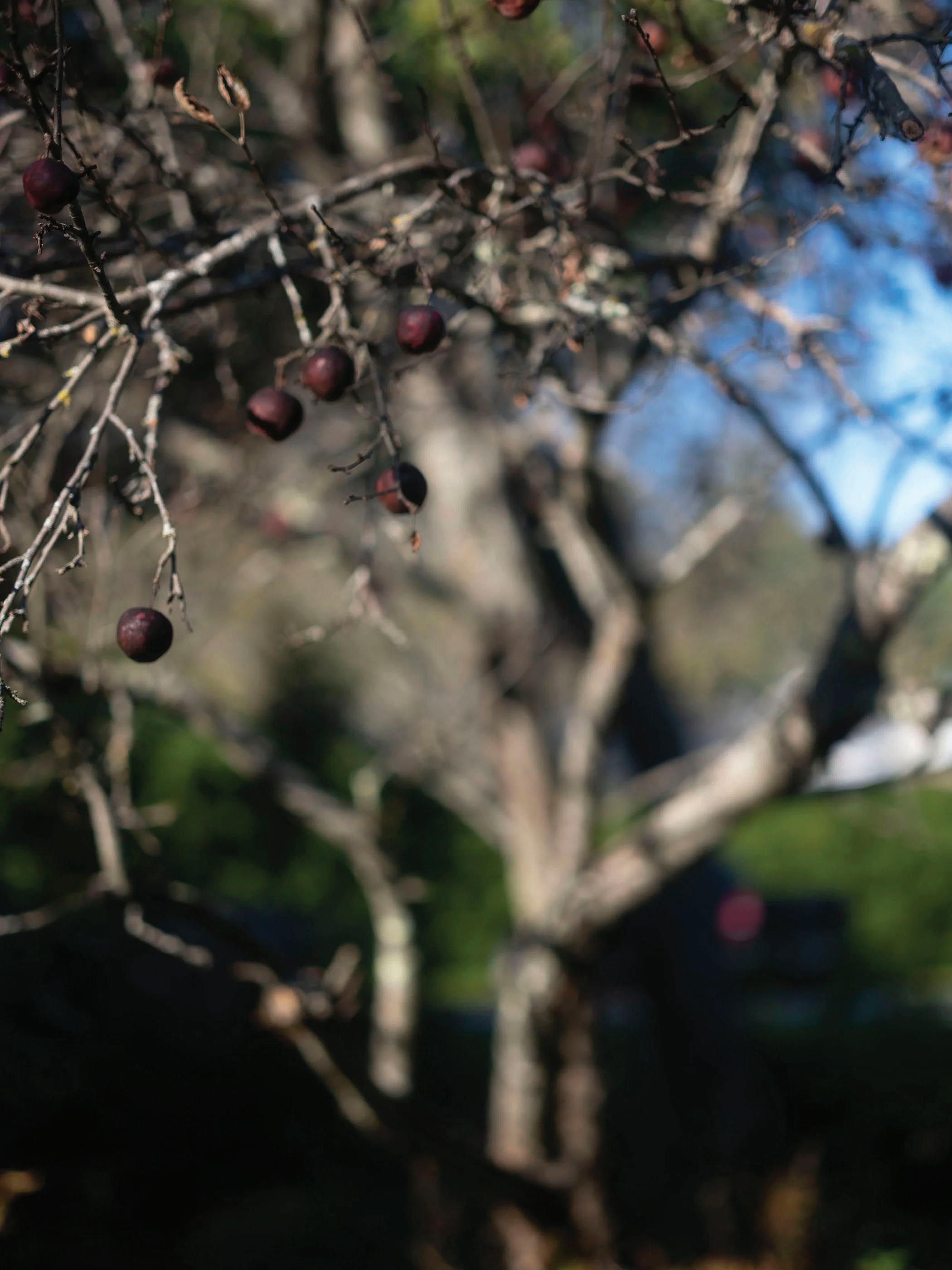
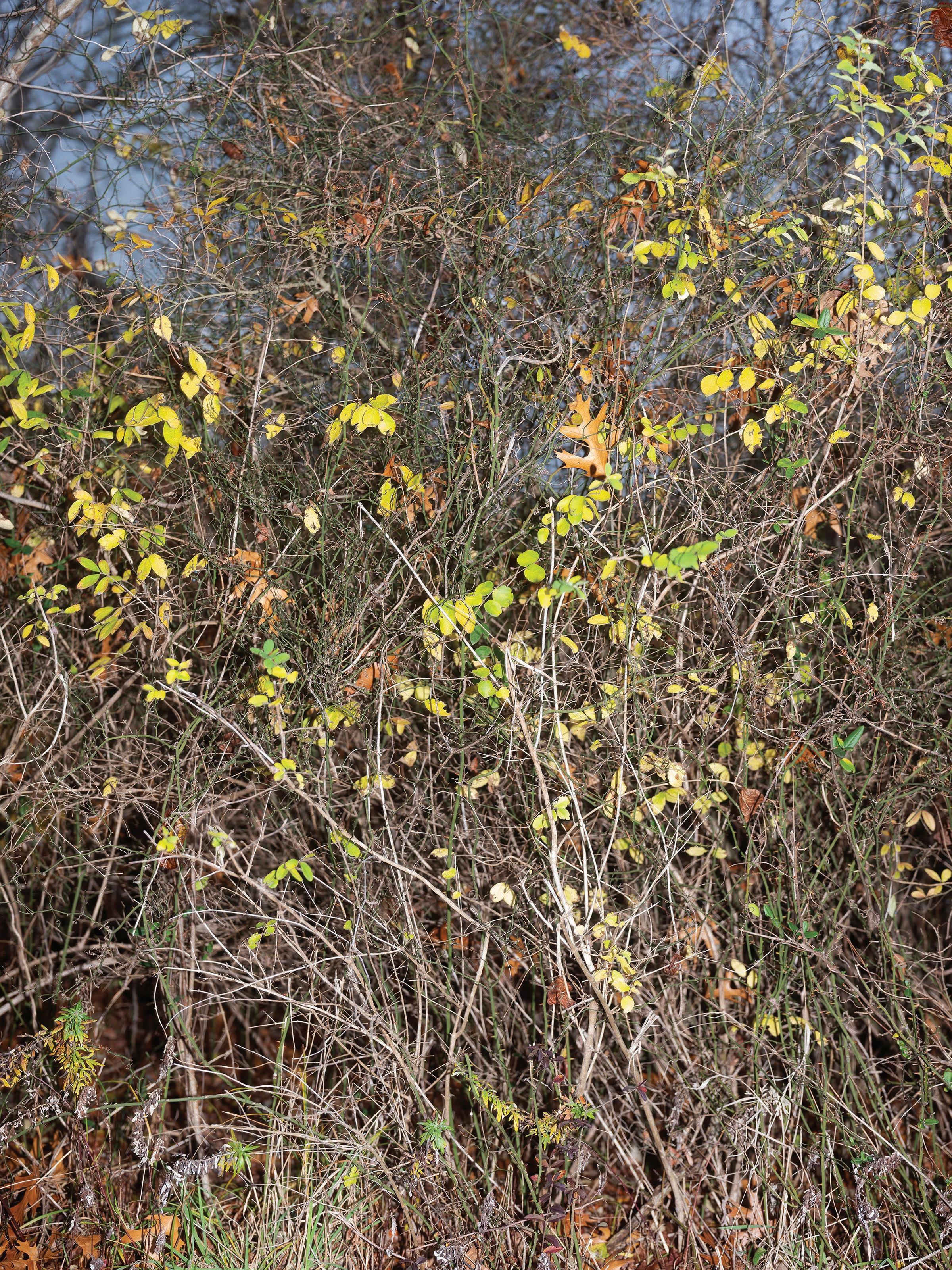
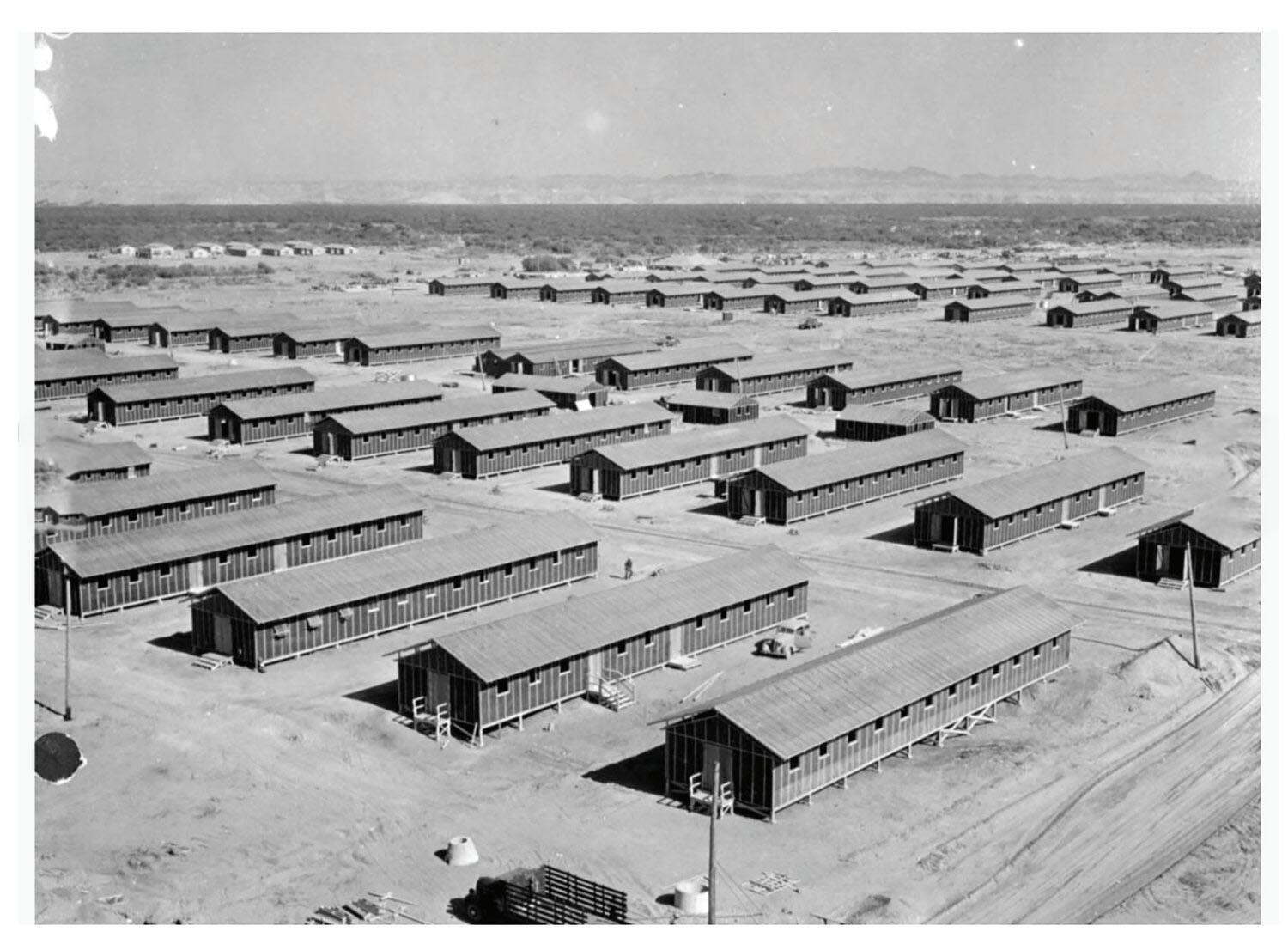
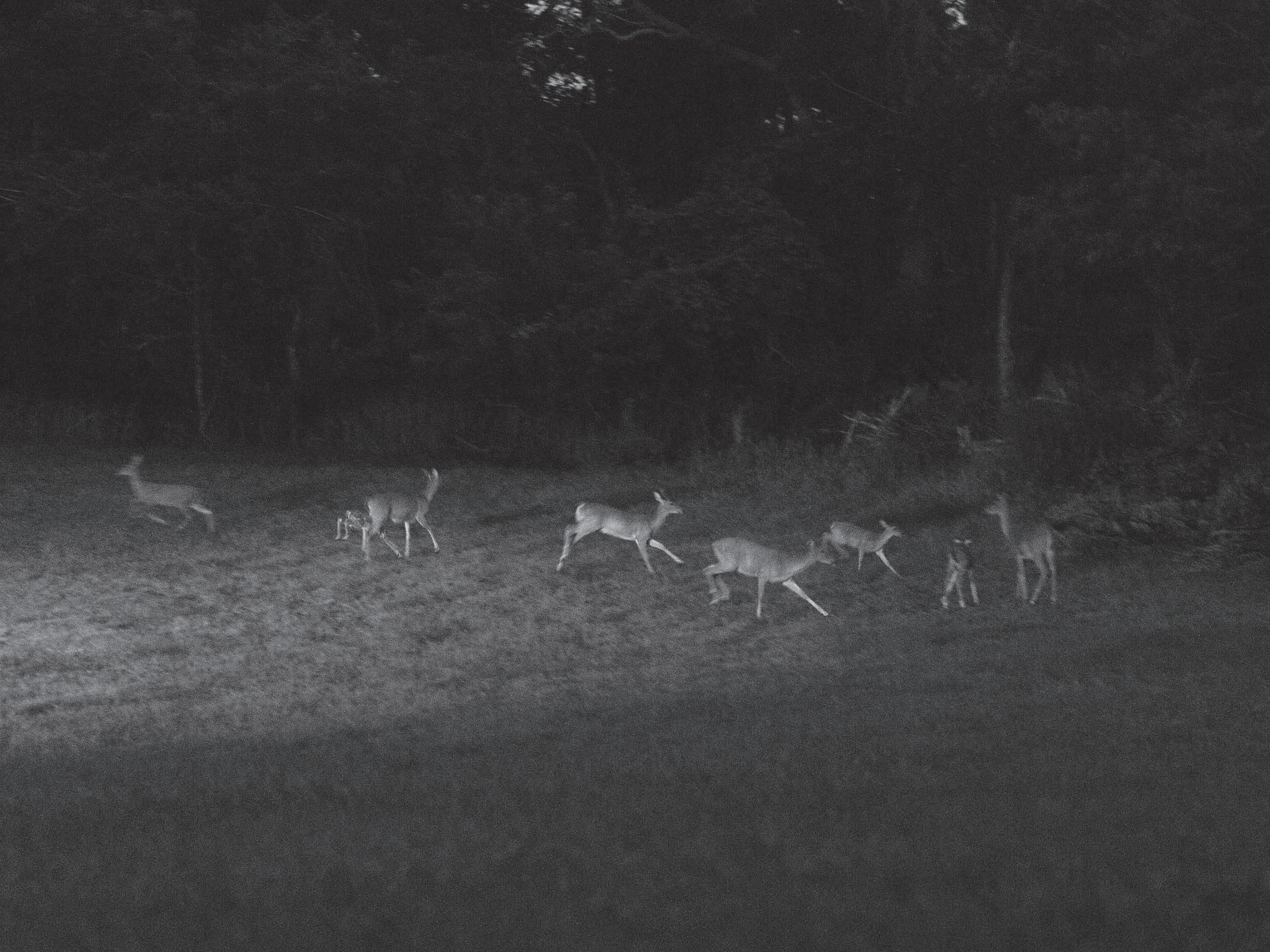
Poston Internment Camp, 1941
U.S. government photograph, National Archives
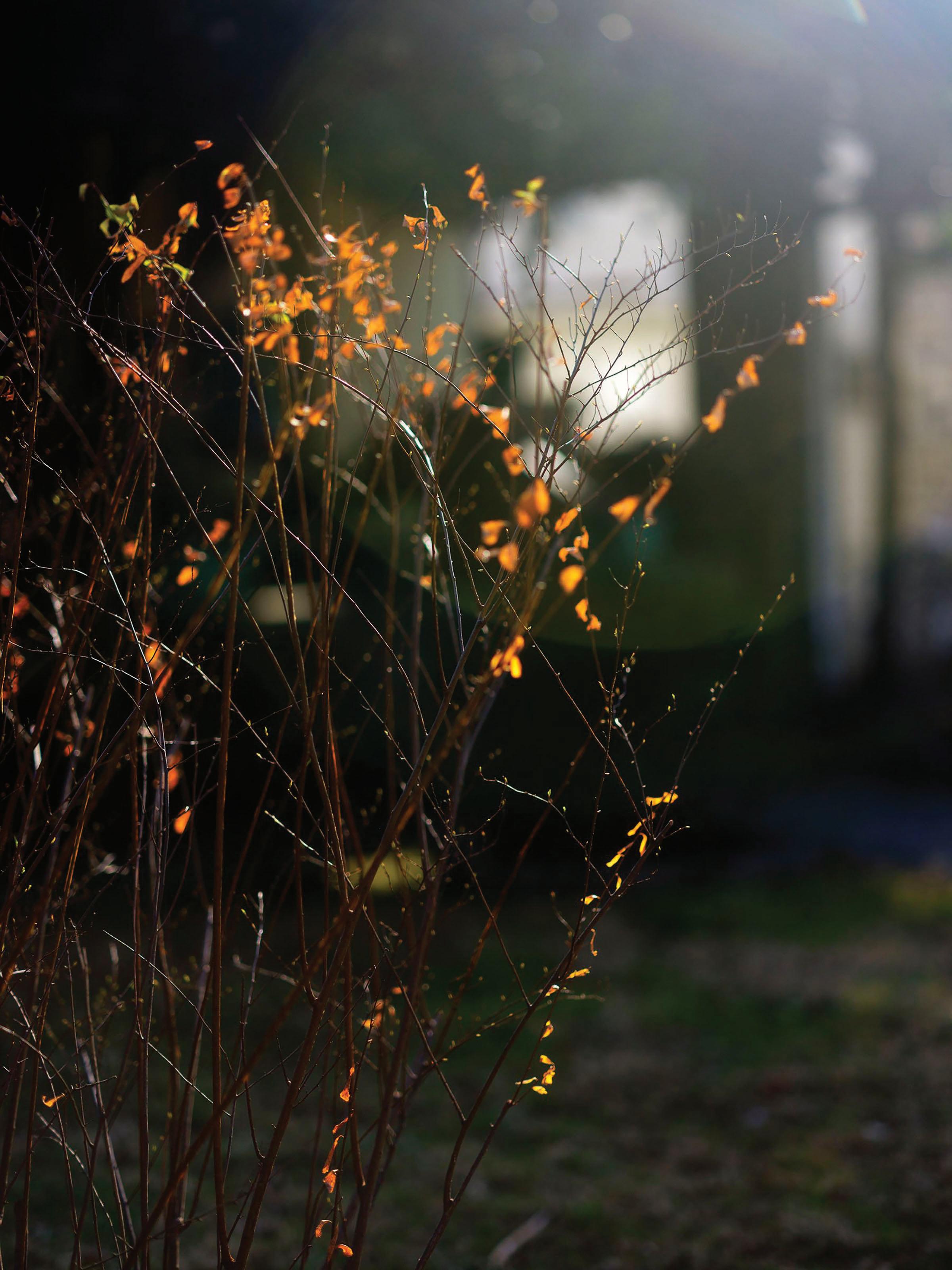
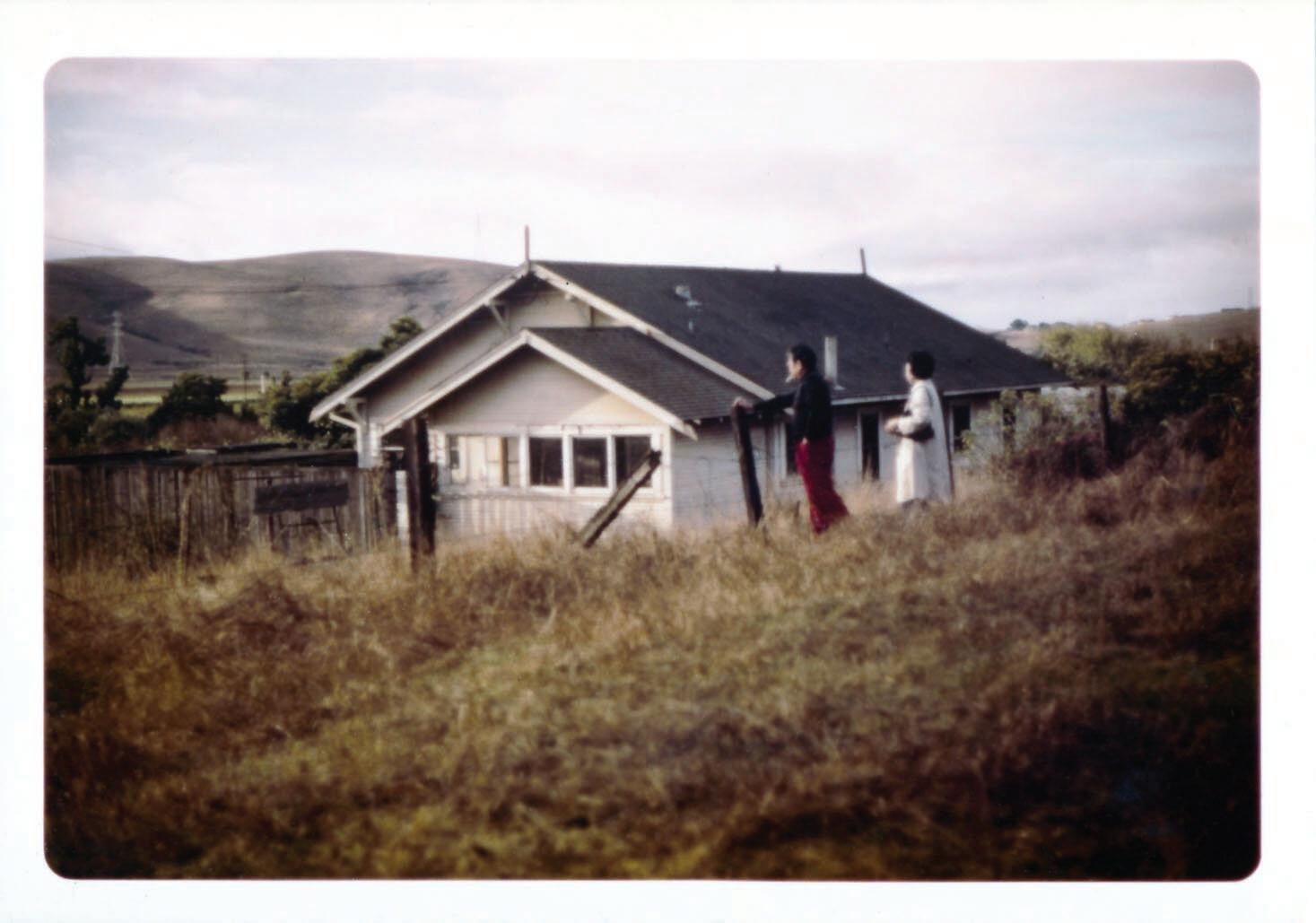
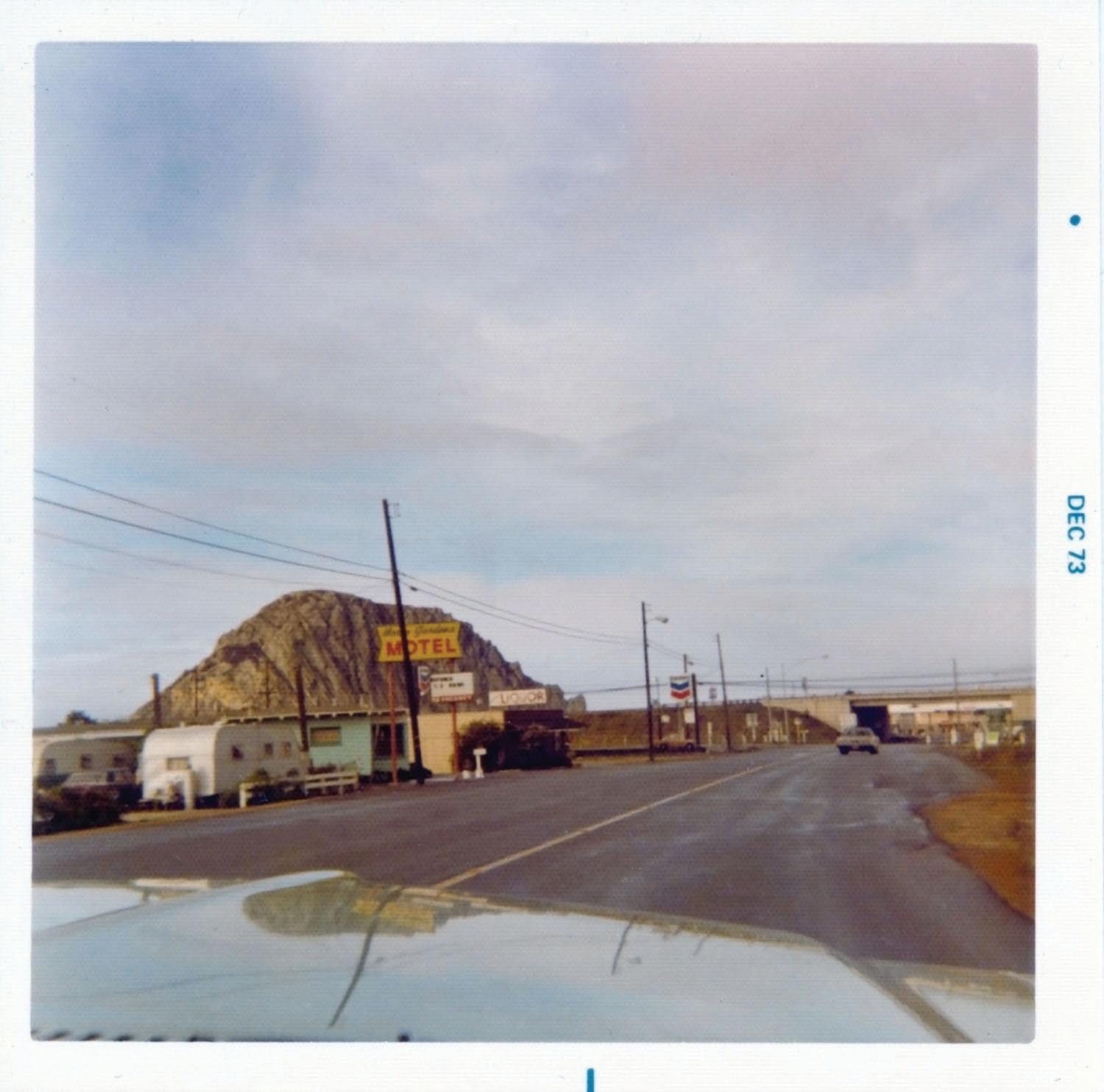
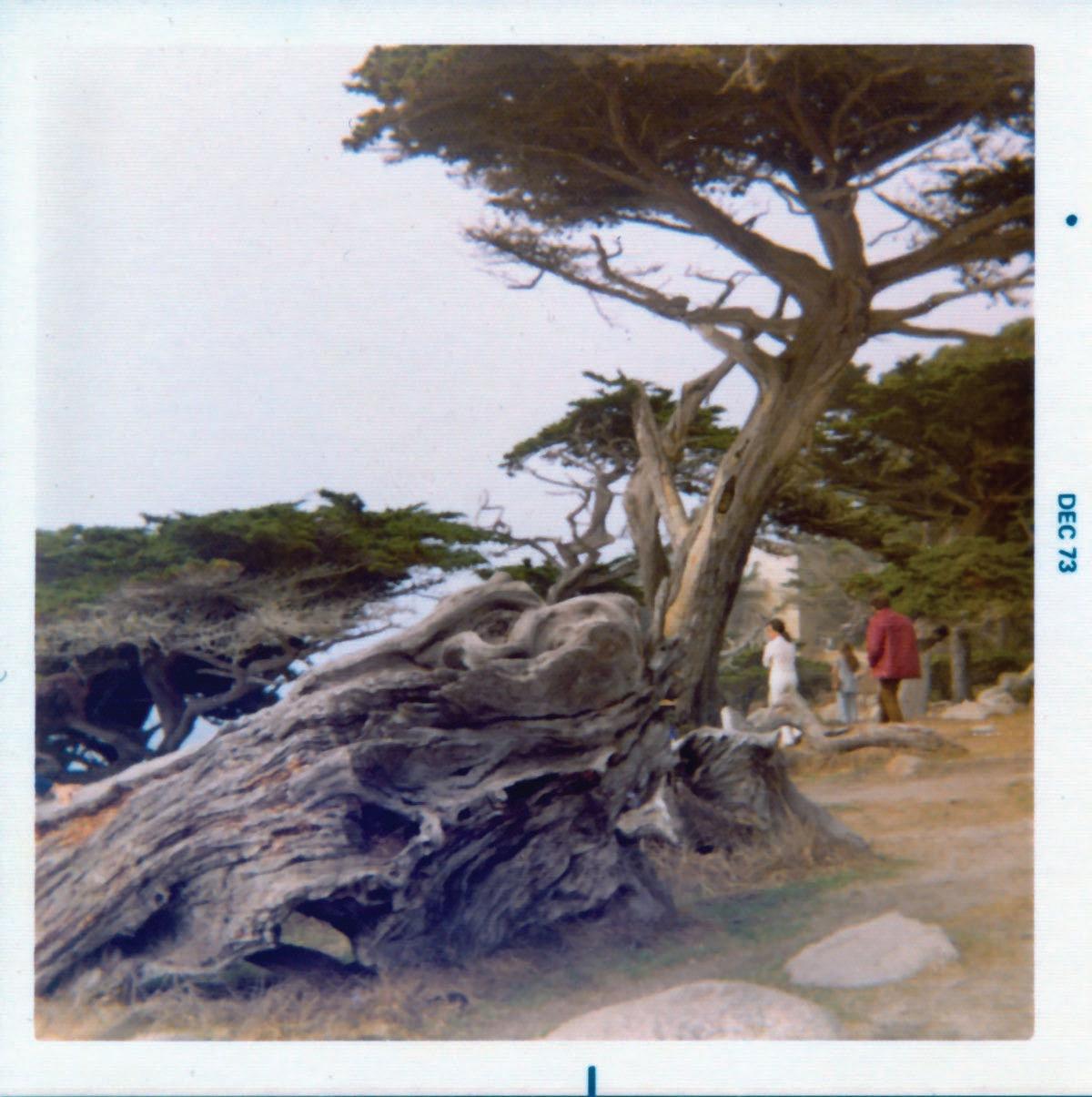
Kuneo (Jack) and Mariko (Mary) Sakai, 1973, during a pilgrimage back to California to see the farm and land they lost during WWII
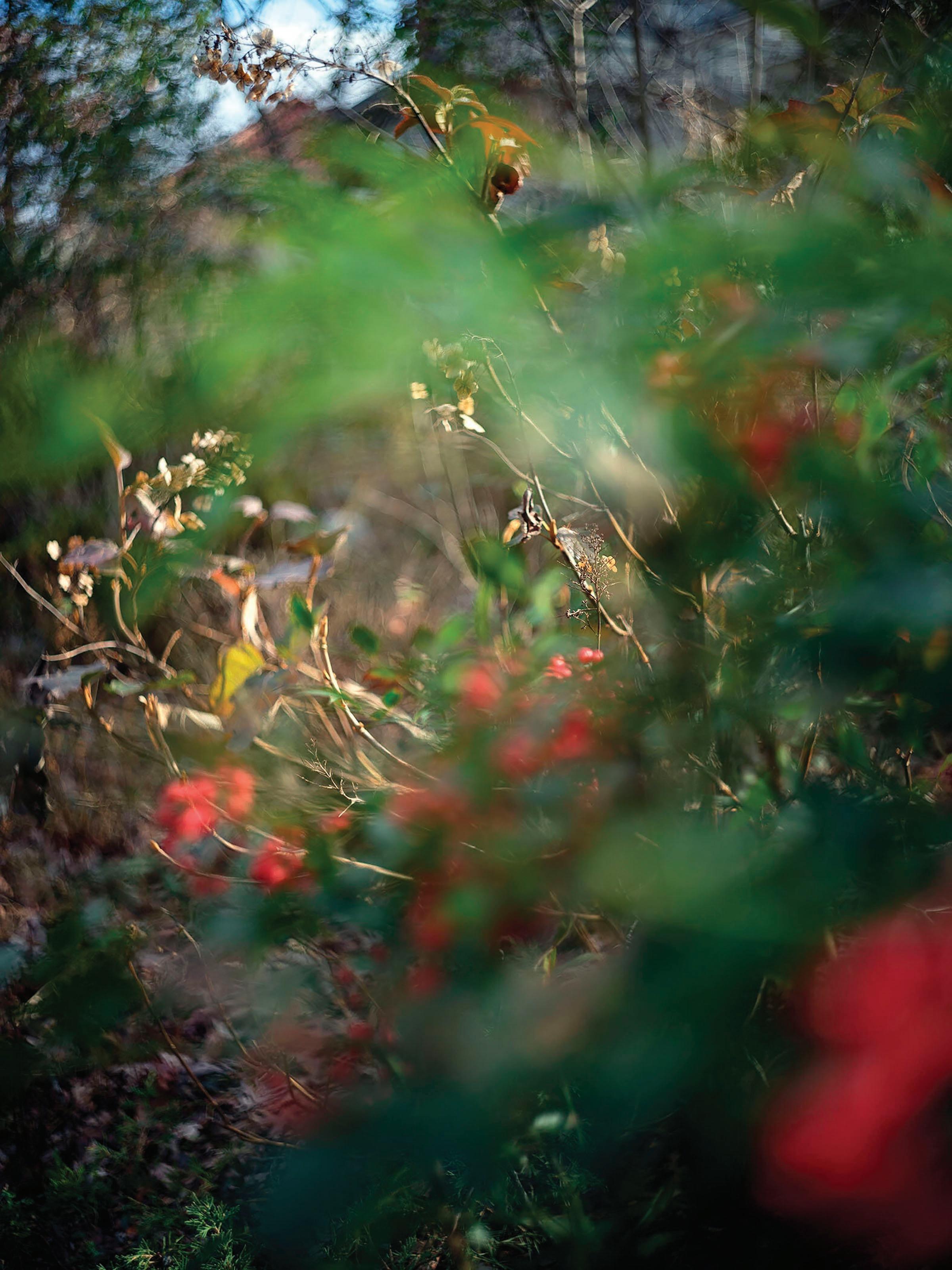
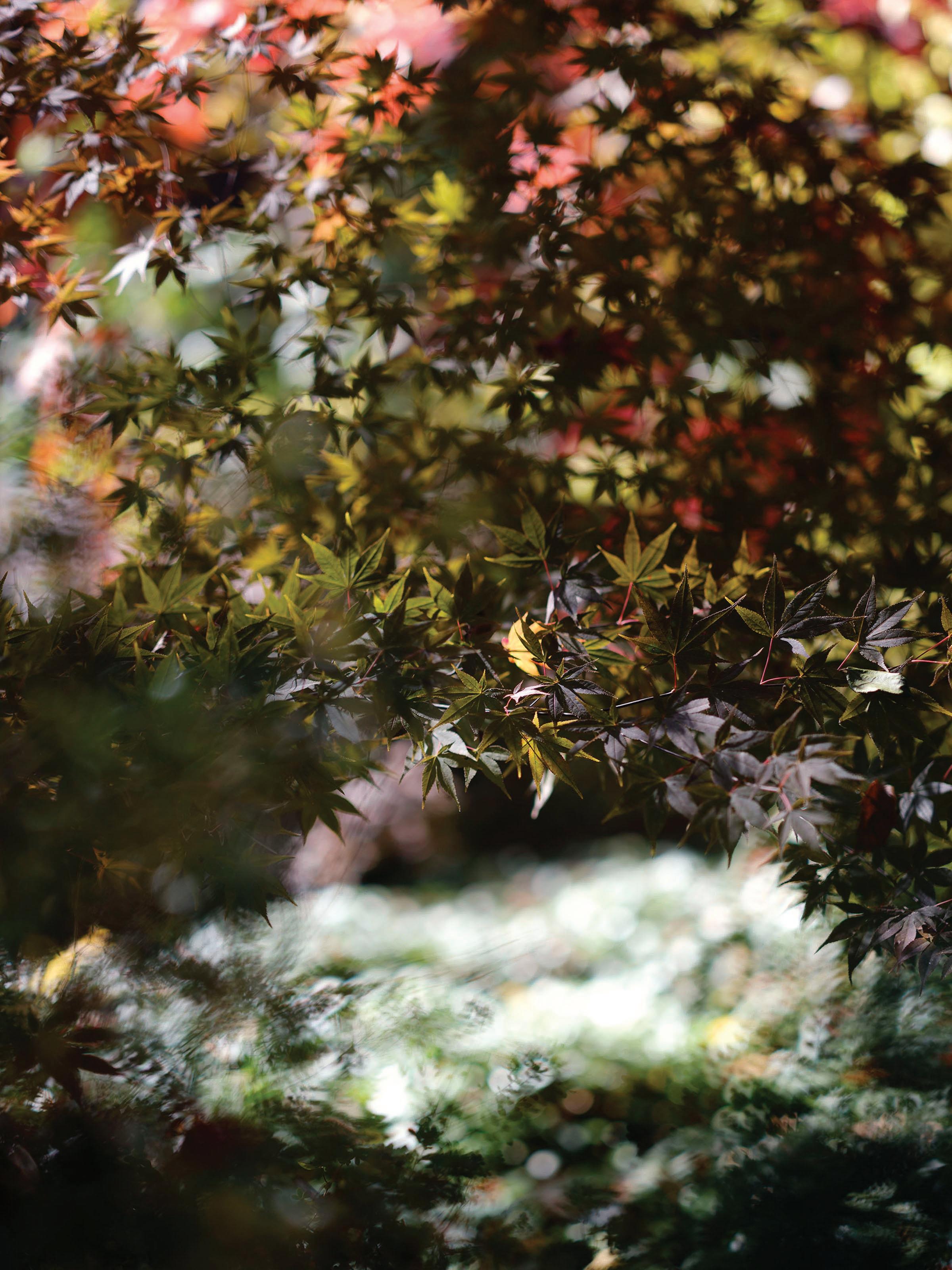
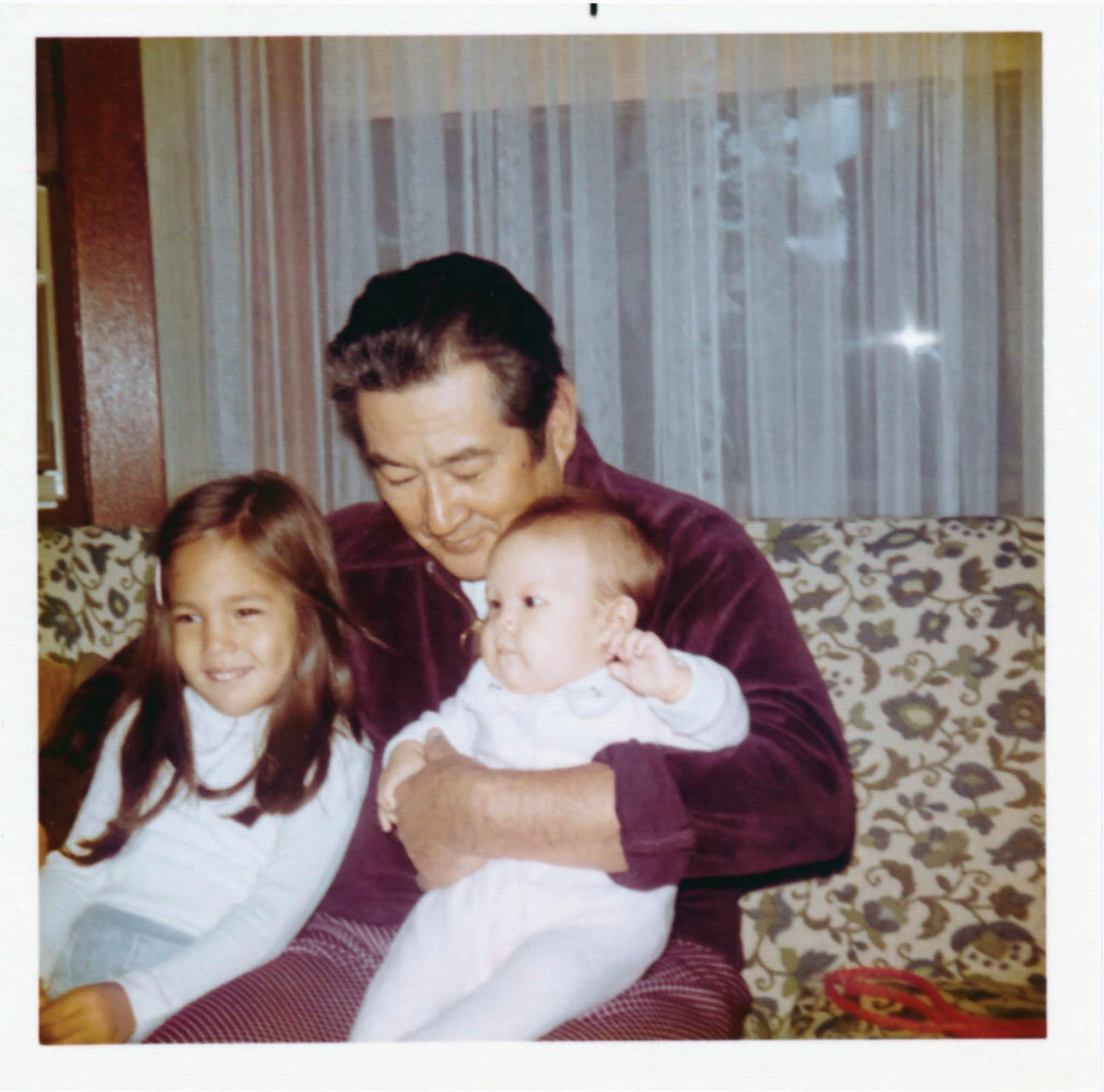
Artist with grandfather and cousin, Lakewood, Ohio
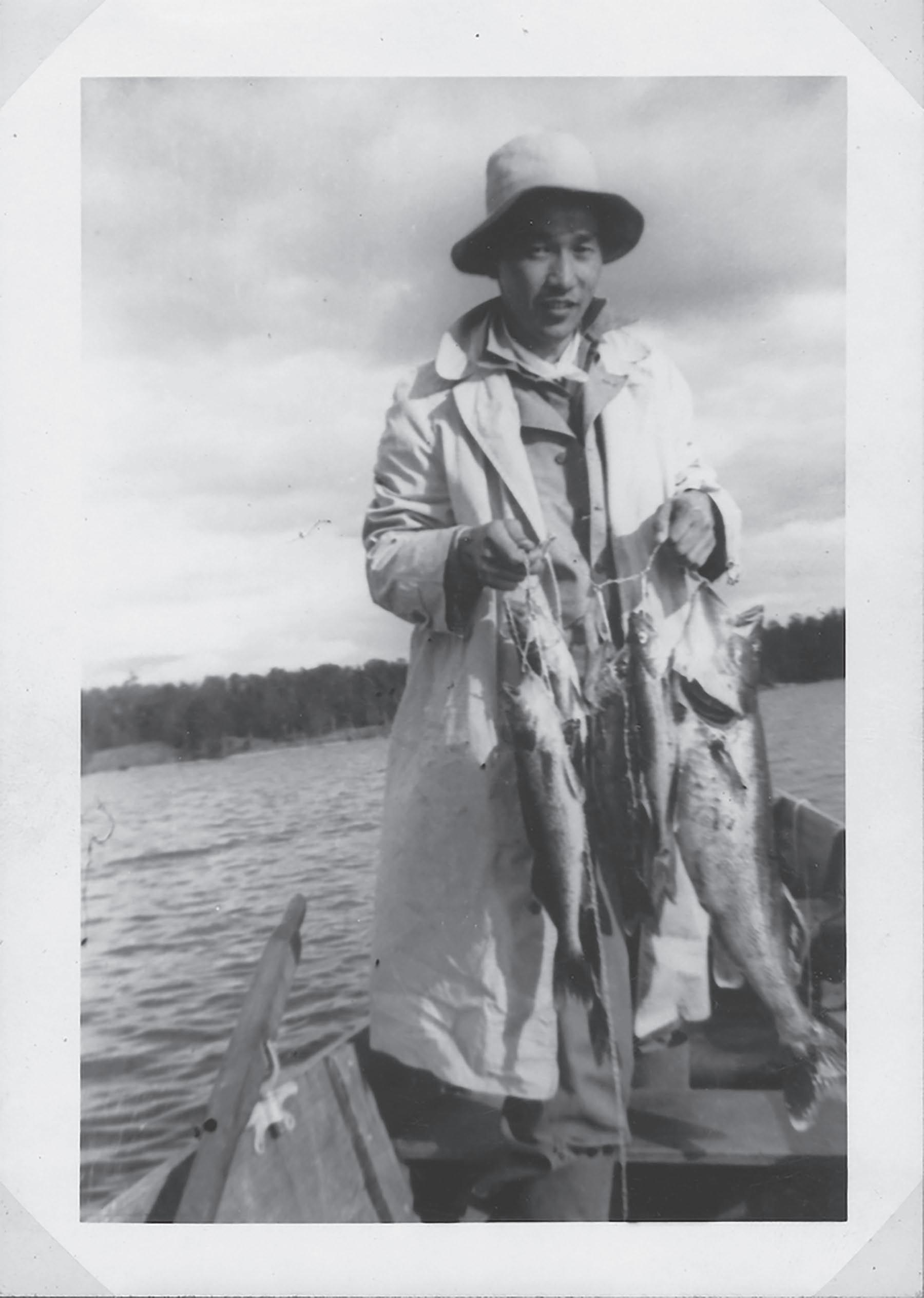
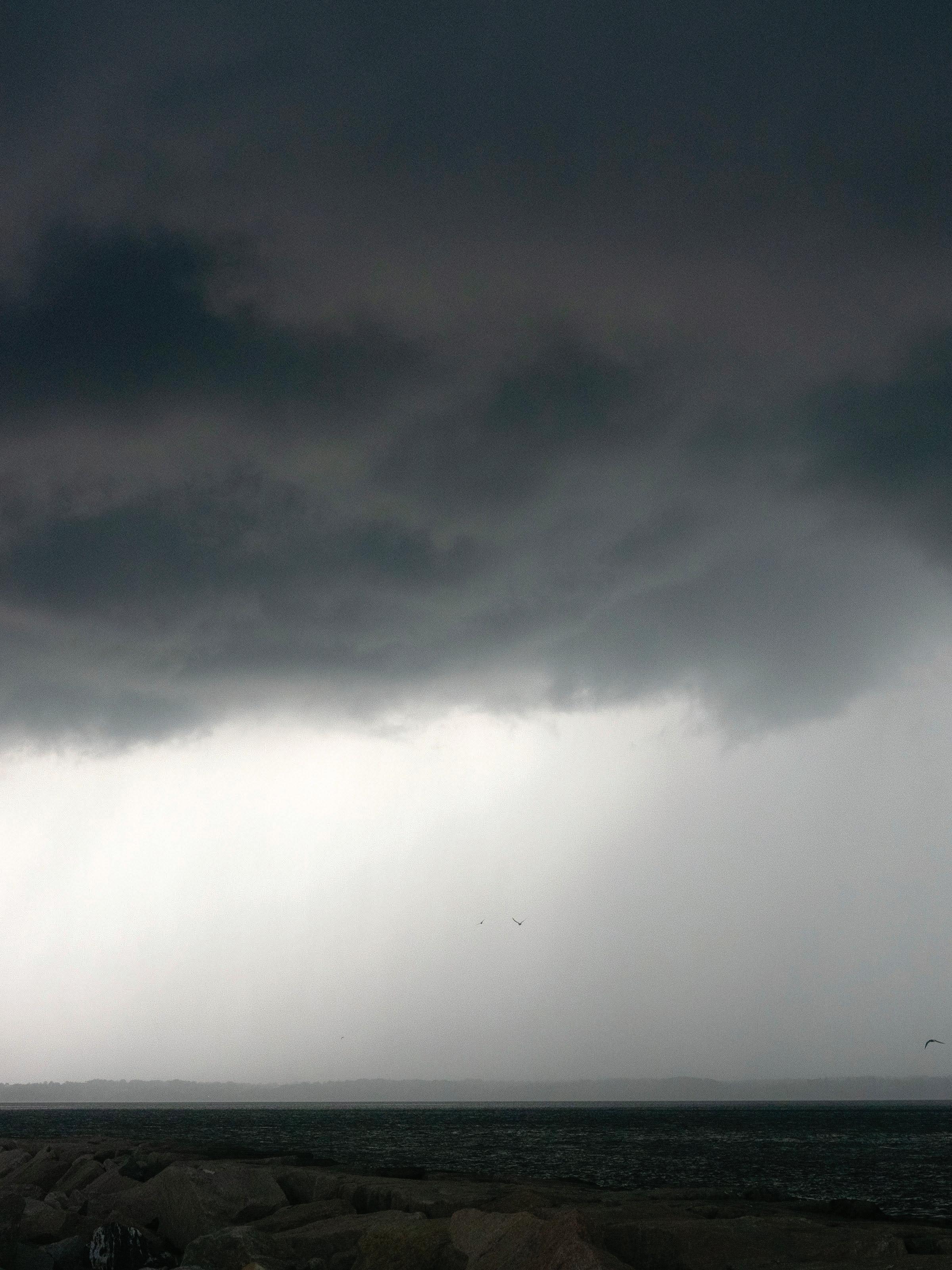
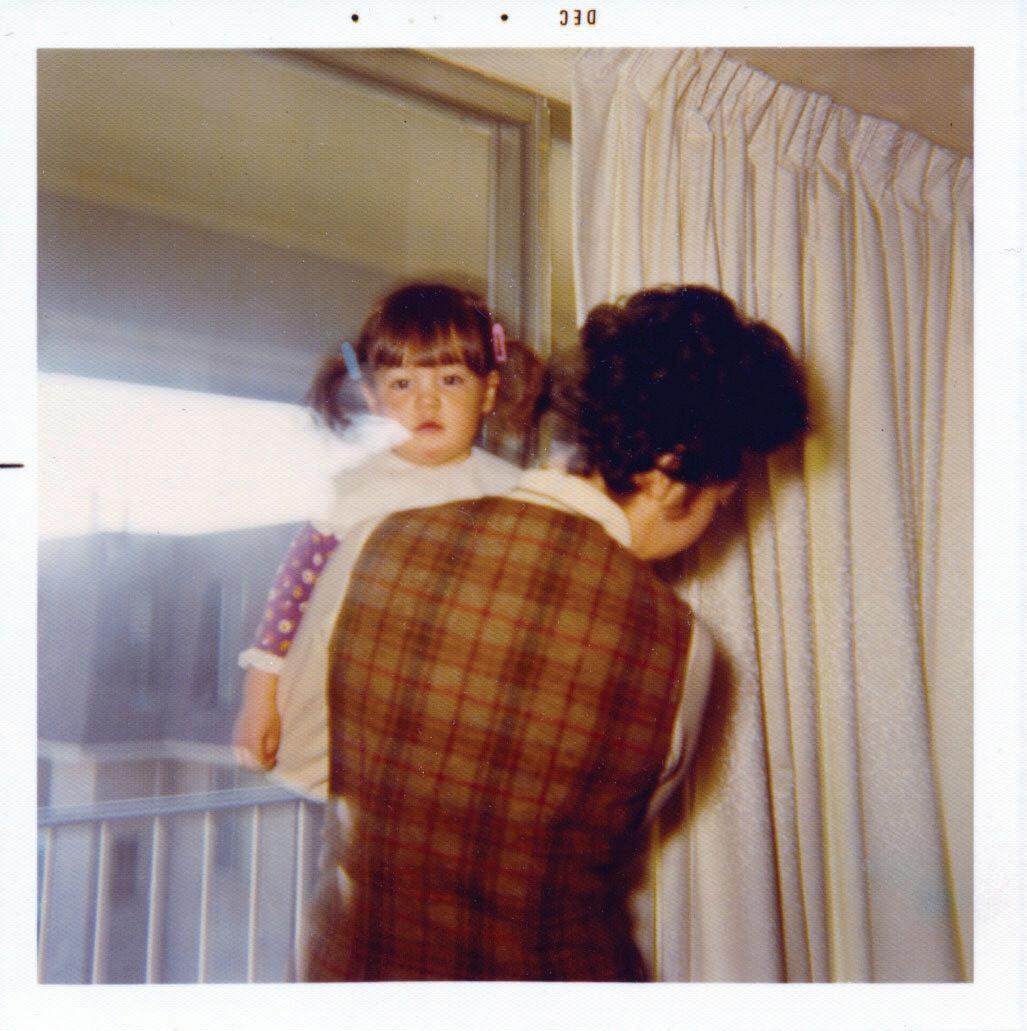
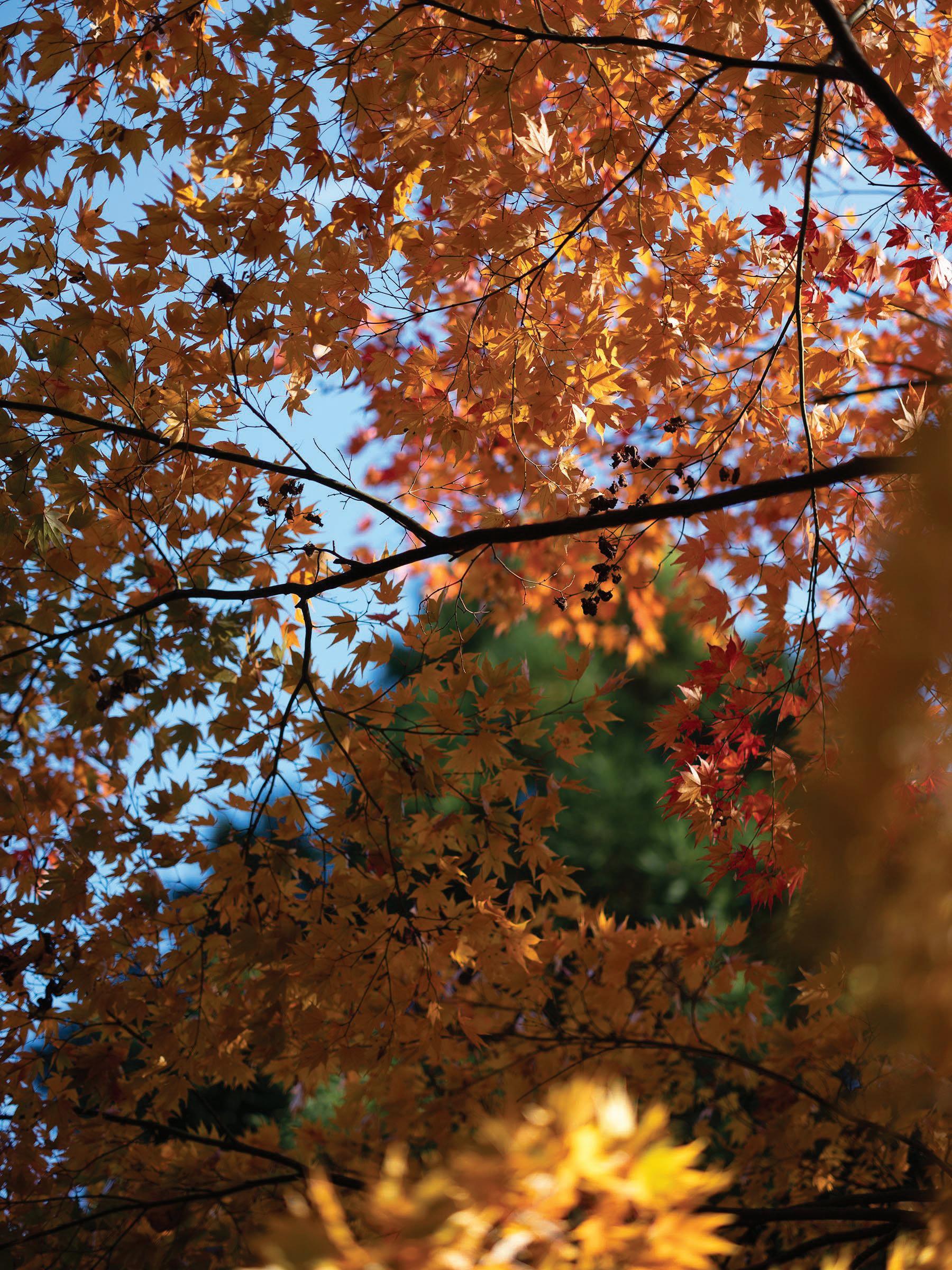
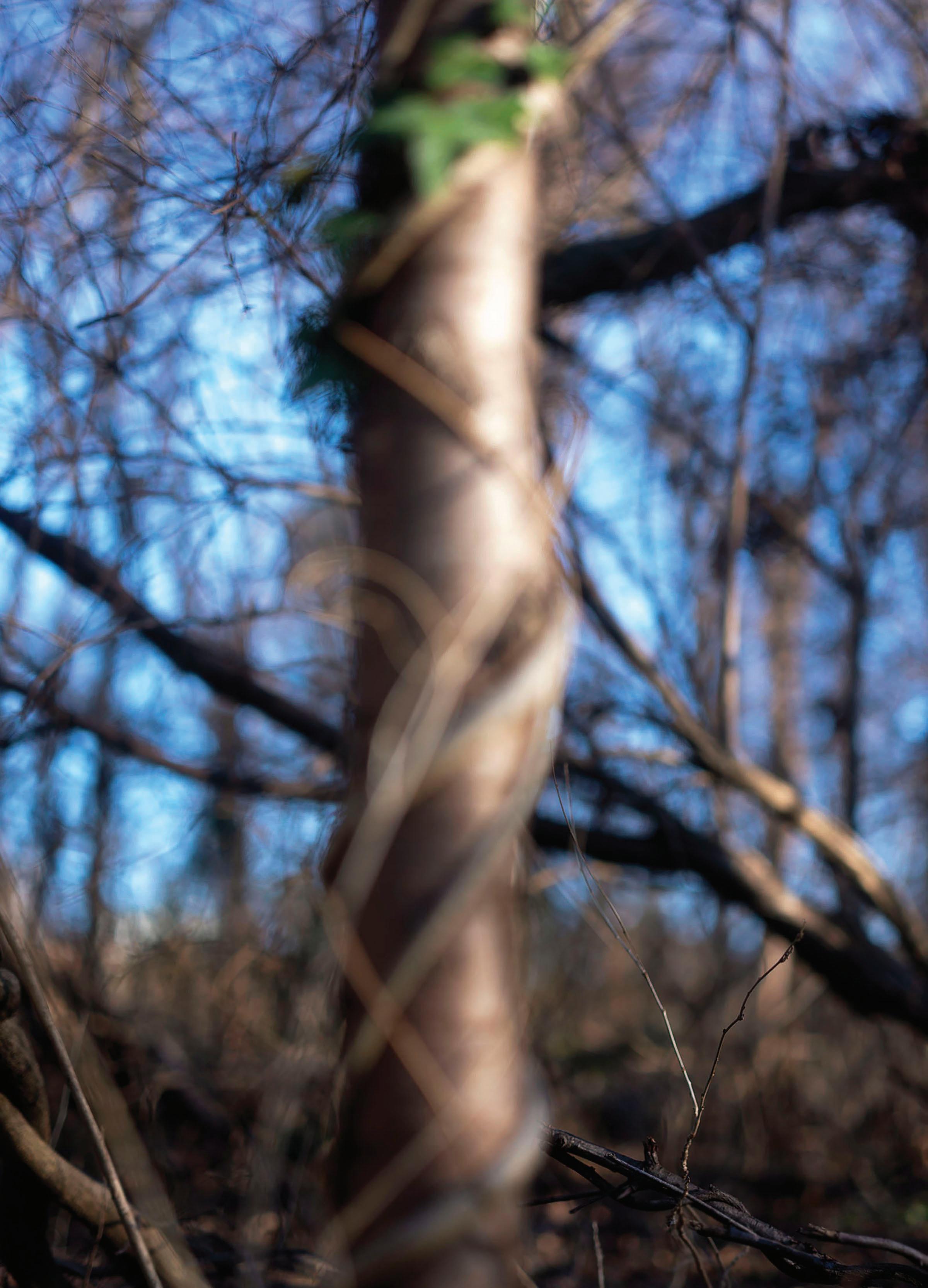
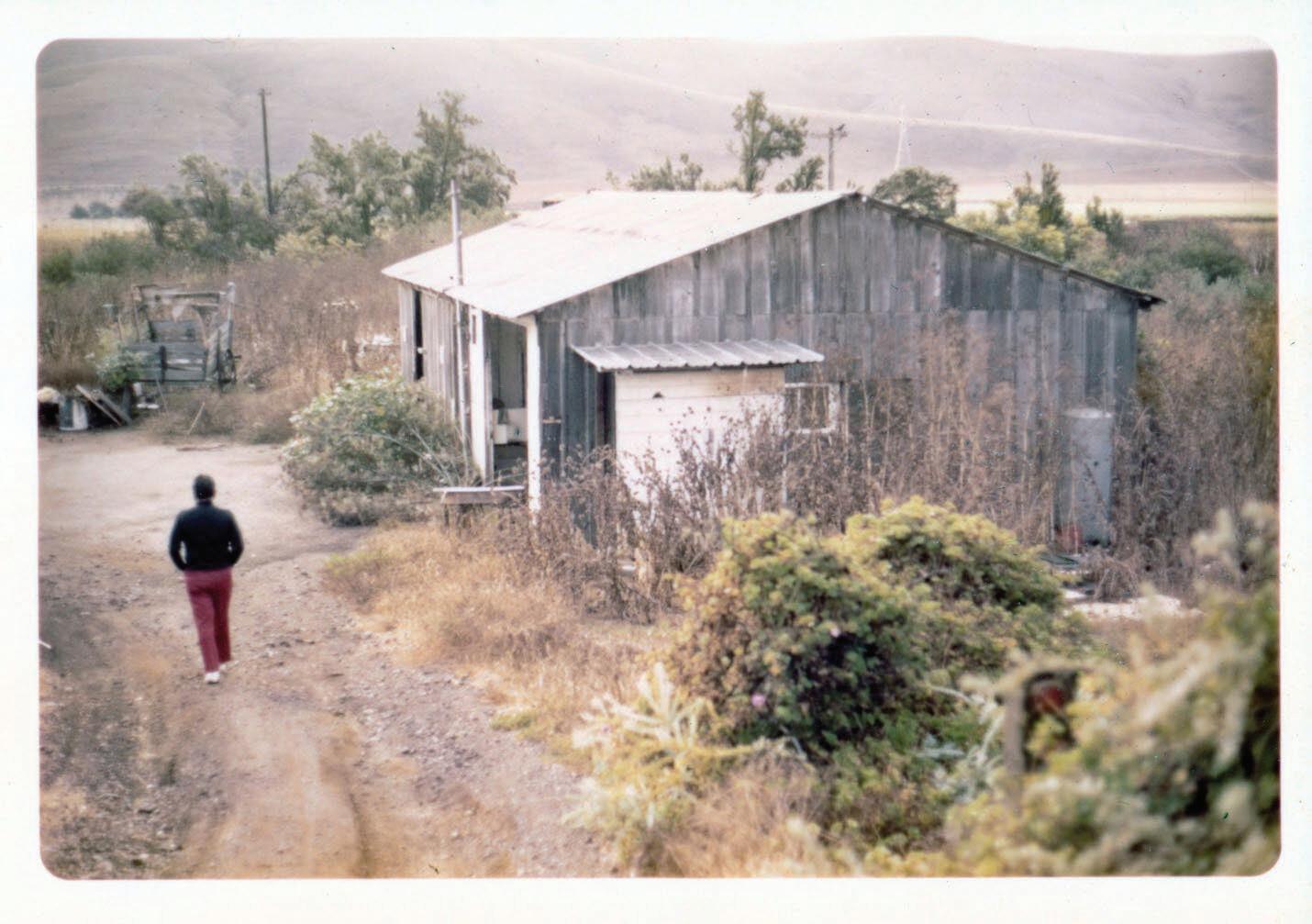
Jack Kuneo Sakai walking the farm and land the family once owned, postwar, c. 1970s
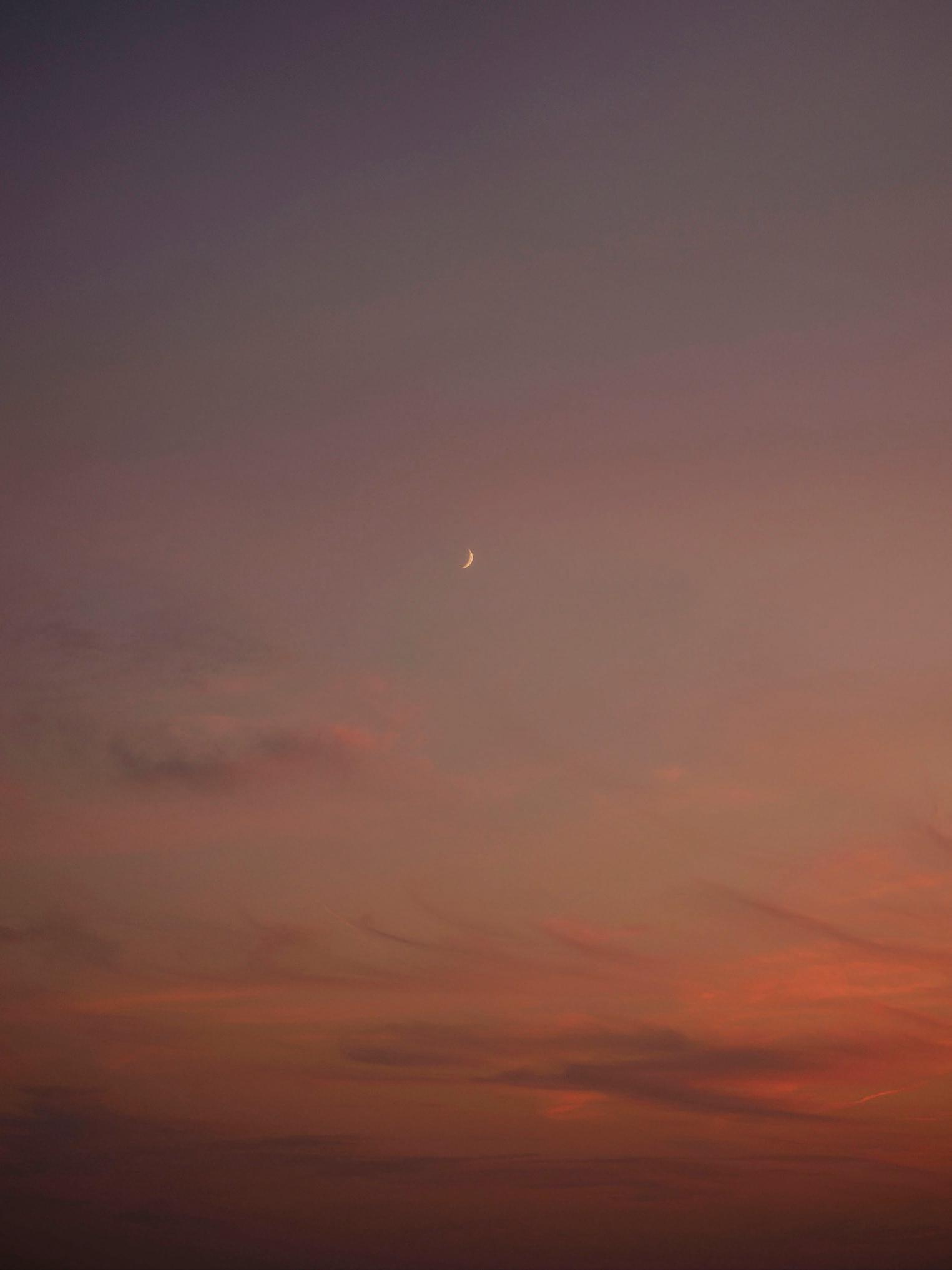
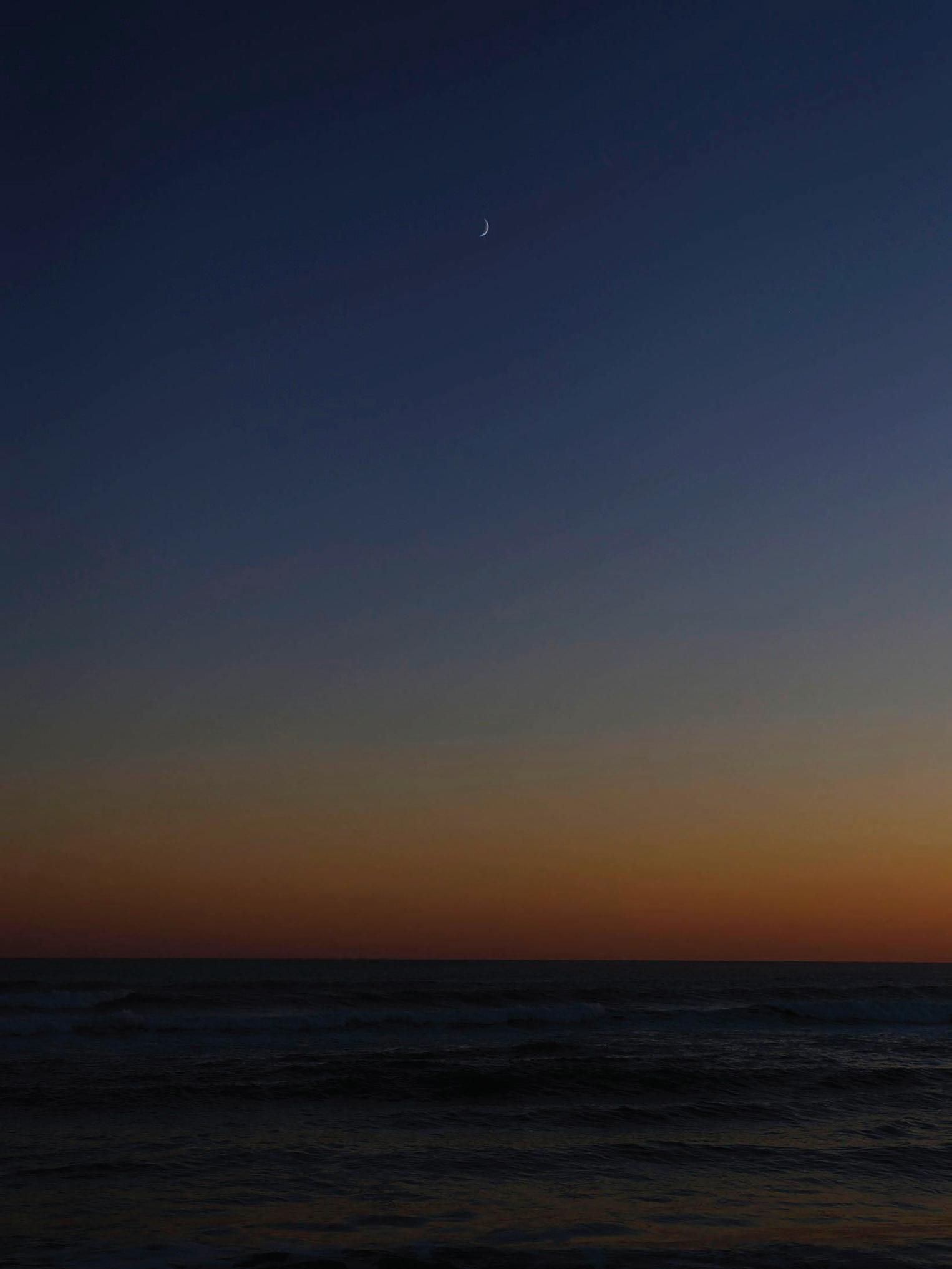
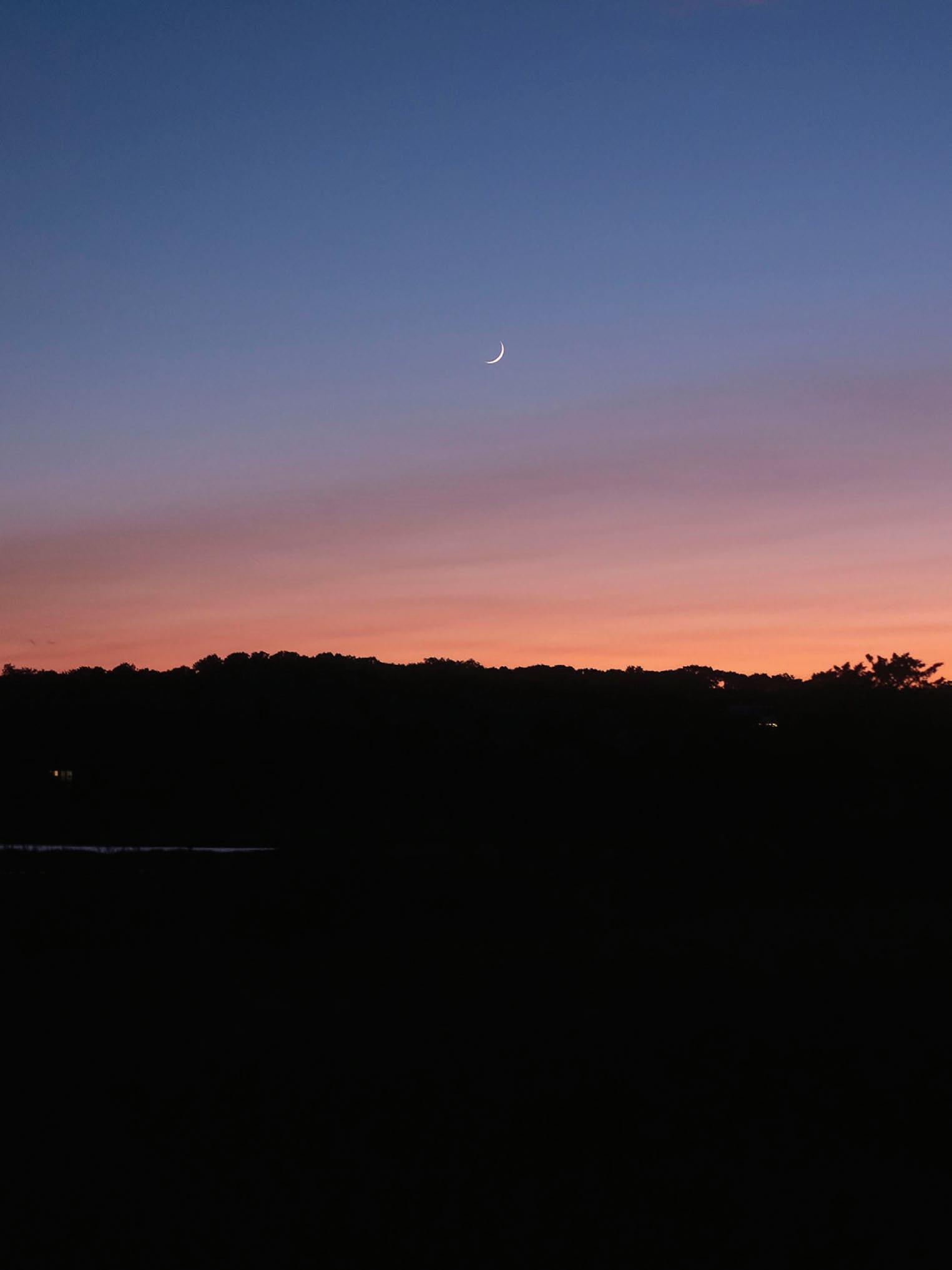
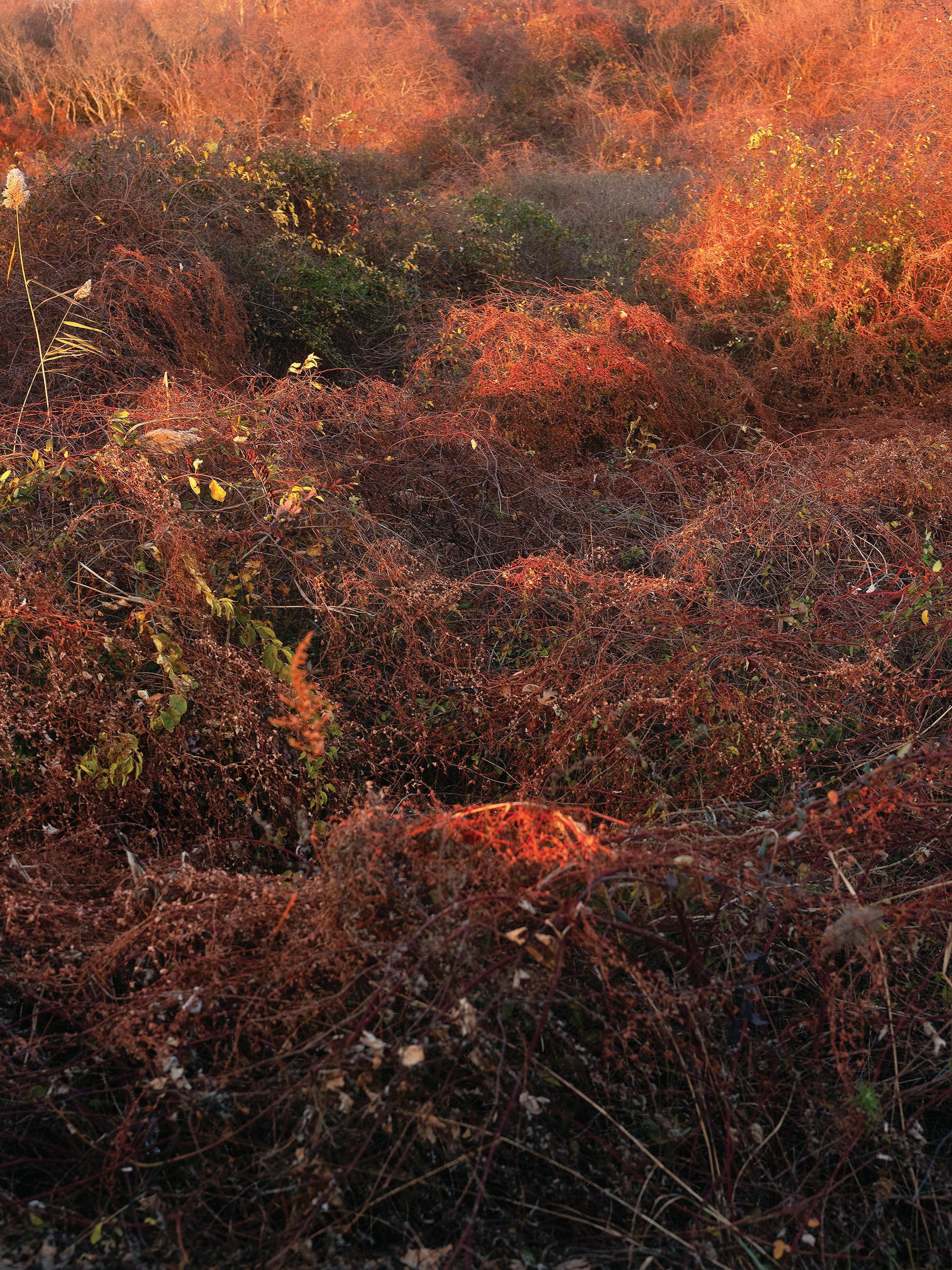
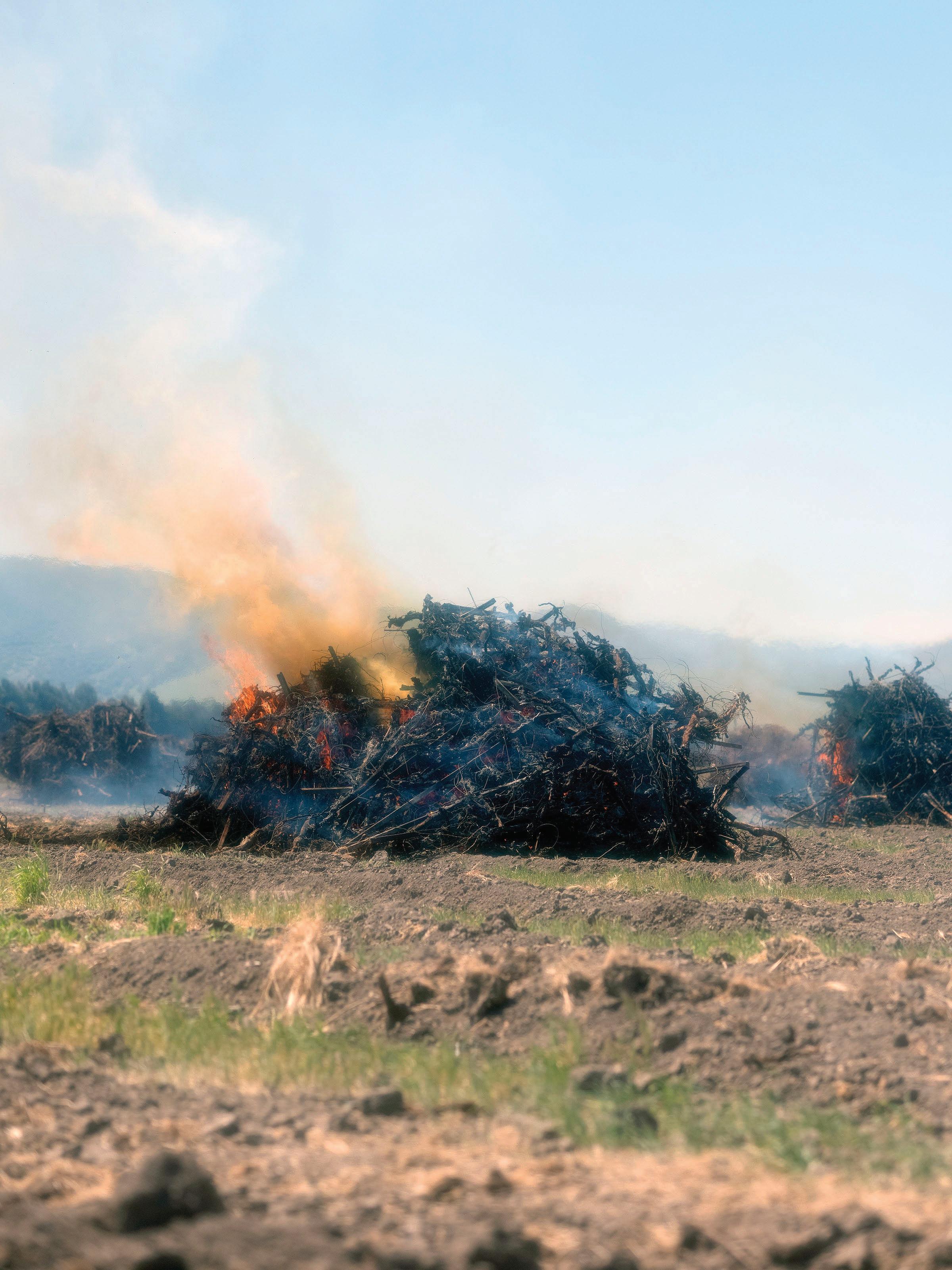
Burning the fields near where the Sakai family farm was located, California, 2025
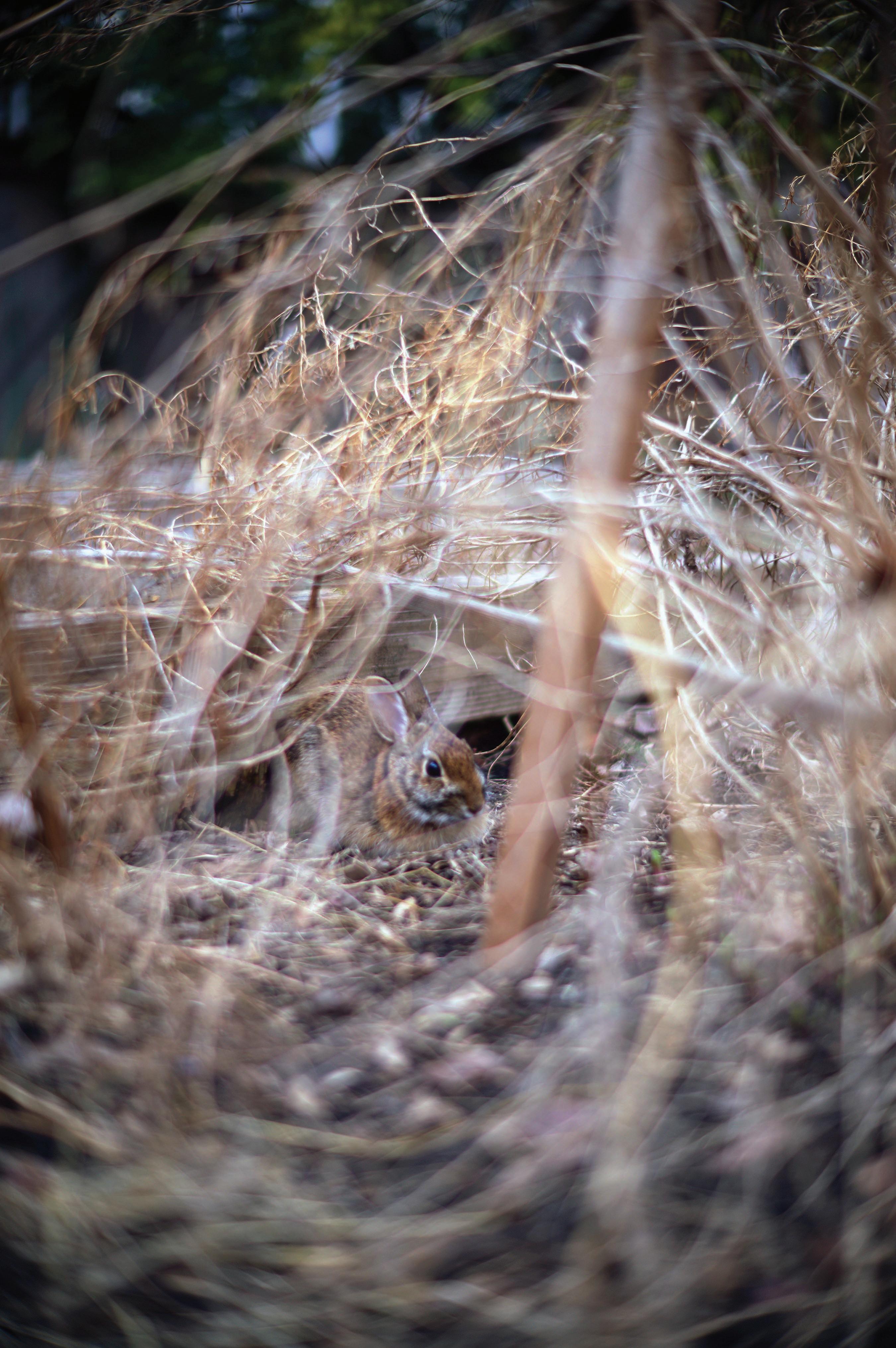
WINTER
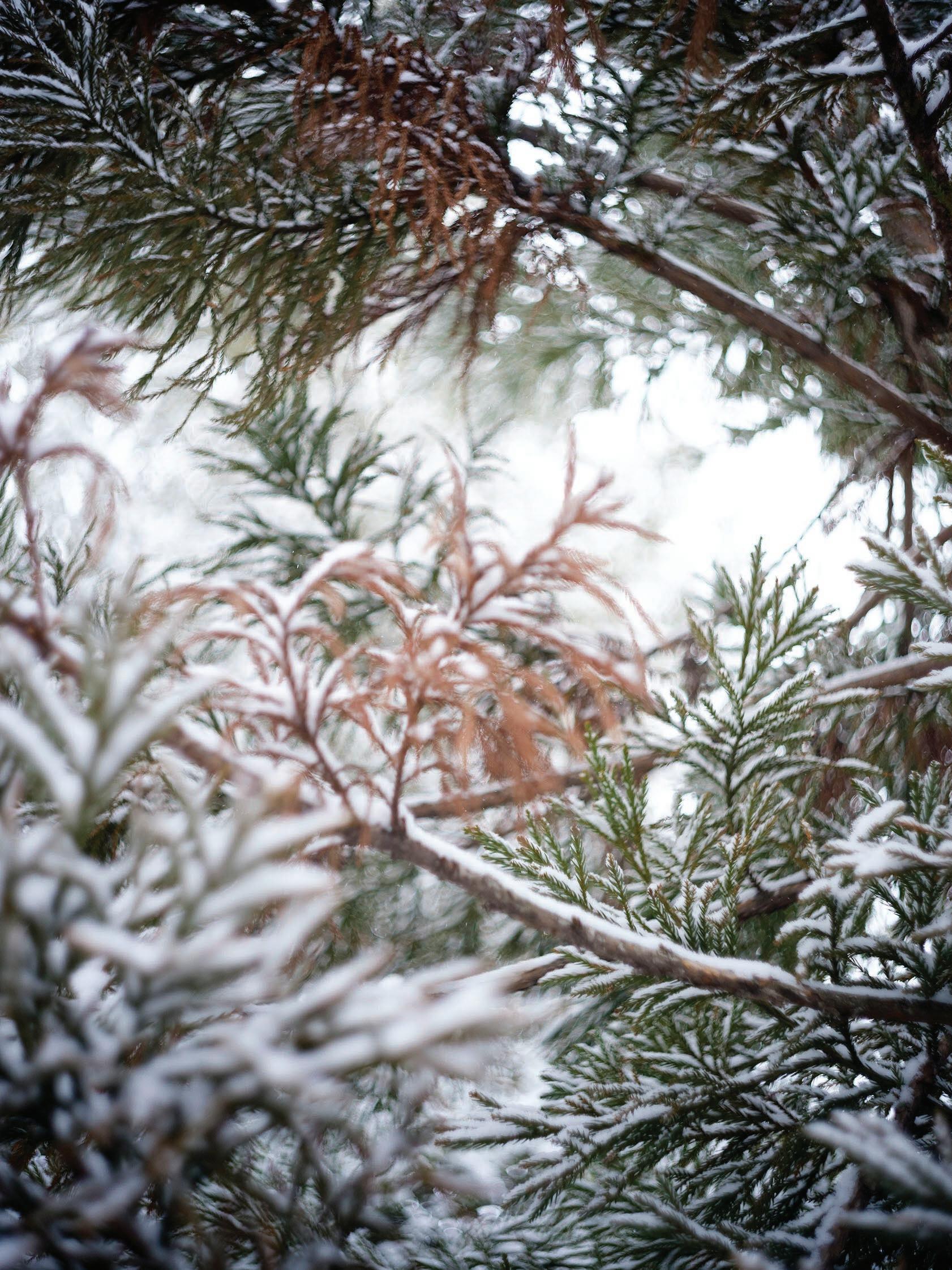
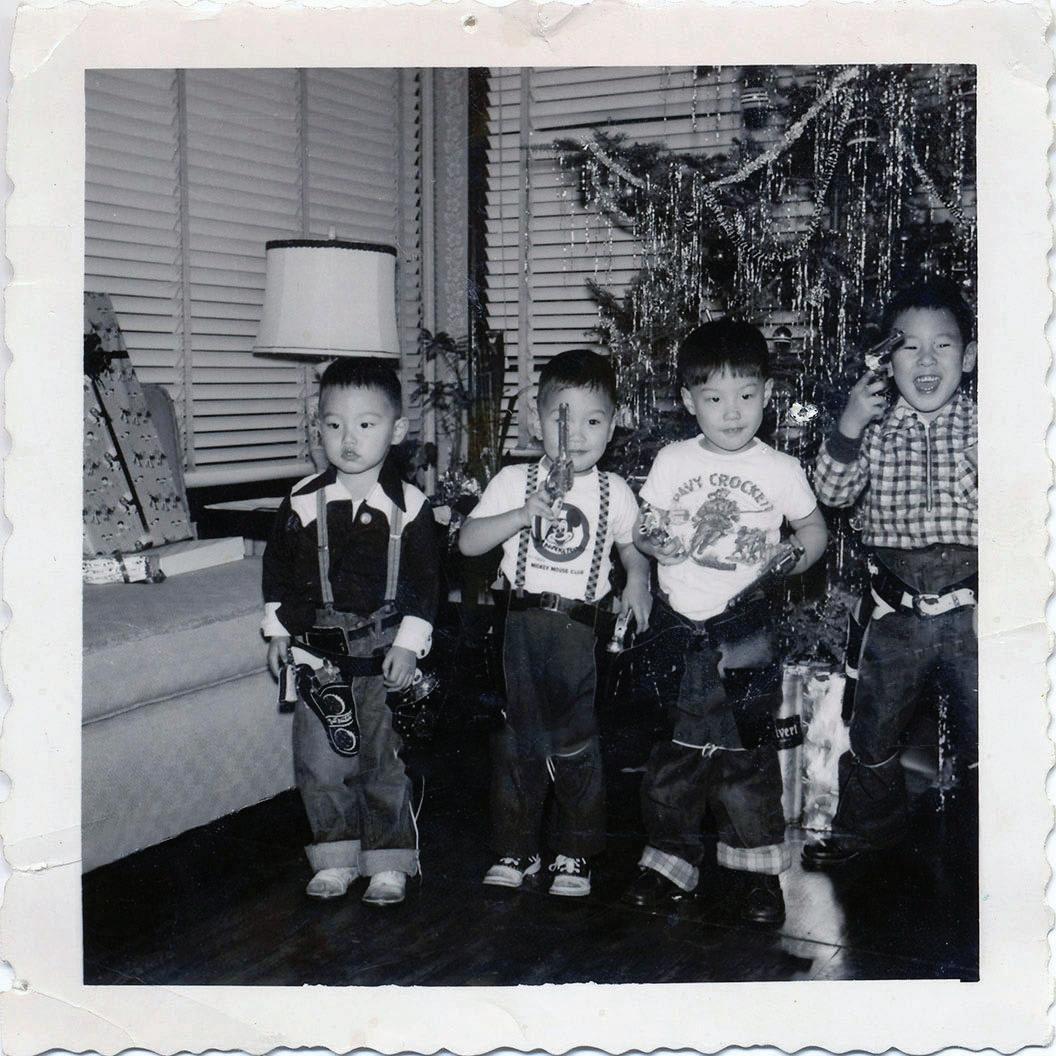
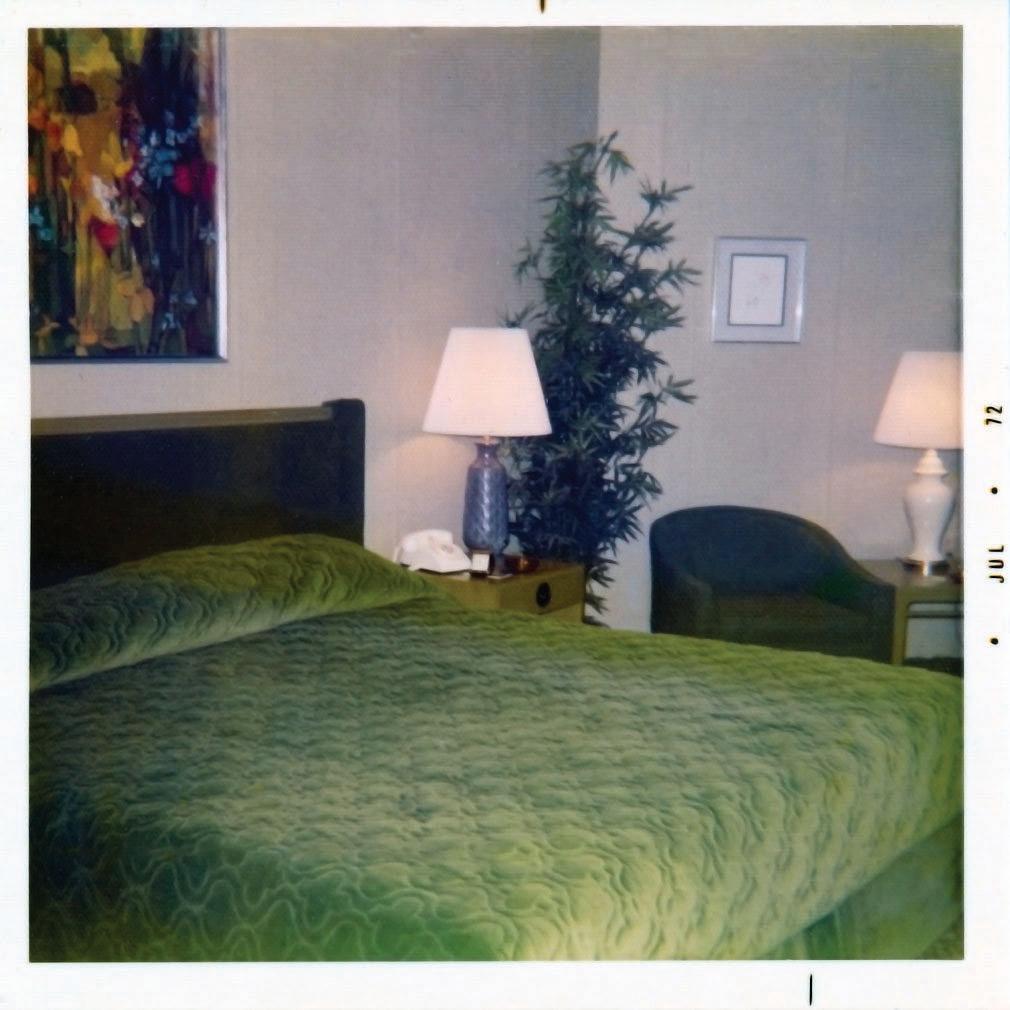
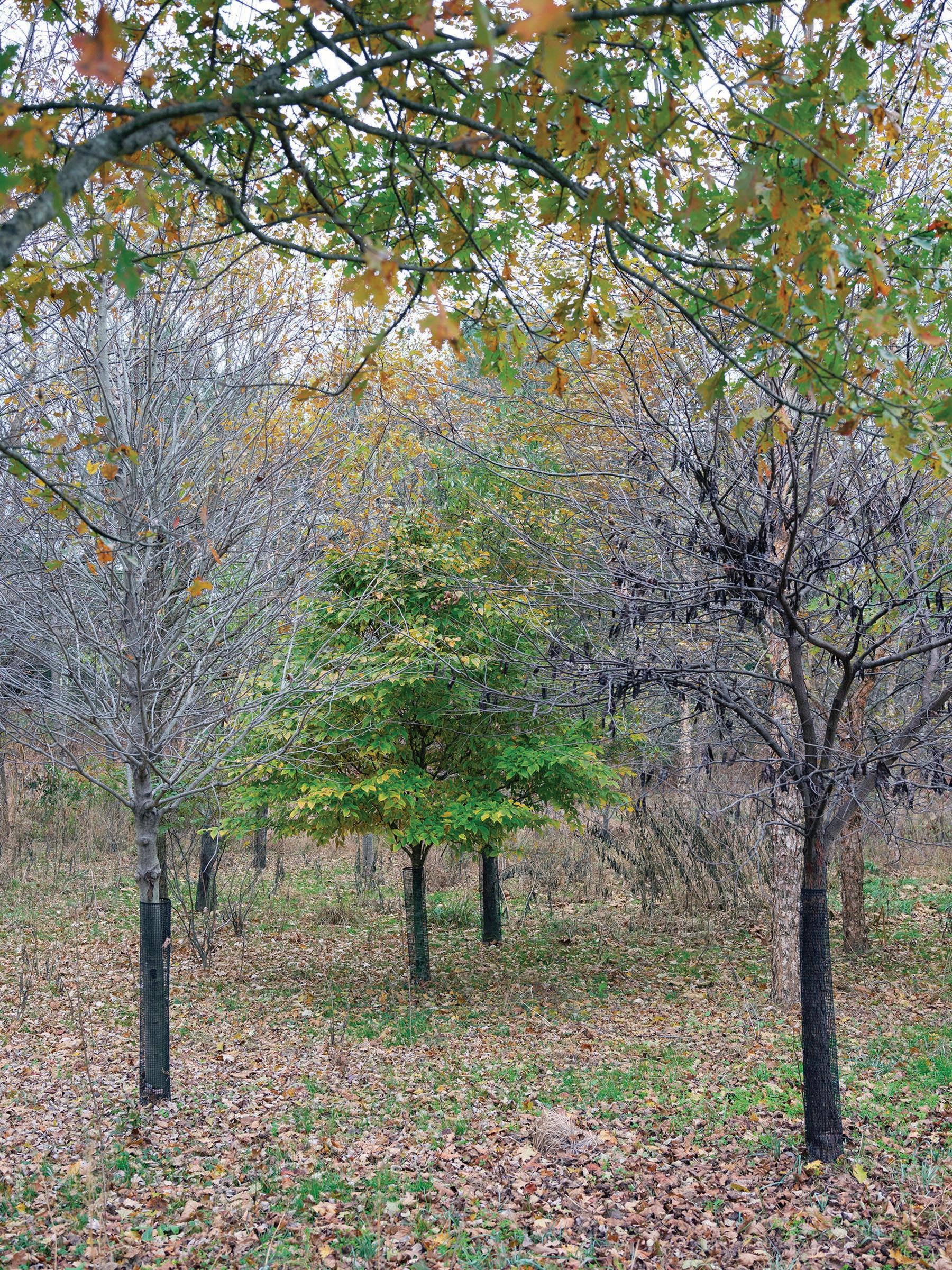
Hotel room during Jack and Mary Sakai’s road trip west, July 1972
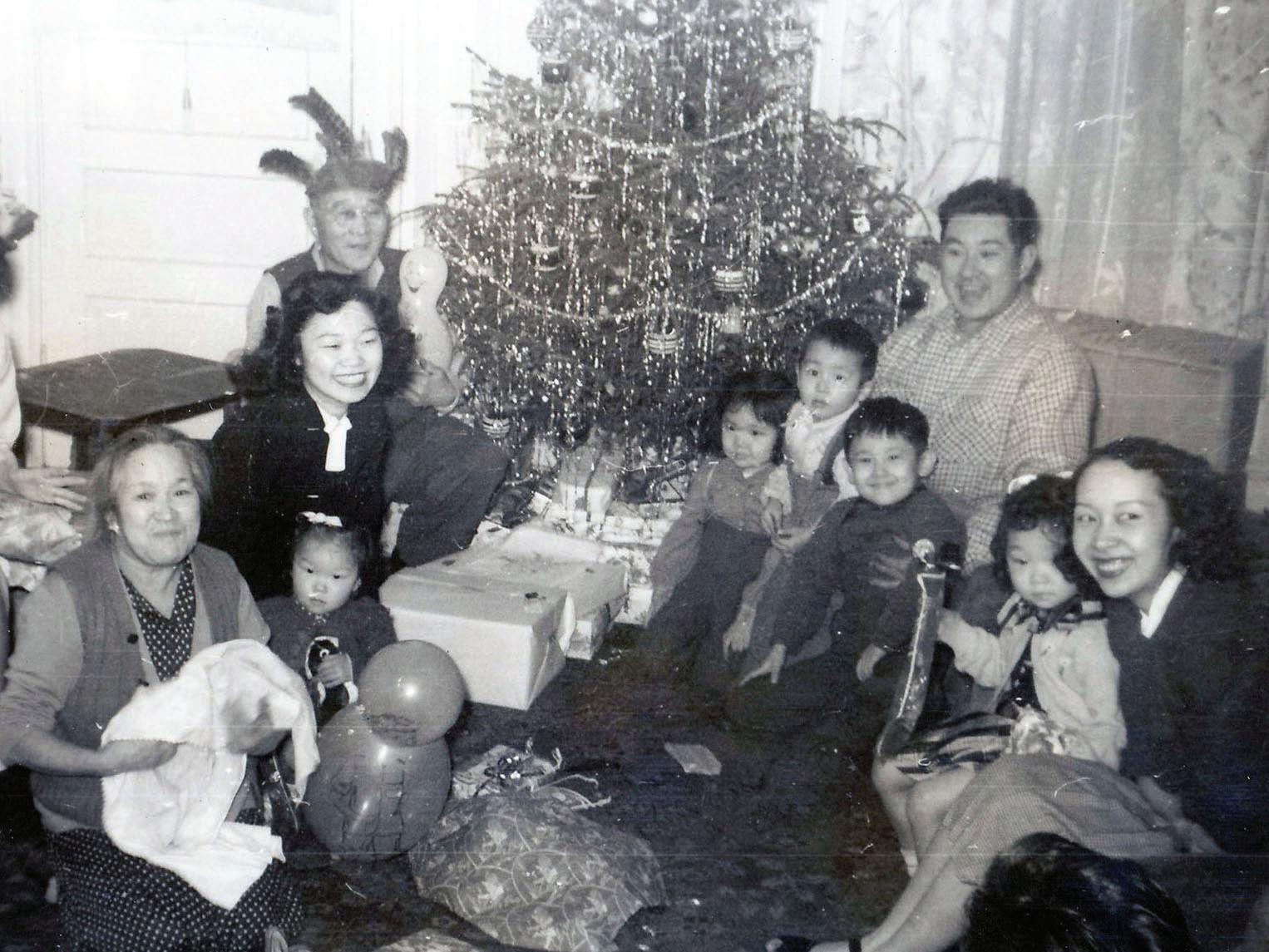
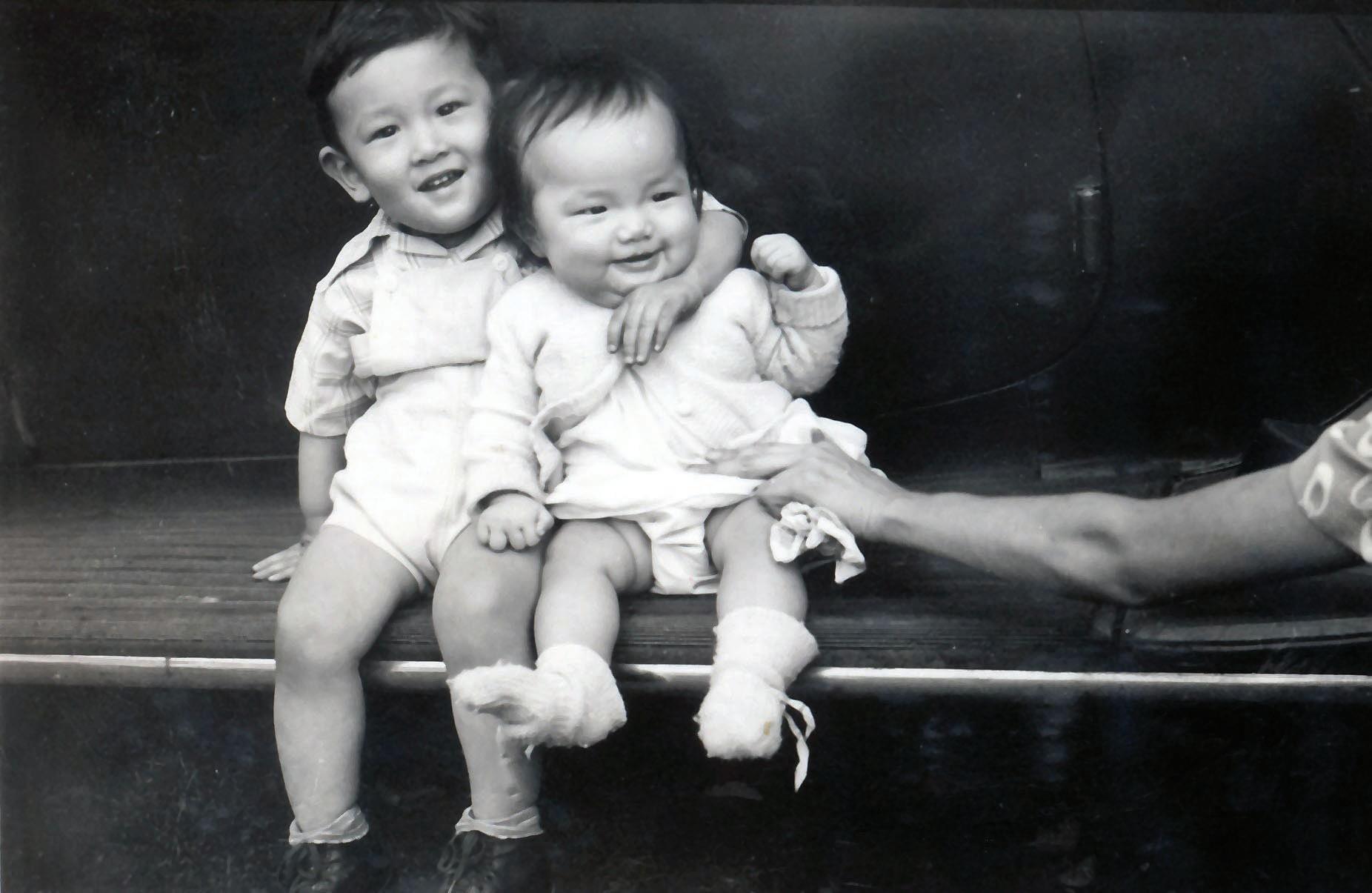
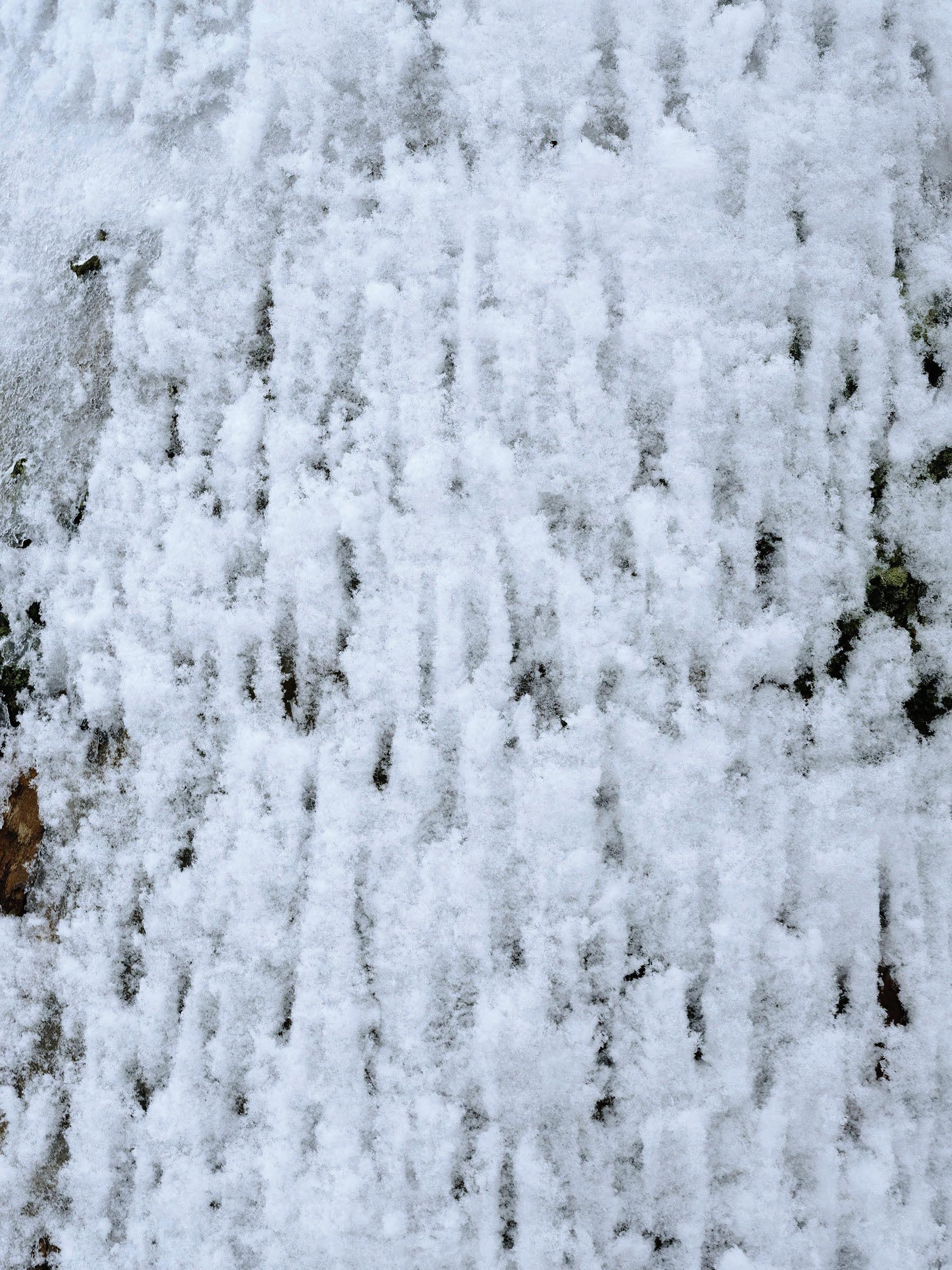
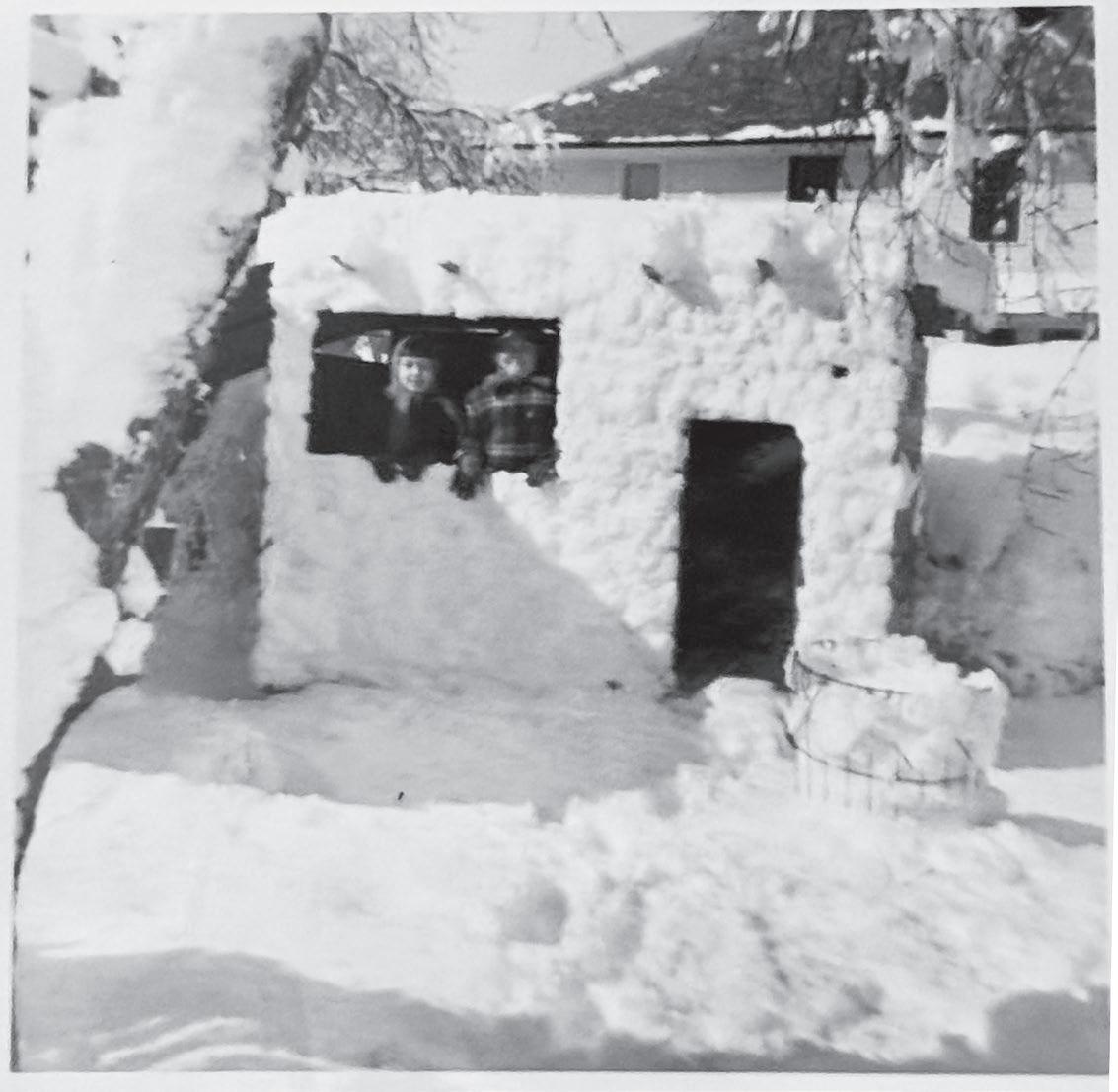
Aunt Gayle and Uncle Larry Sakai in a snowstorm, Lakewood, Ohio, c. 1950s
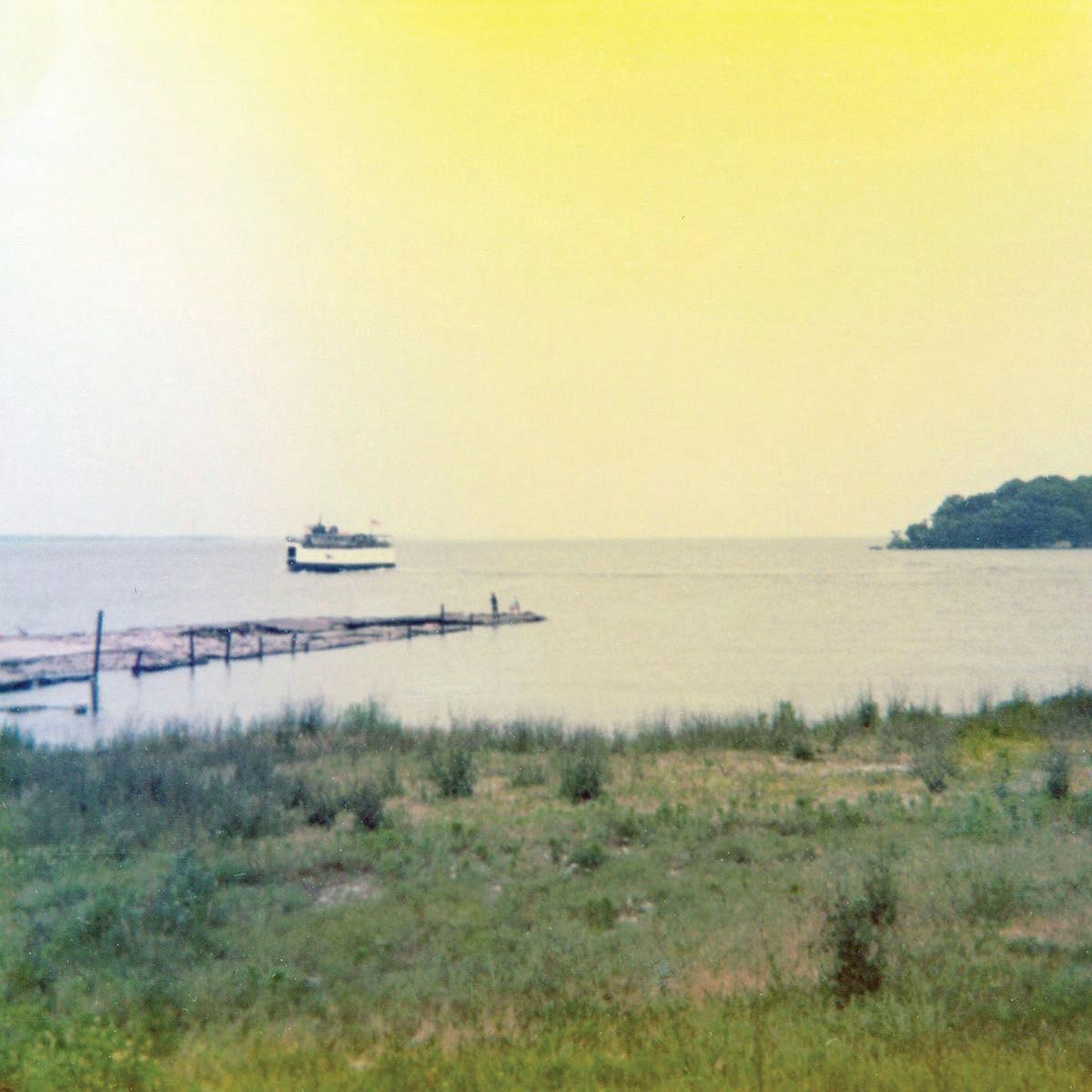
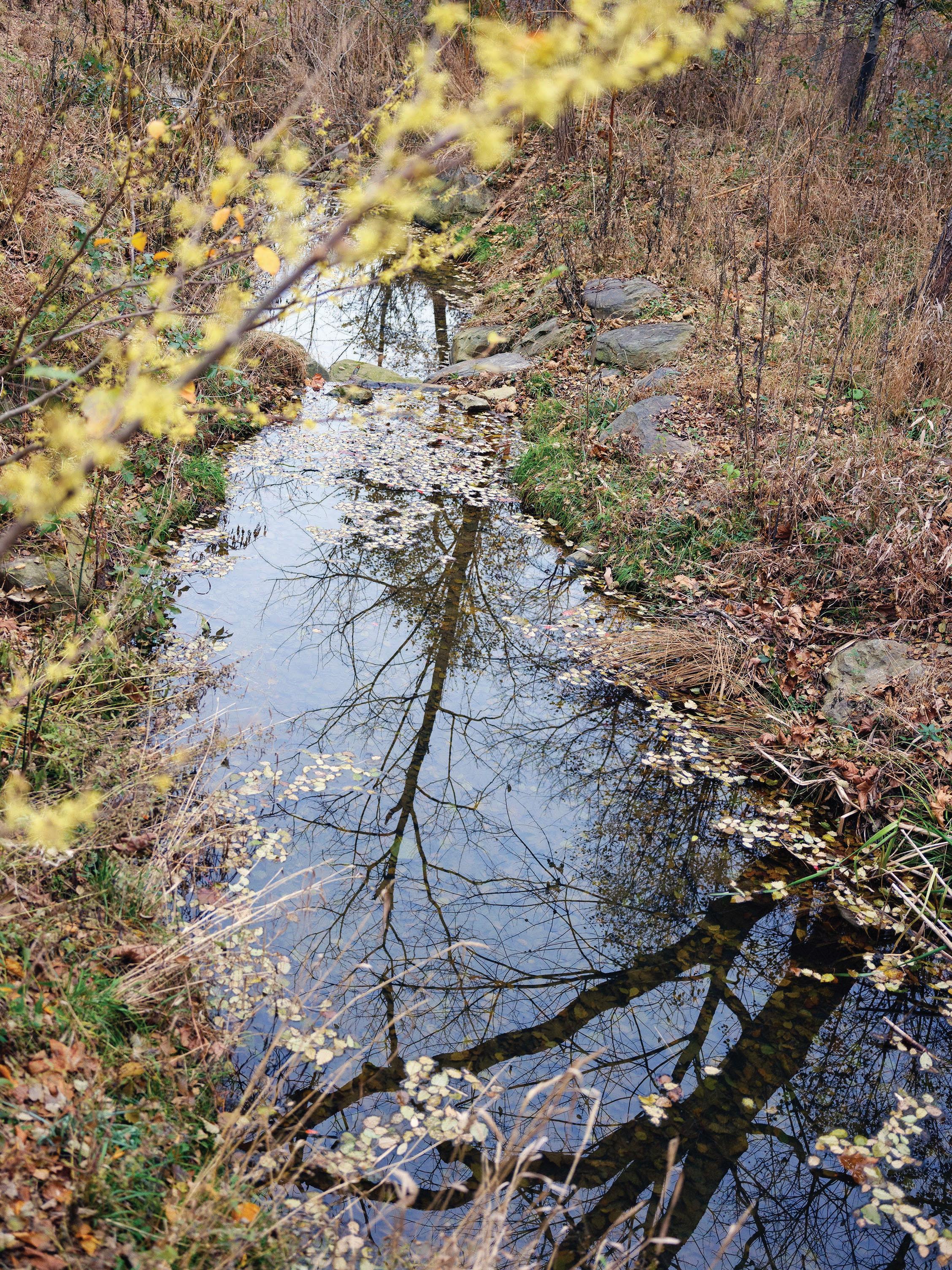
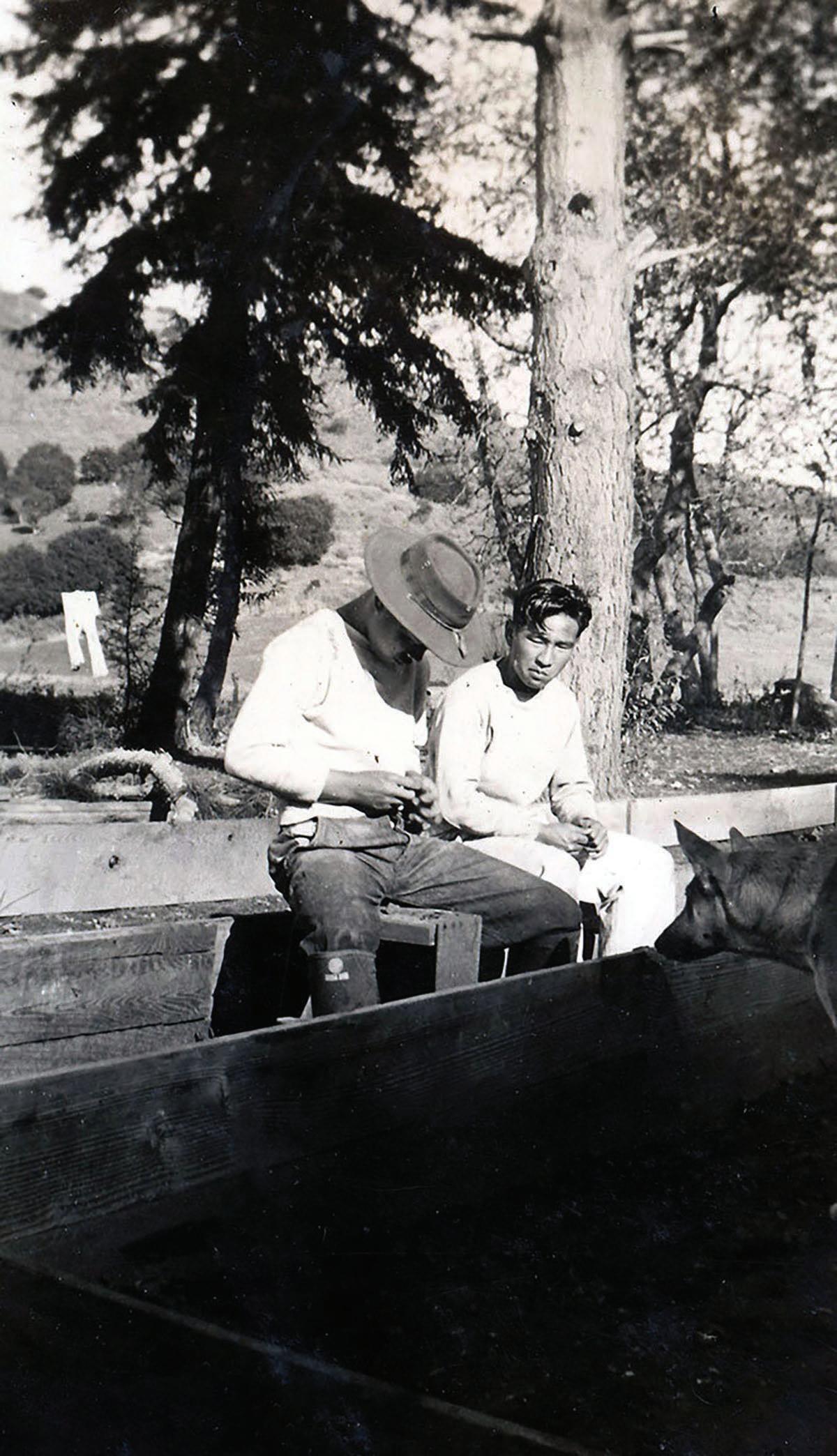
Sakai great-uncles on the family farm, pre-WWII
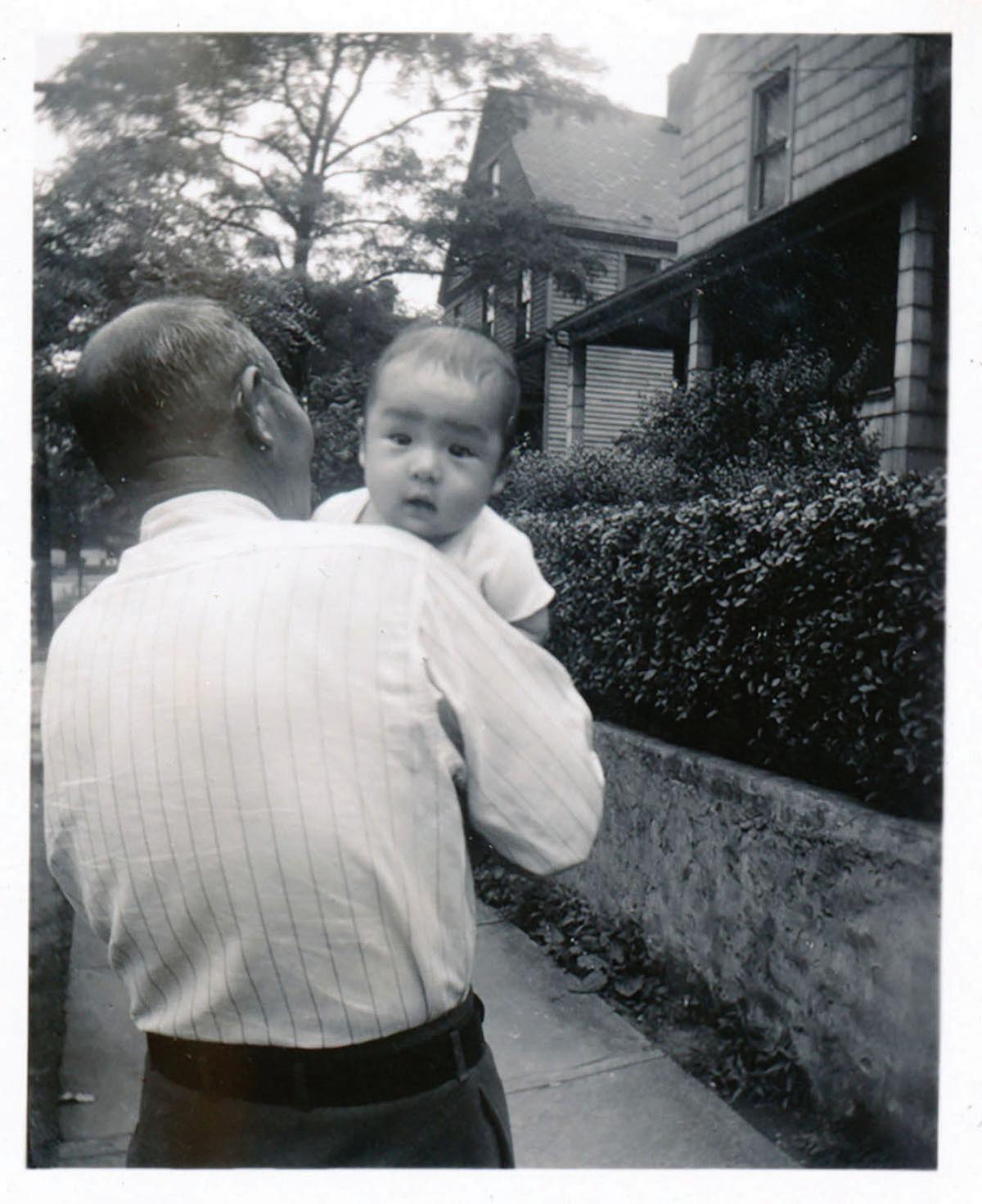
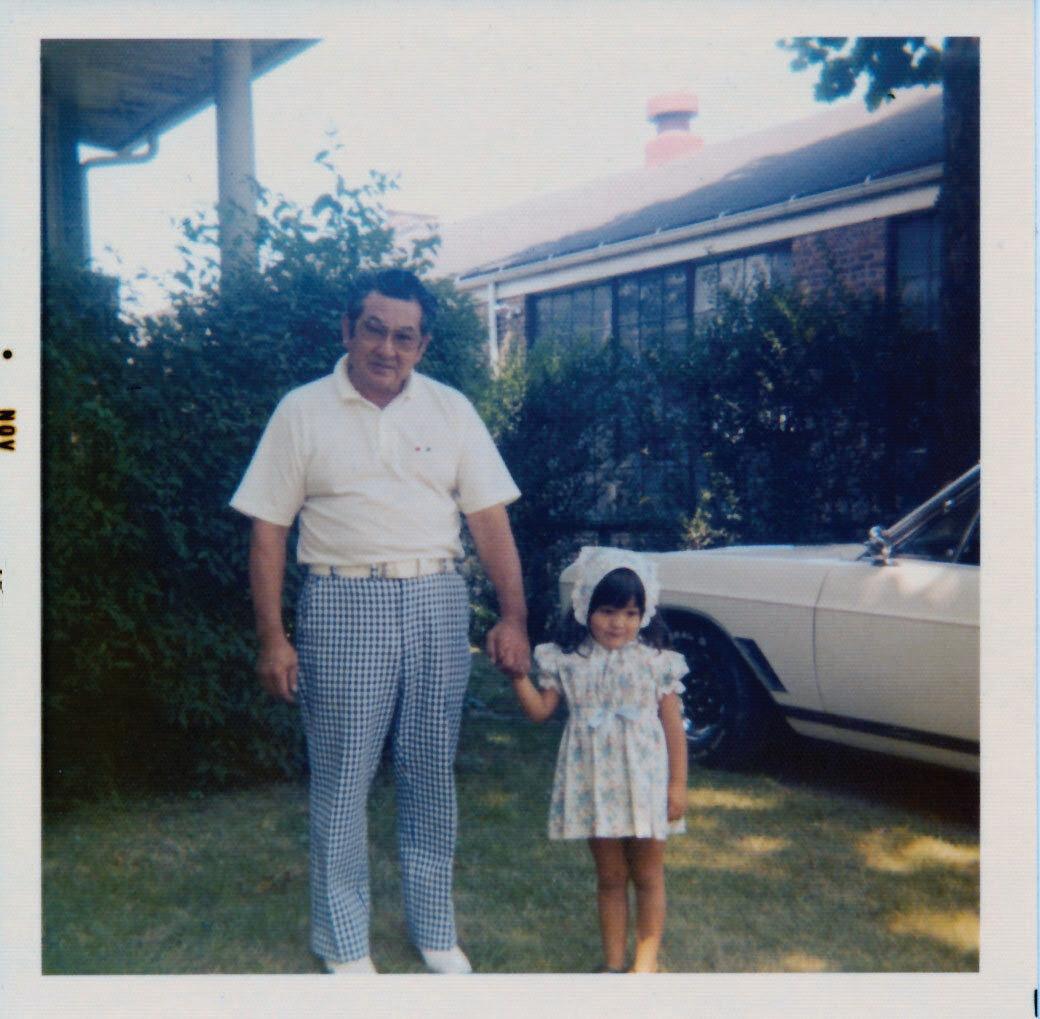
Right: Artist with her grandfather in front of her grandparents’ Lakewood, Ohio home, where they lived for 52 years.
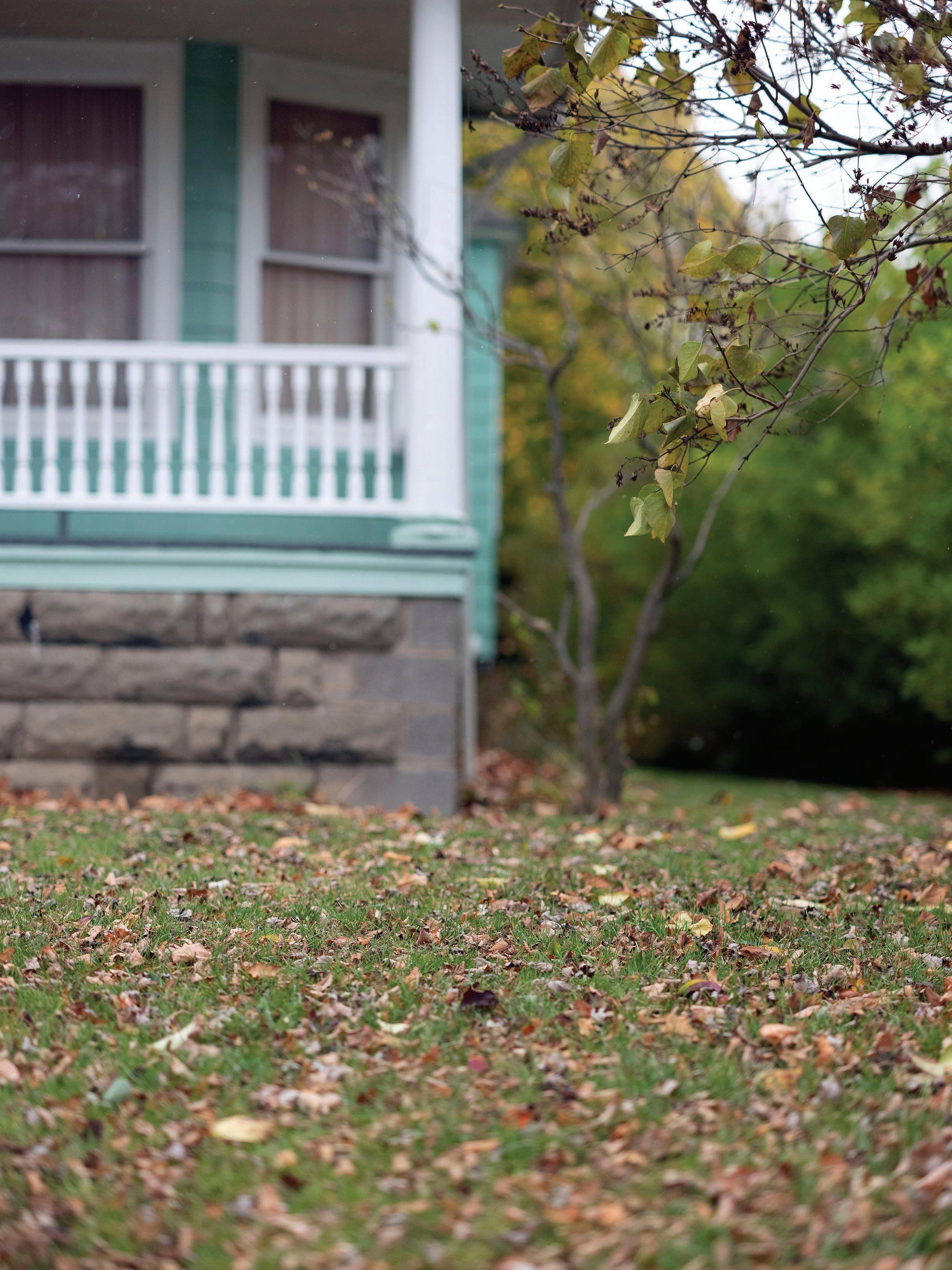
Left: The home as it stands now, painted by the last owner and currently unoccupied
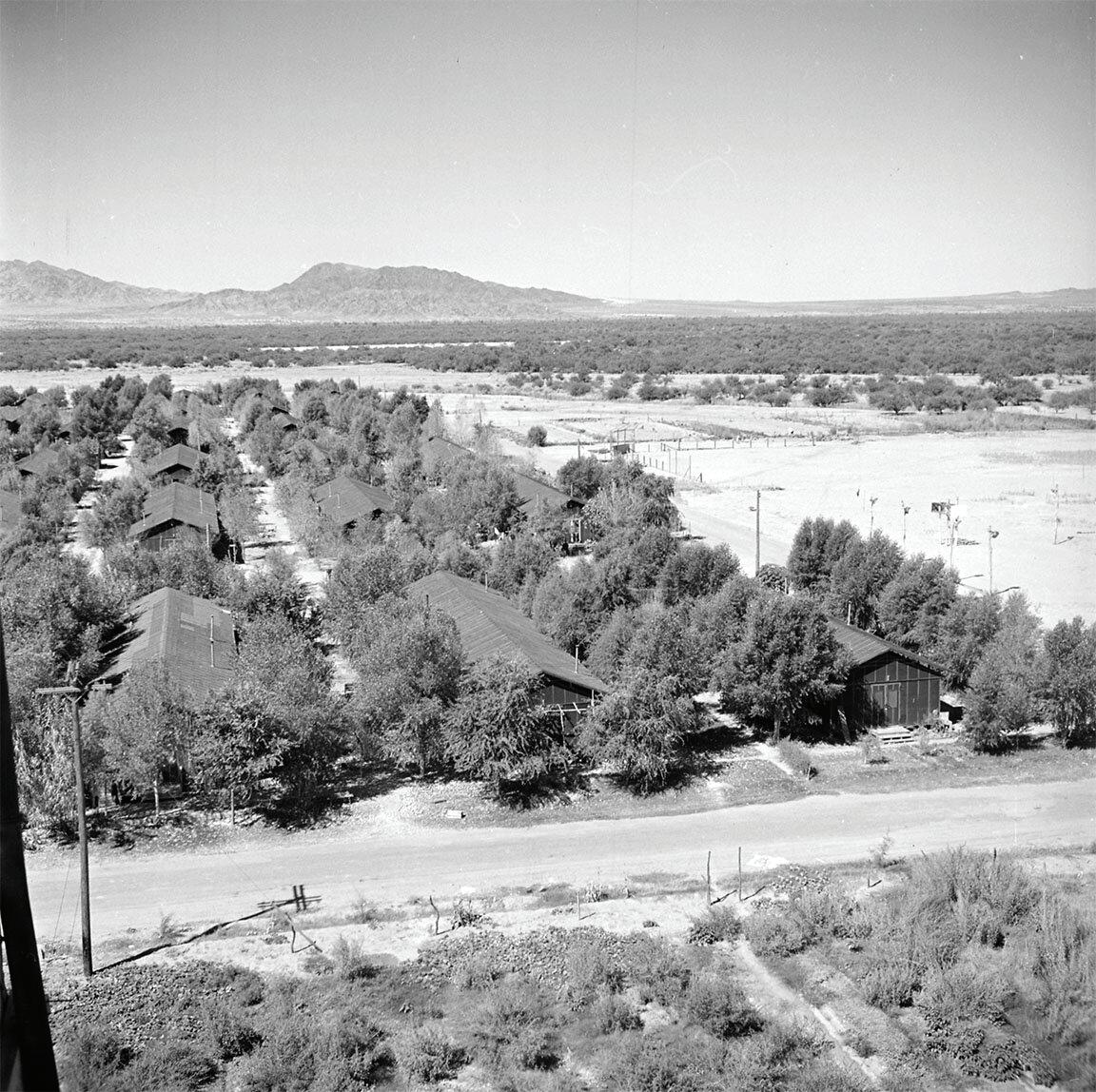
U.S. government photograph of Poston Internment Camp, postwar, overgrown, National Archives
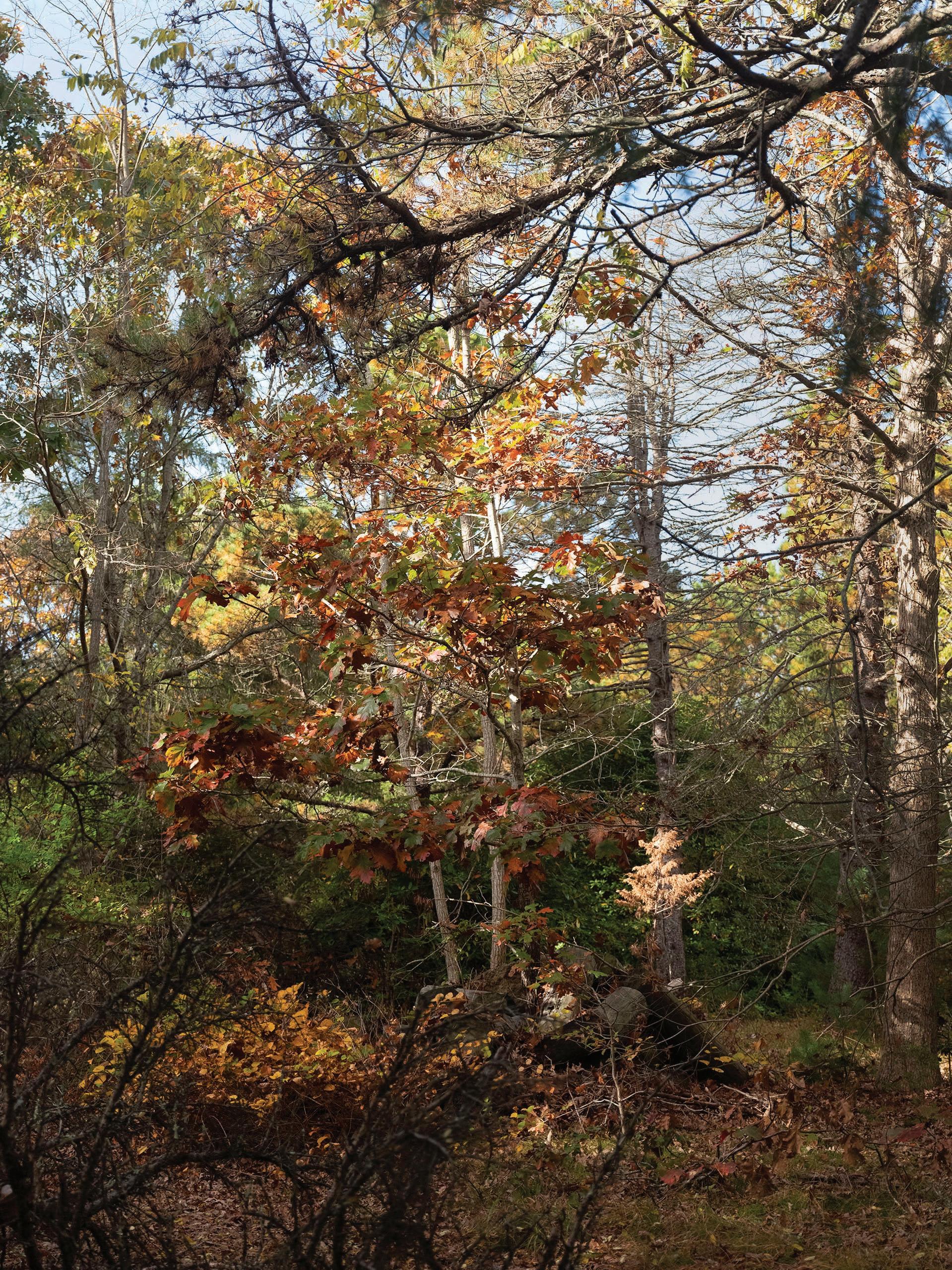
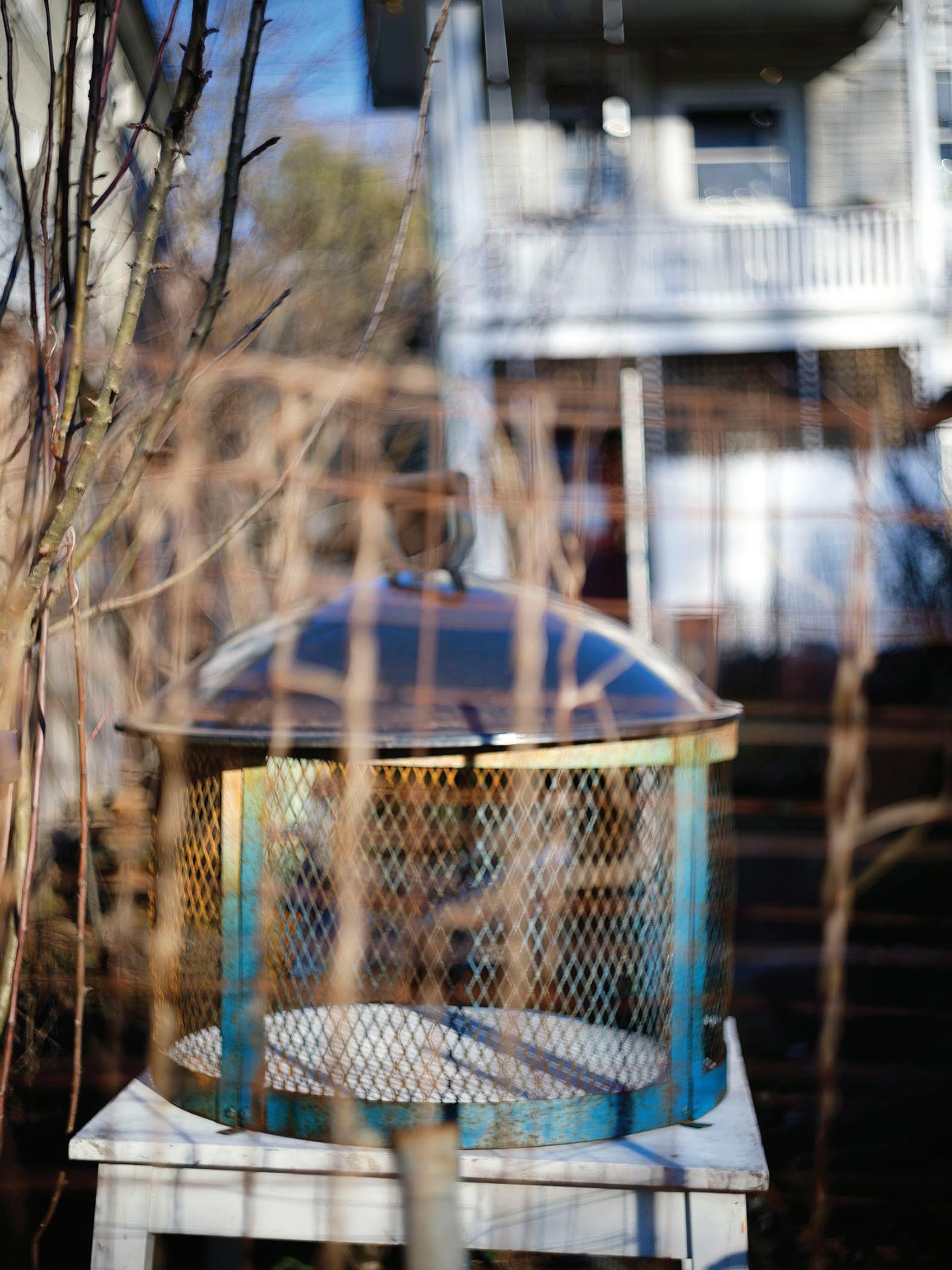
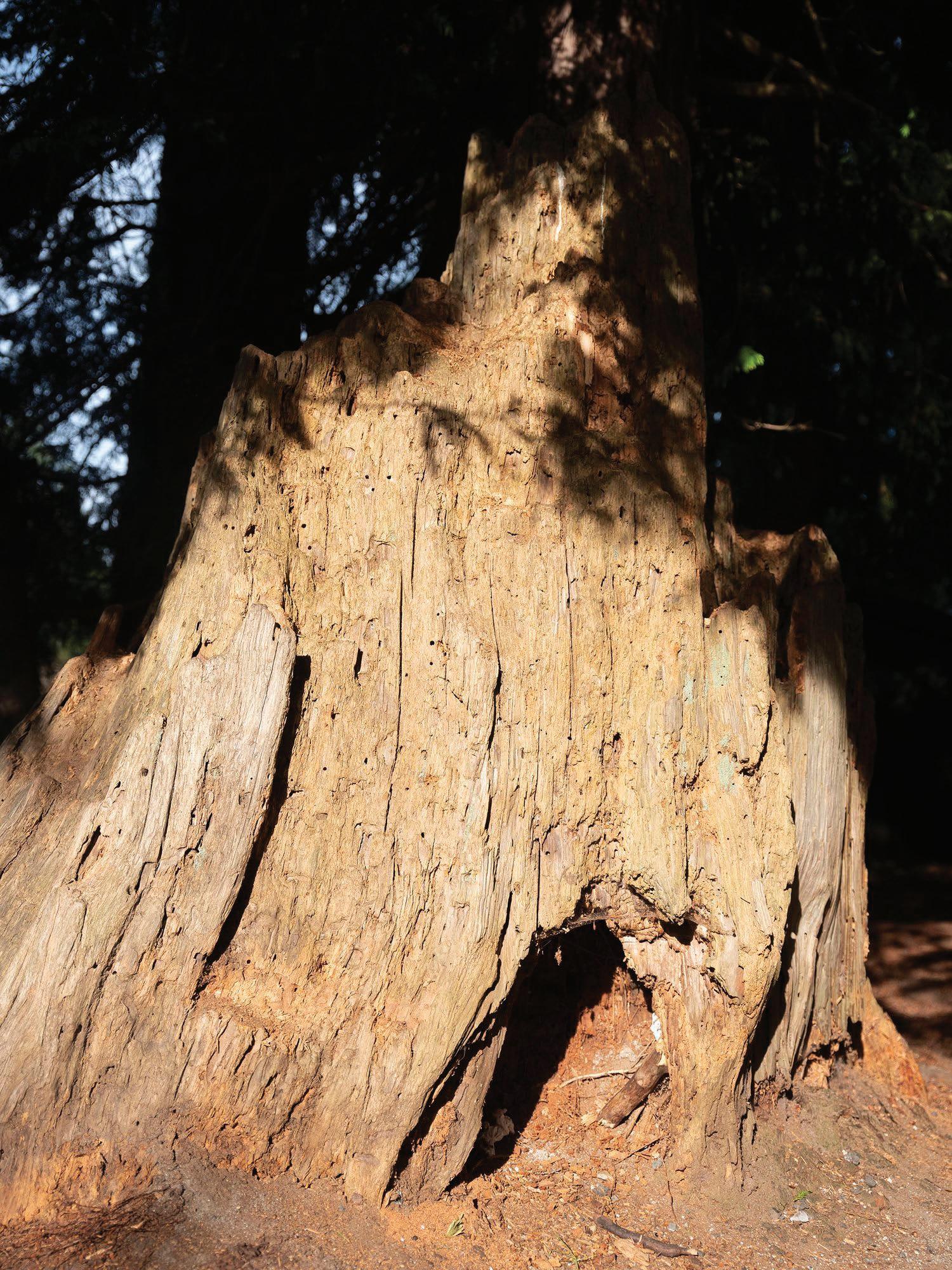
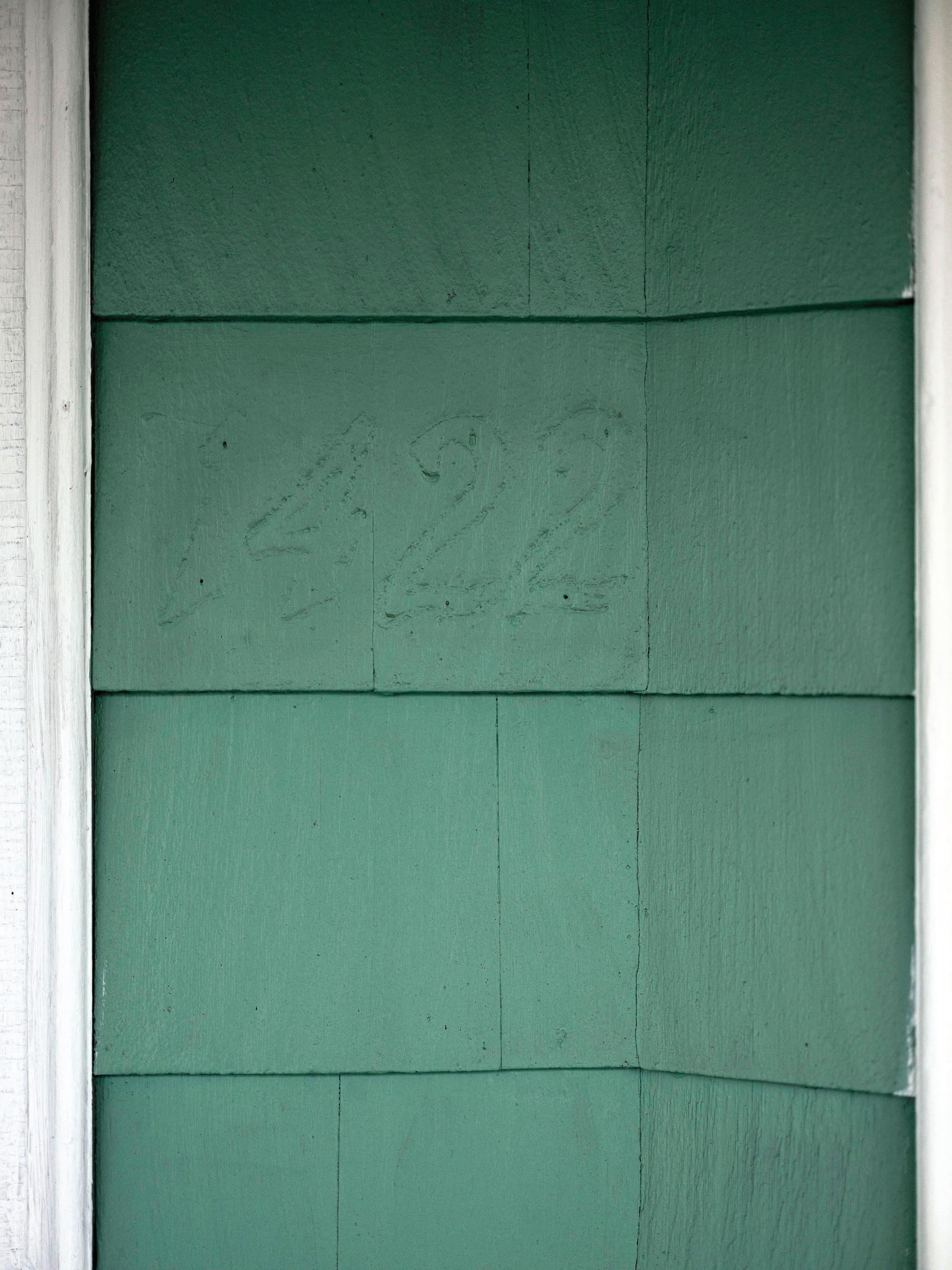
1422 Wayne Avenue, Lakewood, Ohio, Sakai family home of 52 years, now vacant