
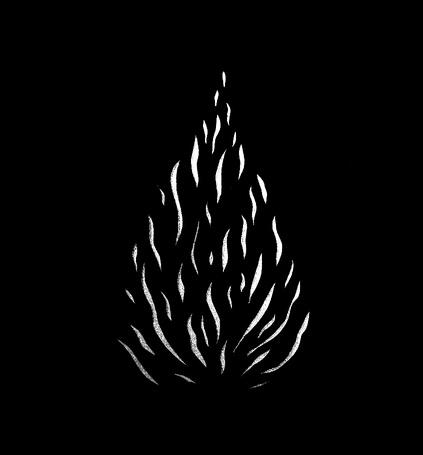

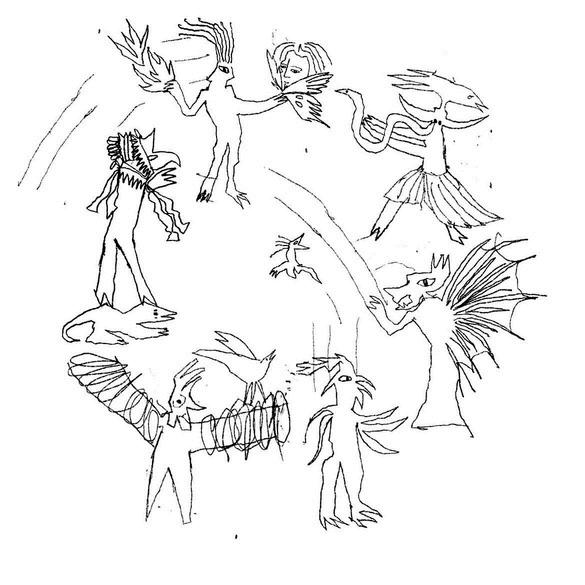
On August 1523, Margherita was accused of witchcraft and burned alive. Centuries later, her presence still echoes.



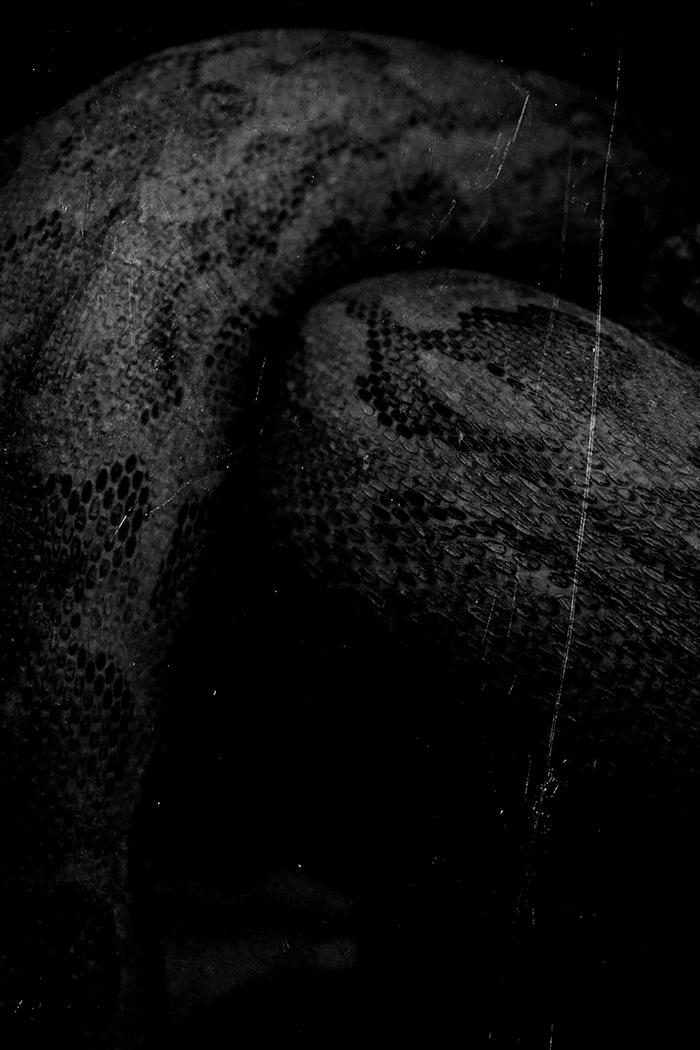
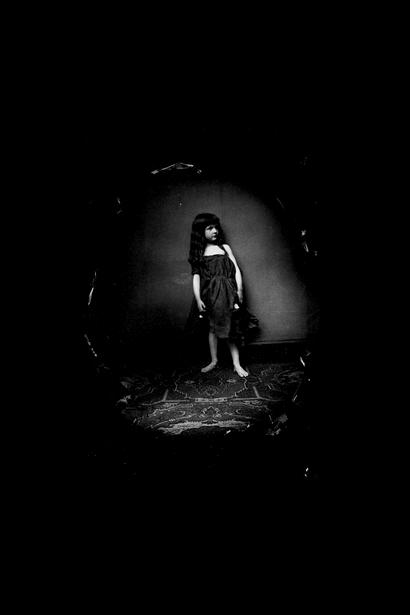
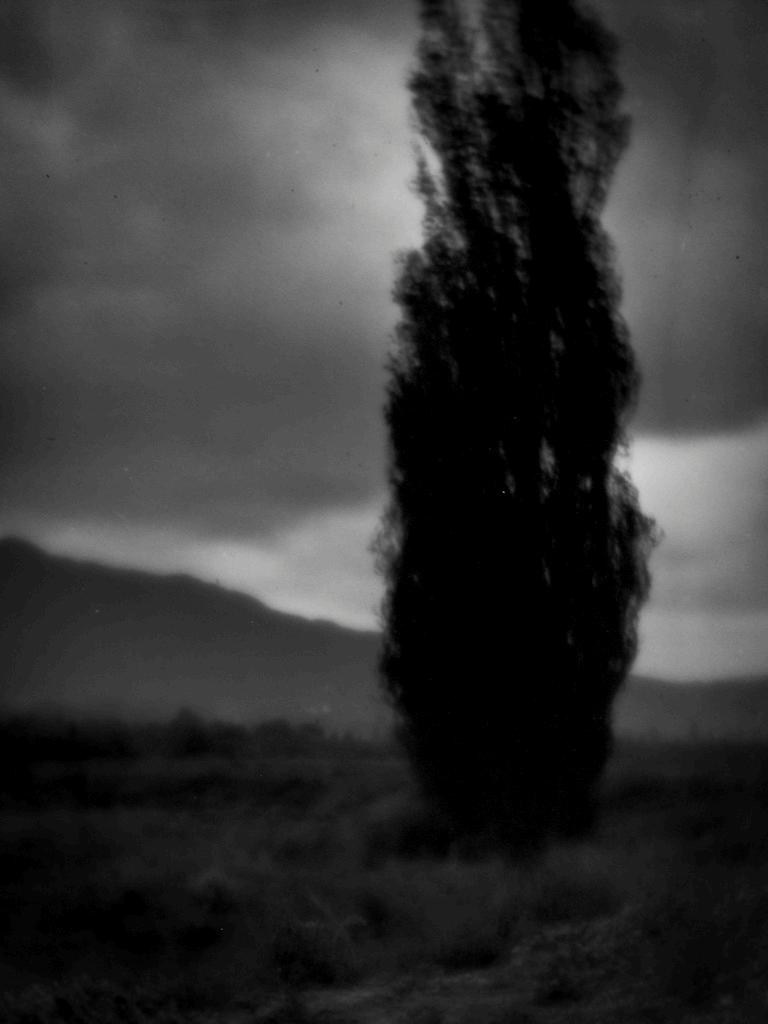
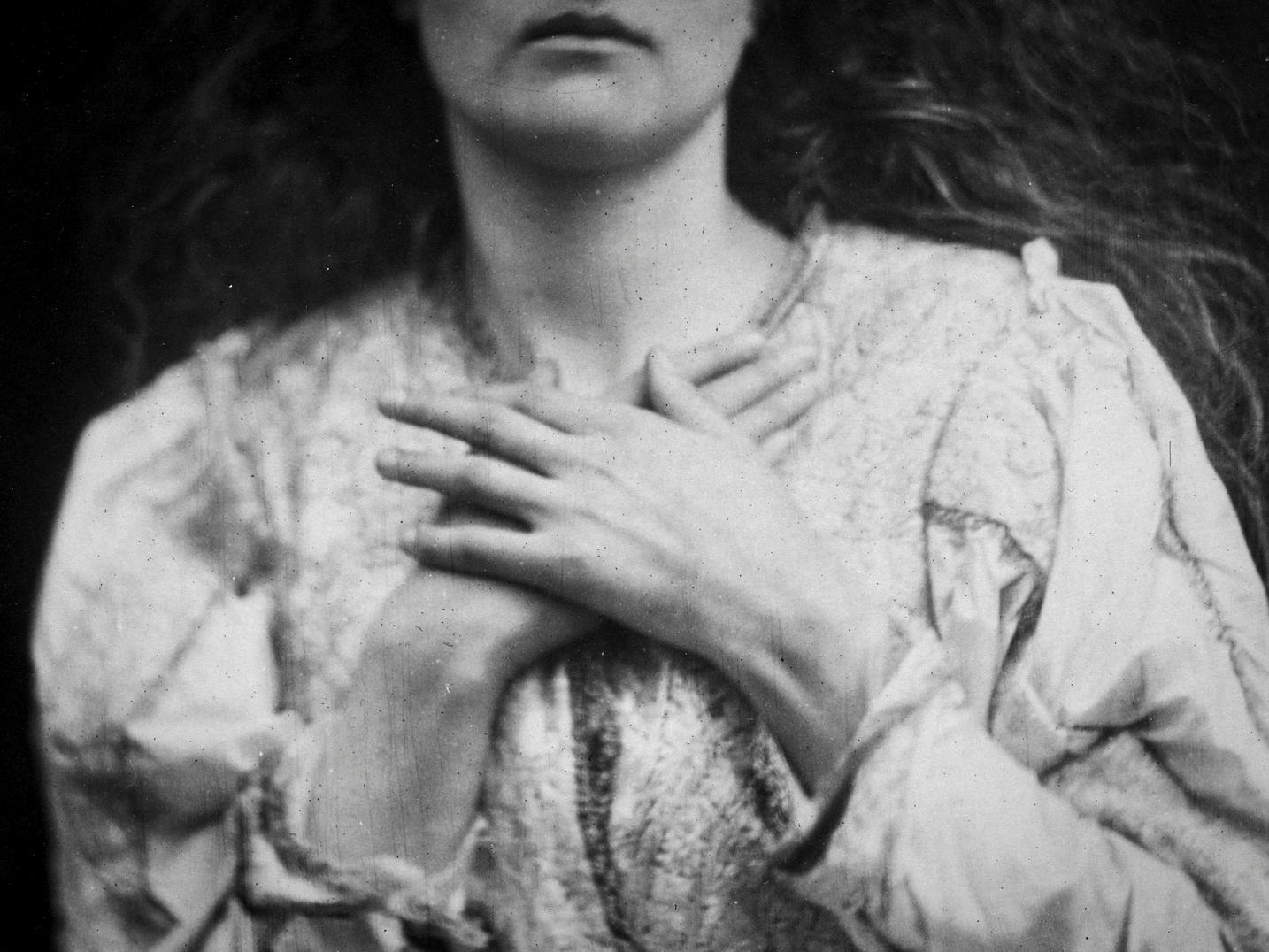



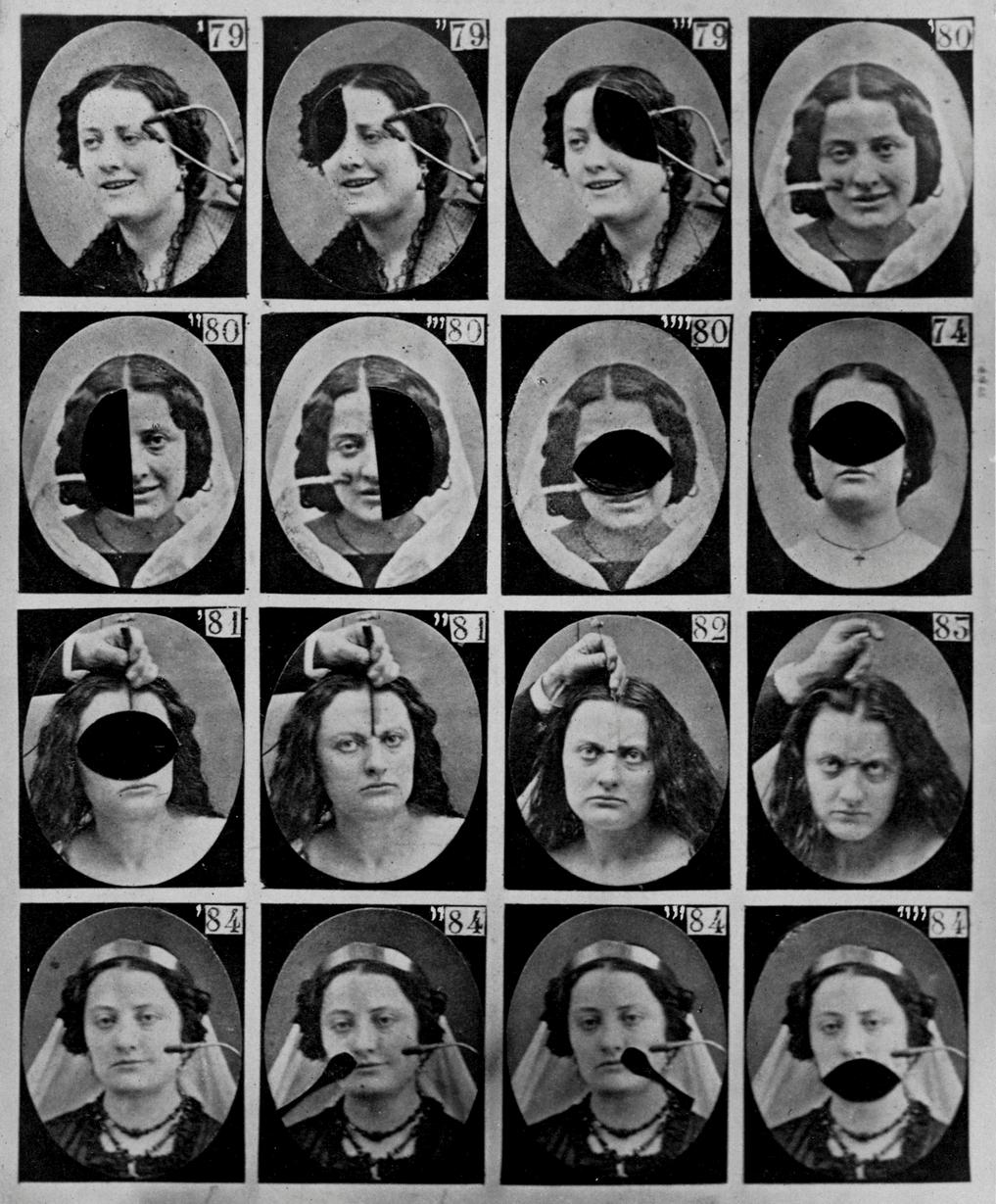
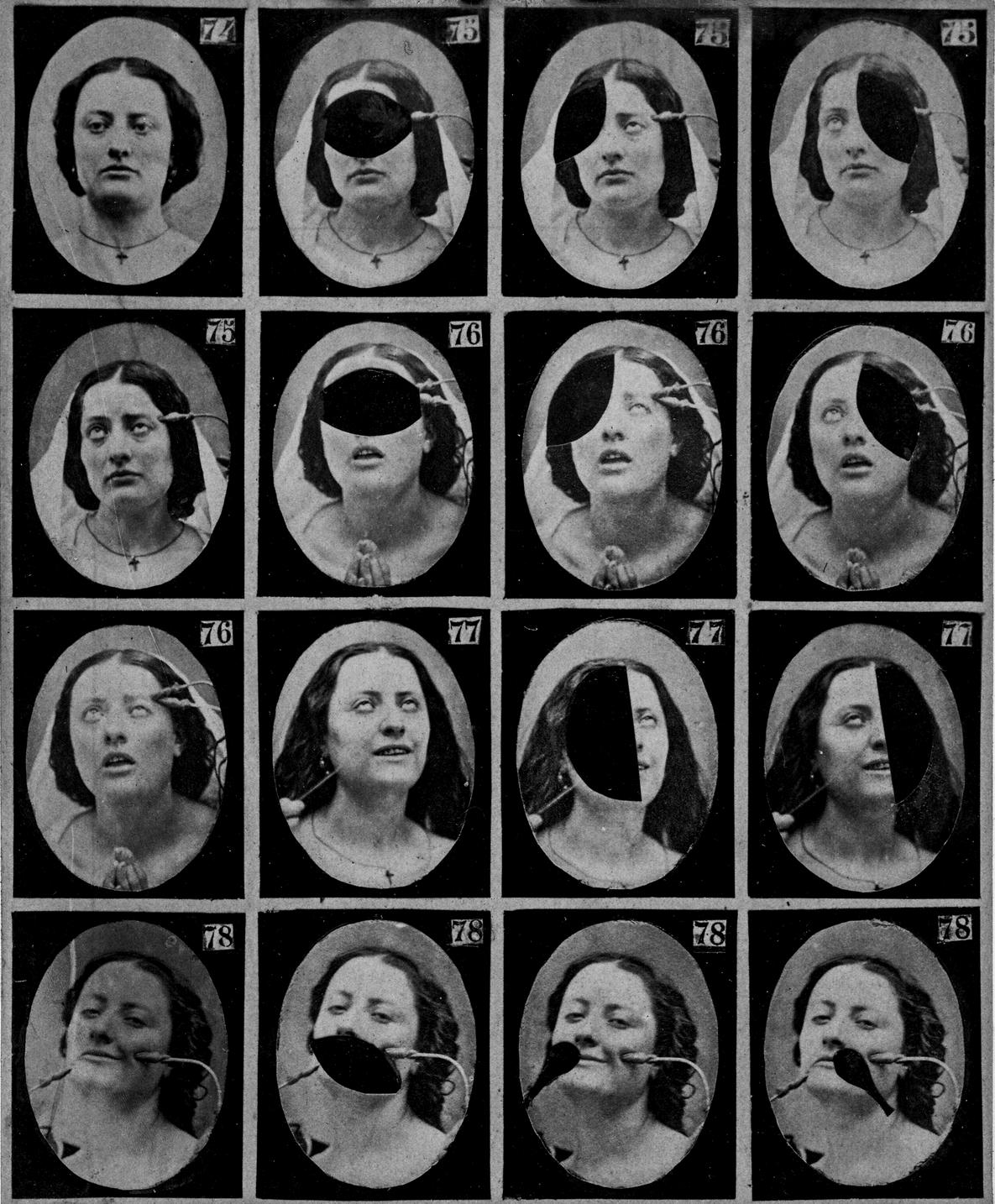
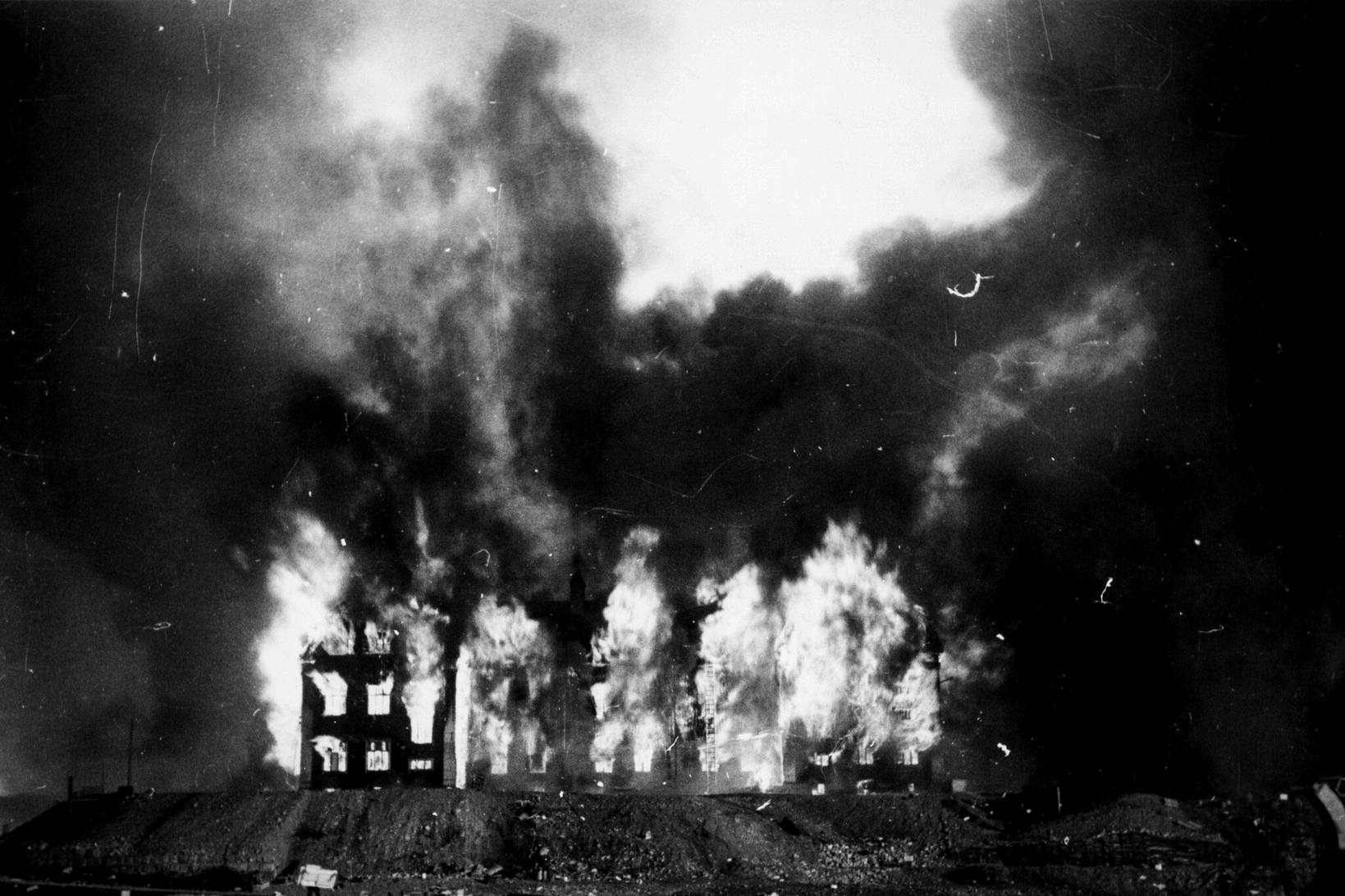

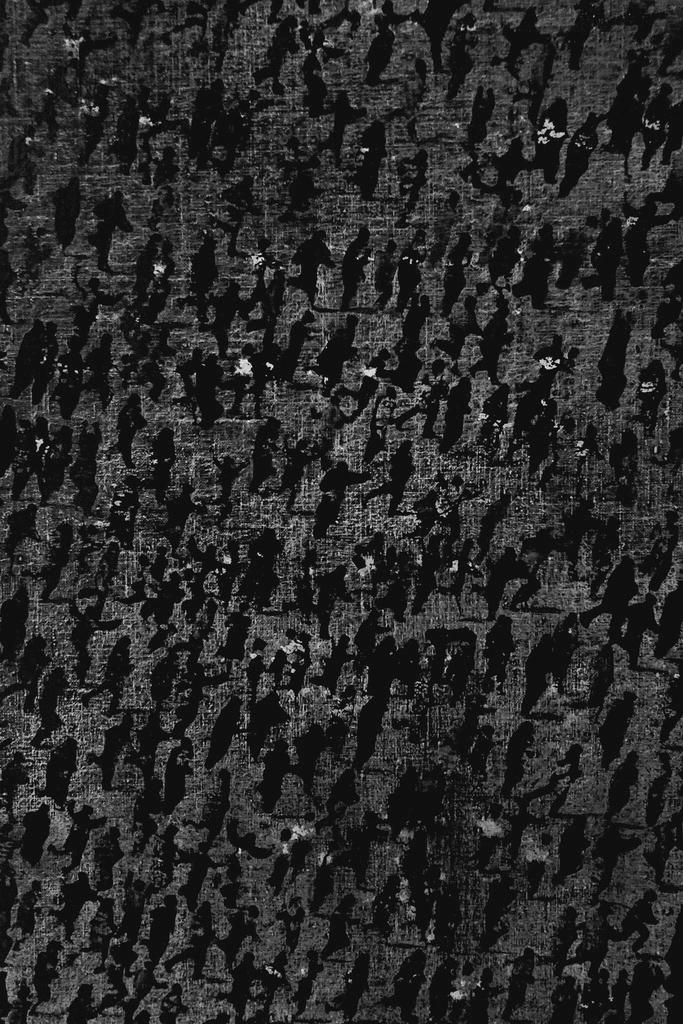

PRESENCE
ALESSANDRO SILVERJ
On August 29, 1523, Margherita, known as Madregna, was accused of witchcraft. Tortured with rope, she confessed to practicing sorcery and attending a sabbath. She was condemned and burned alive at the stake. Her property was seized and redistributed according to Inquisitorial customs. Centuries later, her voice still echoes. Between the 15th and 18th centuries, fear and superstition took root across Europe, fueling the systematic persecution we now call the witch hunts. These were not isolated moments of hysteria, but sustained campaigns rooted in political, religious, and social control.
The main targets were women, midwives, healers, widows, the poor, those who defied the roles assigned to them. Accusations could arise from almost nothing: a fever, a failed harvest, a neighbor’s envy.
Folk rituals, knowledge of plants, or even physical traits became evidence of a pact with the devil. Witchcraft was the name given to any form of female autonomy. The Inquisition and civil tribunals developed legal systems to prosecute these so-called witches.
Torture was used to extract confessions confirming a worldview that needed enemies.
Manuals like the Malleus Maleficarum shaped both ideology and method, legitimizing violence in the name of moral order.
Though men and children were also accused, nearly two-thirds of those tried were women. Their bodies were inspected for “devil’s marks.”
Their deaths, by fire, hanging, or torture, were meant to serve as public warnings, fear had to be made visible.
The last execution for witchcraft in Europe was that of Anna GOldi, in 1782. But the mechanisms of control persisted. In fascist Italy, women who resisted domestic roles were confined to asylums, labeled “mad,” “malacarne,” or threats to state ethics.
Emotion itself became a pathology.
Even today, the logic of punishment remains. Femicide is the brutal echo of those fires.
Women are still burned alive, symbolically and literally, for refusing submission.
They are killed by partners, ex-partners, family members. The methods have changed, but the meaning has not.
This is not just history, it is legacy and it demands reckoning, not in numbers alone, but in memory, voice, and justice.
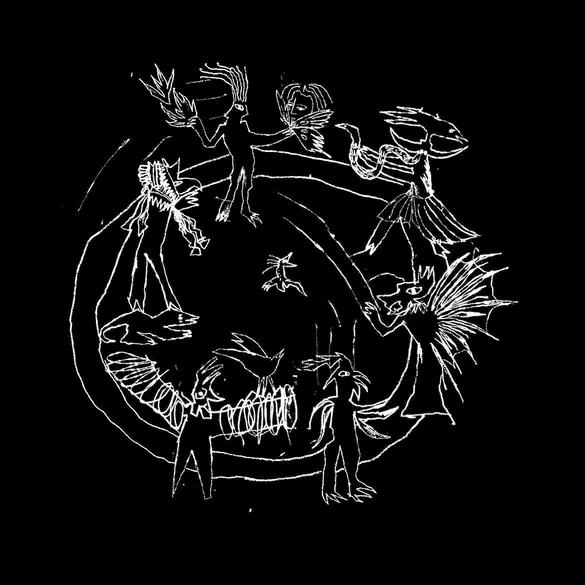
Illustrations
Damla Noyan
Essay Alessandro Silverj
Printing lalegatoria
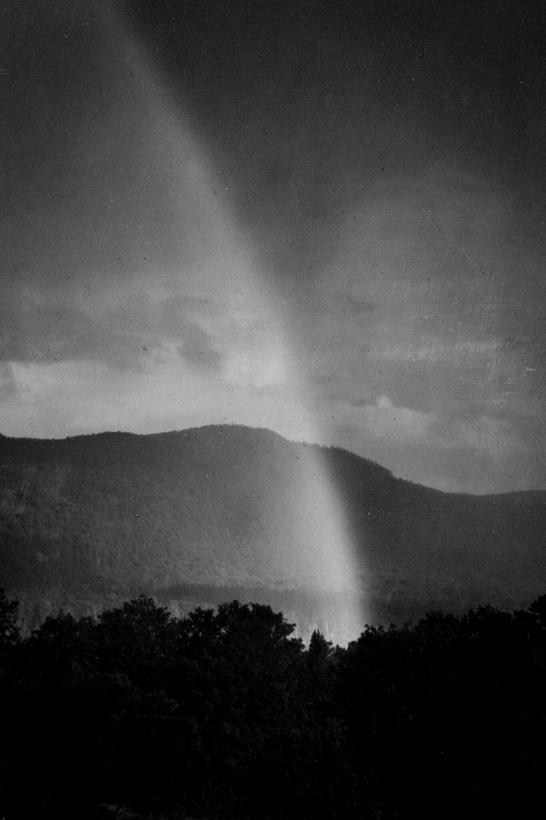
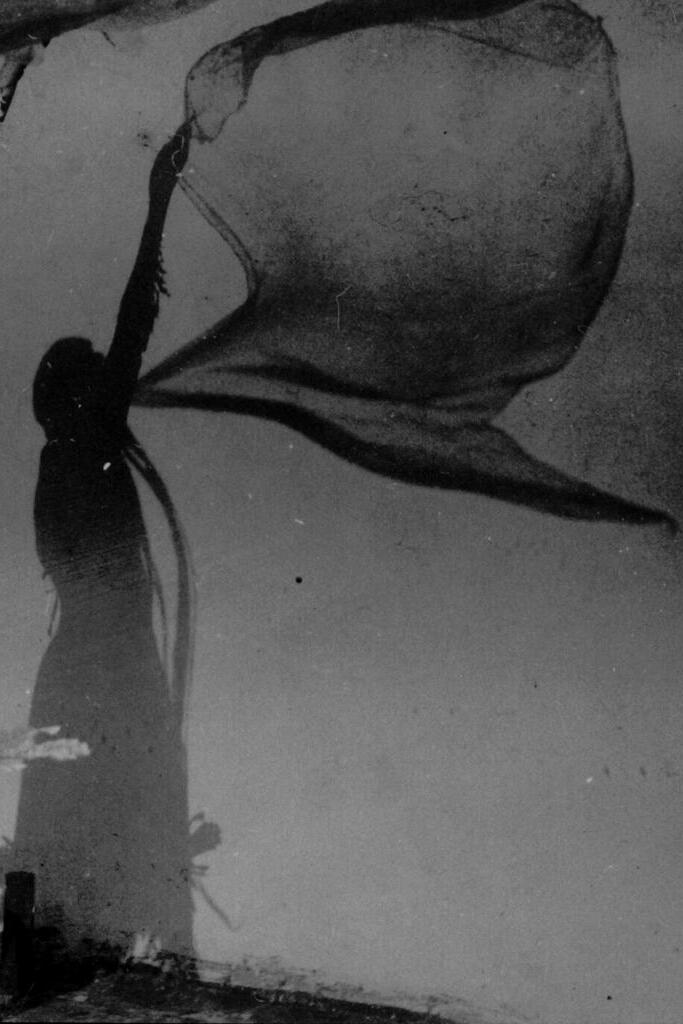
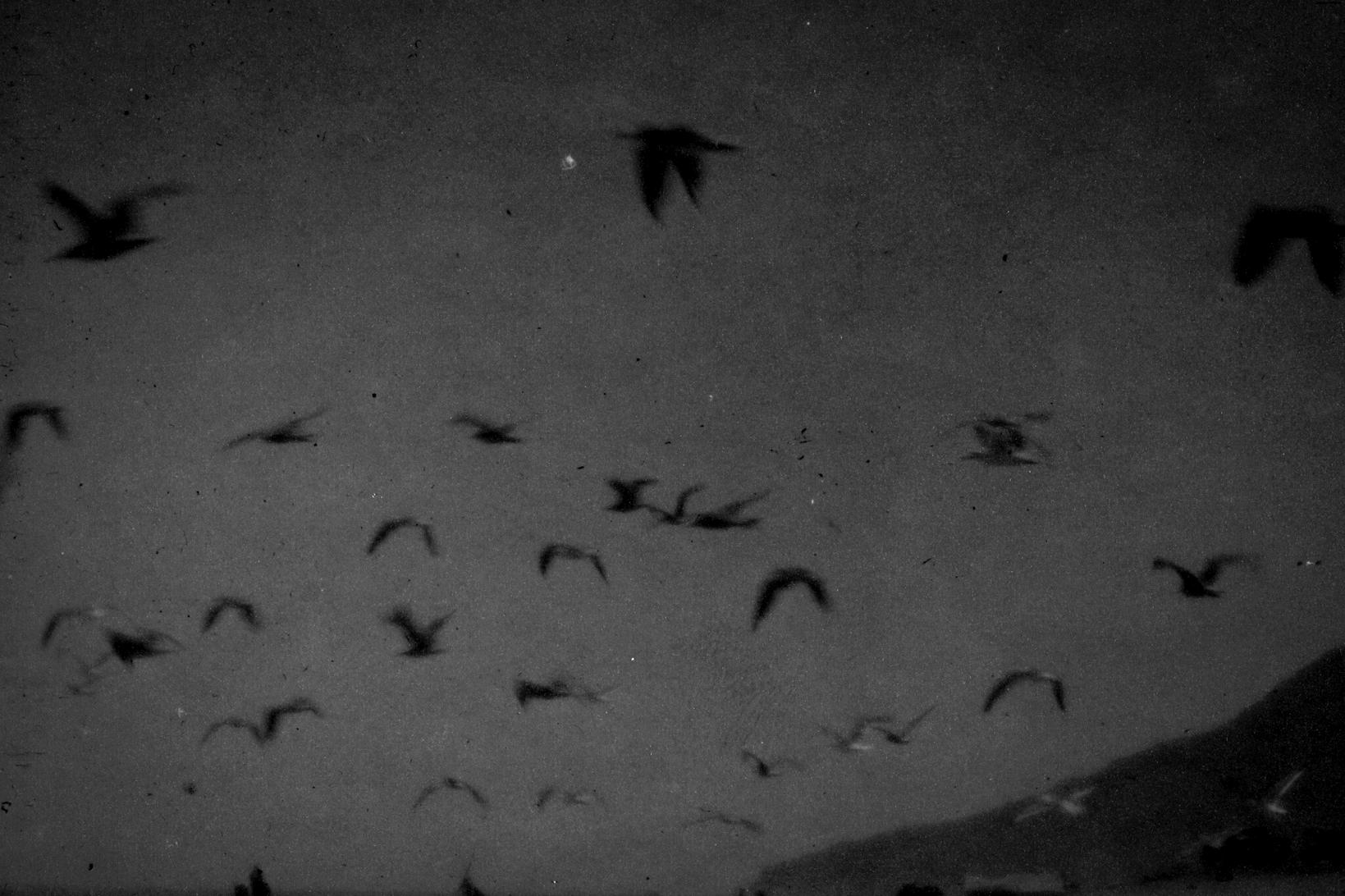
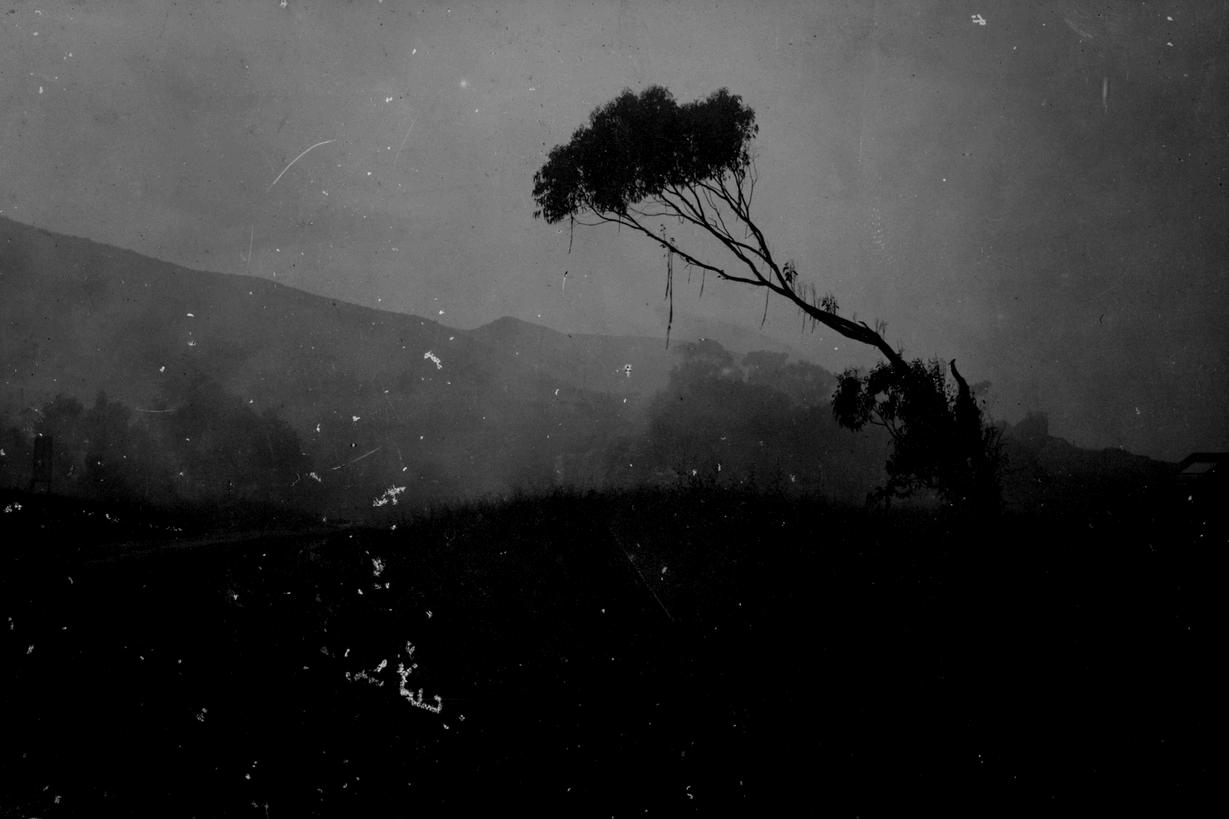
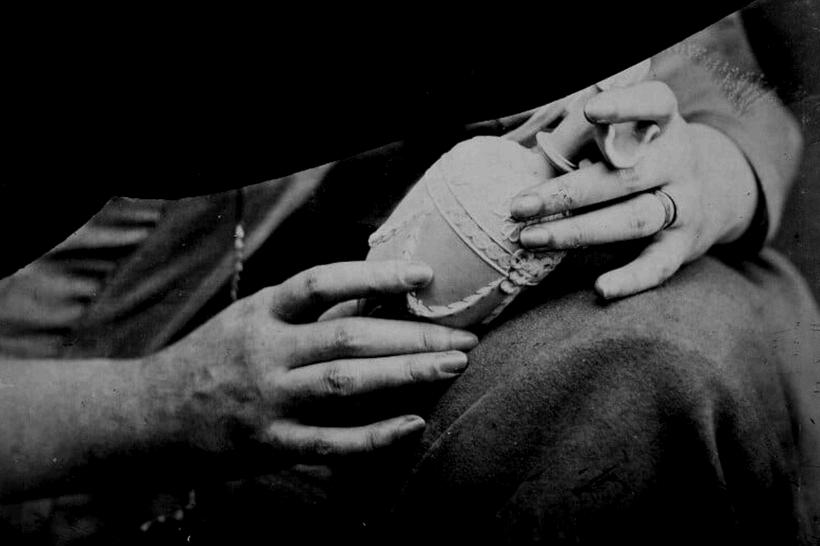
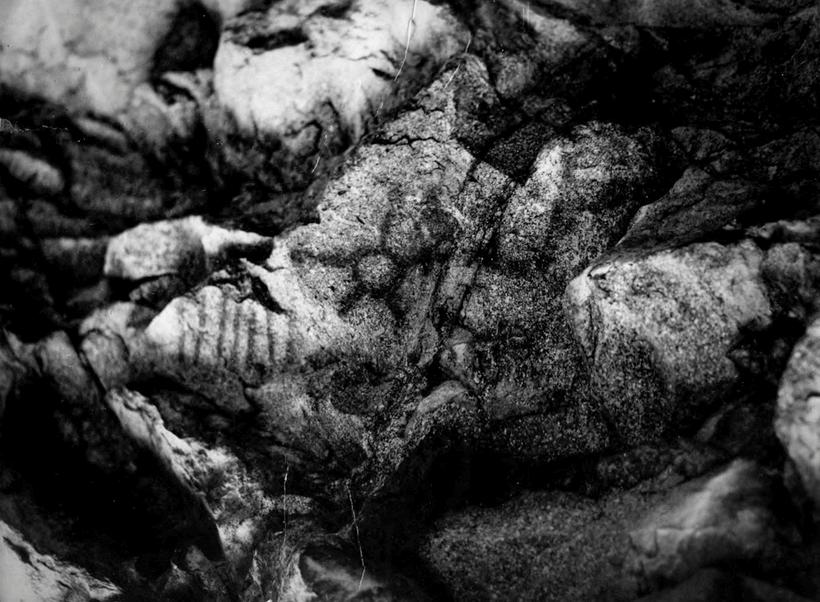
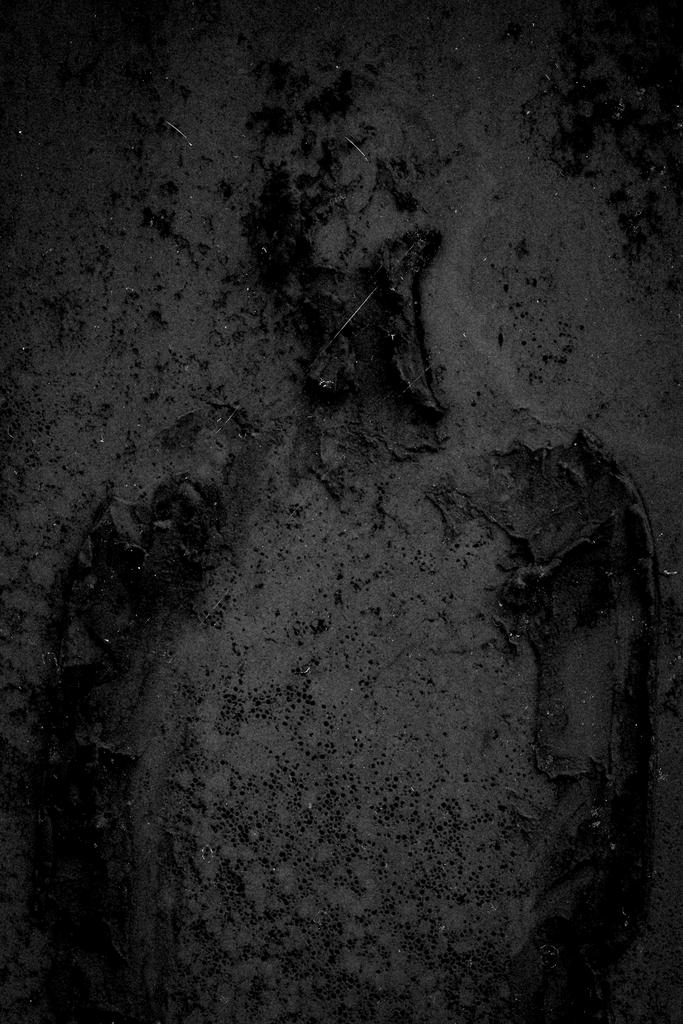
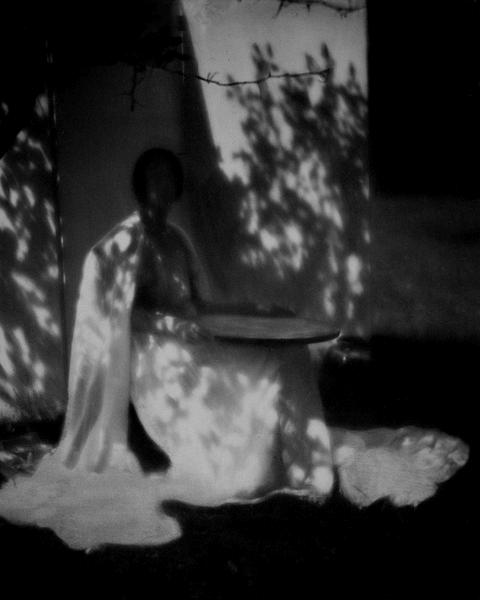
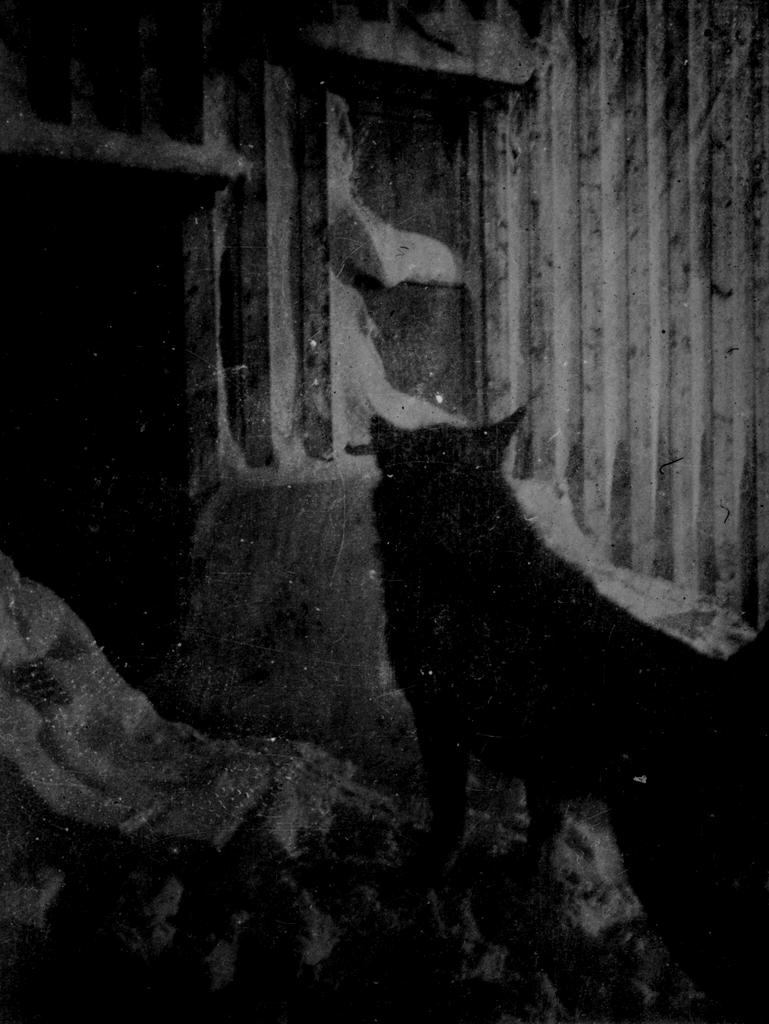
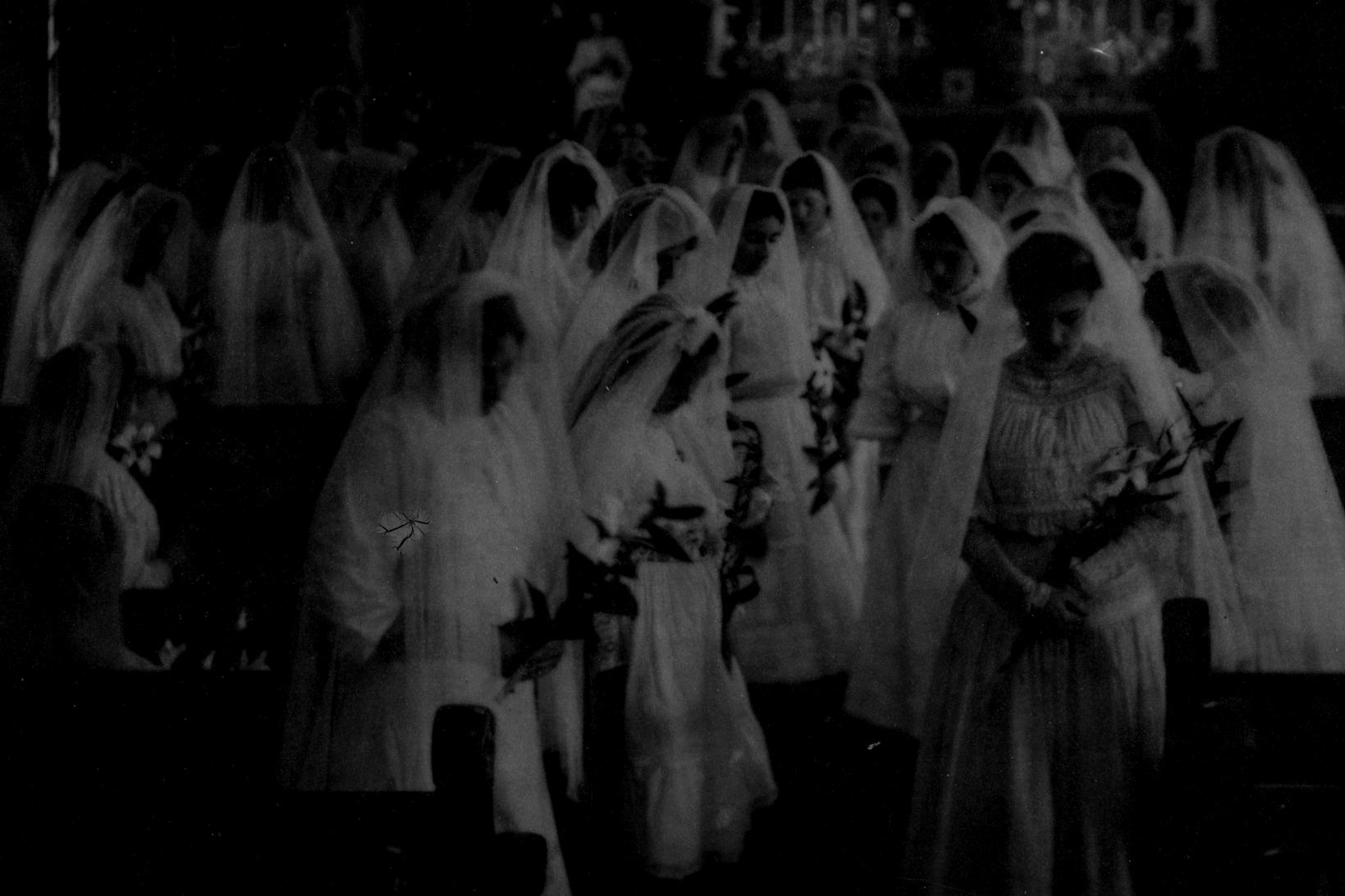
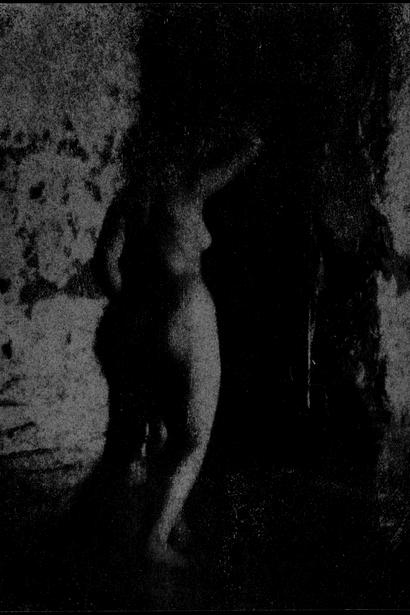
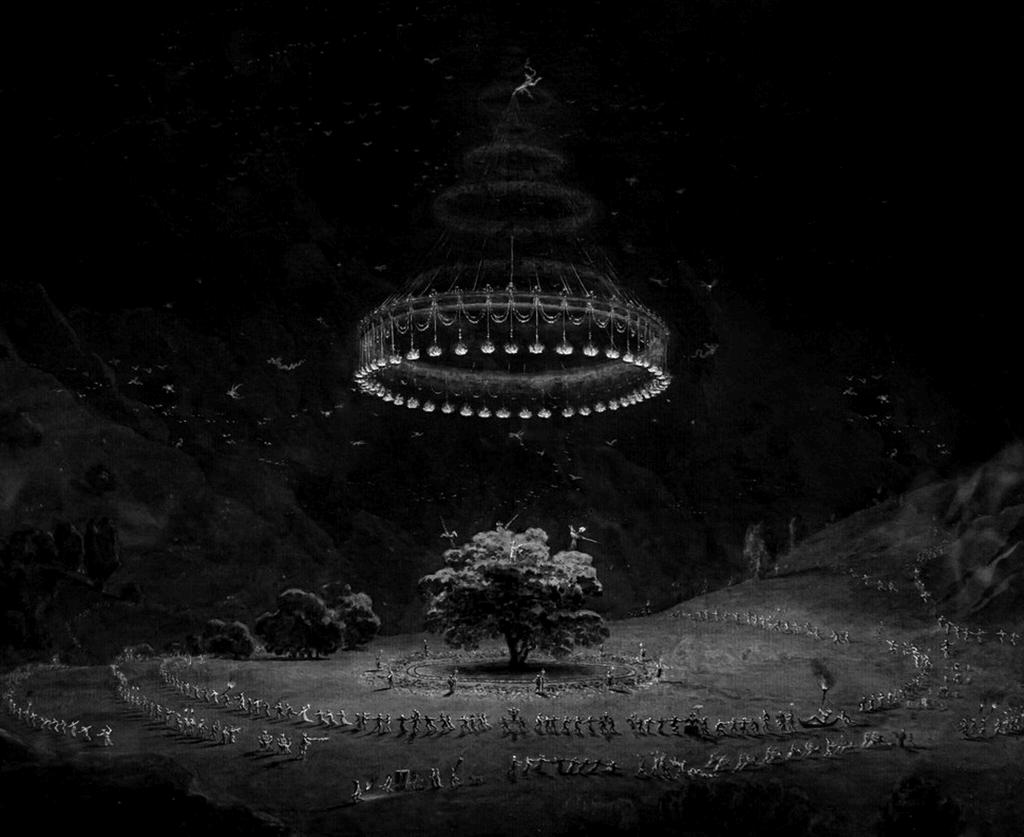
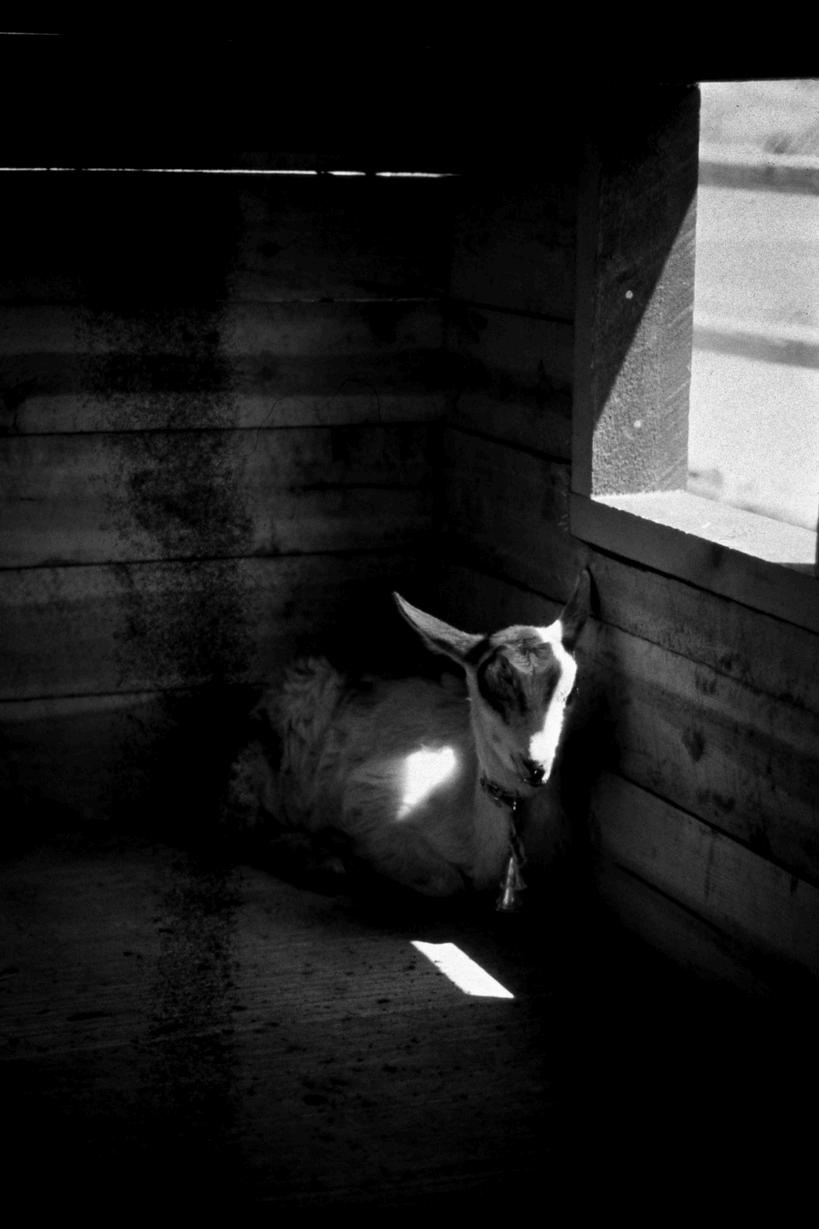
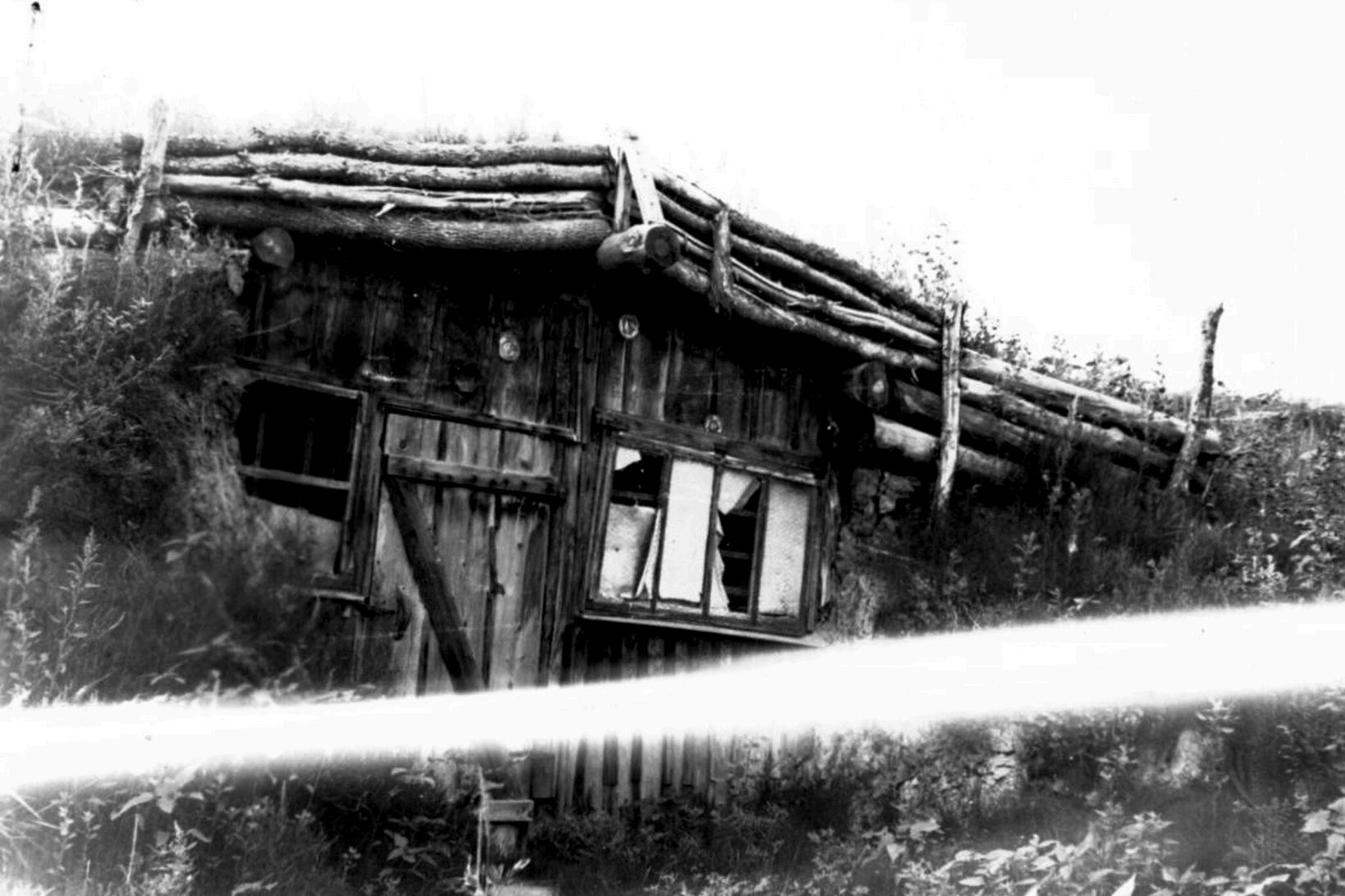
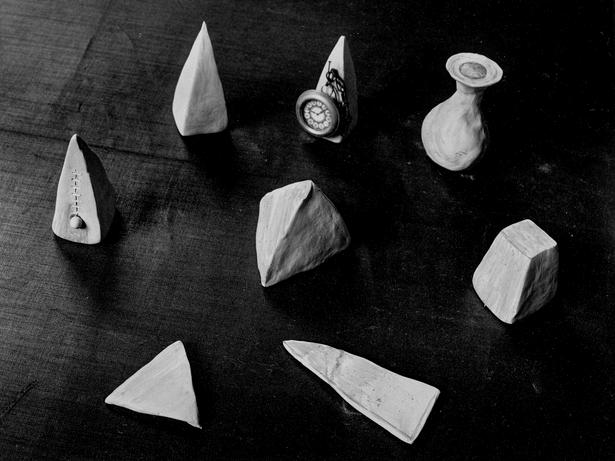
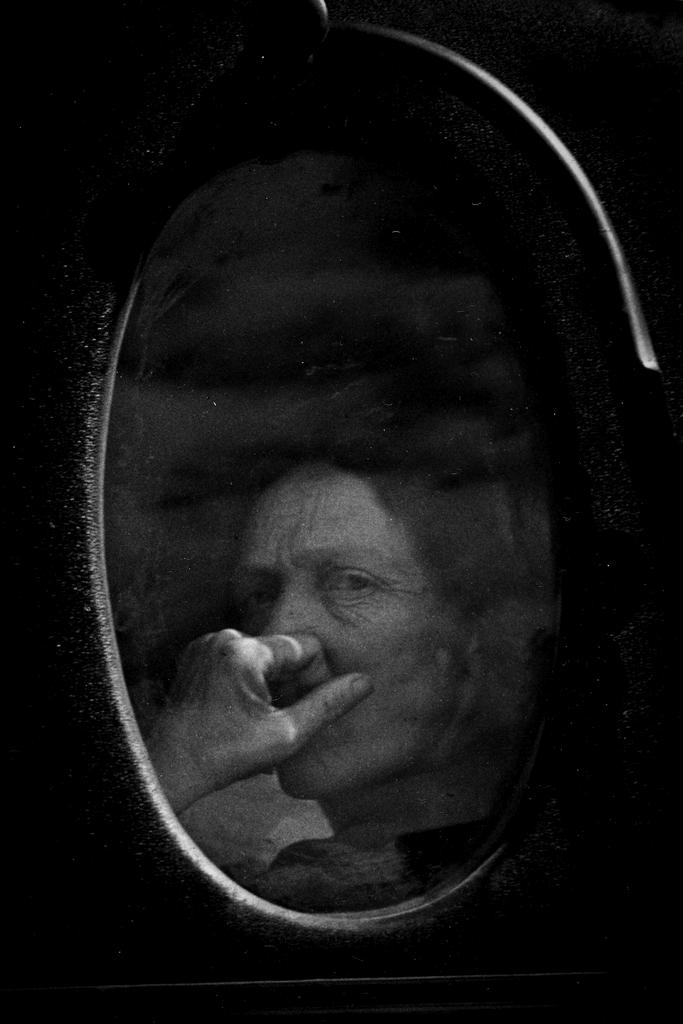
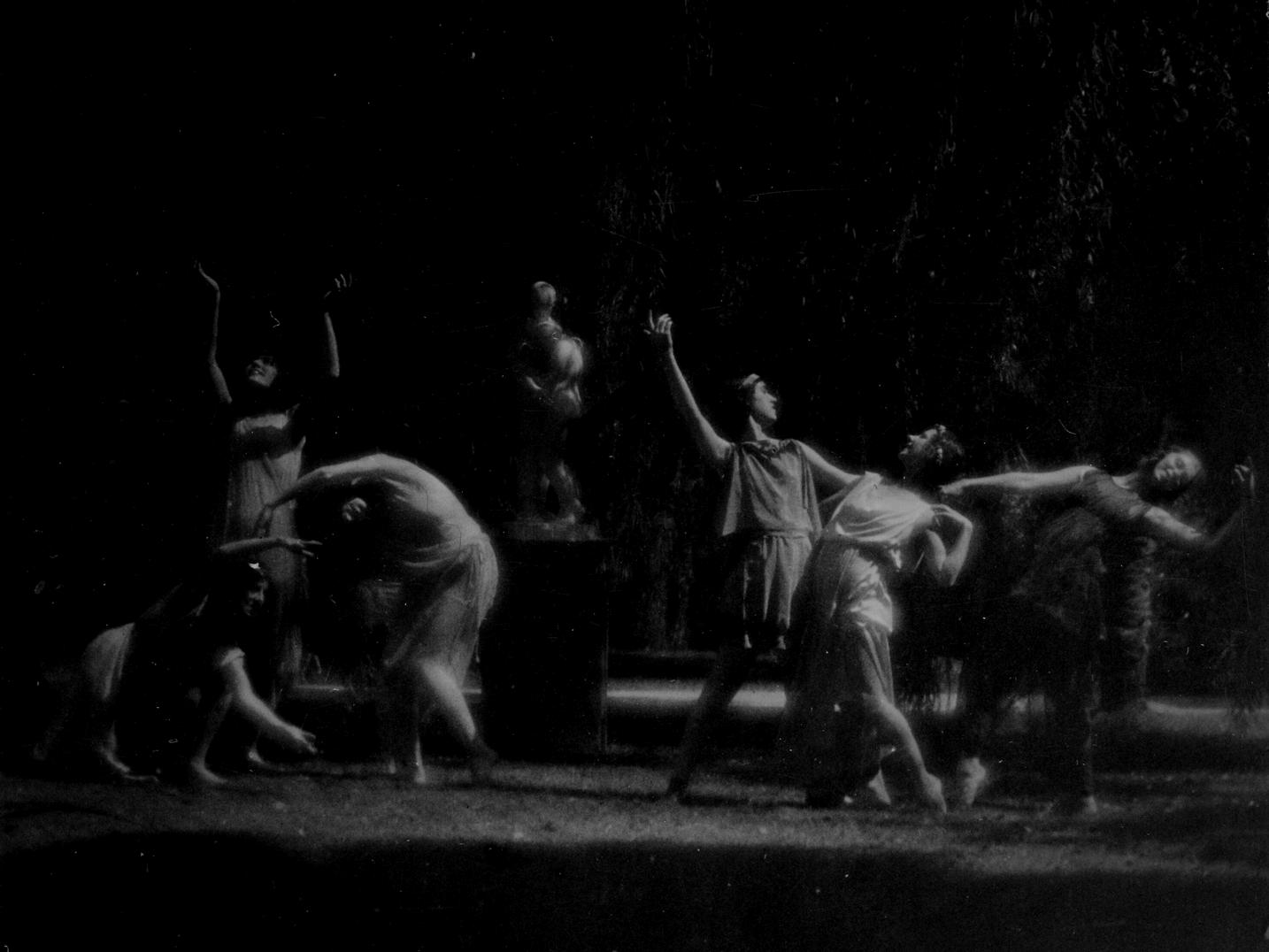
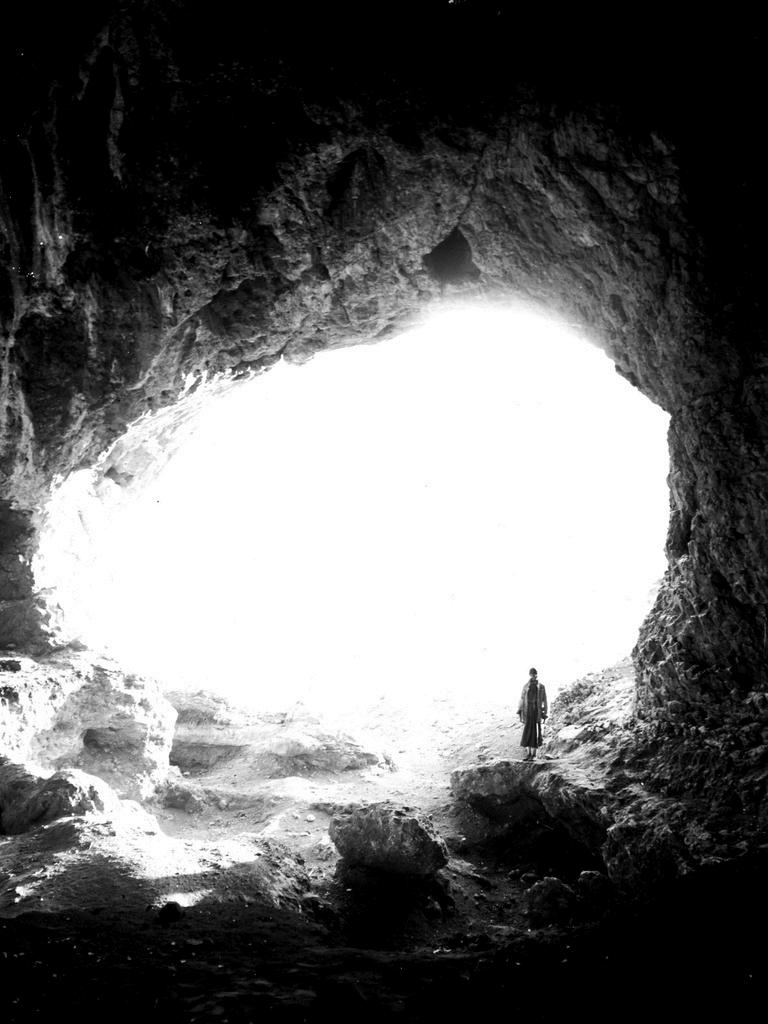
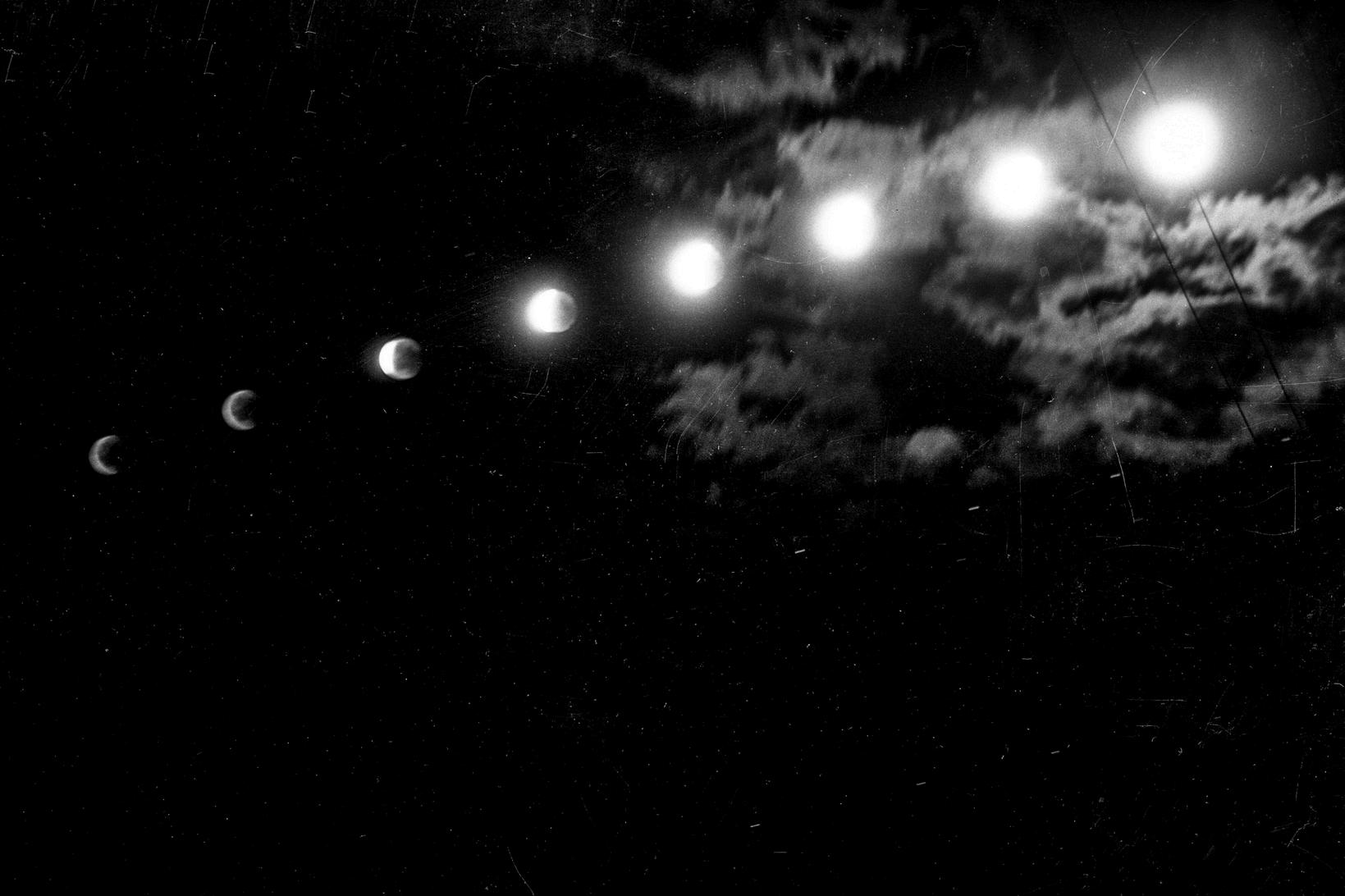
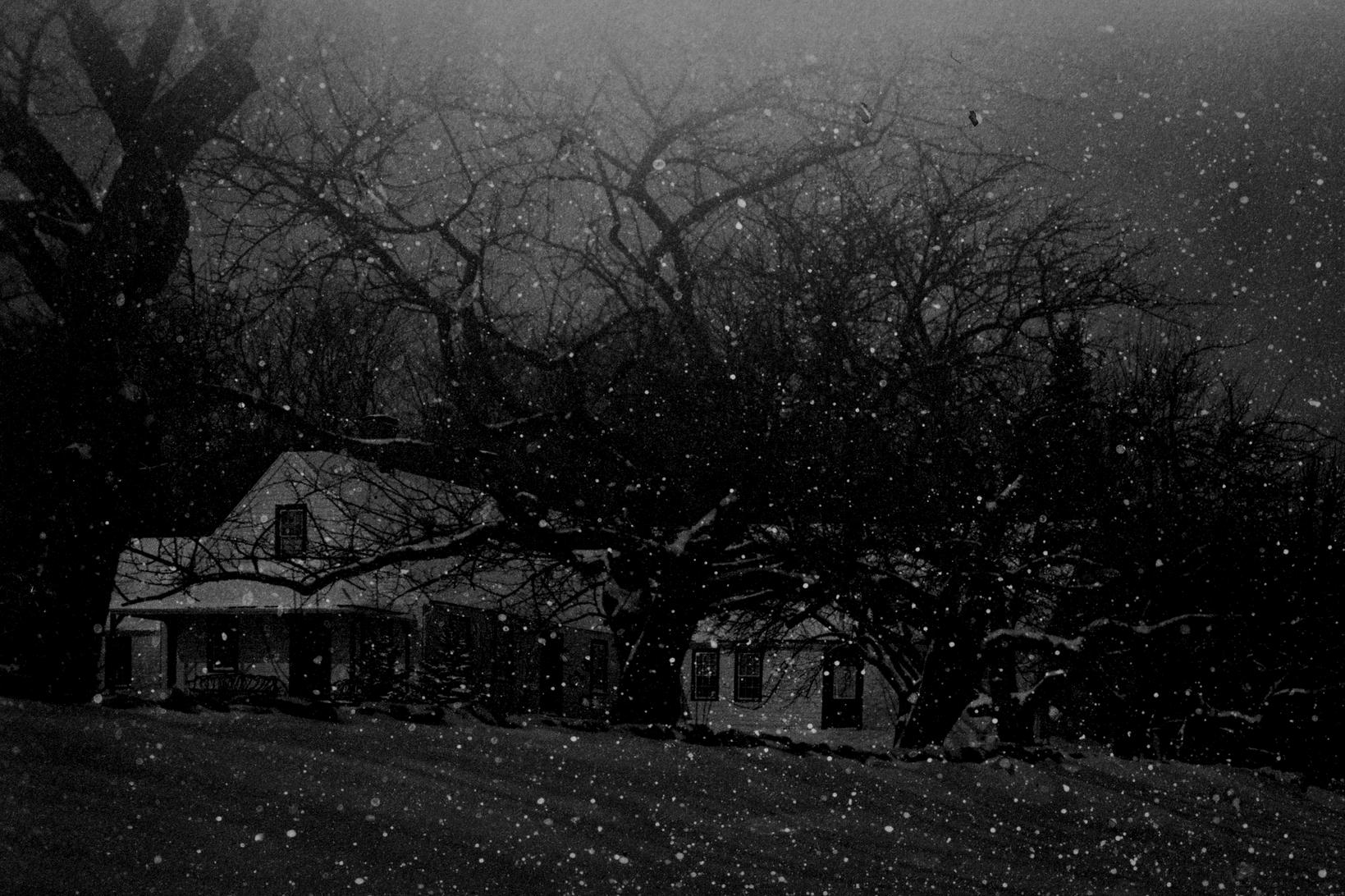
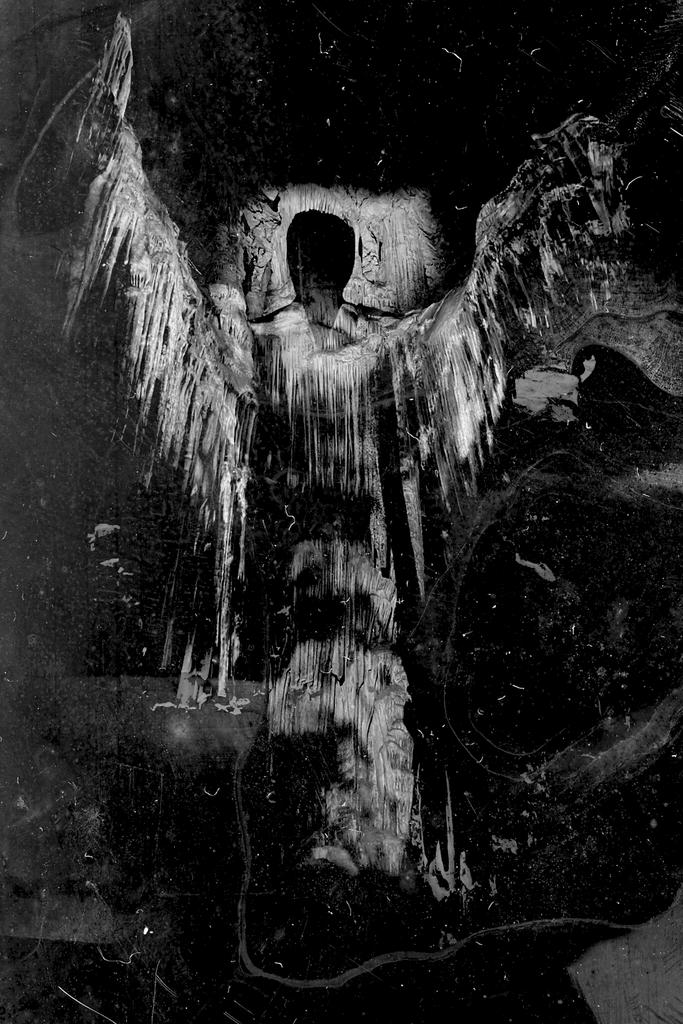
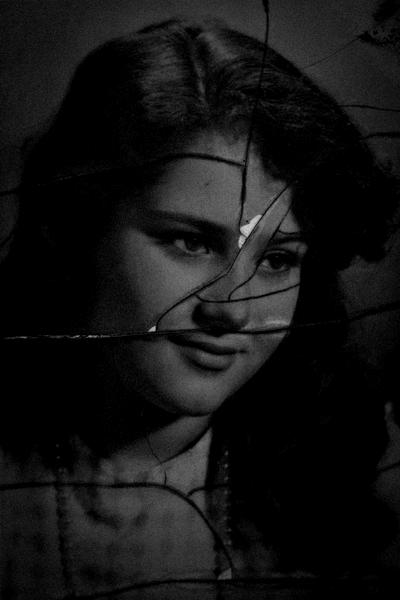
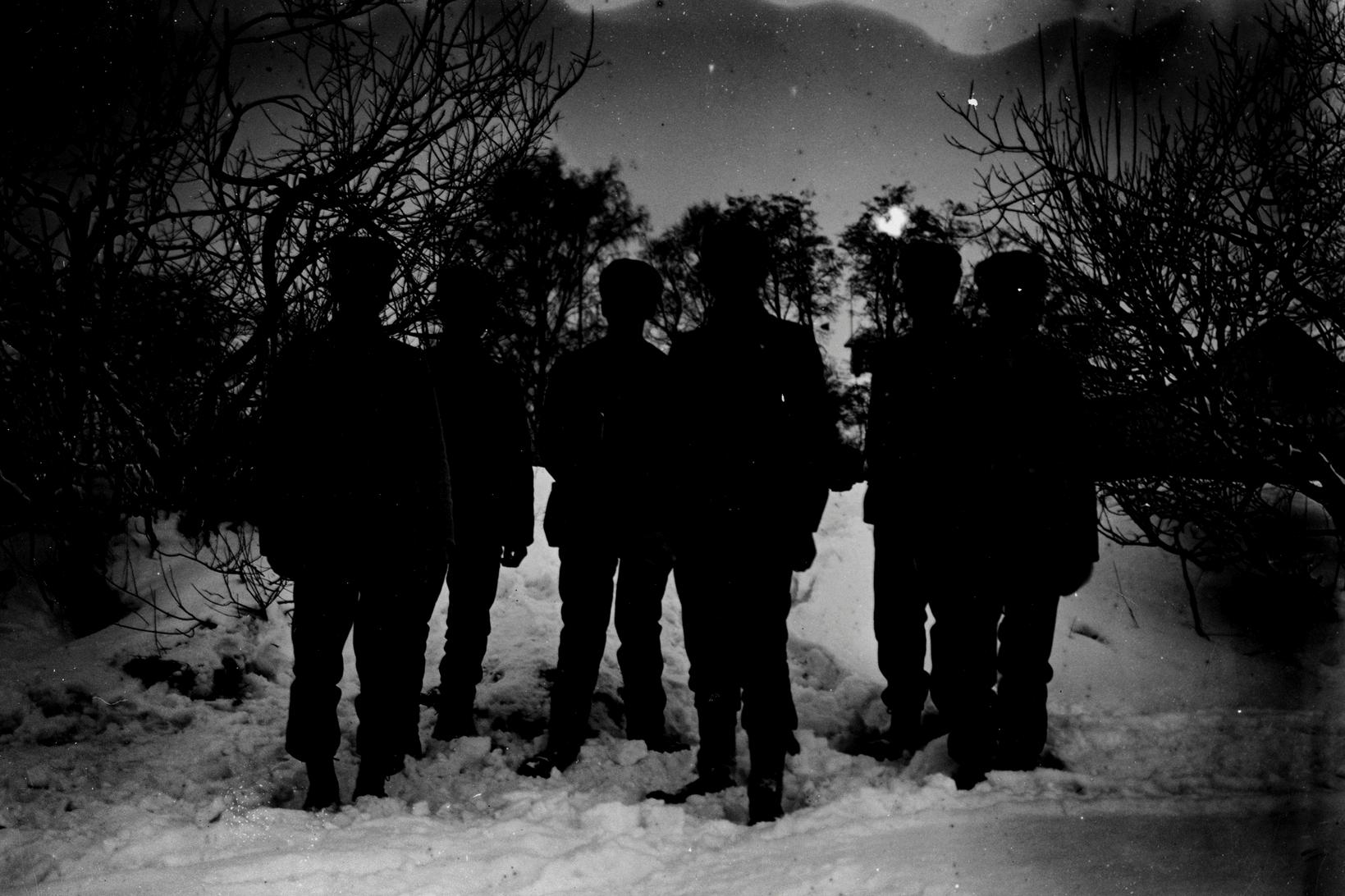
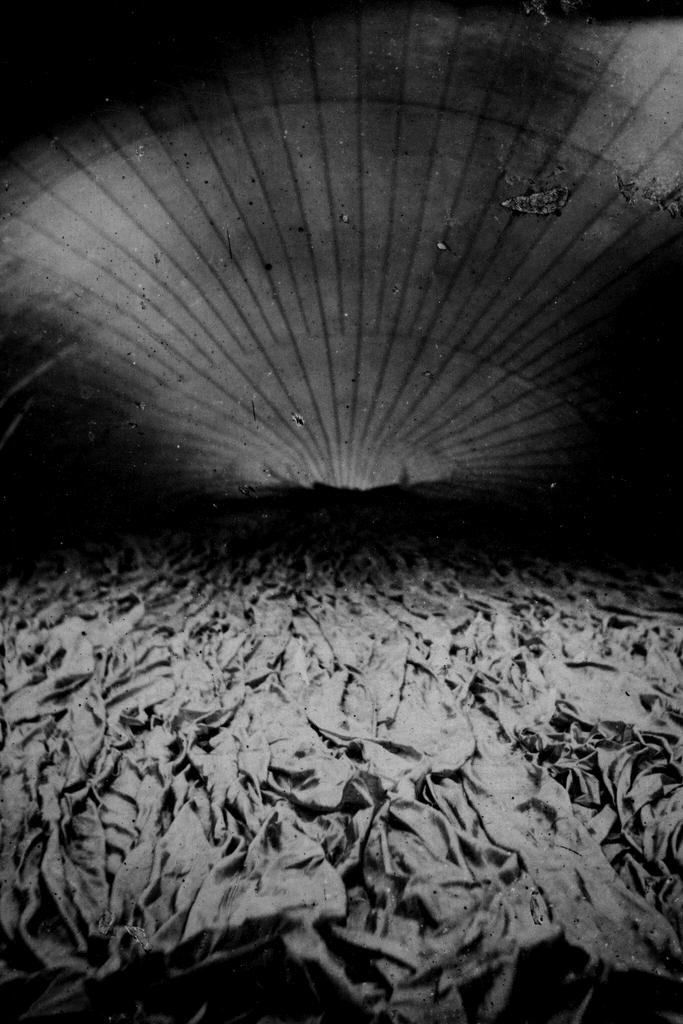
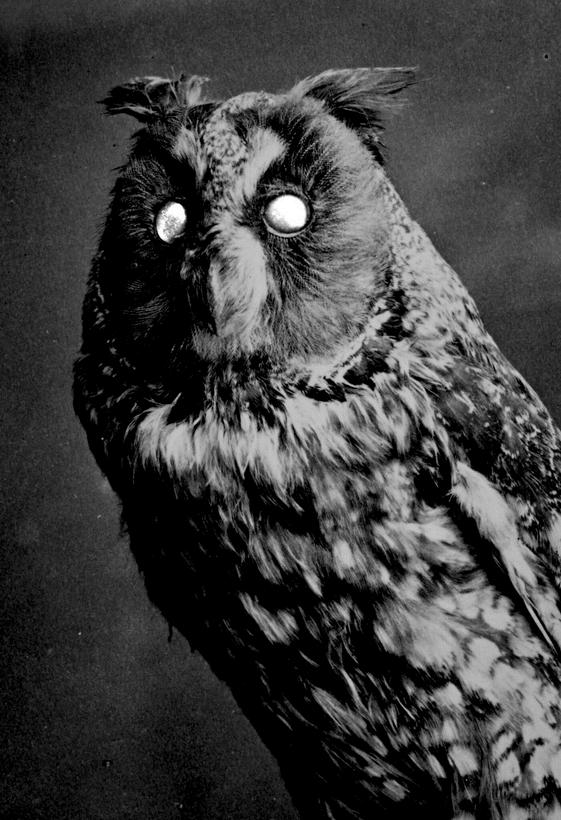
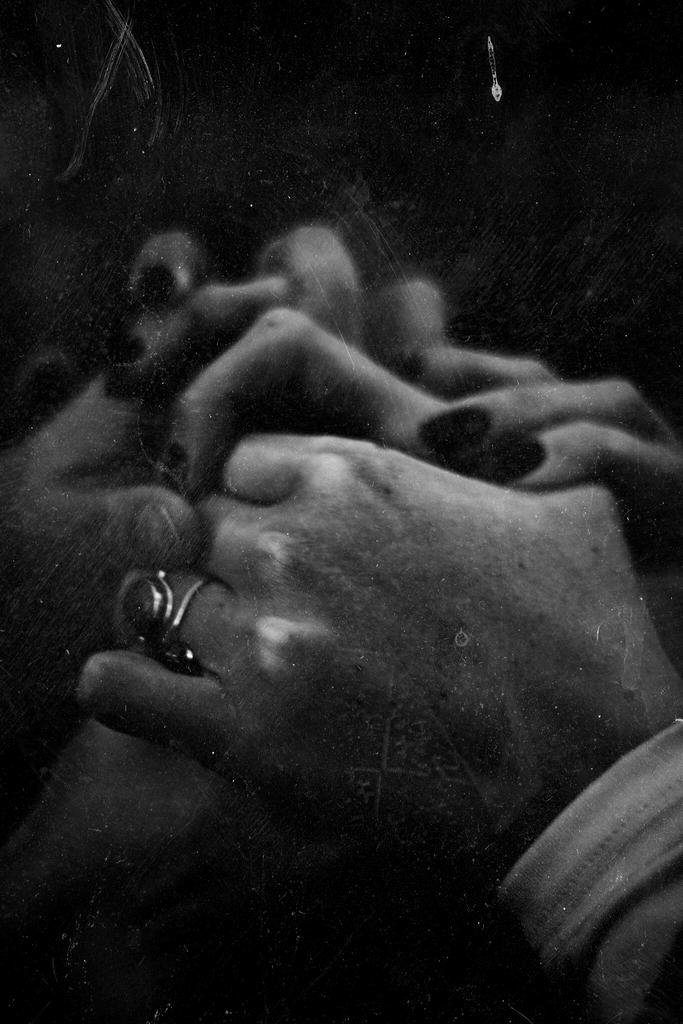
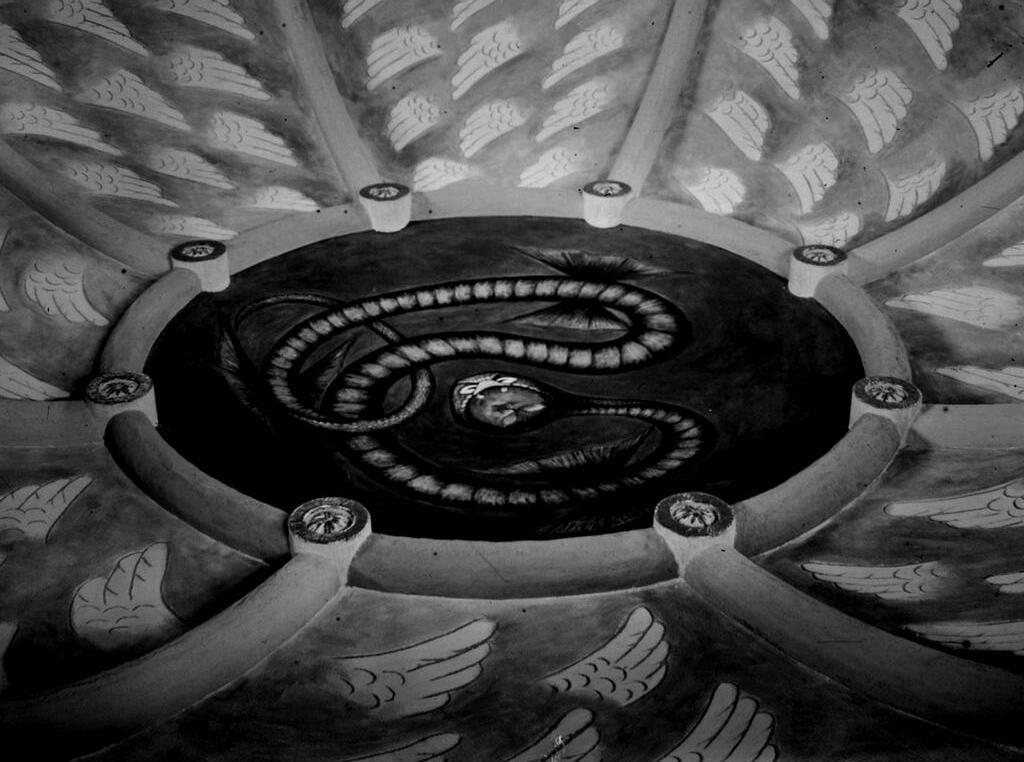
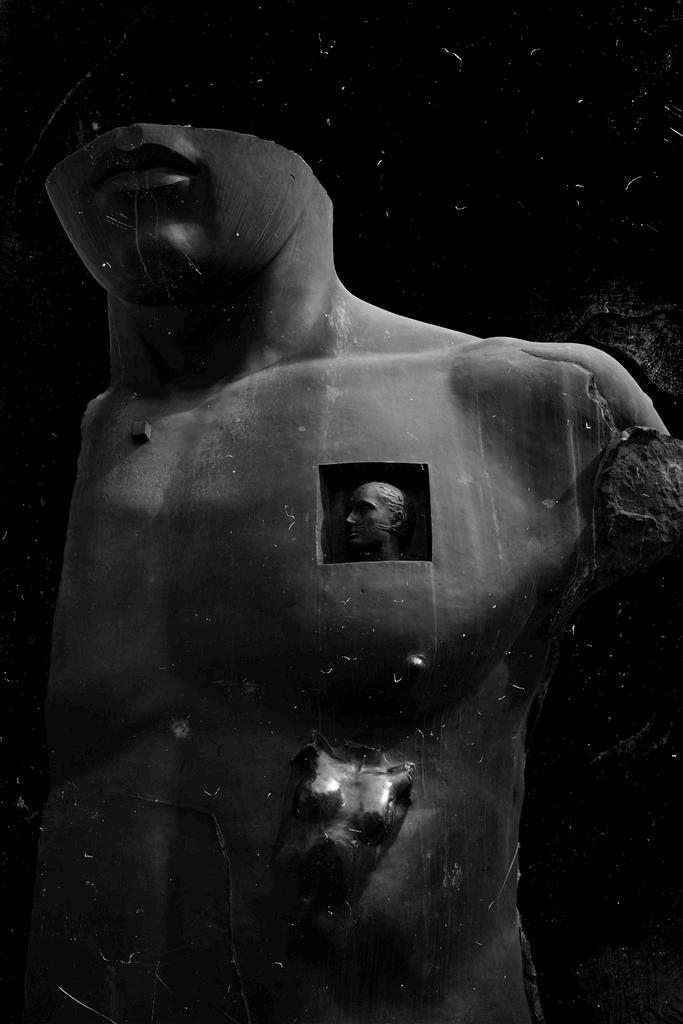
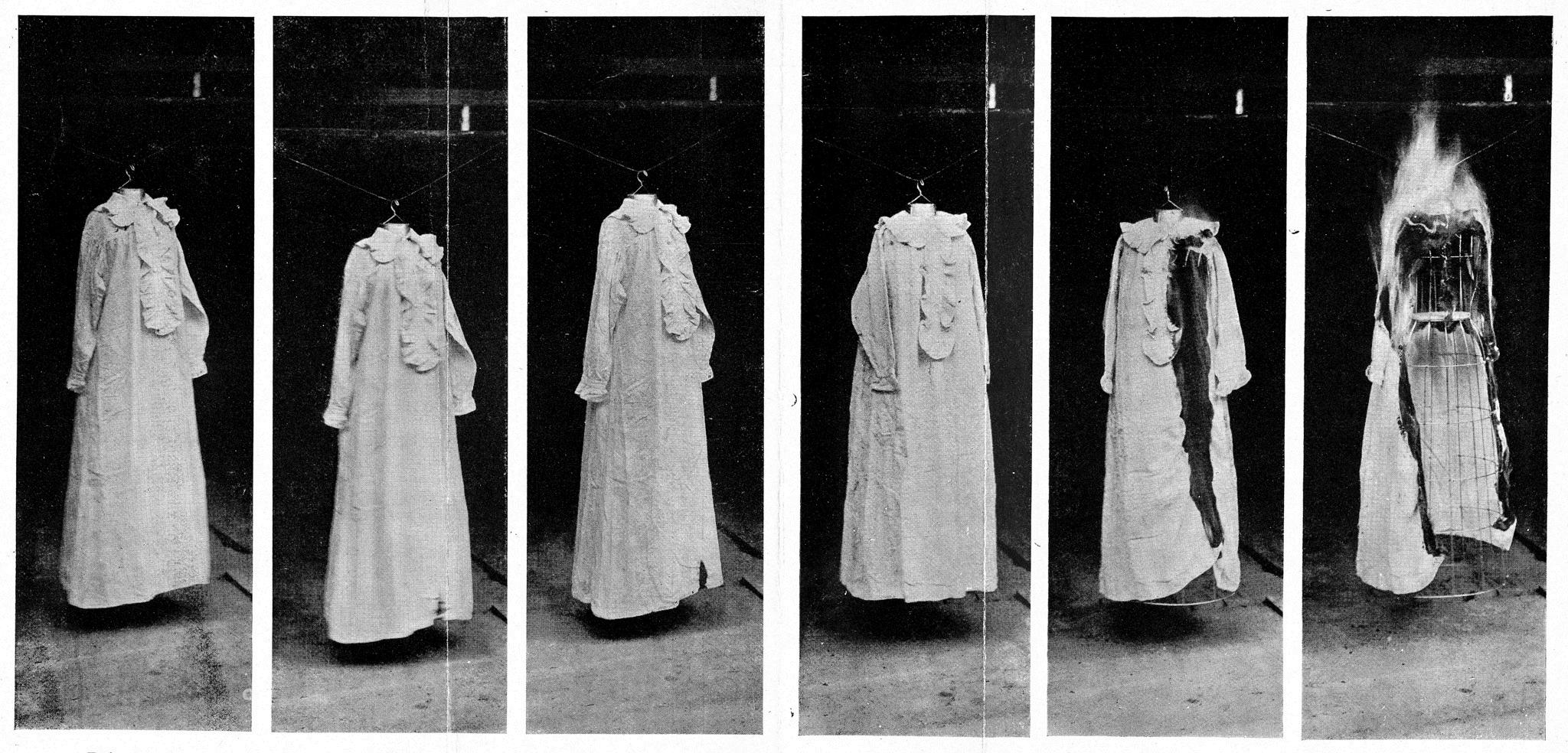
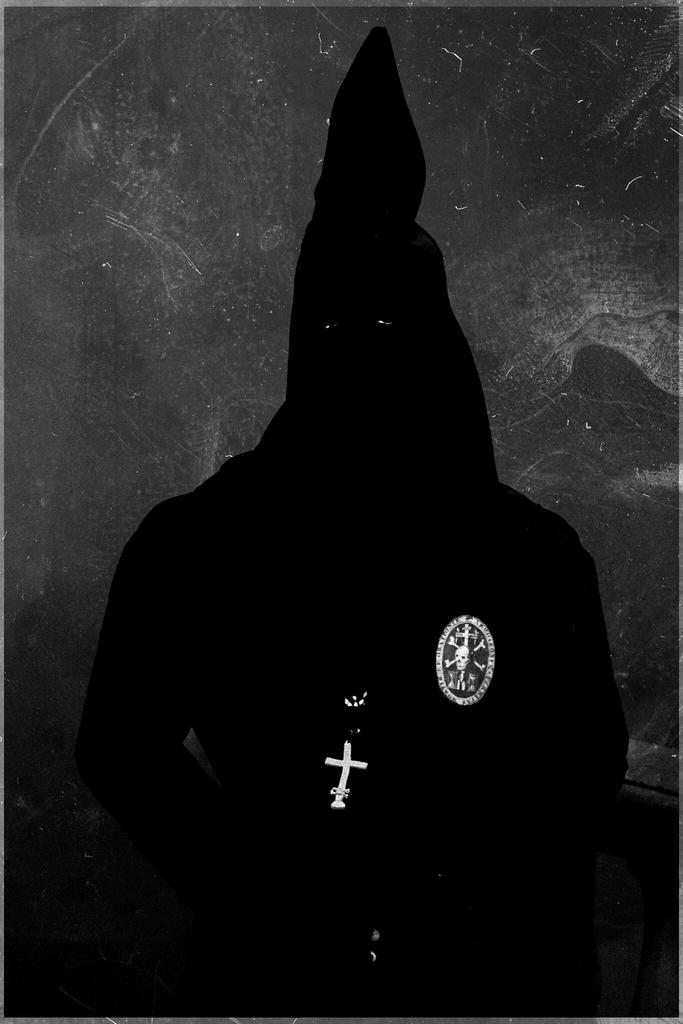
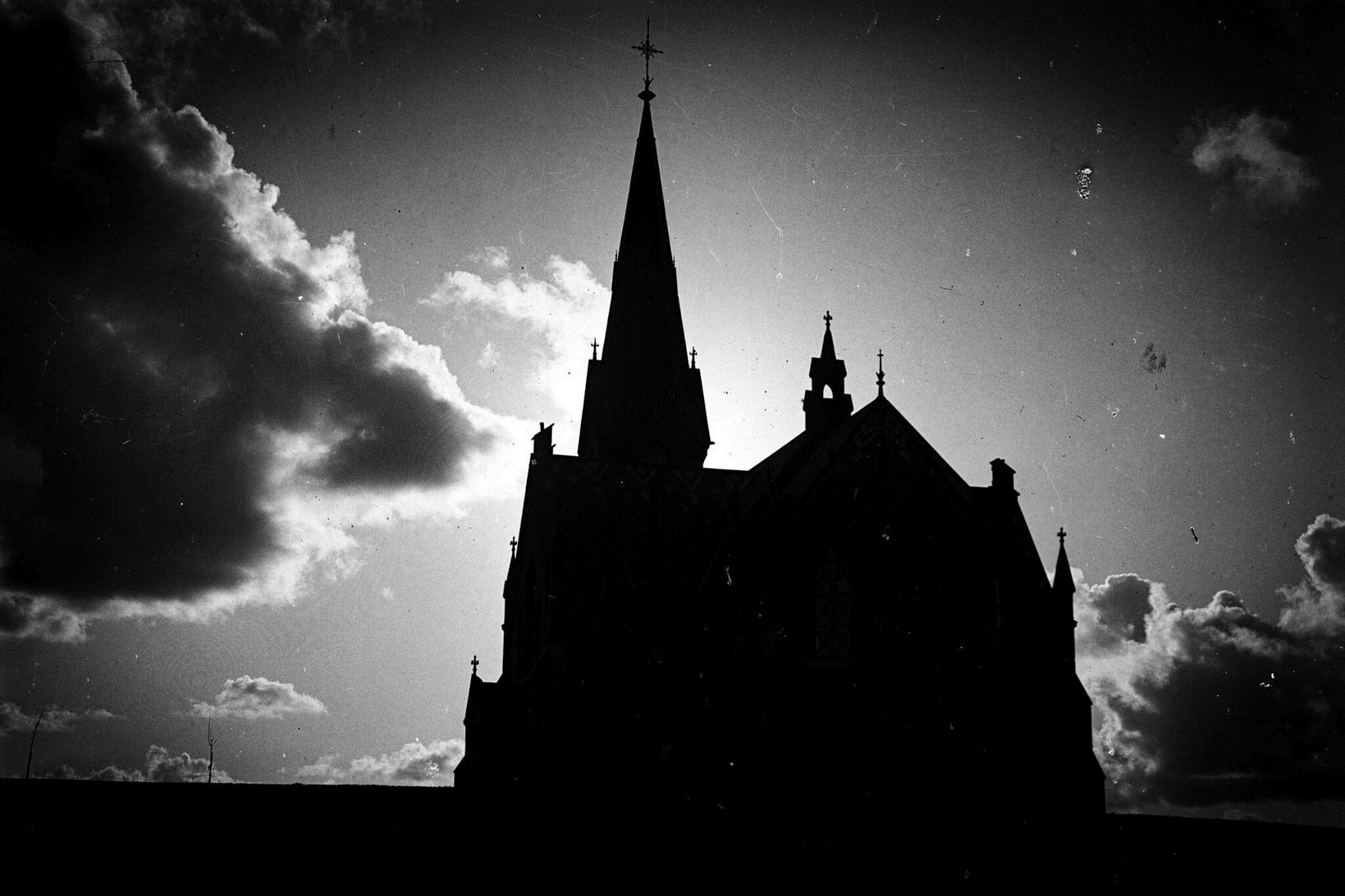
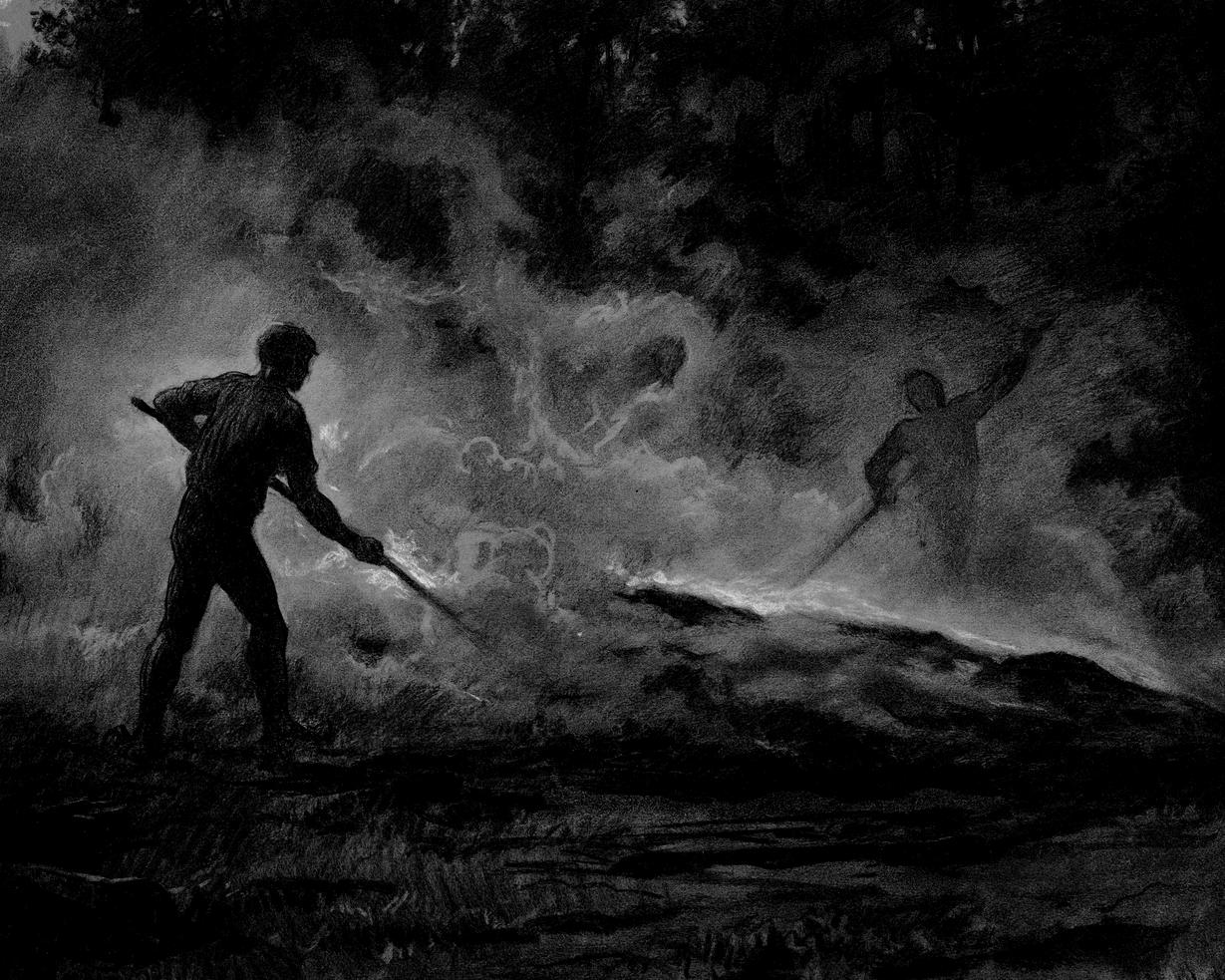
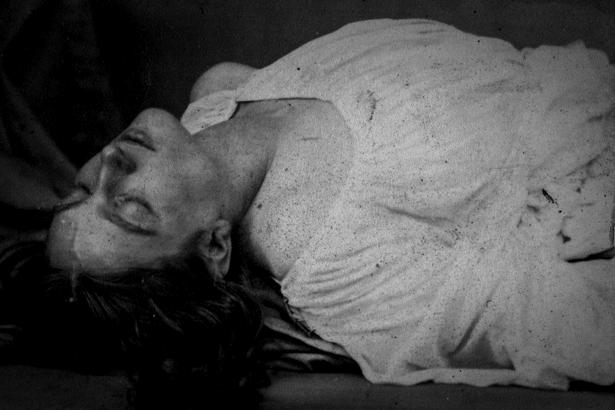
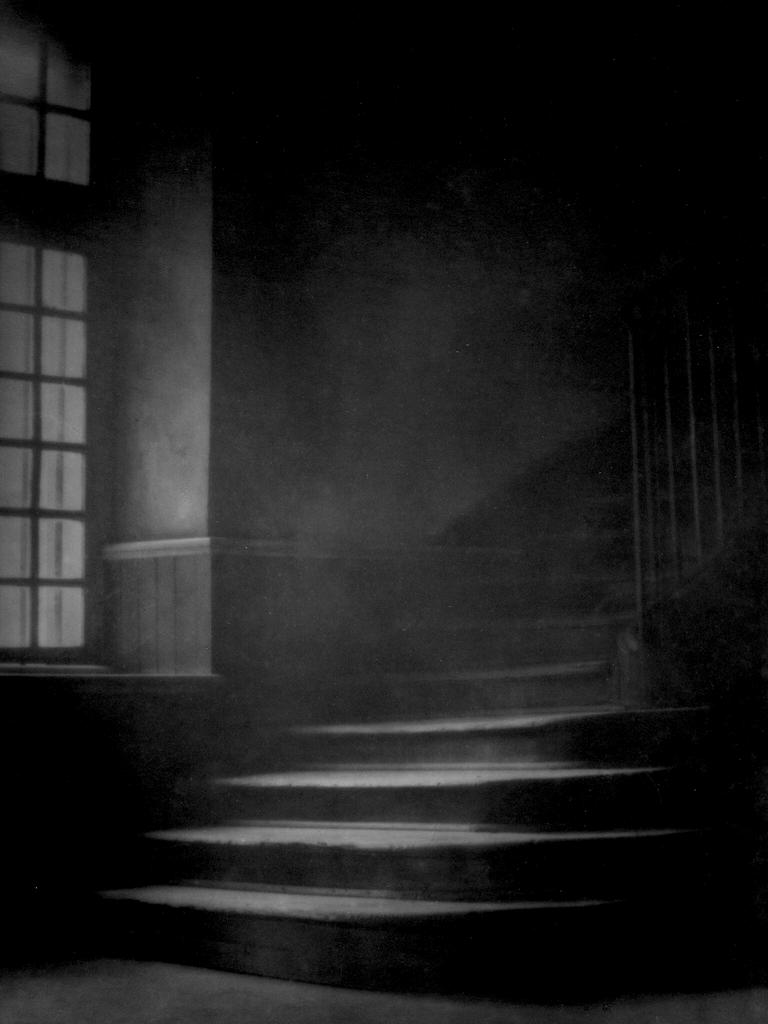
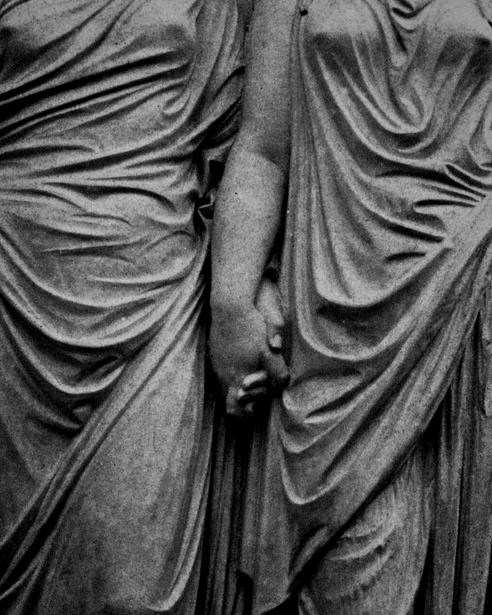
To create the images featured in this book, used both personal and public domain archival images for multiple darkroom processes. sourced the original, unaltered public domain images from the following archives:
Digital Public Library of America, Digital Museum, Getty Museum, Library of Congress, Metropolitan Museum of Art, Archivio di Stato di Modena, Archivio di Stato di Sondrio.