NO CARROTS FOR THIS DISEASE.
NAJLA SAID
NO CARROTS FOR THIS DISEASE.
1 - EXPROPRIATION IN GREATER CAIRO
TRANSFORMATION OF CAIRO UNDER MILITARY RULE
FANTASY OF A CLEAN SLATE
PHOTOGRAPHY SERIES
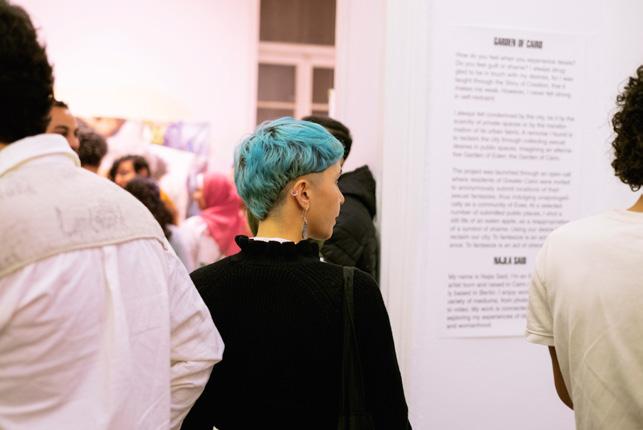
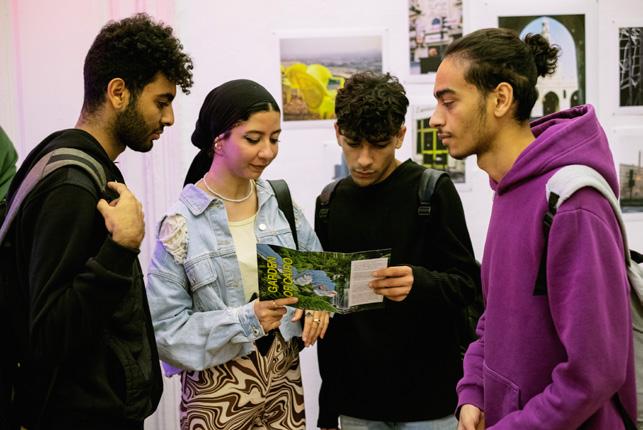
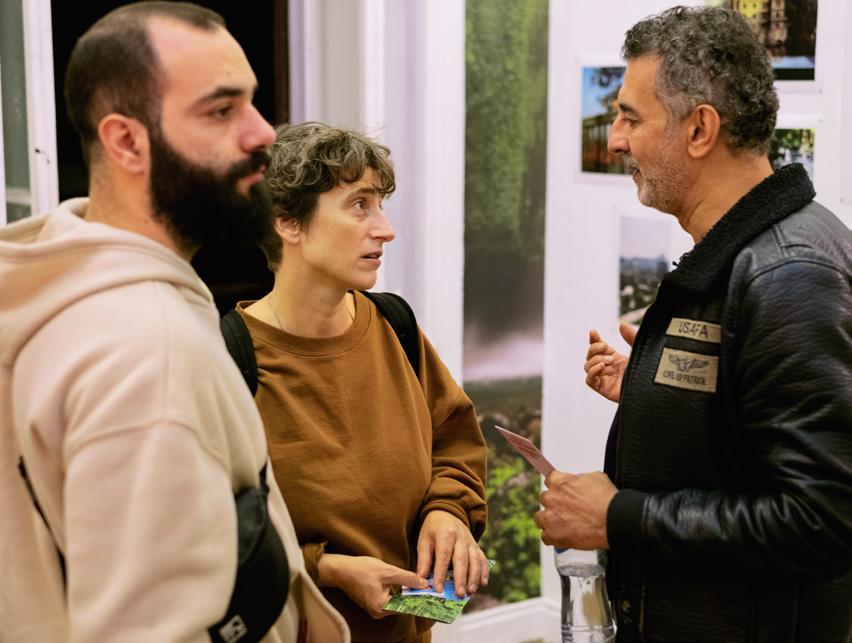
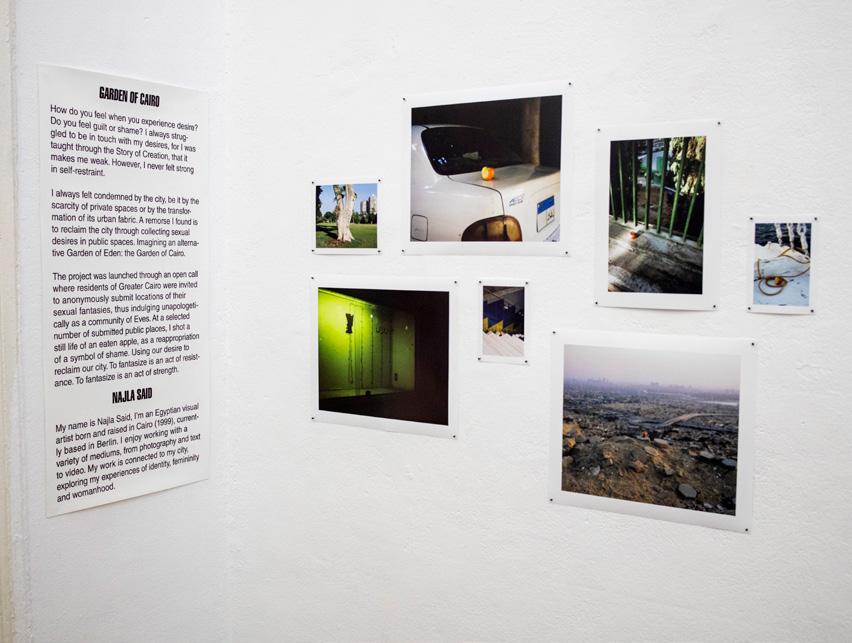
EXHIBITION DOCUMENTATION
TAHRIR SQUARE AS A CASE STUDY FOR SHAPING COLLECTIVE MEMORY
2. REPRESSION OF SEXUAL DESIRE
THE FORBIDDEN FRUIT: SEXUAL EDUCATION IN EGYPT WOMEN’S ACCESS TO PRIVATE AND PUBLIC SPHERES
When I was twelve years old, I witnessed the Arab Spring of 2011, and while I’m sure I didn’t fully understand it - I still saw those around me believe in change so deeply that they truly sacrificed their all for the sake of Egypt. For a minute then, I fell for the mirage that we have power, that the people have power. However, very quickly we were all deceived, the dream of a democratic future faded and at a very young age, I gathered that the world is unjust.
A little over ten years later, I’m now old enough to make my understanding of it. Still living under the military regime that took over, witnessing now feels like a sin. We are in constant arbitrary fear and punishment. Corruption and power are a disease we seem to never heal from, something is sucking on our immunity. This time, it is clear that the Cairo we know is meant to be forgotten and replaced by an impossible dream of a modern city fabricated on the misery and debt of the country. How can one archive a disappearing city, especially in times where photographing and recording are a threat to the system? I attempt to simply leave a trace for the Cairo that will no longer be.
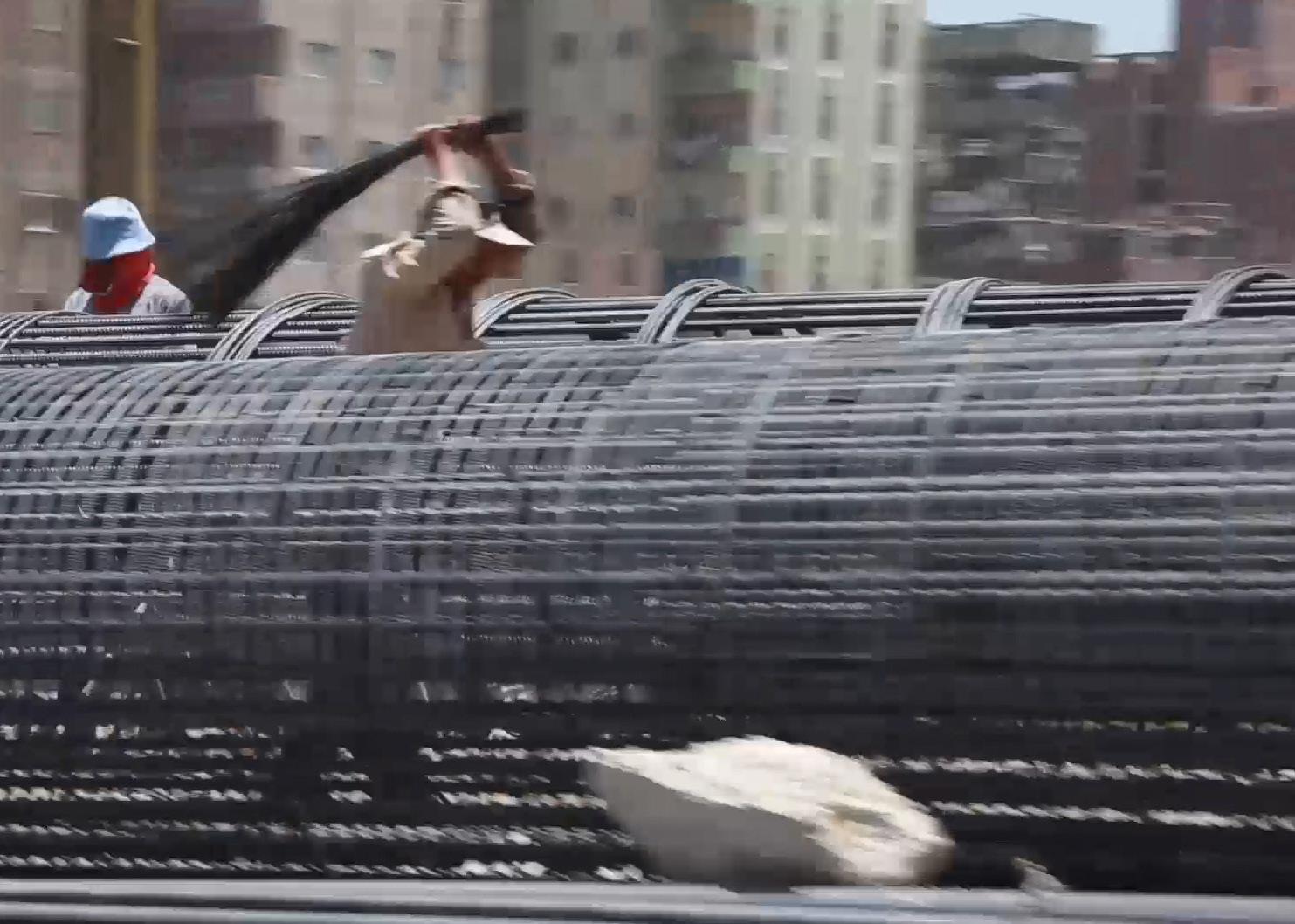
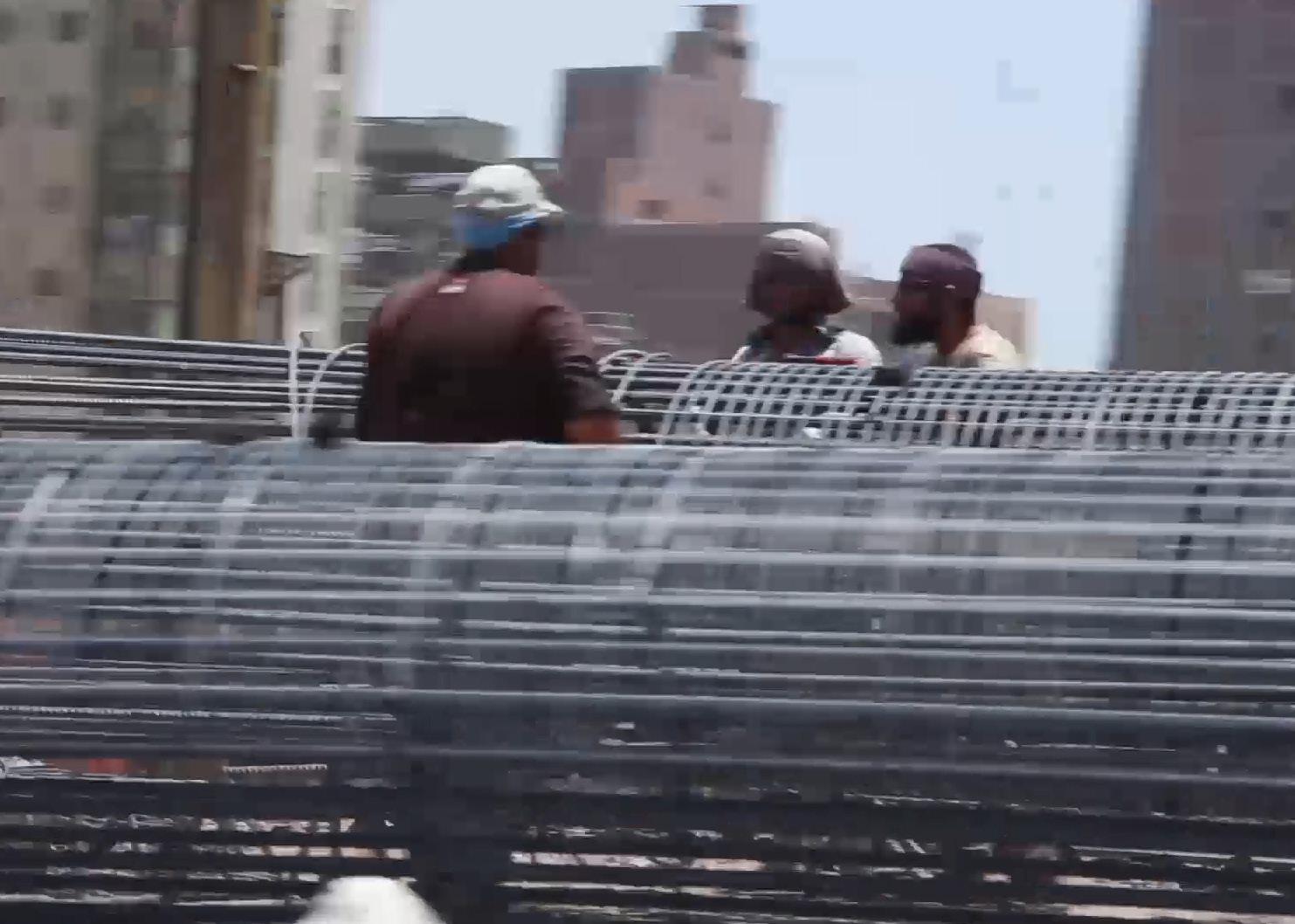
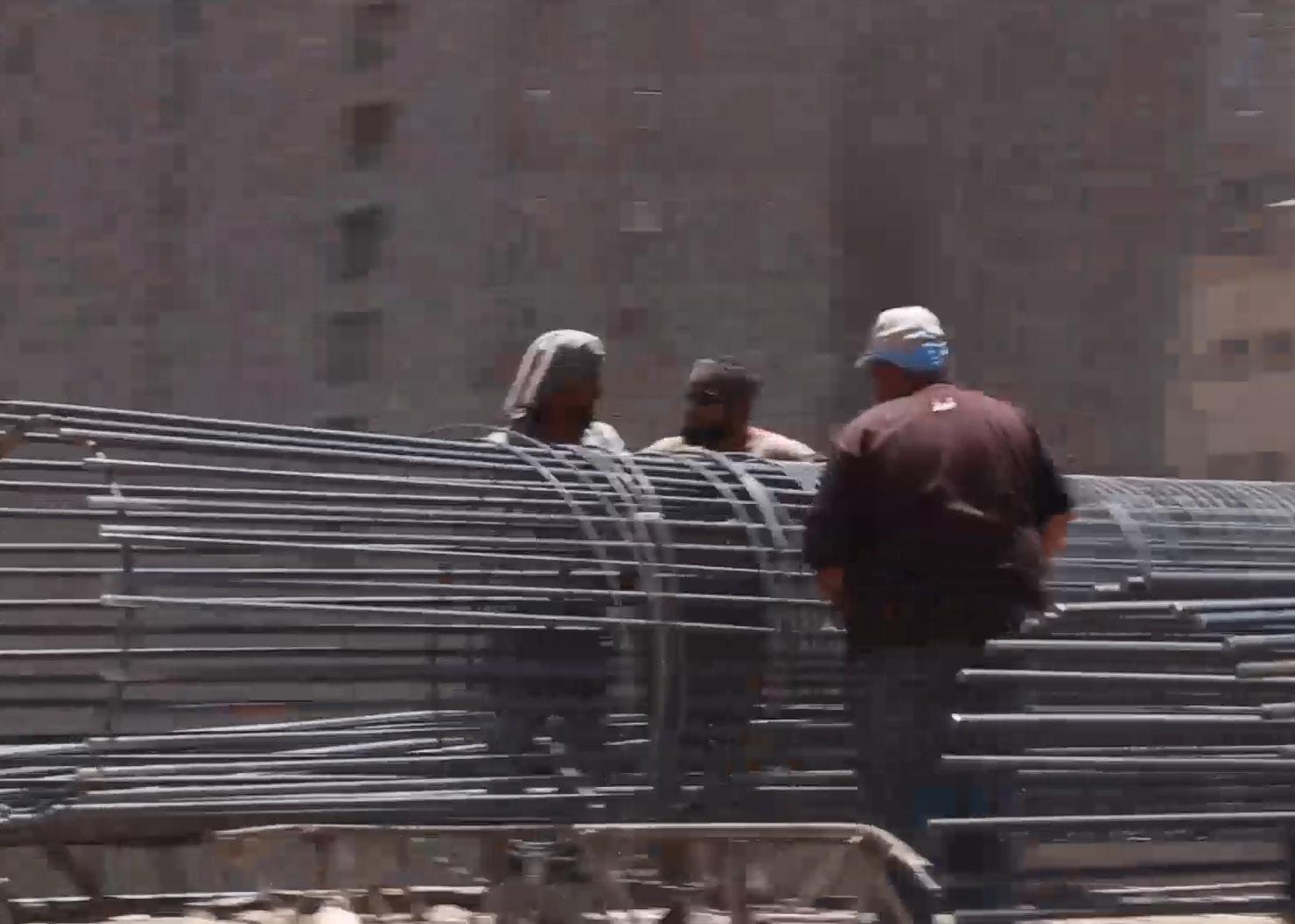
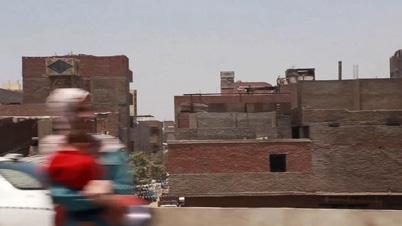
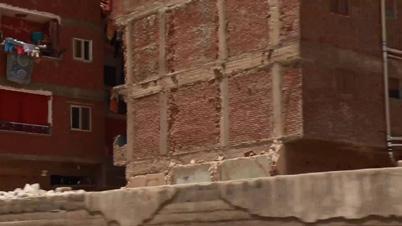
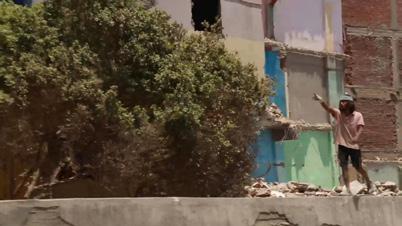
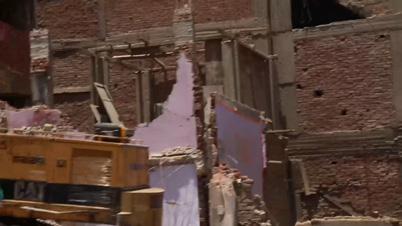
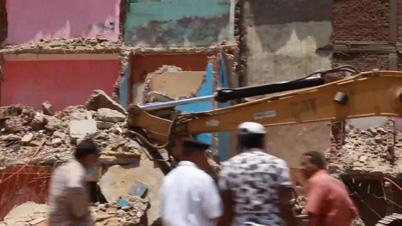

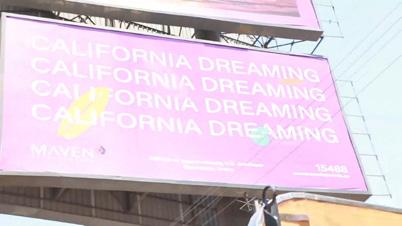
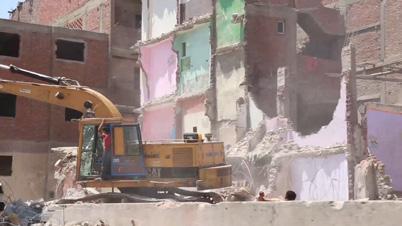
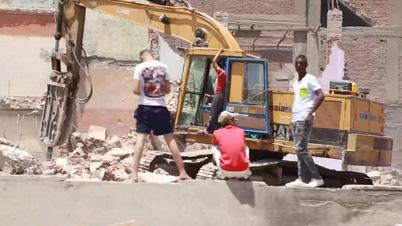
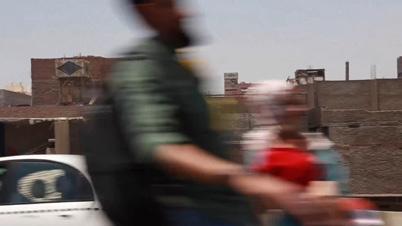
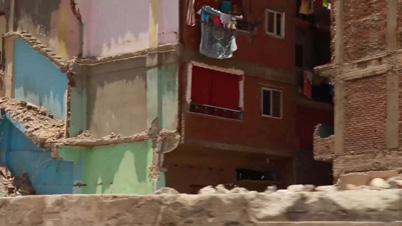
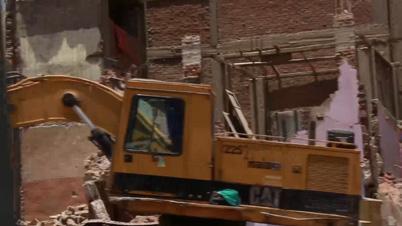
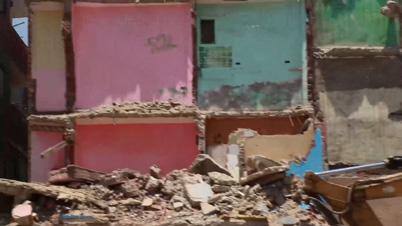
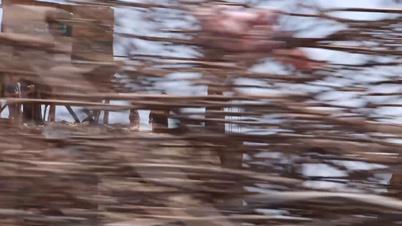
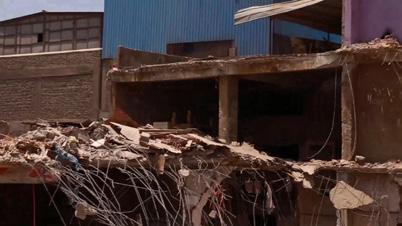
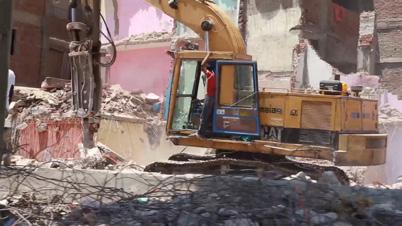
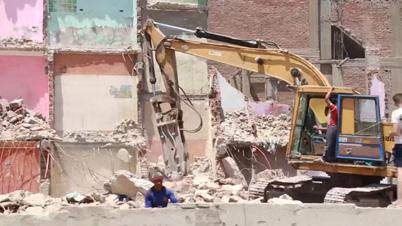
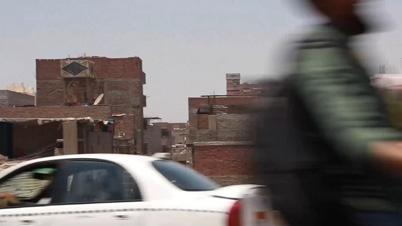
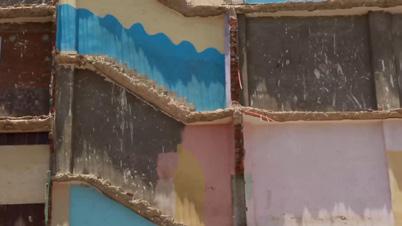
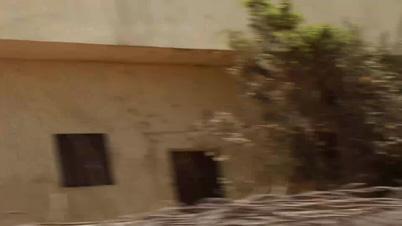
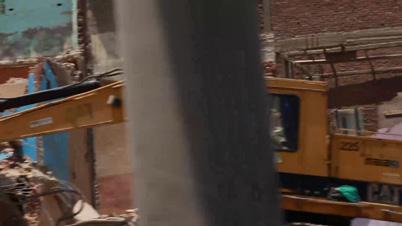
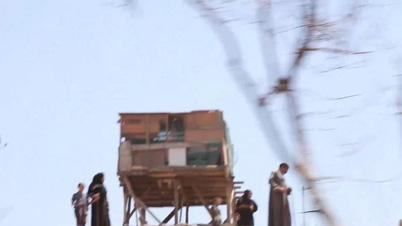
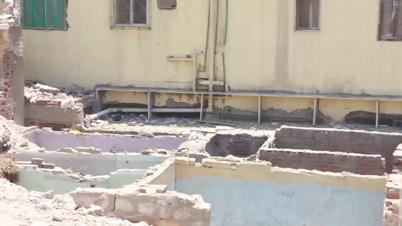
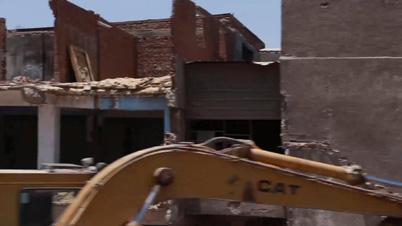
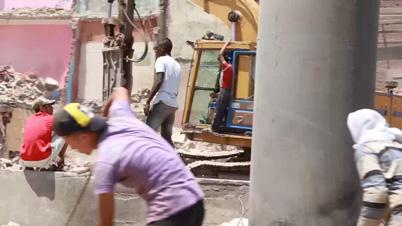
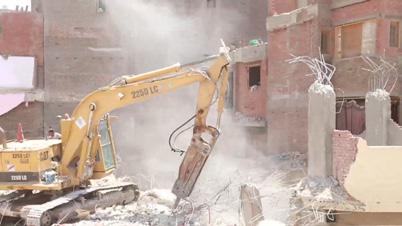
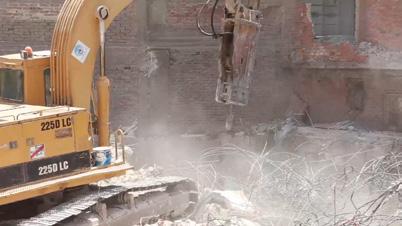
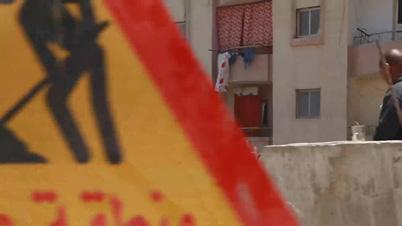
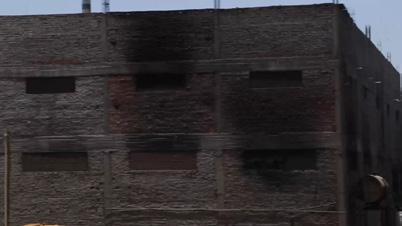
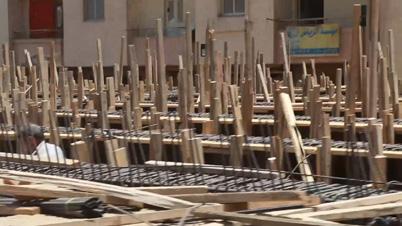
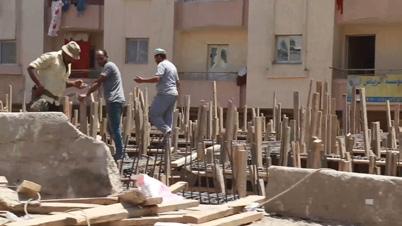
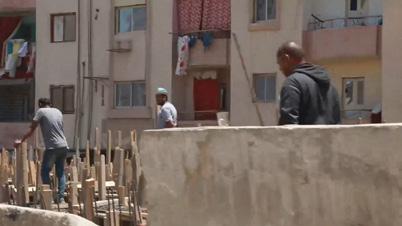

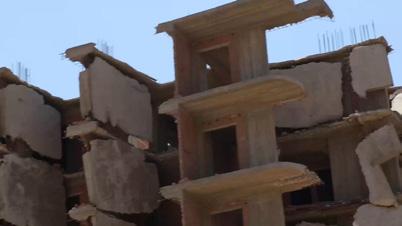
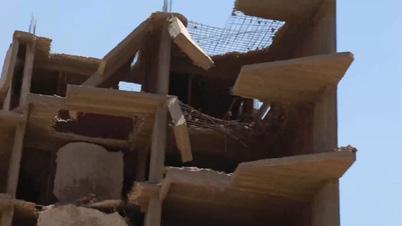
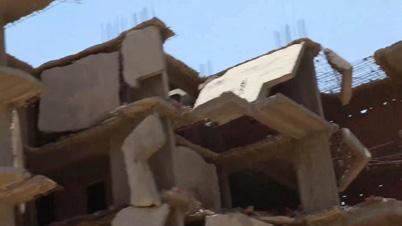
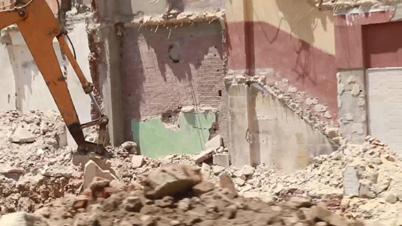
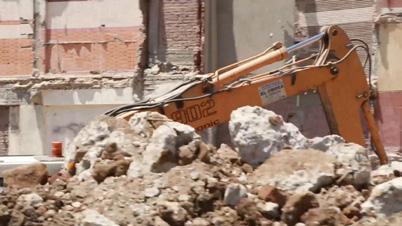
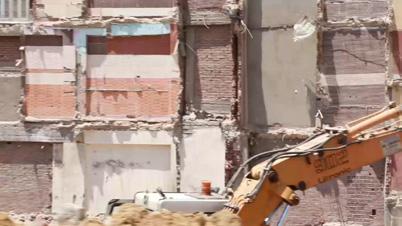
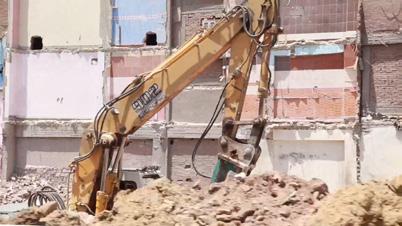
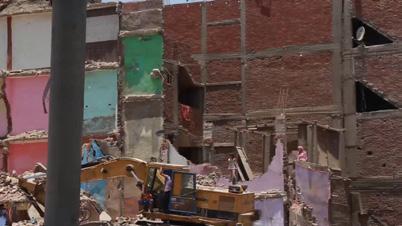
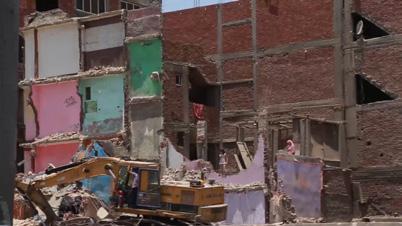
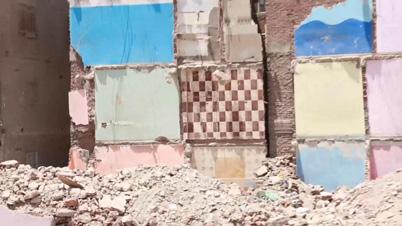
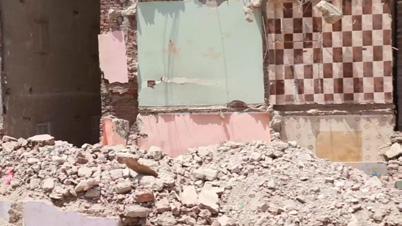
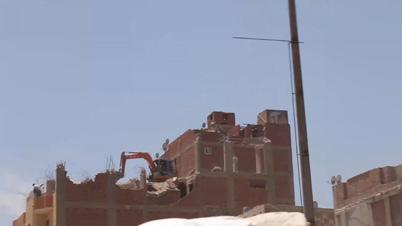
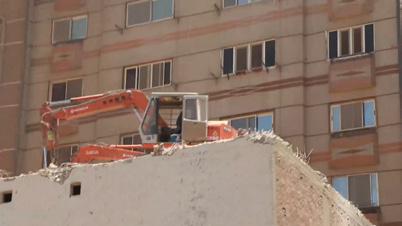
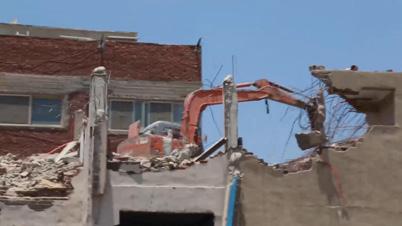
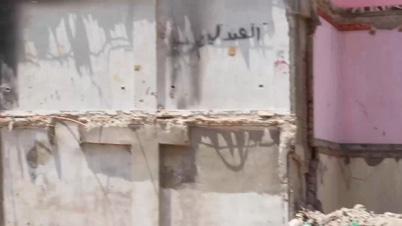
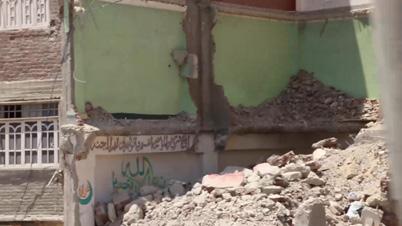
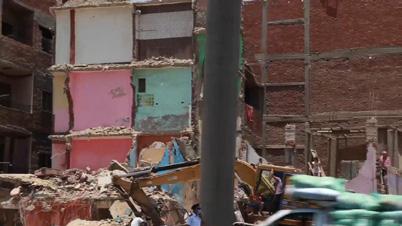
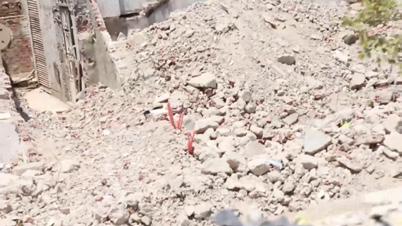
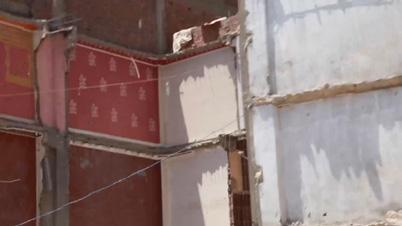
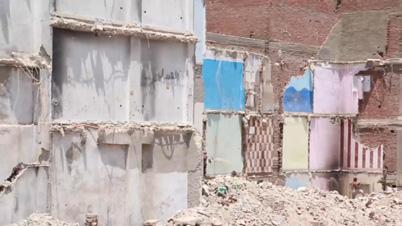
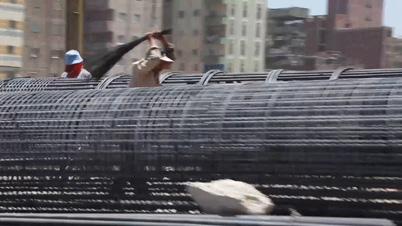
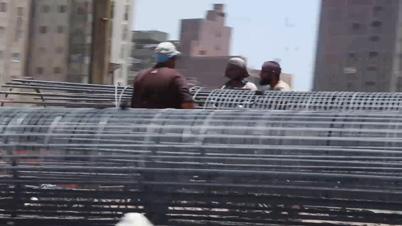
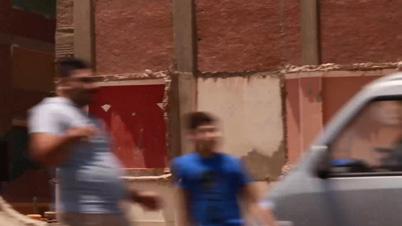
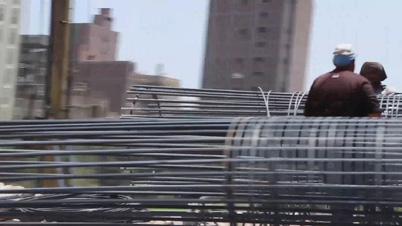
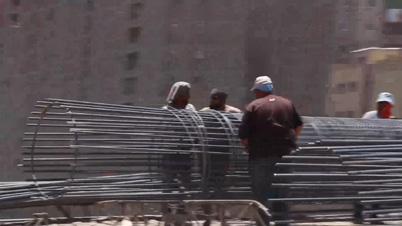
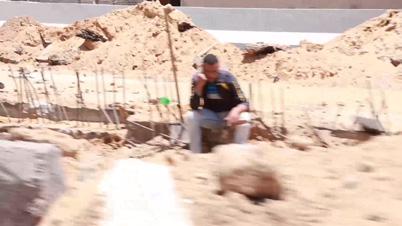
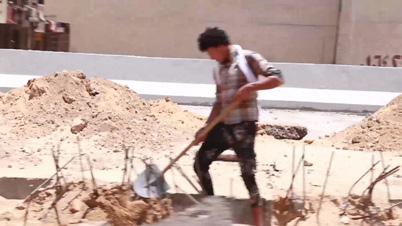
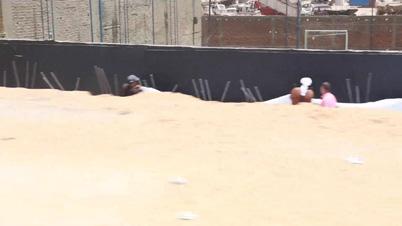
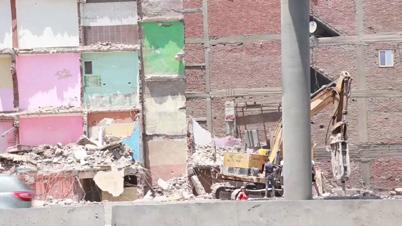
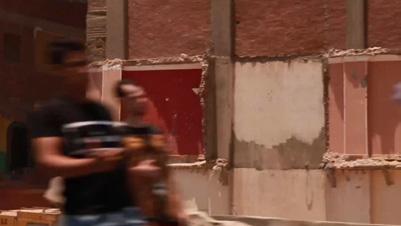
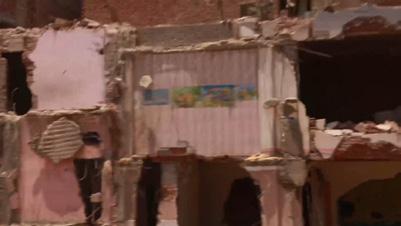
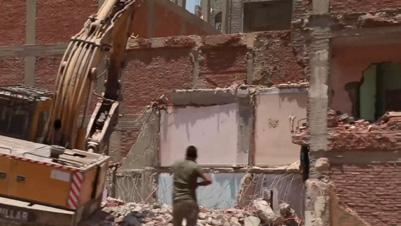
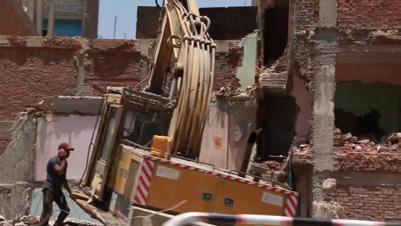
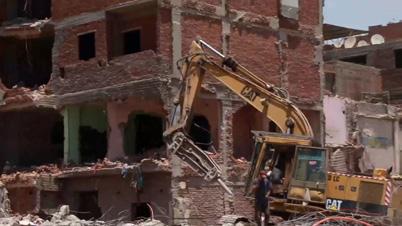
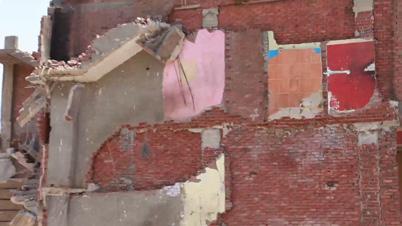
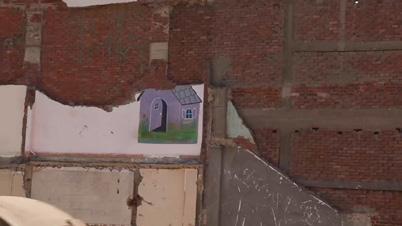
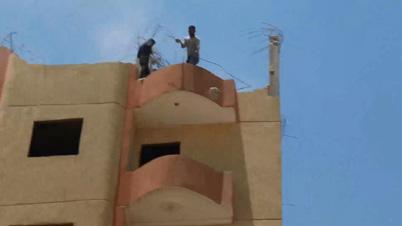
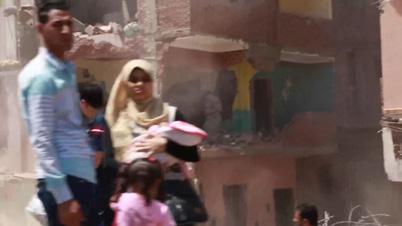
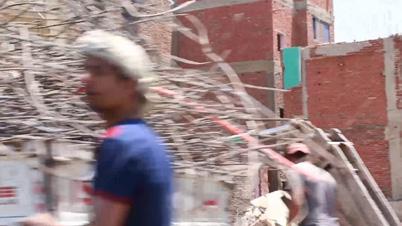
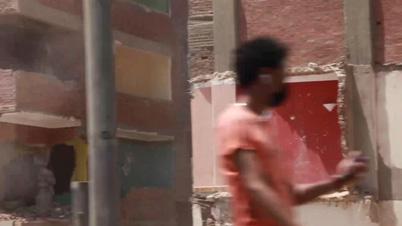
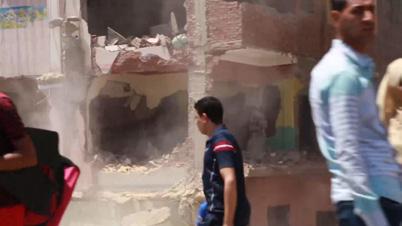
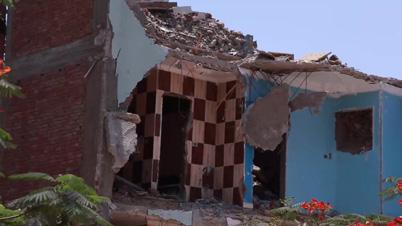
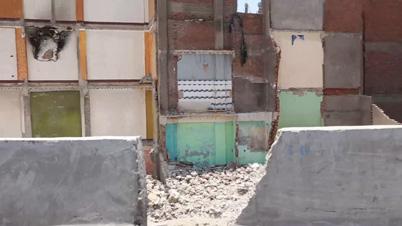
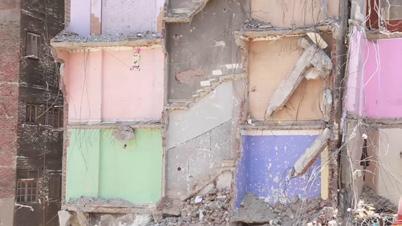
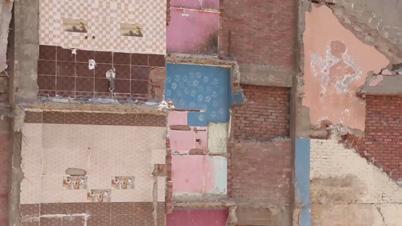
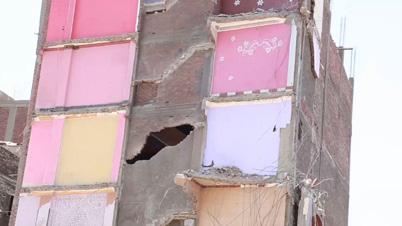
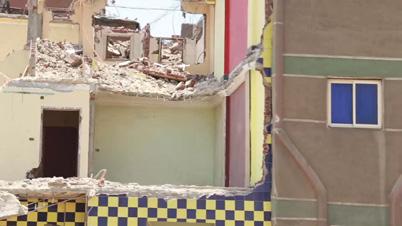
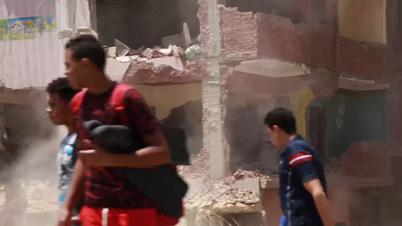
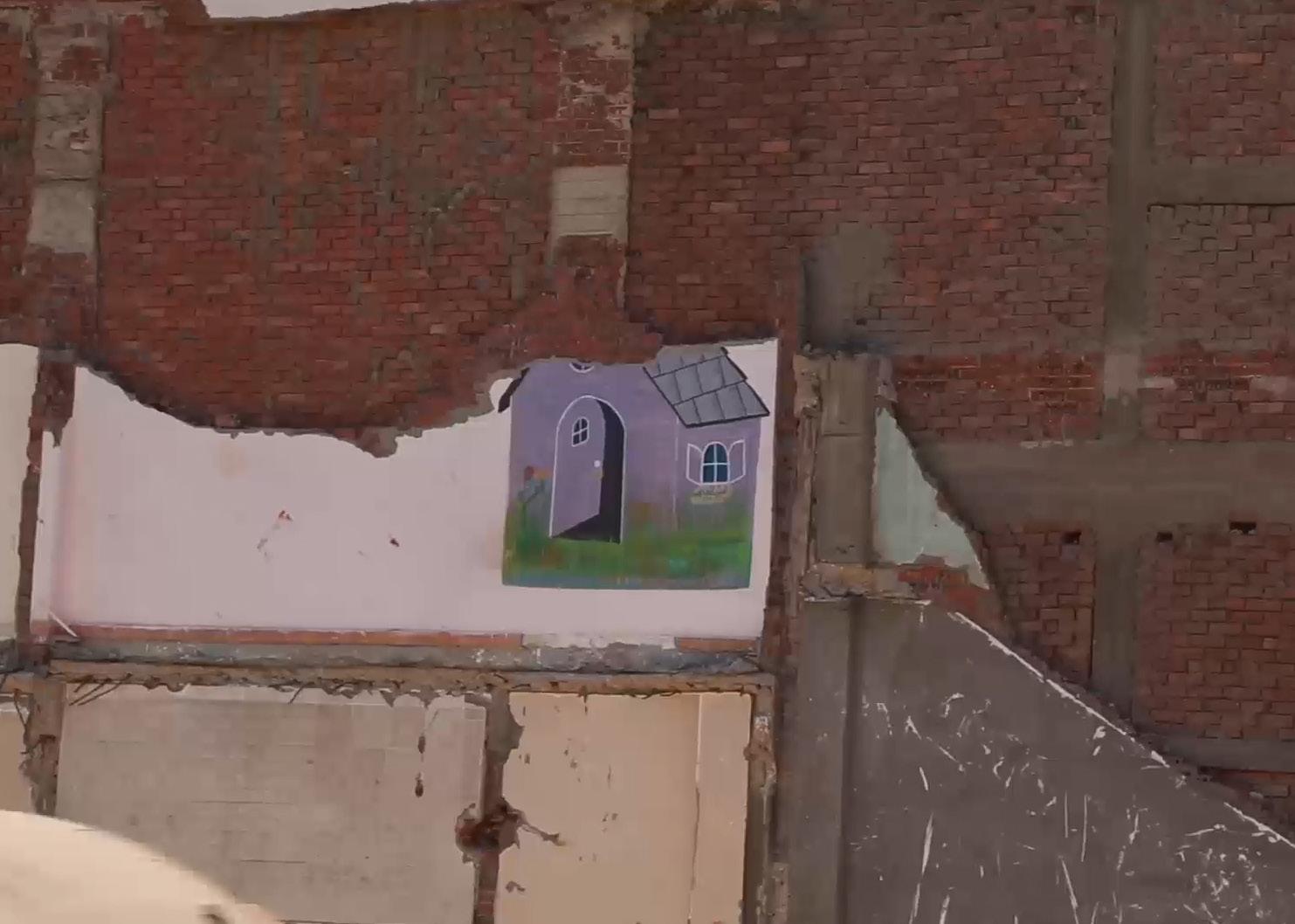
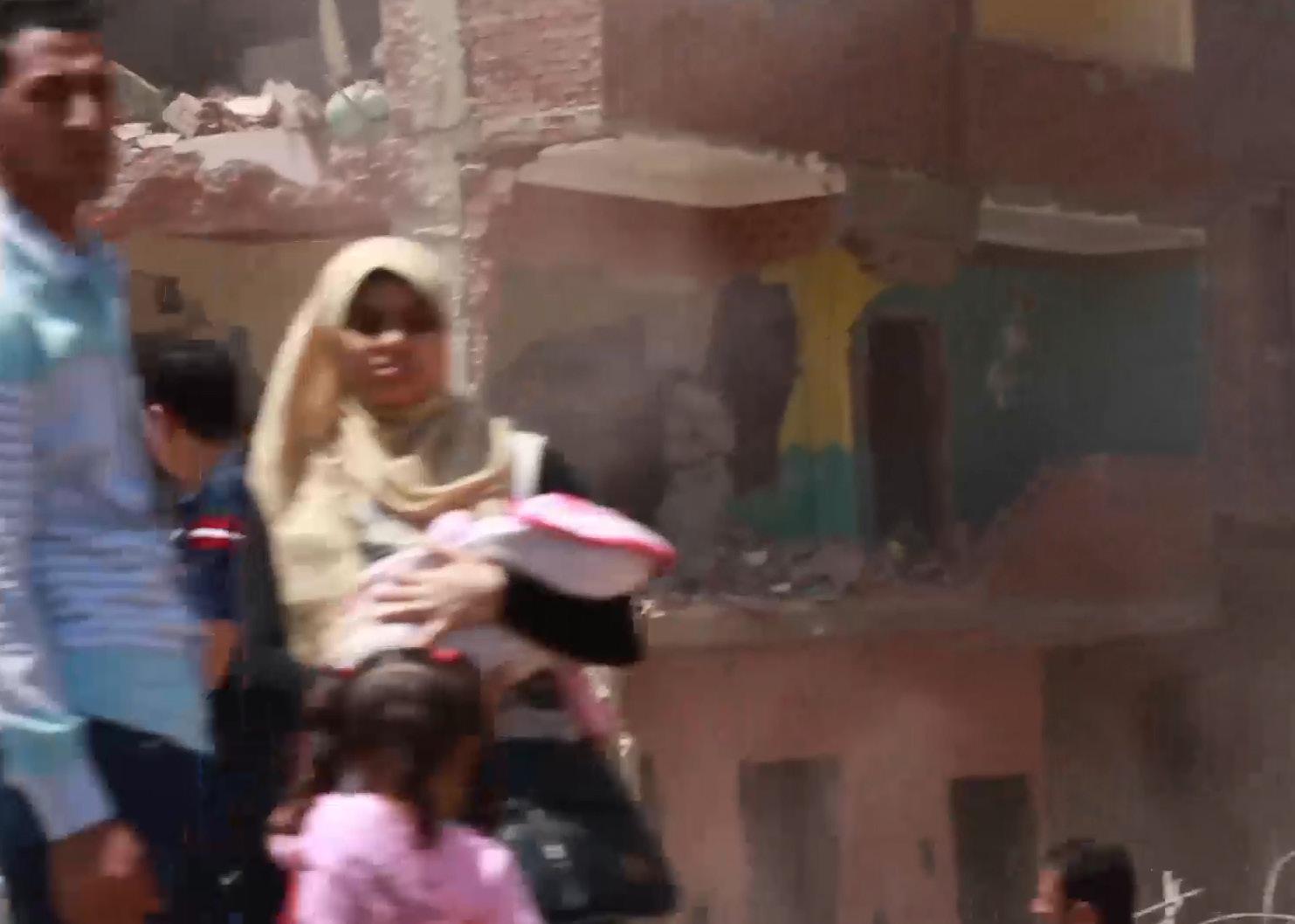
ALL FIGURES UP UNTIL THIS PAGE RECORD THE ONGOING DEMOLITION OF BUILDINGS DIRECTLY ON THE RING ROAD IN CAIRO AS AN EXTRA LANE IS ADDED. THIS LANE WOULD MAKE THE TRANSITION TO THE NEW ADMINISTRATIVE CAPITAL FASTER.
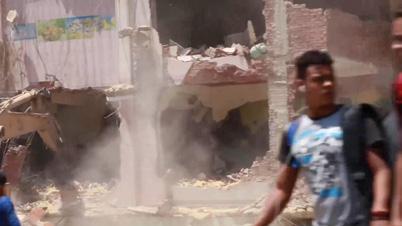
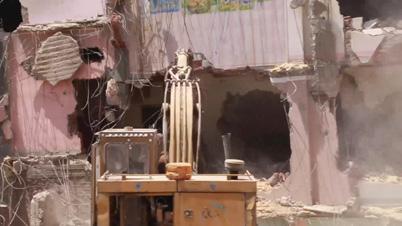
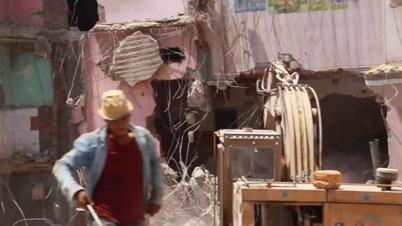
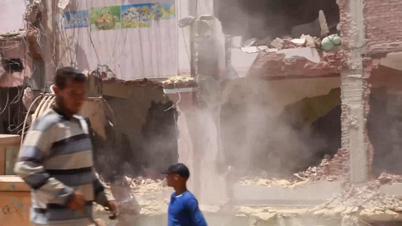
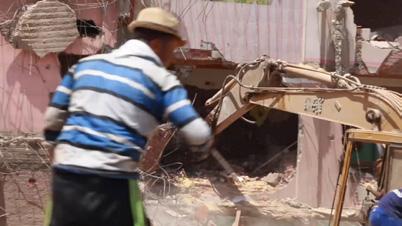
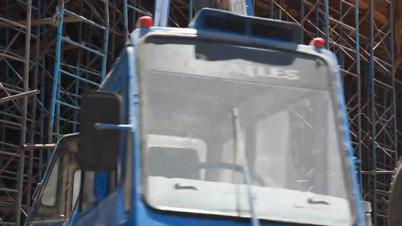
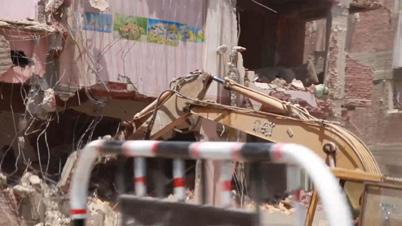
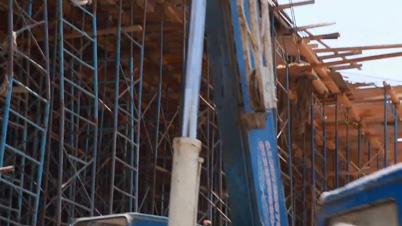
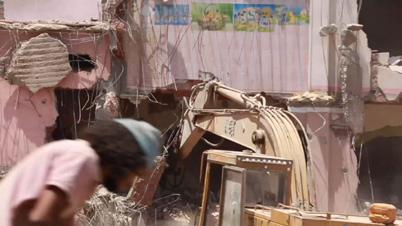
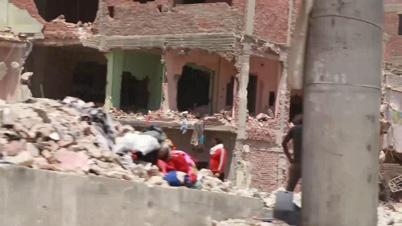
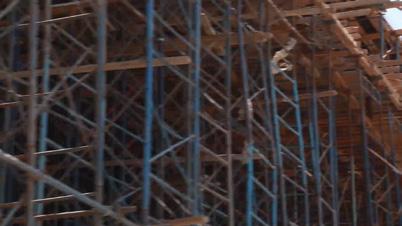
Since Egypt’s transition into an authoritarian military rule in 2013 under president Sisi, Cairo’s inhabitants have suffered in the context of construction mega-projects transforming the city’s urban fabric exponentially. The speed of such transformation and taking over of the economic market is claimed to be a way for the president to exhibit his capacities to international governments and markets. From 2012 to 2014, the average annual spending on infrastructure went from three to seven billion dollars. The most prestigious of the state’s plans are to build an entirely new administrative city in the governorate of Cairo, naming the strategy Cairo 2050 Vision, a campaign marketed initially under Mobarak. In this subchapter, I would like to investigate how Cairo is being transformed, and specifcally the ways through which the state makes its future vision of the city possible. While providing details of how gentrifcation is implemented in Cairo, I aim to highlight how this new dream is pushing out the less favourable socioeconomic strata, while misinforming the majority of the population that it is being done for the greater good through campaigns like “Long Live Egypt” which occupies most streets.
2
First, it is evident to defne what the process of gentrification means in the general sense. Coined by British sociologist Ruth Glass in 1964, gentrifcation is a play on the word “gentry”, whereby that part of the population would replace a ‘lower’ level strata. In simple and contemporary terms, it is when a built spatial area goes through the replacement of low-income groups with higher-income class. Although it could be implied, but it involves expelling the working class who can no longer afford the area, and in turn attracting much more substantial capital.
Sayigh, Y. (2019). A Military Unbound: Transformation in the Sisi Era. Return to Owners of the Republic: An Anatomy of Egypt’s Military Economy.
2 Ibid (2019).
3
El-Mahdawy, H. (2021). Cairo Eye: Will the great wheel of history keep turning? Mada Masr. Abu Emaira, M. A. (2021). After homes confiscated, Giza residents take legal action against prime minister. Mada Masr.
4
Alraouf, A. (2019). Commentary Phantasmagoric Urbanism: Exploiting the Culture of Image in Post-Revolution Egypt. Traditional Dwellings and Settlements Review, XXXI, p. 72. 5
Lees, L.; Slater, T.; Wyly, E. (2008). Gentrification. Routledge, Taylor & Francis, p. 4.
6
González, S.; Dawson, G. (2018) Resisting gentrification in traditional public markets: Lessons from London.
7 Moskowitz, P. (2017). How to Kill a City: Gentrification, Inequality, and the Fight for the Neighborhood. Nation Books. 8 Ibid (2017), p. 49. 9
Sayigh, Y. (2019). A Military Unbound: Transformation in the Sisi Era. Return to Owners of the Republic: An Anatomy of Egypt’s Military Economy.
It is essentially repurposing cities to multiply capital for the wealthiest - so the poor become poorer, and the rich, only richer. “Gentrifcation is much more than the physical renovation of residential and commercial spaces. It marks the replacement of the publicly regulated Keynesian inner city with the privately regulated neo-liberalized spaces of exclusion — replete with physical and institutional remnants of a system designed to ameliorate the inequality of capitalism”. This method is applied to Cairo, however the pr cess begins with the expropriation of a population in order to build highways, malls, and a more effcient way to build an entirely new city. I would like to emphasise, through examples of areas and people being relocated, how this process does not look out for the majority of the population. It is especially diffcult for most of the population, which has a lower income, to beneft from this spatial redistribution since it would place them in remote areas that would alienate them from work, transport and society.
7 8 9
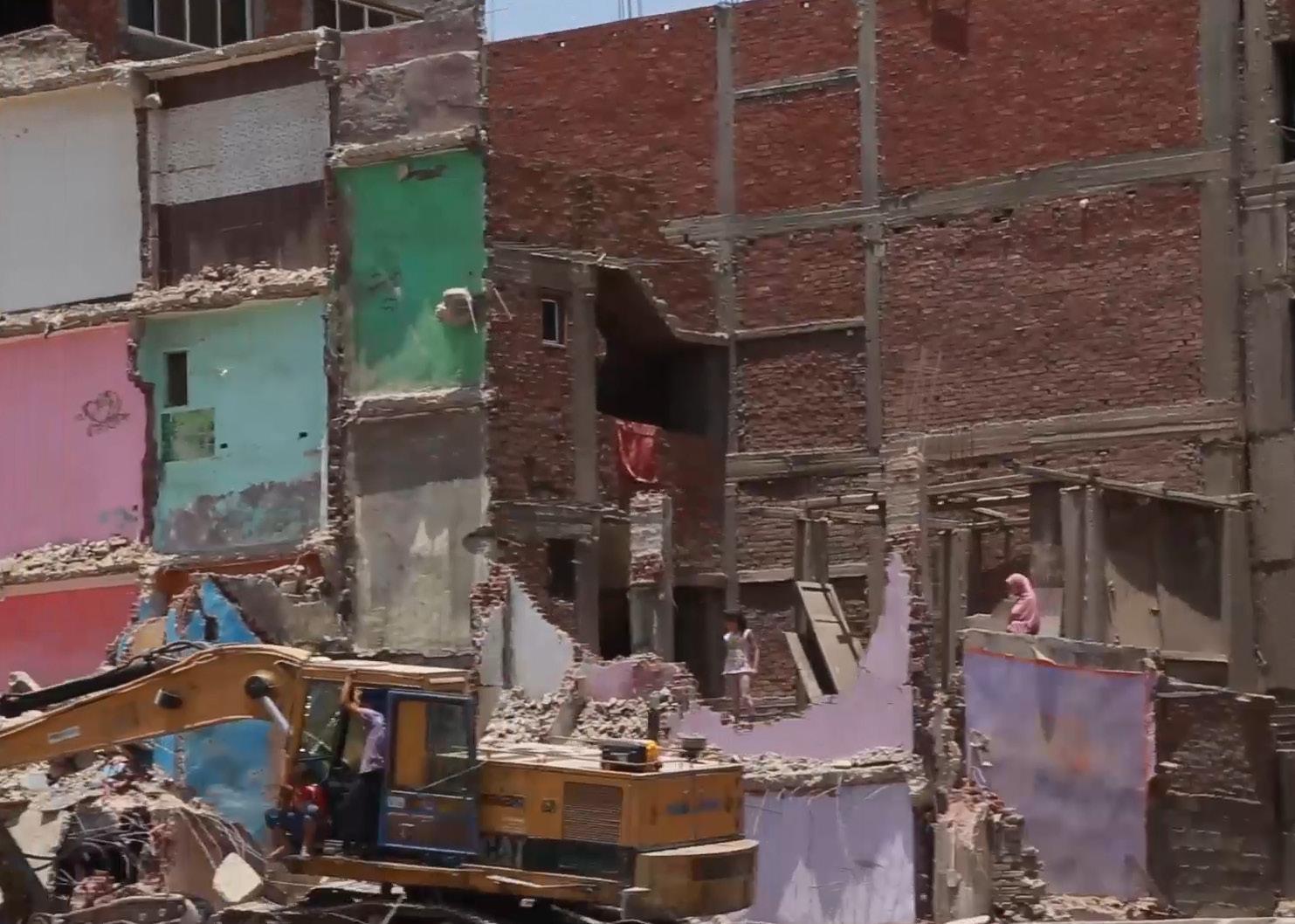
Many have been already forcibly expelled from their initial neighbourhoods following the gentrifcation and expropriation of central areas in Cairo such as Maspero Triangle, Qalyubiya, Nasr City, Basateen, Warraq, Nazlet al-Semman and Nahia. Although it is illegal to expel citizens in the constitution, it has been happening for the sake of centralising the new administrative capital. Such case portrays how the state’s strategy, which would only bring in massive capital infux, is prioritised beyond legal and humanitarian concerns for the population.
Some of the reasons for the expropriation are to facilitate access to the Grand Egyptian Museum, to build another lane on the main highway, transform the downtown area into a commercial hub, or even destroy historical houseboats to commercialise the Nile riverside. Much of the gentrifcation has proved itself not for the public interest, as Kassab quotes “Let’s imagine what it means, from the government’s perspective. When someone peers out through the glass as they ride the monorail on their way to the new capital — which in some way represents the new republic itself: instead of seeing the present-day lower-middle-class housing in the sixth and seventh districts, they see an urban housing model that represents an upper class”. It is useful to mention that since the government deems these ‘slums’ as unlawful, much of the expulsion is forced violently through arresting inhabitants who oppose the demolition - and in certain areas, ostracising the citizens by limiting their water, electricity and telephone lines. This example further illustrates the bird’s eye view of the state, with no interest for why these populations live in unoffcial settlements in the frst place. Instead of analysing such a social problem and fnding sustainable solutions to help an immense portion of the population which lives in unreasonable con -
1
El-Mahdawy,
Mada Masr. Kassab, B. (2022). Move to demolish Nasr City neighborhoods based on profit, not public interest, experts say. Mada
Kassab, B. (2023). Residents of Qalyubiya agricultural area face eviction to make way for state housing project. Mada Masr.
2 Kassab, B. (2022). Move to demolish Nasr City neighborhoods based on profit, not public interest, experts say. Mada Masr.
3
El-Mahdawy, H. (2021). Cairo Eye: Will the great wheel of history keep turning? Mada Masr.
Abu Emaira, M. A. (2021). After homes confiscated, Giza residents take legal action against prime minister. Mada Masr.
4 Kassab, B. (2022). Move to demolish Nasr City neighborhoods based on profit, not public interest, experts say. Mada Masr.
5
Abu Emaira, M. A.; Kassab, B. (2021). Amid plan to redevelop Nazlet al-Semman, evictions without warning for residents of low-income neighborhood. Mada Masr.
1
ditions, the process of gentrifcation shows no genuine concern for the livelihood and wellbeing of lower-income groups who are strugling to make it. The harshness is proven through the extreme exploitative measures such as cutting their resources (which are already scarce), in order to inhumanely force them to relocate to neighbourhoods where they will be threatened socially and economically. The regime is using their bigest weakness to obligate the move, which clearly summarises how, as mentioned earlier, the process of gentrifcation does not beneft the ‘poor’. On that note, it is questionable why annual spending on infrastructure doubled in two years, when these funds and foreign debts could have been spent on legitimising these ‘slums’ and raising the quality of life.
Similar is the case of residential houseboats on the nile, which have housed many for decades, and recently forced to displace the latter as the government prioritises commercial investments. However, this case specifcally highlights the terror of a totalitarian regime further through the prioritisation of economic investments over public interest. Even with the population’s concern and refusal of these plans, it has been impossible to stand in the way of these projects, given that many who resisted got arrested or detained. It is hard to see the transparency of the regime’s strategy when on one hand people’s resources are cut off, and on the other, opinion leads to jail. Such measures can be categorised as totalitarian, and makes one question if the spatial redistribution is for the greater good of Egypt, then why are such deviant methods taken and why is the population not only not heard, but deliberately silenced?
It is crucial to inspect how the government is choreographing the transfer from central Cairo to the new administrative capital. One example is that of higher status civil servants, some of whom have been carefully chosen for the transfer into subsidised housing. The choice is based on curating harmonious social class dynamics for their upcoming urban life. The chosen group of civil servants were placed in a “training program”, which ensures their positive attitude, banning criticism of the country: “The instructors, who were often police generals, questioned participants on hypothetical scenarios such as: ‘Say you’re at a cafe with your friend. He starts complaining about the general conditions in the country. Do you chime in or stay quiet and listen?’ Or: ‘If you meet important government fgures in the context of your job, would you faunt their pictures on social media?’ The correct answer was always ‘no’, according to Hatem; otherwise, the employee could be rejected for a transfer and suspended”.
This example highlights the authoritarian security apparatus which threatens not only civilians, but even the people who contribute to it. Such mandatory performativity is exactly the kind of oppression which threatens the freedom of speech and choice to any inhabitant in Cairo, and proves once again that the government considers the public interest as secondary. The violent displacement of families and civil servants alike is purely a byproduct of monetary goals and privatisation of the economy in Egypt under military rule. Forced self-censorship only provides more clues that this is not a
true democracy. If affected populations are expelled, opposed civilians detained, and civil servants brainwashed, how can one trust that the Cairo 2050 Vision is for a better future for Egypt. Perhaps, it is simply striving toward a better economic future, relying on immense debts that Egyptians are paying for through exponential infation, but will they ever see the day to beneft from it? So far, the new administrative capital is alienating the Cairo we know, and the one Egyptians dreamed of when they successfully overthrew the previous dictator and believed the future was theirs.
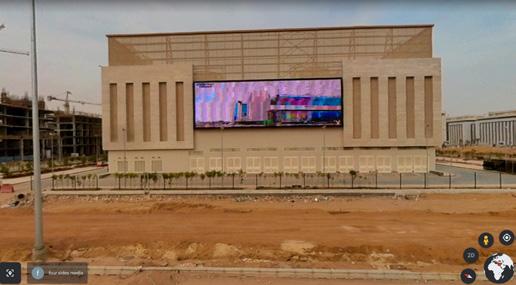
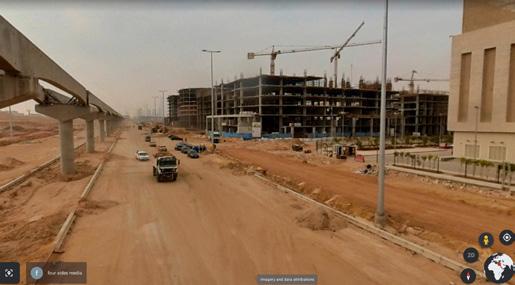
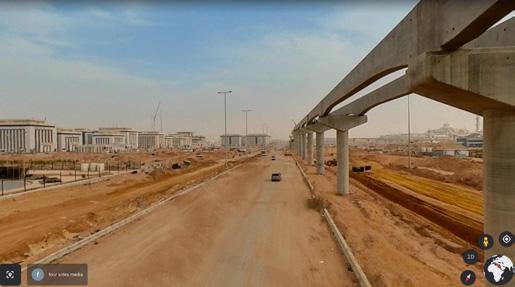
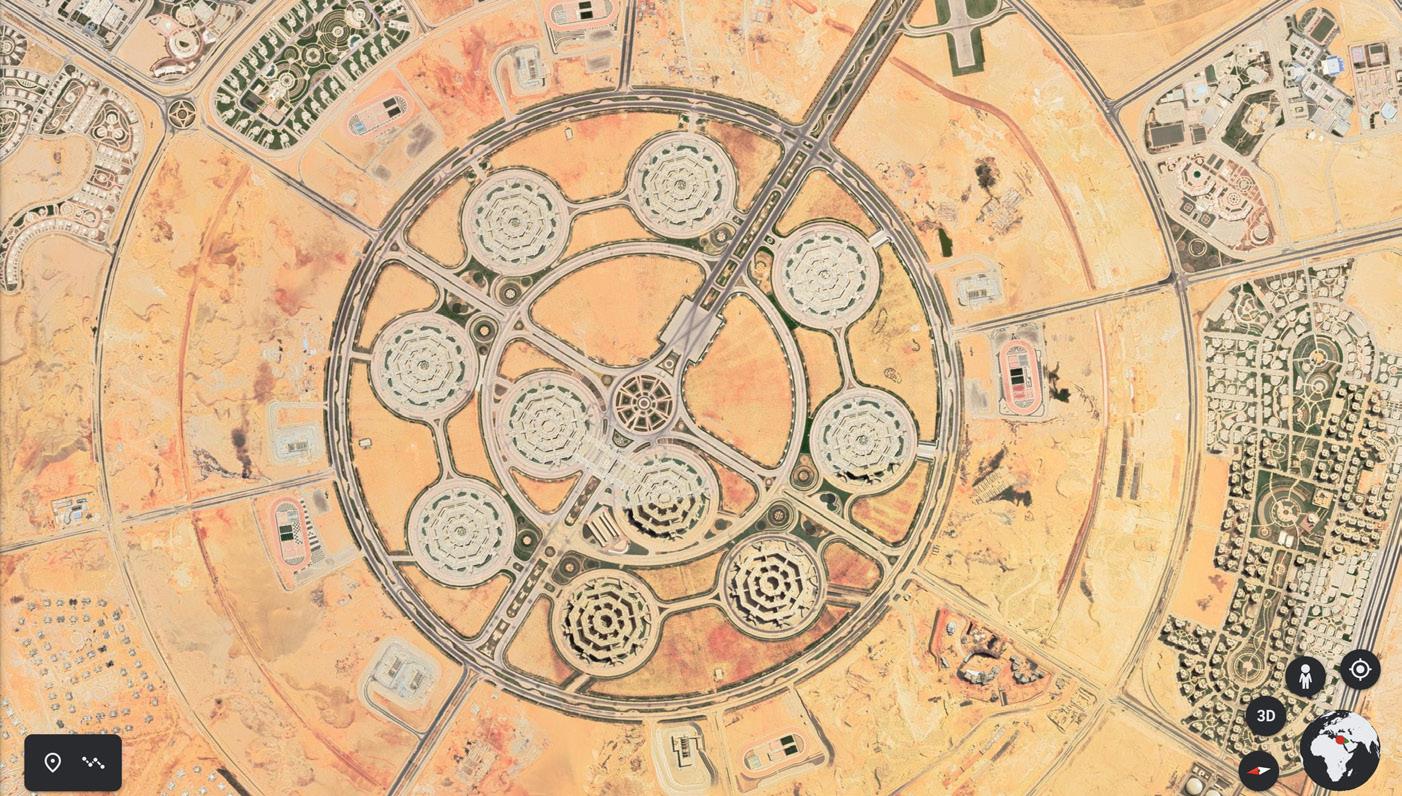
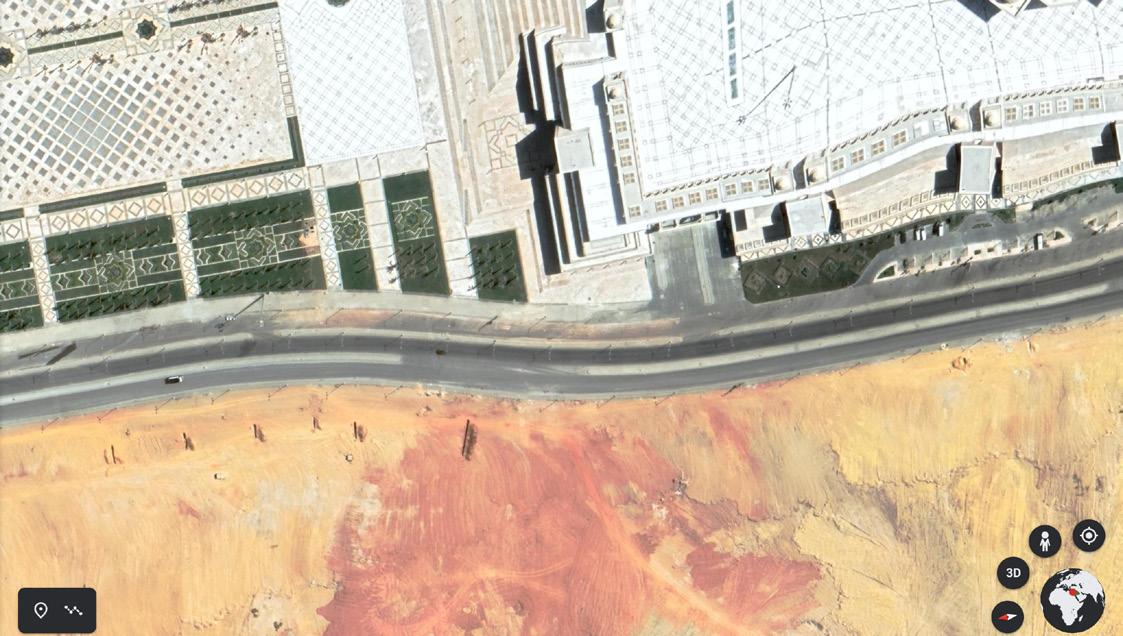
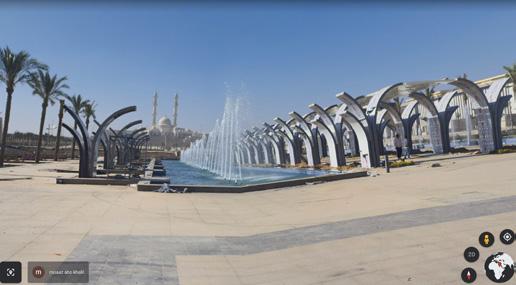
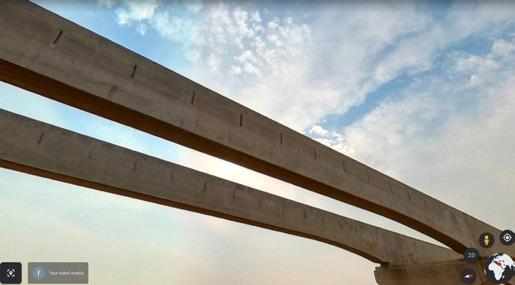
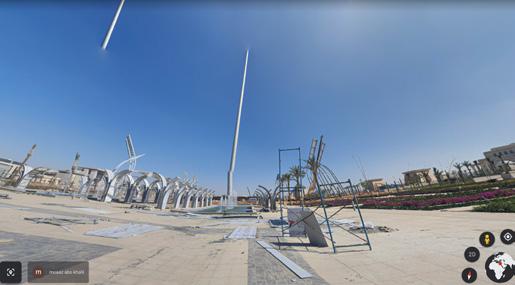
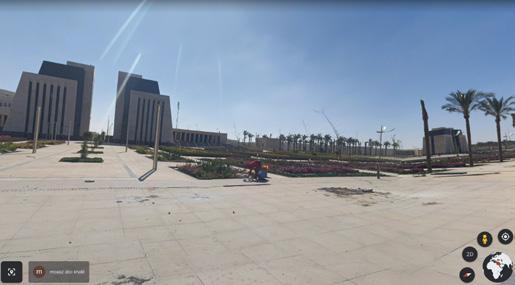
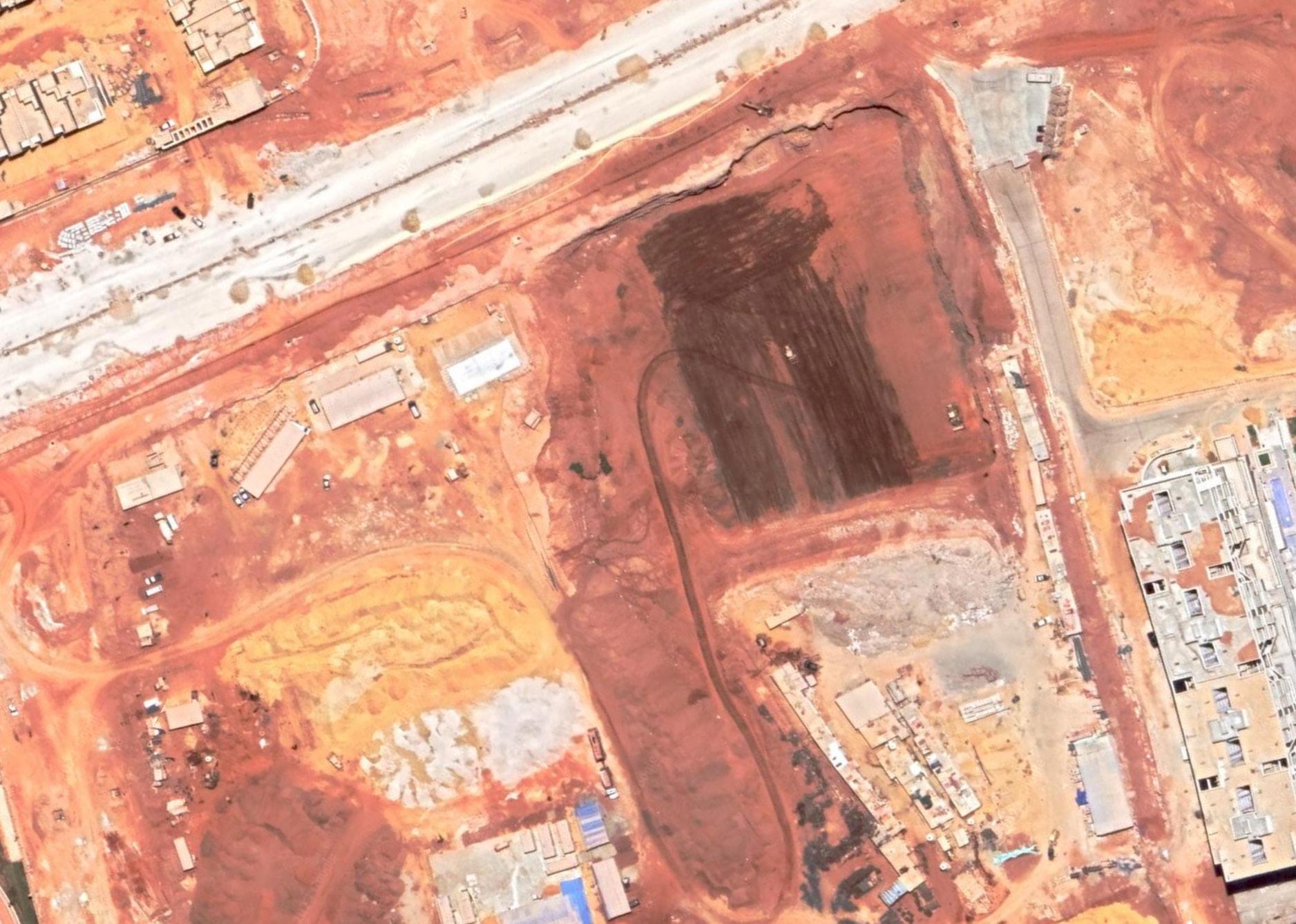
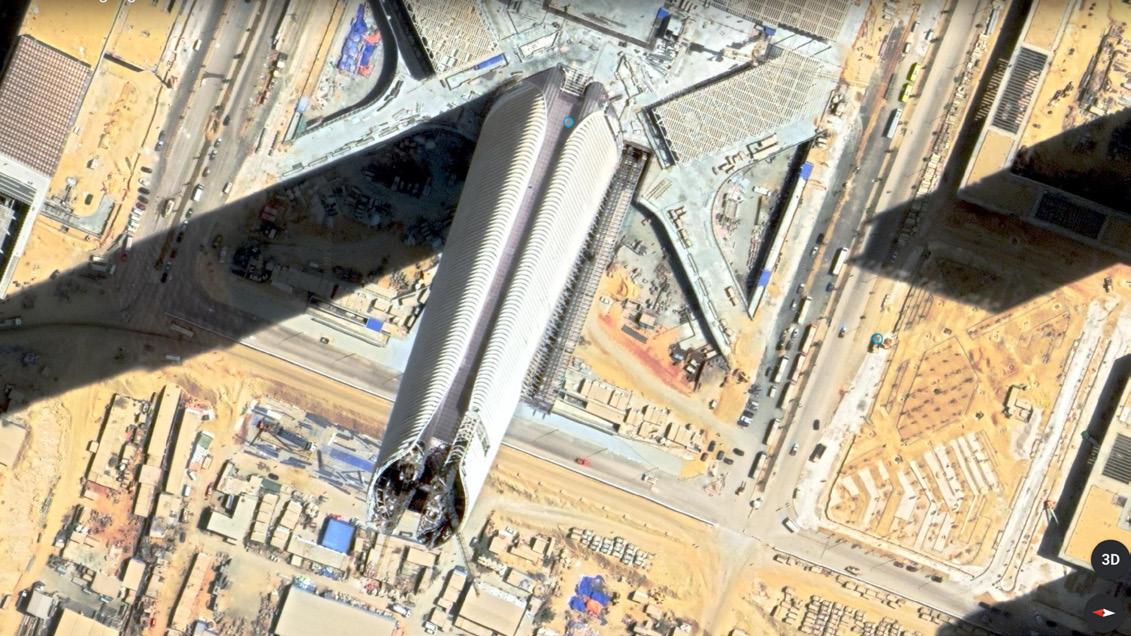
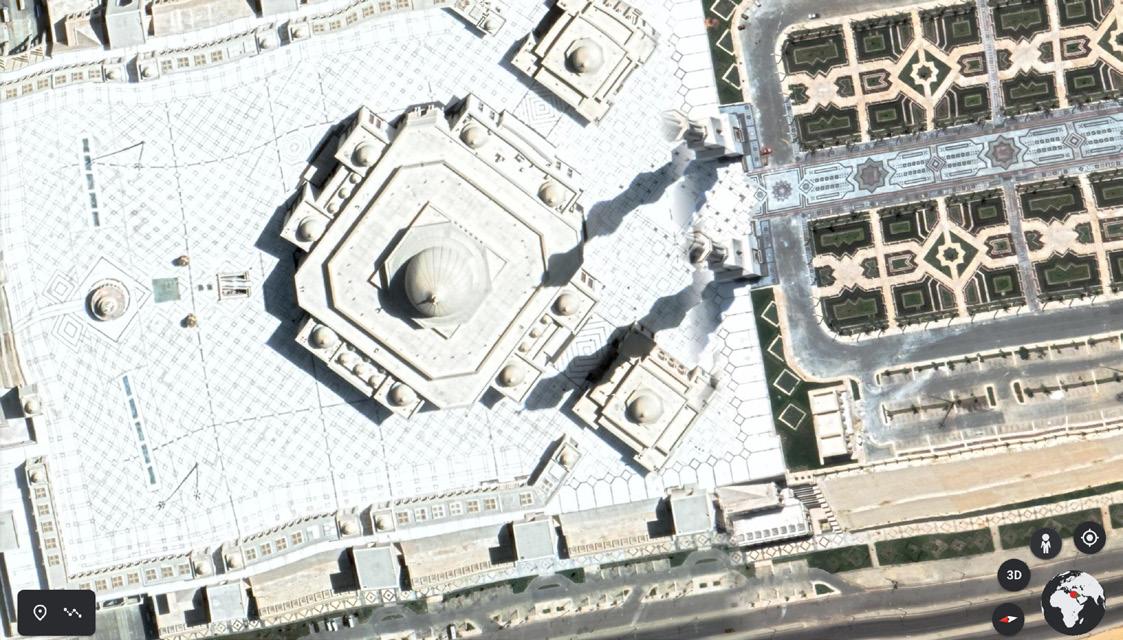
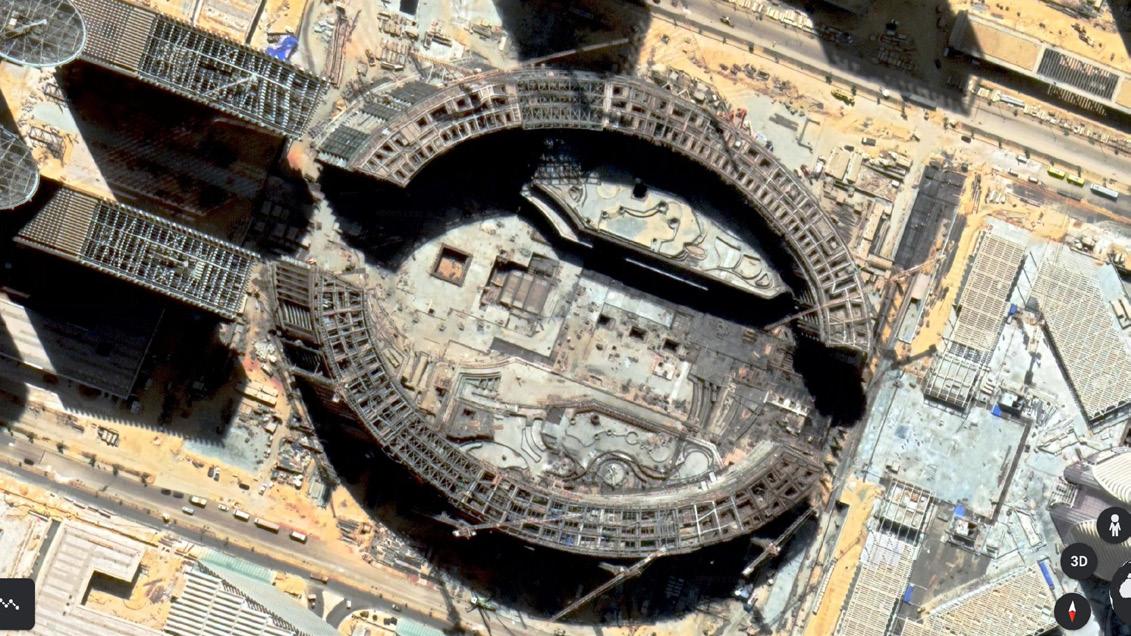
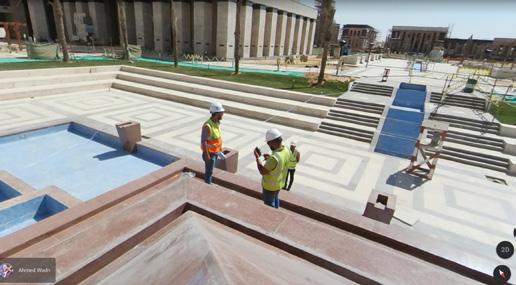
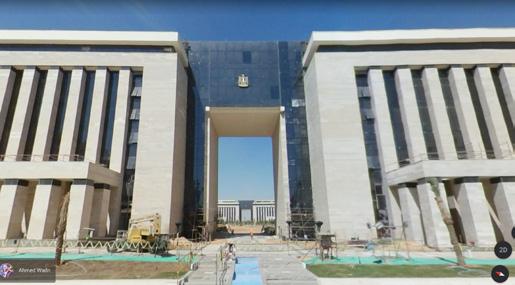
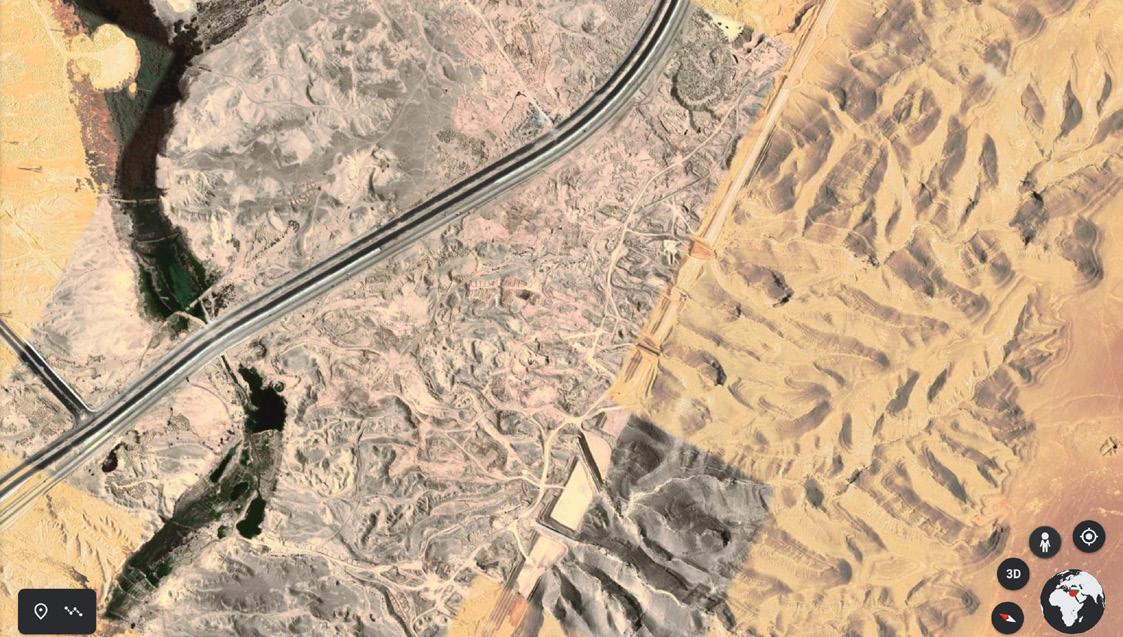
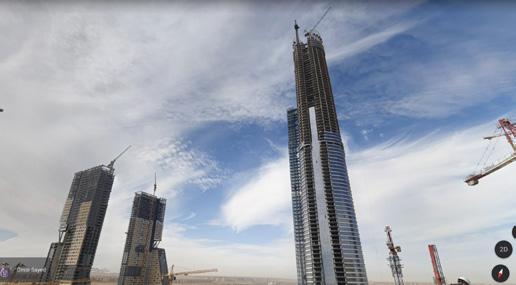
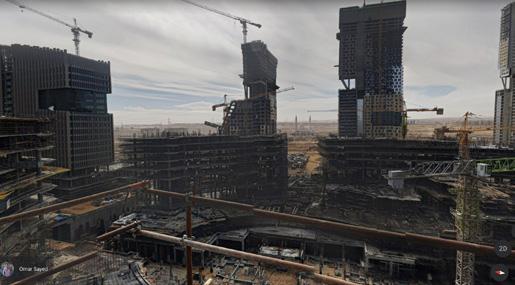
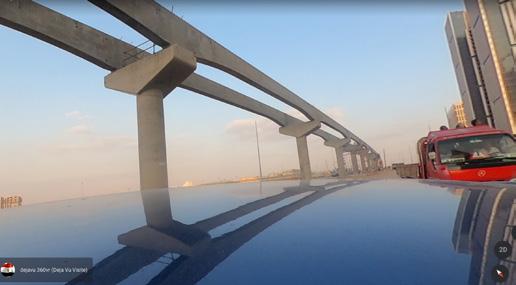
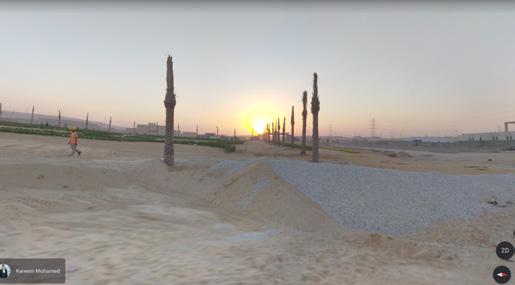
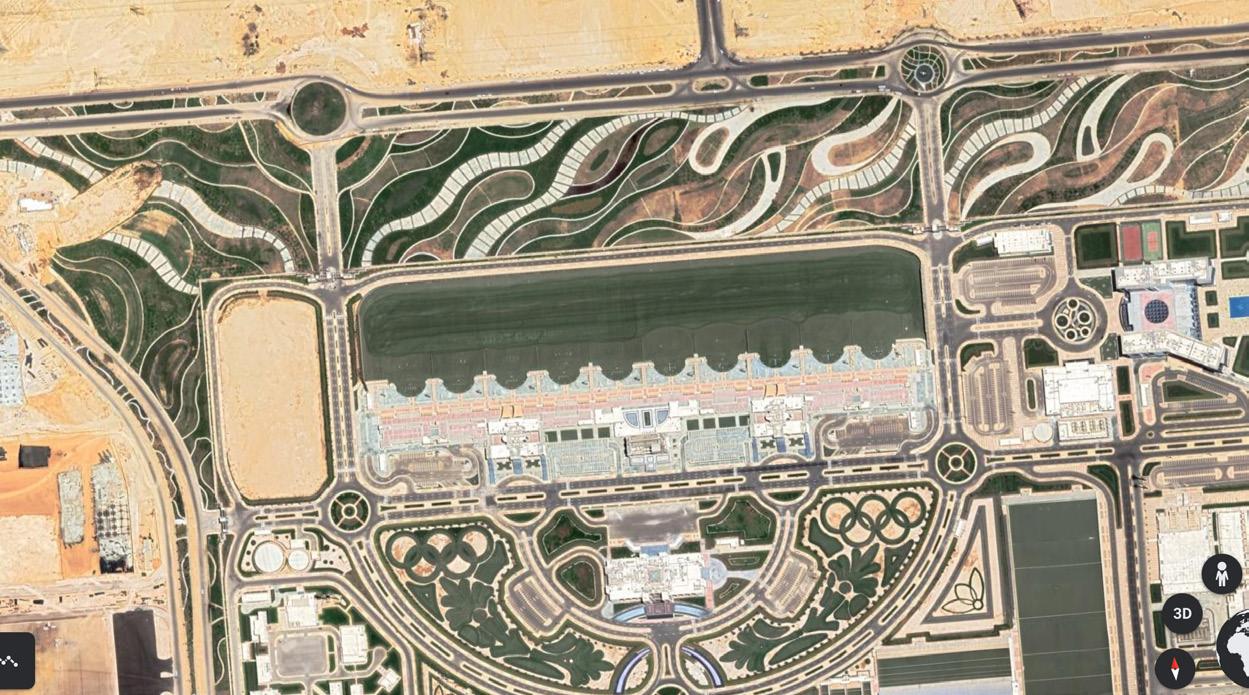
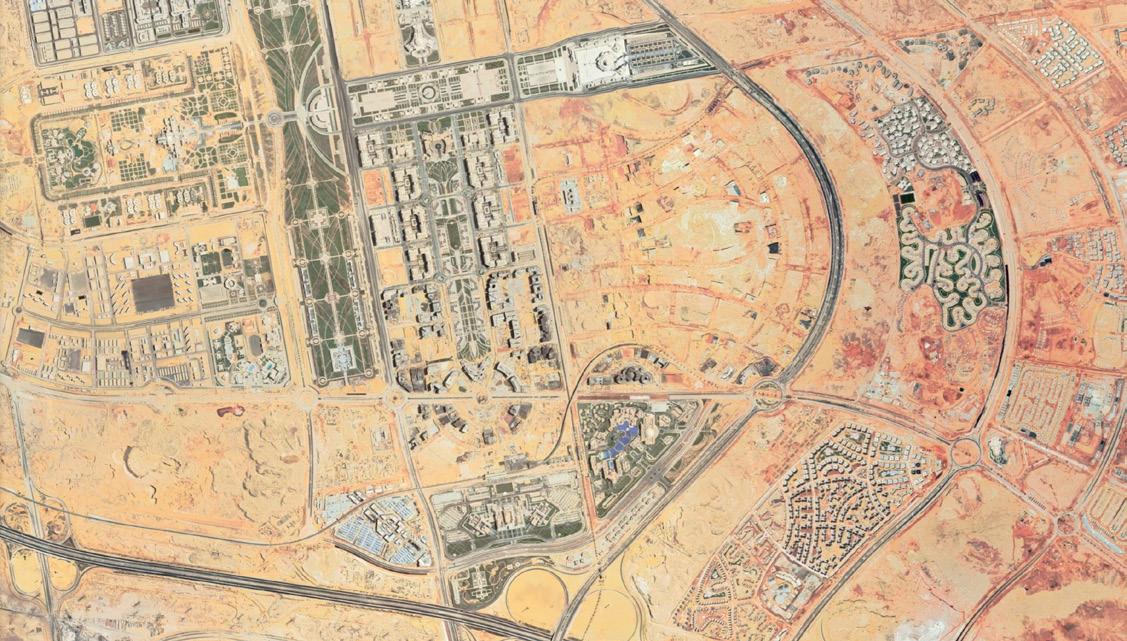
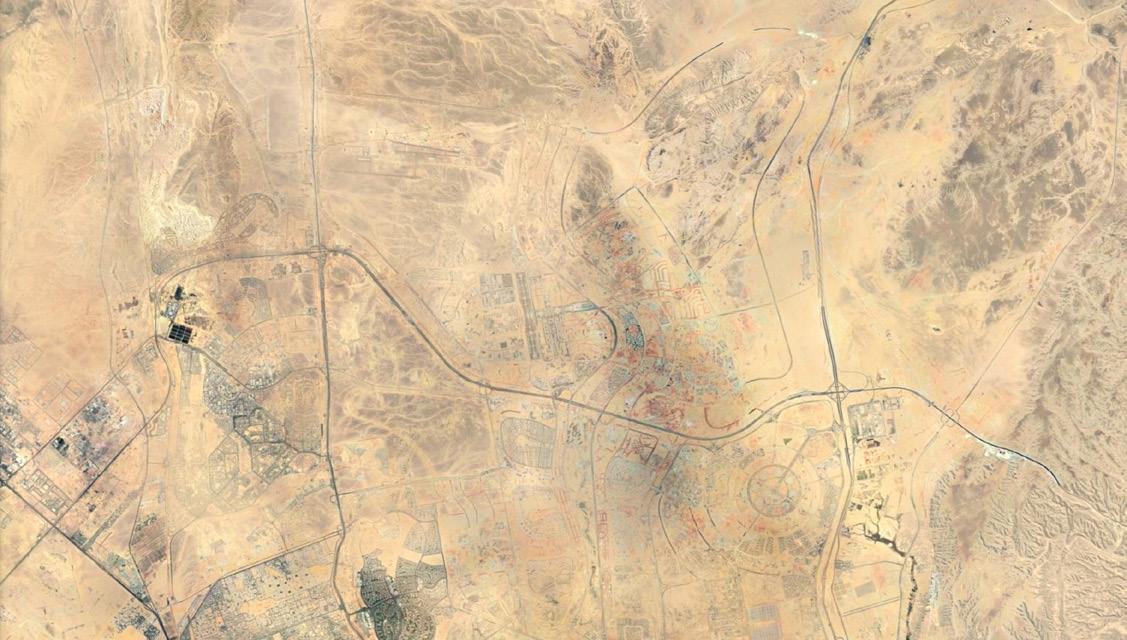
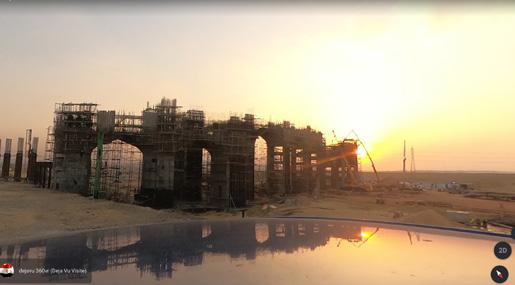
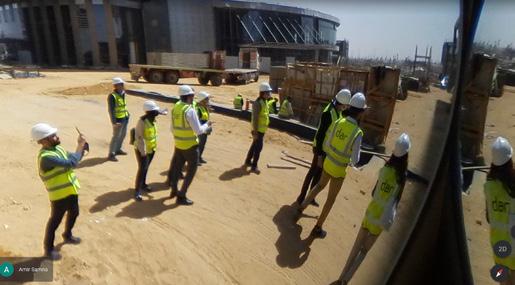
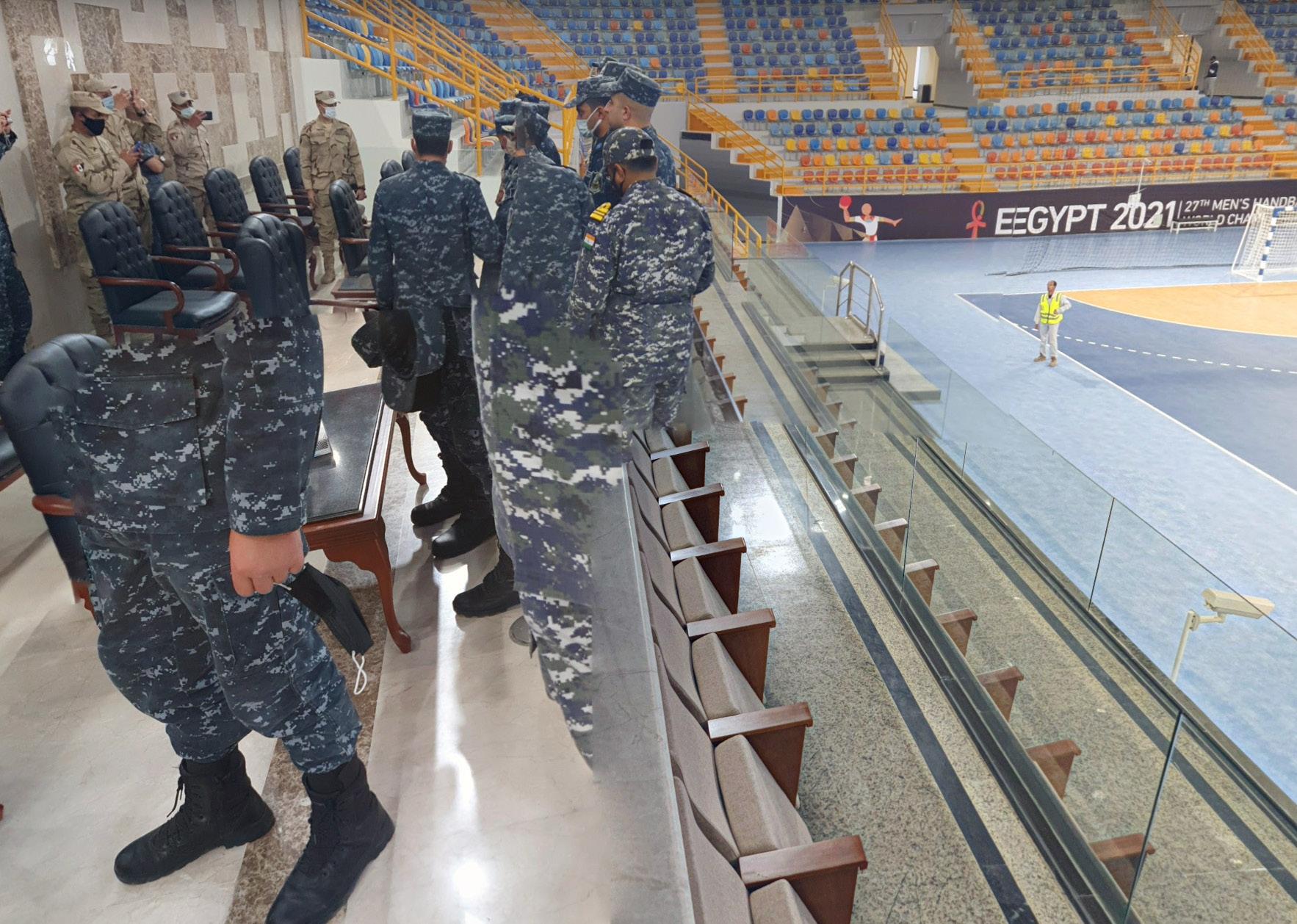
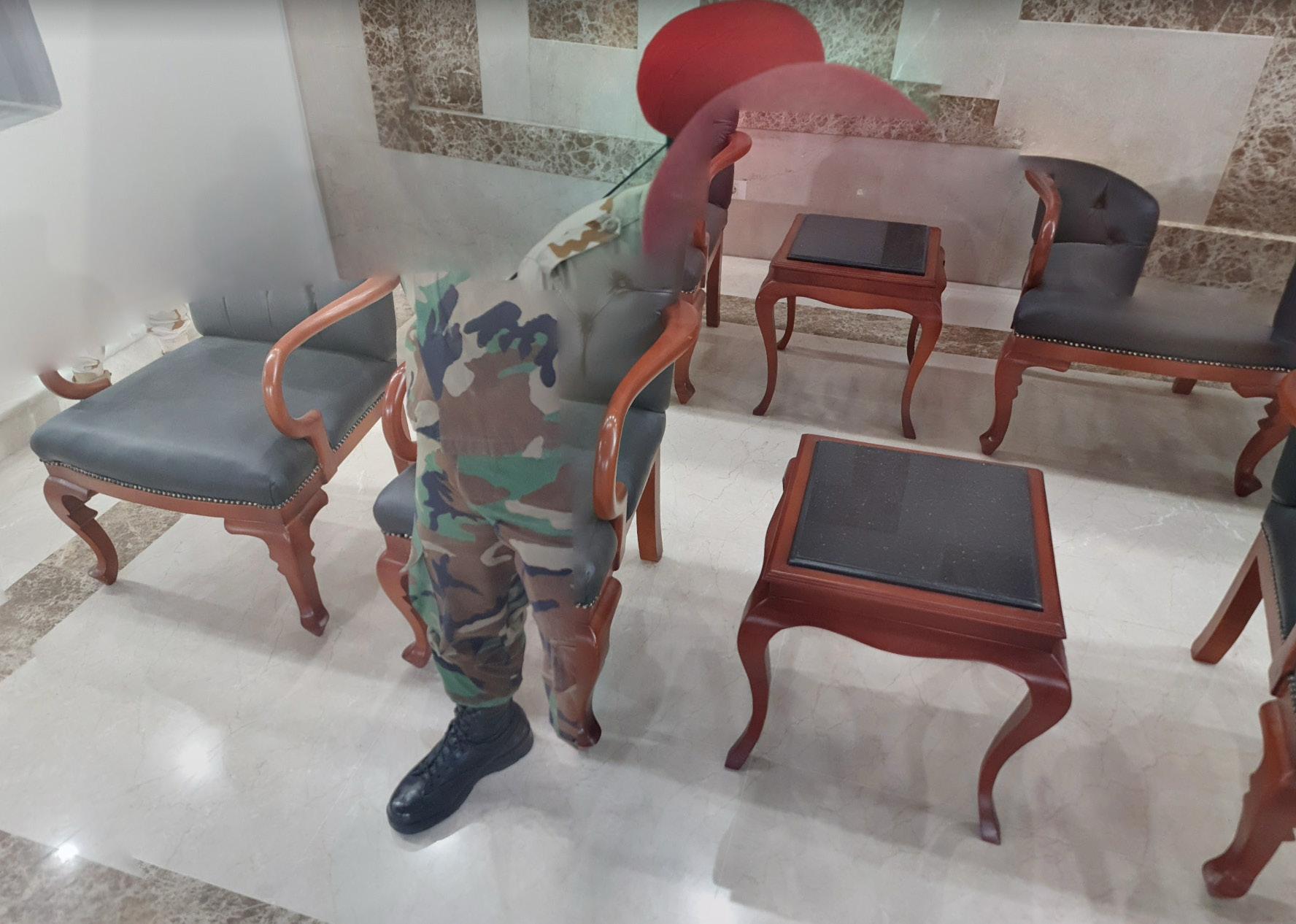
FIGURES IN THIS SUBCHAPTER ARE SCREENSHOTS FROM GOOGLE EARTH VIEWS OF THE NEW ADMINISTRATIVE CAPITAL.
It is useful to mention here the work of the anthropologist Trouillot, who separated the event, and the accounts of an event, giving equal importance to the archival of a historical product; and therefore, how public memory could be shape-shifted by authoritarian, fascist regimes. Alraouf further describes Sisi’s infrastructural dreams as mere myths, fantasies that aim to trick us into the false hope of the government’s legitimacy. Not only that, but “how fantastic urban imagery is being used to confuse the short-term memory of an oppressed population”, by glorifying its president as a hero who saved them from Islamists, notably an easy campaign to market to the West.
While the president’s promises have proved to be unrealistic, and even suffered the backing out of foreign investors, the fantasy continues to be promoted in billboards, TV, and nationalistic campaigns. The words of former major general Khaled El- Husseiny echo the illusion of unity and collectivity these fantastical plans aim to brainwash: “According to El-Husseiny, the matter is simple: “We have a dream, and we’re building our dreams now. We need a landmark, a new capital. We have the right to have a dream and this is our dream”. The sheer fact of defning ‘our’ dream on behalf of the population, with no legitimate public opinion or freedom of speech, is exemplary of the the authoritarian apparatus. Moreover, as I attempted to show above, that this ‘dream’ will only amplify social segregation more harshly, and therefore also ‘unmake’ our collective notions of memory.
If 70% of Egyptians live in informal settlements where population density reaches 1500 habitants per km2, while the elite lives in segregated gated-communities in the desert outskirts, all opponents detained, a failing
Alraouf, A. (2019). Commentary Phantasmagoric Urbanism: Exploiting the Culture of Image in Post-Revolution Egypt. Traditional Dwellings and Settlements Review, XXXI, p. 71- 85. Trouillot, M. R. (1997). Silencing the Past: Power and the Production of History. Boston: Beacon Press.
2
Alraouf, A. (2019). Commentary Phantasmagoric Urbanism: Exploiting the Culture of Image in Post-Revolution Egypt. Traditional Dwellings and Settlements Review, XXXI, p. 72. 3 Ibid (2019). 4 Ibid (2019), p. 79. 5
Mekawy, Hala S.; Yousry, Ahmed M. (2012). Cairo: The predicament of a fragmented metropolis. Faculty of Urban and Regional Planning - Cairo University.
inaugurated new administrative capital that is drowning the country in foreign debt, then whose dream is it exactly? If the citizens who gathered in chant for freedom, democracy and justice, no longer remotely see each other in a segregated city - then what is left of our collective memory? How is space public if it no longer becomes available to all, and there are no more traces of a (recent) revolutionary past?
I investigate the collective meaning that areas in Cairo hold for the population, and how the undergoing process of expropriation and gentrifcation is outshining our collective memory of the Arab Spring and collective hope for a democratic future. I emphasize how the homogenisation, a byproduct of gentrifcation, is evaporating the hope for a unifed and democratic future, and I attempt to demonstrate the ways in which the state reappropriates places of collective memory, specifcally Tahrir Square as a case study, in order to plant the fantasy of a modern (totalitarian) city.
Coined by French philosopher Maurice Halbwachs, collective memory refers to the mutual memories of a group, or other collective formations such as institutions. Wertsch defnes collective memory as what unifes a specifc group of people by a common past. However, useful to mention in Awad’s words: “this representation is not a static account of the past, but rather a fuid reconstruction that feeds into current needs as well as future imagination”.
In Sardessai’s understanding of gentrifcation, the last phase of its multi-step process, neighbourhoods are populated by elite communities, usually in gated communities (which is the case of the current residential ‘compounds’ in the outskirts of Cairo), excluding and discriminating against the majority of the population which belongs to a lower-income group. Ironically, the latter are usually the ones building these exclusionary residential districts. This process ends in a complete regeneration of space that is unfamiliar and unrecognisable from its original urban fabric, that “reduce people’s potential to understand one another and commit to any common or collective purpose”. Moreover, this often results in a sense of alienation due to the lack of character, and therefore belonging within the city. It is crucial to take
Halbwachs M.; Coser L. A. (1992). On collective memory. University of Chicago Press.
2
Wertsch, J. (2008). The narrative organization of collective memory. Ethos, 36, p. 120–135.
3
Awad, S. (2017). Documenting a contested memory: Symbols in the changing city space of Cairo. Culture & Psychology, 23, p. 236..
4
Sardessai, S. (2020). Lost city: How Gentrification Transforms Cities and What We Can do to Counteract it.
5
Mekawy, Hala S.; Yousry, Ahmed M. (2012). Cairo: The predicament of a fragmented metropolis. Faculty of Urban and Regional Planning - Cairo University, p. 7.
6
Sardessai, S. (2020). Lost city: How Gentrification Transforms Cities and What We Can do to Counteract it.
7
Misoczky, M. C.; Oliveira, C. M. (2018). The city and the urban as spaces of capital and social struggle: notes on Henri Lefebvre’s enduring contributions. Revista de Administração Pública, vol. 52, no. 6, p. 1015-1031.
Fundação Getulio Vargas.
8
Lefebvre, H. (2003). The urban revolution. Minneapolis: University of Minnesota Press, p. 116.
9
Lefebvre, H. (1974). The Production of Space. Translation from the French by Donald Nicholson–Smith. Oxford and Cambridge (MA.): Blackwell, p. 386.
Henri Lefebvre’s example of utopian urban space, as his contributions to a neoliberal city highlight the risk of homogeneity that Cairo is undergoing, he defned the aim of urban space to gather “very different worlds and value-systems, of ethnic, cultural, and social groups, activities and knowledges”. By segregating urban space, we are risking what Lefebvre called “a state of inertia, fat on the ground (so to speak), utterly dispersed and deanimated”. The case of Downtown Cairo highlights how gentrifcation shapes this alienation through a process of transforming collective memory as it’s directly intertwined with its political signifcance to Egyptians. Tahrir 7 8 9
1
Riphagen, W.; Woltering, R. A. F. L. (2018). Tales of a Square: The Production and Transformation of Political Space in the Egyptian (Counter) Revolution. Arab Studies Quarterly. Vol. 40(2), p. 117-133. Awad, S. (2017). Documenting a contested memory: Symbols in the changing city space of Cairo. Culture & Psychology, 23, p. 234-254.
2
Abaza, M. (2014). Three traveling plaques become four in mohamed mahmoud street, p. 9)
3
Awatta, H. (2015). Whose Downtown is it anyways? The urban transformation of downtown Cairo between state and non-state actors. The American University in Cairo.
4
Abaza, M. (2001). Shopping Malls, Consumer Culture and the Reshaping of Public Space in Egypt. Theory, Culture & Society, 18(5), p. 97–122.
Square, located in the center of downtown Cairo, hosted, in 2011, millions of Egyptian citizens from all social classes and walks of life for an 18-day occupation to end the dictatorship under Mobarak’s 30-year imposed rule. The neighbourhood holds immense collective hope for a democratic future, the square being described as “de facto the space for contestation, for grieving, and public performance” . Following seemingly cooperative military-civilian relationships, the military takes over the regime and with it, scraping the area of all public engagements such as street vendors, political graffti art; all under the excuse of reinforcing security against Muslim brotherhood. Apart from the suburbs of Greater Cairo that are already strictly populated by the Egyptian Elite such as in gated communities and private sporting clubs, the regeneration of Downtown Cairo adds further to the apparent socio-economic gap within Egyptian society. The gentrifcation in this specifc central area is referred
to as the “quartering of public place”, catering to more favourable social classes through privatisation of the neighbourhood, such as tourists and higher class Egyptians. The state is collaborating with private investors such as Al-Ismaeliya, in order to restore this area to its Khedival glory. While maintaining some of its cultural signifcance, the concern is that such a collaboration could monopolise a specifc format of ‘culture’ that only entertains what the state deems as ‘culture’, and not that of the people - despite it being a public space. As the latter elaborates “this process could be seen as ‘co-opting’ strategy of revolutionary art for the neoliberal capitalist scheme of Cairo 2050”.
The confict is that the downtown has been a haven for all Egyptians, as it allowed them to gather for a unifed hope for a better future; this also meant that the development of the city could be up to citizens, which is the exact opposite of the current plans that aim to attract elites and tourists. The collective memory of the space is claimed by non-state affliated art that immortalises the revolution, 5 6 7 8 9
5
Elsheshtawy, Y. (2006). Urban transformations: Social control of Al-rifa’i mosque and Sultan Hasan Square. D. Singerman, & P. Amar (Eds.). Cairo cosmopolitan: Politics, culture, and urban space in the new globalized middle east. Cairo: The American University in Cairo Press, p. 237.
6 Ibid, 2006.
7
Abaza, M. (2014). Three traveling plaques become four in mohamed mahmoud street, p. 9.
8
Abdelaal, S. (2021). Beyond Public Space: Negotiating power for public-making in Downtown Cairo. Technische Universität Darmstadt, p. 93. 9
Awatta, H. (2015). Whose Downtown is it anyways? The urban transformation of downtown Cairo between state and non-state actors. The American University in Cairo.
and by the sheer fact of removing or reducing it, one is already losing grasp of its belonging to Egyptians, and therefore the hope of the future being ours as well. As Main argues “not only does memorial street art in particular represent this dialogue between democracy and dictatorship, one continuously painted over the other, but the politics of inhabitancy hold that the Egyptian people, and not the government, have rights to shaping the memorialisation process of Tahrir Square and all of the people who lost their lives defending it”. One’s notion of public space is thus overthrown, what was once flled by millions is suddenly cleared under the ‘war on terrorism’, legitimised via an anti-public protest law in 2013.
Apart from the gentrifcation of the area, strict securitisation and militarisation was implemented, which makes one question our notion of public space, and mostly as Abdelaal states “many accounts were concerned with the ways public space has been used, reclaimed and transformed, the type of urban space produced by these practices; denoted as ‘localised war zones’, ‘Spaces/squares of change and anger’ or the ‘free people‘s republic of Tahrir’”.
Perhaps before displaying how the public space is occupied, it is crucial to elaborate on what the public sphere entails. According to Jurgen Habermas, the German philosopher who coined the term, it is a space, be it physical or virtual, that is available and accessible to all individuals; it is the “realm of freedom and permanence”. The public sphere gathers private individuals making them the ‘public’, and it is the place of political engagement. Already through this defnition, one can contest if the public spaces of Cairo are truly accessible to all citizens, or only the elite portion. Furthermore, one can wonder whether the
Main, K. L. (2015). Bombing the Tomb: Memorial Portraiture and Street Art in Revolutionary Cairo. Berkeley Undergraduate Journal, 28(1), p. 41.
2
Abdelaal, S. (2021). Beyond Public Space: Negotiating power for public-making in Downtown Cairo. Technische Universität Darmstadt.
3
Abaza, M. (2013) Walls, Segregating Downtown Cairo and the Mohammed Mahmud Street Graffiti. Theory, Culture & Society, 30(1), p. 122–139.
4
El Kadi, G. (2014). Spaces/squares of change and anger. Amkenah, p. 253-273.
5
Elshahed, M. (2011). Tahrir Square: Social Media, Public Space. Places Journal.
6
Abdelaal, S. (2021). Beyond Public Space: Negotiating power for public-making in Downtown Cairo. Technische Universität Darmstadt, p. 86.
7
Habermas, J. (1989). The Structural Transformation of the Public Sphere: An Inquiry into a Category of Bourgeois Society (Trans. by Burger T. with the Assistance of Lawrence F.). Polity Press, Cambridge, p. 4.
8
Benhabib, S. (1993). Feminist theory and Hannah Arendt’s conception of public space. History of the Human Sciences, 6, p. 97–114.
9
Soja, E. W. (2000). Postmetropolis: Critical studies of cities and regions. Malden, MA: Blackwell Publishers Ltd. 10
Ibid (2000).
physical space is safe enough for discourse of any sorts, or freedom, and especially permanence. If anything, I have attempted to show so far, how this space is anything but permanent, or free.
Public space can be even more complex, it can also be created. In Arendt’s perspective, a space is public when it holds a collective experience at any time. And to further defne collective memory, and how it correlates to the urban environment, one can refer to it as “third space”, which is a “fully lived space, real and imagined, actual and virtual, a place for individual and collective experience and agency”.
1 Roccu, R.; Salem, S. (2019). Making and Unmaking Memories: The Politics of Time in the Contemporary Middle East. Middle East Critique, 28:3, p. 221.
2 Abd Elrahman, A. S., Mahmoud R. A., (2015). The post-revolutionary effect on the urban harmony of Cairo’s built environment in relation to the collective memory of the population: Urban context of the ‘‘after revolution” between contravention and elaboration. Ain Shams Eng J, p. 2.
Such is the case of the 2011 Revolution where public space was frmly occupied by its rightful citizens, which contributed enormously to the national collective memory. Here, I quote Roccu and Salem: “Telling stories about ‘what happened’ becomes a way of making meaning and collective memory a tool of resistance in and of itself”. In a way, one can interpret that Egyptians’ collective memory of the revolution, their remembering of their power to overthrow a dictating government, is a threat to the current military authoritarian regime. In that sense, it is useful for the state to shed our memories of resistance through their reclaiming of public space, be it through destroying revolutionary graffiti art, banning street vendors, reviving downtown’s Khedival glory, ‘supporting’ the arts by privatisation, or creating new symbolics that could overshadow its current national and revolutionary signifcance. As Abdelrahman and Mahmoud describe it “This dynamic state of the streets left citizens with an experience of an urban amnesia”.
2
To further highlight how these questions remain unanswered, I’d like to give another example in which the government has sneakingly shape-shifted public collective memory via a memorial for the martyrs of the 2011 revolution in Tahrir Square. The latter was built four months after the military undemocratically overthrew ex-president Morsi in 2013. However, instead of paying homage to those martyrs, the memorial celebrated as well those who died in the most recent coup that the military orchestrated - persuading the population that both were a unifed victory; although the latter being not only undemocratic, but a point of debate between Egyptians about its defnition as a ‘revolution’. On a questionable note, the memorial event was also not open to the public, and the square was heavily militarised. In a parallel march by the people, one of the protesters expressed “They took away our dreams, so the only thing left for us is our memories, but they’re trying to steal them too... There is a very systematic plan to falsify history and create a different discourse and force it on people.”
In another attempt to show off to the global North, and simultaneously aiding to the illusion of a better future far from our revolutionary past, the Golden Pharaoh’s Parade seems to have successfully given new meaning to downtown and Tahrir Square. The latter event con3 4 5
4 Ibid (2015). 5 Ibid (2015), p. 38.
3
3
sisted of the transfer of twenty-two mummies from one museum in Tahrir square to another in Cairo. As Hussein simply puts it “In the country with arguably the highest number of political prisoners and torture victims in the world, even the dead cannot be left undisturbed”. If we return to the defnition of collective memory, a core component are spatial images. The televised parade became the viral talk, and on my own account, many elite Egyptians found it grand. However, if we build onto Rossi’s understanding of architecture’s infuence on collective memory, we must take into account that monuments are a key reference to citizens, and its evolution or transformation can cause stability and insecurity. What was once the square where revolutions happened, became the square of the parade, with it evaporating democratic dreams. Perhaps the only acknowledgement that the square was once a place of revolt, is how securitised it is; photography is prohibited and even stopping while walking forbidden - as if to tell us: if you stop, you think; and if you think, then you oppose. Lefebvre’s words come to mind again: “The 2
Hussein, A. H. O. (2021). Pharaohs on Parade. London Review of Books, p. 1. 2
Halbwachs M.; Coser L. A. (1992). On collective memory. University of Chicago Press. 3
Rossi, A. (1982). The Architecture of a City. MIT Press. Abd Elrahman, A. S., Mahmoud R. A., (2015). The post-revolutionary effect on the urban harmony of Cairo’s built environment in relation to the collective memory of the population: Urban context of the ‘‘after revolution” between contravention and elaboration. Ain Shams Eng J. 4
Lefebvre, H. (1974). The Production of Space. Translation from the French by Donald Nicholson–Smith. Oxford and Cambridge (MA.): Blackwell, p. 387.
appropriation of politically dominated space poses an enormous political problem, one that must remain insoluble so long as no critique of the political realm, of specifc politics and of the state is forthcoming - so long, in fact, as no withering-away of the state occurs, no matter by what route or by virtue of what process. At this level the opposition between appropriation and domination becomes a dialectical contradiction, as the appropriation of space, the development of the urban sphere, the metamorphosis of everyday life and the transcendence of the confictual split between city and country all clash head-on with the state and with politics.”4
1
Awad, S. (2017). Documenting a contested memory: Symbols in the changing city space of Cairo. Culture & Psychology, 23, p. 26.
2
Main, K. L. (2015). Bombing the Tomb: Memorial Portraiture and Street Art in Revolutionary Cairo. Berkeley Undergraduate Journal, 28(1), p. 39.
3
Bartlett, F. C. (1932). Remembering: A study in experimental and social psychology. Cambridge: Cup. Awad, S. (2017). Documenting a contested memory: Symbols in the changing city space of Cairo. Culture & Psychology, 23, p. 234-254.
4 Ibid (2017), p. 251. 2
Furthermore, the inauguration of the Ramses II obelisk in the center of Tahrir square recently replaced a pole with the Egyptian fag, which was the 2011 Revolution memorial. Symbols (monuments, art, structures...) are an effcient way to “shape the public space by preserving certain memories while intentionally concealing others”. The fascist government resorts to Ancient Egyptian culture to stray us away from the future that is beyond our grasp, and with it collective memory is manipulated, communicating that there are only two historical glories: Ancient Egypt (which most Egyptians are not related to by blood), and the phantasmagoric future of a reimagined Cairo. As Main puts it “A military state which is seeking to restore its complete hegemony over social, economic and political life would beneft heavily from eliminating the spirit of the revolution and attempting to distract the masses from the military’s implicit role in the violence.”
In the context of expropriation as well as urban transformation, one must acknowledge that although the 2011 revolution only occurred about a decade ago, our collective memory of it is constantly morphing depending on the current circumstances. As in the Bartlettian sense, memory is not a cemented notion, it requires imagination to be reconstructed. I argue that the authoritarian regime is using all the previous methods stated in this subchapter, to brainwash its citizens away from their collective identity, and specifcally from the possibility of overthrowing the regime despite its complete failure to redevelop the country. I would like to end this chapter with a quote from a graffti on the streets of Cairo: “Do you remember the tomorrow that never came?” 3 4
REPRESSION OF SEXUAL DESIRE
Amman Center for Human Rights Studies (2020). A new wave of repression strikes Egypt, this time women are at the frontline, p. 8.
As Pratt argues: “National sovereignty is constructed through this process of national differentiation on the basis of ‘culture’ and ‘identity’. Culture, inextricably linked to the private sphere of gender and sexual relations, is seen to represent the ‘inner domain’ of the nation. The ‘outer domain’ of geostrategic relations and global political economy is continually subject to foreign intervention and infuence [...] Within this context, the ‘inner domain’ constitutes the only terrain upon which the Egyptian regime may establish state sovereignty and national differentiation may occur. Consequently, the private sphere represents the core of national sovereignty and the terrain upon which national boundaries are drawn and policed.“Although this case happened under ex-president Mobarak, Sisi’s government is no different: “the term ‘debauchery’[...] is routinely used in al-Sisi’s discourse regarding the LGBT community. Indeed, al-Sisi’s regime has classifed homosexuality as ‘debauchery’”, as the term “is vague and fexible enough to be used for the repression of the LGBT community as needed”. Pratt, N. (2007). The Queen Boat Case in Egypt: Sexuality, National Security and State Sovereignty. Review of International Studies 33 (1), p. 143. 2
With such a devious security apparatus, this brings me to discuss how the public and private spheres are of interest to the state, and even controlled and surveilled as a means to preserve a collective identity as the current urban strata of Cairo is crumbling. If such economic crisis two decades ago could cause such extreme violations and widespread abuse, how could the direction in which the city is headed not cause even more terror?
1 Giles, W., Hyndman, J. (2004). 14. New Directions for Feminist Research and Politics. In W. Giles & J. Hyndman (Ed.), Sites of Violence: Gender and Conflict Zones, pp. 301-316. Berkeley: University of California Press, p. 310.
2 Khan, A., Rafi, H. (2019). Mashrabiya-From Veritable to Hybrid.
3 Alothman, H. (2017). An Evaluative and Critical Study Of Mashrabiya: In Contemporary Architecture. LAP LAMBERT Academic Publishing.
Although I have demonstrated above that even men are not protected within the private sphere, in this subchapter I would like to focus on women’s access to private versus public spaces as it is easier to hinder (since it’s more explicit), and closer to my own experience as a woman in Cairo. Nonetheless, no matter the gender, this chapter follows this rhetoric: “The body as the fnest scale of geopolitical space is critical to a feminist understanding of [...] human security”. I investigate women’s agency over their bodies in space, after establishing in the previous section, how little knowledge they are allowed to have of it, as well as the previous case demonstrating how the state could invade the private sphere for its own interests in ‘national security’.
An interesting architectural feature that clearly defnes the boundary between private and public space are the ‘mashrabiyya’ windows, which were initially invented in the Tulunid Era in Egypt but remains in some traditional buildings in Cairo. The intricate and delicate wooden patterns of these panels, although beautiful and perfect for ventilation, also served a more complex purpose: it hid the women that reside on the other side of them from outsiders, while giving these women the possibility to see the street.
While most no longer live this way, one can argue that women’s access to private spaces remains restricted, and transparently reflects the imposed patriarchal system. I consider my own experience valuable to illustrate my argument. When I was sixteen, I got expelled from a hotel and threatened to be called the police on with a debauchery
charge, as I booked a room with my ex-partner (who was male, relevant to the argument). That was the point when I learnt that opposite-sex people were not allowed to be in a private hotel room without a marriage certifcate. The only exception to this case is if the woman is not Egyptian, as this no longer concerns the honour of the woman’s father and heritage. As I mentioned in the previous subchapter, men are not held accountable to the same strict standards as much as women. In another account of a close friend, she was attacked in her own apartment by the building’s security guard (an obligatory workforce at every building in Cairo) as her boyfriend was with her in the apartment. The security guard broke in from the window, apparently, in order to preserve her honour. Many women are not allowed to move out from their parents’ house, there is even a famous saying in Egyptian culture which states ‘from the father’s house to the husband’s house’, thus emphasising how women cannot have their agency within private spaces without being the subordinate of a man, similarly to their initial education through the story of Adam and Eve.
It is necessary to note that women from higher-education or elite backgrounds are able to fnd more refuge within private spaces, which most cannot afford the luxury to have “In that sense, privacy becomes an asset or a form of power that empowers counter-publics. In Cairo elite norms contradict with those of other city dwellers, ‘normal’ gestures of middle and upper- middle women might be misread and expose them to harassment or unwanted gaze. As a result, they confne themselves to exclusive public spaces in order to freely practice the way of life and dress codes that suits them”.
As I’ve explained in the previous chapter, the economic gap between classes has immense effect on the behaviour and agency of women. With nothing other than further urban transformation, one is risking complete detachment and isolation between classes, and therefore complete loss of reality between those who live in gated and securitised communities, and those who are being expropriated from slums. Without the access to private spaces, sexual
4
4 Abdelaal, S. (2021). Beyond Public Space: Negotiating power for public-making in Downtown Cairo. Technische Universität Darmstadt. De Koning, A. (2009). Gender, Public Space and Social Segregation in Cairo: of Taxi Drivers, Prostitutes and Professional Women. Editorial Board of Antipode 41(3), pp. 533–556.
Moreover, many female protesters were harassed or raped in the context of the revolution: “These are serious crimes that are holding women back from participating fully in public life”. Public space, which is already scarce in its meant accessible form for all, is even more hostile for women. As writer S. A. expresses: “We’re learning that we have some power but only if we stay within the lane of the heteronormative grieving female asking to be aided and avenged by the powers that be. But other women, identities, sexualities and political orientations are dissenting bodies, that within this rubric, become deserving of sexual violence in the eyes, and at the hands, of the state”.
If public space is no longer ours, then private places must be. However, even such a given has been proven incorrect. Apart from my own personal anecdotes, a new invasion of private space under Sisi’s regime has affected women abundantly. The latter have been the perfect alibi for Sisi to retrieve his popularity within religious and traditional people in Egypt, after having imprisoned many of the Muslim Brotherhood. Under the excuse of disrespecting “Egyptian Family Values”, the tactic has targeted women of all kinds: bellydancers, rape victims, and even Tiktok infuencers. Such is the case of Mawadda al-Adham and Haneen Hossam, two young girls dancing fully-dressed on Tiktok yet sentenced to two years in jail, and an immense fne for supposedly seducing men and gaining money. Since 2018, an “anti-cyber and information technology crimes law” has enabled many of these woman-targeted attacks: “In other words, the law allowed the Egyptian government to silence online content that contravened the regime’s agenda and that criticised the current situation. This law fgured among Human Rights Watch’s 2018 World Report due to its alarming breach of the right to freedom of expression”.
Zakarriya, J. (2014). Sexuality, Religion and Nationalism: A Contrapuntal Reading of the History of Female Activism and Political Change in Egypt. Journal of International Women’s Studies, 16(1), p. 47-61.
Solovieva, D. (2013). Egyptian Women’s Revolution, Interrupted: Sexual Violence against Women accompanies Political Upheaval in Cairo. International Business Times, p. 1.
A. S. (2022). A note from Cairo. AlHayya Magazine, p. 6. 4
Amman Center for Human Rights Studies (2020). A new wave of repression strikes Egypt, this time women are at the frontline.
Ibid (2020), p. 3.
Ibid (2020), p. 8.
Ibid (2020).
Khaled, M. (2022). A book on a proposed house museum for an unknown crying man. Berliner Künstlerprogramm des DAAD, p. 7-8.
It is unsurprising that a totalitarian regime would adopt extremely broad scope of legal provisions, as it becomes even easier to criminalise anyone for almost anything. Moreover, these public moral codes pretend to represent one unifed collectivist society with a common perception of culture and tradition, while Egypt holds not only many different communities of disparate religious and cultural views, but also a socio-economic state that is only more and more segregated and exacerbated with gentrifcation. As Mahmoud Khaled and Sara El Adl put it “The Egyptian state [...] has been adamant about producing an ideal Egyptian identity, one that is never too radical, existing in a tame performance of middle-ground virtue. Moral policing has been key to its existence and has been reiterated through constant censorship and the omniscient patriarchy of a reigning military and security regime. It utilises vague rhetoric and broad generalisations in a manner that makes every crackdown subject to arbitrary moral standards; it is present and perpetual but temperamental and impulsive”.
As I have previously stated, Sisi’s totalitarian regime attempts again and again to paint a fantasy of modern Egypt that is impossible but continues to be incessantly fed to the population. This case echoes many similar aspects as in the Queen Boat Case, where arbitrary punishment is imposed in order to protect national security and overall power. However, it is even more horrific that such broad and arbitrary attacks are invading even virtual space, and freedom of expression, be it public or private. I argue that, with such vague legal provisions, the brainwashing induced by this government is causing people to be in constant doubt, fear, and therefore, constant self-censorship. If women have no place publicly, privately, and
virtually, then who will ever speak the truth about gentrifcation? As one woman already has, S. A. reminds us “Expanding into arid territory and the erection of new icons means more centralised capital and the normalisation of danger in the old city as marketing for the new; a utopia can only be sold on the dereliction, the rottenness of its counterpart. [...] State monuments, ministries, police personnel - packing up and leaving means infrastructure and resources spread thin. So what kind of futurity can we project from a state denouncing its city?”.
A. S. (2022). A note from Cairo. AlHayya Magazine, p. 6.
Moore, H. L. (1994). A passion for difference: Essays in anthropology and gender. Cambridge: Polity Press, p. 5.
Although Sisi’s regime has purely infltrated our minds with the fantasy of a modern Egypt that will render us bankrupt, while confscating all forms of physical, economic, sexual, social and even mental agency of ourselves by robbing us of our collective memory, as well as burdening us with self-censorship - perhaps, there is one thing remaining that we could claim: fantasy.
I would like to offer a glimpse of tangible hope, despite all the hostility shown in this thesis. Cairo is unfortunately not ours, and perhaps not even our bodies. However, the only aspect of ourselves that we can consider truly ours, and for no one to grasp - it is our minds, our imagination and our fantasies. Perhaps, if we allowed ourselves, despite sexual violence and selfcensorship, to dream sexually, we might one day be able to dream of a future - far from totalitarian phantasmagoric utopias.
I draw upon Henrietta Moore’s foundational understanding of desire as a route one can take to retrieve our sense of identity, and I see it relevant in the context of confscated bodies, buildings and cities: “Any approach to the analysis of agency must include a consideration of the role of fantasy and desire, both with regard to questions of compliance and resistance and in connection with the construction of a sense of self”.

How do you feel when you experience desire? Do you feel guilt or shame? I always strugled to be in touch with my desires, for I was taught through the Story of Creation, that it makes me weak. However, I never felt strong in self-restraint.
I always felt condemned by the city, be it by the scarcity of private spaces or by the transformation of its urban fabric. A remorse I found is to reclaim the city through collecting sexual desires in public spaces. Imagining an alternative Garden of Eden: the Garden of Cairo.
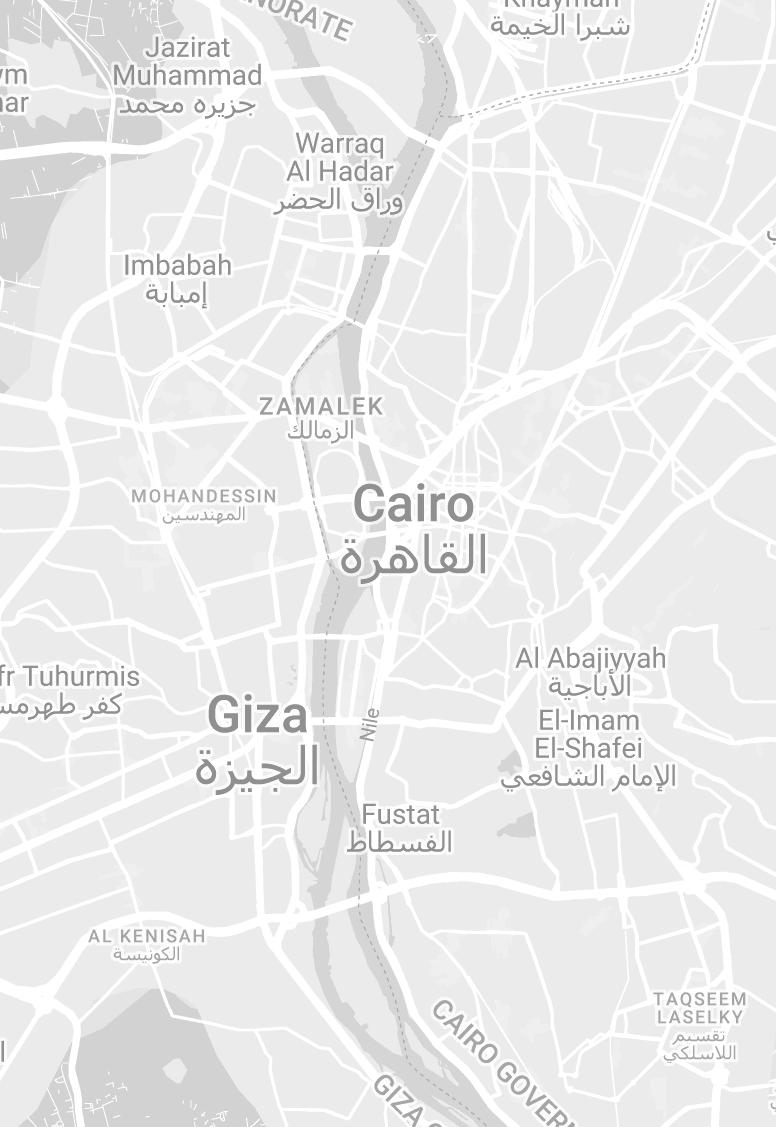
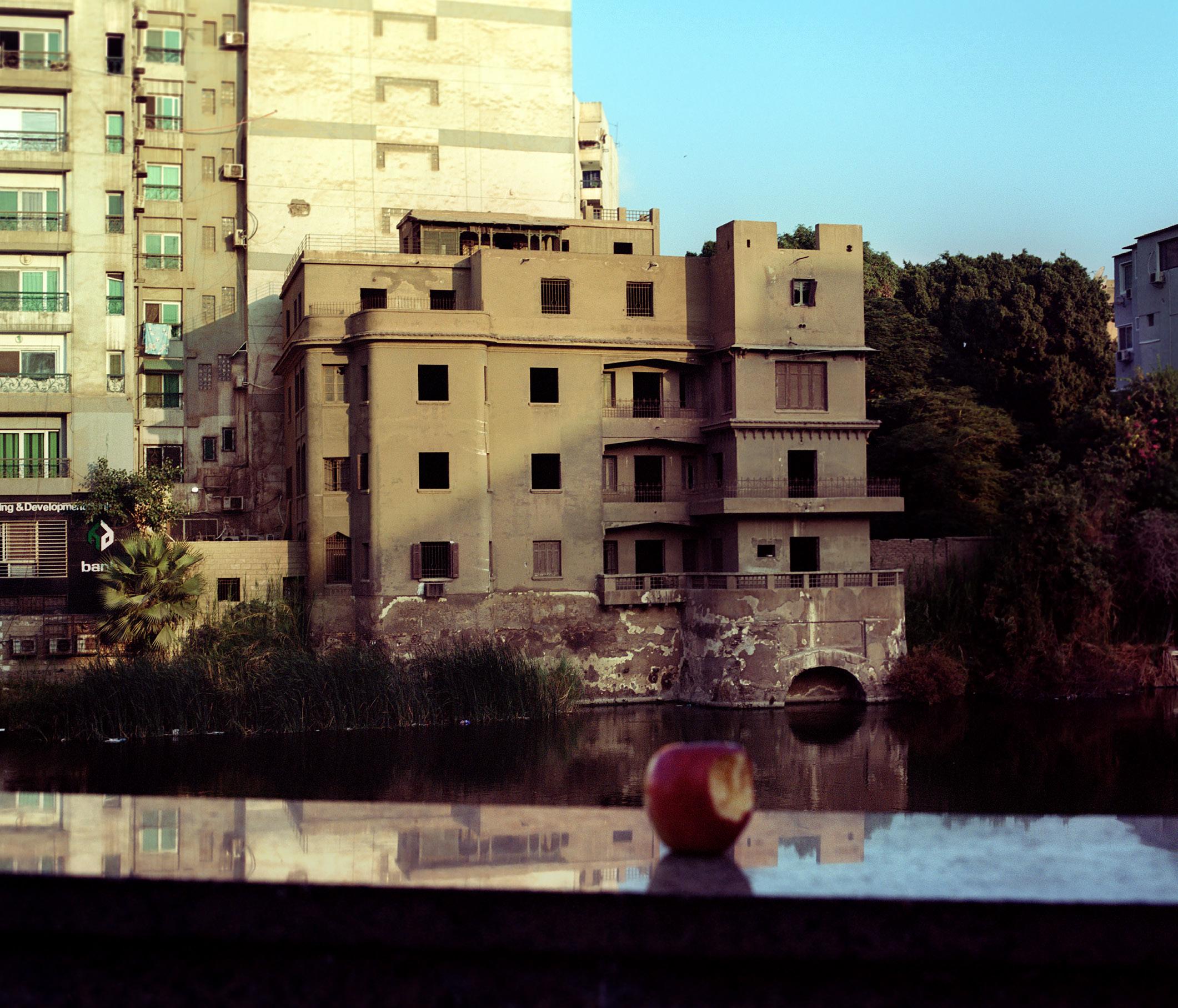
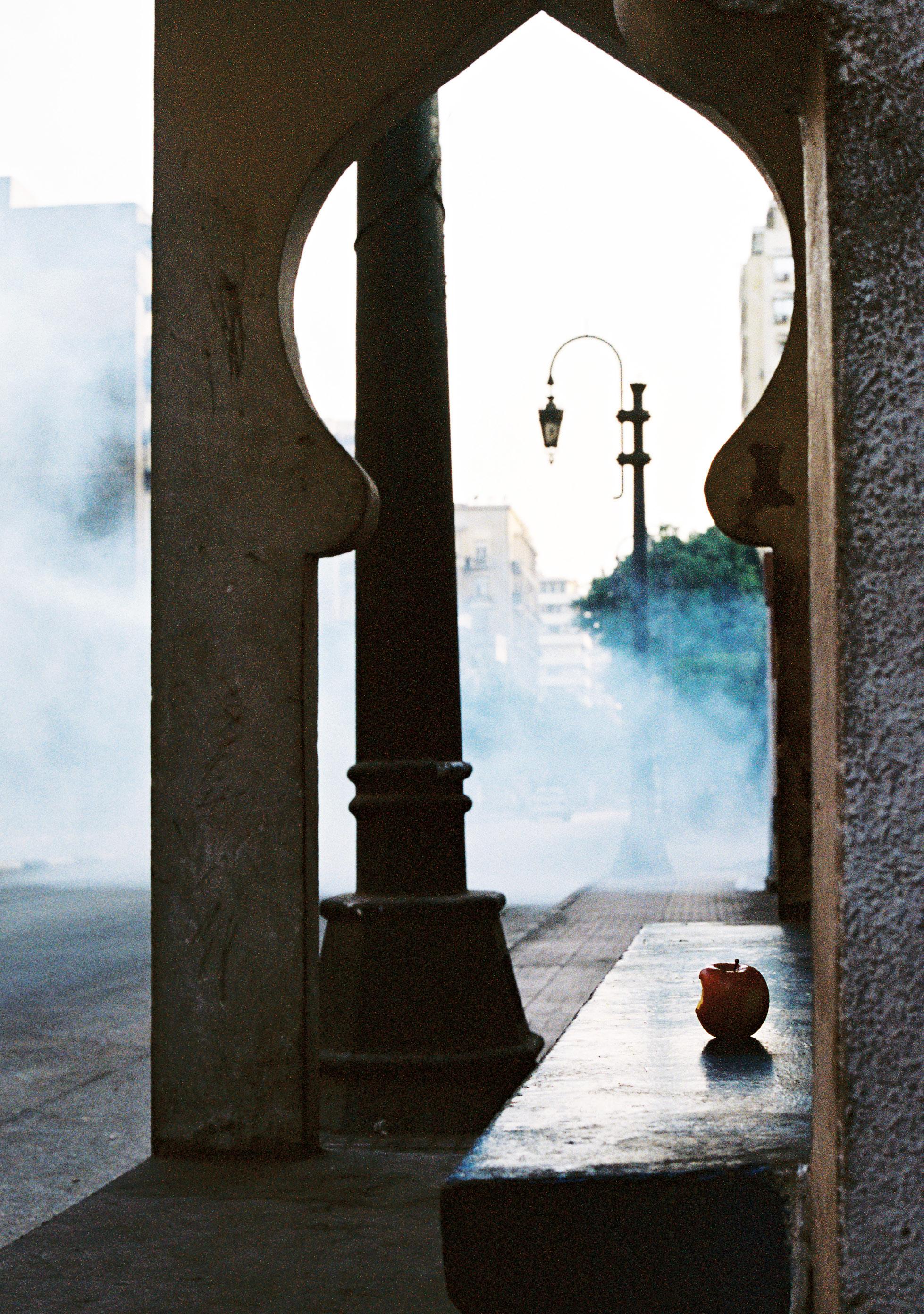
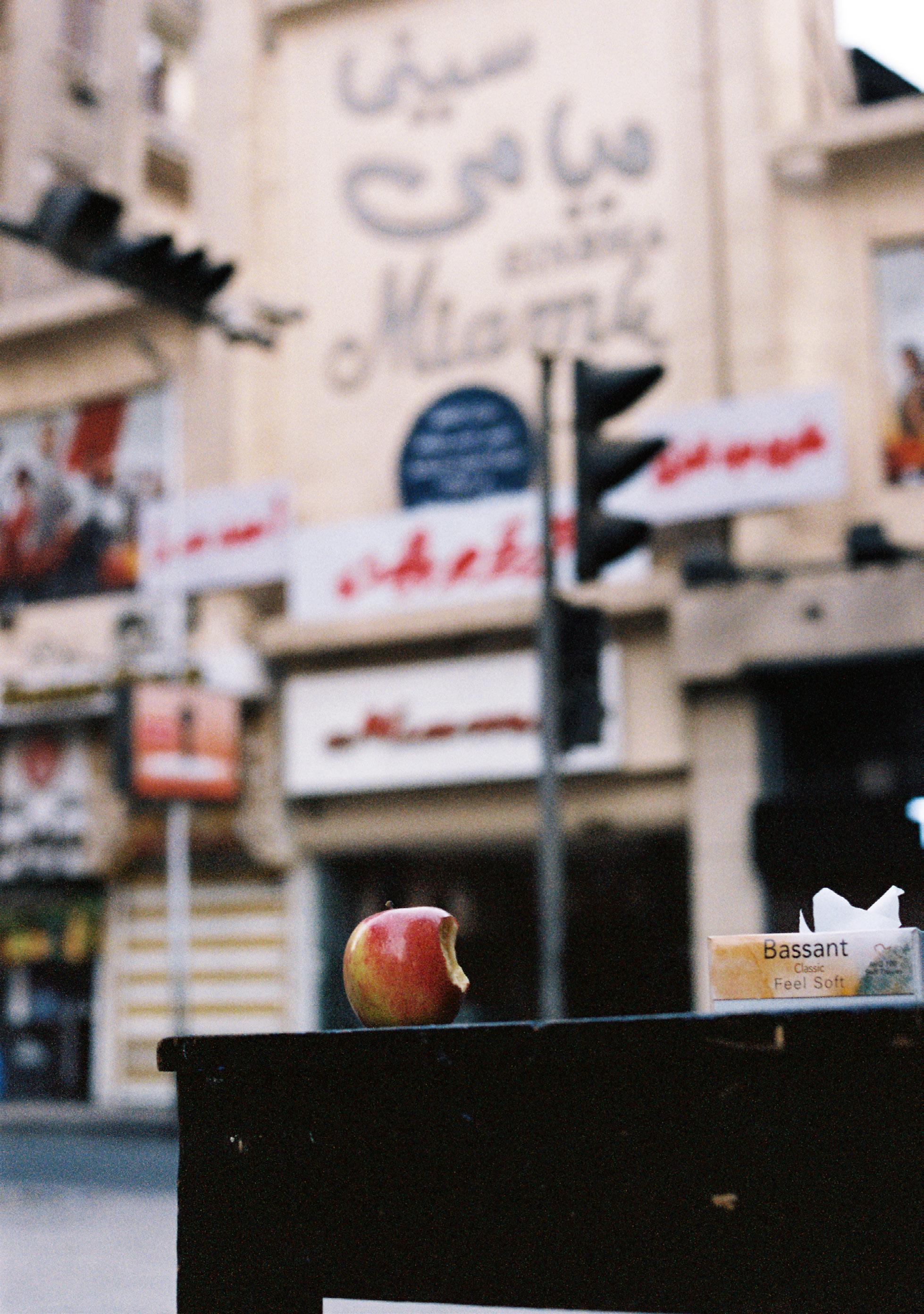
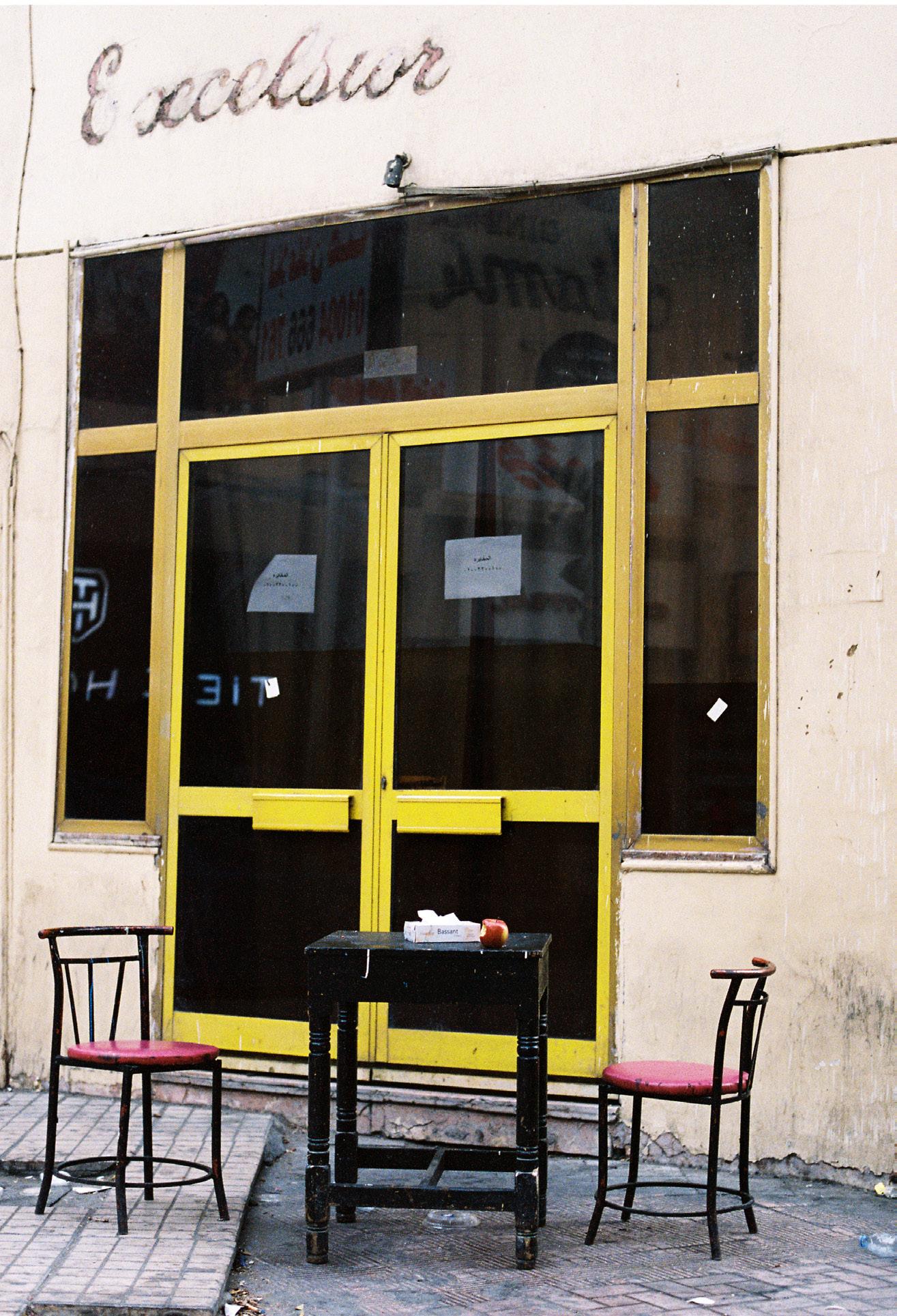
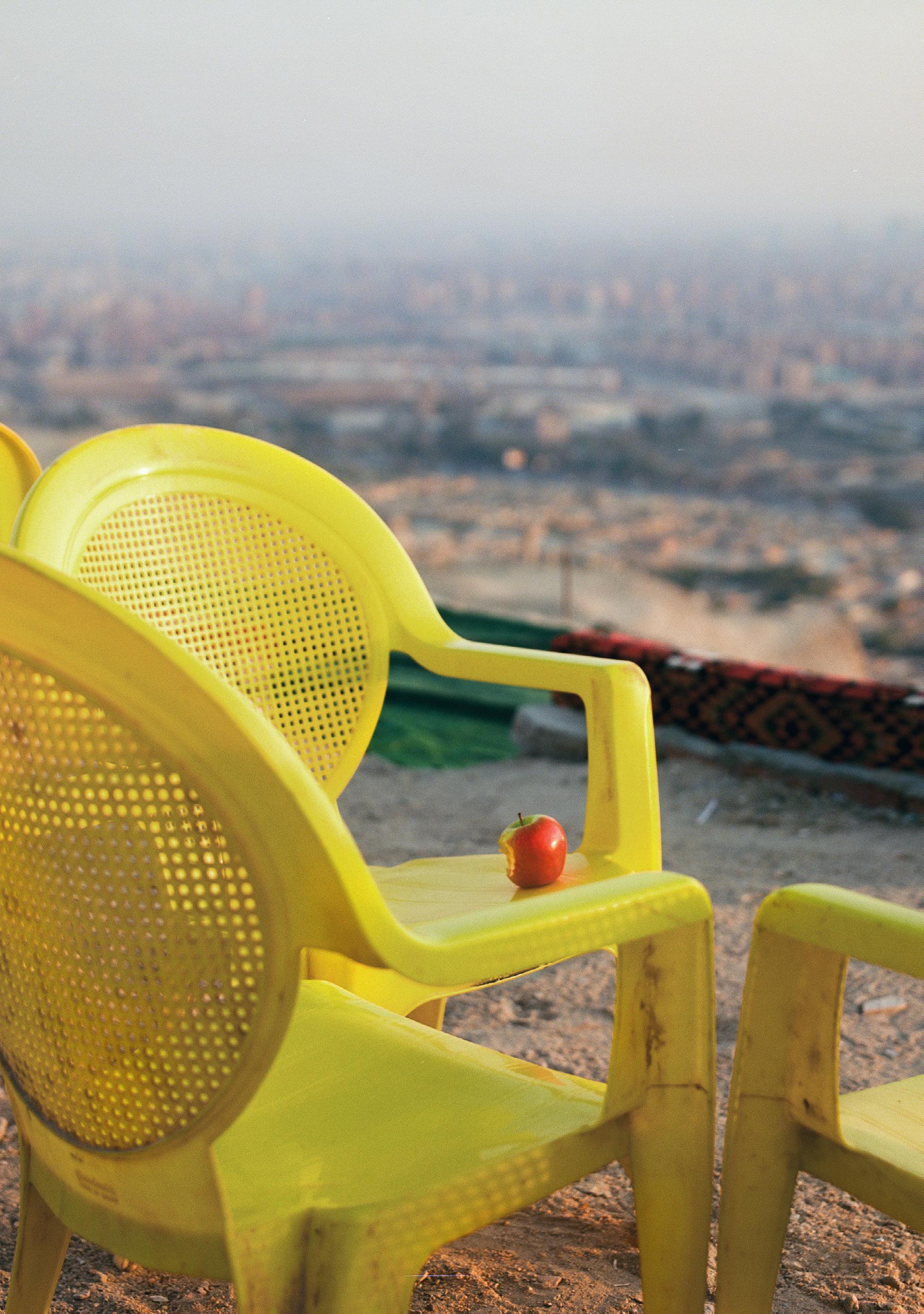
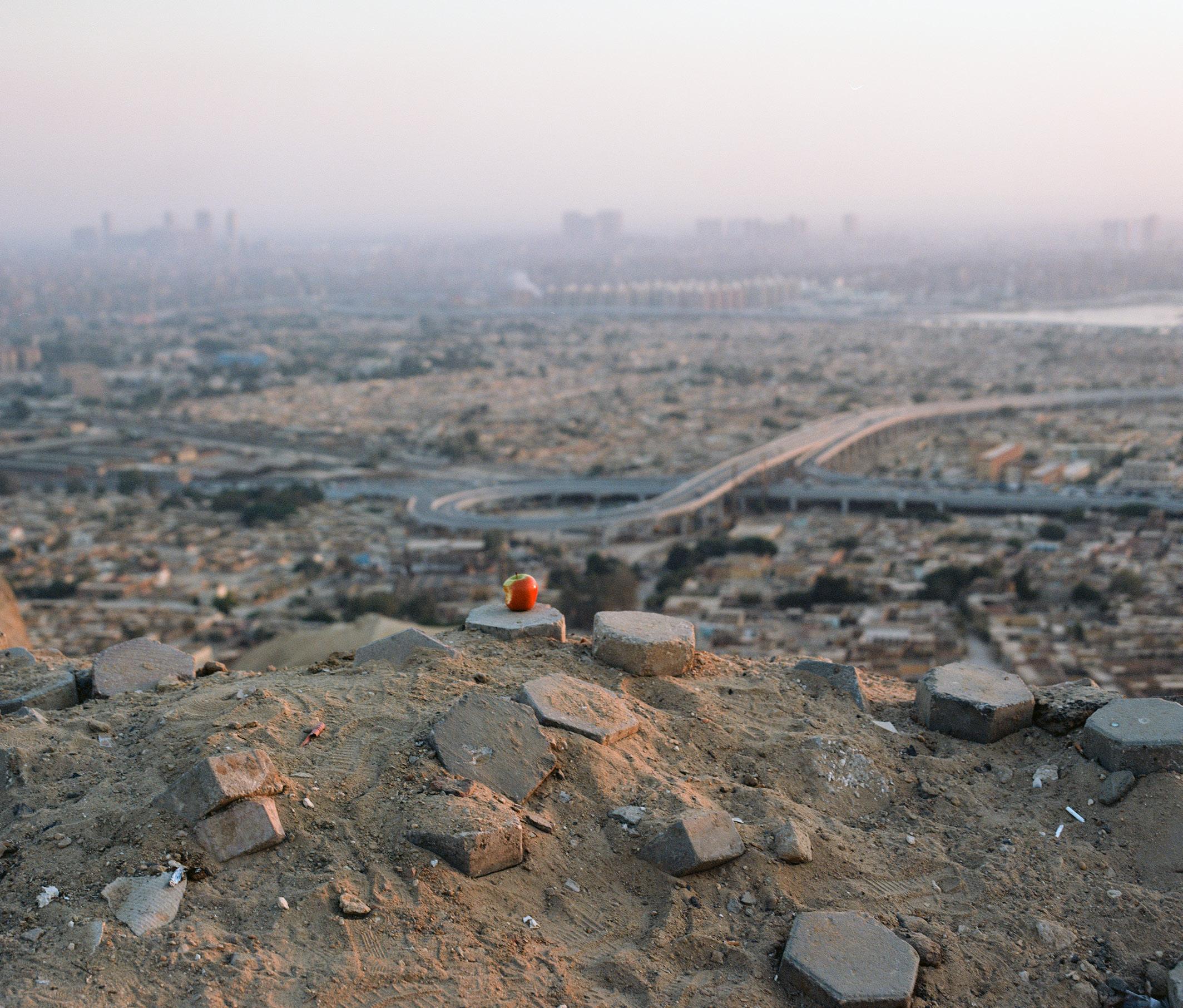
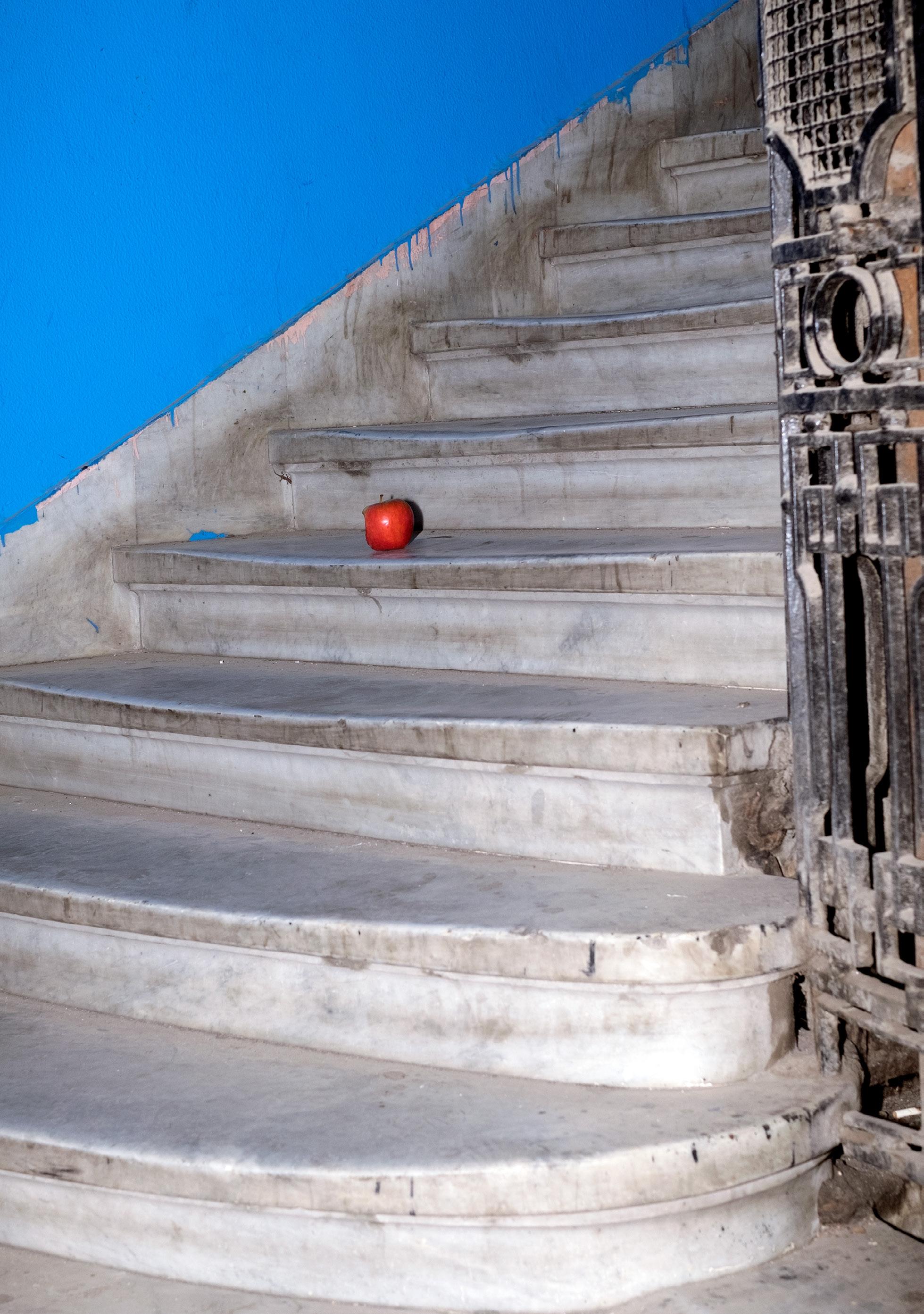
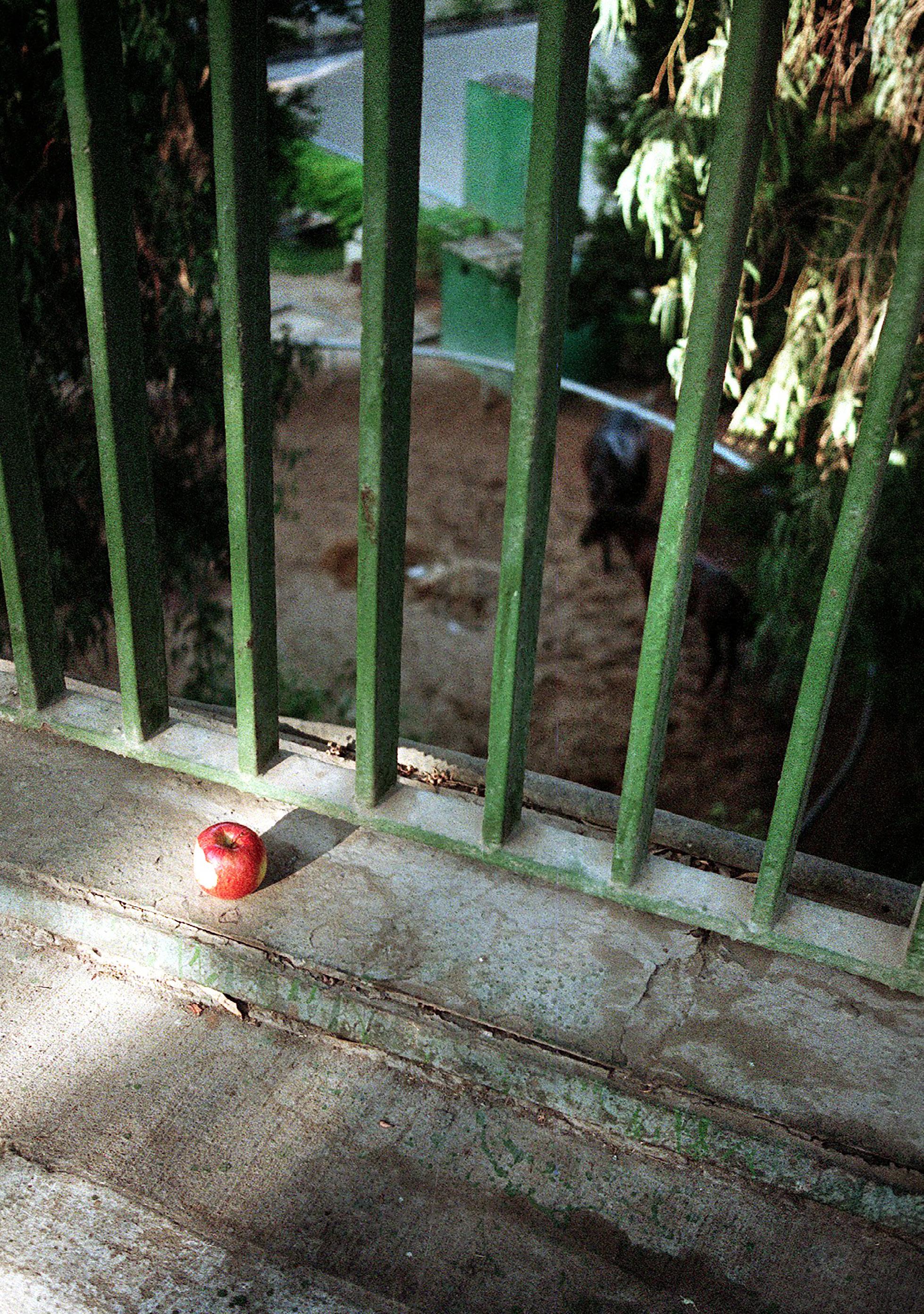
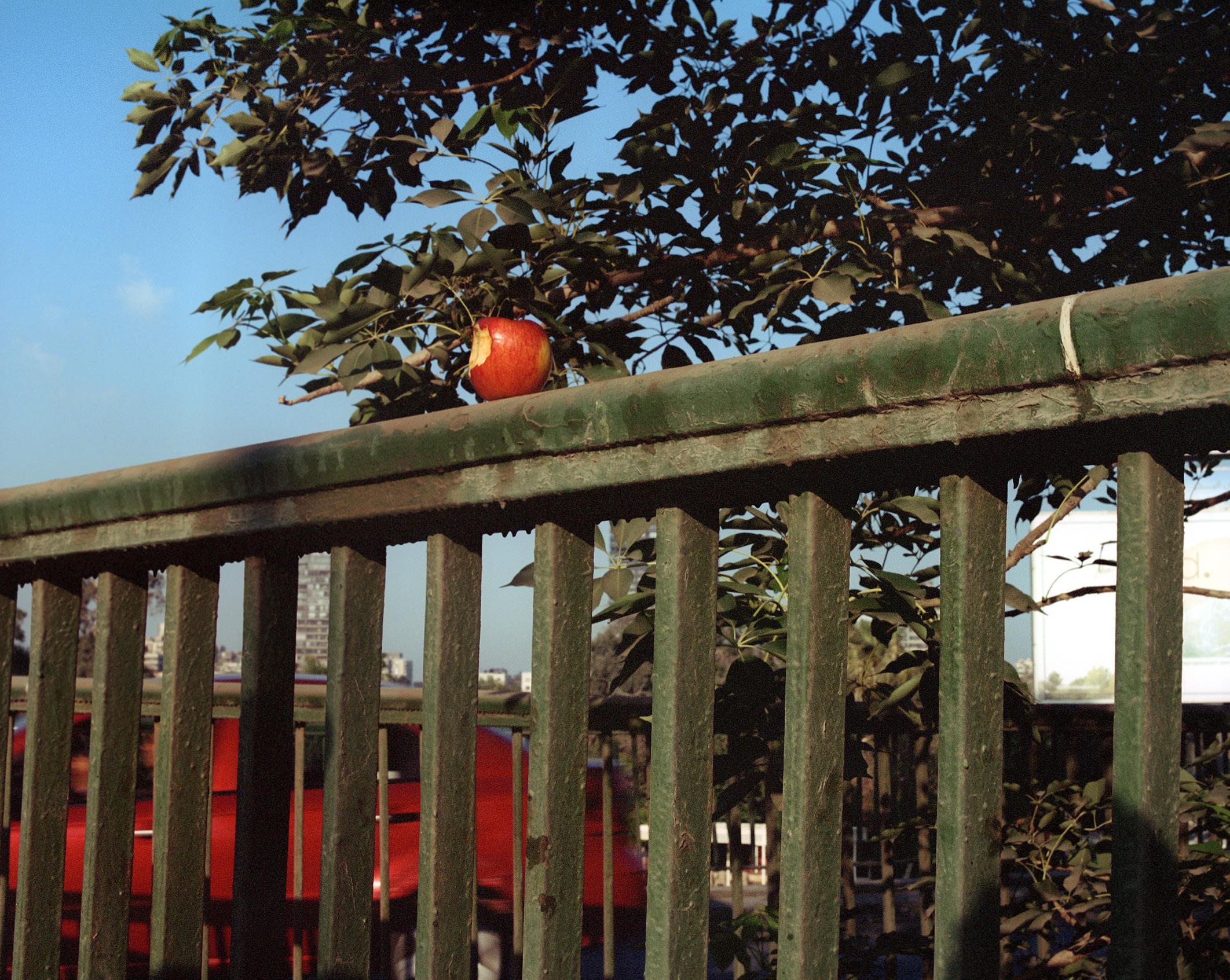
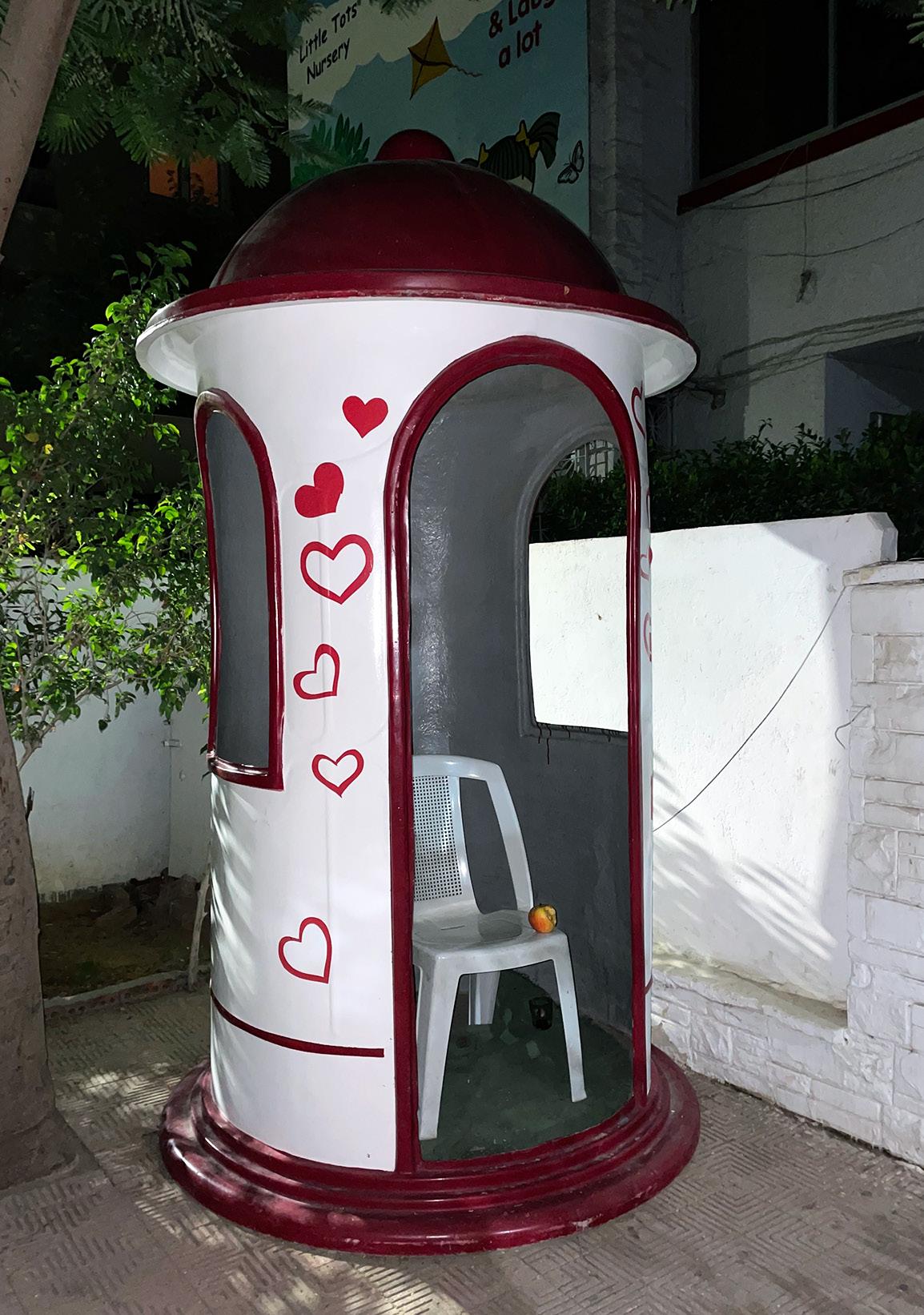
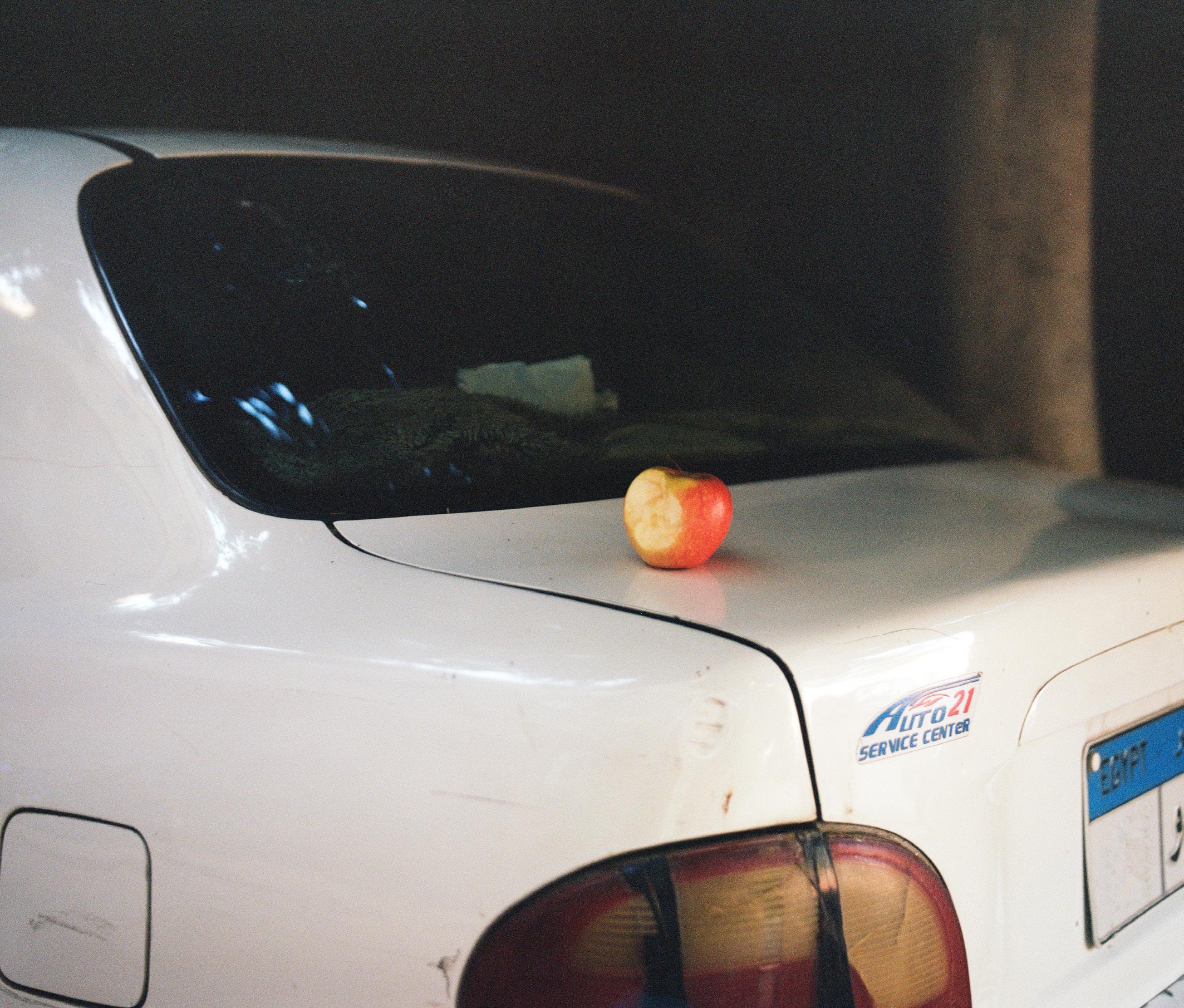
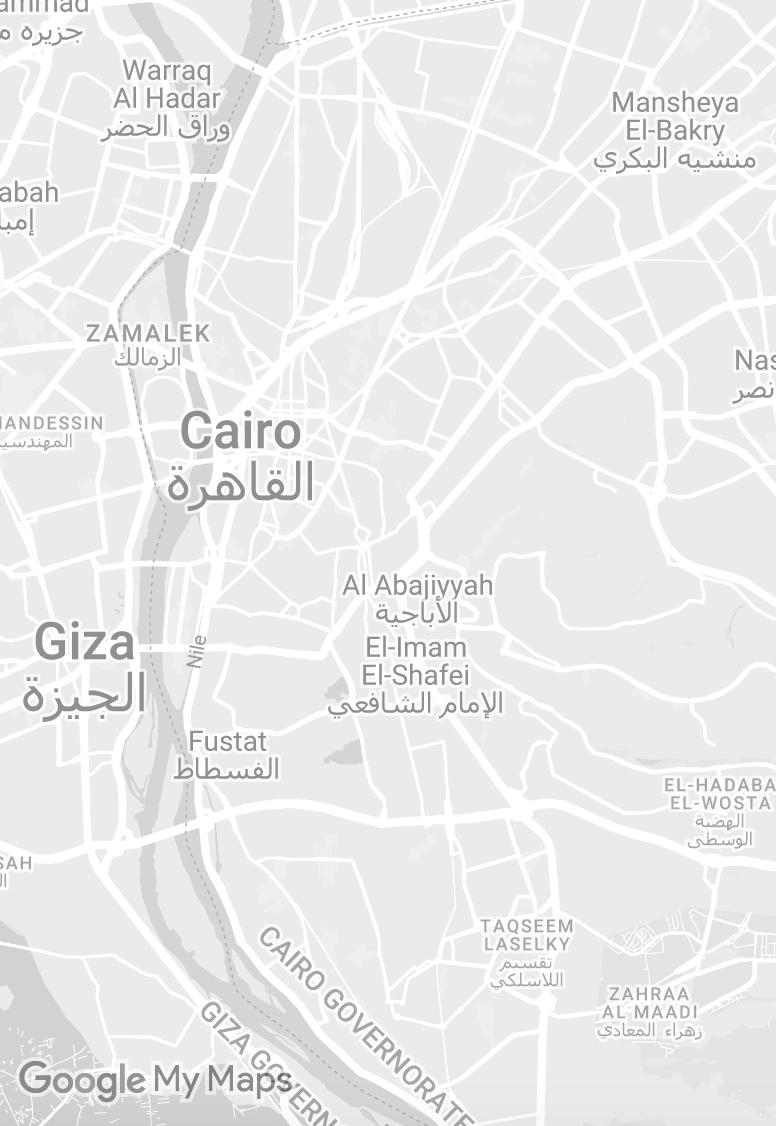
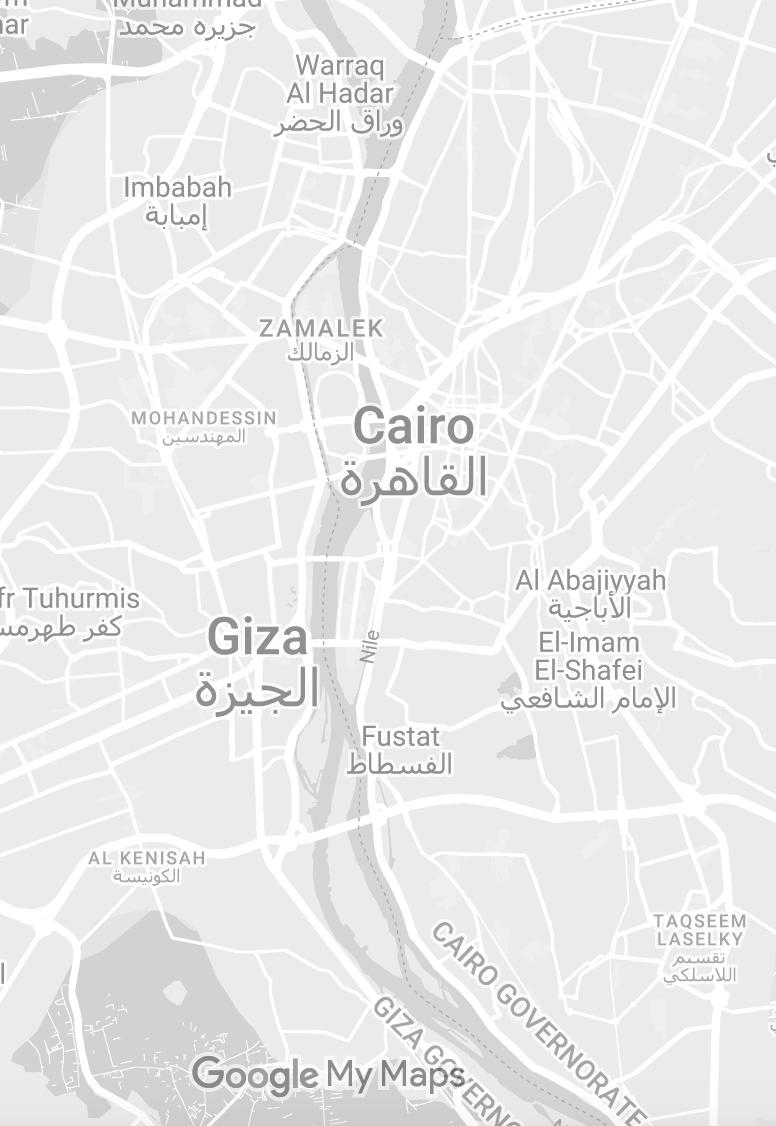
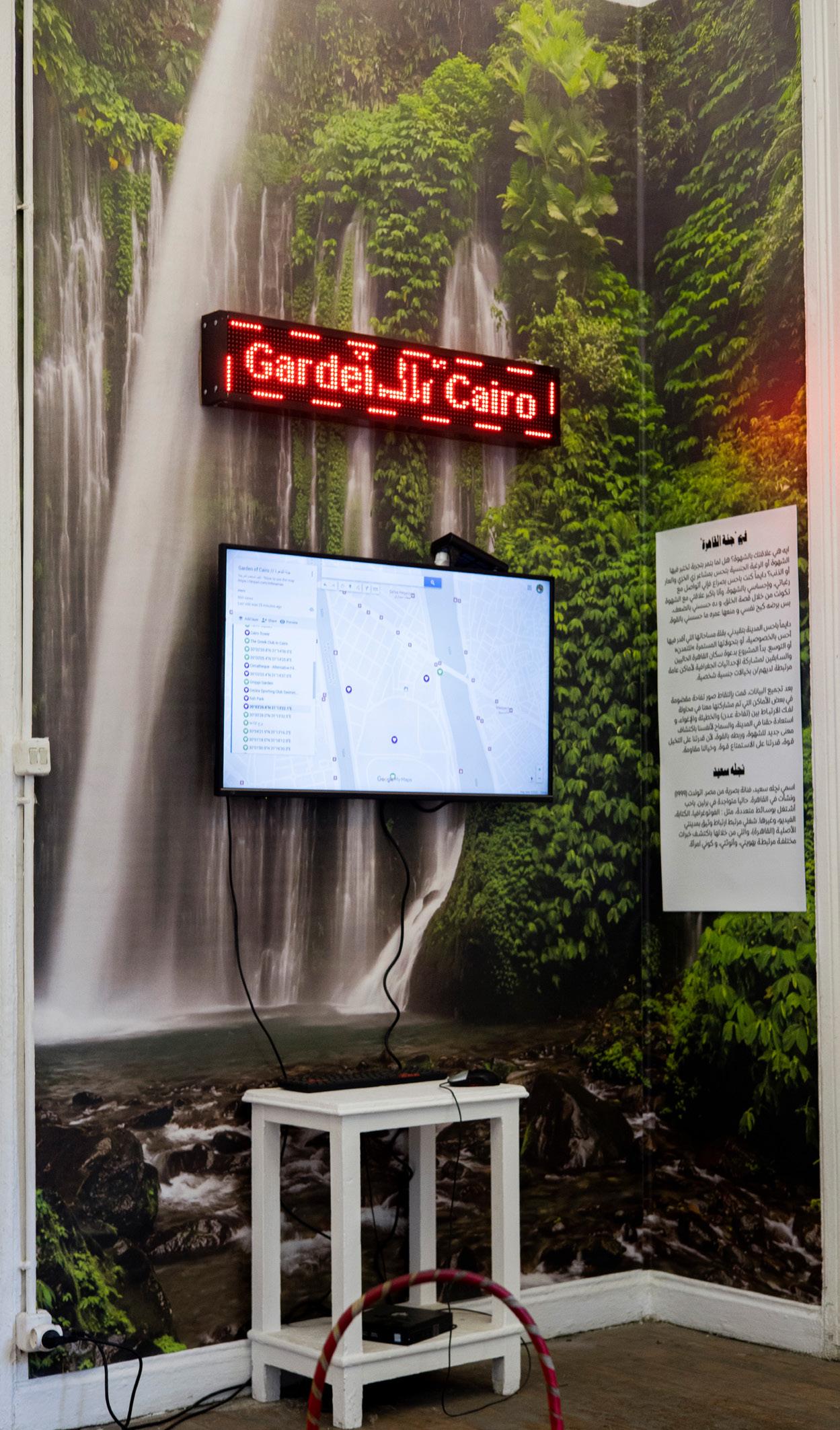
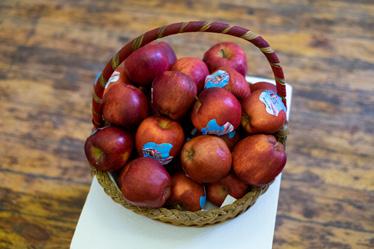
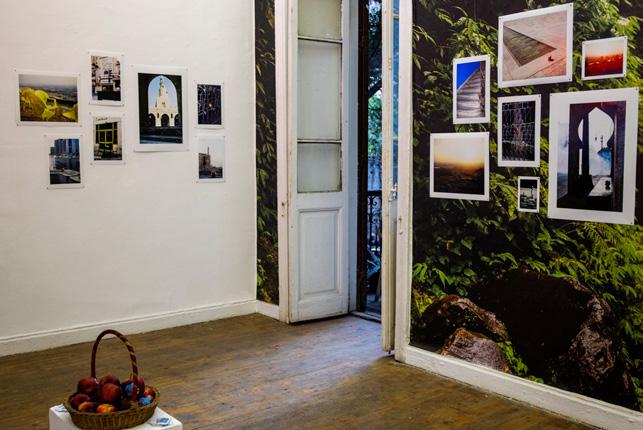
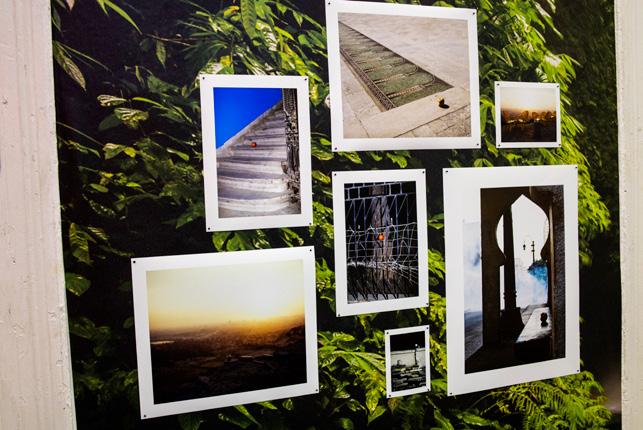
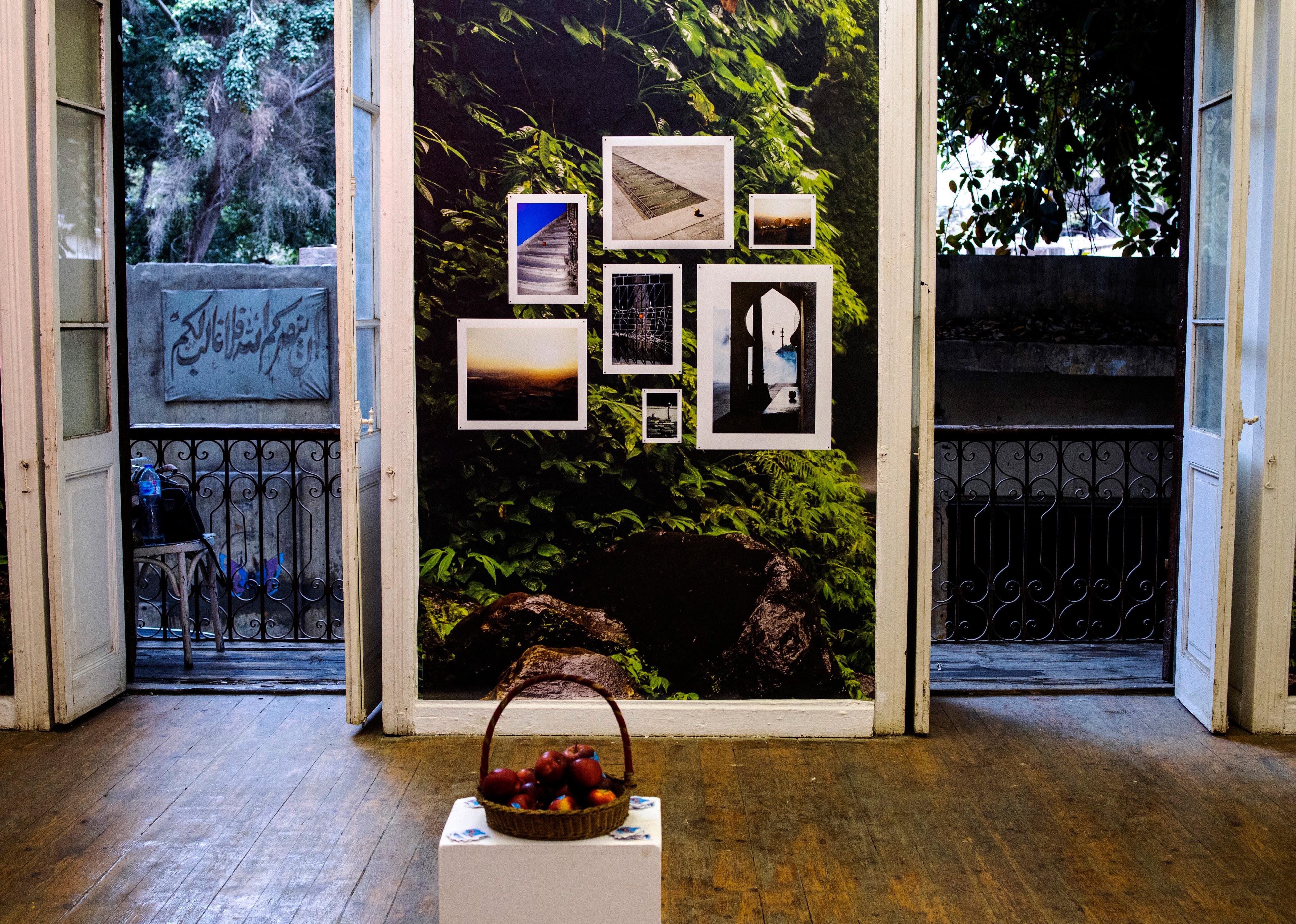
The project was launched through an open call where residents of Greater Cairo were invited to anonymously submit locations of their sexual fantasies, thus indulging unapologetically as a community of Eves. At a selected number of submitted public places, I shot a still life of an eaten apple, as a reappropriation of a symbol of shame.
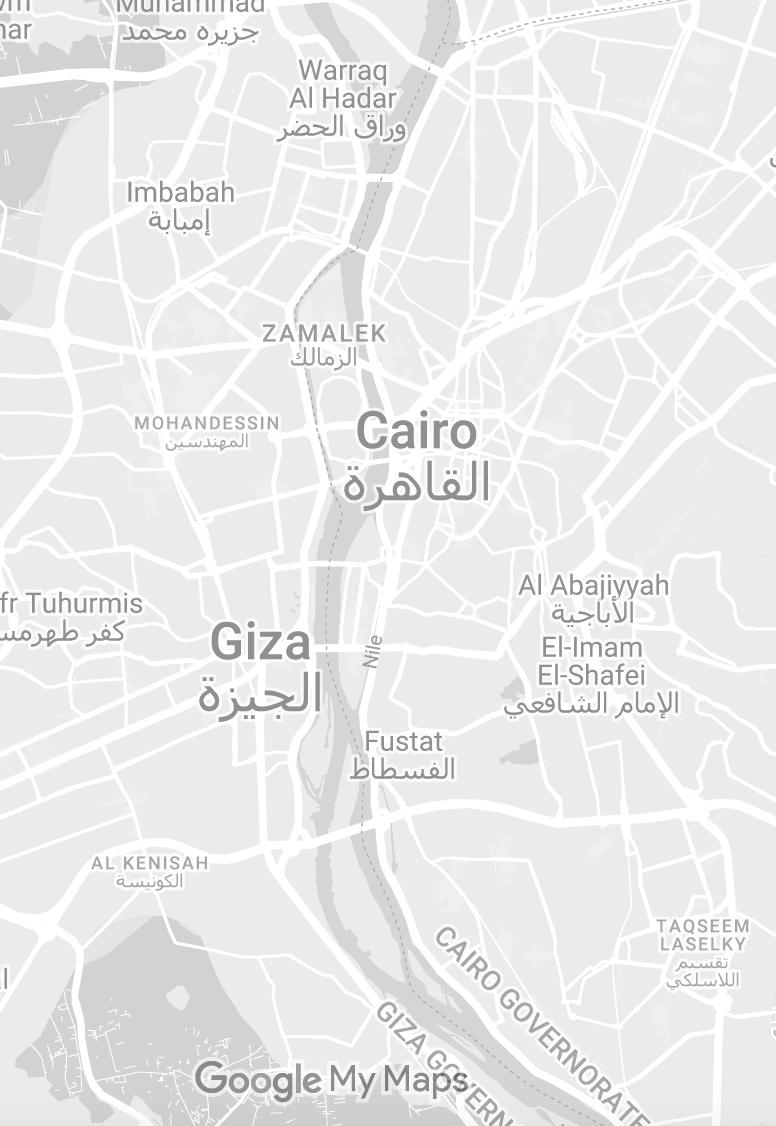
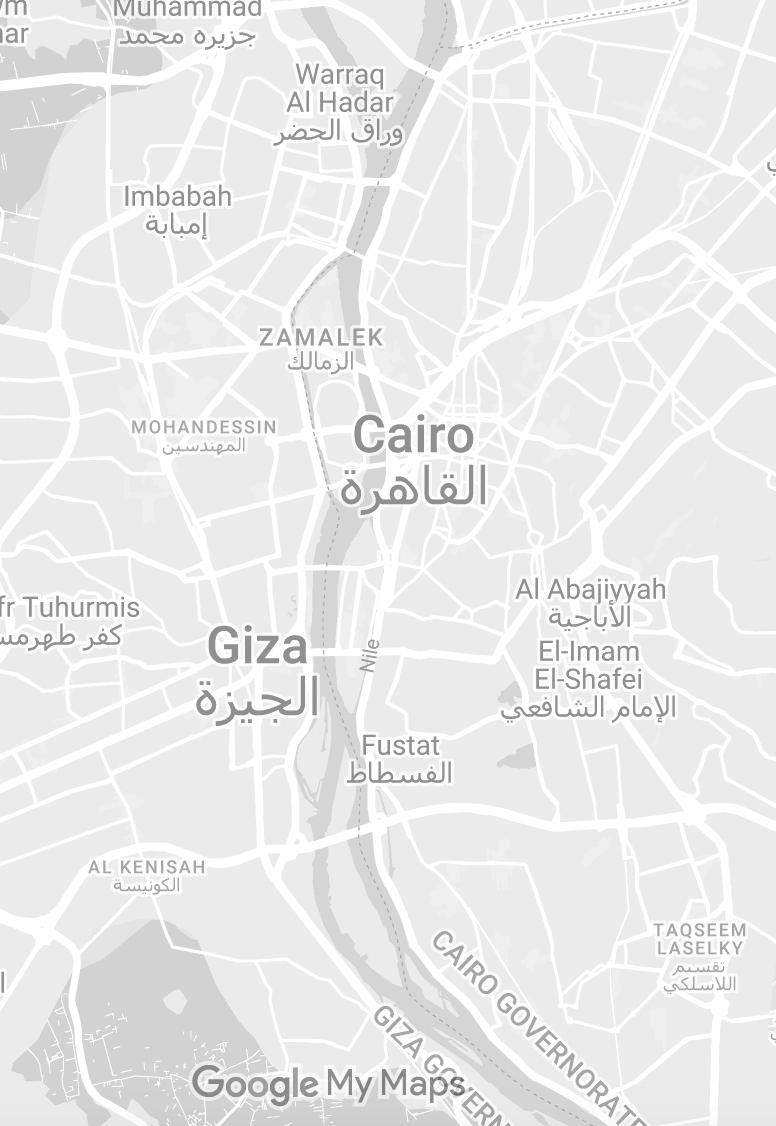
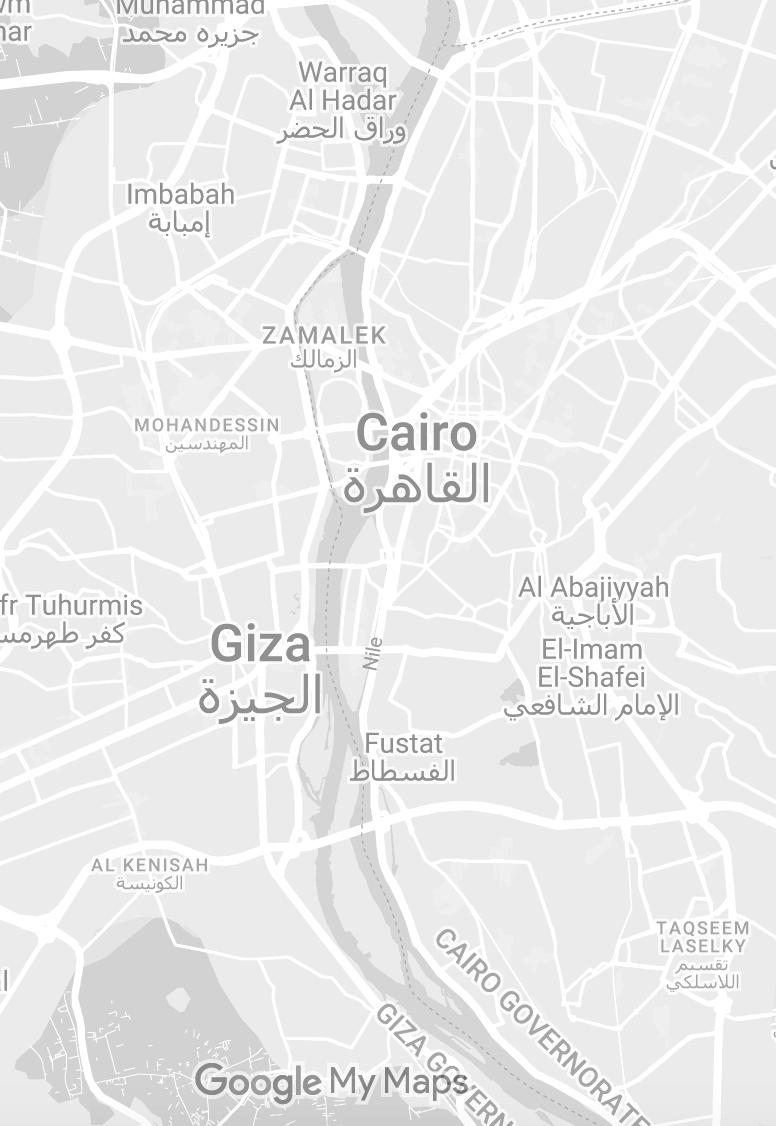
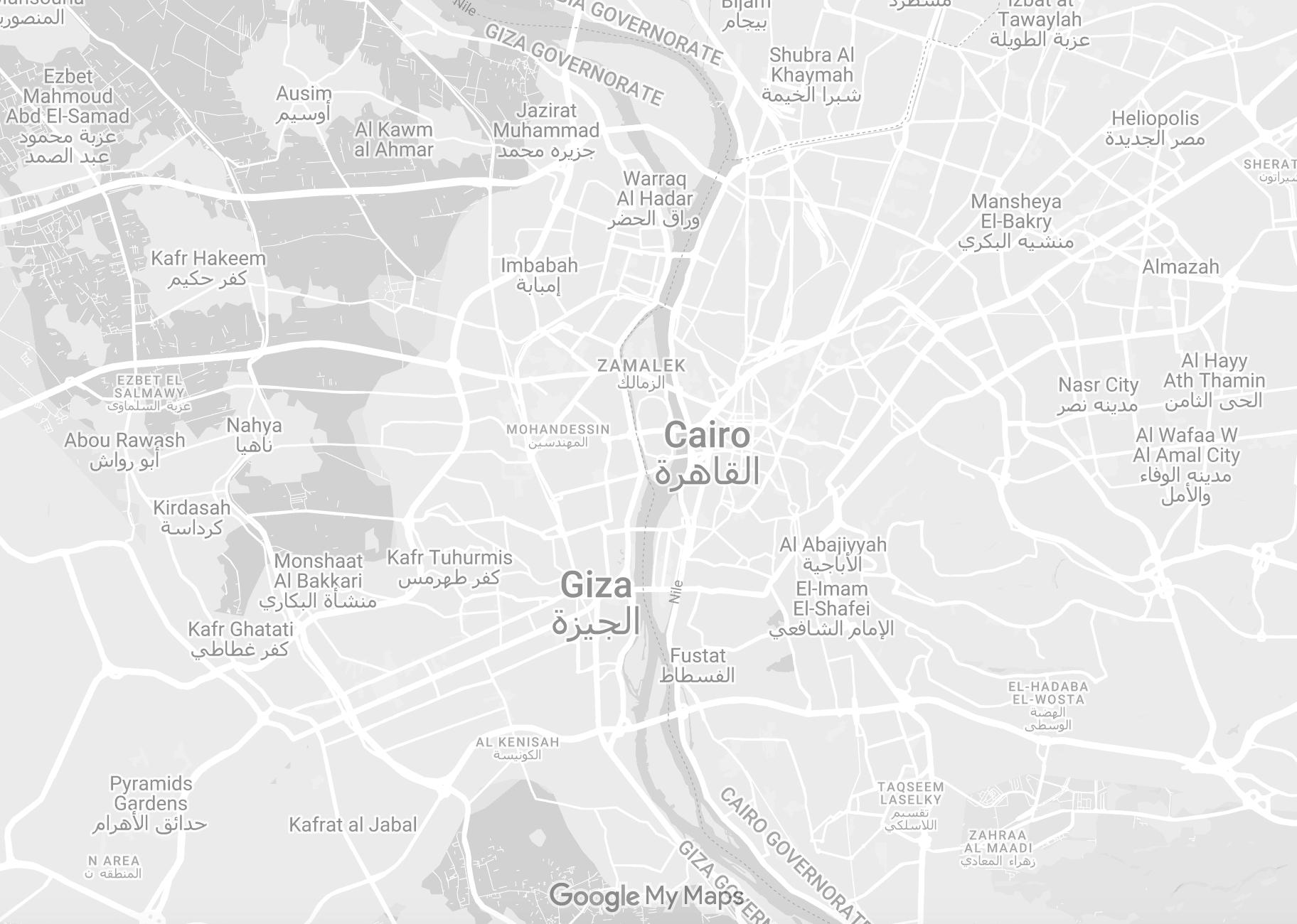
Now it’s time for this project to be entirely community-generated, by asking you, as a resident of Cairo, to take your own images of an eaten apple at your desired location and pin the spot on our Garden of Cairo map. Using our desire to reclaim our city. To fantasize is an act of resistance. To fantasize is an act of strength.
Number of female-identifying submitters
Number of male-identifying submitters
Number of non-binary-identifying submitters
Number of queer-identifying submitters
Number of gender fuid--identifying submitters
Left to right:
Submittors from the age of 18-20
Submittors from the age of 20-30
Submittors from the age of 30-40

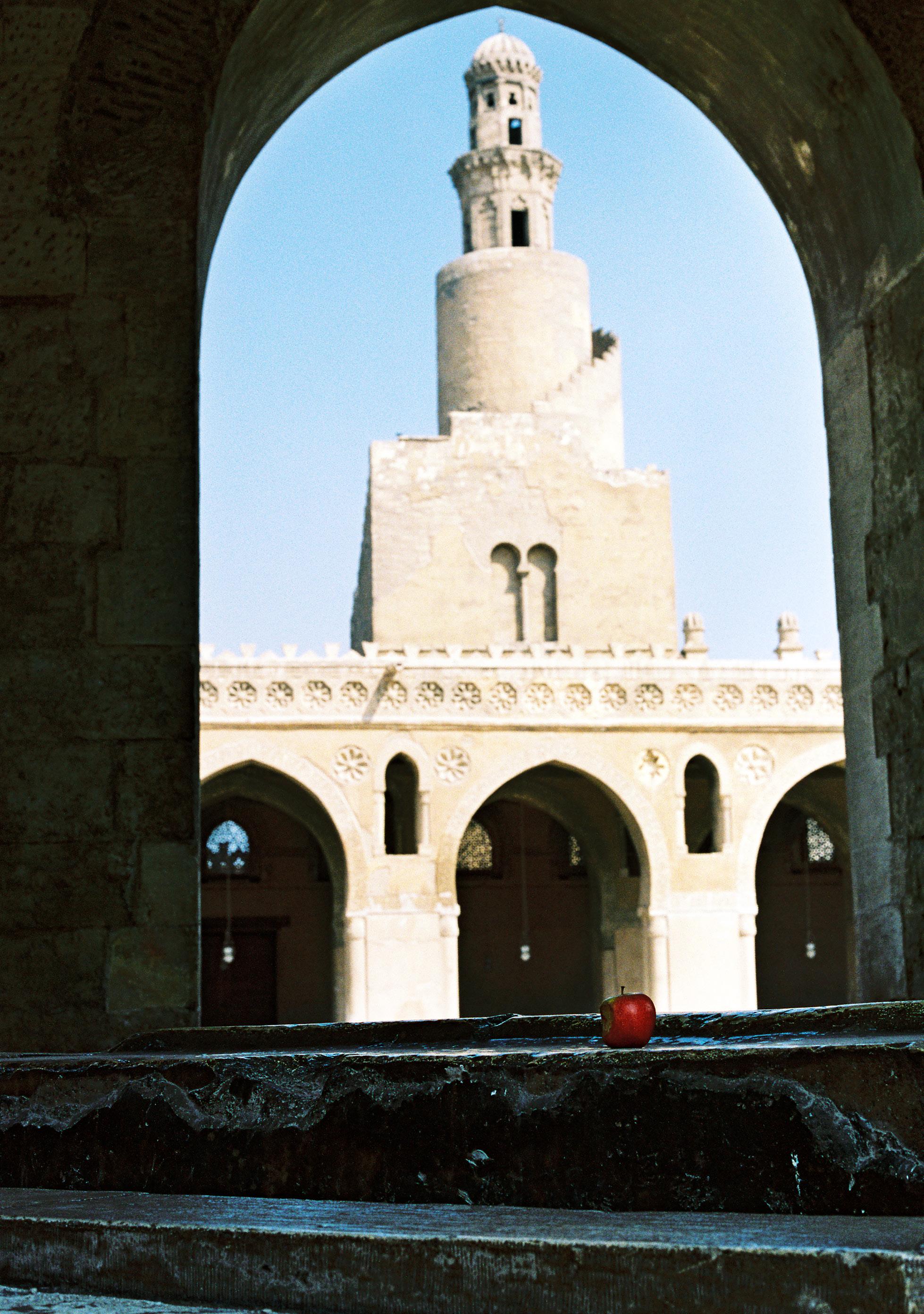
2022/07/23 1:11:16 pm EET
Age: 32
Gender: Male
Additional details:
Early in the morning, in the middle of the space or up on the tower.
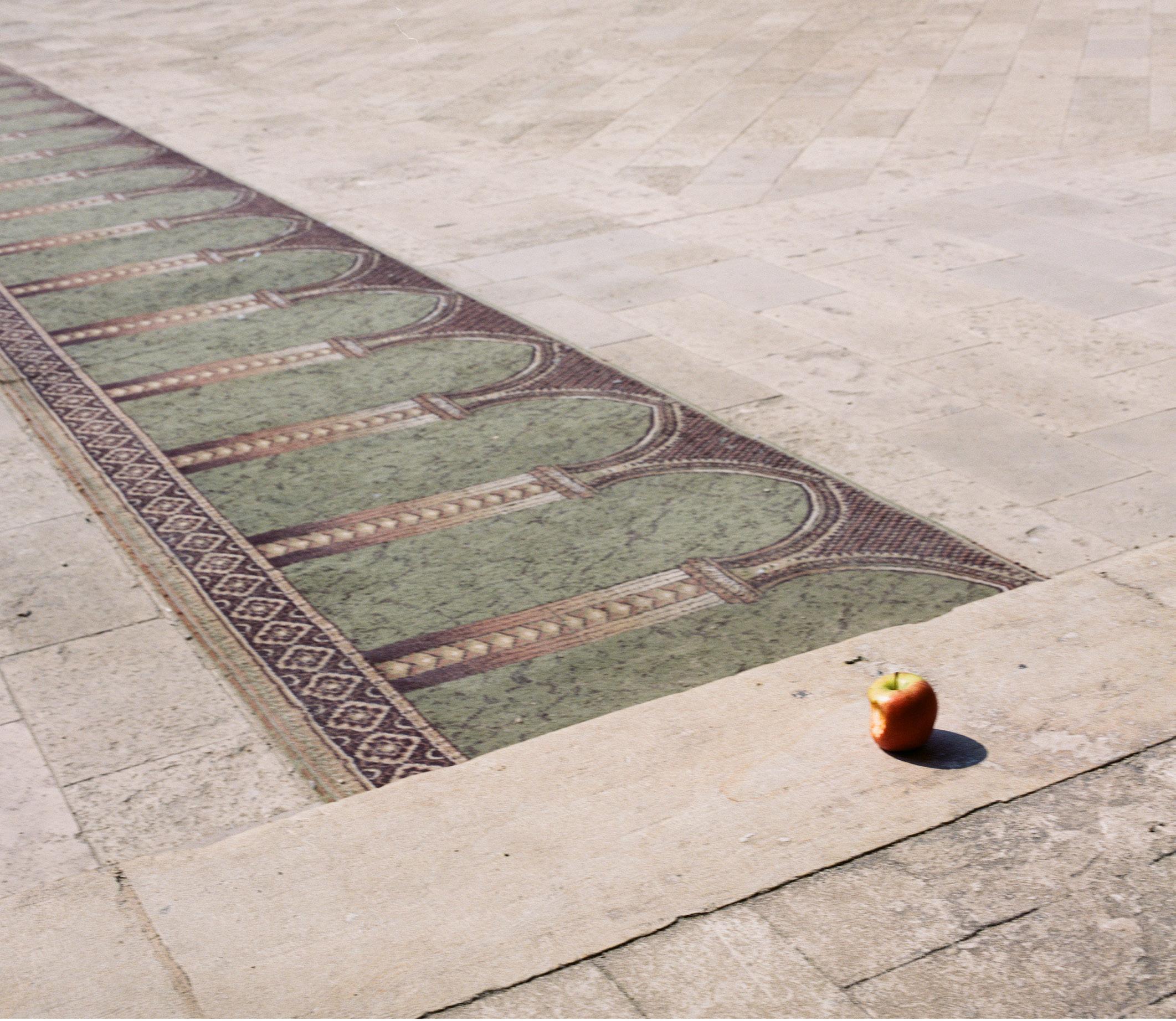

2022/07/22 9:09:02 pm EET
Age: 23
Gender: Female
Additional details:
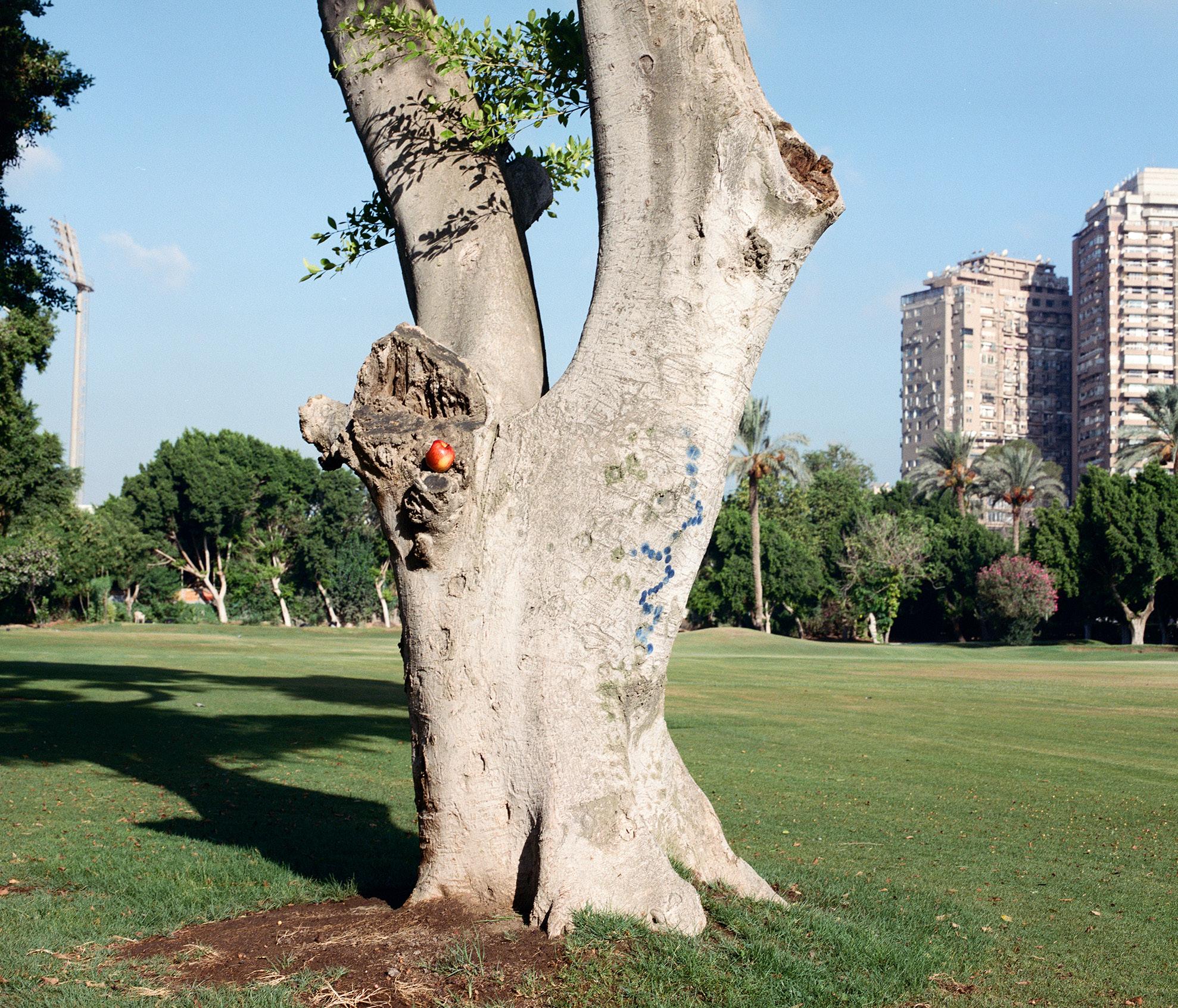
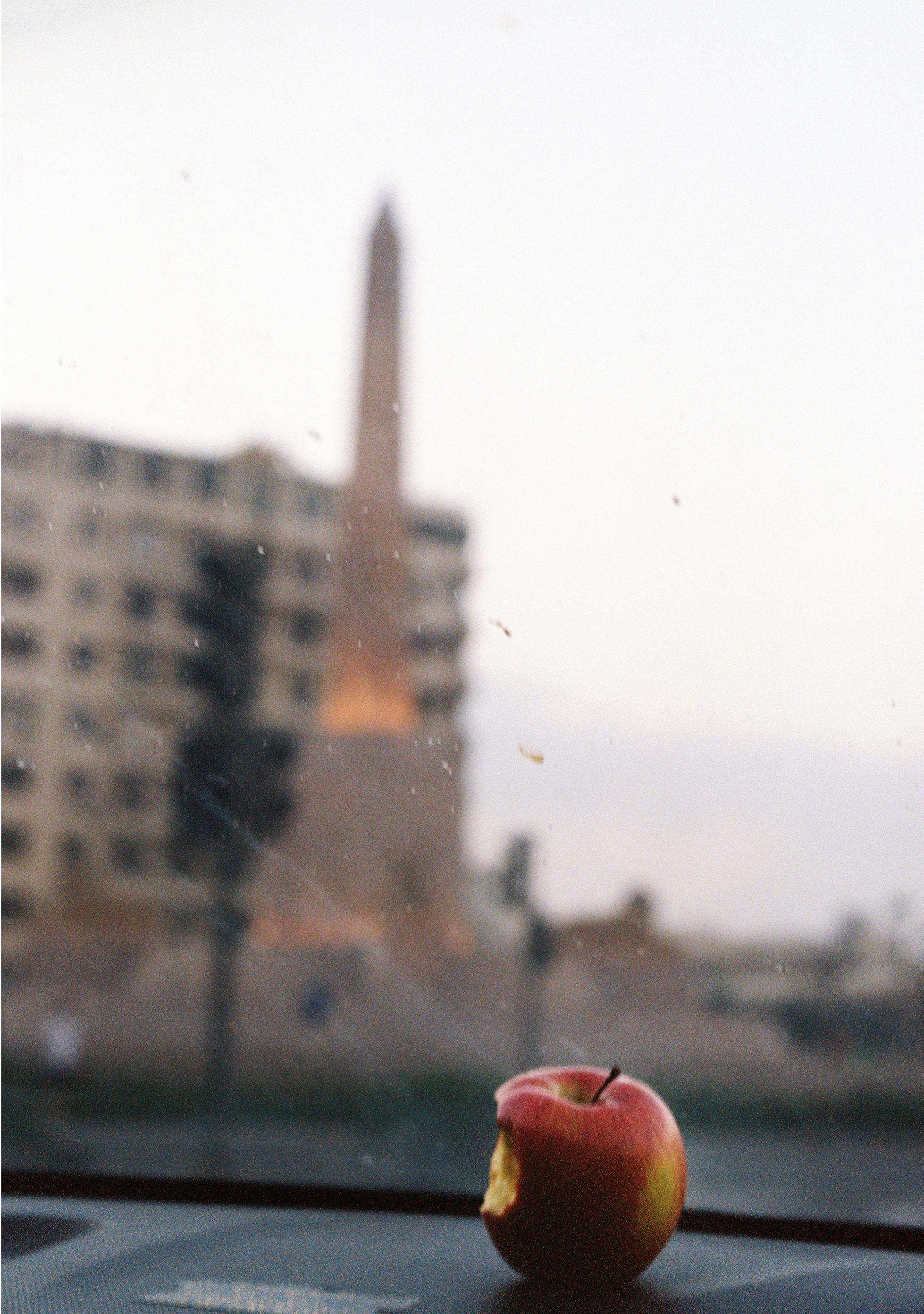
2022/07/26 11:30:02 pm EET
Age: 25 Gender: Female
Additional details: In the middle of tahrir in broad daylight
2022/07/27 12:36:44 pm EET
Age: 22 Gender: Male
Additional details: Tahrir

2022/08/08 5:13:46 pm EET
Age: 25
Gender: Female
Additional details: Between the lotus fowers.
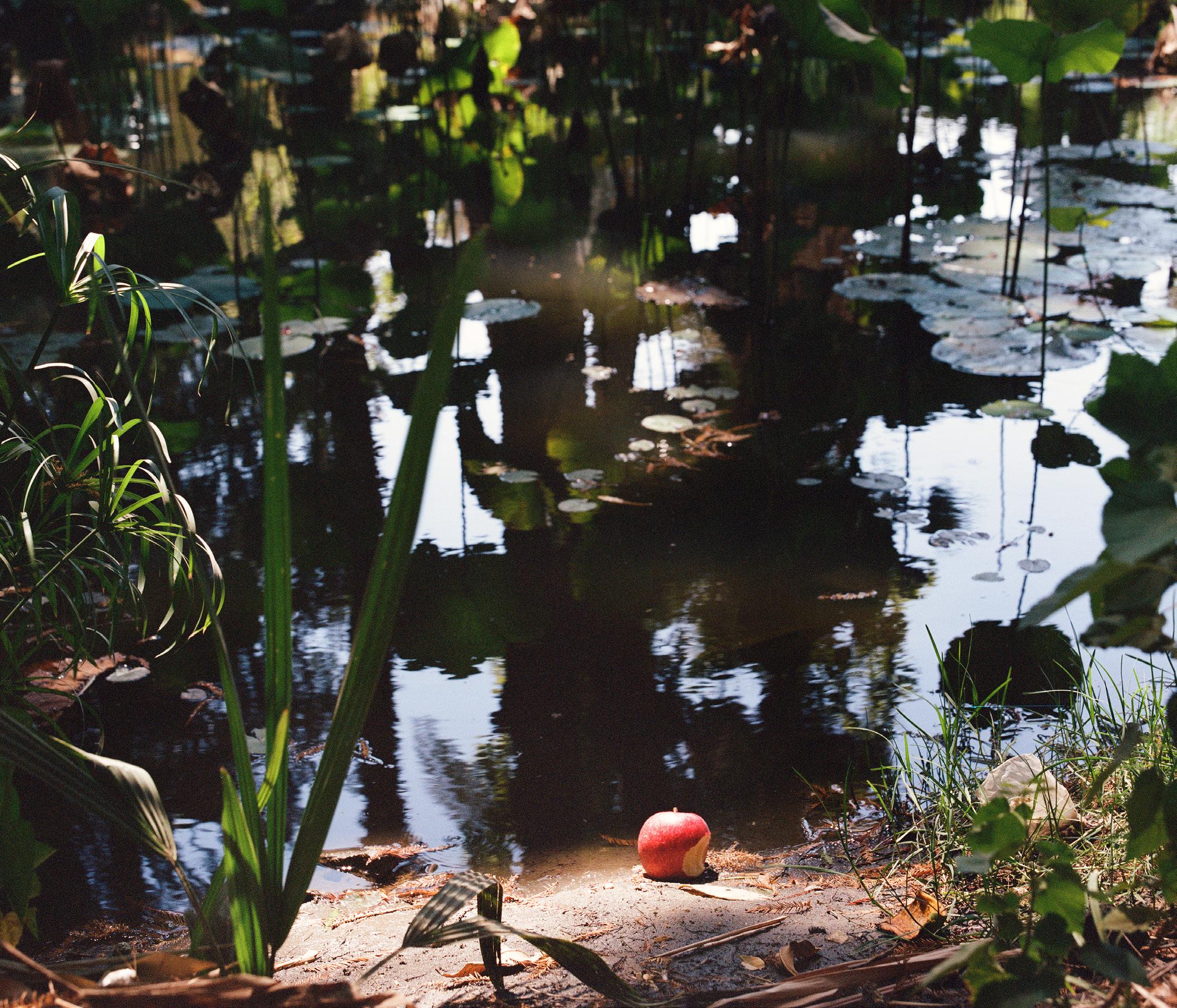
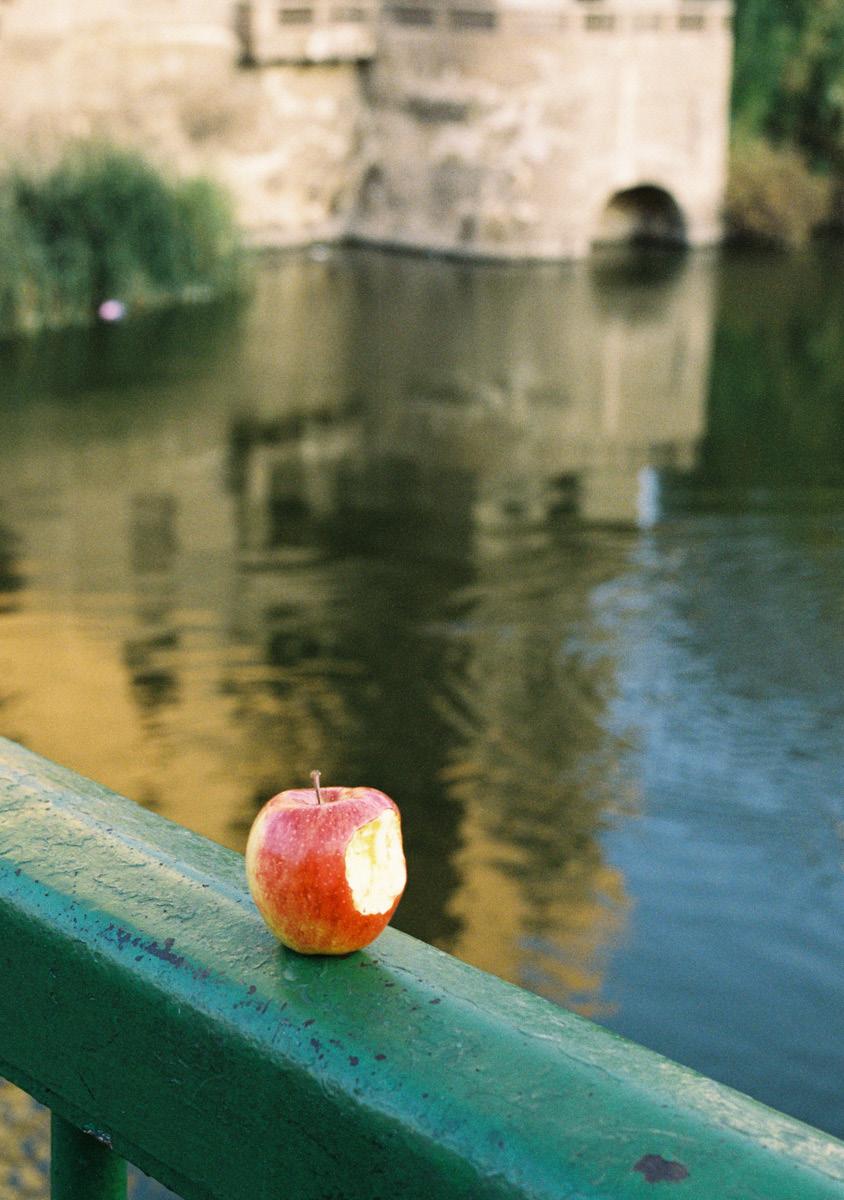
2022/07/24 10:26:45 pm EET
Age: 22
Gender: Male
Additional details: [translated from Arabic] on the right side of the bridge, an abandoned house on the right side of the Nile, has four foors and a rooftop.
2022/07/26 11:47:31 am EET
Age: 23
Gender: Male
Additional details: Old run down cinema (miami).
2022/07/26 12:41:58 pm EET
Age: 23
Gender: Female
Additional details:
Top of the hill, by the sunset, on a picnic with my partner under a tree
2022/07/23 3:42:09 am EET
Age: 24
Gender: Female
Additional details:
Sunrise, gabal mokattam with a view, in a car probably cause where else..
2022/08/10 12:37:22 am EET
Age: 24
Gender: Male Additional
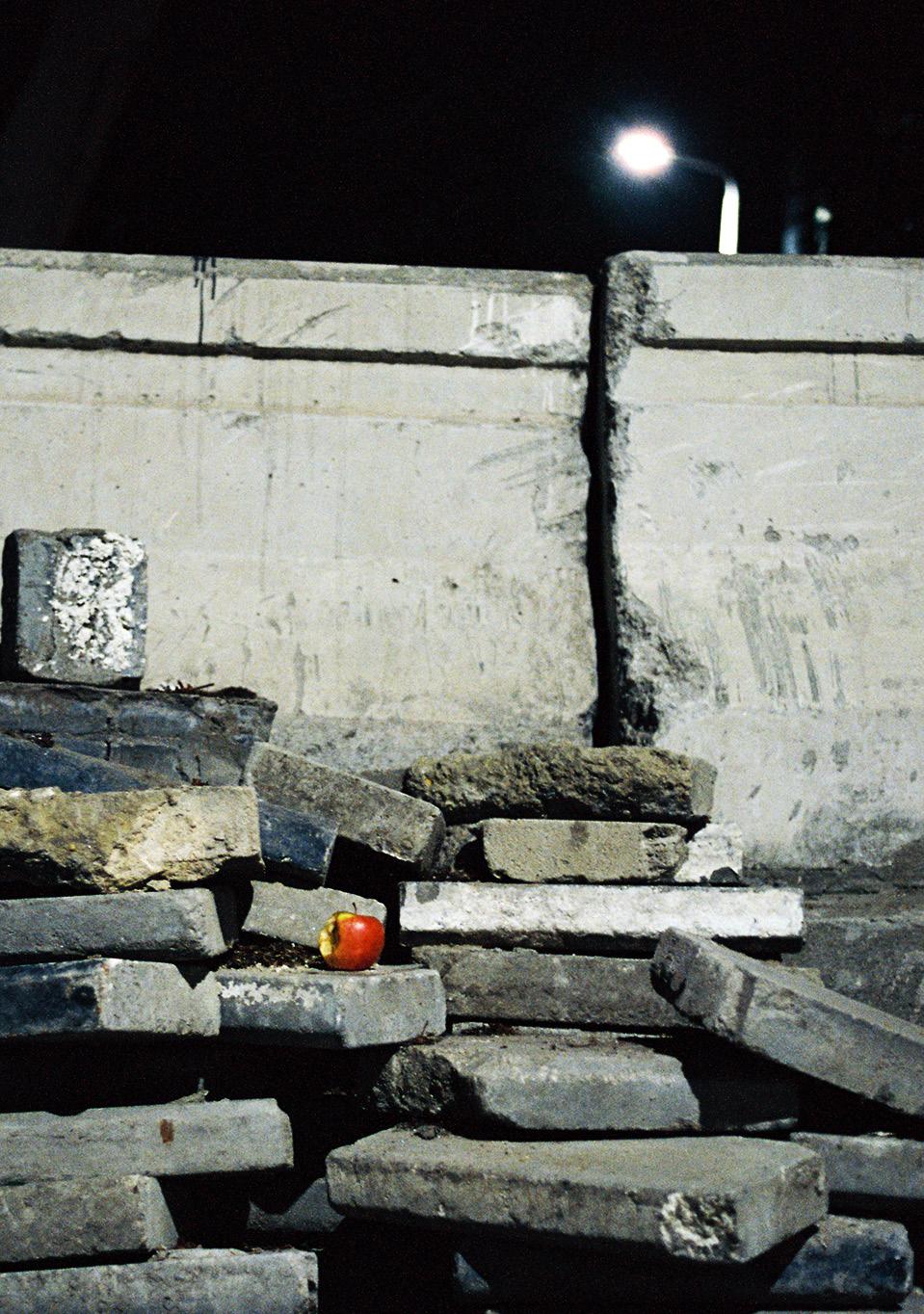
2022/07/23 5:32:05 pm EET
Age: 25
Gender: Female
Additional details:
The side streets of Maadi are public but they have these private pockets of lush green hidden from the world. It provides a semblance of safety in a society that would crucify you for being intimate. At night it’s quiet and you only hear the leaves and wind chimes.
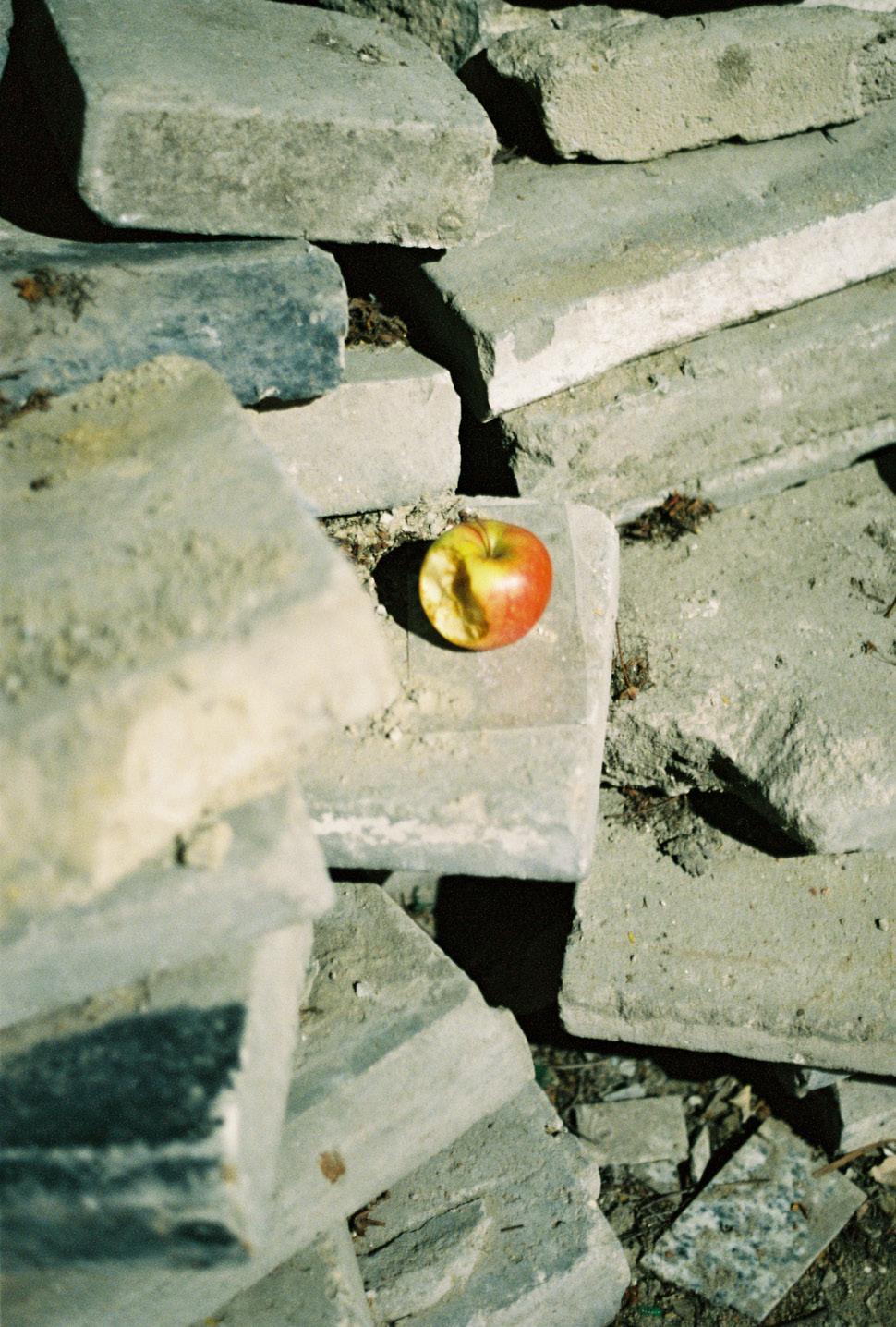
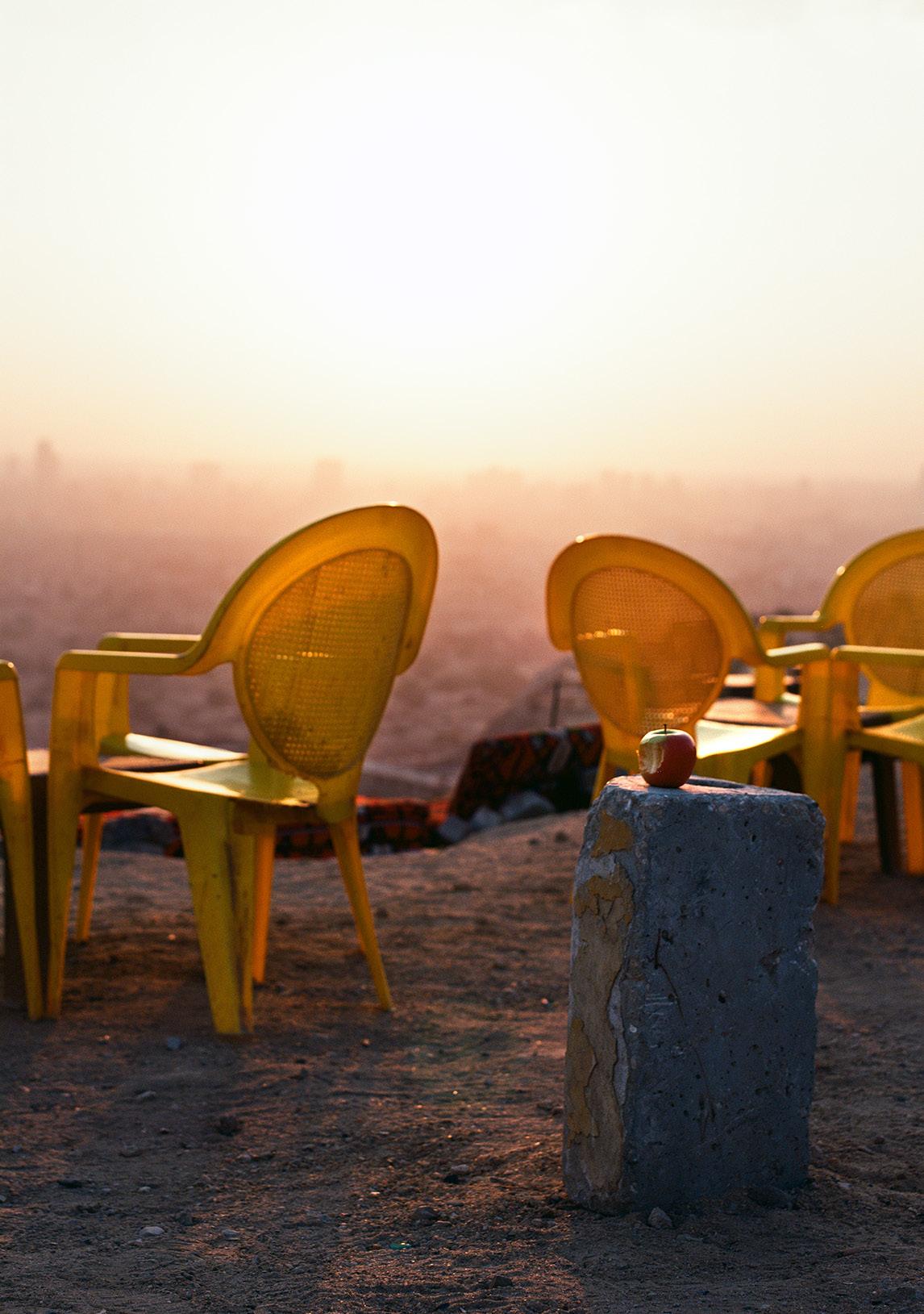
2022/07/23 9:15:53 pm EET
Age: 30
Gender: Female
Additional details: Sunset, down the corniche..
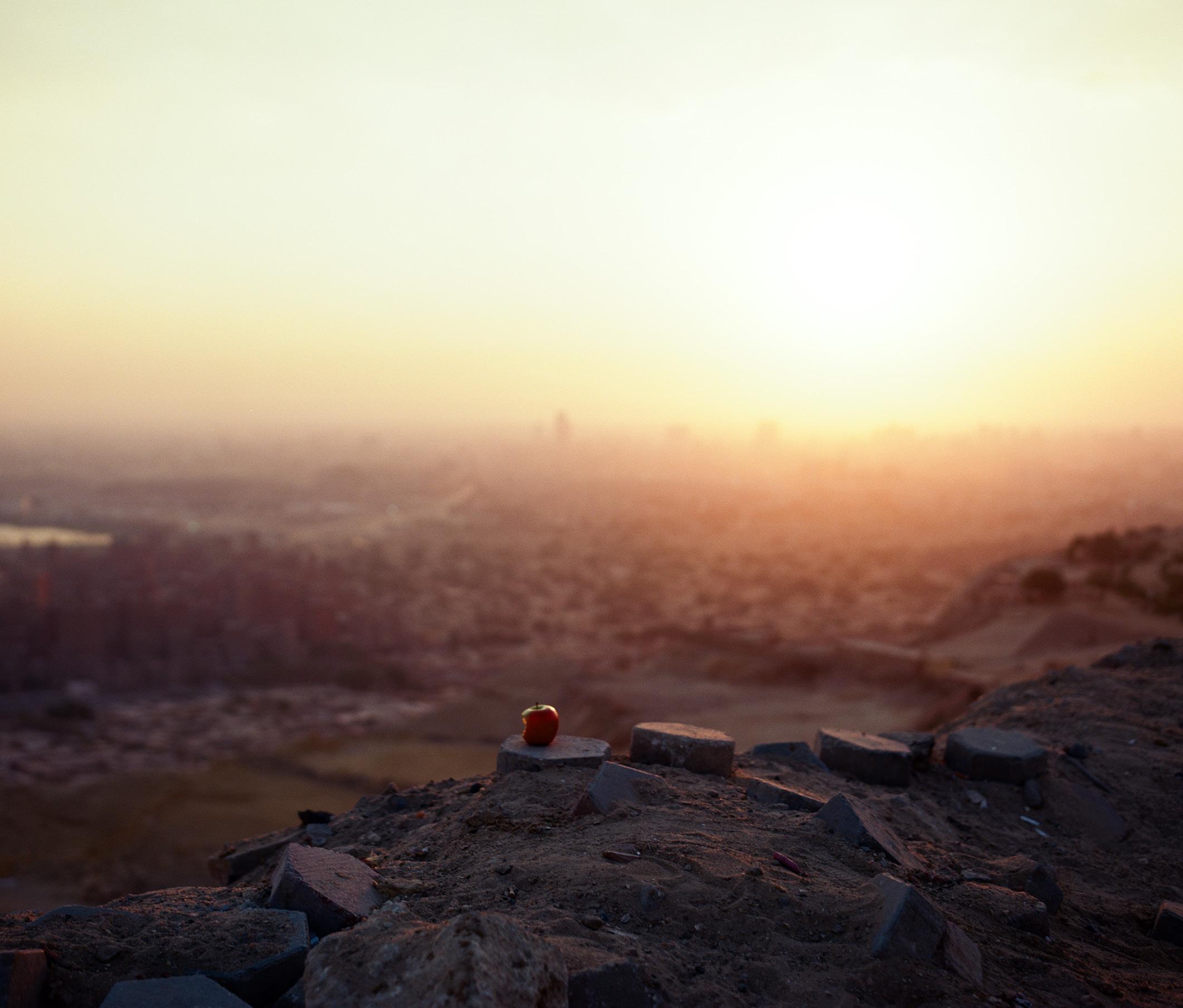
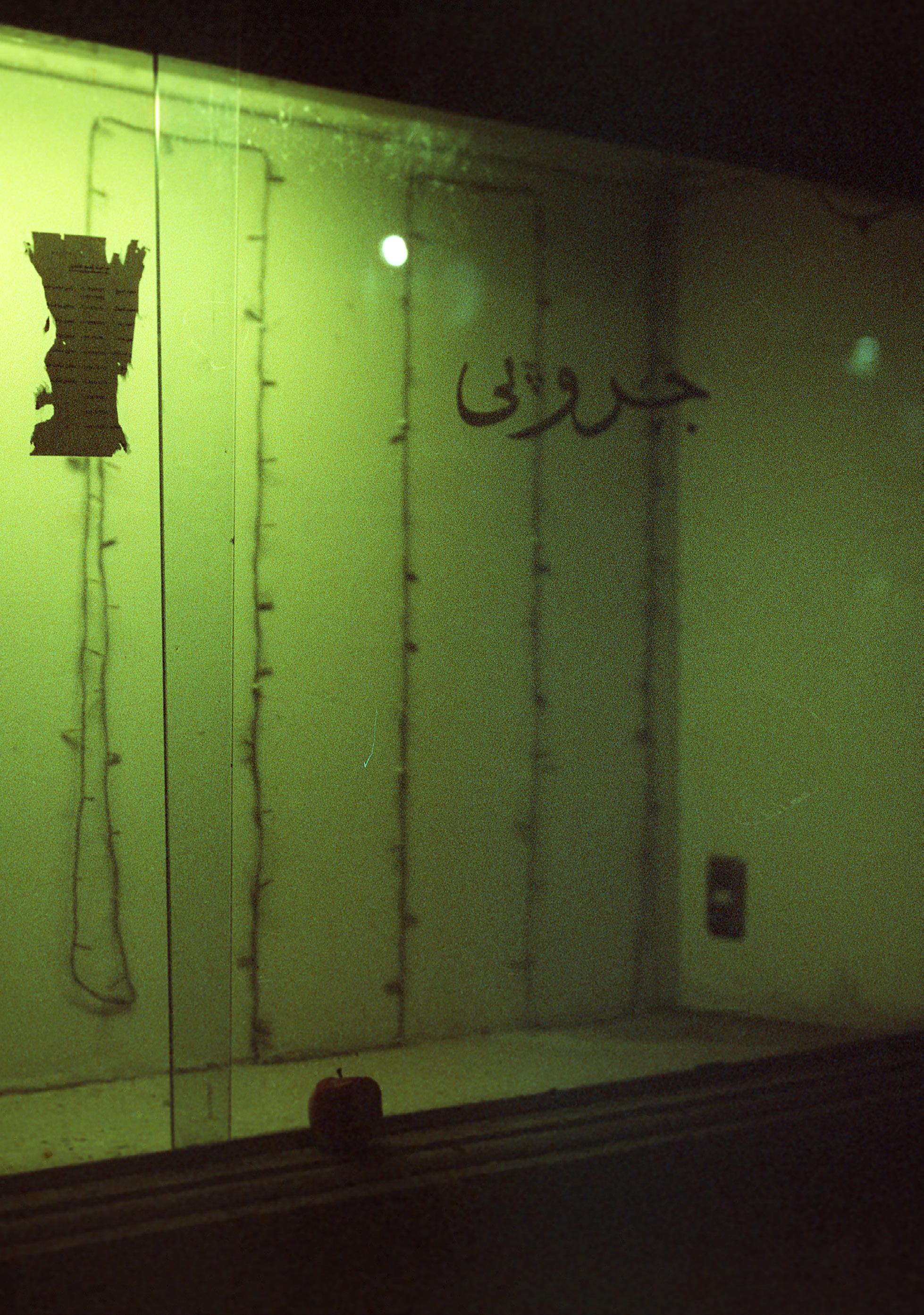
2022/07/23 12:38:12 am EET
Age: 26
Gender: Female
Additional details: [translated from Arabic] Entrance of the Groppi Garden, at night, when no one is on the street.
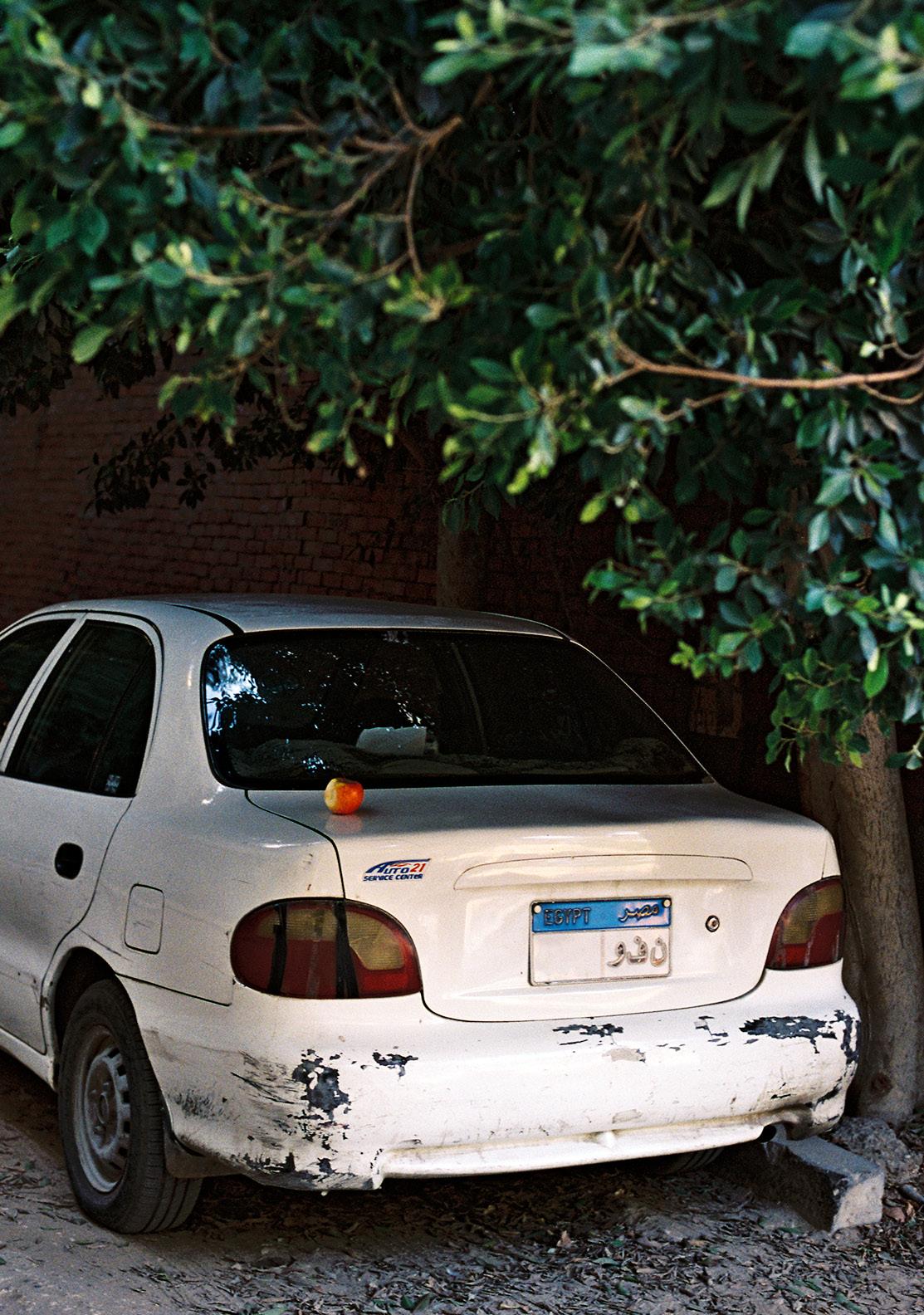
2022/07/26 3:29:16 pm EET
Age: 23
Gender: Female
Additional details:
Any break time during the school day, sitting on a car or on the sidewalk. hidden in the shade and ciggarette smokes .
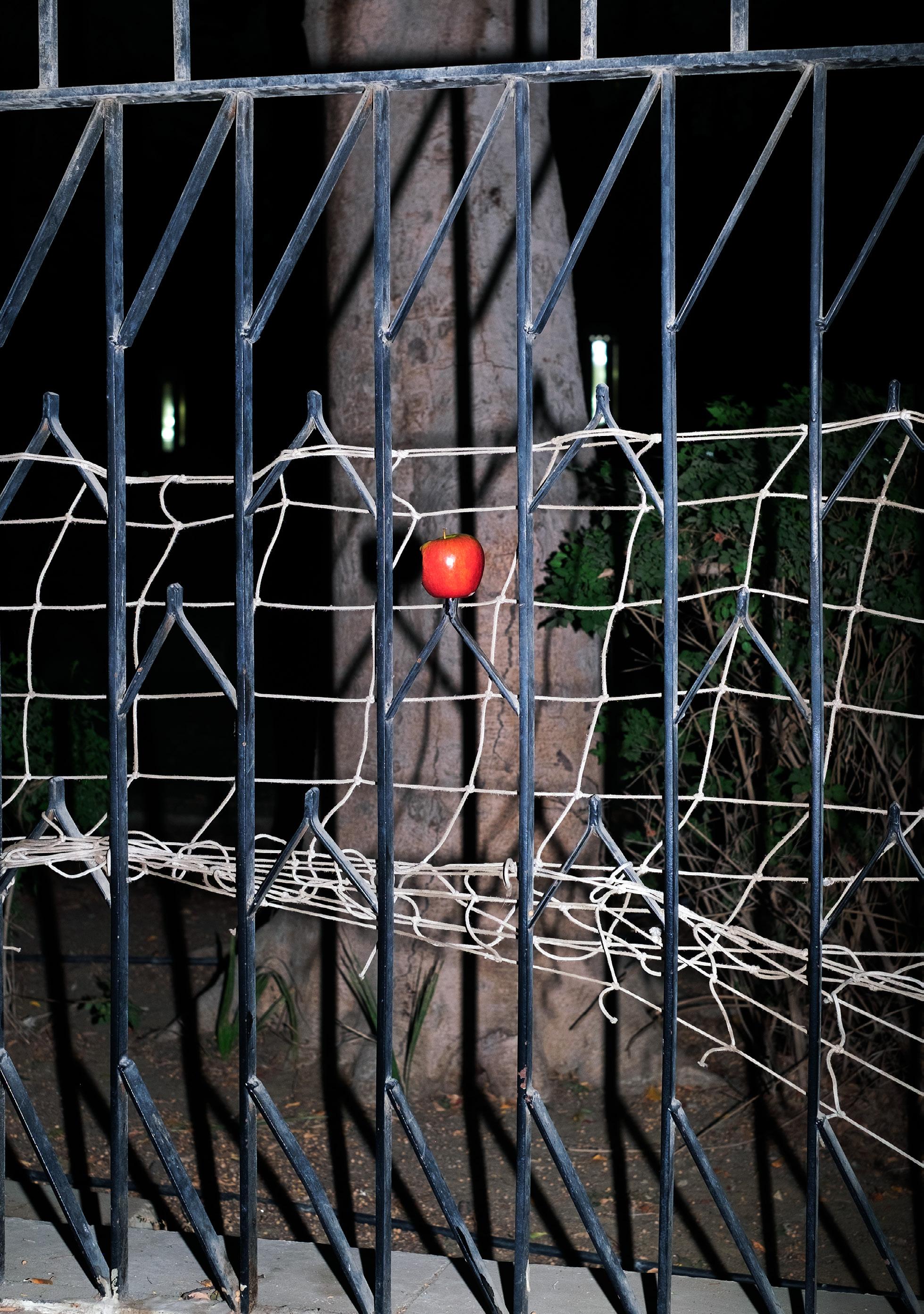
2022/08/10 1:24:43 am EET
Age: 21
Gender: Female
Additional details:
Two things One to climb the thing together at dawn The other is that there’s a light that casts a very dark and strong shadow at night shadow play is a very dear creative sexual expression to me It’s very subtle yet profound There’s the shadow of us layed down on the foor and the trees.


2022/08/09 10:55:39 pm EET
Age: 30
Gender: Genderfuid
Additional details:
The trees, small gardens, and how this combination of streets suddenly splits into several directions, in particular a V that has Total within it, is erotic to me. Especially around sunset.


2022/07/26 11:35:03 pm EET
Age: 25
Gender: Female
Additional details:
There isn’t one specifc spot, but i wish for a quiet spot in corniche el maadi in which it is possible to go at night and be alone with the nile and a partner. Or maybe take a felouka together and have it actually be a safe haven.


2022/07/26 10:04:16 pm EET
Age: 24
Gender: Female
Additional details: [translated from Arabic] Under the bridge, next to the entrance of 26 July Corridor, under the Nile fence, very early in the morning.
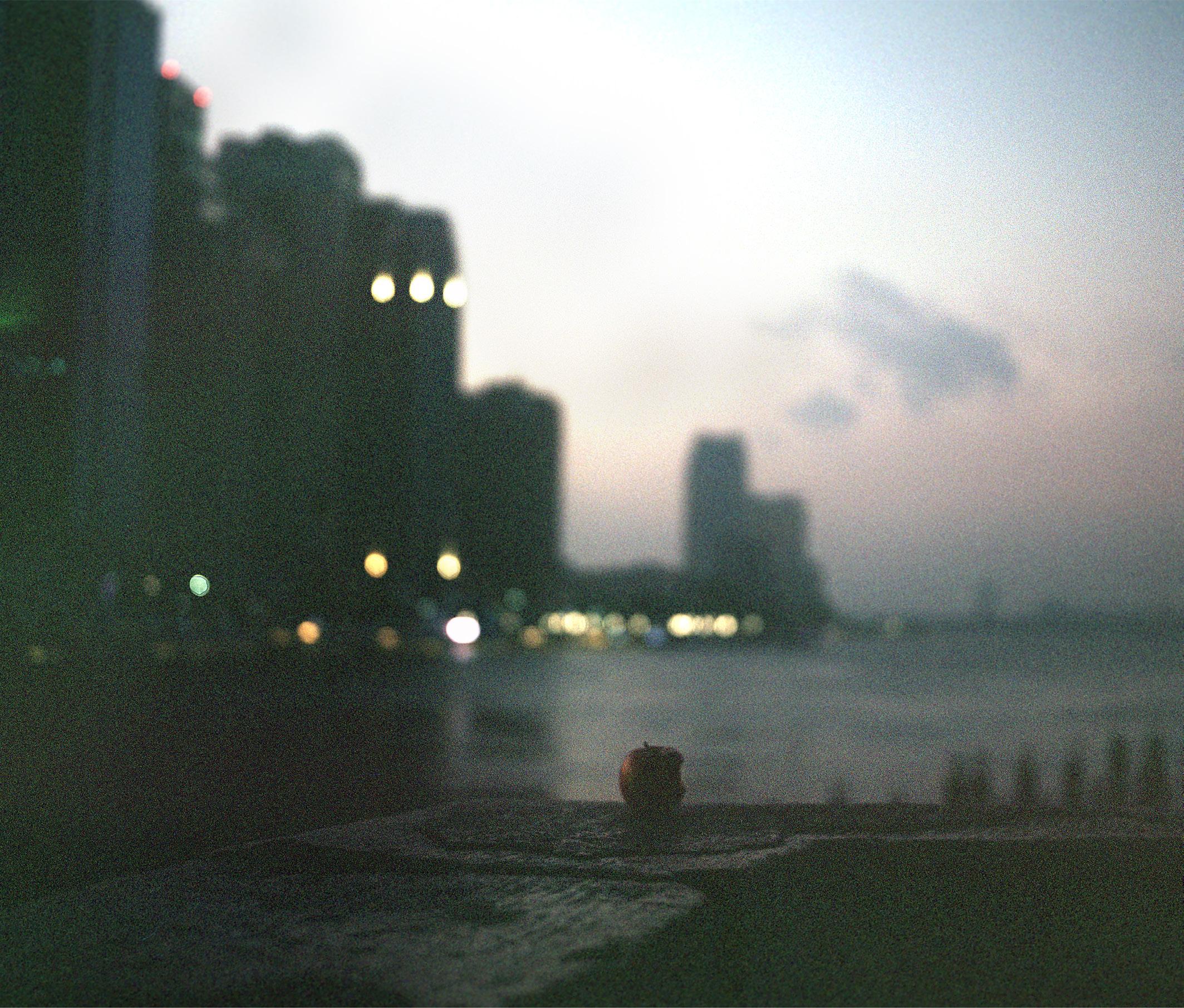
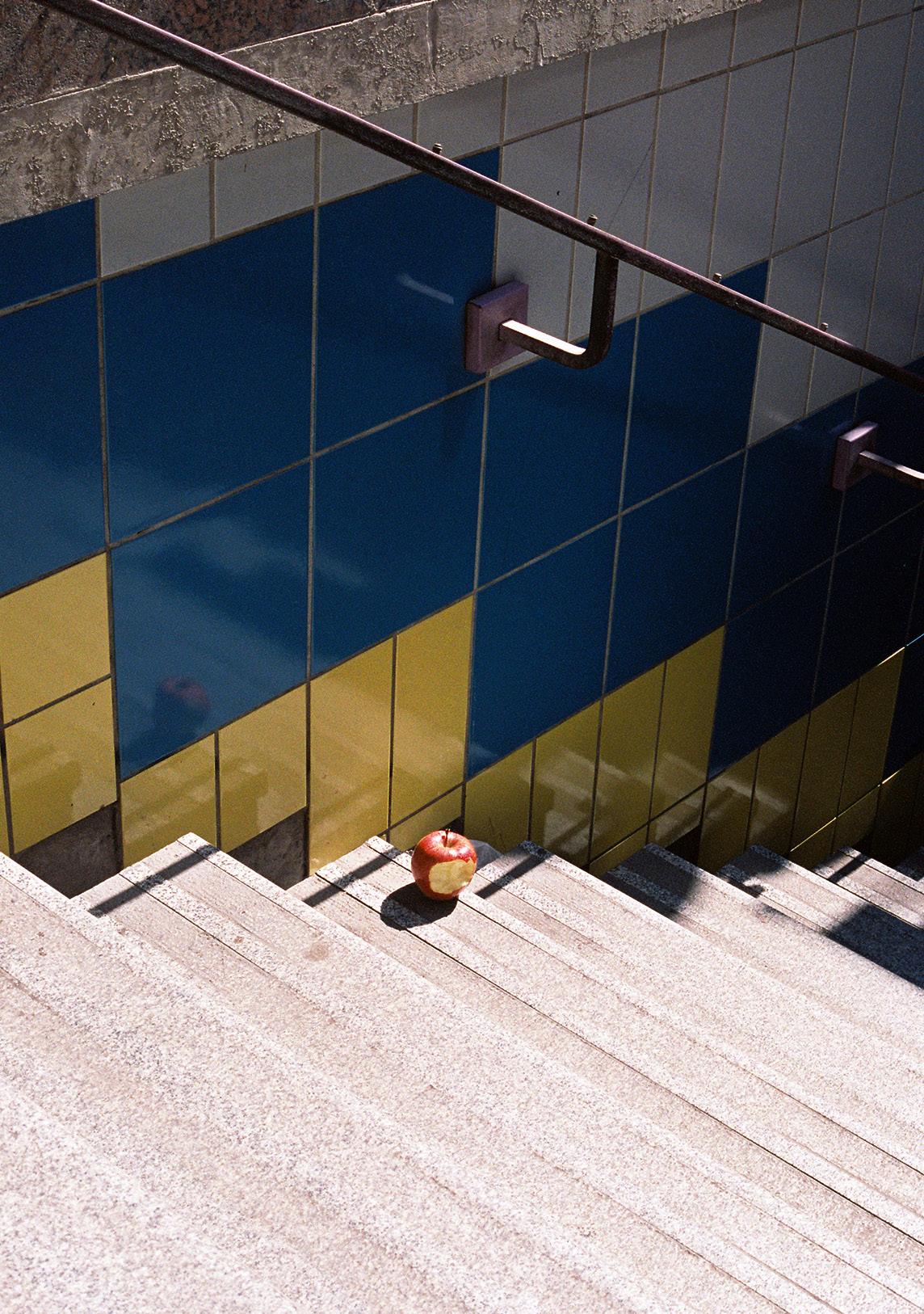
2022/07/23 12:51:50 pm EET
Age: 23
Gender: Male
Additional details:
2022/07/23 9:21:08 am EET
Age: 23
Gender: Male
Additional details: [translated from Arabic] The stairs of the metro.
2022/07/22 9:19:46 pm EET
Age: 26
Gender: Male
Coordinates: 30.0691° N, 31.3124° E
Additional details: [translated from Arabic] In the pharaonic village, in the afternoon, inside the tents ovelrooking the Nile.
2022/07/25 4:30:01 am EET
Age: 22
Gender: Non-binary
Coordinates: 30.0691° N, 31.3124° E
Additional details: The men Dressing room (showers), by Night or afternoon
2022/07/24 7:49:52 pm EET
Age: 19
Gender: Non-binary
Coordinates: 30.0691° N, 31.3124° E
Additional details: Walking a traffc light with many people around. the angle taken from the fron showing the master holding the puppy ( partner ) chains next to him.
2022/08/05 8:13:10 am EET
Age: 32
Gender: Female
Coordinates: 30.0691° N, 31.3124° E
Additional details: [translated from Arabic] Spacious green spaces.
2022/08/05 8:10:38 am EET
Age: 32
Gender: Female
Coordinates: 30.0691° N, 31.3124° E
Additional details: [translated from Arabic] At night, near a light post when the street is empty.
2022/08/09 1:37:59 am EET
Age: 23
Gender: Female
Coordinates: 30.0691° N, 31.3124° E
Additional details: talking for hours before sunrise enjoying the emptiness and beauty of cairo sitting on the metro crates watching the sunrise.


This book was created in the context of my bachelor project for my communication design degree at University of Europe for Applied Sciences Berlin. The process was supervised and kindly supported by Michael Danner and Stephan Gunzel.
I would like to thank the following people who make up my support system and who consistently inspire me: Mario Macedo, Habiba Haddara, Ismail Sabet, Omar El Kafrawy, Aisha Azab, Bushra Mettawa, Nike Dieterich, Doha L. Wazir, Shahira Fahmy.
No Carrots for this Disease. Photographs, editing, photobook design by Najla Said (unless mentioned otherwise in captions) May 2023 - Berlin, Germany
The creation of the photographs as well as the exhibition ‘Garden of Cairo’ (at Access Art Space, Cairo) was funded by L’Art Rue Tunisia’s All Around Culture, lead by Nike Dieterich and Doha L. Wazir of Beyn Collective.
First Edition © 2023 Najla Said Printed by Magentur - Berlin Bound at Alexandra Kluender - Berlin
Produced for the Bachelor Project of the Communication Design B.A. program at the University of Europe for Applied Sciences - Berlin
Supervised by Michael Danner and Stephan Gunzel
Typefaces: Og and Founders Grotesk Printed on 120 g/m2 Extrasmooth warmwhite paper.