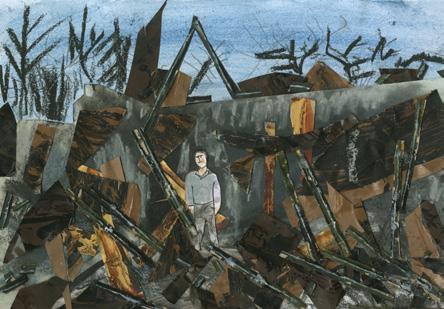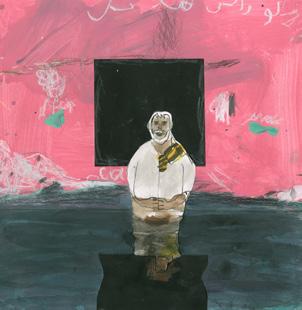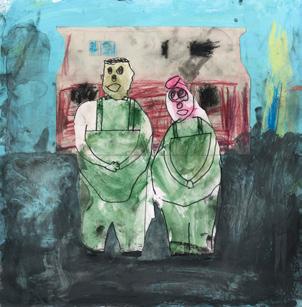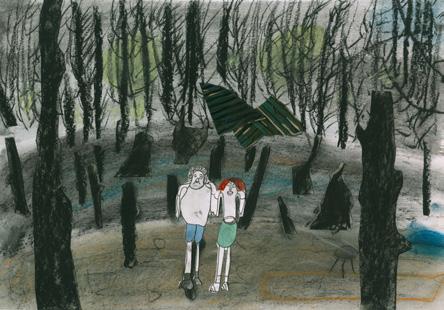

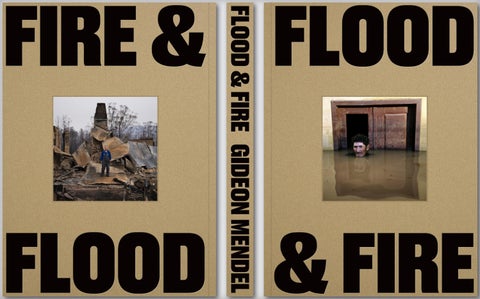
& FIRE GIDEON MENDEL
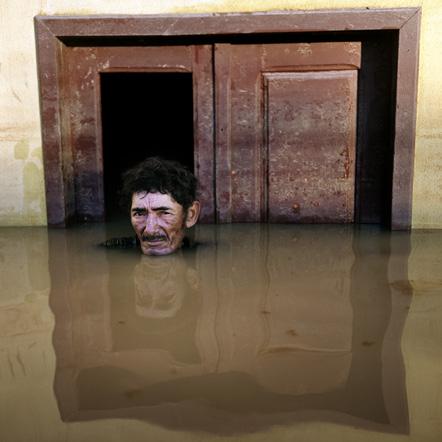




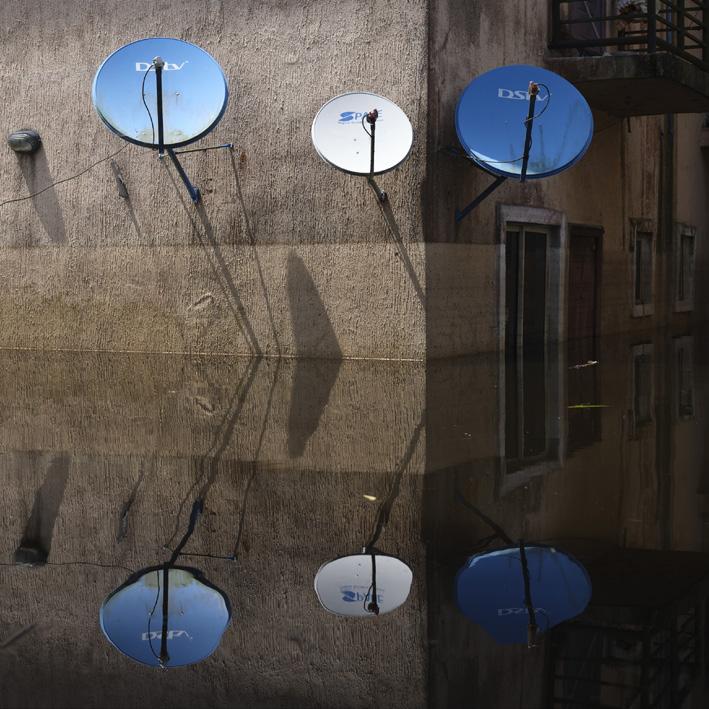
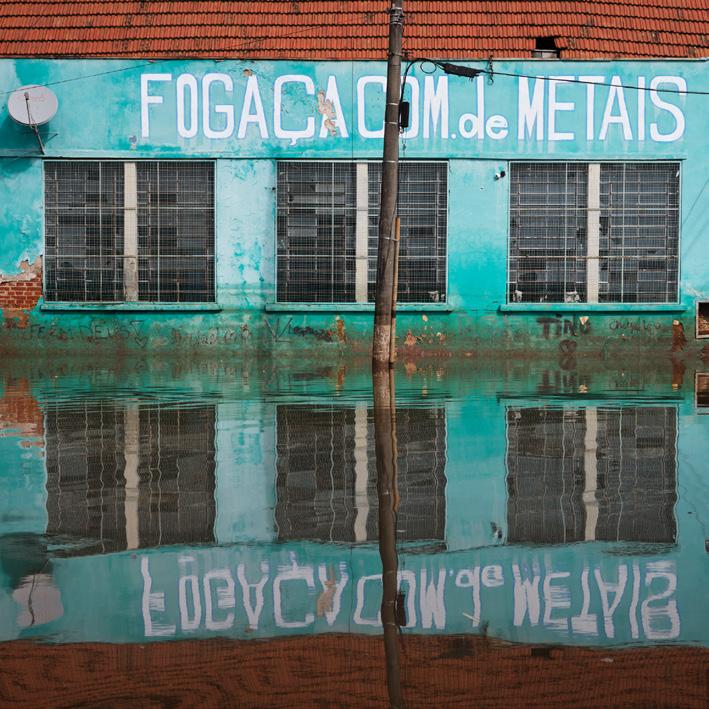
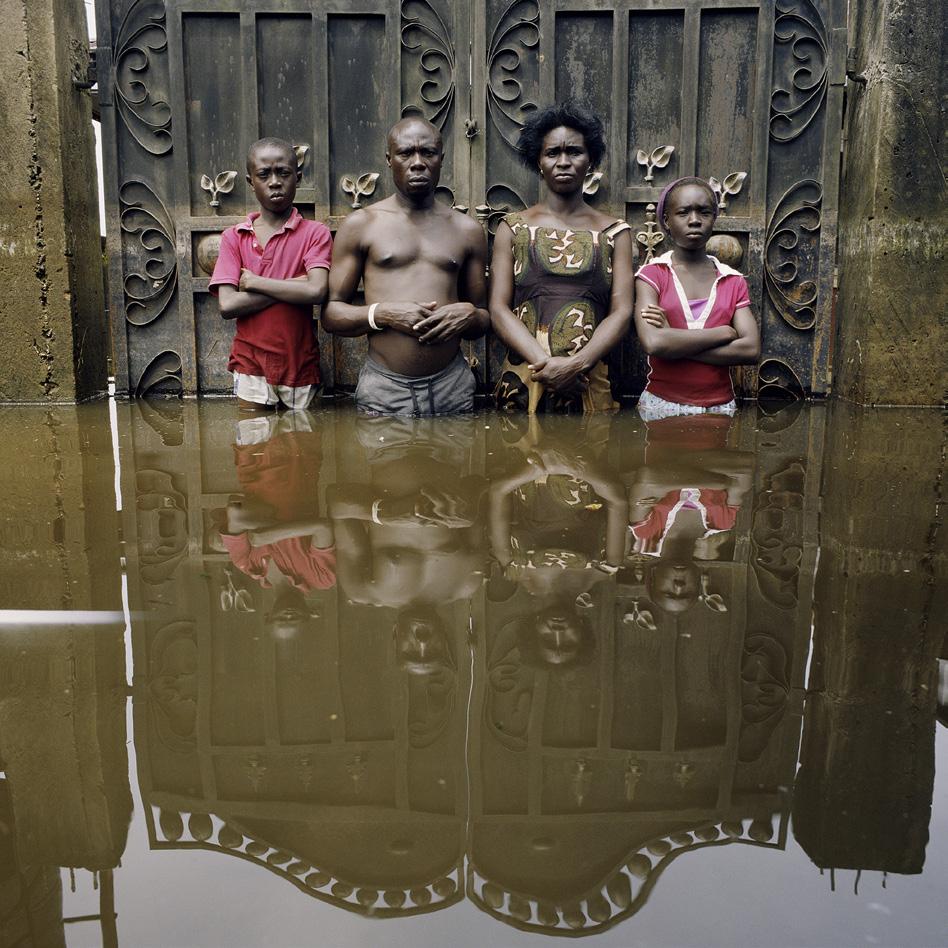
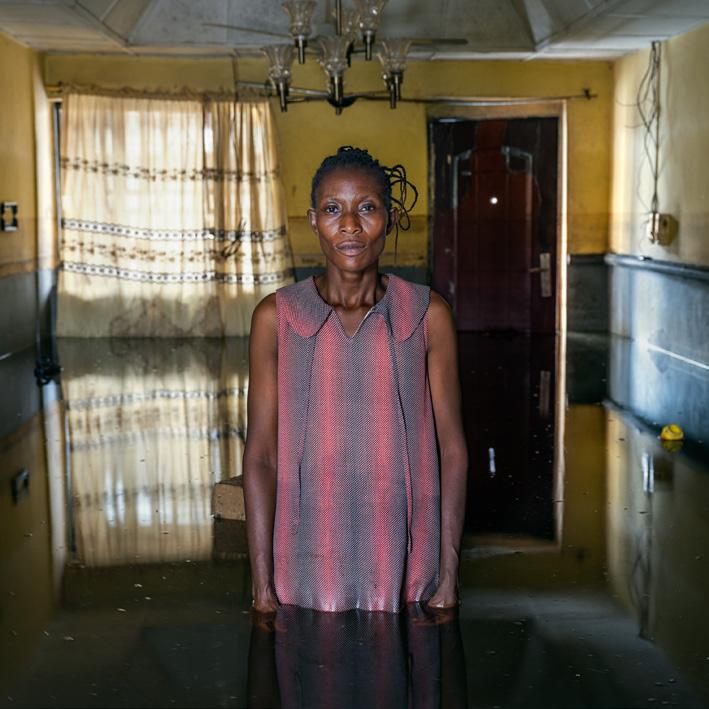
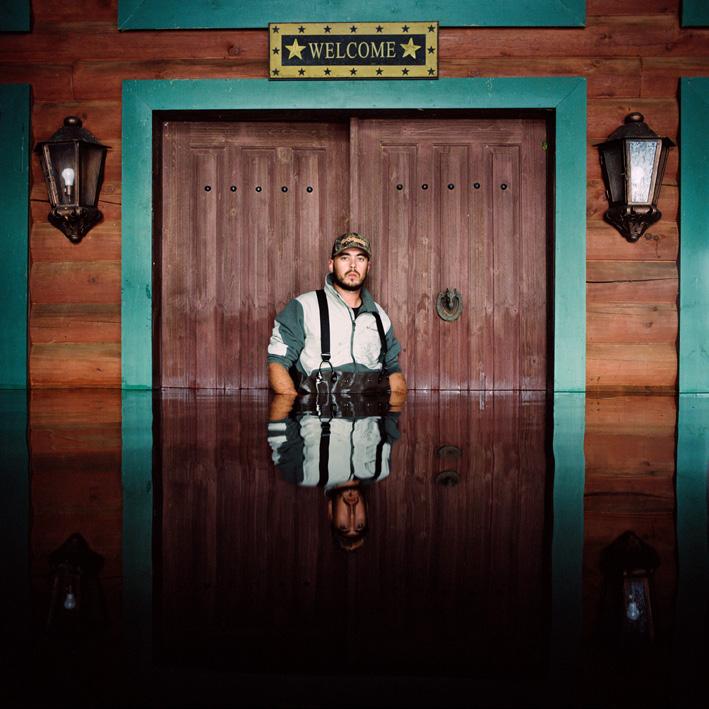
Between 2007 and 2026, I have made twenty-five trips to document flooding in thirteen countries, witnessing a shared human experience of water catastrophe that transcends geographical, cultural and economic divides. Over a nineteen year period, I travelled to Australia (2011), Bangladesh (2015), Brazil (2015 and 2024), France (2016 and 2018), Germany (2013 and 2021), Haiti (2008), India (2007 and 2014), Nigeria (2012 and 2022), Pakistan (2010 and 2022), the Philippines (2013 and 2025), Thailand (2011), the United Kingdom (2007, 2014, 2016 and 2019) and the United States of America (2015, 2017 and 2018).
Drowning World—a personal response to our global climate emergency—is both a literal and a metaphorical means of responding to manmade global warming, the biggest common threat facing humanity. Since this work began, the global geopolitical situation as regards our climate emergency has become increasingly urgent. Whilst we experience ever-more extreme weather events every year, we have also seen ever-evolving forms of denialism—a global political system incapable of taking meaningful action—and petro-carbon corporations remaining resistant to any adoption of the most minor measures to reduce emissions.
When began the work in 2007, my kids were young. Imagining their future, I’d tried to conceive of the world they would be living in when they reached my age (circa 2038 and 2041). That led me to thinking about the ways in which our climate was being imaged in real time. The photographs that were out there were of polar bears and desert scenes; retreating glaciers somewhere far away. Often beautiful, always elsewhere, and often unpeopled. I set to work on a project that would show the people impacted by climate change in a very direct, imminent and visceral manner. To have the camera look directly at its witnesses and ask that they look straight back.
Over the years of this work, various narrative elements have emerged…
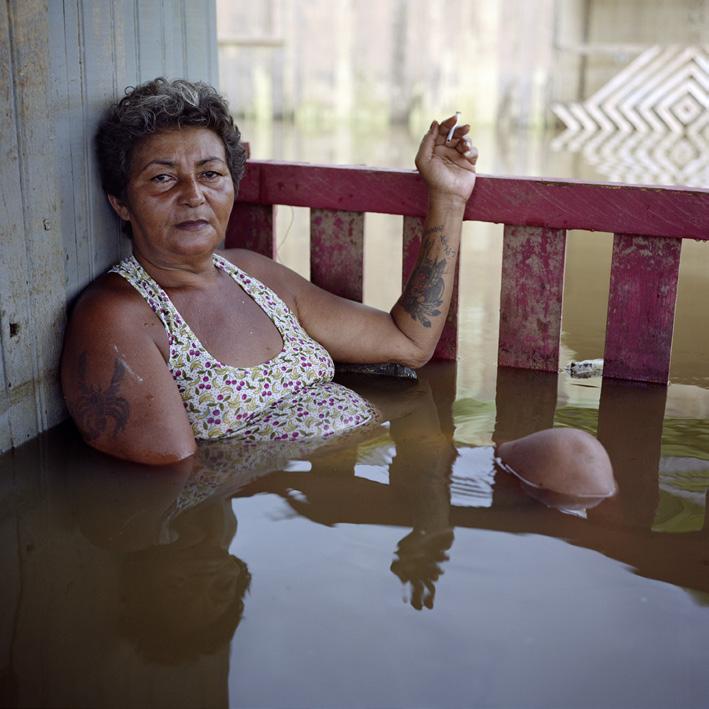
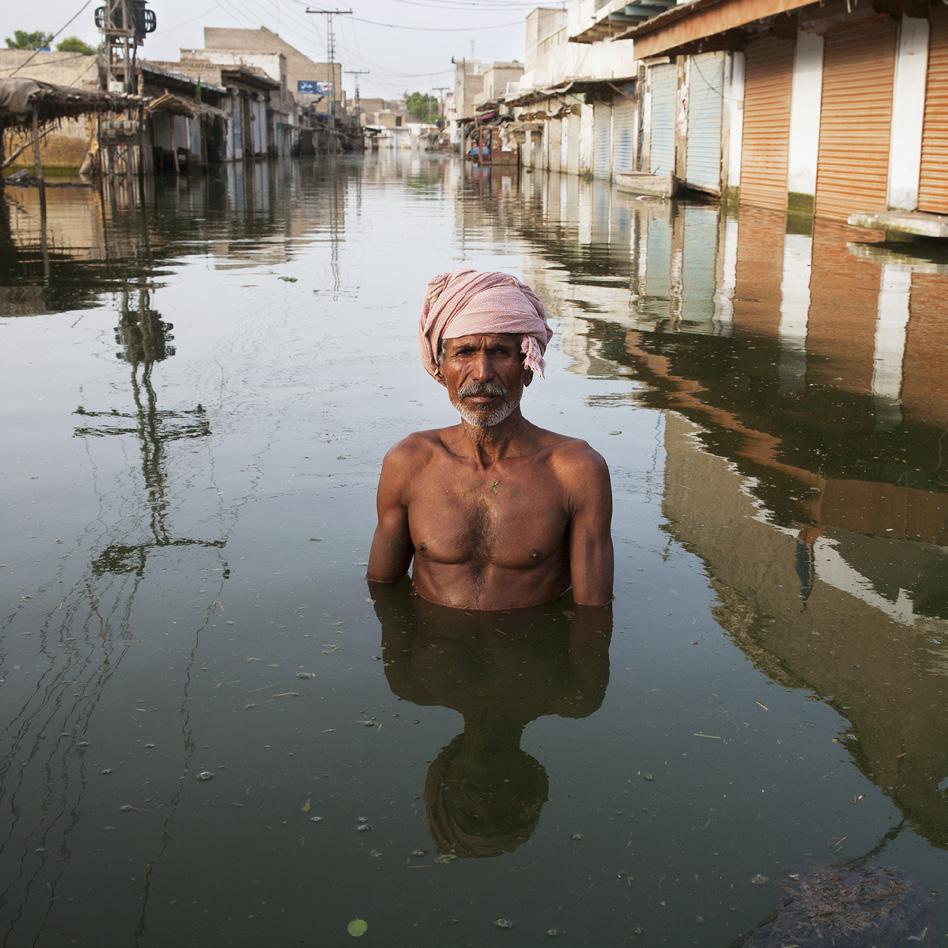
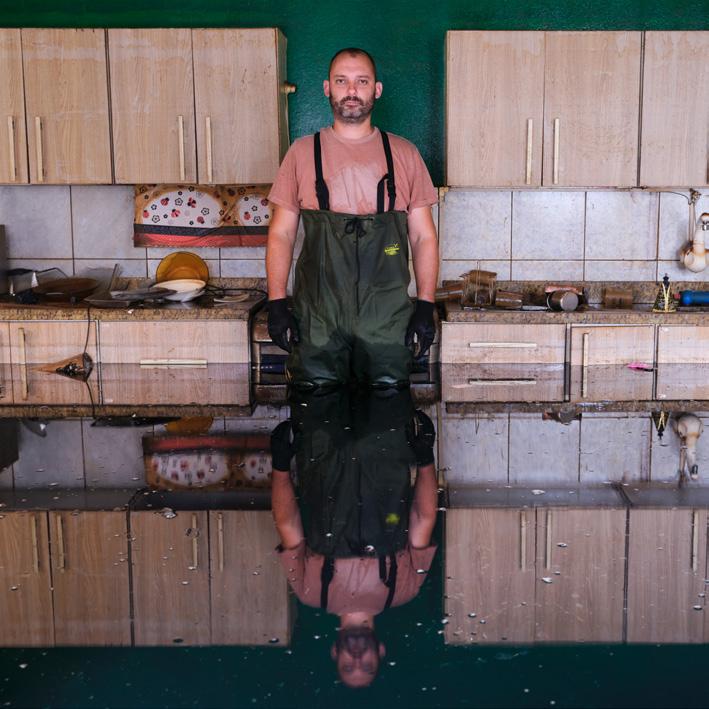
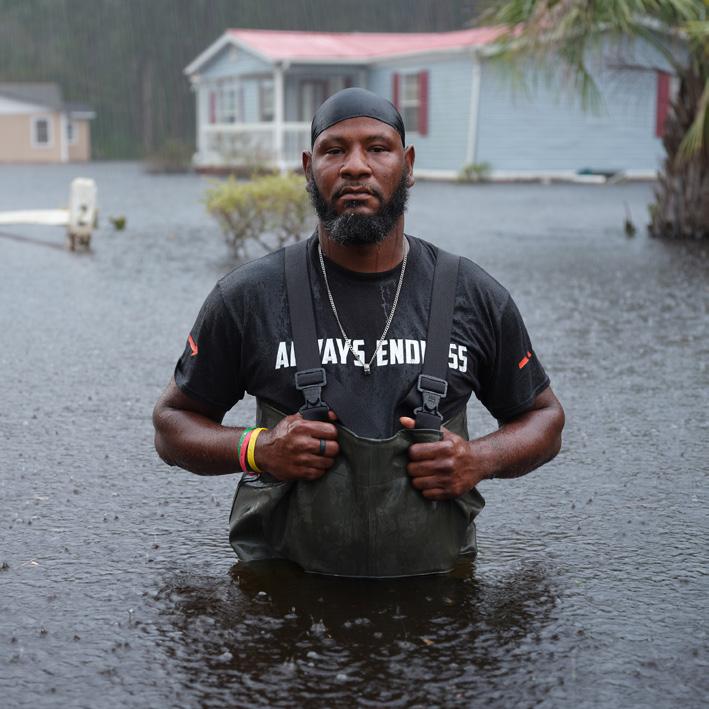
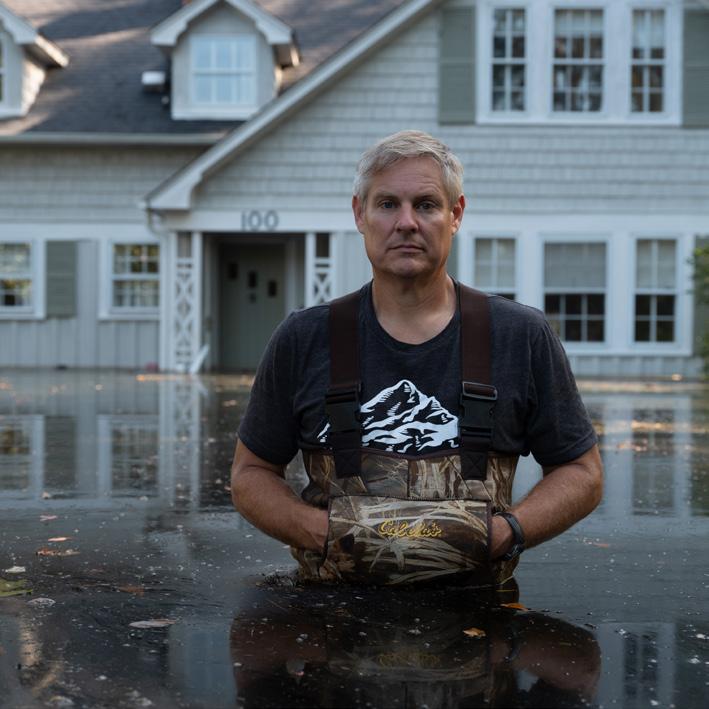
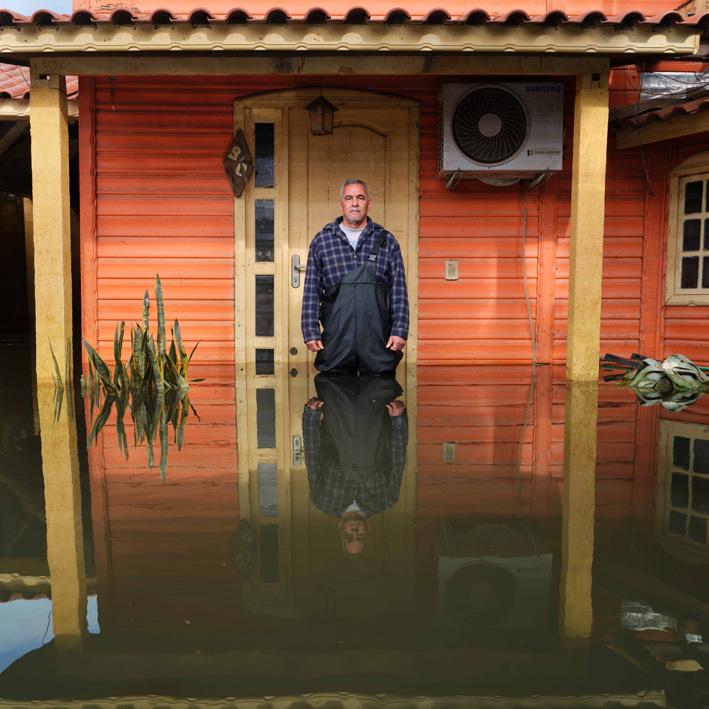
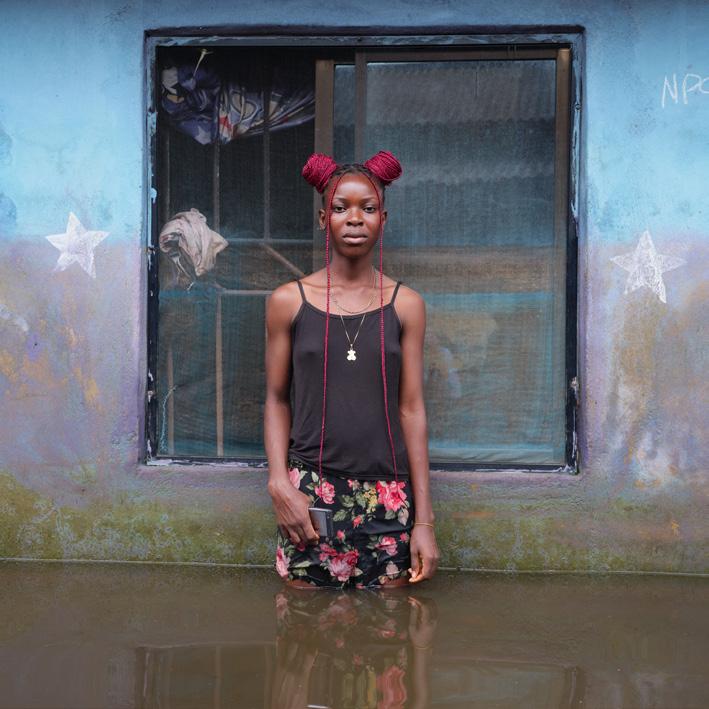
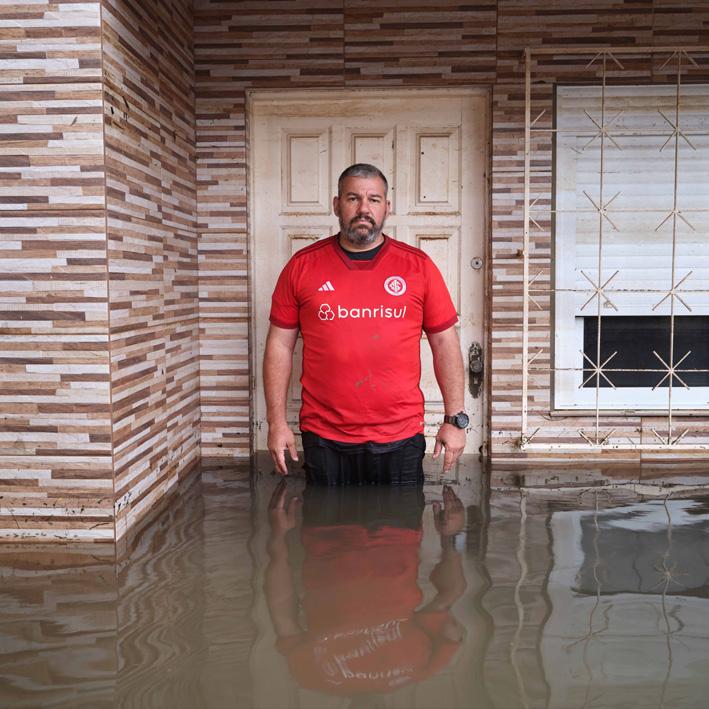
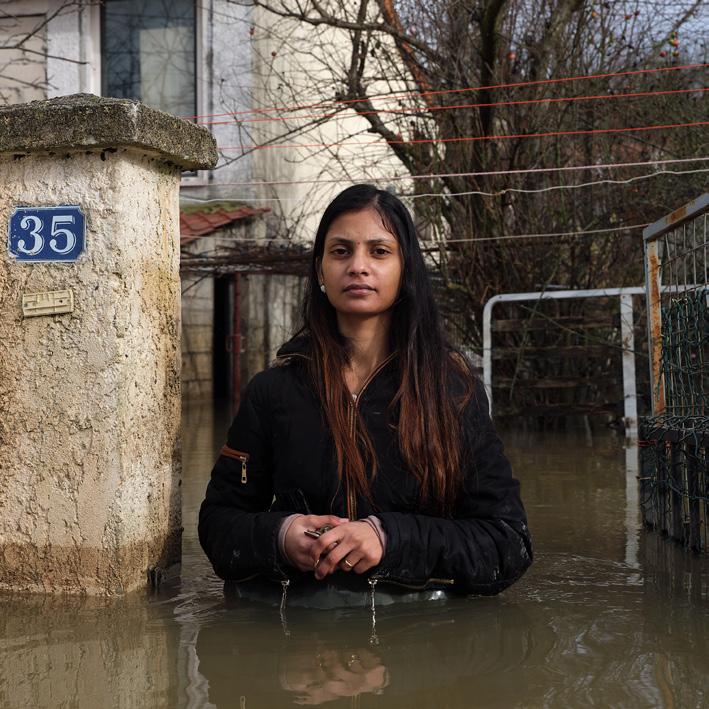
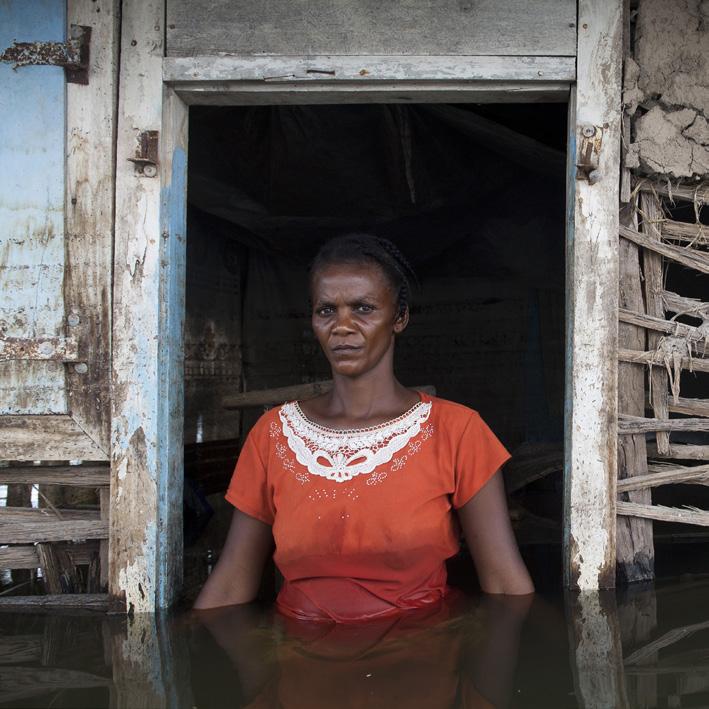
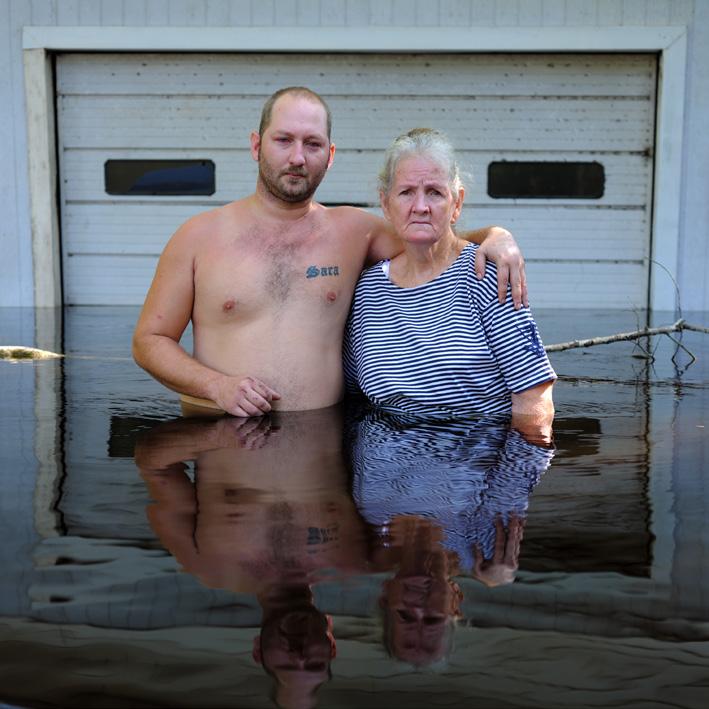
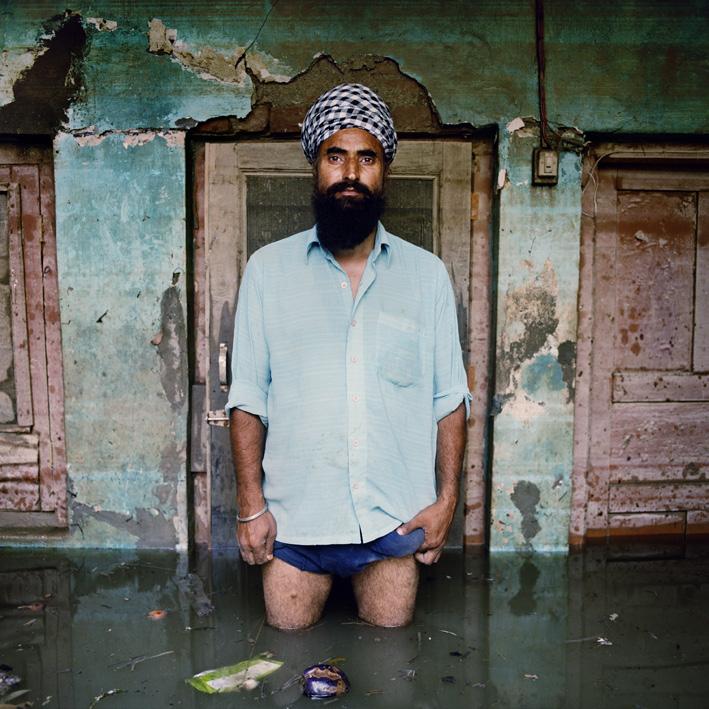
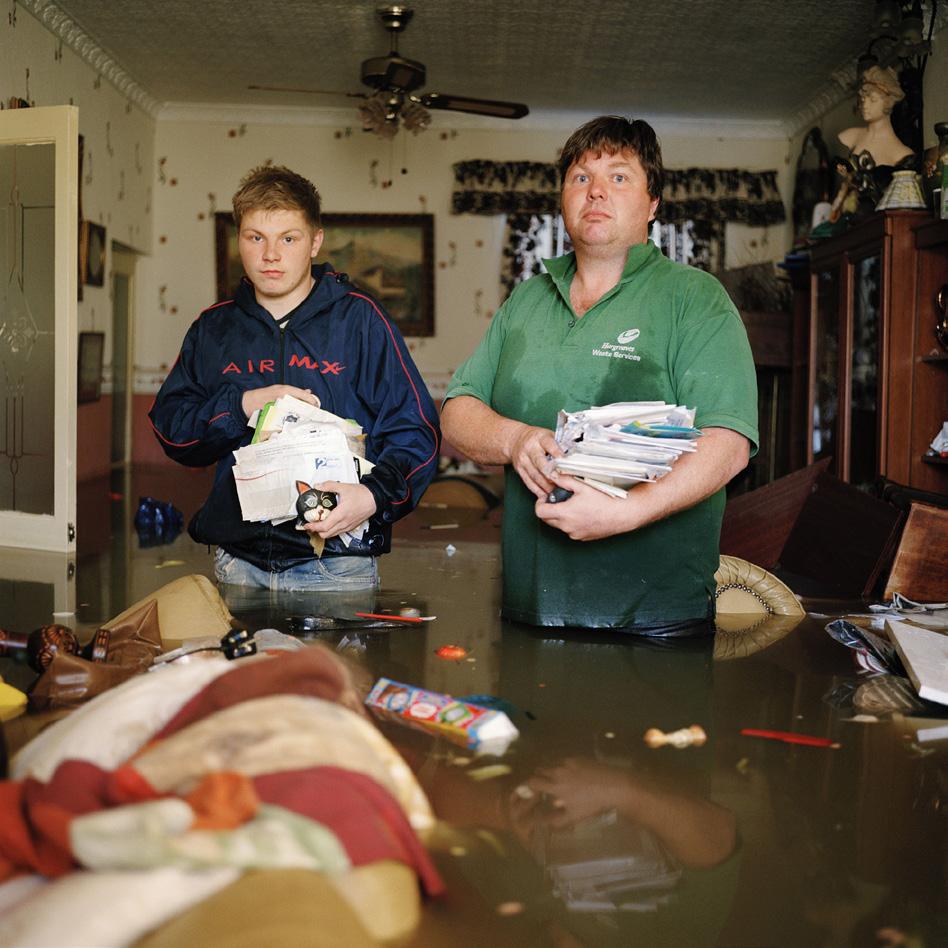
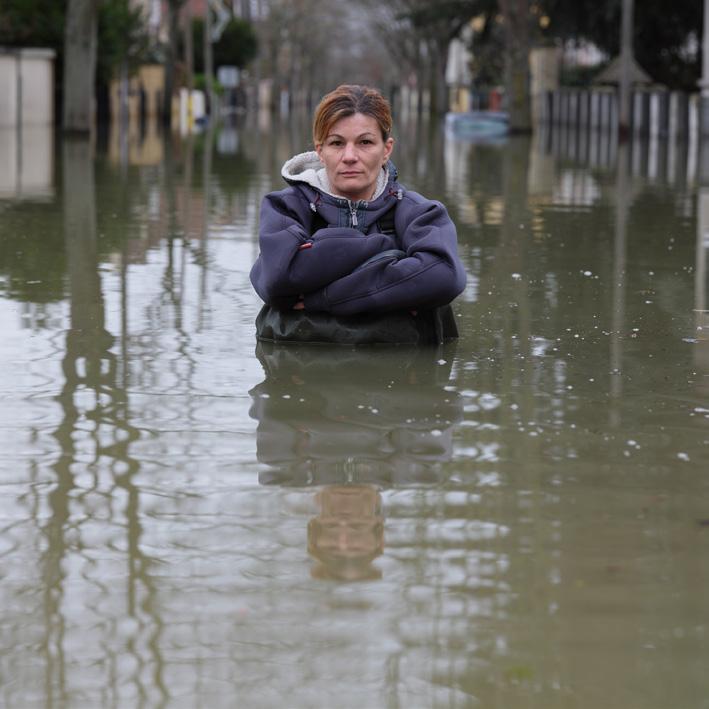
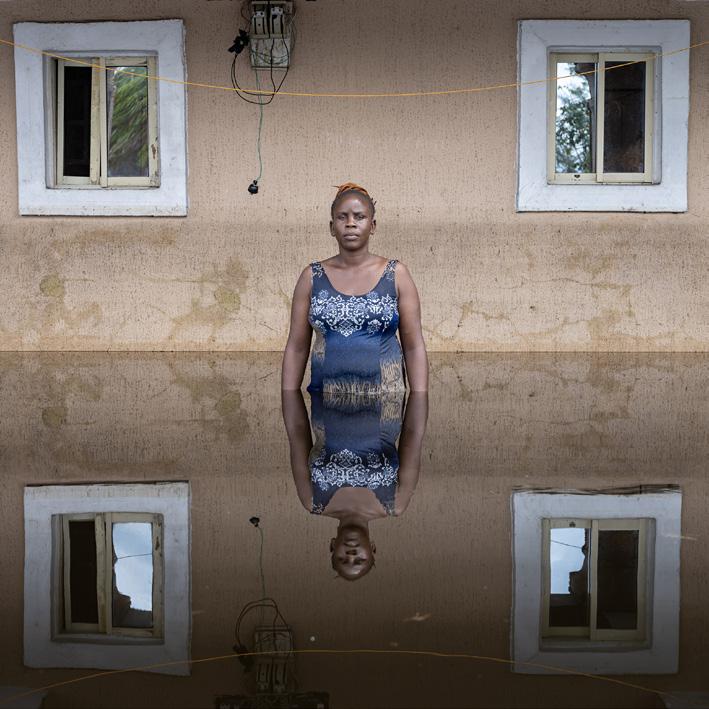
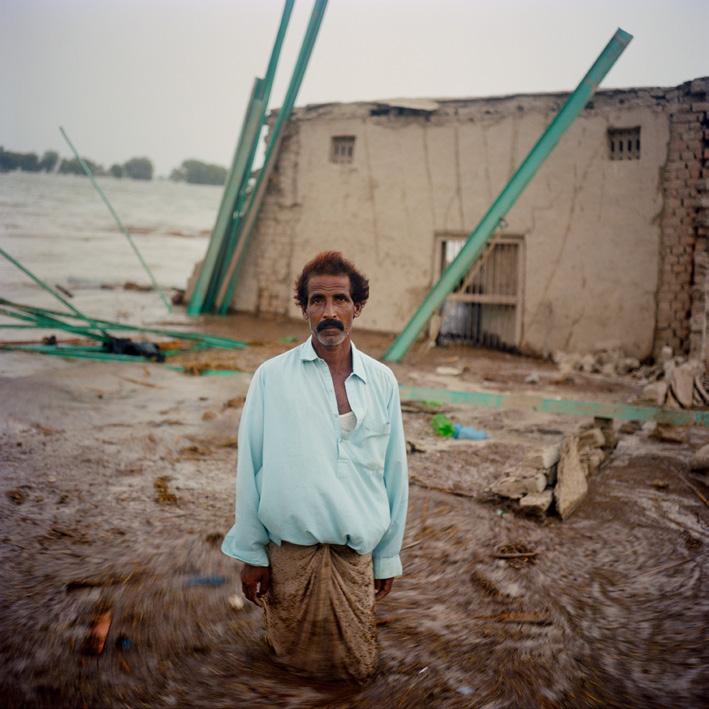
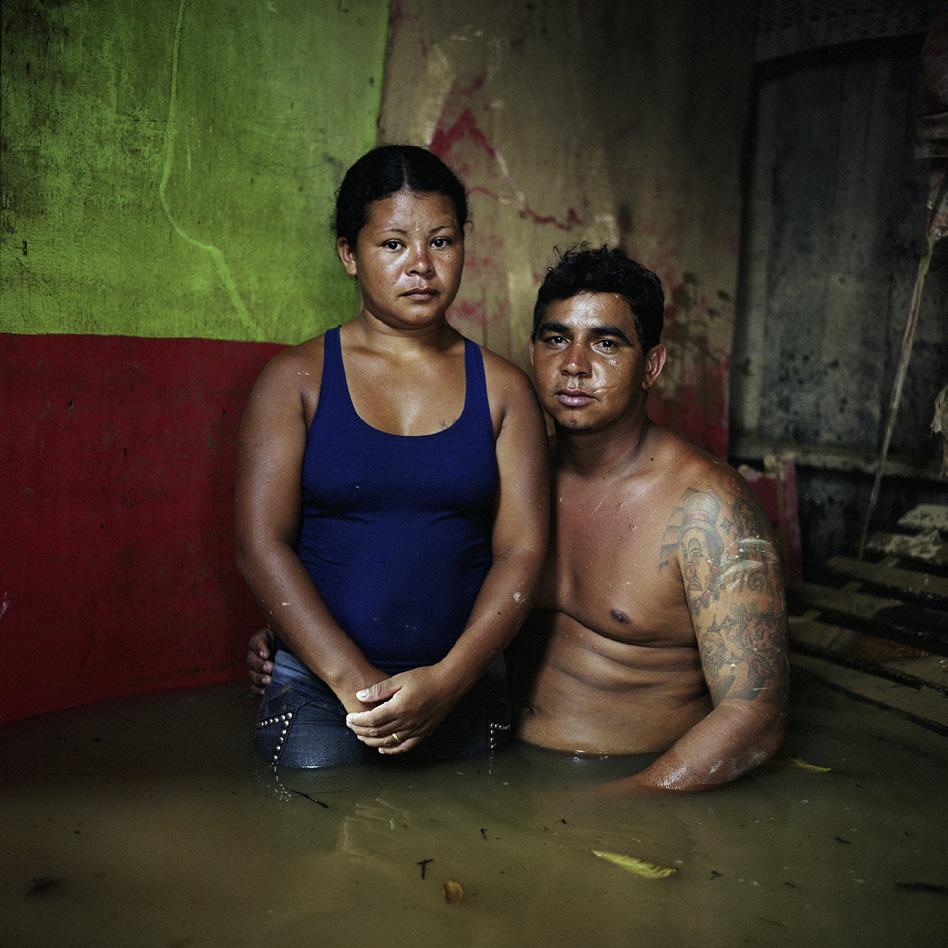
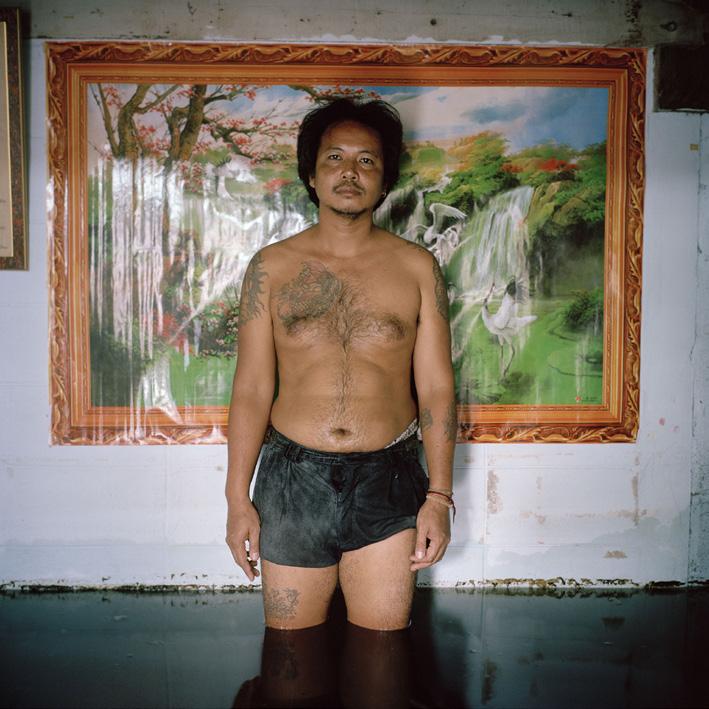
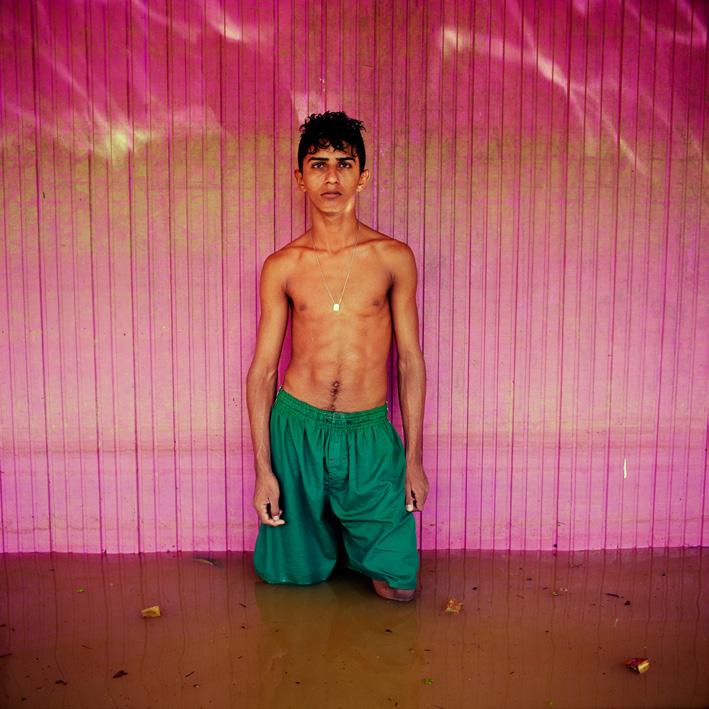
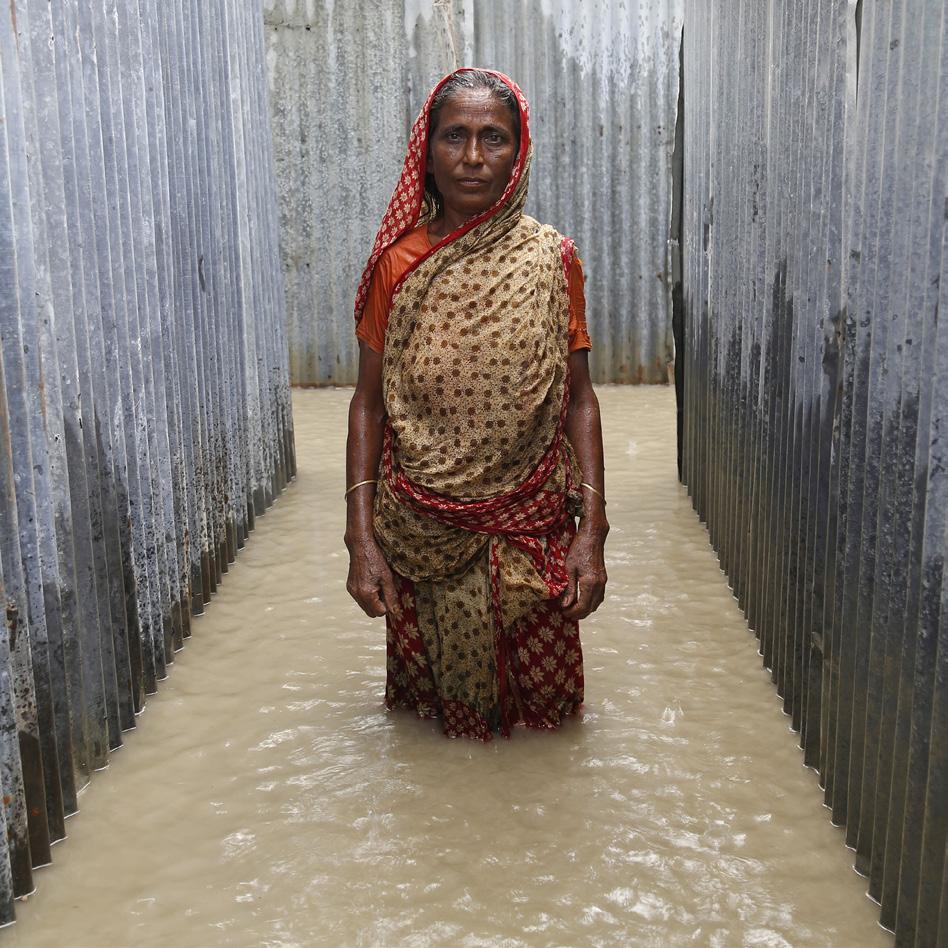
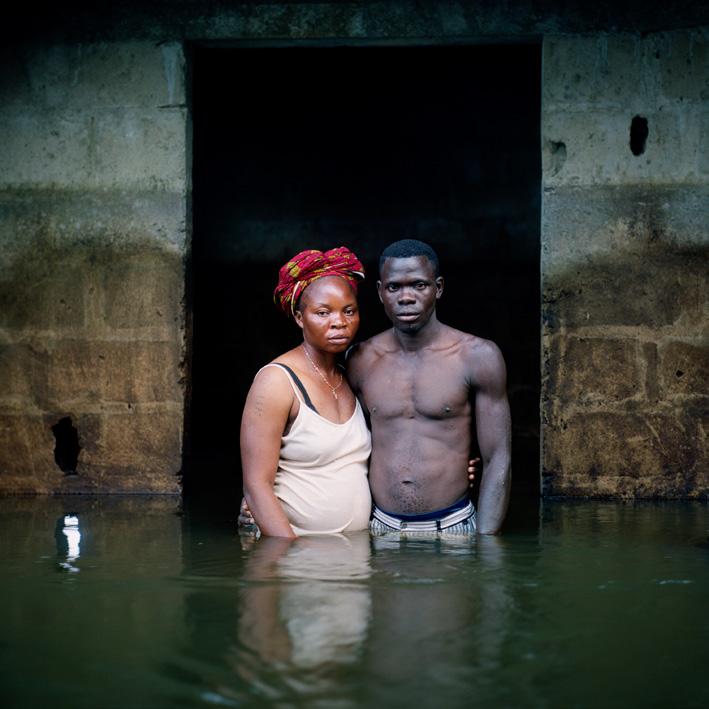
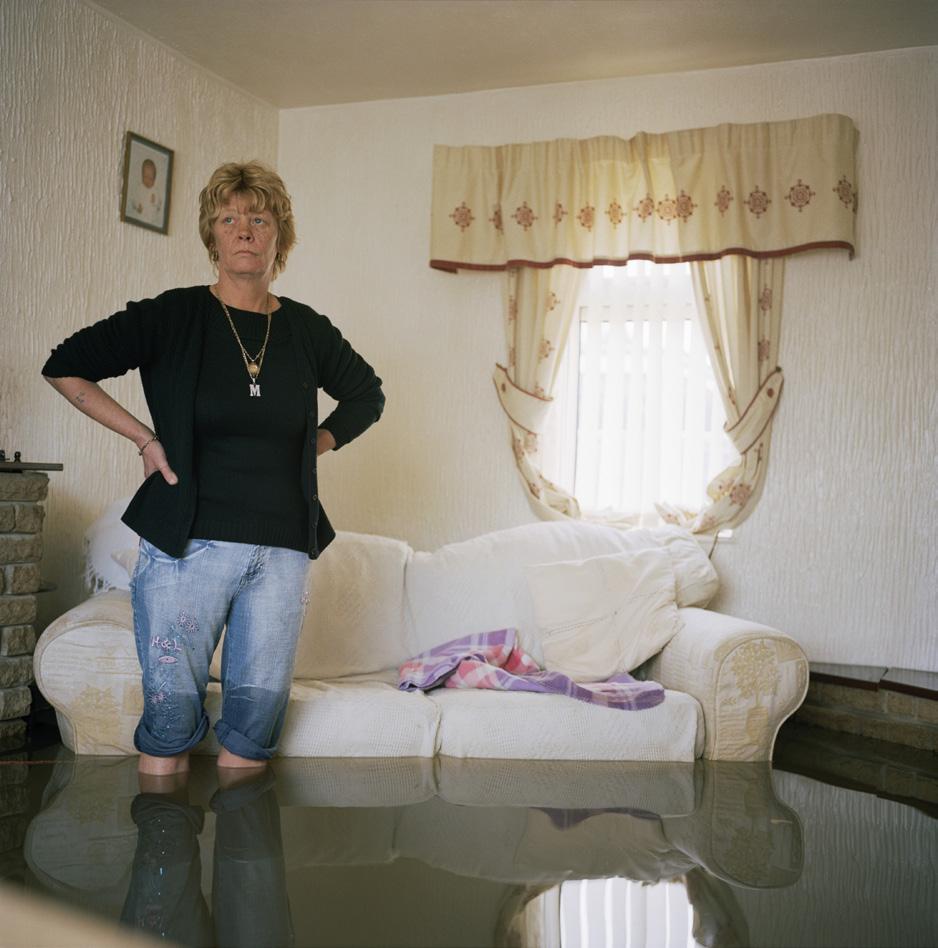
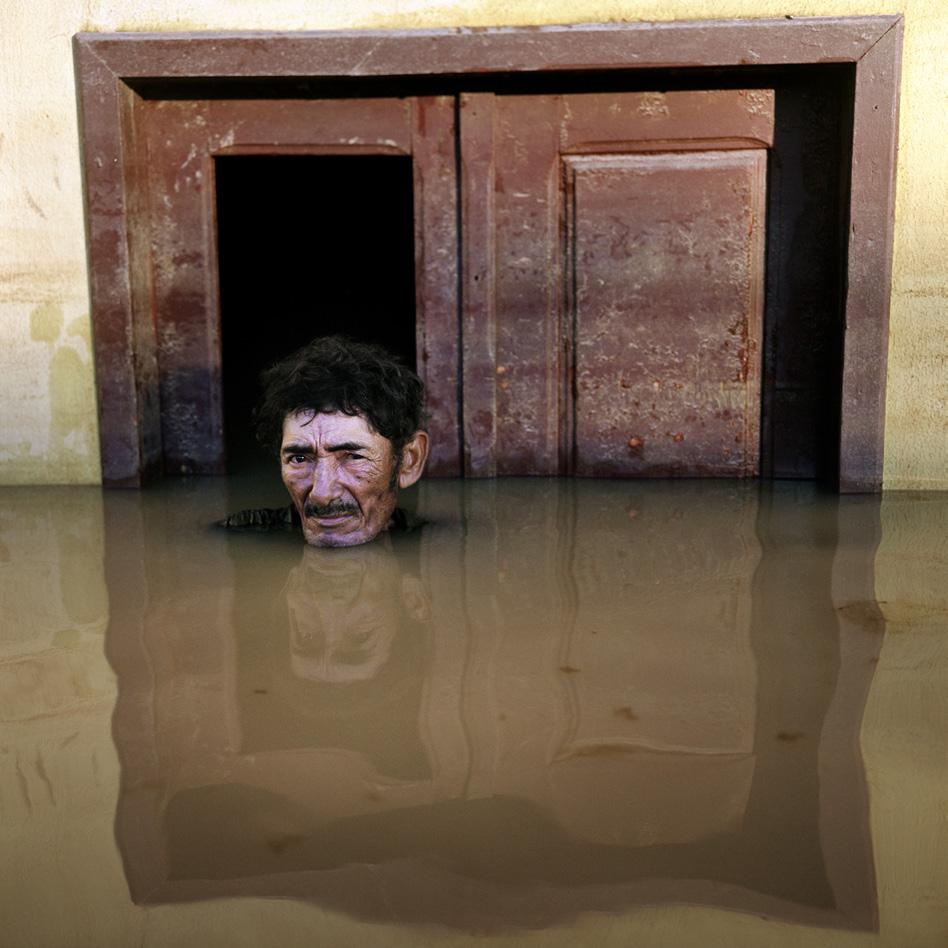
This set of intimate portraits of people in floodwater is at the core of the Drowning World project. My process of finding a subject is frequently precarious and complex. Oftentimes, would walk with them through their flooded community as they bring me back to their home. As they pause and engage my camera, the resulting image aims to testify to a human connection deeper that the statistical and scientific rhetoric that we are familiar with. Coming from disparate parts of the world they reveal their shared vulnerability and linked exposure to climate change despite vast differences in lived circumstances.
Floodlines
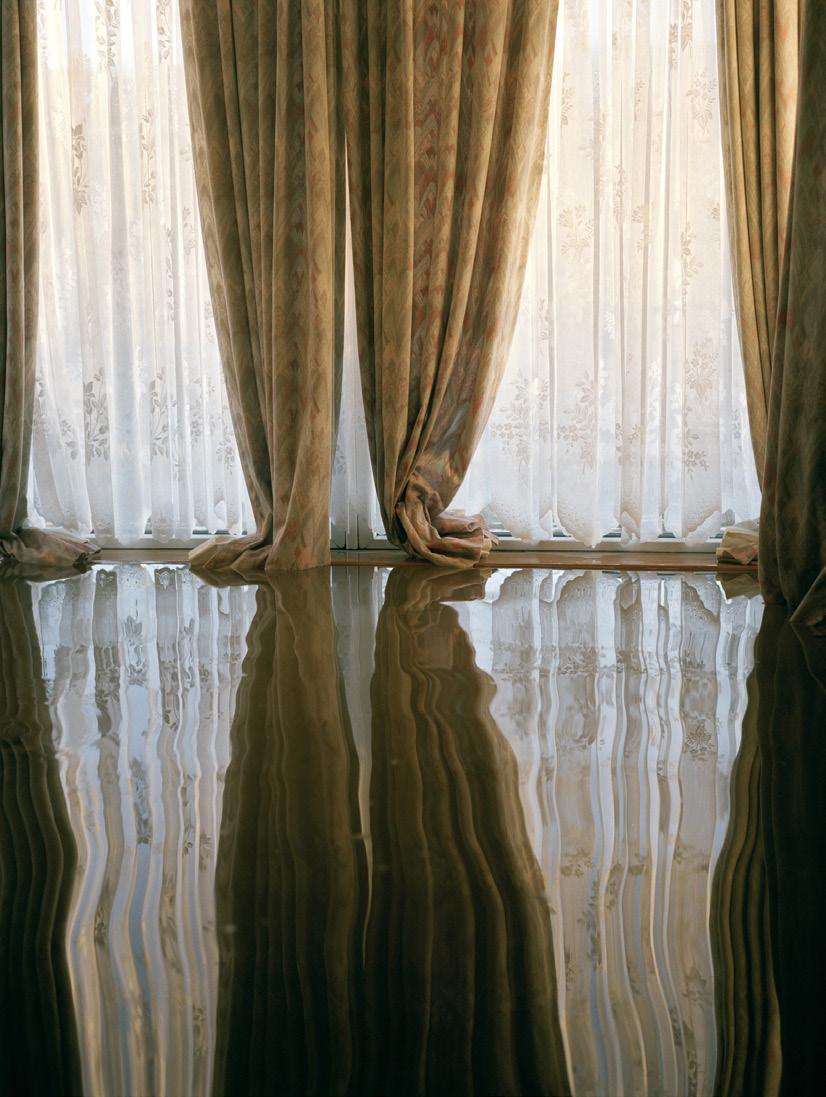
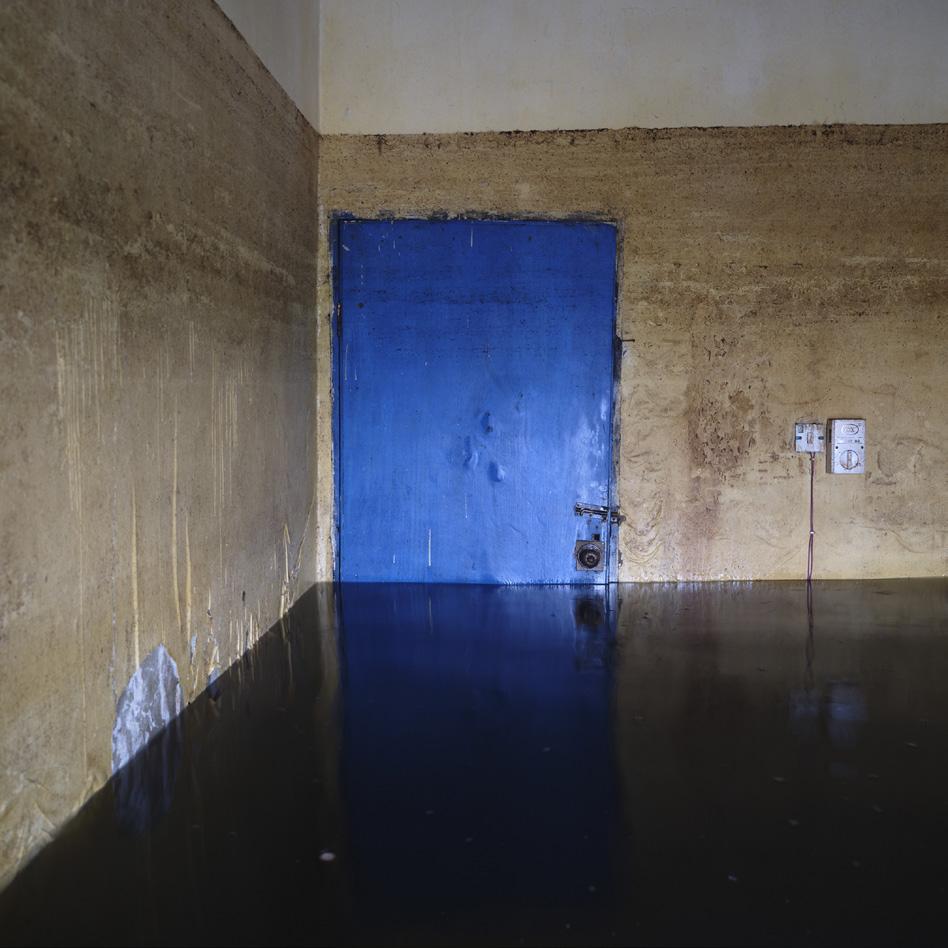
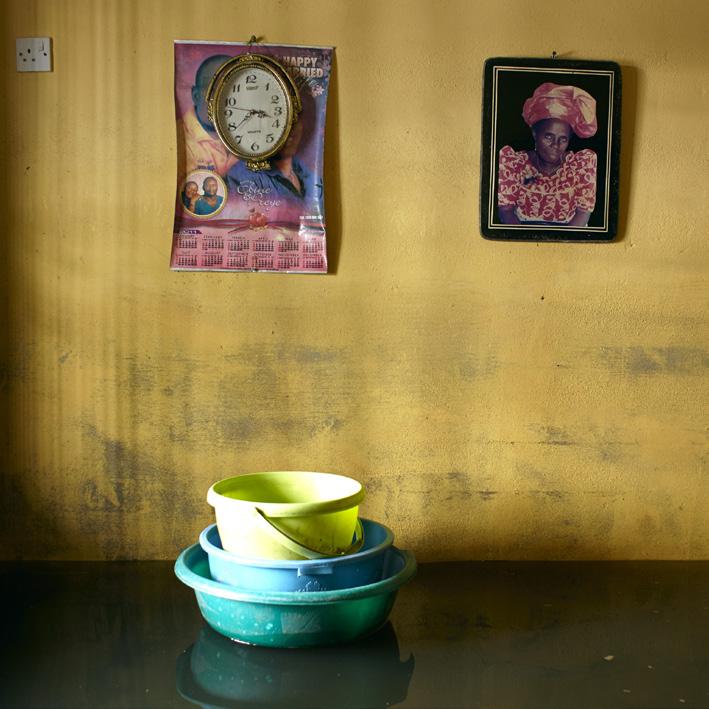
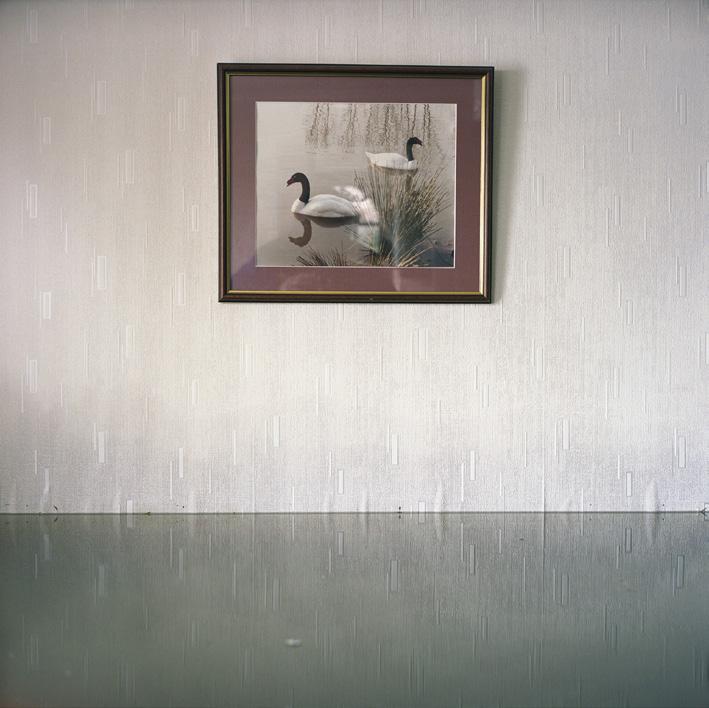
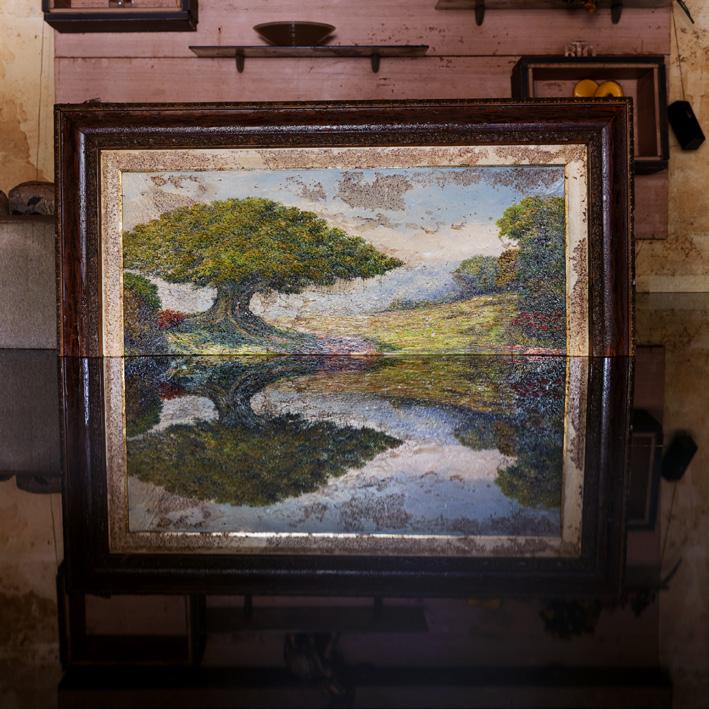
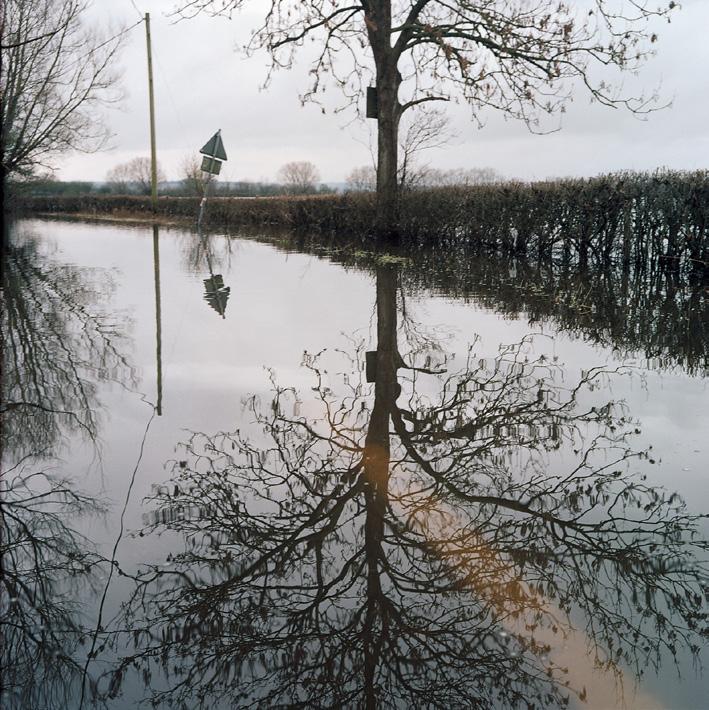
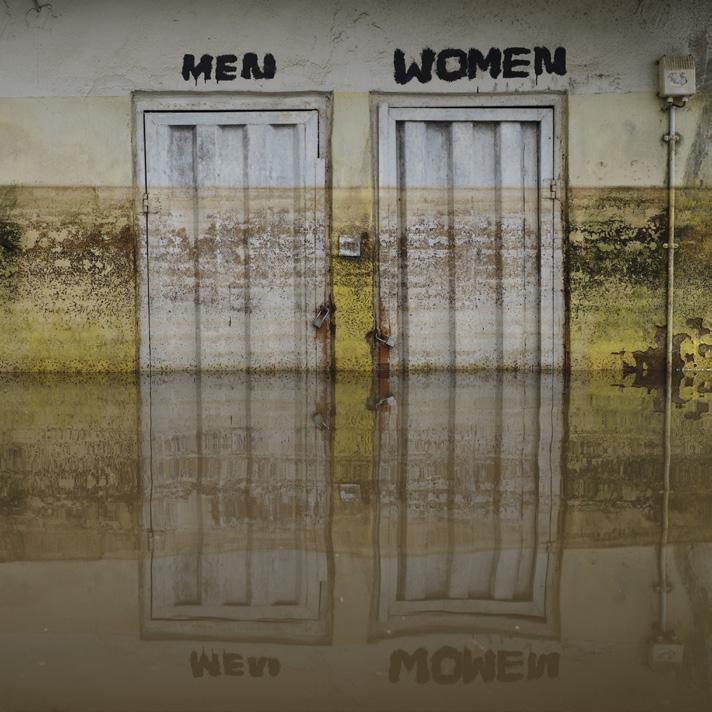
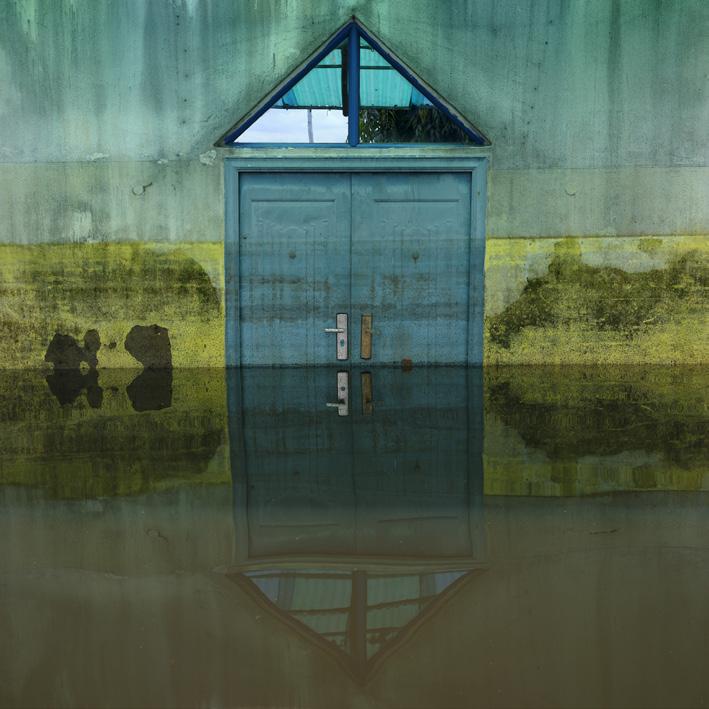
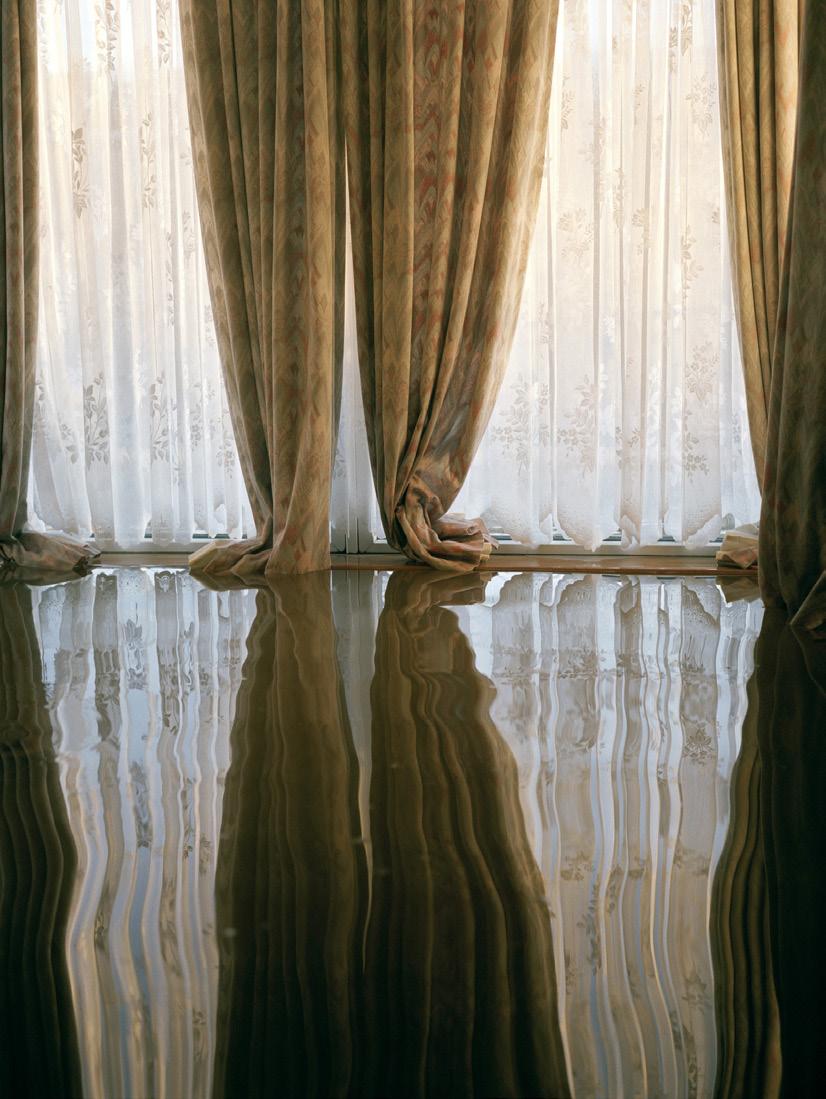
There is a suspension of reality amidst the chaos of a flood—reflections and distortions appearing in unlikely places—and am drawn to echoing the precise symmetries of a waterline drawn by floodwater as it bisects a liquid landscape through homes and public spaces. These images are aesthetically appealing—they aim for beauty—but contain their own contradiction as they document the environments of climate trauma and question our sense of stability in the world.
Watermarks
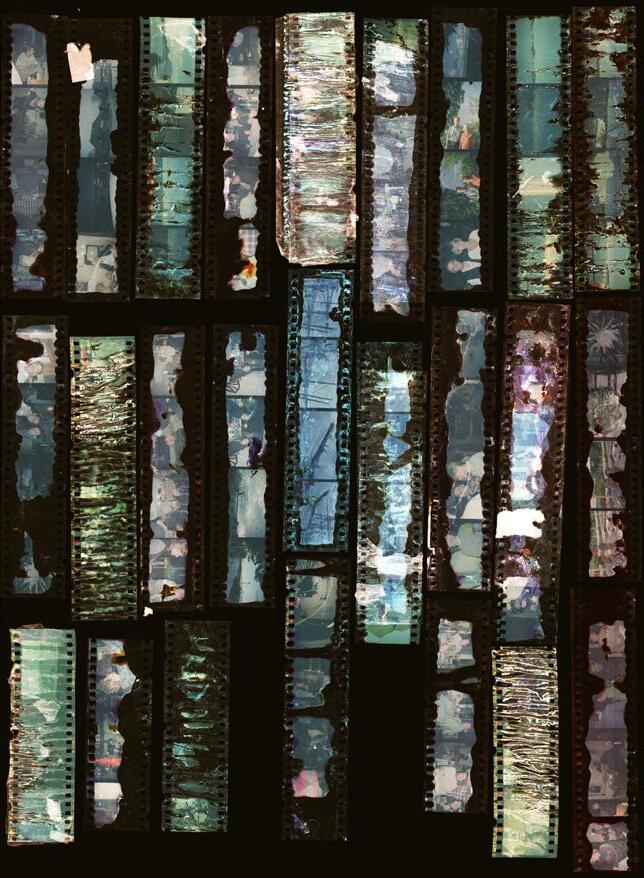
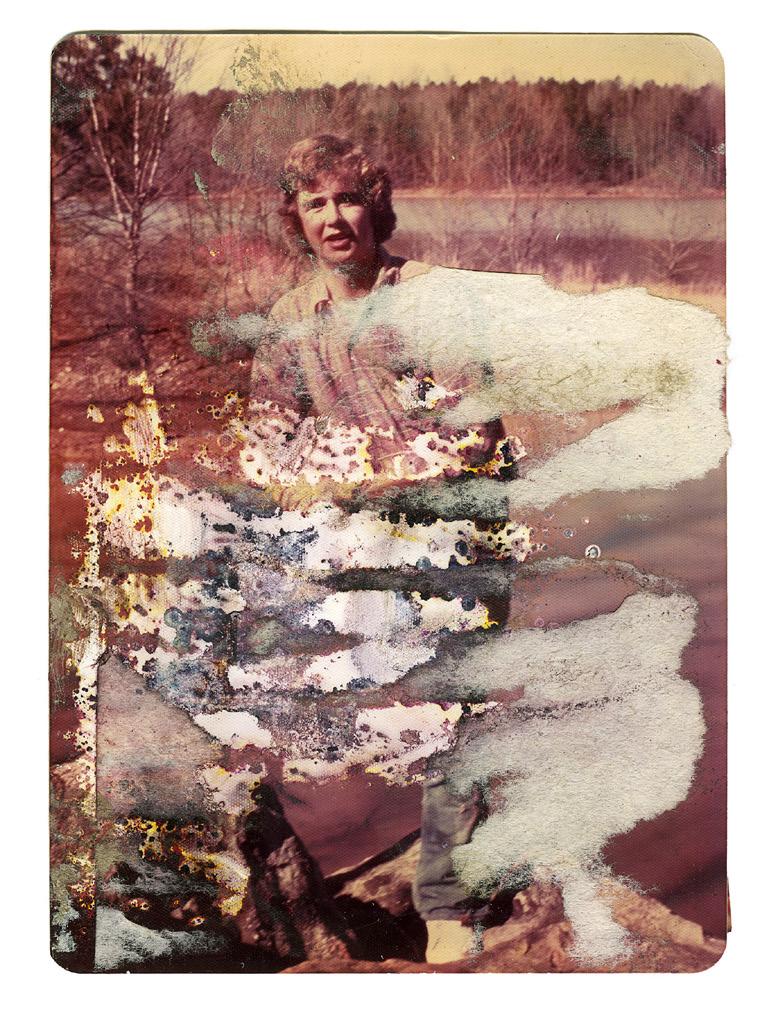
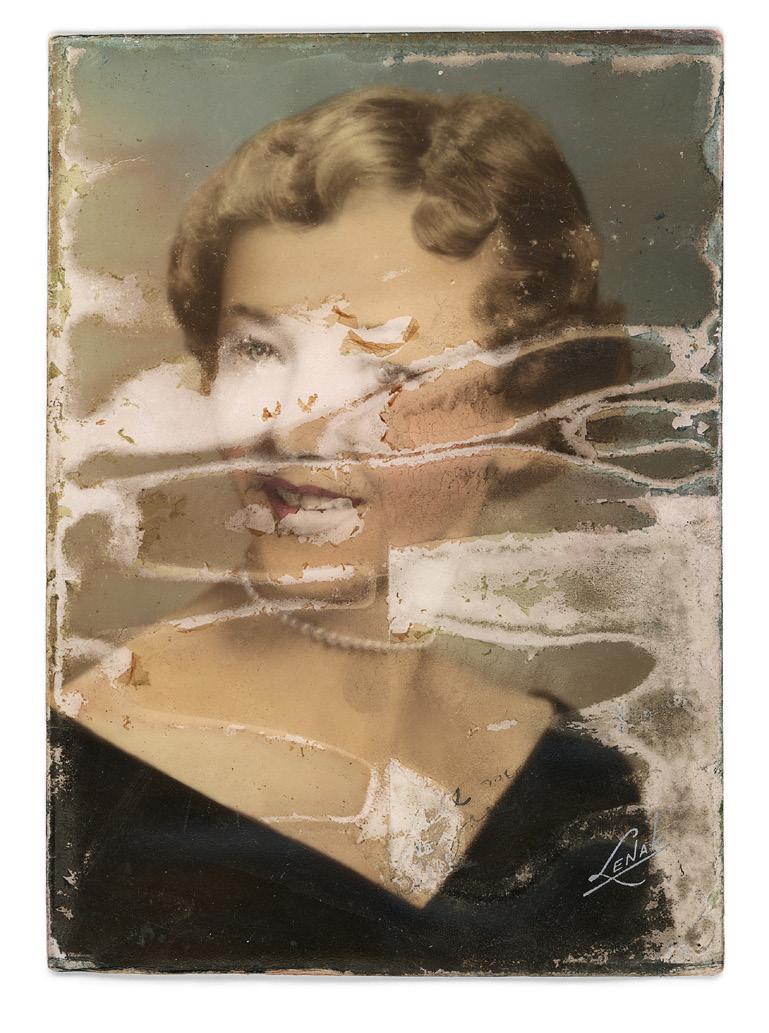
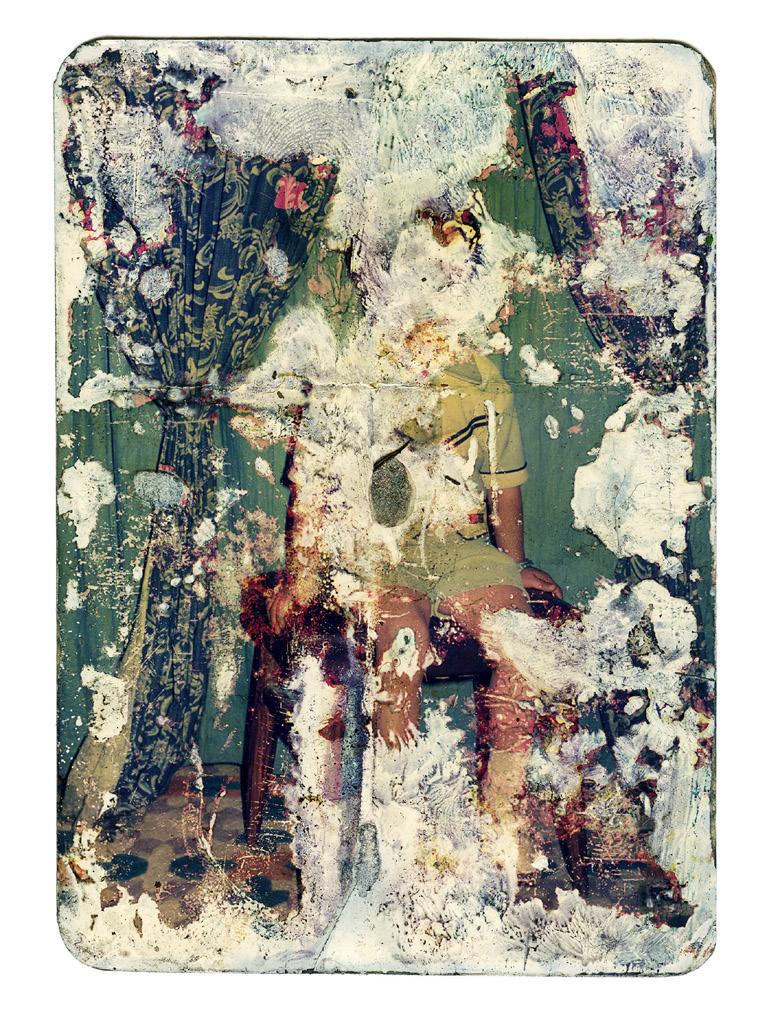
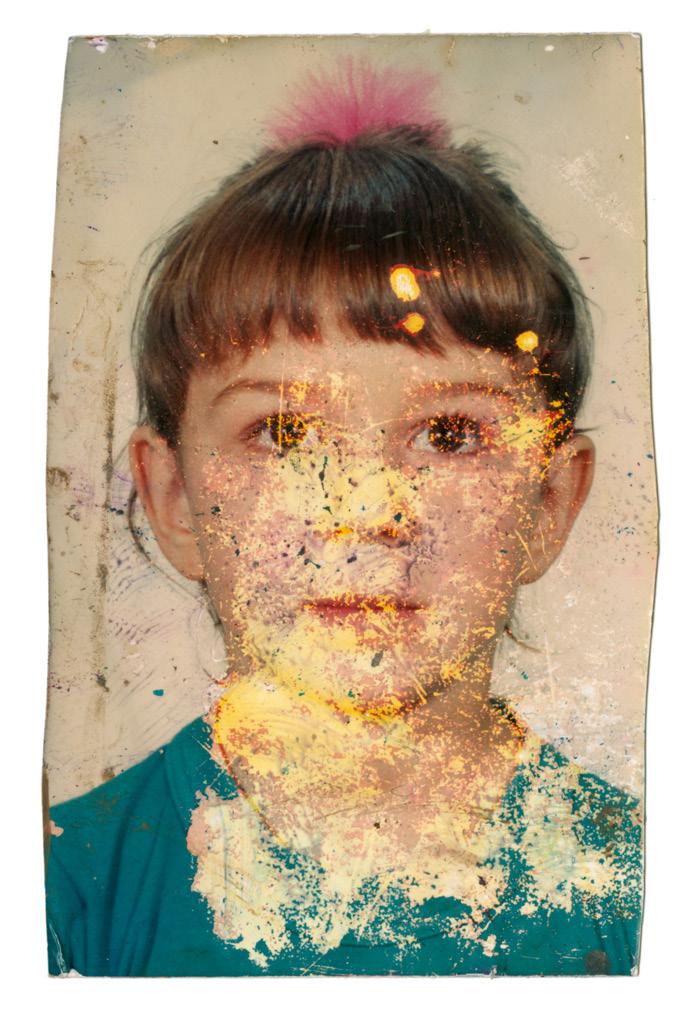
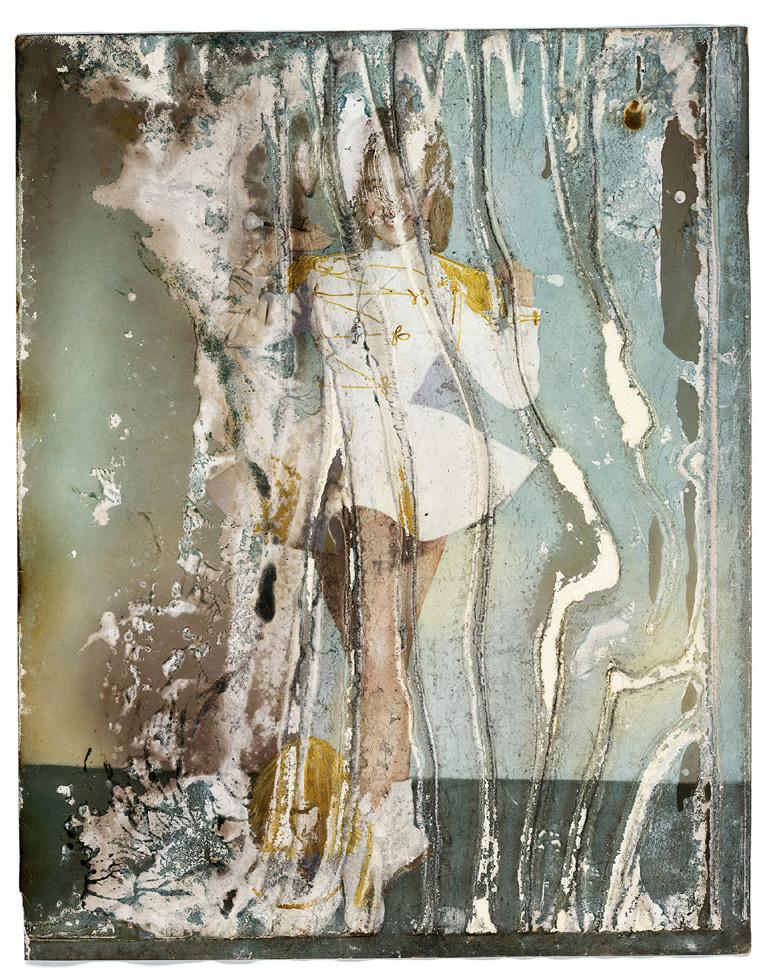
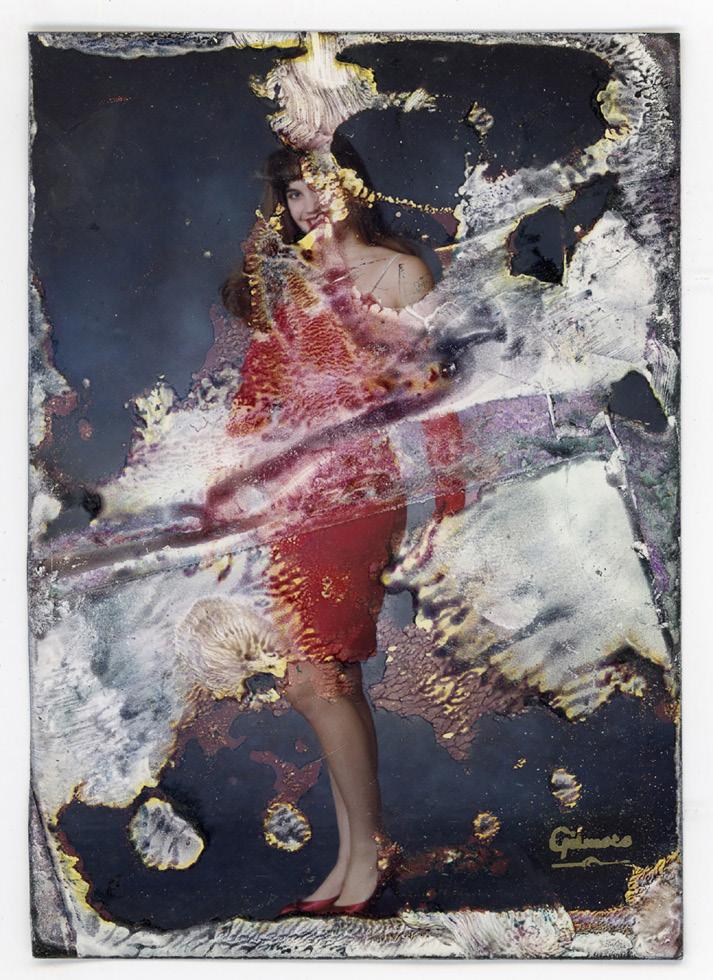
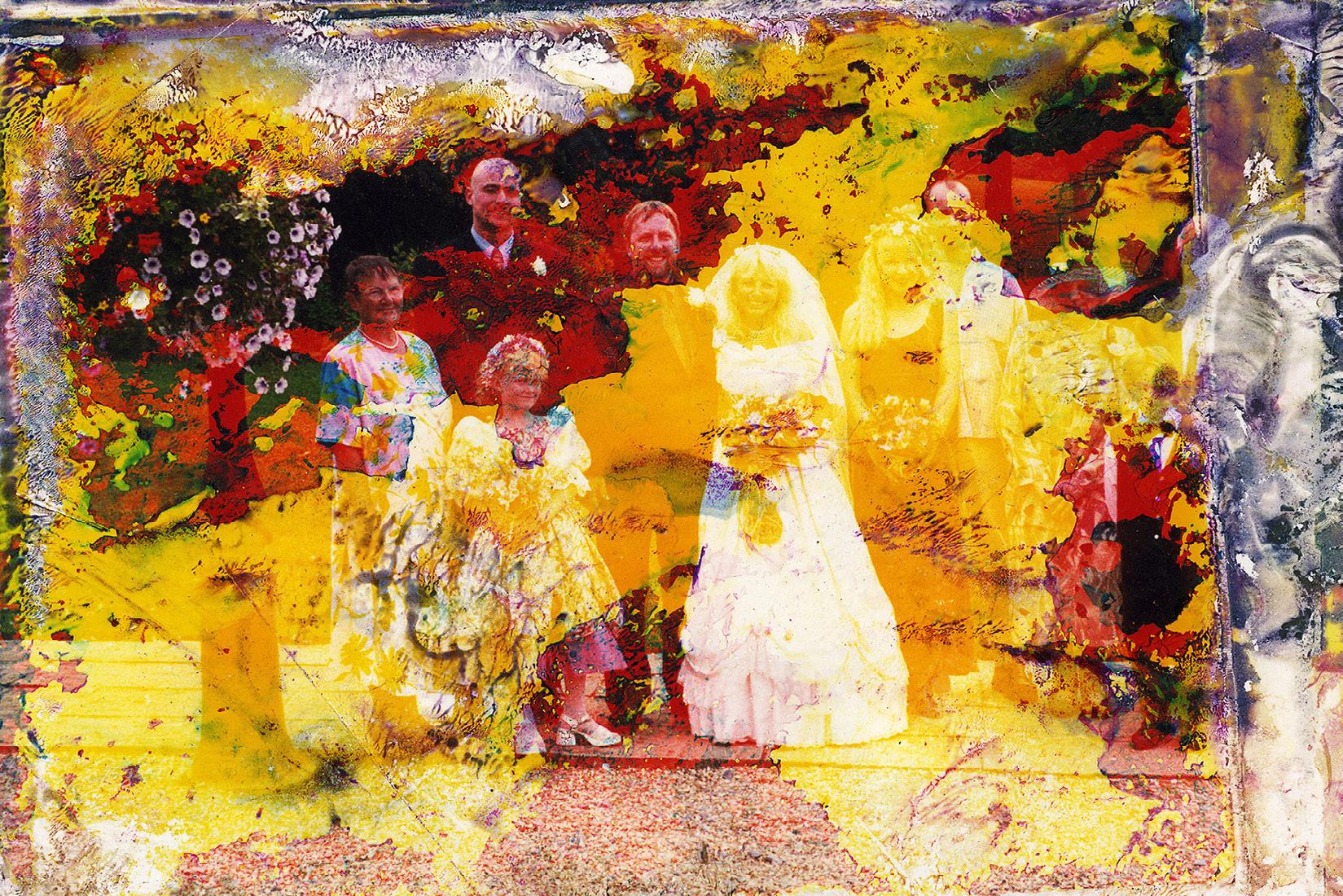
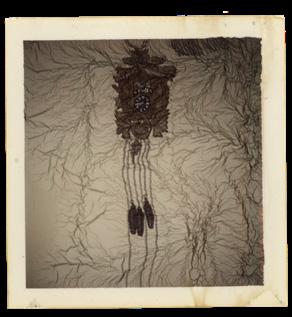
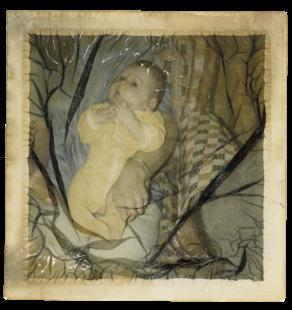
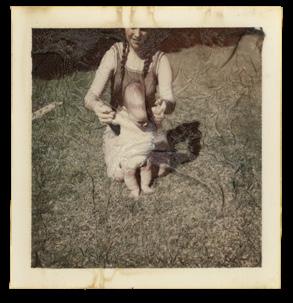
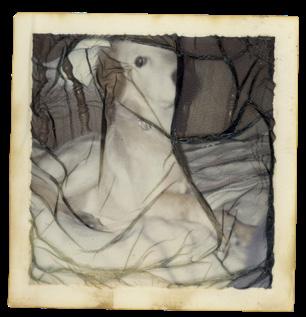
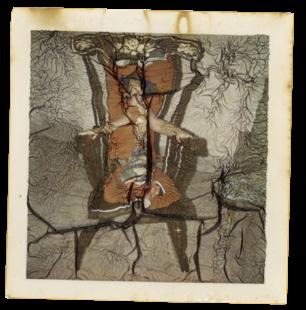
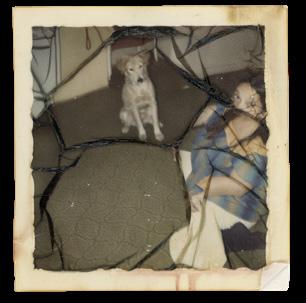
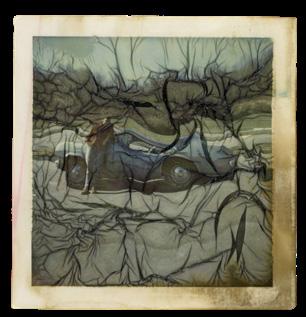
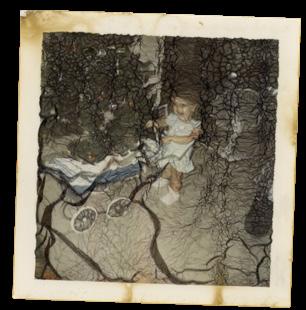
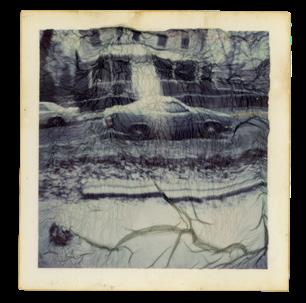
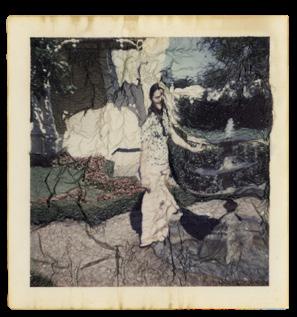
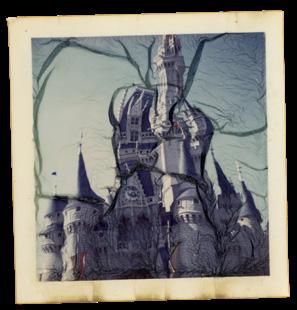
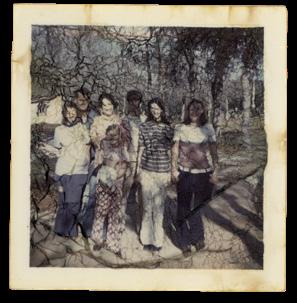
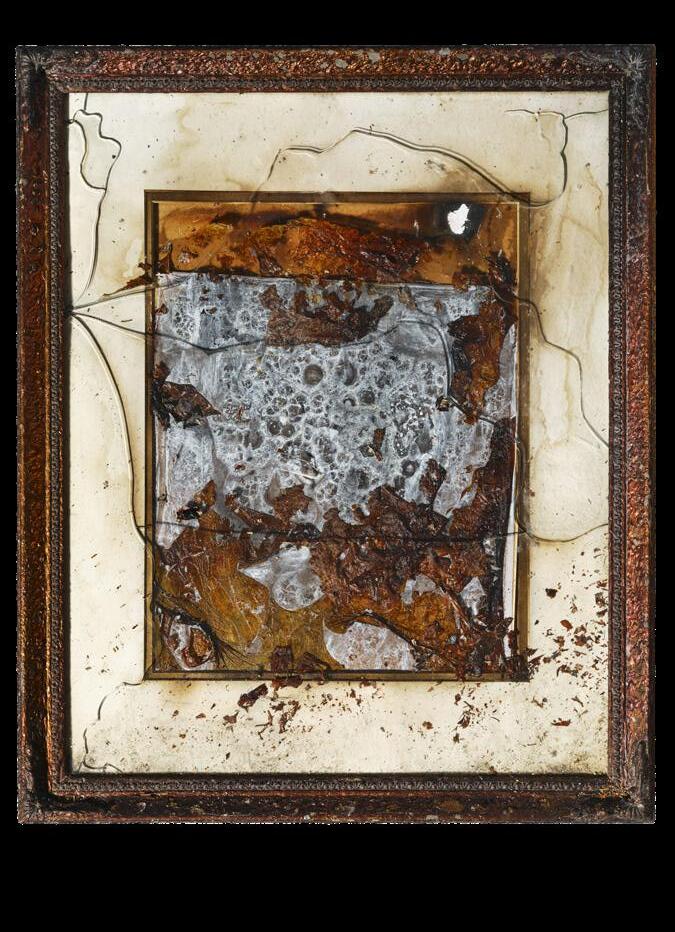
‘Watermarks’ is an archive of more than 2,000 water-damaged family photographs that have collected on my journeys through flooded communities. Some are anonymous, found abandoned or floating in the aftermath of the deluge; some have been gifted to me as people clear their homes in the aftermath of a flood and are closely tied to an individual’s story. The marks that overlay the original images are happenstance, random and organic impacts of water, mud and time on photographic emulsions. The assembly and curation of these evocative objects can be seen as a form of contemporary archaeology; a floodinitiated process of decay.
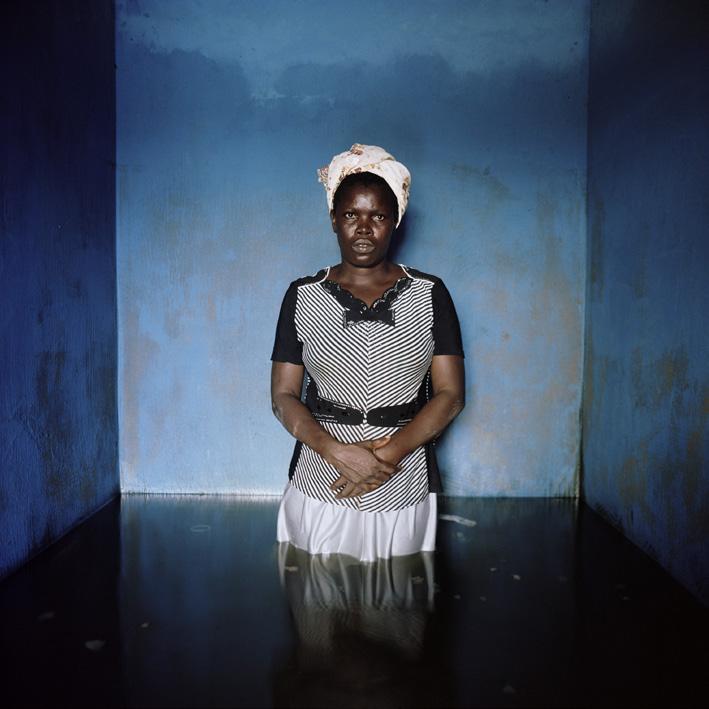
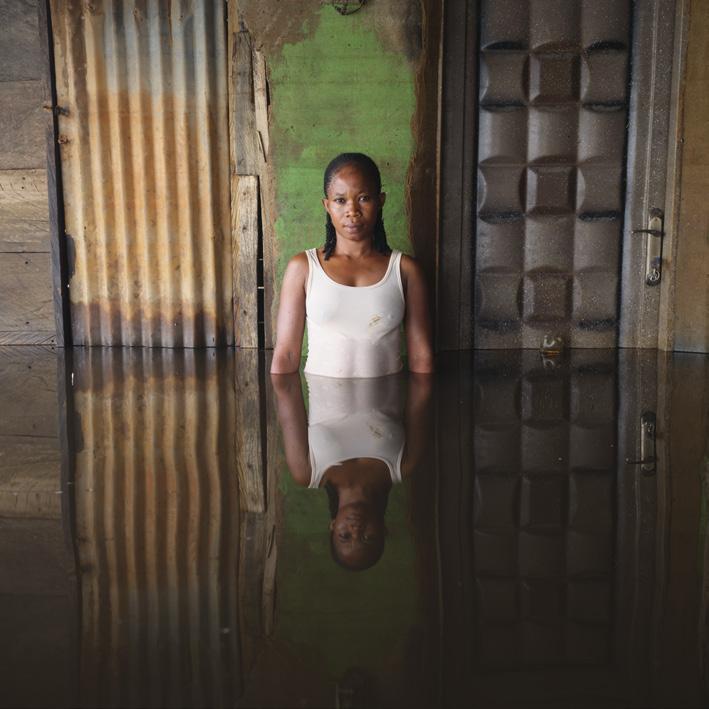
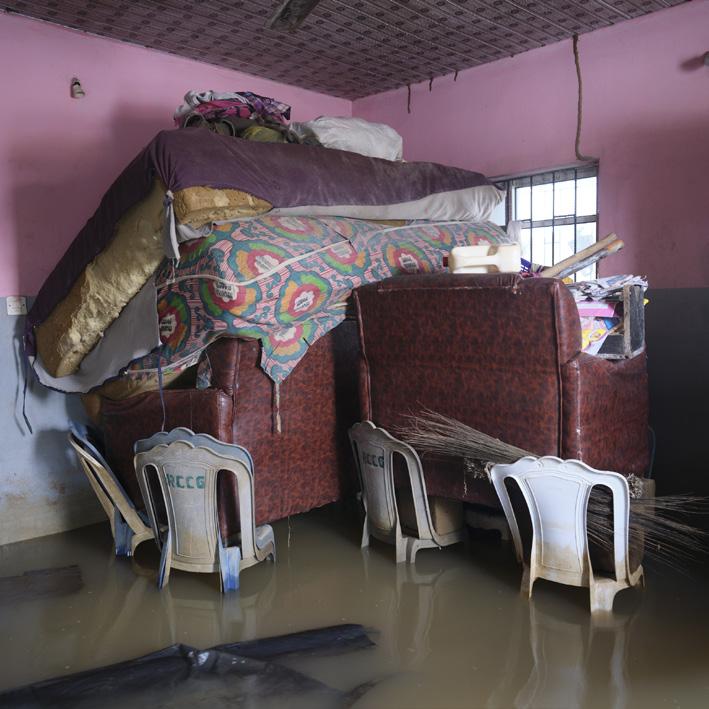
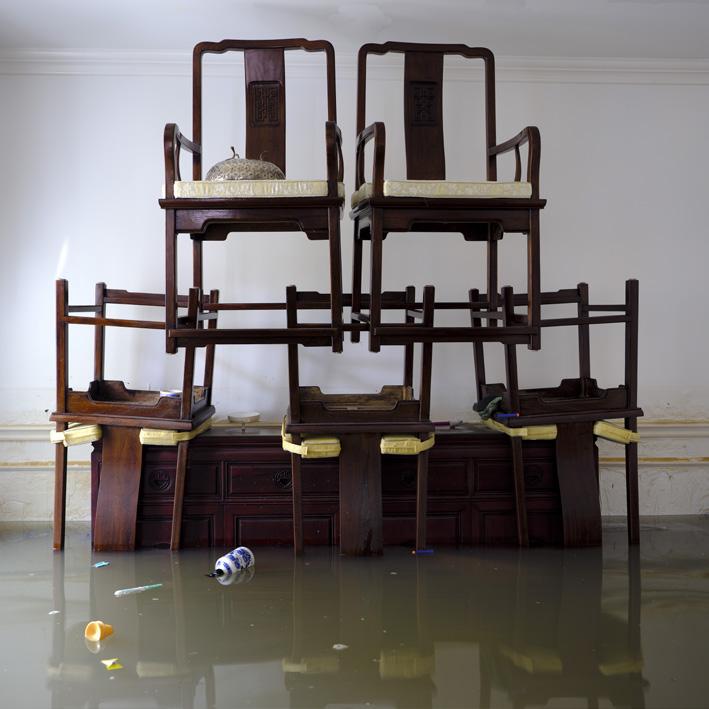
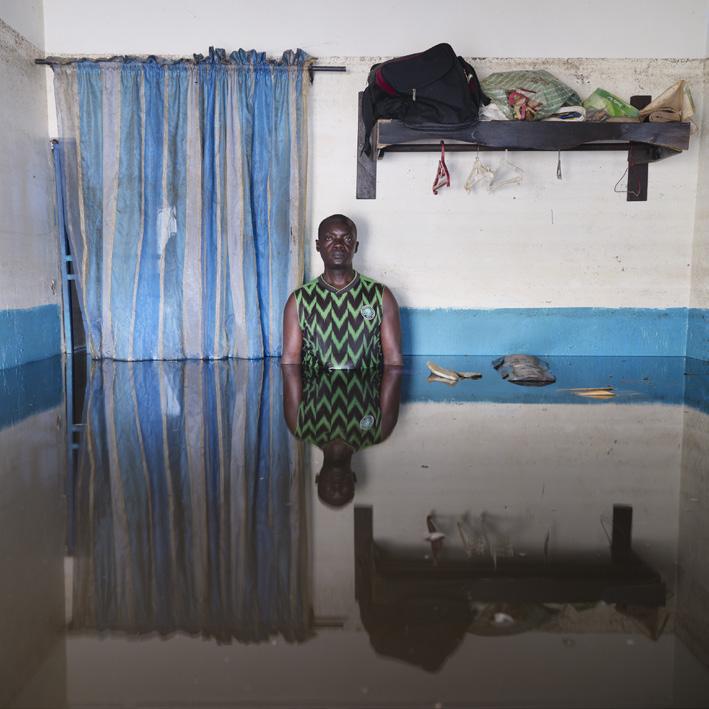
At first it was gradual, but then it began to rise at speed. There was no warning as such; though there was announcement on the radio that flooding is coming. But we didn’t anticipate the magnitude of the flooding. We thought the 2012 floods were the worst, but the level is much higher this time.
We have a lot of worries with the floodwater here because there is nowhere to sleep and the water came with sickness. With so many mosquitoes malaria is here and there… With the heavy rain every day and the cold many people are ill, including my siblings. With a lack of food as well, survival is a challenge.
I am living with my family on the top level of the incomplete building opposite our home. We have to use this contaminated water for washing and drinking.
The floodwater destroyed our store of food supplies from our family farm, and so we have nothing to feed on. The foundation of our house is also damaged, and we do not know if it still will be standing after having so much water inside for more than a month now.
We have seen huge rains this year, more than ever, but we know that this flood came from a dam being opened in Cameroon. We would like our government to work on improving the infrastructure, which is in a bad condition now; that would help us because it is not easy to suffer this flooding year in and year out. With the cost of living so very high, it will be difficult for us as farmers to plant crops now to support ourselves in the future.
We have received no help from the government or any outside sources but, in our community, we support each other. When there is food we share it.
Eruabai Ase (Otuaba, Bayelsa State, Nigeria)
It is complex to talk about this, and to deal with a new beginning after the flood—with the fear of going back—because no one stayed behind out of carelessness. People truly believed the water would not reach this part of Matias. Many of us were already elsewhere, trying to help other people, and certain that this would not happen here. It did.
There is a lot to process. When I finally managed to get into the house and find that all my photographs, my entire existence, had been wiped away... But the Orixás African diasporan divinities] will give us the strength to recover and to hold firm everything we have for all the people who also depend on us; on the strength of the axé an Afro-Brazilian word for a spiritual energy]. Upon everything we mean in people’s lives. That is how it is.
We have a support network that is holding us up and ensuring the minimum dignity so that we can try to start over. My son says it all. When I left, he said, “Mum, what is all this? ” I said that it is our dedication. It is our work. It is my husband’s work. It is what we devote ourselves to. That is the strength of the axé
Life comes full circle; the world comes full circle. The help you give now, you will receive back further down the road. That is the current. That is what we have always taught; do good without expecting anything in return. Somehow, it always comes back to you. We are harvesting that return right now; harvesting it in the form of unity, of warmth, of respect, and of belief in better days.
Fabiane Lara dos Santos (Canoas, Rio Grande do Sul, Brazil)
I’ve been waiting here since this morning for the flood relief food. I haven’t gotten anything yet. There were a few boats with supplies that went by, but I didn’t come down fast enough to catch them.
We do this a lot, standing in the water, sometimes all day long. There are many kids, and there are thirty families living in the same unfinished building. It’s quite stressful for our kids. They have no places to go, to run, no kid snacks for them like they used to have.

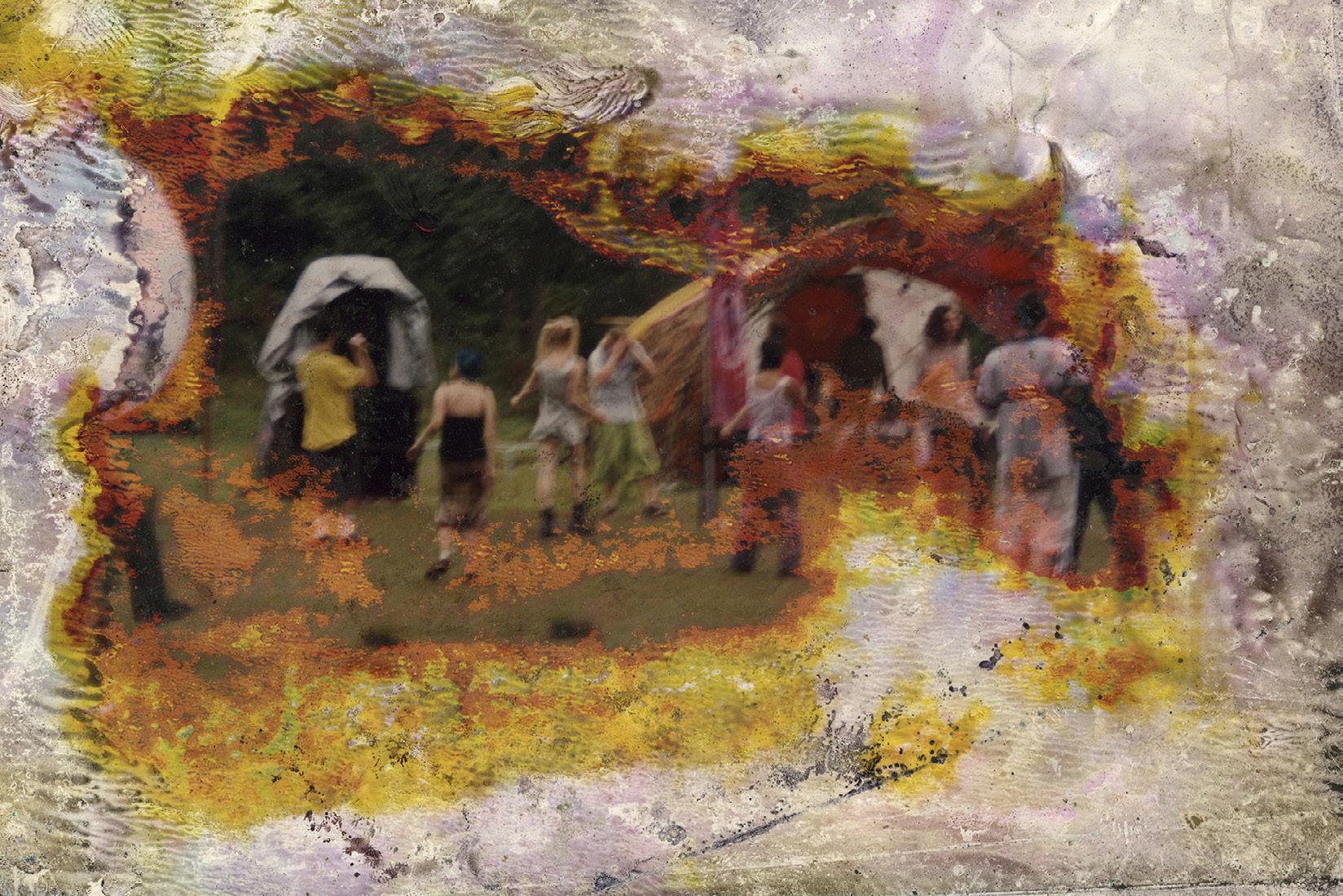
My little girl is five now. She used to go to school, but because of the flood the school is closed. I’m a construction worker.
Anchalee Koyama (Taweewattana District, Bangkok, Thailand)
This was my grandparents’ house, and then my aunt and my uncle’s house, and so I’ve been around this place my whole life. I’m forty-eight years old, and just never thought I would see something like this...
My grandfather was a land surveyor, and he was very good. He said we would never have to worry about the house flooding for 100 years. He’s passed away now, but I doubt he would believe this. My mother said that if my grandfather was here right now, and he saw this, he would pat everybody on the back, take us out for ice cream, and say it’s all going to be okay.
I have friends that live in Tanzania, and they are not political—they don’t have an agenda—but they see the climate change. I think the scientists see climate change. What the causes are I don’t know, but if we look around, I think we have to face the fact that the climate is changing. Things are different now. We need to be more careful about building in flood zones while our flood plains are being dammed up by roads and new construction, and there needs to be a better job of planning for events like this. Let the water flow its natural course, rather than damming it.
John Long (Conway, South Carolina)
All we can do is wait for the water to go down, clean up and continue.
João Pereira de Araújo (Taquari District, Rio Branco, Brazil)
I have seen many floods in my life, but never this high. My home is built on stilts, but now the lower floor is submerged. I look out of the window and see street after street under water – so many homes and shops.
The flood came in the night. We were not expecting it.
Me and my children were scared, and we had to run to find another place to shelter. As the flood came it broke down all the doors; took all my property and my houses. I own a bakery, Abrahams Special Bread. It destroyed all my machinery, my baking instruments, and all the flour I had stored. I can’t count how much is lost. My mixer, my roller; everything is destroyed. At home, all my clothes and furniture are also destroyed.
I used to employ twenty-two workers in my bakery and now there is no work for them.
Florence Abraham (Igbogene, Bayelsa State, Nigeria)
We’ve had years when the swamps got high from rain, but nothing like this.
I went to sleep at 11pm and there was still 30ft to go before the water would come into the house.
I woke at 6.30am, and it was ankle deep.
We got our stuff and we got out. Our farm has about 1,300 acres, and 1,000 were under water. We lost everything—our immediate losses are close to half a million dollars.
We did not have flood insurance.
Lucas Williams (Lawshe Plantation, South Carolina)
We are living in a world where we keep seeing more and more news about this—disasters and catastrophes. I strongly believe that much of this is being caused by human action. But I also believe there is a big government responsibility here too.
The poorest areas are always the most affected; as we say here, the poor always get the short end of the stick. That’s just how it is. And then there is this levee.
For as long as I can remember—since I started to understand a little about politics, which is not much—they have been talking about fixing that levee. Closing it, repairing it, building a bigger one. Some twenty years have gone by, and nothing has ever been done. It is always some mayor’s election campaign promise; someone is going to come and fix it, and it never gets fixed. And there you have it. The result of nothing ever being done is right here in front of us. And now, are we going to do something?
Nobody knows.
We just hope the water goes down once and for all, and that the city turns those pumps on and keeps them running—they keep turning them on and off. I understand there might be technical problems, but right now we don’t want to hear about the problems, we want them solved.
And the thing is, Canoas has money. Canoas has the third largest GDP in Rio Grande do Sul; third largest, only behind Caxias do Sul and Porto Alegre. Or maybe second, because of the Alberto Pasqualini refinery... Are you telling me we don’t have tax revenue? Of course we do, a lot of it.
So, let’s fix this once and for all. The money is there, I know it is.
The population is completely vulnerable. They are leaving everyone totally exposed in every way. Even basic medication—like leptospirosis medicine—we only managed to get it because someone knew somebody who works somewhere and went and found it. Because when people went to buy it, there was none. Probably only about 10% of people managed to get that medicine. The vast majority went to buy it, and it wasn’t available. It was really complicated. And it starts right there… The most basic medicine for a situation like this isn’t even available.
Jonas de Souza (Canoas, Rio Grande do Sul, Brazil)
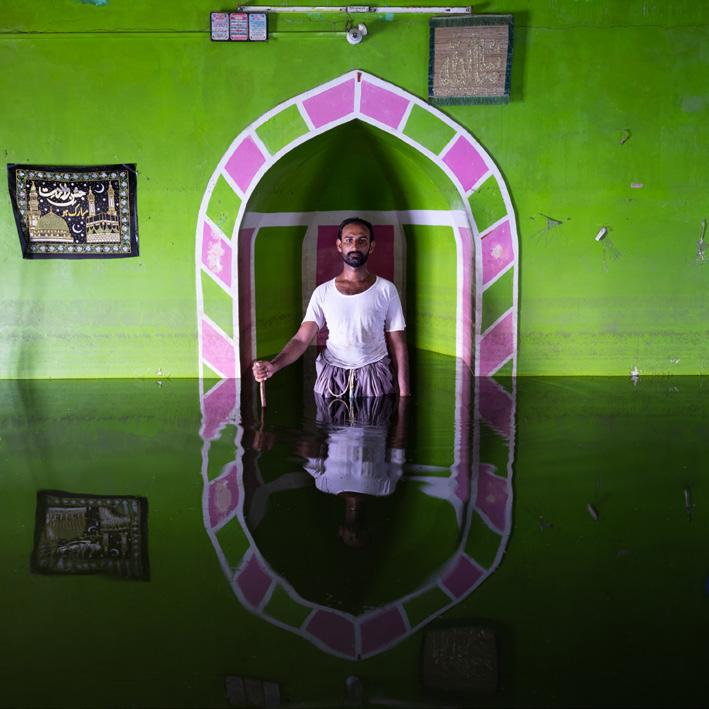
This building is our village mosque. We rescued many of our Holy Books from here, which were floating in the water.
This situation here is very difficult. With our village underwater, everything we worked so hard to build has been destroyed. We cannot walk due to the floodwater, and we can’t afford to travel by boat, so we must swim to get from one place to another. Our village has drowned.
The floods hit so suddenly that we only had time to move our families. We couldn’t take much more, no food, no groceries. Our priority was to save our children. The only vehicles available to move our possessions were charging 40,000 rupees, which was beyond what we could afford. We went to borrow money but couldn’t get enough to get our belongings out of the village, so we only took our children. My family is now living in a camp in Dadu City. My children our homeless now, living in a tent.
I have remained in the village to guard what’s left of our house and our remaining possessions. There are lots of robberies happening by boat right now, and we must protect what we have left. We are poor people, and this is all we can do. We are in a lot of pain. Our conditions are extremely bad, and we are facing a lot of diseases. The only food we have and are surviving on is biscuits and chickpeas.
Pakistan has not this bad of a flood since I was born.
I have never experienced rain like we had this year, and Ballochistan’s dam water drowned our village. I fear that the rain will come again next year, maybe even more than this. The government should work on the drainage system. Strengthen the bridges, so people’s homes don’t flood again.
Amjad Ali Laghari (Goth Bawal Khan, Pakistan)

Over the last five years, every year we have had to move with our three children to the shelter, because this district often suffers from flooding. But this time the water went really high, I have never seen it this way.
We have come back to our home to clean the mud off the walls. It is difficult for us, with such young children, to have our lives so often disturbed in this way. But we thank God the house is still here, we have our health and our kids are fine. We take life as it comes, and hope for the best
José Alcides dos Santos & Erenilce Lima e Silva (Taquari
Brazil)
We have experienced flooding before, particularly in 2012, but this one is strange. The water was so high that it rose to the level of my ceiling, and all my property is destroyed.
If you enter my room, everything is gone, so this year’s flood is too big. In terms of coping, we’d begged one of my brothers whose house wasn’t flooded, and he gave us a room to sleep in. We are seven people in that small room with our children, living and managing together. Even to eat is a problem and we have nothing to eat as we speak.
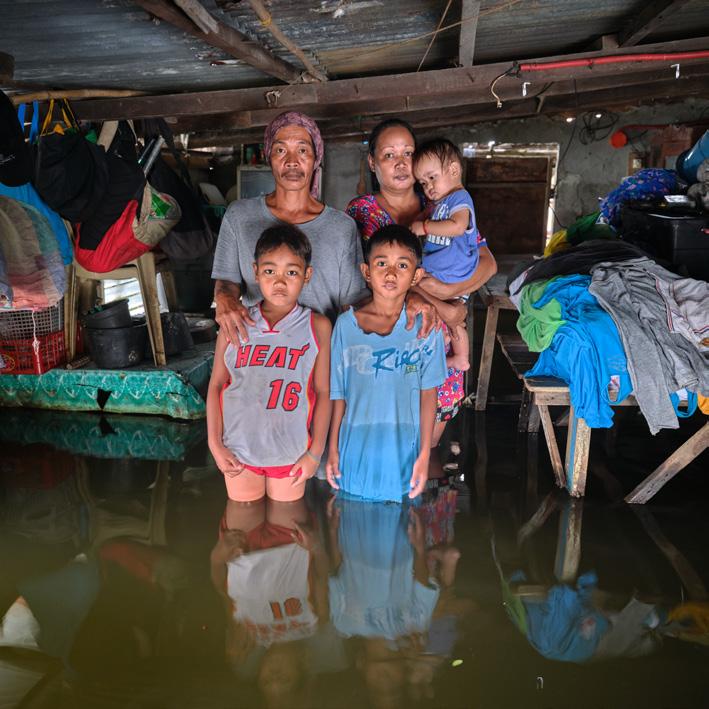
I am a housewife with three small children. It’s difficult because we have to continue living in our home even when it’s full of floodwater. If the children fall into the water, we just lift them up. We raise our beds to sleep. The water was chesthigh last week.
This area used to be all farmland with plants, but now it’s gone. I hope we can get help with the problem of rising water, which has been here, and hardly moving, since Typhoon Emong. The water has been increasing; it’s not receding anymore.
I have two plantain and three cassava farms, but they have also been destroyed.
The plantain farm has not even matured yet to harvest. I managed to harvest some of the cassava, but the rest was ruined by the flood. I also lost all my cassava stems, so for us to plant next year it means we would need to buy them. But each stem goes for more than a thousand naira, which is far beyond our means. We will have to beg people that were not affected. We also heard that there will be another flood next year, so we are praying to God to avert this. My appeal to government is that they should help us to continue farming and also help with the properties that have been so damaged.
The flood started gradually but, gradually, the water rose quicker and quicker, so we had a to flee from our family home. This is the third time I have experienced a flood, but this is by far the worst. All of my belongings are destroyed. There is no shelter for us, so we have been sleeping on the roadside.
We have received no help at all from any quarter, so we are surviving on our own. We had the strongest rains I have seen in my lifetime this year, but I don’t know about climate change.
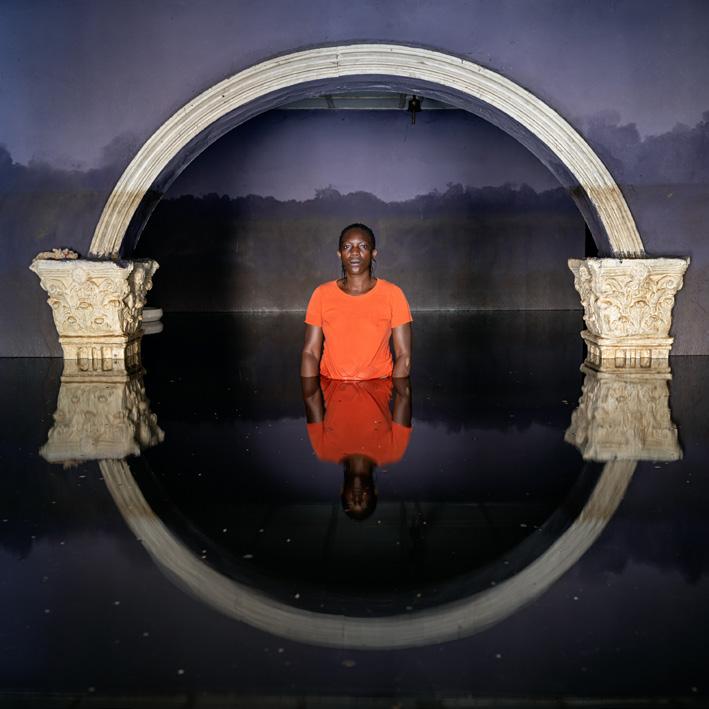
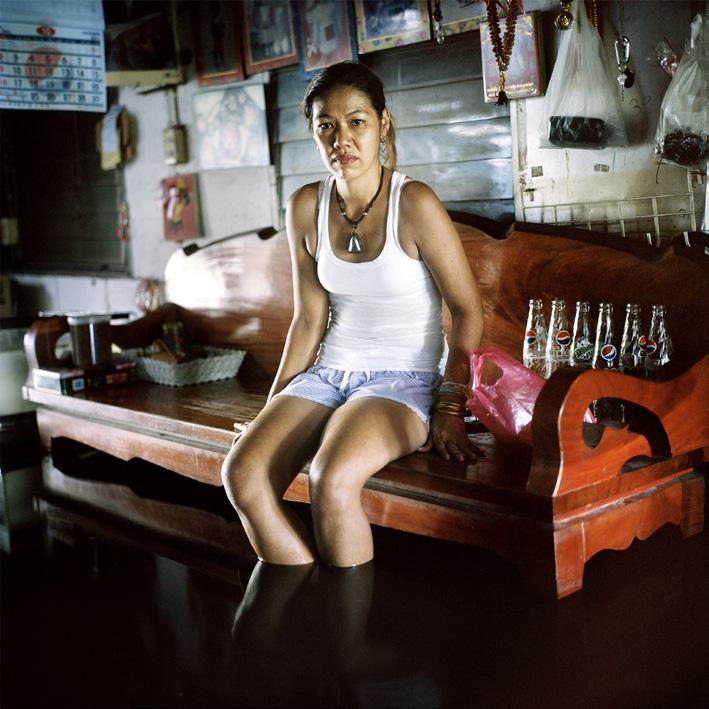
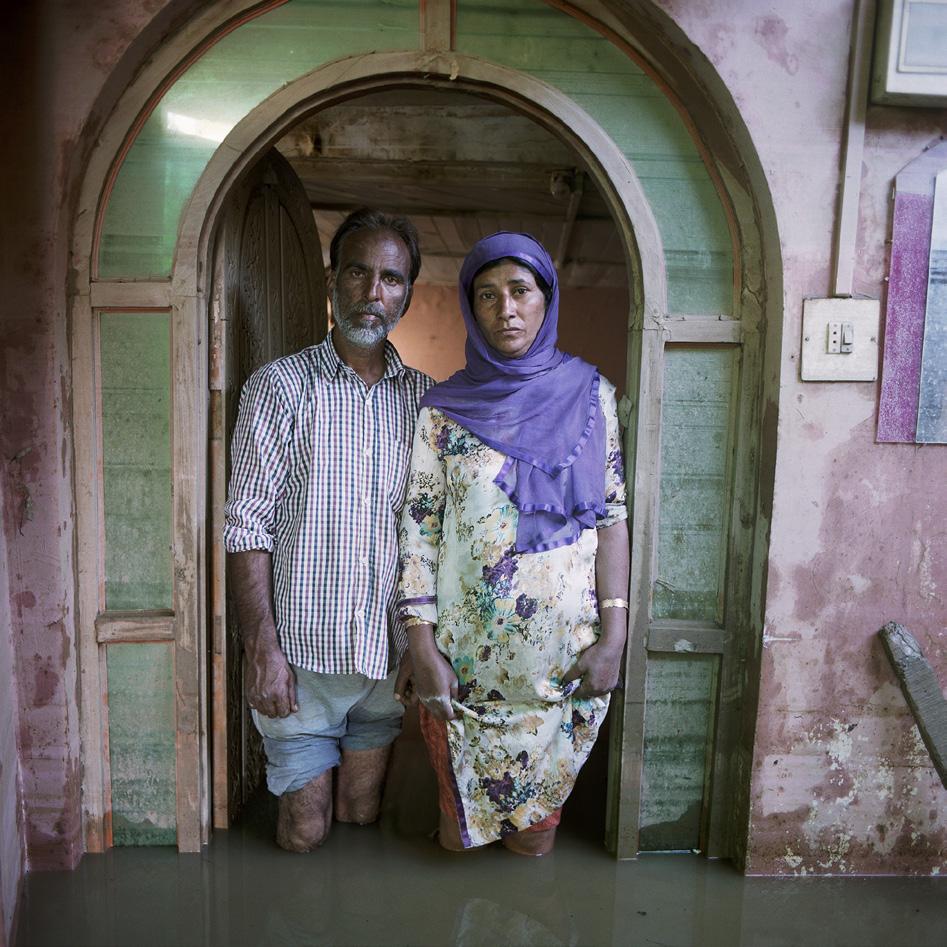
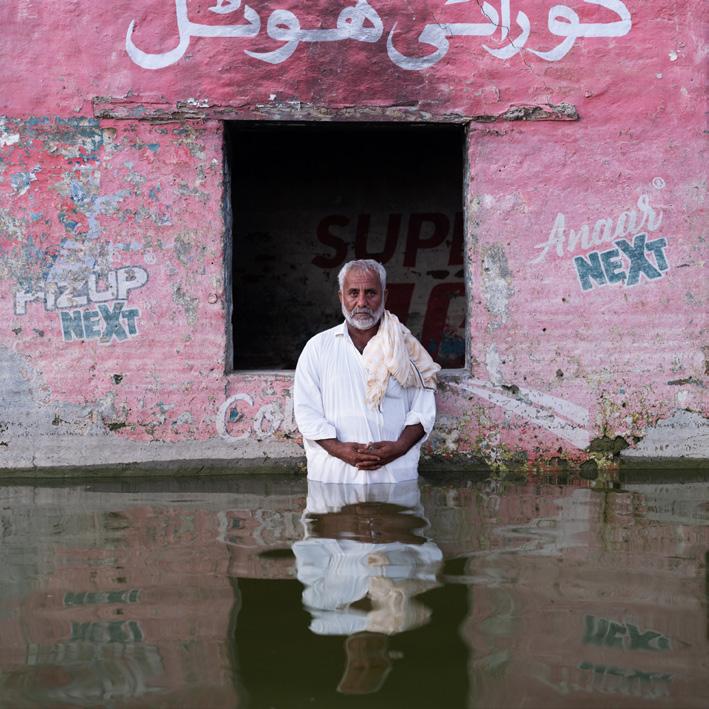
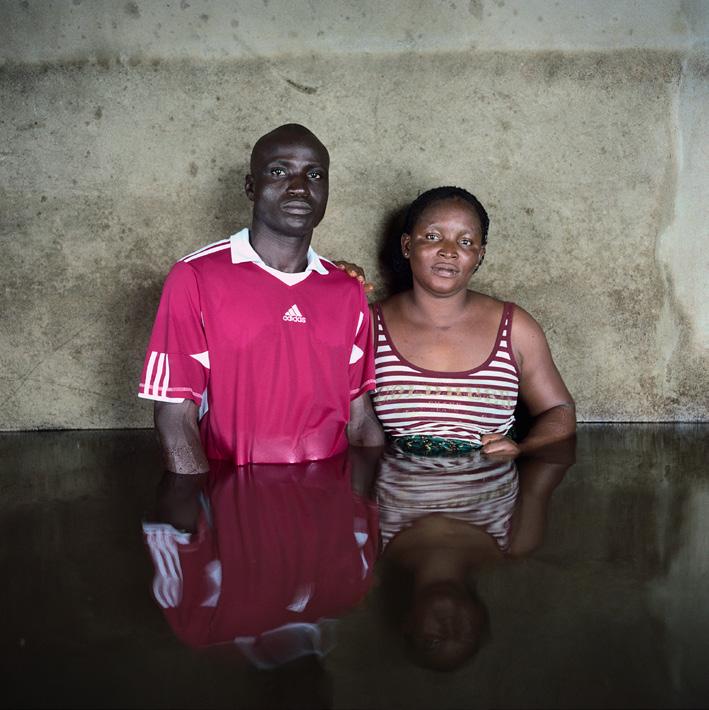
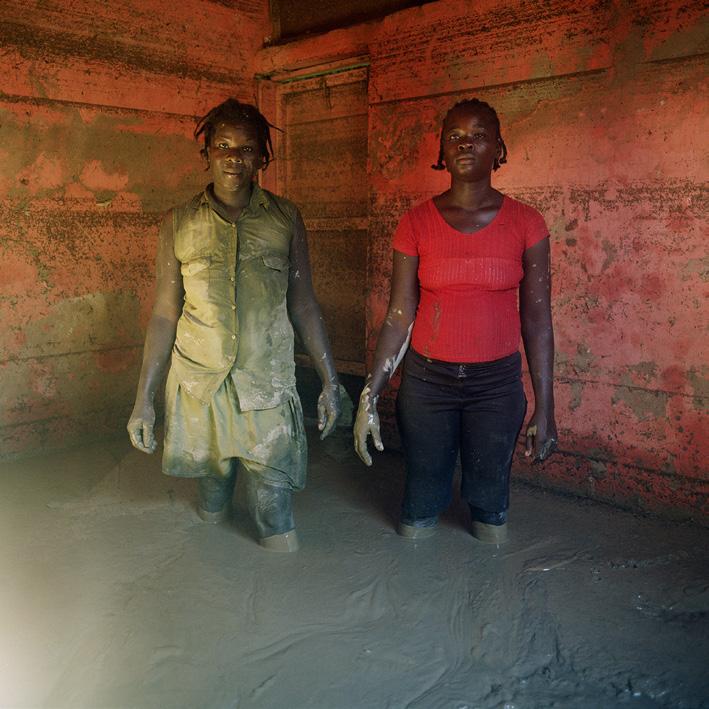
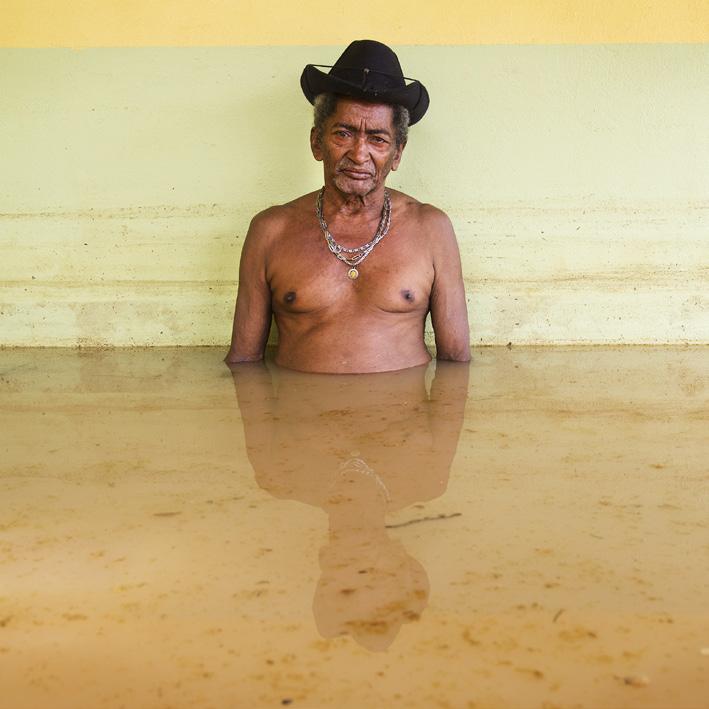
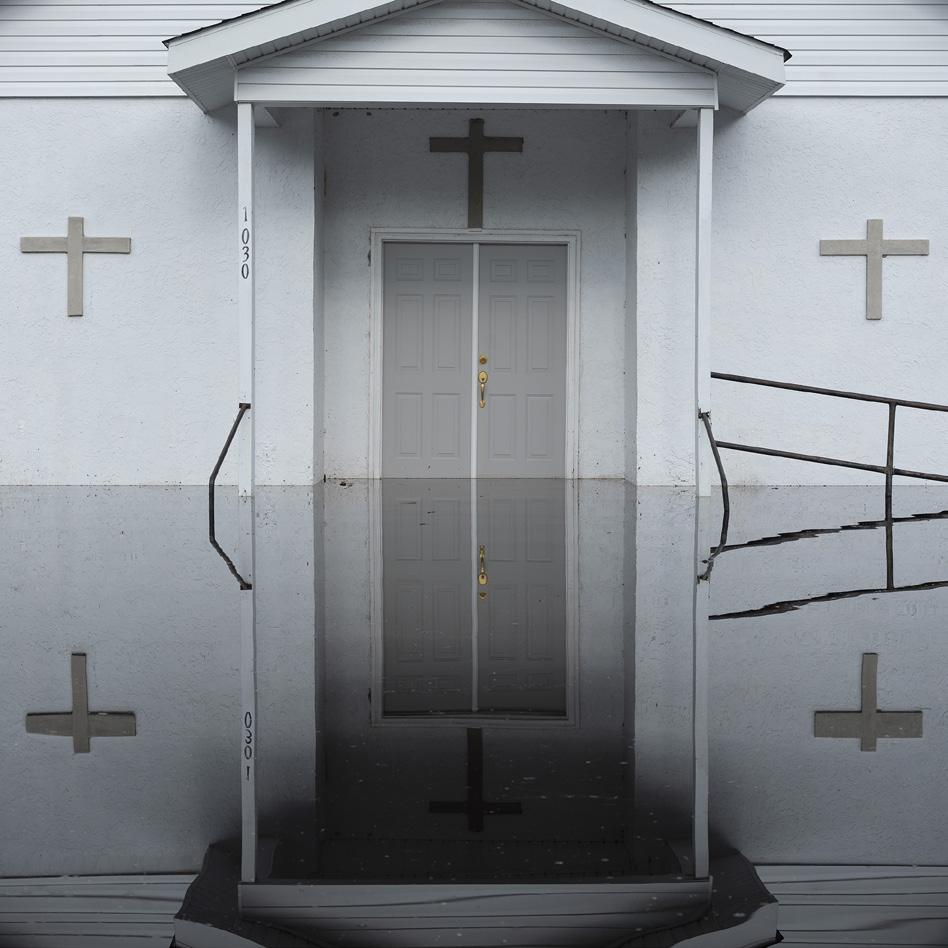
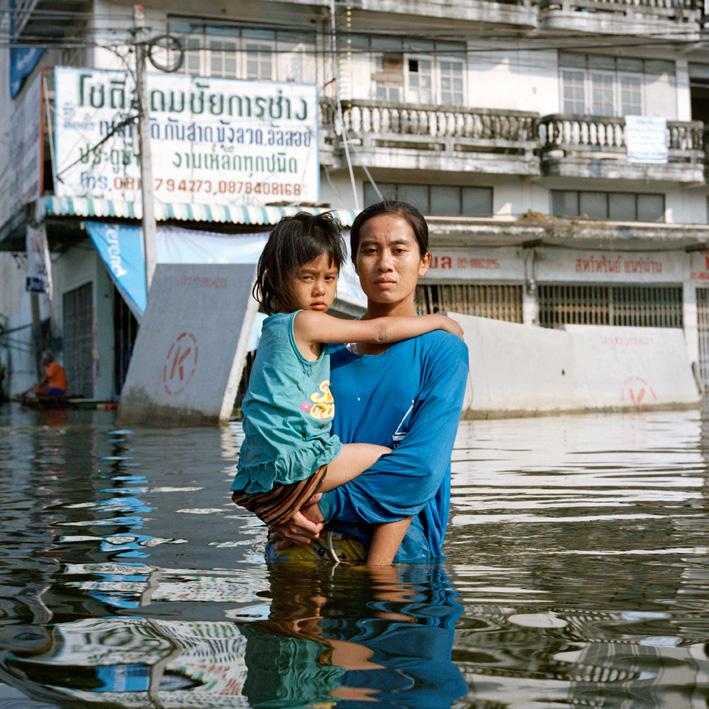
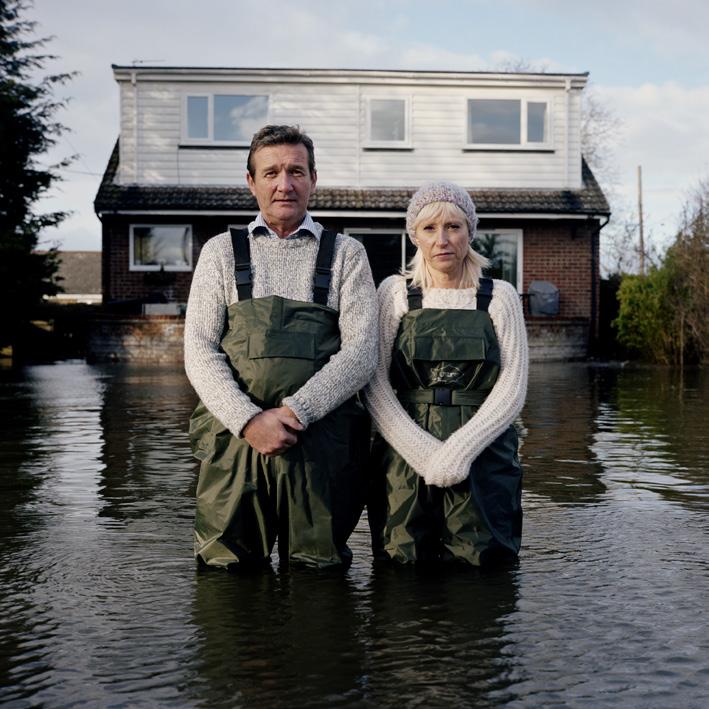
It often floods here, almost every year, so most of our homes are on stilts. But nobody can remember a higher flood. We are all camping now. We have no choice but to be in the water, even though the snakes make it dangerous.
I’ve heard the government has plans to move us away and turn this area into a park. But I’ve heard this for years and we are still here.
submerged, and the difficulties getting out of here were enormous. We almost died during the rescue, because the boat that picked us up here had two couples plus
dogs, and instead of taking us to the entrance of Matias—which is a ten-minute boat ride—it took us all the way to the far end.
It was very traumatic for us, because we actually thought the water wouldn’t reach the second floor.
Several people even came to me seeking shelter inside my house.
It was two very agonizing days before we could get out of here. Two days without sleeping, without eating, waiting to be rescued. And the hardship—both for me and for all the residents and our neighbours here—we were used to spending late afternoons playing soccer, drinking chimarrão, and talking. We have now been away from home for more than twenty days with no prospect of returning. It’s exhausting, very traumatic. My wife is not doing well either—she has had several issues because of all this. We lost everything. The only thing I managed to get out before it flooded completely was my car. The rest—the house will basically have to be entirely demolished. The furniture, nothing inside is salvageable. Everything turned to rubble. Our lives, our dreams, our memories—our children’s memories—all washed away. But we have to move forward. Now we have to turn our grief into a fight and rebuild everything from scratch.
I also want to make an appeal to friends and residents of this lower part of the neighborhood: to fight, keep going, and with a lot of faith we will rebuild everything again.
Despite all of this, this was the biggest flood I have ever experienced here in Canoas. I am sixtytwo years old.
The last flood I remember, I was a boy; we stayed up in the attic of the house. This one didn’t even allow for that. Houses were completely
We hope this never happens again. And we also appeal to the authorities: stop filling in the levee. We have a farm here that used to serve as a water drainage area. Maybe the flooding would have still happened, but not on this scale—if that area hadn’t been filled in, if the waterways hadn’t been reduced to make room for construction, for companies. Hundreds of truckloads of dirt were dumped on that farm, and to this day not a single company has been set up there.
These are things authorities need to think about. Yes, let’s build, let’s bring in companies, let’s develop the city, but they also need to think about the people who live in the poorer neighbourhoods, like ours here in the lower part of Matias. It was very disorganised; very chaotic, with no real plan. Now people are starting to return to their homes, and in some areas it is already dry, but the city government has not given people the conditions to return.
No cleaning supplies, nothing.
The most they are doing is collecting the trash.
We heard that a flood was expected but we had no idea that it would be as big as this. When the flooding came we couldn’t save anything except our lives.
I saw the water gradually come into the corners of my house and then suddenly it took over the entire environment. As you can see my home is under water and I sleep by the roadside. It has affected me so much. All my possessions and our farm produce are damaged or destroyed. We are suffering by God’s grace. The magnitude is unbearable
I am a university student, and this flood has impacted my studies and my family’s livelihood. Many of my academic books are damaged; how can I study when I am living like this? It’s hard
for my family to survive with food prices so high, and all of our farm produce destroyed. With all the water still here, it makes life unbearable. There has been some help offered, but not nearly enough.
Imagine a bag of rice and beans for hundreds of people in the community?
We received just a single cup measure of rice and beans. We’d witnessed the heaviest rains I have ever seen this year, but I am not sure if this contributed to the flood, which they say was caused by the release of water from a dam in Cameroon.
Winner Odums (Otuaba, Bayelsa State, Nigeria)
The water surged to over 28ft, completely covering our one-storey house, the home that I grew up in. There’s no way to describe the pain I felt when we returned; my mum and I just burst into tears. Everything was gone.
Climate change played a big part in this.
The only time it isn’t 100° round here is wintertime.
I’m most upset about losing my ceramic eagles. They were beautiful, gifted to me by members of my family. We’ve never been able to afford flood insurance. The last floods came up 4ft into our house. That time, we were able to rebuild. I don’t think it will be possible this time around, but we will never be homeless. My family is here for me, and so are my friends.
People close to us have our backs.
Terrence Mckeen (Middleburg, Florida)
This was not my first experience of flooding, but the magnitude this time was so much worse. You can see that my family home is still filled with water more than a month after the day of the flood. The water arrived with force and most of our possessions are destroyed. In previous floods it arrived gradually.
I am fifty years old, and I’ve lived in the Matias Velho neighbourhood for fifty years; I was born here, grew up here, and built my family here. We never imagined this could happen here in Matias, because nothing of this scale had ever happened in Canoas. It never crossed our minds.
We received a warning from the city government to leave our homes. Out of caution, I followed the request, got the car, gathered my family—my wife, my children, my mother—and we left on Friday the 2nd, if I am not mistaken. On Saturday the 3rd, this tragedy occurred. Everything you’ve seen here. From the very first day after I came back to see what had happened, I have been here for twenty-one days helping with the rescues. We got 97% of the people out of here.
I volunteered for each and every day. People came from all over Brazil bringing supplies, materials, medicine and food— ordinary people helping ordinary people—which prevented this catastrophe from being even greater in terms of victims. Many people could have died if they had not been rescued in time. We managed to make that happen.
I have faith that people, in general, will come out stronger after everything that has happened. Because many people will need a lot of spiritual support.
Many people lost everything, they truly lost everything. And only through spiritual strength and the power of family love, of their loved ones, will they be able to recover from all of this. I have faith that people will be able to overcome this.
Abel (Canoas, Rio Grande do Sul, Brazil)
Through Gideon’s Lens
Nature through Gideon’s lens the tragedy that will not be forgotten
I remember storms as far back as Diana in the ‘80s… Diana, Hugo, Charlie, Bertha and Floyd and don’t get me wrong—I’m not knocking those storms—they did what they did, but this storm was downgraded to a two and just dumped rain. Places that never had any water had water. There was never water here; when we’d had floods in the past, it never really made it past my aunt’s house. It’d come up to her back doorstep, but no further.
The other side of the street there was flood, but not here. Now there’s flooding going as far as past the church... It never made it that far before; never made it to the church. Going down here towards Highway Nine, Big E’s is underwater. It’s up to the roof. That means there’s twelve feet of water out there. There’s never been that much water in this area. Period. None of these rivers burst their banks. I’ve been here forty years, and I’ll be forty years old in March. Even when we had old beaver dams over at the creek; they were dammed up, and they were backing up, but we’ve never seen this much water here. Climate change? I’m not gonna say it’s contributed to the entire thing that’s going on here, but it’s doing its fair share. I mean, it normally doesn’t get cold around here nowadays until around a week before Christmas; like, we have 80° weather through December. When I was a kid, we didn’t have any 80° days after September; you did good if it got into the high-70s after September around here. And now we got a hurricane come through and just dump three feet of water right here. Well, it dumped it everywhere else, and it just flowed here... I mean, the lowestlevel community is on the other side of the bridge right here, and they set the record in South Carolina. Twenty-three inches—four inches of rain in one day—and all that is sitting right here on top us. Something’s got to change. Somebody got to do something.
Douglas Pratt (Longs, South Carolina)
will be told by many thanks to the heroic volunteers they came from everywhere, with boats, speedboats, and even jet skis even a South African photographer came a man named Gideon.
He brought no donation but confirmation of the mistakes we have made and how we treat nature.
Through photos and films
he has been showing the world that we cannot underestimate the power of nature, that our progress and evolution are pure illusion
through Gideon’s lens.
The flood came suddenly. There was no time for preparation as the water was overflowing with extreme force. I did not have the chance to dive into the water and save my crops.
As a farmer I lost most of my products and supplies, and now there is no hope for us to be able to get a crop next year. Our main crop here is plantain, and for the planting we need the suckers. But they will have all rotted away under the floodwater. We don’t know how we will keep going.
If the government does not intervene there will be a food crisis and extreme hunger next year.
There were no more sunny days capable of warming the waterlogged souls in the shelters, waiting for some comfort from an inert power that seeks easy solutions, consumed by vanity and empty words. It forces the earth to swallow everyone’s rot— choking on so much debris, a land once so ravaged by drought.
The rivers and basins, incredulous, resist in protest, not knowing whether they will ever return to their normal level, and ask themselves: What is normal?
And in the few areas where the dead waters have finally gone, the mud reveals the wounds of our years of mistakes—even for the cynical and selfish who hoard food and face the inevitable thirst that dries the mouth, searching for living water to drink, to quench the will to start over from zero.
The Dying Waters / A Diary of Yesterday & Even of Tomorrow.
Waters that follow their course, finding every river and basin, flooding our homes and hearts with pain, crying for help—for they are dying, clinging to every memory of when they were life and not death. The rain, out of pity, desperately tries to keep the waters alive, falling without pause, weeping alongside the earth punished by the greed of power, pretending not to care for the waters, and even less for the helpless poor.
Succumbing to everything with no choice but to do so, levelling all things and all people into a school of refugees drowning in pain. Caught between the nets of hands trying to hold firm on rooftops, enduring...
The rain ceases—tired and exhausted, it realises there is nothing more to be done. The waters are already dead, and the ferryman continues his course in a movement inverse to the water, tirelessly saving every breath of life. The water—judged, condemned, and blamed—is forgotten amid so much wreckage and debris. It stops. It no longer moves. There is no more current. It awaits an undignified and sombre end, exhaling the smell and trail of death, without the strength to recede.

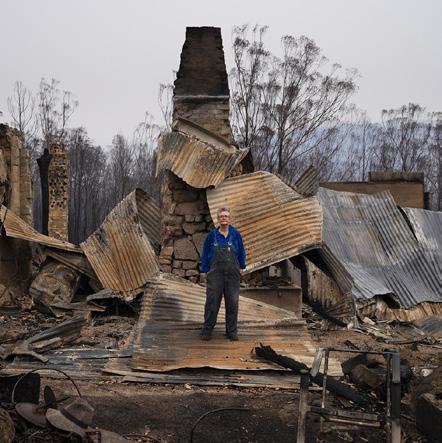
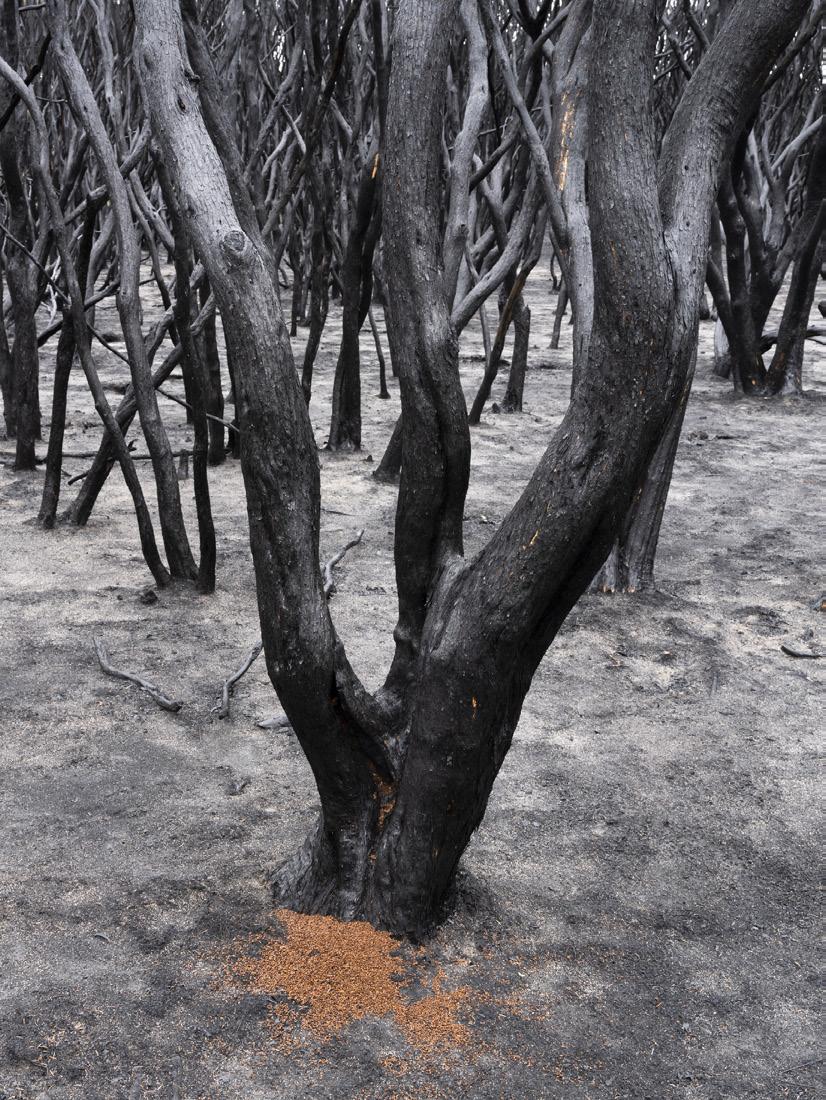
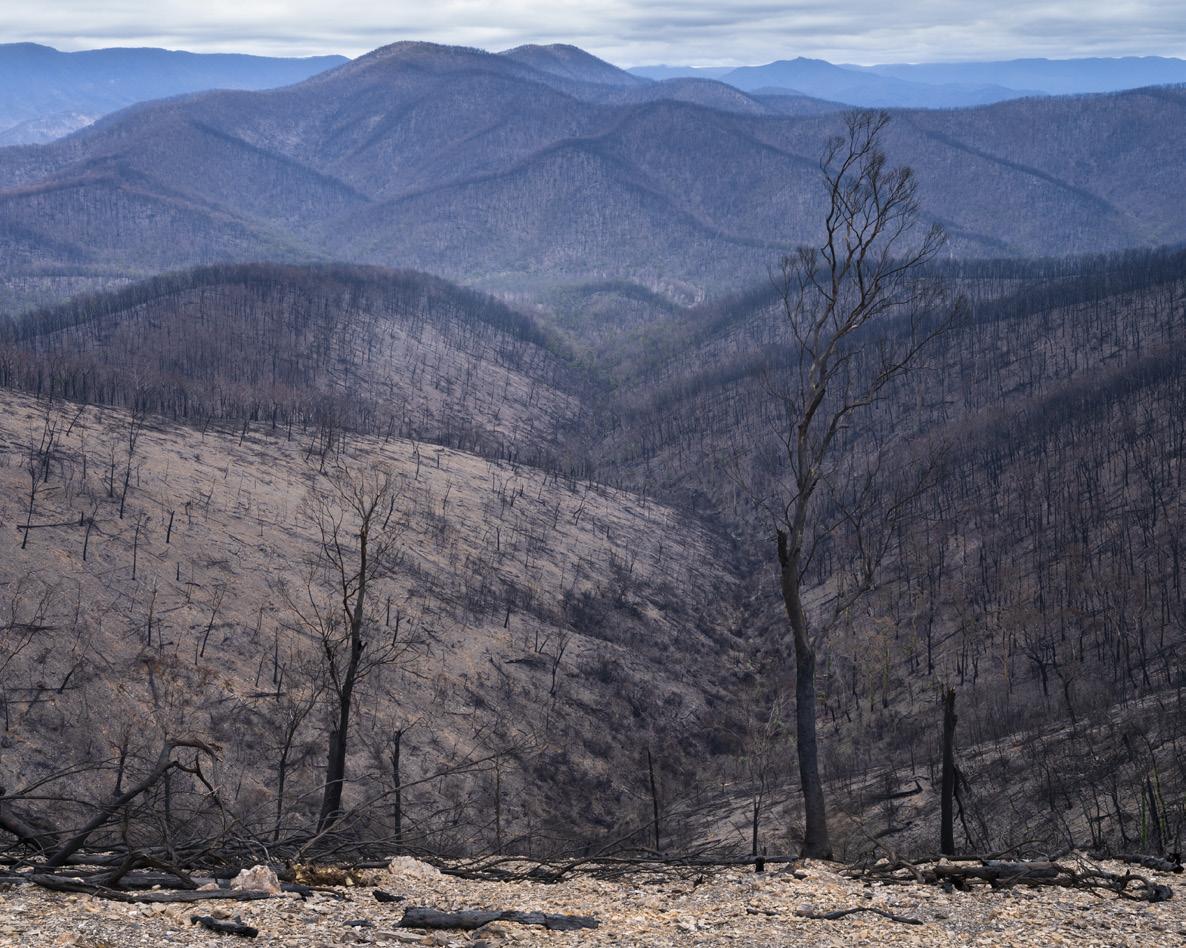
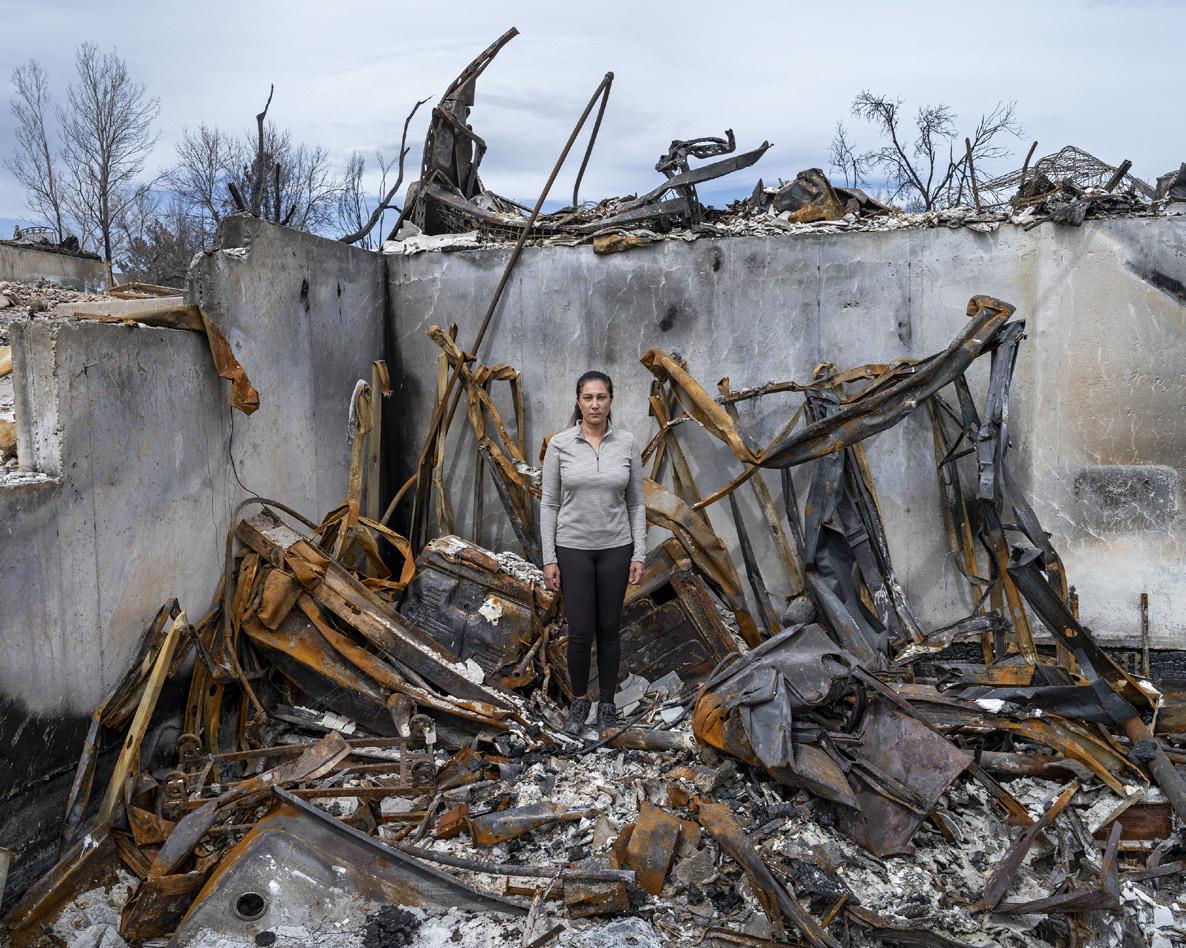
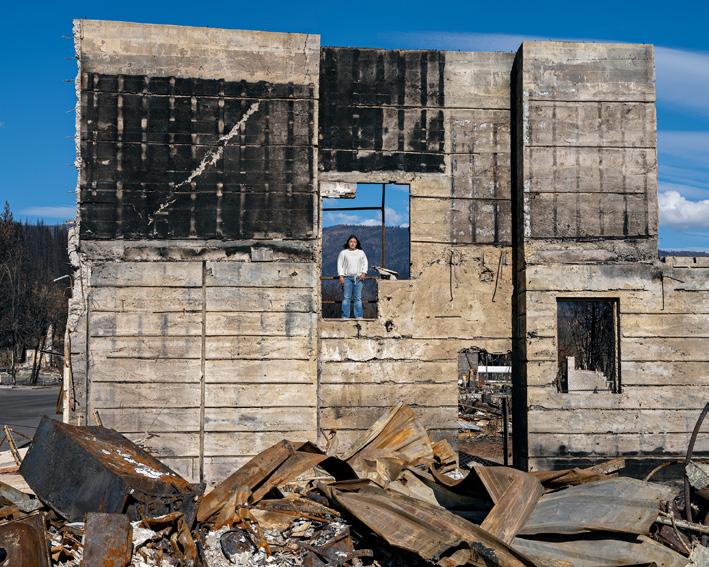
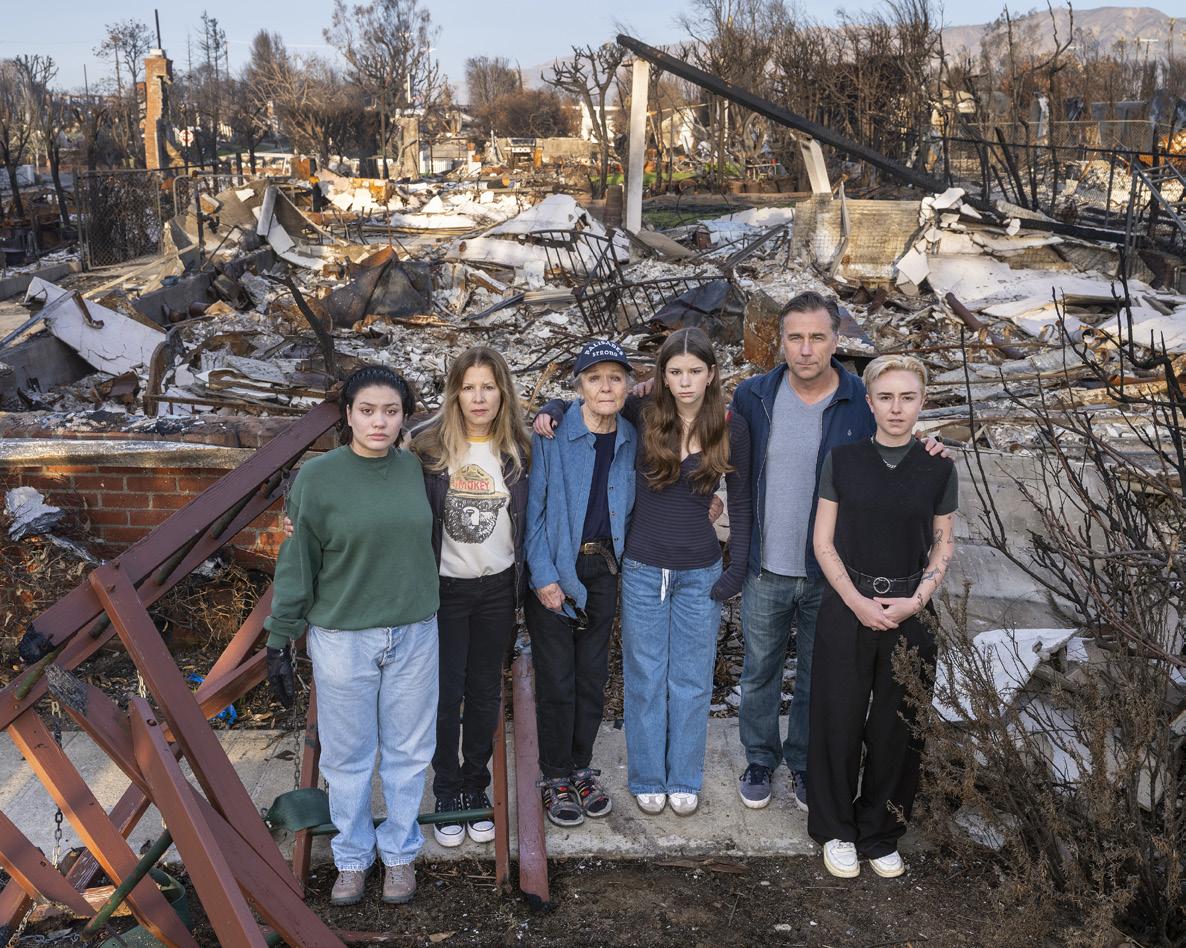
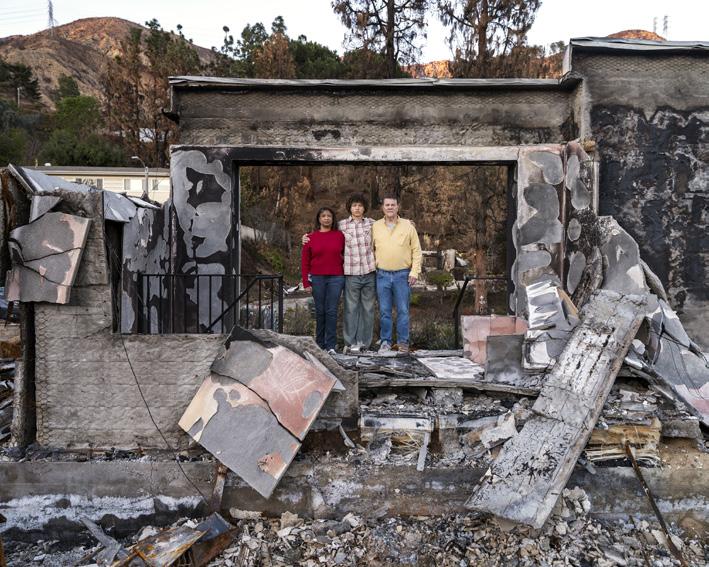
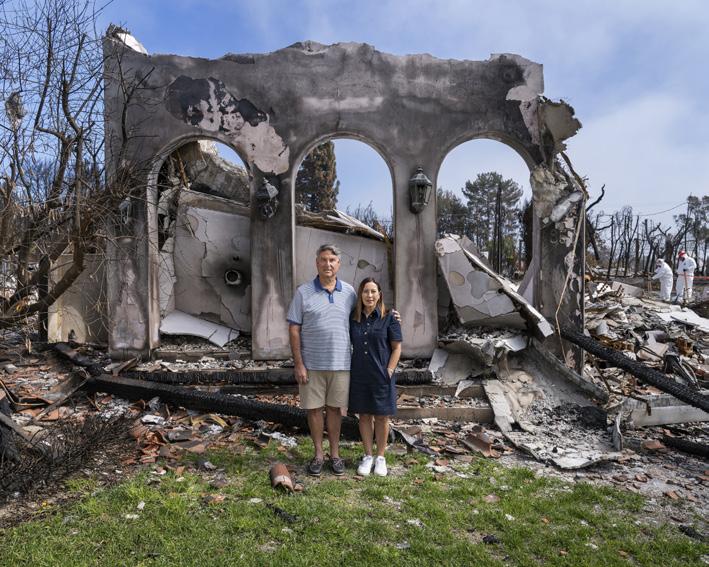
From 2018 to date, I have made ten trips to locations around the world that have been devastated by wildfires: to Australia (2020), California (2018, 2021 and 2025), Canada (2021), Colorado (2022) and Greece (2021, 2022 and 2023). These areas had experienced some of their highest temperatures ever recorded, precipitating fires of unanticipated scale and destruction, resulting in the loss of life, of homes and property, and impacting millions of acres of land.
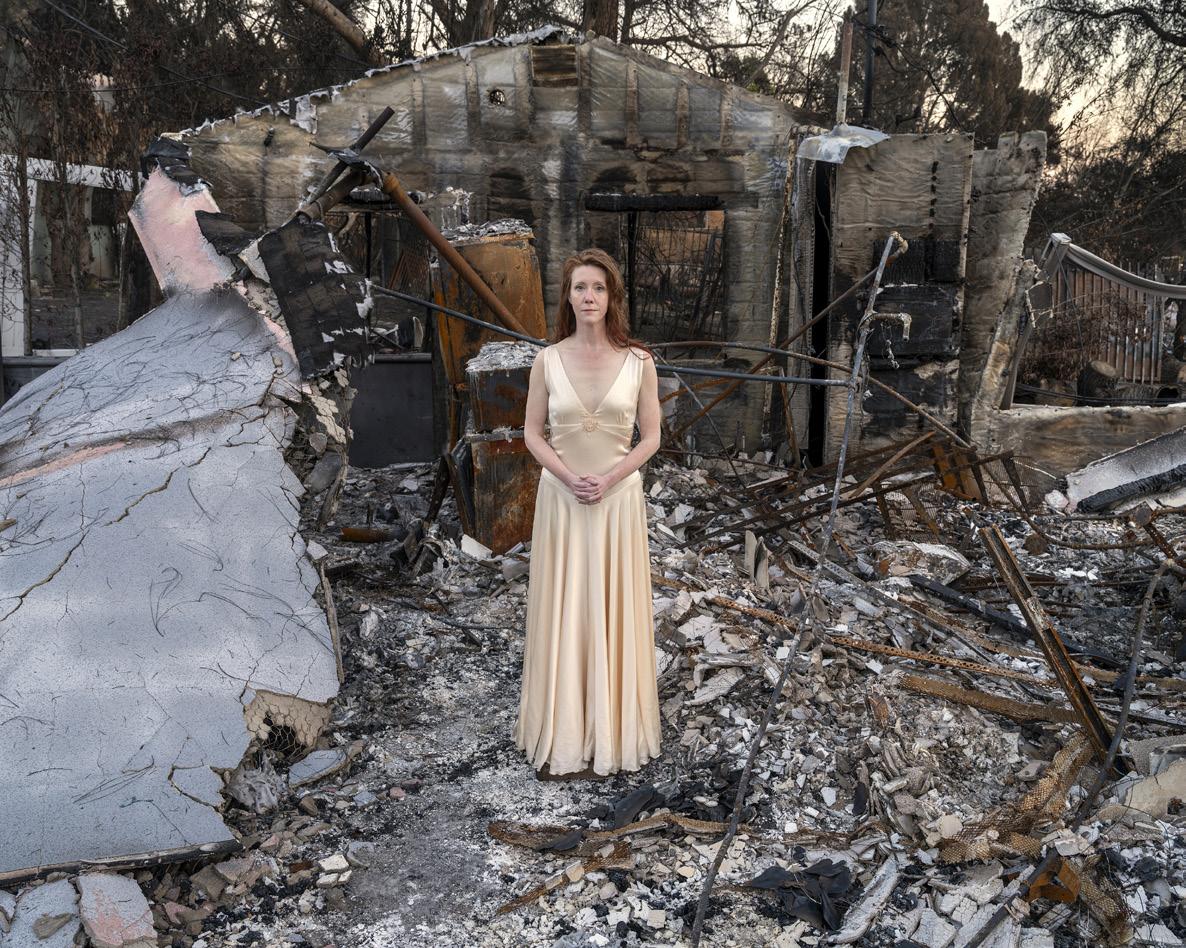
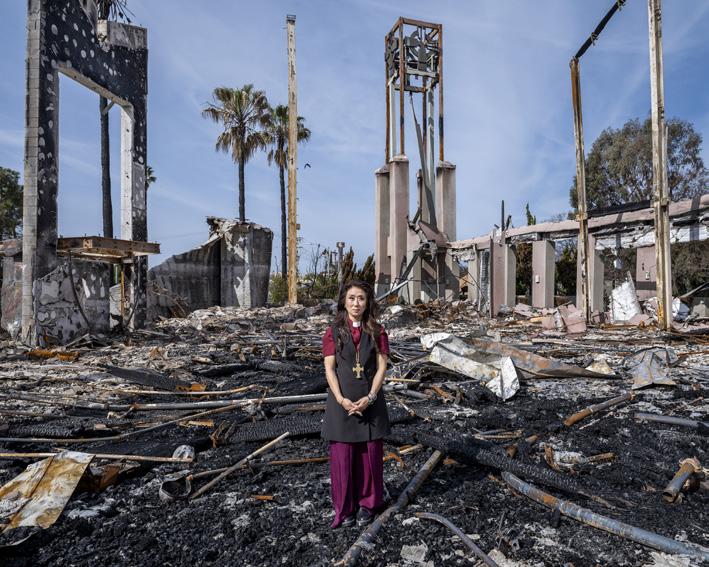
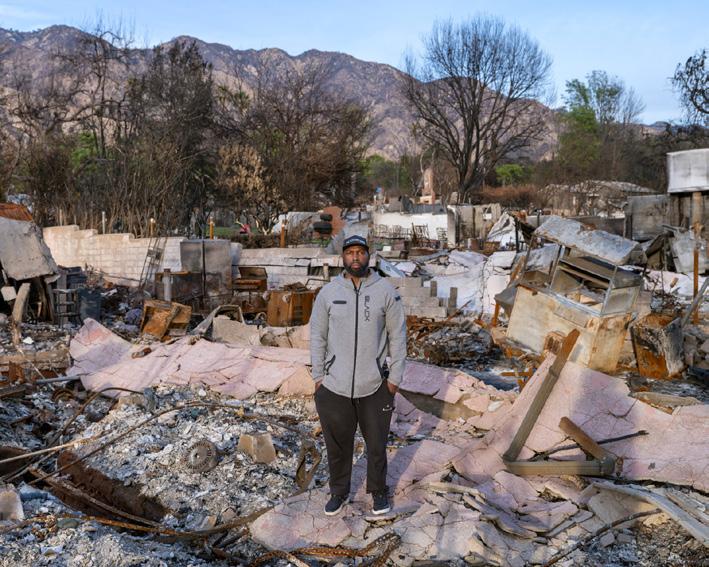
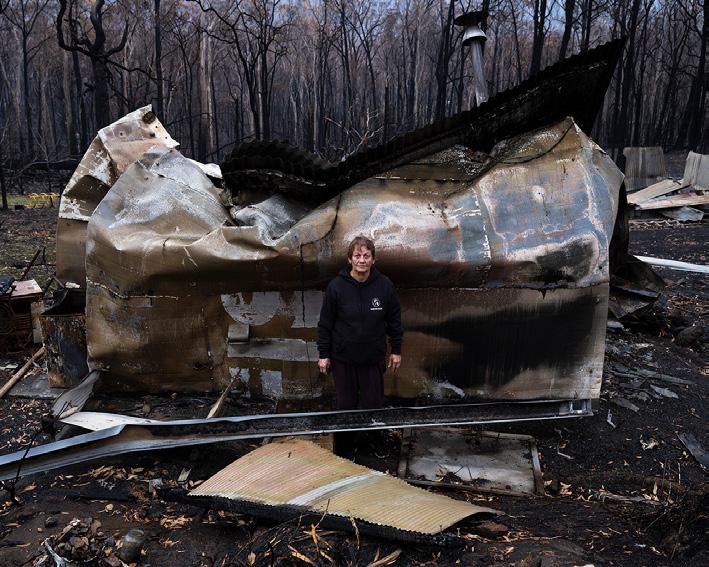
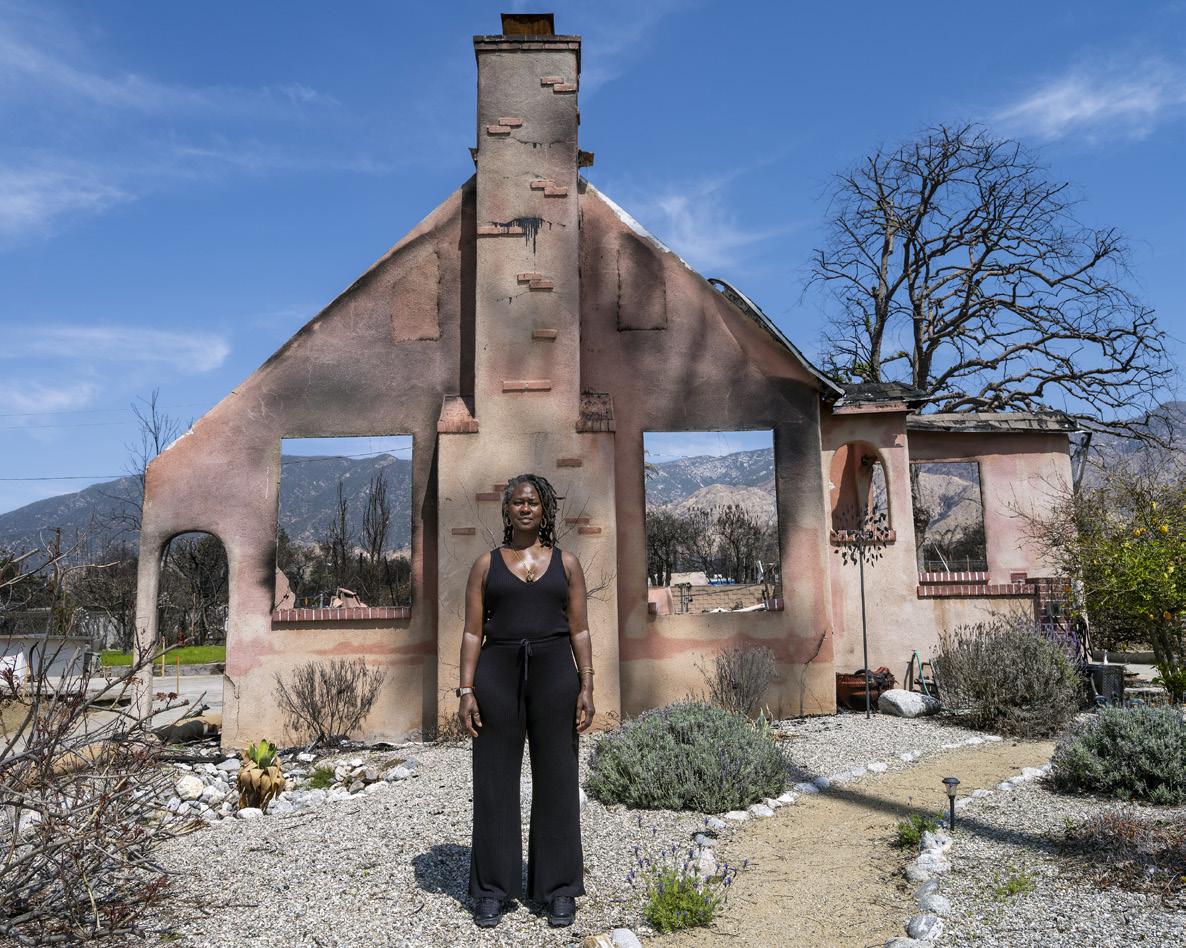
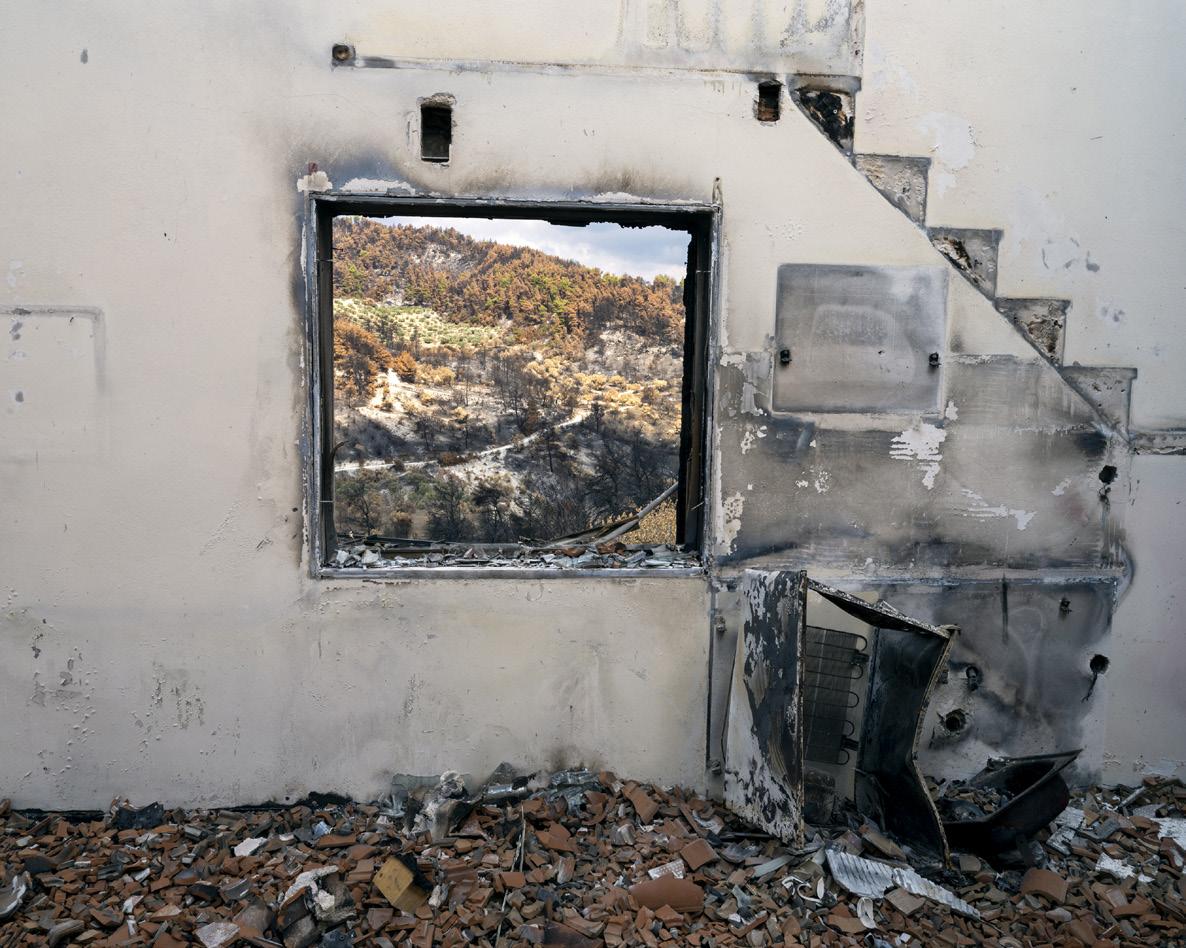
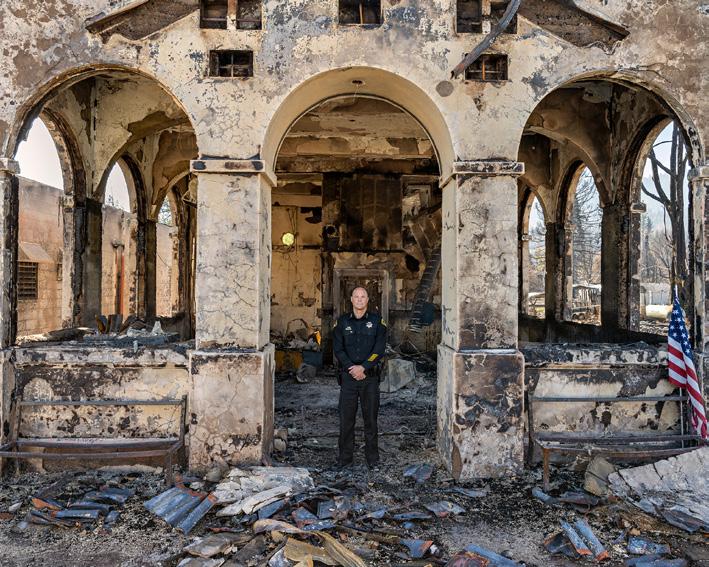
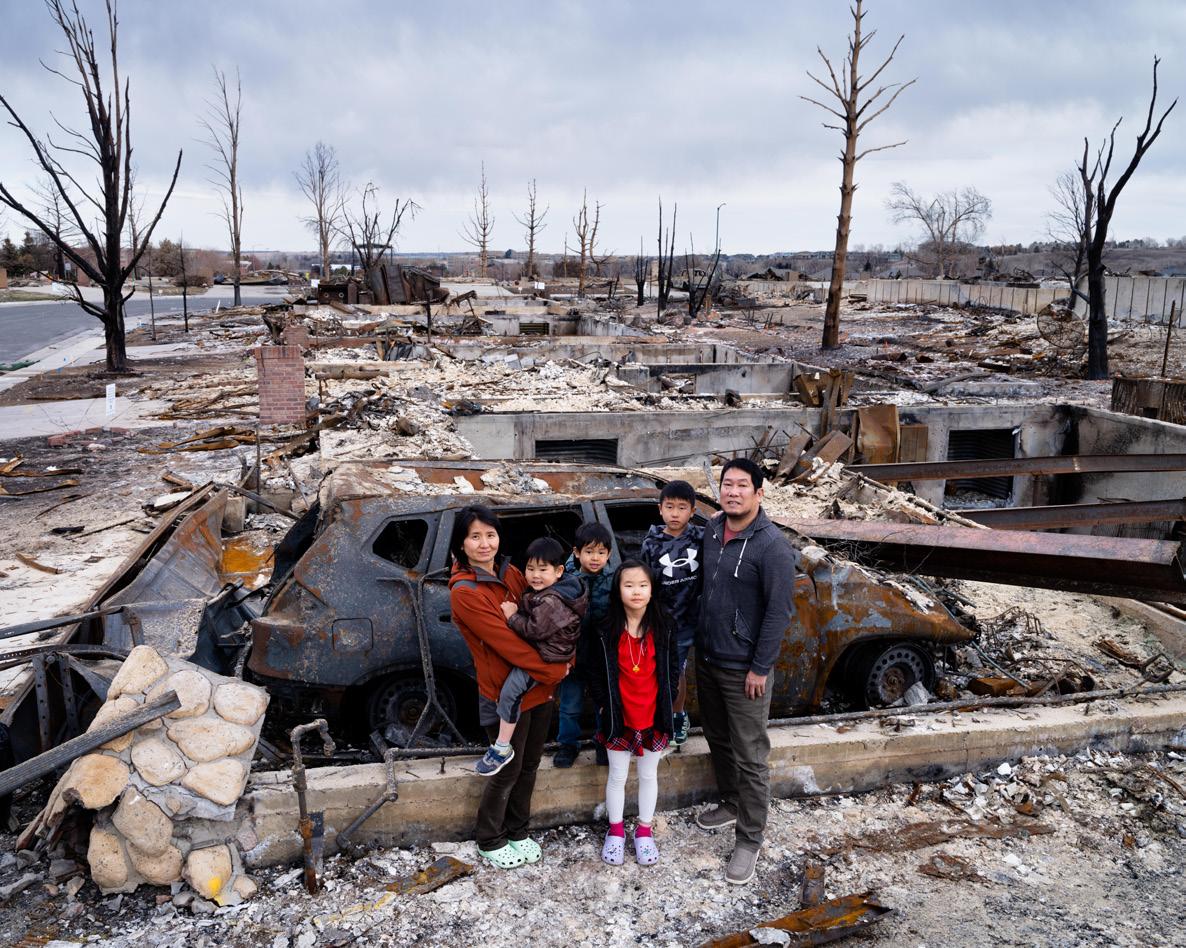
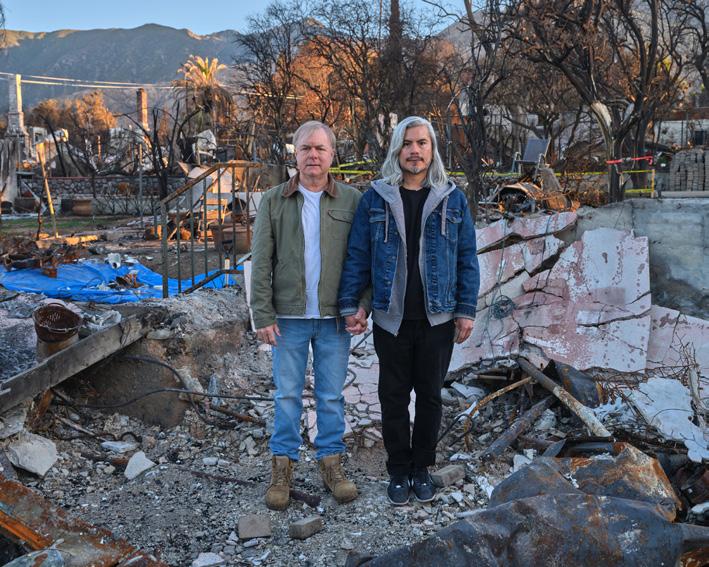
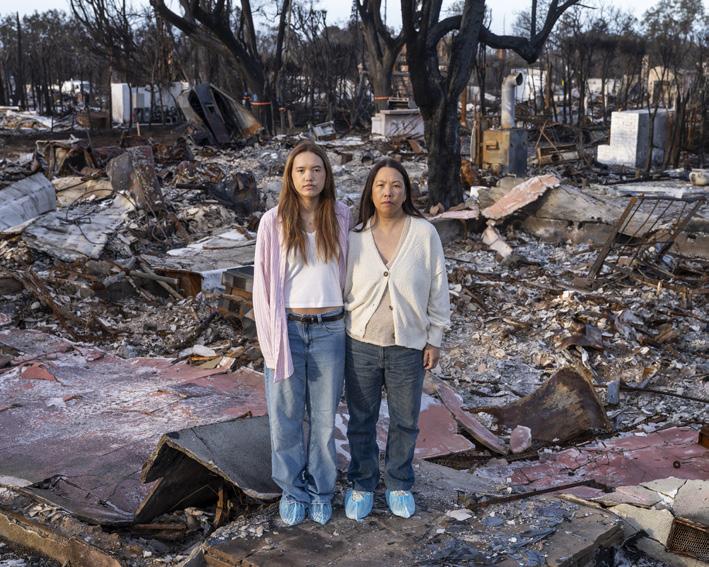
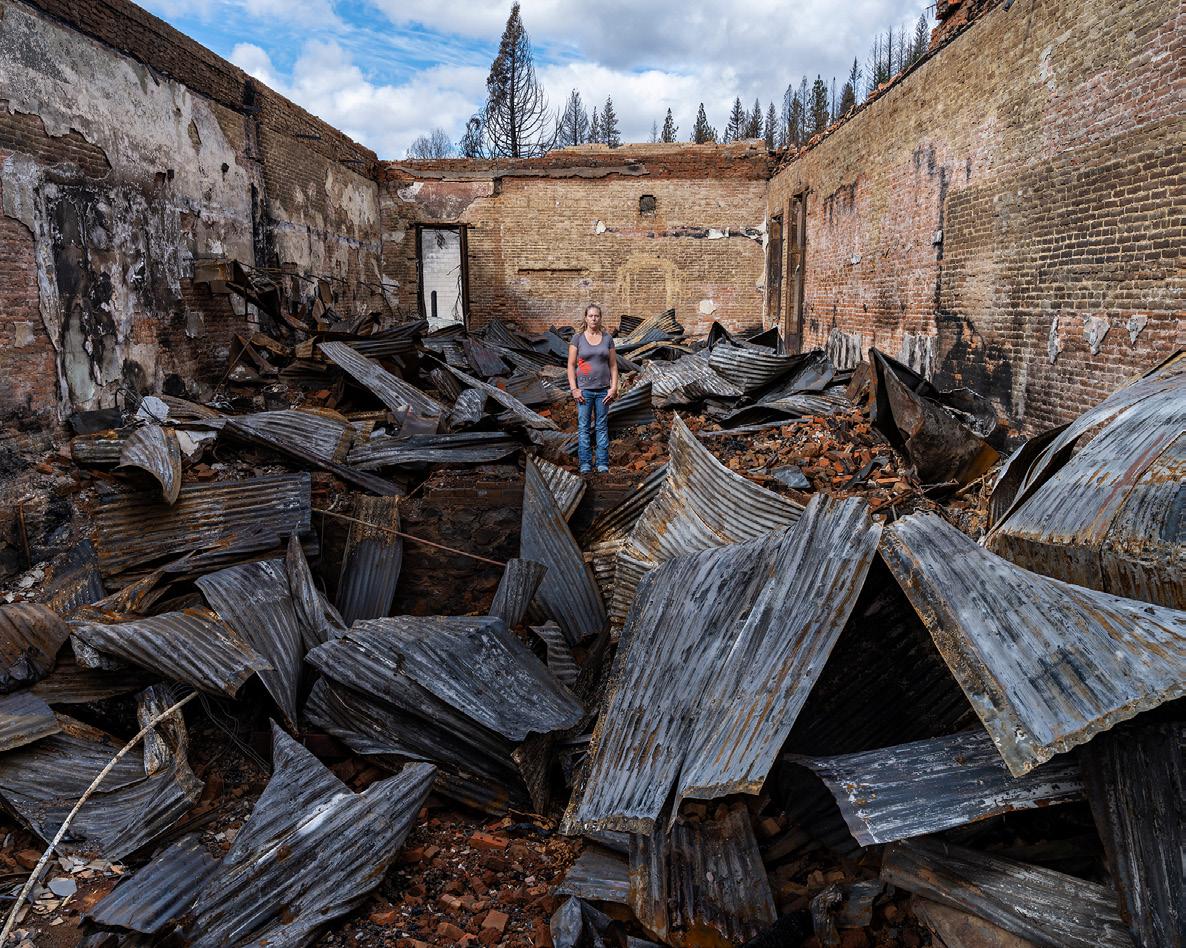
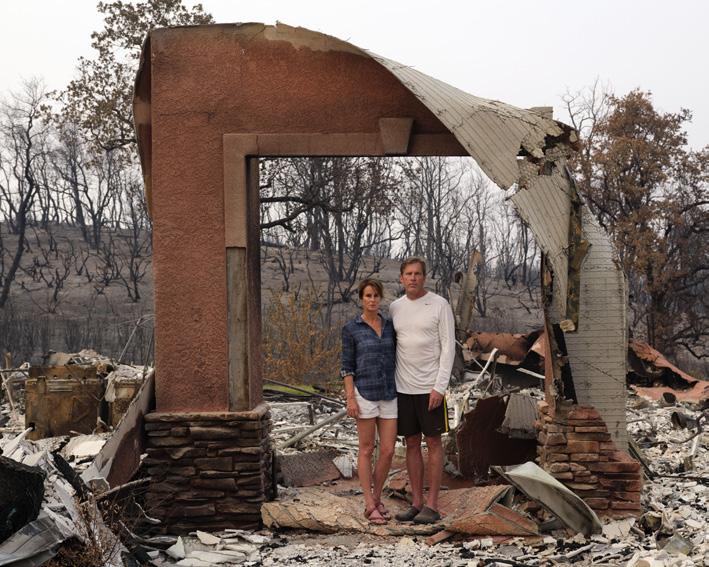
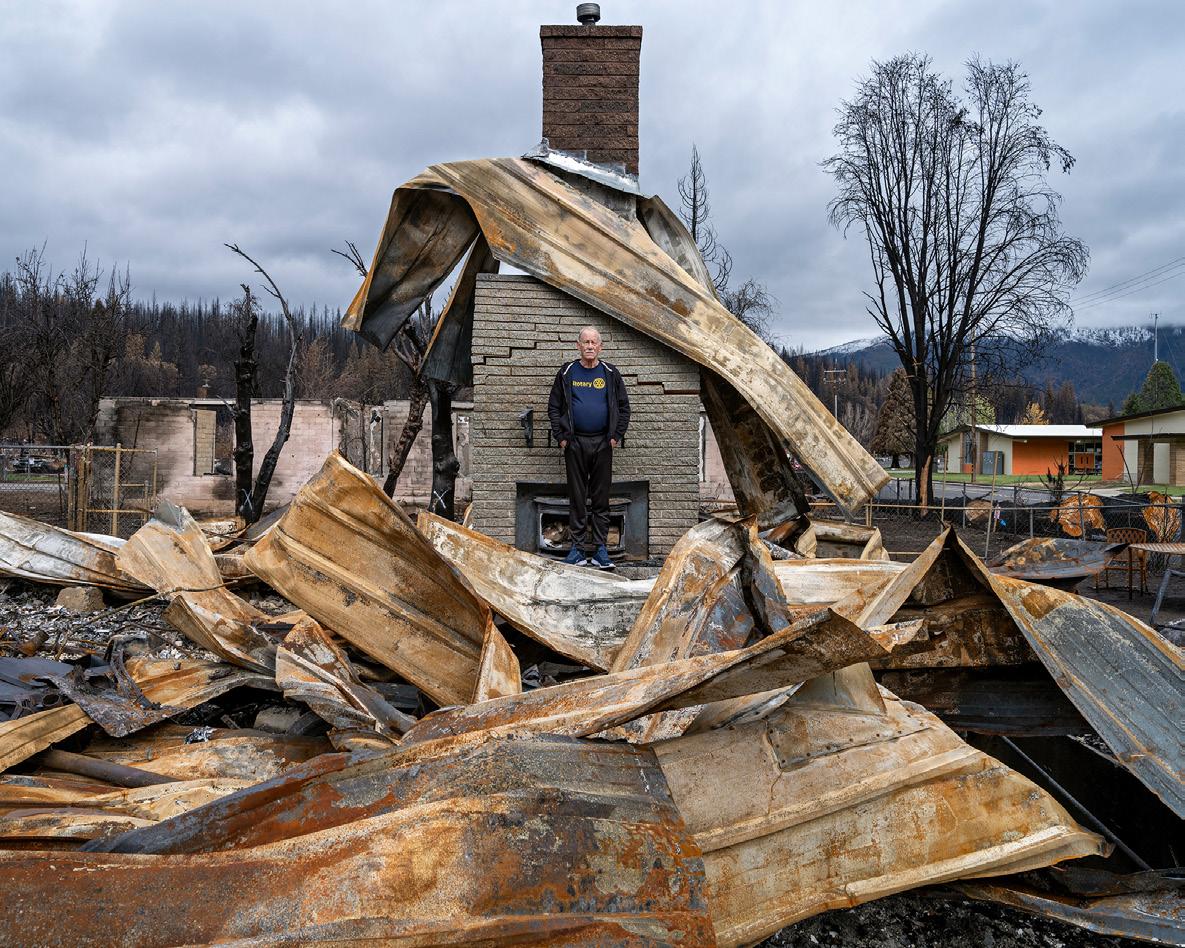
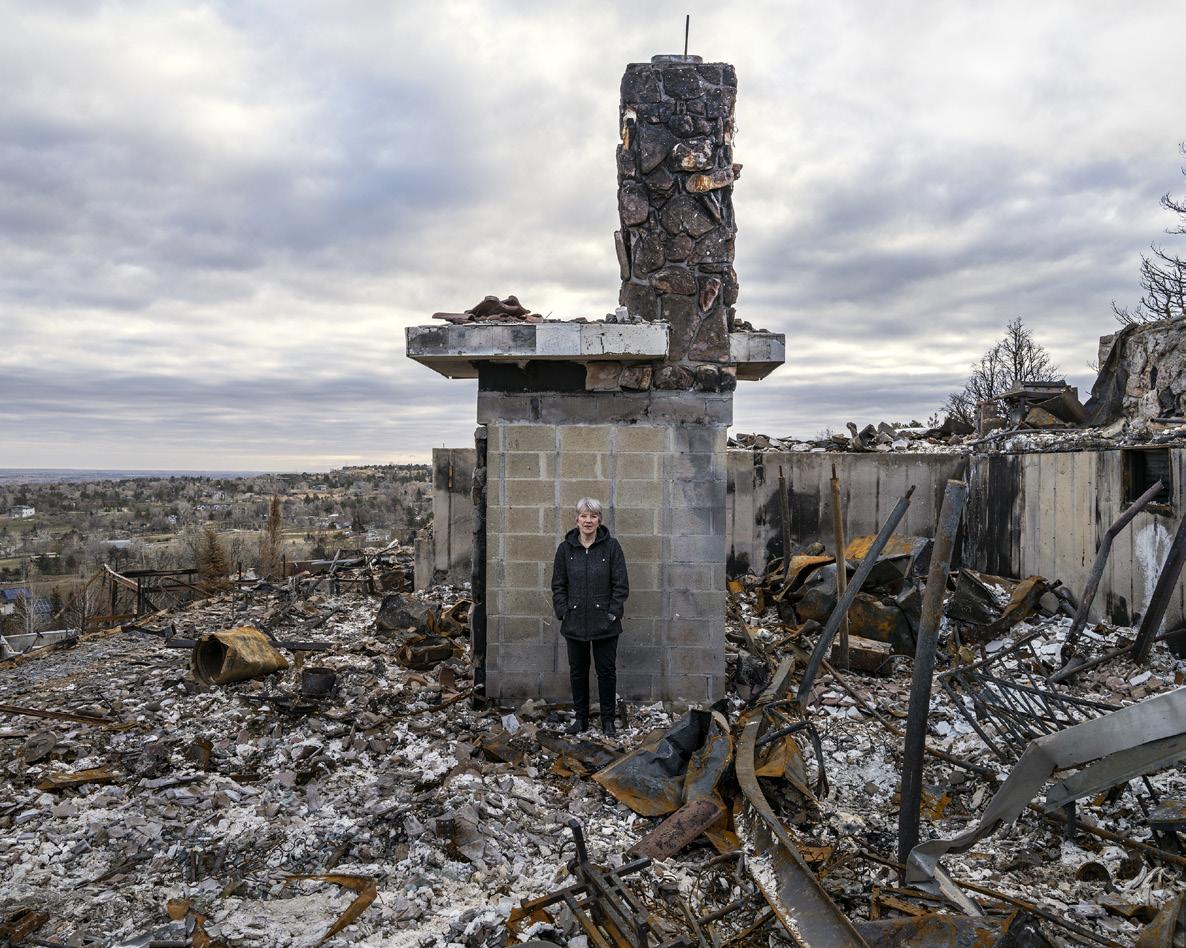
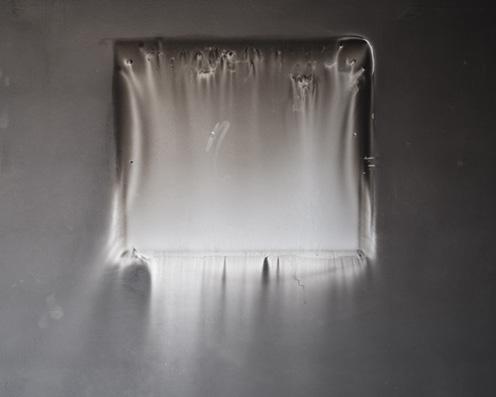
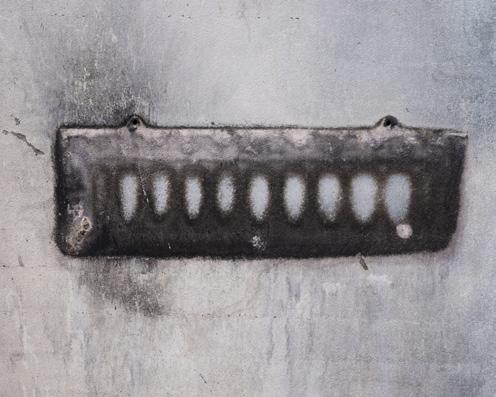
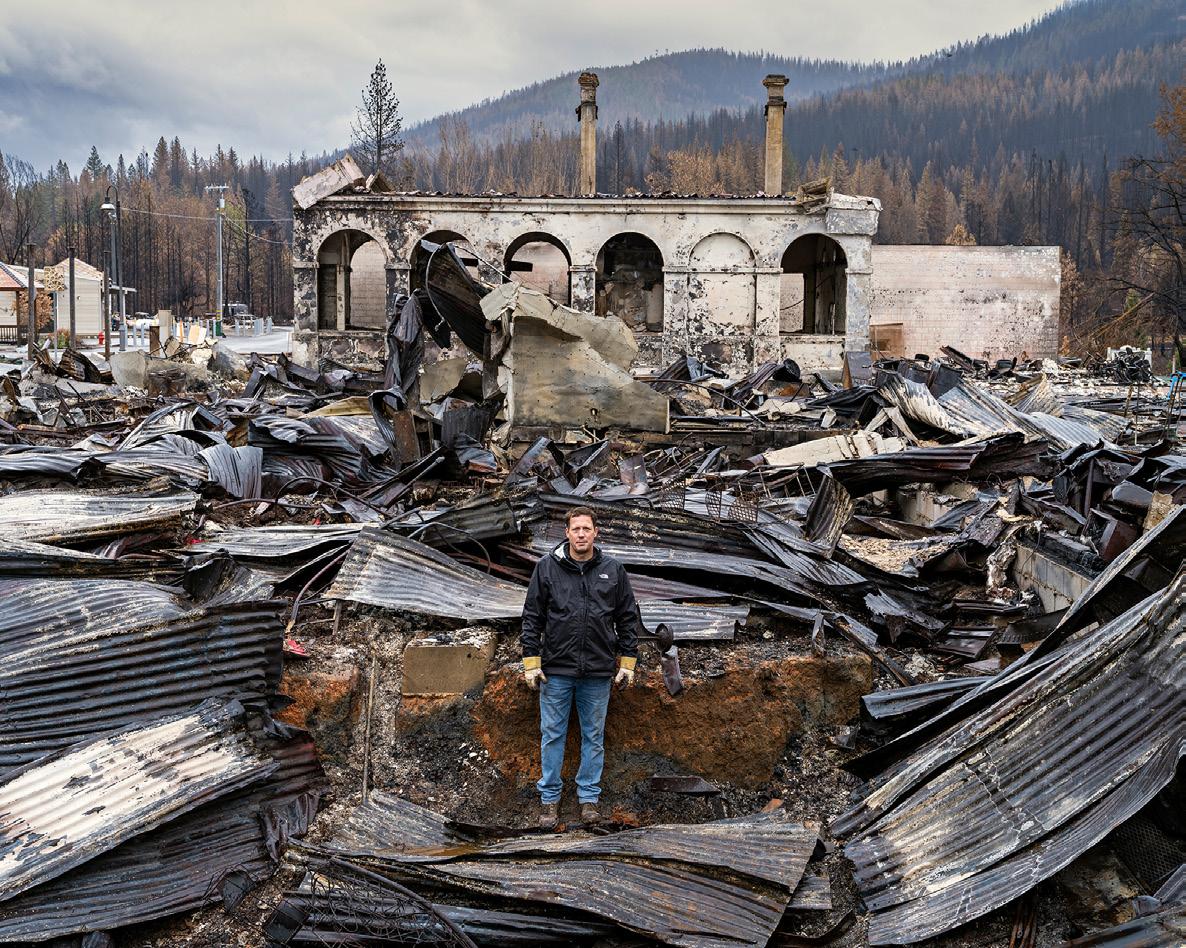
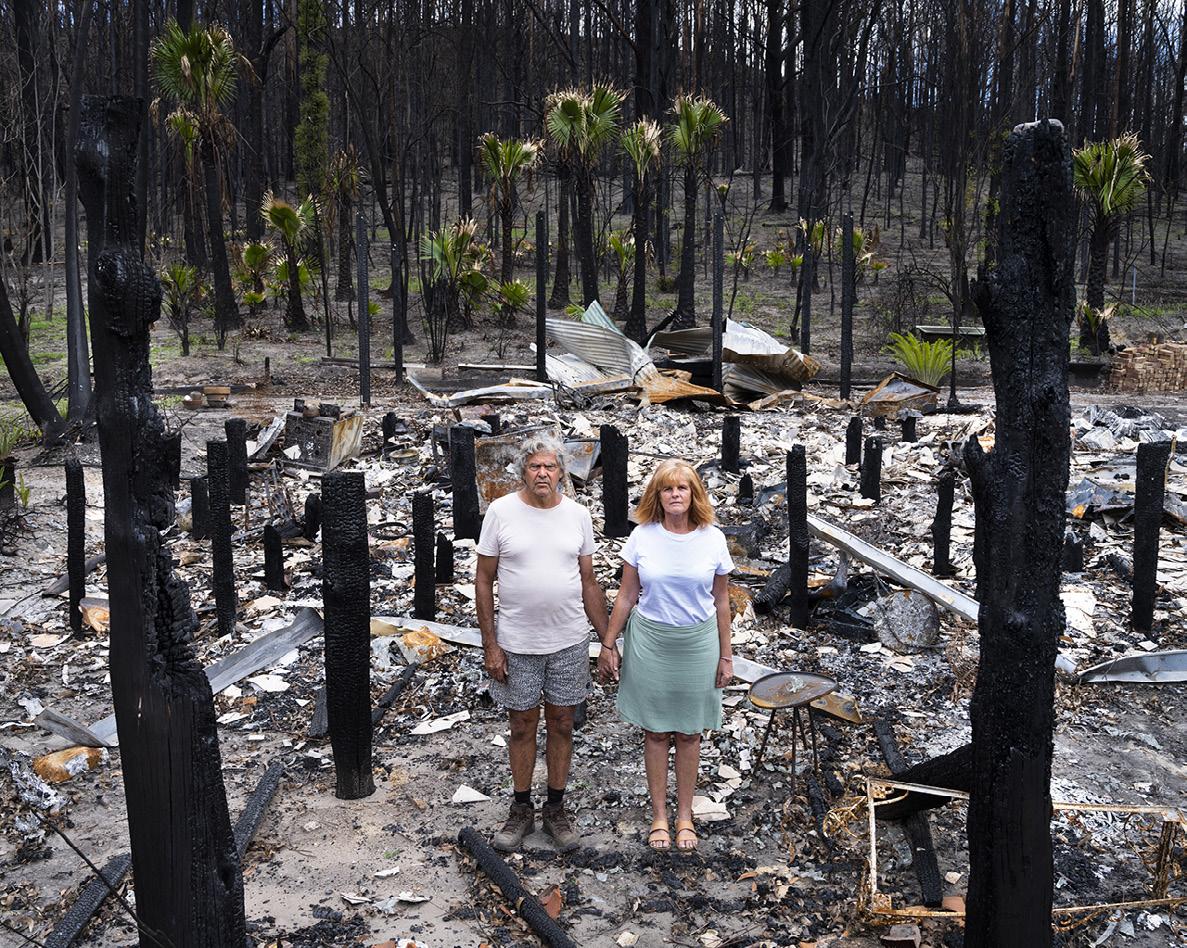
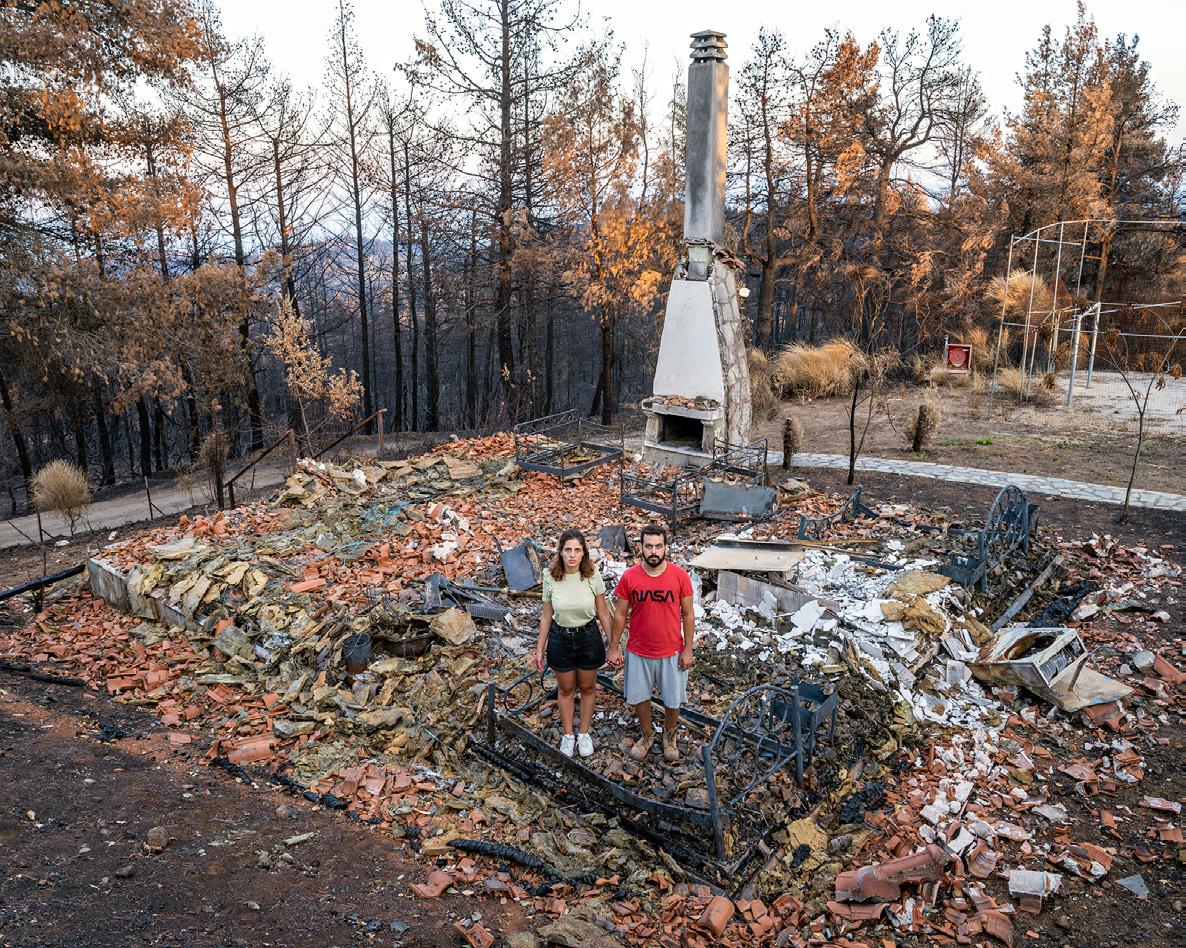
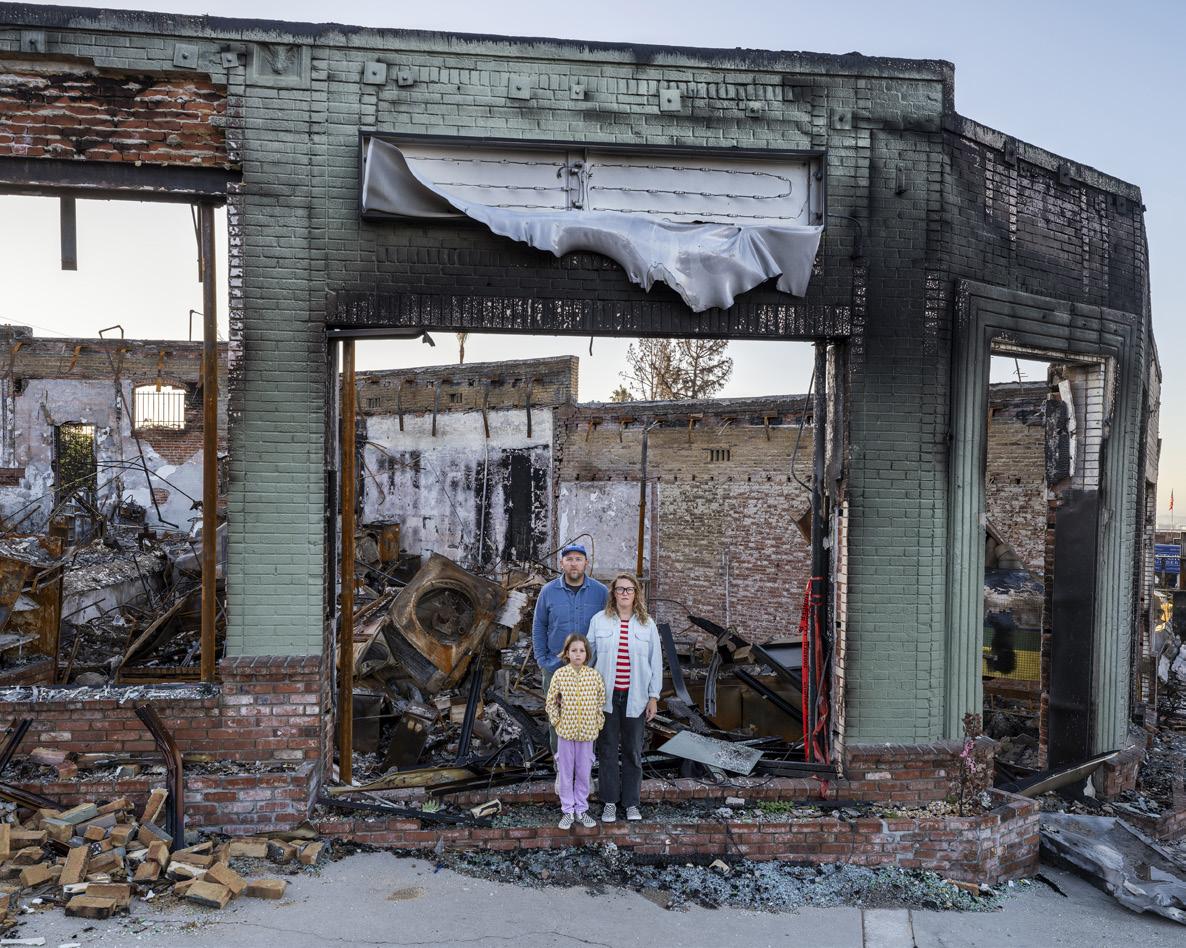
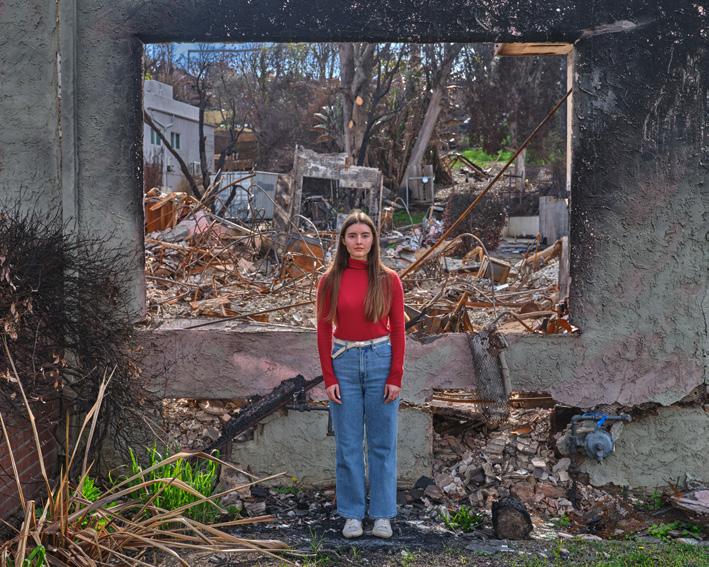
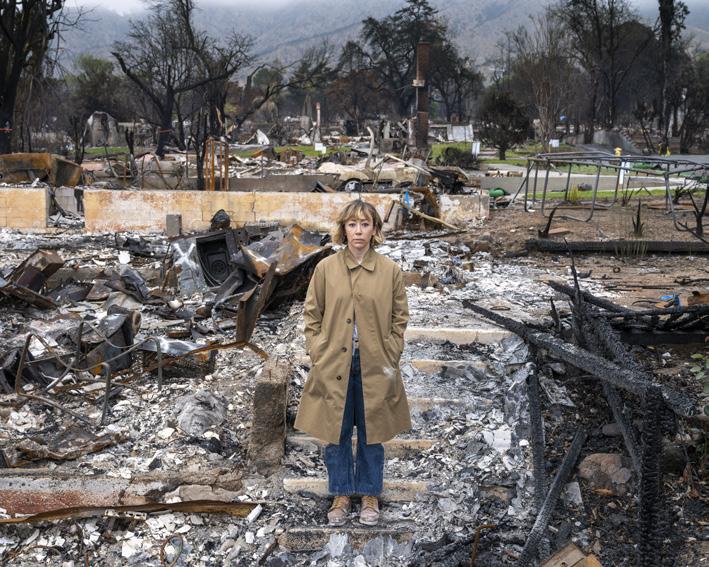
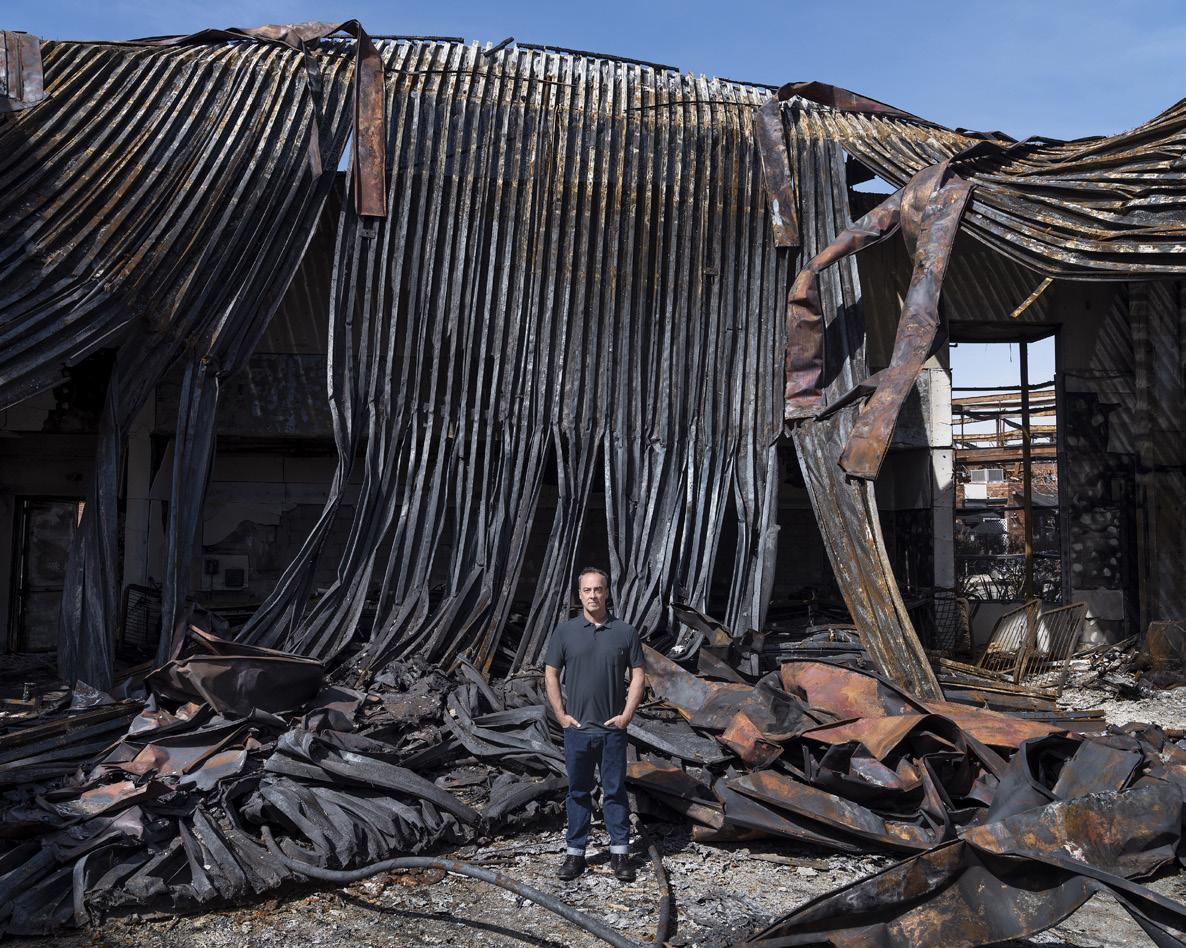
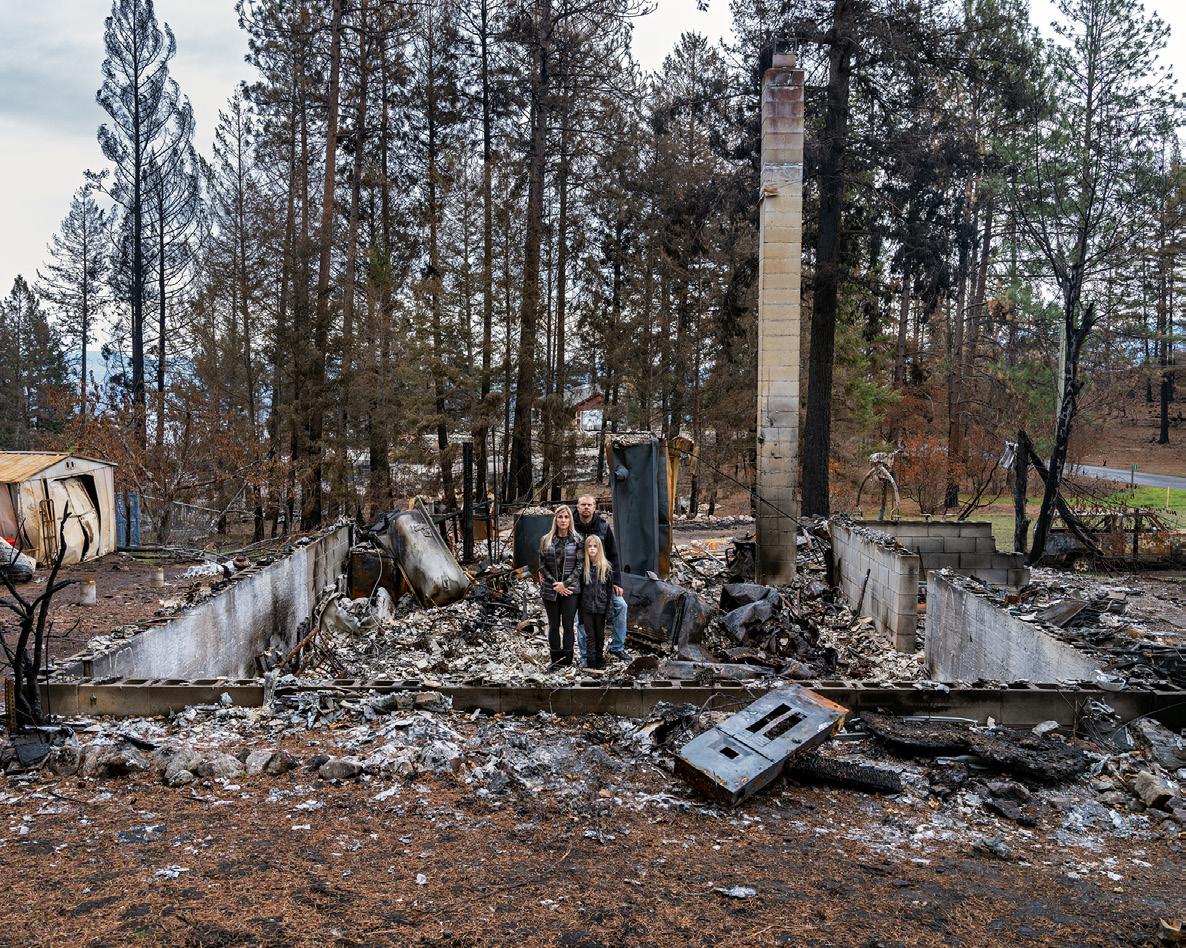
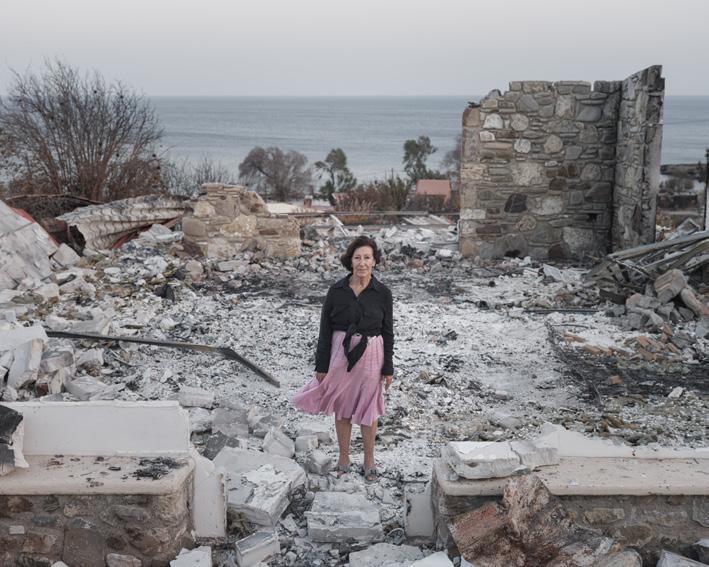
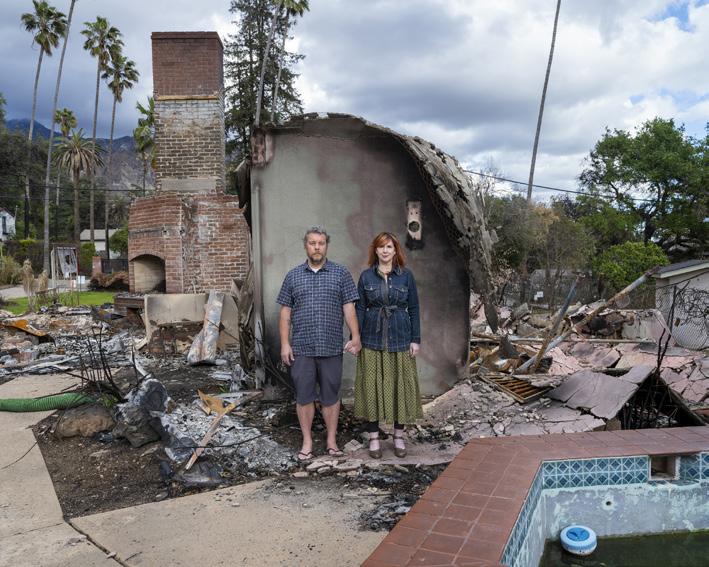
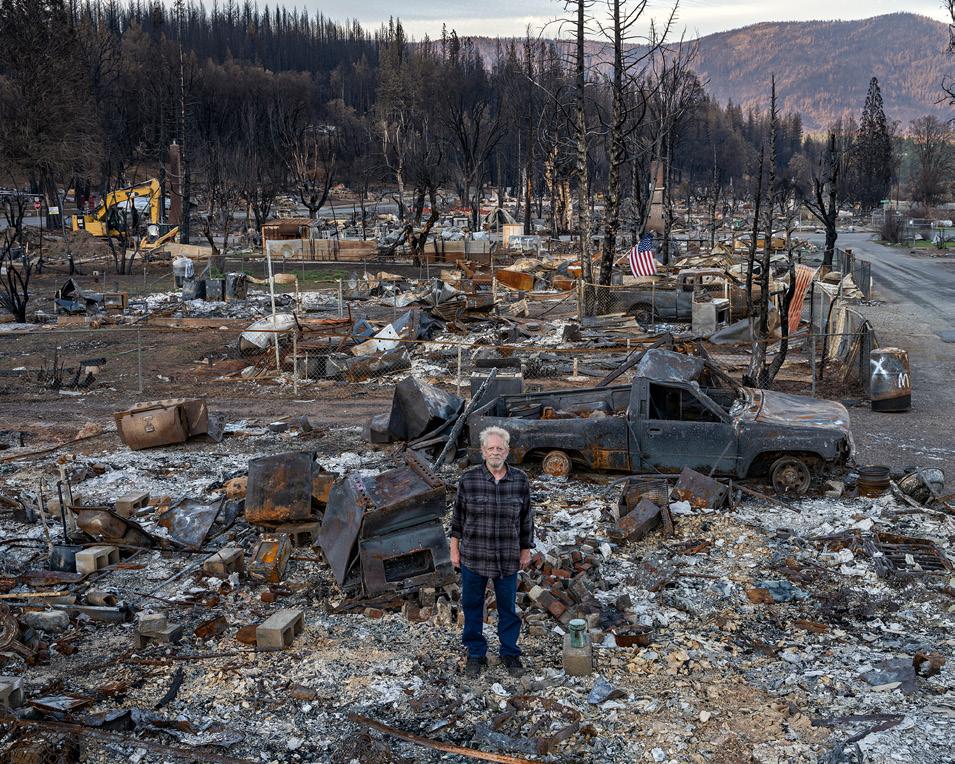
Within these scorched landscapes, I was drawn to making images of precise symmetry in unsettling contrast with the chaos of these scenarios. Framed by their burnt dwellings, my subjects pause and confront the camera with dignity and resilience, inviting us to truly see the devastated world that surrounds them. Through documenting landscapes, textures—and collating an archive of firedamaged objects in parallel with these portraits—my intention has been to make a visual statement that contests a more traditional photojournalistic approach. I have chosen not to document the drama of the fires themselves but—instead— to concentrate on the aftermath. On the traces left behind on surfaces and landscapes, and the direct impact on lives lived thereafter.
The Burning World photographs are underpinned by the activist element in my work. They aim to disquiet an audience; to encourage them to look deeply and look again and to consider our capacity for action and solidarity.
Portraits in Ashes
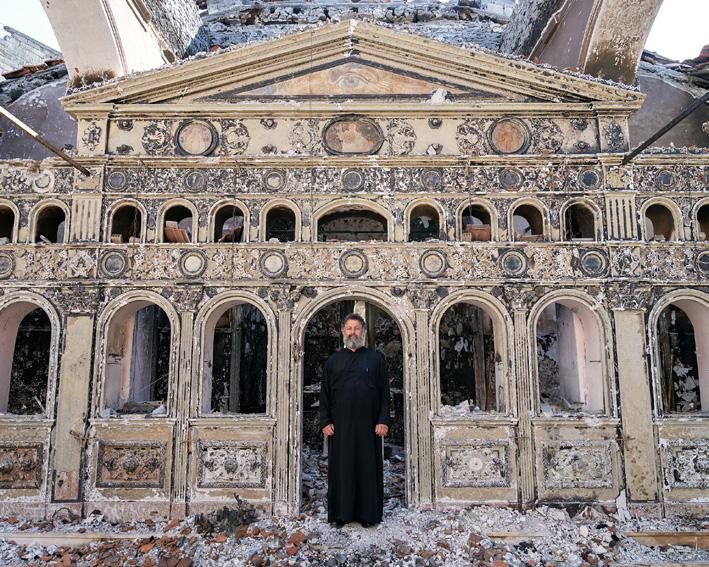
This repeated act of portraiture, across different communities devastated by wildfires around the world, is the central element of this project. Framed by the bare structures of burned homes, businesses and places of worship, these portraits— taken collectively—are my attempt to create a typology of climate change.
Scorched Topographies
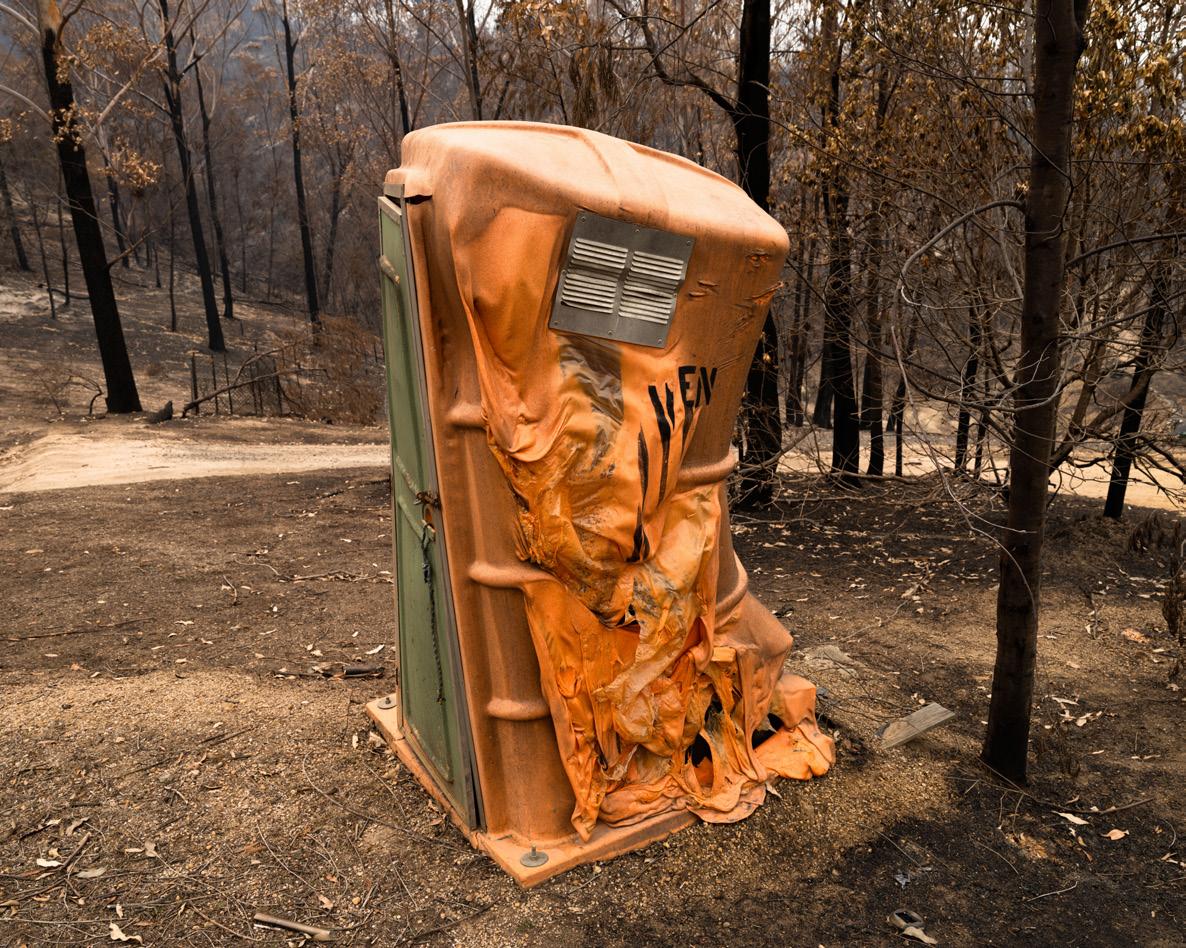
As we feel the heat of our rapidly warming planet, worsening every year, I have documented some of the natural and urban landscapes that have been devastated by extreme firestorms worldwide. In these high severity burns, shrubs and stumps reduced to ash, the soil itself changes and even beneath the ground tree roots are scorched. These resulting ‘moonscapes’ can take many years to regenerate and, with ghostly charred remains and distorted textures, these transformed or desertified environments convey a visceral sense of wildfire and the completeness of its power.
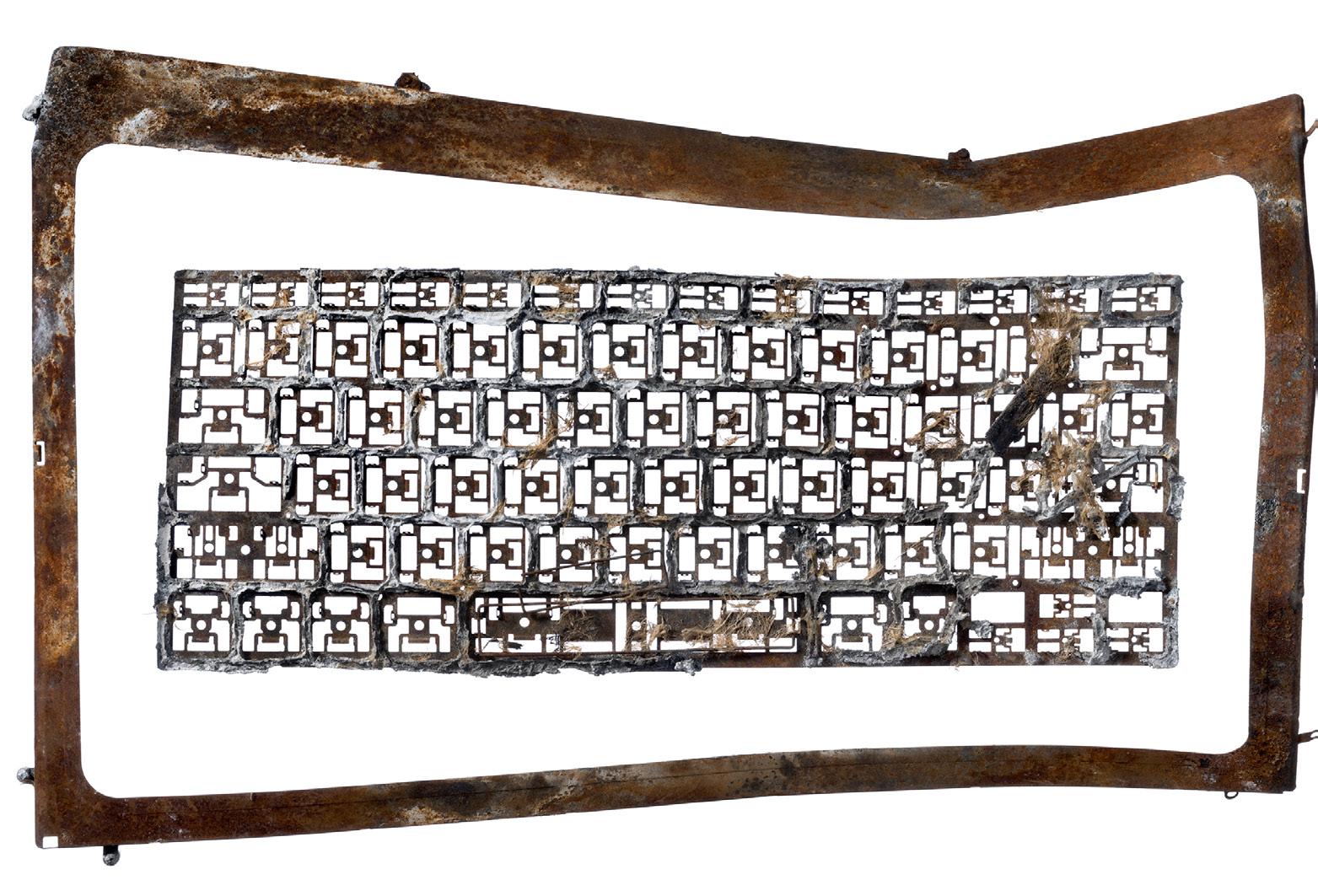
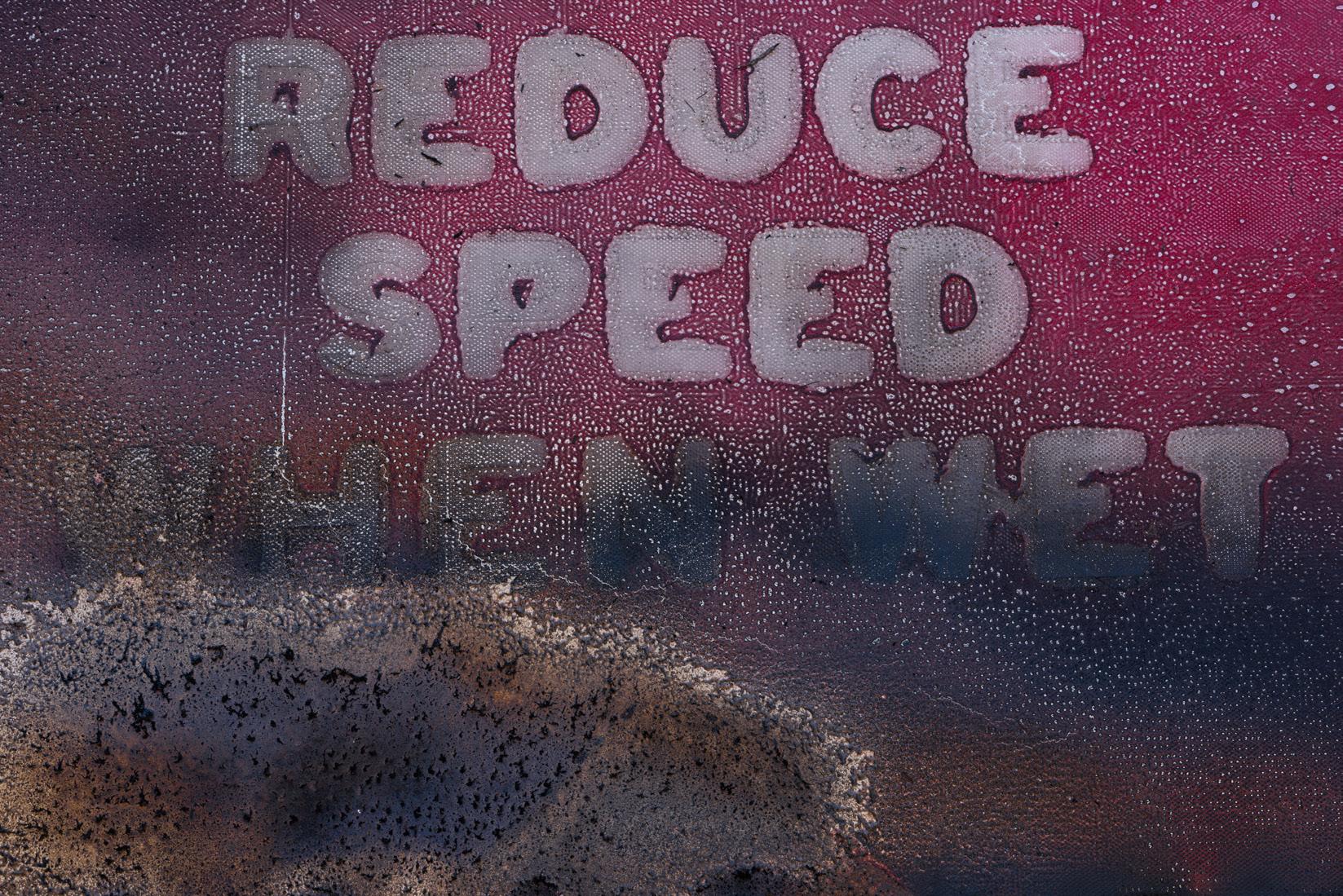
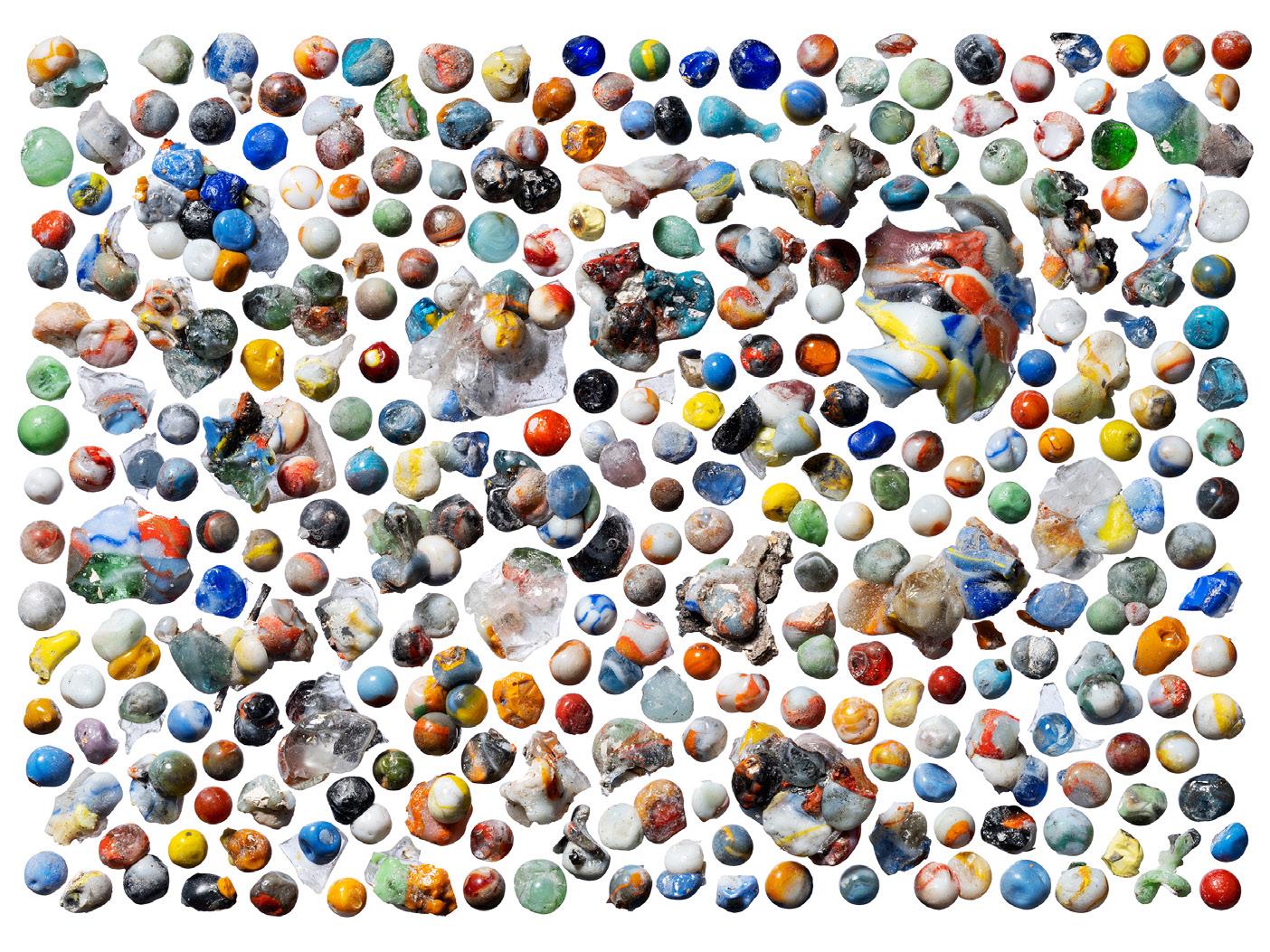
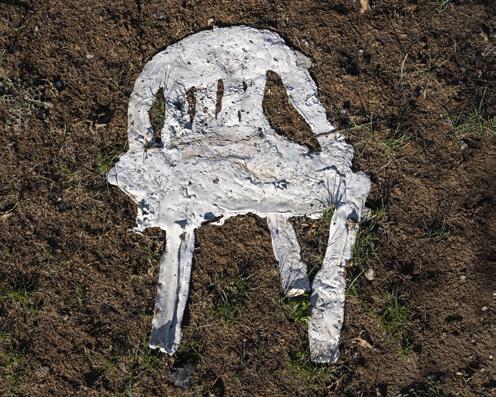
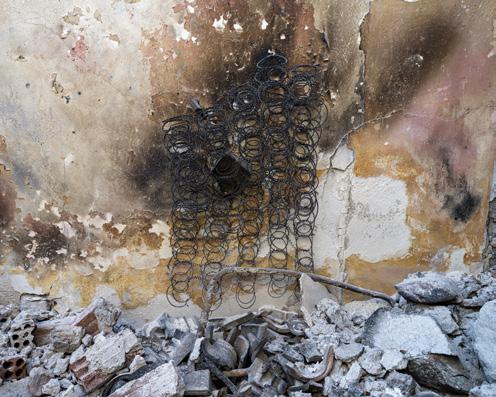
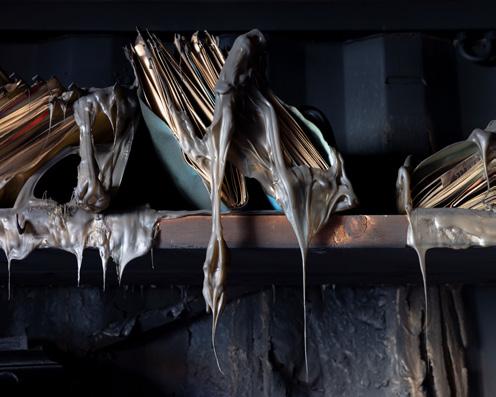
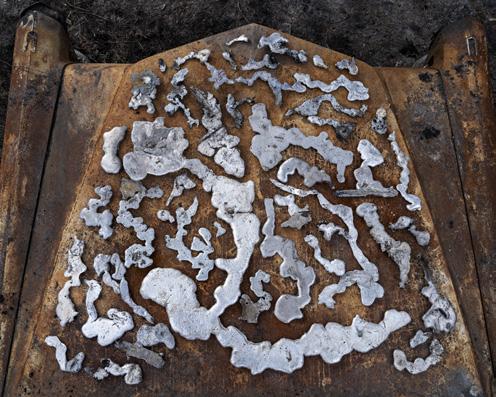
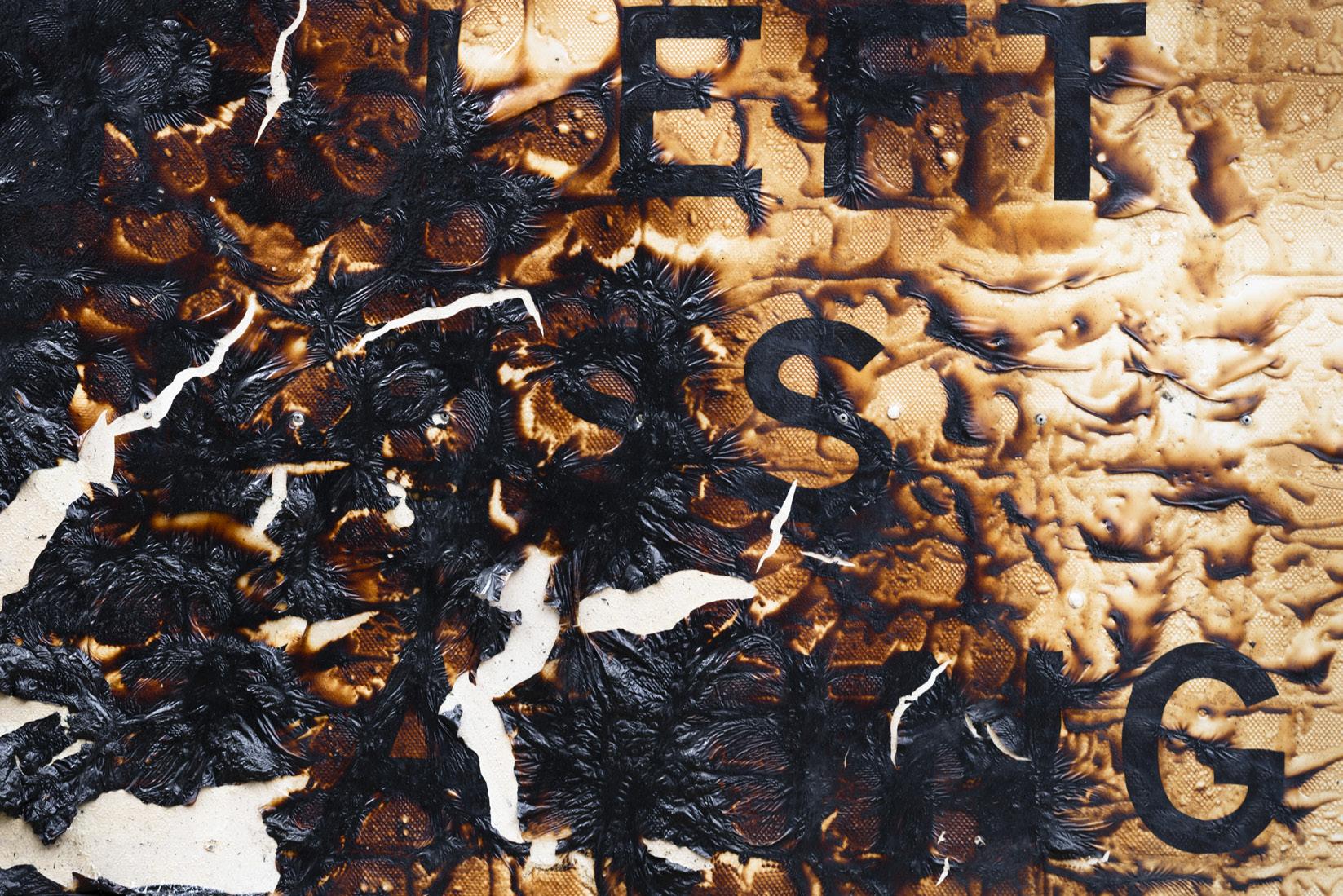
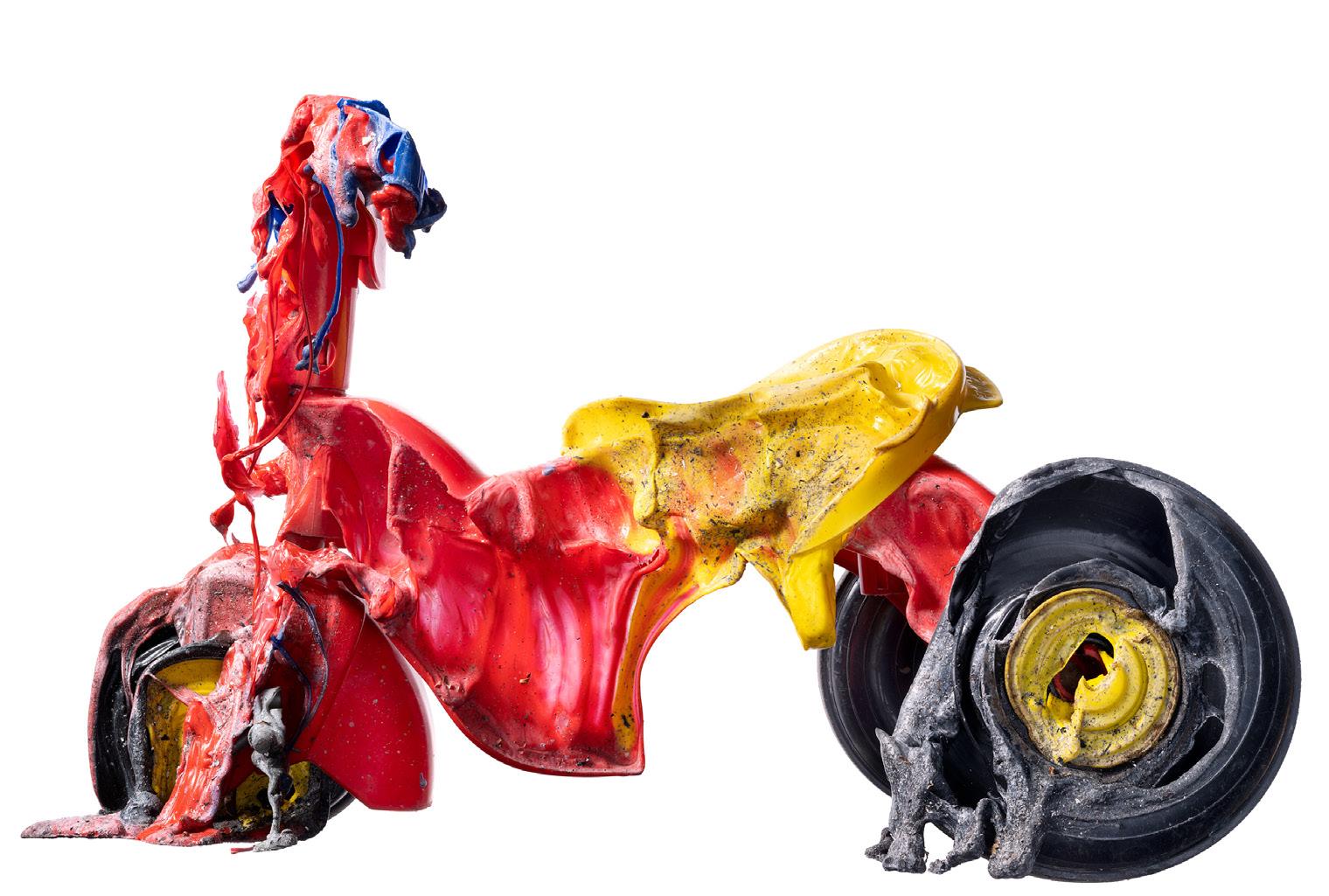
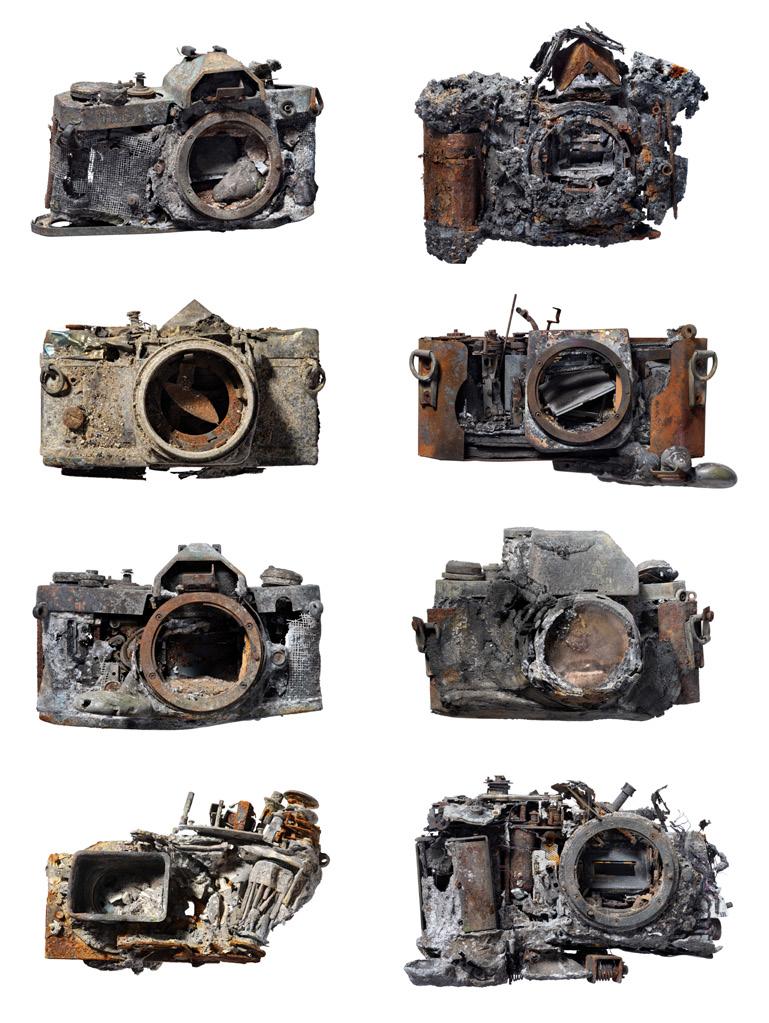
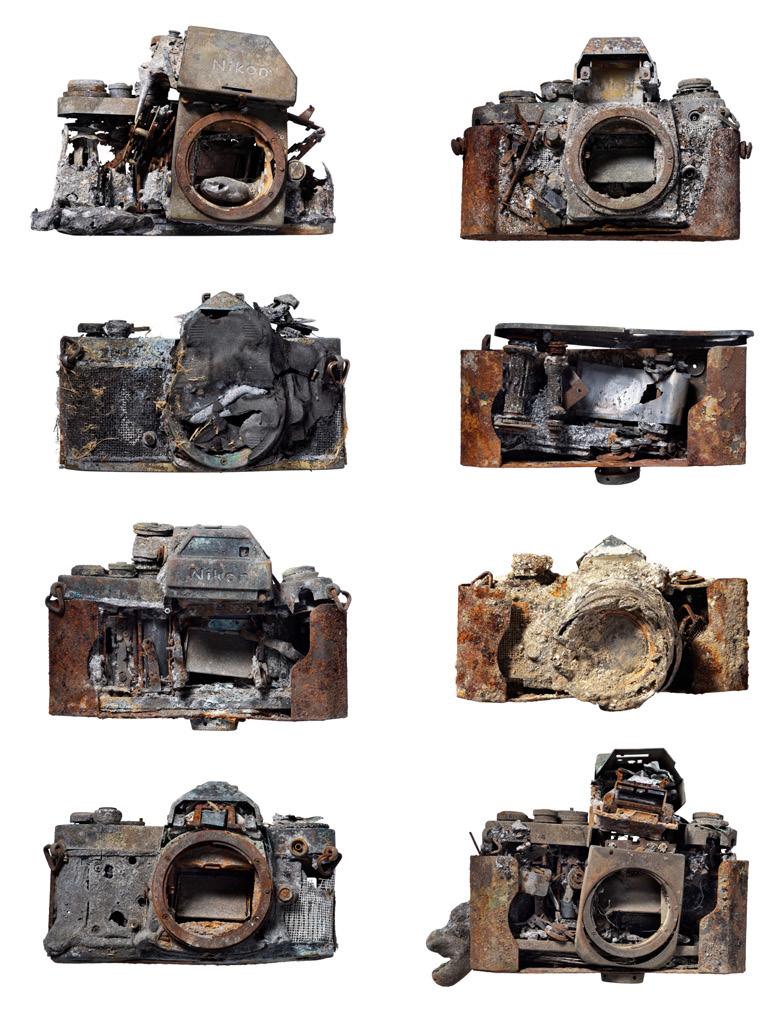
Across these field visits, I have collected a variety of burnt objects given to me by the individuals I photograph. These items carry significant power. Bearing in mind their blackened and twisted materiality, they both carry the marks of man-made global warming and anticipate it, as mementos of our industrial and petrochemical present. After years of building up this physical archive, I took some of them into a stilllife studio to photograph them more forensically, as if they were precious archaeological items… artefacts of our climate emergency, both as symbol and as substance.
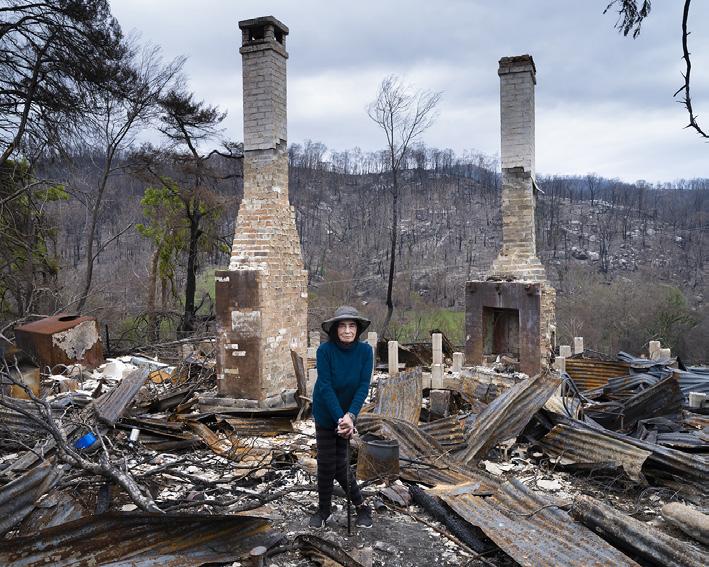
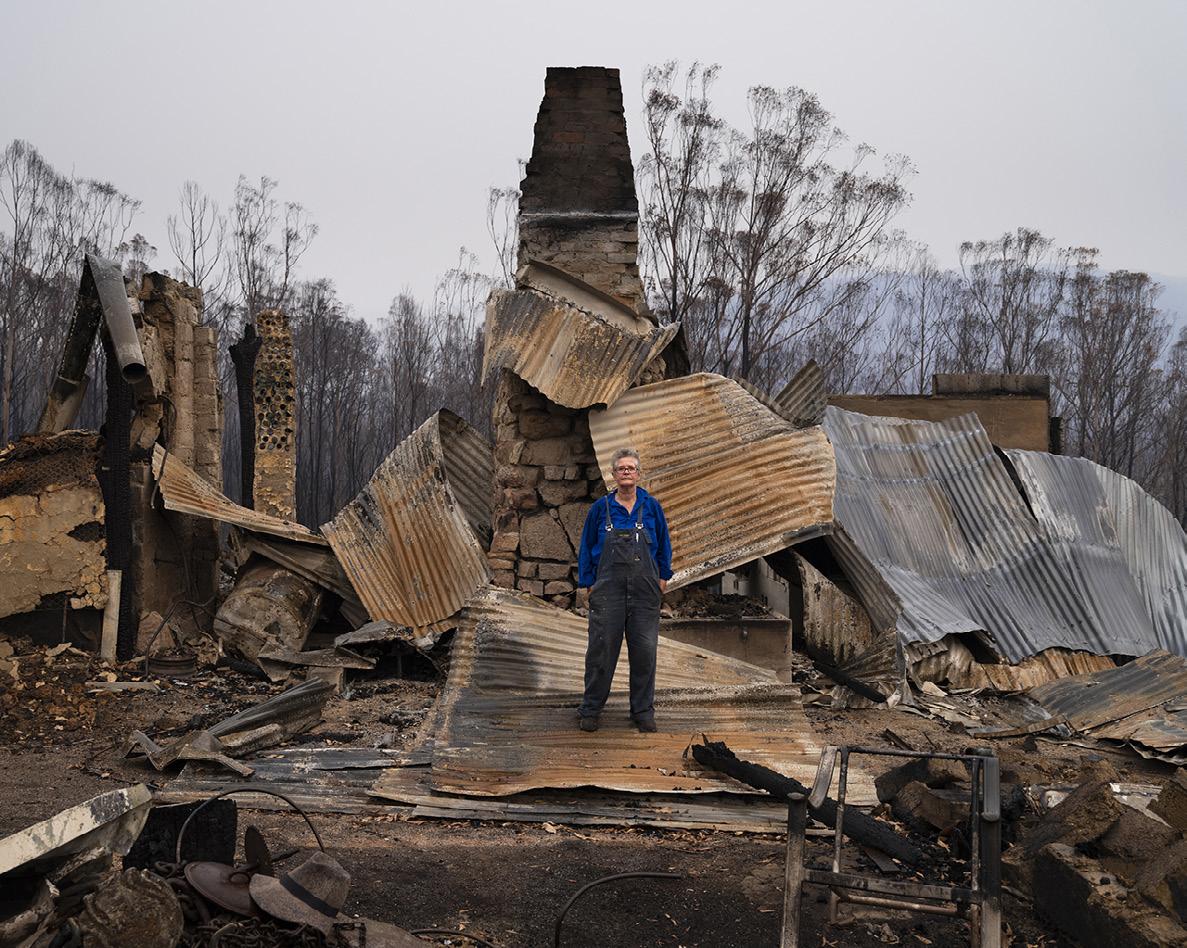
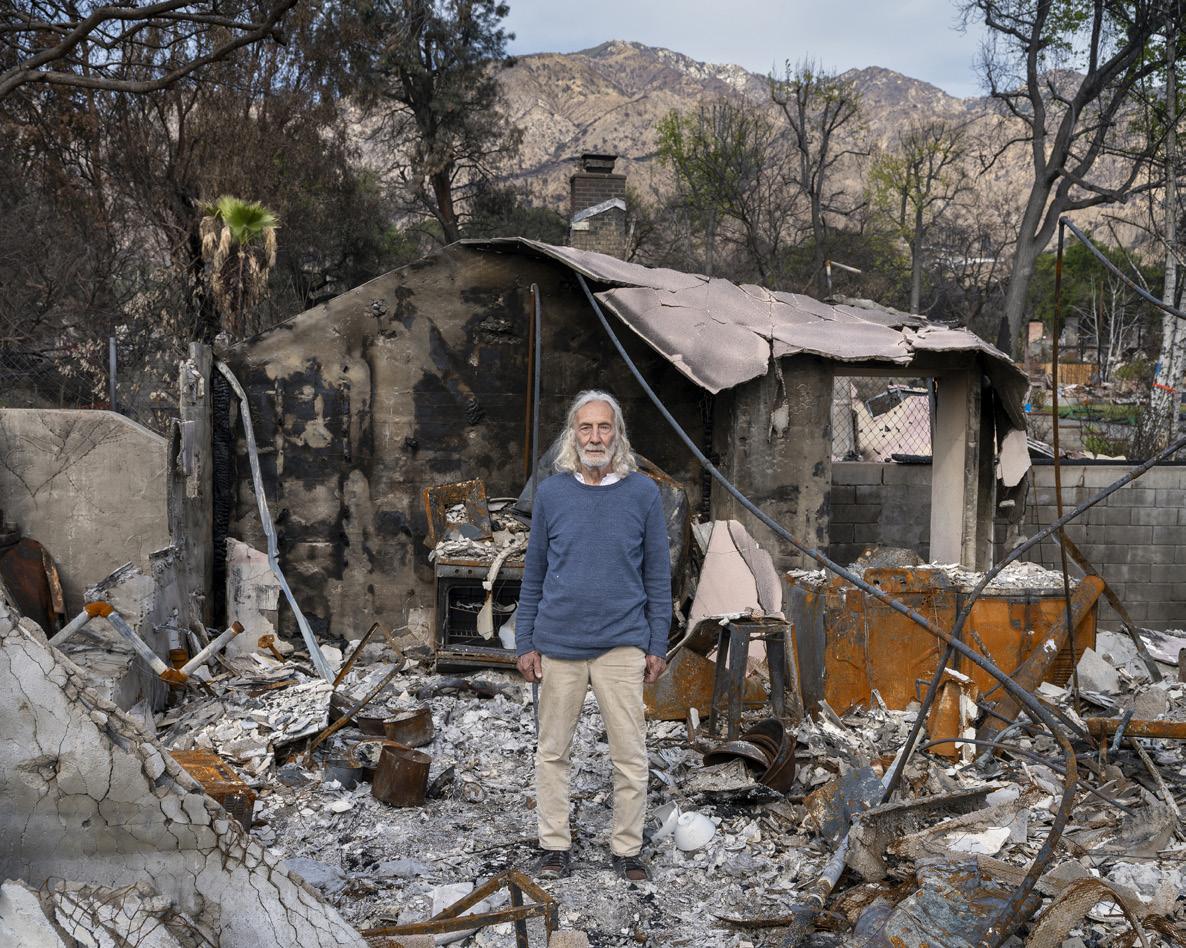
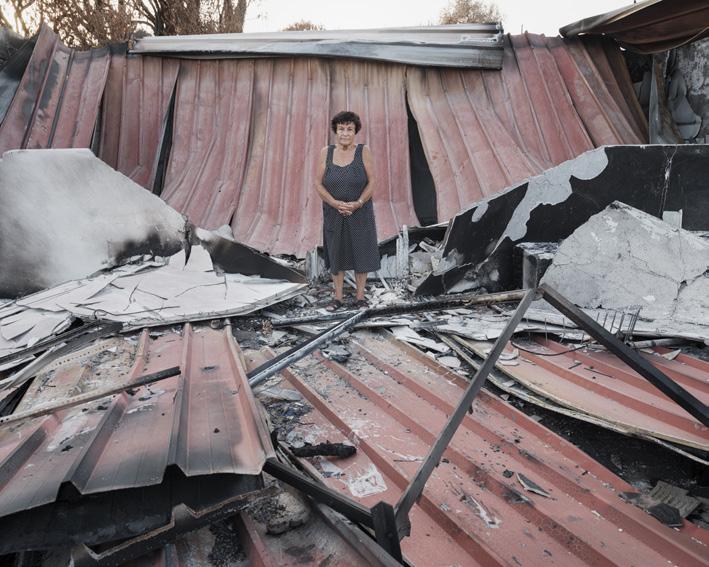
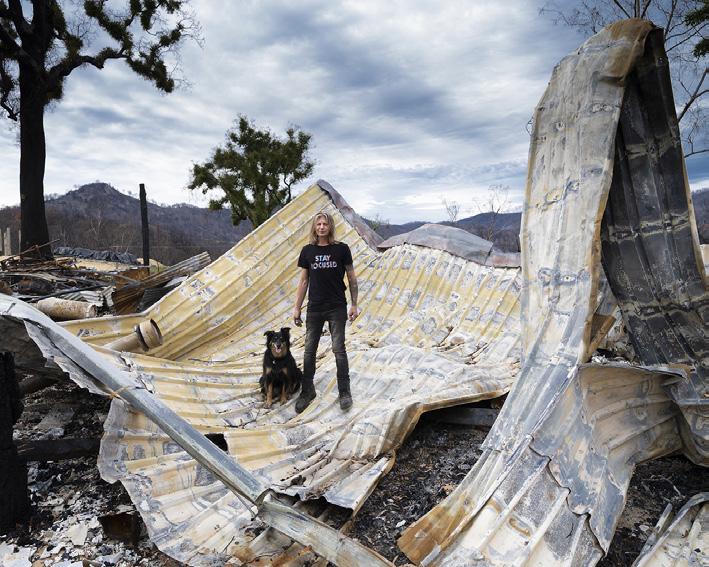
Coming back home for the first time, after a few nights, was awful. You always hold out that tiny bit of hope that, just maybe, there’s something. But it was all gone. I had a great workshop with tools that I had spent a lifetime gathering. I had a huge collection of paints and canvases, and I was working on a new body of work to exhibit. It was just devastating to lose that amount of hard work. All I could do was keen—it’s a really weird noise; I’d only made it once before in my life, but I keened.
There’s not a single person in the entire region that is not traumatised. I wish the people in power would listen; I wish they would stop using industries that are so bad for our environment.
I hope that the underlying anger, because of mismanagement from our leaders, does not overrule the kindness and compassion that people are showing. I don’t really know what my life lesson is: I’m just very glad to be alive and not maimed.
Jenni Bruce (New South Wales, Australia)
I came back for the first time in late January, came in a hazmat suit with a respirator, and kind of walked around the perimeter of my apartment.
As I was looking at the rubble, I saw just a single teacup from my grandmother sitting on top of the rubble, which was just incredible. I wasn’t expecting to find anything. I came back, of course, so hopeful that I would find things but, you know, just to see the teacup was so, so special to me, and the fact that it was like this kind of family heirloom for my grandmother was really wonderful as I kind of dug through the other remains of my apartment. I assumed that my cast iron pan would still be around, but it was melted— it had a hole in it—and so I kind of dug around hoping to find some jewellery in my apartment, but there really isn’t anything. We found some keys but, you know, they were fully burned, and there really wasn’t much of anything left.
I have some pieces of ceramics; a couple of intact teacups.
Alida Van Gelderen (Pacific Palisades, California)
Anthony. I’ve had fires get away on me in the early years. This was a monster; it was racing as fast as my van would go. And the noise sounded like a couple of freight trains. It was sucking air in from all directions. It was a fire-breathing dragon, spitting hot flames everywhere.
I haven’t been insured for twenty-five years. I’ve built what I had by scrounging. I don’t have one photo left to show my children what their grandmother looked like. I’m hoping my siblings might have some. I don’t have photos of my childhood or anything I’ve done as a teenager. It’s like I’ve never existed.
Fina. The little one seems okay, because he’s only six. But Christian is having issues. He gets very angry and then he’s anxious; he’s been really sad these last few weeks. We’re just hoping to be strong, emotionally. For the boys. They have got no one but us, so we need to show them that we are tough.
Fina & Anthony Montagner (New South Wales, Australia)
It was windy. From early in the morning throughout the morning. And although windy, these high winds are quite common, in fact increasingly common out here. That day they got up to over 100 miles an hour. We noticed the smoke around about noon to the south of us and just watched it advance to the north toward us. I took a ride through the neighbourhood here; I could see the homes just across the way engulfed and quickly shot back home and finished helping my wife fill up her car. I remained behind in the house continuing to pack and pull things together while returning to the windows or doors to check the status of what was going on. And increasingly, the smoke grew dense.
At one point I saw the fire engine come down and stop in front of the house right at the hydrant. One in front of our house and one further down the street a little ways; I thought perhaps they might make a stand, but I was very sceptical in light of the winds… These horrific winds that persisted. And they sat for, oh, just a couple of minutes or so. More so to assess what was coming our way. Eventually, they rolled out, I think, concluding that there’s no getting in front of it at this point. And at that last look, I could see just
two doors away, to the west of us and down the street, houses were in flame. Down the street, houses were falling down.
It was a pretty shambolic scene in my dark, smokefilled basement under the glow of a headlamp as I prepared to leave. I felt I was pushing it a bit and there came a point of “NOW!” as I had flames in the yard and heard toppling homes. I recall well the blast of hot air after throwing open the garage door. It felt like 90 on a 45 day. I had a collection of Nikon film cameras and boy, these cameras go back to the ‘60s with the Nikon F, which had both metered and plain prisms. The bulk of the collection was the F2s, with the F2 plain prism. I had an F2 titanium, F2AS, F2SB and the ultrarare Nikon F2H; the high speed that was made for the Olympics in the late ‘70s. It was the first camera to operate at ten frames per second.
So I lost a lot of the F2s, a couple of F3s and a couple of F4s. I also had an assortment of macro photography equipment; from extension rings and bellows through to adapters and reversing rings.
I acquired these items over many years. Sadly, I don’t think I’ll be reacquiring even a fraction of that gear. These manual cameras are built like a brick outhouse. Yeah, we’ll certainly miss those.
Terry Murphy (Louisville, Colorado)
When I first saw my home burning, I screamed like a wild animal. The volunteer fireman cried silently as he witnessed my reaction. We lost so many artworks, books; things of sentimental value.
I was just screaming. Our house was burning for two days. We made everything ourselves, with our hands. Now, I don’t know if we can make them again; we have neither the energy nor the money. Within two days, we lost two houses. It’s so hard. After that, we left and drove to Rhodes Town. We mourned so much but promised that we must go on. We drove away and saw fires everywhere. It was an Apocalypse… The burned environment around us does not help to overcome the disaster. I mourned for our houses, but the burnt land in front of our home in the village scared me the most. It will take over twenty years for the forest to rebirth; 135 thousand hectares of forest are lost.
It will take me a long time to get over the smell of fire.
Maria Petala (Rhodes, Greece)
When I looked out the back of my house and saw the whole hillside on fire, I decided that material things need to stay and I need to go. It was an amazing sight, impossible to explain. The intense heat made its own weather system, a fire tornado… It is almost unbelievable. We lost our town; it’s become an alien landscape. Climate change has always existed, but what man is doing now is making it worse, compounding the problem. It’s people’s lives that are in the balance, and it’s all because of huge companies that want to make more money. This is the result. I had no insurance, so everything is lost.
Right now, I am sleeping in my pickup at the local campsite, and winter is coming. I feel bad for people that lost more than I did. I came out with something to drive and clothes on my back.
John Hamar (Greenville, California)
I’m wearing my wedding dress; being a costume designer, I’d designed and made it myself and— in the five minutes that we’d had before we left— I’d grabbed it.
At around 3am I was trying to get out of the house, and I ran back in after I’d pulled my car out of the garage to get the dress, a bin of clothes that were from my family, and a precious costume that a dear friend of mine who passed away recently had left me… It was made for one of the shows I designed for. It’s not something I ever recommend anyone doing, and I knew that what I was doing was stupid. In the process, I’d got hot ash in my eyes. I just got in the car—hilariously, made sure the garage door was shut—and drove off. I had to keep my left eye shut as I drove; it continued to burn, and I’m very lucky I have my vision...
We had heard from others during previous fires that, when people had to evacuate, that they were getting lost. With this in mind, we said to each other that we’d meet. There’s a Target in La Cañada that has a rooftop parking garage, and
so I knew that would be open and we would be safe there. I said, “Let’s just go there and if you get turned around or lost any one of us— we’ll wait for each other there and figure out what we’re going to do next.” I hadn’t thought about the fact that, because it’s a rooftop garage, you could see the fire coming deep down into Altadena from that vantage point.
Jennifer May Nickel (Altadena, California)
He was born in 1960, my husband; his family moved here in the ’60s. His mum and dad and six children.
In the last twenty years I’ve lived here, we put an addition on; he worked so hard to fix up our house. He’d done a beautiful yard and fenced the whole thing in. He was always taking such good care of his animals… Then he built himself a big shop because he liked to fix up old cars. Beautiful shop. My husband passed away two years ago. Had twenty cars in the yard; fifteen snow mobiles too. None of that survived except for one truck, close to the road, and a couple of cars off to the side. I feel so sad because I was always saying I should do something with his cars, I should sell his cars, but I never got around to it. Didn’t have a heart to do it.
When I first moved here twenty years ago, when there were fires nearby, he’d say—because we’re so close to the creek, how fire often travels along the water and there are so many trees here—if there was a really bad forest fire here we probably wouldn’t stand a chance. The fire would just follow the creek, and we’d be done.
Two months ago, my son and his then-girlfriend moved from Vancouver to live with me in the house. He wanted to cut down some trees in the yard and I said, “Doesn’t matter If there was a forest fire here there’d be nothing left.” That ended up being true. But the shed that’s sitting in the middle of the yard? The fire literally danced around it. My late husband’s father built it in the ’60s. It has a cedar shake roof. Logs for posts. Half of it is gone. Everything is destroyed except the shed, Ed’s shed.
Being black, you learn to go numb because you deal with so much tragedy and so much pain. And I think anybody—and I think this goes for all races, but I’m just saying—especially when you’re facing so much trauma, there’s a numbness that is needed to protect yourself, so you don’t fall apart.
If you don’t learn to go numb, you wouldn’t be able to handle the devastation, because this type of devastation is unimaginable, unthinkable, and when you wake up every day to this reality, it’s a pain. A security of loss that is like no other, because it’s not just a loss for you. When you figure out, “Oh, I lost my home and it’s terrible and I’m hurt,” but when you know all your friends, all your cousins, all your people, your neighbours— everybody that you love and care about—they’ve all lost the same thing at the same time. There’s a security only in what’s gone, especially when you’re so tied to the land.
Calvin Zaire
Everything was flat on the ground. It’s just not something you can fathom, after twenty-four years of living somewhere; in the blink of an eye, it can be gone. It broke my heart. I am dealing with this slowly, day by day. I have come back many times since the fire and—with the Rotary Society—we have been collecting money and giving it out to those most in need. Over 400 homes were destroyed here. Because I’d lost my home, it’s easier to help other people who have as well; I can really understand the experience. We have something in common.

A rosary is like a clock if you want it to be, and each person should determine how many beads they want on their rosary. They should have their own prayer, their own chant, and a commitment to voicing it every day. The morning of September 7 or September 8, maybe it was started on September 7—right in the afternoon—at five o’clock in the morning, I jumped up in my truck, and everything was still burning. I drove here— although there were signs, you know, to halt the traffic—and as I drove I did a lot of damage to my truck. Power lines were down, and I was just pushing through them. I wanted to see if my house survived my gallery or not, and it hadn’t. But I was spared from reacting to my own loss; I was reacting to the whole thing. My loss was just this little thing in the midst of some greater thing. I just thought, “Wow, Altadena was perfect for me and a lot of people and it’s gone.” You can’t put it back together, you know. It’s gone.
Almadeus Star Gioeli (Altadena, California)
Seeing this big red glow, I was ready to go to bed when I heard this noise. I ran out and screamed at my neighbour. The sky was all turning orange.
The roar was so bad, it was deafening. It was coming over the hill, and it was throwing out these big fireballs. Probably fifty meters ahead, dozens of fireballs and one hit the house and it exploded and we were inside and I was just sitting in there and we ran out and you couldn’t breathe. It was flying real high up, real hot. I don’t know how we survived it, I really don’t. I’ve been through a lot of fires, and I’ve never been through one like that, not in all my life. That was really a fire I thought that was the end of the world coming. It wasn’t just a fire running along the ground, it was exploding. Balls of fire. You couldn’t put them out because we had a drought and there was no water.
Schaefer (New South Wales, Australia)
that survived that were really recognisable were the ceramics—they’d been fired once already, and so they outlasted the blaze—but anything that was glass or metal, certainly anything organic, was incinerated. Burned down to dust, to ash. That was hard. We did lose some really important family mementos. You know, my mother had kept a diary the entire time she was carrying me, and really it was the most precious thing I’d owned. This beautifully written diary, 300 pages, now long gone. Thank God I’d had the instinct to have it transcribed around two years ago. I have what she wrote, not the original, but I have a record of it… I knew I couldn’t let anything happen to this original manuscript and thank God I now have the transcription. Yeah, that one hurt. You know, I lost my mother when I was 10 years old, and so every little piece of her is sacred to me.
Raymundo Baltazar (Altadena, California)
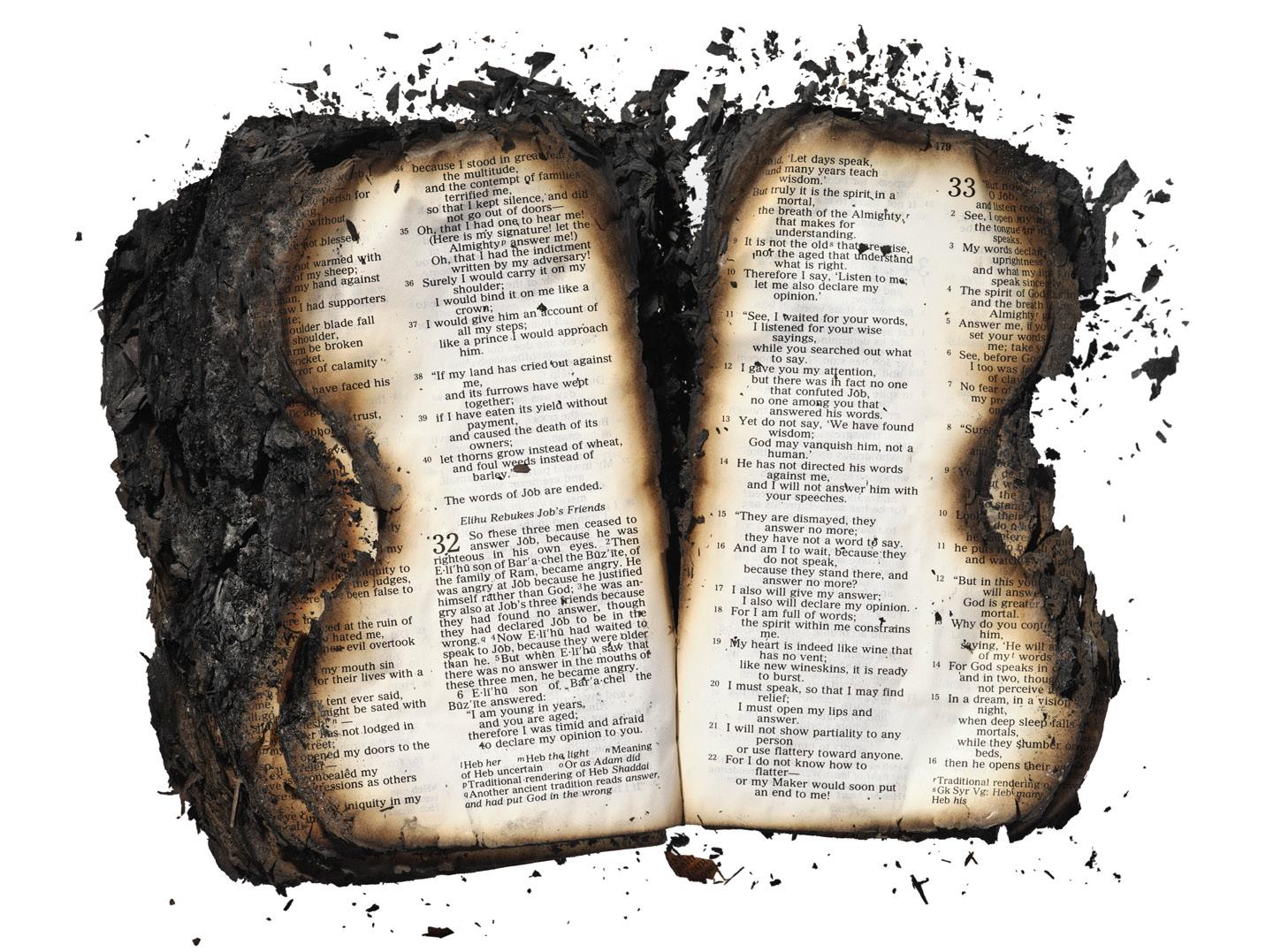
As chance would have it, the Bible we’d found in the wreckage—that you’d photographed— was open at Job, 32:1. The Book of Job speaks powerfully to those who have survived the devastating loss of their homes, houses of worship, and towns in the Los Angeles fires of 2025. It is one of the Bible’s most honest and unflinching explorations of suffering, and it invites readers into the terrible and complex terrain of grief, faith, and resilience. Job’s experience—the sudden, inexplicable loss of everything he cherished—echoes with a painful familiarity for those walking through the ashes of what once was.
The Book of Job tells the story of a man who, “blameless and upright,” suffers catastrophically: he loses his wealth, his family, and even his health. He does not suffer because of wrongdoing on his part, and this is key: his story dismantles simplistic ideas of divine retribution and rewards. This makes the book especially relevant in times of disaster when victims may feel tempted to ask, “Why me? ” Job reminds us that suffering is not always a punishment, and that faithful people, too, experience unearned devastation.
My husband and I, we had thought that some of our things would survive the fire, and there were certain items that we had looked for, but one of the things I’ve learned about fire is that it shows no mercy; it spares very little. The only things
In the wake of the LA fires, where entire towns were reduced to ash and rubble, Job gives voice to the cry of the broken-hearted. He does not shy away from expressing anguish, confusion,

and anger—emotions many survivors wrestle with. Yet Job’s refusal to give up on a relationship with God, even when God feels silent, is a form of fierce spiritual resistance. Job continues to speak, to question, and to seek meaning. Perhaps most profoundly though, the Book of Job does not offer us neat answers. When God finally responds, it is not with explanations, but with a series of questions that place Job’s suffering in the context of the vast and mysterious creation. And ultimately, God’s message is not one of indifference, but of presence—assuring us that, even in suffering, Job is seen, heard, and not alone—as we are also seen and are not alone.
For those who have lost their homes and towns, this may be the most essential and needed comfort: that our God is still present in the whirlwind of life, and in all our ashes new life can and will one day emerge.
The Book of Job does not minimize pain, but it does not let despair have the final word either.
In a time when so much is lost, Job offers a kindred spirit—and the hope that grief, when walked with honesty and deep faith, can also be a place where God meets us in the profound and unexpected ways.
Rev Grace Park (Pacific Palisades Presbyterian Church, Los Angeles)
I lived in this house for twenty-five years. I would wake up to the view of the sea. Now, after the fires, every morning I face a wall. From the first moment, my family assured me that after the end of the tourist season they would help me rebuild my house. I have to be patient, but it’s not easy. I still can’t get over my emotions from the whole debacle. But I’m trying to be optimistic. Walking through my burned yard, it’s strange to see my lemon tree, which didn’t bloom for so many years.
Now, after the disaster, it’s already blooming.
Mary Laoudikou (Rhodes, Greece)
So, the sun goes down and, as soon as the sun goes down, it starts to get way scarier, because you just see this glow on the horizon, and it’s just a glow that you’ll never forget, and you realise that this thing is coming your way in getting closer and brighter.
Mike Bishop (Malibu, California)
Buddhism teaches us that we can change any worst situation; there is a term, “poison into medicine.” With this practice, we can change that worst situation into a positive situation, and I’m already feeling that family unity; I feel like we are uniting more than ever, and I feel that the key is staying strong. Buddhism also teaches us that the heart is the most important thing, more than the body and material. We lost some materials, but we have body and then—most importantly—we have a heart.
The Kamata Family (Superior,
We started to come down our road, and it was on fire. There were trees over the road; there were trees burning. When we got down our driveway what we saw was absolutely like a bombsite, and there was absolutely nothing left. Not a piece of green on a hundred-acre property... It had taken twenty years of work to set up this cultural education place. Living in an environment with our animals and birds, we lived with nature, we taught about nature; about how aboriginal people have been living in this country for over a hundred thousand years, and how we grew up. When we came back, after the fires, there were just black tree trunks left. Most of the trees had no leaves, there was nothing green at all. Not a blade of grass, not a twig, just grey ash.
It’s just as tough driving into town today as it was driving out of it when the fire was burning. We used to have a town surrounded by trees. Now we have trees, but they are burnt to nothing. Soon they will all be cut down and it will be a barren landscape. My home survived, but my father’s burnt down, and I know tonnes of people here who lost almost everything. This was a man-made disaster. We created the perfect environment for these fires to happen, through forest management, prevented logging and a shift in how we fight [them]. Now fighting fire has become a business.
nothing to do with climate change. They’ve always had fires; they’ve had worse fires than this.
Kathleen Fleming (Boulder, Colorado)
We didn’t even have a lock on the door, so we couldn’t get insurance. That is not unusual here.
California)
What I thought was a prolonged sunset was the fire behind one of the mountains. Later I went to have a look, and about half of that mountain was on fire. I was watching the mountains which surround me swell with fire. There were 250-foot flames, and they were throwing car-sized fireballs down the valley towards me. I called up my family to say I love them without entering into why I was doing so.
There’s loss, but we can replace things. What we’ve done to Australia in the years that we’ve been here, us white-fellas, we’ve got to learn— we’ve done too much damage and mother nature’s hitting back.
Pam Sweeney
(New South Wales, Australia)
My husband has a PhD in meteorology. He’s a scientist and he’s always worked in research. And he is now writing a book. It has to do with global warming and the fact that it has nothing to do with man and what he’s doing. It has to do with the sun and the different things that happen to cause the change in weather. He’s been saving things and having them in files for years and years and years. He’s now eighty-two; he has been doing this all of his life and knows a tremendous amount about it. He is so concerned about what’s happening right now, where there’s so much emphasis that he just has felt, he has to get this book out. And in fact, the time is coming very, very soon—it is already started, where the Earth is now starting to cool, again. We’re going back into a cool period, and how cold it’ll get we won’t know. So that’s more what we’re going to have to worry about right now, than global warming. But he absolutely—beyond a question of a doubt—knows that the fires have
Fire is complete. It is total. I recall the edges and the rim of the house; they were still burning. My son’s car was still sitting there… Miss Valerie’s house is burning. We just we parked here in the street, and it was just like, wow. You know, that’s pretty much the timeline; the feeling that night, that eerie day, that eerie night, the feeling… The wind and the fire. Okay, wind is always a little scary. You never know if a tree is going to come down or the power is going to go out. You never know what’s going to happen. But we never imagined, not once, that the fire was going to jump and make it all the way down here to our house, and we had no indication or clue what was going on. You know, in hindsight—of course—there’s a lot of different ways that maybe we would have known… We could have known as there were other folks who did; who were able to grab their things of value—who understood, you know—especially those who were way up in the mountains. But for us, it was just… It was almost an exercise in simply just getting out of the smoke; getting away from the danger zone. But there was no sense that your house is going to be incinerated, you know? So that was the 7th through the 8th. In fact, I want to say the 7th. I want to say that was my son’s first game of the season, his first game of the season—this basketball season— and his senior year of his actual League season.
So anyway, yeah, that’s what we saw.
I came home and I saw the lemon trees still standing.
Staci Mitchell (Altadena, California)
As priests, we have a special bond with the unique icons that are venerated in a church, so this loss is devastating to us. This church was built in 1900, and the walls were decorated with classic samples of plaster iconostasis. It was a special church for Northern Evia, and this is a huge loss for our cultural heritage.
The fire entered from the roof and the beautiful interior was destroyed. The catastrophe is spectacular every time I see it. We are still searching the ruins for sacred objects that may have survived.
A few days ago, we found a set of ancient holy spoons of divine communion wrapped in aluminium foil that miraculously were undamaged. Finding a few objects like this and seeing parts of some our murals, despite the damage, gives me hope. The large-scale fires were of course a consequence of climate change. I have no memory of the island ever being so hot and dry. However, all of us in the village believe that these fires were started deliberately. How is it possible to burn so many places in the country at the same time? It makes me sad that people can reach such a point. Fortunately, there were no human losses on our island, but we have immense devastation. Many properties were lost, but perhaps worse is the loss of the forest as we on the island are deeply connected to it. Recovery will take many years, even generations. Human intervention has had a profoundly negative impact on our environment and climate. This is easy for anyone to notice if they observe the changes in the seasons.
Father Ioannis
Siaflekis (Agion Taxiarchon Church, Evia Greece)
We moved here from Athens to set up a business, the Forest Village Resort. People came to our resort to hike, mountaineer, and relax. We had only been running for nine months and were doing well; we were fully booked for August. The fires were burning for three days before they reached us. We saw it gradually approaching. That day we were fully booked. Most of the families had left the place by midday, except for five families that stayed till that night.
At 11pm, after the call from the state for evacuation, we left with the rest of the families. Although we do have many firefighting facilities here such as water tanks and pumps, when they give you an evacuation order; it is difficult to refuse and be left alone to defend twenty-five acres of forest. We went to the central square of the nearby Pappádhes village where people were coming together. At 2am, the fire was around the village and we had to evacuate. We hope that our buildings and facilities will be rebuilt but the forest and the natural landscape will not be the same. It will take more than twenty years to regrow and even then; it won’t be in its original. condition. Here we run a Forest Village so without the forest I don’t know how it can work. I think the young will be forced to abandon their villages and move to cities just to survive.
I moved to Canada when I was sixteen years old and, by the age of twenty-three, I had three kids. I worked hard in Canada, but I always wanted to return to my village, Asklipio, especially Kiotari, where I spent my childhood summers. I came back twenty-five years ago, and I built my life here again. I built this summerhouse with my own hands, on land that is part of my family heritage. Losing a home is massive. I am probably not going to rebuild the house. It is hard for someone to experience the consequences of climate change at my age.
Shelter is the thing that it seems to be impossible to get. And it’s hard to do things without shelter. When the place you worked burned down, your home burned down, it’s kind of hard to just make money. I really don’t think that this fire was just nature. I mean, did man do that?
There’s been fires throughout the years, but these fires were crazy. You often think that maybe the world is coming to an end or something. Now, you don’t know where to go. It’s like walking in a circle not knowing where to go; it’s like walking in a room, pitch black, that you’ve never been in before and trying to find your way out.
When we finally got cell phone service, we saw on YouTube the news reports and stuff. I hadn’t seen my house yet, but then I saw a news report with my house on it. I still couldn’t believe it until we came back, and the roads opened for Greenville. Coming into town everything looked so small. It was so hard to tell which streets were which, which buildings where which buildings; everything was so small. We could see across the town, when I first came in I worked at the bar. That building is so old, but it was now unrecognisable, you know. I’ve been mostly camping since; a motel room is unthinkable. We have been living without running water. Other than the sixteen days we had in a motel, we have camped. People, the community have been really helpful. Especially those that survived the fire, they’ve brought us stuff… It’s been hard because we have been living outside, you can’t have anything that lasts, and you forget about stoves and heaters and a warm shower. A warm shower would be nice; it would be nice to sleep in a regular bed. We have had bears in our camp. Every day for about two weeks straight there were bears. A bear just destroyed our camp.
Apparently we didn’t have enough water to fight the fire.
Anna Cunningham (Greenville, California)
Old Town Superior, where we lost our other two homes: my mother’s home and our tenants’, that town was literally the last untouched gem of Boulder County, and now it’s gone. That’s over 100 years, 150 years of history that has been completely wiped out… I really, really hope that it doesn’t get forgotten. There’s nothing left to show of Old Town Superior. You have all these other towns like Old Town Louisville, Old Town Lafayette, that have been remodelled or updated, but Old Town Superior was such a gem. And I really, really hope that these big developers don’t come in there and just build on top of something that was so beautiful, and so precious, and meant so much to Boulder County.
This was not meant to happen. Circumstances were such that it did but, no, this cannot happen again. There’s no way. That perfect storm. It was just the way things happened. I would never, ever expect anything like this. The floods? Yes. A big blizzard? Yes. A fire like this? No. Never. I definitely, definitely believe climate change had a lot to do with this. It’s Mother Nature’s way of saying, “Hey I’m sick of you. And this is what you’re gonna get because this is what you did.” And yeah, we did this. I mean, it shouldn’t have been that dry. I get it, we’ve always been in a drought, but there should have been snow. But there wasn’t. Yes, the day after, but it should have never happened. Climate control, climate change, definitely, definitely played a role in this. Even if it was a downed power line, for example, that’s human error. Like we did this. Are we going to learn from it? No. Never. We’re not capable of that, I don’t think. But yeah, climate change 100%.
Gurjeet Dhanoa (Old Town Superior, Colorado)
Acknowledgments
During the nineteen years of this work, have had amazing support from so many; the local fixers and producers who worked with me —the assistants and collaborators back in London who helped me process my images and ideas — the individuals and organisations who helped fund my trips and exhibitions and the many amazing people who welcomed me into their lives, at a moment of great trauma, to take these photographs. (Gideon Mendel, 2026)
Art direction & Book Design Ramon Pez Studio Text Editor Dominic Jaeckle
In the Field
Flood: Muhammad Azmat Qazi (Pakistan, 2010), Namfon Cutter (Thailand, 2011), Ratmas Ebiarohron (Nigeria, 2012), Torkey Dauseye (Nigeria, 2012), Rupert Schneider (Germany, 2013), Gowhar Fazili (India, 2014), Ravi Mishra (India, 2014), Joe Huilbert (UK, 2014), Ricardo Funari (Brazil, 2015), Mark Pointer (USA, 2015, 2017 & 2018), Spencer Young (USA, 2017), Laurens Nijzink (Bangladesh, 2015), Peggy Corlin (France, 2016), Jonathan Pierredon (France, 2018), Hassan Bin Talha Quraishi (Pakistan, 2022), Tife Owalabi (Nigeria, 2022), Shiphrah Timbiri (Nigeria, 2022), Anna Ortega (Brazil, 2024), Rico Ibarra (Philippines, 2025), Veejay Villafranca (Philippines, 2025).
Fire: Federica Armstrong (California, 2018 & 2021), Anette Widitz (Australia, 2020), Andriana Theochari (Greece, 2021, 2022 & 2023), Joanna Pinneo (California, 2021), Michelle Gamage (Canada, 2021), Taylor Neumann (Colorado, 2022), Marije terEllen (Colorado, 2022), Katja Kulenjampff (California, 2025), Isadora Carley Gere (California, 2025).
The fragments of dialogue as featured across both the Flood and Fire portfolios are excerpted from an extensive number of field interviews conducted by Mendel and local collaborators over the course of his research and travel to crisis areas between 2007 and 2026.
Organisations & Publications Gratitude to the Guardian, which has published this work on many occasions over the years.
National Geographic (2015, 2020 & 2025), Action Aid (India, 2007; Haiti, 2008; & Pakistan, 2010), The Harbers Family Foundation (The Philippines, 2013), Oxfam Netherlands (Bangladesh, 2015), Passion Pictures (Brazil, 2015 & USA, 2018), The Pollock Krasner Foundation (India, 2014; UK, 2014; & USA, 2015), UN Office For the Coordination of Humanitarian Affairs (Pakistan, 2022 & Nigeria, 2022), The Center For Contemporary Documentation (California, 2025), AGOG: The Immersive Media Institute (The Philippines, 2025), Axis Gallery (Sacramento, California), ARTCO Gallery (Berlin, Germany), Greenpeace UK, Extinction Rebellion.
Individuals Martin Barnes, Linda Bernardt, Meli Berney, Kristian Buus, Charlotte Cans, Christian Caujolle, Daphne Chrystellis, Stephen Davies, Kate Edwards, Gareth Evans, Christine Eyene, Alice Gabriner, Lara Garcia, David Gere, Rima Horton, Holly Hughes, Von Kemedi, Mike Kemp, Joanna Lehan, Alice Mann, Karen Mcquaid, Maria Quigley, Alan Rickman, Mark Sealy, Fiona Shields, Stu Smith, Juan Soto, Lyndall Stein, Lexi Stones, Marije terEllen, Laurence Watts, Indra Wussow.