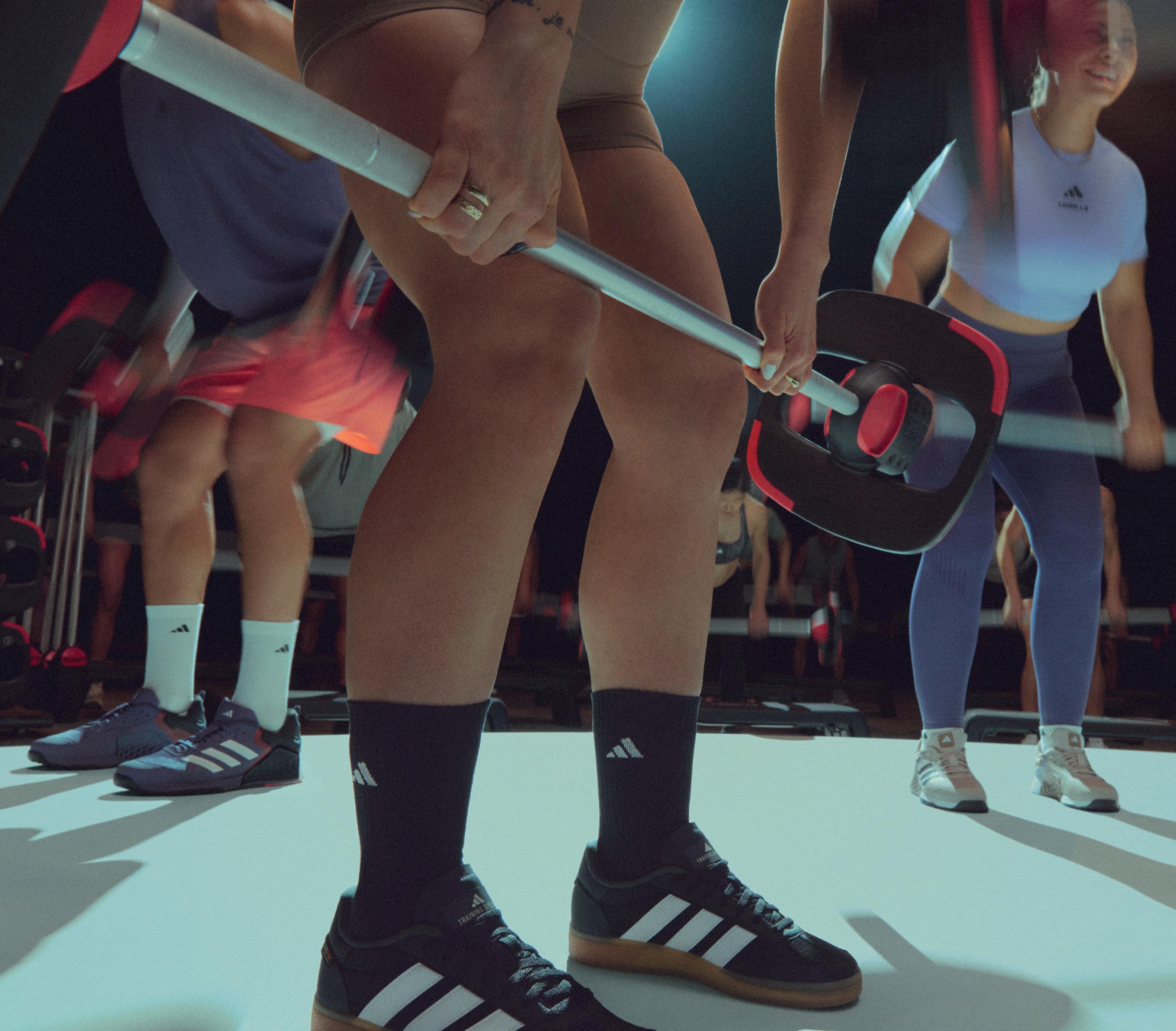
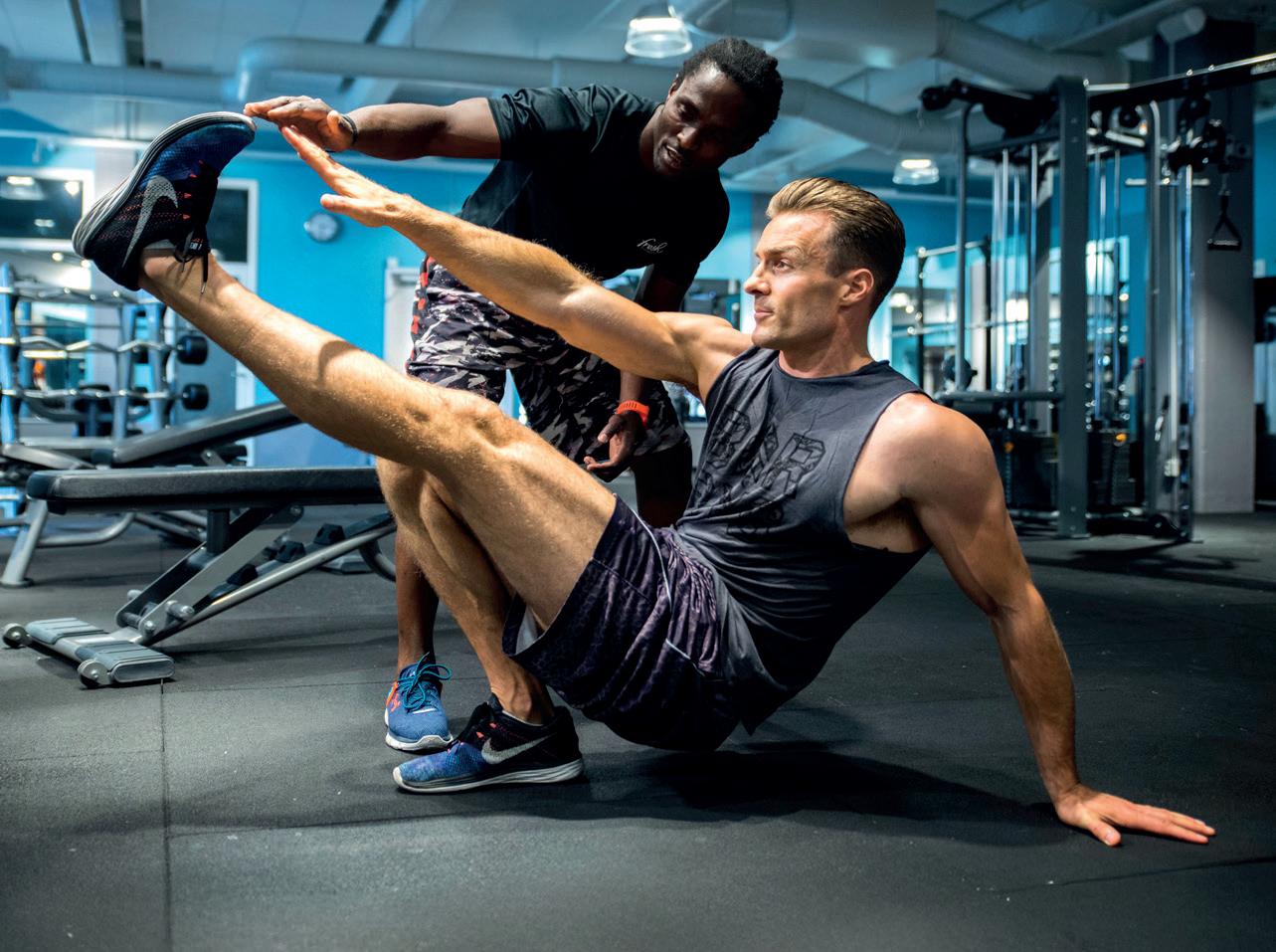
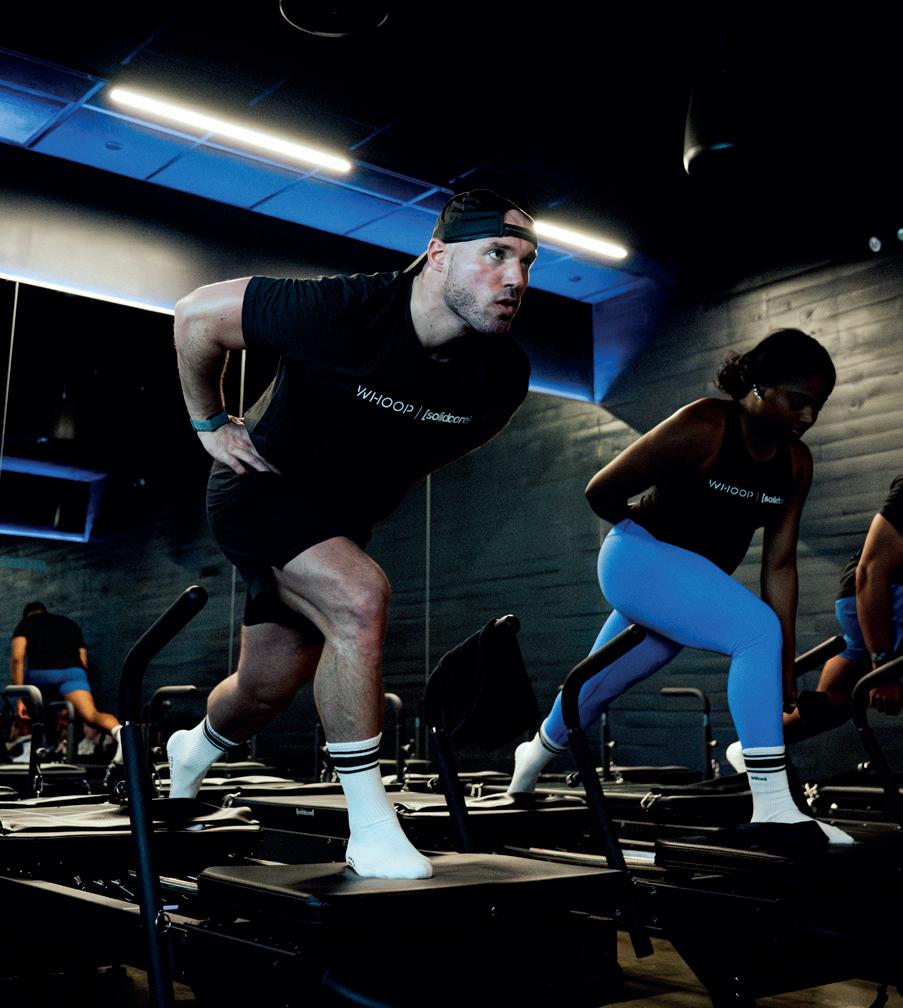
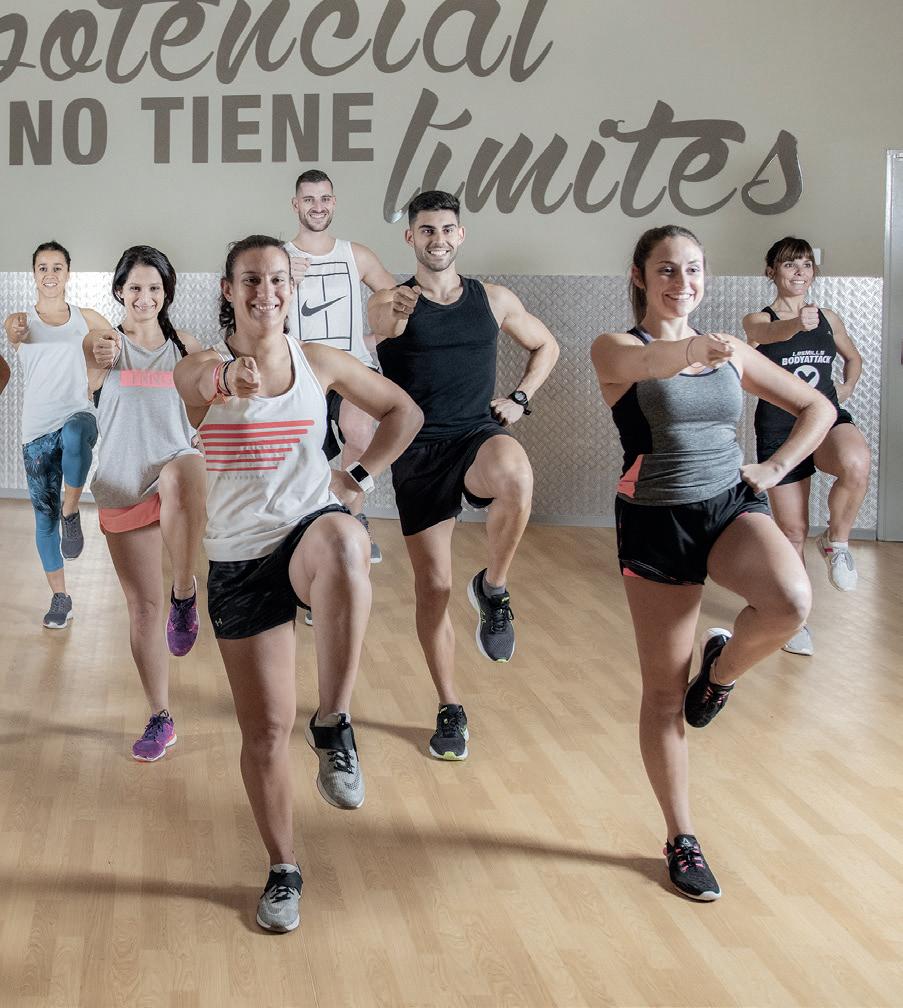
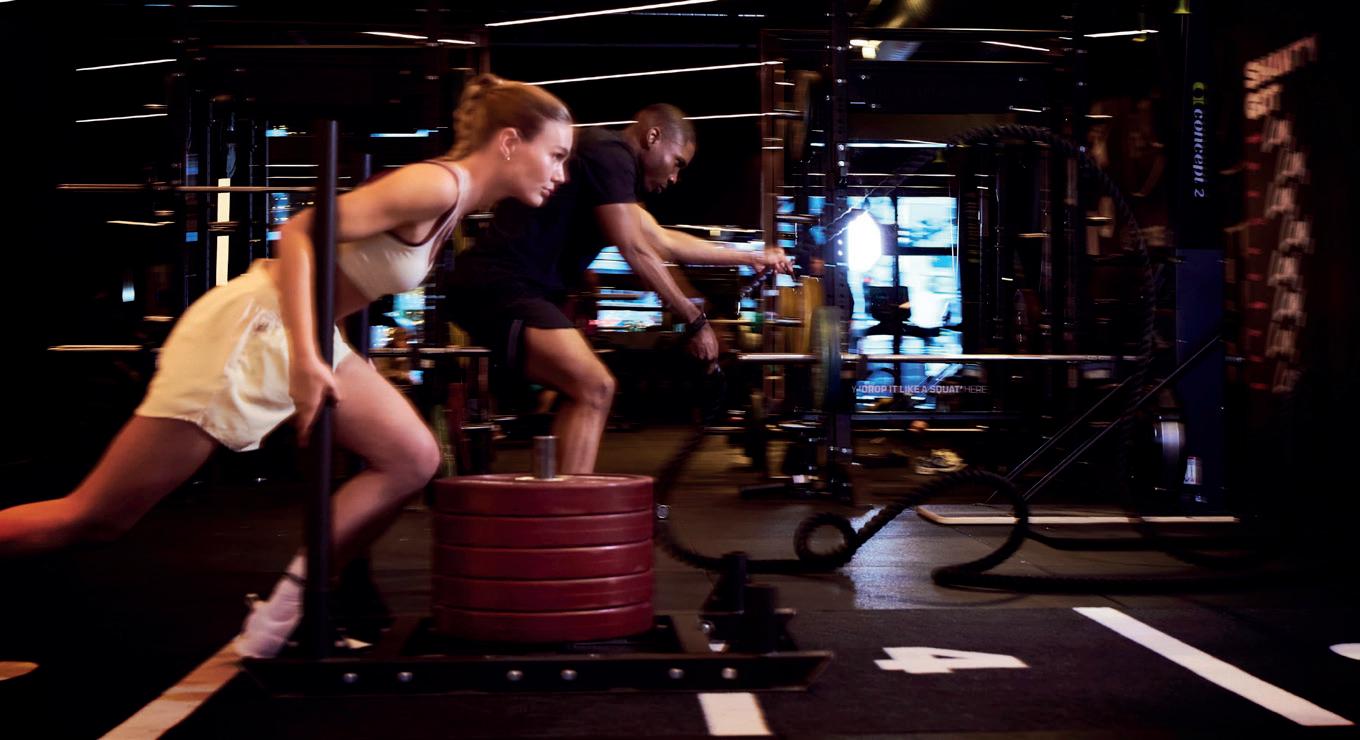
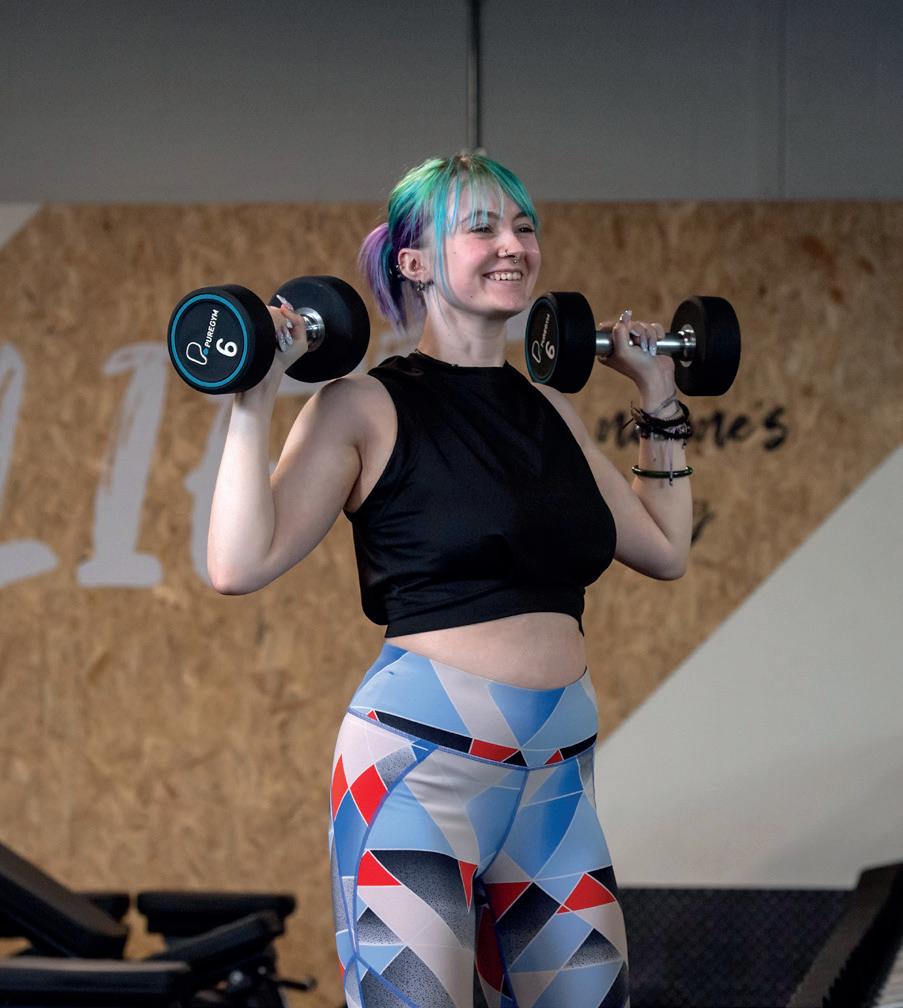
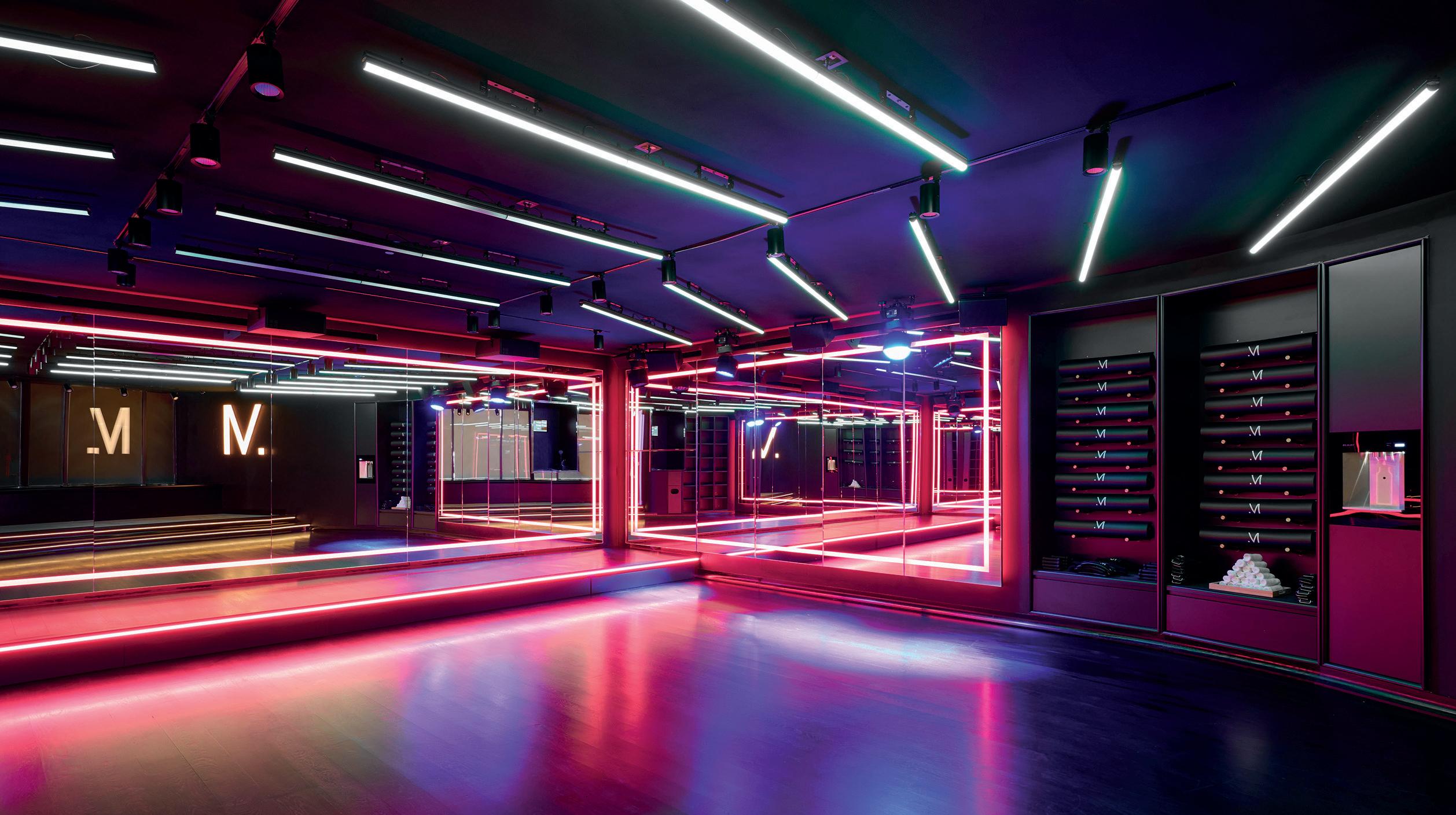
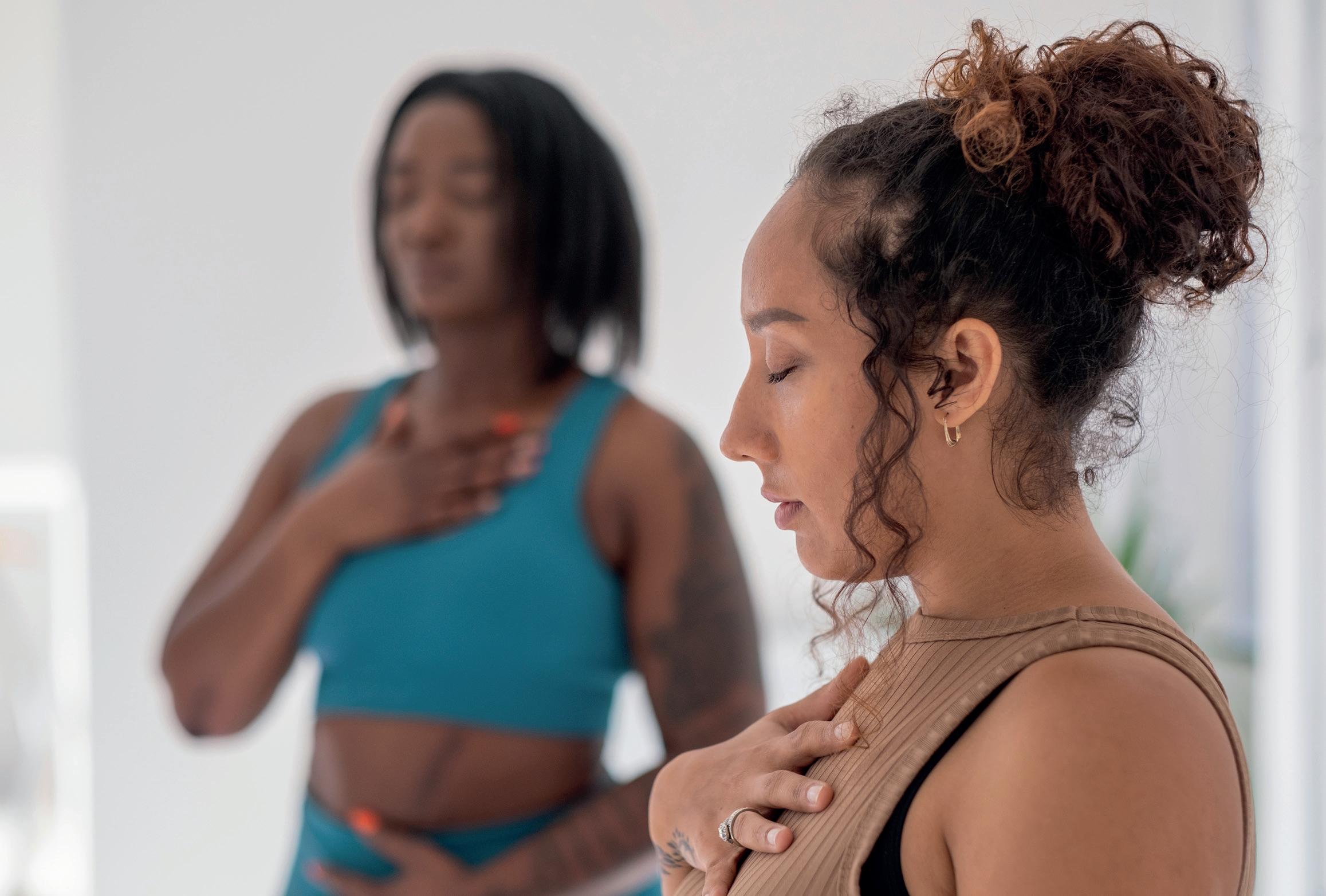
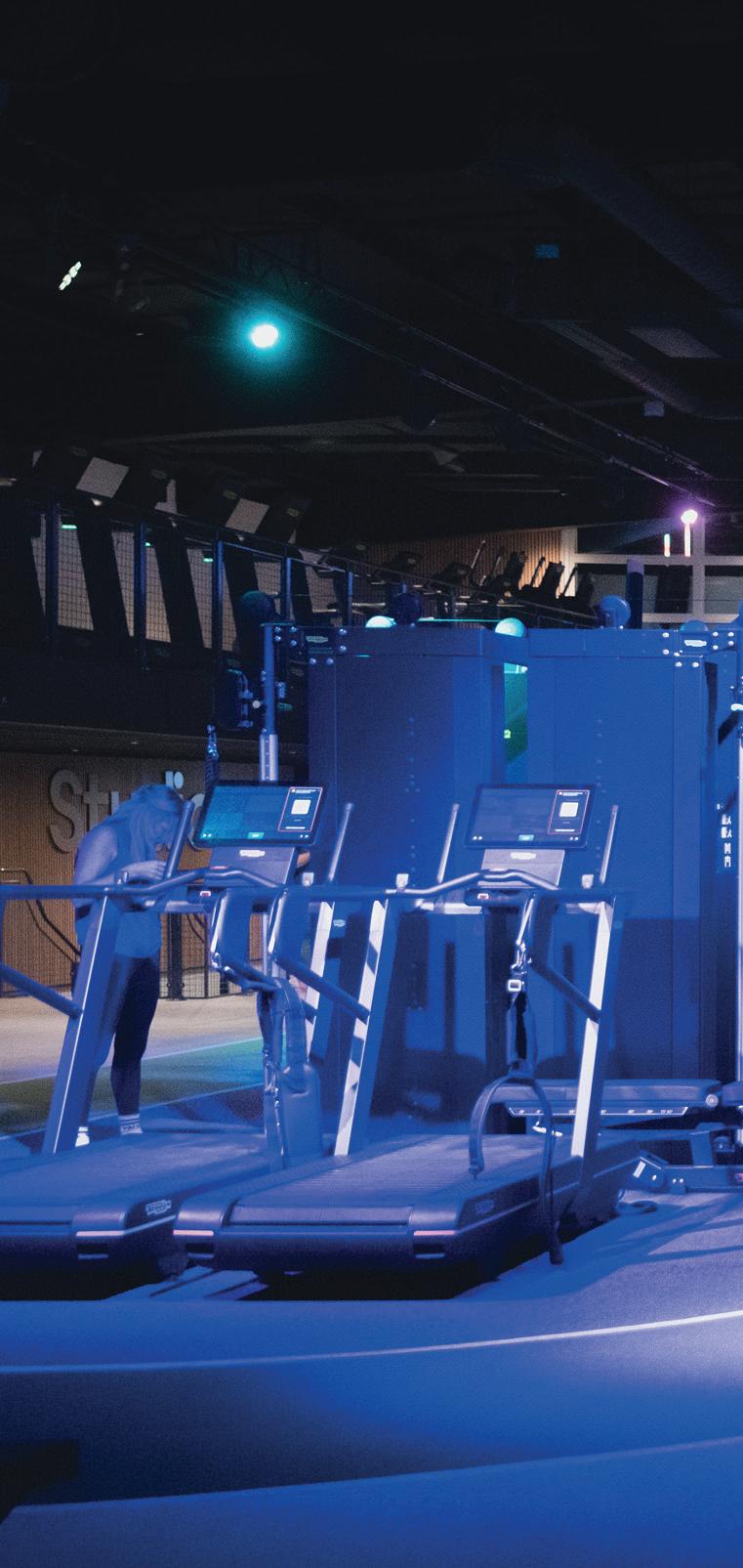
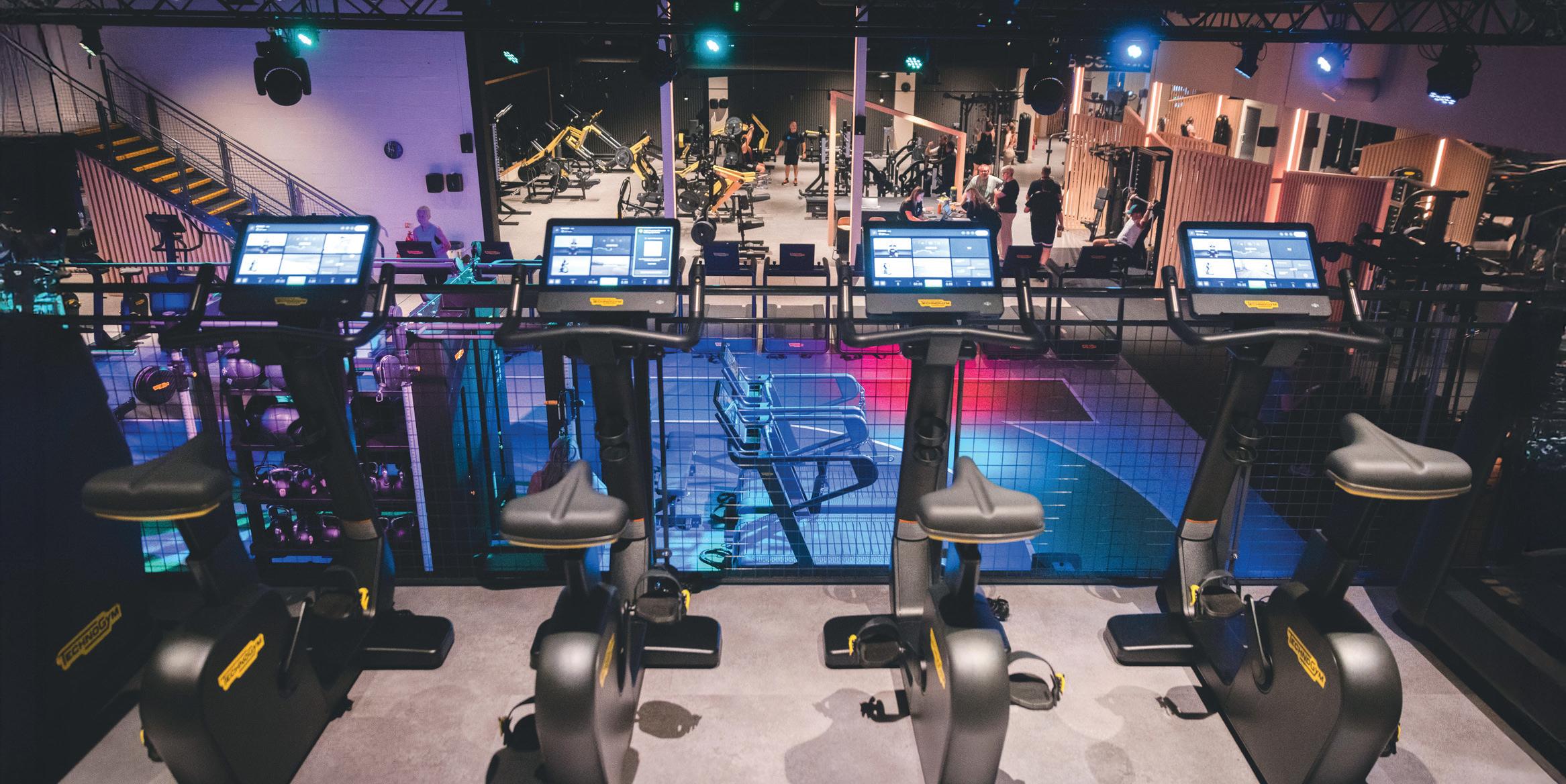
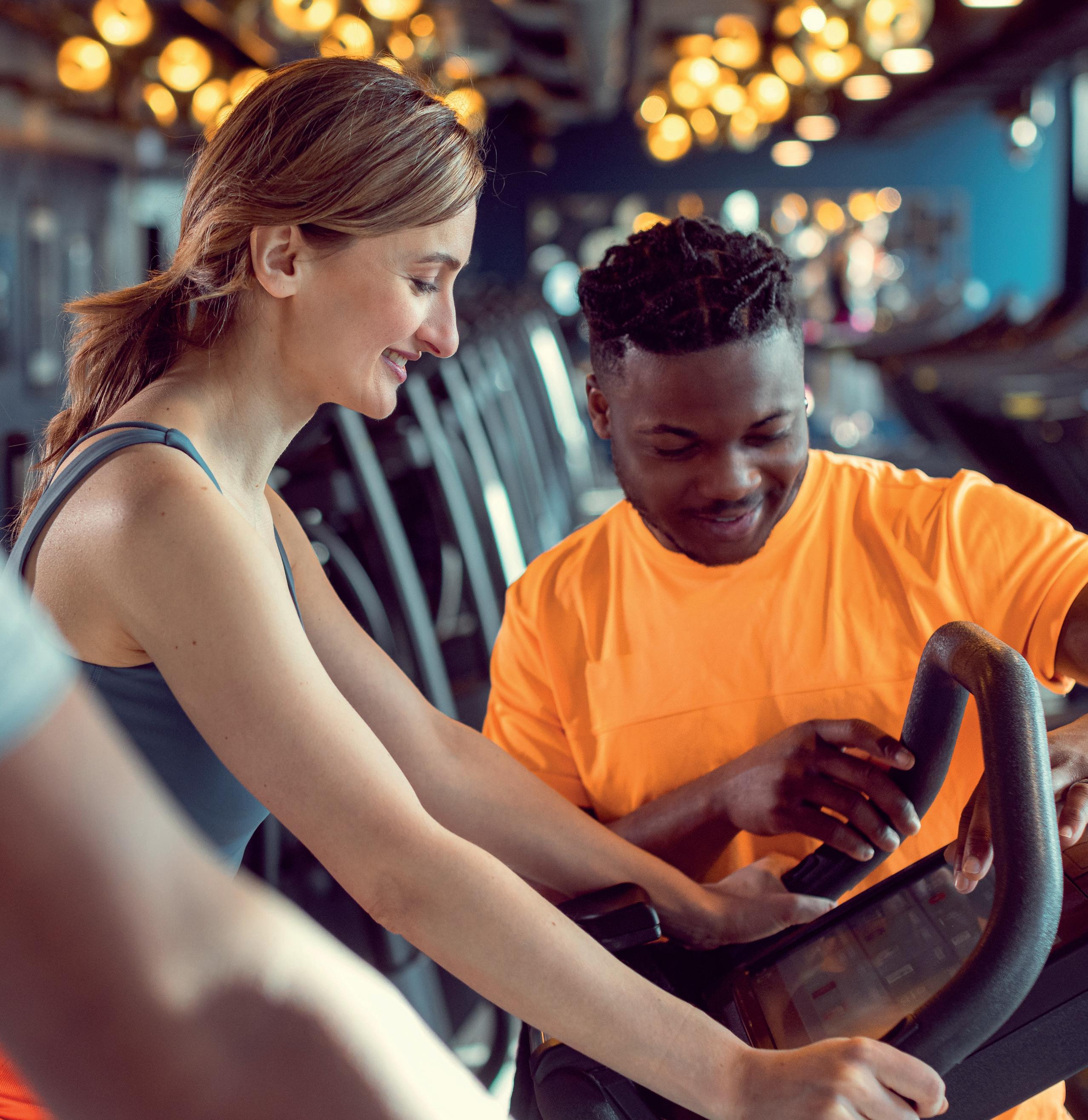
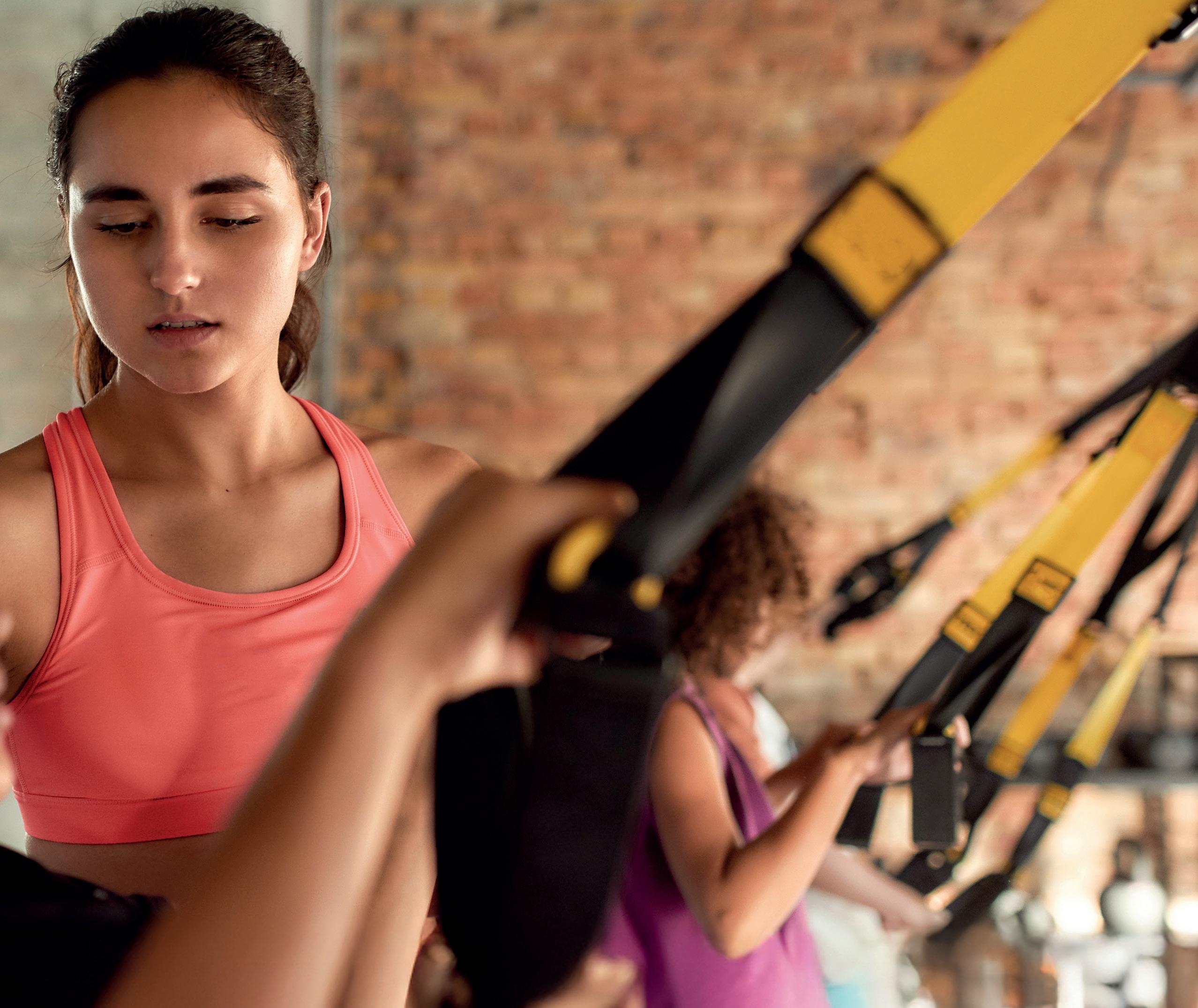
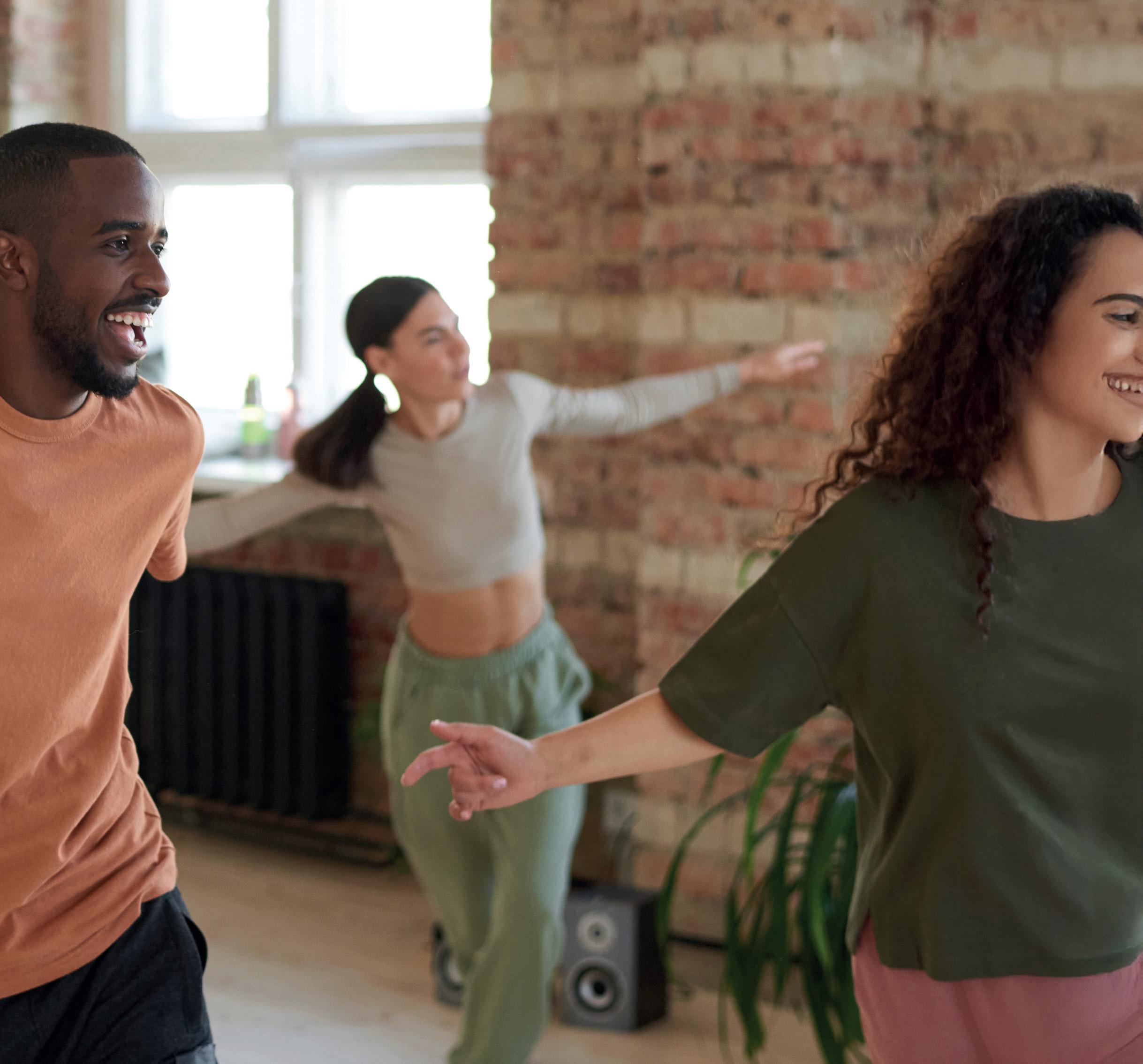
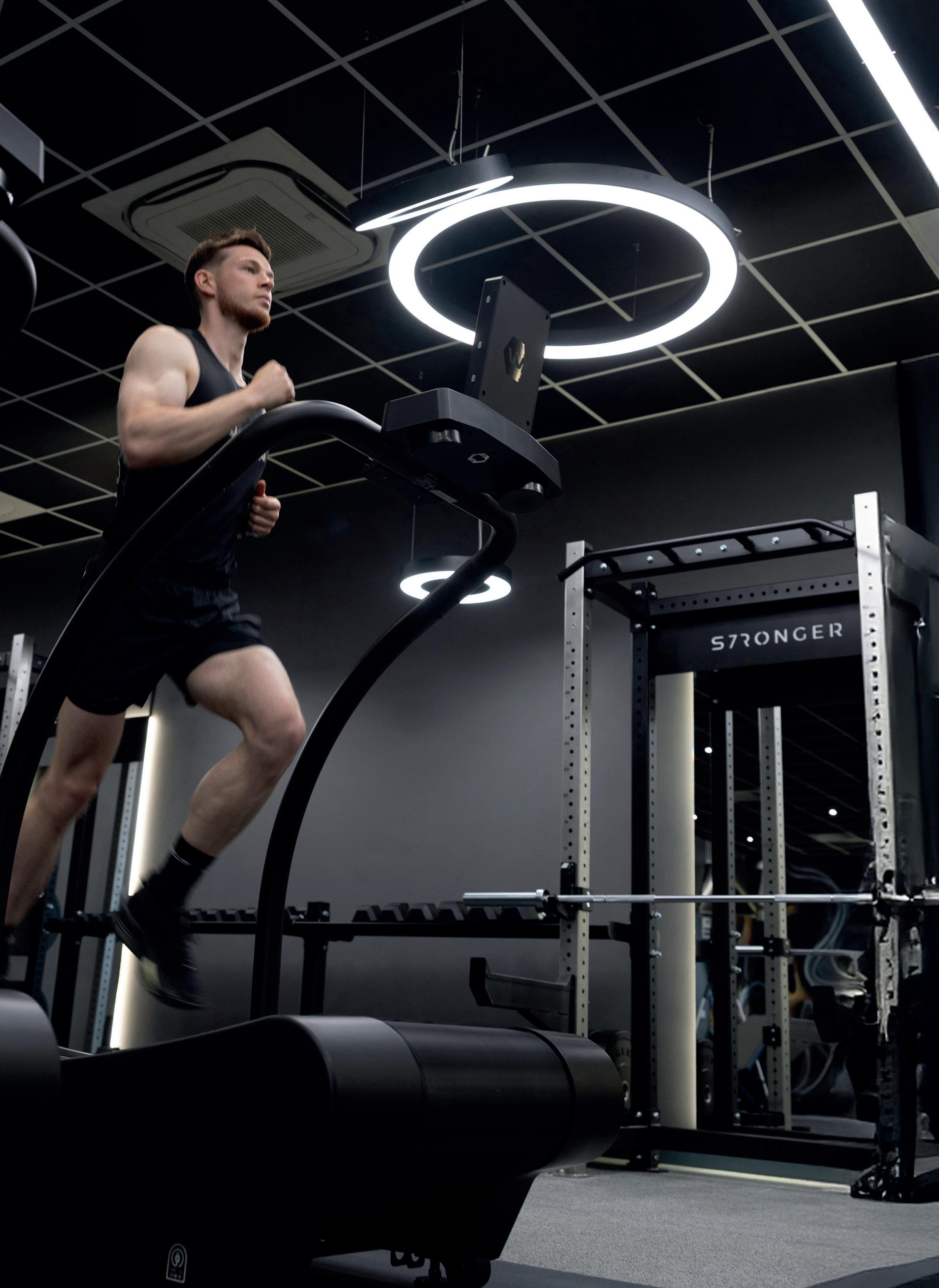
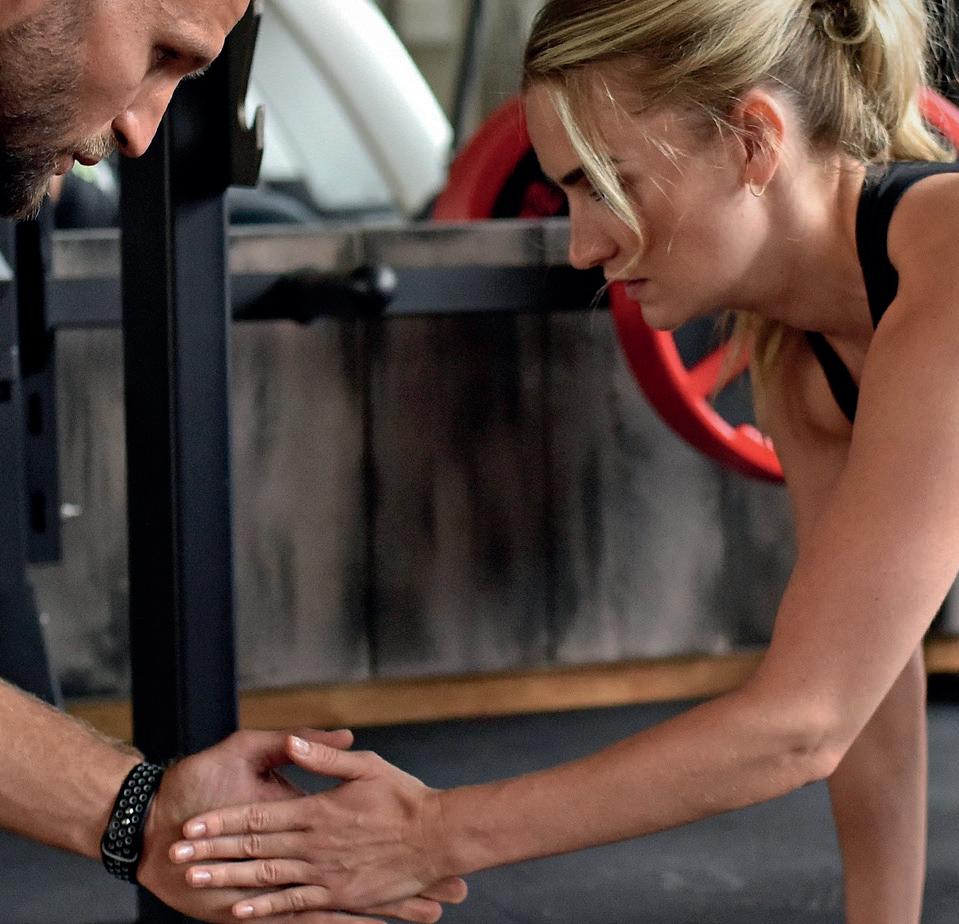
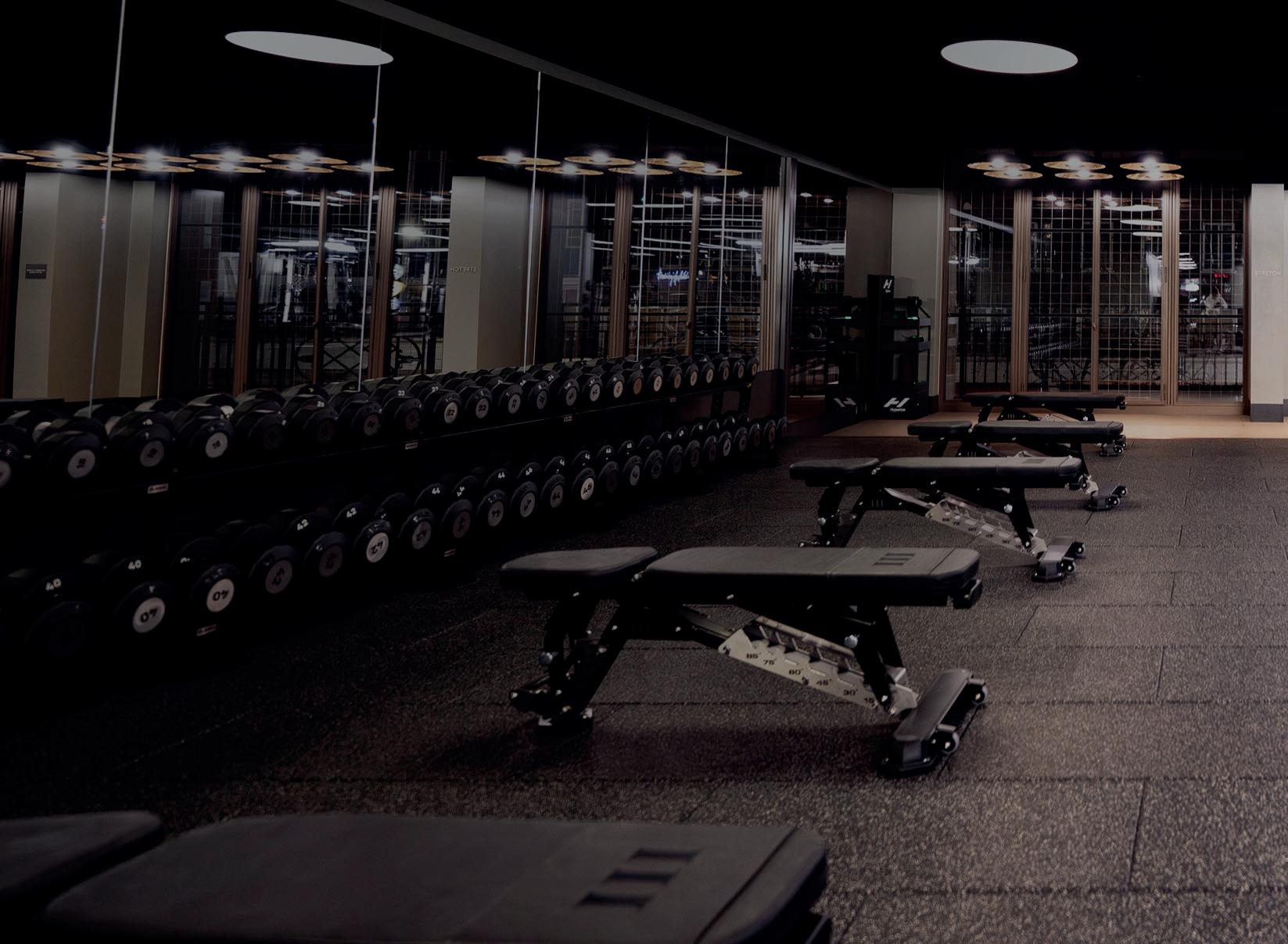
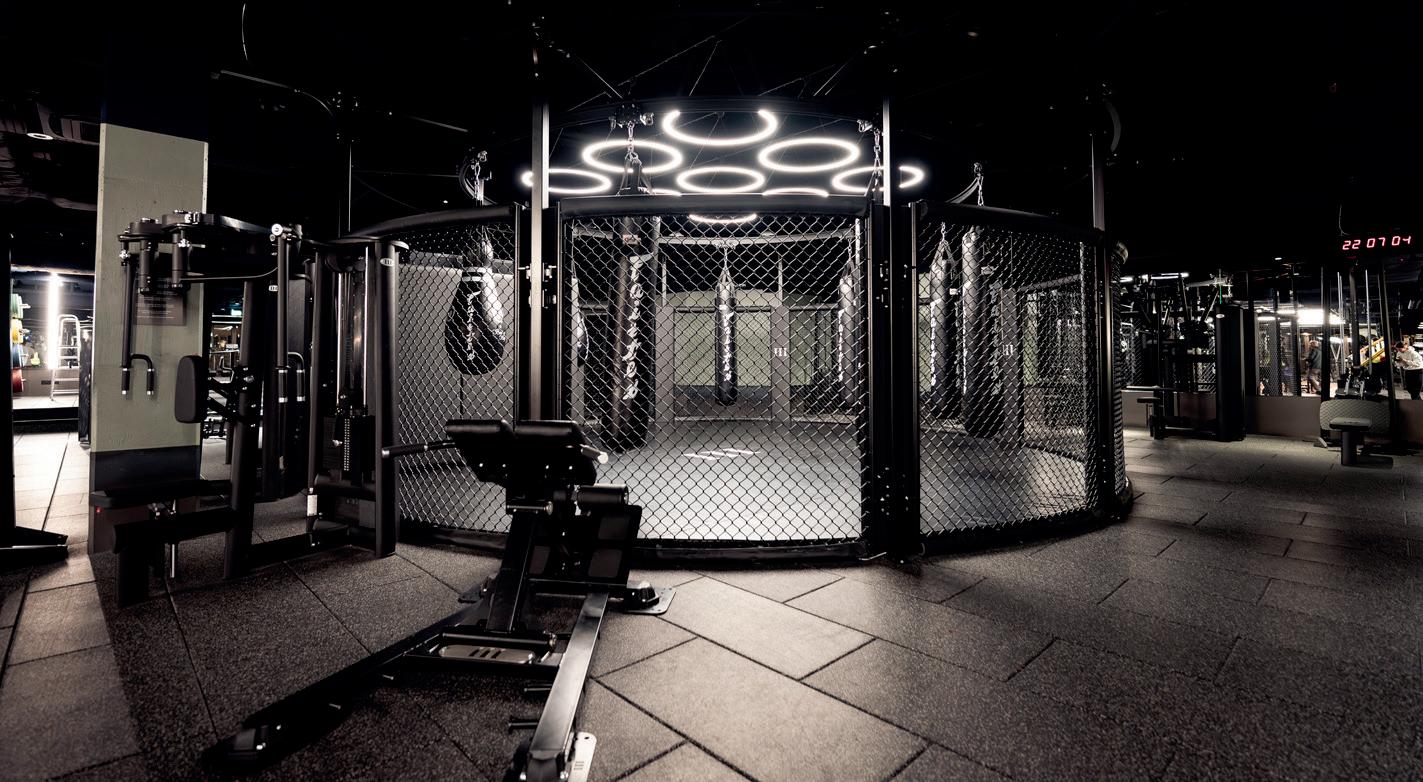
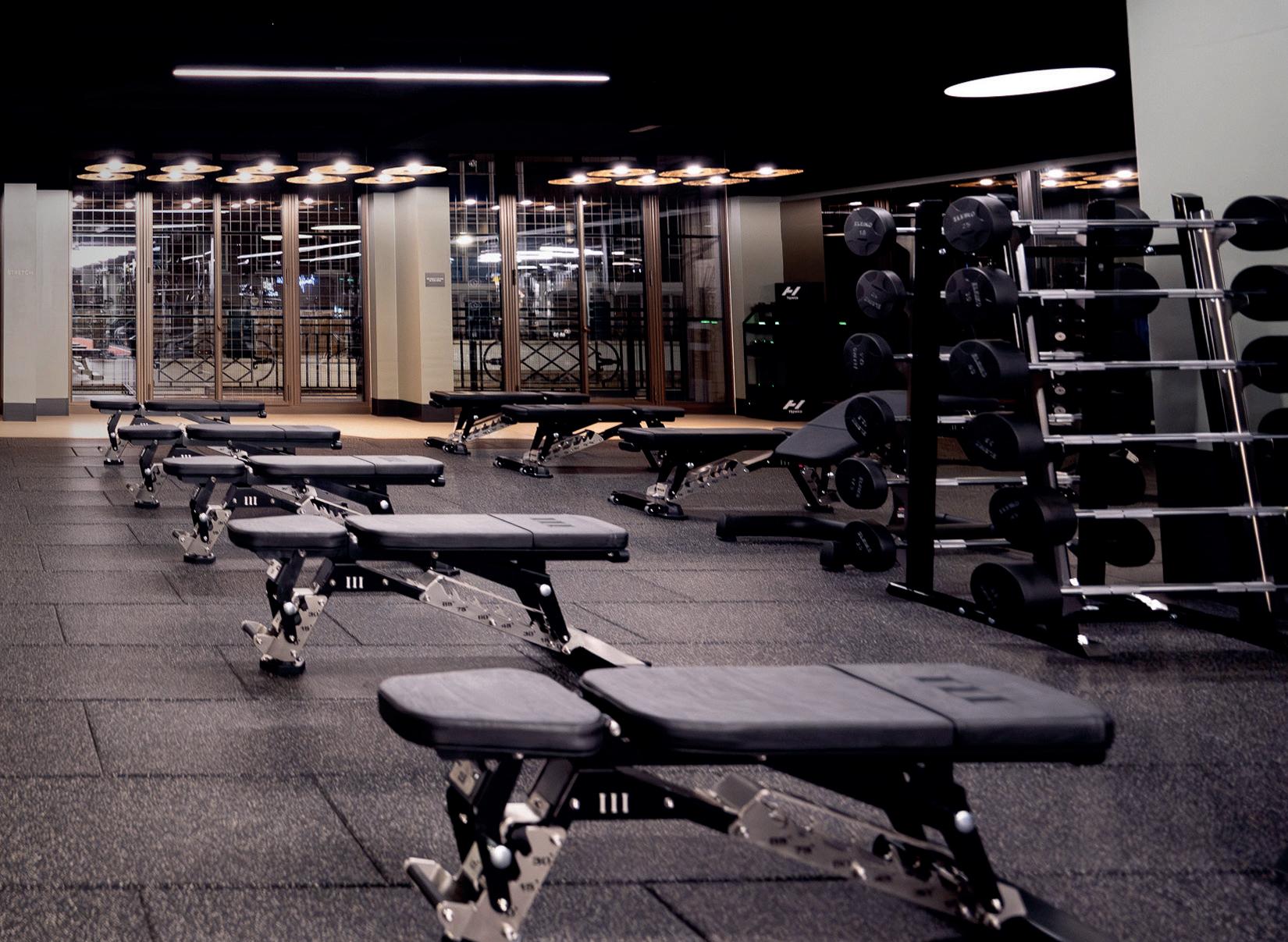
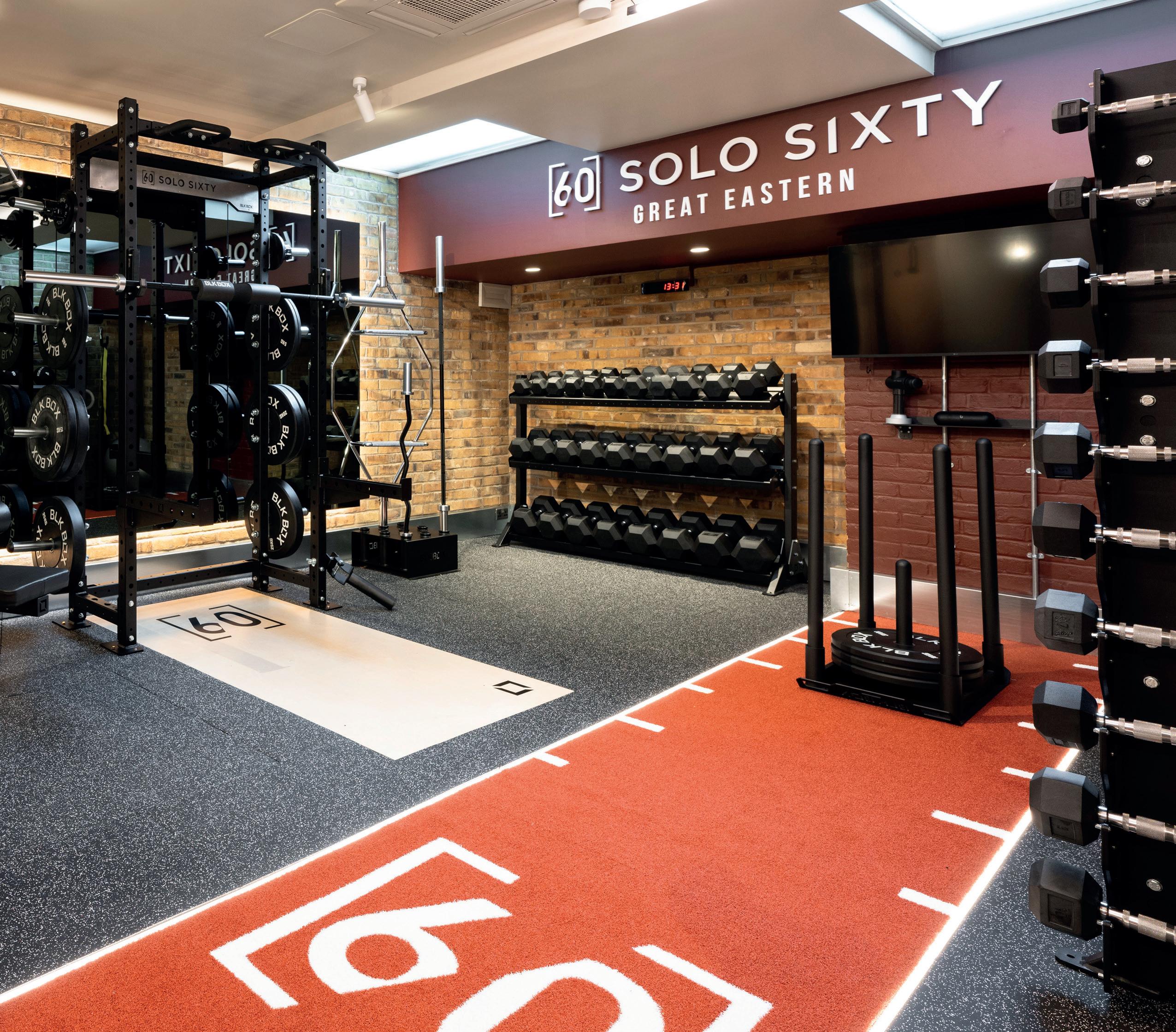
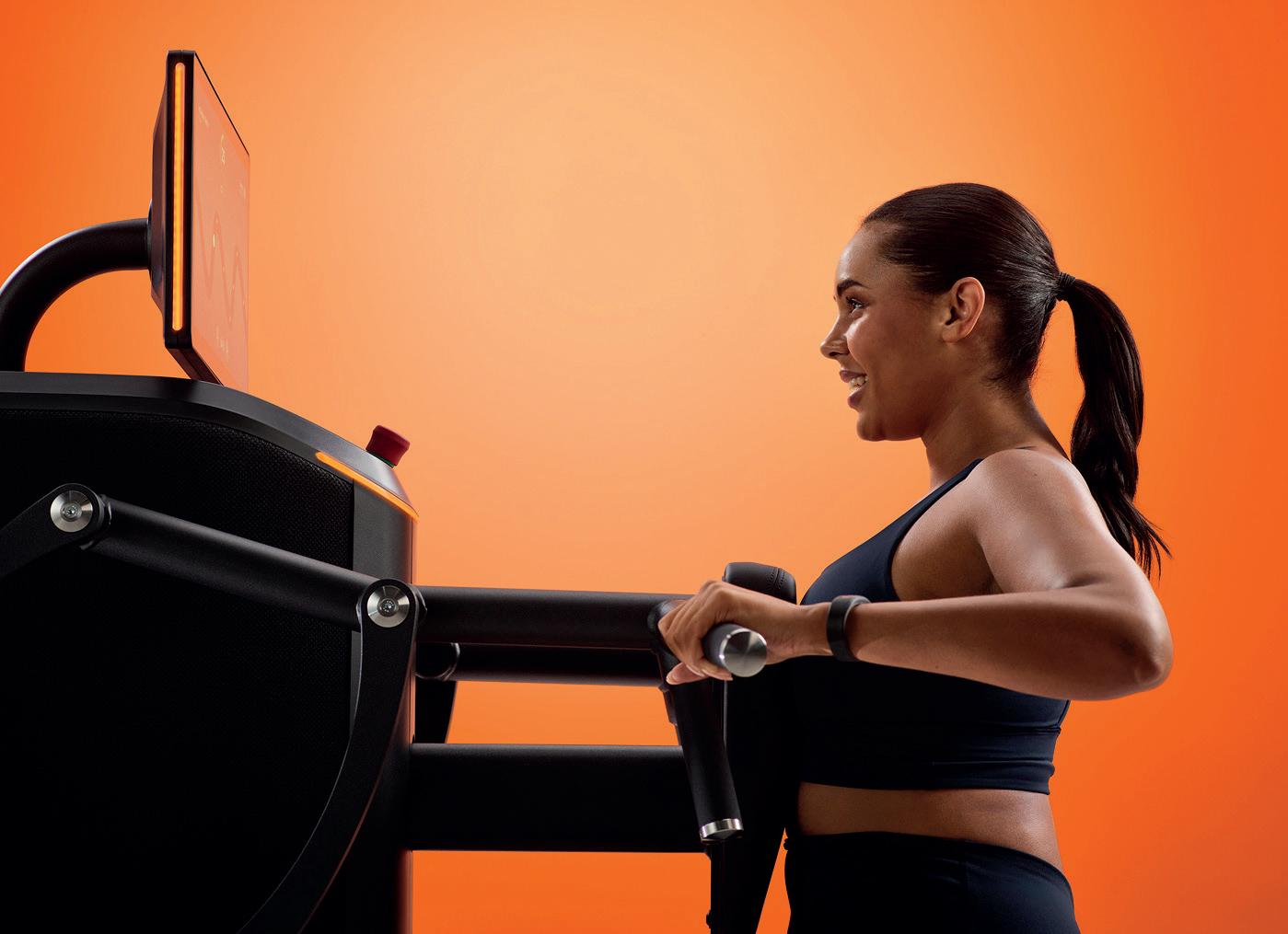
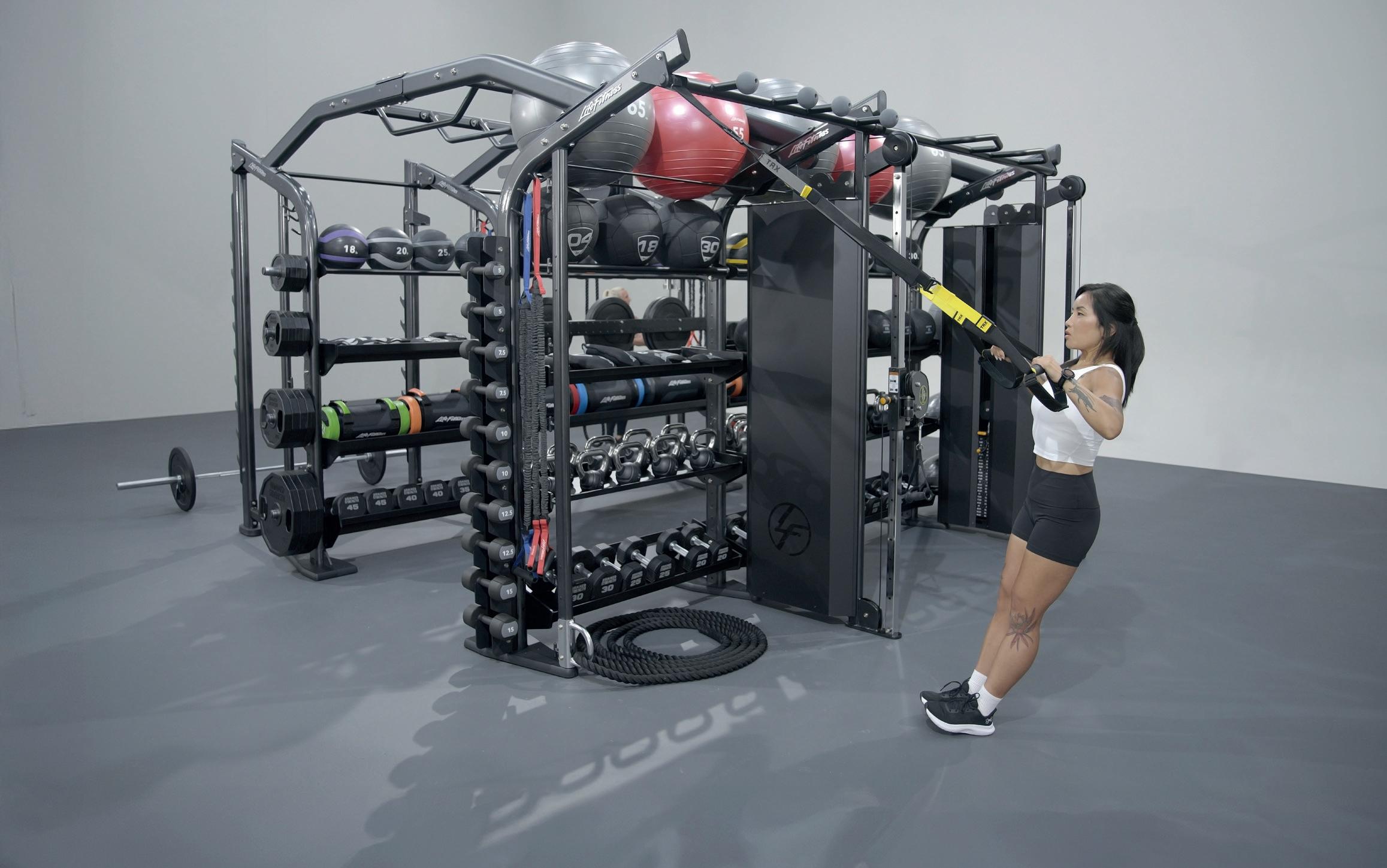
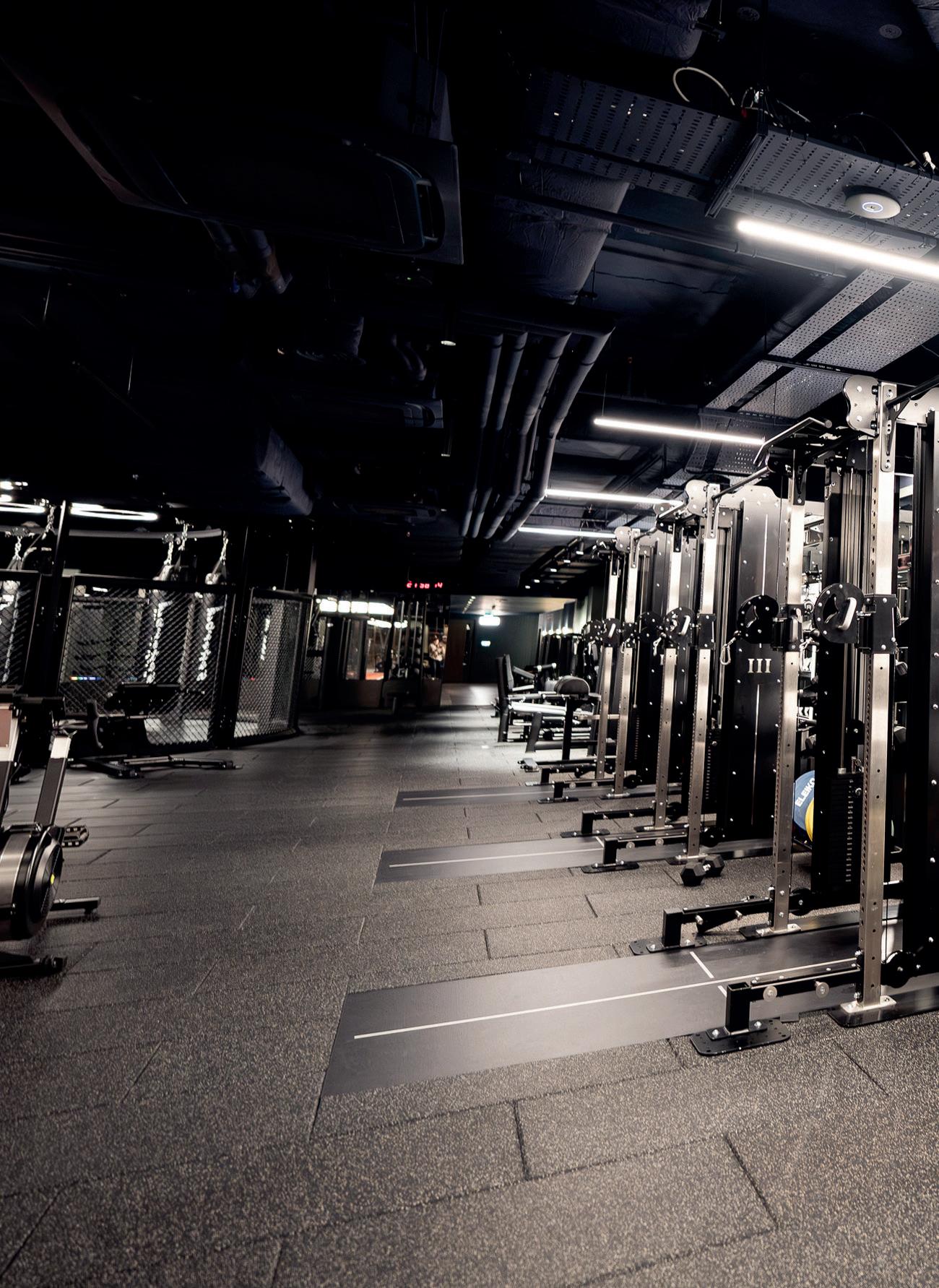
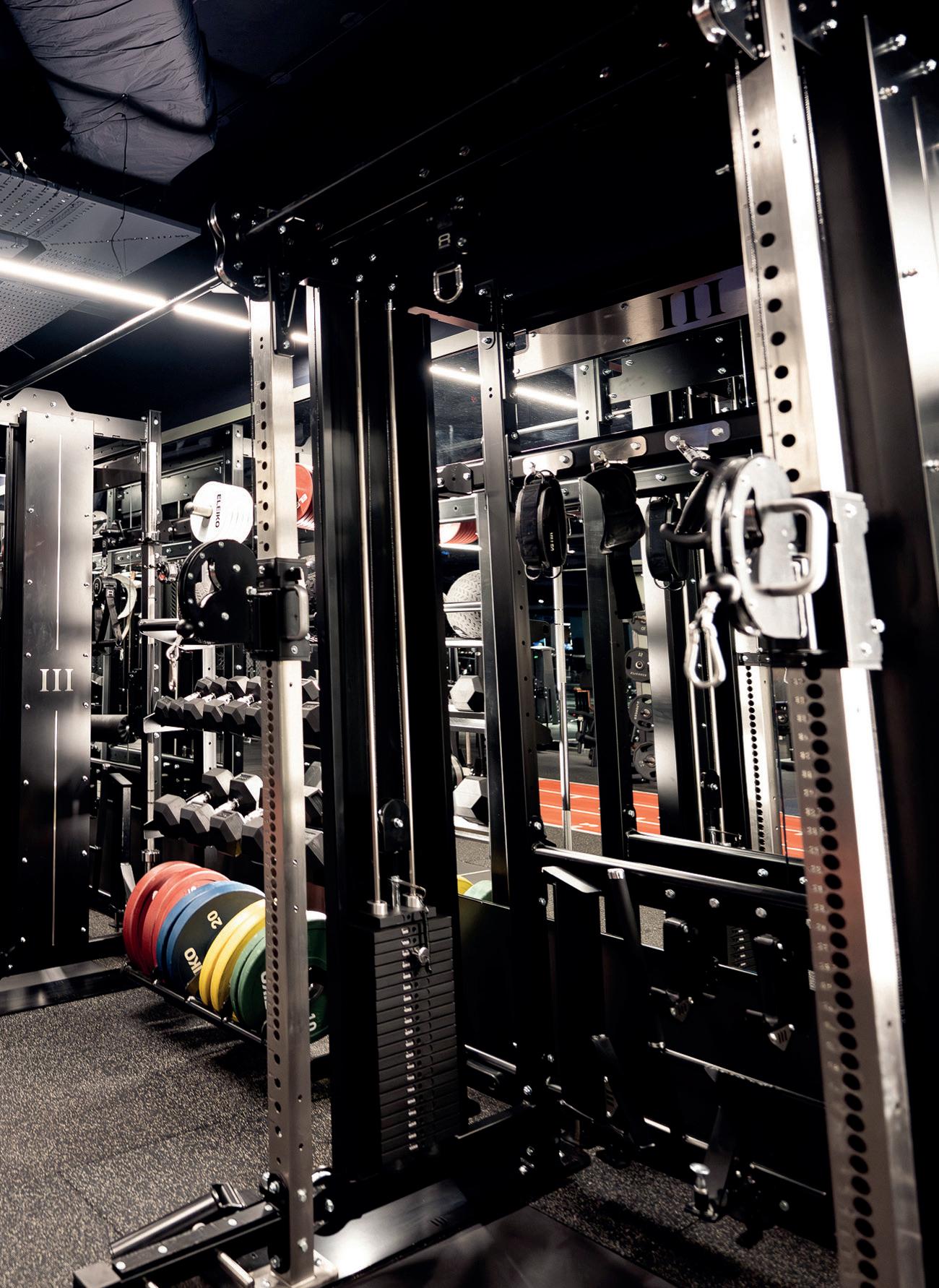
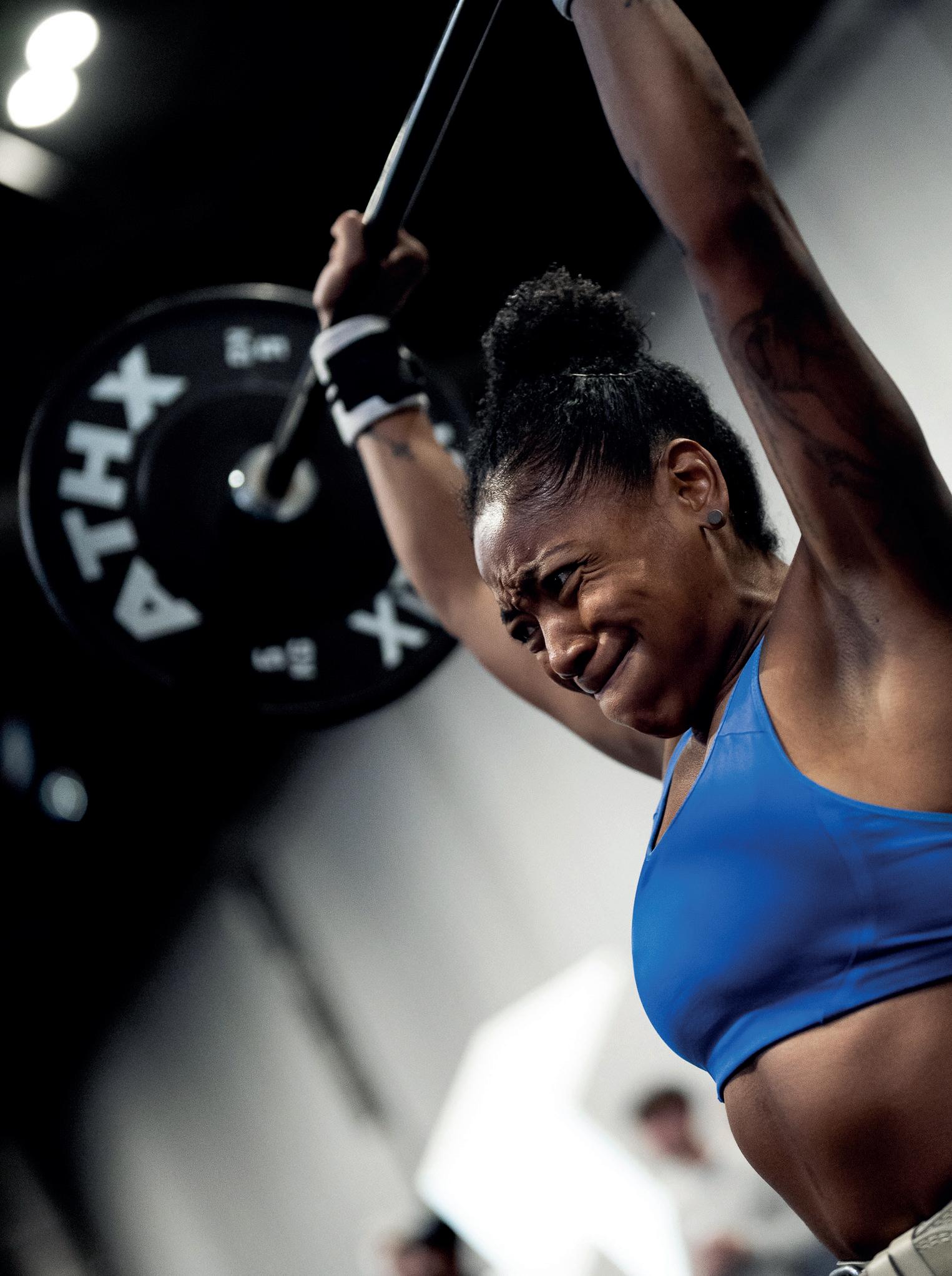
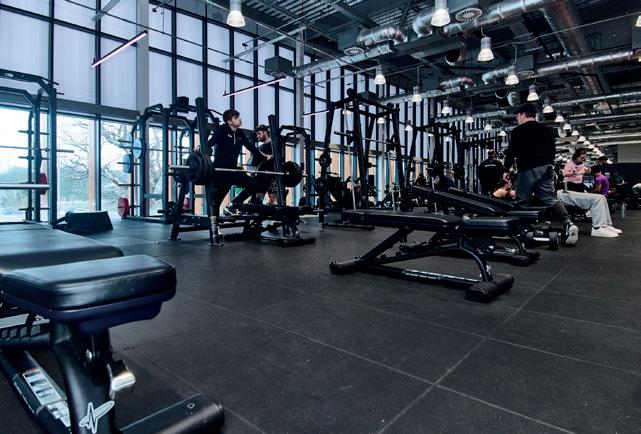
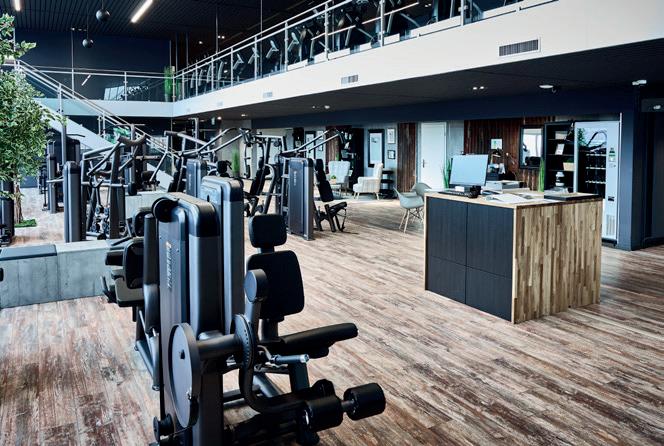
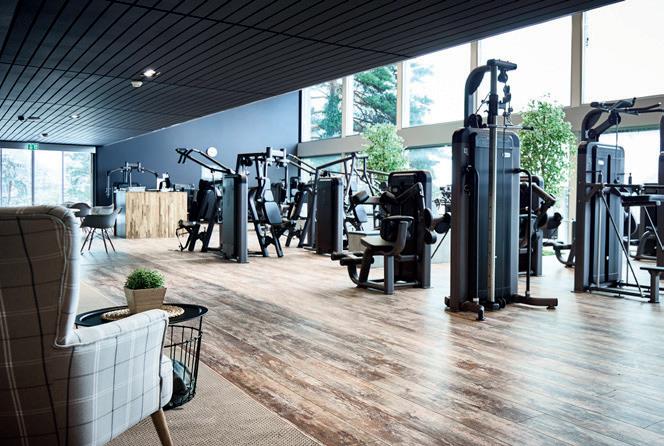
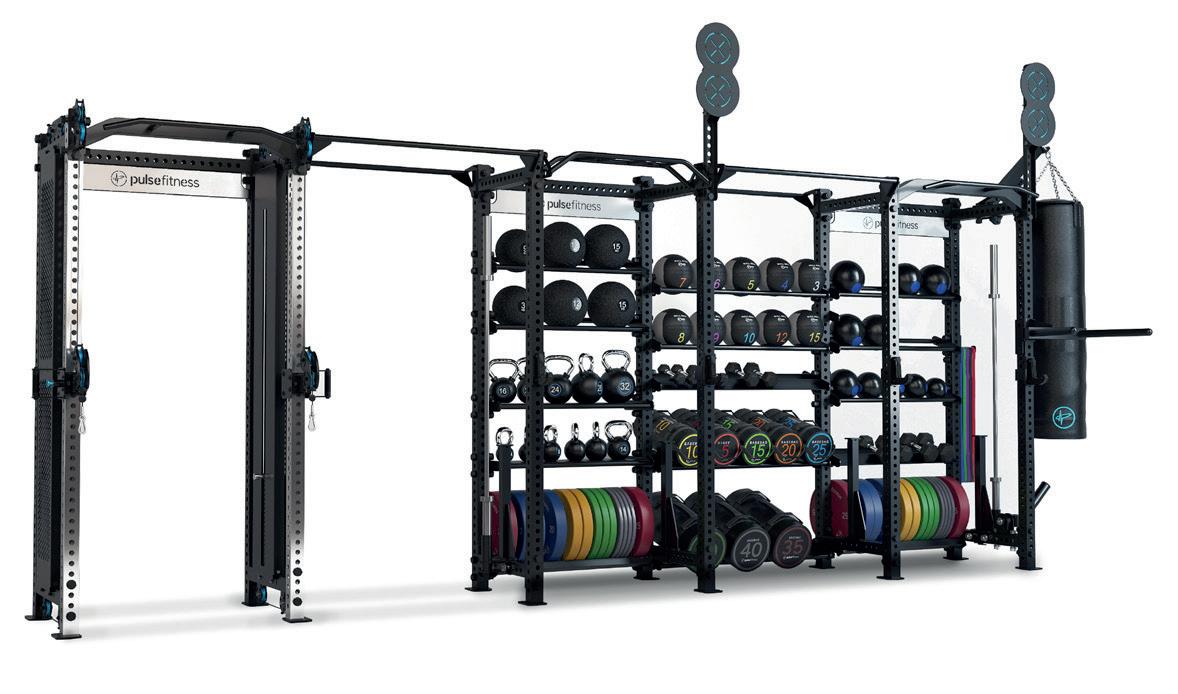
Warning: BODYPUMP HEAVY is addictive. Side effects include muscle gain and extreme happiness.
BODYPUMP®
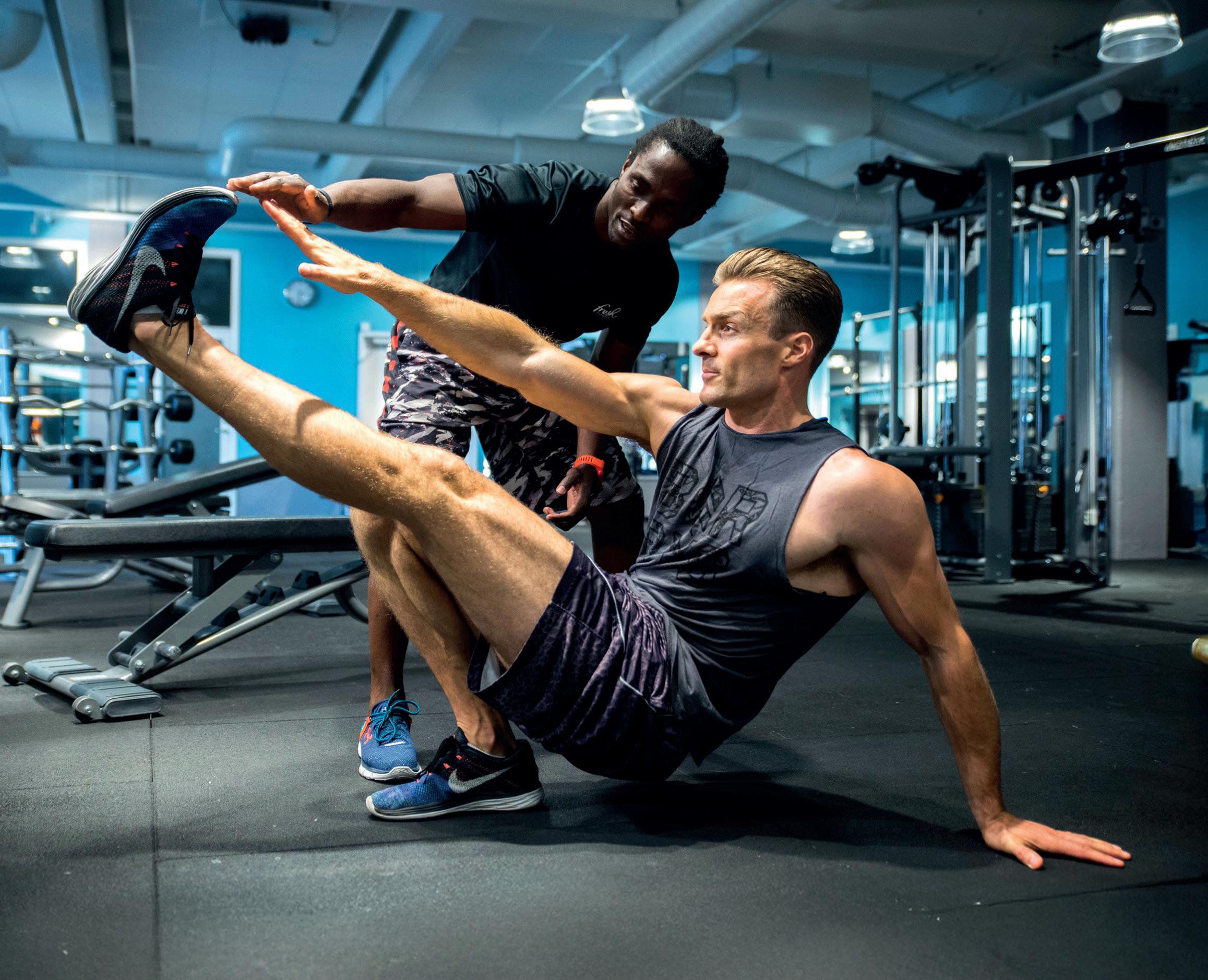
The original barbell workout. Heartpumping, high resistance training that builds strength endurance and gets you strong and fit.
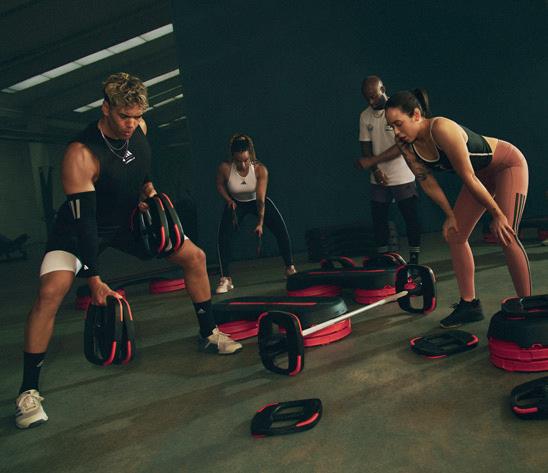
GRIT® STRENGTH
High-intensity interval training that combines scientifically-tested moves and weight exercises to build muscle and cardiovascular fitness.
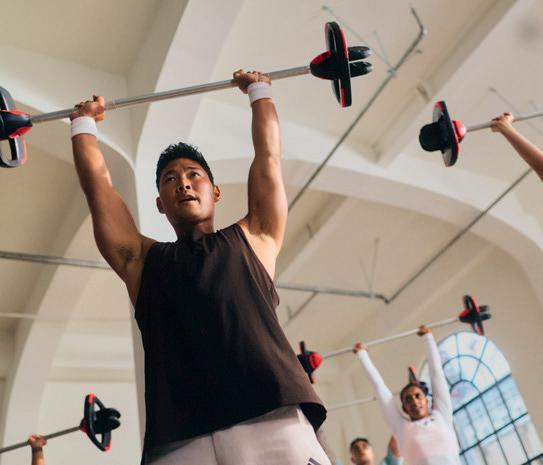
STRENGTH DEVELOPMENT ™
Strength, muscle, athleticism. This workout delivers the full effect.
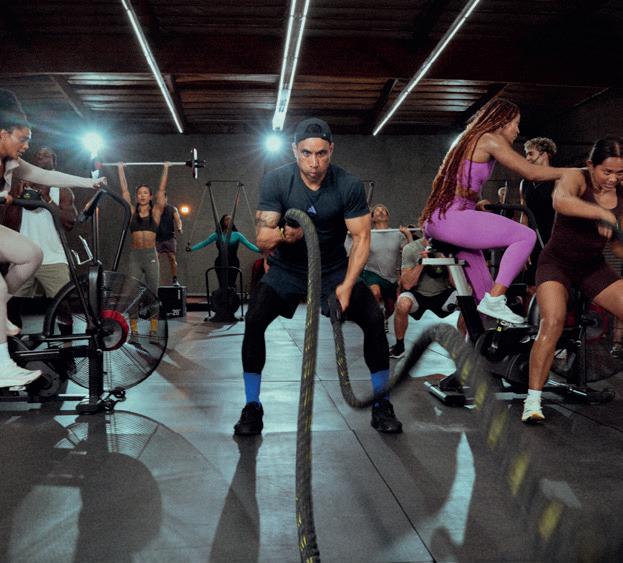
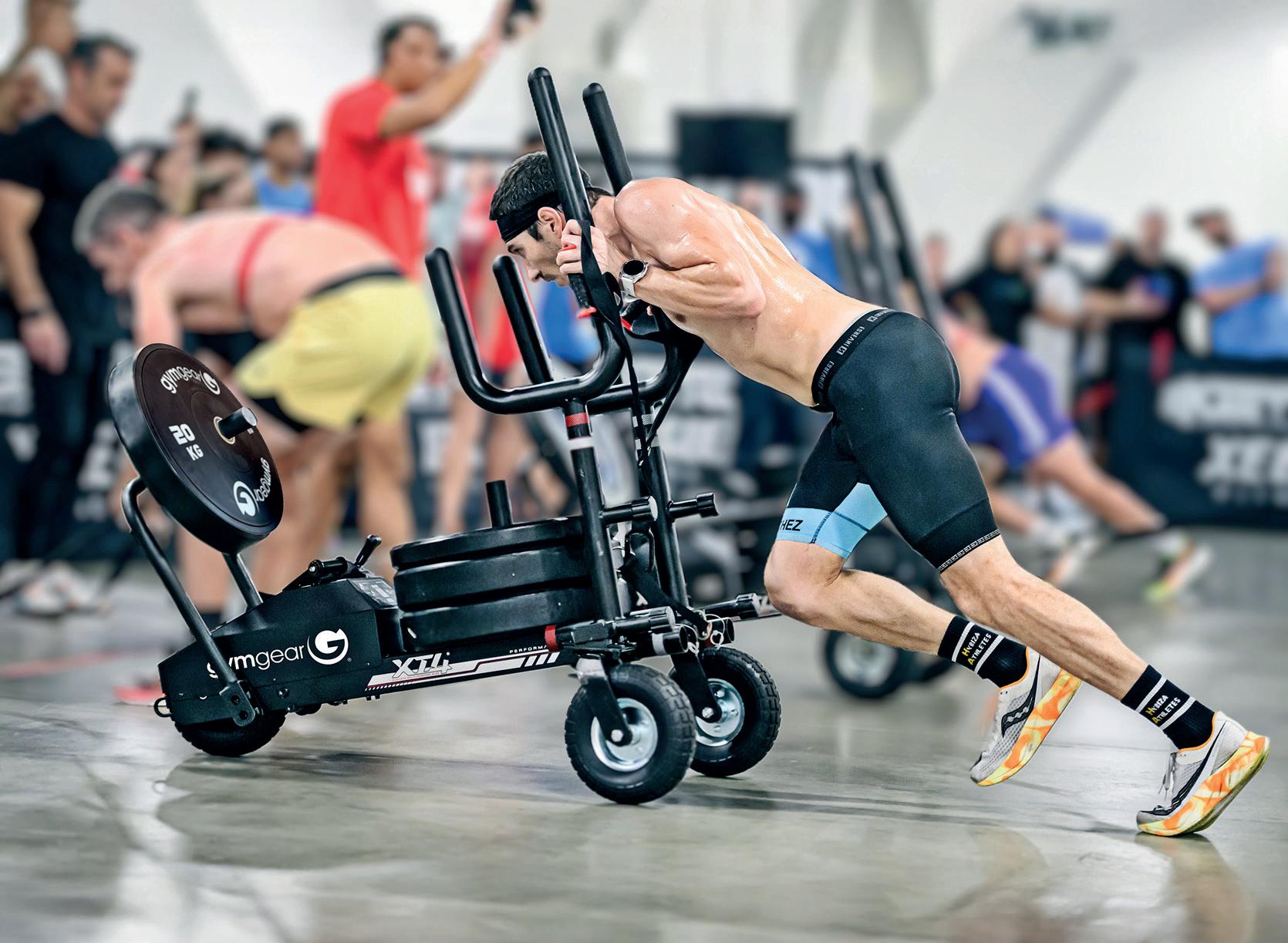
CEREMONY HYROX
The Official Group Training Programme Partner for HYROX. This workout brings elite coaching and science-backed training. All powered by the energy of community.
TTrue worth
Collaborations with the medical profession and greater aspirations around wellbeing are creating a need for more experts in our sector. It’s time to reboot our thinking around the workforce
he Young People and Work Review, led by Alan Milburn (www.hcmmag.com/Milburn), warns the UK is at risk of creating a ‘lost generation’, with a million young people not in employment, education or training, despite 84 per cent saying they want work or training opportunities
The plight of the young is a challenge that extends far beyond the UK, as nations struggle to create rewarding careers in the industries of the future.
At the same time, healthcare systems globally are grappling with ageing populations and chronic disease, meaning demand for prevention, rehabilitation and wellbeing support has never been greater.
These challenges might appear unrelated, but they’re deeply connected. Society needs more movement professionals at the same time as many young people are struggling to find work, creating an opportunity for our sector to deliver the careers they seek.
There are already examples of momentum in this direction. In this issue of HCM, Stephen Price (page 32) calls for the creation of a ‘movement capacity’ workforce to deliver support in the community for people following their release from hospital or rehabilitation, and on page 48, Muir Gray argues the medical world can’t simply rely on ‘more healthcare’ as a solution to its current overwhelm, saying the future lies in delivering community-based support through physical activity.
In creating opportunities for work in these emerging roles, we must deliver at all levels, from schoolleavers to post-graduates and across public and private sectors to ensure career progression is solid.
Unfortunately, sector workforce trends have been moving in the opposite direction – we’ve been producing more graduates in exercise science as operators have been reducing staffing or going staffless, meaning we’ve struggled to create enough career opportunities that match graduate-level ambitions. This is – in part – driven by a misalignment of value. The consumer paying for a ‘movement intervention’
The future belongs to operators who invest in people and develop operating models that reward them for the value they create
captures only part of its value, with many of the economic benefits accruing elsewhere – in health and social care, for example, through things such as falls reduction.
Until we solve that disconnect, with outcome-based commissioning, or higher-value services that monetise expertise – we’ll under-invest in the skilled physical activity workforce that society increasingly needs.
The sector has spent decades focusing on buildings and equipment. The future will belong to operators willing to invest in people and develop operating models that reward them for the value they create.
Liz Terry, editor lizterry@leisuremedia.com
The sector creates value, healthcare enjoys the savings
CONTENTS
Uniting the world of fitness
48 Muir Gray on the push to prescribe exercise
05 Editor’s Letter
Youth unemployment risks creating a ‘lost generation’, while health services are overwhelmed with demand.
The sector holds the key to fixing both challenges, says Liz Terry
12 HCM Zeitgeist
Farms are getting into the fitness market, Reformer Pilates gets competitive with the Pilates Games and GoFit gets on-site with an €800m scheme in Madrid
16 HCM news
Life Time doubles the size of its clubs to add longevity services, VivaGym dominates in Iberia and Gymnation secures a landmark investment
21 Fit Tech news
Fitness First and Kip tackle digital wellness, while Pulse Mindfulness Inc launches the first ‘mindfulness ring’
22 HCM Buzz
Famed nightclub Tramp launches a wellness brand – Tramp Health, Third Space unveils its new club in London’s Chelsea and The Method opens The Club, a social wellness destination
28 HCM Collabs
Everyone Active announces Team GB sprinter and TV personality Harry Aikines-Aryeetey as its You+ ambassador and Reebok partners with CrossFit event The French Throwdown
32 HCM people
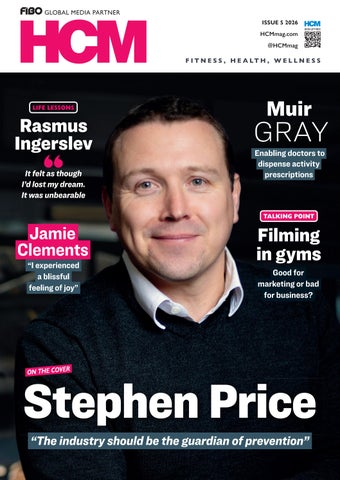
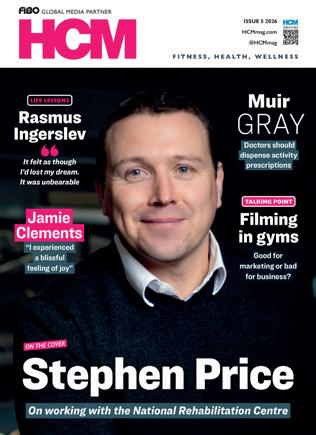
Stephen Price
The founder of SP&Co Group is building bridges between acute healthcare and community wellbeing systems
40 HCM people
Jamie Clements
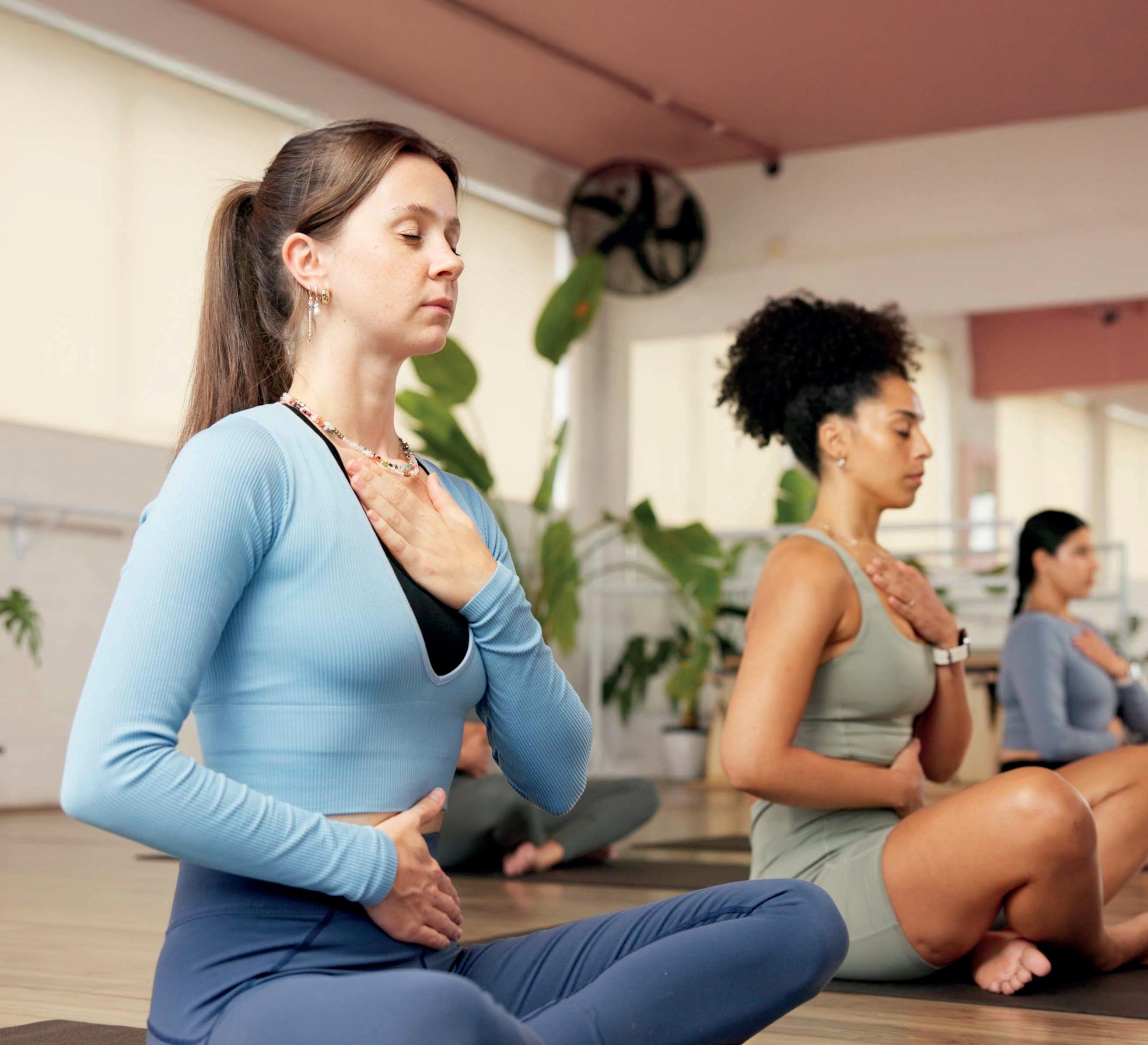
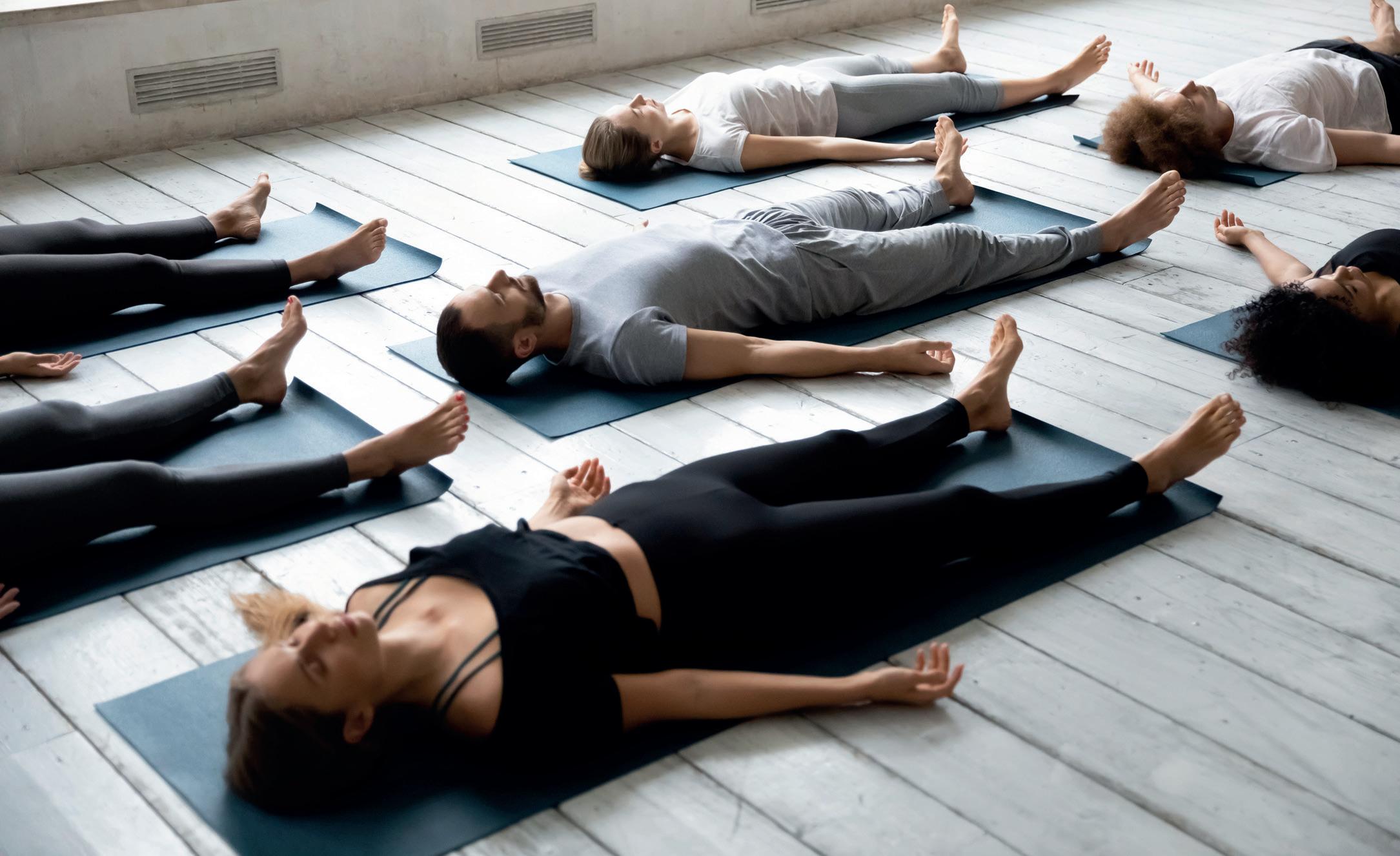
The Breath Coach talks about how breathwork is being recognised for its mental and physical benefits and gaining a foothold on mainstream fitness timetables
48 Interview Muir Gray
The healthy ageing advocate argues that doctors should be prescribing exercise along with – or instead of – medication
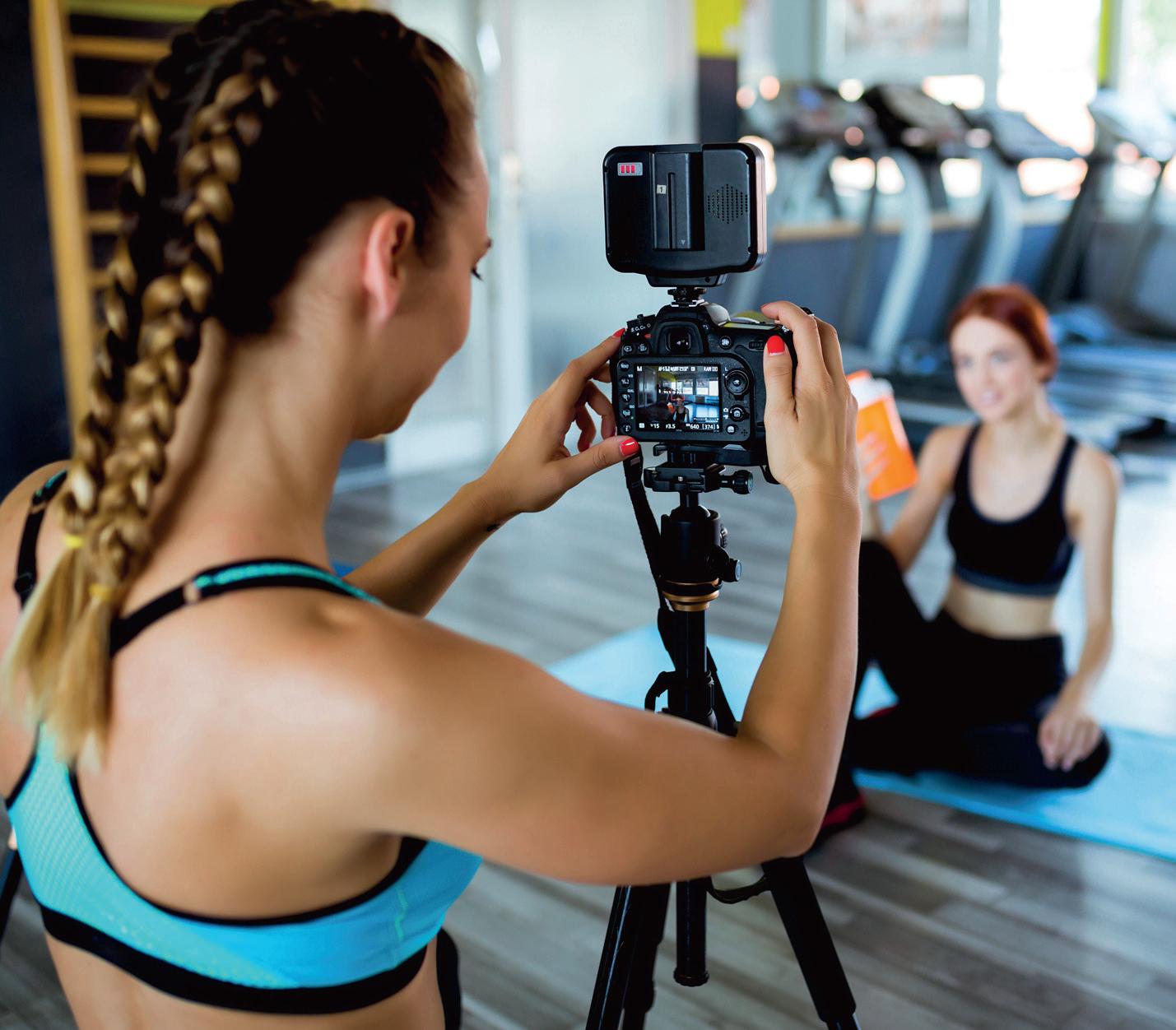
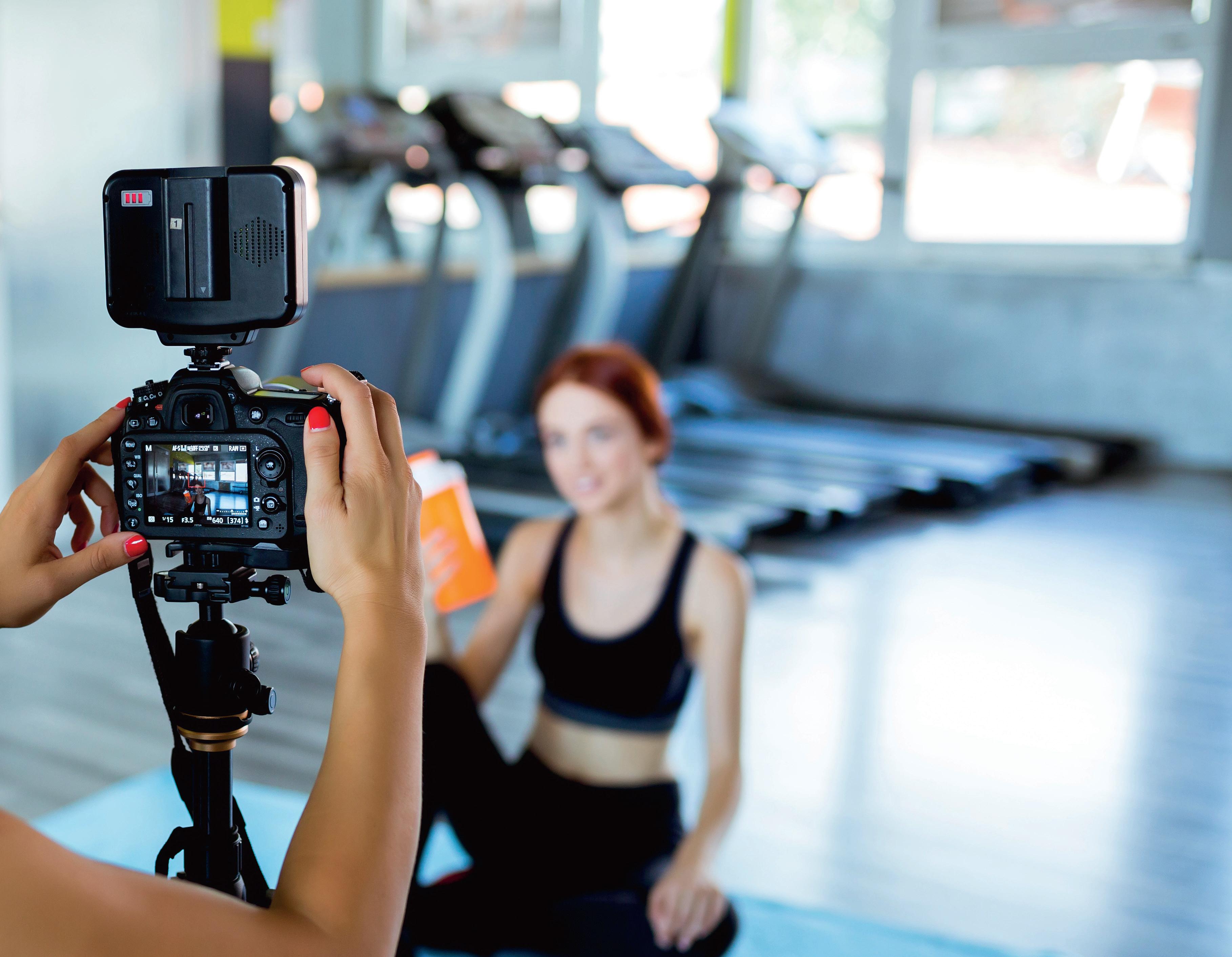
60 Everyone’s talking about Filming in gyms
Do influencers bring valuable marketing to clubs, or simply cause harm to other members? Kath Hudson asks the experts
70 State of being
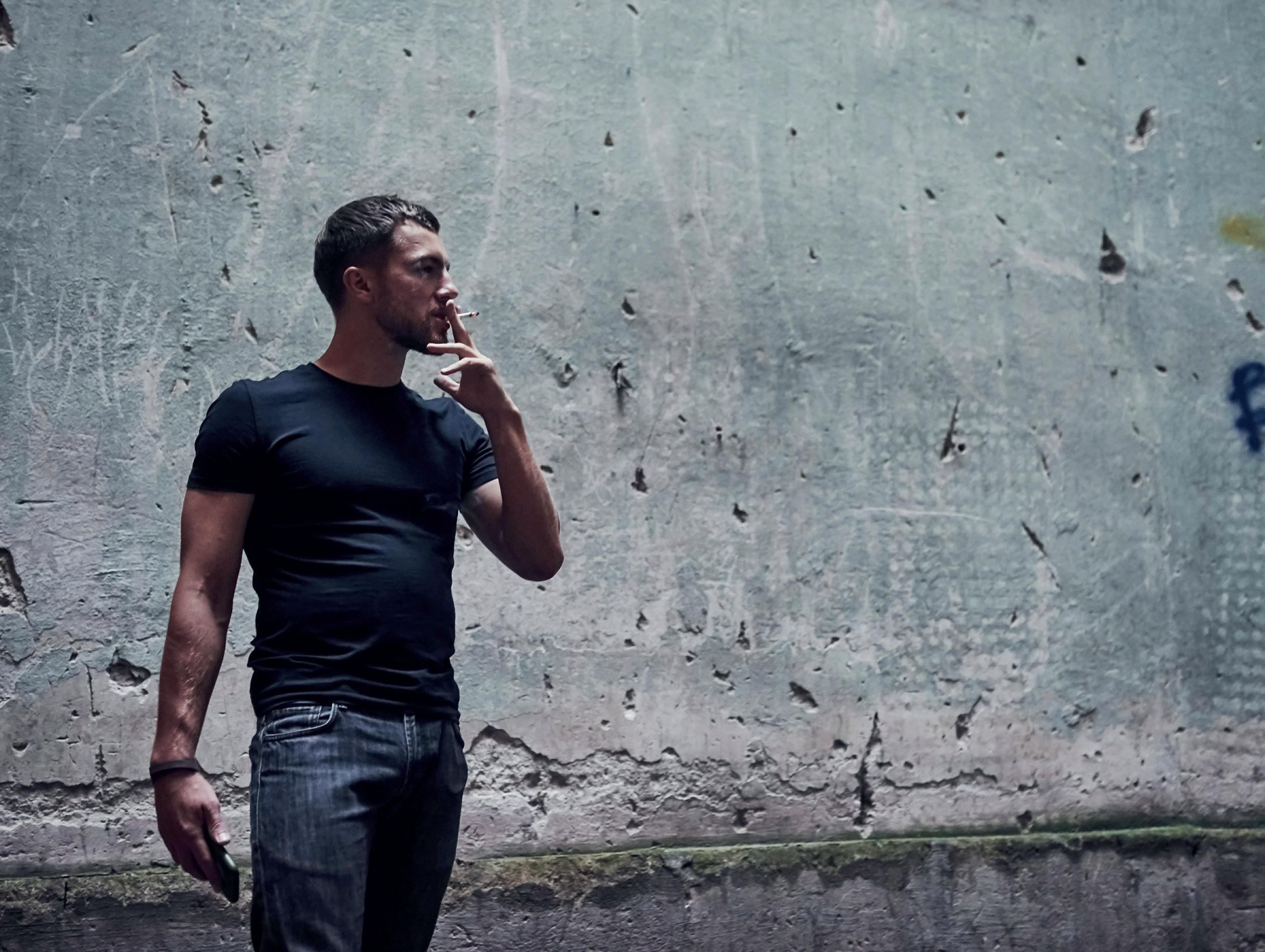
Raphael Cuomo, biomedical scientist and professor at the UC San Diego School of Medicine, explores the link between addiction, health and behaviour change
78 Life lessons
Rasmus Ingerslev
The entrepreneur and athlete talks to Kath Hudson about tackling challenges, healing old wounds and creating his new Manhug initiative
86 Show of force
Strength training is evolving, driven by high demand and changing consumer preferences. Julie Cramer talks to innovators about how their new products are serving this growth
106 Product Innovations
Julie Cramer rounds up the latest fitness, health and wellness product launches from Pilates to HBOT
110 Research
Shifting the trajectory
Tiny improvements to sleep, diet and activity levels have major benefits for heart health, according to a study from the University of Sydney
86 Strength gathers pace
32 Stephen Price
78 Life lessons: Rasmus Ingerslev
40 Jamie Clements
60 Experts have their say on filming in gyms
www.HCMmag.com
MEET THE TEAM
theteam@leisuremedia.com
Editor
Liz Terry
+44 (0)1462 431385
Managing editor
Julie Cramer
+44 (0)1462 431385
Editor-at-large
Magali Robathan
+44 (0)1462 431385
Publisher Jan Williams
+44 (0)1462 471909
Head of news
Kath Hudson
+44 (0)1462 431385
Assistant editor Helen Andrews
+44 (0)1462 431385
Email us:
Customer service
+44 (0)1462 471901
Advertising
+44 (0)1462 431385
Subscriptions
+44 (0)1462 471910
Circulation
+44 (0)1462 471932
Finance
+44 (0)1462 471930
Credit control
+44 (0)1462 733477
Choose how you read
HCM digital
Read free online and enjoy extra links and searchability www.HCMmag.com/digital
Print
HCM magazine is available in print from www.leisuresubs.com
HCM PDF
A PDF edition is available to read offline at: www.HCMmag.com/pdf
Other resources from
Fit Tech magazine www.fittechglobal.com www.fittechglobal.com/archive
To subscribe to HCM in print (Health Club Management): log on to www.leisuresubs.com , email subs@leisuremedia.com or call +44 (0)1462 471930.
Annual subscriptions: UK £45, Europe £57, rest of world £80, students (UK) £22.
Style: HCM follows an editorial house style which precludes the use of marketing devices in body text and headlines when it comes to company names and registered trademarks. CamelCase and logical capitals are allowed. Contact the editor for more details – lizterry@leisuremedia.com.
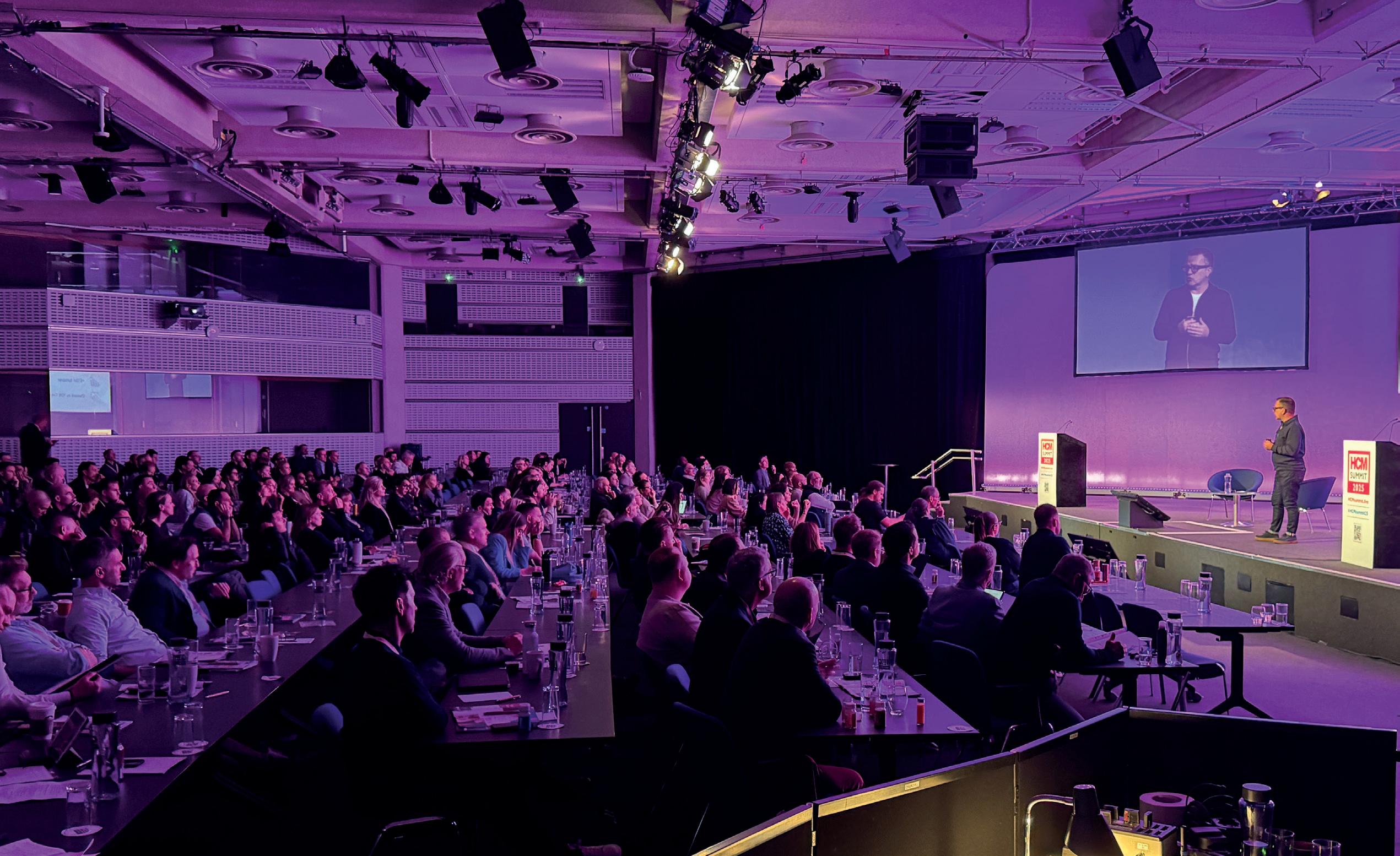
Excitement is building for the new all-keynote HCM Summit 2026 from HCM magazine and Spa Business magazine.
The event will bring together a powerful lineup of speakers to share insights and experience, with a focus on business success and innovation.
You’ll go away inspired and informed, with ideas to implement in your professional life, as well as valuable contacts and access to best practice to drive your success as we head into 2027.
In addition to the summit talks, a carefully curated exhibition will showcase the latest innovations, while summit networking events, including the After Party, hosted by Les Mills, will give the opportunity to make new contacts and do business.
All this, along with product sampling, book signings and activations make the summit a powerful and useful event for the sector.
Liz Terry HCM editor and CEO of Leisure Media
Zeitgeist
Kath Hudson distills the essence of the latest HCM news to tap the trends driving the direction of the sector
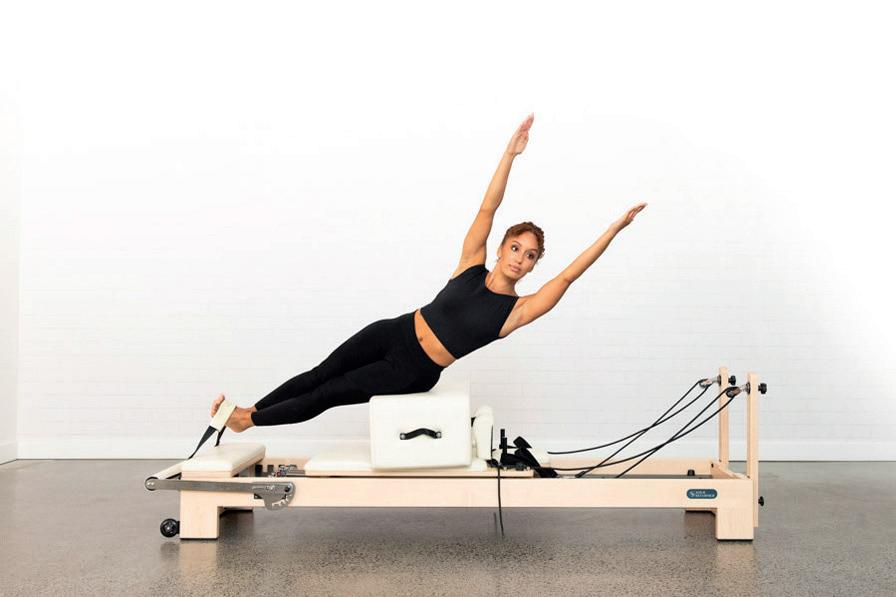
Reformer gets competitive with Pilates Games
Australian reformer franchise, Studio Pilates International, has launched The Pilates Games across its 130+ global studios. Participants are scored on technique and execution during a 100-minute workout. CEO, Jade Winter, says: “We’ve taken everything people love about Pilates and introduced a way to measure it. Not just how long you can last, but how well you can maintain precision and control under pressure.”
Nu eld Health aims high with social value
In 2025, Nuffield Health’s free programmes – for joint pain and long term conditions – delivered social value of £166 million and now the company has set itself the ambitious target of generating £2 billion by 2030.
Alex Perry, CEO of Nuffield Health, says: “Many of the people we support are living with limited resources. Our free community programmes are delivering world-leading support that is transforming the lives of many people living with serious, often debilitating, health conditions.”
Nuffi eld Health helped 25,000 people last year with its free programmes
WELLZoomers are committed to nurturing their physical and mental health
Wellzoomers are affluent 25- to 44-year-olds who are highly stressed and also highly engaged in their wellbeing, according to the international WELLSurvey 2.0. Researchers, Kevin Kelly and Peter Yesawich, estimate the worldwide opportunity associated with this group is US$540 billion.
Studio Pilates International is making the modality competitive
Tewinbury’s Farm Club will offer a range of wellness options
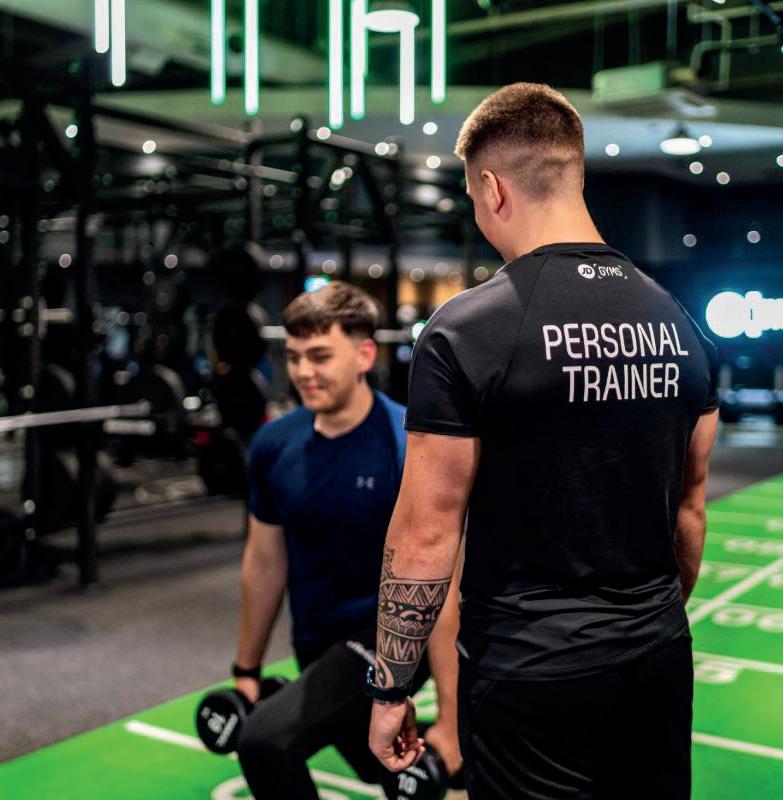
JD Gyms trains its own PTs
Online learning and gym-floor experience are included in a flexible, 10-module PT qualification launched by JD Gyms. A major selling point is that all graduates are guaranteed an interview on completion.
http://lei.sr/y8g3Q_H
http://lei.sr/6d6x8_H
“We’re giving new trainers the structure, support and security to build their careers with confidence,” says chief operating officer, Lee Matthews.
JD Gyms has launched a PT Training Academy
Farms embrace the fitness industry
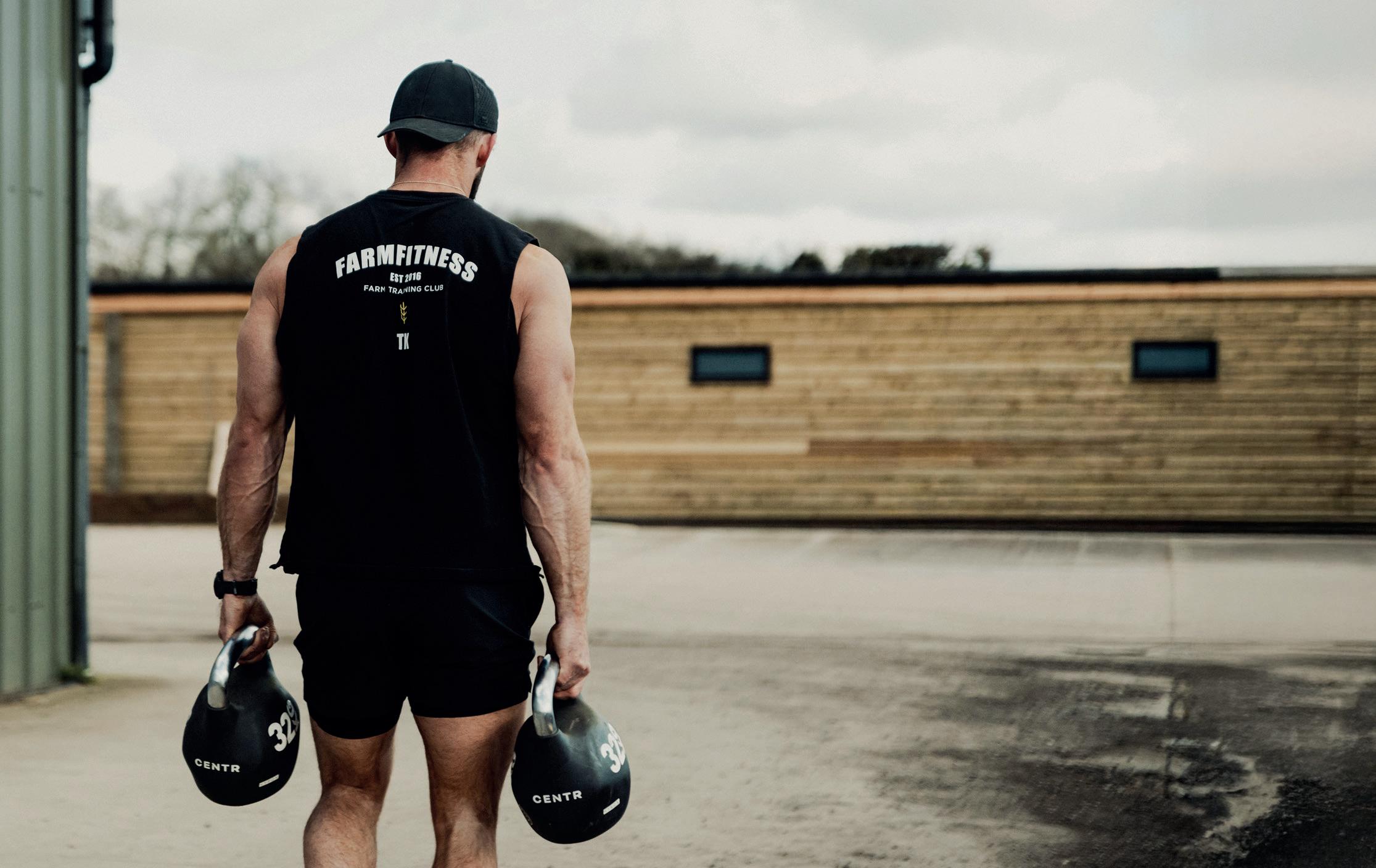
Tewinbury Farm Hotel in Hertfordshire, UK is expanding with the launch of Farm Club, offering workouts, reformer Pilates and contrast therapy. At the centre of the new offering will be Farm Fitness, which was founded by Tom Kemp on a working farm in Essex.
Portugal’s SC Fitness hits 100 sites
SC Fitness is celebrating its 100gym milestone with a site in Sintra. Founded in 2002 to make fitness accessible, the company says: “We have reached a scale that reflects the growth, ambition and strength of SC Fitness.”
The company has 35 full-service Solinca gyms, 52 low-cost Element Gyms in Portugal and 13 Element Gyms in Czechia.
SC Fitness has reached 100 sites
Reset brings recovery to the high street
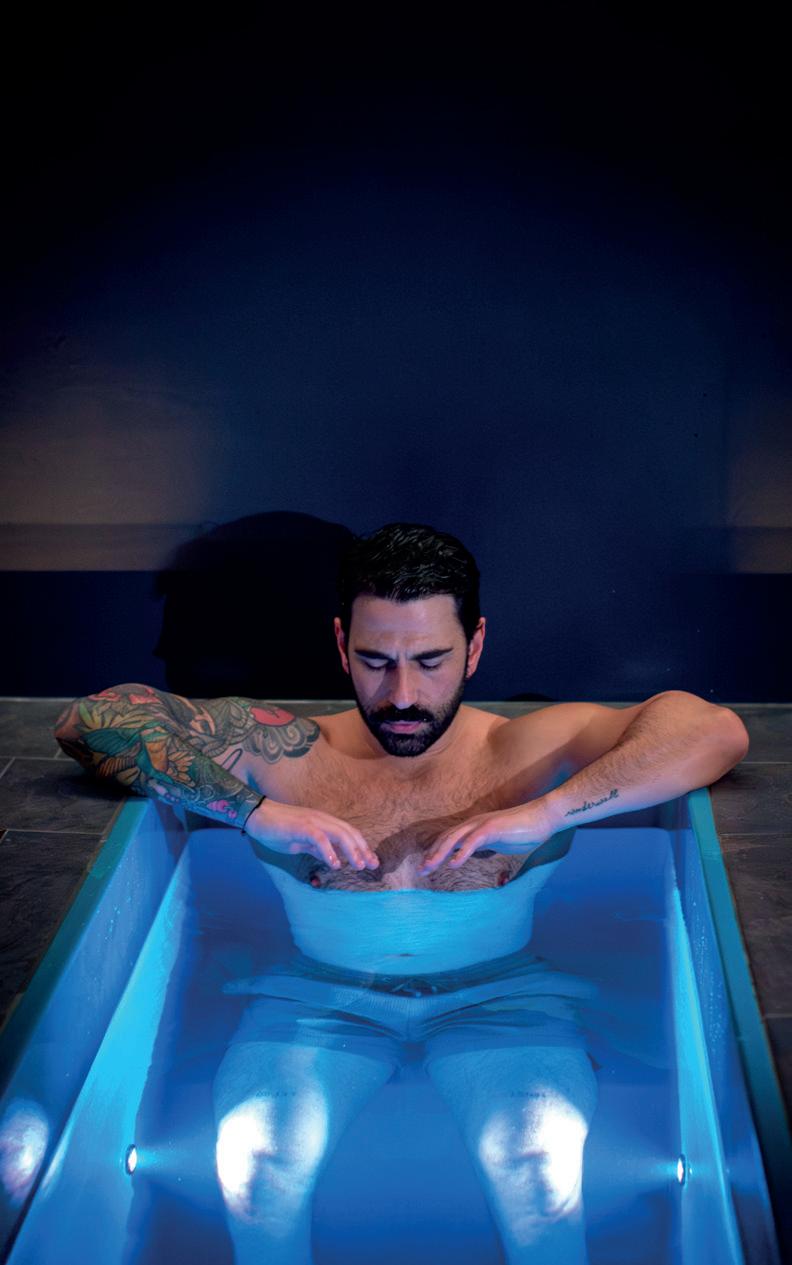
Reset, a 3,000 square foot contrast therapy and breathwork facility has opened in Islington, London. It features a 34-person Finnish sauna and eight cold plunges set to temperatures between 1 and 9 degrees Celsius. There is also an alcohol-free bar.
Having experienced burnout and ADHD, founder, Oliver Horsford, says: “I created Reset to help others break free from burnout and disconnection.”
http://lei.sr/8Z5u7_H
New lease of life for historic leisure centre
Northgate Arena has been rebranded to Brio Northgate following a £12 million revamp, which includes an extended gym, new studios, sauna and steamrooms and a library.
Brio managing director, Matt Parker, says: “We want more people to be moving more and think we’ve got a vital role to lead within that.”
http://lei.sr/2A7r4_H
Sports City will deliver wellness to Madrid
An €800 million initiative to reimagine the former Olympic Aquatic Centre in Madrid is underway, following 15 years in development. Sports City will include a centre run by Iberian operator, Go-Fit, along with a surf lagoon, padel courts, golf, retail and a concert venue.
Parcs reveals touchless treatments
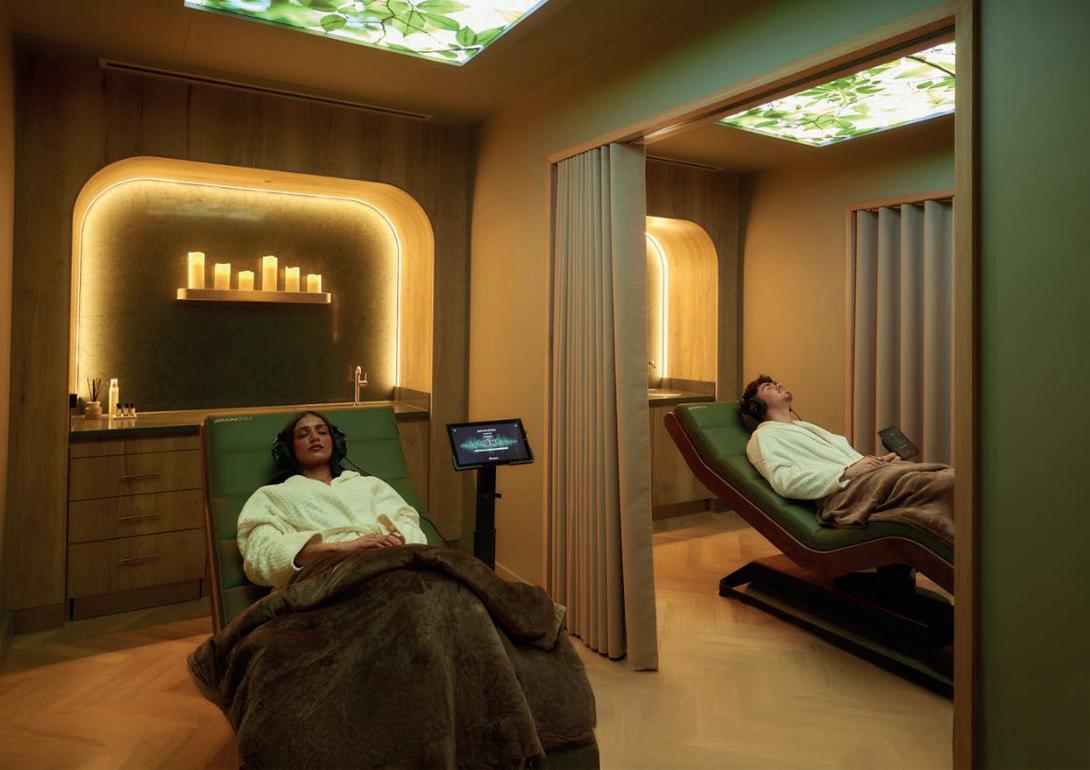
Forest holiday operator, Center Parcs, has opened a wellness area which responds to the growing demand for emotional and physical wellbeing experiences for guests who prefer not to undergo hands-on treatments.
http://lei.sr/8z4E2_H
Reset has opened in response to the social wellness trend
Brio Northgate’s is open after a signifi cant upgrade
There are six treatment pods with privacy screens
Madrid’s Olympic Aquatic Centre will be regenerated
TAP OR SCAN
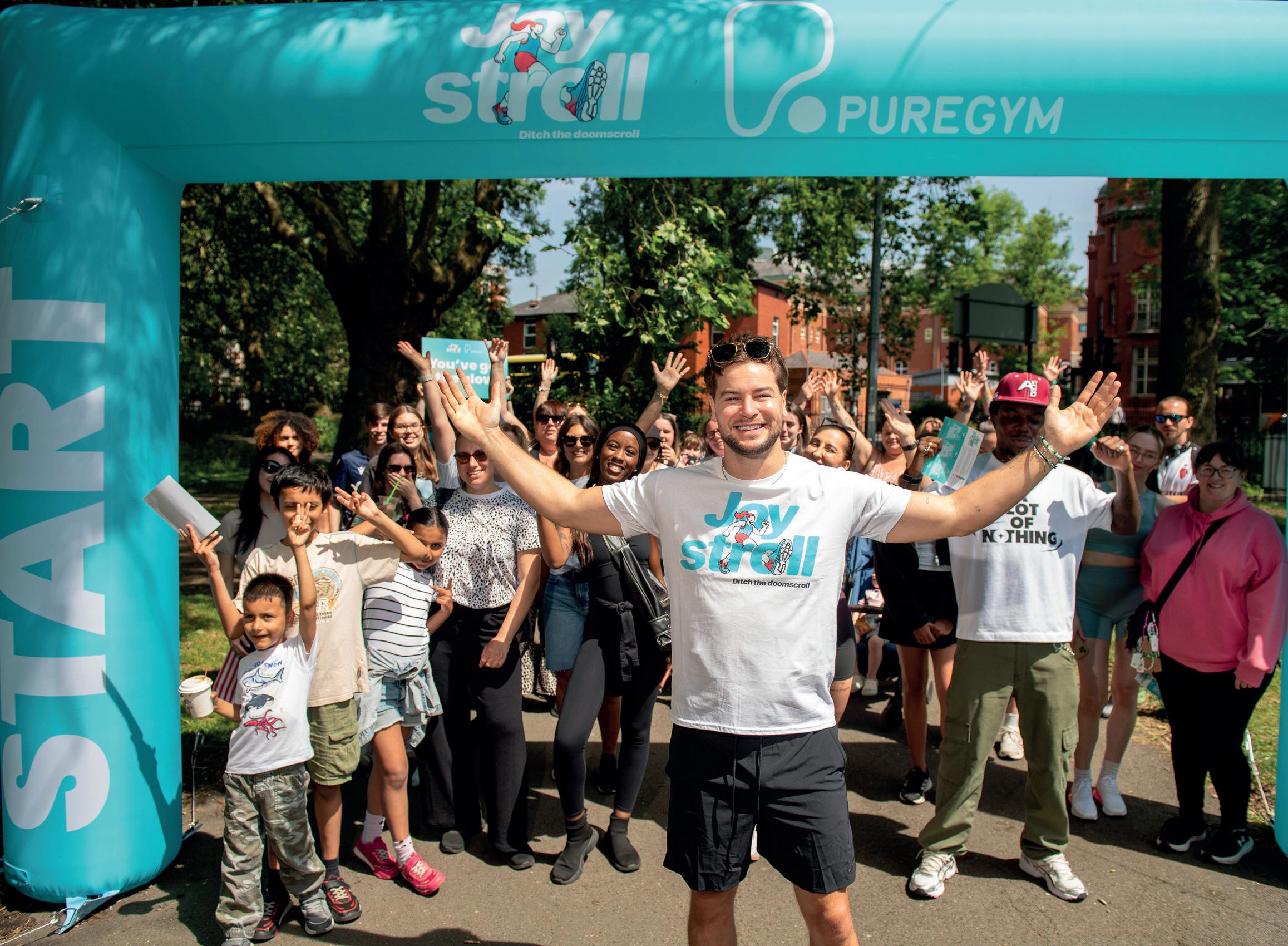
Joy strolling replaces doom scrolling
PureGym commissioned Media Insight to find out how much people scroll on their phones and found the nation’s thumbs are moving 2.8km a week as they trawl through social media. The operator is encouraging people to switch this out for a 2.8km Joy Stroll.
“We were shocked to discover that across England 45 per cent of adults say they feel lonely,” says Mytime Active’s CEO, Steve May. With long-term loneliness linked to a 26 per cent higher risk of death, the trust has focused on developing community outreach projects to reduce isolation.
Chris Hughes, launched Joy Stroll on behalf of PureGym
TAP OR SCAN
TAP OR SCAN
Life Time doubles the size of its clubs
US athletic country club operator, Life Time, says its 2026 growth strategy and outlook are on track after strong Q1 results. Revenue increased by 11 per cent to US$788.7 million.
Bahram Akradi, CEO, founder and chair, said: “We’re scheduled to open this year’s planned 12 to 14 new clubs, which are predominantly large-format, ground-up athletic country clubs.
“Membership engagement continues to rise, our membership mix is improving and in-centre
“Membership engagement continues to rise”
Bahram
Akradi
Longevity modalities are a key part of Life Time’s 2026 model
performance remains robust. Supported by a solid balance sheet, low leverage and strong cash generation, we’re well positioned for continued growth.”
The 2026 clubs are spanning around 1.2 million square feet –nearly double the size of previous annual development pipelines due to the addition of extra facilities.
The new clubs all feature premium amenities, including large recovery and hydrotherapy areas with saunas, steamrooms and cold plunges; resort-style pools and social spaces; LifeSpa services and recovery treatments; boutique studios, including reformer Pilates; and co-working spaces.
http://lei.sr/C7W9R_H
Solidcore exploring expansion outside the US
Solidcore, which is majority owned by L Catterton, has confirmed that it is actively exploring international expansion, with Europe representing a priority region under consideration.
“We’re evaluating several high-density global cities across Europe that align with our target client and brand positioning,” Solidcore president and CEO, Bryan Myers, told HCM.
“These tend to be urban markets with strong boutique fitness adoption and consumers who are willing to invest in premium, coach-led experiences.
“We believe there is significant opportunity to scale across multiple markets globally, with each market supporting a meaningful network of studios over time.”
“ We believe there is significant opportunity to scale across multiple markets globally ”
Bryan Myers
A 50-minute, high-intensity, lowimpact strength training workout, Solidcore uses slow, controlled movements on a custom reformer to target slow-twitch muscle fibres. The workout is designed to achieve second-stage muscle failure and build strength.
http://lei.sr/K3a7u_H
The Solidcore workout trains physical fitness and mental resilience
VivaGym becomes dominant force in Iberia
VivaGym – the fast-growing operator of high-value low-price gyms in Spain and Portugal – is acquiring Synergym International, another Spanish based HVLP gym operator to create a portfolio of more than 450 gyms.
Subject to regulatory approval, the transaction brings together two
“ We are bringing together two complementary businesses to expand our reach across Iberia ”
Cristina Burzako
complementary businesses to create a scaled fitness platform across Spain and Portugal. The acquisition is designed to create a stronger platform, better positioned to invest in innovation, improve the member experience and drive long-term value.
Cristina Burzako, CEO of VivaGym, said: “We’re bringing together two complementary businesses to significantly expand our reach and better serve members across Iberia.
“Our focus is on delivering a highquality, accessible fitness experience, and this step allows us to accelerate that ambition. With a broader network and enhanced capabilities, we believe we are well positioned to keep improving our offer and driving growth.”
Gymnation secures landmark investment
GCC gym operator, Gymnation, has secured a $100 million private credit facility from HPS Investment Partners – part of BlackRock, the world’s largest asset manager.
This is one of the first regional investments of its size since the Iran conflict commenced and one of the largest private credit investments ever made into a GCC-born, founder-led consumer brand.
There is a plan for 100+ locations in the next three years in the
“ It provides the platform for us to expand our footprint across the GCC and beyond ”
Loren
Holland
GCC and further investment in Gymnation’s proprietary technology platform – the data, AI, and machine learning infrastructure. Expansion into other underpenetrated markets will also be explored.
Co-founder and CEO, Loren. Holland says: “This provides the platform for us to expand our
footprint. The GCC represents one of the most exciting and highest growth fitness markets in the world right now and we will soon be announcing our first expansion outside the GCC, into Asia, which will represent an exciting new chapter of growth.”
VIVAGYM
VivaGym has boosted its estate to around 460 gyms
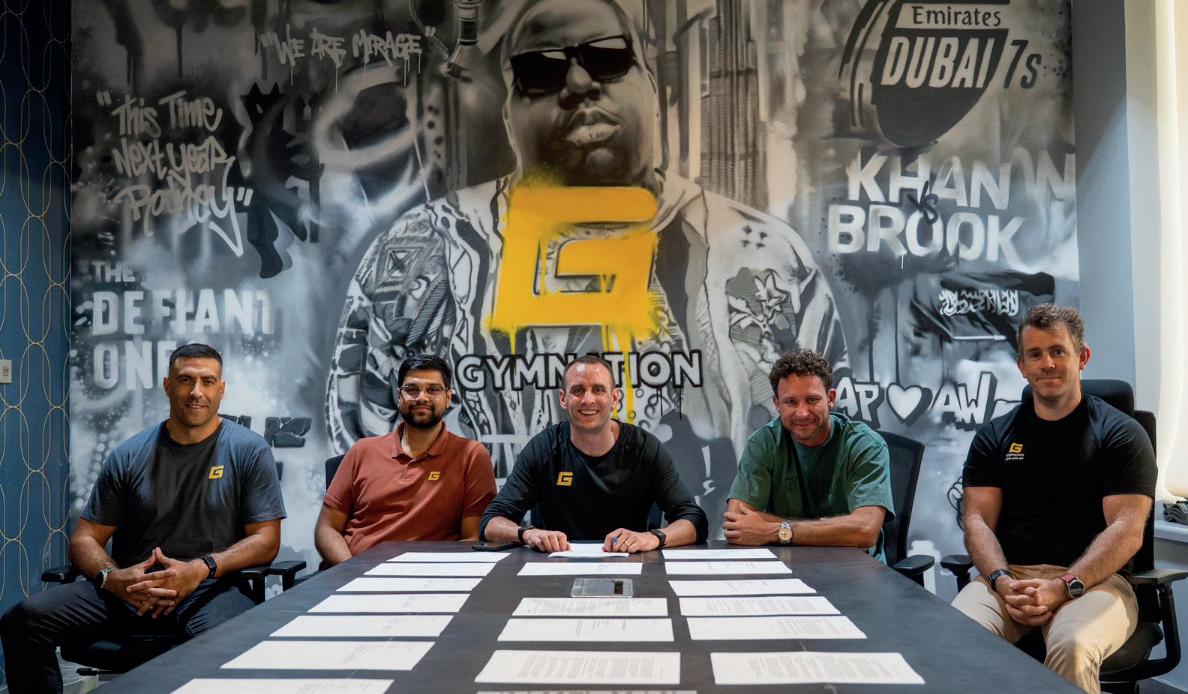
The Gymnation team is celebrating a US$100 million fundraise
TAP OR SCAN
http://lei.sr/j5d5D_H
TAP OR SCAN
http://lei.sr/8z9u5_H
Acquisition gets UGG to 50 Dutch Trainmores
Urban Gym Group (UGG) has acquired Vondelgym Rotterdam, further strengthening its presence in one of the Netherlands’ most dynamic urban markets and marking Trainmore’s 50th site in the Netherlands.
Vondelgym Rotterdam has a loyal local community with a focus on performance. It will be rebranded as Trainmore Rotterdam de Meent, a Trainmore Black Label club. Members will enjoy benefits such as free coffee, tea, protein shakes and sports water. The club will
“ We’re actively looking for new opportunities ”
Neil Randall
PureGym
also introduce reformer Pilates, a multifunctional training zone, Hyrox and a dedicated red-light therapy and recovery area.
Trainmore offers strength training equipment, a strong boutique-in-gym proposition and an increasing emphasis on recovery and has built the brand on the concept of giving a €1 discount per workout.
UGG is growing through organic expansion and strategic acquisitions in major cities. “We’re actively looking for new opportunities,” says Randall. “We welcome conversations with developers, landlords and gym owners with strong urban locations who are interested in long-term partnerships.”
excited about US opportunities
On unveiling a strong set of year-end results, PureGym CEO, Clive Chesser, says the low-cost operator is looking to build on the strong start it has in the US following the Blink Fitness acquisition.
The company opened a record 60 gyms, ending the year with 714 sites and 2.3 million members.
Chesser says the company has ambitious expansion plans: “More than a year on from PureGym’s acquisition of Blink Fitness in the USA, we have made significant progress both in terms of improved profitability and in integrating these new sites into PureGym’s operating model.
“Looking ahead, there’s a clear opportunity to capitalise on the momentum we achieved in 2025.
“We have a medium-term ambition of more than doubling the size of our gym estate”
Clive Chesser
“We have a high-quality pipeline and expect, across our geographies, to open even more sites in 2026. We have a medium-term ambition of more than doubling the size of our gym estate, with particularly strong growth expected in the US market.”
Urban Gym Group now has 50 Trainmores in the Netherlands
PUREGYM
PureGym grew its membership base to 2.3 million in 2025
London debut for Virgin Active social wellness
Virgin Active is set to open its first social wellness club in London, with a relaunch of its Mayfair site in July.
The operator, which has 224 clubs in nine countries, serving more than a million members, is repositioning its health clubs as social wellness clubs that become the second space.
“Virgin Active Mayfair has been designed for the way our members actually live”
Rob Lewis
Experience director at Virgin Active, Rob Lewis, says: “The new Virgin Active Mayfair has been designed for the way our members actually live – a space where training, recovery, work and community sit alongside each other naturally.”
There will be five dedicated studios and a 1:1 Pilates suite. The extensive gym will be split equally between strength and cardio and there will be a contrast spa including a Finnish sauna, infrared sauna, cold plunge, vitality pool and a 20-metre indoor pool.
Other facilities include a recovery area with hydromassage beds and Hyperice technology, co-working spaces, treatment rooms and a Kauai Café.
http://lei.sr/W2w6d_H
Therme aims for 90 per cent coverage of
UK
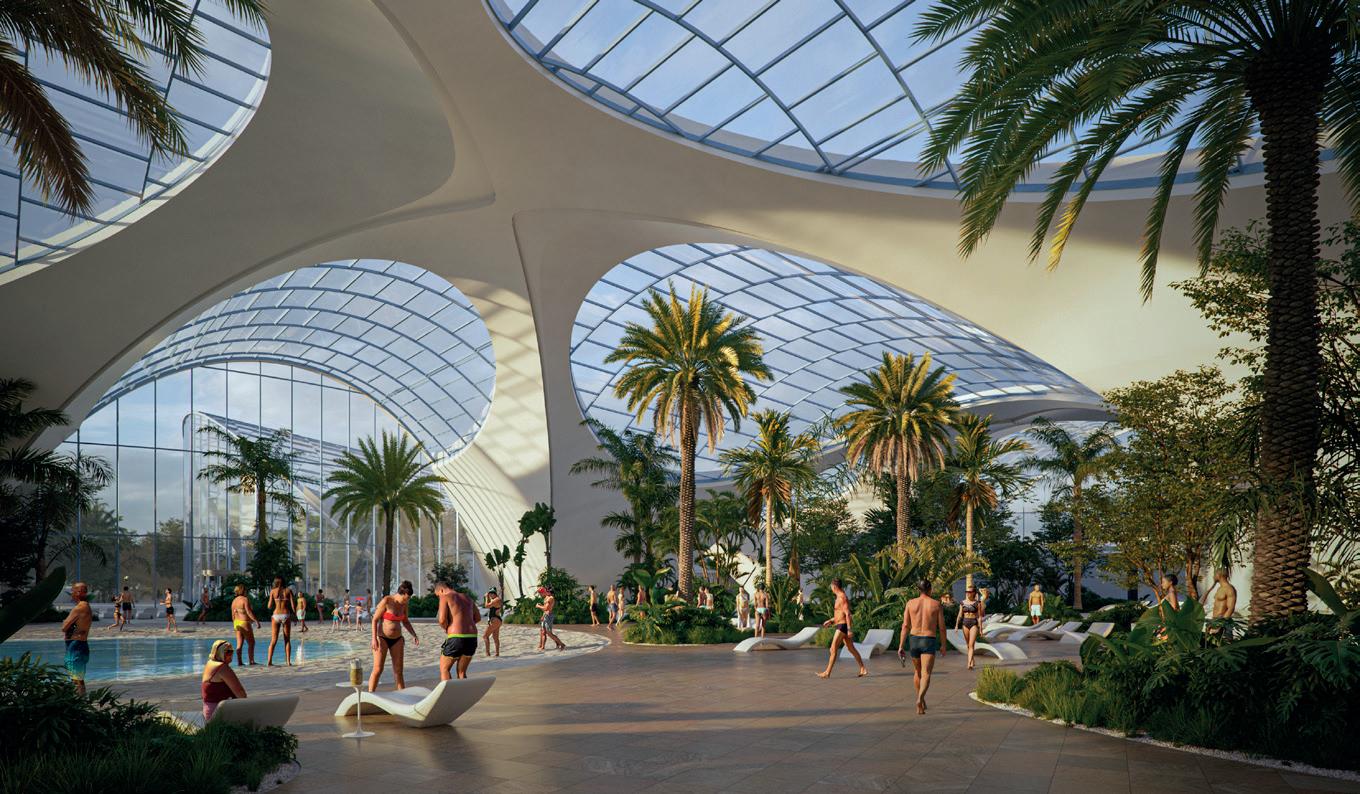
Scheduled to open in 2028, Therme Manchester’s 28-acre site will be the largest bathing and wellbeing attraction in the world, according to prof David Russell, CEO of Therme UK.
The site includes interconnected glass pavilions spanning 65,000sq m and there will also be 60,000sq m of surrounding external space.
Russell wants 90 per cent of the UK population to be within a 90-minute drive of a Therme site.
“13.1 milion people are within a 90-minute drive or our Manchester site”
Professor David Russell
He told HCM’s sister magazine, Spa Business, that 13.1 million people are within a 90-minute drive of the Manchester site at Trafford City. The nearby Trafford Centre and adjacent Trafford Palazzo already attract more than 30 million visitors a year.
To achieve Russell’s vision five sites would be needed. The next
locations under consideration include Glasgow, Cardiff, Bristol, London and possibly Birmingham. The next facility to open will be in Glasgow. It has a catchment area of 5.6 million people within a 90-minute drive and is in the early stages.
http://lei.sr/8T8s7_H
VIRGIN ACTIVE
The spa at Virgin Active’s Mayfair social wellness club
Therme Manchester will have capacity for 6,500-7,000
TAP OR SCAN
TAP OR SCAN
Active Lives reveals impact of fitness sector
Activity levels are still rising among English adults according to Sport England’s new Active Lives Survey, which covers the period of November 2024 to November 2025.
According to Sport England’s chief strategy officer, Nick Pontefract, the number of people meeting the Chief Medical Officer’s guidelines of 150 minutes of moderate intensity exercise each week is at the highest since the survey began in 2015-2016.
There are now almost 30 million active adults in England
“People meeting the CMO guidelines are at the highest since the survey began”
Nick Pontefract
Gym-based activity is growing according to the latest Active Lives Survery
– 859,000 more than last year and 3.3 million more since the survey started. Inactivity levels have decreased by 0.9 per cent.
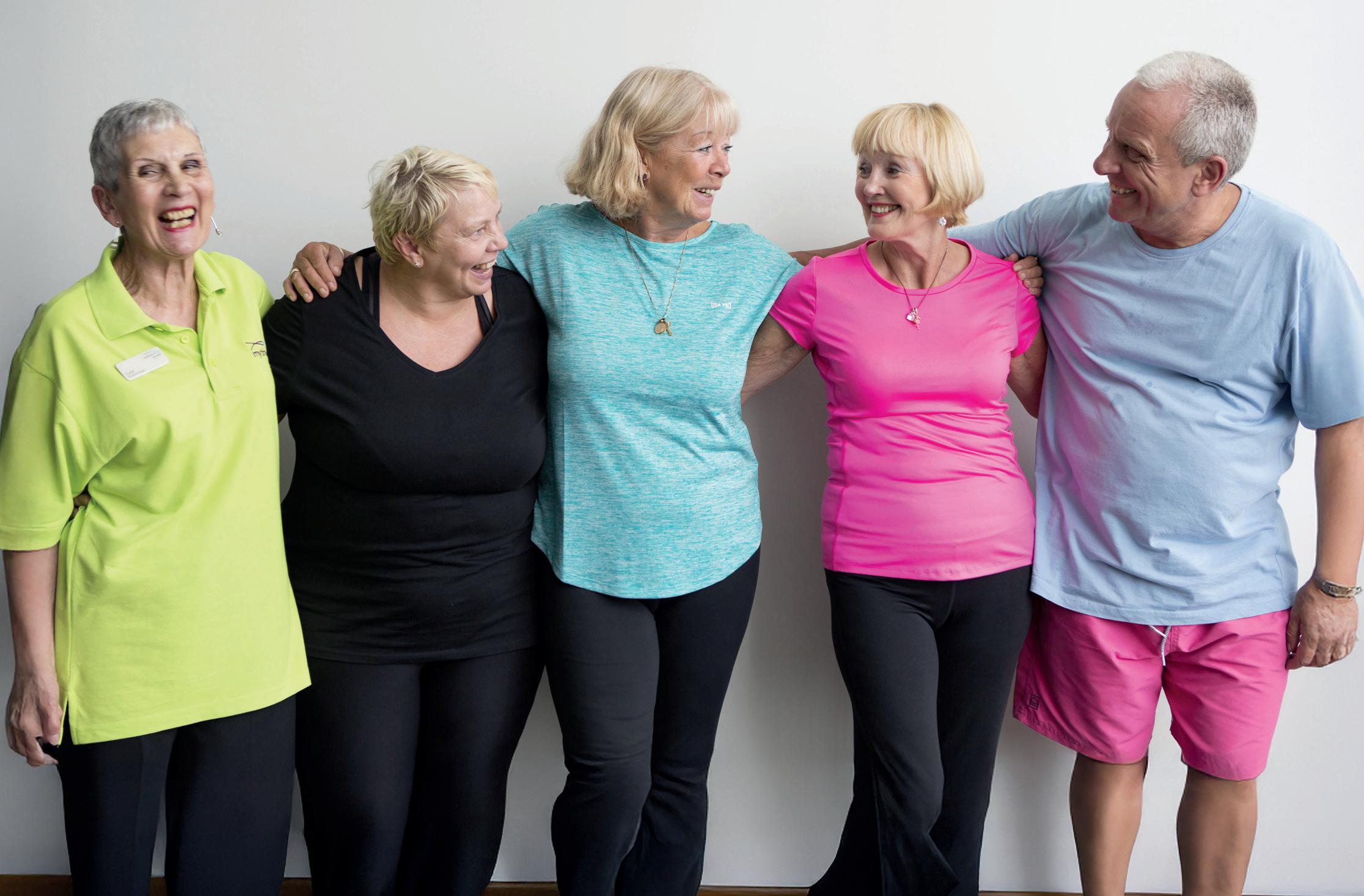
Much of the increase is from older people who want to stay healthy and gyms are playing an important role. Since the pandemic the biggest increases have come from
gym-based training: fitness classes, gym sessions, exercise machines, weight sessions, intervals and generic fitness training. All of these areas have shown steady growth.
Persistent inequalities show there is more work to do to remove barriers to activity.
UK Active delivers defibrillator guidelines
UK Active has published new guidance on defibrillators to help operators deliver lifesaving support for anyone who suffers a cardiac arrest.
Developed with the British Heart Foundation the guidance forms part of UK Active’s commitment to support gyms and leisure centres to improve safety and standards.
Out-of-hospital cardiac arrest survival rates in the UK remain low, with fewer than one in 10 people surviving. However, rapid defibrillation within a few minutes of collapse can significantly increase survival rates.
The new resource, titled Guidance on Defibrillator Provision in Physical Activity Settings, provides practical advice on installing, registering and
maintaining a defibrillator, as well as training staff and maximising the life-saving impact of these devices.
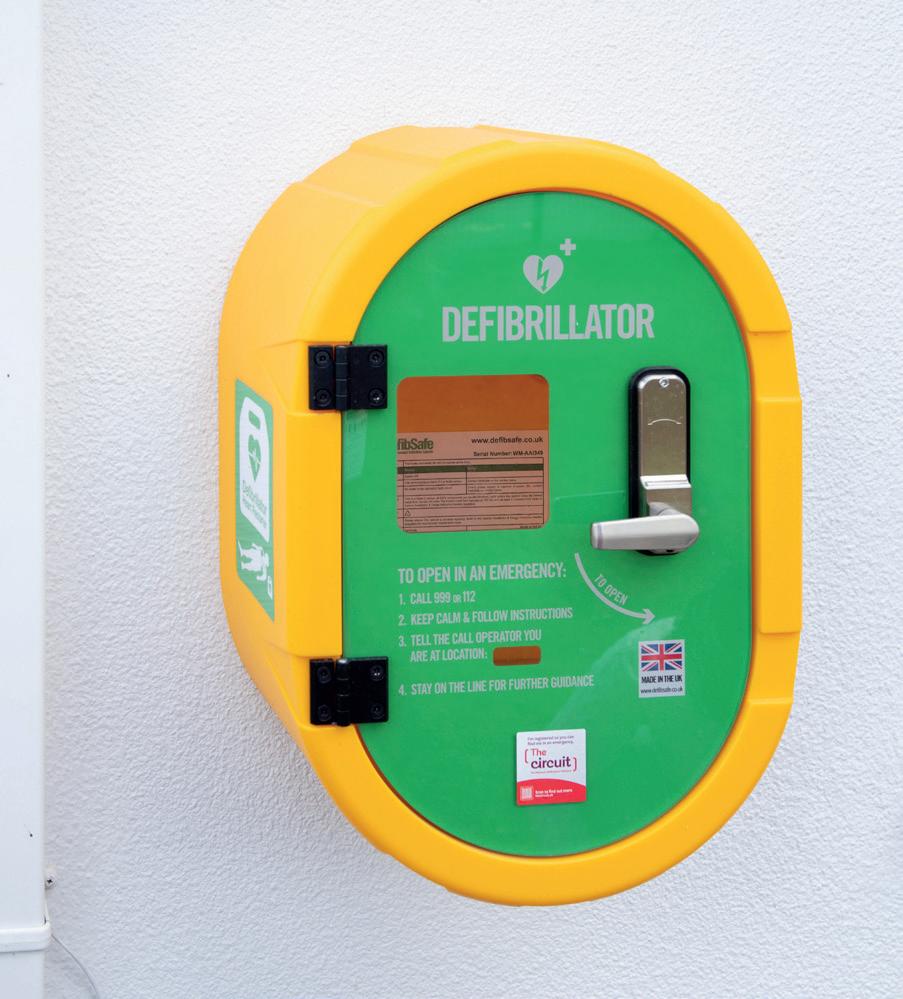
UK Active is encouraging operators with defibrillators to make them available to the local community, by housing them in an external cabinet and registering them with the ambulance services via The Circuit – the UK’s national defibrillator network.
Cameron Saunders, CEO of UK Active, urges the sector to engage: “Providing access to a defibrillator can be priceless in an emergency and we regularly hear stories of heroes in the UK’s gyms, leisure centres and swimming pools using CPR and a defibrillator to save someone’s life.”
Fitness First and Kip tackle digital wellness
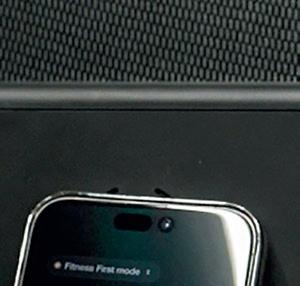
Fitness First UK is embracing digital wellness technology by installing Kip’s tap-to-activate phone controls across its UK estate.
Kip tags disable selected apps when users tap their phones against them. Members can choose which apps to disable, meaning they might block social media and email during a workout, while still allowing music, workout apps and calls.
The decision to install Kip follows growing evidence that phones can
“Kip gives our members a tool to protect what they came here for, on their own terms”
Marc Diaper
undermine the benefits of exercise by contributing to mental fatigue. As members increasingly view workouts as a form of cognitive recovery, Fitness First believes some users will value the additional focus and reduced distraction.
“Our members come here to train, build strength, support their wellbeing and feel their personal best,” says Fitness First CEO, Marc Diaper. “Phones can work against those intentions, not through any fault of our members, but because these devices are designed to pull us away. This first-of-its-kind partnership with Kip gives our members a tool to protect what they came here for, on their terms.”
Kip founder, Shaun Traynor, says digital wellness is a no longer a fringe concern: “It’s a key pillar of wellbeing, sitting alongside sleep, nutrition and exercise. Many people train for their mental wellbeing, but we know that phones can induce stress and anxiety
Kip is encouraging a healthier relationship with phones
and a 2025 Ofcom study found 78 per cent of respondents want to use their phones less. However, this is not about a digital detox. It’s about building a healthier relationship with our phones.”
Pulse launches the first mindfulness ring
Designed to promote presence, focus and calm via gentle haptic vibrations, the Pulse Mindfulness Ring is a screen-free alternative to meditation apps.
Pulse vibrates several times a day – the amount depends on the user’s choice – inviting them to take a 10-second micropause to either breathe deeply, practise a moment of gratitude or simply shift out of autopilot. The vibrations are purely for awareness – a signal to return attention to the body and the present moment. Over time, this rewires the brain for calm, regulation and clarity.
Founder Johan Matton says: “Humanity built technology to connect, yet in the process, we’ve never been more disconnected
from ourselves. The average person touches their phone multiple times per day, driven by invisible algorithms that steal attention and fragment peace of mind. I want to introduce a new kind of technology: one designed not to take attention, but to give it back.
“The Mindfulness Ring is not another screen or tracker. It’s an intervention tool – a tactile bridge between technology and presence. With silent vibrations, it gently guides the user back to awareness. A soft pulse reminds you to breathe, focus or feel gratitude.”
Micro-pauses are proven to lower stress hormones, increase focus and reset the autonomic nervous system.
The product strapline is ‘being present is the future’
TAP OR SCAN
TAP OR SCAN
Famed London nightclub, Tramp, launches Tramp Health
Luxury members’ club Tramp has expanded into the fitness, health and wellness sector with the launch of Tramp Health, a 16,000sq ft high-end fitness and longevity club in London’s Mayfair.
The new concept was created by Luca Maggiora, the entrepreneur who bought Tramp at the end of 2023 and represents a £10m investment.
The new fitness, health and wellness club is being promoted by the company as the antithesis of the legendary Tramp nightclub and members’ club in St James’s. Maggiora says Tramp Health is a place where “meaningful mornings of clarity” complement “unforgettable nights”.
‘People want nights they remember – energy, friendship, music, the feeling of being alive together. They also want mornings that ground them – time to work on their body, their mind, their longevity, and to do it inside a community that understands them,” he told C&TH.
The club is located adjacent to the new Rosewood hotel in the former US Embassy building on
“ People want nights they remember – energy, friendship, music, the feeling of being alive together. They also want mornings that ground them – time to work on their body, their mind, their longevity ”
Luca Maggiora
London’s Grosvenor Square and combines fitness, recovery, diagnostics, aesthetics and hospitality.
Membership is open to existing Tramp members for £390 a month on top of £2,000 a year membership dues, with no joining fee.
Non-members are interviewed before being granted a membership and if successful, this will cost them £10,000 a year, with a £5,000 joining fee. There will be a cap of 1,200 members.
Facilities include a 3,000sq ft gym equipped by Technogym, Eleiko, Panatta, Watson, Hammer Strength and Precor, a Pilates studio with 15 reformers and a dedicated personal training studio.
A hot yoga/Pilates studio and a mindfulness space complete the mix. This will accommodate things such as sound healing, breathwork and meditation. Recovery and spa offerings include a
Luca Maggiora
The recovery area includes cold plunges, a sauna and an HBOT chamber
15-person steamroom, cold plunges, a 20-person sauna and hyperbaric oxygen therapy.
Also on offer are four treatment rooms for physiotherapy, TCM and aesthetic services as well as red light therapy and mobility and stretching areas.
The medical and longevity services at Tramp Health will be overseen by Dr Mark Mikhail and include blood testing and ‘concierge-style’ health programmes, while nutritional therapist Eve Kalinik is curating and designing the food offering. Beauty treatments will be delivered by skincare specialist Libi Roos.
The street-facing Tramp Health Wellness Café and Terrace opened in April, offering indoor and outdoor spaces and a menu created by Kalinik and head chef Marco Sanna. This features things such as smoothies, light brunch plates and kefir bowls, with functional ingredients such as collagen, creatine, MCT and lion’s mane on offer.
The high-end interiors were envisioned by Tomèf Design, and centre around a bronze “Tree of Life” sculpture, with circadian lighting to reinforce the club’s longevity-focus.
The leap from nightclub to wellness is part of a growing trend which sees consumers increasingly more interested in investing in their wellbeing than unhealthy leisure-time choices.
HCM has reported recently on a number of nightclubs being relaunched as health and wellness clubs.
In addition, private members’ clubs are expanding into wellness, reflecting rising consumer demand for integrated offerings that combine social connection, fitness, recovery and preventive health, with Six Senses Place, Surrenne, Lanserhof at The Arts Club, Bodyism and Grey Wolfe being recent examples.
Third Space opens the doors to its latest high-end club in Chelsea
Premium London operator, Third Space, opened its 15th health club on 1 May, in Chelsea.
The design of the five-storey club combines the historical charm of the building with contemporary aesthetics. Elegant Rosso Levanto marble, imported from Italy, has been used throughout, as well as artwork inspired by former residents of the street, including Winnie the Pooh author, AA Milne.
Third Space CEO, Colin Waggett, says: “We’ve always been proud to hold our clubs to such a high standard, and Third Space Chelsea delivers this at the highest level. Every element of the club, from its design to the equipment inside, has been carefully thought out, and Chelsea will allow us to continue growing our roster of high performing clubs. We cannot wait to continue helping Londoners prioritise their health and fitness goals.”
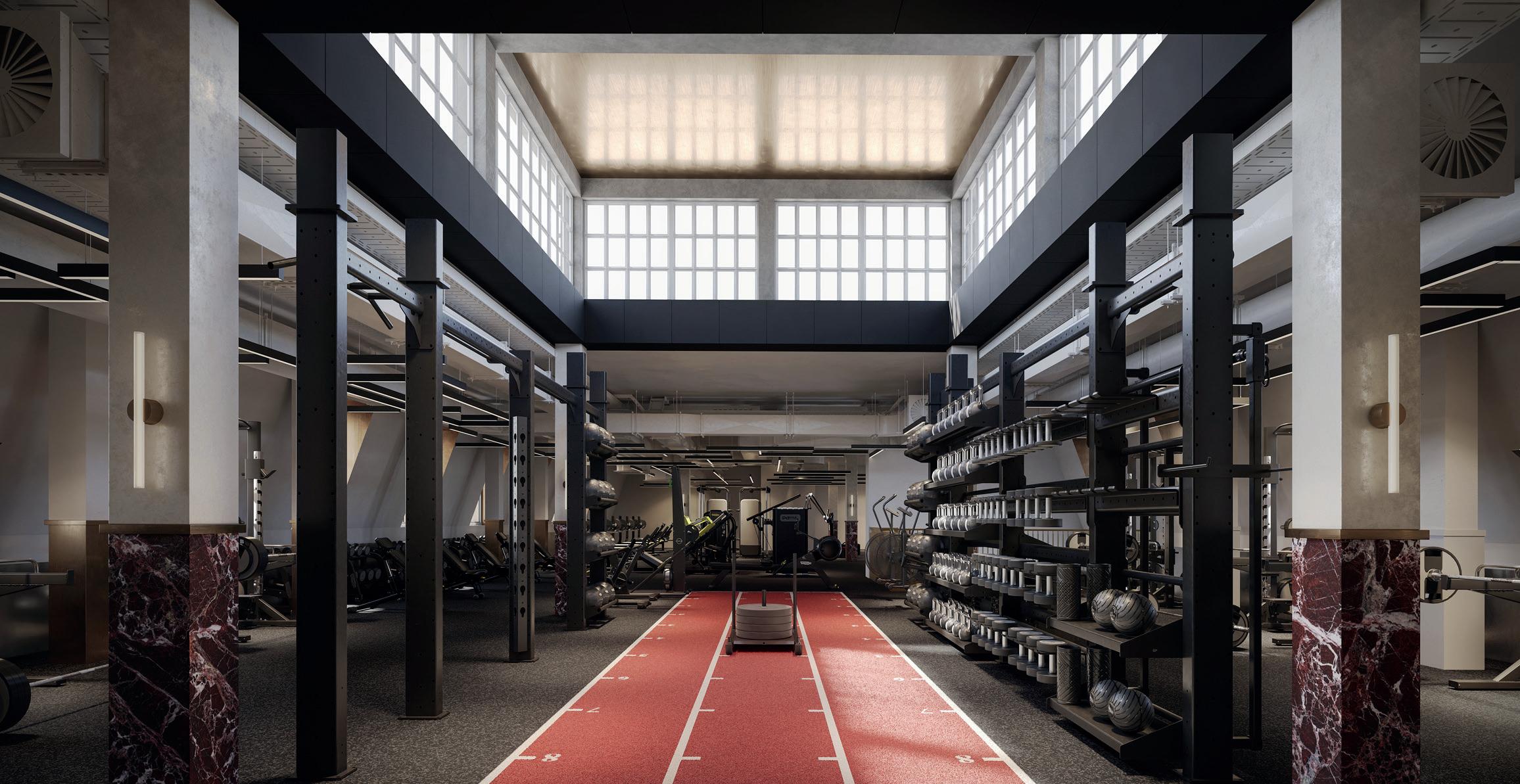
A three-lane track and functional rig sits at the heart of the gym floor, surrounded by dedicated weights areas and Technogym and Woodway treadmills. The gym floor is complemented by an elite
stretch and recovery zone giving members access to Hyperice Hypervolts, Hypersphere, Normatec Recovery Boots and Vyper Vibrating Foam Rollers.
More than 250 weekly classes will take place in the four studios for HIIT (with immersive lighting), indoor cycling, yoga and reformer Pilates.
Supportive modalities will be on offer at the Recovery Spa, including cryotherapy, red light therapy and sound and vibration therapy beds, which combine binaural sound and gentle vibration to help regulate the nervous system, reduce stress and improve mood, sleep and behavioural wellbeing. The centrepiece of the wet spa is a signature pool with Rosso Levanto marble tiling. There is also a hydrotherapy pool with underwater massage jets and neck cascades; a Finnish Loyly sauna and steamroom, heated loungers and a cold plunge pool, ranging from 8-10 degrees celsius.
This is the first of three launches this year, with Oxford Street and Queen’s Park to follow. The last site to launch was The Whiteley in December.
Italian marble has been used in the pool area
“ We’ve always been proud to hold our clubs to a high standard, and Third Space Chelsea delivers this at the highest level”
Waggett
A sled track is a centrepiece on the gym floor
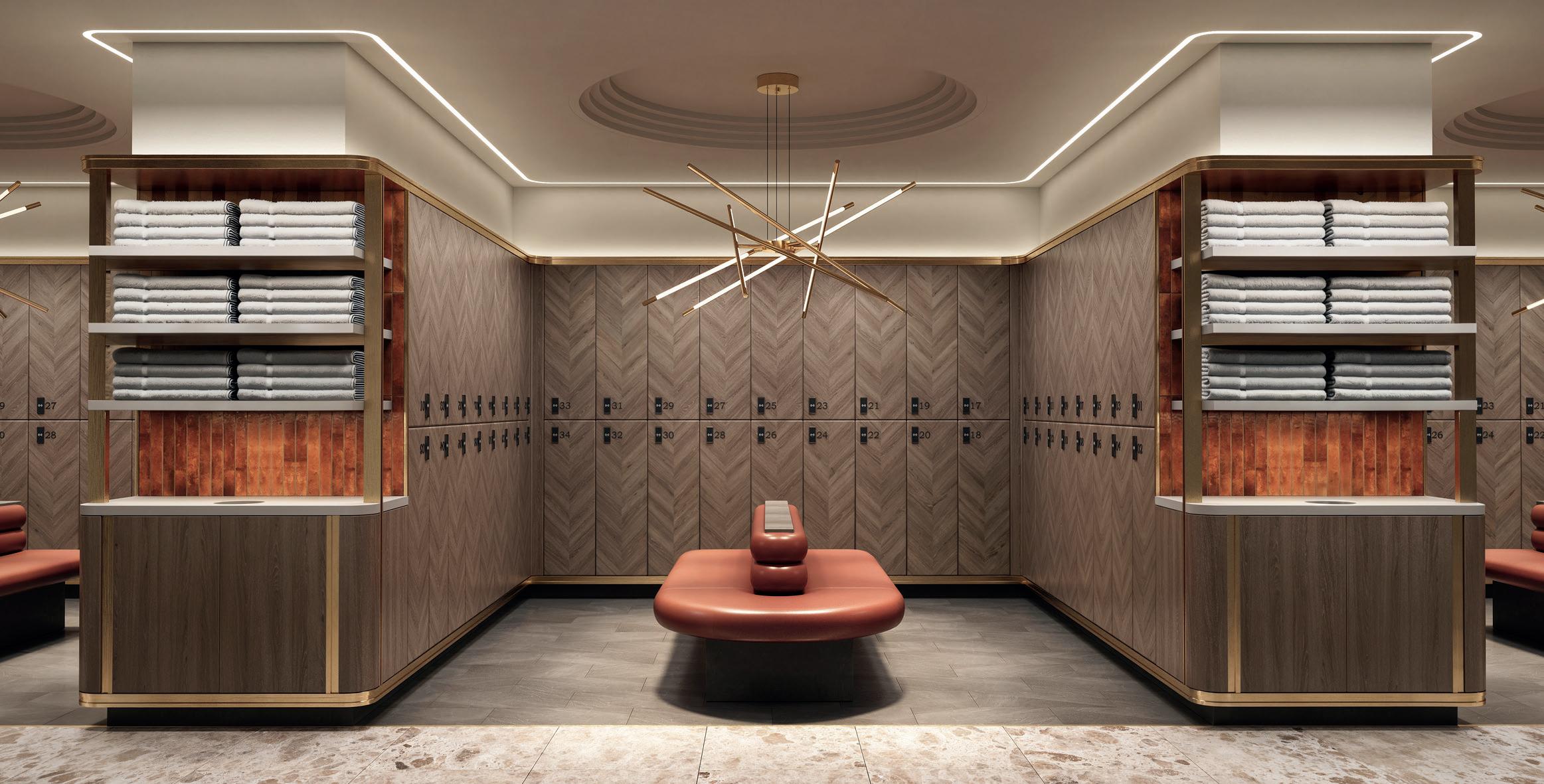
Luxury changing rooms are part of the Third Space experience
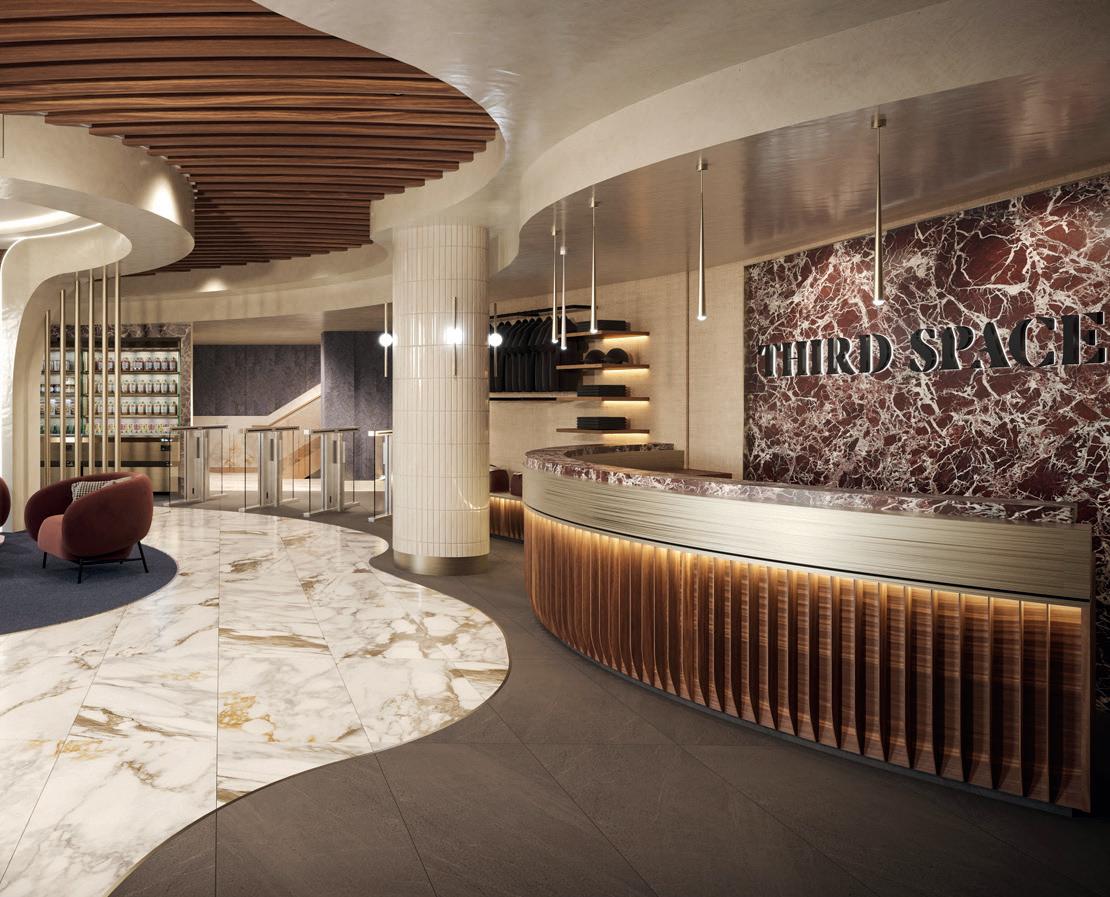
The reception at Third Space Chelsea makes a statement
Colin
The Method opens The Club –a social wellness destination
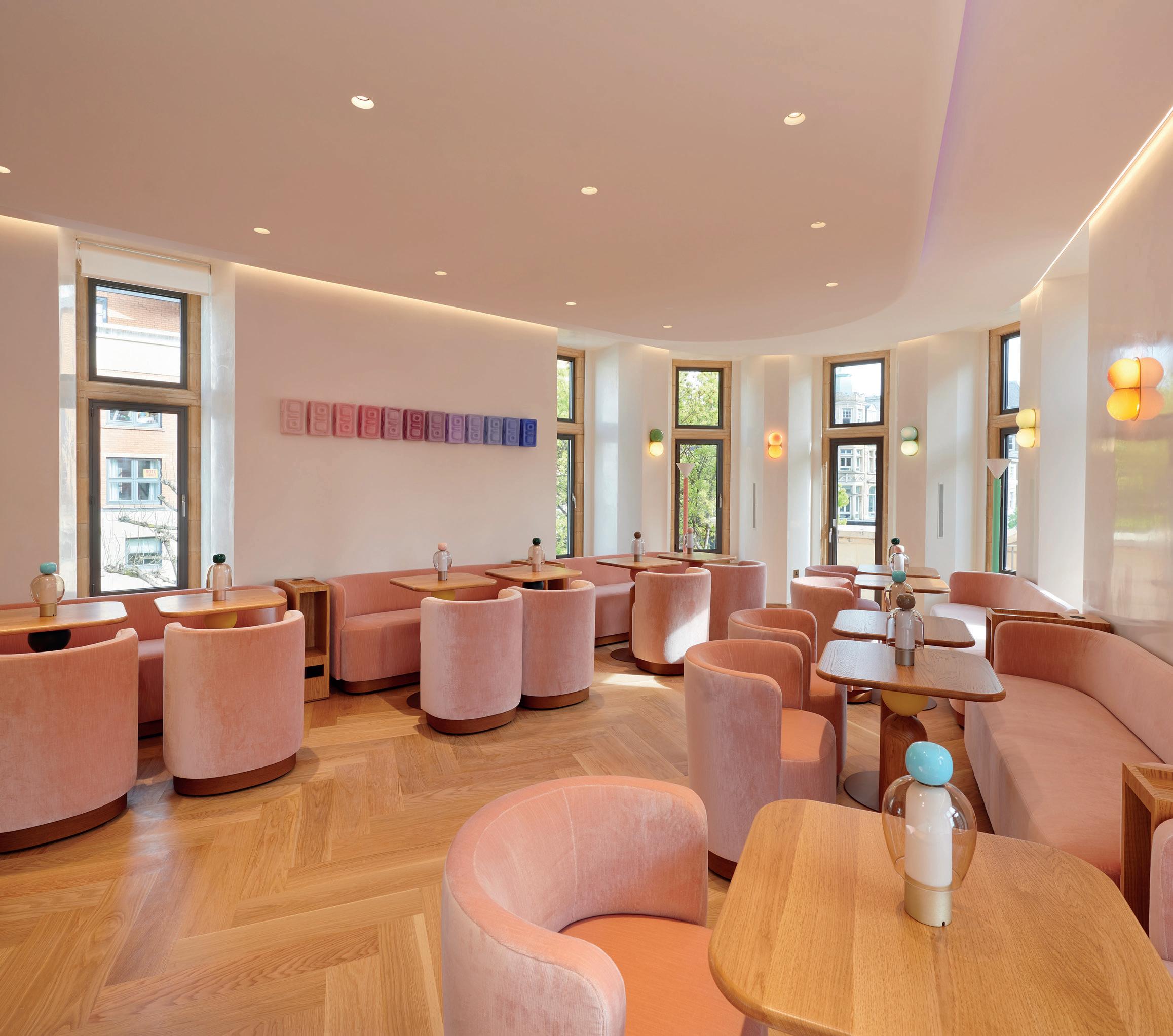
Aimed at consumers who are prioritising longevity and recovery, The Club provides an alternative way of socialising to conventional hospitality models, combining movement, recovery, hospitality, art, and architecture.
French design studio, FP Homes, was responsible for the interiors. The colour palette used is designed to support circadian rhythms and promote a sense of calm, while artworks from internationally acclaimed artists, including Tracey Emin, James Turrell, and Olafur Eliasson, are featured to inspire and uplift.
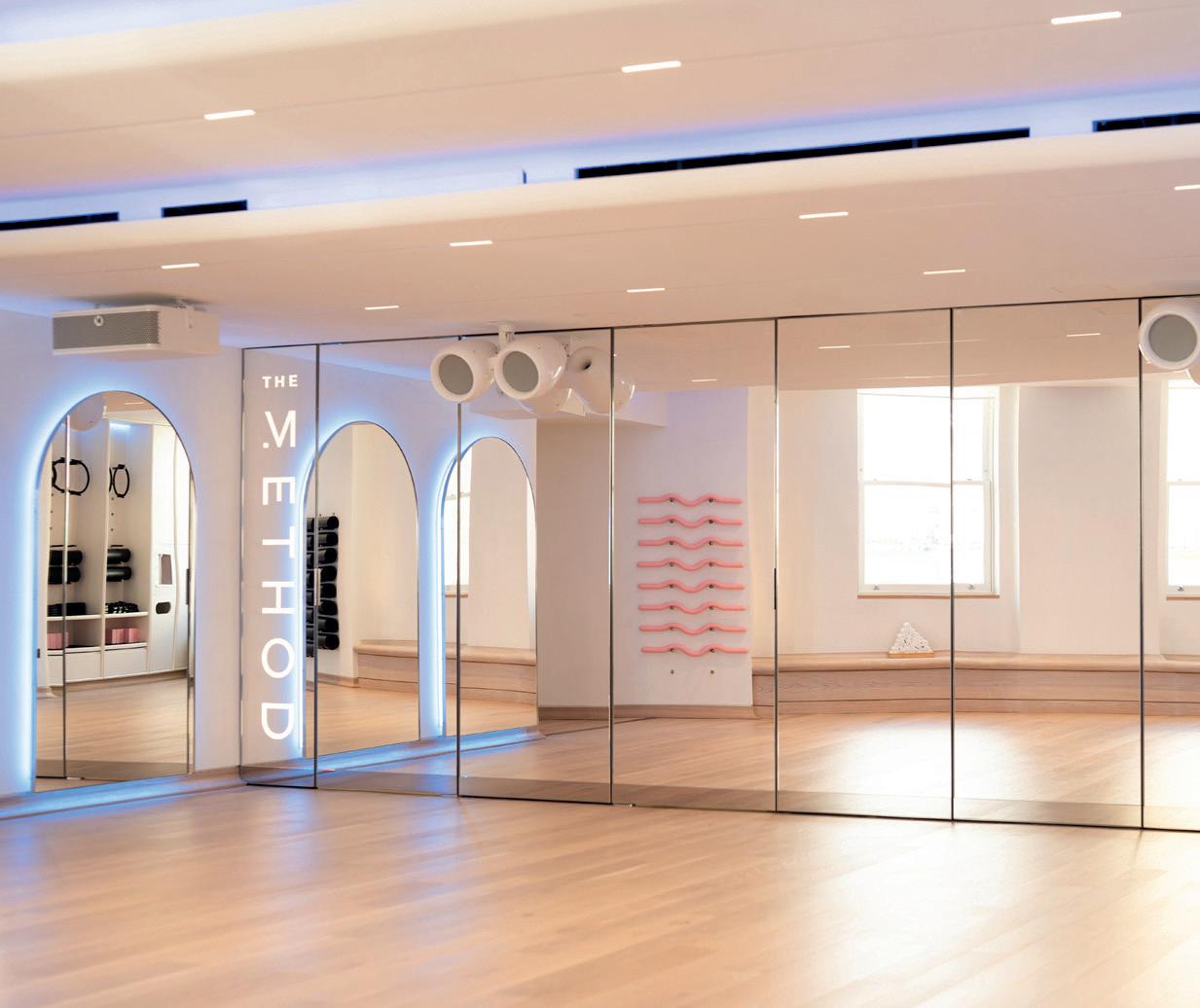
The offering comprises three fitness studios for dance, strength and conditioning, and low-impact movement.
The Lab is a floor dedicated to recovery with treatment rooms, a contrast therapy spa, a Swedish sauna, and ice baths.
The third element is a private members’ lounge and landscaped garden terrace.
Katie Henderson, CEO at The Method, says the vision was to create a space that moves beyond the traditional gym model: “The brief was to create a
wellness destination that felt immersive, restorative and emotionally uplifting, more akin to a boutique hospitality space than a traditional fitness environment,” she says.
“Art is an essential part of the emotional experience of the space. The artworks help to shape the atmosphere of the club – bringing warmth, emotion, beauty, and moments of reflection into the environment.
“Following the success of our original Westbourne Grove studio – which has now been transformed into a reformer Pilates studio – it became clear there was a growing appetite for a more holistic, lifestyle-led, wellness experience that integrates fitness, recovery, hospitality and community in a single destination.
“The Method’s programming is designed to support strength, cardiovascular fitness, mobility, recovery, and nervous system regulation, recognising that modern wellbeing extends beyond high-intensity training alone.”
Membership numbers are capped, and the prices are only available on request.
Investment figures are not being disclosed.
There are three fitness studios for dance THE METHOD
“ The brief was to create a wellness destination that felt immersive, restorative and emotionally uplifting, more akin to a boutique hospitality space than a traditional fitness environment ”
Katie Henderson
The members lounge is an important part of the offering
Yoga is part of the mix
Collabs
Everyone Active appoints You+ ambassador
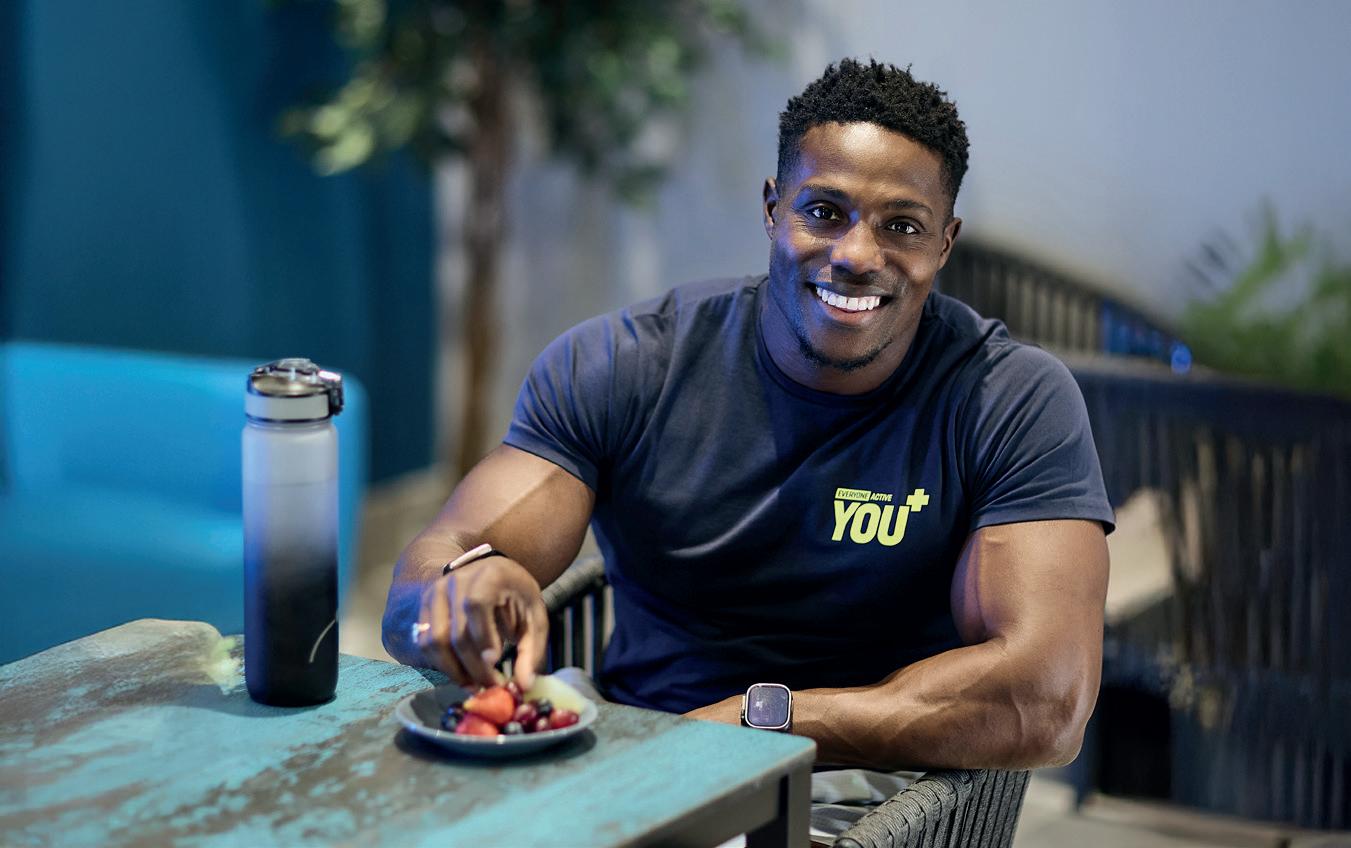
Everyone Active has partnered with Team GB sprinter and TV personality, Harry AikinesAryeetey, to be the first ambassador of its You+ wellbeing membership.
Aikines-Aryeetey will be working alongside the expert collaborators as the face of the brand, helping to drive awareness and engagement. He has been a prominent figure within the organisation’s Sporting Champions scheme since 2024 and in his new role, will bridge the gap between elite performance and everyday wellness.
“ We’re breaking down barriers to leisure and empowering people to take charge of their health journey ” Stephanie Heath
He says: “I’m incredibly proud to be named the first You+ Ambassador and excited to show that longevity and wellbeing are about much more than just what happens in a gym, pool or studio.”
Everyone Active’s national fitness products and training manager, Stephanie Heath, says of the programme: “With Harry’s
support, we’re breaking down barriers to leisure and empowering people across the country to take charge of their health journey.”
Alongside his new role, AikinesAryeetey will continue his work with the Sporting Champions programme, which supports more than 1,400 athletes a year.
Reebok partners French CrossFit competition
Reebok will be the official partner of The French Throwdown, one of Europe’s most well-known CrossFit competitions, which is a qualifier for masters and elite events, as well as attracting athletes from around 30 countries.
As official performance sponsor of the competition, Reebok will equip all athletes and the event’s 350 volunteers.
Throughout the weekend, the company will also partner with i-Run to deliver an immersive retail experience that re-imagines training environments and equipment and is designed to drive hands-on product trials by consumers and participants to deepen engagement.
Founded in 2012 in Paris, The French Throwdown has grown into one of the most high profile events in the international CrossFit calendar.
For the third consecutive year, the event has been selected as the official European stage of the CrossFit Games season. It takes place at the Arena Grand Paris, which can host up to 9,000 spectators.
“The French Throwdown has always held a special place in my heart and is undoubtedly one of my favorite competitions!” says Elisa Fuliano, Italian professional Reebok athlete. “The atmosphere is incredible and the event is well organised.”
Harry Aikines-Aryeetey is Everyone Active’s first You+ ambassador
Reebok is sponsoring The French Throwdown
CONSULTATION
Commercially
Performance-led layouts and 3D visualisation
Multi-brand equipment strategy, aligned to your members, facility and commercial model
End-to-end delivery, supported by UK stock for faster rollout
Technogym
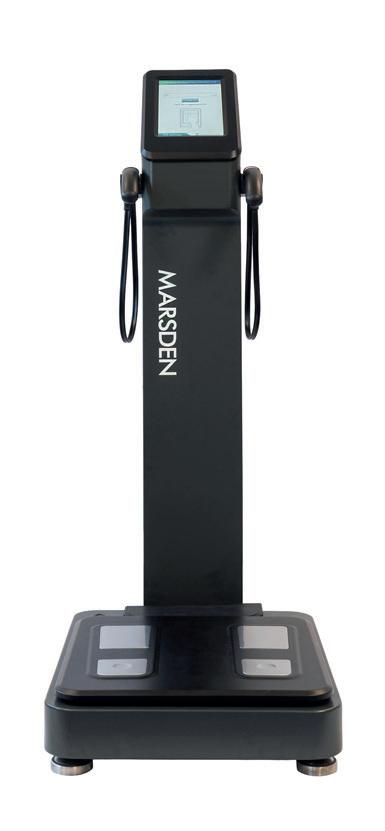
PHYSICAL AND COGNITIVE ASSESSMENT:
MIND
MOBILITY
BALANCE
STRENGTH
CARDIO
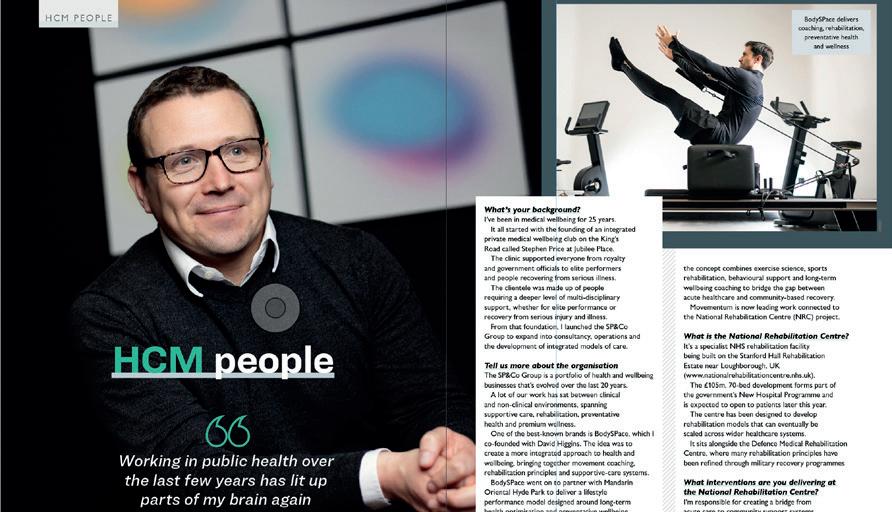
HCM people
Working in public health over the last few years has lit up parts of my brain again
Stephen Price Founder, SP&Co Group
What’s your background?
I’ve been in medical wellbeing for 25 years.
It all started with the founding of an integrated private medical wellbeing club on the King’s Road called Stephen Price at Jubilee Place.
The clinic supported everyone from royalty and government officials to elite performers and people recovering from serious illness.
The clientele was made up of people requiring a deeper level of multi-disciplinary support, whether for elite performance or recovery from serious injury and illness.
From that foundation, I launched the SP&Co Group to expand into consultancy, operations and the development of integrated models of care.
Tell us more about the organisation
The SP&Co Group is a portfolio of health and wellbeing businesses that’s evolved over the last 20 years.
A lot of our work has sat between clinical and non-clinical environments, spanning supportive care, rehabilitation, preventative health and premium wellness.
One of the best-known brands is BodySPace, which I co-founded with David Higgins. The idea was to create a more integrated approach to health and wellbeing, bringing together movement coaching, rehabilitation principles and supportive-care systems.
BodySPace went on to partner with Mandarin Oriental Hyde Park to deliver a lifestyle performance model designed around long-term health optimisation and preventative wellbeing.
Another one of our brands – Movementum – is the public-health and supportive-care arm of the SP&Co Group. It was founded in 2020 to scale a model known as ‘movement capacity’.
Originally developed through work in oncology, rehabilitation and premium wellness environments,
BodySPace delivers coaching, rehabilitation, preventative health and wellness
the concept combines exercise science, sports rehabilitation, behavioural support and long-term wellbeing coaching to bridge the gap between acute healthcare and community-based recovery. Movementum is now leading work connected to the National Rehabilitation Centre (NRC) project.
What is the National Rehabilitation Centre?
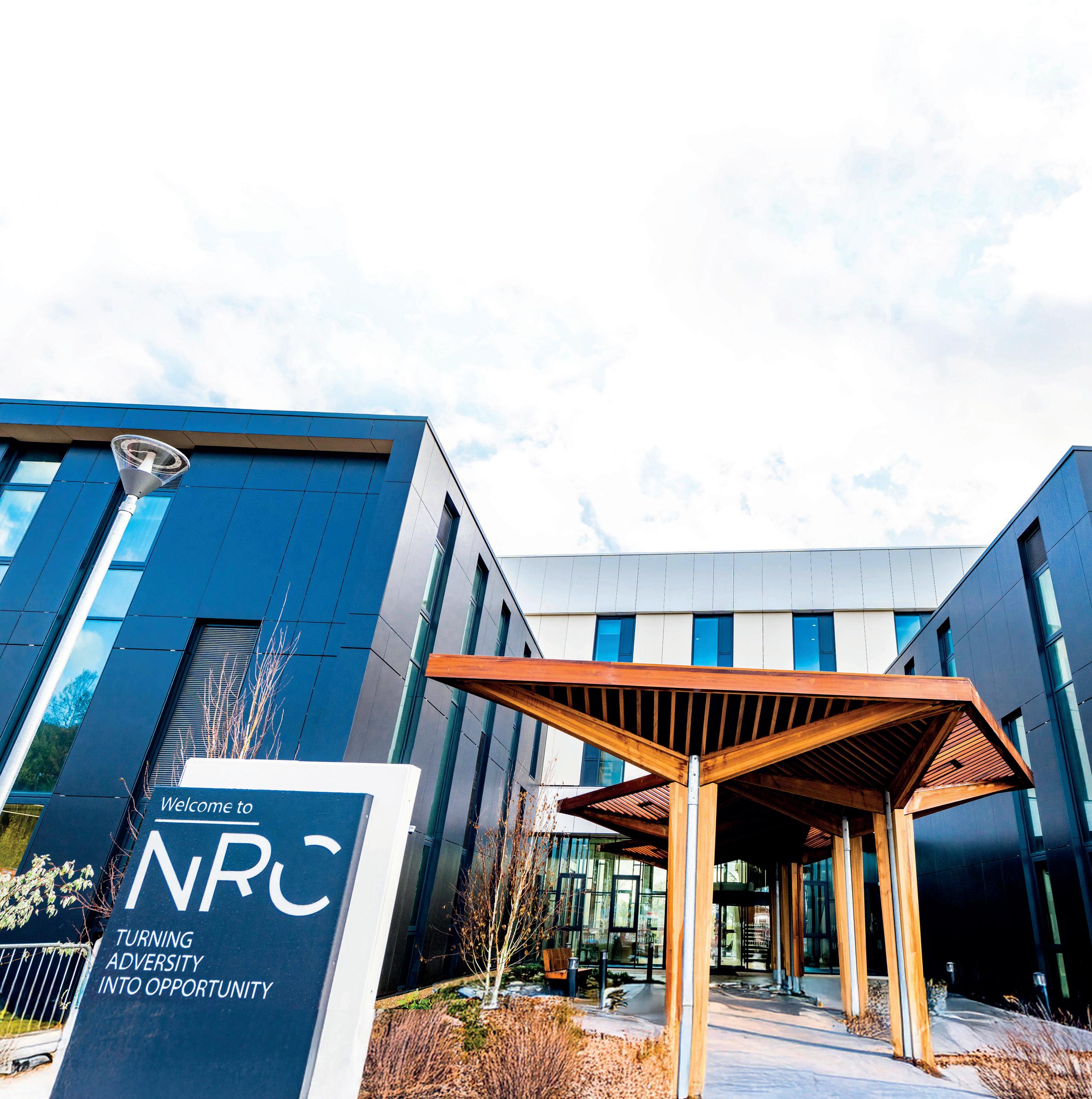
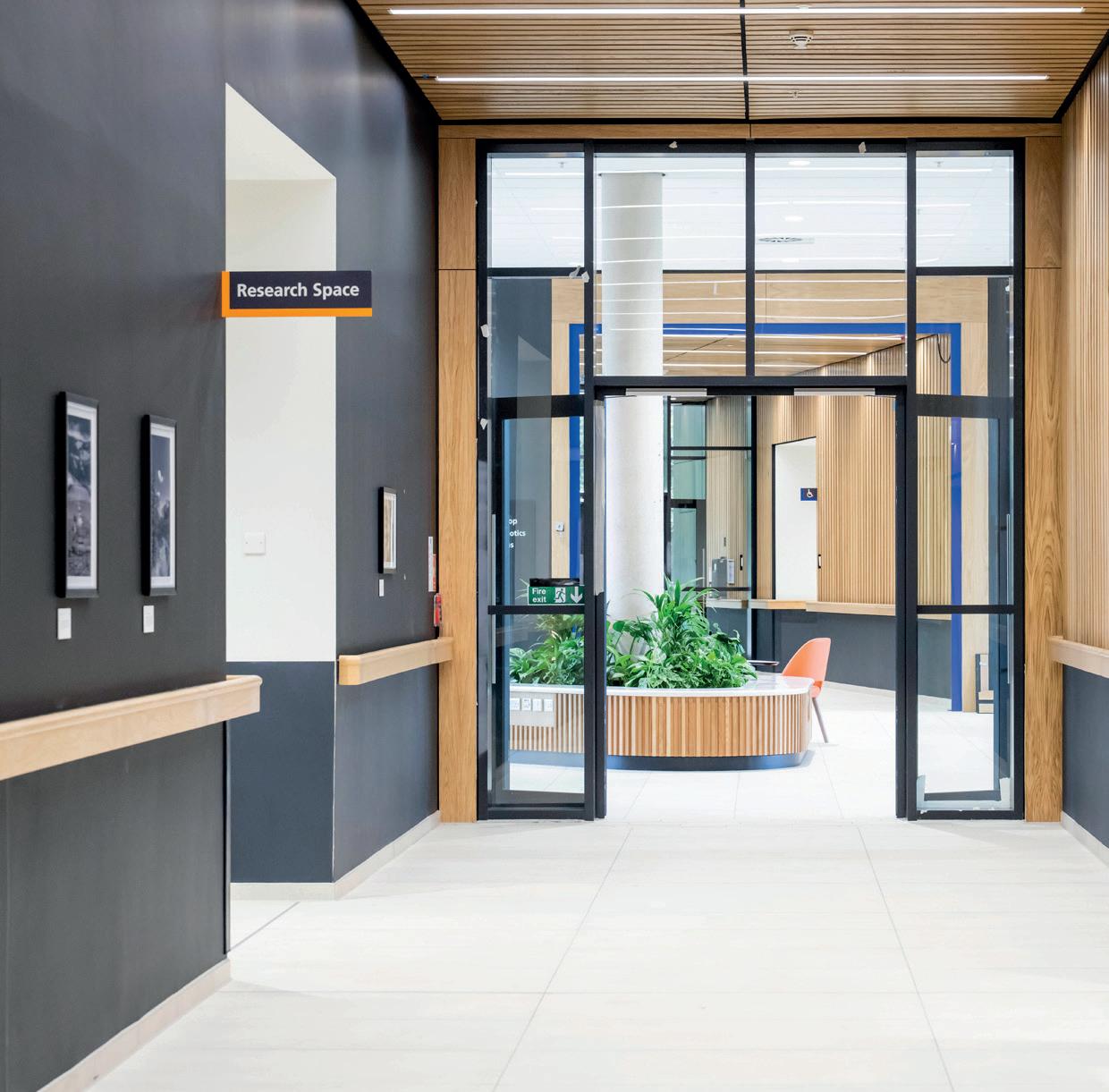
It’s a specialist NHS rehabilitation facility being built on the Stanford Hall Rehabilitation Estate near Loughborough, UK (www.nationalrehabilitationcentre.nhs.uk).
The £105m, 70-bed development forms part of the government’s New Hospital Programme and is expected to open to patients later this year.
The centre has been designed to develop rehabilitation models that can eventually be scaled across wider healthcare systems.
It sits alongside the Defence Medical Rehabilitation Centre, where many rehabilitation principles have been refined through military recovery programmes
What interventions are you delivering at the National Rehabilitation Centre?
I’m responsible for creating a bridge from acute care to community support systems.
Looking more broadly at the current setup, we see amazing community wellbeing roles being established and strong clinical specialisms in place, but we haven’t properly joined them together. Health and fitness should play a much bigger role in that community transition.
We’re establishing a bridge between hospital discharge and long-term community wellbeing to tackle what we call the discharge cliff – where patients lose structure and support once their acute rehabilitation stage comes to an end.
We’re developing a formal discharge programme designed to support patients long after they leave acute rehabilitation.
‘Movement-capacity’ professionals who deliver this support will sit alongside existing teams. They won’t replace anyone, but will be an additional resource.
During a patient’s stay at the National Rehabilitation Centre these teams will focus on supporting longterm recovery and then – once someone is discharged – that support will continue in the community.
Patients will have access to this service for three years post-discharge. Their families will get help as well, because we want to influence the wider environment around them.
We’ve decided on three years because we have to shift mindsets and support long-term behavioural change and you can’t do that in 10 or 12 weeks.
What exactly is ‘movement capacity’?
Movement capacity combines sports rehabilitation, exercise science, behavioural support and long-term wellbeing coaching.
It’s adapted from the World Health Organization’s framework around intrinsic capacity and is about future potential and future capacity, not simply how someone presents today.
Who will deliver these interventions?
We’re merging disciplines to create the role of ‘movement-capacity’ professional by bringing existing disciplines together in a more coordinated way.
Ultimately the model can extend beyond rehabilitation into oncology, musculoskeletal health, obesity, diabetes and wider population health.
Supportive care is the missing layer in the current system. Acute healthcare systems are designed to save lives, but there’s a major need for long-term support once people return to everyday life.
How did Movementum evolve to deliver this work with the NRC?
Movementum was developed within premium wellness and hospitality environments, such as the Mandarin Oriental Hyde Park – as mentioned –where we explored how movement, supportive care and long-term wellbeing can be integrated into spa and wellness settings within a five-star hotel.
Working in luxury wellness environments such as this allowed us to test integrated models of care before scaling them into public health.
A lot of the lessons we’re now applying in public health and rehabilitation were refined in those luxury settings because the set-up in the luxury market allowed us to test more intensive and integrated models of care.
The new National Rehabilitation Centre will open later in 2026
Working in oncology changed how I thought about longterm support and survivorship.
What other experiences have informed your approach?
Rolling back 20 years, we were involved in oncology care in areas such as nutritional support, coping strategies and supportive-care modalities.
Much of the work we did back then highlighted the importance of physical activity – from diagnosis onwards – and demonstrated the role it can play in long-term survivorship.
This work shaped many of the professional standards we still use in our work across the business and working in oncology also changed how I think about long-term support and survivorship.
Why is the discharge cliff such an issue?
Rehabilitation support is often very comprehensive during the acute care phase, but once people return home they suddenly lose structure and support.
The military already understands the dangers this discharge cliff presents and how it can stall full recovery. The challenge is what happens after people leave structured rehabilitation environments and head out into in the community.
The NRC is being developed near Loughborough, UK
We need to validate our value not just through health outcomes, but through economic impact and job creation. That’s what moves policy.
If health and fitness interventions can overcome issues around this discharge cliff and help reduce hospital readmission rates then we clear bottlenecks, free up beds and amplify specialist care.
We’ve got extraordinary specialisms in the NHS, but we need to create support systems around them.
How important is technology to this new model?
It’s important for measurement, analysis and reporting, but long-term supportive care has to be human-led.
There’s huge potential to collect data and use AI as part of the process, but supportive care by definition, is fundamentally a human field.
At the National Rehabilitation Centre we’ll use technologies that haven’t previously been used clinically, including AI biomechanical analysis and digital recovery systems.
The digital programme will operate across three levels: self-service, semi-supported and specialist support pathways.
We’re also developing a digital portal that supports patients long-term and an AI risk-model designed to track factors such as the velocity of recovery, which has never been measured before.
But the local community centre won’t need all of that technology to operate the model. The framework and the human support are the important parts.
Why
Progressve career pathways would enable people to reach the highest levels
is workforce development such a major focus?
In the health and fitness sector, we need a more defined and progressive career pathway to enable people to reach the highest levels.
We have thousands of graduates in sports science, rehabilitation and exercise-related disciplines leaving university every year without there being any obvious career opportunities for them in the health and fitness sector. I see an opportunity to engage with them.
We want these opportunities to be accessible beyond traditional clinical pathways, which is why we’re also working with organisations such as CIMSPA to help shape standards, professional development and wider access into movementcapacity roles for relevant graduates.
A key part of the ambition is also to create clearer vocational pathways for people who are already working in health and fitness, so they can build their careers alongside the graduates who are entering the sector for the first time.
My remit at the National Rehabilitation Centre is to create 50 new jobs within three years – and hopefully many more beyond that – across healthcare, education, corporate wellbeing and sport.
These roles won’t replace existing healthcare professionals, they’ll create a new workforce around secondary prevention and long-term supportive care.
What’s the bigger picture here?
When you look someone in the eye and care for them for life, that’s a very different skill set and the health and fitness industry should have that capability.
I believe that if we support younger professionals properly, they’re capable of extraordinary things.
The Health and fitness sector has an opportunity to create meaningful long-term careers where experience, empathy and the ability to give supportive care become increasingly valuable and valued over time.
Experience should also count and people should become more respected as they gain experience.
Why is there so much international interest in this new model?
Other countries often move faster in delivering outcomes, because they’re less fragmented and although the NHS has a terrible PR problem domestically, what’s interesting is that internationally, it’s incredibly respected. Stakeholders abroad are excited by the possibility of collaborating with UK rehabilitation and healthcare systems.
There’s also interest in the workforce and job-creation aspects of this initiative and to foster this, I’ve created an organisation called the Global Coalition of Movement Capacity to create bridges for knowledge-sharing.
Tell us more about the Global Coalition of Movement Capacity
It’s a think tank and collaborative network bringing together stakeholders from healthcare, sport, academia and wellbeing to develop frameworks around secondary prevention and long-term supportive care. I created it to encourage collaboration around movement capacity and community-based rehabilitation.
There’s growing interest around the world in how health and fitness can play a more formal role in healthcare systems, particularly in supporting people after discharge and helping reduce long-term pressure on acute services.
We’ve already established relationships with organisations in Bahrain, Saudi Arabia, Singapore and Australia, including a co-operation agreement with the Bahraini Olympic Committee.
Movementum started life as a high-end private sector provider
My remit at the NRC is to create 50 new jobs within three years and hopefully many more beyond that across healthcare, education, corporate wellbeing and sport.
A lot of the discussion internationally is around workforce creation, human capital and how physical activity can become part of wider preventative-health infrastructure.
What impact does the health and fitness industry have on the health of nations?
There’s a strong argument that it’s not enough.
Clinicians understand the value of health and fitness, but as an industry we haven’t created models of care that consistently prove and deliver that value day to day.
I don’t think I’ve met anyone in clinical settings who doesn’t understand the role of physical activity. The real disconnect is that health and fitness hasn’t fully established its place within healthcare.
What role should the sector play?
I think the health and fitness industry should become the guardian of secondary prevention. Delivering this would give us a clear and meaningful role.
At the moment there’s incredible work happening, but it’s fragmented – there isn’t enough collaboration or shared infrastructure around long-term supportive care.
The sector has become heavily brandled in terms of the operators. What’s needed is a more coordinated model.
The NHS is there to save lives and once they’ve done this, communities and supportive-care systems need help sustain these patients’ long-term wellbeing.
Health and fitness has a huge role to play in delivering that service, but we don’t currently direct our workforce to support people for life and that’s where the opportunity lies.
Why do you describe physical activity as a Trojan horse?
Physical activity is a Trojan horse because it creates positive momentum and allows wider changes around nutrition, behaviour and mental wellbeing to follow.
Learnings from luxury hospitality are being applied in NHS-connected programmes
The National Rehabilitation Centre is a £105m development
You see this in mental-health strategies: ‘do first, think later’. Movement can create momentum before motivation arrives: physical activity allows us to de-medicalise quickly and then – once positivity and momentum exist – we can layer in behaviour science, nutrition and supportive care.
Long-term wellbeing is ultimately underpinned by behavioural science, psychology and supportive care.
What should the industry do differently?
We need to validate our value not just through health outcomes, but through economic impact and job creation. That’s what moves policy. We also need stronger governance, clearer professional pathways and more evidence-based messaging.
The real infrastructure is human capital. That’s what ultimately supports long-term change
At the moment we don’t operate like a profession with structured progression and long-term career development and this needs to change.
What do you ultimately want to achieve?
Working more in public health over the last few years has lit up parts of my brain again.
Earlier in my career I was excited by elite environments and premium clubs, but what motivates me now is impact more than prestige – creating jobs, supporting younger professionals and helping people live better for longer.
When you work in supportive care, you realise there are situations you can’t fix, but you can still support people. That sense of purpose is what drives me.
I think the industry has an extraordinary opportunity sitting in front of it and if we get this right, health and fitness can become one of the major supportive-care systems in healthcare.
Our younger generation are perfectly equipped to do this if we support them properly. We just need to give them the environment, governance and support structures.
And I genuinely think the UK can lead the way. l
I experienced a blissful feeling of joy I hadn’t felt since I was a kid
Jamie Clements
The Breath Coach
How did you first discover breathwork?
During my late teens and early 20s, I experienced anxiety, depression and panic attacks and was trying everything to tackle it – meditation, yoga, exercise and everything in between. Eventually I tried breathwork and it opened my mind and got me back into my body. I went from feeling like a passenger to feeling as though I had a level of control and influence over how I experienced my life, my nervous system and my mind.
For two years I explored it as a personal practice, going down rabbit holes within the world of breathwork and there was one particular session that really shifted something in me. I experienced a blissful feeling of joy I hadn't felt since I was a kid. I’d become numb through depression and anxiety and had accepted my life would always be quite grey. That session blasted open my perspective of what I could feel.
After the session I asked the teacher how I could go about sharing this with other people. I didn't really know at that point if there was a career to be found, but just felt a pull and I’ve been pulled along ever since. There's so much that falls under the broad spectrum of breathwork and I’m fascinated by all of it. I started teaching at the beginning of 2020 and went full-time a year later. My last job prior to this was running a sales team for a software business, so a little bit different.
Breathwork is one of the forgotten pillars of health in the western world
What happened in that session to evoke such a profound response?
It was a style of breathwork called conscious connected breathing that can bring about altered states of consciousness. There's a lot of crossover between the types of experiences we can have with conscious connected breathing and psychedelic-assisted therapy. When we work with the breath in that form, we change blood flow to certain areas of the brain which changes brain activity and gives access to the unconscious. It also increases activity in the areas associated with emotional processing and being able to connect to suppressed emotions or memories.
There's a lot of interesting work being done in relation to how we work with past experiences, past memories and the charge we hold in the
body to process and integrate it, but it needs a well-trained therapist to be able to hold the space.
Why is breathing so important?
It's a core fundament of life and being. In the western world, it’s really one of the forgotten pillars of health. Breathwork is so simple and that simplicity is its power and also its limitation, because our brains are wired to associate impact with complexity and underestimate the power of simplicity.
If you look at the core pillars of health – movement, hydration, nutrition – breath comes before all of them. The faster life moves and the more advanced the world becomes, the more we crave the basics.
In indigenous cultures breath is still fundamental to how they operate. It's not something they have to practice, it's just really ingrained.
I'm excited to see more research coming out about the impact of spirituality on mental health and the importance of having a connection to something bigger than ourselves. I view breath as a bit of a gateway into that because it connects you to yourself, others and nature.
Does it extend beyond the individual?
I'm a huge advocate of group experiences because of where we are in society with people struggling with loneliness and lack of proper community. When we have healing experiences in a group, people feel connected to each other.
Breath is also a powerful tool to directly influence the state of the nervous system and how we feel.
At a time when stress, anxiety and over stimulation are so rife, it's one of our most accessible tools to take back a level of control. Bringing the nervous system into balance can also help a number of other
Breath is a powerful tool to help balance the nervous system
health issues, such as stress, anxiety, inflammation, poor sleep and high blood pressure. When we restore a level of balance to the nervous system, we can see a reduction in a lot of those symptoms. Also breathwork can help with emotional health and root cause issues – adverse experiences from the past, trauma resolution and emotional expression. When we suppress our emotions, that charge gets held in the body and can cause an imbalance. A lot of adults are struggling with the long-term effects of a past experience. It's almost a case of your mind keeping you safe from something that as an adult you no longer need to be kept safe from. When you bring that back to the surface, it can be challenging and uncomfortable for people, but it also presents an opportunity to meet it through a different lens.
Do you have a favourite technique?
The technique that I use the most is very simple and great for stress and anxiety. It's just extended exhale breathing, in through the nose and then blow
EVERYONE BREATHE
Everyone Active currently has 64 of its locations live offering breathwork classes, with 170 colleagues trained. Teaching breathwork doesn’t require a formal group exercise training qualification, broadened the pool of people who can undertake the training to include those who work as duty managers and in front of house. Classes are all registering attendances above 50 per cent, with a third running at 85 per cent capacity. The classes have been promoted on social media and by the individual sites.
Teaching breathwork doesn’t require a group exercise training qualification
the exhale out through the mouth, which sends signals of calm and safety to the nervous system.
The team at Everyone Active are incredibly progressive in terms of what they’re providing for their members
What are the common mistakes that we all tend to make?
The number one mistake that the breathwork industry makes is telling people that they're breathing wrong, because that causes stress and hyperfixation. I just want to help everyone relax a little bit.
It’s a good idea to move away from mouth breathing as this leads to shallow and faster breathing and it’s also very dehydrating and can create brain fog.
In an ideal world, people would be able to exercise at low to medium intensity through their nose. It's a case of adaptation and tends to take months rather than weeks, so it requires patience.
Shallow breathing when we’re working can make our nervous systems feel overstimulated, so it's important to check in with ourselves throughout the day and make a point of relaxing our shoulders and jaws and take a few deep breaths.
The more advanced my practice has become, the more simple it's become. It really does come down to more awareness of how I'm breathing. Can I start to slow things down in those moments just to take the edge off, to reduce the noise a little bit?
When we work with the breath we are able to more easily calm the nervous system and as we calm the nervous system, the body relaxes,
We wanted to create something that was simple but effective and give people the opportunity to slow things down and balance the scales
and the mind gets a bit quieter. That’s what we all need now – those moments of rest.
Is breathwork having its moment yet?
The initial moment was about six years ago, when it started to feature in yoga and Pilates classes and in boutique studios, but it was definitely on the fringes. Now I feel as though we're entering more of the proper moment. Everyone Active is an amazing example of that. Five years ago I would never have expected a nationwide chain to be putting breathwork on their class timetable. It's such a vote of confidence for the work.
How did your partnership with Everyone Active come about?
I’d worked with Oli Patrick for both Pillar Wellbeing and Future Practice and he approached me as part of the work that he was doing with Everyone Active. Initially I was pleasantly surprised that it was even a conversation, but when I got to know the team at Everyone Active I realised they’re incredibly progressive in terms of what they're trying to provide for their members.
We wanted to create something that was simple but effective and give people the opportunity to slow things down and balance the scales. Gyms have a lot of activity but less of an offering around rest and recovery – the supportive elements that make the active things more effective.
I created three-minute sessions for three different areas – the nervous system, health and stress management and visited a number of the sites to train staff. I created scripts and trained them in the science and application of those particular techniques.
The next project is to create some recorded classes for the Everyone Active app, so members can engage with breathwork at home.
How can operators engage with you?
I’m doing a lot more project-based work similar to what I've done with Everyone Active – consulting and advising on the role that breath can play within the broader ecosystem of wellbeing. That's something that really excites me. I also run a 12 month, hybrid teacher training programme for anyone wanting to work in this area, and for operators that want to upskill their teams. l
Jamie Clements
Destination FITNESS
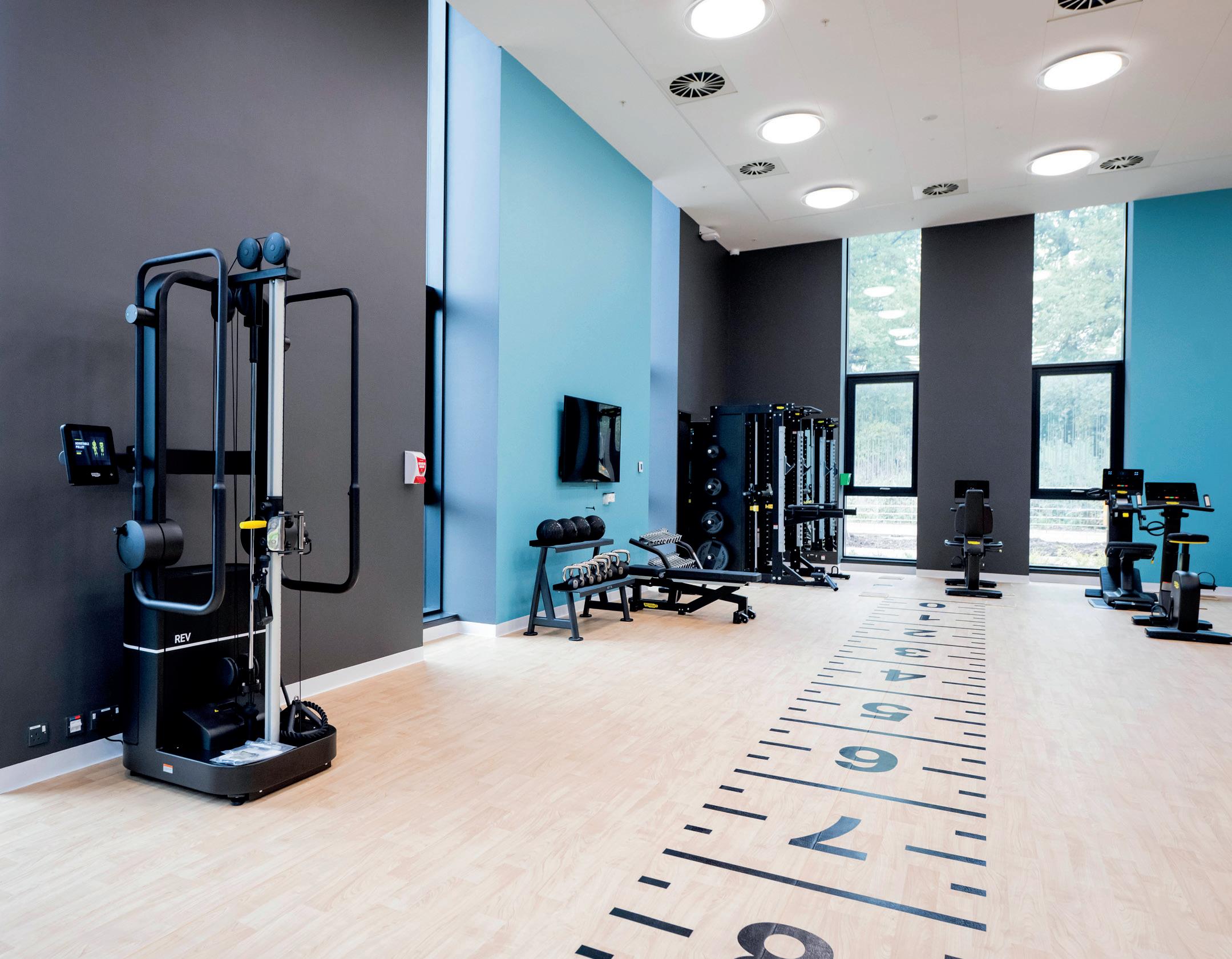
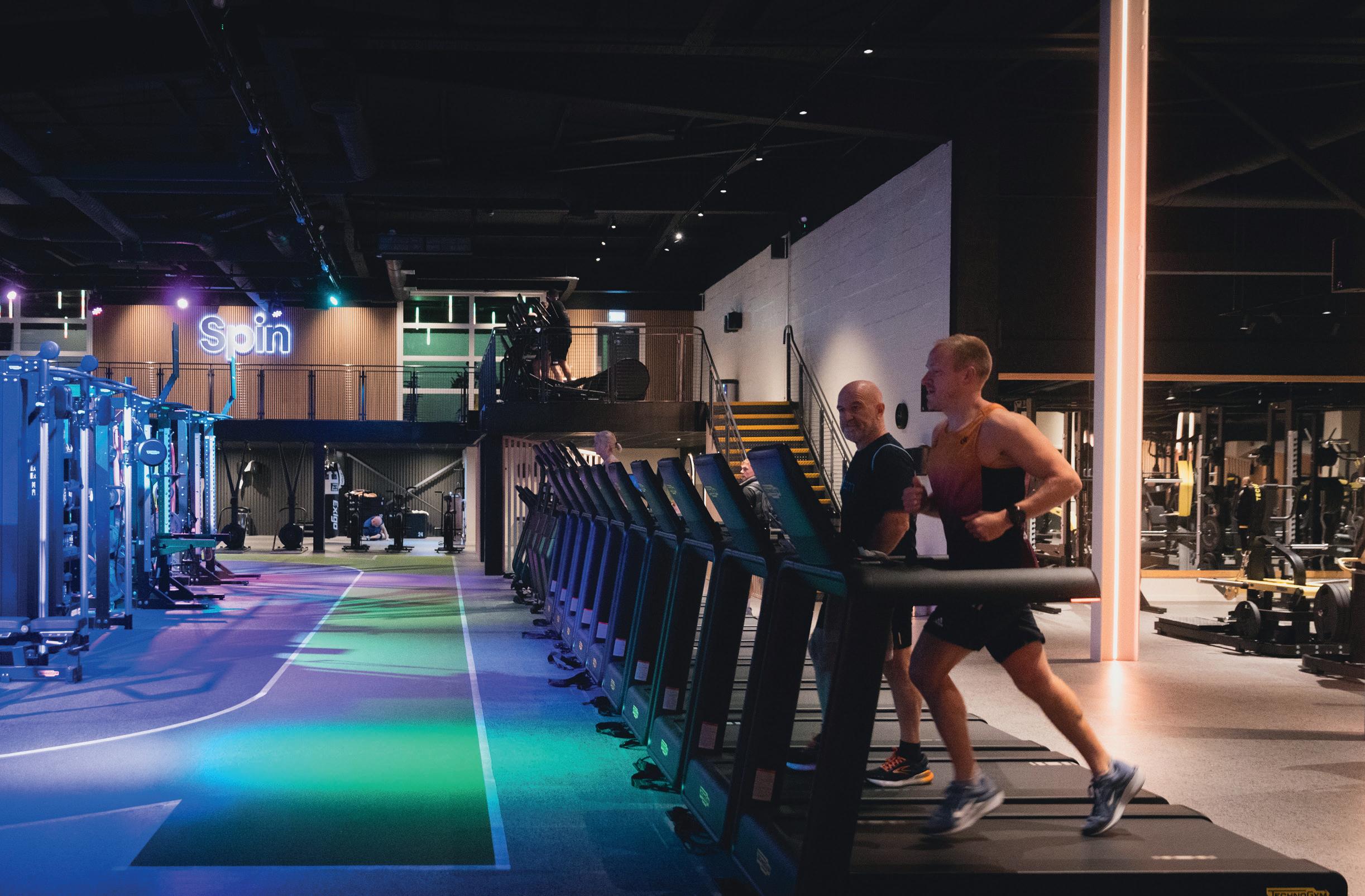
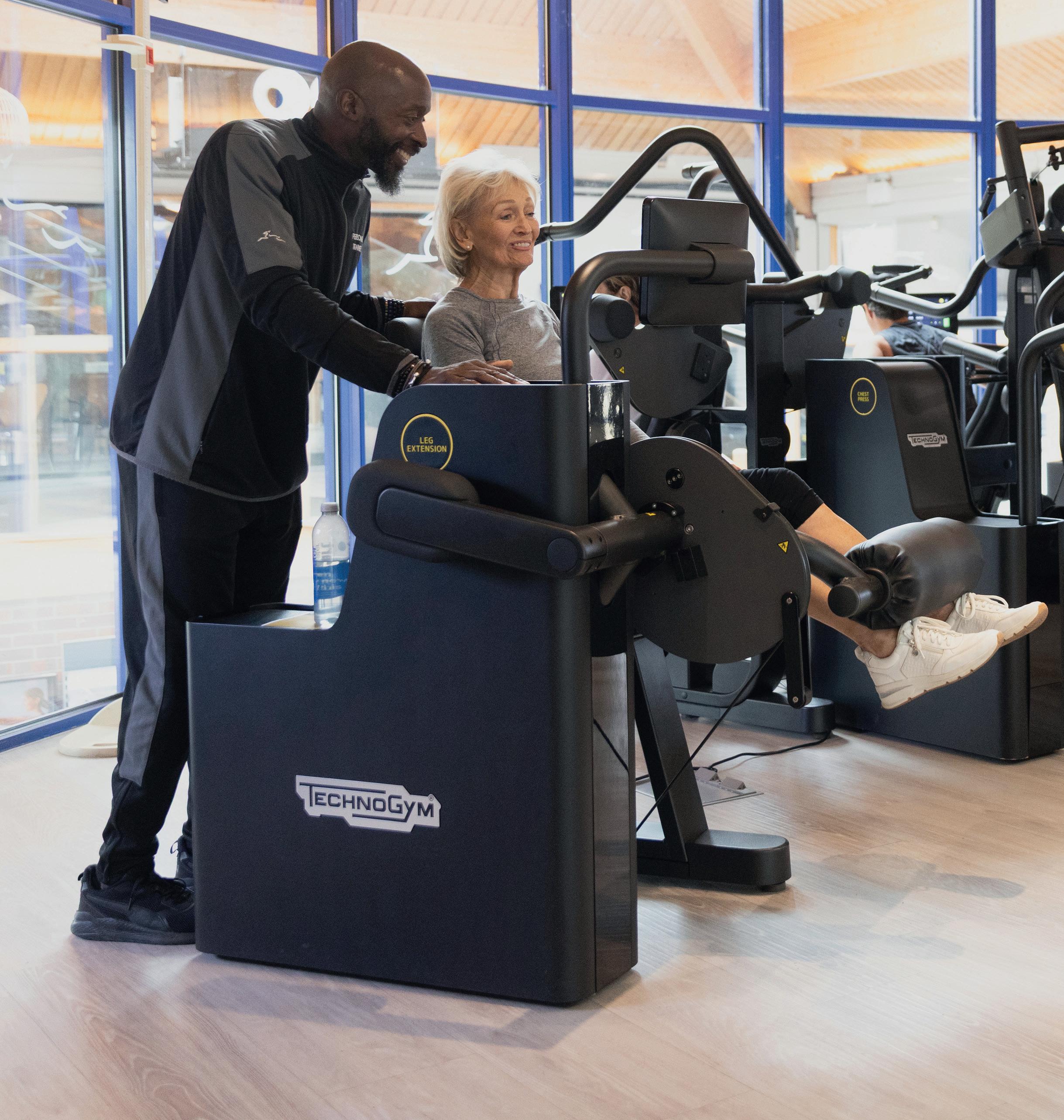
SnowDome Fitness has added 50 per cent more space with cutting-edge Technogym solutions
SnowDome in Tamworth is one of the UK’s most distinctive leisure destinations. Since opening in 1994 as the nation’s first full-sized indoor ski slope, it has built a reputation as a multi-activity leisure venue with a growing focus on health, fitness and wellbeing.
Central to the offer is SnowDome Fitness, with a large open-plan gym, pool and spa facilities and group exercise offering.
Following a major refurbishment, a fully integrated Technogym ecosystem has transformed SnowDome Fitness into a high-capacity health club with a seamless digital member journey.
Director Isabelle Chadbourne says the ambitious project has expanded the gym floor, positioning the club as a modern fitness environment central to the SnowDome leisure offer. “We wanted to create a space that felt modern, engaging and easy to navigate for every type of member,” says Chadbourne. “Technogym supported us from the beginning with Technogym
expert advice and concepts that allowed us to rethink the layout and deliver a stronger wellness experience.”
Redefining the gym experience
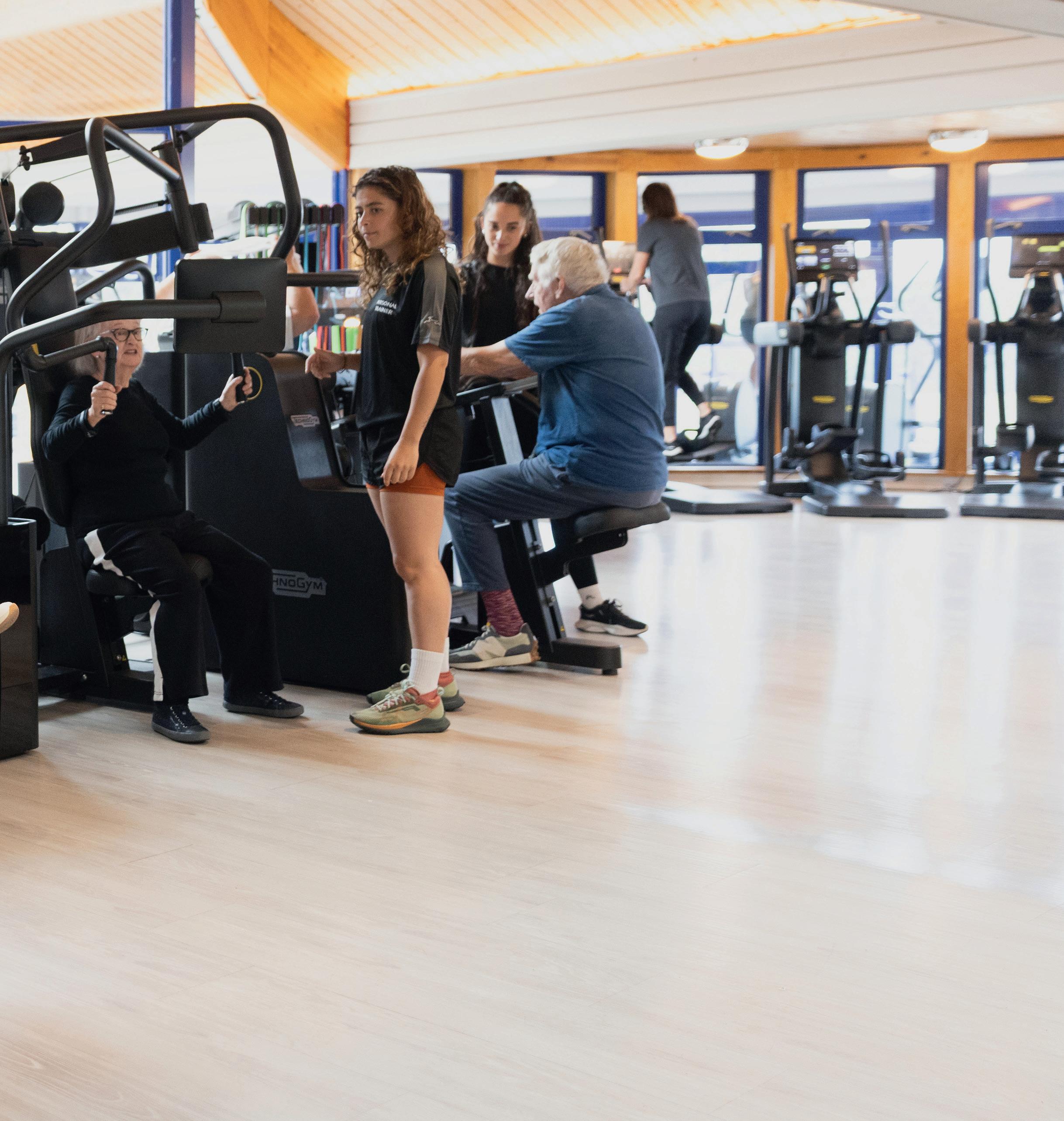
The redesigned 18,000sq ft gym now features clearly defined zones, including a substantial free weights area, a 60m indoor running track and a mezzanine cardio gallery.
A 3,000sq ft free weights area offers dumbbells up to 55kg, while the Pure Strength Zone has plate-loaded equipment and cable stations. The Functional Performance Zone includes Technogym Skillmill and Skillrow alongside the sprint track.
On the mezzanine, Technogym Excite cardio offers Technogym Live smart consoles, guided workout sessions and Bluetooth integration.
Data-driven member journeys
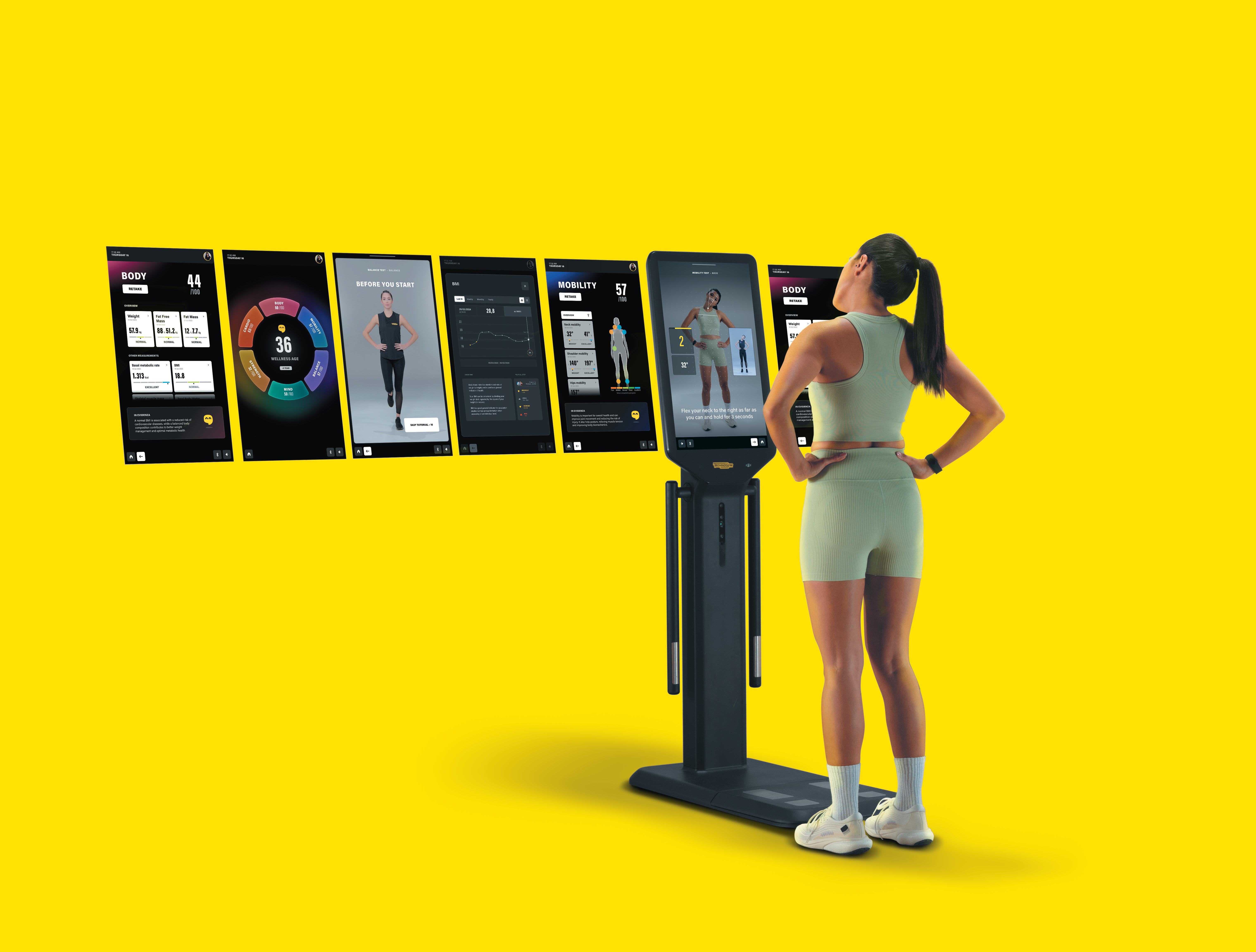
At the centre of the new fitness experience is Technogym Checkup, which gives members
We wanted to create a space that felt modern, engaging and easy to navigate for every type of member
Technogym Checkup tracks key metrics
and performance metrics and generates AI-powered training programmes aligned to the equipment on the gym floor.
The wider Technogym ecosystem connects this data to the Technogym App, enabling users to access workouts, monitor progress and engage with their training both in and out of the gym.
“Technogym Checkup gives members a clear understanding of their starting point and where they can improve,” Chadbourne says. “It’s helped us create a more personalised and engaging fitness journey, which is having a positive impact on usage and member retention.”
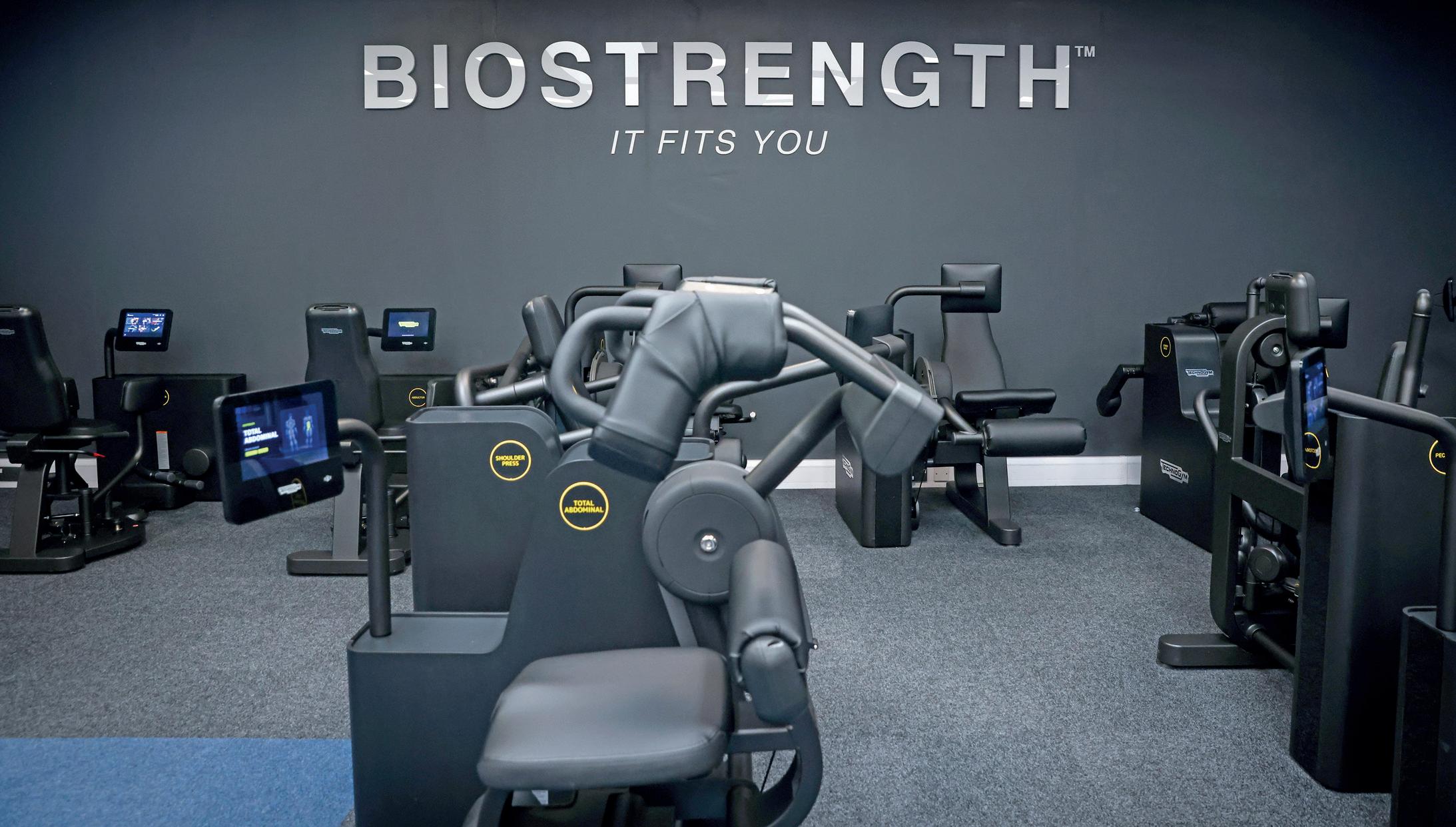
A key feature of the refurbishment is a dedicated Technogym Biocircuit area, located in its own branded space. This provides a guided, AI-powered strength training experience that adapts to each user by controlling resistance, range of motion and pace. The solution is well suited to SnowDome’s
high-capacity environment, enabling members to follow a structured programme with minimal setup and no staff support after induction.
It also provides a more approachable entry point into strength training for those who feel less confident in traditional free weights areas.
Independent virtual training
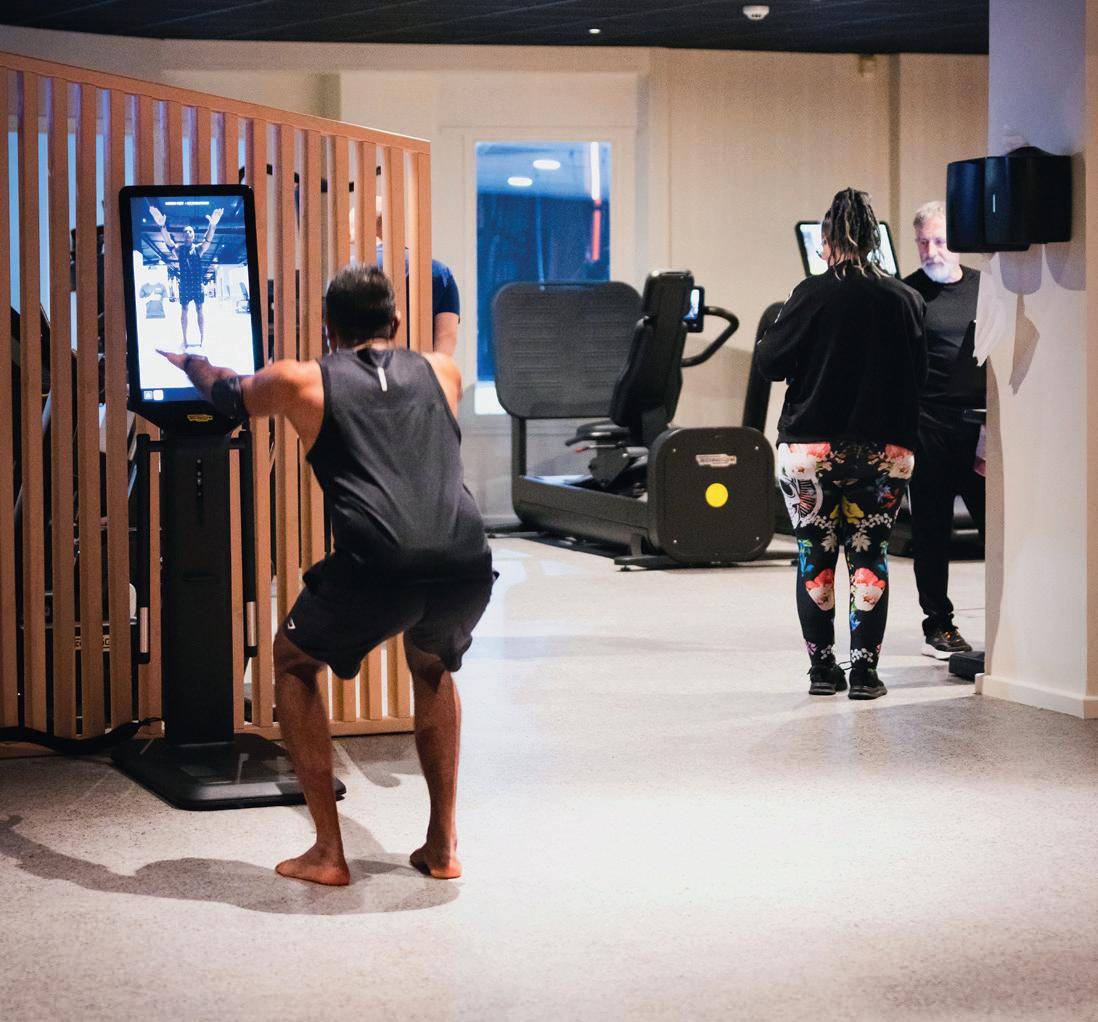
The addition of Technogym Visio in a quiet area of the gym allows members to access premium training content, expanding the range of activities available with expertly guided sessions.
The combination of physical design and digital integration has created a more intuitive and engaging experience, attracting a wider range of members and contributing to improved engagement across the site.
With its newly transformed Technogym-powered gym, SnowDome Fitness now plays an increasingly important role within a leisure destination that brings together sport, recreation and wellbeing under one roof.
SnowDome’s investment shows how large-scale venues can combine advanced technology, intelligent design and accessibility to create a memorable fitness offer that generates revenue as a stand-alone brand. ●
● More: www.technogym.com
PHOTO: COLETS
SnowDome’s redesigned gym spans 18,000sq ft
If the health service is to survive, we must recognise that it is a disease service – and that wellbeing rests with us, says the activity advocate and healthy ageing champion. He talks to Kate Cracknell
MUIR GRAY
What are you working on?
There are two overarching projects I dedicate my time to: firstly, the Oxford Value and Stewardship Programme and secondly, Live Longer Better
The former is a longstanding initiative focused on how we get more value out of the money spent on the National Health Service (NHS). It’s about creating a culture of stewardship to ensure the NHS will still be there in the future.
The aim of Live Longer Better is to increase healthy life expectancy – or healthspan – and close the gap between the least and the most deprived sections of the population.
The headline in the Oxford Value programme is that we know at least 15 per cent of what’s spent on the NHS does no good; some of the money spent on drugs even does harm. So as we look to minimise waste, the question we’re asking is: ‘What else could we do with that money?’
One answer is to shift some of it from clinical to non-clinical care, from prescribing drugs to prescribing non-drug therapy, including activity. For example, eight million people are on antidepressants, but what many of them really need is walking, football, dancing or the gym. So we need to think in a different way about the wellbeing problems people have. ‘More NHS’ – more doctors, nurses, psychologists – is not the answer. Of course, the NHS is important for diagnosis, acute care and starting the right treatment. If you develop cancer, rheumatoid arthritis or inflammatory bowel disease, you absolutely need the NHS. It also offers a few preventative services: screening, for example and immunisation. But if we’re trying to clarify what the job of the NHS is, we have to conclude that it’s a disease service. It isn’t very good at wellbeing and is not the most important service for preventing disease.
All sectors of the industry should think systematically about population ageing as a major opportunity
For many problems, we therefore need other opportunities alongside the NHS to improve our wellbeing – including how we feel and how we relate to others, which in contrast to ‘health’ is something we can measure.
When it comes to preventing long-term conditions and also living well with long-term conditions, we also need to look at how communities – including the fitness industry – can better help one another. And we need to look at self-care: I think every 18-year-old should be given a contract that sets out not only their rights but also their responsibilities around their own health.
This is where Live Longer Better comes in, as the umbrella for a number of initiatives designed to increase healthy life expectancy.
Tell us more about Live Longer Better
Live Longer Better is a system within the NHS, but crucially, the NHS is not the major player. Rather, it's organised through a network approach that brings together charities and faith organisations, social care and housing, pensions and government, libraries, parks, populations and local businesses to create activities that deliver against a set of 10 common objectives. These objectives are deliberately broad, because although the NHS has created the system, it will be neighbourhoods that deliver it – local groups that best know what their community needs.
W:ISH Software links a prescription to physical activity options locally
SHUTTERSTOCK / BAZA
PRODUCTION
18-year-olds should be given a contract that sets out their responsibilities for their health
By opening up the invitation and handing over the authority to create these neighbourhoods, we believe people will step forward to lead the charge –quite often, I expect, this will be local GPs. They will then report annually on their progress against the 10 objectives, so we can all learn from each other.
This is a really important shift in focus, because numerous NHS reorganisations over the years haven’t really made any difference.
The prevention message – namely, that activity is of vital importance – has hit home. For every long-term condition, from cancer to mental health problems to dementia prevention, the evidence of the benefits of activity continues to strengthen. The message is becoming ever-clearer and acceptance is rising steadily.
However, the 'therapy message' – namely, that everyone needs an activity prescription as well as (and sometimes instead of) a drug prescription – has not yet landed.
Imagine a doctor is seeing a patient with Type 2 diabetes. When they create a drug prescription W:ISH software will issue an activity prescription
LIVE LONGER BETTER
The 10 objectives
1 To prevent and mitigate isolation
2 To increase physical ability, resilience and healthspan and prevent frailty and falls
3 To reduce the risk of, and to delay or prevent dementia
4 To prevent and minimise the effects of disease and multi-morbidity
5 To promote knowledge and understanding about living longer better among older people and the wider population to counteract the detrimental effects of ageism
6 To create an environment in which people can fulfil their potential
7 To enable strengthening of purpose
8 To support carers better
9 To minimise and mitigate the effects of deprivation
10 To enable dying well as well as living well
How do you see this happening?
I’m hopeful things are now changing firstly with the new NHS 10-Year Health Plan, which emphasises the role of activity in improving population health. Secondly, with the return of programme budgeting, which will clearly break down what’s being spent on each health condition and thirdly, with two love affairs coming to an end.
The first of these is the love affair with the gene. Yes genes are important, particularly for rare diseases, but for common problems, the genes you inherit only contribute probably 10 per cent of the outcome. The rest is down to how you adapt to your physical and social environment – your exposome – such as having had a job that required you to sit down for 40 years.
The second love affair that’s ending is the love affair with professionals, which goes
back to ‘more NHS’ not being the answer to today’s challenges, instead, we need support for self-care and community care, getting people and volunteers together to help each other – and to help themselves.
Can you share any examples of Live Longer Better initiatives?
One great example is a programme we launched in south-west Hertfordshire in March, led by a Tring-based GP, where activity prescriptions are being automated.
Imagine a doctor is seeing a patient with Type 2 diabetes. They will start to create a prescription by typing in the drug name ‘metformin’ and software called W:ISH will instantly recognise the prescription, link the diagnosis to the patient’s postcode and automatically search local databases
Eight million people are on antidepressants, but what many really need is walking, football, dancing or the gym
– provided by Sport England, local gyms, charities, health walks and so on – to issue a suitable activity prescription through the NHS app. That activity prescription will also be reiterated and reinforced, with a dose of encouragement from the pharmacist, with each repeat drug prescription. Alongside the initiative in Tring, we already have 40 more neighbourhoods lined up for the phase one roll-out of the W:ISH programme.
Your focus has always been on active ageing…
Yes, and 60+ remains my primary focus, even though a number of the initiatives I’m involved in – such as Let’s Walk More and Let’s Dance! with Angela Rippon – have a broader benefit. Things are improving when it comes to extending healthspan, but there’s still a cultural problem
We need to help people develop new daily routines – brisk walking, strength, suppleness and skill, plus gym, pilates or dance classes
to address – people are confused about what's happening to them as they live longer – and there’s a pressing need to tackle ageism, which I define as the mistaken belief that all problems are due to ageing. This simply isn’t true.
You do need a bit of luck to avoid, say, Parkinson’s disease, but it’s important to understand that ageing by itself is not a cause of major problems until you reach your late 90s.
There are three other things that affect us as we live longer: firstly, loss of mental and physical fitness; secondly, disease, most of which is caused not by genetics but by our environment; and thirdly, the actual environment itself, including environmental and social problems, deprivation and ageism, as well as the 40+ years people have probably spent sitting down since they started work.
The Oxford Longevity Project wants to rebrand retirement as a ‘renaissance’, empowering retirees with knowledge about wellbeing planning
The solution – the elixir of life – is knowledge.
At the Oxford Longevity Project, whose board I joined in 2024, we want to rebrand retirement as a ‘renaissance’, empowering retirees with knowledge via the various organisations that already communicate with them on a regular basis, such as pension providers, charities, faith organisations, chemists and so forth. They don’t need the expertise themselves: we can provide all the materials. They just need to be the trusted messengers, ensuring that pre-retirement (pre-renaissance) planning includes wellbeing planning, as well as financial planning. We’re also working on getting weights into every church and mosque in the country. With strength training being vital as we age, there’s no reason why chemists couldn’t sell simple home gym equipment, either.
Tell us about Let’s Walk More
Walking is a great way to build stamina and something I’ve long advocated, not only for older people but for all ages; for many people, the problem starts at the age of 22 when they get their first desk job.
The scientific evidence in support of walking has continued to grow, so I’ve recently published Dr Gray’s Walking Cure – a new edition of one of my earliest books – and we’ve also launched Let’s Walk More, which encourages people to walk briskly for 30 minutes a day.
There’s strong evidence that brisk walking affects the disease process directly in some conditions, such as Type 2 diabetes; prevents the loss of fitness and accelerated decline that often follows diagnosis; reduces the risk of other long-term conditions such as heart disease and dementia; and makes people feel better. The NHS Active10 app is free to download and measures minutes of brisk walking.
Of course, walking can’t do everything: you also need strength, suppleness and skill in a daily dozen.
What future would you like to paint?
We haven’t evolved to live in the environment we live in at present, sitting all the time and with calories everywhere we turn. I would like to see a far greater understanding of this and of the need to take action individually and as communities.
Self-care is the most important type of healthcare, so we need education and insight into the new facts of life, including the greatest danger we face in the modern world being the chair. We need to help individuals develop new daily routines – 30 minutes of brisk walking plus 10 minutes of strength, suppleness and skill – plus the gym, pilates or dance classes twice a week. Everyone needs a plan to live longer better; the Oxford Longevity Project’s Personalised Plan could also be built into every gym or fitness centre membership. We need communities to think about how they can enable more activity: making walking safer, supporting local football clubs, putting
More from Muir
Let’s Walk More https://letswalkmore.weebly.com
Live Longer Better www.livelongerbetter.uk
Living Longer Better course www.learningwithexperts.com/ products/living-longer-better
Oxford Value and Stewardship Programme www.ovsp.net
exercise equipment such as Swing Fitness weights into parks and so on. And we need the NHS to play a leading role in changing the culture, helping us realise the challenges we face can’t be met simply by ‘more NHS’.
I’d like to see the NHS giving people clear information, first in a contract at age 18 and then on every birthday, presenting the latest scientific evidence about what we can do for ourselves both mentally and physically.
When we do see a doctor or primary care team, we should get an activity prescription as well
How to increase your Brainability and reduce the risk and impact of dementia www.hcmmag.com/brainability
Dr Gray’s Walking Cure
Sod 70! – How to live well in your 70s, 80s and 90s
as a drug prescription – sometimes instead of a drug prescription – with a little booster dose of knowledge and encouragement with every repeat prescription. And in hospital, there should be a pair of pedals and a resistance band beside every bed to help prevent the deconditioning of muscle mass.
How important is the language we use? I would point to Benjamin Lee Whorf’s theory of linguistic relativity, which asserted that language conditions the way we think and creates the reality we live in, rather than vice versa.
It's possible to live a healthy life into the 90s, says Gray
Suppleness
We don’t need language for items such as tables and chairs – that's pretty obvious –but our understanding of ‘independence’, ‘disability’, ‘wellbeing’, ‘dependence’ and so on is shaped by the language we use.
Language is therefore of fundamental importance, which is why we’re producing a new glossary of terms including ‘fitness’, ‘disease’, ‘rehabilitation’ and many more.
At the moment, you could ask 20 GPs for their definition of fitness and they’d each say something different. To create new ways of thinking, you have to write it down and you have to reinforce it: we’d like this glossary to be given to everyone in the NHS.
We also need to look at the word ‘care’, which is very broad. We might consider changing it to a series of other words including ‘therapy’ and even ‘partnership’. Because care needn’t only be about doing things for people. It can be about doing things with people, shifting them away from being patients to become partners in their own healthcare.
While we’re on this topic, I never use the term ‘physical activity’ but simply ‘activity’. ‘Physical activity’ significantly undersells the
This industry, with its wonderful professionals and off-peak capacity has a role to play in shifting the paradigm
benefits, which are also cognitive and emotional. ‘Leisure’ is also a dreadful word. I would suggest ‘wellbeing centres’ as a preferable term.
Whether ‘fitness’ is even the right word is up for debate, but I certainly believe this industry – with its wonderful professionals and off-peak capacity – has a vital role to play in shifting the paradigm. It’s undoubtedly part of the disease service, but it’s also the wellbeing service.
And there’s a strong commercial argument here; I would suggest all parts of the industry think more systematically about population ageing as a major opportunity.
At 81, what continues to drive you?
My mother certainly had an influence on me. She was a gym teacher in Glasgow and on her badge were the words ‘physical education’ and ‘hygiene’. This was 1928 and there was already an acknowledgement that physical education teachers were in the hygiene business – effectively the health business.
Above all, though, intellectual interest is my driving force. I can see the knowledge is there but not yet put into practice. This is what continues to spur me on. l
Define your strength, fitness and functional training zones with one of our anti-slip rubber floor coverings or maybe utilise our bespoke, seamless polyurethane surfaces to transform your health and wellbeing spaces. Whatever your flooring requirements are we can help to create exceptional training environments for your members.
the gender gap Closing
David Lloyd is stepping up its commitment to women’s health as it continues to explore what fit-for-purpose looks like for the female population
What does it mean to truly support your members? At David Lloyd, a commitment to serving members at every life stage is driving fresh thinking across the business.
A growing focus on women’s health – something the industry has fallen short on – is a pivotal part of this, says Michelle Dand, David Lloyd’s head of product and programming.
But while this criticism might once have applied to David Lloyd, under Dand’s guidance things are changing.
Every club now has a dedicated female health lead delivering seminars on pelvic health, breast support, puberty, menstrual cycle training, menopause and injury resilience. The sessions provide information, signposting and safe spaces for members to connect and share experiences that have historically gone unspoken.
David Lloyd has also developed internal training to address the limited coverage of female physiology in standard industry qualifications. This includes menopause modules, with advanced training for fitness professionals and a foundation course for all team members.
A focus on bone health Programming is evolving in parallel. New concepts such as Battlebox and Buggies and Spirit Pre- and Post are designed to support women through and beyond pregnancy, while in-app communities and educational content extend that support beyond the gym floor.
There’s also an exciting new pilot initiative, launched in partnership with Performance Health Systems, that combines Screen My Bones with Power Plate for a ‘screen to solution’ bone health programme.
For Dand, the preventative aspect is key: “Bone health is something we don’t talk about enough, yet it underpins everything as we age. By the time issues are picked up through traditional routes, it can often be too late. We want to provide our members with insight much earlier, so they have a chance to act.”
Currently live in four clubs, the pilot introduces advanced bone health screening via Screen My Bones’ REMS technology. Power Plate is then part of the solution on offer, its whole-body vibration (WBV) technology proven to stimulate bone formation and positively impact bone density.
To ensure its team are fully trained in the science and bone health application of whole-body vibration, David Lloyd has written a skeletal health training module that includes the role of vibration training – upskilling its PTs and wider teams on Power Plate and its benefits for a wide range of different users.
There has also been a reinvestment in Power Plate, with the latest pro8 model installed in the pilot clubs, as well as three further locations.
The new pilot combines assessment, education and targeted sessions
Vibration training supports both skeletal health and active ageing
“Power Plate is one of those pieces of equipment that can support people at so many different life stages and needs, from skeletal health and active ageing to rehabilitation, performance and recovery,” says Dand. “But like any tool, the results members achieve depend on the knowledge and skill of the instructors guiding them. That’s why training is so important.”
A lifelong vision
The bone health initiative is deliberately inclusive: although introduced as part of the women’s health initiative, reflecting the higher risk of issues among peri- and post-menopausal women, it’s available – and relevant – to all members.
Bone health is something we don’t talk about enough, yet it underpins everything as we age
Michelle Dand
It’s early days for the pilot, with rollout decisions to be guided by member uptake and engagement. Yet for Dand, success is defined less by immediate scale and more by long-term impact.
“Yes, there’s a commercial lens – we have to make these things work – but the vision is bigger than
that,” she explains. “Fundamentally, it’s about adding value for our members, making sure we have the products, the expertise and the environment to support every member at every stage of their life.
“If we can help people understand their bodies better, train more effectively and stay healthier for longer, that’s a win.”
“It’s incredibly exciting to see David Lloyd leading from the front, launching a joined-up MSK [musculoskeletal] model that combines assessment, education and targeted training,” says Iain Murray, MD of UK and Ireland for Performance Health Systems. “This initiative has the potential to genuinely change lives, particularly in the context of women’s health.” l
l Visit Power Plate’s HCM Gold Profile to discover more about bone health, Screen to Solution and the critical role of whole-body vibration in supporting women’s health at every life stage www.hcmmag.com/PowerPlateGP
Everyone’s talking about...
filming in gyms
For every member with a tripod and a big following, there are others irritated at the way equipment is being hogged or wary they’ll be in the background on someone’s Insta feed. Do influencers o er valuable, free marketing or are they just a nuisance? Kath Hudson finds out how operators are responding
Samuel Strüning Head of brand marketing LifeFit Group
IIt’s not the filming itself that’s the problem, it’s when it starts to affect the training experience of others.
t’s not surprising that filming is becoming more of an issue. Social media and fitness culture are deeply intertwined today. We’re seeing more tripods on the gym floor, more ring lights, more creators producing content. The vast majority of our members are fine with it, but we’ve noticed that complaints tend to arise around specific behaviours: someone blocking equipment for extended takes, filming in busy areas during peak hours, or – most critically – other members appearing recognisably in the background without consent.
It’s not the filming itself that’s the problem, it’s when it starts to affect the training experience of others. This is why we’ve introduced a dedicated code of conduct that all creators and influencers must accept before producing any content in our clubs.
The core principle is simple: members first. Every piece of content must be produced in a way that ensures no member feels disturbed, observed or uncomfortable. The policy covers everything from mandatory check-in at reception before filming, designated times and zones, a strict rule that no other person may be recognisably visible in any published content – including reflections and audio – through to equipment placement, noise levels, and lighting. We operate a tiered approach to enforce this. A first violation results in a verbal warning and an immediate stop to filming. A second violation
leads to a written warning and a temporary filming ban. In serious cases – particularly around privacy breaches – we reserve the right to impose an immediate and permanent filming ban, terminate any cooperation agreement and pursue further action. Our studio teams members are trained to address situations proactively and respectfully.
Creator content, when done well and done respectfully, adds genuine value – it inspires people, it brings new audiences to fitness and it’s a natural part of how our members engage with their training today. The answer isn’t to ban filming. The answer is to set clear expectations, communicate them transparently, and enforce them consistently. That’s exactly what we’re doing.
I think the wider industry would benefit from having these conversations openly. Filming in gyms isn’t going away – the question is whether operators lead proactively or react after problems escalate. At Fitness First, we’ve chosen to lead. We want creators in our clubs. We also want every single member to feel comfortable and undisturbed. Those two things aren’t mutually exclusive – but they do require clear rules and the willingness to enforce them. Because at the end of the day, everything we do comes back to our core belief: keeping people motivated.
We’re now able to direct filming and photography into the Burn Lab and highlight the benefits of this designated space with specialised lighting, tripods and LED ring lights
Mark Braithwaite CEO Kore Sandwell
In response to complaints we were getting from members about people filming, we introduced an Instagram room a year ago which has solved the pain point. We’re now able to direct filming and photography into the Burn Lab and highlight the benefits of this designated space which has specialised lighting, tripods and LED ring lights available for use by content creators.
The response to the room has been very positive – members love the space that they can work out in and film themselves without interrupting others user.
We were aware that filming in the main gym area was becoming an issue and making some gym users feel uncomfortable. Also we were having issues with tripods taking up valuable workout space as influencers were trying to get that quirky shot. This new space has provided additional capacity and a different atmosphere so customers have a range of equipment and spaces to use for
their workouts to film and create content for their platforms and share their experience.
We haven’t banned filming on the gym floor, but customers are reminded to be mindful of other gym members and 90 per cent of the time they are happy to use our Burn Lab area for filming.
Most of our other sites experience the same issues with members filming their own content and without a dedicated space it’s a difficult balance to encourage customers to be proud and record their achievements, while at the same time making other customers feel comfortable within the environment.
We’re happy we’re able to support all our customers on their fitness journey, whether they’re nervous new members, who are just starting out and really conscious about being filmed, or influencers bringing positive experiences to their audiences and who are proud to share their stories and to set goals through their filming and photography.
The gym should be a place where people feel comfortable pushing themselves, not worrying about ending up in someone else’s content
Jack Gibson Founder Fitness Worx Gyms
Filming in the gym is definitely becoming harder to ignore. When it’s done for the right reasons, it’s a really useful tool. If you’re training properly and pushing yourself, you should be checking your form.
Filming your main lifts, looking back at your technique, tracking your progress, it all matters. It’s no different to taking progress photos. It’s about keeping yourself accountable and making sure you’re improving.
But where it starts to become an issue is when filming takes over the actual reason you’re in the gym. Training should always come first. Filming should come second. When that balance flips, it becomes frustrating, for gym owners and other members too – not everyone is comfortable being around cameras while they train.
There’s also a line that just shouldn’t be crossed – filming people without their consent, catching others in the background, or mocking them online. The gym should be a place where people feel comfortable pushing themselves, not worrying about ending up in someone else’s content.
We don’t stop people from filming, but we do remind them to be respectful and aware of others. We’ve got clear rules that get sent to every member when they join and reminders around the gym. On the odd occasion when it has been an issue, we speak to the member directly and they’re usually very understanding.
We push an inclusive, supportive environment at Fitness Worx and work to make it feel like a safe space for everyone.
Malena Grigoleit
Customer experience specialist RSG Group
We’re aware that the use of cameras and filming in gym environments has increased. This development has been carefully observed, and we’ve responded by working even more closely with our studios to reinforce awareness, ensure compliance with our policies, and safeguard the privacy of all members.
At the same time, we of course welcome members sharing positive impressions from our studios and showcasing their personal training progress, provided this is always done with consideration and respect for others.
When taking private photos or videos in our fitness studios, members must respect the general personal rights of others, particularly the right to one’s own image. Any commercial photography or filming, as well as the use of photo or video material on social media or other public platforms, requires prior written approval from RSG Group.
Photography and filming are strictly prohibited in sensitive areas such as showers, wellness zones, and changing rooms, regardless of purpose.
Photography and filming are strictly prohibited in sensitive areas such as showers, wellness zones, and changing rooms, regardless of purpose
Members sharing positive impressions of their club can raise its profile
Neil Randall CEO Urban Gym Group
Our club rules explicitly prohibit filming other members without their consent, as outlined on our website. Our policy is such: “You may take photos and videos, but not of others without their consent and without causing disruption. All content must comply with club rules. For professional shoots please obtain permission from our head office.”
While we recognise that filming in gyms has become a widespread trend that’s unlikely to disappear, we actively encourage our members to prioritise their training over content creation and to be mindful of others by keeping time in set-up, filming and training reasonable.
We respect that filming is a personal choice, but where complaints are raised with our staff, we will intervene and remind members of our guidelines, including not filming others and avoiding unnecessary delays between sets. All club staff receive training during their onboarding on how to handle these situations appropriately. ●
We respect that filming is a personal choice, but where complaints are raised with our sta , we will intervene and remind members of our guidelines
Health club brands are engaging more powerfully with consumers
Corporate membership schemes represent a proven, low-effort route to new members, stronger retention and more stable revenue
Going
CORPORATE
Find out how your gym can tap into the corporate wellness boom
The UK fitness industry is in exceptional shape.
The UK Active Health and Fitness Market Report 2026 confirms total industry revenue has reached £6.5 billion, gym memberships have hit an all-time high of 18 per cent market penetration across the over-16 population and annual visits to clubs are up 10 per cent year on year. For gym operators, these are genuinely exciting numbers. But with competition intensifying – 75 per cent of UK gym operators report facing significant local competition and 82 per cent say member retention is a challenge – the question isn't just how big the market is. It's how you keep growing your share of it.
The Corporate Opportunity
One of the most underutilised growth channels for operators is corporate wellness. And right now, the conditions have never been better. Employee wellbeing has shifted from a peripheral HR initiative to a board-level priority. According to Deloitte, wellbeing is a strategic focus for 80 per cent of UK organisations. Epassi UK's Great Employee Benefit Survey 2025 found
76 per cent of UK employers are planning to increase company benefit budgets in 2026 and gym memberships sit at the centre of that spending.
This is being driven by a workforce that increasingly expects fitness to be a standard benefit. Gen Z are now the UK's biggest exercisers, with 63 per cent working out regularly, and 29 per cent citing ‘improving their mental health’ as a primary motivation for joining a gym.
Employers are listening and as hybrid working becomes the norm, physical and mental health benefits have become one of the primary tools companies use to attract, engage and retain talent.
The result? A growing pool of companies looking for fitness partners and gyms that aren't visible in the corporate benefits space missing out.
Who we are
Epassi UK has spent 25 years connecting employers with fitness facilities across the UK and Ireland. We operate the UK's largest health and fitness network, with more than 4,700 facilities, 10,000+ membership types, and over 2,500 corporate
Epassi has been connecting employees with health clubs and gyms for 25 years
Being part of a corporate wellness network signals quality and credibility, positioning your club as a professional partner in employee health
companies, from SMEs to major national employers, using our schemes to support the health and wellbeing of more than 12 million employees.
Our schemes – GymFlex, a salary deduction scheme offering employees discounted 12-month memberships and MyGymDiscounts, a self-paid discount scheme – are designed to make access affordable, easy and accessible for employees wherever they live or work.
What joining our network means for your gym
Partnering with Epassi UK opens a new acquisition channel that operates entirely separately from your existing marketing. Employees at our client companies are directed to our network in order to choose their gym, and that means your facility gets in front of working-age members who might never have found you otherwise. The benefits don't stop at acquisition. Employersubsidised and 12-month memberships drive stronger retention. When gym costs are reduced – or deducted from salary before tax – members are more committed, more regular, and far less likely to cancel. It also means more predictable, diversified
revenue alongside your direct-to-consumer base.
Being part of a corporate wellness network also signals quality and credibility, positioning your club as a professional partner in employee health. There's no requirement to be a large chain – some of our most valued network partners are independent clubs and boutique studios, exactly the kind of differentiated, community-led experience that corporate members actively seek out. For independents differentiating from low-cost chains, this matters.
The Bottom Line
The fitness industry's record growth is a rising tide, but the gyms that will benefit most are those actively building new member pipelines. With employers investing more in workforce wellbeing than ever before, corporate membership schemes represent a proven, scalable and low-effort route to new members, stronger retention and more stable revenue. At Epassi UK, we'd love to help your gym benefit from that opportunity. l
l More: www.epassi.co.uk
state of
We live in a society saturated with addiction – a relentless cycle of stimulation and reward that defines ordinary life.
Binge eating, compulsive phone checking, nightly glasses of wine, doomscrolling, sugar, caffeine consumption, porn use, social media validation and manufactured outrage are not fringe behaviours, they’re normalised, common and often invisible to us.
However, they’re not invisible to our cells and what we crave and how often we give in to cravings leaves a trace, a molecular record that persists long after the moment of indulgence has passed.
You don’t need to be a smoker to leave a scar, you only need to repeat a behaviour often enough that your biology begins to adapt to it. That’s the threshold where risk begins to take hold and what we do regularly – including what we consume, rehearse and rely on – ultimately defines the internal environment in which our cells live.
Cancer is an opportunist. It thrives in environments that have been altered by craving.
About addiction
For a long time, we understood addiction primarily as a behaviour. At best, we saw it as a neurological condition, rooted in the brain’s reward circuitry.
Raphael Cuomo explores the powerful link between addiction, health and behaviour change
But that definition is no longer sufficient and new research has made it clear that addiction is not confined to the brain, it’s systemic.
The same feedback loops that compel a person to repeat a behaviour also impact immune function, inflammation, metabolic regulation and gene expression. These are not abstract connections, they’re quantifiable and over time, they matter deeply.
The early effects of addiction may seem insignificant – a mild increase in cortisol. A transient rise in insulin. Slight suppression of natural killer cell activity. But these are not isolated events, they’re signals that the body is being nudged out of balance and when addictive behaviours accumulate – especially when they layer on top of each other – the body’s ability to return to equilibrium becomes impaired.
The role of dopamine
Repeated use of substances, exposure to emotionally numbing behaviours and reliance on high-reward, low-effort stimulation activate the dopamine system.
Cancer is an opportunist. It thrives in environments that have been altered by cravings
The early eff ects of addiction are signals the body is being nudged out of balance
Many people already know what to do, but knowing often fails
Dopamine is a neurotransmitter essential to learning, motivation and survival, but in an environment engineered for overstimulation, this system becomes overwhelmed. What was designed to help us pursue food, shelter and connection now compels us to pursue novelty, escape and control. The consequences are not limited to mood or motivation. They ripple outward, altering metabolic health, hormone cycles, and immune response.
The example of sugar
Take sugar as an example. Regular sugar consumption keeps insulin levels elevated and stimulates insulin-like Growth Factor 1, or IGF-1, a hormone that promotes cell growth and proliferation. In short bursts, these responses are normal. In chronic states, they become problematic. Cells begin to divide more rapidly. The rate of mutation increases. The balance between cell growth and cell death begins to tilt.
Many of the foods that drive these responses are also inflammatory – refined carbohydrates, trans fats and processed additives don’t simply provide calories, they trigger lowgrade immune activity, which in turn, creates a state of constant background inflammation. This state is not intense enough to feel like an infection, but it is persistent enough to alter how the body responds to real threats, yet sugar is rarely discussed as an addictive substance. We joke about our ‘sweet tooth’, but the term ‘addiction’ is reserved for behaviours we consider dangerous or stigmatised, such as drug taking, or smoking.
However, cancer cells don’t respect those distinctions, They don’t care whether a behaviour is socially acceptable or not, they just care about the environment in which they’re allowed to grow.
What used to be a moment of indulgence becomes a state of being
We often think of cancer as a genetic accident. A cell mutates, begins to divide uncontrollably and escapes detection. This story is true for some, but not all and it omits an important question: what makes the body permissive to that escape? Why does the immune system – which identifies and eliminates abnormal cells every day – begin to miss its targets? Why do repair systems fail to correct damaged DNA? Why does cellular growth shift from regulated to rebellious?
These shifts do not occur in isolation. They occur in the context of repeated signaling. When we act on a craving, especially one that overrides our awareness or our intention, we reinforce a pattern that involves surges of cortisol, suppression of certain immune functions, spikes in glucose and temporary reductions in antioxidant activity. The human body is built to withstand these shifts occasionally, but when these stressors become chronic, they create a biological terrain that welcomes cellular disorder and if we have a genetic pre-disposition, then that further increases the risk.
PHOTO: UNSPLASH / DOMO
Restoring
Prevention needs to focus on behaviours most people can control with modest effort
From comfort to imbalance
Addiction isn’t just about what we do, it’s about what our bodies become accustomed to. It’s an exposure, repeated until it becomes internalised. The conditions that allow cancer to grow often begin long before any cell turns malignant. They begin with inflammation that never fully resolves, with sleep that’s chronically disrupted, with stress that’s absorbed instead of expressed and with metabolic signals that remain slightly elevated for years. And these conditions, more often than not, are sustained by behaviours that once brought comfort but now bring imbalance. Craving, like pain, is a signal. When we act on that craving without awareness, repeatedly, habitually and compulsively, we train the body to expect more of the same and the body – ever adaptable – responds. It lowers its guard in places
where it once stood firm, adjusts thresholds and rewires expectations. What used to be a moment of indulgence becomes a state of being. And that state – if it persists long enough – changes what the body is prepared to defend against and opens the way for disease to take hold.
Reversing the trend
Fortunately, the opposite is also true. Just as the body adapts to repeated exposure, it can also adapt to new patterns. When we reduce inflammatory foods, the markers of inflammation fall. When we sleep consistently, cortisol normalises and melatonin rises. When we interrupt the loop of compulsive rewardseeking, dopamine sensitivity can be restored. Immune function improves, gene expression shifts. The scars, while real, are often reversible.
Small repeated constraints restore sensitivity to normal rewards
These changes don’t happen overnight. The body needs time to repair what has been slowly eroded. Telomeres, the protective caps on the ends of chromosomes, can lengthen again with sustained lifestyle changes. Mitochondria, the cellular engines that produce energy, can become more efficient. Inflammatory cytokines can return to baseline. Even epigenetic modifications – the chemical tags that turn genes on or off – can shift in response to environment and behaviour. Extensive research in nutrition, sleep medicine, psychoneuroimmunology, and oncology supports these observations.
Effective prevention strategies
Prevention needs to focus on behaviours most people can control with modest effort, such as sleep timing, morning light, meal ordering and regular movement. Stable cues re-train physiology and reduce the pull of high-reward stimuli. Smoother glucose dynamics and steadier cortisol curves reduce urges and unplanned
snacking and when it comes to nutrition, it’s better to pay attention to structure rather than fetishising single nutrients. Food order, protein sufficiency and high fibre intake lower volatility, improve adherence and keep the focus on physiological targets that matter for risk.
Many people already know what to do, but knowing often fails. Small, repeated constraints restore sensitivity to normal rewards: change the inputs and the state follows. Change the state and choices get easier. ● Raphael Cuomo is the author of Crave: The Hidden Biology of Addiction and Cancer. Order your copy at www.hcmmag.com/Crave
About Raphael Cuomo
Raphael Cuomo is a biomedical scientist at the UC San Diego School of Medicine studying the impacts of lifestyle factors on risk for chronic diseases. Scientific principle Cuomo’s Paradox, which states that what is healthy for preventing a disease might not be what’s best for surviving it, was proposed by Cuomo.
Stable cues reduce the pull of highreward stimuli
RAPHAEL CUOMO
» Lockers, benches, WC and shower cubicles and branded padlocks
» Changing room design
» Consultation services
» Locker servicing and maintenance
» Financial solutions Official distributor of
Contact us today for more information
T: 0203 651 1500
E: info@safespacelockers.co.uk
w: safespacelockers.co.uk
Third Space The Whiteley is a clear example of how premium fi tness training spaces are evolving
Third Space partnered with IndigoFitness to deliver a bespoke training space for its new club at The Whiteley
BESPOKE SPACES
Set within a landmark Grade II listed redevelopment in west London, Third Space at The Whiteley demanded far more than a standard gym fit-out. The brief required a design-led solution that could integrate advanced training concepts, elevate the member experience and work within the constraints of a sensitive heritage structure.
For IndigoFitness, it was an opportunity to demonstrate what’s possible when gym design, engineering and manufacturing are aligned.
The club presented a series of challenges that couldn’t be solved with conventional approaches.
Strict acoustic and vibration limitations applied across the entire site, requiring careful consideration of how every piece of equipment interacted with the building. The layout itself introduced further complexity, with structural
pillars, irregular geometry and a large central skylight influencing how the space could be used.
At the heart of the gym, a combat zone needed to function as both a high-performance training area and a visual centrepiece. Elsewhere, a new personal training concept built around a cable rack required fully-integrated storage and a premium, branded finish. Also, a dedicated HIIT studio had to support Hyrox programming – all within a space constrained by limited ceiling height.
Delivering against all these requirements called for a partner capable of designing and manufacturing bespoke solutions, while working closely with architects and project teams.
Creating the solution
IndigoFitness approached the project as a fully integrated design and engineering challenge, where every element needed to be chosen in response to the building and the training outcome.
To reflect the geometry of the skylight, a fully bespoke combat cage was engineered using custom frame sections, branded pads and integrated flooring.
The system combines ceiling, pillar and precision-positioned pedestal fixings, allowing it to remain structurally robust while working within acoustic constraints. A sliding bag rail and dedicated combat storage complete the space, creating a training concept that also acts as a defining visual feature. Four PT Pods were
Storage and training were combined across the space to improve fl ow and usability
developed around the IndigoFitness Cable Rack, each designed as a multi-functional training hub. Due to the acoustic flooring, none of the structures could be fixed. Instead, each pod was engineered as a freestanding solution, maintaining stability, usability and a premium finish without compromise.
Bespoke logo plates, shrouds and integrated storage reinforce Third Space’s identity, while inset Graphix platforms define each area clearly within the wider space.
Functional space and intelligent integration
Across the gym floor, storage and training were combined to improve flow and maximise usability.
Double-sided storage units create natural pathways through the space, while pillar-wrapping storage transforms structural constraints into purposeful training stations. Wall ball targets, dip stations, muscle-up positions and throw walls are integrated directly into the space.
In a space where ceiling height was limited, precision became critical.
IndigoFitness engineered a custom cable wrap hub and installed six wall ball targets with millimetre accuracy to ensure full Hyrox compatibility.
In a space where ceiling height was limited, precision became critical
The lifting space was finished with a fully curated IndigoFitness strength offering, including stainless steel Shadow XD racks, Olympic benches and adjustable benches.
Custom storage, plate trees, sleds and bar solutions were designed to integrate into the space, ensuring consistency in performance and appearance.
To meet the demands of the building, a comprehensive acoustic approach was taken throughout the project, including spreader plates beneath equipment to distribute load, acoustic pads to reduce vibration transfer, pedestal systems fixed into the slab prior to floor build-up and inset platforms integrated with Third Space branding.
Raising the standard
Third Space The Whiteley is a clear example of how premium training spaces are evolving. No longer about specifying equipment, it’s about delivering considered training concepts where design, engineering and user experience work are considered from the outset. For operators, it highlights what can be achieved when a bespoke approach replaces standard solutions, with the right partner is in place to deliver it. ● More: www.indigofitness.com
It felt as though I had lost my dream. It was unbearable
Ingerslev has experienced a number of traumas through life
Life lessons ____
Ingerslev Rasmus
As the entrepreneur who started Wexer, Fresh Fitness, Fitness DK and Repeat, as well as being a former elite athlete, Rasmus Ingerslev’s life looked perfect from the outside, but on the inside it was a different story. He talks to Kath Hudson about healing old wounds
From the outside, it looked as though I was super fi t, doing well in business, disciplined and ambitious. Actually, I was traumatised. I kept running until I couldn’t run anymore, then I became depressed, I developed an auto-immune condition from carrying decades of stress and the final straw was the breakdown of my marriage and family unit. It felt as though I had lost my dream. It was unbearable. That’s how I ended up in a jungle in Costa Rica doing therapeutic ayahuasca in a clinical setting. It was extreme, but necessary, because my
self-defence mechanisms were so strong. A lot of things were locked down so hard in my memory.
I spent a lot of time in Costa Rica revisiting my inner children – the five-year-old who experienced sexual abuse and the 11-year-old who considered suicide. They required a lot of love and attention and when they received it during the therapeutic sessions, the pain dissolved and a lot of pleasant childhood memories resurfaced.
A lot of my initial work was about healing my relationship with my mother, who beat me and left me alone to care for myself from a young
My clear ambition is to help as many men as I possibly can to find their inner strength
age. I had to re-live the anger, the sorrow and the confusion and then was able to let the feelings go.
The plant medicine helped me reprogramme some of the worst beliefs I was carrying about myself as a result of my childhood trauma. I had no self-love and no self-worth. My whole life – from being a seven-times national martial arts champion, to running businesses – was chasing external validation because I wasn’t able to validate myself.
The definition of trauma is strong emotional experiences that are not safe to express at the
Men operate on three levels: ‘suffering, surviving or living’
moment you experience them, so they get stored in your body. Someone can have a traumatic experience, but if they experience it somewhere safe and feel loved and worthy then it can dissipate. I didn’t have that safe place as a child. I’ve asked myself many times if I would have had the same business success if I hadn’t had my childhood experiences. While some of my ambition did come from a healthy place, the trauma meant that I couldn’t stop working – the second I did, uncomfortable thoughts would start coming up. As a result, I worked for years
About Manhug
Manhug’s Ignite programme is currently being offered for €19 a month, which includes 40 video lessons, workbook, workouts, recipes and AI coaching. People can start at the point where they feel most challenged. There is no commitment beyond the first payment. The Mentorship programme offers all of the above as well as two monthly one-to-one 90-minute sessions with Rasmus Ingerslev. The price starts at €1,500.
without a vacation and often for months without a day off. Exercise was another coping mechanism. It started because I needed to build armour. If no one was going to protect me I had to protect myself.
The path to Manhug
The healing process was like peeling an onion and took about three years. As well as the time in Costa Rica I used psychotherapy, meditation and breathwork, as well as tantra – the ancient Indian tradition of yoga, meditation and mantras that can unlock inner energy and lead to higher levels of awareness. Afterwards I wanted to share my experience and tools to help other men.
Men operate on three levels – suffering, surviving or living. A lot of us live in the survival area, but then some life event happens and we drop down to suffering and it’s so painful that we have to do something. However, once we get back to surviving again we stop this change process. So the past isn’t healed and we stay stuck in the same behavioural patterns, making the same mistakes.
The belief that we should ‘carry’ everything and ‘do’ everything breaks us down from the inside. If we dare to open up we can really support each other, which is why I’m fully sharing my story and have developed Manhug Coaching.
Manhug is a science-backed, online coaching programme designed to give men the tools to handle life’s challenges. Six areas of health are covered – physical, mental, emotional, relational, sexual and financial.
The most beneficial learnings of my own journey have been distilled into 40 micro-learning lessons comprising short videos, followed by questions and challenges to help people to integrate these learnings into their lives. I’ve trained an AI version of myself to be a sparring partner for those using the programme. My research showed that 70 to 85 per cent of men are struggling in each of these six areas. That
Every man who steps up and does his healing work is not only healing himself, he’s healing everybody around him
means only one out of every 4,000 men is actually functioning reasonably well across all of them –that’s 0.025 per cent! Most men don’t acknowledge they’re struggling, either because they feel shame or guilt around it, or they don’t realise and have formed coping mechanisms to avoid addressing it.
For example, 80 per cent of men aren’t in control of their finances – don’t know what they owe, or their expenses, don’t understand how to build wealth over time, or how they can translate ambition about financial freedom into a number that will give them that freedom. I talk about wealth creation, and wealth illusion – how wealth is created over time, the effect of compounding, but also dispel the commonly-held, unrealistic ideas of what money can and cannot do.
All the things we don’t discuss about sexual health are also covered – various types of male and female orgasms, erectile dysfunction, penis size. Everything that’s steeped in shame and stigma. My clear ambition is to help as many men as I possibly can to find their inner strength and avoid the super bumpy, painful and very expensive ride that I went on. Every man who steps up and does his healing work is not only healing himself, he’s healing everybody around him.
When I started in the fitness industry, my ambition was to help the most amount of people possible to live happier lives and Manhug is part of that same vision. Men will benefit, but so will the women in their lives, as well as their children and their grandchildren. l
Most men don’t acknowledge they’re struggling
Strength training kit no longer sits in a corner of the gym. It’s the main reason many members join, visit and stay
Greg Bradley looks at the shift towards strength training in gyms and advises on how operators can create the ultimate training environment
RESHAPING STRENGTH
Although gym floor demand has shifted towards free-weights, racks, cables and functional training zones, many facilities are still planned around a cardio-led model of use.
That gap matters. When layouts fail to reflect how members train, capacity becomes harder to manage, the customer experience becomes less consistent and valuable space underperforms.
The opportunity lies in how the space is planned, so layout, flow, zoning, storage, flooring and acoustics
all work together. In many health and fitness clubs, the pressure shows up quickly: overcrowded racks, busy dumbbell zones, congested walkways and members waiting for key pieces of kit.
The natural response is to add more equipment, but that only works if the space can support it.
The right zoning
Strength training places different demands on a gym floor. It’s less linear than cardio. Members move between racks, benches, cables, dumbbells and open floor space. They share equipment, rest between sets and often train in small groups. That means layout, flow and zoning matter just as much as the equipment itself.
This is where operators need to look at the gym floor as one connected ecosystem where all elements are interdependent.
Racks, cables and storage can’t be planned in isolation. Storage, for example, is often treated as a background detail, but when it’s positioned properly, it can reduce clutter, improve flow and make the space feel more professionally managed. In some cases, storage can double as functional training equipment, helping operators get more value from the same footprint.
Meeting mixed demand
We see this across a wide range of projects. For high-footfall operators such as PureGym, the challenge is often capacity: how to allow more members to train at once without making the space feel crowded. For Nuffield Health, the requirement is often broader, supporting everyone from general fitness users to those following more structured strength programmes. In mixed-use destinations such as Solo60, the priority is creating a full-service training environment delivered in a small footprint. The common thread is that good design has to remove friction. A well-planned functional or free-weights area shouldn’t feel cramped or intimidating; there needs to be space to move and clear guidance on where equipment should be stored when it’s not in use. It should reduce waiting time, improve safety and allow the floor to flex between individual training, group training and PT sessions.
It’s important that operators create evergreen, future-proofed spaces that can adapt as training styles evolve. Done well, modern gym design improves more than appearance. It supports capacity, member confidence, flexible training styles and retention.
Members are more likely to return to spaces that feel easy to use, well organised and culturally
STRENGTH SOLUTIONS GREG’S ADVICE
■ Members’ needs can usually be met with better layout, flow design and zoning
■ Don’t meet increased demand by just adding more strength machines, especially if the footprint is limited
■ Well-planned layout can create a space that flexes between training with friends, training alone and doing personal training
■ Clever storage can eliminate a cramped feel
■ Some storage can serve as functional training equipment where space is at a premium
relevant – spaces that reflect how people want to train now, without becoming obsolete when the next trend in fitness takes hold.
Strength training should no longer be confined to a corner of the gym. For many operators, it’s one of the main reasons members join, visit and stay. If strength training isn’t front and centre of your member offering, you’re falling behind. ● More: www.blkboxfitness.com
Solo60 needs to create a full-service training space in a small footprint
FORCE
Strength training is evolving, driven by changing consumer preferences. Julie Cramer talks to innovators about how their products are meeting this demand
EGYM UK
We recently launched our latest Smart Strength line, the Series 3. This range is the latest evolution of our Smart Strength hardware line and features a complete ergonomic overhaul, deep software integration and a premium design. It represents our total system approach, and is designed to deliver consistent, high-quality training at scale.
As always with Smart Strength, seat position and settings adjust automatically when members log in.
Today’s members demand clear, guided workouts that are progressive, and the Series 3 has been built to meet these needs – we’ve prioritised the development of a frictionless training experience, with NFC-based access.
We designed Smart Strength as part of the EGYM Ecosystem, which means it adapts to different floor concepts and training philosophies without compromising personalisation. It slides into all kinds of facilities and brings customised, data-led training to members of all levels. In short, it’s standardised enough to scale, but individual enough to deliver lasting results.
We tailor solutions, so costs vary depending on the nature and scope of the solution provided. More: www.egym.com/uk
Steve Barton
EGYM/BENJAMINOLSZEWSKI
Steve Barton
The EGYM
Series 3 is standardised enough to scale, but individual enough to deliver real, lasting results
EGYM’s seat positions adjust automatically when members log in
The Series 3 enables customised, data-led training
Magnum strength machines allow for intuitive adjustments
Each machine is engineered using athlete and operator feedback
models in the
Matthew Pengelly
Matrix Fitness UK
Our latest strength launch is building on the success of our Magnum Plate-Loaded Range; with nine new machines launched, built for serious lifters and high-traffic commercial gyms.
The expansion is in response to surging demand for strength training, with more members prioritising muscle gain, functional performance and free-weight-style workouts.
Each machine is engineered using athlete and operator feedback and has been designed to combine biomechanical precision, intuitive adjustments and heavy-duty durability.
Features include rotating grips on rowing stations and floating/fixed handle options on the incline lever row, as well as adjustable recline angles on the leg extension and smart band attachment points for progressive resistance training.
Frame colour options and a proprietary twocoat powder finish are also part of the spec.
For members, that means equipment that suits different body types, goals and experience levels, while for clubs, it delivers a major point of differentiation: a modern strength zone that stands up to heavy use.
The Magnum Plate-Loaded Range allows clubs to create anything from a focused strength corner to a full premium plate-loaded zone, with many models featuring compact footprints.
What’s next in 2026?
We have a further four pieces joining the range in 2026. They include a seated lateral raise, decline pec fly, standing hip thrust and a standing hip abductor. More: https://uk.matrixfitness.com/eng
Matthew Pengelly
Many
Magnum Plate Loaded range feature compact footprints
Tony Buchanan
Absolute Performance
We’re seeing growing demand for space-saving equipment and to meet this requirement we supply the Kingsbox CX37 power racks with connecting storage – a setup that slots into most facilities.
This solution provides connecting storage for a well-organised workout space free from trip hazards, and also accommodates multiple users. This is a huge benefit for smaller clubs and gyms, as it enables them to meet demand at peak times without compromising on space or design.
Kingsbox racks are made from heavier-duty steel than the majority of others on the market, making them stronger and more durable. The versatile gym racks facilitate full-body workouts, making this a multifunctional training system.
They’re supplied complete with weight horns for storing plates, J hooks and safety spotting arms and there’s space for users to add a bench or upgrade with space-saving cable machines or a Smith-Press, eliminating the need for separate machines.
As this is a highly customisable piece of equipment with a range of different combinations and optional upgrades, the solution is designed and priced depending on the client’s needs. The same can be said about the space it requires. Our team can design and install a solution that complements the existing space to maximise its potential. From half racks to full racks, connecting or side storage, the possibilities to create a bespoke solution are many.
What’s next in 2026?
As the official UK supplier of Kingsbox, we recently joined them at FIBO in Cologne, where they announced several product launches, including a double foldable pulley. This innovative design can be used as a regular rack or pulley system, allowing the user to carry out a range of exercises and fold it neatly away when not in use.
Perfect for small spaces, garage gyms or dual-purpose spaces, this is an incredible space-saving solution we can’t wait to bring to our customers. More: www.aperformance.co.uk
Absolute Performance is seeing a growing demand for space-saving equipment
Kingsbox launched a double foldable pulley at FIBO. It enables the user to carry out a range of exercises, then fold it neatly away
Tony Buchanan
Cable training continues to be a core component of modern gym design due to its accessibility and versatility
Oskar Ragvald
Eleiko Group
Eleiko has expanded its cable training range with a lat pull down and low row combo – a compact, dual-function station designed to deliver more training variety within limited space.
Cable training continues to be a core component of modern gym design, due to its accessibility, versatility and ability to support a wide range of users.
This unit responds to that demand by combining two upper-body pulling movements into one station, allowing a fast switch between lat pull-downs and low rows.
Built within the Prestera and Eleiko cable ecosystem, it integrates into both standalone setups and larger multi-station configurations. For lifters, it provides a controlled way to build strength across key movement patterns. For operators, it maximises functionality per square metre, improves training flow, and offers a low-maintenance solution suited to commercial gyms, boutiques, and studios.
The unit is available with 120kg or 150kg weight stack and operates on a 1:1 ratio for consistent resistance. Measuring 1560mm (L) x 620mm (W) x 2400mm (H), it delivers dual-function capability in a compact footprint.
Supplied with a lat pulldown bar and neutral-grip low row handle, it’s compatible with attachments across the Eleiko cable and Prestera ranges.
The unit can be installed as a wall-mounted station or integrated into larger cable configurations.
What’s next in 2026?
Previewed at FIBO, our expanded platform and flooring range will introduce new systems for sound and vibration reduction and more customisation options, while our bar portfolio will grow to include specialist barbells. More: www.eleiko.com
Oskar Ragvald
The new machine combines two upper-body movements in one station
Biostrength machines adjust loads using AIdriven biofeedback
Technogym’s data-driven range is designed to improve training, safety and results
Nerio Alessandri Technogym
Clubs are seeing members increasingly expecting the same level of guidance and feedback in the strength area as they already experience in cardio and digital training.
Technogym Biostrength is our most advanced strength training solution, developed in response to this demand for personalised resistance training. What makes Biostrength special is its adaptive digital resistance and full connectivity with the Technogym ecosystem. Using AI-driven biofeedback, the equipment automatically adjusts load, tempo and range of motion to each user’s ability, goals and real-time performance. With no traditional weight stacks,
Biostrength provides a personalised and highly motivating training experience, suitable for everyone from beginners to elite athletes
Biostrength delivers safe and precise resistance.
For members, Biostrength provides a personalised and highly motivating training experience, suitable for everyone from beginners to elite athletes. It improves training quality, safety and results through guided execution and measurable progress through the Technogym App.
For clubs, Biostrength increases engagement, retention and onboarding efficiency, while reducing injury risk and the need for constant staff supervision. It also creates a fully data-driven strength ecosystem that integrates with the Technogym platform. The system simply requires standard electrical connectivity and full network integration to enable data tracking and software updates. More: www.technogym.com
TECHNOGYM
Nerio Alessandri
Synrgy is a modular system, configurable in multiple ways
Adam Upton
Life Fitness / Hammer Strength
In recent years we’ve seen a clear shift in how people want to train. There’s been a strong resurgence in traditional strength training, alongside rapid growth in community-based formats, such as hybrid training and small group training. Facilities need solutions that can support both, without constantly reconfiguring space or investing in new equipment.
Our Synrgy line has evolved to meet that demand. Its modular system can be configured in multiple ways – from compact, wall-based setups to more expansive rigs with monkey bars, cable stations and storage. This flexibility allows operators to adapt the space over time, keeping pace with changing trends while making efficient use of space.
For clubs, it creates a central training hub that supports both individual workouts and coached sessions, maximising usage and encouraging member engagement. For members, it offers a broad range of training options in one place, from foundational strength work through to dynamic, functional movement. Ultimately, it’s about creating an environment that feels intuitive, inclusive and built around how people actually train today.
Synergy is designed to be flexible, so cost and footprint vary depending on the chosen configuration. Systems can range from compact, wall-mounted options starting at around 4ft, through to larger, multi-user rigs that form a central feature within a facility. This scalability allows operators to tailor the solution to their available space, member profile and programming needs, while also incorporating integrated storage to help keep the training area organised.
We’ll be introducing the Hammer Strength Iso-Lateral T-Bar Row later this year
What’s next in 2026?
Following its preview at FIBO 2026, we’ll be introducing the Hammer Strength Iso-Lateral T-Bar Row later this year. It’s designed to offer a natural, independent movement pattern, with dual loading options that allow users to vary how they train. We’re also evolving several existing Hammer Strength plate-loaded pieces, refining biomechanics and enhancing the user experience. More: www.lifefitness.com/en-gb
Adam Upton
Members increasingly want the freedom and feel of plate-loaded training, with the safety of guided movement
Marty Linthicum
Core Health and Fitness
Our latest strength training focus is the Nautilus Leverage range, developed to meet growing demand for performance-driven strength equipment that bridges the gap between free weights and traditional machines.
The collection includes a belt squat, standing calf, angled leg press, bicep curl, lying leg curl, tricep dip and leg extension, with more launches planned.
Members increasingly want the freedom and feel of plate-loaded training, combined with the safety and confidence of guided movement.
The range is designed with natural movement patterns, independent motion paths and strong biomechanics to create effective and comfortable workouts.
Pricing for the Nautilus Leverage line depends on product selection, quantity and facility requirements, so we work with each operator to create the right solution rather than offering fixed pricing.
The range is designed to maximise training value while keeping the footprint as compact as possible – an important factor for clubs managing limited floor space.
What’s next in 2026?
Several new Nautilus Leverage products are launching in 2026 and 2027 as we continue expanding the range to meet growing demand for plate-loaded strength equipment. This expansion is helping create a true full-body strength solution, moving beyond our traditionally upper body focused offering to ensure every major muscle group is covered.
Operators will have more options for creating strength spaces that combine the feel of free weights with the safety and support of guided movement. More: www.corehandf.com
The range is designed around natural movement patterns
Marty Linthicum
The
cable rack
supports a wide variety
of movements, abilities and training styles within a single footprint
Tom Harding Rooke
Indigo Fitness
One of our most recent strength developments is the IndigoFitness Cable Rack, created in response to demand for multifunctional strength spaces that support structured programming and flexible training.
We’ve seen a move away from large rows of single‑use machines, towards set ups that enable clubs to do more with less floor space, without compromising quality, aesthetics, or training experience.
The Cable Rack is designed as an integrated strength solution, combining dual adjustable pulleys within a full rack structure. This allows operators to deliver everything from traditional resistance training to functional, rehab, small‑group and personal training within one cohesive system.
From a design perspective, it’s intentionally clean and architectural, with concealed cabling and customisations to suit the look and feel of each club. For members, the key benefit is choice and progression. The cable rack supports a wide variety of movements, abilities and training styles in a single footprint. For operators, it maximises revenue per square metre, supports multiple use cases across the day, and aligns with the growing demand for premium strength spaces.
The IndigoFitness Cable Rack is a configurable system, with final pricing dependent on size, specification and finish. Footprints are flexible, making it suitable for both open gym floors and dedicated strength zones. Key technical considerations include ceiling height clearance for full pulley travel and appropriate load bearing floors.
What’s next in 2026?
A core focus is on modular, adaptable systems that support evolving training trends, from small‑group strength to performance‑led programming.
At Elevate, we’ll be showcasing concepts that prioritise space efficiency, longevity and a more considered user experience in strength training spaces. More: www.indigofitness.com
Tom Harding-Rooke
INDIGO FITNESS
The Cable Rack is ‘intentionally clean and architectural’ from a design perspective
We’re expanding our spotter bench family to include incline, decline and shoulder press variations
Michael Dorman
Precor
The Discovery Strength Olympic Spotter Bench from Precor was developed to meet growing demand for free weight equipment that supports both independent and heavy lifting.
As more clubs invest in strength training areas, there’s a need for benches that deliver stability, durability and confidence for a wide range of exercisers, from beginners to experienced lifters. The bench positions exercisers for effective pressing movements. Adjustable spotter arms provide support for those training alone, while adjustable J-hooks allow for precise setup across different body types and lifting styles.
High-impact wear-guards protect contact points and allow for easy replacement, extending product life. Eight integrated weight storage horns keep plates organised and within reach, improving safety and efficiency.
The bench has a footprint of 171 x 162 x 189 cm and a product weight of 170 kg.
What’s next in 2026?
Building on the Olympic Spotter Bench, we’re expanding our spotter bench family to include incline, decline and shoulder press variations, creating a more complete lineup. In addition, we’re introducing a new Pro Squat to further strengthen our plateloaded portfolio. Together, these launches focus on improving training versatility, durability and user safety, while supporting heavier lifting environments, giving clubs more flexibility to build highperformance, well-rounded strength training areas.
More: www.precor.com
The bench delivers stability, durability and user confidence
Michael Dorman
We’ve started work on a new low-profile, luxury, pin-loaded range called Aigen
Drax Fitness UK
We launched 32 new strength products in Q1 this year. The first 10 in our new Vector pin-loaded range and additions to our Pure Plate range, which is aimed at the global independent gym market.
The Vector pin-loaded range has independent and converging movement arms and includes multiple pieces which overlap in function.
User position, cam designs, lines of force and enhanced user adjustments are the variables around which all our strength innovations are designed.
Benefits of the new Vector Range include reduced muscular imbalances, increased muscle activation and improved range of motion. The redesign was influenced by client demand, with the new line already featuring in gyms in Japan and Korea.
The Vector range can be specified with multiple weight stack covers as standard. They’re available with 140kg and 180kg (Leg Press) heavy weight stacks and custom upholstery, and can be equipped with the DraxFit Sports Science AI fitness platform and app. This enables customised workouts for members and assists clubs in monitoring members’ progress.
Pricing is competitive and similar to our established Welliv Pro pin-loaded strength range, with lower
profile weight stacks and weight upgrades available. All equipment comes prebuilt and has a minimal footprint, reducing install times and cost for clients.
What’s next in 2026?
We will be launching an additional 15 pieces of the Vector range by H2 2026, along with multiple new Pure Plate pieces, including a pendulum squat, hip thrust belt squat and seated calf raise, to name just a few.
We’ve also started work on a new low-profile, luxury, pin-loaded range called Aigen which we showcased at FIBO More details about this will be released later in 2026 More: www.draxfit.co.uk
The Vector range is designed to reduce muscular imbalances
Steve Perrins
Steve Perrins
Titan is built for commercial environments and from a user perspective, it’s accessible but still serious enough for stronger users
Stuart Martin
PSLT
DHZ Fitness is our primary strength partner in the UK and the latest focus is the DHZ Titan range.
Operators are looking for strength equipment that consistently delivers three things – reliability under heavy use, a premium feel without a premium price tag and equipment that works for experienced lifters and everyday members Titan is built for commercial environments and from a user perspective, it’s accessible but still serious enough for stronger users.
It sits in the mid-market range pricewise, but we believe it performs closer to premium-tier equipment.
Rather than quoting one fixed price, we work with operators to build out a full solution – because
Titan can help clubs get the most out of their space
layout, flow and mix matter just as much as the kit.
From a space perspective, individual pieces fit standard strength footprints, while full gym layouts can be scaled from smaller studios through to large commercial facilities.
We focus on helping operators get the most out of the space they have – not just filling it with equipment.
What’s next in 2026?
Our focus for 2026 includes expanding the DHZ range, continuing to integrate strength with cardio and functional training and supporting operators with layout, service, and long-term asset management.
We’re focused on helping operators create environments that people want to train in – and keep coming back to. That’s where the real value sits. More: www.pslt.co.uk
Stuart Martin
PSLT / DHZ EUROPE
PSLT
ZIVA Strength
Strength training has long been the missing chapter in the hospitality wellness story. Cardio suites and functional accessories have evolved beautifully, but when a hotel guest walked into the strength area, the aesthetic conversation often stopped.
That’s the gap Lumina Strength was built to close. We’ve seen significant demand from property developers, hotel fitness directors and wellness operators who want strength in their spaces but have struggled to find equipment that belongs there visually.
The Lumina cable station, half rack, power rack, squat rack and Smith machine bring the same nature-inspired design that defines the Lumina line – warm-grey finishes and commercial-grade construction – to foundational strength training. For guests and members, the result is a space that feels considered rather than intimidating.
For clubs and operators, it means a strength floor that complements the broader investment in interior design.
The pieces suit standard wellness centre dimensions and all stand at approximately 235cm, which is well within typical commercial ceiling clearance. Every structural piece carries a 10-year warranty on frames and welding.
Warm-grey finishes, and commercial-grade construction result in a space that feels considered rather than intimidating
What’s next in 2026?
Beyond the Lumina line, we also have a dedicated ZIVA Strength series in the pipeline.
More: www.uk.ziva.com
David Barr
David Barr
The system includes four training modes including isokinetic
Each machine features an integrated console that tracks reps, tempo, time under tension and progression
James Blower
Dyaco International
The Spirit I‑Strength Series is our latest innovation. It was created to meet the growing demand for smart, intuitive and data‑enhanced strength equipment.
Operators across commercial gyms, hospitality spaces and premium residential facilities want machines that offer better guidance for beginners, deeper engagement for regular users, and a modern, connected experience without adding operational complexity. I‑Strength was engineered precisely for that.
progression, giving members real‑time insight into their performance. The interface helps users of all experience levels train with confidence.
Each machine features an integrated console that tracks reps, tempo, time under tension and
The series includes four intelligent training modes. Pure delivers consistent resistance for classic strength training, while Eccentric increases load during the lowering phase to build control and muscle strength. Isokinetic maintains constant movement speed for controlled performance and rehabilitation and Elastic mimics elastic resistance, increasing through the range of motion for a dynamic challenge. Together, these programmes create a more personalised training experience. More: www.spiritcommercialfitness.com
DYACO INTERNATIONAL
James Blower
From nightclub to health club
Matrix and Energie Fitness have partnered to transform an iconic landmark into a premium four-floor fitness destination
Energie Fitness Tallaght has officially opened following the transformation of a landmark former nightclub and restaurant venue into a modern four-floor fitness destination featuring a full installation of Matrix Fitness equipment.
One of the largest clubs in the Energie Fitness estate, the site combines the building’s local heritage with a premium fitness experience and is quickly becoming one of the area’s standout gym destinations. The club offers dedicated cardio, strength, free weights, boxing, stretching and group exercise areas, alongside The Yard, a dedicated functional training zone.
Wellness hub
The redevelopment reflects changing lifestyle priorities, transforming a once well-known nightlife venue into a community-focused wellness hub.
Franchisee Narinder Kaushal, who is opening his fifth Energie Fitness club with the Tallaght site, says: “The building has a very strong local history and was once
one of the best-known nightclub venues in the area. While the redevelopment required was significant, we immediately saw the opportunity to create something unique for the community.
“Lifestyle habits are changing. Younger generations are placing far more value on health, fitness and wellbeing and gyms are becoming modern social spaces where people train and connect. Transforming a nightclub into a gym felt like a natural evolution.”
Working with Matrix Fitness, the club developed an equipment solution designed to suit all member demographics while maximising the unique four-floor layout. The installation includes a wide range of Matrix cardio equipment, resistance machines, free weights and connected fitness technology.
Alex Nardell, national account manager at Matrix Fitness UK, says: “This project demonstrates how fitness facilities are evolving into immersive lifestyle destinations. Energie Fitness Tallaght had a vision to create a premium yet accessible member experience within an iconic building. We’re proud to
“Transforming
a nightclub into a gym felt like a natural evolution”
Narinder Kaushal
have supported the team from concept through to installation.”
Community-focused
Despite the logistical challenges involved in redeveloping a former nightclub, the installation was completed smoothly within three days, with Matrix supporting the planning, layout design and delivery.
The club has already achieved record pre-sale membership numbers, with residents drawn by both the premium gym concept and the building’s emotional connection to the local community. Kaushal added: “Members recognised this was something very different from a standard gym. The atmosphere, layout and quality of the Matrix equipment have all evoked an incredibly positive response.” ●
More: www.matrixfitness.co.uk
ENERGIEFITNESS
For more insight, or to get in touch with the companies featured, visit www.fitness-kit.net and type in their keyword
Product innovation
Julie Cramer rounds up the latest health, fitness and wellness kit
NADairx offers a more accessible and scalable way for people to engage with NAD+ therapies, says Erin Lee
NADairx is a new pulmonary delivery platform designed to provide the user with consistent exposure to NAD+.
A natural molecule found in every living cell, NAD+ (nicotinamide adenine dinucleotide) is believed to
“The initial rollout will focus on B2B partners”
Erin Lee
support cellular energy production and promote DNA repair.
The new device delivers 60mg of inhalable NAD+ directly into the lungs, allowing rapid absorption into the bloodstream while bypassing digestive barriers that can limit oral supplementation.
NADairx was co-founded by Erin Lee, wellness entrepreneur and founder of the Touchless Wellness Association and Iain De Havilland, longevity researcher and founder of its supporting platform, NADclinic.
The initial rollout will focus on B2B partners, including health clubs, longevity clinics and recovery centres. De Havilland says: “As interest
in NAD+ therapies continues to grow, it’s important that we explore delivery methods that are practical, scalable and biologically credible.”
fitness-kit.net keywords
NADairx
The MA801 has set a new benchmark in the world of clinical body composition analysis, says Lewis Davis
Marsden Weighing Solutions has launched the MA801 professional body composition analyser – an advanced diagnostic tool that provides deep insights into body physiology.
With over 25 impedance measurements across five body segments, the MA801 provides physios, trainers and performance coaches with the data they need to isolate limb-specific data, support injury rehabilitation, reduce the risk of re-injury and track muscle size quality, not just quantity.
“By generating the most advanced body composition
“Precision data is now an essential, easy-to-access measurement ” Lewis Davis
analysis data, the MA801 has set a new benchmark in the world of clinical body composition analysis. Precision data on body composition and muscle balance is now an essential, easy-to-access measurement,” says Lewis Davis, manager at Marsden.
fitness-kit.net keyword
Marsden Weighing Solutions
MA801 offers 25 impedance measurements across five body segments
Use of NAD+ is popular in some longevity and sports circles
‘The XT4 Power Sled enables facilities to introduce performancefocused training,’ says Dave Bulcock
Gym Gear has launched the XT4 Power Sled, a training tool designed to enable gyms to deliver high intensity strength and conditioning workouts.
A key feature of the sled is its 360-degree multi-directional movement capability, allowing users to push or pull the sled from any angle. While traditional sleds are limited to straight-line movement, the XT4 enables lateral movement, rotational drills and multi-directional conditioning exercises.
The sled is also Deka-approved for both training and official Spartan Deka events, creating an opportunity for clubs to run
A key feature is the 360-degree multidirectional movement
“The Sled is approved for official DEKA events”
Dave Bulcock
Deka-style training sessions and potentially host sanctioned Deka events within their facility.
Gym Gear director, Dave Bulcock, says: “The XT4 Power Sled gives gyms a versatile tool for high-impact strength conditioning, helping members push their limits while adding energy and variety to functional training areas.”
fitness-kit.net keyword
Gym Gear
‘InstructorPro enables operators to create, customise and deliver high-quality Pilates classes with ease,’ says Emma Stallworthy
Pilates brand, Your Reformer, has launched digital platform called InstructorPro, alongside a suite of Pilates education solutions for studios, gyms and fitness chains.
Designed in response to industry challenges – instructor recruitment, consistency, scalability and content delivery – the ecosystem provides operators with a solution spanning training, programming and in-club experience.
InstructorPro enables class customisation
“Instructors were spending hours planning classes, and operators were struggling to maintain consistency. InstructorPro enables instructors and operators to create, customise and deliver high-quality Pilates classes with ease,” says Your Reformer founder, Emma Stallworthy.
Key features include drag-and-drop class creation, playback in-studio for enhanced
“Key features include drag-and-drop class creation”
Emma Stallworthy
member experience and ongoing content updates.
Complementing InstructorPro is the Your Reformer education suite, which includes certification programmes designed to build globally recognised instructors, as well as ‘Bridge’ education models for fast, cost-effective in-house training and master trainer workshops.
fitness-kit.net keywords
Your Reformer
Gharieni Group has launched a new business to deliver massage robots, explains Jens Schramm
Gharieni Group has launched a new company, Cobotics Innovations, to create automated wellness experiences. The first solution is a robotic treatment system that is part of the company’s Wellness Cobot Generation of technologies.
The tech takes the form of a treatment station, including a treatment bed, that combines software with precision robotics to deliver a fullbody percussive massage.
The launch is in direct response to demand for scalable, highperformance wellness solutions.
The massage robot opens the door to new treatment types
“We’re creating a new layer within the wellness ecosystem”
Jens Schramm
‘We’ve
transformed a medical device with human-centric design,’ says Tolga Kabak
HPO Tech has added a new model to its Zeugma hyperbaric chamber portfolio – the Zeugma Panorama.
The new unit is built for dual occupancy, panoramic visibility and delivers medical-grade oxygen.
Six panoramic acrylic windows provide a spatial and design-led
therapy. There are four side panels, a large rear window and a door window, which creates a light-filled interior to reduce the sense of being enclosed.
Tolga Kabak, CTO and lead designer for HPO Tech, told HCM : “Advanced engineering should not
a new layer within the wellness ecosystem. Our goal is not to replace therapists, but to empower them – giving them tools that enhance precision, reduce physical strain and open the door to entirely new treatment concepts.”
The system has been developed to provide clients with operational flexibility.
fitness-kit.net keyword
Gharieni
“The Zeugma chamber has a panoramic openness that just feels good ”
Tolga Kabak
prevent the creation of beautiful and comfortable spaces. With Zeugma Panorama, I feel I managed to translate our goal of humancentric design into a medical device for two users with a panoramic openness that just feels good.”
The system integrates HPO Tech’s Built-In Breathing System (BIBS), which delivers 100 per cent oxygen.
High-level training is not only about intensity and performance, but also about the ability to build consistency over time through a conscious approach to recovery.
In athlete Marcell Jacobs’ training journey, recovery is a structural part of the process: a tool to preserve balance, movement quality and both physical and mental resilience.
This shared vision is the foundation of his collaboration
“Recovery is no longer a complementary phase of training, but an essential part of performance and long-term wellbeing”
Riccardo Turri, CEO Starpool
with Starpool and the integration of wellness technologies within the Jacobs Center in Desenzano del Garda, a space designed to connect training, athletic preparation, and recovery.
During his preparation for the Tokyo 2025 World Championships, Jacobs integrated Zerobody Cryo and Zerobody Dry Float into his daily routines, using them both before training sessions and within post-performance recovery protocols.
Through gradual cold exposure, Zerobody Cryo supports physical load management and promotes faster recovery after sprint and strength sessions. Consistent use helps maintain continuity and quality throughout training, even during the most demanding periods of the season.
Alongside this, Zerobody Dry Float introduces a complementary dimension focused on neuromuscular relaxation and mental recovery. The body floats on warm water without the need to undress or get wet,
“Recovery is just as important as training in my preparation journey”
Marcell Jacobs
creating a suspended condition that promotes decompression and psychophysical relaxation
Over time, this approach has contributed to improving recovery quality and managing both physical and mental stress, reinforcing the idea that training and recovery are not separate moments, but part of the same process. l
More: www.starpool.com
fitness-kit.net keyword
Starpool
Clients can float on warm or cold water without the need to undress
PH. GAIA PANOZZO
Marcell Jacobs
PH. GAIA PANOZZO
Just 11 minutes more exercise a day can reduce heart risk
Shifting the trajectory
Small improvements to sleep, diet and physical activity have major benefits for the heart, according to new research from the University of Sydney
Small improvements to sleep, diet quality, and physical activity – when made in combination – lead to a significantly reduced risk of major cardiovascular events, including heart attacks and strokes, according to new research.
Sleeping for only 11 minutes more, doing an additional 4.5 minutes of moderate-to-vigorous physical activity and eating an extra quarter cup of vegetables each day were associated with a 10 per cent reduction in major cardiovascular events.
The optimal combination of behaviours were also established by the study, which found that sleeping for eight to nine hours a night, completing more than 42 minutes of moderate-to-vigorous physical activity a day and achieving a modest ‘diet quality’ score led to the best outcomes.
This combination was associated with 57 per cent lower risk of major cardiovascular events compared to people with the least optimal health profile.
Digital tools
Dr Nicholas Koemel, lead author and research fellow at the University of Sydney, said: “This is encouraging because making small, combined changes is achievable and sustainable for most people when compared with major changes in a single behaviour. I’d encourage people not to overlook the importance of making a small change or two to their daily routine.”
The research team plans to build on these findings to develop new digital tools that support
I would encourage people not to overlook the importance of making a small change or two to your daily routine
people in making positive lifestyle changes and establishing sustained healthy habits.
Behaviour change expert, Dr Heather McKee, applauds the approach of small, consistent changes, saying: “We’ve spent years designing health advice for ideal conditions rather than real life. This research reinforces what behavioural science has shown for decades: people don’t fail because they don’t care, they fail because the changes aren’t sustainable.
“Eleven more minutes of sleep, a few minutes of movement, an extra portion of vegetables. These sound trivial, but repeated daily, they can shift the trajectory of someone’s health. Small changes are not insignificant. Small changes stick.”
The study – Combined variations in sleep, physical activity, and nutrition and the risk of major adverse cardiovascular events – was published in the European Journal of Preventive Cardiology
Data was analysed from a sub-study of UK Biobank, a cohort study of 502,629 adults aged 40-69, who were recruited from 2006 to 2010.
It is the first study to assess the impact of sleep, physical activity and diet combined. ●
More: www.hcmmag.com/shiftingtrajectory
NEW PRODUCT LAUNCHES.
TRANSFORMING EVESHAM LC AND BRAYWICK LC.
SUPPORTING UPDATE FITNESS IN SWITZERLAND.
FITNESS INNOVATION WITHOUT LIMITS.
RETHINKING EXERCISE ENVIRONMENTS TO SUPPORT
A LIFETIME OF MOVEMENT.
Longevity has long been at the forefront of the fitness industry. Exercise is widely recognised not only for its immediate physical and mental health benefits, but for its vital role in supporting longterm wellbeing, independence and quality of life. As more people prioritise sustainable, lifelong fitness habits, there is a growing expectation for fitness environments to evolve in ways that support users at every stage of their journey.
At Pulse Fitness, we believe longevity extends beyond the individual to the environments and equipment that support them. Creating spaces that stand the test of time requires durable, reliable and thoughtfully designed equipment that operators can depend on day after day.
Our commitment to engineering robust, future-ready solutions ensures that gyms, leisure centres and military facilities can deliver consistent, high-quality training experiences for years to come. We are incredibly proud to continue supporting partners across the UK and beyond, from community leisure centres to Ministry of Defence sites, with fitness solutions built to meet the demands of diverse users and operational environments.
As we look ahead to the year ahead, we remain focused on empowering facilities with equipment and expertise that enable lasting performance, resilience and wellbeing.
Best wishes, Chris Johnson, MD
A COMPLETE TRANSFORMATION EVESHAM LEISURE CENTRE.
Evesham Leisure Centre is one of the most ambitious and visually striking installations Pulse Fitness has delivered. We led the full transformation, from space planning and design to supplying an extensive range of premium equipment, including treadmills, cross trainers, cycles, StairMasters, plus resistance, free weight, functional and
junior training zones. With brand-new flooring, refreshed décor and an open, intuitive layout, the gym combines style, performance and accessibility to improve and redefine the member experience. The client brief was clear: create a modern, high-quality facility that appeals to all abilities while maximising space for a broad
TRANSFORMATION OF CENTRE.
mix of training styles. Evesham Leisure Centre wanted premium equipment, inspiring design and future-proofed technology to keep members engaged, motivated and progressing in their fitness journey.
The gym flows seamlessly between cardio, resistance, free weight, functional and junior areas, ensuring every member feels catered for. Open-plan layouts, premium finishes and intuitive zoning create a welcoming, high-energy environment that’s easy to navigate, creating a connected and inclusive fitness experience.
Built with robust, commercial-grade equipment, the installation is designed for years of heavy use. Modular layouts, upgrade-ready consoles and connected training capabilities ensure the space is future-proofed, with plans to add new features, expanded functional zones and further smart technology over time. The design responds to trends in multi-use, connected gyms that cater to diverse user groups, balancing high-tech integration with versatile training zones to deliver exceptional, inclusive member experiences.
BRAYWICK LEISURE CENTRE
A MODERN AND FUNCTIONAL INSTALLATION.
Pulse Fitness was proud to deliver a full gym transformation at Braywick Leisure Centre, part of Windsor and Maidenhead Council’s leisure offering. The client’s goal was clear: modernise a gym that had seen better days. Rusted equipment, damaged flooring
and a cramped layout meant the space wasn’t fit for purpose. They wanted a functional, contemporary gym that could accommodate a broader range of training styles while providing an open, welcoming environment for members.
Pulse responded by removing and replacing 800 square metres of flooring, rezoning the space, and introducing a bespoke functional training area alongside expanded free weight zones. Every element of the installation was designed to enhance the look, feel and flow of the gym. Despite a tight turnaround of less than three months, the project was completed smoothly and efficiently, exceeding expectations.
The result is a revitalised facility that combines modern equipment, thoughtful layout and accessible design. Members now enjoy a flexible, high-quality training environment that feels brighter, more spacious and more inviting than ever before.
Pulse Fitness is proud to support Update Fitness, one of Switzerland’s leading fitness chains, in delivering premium workout spaces. With a partnership spanning 20 years and over 80 sites, Pulse Fitness continues to provide high-quality strength and cardiovascular equipment to enhance the member experience across the country.
As Update Fitness expands, maintaining innovative, inspiring gym environments is key. Pulse Fitness carefully plans each project to highlight and preserve the unique features of each space, ensuring functionality, aesthetics, and a seamless member experience. Across multiple locations, the latest cardio and plateloaded equipment has been installed, offering members access to state-of-theart fitness technology.
With a 20-year collaboration and the 100th club milestone on the horizon, Pulse Fitness is proud to remain a trusted partner, delivering durable, innovative equipment
DELIVERING A VERSATILE STRENGTH AND CONDITIONING SOLUTION.
The Functional Rig from Pulse Fitness delivers a versatile strength and conditioning solution, designed to maximise training variety for members of all abilities.
Engineered to support multiple users simultaneously, the rig accommodates a wide range of exercises, including squats, pull-ups, suspension training and resistance-based workouts. Its modular design allows facilities to tailor configurations to suit their space, member demographics and programming needs.
Built from durable, high-performance materials, the rig is designed to withstand heavy use while maintaining stability and reliability. Integrated attachment points provide seamless compatibility with accessories such as suspension trainers, resistance bands and punch bags, expanding exercise possibilities and supporting fullbody, functional training. The rig supports progressive training for everyone, from beginners developing foundational strength to advanced athletes pursuing high-intensity, performance-focused sessions.
TOTAL-BODY INNOVATION WITH THE NEW VARIABLE-STRIDE TRAINER.
At Pulse Fitness, we’re always evolving to meet our members’ needs, and the Variable-Stride Trainer delivers a versatile, high-performance total-body workout. Adjustable stride length allows users to move seamlessly from walking to running, engaging multiple muscle groups with smooth, low-impact motion.
With 30 programmes, 40 intensity levels and an 21” touchscreen offering interactive workouts and smartwatch connectivity, it suits everything from recovery sessions to high-intensity training. Durable, quiet and lowmaintenance, it keeps members motivated and coming back for more.