Inquiries about membership, upcoming events, replacement Viewfinder issues, and special orders should be directed to:
Colin McKinley, Executive Director Leica Society International 14070 Proton Road, Dallas, TX 75244 info@leicasocietyinternational.org (972) 233-9107 Ext. 211
Viewfinder is the official publication of the Leica Society International, a nonprofit organization incorporated in the state of Delaware. Copyright 2025. Reproduction or use of any material contained herein without permission of the Society if forbidden.
Leica is a registered trademark. It and other trademarks pertaining to the Leica System are the property of LEICA CAMERA, USA, INC or LEICA CAMERA AG.
ISSN 1543-8732
by Bill Rosauer 3 letter from
by David Knoble 4 charleston 2025 lsi spring shoot by Kenny Evans
7 the leica iiic at 385001-390000 by
PRESIDENT David Knoble Charlotte, NC
EXEC.VICE PRESIDENT
William Fagan Dublin, Ireland
VP / TREASURER
Robert Levite
Coral Gables, FL
IMMEDIATE PAST PRESIDENT
Brad Husick Medina, WA
PRESIDENTS EMERITUS
James L. Lager
Rolf Fricke, dec.
Bill Rosauer
EXECUTIVE DIRECTOR Colin McKinley Dallas, TX
SENIOR DIRECTORS
Gary Hough Woodinville, WA
Douglas Drumheller Pittsburgh, PA
Alan Weinschel Roslyn Heights, NY
18 sunset to sunset in israel by Albert B. Knapp MD & Ruth Oratz, MD 24 leica: then, now, forever by Ricky Huerta
32 the 50 summilux f/1.4 classic by Jonathan Slack
Viewfinder Associate Editors Richard Rejino Dallas, TX
Ed Schwartzreich Waterbury, VT
Amitava "Chats" Chatterjee Manassas, VA
Contributing Editors
James L. Lager Closter, NJ
A LETTER FROM THE EDITOR
by BILL ROSAUER
I’ve just returned from the 100th Anniversary celebration of the Leica in Wetzlar a little over a week ago. It was wonderful seeing so many old Leica friends and making many new ones in the Leica family. Leica far exceeded our expectations with the events during the last week in June, and we will have a full report in the next issue of Viewfinder. Congratulations to the entire team at Leica for staging this wonderful event for over 800 of the Leica faithful in Wetzlar. Special thanks to Andreas Kaufmann for making the resurgence of the Leica brand possible. Without his vision, we would not have been in Wetzlar celebrating the Leica centenary!
The LSI had our Spring Shoot in Charleston this year, as well as another event in Vienna, further extending the international nature of our Society. Member Kenny Evans attended and gives us his take on the fantastic time he had while attending.
Ricky Huerta tells his story in his article, "Then, Now, Forever" recounting his journey to being a podcaster and then to become a photojournalist with the help of his Leica camera. I think you will fi nd his images captivating and his story quite interesting.
Albert Knapp and Ruth Oratz return to the pages of Viewfinder again, with their wonderful images during their exploration of Israel. Unfortunately, the world’s attention has been focused mainly on Israel and its struggle to survive in a hostile world. Albert and Ruth give their unique take on this Holy Land, central to three of the world’s major religions. They have travelled the land extensively, making stunning images of the landscape with its dramatic sunrises and sunsets. I think you will be captivated by their images and story.
Roland Zwiers talks about the world of imaging at the time of the Leica’s birth over 100 years ago, with Part 1 of his article, Small Negative, Big Print. We are all familiar with Barnack’s story of developing the Leica as a way to make his life easier as a photographer, to not have to lug around his cumbersome large format view camera, to have a quality camera you could carry in your pocket. Barnack’s invention relied not only on the mechanical and optical excellence of the Leica, but also on the development of fi lm technology at the turn of the last century to make his dream a success. Roland gives us insight into this little-known part of the Leica story.
Jim Lager gives us the story of the wartime Leica IIIc cameras, with deliveries of 5,000 cameras to various Axis and neutral countries, with the last deliveries from this production block going to the US Army after the surrender of Germany at the end of the war in May, 1945. Th is is a little known chapter in Leica’s history, when camera production was curtailed to enable Leitz to focus on production of military optics such as binoculars and tank gun sights.
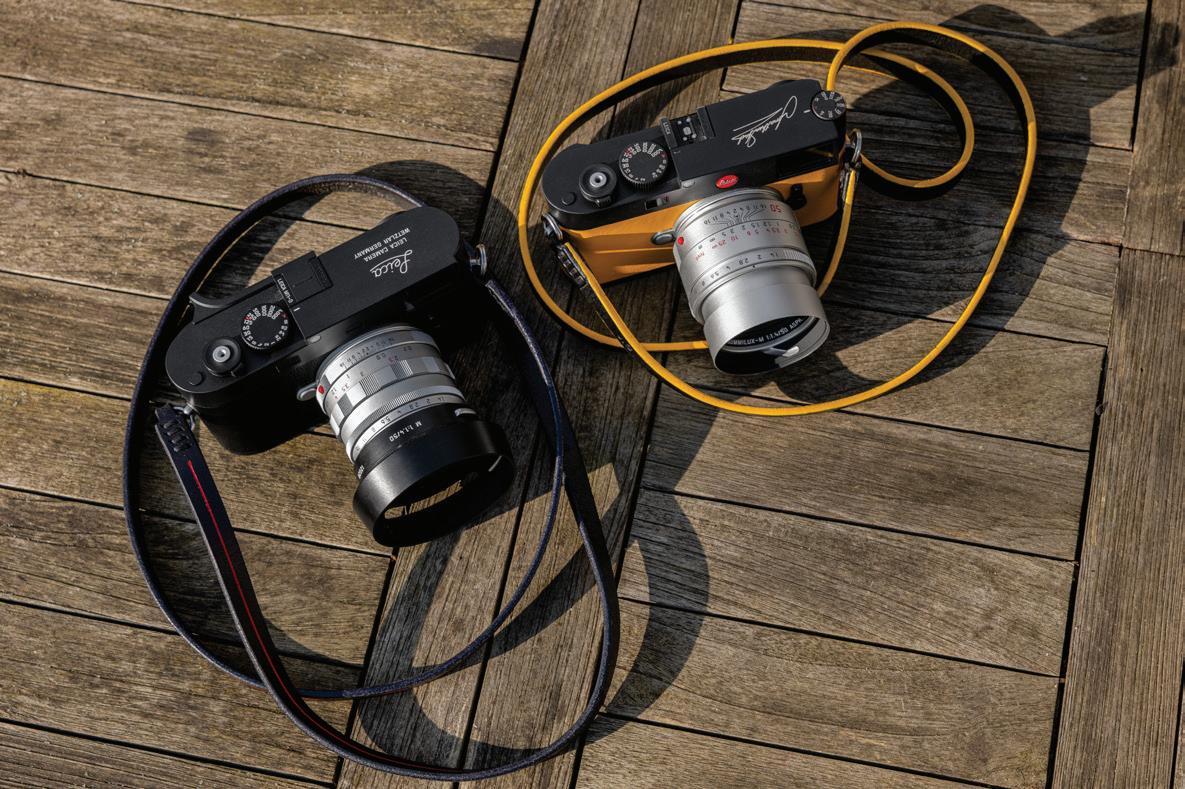
Jono Slack and Milan Swolfs report on the latest addition to the “Classic” lens series with the recent introduction of the new 50/1.4 Summilux-M pre ASPH lens. As Milan asks, “Who needs another 50mm? I think I do.” Milan and Jono give their usual unique perspectives and takes on this new re-issue of a classic lens from Leica. I think many of us will be interested in what Milan and Jono have to say about this new lens, from both the technical and aesthetic points of view. I think it will be another success for Leica, as the other lenses in the Classic line of re-issue lenses have been.
On a sad note, LHSA founder and President Emeritus Rolf Fricke passed away a few weeks ago. Newer members may not remember Rolf, but he was a good friend and mentor to many of us in the Society. For many years, Rolf was the host at our annual meetings, putting on wonderful programs for the attendees, with many luminaries from the Leica world. A few that come to mind are many members of the Leitz family, a long line of Leica CEO’s from both the US and Germany, famous Leica photographers such as Albert Eisenstaedt, Costa Manos, and Jim Marshall. Rolf had tremendous connections in the Leica world and seemed to know everyone. He was also a world-renowned Leica collector, with many priceless Leica cameras and lenses in his vast collection. One highlight for me was during the annual meeting in Rochester, some of us were invited to Rolf’s home to view his collection. Many rooms in his house had been converted into display space which were superior to that in many museums. Several years ago, Leica Camera purchased Rolf’s collection, and when in the Archive, you will notice that fully half of the storage containers are marked as having come from the Fricke Collection. We will be preparing a proper tribute to Rolf in the near future for Viewfinder.
Bis Nächste Zeit!
Bill
A LETTER FROM THE PRESIDENT
by DAVID KNOBLE
Dear Readers - Why might I address you as a reader instead of a member? Because there are so many non-members that get to read this incredible publication of the Leica Society International, that I want to recognize everyone! My hope is that all of you checking us out will enjoy the Viewfinder so much that you want to join LSI and enjoy the many other benefits! Take a peek at: https://leicasocietyinternational.org and click the Join button!
For all of us members, there have been some great events going on in the past 2-3 months! We have had two great conferences this spring and this issue covers the Charleston, South Carolina conference thanks to Kenny Evans. The event in Vienna, Austria was equally as engaging and there will be more in a future issue about the great time there.
In addition to LSI conferences, this year is the Century of Leica honoring the 100 year anniversary of the Leica I. I was able to attend the celebration in New York and saw many members there. We also had a contingent of almost 25 members that traveled to Wetzlar, Germany for the fi nal celebration. If you get our newsletter through email, you got a special issue that gave some links to the video created by Leica of the Wetlar event. I encourage you to view that and fi nd all the members included there! A special thanks to the many Leica folks around the world that invited us to participate in these events and for the warm welcome from Andreas Kaufmann.
Our own William Fagan was honored with writing an article in the 100 Leica Stories book that was unveiled in Wetzlar and I also encourage you to consider buying one of these to read the stories about Leica cameras contained inside. The stories are not all about historical cameras, although some are. Other stories include current and past famous photographers, documentary images taken with Leica cameras, and many more. Th is is a must own volume for any of you that love Leica cameras. You can buy these or some of the remaining Century Special Editions through your Leica dealer or online. I purchased the 100 Year Leica Trinovid 10x40 binoculars and they are a joy to use!
In addition to traveling, we now have a new Webmaster and member Maura Allen deserves a special shout out here for her abil-
ities and her hard work continuing to keep up our website. Her current project has been getting the past issues up to read directly on the website. These fl ipbooks are easy to read on your phone, iPad or computer. They are fast and do not require downloading large fi les. If you love reading the Viewfinder as it comes out, your membership includes access to the old issues as well! Check it out.
We have just awarded our 2025 Women in Photography grant as I write this. Our grant program has allowed some very incredible photographers to further their work. We were lucky to see several past grant winners work in the Leica Store Vienna Gallery and speak to one of the grant winners there. Th is also enabled us to purchase photographs directly from our grant winners, which helps support them. If you enjoy collecting images, this is a great way to do so. A special thanks to Karin Rehn-Kaufmann for arranging this incredible evening.
Everything we do is about celebrating photography. Whether it is celebrating member's images at conferences or the fan of the week on instagram, we celebrate our images and those of photographers we aspire to learn from. Leica lenses capture the light in such incredible ways, and your enthusiasm to make photographs is why we exist. I cannot wait to see more of your images, so get out and take some photos!
In your service,
David Knoble
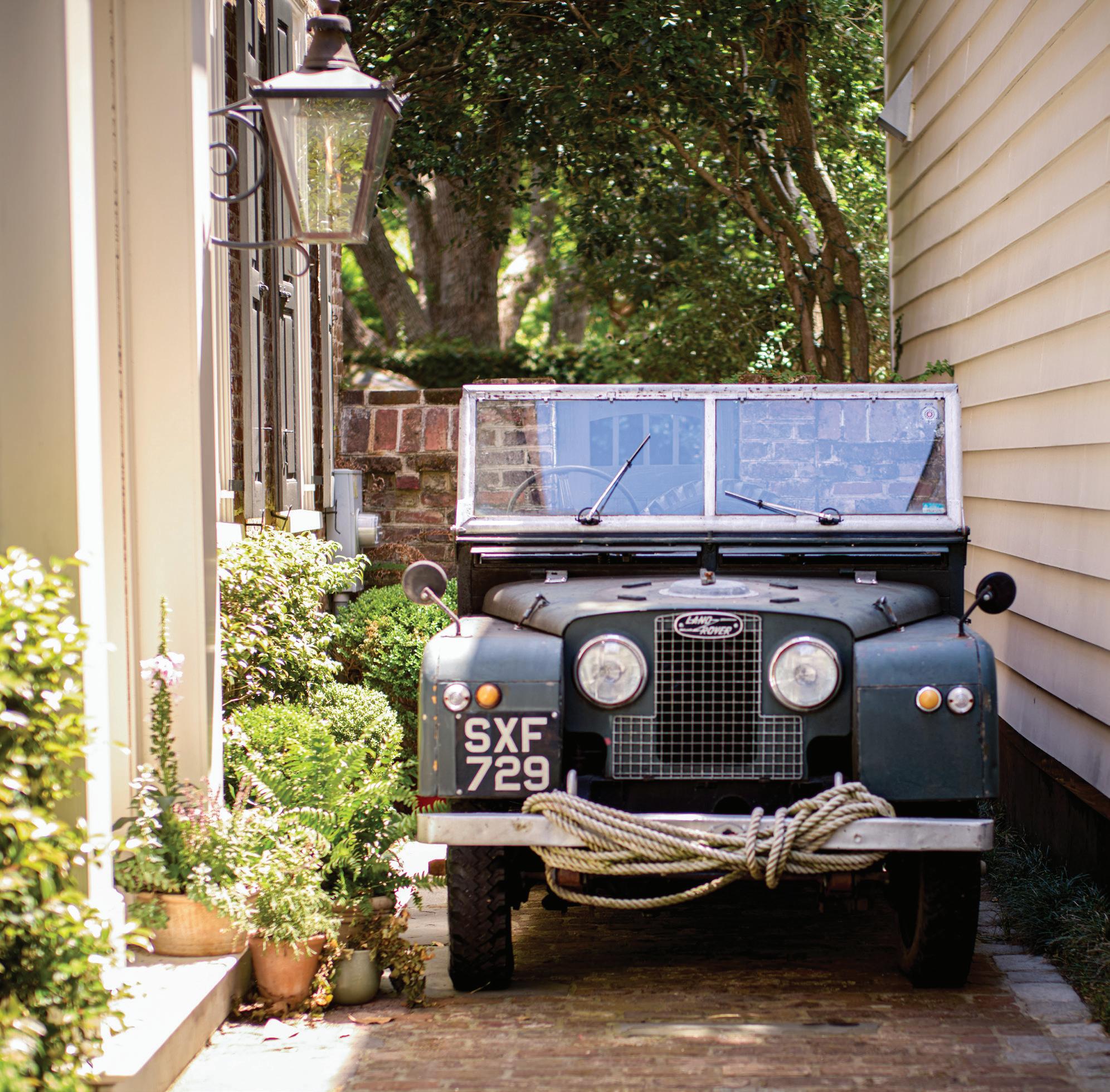
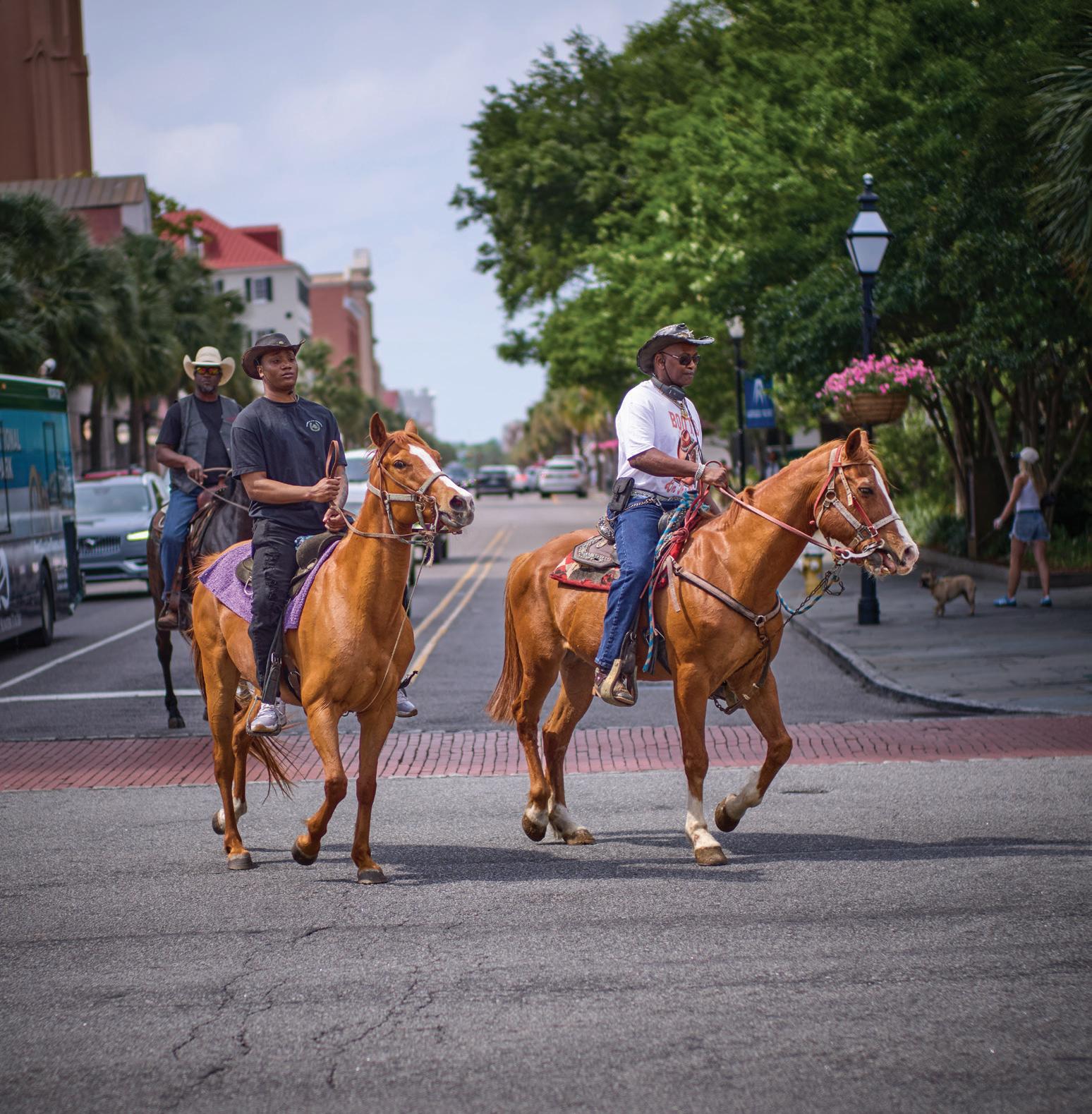
Our recent LSI gathering took us to historic Charleston, South Carolina, a city famed for its stunning architecture, rich history, and irresistible southern cuisine. As LSI attendees descended upon this southern gem two weeks ago, the energy and excitement were palpable — setting the stage for another memorable meeting filled with good company, great photography, and unforgettable moments.
Our base for the event was the historic Francis Marion Hotel, a charming venue that retained many of its original architectural features. The ambiance of this storied establishment perfectly complemented the rich heritage of Charleston and provided a perfect setting for our gathering.
The meeting kicked off with the "Blues and BBQ" Sunset Harbor Cruise. The live music created a wonderful atmosphere. We were treated to an impromptu jam session by our new executive director, Colin McKinley, who showcased impressive guitar skills, making the evening enjoyable and memorable.
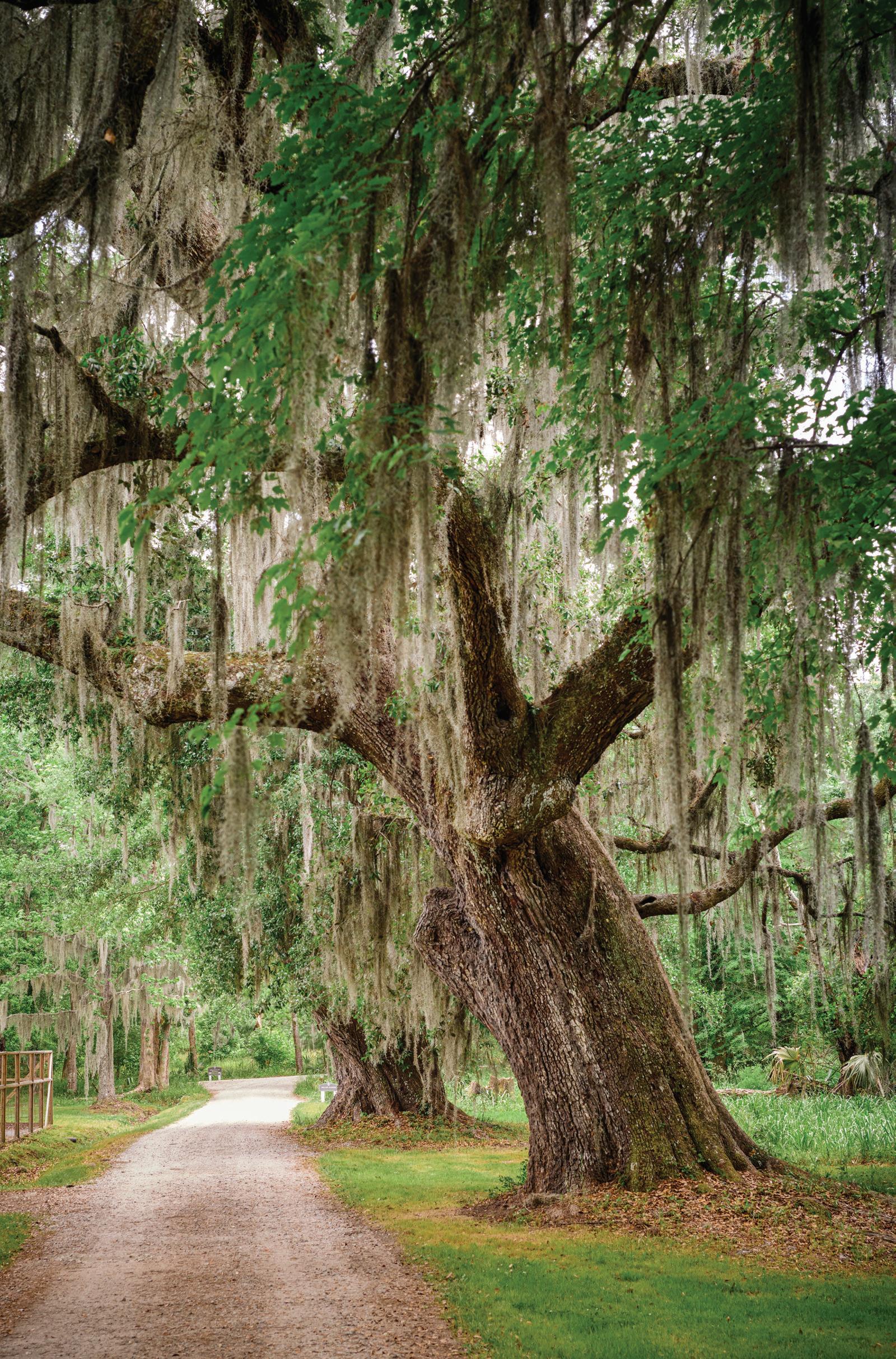
Another major outing took us to the renowned Magnolia Plantation and Gardens. Established in 1676, this historical site is one of America’s oldest plantations and public gardens, and it offered an abundance of photographic opportunities. From the vibrant azalea blooms to the graceful Spanish moss draping ancient oak trees, members explored the grounds in awe. It was heartening to see the variety of photographic styles — some attendees focusing on macro shots of delicate blossoms, while others captured sweeping vistas and wildlife encounters. The plantation provided an inspiring backdrop, offering a striking contrast between its natural beauty and its painful history.
by KENNY EVANS
Of course, no visit to Charleston would be complete without indulging in its legendary culinary offerings. Our meals were a highlight, particularly the shrimp and grits — a classic southern dish that quickly became my favorite. Whether dining
1:1.4/50mm ASPH
f/2.4, 1/200 sec, ISO 250
M11 & Summilux-M
1:1.4/50mm ASPH
f/2, 1/4000 sec, ISO64
Leica M11Summilux-M
Leica
casually along the vibrant streets of downtown or enjoying more formal gatherings, the cuisine was consistently delicious. Meals shared fostered lively conversations and strengthening friendships among members.
Music was another memorable element of our gathering beyond the harbor cruise. A few of us enjoyed captivating performances at the Forte Jazz Lounge, absorbing the vibrant local music scene that Charleston offers.
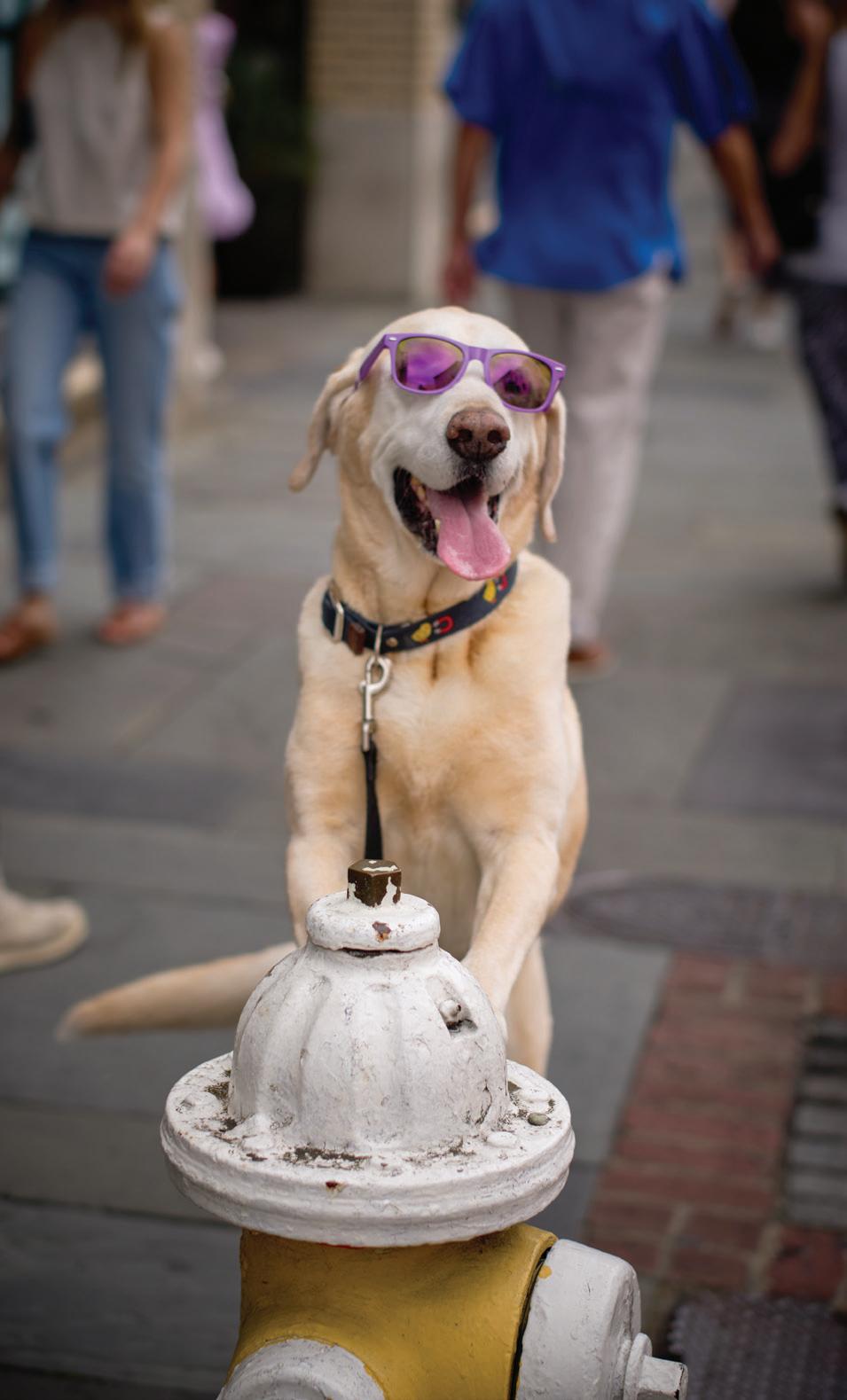
Between organized outings, there was ample time for spontaneous street photography in Charleston’s historic district. Members wandered through cobblestone alleys, past pastel-hued homes, and bustling markets. These casual explorations allowed for unexpected encounters and creative photographic challenges that enriched the overall experience. Some of us also took a moment to relax and savor a fi ne cigar at the King's Leaf Cigar Lounge, adding a refi ned touch to our leisure time.
As always, our closing banquet was a memorable event, fi lled with laughter and reflection. Executive Director Colin offered thoughtful insights into the weekend’s successes, and President David Knoble highlighted the ongoing growth and enthusiasm within the society. Looking back over the images captured throughout our time in Charleston, it was evident that the unique charm of the city had left a lasting impression on us all.
As we parted ways, discussions turned eagerly towards future gatherings. Charleston's charm and hospitality set a high bar, reminding us once again of the value of community, photography, and shared passions. Until next time, we leave with full memory cards and fuller hearts, looking forward to the continued camaraderie that LSI fosters.
(left) Leica M11, Summilux-M 1:1.4/50mm ASPH at f/2, 1/320 sec, ISO 64 (right) Leica M11 & Summilux-M 1:1.4/50mm ASPH at f/2.4, 1/1250 sec, ISO 64
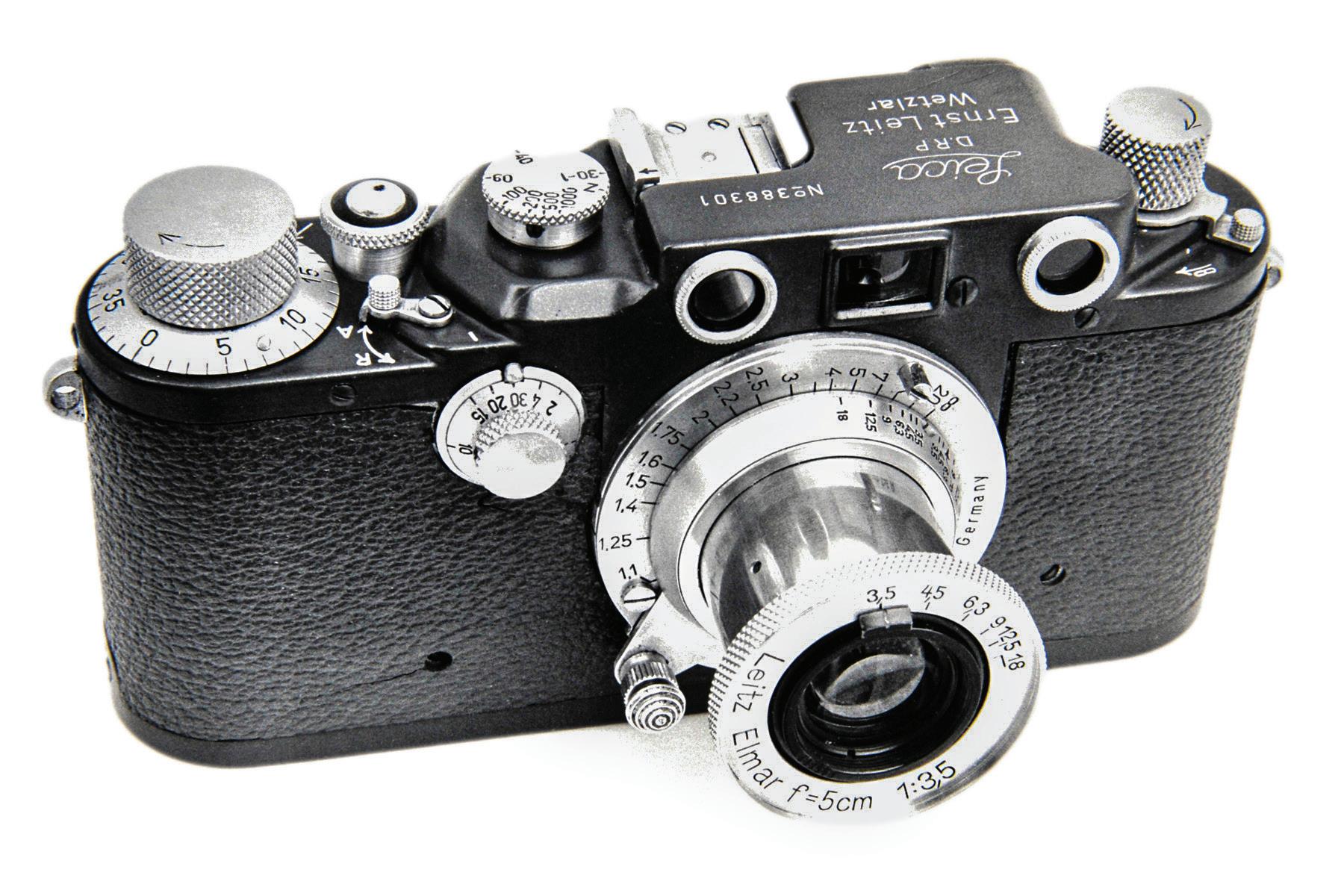
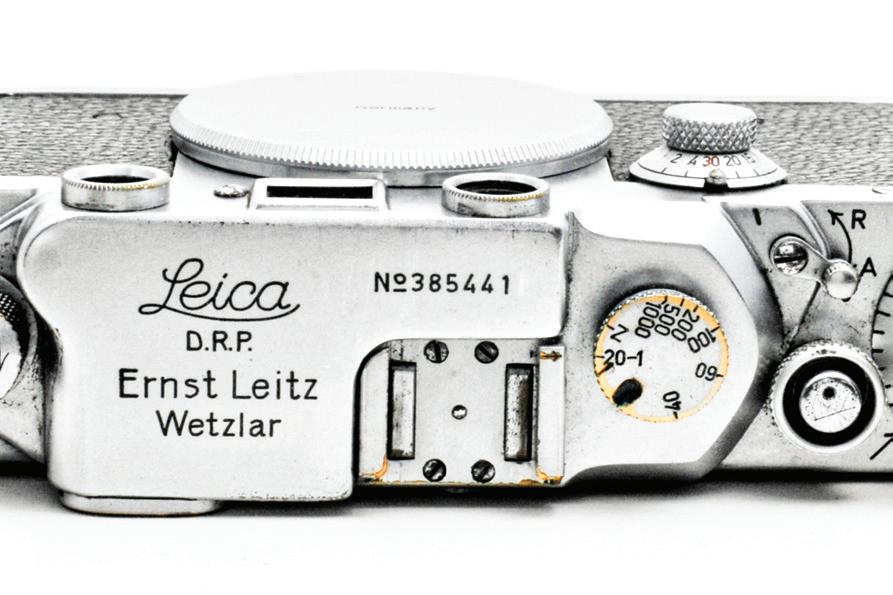
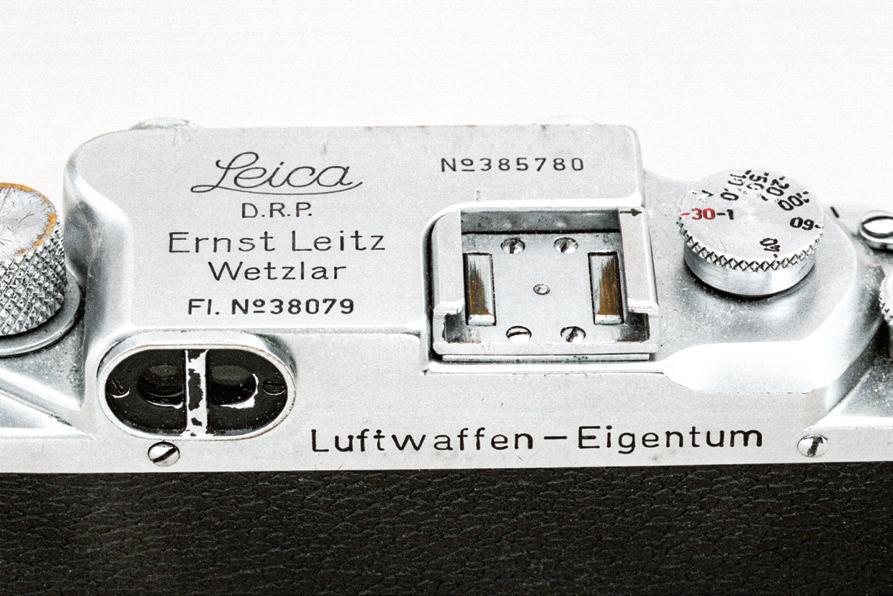
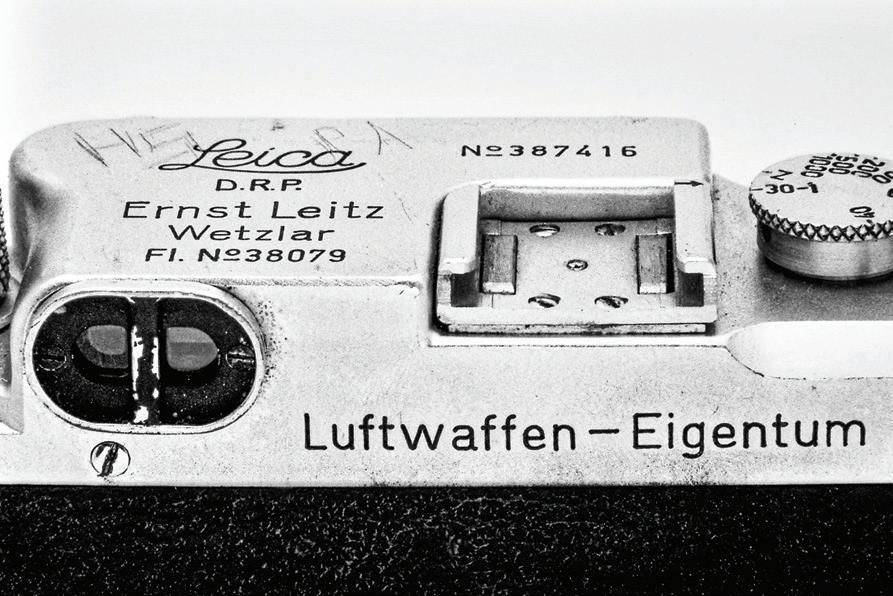
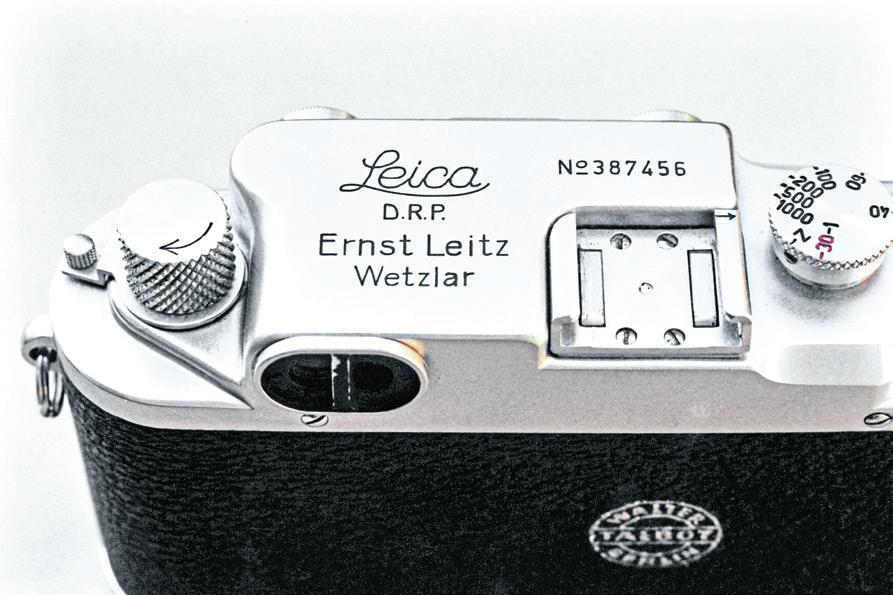
The Leica IIIc at 385001-390000
by JIM LAGER
No. 388301 10/9/42
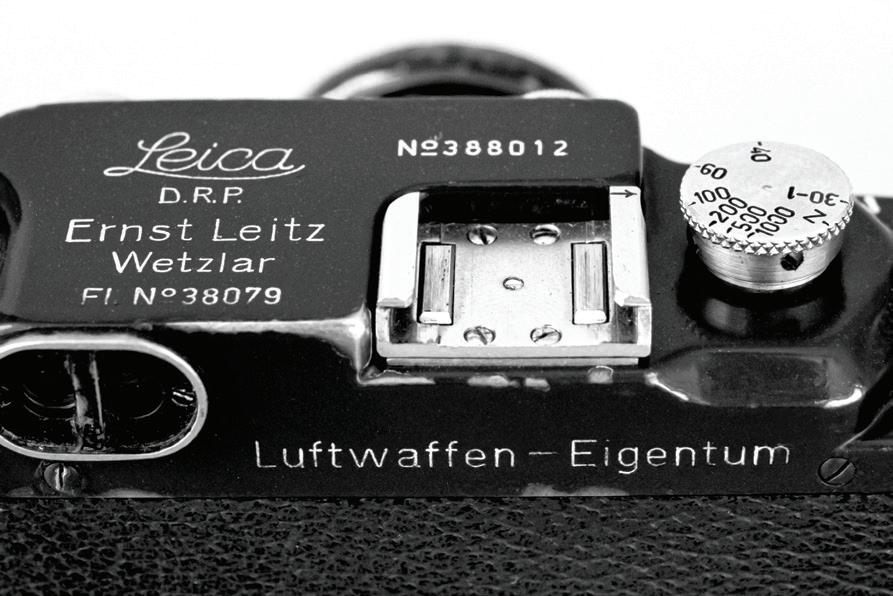
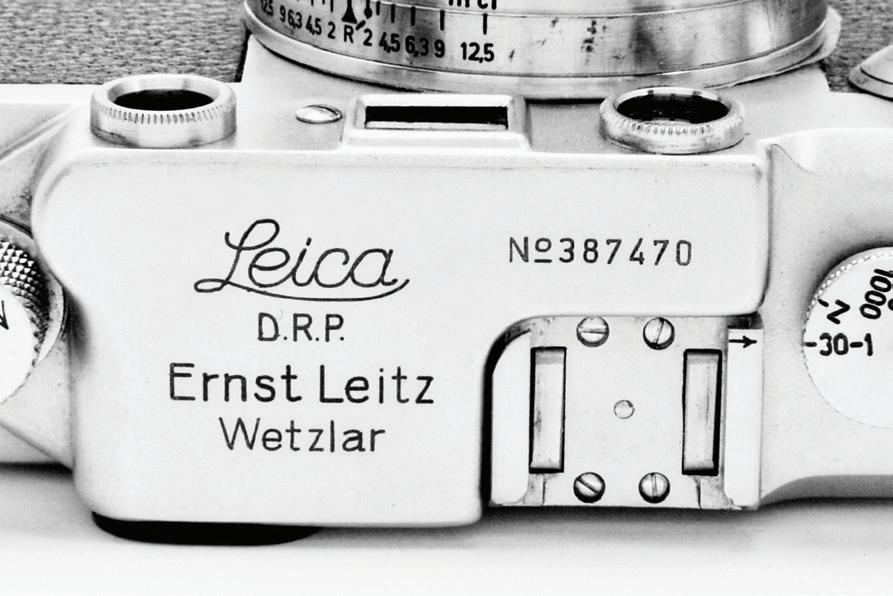
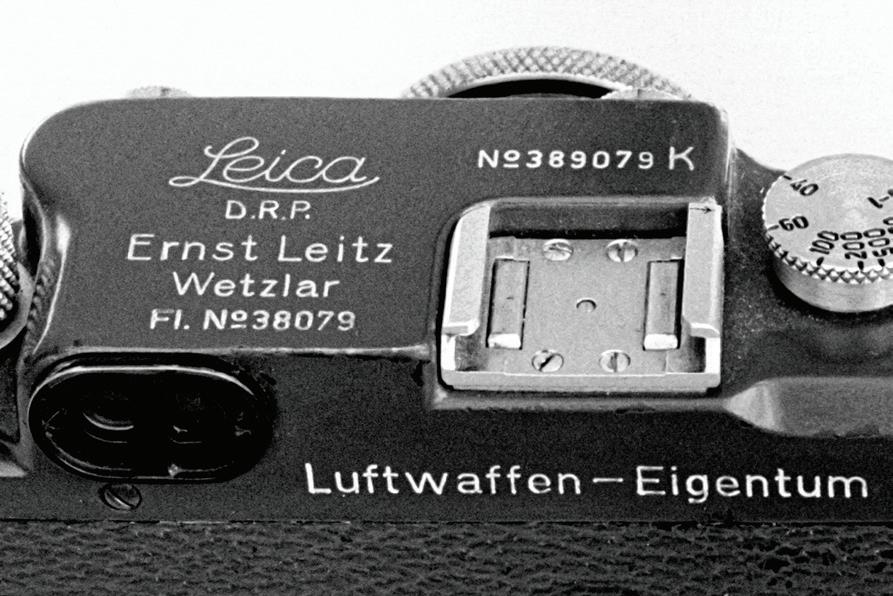
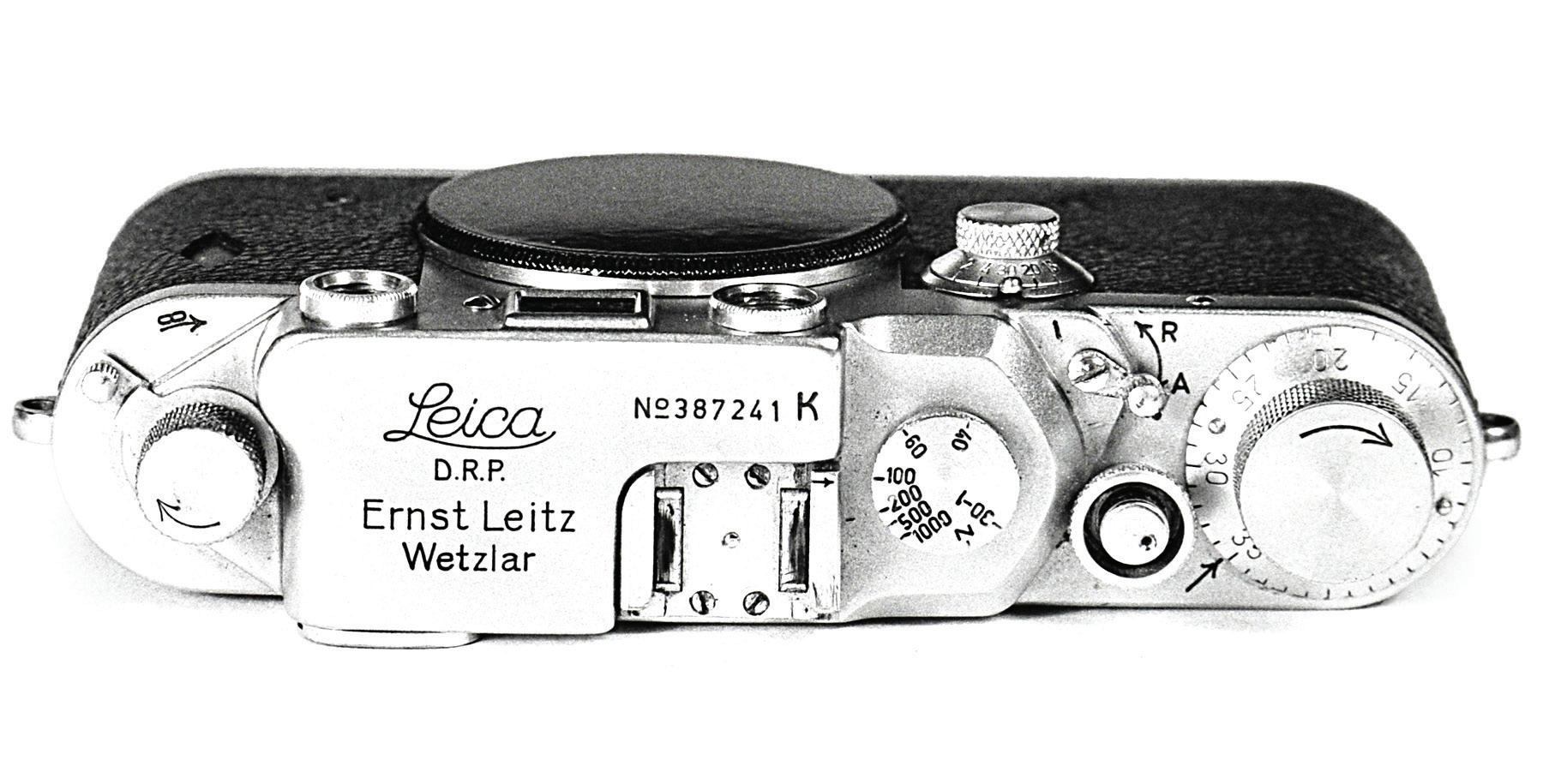
Wecan only wonder how many of these 5,000 Leica IIIc’s have survived. Are specimens still in use? In collections? Delivery records held at the Leitz-Park Archive indicate shipments to at least 25 countries occupied by German forces or otherwise sympathetic to the Third Reich. There are no direct shipments recorded to the United States, Unted Kingdom, Canada, Australia, or New Zealand. Allied Occupation Forces (U.S. Army) received a few cameras between March 29, 1945 and the capitulation on May 7, 1945.
Neutral countries Portugal, Spain, Sweden, and Switzerland could have directed equipment to countries opposing the Axis Powers. When the conflict ended many returning personnel came home with a newly acquired Leica from the 5,000 camera batch.
My decades-long investigation of American collections indicates few of the 5,000 are present. It was an event when a sample was discovered. Always the question. How and when did the Wetzlar product reach the United States?
Countries receiving the IIIc include:
Albania
Austria
Belgium
Bulgaria
Czechoslovakia
China (Shanghai)
Denmark
Finland
France
Germany
Greece
Hungary
Italy
Latvia
Manchukuo (Mukden)
Netherlands
Poland
Portugal
Rumania
Spain
Sweden
Switzerland
Turkey
Ukraine
Yugoslavia
Editor Rosauer and I welcome your comments.
385441 9/4/45 Allied Occupation
11/8/44 Unrecorded Luftwaffe
9/5/42
No.
No. 385780
No. 387416
No. 387456
24/10/42 Berlin Dealer Talbot
No. 388012 3/8/42 Luftwaffe
No. 387470
27/10/42 Security Service
No. 389079K 4/1/43 Luftwaffe
No. 387241K 29/9/42
IN May 1931, Curt Emmermann invited Oskar Barnack to write the opening article for his new photo magazine Die Leica. Oskar Barnack contributed the now famous article “How the Leica Came into Existence” (“Wie die Leica entstand” ). The most important paragraphs are quoted below from the original publication:
Small Negative, Big Print
A New Twist
To An Old idea
by ROLAND ZWIERS
“How did I come to the Leica design? For this I really have to look back 2 1/2 decades. It was around 1905. At that time, I took photos very diligently with my 13 x 18 plate camera, with 6 double cassettes and a large leather bag that resembled a sample case. That was all sorts of baggage when I ventured into the Thuringian Forest on Sundays. As I gasped up to the top of the mountain (where I was already somewhat asthmatic), the thought must have occurred to me: Isn't there any other way to do this?
In any case, I still remember very clearly how I made experiments with 13 x 18 plates, dividing them in small individual fields and using a special device to line up around 15 to 20 images next to each other with a short focal length lens. But the thing failed completely. The enlarged images didn't look particularly impressive (due to coarse plate grain). I let the whole idea rest for the time being, although now the realization of “small negative, big print” for the single-image camera was already born.”
Several publications on the origins of the Leica interpret this anecdote as follows:1
• In 1905 most amateur photographers still used 13 x 18 sized cameras
• These amateur photographers would make contact prints of 13x18 negatives
• In 1905 Oskar Barnack originated the concept “small negative, big print” (and so the concept of enlargement) out of necessity, so as to avoid having to carry his heavy 13 x 18 equipment
This interpretation of Oskar Barnack (1931) is unfortunate as it misrepresents his contribution to the development of the miniature camera. Barnack could not have claimed the idea “ small negative, big print”’ as such as it had been around for generations already. In 1905 he may have been one of the few amateur photographers left to still use a 13 x 18 camera. During his work for (Zeiss) Palmos and ICA (1902-1910), he was familiar with an advanced 6 x 9 roll film camera with a focal plane shutter and automatic film transport. During this period, he must have even advised producers of miniature cameras on suitable Zeiss lenses. In the period 1905-1912, after having realised the advantages of the small negative, he kept using his 13 x 18 outfit. Only in the period 1912-1914, he began applying the concept “small negative, big print” himself. As this interpretation differs from common wisdom, it is necessary to present it in a wider historical context.
1. See: Erich Stenger (1949), p. 69. Theo Kisselbach (1955), p. 11; G. Rogliatti (1977), p. 2; Van Hasbroeck (1987), p. 22; Ulf Richter (2009), pp. 18, 32, 42; Erwin Puts (2012) p.15; Knut-Kuhn-Leitz (2014), p.46; Hans-Michael Koetzle (ed.)/ Günter Osterloh (2020), p. 232. Helmut Lagler (2022); Thorsten Overgaard (2023, on YouTube). This interpretation was also presented during a tour of the Leitz Museum in October 2023.
1. Enlargement in the 1860s - 1880s
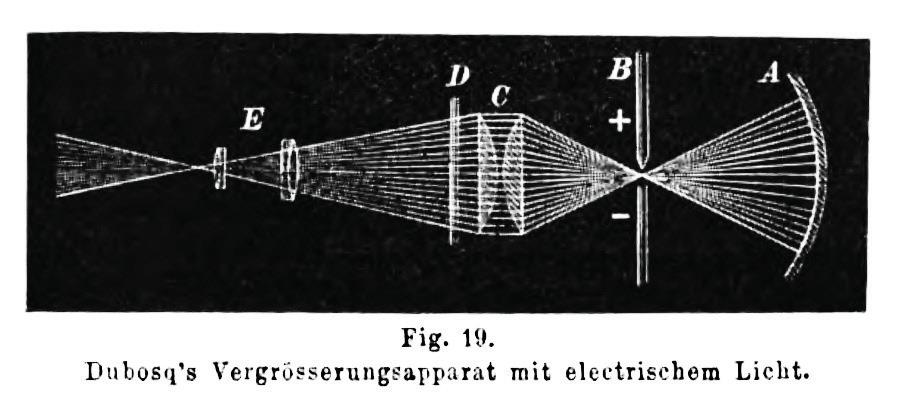
In his yearbook for 1884, Professor Eder gives a historical overview of projection and enlargement devices that make use of the new electrical arc lamps. He states that arc lamps were already used for enlargements and/or projection in the early 1860s. The illustration (Figure 1) shows how the arc lamp combines with a spherical mirror, a condenser system and an enlargement lens. Eder (1884) observes that this principle has remained basically the same to the present day.
In his yearbook for 1886, Professor Eder comes back on the technique of enlargement, but this time in the context of enlarging small-sized negatives. He acknowledges that it is an expensive technology that, in addition, requires specialized know-how.
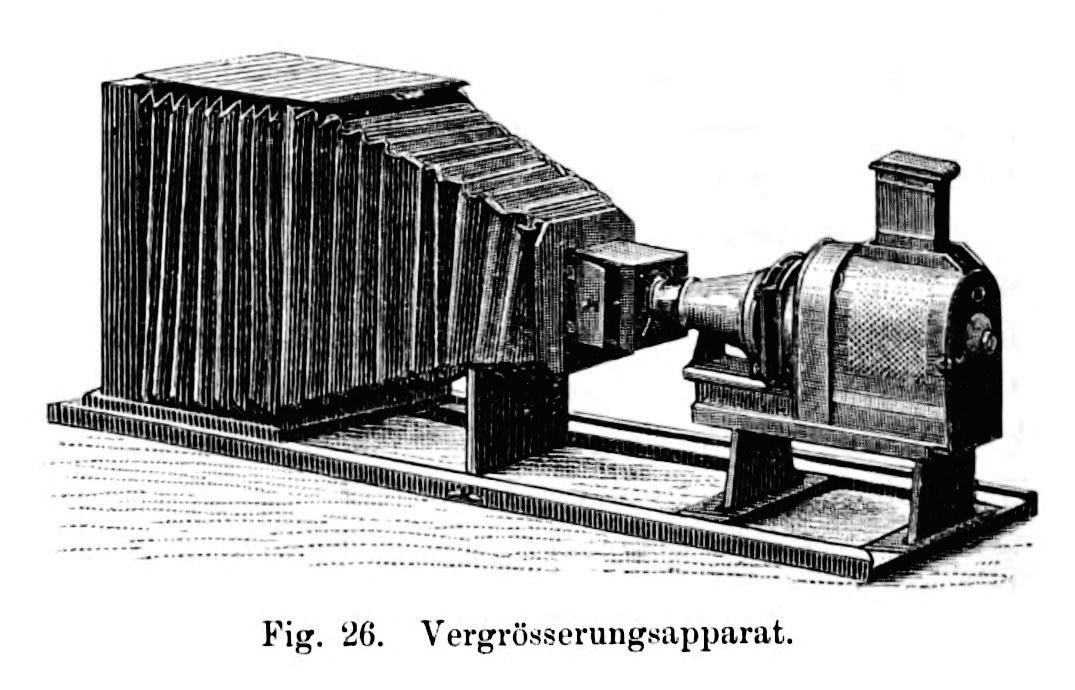
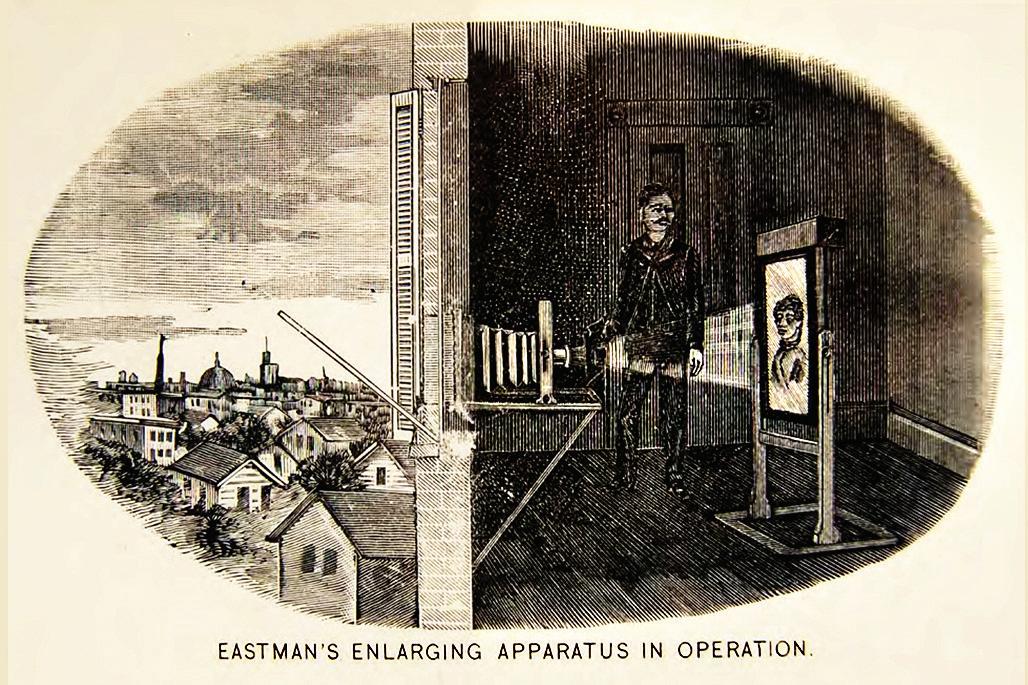
Dr. Paul Liesegang (1887) gives an illustration (Figure 2) of a traditional enlarger that does not make use of electrical light, but of a burning flame. This explains the presence of a light-tight chimney on top of the enlarger. The Eastman example (Figure 3) from 1886 shows a traditional enlargement set-up that makes use of daylight. (See my article "Light in the dark room")
Figure 1
Figure 2
Figure 3
2. Miniature Cameras in the Period 1890-1905
In the 1890s, various miniature cameras arrived on the scene for amateur use. The small negatives led to a demand for enlargement on photographic paper. I will discuss miniature cameras that made use of glass-based dry plates and those that were designed for celluloid-based roll film. A very special example of the latter category is the 6 x 9 cm Palmos camera that must have been produced (!) by Oskar Barnack before 1905.
2a.
Miniature Cameras for Glass-Based Dry Plates
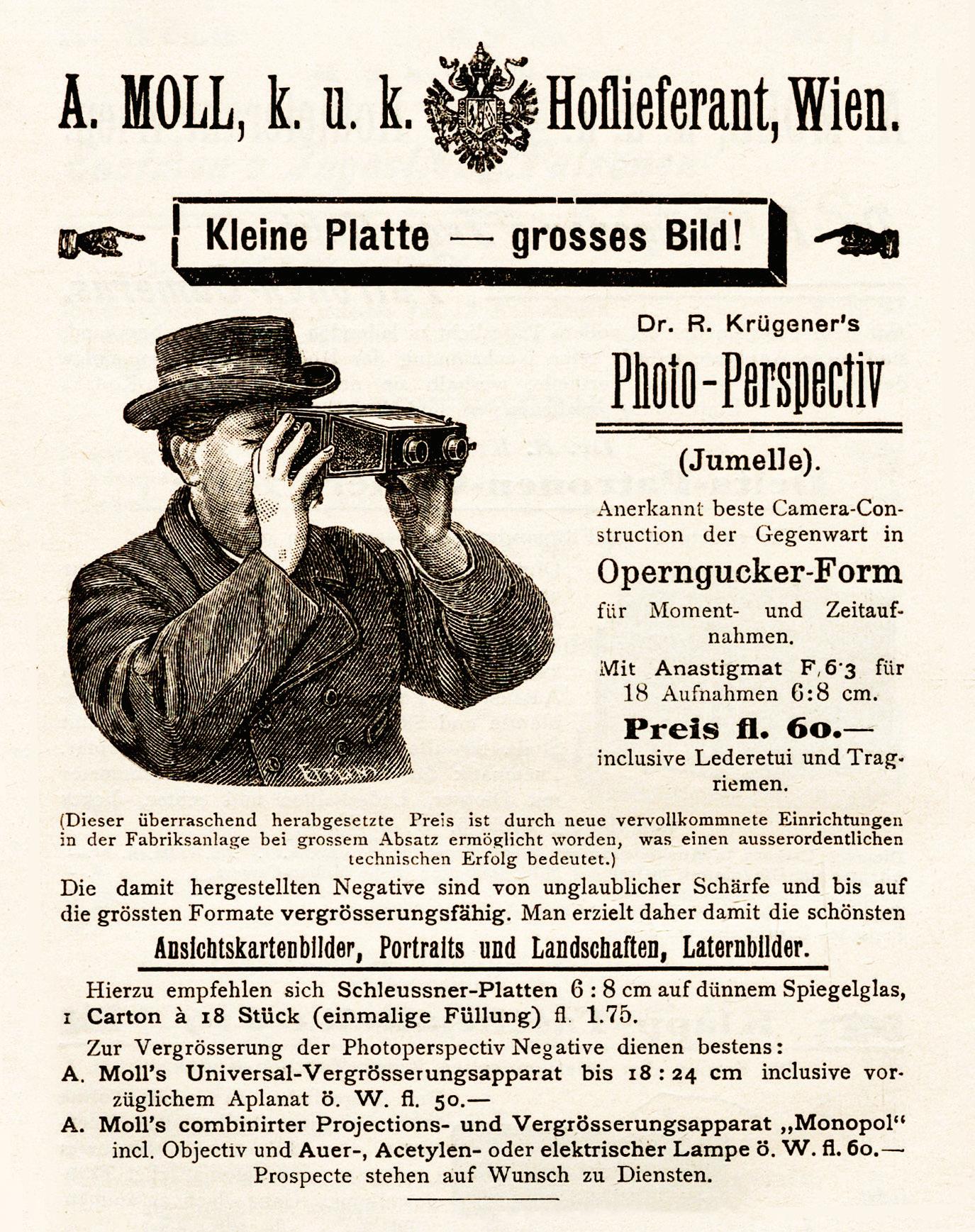
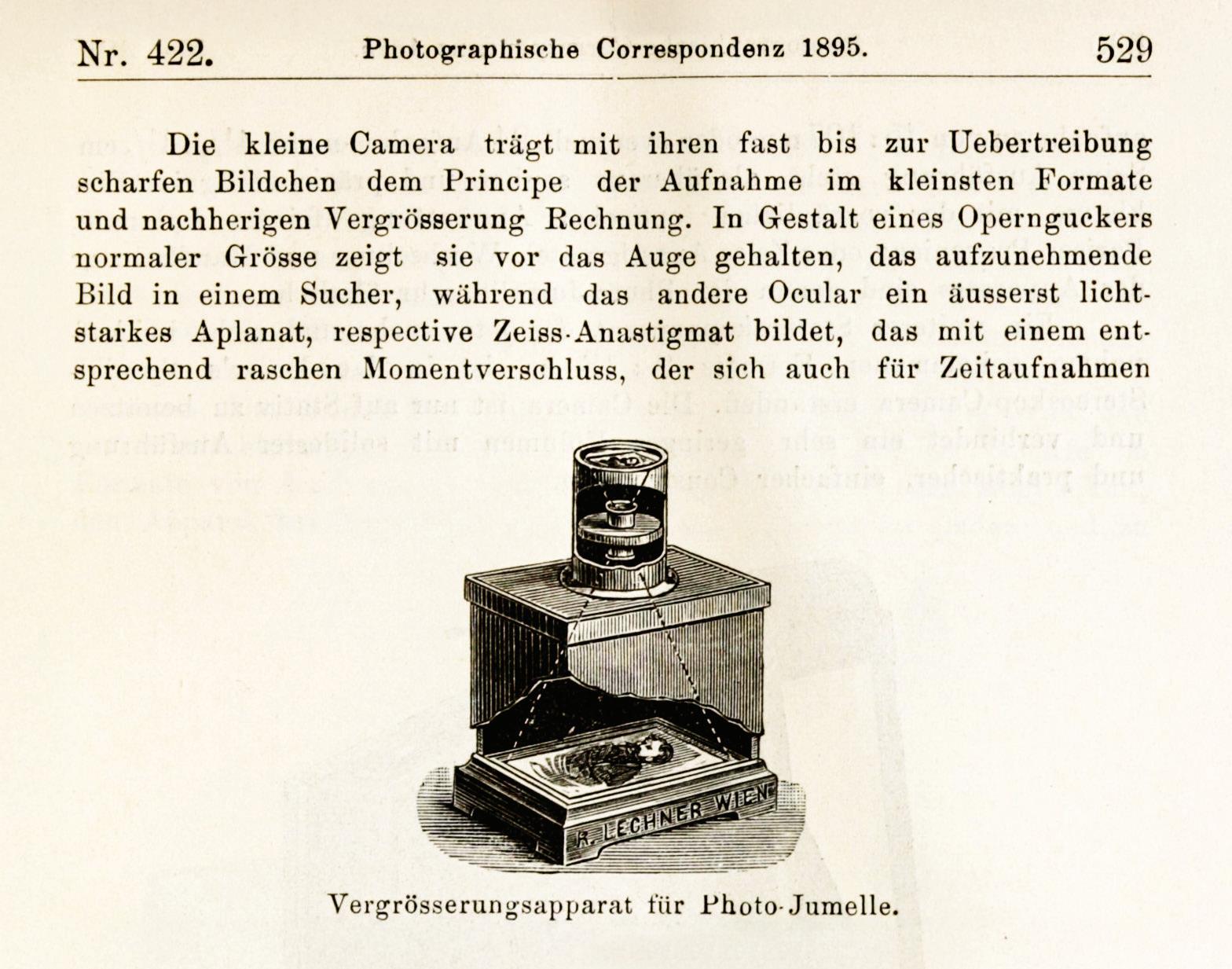
In the 1890s, there were several miniature cameras that looked like an ordinary field glass, but with one lens serving as the viewing lens. This camera type (PhotoJumelle) was made for several negative sizes and could be had with dedicated enlargers. For the 6.5 x 9 cm camera I found an advertisement (Figure 4) from 1899 with the slogan ‘Small plate, big print!” (Kleine Platte – grosses Bild!)
In 1895, the Austrian-Hungarian magazine Photographische Correspondenz reviews the Photo-Jumelle (Figure 5) for the sizes 4.5 x 6 and 6.5 x 9 cm: “The small camera with the almost exaggerated sharpness of its images serves the principle of taking pictures in the smallest formats in combination with subsequent enlargement.” A British advertisement of 1900 (Figure 6, Following Page) mentions even smaller negatives of 2 5/16 x 1 ¾” (3.3 x 4.4 cm).
Figure 4
Figure 5
2b. Miniature Cameras for Celluloid-Based Roll Film
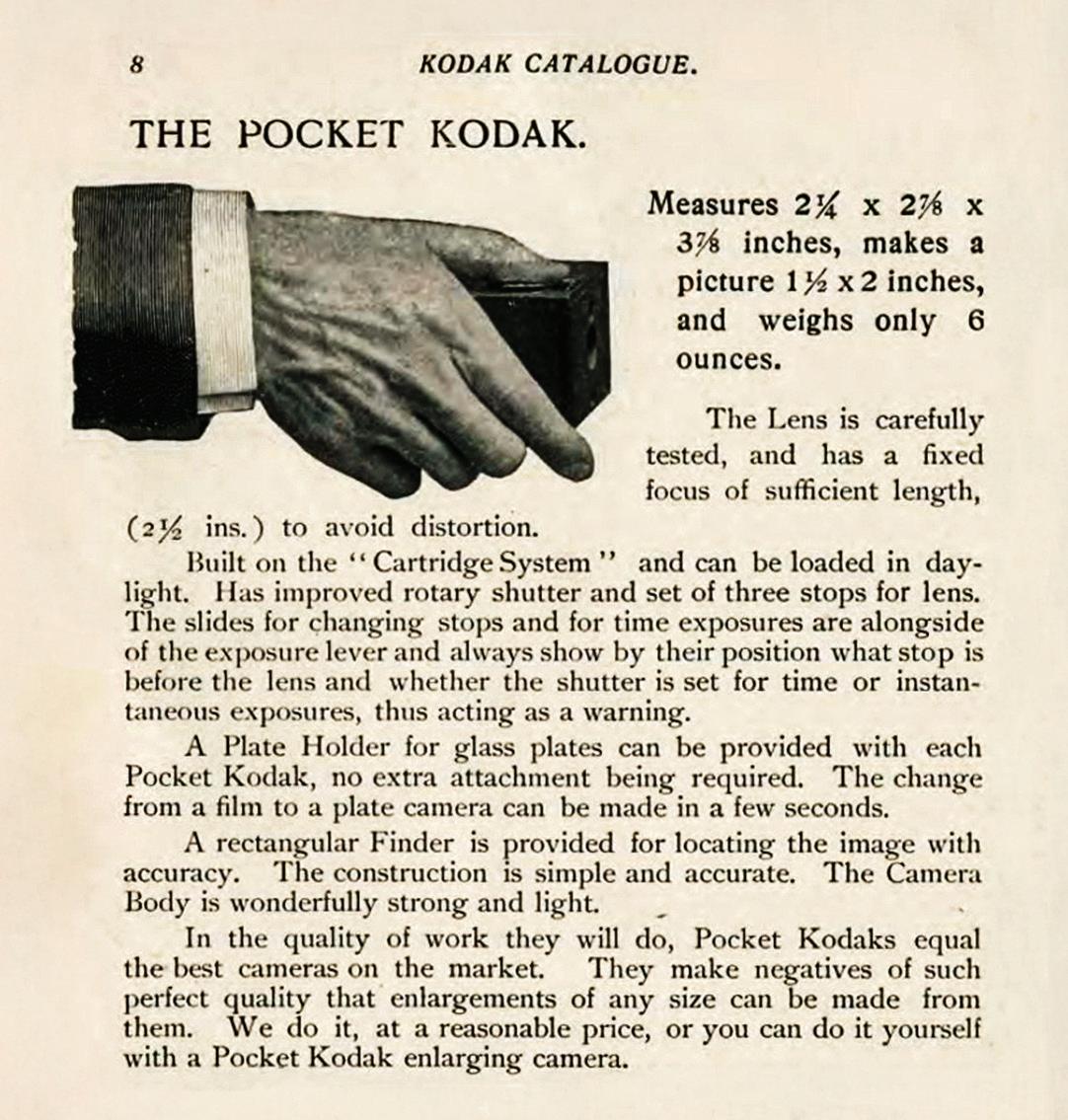
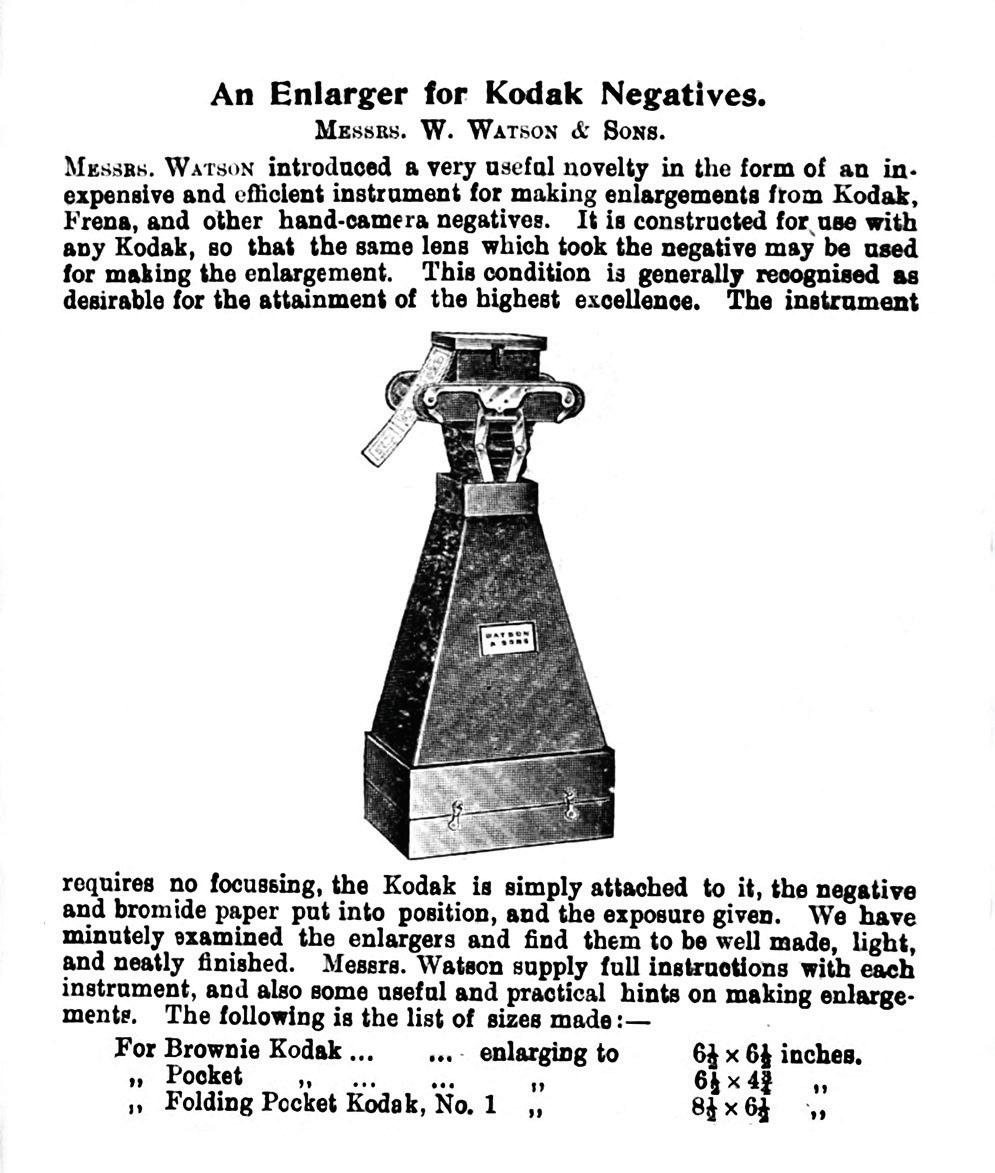
In the 1880s, Eastman Kodak introduced a very portable roll film camera. The first model used paper-based roll film. In 1895, a new generation of roll film cameras made use of transparent roll film on a basis of celluloid. The first such camera had negatives of 3.5 x3.5" (9 x 9 cm). Followup models included pocket cameras with negatives as small as 1½ x 2" (3.8 x 5 cm). Eastman Kodak made sure that amateur photographers could enlarge these small negatives with dedicated enlargers. (Figure 7)
Figure 6
Figure 7
2c. The 6x9 Palmos Camera of 1900
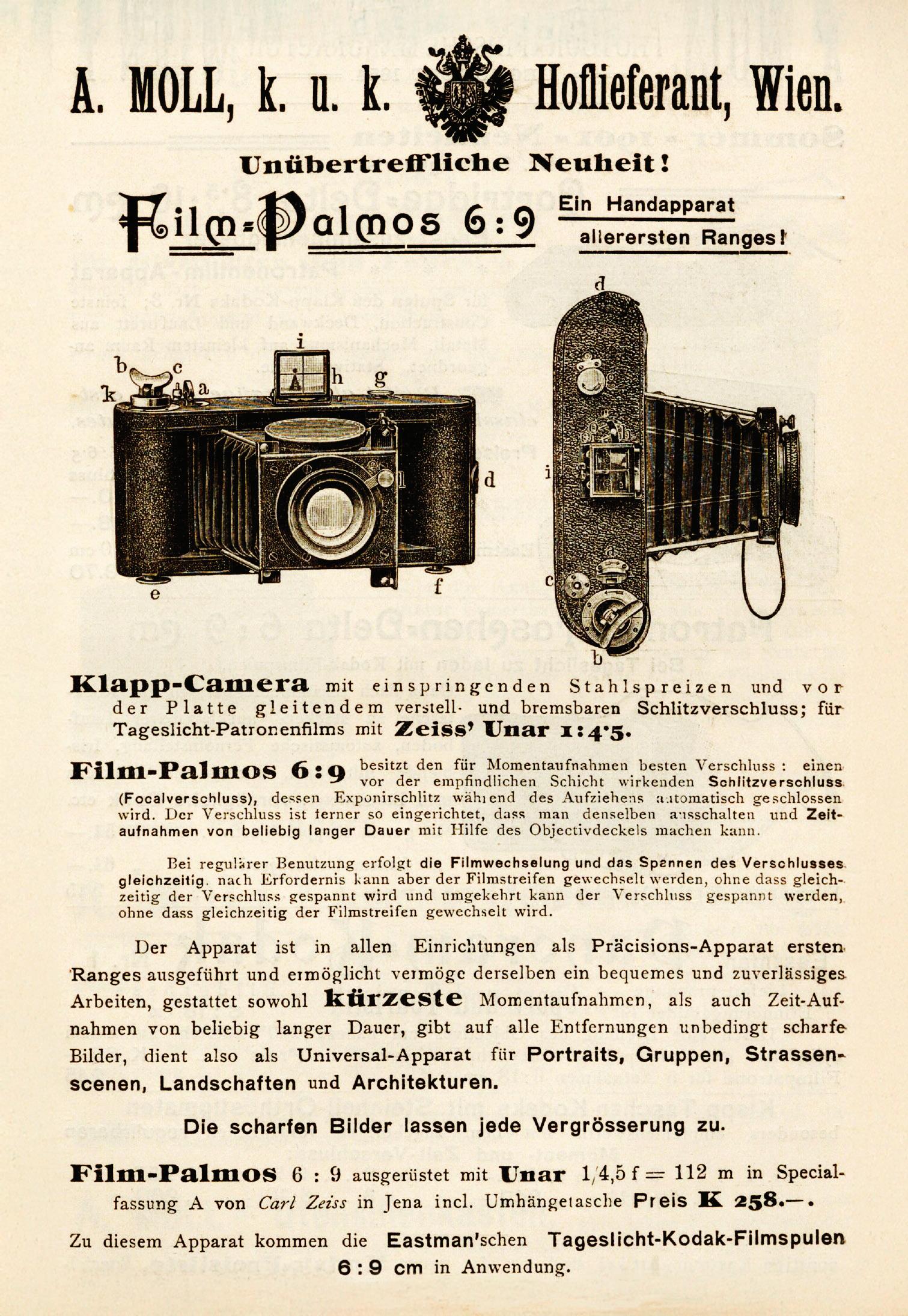
An incredibly advanced pre-1905 miniature camera was the Film Palmos camera of 1900. This camera combined the new Eastman 6 x 9 roll film with a fast focal plane shutter. Many features already foreshadow the Leica. One can even consider the 1925 Leica as a reduced 6 x 9 Film Palmos in much the same way as the 1936 Kine Exakta (for negatives of 24 x 36 mm on 35 mm cine film) is a reduced version of the 1933 VP Exakta for negatives of 4 x 6.5 cm! This latter Leica-related reduction is discussed in my article "Karl Nüchterlein in 1932 – the eureka moment for the Kine Exakta."
(Source: Photographische Notizen, Dec. 1900)
From the advertisement on the right (Figure 8) one can distill the following features:
• Negative proportions of 2:3
• Use of Eastman 6 x 9 cm daylight loading roll film instead of glass-based dry plates
• Focal plane shutter immediately in front of the film plane
• Automatic film transport coupled to the focal plane shutter
• A very fast and self-capping focal plane shutter
• Use of a lens cap connected to the camera with a cord for time exposures
• Possibility of double exposures
• A fast 1: 4,5 Carl Zeiss Jena lens
• Engraved settings on the lens for aperture and distance
• Accurate helicoid focussing
• Foldable viewfinder on top of the camera
• Frame counter on top of the camera
negative were not yet possible. Contemporary reviews were already impressed that a postcard-sized Leica enlargement could not be distinguished from a postcard-sized contact print. (See my article "Early Leica bodies, Lenses, Users and Films 1913-1926")
3. Oskar Barnack at (Zeiss) Palmos and ICA 1901 – 1910
Moreover, the advertisement claims that a sharp 6 x 9 negative can be enlarged to any size. We speak here of the year 1900. When the Leica was introduced in March 1925 very big enlargements from a 24 x 36 mm
What can we know about Oskar Barnack’s work for (Zeiss) Palmos and ICA? On the basis of pre-1914 sources and post-war Leica literature, one can infer that he was familiar with the production and further development of the 6 x 9 cm Film Palmos. I will first discuss the establishment of Film Palmos in 1900. In this context, I must mention the contributions of Curt Bentzin, Dr. Paul Rudolph, Carl Zeiss Jena and Eastman Kodak.
Figure 8
Involvement of Curt Bentzin
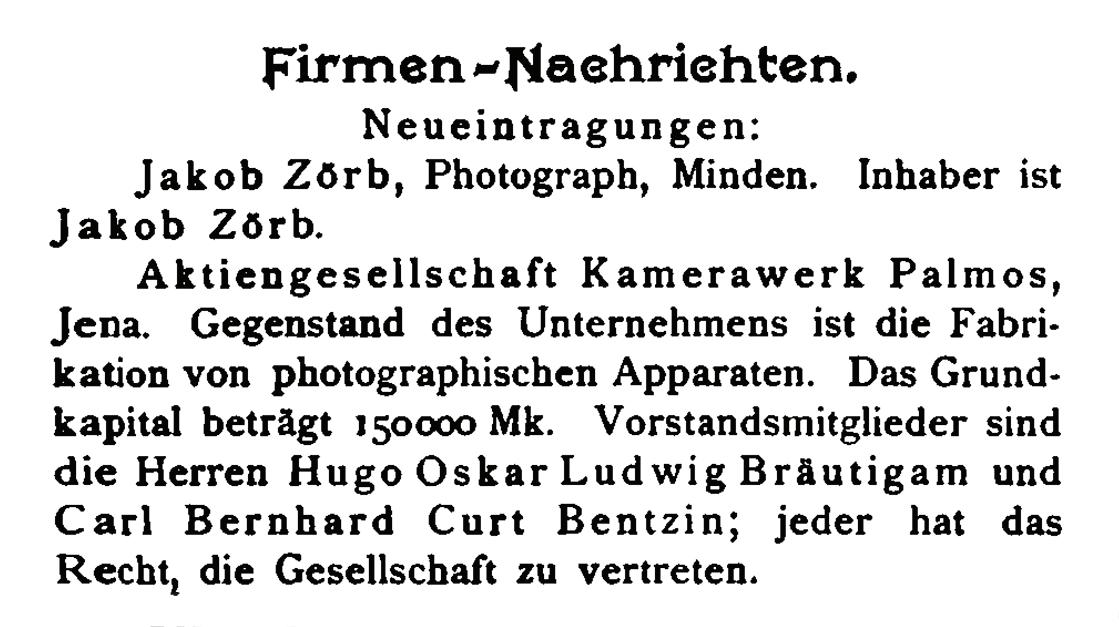
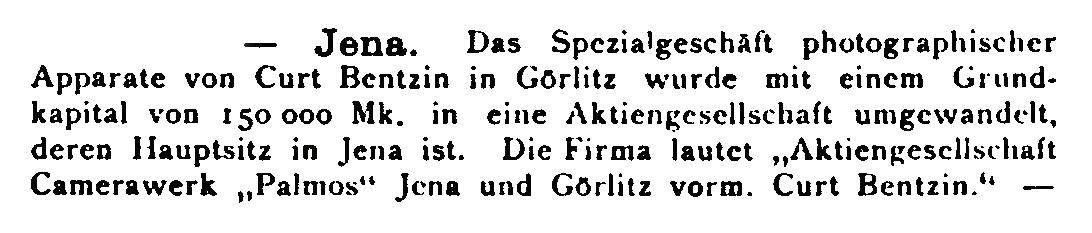
The German periodical Photographische Chronik of June 17, 1900 announced the establishment of AG Kamerawerk Palmos. A second announcement appeared in the magazine Centralzeitung für Optik und Mechanik. I have put the two announcements together in one frame. (Figure 9)
The news items suggest that AG Palmos Jena is a successor to a “Spezialgeschäft photographischer Apparate Curt Bentzin in Görlitz.” What can we infer from this
“special enterprise for photographic equipment”? The name suggests that Curt Bentzin was the owner/ manager and that the enterprise was located in Görlitz. The special enterprise may well have been responsible for the development of the prototype Film Palmos before the summer of 1900. Once the prototype was ready, it was time to prepare for series production. For this purpose, the special enterprise must have been succeeded by the ‘AG Kamerawerk “Palmos” Jena und Görlitz vorm. Curt Bentzin’.
Involvement of Dr. Paul Rudolph
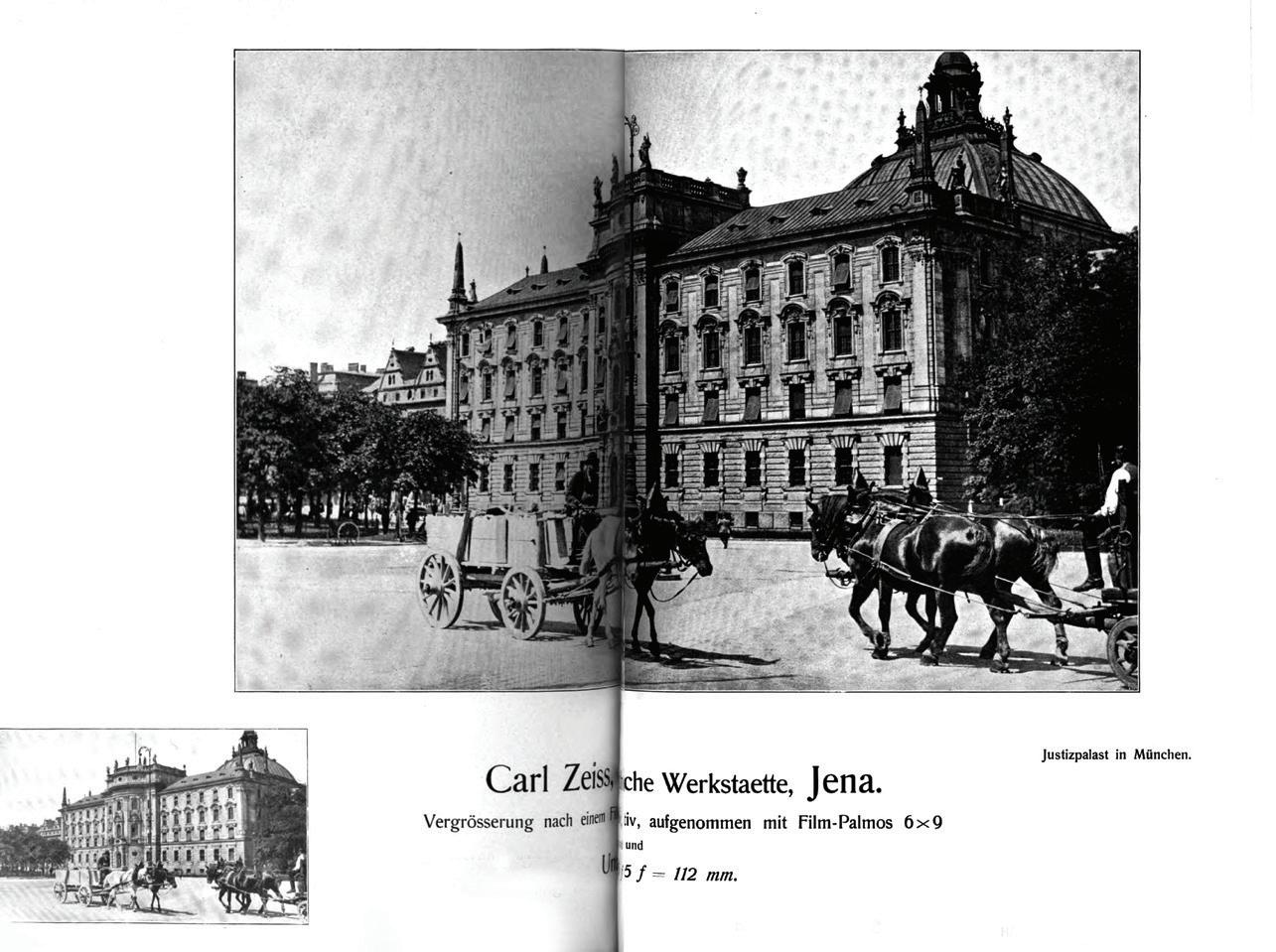
From the publicity in the year 1900, one can also infer the early involvement of Dr. Paul Rudolph, the designer of the then newly available 1 : 4.5 Unar lens. In an article in Photographische Mitteilungen of November 1900, Dr. Rudolph demonstrates how he has used this lens on a 6 x 9 Film Palmos during his summer holidays. The article includes an enlargement that covers two-pages of the magazine. (Figure 10) In the summer of 1900, the Film Palmos camera had not even been reviewed yet. This implies that Dr. Rudolph was closely involved with the development of this innovative hand camera.
The early personal involvement of Dr. Paul Rudolph is confirmed by Dr. F. Schomerus (1952) in his overview of 100 Years Carl Zeiss Jena (1846-1946):
“The handheld cameras for which the Zeiss lenses were primarily intended, were not built stable and precise enough to accommodate and utilize such fast lenses. In addition to commercial considerations, this was one of the reasons why Rudolph personally founded the Palmos-KameraWerk AG in 1899 in Jena, with the help of the small, respected Bentzin camera factory in Görlitz, in order to promote the sales of Zeiss lenses by building good and stable hand-held cameras.”
Figure 9
Figure 10. A 6x9 Film-Palmos negative by Dr Paul Rudolph printed over two pages. Photographische Rundschau, November 1900.
Sources in chronological order:
Professor Eder, yearbooks 1884 and 1886.
British Journal Photographic Almanac, 1880s -1910s.
Kodak catalogues, 1886-1914.
Dr. Paul Liesegang (1887), Handbuch des practischen Photographen.”
Kaiserliche Patentamt (1901).
Carl Zeiss Jena (1901), Photographic objectives and photo-optical auxiliary appliances.
Felix Auerbach (1904), The Zeiss works and the Carl Zeiss Stiftung in Jena.
Felix Auerbach (1907), Das Zeisswerk und die Carl-Zeiss-Stiftung in Jena.
Involvement of Carl Zeiss Jena
Was Dr. Paul Rudoph acting on his own? Or did he do so on behalf of Carl Zeiss Jena? In a 1904 publication, Felix Auerbach states that Carl Zeiss was already working on shutters before it acquired Palmos. Th is related to both lens shutters and focal plane shutters. Th is suggests that Carl Zeiss aimed at developing its own hand camera as a platform for its high quality and increasingly fast anastigmatic lenses. Zeiss must have changed course when it found out about the Curt Bentzin project. Then it was more efficient to join forces, pooling patents, fi nancial capital and know-how.
In a 1907 publication, Auerbach is even more explicit on the involvement of Carl Zeiss Jena:
“A company called Kamerawerk Palmos, founded for this purpose with the consent of the Optical Workshop [optical department of Carl Zeiss Jena], soon dissolved and, as far as the Jena company was concerned, was absorbed into the Optical Workshop in 1902.”
Involvement of Eastman Kodak
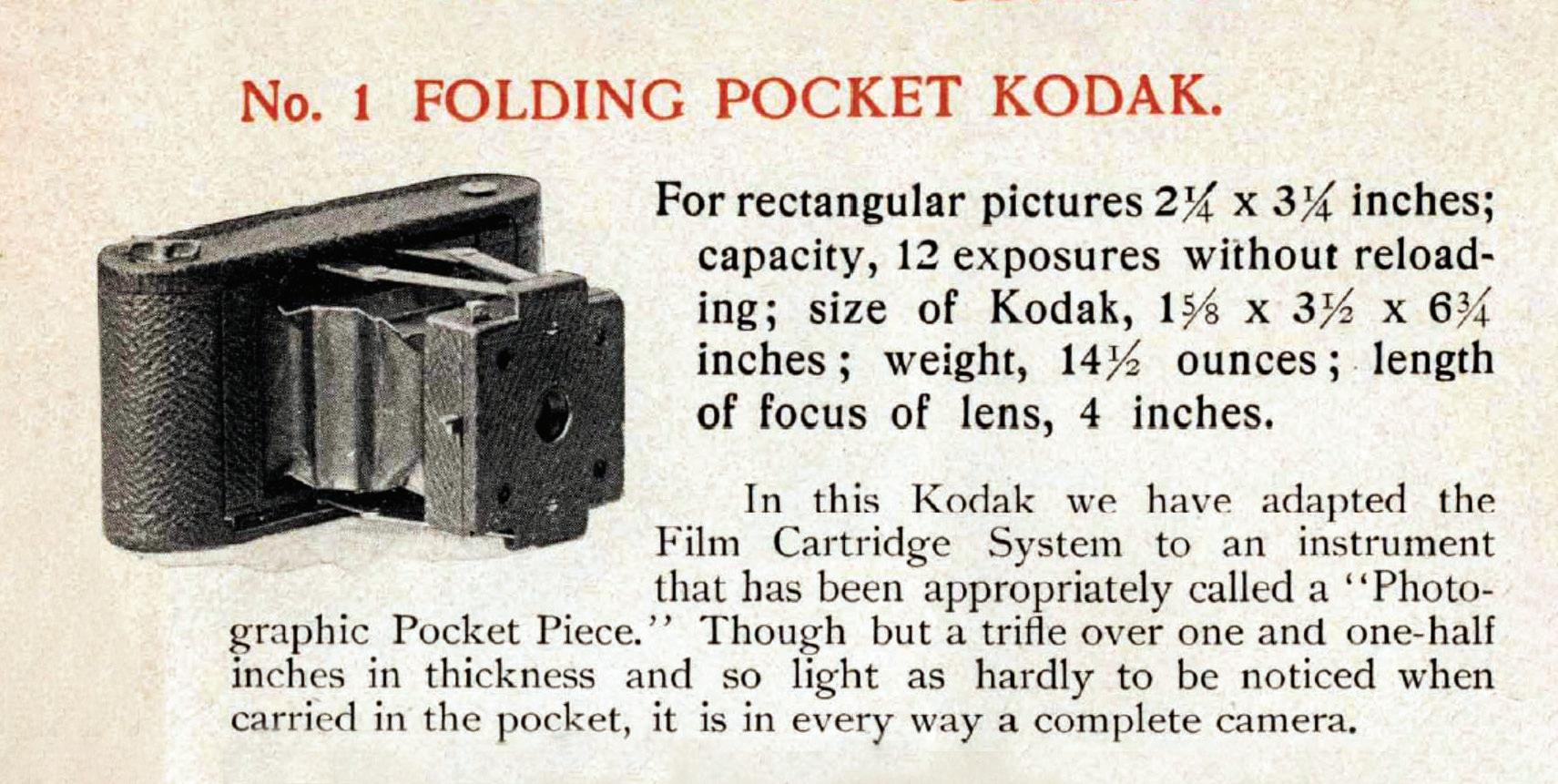
In the summer of 1900 Dr Rudolph already used the 6 x 9 Film Palmos. What fi lm did he use? Contemporary Kodak catalogues suggest that he used the 6 x 9 roll fi lm that was introduced for the Folding Pocket Kodak of 1898. (Figure 11) Th is was a daylight loading roll fi lm for twelve exposures. The introduction of this 6 x 9 roll fi lm must have inspired Curt Bentzin to develop an advanced hand camera for this fi lm format.
Close cooperation between Palmos and Zeiss also follows from the many patented features for the Film Palmos. Several features were patented by Palmos itself, other features by Carl Zeiss Jena. See table on following page (Figure 12) Although many such patents were only granted in 1900 and 1901, they were already incorporated in a camera that was in use in the summer of 1900. Th is again suggests very close cooperation from the very beginning. I will come back to patent nr. 120441 later.
Part II to be continued in Viewfinder 58-3 …
Contemporary Dutch, British, Austro-Hungarian and German photo magazines: Lux, De Camera, The Amateur Photographer, Photographische Correspondenz, Photographische Notizen, Photographische Chronik, Centralzeitung für Optik und Mechanik, Photographische Rundschau.
Oskar Barnack (year unknown), a hand-written note relating to May 1914 in his so-called Werkstattbuch.
Oskar Barnack (1931), Wie die Leica entstand (Die Leica).
Dr. Paul Wolff (1934), Meine Erfahrungen mit der Leica.
Dr. Paul Wolff (1941), Die Geschichte einer kleine Kamera.
Erich Stenger (1949), Die Geschichte der Kleinbildkamera bis zur Leica.
Dr. Friedrich Schomerus (1952), Geschichte des Jenaer Zeisswerkes 1846-1946.
Conrad Barnack (1960), typewritten letter, courtesy Oscar Fricke.
Carl Hermann (1961), Erinnerungen an Oskar Barnack (Foto Magazin).
Pierre-Henry van Hasbroeck (1987), Leica –Das große Leica-Buch – Entstehung und Entwicklung des gesamten Leica-Systems.
Ulf Richter (2009), Oskar Barnack –Von der Idee zur Leica.
Roland Zwiers (2019), Karl Nüchterlein in 1932; the eureka moment for the Kine Exakta (Photographica World 162).
Roland Zwiers (2020), The colour of black and white (Photographica World 166 and 167).
Roland Zwiers (2022), Light in the dark room (Photographica World 172).
Roland Zwiers (2022), Early Leica bodies, Lenses, Users and Films 1913-1926 (Viewfinder).
Roland Zwiers (2023), 100 years Null-Serie (research presentation for PCCGB).
Figure 11
FROM SUNSET TO SUNSET IN
ISRAEL
by ALBERT B. KNAPP MD & RUTH ORATZ MD
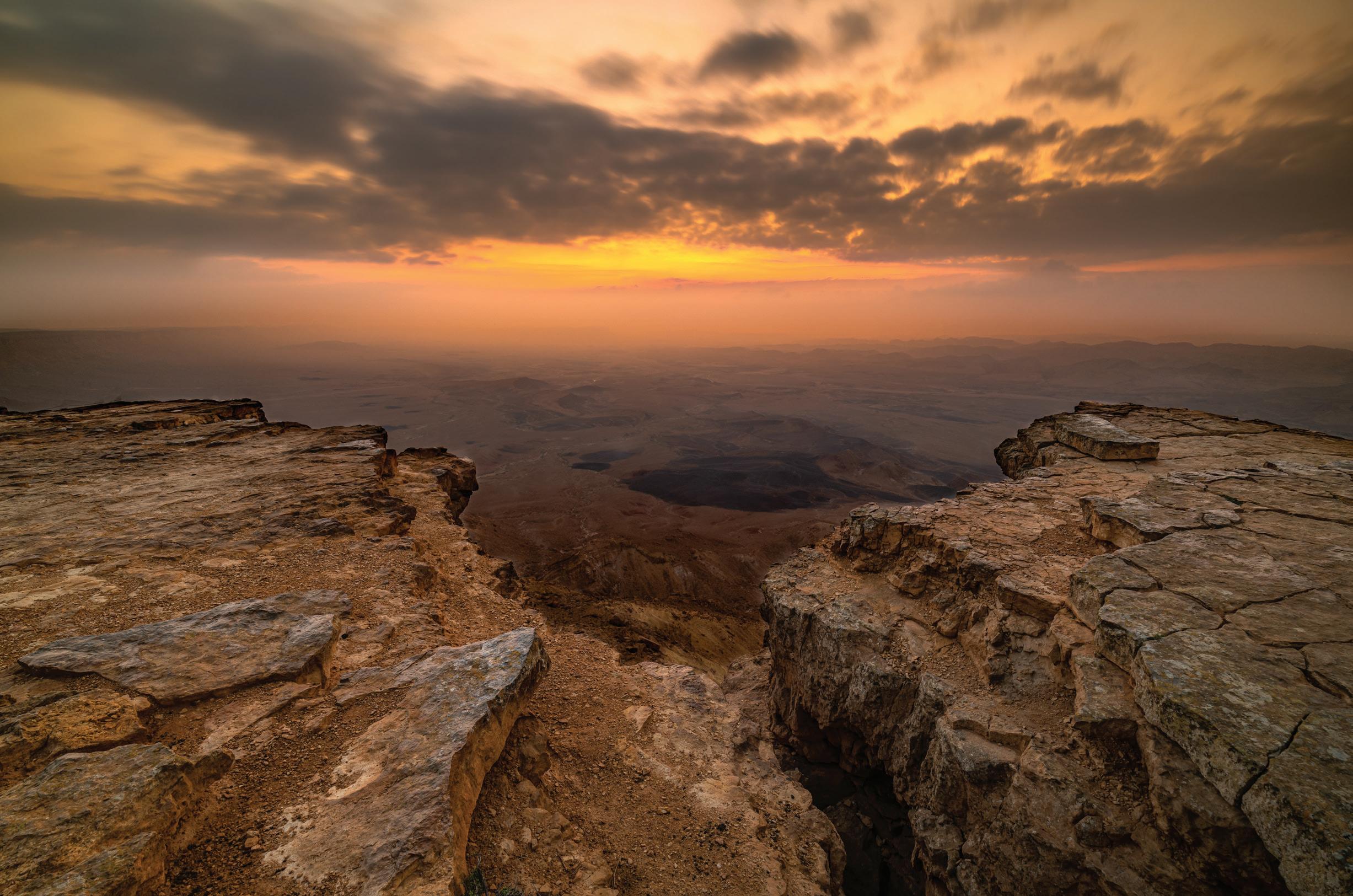
1. Sunrise Hahe Etkim Cliff Nature Reserve Darga River Dead Sea Israel. Leica SL2 Vario-Elmarit-SL
For millennia, people have tracked the passage of time by looking to the heavens. Celestial bodies, the Sun, the Moon, the Planets and Stars, appear and move through the sky with regularity and perceptible patterns. Every civilization developed some type of calendar to order and record the cycles of human activity - personal, communal, religious, social, agricultural, and political. In ancient Israel, Biblical time was kept:
And God said, Let there be light: and there was light. And God saw the light, that it was good: and God divided the light from the darkness. And God called the light Day, and the darkness he called Night. And the evening and the morning were the first day.
The day begins at sunset and ends at the next sunset. We spent 21 days, three weeks, nearly a month in Israel, photographing the sunsets and sunrises that divide the days, marking for us a most extraordinary adventure to every corner of this tiny but awe-inspiring nation.
Jerusalem sits high on a plateau abutting the Judean Desert. It is one of the oldest cities in the world and is the spiritual and political epicenter of the region. Considered a holy city by the three Abrahamic religions: Judaism, Christianity and Islam, it is home to sacred sites for millions. The Mount of Olives is one of three peaks that rim the eastern edge of Jerusalem. For millennia Jews have been buried on the Mount of Olives overlooking the Old City. It is said that Jesus ascended to Heaven from this Mount, which is now also dotted with churches of every denomination.
Facing westward towards Jerusalem at sunset, we felt the intensity of the place. As the sky darkened to a deep blue, gravestones in the foreground foreshadowed those waiting to rise from the dead at the Messiah’s return, a golden light illuminated the lustrous Dome of the Rock, the very spot from which Muslims believe the Prophet Muhammad was taken up to Heaven for an encounter with God. It is impossible to stand here at sunset and not feel the fervent energy of faith. (figure 4, right)
In the early morning we arrived at the Darga Plateau in a secluded corner of the Judean desert, a wild, untamed, sparsely inhabited, and inhospitable land that is just a short distance from a bustling Jerusalem. These craggy ravines, ragged cliffs and rocky terrain encompass a desolate wilderness where in the New Testament Jesus fasted for 40 days and nights so as to overcome the temptations of Satan. Sunrise whispers around the corner. (figure 1, title page)
While beneath our feet is evidence of a time when all the land was covered with water. (figure 2, left)
Traveling North to the Galilee, we stopped along the road to catch the afternoon sunlight glinting on early Spring wildflowers. It was dizzying to see fresh bright colors and lush greenery after the dry harsh desert. (figure 3, left)
Our travels brought us to the Dead Sea on the border of Jordan. At 430 meters below sea level, this is the lowest elevation on Earth. The water is amongst the saltiest, 9.6 times saltier than the ocean, making it impossible for flora and fauna to flourish. Mounds of salt rise at the water’s edge creating a phantasmagoric dawn dreamscape. (figure 5, right)
3. Flowers Yahudiya Nature Reserve Golan Heights Israel. Leica Q2 Summilux 28 mm f/1.7 ASPH at f/16, 1/30 sec, ISO 100.
2. Hahe Etkim Cliff Nature Reserve Darga River Dead Sea Israel. Leica Q2 Summilux 28 mm f/1.7 ASPH at f/8, 1/250 sec, ISO 200.
As the sun rises higher, parched fractured Earth emerges beneath a blazing sky. (figure 6, left)
Makhtesh Ramon deep in the Negev Desert is the world’s largest box canyon or “erosion cirque.” It is neither an impact crater from a meteor nor a volcanic crater, but rather was formed millions of years ago when waters covering the region receded, forming the Arava Rift Valley. The crater bottom descended at a much faster rate than the surrounding walls exposing a bottom layer that is 200 million years old and 500 meters deep. We stood with tripods precariously perched on the rim to witness the sun setting over this grand geologic formation. (figure 7, left)
Early morning light brought the delight of a baby ibex playing with its mother on the cliff ’s edge. (figure 8, right)
We endeavored to capture the variegated beauty and solemn majesty of both land and sky with our Leica gear. Albert had his steadfast and reliable SL2 system and relied predominantly on both the SuperVario-Elmar-SL 16-35mm f/3.5-4.5 ASPH and the Vario-Elmarit-SL 24-90mm f/2.8-4 ASPH lenses for his compositions. Ruth remained loyal to the Q2, which always proves to be a compact, lightweight and excellent photographic companion.
Traveling through Israel is a trip back to the very beginning of time!
8. Ibexes at Sunrise, Makhtesh Ramon, Negev, Israel
Leica Q2 Summilux 28 mm f/1.7 ASPH @ f/3.5, 1/250 sec, ISO 6400
Leica MP + 35mm Summicron-M, Cinestill XX B&W
by RICKY HUERTA, PHOTOJOURNALIST & PODCASTER
Leica MP + 35mm Summicron-M, Cinestill XX B&W
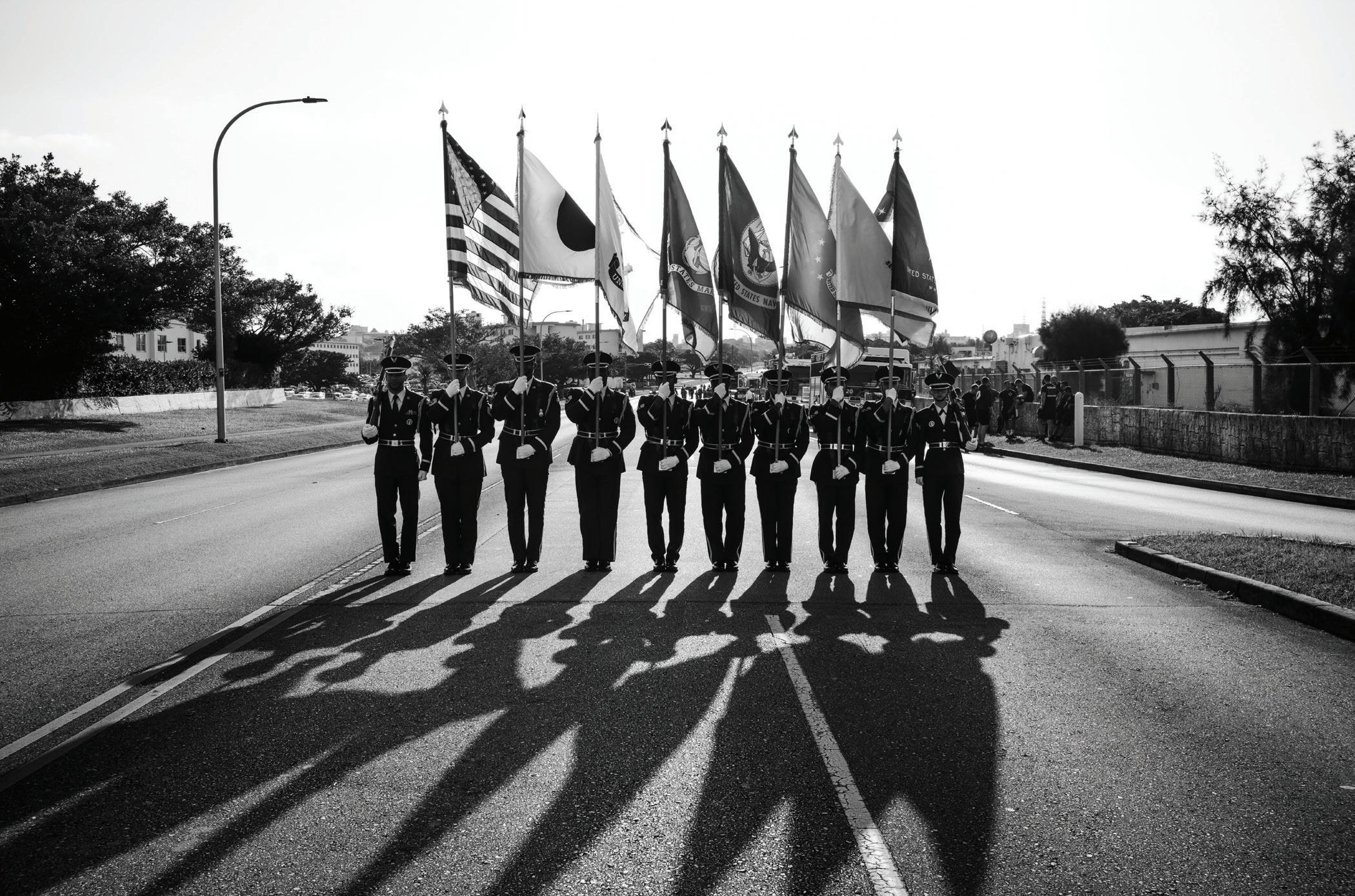
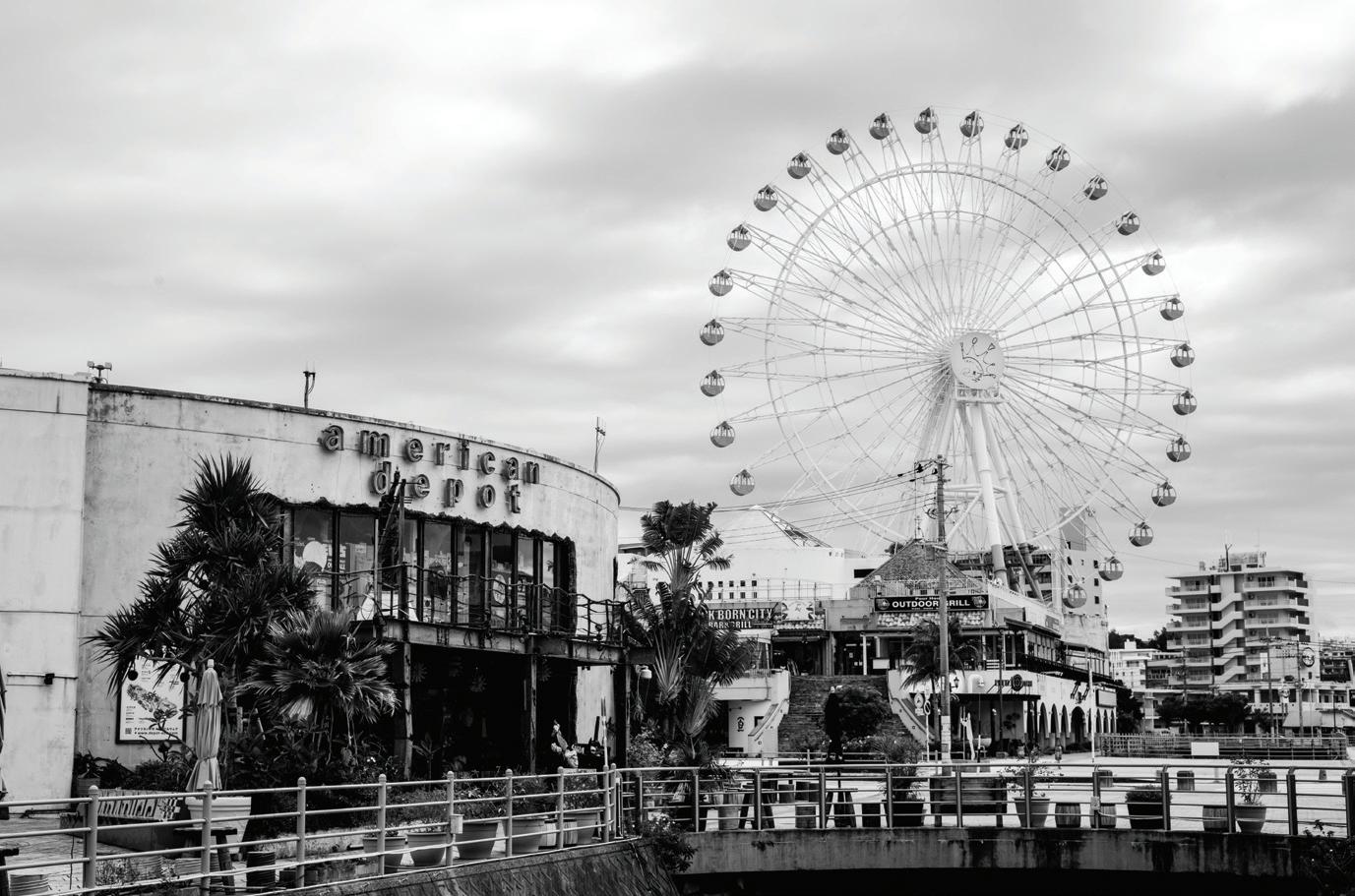
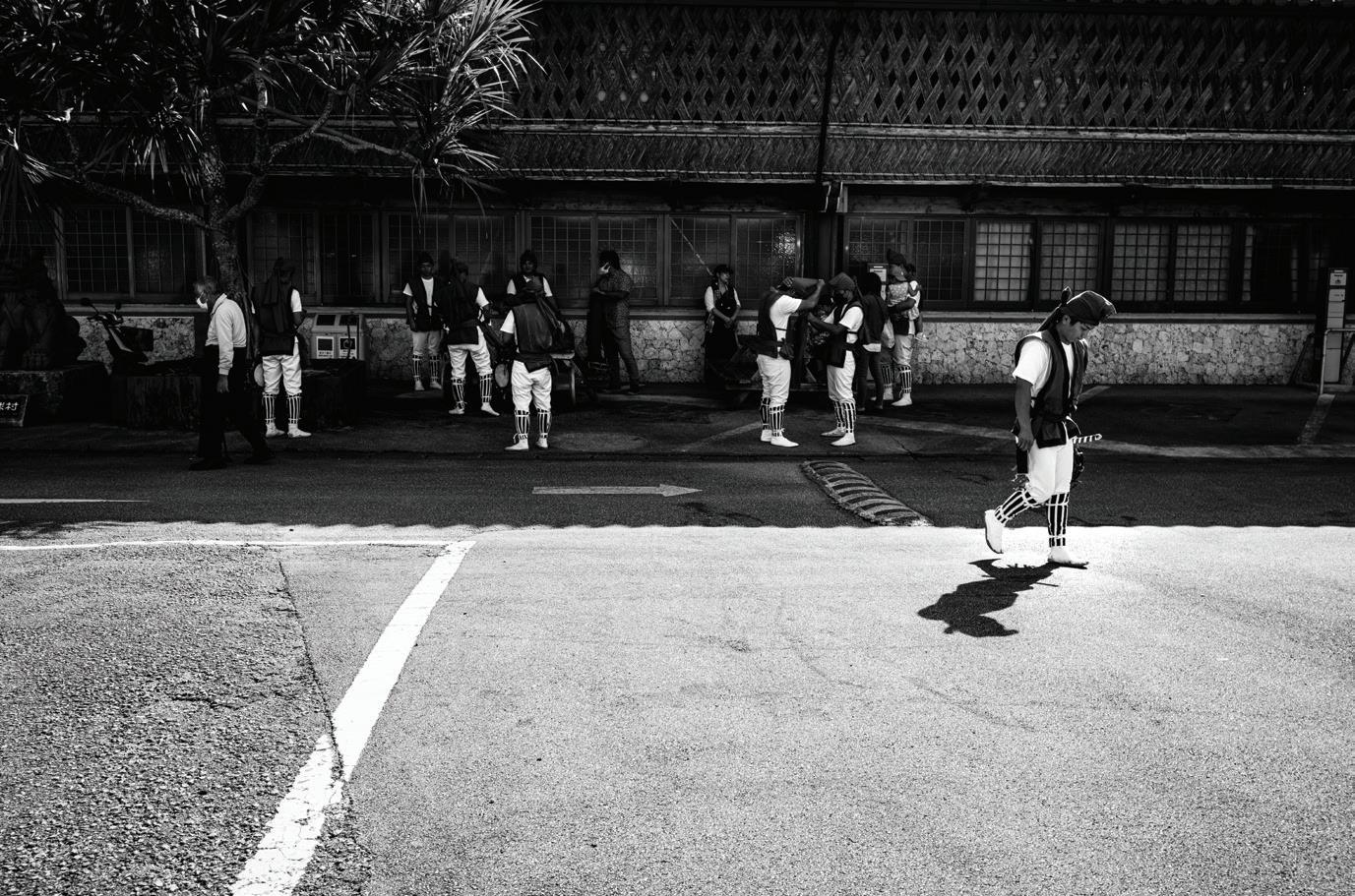
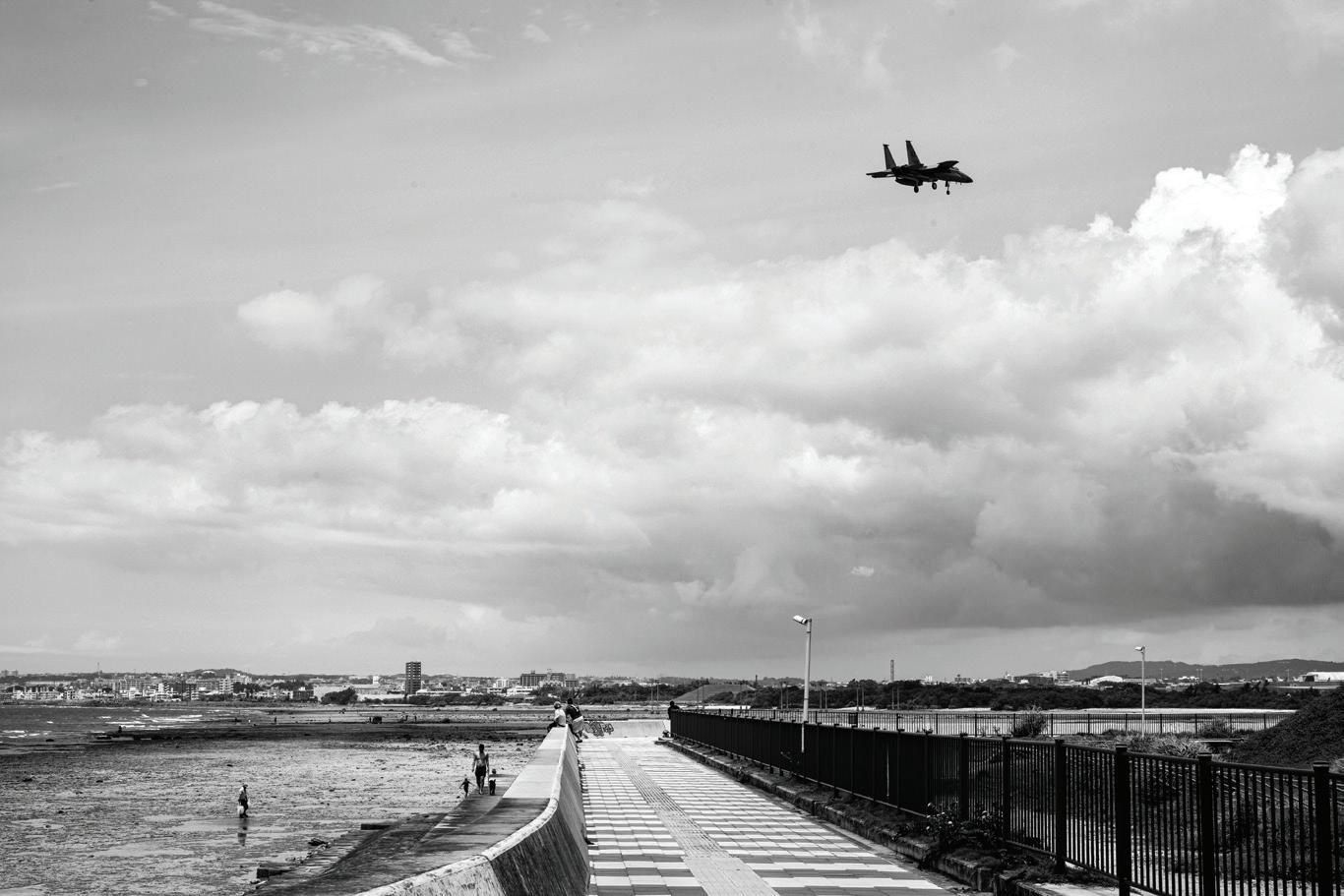
Iwas born and raised in Chicago, IL. Immersed in an artistic environment at a young age. I experimented with almost every type of art, acrylic and watercolor paints, airbrush, spray paint, stained glass, drawing with pencils and pens, pastels, graffiti, graphic design, and photography. In 2009 I enlisted in the US Air Force and was shipped out to start a new chapter in my life. The Air Force has given me many new opportunities, but traveling around the world is by far the best.
This article outlines some of the journeys I have experienced. Many of these journeys happen simultaneously, so I will address each of them respectively to avoid any confusion.
Around the time I joined the US Air Force, I developed an eagerness to learn and study a lot about things I enjoyed the most - photography being number one. As a result, I invested many hours searching online photo communities, blogs, conversation threads, and YouTube videos.
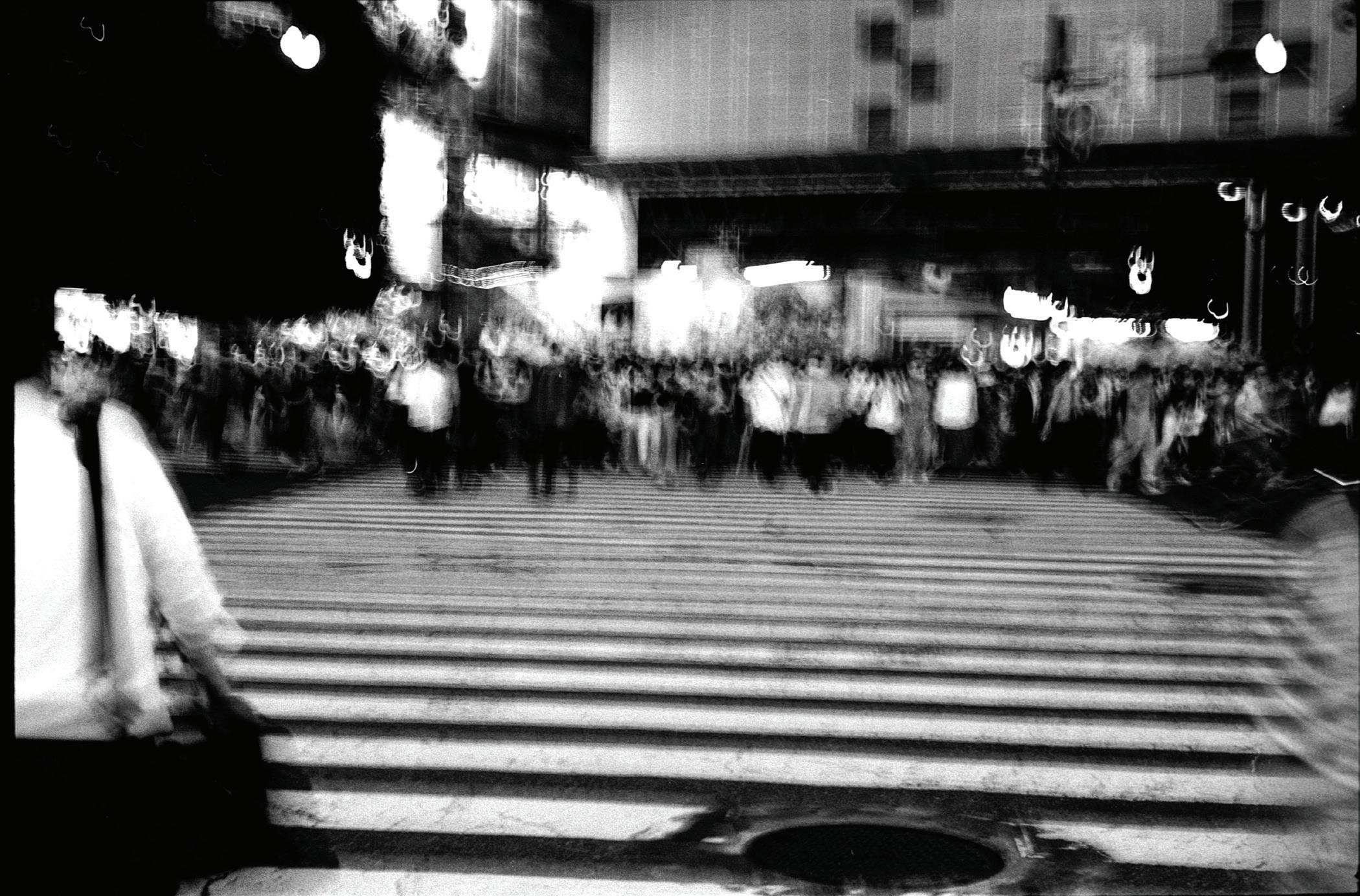
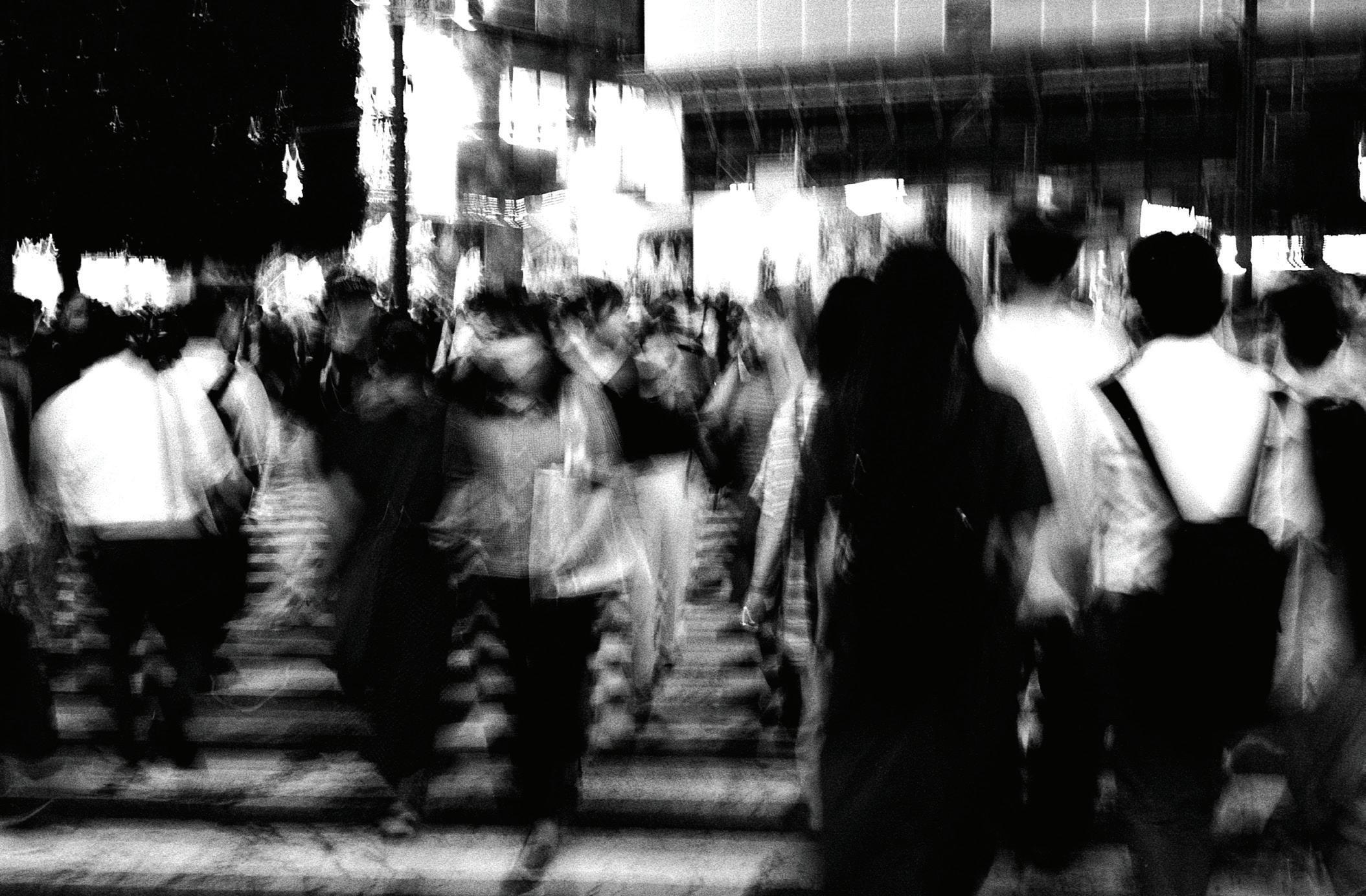
PHOTOJOURNALIST I will begin with when I first discovered street photography. The year was 2018, and I was living in England. I was going to London with a coworker to practice shooting with film. Film photography started making a resurgence, and I was a little excited to have changed my mind and give 35mm film a try. My coworker and I stopped at our local Starbucks when another photographer ran up to us from out of the shadows after seeing the two of us holding film cameras. He introduced himself and began talking about something I had never heard of: street photography. Until that day, I had never heard of Erwitt, Meyerowitz, Bresson, or even a decisive moment. It was all new to me. It instantly grabbed my attention and became all I wanted to learn. So, I directed all my attention to studying it. For me, it was more than just photography. It was a form of “in-the-moment real life.”
I invested all my free time into this craft from that day forward. The more street photos I took, the more addicted I became. The more I shot, the more I wanted to learn. I turned to photo books to
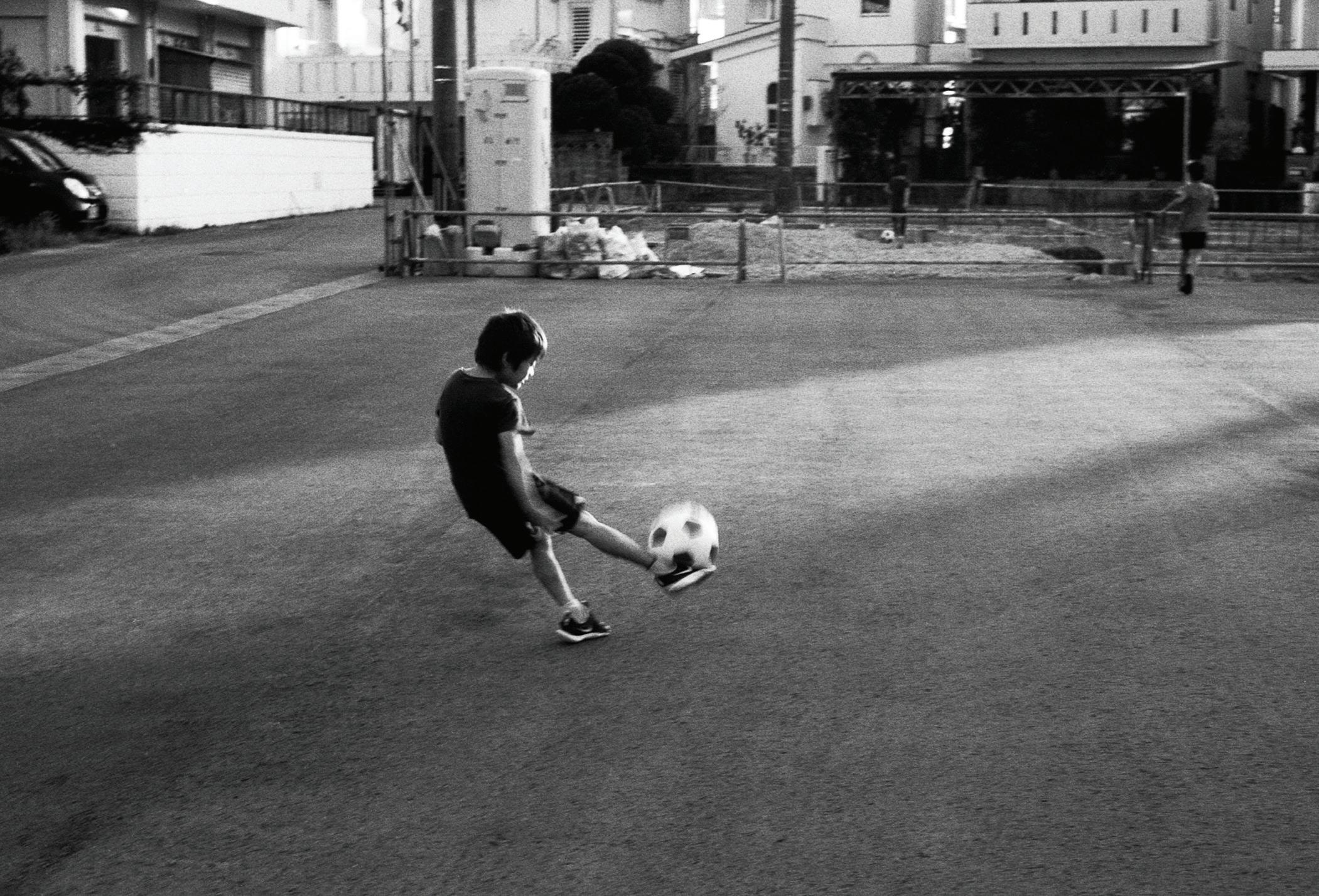
Leica MP + 35mm Summicron-M, Arista Ultra 200
study photographs made by the pioneers from the past. I wanted to understand how these masters saw and interpreted the world. The streets are difficult to understand, and every person sees them differently. I traveled many streets of the world searching for candid moments and that split second that only a camera can capture. Moments so fast that if you blink, they vanish. Finally, after years of shooting, I was satisfied with how I could capture the details I enjoy most.
Exiting the Covid-19 pandemic in 2021, I decided to learn more than just taking candid photos of people walking across the street wearing a top hat and holding an umbrella dressed in yellow as a yellow car passes by. It was time to step away from making cliché photos. I knew it was time for me to evolve. I wanted to add a more direct approach to my photography and decided I wanted to take more than decisive moment photographs. Instead, I want to create and tell stories. So, I enrolled in The New York Institute of Photography’s photojournalism course and graduated in August
2022. I am no longer just a street photographer. I am a photojournalist. My goal is to document and tell the unique stories birthed in the streets.
LEICA Leica entered late in my life. Leica is the one brand everyone says, “I’ll never spend $6000 for a lens!” Honestly, I was in that group of people; however, after purchasing my first Leica M, I quickly noticed how my photography evolved. I became more focused, composed, and detailed. Leica helped me to focus more on the streets and taking photos instead of trying to decipher all the bells and whistles other camera brands sell you. Besides the world-class optics and bank account-depleting M camera bodies. The community is also one of a kind. The photographers, ambassadors, and the company are supportive, inspirational, encouraging, and uplifting. No one is trying to compete, outdo each other, or brag about their lens size unless it is a NOCT.
PODCAST During the three years I lived in England, I briefly co-hosted a late-night radio show. Like street photography, I became addicted to talking and being heard by others. I enjoyed recording on the radio, but I didn’t want to be a co-host. I wanted to be the host! So, I began thinking about how to start my own show. My only option was to create a podcast. I knew nothing about podcasts other than Joe Rogan being the industry standard. I didn’t know what equipment or services I would need. I didn't even have a topic in mind or who my target audience would be. I figured I would cross that bridge when I got there. The only thing I knew for sure was that I would need a microphone to start. I also knew I did not want to invest much into equipment since I was unsure how long my show would last or how popular it would become.
I waited over one year before fi nally reaching that bridge. I was stuck in my house for almost a year and figured “waiting for the right time” would never come. Then, one random day during a Covid-19 lockdown, the podcast idea re-emerged. I happened to be scrolling through Instagram, and for no reason, I looked over and saw my M6 resting on my coffee table. Then I looked in a different direction and saw the microphone I purchased months ago. That’s it! A Podcast about me making street photos using LEICA! The Leica Street Photography Collective was born. At that very moment, I recorded a 3:58 episode. The podcast had no direction. I just wanted to talk about street photography and my experiences.
The more I recorded, the more ideas I started developing. My four-minute podcast has evolved to reach Joe Rogan-ish recording times, pushing 2 and 3-hour podcasts.
The LSPC experience is much more than a podcast recording. I am actively connecting and engaging with photographers from all over the world. My connections extend beyond me. I connect photographers with other photographers and create friendships unlike any other platform. Somehow, I started reaching more listeners, and some of them enjoyed it.
My approach is more than just gear talk and YouTube-style clickbait. It is mainly about the process of photography. However, I understand that photographers like to discuss the latest and greatest gear. Th is is why I also host group chats that allow some gear talk. My ideas never stop, and I encourage all photographers to participate, contribute and be a part of the LSPC community I created. My community is much larger than myself. I embrace it and support everyone who contributes. Everyone is welcome.
Check out Ricky's Podcast "Leica Street Photography Collective" on Apple Podcasts
“ CLASSIC”
LEICA 50mm SUMMILUX- M f/1.4
by JONATHAN SLACK
ONFebruary 20th, 2025, Leica announced a new member of their successful “ classic” series where they have resurrected old lens designs and remade them with modern manufacturing and tolerances. So far they have released four lenses:
• 35mm Summilux "Steel Rim Version 1" (2022) https://www.slack.co.uk/leica-steel-rim.html
The fifth is the 50mm Summilux-M, a lens that was the mainstay of many a photographer's kit for many, many years. The four previous lenses were faithful reproductions of the original lens, but this time, it's a little different.
I have had a copy of the lens to test since May last year, and just like the 35mm Steel Rim and the f/1.2 Noctilux, I've fallen very much in love with it.
First of all, I'll have a look at the history of the original lens, then I'll talk about the new lens.
HISTORY • The Original Leica 50mm Summilux was produced between 1959 and 1961. It was released in two versions: a black lacquered version in brass and aluminium in very small numbers, and a chrome-plated brass version with a scalloped focusing ring. There were about 19,600 made in what was probably the shortest manufacturing run of any of the M lenses (just over 2 years).
It was “ designed” by Walter Mandler and Erich Wagner and it was constructed of 7 elements in 5 groups, with elements 2 and 3 cemented together. It was released in both screw and M mountsthe M mount version weighed 360 grams.
It was very similar in design and performance to the lens it replaced, the 50mm f/1.5 Summarit, but with updated glass. The Summarit was designed by Otto Zimmermann and manufactured from 1949 to 1960. This lens was based very closely on the Xenon and on an original design by Taylor, Taylor & Hobson from 1936.
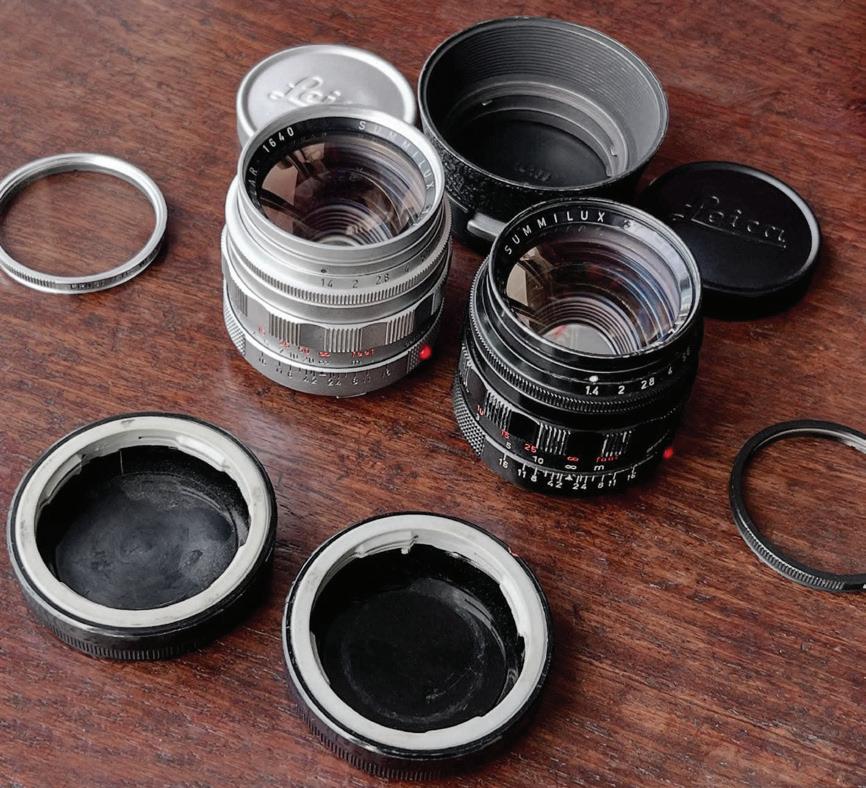
Professor John Cheng from Hong Kong recently posted the below picture of his lovely silver and black paint Version I lenses. The black paint lens is in brass with its reverse scalloped focus ring in aluminium alloy and with a brass mount. He has kindly given me permission to show them here.
In 1961, Version I was replaced with the Version II designed by Walter Mandler. The new lens was still 7 elements in 5 groups, but this time elements 2 and 3 were separate, but elements 6 and 7 are cemented. Once again there were black (11113) and chrome (11114), but this time it was black anodized on aluminum (275 grams) or chrome plated brass (380 grams), and both had knurled focus rings.
Leica didn't acknowledge the new design until 1968, perhaps because they didn't want to upset people who had already bought the inferior Version I, or maybe they just didn't update the design in the catalogs.
This basic configuration continued in production until 2004. There were updates in 1969, and more significantly in 1992 when it was changed from a 43mm filter to a 46mm filter, the clip-on lens hood was replaced by a telescoping hood, and the minimum focusing distance was reduced to 0.7 meters (this is usually known as Version III). However, the optical design remained the same, making this lens one of the longest-running Leica lenses in production, with about 62,000 being made overall.
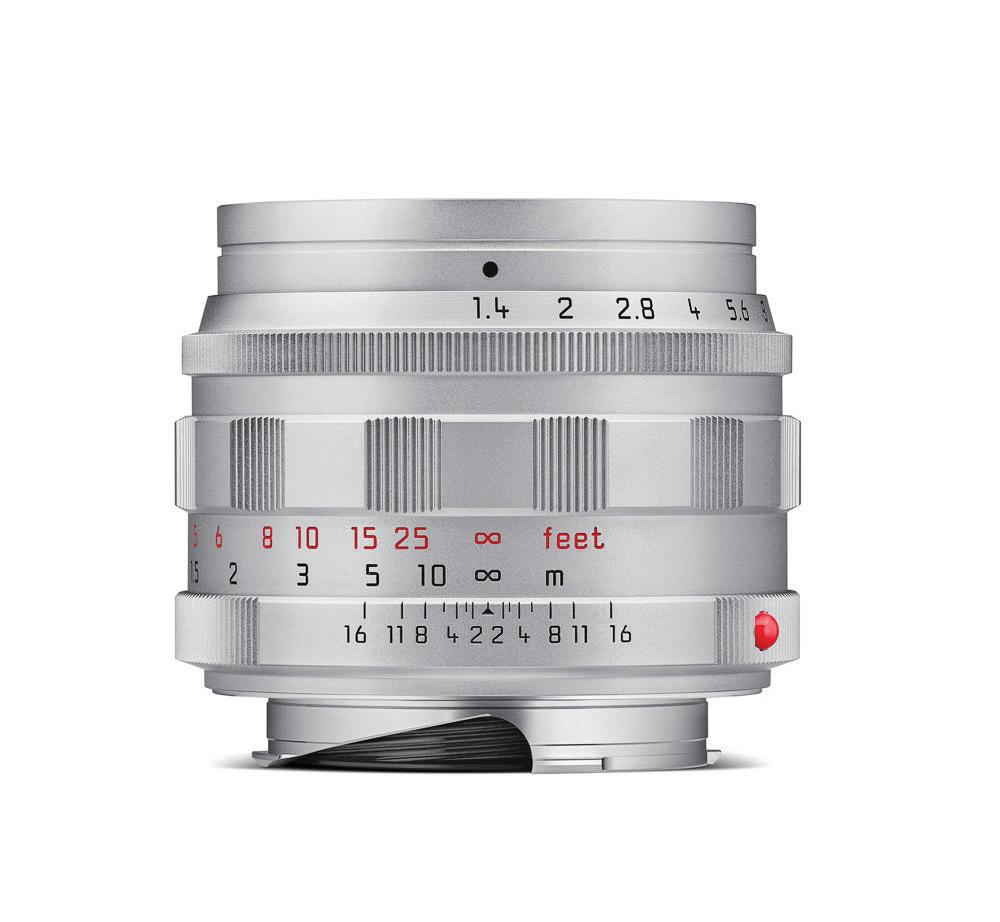
APPEARANCE • The lens body of the new lens is very much reminiscent of the Version 1, although with its chrome over brass construction, it is now heavier at 417 grams. Unlike some of the original lenses, it has a normal (rather than reversed) scallop. It's a beautiful object, and although heavy, it balances very nicely on a modern digital M camera.
HANDLING • My copy is an early prototype - the eagle-eyed will notice that the EXIF information for the lens is not right, because mine had the wrong 6-bit coding (it was a mirror image!) However, it handles beautifully, the aperture click stops are just perfectly weighted, and the focus ring is delightfully smooth and tactile (I just can't bring myself to say "buttery-smooth"…but it certainly is!).
The only thing, which might be less than perfect for modern users, is the rather long focus throw, especially when getting down to 0.7 meters for close-up work.
PERFORMANCE • Sadly I haven't managed to get hold of any of the original lenses to do a comparison, but in the knowledge that this time around, rather than trying to reproduce the quality of the Version I (as they did so successfully with the steel rim), Leica realized that perhaps it wasn't quite as much of a classic as the Version II and III and have tried to make this lens a synthesis of all the good things about all three versions of the Pre-Aspherical Summilux.
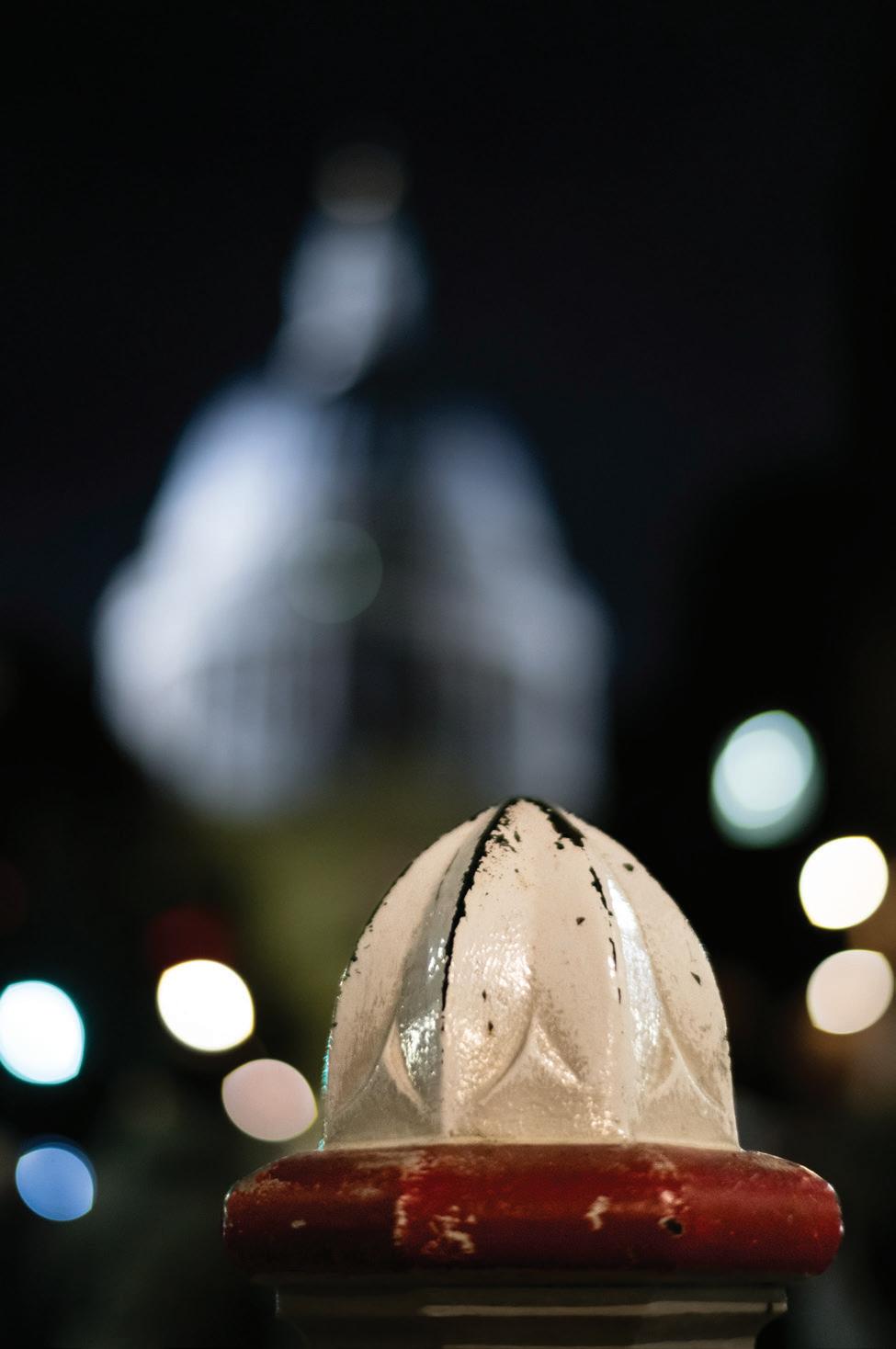
Hopefully, the images here will give you an idea of the qualities of the new lens. As you stop down it becomes very sharp (in much the same way as many classic lenses), but on the whole, I've shot it wide open, because that's what I like to do - and because that is when lenses really show their character.
I think that the bokeh is lovely - quirky but not agitated, and whilst the lens characteristics might not be quite the same as the original lens, I do think it has a real classic feel about it.
As you would expect, it isn't quite as sharp in the corners as modern lenses (even when stopped down) and whilst surprisingly resistant to flare, there are some circumstances when flare can happen.
The 50mm Summilux-M Aspherical (from 2004 onwards) also has a floating element, which greatly reduces focus shift , something this lens is subject to.
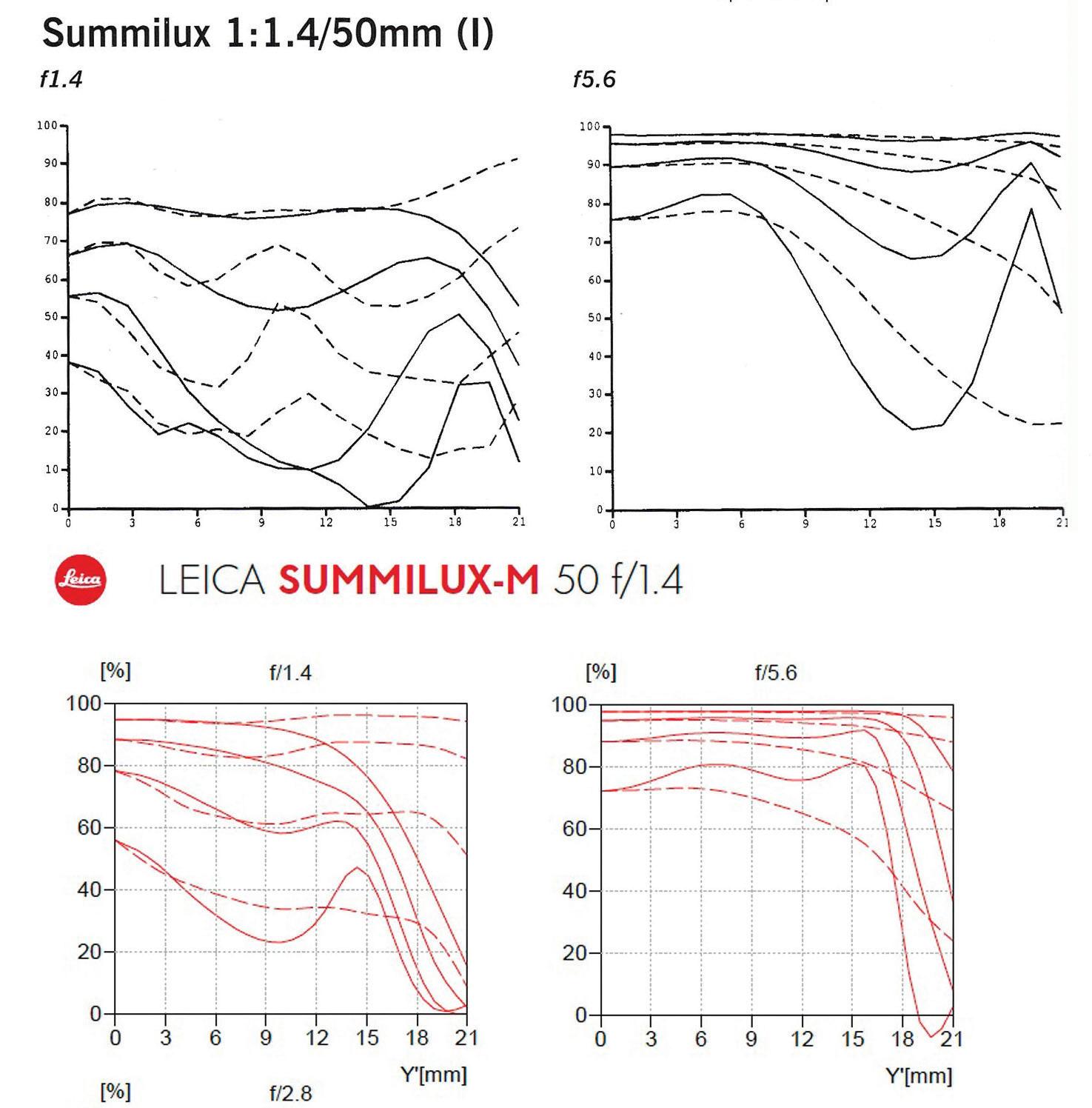
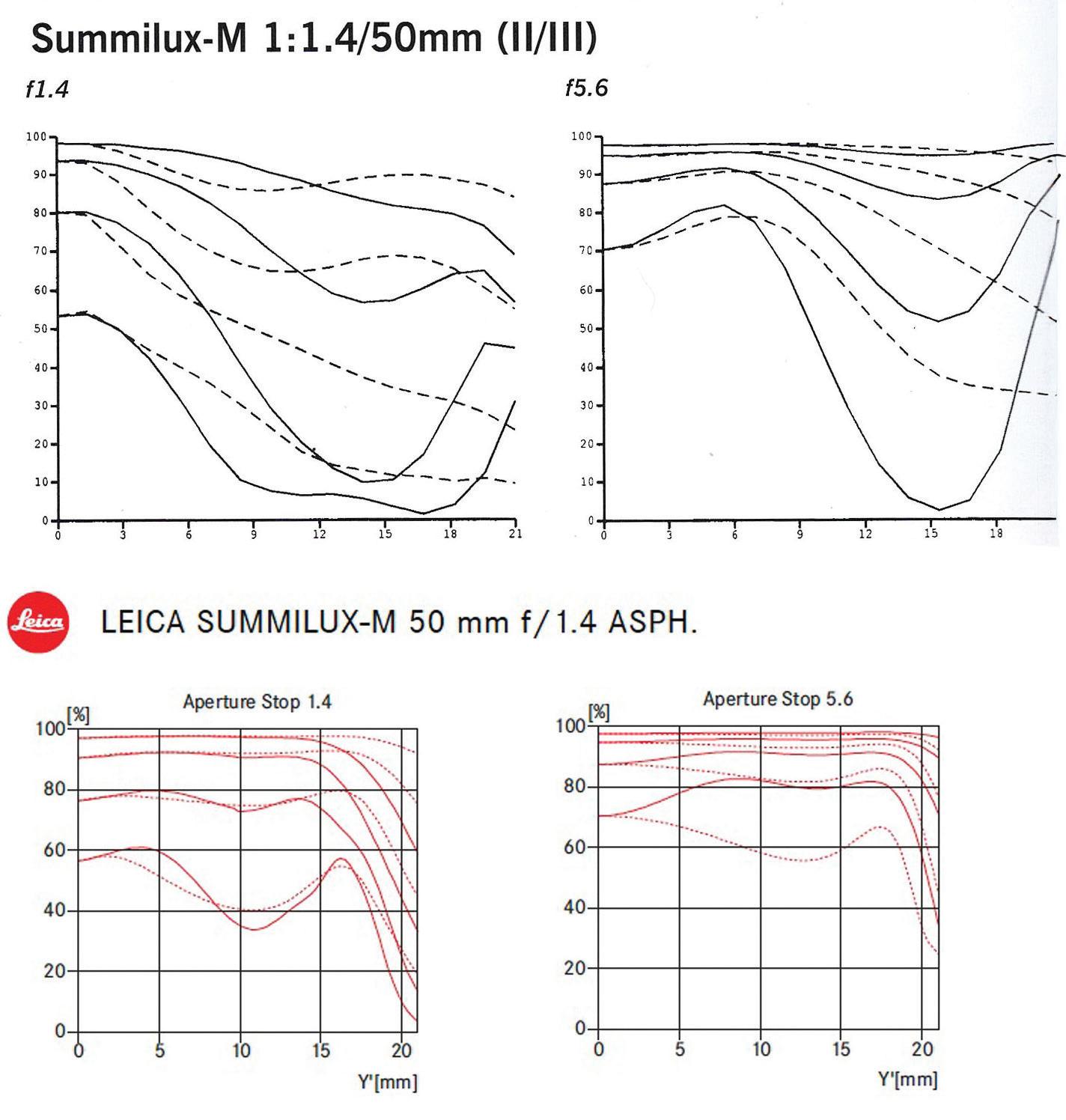
It's quite interesting to look at MTF curves above for Versions I and II/III together with the modern Aspherical lens and the remade non-Aspherical lens. Clearly, Leica have been doing some magic here, and the figures for the new classic are moving towards being as good as those of the modern Aspherical lens.
CONCLUSION • Assessing a classic lens like this is a little difficult - clearly comparing it to modern lenses is badly missing the point, on the other hand, it must have a character of its own, and be capable of taking photographs which are both interesting and technically good. It should also be a satisfying object.
Th is new classic is cheaper than the modern 50 Summilux, and as such seems to me like an excellent deal.
With the classic 50 Summilux Leica have produced a lens which is delicious to use and produces great images which have a lovely bokeh when wide open, and great acuity when stopped down a little. The handling and mechanics of the lens are a joy, and it's just a great experience to shoot with it.
In short, another excellent addition to their classic range of lenses, it will be interesting to see what comes next!
Acknowledgments:
Leica history is not my strongest side, so I have reached out to a number of people during the course of writing this article, and I'd like to thank the following:
Frank Dabba Smith for his wonderful Leica BIG Red Pocket book, for his emails, and for his permission to use the MTF graphs, the poor scanning is entirely my responsibility!
Ivor Cooper at Red Dot Cameras in London for his generous gift of the Leica Big Pocket book.
Also Stefan Daniel, Christoph Mueller, Bill Rosauer, Marke Gilbert, and William Fagan for help and advice, and finally Professor John Cheng from Hong Kong for generous permission to use the photograph of his lovely version 1 lenses.
See more of Jono's images at https://www.slack.co.uk
The Leica 50mm f/1.4 Summilux-M
Pre-ASPH
by MILAN SWOLFS
Who needs another 50mm? I think I do…Most Leica shooters tend to be either 35mm or 50mm photographers. When you think of a Leica 50mm lens, the names Summicron, Summilux, and Noctilux immediately come to mind — each defining the speed of the lens. The Summicron, at f/2, is the slowest of the three; the Summilux sits in the middle at f/1.4, and the Noctilux is the fastest, featuring lenses faster than f/1.4. In Leica's terminology, Summilux refers to any lens faster than f/2 but not exceeding f/1.4—for example, the Q has a 28mm Summilux lens with an f/1.8 aperture.
The 50mm focal length is often regarded as the classic choice. It provides a natural perspective and was the preferred focal length of legendary photographers like Henri Cartier-Bresson. Its versatility makes it ideal for everything from landscapes to portraiture.
Personally, I am primarily a 50mm shooter. As a portrait photographer, I naturally frame most of my shots in portrait orientation — it’s how I see the world, and it aligns with how most people consume images today through smartphones and social media.
I own multiple Leica 50mm lenses and often bring two different ones to a shoot. For color work, I might use a Summilux ASPH or a newer Noctilux, while for monochrome photography, I lean towards a classic Noctilux f/1 or a slower Summicron Rigid. My preference for 50mm over 35mm comes from the slight compression it offers, which I find more flattering for portraits. The way I shoot is instinctive—I pick up a camera with a 50mm lens and immediately know what my frame will look like.
Beyond the technical aspects, I have a deep appreciation for vintage lenses, which is one reason why Leica often involves me in betatesting their heritage line of M lenses. This series began with the 28mm f/5.6 Summaron, followed by the 90mm Thambar f/2.2, the Noctilux 50mm f/1.2, and more recently, the Steel Rim 35mm f/1.4. Having had the privilege of using both the original versions and their modern reissues, I always enjoy comparing their characteristics.
So, I was surprised when Leica asked me to field-test the 50mm Summilux Pre-ASPH. Unlike the Noctilux 50mm f/1.2 or the Steel Rim 35mm f/1.4, the Pre-ASPH Summilux 50mm remains relatively affordable on the used market, at least in the silver chrome version.
With Leica’s current 50mm lineup, which includes:
• 50mm f/1.4 Summilux-M ASPH (11728 / 11729 with close focus)
• 50mm f/0.95 Noctilux-M (11602 / 11667)
• 50mm f/1.2 Noctilux-M Classic Line (11686 / 11731)
• 50mm f/2 APO-Summicron-M (11141 / 11142)
• 50mm Summicron-M f/2 ASPH (11826)
Where does the reintroduced 50mm f/1.4 Pre-ASPH fit in? To me, it’s closer in character to the 50mm Noctilux f/1.2 than to the 50mm Summilux ASPH. But before diving deeper into the reissue, let’s take a step back and explore the history of the Summilux 50mm.
The History of the 50mm Summilux Pre-ASPH
One of the most fascinating aspects of the 50mm Summilux is how little its design has changed across different versions. Throughout its history, the Summilux 50mm has consistently been regarded as a strong performer. The current production model, Version 5, now offers close focusing down to 0.45 meters.
For this review, I’ll focus on the history of the Pre-ASPH version. While the Pre-ASPH Summilux underwent several mechanical refinements over the years, its optical formula remained unchanged after Mandler’s redesign in 1961. Despite advancements in lens technology, this classic lens continues to be highly sought after, admired for its distinctive rendering, smooth bokeh, and signature Leica glow. From a design point of view, the 35mm Summilux v1 Steel Rim and the 50mm Summilux Pre-ASPH v1 and v2 are my favourite lenses by far.
50mm Summilux Version 1 (1959 - 1961)
Leica introduced the 50mm Summilux Pre-ASPH in 1958 as its fastest 50mm lens at the time. It was an evolution of the 50mm Summarit f/1.5, featuring a brighter f/1.4 aperture for improved low-light performance and better depth of field control.
With one of the shortest production runs of any Leica M lens, the Summilux Version 1 was primarily produced in silver chrome over brass. A small number of black paint versions were made on request, making them highly collectible. These black paint variants came in different finishes — some were fully painted, while others had a mix of aluminum and brass components. The most sought-after black paint models featured a full brass mount. The standard chrome brass version weighs approximately 325 grams.
One distinctive feature of the v1 Summilux is its rare E43mm filter thread. Original Leica E43 UV filters are becoming increasingly difficult to find, so if you come across one, it’s worth picking up. The lens has 10 diaphragm blades, contributing to its smooth and aesthetically pleasing bokeh.
Optically, the design of the v1 was similar to the Summarit 50mm f/1.5, but it introduced Lanthanum glass to improve flare resistance. Additionally, it had better coatings compared to its predecessor. However, due to the softness of its coatings, many surviving copies show cleaning marks or haze. If you own one, avoid cleaning the lens with a cloth to prevent damage.
Key Features:
• Minimum focus distance: 1 meter
• Filter size: 43mm (E43)
• Glass: Lanthanum glass
• Lens hood: XOOIM, separate bayonet-style hood
The Reverse Scallop • The reverse scallop focus ring is a distinctive design feature found on certain versions of the Leica 50mm Summilux Pre-ASPH, particularly early Version 2 models. Unlike traditional scalloped focus rings, which have recessed grooves for grip, the reverse scallop design features raised ridges with inverted knurling.
This unique design has sparked discussions among Leica collectors and users. Some photographers appreciate its ergonomic feel, as the raised ridges provide a comfortable and precise grip for manual focusing. Others, however, find it less intuitive than the standard scalloped or tabbed focus rings found on later models.
While the reverse scallop Summilux is mechanically and optically identical to other v2 Pre-ASPH lenses, its distinctive focus ring makes it a sought-after piece among Leica enthusiasts. If you're considering one, it’s worth handling in person to see if the grip suits your preference.
Version 2 (Pre-ASPH, 1961–1995)
At first glance, the Version 1 and Version 2 Summilux in chrome over brass look almost identical. However, the most significant upgrade in the v2 is its new optical design, which offers noticeable improvements over the first version. Interestingly, Leica did not officially acknowledge this optical redesign until 1966 — something that would surely drive today’s Leica enthusiasts crazy.
Some users claim that the v2 introduces more distortion compared to the v1, but after testing both extensively, I haven’t observed this in my own experience. Given that the v2 was in production for 34 years, it’s clear that Leica made substantial refinements to the lens over time.
The v2 also retains 10 diaphragm blades, ensuring a similar out-offocus rendering to its predecessor.
Key Features:
• New and improved optical design
• Same barrel design as Version 1 until 1965
• Minimum focus distance: 1 meter
• Filter size: 43mm
• Aluminum barrel for black anodized versions after 1968
Image Quality & Rendering: Version 1 vs. Version 2 • At f/1.4 , both versions of the Summilux 50mm Pre-ASPH deliver a dreamy, soft rendering with a distinctive glow around highlights. The lower contrast compared to modern lenses contributes to a classic, filmic look that many photographers appreciate. While sharpness improves significantly when stopped down, these lenses are prized not for technical perfection but for their unique character and organic feel.
Handling & Practical Considerations • Both versions utilize a bayonet-style hood , which, while effective, can add bulk when attached. Without the hood, the lens remains compact, but some users find the external hood design less convenient than built-in alternatives.
Additionally, the 43mm filter thread may be a factor depending on your lens setup. If you already own other 43mm filter lenses, it’s a seamless fit. However, if your other lenses use 46mm or 49mm filters, you may need step-up rings to maintain consistency in your kit.
The Summilux Pre-ASPH Transition Model
Between the second and third versions of the 50mm Summilux Pre-ASPH, Leica introduced a transition model that incorporated design elements from both. While it retained the optical formula of the v2 , it featured mechanical improvements that foreshadowed the v3, including a more refined focusing mechanism and subtle barrel design changes. This model is relatively rare and often overlooked, but it represents an interesting evolution in the Summilux lineup, bridging the gap between the classic rendering of earlier versions and the improved handling of later models.
Version 3 (Pre-ASPH, Late 1995 – 2005)
The third version of the 50mm Summilux Pre-ASPH maintains the same optical formula as its predecessors but introduces improved mechanics and usability. The most notable change is its ability to focus down to 0.7 meters, compared to the 1-meter limit of v1 and v2.
Key Features:
• Minimum focus distance: 0.7 meters
• Filter size: 46mm
• Lens hood: Built-in sliding hood
Image Quality & Rendering • Like the previous versions, the v3 Summilux Pre-ASPH maintains a smooth, organic rendering , making it a great choice for portrait photographers. Some users feel it has slightly better contrast and sharpness compared to earlier versions, despite using the same optical formula .
Handling & Practical Considerations • The built-in sliding hood makes this version more compact and practical, though some photographers argue that it’s not very effective. Additionally, the 46mm filter size makes it more compatible with other modern Leica lenses
The New 50mm Summilux Pre-ASPH Reissue
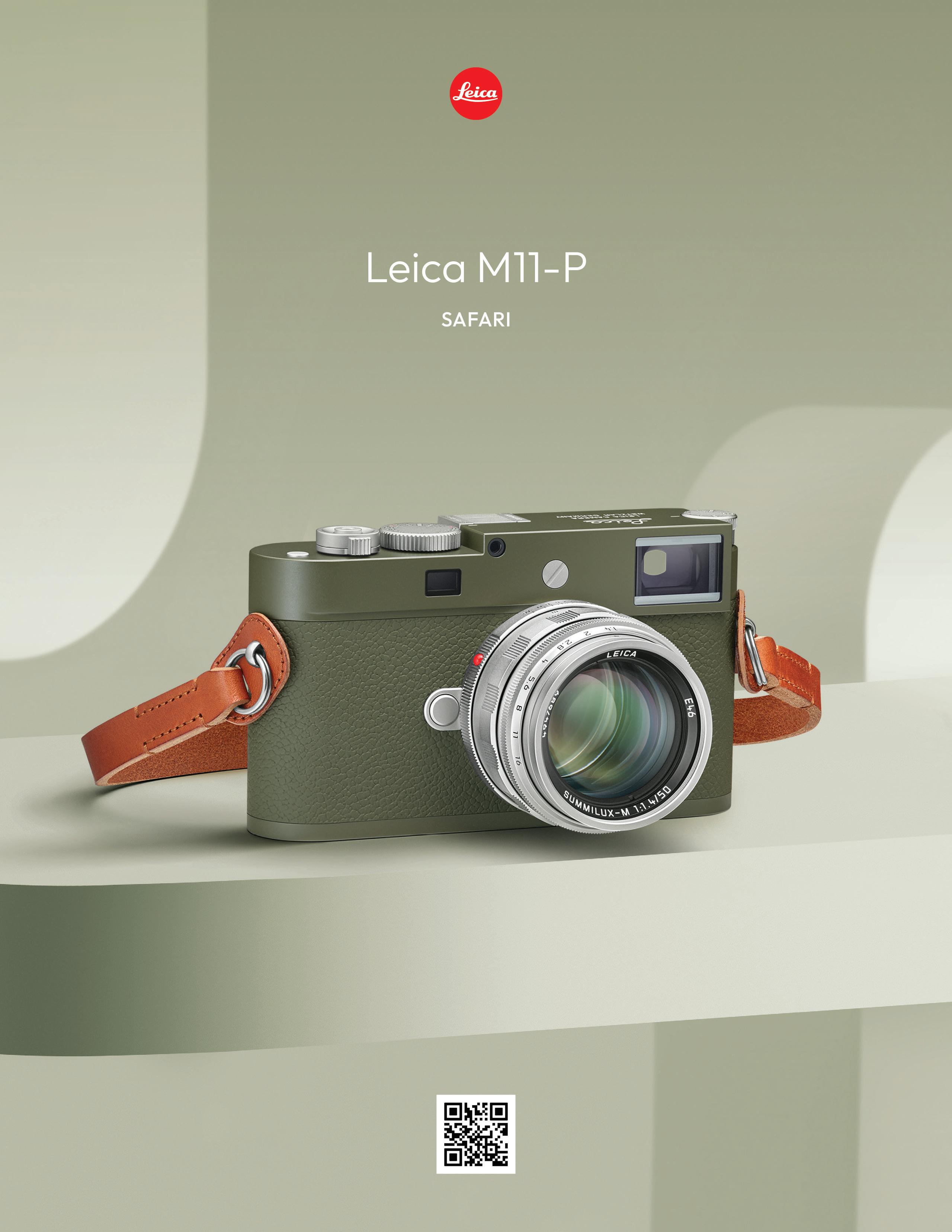
Leica’s reissue of the 50mm Summilux Pre-ASPH is based on the Version 2 design, retaining its core characteristics while incorporating modern refinements. Yet, it is more than just a revival — it is an homage to the evolution of this legendary lens, seamlessly blending the finest elements from three generations. The outer geometry harks back to the elegance of Version 1, the optics draw from the celebrated Version 2, and the close-focus function is inherited from Version 3. It is, in essence, the quintessential Summilux Pre-ASPH, distilled into a single form.
Crafted in brass with a chrome finish, the reissue has a more substantial build, giving it a premium feel. It is slightly wider than the original Pre-ASPH, resembling the Noctilux 50mm f/1.2 in proportions, though it remains a bit shorter. One notable design change is the omission of the waffle-pattern engraving near the M scale and red dot, replaced by a straight-line texture — a minor aesthetic difference that some enthusiasts may notice. The lens now features the more common E46 filter thread, an upgrade from the E43 filter found on the original, making it more convenient for filter compatibility.
With an aperture range from f/1.4 to f/16, the reissue measures 45mm in length without the hood and extends to 71mm with the hood attached , with an overall diameter of 58mm, slightly wider than the original v1 and v2 models, which were approximately 51mm. The reissue also carries more weight, coming in at 417 grams, compared to the 340 grams of the original.
One significant upgrade is the i ncrease from 10 to 12 diaphragm blades, resulting in even smoother, more refined bokeh — something I’ll explore in more detail later. While staying true to the classic rendering of the original, the reissue brings subtle but meaningful refinements that make it a compelling option for both collectors and shooters.
For context, the Leica Noctilux-M 50mm f/1.2 ASPH. measures approximately 52mm in length without the lens hood and 79mm with the hood attached , with a diameter of about 61mm. It weighs around 405 grams. In comparison, the reissued 50mm Summilux Pre-ASPH is slightly more compact in length but has a similar weight, offering a different balance and handling experience.
Which Leica Lens?
I am a photographer, not a reviewer. I don’t focus on brick wall tests or technical discussions; instead, I judge lenses based on how they perform in real-world shoots. Having used many Leica lenses extensively, I have developed a strong sense of how they fit into the Leica lineup and how they translate into my photography.
Every week, I get questions from social media followers asking which Leica lens or camera they should buy. For a first Leica lens, I often recommend the 50mm Summilux ASPH or the 35mm Summilux, as they are versatile and well-rounded options. However, many photographers soon realize that Leica lenses are like paintbrushes — each one offers a different tool for creative expression. I frequently carry multiple focal lengths to a shoot, but I tend to rely on a 50mm for most of my work. Sometimes, I even bring two 50mm lenses because each has a unique look. For the Leica M11 Monochrom, I often choose the Noctilux f/1 or the 50mm Summicron Rigid , while for color work, I prefer the 50mm Noctilux f/1.2 ASPH. Each 50mm has its own distinctive rendering, making lens selection a crucial part of my creative process.
So why choose the new 50mm Summilux Pre-ASPH over other Leica 50mm lenses? During discussions with Murat, the Product Manager for M lenses, and Christoph, the M Product Manager, it became clear that some Leica shooters, including myself, are looking for a compact, fast lens with character. The Summilux PreASPH was also introduced as an economical option for those who want a fast lens without jumping into the Noctilux series. Initially, when Leica briefed me about this lens, I wasn’t overly excited — I often gravitate toward more obscure lenses like the 73mm Hektor or the 66mm Elcan, or rare collector’s pieces like the 35mm Summilux Double ASPH.
How Does It Differ from the Original?
After testing the 50mm Summilux Pre-ASPH v2 , I noticed some key differences between the original and the reissue. The original has more pastel tones, lower contrast, and is slightly softer compared to the reissue. A major limitation of v1 and v2 was the 1 meter minimum focusing distance, while the new version focuses down to 0.7 meters. While I rarely need close focusing for my work, this difference can be significant for certain applications.
Performance at f/1.4 and Beyond
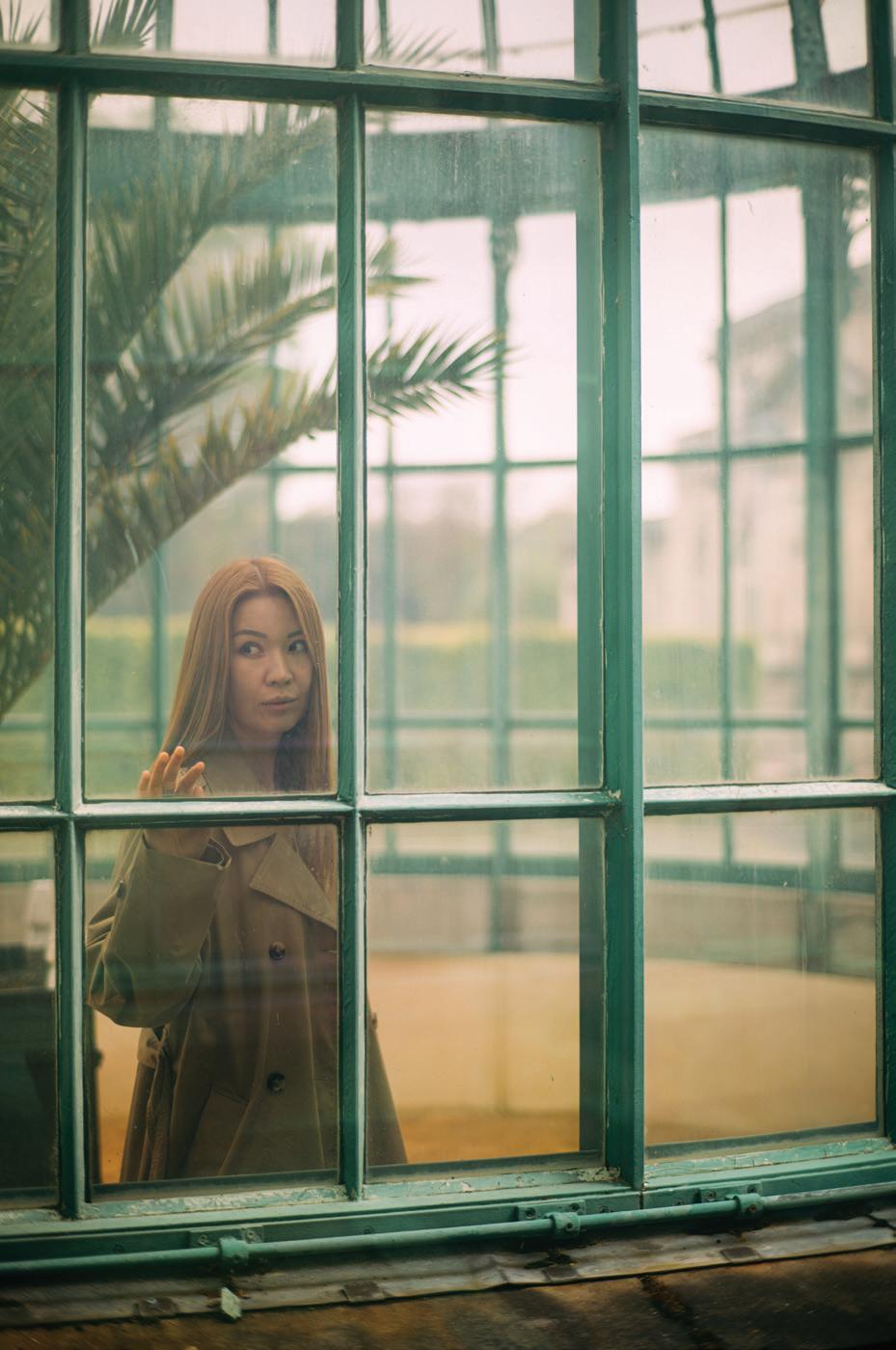
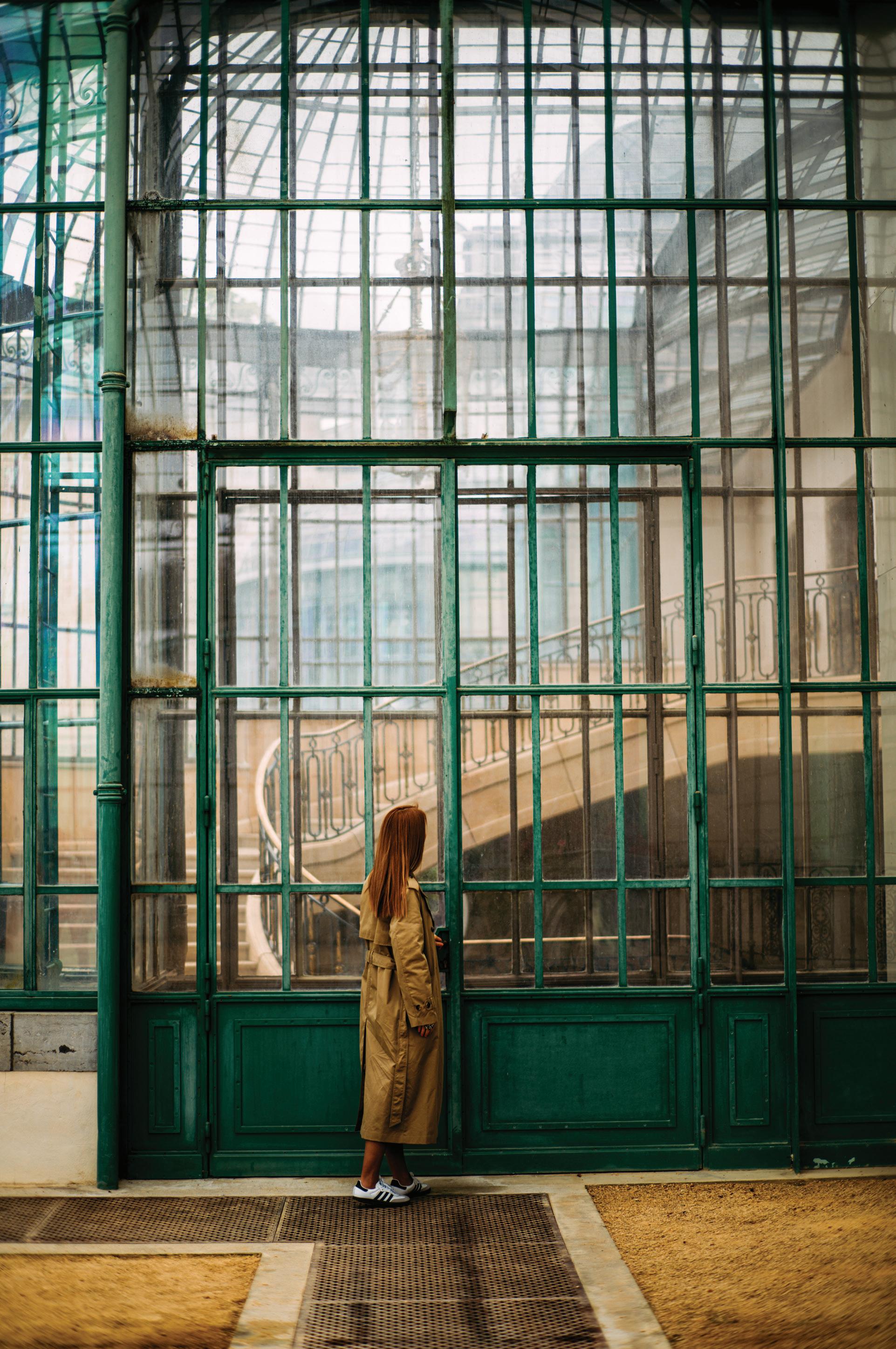
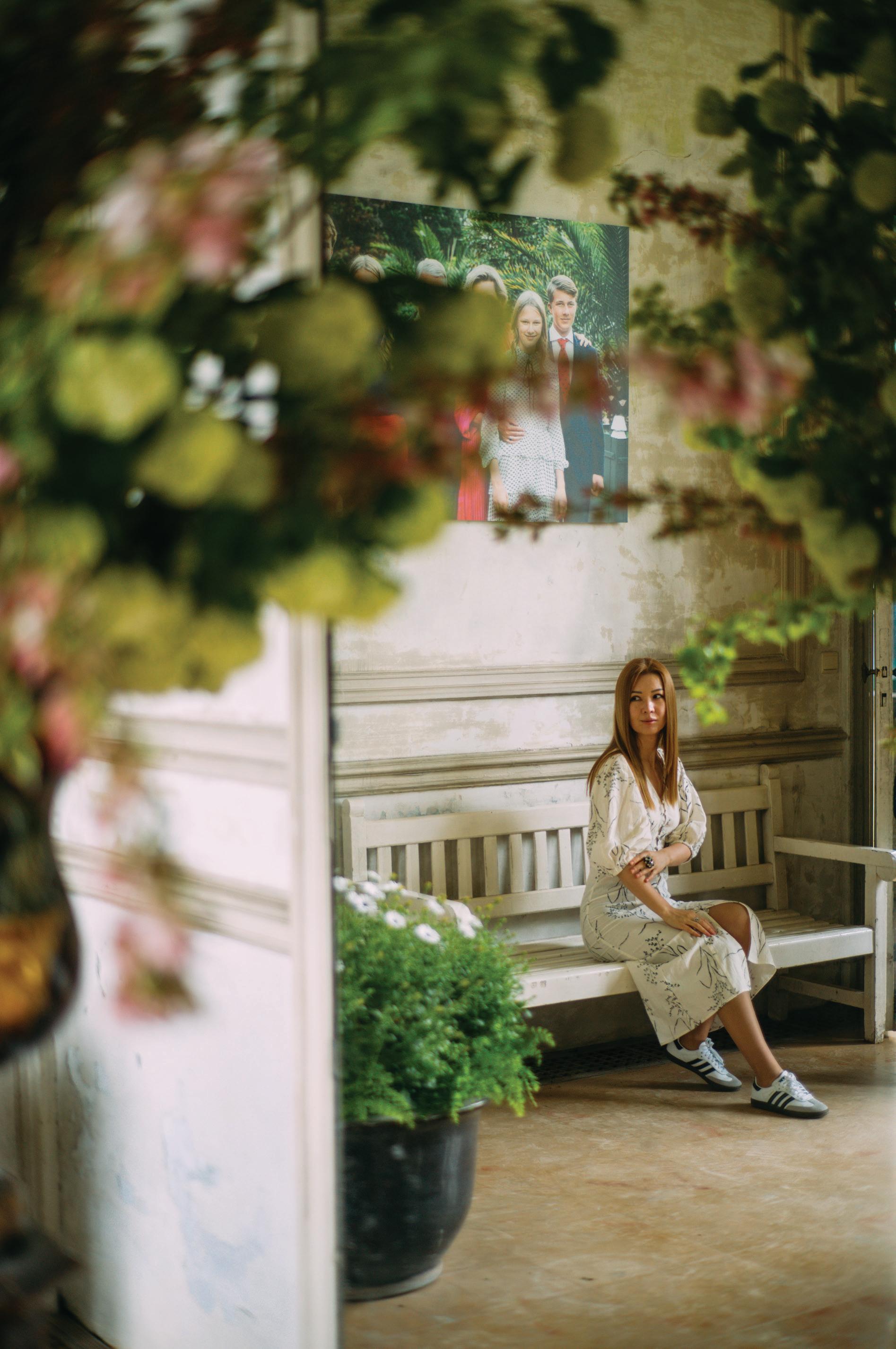
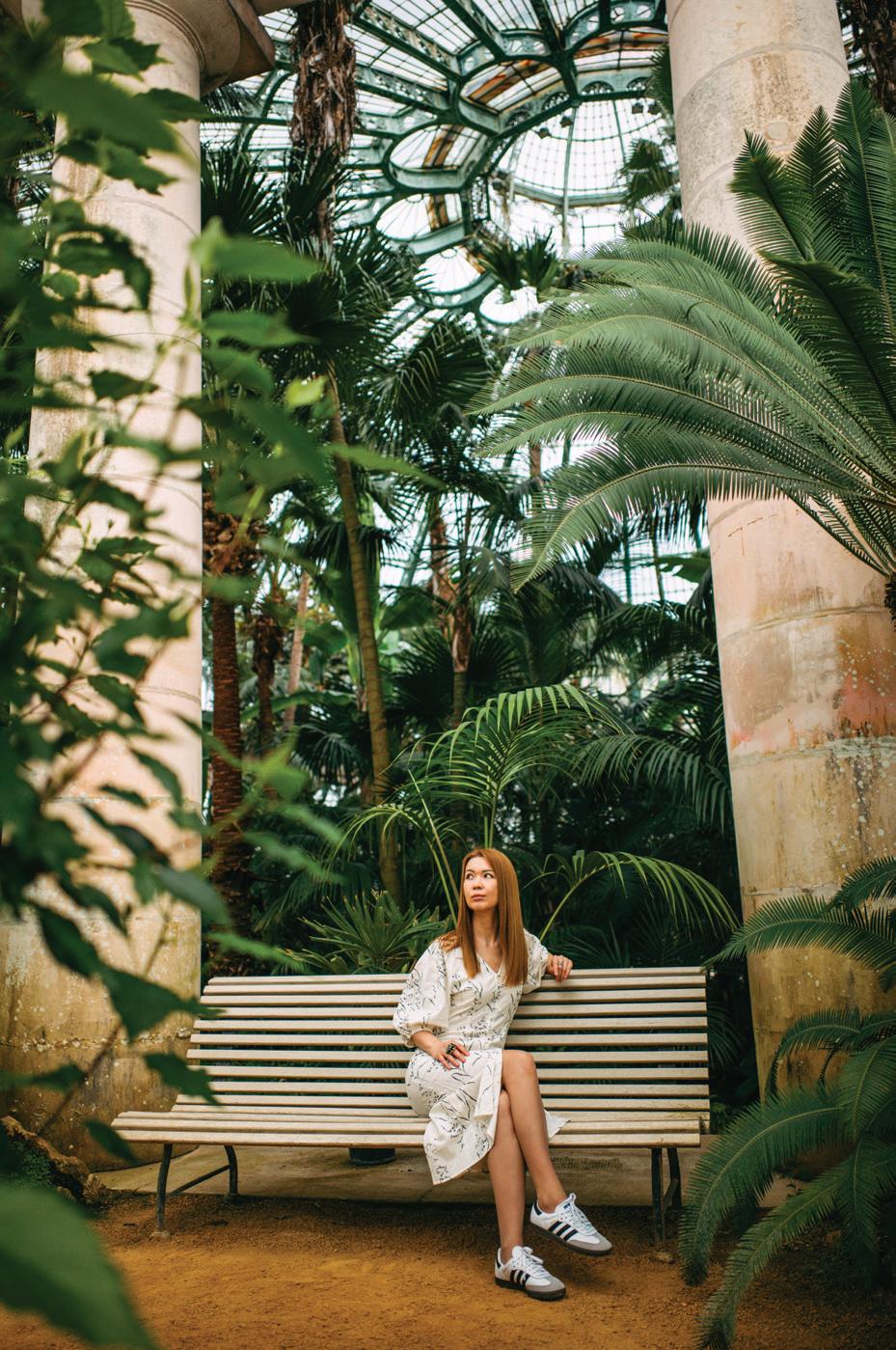
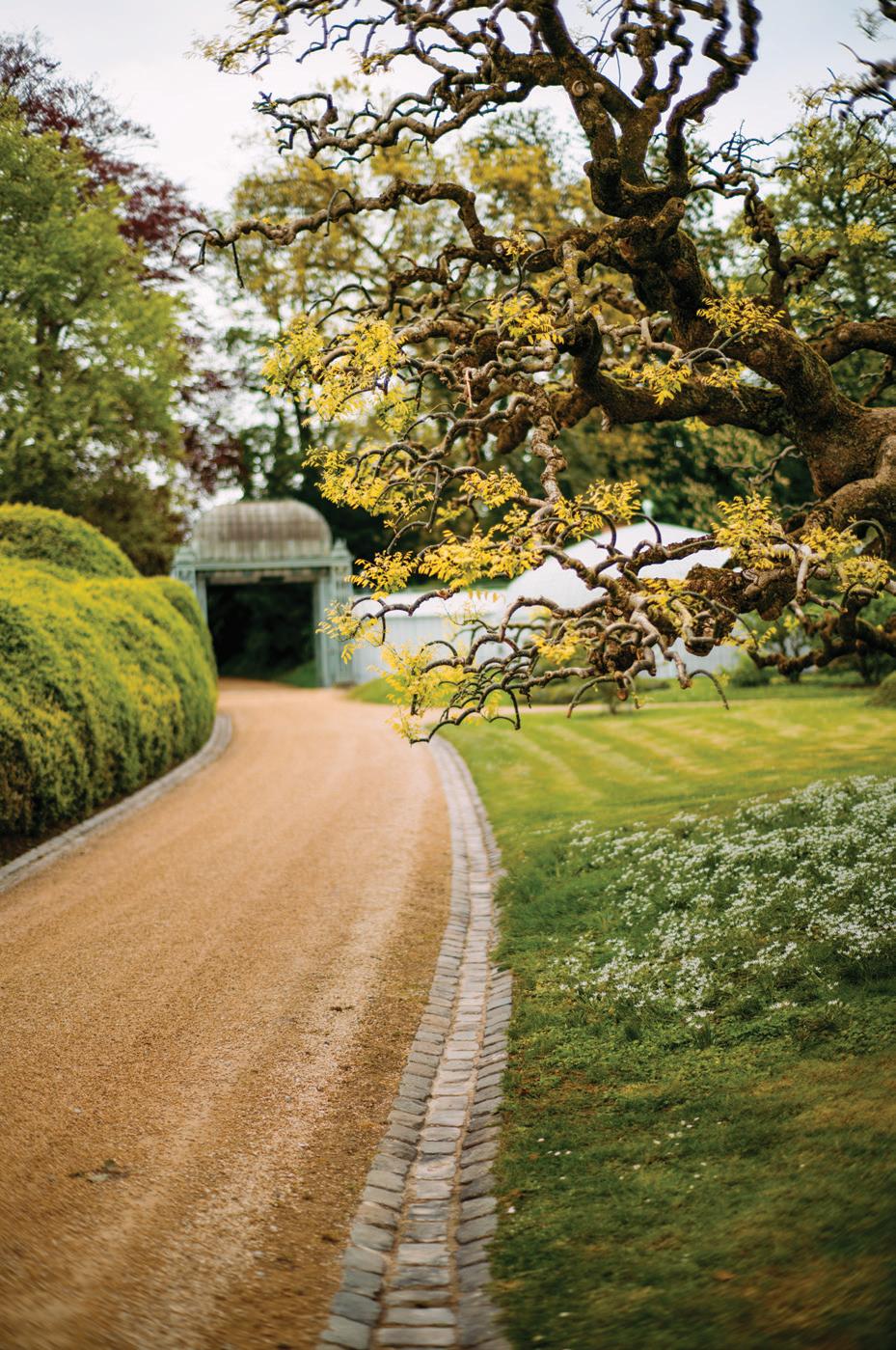
In terms of sharpness, the new Summilux Pre-ASPH is sharper than the Noctilux 50mm f/1.2 wide open. Even at f/1.4 , it holds a noticeable sharpness advantage. The lens also excels in color reproduction, particularly in the greens and reds. I took it to the Royal Gardens in Brussels , and it performed beautifully, capturing lush greens and delicate floral backgrounds with an elegant softness. The skin tones rendered by this lens are particularly gentle and natural, striking a perfect balance between sharpness and softness. Unlike the Noctilux 50mm f/1.2, which some find overly soft, the Pre-ASPH retains just the right amount of detail without becoming clinical.
The lens has a dual character — wide open at f/1.4 , it’s dreamy and ethereal, but stopped down to f/2.8, it becomes razor-sharp and highly versatile. This makes it suitable for a wide range of photographic applications.
Where the Pre-ASPH Excels: Bokeh & Handling
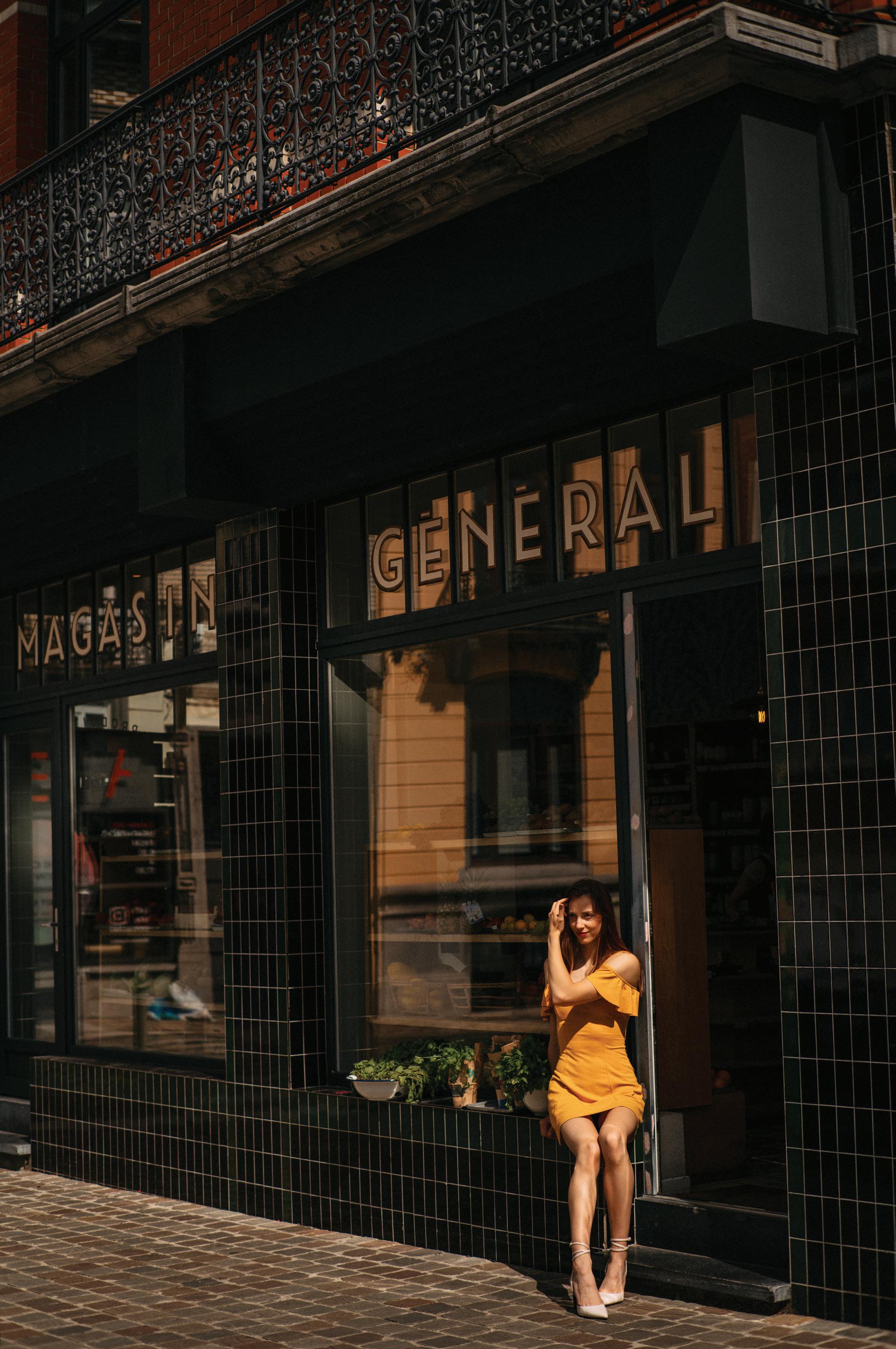
One of the highlights of this lens is its bokeh. The rendering is creamy and smooth, yet it remains non-distracting and wellcontrolled . I used this lens continuously during my field testing, and I often felt that it could be the perfect all-in-one lens. It’s neither too heavy nor too large, it focuses close enough for portraits, and it renders backgrounds beautifully. Compared to the ASPH Summilux or the 50mm APO, it’s sharper but retains a softer, more organic look, particularly on skin tones
Compared to the 50mm Summilux ASPH
Of course, the 50mm Summilux ASPH is a much more modern lens in every way. It offers closer focusing at 0.45 meters, has less vignetting , higher contrast, and is sharper wide open. A key difference is that the ASPH version also controls chromatic aberrations better, significantly reducing purple fringing , which is more visible on the Pre-ASPH
Does this make the Pre-ASPH a lesser lens? Absolutely not.
The Pre-ASPH Summilux is for the romantics — the portrait photographers like myself who love swirly, pleasing bokeh. It offers a more nostalgic, filmic look that some may prefer over the technically perfect rendering of the Summilux ASPH.
Can It Be Your Only 50mm?
Yes. The Pre-ASPH Summilux has a dual personality — wide open, it’s full of character and atmosphere, but stopped down, it sharpens up beautifully with excellent contrast. It’s a lens that adapts to different needs, making it a fantastic one-lens solution for many photographers.
Can It Handle High-Resolution Sensors?
Many assume that older optical designs struggle with highresolution digital sensors, but that’s not the case here. Every image in this review was shot with the Leica M11-D, proving that the Summilux Pre-ASPH holds up beautifully even at 60MP I even printed a portrait of Thais with the Lamborghini Urraco, which was displayed at the Leica Store Beaumarchais during my exhibition "Echoes of Elegance: A Timeless Journey." The detail and rendering clearly held up, even in large-format prints.
Like the v1 and v2 , the reissue still has some vignetting wide open, but this only adds to the lens’s character. By f/2.8, most of the vignetting disappears. Personally, I like a slight vignette— it draws the viewer’s attention to the subject and enhances the overall composition.
In the end, the Summilux Pre-ASPH reissue is an incredibly well-balanced lens, combining the best aspects of vintage rendering with modern usability. Whether you’re drawn to it for its history, its aesthetic, or its unique optical qualities, this lens has something special to offer.
The Proof of Concept
I combined this lens with the Leica M11-D, and although I also own the M11 Monochrom, I found myself strangely attached to using it with the M11-D. The color combination of the sensor of the M11-D and this lens is a match made in heaven. If someone were to ask me, "Milan, if you could pick only one lens for your M?" — this might hit all the spots for me. It has tons of character, but when stopped down, it becomes a high performer. The bokeh is one of the most beautiful I have ever seen, and it is very gentle on skin tones.
Once a year, there is an opportunity to visit the Royal Gardens of the Royal Family in Brussels. It was my second time there, and visitors are even allowed to bring a camera. I followed my usual "one camera, one lens" philosophy, bringing only this lens paired with the M11-D. The camera brought out some of the most pleasant colors, and the backdrop of flowers and plants resulted in gorgeous bokeh. The model for the day was my lovely fiancée, who usually assists with lighting but occasionally agrees to pose as well. The smooth tones and natural colors required only minimal editing on the skin. While I have not tested this lens with a film M camera, I can imagine it would pair beautifully with Kodak or Fuji film. The only downside is a bit of purple fringing when shooting wide open, but it’s more controlled compared to the Noctilux f/0.95, which, while a much faster lens, is also an ASPH lens.
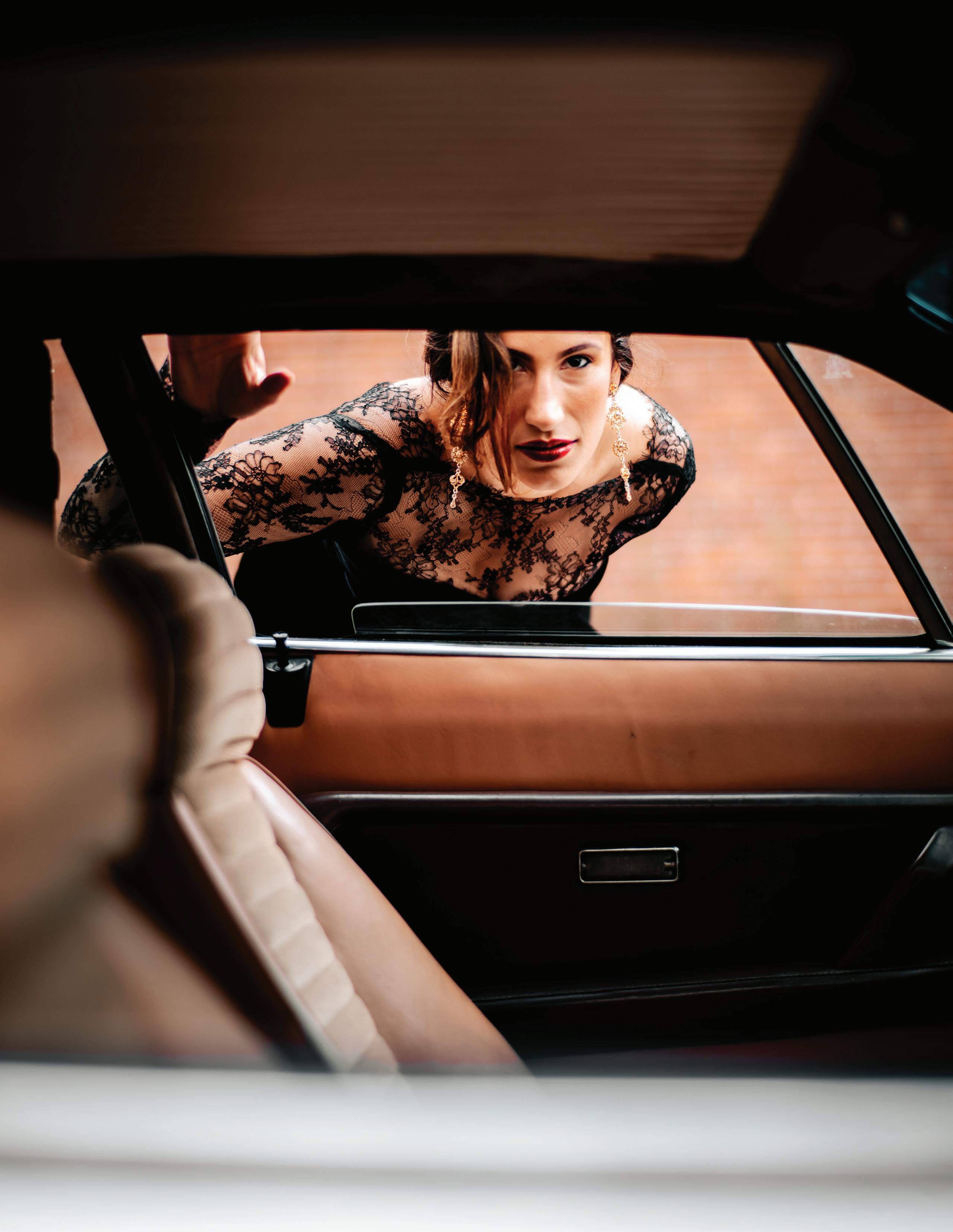
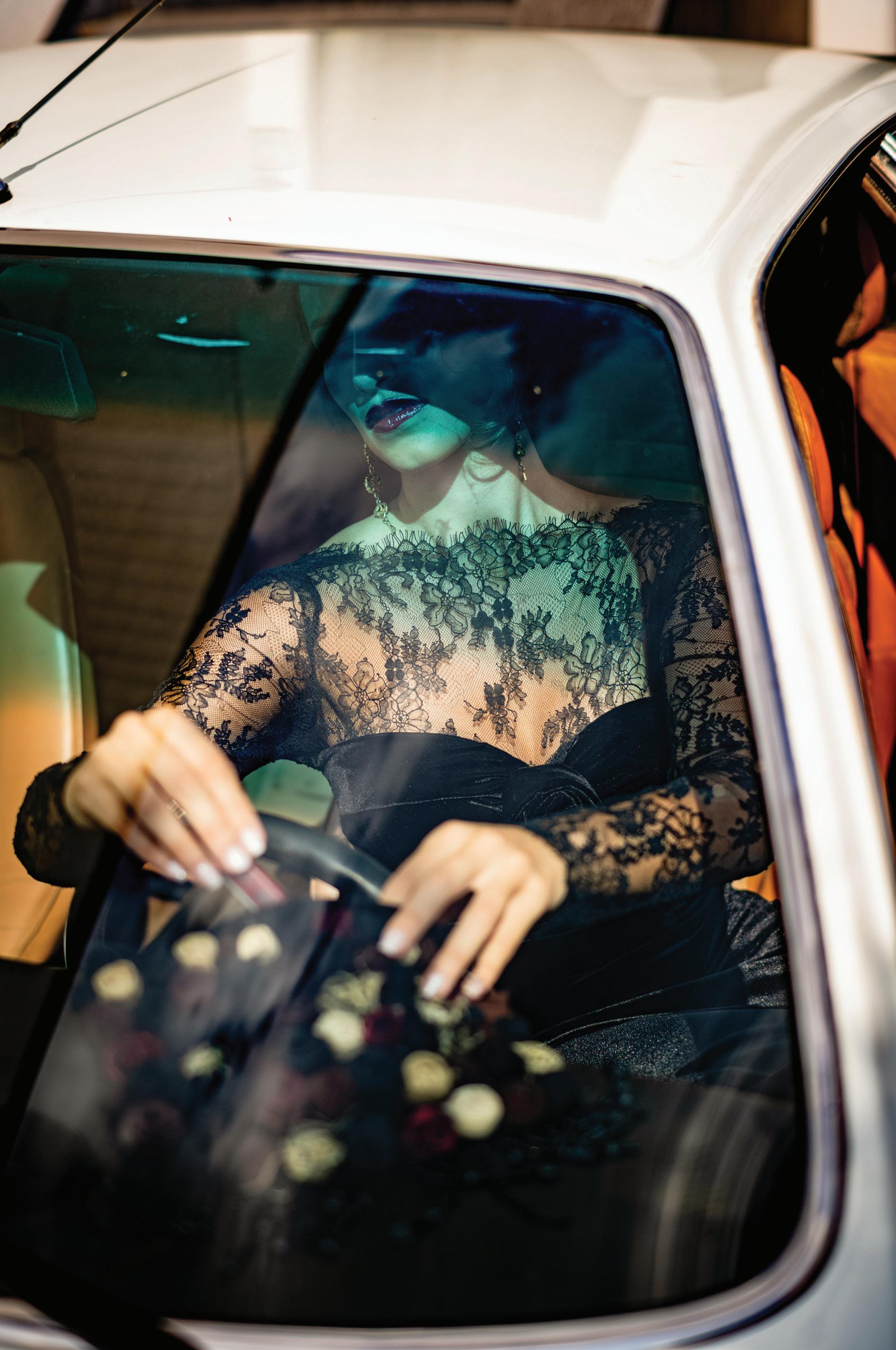
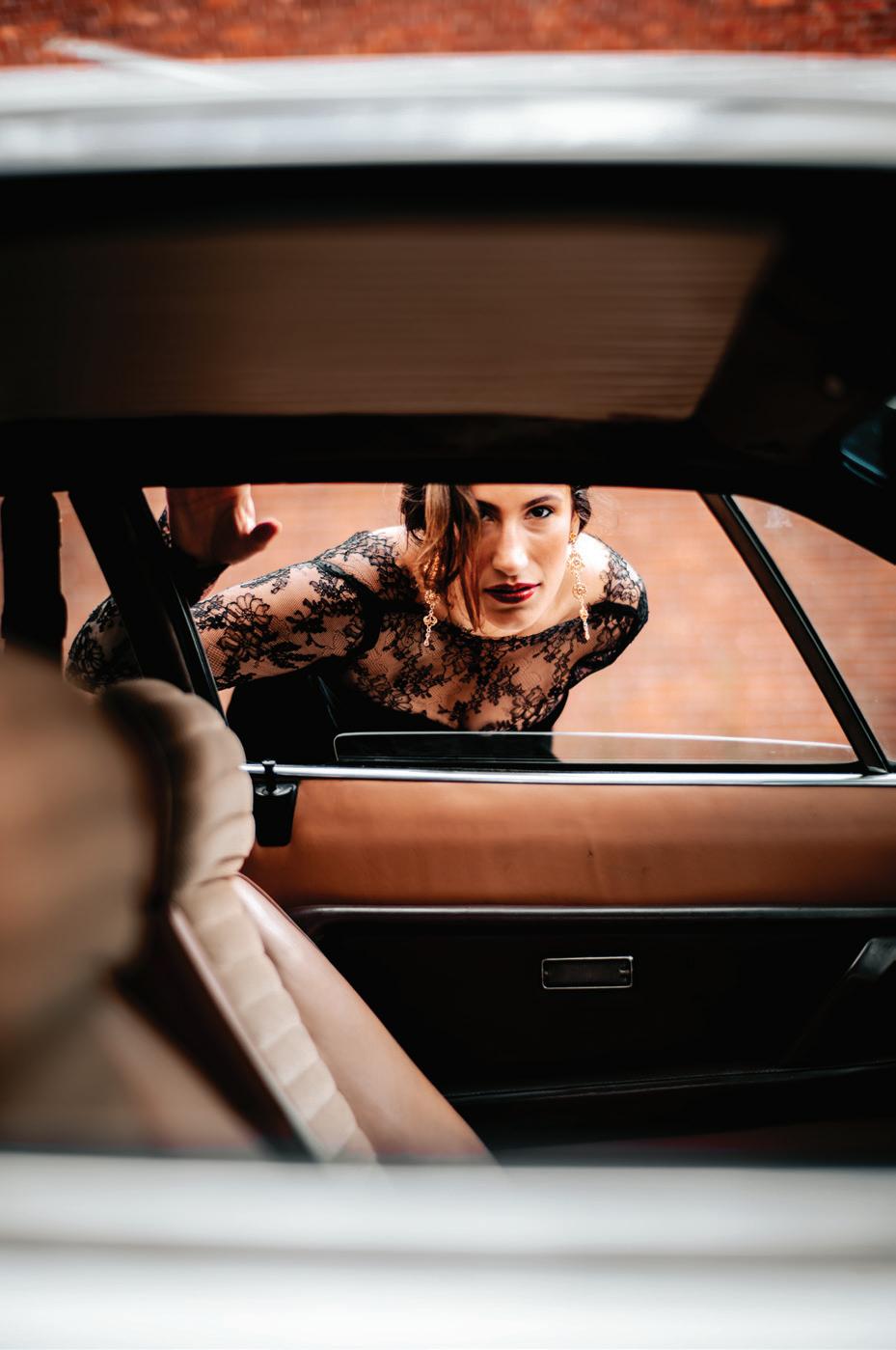
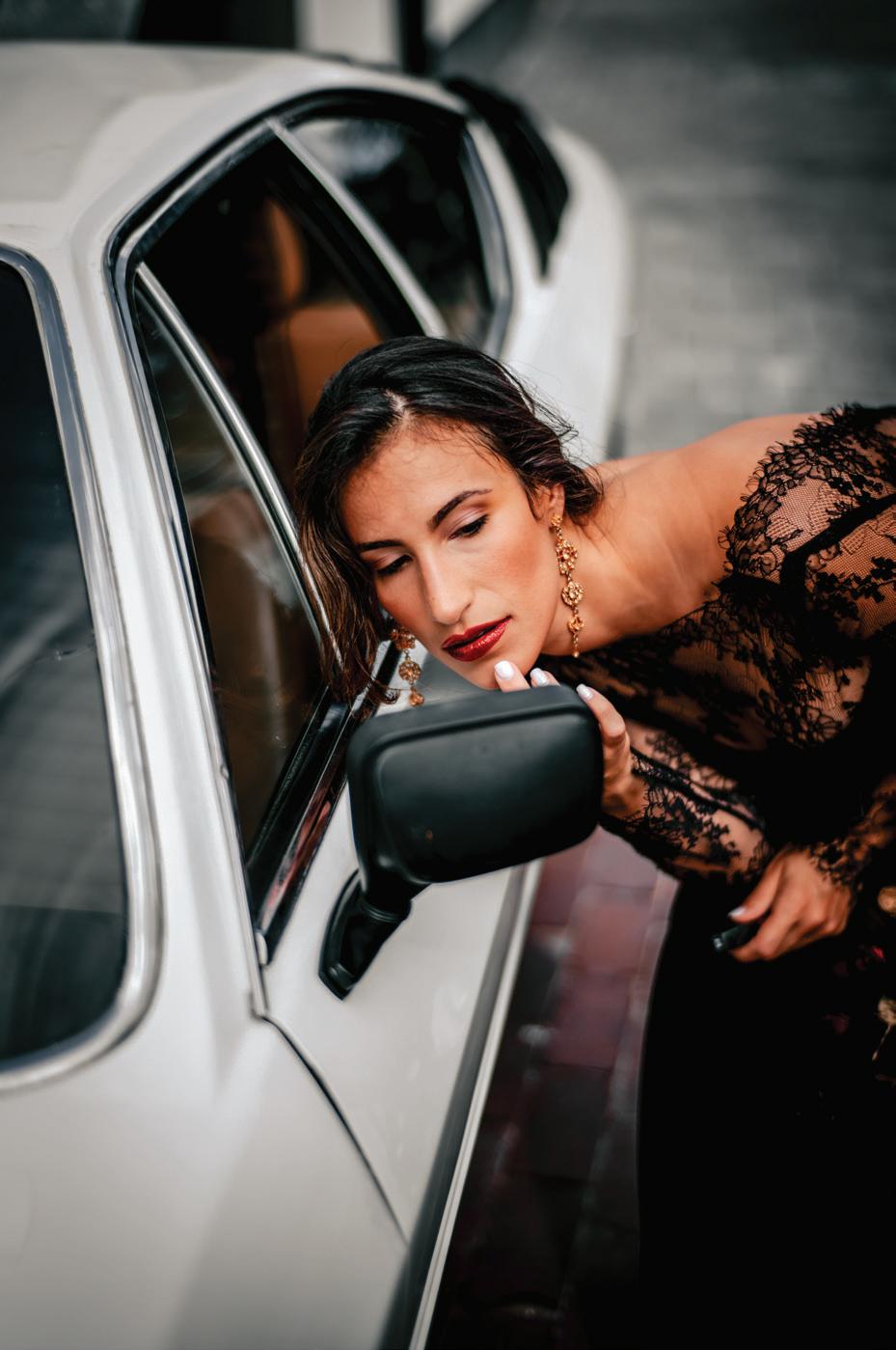
For another shoot, I brought the lens into a setting that truly suits my style of photography — combining model Thais with a rare 1974 Lamborghini Urraco. Th is car, an often-overlooked gem in Lamborghini’s history, embodies a perfect mix of elegance and raw performance, making it an excellent subject for this lens. The combination of vintage Italian automotive design and the Summilux’s rendering resulted in a series of timeless images.
While most of the shoot was done using the Medium Format Leica S3, I also had the M11-D with this lens as a backup. The results? The model defi nitively chose some of the shots taken with this lens. It was easy to focus, allowing me to switch from the heavy S3 to the Leica M11-D, giving my back and shoulders some much-needed rest. One of the advantages of using the M11-D with this lens was its ability to shoot wide open even in full sun and artificial light, thanks to the high shutter speed of the electronic shutter.
A specific challenge during this shoot was photographing through the car's windows. The S3's autofocus often struggled in such conditions, whereas the M11-D, paired with this lens, made manual focusing a breeze, even with natural sunlight and Harlowe LED lights fi ltering through the glass.
Overall, this lens exceeded my expectations, proving itself as both a character lens and a high performer when stopped down. It handled beautifully in both natural light and more challenging artificial setups, cementing its place as one of my go-to lenses for my M-series cameras.
Final Thoughts – A Worthy Addition?
So, who should buy this lens? If you love classic Leica rendering but want modern usability, the new 50mm Summilux Pre-ASPH is an excellent choice. It offers a unique balance — dreamy at f/1.4, razor-sharp at f/2.8 — making it an ideal all-in-one 50mm.
Would I personally buy it? Absolutely. It’s a fantastic lens that blends vintage charm with modern precision — exactly what I look for in a Leica lens.
Through the Archive’s Lens: A Glimpse into Leica’s Legacy
At the beginning of this review, I mentioned a few of my favorite lenses — each with its own story, character, and place in Leica’s rich history. As for what’s next in the heritage line, only time will tell.
For those with a passion for Leica’s past, the Leitz Park archive is a treasure trove of extraordinary pieces, where some of the most special and storied lenses can still be seen and appreciated. It's a place where history comes alive, offering a rare glimpse into the evolution of Leica’s craft smanship. Of course, this is merely a reflection, not a suggestion of future plans. But isn’t it wonderful to dream?
About Milan Swolfs
Milan Swolfs is a fine art portrait photographer born in Antwerp, Belgium, renowned for his exquisite visual signature in the burlesque and vintage styles. His work captures the timeless Hollywood glamour of the 1920s and 1930s, showcasing both women and men in bold, confident expressions with a delicate and glamorous touch. He began his career photographing the biggest burlesque events in Europe before shifting his focus to fine art photography. An ambassador for Leica Camera, Milan's work has been published in LFI (Leica Fotografie International), Medium Format Magazine, and Viewfinder. He held his first solo exhibition, "Light of Seduction," at the Leica Store in Porto in 2022. By the end of 2024 till January 2025, Milan had the privilege to present his new work at the Leica Store Beaumarchais in Paris. The exposition was called “Echoes of Elegance: A Timeless Journey.” Milan’s portraits are artistic celebrations of individuality and classic beauty, evoking the charm and allure of a bygone era.
Acknowledgements
Special thanks to Christoph Mueller and Murat Akkus from Leica Camera for their support and great conversations. A huge thank you to my fiancée, Aliya, for letting me take her shots, having the patience for my gear reviews, and tolerating me bothering her to pose. And finally, a big thank you to Thais for the amazing shoot we did — couldn’t have asked for a better collaboration!