Inquiries about membership, upcoming events, replacement Viewfinder issues, and special orders should be directed to:
Colin McKinley, Executive Director Leica Society International 14070 Proton Road, Dallas, TX 75244 info@leicasocietyinternational.org (972) 233-9107 Ext. 211
Viewfinder is the official publication of the Leica Society International, a nonprofit organization incorporated in the state of Delaware. Copyright 2025. Reproduction or use of any material contained herein without permission of the Society if forbidden.
Leica is a registered trademark. It and other trademarks pertaining to the Leica System are the property of LEICA CAMERA, USA, INC or LEICA CAMERA AG.
ISSN 1543-8732
WWW.LEICASOCIETYINTERNATIONAL.ORG
2 a letter from the editor by Bill Rosauer
3 a letter from the president by David Knoble
4 a letter from the president of leica camera usa by Mike Giannattasio
5 professor dr. ludwig bermann & the leica 1a “anastigmat” by Alan Stokes
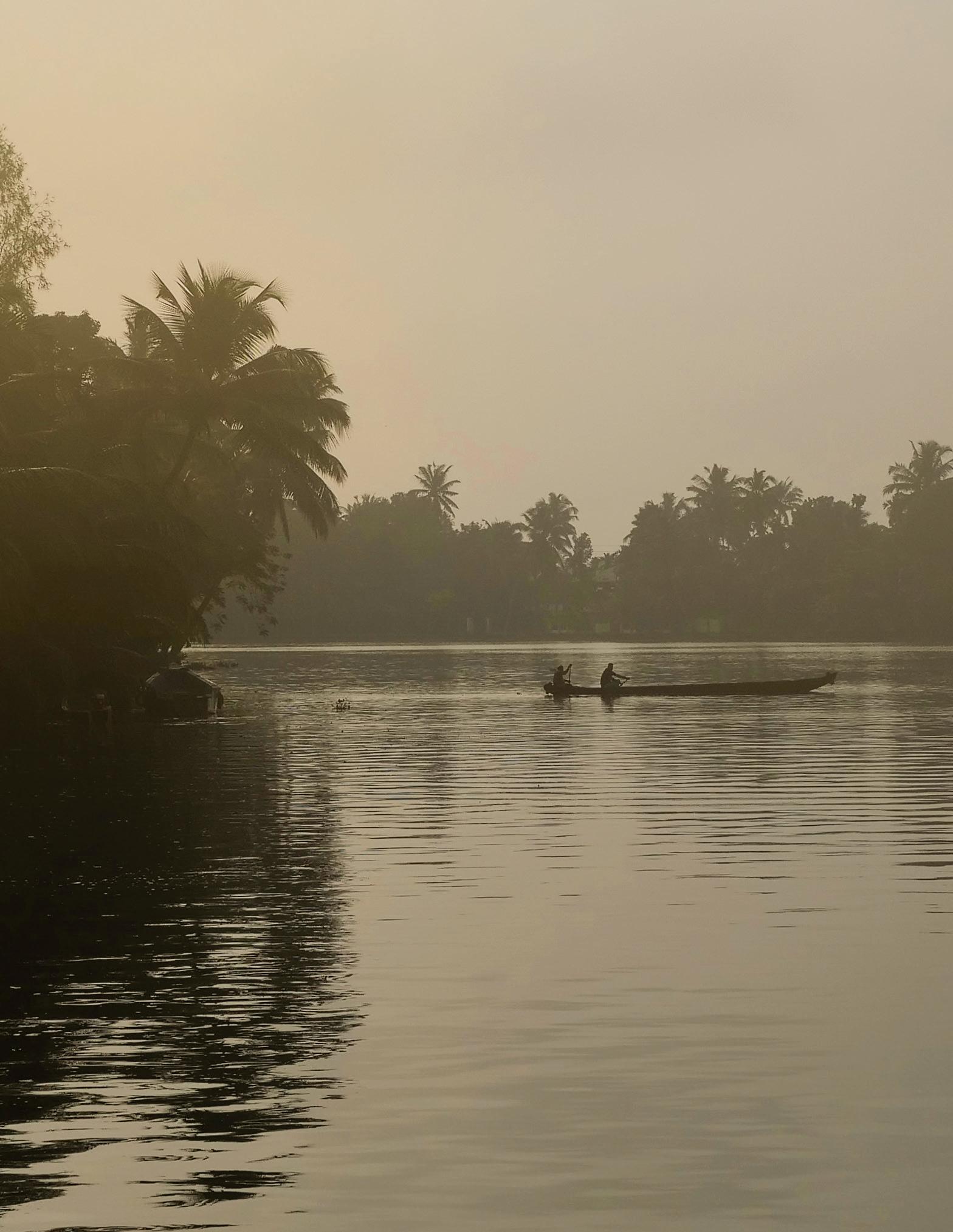
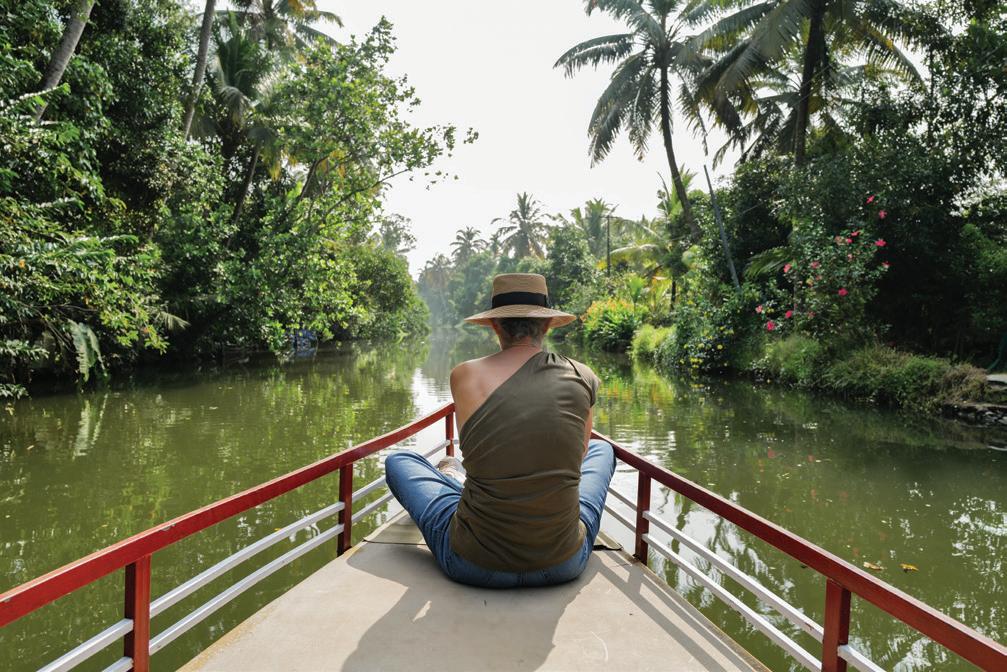
10 kerala by Giulia Olsson
PRESIDENT
David Knoble Charlotte, NC
EXEC.VICE PRESIDENT
William Fagan Dublin, Ireland
VP / TREASURER
Robert Levite
Coral Gables, FL
IMMEDIATE PAST PRESIDENT
Brad Husick Medina, WA
PRESIDENTS EMERITUS
James L. Lager
Rolf Fricke
Bill Rosauer
EXECUTIVE DIRECTOR Colin McKinley Dallas, TX
SENIOR DIRECTORS
Gary Hough Woodinville, WA
Douglas Drumheller Pittsburgh, PA
Alan Weinschel Roslyn Heights, NY
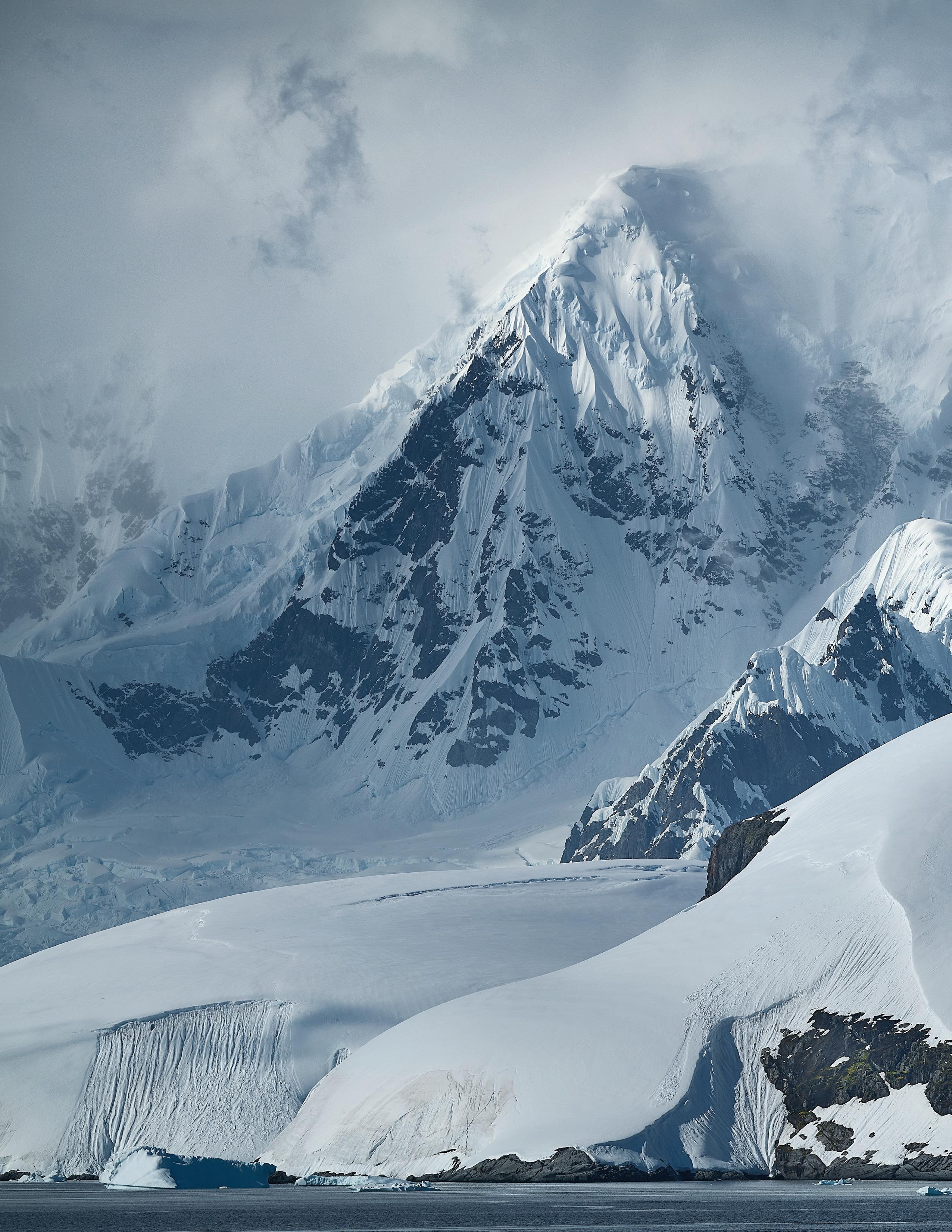
18 antarctica by David Knoble
28 the leica sl3-s by Jonathan Slack
38 dr. paul wolff remembers oskar barnack by Bill Rosauer
50th anniversary by Jim Lager 42 light lens lab's 50 rigid replica by Ed Schwartzreich
ELECTED DIRECTORS
Class of 2025
Chris Herbert Tempe, AZ
Bill Royce Prescott, AZ
Hari Subramanyan Heidelberg, Germany
Kirsten Vignes Minneapolis, MN
Class of 2026
Sandra Eisert Redmond, WA
Tom Fey Oxford, Ohio
Wayne Goodman United Kingdom
Jonathan Slack United Kingdom
Class of 2027
Amitava "Chats" Chatterjee Manassas, VA
Marke Gilbert Royal Oak, MI
Class of 2027 Continued
Wilbur Norman Sante Fe, NM
John Pegouske Dearborn, MI
APPOINTED OFFICERS
Viewfinder Editor
Bill Rosauer Buffalo Grove, IL lhsaeditor@yahoo.com
Viewfinder Designer
Kirsten Vignes Minneapolis, MN
Viewfinder Associate Editors
Richard Rejino Carrollton, TX
Ed Schwartzreich Waterbury, VT
Amitava "Chats" Chatterjee Manassas, VA
Contributing Editors
James L. Lager Closter, NJ
A LETTER FROM THE EDITOR
by BILL ROSAUER
This year marks the 100th Anniversary of the Leica camera, and this issue of Viewfinder kicks off the centenary for us in the Leica Society International. Leica will be holding many special events world-wide, culminating with the big celebration in Wetzlar this June. I will be reporting from there in a future issue of the journal. Th is issue starts with a special message for LSI members from Mike Giannattasio, President of Leica USA, on the 100th Anniversary.
As always, this issue has a little something for everyone, with Leica historical articles, reviews of new Leica gear and travel photography with the Leica.
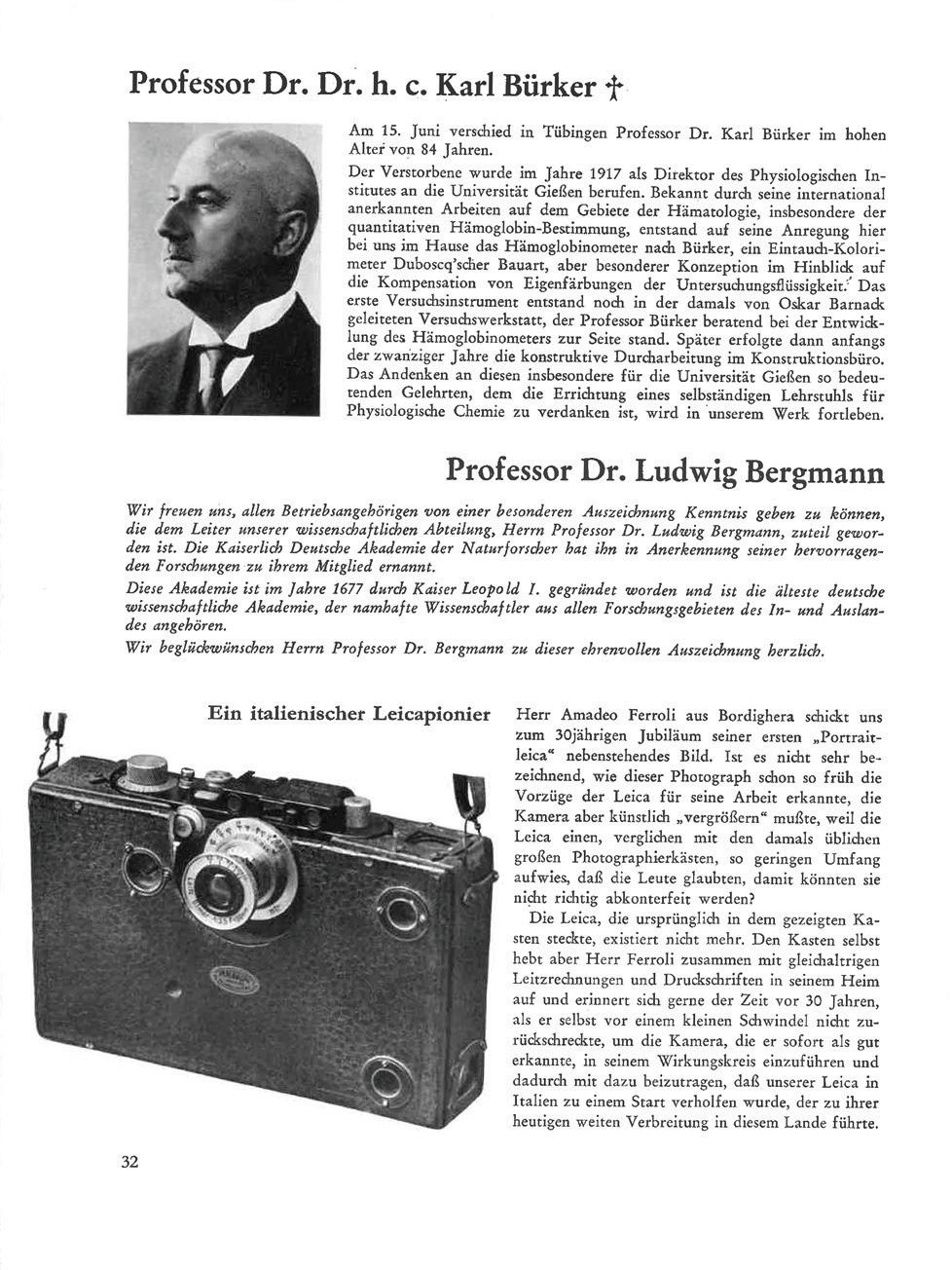
Leica historian Alan Stokes shares the story of Leica I Anastigmat #166, from the fi rst production run of 150 cameras in 1925. These cameras all originally came with the 5 element in 3 groups lenses known as the Anastigmat. The delivery records originally show this camera a “demonstration camera”, and as such was not sold to the public. Alan tells us that this camera eventually came into the possession of Dr. Ludwig Bergmann, who eventually became the head of the Scientific Department at Leitz after the death of Max Berek in 1949. An interesting story indeed of this 100 year old Leica.
I came across a letter in my archives from Dr. Paul Wolff about the passing of Oskar Barnack. I had my good friend, Holger Dietz, who has helped out with translations in the past, give his take on this very heartfelt letter from Dr. Wolff. Wolff and Barnack were not only working together in the early days of the Leica, but eventually became good friends. I am sure you will fi nd this letter as interesting as I did, and I thank Holger for helping us see how special the bond was over the Leica between these two men.
Jim Lager shares his memories of his fi rst Leica book, which commemorated the 50th Anniversary of Leica back in 1975. I know many of us have this original book of Jim’s in our libraries, and it sparked our passion for Leica and its history. As Jim points out in his article, he had a very specific format and specification in mind for this pioneering volume. Many other books by Jim followed, but this one was special, as Jim said, his birthday present to Leica!
Jono Slack introduces us to the new Leica SL3-S, improving on an already fantastic SL system camera, the SL2-S. The new
camera carries on as a more affordable version of the flag ship SL-3, as the SL2-S did from the SL-2. Jono gives us a thorough evaluation of this fantastic new camera from Leica, with the unique take on new Leica gear that Jono is well-known for. It’s a great time to be a Leica user with new gear coming from Leica for all Leica users!
Ed Schwartzreich also reviews an exciting new “replica” lens release from Light Lens Labs in this issue. Th is time around, it is their take on the fabled Rigid Summicron 50/2 M lens, introduced by Leica back in 1956. The Rigid Summicron is still a stellar performer, even after almost 70 years since its introduction. Th is lens still holds its own against modern competitors, despite the fact that they benefit from decades of advances in lens materials and design. Th is lens, and its sibling, the Dual Range Summicron, was the introductory lens to the Leica M system for many of us. I am sure you will fi nd Ed’s review and article on this lens quite interesting.
Our president, David Knoble, takes us along on an expedition to Antarctica, a place few of us have been to and can only dream about. Despite the limited luggage space, David came well-equipped with his Leica SL2-S Safari and SL-2, and two SL Vario-2x tele-extender, along with color slide and negative fi lm as well as Black and White. David says he felt like a kid in a candy store on this once-in-a-lifetime trip. It was an amazing journey encountering treacherous waves, endless fields of snow, ice and glaciers, and penguins, seals and whales! David said this journey changed him like no other he had ever been on. Antarctica had a sense of grandeur that made him feel insignificant to nature!
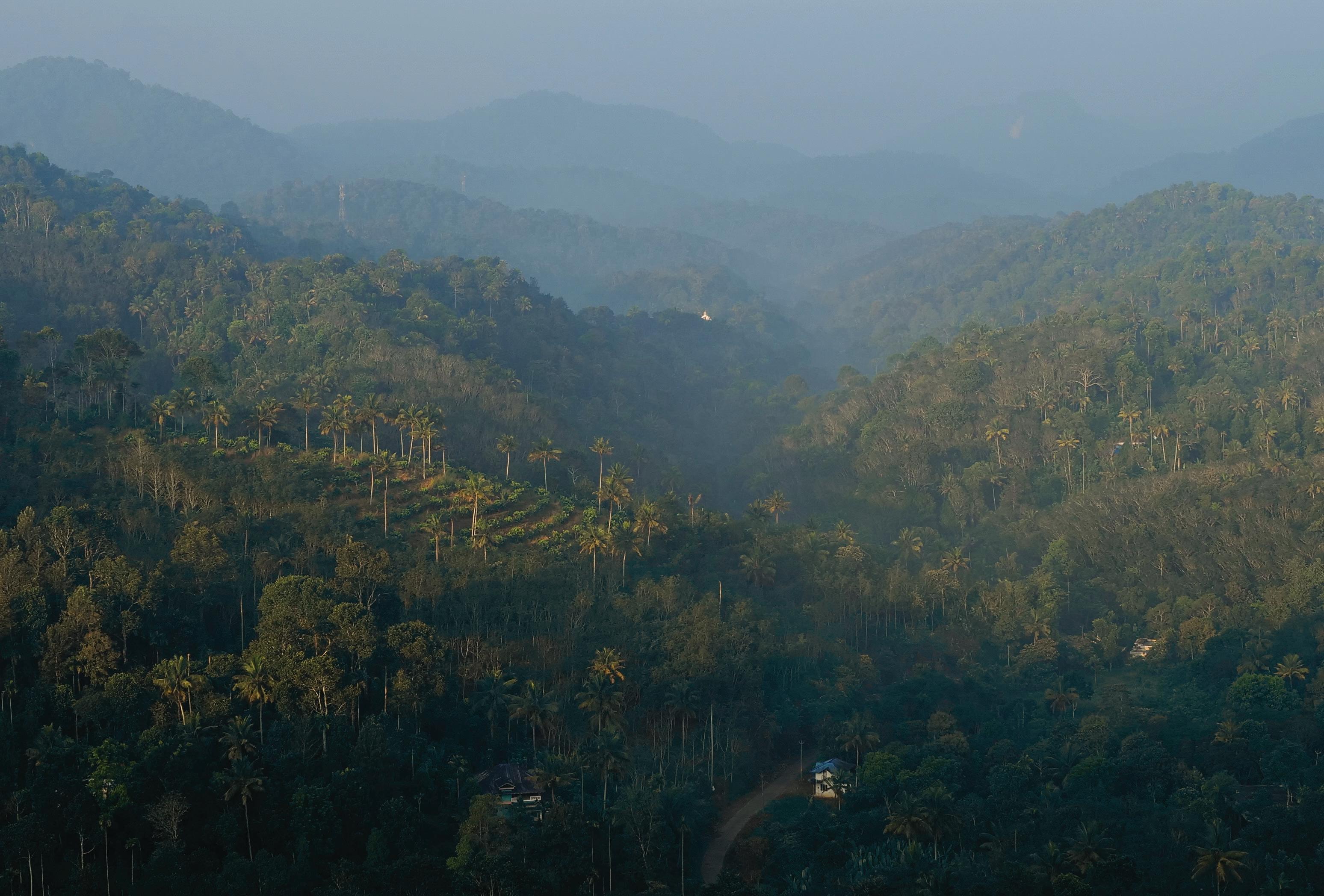
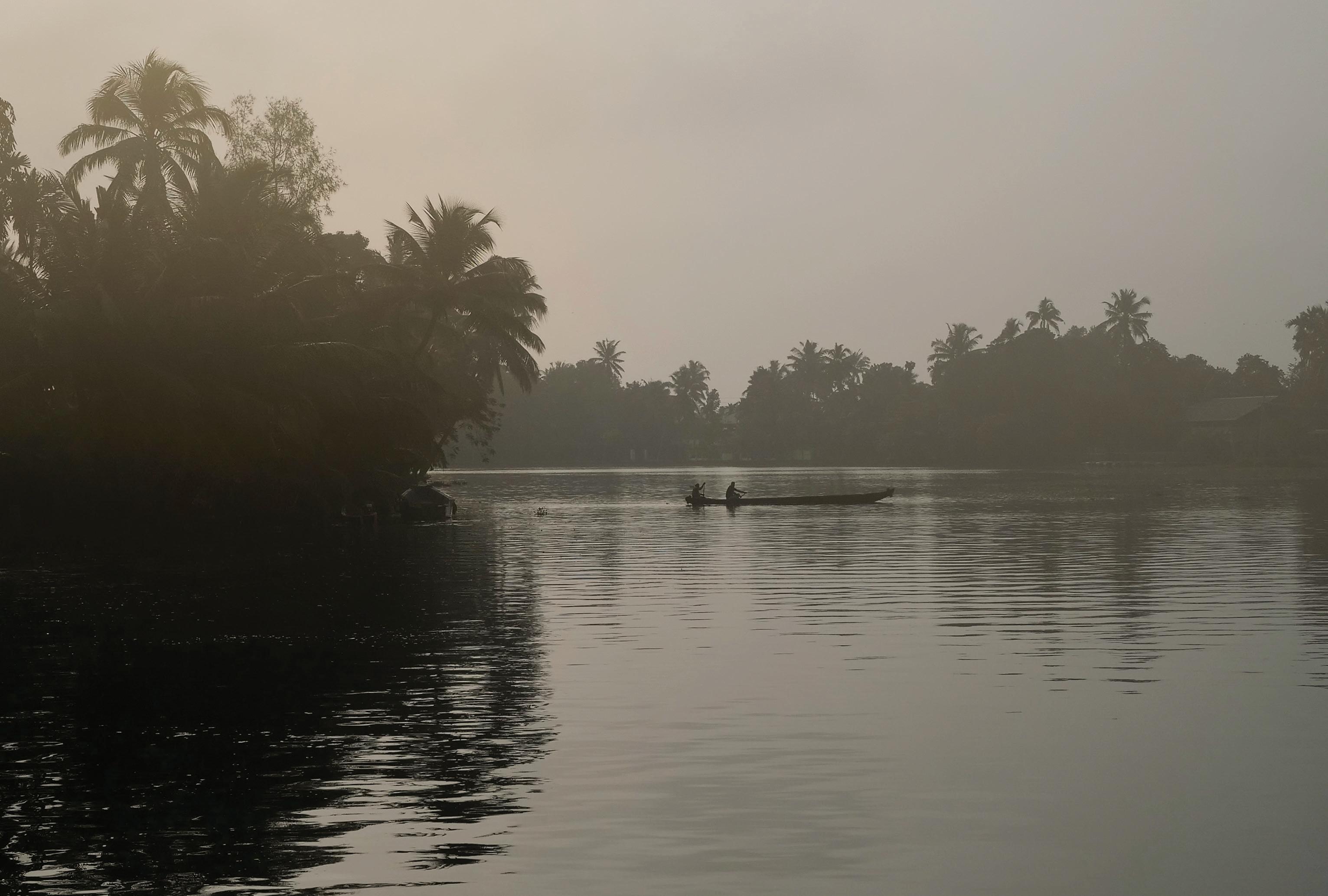
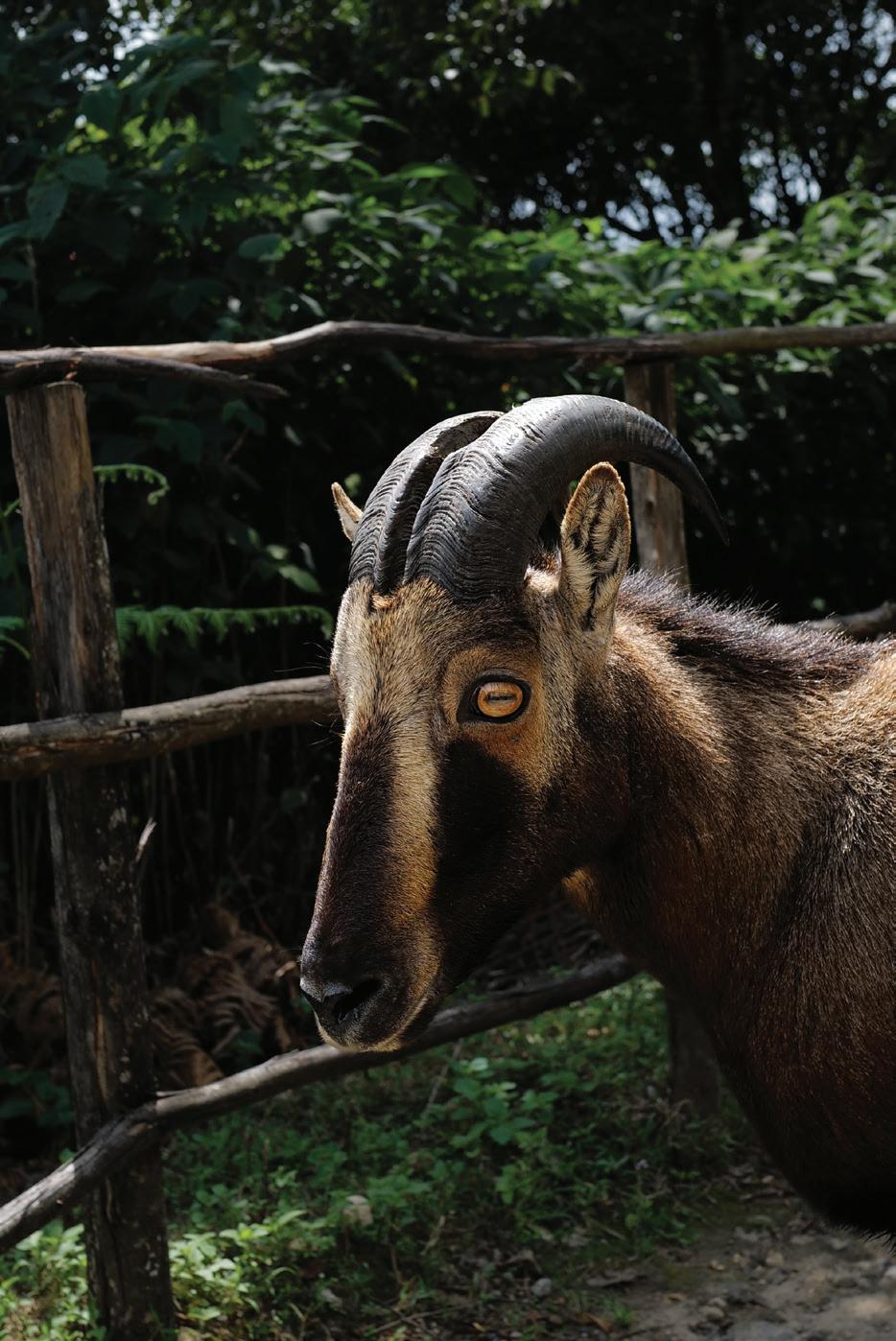
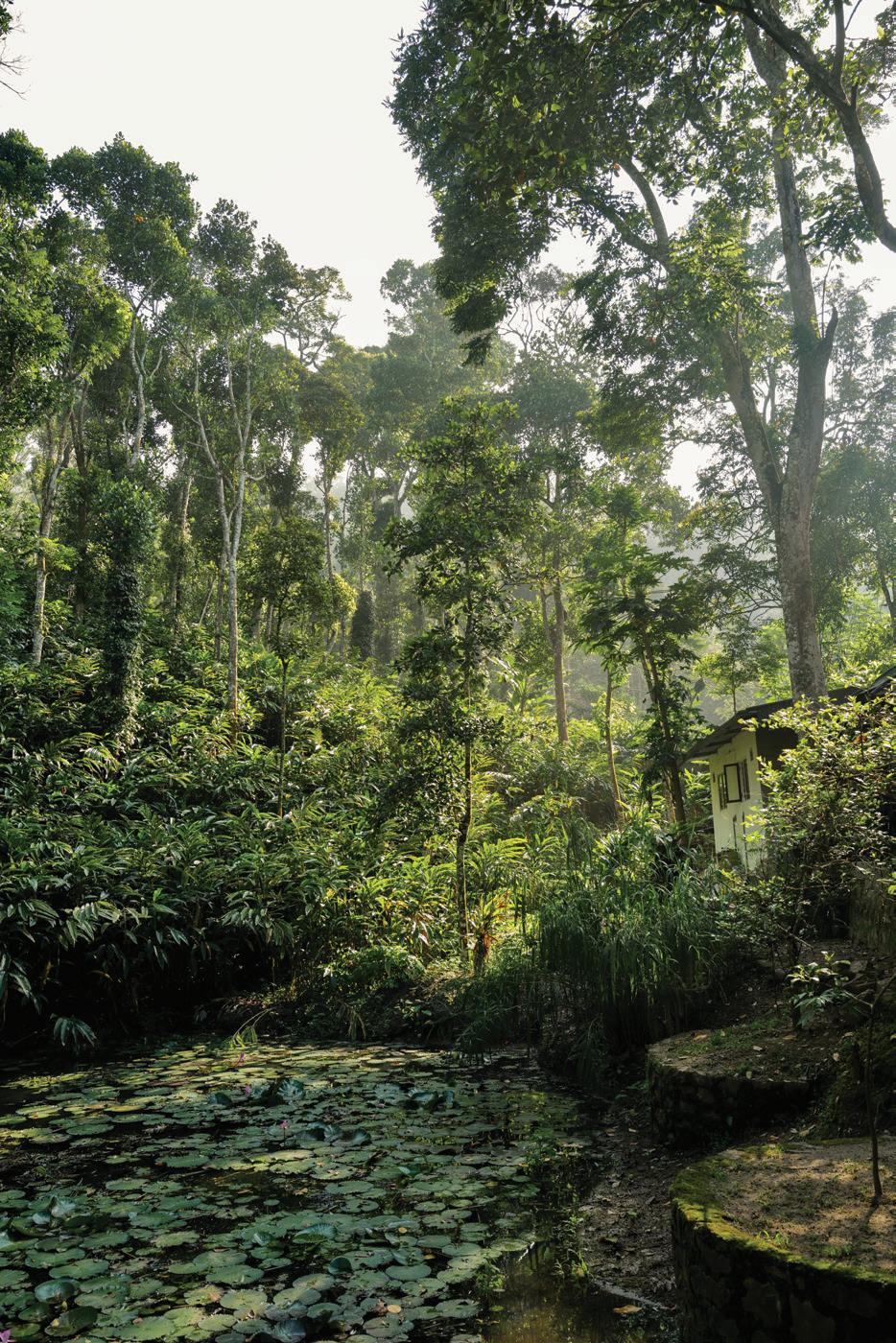
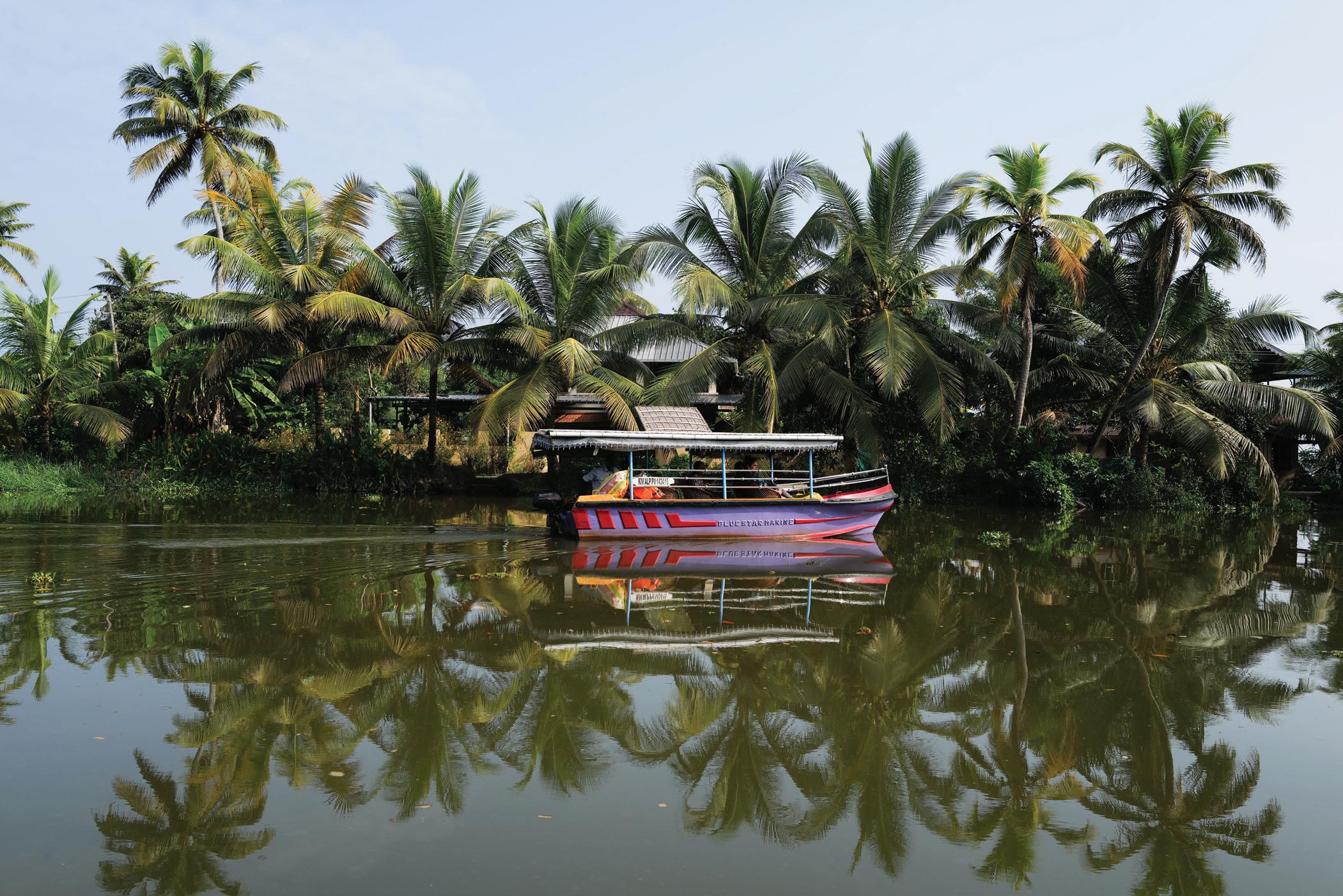
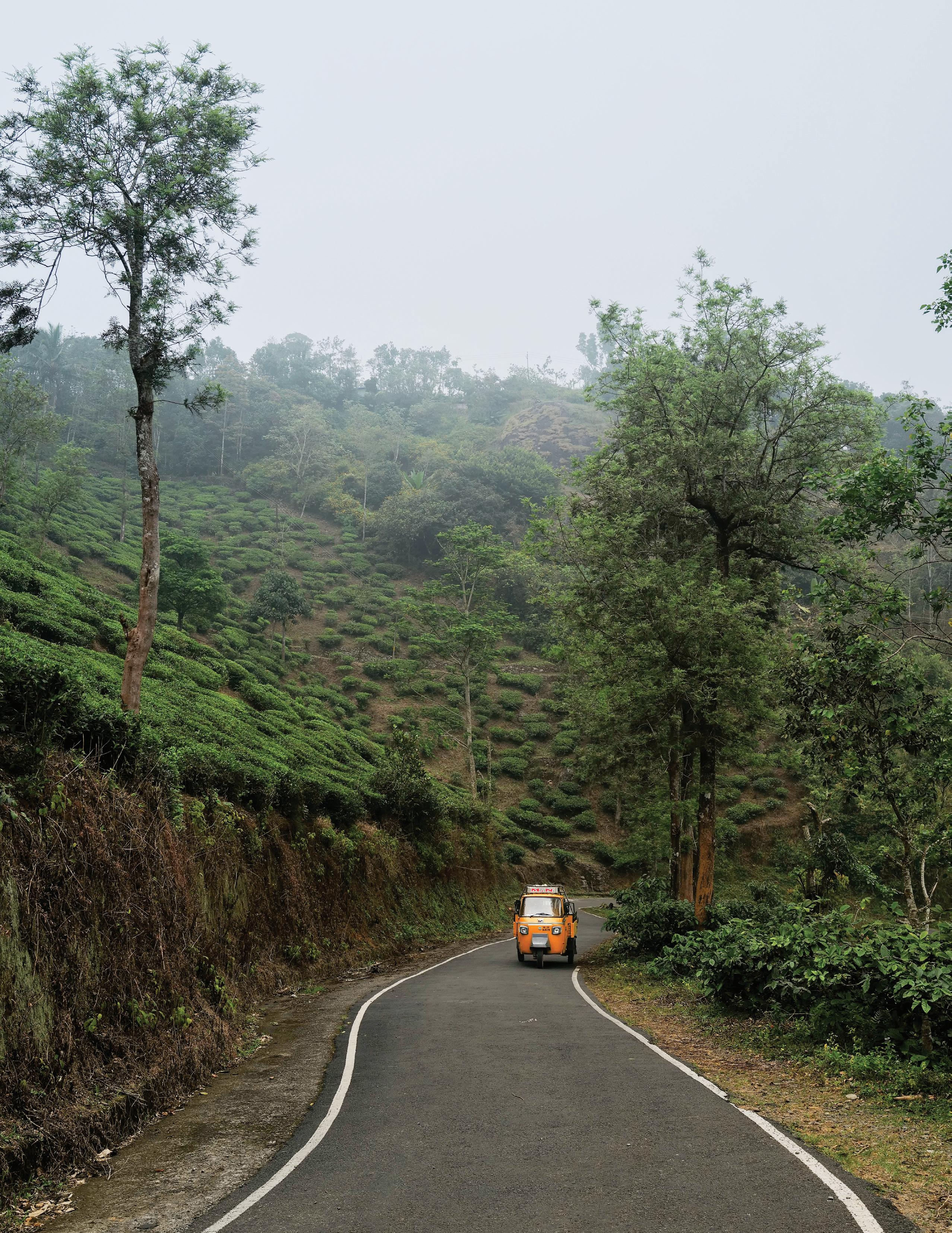
First time Viewfinder author Giulia Olsson takes us off the beaten path on her fi rst trip to India to the virtually unknown State of Kerala. As Giulia explains it, she took a gamble and traded seeing the India we’ve all seen and heard about, “for an abundance of seemingly endless windy roads that lead me to an India I didn’t know existed. It was the India of hazy tea fields, waterfalls, backwater alleys, beaches and sunrises over the Western Ghats.” Giulia has captured some amazing images with her trusty Q2 camera by her side.
Bis Nächste Zeit!
Bill
A LETTER FROM THE PRESIDENT
by DAVID KNOBLE
Aswe prepare to celebrate 100 years of Leica film cameras –fi rst in New York this May and then in Wetzlar in June – I want to take a moment to reflect on the extraordinary journey we’ve shared as members of the Leica Society International. Since our founding in 1968, we’ve had the steadfast support of both Leica Camera North America and Leica Camera AG. Their partnership has been a cornerstone of our community, offering us unique access and opportunities that continue to inspire us as photographers.
Th rough Leica’s generous support, we’ve talked with legendary and emerging photographers whose work sparks our own creativity. We’ve had rare opportunities to engage directly with the engineers and designers who shape the tools we use –deepening our understanding and appreciation of our craft . For those who revere Leica history, stepping into the archives in Wetzlar is like entering a sacred space, where the past comes alive through one-of-a-kind artifacts many never even knew existed.
These experiences bind us. We are united by our shared passion for image-making and the tools that help us realize our vision. Leica gives us not just cameras, but instruments of storytelling – tools that let our unfi ltered creativity render the world around us with exceptional honesty and precision.
Leica has said, “The World Deserves Witnesses.” We are those witnesses. Whether you’re shooting with a screw-mount Leica, a classic M3 or M4 without a meter, the state-of-the-art M11 with content credentials, the versatile Q3, or the full-frame mirrorless SL that adapts to nearly any lens ever made, you are empowered to make your vision permanent.
All it takes is pressing the shutter.
So share what you see. Whether through WhatsApp, Instagram, a Viewfinder article or a carefully printed image held in your hands, share with us your view of the world. We are photographers—and as Leica looks to its next 100 years, let us continue to contribute images that matter, images that resonate. Ask others to join us and have the unique opportunity to be a member of Leica Society International.
During this incredible time, I am honored to be your President.
David
President, Leica Camera North Americ
Dear A LETTER FROM MIKE GIANNATTASIO
Leica Society International Members, Th is year marks a momentous occasion in the history of Leica – a century of pioneering craft smanship, innovation, and an unwavering commitment to the art of photography. As we celebrate Leica’s 100th anniversary, I want to extend my deepest gratitude to you, the members of Leica Society International, for your passion, dedication, and shared love for the Leica experience.
Since the release of the Leica I in 1925, our cameras have not only redefi ned photography but have empowered generations of photographers to capture the world with unmatched precision and artistry. Over the past century, Leica has remained steadfast in its mission: to blend mechanical excellence with a profound respect for visual storytelling. Today, as we look ahead, that same spirit of innovation continues to drive us forward.
Leica Society International embodies the very heart of this legacy. Your commitment to the Leica community – through your knowledge, creativity, and advocacy – has been instrumental in preserving and advancing the values that make Leica so special. Whether you are capturing decisive moments, exploring the nuances of light and composition, or simply sharing your experiences with fellow enthusiasts, you are part of a tradition that spans generations.
Th is milestone is not just about Leica’s history – it is about all of you who have made it possible. As we celebrate this anniversary with special events, and limited-editions, I invite you to reflect on your own Leica journey. Every frame you capture adds to our shared legacy, proving that photography is more than an image – it is a story, a memory, a moment that matters.
Thank you for being an essential part of the Leica family. Here’s to 100 years of seeing the world through a Leica lens – and to the next century of inspiration.
With appreciation,
Mike Giannattasio
President, Leica Camera North America
Professor Dr. Ludwig Bergmann
Leica 1A “Anastigmat” Camera No. 166
“Demonstration Model”
by ALAN STOKES, SCOTLAND
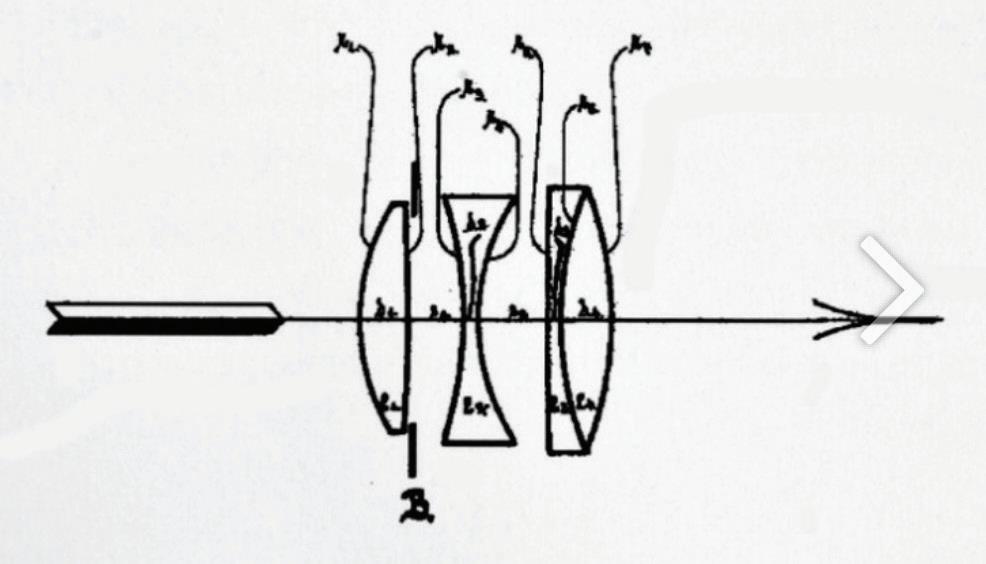
In1920, Professor Dr. Max Berek (head of the Scientific Department at Ernst Leitz, Wetzlar) designed a 4 element in 3 groups “Leitz Anastigmat” lens “for internal use” [1]. It is believed at least two samples were manufactured, and Patent No. 343086 for this lens was submitted in October 1920. However, this lens proved to be of unsatisfactory performance and was later redesigned again by Professor Berek in 1922, but now as a 5 element in 3 groups lens.
It is not known what was unsatisfactory about the original “Leitz Anastigmat” 4-element design from 1920 and no examples have survived (Figure 1, Following Page), but the redesigned 5element lens of 1921/22 must have been superior in performance, although it would have to be more expensive to manufacture due to its more complex 5 element in 3 groups optical configuration.
In January 1925, deliveries of the “Leitz Kleinfilm-Kamera” cameras started, following on from the successful test period in 1923/24 of “Null Series” pre-production test cameras. The initial delivery of these “Leitz Kleinfilm-Kameras,” which were to be renamed in January/February 1925 as “Leica” cameras, were fitted with the same 5 element in 3 groups “Leitz Anastigmat” lens as designed by Professor Dr. Berek in 1922.
The “Leitz Anastigmat” lens that is fitted to the first 150 cameras (serial numbers 126 – 275 approximately, manufactured in 1924) were renamed as a “Leitz Elmax” lens in late 1924, whilst still retaining the same 5-element in 3-group optical configuration. This “Leitz Elmax” lens was named after Ernst Leitz and Professor Dr. Max Berek.
In October 1925, the “Leitz Elmax” lens was replaced with the legendary “Leitz Elmar” 4 element lens, which had been designed by Professor Dr. Berek in 1925. This would have been a more cost effective lens to manufacture with an improved optical performance. The optical design change also incorporated a change of name to “Elmar” due to trademark issues with the “Ermax” name used by Ernemann, a competitor of the Leica camera.
These very first production Leica 1A cameras, with serial numbers from no 126 – 275 (approximately), are referred to by Leica historians as “Anastigmat” cameras. They are historically significant cameras and highly sought after by Leica collectors. These are essentially the first series production Leica 35mm cameras.
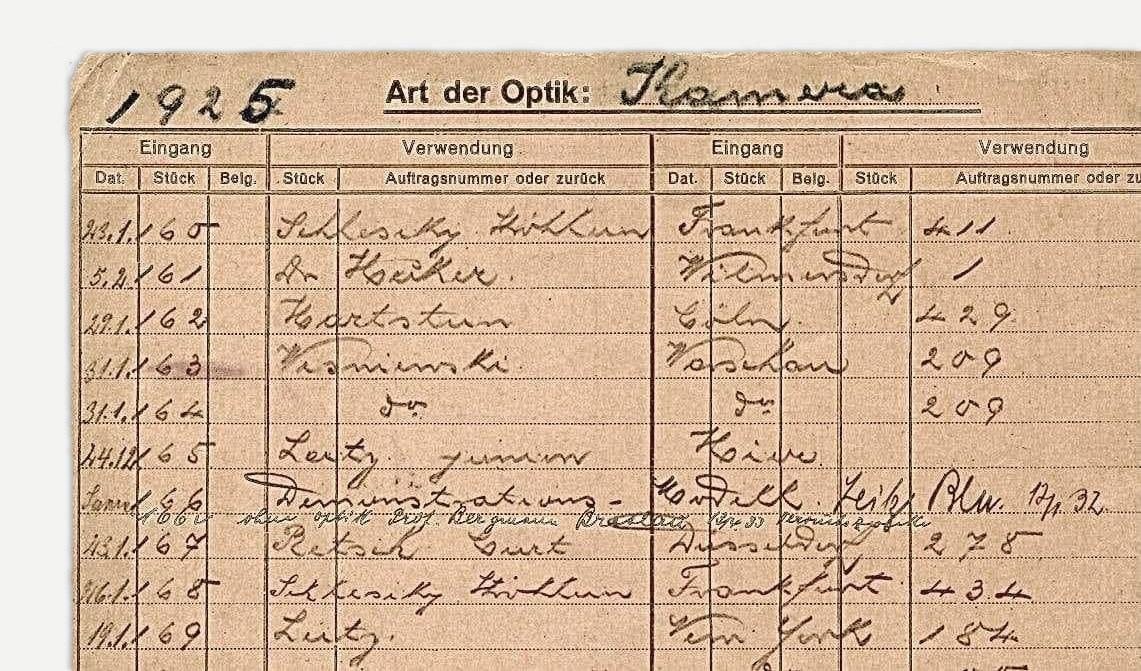
As early customers took delivery of their Leica 1A “Anastigmat” cameras, it was decided at the Leitz factory to retain a camera from this initial production batch of 150 cameras. This is recorded in the Leitz “Kamera” delivery register dated 1925 against camera serial number 166, “Demonstration Model,” with a later additional note added “without optics for experimental purposes Professor Bergmann, Breslau 13/4/33”.
It would appear from the Leitz “Kamera” delivery register that this camera was retained at the factory for “Demonstration Model” internal use. Normally on the Leitz “Kamera” delivery register it
would show a shipping date, recipients name & location, together with an order number, but the record against camera 166 does not have any such shipping information. Camera No 166 stayed at the Wetzlar factory for demonstration use until the 12th January 1932, when it was then shipped to the Leitz agency in Berlin. In the early 1930’s, the original Leica 1A camera was replaced with newer models with more advanced technical features, so possibly the requirement for this older camera as a “Demonstration Model” was no longer required? (figure 3)
Prior to its shipping in 1932 to the Leitz agency in Berlin, the factory service records show that in October 1928 camera number 166 required some work at the service department and also again in September 1930 additional work was carried out. It is not clear what work was carried out during these visits to the service department, but the camera as it stands today has a later “Leitz Elmar” 4 element lens fitted and has been updated from the original factory specification of 1925. This may have been done to update the camera to the 1930’s camera specification, which would make the camera more appealing for sale to a prospective customer? (figure 4)
On the 13th April 1933 camera 166 was then shipped to Professor Dr. Bergmann, Breslau, Poland. He would go on in his later career to work at Ernst Leitz, Wetzlar as detailed below.
Ludwig Bergmann was born in Wetzlar and was the son of a Wetzlar factory owner. [2] In 1916 he started studying Physics and Mathematics at the University of Giessen. From April 1917 – February 1919 he served in the army and following this he continued his studies at the University of Giessen.
Figure 1 - 4-Element Anastigmat (1920 optical configuration) designed by Professor Dr. Max Berek
Figure 2 - Max Berek (left) & Ludwig Bergman (right).
Figure 3 - 1925 Leitz delivery record.
Figure 4 - Factory service records, October 1928.
From April 1923 – April 1925 he was employed as an engineer at the German company Telefunken in Berlin. In 1927 he moved to the University at Breslau, Poland and became an associate professor in 1932.
In June 1945, he returned to Wetzlar from Breslau and began work at Ernst Leitz Wetzlar as Deputy Head of the Scientific Department to Professor Dr. Berek (who had originally designed the 5 element “Leitz Anastigmat” lens).
In October 1949, Professor Dr. Berek passed away, and his Deputy Head Professor, Dr. Bergmann took up his post as Head of the Scientific Department. Ludwig Leitz was the senior manager in charge of the Scientific and Technical departments at Leitz, Wetzlar.
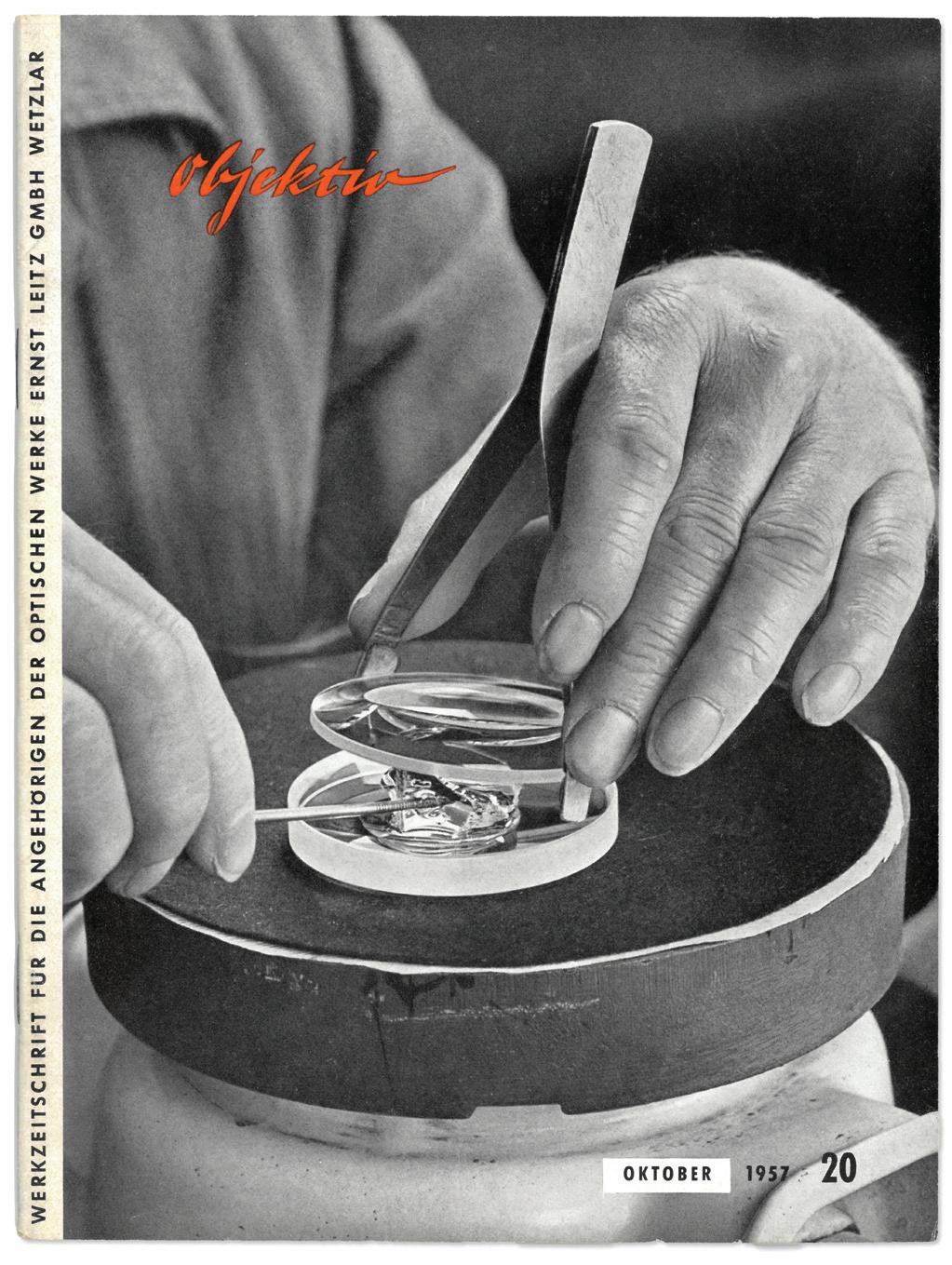
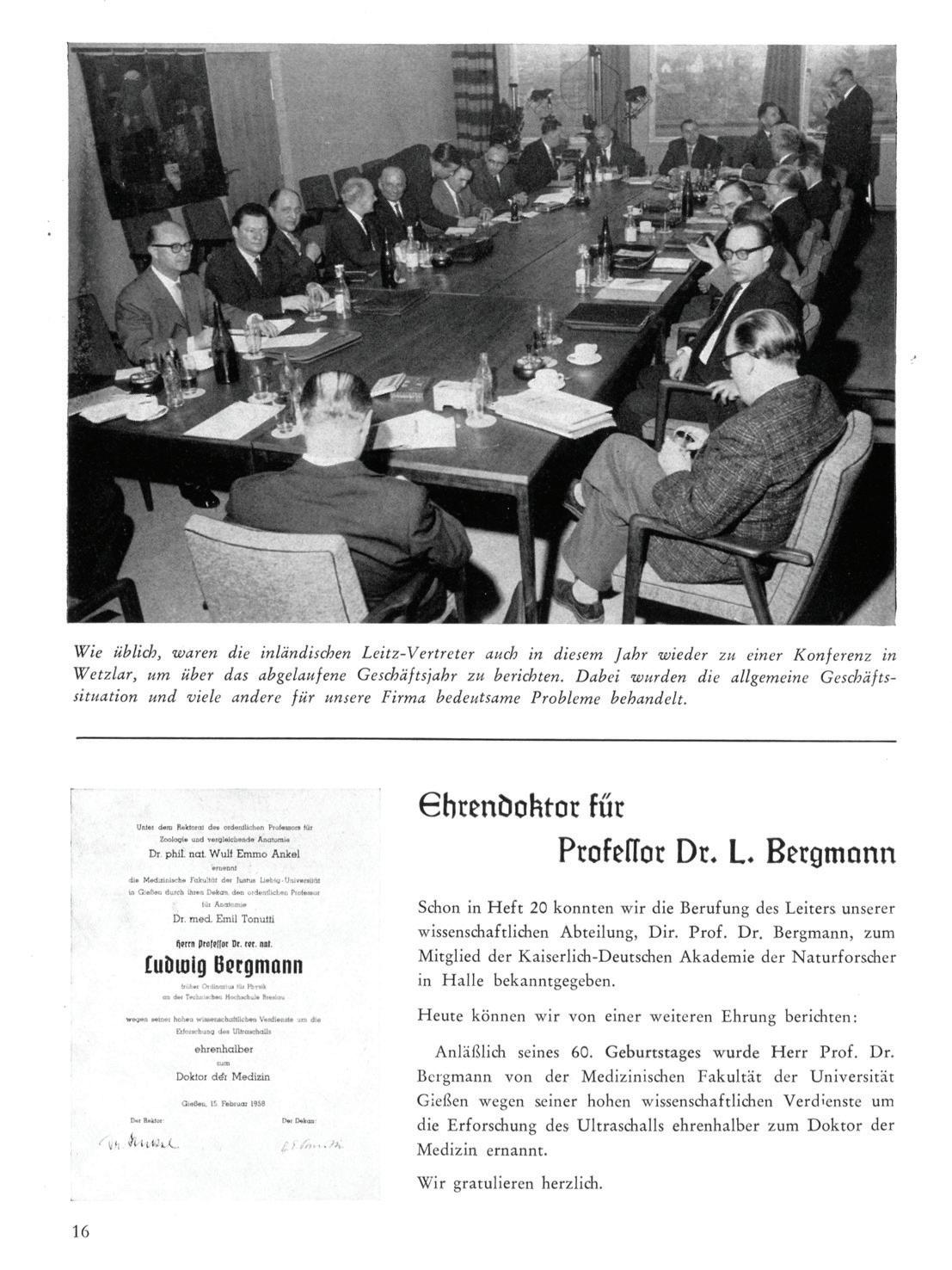
In the October 1957 Number 20 issue of the Leitz internal magazine “Objektiv” it was announced that “Professor Dr. Ludwig Bergmann received an award. “The Imperial German Academy of Natural Scientists has appointed him as its member in recognition of his outstanding research.” (figure 6)
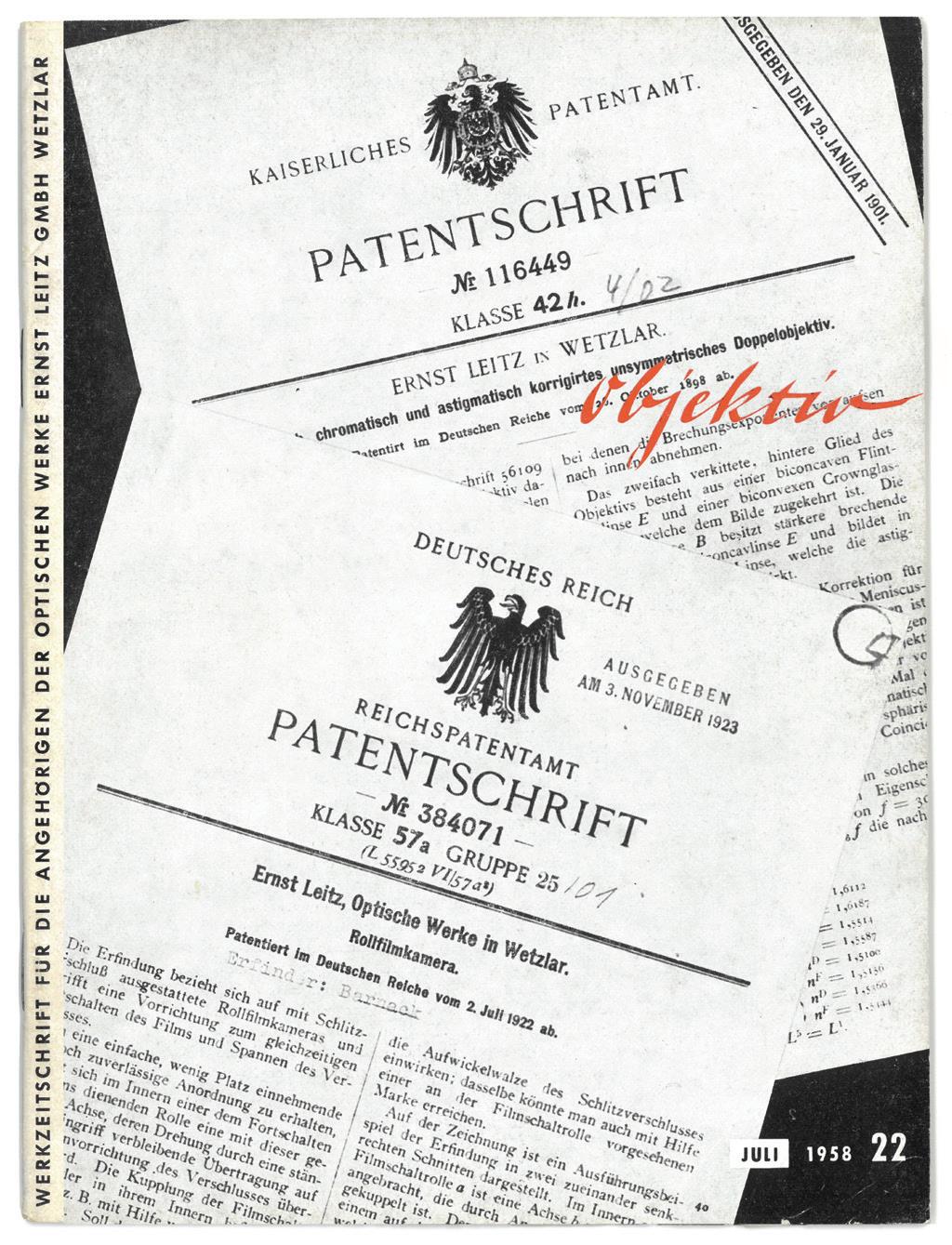
In the July 1958 Number 22 issue of the Leitz internal magazine “Objektiv,” it was announced that “on the occasion of his 60 th birthday, Professor Dr. Bergmann from the Medical Faculty of the University of Giessen, because of his high scientific merits in the research of ultrasound, was honored as Doctor of Medicine.” (figure 7)
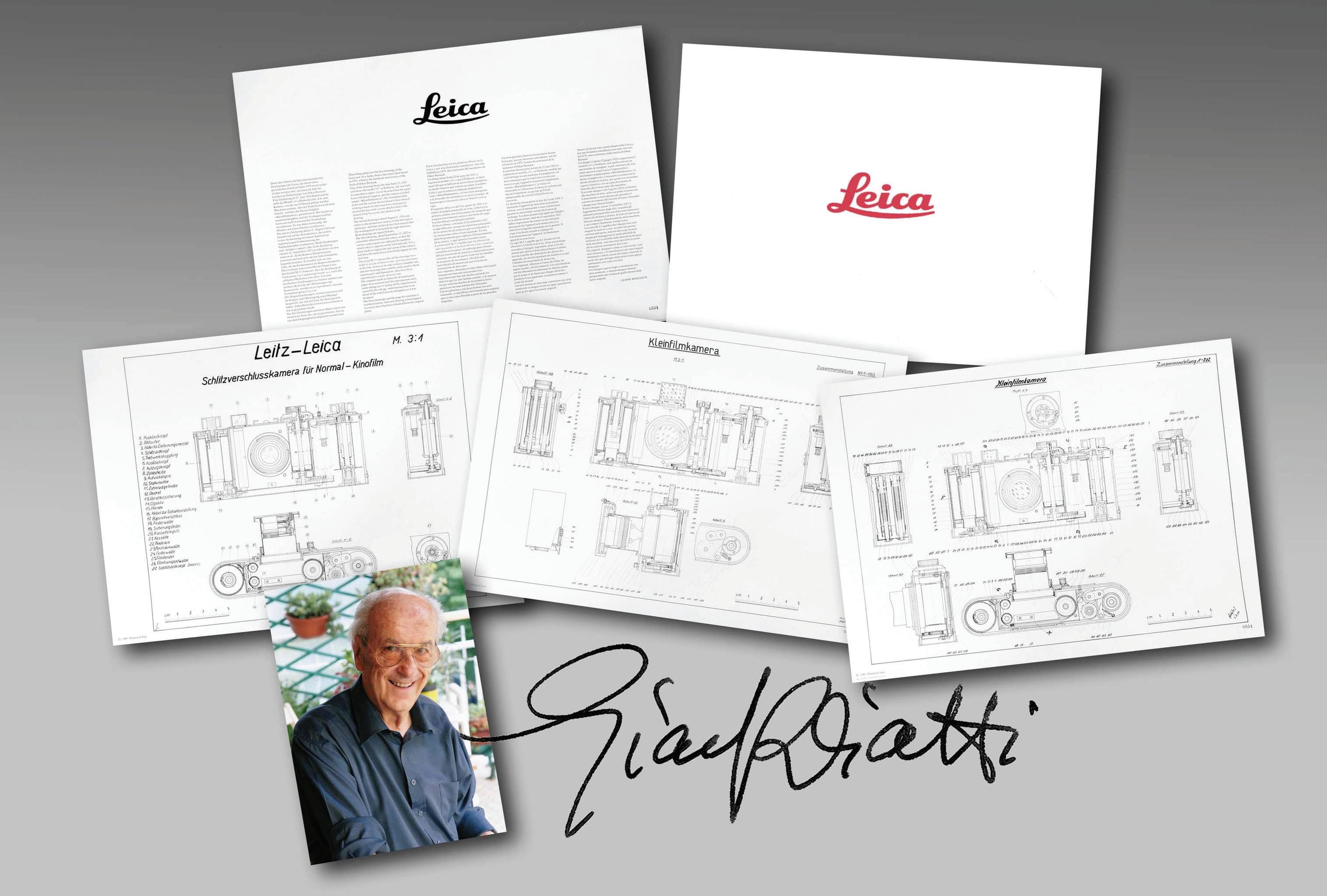
Following on from the death of Professor Bergmann in September 1959, “Anastigmat” camera No 166 whereabouts is not documented, but many years later the camera came into the possession of the renowned Leica author & collector Gianni Rogliatti and upon his death to its current owner (an Italian Leica collector). (figure 5) [3]
Notes: [1] – Ernst Leitz II (1933) [2] - Hans Franz Rudolph Ludwig Bergmann (born 15th February 1898 – 16th September 1959) [3] – Gianni Rogliatti (1929 – 2012) renowned Leica collector and author of many Leica books and publications, he was also a highly respected motoring journalist with a passion for Ferrari cars. My sincere thanks to Fabrizio Pangrazi for his assistance with this article.
Figure 5. Gianni Rogliatti (Leica historian & author)
Ihad always imagined that my first trip to India would be to explore the many places printed on the ads I grew up looking at: the Taj Mahal, the busy streets of Delhi, the pink shades of Jaipur, or even the Himalayas. But my first trip there turned out very differently from how I had envisioned it to be.
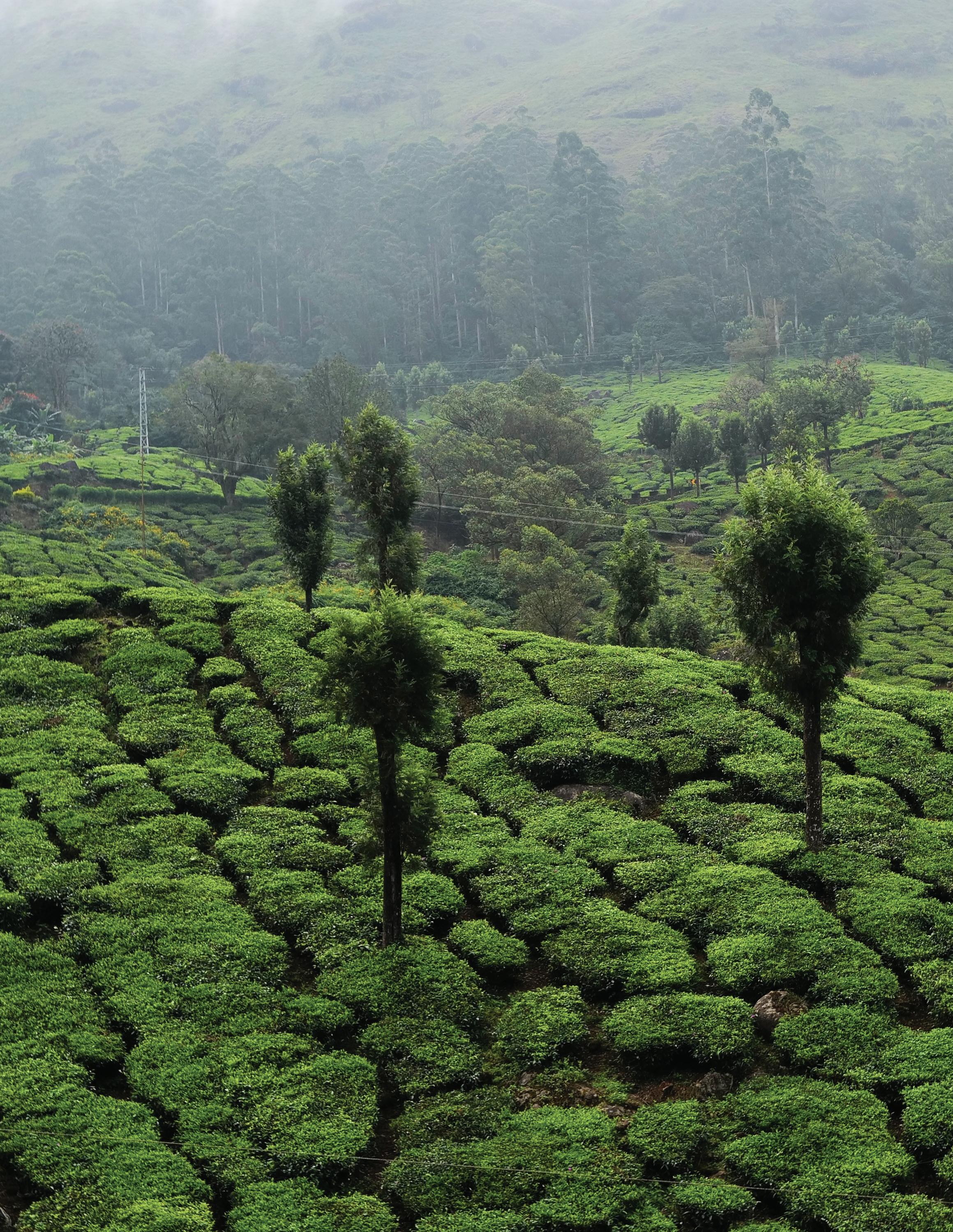
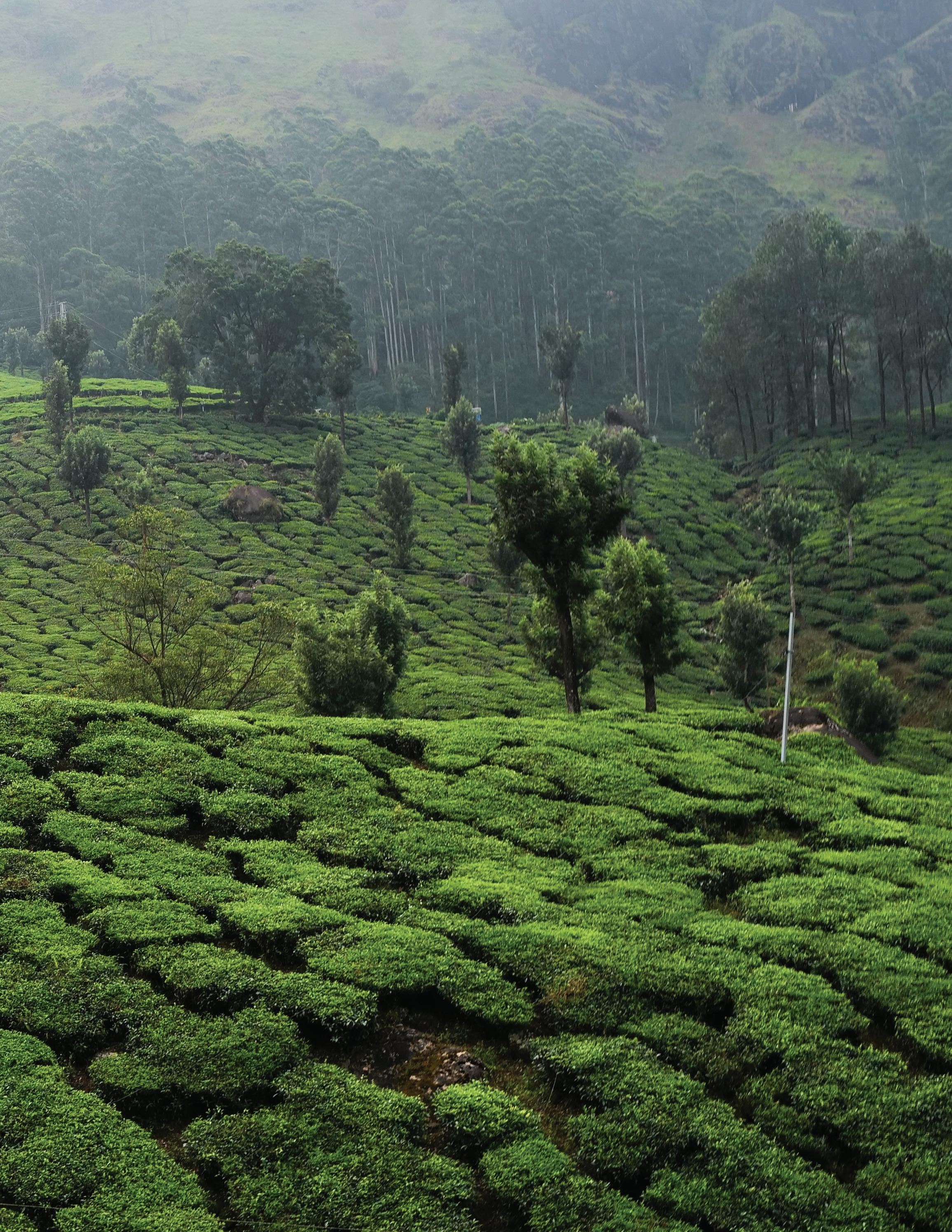
I took a gamble and traded the impressive, intricate monuments and dense cities that I heard about for so long for an abundance of seemingly endless windy roads that led me to an India I didn’t know existed, but that I was eager to explore with my Leica Q2. It was the India of hazy tea fields, waterfalls, backwater alleys, beaches, and sunrises
over the Western Ghats. I wanted my first trip to India to surprise me, so Kerala it was.
Kerala, affectionately known as “God’s Own Country,” seems to be a southern Indian state that has remained a mystery to foreigners, despite its colonial upbringing. When I shared with friends that I was heading to Kerala, many asked me where I was going. Throughout my ten-day tour that I shared with my mother, I could probably count on one hand the number of foreign tourists we saw. Locals were much more aware of the secret that is Kerala’s beauty, and some local families told us they had been waiting years to accumulate enough time off to see everything the area had to offer. Young honeymooners from Indian states nearby also flocked there, reinforcing my opinion that this was the right place to be for an introduction to India.
Only the 21st largest Indian state by area, Kerala holds its ground as a giant. Slotted between the Arabian Sea and the Western Ghats Mountain range, the state is divided into three climatically distinct regions: rugged mountain terrain, spice-and-tea-covered rolling hills, and coastal plains in the west.
Kerala’s coastal belt can be characterized as a complex, slowmoving network of interconnected canals, lakes, estuaries, and rivers, nicknamed the Kerala Backwaters, that are home to houseboats and green paddy fields. We had the fortunate experience of spending two days on the backwaters on a houseboat, observing the active wildlife, fishing, rice transport, and the movement of the 38 rivers within that body of water. In the hill station of Munnar, located in the Western Ghats Mountain range, we found tea plantations and wildlife sanctuaries; the plantations were endless, carpeting hillsides in many different shades of green.
Munnar felt like a dream, and as the fog rolled over the valleys every morning, I couldn’t help but feel an overwhelming amount of gratitude for the landscape we were witnessing and how it changed during the day with different amounts of light.
The UNESCO-protected city, Fort Kochi, pays homage to Kerala’s past as a major spice exporter. Foreign intervention in Kerala is recorded back to 1498, when Portuguese explorer Vasco da Gama landed in Kerala and began dominating commerce. Until the early 1800s, Kerala was ruled by the Portuguese then the Dutch, until the British Madras Presidency. India gained independence from British rule in 1947, and the modern state of Kerala was only formed in 1956.
Fast and responsive with an excellent autofocus, the Leica Q2 was the perfect companion for my drive through this beautiful region.
I could react quickly to my surroundings while not compromising quality. The Q2’s 75mm crop addition was also extremely useful during the trip; I captured sunsets and a lot of Kerala’s wildlife at a distance.
One place can rarely fulfi ll everything we’re looking for when discovering a new location, but Kerala’s beaches, tropical greenery, forests, and mountain ranges solved the conundrum many photographers face when choosing a destination — where to and for what type of work? There is no necessity to prioritize there.
The serene region’s layered landscape has it all, and most importantly, it is fi lled with the interesting subjects we’re always looking for to narrate our frames and tell the stories of an interesting time spent in a new place.
ANTARCTICA
MY FIRST JOURNEY TO THE LAST CONTINENT
by DAVID KNOBLE
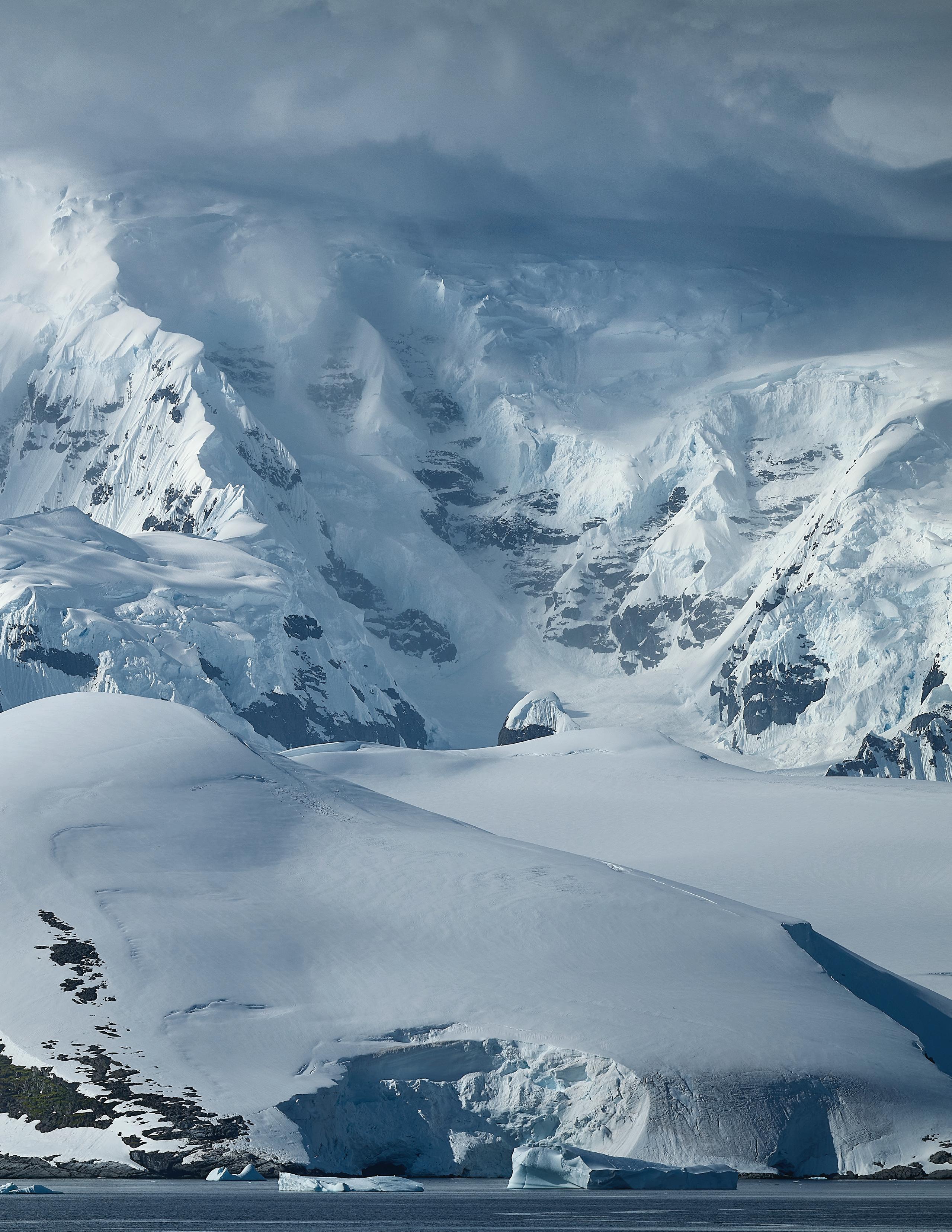
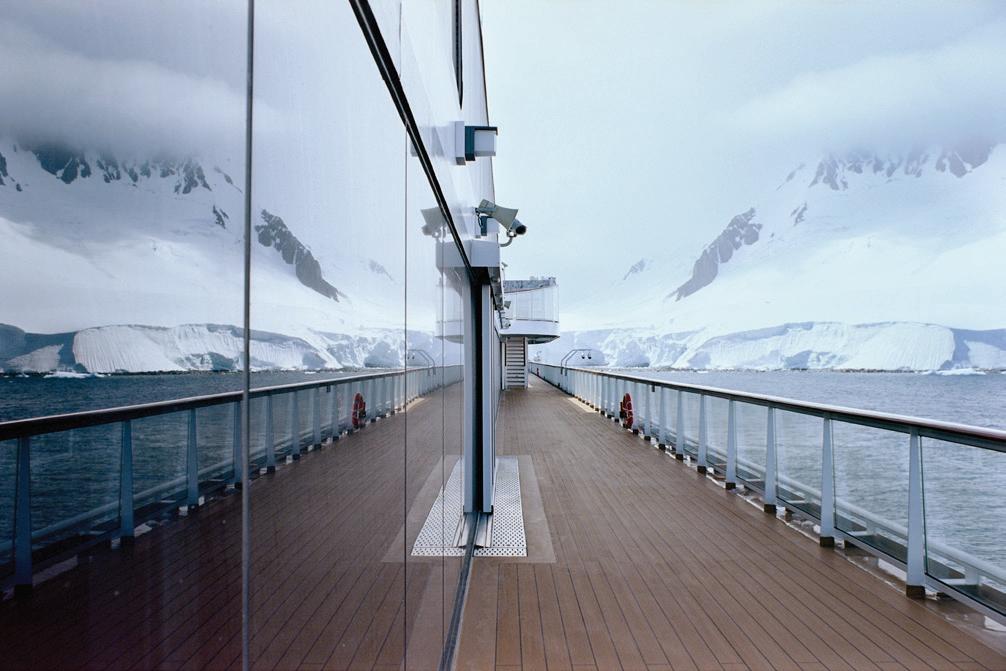
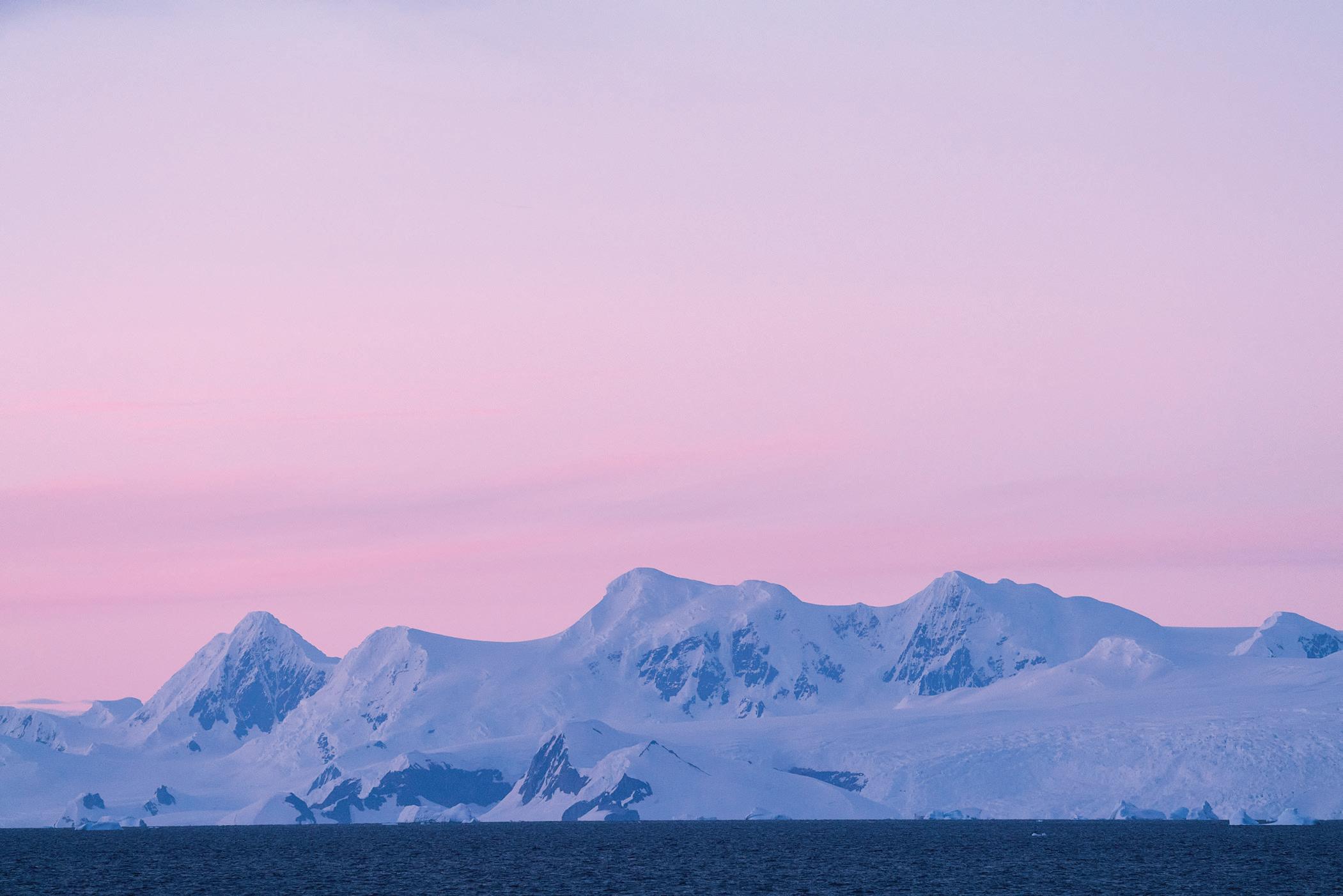
MYfirst view of Antarctica was off the bow of the Viking Polaris. Ice stretched almost endlessly in front of me. The smooth snow dripping off the landscape was interrupted by inky black rocks on distant peaks and blues from ancient glaciers floating before me. The only sound was the incessant wind snapping the flag on the bow of our ship. I had dreamed of this moment for almost a year - standing at the world's end, ready to capture its untouched magnificence. And yet, photographing ice climbing in Alaska glaciers and moss-covered volcanoes in Iceland still did not prepare me for this experience, and reflecting back, I doubt anything would.
THE SOUTHERN SEA Two days of long flights to Ushuaia, Argentina, made for a long beginning, but the excitement of what was to follow made it all worthwhile. We left one of the southernmost cities of the world through the Beagle Channel, then south through Cape Horn on our way to the Southern Ocean. The Atlantic, Pacific, and Indian Ocean waters feed into it and the temperature differences, west winds, and the earth's rotation cause them to circle forcibly as if in a blender, producing enormous waves. The formal term is the Antarctic Circumpolar Current and because
nothing is in its path to resist the powerful waters, crossing the Southern Ocean is classified as one of the most treacherous nautical voyages on the globe.
“I
had dreamed of this moment for almost a yearstanding at the world's end, ready to capture its untouched magnificence.”
It took us an evening and all night to get through these violent waters in an area called the "Drake Passage," named after Sir Francis Drake who was the first to navigate it. The water here has waves that can crest over 40 feet. Our trip through was classified as relatively calm with only 12-foot waves! I was still awed by the wind chopping off the tops of the waves and whisking them behind us as the ship rocked back and forth like the pendulum on a grandfather clock. I imagined what Ernest Shackleton saw on
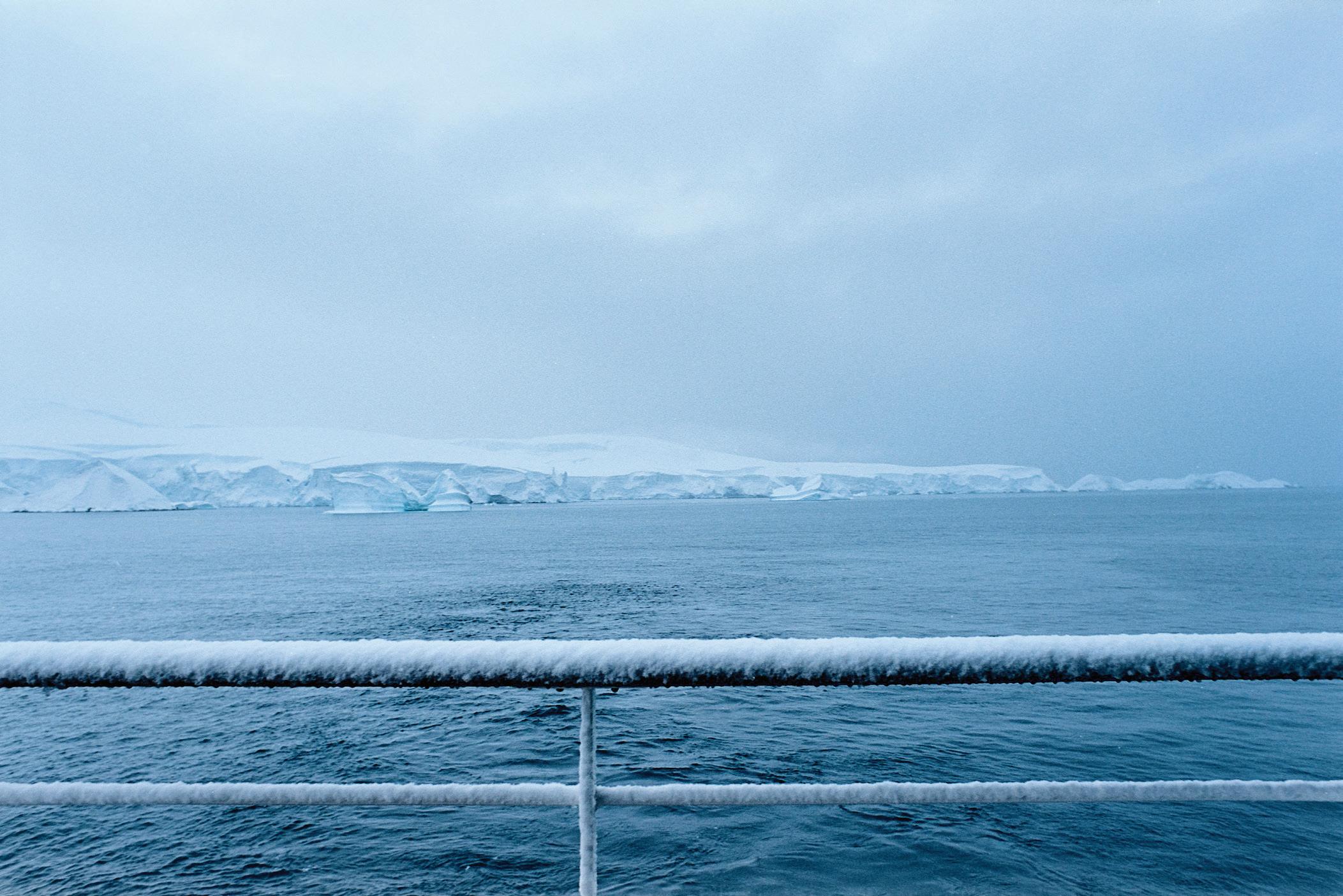
Leica R9 + 28m f/2.8 v2, Portra 160.
the bow of the Endurance as he later wrote about 100-foot waves slamming into his ship at 50 miles per hour. If there ever remained a question of who was in control, this was the exclamation point that it was nature and not man.
The next morning was our first calm moment, and I went to the bow of the ship before breakfast for our weather reading. I grew up in the cold winters of the Appalachian Mountains, splitting wood for wintertime warmth to heat my childhood home. Even then, going outside on this morning with half my winter coat and no gloves or hat was a rookie mistake. The icy chill smacked my uncovered ears and cramped my hands within minutes. I quickly went back inside and donned my second coat, my Varma wool hat, and my gloves, never leaving the confines of a warm ship without them again!
Our ship doubled as a science vessel, and our morning weather reading also consisted of submitting cloud images through NASA’s program called GLOBE Observer while a satellite flew overhead. Using an iPad, we took photographs of the cloud cover from underneath while NASA took photographs from overhead. A day or two later, I got an email showing all the images. This concept is called “Crowd Science” because we provide data otherwise not obtained, and it was one of many ways I participated in studying the Antarctic region during my voyage.
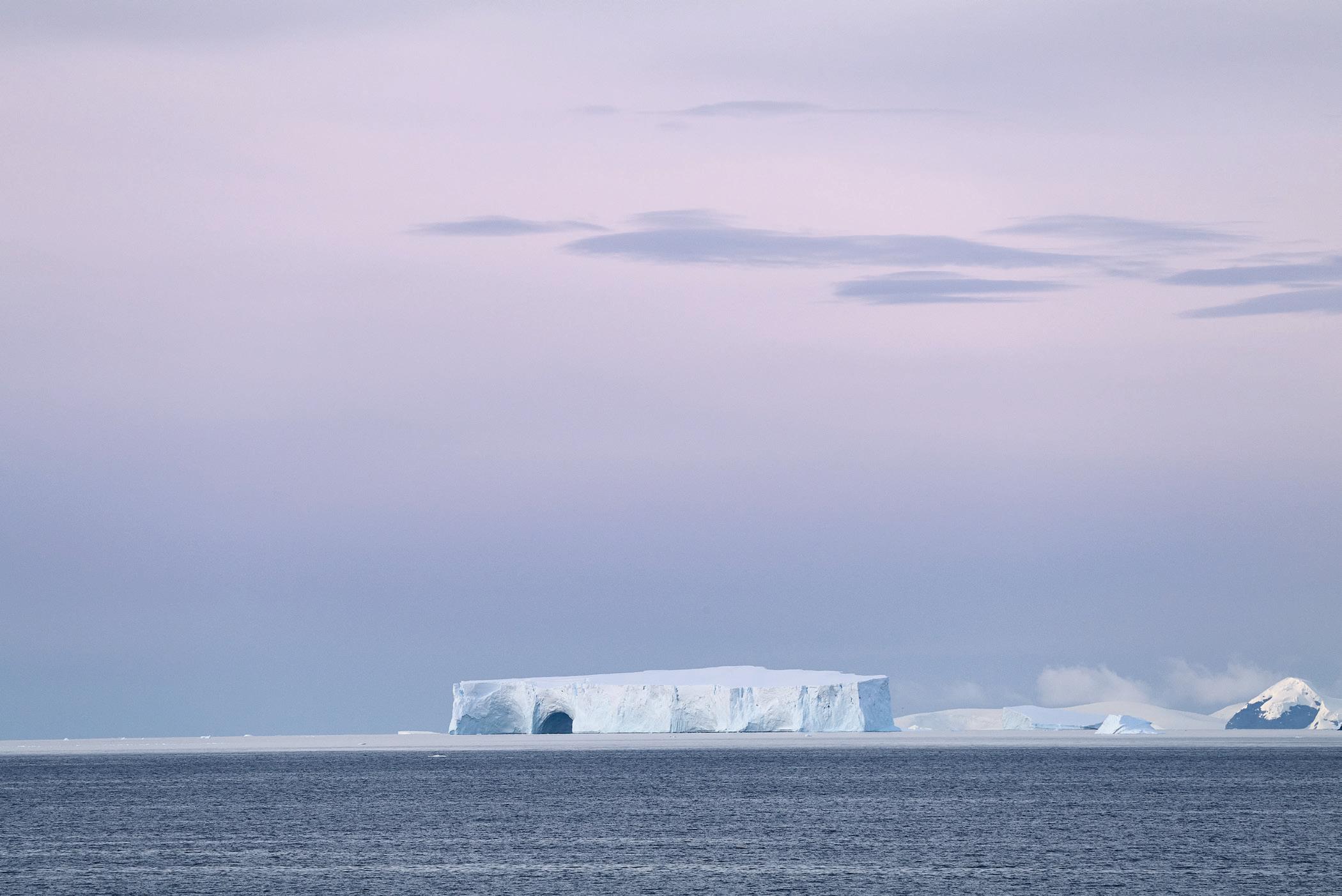
FLOATING MUSEUM OF MODERN ART Days are long at the summertime poles with 18-20 hours of sunlight and bright twilight. Losing track of time is easy. As our ship plunged further south, the first icebergs lumbered into view. Some were bigger than a city block, and I could envision a small town resting atop the long, flat expanse. Yet, others no bigger than a small automobile bobbed up and down in rhythm with the waves.
I'm not sure who was more excited, me or my SL2! Carrying both my bags on the airplane meant my packing space was limited. I brought my SL2-S Reporter and my SL2 coupled with only two lenses - the Leica SL Vario-Elmarit 24-90 f/2.8-4.0 and Leica SL APO Vario-Elmarit 90-280 f/2.8-4.0. I couldn't fathom coming home without some negatives of Antarctica, so I also managed to squeeze in a Leica R9 with the Leica R Elmarit 28mm v2, APO Summicron 90mm, and an APO 2x tele-converter. I loaded up with color film, slide film, black and white film, and a monopod that fit in my bag.
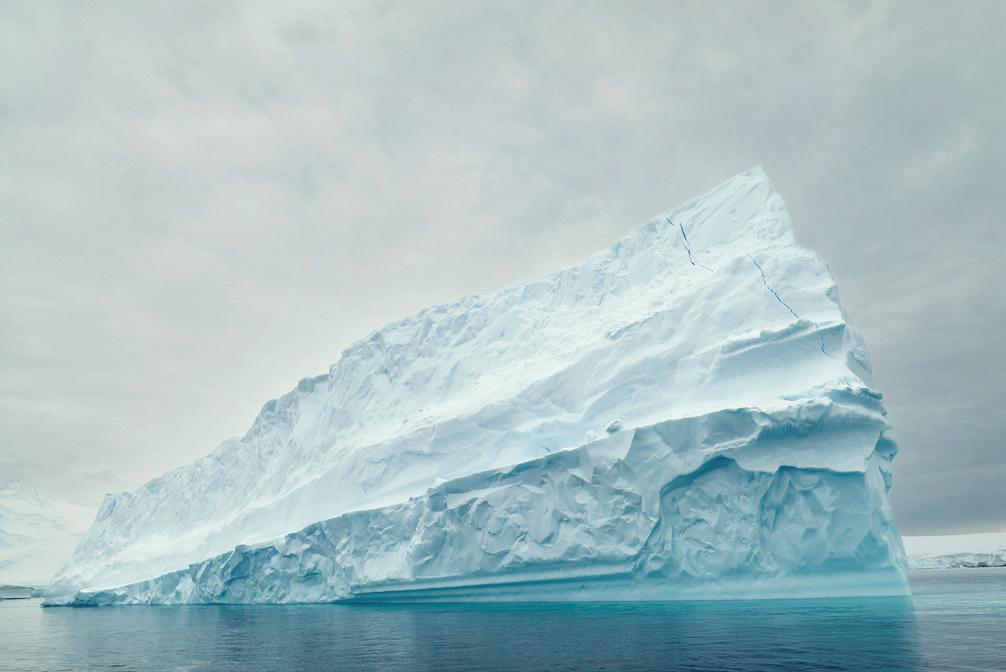
Icebergs are interesting characters, shy and silent, floating by, taking their own time. But their creation is far more dramatic. Large flat ice can break away from the ice shelf or fall from heights of 100’s of meters. They float in the currents, flat on top. Yet, over time, they erode underneath from the sloshing of the salty Southern Sea where 90% of the ice remains hidden from view. It’s as if nature is creating her canvas and will not let you look until she’s
finished. Icebergs flip over when the center of gravity changes just enough, bringing the concealed bottom to view. Like a flower opening for its final show of beauty, each one becomes a unique artwork of sculpture. The younger the iceberg, the flatter the top, the older the iceberg, the more intricate the design.
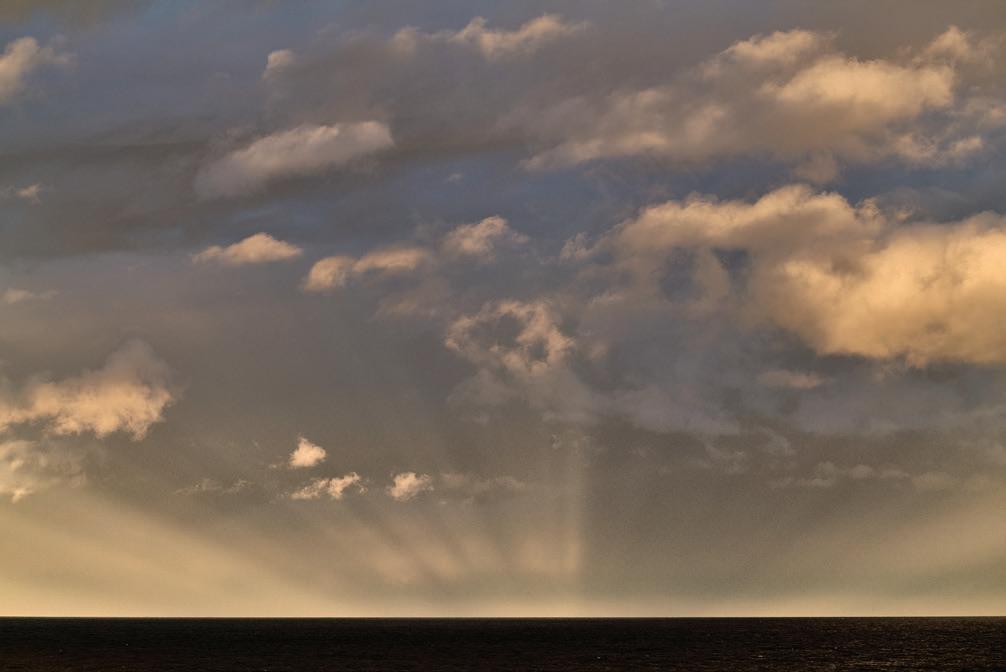
As the sun set, the clouds surrounded odd sunbeams spreading over the horizon. We had not seen land yet, but the next day we would, amid the pounding of a snowstorm. Growing up with mountain winters made a snowstorm in Antarctica seem like a reasonable occurrence, except that Antarctica is a desert. She receives only inches of precipitation each year on the coast. In fact, the precipitation averages 166 millimeters per year! Not only was that astounding to me, but it meant I was looking at thousands of years of accumulation in front of me. This would be our first day to leave the ship on an expedition.
“I'm not sure who was more excited, me or my SL2!”
Both Images Above: Leica SL2 + 90-280mm APO-Vario-Elmarit-SL
KID IN A CANDY STORE Growing up, I can still remember my mother giving my brother and me each a dime, and we would buy ten pieces of assorted candy from the glass dishes at the counter of our general store. The same excitement was plastered on my face as we boarded our Zodiac from down in the bowels of the ship. It did not matter that snow and ice were piling up on us, and as I looked around, we all shared the same grin. Leica has done a stellar job in the arena of weather sealing for the SL system, and I regularly put mine to the test. As others shielded their systems under their coat, I would jump at the opportunity to lay down on the bow of the Zodiac for support and let my lens pull in some of the dramatic moments.
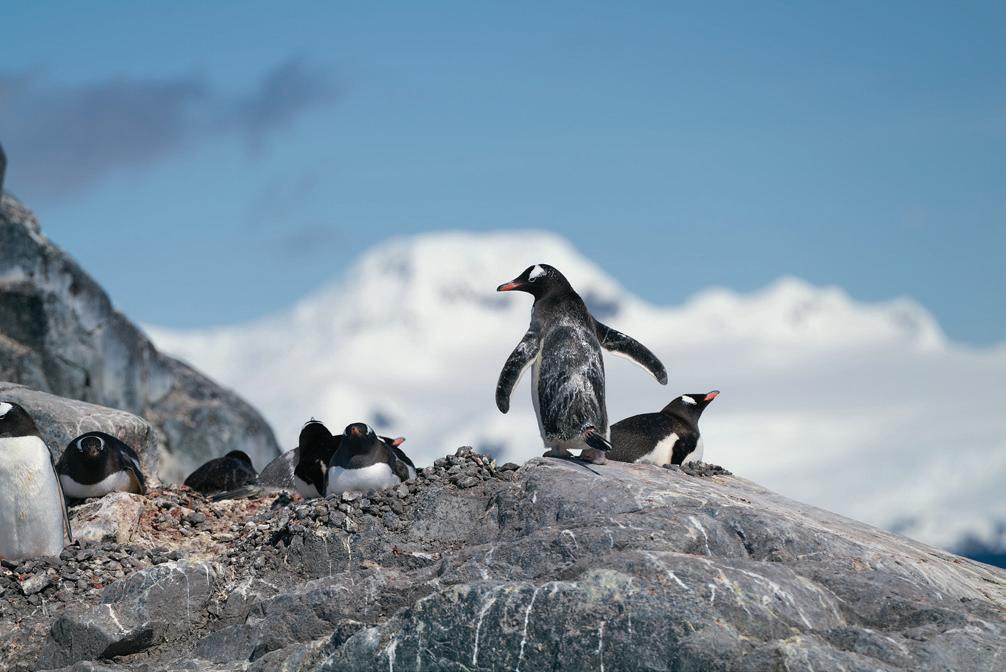
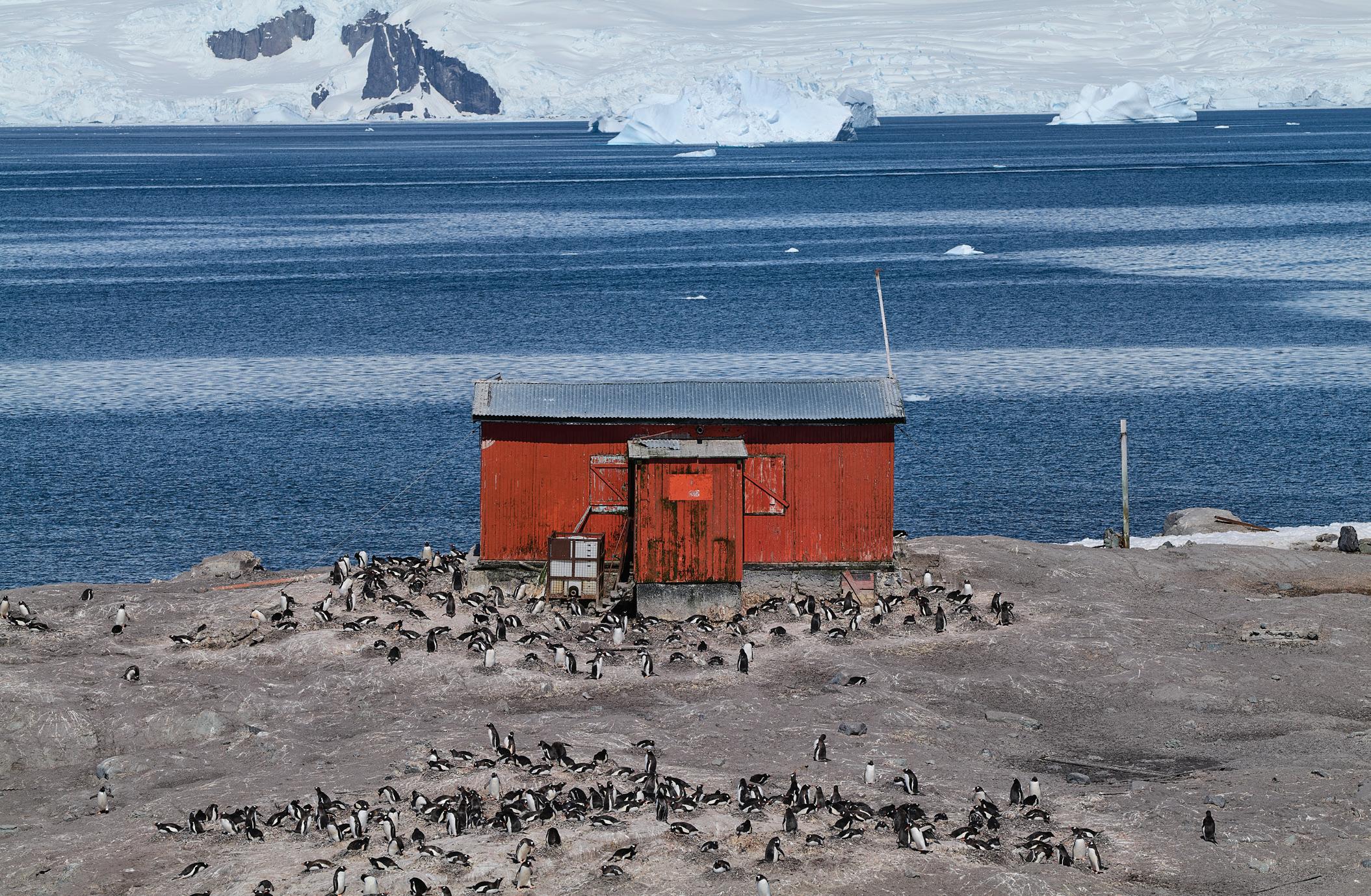
When I’m in any new and incredibly beautiful location, my brain slows down, and I can see more as time goes on. Each day was fresh with new flavors of candy, which stimulated creative thoughts through my lens. Seeing colonies of Gentoo penguins was one such treat as the ship slowly came towards Danco Island at 64.44’ S by 62.37’ W, where we exited the Zodiac. This was one of our southernmost points and nearly 2 degrees from the Antarctic Circle.
Penguins are fun! They seem to have not a care in the world as they flop around side-to-side with their short, stubby legs, laying down and thrusting up hills of snow and ice with their flippers. Like playful children, penguins will light up a smile on anyone’s face. Watching them in the wild are moments I’ll never forget.
Penguins in Antarctica have no clue we are human. In fact, they have seen so few humans that they don’t perceive us as dangerous. They may simply ignore us or stop and try to have a conversation with us, eventually giving up and going on about their business. As I walked up the path our guides cut in the deep snow, I was greeted by a Gentoo that decided he liked our path better than his own. I was in the lead, and there was a group 30 meters ahead of me that had turned around to watch this particular penguin. Without a care in the world, he just waddled down towards me, not slowing even as I pulled up my camera and began rapidly firing the shutter. The Gentoo stopped about 5 feet from me, shook his head, and flapped his flippers at me. At first, I thought he was simply greeting me, but then I realized he wanted me to move. I was standing in the crossroads of our snow-cut path and the other foot-worn path back to his colony. I backed up several paces and crouched down, making more images. He took a moment, posed, shook his head again, and waddled down, taking the turn back home.
Throughout the rest of my voyage, I would watch the penguins, and they would watch us, curious, and at the same time unabashed and carefree. The penguins would walk right by me, stopping sometimes to look at groups of people photographing the other way. I even got to see a few Chin-strap penguins that have little black hats with a black strap going under their chin, but I was told they were lost from their colony. While they will be accepted to live with the Gentoos, they will never breed together.
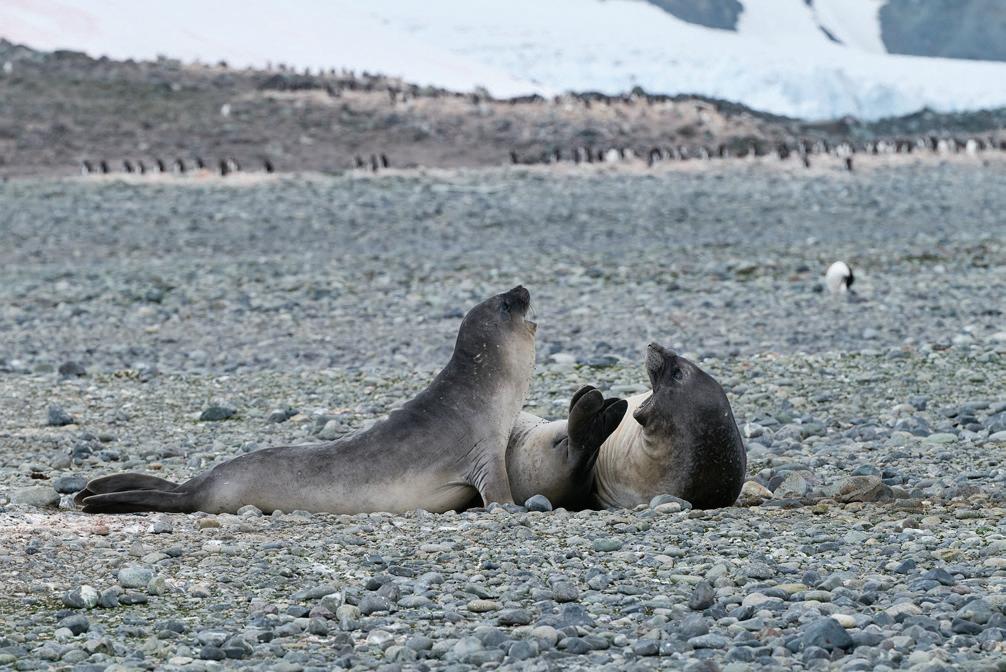
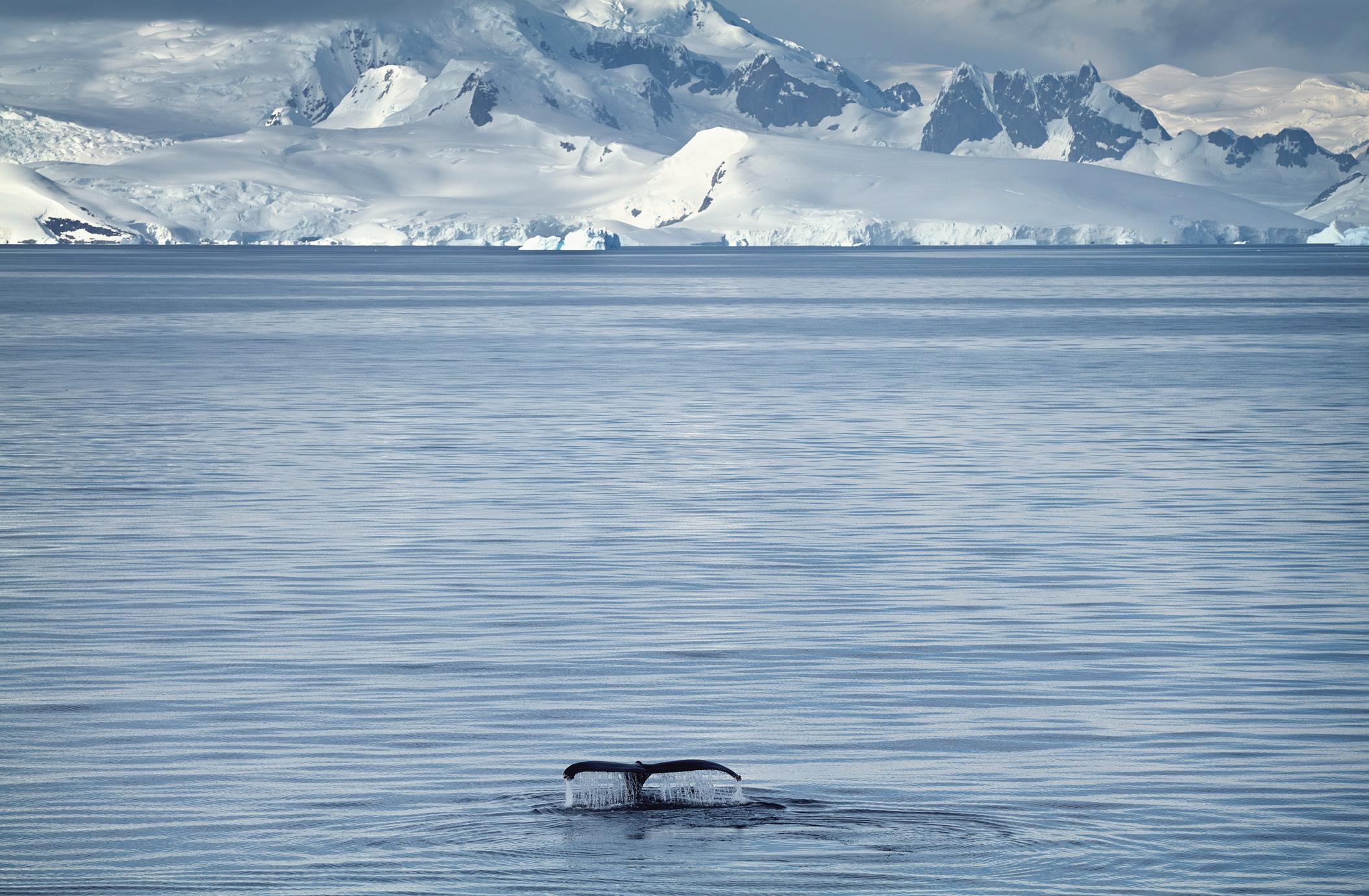
The seals we came across were always sleeping, and I never saw one swimming or lumbering about during the entire trip. Invariably, they stretched out napping and occasionally taking the effort to pick up their head and see what we were about. Yet, the whales were a playful bunch. Our first day walking the continent of Antarctica, we spent the afternoon in a bay full of Humpback whales. I lost count, but at one point, I saw more than 20 whales on the surface with fins, tails, and sides breaking the ocean’s surface. I learned later that they assemble to feed on the bountiful krill. It was like a five-star restaurant to them. One whale dives deep while two or three circle above to start a swirling vortex, stirring the krill up on a platter for the diving whale. Taking turns, the Humpbacks feast on these tiny little creatures to fill their vast bodies. It was a dance like no other I’ve seen in nature.
“Penguins in Antarctica have no clue we are human. In fact, they have seen so few humans that they don’t perceive us as dangerous."
Both Images Above: Leica SL2 + 90-280mm APO-Vario-Elmarit-SL
Leica SL2 + 90-280mm APO-Vario-Elmarit-SL
IT’S ALL ABOUT THE LIGHT® I’ve always believed that light is the key to making great photographs. I think it can be easy to find an easel in nature showing a perfect scene, and framing the viewpoint is natural. The key element that we must adapt to in the outdoors, is the uncontrollable light. The right light makes an image unforgettable, and not using light properly can cause an image to fall into the delete bin.
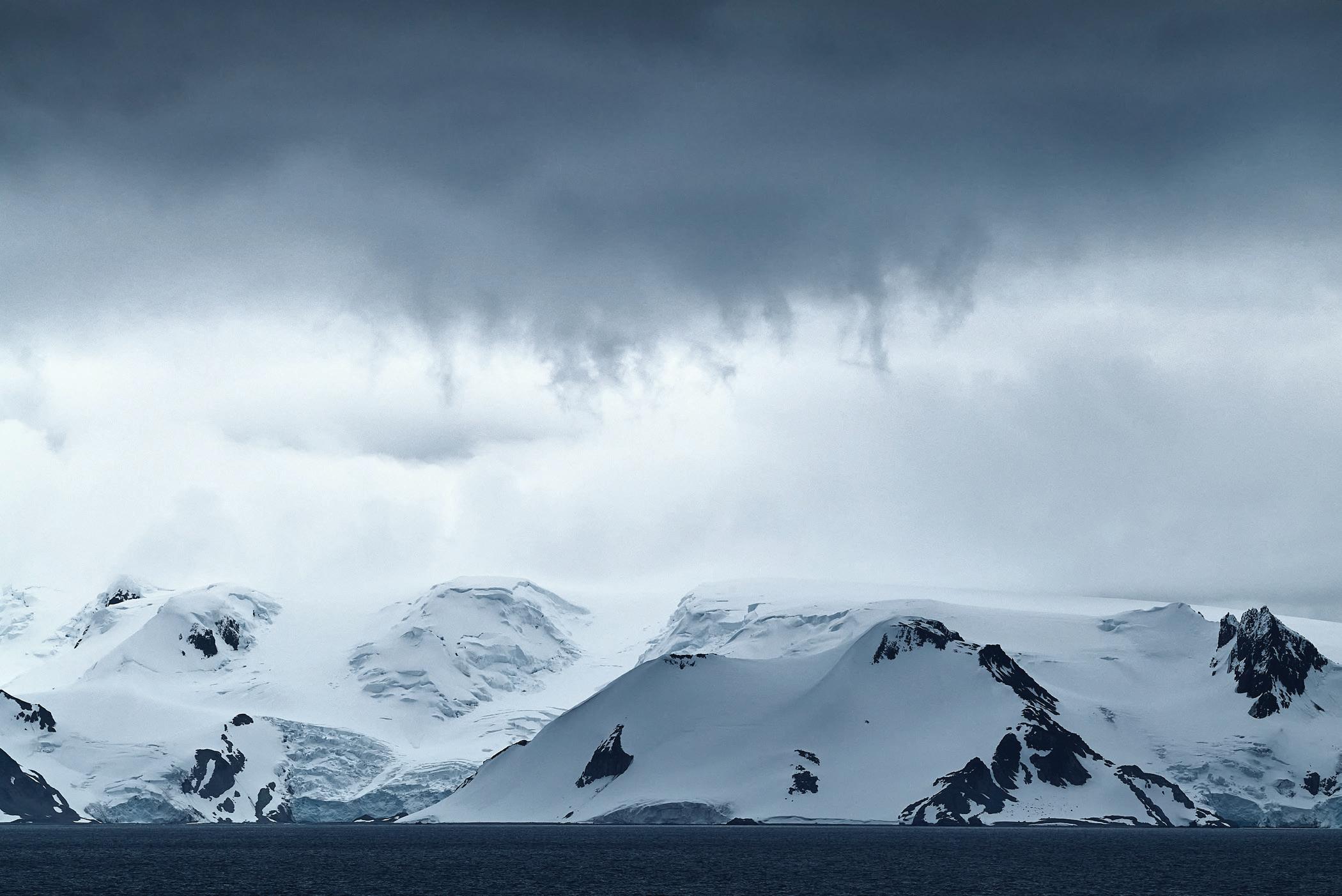
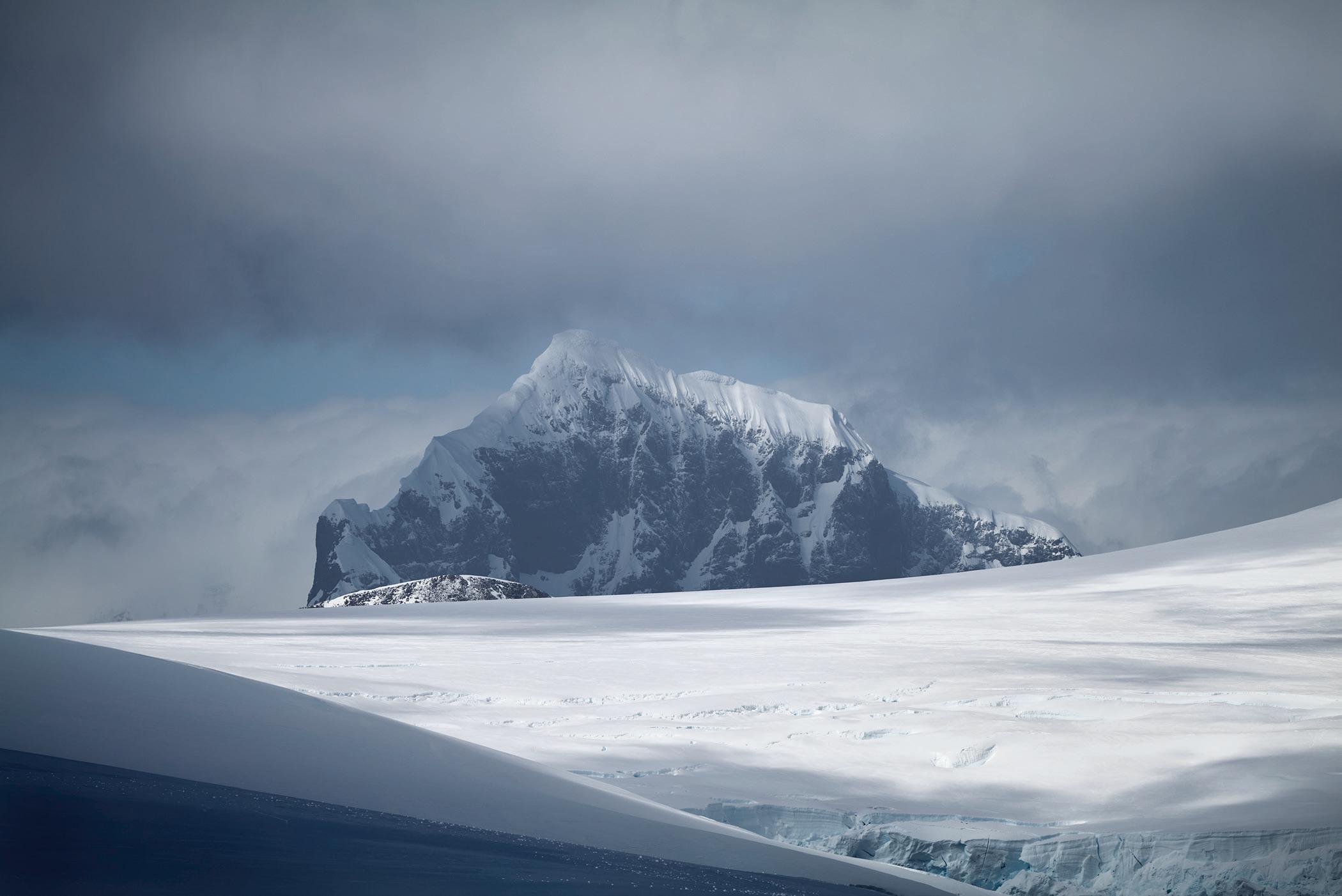
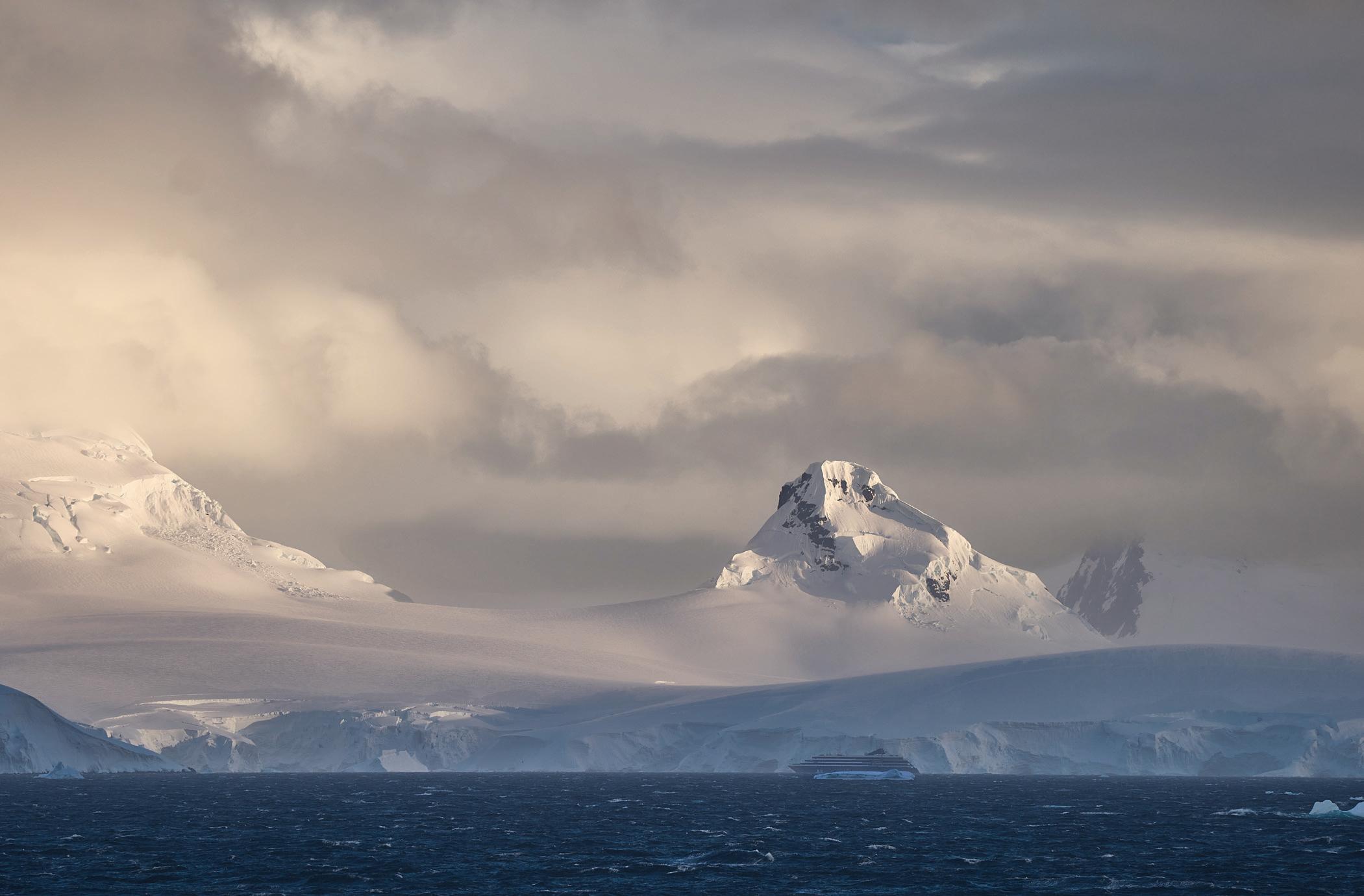
Snow is a perfect light reflector that paints an unparalleled canvas. The white misting clouds would go in and out with the time of day, shrouding the peaks and diving down the valleys into the ocean. The darker clouds would be higher, blotting out the light below and letting patches of sunlight drift over the snow and ice in synch with the wind. These patches would highlight different parts of the shorelines and made for some great opportunities. Only once was I able to wake myself early enough to go out at 3 am for the end of the sunrise. In fact, the sunset was easier to watch at 11 pm. Just like my work on the South Carolina coast, where learning to use the light nature threw at me gave me practice, here it rewarded me with images that will resonate with me for a very long time.
Dark on light, light on dark, reflections, shadows - the breathtaking variety of images was there for the taking. There were moments I spent photographing behind a bulwark because the wind was whipping by so hard it pulled on my long lens causing too much
shake. There were other times the sun was out and everything was calm and quiet, the water reflecting icebergs like a mirror. After the third day, I became lost in the alluring views; time had no place, and I began wondering what day of the week it was. The constant barrage of recordable moments was overwhelming, and keeping a journal was the only marker I had.
As I write this, I am still going through the 3,700 plus images and finding new ways to edit them. Ironically, the most permanent images are etched in my mind, along with the sense of grandeur that made me feel insignificant to nature. Antarctica was not just another place to visit, it changed me. I count myself lucky to be one of the few that make this journey, and like Iceland, I’ve left her on my bucket list in the hopes I’ll be there again one day.
“...the most permanent images are etched in my mind, along with the sense of grandeur that made me feel insignificant to nature. Antarctica was not just another place to visit, it changed me.”
EPILOGUE How many places in the world are the same today as they were thousands of years ago? Antarctica is the seventh, or last, continent and has remained effectively untouched. Aristotle was the fi rst to surmise that Antarctica existed. In 1775, Captain James Cook was the fi rst in the Antarctic Ocean, but it took until the late 1800s for someone to physically see the continent. With an average ice thickness of 1.2 miles and maximum wind speeds of 200 mph, Antarctica is arguably the most inhospitable place on Earth! During the two weeks I spent there, I learned that less than 1% of the earth's population ever come to see the continent, let alone step on it (about 40,000 people a year per the British Antarctic Survey). The journey home was hard, and I could have easily stayed longer. Yet, the preparation was part of what made this experience so striking.
I love reading about places prior to visiting them, and I read “Shackleton” by Ranulph Fiennes before embarking to Antarctica. Coincidentally, this book was also in my stateroom aboard the Polaris. Fiennes brings the voyages from the turn of the 19th and 20th centuries to life. Page 314 describes Shackleton’s startling experience in the Drake Passage, and whereas my crossing was much less turbulent, it was nonetheless powerfully unique. The Dublin-born seaman was an explorer to the bone, and he frequently sent letters home to his wife. Likewise, I sent one to each of my children, my parents, and a special one to my wife, though I didn’t tell them. They made their own journey through the British Antarctica station, stamped with the Antarctica postmark, then by boat back to Canada, flying to the UK and were dispersed from there. Well after I returned, they showed up in the mailbox, another gift from the end of the world.
Photographers I studied prior to going all said most of their landscape images were made in the 160mm range. Ships keep a safe distance away from shorelines to prevent damage from falling ice or fl ipping icebergs. Almost 75% of my images were with the long Leica zoom lens (90-280mm), and many were in the 160-180mm range. For the fi rst time in my Landscape photography, I used the Auto ISO setting. My initial top shutter speed was set to 1/1000 of a second and ISO 6400, but I quickly decided to raise it to 1/2000 second, resulting in some high ISO shots. Today’s Leica bodies handle that with ease. As we went through incredible scenery and weather, I found that the slower shutter speed with higher resolution (SL2) didn’t always provide the crispest image, thus the higher shutter speed.
I also brought a mono-pod for support, but sometimes was not allowed to use it on land. With the Avian flu, we could not sit on the ice, nor could we set gear down. I quickly put an SL around my neck and stowed the R9 with lenses in the oversized pockets on my outer shell with extra fi lm and batteries in my pants pockets. The shell protected the R9 and the SLs faced the weather with ease. Each time we returned to the ship, we had our lower clothing washed down with hoses and walked through a boot scrubbing
box that disinfected our footwear. Quickly becoming a ritual, they also sprayed my monopod when I could use it, which was fi ne with me. Different from most polar ship lines, the Polaris had the Zodiacs and other equipment down in the bottom. Th is made it seamless to go down the elevators or stairs and hop on our transport to embark at sea level.
It was both exciting to learn and use the Leica microscope they had in the ship’s lab yet also disheartening to fi nd and see fi rsthand plastic fibers in the southernmost ocean on the planet. The fact that plastic threads and debris got this far south, with so few people ever getting to this part of the world should be a wake-up call to us all. The crew vacuumed all our gear and clothing prior to our fi rst outing, removing loose threads as much as possible. We sent weather balloons 17 miles up in the atmosphere, identified whales and their travels around the world by only their tail, and studied marine life unique to the depths of the Southern Ocean.
I am changed, of that I am sure. There is so much to experience in Antarctica, I could never complete the story here. Writing this article, I still feel that important images and topics remain absent. If you see me and ask me about Antarctica, you’ll fi nd a jubilant smile on my face and I’ll eagerly tell you more.
Leica SL2 + 24-900mm APO-Vario-Elmarit-SL
Leica SL2 + 90-280mm APO-Vario-Elmarit-SL
SL3-S THE LEICA
by JONATHAN SLACK
Oak Tree Light. Leica SL3-S + 24-70mm Vario-Elmarit-SL at 1/1000 sec, f/2.8, ISO 640.
The Leica SL2-S was announced in December 2020 as a faster version of the SL2 with better video features, better high ISO, a smaller price tag, and a 24 mp sensor as opposed to the 47 mp of the SL2.
It has been extremely popular, especially with videographers and event photographers, who don't need the extra resolution, but did need the nearly two stop advantage over the SL2 in terms of ISO.
The Leica SL3 was introduced in March 2024. It sported the same new processor (Maestro IV) as the Q3 and a similar 60 mp BSI sensor as the M11 and the Q3. The menu system was both simplified and improved and made much more consistent and flexible.
It seems to me that two things that may be interesting to readers. Firstly, the changes in the SL3-S with respect to the SL2-S, and secondly, the changes with reference to the SL3, which are more subtle but nevertheless important.
Fern. Leica SL3-S + 75mm APO-Summicron-SL at 1/1250 sec, f/2, ISO 160.
A SHORT SUMMARY OF MAIN CHANGES OVER SL2-S:
• Narrower and lighter body
• New Maestro IV processor
• New (or upgraded) BSI 24 mp Sensor
• Phase Detect (hybrid) AF system
• New configurable quick menu screen
• Simplified and rationalized menu system
• Much faster shot-to-shot time with Autofocus enabled
• Content Credentials
If you've been using an SL2-S then it might be worth looking at my SL3 article where I discuss the differences between the SL2 and SL3 in detail:
The Content Authenticity Initiative (CAI) is an association founded in November 2019 by Adobe, the New York Times, Twitter, and others to curb disinformation. The idea is to promote an industry standard for provenance metadata for files defined by the C2PA.
The C2Pa is the Coalition for Content Provenance and Authenticity, co-founded by Adobe with Arm, the BBC, Intel Microsoft, and many more. As you can see, the big guns are involved in this!
Whilst the C2PA is tasked with the formulation of an open, royaltyfree technical standard for metadata, the CAI sees its task in the dissemination and promotion of the standard.
The idea is to add an additional set of metadata to a file containing information about its provenance and edits which may have been made using compliant software. This could apply to a photo, a video, or a text file.
The base information (added to the metadata by the M11-P) shows:
• The Photographer
• The Device
• The Location and Time of the Recording
If you edit the file in Lightroom CC or Photoshop '24 (or another compliant program) then the provenance of any edits are also recorded.
Leica is the first camera company to implement this in a camera. Sadly, the first step is a hardware chip, so it won't be possible to make this backwards compatible with previous Leica cameras.
The M11-P was the first camera to have this and I dealt with it in more detail in the article here:
There was no time to implement it with the SL3, but Leica has implemented it with the SL3-S, and as far as I'm aware, it's the first autofocus camera to have it. There are limitations, however, as it is not currently available with multiple shot drive modes.
Sadly, I’m not qualified to write about video performance, but the big takeaway seems to be the unlimited 6K “Open Gate” internal recording using the entire sensor.
However, Ralf Ilgenfritz has come to the rescue! He is a professional, working mostly for German Television. He was on the beta forum and has given me permission to report his first feelings during a real video shoot of an interview with Isabel Allende. This is in his own words:
“I took the camera to a documentary in Arizona and can say that the camera behaves quite well. The weather conditions are quite extreme and I'm shooting 6K. If I compare it to my experiences with the SL3, this feels much safer. And there are no overheating problems.
I was a little insecure at first and took my Sony A1 as a backup for the long Interview with Isabel Allende. Both cameras were shooting the same picture in 8K (Sony) and 6K (Leica) with 35mm prime lenses (Sony G-Master for the A1 and Sigma 35/1.2 for the Leica) from the same tripod and they were both on Autofocus with open Iris. While I was shooting handheld with the SL2-S and a 35mm Summilux-M. So the interview ended up being a funny camera test with a lot of 35mm primes and the result was quite surprising. Mrs. Allende's hair is completely white and I had already experienced
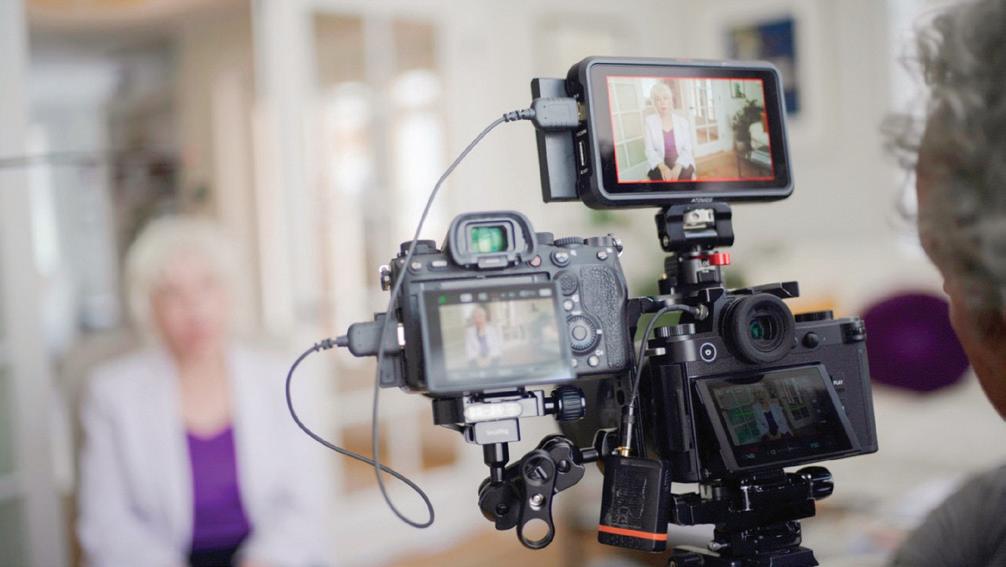
Ralf Ilgenfritz's setup with the SL3-S and the Sony A1
SL3-S + Lumix 100mm f/2.8 Macro at 1/200 sec, f/2.8, ISO 320.
Leica SL3-S + 70-200mm Vario-Elmarit-SL at 1/640 sec, f/2.8, ISO 5000.
Scottish Bluebell.
that the Sony autofocus doesn't really like that and it actually failed after 10 minutes whereas the Leica did the job without any issues for more than one hour. I did not expect that.
So this was the first real production with the SL3-S and in contrast to my experience with the SL3, I would say that the camera works flawlessly for what I do. I shot exclusively 6K, 10 bit, 4:2:0 and in this case, I'm sure no one at Arte will notice that it wasn't 4:2:2. They only look at the end product. The problem with the codec usually only arises when you're shooting for producers who don't know you and they get the idea to look at the camera's specs beforehand. Nevertheless, something should happen because otherwise, the camera will be even more difficult to sell for television productions than is already the case when 95 percent of people are used to using Sony cameras.
The L-Log color of the SL3-S seems to be more similar to the Sony now, whereas the SL2-S looks different and still has the red-face problems.
The Sony picture still seems to be a little sharper, but also a bit too perfect and boring. We like Leica's picture better.
Two weeks later I took the camera for a shoot in Ivory Coast where the weather conditions were even hotter and there was still no overheating in 6K mode. The only thing that is really not okay is the battery life in video mode. The SL2-S was acceptable, but the SL3-S is not.”
ISO
One of the reasons the SL2-S was so popular was its big high ISO advantage over the SL2 (nearly two stops by my tests).
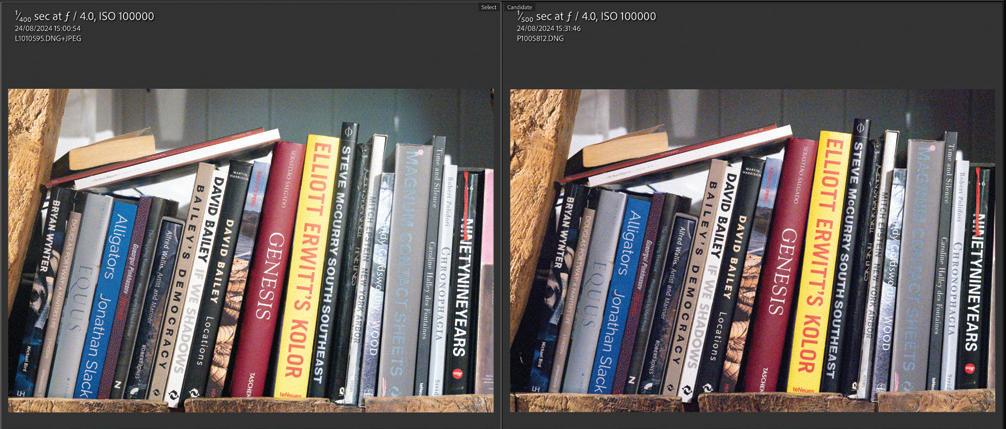
It’s actually a little difficult to do proper comparisons of high ISO noise between a 60 mp sensor (SL3) and a 24 mp sensor (SL3-S). First of all, I reshot my earlier comparisons to see whether the SL3-S had an advantage over the SL2-S. My feeling was that the noise was slightly improved with the newer camera, but the dynamic range does seem significantly better, and so does the color.
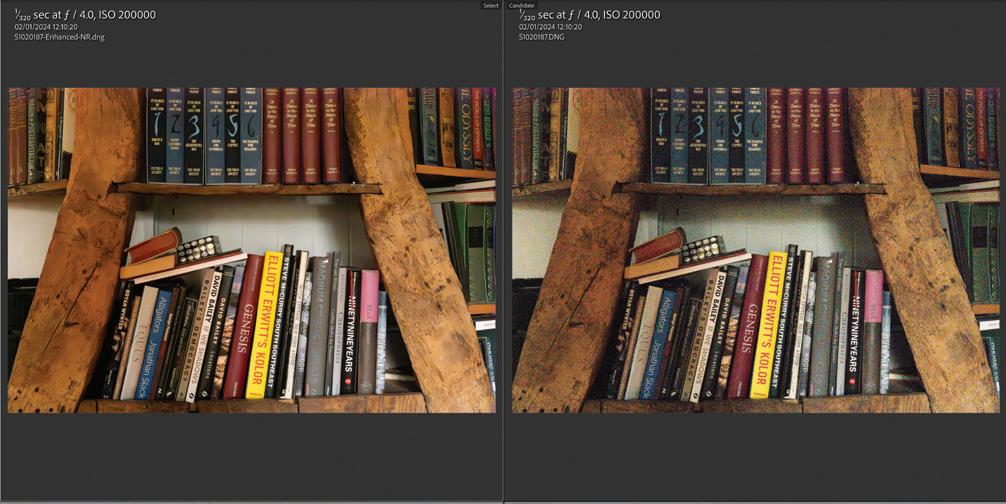
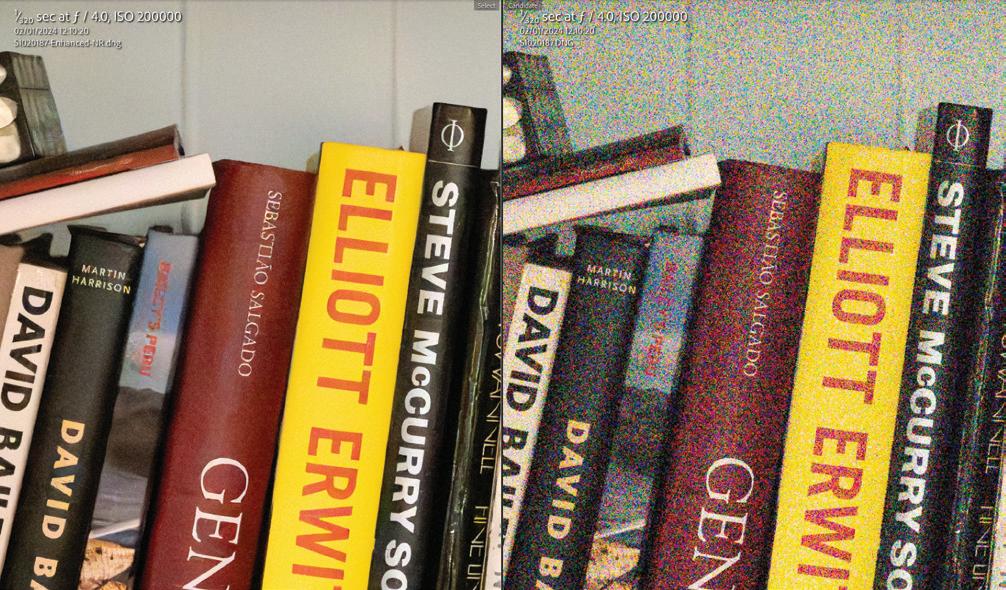
Just as an aside – my first impression of the new 200,000 ISO on the SL3-S was that it wasn't really usable, but I thought it would be interesting to see how the new AI-based denoise function in Lightroom Classic would do with the SL3 at 200,000 ISO.
I think you would agree it does a pretty excellent job! It seems to me that you can expect to be able to use 200,000 ISO and get a good result (with a minute or two of post processing). It's worth mentioning that when this image was taken it was almost dark with no artificial light.
AI noise reduction in Lightroom Classic
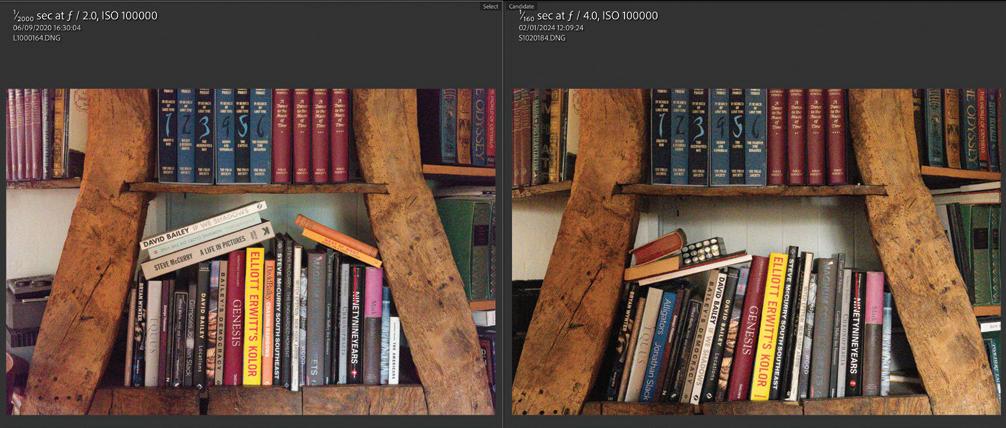
In comparison with the SL3, I didn’t find a great deal of difference. As we saw, the SL3-S goes up to 200,000 ISO. At 100,000 ISO both cameras are usable, especially with a bit of color noise reduction applied. Color and Dynamic range are good.
Leica SL2-S on the left, SL3-S on the right. Worth noting that the light was significantly better for the SL2-S shot (I didn't have both cameras together).
This is the same photo - the left hand image is processed using the AI noise reduction in Lightroom Classic.
This is 100 Crop of the same photo - the left hand image is processed using the
This is with the SL3-S on the left and the SL3 on the right at 100,000 ISO.
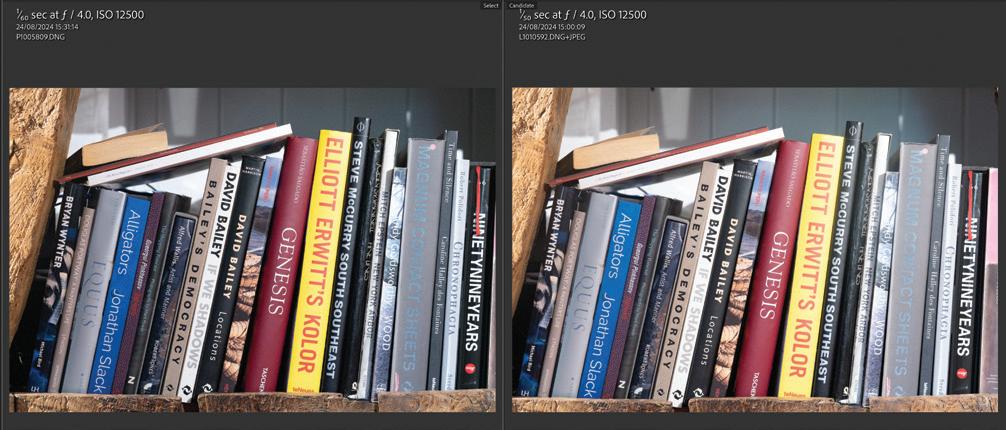
But honestly - how often does one need these incredibly high ISO values? Here is a comparison between the two cameras at 12,500 ISO
I generally use Auto ISO in my photography, and it's nice to be able to use 12,500 as a maximum ISO and be sure that the images are going to be absolutely okay.
This is with the SL3-S on the left and the SL3 on the right at 100,000 ISO. This is 100% Crop of each image.
frame of each
to confuse the
AUTO FOCUS
Like the SL3, the SL3-S has Phase Detect but with 779 AF points, more than twice as many as the SL3.
It uses hybrid AF with a combination of phase detection, depth map object detection, and contrast detection AF.
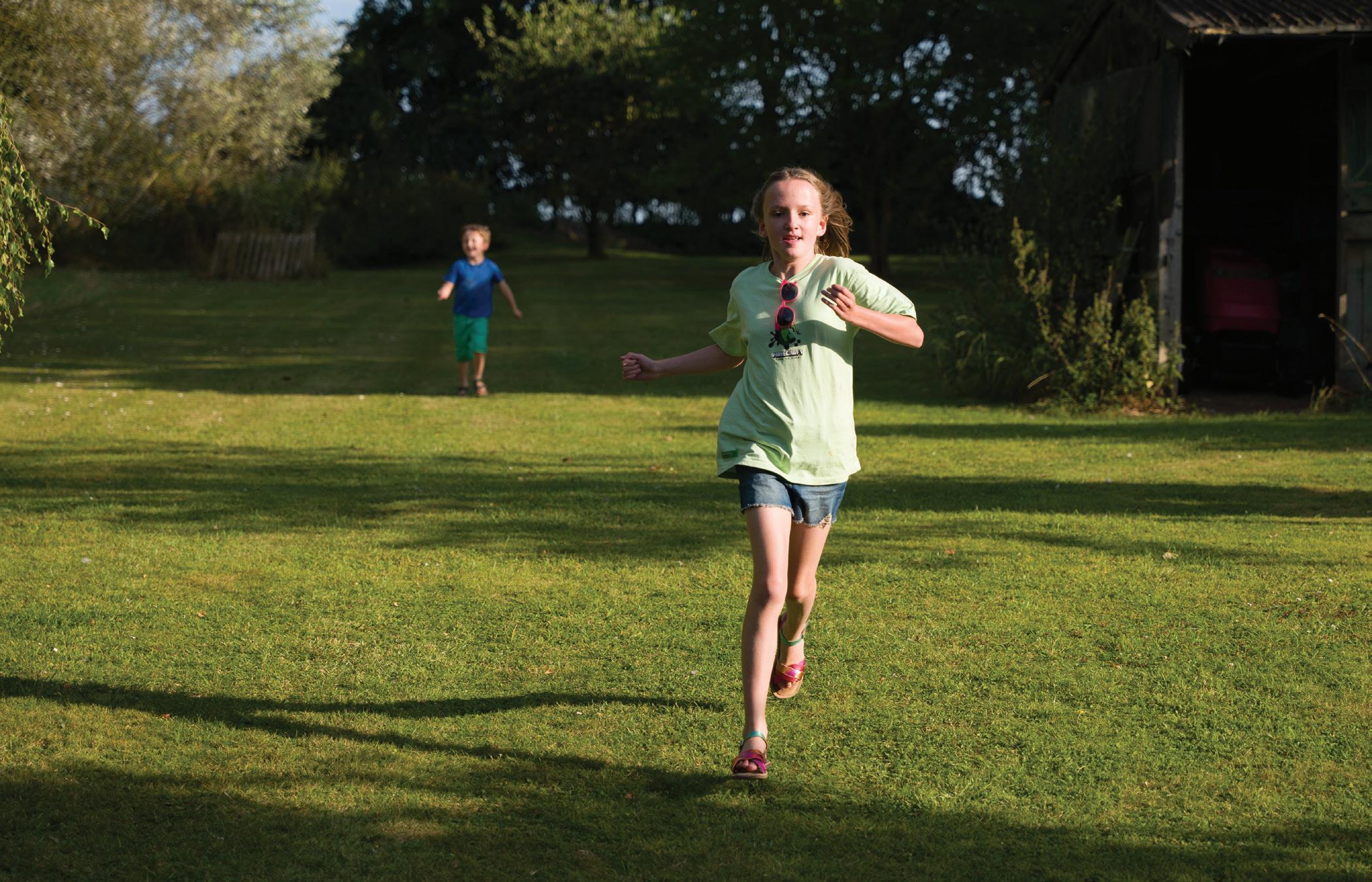
It will also shoot at 30 fps with AFc (the SL2-S maximum with AFc was 5 fps) This is clearly a great improvement.
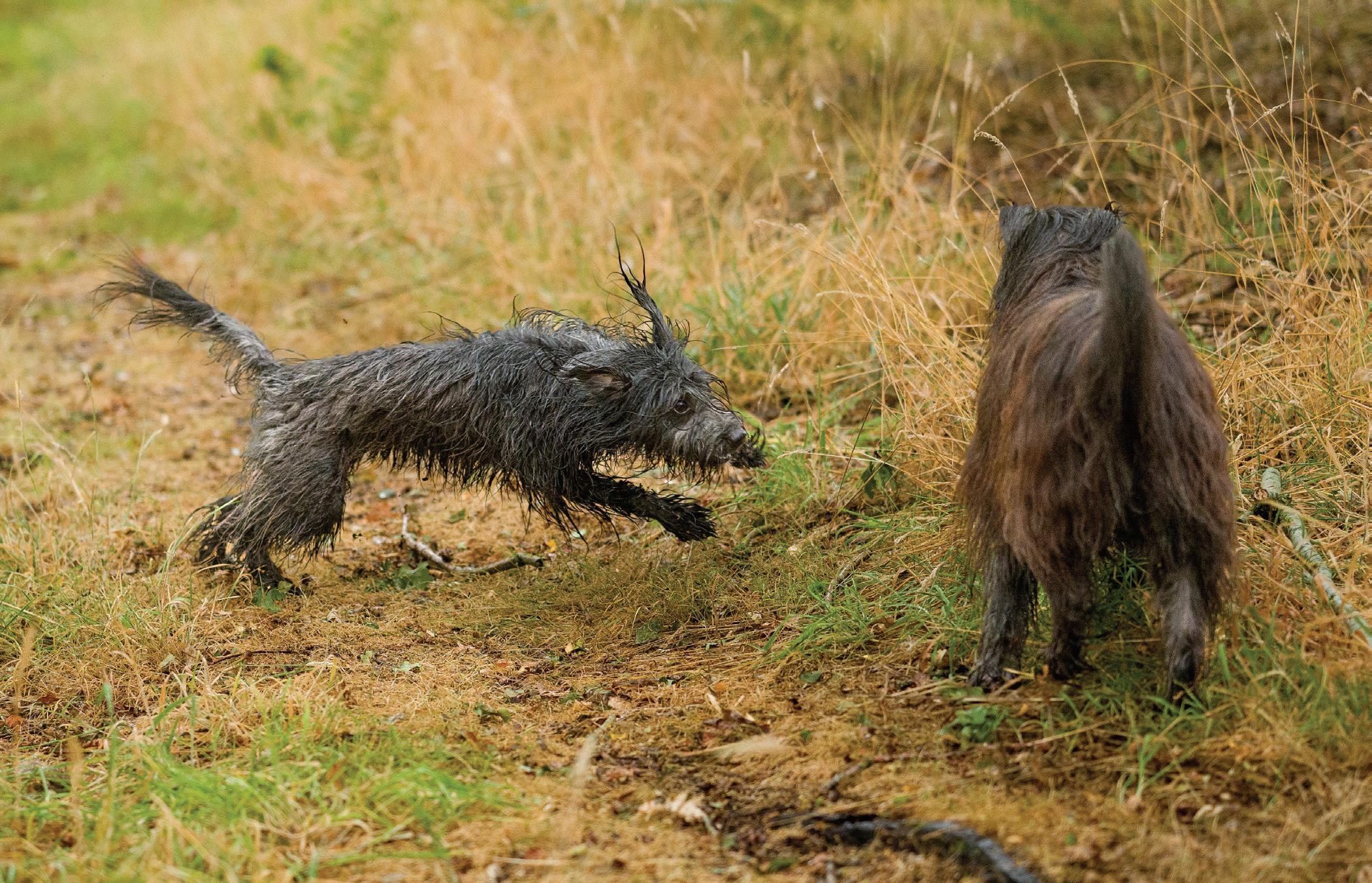
I've been testing the tracking with our very fast young Pyrenean Sheepdog (seen on the next page), and it works pretty well, even at 30 frames a second - it's not infallible, and certainly not as reliable as similar shooting with cameras that have a stacked sensor.
It would be nice to have a pre-shoot mode, where one second worth of images are saved into the buffer - files being replaced with the newer ones. Fully pressing the shutter will save the files to the card and continue taking them. It's particularly useful for wildlife photography (and taking pictures of our dog while mole hunting!) and it's something that most of the competition does have.
5 fps AF AF AF
9 fps no AF no AF AF
15 fps no AF no AF E-Shutter AF
25 fps E-Shutter no AF - -
30 fps - - E-Shutter AF
With its 8GB buffer capacity and picture format, the estimated number of images possible before filling the buffer on the SL3-S are as follows:
LENSES
When shooting fast-moving subjects with AFc, it is not just the camera that is responsible for the AF speed, it is also the lenses.
Lots of the better Leica SL lenses have big pieces of glass to move about, and the AF is accordingly slower.
I have found that the 24-70 and 70-200 (f/2.8) do very well and are faster at focusing than the 24-90 or the 90-280 respectively (not that those are too bad). The 35 and 50 Summicron ASPH lenses are faster than the APO SL Summicrons as well, although for normal purposes these are also quite good.
Full
camera at 12,500 ISO. Just
issue the SL3 is on the left in this image and the SL3-S is on the right.
100% Crop at 12,500 ISO. The SL3 is on the left, the SL3-S on the right.
Scarlett wins. Leica SL3-S + 24-70mm Vario-Elmarit-SL at 1/1000 sec, f/3.2, ISO 100.
Leica SL3-S + 75mm APO-Summicron-SL at 1/1250 sec, f/2, ISO 2500.
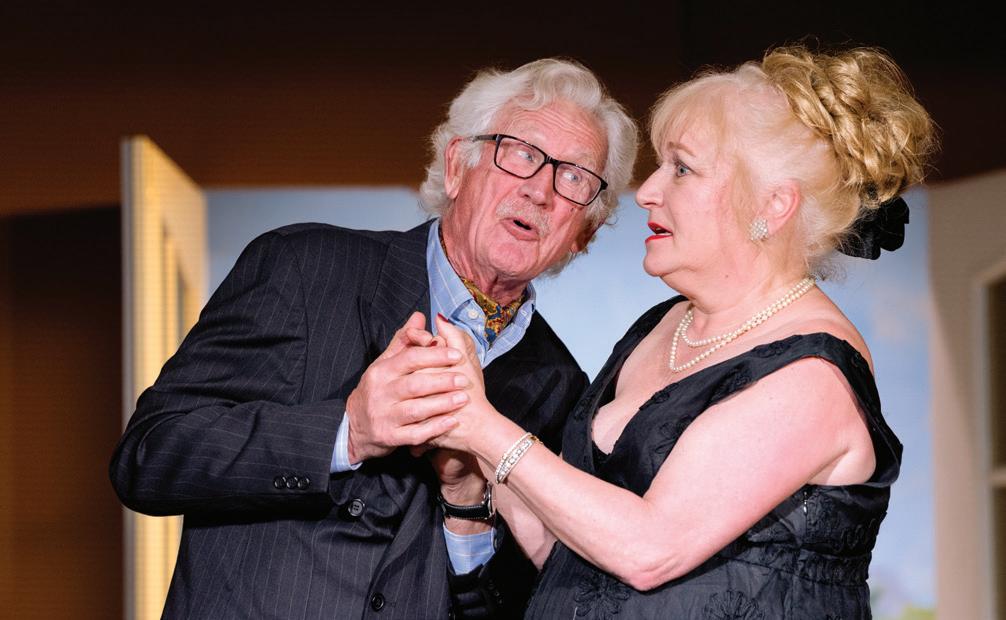
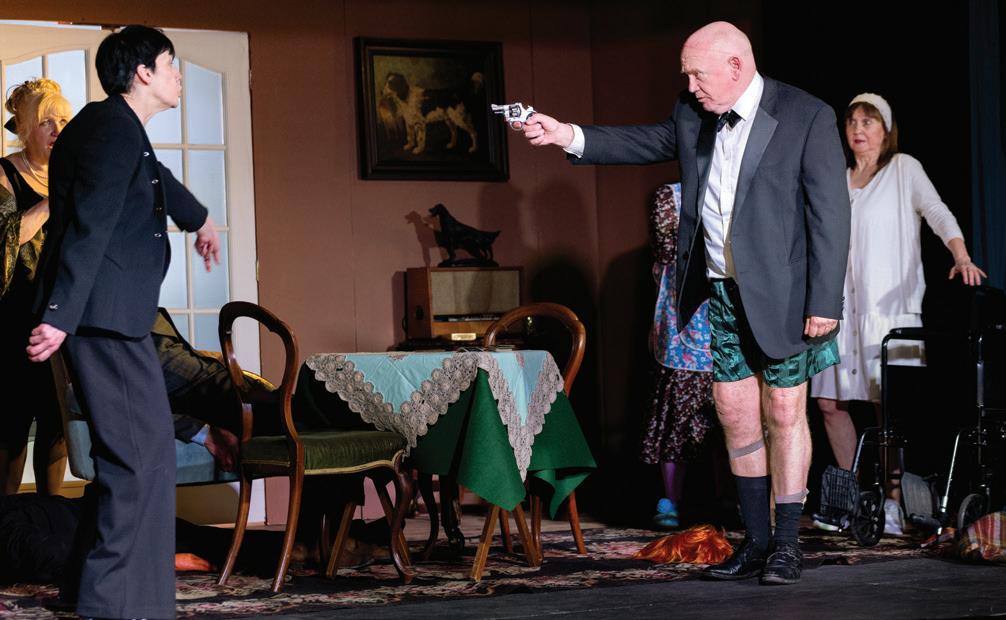
I recently shot the dress rehearsal of a play, they had a lighting problem, and much of it had to be shot between ISO 3200 and ISO 10000. I had taken a number of lenses to try out. In fact I ended up almost exclusively using the 90-280 APO-Vario-Elmarit-SL with continuous AF and face/eye recognition, I got an incredibly high hit rate in terms of focusing (something over 90%). Clearly all the older SL lenses are absolutely okay for event shooting!
SL3-S + 90-280mm APO-Vario-Elmarit-SL at 1/200 sec, f/4, ISO 4000.
Leica SL3-S + 90-280mm APO-Vario-Elmarit-SL at 1/200 sec, f/4, ISO 3200.
READOUT TIME & ROLLING SHUTTER
The readout speed of the SL3-S is half that of the SL3, reducing rolling shutter considerably and increasing the AFc speed to 30 frames per second (with the electronic shutter). Of course, it also dramatically improves the video performance.
LEICA FOTOS & CAMERA TO CLOUD
Like the SL3, the SL3-S has Bluetooth and WiFi connection to the Leica FOTOS app, allowing for very fast transfer to mobile devices using MIMO technology.
Camera to Cloud functionality will be available via Adobe frame.io sometime in 2025. It will also be available for the Leica SL3:
Multi-Shot mode has returned, with 48 and 96 mp available, and there are now two options: on a tripod, you can also write out moving objects, and the handheld mode, which was not available with the SL2-S. Sadly, I have not the time to do it properly, but it does seem very effective. On the other hand, Thomas Walter on the Leica User Forum in his excellent review has looked at it in some detail:
He feels that given the right circumstances, the multi-shot mode can produce better images than those directly from the 60 mp SL3.
In my testing, I thought it was very impressive, even handheld in poor English January lighting.
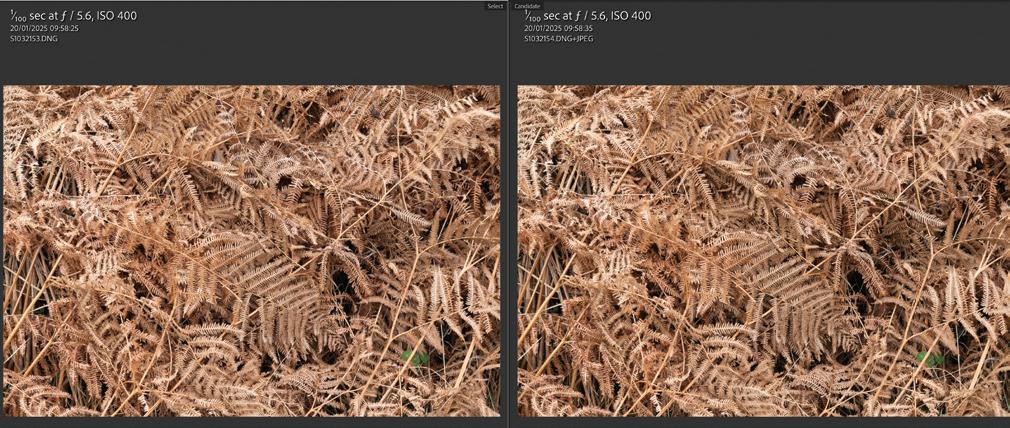
This is a comparison between normal 24mp (on the left) and multi-shot 96mp (on the right).
Here is a 100% comparison of the same shot at 24mp (on the left) and 96mp (on the right).
RECORDING DIRECTLY TO AN EXTERNAL USB DRIVE
There are now four methods of recording as Leica has introduced direct USB-C to SSD as a new option:
• SD Card • CF Express Card • HDMI
With the ability to shoot video for over 90 minutes without overheating, it's obviously an important addition.
Leica
BATTERY LIFE
The battery life is rather a disappointment: 315 shots (based on the CIPA standard), but 1040 with the adapted shooting cycle.
I took 930 images on a 21/2 shooting session in my testing.
For stills photography, it does seem to do better than my SL3which is understandable on the basis of the smaller fi le sizes.
EVF, LCD, TOP PLATE DISPLAY
The EVF is the same as that in the SL3 and the SL2, at 5.76 million dots, which is in fact 1600 x 1200. You can choose a refresh rate of 60 or 120 fps, presumably the higher frame rate uses more battery. By contrast, the Nikon Z8 is 3.69 dots and the Sony A1 is 9.74.
But I have to say I much prefer the Leica EVF. It seems to be less contrasty and much easier to see than either of the big competitors (or the Olympus OM-1 ii, which is also 5.76 million dots).
The LCD is improved from the SL2-S with a slight increase in resolution, a larger increase in quality and it is now tiltable, something I wasn't keen on to start with but fi nd myself using a lot.
The top LCD is the same 128 x 128 pixel trans-reflective monochrome panel, but it has the new and improved layout fi rst shown on the SL3.
PRICE
At the time of writing this article, the SL3-S is £4,500 including VAT ($5,295 USD), which is noticeably cheaper than the SL3 which currently retails at £5,920 ($6,995 USD).
Considering that all the important components other than the sensor are the same, this is a remarkable reduction in price. Certainly, the SL3-S doesn't show any cutting of corners (unless you count the missing white paint!).
THE ELEPHANT IN THE ROOM
Leica's advertising material states:
“We are excited to introduce the fastest Leica camera ever made.”
There is no question that is the case, but in comparison with the competition from Canon, Nikon, and Sony, the SL3-S certainly isn't as fast. These cameras sport stacked sensors (or even global shutter) with much faster readout time, allowing for faster shot-toshot times (or similar ones with larger sensors) together with less rolling shutter. The same is true of the SL3-S video specifications, which are good, but certainly not class-leading.
Some things could be addressed with fi rmware updates in the future (here's hoping), but not everything.
On the other hand, every camera is a set of compromises. Users complain about the low resolution of the Nikon Z9 and Z8 EVF. Sony users complain about overheating using video on the A1, and I'm pretty sure that the color isn't as “good” in any of the stacked sensors, whether from Nikon, Canon, Sony or, indeed Olympus.
I spoke to Ralf Ilgenfritz on the phone today who was heading off to Paris to record some interviews with his Sony A1ii, A9ii, and his Leica SL3-S in his bag. He was pretty sure that he would only use the Leica because he preferred it. He loves his 35 Summilux-M and shooting with a Leica nobody asked any questions.
It's very easy to fall into the trap of thinking that the best specification sheet will mean you take the best photographs/videos, but every camera is a complicated balancing act between features that can be measured, and ones that are less easy to measure: interface, color, handling, haptics, ease of processing fi les, available lensesI really could go on and on!
I spent this morning shooting our dog flying through the undergrowth chasing pheasants and squirrels at 30 fps. It was really dark and dingy, and although every shot wasn't great, lots of them were.
CONCLUSION
If your job is shooting sports, then you probably wouldn't pick the SL3-S, and I would have said that if your job was shooting video, you probably wouldn't pick the SL3-S either (but Ralf has!).
But if you are shooting weddings or events as a job then you might easily pick the SL3-S. The combination of the lovely fi les, the fantastic interface, the ability to shoot good video, and that certain Leica “something” is pretty irresistible. Emma tells me that I've given up shooting weddings, but it seems to me that a combination of the SL3-S with an M11 would be a dream team!
If you are a general photographer shooting anything from street to surfers to sport, landscapes to ladybirds, abstracts to animals, then the SL3-S will not disappoint on any level.
Plus, there are so many great lenses in the L-Mount environment. Of course, the SL3-S is geared to make the very best from your M lenses, something that none of the competition can do as well.
And it's a joy to use.
Thanks & Acknowledgements
First of all, I'd like to thank Ralf Ilgenfritz, who is a fantastic cameraman and a lovely guy, and I feel that his contribution to this article is really pivotal.
Thank you, especially to Stefan Daniel and Jesko von Oeynhausen at Leica. Soon it will be 20 years!
I'd also like to thank Valentino di Leonardo, Matthias Petzke, and Nico Koehler from Leica for all their help and enthusiasm.
In that context, I'd like to thank and welcome Gerrit Gissel to his new job looking after the Leica SL cameras.
Sean Reid will be producing a number of articles on the SL3-S in the near future - do look out for them at his website Reid Reviews (https://www.reidreviews.com/).
(top) Leica SL3-S + 70-200mm
Vario-Elmarit-SL with 2.0x extender at 1/800 sec, f/5.6, ISO 200 .
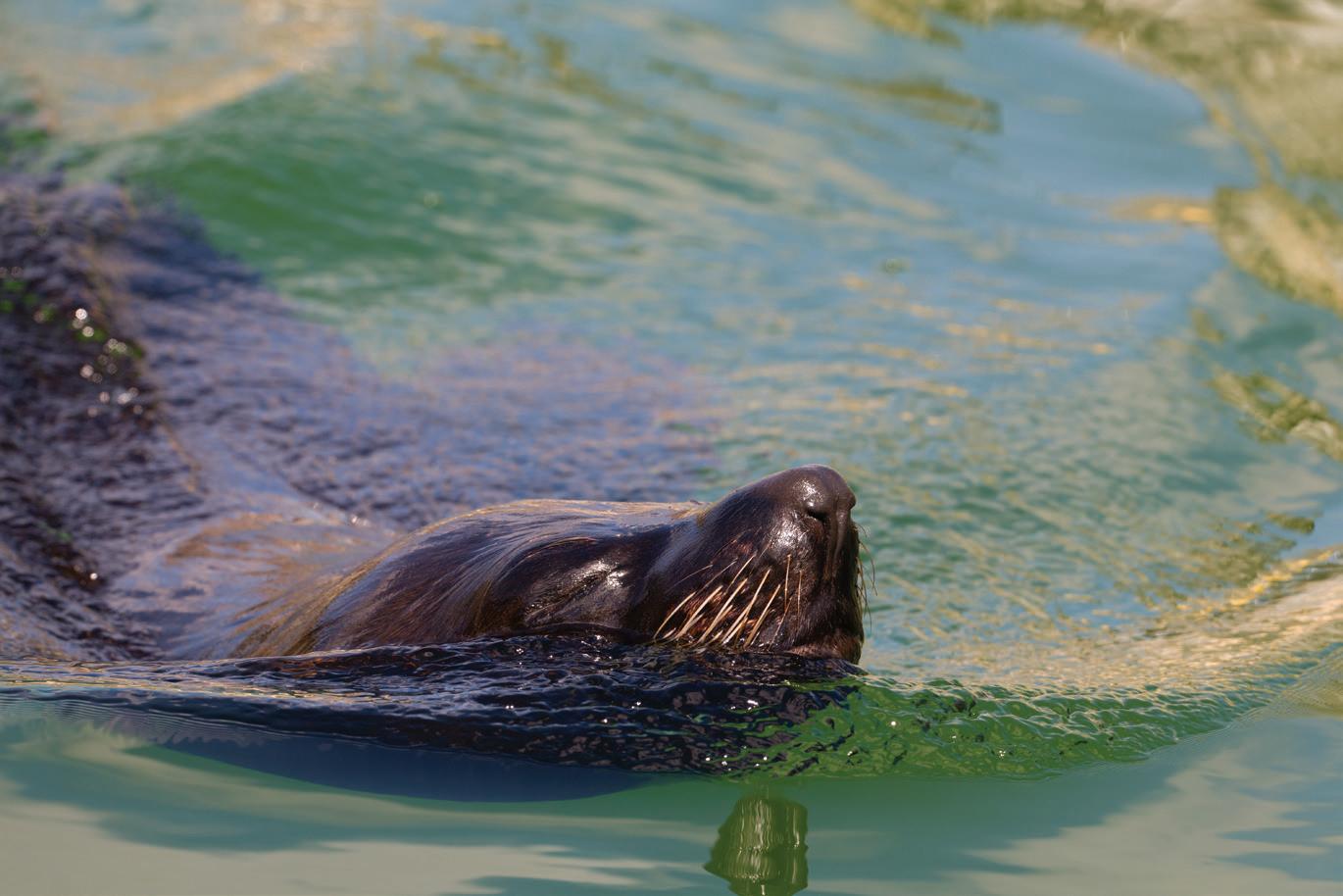
(middle) Seal. Leica SL3-S + 70-200mm
Vario-Elmarit-SL with 2.0x extender at 1/800 sec, f/8, ISO 800.
(bottom) Sadness. Leica SL3-S + 70-200mm
Vario-Elmarit-SL with 2.0x extender at 1/640 sec, f/5.6, ISO 200.
by BILL ROSAUER
Dr. Paul Wolff Remembers
Oskar Barnack
Dr. Paul Wolff, popularly known as the Pioneer of the Leica, speaking about his memories of Oskar Barnack, inventor of the Leica.
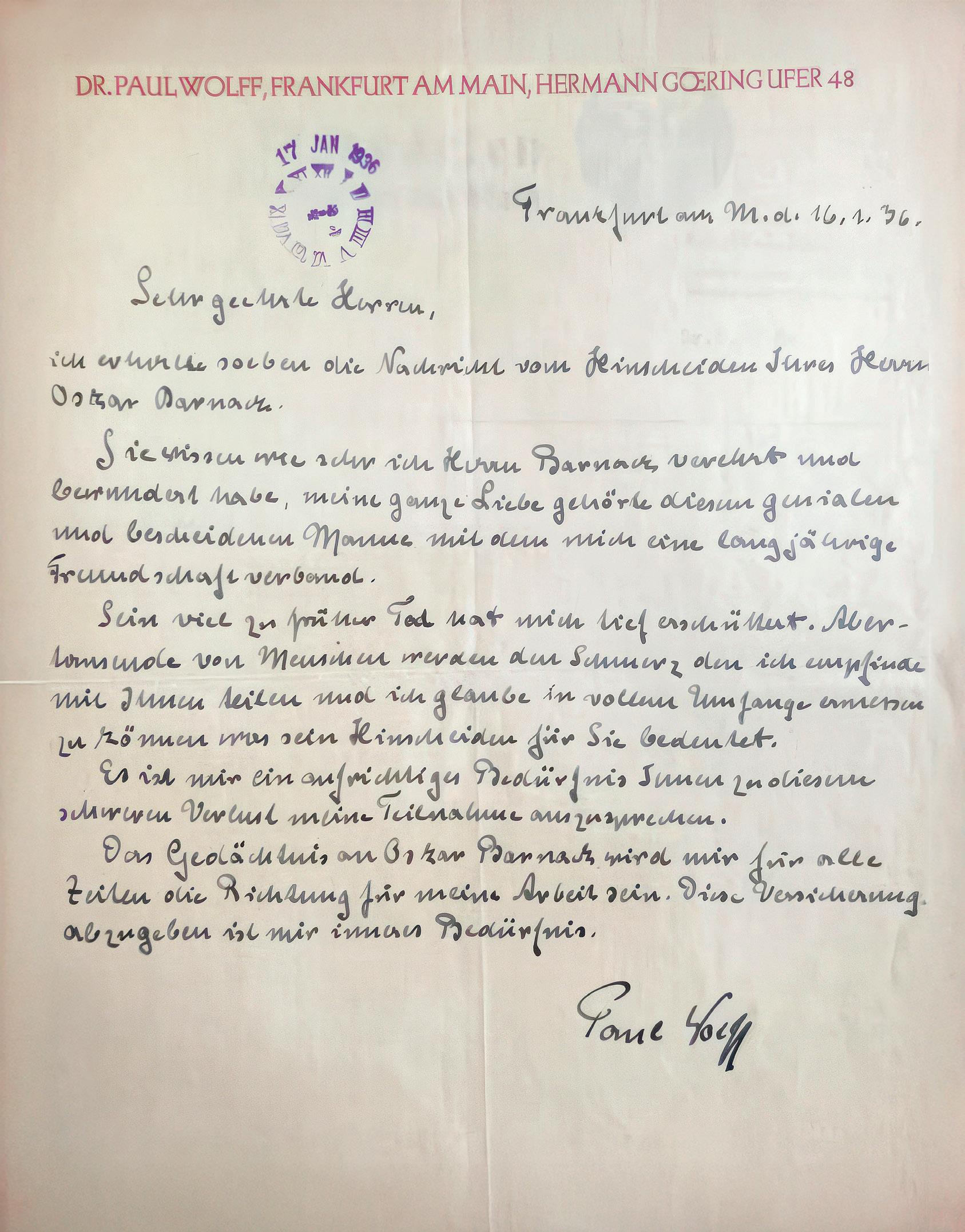
The letter is dated January 16, 1936, the day Barnack passed away.
Dear Sirs,
I have just received the news of the passing of Mr. Oskar Barnack. You know how much I revered and admired Mr. Barnack, all my love belonged to this brilliant and modest man with whom I had a long-standing friendship. I was deeply shocked by his untimely death. But - thousands of people will share the pain I feel with you and I believe I can fully appreciate what his passing means to you. It is my sincere wish to express my condolences to you on this difficult loss. The memory of Oskar Barnack will guide my work for all time. I feel an inner need to give you this assurance.
Paul Wolff
Some interesting things to note about this about this letter:
It is dated January 16. The internal office date stamp on it is the next day.
The address on the letterhead was that of Dr. Wolff ’s office address in Frankfurt, where they were located from Mid-May 1932 to 1937. It was here that the fi rm’s name was changed to “Dr. Paul Wolff und Tritschler” in 1937. Later that same year, the offices were moved to Siesmayerstrasse 5, and this was the address that was destroyed in a bombing raid later in the war. Wolff lost most of his household possessions at this time. After the destruction of his home, Dr. Wolff was moved out to the castle in Braunfels by Henri Dumur, at the direction of Ernst Leitz II. Braunfels is about 12km from Wetzlar, and you can visit the castle today and see the place where Dr. Wolff stayed at the castle.
Paul Wolff dates his association with Oskar Barnack to a visit he made to Wetzlar in 1921, when he was inquiring about a Microcinematographic Apperatus he was working on for a client at the time. He met with Ernst Leitz and Barnack to discuss producing this device. After the introduction of the Leica, Barnack and Wolff became close collaborators on the development of the Leica, and also became good friends.
Translation supplied by our good friend Holger Dietz.
50th Anniversary
by JIM LAGER
During my years as a member of the Photo Division Technical Department at E.Leitz, Inc. Rockleigh, N.J. I had the opportunity to speak to numerous distinguished members of the Photo Industry. In a 1974 conversation with Douglas Morgan, President of publisher Morgan and Morgan Dobbs Ferry New York, we discussed projects involving the Leica. Willard Morgan, Douglas’ father, co-authored the 1935 Leica Manual. It was understandable that Morgan and Morgan might want to continue the Leica association.
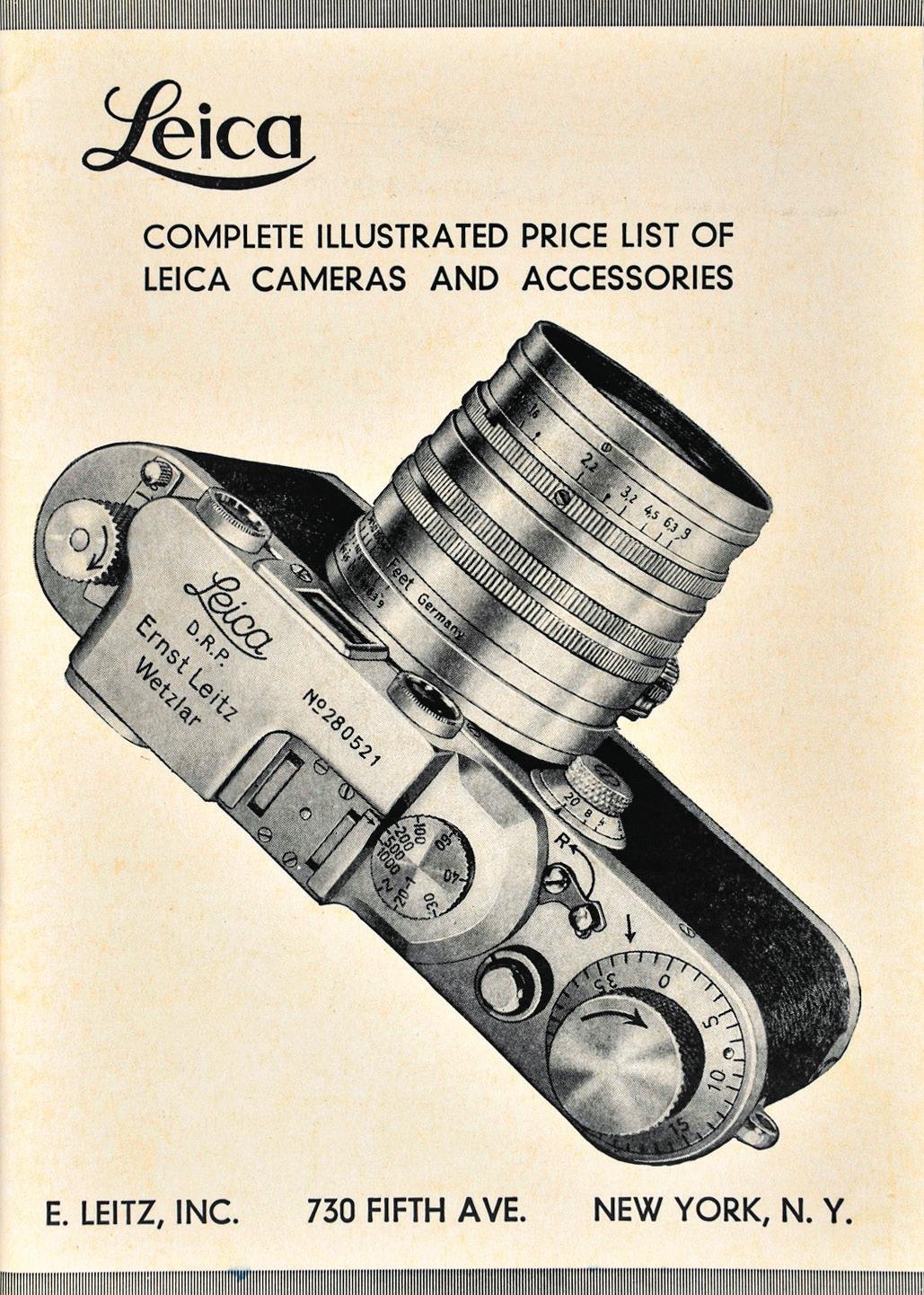
What could be published? Perhaps a facsimile of a Leitz New York publication from the 1930's golden age of the Leica. The March 1939 Complete Illustrated Price List (1275) was chosen. Many LHSA (LSI) members possess this historical document.
In about mid 1974 Leitz Wetzlar had decided to commemorate the 50th Anniversary of the Leica by issuing various Leica models specially engraved with a 50 year crest (Funfzig Jahre). Most suitable for the 50th birthday (1925-1975). I wondered if something additional might be appropriate. Perhaps a small illustrated publication featuring the Leica’s developpment. Who would publish it? Morgan and Morgan was the obvious choice. I envisioned the project as a personal birthday present to the Leica.
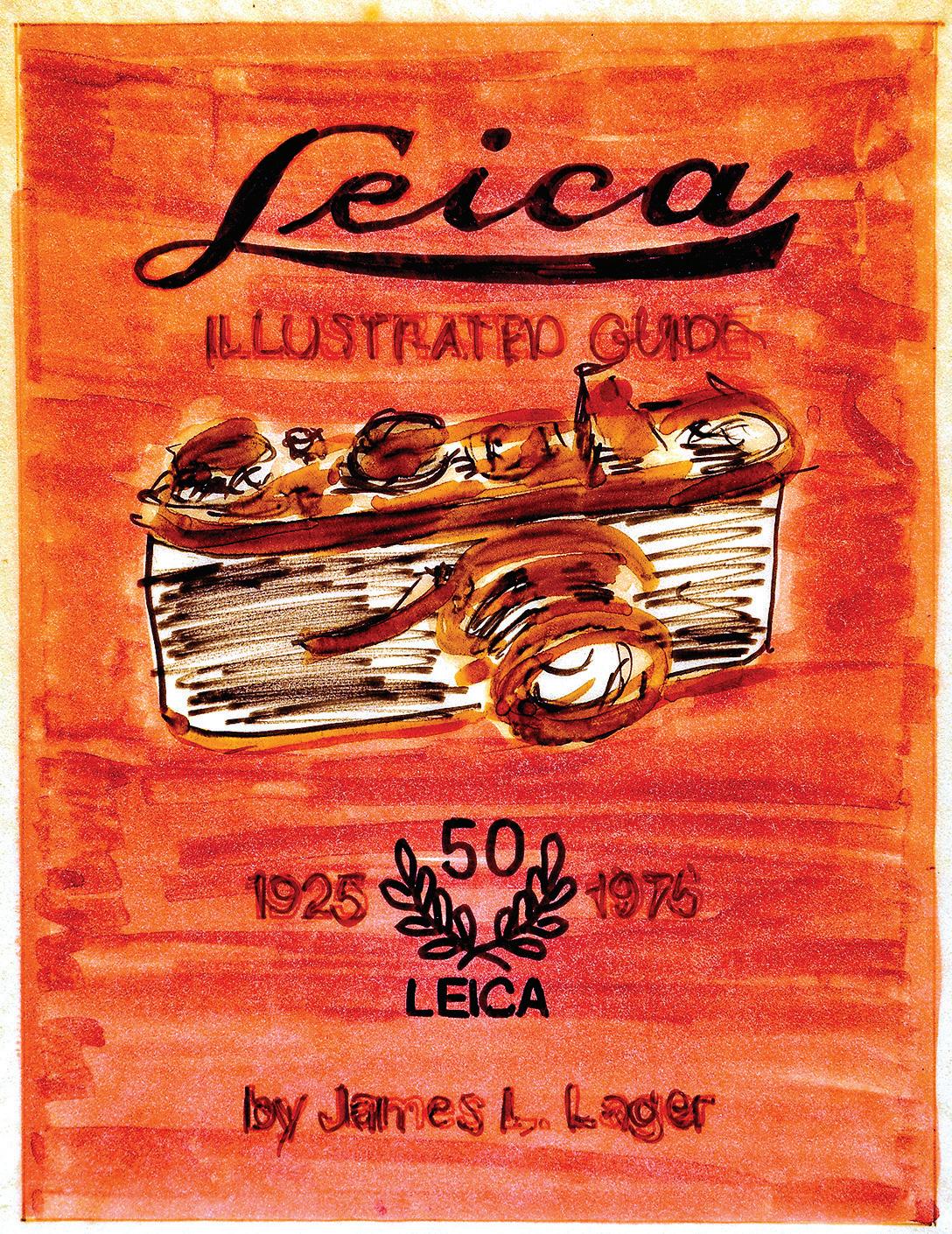
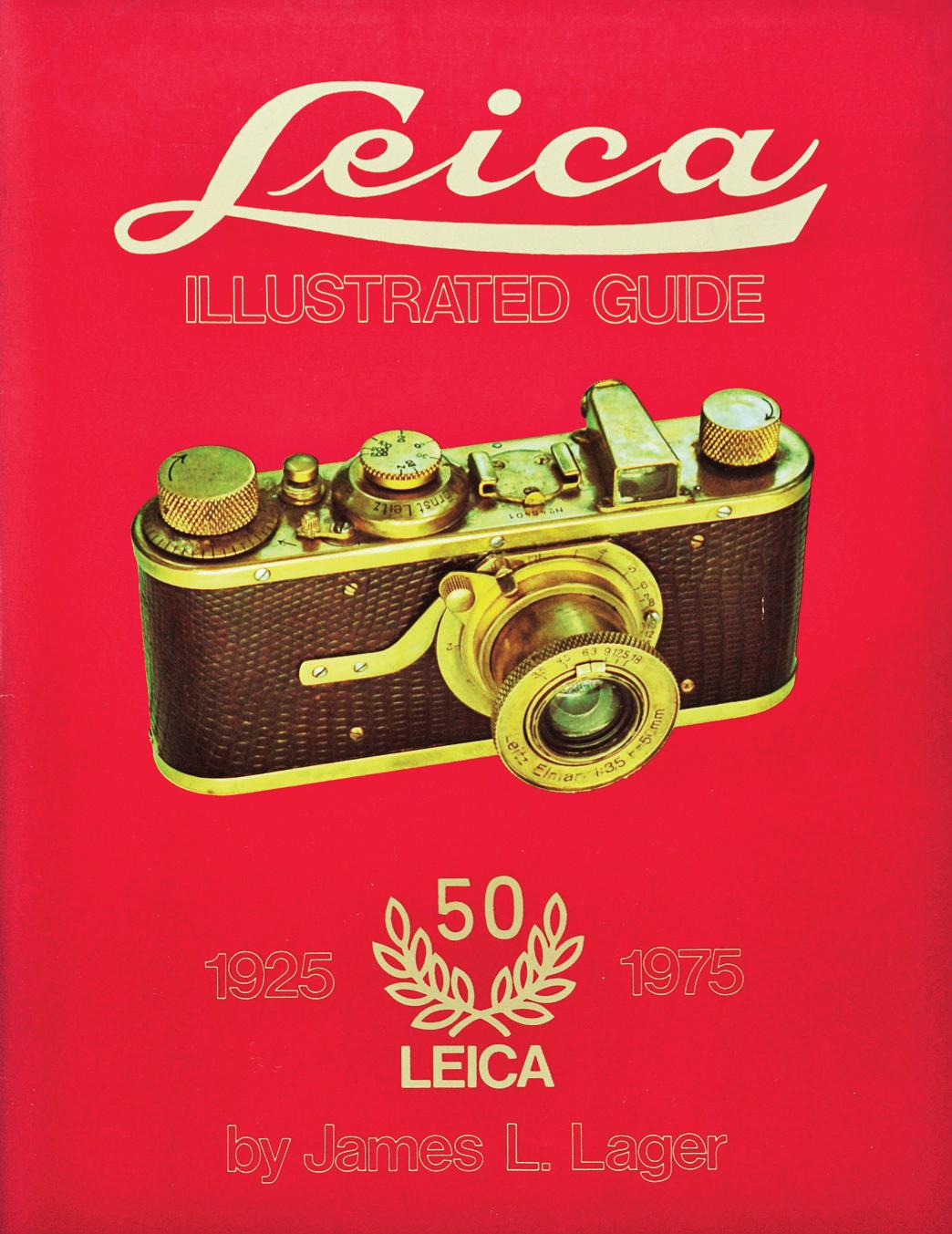
In a memorable meeting with Douglas Morgan in his Dobbs Ferry office I presented my ideas. All illusrations must be life size if possible. Details such as serial numbers must be readable. Images so sharp you could “feel the knuraling.” Copy font size large enough to be easily read , for example, if the book were resting on a sales counter of a franchised Leica Dealer. Size: 8.5x11 inches. Soft cover. Color: Leitz red with gold lettering paying homage to the color scheme of 1930's Leitz packaging. Cover illustraton –something striking and unusual.
Douglas Morgan listened, smiled, and gave his go-ahead. He reminded me that the book must come off the presses within 1975. Now the project was in my hands. I located and documented the various Leica models by utilizing my Leicaflex SL. Films developed, prints made, and copy prepared. The cover completed featuring a Leica LUXUS. Finally in late 1975 the softcover book titled Leica Illustrated Guide was published.
More books followed. Improved and expanded destined to reach Leica enthusaiasts worldwide. It will always be my 64-page birthday present to the Leica that remains most memorable.
E.Leitz, Inc., New York 1939 Complete Illustrated Price List
Leica Illustrated Guide cover with LUXUS. Cover design sketch.
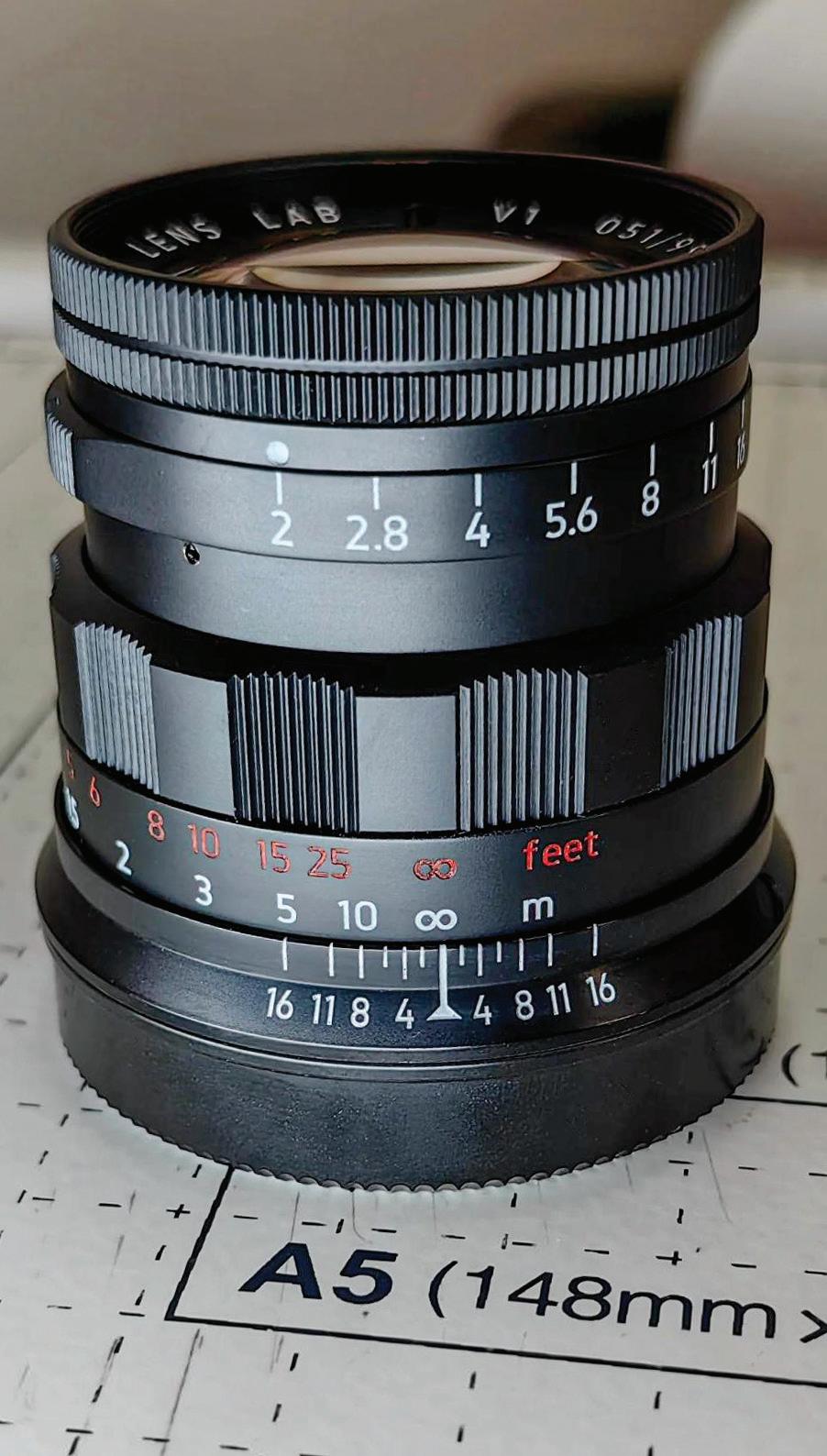
The R igid 50/2 Summicron Light Lens Lab’s Recreation
by ED SCHWARTZREICH
Thelatest and newest LLL recreation is of the classic Rigid 50/2 Summicron of 1956, the lens that defi ned Leitz and Leica post-war, just as the iconic 50/3.5 Elmar had done pre-war. The Rigid Summicron was a Janus-like object, both forward-and backward-looking.
The Rigid was an upgrade, Version 2, of the 1953 collapsible Summicron, itself a lens that combined lens designer Max Berek’s philosophy of how to develop a lens, but also pointed in the direction of things to come. Berek had left us in 1949, but his thinking still much prevailed at Leitz, for Berek was the (mostly) unsung hero of the Leica camera. His lenses were much of the reason for the camera’s success: sharp enough, contrasty enough, silkysmooth enough for the fi lm emulsions of the time. In the days before computers and before lens coating, Berek was able to balance the lens aberrations so that the user got a predictably very satisfying image. Berek was not an outside-of-the-box lens innovator like Ludwig Berthele with his Ernostar → Sonnar, but a very clever and thoughtful designer, creatively utilizing the available glasses and optical history (the double gauss layout in particular) to create his series of Leica lenses after the Elmar: Summar, Summitar, Summarex and so on. (The Hektors were a different layout). His way of thinking led to the Summitar* and then, after his death, to the collapsible Summicron once thorium and later LaK9 glass became available.
At the same time that the Summicron was the crowning achievement of Berek’s legacy, this lens could also be considered the progenitor of the later Leitz lens family.
New glasses, in-house computers to help with ray diagrams, better lens coating simply made for better lenses, still much within the double gauss framework and later with the genius of Dr. Walter Mandler.
Historically, the Rigid 50/2 Summicron stands as the iconic Leitz lens of the 1950s, itself lending its name to other slightly later f/2.0 Leitz lenses of 35, 40, and 90mm focal length. There might be 35mm-fit lenses of other marques that were nominally sharper, or more contrasty, but without the build quality and the brilliance and clarity of the Summicron. The Rigid Summicron was not razor sharp, especially at its largest apertures, but it was nearly-so / pleasingly-sharp enough, with the Berek-ian emphasis on “pleasingly”.
Because lens design in the 1950's had yet to reach its present state of near-perfection, there were compromises in how the Rigid Summicron was set up. Just as Berek used the fairly modest f/3.5 aperture of his Elmar to keep aberrations cleverly under control, so too the Leitz designers of the Summicron, per Erwin Puts in Leica Lens Saga, thought to set f/4.0 as the sharpest point of focus, to deal with 5th-order spherical aberration which could only be better corrected at that time by more careful assembly than the company could reliably muster at its cost point. While the lens was very usable wide open, the thinking was that most users closed down their lens at least a bit in actual use anyway. Today we have Peter Karbe telling us that HIS lenses were made to be used wide open. And indeed they are, but back in the 1950s, film emulsions and flatness of film at the film gate made everything somewhat of a softish compromise anyway. Thankfully. We got plenty of brilliance and clarity regardless. We were simply not able to look at our negatives the way we chimp and then hugely enlarge our digital images on the rear screen to look for sharpness. We were more easily satisfied. I recently had the sharpest focusing point on a Rokkor-M 28/2.8 set at f/2.8 by DAG – Don Goldberg – (it had been at f/4.0), simply because I liked to use it wide open, at which point it seemed too soft on my M10's. On film, it hadn’t mattered.
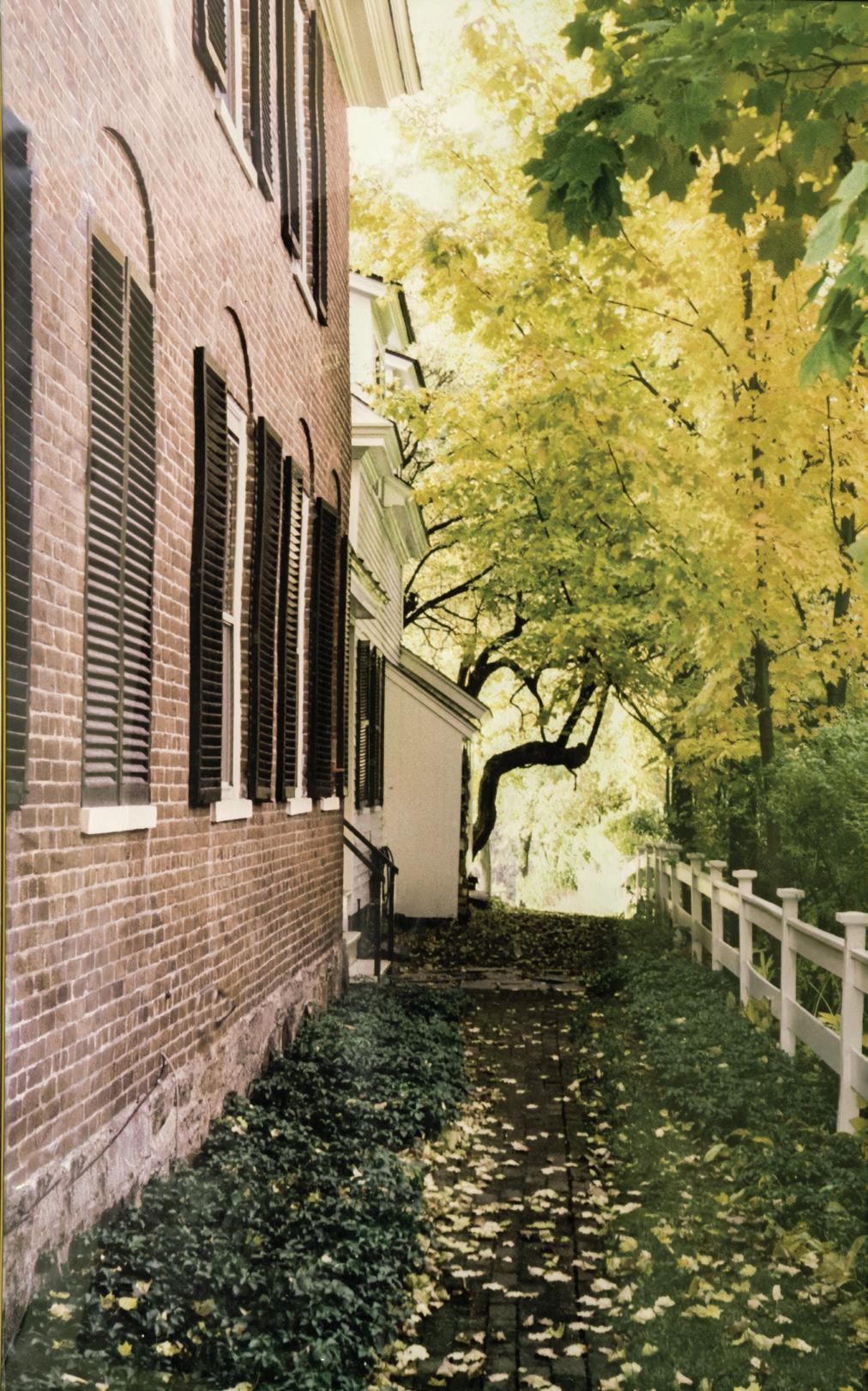
To the right is a photograph I made about 30 years ago, with a Rigid Summicron on color print film. Probably at f/5.6. It was enlarged to 20x30 inches (50x76 cm) by Kodak, and is mounted in a frame. I made this image of it on my wall, but had to use a shift lens because of reflections, so the resulting depiction is only an approximation of the beauty of the original print. Nonetheless, one can see that while nothing is critically sharp, yet everything is sharp enough and the image has both presence and brilliance. This is the essence of the Rigid 50/2.
Leitz had made a series of 50 Summicrons through the years, because they felt they could improve on things with the latest technology, even before aspherics came along. But at least some of us liked the degree of perfection that this historical lens gave us. Light Lens Lab has said that this model of theirs is a close replica of the original Rigid. “With the 50mm f/2 Rigid, we felt that the lens was already at its best (in some ways, Leitz's bestdesigned lens); thus, we did not have any plans on switching to newer glass. We wanted to do justice with the original lens’ rendering quality. We did have one improvement: our lens focuses down to .7m instead of the 1m”. (For comparison, the Dual Range Summicron, with the same lens formula, focuses down to 0.5m, but only with its goggles).
The LLL Rigid does have the removeable head that the originals have – to be used on various Leitz close-up and other devices.
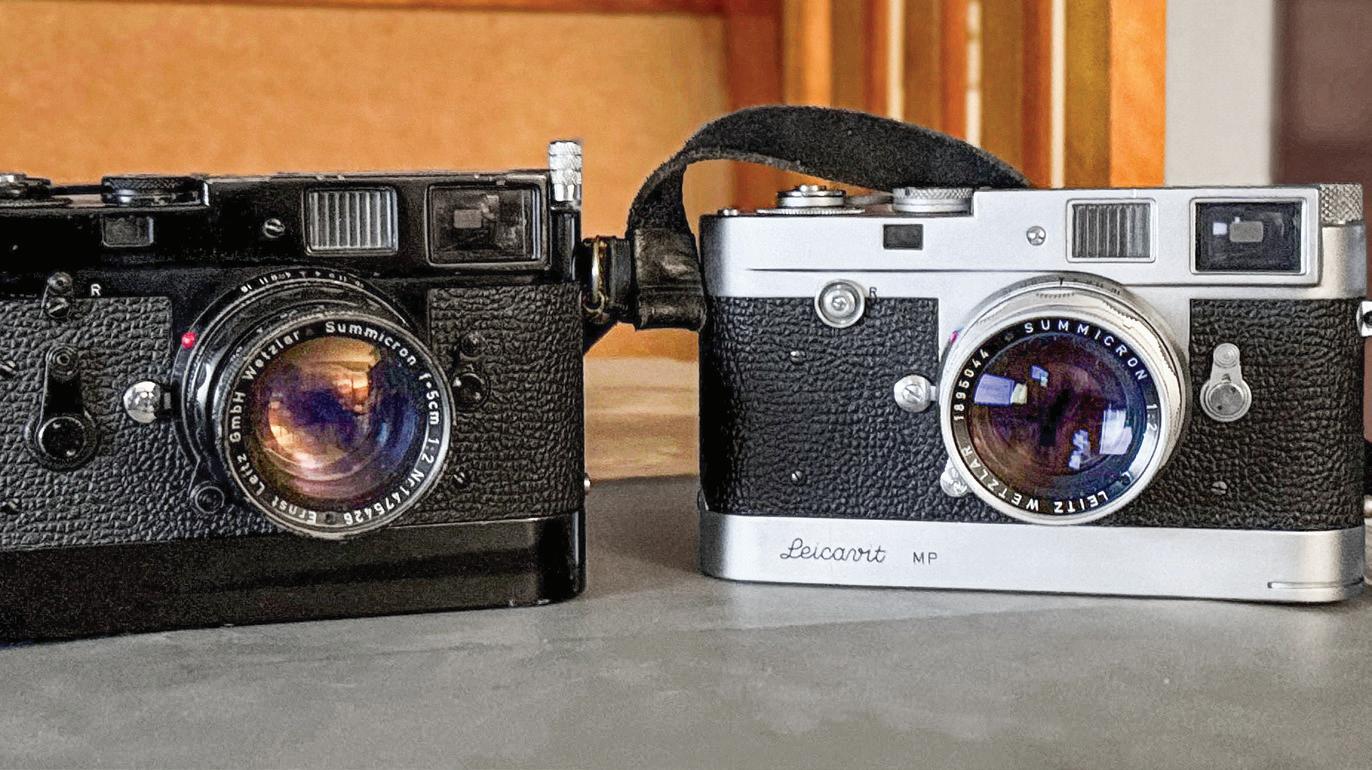
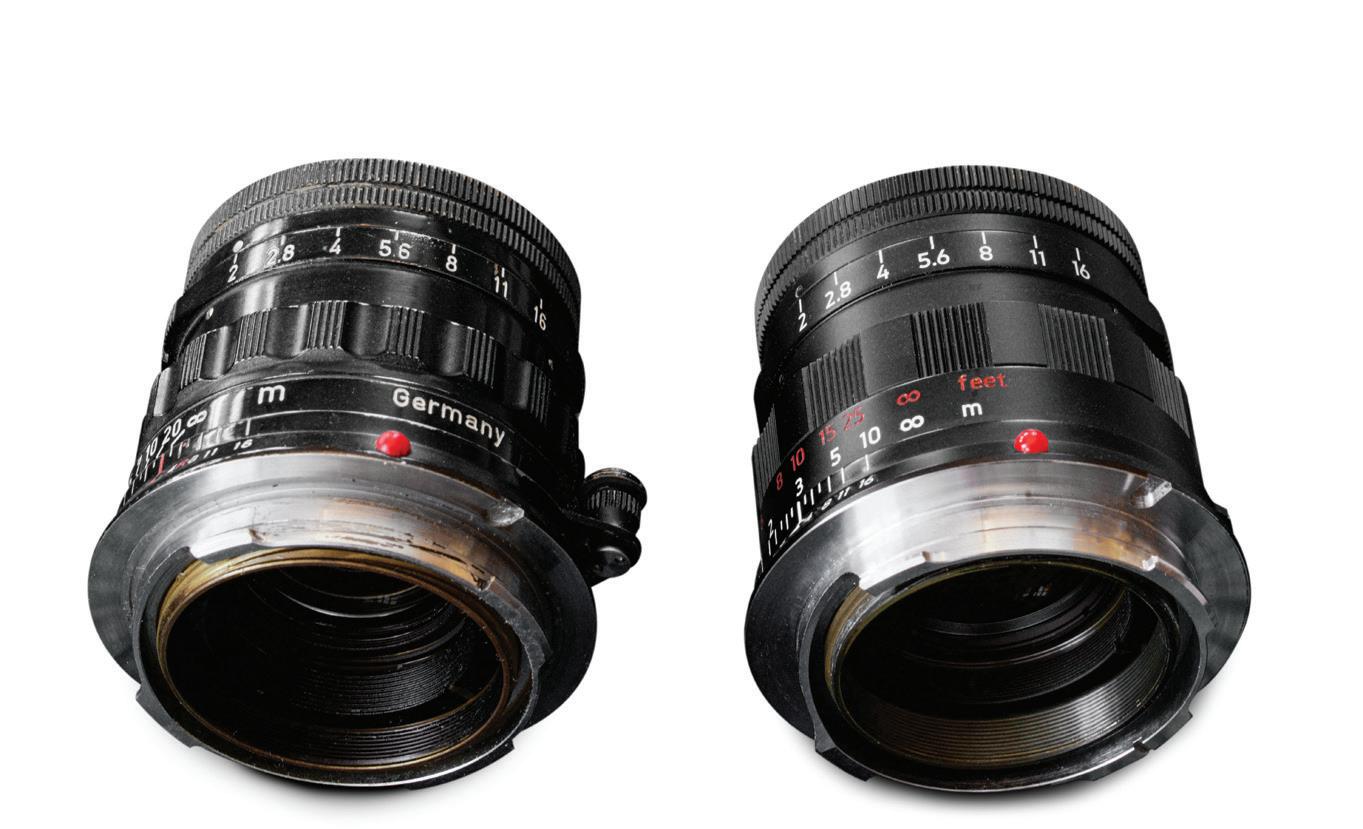
I own two Rigid 50/2 Summicrons. To the right is a quick and dirty image of them on M2's.
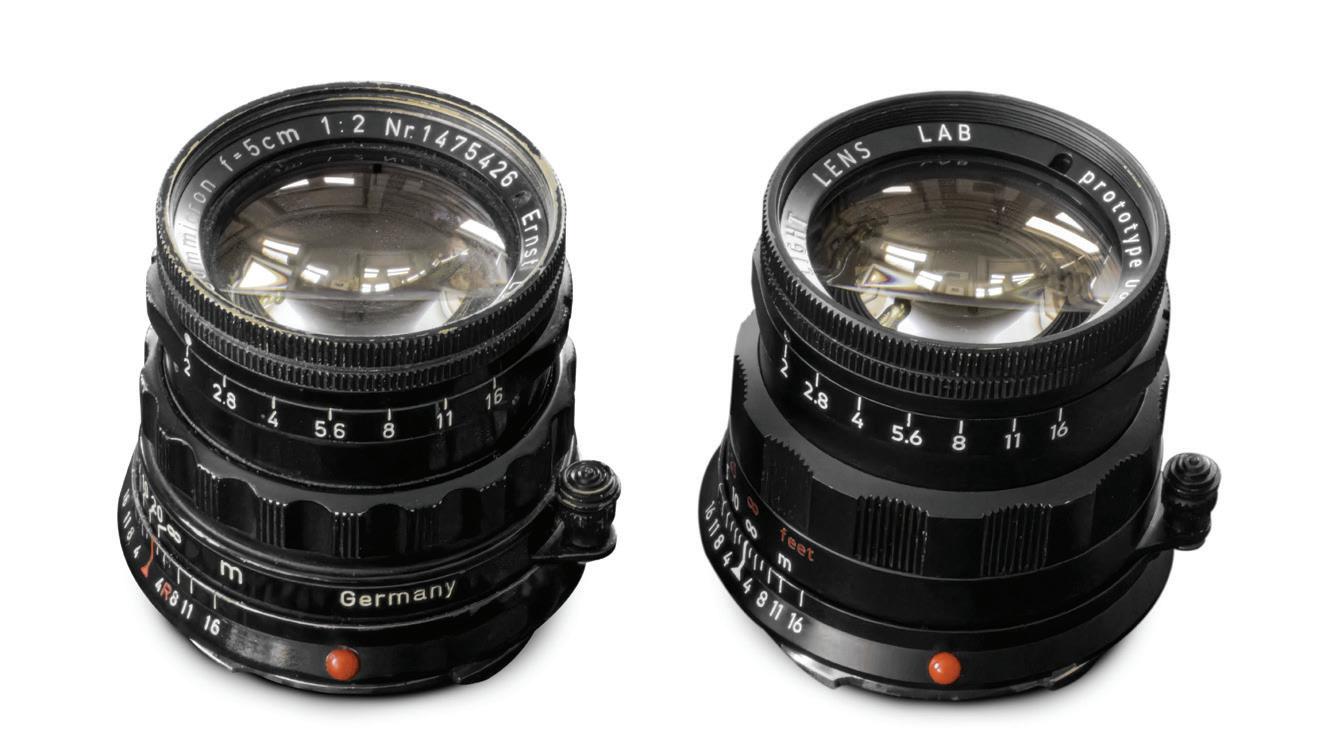
I will be using black one that DAG had serviced a few years ago to make any comparisons with the new lens. I was quite surprised to find that used Rigids sell in the $1300 plus range. Black ones, even those repainted ones like mine above, sell for much more. Overall, in all configurations, approximately 119,500 of these lenses were made originally.
David sends the following prices for the LLL replica:
Chrome: 799 USD
Black Paint: 849 USD
Black Paint with Brassing: 879 USD
Bare Brass Special Edition: 899 USD
And here is what Mr. Zhou has to say, as recorded by his North American agent David Yu-Heng Chen, and very lightly edited:
“We have not re-designed the optical elements or improved the Rigid’s optical design. We have kept the original LaK-9 Lanthanum elements as with the original Typ 2 50mm f/2 lens. The optical and distortion performance will remain the same; however, the two slight differences come with the changes in the exterior body and the focusing.
The first difference would be in its body structure: several parts of Leica’s original lens are made from aluminum, so we have decided to have the entire body made from brass alloy. From my understanding, the decision to manufacture the parts in aluminum was due to difficulties in machining and manufacturing the parts to a satisfactory level. Another decision
I made regarding the exterior finish is that I have decided to have the lens available in black paint, with the rear mounting part in chrome, so that it will not have brassing/paint deterioration from usage. Leitz made some of the Summicron 50mm f/2 version 2 in black paint; they are one of the most sought-after versions with collectors and enthusiasts, commanding a high value. However, there is an even rarer version of this lens - the 50mm f/2 Summicron V2 Black Paint in Brass Mount, made in very limited amounts and highly sought-after by collectors worldwide. However, there was an issue with this lens back in the day, and I believe it has been remedied now - the rear mount was painted in black.
The black paint can have the potential to brassing/wearing off from usage, and it can cause issues with the paint residue falling into the interior mechanism of the camera, potentially onto the film itself. It wasn't a major problem at the time as the camera was only shooting film; slight corrections during enlarging/printing could remedy this issue. However, the same cannot be said for modern digital cameras and their digital sensors. Imagine the debris/ residue on a digital sensor (sensor dust); or even worse, the camera could malfunction due to the paint debris/residue entering the camera circuitry. This part was challenging for us because it is one single brass part - the exterior lens side is in black paint with no chroming process, while the rear mount in contact with the camera is in a smooth chrome finish. This guarantees no paint residue/debris from usage will be in contact with the camera itself and cause issues with debris falling inside cameras. It also ensures a tight tolerance with the lens mount. However, this dual process is complicated, as it requires both the chroming process and a black paint process on each mount, and there is no contact between the two processes. We had considered splitting the rear mount into two parts for easier manufacturing. However, I decided not to go through with it since it cheapens the lens's value and the rear mount's aesthetics, and this process showed our technical prowess in the refinement of the chroming/black paint process.
To answer your questions regarding whether we would be doing something similar to what we did with the Nine Element 28mm f/2.8 (such as digital optimization, replacement of its original element with fluorite/ED elements, etc.). The answer is no - this lens is one of the most iconic lenses in Leica’s history and its catalogue, even more so than the classic Eight
Element 35mm f/2 in my opinion, and it has set Leica’s standard for excellence in quality and performance since the beginning of M-mount. With its classic/vintage character and high-performance rendering, even when it is used on a high-megapixel sensor, I don't believe it would be necessary for us to utilize any major revisions. We did make with some minor interior changes, such as having the minimum focus distance optimized to 0.7m, the standard for all Leica lenses today. It wouldn't be in our best interest to change the original Rigid rendering when it is a part of the reason that began the famous “Leica Look” phenomenon. We do not see a reason for any changes to its optical elements, which are quite unique as they use a type of rare-earth lanthanum elements, codenamed “LaK-9”. Thus, similar to our earlier 35/2 Eight Element, we have re-engineered the “LaK-9” to the exact specification as the original, down to its chemical composition.
The other reason for not changing its elements is due to another project that we are developing — “The Rigid Project”. We are currently researching and developing optical designs from some of history’s most famous and legendary optics, each to be housed in this classic Rigid lens body, with complete focus and rangefinder coupling to the Leica system. The project already began in 2022 with the introduction in this form of the Cooke Rigid-SPII, which is a famous optical design in cinematic history; we now have the Rigid itself, which is in some way the set standard of what a Leica lens should be, and soon we will intro-
duce more historically significant and rare optical designs such as the Dallmeyer Super Six 50mm f/1.9, and many other famous optics from photographic/cinematic history. With these optical designs and their unique rendering qualities, we thought not to make any significant improvements to the optical designs themselves.
As for the history regarding the development of our Rigid 50/2 lens, we consider the Leitz original as the standard of Leica Lenses in terms of both its rendering and its exterior aesthetic. This is what attracted me to this lens, and then which also gave me the idea about “The Rigid Project”. The majority of all these optical designs in history were housed in their own different lens bodies to be used for cinematic purposes. Some were however rehoused/ machined to be used on M-mount cameras even though they were not designed to be used with the Leica system. We would like for these various optics to be housed in a uniform, and highly-respected classic lens body – identical to the Rigid 50/2. Thus, we will have a very usable and pleasing ergonomic and exterior aesthetic design for photographers to use while they experience history’s most legendary / mythical / sought-after lenses.
While we have expanded into researching and developing optics in more areas, we have never forgotten our initial motto“Legendary Optics, Recreated” - and that we would like everyone to experience optical history’s most legendary and historical optics.
As for the options on LTM mounts, I plan to release a limited batch of 50mm f/2 Rigid in LTM mounts, but it will be in the future. We have many exciting new plans and releases for 2025 in development, and we cannot wait to show our capacity to produce optics for everyone. ”
The prototype I received (right) was quite similar to my black (re)painted one (left), only it had the later broad knurling style.
I took my customary two initial photos. On both, the spot focused upon at f/2.0, close to the center, is relatively and pleasingly sharp, in the manner that is familiar from the original lens.
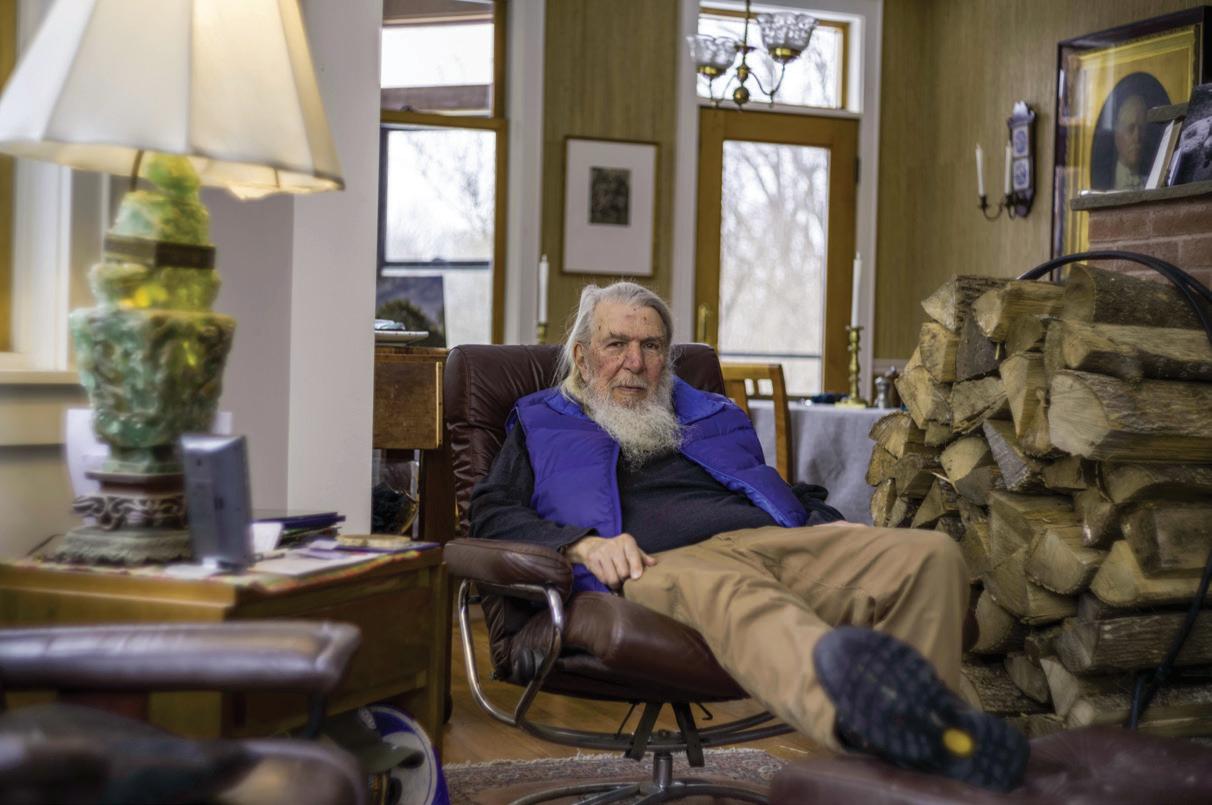
My brother-in-law described his image here in quite favorable terms as capturing his essence, maybe due to the fact that it is not bitingly sharp, yet it feels realistic. (right, top)
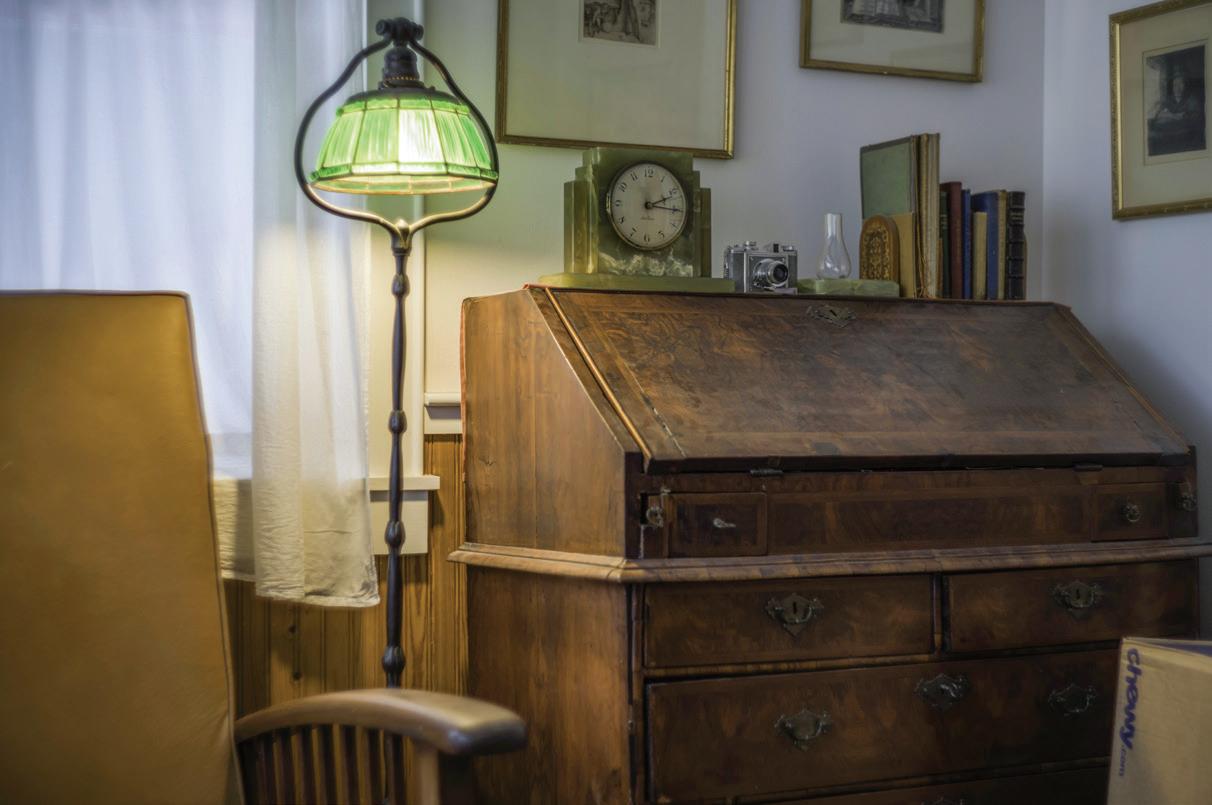
Here focused on the clock, maybe slightly low in biting microcontrast, but a nice 1950-ish feel. (right, middle)
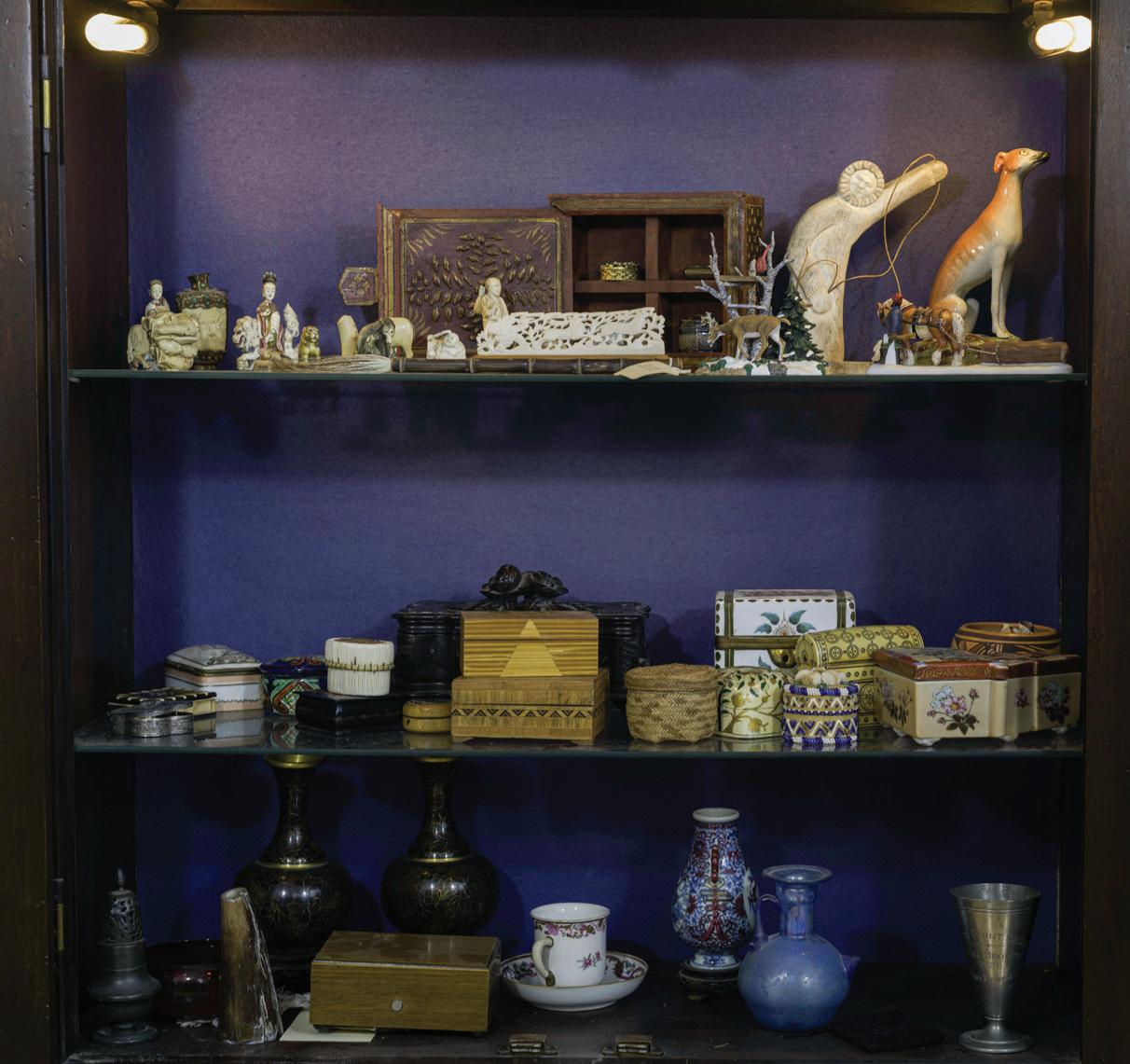
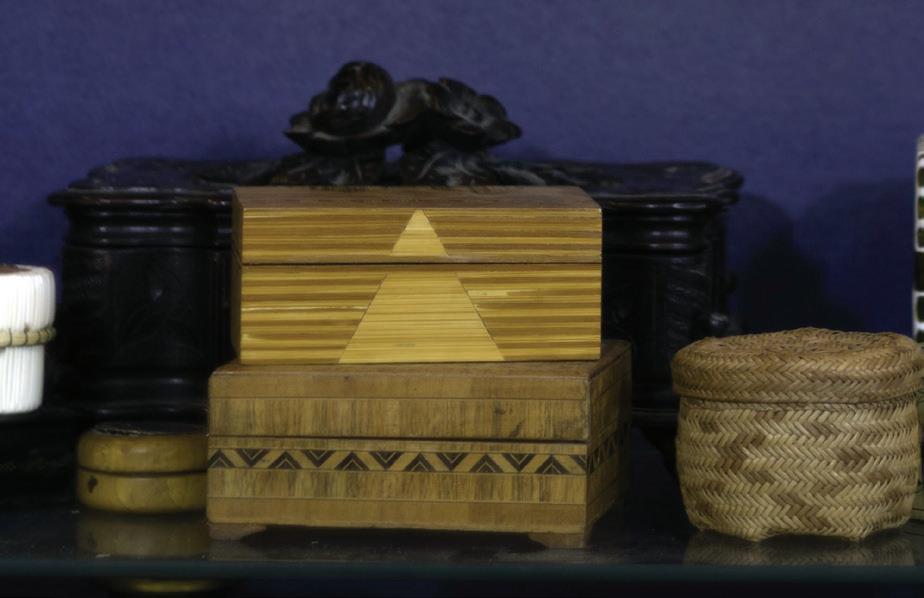
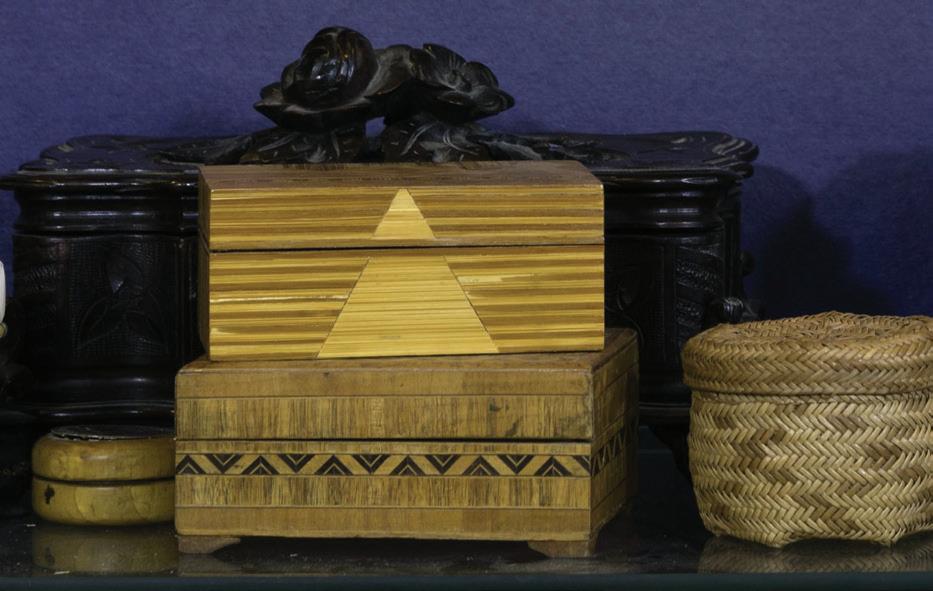
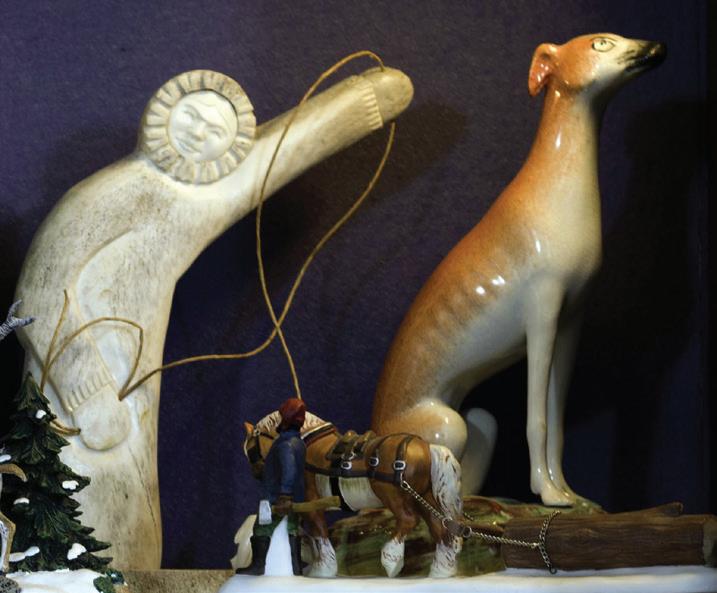
To test the lens out versus its predecessor, I photographed our curio cabinet with both lenses, both wide open at f/2, and at f/5.6. To the right is the overview image.
I have left this image a bit darkened here so that nothing has truly blown-looking highlights.
On the following page are crops at f/2 and at f/5.6.
LLL at f/2 at center (left) and at edge (right).
LLL at f/5.6 at center (left) and at edge (right).
Leitz lens at f/2 at center (left) and at edge (right).
Leitz lens at f/5.6 at center (left) and at edge (right).
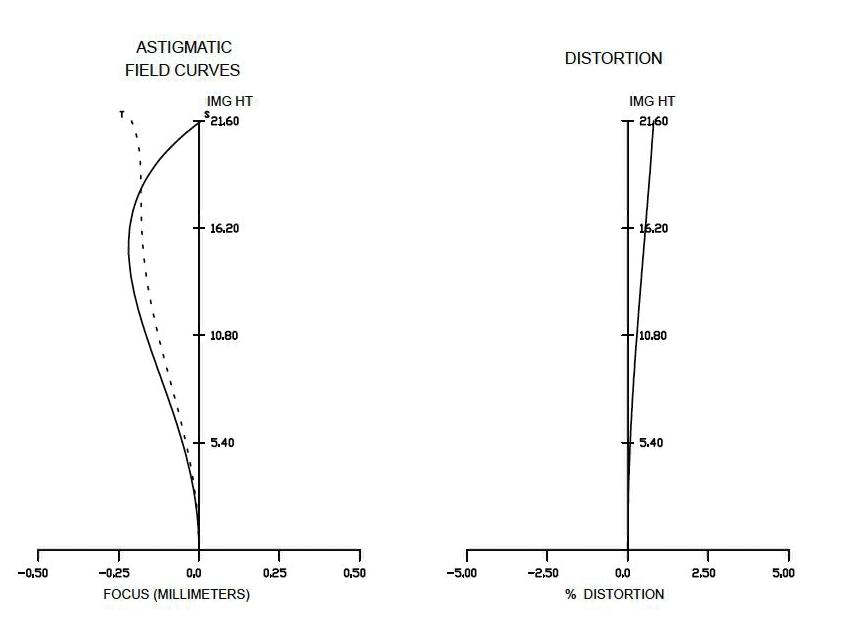
I see slight differences, only. There might be more forward field curvature for the LLL lens at the edges. Indeed, the supplied distortion curves to the right from LLL bear this out. Minimal barrel distortion.
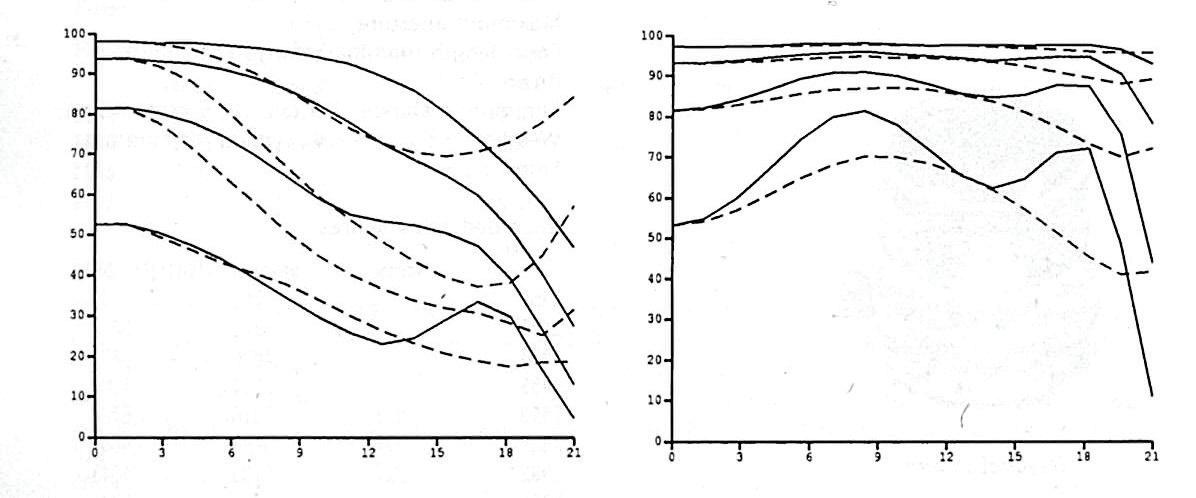
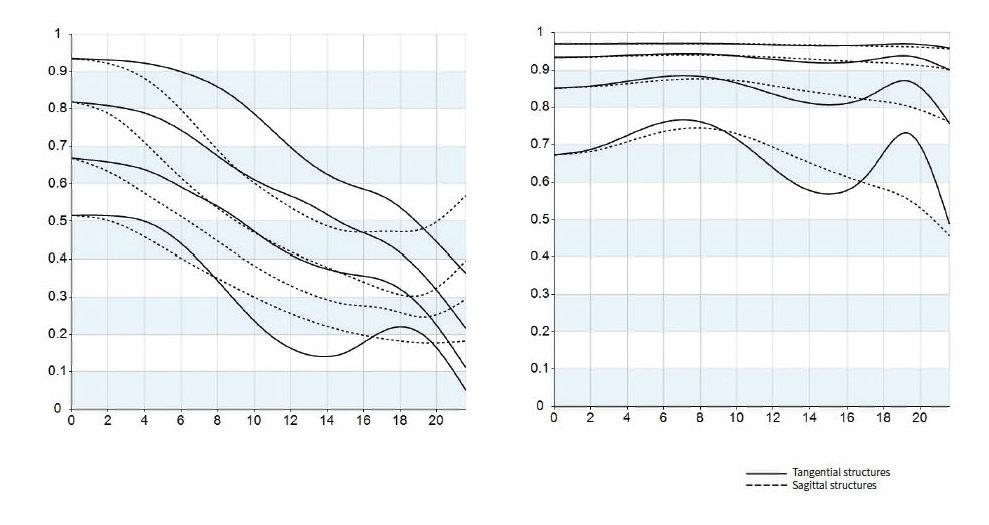
As for the MTF curve comparison, to the right are the curves from the Leitz lens and those from the LLL lens.
These curves are reasonably close.
curves from LLL.
Distortion
Leitz MTF Curves
LLL MTF Curves
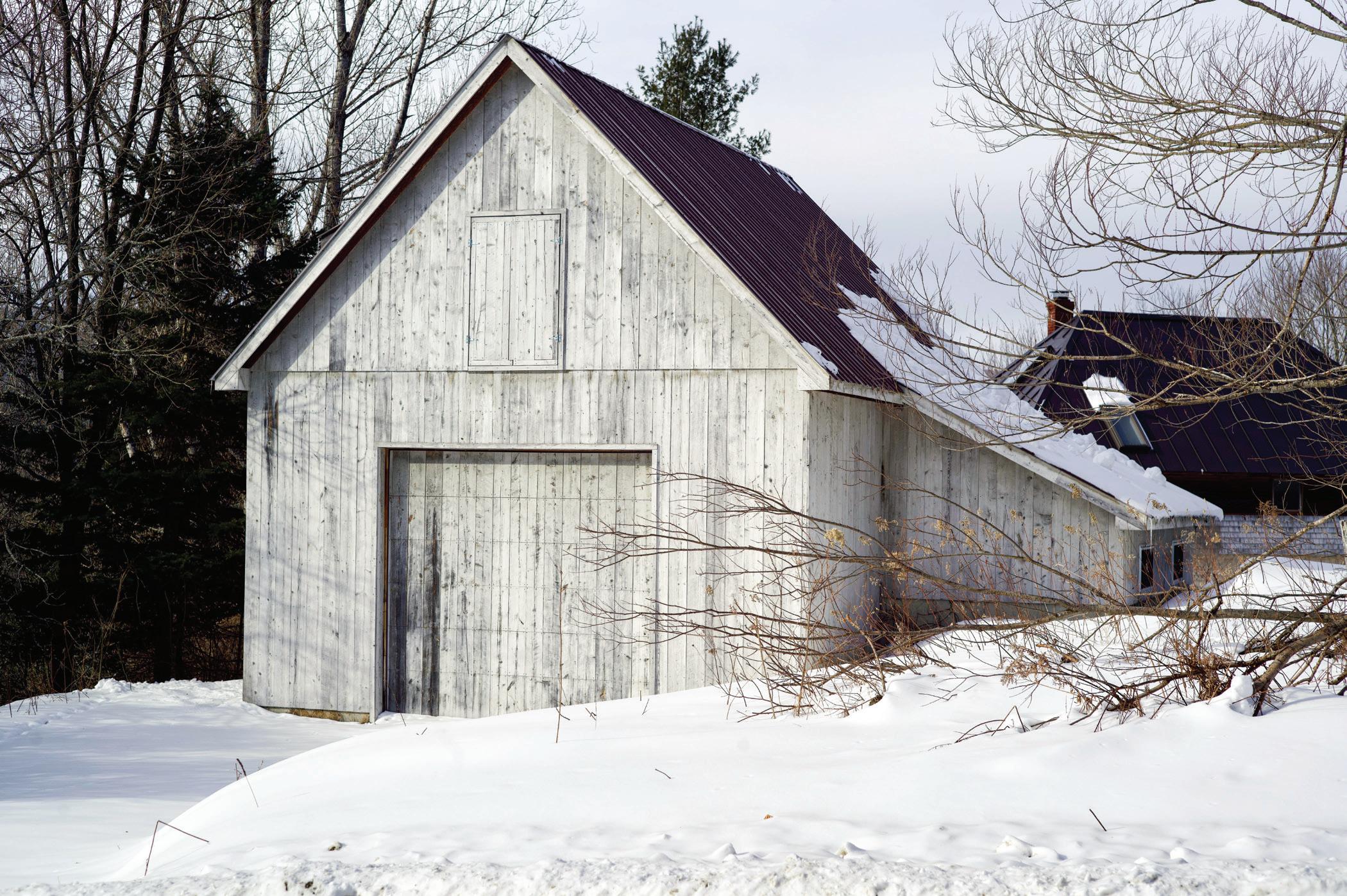
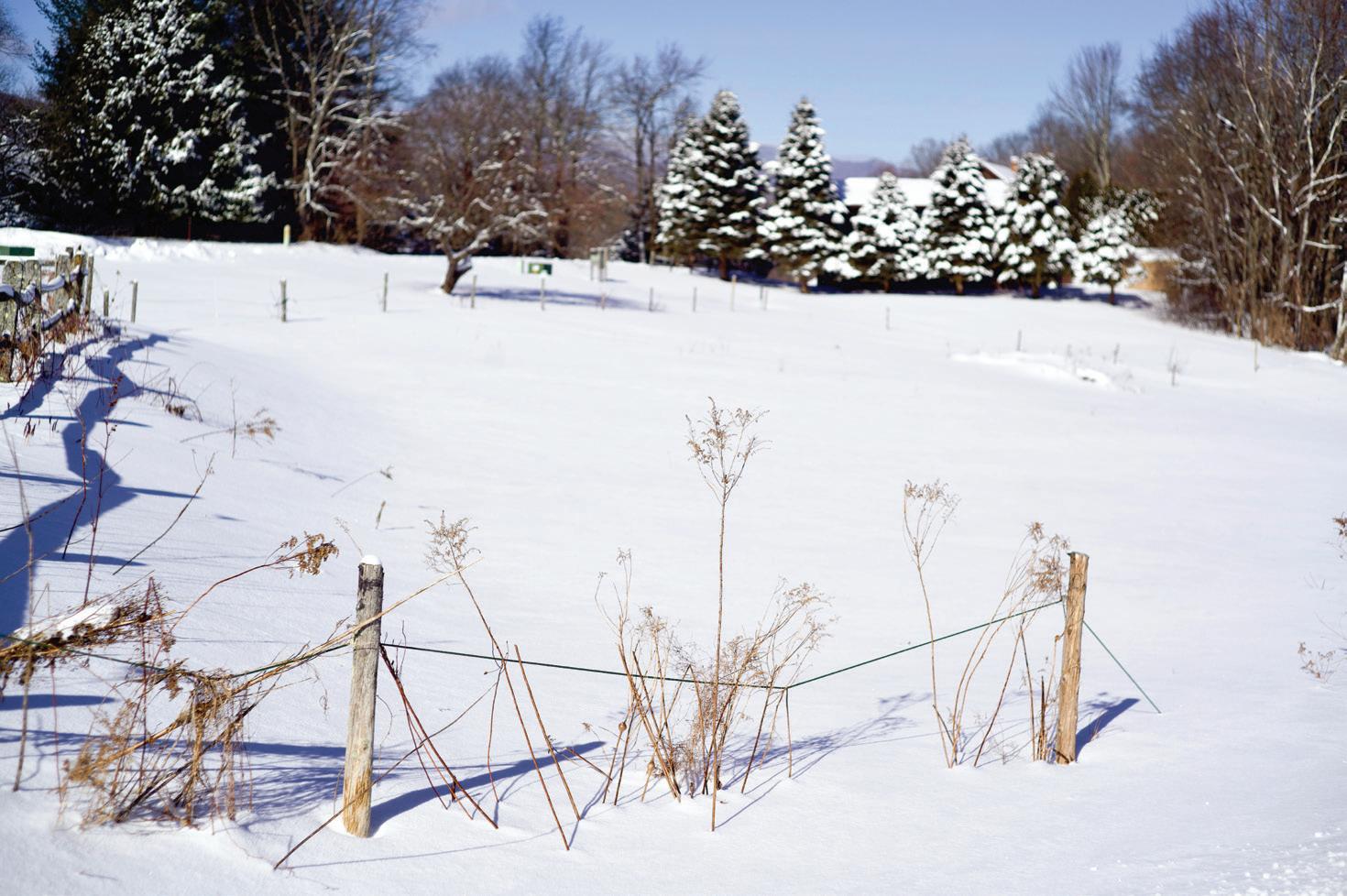
And onward finally, to some images from the LLL Rigid 50/2 in use. It has been very cold here in Vermont since I received this lens for testing. Today, it warmed up a few degrees below freezing, and I took it out on my M11 and shot a few pictures, all at f/5.6.
They show decent sharpness and definition, a nice feel for the lighting. There is perhaps slightly less detail in the shadows and less micro-contrast than a modern lens.
And above is a slightly later shot, plus its close-up center, to show sharpness. F/3.5.
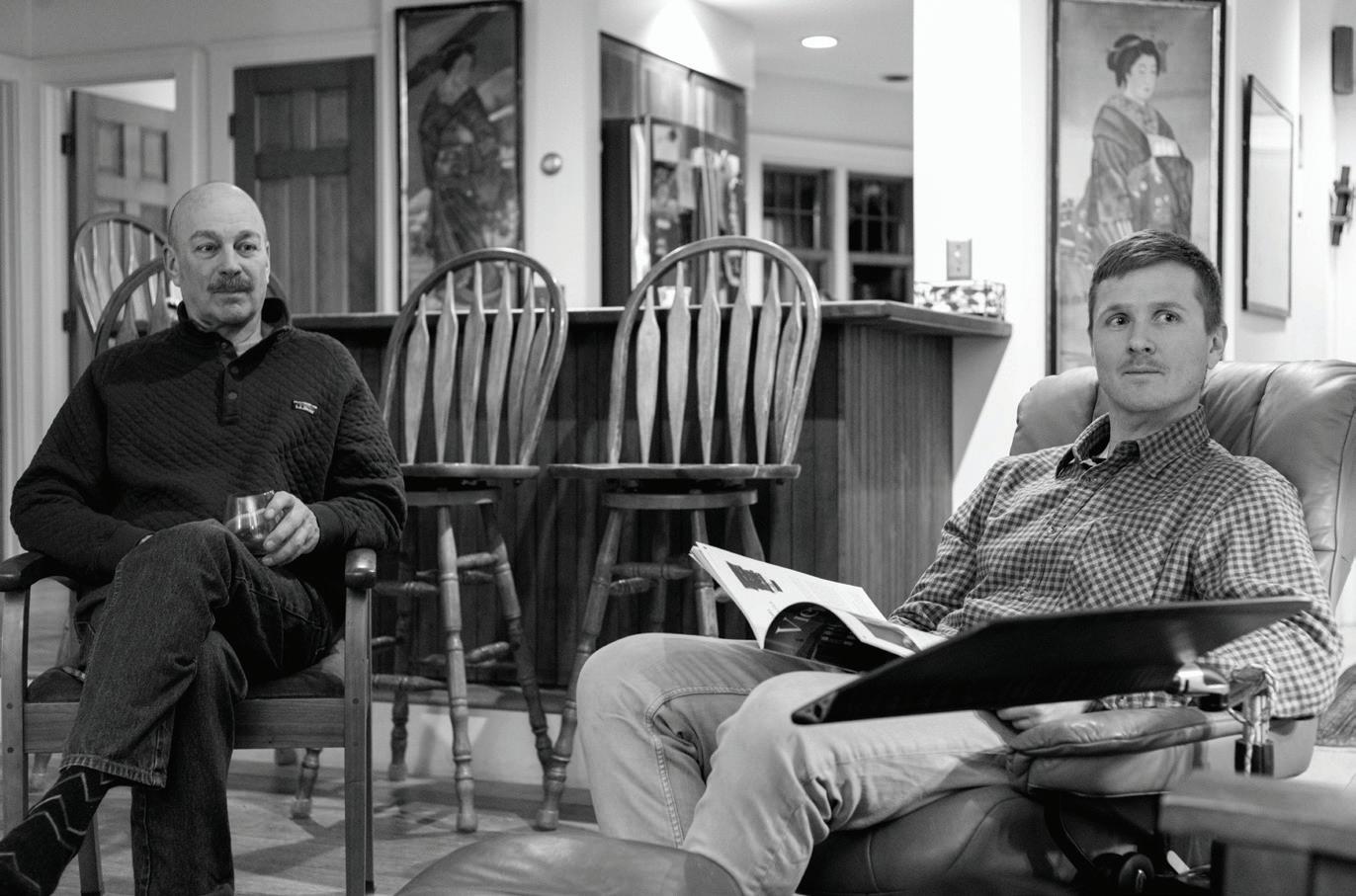
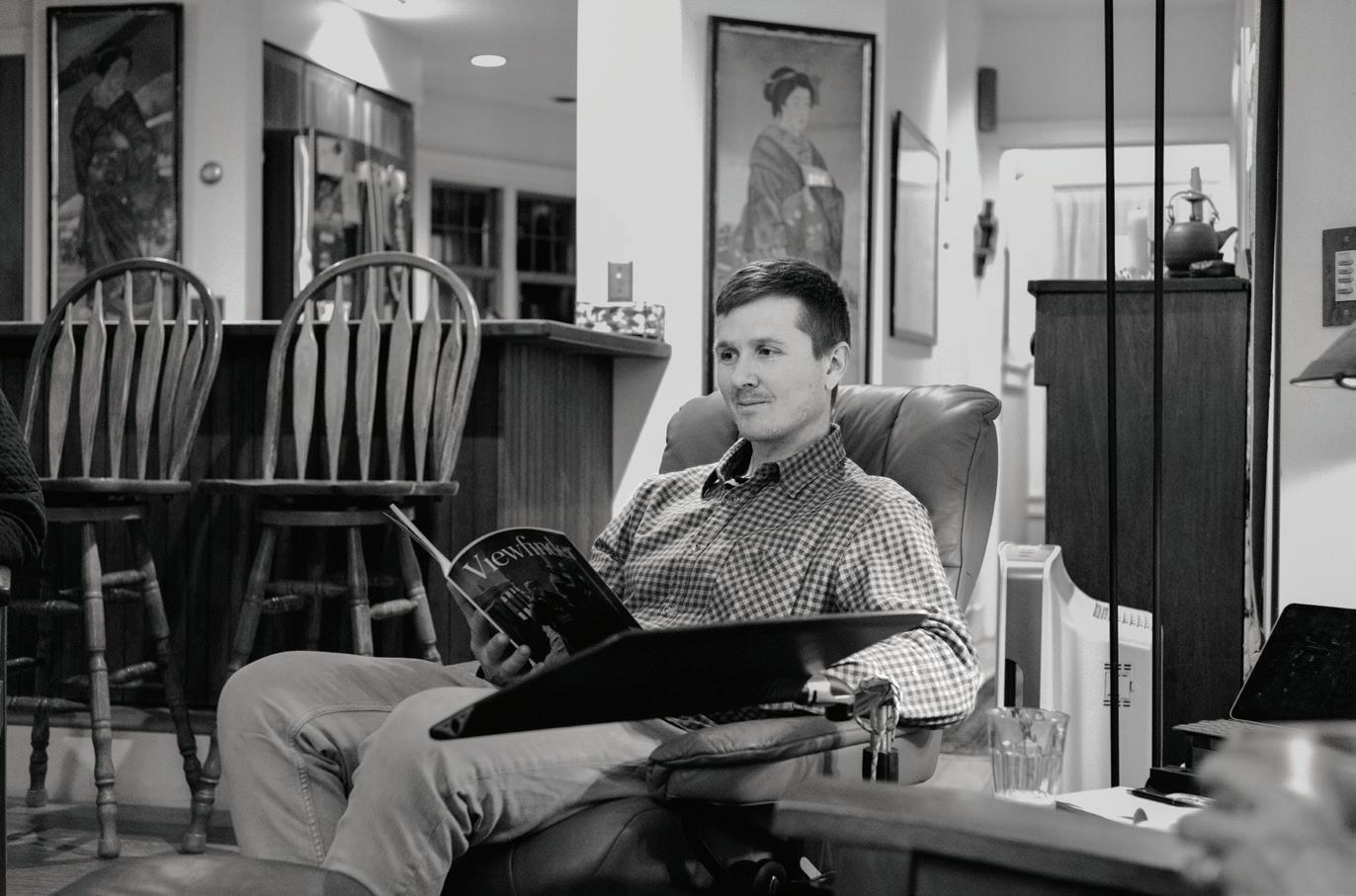
I had planned next to shoot some posed people images, but the weather still hovered around zero Fahrenheit hampering my going elsewhere, so I waited until some guests came over and I got their OK for a few shots. These were taken with only room lighting, ISO 6400, with an M10 Monochrom, lens set at f/4. One is slightly cropped, the other two whole frame. Some adjustment of levels and contrast; some very modest camera shake present because shot variously at around 1/30 to 1/125 sec.
I think these images show the typical signature of the Rigid 50.
In conclusion, what we have here thanks to Light Lens Lab, is a faithful recreation of a classic optic. It writes slightly differently than the most modern lenses, but its design is almost 70 years old. When I was shooting with Rigid 50/2 Summicrons, which I did almost obligately for years, I probably shot at f/5.6 or f/8 most often, and at those apertures there was little difference between the Rigid and the most modern lens of that day. I appreciated the solid build, the precision feel of that lens, and knew I could anticipate an image with the classic Leica glow and brilliance. Besides the framed image toward the start of this review which I made with the original, I have at least two other images hanging on my walls made with this lens.
If you would like to try out this lens and add it to your own armamentarium, the LLL version is a winner that will save you up to 50% of the going prices.