Inquiries about membership, upcoming events, replacement Viewfinder issues, and special orders should be directed to:
Richard Rejino, Executive Director Leica Society International 14070 Proton Road, Dallas, TX 75244 info@leicasocietyinternational.org (972) 233-9107
Viewfinder is the official publication of the Leica Society International, a nonprofit organization incorporated in the state of Delaware. Copyright 2023. Reproduction or use of any material contained herein without permission of the Society if forbidden.
Leica is a registered trademark. It and other trademarks pertaining to the Leica System are the property of LEICA CAMERA, USA, INC or LEICA CAMERA AG.
ISSN 1543-8732
PRESIDENT Brad Husick Medina, WA
EXEC.VICE PRESIDENT David Knoble Charlotte, NC
VP / TREASURER William Fagan Dublin, Ireland
IMMEDIATE PAST PRESIDENT Keith R. Sbiral Chicago, IL
PRESIDENT EMERITUS
James L. Lager
Rolf Fricke Bill Rosauer
APPOINTED OFFICERS
Viewfinder Editor
Bill Rosauer
Buffalo Grove, IL lhsaeditor@yahoo.com
Associate Viewfinder Editors Ed Schwartzreich Waterbury, VT
Amitava "Chats" Chatterjee Manassas, VA
EXECUTIVE DIRECTOR Richard Rejino Dallas, TX
ELECTED DIRECTORS
Class of 2023
Sandra Eisert Redmond, WA
Robert Levite Coral Gables, FL
Ashwin Rao Seattle,WA
Jonathan Slack United Kingdom
Class of 2024
Amitava "Chats" Chatterjee Manassas, VA
Wilbur Norman Sante Fe, NM
John Pegouske Dearborn, MI
David Spielman New Orleans, LA
Class of 2025
Henry Berman Chestnut Hill, MA
Bill Royce Prescott, AZ
Hari Subramanyan Heidelberg, Germany
Kirsten Vignes Minneapolis, MN
SENIOR DIRECTORS
Gary Hough Woodinville, WA
Douglas Drumheller Pittsburgh, PA
Alan Weinschel Roslyn Heights, NY
Contributing Editors
James L. Lager Closter, NJ
S.R. Gilcreast Jr. Peterborough, NH
S. Willis Wright Port Washington, NY
A LETTER FROM THE PRESIDENT
by BRAD HUSICK
Dear LSI Members, We have good reason to celebrate this issue of Viewfinder . In recognition of International Women’s Day, we dedicate this issue to the women of the Leica community. You’ll love reading Kirsten Vignes’ story about her Leica and LSI journey. My dear friend and photographic inspiration Sandra Eisert is featured in David Knoble’s article. The entire issue is a joy to read.
I am dedicating the rest of my space to thank the LSI Sustaining Members. Our Sustaining Member program is a vital part of keeping our non-profit society thriving. If you’re not already a Sustaining Member, upgrading your membership on our website is easy. Thank you.
- In Your Service, Brad sustaining
M. Davis
G. DeMichillie
K. Dempster
T. Alexander
M. Allen
A. Alnisf
C. Amaya
E. Aronson
A. Basu
M. Bennett
H. Berman
J. Bernstein
R. Beuerman
R. Blair
R. Buntyn
H.P. Burstyn
S. Butzlaff
G. Buzel
J. Carman
R. Chalfan
A. Chatterjee
R. Chesrow
M. Clements
D. Cole
K. Connolly
L. Cook
D. Coy
S. Cranor
M. Crutcher
R.L. Cunningham
L. Cutler
D. Darby
E. & R. DeNoia
M. Deuber
D. Dexter
P. Dooling
D. Dory
D. Douglas
D. Downing
G. Dreo
D. & J. Farkas
P . Fastook
T. Fey
C. Flores
J. Giangrande
L. Gleim
A. Godlewski
A. Grate
R. Hall
I. Hamilton
J. Handsfield
R. Harrison
W. Hart
D. Hay
M. Heck
C. Herbert
N. Heyman
B. Heyne
T. Hidaka
T. Hoehne
G. Hough
B. Husick
M. James
J. Kahan
P. Kaplan
F. Keane
M. Kerouac
L. Kerschberg
S. M. Kline
A. Knapp
D. Knoble
K. Kochheiser
D. Koppel
M. Koss
S. Kramer
W. Kyburz
C. Leake
J. Lehmann
J. Lehrer
B. Levite
E. Lewandowski
Z. Lindemann
R. Mack
J. Maddox
U. Maiborn
S. Marrow
T. Mathews
E.M. Maximilien
J.P. McLoughlin
A. Merz
D.J. Millstein
B. Mistich
S.A. Monett
D.A. Moore
J. Nabwangu
S. Napier
K. Narula
L. Netopil
J. Ng
E. Nielsen
R.C. Olson
R.J. Orsino
D.E. Patterson
B. Paul
G. Phillips
R.C. Pisano
S. Podrasky
P. Potgiesser
R. Quirion
K. Prier
R. Raj
K. Randall
J. Rice
F. Roosevelt
A. Rose
S. Roy
W. Royce
K. Ruddy
R.G. Ruelas
I. Ryan
M. Rydel
G. Samoilova
M. Sarkisian
K. Sbiral
A. Schmeh
C. Schneider
M. R. Scott
E. Scripps
J. Shaw
W. Shum
E.B. Siegel
E. Slotnick
C.D. Smith
M. Spilotro
F. Stadler
S. Sweeney
D. Tamarkin
A. Tenenbaum
R. Tooker
J. Tubbs
D. Turner
R. Upton
G. van Eijk
K. Van Horn
C. Vandebroek
C. Viers
K. Vignes
L.C. Voss
K. Walker
A. Weinschel
G. Weld
K. Whittington
B. Wicklund
D. Womelsdorf
corporate sustaining members
KEH Camera
Diamond Sustaining Member
Leica Store Bellevue
Diamond Sustaining Member
Leica Store Boston
Diamond Sustaining Member
Leica Camera USA
Diamond Sustaining Member
Leica Store Los Angeles
Diamond Sustaining Member
Leica Store San Francisco
Diamond Sustaining Member
Leica Store Miami
Diamond Sustaining Member
Leica Store DC
Diamond Sustaining Member
Leitz Photographica
Auction
Platinum Sustaining Member
Oberwerth
Gold Sustaining Member
Westborn Camera Co.
Gold Sustaining Member
A LETTER FROM THE EDITOR
by ED SCHWARTZREICH & BILL ROSAUER
Viewfinder 56-1 is devoted to a special selection on, by, and about women and Leica photography. Anything specific about this issue that I might say is covered much better by what Kirsten Vignes, our Viewfinder graphic designer and Board Member writes in her introduction on the following page.
I will, however, present a bit of history and overview. When LSI was founded long ago as LCI (Leica Collectors International), our membership was almost entirely composed of wealthy older men, who, as the name indicates, collected Leicas. It was a men’s club, with all that such a description entails, but there was the very occasional female member or speaker at our meetings.
About 30 years ago there was a sea change. Specifically, the Society started to offer amenities at Annual Meetings and Spring Shoots to the spouses of our (still male) members, such as special tours while their men met as Board Members or to hear detailed lectures on their collectibles. During that period our membership grew. But then, 10 or 15 years ago the Society started to lose members in a very noticeable fashion. This was due to the arrival of the internet, wherein members could buy and sell their collectibles much more easily than through the Society’s Leica Catalog and annual Swap Meets. It was due to the onslaught of digital photography and iPhone cameras, which seemed to render our film Leicas obsolete. And it was also due to the aging out of our membership. We were frantic about how to survive.
Through intensive collective action, we have learned to use the newer methods of electronic communication, and to reach out to everyone who might be part of “The Leica Community”. Leica Camera encouraged us with this, as they too were feeling their way forward in a totally new environment. Slowly, and now much more rapidly, the Society has again changed. We have started to get younger members, a solid but small and growing cohort of female members, and members from other parts of the world. We have now become LSI, Leica Society International. So, while this Viewfinder Issue celebrates the women in the Leica Community, indirectly it affirms our collective goals as a Society. Such as membership: Richard Rejino tells me that 60 women applied for our current Leica Society International “Women in Photography” Grant. Imagine that even half of these women stayed on board with us! Amazing! Oh, how far we’ve come indeed!
A word about some of the material in this issue. Photography, like all art, is a mysterious matter. All sorts of persons settle on using
it for personal rather than merely documentary or commercial reasons, and it is not at all uncommon to hear a noted photographer talk about how making pictures saved their life, whether from such afflictions as alcoholism, or from PTSD residues. In this issue we have several especially talented photographers for whom photography is being used partly to deal with trauma. Read their stories and look at their images and celebrate their and our humanity. We are a community.
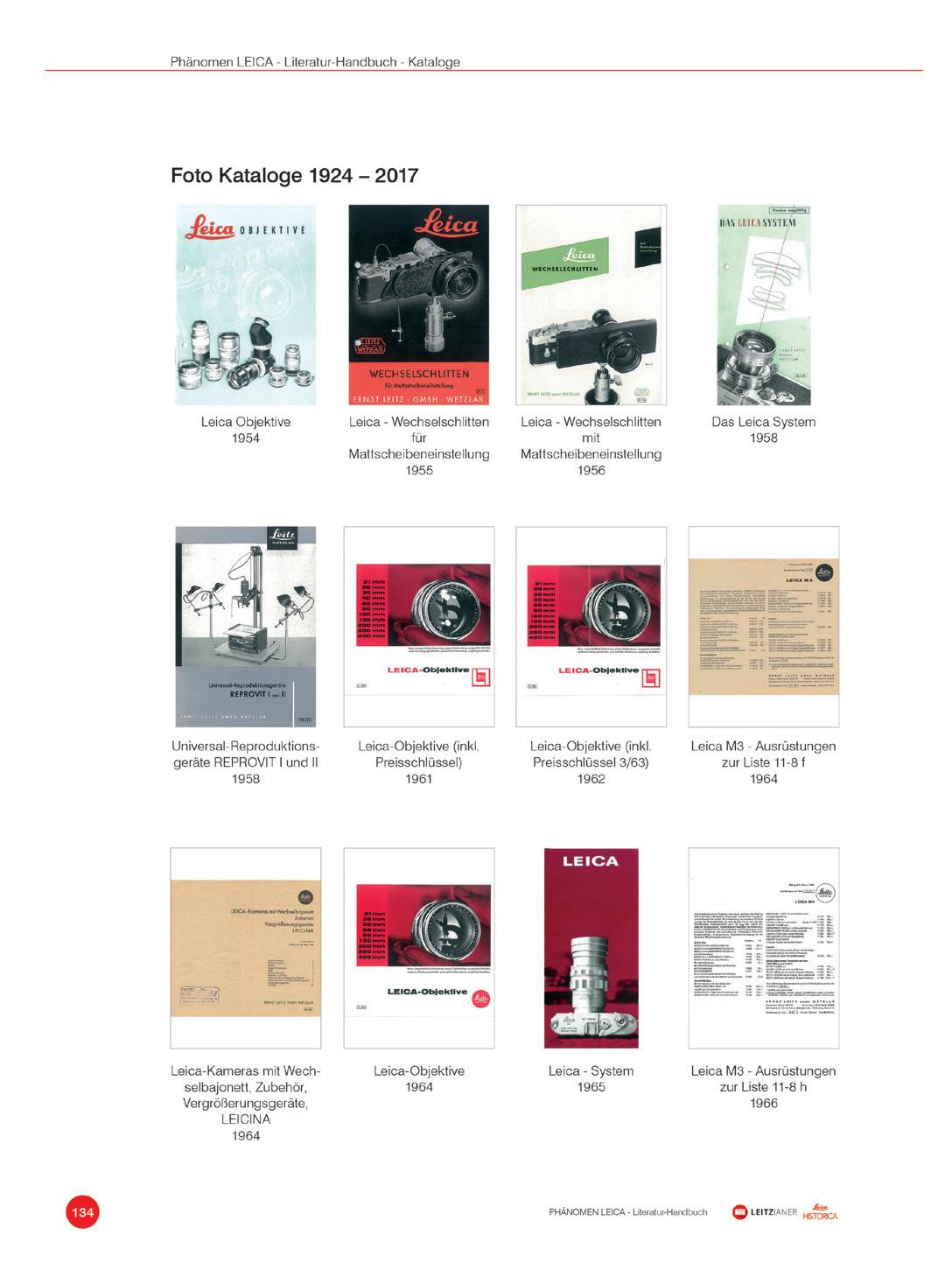
We were also able to have some articles in this special issue by several of our regular contributors as well. Ed Schwartzreich does his initial review of Helmut Lagler’s Meisterstűck (masterpiece) series of volumes on the Leica Phenomena that we are all involved with in one way or another. I came upon this series last October while touring Haus Friedwart in Wetzlar with my tour group. There are always a number of Leica and Leitz related books for sale in the kitchen of the Leitz family home. These volumes caught my attention, and opening one at random, I knew I had to have them! Here in one place was so much information about everything related to the history of Leitz and Leica, the Leitz family and its employees all in an incredible encyclopedic format! I snatched up the three available volumes to take home with me. Fate must have determined that I had discovered these in the Leitz family home! I have spent many hours perusing them, and as Ed notes, thank goodness for the translation programs readily available on our iPhones to aid in gaining a fairly comprehensive understanding of various passages without laboriously translating them with my imperfect German language skills. Lagler, who worked first as an apprentice at Leica over 50 years ago, has as his humanistic focus the entire Leica community through the years. You can visit Lagler’s website here, www.leitzianer.de.
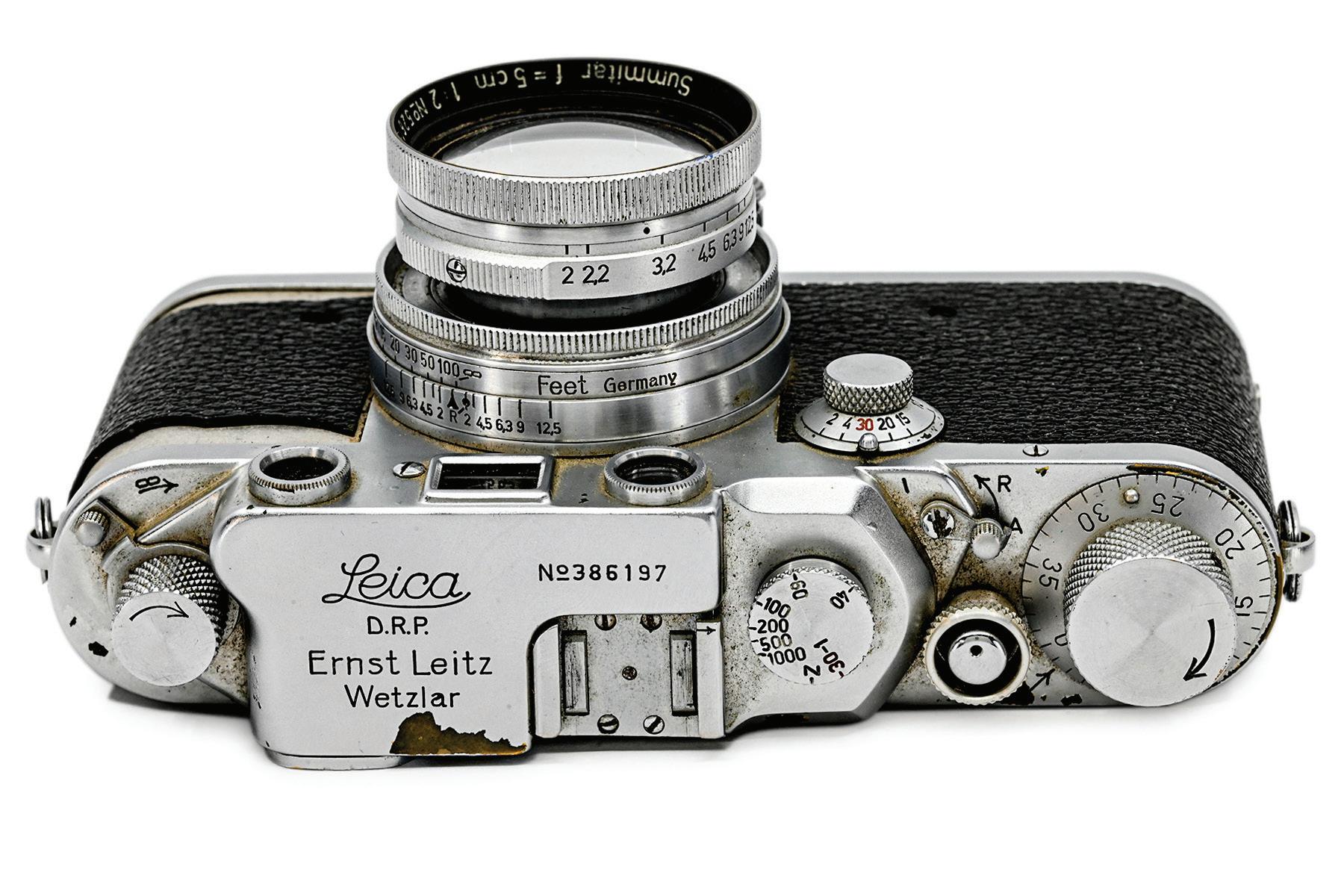
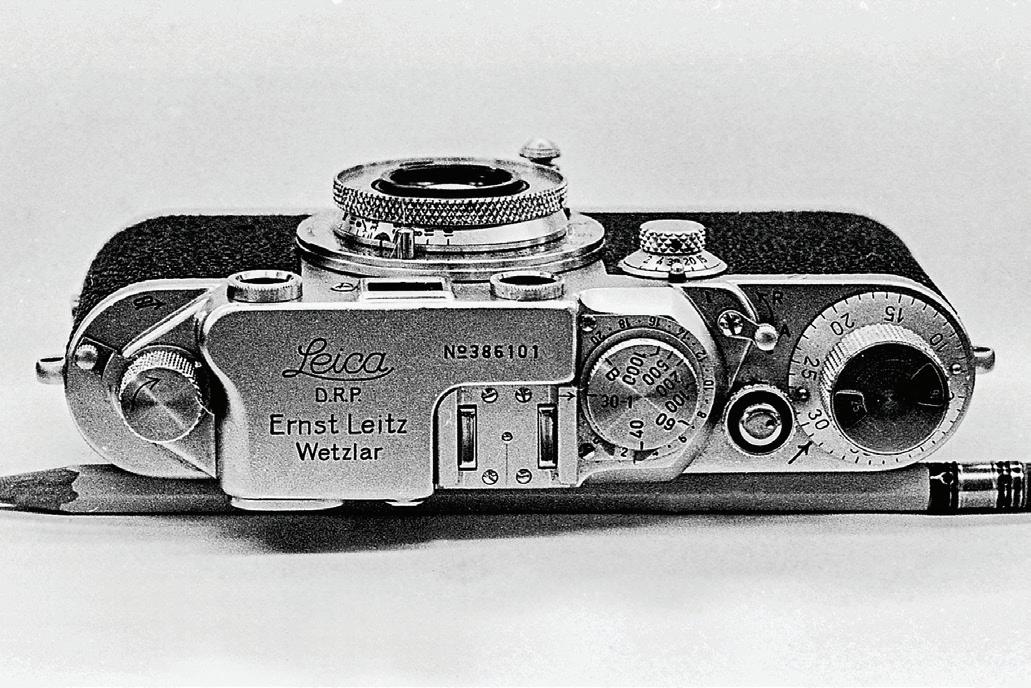
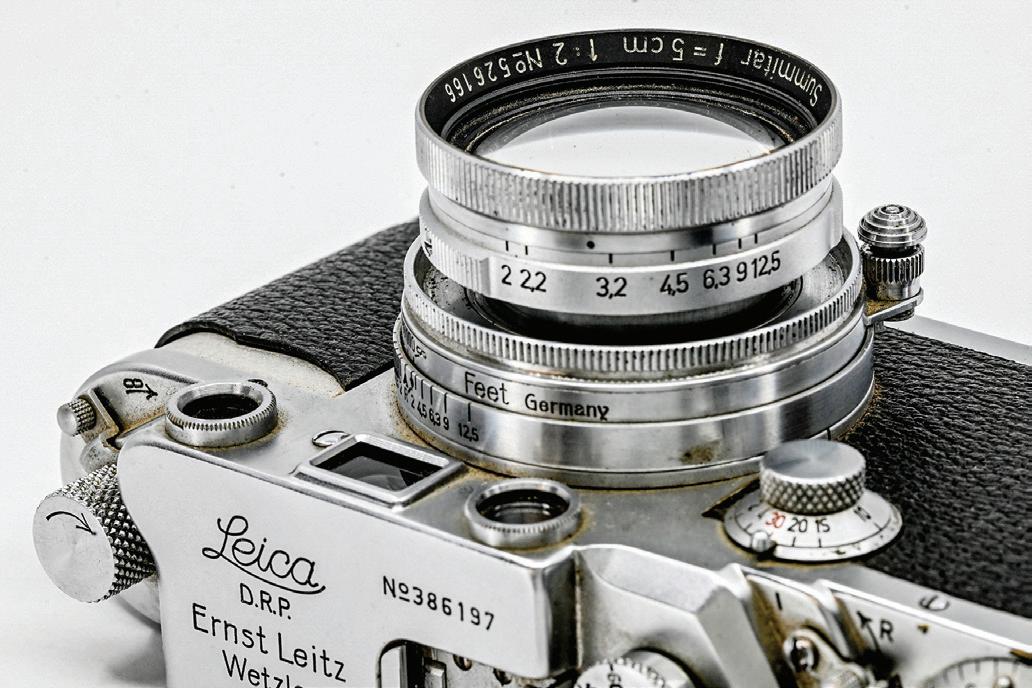
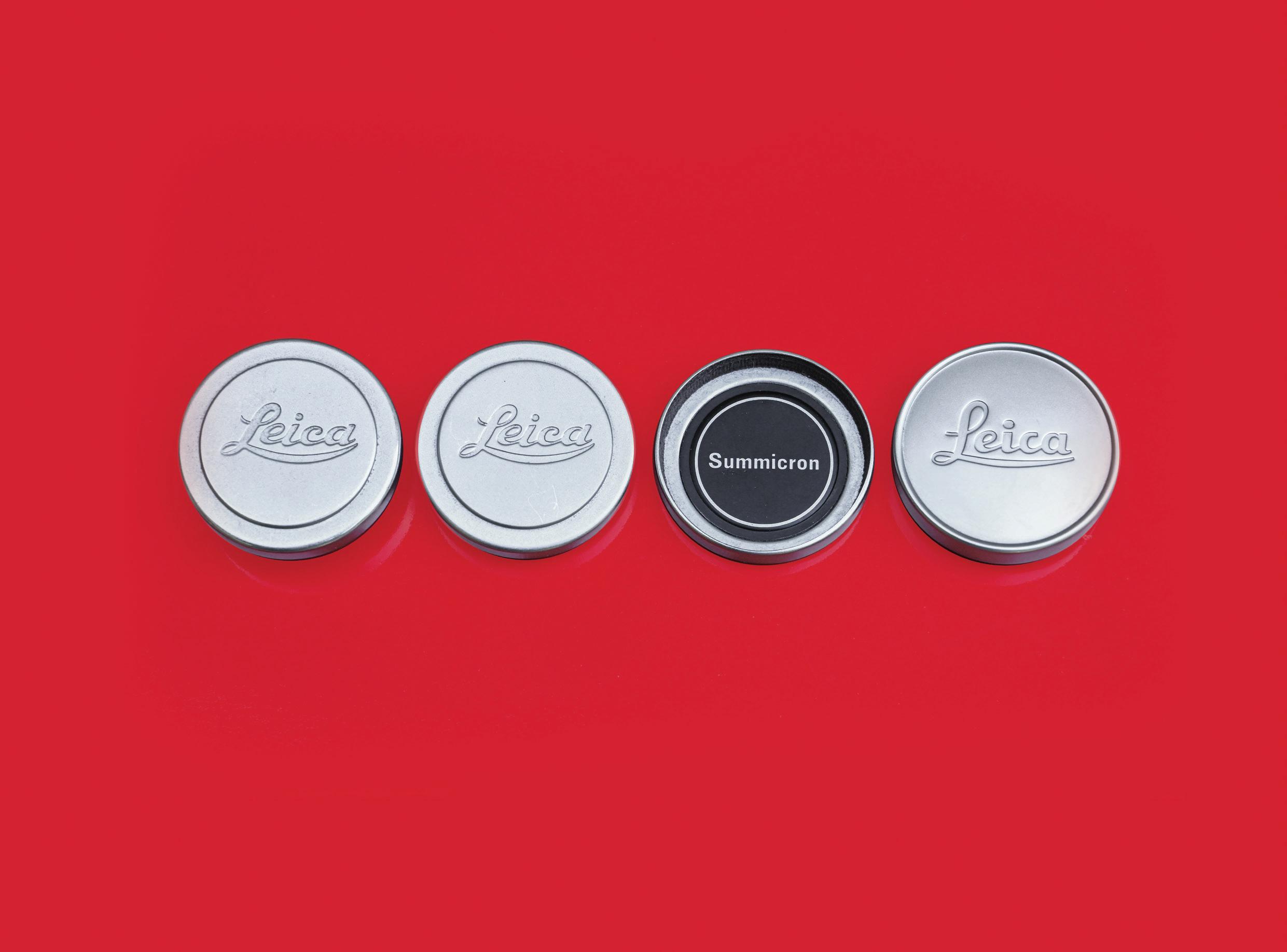
Jim Lager has two articles in this issue as well. One on the recommended lens caps for the Summitar and early Summicron lenses, and the confusion of why a cap with the label Summicron was issued with the Summitar. Jim’s second article, on Leica IIIc cameras shipped from Wetzlar to Shanghai and Mukden is very interesting. Consider how spoiled we are when a package can be sent from China to the United States in two days, as I recently experienced with a Leica lens I had purchased from a dealer in Canada. Leitz would have had considerable difficulties in getting a Leica shipped all the way around to the other side of the world with a world war in progress. The closest we have come in recent years was during the height of the pandemic, or after the nuclear reactor disaster in Japan.
Dick Gilcreast continues his Tips & Techniques series with just how useful the 50mm focal length is to many typical photographic situations, especially useful in reportage style. The 50 is such a useful all-around focal length for the Leica, and should be a permanent resident in your camera bag. Ruth Oratz, another regular here in Viewfinder, gives us her unique take on New Orleans with her Q2 Monochrom in her article, Mono in NOLA
I think you all will appreciate this special issue made possible by so many talented women photographers with a story to tell. I know I have, and it makes me realize that the Leica world is a very special place for us all to experience, learn and enjoy through the stories and powerful photography of others who may not have any other meaningful way to express themselves.
Thanks to Kirsten for laying out another wonderful issue of Viewfinder, and David Knoble and Richard Rejino for their hard work in putting this special issue together. Thank you again Ed for your help with this issue’s Editor’s Page.
Bis nächste Zeit! - Bill & Ed
Oh, how far we've come!
by KIRSTEN VIGNES, BOARD MEMBER & VIEWFINDER GRAPHIC DESIGNER
TEN YEARS AGO, I attended my first Spring Shoot in Fort Lauderdale, FL. I was a bright-eyed 23-year old and had just started working at the then brand new Leica Store Miami. The world of Leica was completely new and utterly exciting and I was diving in head first. I remember sitting there at that 2013 meeting as Maggie Steber delivered perhaps the most emotional keynote any photographer has ever given (as she always does) and just thinking to myself “what on earth did I do right to be here right now?”
It was at that meeting that I started to realize that Leica Store Miami wasn’t just a job out of college. That Leica wasn’t just a brand and this wasn’t just another camera. Leica was a community and it would become my life.
EIGHT YEARS AGO, I took over as the graphic designer for Viewfinder, our Society’s quarterly journal. With a BFA in Advertising Photography and a concentration in Typography, I was thrilled to work on something that combined both of my passions. Over the years, I’ve found such a sense of fulfillment in the work. Being able to use design and sequencing to amplify a photographer’s work and and give them a voice is really what Viewfinder is about for me.
THREE YEARS AGO, I joined the Society’s board (thanks to Gary Hough's encouragement!). At that 2013 Spring Shoot, I certainly never imagined that one day I’d be serving as part of the leadership team and calling many of you close friends. But, I also didn’t imagine that the Society would even be still be here…
Over the last decade I have seen this Society completely transform. Under some incredible leadership, what was a once quickly disappearing band of Leicaphiles planning their last hooray turned into the thriving community we have today. We’ve doubled in size. Our membership has grown younger - and more international! We’ve created an invaluable presence online through our digital
content and social media. And, with the help of our generous members and the support of Leica Camera USA, we’ve developed the LSI Philanthropy Fund & Photography Grant, empowering up-and-coming photographers and making Leica more accessible.
Safe to say, we have come roaring back stronger than ever! And I have been so proud to be a part of it all.
TODAY, I am so honored to present Viewfinder 56-1. While each issue I lay out holds a special place in my heart, this one has been particularly emotional. It represents just how far we have come. The progress and initiatives we are making today would have been impossible years ago.
This past International Women’s Day, March 8th, we announced our second scholarship and first-ever Leica Society International “Women in Photography” Grant in collaboration with Leica Camera USA. The grant awards $10,000 and a Leica Q2 camera to the recipient.
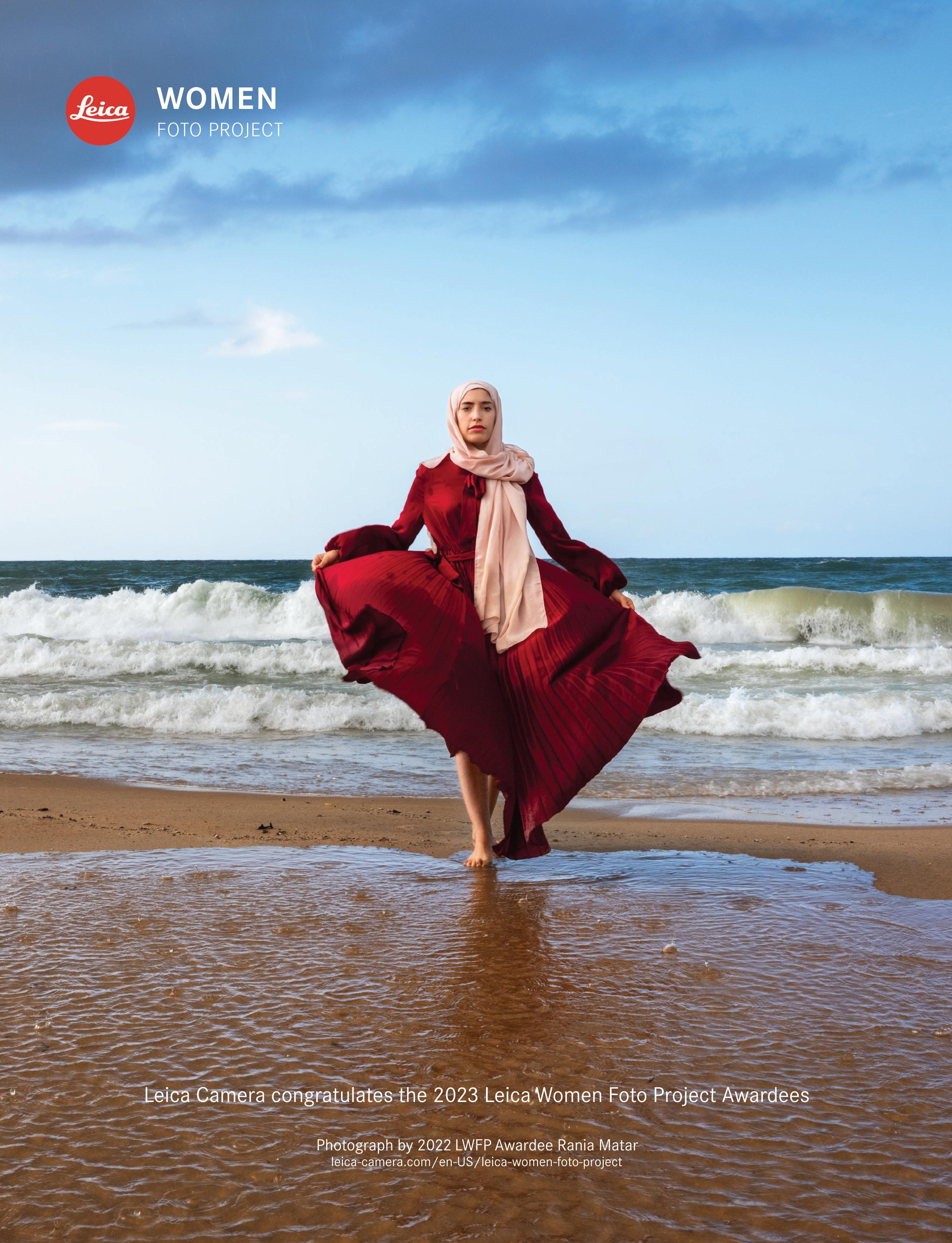
Also on International Women’s Day, Leica Camera USA announced the awardees of the 2023 Leica Women Foto Project, which inspired this issue of Viewfinder. Last year, we invited the 2022 Awardees to become members and to give us the opportunity to present their work in Viewfinder, and every single one of them accepted, excited to be a part of and to contribute to our Society.
This issue is dedicated to the women of the Leica Community and features three articles by the 2022 LWFP Awardees, as well as an article with board member and picture editor, Sandra Eisert, and our longest-contributing female writer, Ruth Oratz, MD.
In the over 200 articles I’ve laid out over the last 8 years, only a handful have been by women. This isn’t just a challenge our Society faces, but a challenge the Leica Community faces as a whole. And while this is a milestone achievement, it can’t end here.
Featuring women photographers shouldn’t be saved for special occasions; the female perspective should be present in every issue.
I ASK that our female members step up. Your experience is invaluable in moving this Society forward. We want to see the women in our society, not only in Viewfinder, but as speakers and contributors during events and as part of the leadership team.
This is a group effort though and there is an opportunity for everyone to contribute. To our newer, younger members: I ask that you get involved. Your fresh perspective is just as important as those who’ve been here for decades. And to our members
who have been here “longer than I’ve been alive”: I ask that you encourage the next generation. You never who how your story could impact our future leadership.
THANK YOU to everyone who made this issue of Viewfinder happen; to Richard Rejino, whose vision and dedication set this all in motion; to David Knoble, who volunteered to interview our featured artists, to Kiran Karnani and Leica Camera USA, for their unwavering support; and to Editor Bill Rosauer and President Brad Husick who let us run with this radical idea.
INVOLVING PERSPECTIVES
by KIRAN KARNANI, VP OF MARKETING FOR LEICA CAMERA USA
After celebrating Women's History Month this March, we at Leica would like to take a moment to reflect on the female perspective and its impact on how we see and interact with our world. Photography, as a medium of visual expression, possesses the unparalleled ability to inform, transform, inspire and challenge our own perspectives. A single moment has the power to ignite countless interpretations and narratives, and we believe that we are enriched by the diverse perspectives of those who have been empowered with means of visual expression. The amplification of female voices in photography is a crucial component of not only broadening our collective understanding of the world but also bringing us closer to discovering our own individual truths.
At the core of Leica’s ethos is a steadfast commitment to the essentials - the fundamental elements that serve authentic narratives, directly aligned with the photographer's distinct point of view. Diverse perspectives play an integral role in shaping our collective visual memory, and we at Leica have made a conscious effort to support initiatives that amplify them. Through the Leica Women Foto Project initiative, we seek to amplify the female perspective through financial awards, mentorships, and opportunities to showcase work. In addition to the annual Award, the LWFP has also partnered on grants, mentorships, and awards in collaboration with Women Photograph, Women Street Photographers, Black Women Photographers, and VII Agency. We are honored to partner with Leica Society International for the first annual Women in Photography Grant, and look forward to continuing our close collaboration with LSI on shared priorities.
through Diversity
This Spring, we are delighted to welcome LSI to Leica Camera's North American headquarters in Teaneck, NJ, where former Leica Women Foto Project Awardees, Debi Cornwall and September Bottoms, will be joining us as featured speakers. These remarkable storytellers offer unique insights into the perspectives and experiences of marginalized communities, and we are thrilled to have them share their wisdom and experiences with LSI.
In this edition of Viewfinder , we introduce you to September Bottoms, Rania Matar, and Rosem Morton, our 2022 LWFP Awardees, and also Sandra Eisert and Ruth Oratz whose conversations bear testimony to the profound impact that photography can have on strength, resilience, and the human spirit.
On March 8th, Leica Camera unveiled the winners of the 4 th Annual Leica Women Foto Project Award, which has now expanded to include a visual storyteller from the United Kingdom, Mexico, and Canada. We’re excited to welcome this new cohort of Awardees to the Leica Family and share their powerful work with you.
At Leica, we are deeply grateful for your unwavering support and dedication to the art of photography, and for your curiosity to view the world through a new lens. The light we chase reveals the visual stories of the future. Thank you for being an integral part of the legacy and evolution of the Leica story.
MONO in NOLA
by RUTH ORATZ, MD
Founded by the French, ruled by the Spanish, ceded back to the French, and then purchased by the United States, New Orleans is a mélange of cultures, cuisines, and customs. New Orleans was colonized by explorers, trappers, traders, and nuns. Situated strategically at a bend in the Mississippi River, the city is a natural water port between the Gulf of Mexico and continental America. It has been populated by people of many nationalities, all faiths, free and enslaved. In the last 400 years New Orleans has continued to evolve from its original Creole roots to a multiethnic and multifaceted vibrant city. “Creole” was first used to identify anyone born in Louisiana, black or white or mixed race, it was not a racial or ethnic identifier and served to distinguish native born Louisianans from new immigrants and imported slaves. Today New Orleans encompasses diverse populations, extending beyond the confines of the French Quarter, to a variety of neighborhoods throughout the city.
Because of its unique human history, New Orleans is the quintessential locale to celebrate Halloween. Halloween, All Hallows Eve, is the night before All Saint’s Day. Derived from pagan and Christian practices, it is a time to remember the dead, including saints and martyrs, to invoke their spirits to ward off evil and sickness, ask for protection from the mischief and the vengeance of disgruntled souls. New Orleans, this multifarious city, is naturally designed for tricking and treating, lamenting and absolving, fasting and feasting – and above all fun! We ventured to New Orleans for a long Halloween weekend looking for the meaning that Creole brings to Halloween.
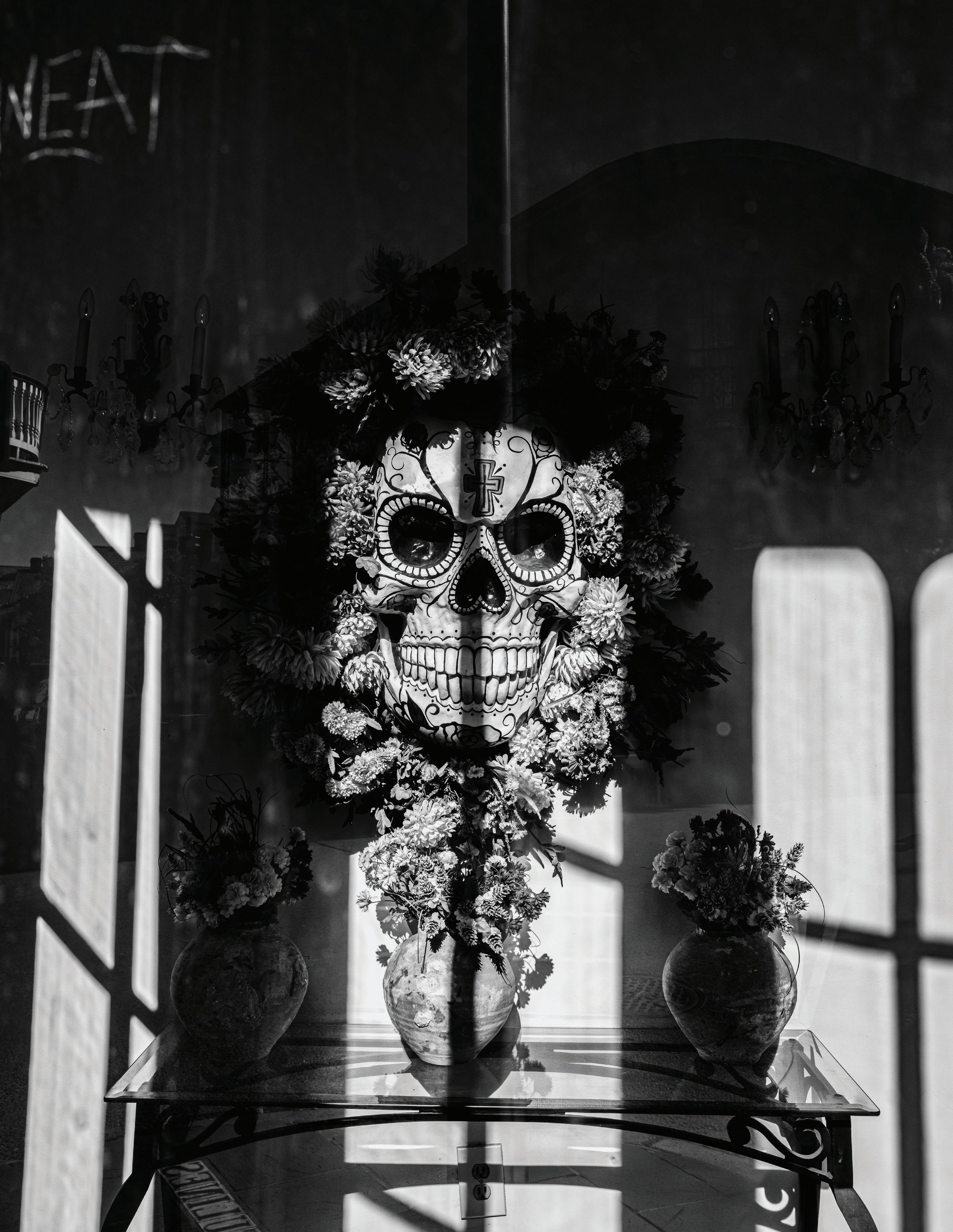
1. (opposite page) Halloween Mask in the French Quarter. Leica Q2M 28mm, ISO 400, f /11 @1/250 sec
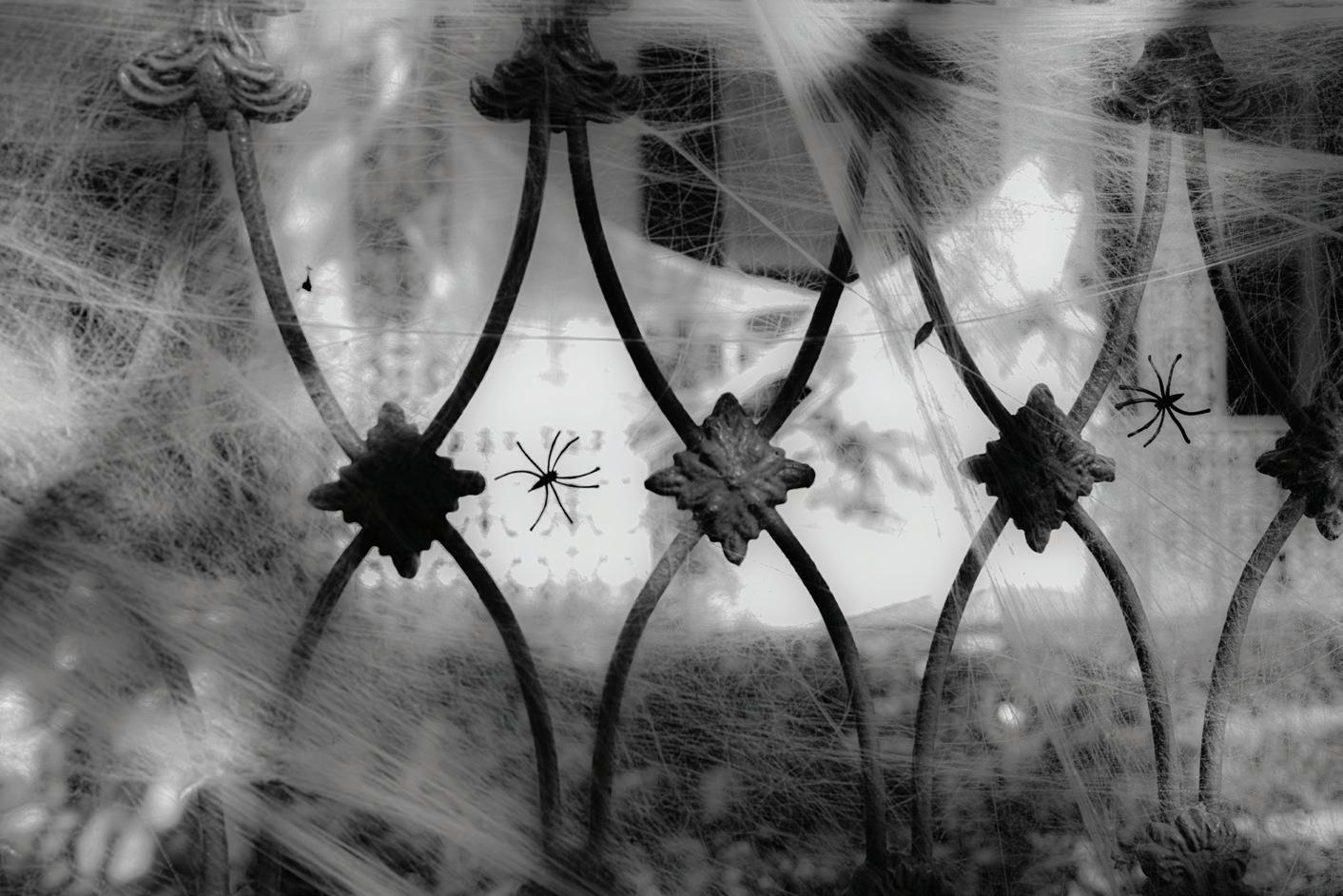
2. (above) Garden District Spider Gate. Leica Q2M 28mm, ISO 100, f/2.8 @1/250 sec
What better way to capture the creepy and the zany, the pious and perhaps somewhat morbid aspects of Halloween in New Orleans than black and white photography?
The Q2 Monochrom allowed me to get up close and pull back from the big picture as I studied the details of Halloween in NOLA.
Peering through the window of a shopfront in the Quarter, this elaborate Halloween mask invokes the Day of the Dead decorated with bouquets for the living. (#1)
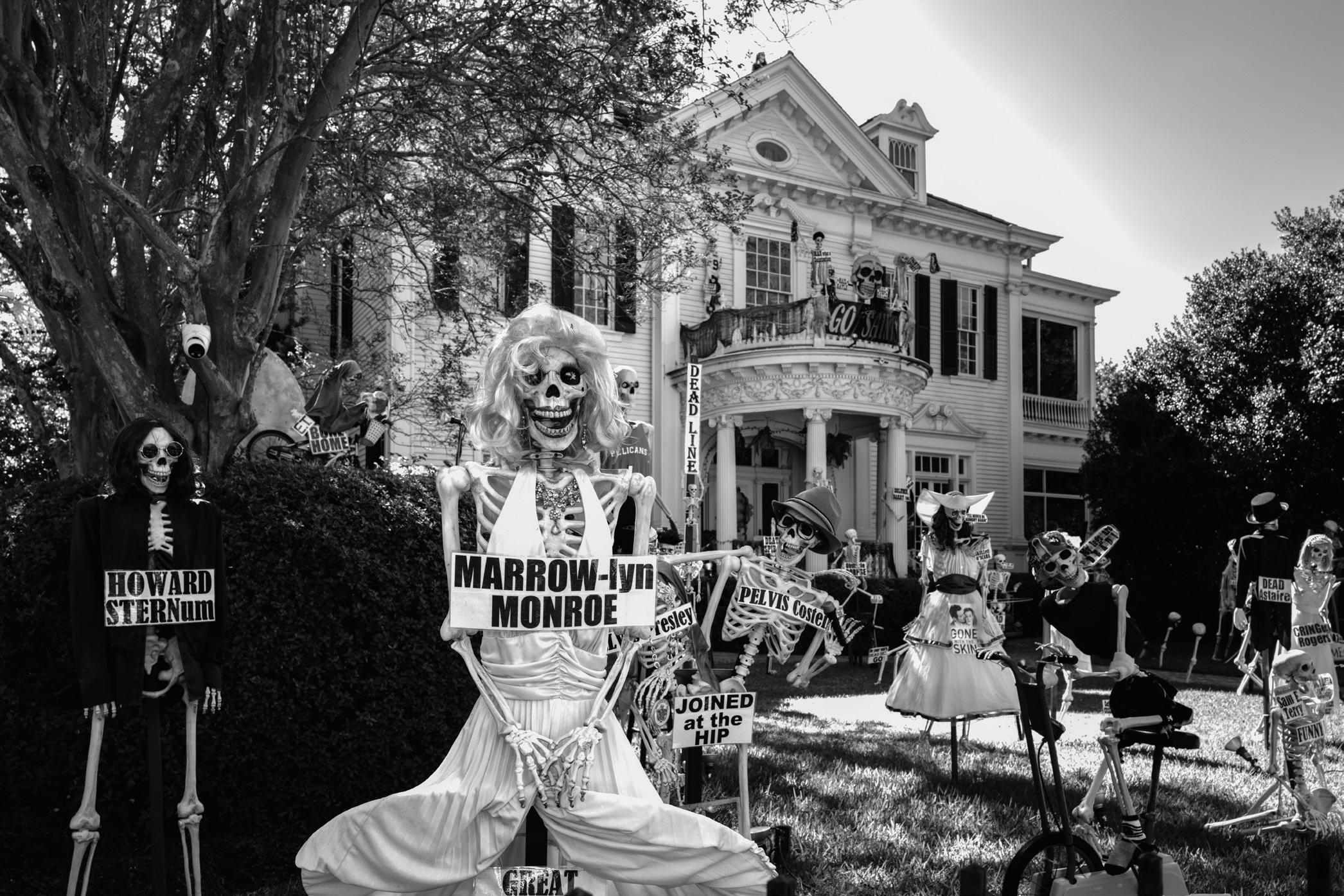
The Garden District is home to some of the best-preserved 19th century historic mansions in the city. Better known for its architecture than its gardens, everyone here goes all out for Halloween. (#2 and #3) . The Faubourg Marigny is immediately down river from the Quarter. Remarkable as the home of many jazz greats and still renowned for live music, it is now a neighborhood of artists, chic restaurants and longtime NOLA denizens. The Saint Roch cemetery sits in the center of the Marigny.
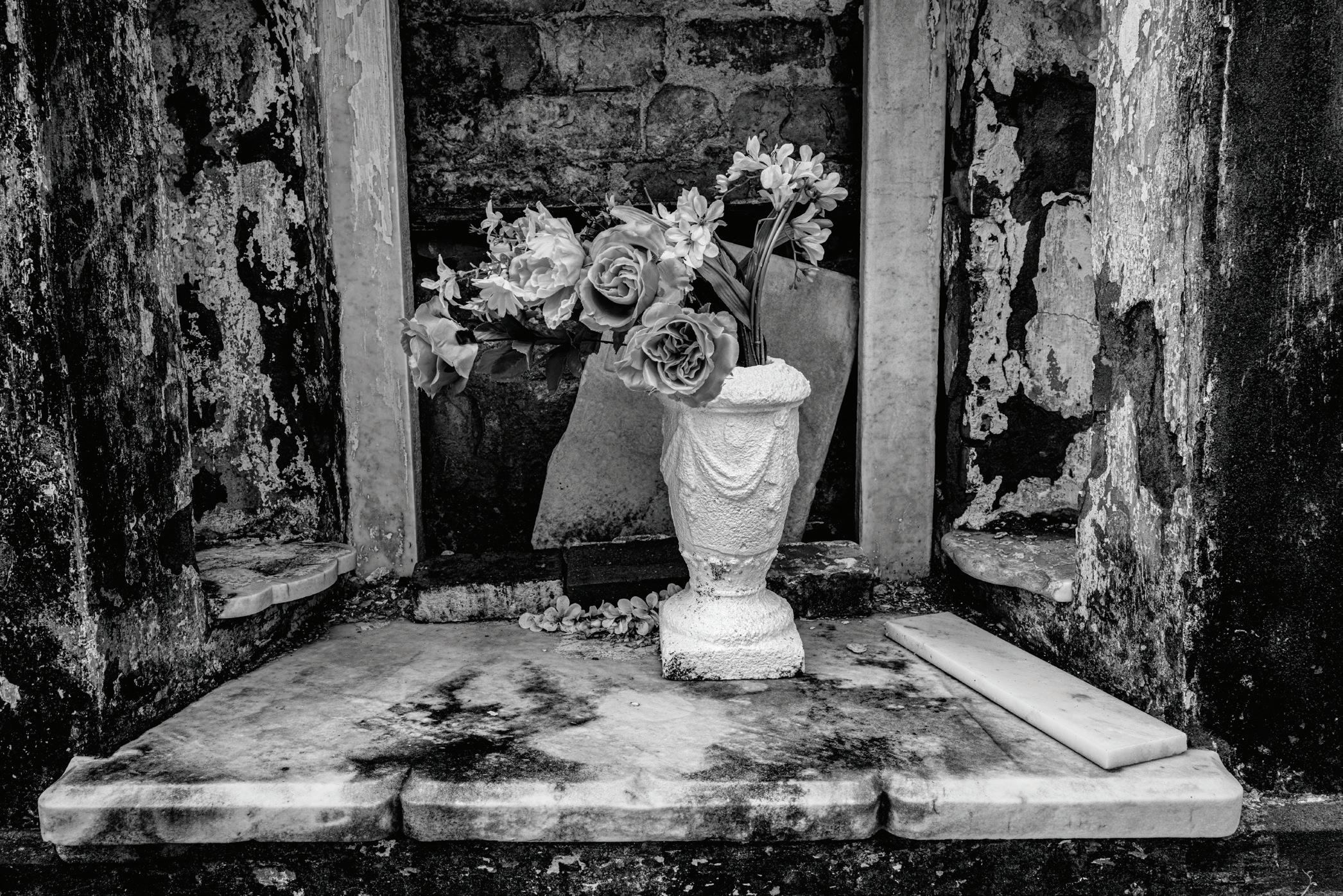
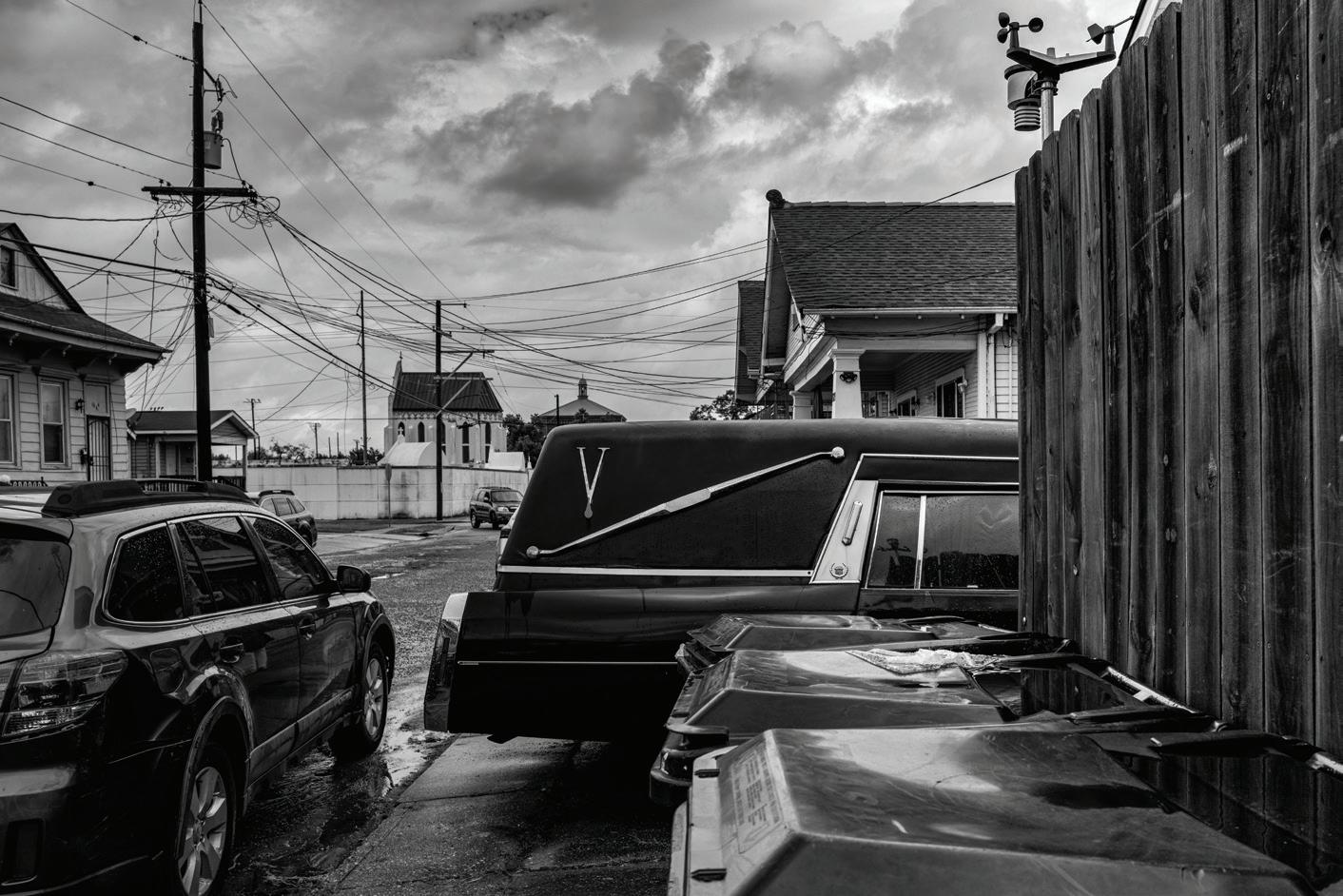
On Halloween it feels even more sanctified, as the ghosts of Saint Roch seem to be roaming not only inside the gates, but beyond. Founded in 1874 by Reverend P.L. Thevis during a Yellow Fever outbreak, the cemetery was named for the patron saint of protection from epidemics. Saint Roch was prayed to and no one in the Reverend’s Church died of the fever. The cemetery was built in gratitude. It is one of the cemeteries least visited by tourists to New Orleans and is still actively used by its community. (#4) The hearse parked just around the corner is a reminder of how closely the residents of Marigny and NOLA live with the hallowed souls of the departed. (#5)
3. (opposite page, top) Garden District Halloween. Leica Q2M 28mm, ISO 400, f/8 @1/125 sec
4. (opposite page, bottom) St. Roch Cemetery. Leica Q2M 28mm, ISO 400 f/8 @1/125 sec
5. (above) Hearse in the Marigny. Leica Q2M 28mm, ISO 400, f/8 @1/250 sec
AN INTERVIEW WITH RANIA MATAR
by DAVID KNOBLE
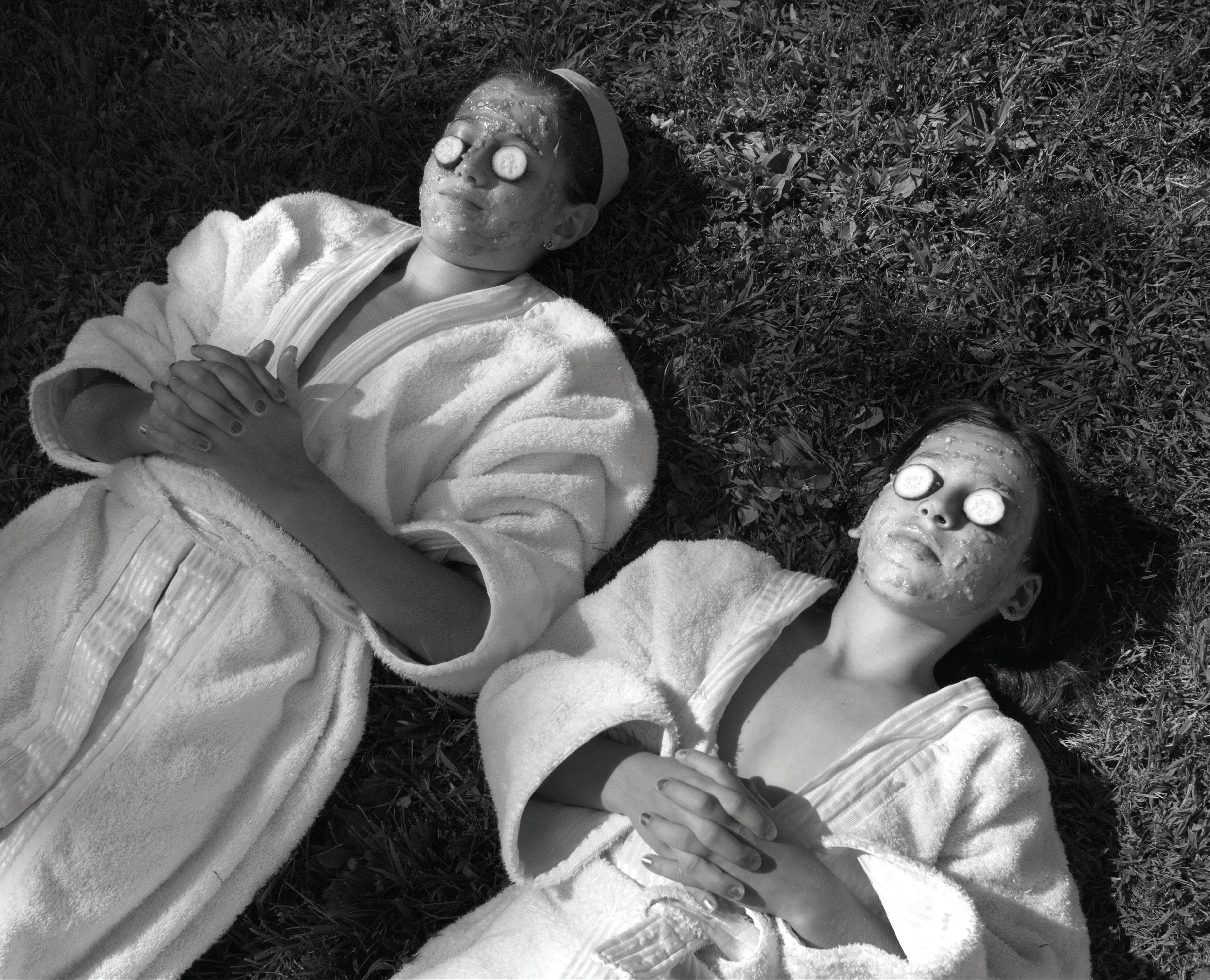
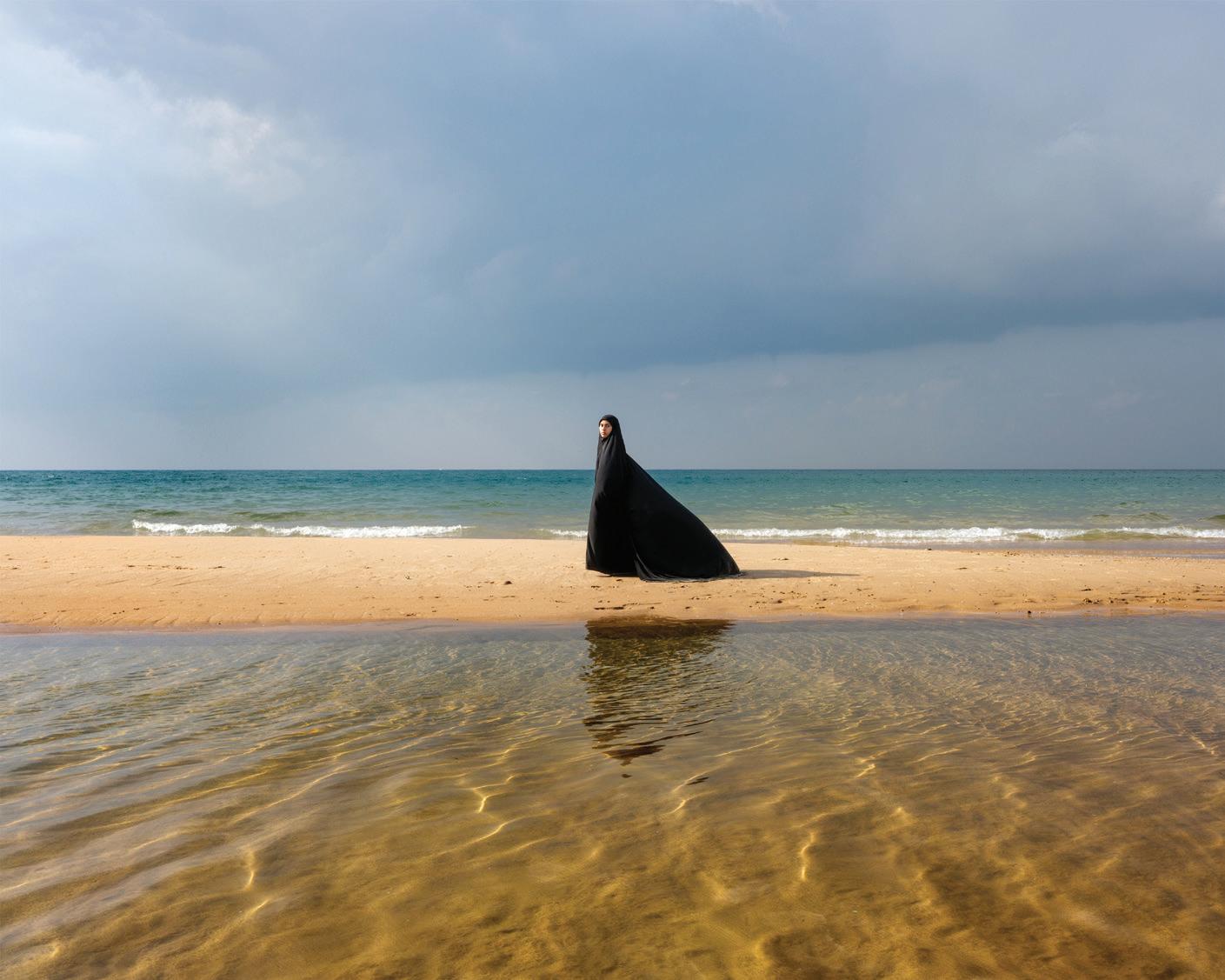
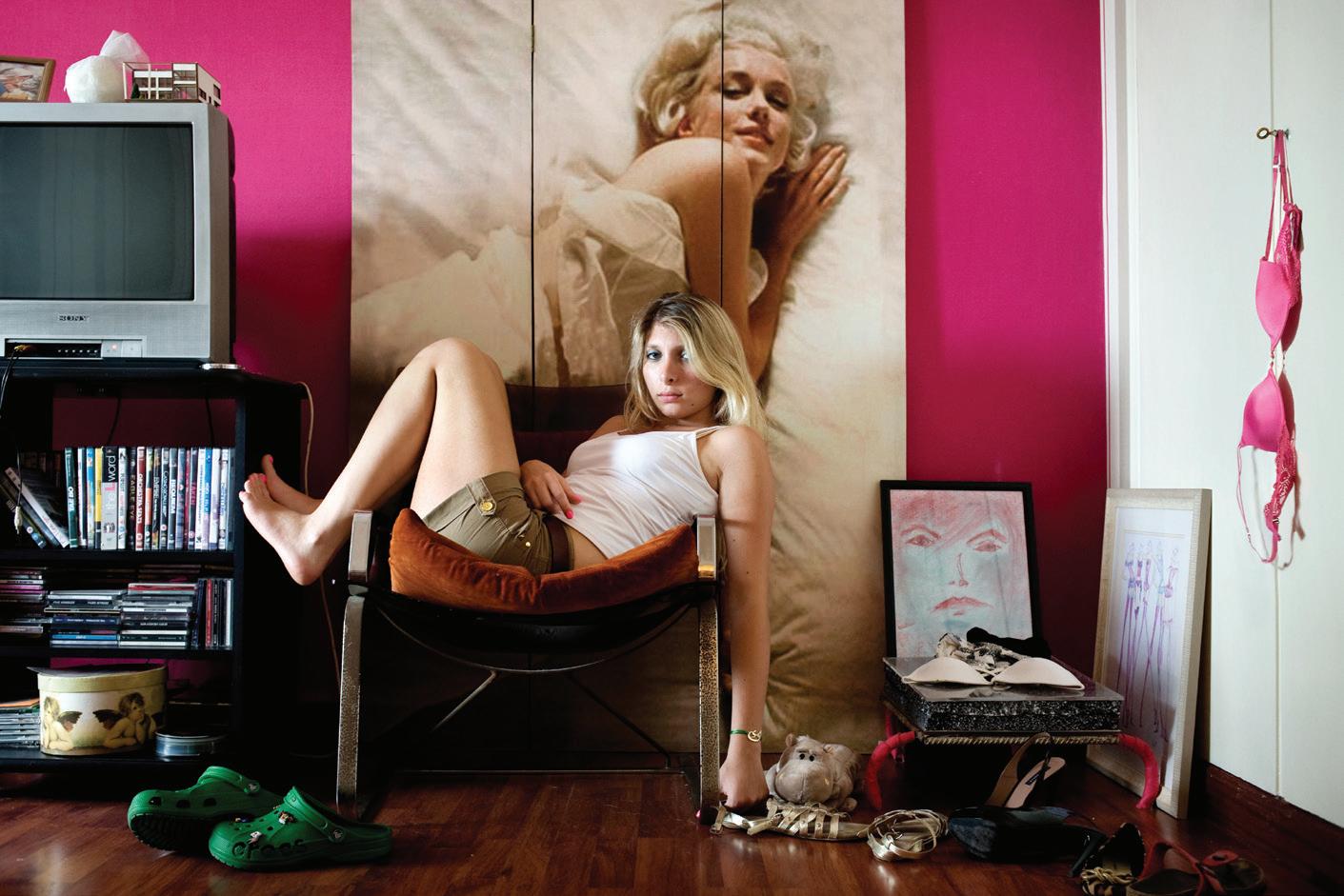
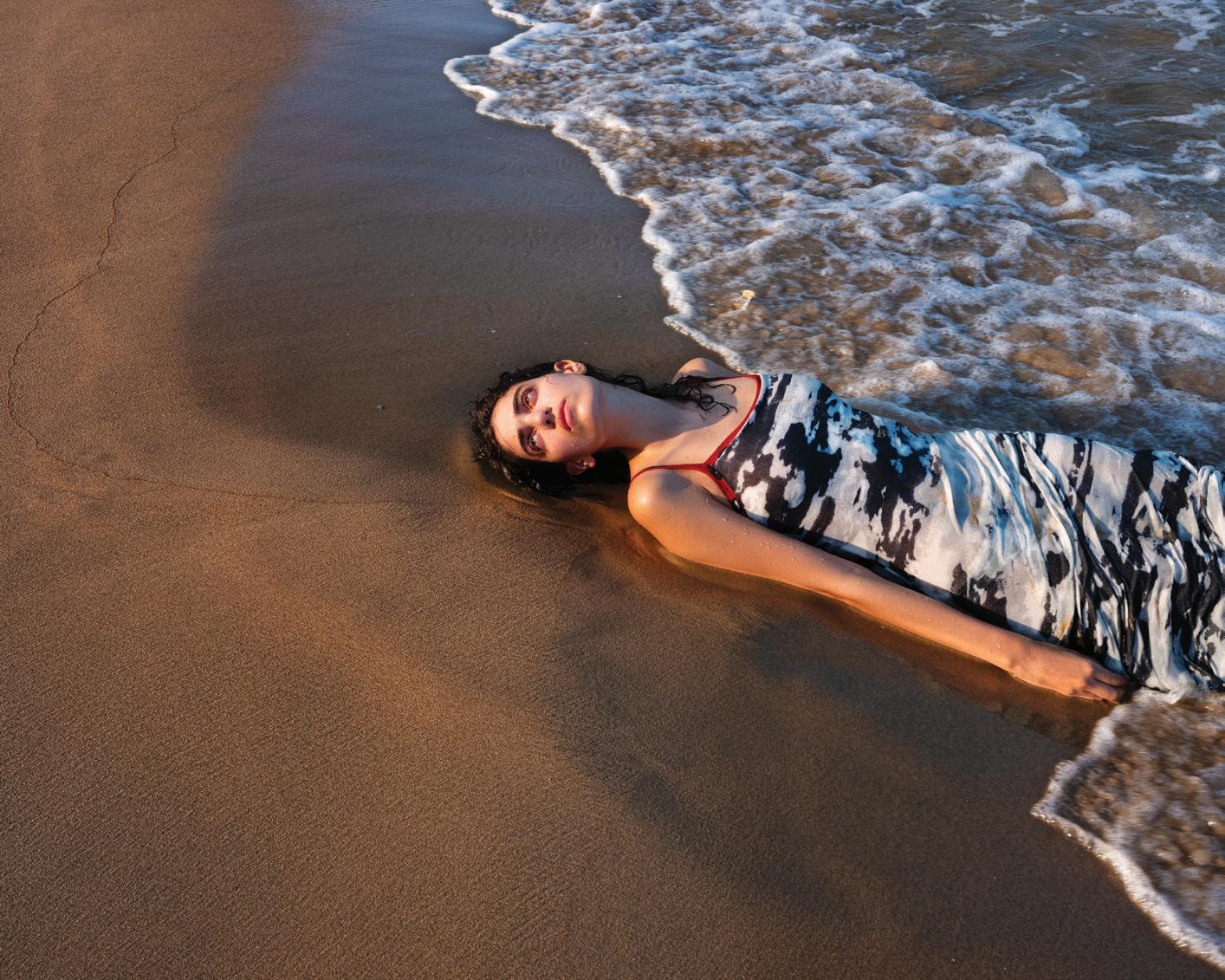
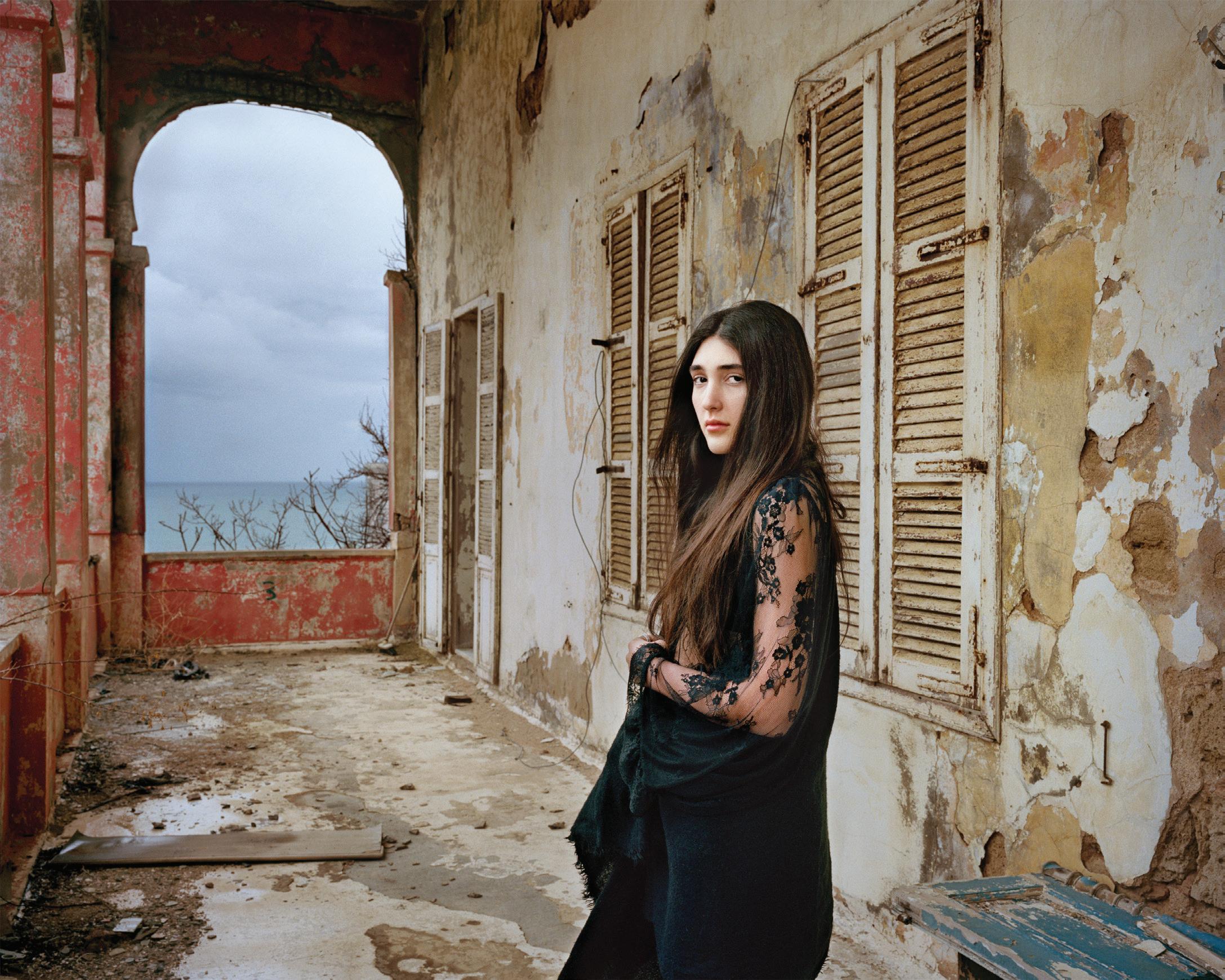
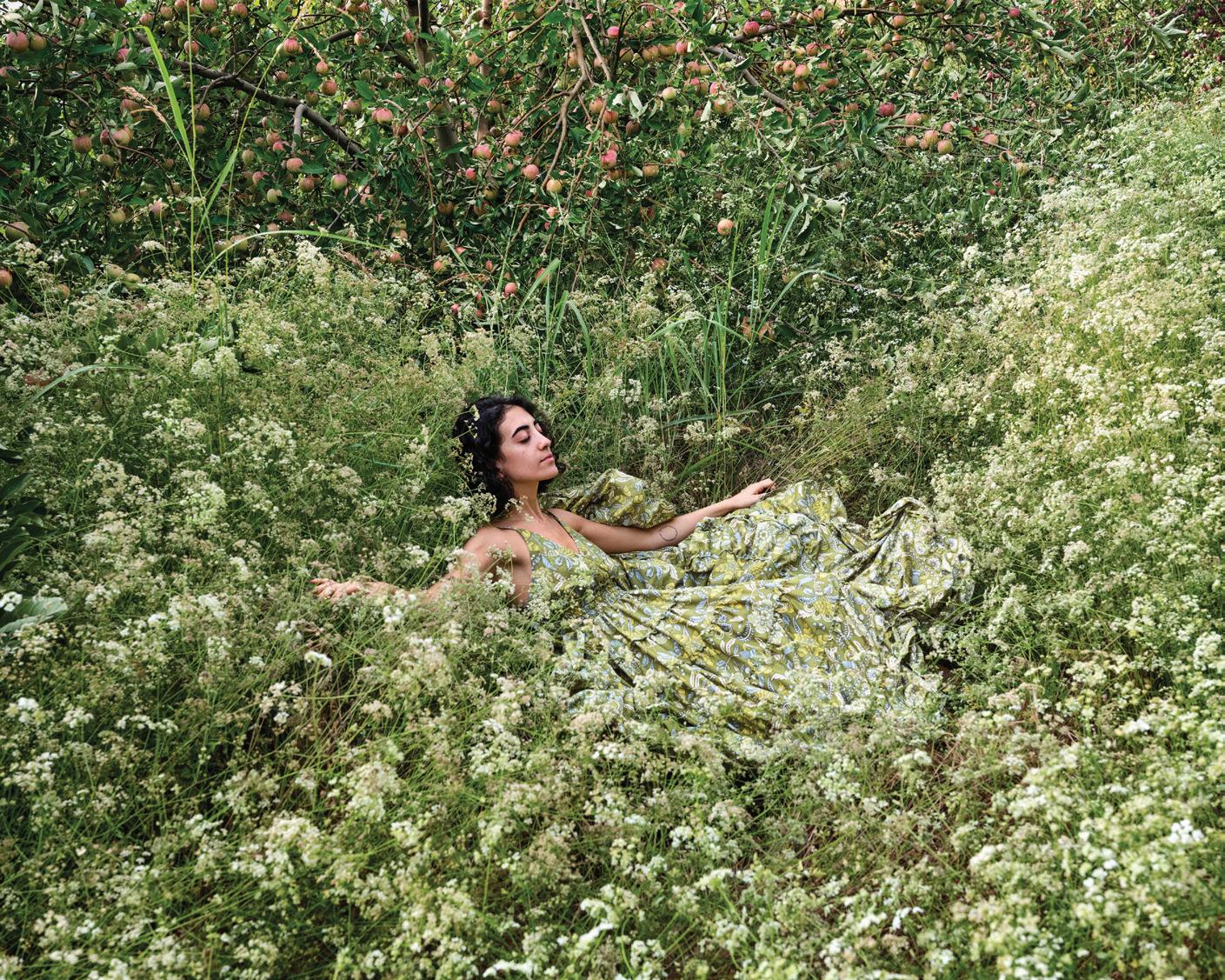
above: Maya and Isa, Brookline, Massachusetts, 2007 opposite page: Alae, Ramlet Al-Bayda, Beirut, Lebanon, 2020
Rania,
thanks so much for taking time between your trips to talk with me about your work. First, can you tell me a little about where you grew up and how it led you to think about working in photography?
Rania Matar: Sure. I grew up in Beirut, Lebanon, during the Lebanese Civil War and left in 1984 to attend Cornell University in the United States to study architecture. I also took a lot of art classes and combined both art and architecture for my thesis. Ironically, I did not seriously get into photography until much later and worked as an architect for a few years after I graduated. I have four children, and when I was pregnant with my fourth child, I started taking evening photography workshops at the New England School of Photography.
I fell in love with the craft. For all my assignments, I started making photographs of my children, as I saw them growing up. This work defined all my work moving forward – it taught me to see the beauty in the everyday and the mundane but also to seek intimacy in my work. That work was from the early 2000s, but Leica just recently published a portfolio of this work.
David Knoble: I love this image of your children with cucumbers in their eyes, they almost glow! So, how did you make the transition from taking images of your children to the types of images you are known for today?
Rania: After September 11, 2001, the news felt very divisive and the rhetoric of “them versus us” was predominant in the narrative. It made me question my whole sense of identity. I am from the Middle
East, and I am American – how did I fit into that alienating narrative? People from the Middle East were generally portrayed in a one-dimensional manner, and I wanted to tell a different story. In 2002 I went to a Palestinian refugee camp right outside Beirut with my cousin who was doing a documentary and was surprised by the conditions people lived in so close to where I grew up. I realized I wanted to tell their stories. They were forgotten. My early work was very tentative, and I had to learn to work on getting the proper access.
Getting the right access to places one wants to photograph is half the battle, the rest is up to the photographer to make the best of it. My work has evolved, but getting the right access and working intimately with people has remained my priority.
David: Did you receive any advice as you were working in those camps?
Rania: One of the best pieces of advice I ever received was from Peter Howe, who was the executive director at “The Digital Journalist” back then. After he saw my portfolio which included the images I made of my children alongside the early work from the refugee camps, he told me I had to get that same intimacy in my photographs with all the people I work with. This has been the focus of my work up to this day. At that moment, I found myself having this incredible and unique access to the women in the refugee camps, and I was in awe of them. I started focusing on women, mothers, and children. After all, I was a woman and a mother.
The work in Lebanon evolved into four projects that became part of my first book “Ordinary Lives”. Once that book was released in 2009, I was ready to start a new project.
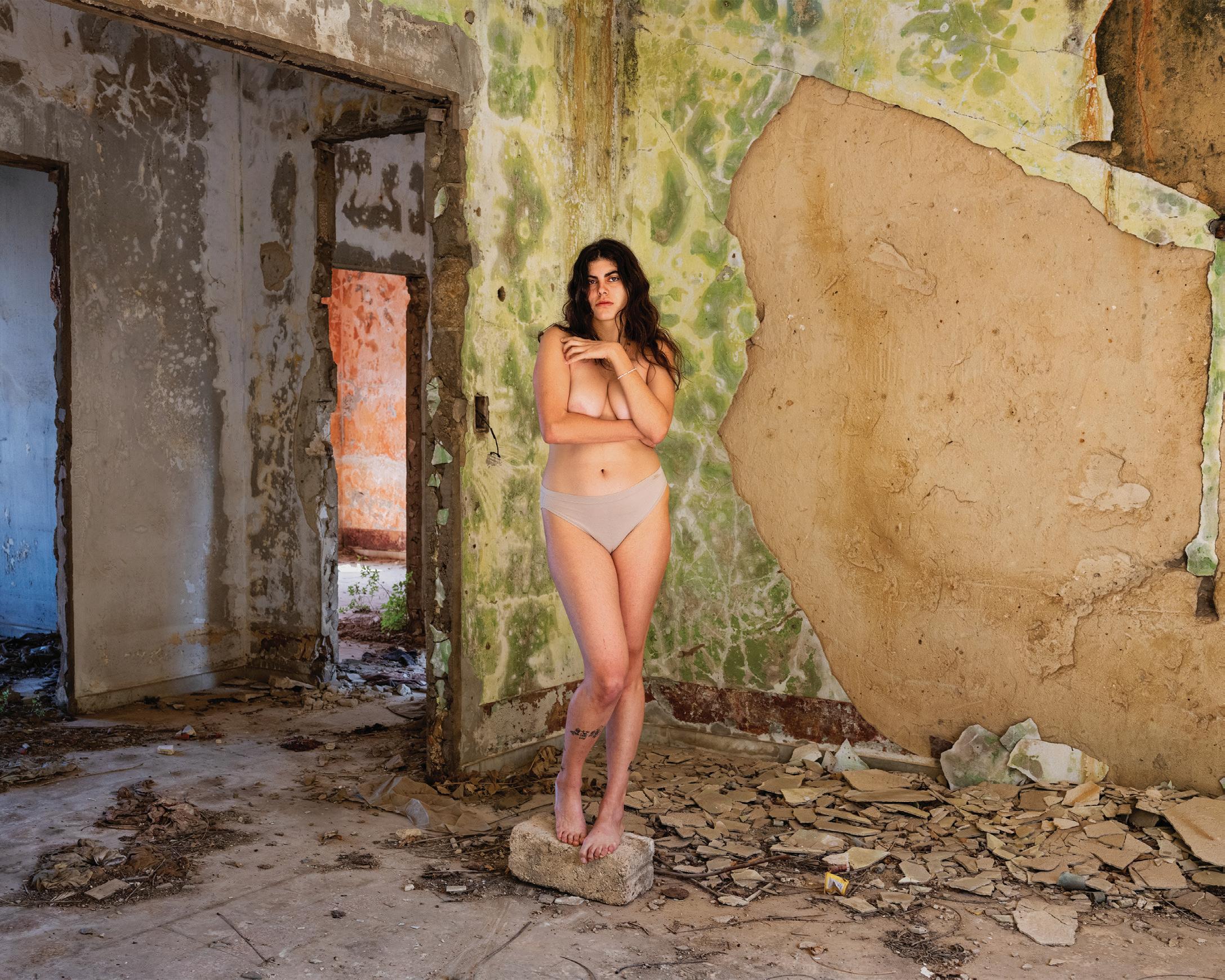
above: Rianna (Venus), Bhamdoun, Lebanon, 2022
Christilla, Rabieh, Lebanon, 2010
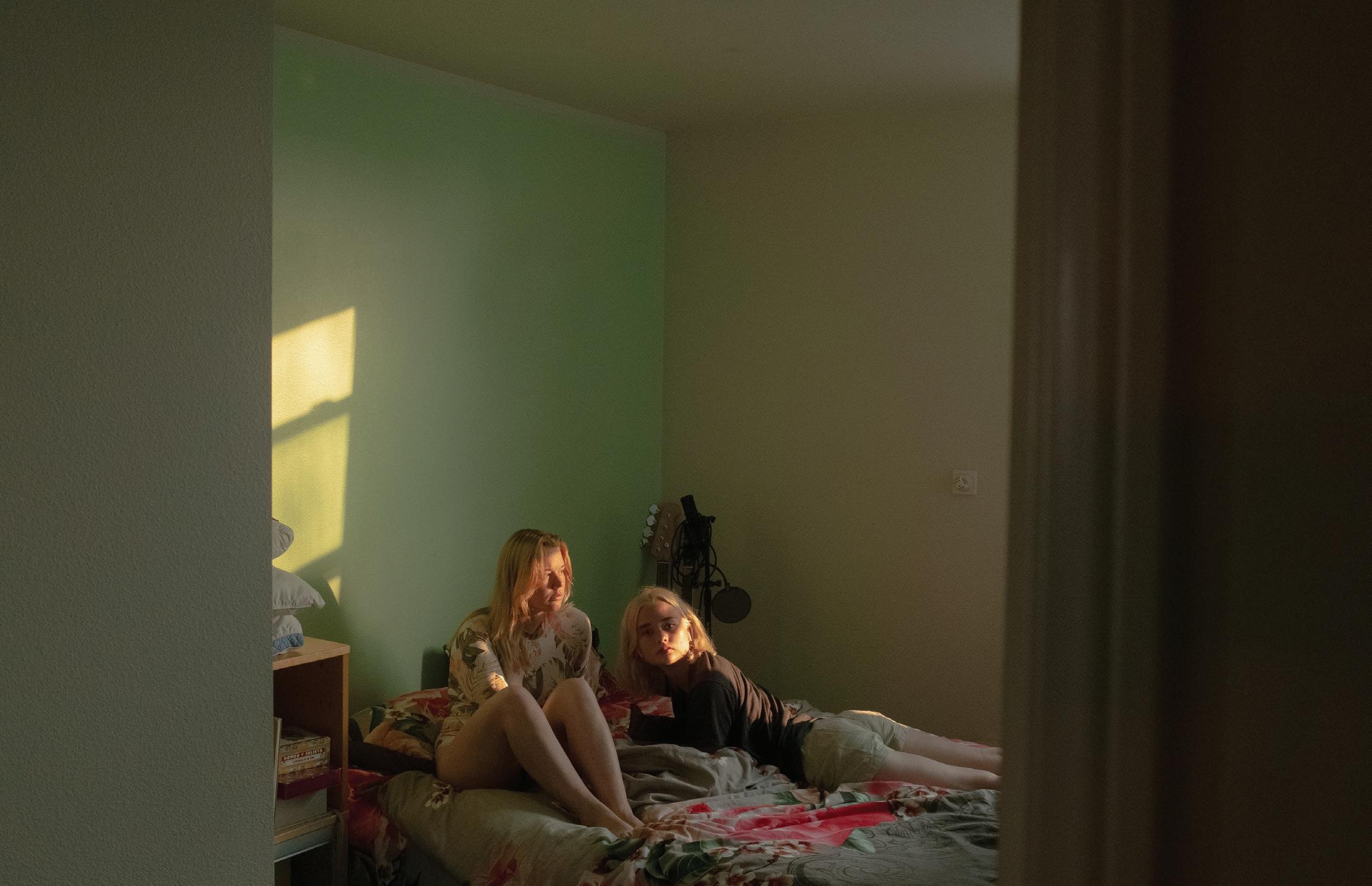
My older daughter was 15 then and was transforming from a tomboy into a beautiful young woman and I became fascinated with her and her friends. I started photographing them when they came over and realized I was craving that intimacy again and asked to collaborate with each young woman by herself. After a couple of them picked their be room as the location, I realized that was my project “A Girl and Her Room.” The room was the cocoon, the place where they were exploring their sense of identity – it was the safe place where they can be themselves. And they offered me the gift of trust and access.
The project kept growing as I started reaching out to young women I would meet anywhere. I would explain my project to them and give them my contact information. I was delighted that they understood the idea of the project and almost all of them agreed to be part of it. I was doing this work in the US at first and then realized that I was exactly like these young women myself 25/30 years earlier in a different country and a different culture and I started including teenage girls in Lebanon as well – and in the Palestinian refugee camps. The work then felt more personal to me. It was about my identity and my daughters’ identity as well. I was focusing on shared humanity through girlhood, womanhood, and growing up.
David: Your images are very artistic and unique. I understand you went back to Lebanon with this project in mind. Why did you expand it there as well?
Rania: I found there was a certain universal nature to these images. Lebanese young women growing up had similar experiences to the young women I was collaborating with in Boston. Even though each woman has her own identity and individuality, there was a universality to growing up and going through the different stages of life. This became consistent throughout my work: focusing on both my cultures and identities, finding out commonality despite our differences, and doing that through the women.
David: How does this compare to your earlier work in Lebanon and what makes it more unique?
Rania: My earlier work was more documentary in nature. As my work evolved, it became more collaborative. I don’t have any preconceived notions when going to photograph someone. It is their space, and we work together to create the story and the image. It truly is a collaboration.
David: This image really speaks to me. This young lady is sitting in her room, relaxed, but still reserved almost like she is holding something back as she looks at you.
Rania: This image became the cover of my book, A Girl and Her Room. I love that it throws people off. People in the US often don’t believe me when I say that this is a woman in Lebanon. Again, for me, it is about breaking barriers and shattering stereotypes. In my experience, people here often think that all women from Arab countries are veiled, oppressed, etc. This image represents the exact opposite.
David: Your images have moved over time from rooms to the outdoors. Can you tell me more about this?
Rania: This was an interesting process for me. Most of my work up to the most recent project was inside the home, in the familial domestic space. From A Girl and Her Room (2009-2012), then L’Enfant-Femme (2011-2015), a project about the preteen inspired by my younger daughter, and then Unspoken Conversations (2013-2016), a series about mothers and daughters that started when my older daughter left for college, I worked inside. As my work is very autobiographical, once my children left home, I became interested in
exploring images made outside the home. The outside space and the landscape became the backdrops for the images, expressing metaphorically that transitional and significant moment in their lives, the moment they left home.
I was honored to be offered an artist residency in 2017 by the Gund Gallery at Kenyon College in Gambier, Ohio through a Mellon Foundation Grant. I fell in love with the rural Ohio landscape, and I started collaborating with young women (students) in that landscape that had become the backdrop for their temporary home for four years. The idea of moving outside was then created and it felt that it was my daughters’ story again, during that transitional period of leaving home for the first time.
As with the rest of my work, I decided to also take this work to Lebanon. Over there, the rural Ohio landscape was replaced by typical Lebanese backdrops, layered walls, the Mediterranean Sea, etc. I applied for and was immensely honored to receive a Guggenheim Fellowship for this work. This enabled me to travel more broadly within the United States and the Middle East for a year to create this work. It was a huge stamp of approval for me personally, and it made me more confident in taking creative risks in my work, creating
new work, and having the gift of time to make it.
My fourth book, SHE, was released in 2021 by Radius Books. The book was delayed because of Covid, and the silver lining is that I was able to add new images into the book from Lebanon that I made after the explosions of August 4, 2020. Those images became the base for my new work, but also made the book richer, I think.
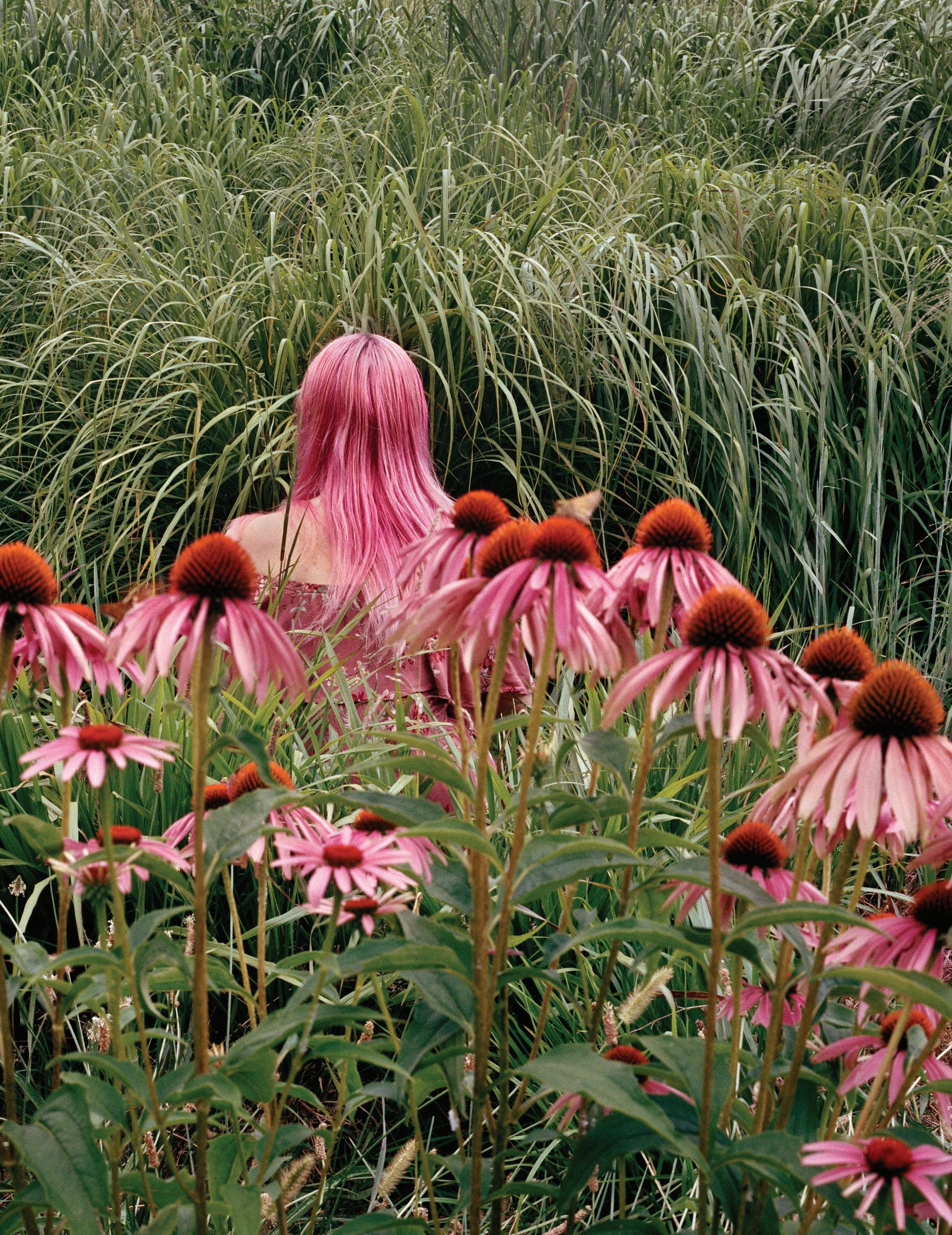
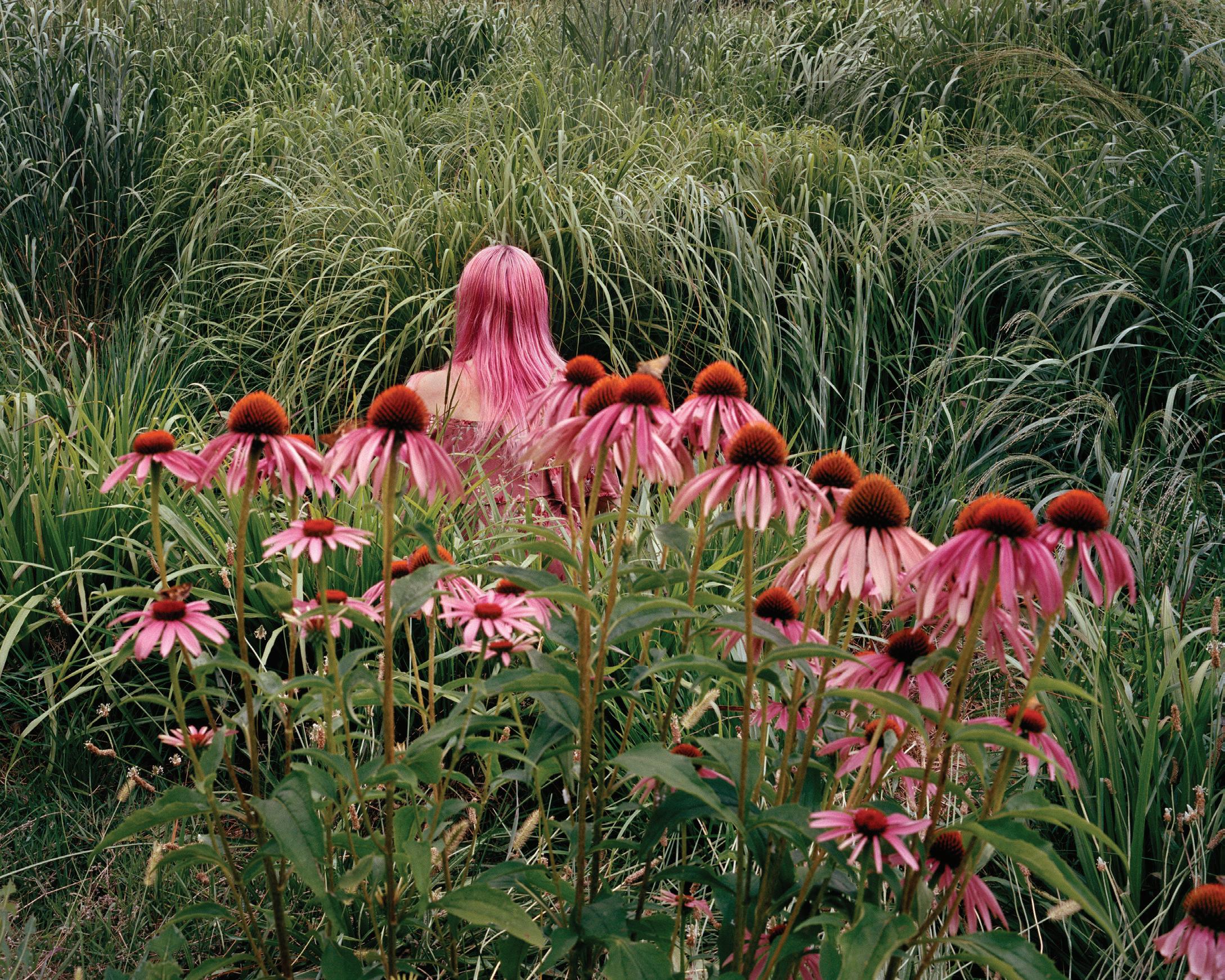
David: These are incredible images and one of my favorites is the young lady with the pink coneflowers in the foreground, in part because it is taken in my home state of North Carolina. In 2022, You won an amazing award from Leica Camera, aptly named the annual Leica Women Foto Project Award. Can you tell me about receiving that award?
Rania: Yes. I am very honored to have received such an award from Leica recognizing me for my newest body of work still in progress Where Do I Go? I received a camera and funding to help me travel back and forth to Lebanon. Again, it was a wonderful stamp of approval for a new body of work that I had very recently started. I am immensely grateful for the trust Leica placed in me.
David: Do you have any advice you would like to give young photographers today?
Rania: I would definitely tell young photographers to make work that they deeply care about, work that they are passionate about. They should make work that is personal to them, and that they won’t get bored focusing on for a long period of time. I would tell them not to worry about an audience yet, but to photograph for themselves. That is when photography is
above: Lea, La Maison Rose, Beirut, Lebanon, 2019 opposite page: Rhea, Ramlet Al-Bayda, Beirut, Lebanon, 2021
at its best. Like Diane Arbus said: “The more specific you are, the more general it will be”. I love that quote.
Another piece of advice would be to stay open to things that could happen along the way. Sometimes projects evolve and that leads to something else. Let it happen. And write about your work often – it helps you clarify your ideas.
David: What do you see in some of your next work?
Rania: My current project focuses specifically on Lebanon. There is a large wave of emigration out of the country at the moment, especially of the younger generation. When I left Lebanon in 1984, I was the same age as these women. Now, I am collaborating with this younger generation in Lebanon. Every image has a story – her story, our collective story. These women inspire me – they are goddesses.
David: I love photographing at the coast, so I really like how you captured the movement and foam of the water in this photograph with this young lady. Can you tell us the type of cameras you use?
Rania: In my earlier work, I used both a Mamiya 7II and a Leica M6 and M7. In most recent years, I used almost exclusively my Mamiya 7II which is like a big Leica for 120mm film. During Covid no one was developing film and I was working on a project photographing people across their windows. I felt that there was an urgency to this and to capture that moment in time, so I bought a new medium format digital camera, the Fujifilm
GFX 50R. Since then, I have very gradually transitioned to almost exclusively the digital camera.
David: Rania, this has been incredibly interesting, and I appreciate you telling me so much of your story! I love the way you have taken your childhood and your family’s and turned it into such visually stimulating projects. I want readers to be able to look for your newest book, SHE. How can they find it?
Rania: Thank you, David. It has been lovely chatting with you!
SHE is available in numerous bookstores but also specifically on the Radius Books website:
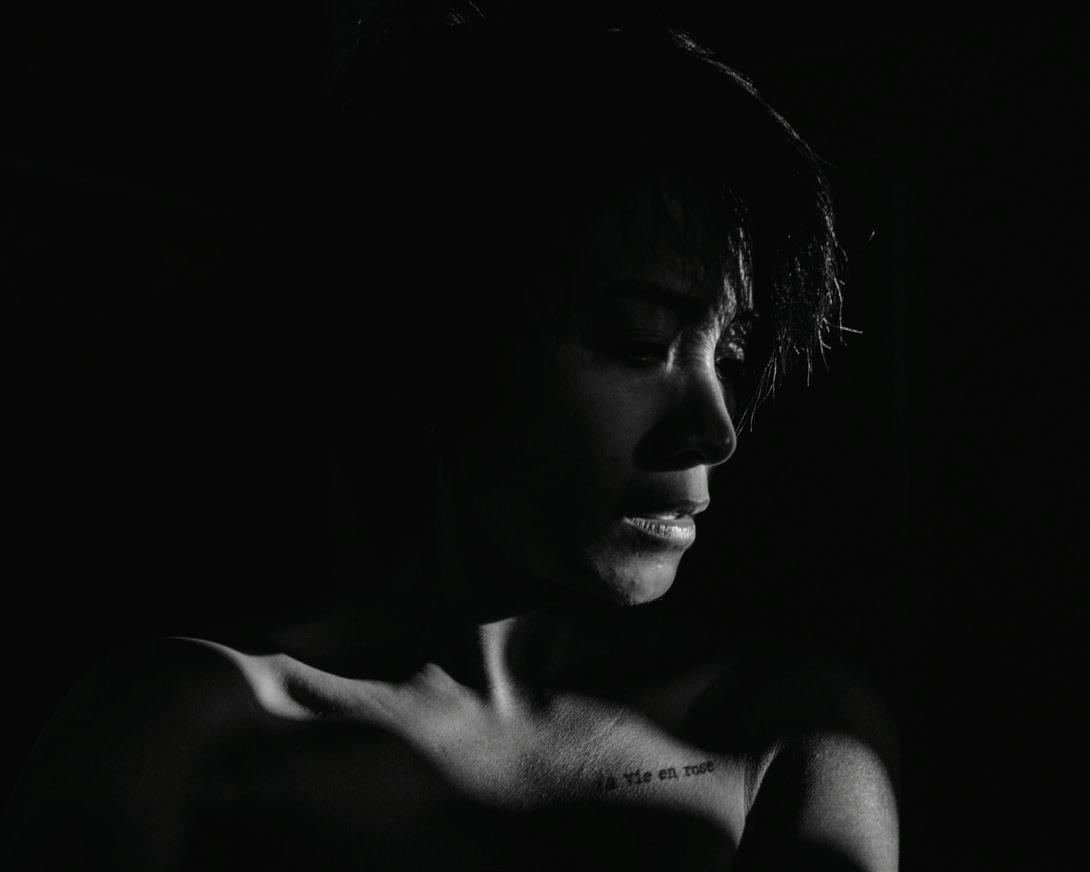
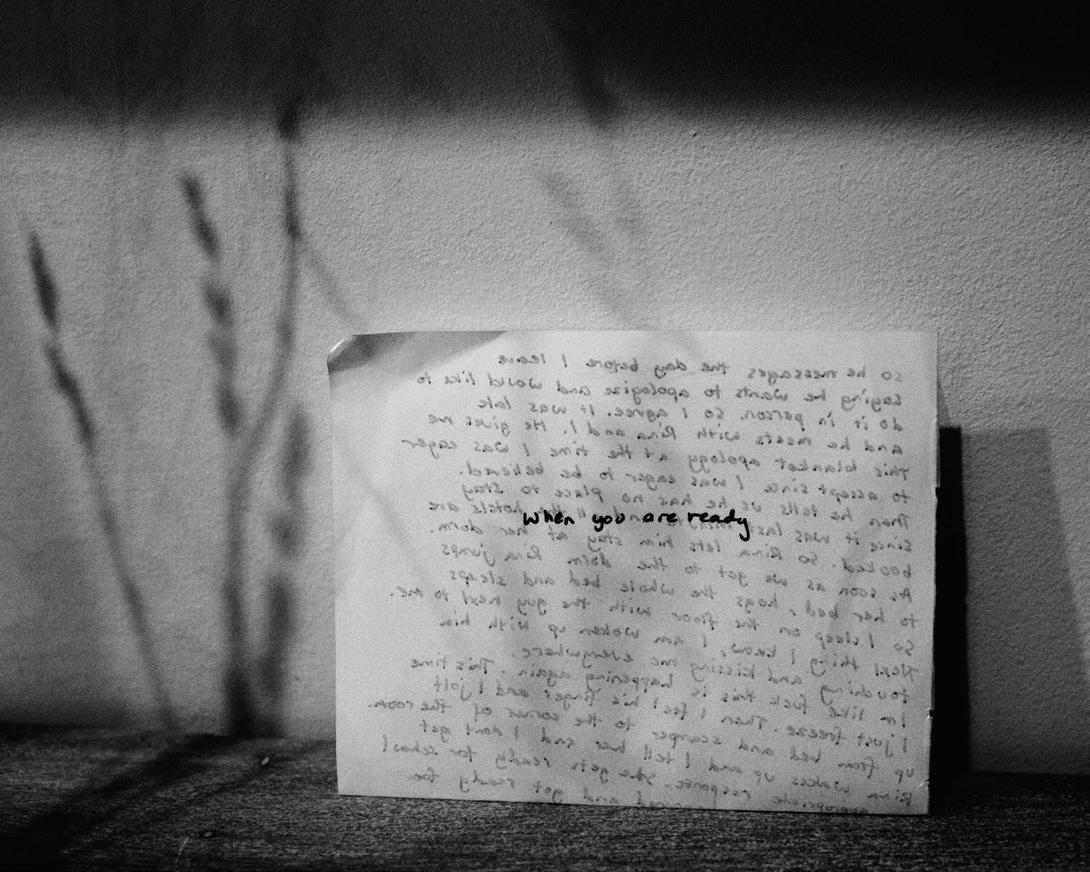
September Dawn Bottoms is on a mission. Not so much to change anyone’s life, though that would be great, she says, but to validate her own. To be heard. To heal.
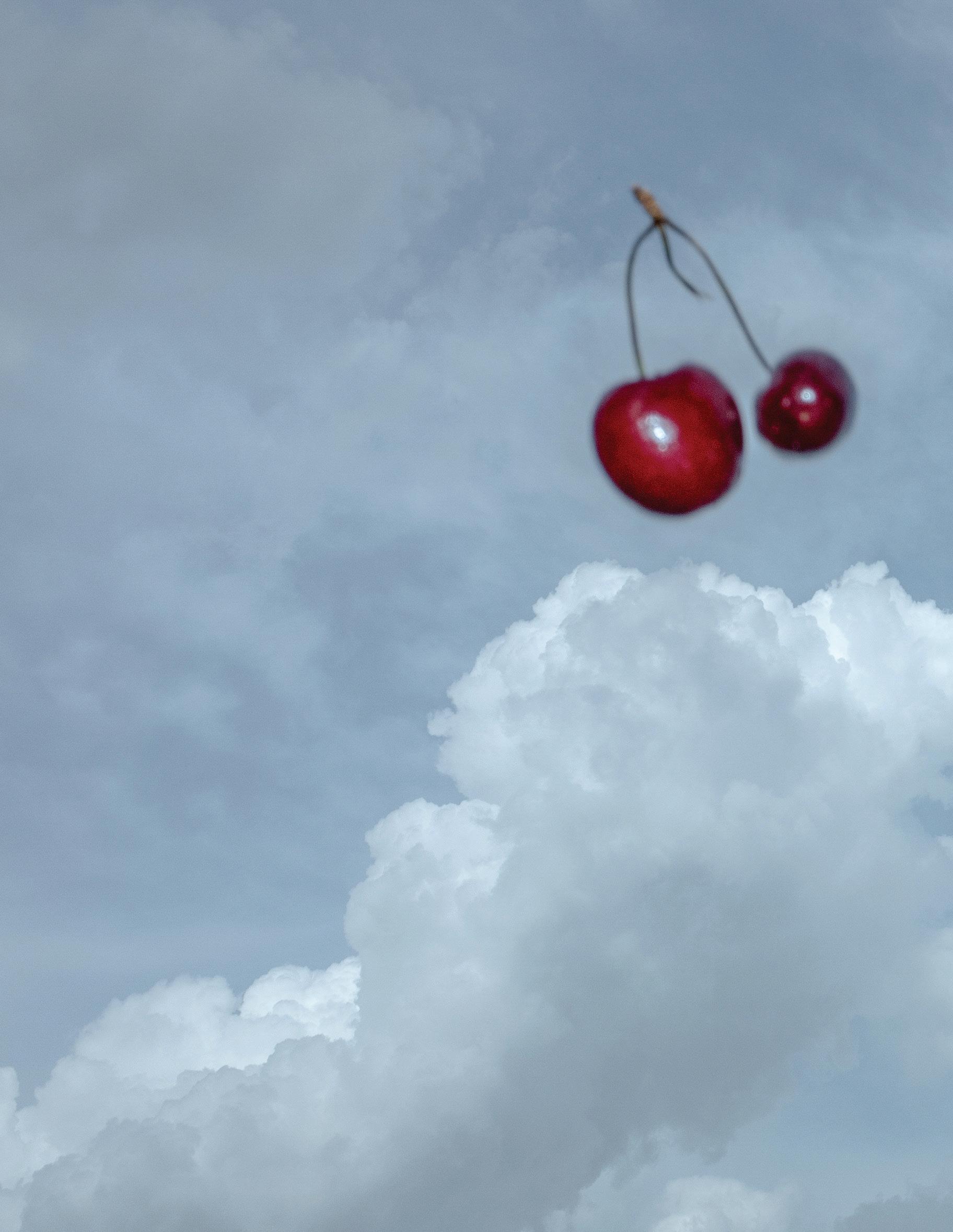
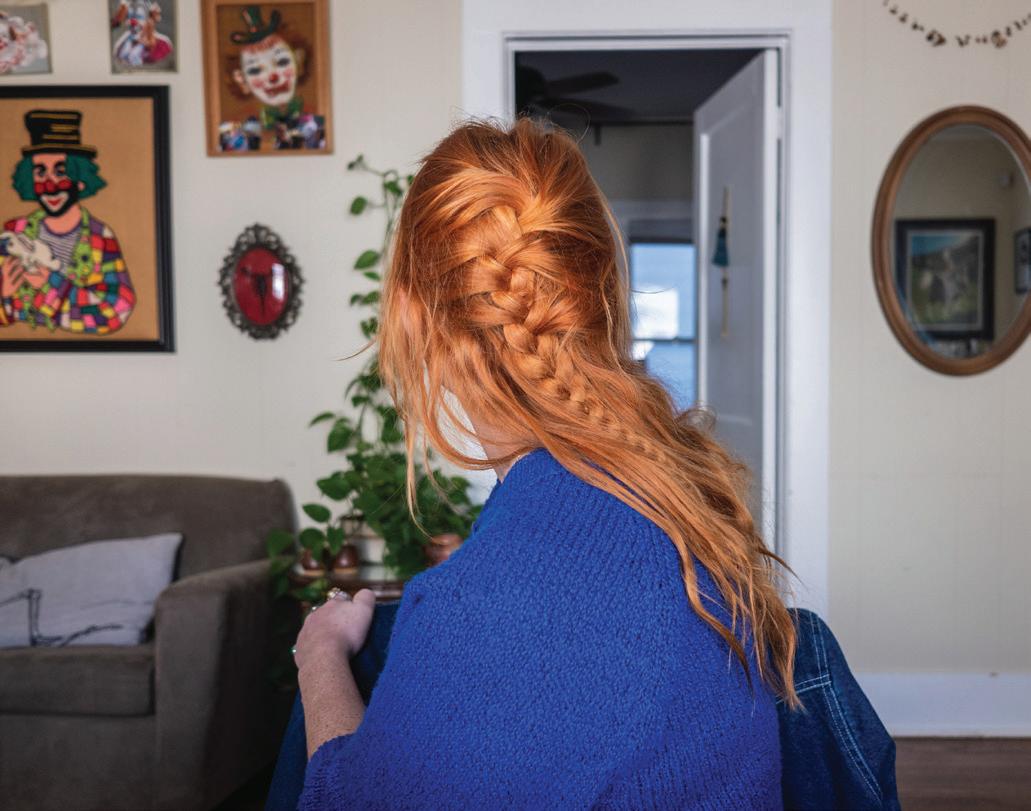
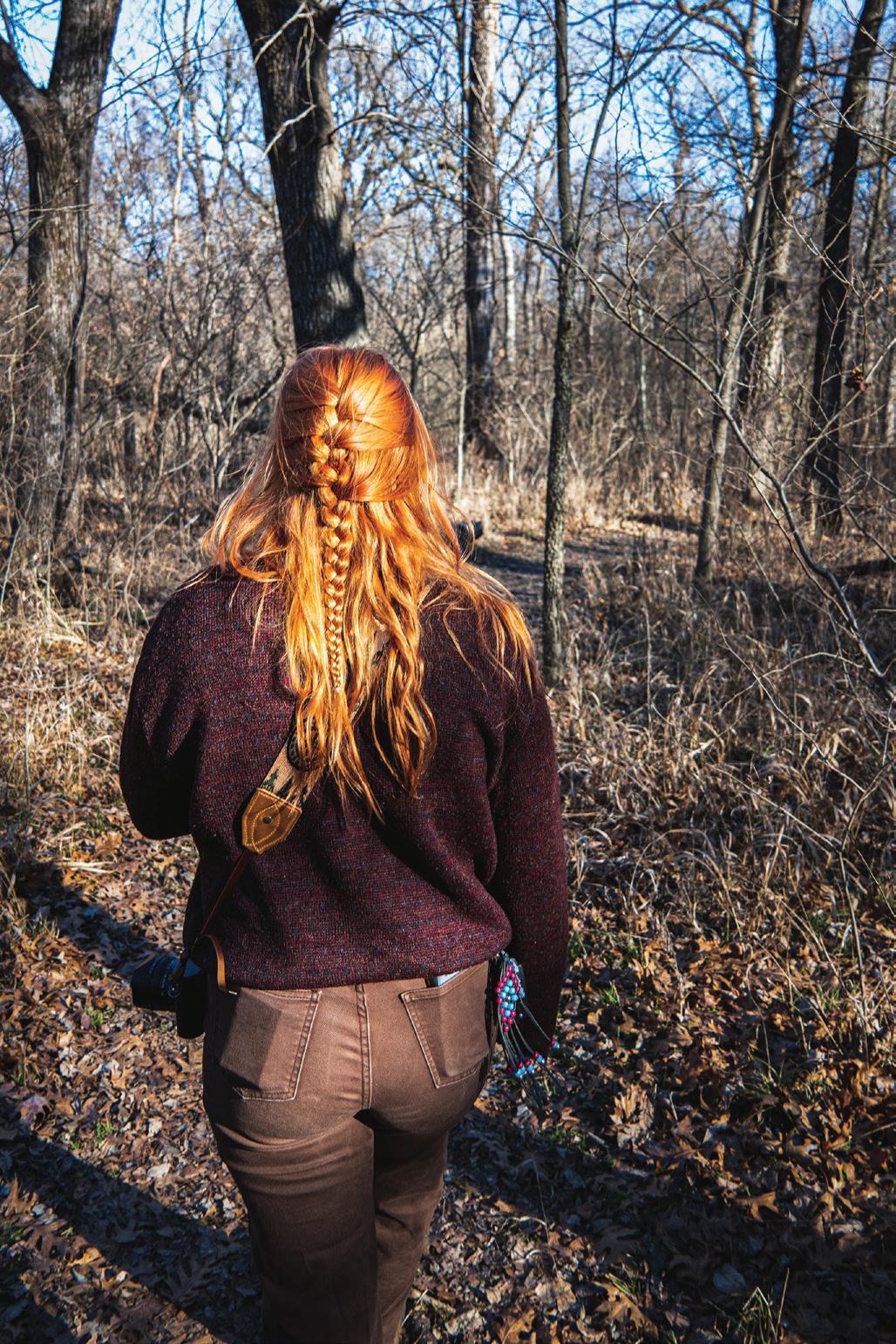
She’s thirty-one years old, stands at five feet, two, and is an arresting young woman. Her fair and freckled skin still has its youthful sheen, and her sunny red hair, tied in a braid, is there for one reason: to enhance the color of her green-blue eyes. She has the kind of voice that when she speaks, you know instantly that she’s also a singer. She’s equally polite, probing, thoughtful, and profoundly poetic, but also courageous as she traced and retraced a painful past. And sometimes, when she’s feeling low, she throws cherries into the sky and takes pictures so she can see something beautiful.
You may recognize September’s name as one of three Leica Women Foto Project (LWFP) grant winners in 2022, alongside Rosem Morten and Rania Matar. Her deeply personal project, Remember September, was a photographic meditation on the trauma of the physical and sexual abuse she suffered growing up. Her work caught the attention of photo editors as early as 2019 and has since earned her multiple awards: a New York Times Fellowship 2020-21, recognition in TIME’s 2020 Best Portraits, Top 100 Photos, and Best Photojournalism categories. She has appeared on BuzzFeed’s “15 Photographers That You Should Follow Immediately” and Artsy’s “20 Rising Female Photojournalists.” Her images have been published in the New York Times, TIME magazine, and many other publications. An auspicious start for a self-taught young photographer at the beginning of her career. Yet September’s journey, impressive as it is, has been anything but a fairy tale.
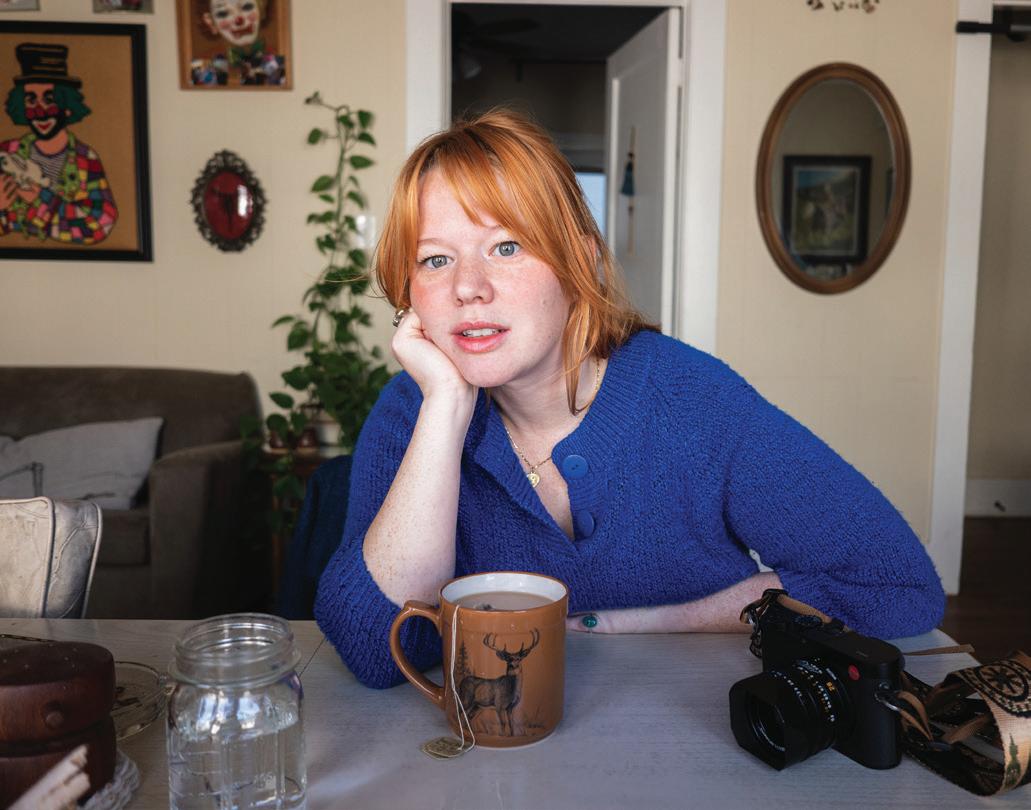
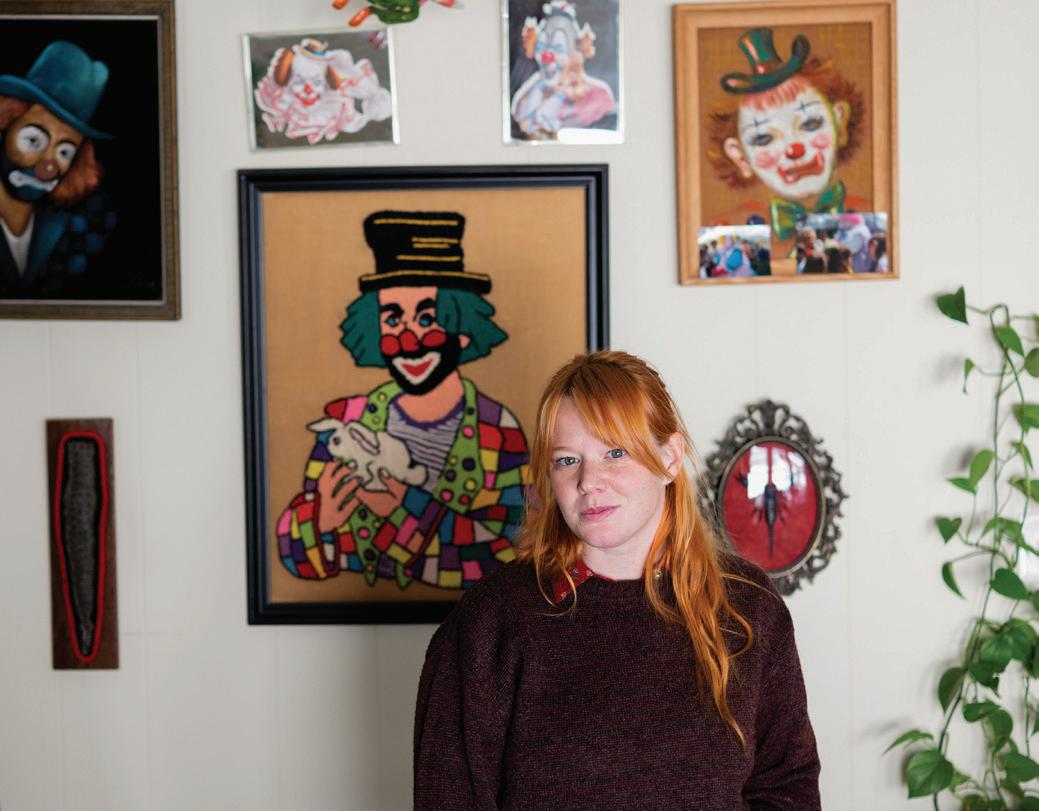
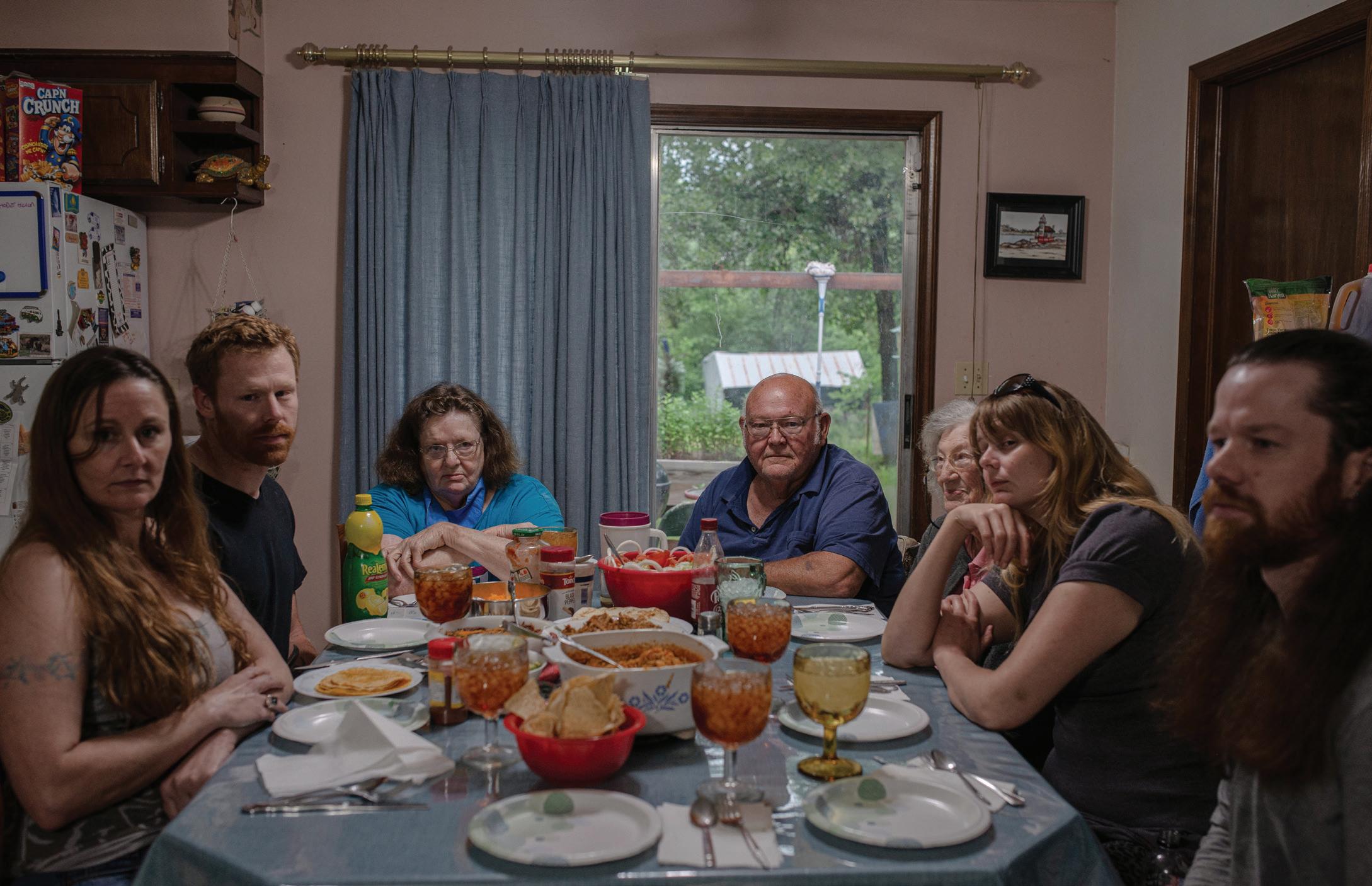
I drove from Dallas on a chilly January day, through the land of the Muscogee Creek Nation to Tulsa, Oklahoma, to interview her for Viewfinder. We met at a coffee shop; I presumed because it was a safe place to meet a stranger. Later she welcomed me into her home, a bungalow built in the early 1900s. It was filled with comfortable, lived-in furniture, plants, antiques, and keepsakes that ranged from the sentimental to the morose. Hand cut paper snowflakes dangled from the ceiling. Paintings and other art pieces hung conspicuously on walls. The smell of incense hung in the air. We sat at a table that belonged to her great-grandmother, where she remembered making fresh biscuits when she was young, to talk about her life, her work and forthcoming book.
I didn’t expect September to speak so openly about growing up in the shadow of abuse, with a mother who neglected her children, or in a house where sexual abuse and mental illness had quietly followed her family for generations. At times she
became emotional and paused at the edge of her pain as if she were about to jump off a cliff. But she jumped anyway.
The more I learned about September, the more impossible it was to imagine her mother warning her to lock the bedroom door to keep out her groping grandfather. I wondered how anyone, especially her mother – who was also molested by her father from the age of two until she married – did nothing more to protect her daughter. I questioned their complicated, unbreakable bond, and how seemingly toxic it appeared.
Her abuse began around the time she was eight or nine years old, perpetrated by her grandfather and her babysitters, some of whom were related to her. She was physically abused and neglected by her parents. I asked if she lived every day in fear of being harmed, but surprisingly, she said no. She was a people pleaser, she told me, looking for love and acceptance, and so it was all normal behavior to her. Not until she entered middle
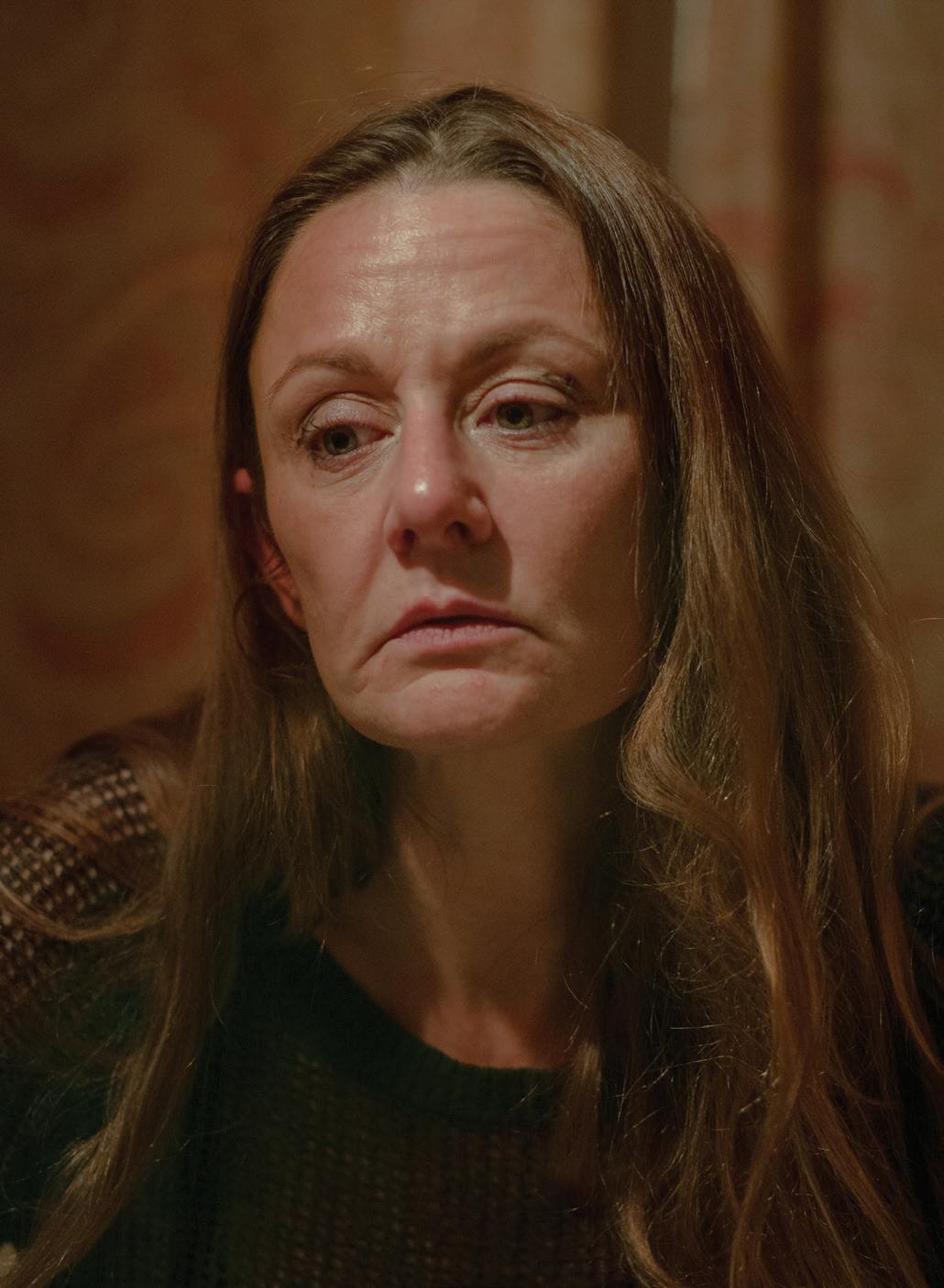
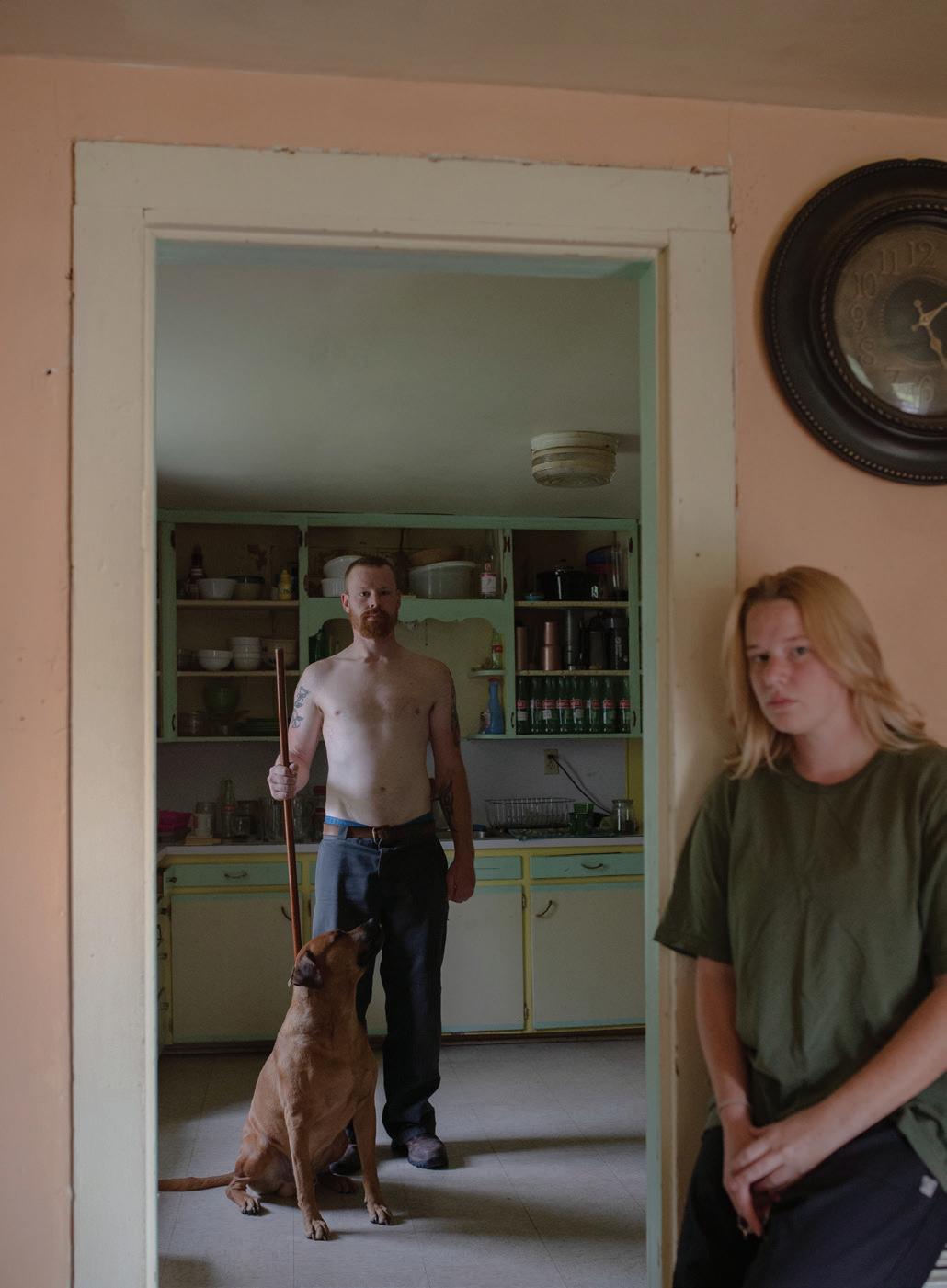
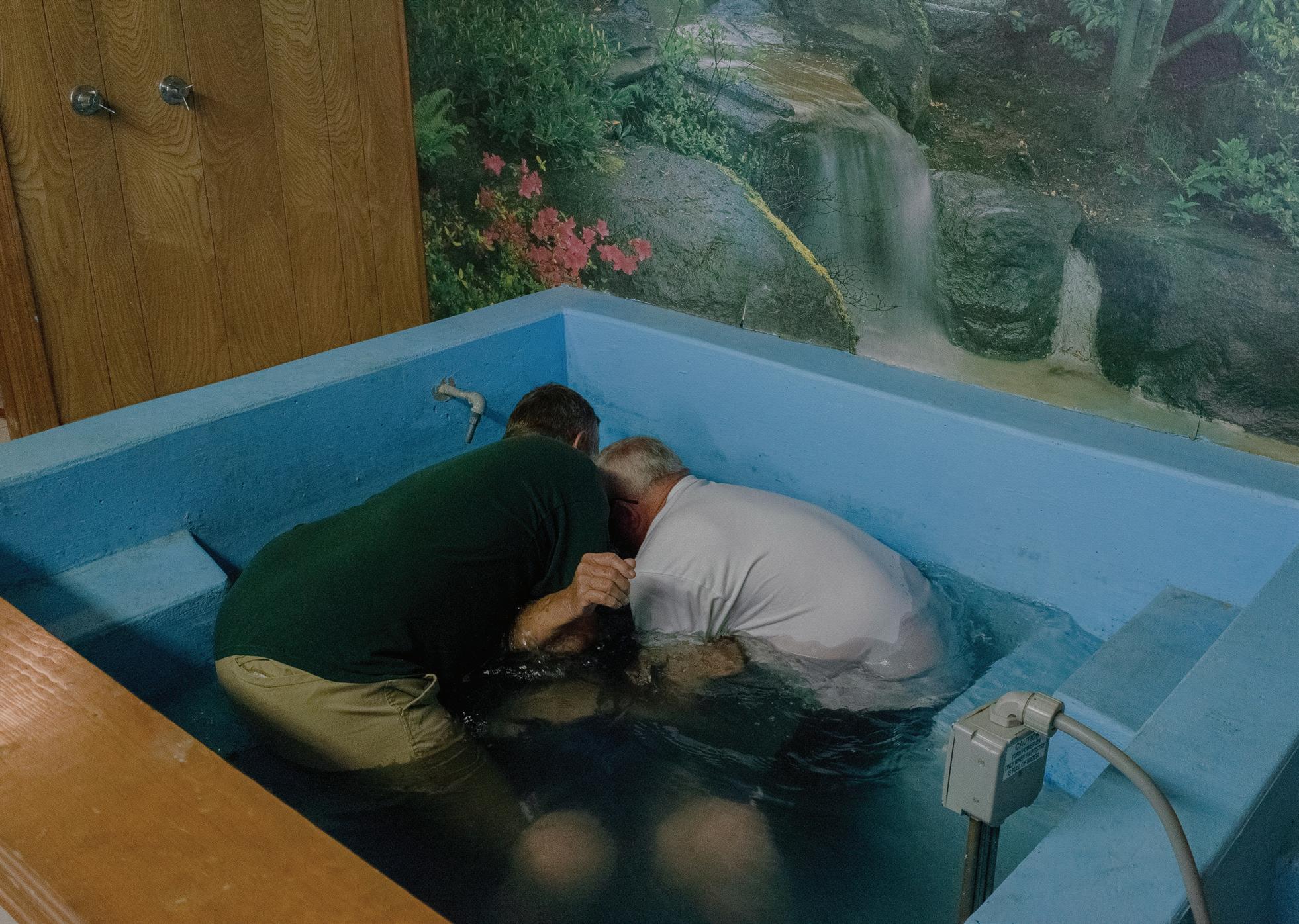
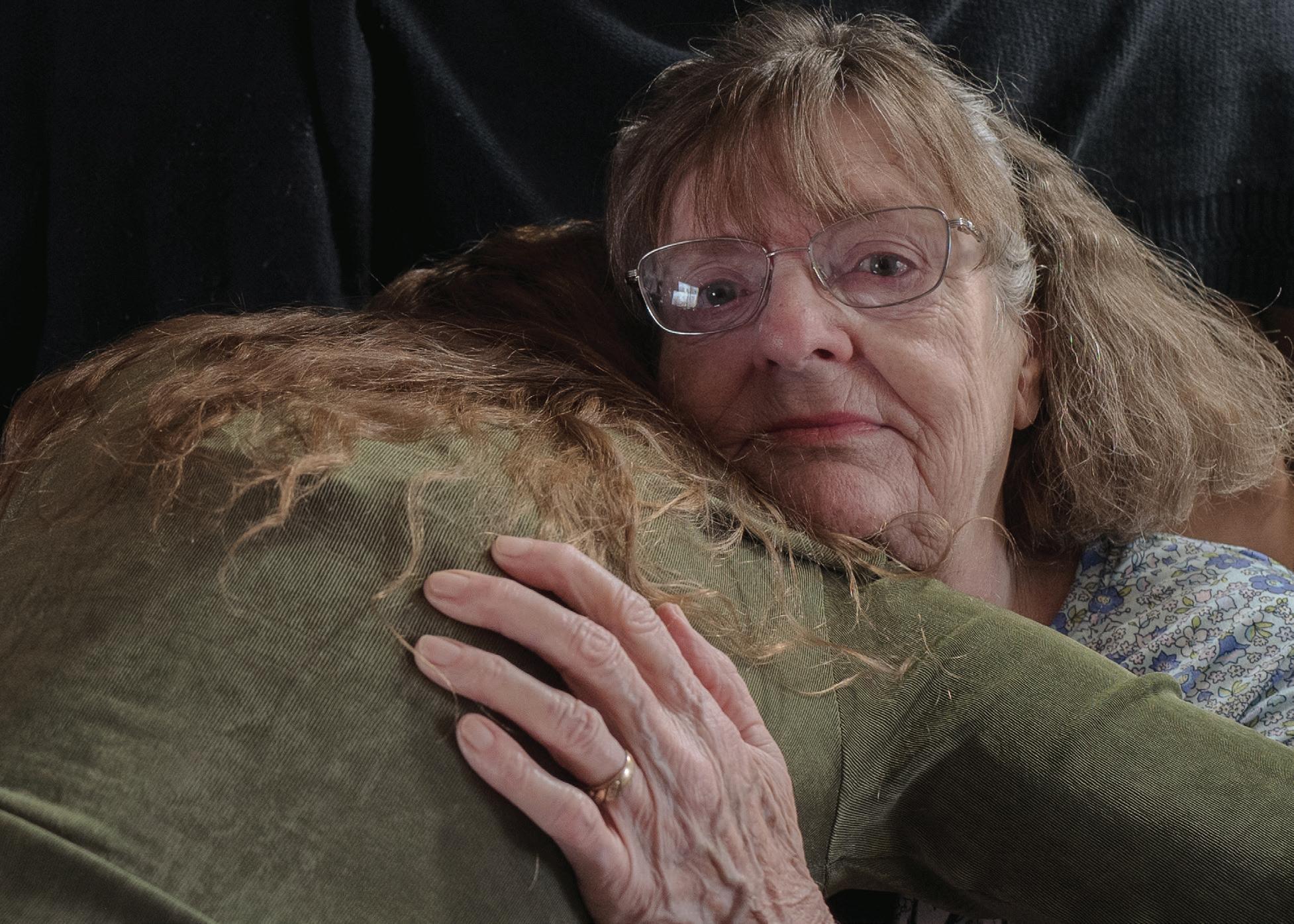
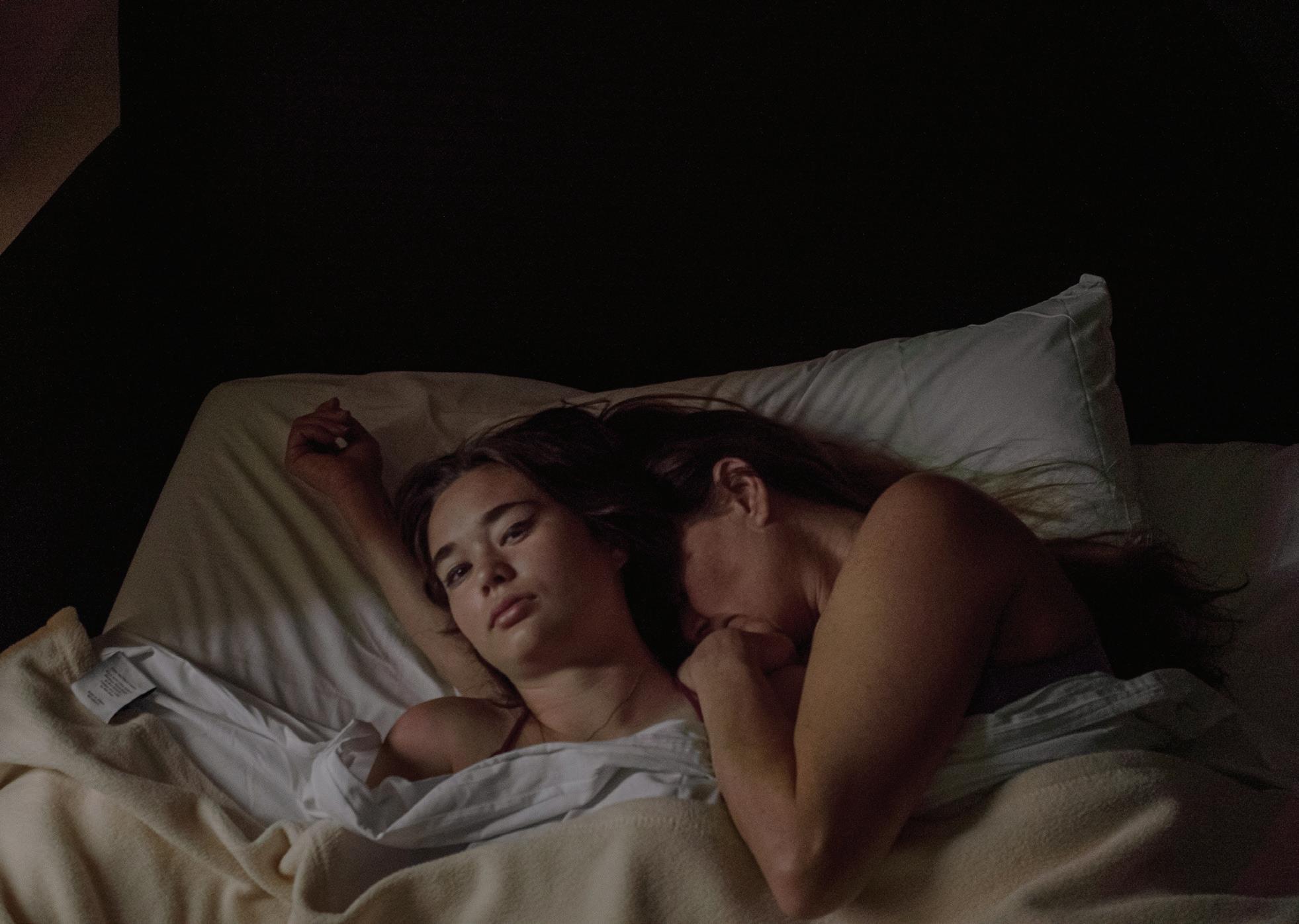
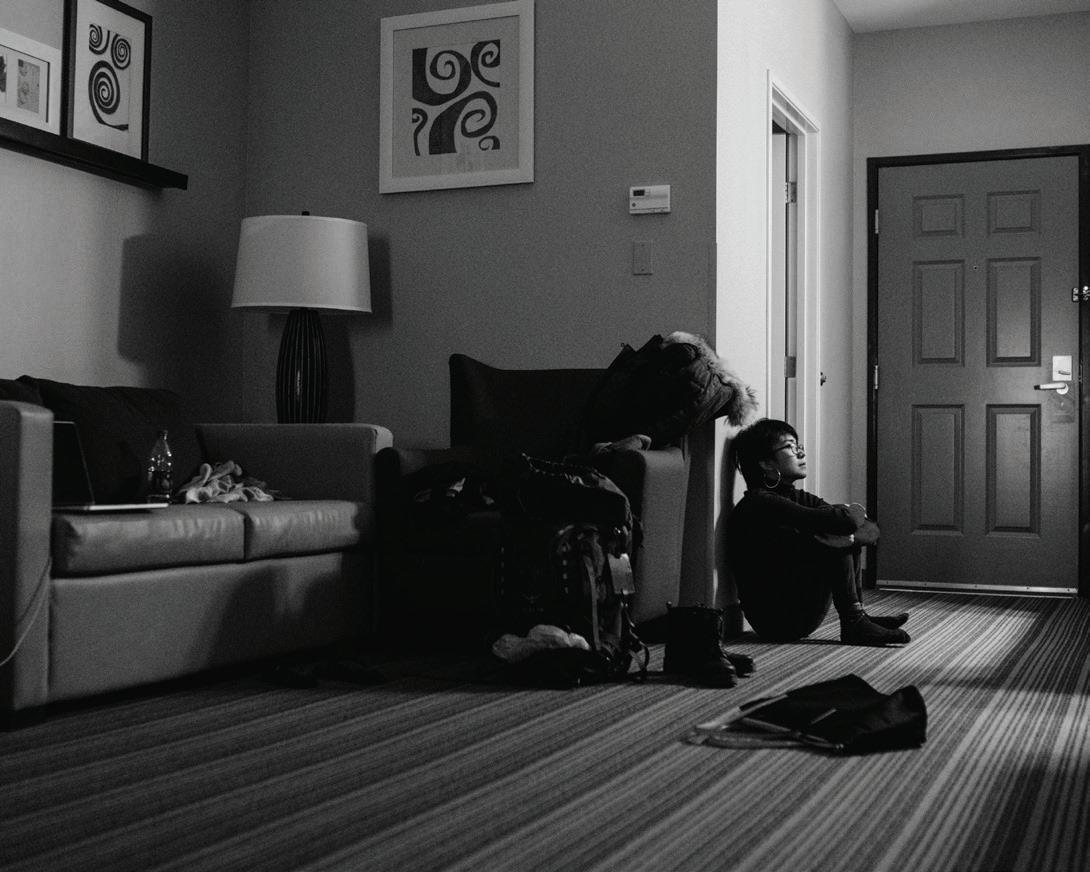
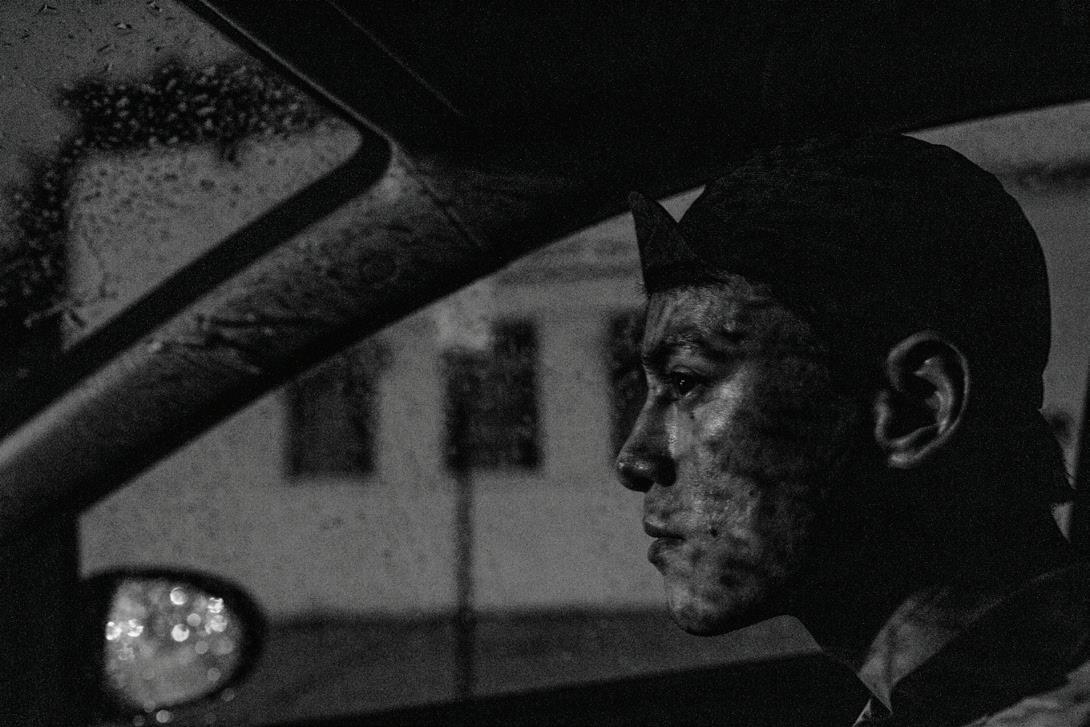
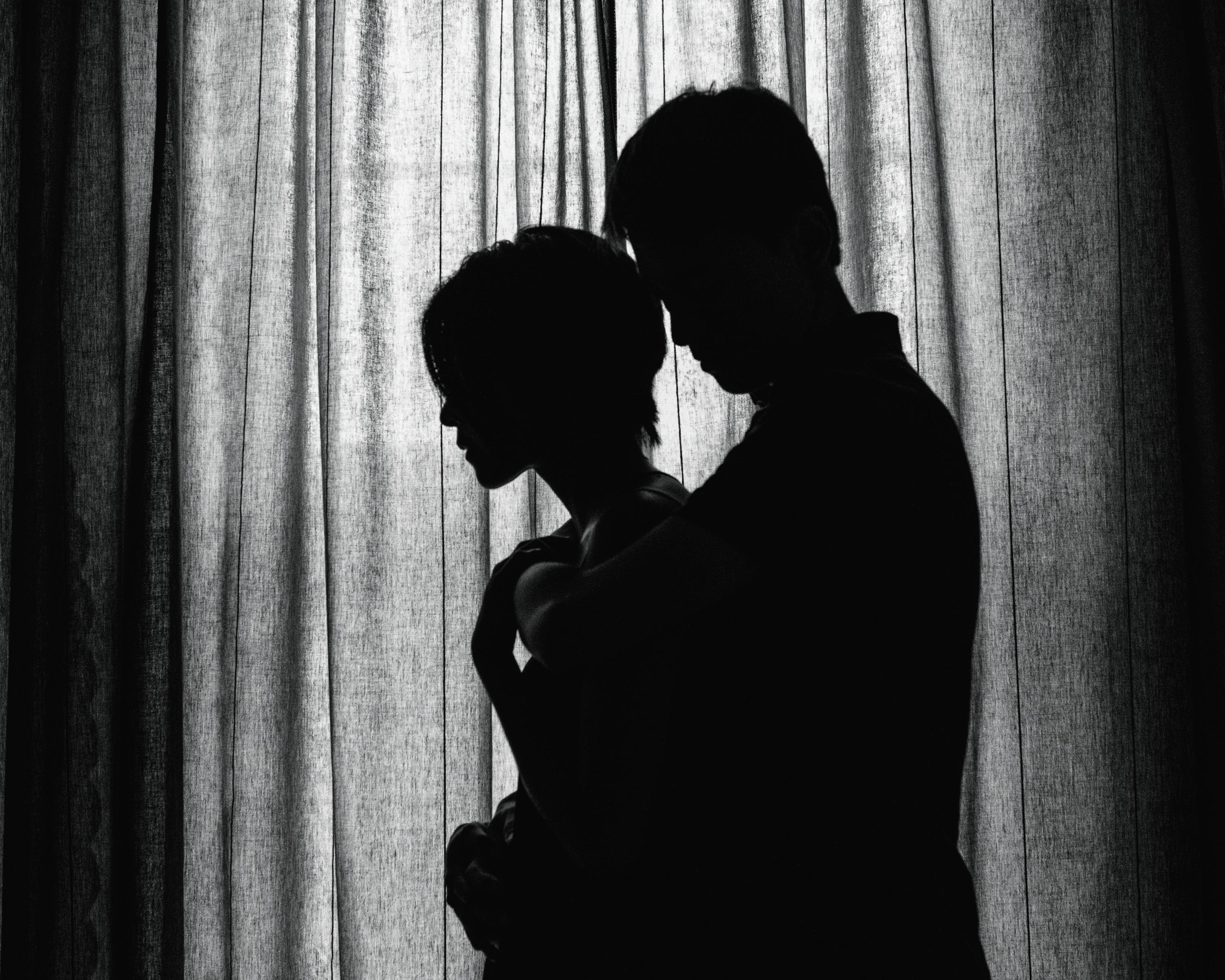
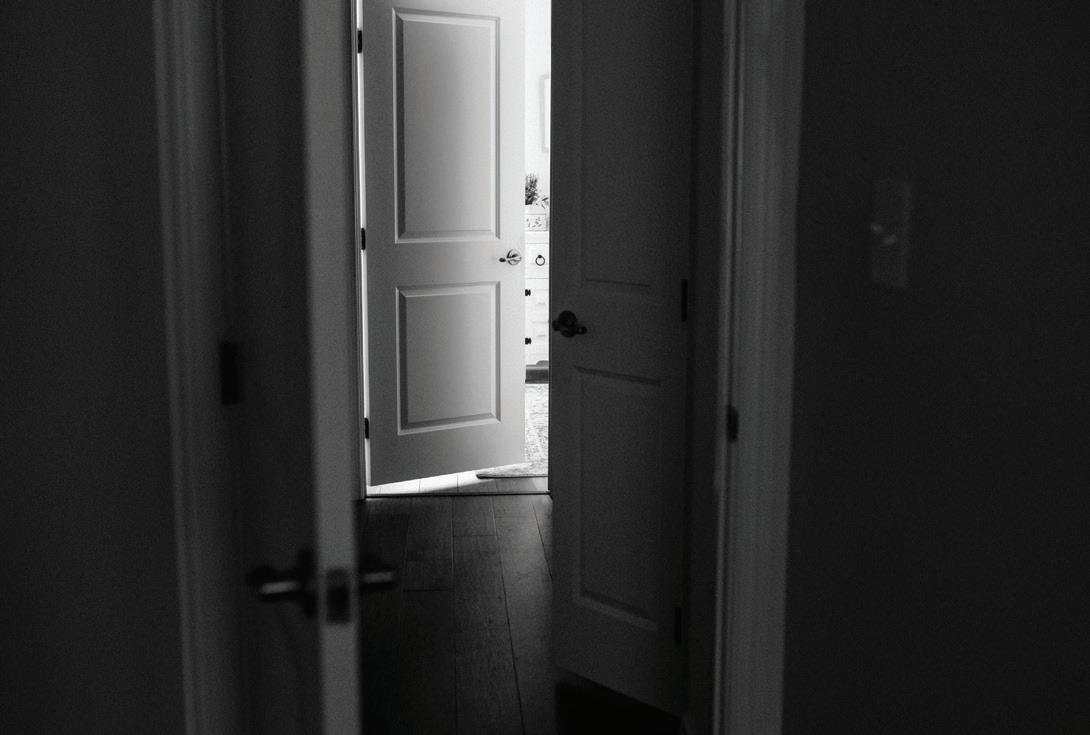
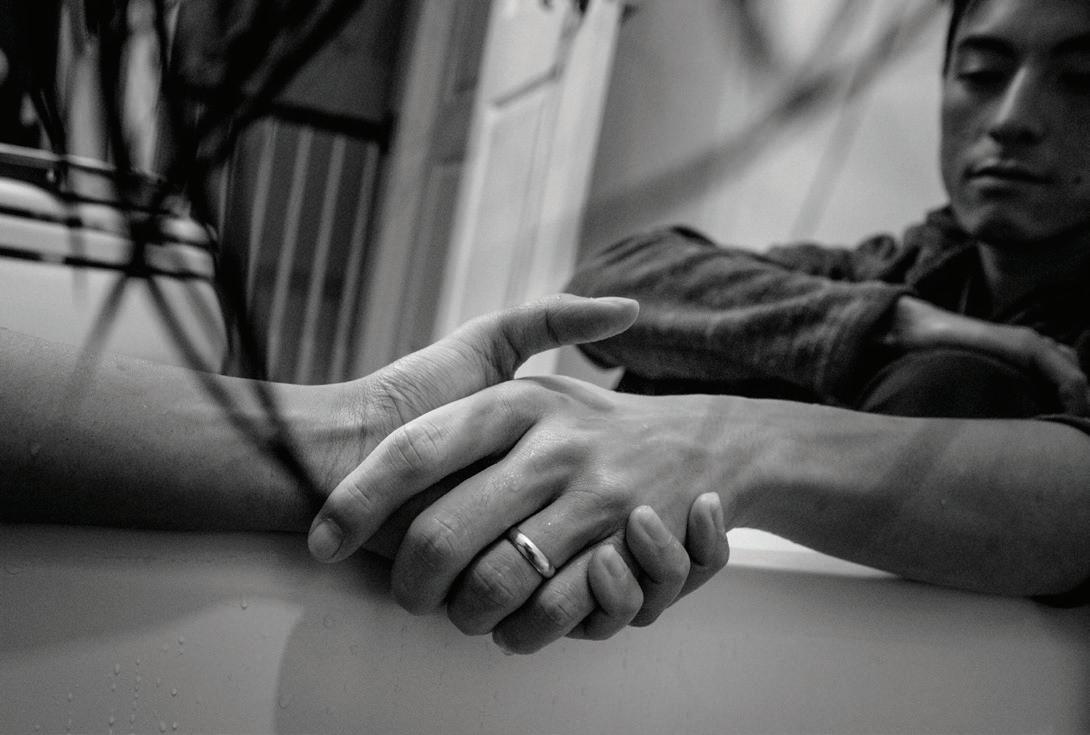
Images of September Dawn Bottoms by Richard Rejino.
school and told her friends about something that had happened, did she come to understand that something wasn’t normal, that something was terribly wrong.
After high school, she moved to Los Angeles with her mother and stepfather, a military man (one of several husbands her mother married). With no aspirations for college, she worked as a waitress and carried the weight of her past. For the next ten years, she lived an untethered life. Drugs, depression, and a debilitating aimlessness drove her deeper into hopelessness until she reached a breaking point. “It had gotten so bad that I had real thoughts of suicide; I even planned it,” she said. “I was going to ride my bike into traffic so it would look like an accident.”
TURNING POINT
September might have followed through on her plan were it not for an ex-boyfriend. He was in college studying to become an animation artist and called to say he had finally found what he wanted to do with his life. “He was so excited, and he sounded so happy,” she said. “It made me want to try one more time to find something, anything, that I could be great at before leaving this world.”
As happenstance would have it, she had always been drawn to photography and was constantly taking pictures with her phone. So, in 2016 she decided to enroll in a college photography course. She saved her money, sold the bike, and bought a camera. Then, on a whim, she asked one of her regulars at the coffee shop where she worked if she could interview and photograph him for a story. The thrill of the experience was like stepping into the sun. She couldn’t believe that someone would share details about their life with her. “It made me feel special, like I was good at something, and I had never felt like I was very good at anything,” she said. “In that moment, it made me feel that there was a possibility that I could be great at this. It felt real and whole, and I could reach out and grab it.”
'So, photography saved your life,’ I exclaimed. “Yes,” she said, as she reached to touch the camera next to her.
From there things moved quickly. She studied photography on her own and later enrolled in a masterclass with James Estrin, founder of the NY Times Photo Lens Blog, who recognized her talent and became her mentor. Under him she started a personal project that eventually became “Remember September.” Then in 2019, she moved back to Oklahoma to confront her family to try and understand what had happened to her and why. The result was an unflinching, bare-all body of work that won her the LWFP grant.
September acknowledges that she has found a small measure of catharsis in her project. After almost six years, she says she is just now on the cusp of beginning to heal. She has re-established
relationships with her mother, grandparents, brothers, and other members of her family. Her brother revealed that he was also abused when he was a boy, which sent shockwaves through her. At every step, she documented her journey and treasures the connections she made, as difficult and painful as they often were. Even when the images weren’t what she had hoped for, she knew that in the wake of confronting her perpetrators and their victims, it was the right thing to do.
“
In that moment, it made me feel that there was a possibility that I could be great at this [photography]. It felt real and whole, and I could reach out and grab it.”
BLOOD STRANGERS
Since the LWFP grant, her project has evolved into a book, Blood Strangers. The new title was inspired by a poem she wrote about the father she barely knows and the distance that exists between her relatives and her. But at the heart of this multi-layered journey is the relationship with her mother. It underscores her need to be heard. “Everything I do or ever will do is because of my mother,” she has said. Yet, September isn’t interested in laying blame, despite what her mother didn’t do to protect her. She writes in the introduction of the book:
I have a knot in the pit of my stomach. It smolders my insides and drags me down everywhere I go. It singes every relationship I have. It coils, chokes, and chars my ability to function. I’d like to blame it on my mother. The woman who didn’t care about my well-being. The woman who let me get hurt over and over again. But I know all of the responsibility of my pain, of my knot, doesn’t fall on her shoulders.
A knot burns deep in her, too.
The knot inside them is the knot of abuse from the same man, the knot of parental neglect, from knowing that love meant taking something from you. It’s the knot of not being seen; of not knowing how to be the person you want to be.
Being seen and understood were constant themes that kept coming up during our interview. In one of the most poignant moments of her story, September recalled the day she confronted her mother about the truth of what happened. The two of them were having drinks to help unwind after a difficult day. “We were dancing and having a really beautiful moment,” she told me. “Suddenly, my mother burst into tears and started talking
about things she never told me (about her own abuse). Then she said, ‘At least I was able to protect you guys.’”
September knew this was it. After waiting all her life for the right time to tell her mother the truth, the moment had finally arrived. The camera was a buffer to help her say what she needed to say. Later, September wrote about the exchange in this way:
I handed you the camera. The only thing to do was to say it out loud. I told you we were molested too. You handed me the camera. You said you were sorry, and we never talked about it again. You always say you don’t remember. But we (September and her brother) remember. Neither one of us is as saved as we’d like to be.
For September, that day was a breakthrough and a disappointment. “I wanted her to say I’m sorry and (feel) the things you’d hope that your mother would feel when you tell her something like that. But when I look at the pictures of her, I feel the things that she never said. When I see the expression on her face, I know that she understands, that she’s sorry, and that she hurt me.”
With Blood Strangers nearly finished, September understands there is still work left to be done. “It will never be finished, but there is enough that can be contextualized and make sense and be a full narrative that can be seen by the world. And where I can be seen and understood.”
FACING THE SUN
After spending several intense hours together, we needed a break. We decided to go for a hike in the Oxley Nature Center, a place she often goes when she needs to think. When we arrived, it was obvious she knew the trail like the back of her hand because I would have never found my way out had she abandoned me. She strode through the trees and undergrowth that were shades of winter brown, steadfastly and with the stealth of a tracker. I tried to keep up with her and not sound out of breath. There were deer everywhere, passing by, grazing, and just being themselves, and I would have missed half of them had she not pointed them out. We talked about each other’s families. She told me more about her brothers, and how they were plagued with emotional problems whose root cause they all shared. The brother who was also molested doesn’t like being around people and lives alone and takes care of their grandparents. The other one she avoids altogether out of genuine fear. I felt guilty talking about my family who in comparison sounded like the Cleavers. We were still getting to know each other, but with each hour I was becoming more astonished by the person in front of me.
““I think every great artist should document themselves and their life. I think it brings an honesty to the rest of your work that could potentially be missing.”
It's easy to feel overwhelmed by the tragedy of September’s story. What I found most compelling, though, was her shear bravery to leave no heavy stone unturned as she wrestled with the truth about her family. I kept asking myself why she was the chosen one to cut open the wounds again and again, to try to make sense of her life, and by extension her family’s life. Then I remembered that she said she didn’t have a choice, that she was compelled to come home. Later, as I looked over the pages of notes I took and listened to the hours of recordings filled with her beautiful voice, there was something else. I remembered an Instagram post she made in 2021. She was visiting her dying Papa, her step-grandfather who had been kind to her. He was quite ill and just wanted
to die. She wrote that sometimes she had to leave the house to be alone, to cry, but never in front of anyone. Then in a moment of love and hope she wrote: “I still wear pretty dresses and turn my face toward the sun.”
MOVING FORWARD
In the British Journal of Photography earlier this year, September was quoted as saying “I think every great artist should document themselves and their life. I think it brings an honesty to the rest of your work that could potentially be missing.” Even though she began Blood Strangers to help her understand her family, the project goes well beyond her own self-interests. She wants to know if turning the camera on yourself and your family can help others, or at the very least, encourage us to look at ourselves with honesty and clarity. I believe she knows the answer but needs time to realize it.
As for photography, there is nowhere else her heart lies. September Dawn Bottoms simply wants to be great, something she repeated to me several times. She is committed to telling stories, great stories, with the same honesty with which she tells her own. She wants her images to penetrate people and make
them feel something deeper than just shock value. She wants to help those who are working through their own traumatic experiences and show them how the camera and writing can be therapeutic. September is self-aware enough to recognize that her dreams smack of youthful innocence, but “If I can do all that,” she says, “I’ll be alright.”
In the end, hope and purpose are the bridge between surviving and healing. September still fights to untie that knot in her stomach every day and it’s a constant battle. On top of the emotional scars of her abuse are the challenges of being a freelance photographer. It can be feast or famine, and one can never rest. More than anything, though, she’s determined to find passion and honesty in everything she does. The camera is her talisman. With it, she will always throw cherries into the sky and turn her face towards the sun.
Richard Rejino is the Executive Director for Leica Society International. A writer, photographer and musician based in Dallas, Texas, he is the author of What Music Means to Me.
Wildflower
SEPTEMBER DAWN BOTTOMS
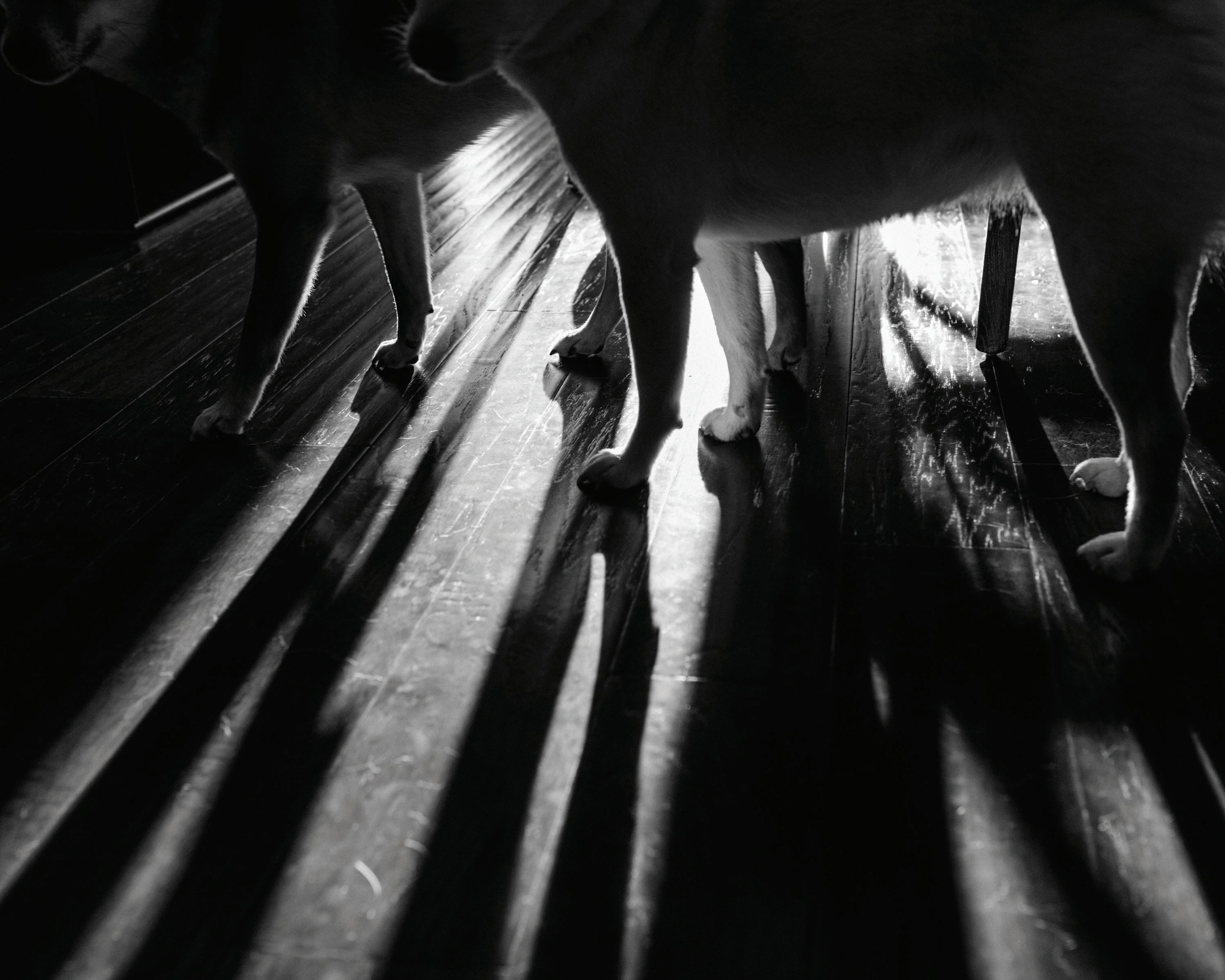
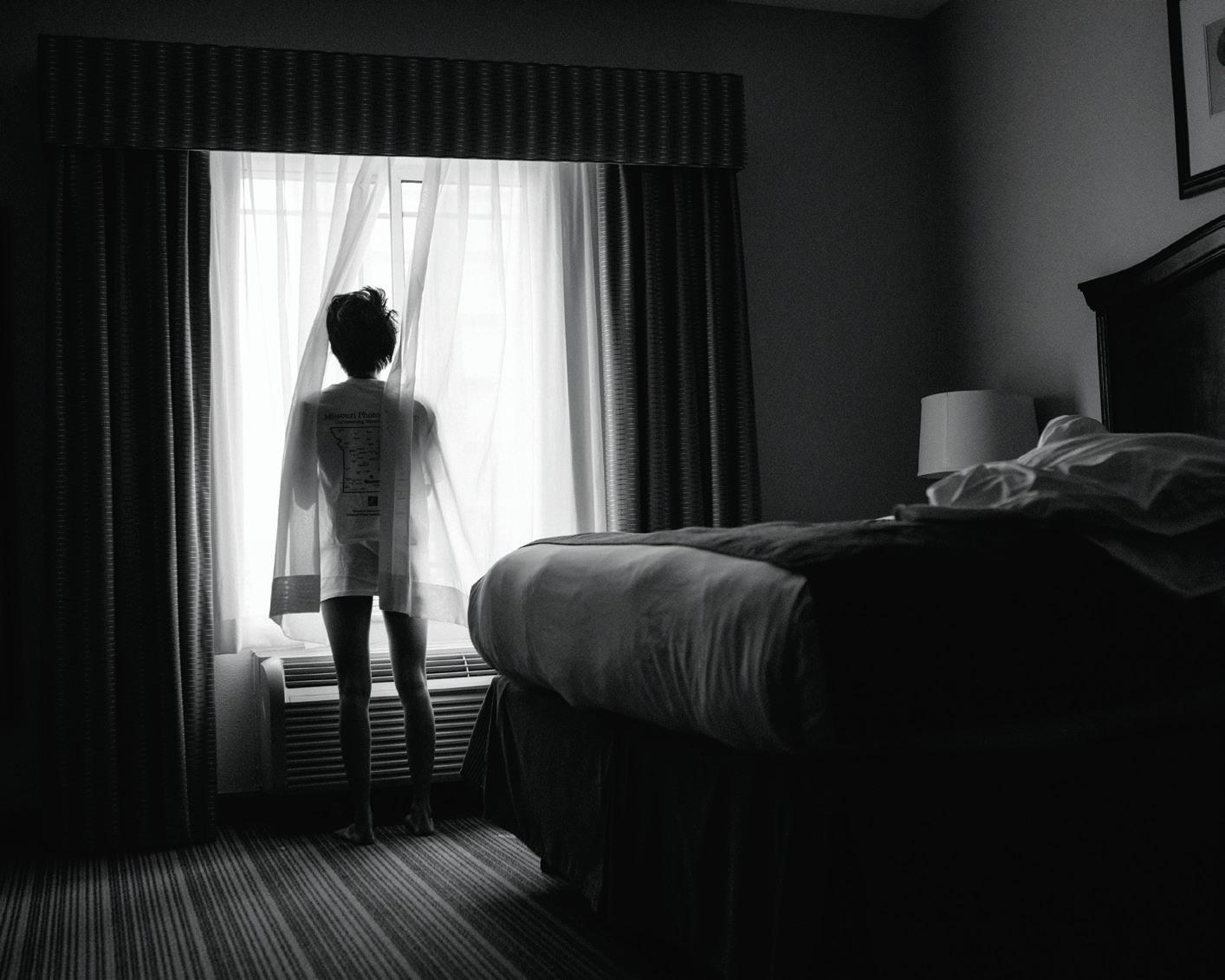
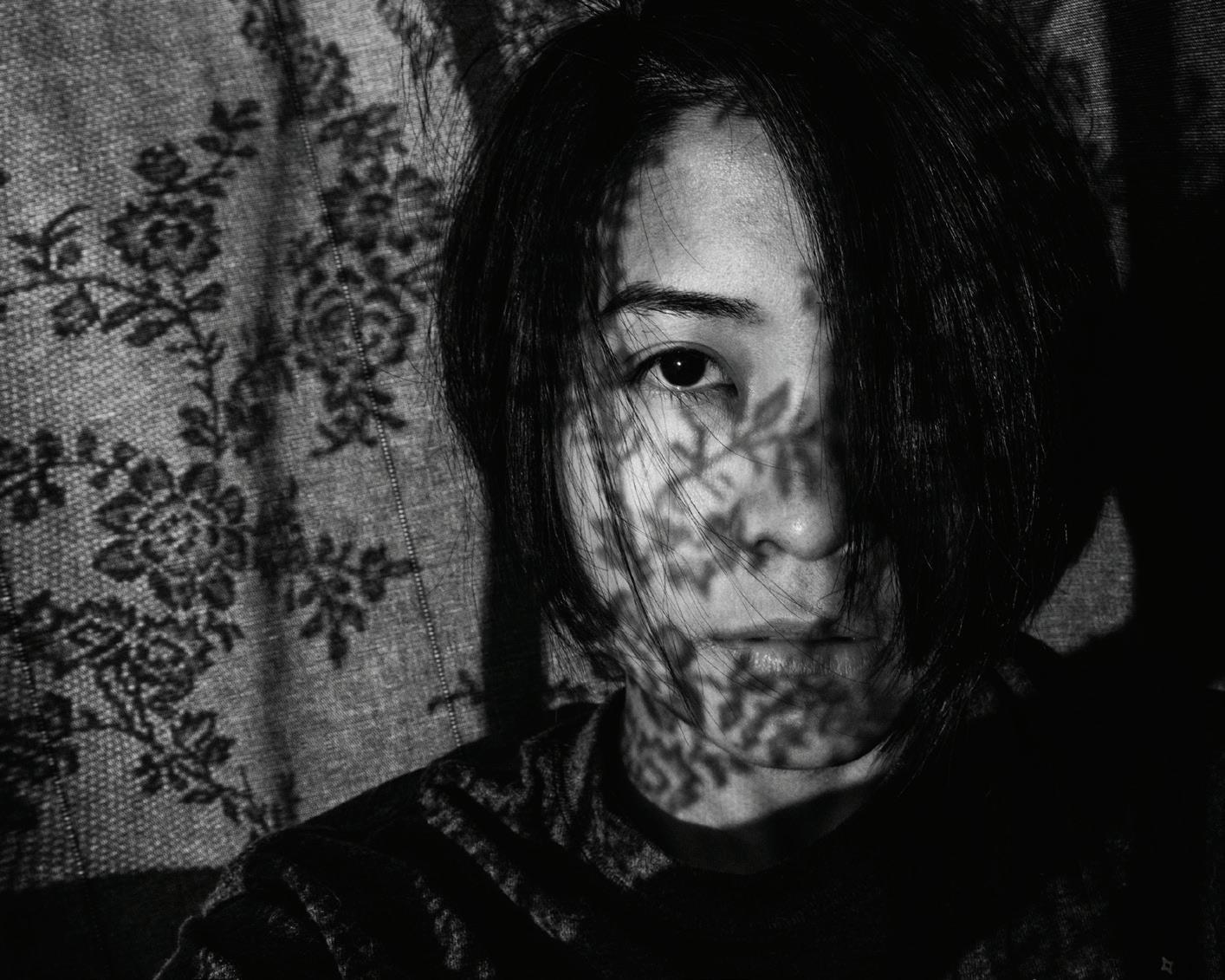
A CONVERSATION WITH ROSEM MORTON
Rosem Morton’s acclaimed project, Wildflower, documents her journey of recovery from being raped and the trauma that followed. Rosem’s photographs and journal entries from Wildflower were published on CNN and NPR, and the project was a recipient of the 2022 Leica Women Photo Award and the Visa d’or Daily Press Award. In addition, Rosem founded Dear Survivor, an audio-visual aid for survivors of gender and sexual-based violence.
We talked about what it’s like to photograph through a difficult moment, her dedication to the truth and what it’s like having a Leica. We began by examining how making this work can be hard for those around us, especially our families, and how keeping things inside and not talking about them goes directly against what we are about right now.
September: “Rosem, What are you about right now?”
Rosem: I’m about living my life in the truest way possible, living it well, and living it honestly. I think that also demands the same from the people around me and it’s hard because we are all on different journeys and not always on the same page. We affect each other. Sometimes, this inspires others to be their true selves or other times, it pushes them away.
September: I couldn’t possibly relate to that more, but I think being that person is hard because I don’t know about you, but I have a lot of self-doubt like, “Okay, I’m trying to live my life and do my work in the truest way possible, but all these truths can be different and can be simultaneous." Do you ever have those moments of questioning and self-doubt?
Rosem: I think the process of learning people’s reactions to my work was enlightening. I assumed that people would be supportive of me airing out hard truths. This was not always the case. This uncertainty created a lot of doubt and has tempted me at times to tiptoe around things that are important. I had to remind myself that I am not doing this to hurt people. I am doing this as part of my road to healing. The varied reactions offered me important
questions to consider: What does this mean for me? What does this mean for them? What are the ripple effects I am creating? Am I breaking down cycles of trauma or creating new ones? It is also why I am slowing down in producing my book. In the beginning, I wanted to put everything I have and put it in a book. Now, I want to be more intentional about it because I understand it affects people beyond myself. With that, I ask myself, what is my true message? What do I want to say? It is a big responsibility. I have to sit on it until I have the most concrete answer.
September: I relate to that so much. I feel the same way. I was just full force with my own book and now I’m just looking at everything and thinking, this is nowhere near finished. What is this saying? Am I healing? There are still so many things up in the air. You just have to slow down. It’s easy to have that feeling of getting it all out so you can heal and just be done, but then realize this isn’t quite right. Sometimes you feel so certain and sometimes you're just like “I’m done.” What do you wish people would ask you or say about your work? What do you wish they would say to get to a place where you feel fulfilled from it?
Rosem: I value having honest conversations with someone who understands why I do the work. Talking about trauma is hard.
A big piece of this project is about wanting to be seen and heard. There is a part of me that recognizes that the acknowledgement of pain helps a lot in healing. Sometimes, when interviews or conversations are formulaic, it can take away from that. So, I hope and value having personal, validating and loving conversations. I don’t think there are things I specifically hope to be told or asked but I do feel honored and grateful when I am told this work helps someone else in their own journey.
September: Why are you so set on this idea of having people understand you and see this truth? Where does that come from?
Rosem: This comes from a place of self repair. I feel like a lot of this work is a love letter to myself. As I reflect on the past and process it, I can see how some trauma themes have been a continuous cycle. I think about how things would have been different had I processed some things earlier. So, a big part of my self repair is confronting hard truths to break my cycles of trauma. I feel like this all sounds idealistic but that’s the goal.
September: Is it idealistic or are we made to feel like it is? Because these conversations are hard. They aren’t easy and no one wants to talk about these things. What’s harder, not talking
about these things and letting them fester or taking the responsibility and stepping up to talk about them?
Rosem: I think both things are hard and everyone is in different places and timelines with how they process their own experiences. Where I am now, feels challenging at times. I have gotten used to things as time goes on. I wonder if you feel the same since you live and confront your hard truths with your family and demand that they work on the same things too. I feel like you facilitate the management of your feelings and your family’s feelings.
September: Do you feel like you’re also facilitating that with Wildflower? And with your husband?
Rosem: A trauma like this is devastating to a marriage. We are in therapy and there are things we are still processing five years later. I have learned that the pain and the trauma will always make itself known. Regardless of how we want to avoid it, the pain will come out in different ways. This processing is just a lot longer than I thought.
September: Often in times when I need to photograph most, these important crescendos in life can be high intensity. In order to
above left & right The knowledge that many partnerships do not survive trauma is a heavy weight to carry. (August 30, 2018, Baltimore, MD, USA)
above "You can get through this," Ian whispers as he holds me. (August 31, 2018, Baltimore, MD, USA
above left & right I am holding on to my lifeline, waiting for things to get better. (September 12, 2018, Baltimore, MD, USA)
above Maia and Akira follow me wherever I go, urging me on. (September 18, 2018, Baltimore, MD, USA)
top I am anxious and wary. This is the first time since the assault that I travelled alone to a place where I knew no one. (February 22, 2019, Columbia, MO, USA)
bottom I saw these wildflowers blooming and thriving, something at that time I could not imagine for myself. Since then, I started calling this project, Wildflower, because I too wanted to endure. (November 11, 2018, Baltimore, MD, USA)
get to a place where I’m recognizing that I am feeling something intensely, but also recognizing its importance for the narrative of the story, I become disassociated so that I can take a picture. But afterward, I’m trying to hop back into my emotions I go back into this feeling of what the hell is real? That back-and-forth is so confusing. For example, in Wildflower there is a photo where you crashed your car and there were pieces of glass on the ground. Is that ever something you go through in Wildflower and how do you deal with that?
Rosem: Absolutely. In the beginning, I was early in my mental health journey. I didn’t realize I dissociate majority of the time. I didn’t know how to feel and recognize other emotions aside from being sad and happy. In some ways, this made the beginning of my project easier. I knew I was feeling something but didn’t understand it. So, I just took a picture. In the process of looking back at the images, I got to reprocess some feelings. I would think, “Oh, that was a really intense experience. I didn’t recognize it at the time, but I see that it was.” As the project continued, it took on different layers. I started wondering: Is this still for me? Is this for show? Is this just to continue the project? My partner was also good at keeping me in check. We would have discussions on the act of photography feeling like it's taken a more important role than living this actual experience. It’s been a journey in trying to parse these things out. I don’t always have the answer but I have learned to give myself a lot of grace. I am okay with missing a moment. I have become more intentional with the images I add to this project. It has been a while since I have added another photo to this project and I am okay with that.
September: That’s helpful for me to hear that there are those similar feelings and to have grace because I think I can be really hard on myself. It’s so complicated. What is it like shooting with a Leica?
Rosem: I love shooting with a Leica, it really is something I never thought I’d be able to do. I didn’t think I’d ever be able to touch a Leica. I’m happy and honored to have the chance.
September: How would you describe your style of image-making?
Rosem: I enjoy documentary style image making. I like getting to know people and immersing myself in their lives and experiences. I also enjoy being more experimental and intuitive in my work. I discovered this process while making my project, Wildflower It's freeing and organic. I make a photograph and don’t get in my head about it.
September: Where do you feel like Wildflower is going? What do you see it evolving into?
Rosem: Wildflower started as an intuitive exercise. It became a bit formal in the middle and is now back into its intuitive form. It is interesting to see how the images talk to one another because of the layers, the depth and the years I have spent working on this project. Formally, I would like this project to be a book. I would like it to be exhibited in a way that is safe and nurturing for me and for the viewers. Both the exhibition and the book will serve as a semicolon. I know that the project will continue for the rest of my life but the public facing part of this work will come to an end. I am looking forward to sharing this end product and also looking forward to what it will become in the privacy of my home.
September: How did you decide that photography was your method of storytelling through this process?
Rosem: I picked up photography in college. I was taking casual photos for a long time. I thought about switching my major to photography, but it just wasn’t something you do culturally when you come from an Asian immigrant family. So, I took on my other calling which was nursing. I followed the nursing path for many years until I felt the repetitive nature of burn out surfacing. This is where photography came in, and I started to wonder if I could make a career out of it. I learned about photojournalism workshops and figured it was a great way to gauge if this was really a career for me. The year I was learning to photograph stories was the year I was sexually assaulted. The projects about other people became a project about myself. This work helped me find healing, growth, purpose, community and a career. Here I am.
An Interview with Picture Editor
SAND R A EISE RT
by DAVID KNOBLE
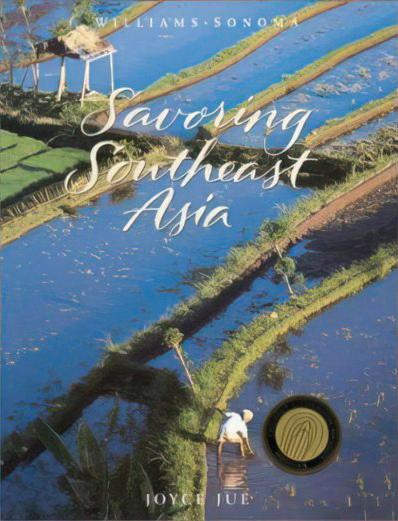
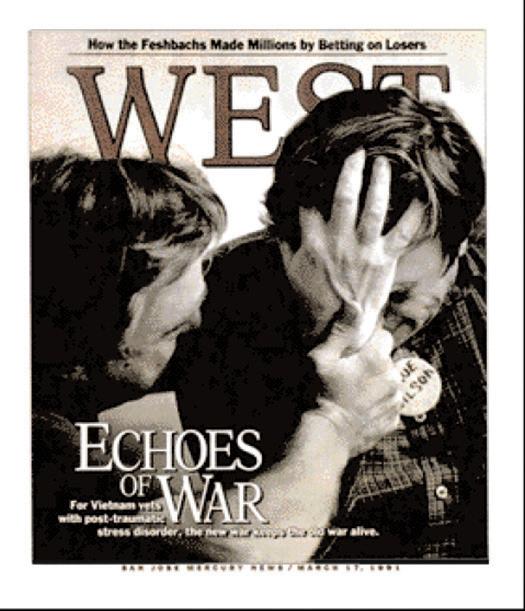
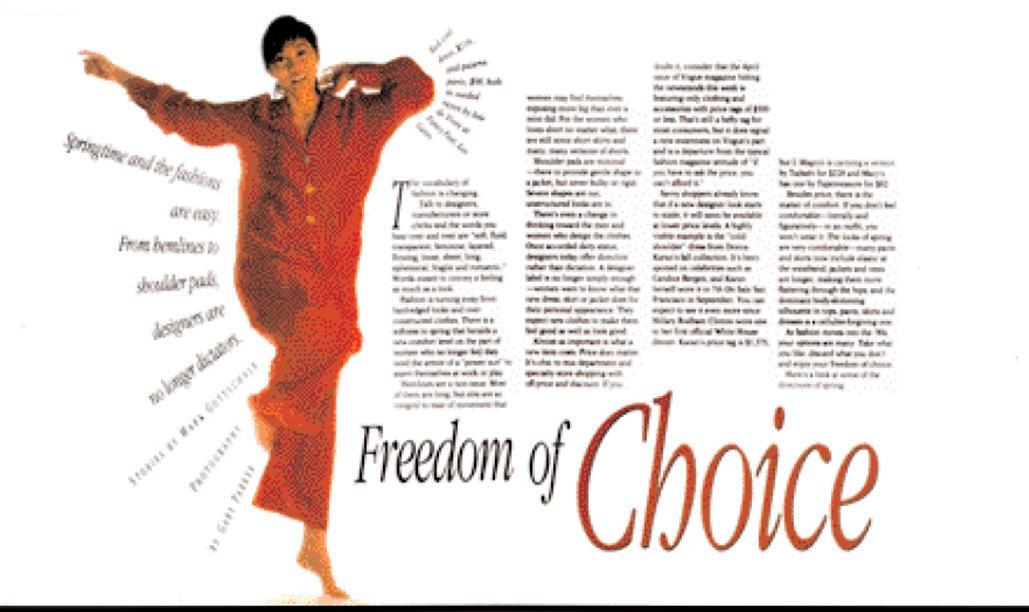
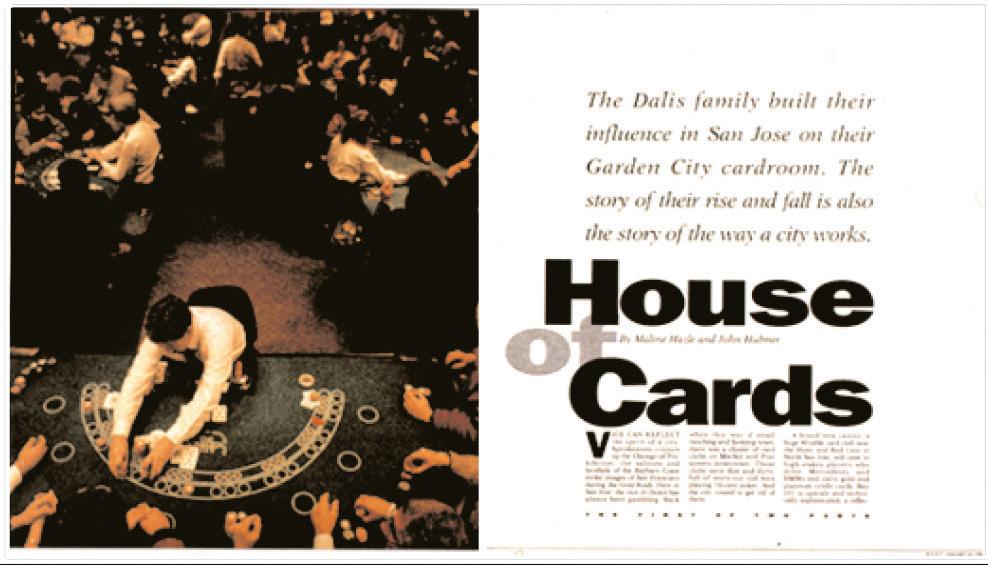
David Knoble: Sandra, thanks for spending some time with me to talk about your career! Most people reading this probably do not know what a picture editor really does. We see the final product, like these magazine covers, but the map to get there seems like it’s never in a straight line. To start us off, I’d like to dive right into some of your accomplishments.
You have been the key visual editor on three major national newspapers, had the honor of editing the White House images in three presidential administrations, and accomplished ground-breaking work as the founding journalist and designer of MSNBC.com. You have been responsible for running the Associated Press’s Southern United States network, contributed to over 100 books, been a magazine art director, taught at three universities and the list goes on. What are some of the largest challenges you faced being first to part such waves in this field as a woman?
Sandra Eisert: I’ve been the first woman or minority to do pretty much everything I’ve done during my career. I’ve broken a lot of ground in several arenas, but in doing that, I’ve never had a mentor, never had a role model, never had a promotion, never got any job I ever applied for except my National Geographic picture editing internship. Even most photographers don’t understand that as an editor you are balancing two or three ends of a very delicate scale to get pictures assigned, selected, maximized in production, and then published to their full potential. This means that even with support from photographers, you still walk alone.
I respect and love men, but most managers I’ve had, even nice ones who were just unaware, did not really see women and did not see their contributions. Women seemed invisible. While things gradually have been getting better, then, I had to find ways to quietly use that invisibility to my advantage in order to move the
needle forward. In general, what it meant was frequently getting minimal or no credit for things I accomplished. Yet, I have always believed that the constructive marks you leave on people and institutions are important and necessary, even if unacknowledged.
I do think my work has helped other women and minorities coming after me. But it can be difficult to give away that special place as “the only” [the only woman, the only minority] that you have worked so hard to cleave out. To give that unique, hard-earned position away risks it on someone new and unknown who may not meet your standards – and that might risk pulling down your progress and thus possibilities for other woman and minorities.
When you work extra hard to build up respect for the work you’re carving out, you don’t want to lose that. Now that there are more women and minorities in many professions my point may be difficult to understand if you haven’t experienced it. But when I’ve broken barriers, no matter the risk, I’ve always worked to ensure everyone who followed me had opportunity and no one was just excluded or ignored. But regardless of the circumstances I’m in, I’ve never really considered being a woman a handicap; I view it as a kind of unique advantage. I focus forward and despite how steep the hill, I think women photographers have an ability to see and show us powerful, delicate and personal things that have been invisible – and that’s a win for everyone!
David: Sandra, let’s back up to the period before your career. Can you tell me how your childhood and college experiences impacted your decision to work in photography?
Sandra: I grew up in rural Southern Indiana, but geography had nothing to do with my early career. Yet, it did have a lot to do with
developing my character. Being the daughter of a high school teacher and a Girl Scout leader / homemaker, I was required to be responsible, make good grades, do my best. And there are those rolling hills in Southern Indiana where there is a mystery to be revealed behind each ordinary hill. At every turn the view, the revelations you get change with the seasons, the crops, and the weather. My life too has been a path of constantly changing views and mysteries no one else quite seems to see. If I’d been raised in Kansas, I wouldn’t be the same person I am.
My first introduction to photography was in high school. I was exceptional at art and when I was tapped to be editor of our yearbook, I experienced both photography and design. My work in art and the yearbook may have set me up for my career, although I also tutored math, dove deeply into Latin and English grammar. Through all these things I became fascinated with the very process of communication.
I studied photography at the then second-best journalism school in the nation. I quickly won several Associated Press awards and even placed fifth in the 10-place Hearst national college competition where I also edited the winner’s portfolio. I received life-changing experience working at the student daily newspaper. Yet, as I pursued photography, even at my small hometown weekly, I was told I was unqualified to work as an intern, even for free!
David: Wow! That is hard to believe considering all your incredible accomplishments! So nothing was a slam-dunk, it took perseverance. What was your inspiration? What drove you to the photography side of art?
Sandra: Midway into required ‘Photography 101,’ my wonderful photography professor, I. Wilmer Counts, Jr., projected Dorothea Lange’s White Angel Breadline the full size of the classroom wall, no more than 10 feet away from me. At that size the picture is epic! I could practically feel the man’s heartbeat! I immediately had empathy for the plight of this near-faceless man who clearly could not imagine himself in the powerless position he was in. His body language, his posture, the texture of his hat, those arms and hands clasped around that worthless cup, even his separation from the crowd helped me understand the personally crushing blow of the Depression, something I never could have imagined otherwise.
At that moment my life pivoted. Sharply.
She climbed trees, shinnied down hillsides, marched through muddy construction sites, made my way through countless protests as a photographer, all in skirts, hose and heels. It takes real coordination to maintain your decorum in ‘dress uniform' and still get the shot. – Photographer Unknown.
"I’ve never really considered being a woman a handicap; I view it as a kind of unique advantage... women photographers have an ability to see and show us powerful, delicate and personal things that have been invisible."
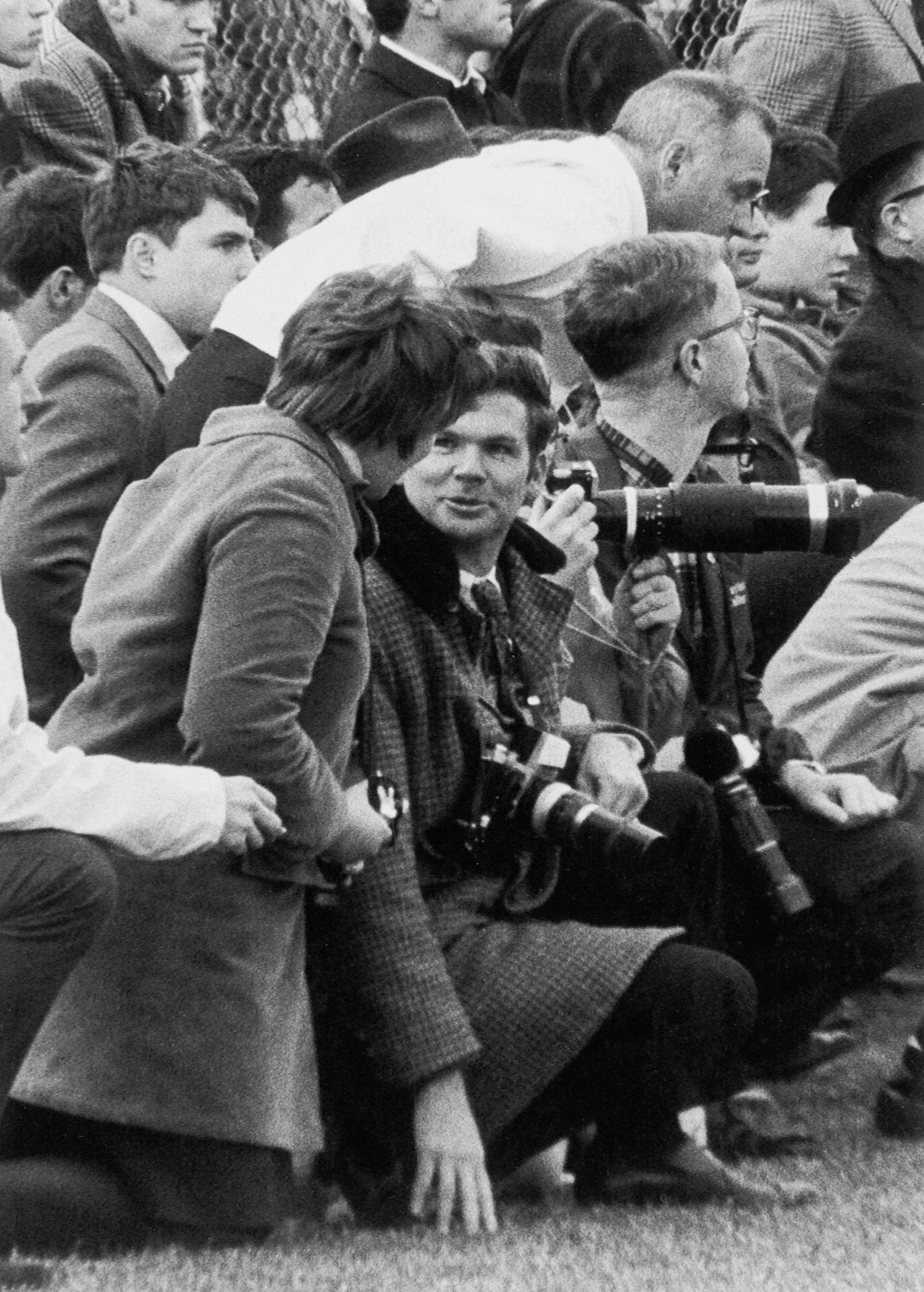
Hose, heels and skirts were the required equipment for women when Sandra Eisert covered football in college. Here she works beside her professor, I. Wilmer Counts, Jr., a Pulitzer nominee for his work on school desegregation in the South.
(top)
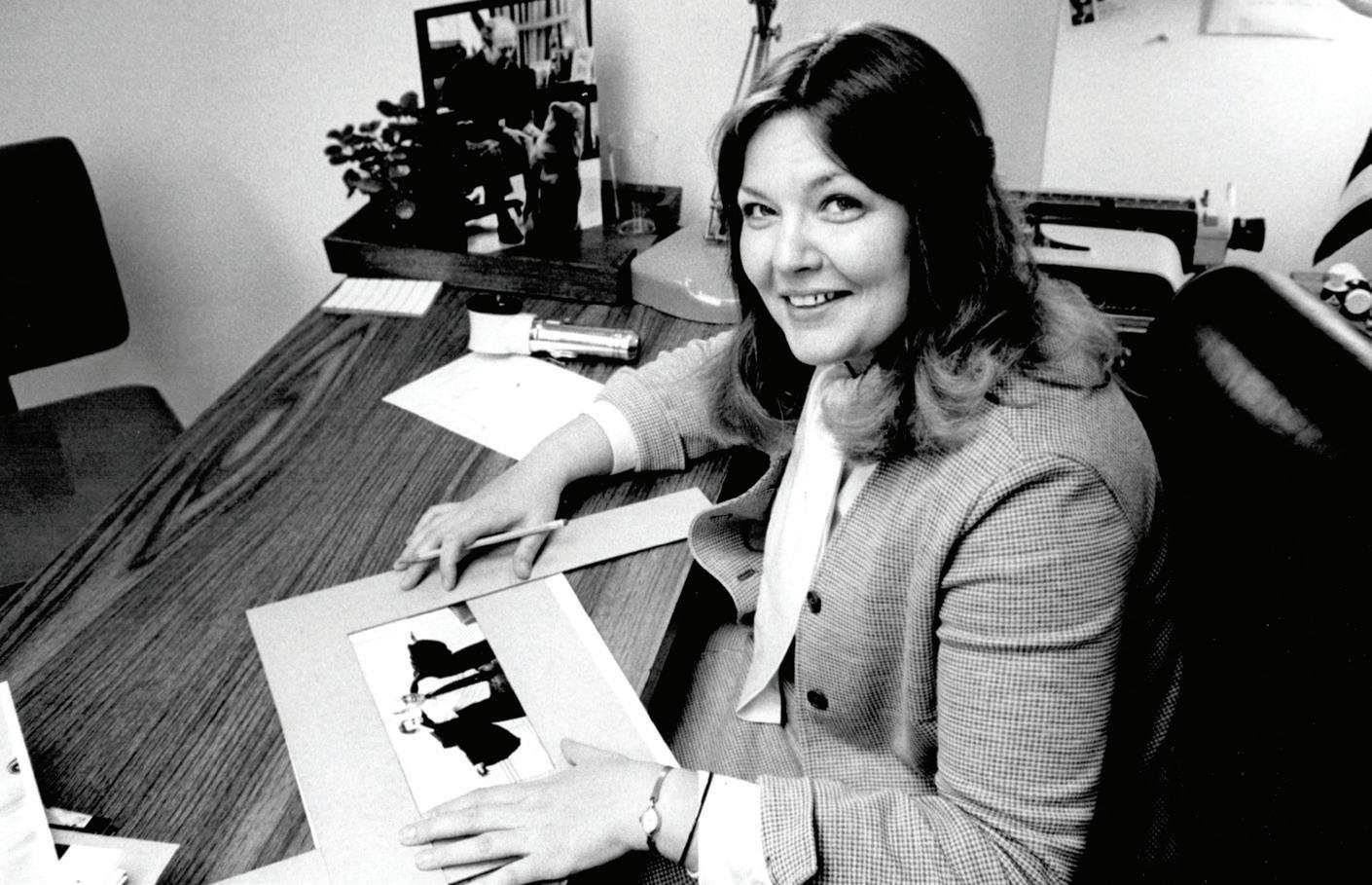
Sandra Eisert crops the old-fashioned way with cropping Ls from her office underneath the Roosevelt Room in the West Wing of the White House. Eisert was responsible for all picture releases and picture gifts to heads of state and edits for the First Family. (And such Ls are the basis of the same symbol Adobe has used for cropping since Photoshop began.)
– Photo by Rick Smolan
(middle)
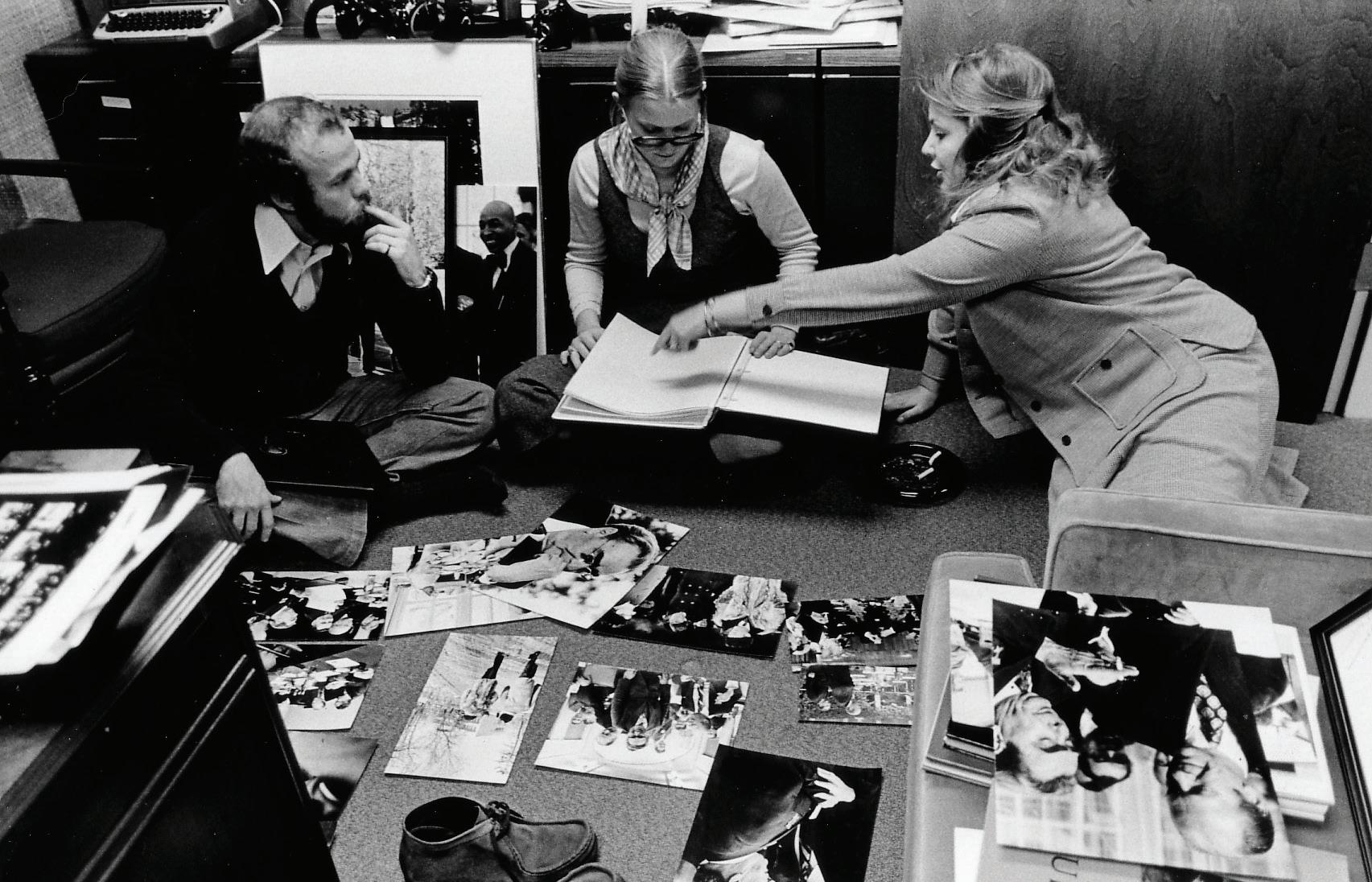
Sandra works with presidential photographer David Hume Kennerly and presidential daughter Susan Ford to direct assembly of an album for Soviet President Leonid Brezhnev of pictures that Kennerly made at the joint S.A.L.T. talks with President Ford in Vladivostok, U.S.S.R. concerning limiting nuclear arms. The U.S. gave foreign heads of state photographs (memories) of the leaders working together rather than expensive gifts. Federal law doesn’t allow the U.S. president to accept gifts of any value from foreign governments. Those gifts go straight to storage.
(bottom)
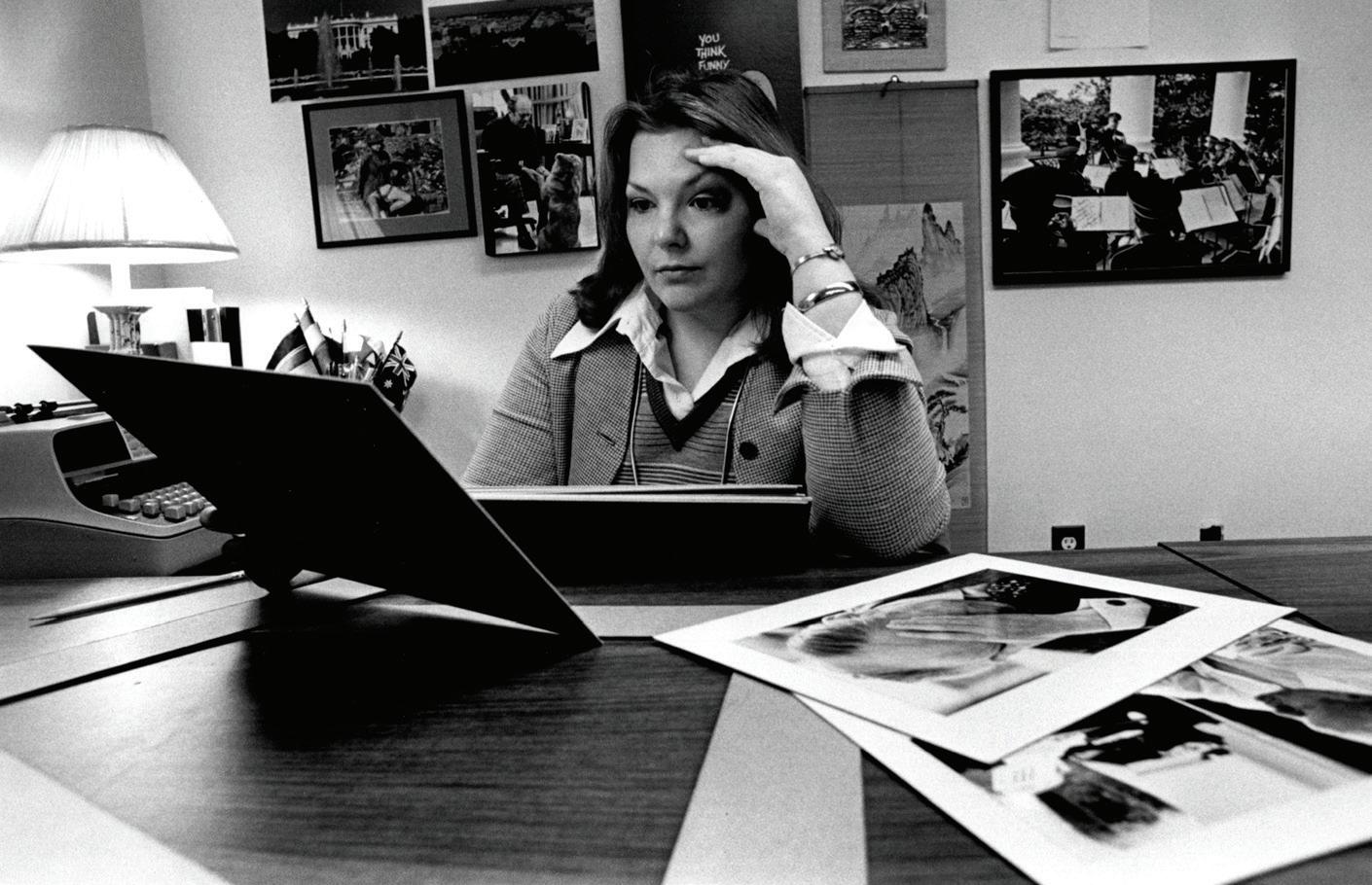
Sandra Eisert reviews a set of mounted prints of the president at work from her ‘exotic’ White House office where the furniture is traditionally recycled hand-me-downs from previous administrations. She was always trying to find the most genuine and true images. On the wall, mainly silly souvenirs from presidential photographer David Hume Kennerly decorate the office. Eisert edited for three presidential administrations, Ford, Bush-43 and Obama.
– Photo by Ann Stevens
– Photo by Ricardo Thomas / The White House
David: You know how much I love landscape photography, and I love the unlikely friendship that Ansel Adams had with Dorothea Lange, so I can only imagine how you felt. How did being a woman challenge you at this point in your career?
Sandra: There is no question that women were not respected for this kind of work when I began. You would not believe the long list of crazy reasons I was given about why women were simply incapable of making photographs. I was written off, openly called a “bad-luck charm,” a “fraud” and so on.
When you’re young, you want to grow. And you have to listen to criticism and pay attention to what is being said to you to improve your skills. Yet, such pounding demotion also has a heavy impact and, without a strong internal desire or personal compass, it becomes easy to be discouraged. I am persistent, but I also listen. I consider the whys and I try to adapt in ways that are positive for me and those around me. So, my response to all this discouragement was to apply and be accepted as National Geographic’s first female or minority visual intern. There I got to work alongside the only other person who had ever received the same internship, 13 years prior!
David: That’s impressive! Why did you make a shift to editing?
Sandra: I shifted to editing, in part, because Dr. Counts suggested I become an editor instead. He lived 20 years in the future. He believed mass communication was going to need picture editors and he thought I had the full bouquet of skills needed. He knew the challenges I was going through as a woman in the field and thought editing would be a special path for me.
David: If you told me one thing that drove you as an editor, what would that be?
Sandara: In that ‘Photography 101’ moment when I saw Dorothea Lange’s image on the wall, the impact of what could be accomplished with a single image thundered inside me. I realized then that things could be said in an instant, things which words could not even approach.
That moment has never left me, and I developed a model from that experience that I have honed throughout my winding career. I see potential. It is not complicated, but it is extremely difficult to implement. I simply reach for the potential – the wide potential – of photographs and photographers. I believe that both have an opportunity to bring us together by helping people see themselves
in the faces of strangers. Throughout my career I have maintained a goal to bring that potential to its full reality. My job is to be a catalyst and provide an invisible lift to the photographer and the content in front of me. And I see design as an important tool in supporting that goal.
David: You’ve worked with hundreds of photographers and done thousands of picture stories and layouts. You were even one of the early voices encouraging still photographers to add video to their skillset. You were clearly thinking ahead like your college professor! How have you been a leader for women in the field and still managed all these pivots and shifts in your career?
Sanrda: That is an excellent question, especially as things move and change so fast in today’s environment.
I did not create little goals for my life, but instead I’ve had one big goal, one simple and clear in purpose. Big goals give you energy and create options for you, while not deterring you when technology shifts, job openings and economic changes wane, or other roadblocks arise.
My big goal is simply to help people understand one another better. I do not think we can ever get enough of that. I will use any tool. I’m not done; I continue to look for the value, the opportunity in front of me, even if others do not see it. I adapt and take risks. My personal motto is ‘grow or die.’
David: For someone who has never edited day after day, going through several hundreds or thousands of photographs seems like a daunting mission. Yet, you have reviewed millions of photographs in your career, usually making very quick decisions about keeping or discarding. This means you must have seen some superb images and some mediocre images. What are a few things you believe make a photograph important, besides just subject matter?
Sandra: I am always looking for two key things when reviewing any image: impact and connection. I look for frames that are truly memorable. They should change the viewer, connecting the viewer to the subject in some way and revealing new truths. Obviously technical things matter, but the keys are impact and connection, regardless of format or topic.
I think the photographer’s heart and willingness to connect with the subject are the beginning of making great images. There is no place for judgmental, selfish, or arrogant thinking. If the seeing doesn’t come from the core of the photographer, it really shows
(top)
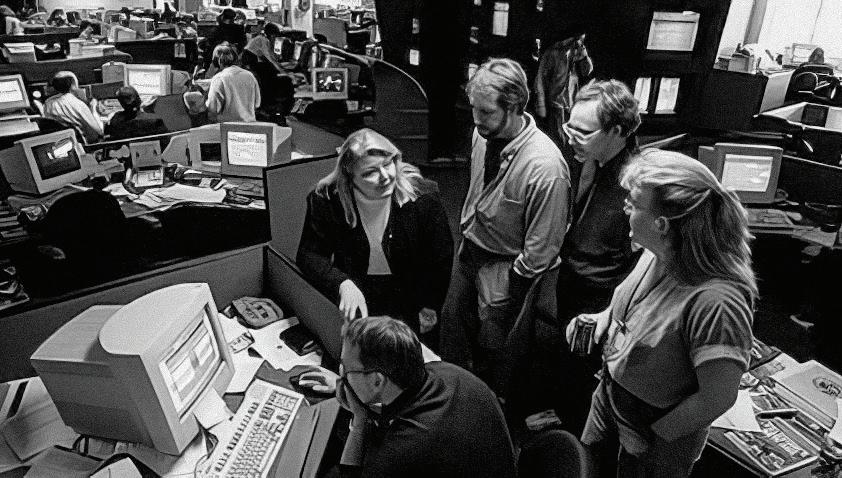
Sandra Eisert, center, one of MSNBC.com’s four senior founders, works on a content display issue with MSNBC.com’s first Business Editor, Mark Pawlosky, who is intently seated at left focused on his Video Display Terminal (a.k.a. computer monitor) shortly after the transformational site’s formal launch. Standing from left are key programmers David Kaill, Brenden West and Breanna Anderson. While the mai stream news site was an instant internet game changer, the NBC-owned TV channel had a hard time getting off the ground. At Micr soft, programmers usually work in individual offices so Microsoft had to build an actual newsroom in its Redmond, WA Headquarters, allowing journalists to work together in this quicker and more collegial way. The only journalist in Microsoft’s team of four senior founders, Eisert was Senior Editor and Director of Graphics.
– Photo by Paul Kitagaki, Jr.
(middle)
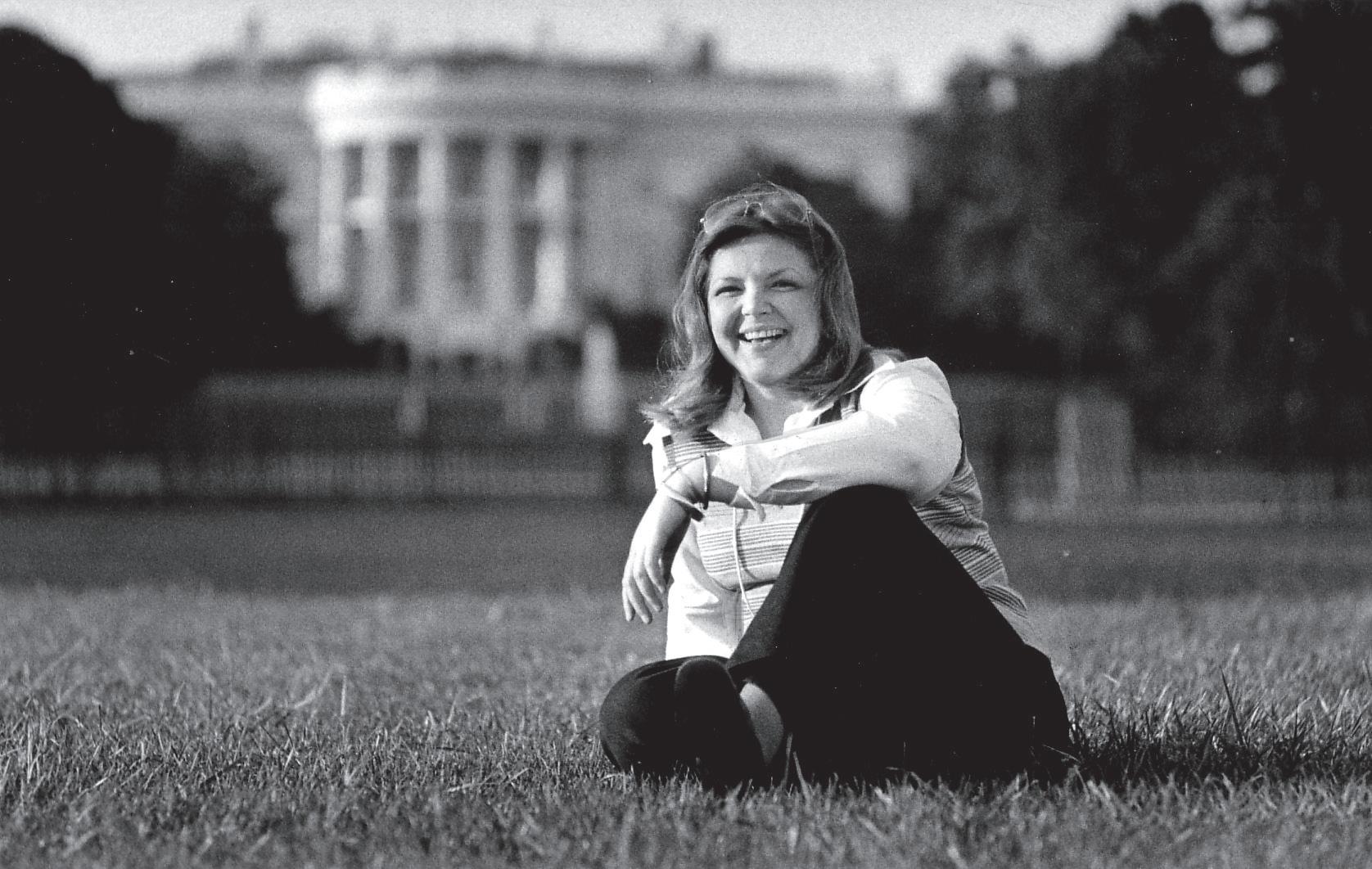
Sandra Eisert at The White House from the Elipse. Now this area would be fenced off and inaccessible to the public.
– Photo by Ann Stevens
(bottom)
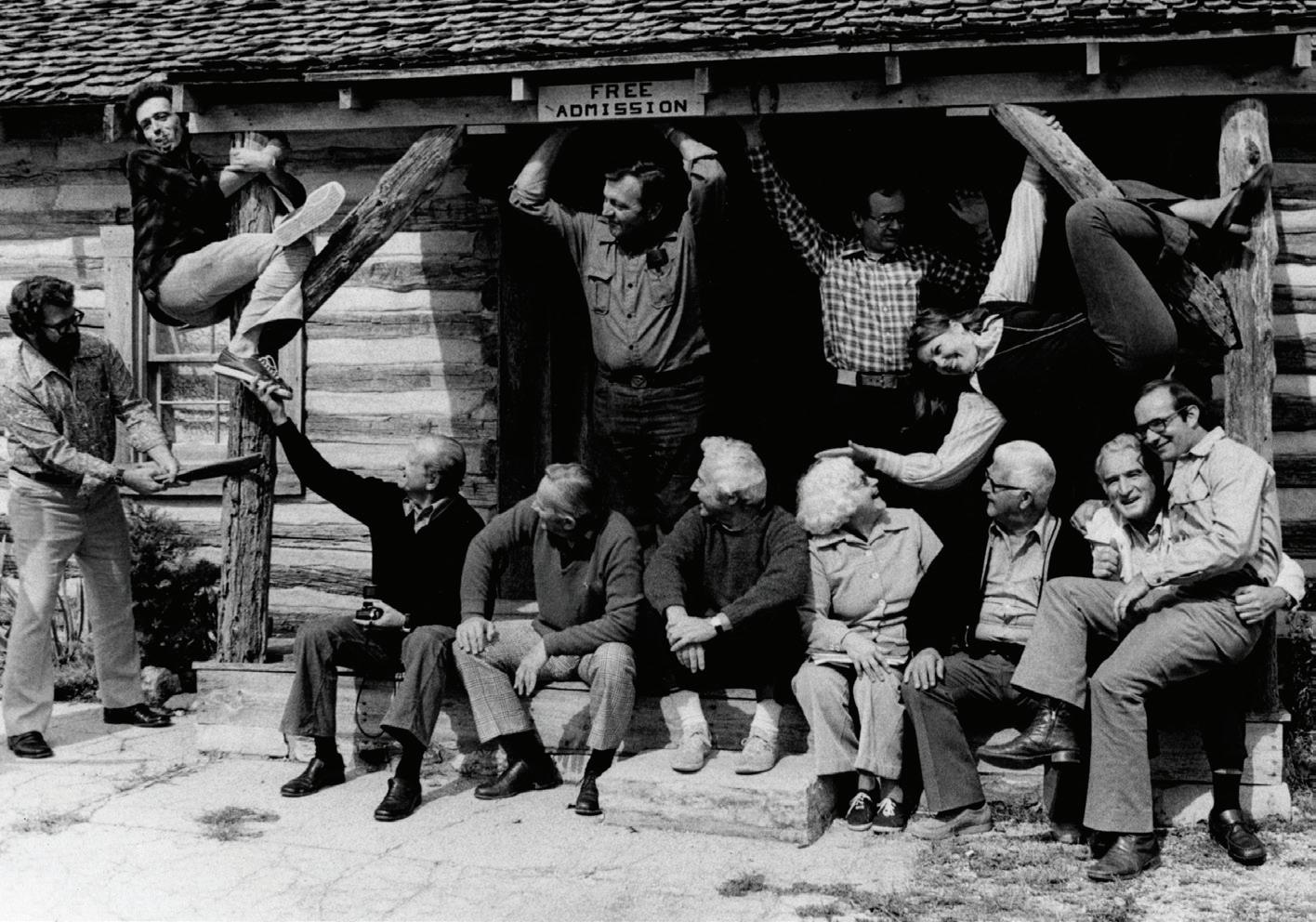
At right, Sandra Eisert hangs from a porch to pat Missouri Photo Workshop's engine/secretary/ workshop-all-around-glue Vi Edom during a faculty break for a group shot at a local Forsyth, Mo., park in the 1970s in the rigorous workshop that always focused on picture story and picture thinking.
top row from left: Chip Maury (AP & U.S. Navy,) Bill Eppridge (LIFE, Sports Illustrated,) Earl Seubert (Minneapolis Star Tribune Director of Photography and co-director of the workshop,) Rich Clarkson (Topeka Capital-Journal Director of Photography and former National Press Photographers Association president,) Sandra Eisert (White House Picture Editor and former NPPA Newspaper Picture Editor of the Year).
bottom row from left: George Shivers (Kodak,) Howard Chapnick (Black Star picture agency founder and dean of American photojournalism,) John G. Morris (The New York Times Picture Editor,) Vi Edom (the organizational force behind each workshop and wife of Cliff,) Cliff Edom (workshop founder, director, University of Missouri faculty and father of photojournalism,) Wayne Miller (LIFE) and Bill Strode (Assistant Director of Photography for The Courier-Journal and Louisville Times, former NPPA Photographer of the Year and former NPPA president.)
up in the work. I have the utmost respect for those photographers willing to open their hearts and minds to meet subjects where they are in life and to respect them regardless of whether they like them or not.
The second item that really impacts an image is of course light. Ultimately, light is what creates photography. Light creates and controls darkness, directs the eye, creates mood and color. Too few photographers deeply understand the power of this elite, magical tool.
David: There is no debate on the importance of light in an image. Spending so much time using film has taught me that respecting and sculpting light is a must! What are you currently working on?
Sandra: Right now, I’m helping individual photographers, both highly skilled ones and fairly newbies, find their own goals, grow and meet their own potential in whatever format that takes: books, portfolios, shows, family albums or videos, to name a few. It is a great way to use technology and my website, www.TheProfessionalEye.com, allows me to work with people anywhere in the world. This gives me a new opportunity to put all my skills together and use them to lift one or two photographers or projects at a time. Each one is a unique adventure.
David: What would you tell a young woman today who is thinking about a career in photography?
Sandra: I would say three basic things. First, I’d tell her to know why she is pursuing this, because the price will be big if she wants to do it well at all. Second, I’d say regardless of the hurdles, never stop being who you truly are. Finally, I’d say treasure your address book, add to it and use it wisely and consistently; it will create options and make the journey less solitary.
Many women are still unnoticed and underpaid for the work they do but are extraordinary photographers! Fortunately, this is beginning to change because women really do have a lot to offer us, to show us. But regardless, there are still costs and I’d bet you would find the percentage of unmarried, divorced, and/or childless women is higher in photography than in many other vocations, if any of those things are on any woman’s personal agenda.
The field is changing rapidly, and we are at a kind of fulcrum with photography – and that will mean a lot of change for all of us! Fewer places publish and fewer places pay a reasonable liv-
–
unknown
"I am always looking for two key things when reviewing any image: impact and connection."
FSA photographer Russell Lee and White House Picture Editor Sandra Eisert discuss the founding of the Farm Security Administration in a side chat while they work together as faculty at one of the 20 consecutive University of Missouri Photo Workshops that Eisert taught. Lee gave Eisert his treasured physical geography book which was the basis for FSA assignment research. Legendary LIFE picture editor Peggy Sargent proceeded Sandra on faculty with a one-year tour as the first woman or minority to teach at the often career-changing workshop, just before Sandra’s long stint on the faculty began a year or two later.
Photographer
ing wage. Everyone with a cellphone now thinks they too are a photographer. The internet has somehow suggested that anyone can copy and use any photograph as their right. Artificial Intelligence is rapidly advancing in photography. We must figure out how to function in this challenging landscape. It all requires real commitment, but it’s also why you have to value and nurture the core of you, which is your own unique voice.
David: I agree that the field is changing, and I believe going back to our roots is one way to get better. I love challenging young photographers to use more film because it forces one to think more about what you are photographing and slows us down.
To close us out today, could you tell me a unique or interesting experience you would be willing to share that maybe tells us something about who you are?
Sandra: When I was in college freelancing for the Associated Press at the opening game of the Big 10 football season, I was standing in the row of about 20 photographers shooting on the sideline. Just before kickoff, a guard came down the line checking everyone’s press pass. I happily made my pass visible to him, saying, “Yes, I’ve got mine!”
The response startled me. “You!” he shouted while pointing at me, “You’re off the field! Now!” When I vigorously protested, he pointed to a small line of type on the pass that said, “No women or children admitted to the field.” I presumed that meant ‘no family,’ but surely not credentialed working press.
Turning to the senior photographer on my left, I asked, “Who do I see!” He pointed to the university’s athletic director high up in the stadium. I charged to the closest door, found the elevator, and
stormed, unannounced, into his office. After insistently explaining my outrage and warning I would miss the kickoff for the AP coverage, he calmly told me to just let the guard know it was okay for me to shoot.
“Oh, no!” I clarified, “You are going to sign this pass on the back as valid for the season and we are not going through this ever again!” Astonished, he looked at me, picked up a pen and rapidly signed all that on the back of my press pass. Storming back down the elevator I spotted the guard and walked briskly toward him. He could clearly sense my anger and sped up away from me. I caught up and, with all the other photographers watching, I politely wheeled him around. Pointing to my signed press pass, I firmly told him, “We are not going through this again! Do you understand.” Then I spun around, joined the row of press, made kickoff, and covered the whole game.
At the next game, the same guard started checking down the press line. About six photographers before me, he dropped back about 15 feet behind the line, stopped checking passes and walked another few photographers past me before continuing his check. The joke quickly became, “If you don’t have a press pass, stand next to Sandra and you won’t be checked!” That guard did the same thing for the entire season!
David: Sandra, that story has me in stitches, but it also confirms what I already know about you! You are determined and passionate about what you do! Thanks for sharing so much information about your life and your career.
Sanrda: Thank you, David!
Editor, curator, designer, mentor
Sandra Eisert in her Seattle-based studio.
– Photo by James Arzente
To learn more about Sandra, visit: https://theprofessionaleye.com
As founding journalist and designer of MSNBC.com, Sandra Eisert's work changed the face of the internet. She converted web design from a 2D-with-links format to a Rubik's cube-type design that broke all the rules, to the delight of users. At a time when type ran screenwide, usually on dark or patterned backgrounds with light type, small pictures and links from body type, Microsoft's plan was to use that format in six templates with pre-set postagesized pictures on five of them.
Understanding the power of pictures, Sandra sought to showcase their glow on this then center-lane mainstream site. By thinking around programming limitations, she was able to provide large, lush pictures, cropping them impactfully down to the pixel - still with instant downloads. Her revolutionary design made robust content management systems (CMS) practical and infinitely adaptive. She saw a wider audience than Microsoft's planned proprietary site or PC-only audience, one that could be viewed identically on all those formats but also on the then nearly-incidental Macs.
Her editor and user-friendly design format vaulted the site from publication once every 25-hours to publishing any second for breaking news or for complex instant special projects. Her aim wasn't just at current users but toward the millions yet to come, few of whom were versed in the web's ways. In this shift her broad history of working with general audiences in other formats was essential.
Sandra has edited, designed and/or created strategy for over 100 books on a variety of topics with roughly eight million copies in circulation.
From assignment through to reproduction, Sandra's WEST magazine design blended words with images to stress the potential of the picture - and the photographer.
Making Best Use of the 50
by DICK GILCREAST
The great talent of the 50mm is that it can zero in on the essential subject, without a lot of distractions around the edges. I picked this shot out of the files as an example of what the 50 can do when tightly framed within its normal angle of view, and especially when combined with a 50's good optical speed. It's angle is narrower than the 35 or 28 focal lengths we usually carry to comfortably "get everything in" - but, since I couldn't get any closer and still stay out of the way of the firefighters, anything wider would have shown too much dark house and too little roof action. And a longer lens wouldn't have included the whole roof, making the situation less clear to the viewer. So I stayed with the 50, figuring I could move around as needed, and it did its usual good job of picking out the center of action on this and several other shots at the scene.
This was some years ago on a December night in New Hampshire, and, as it was still during the days of film, I was using bulk-roll Tri-X rated at my usual ISO of 650. I had ruled out the use of flash, which would have distracted the firefighters, and went with available light using a 50mm Summilux solo on an M3, no problem to carry while moving around in the snow. The available light allowed a 60th, I think, at f/1.4 to make this image. Some other shots in darker areas show a bit of shake from slower shutter speeds, but were still usable. Besides this one that ran in the local newspaper, it and two other images from that shoot appeared in Viewfinder Vol. 38, No. 4, in 2005, titled "Shooting Spot News". So, remembering how this shot made such good use of the 50, I got it from the files in an attempt to illustrate its good reach while eliminating distracting surroundings - both useful features during any spot news coverage.
Although for many years I've carried a 35 for general coverage, good for things like groups or vehicles, or scenic views, or controlled interior shots, a second camera with a fast 50 has always been included in the bag to be prepared for more reach like this. It is useful for street work, outdoor scenes, even portraiture. In fact, it is so useful - since the pictures from it are apt to be stronger and more to the point - that it sometimes gets used as a solo on a single camera, covering scenes and events with its normal looking perspective, just as it was here. And then, when a quick shot from a greater distance is suddenly wanted, a print from the 50 can be cropped square to make the lens into a 75, good for closer portraiture or more distant action without a lens change. This option of going that much closer without having to change to a short tele lens is a quite valuable feature of the 50. However, since a much wider angle is also frequently wanted, today's small bag with two cameras carries a 35mm (sometimes a 28 for travel) and 50mm on them, which seem able to do everything that I need most of the time. A short tele is added only for travel.
Today, by using one of the newer high speed color negative filmsor with a digital camera's higher ISOs - this picture could easily be made with a smaller f/2 lens, and also in color! But the shot would still have a "Front Page" look provided by that middle-distance talented 50!
HELMUT LAGLER'S TOWERING ACHIEVEMENT
by ED SCHWARTZREICH
Afew months ago, several of us at LSI were contacted, via a third party, informing us that author Helmut Lagler wished to donate a copy of his multi-volume, ongoing series “Phänomen Leica” to LSI’s library. It was clear to us that Lagler’s generous offer had not recognized that LSI is a decentralized entity with an international membership, but no central location that members can use as a library. Indeed, that function is comprised of our website, its extensive archives, and the Viewfinder magazine. What to do?
There was brief discussion among those Hr. Lagler contacted, but no solution. So, a bit before the turn of the year to 2023, I emailed Hr. Lagler and relayed the nature of our quandary. I suggested that if he wished, I would write a review of his books for Viewfinder , so that those in the English-speaking community could get an idea of the scope and utility of his encyclopedic work, and then decide whether to either dip a toe into this astounding accomplishment, or plunge fully in. He readily agreed to send me the available books for such a review purpose.
Lagler’s work is unlike any Leica literature previously produced: it is an encyclopedia and its scope is everything Leitz and Leica. He terms it an “encyclopedic book series”. Most of us English-speaking oldsters are familiar with using the “World Book Encyclopedia” or the “Encyclopedia Britannica” from our childhood. In Germany the analogous product was the “Brockhaus Enzyklopädie”. I recall all too well being asked to look something up for my school studies (this is before Wikipedia by several generations) and then finding myself happily sidetracked reading not only the assigned information, but several or more of the adjoining or referenced pages because they were so interesting.
Lagler’s “Phänomen Leica” is addictive like that. Amazingly, Lagler put in place all by himself these books’ myriad details: equipment surveys, brief bios, chronological assessments by year of the Leitz Company’s history, personnel, new inventions, production issues, patents, brochures and literature. A phenomenal undertaking, copiously illustrated, of which the only flaw that I can see is that it leaves out most of the British and American Leica studies. The books are also written in German and their focus is on the German history of the company (albeit Leitz Canada). While the more-lengthy “set pieces” of biography or specific narrative may present the non-German reader with the need for detailed translation, the text for many of the briefer items can be fairly easily intuited. In any case, there is an excellent translation App on iOS devices that instantly translates text via photographing a page. An example of this App’s abilities is shown below, towards the end of this article.
A set of encyclopedic books may almost seem an anachronism in these days of on-line sources and e-books, but for Leica historians and collectors there is nothing more satisfying than having an actual full reference library at our fingertips (viz. innumerable very heavy illustrated Leica books that cause our shelves – and our spouses - to groan). So many of us Leicaphiles are also Leica book collectors in any case, and treasure our volumes.
Each encyclopedia editor has to decide how to arrange its material. Lagler has chosen his own method: first, two books which are overviews of the literature and then the inventions / patents / products. The remaining books focus on each of several eras, and write of the company, the people who worked there, and the local scene including politics. Volume 3 is on the early history of the company up through the Leica I, and Volume 4 (I received a preproduction copy) is about the screw mount cameras, with Volumes 5 -8 still in preparation. This arrangement is explained in greater detail below.
Such an organization of data means at times that the reader may encounter the same history, device, or person more than once from different angles, but each time such fits into its own narrative. Subjects are not cross referenced as in an ordinary encyclopedia, or as they might be in an online presentation, but nonetheless a fairly knowledgeable Leica reader can find his or her way easily once Lagler’s overall layout is grasped.
If, let’s say, if one wants to look up their newly acquired Leica III in Lagler’s books, one might first turn to Volume 4 on the SM Leicas and find the page with basic information about that camera. Then one might look in the same volume about what was happening around Leitz in the year 1933 – there will be quite a few pages here. One can then perhaps turn to Volume 1 and see the Leica literature which might pertain to a Leica III – handbooks, catalogues, Leica books (often with brief bios of these authors at the back of Vol 1). Or one can look at relevant patents that might pertain to a Leica III and/ or its accessories in Volume 2. There is also an alphabetical list of Leitz inventers at the start of this volume that one can search.
If, one the other hand, one wished to find more information on the renowned Leitz Director Henri Dumur, Volume III is where to look, both for a bio and for the family tree that shows how he was related to the Leitz family proper. But Dumur shows up briefly in other volumes as well.
Here, in translation and slightly amended, are Lagler’s own summaries for how his volumes are laid out:
VOLUME 1: Literature Guide – An extensive private literature collection consisting of books, company newspapers, specialist publications, brochures and catalogs on the subject of Leitz / Leica served as the basis for this volume, with a focus on the photo area. In total, the content of this volume comprises around 17,000 entries. The selection of entries is focused on the literature of the individual cameras, selected lenses, and photographic keywords. This selection is supplemented by a listing of relevant patents on these items.
VOLUME 2 : Technical components and inventors - This volume shows the development of the technical details of the Leica models, in six production epochs, from the first Leica production to the Leica screw system, the Leica M, the Leica R, compact, and then digital cameras. Their patents are arranged chronologically within each of the following technical components: film handling, shutter, rangefinder, exposure metering, flash, SLR, lenses. Here the reader can see the technical progress based on the chronological assignment of the Leitz patents in the various production epochs.
VOLUME 3 : Prehistory and First Production 1848-1929 - The development of the Leitz-Werke, from the small mechanic's workshop of Carl Kellner to the large industrial plant under the leadership of the Leitz family, is described in detail in this volume. Their product range of microscopes and long-range optics was supplemented by a photographic camera as early as 1905. One focus is of course on the development of the Leica by Oskar Barnack from 1912 (through interrupted by the First World War) until Ernst Leitz II decided to go into production (1924). For cinema equipment, a development by Ernst Mechau, a division was founded in 1919 in Rastatt.
VOLUME 4: Leica screw system 1930-1953 (currently available by the time this article is printed) - Driven by success, Oskar Barnack and his team develop and expand the Leica into a complete camera system. With the Leica I(C), from 1930, lenses can be exchanged using interchangeable thread mounts. Possible uses of the Leica and its accessories are becoming more and more extensive. With the seizure of power of the National Socialists, the Leitz family got into dire straits, but was able to escape because the optical industry was classified as "essential to the war effort" until the end of the war. After the war, new and further developments for the Leica (still the screw system) and in other areas started.
VOLUME 5: Leica M-System 1954-1963 (available mid-2023)In 1954 the trend-setting Leica M3 was introduced. The M3
had an accurate rangefinder system, a precise bayonet mount, and the possibility of an exposure meter coupling - the ultimate at the time. The M-System has proven to be a milestone that has lasted until today, developed and still produced. The firm’s production and employee numbers constantly increased during this period, the Leitz main plant in Wetzlar was expanded, and new plants in Midland (Canada), Taubenstein and Weilburg (Oberlahn) arose. Leitz became a global corporation.
VOLUME 6: Leica R-System 1964-1988 (expected to be available in 2023) - In the book "LEICAFLEX - The development of a legend" Georg Mann describes the difficult birth of the R system, which did not appear until 1964. The year 1974 ended the " Leitz Family Era ". Wild Heerbrugg AG becomes a partner. In the "Photo" area, developments are lost. Due to the competition from Japan, various cooperative ventures are made, e.g. with Minolta. 1986: The companies Leica GmbH, Leica Microsystems GmbH and Leica Geosystems AG are formed. 1987: Ernst Leitz Wetzlar GmbH was taken over by Wild Heerbrugg AG, creating Wild Leitz Holding, Inc.
Still in planning:
VOLUME 7: Leica compact system 1989-2003
VOLUME 8: Leica Digital System 2004–2018
This current article will examine more closely Lagler’s Volumes 1 and 2. A later article will review Volumes 3 and 4, and present briefly some of Helmut Lagler own history with the Leica.
Volumes 1 and 2 tend to represent the skeleton, or the internal structures, on which the other volumes are laid. Or possibly, if I can dredge up something from my medical past, the anatomy lessons that many other authors and researchers have conducted on the body (of Leitz / Leica). As such this might be felt less interesting than the other volumes, but these bare bones, muscles, ligaments, and tissues are basic to the story.
Paging through Volume 1, we come first to a brief summary of the Leitz production epochs, years, models, and who was directing the company in these particulars. This, if you will, is the UR-Enzyklopädie of “Phänomen Leica”. Next are many sections with thumbnails of the front view of Leitz catalogs, prospectuses, VIDOM issues, Leica Fotografie issues, Objektif (Leitz’s in-house publication), etc. Then we go through an almost equally-long chronological section on each of the camera models from each epoch, coupled with which author has written about them, and where such was published.
Then we are given a simple list of patent numbers and writings on the innards of the cameras, such as shutter mechanisms, diaphragms, viewfinders, film-handling devices and other accessories. And then the various lenses, again with the patent numbers and authors who described them in the Leica literature.
Towards the end of Volume 1, there is a listing of Leica photographic authors of note, including personages like Walther Benser, Luigi Cane, Theo Kisselbach, Ulf Richter, etc. There is usually a photograph of that author and a very brief relevant bio. Unfortunately, Jim Lager is not himself depicted in this section, although he is often otherwise cited on specific topics or items!
Finally, there is a list and / or pictures / bio of prizewinning photographers for the “Meister der LEICA”, and Barnack Awards. And then a source list for some of the images and text used in this volume.
To the right (figure 1) from Volume 1 is a portion of the page that describes the Model IIId, listing the authors who have written about it. And below (figure 2) is a typical double truck in Volume 1, showing various catalogs.
For Volume 2, first off is a list of Leitz and Leica inventors, alphabetically, with the division of the company they belonged to, and the areas of construction that the patents are in: film handling, shutters, viewfinders, and so on. The number of patents that were granted to each individual is also shown.
We then are shown exploded diagrams of each type of camera: screw mount, M, R, etc. Then comes many pages of patents,
(figure 1)
(figure 2)
broken down once again areas of construction, and within this, by type of model (M, R, etc). The patents are reproduced in considerable detail, most probably representing their originals.
Next come Leitz and Leica lenses, first as a primer about lens design of each major type, then each lens considered descriptively separately by system: (SM, M, R, and so on), and finally the patents concerning these lenses, and a list of their inventors.
To the right (figure 3), from Volume 2, is the 1920 patent for the famous 4-element Leitz Anastigmat that Dr. Berek designed for the 0-Serie prototypes. However, from what we know currently, this lens did not end on any of the cameras, being superseded immediately by the 5-element lens which became the ELMAX. Also to the right (figure 4) is the iPhone translated image of this as well – this “ain’t too shabby”, as native Vermonters say... and should suffice for basic intelligibility.
At the outset of this review, I titled it “Helmut Lagler’s towering achievement”, which it truly is. It is mostly totally comprehensive, thought out carefully and usefully if somewhat unusually, and fascinating just to leaf through, if not to utilize for whatever needs an historian or researcher might wish. It is fully up to date, and I included the last illustration on Berek’s 1920 lens patent to show this, as this topic is being hotly debated by Leica historical researchers, almost as my words are being written.
To be continued.
3)
(figure
1942/1943 LEICA IIICʼS TO SHANGHAI & MUKDEN
by JIM LAGER
Investigation of delivery records at the Leitz Park Archive yields information regarding shipments made to the Leitz Agency Schmidt for Shanghai, China and Mukden, Manchukuo (Japanese occupied Manchuria ). 1942/1943 witnessed the continuation of World War II. Germany and Japan maintained trade relations. Shipments of the Leica IIIc with Elmar (LOOGI), Summitar (LOOQA), and Xenon (LOOSB) are entered. One may safely conclude via sea (surface or submarine) hoping to avoid the Allied blockade. Departing German occupied territory (almost certainly French ports), the Leicas rounded Africa, crossed the South Atlantic, and continued their perilous journey on to Shanghai and Mukden. How long was the trip? Certainly months. Hundred of IIIc’s were dispatched within serial numbers 384851386715 (approximate). The principal shipment is dated 24.6.42. Cameras 384851-384867 (15.5.42) may exhibit an asterisk indicating a second delivery. Forty LOOQA at 385058-385076 and 385078-385098 went to Mukden on 7.1.43.
During my early research I always wondered if these Leicas reached their destinations. Or were they lost in transit during the turbulent 1942/1943 period? Clearly, it certainly appears that some completed the journey. Leicas at 384001-387000 are not commonly found in collections I have studied. The Shanghai/ Mukden cameras present a major challenge. Where are these Leicas? Recently samples have begun to surface. The following have been brought to my attention:
All shipped 24.6.42 to Shanghai. Summitar lenses have distance scales calibrated in feet. Undoubtedly from existing stock.
386197 with Summitar 526166 (in feet)
386101 with IIIf sync added
526166 Summitar serial number
Somewhere in your assortment of Leica accessories you may locate a lenscap for the 50mm Summitar. The push on cap fits the Summitar perfectly. On the inside surface your cap may have a metal plate that reads Summicron. What? If it is a Summitar cap why does it say Summicron?
CAP CONFUSION
by JIM LAGER
During 1953 the screw mount 50mm Summicron debuted and became a popular choice for your Leica IIIf. The Summitar was still available and used the ORSTO 14030 cap. In June 1953 E.Leitz, Inc. New York recommended the ORSTOMI 14031 cap for the Summicron. The ORSTO and ORSTOMI caps appear to be identical. The ORSTOMI has the Summicron plate glued on its interior surface. It appears Leitz New York took ORSTO caps from stock and “converted” them for the Summicron by adding the interior plate. The MI suffix may denote “metal insert”. Leitz New York catalogued the ORQDO in October 1954. The ORQDO, with its smooth outwardly curving front surface, became the standard front cap for all A-42 size lenses introduced circa 1954. ORSTO 14130. ORSTOMI 14031. ORQDO 14031. Note the codeword change ORSTOMI to ORQDO with the catalog number unchanged.