

ESPN’S LAUREN SISLER LEARN TO FALL IN LOVE WITH YOUR STORY

SUCKING THE JOY OUT OF LIFE WITH THE FARUQUI 5
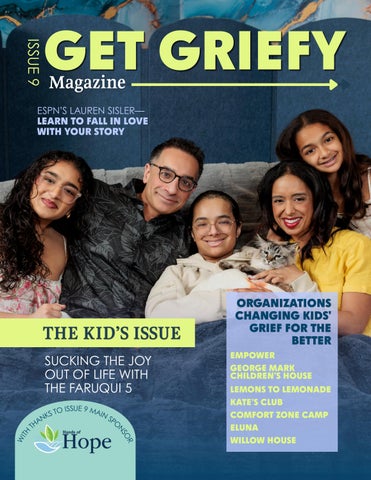
ESPN’S LAUREN SISLER LEARN TO FALL IN LOVE WITH YOUR STORY
SUCKING THE JOY OUT OF LIFE WITH THE FARUQUI 5


EMPOWER
GEORGE MARK
CHILDREN’S HOUSE
LEMONS TO LEMONADE
KATE’S CLUB
COMFORT ZONE CAMP
ELUNA
WILLOW HOUSE




At Get Griefy Magazine, our m navigating the profound journey of loss We are dedicated to c dividuals living with grief can find solace, inspiration, and a sen nventional narratives surrounding grief and loss, acknowledging ut embracing the strength to live fully Get Griefy Magazine seeks to redefine the conversation around grief, providing authentic stories, expert insights, and practical resources that empower our readers to navigate their grief journey with resilience and purpose. We aspire to foster connection and understanding, bridging the gap between those who are grieving and the support they need Through a blend of heartfelt narratives, expert advice, and uplifting content, we aim to inspire our readers to not only survive but to thrive in the face of loss. Get Griefy Magazine is more than a publication; it is a lifeline for those on the path of healing Join us as we navigate grief together, fostering a community that celebrates life, resilience, and the enduring spirit that emerges from the depths of loss
Disclaimer:
The content presented in this magazine is intended for informational and educational purposes only. The topics discussed, including death and dying, are sensitive and subjective in nature The information provided is not a substitute for professional advice, diagnosis, or treatment. Readers are encouraged to seek the guidance of qualified professionals in relevant fields for personalized assistance
The views expressed in individual articles are those of the respective authors and do not necessarily reflect the opinions of the magazine or its editorial team While we strive to present accurate and up-todate information, the dynamic nature of topics related to death and dying may lead to changes in understanding over time.
Readers are urged to exercise their own discretion and judgment when applying the information provided in this magazine to their specific circumstances The magazine and its contributors disclaim any responsibility for any adverse effects or consequences resulting from the use of information presented herein
Inclusion of any specific product, service, or organization in our content does not imply endorsement or recommendation Readers should independently verify and evaluate the suitability of such entities for their individual needs
The articles on this platform are either authored by human writers or generated by AI Articles without a listed author have been written by AI In cases where human authorship is noted, the content has been edited and enhanced with the support of AI technology. While we strive to ensure accuracy, relevance, and quality, AI tools play an integral role in the creation and editing process
By accessing and reading this magazine, readers acknowledge and agree to the terms of this disclaimer. If you are in need of professional assistance or experiencing a crisis, please seek help from qualified professionals or emergency services
Links to Amazon products are affiliated links to Get Griefy Associate Storefront
Copyright Statement:
All stories in Get Griefy Magazine are protected by copyright and are the intellectual property of Get Griefy, or the respective copyright holders, as indicated Reproduction, distribution, or any form of unauthorized use of the content without the explicit written permission of Get Griefy is strictly prohibited
Readers may download, print, or share content from Get Griefy for personal, non-commercial use only Any use beyond personal use, including but not limited to commercial purposes, distribution, reproduction, or modification, requires prior written consent from Get Griefy
THANK YO U TO OUR ISSUE 9 S PONSORS






Lead Editor
Chelsea Pegues
Lead Contributor
Nina Rodriguez
Editor-In-Chief, Creative Director and Founder
Kera Sanchez
Organization Partner and Contributor
Comfort Zone Camp
Organization Partner and Contributor
Sarah Behm Guillén-Eluna
Organization Partner and Contributor
Kate’s Club
Organization Partner and Teen Contributor
Grace Patrick-Willow House
Contributor
Yeni Aguirre
Contributor
Jessica Correnti
Contributor
Kelly Daugherty
Contributor
Rebecca Feinglos
Contributor
Blair Kaplan Venables
Contributor
Susan Koursaris
Contributor
Patricia Mazza Vlamis
Contributor
Emilio Parga
Contributor
Dr. Heather Taylor








FROM THE DESK OF THE EDITOR-IN-CHIEF
MAIN FEATURE




GRIEF TO GIRL POWER: THE GIRL BEHIND LEMONS TO LEMONADE
WHAT YOU PUT IN YOUR FACEHOLES MATTERS
Contribution by Blair Kaplan Venables
IT COMES IN WAVES
Contribution by Grace Patrick, 13-Year-Old Willow House G Member
ROLLING FORWARD: RAY WALKER SHARES HIS JOURN
WHEN YOUR PARENT CAN’T TEACH YOU ABOUT GROWING UP

Contribution by Rebecca Feinglos
LEARNING TO FALL IN LOVE WITH YOUR STORY
Contribution by Lauren Sisler
COVER STORY
SUCKING THE JOY OUT OF LIFE WITH THE FARUQUI 5
Written by Lead Contributor Nina Rodriguez
NAVIGATING FRIENDSHIPS WHILE GRIEVING




Contribution by Kate’s Club
FROM A KID’S PERSPECTIVE
Poem and Letter written by Zoe and Grayson Quinn
SNACK ATTACK: HOW TO NUTRIENT DENSIFY YOUR TRAUMA TREATS
Contribution by Susan Koursaris
MY MEMORY JOURNAL
Journal Prompts by Patricia Mazza Vlamis
WHEN GRIEF GOES INVISIBLE: WHAT SCHOOLS STILL GET WRONG
Contribution by Kelly Daughterty
DUELO INVISIBLE
Contribution by Yeni Aguirre
MAIN FEATURE Empower
YOUR GRIEF DOESN’T LOOK LIKE THE MOVIES
Contribution by Dr. Heather Taylor
MEET PICKLE GIRL

WHAT GRIEVING TEENS WANT ADULTS TO KNOW
Resource from Comfort Zone Camp
WHEN GRIEF MEETS THE GAME
Contribution by Emilio Parga
HOW DO WE EVEN BEGIN THESE DIFIFCULT CONVERSATIONS
Contribution by Jessica Correnti

5 WAYS TO SUPPORT YOUTH WHEN GRIEF SHOWS UP THE BODY
Contribution by Sarah Behm Guillén of Eluna
MAIN FEATURE THE HOUSE THAT MAKES ROOM FOR JOY AND FAREWELL GEORGE


As a high school Spanish teacher and Dean of Students for more than 15 years, I witnessed an incredible amount of grief in my classroom and office The truth is, I never called it grief until recently
People say ignorance is bliss. But is it? Before my own experience with grief, it wasn't something I thought deeply about I didn't understand how profoundly it could impact a person or how completely it could change the way they see themselves and the world around them.
It's easy to dismiss grief as just another fact of life something everyone experiences eventually, something to worry about when you're older. But that's not how any of this works.
Sometimes the natural order of life is completely shattered Sometimes the students sitting in our classrooms have experienced more loss than many of the adults in the building.
And when I say loss, I don't just mean death We can grieve the loss of a parent, but we can also grieve the loss of a home, a friendship, a dream, a relationship, a sense of safety, an identity, or the future we imagined for ourselves
Grief shows up anywhere something meaningful has been taken away. Too often, we dismiss those experiences as "just life," or we ignore them until they become mental health concerns
Grief needs somewhere to breathe. It needs space to be expressed, witnessed, explored, understood, and shared. It needs community And, eventually, it needs hope
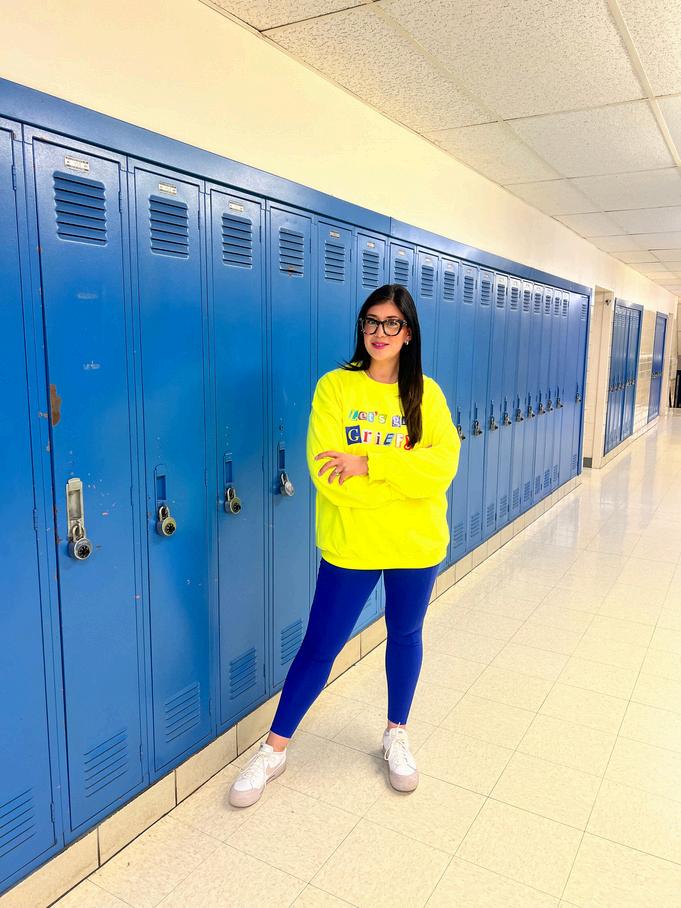
Over the years, I've met dozens of students who gave up on their futures because of what happened in their past It doesn't have to be that way
I've also been tasked with teaching post-COVID “iPad-kids” how to connect with mid-century Spanish literature And here's what I've learned: It's not always the content. It's how we present it.
Take “Like Water for Chocolate” (Como agua para chocolate) I’ve taught this book to high school juniors for years The title itself refers to the moment when emotions become so intense they reach a boiling point just like water must become boiling hot to prepare hot chocolate The novel is a masterclass in understanding how emotions, family, love, trauma, and grief shape our lives.
Our students are already living these stories We just have to give them permission to see themselves in them
Maybe we don't have a behavior crisis. Maybe we don't have a motivation crisis Maybe we don't even have a mental health crisis as much as we have a generation carrying grief they've been taught to suppress.




And when they finally are invited to talk about it, we often ask them to do so in the safest, blandest, most uninspiring ways imaginable.
We believe grief support can be something different.
It doesn't have to be quiet It doesn't have to be sad It doesn't have to live in muted colors or follow a dated textbook.
It can be creative It can be honest It can be bold It can spark conversations, build community, and even create friendships.
When young people are given the tools to understand their grief instead of hide from it, they become more resilient adults adults who are prepared to change the narrative for the next generation
That's the future we're building. And we're standing ten toes down on it
Let’s Get Griefy!
Kera Sanchez Founder & Editor-in-Chief Get Griefy Magazine

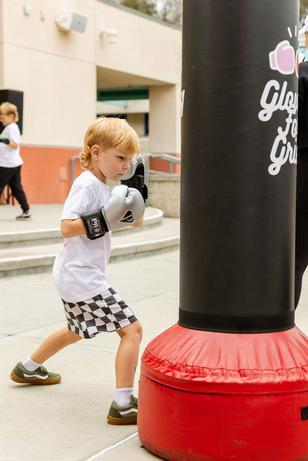


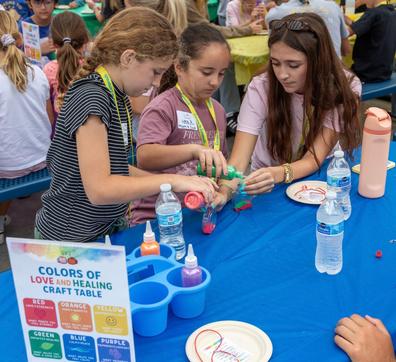
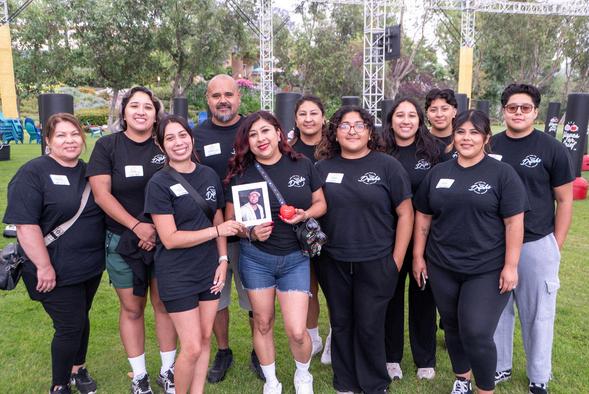







When Sophia moved to California at age seven, the contrast was stark. In one of the wealthiest regions in the country, she found a desert of support for grieving children "We couldn't even find grief-centered therapy for children, let alone an entire center dedicated to grieving children," she explains This gap wasn't just a personal inconvenience, it was a systemic failure, and Sophia felt compelled to fix it. She realized that every child, regardless of geography or socioeconomic status, deserved the kind of support she had received in Memphis
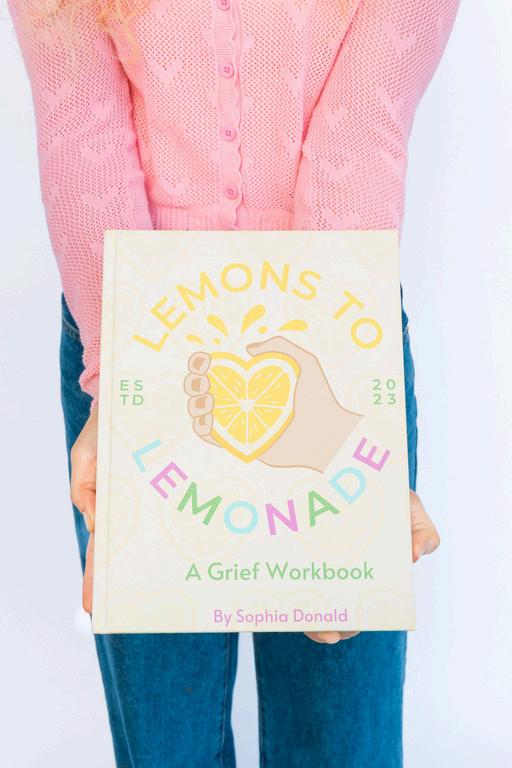
By the end of 8th grade, Sophia stopped waiting for someone else to solve it and started building the solution herself: A grief workbook she designed and published through Amazon But she wanted to do more. Through the Dragon Kim Foundation, a "Mini MBA program for teenagers," she secured a $5,000 grant to launch her first camp What started as a small gathering of 17 kids has now grown into a massive community effort, serving 58 campers in its most recent session
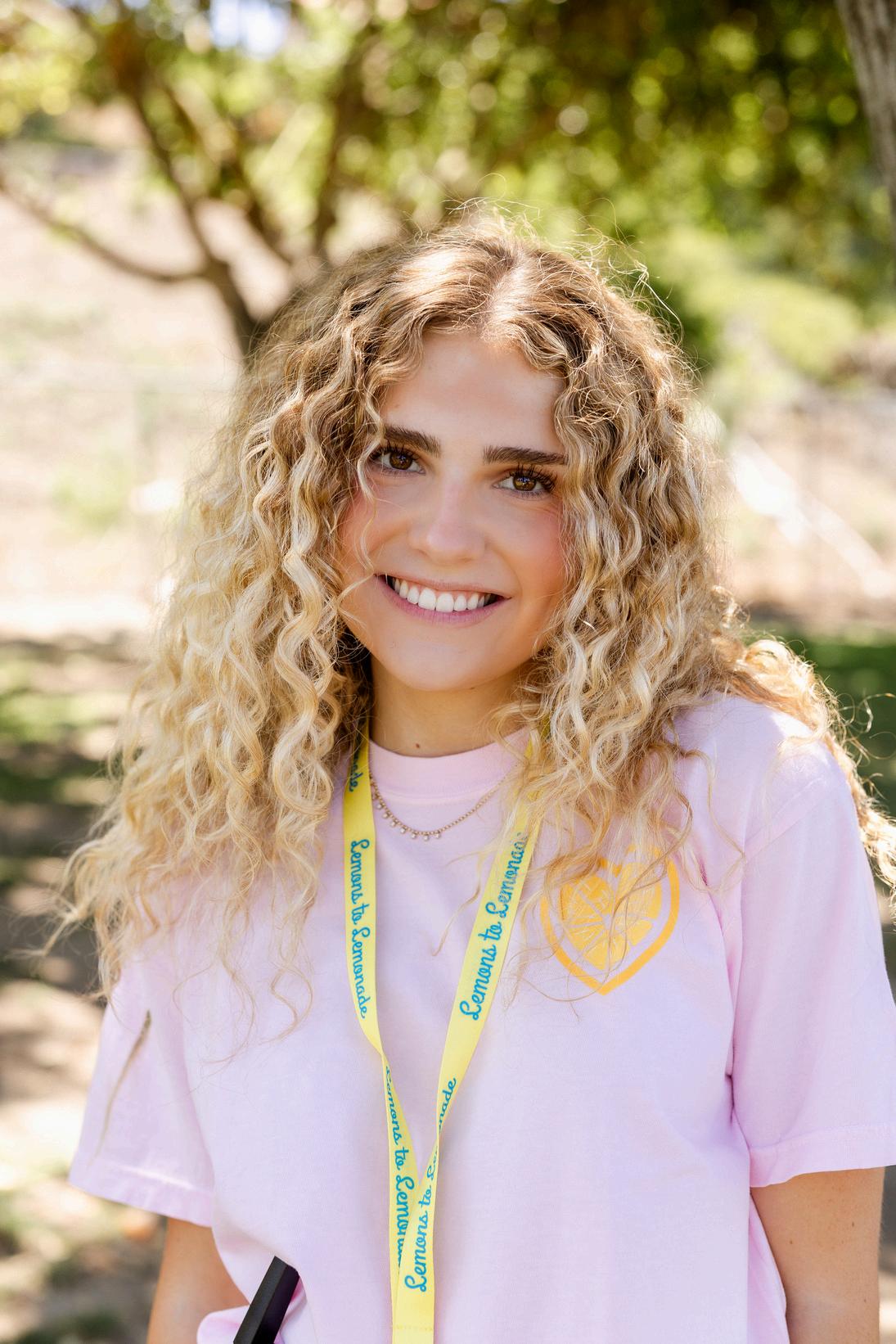
In the quiet spaces of Orange County, where the sun usually shines on pristine beaches and manicured lawns, a high school senior is illuminating a much darker corner of the human experience. Sophia Donald, a student at Dana Hills High School, is not your typical teenager While her peers might be focused on Tik Tok Trends, Sports and Friends, Sophia is busy leading a revolution in how her community handles childhood grief, and she's doing it with the kind of confidence you can't fake
The seeds of this lemon revolution were sown in Memphis, Tennessee, where Sophia spent her early childhood It was there that she lost her father, Jerry, a man she remembers as a "total girl dad" who was friends with everyone he met "I'm a lot like him," Sophia reflects during her interview with Get Griefy Magazine. "He was very outgoing, friendly I think he is very proud of everything that I've done" After his death, Sophia found solace and healing at the Centers for Good Grief in Memphis, an organization which partners with Baptist Memorial Hospitals to provide free therapy and summer camps like "Camp Good Grief”

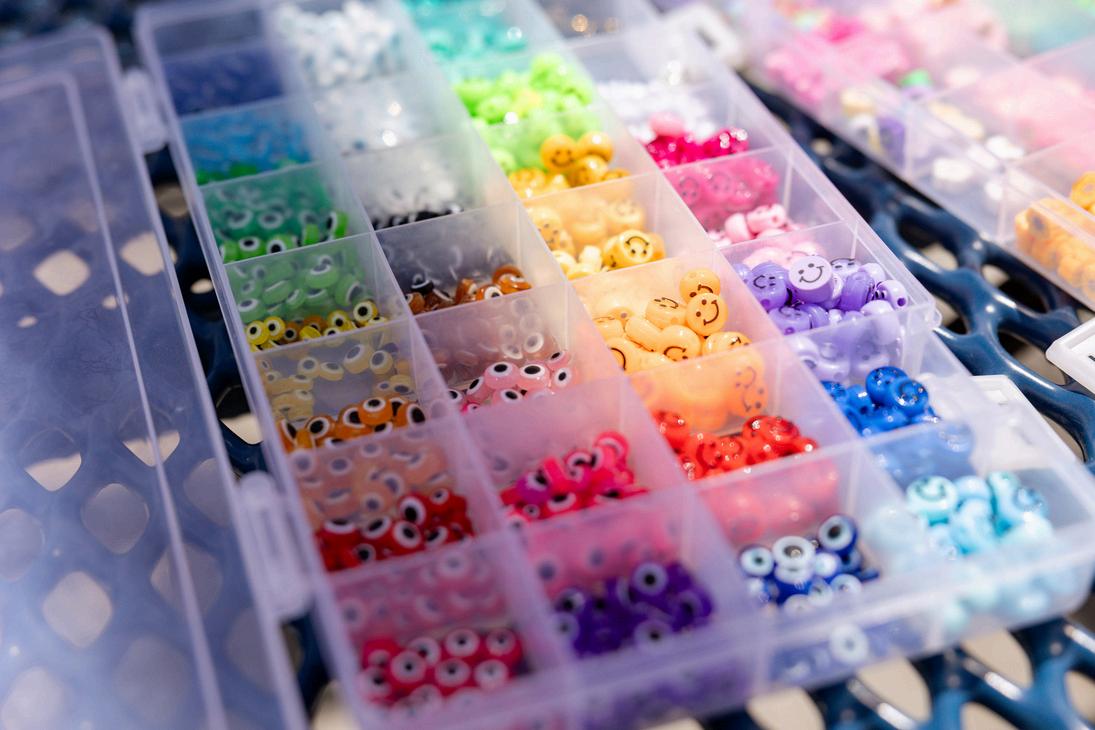
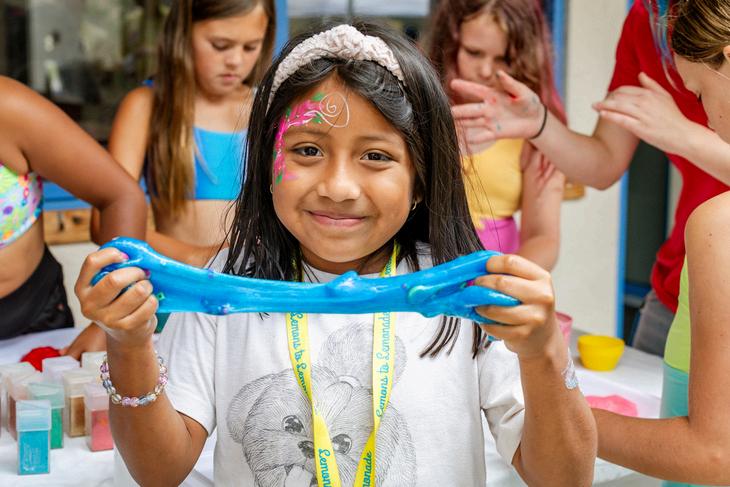

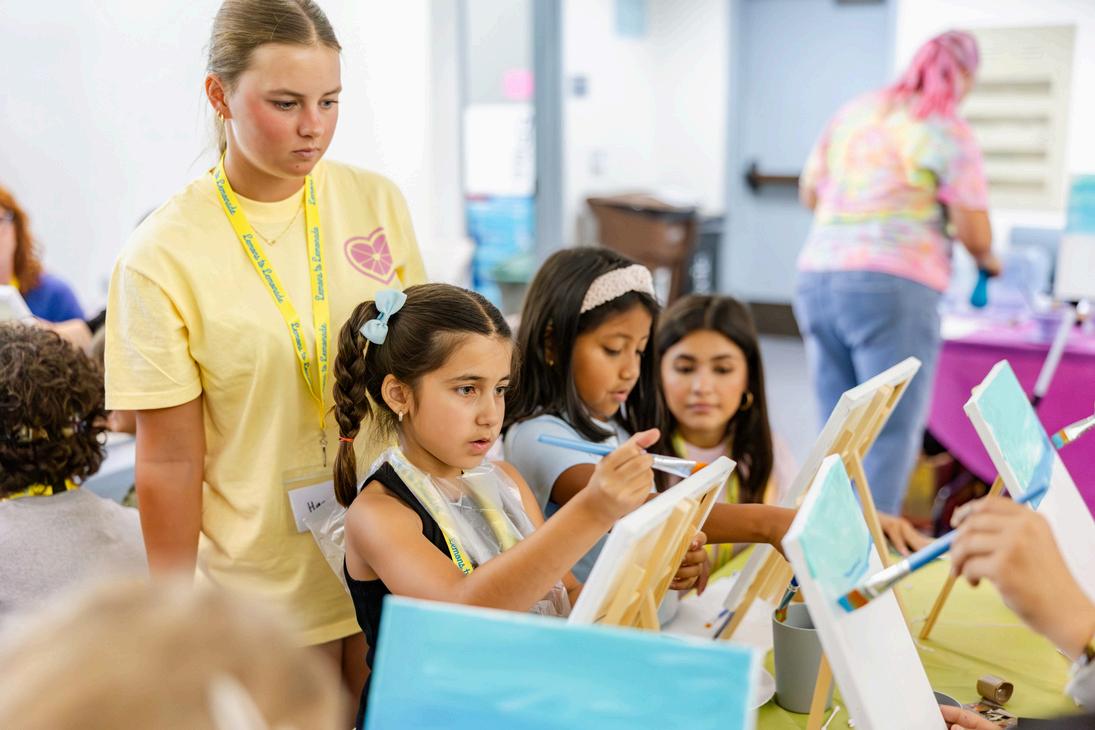

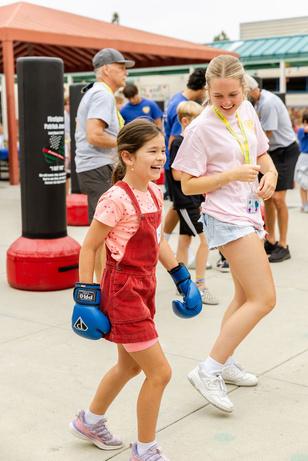
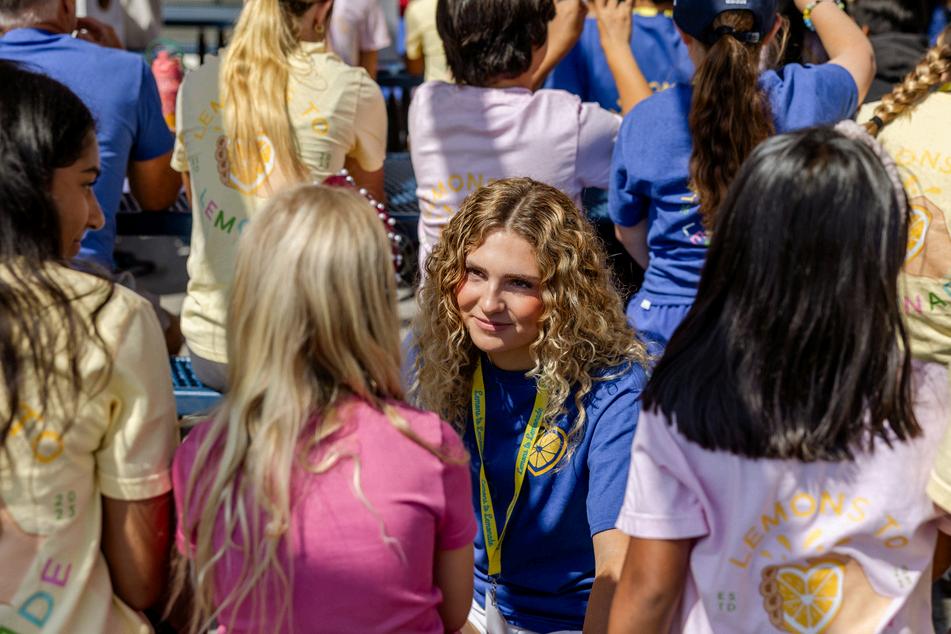
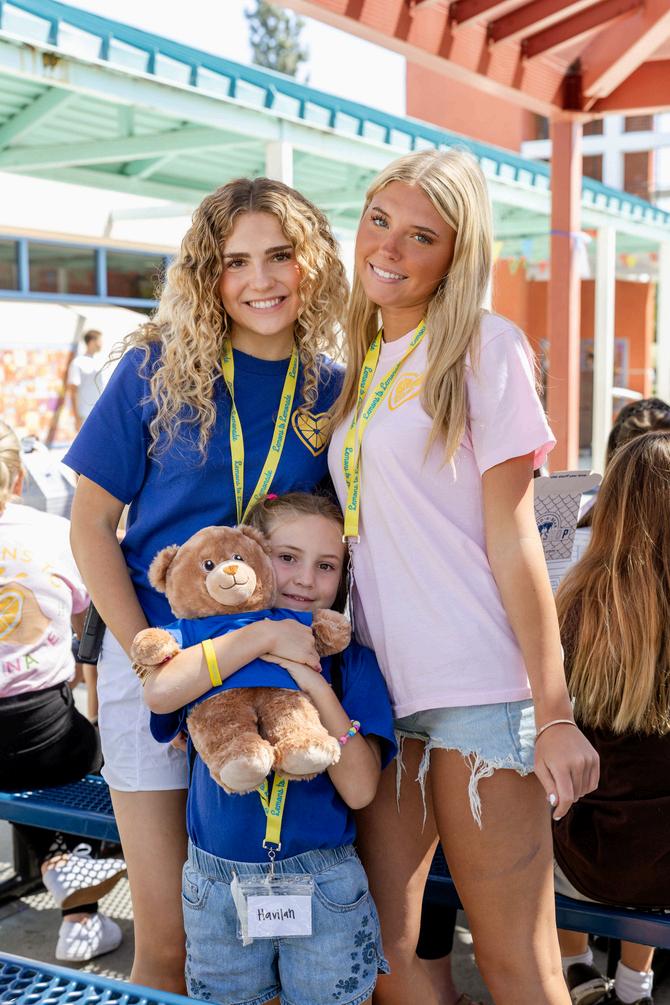
Lemons to Lemonade operates as a day program which masterfully balances heavier therapeutic work with lighter, joyfilled activities. A typical day includes a craft, (such as creating a memory box) followed by therapy-style treatment in small groups (led by clinical professionals from Hoag Hospital) and concluding with high-energy athletics like dodgeball, or visits from vendors like Build-A-Bear
"We try to do one heavy thing and then one super fun thing," Sophia notes.
The secret sauce, though, is the buddy system Each camper is paired with a teenager, many of whom are Sophia's own friends. While these volunteers are initially drawn in by the need for service hours, they often leave transformed
The program is supported by clinical experts like child life specialist Colleen Cherry and social workers from Hoag Hospital, so even the trickiest behavioral moments are handled with real professional care That leaves the teenage buddies free to just show up as a fun, steady presence for kids who desperately need proof that joy is still possible
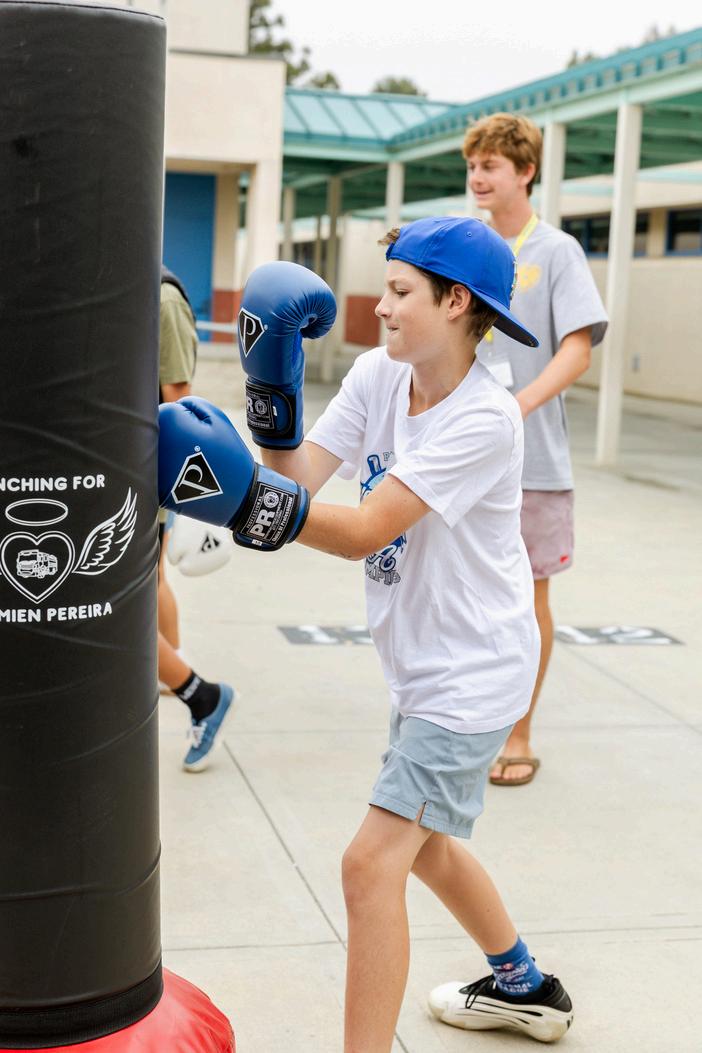

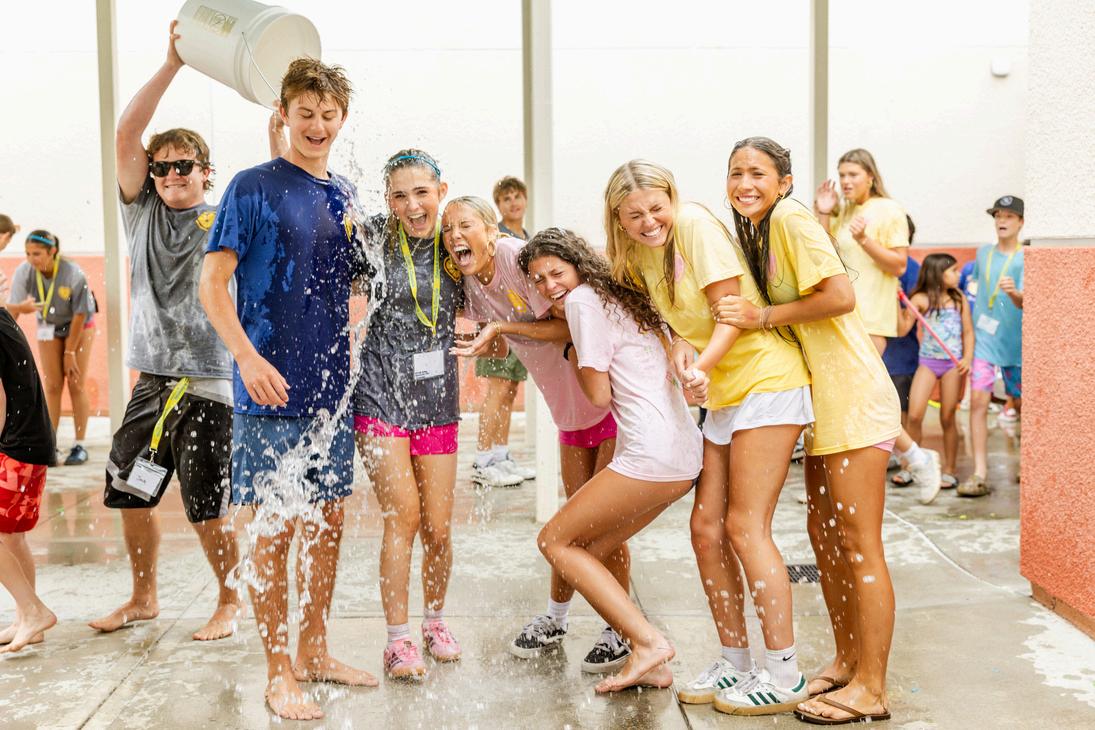
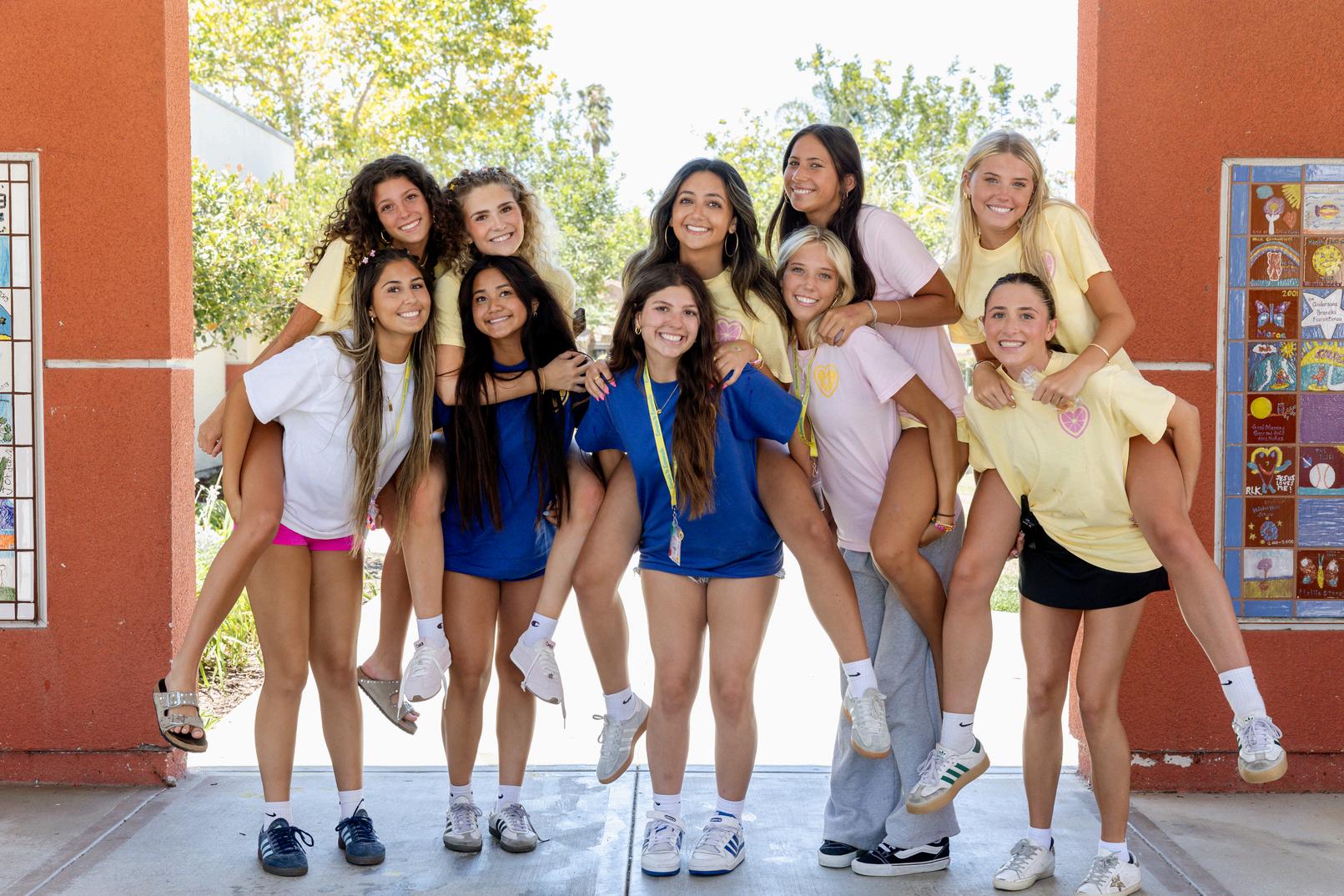

Here's the plot twist: the volunteers might be getting just as much out of this as the kids. Sophia watched her "guy friends," the ones who'd otherwise be locked into sports or gaming, show up and give 100% to a bunch of grieving kids For a lot of these teenagers, it was their first real brush with death and loss, and it changed them "I had friends that were in tears saying how amazing it was," Sophia says "They were really sad to leave, too"
This program is quietly building a whole generation of grief-literate young adults. In a world that loves to shove grief under the rug, these teenagers are learning to say "died" instead of "lost," and to sit comfortably next to someone in pain instead of flinching away from it

Sophia sees this exposure as a gift, not a burden. "Even if they haven't personally been affected by grief... it prepares them for life because it is inevitable."
vision for she's sychology her sights rney She's orever. She e hools. s, to court for y g mp ended "I want to help them live a life that's prosperous despite the significant loss and trauma they have experienced."

In the meantime, she's already training younger students to step into leadership roles, so the monthly meetups don't skip a beat without her And her "end all be all" dream? A permanent center in Orange County, modeled after the one that saved her in Memphis, to fill the exact void she spotted almost a decade ago
, q , hardtodoherbestinschool Likemany teens,shebalancesherpassions, responsibilities,andeverydaylife
YOUR TURN TO TAKE THE LEAP
YetSophia'sstoryremindsusthateven inthemidstoflife'sgreatestchallenges, somethingmeaningfulcangrow.Sheis livingproofthatpurposebornfrompain canbecomeoneofthemostpowerful forcesforhope,healing,andhelping others
CheckoutSophia'sworkbook,"Lemons toLemonade:AGriefWorkbook," availableonAmazon Tolearnmore aboutLemonstoLemonadevisit, lemonstolemonadefoundationcomand followthemonInstagramat @lemons.to.lemonade

Let Sophia’s story inspire you. Take a few moments to reflect on her journey and the impact of Lemons to Lemonade. Consider the questions and ideas below, and jot down your thoughts, insights, or inspirations
There are no right or wrong answers simply reflect on what resonates with you and how Sophia’s story speaks to your own experiences, hopes, or opportunities to make a difference

What does Making Lemonade from Lemons mean to you?
What part of Sophia's story stood out to you the most? Why?
Sophia turned a difficult experience into something that helps other people. What are some different ways people can make a positive impact in their communities?

Have you ever had someone make a difference in your life? What did they do?
Do you think making a difference always has to be something big? Why or why not?
As you think about your own interests and strengths, where do you think you could make a positive impact someday?
What causes or issues do you care about, even if you don't know how to help yet?
You don't have to change the world overnight. Sometimes making lemonade starts with one small act of kindness, one hour of service, or simply choosing to care. Sophia's story reminds us that every person has the ability to make someone else's day a little brighter—when the time feels right for them.







(yes, faceholes. keep reading)

Meet Blair Kaplan Venables—The Founder of The Global Resilience Project—who lived through a ton of grief as a kid. Much of it centered around her dad, his addictions, and his inability to show up for her and her sister. Through meaningful books, conversations, and a global movement, Blair was able to reconcile with her dad in adulthood—and has a lot to say about how to bounce forward after experiencing life’s challenges.


Quick anatomy lesson Look in a mirror
Count the holes in your face Two eyeholes Two earholes Two nose-holes One mouthhole
Seven faceholes Congratulations You are basically a fancy colander with feelings
And here's the wild part. Whatever you stuff into those seven holes becomes the actual you. Your mood. Your energy. Whether you wake up feeling like a superhero or like a sad little gremlin who lost their charger.
I learned this the hard, hard way. So let me save you some time and walk you through it, hole by hole

I love hospital dramas and reality shows. Give me a helicopter, a stretcher, a doctor yelling "WE'RE LOSING HIM!" chef's kiss
Then my mom died And I tried to watch my favourite shows again, and my whole body went, “Ma'am Absolutely not ” Racing heart Tight chest My nervous system basically slid into my DMs like, "We are literally living a medical drama right now, please pick something else "
So I switched to my comfort shows, which I loved and found predictable: Friends and Sex and the City Friends in New York City with hair issues and dating problems Healing Restorative. An actual medicine.
Your eyeholes are not a garbage disposal. You don't have to watch the scary thing just because everyone's watching it. You don’t have to watch the scary news or read the scary books, or play video games until your eyes close at night. None of that is good for your mental health Also, you have permission to unfollow or mute social media accounts that make you feel yucky and bad about yourself Pick what your nervous system can handle Future you says thanks
Music goes in. Mood comes out. It's basically a vending machine
I like everything Rock, hip hop, all of it But some songs make me feel like I could fight a bear, and some songs make me feel like I AM the bear and the bear is having a bad day After everything I went through, I had to actually pay attention to which songs were chilling me out and which ones were turning me into a stress raccoon. I have special playlists that are focused on regulating my nervous system, and ones for putting me in a good mood (cue old-school Britney Spears).
The same goes for what people are saying near your ears The friend who roasts you in a fun way? Keep The "friend" whose voice makes your shoulders climb up to your earlobes? Maybe a little less of them in your life The words that you hear matter and will act as fuel for your mood

Most underrated faceholes, but one of the most powerful
I do this thing called forest bathing, which sounds like I'm taking a tub into the woods, but actually just means walking around in some trees Ten minutes a day outside with real plants and your body literally chills out Your stress hormone goes down Free No app No subscription Trees do not require a login
Smell some grass Smell some rain Smell a real flower instead of a candle pretending to be a flower. Your nose-holes have been waiting for this their whole life.
Do you have a scent that makes you happy? Have more of that in your life.
The big one. The famous one. The hole with the agent.

Yes, food matters Drinking water is important (and so is comfort food) It’s not only what goes into your mouth but also what comes OUT of your mouth-hole that counts too.
Every night at 9 p.m., my phone goes off (my Gratitude Alarm), and I say three things I'm grateful for from that day. I've done it for years. At parties. In hospitals. The night my mom died, my sister and I did it with her. Her last words were "I'm grateful for you, and you, and you." (We were like, who's the third you? She said, "Me " Iconic exit, honestly )
Three grateful things a day Out loud Your mouthhole, doing actual magic
The words you say matter
Seven faceholes Open for business 24/7 Stuff is going in and out, whether you're paying attention or not
For one week, just notice After you watch something, listen to something, smell something, eat something, say something, check in with your body Do you feel a little better, or a little worse? That's it That's the whole science experiment
Then start swapping One scary show for one comfort show One angry playlist for one good-mood playlist. One hour of doom scroll for ten minutes outside. One mean thought about yourself for one grateful thing.
Here's the beautiful part. You get to choose. Every single day, in tiny ways nobody else even sees, you get to pick what becomes part of you. That's not a small thing. That's your superpower.
So fill yourself up with the good stuff. The shows that make you laugh. The songs that make you feel alive The people who make you feel like you The thoughts that remind you you're doing your best
Your faceholes are yours Treat them like the gift they are
Directions:
Take a moment to reflect on what your faceholes (eyes, ears, nose, and mouth) are taking in each day. Identify anything in your sensory intake that may not be supporting your nervous system or overall wellbeing. Then, think of something you could reduce, remove, or replace it with that might help you feel more calm, grounded, or resilient
If you are completing this activity in a group or with a trusted adult, share your ideas and discuss the different ways our senses can support healing, regulation, and resilience What sensory experiences help you feel safe, comforted, energized, or connected? What changes could help strengthen your well-being?







Peer Grief Submission from Willow House's Grace Patrick, a 13-Year-Old Group Member near Northwest Chicagoland.



In my life, I’ve experienced grief in a lot of ways; most notably, losing my sister when I was 7 years old This year I turned 13, which means I spent 2,221 days without her, 649 amazing days with her, and the rest of my life without her again. While it’s only been five-and-a-half of those many years, I’ve learned so much about grief and ways to manage it by myself and with others
First, I’ve learned that different forms of art, (like writing, music, and drawing/painting) can help convey feelings of grief in ways that basic words and sentences cannot Whether I’m sitting in my room writing a song about how my day was and how much I thought of my sister, or I’m sitting in class drawing a picture in the corner of my paper, it’s always been helpful I’ve learned that drawing out how I feel is way easier than trying to explain it When I say “I feel sad,” or “I miss her,” people don’t really understand what I mean because it’s hard to comprehend something you’ve never gone through. By drawing or writing it out using complex lyrics or words, it is easier to understand what someone means when they say a simple phrase
Another thing I’ve learned about grief is that it never quite goes away. You can try to forget by going out with your friends, hanging out with family, or doing things you enjoy, but it’s always going to remind you that it’s there in some way The universe is going to try to take you down by showing you a sign from the person you lost when you’re having the most fun and it’s going to bring you right back I’ve learned that instead of letting it take you down, you can remember your person, every happy memory you made with them, and how it’s not bad that you’re making new ones without them.
By far, the most important thing I’ve learned is to get back up whent he universe tries to knock me down. Sometimes it’s out of spite for what the powers that be have already given me, and sometimes it’s the desire to show my sister how far I’ve come in those five-and-a-half years Another thing about grief is that it comes in flashes that you can’t quite catch until it’s already happened, and there’s nothing you can do. While sometimes it’s predictable, (a certain date coming up that you remember with them, like a birthday or anniversary) most of the time it’s just a random day of the week and it punches you in the face, leaving a bruise. And I’ve learned that you can either let the bruise fade on its own, or you can ice it Now, obviously, this is a metaphor, but it’s true: you can either let grief take you down and wait for it to go away on its own, or you can ice it by doing things you enjoy or hanging out with people you love. Now, icing it doesn’t fully take away the pain, just like nothing could truly take away the pain of grief, but it can help I’ve learned that there are people who understand what I feel, and that it will never truly go away, but it also won’t hurt as badly as it did in 2020, now in 2026.
While I’m only 13 and I’ve still got a long life full of fun and more grief ahead of me, I’ve learned a lot for someone my age While it’s not good, (why I’ve had to learn so much) it’s made me more independent and emotionally intelligent The last thing I’ve learned from grief is that it’s like a geode: it’s a hard, basic rock on the outside but a shiny, beautiful crystal on the inside The rock represents the bad feelings of grief that are obvious to the naked eye, like feeling sad and lonely and constantly missing your person that is the stereotype of grief The crystal represents the feeling of living for your person and finding joy in the little things in life that most people can’t find (just like how most people wouldn’t guess that a normal-looking rock was hiding something so beautiful) With every lesson I learn, every day that passes, and every memory that I make, I’ll always think of my sister, and now that I know better, maybe that’s not the bad thing I thought it was.








A STORY ABOUT LOSS, PURPOSE, AND WHAT IT LOOKS LIKE TO KEEP ROLLING FORWARD.
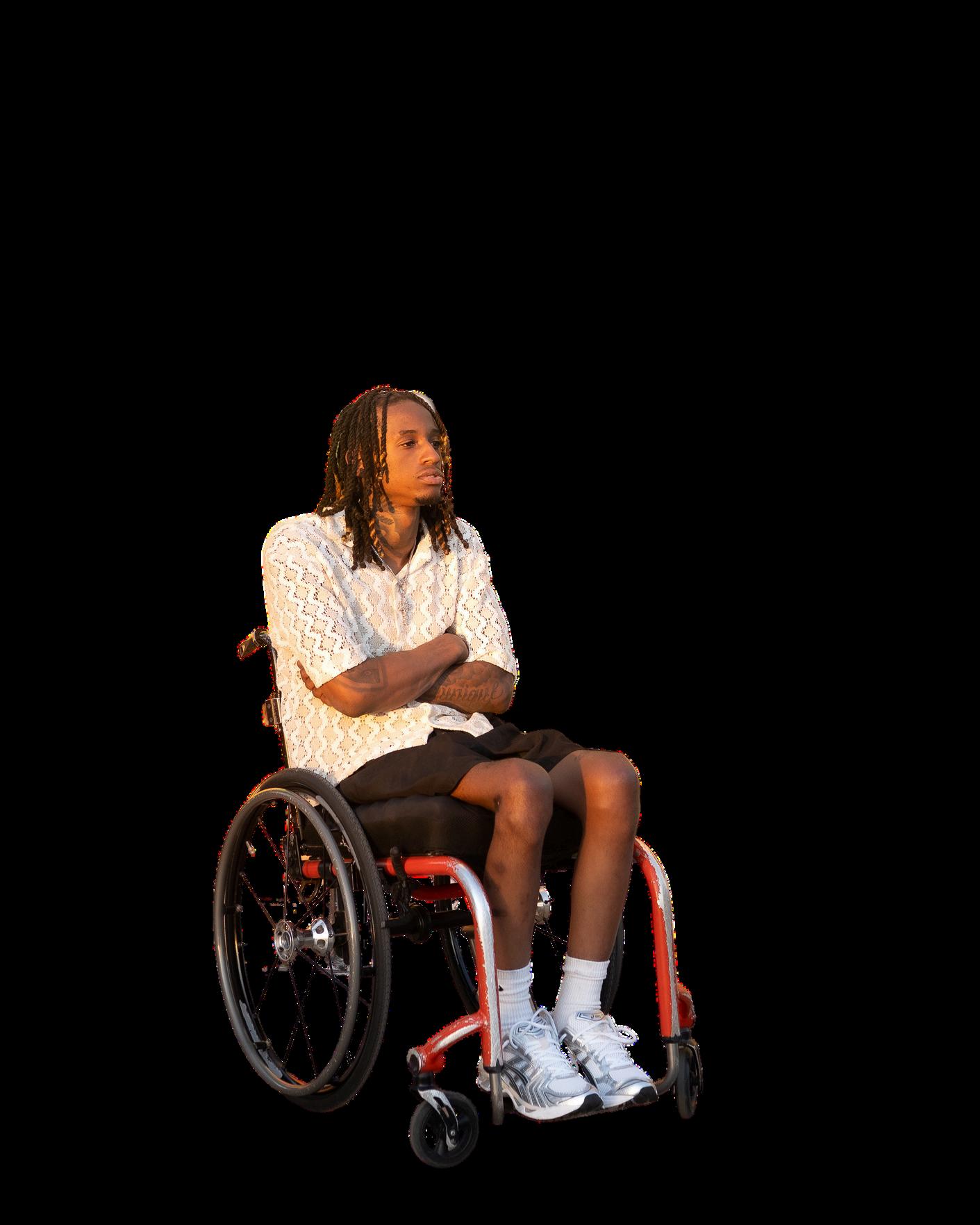
Ray Walker known online as Speedy was your typical teenager growing up in New Orleans, Louisiana He hung out with friends, kept his grades up, and had one big dream: basketball.
"Sports was my lane and my thing growing up," Ray says. "That kind of kept me out of trouble " The court gave him structure, community, and a future to look forward to And at the center of everything was his mom his person.
"I was a mama's boy," he says. "I did everything with my mama."
Life felt full of possibility Then, at 18, eve
At 18, Ray and his mom and aunt were involved in a serious car accident. Another vehicle hit them, and Ray woke up in a hospital unable to move his legs, surrounded by uncertainty, and completely alone It was the height of COVID, and for an entire week, no visitors were allowed
When the doctors delivered the news that his mom and his aunt hadn't survived, Ray was left carrying more loss than most people face in a lifetime He had lost his two closest people He had lost the use of his legs. And somewhere in all of that, he had lost the future he had always pictured for himself
"I was devastated, confused, lonely, and in awe like, 'Why is this happening to me?'" Ray says
For anyone who has ever experienced loss, you know there's no quick fix Grief doesn't follow a schedule It shows up when you least expect it, in waves Ray felt all of it. But what he did next makes his story unique.
In the weeks after the accident, Ray couldn't afford to stay stuck He had injuries to heal and a body to relearn His aunts his mom's sisters showed up for him even while they were grieving too Teachers checked in Friends reached out People on Instagram started following his recovery and sending words of encouragement.
Slowly, something shifted Ray started to see his survival not as luck, but as a calling.
"It’s knowing that I’ve been given a second chance and I'm headed out to find that purpose," he says That sense of purpose became his anchor something to hold onto when grief tried to pull him under
He stopped asking "Why did this happen to me?" and started asking "What am I supposed to do with this?"
Leaning on family his aunts stepped up and surrounded him with love. Staying connected friends, teachers, and even followers online reminded him he wasn't alone. Finding purpose he began to see his story as something that could help others. Focusing on progress every small win in recovery became proof that he could keep going.
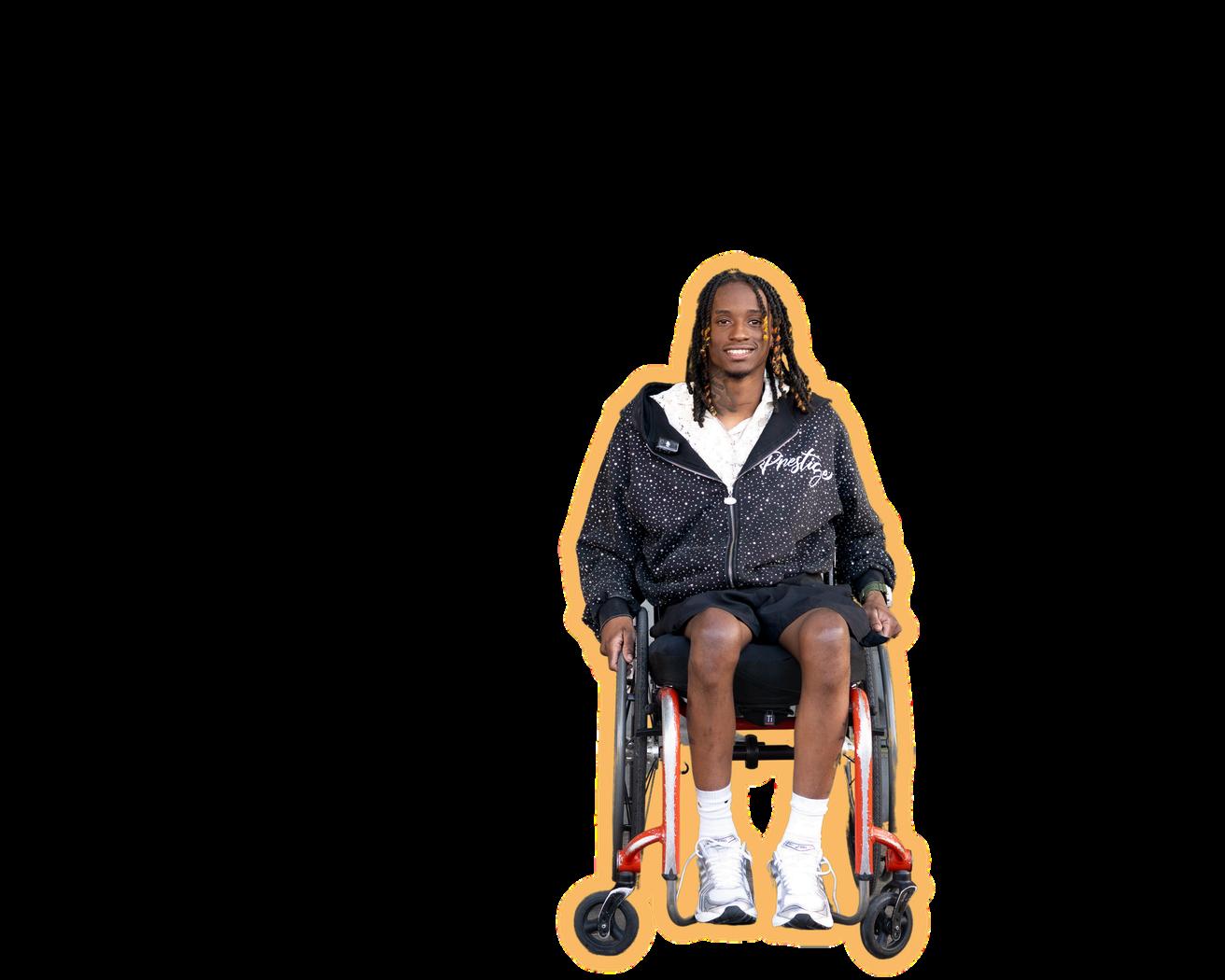
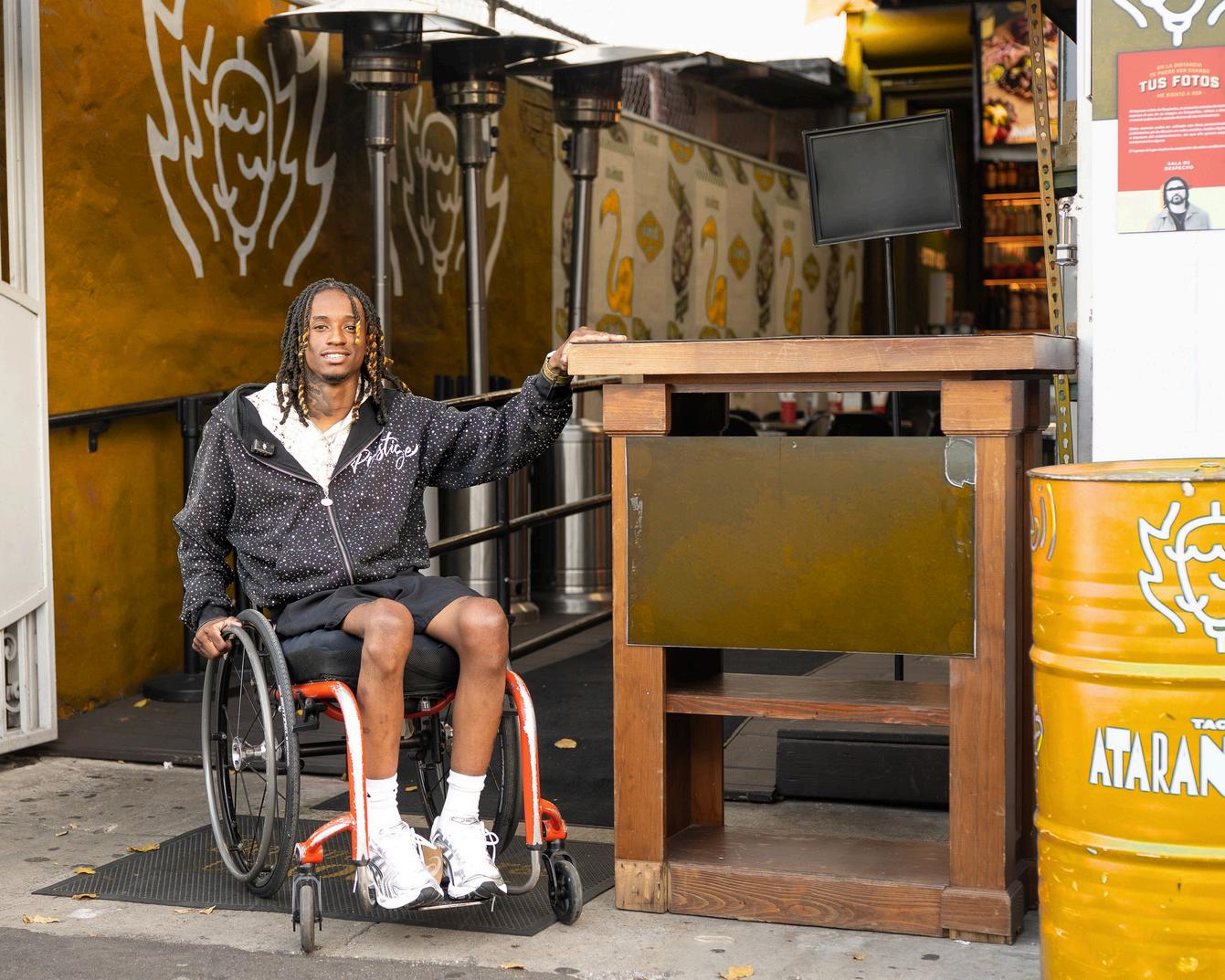
Today, Ray is doing something powerful: he's documenting his life on social media and showing the world what life on wheels really looks like. His therapy. His travels. His humor. His hard days. All of it unfiltered and real.
And young people are paying attention The messages pour in from people who say his content helped them keep going, live more independently, and stay strong mentally "Those kind of messages fuel me to keep doing what I'm doing," Ray says
His goals have evolved into something even bigger than the basketball dreams he once had He wants to be a full-time content creator, a traveling influencer who spotlights accessibility for people with disabilities, and a public speaker who brings his story directly to schools and communities.
Most importantly, he lives every day in honor of his mom and aunt "My mama always spoke about helping people along the way," he says. "I honor them by not giving up and impacting the world and having a big heart "
Ray didn't share his story because it's easy to tell He shared it because he knows someone out there needs to hear it Maybe that someone is you
If you're going through something hard right now grief, loss, a life that doesn't look the way you planned Ray's message is simple and direct:
“Never give up and always keep pushing You're going to face a lot of adversity throughout your life, but don't let that stop you. And always believe in yourself Don't let anybody tell you what you can and cannot do. The impossible is possible I'm a living testimony of it "
Ray is still in the middle of his story and so are you. Grief changes us, but it doesn't have to define us What happens after the hard thing? That's where your story really begins
Whatever you're carrying today, you are not alone. And if Ray Walker can roll forward through all he's faced with joy, with purpose, with a camera and a whole lot of heart then there's reason to believe you can too.







I learned how to use tampons from the back of a box, hunched over in my dead mother's bathroom
This isn't the kind of grief story people expect to hear. There's no dramatic moment, no clear before and after Just a 13-year-old girl reading instructions in silence, trying to figure out her changing body completely alone.
But this is grief too, the quiet kind that happens when the person who was supposed to guide you through life's milestones isn't there to do it
My dad was a wonderful single father, but he was completely lost when it came to talking about puberty There was this awful overlap period when I was about 10-to-13 I was old enough to need my mom to teach me things, but she wasn't well enough from brain cancer to actually do it. And my dad? He had no clue how to step in
I remember overhearing them having this really serious conversation when I was in 4th grade I heard my dad say, "She's going to start her period at some point, and she will need you here "


Looking back, I think he was to motivate her to keep fightin Because I needed her. But honestly? I think he needed her, too, because he was terrified of handling those conversations himself
By Grieve Leave Founder and
So we did everything early, racing against time.
My dad asked my mom to teach me how to shave my legs way before there was any hair there – because he knew she wouldn't be around when I actually needed it I remember thinking it was ridiculously easy, and my mom laughing that there was "nothing there to shave "
We went shopping for training bras when I was nowhere near needing them, just so she could be there for that milestone
My mom died on July 31, 2002. I was 13 I got my period for the first time that same summer, and I didn't tell anyone. I wasn't totally sure what was happening, but I used some detective skills and made an educated guess
Here's the thing that breaks my heart looking back: Even though my dad cleaned out most of my mother's stuff, he never touched her bathroom I think he knew I'd need it Her tampons, her pads –they stayed there like a weird inheritance.
That's where I got my real education, reading tampon box instructions like they were homework
Though I do remember one brave moment when I threw a package of pads in our grocery cart right before checkout like planting a flag of independence My dad just nodded My brother stayed silent Nobody made it as weird as I thought it would be.
But there were still so many gaps No one taught me how to put on a bra properly (I've been doing it wrong since I was 12, according to the internet) I only learned basic tampon etiquette from a group text with friends in my twenties like whether it's okay to flush them That conversation should have happened with my mom when I was 13.
The most ridiculous part? My dad was a doctor. An endocrinologist who worked with hormones all day If anyone should have been equipped for puberty conversations, it was him. But he was awkward about it, assuming someone else would handle those topics Later, he was completely open about birth control and everything else. But those early years? Radio silence, because he didn't know what or how to say those things aloud to his own daughter
Maybe you're reading this because you're in a similar spot missing the parent who should be guiding you through these changes, or you're the parent trying to figure out how to fill that gap Here's what I wish someone had told me:
Let's start with the basics no one wants to talk about:
Periods are messy and unpredictable for the first year or two. Keep supplies everywhere – backpack, locker, your room
Pads are way easier to figure out than tampons when you're starting. Deodorant isn't optional anymore. (seriously, this hits fast) Every body develops differently You're not weird if you're first or last.
Find your people, because you shouldn't have to Google everything:
That cool aunt, older cousin, or family friend who won't make it awkward.
Your school nurse has seen it all and won't judge Planned Parenthood has teen resources that actually make sense "It's Perfectly Normal" by Robie Harris covers everything your parents were supposed to tell you
Making it less mortifying with your remaining parent: Write questions down if talking feels impossible. Hand them the list. Text them articles: "Can we talk about this when you have time?" Shop for period stuff online together for the first time – less public embarras
Ask them
For single parents who are panicking about this:
I get it You're already managing everything, and now you have to navigate puberty conversations you feel completely unqualified for But here's the truth: your kid needs these talks way more than they need you to be smooth about them.
Get comfortable being uncomfortable: Your awkwardness won't scar them Your silence might.
Use every resource available: "The Care and Keeping of You" books aren't just for girly kids – they're practical guides. Ask your pediatrician to cover puberty during regular check-ups
Find a trusted friend who can be your backup for same-gender questions.
ere you can ask questions
Make it r crisis:
Stock the b toilet paper no big deal. Bring up changes casually: "Hey, if you start getting body odor, just grab some deodorant."

he village around single nts:
wait to be asked Single ts are drowning and won't think to request help with puberty conversations.
Ask open questions: "How are you feeling about your body these days?"
Offer specific support: "I'd love to take Sarah bra shopping when she's ready" "If Jake has guy questions, he can always text me " "Want me to stock some period supplies at our house for Emma?"
Be the conversation starter they can't be: Sometimes kids need to hear from someone who isn't their parent that what they're experiencing is totally normal
Here's what I want you to understand: missing out on these foundational conversations isn't just inconvenient. It's a form of loss that deserves to be acknowledged
You're not being dramatic for feeling sad that you had to learn about your body from the internet instead of a parent You're not overreacting if you feel weird that everyone else seems to have had "the talk" while you pieced things together from bathroom stall whispers

The absence of guidance leaves gaps that last into adulthood I'm in my thirties and still occasionally discover something about my body that everyone else learned from their mom at 13
Your remaining parent's awkwardness doesn't invalidate your need for information and support Their discomfort doesn't make your questions less important
Some grief shows up immediately –the crying, the missing, the sharp pain of absence But some grief takes years to recognize It's realizing you learned about periods from a tampon box instead of your mom It's the moment in a friend group when you discover something everyone else learned at home. It's becoming an adult and understanding how many basic things you had to teach yourself

We don't just grieve the people we've lost We grieve the conversations we never got to have; the guidance that was supposed to be there; the normal experiences that became complicated by absence.
That grief is real, and it matters, and you're allowed to feel sad about it

With the Help of Access period, Get Griefy Kids is able to donate magazines and period kits to local grief organizations that serve young grievers needing both advice, support, and products to get started on this milestone
Also, check out their Digital Resource, Guide to a Happy Period, available for free on their website in 9 different languages!
To Learn more, Visit AccessPeriod.com @accessperiod








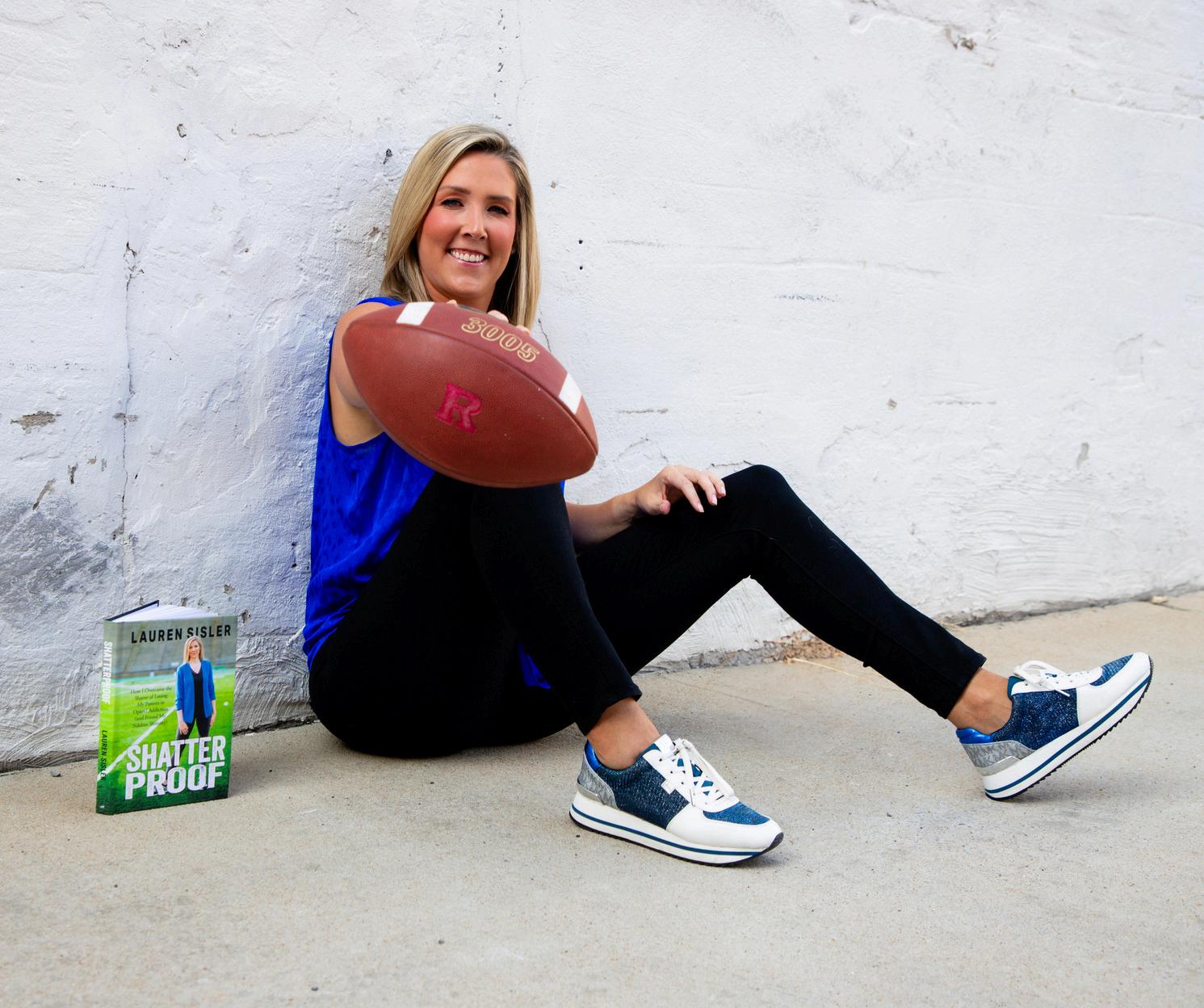
1.Rememberthatyour 1. Remember that your storyisn’tover. story isn’t over.
When someone you love dies, it can feel like everything has changed forever. But grief is one chapter of your story, not the entire book. There are still pages waiting to be written.
@laurensisler laurensisler.com
2.Talkaboutthepeople 2. Talk about the people youmiss. you miss.
Sharing memories, telling stories, and saying their names keeps their love alive. The more we talk about the people we ’ ve lost, the less alone we feel in carrying them with us.
Letyourselffeelwhat
Let yourself feel what ufeel. u feel.
e days you may feel sad, angry, used, or even happy and that’s . There is no right or wrong way to e. Healing begins when we stop g our feelings and allow ourselves honest about them.
Lookforthepeople Look for the peoplendinginthegap. nding in the gap.
can make us feel alone, but we have to walk through it by lves. Pay attention to the friends, y members, teachers, coaches, mentors who show up for you. Let remind you that you are loved and orted.
5.Findpurposeinyour 5. Find purpose in your pain. pain.
The hardest things we go through can teach us compassion, courage, and resilience. Loss also has a quiet gift hidden inside it it teaches us to cherish the people and moments still in front of us. One day, your story may become the very thing that helps someone else feel seen, understood, and hopeful.

GIVE LAUREN’S ADVICE A SHOT AND FILL IN THE FOLLOWING PROMPTS TO TAKE SMALL STEPS FOR LEARNING TO FALL IN LOVE WITH YOUR STORY.
Write one sentence about something you ’ re still looking forward to no matter how small.

Write down one memory or trait of theirs that you want to keep with you always.

Draw or write down what you ’ re feeling today, without judging it.
Name one person you can go to when the sadness feels heavy.
This week, tell someone you love exactly what they mean to you Start by writing it down here!






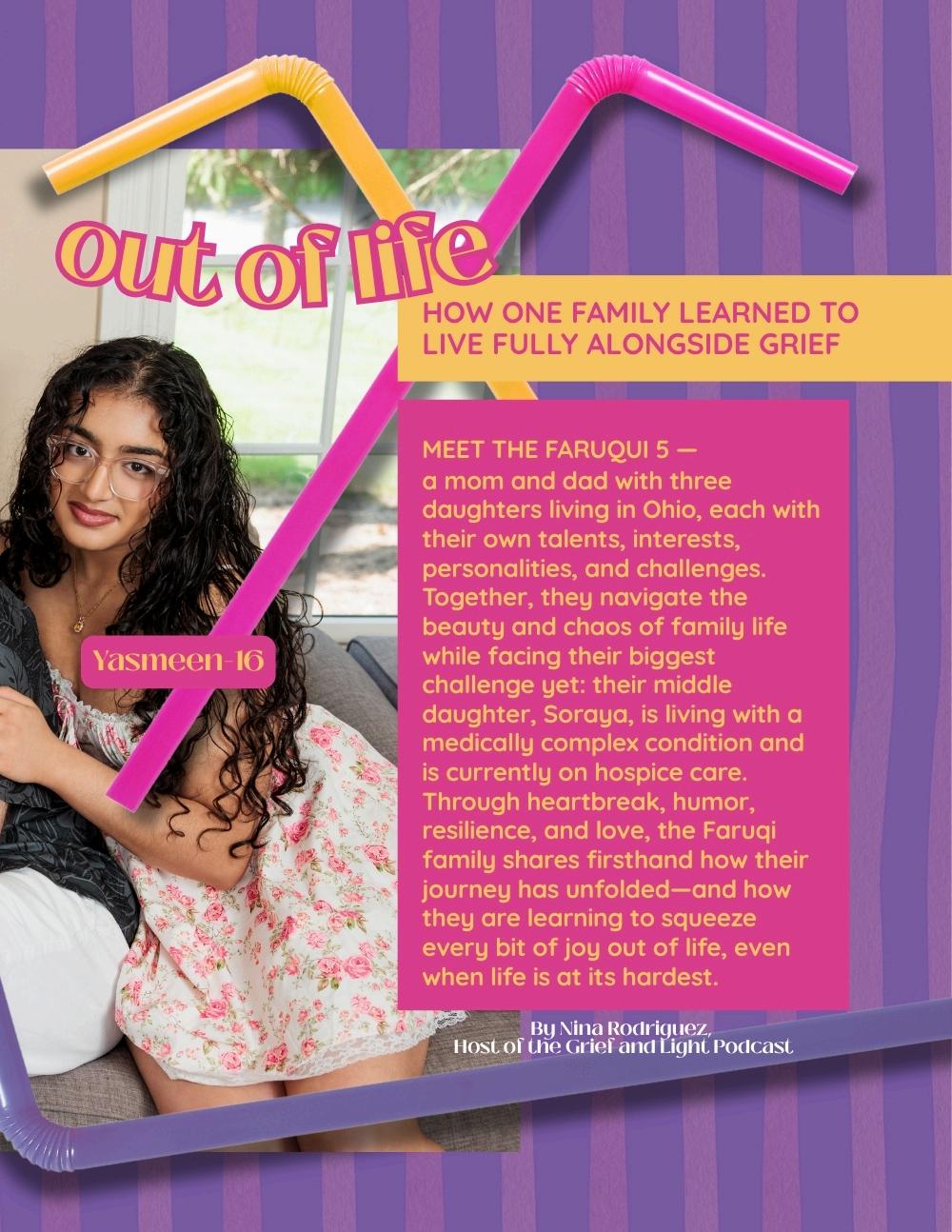

What do you do when the life you imagined for your child begins to disappear moment by moment with no ear answer in sight? For Dr Tasha Faruqui, that uestion stopped being theoretical shortly after her aughter Soraya was born.
oth Tasha and her husband, Safi, are physicians Tasha as spent her career helping families navigate their hildren's health She knows the language of medicine, he rhythm of hospitals, the weight of a difficult agnosis And still, none of it prepared her for what it ould mean to navigate life with a child in hospice.


oraya recently turned fourteen Those who know her escribe her as spunky, spirited, funny, and loving. She elights in getting her nails done She is, as her mother uts it, raw, unfiltered, and a friend to all
he also lives with a progressive, life-limiting genetic sease so rare that for the first thirteen years of her life, dn't have answers. The disease has taken walk It is weakening her arms, her tongue, cles that allow her to breathe It presents ALS, where abilities once present gradually

rrently in hospice It is a decision her family oritize comfort while continuing to live ofound uncertainty and the absence of rs
y about what happens inside a family that is hat
he Faruqui 5” mom, dad, and Soraya’s meen and Leena understand that Soraya’s possible outcome, they have chosen to ives around a new family philosophy: “suck f life,” despite grief’s unrelenting presence

The Faruquis are clear-eyed about what their family is carrying They do not rush past it to get to the hopeful part When I asked Tasha on the “Grief and Light” podcast what it feels like to watch Soraya's body decline in real time, she shared her truth honestly
"The physical decline is gut-wrenching," she said. "I can't think of two words that better describe it Gut-wrenching and unrelenting It is constant"
She went on, "Instead of trying to get rid of it, I have to work my way with holding it and still finding ways to not only live, but find joy.” She clarifies, “And find joy, because there's no but there"
The grief and the joy don't cancel each other out They coexist They have to
It wasn't always clear that coexistence was possible When Soraya was born, Tasha and her husband Safi knew something was different
Feeding difficulties and developmental delays were present, but the full picture would remain unclear for years What Tasha describes in those early years is the grief of the life a parent imagines for their child The milestones, the friendships, the future you assumed was coming
"It feels like death," she says "You grieve who you thought you were birthing"
And then, just as you find your footing in a new normal, the ground shifts again. Around age nine, Soraya's health began to decline more sharply, and then the ventilator entered the picture She currently needs it fifteen hours a day and counting. Most recently, Tasha and Safi made the decision to move Soraya’s room to the first floor of the house, since she no longer has the energy to go upstairs. Even bodily functions like going to the bathroom are presenting new challenges that may require medical intervention
Surgeries are now being planned and weighed with Soraya's input at the center of every decision
Tasha started her social media account, she says, because of the specific, suffocating isolation of living inside all of this "Even though I am a pediatrician," she has written, "I have no idea how to navigate living with a child who is dying and having two additional children, a spouse, and a career" It’s a way to connect after feeling isolated in her journey as a mother to a child with complex medical needs Since sharing that post in 2023, her account has achieved meaningful connection with followers cheering for The Faruqui 5 from all over the world
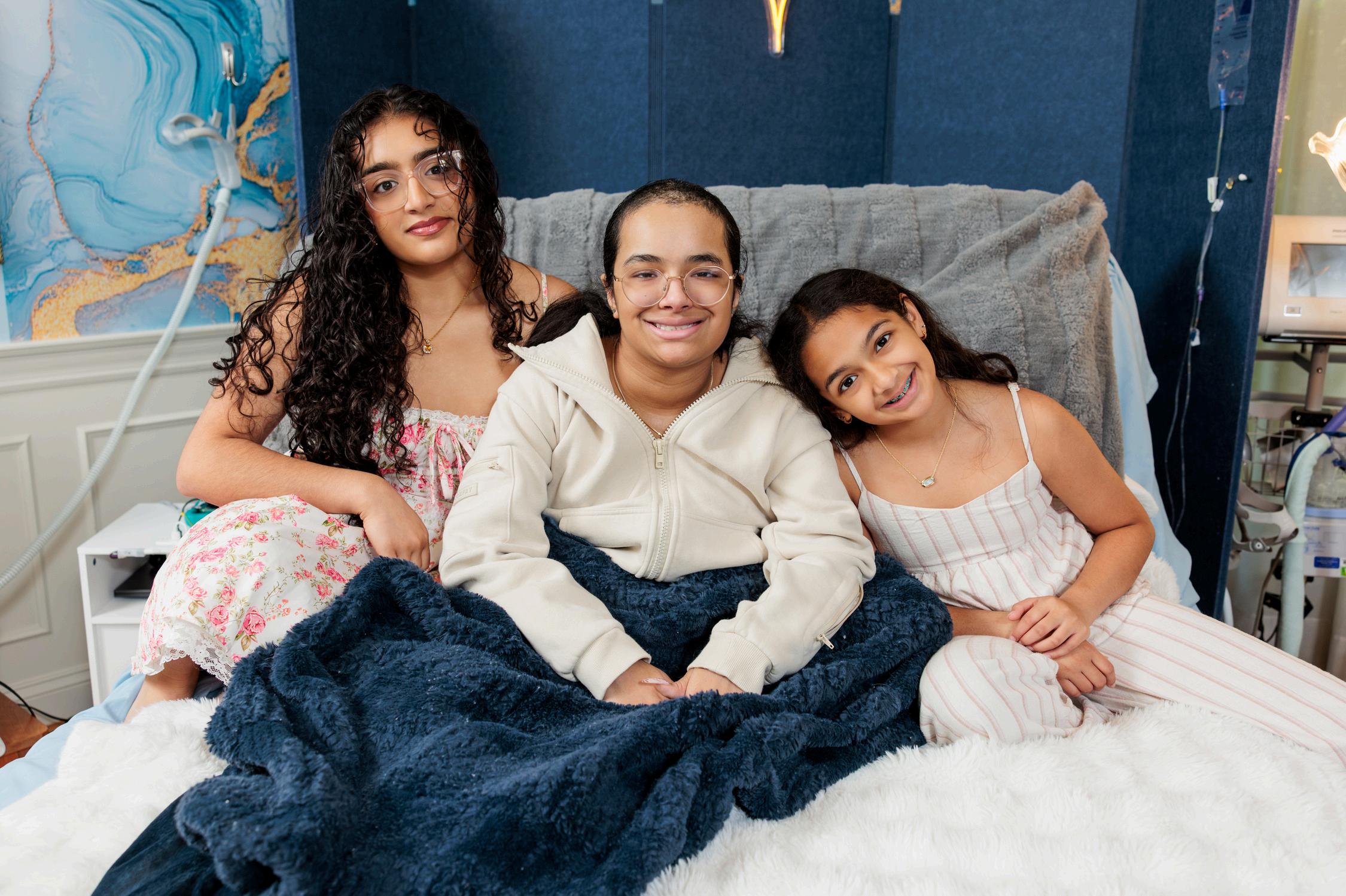
One of the most heart-wrenching moments Tasha shares is the one when Soraya learned the full gravity of her prognosis That her disease was lifeshortening
“I have to tell my sisters,” Soraya responded The Faruqui household has three daughters: Yasmeen wept and held her, resisting the oldersibling impulse to say, “I already knew.” Leena, who was eight at the time, responded with a single slow tear and the words “I've always known” She had watched Soraya's body change over years, connected it to what she understood about aging and death, and arrived at the truth on her own Nobody had to tell her.
Even now, both sisters are struggling They have each taken some physical distance from Soraya "We're trying to normalize that siblings have feelings too," Tasha says "And that they may not always be able to be an endless pot of support when they are struggling themselves."
This is something that gets missed, often, in conversations around medically complex children: the siblings are grieving too Yasmeen and Leena are navigating something most teenagers will never face, and they are doing it without a roadmap They deserve room for that messy, complicated, sometimes avoidant grief, without being made to feel like they are failing the sister they love
“Suck
The philosophy started with radical honesty about the unbearable unfairness of it all The grief of being the only family going through this Tasha and Safi chose to name the pain alongside their daughters rather than talk them out of it
"We started off saying: let's just acknowledge that this sucks," Tasha told me "So we would say, ‘Embrace the suck’ Like, let's all acknowledge that this is awful. You're right. There could be so many people who are not going through this very exact thing"
That acknowledgment mattered It wasn't toxic positivity It wasn't everything happens for a reason It was: you're right, and we're going to say that out loud together And from that honest foundation, the family built their motto: suck the joy out of life
"It's not, ‘Wait for joy to come to you and be open to it’ It's literally go out and go get it. And if you don't, you may never experience it if you wait for it."
-Tasha Faruqi
This philosophy is not theoretical It shows up in the details of how this family actually lives. It showed up in three Hawaii trips, the first of which (through MakeA-Wish) terrified Tasha and Safi as they figured out how to pack a ventilator, Gtube supplies (and a logistical plan that would exhaust most people just reading it) and went anyway
Everyone exhaled in Hawaii Everyone had fun Not just Soraya-centered fun Family fun Joy that belonged to all of them equally Those trips became proof that joy is possible, even if, even when.
It shows up in Soraya's golden fourteenth birthday Aries-themed balloons and streamers decorating her room while she slept, a party waiting when she opened her eyes It shows up in Tasha washing Soraya's hair; a process so exhausting for Soraya's body that it had gone undone for over a month, and then taking her out shopping, because Soraya herself said, “something has to change, and I'll do it even if I'm scared” Tasha shared on social media afterward: "It's another reminder that we have to be intentional about trying to find beauty in our days. It may be harder to find but it's NOT impossible."
Recently, Soraya told her mother she feels like Rapunzel, stuck in her beautiful new room, watching the outside world move past her window That feeling is honest and it is hard. And Soraya's response to it was not surrender. It was to go out anyway
To “suck the joy out of life.”
There is a dynamic in this family's story that I keep returning to: the way they balance honoring Soraya’s sense of agency, while also making decisions on her behalf as her parents.
When Soraya's medical team began discussing tracheostomy (the surgical opening in the neck that would allow her to be on a ventilator fulltime, relieving the damage a face mask causes over prolonged use), Tasha and Safi sat down together to figure out what they believed They discovered, to their own surprise, that they disagreed.
They met with Soraya's medical team They gathered every piece of information: the minimum six-week hospital stay, the 24hour care requirement, the risks to her voice, the lifetime of follow-up hospitalizations, and the painful truth that a tracheostomy does not cure anything. It extends life, but at what cost?
And then they brought Soraya into the room, because through every therapy, every appointment, every fight for her personhood, they have given Soraya the space to use her voice
Soraya made her decision b what mattered most to her: actual voice She didn't wan losing it. She understood the procedure wasn't a cure, so said no, and her parents ho They also left the door open to change her mind, and rev conversation, as needed
"We wanted her to feel like the expert of her body," Tas "I truly believe that She kno body."
This commitment to Soraya agency runs through everyt
In the Faruqui household, co a family value. Tasha asks permission before posting p and recording a video Sora reviews footage and decide gets shared, what gets dele what stays private "At the e the day," Tasha has written, Soraya's time to share and We want her to leave the le she would like"
That legacy is already takin
Soraya recently got to see h on a billboard in Times Squa the launch of an anthology authored She has lectured Cincinnati's Children’s hospi sharing her story with pedia residents, highlighting to all attendance to remember “t patient with the patient,” an with kindness, “because you know what somebody is go through” She often shares a her favorite human and tea Main, who passed away jus year ago, and whom she co with even now, when he sen signs in the form of white bu And she has been the subje Tasha’s best-selling memoir Your Head Up: A Mother's S Chasing Joy in the Face of
Soraya also has a sign on th of her wheelchair, designed by a generous stranger who saw one of Tasha's social media posts and reached out, inviting people to ask questions if they're curious What started as a way to ease Soraya's anxiety about being stared at in public became something bigger When the sign is on her chair, Tasha says, it's like Soraya has her superpower cape on She initiates conversations She meets people everywhere she goes She is living her life, boldly and on her own terms

Follow the Faruqui family at @theFaruqui5 on Instagram and learn more at tashaFaruqui.com.
About Executive Contributor Nina Rodriguez Founder and host of the award-winning indie podcast GRIEF AND LIGHT™. She speaks and writes about grief, post-traumatic growth, and living in the “and” of life after loss. Tune into the full conversation with Dr. Tasha Faruqui at griefandlight com/podcast, available on all platforms.





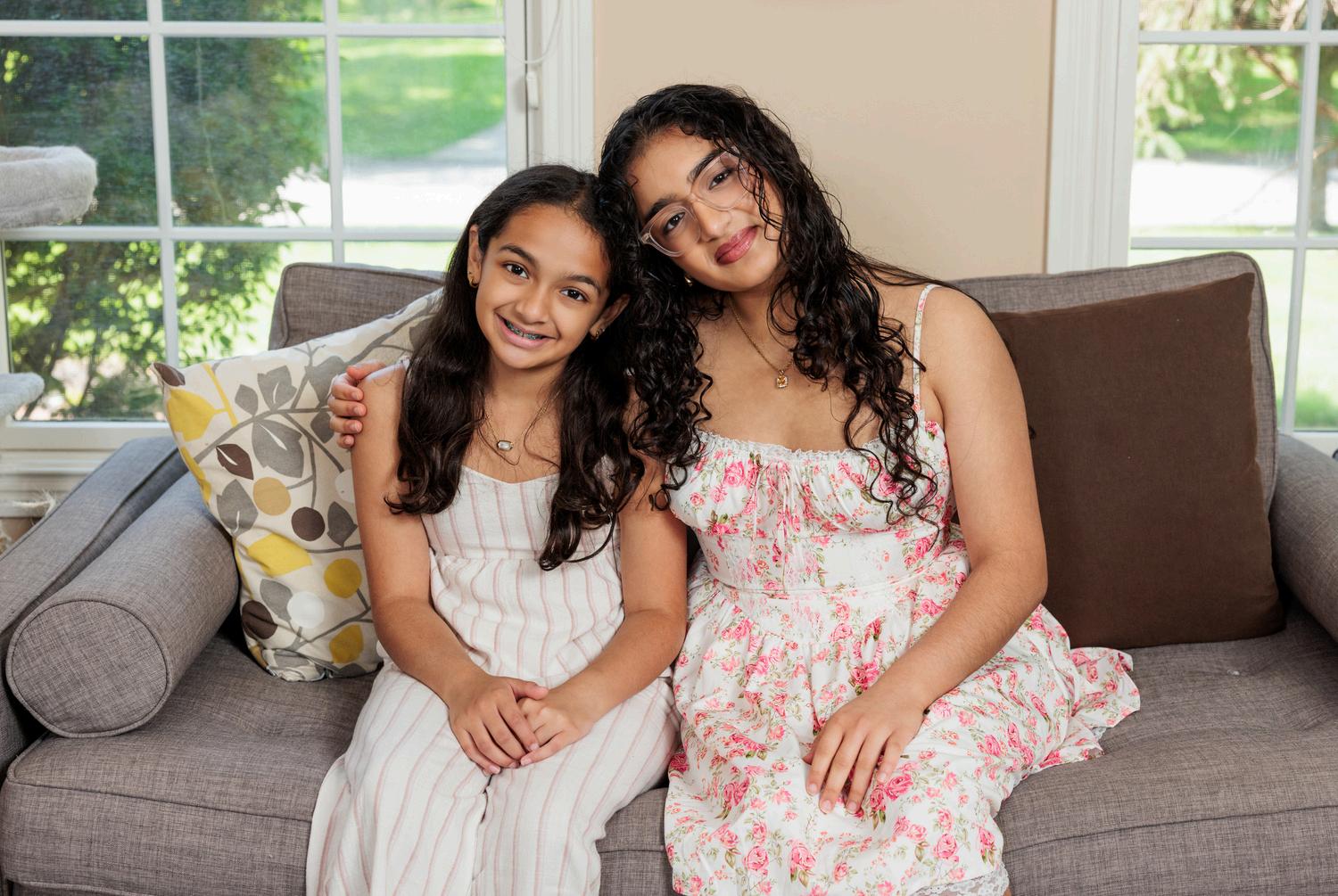



What do you want Soraya to know?
WHAT DOES LIVING WITH A SISTER ON HOSPICE ACTUALLY FEEL LIKE FROM YOUR SIDE OF THINGS?
Yasmeen- suffocating and isolating It feels like someone is holding something over my head at all times It impacts everything Small talk is so tough
Leena- I feel like besides each other in our family there's nobody else to relate to.
HOW DOES GRIEF AFFECT YOU?
Yasmeen- It has wrecked every aspect of my life. I can't have normal friendships or relationships I process things differently than any other people my age The typical problems in high school seem trivial in comparison to my life. I am more of an anxious person because of grief.




Leena- Grief reminds me of uncertainty. I don't like the feeling of uncertainty It bothers me that I have no clue what's going to happen It affects my fears I'm worry about what's happening health-wise for Soraya.
WHAT HAVE YOU LEARNED ABOUT YOURSELF THAT YOU WISH YOU DIDN’T HAVE TO LEARN THIS YOUNG?
Yasmeen- I wish i didn't understand death so much. I do think my perspective of life is fantastic. I wish I could have the ignorance is bliss mentality like many people my age. I wish I didn't have to be an adult in the sense of understand different medical procedure
Leena- I wish I didn't need know certain things about life- such as death. I shouldn't be worried about a sibling dying at the age of 8. I should have been older and experienced more life before I had to think about a sibling dying
I'm bubbbly I'm full of personality I'm brutally honest I can make friends with anyone, and I feel like I'm a good friend



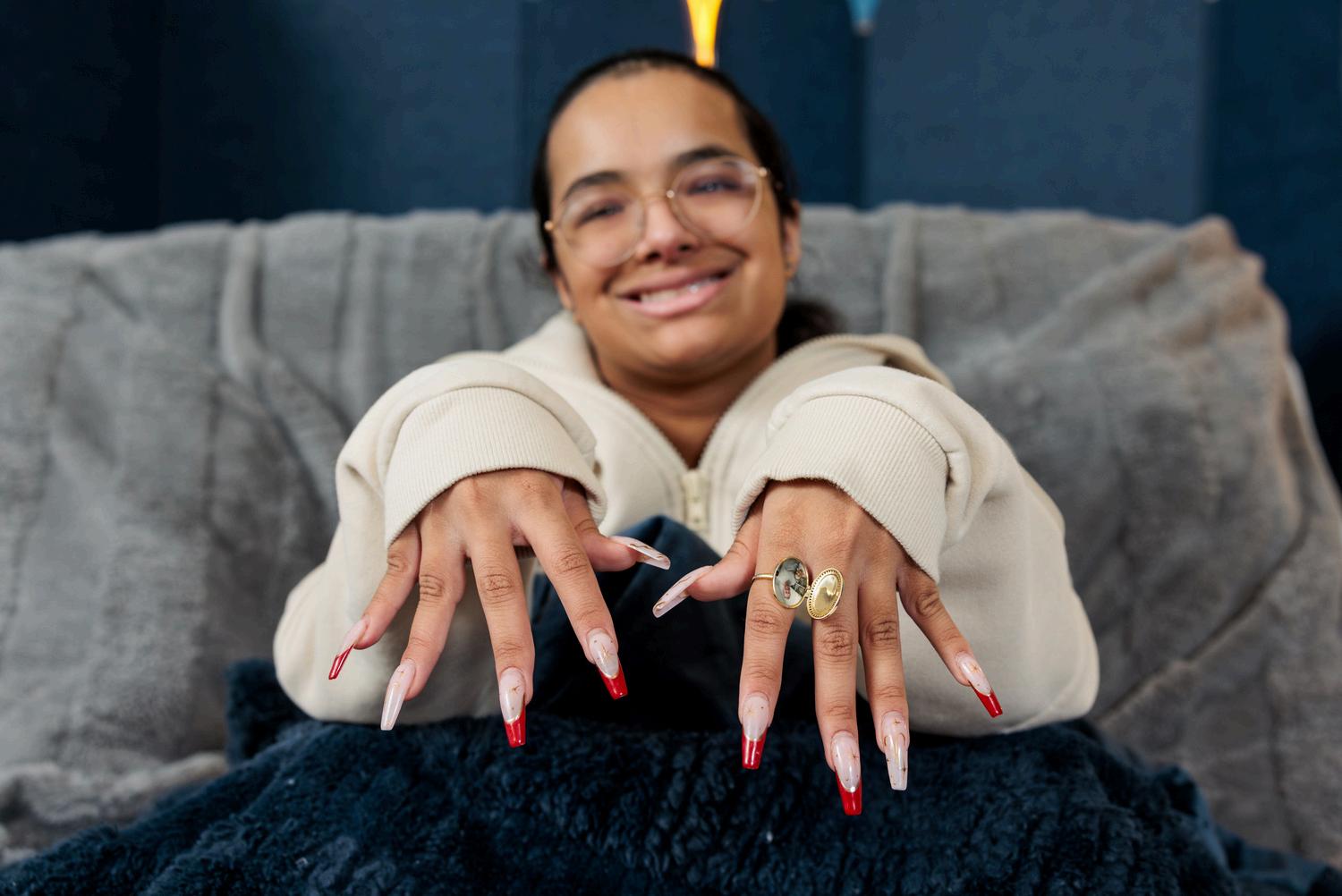
WHAT DO YOU THINK PEOPLE GET WRONG ABOUT TEENAGERS ON HOSPICE?
When people hear that I'm in hospicemany times they get scared to talk about my health. I wish more people would feel comfortable talking about death, my health, and my fears It's a part of my life and I can't pretend that everything is fine Some of my doctors outside of my hospice team when they talk to me- they try to make it seem like things are great. I wish they could just say that they understand how hard this is for me.

WHAT DO YOU WISH YOU COULD SAY WITHOUT WORRYING HOW PEOPLE WOULD REACT?
I wish people would just ASK me about my disability and my wheelchair without worry about how I will react I understand that they may worry how I might react and not every person with disabilities will want to talk about it. I've put a sign on my wheelchair to help this. I wish more people would approach me
WHAT TEENAGE EXPERIENCES DO YOU GRIEVE THE MOST? IS THERE SOMETHING YOU STILL WISH TO EXPERIENCE?
I grieve what I wish my body could do that other teenagers do. I wish I could go to school I wish I could dance, take singing lessons, and do the activities my sisters do My body was just not made for that type of life I wish I could experience that- but I can't and I don't want to try doing it modified. I want to do it the way they do. I do still wish to travel I want to go to Tokyo, and I always want to go back to Hawaii where my Make-A-Wish was

KATE’S CLUB, A GEORGIA-BASED ORGANIZATION THAT EMPOWERS CHILDREN, TEENS, YOUNG ADULTS, AND THEIR FAMILIES AFTER THE DEATH OF A PARENT, SIBLING, CAREGIVER, OR OTHER IMPORTANT PERSON, SHARES RESOURCES ON NAVIGATING FRIENDSHIPS AFTER A LOSS CHECK OUT THIS GRIEF RESOURCE FROM KATE’S CLUB FOR GUIDANCE ON MAINTAINING SUPPORTIVE FRIENDSHIPS WHILE GRIEVING, WHETHER YOU'RE A YOUNG ADULT OR ANYONE COPING WITH LOSS.



Maybe your friends do not know the right words to say, and therefore say nothing at all or maybe you are just tired of thinking and talking about your grief altogether, so you decide to isolate yourself instead Small talk, going out and having fun, possibly even showering and getting dressed can all feel difficult while grieving Changes in eating and sleeping, isolation, lack of focus, anger outbursts, and even unhealthy relationships are all grief responses.
So, how are you supposed to navigate friendships when you are feeling so low? How do you continue your day-to-day, your routines, your previous relationships when your person is gone?
Many young adults have mentioned that they lost friendships after the death of a loved one; their friends didn’t understand, they didn’t want to use “friend” time as a “grief counseling” time, or maybe their friends just didn’t know how to respond and said all the wrong things instead. You may even be surprised that your more distant friends were the ones who checked in the most, while your closest friends thought that distance was best
If your friend has not personally had a significant loss, they may not understand how you are feeling and what you are going through Even if your friend has had a significant loss, they still may not understand because everyone grieves differently!
The best way to navigate this is to communicate your needs and feelings clearly, whether that be for more space during this time, less space and more support, or how you want your friend to be there for you
Some examples of this include:
“I’m not really in the mood to talk about my grief, but I would really like for you to just be here with me right now ”
“I am sorry I have been distant, my heart has been hurting. You are still my friend and I appreciate you being here for me ”
“Can you attend this family function with me? I am feeling anxious to go now that (insert your person here) won’t be there and would really like a friend ”
“I want to talk about my thoughts, grief, and what’s been going on Right now, I don’t need any suggestions or advice, just a friend who will listen to me as I process what’s going on ”
Have you ever listened to the safety brief from the attendants on flights? They tell you that in the case of loss of oxygen, put your mask on first before assisting others. Why is this? If you lose oxygen, your body cannot function properly and therefore you cannot help others
This applies to all situations! If you aren’t nourishing yourself, taking care of your mind and body, it will be nearly impossible for you to nourish a friendship For some, self-care includes spending time with friends and family, for others, it may be relaxing in a clean home. For many, it includes setting boundaries and sticking to them!
If you don’t know where to start, try these tips for self-care while experiencing grief:
Spend at least five minutes each day doing one self-care activity
Set boundaries and communicate them clearly - not taking on extra responsibilities or not attending a social event
Meditate and practice mindfulness and gratitude
Take a walk or exercise
Learn a new hobby
Spend time with a close friend who “fills your cup ”
With all of that being said, remember to give yourself grace during this time of grieving You have the right to grieve how you want, to talk about your grief when you want - to who you want, and you have the right to get upset about the normal, everyday problems too! Try your hardest to let the loving, genuine people in, even when you may be feeling like you want to push everyone away.
You may just find that there is a new friend, ready to be your sounding board right around the corner. Communicate with them, help them understand what you are needing during this time, and always remember to take care of yourself in a positive and healthy way! CONTACT KATE’S CLUB FOR FREE GRIEF SUPPORT IN GEORGIA! KATESCLUB.COM




Zoe Quinn (Daughter Of Liz Quinn, Host of the Healing Hearts Podcast) shares a poem about her older sister who died at birth- and the grief of what could have been.
My sister died before I was born I've said that my whole life and it still sounds impossible coming out of my mouth
How do you miss someone you never met?
How do you love a voice you never heard?
I don't know how But I do
Her name is Alivia She's not here but she's not not here either
People think she's my parents' grief
She's mine too
I grew up with her name in the house, her face on the wall, her birthday on the calendar every single year
I've never not known about her I've never gotten to know her Both things are true and I don't know what to do with that
She'd be eighteen this year I'm almost sixteen
The space between us keeps getting smaller and that messes with my head more than I let on
Everything about her is almost Almost in the back seat with me
Almost in my school pictures Almost stealing my clothes Almost here
I think about dumb things
Would she like her coffee black? Would she think I'm dramatic? Would we even get along?
I don't know
Not knowing is its own kind of sad that nobody talks about

Everyone says grief is missing what used to be there
Nobody says what it's like to miss something that never got the chance
That's this I'm not missing memories I'm missing a person I was supposed to grow up next to
I wonder if she'd like me I think about that more than I probably should Would she be proud of me? Would we look alike? Would she like me, not just love me because we ' re sisters, but actually like me?
I hope so I really hope so




Her birthday is hidden in half my passwords I wear a little angel wing almost every day not because I'm scared I'll forget her, I couldn't, but because I don't want the world to
There's a place in Wisconsin where we picnic at her grave I know that sounds strange It's one of my favorite things we do We sit in the grass and laugh and for an hour it doesn't feel like visiting It feels like being with her
I wish I had one memory Just one




Instead I have stories that aren't mine, pictures I didn't take, a hundred questions nobody can answer
There's a sister-shaped space in my life

It's been there as long as I remember It keeps getting bigger not because I love her more, but because I keep growing into a life she never got to have
Some days that wrecks me Some days it just feels close
Most days, it's both, and I don't think that ever stops





Zoe’s Little Brother Grayson sharesalettertohissister:
Dear Alivia,
Hi. I wish you were here. I know that's simple but it's true. I wish I could've met you. I wish I knew what you looked like now. I wish I knew if you were funny or serious or what.
You'd be 18 right now. That's so weird to think about. You'd be getting ready for college while I'm just sitting here playing video games and not doing my homework.
I wonder what you'd think of me. Would you think I was funny or just annoying. Probably both honestly. I think that would've been fun though.
People ask how many brothers and sisters I have and I never know what to say. I have two sisters. One just isn't here. That's the easiest way I can put it.
You've always been part of our family even though I never met you. We do your birthday every year. We go to your grave. We talk about you like it's normal, because it is. So I never felt like I didn't have a big sister. I just never got the actual experience of having two.
I wish you could've have played video games with me. I wish I could've annoyed you on purpose just to see you get mad. I wish I could've actually heard you laugh instead of just imagining it.
I just wish you were here. I think everyone does. Mom and Dad. Zoe probably would've liked having an older sister. Logan would've liked someone else to bother.
I don't really know how to end this. I just wish things went different. I wish you got to stay.
Love, Grayson

Haveyouevertriedwritingaletterto someoneyoulove—ortoafutureversion ofyourselfyoumaynevergettomeet?
Takeamomenttoputyourthoughts intowords.Shareyourhopes,your gratitude,yourregrets,yourdreams,or anythingleftunsaid.
Giveitatryhere:

















BySusanKoursaris,NTP,BCHN®
It’snotveryfuntotalkaboutregulatingbloodsugar,and gettingthenutrientsyouneed,especiallytokids.When you’regoingthroughastressfultimelikegrief,it’seasyfor thebodytophysicallyfeelbad.Thebody’sresponseto stressusesupkeynutrientslikeBvitamins,vitaminC, MagnesiumandZinc Acrappydietonlymakesthisworse Yourbodyisstarvingfornutrientsandneedsthemeven moreduringgrief.Addingprotein,fiber,andhealthyfats willgiveyoulongerenergywithfewercrashesanda bettermood.Thegoalisnottotakeawaythefoodsthat bringyoucomfort…Justtoaddmorenutrientstothem!
Herearefivekid-friendlysnacksthataredeliciousAND fullofthosemuchneedednutrients!
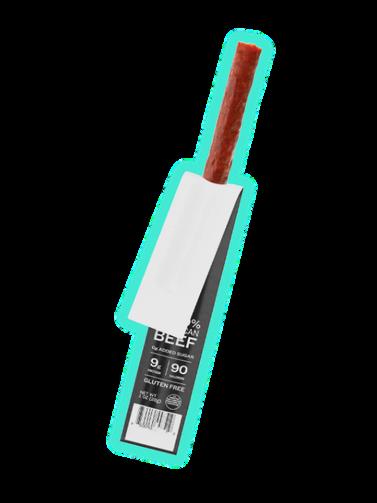
1. CLEAN INGREDIENT MEAT STICK +
. CLEAN INGREDIENT MEAT STICK + POPCORN WITH NUTRITIONAL YEAST POPCORN WITH NUTRITIONAL YEAST
Thissnackissimple,portable,andeasytolove.Aclean ingredientmeatstick,suchasPaleovalley,Chomps,or SingingPastures,pairswellwithhomemadepopcornfora quickoptionthatfeelssatisfying
Theproteinwillhelpregulatebloodsugarandkeepyou fullforlonger.Iliketomakemyownpopcornandsprinkle itwith1-2Tbsp.nutritionalyeasttoupmyintakeofB vitamins.YoucanalsousePluckseasoning,whichis powderedorganmeatblendedwithspices.Organmeatis themostnutrient-densefoodoutthere Don’tknockit‘til youtryit-it’sdelicious!

trauma treatsdon’thaveto wreckhealth!your


Bananasushiisafunsnackthatalsohitsthespot! Startwithonebanana,spreaditwithpeanutbutter(or anynutbutter),thenrollitinchiaseedsbeforeslicing itintothecutestlittlebite-sizedsushipiecesyou’ve everseen!
Thissimplesnackbringstogetherseveralhelpful nutrients.Bananasprovidepotassium,vitaminC, magnesium,andvitaminB6.Nutbutteraddsprotein andhealthyfat,whilechiaseedscontributefiberand zinc.Together,theseingredientscanhelpsupport steadierbloodsugar,betterdigestivehealth,anda strongimmunesystem

There’s nothing like chips and guac! Smash 1-2 ripe avocados in a bowl with a fork. Add chopped onions, garlic, cilantro, lemon juice and a few diced cherry tomatoes. Add salt and pepper to taste. Serve it with chips and carrot sticks for a crunchy, colorful combo. Avocados provide healthy fats, fiber, and vitamin K, while carrots add another layer of crunch, plus more nutrients. If you prefer a lower-carb version, pork rinds arealsoagoodchoice!

Foryoursweettooth,chocolateavocadopuddingisa richandcreamydessert.Itfeelsindulgentwithoutthe guiltandcrash.Bonus:you’regettingmagnesium,zinc fiberandhealthyfatsinthisone.Rememberthough, thatsugarisstillsugar,sonoeatingtheentirebowlin onesitting!
Toablender,add1largeor2smallavocados(seed removed),1canofcoconutmilk,⅓Ccacaopowder (canalsousecleaningredientcocoapowder),1scoop ofproteinpowder(IloveOrganized),⅓Cmaplesyrup oragavesyrup(orsweetenerofchoiceaslongasitis notartificial),andapinchofsalt.Blenduntilsmooth andrefrigeratetochillforaboutanhour Storeinan airtightcontainer,ifitlaststhatlong




Thesebrowniesareaclientfavorite.They’reglutenfree andfilledwithbetter-for-youingredients.Thesweet potatogivestonsofbeneficialfiberandispackedwith vitaminsandmineralslikemanganeseandvitaminsA andC,whicharepowerfulanti-oxidants.
Whiskorblendtogether1Ccreamyalmondbutter,¾C cookedsweetpotatopuree,½Cmaplesyrup,1egg, and1tsp.vanillaextractinalargebowl.Add⅓Ccocoa powder,1tsp.bakingsoda,pinchofsalt,andstiruntil justcombined.Foldin1/4cupchocolatechipsuntiljust combined
Pourthebattertoan8x8greasedorparchment paperedbakingpan.Topevenlywithmorechocolate chips,ifdesired.Bakefor25-30minutesuntila toothpickinsertedinthecentercomesoutclean.Cool completelyandenjoy!
Traumatreatsdon’thavetowreckyourhealth! Comfortfooddoesnothavetomeanfoodwithzero nutritionalvalue.Withafewsimpleswaps,snackscan stillfeelfunandsatisfyingwhilealsoofferingprotein, fiber,healthyfats,andimportantvitaminsand mineralsthatyouneedduringastressfultime
Forkidsandteensespecially,thatbalancematters. Therightsnackcanhelpsupportenergy,mood,and fullnesswithoutleavingyoufeelingworselater.Inhard seasons,smallchoiceslikethesewillkeepyouhealthy, strongandresilient
So,whichsnackwouldyoutry??
Susanisanutritionaltherapypractitionerwho workswithgrieverswhocan'tseemtofeelbetter. Shespecializesinguthealthandtesting,whichis agame-changerforbetterhealth!
Tolearnmorevisitwww.whollyheartnutrition.com andfollowat@whollyheartnutrition







Draw or write about a favorite story about their life that they shared with you
Draw or write about a favorite meal that you shared
Draw or write about some important things that you learned from them
Draw or write about the fun things that you did together

Patricia Mazza Vlamis
Draw or write about special places that you liked to go together
Draw or write about what you want others to know about them
Patricia Mazza Vlamis is an artist and photographer who strives to use her creative talents to make a positive difference in the lives of others. Having experienced the loss of a loved one as a teenager, she holds a special place in her heart for children who are grieving. Through this book, Patricia hopes to help young readers process their emotions, honor the memories of those they have lost, and find comfort in knowing they are not alone on their grief journey.
Click Here to snag a copy!



There are some dates in life you never forget For me, it began on Halloween in seventh grade I stood in my elementary school cafeteria dressed as a corpse with blue skin, bugs, and snakes glued to my face and clothes while my mom was having a mastectomy for breast cancer At twelveyears-old, I didn’t fully understand what was happening. I remember seeing my older sister walking down the hallway to pick me up from school and immediately asking, “Is mom going to be okay?”
That day began 1,001 days of anticipatory grief before my mom died on July 28, 1994.
During those years, I watched my mom slowly decline from breast cancer, chemotherapy taking her hair, her energy, and eventually her independence Toward the end of my freshman year of high school, the cancer spread to her brain, and within months, everything changed quickly Her personality shifted, her memory worsened, and it became clear we were reaching the end
By Kelly Daugherty, LCSW, GC-C, FT
At the same time, I was trying to navigate adolescence and high school while carrying grief I didn’t have the language for. I remember feeling completely isolated from my peers, especially since I started a new school in 9th grade when my mom was declining. I felt different from everyone else around me Friends didn’t know what to say. Teachers didn’t know what to say. Most people avoided it altogether
One night during a sleepover, I woke up hearing my friends talking about me One of my childhood friends had shared with the others that my mom had breast cancer I remember lying there feeling exposed, different, and completely alone Even before my mom died, grief had already isolated me
Then there was the moment with my biology teacher that I still remember decades later
“I don’t care if your mother is at home dying; you need to have your biology lab book.”



I remember staring down at the black lab table, trying not to cry, humiliated and overwhelmed. I was a freshman in high school, carrying anticipatory grief that nobody around me seemed to recognize or understand.
As my mom became sicker, I still held onto magical thinking, the kind of hope grief creates, where you keep believing things will somehow turn around even when all the evidence says otherwise I truly believed she would somehow get better. Even when my father sat my sisters and me down at the kitchen table and told us my mom had about a week left to live, I still hoped for a miracle I thought if I made her eat her food when I went and visited her in the hospital, she would be ok
I remember discussing funeral arrangements while feeling guilty that we were somehow giving up on her
Eight days later, my mom died.
“The hospital called, and they said Mom expired”
Expired? I remember thinking. She isn’t a piece of cheese This is my mom
I was fourteen years old. The grief that followed consumed me
The funeral was another experience that stayed with me I remember looking around and noticing nobody from my high school was there for me Not teachers. Not school staff. I felt invisible in one of the hardest moments of my life
What hurt even more was realizing some of my peers seemed more focused on who was there and socializing than supporting me. I remember feeling disappointed, disconnected, and incredibly alone Looking back now, I understand they were teenagers who likely didn’t know how to handle grief or death, but at fourteen years old, it reinforced the belief that nobody understood what I was going through.
I cried myself to sleep most nights I argued constantly with my father, who at the time was drinking every night. My sophomore year of high school is mostly a blur I remember very little academically from that year because grief impacted everything: my concentration, memory, emotions, physical health, and sense of safety
I also remember returning to school after my mom died and realizing just how invisible grieving students can become On the very first day back, during the school mass, they prayed for “Kelly Barry’s father,” who had died over the summer
Not my mother.
I remember sitting there, shocked and furious. My face flushed with anger. How could they pray for the wrong parent? My relationship with my father was already strained, which made it hurt even more.
Throughout the day, classmates approached me saying, “I’m sorry about your dad.”
Angrily, I corrected them “It was my mom who died”
At fourteen years old, it felt like even my grief had become invisible
Looking back now as a grief counselor, I realize those moments shaped the course of my life
What I needed wasn’t perfection. I needed acknowledgement I needed safe adults I needed someone to understand that grief doesn’t stay at home; it walks into classrooms every single day
Eventually, my father forced me to attend a teen grief group at our local hospice Truthfully, I only agreed to go because he told me there would be boys there, and I went to an all-girls school and was completely boy crazy There weren’t But that grief group changed my life.
For the first time, I met other teenagers who understood grief I realized I wasn’t alone.
I met Renee, the hospice social worker who facilitated the group, and she became one of the most important people in my life. She did everything my school never had She saw me not as a struggling student, a behavior problem, or a girl falling behind, but as a teenager carrying something enormous She understood grief She gave me language for what I was experiencing, helped me understand that what I was feeling had a name, and made sense She gave me resources and books, and slowly, for the first time since my mom died, I began to feel less like I was drowning and more like I was learning to swim Renee is the reason I became a grief counselor. She is proof of what one grief-informed, present adult can do for a grieving young person


Eventually, I began volunteering with children’s grief groups, and for the first time since my mom died, I found meaning in my grief.
That experience shaped my career and ultimately led me to become a grief counselor, educator, and founder of the Center for Informed Grief.
Today, after more than twenty-five years of working in grief and loss, one thing is painfully clear to me: most schools are still not grief-informed
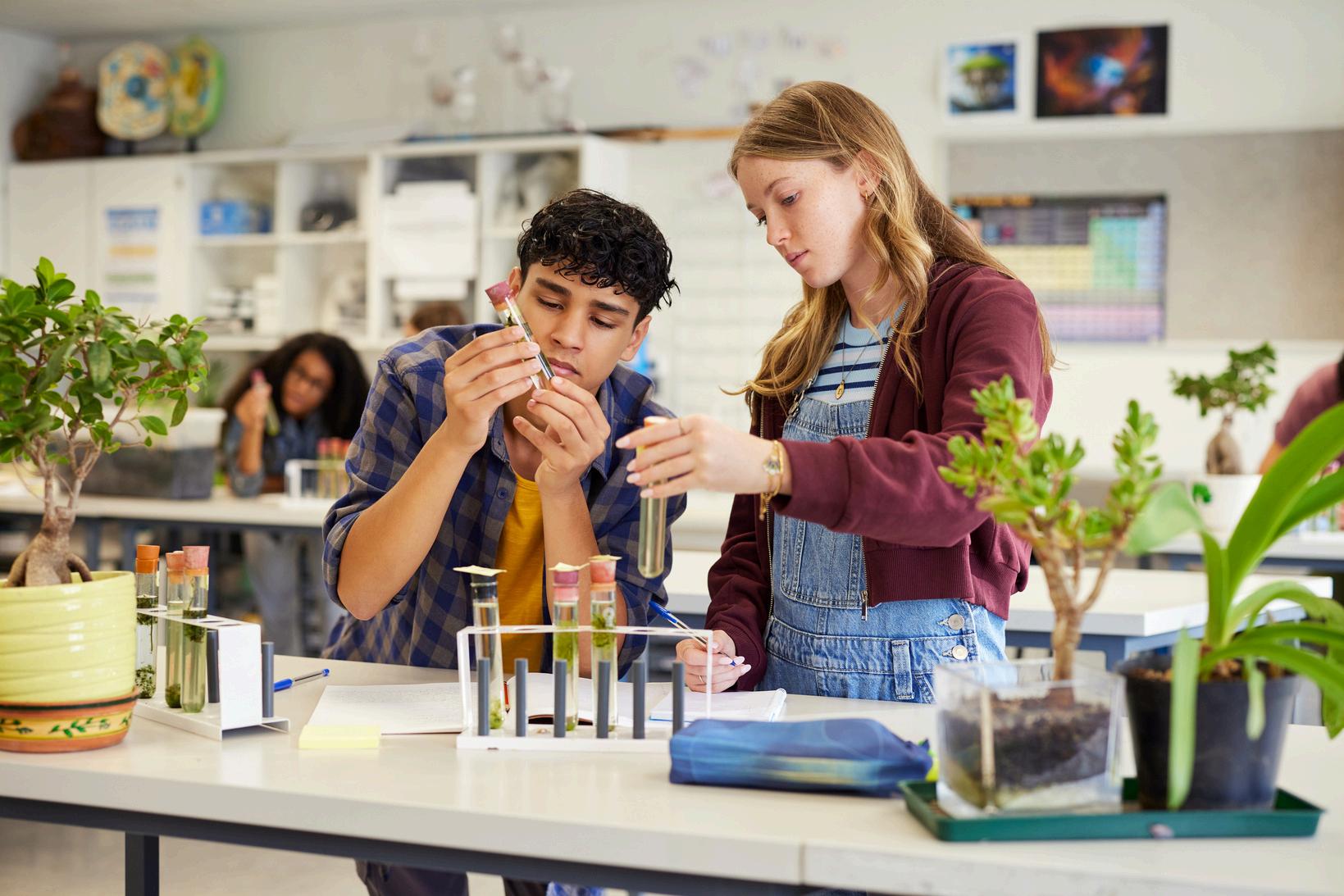
And the gap between what grieving students need and what schools are equipped to provide is not a reflection of educators' compassion; it's a reflection of how little training they receive. Research suggests that fewer than 7% of teachers receive any education related to grief and loss The adults in schools aren't failing grieving students because they don't care. They're failing them because nobody taught them how to help.
Many grieving students quietly struggle with concentration, attendance, anxiety, and social isolation, and the adults around them often mistake those responses for defiance or disengagement Grief touches every part of a student's life, and yet they are expected to continue functioning as though nothing has happened Schools do not need to become therapy offices But they do need to become grief-informed environments.
That means understanding how grief impacts students developmentally, emotionally, socially, and academically. It means acknowledging losses rather than avoiding them It means helping grieving students identify safe adults within the building. It means creating individualized bereavement plans that provide flexibility around academics, attendance, anniversaries, and emotionally difficult days It means offering grief groups and peer support opportunities so students know they are not alone.
TIME TO REFLECT:
Sit with a peer, trusted adult, or grief group facilitator and discuss the following questions related to Kelly's article, When Grief Goes Invisible: What Schools Still Get Wrong. There are no right or wrong answers. Share only what feels comfortable for you.
Kelly describes feeling "invisible" in her grief. What do you think it means for someone's grief to be invisible?
Think about your own experiences at school, what moments or situations were hard for you?
Have you ever had an adult, teacher, coach, counselor, or mentor who made you feel understood during a hard time? What did they do that helped?
Kelly found support in a teen grief group. What are some benefits of talking with others who have experienced loss?
If you could create a "grief-friendly school," what would it look like?
Most importantly, it means understanding that grieving students do not need adults to say the perfect thing They need adults willing to show up with compassion, consistency, and presence.
I often think about the younger version of myself sitting in that biology classroom, lying awake at that sleepover, and returning to school after my mother’s death, feeling invisible, my grief being suffocated
That teenager deserved better support. So do grieving students today.
My hope is that by sharing my story, schools and educators will recognize the profound impact they can have on a grieving child’s life, not only through what they say, but through whether grieving students feel seen at all
Because grieving students remember They remember who showed up They remember who avoided them And they remember the adults who helped them feel less alone.
KELLY DAUGHERTY, LCSW, IS A GRIEF COUNSELOR, EDUCATOR, AND FOUNDER OF THE CENTER FOR INFORMED GRIEF. SHE HAS SUPPORTED GRIEVING INDIVIDUALS FOR OVER 25 YEARS.
WWW.CENTERFORINFORMEDGRIEF.COM @KELLYDAUGHERTYLCSWPLLC @GRIEFLADIES

By Yeni Aguirre
I wish I could say my life started simply and that I experienced the joy of being a child Unfortunately, from the very beginning, I was put through the hardest challenges a child could navigate. I was only a fifth grader when I heard knocking at my door and my mom screaming, “Nata, está la policía afuera ” From that moment, I knew exactly why they were there, and my life would never be the same again.

You see, as a Latino family, we grew up experiencing all the marginalization, microaggressions, and oppression life has to offer. We hoped and prayed to live the “American Dream,” but what they don’t tell you is the suffering and pain you must go through in order to obtain any success My father fell down the wrong path and started selling illegal drugs in hopes of providing for my family. The moment I heard my mom yelling at my dad that the cops were surrounding our home, I knew it was game over My last vivid memory of that day was seeing my dad getting handcuffed by the police, my mom shutting down, my 7year-old sister crying and screaming at the police to let him go, and holding my 2-year-old sister because she was afraid and confused by the situation.
After going through that traumatic experience, my childhood was shattered It felt like an anchor was wrapped around my ankle, weighing me down to the bottom of the ocean. My dad was our only source of income, and my mom was left with nothing We were evicted from our home and became homeless. We went months with no warm water, no heat, no food, and no bed. We struggled to find shelter. My dad was sentenced to prison for a year, so any savings we had went to lawyers He was later deported to Mexico. We had completely lost him.
In the meantime, me, my mom, and my two sisters were surviving on the charity food that churches give to the needy. My mom was struggling to find a job because she had no prior experience and only spoke Spanish. She quickly fell into a major depression When my dad was deported, she wanted nothing to do with us. She never cooked for us, cared for our education, or our well-being. I had to step up as the eldest daughter to make sure my sisters didn't fall into the same hole
Unfortunately, I could see my middle sister suffering the most. She was doing poorly in school and was traumatized by the experience My youngest had no idea what was happening, aside from not having a father who was present. It wasn’t until my mom started drinking excessively that I had enough. I questioned her love and care for us Did she really want us to keep suffering and live in pity?
The moment she realized her 10-year-old daughter was raising her family was when she took it upon herself to never fall into the same hole again.




A few years passed, and I lost communication with my dad. I held resentment and I was too immature at the time to fully grasp the circumstances of the situation. For many, this upbringing might have led them astray, but it empowered me to thrive and never look back I grew up in a town where the minority was the majority, and I witnessed other peers experiencing similar struggles. We were always degraded and looked down upon by other schools and communities. It was during my high school years that I truly started to feel the weight of my problems, but I refused to ever live a miserable life again.
Throughout middle school and high school, I was a year-round athlete It was my only escape from my problems and home. I grew passionate about running; it helped me relieve all my stress and depression. Not to mention, I made strong connections with my coaches and teammates.
To afford the necessities I needed as an athlete, I got a job at the age of 14 I didn't want to depend on my mother’s money when she had two other daughters to worry about. One might assume that because I was thriving and pushing forward, my siblings would be doing the same. However, my middle sister struggled with similar difficulties to my mom after my dad was deported
The only consistent male presence in our lives was a family friend we had known for years While he supported us in many ways, when we reached our teenage years, he took advantage of us. We were only teenagers when he hid cameras in our bathroom to record us showering.
Mentally and physically, we couldn't comprehend yet another traumatic experience. I blamed our parents for putting us through these hardships, the community we lived in for not acknowledging what some children were experiencing, and our family for not checking on us.
My sister's experience was so traumatic that she became suicidal. One year, she attempted suicide and blamed me for everything she had ever been through, saying I was the eldest and should have been more protective of my siblings. After that moment, I swore I was never going to depend on anyone again.
In school, I only surrounded myself with positive and motivated friends My friends had goals and aspirations that, given my circumstances, I once thought were impossible for me to achieve. They were to pursue higher education and make their parents proud.
At school, I was a bubbly student who genuinely seemed happy. I never discussed my personal experiences with my teachers because I didn't want sympathy; I simply wanted to be treated like my peers My teachers became my greatest asset, offering the patience and resources I needed to succeed. I wasn't the brightest student initially; when I first entered high school, I was placed in classes that required extra support. But each year, I pushed myself, eventually enrolling in all AP and honors classes. My teachers and coaches saw the potential in me that at the time I could not see
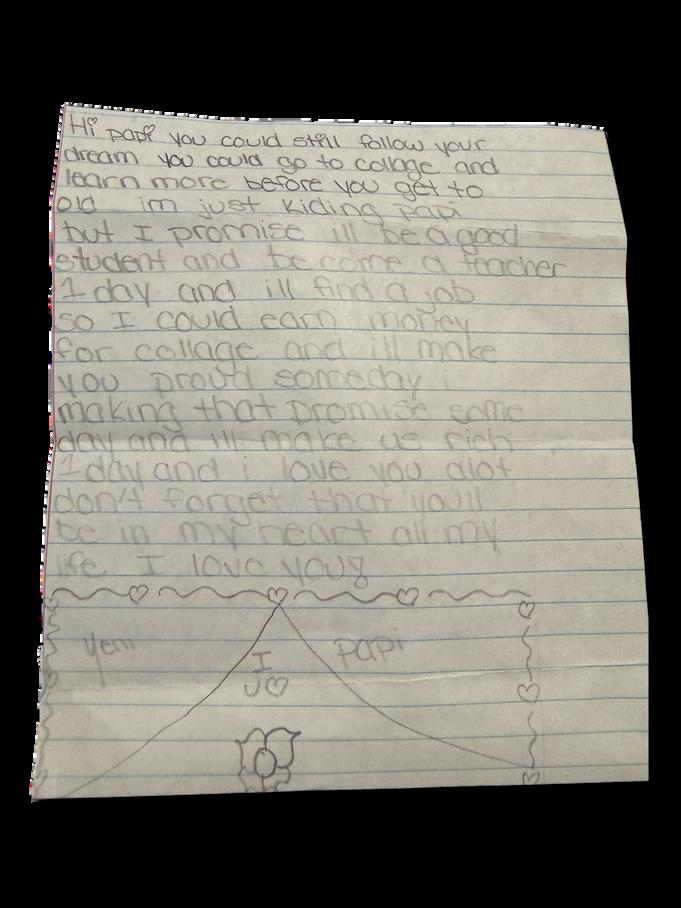

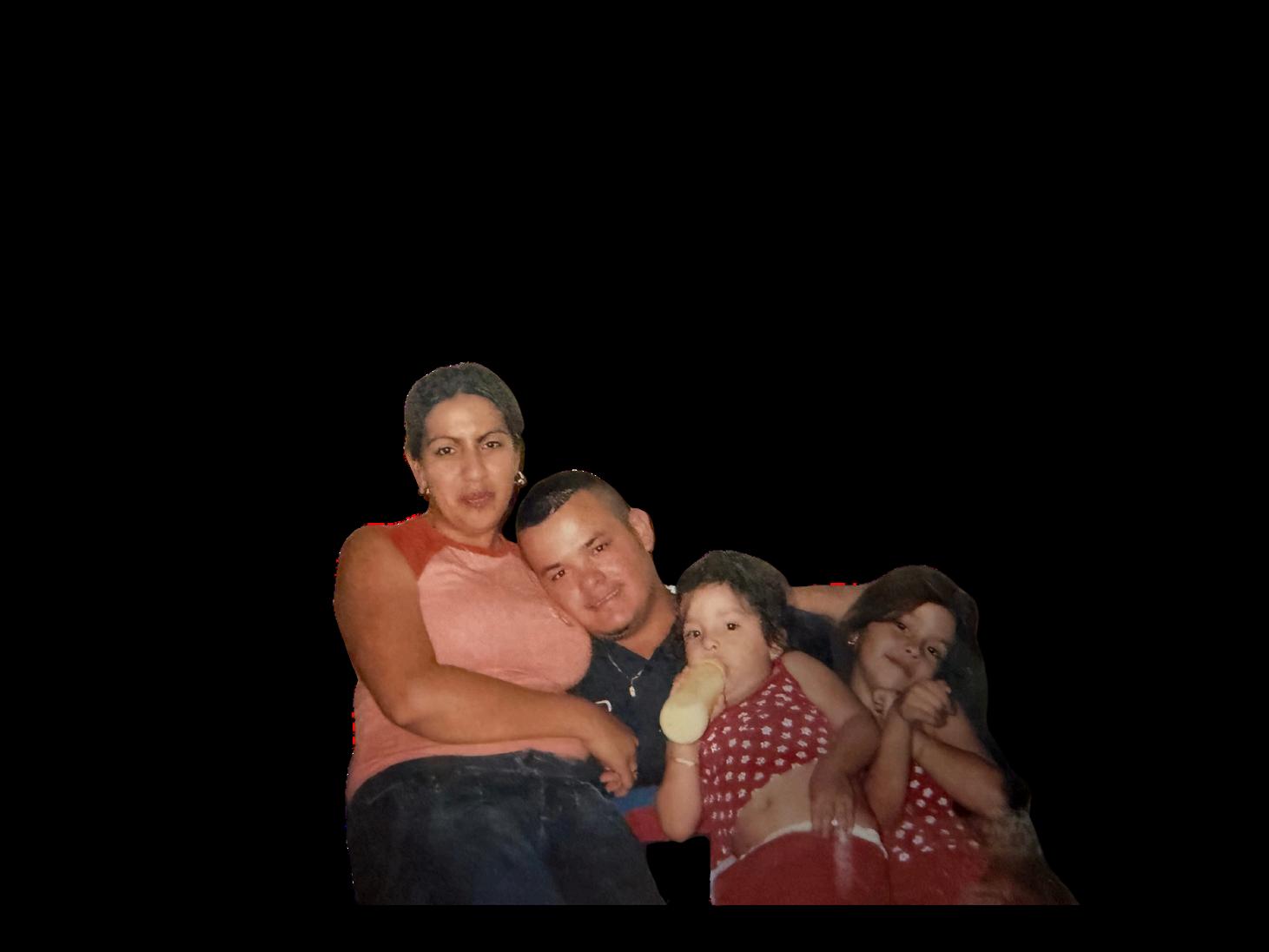

Now, 16 years after that initial experience, I sit here with my head held high What once seemed an impossible dream has become a reality. The secret to success and resilience lies in not letting your past experiences define you.
We are all authors of our own stories; we can choose to wallow in self-pity or redefine what's possible. While it might feel easier to stay stuck in the same loop, we must realize that we are all capable of greatness.
All the resentment I once had for my father turned into gratitude and hope for the future My past helped me see the world in a better light, instead of degrading people for their experiences we should uplift each other.
Your experience might be someone's inspiration to break their cycle.

Yeni Aguirre was one of my students at Round Lake High School a decade ago. As someone who prides herself on building relationships with students before focusing on content, I humbly admit that I had no idea Yeni was carrying all of this.
While hindsight is always 20/20, and we will never know to what extent additional support might have helped her, what breaks my heart is the realization that even the most motivated, kind, polite, and engaged students can come to school carrying profound grief. Yeni seemed to be doing “just fine”, and I am incredibly proud of all she has accomplished, but her story is an important reminder that we often cannot see the full weight a student is carrying.
As her teacher, it was never my job to fix her pain It was my job to make sure she was seen
My hope is that educators who read this will better understand the importance of being grief-informed and recognize that not all grief comes from death. Sometimes grief stems from loss, uncertainty, separation, or experiences that remain invisible to those around us.
It is with immense pride that I reflect on having had the privilege of teaching Yeni. Today, I am even more proud of the lessons she is teaching all of us

Yeni is a graduate of National Louis University, earning her degree in Early Childhood and Elementary Education and becoming the first person in her family to graduate from college. Today, she is pursuing a career in education, hoping to support other "little Yenis" who may be navigating challenges of their own.
Shaped by the deportation of her father sixteen years ago, Yeni's journey through grief taught her resilience, vulnerability, and the power of finding meaning after loss. By sharing her story, she hopes readers find a sense of connection, understanding, and hope in their own experiences with grief.
Yeni believes that while healing is deeply personal, there is strength in hearing how others have found their way through life's most difficult moments.

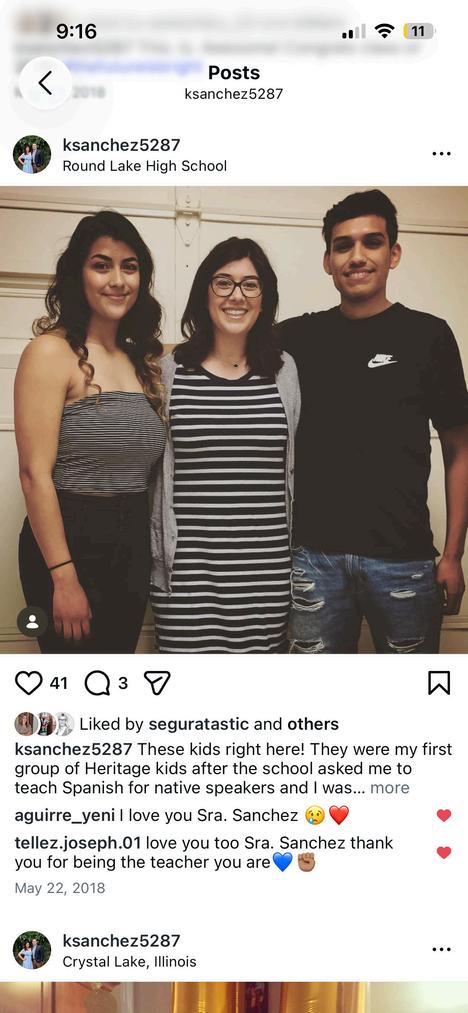

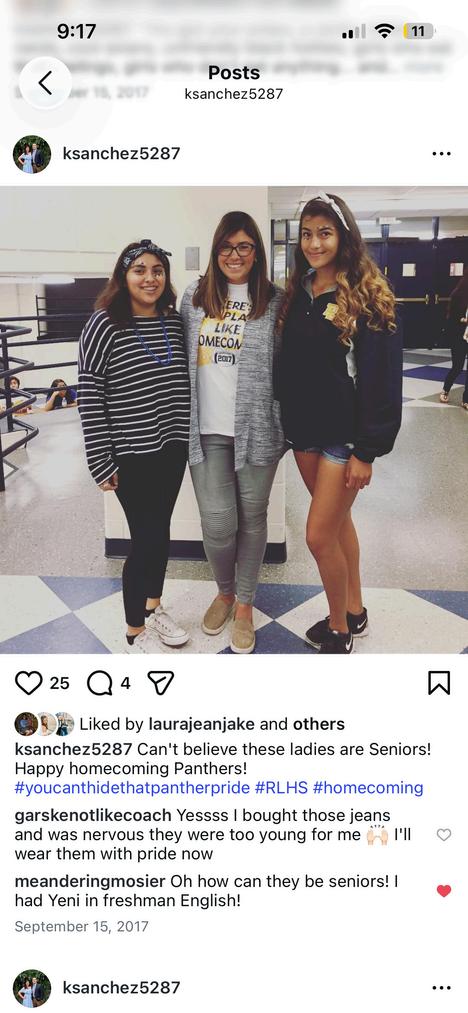

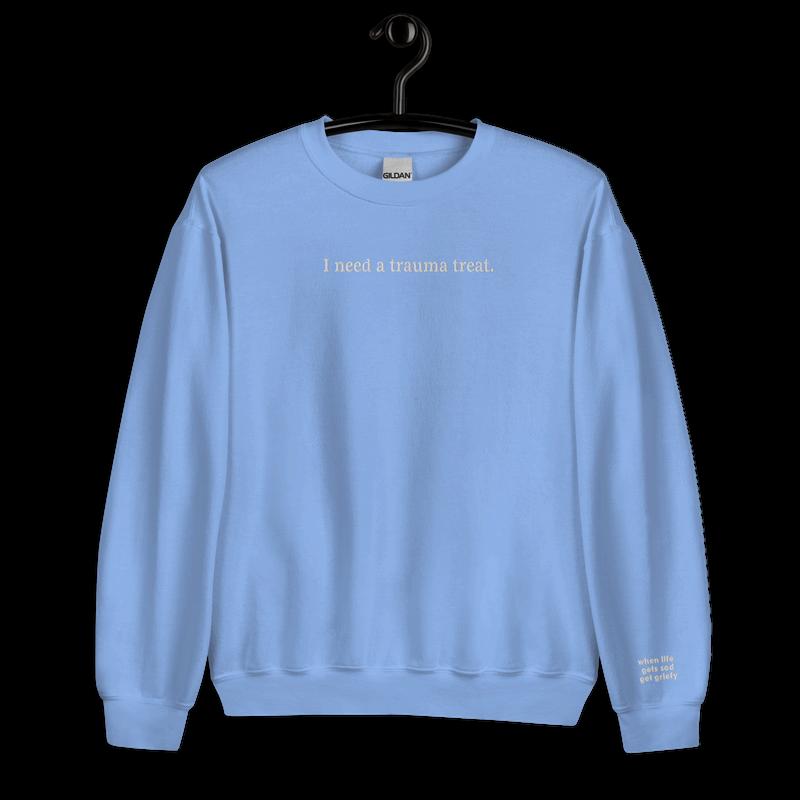


Empower is a nonprofit that supports kids, teens, and young adults (up through age 24) who've lost a parent through free community events and a one-on-one mentorship program matching grieving young people with mentors who've lived through the same kind of loss. It's not therapy, and it's not a support group in the traditional sense. It's something closer to: here's proof you're not the only one, and here's someone who already knows what this feels like.
It started over a decade ago as "empowerHER" a single Mother's Day sleepover for seven girls whose moms had died Today it's grown into the only youth grief mentorship program of its kind in the world, with chapters across the U.S. and in the U.K., serving kids, teens, and young adults of all genders.
Here's the story behind it and why it works
Picture this: you're the only kid in your whole school whose mom died. For some of you reading, I’m sure you can actually picture this quite easily. Not one other person gets it. For ten years, that's just...your life. You're an alien dropped on a planet where nobody speaks your language
That was Cara Belvin's reality after her mom died when she was 9. And it's why, years later, she started Empower something that didn't exist anywhere else. Localized and mentor support that didn’t look like support groups or therapy offices Something built by people who've been there, for people who are there now.


The whole point is simple: you stop being the only alien on your planet.


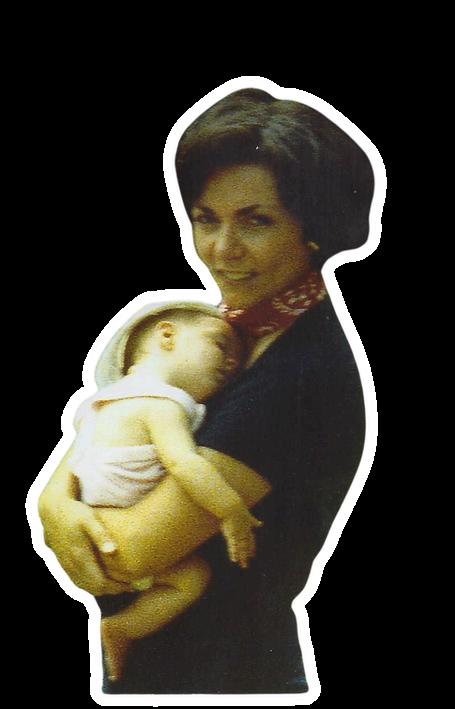

Not a therapist. Not someone who's going to make you "talk about your feelings" on a schedule
A mentor is someone 25+ who also lost a parent and who you can text, call, or hang out with whenever you need to No agenda No pressure
One mentor, Mark, put it like this when he met his mentee Greg: "Your dad died. My dad died. Let's go get a cheeseburger "
That's it That's the whole vibe
Here's what happened next and it's the story Empower tells when people ask why mentors matter
Mark, an Empower Mentor, once told Greg about his own dad's funeral how he didn't cry that day, not even a little. But years later, when his b t friend lost a parent, Mark compl fell apart Sobbing Couldn't bre Greg filed that story away.
Then one day, Greg's own best friend lost his dad. And at the w Greg lost it harder than he'd c at his own father's funeral Conf almost ashamed, he called the o person he knew would understand without explanation.
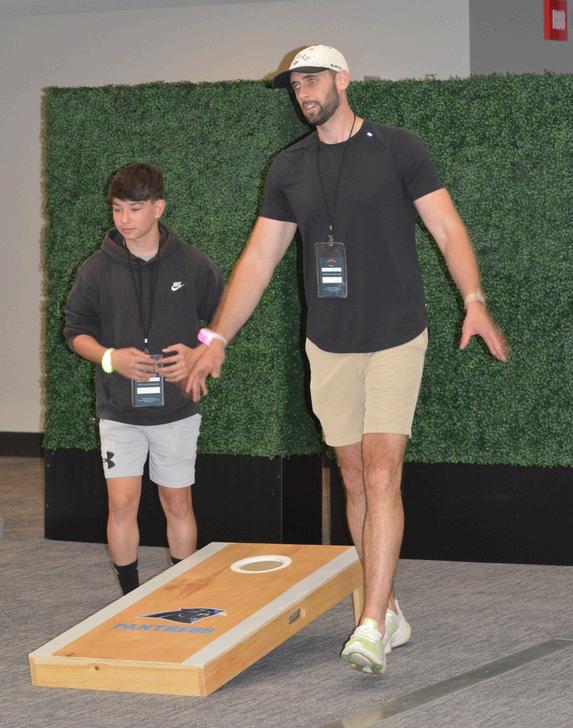
You don't have to talk about your person who died not today, not for six months, not on anyone's timeline but yours You don't have to come to every event (canceling the morning of? Totally normal. Totally okay.) You don't have to be "over it " Ever

ys it best: "It's like a 'll fade, but it's not goin e."

"I get it now," Greg told Mark "That's exactly what you meant "
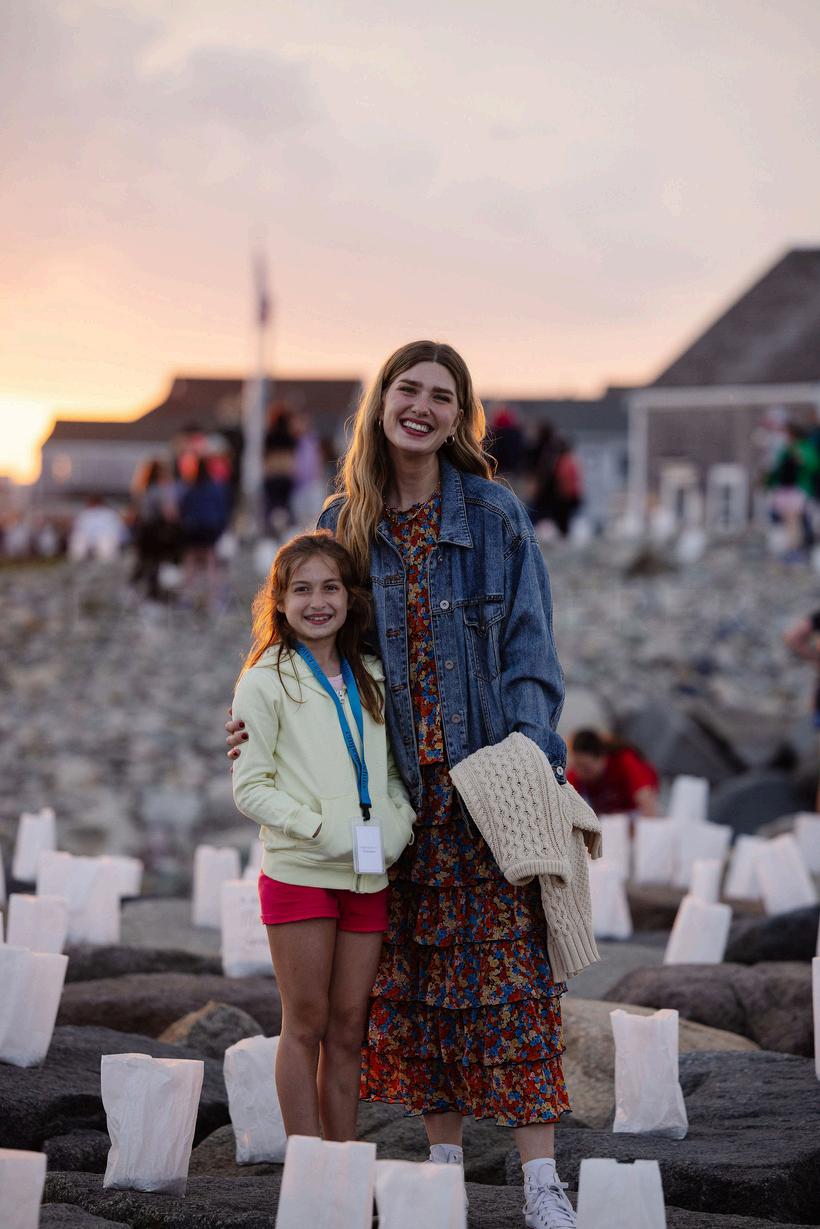
At a fundraiser years ago, year-old girl who'd grown u Empower's programs got o stage to share her story Ca had no idea what she was going to say.

The girl described watching Cara laugh with friends at a Mother's Day retreat just laughing, easy, normal And she said: "I see Cara in the corner laughing with her friends, and I think ’Maybe one day that'll be me ’"
She'd never let herself imagine that before. Not laughing with friends again. Not someday laughing with a husband, a partner, a life.
That's the thing about being around people who get it: you don't just feel less alone. You start being able to picture a future again.
Bonus
Bonus: It's Not Just for Girls Anymore Empower started as "empowerHER" just for girls whose moms died. A few years ago, thanks to a major donation, it expanded to include all kids living with the loss of a parent.
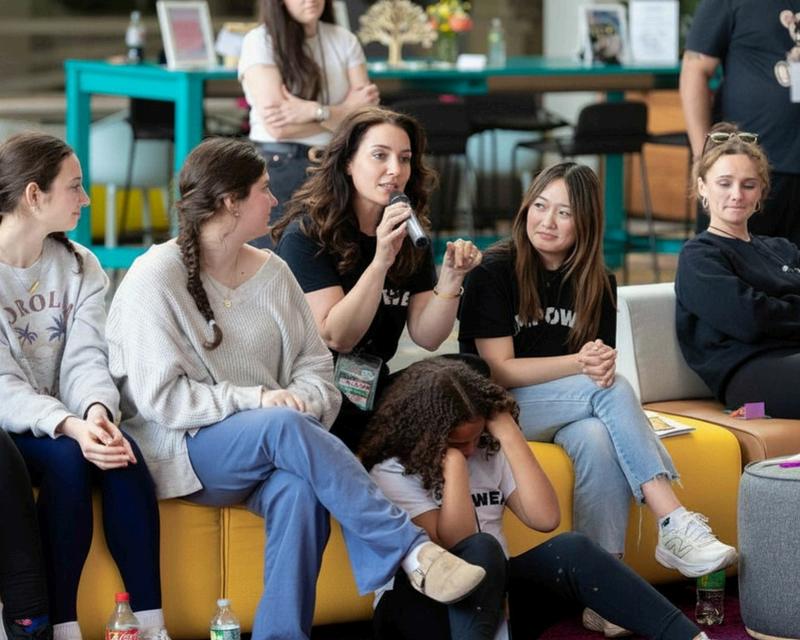

If you're under 14, a parent/guardian/teacher/neighbor— anyone who loves you can sign you up If you're 14+, you can sign yourself up Mentors are matched in-person (if you're near one of Empower's hub cities) or virtually, from anywhere Everything is free
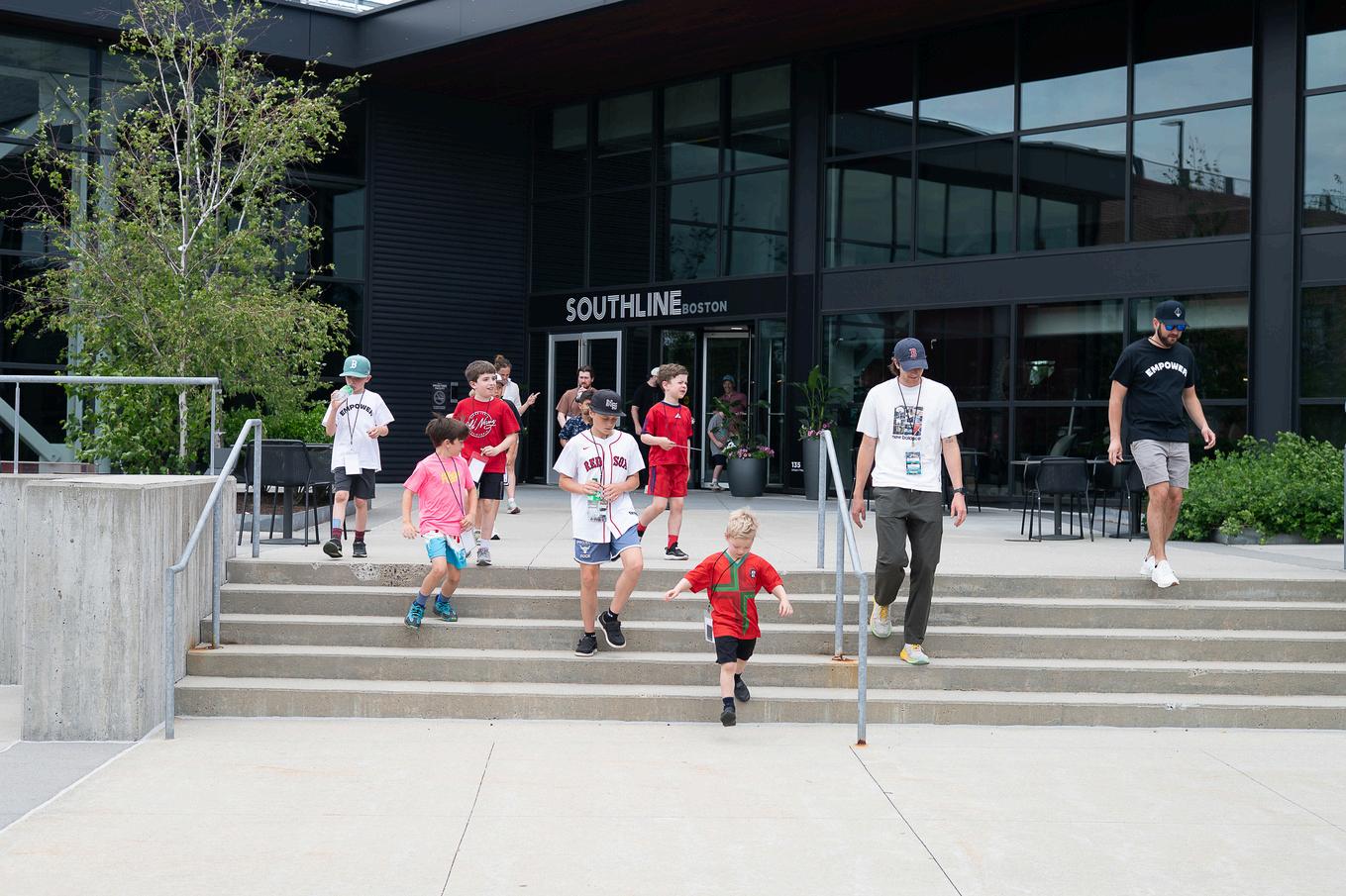
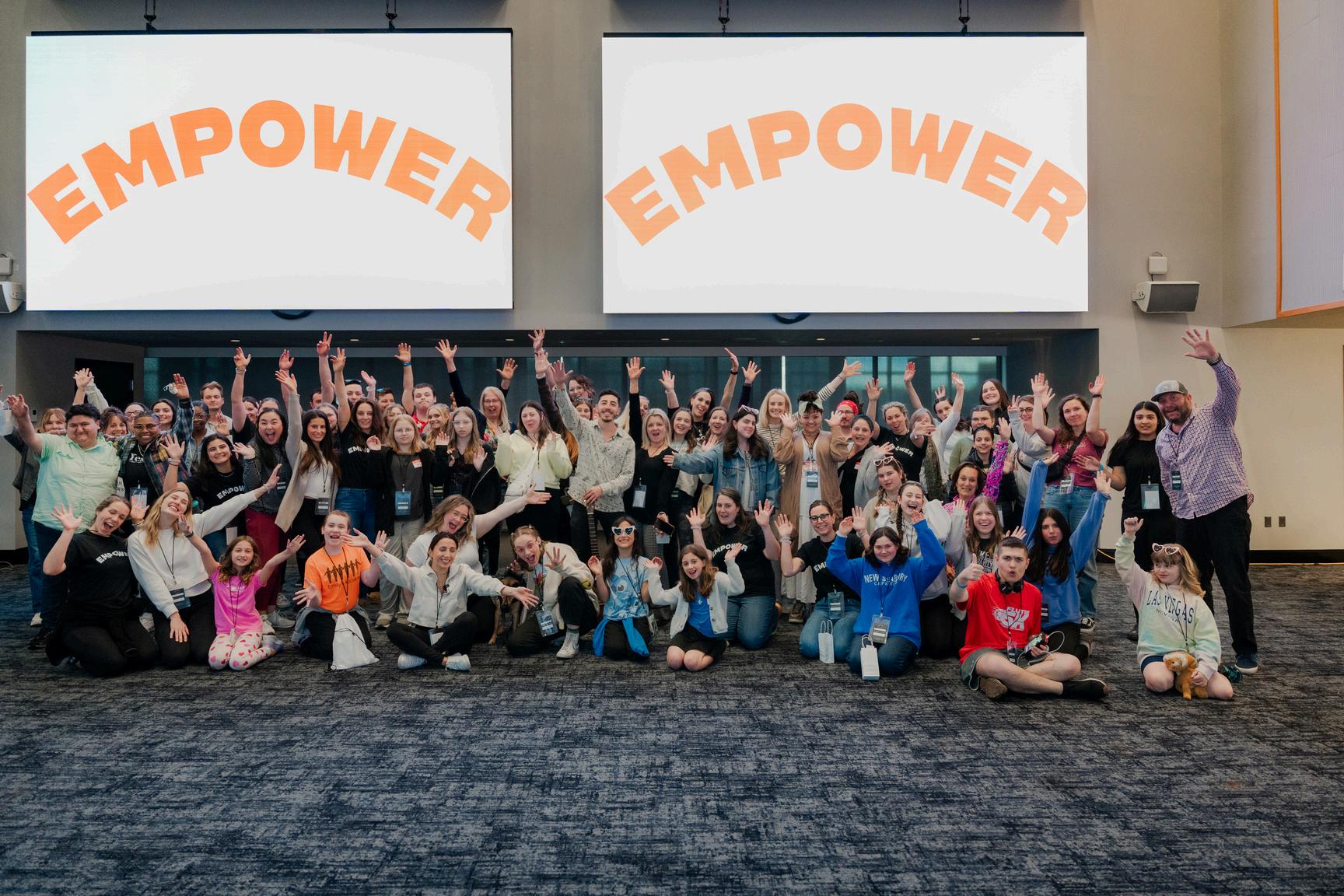
A few years into running Empower, Cara was offered free tickets to a Boston Bruins game the kind of thing most nonprofits would auction off for fundraising She didn't sell them
Instead, she filled a private skybox with twelve dads. Fathers who were raising kids alone after losing their wives Men who'd never sat in a room with other men going through the exact same thing
One of them told her afterward: "Never have I been in a room full of other men grieving their wife, watching their daughter grieve."
No agenda No therapy circle Just hockey, beer, and twelve guys who, for one night, weren't the only alien on their planet either.
That's the philosophy behind everything Empower does and it's worth understanding if you're a parent wondering whether this is "too much" or "not enough" for your kid, or a professional trying to figure out where to refer to a grieving student.
As much as Empower is for the kids, the service provides comprehensive understanding and connections to communities living with a missing member of their family A place where that giant grief asteroid can be put down or shared, with other people who understand.
Cara, a former school psychologist, saw the landscape clearly: bereavement centers exist, but they require weekly drives to a building, on a schedule, often framed clinically. Bereavement camps exist, but mostly in summer not on Mother's Day or Father's Day, the days that are actually hardest
Empower fills both gaps:
Free community events on the emotionally loaded days (not just summer)
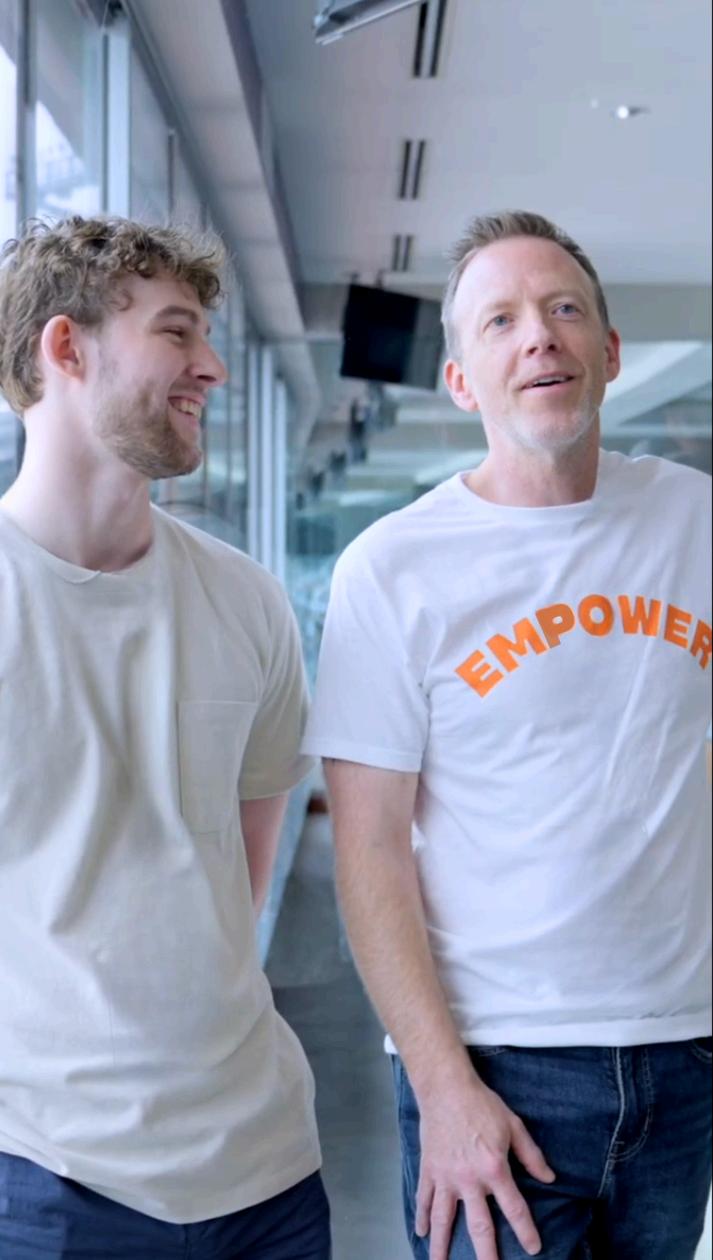

A peer mentorship program modeled on Big Brothers Big Sisters, but built specifically for grief currently the only one of its kind in the world
In-person matching (roughly 20-mile radius in active hub cities) and virtual matching for anyone, anywhere
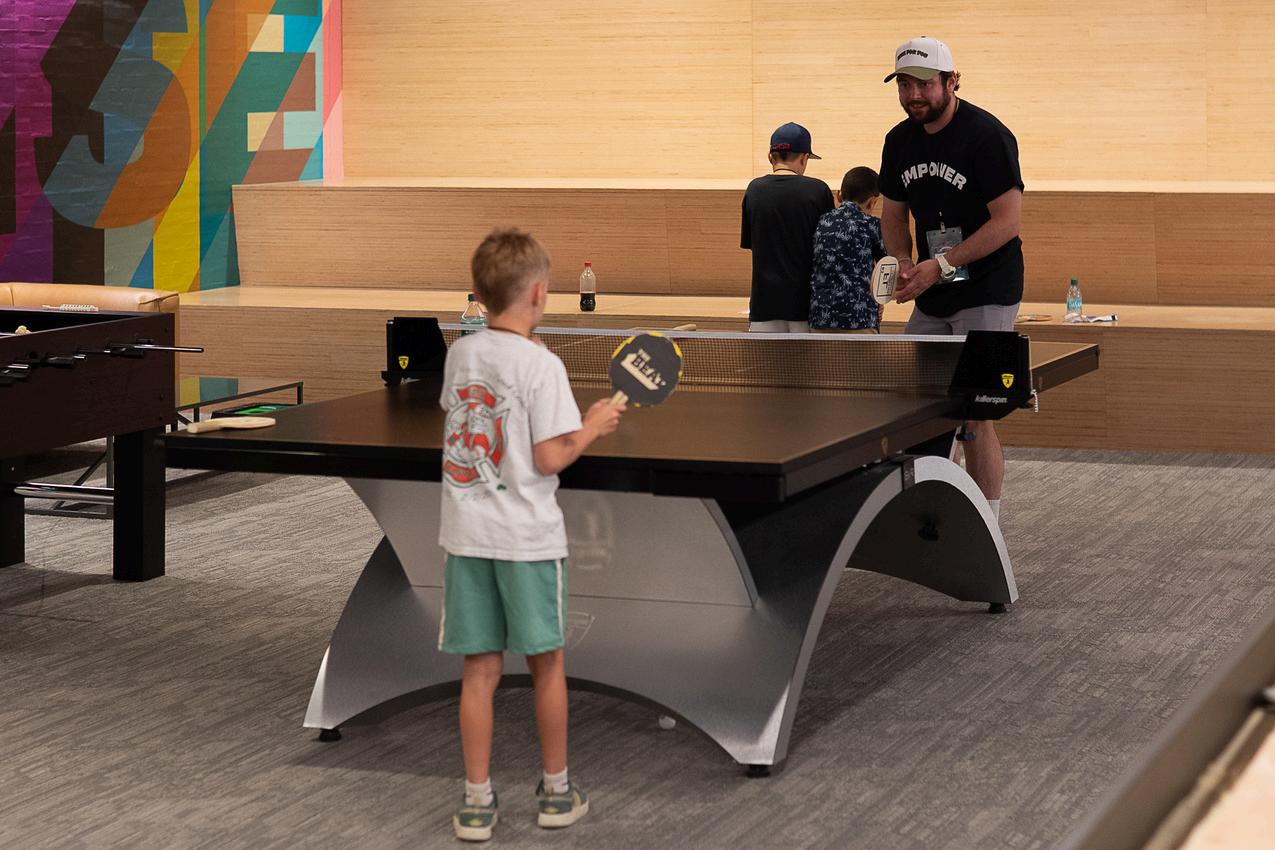
This wasn't arbitrary Cara's friend, author Claire Bidwell Smith, helped her see something critical: kids ages 19–24 lose their "cushy landing" right when they need it most.
When a non-grieving young adult goes through a breakup or loses a job, they go home for a weekend and get smothered in parental love A kid who's lost a parent doesn't have that option and the research shows this gap compounds into long-term risk for anxiety, depression, substance use, and relationship instability.
So Empower extended mentorship eligibility through age 24, specifically to interrupt that snowball before it starts
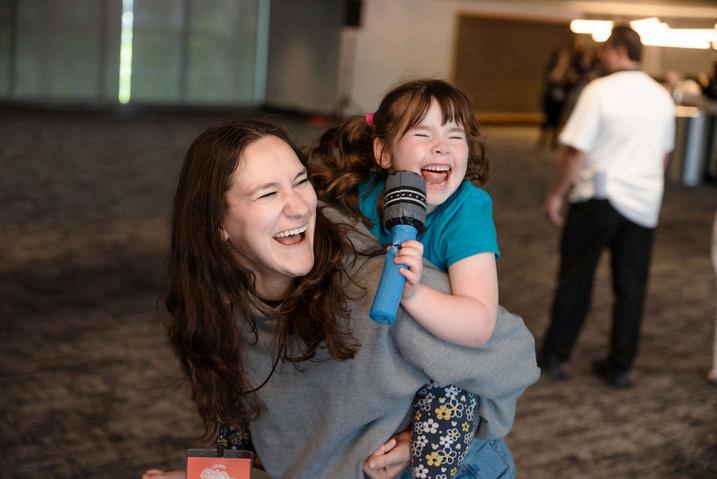
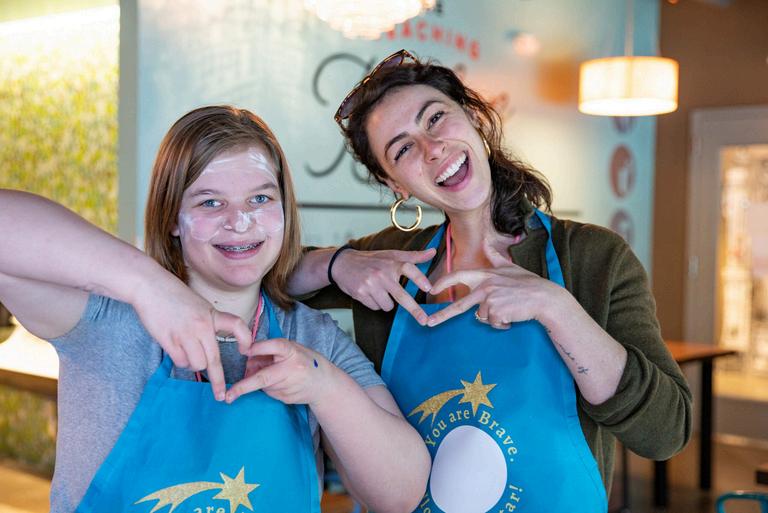
Cara is candid: the surviving parent or guardian becomes "the default parent times ten" absorbing every responsibility while also grieving themselves, often with nowhere to put that down Getting a child connected to Empower isn't outsourcing parenting. It's permission — for the caregiver to exhale, even a little, knowing their kid has someone else in their corner too.
Empower is currently developing a PD program for educators focused on supporting grieving students in the classroom, with direct pathways to mentorship referral Mentors (25+, lost a parent at any age, any type of loss) can apply from anywhere including fully virtual roles for areas without a local mentor pool.
Nothing about this process is rushed by design.
1 Anyone who loves the child can enroll them parent, teacher, neighbor, aunt Kids 14+ can self-enroll.
2.A field coordinator reaches out within 48 hours, and helps the guardian figure out how to introduce this to their kid sometimes starting with something as low-pressure as following Empower on social media first
3 If a mentor match is wanted, the family reviews 2–3 vetted, background-checked profiles and takes their time deciding. No pressure, no deadline.
4.Families move in and out as needed. A good week doesn't require showing up That's not falling off track that's the track
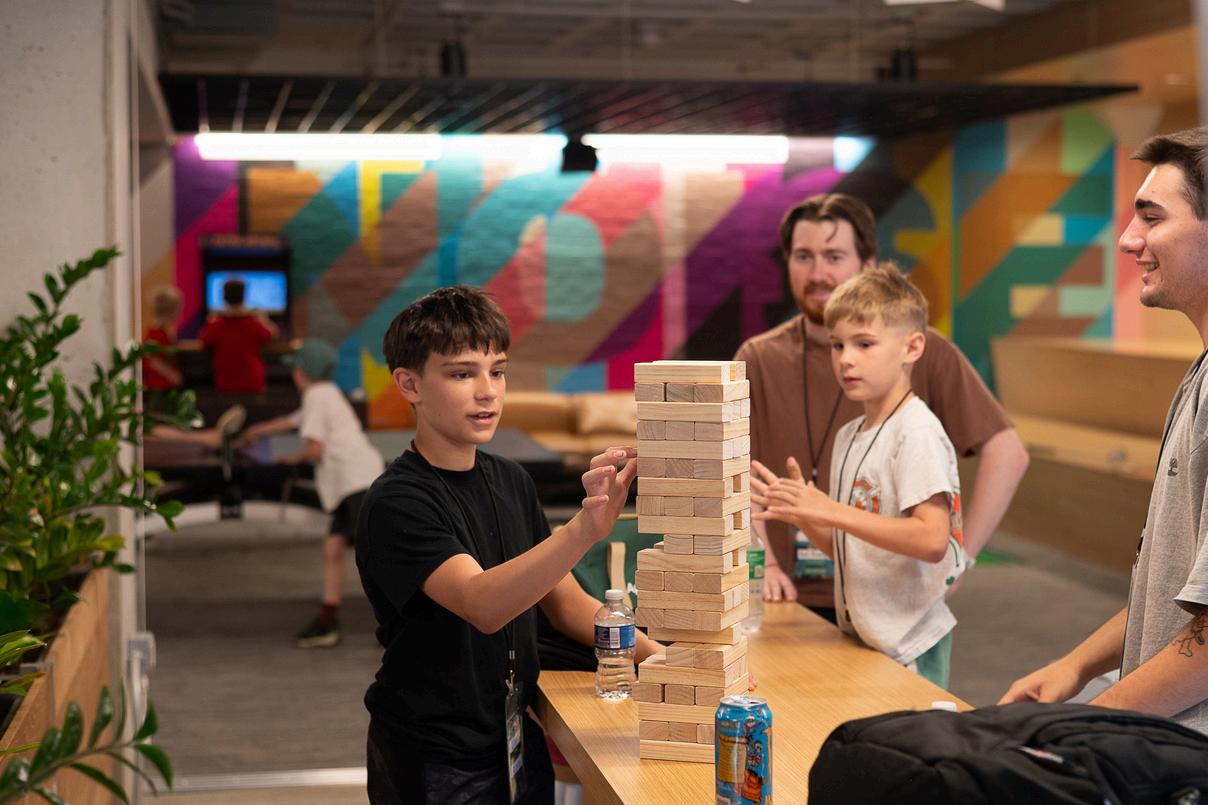
Brad: Lost his father at age 11 and now mentors 16-year-old Robbie: I lost my dad when I was 11. He struggled with alcoholism for years, but when he was sober, he was basically my best friend, and then he was gone Growing up, I didn't have a lot of structured help to process that. It was really just peers who had also experienced loss; we'd find each other at a party and end up in the corner talking about it for hours, because there was nowhere else to put those feelings
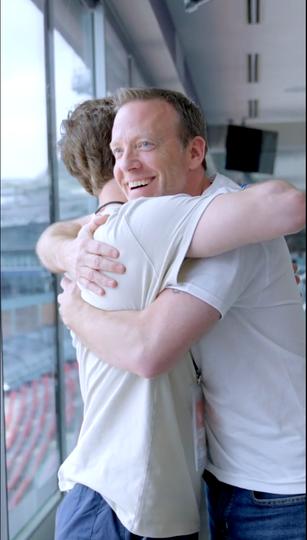
Now I'm 26, and I'm a Mentor at Empower, and honestly, the best way I can describe why is this: "Growing up bereaved is basically like studying for an exam that never comes I've just been pushing it around in my head, the strategies for how I've dealt with it, and I realized this was a perfect way to manifest that." What I try to give my mentee is something simple but real: the living proof that you can come out the other side. I'm just an adult who is fine after that. I'm happy, I have great personal relationships, and the things that came with losing my dad have actually made me a more empathetic person, even if that wasn't clear to me as a teenager. I hope he's getting some of that from me too
"Stephanie has been such an amazing role model in mylife! It has been reallyinspiringfor me learning about Stephanie's life after her mom passed away. She did not let grief take her down!! Her drive and admiration for life has motivated me to be more positive andfind enjoyment in healthy coping mechanisms.We share a passion for cool restaurant experiences, wine,books and learning about each others' interests! I am so luckyto have been matched with Stephanie through the Empower mentor program, together we get to build such a special friendship.”
EmpowerProgramParticipant

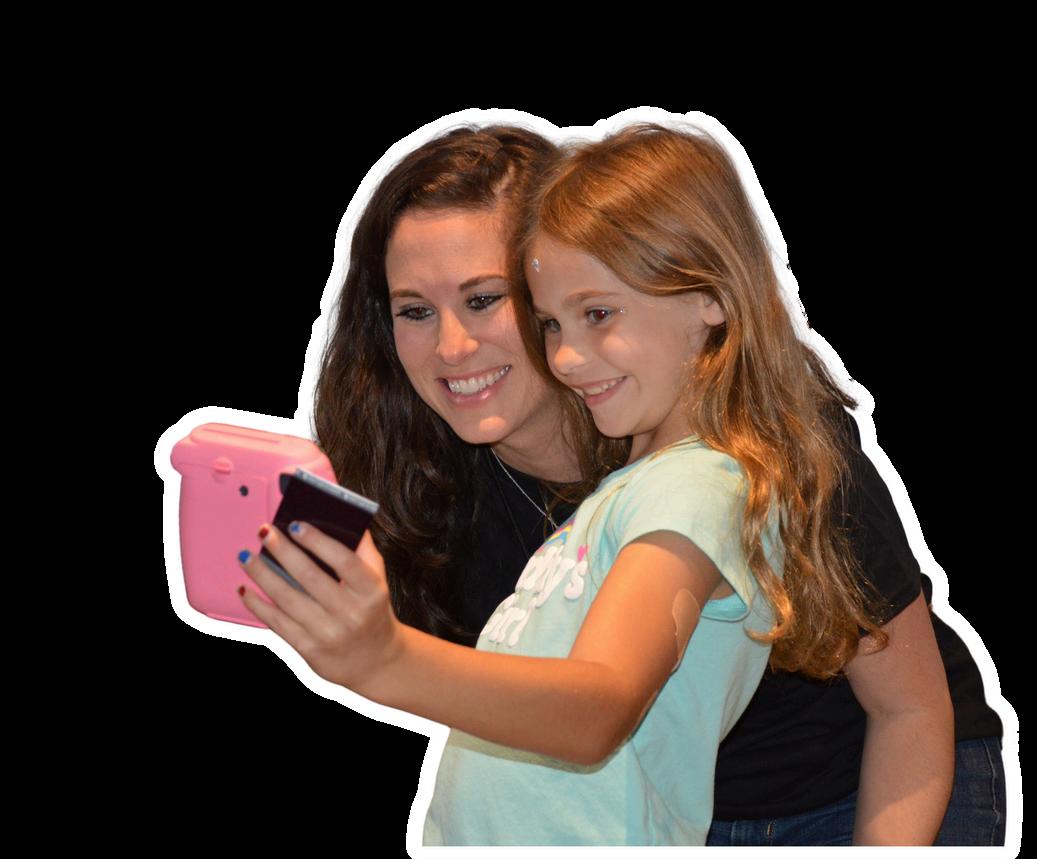
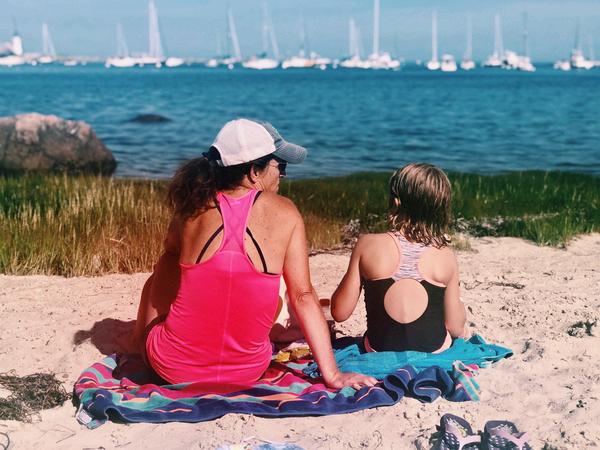
"It changed my outlook on everything. In high school, ifyou lose your mom, that becomes what defines you—you become the girl whose mom passed away. But I've learned that's not what defines you, it's your strength and how you handle adversity.”
Empower is actively searching for mentors while also welcoming new mentees. Additionally, they are constantly seeking partners and donors to support their organization. To discover more and make a donation, please visit weareempower.org. @weareempower

NAVIGATE THE EMPTINESS WITHOUT LOSING YOURSELF IN IT
REDISCOVER MEANING, CONNECTION, AND EVEN HOPE IN THE ACHE OF ABSENCE
CARRY LOVE FORWARD IN NEW WAYS
TRANSFORM MEMORY INTO LASTING LEGACY
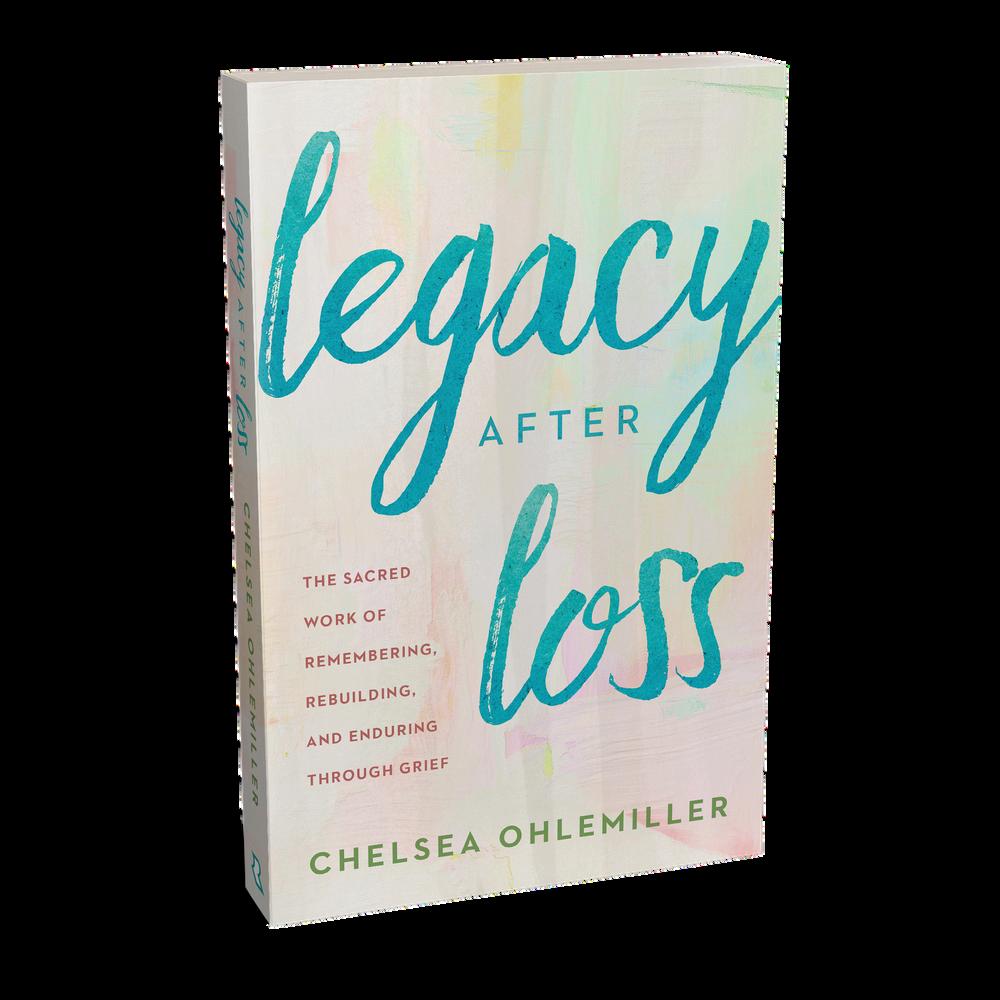


By Dr. Heather Taylor, PsyD

Here's what grief is supposed to look like, according to every movie you've ever seen: you cry at the funeral, your friends rally around you with casseroles, and by the time prom rolls around, you've "moved on" with a bittersweet smile and a meaningful glance at the sky
Cool story. Total fiction.
Real grief, especially teen grief, is messier, weirder, and way less cinematic. It's laughing at something stupid two days after a loss and then spiraling because you laughed It's feeling completely fine at breakfast and absolutely wrecked by third period for no reason you can name. It's sitting at the lunch table with your friends and feeling like you're watching them through glass, like you've crossed some invisible line they haven't crossed yet and you're not sure you speak the same language anymore
That last part? That's the piece nobody talks about enough.
Here's something true about being a teenager: your identity is basically a construction zone. You're figuring out who you are largely by looking at the people around you, your friends, your teammates, the group chat When loss shows up in the middle of that, it doesn't just hurt. It disorients


Suddenly you're carrying something super heavy that most of the people around you have never had to carry or know how to carry, and this invisible gap between you and your friends widens and feels enormous.
You're not broken You're grieving And grief has a way of making you feel othered in spaces that used to feel like home
The first thing worth doing is slowing down enough to actually feel what's happening instead of performing okayness for everyone else's comfort Your nervous system is doing a lot right now. You don't have to rush it through or mask that you’re not affected.
Forget the five stages. Grief isn't a checklist and it doesn't move in a straight line. What it does ask of you is honesty, the willingness to track what you're actually losing, not just the person but the version of yourself that existed in relationship to them, the future you imagined, the holidays, and the texts you'll never get to send.
That kind of loss is allowed to be named The pain of it needs to be witnessed. All of it.
It also asks you to let things be complicated You can miss someone and be angry at them You can feel relieved and devastated at the same time. You can have a really good day and not be "over it." Grief isn't a problem to solve. It's something you learn to carry, and the weight shifts over time as you learn how to integrate your grief into your story
Here are some things that actually help, sorted by what you need on any given day:
Whenyouneedto feelclosetothem:
Buildaplaylistthat reflectsyourperson(or pet)(notasadplaylist,a themplaylist) Textthecontactinyour phonesomethingyou wantedtotellthem Cookorordertheir favoritefood

When you need to feel like yourself:
Write the thing(s) you can't say out loud yet Find one person who knew them and just talk about them, no grief counselor required, no agenda (grief is not something to fix or be rescued from)
Let yourself laugh at a memory without overthinking it, give yourself permission to let whatever feelings come up with out judging them


Whenthefriendgroup stufffeelshard:
Namethe moment youfelt othered, in yourjournal,in your notes app, outloudto someone safe;namingit takes some ofits powerback
Give yourself permissionto opt out ofthegroupchat spiral when you need quiet
Find onefriend whodoesn't need youtobe okayyet;theyexist,and theymatter more right nowthanthe ones who need youtobounceback ontheirtimeline
Because grief doesn't just happen to one person. It ripples. And if someone in your friend group is going through it, you might be sitting there wondering what to say, terrified of saying the wrong thing, or quietly pulling back because it feels too big.
Here's the thing: you don't have to fix it You just have to show up. The question is, what kind of showing up do you have to offer?

You're the one who can just sit with it
You don't need to fill the silence or find the silver lining You can say "that's really hard" and mean it without pivoting to something lighter. Your friend doesn't need you to make it better They need you to not disappear If this is you, text them Not "let me know if you need anything" (nobody ever texts back for that). Just "thinking about you" or "no response needed, just wanted you to know I'm here"

You're the one who gives them a break from grief without making them feel guilty for taking it. You send the unhinged meme. You drag them to get food You talk about something completely unrelated and don't make it weird. Grief is exhausting and your friend's brain desperately needs permission to rest You're the one who gives them that Just don't make them perform okay-ness for you. Let them laugh and then go quiet and that's fine.

You're the one who shows up with action. You grab their homework when they miss school You drive them somewhere when everything feels too heavy to do alone. You remember the date, a month later, and check in when everyone else has moved on You don't wait to be asked because grieving people are bad at asking. You just do the thing and let them receive it
Most of us are one of these more naturally than the others. That's okay. Know your lane and show up in it Your friend doesn't need you to be everything. They just need you to be something, consistently, even when it gets uncomfortable
Grief doesn't ask your permission, and it doesn't care about your schedule. What you get to choose is how you respond to it Whether you slow down or white-knuckle through it Whether you let yourself feel the full complexity or shrink it down to something more socially acceptable Whether you yield to the process, even when that process is inconvenient, ugly, or doesn't make for a good Instagram caption
You are not behind You are not too much. You are not doing it wrong because it doesn't look like the movies
The movies got it wrong. You're getting it real.
Dr. Heather Taylor, PsyD, is a grief and trauma psychologist, podcast host, and creator of the STAY framework for grief integration.
thedrheathertaylor.com @dr.heathertaylor




Community Builder:
Group Guidelines
Share only what feels comfortable
There are no right or wrong answers

Listen without judgment or trying to "fix" someone else's experience
Respect confidentiality and different ways of grieving
Coping Strategies That Actually Help
What is your go-to movie treat?
1. Opening Reflection & Discussion Questions:
What messages about grief have you learned from movies, TV shows, or social media?
In what ways has your own experience been different?
Have you seen a movie, show, book, or character whose grief felt realistic to you? Why?
When Grief Changes Your Sense of Self
Dr Taylor describes grief as something that can make you feel "othered" or disconnected from friends.
2. Feeling Different Discussion Questions:
Have you ever felt like people around you couldn't understand what you were carrying?
What does the phrase "watching friends through glass" mean to you?
Has grief changed the way you see yourself?
What helped you feel connected again, even in small ways?
Reflection Activity
Complete this sentence: "One thing I wish people understood about grief is . "
The Complexity of Grief
Dr Taylor emphasizes that grief is not a straight line and can involve conflicting emotions.
3. Mixed Emotions Discussion Questions:
Have you experienced emotions that seemed to contradict each other?
Relief and sadness?
Laughter and guilt?
Anger and love?
Why do you think people sometimes judge their own emotions during grief?
What would it look like to give yourself permission to feel whatever comes up?
Dr Taylor suggests several ways to feel close to the person or pet who died.
4. Connection and Remembrance-Discussion Questions:
Which of these coping strategies have you tried?
Building a playlist
Writing messages to them
Eating their favorite food
Talking about memories
How did it feel?
Is there one strategy you would like to try in the future?
Optional Reflection
If you feel comfortable, share:
A favorite memory
A song that reminds you of them
Something they taught you
Friendship and Support
5. What Kind of Friend Are You?
Dr. Taylor describes three supportive grieffriend roles:
The Listener Friend
The Respite Friend
The Doer Friend
Discussion Questions:
Which type do you naturally identify with most? Why do you think that role fits you?
Can you think of a time when you supported someone through a difficult experience?
Which type of friend do you personally need more of right now?
Have you ever received support that wasn't helpful? What made it difficult?
Closing Prompt
Complete one or both statements:
"Today I learned " "One thing I want to be gentler with myself about is . "

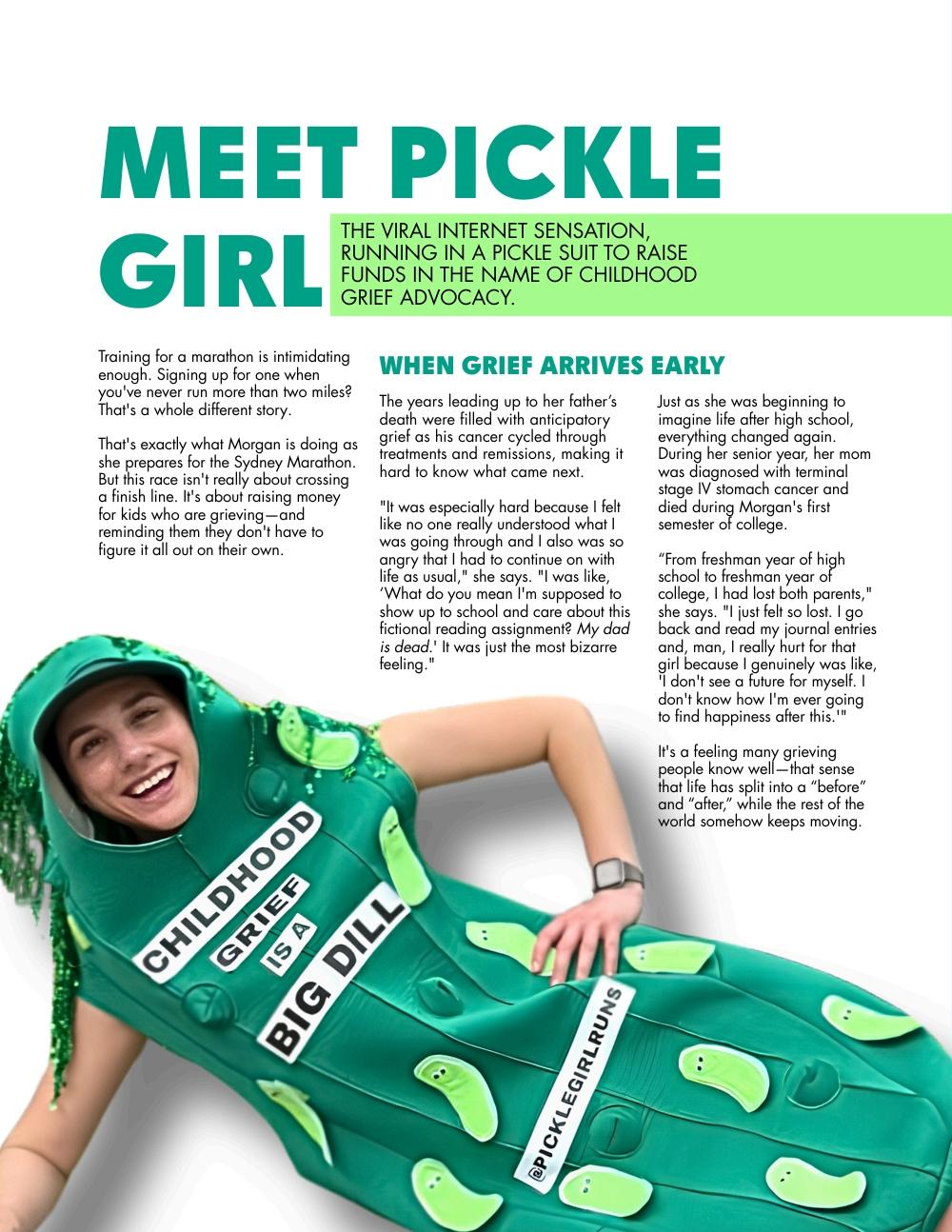
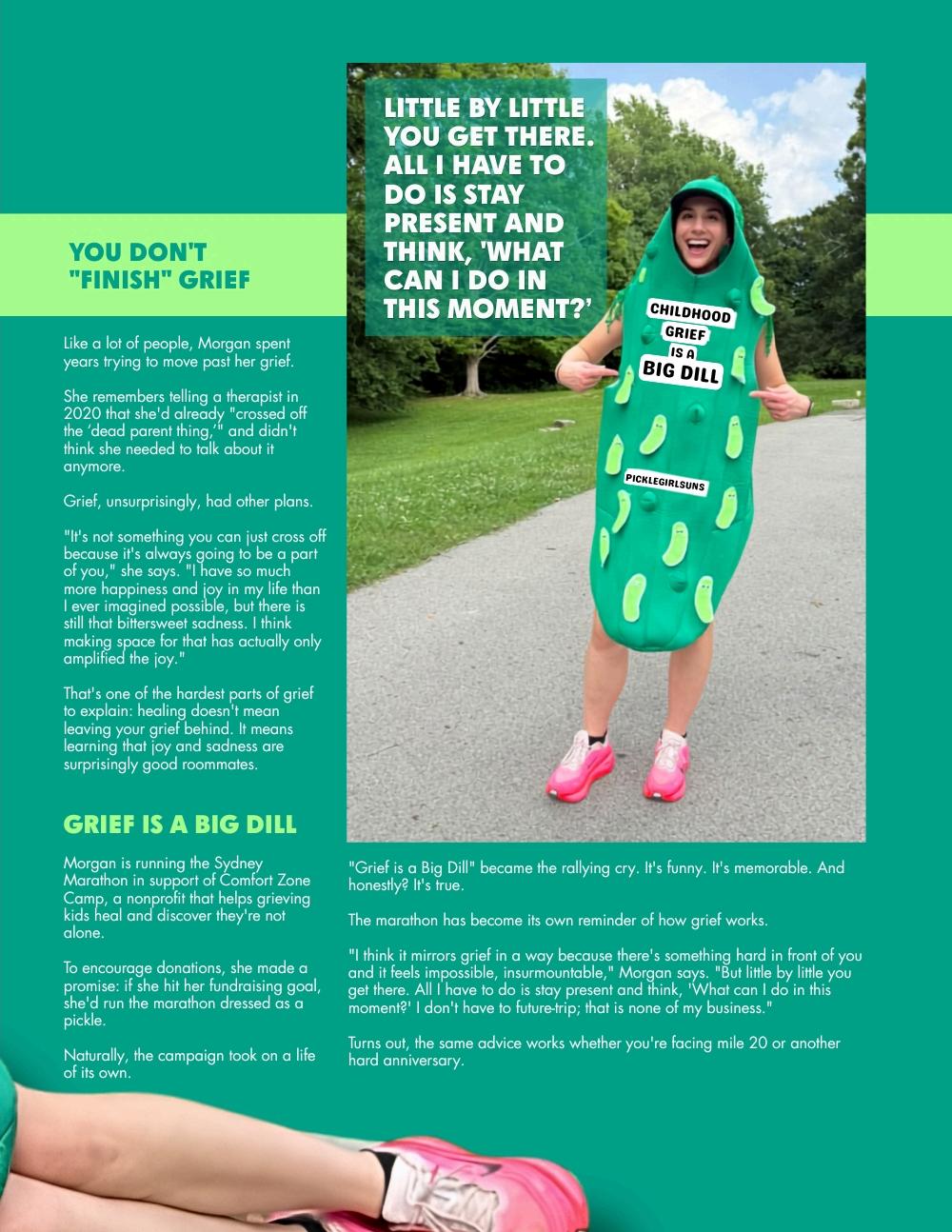
In college, when everything felt especially heavy, Morgan started a simple habit. Every day, she wrote down three things she was grateful for
"I started a gratitude practice in college where for about a year I wrote down three things I was grateful for every single day," she says "If you're looking to start anywhere to find the magic that's already around you, a gratitude practice is the way to go."
It didn't erase her grief Nothing could
But it helped her notice that grief wasn't the only thing showing up each day.
Today, Morgan is an endurance athlete who has found purpose in supporting grieving kids Along the way, she's noticed something about people who endure hard things
"The deeper I get into the endurance sports world, the more I find that some of the greatest athletes who achieve some of the most incredible feats have faced the most adversity," she says. "If you can harness that power in a positive way, you will be shocked at what you can achieve not just achieve, but experience the love you can feel and the vulnerability you can bring to the table."
If she could go back and sit beside the teenager who couldn't imagine a future, she knows exactly what she'd say
"I would tell her to be open to the possibility that there is some beauty ahead of her that she can't believe in yet Just be open that that could exist "
Sometimes that's all grief asks of us not certainty, not optimism, just the willingness to believe that one day life might feel different than it does today
And maybe, every once in a while, to dress like a pickle and remind the world that grief really is a big dill



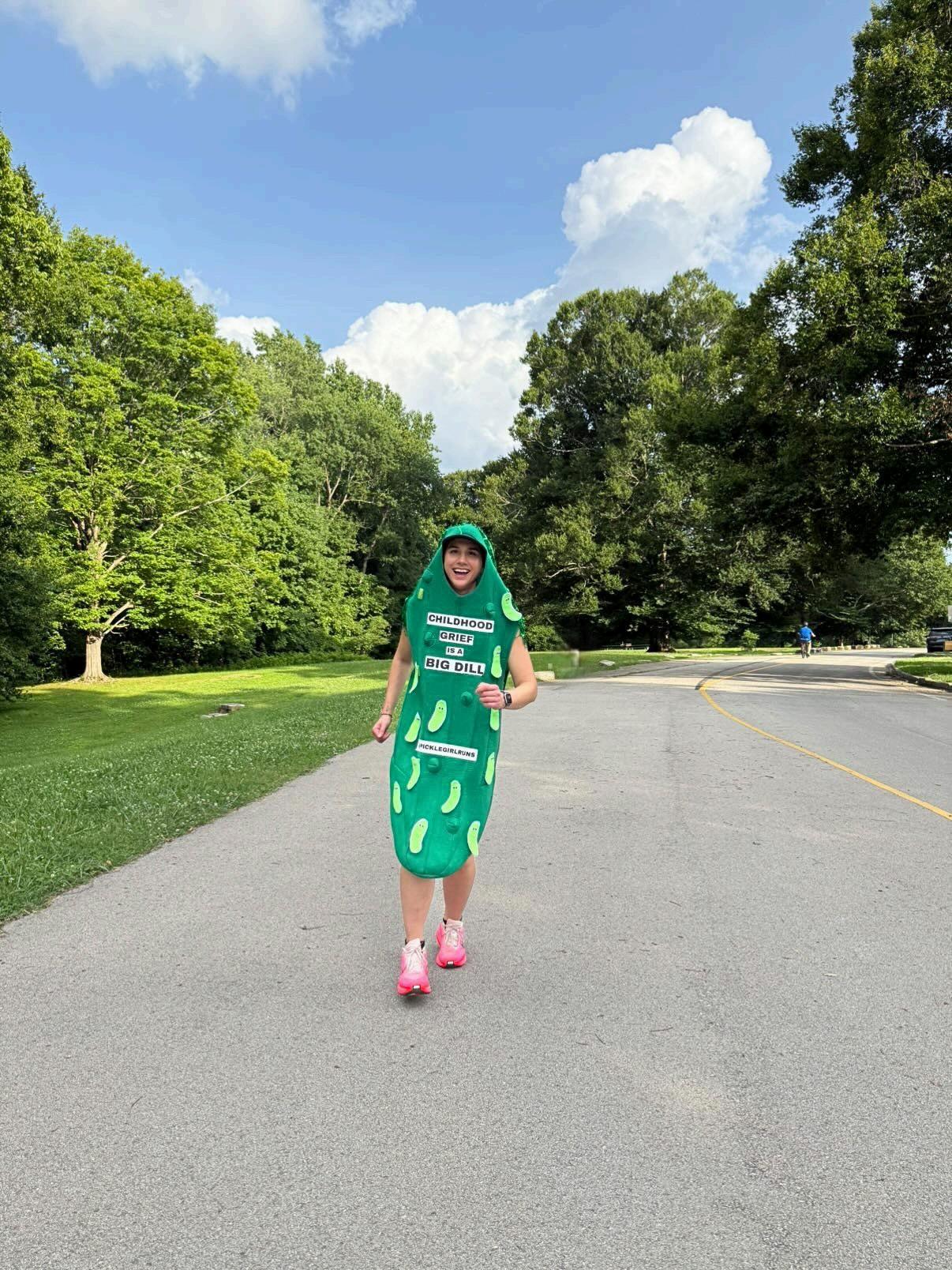


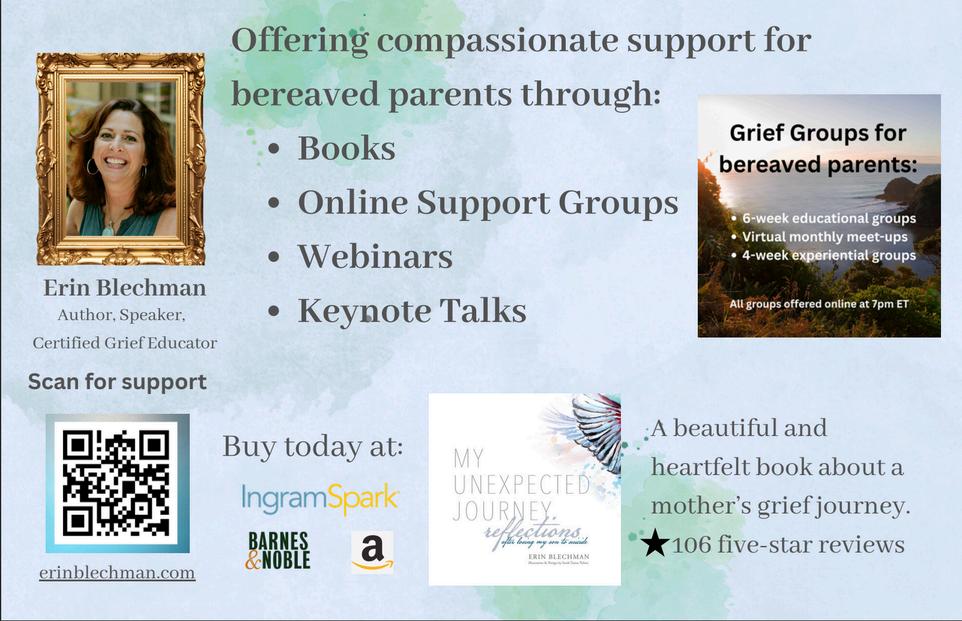
W H A T G R I E V I N G T E E N S W A N N O W W H A T G R I E V I N G T E E N S W A N N O W
Comfort Zone Camp has spent over 27 years listening to grieving kids, and one thing keeps coming through: they don't always need us to fix it. They need us to see them. We asked teens from our camps what they wish parents understood about their grief. want you to know.
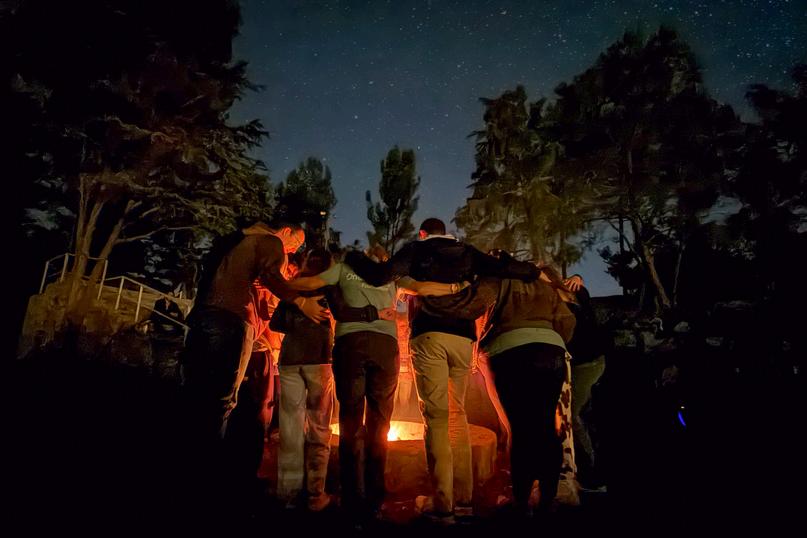
Don't pretend that the person who died was never here.
Movingandchanging
schoolsmeanshaving totellourstoryagain tonewpeople.
Don't say, "I know howyoufeel."
Beconsiderateof ouremotions.
Don't say, "Your [person who died] would have wanted this."
Don'tsay,"Everything willbeokay."
Don'tmake ustalk.
feelingsExplainyourandgrieftous,too.
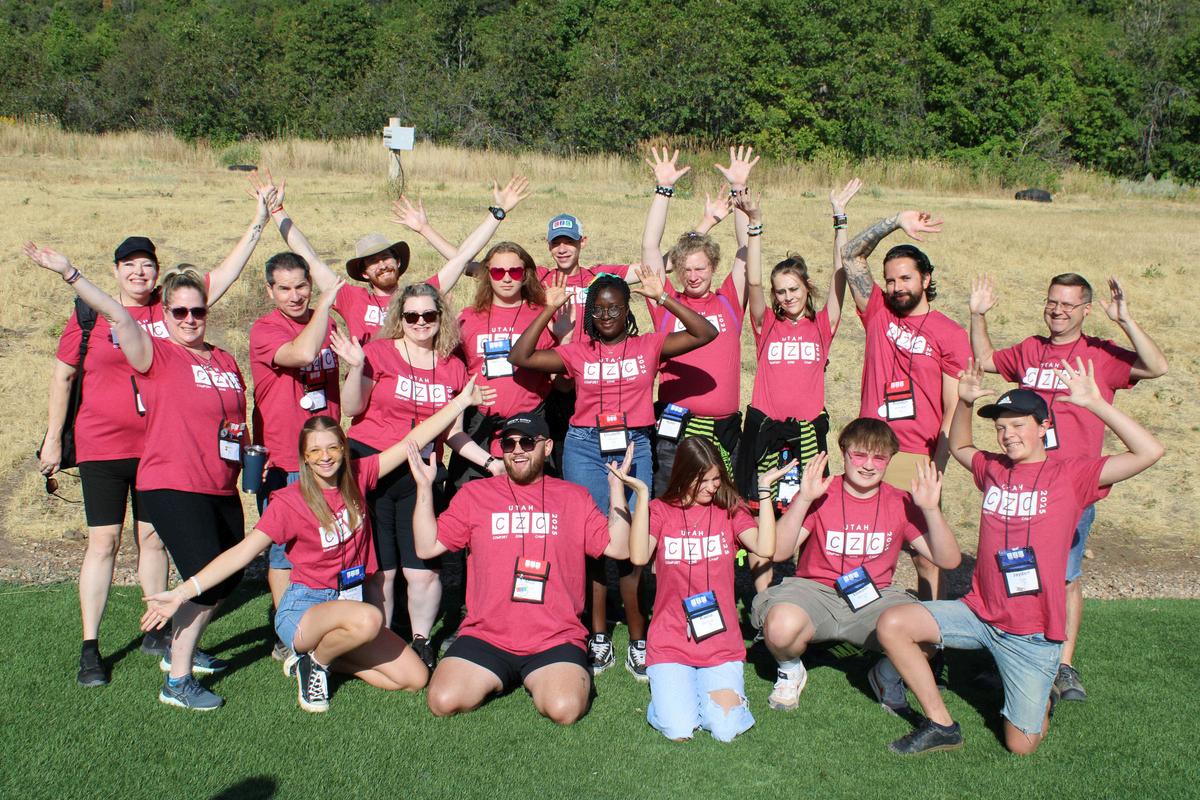
Help us keep their memories alive.
Realizethatevery kidreacts differently.We'reall individuals.
Don't counseling.force Let us grieve on our own terms. Be honest.
Remember that we are still kids—try not to give us the duties of a parent.
Don't make us feel guilty for how we're feeling.

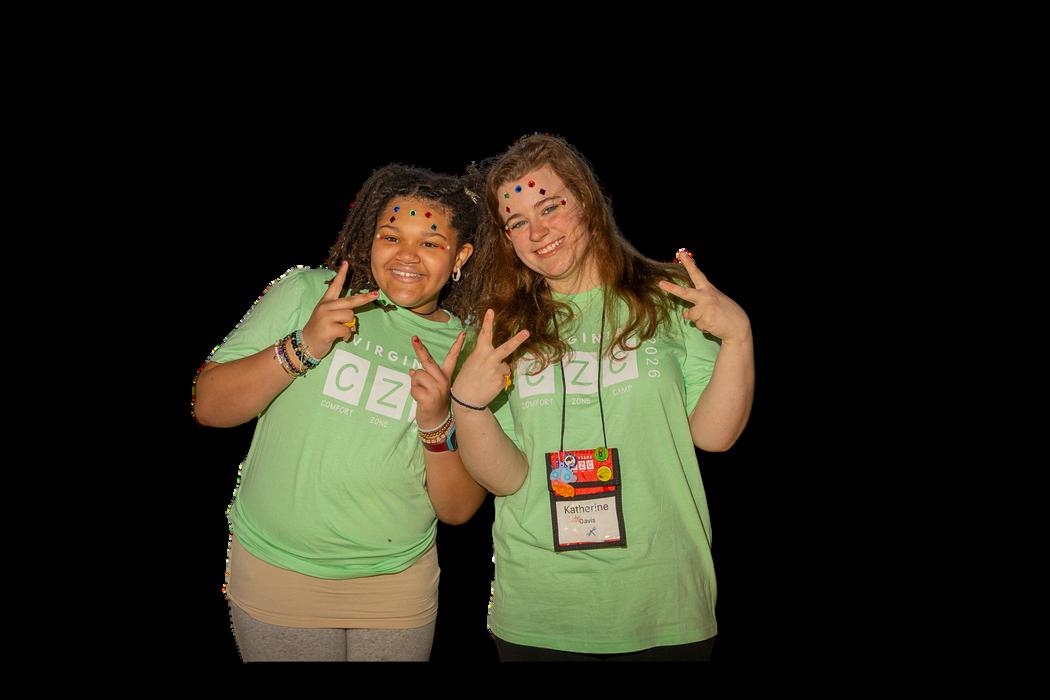
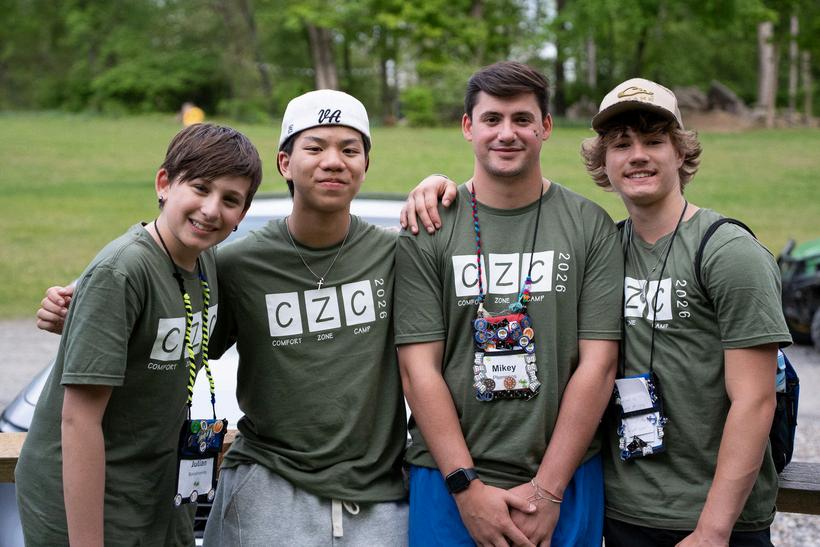
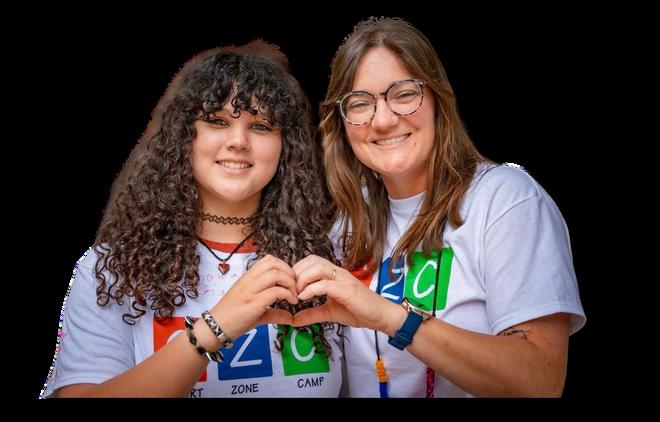

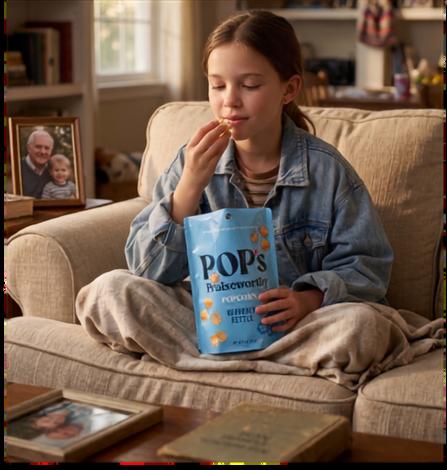











Youth sports are often celebrated for teaching children teamwork, perseverance, confidence, and resilience. Yet sports can also introduce children to loss, disappointment, and grief much earlier than many parents expect. While we often associate grief with death, children can experience grief in response to many losses within sports, including the death of a teammate or coach, an injury, losing an important game, or moving away from teammates.
For young children, these experiences can feel overwhelming Because they may not yet have the language or emotional maturity to fully understand what they are feeling, grief can show up in unexpected ways. Parents play a critical role in helping children recognize, express, and cope with these emotions in healthy ways
Children grieve differently than adults. Rather than experiencing grief as a constant emotional state, children often move in and out of grief One moment they may seem sad, and the next they may be laughing, playing, or talking about something unrelated. This pattern is normal and reflects a child’s developmental capacity to process difficult emotions in smaller doses Often, they work through grief with play.

In sports, grief can emerge after significant losses that disrupt a child’s sense of identity, belonging, routine, or security (American Academy of Pediatrics, 2024). For many young athletes, teammates become close friends, coaches become trusted mentors, and sports become an important part of how they see themselves When these connections or experiences change unexpectedly, children may feel sadness, anger, confusion, fear, disappointment, or loneliness
It is important for parents to remember that grief is not a sign of weakness Rather, it is a natural response to losing something or someone that mattered
Young children may not say, “I’m grieving” Instead, grief may appear through changes in behavior, emotions, or physical symptoms. Some common signs include:
Increased irritability or frustration
Difficulty concentrating
Changes in sleep patterns, eating patterns
Loss of interest in sports or activities
Increased clinging
Frequent questions about what happened
Physical complaints such as headaches or stomachaches
Parents can help by gently exploring what their child may be feeling beneath the surface.
One of the most valuable things parents can offer is their presence Children do not need perfect answers; they need adults who are willing to listen
Simple questions can open the door to meaningful conversations:
"What has been the hardest part for you?"
"What do you miss the most?"
“How are you feeling right now?”
"What do you wish could be different?"
"Is there anything you're worried about?"
When children share their feelings, resist the urge to immediately fix the situation or minimize their emotions Statements such as "You'll get over it," "It's just a game," or "At least you can play next season" may unintentionally dismiss their experience.
Instead, try responses like:
"That sounds really hard."
"I can see why you're upset."
"It makes sense that you miss your teammates"
"I'm glad you're telling me how you feel"
“I don’t know the answer to your question, but I will do my best to find out.” (It’s Ok to say we don’t know).
Feeling heard and understood helps children develop emotional awareness and trust.
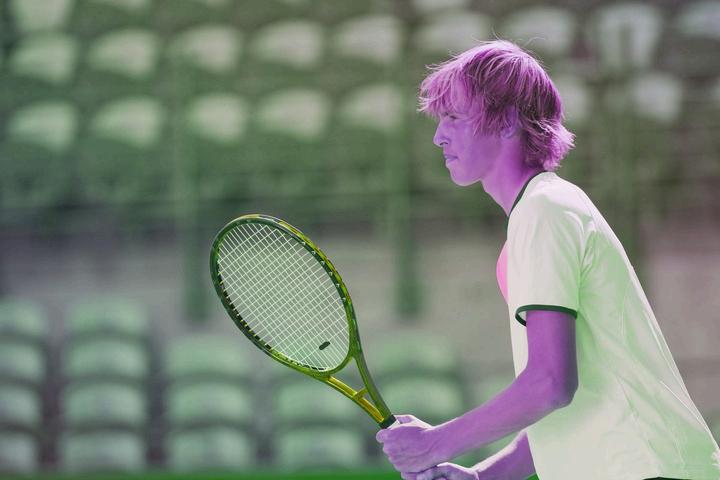


Young children often lack the vocabulary to describe complex emotions. Parents can help by introducing simple feeling words and normalizing emotional experiences
For example: "It sounds like you're feeling disappointed about the loss of the game?"
"I wonder if part of you feels angry about the injury?"
"Are you feeling sad because you won't see your coach anymore?"
Children learn how to respond to loss by observing the adults around them When parents acknowledge their own emotions in healthy ways, they give children permission to do the same. We are powerless to control the losses and catastrophic events our children may need to face But by honoring their inner wisdom, providing mentorship, and creating safe havens for expression, we can empower them to become more capable, and more caring human beings (Goldman, 2000) This does not mean placing adult burdens on children. Rather, it means demonstrating that sadness, disappointment, and grief are normal parts of life
For example: "I'm sad that your team didn’t win a game all season."
"I really enjoyed watching your team play together."
"It's okay to feel upset when something important changes"
Fred Rogers of the television series “Mr. Rogers’ Neighborhood” once said, “What’s mentionable is manageable and what’s manageable is mentionable.” Kids will share their feelings as long as they know an adult is listening and present By modeling emotional honesty, parents teach children that difficult feelings are manageable rather than something to avoid

After a significant loss in sports, maintaining familiar routines can provide children with a sense of safety and predictability Regular mealtimes, bedtimes, school schedules, and family activities help create stability during emotionally challenging periods. At the same time, children may need temporary flexibility A grieving child might need extra downtime, additional support, or a short break from sports-related activities

Children often communicate through play, art, movement (sports), and storytelling rather than direct conversation. Providing opportunities for creative expression can help them process grief in developmentally appropriate ways
Ideas include:


These activities can help children express feelings they may not yet be able to verbalize.
Drawing pictures about their experience
Throwing a baseball
Kicking a ball
Playing with toys that allow storytelling
Participating in physical activities that help release stress
While most children adapt with the support of caring adults, some may benefit from professional assistance Consider seeking support if your child experiences:
Persistent sadness lasting several months
Significant withdrawal from friends or activities
Ongoing anxiety or fear
Major academic difficulties
Sleep disturbances that do not improve
One of the most important lessons parents can teach is that grief does not mean something is wrong. Feeling sad after a loss is a reflection of love, connection, and meaning Over time, children can learn that difficult experiences may also contribute to personal growth They may develop greater empathy, emotional awareness, appreciation for relationships, and resilience. This means helping children understand that grief becomes part of their story- not the end of it
Grief-informed counselors, grief centers, and school counselors can provide additional guidance and support.
If your family is religious or spiritual, faith can be a valuable coping resource. Prayer, religious rituals, attending services, and conversations about your family's beliefs can help children find comfort, meaning, and a sense of connection after a death Parents should encourage questions and provide age-appropriate explanations that align with their family's values and beliefs.
Sports teach children many valuable life lessons, including how to navigate loss. Whether the loss involves a beloved coach, a teammate, or an injury, children benefit when adults acknowledge their grief rather than dismiss it. Parents do not need to have all the answers What children need most is a trusted adult who listens, validates their feelings, and reminds them that they do not have to face difficult experiences alone (National Alliance for Children's Grief, 2024). By helping young athletes understand and express grief, parents are not only supporting their emotional wellbeing today- they are teaching lifelong skills that will serve them through future challenges both on and off the field
References:
American Academy of Pediatrics (2024). Helping children cope with loss, death, and grief American Academy of Pediatrics
Goldman, Linda. Children Also Grieve: Talking about death and healing 2000
National Alliance for Children's Grief. (2024) Resources for supporting grieving children and families National Alliance for Children's Grief
EMILIO PARGA, M.ED., IS FOUNDER AND EXECUTIVE DIRECTOR OF THE SOLACE TREE IN RENO, NEVADA, A NONPROFIT PROVIDING GRIEF AND LOSS SUPPORT TO CHILDREN, TEENS, ADULTS, AND FAMILIES. WITH MORE THAN 24 YEARS OF EXPERIENCE, HE HAS LED GRIEF SUPPORT SERVICES ACROSS NEVADA SCHOOLS AND CREATED THE GOOD GRIEF PROJECT. EMILIO ALSO SERVES AS AN ASSISTANT PROFESSOR AT THE UNIVERSITY OF NEVADA, RENO AND AS CLINICAL FACULTY FOR THE NEVADA SCHOOL OF MEDICINE. AN AUTHOR AND NATIONALLY RECOGNIZED SPEAKER, HE TRAINS PROFESSIONALS IN GRIEF, LOSS, AND TRAUMA RESPONSE WHILE ADVOCATING FOR ACCESSIBLE, COMPASSIONATE SUPPORT.


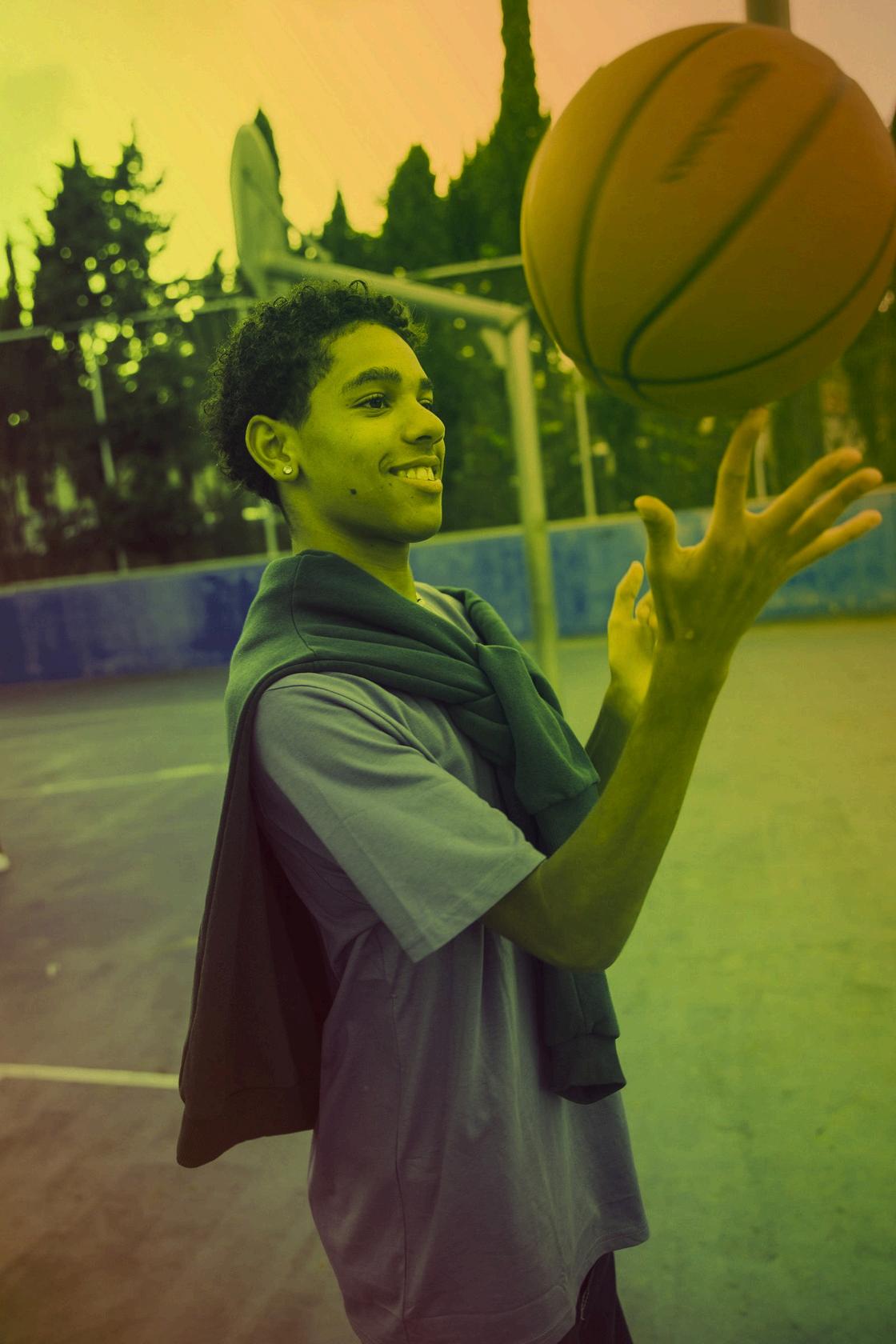


September 24-27 | Mt. Princeton Hot Springs Resort | Buena Vista, Colorado
4 Incredible Days of Yoga, Meditation, Reiki, Private Coaching, Massage Vibrational Sound Therapy, Ecstatic Dance & Cacao Ceremony Writing Workshop, Women’s Circles, Hiking & Soothing Hot Springs
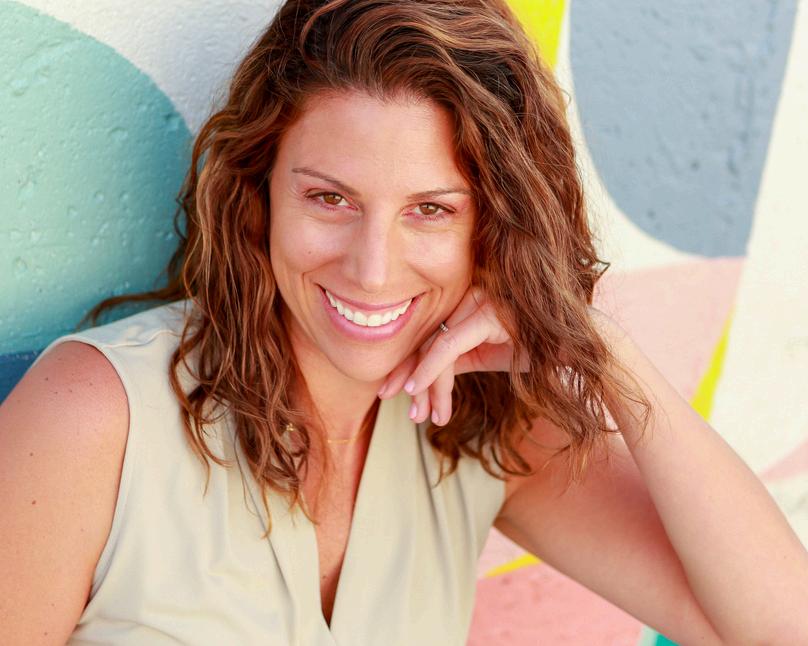
AMANDA MCKOY FLANAGAN Certified Loss + Empowerment Coach, Energy Healer Writing Coach, AwardWinning Author & Podcaster

Includesdailyaccesstothemineralsprings Includes daily access to the mineral springs YourownbedinaCreeksideSuite Your own bed in a Creekside Suite Multiplehealingsessionswithtwoskilledpractitioners Multiple healing sessions with two skilled practitioners Welcomegift&more! Welcome gift & more!

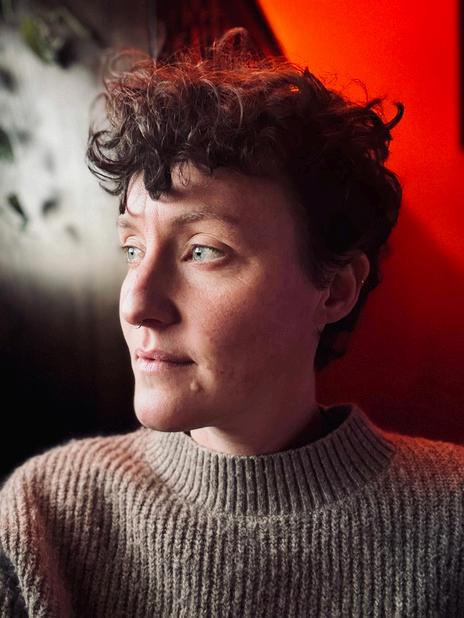
MISSY SNELL RYT-500 Yoga Instructor Certified Sound Healing Practitioner, Mindfulness & Somatic Healing Coach



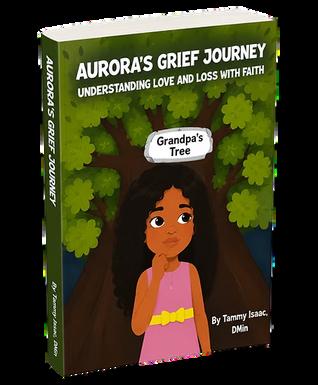
PERFECTFOR CHILDRENAGED6-10 Join Aurora on her heartfelt journey as she navigates through the storm of her emotions Discover how love and faith can help heal a broken heart in this touching story of grief, understanding and faith Interactive Activities Inside!
1 Draw and Write Express your own feelings and memories
2 Plant a Memory: Create a living tribute to a loved one
3 Prayers and Letters: Connect with those you miss through words and faith






Written by: Jessica Correnti, MS, CCLS AUTHOR OF “ABCs OF GRIEF” AND FOUNDER OF KIDS GRIEF SUPPORT
If you are a parent or caregiver reading this magazine, I’d imagine you have already been through something devastating You likely have already had conversations with your child that no parent or caregiver ever thought they would need to have
While you probably had that one extraordinarily hard conversation already, like sharing the news that a loved one has died this isn’t the end of difficult conversations I truly wish it were, because I know this can feel impossible. But this is not how children or teens process grief Grief is processed in small bits and pieces over time for children Young children may ask the same questions on repeat, and you may wonder to yourself,
“Are they getting it?”
“Am I explaining this right?” “Why are they still asking me that? I thought we went over this already?”
Then, as children grow and go through different developmental stages, their grief can resurface in new ways or add to the complexity of their prior grief representation, concerns, and questions.

Questions about the cause of death: Why did this happen? Could this happen to me, too? Could it be prevented?
Questions about what happens to the body and soul after death: Where do they go? What happens after we die? What happens to their body?
Questions and concerns about if/when someone else in the family dies: Often, kids wonder who will die next. What happens if it is their other caregiver? Who will take care of them then?
Grief at school or with peers: Kids often feel different; they may face bullying at school, their grief reactions may be seen as misbehavior rather than difficulty coping with their grief, and a variety of other difficulties at school or with peers
Parent dating again after loss: There can be so many big feelings about this for both the surviving parent and the child. Feelings of sadness, jealousy, anger, concerns of ‘replacement’, etc.
Health/safety/medical anxiety after grief situations: Grief can make us more anxious about anything related to health and safety. This can make things like doctor's visits or health care experiences more difficult, as well as everyday life experiences and safety concerns
Unhealthy/inappropriate coping strategies with grief: Sometimes grief can come out as a big anger outburst or risky behaviors
New situations that may bubble up the grief: Meeting new people (telling them about their loss situation), moving houses/towns, a new health diagnosis, etc. Any new change can bring up past grief and new worries.
Holidays, Grief Triggers, and Grief Anniversaries: These can be predictable ‘grief landmines’ when we know of a date coming up that we may feel their absence extra big
Developmental Milestones: Things like going to middle school, Daddy/daughter dances, dating, girls getting their period for the first time, learning how to drive, prom, graduating, looking at colleges, etc.

Ideally, we would support our kids in these difficult conversations as they arise organically, as that has a great deal of power in itself by following the lead of the child in what they need in that very moment.
However, sometimes we need to start the conversation if something new is happening, if we are anticipating that grief is going to be activated more than the baseline, or if we are recognizing overt or subtle behavioral or emotional changes in your child
First, we can set the stage with the right environment to have the difficult conversation We want to find a place and time that will set us up for success. Ideally, we find somewhere that is quiet and free of distractions It helps to do a little check-in with yourself first as well Am I calm? What can I do to pause and regulate myself first before having this conversation? Perhaps some fresh air? A big breath? Next, make sure your child has all their basic needs met–you know, making sure they are not hungry, tired, or in need of something at the moment. From here, you can share, “I have something important I want to talk to you about”, to cue in their attention.
Now that we have laid out the groundwork to create a sensitive space, we can give them honest, concrete, simple information about what happened, is happening, or will happen. The fear of the unknown can cause a lot of stress, anxiety, and misconceptions Kids just want to be in the loop and have some sense of agency over what is happening around them especially when their world has been flipped upside down in the past after a loss
We can support them by validating feelings (theirs and your own) in these difficult conversations Many adults feel uneasy about showing big emotions in front of their kids, but this is healthy modeling for them and gives them permission to share their own feelings too Feel free to show your tears, anger, confusion, guilt, regret…anything that is coming up for you. It can also help to label those feelings for them, as many kids are still developing the emotional literacy and language around the complex feelings that come with grieving and life in general
When possible, we can give our kids choices in whatever difficult conversation we are having and help them identify ways to cope with the topic
A lot of parents and caregivers share with me, “I just don’t know what to say exactly with [fill in the difficult conversation topic here] ”
When in doubt, one of my top recommendations is to find children’s books to talk about that specific topic. Children’s books can literally give you the words when you feel like you are unsure of what to say or how to say it I’m so passionate about this that I created a whole book series, The ABCs of Grief, to help give caregivers the words to talk about what grief is, how it shows up in our mind/body/feelings, and how we can find ways to cope with the difficult experiences.
HOW CAN WE CONNECT WITH OUR GRIEF AS A FAMILY TO PROCESS AND SUPPORT ONE ANOTHER?
We all grieve in different ways; often, this shows up as different grief styles within the family. Some people may be more emotive in their grief processing, some may be quiet and reflective, younger kids may process their grief in their imaginative play, while others may throw themselves into projects or even act like nothing happened at all.
While we all might have our own unique way to cope with the grief, there are some ways to come together as a family with grief rituals and shared spaces for the grief to be integrated into daily life in both big and small ways
It is common to think about rituals around birthdays, holidays, and milestones But, we can also create everyday connections with the person who died Collectively, the small nods and rituals can feel even more meaningful than some of the grand gestures and memorials on the big griefy days Things like having their pictures up around the house, sharing stories/memories when they pop up organically, wearing something that makes you think of them (clothing or jewelry), listening to ‘their music’, drinking out of their coffee mug, planting flowers in the garden for them, creating something in honor of them, or doing activities that they would have liked.
If there is one takeaway that I would want you to gather here, it is this: You do not have to have all the answers, you do not have to do it alone, and you do not have to do this parenting thing perfectly You are human, and you are grieving too Lean on your supports in spaces like this magazine, online communities, books for adults and kids, your friends and family, and professionals who can help give you the additional guidance and support And if you are still feeling a little lost, feel free to reach out to me I’m happy to help.
Jessica Correnti is a Certified Child Life Specialist, grief specialist, author, and bereaved mom with nearly two decades of experience supporting grieving children and families. After years working in pediatric hospital settings, Jessica founded Kids Grief Support, where she now provides grief support and education to families around the world. She’s also the author of several children’s grief books, including The ABCs of Grief series and Forever Connected, and her work has been featured in outlets like Oprah Daily, People Magazine, Zoom, Upworthy, and CNBC.
www.kidsgriefsupport.com
ACCLAIM FOR THE NEWEST CHILDREN'S BOOK BY DIANE HULLET CO-AUTHORED WITH HER DAUGHTER, THIS BEAUTIFUL BOOK EMERGES FROM THE CREATIVE MIND BEHIND THE BEST LIFE BEST DEATH PODCAST!
This accessible and insightful book offers children a comforting way to understand after-death communication, honoring both the love and the grief. With warmth and clarity, The Sky Painter reassures young readers that connection doesn’t need to end when someone we love dies -SARAH KERR, FOUNDER OF THE CENTRE FOR SACRED DEATHCARE













MORE THAN 250 EPISODES OF DISCUSSIONS ON WHAT TRULY MATTERS

@twow ess twowren com @bestlifebestdeath
WHEREVER YOU LISTEN!


When a child loses their person, we often watch for tears or withdrawal. But grief doesn't always show up the way we expect and for many children, it doesn't show up in words at all. It shows up in the body.
Stomachaches before school. Headaches that won't go away. Trouble sleeping. Constant fidgeting, or a heaviness that makes it hard to get off the couch. Many times these are grief responses that are trying to find their outlet. And once we recognize them as such, we can begin to respond with care and tools to process and channel these natural grief responses.
Eluna, whose Camp Erin program serves thousands of grieving youth across the U.S. and Canada each year, has developed a wealth of resources around the body-based, or somatic, dimensions of childhood grief. Here are five ways to meet young people right where the grief is living - in their bodies.
By
Sar ah Behm Guillén Dir ect or of the Eluna R esour ce Cen t er
The first step is simply helping youth understand that what they're feeling physically is connected to grief and that it's completely normal.
According to Eluna's resource on Somatic Expressions of Grief, grief can show up as tension in the neck and jaw, headaches, fatigue, stomachaches, and even GI issues "Grief brain" can make a child feel foggy, overwhelmed, or exhausted in a way that's hard to explain. When youth don't have language for this, they often feel confused, scared, or like something is wrong with them.
Naming it matters Try language like: "When we're grieving, our bodies work really hard too It makes sense that your tummy hurts as your heart is carrying something heavy right now." Just hearing that there's a reason can bring relief
One simple way to build this awareness with youth is Eluna's activity, How Grief Shows Up in the Body, which uses a "Never / Sometimes / Always" framework. Facilitators read aloud common physical grief reactions while participants either move to a labeled area of the room or hold up a notecard with their response Stomach aches Trouble sleeping Feeling tired all the time. Suddenly, what felt strange or isolating becomes something the whole room shares
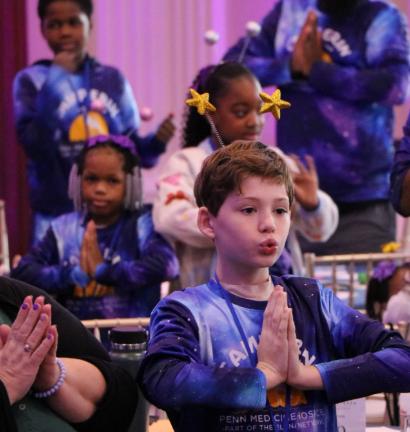
One of the most powerful and accessible activities for grieving youth is creating a Body Map - a simple drawing of a body outline where kids can mark where they feel their grief
Make a Body Map of Your Grief activity invites young people to pause, check in with different parts of their body, and notice where grief seems to be living. Is there tightness in the chest? A heavy feeling in the legs? A lump in the throat? Externalizing grief this way helps children who may not yet have emotional vocabulary, and it creates an opening for conversation.
The Body Map can also shift over time, which itself can be a meaningful way for youth to see that grief moves, changes, and doesn't stay stuck forever
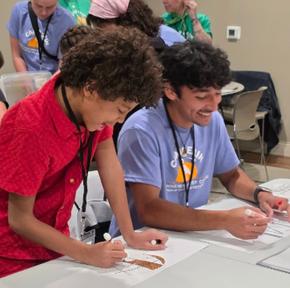
Grief and anger are deeply connected, and for children, anger is often the emotion that surfaces most visibly.
Eluna's guest resource by Darcie D Sims, Ph D , CHT, CT, GMS, Understanding Anger and Grief in Children helps adults recognize anger as a natural and valid grief response, not something to shut down The key is to give that energy somewhere safe to go
At Camp Erin, Eluna's free network of grief camps for school-aged youth, some of the most beloved activities are ones that let campers move that energy out of their bodies. Tile or plate smashing is a signature Camp Erin experience: campers write or draw on ceramic tiles or plates and then smash them, giving physical form to their grief expression.
As one Camp Erin alum shared, "Camp Erin helped me by teaching me how to cope with grief by arts and crafts, hikes, tile smashing, drumming, and other really fun and awesome stuff"
At home or in a school setting, adults can offer similar outlets: punching a pillow, tearing up paper, stomping in mud, or throwing ice in a bathtub. The goal is to help a child discharge what the body is holding.
Nature and movement are among the most effective tools for supporting grieving youth. The body that is carrying grief needs to move through it
Camp Erin programs regularly incorporate hiking, drumming, and outdoor activity as part of the grief support experience Movement helps regulate the nervous system and can help with the fatigue, tension, and feeling of being frozen or stuck that many grieving children experience. When words aren't available, rhythm and motion can do the work instead
One way to bring this home is Eluna's Ocean Drum activity, created by Kelly Petersohn, LCSW from Camp Erin Online Using just a paper plate, a clear plastic plate, colorful beads, and tape, kids can build their own percussion instrument and decorate it with colors, memories, or words that connect them to their person
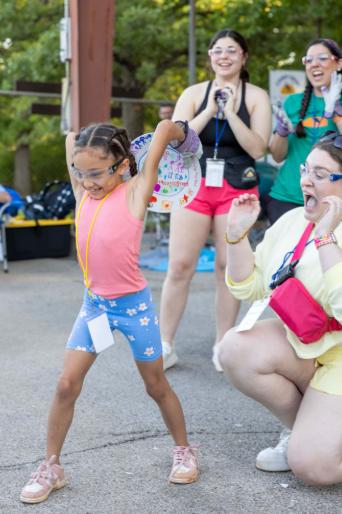
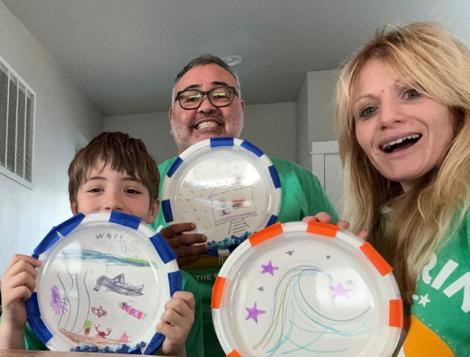
The gentle sound of the beads shifting mimics the ocean, making it a natural anchor for mindful breathing. It's rhythm, memory, and breath all in one.
For families, even simple outdoor time such as a walk, a bike ride, or throwing a ball gives a grieving body something it desperately needs: motion, fresh air, and the quiet sense that life continues.
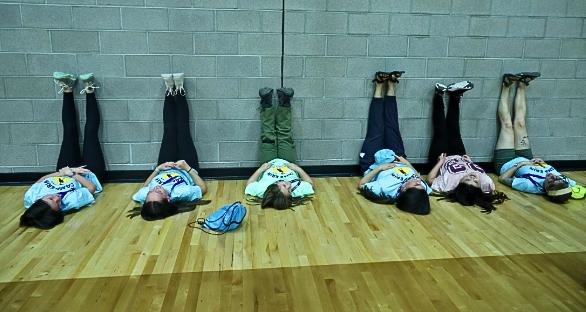
Sometimes supporting a grieving body means slowing down rather than moving through.
Grief puts youth into what can be described as "survival mode" The nervous system is under sustained stress, which means the body needs more to function: more rest, more fuel, more care Fatigue, trouble sleeping, and loss of appetite are all common, and often dismissed as secondary concerns
Adults can help by keeping routines as steady as possible, encouraging (without forcing) regular meals with nourishing foods, and creating space for genuine rest For some youth, that might mean a quiet reading corner. For others, it might mean a weighted blanket and soft music
Eluna's Support and Comforts activity, guides youth in creating a visual reminder of the connections and resources that help them feel cared for. Their completed piece can be displayed and revisited whenever their grief feels especially heavy, offering reassurance that they are not alone.
The message underneath all of this: Your body is working hard Let's take care of it
Children and teens look to the adults around them to understand whether their grief is okay and whether they are okay. When we normalize the body's response to grief, offer physical outlets alongside emotional ones, and reach for evidencebased tools like those from Eluna's Resource Center, we give grieving youth something invaluable: the sense that they are held, understood, and not alone
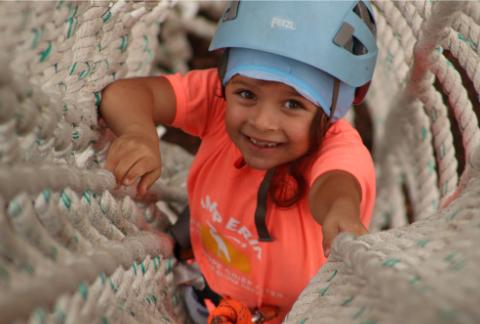
To explore more somatic grief activities, bodybased resources, and support for all ages, visit elunanetwork.org/resource-library. You can also connect with Eluna's free personalized support service available in English and Spanish for custom resource recommendations tailored to your child or family's unique story



A Legacy Journal to leave behind love, advice and support for your loved ones, inspired by all the unsaid after unexpected loss. Includes 55+ unique journal prompts and freestyle space!
A memory & grief journal that prompts quirky and specific memories of our loved ones, insuring their essence is safely kept forever! Includes 55+ unique journal prompts, letters to heaven, sign log and dream log!
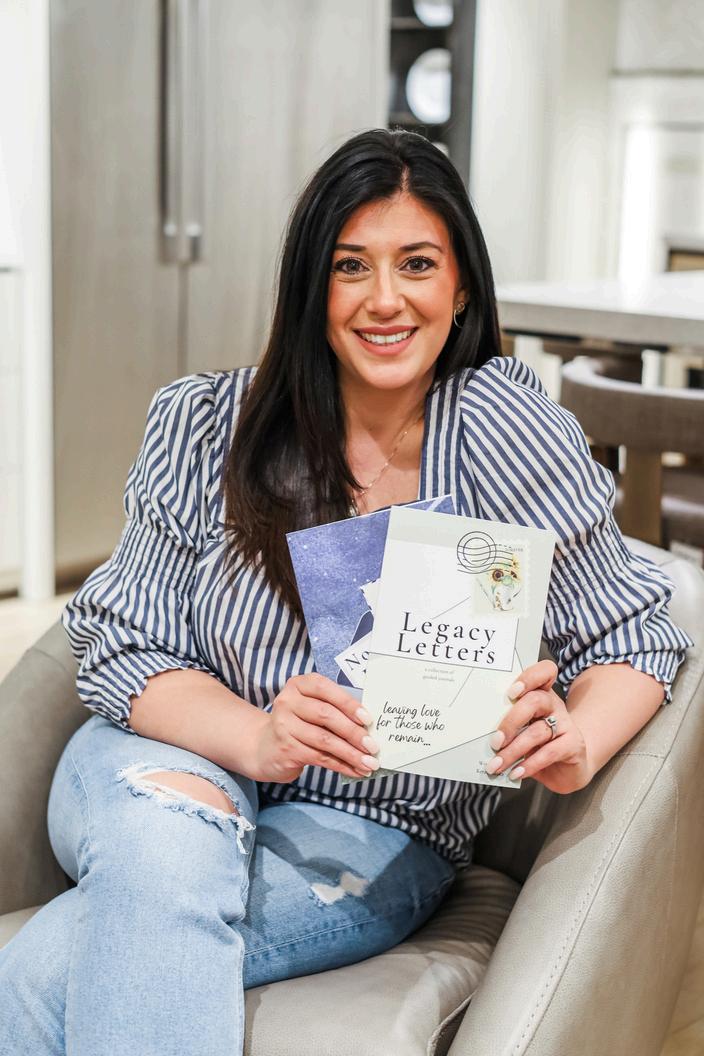
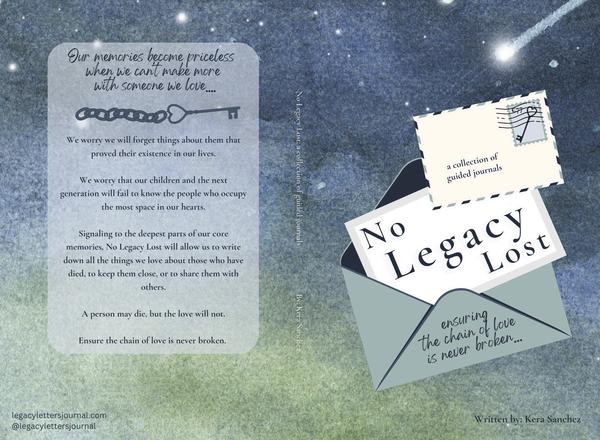
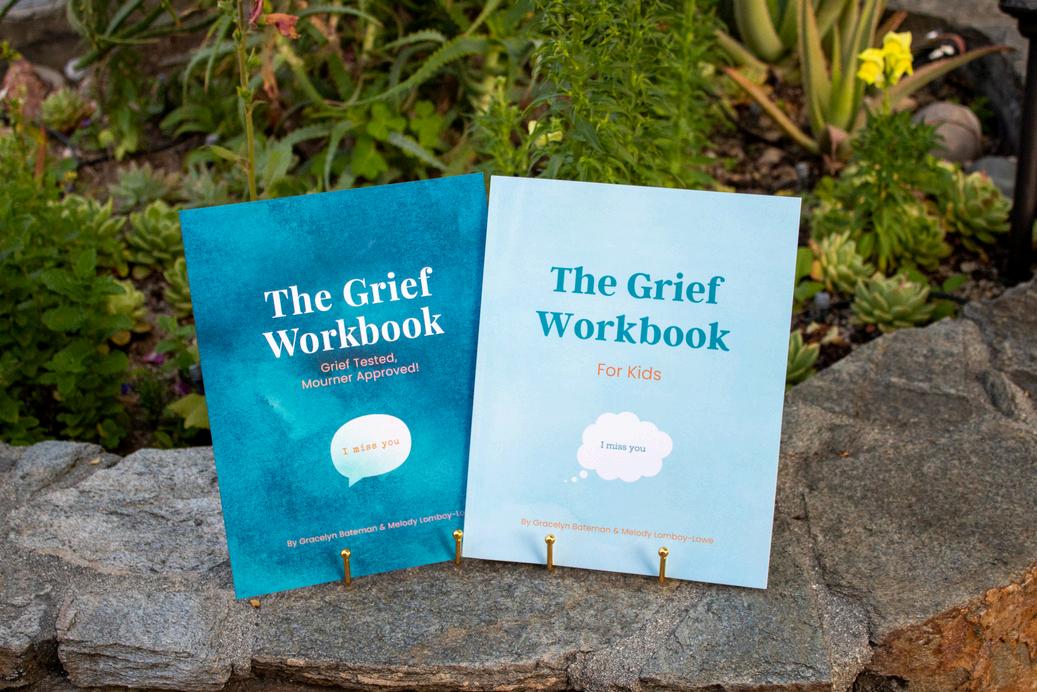
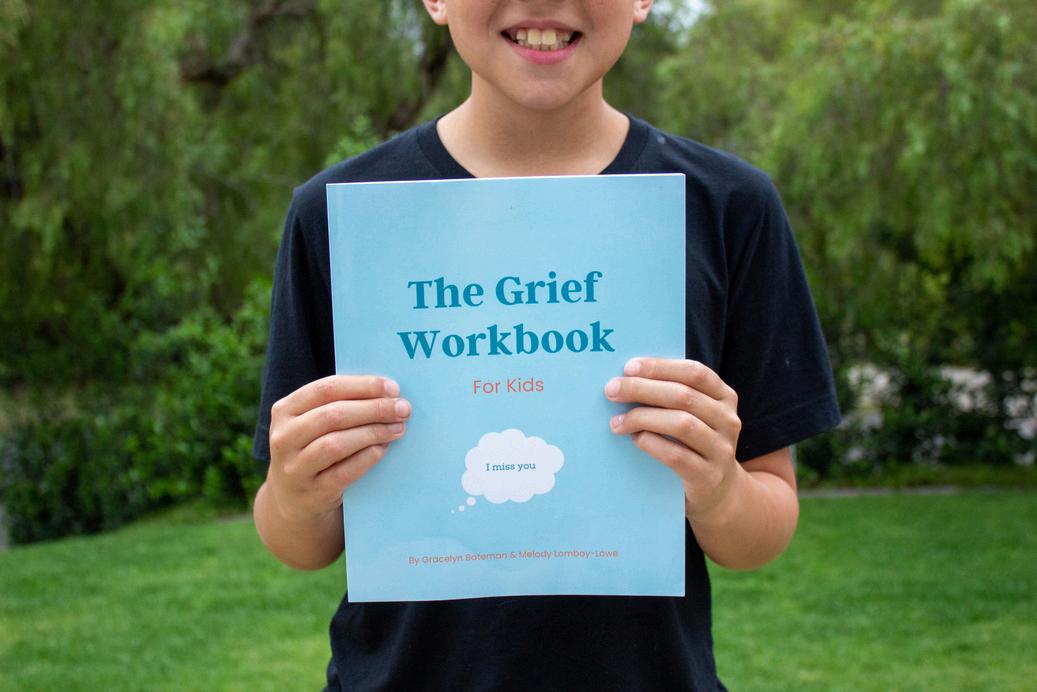

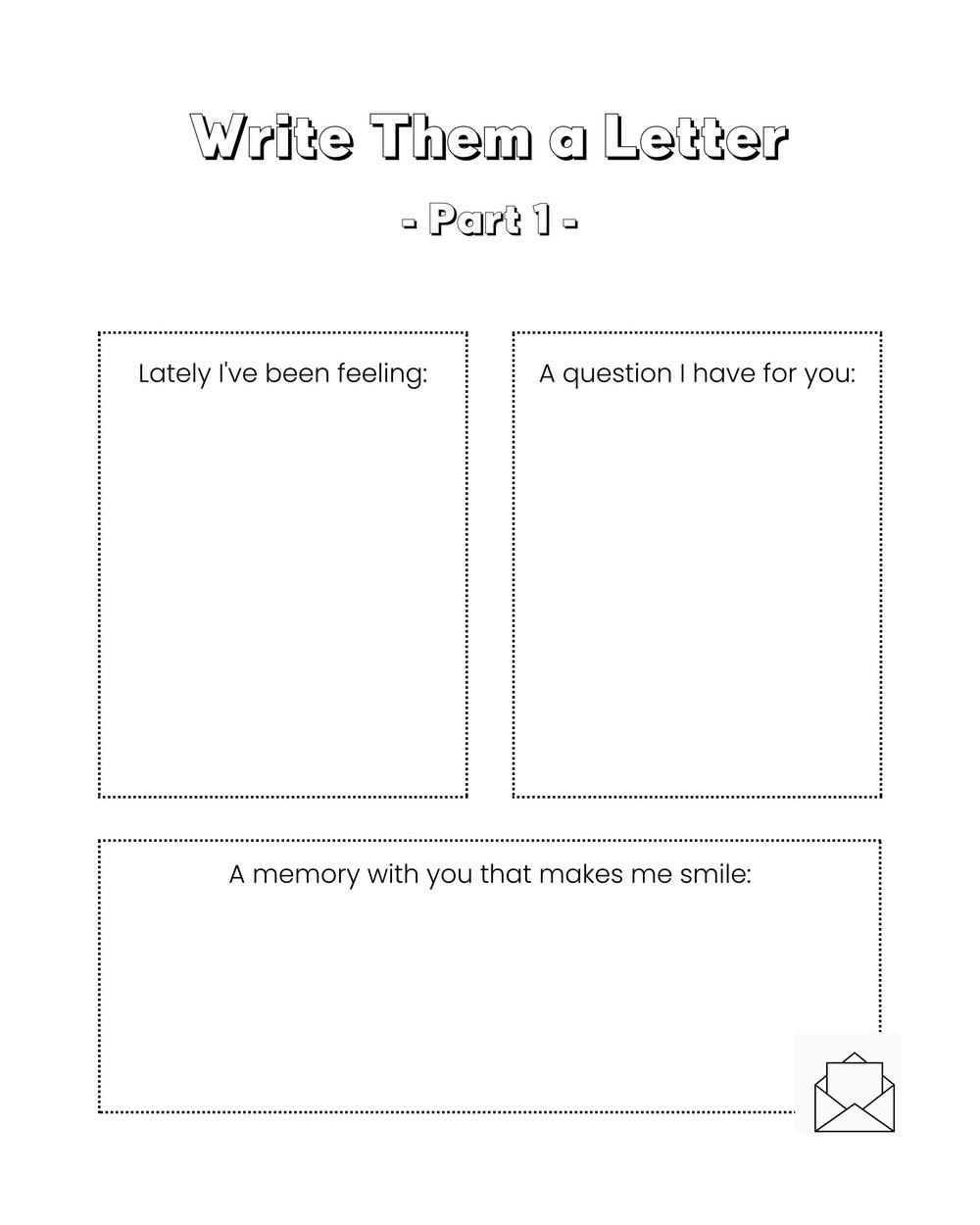
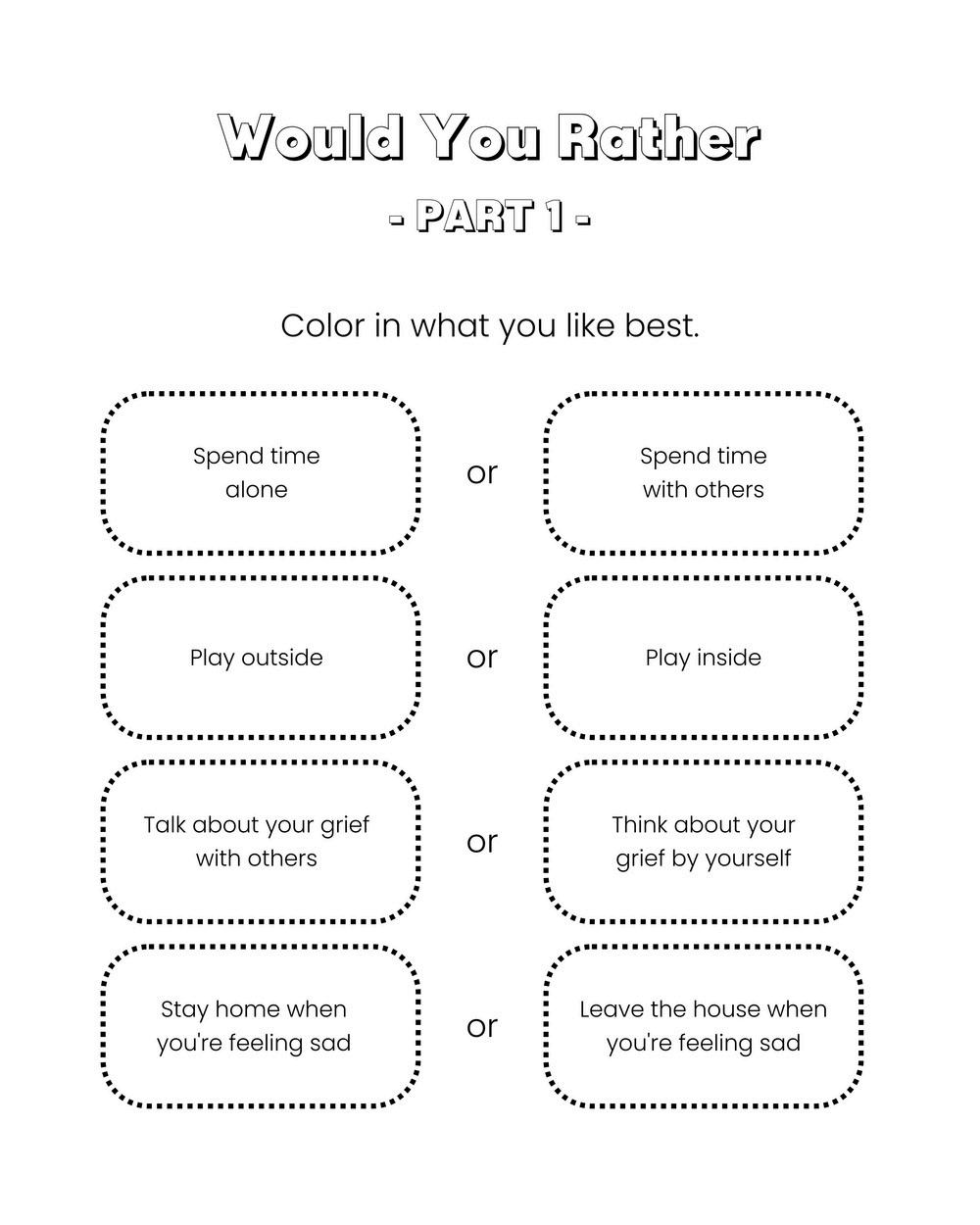
LunaPeakFoundationisa501c3nonprofitdedicatedtoshowingfamiliesthatthey arenotaloneastheynavigategriefand/orcancer-lunapeakfoundation.org



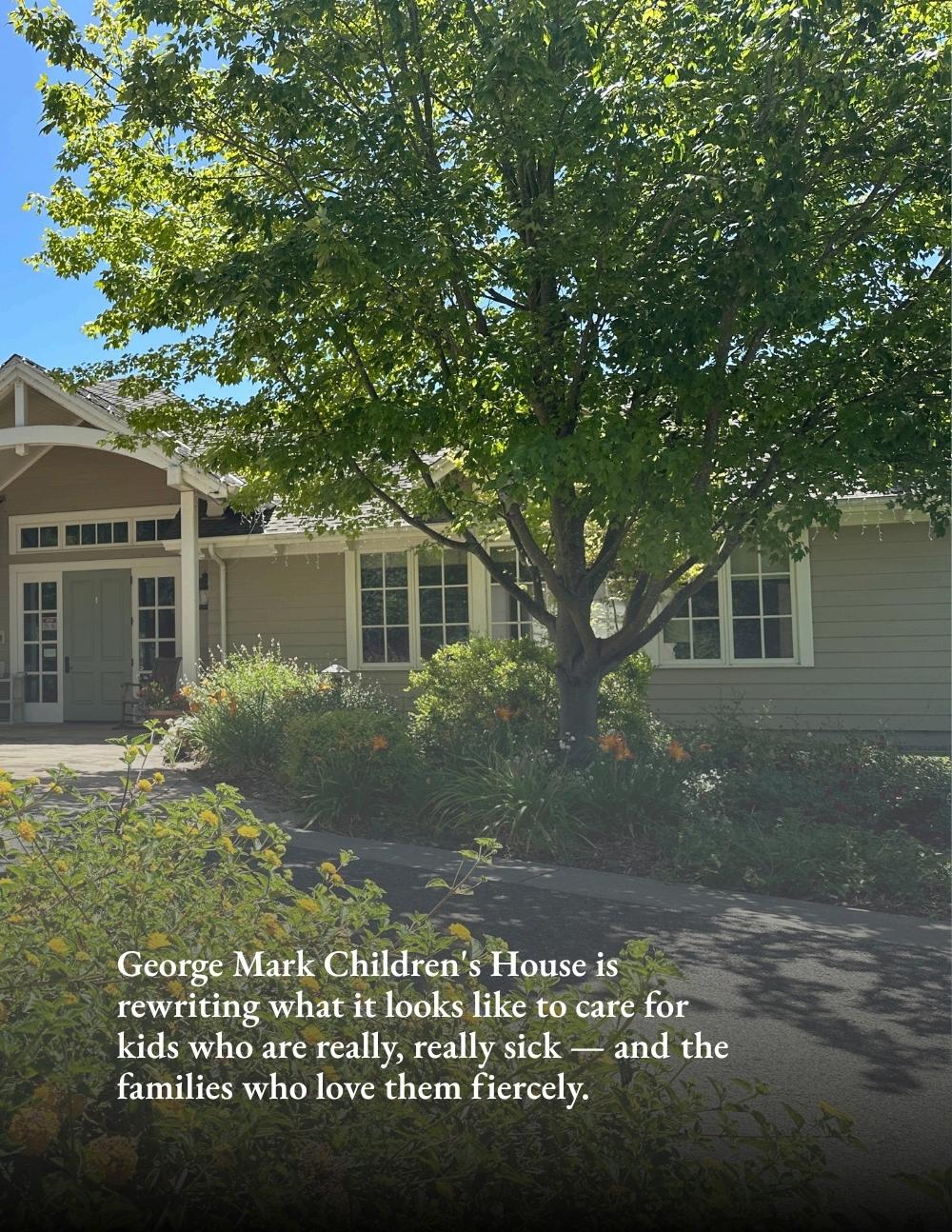
Let’s paint a picture.
It's any given weekday at George Mark Children's House, tucked into the hills of San Leandro, California.


Achildinawheelchairisracing andImean racing towardtheartroom Twoschoolagedkidswhojustmetarebondingoverthe factthattheirsiblingsareonhospice, splashinginthewarm-waterpooland gigglingsohardtheycanbarelybreathe Somewhereonthecampus,amomistaking thefirstrealnapshe'shadinmonths Andin thegarden,aneight-year-oldinpalliativecare isplantingaflowerwithastaffmemberwho alreadyknowssomuchmorethanhername herfavoritesong,herfavoritecolor,and probablywhatshewantsforlunch.
Andthestaff?They'lltellyou,withstraightfaces andfullhearts,thatthisisoneofthebestjobs they'veeverhad.
Ifthatdoesn'tcomputeforyouyet good It didn'tfullycomputeformeeither,untilIsat downwiththeteamatGeorgeMark.Butthat confusion?That'sexactlythethingwe'rehereto talkabout Becausesomewherealongtheway,we collectivelydecidedthatgrief especiallygrief involvingchildren hadtobebleak,quiet,and keptbehindcloseddoors GeorgeMarkhasbeen spendingovertwodecadesprovingthatwrong.
George Mark House is the first free-standing pediatric palliative care facility in the U.S.
24/7 Care
8 patient rooms
2 family suites for extended stays
Heated hydrotherapy (palliative aquatics) pool
Art room
Sensory ("Great Vibes") room
Family kitchen and café
Accessible gardens and playground
Non-denominational sanctuary
Child Life, music, art, animal-assisted, and horticultural therapy programs

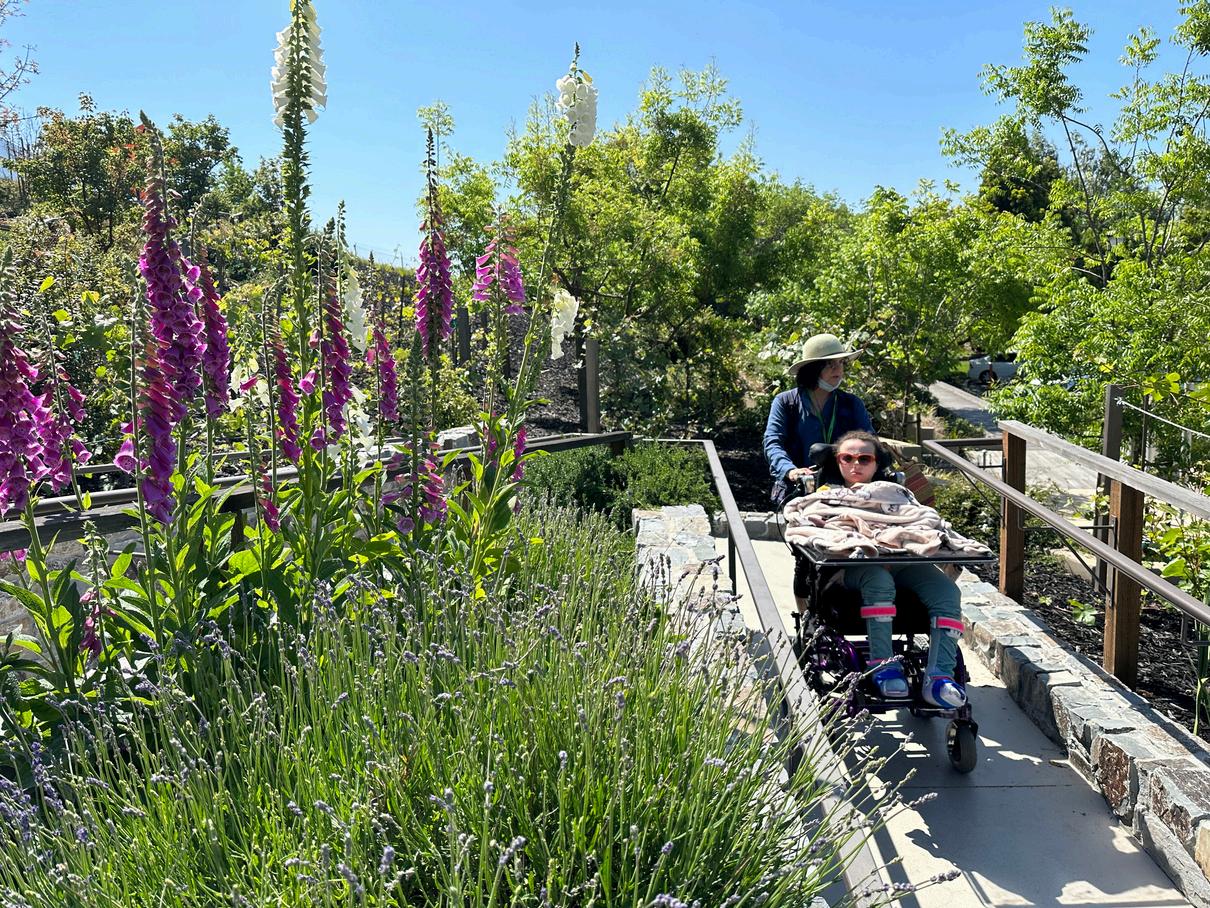
GeorgeMarkChildren'sHouseisthe firstfreestandingpediatricpalliative carecenterintheUnitedStates
FoundedbyDr.KathyHull,who lookedaroundAmericainthelate 1990s,noticedtherewerezerohospices forchildren,anddecidedthatwas simplyunacceptable ithasbeen operatingfornearly22years
Itwasmodeledafterchildren'shomes intheUK,wherepalliativecarefor kidshadalreadytakenroot Dr Hull visitedtheHelenaandDouglasHouse andcamehomewithaconviction: anythingbiggerthantenbedsstartsto feellikeaclinic.GeorgeMarkhaseight patientroomsandtwofamilysuites It feelslikeahomebecauseitisone designedintentionallytobeexactly that
"It'sreallyhomeanddesignedfor healingandjoy,"saysShekinahCohn Eliassen,theCEOofGeorgeMark andabereavedmotherwhoseson, Lars,diedthere14yearsago.
Yes,youreadthatright Shecameas partofafamilyseekingsupport.She joinedtheboard Andwhenthe retiringCEOaskedifshe'dconsider steppingintotherole h d “ neverthoughtthatou comeintotheworld, suchashorttime,imp andbringmebackto Mark”
Thatsentenceisevery griefturningintopur
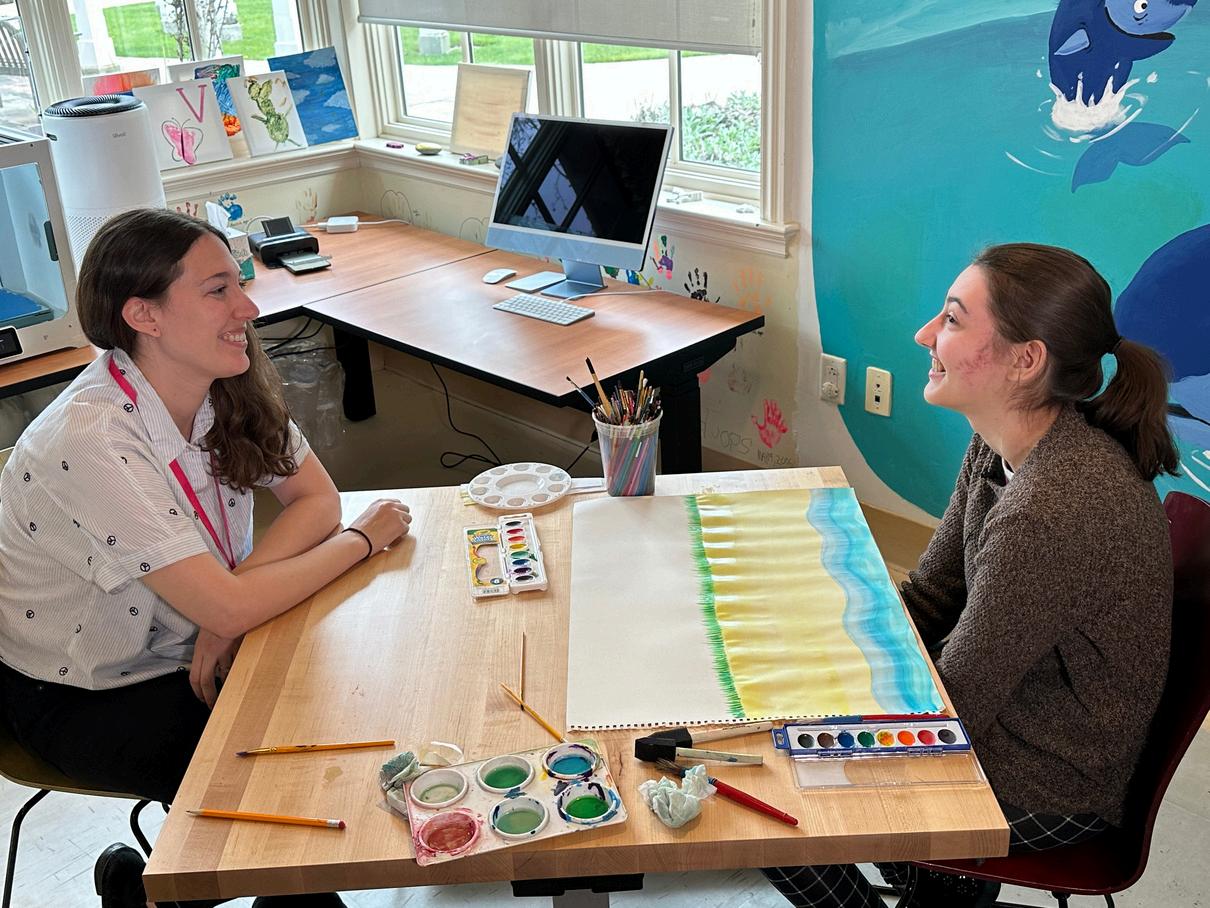
KyleAmslerhasservedasa childlifespecialistatGeorge Markforalmosteightyears, focusingonprovidingcare forrespitepatients.
Beforewegofurther,let'sget clearonlanguage because thesetwowordsmatter enormously,andthegrief communitydeservesto actuallyknowwhatthey mean
Palliativecareisnotgivingup Itisnotthemomentbefore theend.Itistheactive, intentionalpursuitofquality oflifeforchildrenwith seriousorcomplexmedical conditions andtheir families Itismusictherapy fourdaysaweek.Itisan aquaticsprograminawarm pool Itishorsebackriding aroundthegrounds Itis askingachild,"Whatdoyou wanttodowhileyou'rehere?" andthenactuallydoingit
ShekinahCohn Eliassenservesas theCEOofGeorge Markandisa bereavedmother. Fourteenyearsago, hersonLarspassed awayatthefacility.
Respitecareistheexhalethatcaregivers desperatelyneed.It'sbringingamedicallyfragile childtoGeorgeMark,whereafullteamofnurses, achildlifespecialist,socialworkers,therapists,and achaplainmirrorsthechild'shomeroutineas closelyaspossible sothatparentscanleavewith totalpeaceofmind Onefamilydroppedtheir childoffandimmediatelybookedahotelnearthe ocean Anothercouplewenthomeandslept reallyslept forthefirsttimeinyears
"Forme,"saysKyleAmsler,childlifespecialistat GeorgeMarkfornearlyeightyears,"whenImeeta child,Iask:Whatdoyouliketodo?Whatareyou intoatschool?Whatdoyouwanttodowhile you 'rehere?Youcan'tgotothezoobecauseyou're medicallyfragile?Let'sbringthezootoyou."
ThemajorityofkidswhocometoGeorgeMark arethereforrespite Theycome,theyhavewhat multiplefamilieshavedescribedasa"Disneyland experience,"andtheirparentsgettobehuman beingsagainforafewdays notjustcaregivers
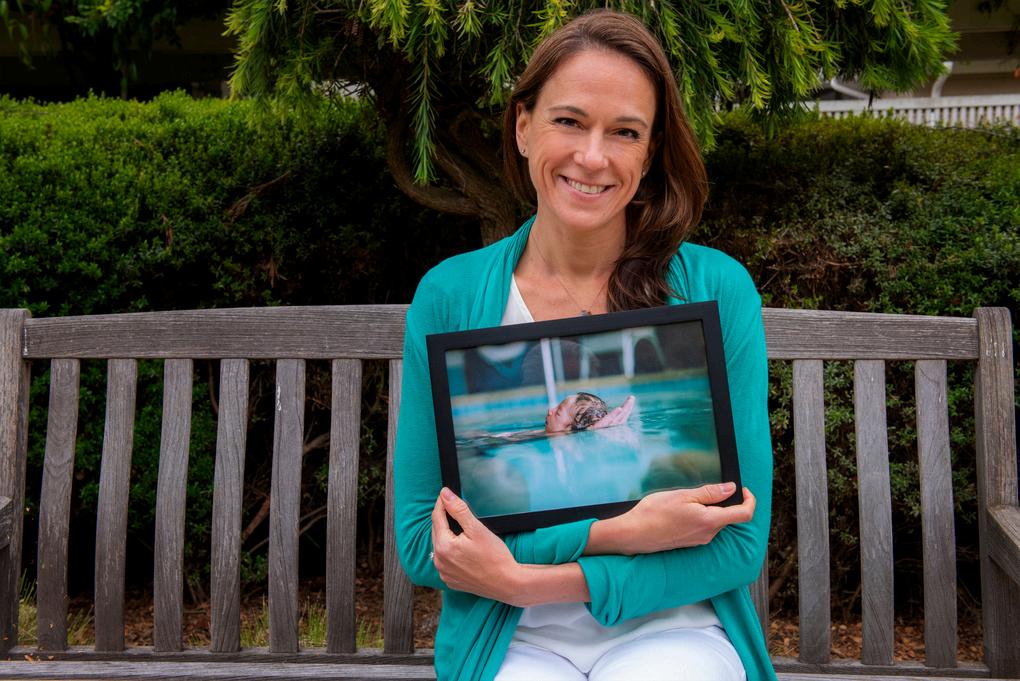


Oneofthequieter,moredevastatingrealities ofhavingamedicallycomplexchildinthe familyiswhathappenstothesiblings They watchtheirbrotherorsisterreceivethe attention,thegifts,theprayers,the accommodations Theygetshuffledtothe side Theyfeelguiltyforfeelingjealous They'reembarrassedtohavefriendsover. Theymissrecitalsandgraduations Theycarry agriefnobodyhasquitefoundanamefor GeorgeMarkseesthem
KylerunsSibshops,supportgroupsfor childrenwhohaveasiblingwithserious healthcareneeds Inthesegroups,kidsmeet otherkidswhounderstand.Theydiscover they'renottheonlyonewhosesiblingmakes unexpectedsounds,usesawheelchair,orlooks different
"Howisolatingthatis,"Kylesays Thenshe adds:"They'reabletomeetotherkidswho havethatexperience."
Thesupportextendsbeyondsiblings Cindy Field,oneofGeorgeMark'ssocialworkers, emphasizestheimportanceofcaringfor parentsaswell Throughindividual,couples, andfamilycounseling providedbothon-site andremotely theorganizationhelpsfamilies navigatethemanypressuresthataccompany seriousillness.
"Withallthosedifferentstressorsthattheyare carrying,ourgoalistohelpremovethoseso thattheirpurposecanbefocusedonbeingthe parentinthatmomentandjustbeingso presentastheparentfortheirchild,"shesays
Andinthemostprofoundmoments whena childisdying GeorgeMarkofferssomething almostnoothercaresettingcan. Choice,agencyandpresence
Siblingswhowanttobetherecanbe.They canspendtimewiththeirbrotherorsister. Theycanhelpbathetheirsibling'sbody afterward Theycangatherinwhattheteam callstheGeorgeMarkRoom.Thisisaquiet spacewhereachildwhohasdiedrestsona coolingbed,allowingfamiliestoremain togetherforupto48hoursbeforesaying goodbye
"Deathisnormalized,"saysRicky Resurreccion,GeorgeMark'smarketingand eventslead "It'sokay Kidsarenotafraidtogo intothisroom."
Hepauses,"It'sreallyprettyremarkableand beautiful."
Rickysharedsomethingelsethatneedstobe highlighted
Afewtimeseachyear,heandKyleorganizelargefamilyeventsat GeorgeMark Notlongafterhestarted,aparentpulledhimasideto explainwhythosegatheringsmeantsomuch Itwasn'ttheactivities, exactly.Itwasthat,foronce,theirfamilydidn'tfeeltheweightof otherpeople'sstares.
Pictureit:Atrafficjamofwheelchairscrisscrossingthelawn,kids racingfromoneactivitytothenext,andnotasinglesidewaysglance. Nopity Nodouble-takes Justnormal
"Theyfeelsafe,"Rickysays,"andtheydon'tfeeltheweightofthe stareofotherpeopleonthem,ontheirkid"
Ifyou'veevernavigatedtheworldwithavisiblygrievingfamily ora visiblydifferentone youknowexactlywhatkindofreliefthatis Sometimesthemosthealingthingacommunitycanofferisn'ta serviceoraprogram.
It'ssimplytheabsenceofjudgment
ShekinahsharedastorythatIkeepcomingbackto.
Oneoftheirfamilieshadadaughterwhowasnonverbal She couldn'ttellherparentsshewasexcited,nervous,orhappy.She couldn'task,"Arewealmostthere?"orsay,"Ican'twait"
Buteverysingletimethefamily'scarturnedontotheroadleadingto GeorgeMark,shewouldstartkickingherfeet
Sheknew.Sheknewexactlywhereshewasgoing.Andherwhole bodysaidyes
Ifthatdoesn'ttellyouwhatthisplaceis,I'mnotsurewhatwill.

CindyField, GeorgeMark SocialWorker, workswith parentsaswell aspatients.
“they don't feel the weight of the stare of other people on them, on their kid.”
Ricky Resurreccion, George Mark's marketing and events lead.
est andveryun-GetGriefyofus nottoaskabouttheweightthat causetheyarecarryingit Everysingleday
wemeettogetherasagroup,"CindyField,socialworkeratGeorge checkin Wedebrief Wesharehowwe'refeeling Andthenwe inateammeeting weshareaboutthatchild"
hingthathitmeinthechest:abereavedmomrecentlytoldherthat tendgracetoyourself,sheprefersgiveyourselfpermission Permission uneedtofeel."Wehavetogiveourselvesthatsamepermission,"Kyle you Andsometimesitsurprisesyouwhenitcomesout"
boutit:thestaffleansoneachother.They'recalledtothiswork,often eadyfoundthempersonally Andhere'sthethingshewantstheworld snotonlyhard "Whenpeoplehearwhereweworkandwhatwedo, nis,'Oh,I'msosorry.Ohgod,thatmustbesohard.'Andwe'relike..." shetrailsoff. Thereneedstobearebrandingofthis.Becauseitisverymuchsadandhard andhorribleanddevastating Butthereissomuchjoythathappenshere Andthatis equallyimportanttoelevate."
Andpartofwhatsustainstheteam trulysustainsthem isthattherelationshipsdon't endwhenachilddies GeorgeMarkbecomessomethinglikeanhonorarymemberofthe bereavedfamily.Graduationannouncementsarriveinthemail.Christmascardswith updatedfamilyphotos Asiblingwhowassevenwhentheirbrotherdied,nowsixteen, sendsKyleamessage:Igotintotheschoolplay Ithoughtyou'dwanttoknow
KyletalksaboutfamilieswholostachildtwentyyearsagoandstillreturntoGeorgeMark Children’sHouse Notforprogramming Notfortherapy Justtowalkthegrounds Just tobesomewherethatknewtheirchildandstillholdsthem."Yourchild'sphotoisonour wall,"shesays "Ourdoorsarealwaysopen Youcancomeandjustbehere"
Thereisaserviceofremembranceeveryyear,whereeverychildwhohaseverpassed throughGeorgeMarkanddiedishonoredbyname.Familiescomebackforit.Staffgive hugs Andforoneafternoon,everylossthathappenedwithinthosewallsisacknowledged outloud,together,incommunity Tearsandsmiles
Griefsucks,lifedoesn'thaveto Soundfamiliar?
Forthetherapists,counselors,socialworkers,andeducators readingthis listenup,becausethispartisforyou.
GeorgeMarkwantsreferralssooner Muchsooner Ifyouare workingwithafamilywhosechildismedicallyfragile whetherthey'reinthethickoftreatment,managingachronic complexcondition,ornavigatingwhatfeelslikeanimpossible road GeorgeMark'srespiteprogramcanmeetthatfamily now Notonlyattheend Kidswhocomeforrespitecarecan participatemorefully,buildrelationshipswithstaff,make memories,andreceivesupportthroughwhatKylecalls"all thoselayersofloss"thatbeginlongbeforeachilddies.
Andhere'sthepartthatshouldmakeyouputdownyour coffee:familiesneverseeabill.Notfortheirstay.Notfor therapy Notforbereavementsupport Servicesarefunded almostentirelythroughphilanthropy around70%of operatingcosts andthereisnogeographicrestrictionon whocancome Tasha,theconnectionwhointroducedmeto GeorgeMark,camefromCincinnati
The Faruqui Five yes, the family on the cover introduced us to George Mark, and as a physician herself, her words carry weight
GeorgeMarkChildren’sHousegaveourfamily somethingtrulypriceless aplacewherejoyand compassionatecareexistedsidebyside Fromthe momentwearrived,itfeltbeautiful,peaceful,and filledwithlove Sorayalovedbeingsurroundedby otherchildrenwithcomplexmedicalneeds Our girlsstillcherishtheart,animalencounters,and incrediblestaffwhomadeeverymoment meaningful GeorgeMarkbecameahomewecan’t waittoreturnto.
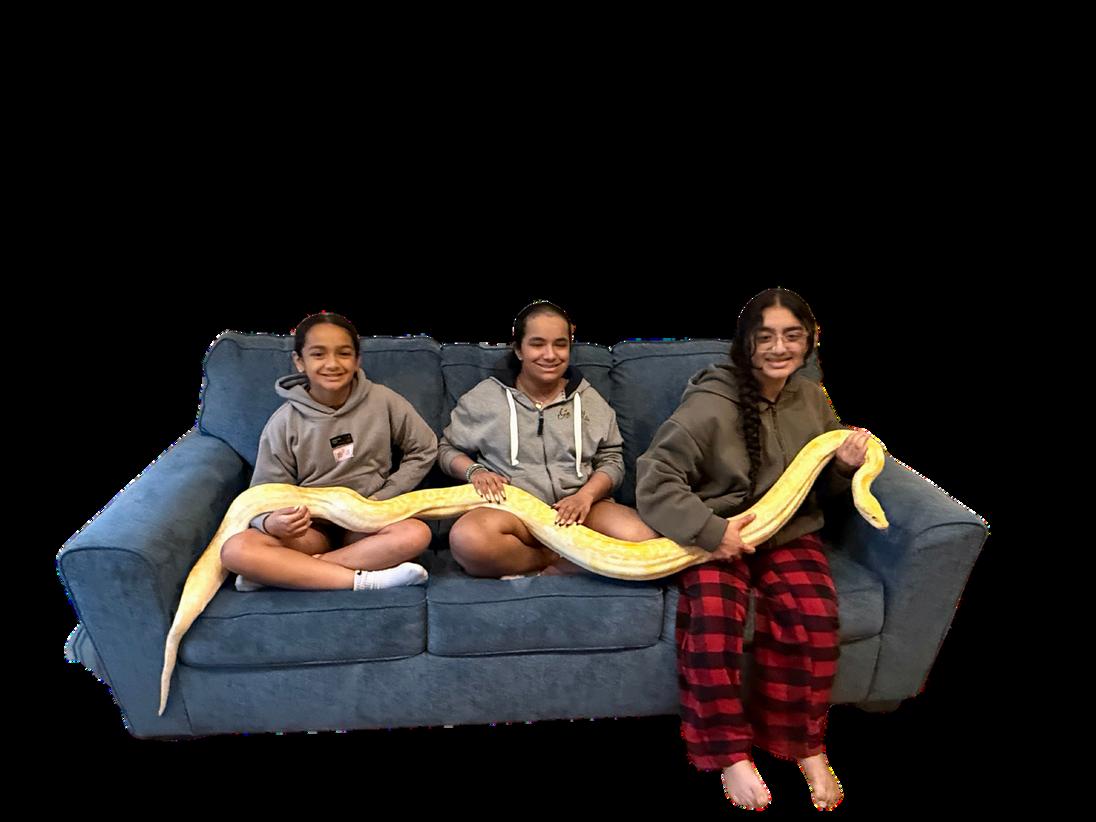

Iwentintothisconversationexpectingtoleaveheavy I'm leavinglitup.
ThereissomethinghappeningatGeorgeMarkChildren's Housethatisveryhardtoname,butI'mgoingtotry:they areholdingthefulltruthofhumanexperience thejoy andthedevastation,thelaughterandthegoodbye inthe sametwohands,atthesametime,withoutdroppingeither one.
Thatisnoteasy But,Iwouldargue,themosthonestway tolive.
ThisiswhatGetGriefyhasalwaysbeenabout Not pretendinglossisn'treal.Notskippingtothe"brightside." Butfindingout together,incommunity thatthe brightsideandthedarksidecanexistinthesameroom Thatkidscansplashinawarmpoolwiththeirbestnew friendwhiletheirsiblingisdyingdownthehall.Thata momcancryatthegateandthentakearealnap Thata CEOcanreturntotheplacewherehersondiedandfindit energizesher.
Thatgriefcanlook,sometimes,likesomeonekickingtheir feetwithexcitementatthesightofafamiliargate.
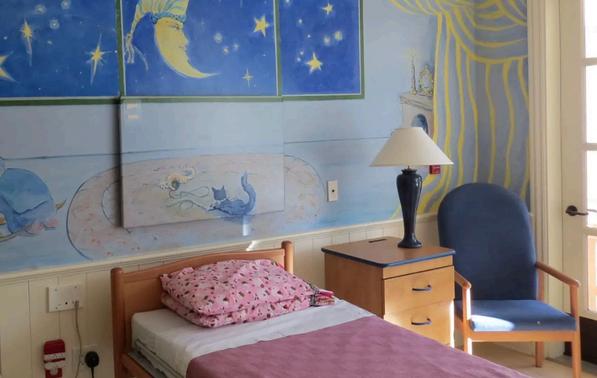
To learn more about George Mark Children's House, make a referral, or support their work through philanthropy, visit georgemark.org.
George Mark Children's House relies on individual donors, community organizations, grants, and family foundations to serve every family at no cost. If you feel moved to give, they welcome it — and the kids and families they serve will feel it.


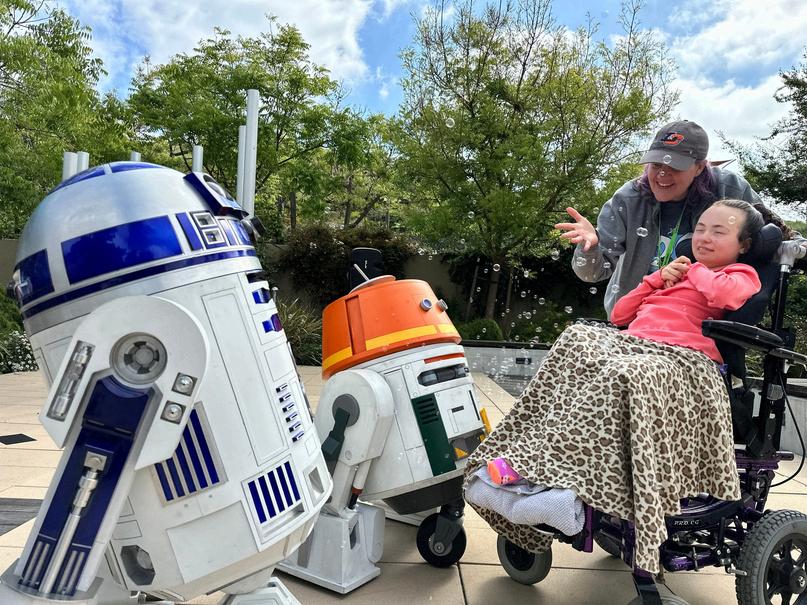

Thank you to our Individual & In Memoriam Sponsors for helping us get physical copies into the hands of kids who need them most!
Rachel Carmela
Nichole Lee
Veronica Manglardi
Victoria Manglardi
Kelly Rizzo
Nicole Segura